Where Are the Star Trek: Deep Space Nine Followups?

As we get ready for the second season of Star Trek: Picard to stream in a few short days and we have seen Kathryn Janeway (Kate Mulgrew), or rather her hologram, appear as a one of the main characters in Star Trek: Prodigy, these developments begs the following question. Where are the Star Trek: Deep Space Nine (DS9) followups?

Ever since DS9 aired its final episode back in 1999, we have yet to see any meaningful followup or sequel to the show. Its reputation has increased significantly over the years as fans have come to appreciate how innovative and unique DS9 was compared to other Star Trek shows.

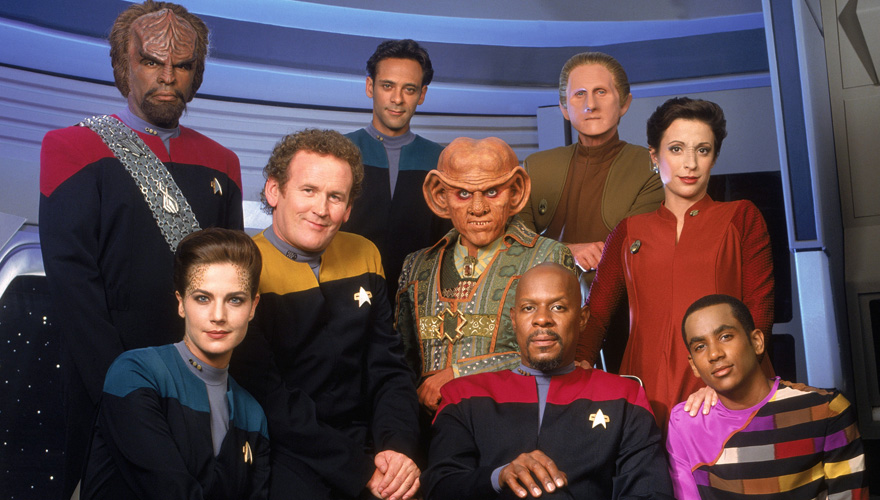
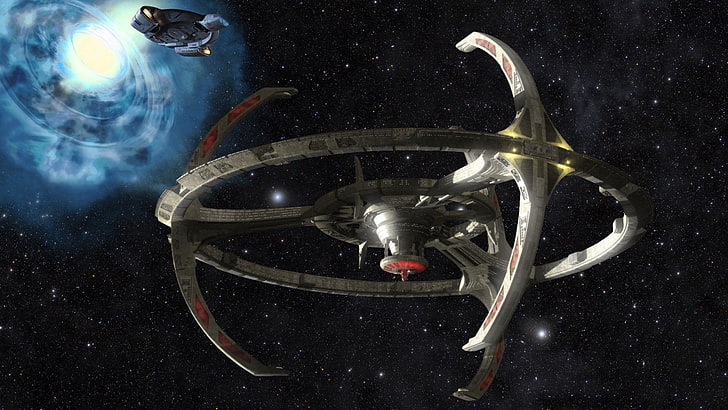
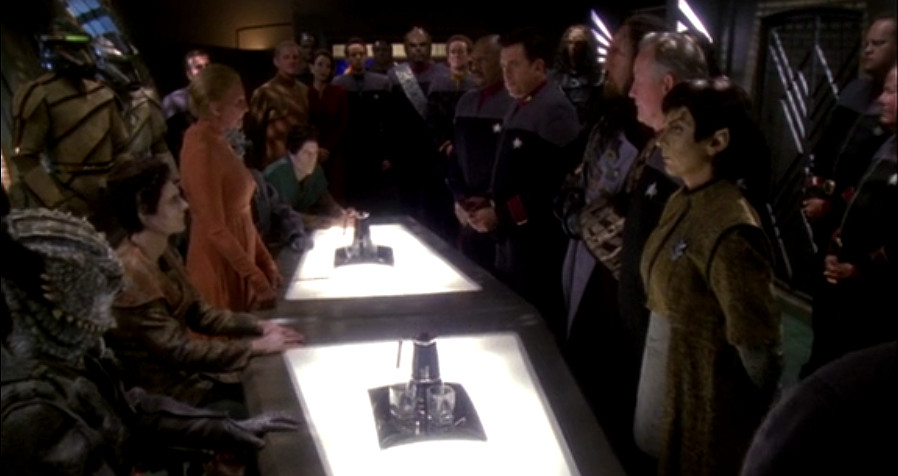
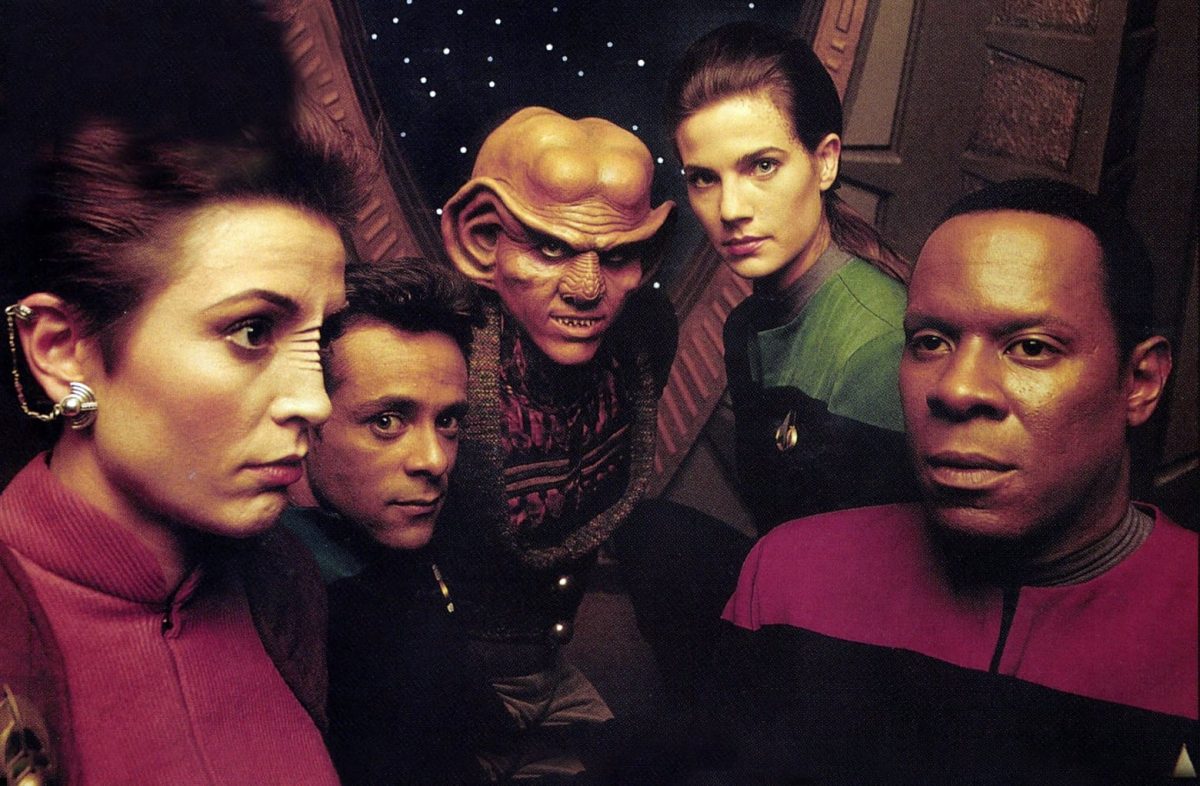
What set Star Trek: Deep Space Nine apart were several factors. Start with its premise, it took place on a space station, not a starship. This helped develop long-running arcs and storylines over several episodes and seasons that explored the socio-political landscape of Star Trek. What was interesting was that this predated the current model of TV shows with their season-long arcs. What also set DS9 apart from other Trek shows (at least, until recently) was that it had a darker, grittier tone with more mature and grounded stories and characters. No one was purely good or evil, not even its main character Benjamim Sisko (Avery Brooks), who suffered from PTSD over a Borg attack that killed his wife. In one infamous episode “In the Pale Moonlight” he manufactured evidence to entice the Romulans to enter the Federation’s war against the Dominion. The show was riddled with anti-heroes such as Quark (Armin Shimerman), the greedy Ferengi bartender, and Garak (Andrew J. Robinson), a former Cardassian spy with a nebulous past. Many of the characters like Major Kira (Nana Visitor) struggled to adjust to a new life. In her case, Kira was a former terrorist/freedom fighter who found herself as Sisko’s second in command and operating under Federation rules. Star Trek: Deep Space Nine explored controversial issues such as racism, religion, and the impact of war. In fact, DS9 was noted for running a long storyline where the Federation was at war with the Dominion and many of its related stories had clear anti-war messages.

Even though Star Trek: Deep Space Nine was a success, it was not as well regarded by fans and critics because it deviated too much from traditional Star Trek tropes. However, over the years, more and more people have come to appreciated DS9 for its unique merits and is now considered one of the best, if not the best, Star Trek TV shows.

But, ever since “What You Leave Behind”, the final episode of DS9, aired there has not been any meaningful followup or sequels to the show, aside from other media like books and comics. There have been some minor references to the show in other Star Trek TV shows and film over the years. The most notable one was an appearance of Odo (René Auberjonois) as a holographic character in the Star Trek: Prodigy holodeck-centric episode “Kobayashi”. Meanwhile, Star Trek: The Next Generation continues in Star Trek: Picard, characters from Star Trek: Voyager such as Janeway and Seven of Nine (Jeri Ryan) are currently appearing in Star Trek: Picard and Star Trek: Prodigy, respectively.

So, why hasn’t DS9 been revisited? A full reunion is not possible anymore since Auberjonois and a couple of other DS9 actors have passed away, and Brooks is no longer actively acting. Still, it would be great if several DS9 characters could reappear in current Star Trek TV shows or have some episodes or films take place in the DS9 station or nearby locales. There are many lingering questions about Star Trek: Deep Space Nine that fans want answered. Will the Dominion return to threaten Earth and the Federation? What happened to the planet Bajor? Did it ever join the Federation? What happened to the Cardassians after they were defeated in the war? Will Sisko return after joining the Prophets in their non-linear plane of existence? Being that he now exists outside of time and space, he can in theory return to our existence at any time, including the current Star Trek shows.

OK, showrunners. We the fans of Star Trek: Deep Space Nine have been very patient. We are waiting to revisit this innovative and novel corner of the Star Trek universe. Let’s make this happen.

Twilight Of The Arrowverse

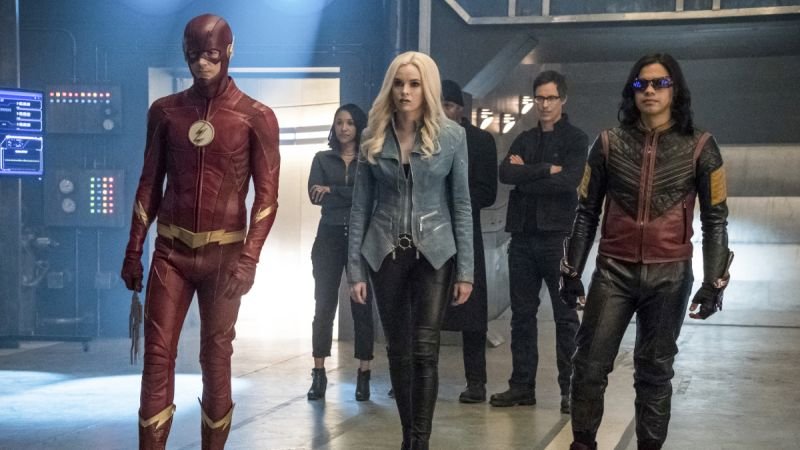
The Flash, the flagship TV show of the Arrowverse, has been renewed for a ninth season. “YAWN”

Legends of Tomorrow might be renewed for an eighth season, but being the TV show airs on The CW, its renewal is likely. No surprise, if it is renewed.

Batwoman…er, is this thing still on?

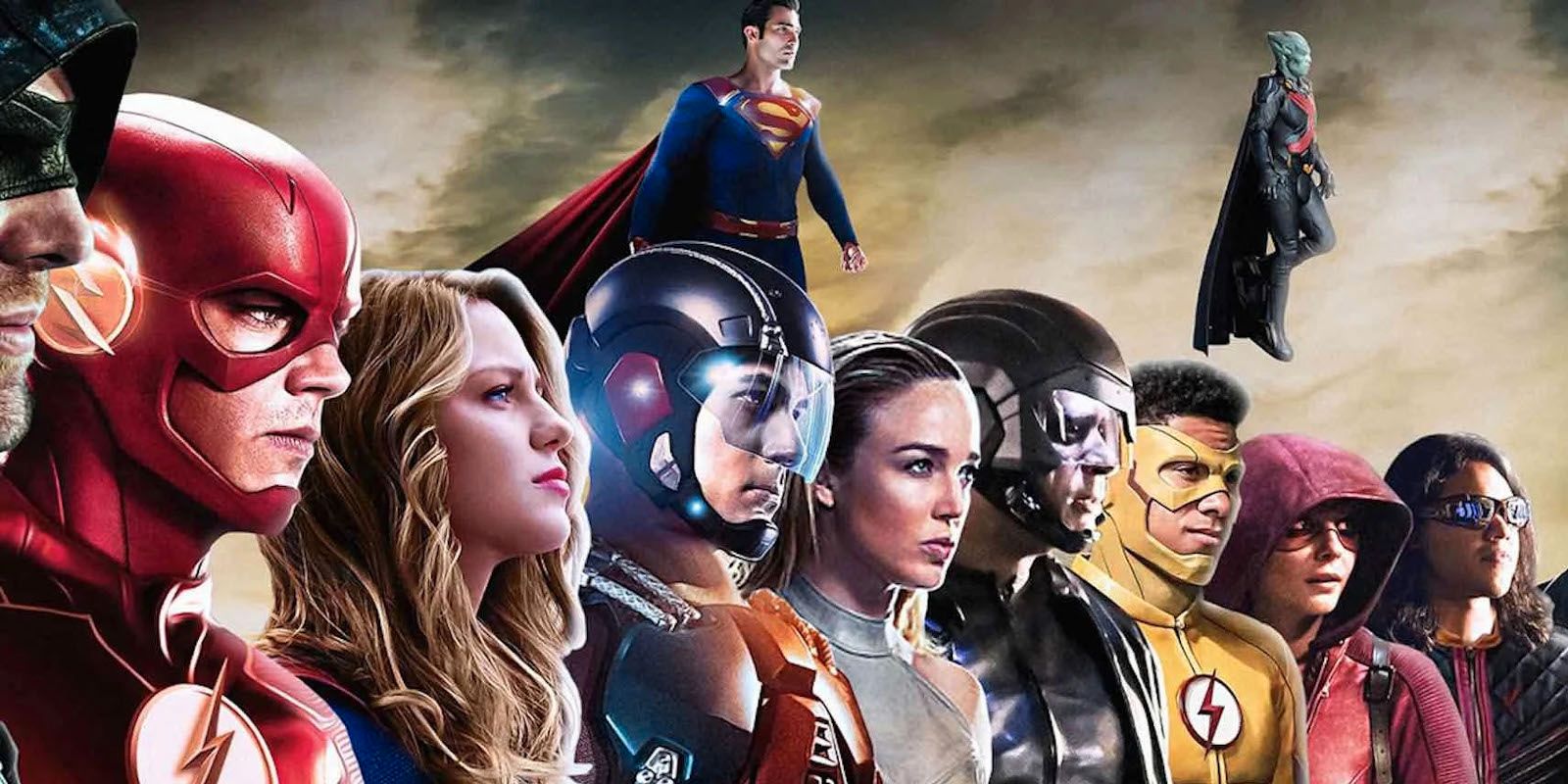
To be serious, the Arrowverse has seen better days. That was back when Arrow was in its early seasons and The Flash was considered one of the best superhero TV shows. But now, the interconnected TV shows based on DC superheroes are considered outdated, some of them have had problematic productions and there is little excitement over them.

Yes, Superman & Lois is a great superhero TV show and is part of the Arrowverse, but even that show seems embarassed to be associated with the Arrowverse. Nearly all of its episodes do not have any references to the larger Arrowverse. One notable episode that guest-starred the Arrowverse mainstay, John Diggle (David Ramsey), only annoyed fans of Superman & Lois because the show is very well done with superior writing, acting and special effects.

These Arrowverse TV shows are masterminded by Greg Berlanti. He is also behind better received, non-Arrowverse shows like Titans, Stargirl and Doom Patrol, so he can produce quality TV shows and the early days of the Arrowverse confirm this. However, the proper Arrowverse is creatively running on fumes and, aside from Superman & Lois, need to be put out to pasture. At least Arrow quit while it was more or less ahead in its seventh season when its star Stephen Amell decided to leave the show. Even at that point, Arrow had seen a decline in quality, although its final season was generally well done.

The issue of TV shows that go on for too long is a common one with most TV shows on The CW, which is now up for sale by its owners WarnerMedia and ViacomCBS. If and when the sale goes through and, particularly if WarnerMedia is spunoff by its owners AT&T, the future of the Arrowverse is dim.

So, we could be looking at the twilight of the Arrowverse.

This will generate collective yawns from most viewers and fans who have moved on from the Arrowverse. It is a shame because at one point, the Arrowverse TV shows were some of the best and most engaging superhero fare on TV. Honestly, when Arrow debuted on October 12, 2012 and spawned other TV shows, it was an exciting time since they were the only game in town. During that time, as Marvel Entertainment dominated the box office, DC ruled the airwaves. But eventually the competition caught up and surpassed the Arrowverse. Not just Marvel, but even DC, as edgier and better produced shows like Doom Patrol, and now Peacemaker, captured our attention.

The problem with the Arrowverse is that they are quickly churned out, have limited budgets and it shows. Most of the shows feel the same. They usually have the main character/superhero who has some back up team providing support, which is odd since the comic book counterparts operated by themselves or with little support. This team consists of some annoying computer or tech nerd who talks too much, a grounded, more mature, mentor, the love interest who has nothing to do and winds up becoming an integral part of the team for no reason, and a young protege superhero who tries to follow in the hero’s footsteps. The villains are hit or miss and often badly overacted. When the villain does connect that foe then becomes overused by the shows’ tired writers.

Also, the average Arrowverse show dwells too much on vapid romantic sub plots that are good sleep tonics for anyone who is not a lovesick teenager. Being that the shows on The CW are geared towards younger viewers, this helps explain the worn out formula and emphasis on romance with the Arrowverse TV shows.

Another flaw is that the Arrowverse shows have too many episodes per season, which betrays its outdated model. Try to name a show currently airing or streaming with over 20 episodes in a season. Good luck with that. The point is that by churning out so many shows in a limited time period it is difficult to produce quality episodes. This amounts to lots of filler episodes that can be skipped. What’s worse is that the main story arc for a season meanders on and is unfocused.

With all these flaws it is hard to deny the Arrowverse has outlived its shelf life. The Arrowverse is clearly in a twilight phase of its existence and it’s sad to observe. The Arrowverse helped set the mode for a modern, interrelated TV universe where characters would casually appear in any given show. This TV universe deserves to be commended for its contribution to the geeky arts even as it is in its final moments.

Getting Over Recasting Gripes

Recasting roles for films and TV shows has gone on ever since the first roll of film was developed over a century ago. This included many iconic characters like James Bond, Dracula, and Sherlock Holmes. This is a normal thing and widely accepted among filmgoers and TV viewers, but lately there has been so much griping over the recasting and potential recasting of several superhero roles in upcoming films and TV shows. This especially goes for Superman, Batman, and the Black Panther, but there is no need to fret over this.

The most obvious reason for the uneasiness is that many fans are devoted to a certain interpretation and portrayal of the character and cannot move on after an actor leaves that role. They behave like it is the endo of the world and focus on the negative.

It’s funny but most of these fans have very short memories. For example, there is the current issue with Henry Cavill being replaced as Superman in the DC Extended Universe (DCEU) films. Before Cavill was cast, Brandon Routh played the role in Superman Returns and many fans complained about Routh not being allowed to continue the role for Man of Steel and wondered why was he replaced by Cavill. Now, given the mess the DCEU is in, and the clear disdain Warner Bros. has for the current version of Superman and the director that cast the role and set the tone for the DECU (Zack Snyder), it is a certainty that Henry Cavill will be replaced. In TV, Superman is currently played by Tyler Hoechlin in Superman & Lois, and he is receiving wide acclaim for his portrayal of the Man of Steel. So, fans have to face facts, Henry Cavill is not the only person who is allowed to play Superman. There are many capable characters who could pull it off as Hoechlin is now showing and this has gone on for decades. Many thought it was impossible to recast Superman after Christopher Reeve’s iconic performance in his films, yet it was done. To be blunt it had to be done given that Reeve passed away years ago.

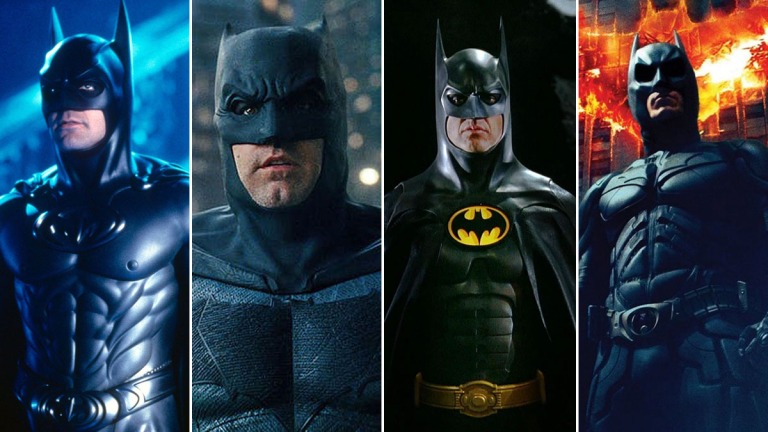
Then there is the casting of Batman in the upcoming films, The Batman and The Flash. Originally, the character was played in the DCEU by Ben Affleck, but before that the Caped Crusader was portrayed by Christian Bale and before that by Michael Keaton, Val Kilmer and George Clooney. In another case of short memories, Bale was considered the best actor to play Batman and when Affleck’s casting was announced for the next Batman film, Batman v Superman: Dawn of Justice, it was widely panned. But guess what? Affleck shocked many people with how good he was in the role. Many now claim that at least in that film, Ben Aflleck gave the best interpretation of the superhero.

Sadly, one calamity after another hobbled the DCEU, which is now rumored to be rebooted in The Flash and will likely remove Cavill and Affleck. But, Batman has been played numerous times by different actors who added their own unique interpretations to the brooding superhero which can be enjoyed in different ways. In a few weeks, we’ll see the latest take of the Dark Knight as Robert Pattinson has his turn in The Batman.

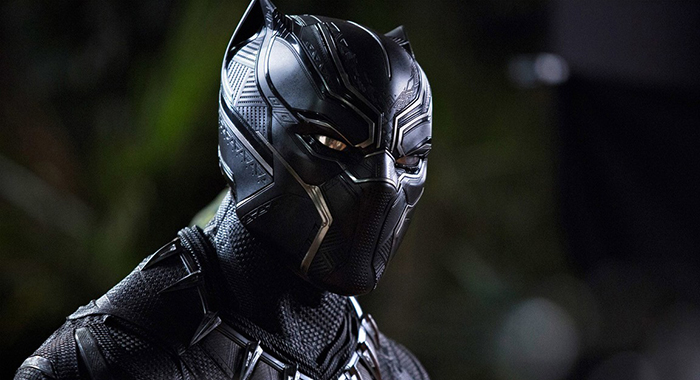
In similar situation, the role of Black Panther/T’Challa in the Marvel Cinematic Universe (MCU) might have to be recast in the future and this is creating controversy. The originator of the role, Chadwick Boseman, passed away and Marvel Studios hastily announced that the role would not be recast in honor of Boseman. While this decision is commendable, it put Marvel Studios in a bind. Given the mammoth success of Black Panther, a sequel was inevitable and one is underway, but without the character. The details are under wraps but supposedly another character will assume the title of the Black Panther. This is a sound plot choice but needless. The role of T’Challa could have easily been recast and there plenty of actors who could pull it off. It has happened in the MCU when Mark Ruffalo took over for Edward Norton as Bruce Banner/the Hulk and Don Cheadle replaced Terrence Howard as James Rhodes/War Machine. The MCU did not collapse, people adjusted to the changes and everything went well. So, why not just recast T’Challa? On top of that, the sequel film, Black Panther: Wakanda Forever, is going through a production hell with countless halts and difficulties. The film studio probably regrets not recasting the role and continuing T’Challa’s adventures.

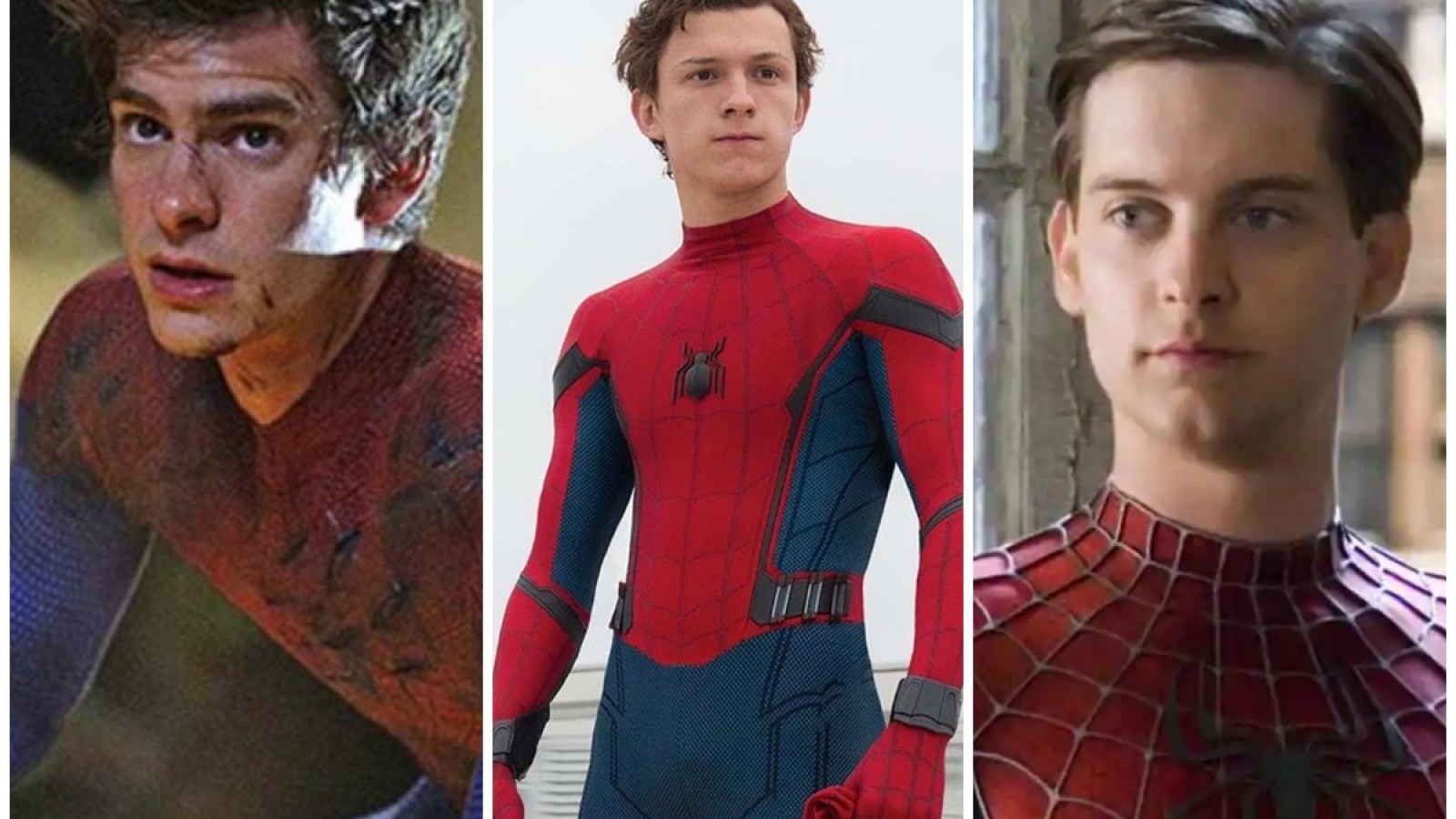
Spider-Man fans also underwent their own bout of negativity when the role was recast twice after Tobey Maguire left the role. At first many complained about Andrew Garfield as the replacement Spider-Man/Peter Parker. He was too Emo, too broody, too much of a wiseguy. Still, he won over many fans who lamented him being replaced by Tom Holland when Spider-Man joined the MCU; and people fell in love with Holland’s version of Spider-Man. Yet, Andrew Garfield earned his redemption in his appearance in Spider-Man: No Way Home. After people could easily compare the three actors together, a consensus is emerging that Garfield is the best Spider-Man, which is fueling talk of him returning to the role.

This development gets to the heart of the gripe. With the other actors mentioned, they never got to do their farewell performance or do a proper goodbye. This gave the impression of lost opportunity and wondering if these actors had more time or a better film then their time doing the role would have been viewed as being more successful. That may be but at least they left a positive impression and a film legacy that can be repeatedly enjoyed.

The Lineup For The MCU’s West Coast Avengers

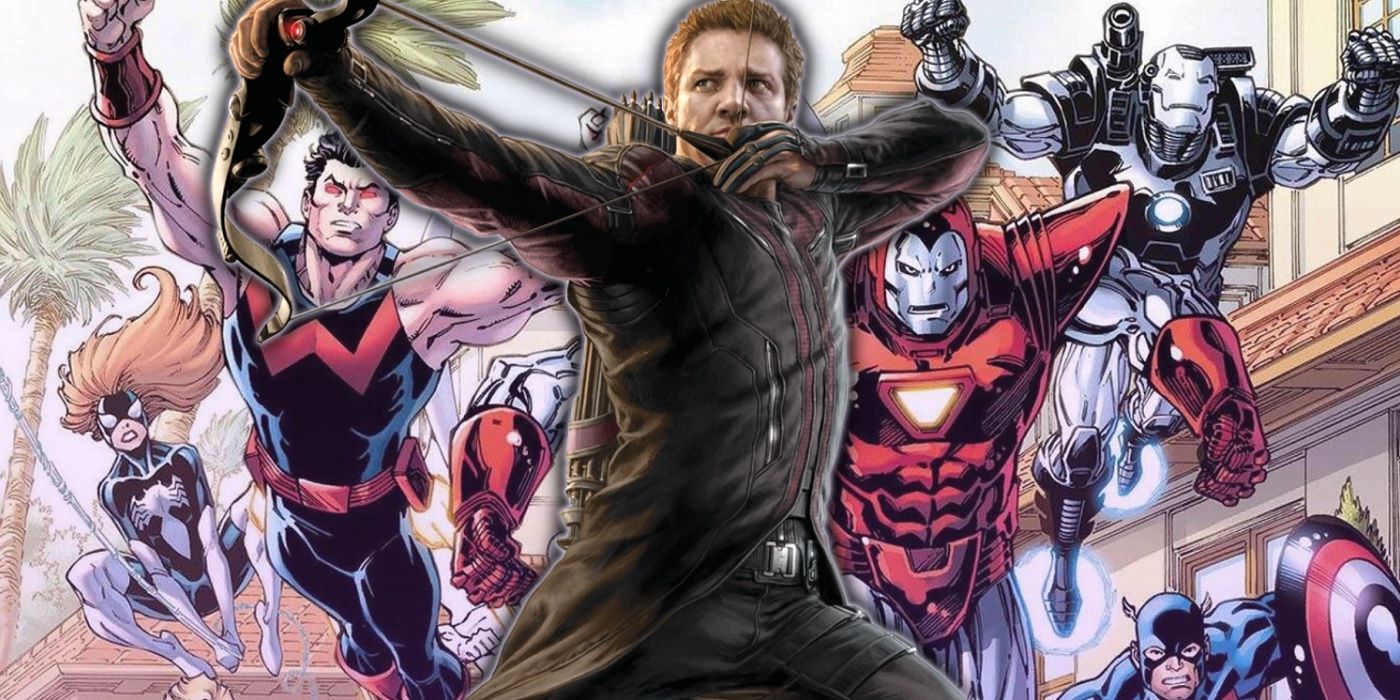
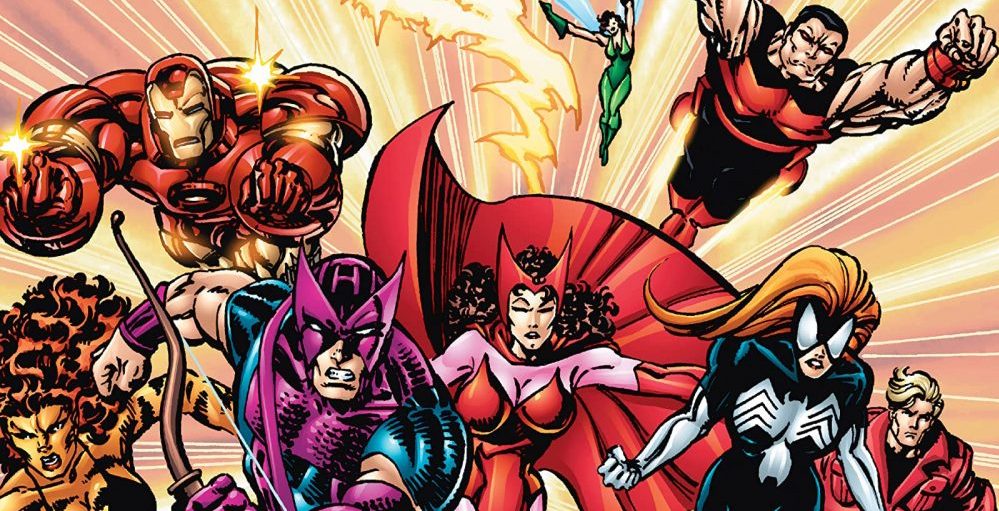
Recently while promoting his Disney+ TV show, Hawkeye, actor Jeremy Renner mentioned that he would like to continue playing the title role in a live-action version of the West Coast Avengers. For anyone who is unaware, The West Coast Avengers was a Marvel Comics spinoff title from the main comic book, The Avengers. Originally a mini-series created by Roger Stern and Bob Hall, the title was popular enough to warrant a regular series that lasted for 102 issues in its original run.

Hawkeye was the team leader of an expanded Avengers team situated in the west coast of the United State. The original lineup included his wife Mockingbird, Iron Man, Wonder Man, Tigra, and later on, Hank Pym. Other notable superheroes that joined the team included Moon Knight, the Thing, Spider-Woman, the Vision, Scarlet Witch, and U.S. Agent.

If Marvel Studios were ever to do an adaptation of the West Coast Avengers, what would be its lineup? Will it closely mirror its original comic book counterpart or will it be radically different to showcase currently popular heroes of the Marvel Cinematic Universe (MCU)? Here is a viable roster for the MCU version of the team, which largely includes heroes based in California as shown in their MCU films:

Hawkeye

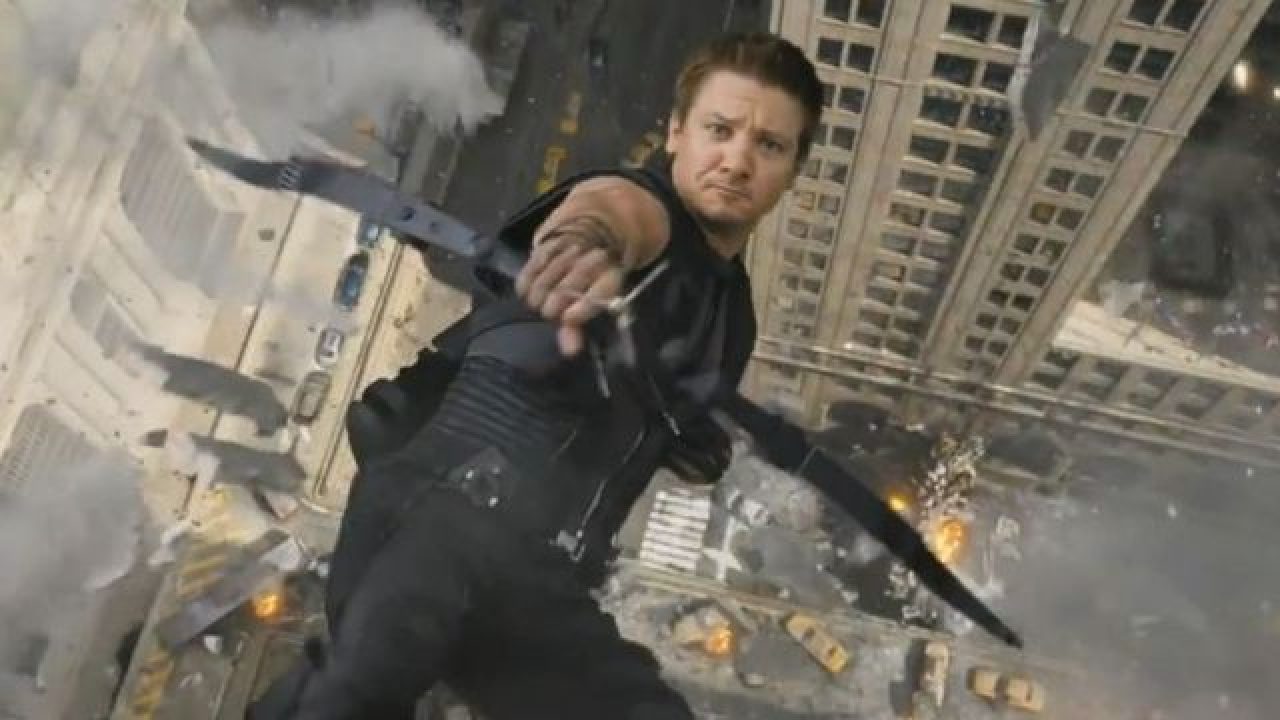
Played by Jeremy Renner, Hawkeye would be the team leader as in the comics. In the TV show, Hawkeye, Renner has shown he has the role down pat to portray the archer as a seasoned leader with the field experience needed to lead a team. His role as the leader of the West Coast Avengers would allow Hawkeye to stand out and have a stronger presence unlike the original Avengers films.

Ant-Man

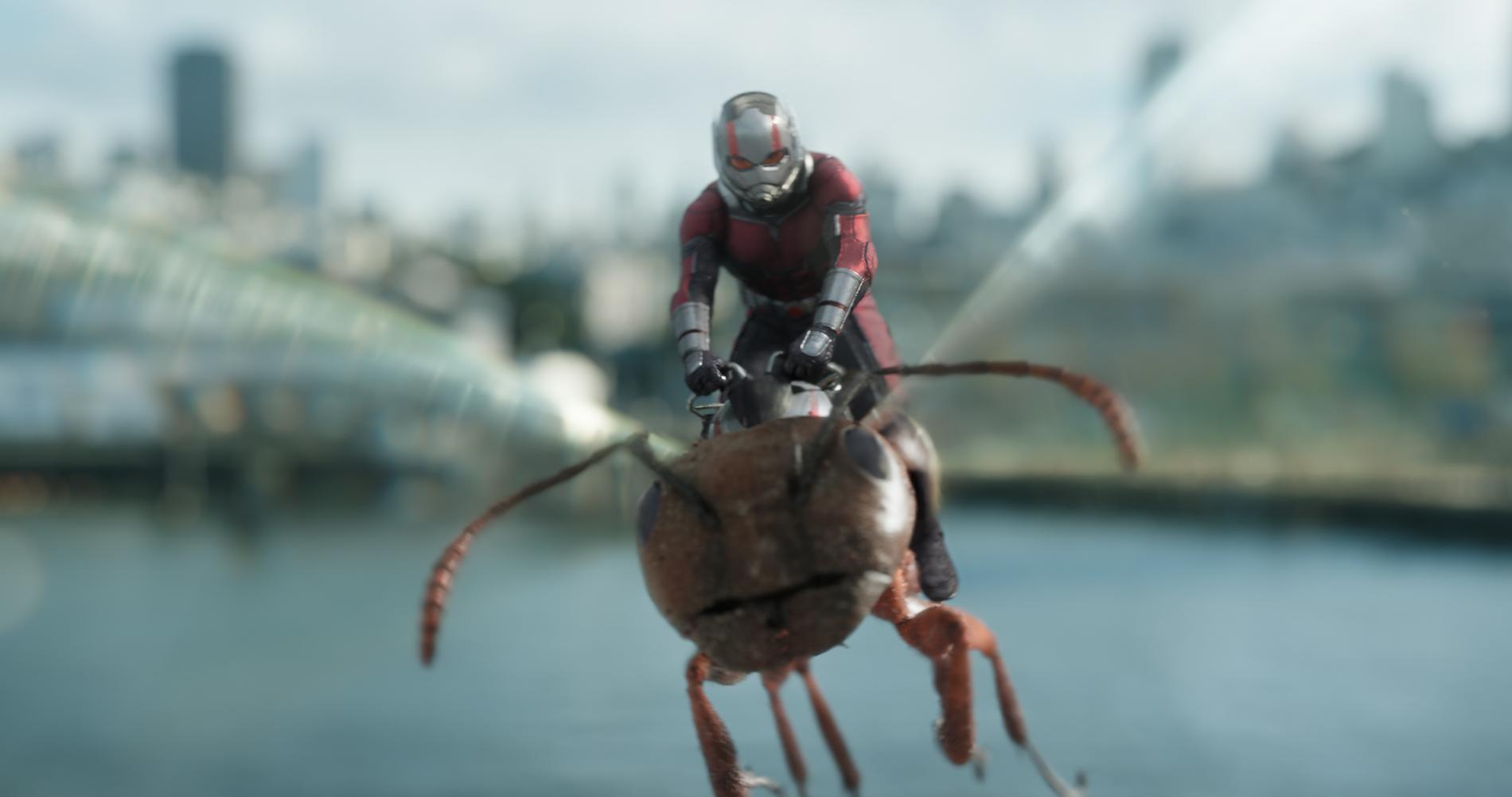
Scott Lang as played by Paul Rudd is a natural fit in this team since he is considered, along with Hawkeye, to be an underdog. It does not hurt that Rudd is incredibly popular these days and adds star power to a potential West Coast Avengers film. Ant-Man could fill in the role of comedic relief while demonstrating with his abilities and character that he is not to be taken lightly.

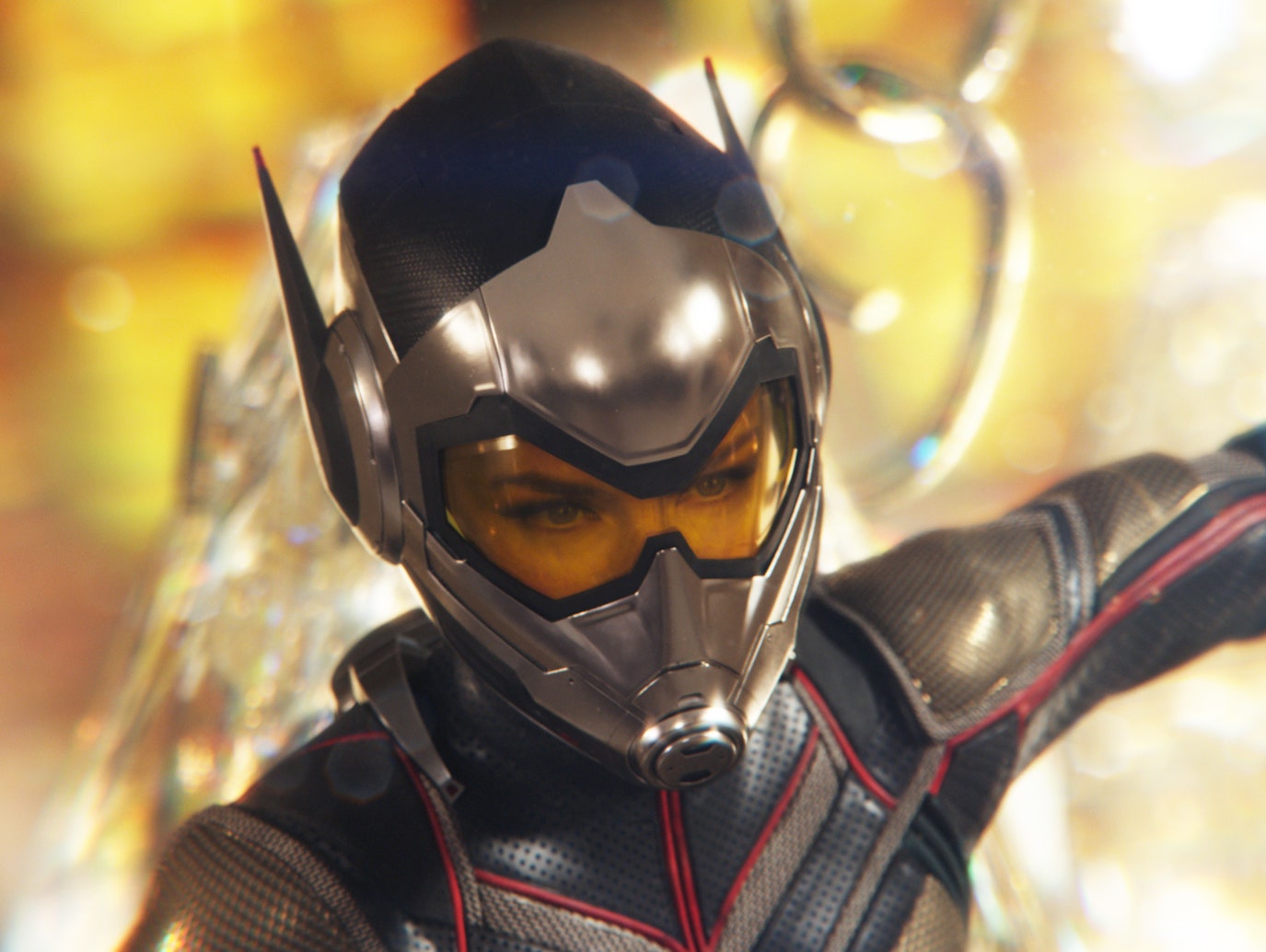
The Wasp

Having Ant-Man’s natural companion as part of the West Coast Avengers’ roster is a must. Unlike the more comedic Lang, Hope Van Dyne as portrayed by Evangeline Lilly in Ant-Man and the Wasp, would be deadly serious combatant who fully utilizes her shrinking and growing powers. At the same time, the Wasp would be a good foil and romantic partner for Ant-Man.

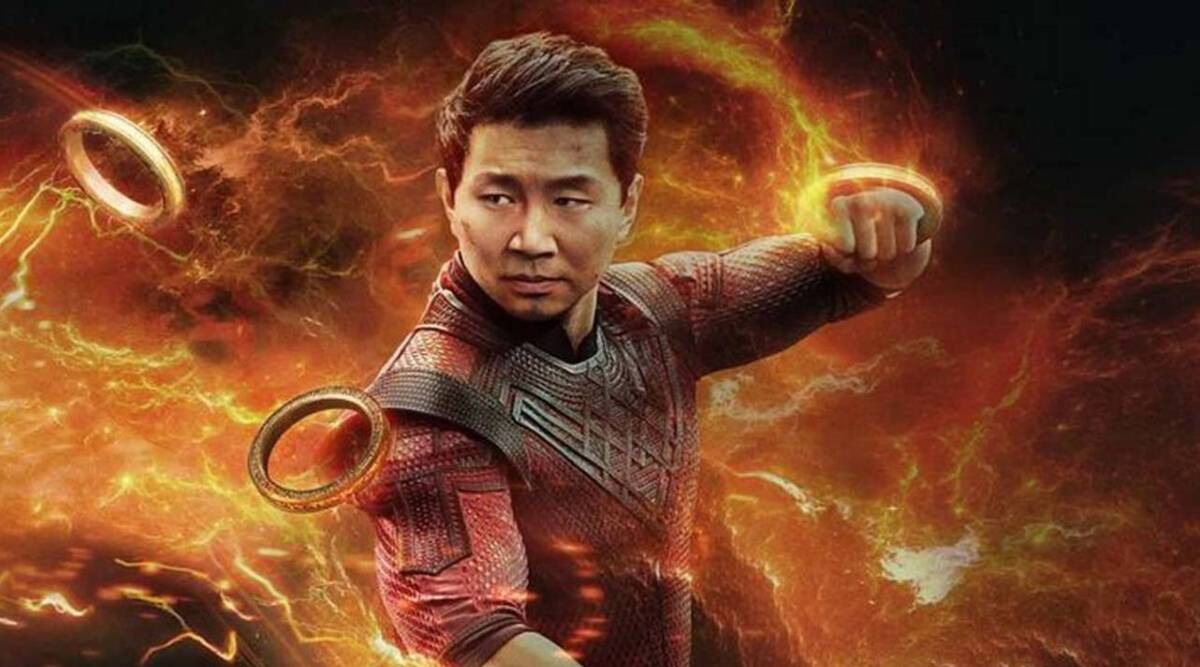
Shang-Chi

Of course, he has to come with the mystical ten rings that will give him that extra oomph in the power department. Ten rings aside, Simu Liu has a natural charisma that will let him shine in an MCU West Coast Avengers film along with his character’s crowd-pleasing fighting skills and mystical background.

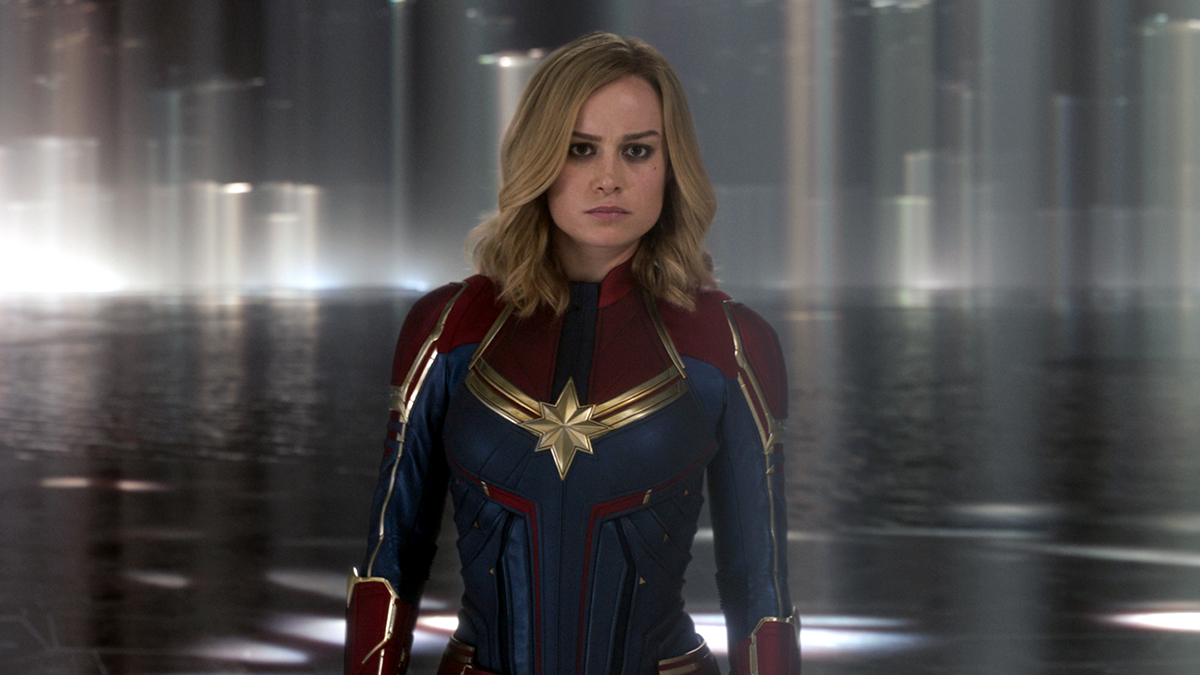
Captain Marvel

Marvel Studios’ CAPTAIN MARVEL..Captain Marvel (Brie Larson)..Photo: Film Frame..©Marvel Studios 2019

Captain Marvel’s west coast connection comes from her adventures in Los Angeles in her debut film, which could serve as the hero’s new home base on Earth. Brie Larson’s Carol Danvers/Captain Marvel may be too overpowered, but she could serve as the emergency back up in case of a dire need.

War Machine

Even though Iron Man was a founding member of the West Coast Avengers mini-series, he was not Tony Stark. During this time, James Rhodes took over the Iron Man duties because of Stark’s ordeal with alcoholism. With Stark deceased in the MCU, Don Cheadles’ War Machine would easily fill in that super-tech hero role.

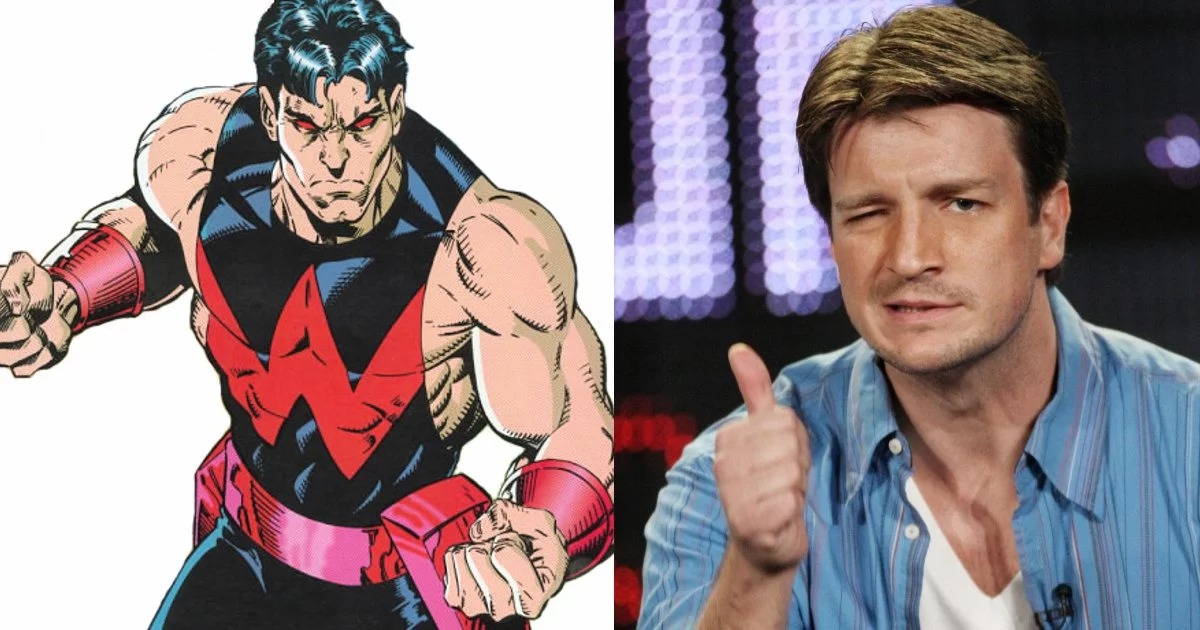
Wonder Man

The last two members shoule be new characters to the MCU and the Hollywood-based actor Simon Williams naturally must be included in the roster. Wonder Man would provide the needed Hulk-level super strength for the team. Also, Nathan Fillion should play him since he was seen as the actor in Guardians of the Galaxy, Vol. 2 when he turned up in a couple of movie posters as part of the film’s many Easter eggs.

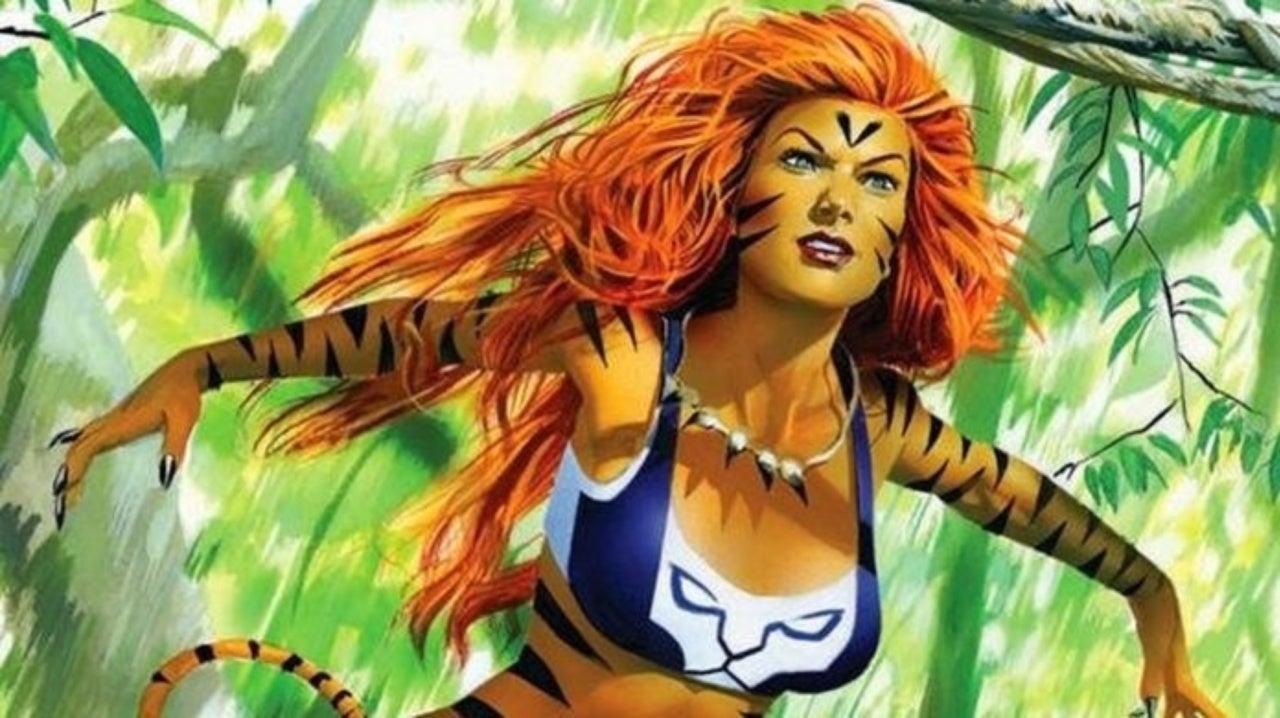
Tigra

The other founding member of the West Coast Avengers should be Tigra aka Greer Grant, the former Cat. She has a unique look and skill set with her tiger motif although how she should be presented in live-action is a mystery and may involve radically altering her. As to who should portray her, there are many solid actors, such as Megalyn Echikunwoke, who could project the physicality of Tigra and a ferocious, yet kind nature. Too bad Zoe Saldana already has a role in the MCU, because she would be perfect.

Should anyone else be in the MCU version of the West Coast Avengers? Be sure to leave a comment!

The Influence of Matt Fraction & David Aja On Hawkeye

As we’re getting ready to watch the upcoming Hawkeye on Disney+ in a few days, many Marvel Comics fans have noticed how much influence the acclaimed comic book Hawkeye had on the show.

Written by Matt Fraction and drawn by David Aja, Hawkeye debuted in 2012 and instantly stood out among the crowded comic book marketplace thanks to the minimalist art from Aja and Fraction’s take on the archer superhero.

Instead of having Clint Barton aka Hawkeye run around and shoot endless supplies of trick arrows, the series grounded the superhero and leaned into his everyman pesonna who had to deal with more mundane problems, more believable villains, and much more relatable to the average reader. This Hawkeye did not wear his silly purple outfit as he dealt with world-ending events, although he kept his purple color scheme with his civilian clothing. He had to grapple with local thugs and more importantly, he could be hurt. Just look at the aftermath of many of his battles in the series where he came away all bandaged up and beaten. Yet, unlike Daredevil, the archer was never dour. though he seemed to suffer from depression.

What made Hawkeye more identifiable and someone to look up to was that in the series he always looked out for the vulnerable little guy. For instance. in the first issue he finds out that the tenants in the building he lived in were terrorized by their landlords, the RussianTrack Suit Mafia. So, Hawkeye helped them out by buying the building and became a kind landlord who was right at home joining the tenants in a barbecue. Later in the issue, he came to rescue of one of the series’ most beloved characters, Lucky the pizza dog, who was cruelly treated by his owner, a member of the Track Suit Mafia. Hawkeye wound up taking the dog from the mobster and adopting him.

On a sidenote about Lucky, check out issue #11, which had the story “Pizza is My Life” and was told entirely from the point of view of Lucky. The way this was done was ingenious and inventive as Fraction and Aja used pictorgrams to illustrate the dog’s thought process as human dialogue faded in and out. The issue won an Eisner Award and it was well deserved. Thankfully, Lucky will appear in the TV series.

Another factor that made the series so memorable was Aja’s art which was very expressive, used bold lines and was similar to David Mazzucchelli’s art in Daredevil during Frank Miller’s “Born Again” story arc. The series used flat colors that conveyed mood and the emotional beat of the characters, which supported the series’ gritty tone.

Of course, what made the 22-issue run exceptional was the teacher/student relationship between Clint Barton and Kate Bishop. The scenes between the two were full of lively banter and quiet reflective moments that explored Hawkeye’s more vulnerable side. Bishop was a great foil to Barton with her spunky attitude and vigor. She was never afraid to call her mentor out when she thought he was in the wrong. Meanwhile, Hawkeye respected the young superhero and readily took her under his wing like he was a protective big brother or uncle. Together they made a great archery team and the way they coordinated their fighting styles was terrific thanks to Aja’s art which made expert use of small panels to convey intense action.

One of the more memorable fight scenes in the series was in issue #3, called “Beating the Odds”, and involved the two in a frantic car chase as they fled the Track Suit Mafia. Anyone who saw the recent preview clip of Hawkeye during the Disney+ Day event could tell that the car chase shown in the clip was inspired by the issue.

Be sure to check out the classic series run in the Hawkeye trade paperbacks which have the 22 issues of the Fraction/Aja run: My Life as a Weapon, Vol. 1, Little Hits, Vol. 2, L.A. Woman, Vol. 3, and Rio Bravo, Vol. 4. Or just pick up the collected works in a single volume. They’re worth every penny and are a nice way to see how classic run influenced the TV show.