Usually the third film in a trilogy is considered the weakest entry even it it is a solid effort. The latest Spider-Man film in the Marvel Cinematic Universe (MCU), Spider-Man: No Way Home, proves otherwise and is actually the strongest entry.
Given the content of the film, it will be nearly impossible to discuss it without going into not just spoilers, but heavy spoilers. So, to be fair to anyone who has not seen this instant classic, this review will only cover broad generalities with more in-depth analysis to follow some other time. There will be some spoilers but only in the broad sense and covers what was revealed in the trailers.
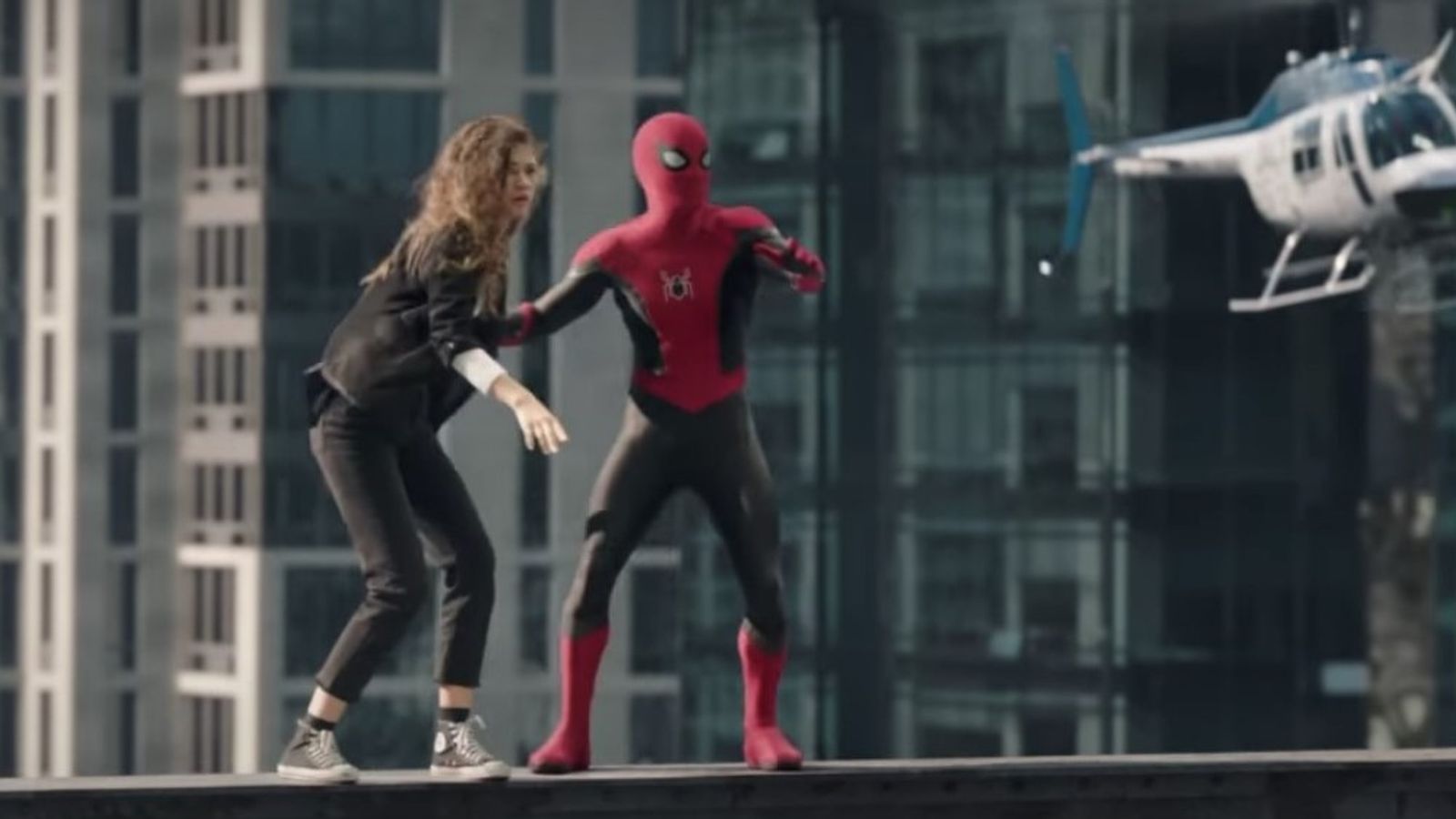
Spider-Man: No Way Home picks ups immediately after the end of the previous MCU Spider-Man film, Spider-Man: Far From Home where Spider-Man’s (Tom Holland) secret identity of Peter Parker was revealed to the world. The aftermath of the revelation is devastating to Peter and those closest to him like his girlfriend, MJ (Zendaya), his best friend Ned (Jacob Batalon), and Peter’s Aunt May (Marisa Tomei).
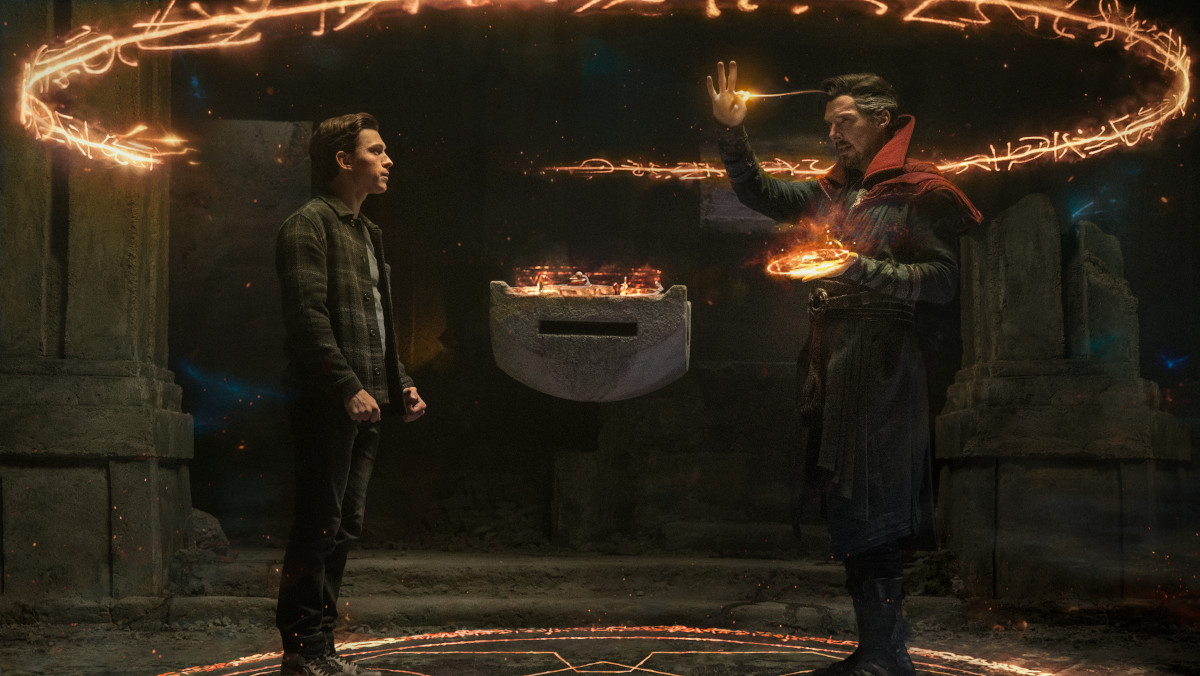
The loss of privacy and the intrusive nature of the outside world eventually drives Peter to seek magical help from the sorcerer Doctor Stephen Strange (Benedict Cumberbatch). He asks Doctor Strange to cast a spell to make the world forget that he is Spider-Man, and the sorcerer agrees to do it. However, during the casting of the spell, Peter distracts Doctor Strange, which causes the spell to be corrupted.
The result is that Spider-Man villains from alternate film universes are brought to the MCU, in other words, the foes from the earlier, non-MCU Spider-Man films. These include Doctor Otto Octavius, aka Doctor Octopus (Alfred Molina), Green Goblin/Norman Osborn (Willem Dafoe), Electro/Max Dillon (Jamie Foxx), the Sandman/Flint Marko (Thomas Haden Church), and the Lizard/Dr. Curt Connors (Rhys Ifans).
Spider-Man quickly finds out that tackling with the not-quite Sinister Six and his decisions comes with severe consequences that not only imperil him and those around him, but the fabric of the multiverse itself. These developments force him to recognize that with great power comes great responsibility…and sacrifice.
The Lord of the Rings: The Fellowship of the Ring is celebrating its 20th anniversary this month and looking back, it’s clear now, how influential this highly successful film has become. Peter Jackson’s epic start to The Lord of the Rings (LOTR) trilogy paved the way for a fantasy film revival that is still going strong today and led to similar adaptations such as HBO’s Game of Thrones, Amazon Prime’s TheWheel of Time, and other fantasy-themed films and shows. The Fellowship of the Rings’ success wasn’t a sure thing though, as author J.R.R. Tolkien’s massive novel was deemed unfilmable due to its intricate plot and long back story which spanned thousands of years.
The earliest film version was the animated adaptation from Ralph Bakshi in 1978. Tje animated version of LOTR was well received, but due to time constraints the film only told half the story. Jackson’s take is a fully fleshed out world that showcases his native New Zealand’s beautiful landscapes and scenery that show the viewers what Middle-earth would look like if it really existed. He also takes his time in setting up the tale of the diminutive hobbit Frodo Baggins and his quest to destroy an evil mystical ring created by the sorcerer Sauron. His journey would culminated in casting the ring into a volcanic pit in the dreaded land of Mordor.
The Lord of the Rings: The Fellowship of the Ring starts off by showing some of Tolkien’s back story and the history of Middle-earth where the rings of power were created for men, elves and dwarves, as well as the epic battle against Sauron where he is defeated, but only temporarily. After the battle, the all-powerful one ring was lost and found its way to the distant land of hobbits known as the Shire.
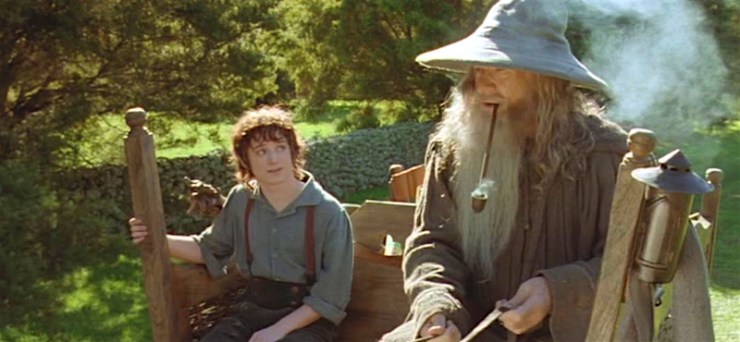
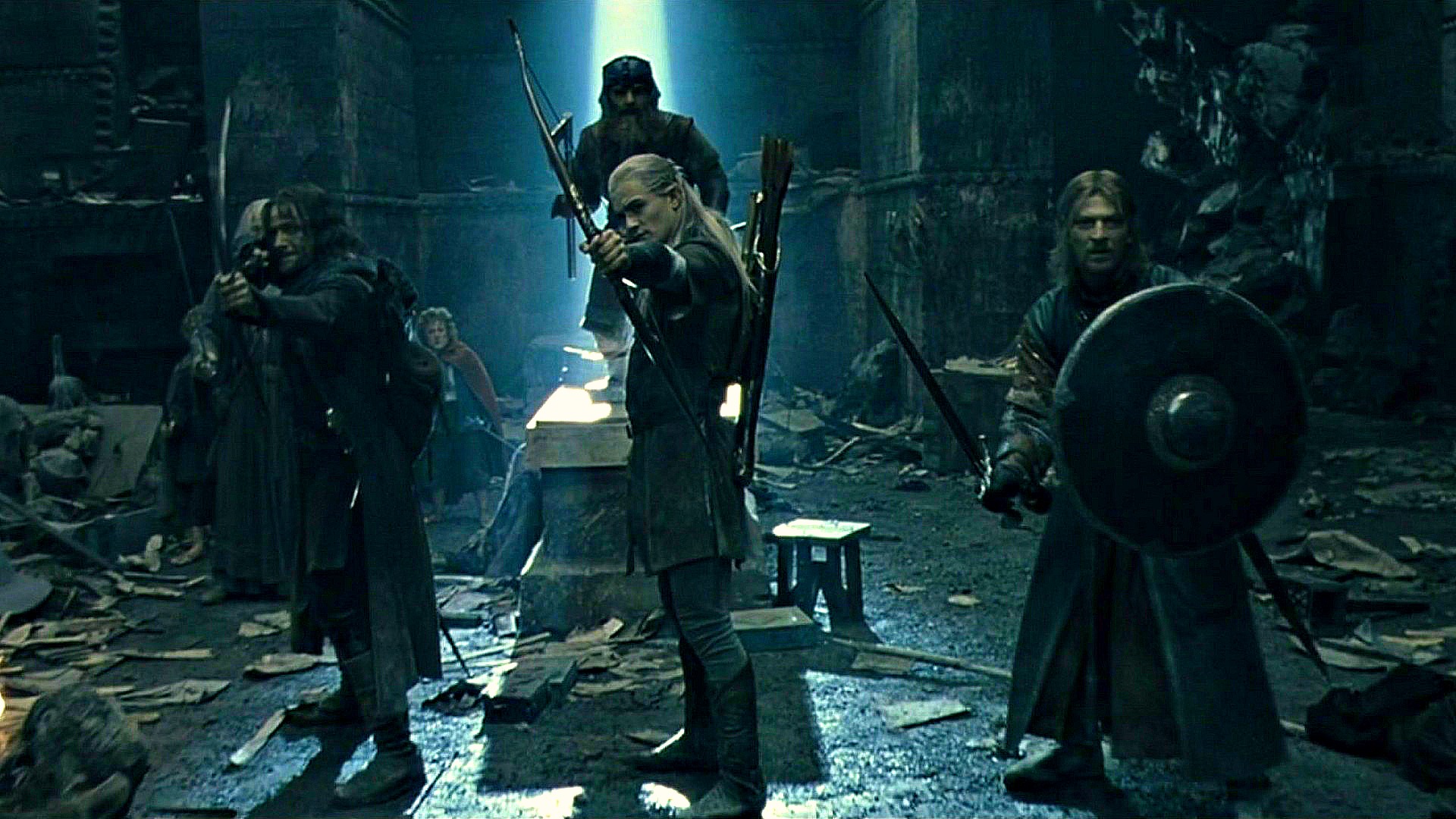
Frodo’s journey begins when the wizard Gandalf arrives at the Shire and enlists him and his companions Samwise Gamgee, Merry and Pippin to accompany Gandalf to Mordor to destroy the one ring which Sauron needs to conquer the world. Along the way, the group encounters the heroic ranger, Strider (later to be known as Aragorn) and the stalwart dwarf, Gimli and his rival the elf, Legolas as they all join forces to become the Fellowship of the Ring. Together they vow to end the threat of Sauron once and for all.
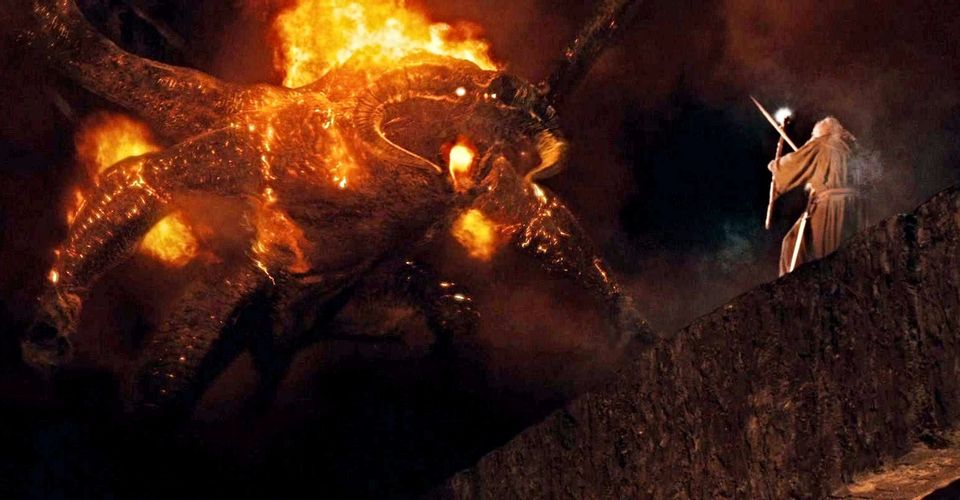
Their journey through the elf kingdom Rivendell and the mines of Moria are all classic set pieces that are fully brought to life and culminate in an epic battle against swarms of orcs (Sauron’s minions) and a final clash between Gandalf and a massive demon known as a Balrog. Fate has the fellowship splinter and go their own way as Frodo and Sam are left to go on alone to Mordor while Strider, Legolas and Gimli race to rescue the other hobbits who were captured by orcs. This sets up the excellent sequel, The Lord of the Rings: The Two Towers, which was just as successful as The Lord of the Rings: The Fellowship of the Ring.
The success of The Fellowship of the Ring was crucial as it paved the way for the subsequent films and established LOTR as a huge cinematic franchise that spawned further adaptations of the earlier Middle-earth book The Hobbit, as well as a new TV series coming from Amazon that will explore the earlier time periods of Middle-earth. It also led to the groundbreaking success at the Academy Awards of the third film in the trilogy The Lord of the Rings: The Return of the King, which won 11 Oscars including Best Picture. This was the first time a genre film won this honor and led to increased respect and awareness for genre films as valid, cinematic art. It was also a blueprint for how book adaptations can be done, even for complex works, such as the recently released Dune or even earlier films like Watchmen.
The film studio New Line Cinema committed to Jackson’s vision and gave him the required financial resources and time to have his ideas come to life and Jackson committed to filming all three LOTR movies back to back, which was a massive undertaking and spanned multiple years. This was seen in throughout all three movies as the details of the imaginary world are incredible to see and experience. Of all three movies, I think The Lord of the Rings: The Fellowship of the Ring is the best one as its story is paced very well and has elicits a whirlwind of emotions for viewers. It has moments of terror, such as when Frodo first encounters the ring wraiths who were hunting him and the ring; instances of wonder when the group arrives at Rivendell; and pure excitement when the Fellowship has its last battle in the mines of Moria. It is also the only time you see all of the main characters together until the end of the last film as they are separated at the end of the first movie and go their own separate ways. Their interaction as a group is a highlight as their differences in personality and stature are humorous and flesh out their characters.
Overall, The Lord of the Rings: The Fellowship of the Ring is a masterpiece film, not just in the fantasy genre, but in all of cinema with superb storytelling mixed with unforgettable characters and stunning visual effects. Its impact is still being felt and will continue to be enjoyed and imitated for decades to come, as will its sequels. Hopefully the upcoming Amazon series will be able to recapture some of the magic that was apparent as soon as Frodo walked out of his home and we saw the Shire and Middle-earth in live action for the very first time.
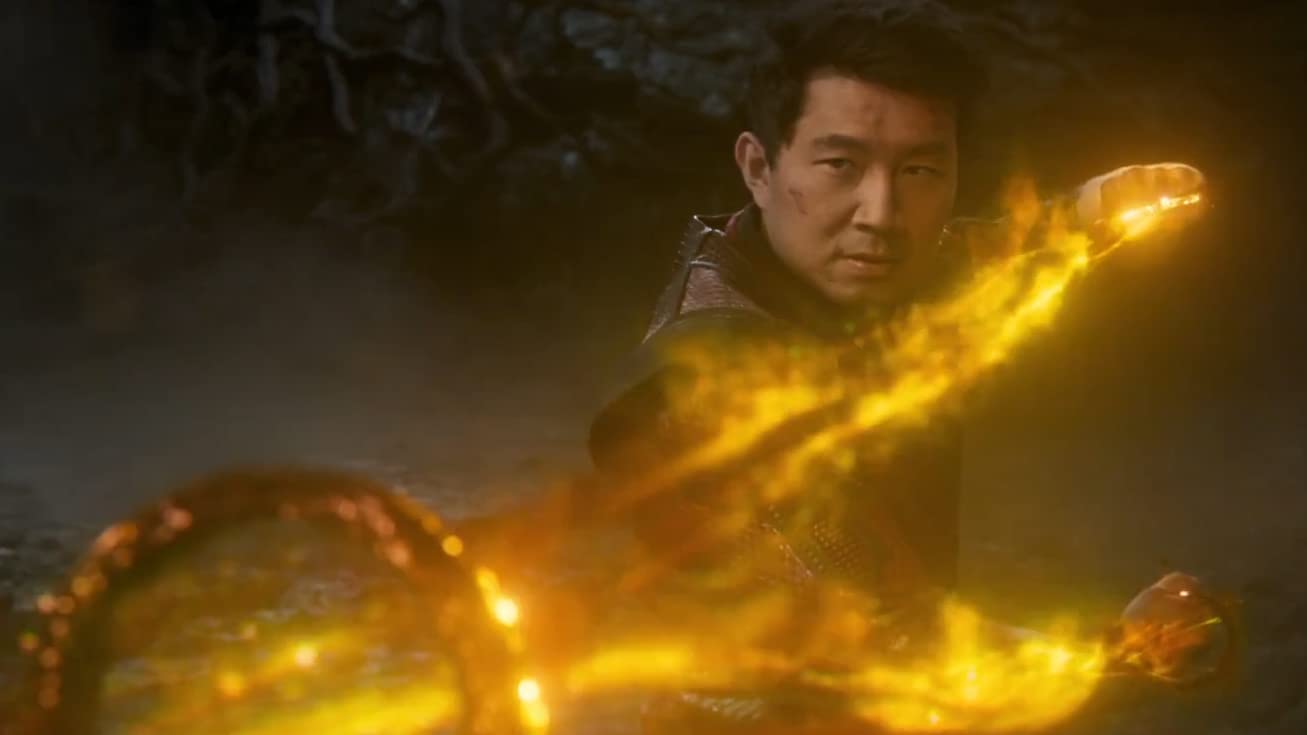
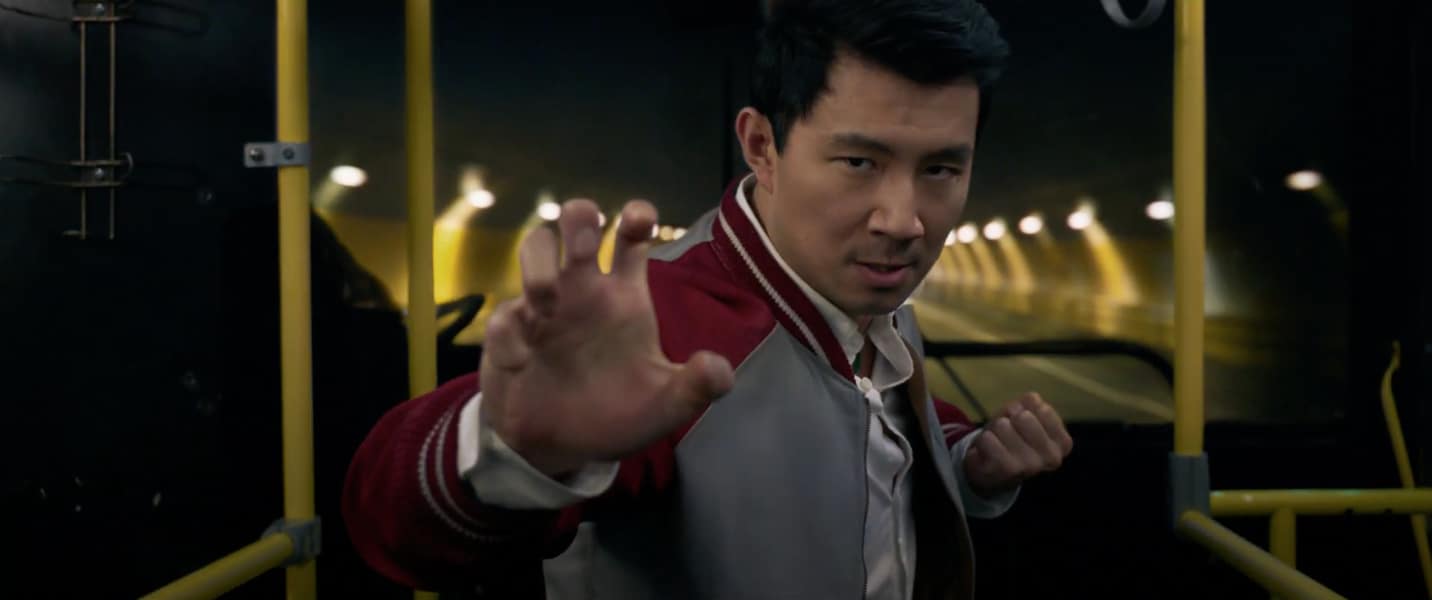
Shang-Chi and the Legend of the Ten Rings, the latest film from the Marvel Cinematic Universe (MCU), defied expectations and debuted to a stunning $71 million take at the box office this weekend and has a combined total of $90 million over the four-day Labor Day weekend. This shattered box office records not just for the year but for the Labor Day weeken in general. Usually by this time of the year the box office becomes a dumping ground for films as the summer season winds down. But Shang-Chi and the Legend of the Ten Rings upended that,
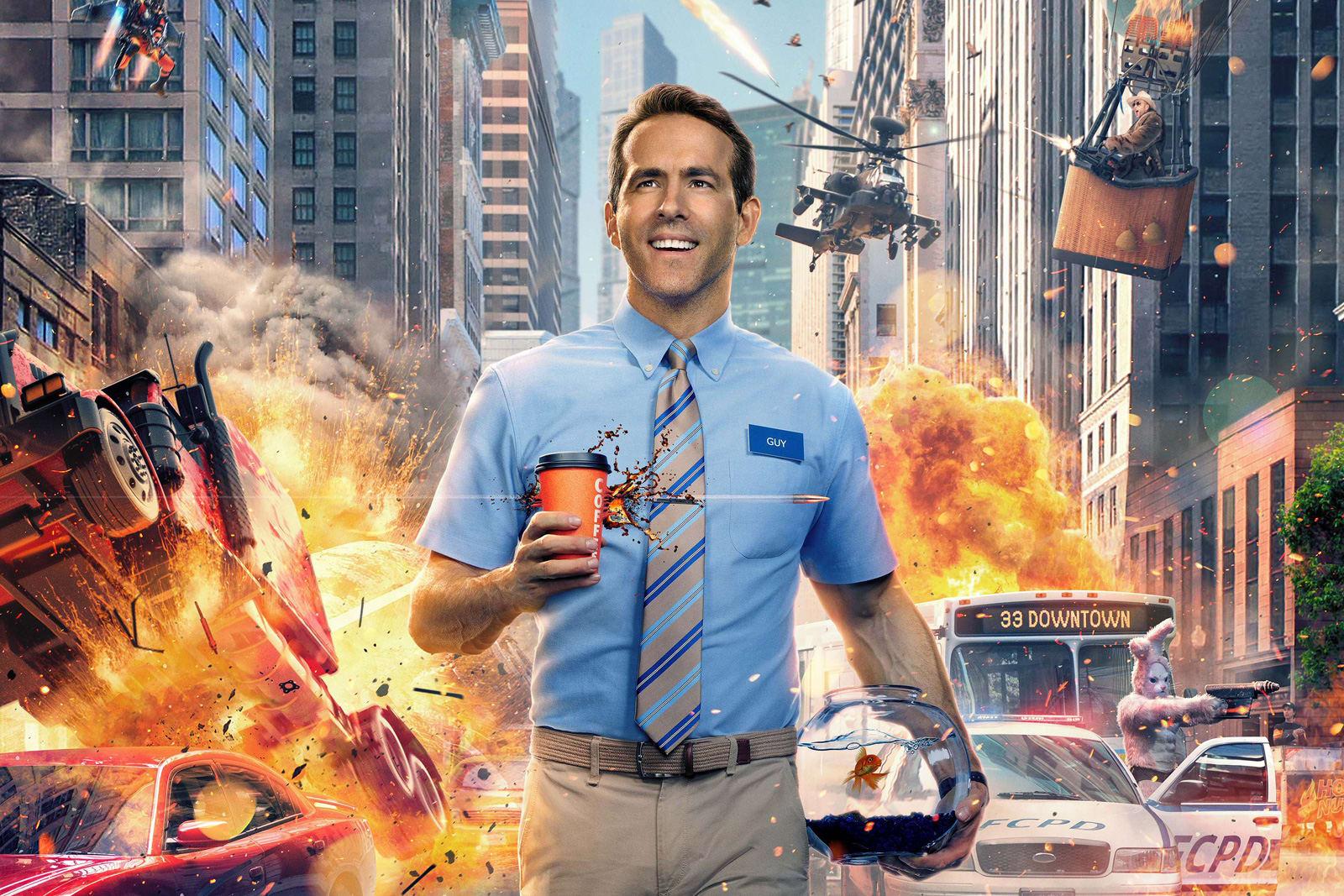
Given the pandemic the success is stunning and portends to the eventual recovery of theaters. It also supports the idea that the current hybrid model of releasing a film at the same time as it is available for home streaming has a negative impact on a film’s box office take. Just look at the failure of The Suicide Squad and to a lesser extent the disappointing earnings for Black Widow. If a film is exclusively available in theaters and it is a high-profile film, it will do well. Not as well as it could have pre-pandemic but it still successful. Another good example is Free Guy, which performed much better than expected because it was a well-made film and you only could see it in theaters.
The key factor in the success of Free Guy and Shang-Chi and the Legend of the Ten Rings is that they were well received and had good buzz, especially with the MCU film which earned rave reviews. Not only that but the public is eager for new MCU content and Shang-Chi and the Legend of the Ten Rings offered something new for fans. Namely, that the film focused on persons of color, and explored a new side of the MCU. Given that this film and Black Panther performed well, expect future MCU to feature other persons of color such as Latinos. America Chavez will appear in the next Doctor Strange film and could be spun off into her own film. Maybe the Puerto Rican hero White Tiger could be the next hot property for the MCU. What is important for these films to succeed is quality, both Shang-Chi and the Legend of the Ten Rings and Black Panther demonstrated that people will go see a film if it is well made and exciting.
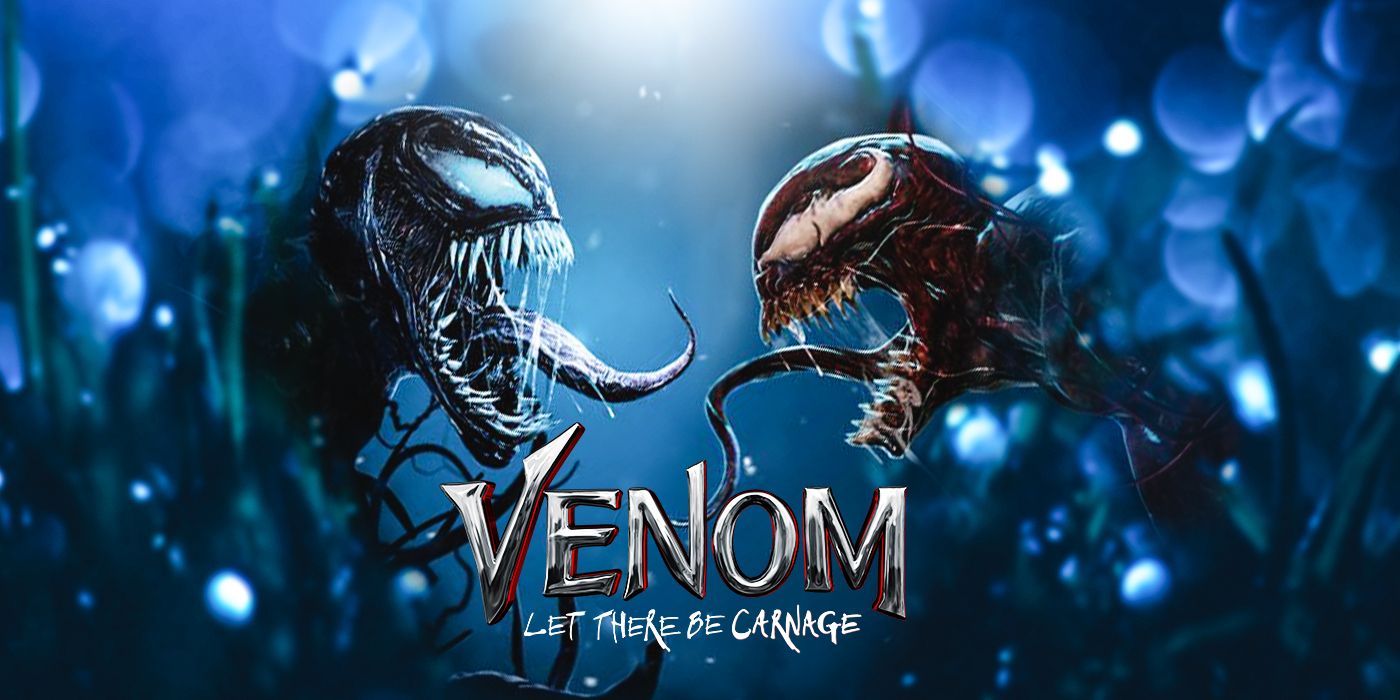
Aside from its merits, the success of Shang-Chi and the Legend of the Ten Rings has already had a positive impact with future films. Whereas Sony Pictures delayed the release of Venom: Let There Be Carnage to mid-October, the film studio has now moved up the film to October 1. There were rumors that Eternals might be delayed as well as Spider-Man: No Way Home until society recoverd more from the pandemic. We have seen the release dates for the upcoming Tom Cruise films Top Gun: Maverick and Mission: impossible 7 delayed to 2022 because of the pandemic. Those rumors for the MCU films, however, are unlikely to come to pass as more and more people are getting vaccinated and the case numbers should start to fall later this year. To date, the release dates for those films have not changed.
Of course, it will take a lot more time for theaters to achieve the earnings they enjoyed pre-pandemic, but recent releases like Shang-Chi and the Legend of the Ten Rings have shown that there is a bright future ahead for theaters and fans.
We’ve been hearing a lot of news about the Flash solo film which is rumored to reboot the DC Extended Universe (DCEU) by loosely adapting the DC Comics mini-series Flashpoint where the Flash time travels and ends up altering his timeline. Evidence of this comes from the fact that Michael Keaton will reprise his role as Bruce Wayne/Batman, who last appeared in 1992’s Batman Returns.
Surely, Keaton returning cannot just be the only actor from a non-DCEU film whou could return. The film is also a great platform to explore never-before-seen alternate versions and castings of our favorite DC heroes or for returning non-DECU favorites. In the same manner that we explored earlier this year alternate castings of Marvel superheroes, here is a list of alternate castings and versions of DC characters that should appear in The Flash. BTW, this includes actors reprising their roles of characters who appeared in non-DCEU films. Be sure to drop a comment on your own choices!
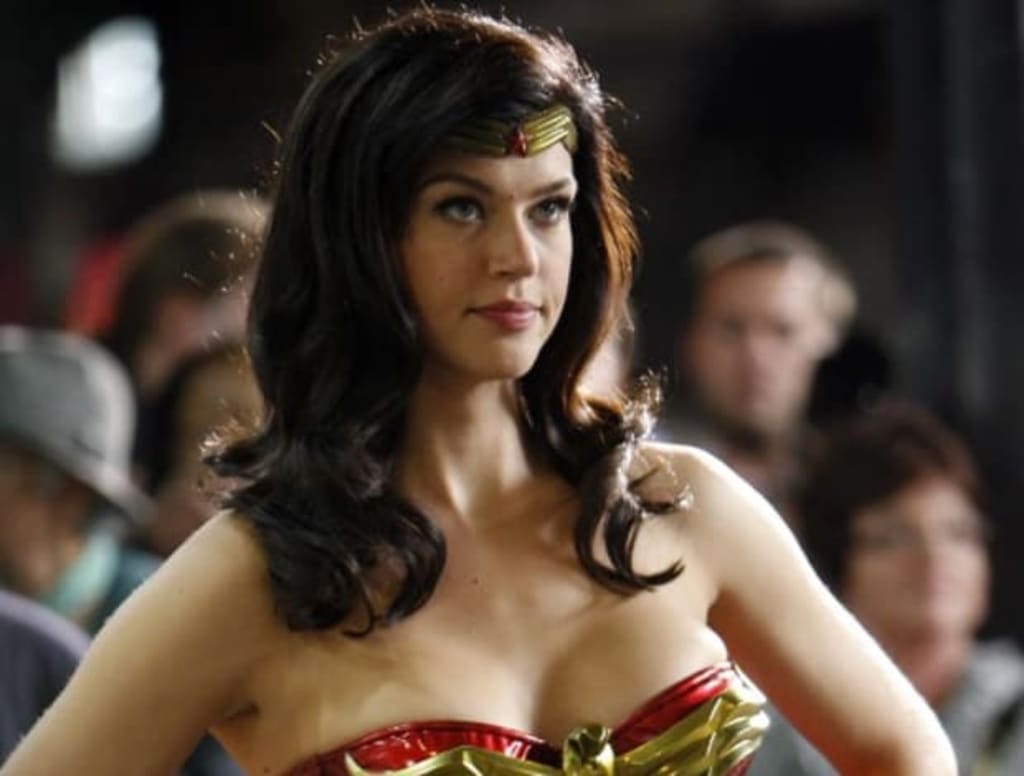
10. Adrianne Palicki as Wonder Woman/Diana Prince
Fans will remember that Palicki was cast as the Amazonian princess in a failed TV pilot spearheaded by David E. Kelly. Despite the flaws with the pilot, Palicki still deserves to showcase her take of Wonder Woman. The same goes for Olga Kurylenko who was considered for the role in the DCEU, but lost to Gal Gadot.
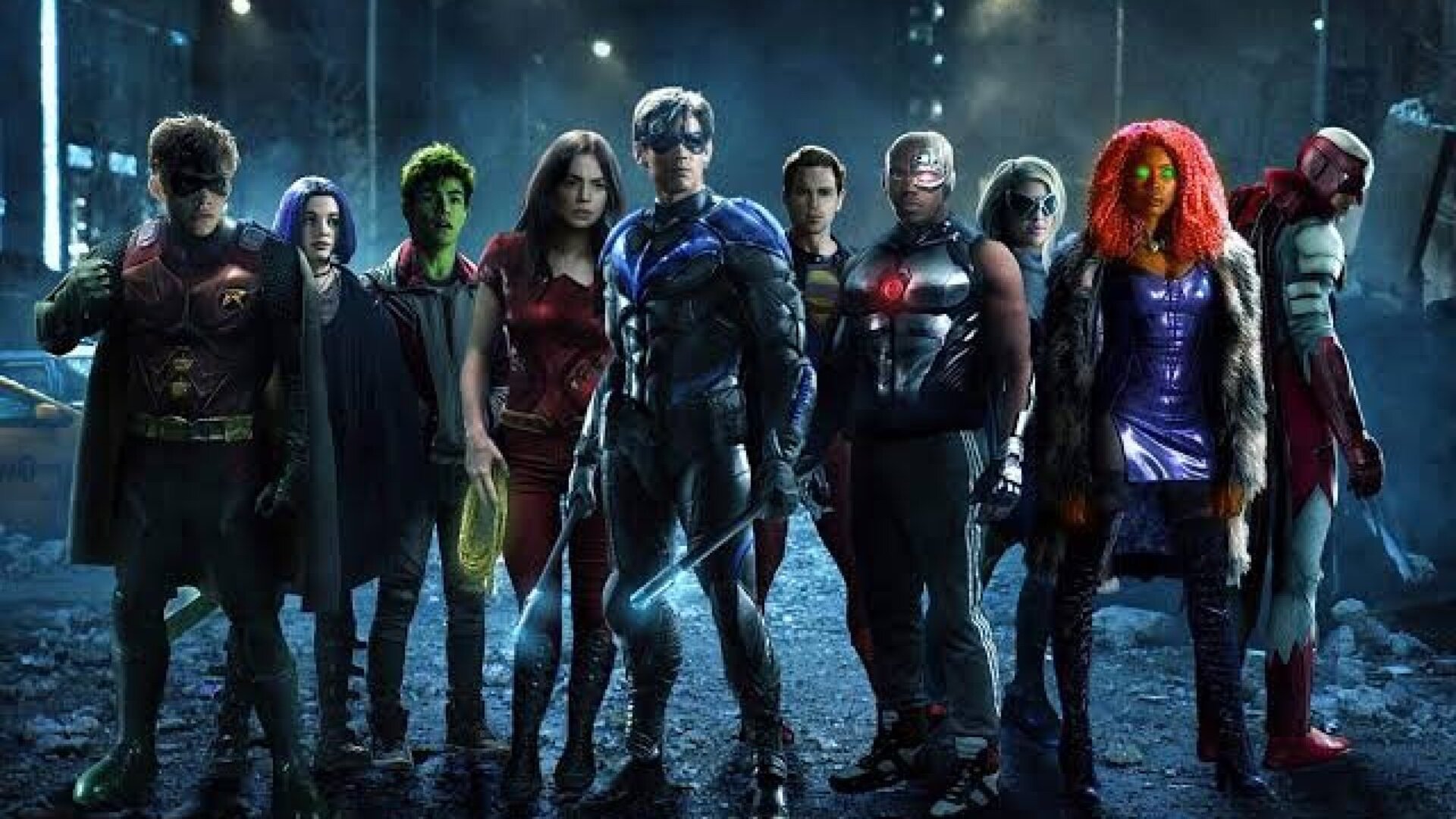
9. The Titans
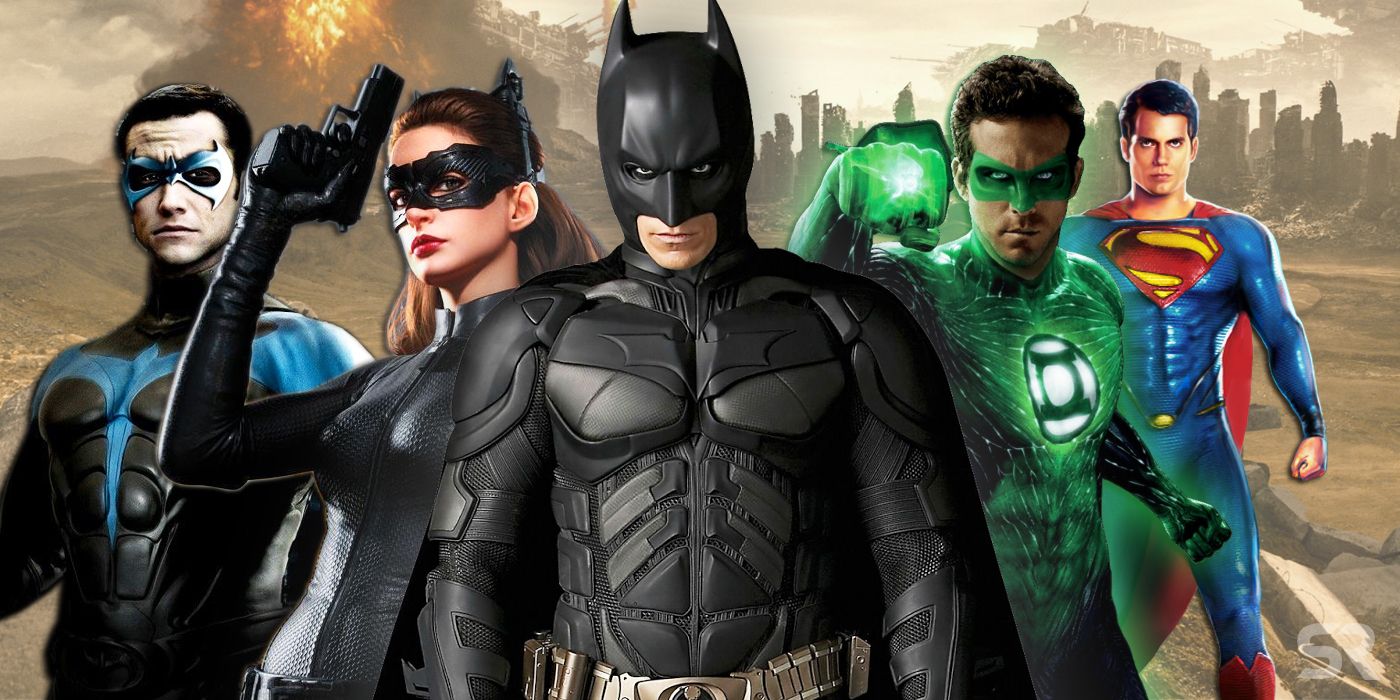
Officially designated as been on Earth-9 in the DC live-action multiverse, this gritty version of the Teen Titans shoule be given the chance to appear briefly in The Flash. Their appearance would be an organic way to help promote their TV show, Titans, since it is one of the better DC superhero TV shows currently streaming.
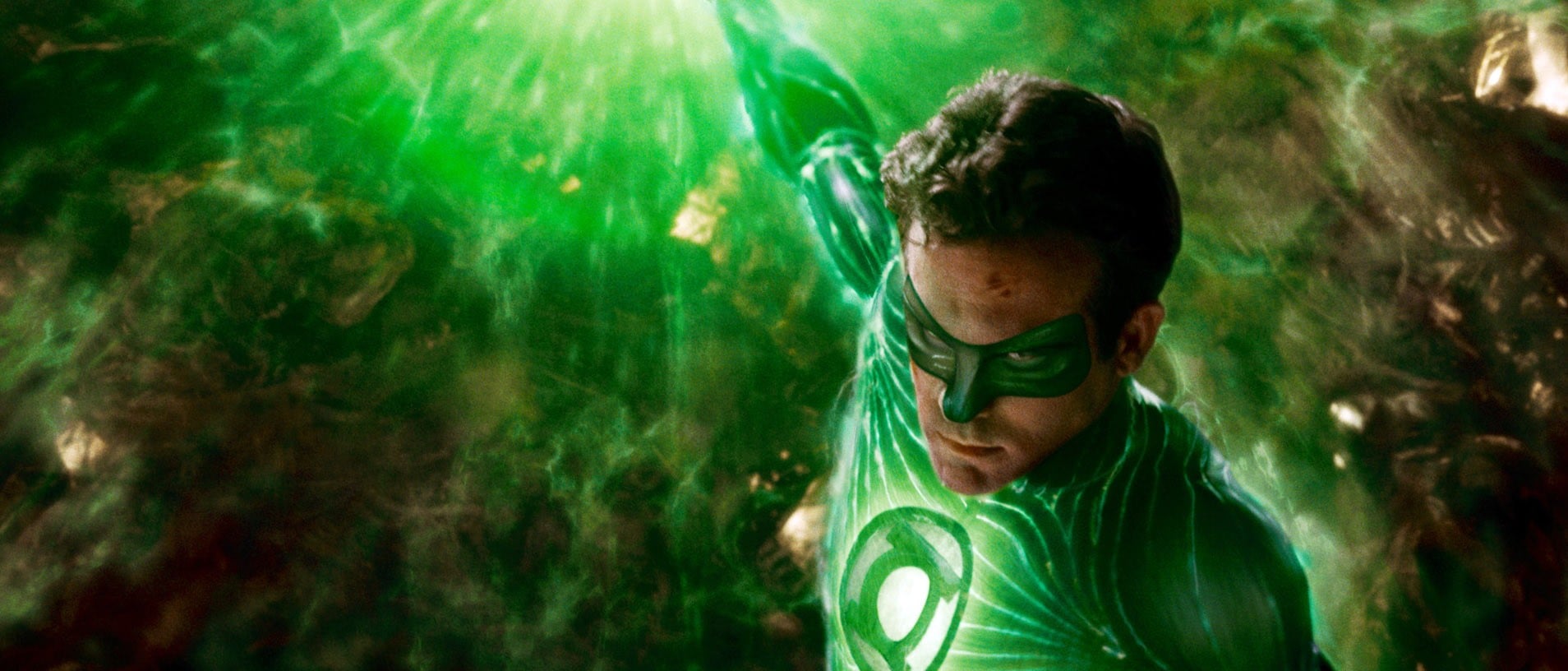
8. Ryan Reynolds as Green Lantern/Hal Jordan
Ten years later, everyone is still trying to forget the misfire that was called Green Lantern, which starred Ryan Reynolds. Keep in mind, that Reynolds was not what was wrong with the film and it would be a fun sight gag to see Reynolds return, especially after the casting was lampooned in Deadpool 2. Another twist would be to recast the cosmic superhero with Chris Pine, who was up for the role during the film’s development.
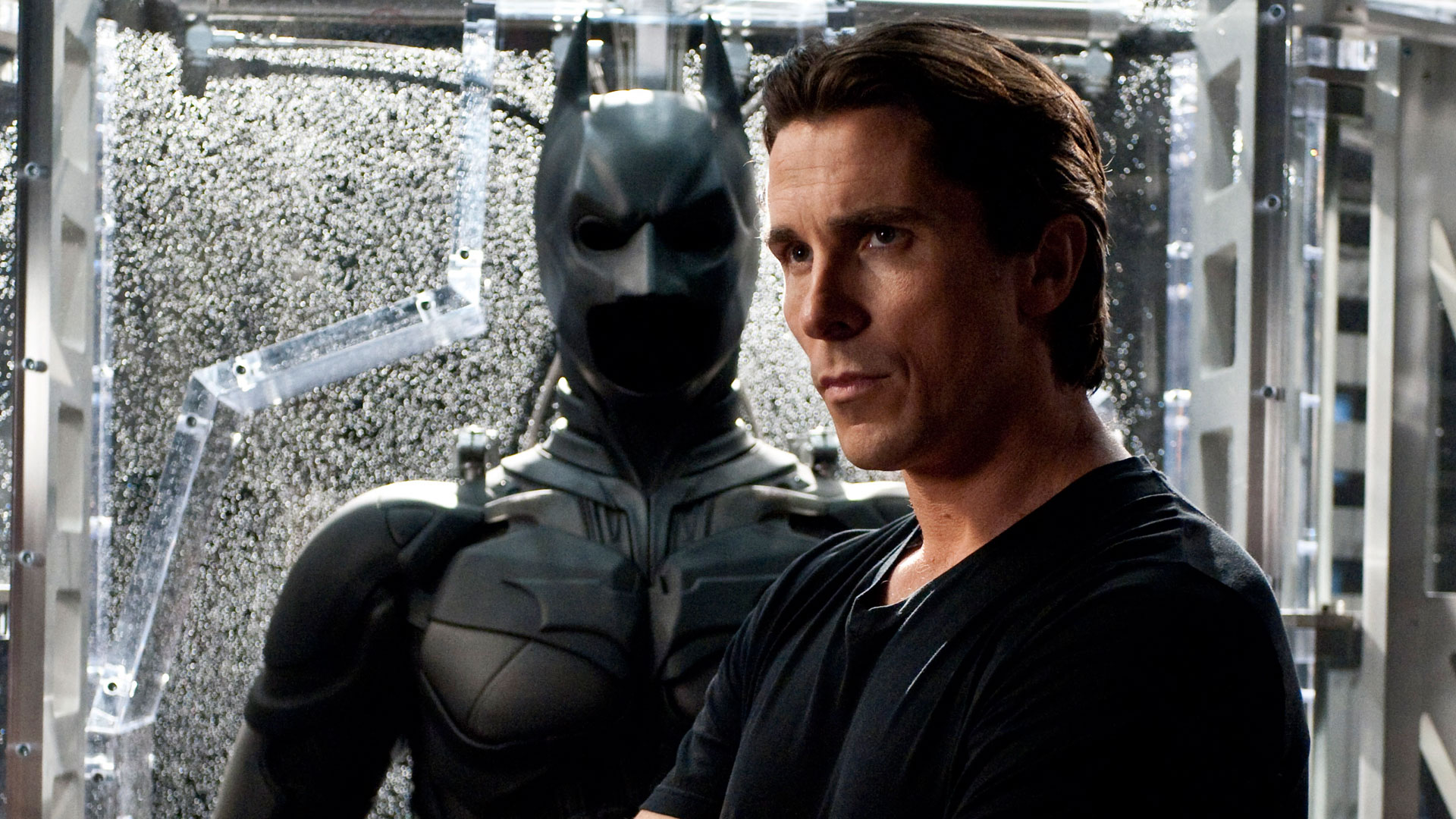
7. Christian Bale as Bruce Wayne/Batman
Rumor had it that if the film studio (Warner Bros.) was unable to convince Michael Keaton to reprise his role, then they would have turned to one of the most revered actors who portrayed the Caped Crusader, Christian Bale. Still, after Bale swore he was done with the role after The Dark Knight Rises, it would have taken a lot of negotiations and money to get him to return, but man that would have been a great payoff!
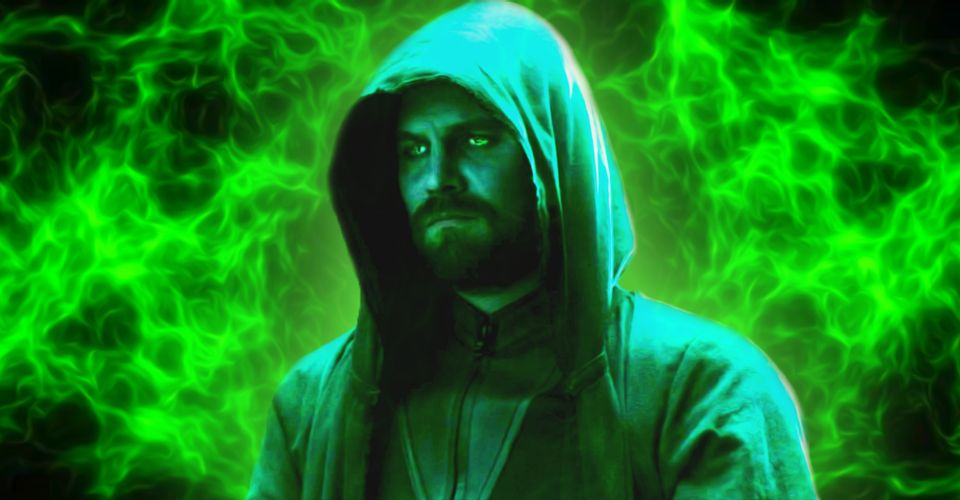
6. Stephen Amell as Spectre or Oliver Queen/Green Arrow
It’s no secret that Stephen Amell’s performance as the CW’s Batman stand-in, Green Arrow in the recently cancelled Arrow, helped elevate the superhero into an A-lister, at least for the CW. Plus, he turned in a respectable performance as Spectre in the Crisis on Infinite Earths crossover event that deserves to be seen again, but on the big screen with better production values and effects. The same goes for his version of Green Arrow.
5. Bryan Cranston as Lex Luthor
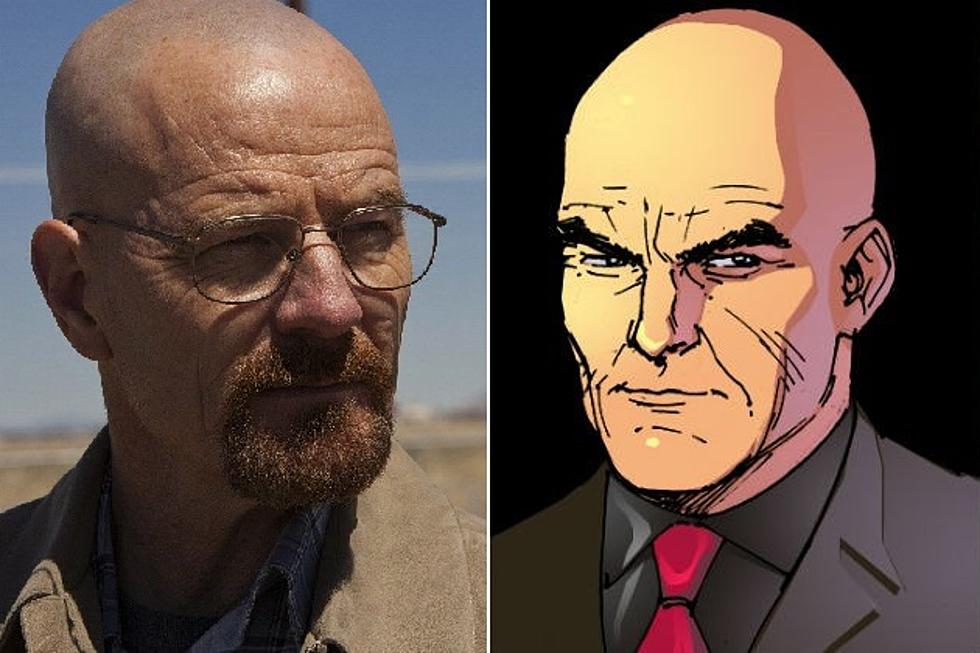
One of the biggest miscastings in superhero films was when Zack Snyder picked Jesse Eisenberg to play the iconic Superman villain Lex Luthor in Batman v Superman: Dawn of Justice. The prefered choice by fans was that of Bryan Cranston who was so chilling in Breaking Bad, and the fantasy casting was not just because Cranston’s Walter White was bald. It was because of his intense and riveting performance which is still remembered to this day. His potential appearance could go a long way to convince the filmmakers to recast the role more appropriately.
4. Nicolas Cage as Clark Kent/Superman
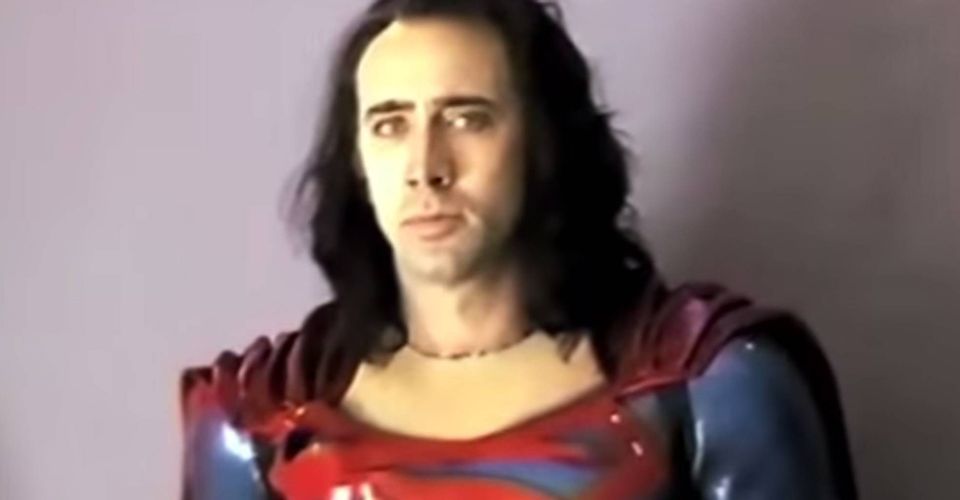
Never mind the missed opportunities with Joe Manganiello and Matthew Goode as Superman in Man of Steel. We want to see the outrageous! Tim Burton’s aborted take on Superman has been chronicled everywhere with the bizarre reimaginings of the Man of Steel right down to the casting of Superman with Nicolas Cage. Fans have been aghast with the behind-the-scenes test footage of cage sporting long hair and a very plastic-looking Superman outfit. How could this vision not be allowed to be glimpsed at least once? Besides it would fullfill Cage’s dream of playing the Man of Tomorrow
3. George Miller’s Justice League: Mortal
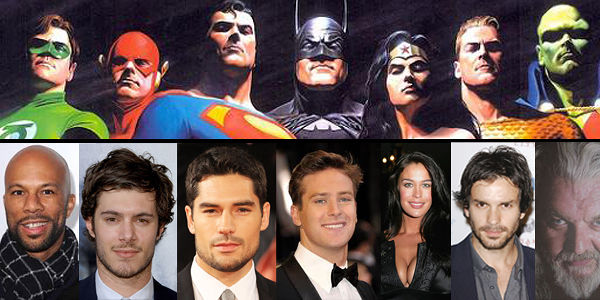
Acclaimed director George Miller was so close to filming his take of the Justice League before events doomed the project. Ever since more details came out about the film, fans have been intrigued by what might have been since Justice League: Mortal predated the DCEU and focused heavily on the Flash. We will never see Miller’s vision but an appearance by his version of the Justice League, complete with his casting picks (including Armie Hammer as Batman), would be a small consolation.
2. Grant Gustin as Barry Allen/The Flash
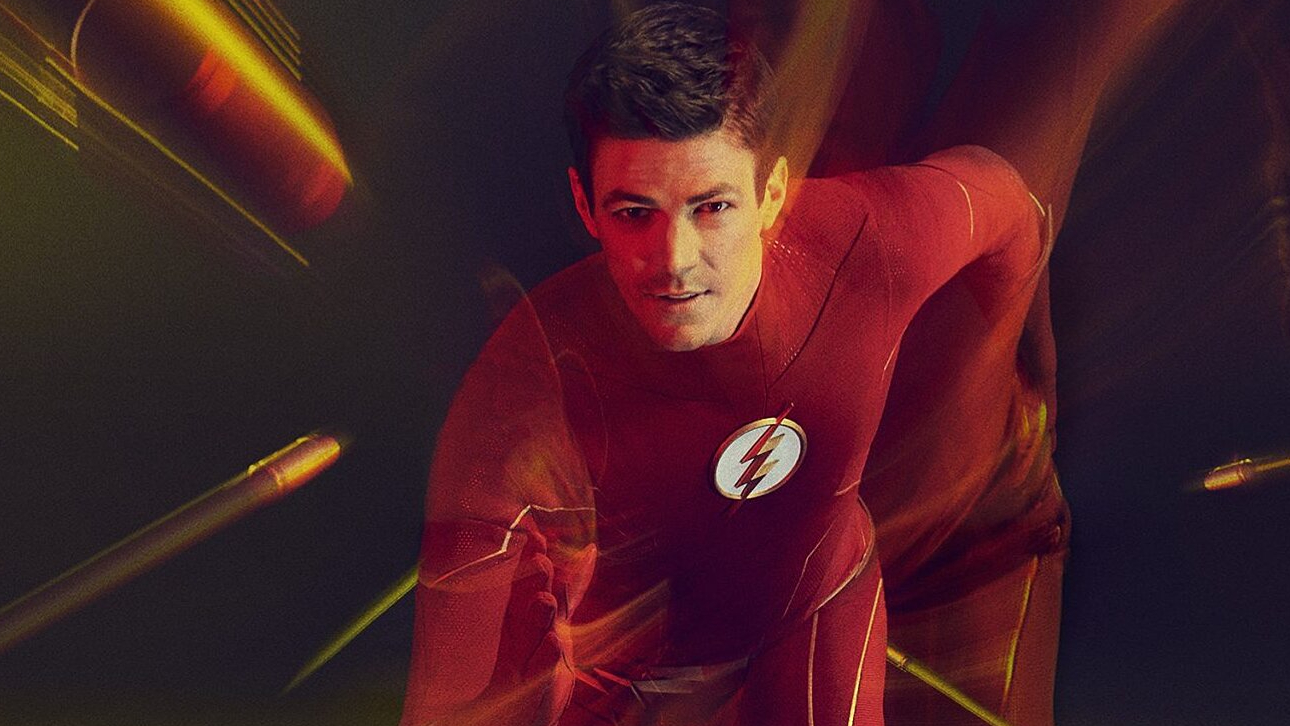
The best thing about the CW crossover event, Crisis on Infinite Earths, was when Ezra Miller (who will reprise his role in The Flash) briefly appeared in one scene and met the current TV version of the Flash, played by Grant Gustin. It would be a hoot if the scene was revisted in The Flash but from Miller’s point of view and it would be even better if Gustin later played a role in the film along with John Wesley Shipp who appeared as the Scarlet Speedster in the 1990s live-action TV show, The Flash.
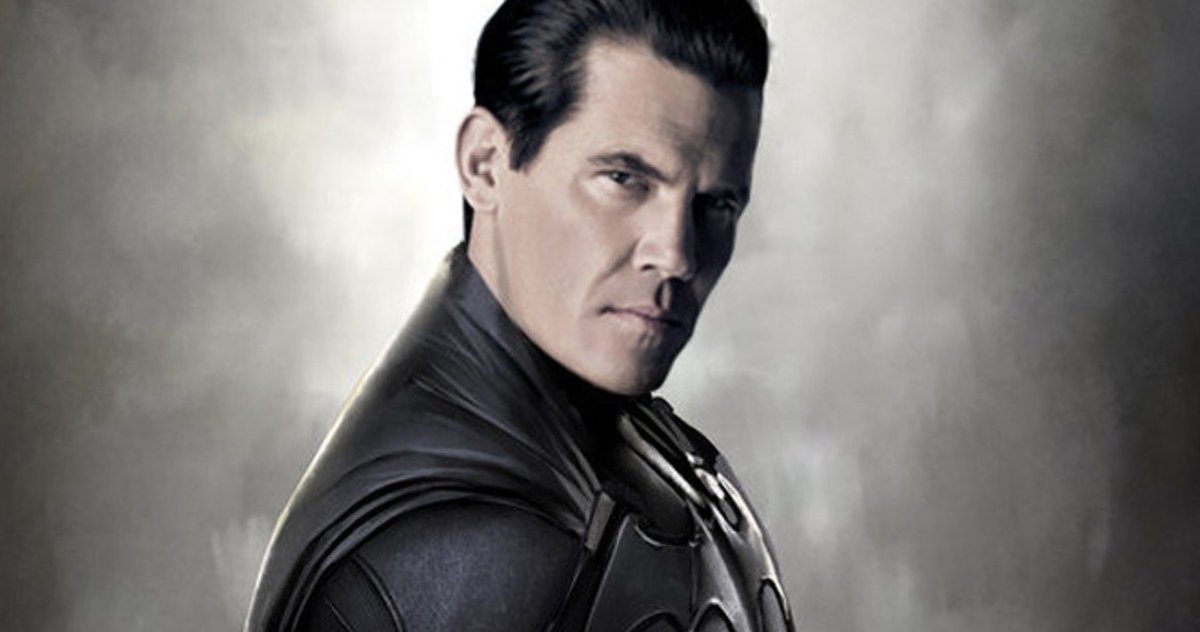
Josh Brolin as Bruce Wayne/Batman
Before Ben Affleck was cast as the newest Dark Knight in Batman v Superman: Dawn of Justice, Josh Brolin was seriously considered for the role. While Affleck defied expectations and turned in a memorable performance as Batman, we cannot stop wondering how Brolin’s interpretation of Batman would have been like. Of course, we have an idea of how Brolin would have fared thanks to his previous experience in superhero films as he played Thanos and Cable in Marvel films. So, portraying Batman should come naturally to this gifted actor. Another possibility would be to have Jeffrey Dean Morgan reprise his role as Thomas Wayne in the DCEU, which would more closely adapt the Flashpoint story line.
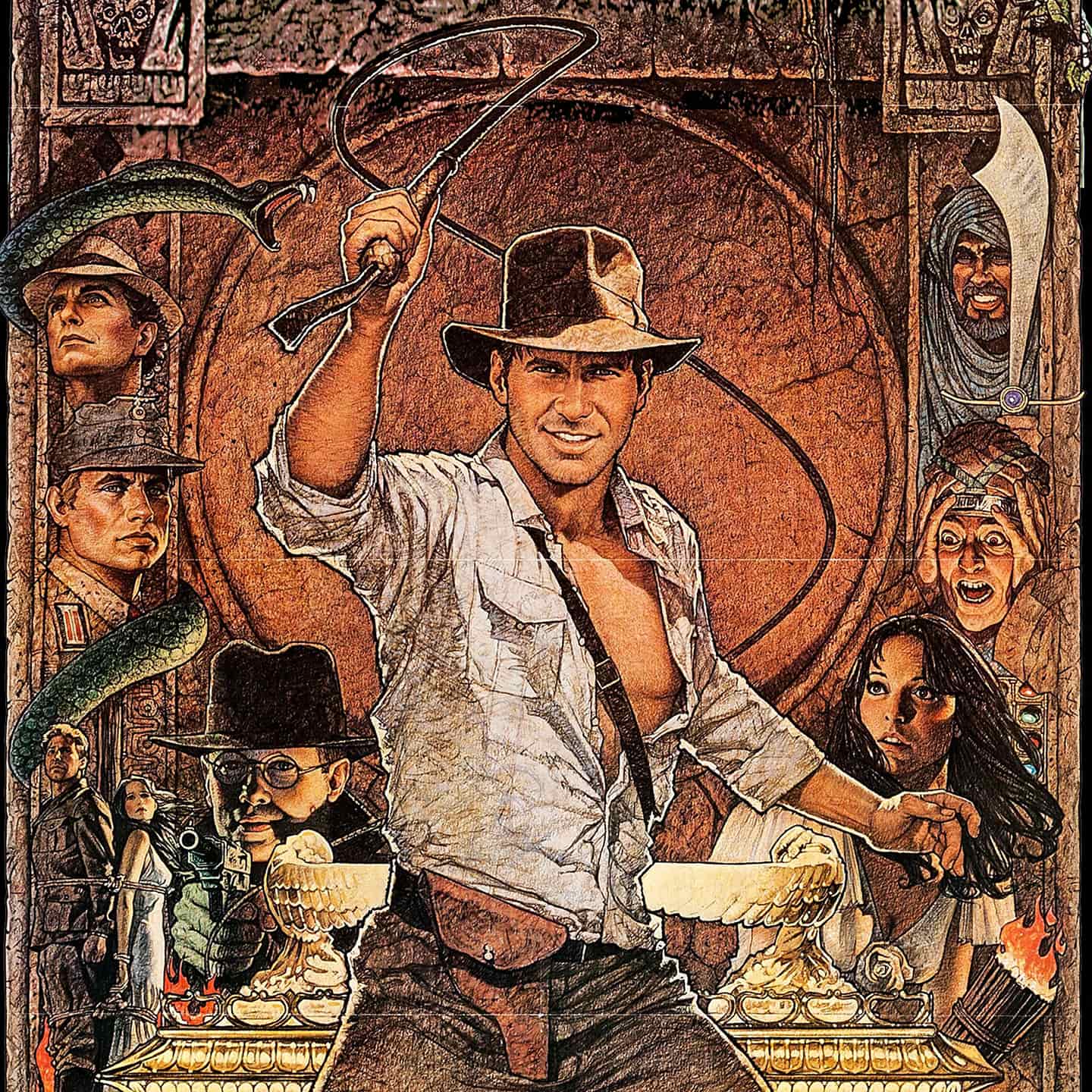
It’s hard to believe 40 years has gone by for this priceless treasure of a movie. Raiders of the Lost Ark, which was great then, as it is now.
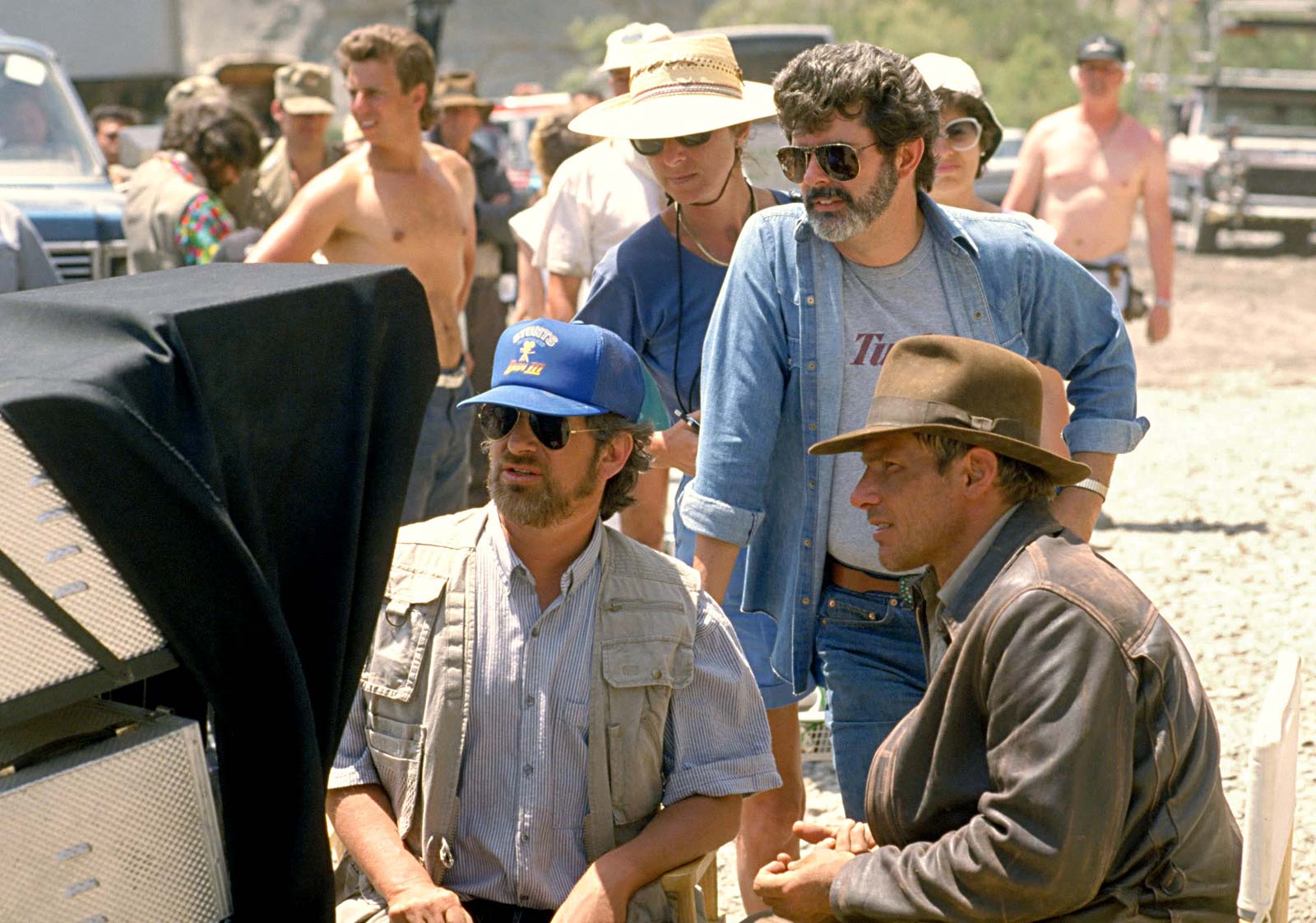
Raiders of the Lost Ark was conceived by Steven Spielberg and George Lucas while the two were on vacation at the time Star Wars was released in theaters in May 1977. The two filmmakers wanted to collaborate on a project. Spielberg wanted to do a James Bond film, but that did not pan out. Instead, he and Lucas decided to create their own hero and over time, Phil Kaufman helped flesh out Lucas’ story, and later Lawrence Kasdan wrote the screenplay.
When Raiders of the Lost Ark debuted June 12, 1981, it made us realize that Hollywood did not make movies like this anymore. Directed by Steven Spielberg and executive produced by George Lucas, the film was a tribute to the old black and white adventure serials (often done by Republic Pictures) that appeared in cinemas back in the early days of film.
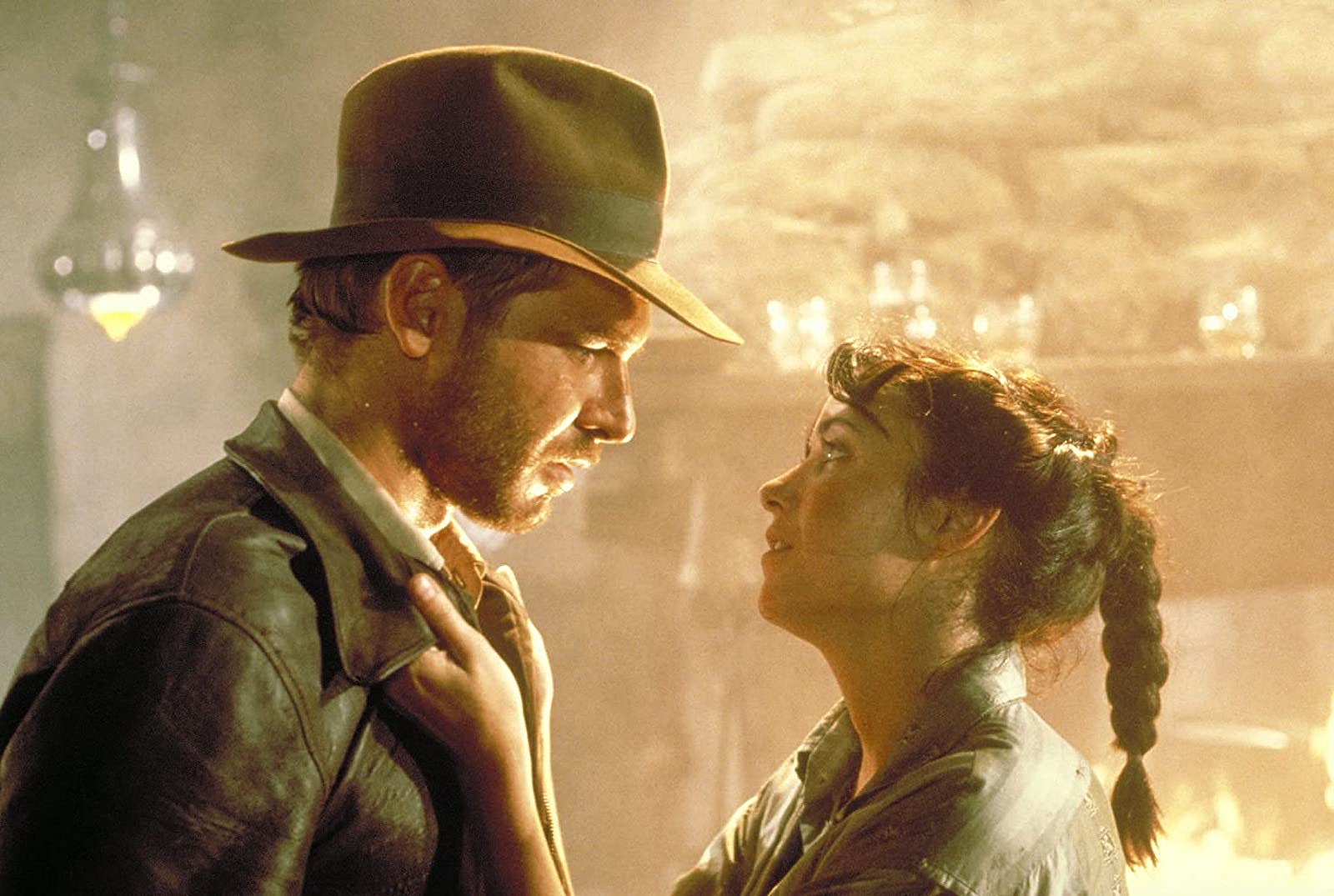
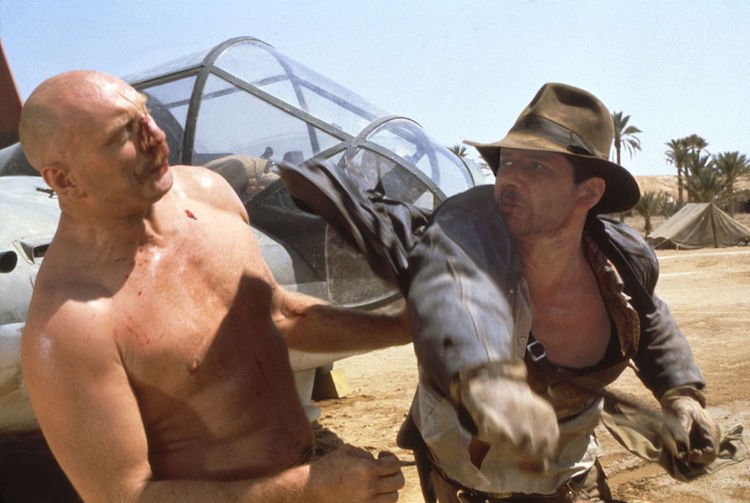
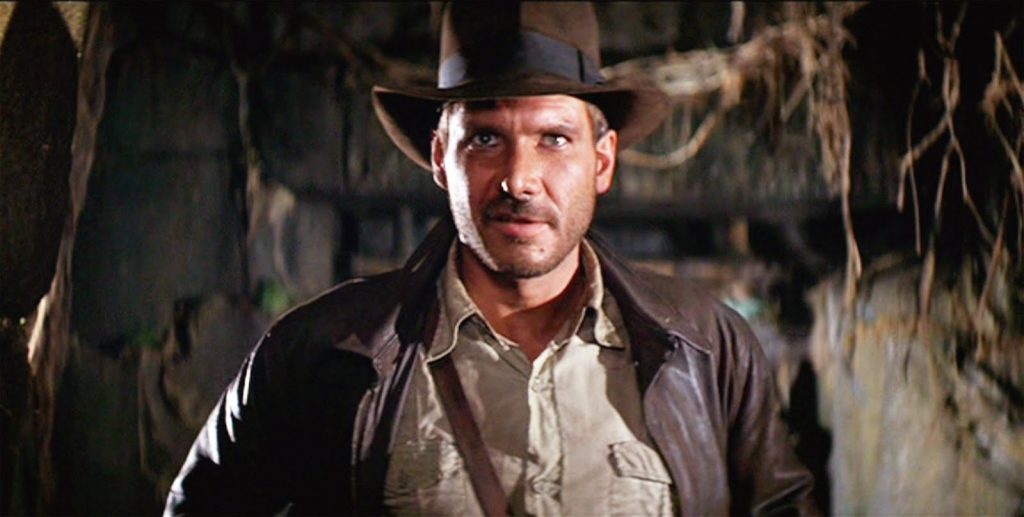
It was an adventure movie set in the 1930s with a touch of the religious and otherworldly—namely the mystical artifact, the Ark of the Covenant, which was sought after throughout the world by the archeologist Indiana “Indy” Jones (Harrison Ford, who was never more dashing) and Nazis led by Indy’s dastardly rival archeologist Rene Belloq (Paul Freeman). The film boasted a handsome and rugged hero, a beautiful, but tough, female lead (Karen Allen), smarts, spunk and pulse-pounding action. It’s why many moviegoers still consider Raiders of the Lost Ark to be the all-time greatest action movie.
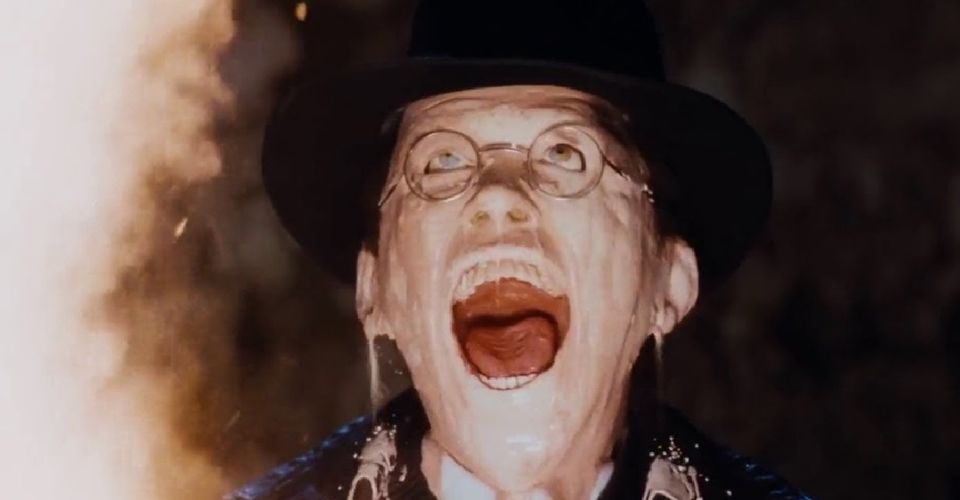
What helped Raiders stand out from other action films were Spielberg’s directing which injected so much passion and energy into each scene and the hint of the supernatural when the Ark was finally opened. Basically the film was a Republic serial on a steroid budget as it boasted topnotch production values and effects, which consisted of blue screens and miniatures. One chilling effect that was unique at that time was that of one of the villain’s face melting off when the Ark was opened. The effects crew constructed a mold using a stone skull and gelatin that was melted between two propane heaters. It took about ten minutes for the face to melt, which of course, was sped up in the film to a gruesome effect.
Another star of the film was the film’s composer, John Williams. Already famous for his memorable scores for Jaws, Star Wars, and Close Encounters of the Third Kind, Williams was picked for Raiders thanks to his association with both filmmakers. Originally, Williams had two distinct themes for the film, and Spielberg suggested he combine the two and viola, that is how we got the famous Raiders March that evokes a feeling of grand adventure and thrills.
The film was wildly beloved when it burst into the scene that summer. Later in 1982, it won five Oscars and was even nominated for best director and best movie of the year, though as usual the Academy Awards voters chose to bestow those honors to less deserving winners (Warren Beatty for his overstuffed Reds, and Chariots of Fire, a real yawn fest of a film that is largely forgotten). As noted before, Raiders of the Lost Ark was based on cheaply made serials, yet it was made on a budget of less than $20 million. However, the film grossed almost $400 million (very high for its time), which proved that audiences still liked good old-fashioned adventures.
American actor Harrison Ford on the set of “Raiders of the Lost Ark”. (Photo by Sunset Boulevard/Corbis via Getty Images)
Raiders of the Lost Ark and the followup Indiana Jones films dispelled any doubt that Harrison Ford could only be a box office draw for the Star Wars movies. Ford stood out so clearly with his iconic wardrobe, bullwhip and tough-as-nails demeanor, except when it came to snakes! After his role in Indy, Ford went on to become one of the top earning action stars of the ’80s.
At the same time, Raiders helped disprove that George Lucas was a one-trick pony, since he is best known for his StarWars films, while it cemented Steven Spielberg’s deserved status as one of our greatest film directors.
The sequels were well received for the most part with exceptions. The first sequel, or rather prequel (since it takes place before Raiders), Indiana Jones and the Temple of Doom was criticized for being too violent and helped inspire the PG-13 movie rating. The third film, Indiana Jones and the Last Crusade was considered by some as the best of the Indy films, though most still think that forty years later, the first one is the best. Unfortunately, the last one, Indiana Jones and the Kingdom of the Crystal Skull, which came out in 2008, is considered to be the weakest film, thanks to the obvious use of CG, clumsy antics and Shia LeBeouf, who played Indy’s son, but it still has some terrific moments.
Thankfully, that film will not be the last we have seen of Professor Jones as a new adventure is being filmed for release next year. But given Harrison Ford’s advanced age (he is 78), it is hard to see how the film will convince us he is still a man of action. It’s too bad, there were not more Indiana Jones movies made when Ford was in his prime, otherwise we would not have this dilemma. But keep in mind that the actor wanted to branch out and do other films, plus Spielberg and Lucas were also busy with other projects, which meant that all three getting together to do more Indy films was a logistical nightmare and it still is, as seen by the fact that Steven Spielberg is not directing the fifth film; James Mangold has taken over for the directing duties.
With three sequels released and a fourth sequel currently filming we should take a moment to consider the appeal and influence of Indiana Jones.
The concept of Indy being an outdoor adventurer looking for things of importance no doubt influenced Tomb Raider, Uncharted, the Temple Run video game franchise, the Jumanji films, Brendan Fraser’s The Mummy, and even Dora the Explorer. Lesser known properties inspired by Indy’s film adventures include the cult classic The Rocketeer, the fairly recent Journey to the Center of the Earth movies with Brendan Fraser and The Rock, and TV shows like Tales of the Golden Monkey. There was even an Indy- themed episode of Magnum P.I. starring Spielberg and Lucas’ first choice to play Indiana Jones—Tom Selleck. The actor almost got the part, but had to bow out due to contractual obligations with his TV show.
Raiders of the Lost Ark is so influential that any imagery in media showing a person or people exploring the jungle, with table cards flashing a bold logo is no doubt influenced by Indiana Jones. It even re-popularized the fedora hat that Indy often wore along with his leather jacket. These are just some of the reasons why we celebrate Raiders of theLost Ark forty years after its release. Simply put, it still holds up as an exciting, innovative and lavish adventure yarn that is timeless. To paraphrase Belloc, who mentioned in the film that if he buried a cheap watch in a thousand years it would become priceless, well in a thousand years we sense that this movie will still be priceless!



 Starloggers