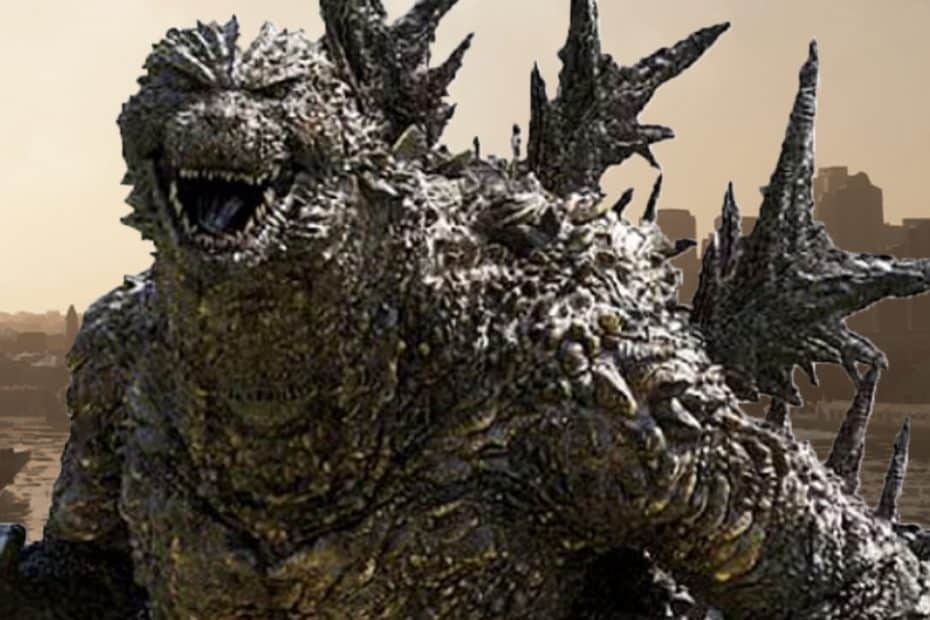
Godzilla Minus One = Plus One Greatness

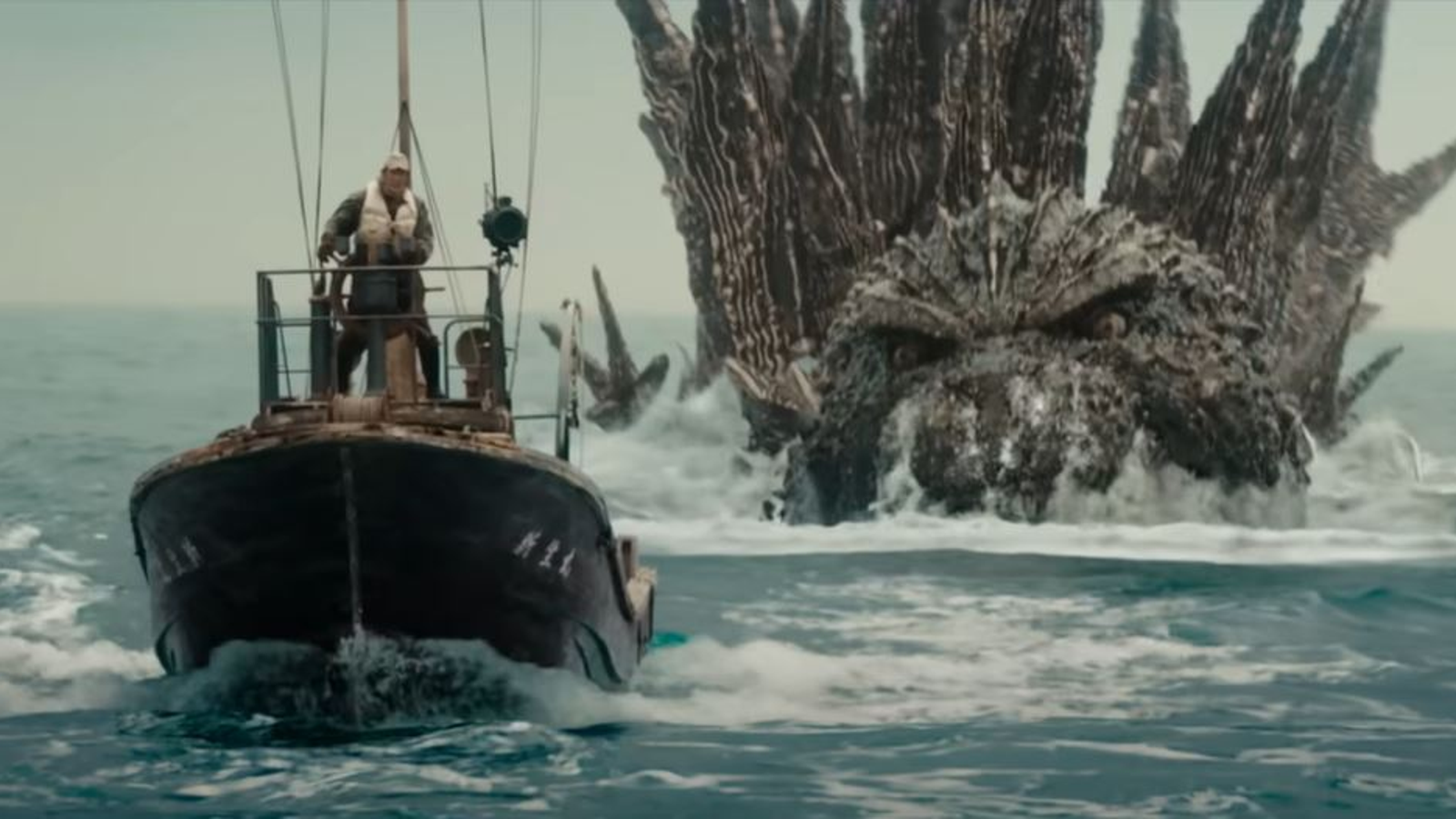
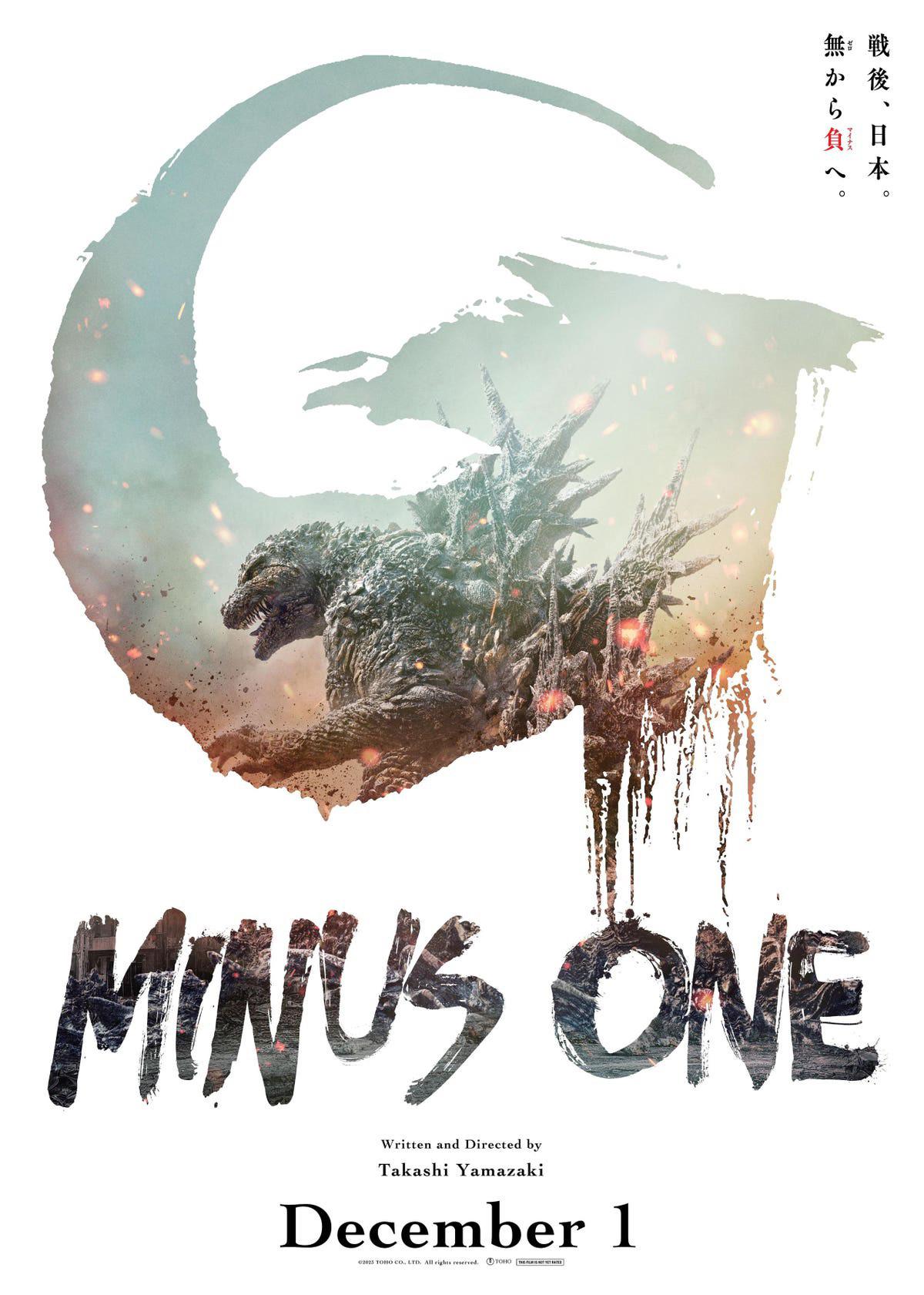
Some may scoff the latest Godzilla film, Godzilla Minus One, as just another kaiju flick with battling monsters, goofy plots, and bad acting. But they will be very surprised by what Godzilla Minus One offers since it is one of the greatest Godzilla films ever made.

Evoking the serious and somber tone of the original Godzilla from 1954, Godzilla Minus One is much more than a giant kaiju film about rampaging monsters standing in for deadly forces of nature. It is also a film that studies the impact of war on former soldiers and civilians. With that in mind, the film takes the time to get viewers to become involved with the storyline of its human characters who have a surprising amount of depth and story arcs.

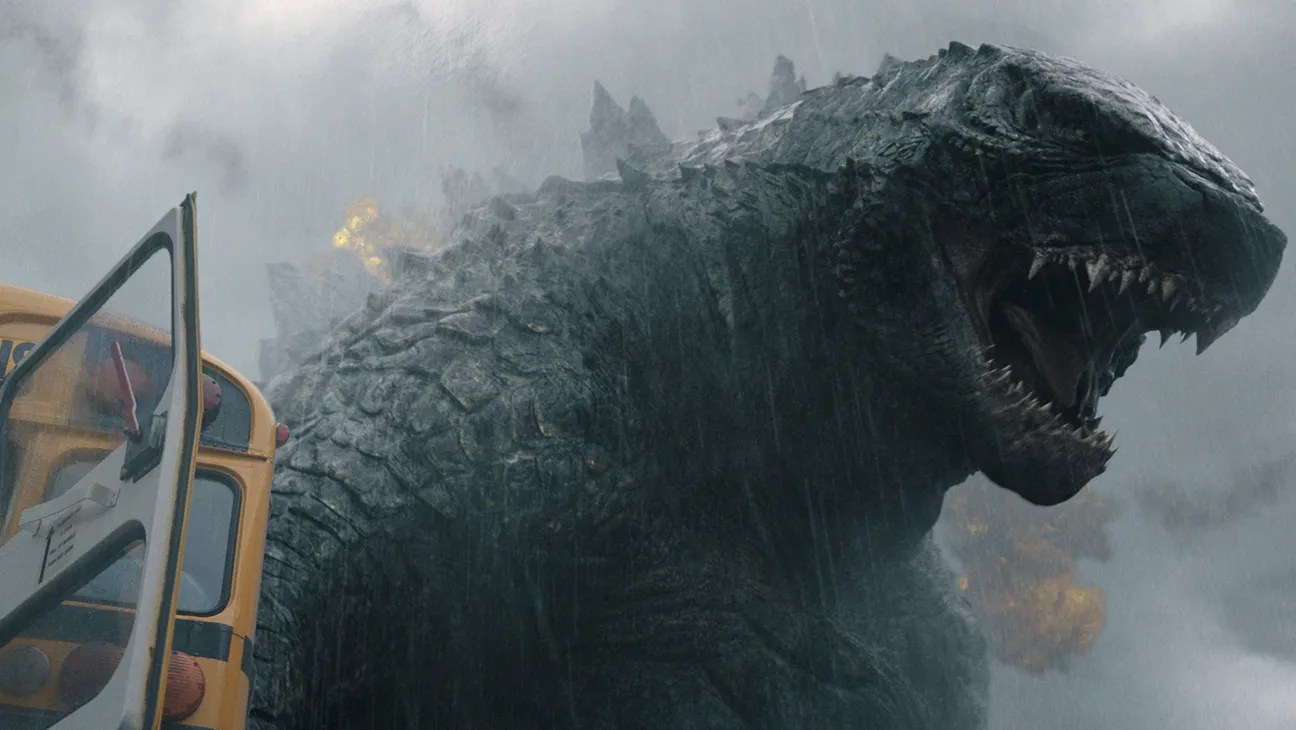
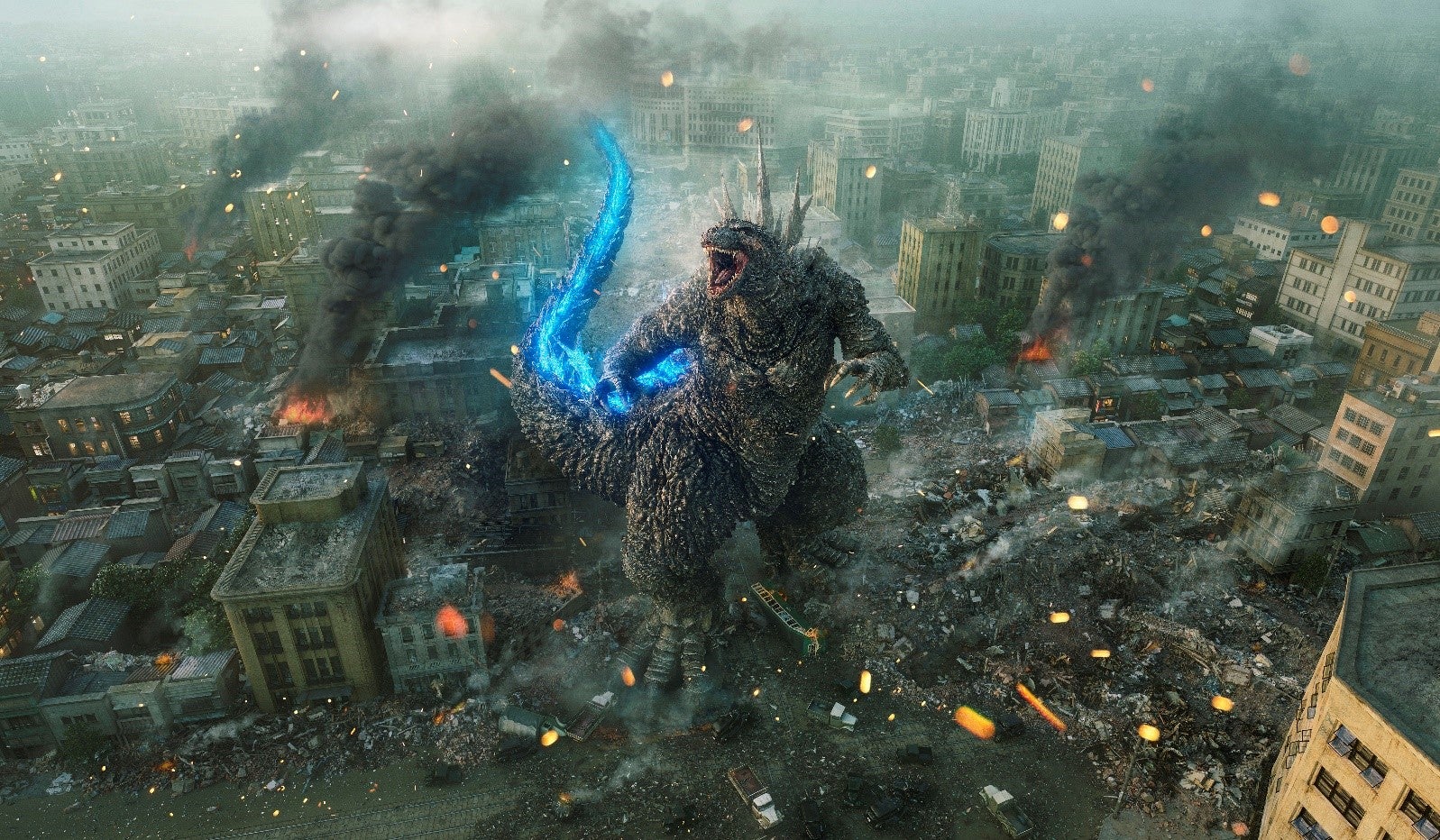
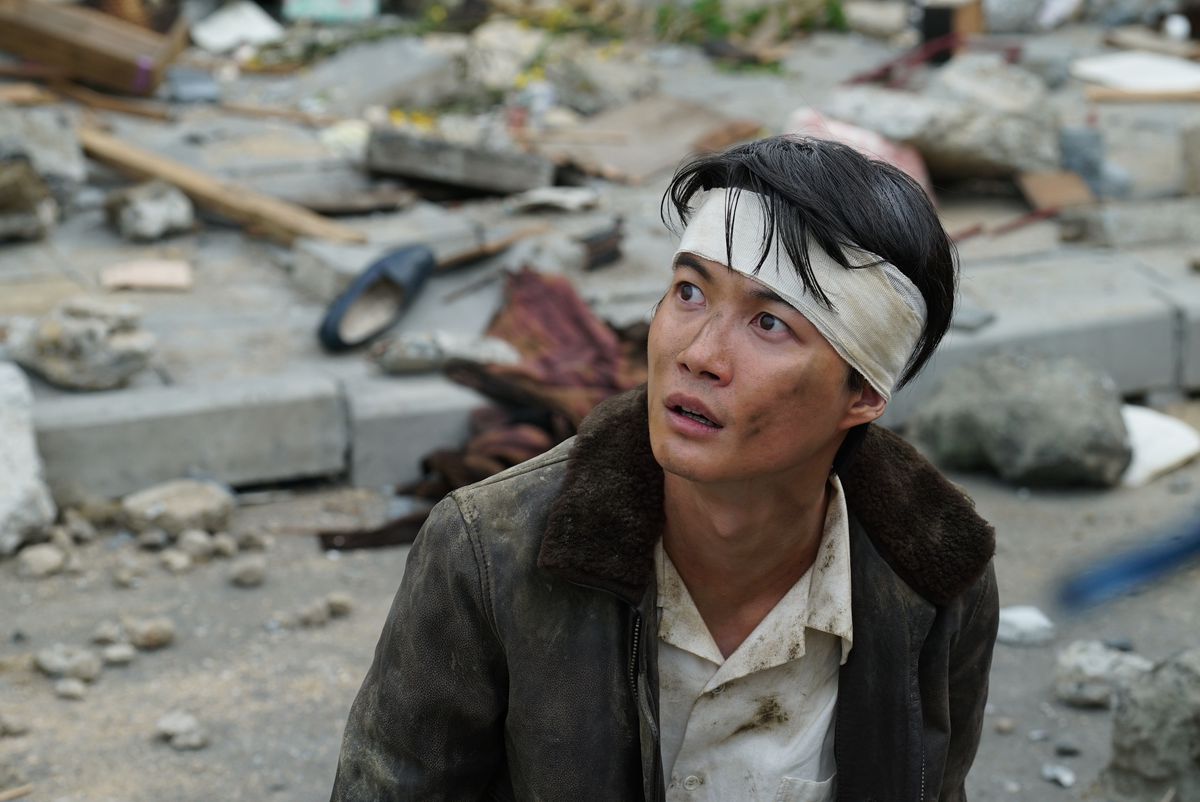
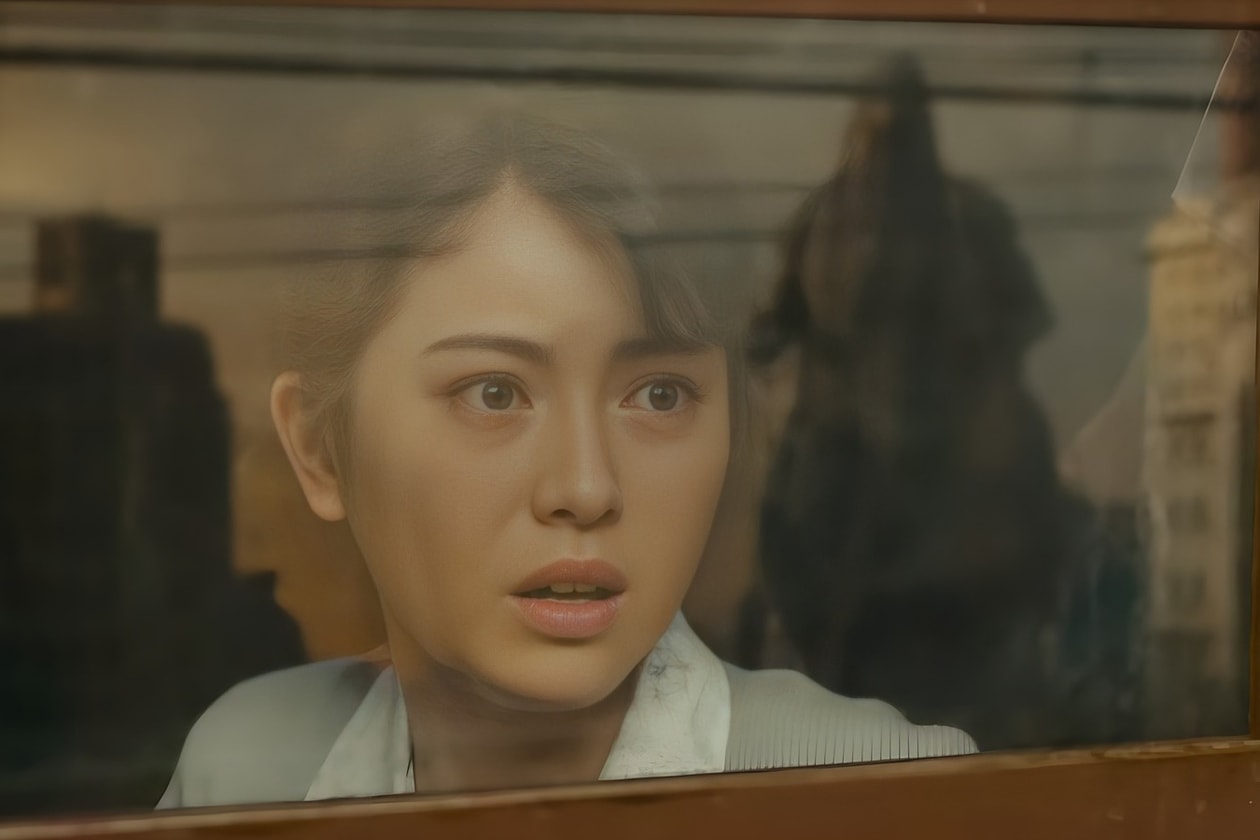
The film opens in the last days of World War II on a Japanese island that serves as repair depot for kamikaze planes. Kōichi Shikishima (Ryunosuke Kamiki) is a kamikaze pilot who lost his nerve and sets down on the island and pretends his plane needs repairs. During nightfall, the depot is attacked by a dinosaur-like monster called Godzilla by the locals. This version of Godzilla is considerably shorter than the giant walking skyscraper we’re used to seeing. This one is about the size of a large t-rex, but is quite deadly. Shikishima cannot bring himself to attack the rampaging beast that soon kills nearly everyone at the depot. Carrying this guilt with him, Shikishima struggles to adapt to civilian life in the midst of a decimated Japan after the war ends. A couple of years later, he meets Noriko Oishi (Minami Hamabe), who struggling to survive with her adopted child Akiko, who was orphaned during the war. The three form a fragile family that soon begin to strive after both adults find jobs and meaning. Shikishima works on a minesweeper boat and bonds with his shipmates. He is compelled to accept his new family and to marry Noriko, but his wartime past still haunts him. At this time a U.S. nuclear test in Bikini Atoll mutates Godzilla, who soon appears in Japan’s waters as a gigantic destructive force that emits radiation through its breath and is able to quickly heal itself from deadly injuries.

After a terrifying encounter with the creature, Shikishima’s surivor guilt and post-traumatic stress disorder kick into overdrive as he is plagued by inner demons over his inability to act in the past. Before long Godzilla makes landfall and decimates the Japanese city of Ginza before disappearing into the ocean. But everyone knows the behemoth will return and take all measures to destroy the kaiju before it returns. This also provides Shikishima with the drive to earn a measure of self redemption by confronting the monster once and for all.

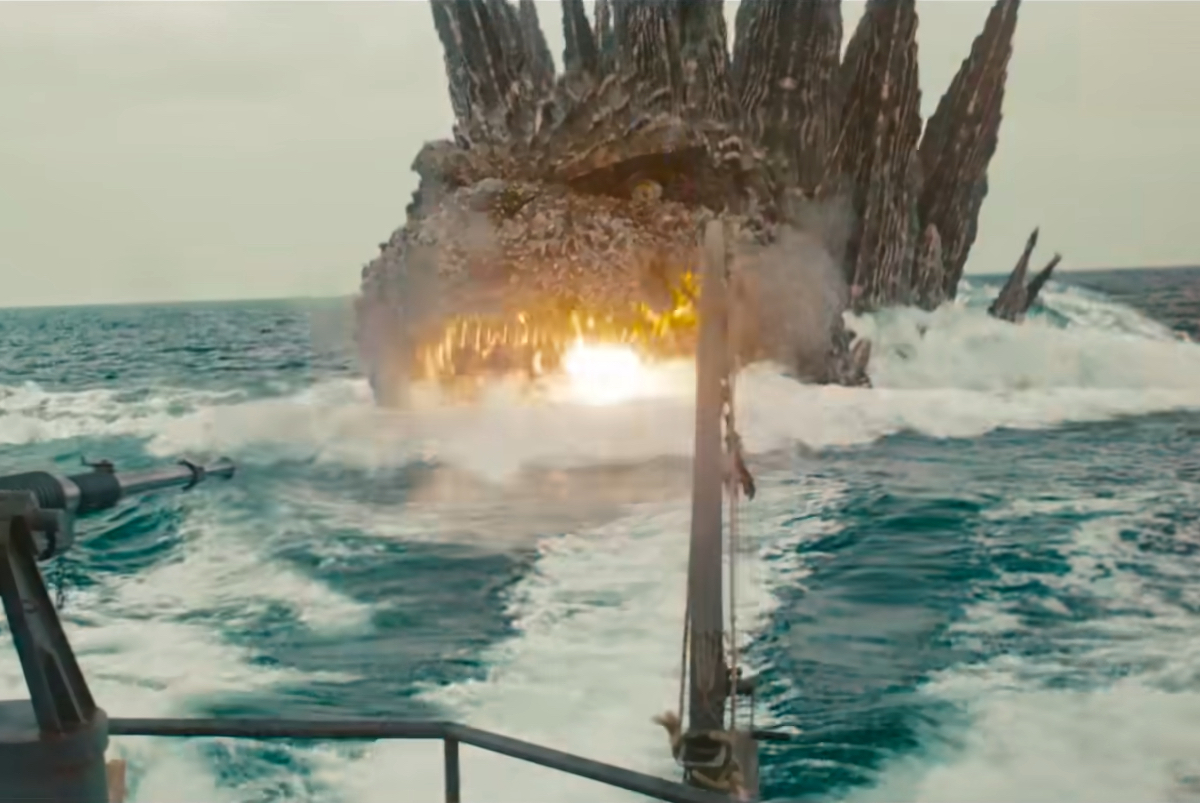
Godzilla Minus One is full of drama and tension as we witness Shikishima’s story and the terrifying might of the monster. Obviously, Godzilla is a metaphor for the destructive force of war and this is done so well in the film. His rampages are very terriying and humbling as humanity and society are laid to waste by the kaiju. The scenes of mass destruction are also anchored by the compelling human stories as the survivors of World War II struggle to rebuild their lives and society. That is why it is disheatening to see the fragile peace created by Shikishima and his friends torn apart so easily by Godzilla. We actually care about these people, they are not random background characters who we casually dismiss when the monster stomps about a city. At the same time, the film also evokes Jaws in its depiction of the casual banter of shipmates who then confront a terrifying underwater beast that functions a colossal prehistoric shark.

The only quibble with the film is that it takes great lengths to explain why the American or even the remnants of the Japanese military did not try to confront the monster more openly. Despite shoutouts about Cold War fears, this does not seem realistic, especially if the behemoth that destroys a city is breathing out deadly radioactive fire. You can bet the U.S. military would have gotten involved when this was discovered. It is also implausible that the Japanese military would have a hands off attitude when it came to fighting Godzilla. Instead, the final confrontation is left up to “private citizens” who take matters into their own hands. This just seems unrealistic.

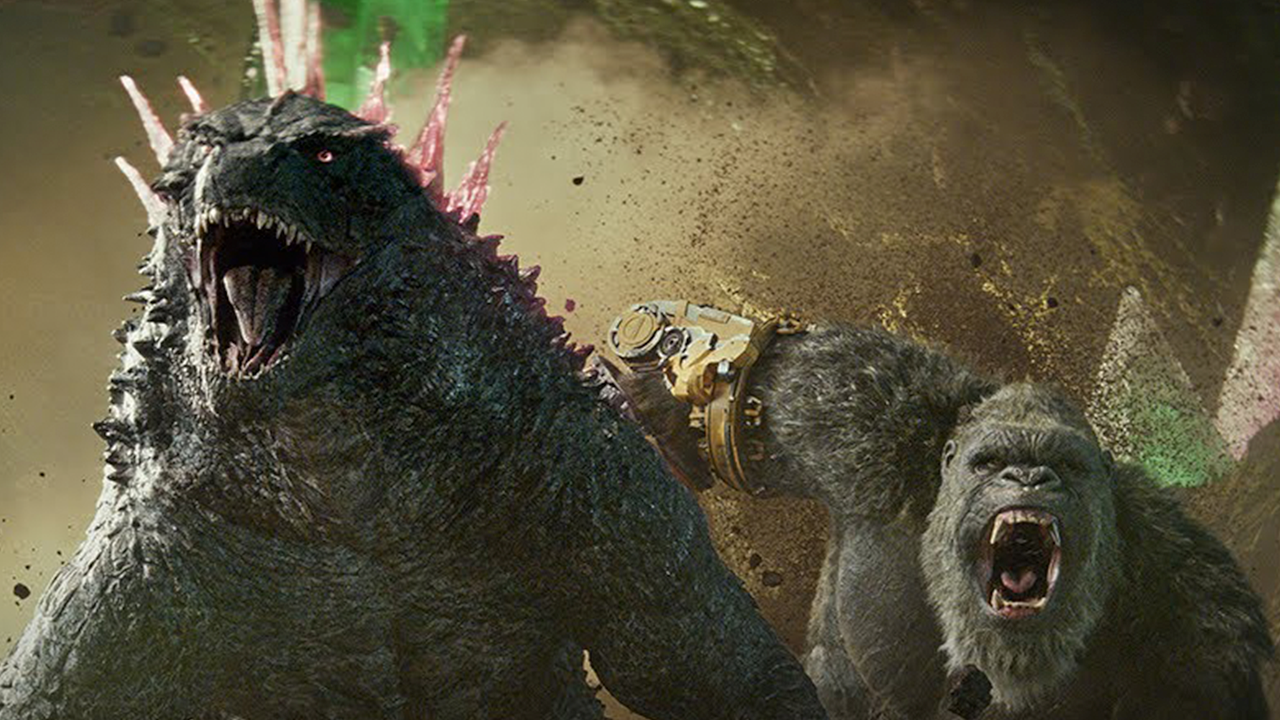
Unlike most Godzilla films, Godzilla Minus One boasts excellent production values from special effects that easily rivals what comes out of Hollywood to engaging performances from the actors. Much of the credit has to go to its director and screenwriter Takashi Yamazaki, who also supervised the stunning special effects. Yamazaki has a great eye for filmmaking and other kaiju productions should emulate what he has accomplished. It is clear that the Monsterverse films could use the talent of Takashi Yamazaki, who would bring levity and depth to their films. As much fun as the Monsterverse films are Godzilla Minus One elevates the kaiju genre to a much higher level. Then again Hollywood being the way it is would dilute the talent of this director.

It is stunning to know that after 70 years, it is still possible to create an excellent Godzilla film. Godzilla Minus One has set a new standard for Godzilla films that will be difficult to match, but it could inspire other equally impressive kaiju films.

José Soto

The MCU Woes, Part II: How To Correct Itself

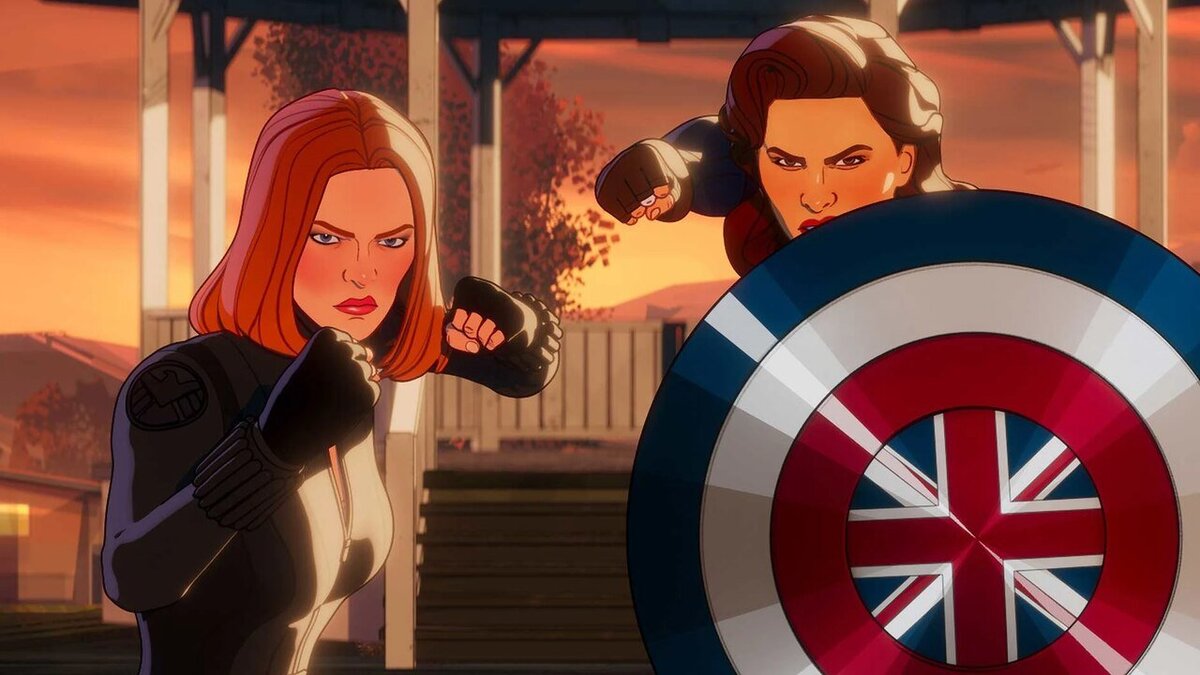
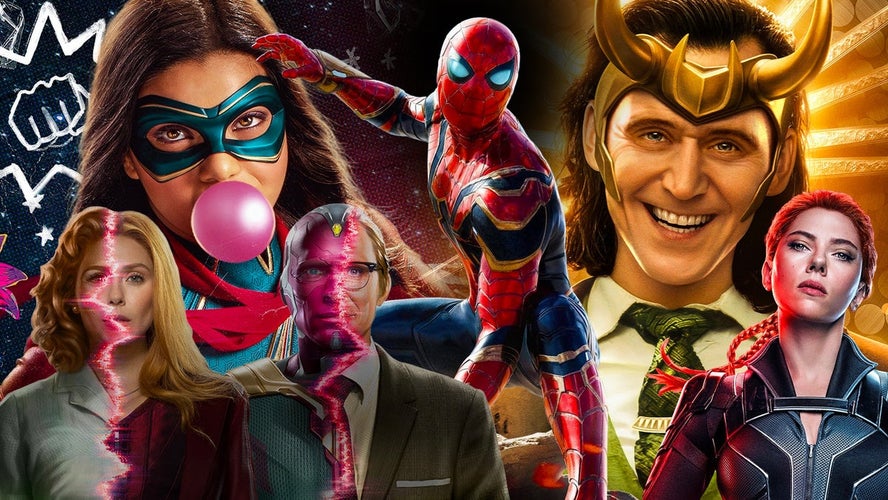
The latest online trend has been to bash Marvel Studios and its Marvel Cinematic Universe (MCU). Toxic trolls have been pouring out with uncontrolled glee proclaiming Marvel Studios is too woke and deserves to fail. They point to the disappointing reception for many of the MCU’s latest offerings as proof that the brand is dead. Further adding fuel to the fire, Marvel Studios has delayed many of its productions to improve them.

It is undeniable that the MCU brand has taken some hits and is not regarded as highly as it was during its heyday, to call the brand dead or beyond repair is a gross exaggeration.

Thankfully, Marvel Studios and its parent company Disney have recognized the situation and are taking concrete steps to course correct and ensure the MCU regain its reputation for quality superhero films and TV shows. Sure, the MCU has taken its lumps, but what brand is not immune to this? Many times it is good to take a tumble, this gives one the chance to learn from mistakes and improve. This is what is going on with the MCU.

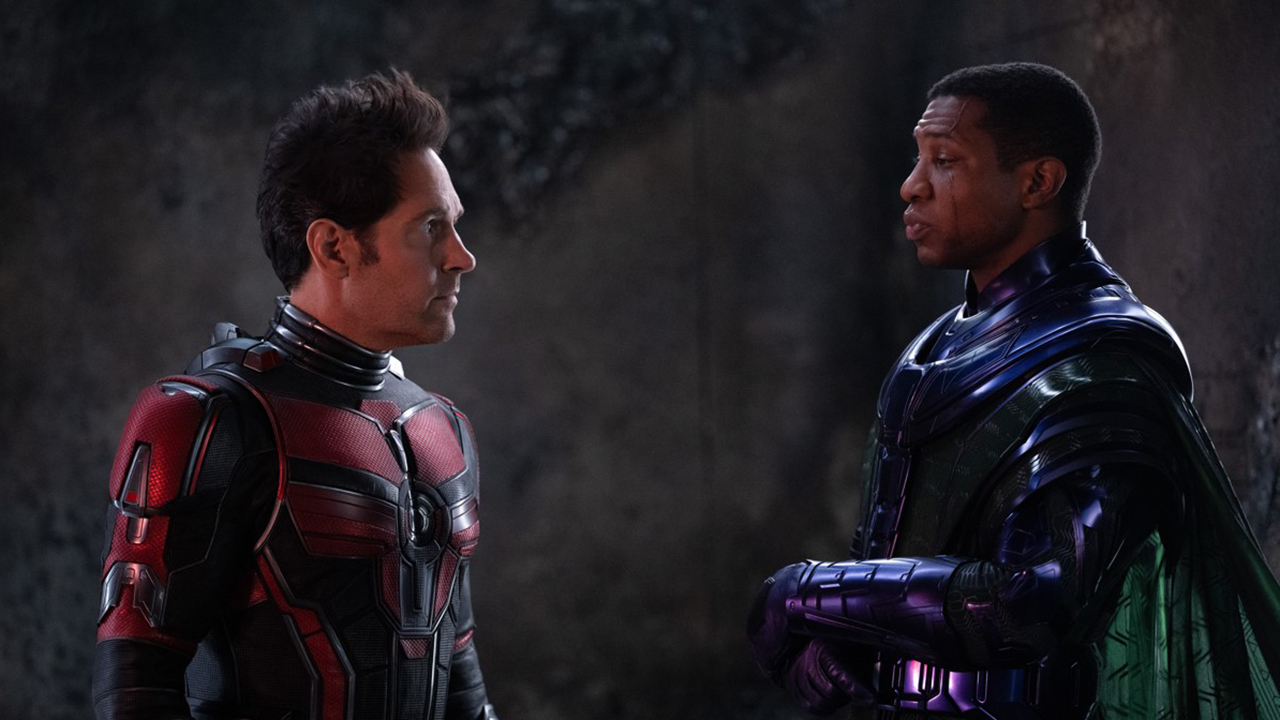
First of all, Marvel Studios has shown the willingness to scrap what they have worked on and start over. One example is the Daredevil: Born Again TV show which has been scrapped and been redone. Another example is that Captain America: Brave New World has been delayed in order to rework it due to a poor test screening. Then there are the rumors that Kang will be written out of the future films and TV shows in favor of Doctor Doom. This would take care of the situation with Jonathan Majors facing trial for domestic abuse, especially if he is found guilty. These examples demonstrate that Marvel Studios is willing to take the necessary steps to take the time to produce the best projects possible.

Better Scripts Needed

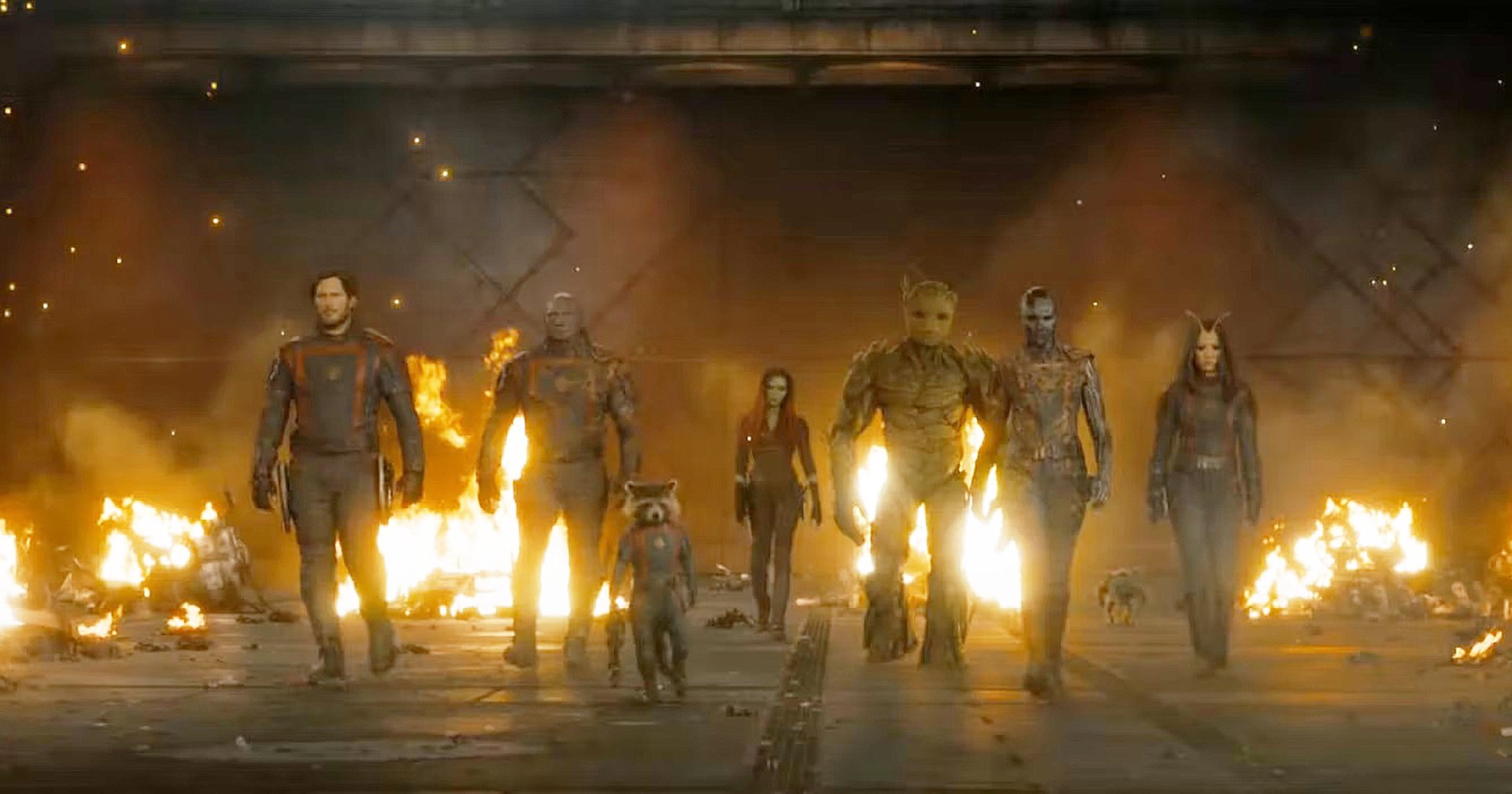
However, the first and most important step that needs to be taken is to devote more time to the scripts. Allow the writers to tell proper stories and DO NOT GO INTO PRODUCTION UNLESS THE SCRIPTS ARE COMPLETED TO EVERYONE’S SATISFACTION. This would largely take care of the problem of realizing a film is not working and having to do major retooling with it in post-production. This is why recent projects like Secret Invasion fared so poorly. It’s been reported that Secret Invasion had major overhauls and rewrites in the middle of its production, which is why the end product seemed so underdeveloped and rushed. On the other hand, look at two recent MCU successes: Loki Season 2 and Guardians of the Galaxy, Volume 3. Both productions had well-crafted scripts that were full of heart and flowed well. More importantly the stories logically reached their conclusions while servicing the characters. This is a major reason why both projects received so much acclaim and performed well.

Even though it is important to follow a certain narrative as dictated by the higher ups and to meet deadlines, the screenwriters should be given more autonomy with their scripts. It is also important at this point with the MCU to hire great writers who have a record of turning in terrific and solid screenplays.

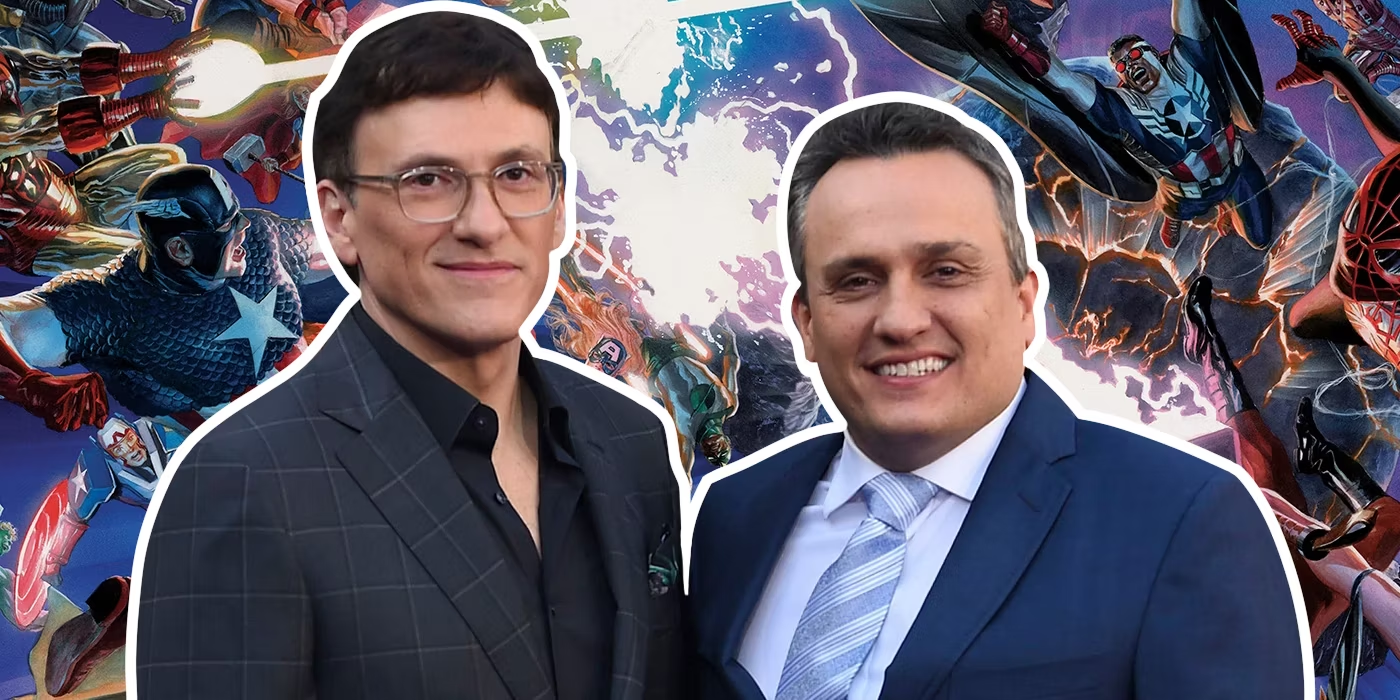
The same should go with directors. This is a difficult task given that Marvel Studios is more hands on with their productions than normal. Still, the past has shown us that great directors like James Gunn and Ryan Coogler, and the Russo Brothers can work within the confines of an MCU production and deliver great films. Oftentimes, Marvel Studios hires relatively unknown directors who wilt under the pressure and demands of the studio and turn in mediocre films or TV shows. Marvel Studios has to make sure that the best possible directors are hired for their projects. If they want to go with lesser known (and cheaper) directors, have them feel their oats with some of the TV shows. Michael Giacchino is a prime example of this. Known only for his film scores, Giacchino blew everyone away with his directing duties in Werewolf By Night.

Continue reading

The Glorious Purpose Of Loki

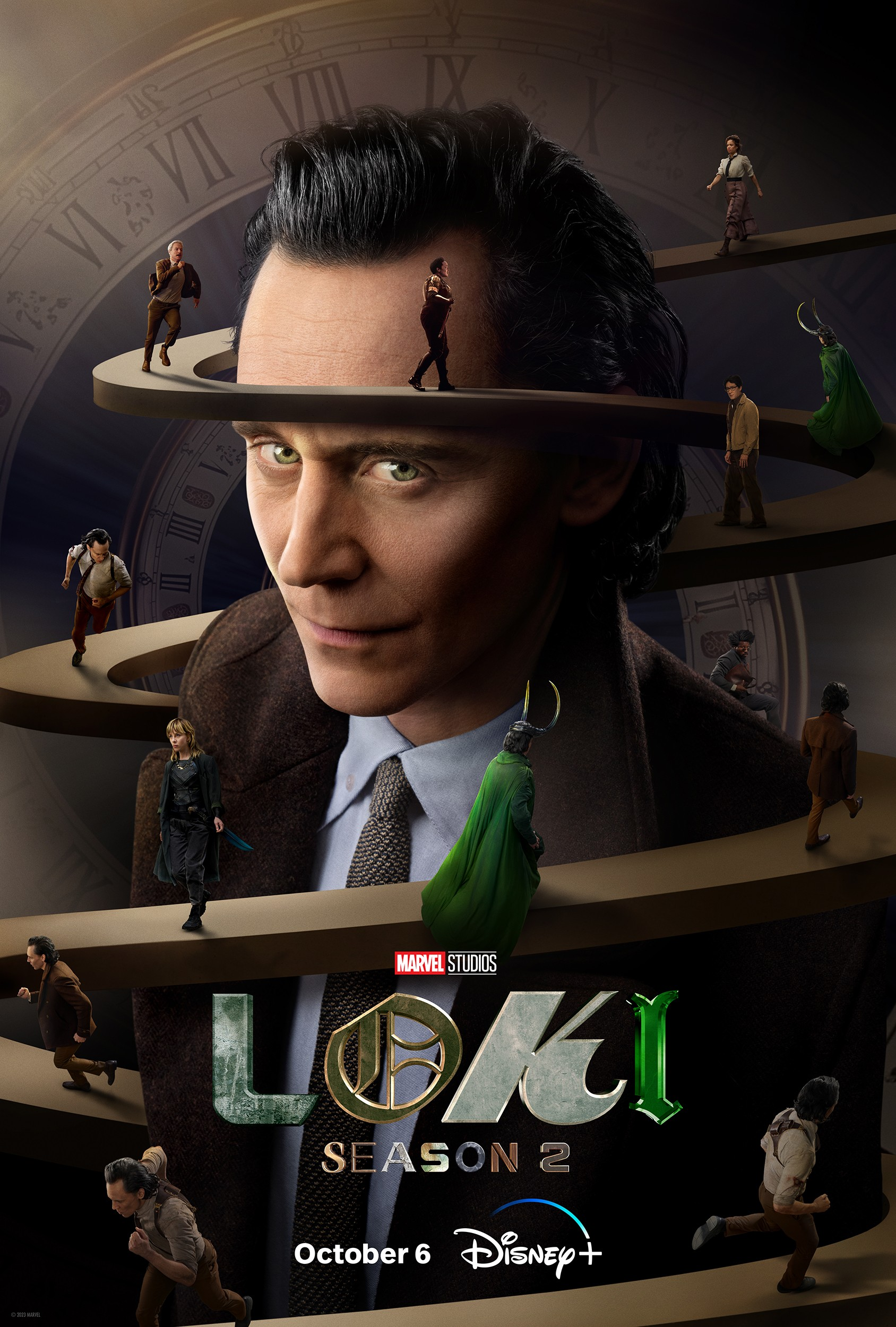
The just-streamed final episode of the second season of Loki concluded the mind-bending time travel storyline that ran throughout the show’s two seasons.

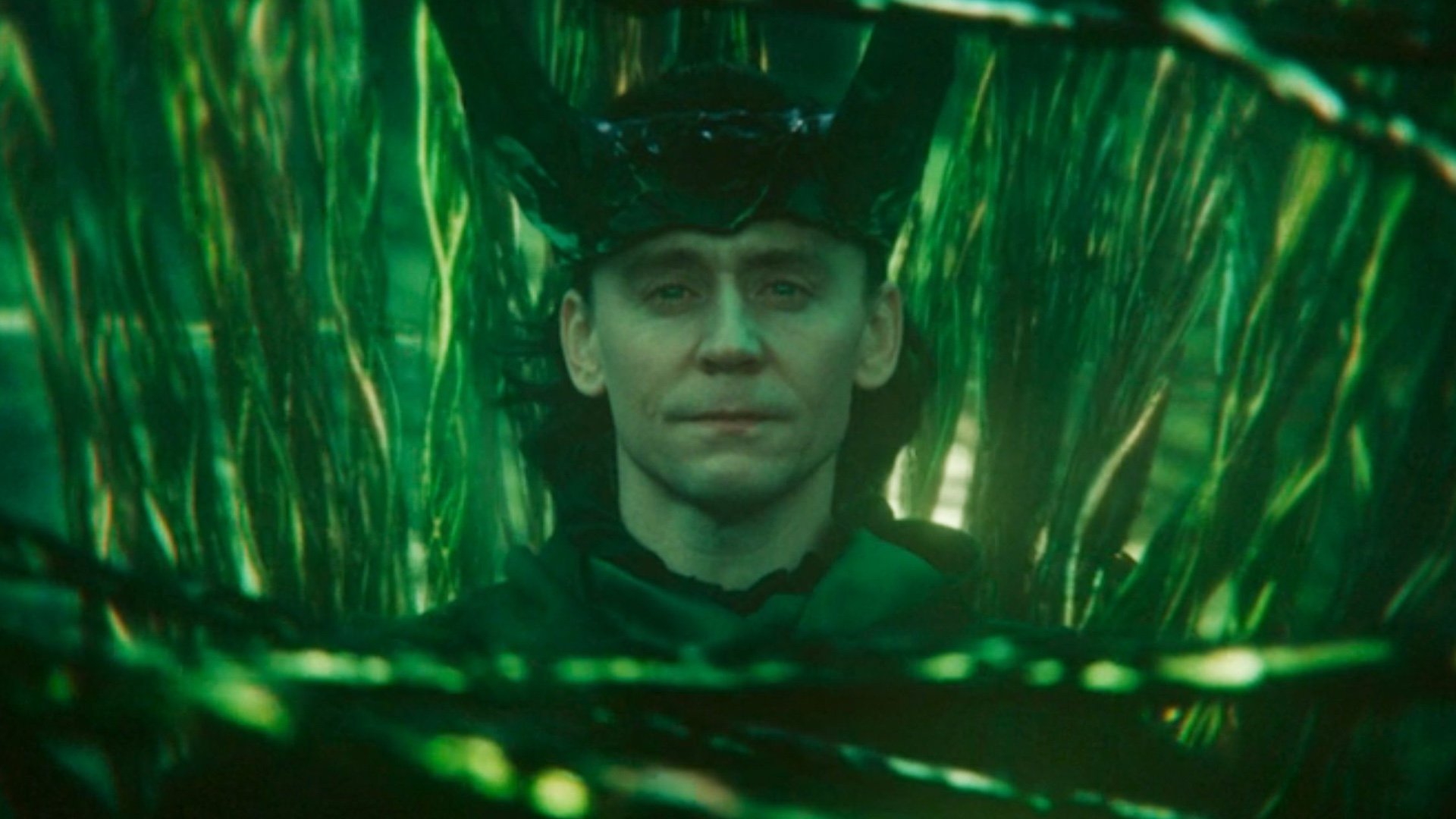
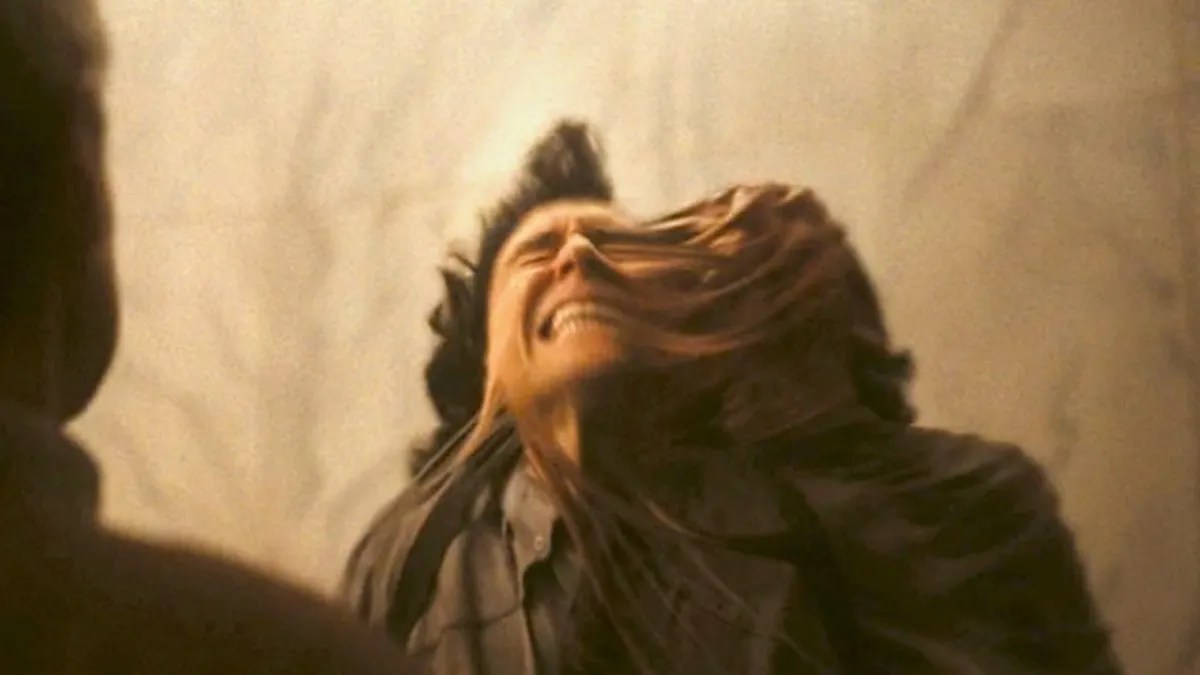
Starring Tom Hiddleston as the title character, Loki has turned out to be a genuine surprise. Instead of being the Marvel Cinematic Universe (MCU) version of Doctor Who with Loki running around different time periods, the show instead carefully examined the numbing logistics of time travel and philosophy. More poignantly, Loki was a thoughtful character study of the main character, a villainous Asgardian god who turned into an anti-hero before completing his transformation by the end of the final episode into a tragic hero. MAJOR SPOILERS will follow.

The second season of Loki began immediately after the first season where the Loki variant, Sylvie (Sophia Di Martino), killed the enigmatic He Who Remains (Jonathan Majors) in the final episode “For All Time. Always”. This murder unraveled time itself since He Who Remains controlled time through his organization the Time Variance Authority (TVA). Throughout history the TVA prevented or pruned branching timelines from deviating out of the so-called Sacred Timeline.

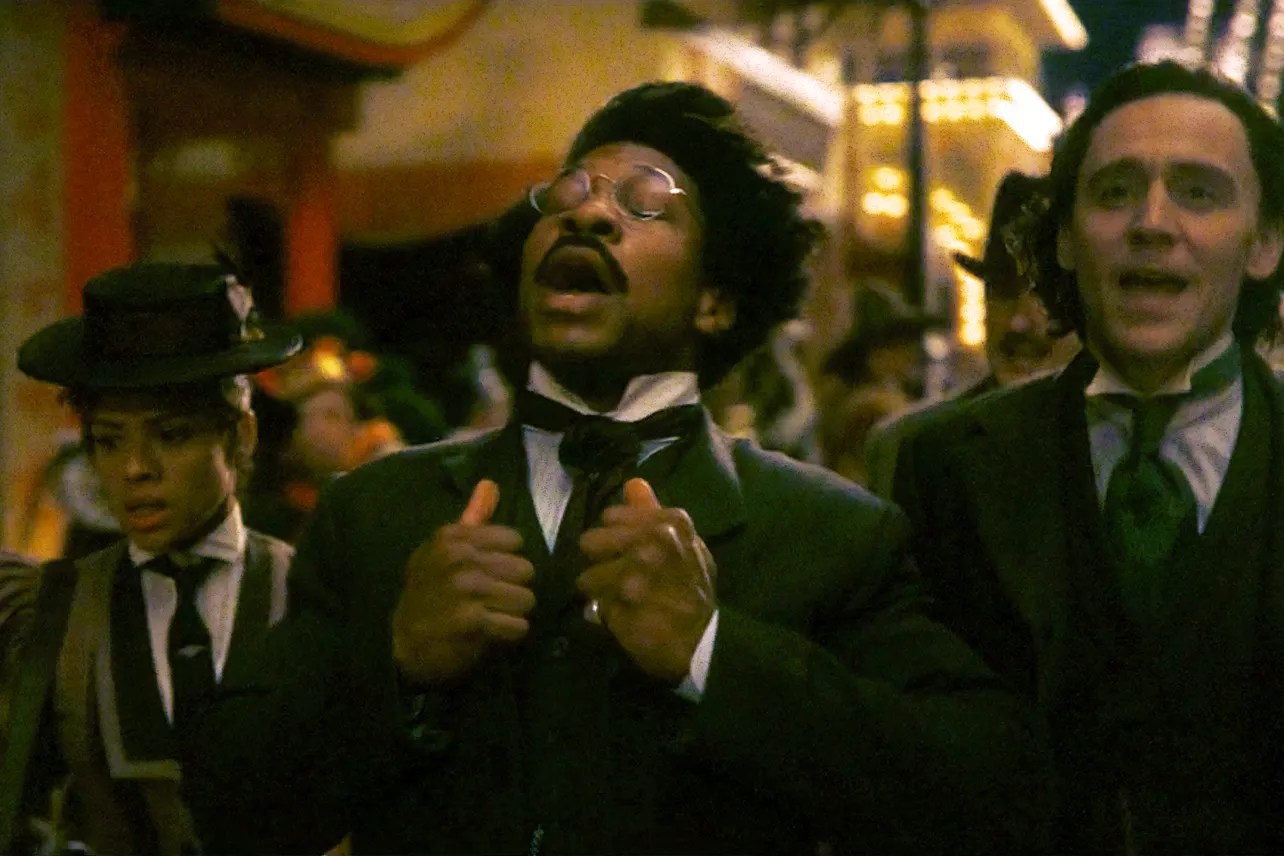
As timelines began to develop and branch off in the second season, this created many variants of He Who Remains, most notably Kang the Conqueror (as seen in Ant-Man and the Wasp: Quantumania) and Victor Timely, a meek 19th century inventor/charlatan. Loki also became unstuck in time and time slipped throughout the premiere second season episode. When he jumped into the future, he saw that the TVA was destroyed when the Temporal Loom was overloaded by rapidly multiplying timelines. The Temporal Loom is an enormous machine that gathered the timelines (seen as never ending tendrils) and combined them into a single controlled stream, hence the Sacred Timeline. In order to help fix the Loom, the temporal aura of He Who Remains or his variant was needed to access the Loom’s controls. This set Loki and the TVA off on a mission in the season’s first half to track down Victor Timely.

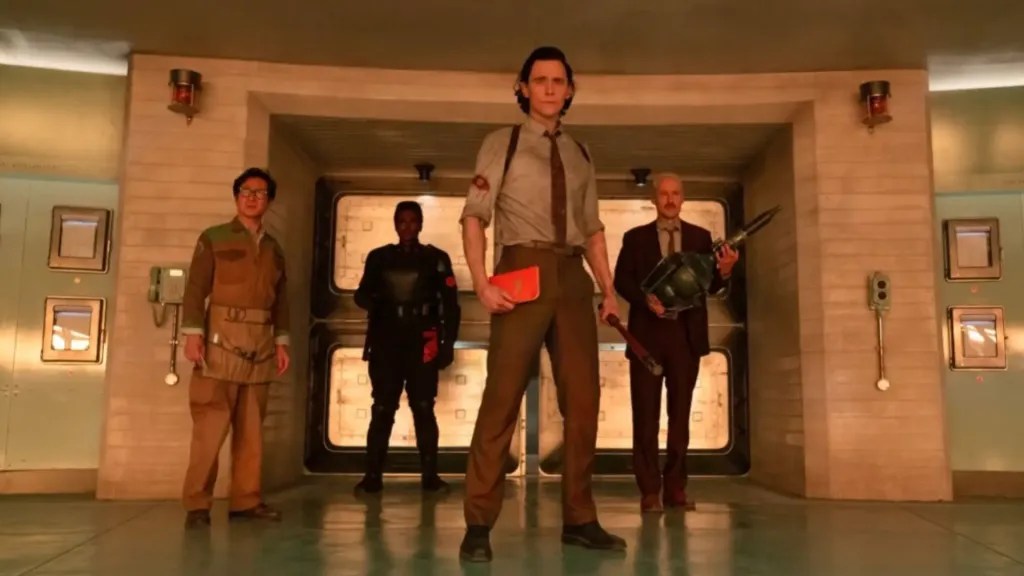
The second season was as bizarre, zany, and thought provoking as the first one, except it focused more on the characters of Loki and his associates. We learned a lot about Loki’s best friend Mobius (Owen Wilson), an easy-going TVA bureaucrat, who had a simple and enjoyable life before he was forcibly recruited into the TVA. We also were introduced to Ouroboros or O.B. (Ke Huy Quan), a quirky and energetic repair person who is an expert on temporal mechanics. His energy and good will was infectious thanks to Quan’s brilliant performance.

Despite Loki and the TVA’s efforts, the Loom is destroyed and the TVA along with it. In the penultimate episode “Science/Fiction” Loki finds himself traveling to different timelines and encounters his friends and their lives before the TVA. After meeting with Sylvie, Loki admits his love for his companions and that he does not want to be alone. This was a major emotional breakthrough for him and a harbinger for his ultimate tragic fate.  Loki realizes he can control his time slipping and transport himself to the moment before the Loom is destroyed at the end of the episode.

Continue reading

Disney + Has Damaged Pixar, Star Wars & Marvel

When it was announced that the streaming app Disney + would feature exclusive content for their purchased intellectual properties Star Wars and Marvel, most fans were understandably excited. In the closing years of the 2010s both properties were riding high, especially Marvel with its Marvel Cinematic Universe (MCU). The people running Disney + promised that subscribers would have access to a vast video library of its properties and that the exclusive content would be top-of-the-line when it came to quality. At first, this seemed to be the case. At first.

Shortly after Disney + became available, the COVID-19 pandemic hit, which shut down theaters and the streaming platform became the only medium available to get new content based on Disney IP, Pixar, Star Wars and the MCU. Due to the pandemic many films were delayed and this happened with the Pixar films scheduled for release. At the same time, Disney was desperate to generate streaming traffic for Disney + and to gain subscribers, new product had to be available. The easiest solution was to take the delayed films like Soul and premiere them exclusively on Disney +.

For a short while, this tactic worked, but unlike the other MCU films that were released exclusively in theaters, Disney kept debuting other Pixar films like Luca and Turning Red on the streaming app. This gave the impression that the Pixar films were inferior in quality, because people began thinking that these films were not good enough for theatrical releases. Also, when the Pixar films Lightyear and Elemental actually premiered in theaters, viewers were conditioned to wait for them to come out weeks later on Disney + and save some money. To be fair other streaming apps like HBO Max did this as well, but this tactic was abandoned soon after studios realized they were losing revenue. It took Disney some time to forego premiering some of their films on the app.

The app premiered with The Mandalorian, the hit TV show set in the Star Wars universe about a Clint Eastwoodish, intergalactic bounty hunter and his infant alien ward. The Mandalorian became a huge hit and actually helped keep the Star Wars brand alive. Actually, for a couple of years it was the only Star Wars-related property for fans to watch. Obviously, Disney had to put out more Star Wars content and last year more Star Wars-related TV shows streamed on Disney +, which included The Book of Boba Fett, Obi-Wan Kenobi, Andor, and now Ahoska. While some of the TV shows were well received and even earned Emmy nominations, the Boba Fett show was a huge misfire with its unfocused scripts. Unfortunately, these same problems bled into the third season of The Mandalorian, and Ahsoka is receiving criticisms, as well. It is clear with The Mandalorian, The Book of Boba Fett and Ahsoka that Disney wants to create a more integrated universe with a part of Star Wars history: the period of time after the fall of the Galactic Empire. Reportedly the goal is to have the TV shows lead to a film that ties all the elements together. While it is ambitious and echoes what happened with the MCU, there are problems in that the Star Wars universe is becoming too convoluted. Viewers are forced to watch other shows and even animated programs like Star Wars: Rebels to fully understand what is going on with many of the Star Wars TV shows. With interest in the Star Wars brand waning, this development could not have happened at a worst time.

The problem with the scripts for some of the Star Wars TV shows also plagued the MCU TV shows. What was worse was that the production values for many MCU TV shows was shockingly poor. The MCU, like Star Wars, got off to a promising start on Disney + with TV shows like WandaVision and The Falcon and the Winter Soldier. But the quality of the MCU TV shows soon began to falter and it became more and more obvious that budget limitations were impacting the shows. For example, with the time travel TV show Loki, even though it was well acted and written, it seemed as if there was a lot of talking instead of showing. Instead of time traveling to pivotal events in the MCU, the main characters traveled to mundane time periods.

The problem with limited budgets affected some of the effects work on later TV shows. This was best seen with Ms. Marvel, She-Hulk: Attorney at Law and Secret Invasion. With She-Hulk, the limited special effects was fatal for the show because its poor, unfinished special effects left She-Hulk looking like a SIM character. The same budget limitations has severely affected Secret Invasion, which has a lot of talking scenes about world events with limited action scenes. What is even more unbelievable is that the budget for the TV show was about $200 million. Where did that money go? The budget for Secrect Invasion is not the main reason for its poor execution, it is actually due to the scripts which make the show feel small scale. This also went on with many other MCU TV shows that should have had great payoffs. This even happened with WandaVision. For the most part that show was terrific with clever scripts and acting. But the payoff at the final episode felt like a letdown with the scope of the confrontations between characters.

Disney CEO Bob Iger recently said that the market was oversaturated with Star Wars and Marvel TV shows and films, and he is correct. There was a lot of pressure for the Disney + app to have new and original content, which meant that there had to be a lot of content about two of its most popular IPs. Unfortunately, the demand stretched the capability to keep up the quality of the products in order to meet scheduling deadlines. The result was that many fans were disappointed with the finished TV shows as the brands became diluted. To correct this, the brands need to pull back and Disney is doing this as per Iger’s orders. They are giving their properties the time needed to produce quality over quantity. However, there will be more inferior TV shows until the better-produced TV shows come out.

Disney and other studios are facing a new problem with their inability to provide new content thanks to the crippling writer and acting strikes which have shut down productions for film and TV studios. As content dries up and films and TV shows get delayed again or canceled, there will be increased demand. Will the studios make the same mistakes they did earlier this decade and force creators to pump out products before they are ready? Probably, so it is up to the studios to learn from their missteps regarding their streaming platforms.

The Indiana Jones Films Ranked

Now that Indiana Jones and the Dial of Destiny has been released, the Indiana Jones film franchise is complete and we can rank all five films.

The quality of these films are generally high, some of which are genuine masterpieces. Even the films that rank at the bottom are entertaining with their own merits, but have their flaws, of course.

Here are the Indiana Jones films ranked from least to best. Be aware of spoilers ahead and feel free to drop a comment about your own preferences!

5. Indiana Jones and the Kingdom of the Crystal Skull

It had been nearly twenty years since Indiana Jones and the Last Crusade came out in theaters when the fourth film premiered. This was the best they could come up with? This was the film that gave us the infamous phrase nuke the fridge because Indy survived a nuclear explosion by hiding in a refrigerator. Our favorite archaeologist deals with the 1950s as he searches for the lost city of Ankakor in South America.  Among the 1950s tropes Indy grapples with include the red scare, bug-eyed aliens, and a greaser who turned out to be his son.

It was great seeing Harrison Ford reprising his role as Indiana Jones and how the adventurer functioned in a different decade. Some of the images from director Steven Spielberg were jaw dropping such as Indiana witnessing an atomic mushroom cloud or a great motorcycle chase on a college campus. But more often than not it felt like many of the filmmakers were phoning it in and taking the easy route. The film is riddled with obvious and needless CG images and stunts, and most of it looked fake. There was little sense of danger in many scenes.

Despite the fact that the script had been worked on forever, it still needed work as the motivations of characters did not make sense. The camaraderie between Indiana and his son was undeveloped and paled when compared to that of Indy and his father in the previous film.

4. Indiana Jones and the Temple of Doom

As the franchise’s only prequel the second Indiana Jones film turned out to be the darkest in the franchise due to personal issues regarding divorces that creators Spielberg and George Lucas were going through at the time. The result was that the film feels mean spirited at times and dated with its misogyny and questionable depictions of other cultures.

It lacked the epic scale of Raiders of the Lost Ark and the filmmakers reveled too much in trying to gross out audiences and with trying too hard to be different from the first film. At times, Indiana Jones and the Temple of Doom felt more like a romantic comedy instead of an adventure film. Also, the MacGuffin Indy hunted for was far less impressive when compared to the Holy Grail or the Ark of the Covenant. What exactly do the Sankara Stones do except glow? The characters were annoying and unlikeable especially Willie Scott. She was supposed to be a sharp contrast to the tough-as-nails Marion Ravenwood from the previous film. But by trying to make Willie the opposite of Marion, the filmmakers turned her into a stereotypical screaming damsel in distress who lacked any substance.

Despite its faults, Indiana Jones and the Temple of Doom has some of the franchise’s greatest action scenes that still hold up to today and are iconic. Ford was great as always, as was the production design and score by John Williams.

3. Indiana Jones and the Dial of Destiny

The fifth and final Indiana Jones film has had a mixed reaction from fans. It will take some time to see how it holds up, but for now this is the rank it has earned. There was a lot of trepidation over the film since Spielberg did not direct it and many questioned how an old Ford could believably play a swashbuckling treasure hunter. But the film is an enjoyable send off to the franchise.

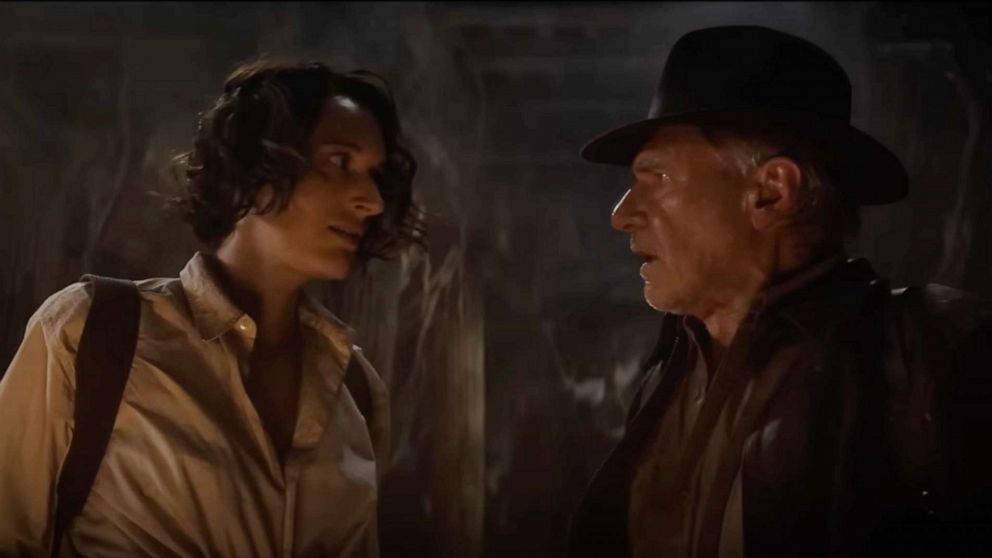
Even though Indiana Jones and the Dial of Destiny lacks a lot of Spielberg’s visual flair, director James Mangold does a fine job with this look at Indiana Jones as a senior citizen in the late 1960s. Embittered over the death of his son which destroyed his marriage and facing retirement, Indiana carries out one final treasure hunt with his goddaughter, which involves time traveling to ancient Syracuse and meeting Archimedes.  Harrison Ford Is Too Old for This Shit – Rolling Stone

There are some issues with the plot mechanics and its credibility (something that the other films suffer from, such as characters using life rafts to jump from an airplane and other feats that would have killed them). But Ford has some good chemistry with Phoebe Waller-Bridge, who plays his goddaughter and the film has some exciting moments, especially during a flashback scene set in World War II and an intense tuk-tuk chase sequence. Anyone hesitant about the film because of Spielberg’s absence should put doubts aside and see Indiana Jones in his last great cinematic adventure.

2. Indiana Jones and the Last Crusade

After the mixed reaction to Indiana Jones and the Temple of Doom, Spielberg and Lucas went back to basics and delivered a rousing adventure that is nearly as great as the first film. It is also the funniest film in the franchise.

The film opens with a rousing flashback to 1912 which features River Phoenix as a teenaged Indy. After we find out why he fears snakes and how he got his famous fedora hat, the film jumps forward to 1938. Indiana travels to a pre-World War II Europe to find his missing father, who he has not spoken to in some time. Sean Connery was magnificent as Indiana’s father and the two actors share some of the best moments in the franchise thanks to their incredible chemistry.

Indiana Jones and the Last Crusade follows some of the same beats as Raiders of the Lost Ark, such as Nazis, intense chases, epic scenery and spine-tingling explorations of ancient sites. Thanks to Spielberg’s skills, a great script and inspired acting, the third film is definitely classic cinema. Oh, be sure to watch the film to the end as it features one of the most beautiful ending scenes ever filmed as Indiana Jones and his companions ride off into the sunset.

1. Raiders of the Lost Ark

Also known as Indiana Jones and the Raiders of the Lost Ark, this is the first and still greatest Indiana Jones film. When thinking about the recent Martin Scorsese “This is Cinema” meme, Raiders of the Lost Ark certainly applies to that phrase!

Set in 1936, Raiders of the Lost Ark introduces us to Indiana Jones, a two-fisted, globe-trotting archaeologist who hunts ancient treasures. Inspired by the movie serials of the 1930s and 1940s, Raider of the Lost Ark elevated that kind of cinema into the greatest action-adventure film of all time. This was due to the groundbreaking collaboration between George Lucas and Steven Spielberg who wanted to do his version of James Bond. Here’s a bit of trivia, Lucas initially called the hero Indiana Smith and we’re glad the name was changed to Jones since it flows much better!

Spielberg was at his best when directing this monumental film. It featured many of his trademark visual touches like his God light on characters and inventive composition of shadows and silhouettes to showcase characters. Of course, none of this would mean much without a great script, which is what the film thankfully had from Lawrence Kasdan. Each shot was nearly perfect as the level of excitement and mystery increased with each passing second. Raiders of the Lost Ark is true cinematic treasure that has endured through the years and set a standard with adventure films that is difficult to match. That is why it is the best of the Indiana Jones films.

NOTEWORTHY MENTION

Young Indiana Jones and the Mystery of the Blues

During the 1990s, ABC aired The Young Indiana Jones Chronicles, which were historical dramas about Indy when he was a child and a young adult. The episodes had opening and closing segments that starred George Hall as an old Indiana Jones in his 90s telling tales of his youth. In one episode, “Young Indiana Jones and the Mystery of the Blues”, Harrison Ford reprised the role as a bearded Indiana in 1950 who told a story about himself in Chicago in 1920. This episode has been recut into a television film with the same title, but honestly the best part of the episode involved the two segments with Ford.

José Soto