(SPOILERS WILL BE FLAGGED AT THE BEGINNING OF THE PARAGRPAHS CONTAINING SPOILERS)
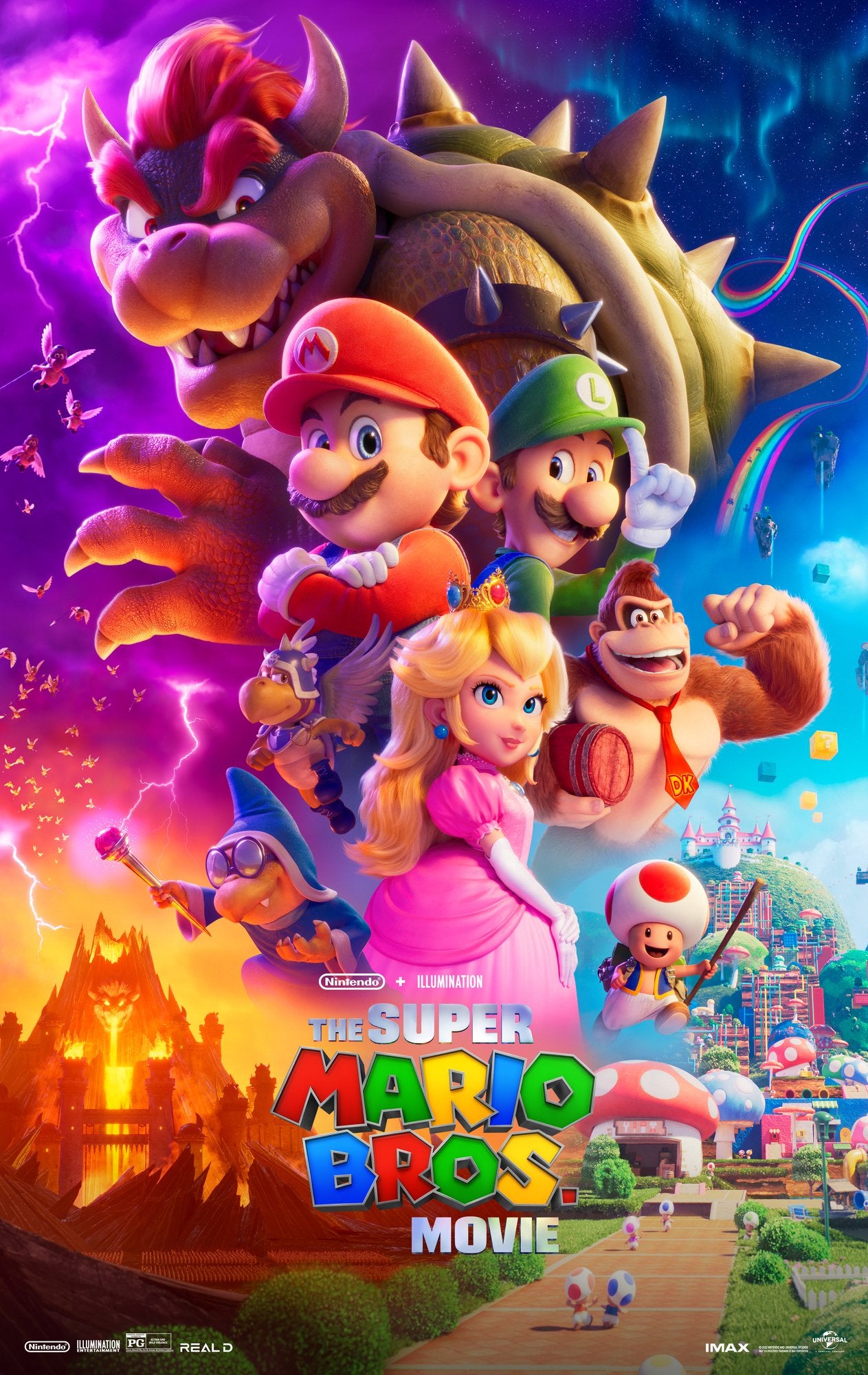
It is finally time that the Super Mario Bros. franchise gets an ACTUAL movie (don’t bring up the 1993 live-action one…), but is it any good? Critic scores on Rotten Tomatoes and Metacritic gave the movie a 55% and a 47%. Those are low very low scores compared to the audience scores, which are a high 98% and an 86%. Why are the critic scores so low? This will be discussed later in the article; anyway, The Super Mario Bros. Movie, in my opinion, is a fun and referenced-packed adventure that can be watched by all ages, but is especially more enjoyable for the biggest Mario fans. Of course, it isn’t perfect. As my main issues are with the general pacing which leads to lack of substance in some scenes, as well as other scenes being pushed down to compensate with the little time the movie has.
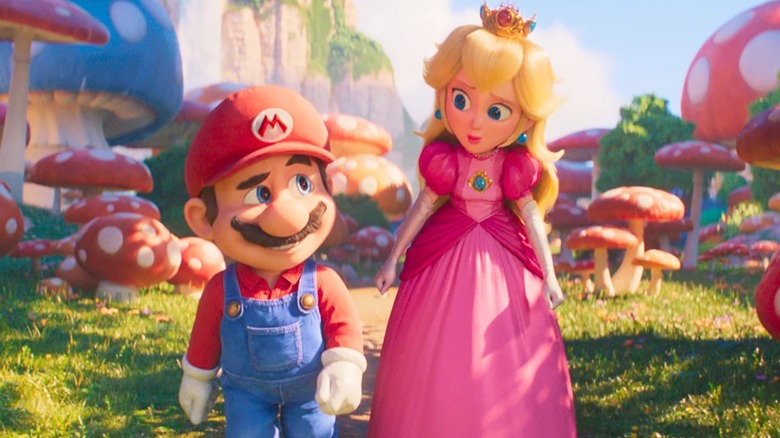
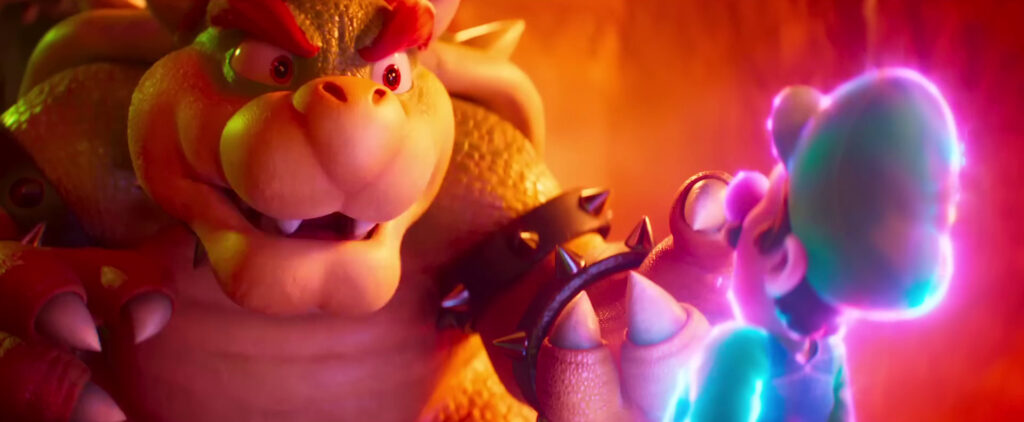
The Super Mario Bros. Movie begins with out two brothers, Mario and Luigi, living in Brooklyn, New York struggling to get their new plumbing business off the ground and running. Their family do not help them at all, giving them words of scolding rather than encouragement. After seeing on the news that Brooklyn is having a massive plumbing problem, they rush to the scene, desperate to get their names out there. They arrive and pull some shenanigans, which then ends with them underground in a pipe maze. They find our iconic green pipe and get pulled into this warp dimension; Luigi gets sent to the Dark lands, and Mario to the Mushroom Kingdom.
The voice acting in this movie was stellar and I definitely owe everyone on the VA team an apology for my past pessimism when they were announced, especially with Chris Pratt as Mario. He was definitely one of the best performances in this movie, followed by Charlie Day as Luigi, Jack Black as Bowser, and Anya Talor-Joy as Princess Peach. How could we talk Mario without his original voice actor, Charles Martinet? It was confirmed that he would be in this movie, but I really wish we got to hear more of him, honestly.
The animation in this movie was stellar and groundbreaking compared to what Illumination usually churns out. You could really tell they improved a lot and cared about making this movie the best they could produce. The animation truly compliments the brilliant settings designed for this movie. But there are some parts where you could really tell that this was an Illumination film, not that that’s a bad thing this time around.
(SPOILERS)I will now talk about the number of references that I noticed in The Super Mario Bros. Movie. Despite not being a big Mario fan, I was still able to pick out a LOT of fun refences sprinkled into this movie. My favorites being references to other Nintendo games, like Star Fox and Punch-Out, and the worldbuilding and designs in this film. The Mushroom Kingdom was amazing and masterfully crafted with Easter eggs of the past Mario games; the Mushroom Kingdom was definitely my favorite place in the whole movie. Then there were Easter eggs to SuperSmash Bros., which keeps the tradition that the Sonic the Hedgehog movies started of referencing the classic games that inspired the films.
Sure, this title seems like your typical Aprl Fool’s Joke on Trekkers, but the possibility in official Star Trek canon was raised last week with the recent Star Trek: Picard episode, “The Bounty”. Spoiler warning for anyone who has not seen the episode.
During the episode Worf, Riker and Raffi raid the clandestine Daystrom Station. Unlike the noble, scientific think tanks named after Daystom shown and mentioned in other Star Treks, this orbital facility was the 25th century version of Area 51. The station stored many of Starfleet Intelligence’s top secret technology, weapons and alien contraband. The Daystrom Station was littered with many Star Trek Easter eggs and call backs, but the one that raised the most eyebrows among fans was the revelation that the station had the remains of Captain James T. Kirk.
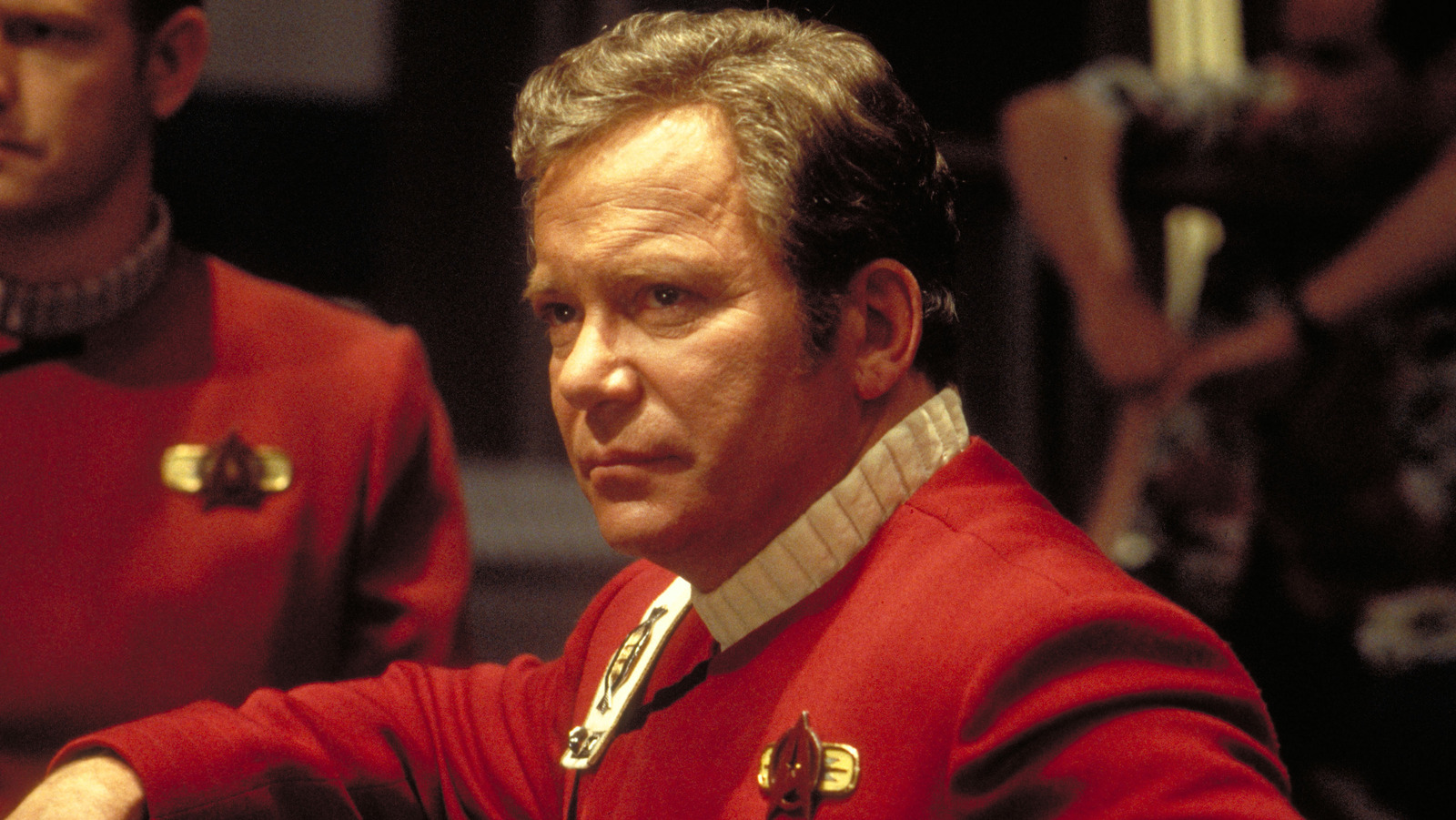
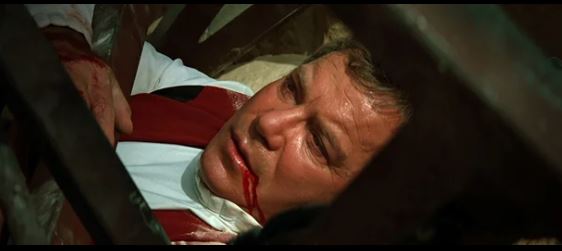
The last time Kirk was seen onscreen, as played by William Shatner, was in the 1994 film Star Trek Generations. The late, great captain of the starship Enterprise met his end anticlimatically when he fell off a bridge while aiding Captain Jean-Luc Picard. To many fans this was an unsatisfying way to kill off the beloved Enterprise captain as they felt he warranted a more heroic death. Of course, this was not the last fans saw of James Kirk as he was portrayed by other actors, notably Chris Pine and Paul Wesley. But Shatner’s version of Kirk remains the definitive Kirk that is beloved by fans and many hoped that the actor would someday reprise the role. The closest we got to that was in Star Trek: Enterprise where there were plans for Shatner to reprise the Mirror Universe version of Kirk, and Shatner was slated to cameo in the Star Trek reboot film, but these plans never came to be.
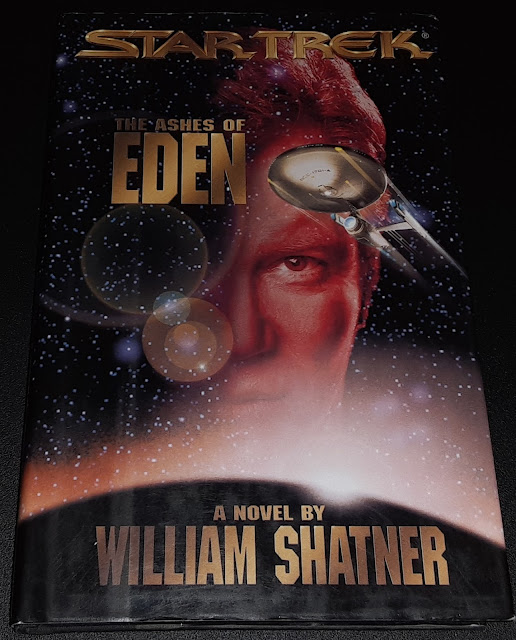
Shatner himself expressed his dissatofaction with the way his character died on screen and went as far as to co-author a series of books with Garfield and Judith Reeves-Stevens where Kirk was resurrected. The first of these post-Star Trek Generations books was The Return and its plot revolved around Kirk being revived by Romulans using Borg technology to use him against the United Federation of Planets. Kirk with the aid of many Star Trek heroes overcame this plot and went on to live a full life in the 24th century. The books, called the Shatnerverse, are considered an alternate reality for obvious reasons, Still, they were popular with Kirk fans.
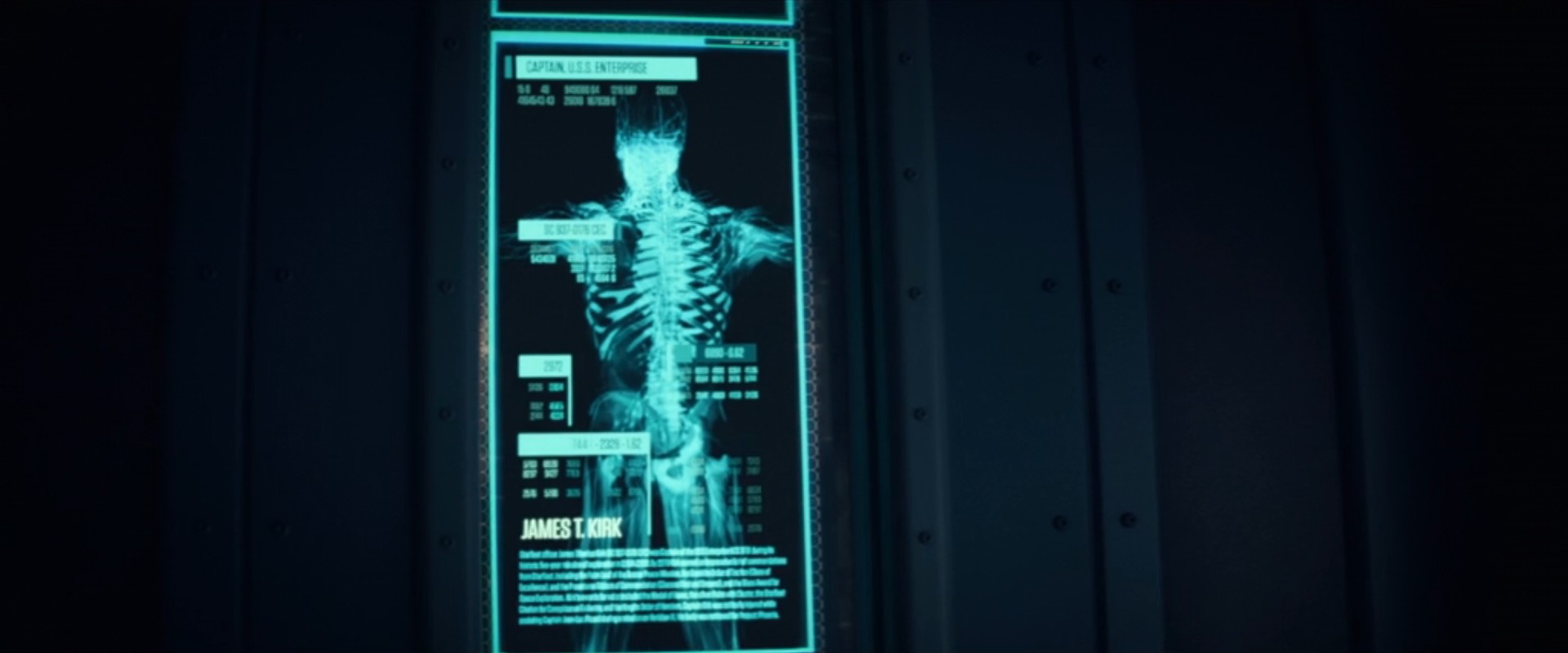
Getting back to Star Trek: Picard, which is official Star Trek canon, when Raffi passed by a containment unit in the Daystrom Station, a holographic display showed an image of a skeleton with the signage “James T. Kirk”. This image also had some biographical data and what was interesting was that the display revealed that Kirk was “critically injured” in the events of Star Trek: Generations. It does not say that he died in the film even though Picard was clearly seen standing over Kirk’s grave. So what gives?
Technology will be much more advanced in the far future, especially when it comes to medicine. For all we know a critical injury like falling off a bridge and being clinically dead as we know it today may not be the actual end of a person’s life. It can be possible to revive a person hours after death in the future and it’s possible this could be top-secret technology in the Federation that is reserved for very important people. Or perhaps Kirk remained dead but Starfleet Intelligence and its black-ops offshoot Section 31 may be trying to clone James T. Kirk for their own reasons. This is not far fetched since the Romulans cloned Picard in the film Star Trek Nemesis.
Most likely nothing will come of this, but this Easter egg is fertile ground for future screenwriters. It is also unlikely that Shatner, who is in his early nineties, will reprise his role one last time. However, this tantalizing Easter egg gives fans of the legendary James T. Kirk some hope that he can somehow return someday for one last, great adventure, at least in their imaginations. After all, legends never die.
We’ve celebrated Star Trek’s legendary starship captains, but for every Kirk, Picard or Sisko there are some truly horrendous captains that appeared in the Star Trek television shows and films. Here are the worst Star Trek captains in the history of Starfleet.
10. Captain Liam Shaw (Star Trek: Picard Season Three)
Command: U.S.S. Titan-A, NCC-80102-A
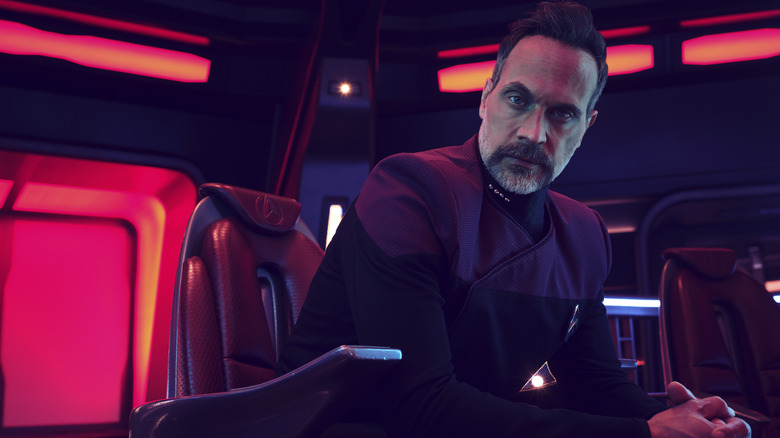
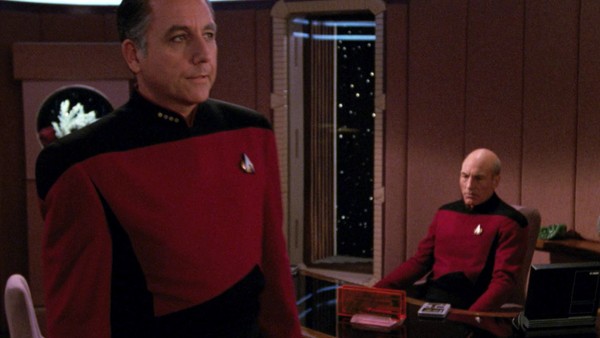
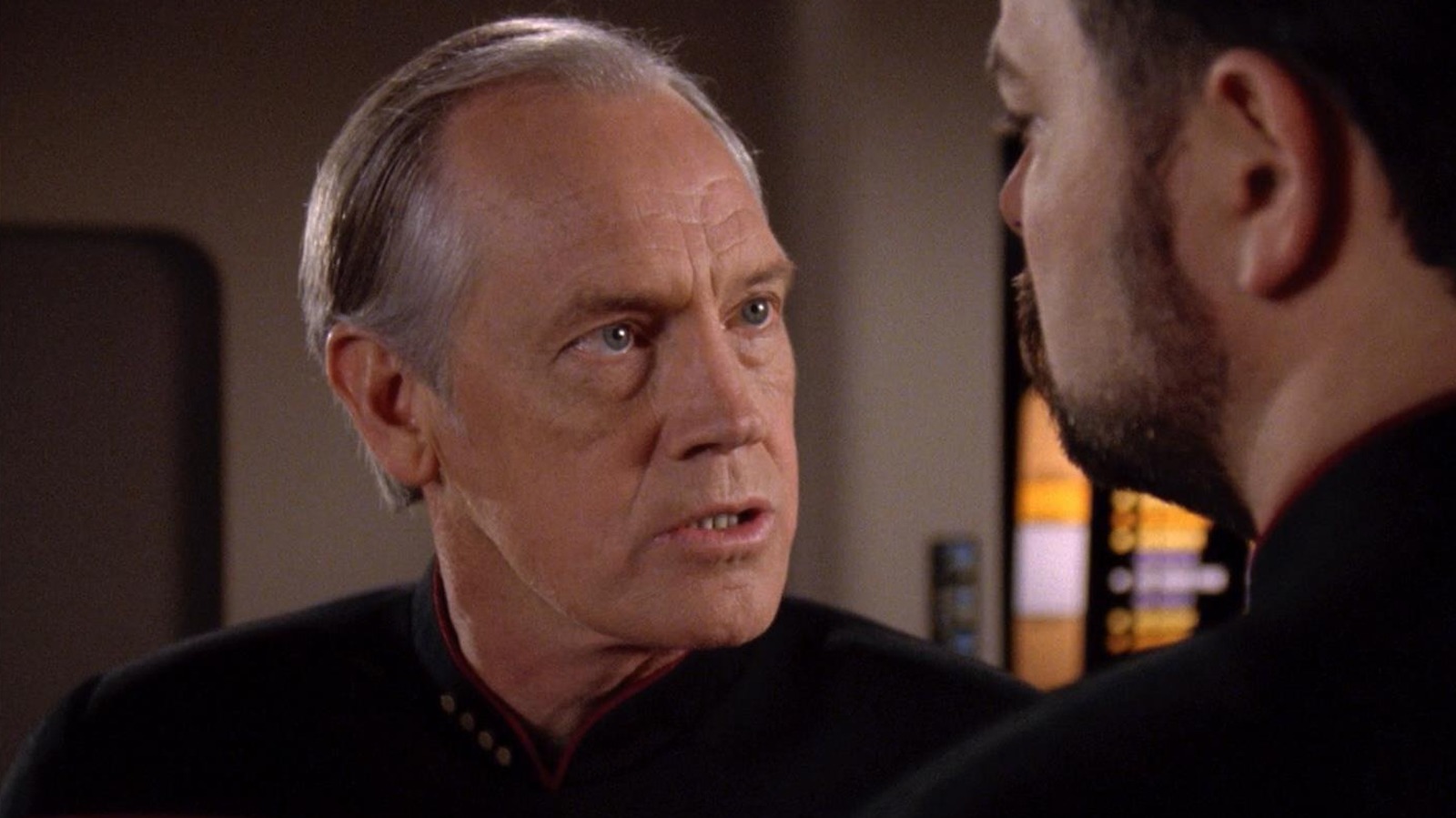
This guy is certainly the best of the worst. Shaw is abrasive, rude, risk-averse and an all-around jerk. But what cements Liam Shaw’s place on this list was how he dumped command of his ship, the Titan A, onto Will Riker, instead of acting like a real captain and getting the Titan out of danger. Still, many times during Star Trek: Picard, Shaw was the voice of reason and he was not afraid to say “Wait a minute, should we be doing this?” whenever our heroes ran off to danger. Also, he often was a scene stealer thanks to Todd Stashwick’s acting skills, especially once we learned he was a survivor of the Battle of Wolf 359.
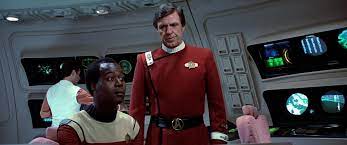
9. Captain J.T. Esteban (Star Trek III: The Search for Spock)
Command: U.S.S. Grissom, NCC-638
The list has many risk-averse commanding officers and J.T. Esteban is great example of this trait. During his brief appearance in the film, Esteban came off as an unyielding, by-the-book type who refused to listen to reason. What was even worse with Esteban was that he was too slow to react to sudden developments and this cost him his life, along with the crew of the Grissom when the Klingons destroyed his ship.
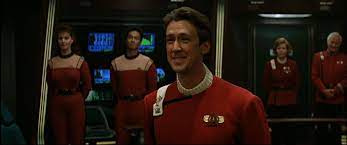
8. Captain John Harriman (Star Trek Generations)
Command: U.S.S. Enterprise-B, NCC-1701-B
“It won’t be installed until Tuesday!” was the infamous catchphrase from this hapless captain. Harriman had the unenviable task of following up the legendary James T. Kirk as he assumed command of the Enterprise B during the opening scenes of Star Trek Generations. Right away, Harriman was in over his head and was frozen with indecision as he tried to command the Enterprise literally under the shadow of Kirk.
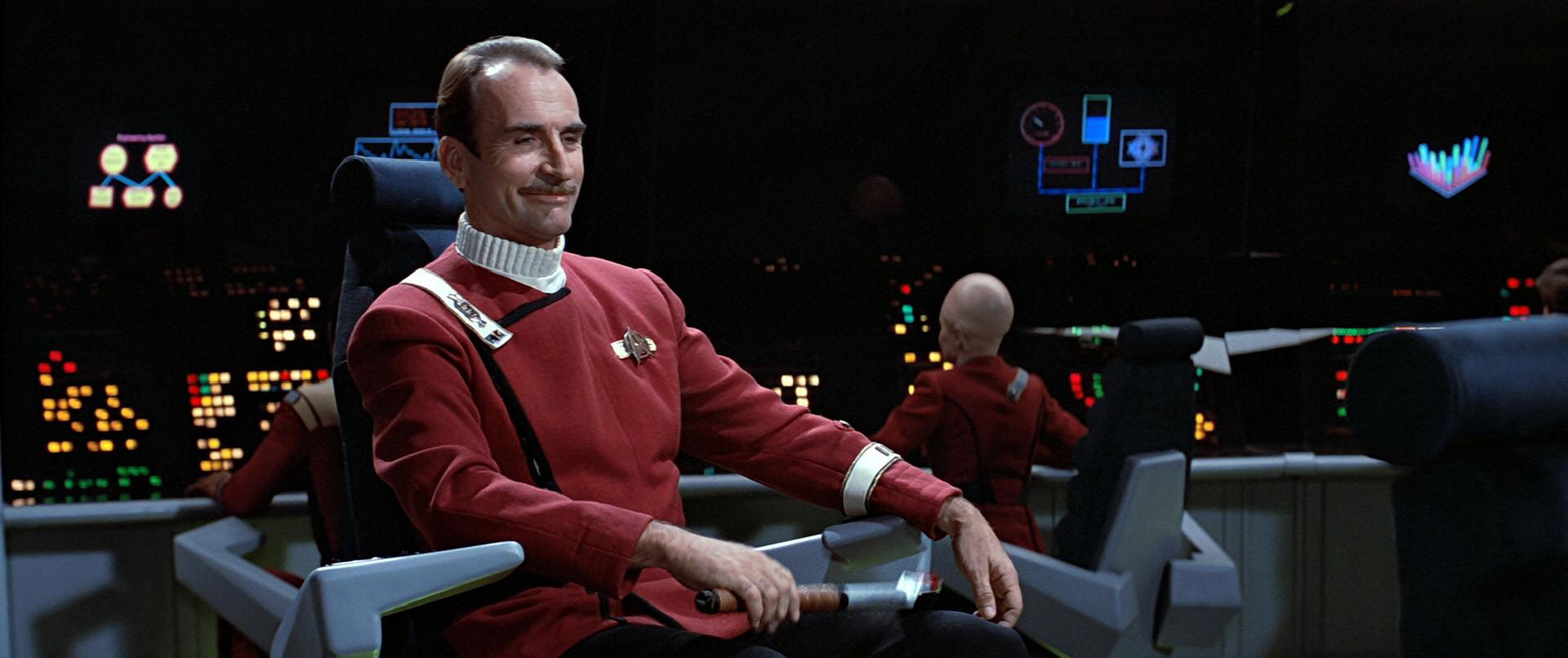
7. Captain Lawrence Styles (Star Trek III: The Search for Spock)
Command: U.S.S. Excelsior, NX-2000
Styles was a pompous, egotistical jerk who had the audacity to think his shiny new Excelsior was superior to the original Enterprise. Yes, the Excelsior was new with the latest tech, but that does not mean it becomes a legend. The minute he was introduced in the film and displayed a dismissive attitude towards the Enterprise and the original crew, fans instantly disliked him and for good reason. One of the best moments in the film was when he saw his beloved ship suffer an epic malfunction as it tried to pursue the Enterprise as it took off on its last voyage.
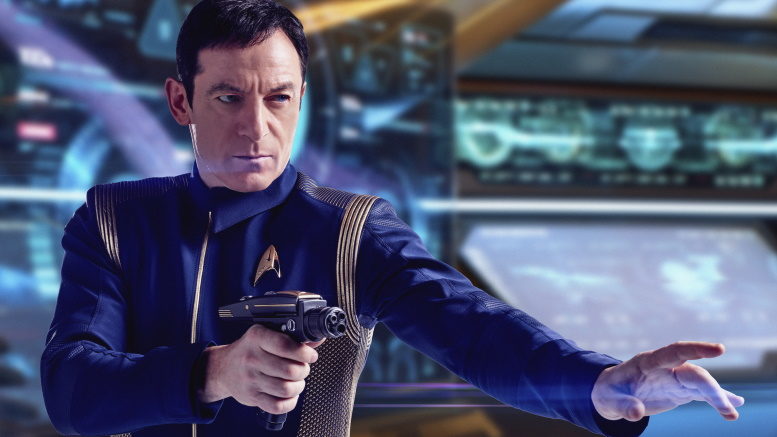
6. Captain Gabriel Lorca (Star Trek: Discovery Season One)
Command: U.S.S. Discovery, NCC-1031
The captain of the Discovery was popular when he was first introduced due to his no-nonsense and stern attitude that was a more realistic portrayal of a commanding officer. He even gave the disgraced Michael Burnham a chance to redeem herself by posting her on the ship. However, once it was revealed that Lorca was actually a manipulative wannabe despot from the Mirror Universe, he earned a permanent spot on this list. It’s too bad Lorca turned out to be such a dick, for a while, he was the best character on the show.
5. Captain Ben Maxwell (Star Trek: The Next Generation “The Wounded”)
Command: U.S.S. Phoenix, NCC-65420
The ends clearly do not justify the means with this starship captain. He has a tragic backstory where his family was killed by Cardassians during a war. In the episode “The Wounded”, Maxwell took it upon himself to launch preemptive attacks on Cardassians with his starship, the Phoenix, because he was convinced the Cardassians violated a treaty with the United Federation of Planets and were rearming themselves against the Federation. Even though in the end he was correct, his actions nearly sparked a war between the Federation and the Cardassians that the Federation was not in the condition to fight after Starfleet was decimated by the Borg earlier in the season.
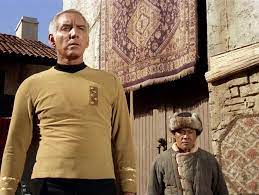
4. Captain Ronald Tracey (Star Trek “The Omega Glory”)
Command: U.S.S. Exeter, NCC-1672
How this lunatic ever passed Starfleet Academy is anyone’s guess. First, he got his crew killed when he led a landing party on one of those parallel worlds and contracted a virus that killed everyone on his ship, the Exeter. Then, he openly violated the Prime Directive by taking sides in a local war on the planet. This he did to supposedly provide immortality to humanity. Finally, he tried to get the locals to kill Kirk, Spock and McCoy by exploiting their superstitious beliefs. Great job there, Tracey.
3. Captain Rudy Ransom (Star Trek: Voyager “Equinox, Part I and II”)
Command: U.S.S. Equinox, NCC-72381
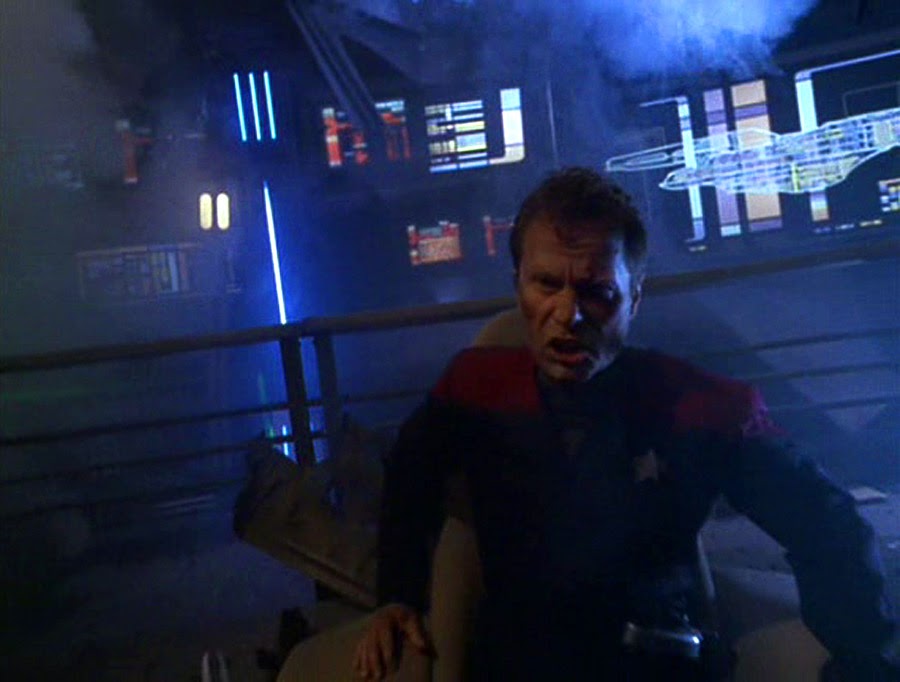
Here is another fallen Starfleet captain who flagrantly violated the Prime Directive. Stranded in the distant Delta Quadrant, Ransom and his ship, the Equinox, had suffered numerous calamities. Desperate for fuel to get home faster, Ransom’s crew discovered that dimensional beings generated a power source for the Equinox, but the beings had to be murdered for the fuel. This led to a disastrous conflict with the Voyager and its crew. Special dishonor also has to go to Ransom’s first officer, Maxwell Burke, for taking command of the Equinox from Ransom after the captain began to see the error of his ways.
2. “Captain” Tim Watters (Star Trek: Deep Space Nine “Valiant”)
Command: U.S.S. Valiant, NCC-74210
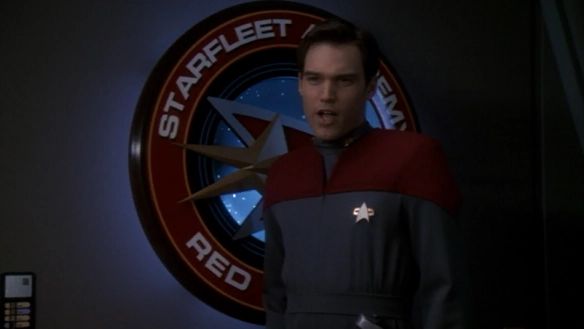
This insufferable snot-nosed punk deserved to be killed for his arrogance. He gets the title of captain in quotes because he was just an elite cadet who wound up in command of the Valiant when the ship’s crew was killed. So, he doesn’t even deserve to be called a captain. Anyway, during his dictatorial command he refused to listen to reason, threw people who disagreed with him in the brig, and let his arrogance kill the remaining crew of the Valiant when he foolishly led a doomed attack on a Jem’Hadar battlecruiser. In the words of Nog, who was one of the few survivors, “in the end, he was a bad captain.”
1. Captain Edward Jellico (Star Trek: The Next Generation “Chain of Command, Part I and II”)
Command: U.S.S. Cairo, NCC-42136 and U.S.S. Enterprise-D, NCC-1701-D
Man, was this guy a raging A-hole! Super strict, authoritarian, obtuse, antagonistic, unwilling to listen to others, Jellico just rubbed people the wrong way. After taking command of the Enterprise D from Jean-Luc Picard, Jellico quickly alienated the ship’s command officers with his brusque, My-Way-Or-The-Highway style of command. Sure, his manner of running things was effective, and arguably realistic according to those with military experience, but he had everyone so wound up that morale plummeted badly on the ship. It was no wonder that we cheered when Riker finally told him off. Unfortunately, this jerkwad was eventually promoted to an admiral as seen in Star Trek: Prodigy, and he has not changed a bit.
Anyone has a different list of captains that should be mentioned? Feel free to leave a comment!
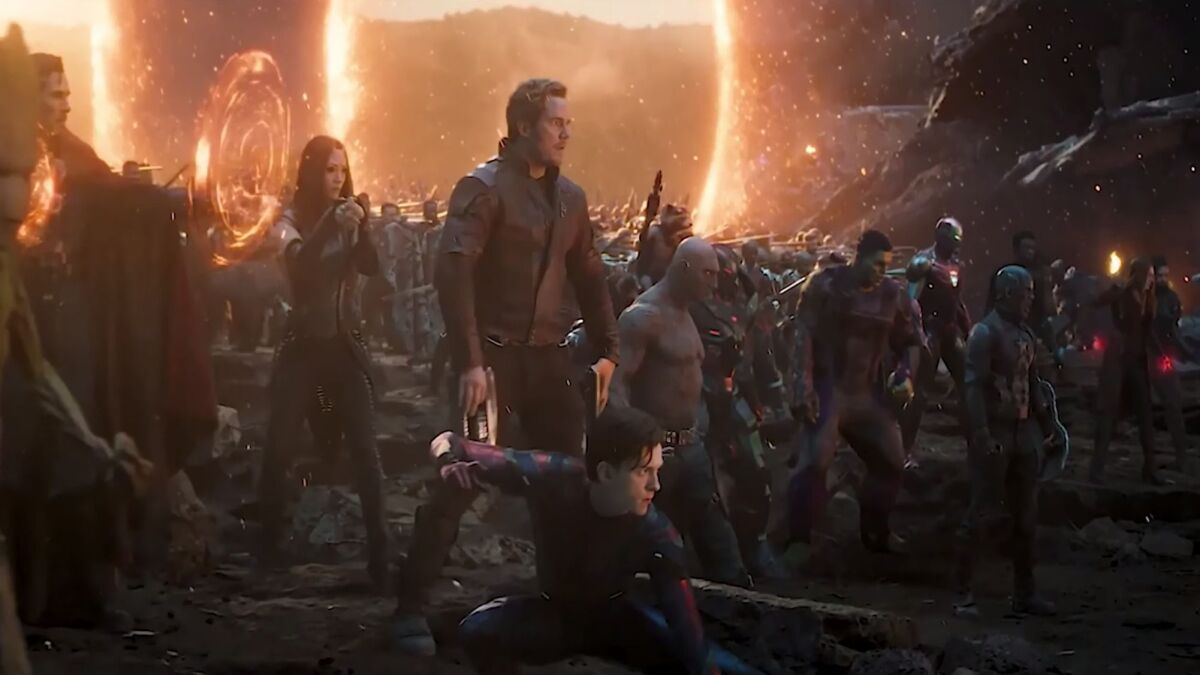
This is a nagging question that many have had ever since Avengers: Endgame. At the end of the film, after the Avengers and company defeated Thanos, the superhero team was effectively finished. Tony Stark/Iron Man and Natasha Romanoff/Black Widow were dead, Steve Rogers/Captain America went back in time and returned as Joe Biden, Bruce Banner/Hulk was maimed, Thor left for space to pursue adventure with the Guardians of the Galaxy, and Clint Barton/Hawkeye went back to retirement in order to spend time with his family. While this was a fitting way to close the chapters on these heroes, their departures left a void that has yet to be filled by another team.
This has not happened so far in the Marvel Cinematic Universe (MCU). After the Avengers split up, which was not the first time since they first broke up in Captain America: Civil War, no one came forward to continue the team. This feels irresponsible since there are still threats going on in the world and beyond, so there is still a need for the Avengers. Also, part of the reason why Thanos was triumphant in Avengers: Infinity War was because the team no longer existed. You would think the surviving heroes in Avengers: Endgame would have at least given thought to continuing the team to face any future threats.
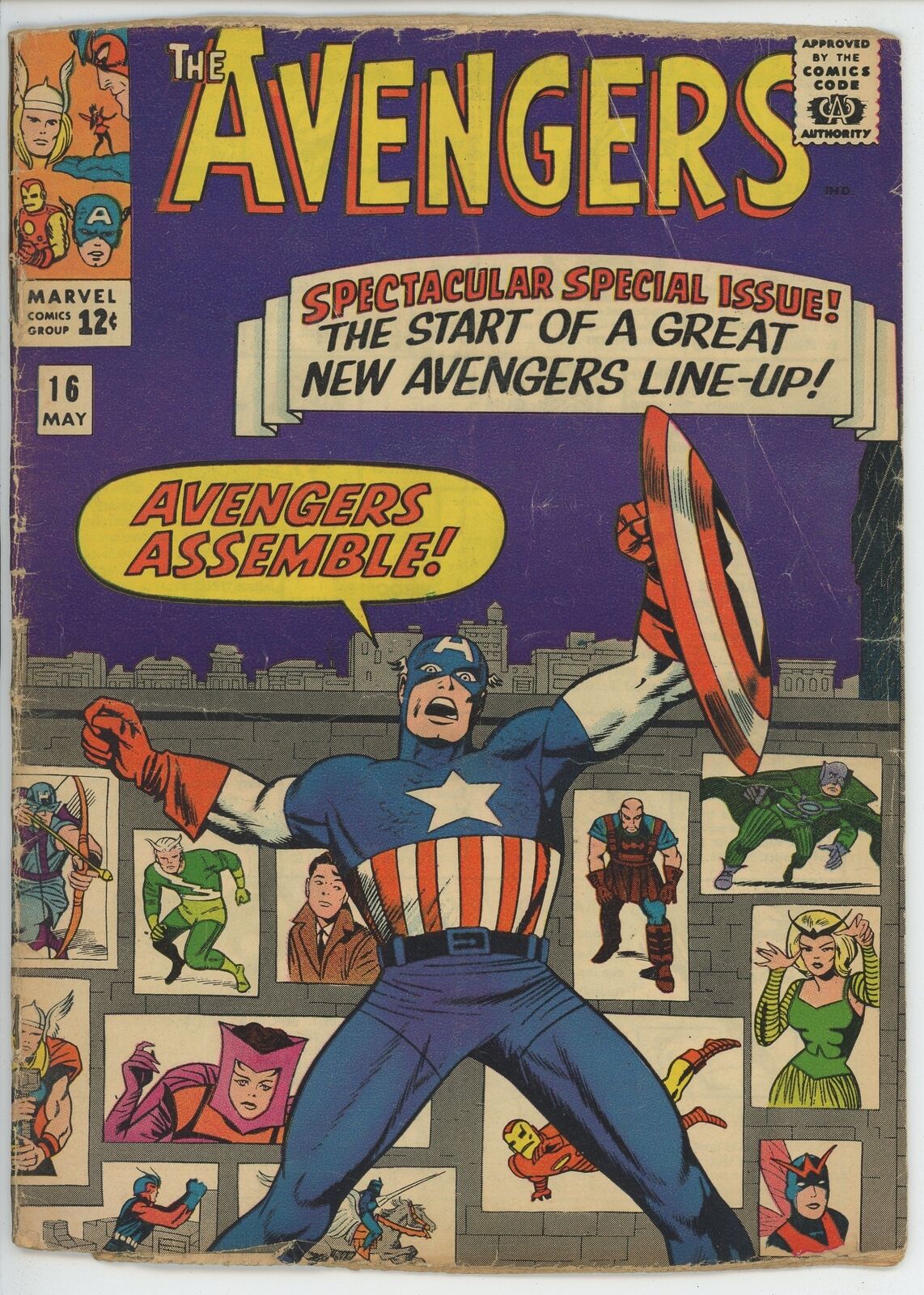
In the Marvel Comics, whenever there were a lot of vacancies in the Avengers, there would be a huge rush of heroes to fill the void of the departed Avengers to form a new roster for the team. The first time this happened with the Avengers actually was very early in the comic book’s run with issue number 16, where the OG Avengers Iron Man, Giant-Man, the Wasp and Thor left the team. This left only Captain America, who was the first recruit, to form a new team of Avengers with Scarlet Witch, Quicksilver and Hawkeye. Over time, heroes came and went as the make up of the tesm radically changed.
What is unusual about the MCU is that post-Endgame various superheroes operating solo in the films and TV shows often claim to be an Avenger, yet they are not part of an active team. We saw Spider-Man, Ant-Man, Falcon and to some extent, Hawkeye doing this in their solo films/TV shows. If there was an actual team of Avengers in the MCU after Avengers: Endgame think of how quickly the calamities would have ended for the heroes in their individual films and TV shows. Now it seems as if history is repeating itself as Kang has emerged as the next high-level threat following Ant-Man and theWasp: Quantumania, although in Ant-Man’s defense, he believes that Kang has been killed. But we know better.
Why hasn’t there been a new roster of MCU Avengers, yet? It boils down to two reasons: Resources and leadership. With Tony Stark gone, there wasn’t anyone who could effectively bankroll the team. Sure, there is his wife, Pepper Potts, but as we saw in Spider-Man: No Way Home, Stark’s company landed in hot water with the authorities because of their drones that were used by Mysterio in Spider-Man: Far From Home. So, the company is probably not in the best financial shape to provide resources for an Avengers team. Once Iron Man and Captain America were written out of the MCU, there has been a lack of leadership in the MCU. Unlike that issue of Avengers #16, there is no Captain America or some equivalent to lead the way and put together a new roster.
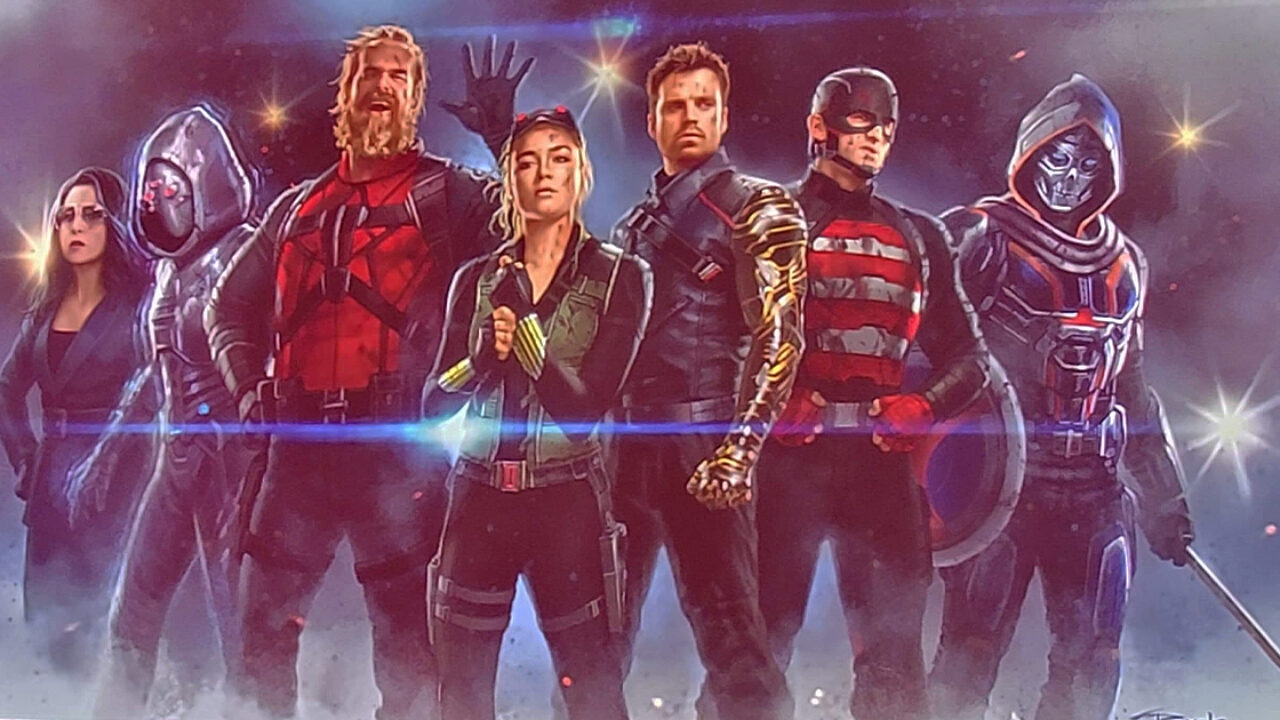
Of course, this will change fairly soon with Avengers: The Kang Dynasty and Avengers: Secret Wars. It’s clear that a new team of MCU Avengers will emerge to face a threat that no solo hero can handle, namely Kang or Doctor Doom. This may start to happen with next year’s Captain America: New World Order, as the new Capain America/Sam Wilson, who has no super-soldier serum, is forced to create a new team of Avengers. The Thunderbolts could also serve as a catalyst for a new roster of Avengers. Made up of mercenaries, the Thunderbolts in their debut film will probably operate in a less-than-noble manner and prompt the creation of a new Avengers team for the MCU. It’s too bad the MCU version of the Thunderbolts could not more closely match the original comic book counterpart, but to keep the true nature of the team under wraps would be impossible for fans and the “surprise” reveal would lack the same impact as the end of Thunderbolts #1.
There have been recent rumors that the new Captain America would not lead the new Avengers and Spider-Man would do so instead. That is hard to believe for real-world reasons in that the Spider-Man film rights are held by Sony Pictures and it is unlikely that Marvel Studios would have the leader of the Avengers be a character they don’t own the rights to. It will be interesting to see who else will lead the team if not Captain America.
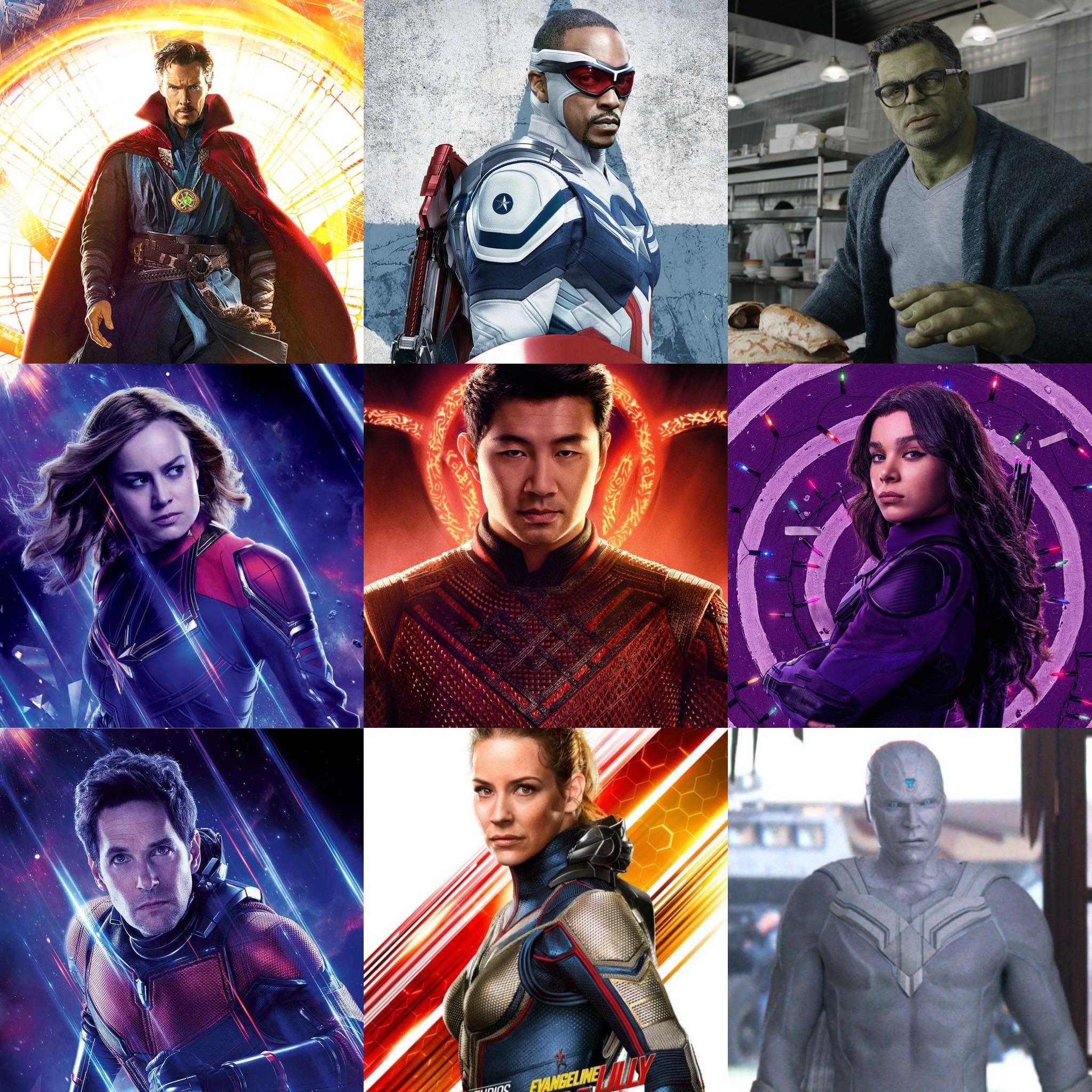
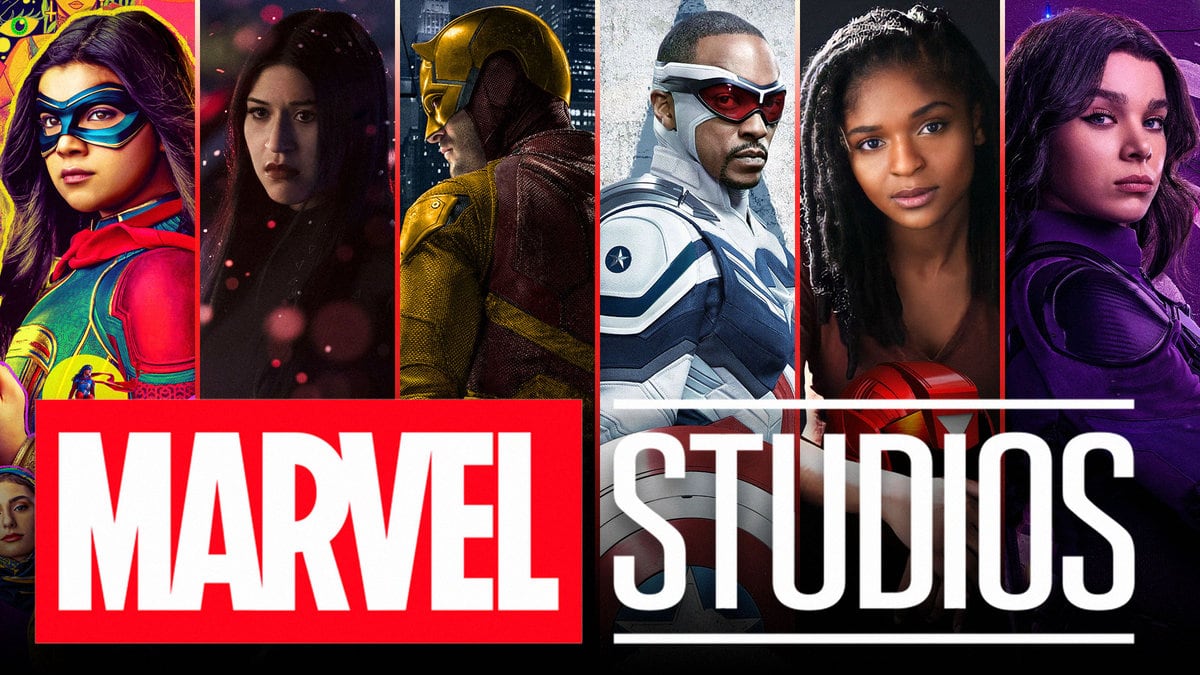
An interesting development that the MCU could do is have the Young Avengers become the de facto Avengers, at least briefly. We have seen many of the Young Avengers members like Kate Bishop, America Chavez, Patriot, and Stature appear in the MCU. Perhaps they will be the new Avengers led by Sam Wilson, or the team could be made up of the following: Captain America, the Hulk, She-Hulk, Ant-Man, the Wasp, Doctor Strange, Black Panther, Spider-Man, Shang-Chi, all three of the Marvels, and some members of the Eternals and even the Thunderbolts.
Part of the fun right now is speculating over who will be in the new lineup of MCU Avengers. The waiting for the revelation will be worth it as soon as the new team in the films rallies with the iconic battle cry “Avengers Assemble!”.
Here again we have a case where the critics have it wrong. Despite the many negative reviews flooding the internet, Ant-Man and the Wasp: Quantumania is another solid entry for the Marvel Cinematic Universe (MCU).
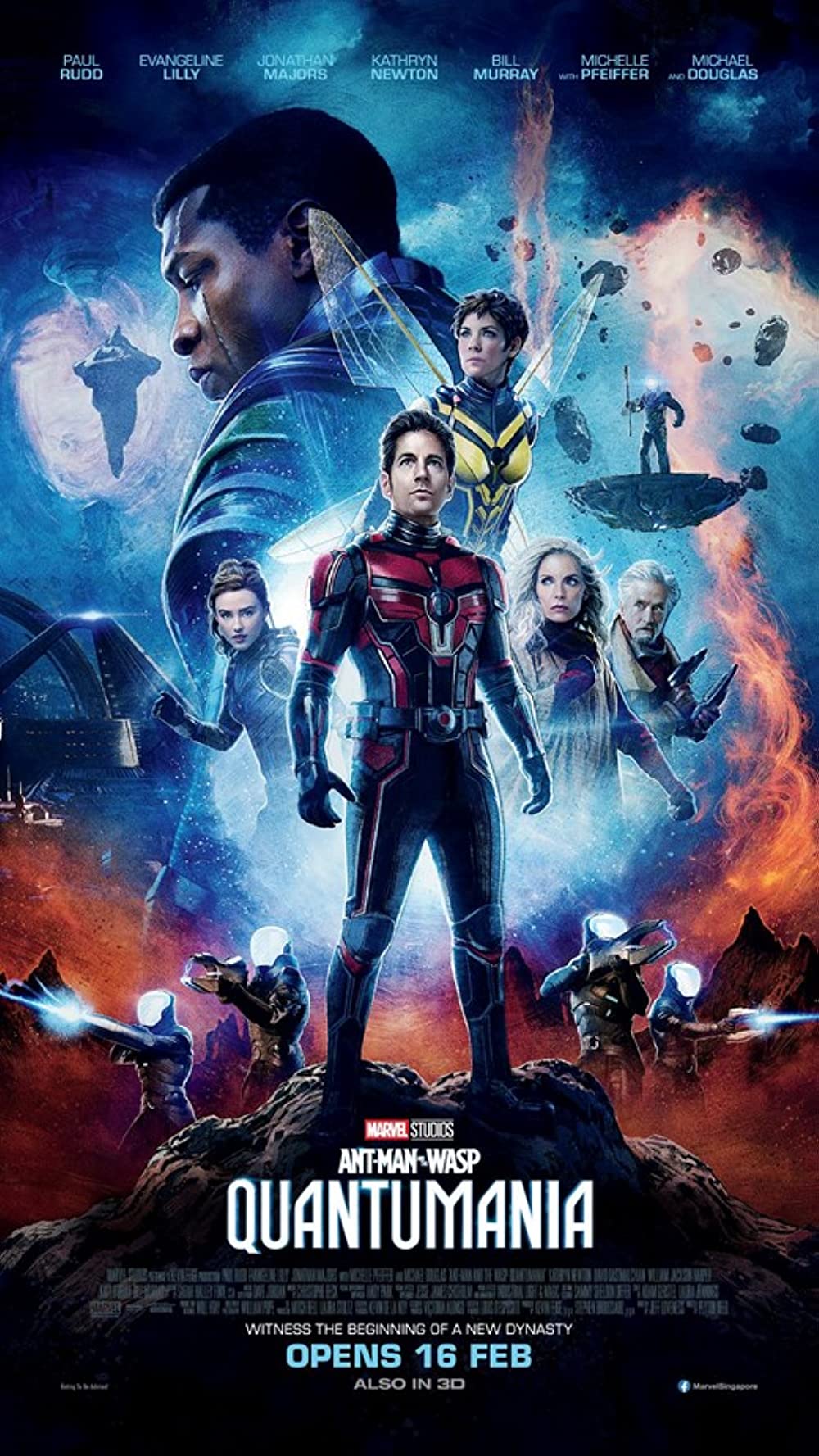
As the third film in the Ant-Man franchise and the opening salvo for Phase Five of the MCU, Ant-Man and the Wasp: Quantumania has a decidedly different tone than the previous Ant-Man films. Mostly gone are the quirky humor amd low-stake threats that Scott Lang (Paul Rudd) and his girlfriend Hope Van Dyne (Evangeline Lilly) faced. This time the stakes are dramatically raised as Scott aka Ant-Man and his friends have to save the Multiverse itself from the fearsome Kang the Conqueror (Jonathan Majors). This could be why the film turned off so many critics who expected the light-hearted and breezy tone of the previous Ant-Man films.
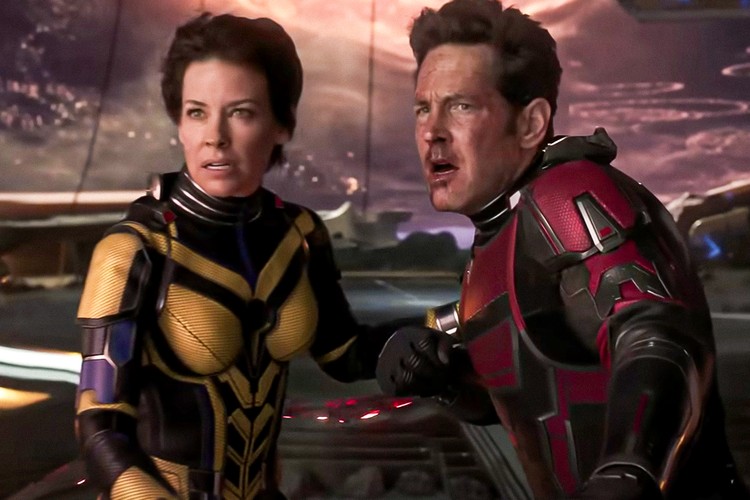
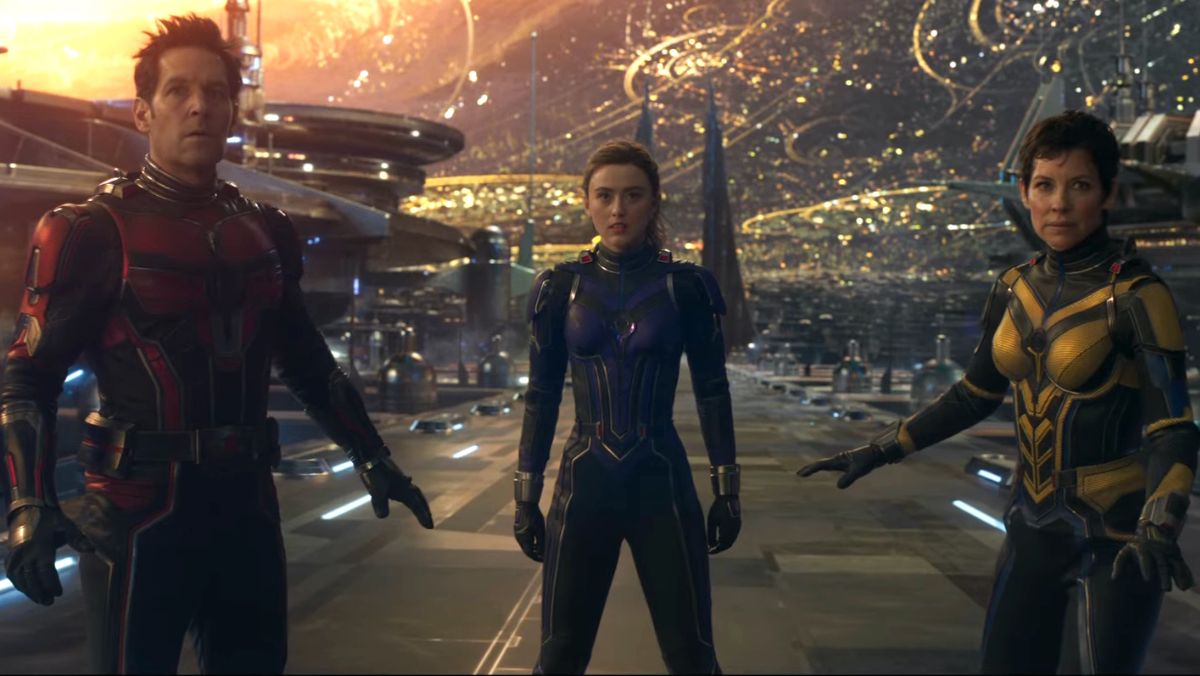
The film begins in San Francisco as we see what Scott Lang has been up to since Avengers: Endgame. It is shown that he has become a celebrity basking in his heroic role during the events of Avengers: Endgame and is enjoying life. However, his daughter Cassie (Kathryn Newton) has gotten into trouble with the law and the two struggle to connect with one another. After a family dinner with Scott, Cassie, Hope and her parents Hank Pym (Michael Douglas) and Janet Van Dyne (Michelle Pfeiffer), Cassie displays her scientific genius by demonstrating her new invention, which is a device that lets her map out the otherdimensional Quantum Realm. But the device is used by someone in the Quantum Realm as a homing beacon and creates a portal that sucks in our heroes. Finding themselves stranded in the otherworldly Quantum Realm, our heroes soon learn of a tyrant called Kang the Conqueror, who is able to travel the Multiverse with futuristic technology, but is exiled to the Quantum Realm. As soon as Scott and his companions arrive, Kang pursues them because they hold the key to escaping the Quantum Realm.
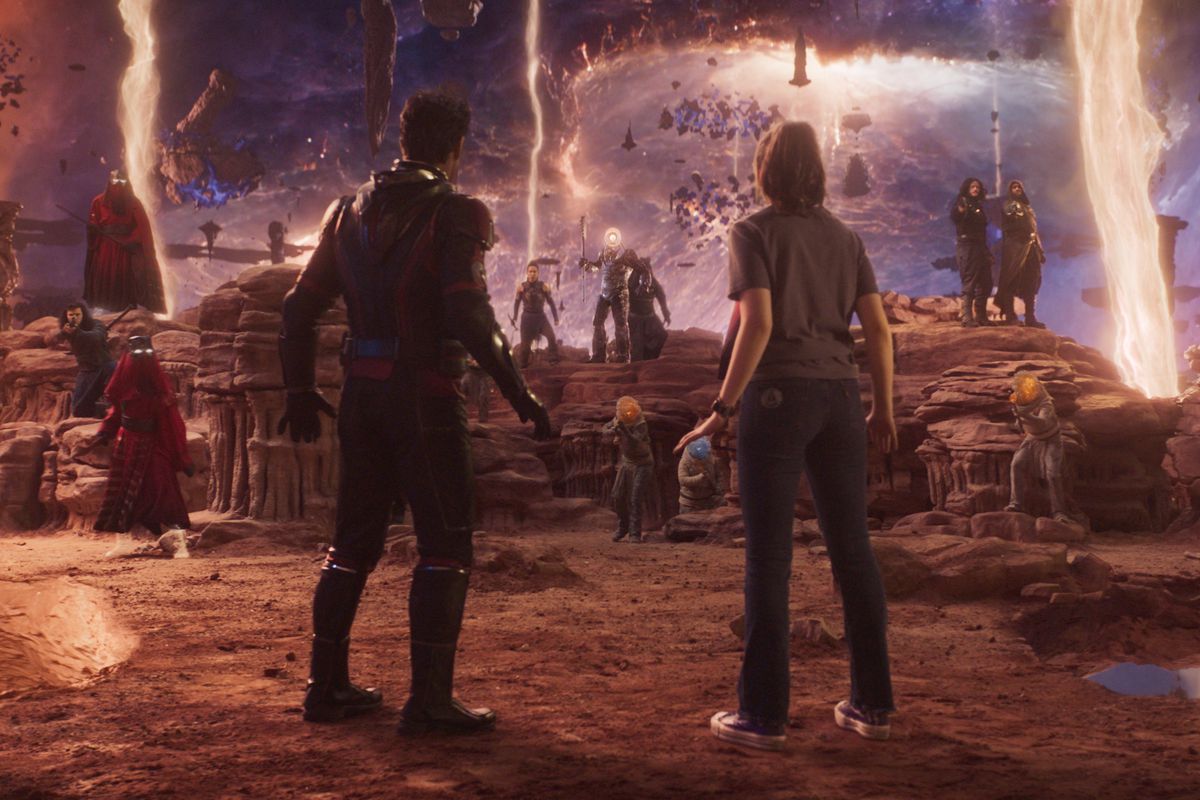
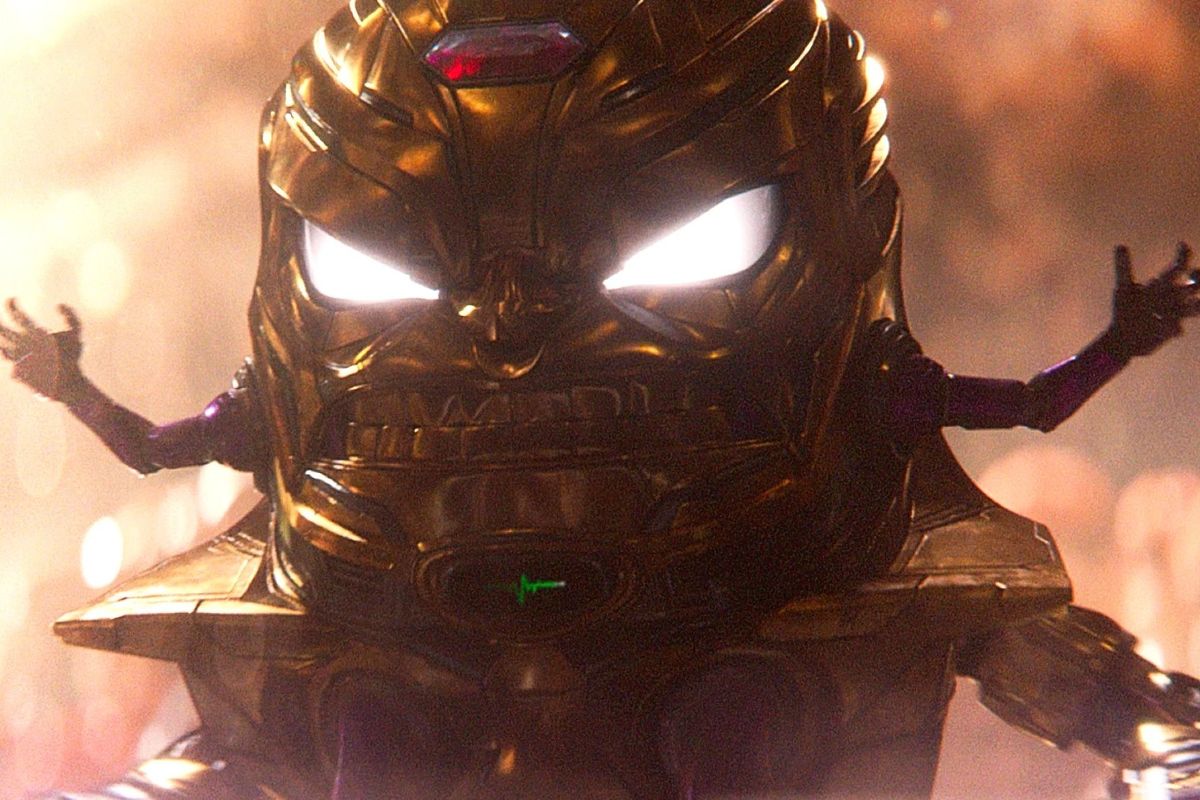
Taking place nearly entirely in the Quantum Realm, Ant-Man and the Wasp: Quantumania veers hard towards wild sci-fi elements as our heroes meet bizarre-looking beings and explore a landscape that would only exist in dreams. It seems that director Peyton Reed was intent on outdoing James Gunn and the Star Wars films by presenting a unique and nearly undescrible world that was just mind blowing to behold. The film introduces many characters of assorted shapes and sizes, the standout was actually M.O.D.O.K (Mechanized Organism Designed Only For Killing), who was Ant-Man’s old foe Darren Cross/Yellowjacket (Corey Stoll) from the first film. Yes, M.O.D.O.K. is too goofy to be taken seriously as a villain, but with his giant, oversized head and tiny appendages, M.O.D.O.K. provides a lot of laughs.
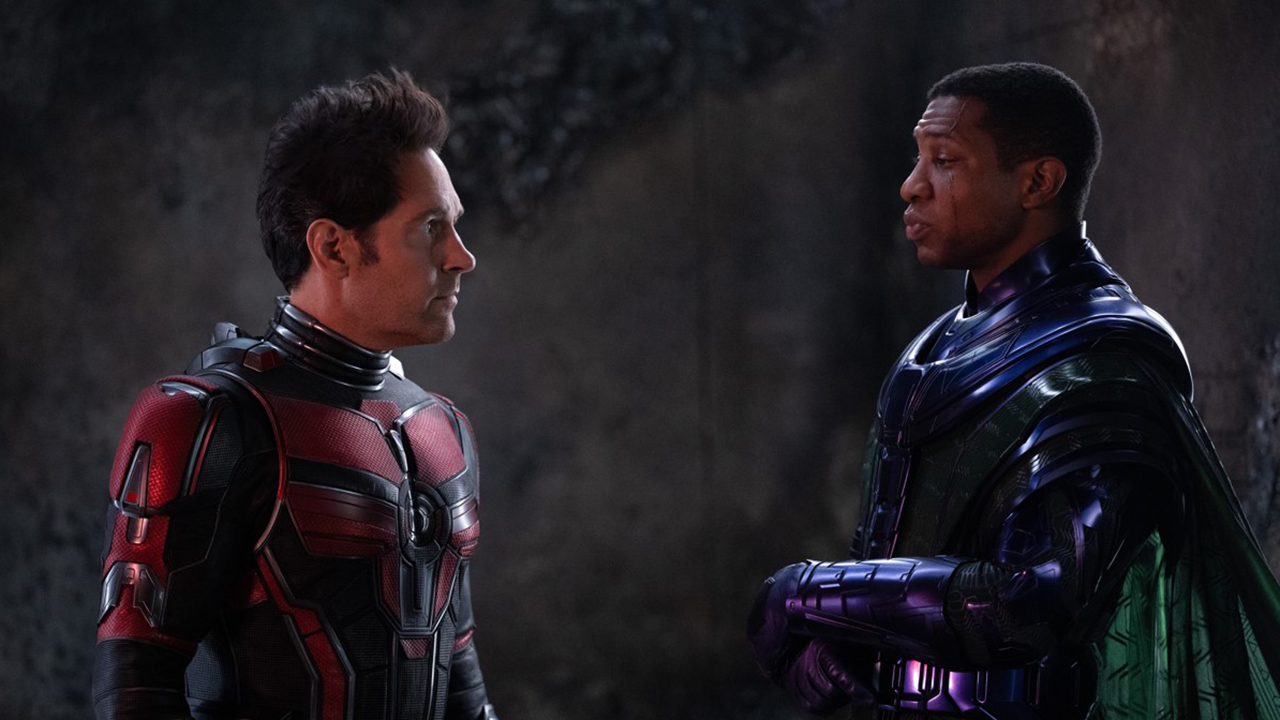
There are many intense situations and developments that fly by at a rapid, manic pace that adds to a feeling of nervousness and discomfort. But Reed knows how to inject laughs and brevity at the right moments to give audiences a chance to breath. This was helped with the dominating presence of Kang. Majors pulled off a nearly impossible feat with his performance of Kang, who immediately joins the ranks of top-tier MCU villains. Kang is a captivating and terrifying foe with an intense fury that made us worry about Scott and his companions. This was a great presentation of a David vs. Goliath situation as Kang clearly overmatched Scott with his futuristic technology and raw emotions. After the lightweight villains from the last Ant-Man film, Kang was the right antagonist to face Ant-Man, as we were left wondering how could Scott fight this person who was out of his league.
As exciting and fast-moving Ant-Man and the Wasp: Quantumania was, its manic energy and intense actions could not hide all of its flaws. Sometimes situations and plot points happened too fast and weren ot given enough time to percolate. Being that the film has many characters, many of them do not leave much of an impact. Bill Murray was wasted in what turned out to be an extended cameo, but he provided some levity and humor with his appearance. While Scott and his companions have meaty roles and drive the plot, Hope/The Wasp faded into the background during much of the film, but she delivered several fist-pumping moments during the film’s final act. Unfortunately, the scene-stealing Luis (Michael Peña) from previous films was absent in this film and was sorely missed. Also, there is a nagging plot flaw in that Janet was previously trapped in the Quantum Realm for decades and confronted Kang before, yet she never mentioned this to her family, especially her husband Hank. That is just unbelievable and irritating in that earlier in the film she kept speaking cryptically about the Quantum Realm and Kang, even though her family insisted she inform them of everything she knew for survival’s sake.
With that said, the film did allow most of its main characters to develop. Scott learned some much-needed humility as he faced someone way out of his league. Unlike the last film, Scott does not come off as an idiot and has more of a heroic presence, which made us root for him more as he fought Kang. Meanwhile Cassie took the place he had in the first film of being someone who was just learning how to use her size-changing abilities and her idealistic nature contrasted well with her more pragmatic father. Douglas provided some good laughs and helped to our characters while Pfeiffer was given much more screen time than and contributed heavily to the plot.
Still, out of all the film’s characters, Kang was a true standout and he needed to be. Ever since Thanos was turned to dust, the MCU has lacked a true successor supervillain that threatened the entire MCU. Thankfully, Kang was able to demonstrate why he is already one of the MCU’s most terrifying villains and the audience cheered as the final title card announced that he would return. By the way, the two post-credits scenes were great, though the first one was the better of the two since it matched the outlandish nature of the film.
Ant-Man and the Wasp: Quantumania is a promising start of Phase Five of the MCU and a welcome change of pace for the Ant-Man franchise. It showed us why Scott Lang is a great hero being that he was clearly the underdog who refused to give up, while the characters around him provided solid support and held our interest. Most of all, this film was a triumphant debut for a top-tier villain.