Ready Or Not, Here Comes Avengers: Infinity War, Earlier Than Expected

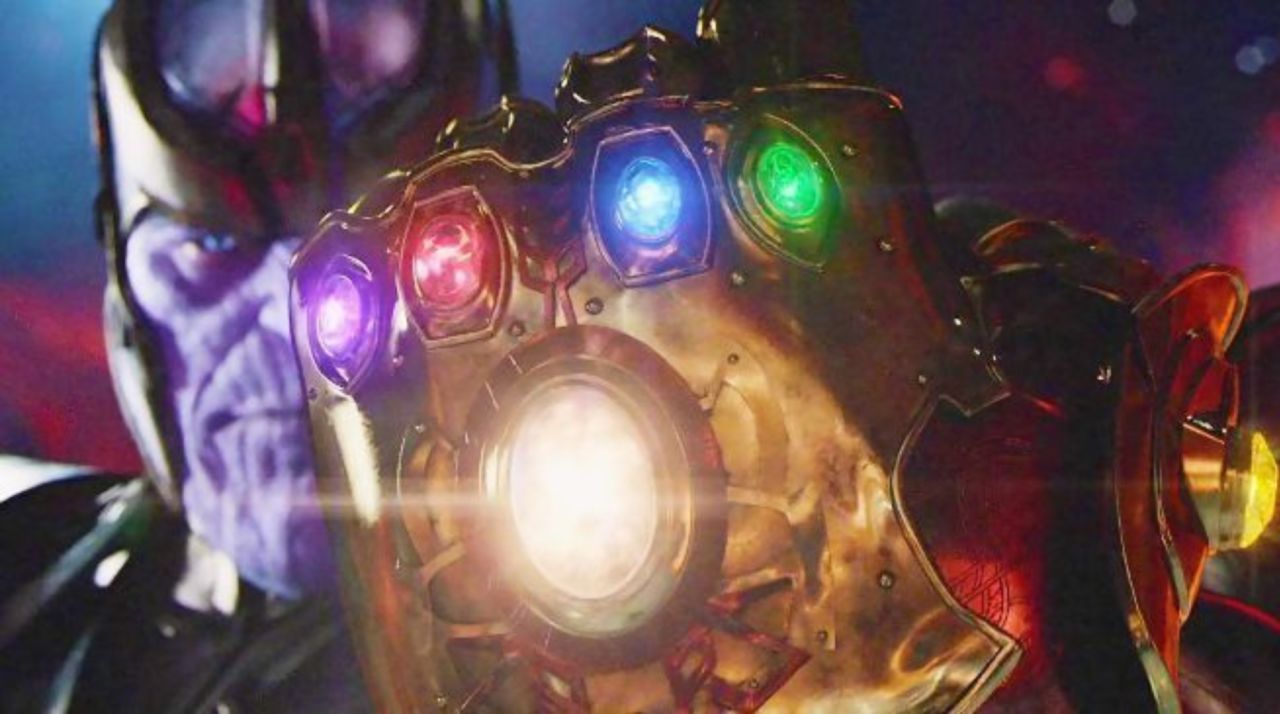
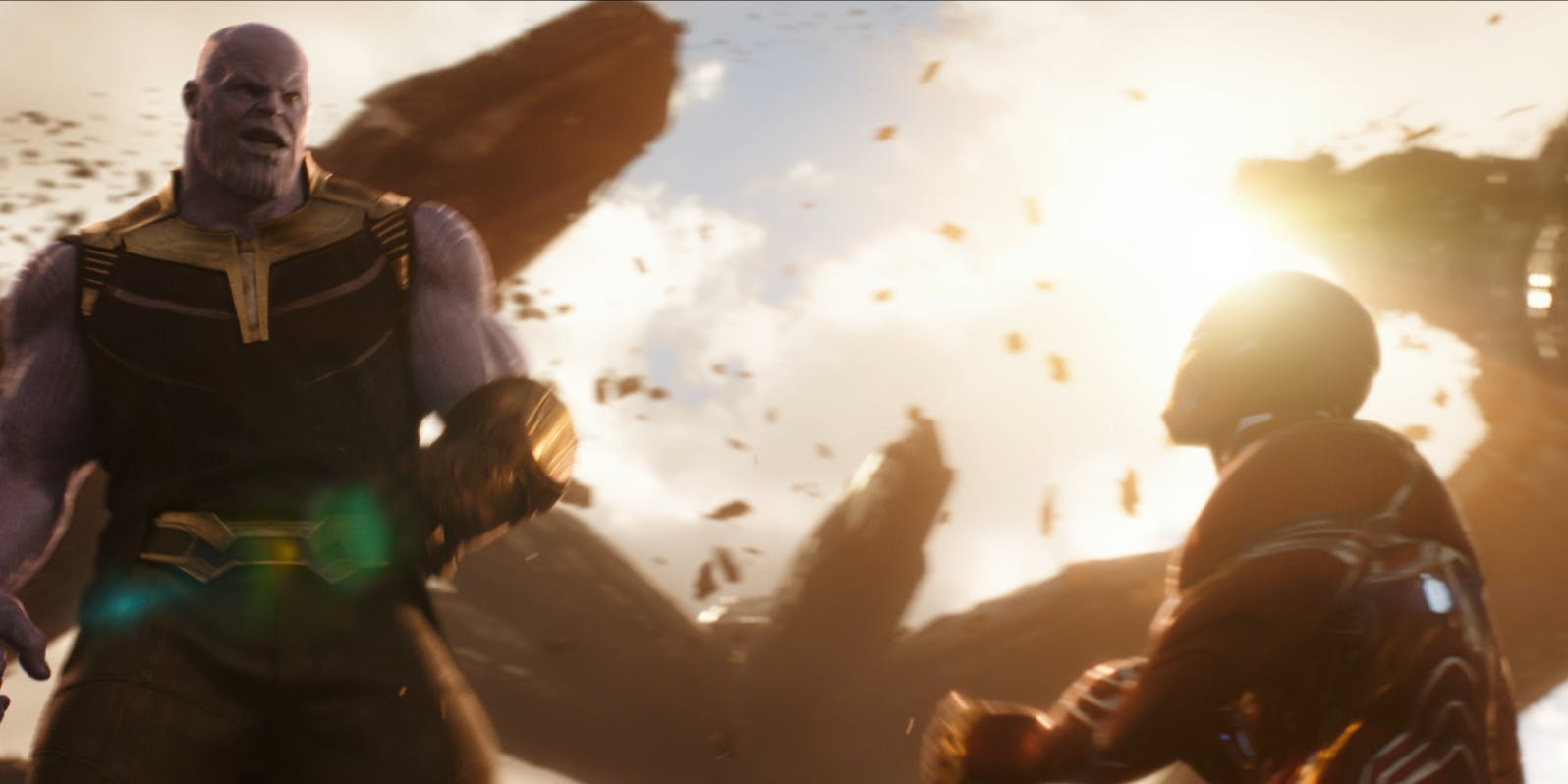
It’s a month early for April Fool’s, so this is real. Marvel Studios announced earlier today in a humorous tweet with Robert Downey, Jr. that Avengers: Infinity War will be released on April 27 instead of May 4. This certainly is a shock and a pleasant one for fans of the successful Marvel Cinematic Universe (MCU) who can now enjoy seeing the epic confrontation between the Avengers and Thanos. But the big question is why did Marvel Studios move up Avengers: Infinity War a week early?

Naturally, they won’t come out and tell us what the real reason is, but we can speculate. The theories are numerous as other sites and video channels are adding their two cents, but here are the best and most likely reasons:

  • Marvel Studios wants to release the film simultaneously on that day worldwide. Ordinarily the studio releases their MCU films a week early overseas before North America. By doing a simultaneous release, spoilers are cut down, as well as pirate copies for impatient viewers.
  • Black Panther is a monster hit and Marvel Studios wants to capitalize on the unexpected success of the film by releasing a film earlier that features Black Panther and Wakanda. Think of it like this, “Hey people, you liked Black Panther? Well here’s some more of him right away.” The reasoning is that momentum from Black Panther will spill over into the next MCU followup.
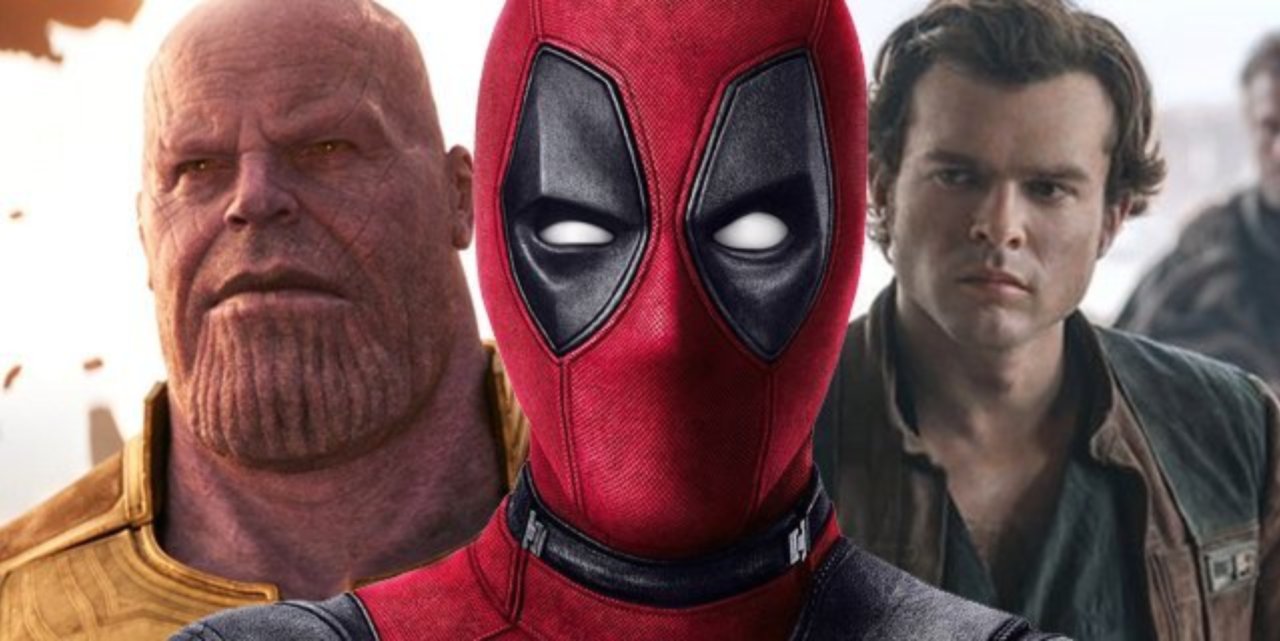
  • Avengers: Infinity War is expected to be the biggest film of the year and Marvel Studios wants to to do everything in its power to ensure this. They may have been mulling this ever since the release date of Deadpool 2 was moved from June to May 18, just two weeks after Avengers: Infinity War. There is a good chance that if the MCU film has legs and excellent word-of-mouth that it could continue to dominate the box office on May 18, but why take the chance?
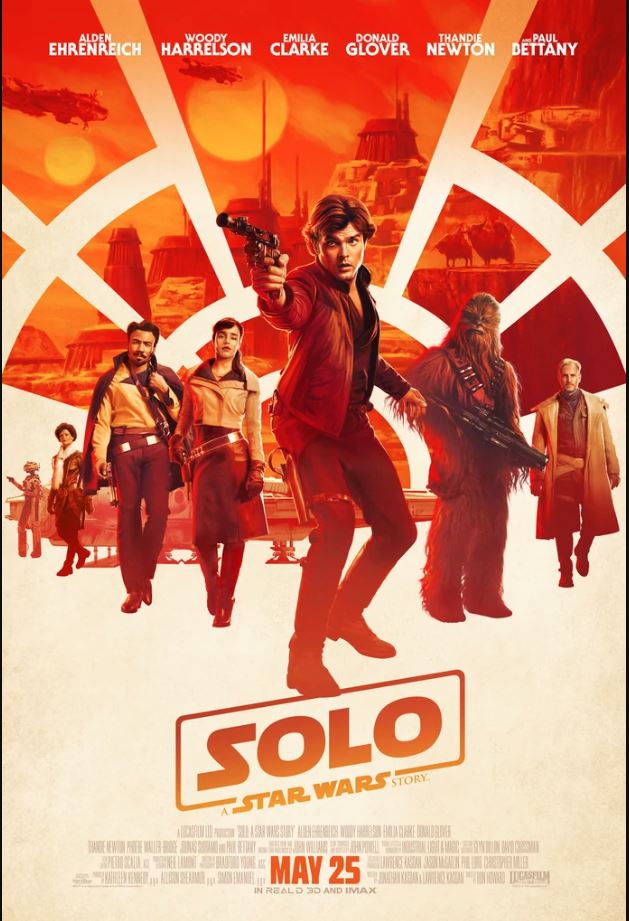
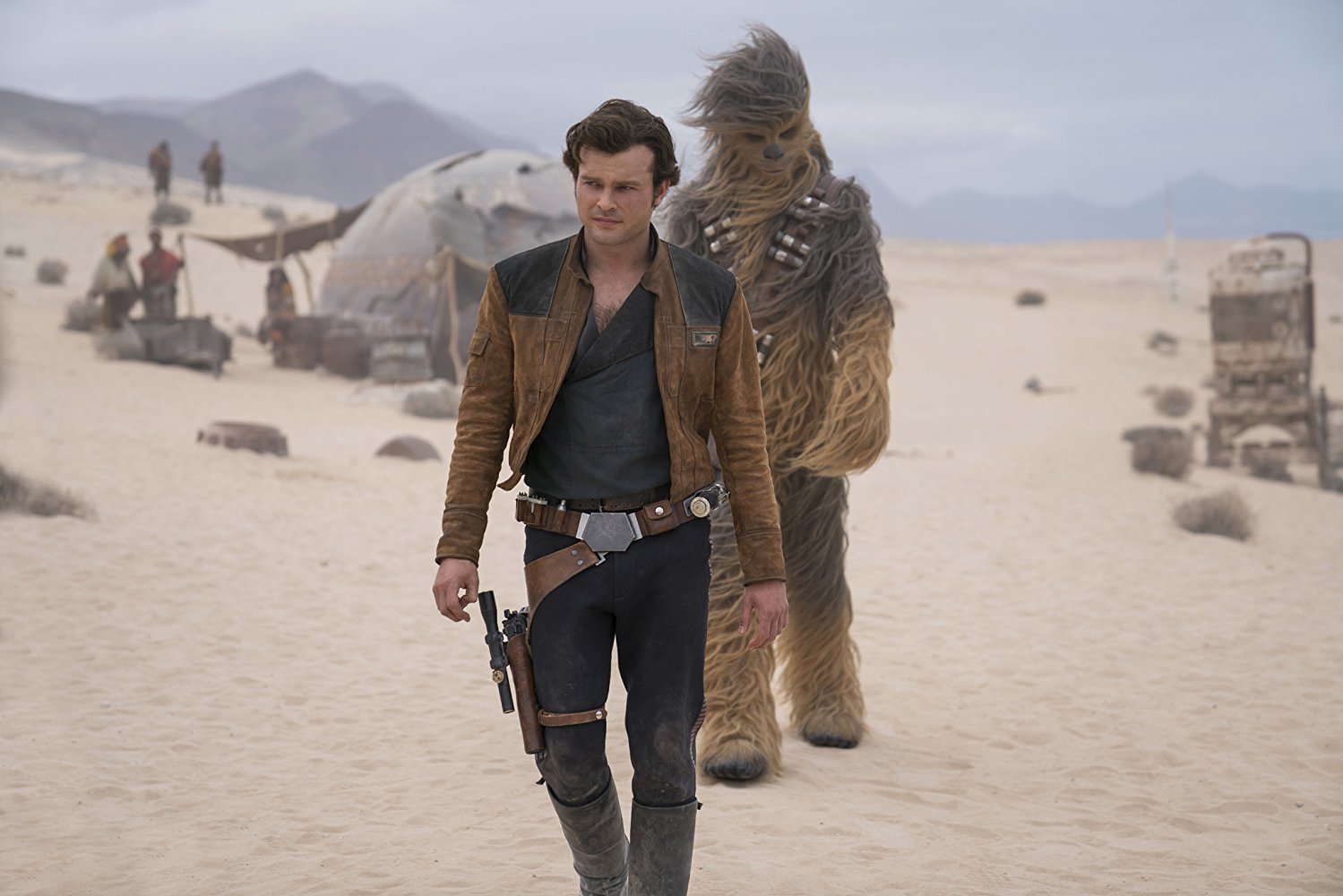
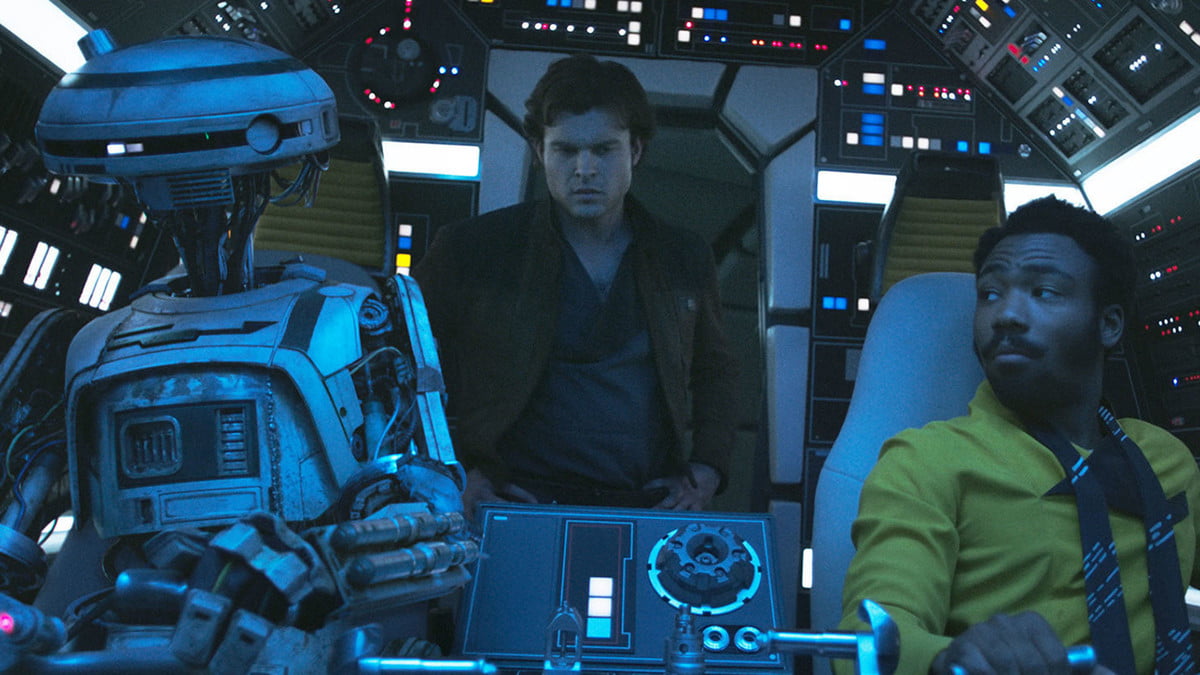
  • The changed release date might give Solo: A Star Wars Story some breathing room so that it will not directly compete with a fellow franchise from the same company. Then again, Solo still has to compete against Deadpool 2.
  • The worse-case scenario is that Avengers: Infinity War may not live up to the hype (see: Avengers: Age of Ultron) and Marvel Studios wants to get the most bang for the buck before indifferent or bad word-of-mouth dulls its impact on the box office. Hopefully, that is not the reason.

Whatever the case may be, let’s just be happy that we’re going to get the most anticipated film of the year a bit early.  The summer movie season officially begins in late April this year thanks to Avengers: Infinity War. Maybe this will set a trend.

The State Of Two Cinematic Universes: MCU & DCEU

This past week the news involving the two big superhero film universes perfectly illustrated their states. For the Marvel Cinematic Universe (MCU) it seems clear that they can do no wrong. This is based solely on the astronomic success of its latest film Black Panther. Meanwhile, over at the DC Extended Universe (DCEU), the woes continues with the latest news that Joss Whedon is no longer involved with a proposed Batgirl film.

So why are the states of both cinematic universes so vastly different? Both have popular superheroes and their films have tremendous talent creating the films. But why is the MCU so popular while the DCEU is looking more and more like the JV squad? Well, it’s not easy to pinpoint the success and failures of both universes but there are some factors. Let’s go over them.

MCU

One advantage Marvel Studios and the MCU had over Warner Bros. and DC was simply a head start. The MCU began in earnest ten years ago with Iron Man. That film featured a well known, but not very popular, superhero. Marvel Studios did not have the luxury of having their early films star Marvel Comics’ headliners like Spider-Man and the X-Men. With this handicap, Marvel Studios was forced to focus on the character of Iron Man and it worked. But that was not all, at the end of the film, there was the famous Nick Fury tease that signaled the existence in the film of a larger universe. This excited fans and set the groundwork for a viable cinematic universe.

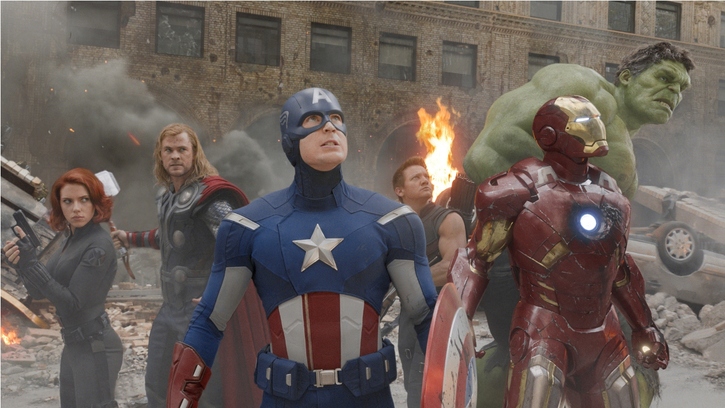
Each film in the MCU has organic (usually) references to other Marvel properties that helped create excitement for future films even if the current one was a disappointment. It also helped that each film in the MCU is distinctly different (for the most part) from the other. They ranged from standard science-based superhero yarns (the Iron Man films, The Incredible Hulk), political thrillers (Captain America: The Winter Soldier), period pieces (Captain America: The First Avenger), Star Wars-like space adventures (Guardians of the Galaxy), quirky, comical heist capers (Ant-Man), supernatural tales (Doctor Strange), stories set in fantastic locations (the Thor films), cultural milestones (Black Panther), and good ol’ superhero epics (the Avengers films). By being so versatile the MCU never seems to run out steam or stories to tell. Granted, the films have their faults like subpar villains, which are just dark versions of the main heroes, but the focus on character and stories made the MCU so successful.

Black Panther and MCU

There is also one other important factor that the MCU has and that is Kevin Feige, the head of Marvel Studios and the filmmaking version of Phil Jackson. He masterfully and carefully guided each film to tremendous success. His vision for the MCU and ability to carry it out is a big reason for the upbeat state of the MCU. Will they falter? Of course, in fact, the MCU has had some genuine stinkers like Iron Man 2, but it has been able to quickly recover. Right now, Marvel is on a hot streak that has been going on for several years now and the future looks terrific with upcoming and hotly awaited films like Avengers: Infinity War, Ant-Man and the Wasp, Captain Marvel and of course a sequel to Black Panther. Hopefully this streak will last for years to come.

Continue reading

The Cloverfield Conundrum

A lot of the buzz generated from the Super Bowl centered on the Netflix premiere of The Cloverfield Paradox. It was anticipated by many fans of the Cloverfield movies since it promised that it would explain the first Cloverfield film. Well, the film left many people confused as to what it all meant. Sure, it was the weakest of the Cloverfield films, but it explained how the three films are connected, though it was done clumsily. Ahead of this will be major spoilers for all three Cloverfield films.

The Cloverfield saga started ten years ago with the release of the first film, which at the time before its release was kept in secrecy. A bunch of clues about the film’s content was teased and after the film came out, many obsessed over the origin of the giant Cloverfield monster that wrecked New York City. As time passed and no sequels appeared, interest died off until a couple of years ago when the film 10 Cloverfield Lane was suddenly released. Originally, the dark, atmospheric thriller did not have any connection to the first film until vague Easter eggs were added. But the sci-fi angle confused fans. The giant kaiju from the first film never appeared, instead the world was threatened by invading aliens.

The Cloverfield Paradox (originally called God Particle) offered an explanation as to what caused these events. As viewers know, The Cloverfield Paradox takes place in a space station that uses a Hadron Collider to solve the world’s energy problems in the near future. This transports the station  into an alternate reality where World War III breaks out on Earth and the crewmembers spend the film figuring this out and trying to find a way back to their own dimension. When the surviving crew returns to their own reality the big reveal at the end is that their world is under attack by a super giant Cloverfield monster.

Many viewers were perplexed. The film takes place in the near future, so how come no one remembered the first Cloverfield film or the alien invasion from the second film? The answer is simple, the experiment on the space station ripped open the barriers between dimensions that affected the past (Cloverfield in 2008), present (10 Cloverfield Lane in 2016 for our present, more or less) and future (The Cloverfield Paradox or the third film’s present). This was foreshadowed early in the film by a conspiracy writer that this event would occur and the world would be invaded by monsters, aliens and demons. Note that the fourth upcoming Cloverfield film, called for now Overlord, takes place in World War II and deals with Nazis and the supernatural, so that writer’s claims about demons and the past being affected could be applied there. Who knows, maybe we’re next?

The Cloverfield Paradox has many problems, not just that the Cloverfield connections were obviously inserted into the film. But at least there’s an explanation for the bizarre sci-fi events in the film anthology.

Waldermann Rivera

Sorry Folks, No X-Men Or FF In The MCU For A While

XMEN in MCU

Many of us were disappointed when we learned last week that there are not any immediate plans to integrate the X-Men or the Fantastic Four into the Marvel Cinematic Universe (MCU). In an interview with Vulture, Marvel Studios head Kevin Feige stated that it is too soon to stick the newly acquired properties into the MCU and that Marvel Studios is busy with their current slate of heroes.

As disappointing as that is, it should not come as a surprise. First of all, despite all the news in December 2017 about Disney buying most of 21st Century Fox’s intellectual assets, it is not a done deal yet. It will take at least a year for the deal to be finalized and approved by the government and, of course, there can be roadblocks, which would disrupt immediate plans for the Marvel mutants and the First Family of comic books. Coming right out and making that statement was the safest thing for Feige to admit. The statement is a good way of letting fans know to not get their hopes up that the X-Men or the Fantastic Four will somehow turn up in the next two Avengers films.

To shoehorn these new characters into carefully planned films and TV shows would be too disruptive and ruin the narrative flow. They have to be naturally introduced into the MCU because that universe is not set up for mutants and their baggage, although it will be easier with the Fantastic Four. The X-Men property is built on the premise that mutants are widely feared and disliked by normal humans. This would not gel with the MCU where for the most part, superhumans are better received. In the comic books, although both mutants and superheroes co-exist, the way they are treated does not make sense. If normal people distrust mutants because of their powers, shouldn’t they feel the same way about superheroes? Comic book events like Civil War addressed this but the dichotomy still exists. Besides the entire humans-fearing-superhumans motif has been addressed in the MCU with Inhumans as seen on Agents of S.H.I.E.L.D. and Inhumans. Last we heard both TV shows are nominally part of the MCU.

Look at the bright side, the time being given to integrate the properties allows Kevin Feige and Marvel Studios to have some breathing room. They can take their time to figure out how to integrate mutants and the Fantastic Four and just as important, who to cast in the roles. Despite what some may hope, it is likely that Marvel Studios will recast the iconic roles. This is a great opportunity for the Fantastic Four who’ve had terrible casting in the Fox films, but for the X-Men this can be traumatic for fans. Also, after the slated Fox X-Men films and TV shows run their course, it would be a good idea to give the properties a decent rest so when they make their comeback, the level of interest will be intense.

All we need is some patience and hope that at the very least some cryptic references about the X-Men and the Fantastic Four can be made in next year’s MCU films and beyond.

Lewis T. Grove 

The Negativity Towards Modern Star Trek & Star Wars

The two big live-action sci-fi franchises, Star Trek and Star Wars, are undergoing a bit of an identity crisis. Or rather the crisis is about how their fans are reacting to the latest incarnations of both franchises.

The properties are several decades old by now and although so much of what made them popular still resonates with people, they have to remain fresh. In other words, Star Trek and Star Wars have to keep up with the times. This meant that the recent incarnations are distinctly different from the original versions, which has sharply divided fandom.

Star Trek Into Darkness

Star Trek returned to home screens with Star Trek: Discovery, a show that is in many ways a radical departure from the 1960s TV show. The lead is not a white male captain, but a black female science officer who committed mutiny. That’s not all. Star Trek: Discovery features an openly homosexual couple, a starship captain with questionable morals, and a much darker tone where adult language and violence are commonplace.

The premise of Star Trek is about a starship exploring new worlds and meeting new races. There is very little of that in Star Trek: Discovery as it takes place during a war with the alien species, the Klingons. This was something that Star Trek’s original creator, Gene Roddenberry, would not approve. He presented a futuristic show about an enlightened humanity.

While Star Trek: Discovery explores issues like its predecessor, the characters, not the guest aliens, are the ones undergoing their own ethical crisis. An early subplot of the show dealt with the morality of the ship’s crew forcibly using an alien creature as a means of propulsion. This brought up the problem of animal abuse and later the characters’ ethics were heightened when it was revealed that the creature was sentient. The captain’s justification for the abuse was that he was trying to win a war. Another main character is actually a Klingon disguised as a human, who suffers from PTSD and is grappling over his sanity. Then the main character, Michael Burnham, committed treasonous acts that ignited a war with the Klingons and agonizes over her past. These characters are not exactly clear cut heroes.

The Ambiguous Star Wars

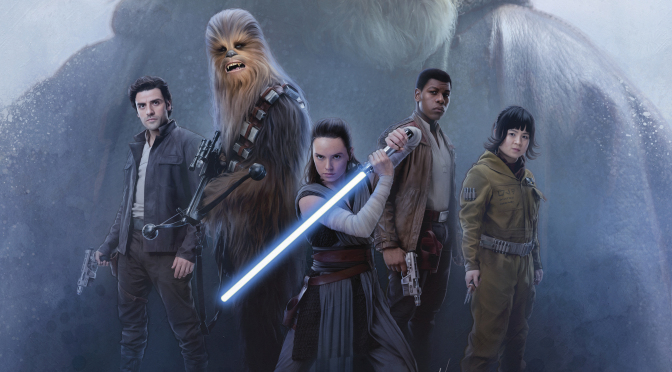
The new Star Wars trilogy films have featured women as the lead characters, as well as non-whites. Unlike the original films that concentrated on a young, white male savior, the new films have strong women who are the central characters.

The films are also more ambiguous than the original ones with their simplistic good vs. evil plotlines. For example, in the latest film, Star Wars: The Last Jedi, the issues of war profiteering, class inequality, and animal abuse were brought up. The film’s villain had a more ambivalent nature as Kylo Ren was genuinely conflicted about embracing his dark nature. Actually, his descent into evil was more interesting than the film’s other one-dimensional foes, who were little more than cackling caricatures.

One of the heroes featured in Star Wars: The Last Jedi was Luke Skywalker, the main protagonist from the earlier films. In this film, he was a fallen man, full of defeat and bore little resemblance to the optimistic savior of the original trilogy. This arc gave Luke more dimension and provided a vehicle to explore his spiritual reawakening and redemption.  In the film Rogue One: A Star Wars Story, the main characters were also spiritually murky as they carried out dubious actions in the spirit of winning the war. For example, one of the leads, Cassian Andor, cold bloodedly murdered an accomplice in order to escape the bad guys. The overall tone of that film was harsher as it dealt with the brutality and ambiguity of war.

Continue reading