The Pitfalls Of Wakanda’s Revelation In Black Panther

black panther at wakanda

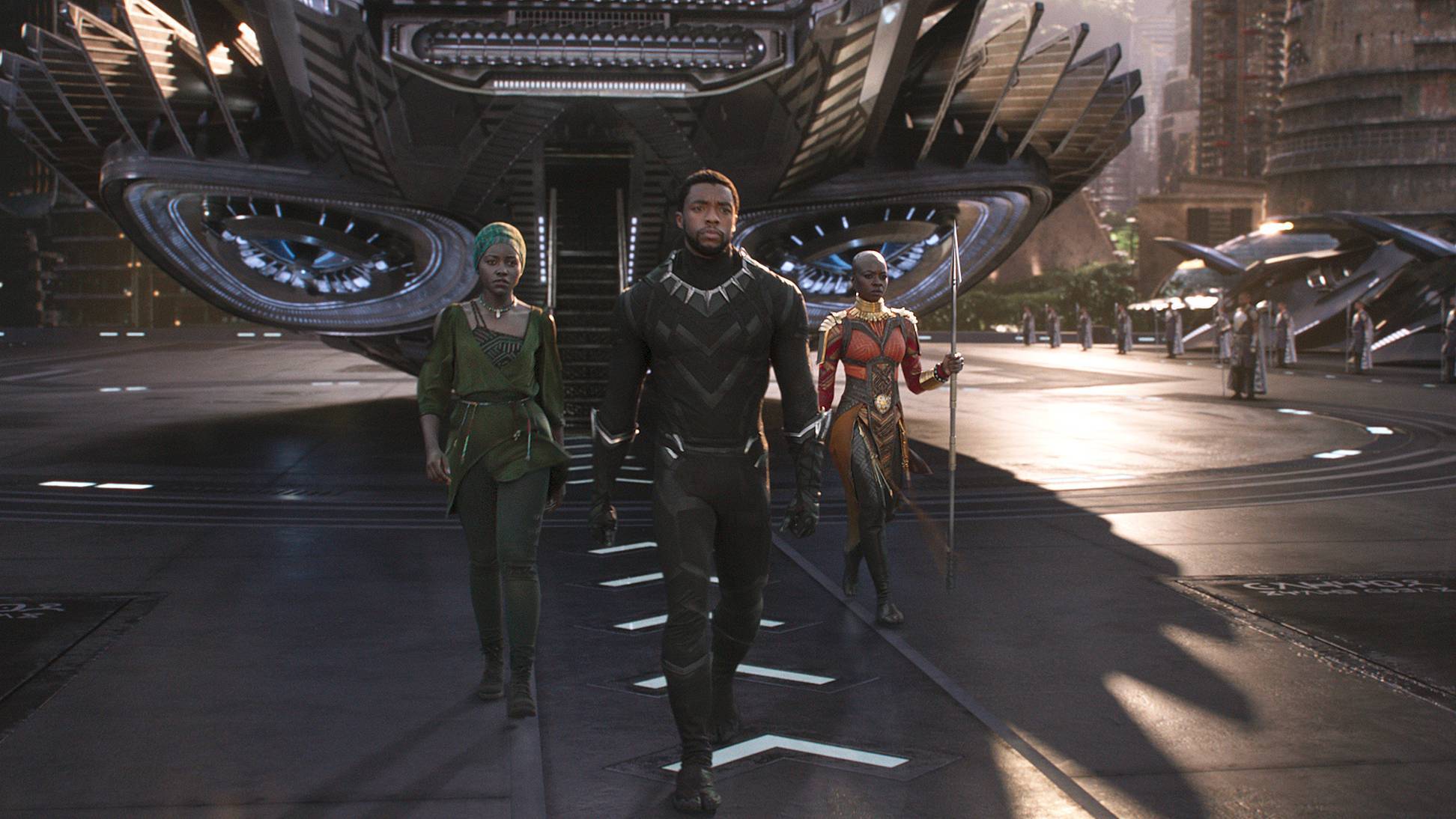
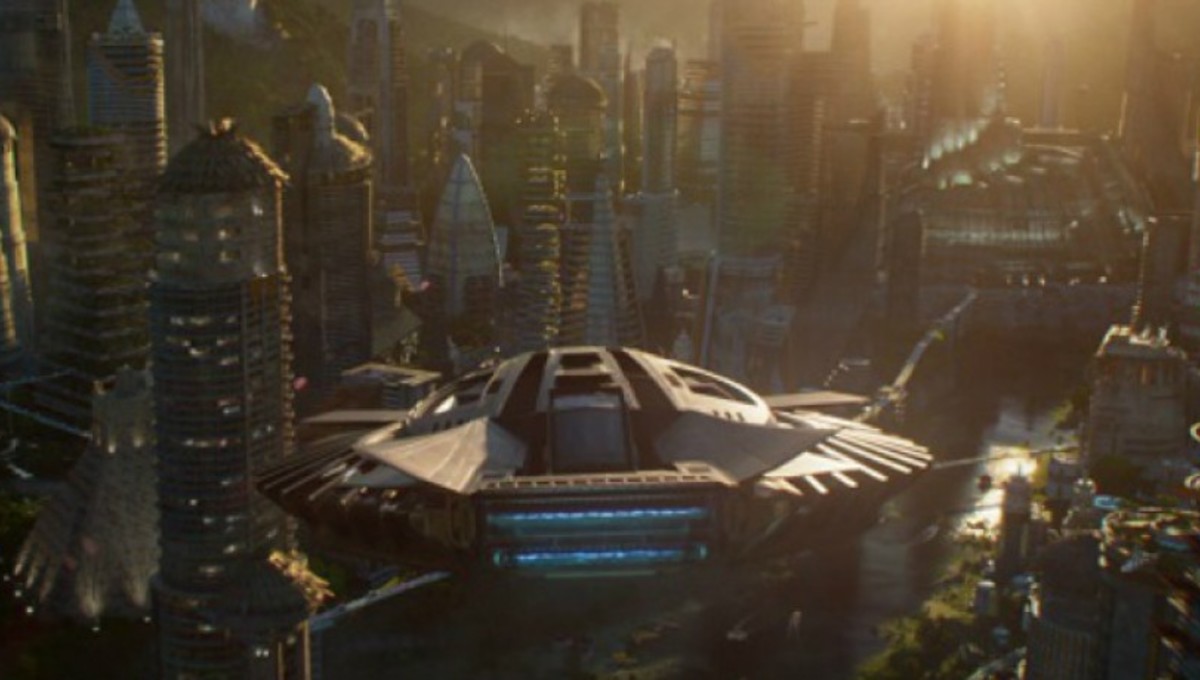
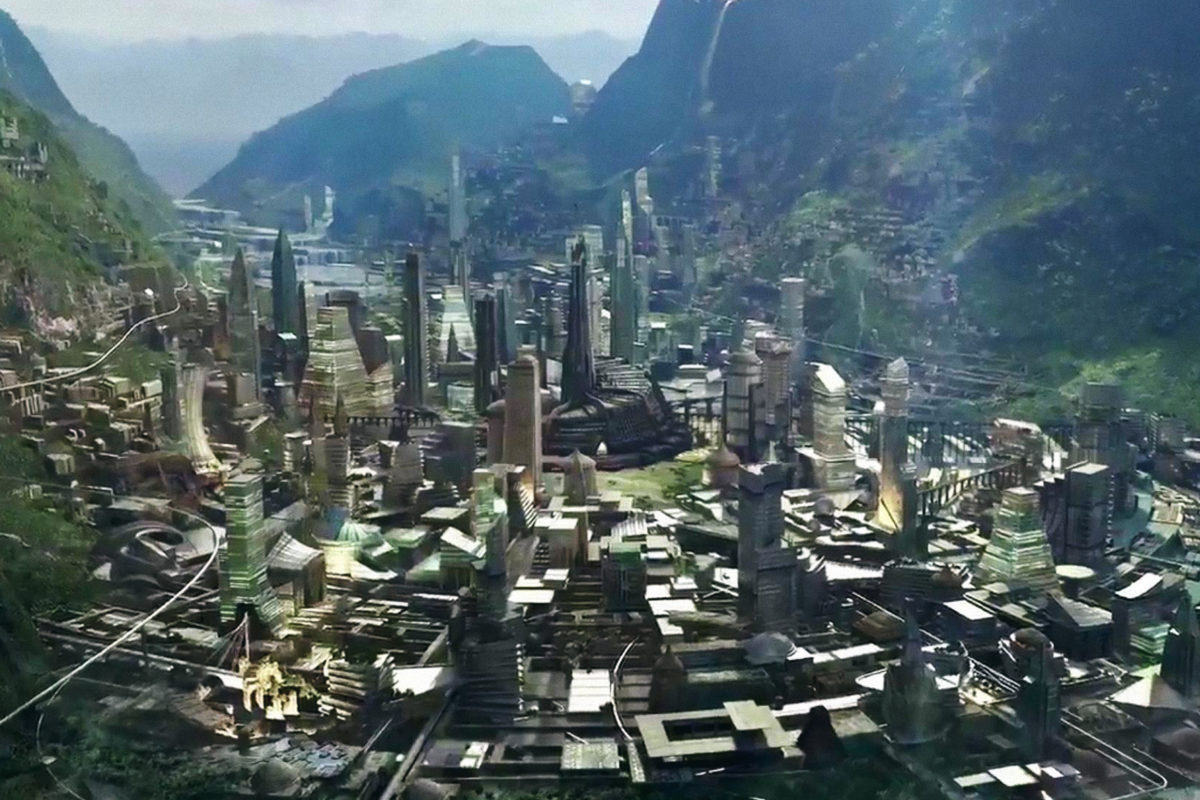
By now all the hardcore Marvel Cinematic Universe (MCU) fans have seen the phenomenal hit Black Panther. Anyone who has not seen it yet should note there will be slight spoilers here. With that stated, one outstanding highlight of that film has been the depiction of Black Panther/T’Challa’s home country Wakanda, an African-centric, futuristic marvel. Seeing the advanced technological society was quite inspiring and offered an optimistic vision of where we might be headed. However, the fictional African nation faces significant problems when dealing with the outside world.

Wakanda became the most technologically advanced country because of its rich vibranium deposits. The technology shown in Black Panther places the country a few decades ahead of contemporary countries. The citizens enjoy advanced mag-levs, nanite-laden clothing and hardware, plus energy-based weapons. The isolationist nation could have conquered the entire world and this is the main point of the film’s villain Killmonger, who wants to use Wakandan technology as a form of retribution for the West’s subjugation of oppressed blacks worldwide. During the course of the film, Black Panther decides to  open up Wakanda to the outside world and share his country’s gifts with everyone.

That is a noble thought. If things go as planned Wakanda will be able to bring up the rest of the world to its level. But by opening up Wakanda, T’Challa opened up a can of worms. How will the world react to the idea that a super-advanced civilization existed right under everyone’s noses? Of course, there would be elation but it is likely that humanity could react with suspicion and envy. Many would question why Wakanda remained isolated for so long since they could have prevented or intervened in many worldwide catastrophes like major wars, famines, pandemics and so on. The revelation would spark a new arms race that would be comparable to nations trying to develop their own nuclear weapons. Some nations may even try to invade Wakanda. It does not matter if the African nation is so advanced. One disadvantage it has is its size compared to the outside world. The best defense going forth would be alliances with many nations. Also, consider that the world of the MCU is already more advanced than ours and can compete with Wakanda. Just look at Tony Stark with his continual advancements of his Iron Man armor, which also sparked an arms race as seen in Iron Man 2. Then there are the many remains of alien tech left over from the Chitauri invasion during The Avengers, which is something that Spider-Man: Homecoming and Agents of S.H.I.E.L.D. explored.

From a storytelling perspective Wakanda and its breathtaking society may wind up becoming de-powered in the future. The reason is that the technology shown in Black Panther is nearly on par with that seen in futuristic films like Star Wars and Star Trek. If the entire world in the MCU were to advance to Wakanda’s level it would become less relatable to viewers. Part of the appeal of the MCU films and other superhero stories is that they tend to take place in modern society. There are many ways around this dilemma, but the ramifications of Black Panther’s decision are terrific story material worth exploring in future Black Panther tales.

Lewis T. Grove

The State Of Two Cinematic Universes: MCU & DCEU

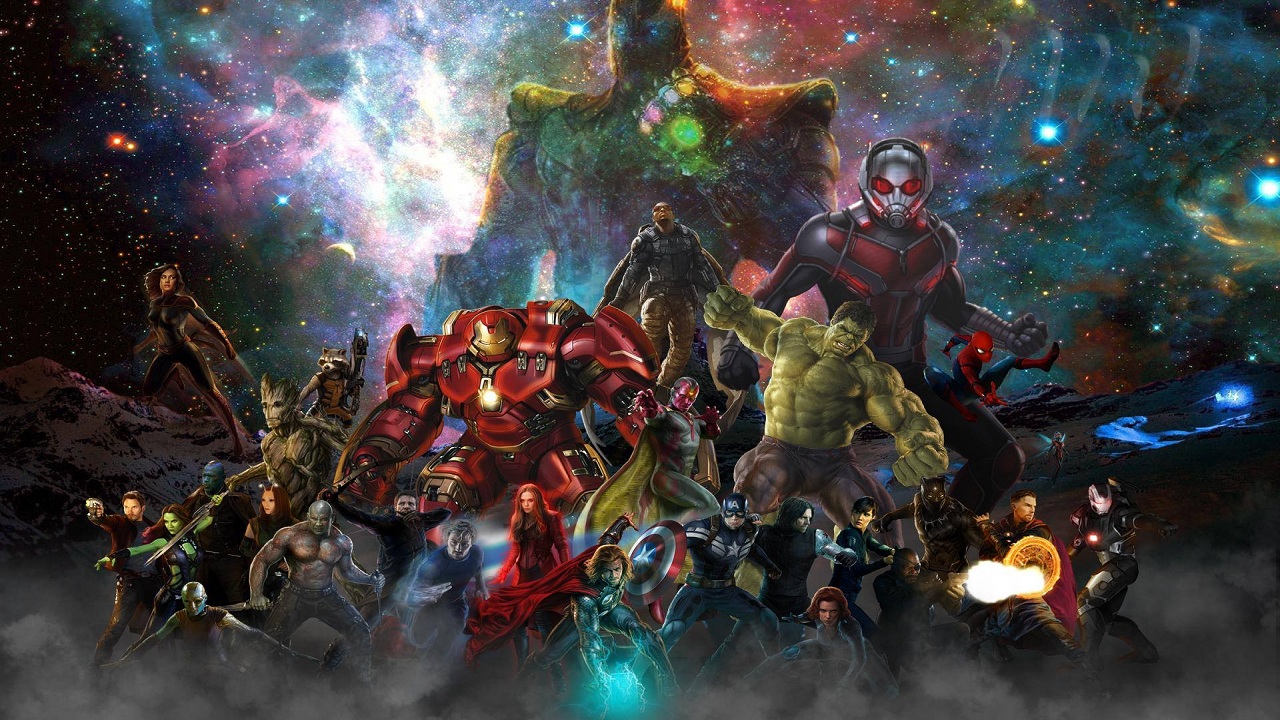
This past week the news involving the two big superhero film universes perfectly illustrated their states. For the Marvel Cinematic Universe (MCU) it seems clear that they can do no wrong. This is based solely on the astronomic success of its latest film Black Panther. Meanwhile, over at the DC Extended Universe (DCEU), the woes continues with the latest news that Joss Whedon is no longer involved with a proposed Batgirl film.

So why are the states of both cinematic universes so vastly different? Both have popular superheroes and their films have tremendous talent creating the films. But why is the MCU so popular while the DCEU is looking more and more like the JV squad? Well, it’s not easy to pinpoint the success and failures of both universes but there are some factors. Let’s go over them.

MCU

One advantage Marvel Studios and the MCU had over Warner Bros. and DC was simply a head start. The MCU began in earnest ten years ago with Iron Man. That film featured a well known, but not very popular, superhero. Marvel Studios did not have the luxury of having their early films star Marvel Comics’ headliners like Spider-Man and the X-Men. With this handicap, Marvel Studios was forced to focus on the character of Iron Man and it worked. But that was not all, at the end of the film, there was the famous Nick Fury tease that signaled the existence in the film of a larger universe. This excited fans and set the groundwork for a viable cinematic universe.

Each film in the MCU has organic (usually) references to other Marvel properties that helped create excitement for future films even if the current one was a disappointment. It also helped that each film in the MCU is distinctly different (for the most part) from the other. They ranged from standard science-based superhero yarns (the Iron Man films, The Incredible Hulk), political thrillers (Captain America: The Winter Soldier), period pieces (Captain America: The First Avenger), Star Wars-like space adventures (Guardians of the Galaxy), quirky, comical heist capers (Ant-Man), supernatural tales (Doctor Strange), stories set in fantastic locations (the Thor films), cultural milestones (Black Panther), and good ol’ superhero epics (the Avengers films). By being so versatile the MCU never seems to run out steam or stories to tell. Granted, the films have their faults like subpar villains, which are just dark versions of the main heroes, but the focus on character and stories made the MCU so successful.

Black Panther and MCU

There is also one other important factor that the MCU has and that is Kevin Feige, the head of Marvel Studios and the filmmaking version of Phil Jackson. He masterfully and carefully guided each film to tremendous success. His vision for the MCU and ability to carry it out is a big reason for the upbeat state of the MCU. Will they falter? Of course, in fact, the MCU has had some genuine stinkers like Iron Man 2, but it has been able to quickly recover. Right now, Marvel is on a hot streak that has been going on for several years now and the future looks terrific with upcoming and hotly awaited films like Avengers: Infinity War, Ant-Man and the Wasp, Captain Marvel and of course a sequel to Black Panther. Hopefully this streak will last for years to come.

Continue reading

Disney Buys Fox And Becomes An Entertainment Supergiant

We’ve all been expecting this for weeks with all the gossip and innuendo. Some salivated over the idea of an expanded Marvel Cinematic Universe (MCU), others feared the rise of a modern-day monopoly. Regardless of opinion, the Walt Disney Company has bought a significant portion of 21st Century Fox and in the process, regained the film rights to several Marvel Comics properties and now own several other intellectual properties. This is truly staggering news and a legitimate cause for celebration and concern.

To be clear, Disney has only purchased (for $52.4 billion) the film division, 20th Century Fox, the Fox TV shows, assorted channels like FX and National Geographic, and other divisions of Fox. These include Sky and a majority share of the Hulu streaming service, while Fox will retain its sports and news divisions.

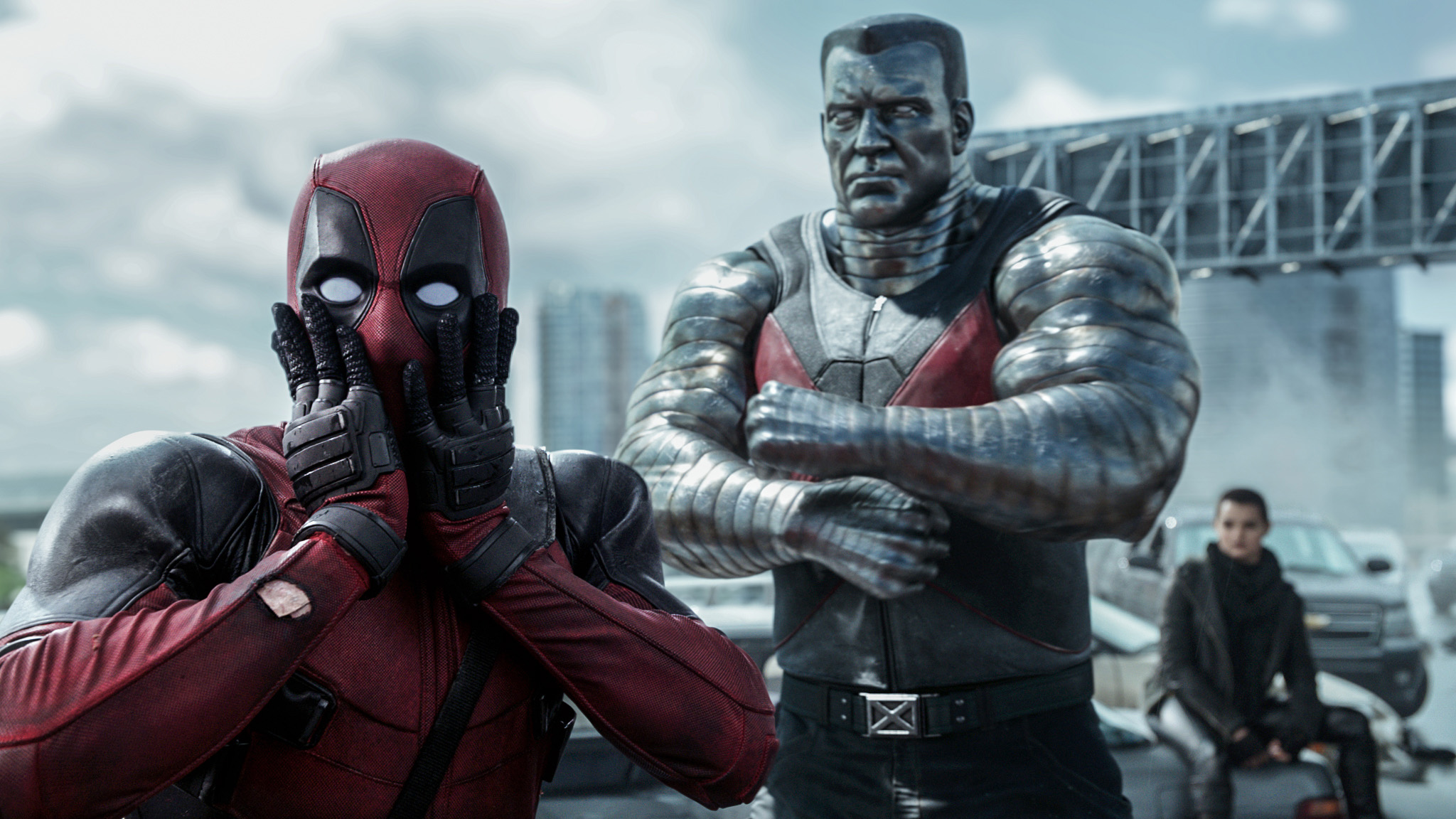
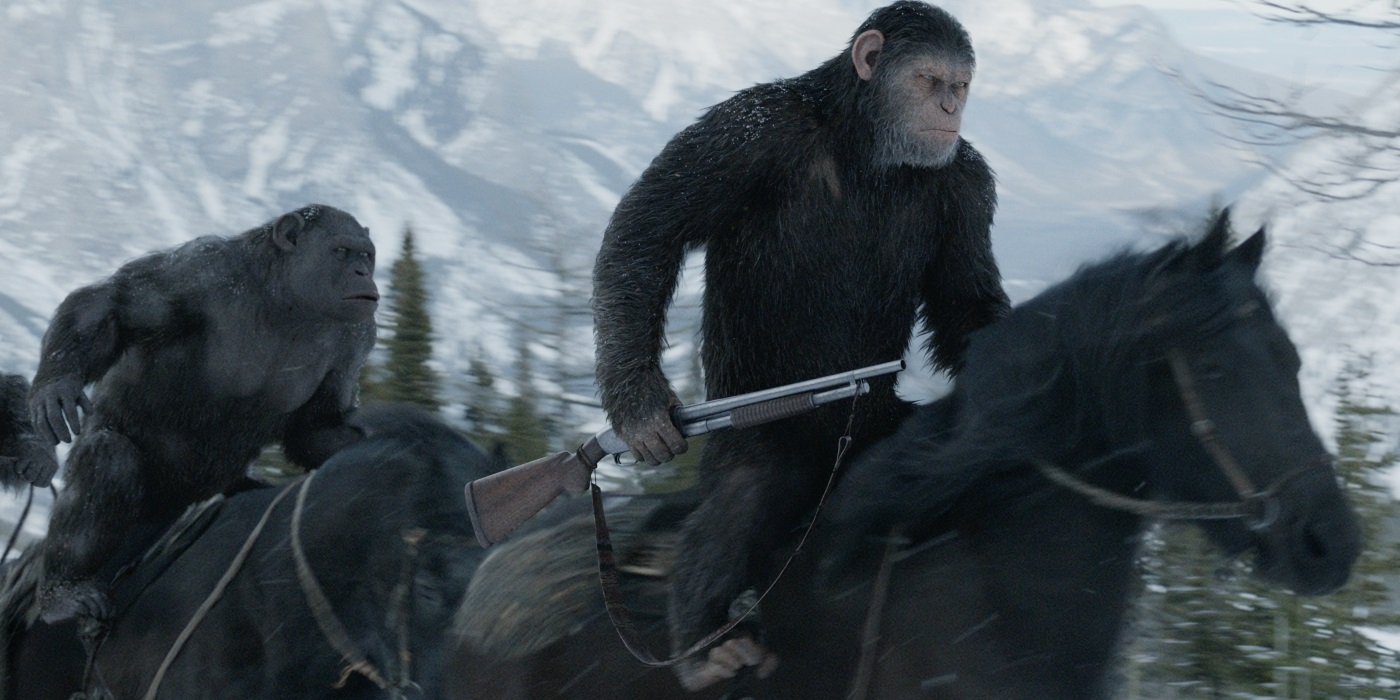
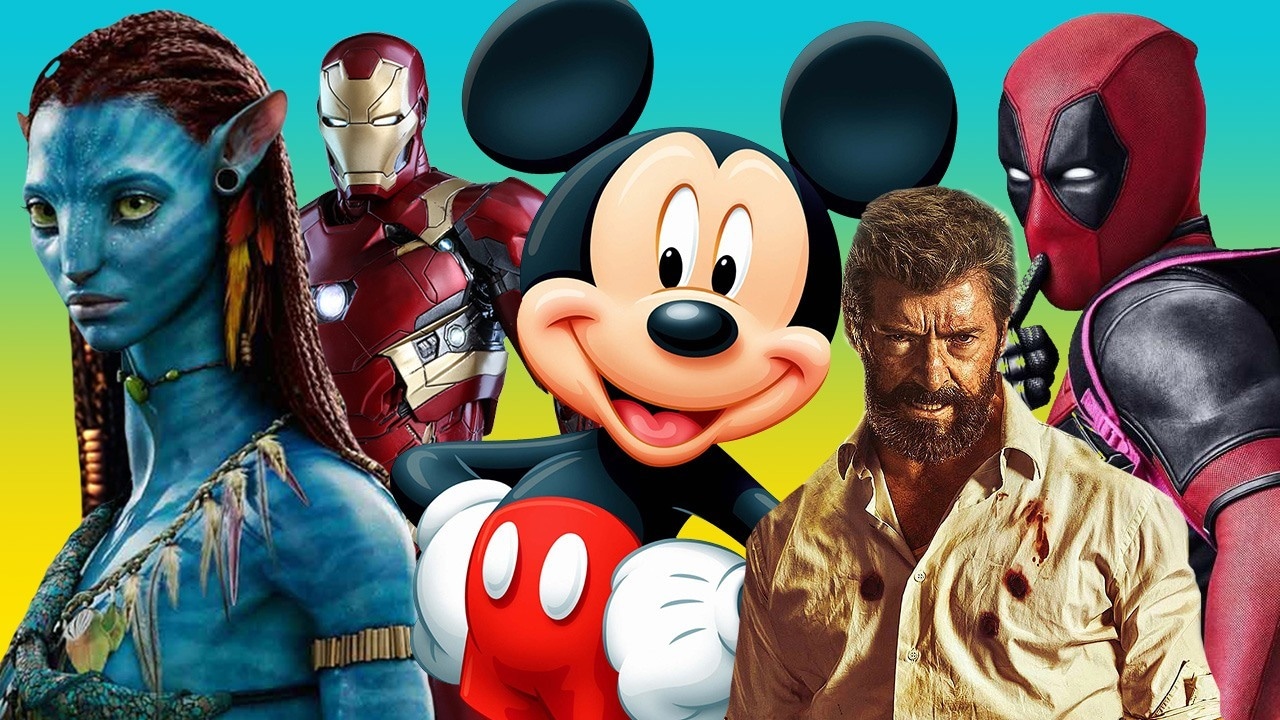
MCU fans may feel that the biggest prize of the purchase has been the film rights to the X-Men, Fantastic Four and Deadpool, but those are just fringe benefits. Disney would have regained those rights even if Fox was sold to another party. Instead, Disney wants to have a significant film library for its coming streaming service and the Fox properties will provide that. In addition to the missing Marvel properties, Disney now owns several franchises and intellectual properties, which include: Planet of the Apes, Alien, Avatar, Titanic, Ice Age, and The Simpsons. Some of these IPs are a strange fit for Disney since the company is renowned for its family-friendly fare, but more adult offerings are not unheard of for the entertainment giant. Disney once owned Miramax, which produced mature films during its time with Disney. Also, Disney CEO, Bob Iger, assured fans that their Marvel films will explore R-rated offerings, which means that Deadpool should be safe for now.

But will Disney produce hard R-rated fare like the Alien films? They might, but it is possible that they may just sell the IPs to another studio to help recoup some of the mammoth cost of the sale. Other IPs like Avatar and Planet of the Apes should fit well with Disney. After all, Avatar has a heavy presence as a themed land in Disney’s Animal Kingdom park and Planet of the Apes is an obvious addition to the same park.

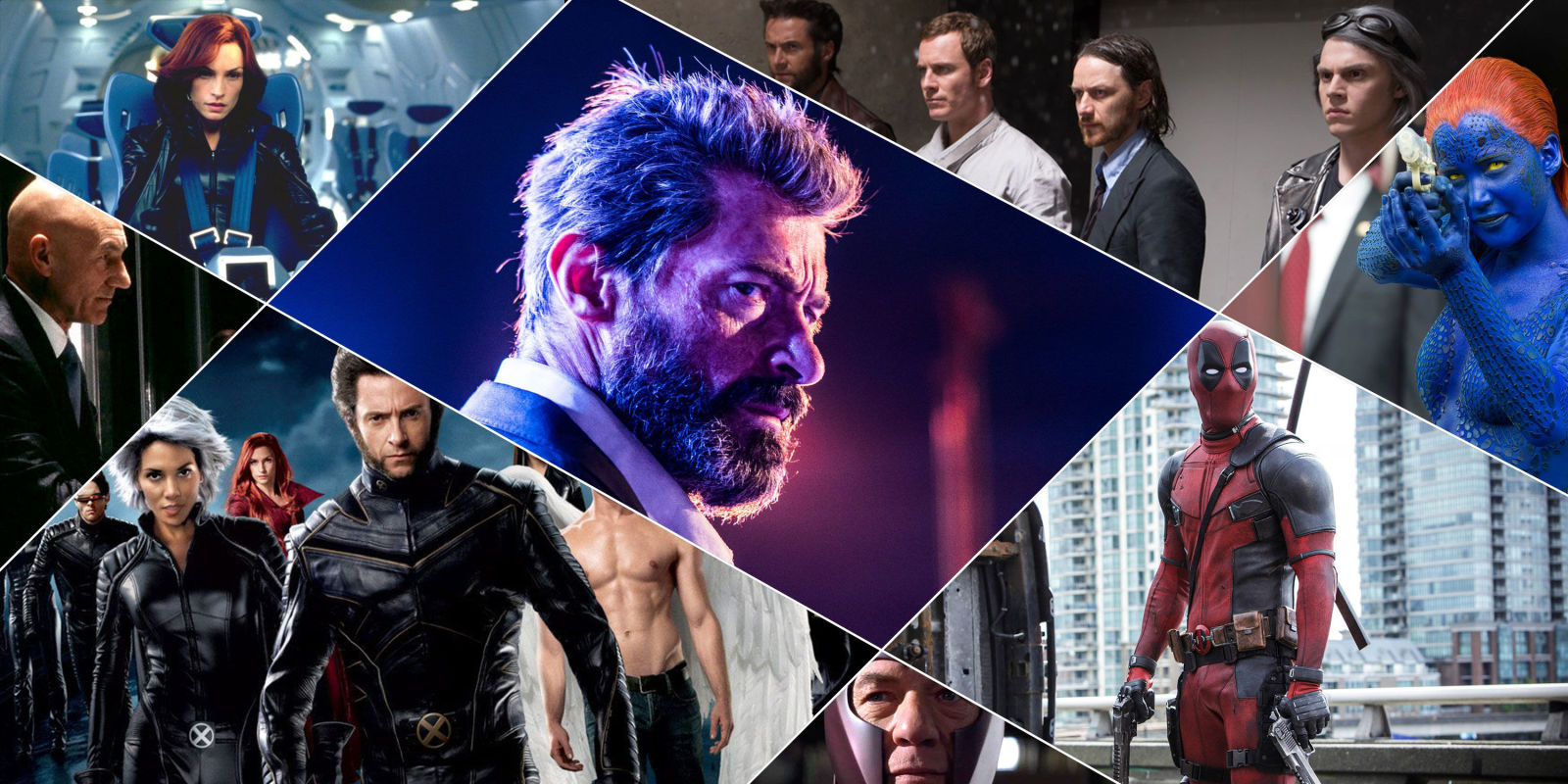
Bob Iger also announced today the fate of the X-Men films. It was speculated before the sale was finalized that the X-Men films might remain in their own separate continuity or relegated to TV shows for the streaming service. Instead, Iger said that the X-Men, Deadpool and Fantastic Four will be integrated into an expanded MCU from Marvel Studios. The Fantastic Four are an easy addition to the popular cinematic universe and their inclusion is to be celebrated because Fox’s attempts at Fantastic Four films have been terrible. However, the X-Men are a different matter. For the most part, the films worked and adding them to the MCU may make that cinematic universe too crowded. Their addition could take attention away from lesser-known Marvel properties that could have seen their day in the sun. Films like Guardians of the Galaxy, Doctor Strange and Ant-Man may not have been possible if Marvel Studios owned the X-Men back then. Will the big purchase mean that these kinds of films won’t be made in favor for the new mutants on the block? It is hard to imagine Marvel Studios releasing three films per year as it now does and a mutant film or two. This will certainly create superhero fatigue. Plus, how good will the MCU X-Men films be? Will they be hard hitting and successfully tackle the mature themes of bigotry that the current films do?

Right now, Marvel Studios has the task of recasting the X-Men, including Wolverine, and Hugh Jackman has stated that he will not return to the role. Luckily, the film studio has had a good streak when it comes to casting their superheroes. On the other hand, expect the current X-Men film universe to end. This does not mean that upcoming films like Deadpool 2, The New Mutants and X-Men: Dark Phoenix will be canceled. Those films are complete and will be released as planned. But a sequel to The New Mutants is unlikely and the “Dark Phoenix” story may be a fitting conclusion to the films. Another thing to consider is that the X-Men films, for better or worse, are associated with director Bryan Singer, who’s had problems lately with allegations of sexual abuse and unprofessional conduct on film sets. Ending the X-Men films and starting over fresh is Disney’s best option, with the sole survivor being the Merc With a Mouth. He may have a thin connection to the MCU like the Marvel TV properties do and be the snarky commentator of the film universe.

When the dust clears, Disney will have a monumental job of integrating all these properties and divisions into its entertainment empire. Will it be too much for them? Possibly. As mentioned before, it may be best for Disney to sell off some of its IPs or divisions or simply shut them down for the time being. Another thing to consider is will all this disperse the company and dilute it? Iger and his executives may believe they can handle, but they may have bitten off more than they can chew. We will not know for a while.

The most disturbing aspect of the mega purchase is the explosive growth of Disney. They now have their expansive tentacles in many parts of our lives and our entertainment. Under normal circumstances, this sale may have been opposed by the government, but that is unlikely these days. This may take years, but perhaps the company may be forced to get rid of many properties and divisions before they assume too great a control over our entertainment venue.

There are so many details that are unknown to the general public and we won’t know for some time. Until then all we can do is wait and keep an eye on new developments, which will be covered here as they happen.

To think it all started with a mouse.

José Soto

Quentin Tarantino’s F!*#@ing Star Trek

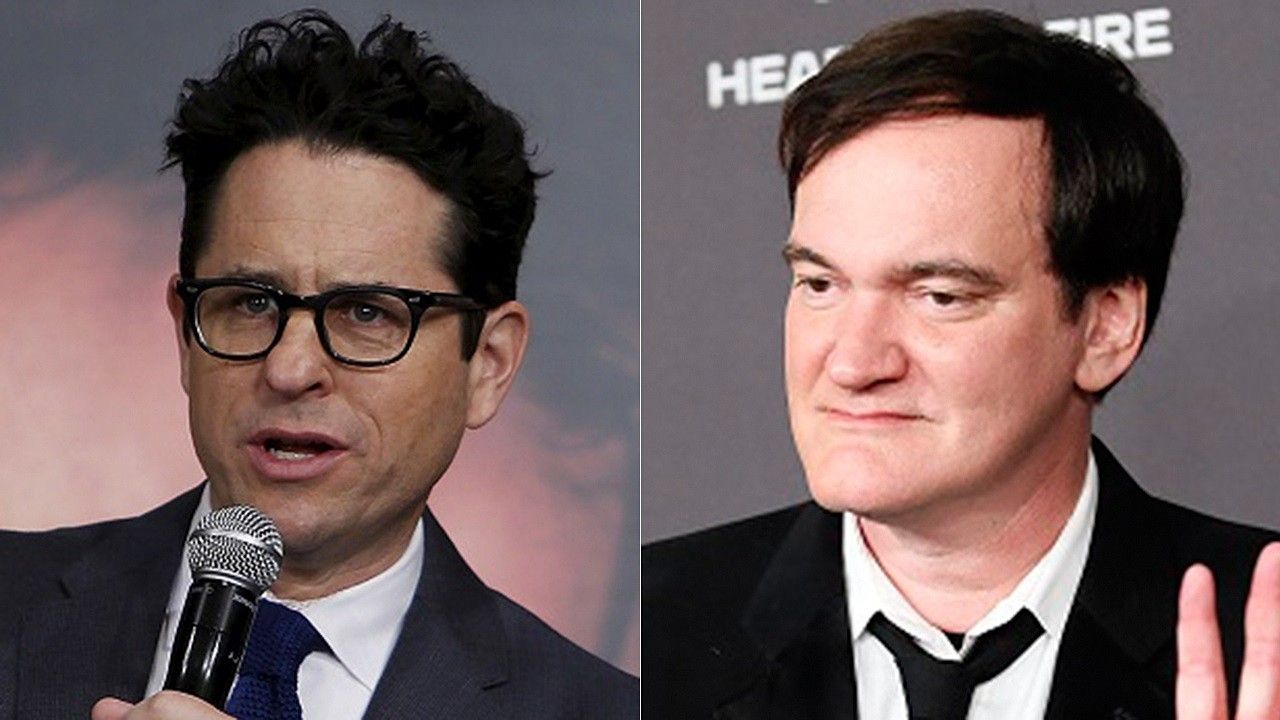
One entertainment news item that came out of left field lately has been about a new Star Trek movie. What was unusual about the news is that famed director and writer Quentin Tarantino pitched an idea for a new Star Trek film and might direct it. Today, Deadline reported that Tarantino will be heavily involved and part of his deal with Paramount Pictures and J.J. Abrams, who runs the movie series, is that the film be rated R. The shocker is that the film studio and Abrams agreed to this.

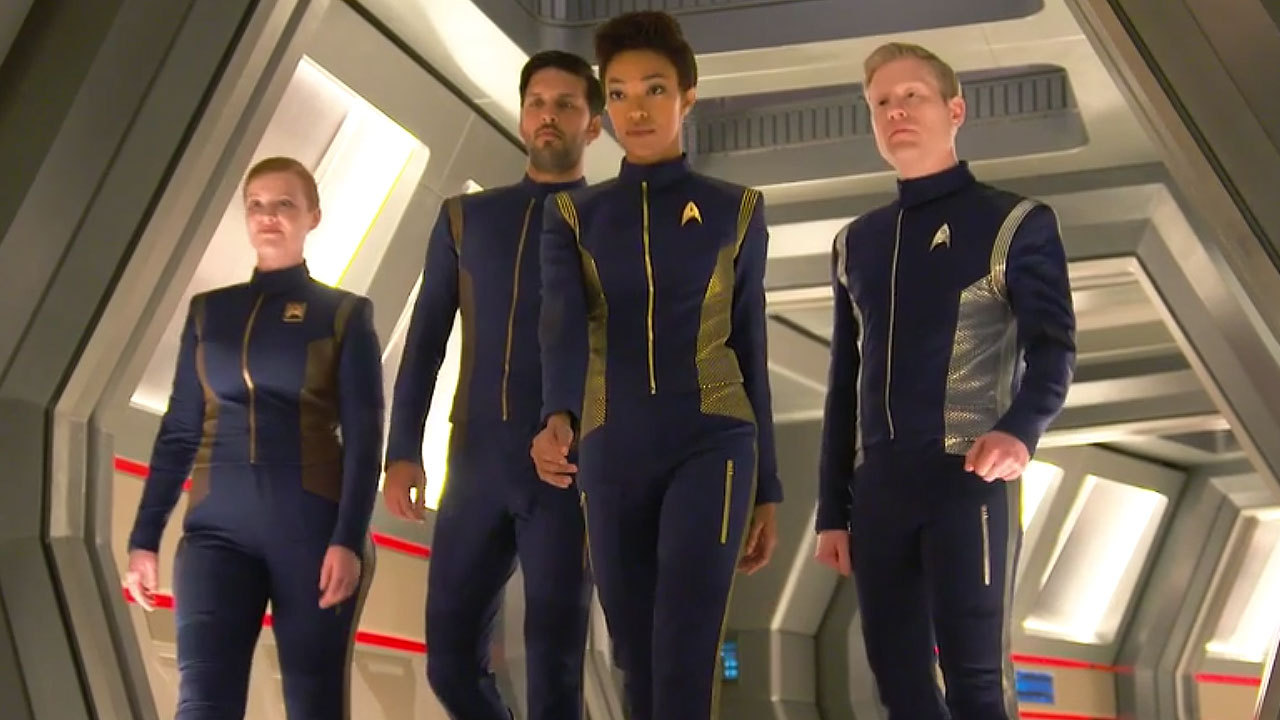
OK this is really out there for Star Trek and reflects the state of the franchise. This development will certainly upset fans clamoring for a return to traditional Star Trek. Already, many of these purists are up in arms over the radical departure taken by Star Trek: Discovery such as featuring a black, female lead, a potentially evil starship captain, and an openly gay couple. There was a mini-meltdown in the Internet over one episode where F-bombs were dropped in one scene. As shocking as it was to hear on Star Trek, it certainly was an attention grabber. Now imagine countless F-bombs and other types of swearing from the stars of a new Star Trek film.

Aside from foul language, an R-rated Star Trek film will revel in violence and possibly sex or nudity. All this is fine for most of us who can handle it, but is this the right direction for Star Trek? The franchise is noted for pushing the envelope but by exploring themes and making observations about our current society. And Star Trek: Discovery has been pushing the envelope in showcasing more adult fare such as the cursing, brief nudity and it is violent. It’s no wonder that the show is behind the pay premium wall of the CBS All Access streaming service. Actually there are stronger reasons for this, namely wanting to milk Star Trek fans, but that is for another post.

But why go this route? The answer is that Star Trek has to experiment and try new things. The franchise has been showing its age lately and something needed to be done to shake things up. Of course, this runs the risk of alienating die-hard Trek fans, but it seems as if there are not enough of them to support the franchise. As proof of this notion, Paramount will point to the disappointing box office of Star Trek Beyond. That film, which was the best of the rebooted films, was more of a traditional Star Trek, but it did not have legs. Meanwhile, Star Trek: Discovery has created some buzz with its edgier stories even though the series, as a whole, wildly deviates from the Star Trek formula.

Already, the news of Quentin Tarantino’s involvement is generating a lot of needed attention for Star Trek and that has the potential to pay off. Tarantino is a top-tier director, who is often nominated for Oscars, plus, he is a big Star Trek fan, unlike J.J. Abrams. On top of that, the frontrunner to write the film’s script is Mark L. Smith, who penned the acclaimed film The Revenant. These are reasons to be optimistic. Other genre films have recently gone into the R-rated club to great success like Logan or Deadpool. So perhaps fans are ready for an edgier Star Trek.

But there is also cause for concern. Zack Snyder and others at Warner Bros. tried presenting a darker and edgier DC Cinematic Universe but that did not work out well for those films. Many fans outright rejected the gritter takes on Superman and others, while the latest effort, Justice League, has not turned out to be the blockbuster. Many critics complained about how dark and dreary the films were since they are used to bright colors and lighter themes from superhero films. This same problem could befall an R-rated Star Trek film.

No matter what, a Star Trek film by Quentin Tarantino will be controversial and bold and it will alienate many fans much worse than the Abrams reboots have done. However, they could be better received. Just remember that Tarantino is an avowed fan, so as Seth MacFarlane does with The Orville, he may show the proper reverence and respect to the material. At this point, the franchise (and Paramount) has to take a chance and boldly go where no Star Trek has gone before.

Lewis T. Grove

The Fallout From Justice League

Come together

This was not how things were supposed to turn out for Warner Bros. and DC. Justice League, the culmination of the studio’s version of their own shared cinematic universe, is not getting the reception they were expecting. The film’s main selling point was the fact that it featured the long-awaited teamup of DC Comics’ greatest superheroes, Superman, Batman, Wonder Woman, the Flash, Aquaman and Cyborg. However, its opening weekend take was only $94 million, the lowest for any film in the DC Extended Universe (DCEU). It’s being ravaged by critics and it’s not drawing in the numbers it should be. Now, Justice League’s weak performance brings up a very important question, where does the DCEU go from here?

DCEU’s Uncertain Status

It is foolish to think plans for the DCEU will continue as if anything is wrong. Something has to change. Surely, Warner Bros. executives are taking a long, hard look at their superhero franchise and determining how viable it is. Expect announced films to be canceled, new personnel, and other radical changes to the DCEU, including a reboot.

The DCEU will not suddenly go away. Right now, Aquaman has finished filming and is slated for next year. Then a sequel for the successful Wonder Woman will certainly be made given Wonder Woman is the DCEU’s biggest hit. A Shazam film is also slated to begin filming next year to join the Wonder Woman sequel for release in 2019.

An Aquaman solo film…dig it

After that things get murky. There will be a Batman solo film directed by Matt Reeves, but that has been mired in controversy. Originally, Ben Affleck was to direct and star in The Batman, but the actor/director has had a falling out with Warner Bros. and first it was announced that he would only star in The Batman. That began the Internet rumblings that he would vacate the role, which is too bad since he is quite good as Batman. Adding fuel to the fire are Affleck’s recent statements suggesting that he is ready to move on from the role. At this point, it may be easier for DC and Warner Bros. to set the film apart from the DCEU.

Affleck’s swan song?

To date, there aren’t any solid plans to give Superman a sequel to Man of Steel and it’s unknown if it will ever happen. Henry Cavill, who portrays Superman, is contracted for one more film and it is possible that Warner Bros. and DC may just have him appear in someone else’s film before recasting the role. It is a shame because Cavill, like Affleck, has done an excellent job in portraying the superhero, but it is not the end of the world. As we saw with Spider-Man it is fairly easy to replace actors, though overall, it is regrettable that we may never see a full evolution of Superman into a beacon of hope as shown in the end of Justice League.

Other projects with uncertain fates include Batgirl, Gotham City Sirens, Green Lantern Corps, Cyborg and a Suicide Squad sequel. Given the problems Warner Bros. has had with its core superheroes it may be best to put those projects on hold so they can right their cinematic ship.

A Flashpoint To The Future

On a related note, a Flash solo film has been stuck in development hell for years as writers and directors join then leave the project. Most recently, the film is supposed to be an adaptation of the Flashpoint mini-series where the Flash time travels and resets the DC Universe. Using this storyline would give Warner Bros. a convenient way of rebooting the DCEU, but the story, with its alternate takes on characters and situations, sounds expensive and may go over the heads of casual viewers. It would be easier for the film studio to just do a hard reboot without any explanation. This has worked in the past for other franchises, and the one instance where time travel was used to reboot a franchise was Star Trek and it left fans with a bad taste.

Flash to the reboot/rescue?

One option for the studio is to repeat what happened with Wonder Woman. The solo film was set in the past and largely apart from the DCEU. Reportedly, the sequel will also take place in the past and this example could be a way to ease out of the DCEU. The same thing can be done with Aquaman and Shazam; remove references to the DCEU and focus on the characters. That is why Wonder Woman succeeded. Concentrate on solo films with little to no references to a larger universe and let the shared universe grow organically.

Continue reading