The third and final season of Star Trek: Picard just streamed its last episode, titled appropriately enough “The Last Generation”, and it was a brilliant finale to an exceptional season for the TV show. *Warning: Spoilers will follow.
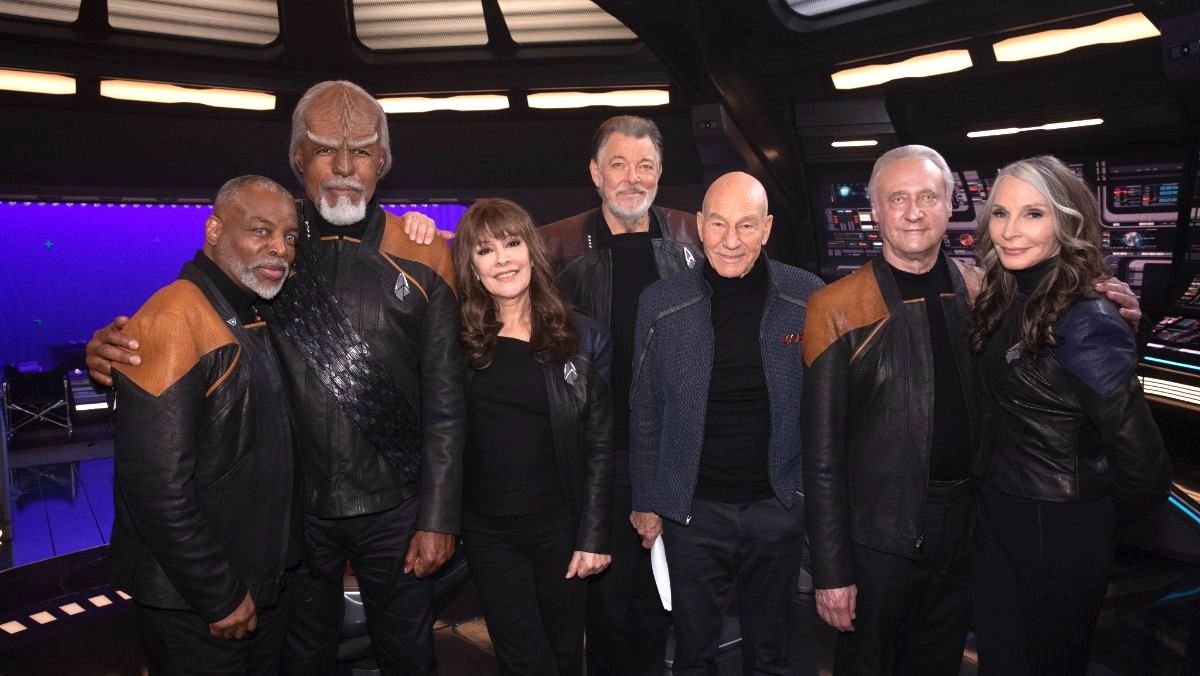
Star Trek: Picard as a series has been a mixed bag of a Star Trek show. While it was great to see Patrick Stewart reprise his role as retired Admiral Jean-Luc Picard, some of the episodes in the first season were not as well executed as they should have been. Meanwhile, the second season started strong but soon fell apart and became a big disappointment. So, in the final season of Star Trek: Picard, the showrunners, led by Terry Matalas, pulled out all stops to make this a worthy swan song to the legacy of Star Trek: The Next Generation (TNG). This included reuniting the core cast of that beloved TV show and numerous Member Berries recalling not just Star Trek: The Next Generation, but the original Star Trek, Star Trek: Deep Space Nine, Star Trek: Voyager and even other media like Star Trek Online. And you know what? It worked!
The third season of Star Trek: Picard quickly engaged viewers with reunions and beguiling mysteries that threatened the United Federation of Planets and Starfleet. Picard received a plea for help from Dr. Beverly Crusher (Gates McFadden), who he has not spoken to in decades. She and her young adult companion Jack (Ed Speleers) operate independent of the Federation and deliver medical aid to those that need it. They are also pursued by mercenaries led by the mysterious Vadic (Amanda Plummer). The problem is that Crusher is located just outside Federation space and Picard needs to find a way to get to her.
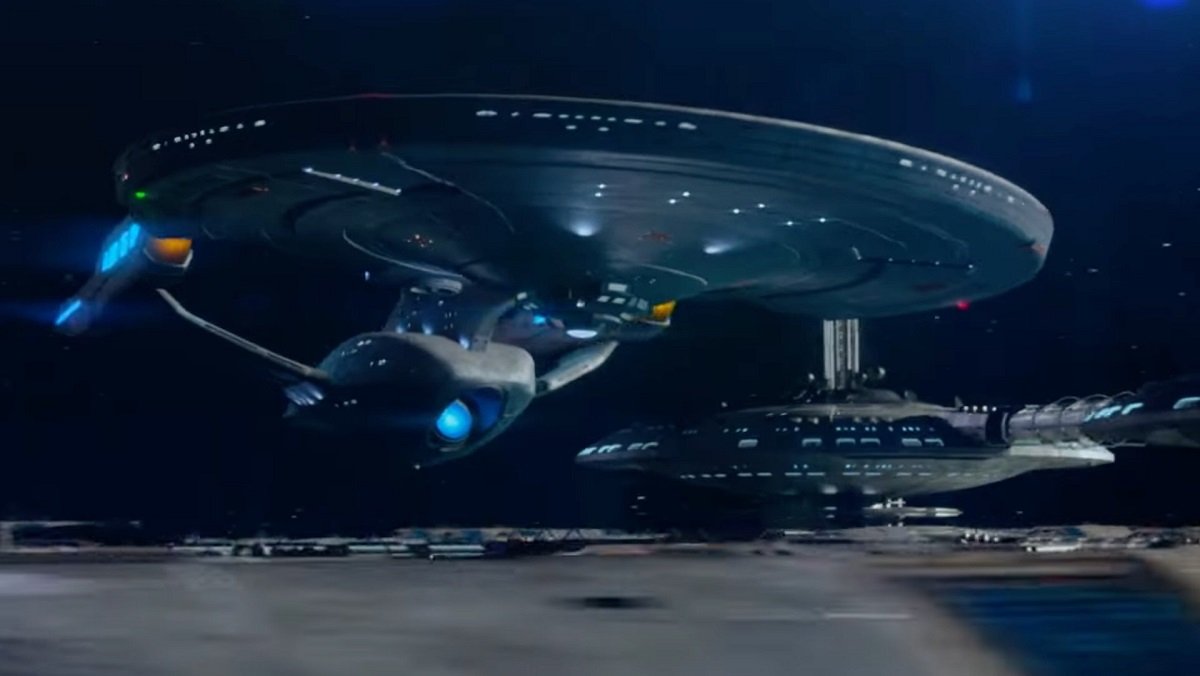
Picard enlists the help of his best friend and former first officer of the Enterprise-D, Will Riker (Jonathan Frakes), along with Seven of Nine (Jeri Ryan), who is the first officer of the Titan-A (a nice nod to Riker’s offscreen adventures as captain of the previous Titan). Together, they commandeer her ship to the edge of Federation space to rescue Crusher and Jack, who turns out to be Picard’s son. Their efforts unveil a vast conspiracy against Starfleet and the Federation itself involving Changelings (last seen in Star Trek: Deep Space Nine) and their unknown partner.
Everyone involved with the third season was at the top of their game and it was clear they were determined to turn the season into a love letter for fans. It is incredible that they succeeded as the TV show was exciting, full of emotion and great character moments. Some aspects of Star Trek: Picard evoked previous StarTrek tropes and plot points, but they were executed in a respectful and invigorating fashion that felt fresh. The best example of this were with the early episodes where Picard and the crew of the Titan-A played a cat-and-mouse game with Vadic and her ship the Shrike in a nebula that was clearly inspired by Star Trek II: The Wrath of Khan. Then there was the major subplot of Picard getting to know Jack, which was similar to Kirk’s relationship with his son David in that film. But it worked because these moments were not exact duplicates of the famous Trek film but added new wrinkles. Of course, what sold it was the execution with memorable acting and topnotch production values.
Sure, this title seems like your typical Aprl Fool’s Joke on Trekkers, but the possibility in official Star Trek canon was raised last week with the recent Star Trek: Picard episode, “The Bounty”. Spoiler warning for anyone who has not seen the episode.
During the episode Worf, Riker and Raffi raid the clandestine Daystrom Station. Unlike the noble, scientific think tanks named after Daystom shown and mentioned in other Star Treks, this orbital facility was the 25th century version of Area 51. The station stored many of Starfleet Intelligence’s top secret technology, weapons and alien contraband. The Daystrom Station was littered with many Star Trek Easter eggs and call backs, but the one that raised the most eyebrows among fans was the revelation that the station had the remains of Captain James T. Kirk.
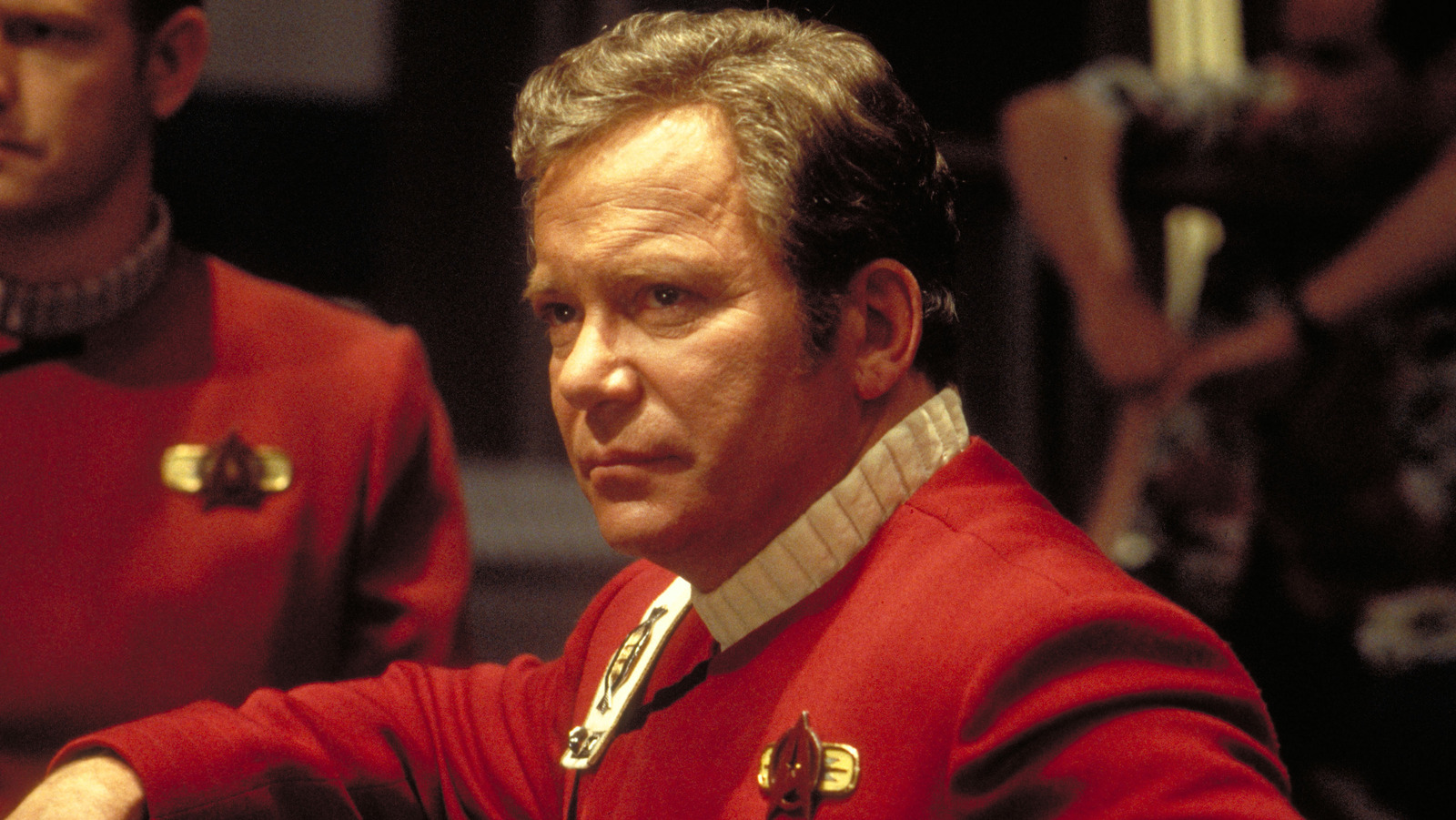
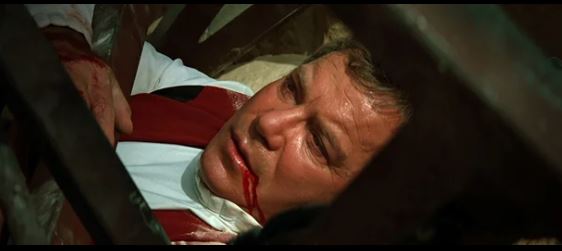
The last time Kirk was seen onscreen, as played by William Shatner, was in the 1994 film Star Trek Generations. The late, great captain of the starship Enterprise met his end anticlimatically when he fell off a bridge while aiding Captain Jean-Luc Picard. To many fans this was an unsatisfying way to kill off the beloved Enterprise captain as they felt he warranted a more heroic death. Of course, this was not the last fans saw of James Kirk as he was portrayed by other actors, notably Chris Pine and Paul Wesley. But Shatner’s version of Kirk remains the definitive Kirk that is beloved by fans and many hoped that the actor would someday reprise the role. The closest we got to that was in Star Trek: Enterprise where there were plans for Shatner to reprise the Mirror Universe version of Kirk, and Shatner was slated to cameo in the Star Trek reboot film, but these plans never came to be.
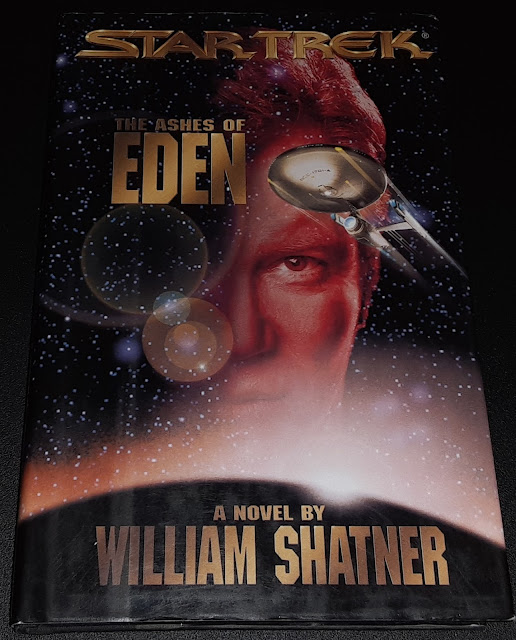
Shatner himself expressed his dissatofaction with the way his character died on screen and went as far as to co-author a series of books with Garfield and Judith Reeves-Stevens where Kirk was resurrected. The first of these post-Star Trek Generations books was The Return and its plot revolved around Kirk being revived by Romulans using Borg technology to use him against the United Federation of Planets. Kirk with the aid of many Star Trek heroes overcame this plot and went on to live a full life in the 24th century. The books, called the Shatnerverse, are considered an alternate reality for obvious reasons, Still, they were popular with Kirk fans.
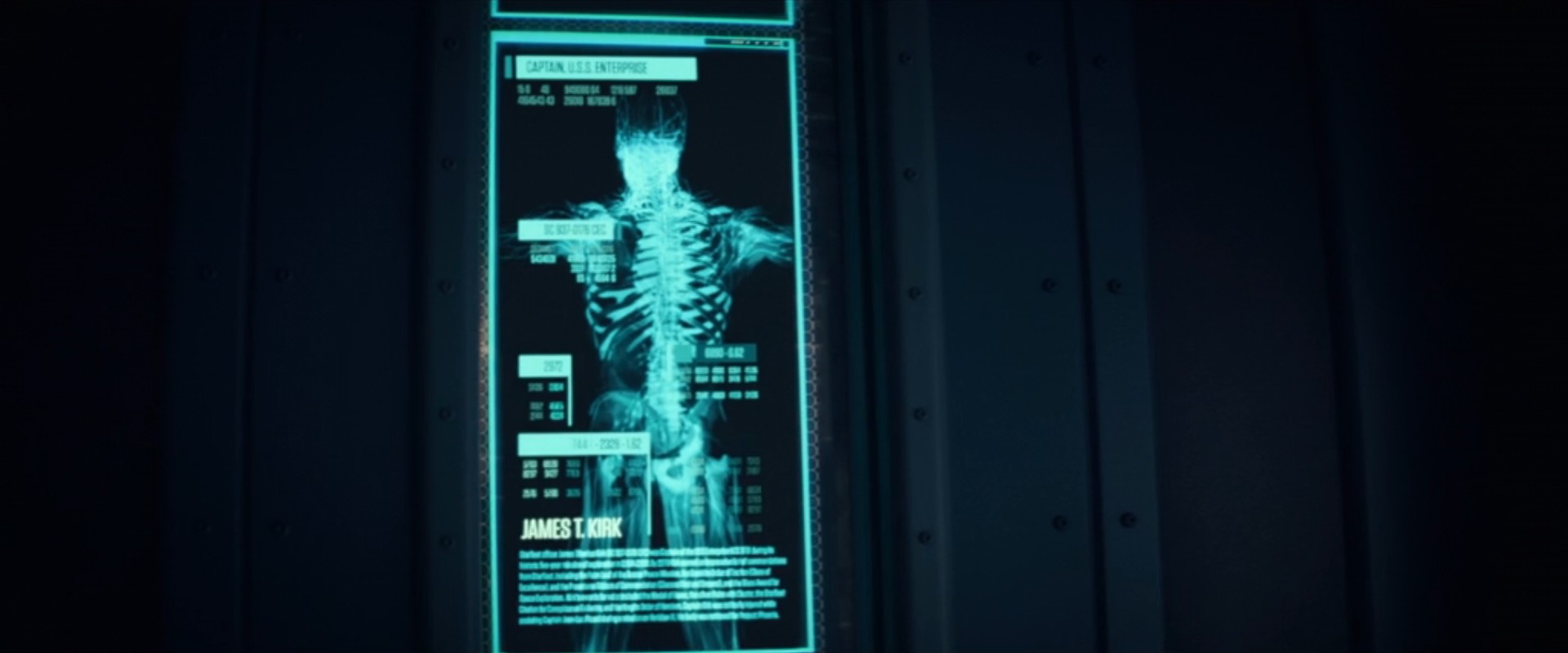
Getting back to Star Trek: Picard, which is official Star Trek canon, when Raffi passed by a containment unit in the Daystrom Station, a holographic display showed an image of a skeleton with the signage “James T. Kirk”. This image also had some biographical data and what was interesting was that the display revealed that Kirk was “critically injured” in the events of Star Trek: Generations. It does not say that he died in the film even though Picard was clearly seen standing over Kirk’s grave. So what gives?
Technology will be much more advanced in the far future, especially when it comes to medicine. For all we know a critical injury like falling off a bridge and being clinically dead as we know it today may not be the actual end of a person’s life. It can be possible to revive a person hours after death in the future and it’s possible this could be top-secret technology in the Federation that is reserved for very important people. Or perhaps Kirk remained dead but Starfleet Intelligence and its black-ops offshoot Section 31 may be trying to clone James T. Kirk for their own reasons. This is not far fetched since the Romulans cloned Picard in the film Star Trek Nemesis.
Most likely nothing will come of this, but this Easter egg is fertile ground for future screenwriters. It is also unlikely that Shatner, who is in his early nineties, will reprise his role one last time. However, this tantalizing Easter egg gives fans of the legendary James T. Kirk some hope that he can somehow return someday for one last, great adventure, at least in their imaginations. After all, legends never die.
We’ve celebrated Star Trek’s legendary starship captains, but for every Kirk, Picard or Sisko there are some truly horrendous captains that appeared in the Star Trek television shows and films. Here are the worst Star Trek captains in the history of Starfleet.
10. Captain Liam Shaw (Star Trek: Picard Season Three)
Command: U.S.S. Titan-A, NCC-80102-A
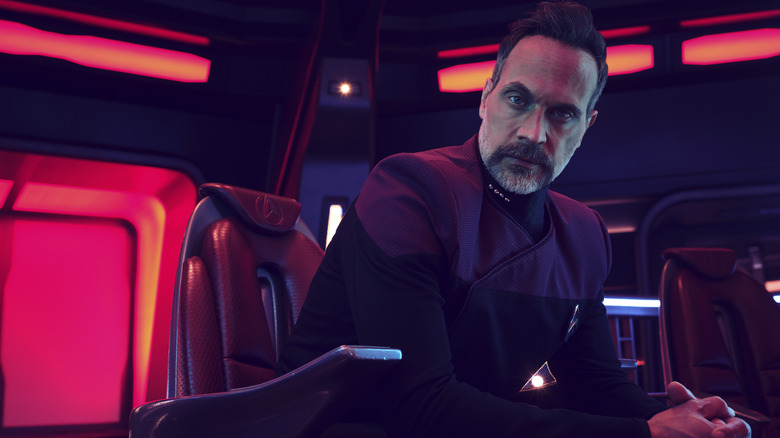
This guy is certainly the best of the worst. Shaw is abrasive, rude, risk-averse and an all-around jerk. But what cements Liam Shaw’s place on this list was how he dumped command of his ship, the Titan A, onto Will Riker, instead of acting like a real captain and getting the Titan out of danger. Still, many times during Star Trek: Picard, Shaw was the voice of reason and he was not afraid to say “Wait a minute, should we be doing this?” whenever our heroes ran off to danger. Also, he often was a scene stealer thanks to Todd Stashwick’s acting skills, especially once we learned he was a survivor of the Battle of Wolf 359.
9. Captain J.T. Esteban (Star Trek III: The Search for Spock)
Command: U.S.S. Grissom, NCC-638
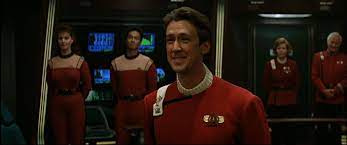
The list has many risk-averse commanding officers and J.T. Esteban is great example of this trait. During his brief appearance in the film, Esteban came off as an unyielding, by-the-book type who refused to listen to reason. What was even worse with Esteban was that he was too slow to react to sudden developments and this cost him his life, along with the crew of the Grissom when the Klingons destroyed his ship.
8. Captain John Harriman (Star Trek Generations)
Command: U.S.S. Enterprise-B, NCC-1701-B
“It won’t be installed until Tuesday!” was the infamous catchphrase from this hapless captain. Harriman had the unenviable task of following up the legendary James T. Kirk as he assumed command of the Enterprise B during the opening scenes of Star Trek Generations. Right away, Harriman was in over his head and was frozen with indecision as he tried to command the Enterprise literally under the shadow of Kirk.
7. Captain Lawrence Styles (Star Trek III: The Search for Spock)
Command: U.S.S. Excelsior, NX-2000
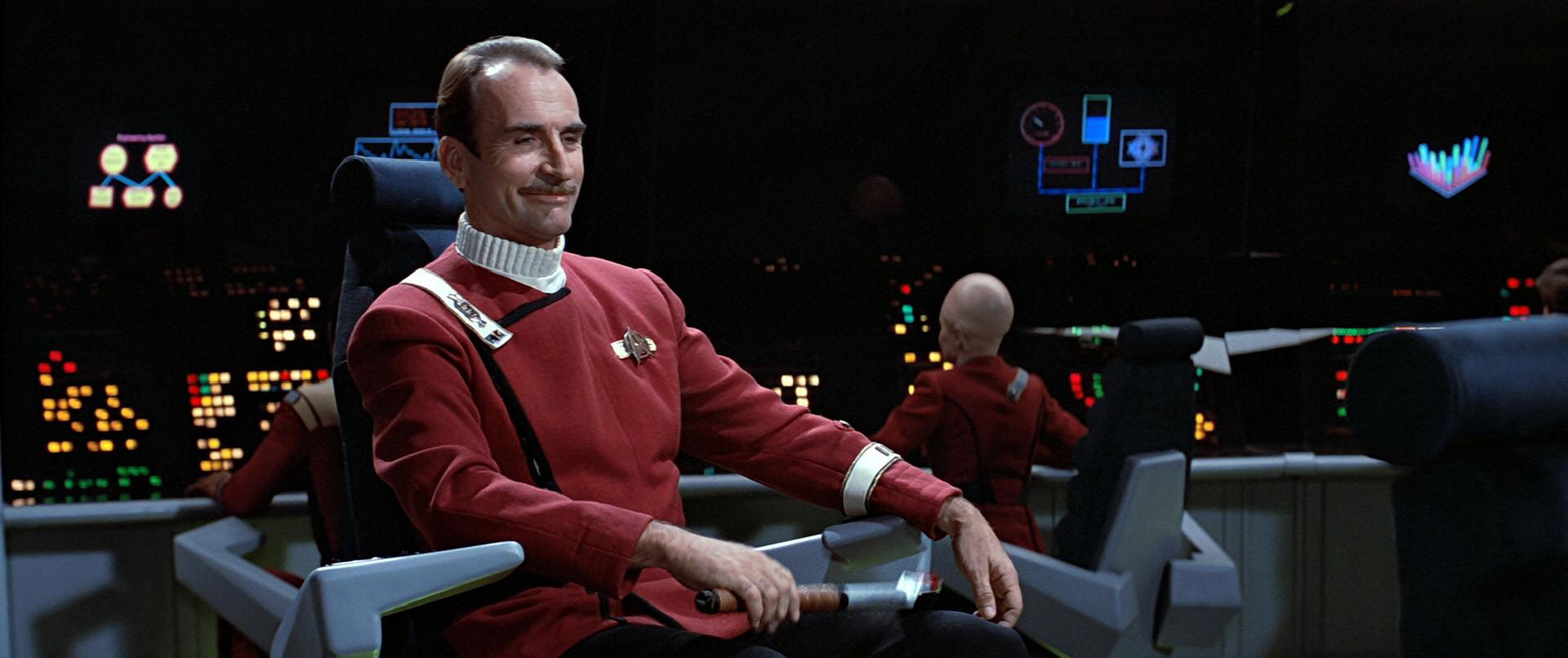
Styles was a pompous, egotistical jerk who had the audacity to think his shiny new Excelsior was superior to the original Enterprise. Yes, the Excelsior was new with the latest tech, but that does not mean it becomes a legend. The minute he was introduced in the film and displayed a dismissive attitude towards the Enterprise and the original crew, fans instantly disliked him and for good reason. One of the best moments in the film was when he saw his beloved ship suffer an epic malfunction as it tried to pursue the Enterprise as it took off on its last voyage.
6. Captain Gabriel Lorca (Star Trek: Discovery Season One)
Command: U.S.S. Discovery, NCC-1031
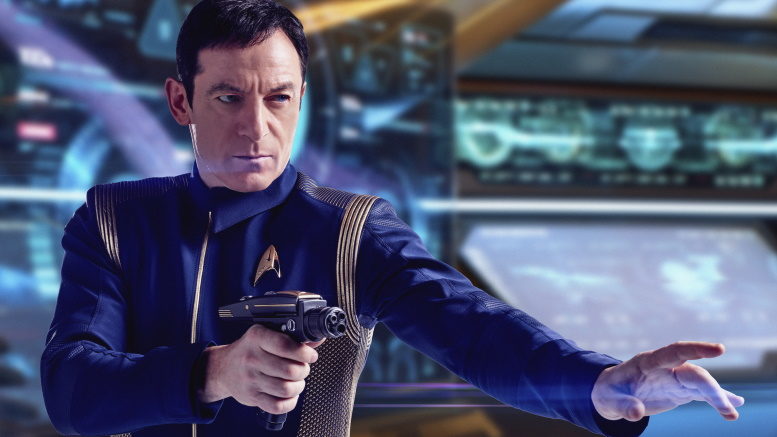
The captain of the Discovery was popular when he was first introduced due to his no-nonsense and stern attitude that was a more realistic portrayal of a commanding officer. He even gave the disgraced Michael Burnham a chance to redeem herself by posting her on the ship. However, once it was revealed that Lorca was actually a manipulative wannabe despot from the Mirror Universe, he earned a permanent spot on this list. It’s too bad Lorca turned out to be such a dick, for a while, he was the best character on the show.
5. Captain Ben Maxwell (Star Trek: The Next Generation “The Wounded”)
Command: U.S.S. Phoenix, NCC-65420
The ends clearly do not justify the means with this starship captain. He has a tragic backstory where his family was killed by Cardassians during a war. In the episode “The Wounded”, Maxwell took it upon himself to launch preemptive attacks on Cardassians with his starship, the Phoenix, because he was convinced the Cardassians violated a treaty with the United Federation of Planets and were rearming themselves against the Federation. Even though in the end he was correct, his actions nearly sparked a war between the Federation and the Cardassians that the Federation was not in the condition to fight after Starfleet was decimated by the Borg earlier in the season.
4. Captain Ronald Tracey (Star Trek “The Omega Glory”)
Command: U.S.S. Exeter, NCC-1672
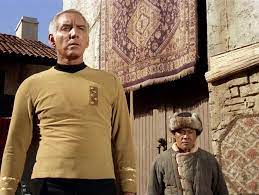
How this lunatic ever passed Starfleet Academy is anyone’s guess. First, he got his crew killed when he led a landing party on one of those parallel worlds and contracted a virus that killed everyone on his ship, the Exeter. Then, he openly violated the Prime Directive by taking sides in a local war on the planet. This he did to supposedly provide immortality to humanity. Finally, he tried to get the locals to kill Kirk, Spock and McCoy by exploiting their superstitious beliefs. Great job there, Tracey.
3. Captain Rudy Ransom (Star Trek: Voyager “Equinox, Part I and II”)
Command: U.S.S. Equinox, NCC-72381
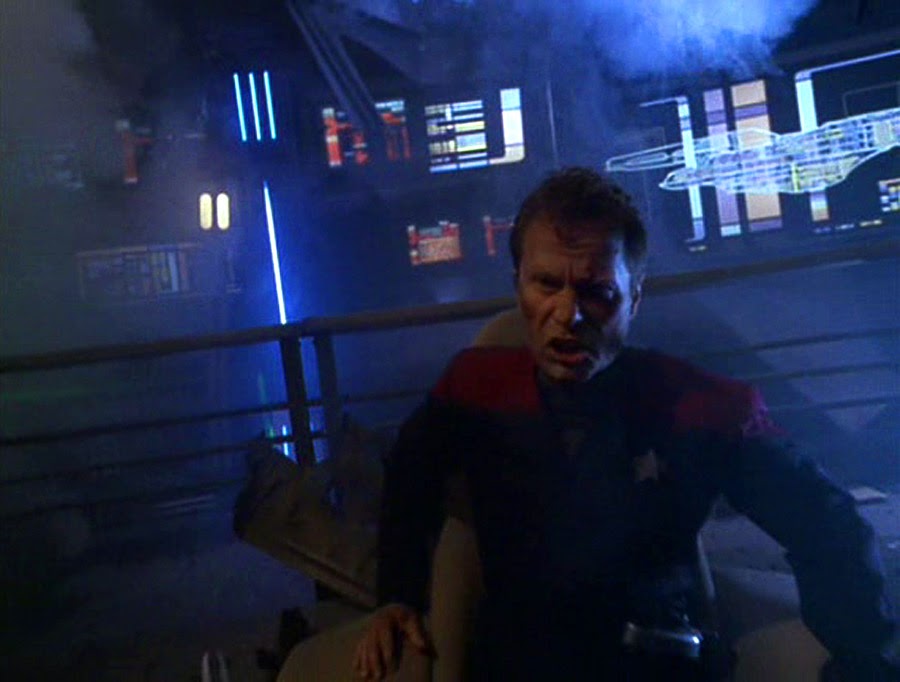
Here is another fallen Starfleet captain who flagrantly violated the Prime Directive. Stranded in the distant Delta Quadrant, Ransom and his ship, the Equinox, had suffered numerous calamities. Desperate for fuel to get home faster, Ransom’s crew discovered that dimensional beings generated a power source for the Equinox, but the beings had to be murdered for the fuel. This led to a disastrous conflict with the Voyager and its crew. Special dishonor also has to go to Ransom’s first officer, Maxwell Burke, for taking command of the Equinox from Ransom after the captain began to see the error of his ways.
2. “Captain” Tim Watters (Star Trek: Deep Space Nine “Valiant”)
Command: U.S.S. Valiant, NCC-74210
This insufferable snot-nosed punk deserved to be killed for his arrogance. He gets the title of captain in quotes because he was just an elite cadet who wound up in command of the Valiant when the ship’s crew was killed. So, he doesn’t even deserve to be called a captain. Anyway, during his dictatorial command he refused to listen to reason, threw people who disagreed with him in the brig, and let his arrogance kill the remaining crew of the Valiant when he foolishly led a doomed attack on a Jem’Hadar battlecruiser. In the words of Nog, who was one of the few survivors, “in the end, he was a bad captain.”
1. Captain Edward Jellico (Star Trek: The Next Generation “Chain of Command, Part I and II”)
Command: U.S.S. Cairo, NCC-42136 and U.S.S. Enterprise-D, NCC-1701-D
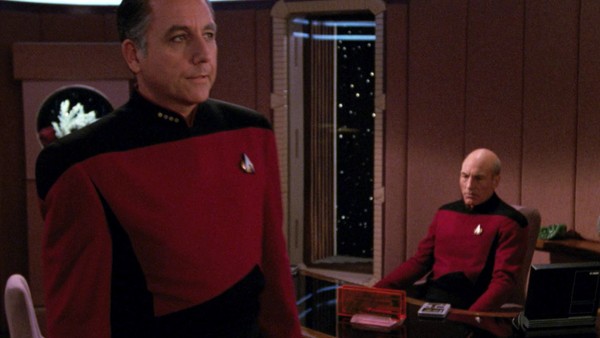
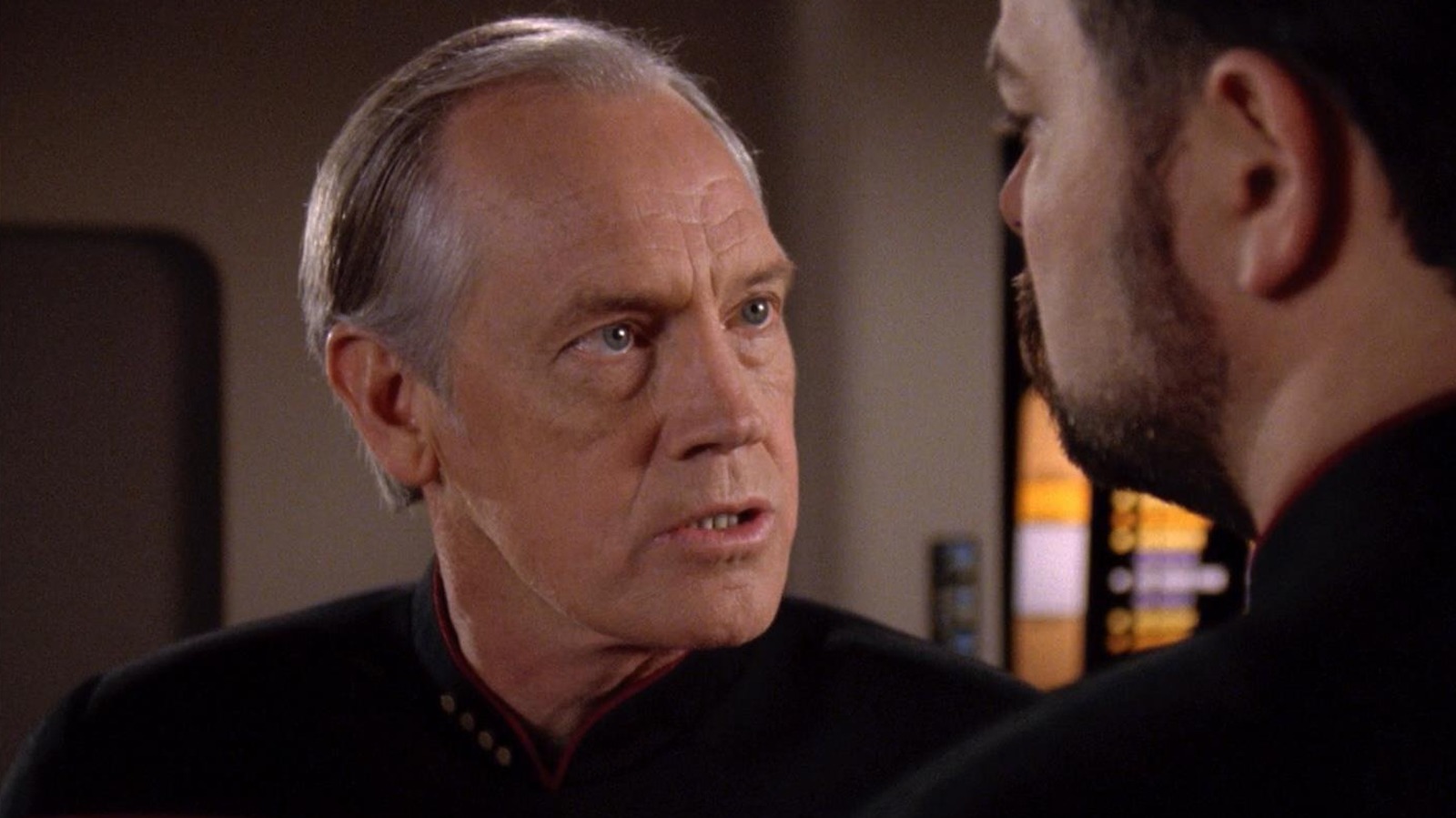
Man, was this guy a raging A-hole! Super strict, authoritarian, obtuse, antagonistic, unwilling to listen to others, Jellico just rubbed people the wrong way. After taking command of the Enterprise D from Jean-Luc Picard, Jellico quickly alienated the ship’s command officers with his brusque, My-Way-Or-The-Highway style of command. Sure, his manner of running things was effective, and arguably realistic according to those with military experience, but he had everyone so wound up that morale plummeted badly on the ship. It was no wonder that we cheered when Riker finally told him off. Unfortunately, this jerkwad was eventually promoted to an admiral as seen in Star Trek: Prodigy, and he has not changed a bit.
Anyone has a different list of captains that should be mentioned? Feel free to leave a comment!
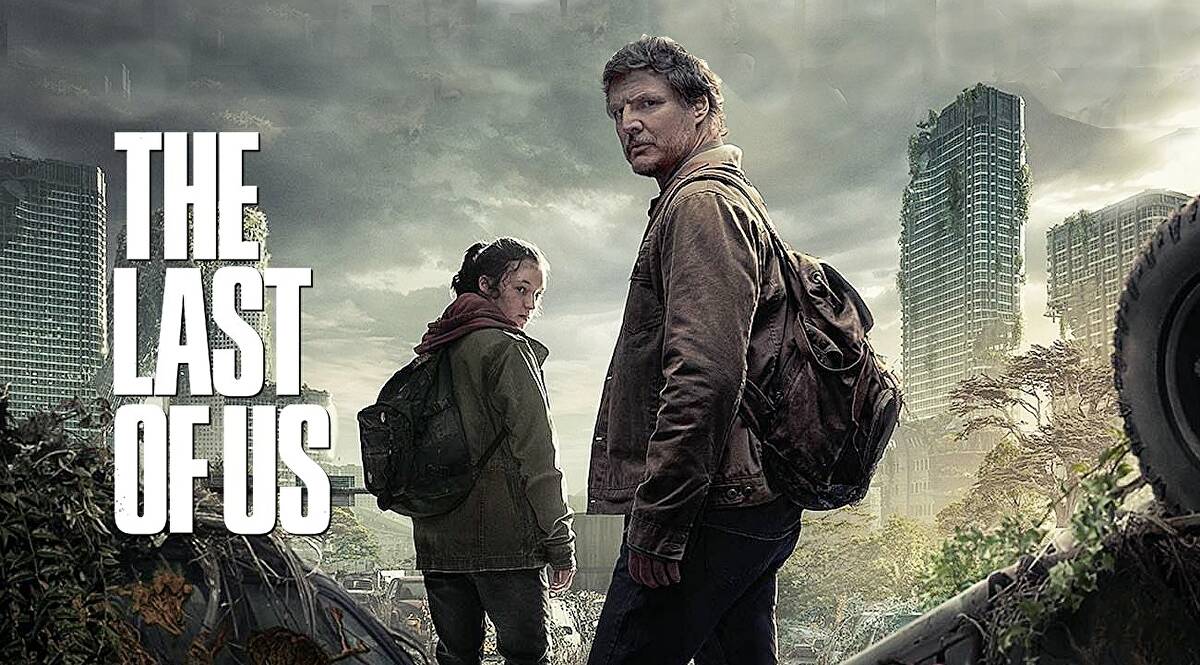
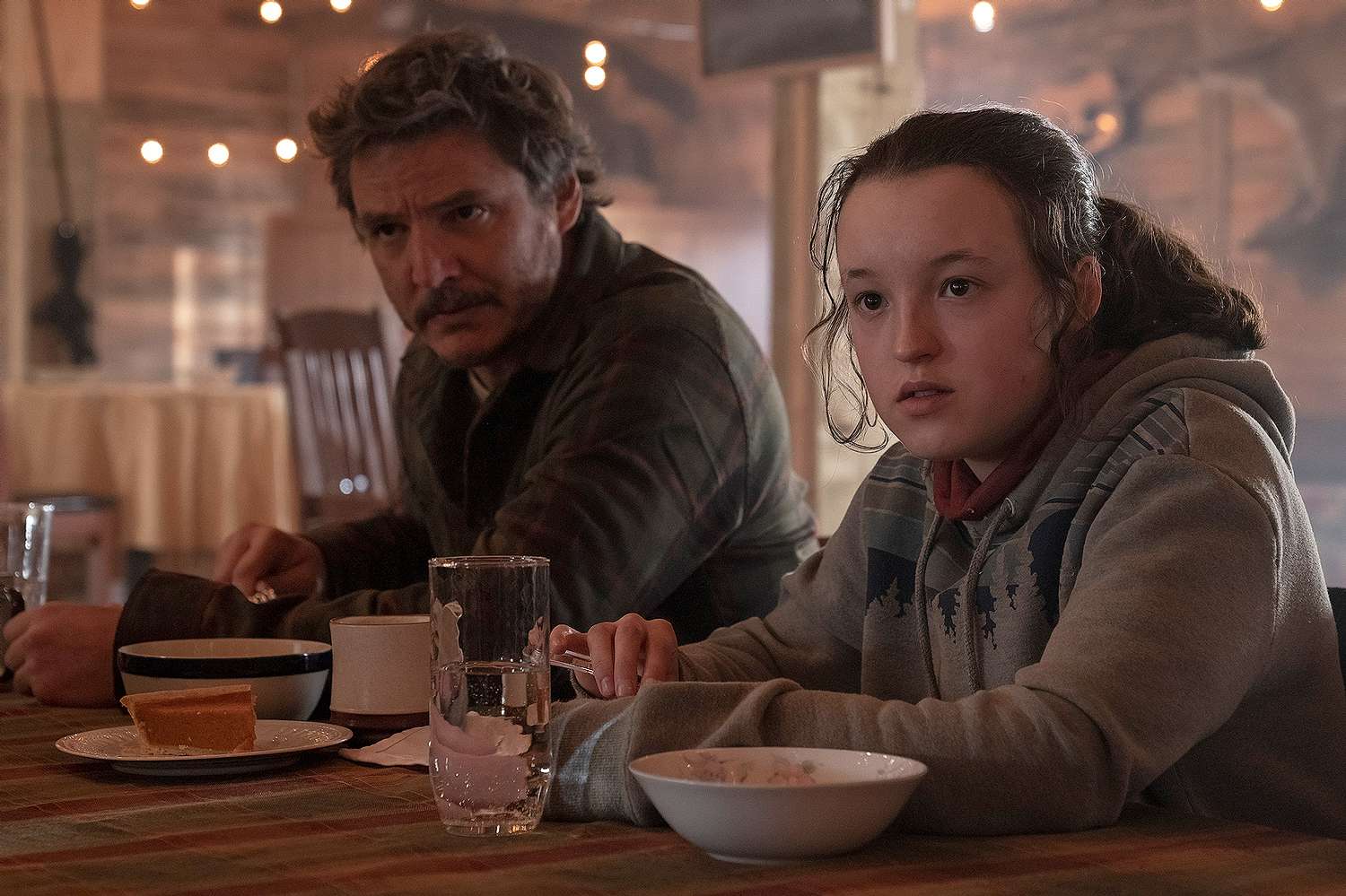
The television adaptation of the video game The Last of Us concluded its first season on HBO Max. Ever since it premiered this past January, the TV show has received widespread acclaim from critics and fans for being both a faithful adaptation and for its quality.
The Last of Us stands apart from your typical post-apocalyptic fare in many ways. For starters, despite its premise being similar to other post-apocalyptic yarns, it does not involve undead flesh-eaters. It is more contemplative and offers richer character studies as the main characters face moral dilemmas every moment of their fragile existence.
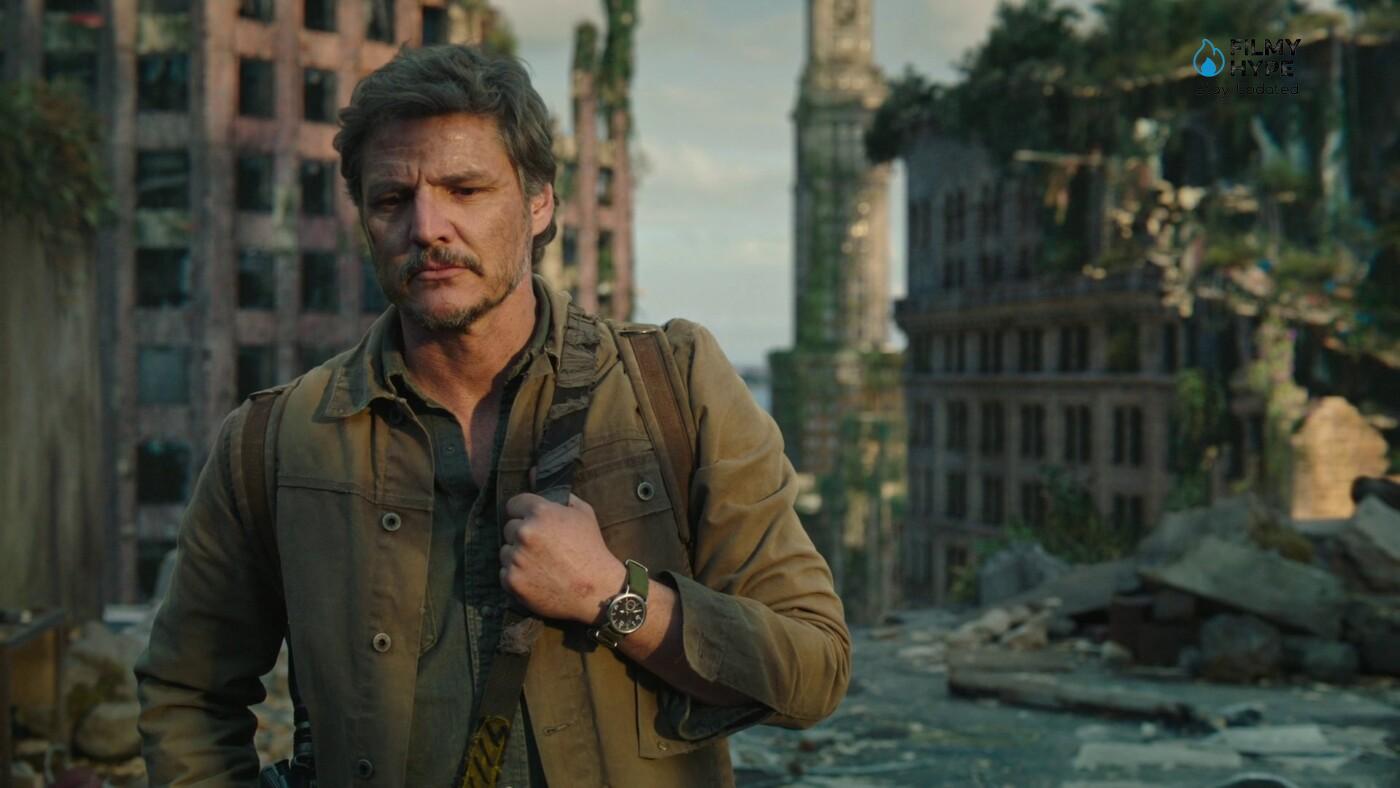
The Last of Us takes place in an alternate world where a fungal infection that started in 2003 destroyed our society as the parasitic fungus, called Cordyceps, altered the brains of its victims and turned them into mindless savages. Their humanity gone, the infected victims ran rampant through society as they infected others though bites and savage attacks. During the outbreak, the world descended into anarchy and the United States basically became lawless as murderous gangs and warlords rule the land except for certain cities that are run by the tyrannical FEDRA (Federal Disaster Response Agency). FEDRA is barely able to maintain some meaure of order through an iron fist and are opposed by a rebel group called the Fireflies. The show picks up twenty years later and stars Pedro Pascal as Joel an embittered survivor who lives a hard existence in the crumbling remains of Boston, which is barely controlled by FEDRA.
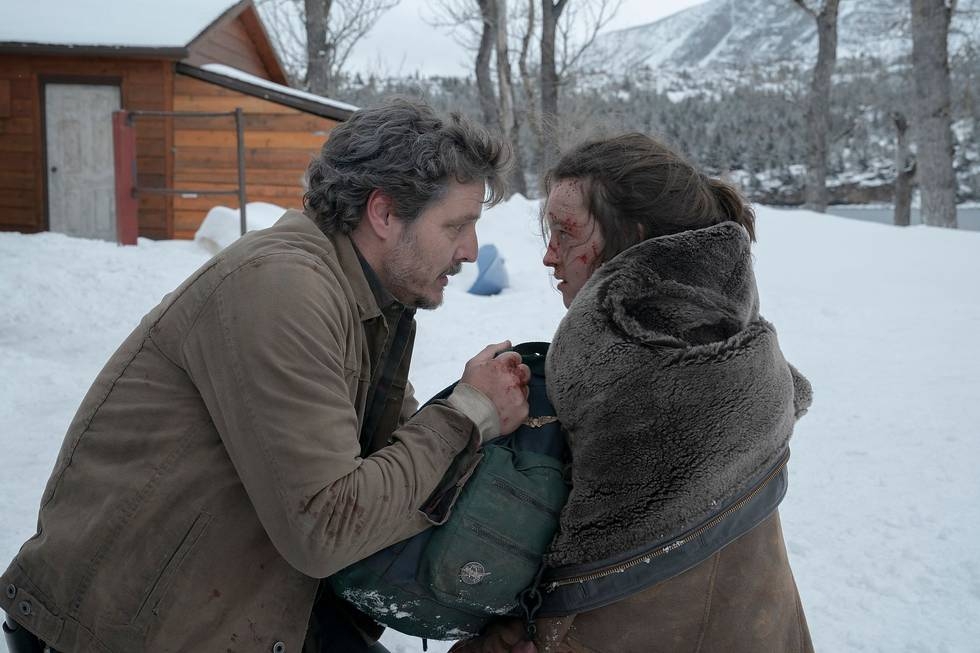
Joel is hired by the leader of the Fireflies, Marlene (Merl Dandridge, who is the only actor to reprise the same role from the video game), to transport a young teenage girl called Ellie (Bella Ramsey) across the country to a Firefly-operated medical facility. Joel soon learns that Ellie is immune to the Cordyceps and is humanity’s only hope to recover from the pandemic. At first distrustful and hostile towards each other, the two gradually form an intense bond as they travel through the hostile continent.
While it is true the basic premise strongly echoes that of Pedro Pascal’s other popular TV show, The Mandalorian, The Last of Us differs greatly because of its themes and dark nature.
At its core, The Last of Us is a character study of two hardened survivors and the emotional trauma they suffer and how they rely on each other to heal emotionally.
From the very first episode, we see the start of the pandemic and its immediate and devastating effect on our society as we follow Joel, who lost his daughter Sarah (Nico Parker). This event nearly destroys Joe,l who became hard, bitter and even cruel. We get hints that he did evil things in order to survive and his only goal is to reconnect with his brother Tommy (Gabriel Luna), who is located in Wyoming. Unlike Joel, Tommy is shown to be more idealistic and was a member of the Fireflies. Joel, who is desperate to connect with a family member agrees to take Ellie with him from Boston to her destination out west.
During their journey, Joel and Ellie encounter different types of people who have fascinating and even tragic stories. One episode (“Long, Long Time”) was nearly devoted entirely to a survivalist named Bill (Nick Offerman) who finds a renewed purpose in life, which is to protect and love Frank (Murray Bartlett), a survivor that made his way to Bill’s fortified territory. While that episode showcased the good in humanity, the penultimate episode “When We are in Need” showed us the worst as Ellie is captured by David (Scott Shepherd), a monster who poses as a pastor and is a would-be savior for a desperate town.
Unlike the video game, which was more devoted to accomplishing tasks (get certain items to enter a room, as an example) or battling the infected or FEDRA, the TV show focuses more on exploring the characters and themes, such as collectivism versus individualism. This theme is very central in the last episode “Look for the Light” as we see that while Joel and Ellie are able to heal from their mental wounds they still deal with ethical and moral issues, especially Joel. The actions taken by the characters are very morally dubious and leave you wondering about their moral centers.
While this more nuanced and layered exploration of characters and themes will be appreciated by many seeking something different from all the recent zombie shoot-em-ups, it may leave fans of the classic video game disappointed. It is very faithful to the video game, with it even lifting entire lines of dialogue, and it has tons of Easter eggs and references to the game. However, at times the TV show is light on action scenes as the infected barely appear in some episodes. They do not feel like a constant threat like in the game or your typical episode of The Walking Dead, nor is it as violent. Instead we see the impact of the Cordyceps infection in the ruined landscape of America and how the pandemic brought out the worst in people.
It goes without saying that Pedro Pascal and Bella Ramsey are the highlights of The Last of Us as the two have a natural chemistry which made their characters so endearing. Bit by bit, we see Joel quietly dropping his emotional barriers and rekindle his humanity as he forms a parental relationship with Ellie. She too, undergoes an emotional transformation as she learns about survival from Joel and looks up to Joel as the father figure she never had and needed. Through their ordeals, the two find a renewed purpose in life. For Joel his goal is to protect this young girl as he transferred his feelings over Sarah to her and in a sense accomplished with Ellie what he could not with Sarah. For Ellie, she becomes a Moses-like figure who is resolved to be able to lead humanity out of darkness with her immunity to the Cordyceps. How well they accomplished their purpose made for a wrenching finale as its emphasized how fragile and flawed the two really are.
The Last of Us is as captivating and intense as the classic video game. It also demonstrates that it is possible to be able to faithfully adapt engrossing video games into live-action media, as by the last seconds of the final episode, we’re left wanting to see more of this world and its characters.
Star Trek fans have either been mourning or celebrating the recent announcement that the Paramount + streaming series, Star Trek: Discovery, will end when its upcoming fifth season concludes.
Ever since Star Trek: Discovery was first announced back in 2016 and debuted on CBS All Access the series was mired in controversey and alienated many fans. Instead of there being a mutual celebration that Star Trek finally returned to TV, fandom was bitterly divided over the TV show.
Even though Star Trek has always been forward thinking, progressive and pushed social envelopes, Star Trek: Discovery is overtly and even aggressive with its progressiveness. It has a Black woman as the main character, it features a homosexual couple and even a non-binary character. This made many fans uncomfortable, especially those who are more socially conservative, and they were quick to deride the show.
However, while it may be easy for these fans to dismiss Star Trek: Discovery for its so-called “wokeness”, the show had many problems that did not have to do with the racial or sexual nature of its characters.
Basically, Star Trek: Discovery departed too far from what worked with Star Trek, which was presenting engaging characters, well-written and provocative storylines, and an interesting premise. It did have its moments, especially in its second season, and it ushered in a new era for Star Trek, but from its pilot episode “The Vulcan Hello” it was apparent it had its faults.
To start, by setting the show just a few short years before the original Star Trek it wrecked the complex Trek continuity that is cherished by fans. Being that it was a modern show with access to the best special effects technology available, the look of the show was vastly different from the primitive production design of the original Star Trek. Of course, we viewers were supposed to ignore that but it was a nagging stickler for continuity’s sake.
There was little attempt to at least try to copy the look of the orginal Star Trek, as with the distinctive gold, blue and red uniforms, the Klingons received an ugly redesign that no one asked for, and the starship Discovery had technology that was so advanced compared to what we saw in other Star Trek shows and films. For example, why didn’t the ships in the other Star Trek shows have this revolutionary spore drive that allowed the Discovery to travel anywhere in the galaxy? It seemed as if the showrunners had little regard for what worked before and for what fans wanted. A full-scale war with Klingons that no one talked about in the other shows? Klingons that eat humans? The showrunners even botched the Mirror Universe and let their actors chew the scenes to the point that it was comical but not in a good way. The show departed from previous Treks in that it was no longer episodic and followed a season-long arc (the Klingon War with a visit to the Mirror Universe). While this echoed what modern TV shows do, when Star Trek: Discovery tried it the execution was poor. Becoming an arc-oriented TV show somehow robbed it of a key premise of Star Trek, which was exploring new worlds and civilizations.
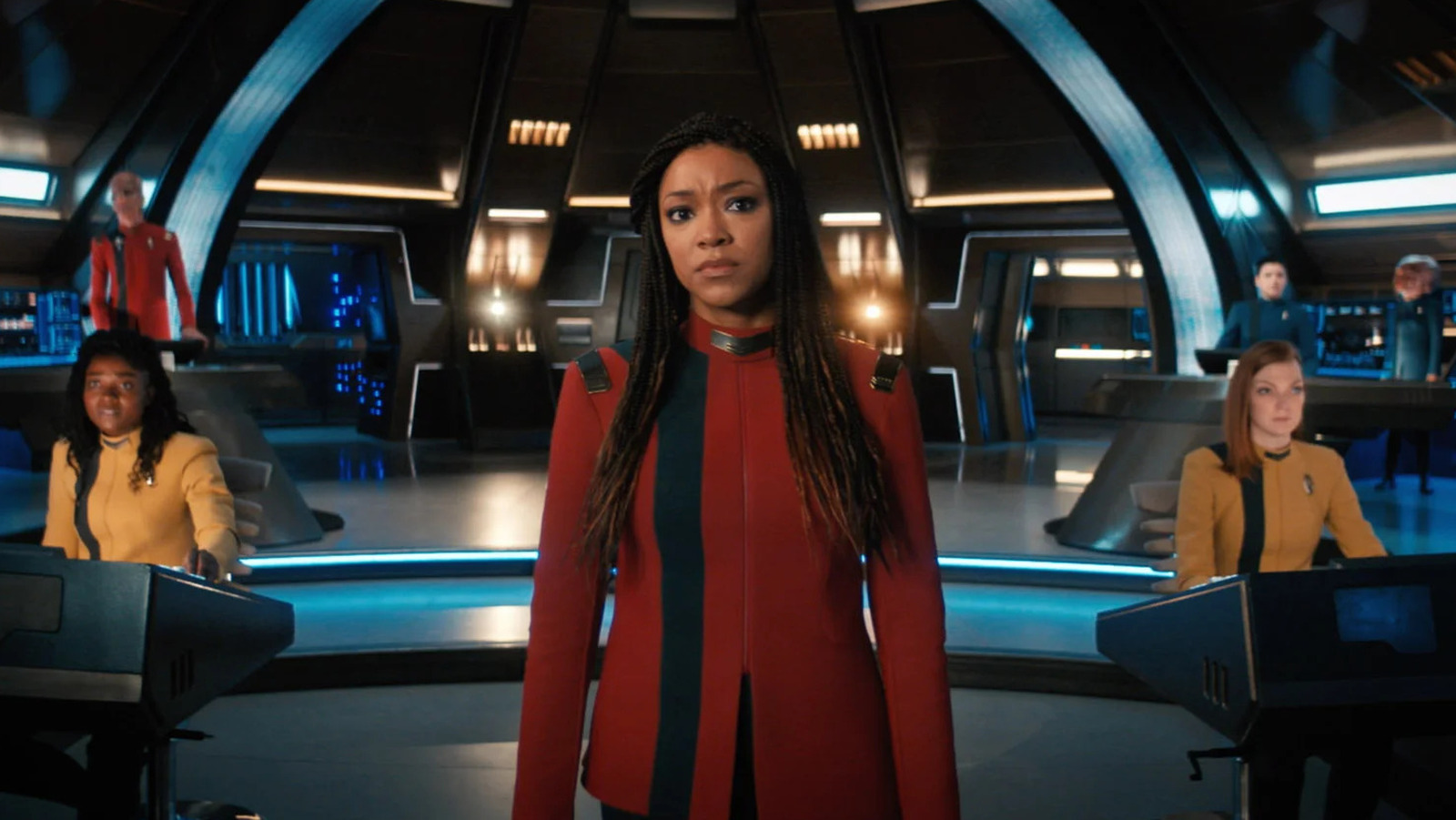
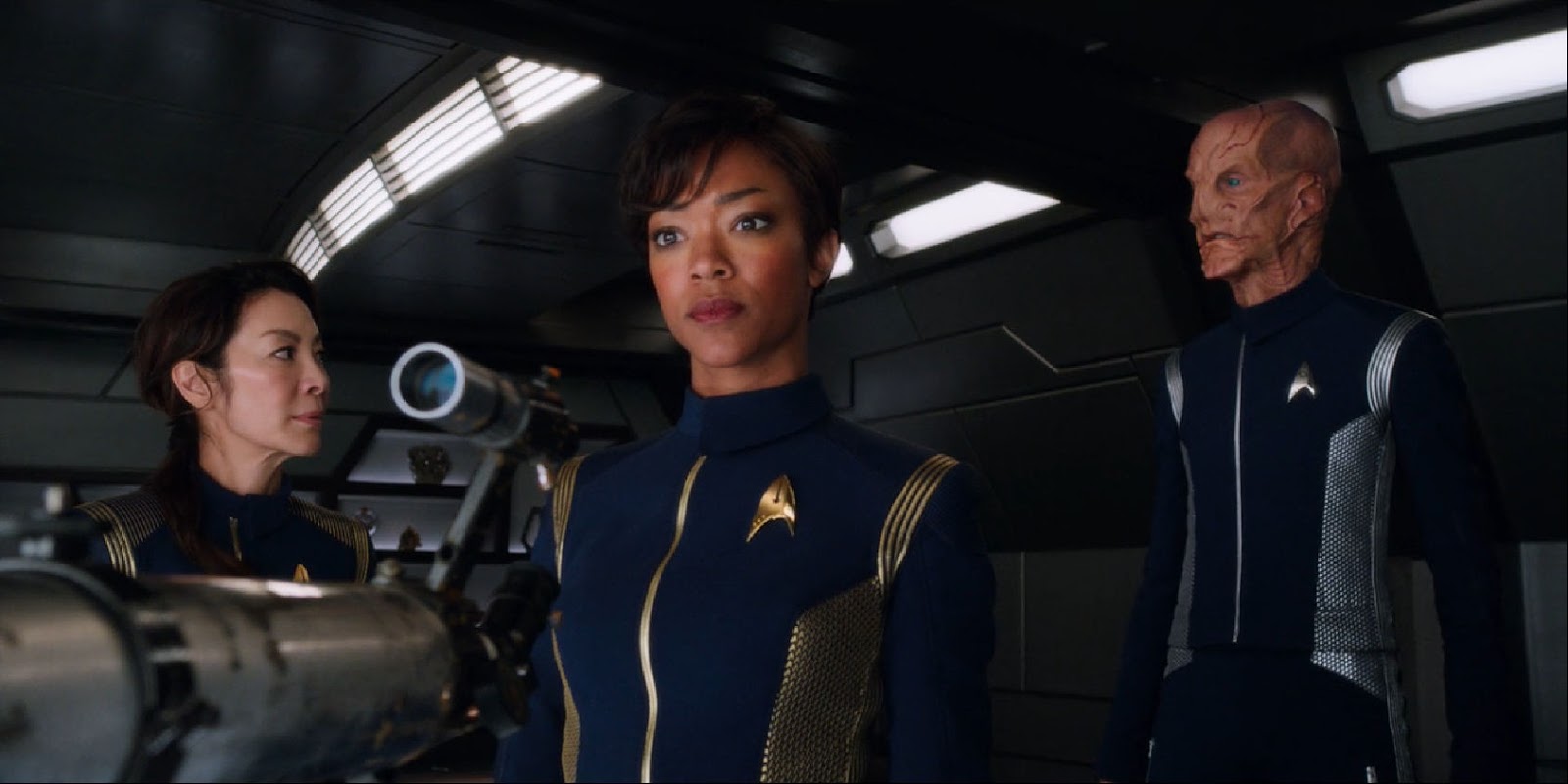
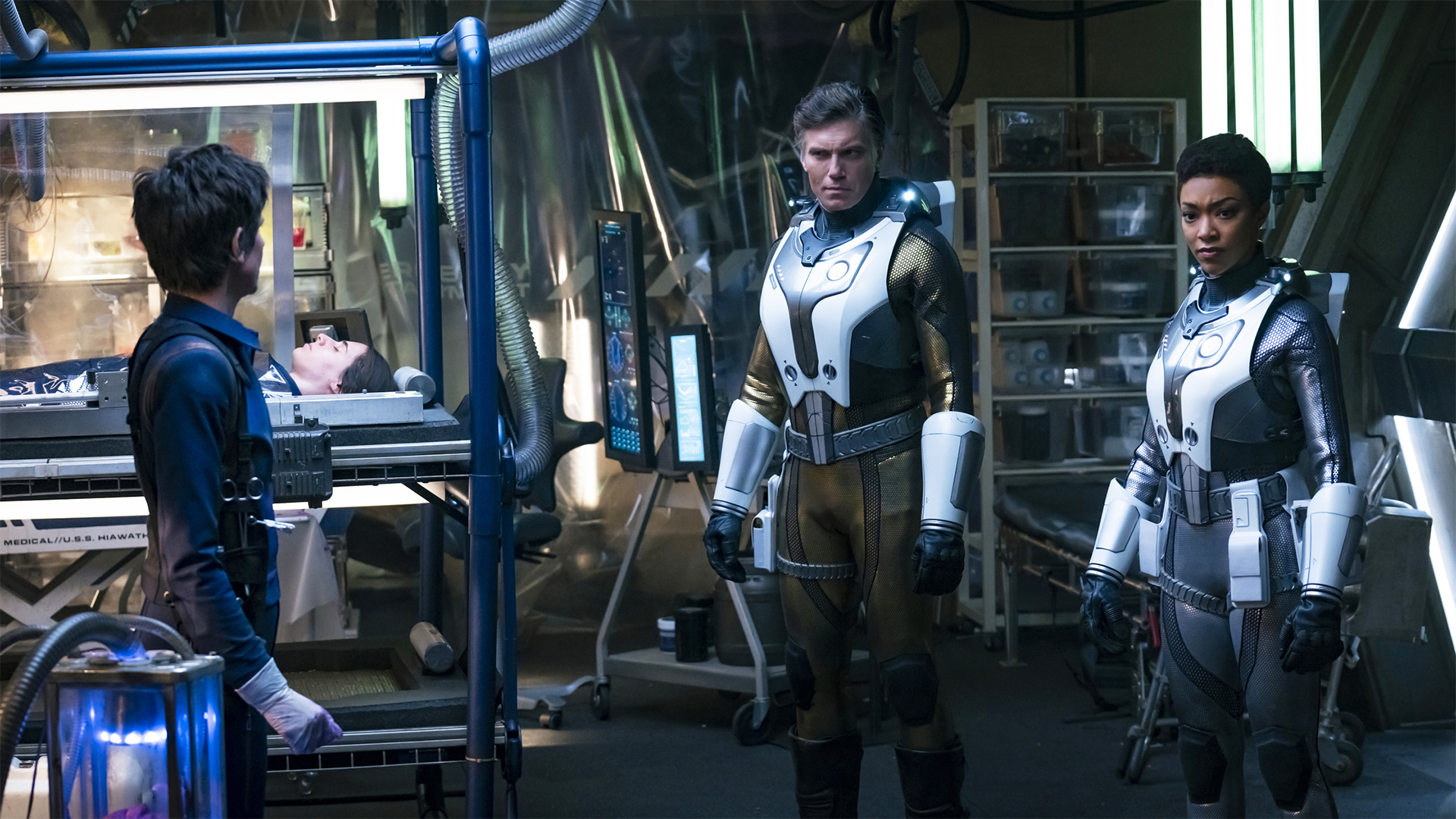
Seeing the negative reactions to Star Trek: Discovery, the showrunners hastily tried to course correct for the remainder of the show’s run with mixed results. In the second season, Captain Christopher Pike and Spock were added to the cast and they were the best things on the show thanks to the acting chops of Anson Mount and Ethan Peck. The stories revolving around them captivated viewers and were the highlights of the second season, but frankly this took time away from the regular characters. This was another issue with the show in that the recurring and guest characters were more interesting or had more screen time than the regular cast. Aside from Michael Burnham (Sonequa Martin-Green), Saru (Doug Jones), Paul Stemets (Anthony Rapp), and Sylivia Tilly (Mary Wiseman), we barely knew anything about the bridge crew. We see them all the time saying “Aye sir” and spouting technobabble, but most viewers would be hard-pressed to even know their names. Instead, lots of bandwidth was spent on Pike, Spock, Georgiou (Michelle Yeoh) and most recently with the intergalactic courier Cleveland Booker (David Ajala). The show is supposed to be about the starship Discovery and its crew.