The Return Of Obi-Wan Kenobi

The latest Star Wars TV show to stream on Disney+, Obi-Wan Kenobi, is naturally focused on the noble Jedi Knight and his story of redemption ten years after Star Wars Episode III: Revenge of the Sith. When we last saw Obi-Wan (reprised by Ewan McGregor, who played the character in the prequel trilogy), he was devastated after his Jedi apprentice, Anakin Skywalker (Hayden Christensen), turned to the dark side of the Force, assume the identity of Darth Vader and decimated most of the Jedi Order. The show picks up years later on Anakin’s home planet Tatooine where Obi-Wan is in exile watching over Anakin’s young son, Luke (Grant Feely), from afar.

This version of Obi-Wan is a far cry from the confident and brave warrior from the prequels. Obi-Wan Kenobi, who goes by the name of Ben, lives a quiet life in solitude and generally avoids contact with other people. He also manages to avoid the prying eyes of dark side followers called Inquisitors, including Third Sister Reva Sevander (Moses Ingram). For some reason, Reva is obsessed with finding Kenobi and capturing him for the Inquisitors’ leader, Darth Vader.

On the planet Alderaan, Luke’s twin sister, Princess Leia Organa (Vivien Lyra Blair), is kidnapped to lure Kenobi. Her adopted father, Bail Organa (Jimmy Smits), travels to Tatooine to ask Obi-Wan to help find her. After some prodding, Obi-Wan Kenobi realizes he has a duty as a Jedi to help his friend and sets out to rescue Princess Leia. After rescuing Leia on the planet Daiyu, the Jedi Master is pursued by Reva, and later Darth Vader, across several worlds. Before long, Obi-Wan realizes that although he left the Jedi lifestyle years ago, he cannot let go of it and his responsibility to the cause of freedom in the galaxy.

Unlike the other Star Wars Disney+ TV shows, at certain times, Obi-Wan Kenobi feels more like an extended Star Wars film, even the end credits follow the style of the films. But at other times, the limits of television are obvious in terms of scope and budget. Of course, this has no bearing on the quality of the show, which is excellent, but the clash in style and scope may offput some viewers. However, the show is a near-perfect presentation about one of the most revered Star Wars characters. In the prequel films, Kenobi was a supporting character but thanks to McGregor’s performance the Jedi rose in stature to the eyes of many fans. Unlike the conflicted and bratty Anakin, Kenobi was a noble and gallant presence who personified the perfect Jedi. To see him as a hollow, pessimistic, and timid person hiding in the sands of a remote planet at the start of the series was disheartening to watch. Disconnected from the Force and taking pains to avoid conflict, it was disturbing to see how far Kenobi had drifted from the courageous Jedi way. It was also realistic. But, when he slowly regained his connnection to the Force during the show, well, those moments were very gratifying. Of course, McGregor’s performance is stellar as always and his love for the character clearly shows.

One of the best moments was during a flashback sequence that had Obi-Wan dueling with Anakin before he became Vader. The sequence was a brilliant way to reunite the two actors as it showed not just the arrogance of Anakin, but Obi-Wan’s hubris, which would blind him to Anakin’s fall later on in Star Wars Episode III.

There are many other thrilling and inspiring moments throughout the series, such as the final duel between Obi-Wan and Darth Vader; Kenobi reconnecting with the Force in dramatic fashion; Kenobi’s interactions with young Leia; Vader’s moments of quiet rage and explosive and vindictive menace; suspenseful chases and battles; and the fanatical nature of Reva, who hid a tragic backstory. At first, Reva came off as a one-dimensional, cartoonish villain but through the course of Obi-Wan Kenobi, she became more nuanced and complex as her cause was finally revealed. A lot of credit has to go to Ingram who delivered a commanding performance.

There are many great scenes with secondary characters who had their shining moments and left an impact. Take Rupert Friend as the Grand Inquisitor, his savage putdowns of Reva were epic. Then there was Indira Varma as Talla, a Rebel spy masquerading as an Imperial officer. She had a natural chemistry with Ewan McGregor and her inner strength and sacrifice was truly inspiring. Kumail Nanjiani gave an inspired performance as Haja, a con man pretending to be a Jedi and later has a spiritual change of heart. Blair did a fine job as Leia as she captured the essence of the Rebel princess and we saw the laying of her emotional foundation. And finally, the onscreen rivalry of McGregor’s Kenobi with Vader was completed with the return of Christensen, who shone as Skywalker/Vader. As noted above, their friendly rivalry was well executed in the flashback scenes as we witnessed the underlying insecurity of Skywalker. Christensen pulled this off fantastically with subtle facial revelations.

Despite its greatness, Obi-Wan Kenobi had its narrative flaws, which were alarmingly blatant. Take the fourth episode (arguably the series’ weakest, though it was entertaining), where Talla clumsily slapped around some stormtroopers in an Imperial base and defeated them. Or later in the episode when Kenobi threw on an Imperial cloak as a disguise and obviously hid Leia underneath him as they walked around unnoticed among oblivious Imperial personnel. Then there were the common Star Wars space and time puzzles where characters instantly travel from planet to planet, non-fatal stabbings from lighsabers, and spaceships with broken hyperspace engines being able to traverse star systems and avoid Imperial star destroyers.

Thankfully the merits of Obi-Wan Kenobi far outweigh its negatives. It was great to see Ewan McGregor return to a role that he made his own, but now as the central character. It was also fun seeing other actors from the prequel trilogy reprising their roles and seeing how the prequels connect more strongly with the original trilogy of Star Wars films. Even though it is a limited series and its main story feels complete, there is talk about continuing the adventures of Obi-Wan Kenobi: Jedi-In-Exile. It’s not clear what direction more episodes would take without feeling repetitive, but they would be welcome.

José Soto

Halo Falls Short Of Its Video Game Roots

Halo is the latest video game franchise to get a big-budget onscreen adaptation. This one is now appearing on TV on the Paramount + streaming service and from the conclusion of the first episode, it was clear that this live-action series was going to do things differently. The main character, the Master Chief (Pablo Schreiber), who is the vanguard of humanity’s war against an alien force known as the Covenant, takes his helmet off to gain the trust of a girl he just saved. This marks a radical departure from the games where to date, we have never seen him without his helmet.  While this is a small detail and doesn’t detract from the episode, in retrospect it was a sign that this show was going to tell a very different story than what is portrayed in the famous video game franchise.

The main idea of the Halo games is that Master Chief is, at most times, a lone warrior fighting against impossible odds on strange aliens worlds against overwhelming foes. These being a group of hostile extraterrestrial races called the Covenant that vow to wipe out humankind in a war that Earth is losing. He encounters the strange ring-shaped world dubbed “Halo” at the start of the very first game and has to figure out its mysteries and stop the Covenant from using it to destroy all life in the galaxy. The Halo TV show however is somewhat of a prequel and starts with Master Chief and other super soldiers named Spartans arriving on a human colony, Madrigal that is invaded by the Covenant.

On the planet he encounters a lone human survivor, a young girl named  Kwan Ha (Yerin Ha), who he brings back to humanity’s headquarters on the planet Reach. Eventually he takes her to a sanctuary world, then she escapes back to Madrigal to try to lead her people against an oppressive government. Meanwhile, Master Chief aka “John” finds a Covenant artifact that he seems to have some strange mystical connection to, and he uncovers details of his past where he was kidnapped as a child by a Dr. Halsey (Natascha McElhone) who created the super soldier program to make the other Spartans as well. These other Spartans also start to question their origins, while Halsey deals with her daughter (Olivia Gray), who is upset by her absentee mother.  Notice that the plot of a war against a group of aliens hellbent on humanity’s extinction is not mentioned other than at the start of the paragraph?

This is the biggest issue I have with this adaptation, that the main focus of the games is basically a subplot in this show that seems to fade to the background other than a few scenes here and there. There are only 9 episodes in this first season and the story needs to be tight and focused, but it seems instead to be set on world building and character exposition to the detriment of what should be the main plot of Earth and its struggle against a genocidal group of aliens who see humans as an affront to their religious beliefs regarding the Halo artifact. There is even one episode solely devoted to Kwan Ha and her journey on Madrigal finding out about her past. This can happen if this was a network TV show with 20-plus episodes, but not with a streaming TV show with limited episodes.

In the games, the Covenant believe that the Halo is a sacred structure that, when activated, will take them to paradise. The reality, *spoiler alert*,  is that it is a weapon created by an ancient race called the Forerunners who used it to destroy life in the galaxy to starve a parasitic race called the Flood of their food source. The Forerunners then re-seeded the galaxy with life, including humans and the Covenant races, on different planets. None of this is explained or shown to the audience, probably since they expect fans of the games to know this, but for non-gamers who will be clueless about this. I can understand that they might not want to overwhelm viewers with larger amounts of backstory and game mythology, and establishing the characters is important, but it seems like they wanted to tell a very different sci-fi story than what is told in the various games. It’s as if they are more interested in the machinations and political intrigue of Earths’ government, the United Nations Space Command (UNSC), as well as Dr. Halsey and the UNSC’s questionable tactics regarding the creation of the Spartans, as opposed to what should be the desperate attempt to survive against the onslaught of the Covenant. 

The positives of the show are the design and look of the Spartans and Covenant when they show up. They look very much like their video game counterparts. And the few scenes of action we do get are very good. The first, fifth and last episodes show the Master Chief and other Spartans in action fighting against their foes. It’s a real treat to see and does offer a glimpse of what the show can be. Obviously, it can’t be non-stop action as opposed to the games, but it’s really about what the focus of the show should be. The season ends with the Chief seemingly taken over by his AI assistant Cortana (Jen Taylor), as they escape with artifacts that can lead them to the location of the Halo ring world.

Hopefully the second season will have him finally arriving at the Halo itself to set off the chain of events that happen in the first game, and we can have the politics of the UNSC in the background, with the fight against the Covenant at the forefront of the show. As a generic sci-fi TV show, Halo is fine, but as an adaptation of the numerous games, it seems to fall short. Having said that, Paramount + has renewed the show for a second season and it has good streaming numbers, so there is an audience for it. Maybe with this new set of episodes, we will see a story that can bridge the gap between both fans of the game and newcomers to the franchise, and satisfy both groups, as the best adaptations of other media do.

C.S. Link

The Superhero Multiversal Crossover Events Are Among Us

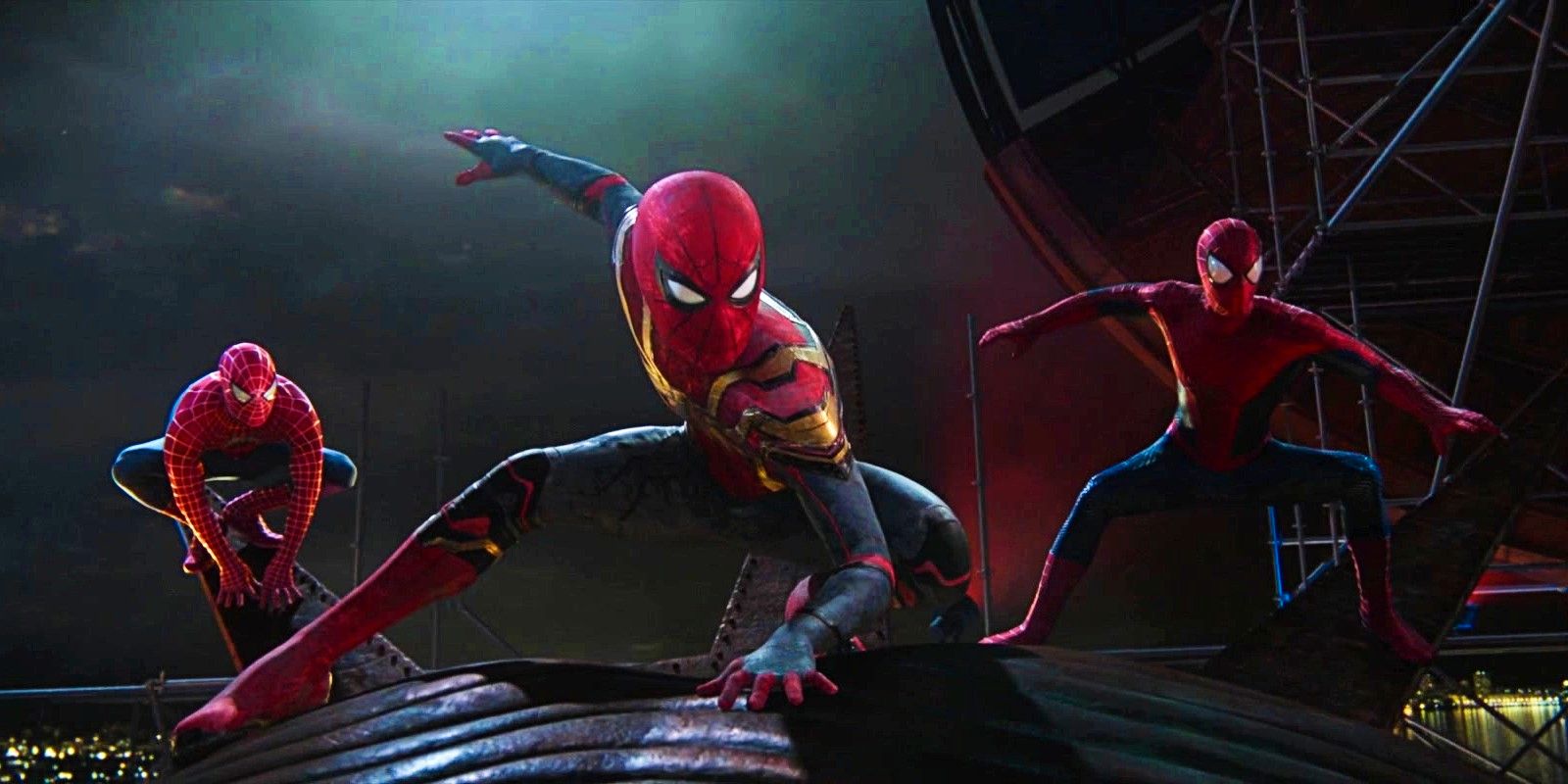
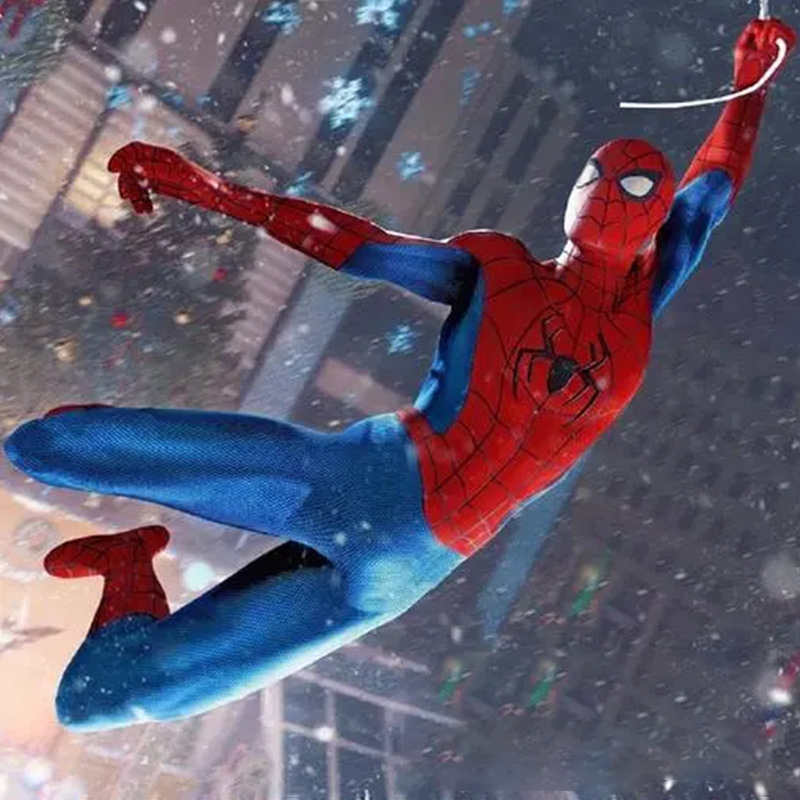
The biggest and latest thing now with live-action superhero films and TV shows are the crossover events that feature previous versions of superheroes and supervillains showing up to lend a hand or imperil the current heroes. The most recent and one of the best examples was seen in Spider-Man: No Way Home where the Spider-Man (Tom Holland) of the Marvel Cinematic Universe (MCU) met two older versions of Spider-Man (both played by Tobey Maguire and Andrew Garfield) that appeared in their own films.

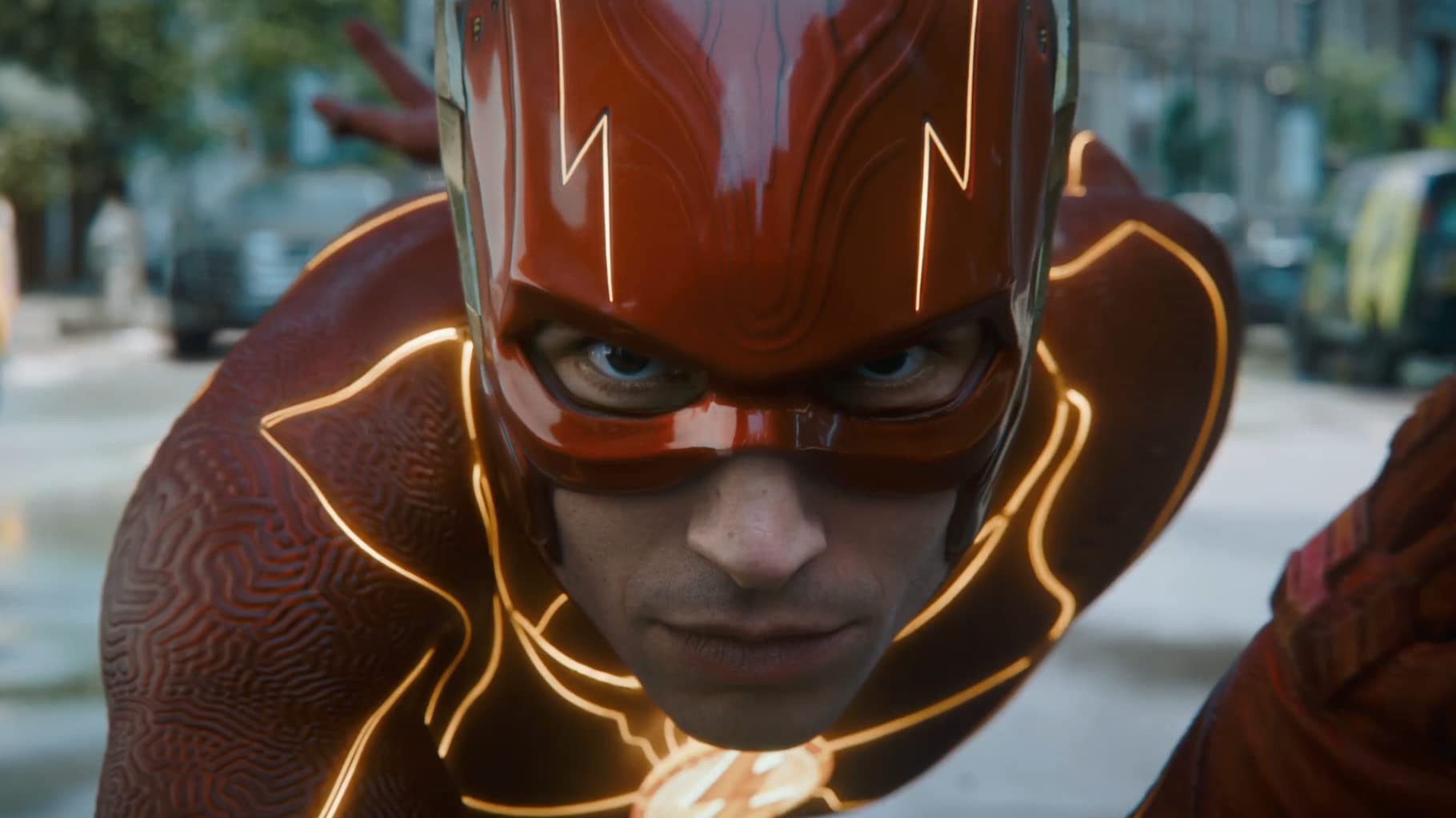
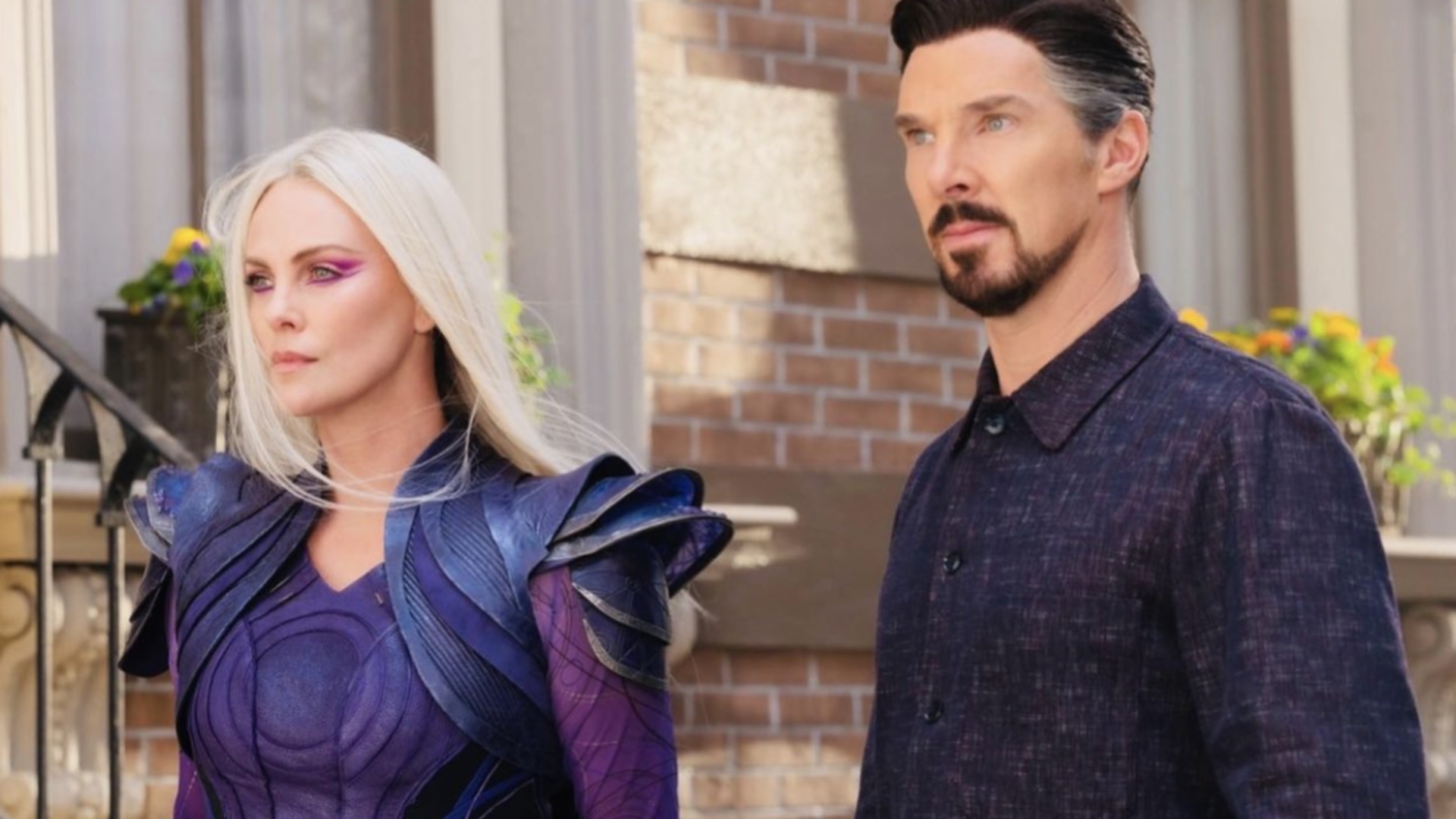
Of course, fans will be in for a treat this week as Doctor Strange in the Multiverse of Madness debuts and promises to deliver a the mother of all crossover events as the worlds of the MCU, previous Marvel films and more will interact. But that’s not all, next year The Flash will be about its own crossover event as the title hero’s (Ezra Miller) time travel antics will create alternate timelines and have him meet previous film versions of DC’s superheroes; notably Batman, reprised by Michael Keaton.

There have been other examples of multiverses in superhero films and TV shows. The TV series Loki, heavily dealt with this theme as the title villain (Tom Hiddleston) was a Loki from an alternate timeline that ultimately did not die as he escaped the events that led to his death in Avengers: Infinity War. This Loki grappled with knowledge about his potential fate, time travel and bizarre variants of his being, which included an alligator version of Loki (!). The events of the TV show probably led to the multiversal crisis befalling the MCU.

The Disney+ animated series What If…? exclusively explores other versions of the MCU, such as one where T’Challa never became Black Panther but instead became Star-Lord, or a world where zombies have overrun the MCU. More importantly at least two characters introduced in the What If…? series will appear in Doctor Strange in the Multiverse of Madness. They are a dark version of Doctor Strange and a Peggy Carter who recieved the super-soldier serum instead of Steve Rogers. In one segment when a superpowered Ultron and the Watcher fought, their battle raged across different universes, including what may be the Star Wars universe. This series is inspired by the Marvel Comics title What If…? which explored different outcomes and events of the Marvel Universe, only the animated series focused on the MCU and for the most part the series was fun to watch.

Another terrific animated presentation from Marvel was the masterpiece Spider-Man: Into the Spider-Verse, which took place in an alternate world where a blond Peter Parker died as Spider-Man and Miles Morales took his place as a new Spider-Man. In his adventures he met alternate versions of Spider-Man including an older, jaded version of Peter Parker, Peter’s old girlfriend, Gwen Stacy and a cartoon pig. The film won the Oscar for best animated film and two sequels will be coming out starting next year.

Marvel is not the only one dealing with animated alternate worlds. DC has released several animated films based on their Elseworlds imprint, which is their own take of alternate universes. We’ve witnessed adaptations of popular Elseworld tales such as Superman: Red Son, Gotham Under Gaslight, and The Dark Knight Returns. These films were excellent adaptations of the source material or were inspired by the original premise.

DC has already had its live-action forays into alternate worlds. Crisis on Infinite Earths was a television crossover event that took place across DC’s Arrowverse TV shows. The event was a very loose adaptation of the classic comic book mini-series about multiple timelines and universes in DC being combined into one. The highlight of that event was, of course, the cameos, Easter eggs and appearances of DC heroes and villains from various live DC films and TV shows that were not part of the Arrowverse. For instance, we got to see Burt Ward reprise his role as Dick Grayson from the 1960s Batman TV show, we revisited the world of Smallville, and Brandon Routh appeared as Superman in a combination sequel to Superman Returns and loose adaptation of the classic comic book mini-series Kingdom Come. But the biggest surprise was that the TV version of the Flash (Grant Gustin) briefly met the film version played by Ezra Miller.

As to the rest of the crossover event, it was acceptable. Being these were Arrowverse shows with limited budgets, the result was what one would expect. Still, it was often entertaining and seeing the concept of a multiverse realized was fun, especially the end of the event which gave us tanatlizing glimpses into other worlds and stories.

These stories about multiverses and alternate characters and situations seemed unheard of fairly recently. Aside from the logistical hurdles of clearing rights and enticing actors to return to roles, the film and TV executives also feared that such stories would be too confusing. Sure, comic book readers and fans would understand the concept of alternate timelines and situations but the average person might not. Fortunately, as we have seen lately, these live-action presentations have been very successful, especially Spider-Man: No Way Home, which became one of the highest grossing films of all time. Still, the writers and showrunners have to be able to thread the needle carefully and tell a compelling and clear story. Otherwise, the result will be a confusing and unsatisfying film or TV show. The important thing to remember is that these are fun and fascinating explorations of our favorite characters. So for now, let’s enjoy and celebrate. these crossovers and multiverses for what they are.

Big Changes Coming For DC & The DCEU

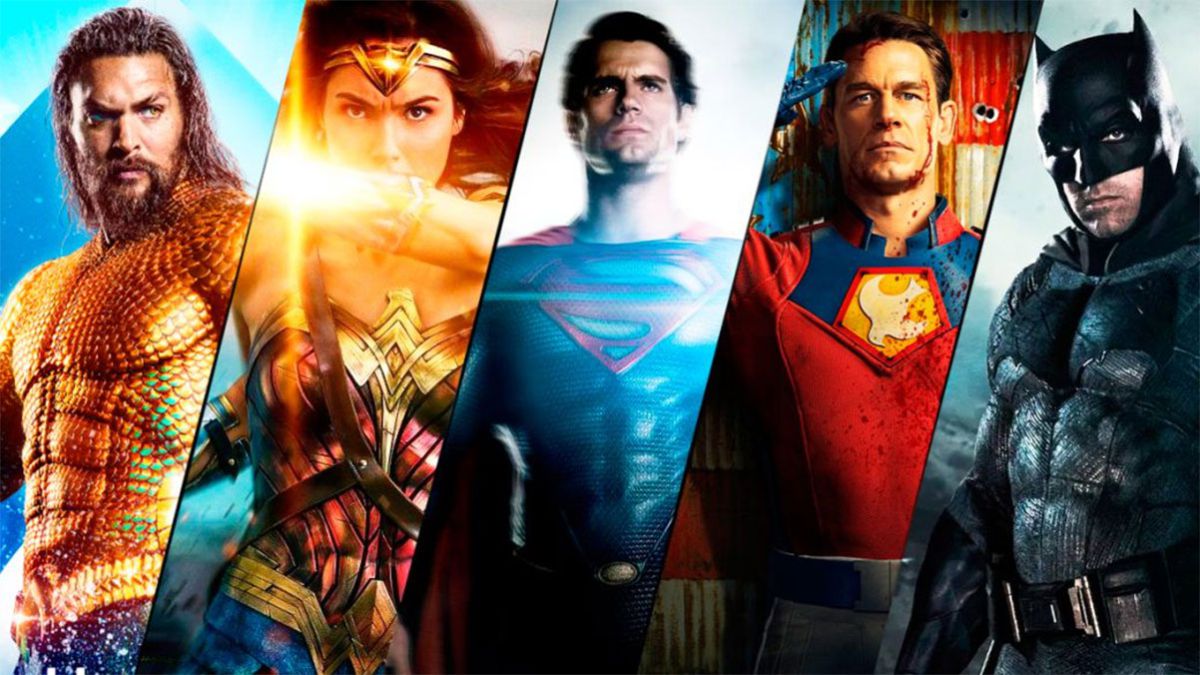
This past week Discovery officially took over Warner Bros. and its properties including DC Comics and DC Entertainment. After doing so, the company (rebranded as WB Discovery) announced they were radically overhauling DC Entertainment and its superheroes, specifically their films and TV shows including those of the DC Extended Universe (DCEU). Even though there have been very successful DCEU efforts like Aquaman and Peacemaker, other releases did not exactly hit the high bar when it came to box office sales or critical/fan reception (Wonder Woman 1984). The goal of the restructuring is to make the DCEU genuinely competitive with the Marvel Cinematic Universe (MCU).

This would mean that a head honcho would be hired to oversee the production of DCEU films and TV shows in the same manner that Marvel Studios president, Kevin Feige, does with the MCU. This also implies that the DC films and TV shows will be more coherent and less disjointed, while some once-prominent properties will get more attention. In fact, WB Discovery stated that Warner Bros. allowed top tier properties like Superman “languish” to the detriment of the DCEU and DC.

The Snyderverse and Stalled Efforts

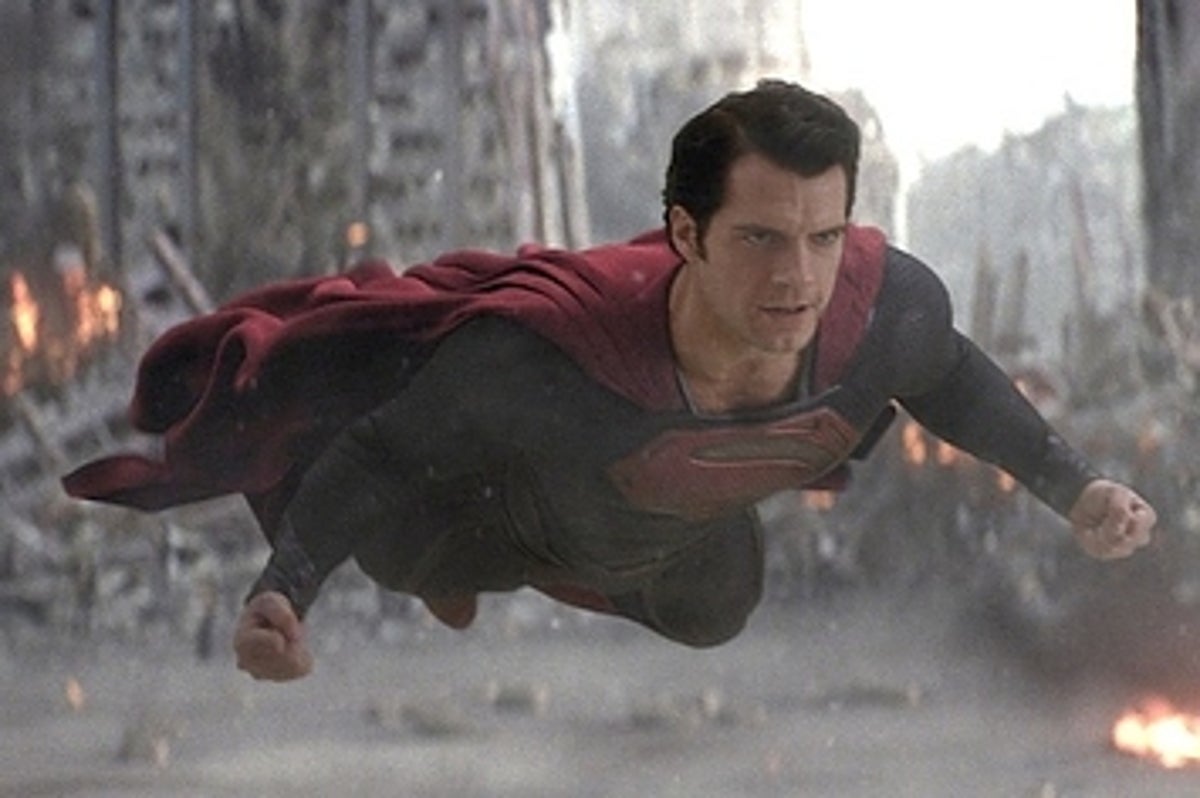
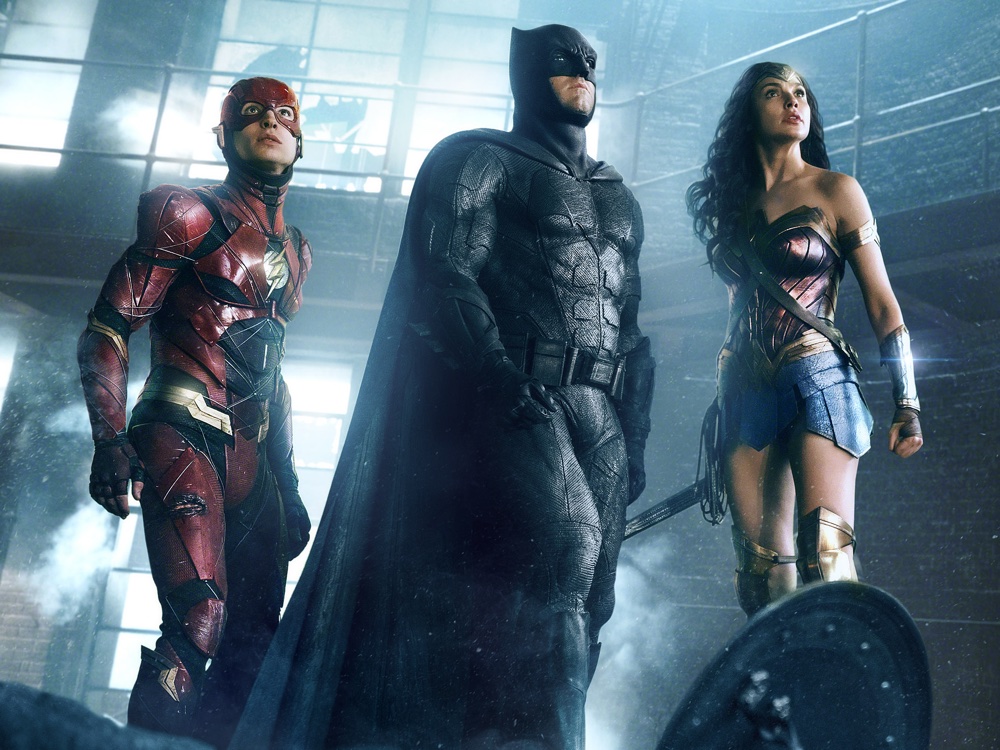
Frankly, the coming changes are a much needed shot in the arm for DC and the DCEU, which has lacked a strong visionary leader. Previous leaders like Walter Hamada, Geoff Johns and Zack Snyder proved to be unable to present a clear direction for their films. Only Snyder came the closest to presenting a vision that was coherent. Unfortunately, Snyder is also a film director and when his Batman v Superman: Dawn of Justice did not impress critics and fans, and Justice League failed to reach the success of The Avengers, he was ushered out of the door by Warner Bros. and the DCEU that he helped create basically fell apart. Part of the problem with Zack Snyder being in charge with the DCEU (or the Snyderverse as some fans called the early films) is that although Snyder is a gifted director, what was needed to oversee the films was a producer in the mold of Kevin Feige. A producer is tasked with the production of films or TV shows and brings a guided vision to entire productions. Directors are focused on individual films first and bring their own stamp to what they film. It is not possible given a director’s schedule to expect him or her to oversee the vision of several films at once.

Even before Snyder’s exit, projects were stalled after big announcements, while conflict occured with many actors and filmmakers. Directors and writers joined and left projects. Then there were the casting headaches Warner Bros. faced from the fact that Henry Cavill, cast as Superman in the Snyderverse, was for all purposes, dismissed to the outlandish and criminal behavior of Ezra Miller, whose film The Flash has not even come out yet. Then there is the fact that The Flash was in perpetual development hell for the longest time as directors and writers exited the film left and right. Now, there are rumors that Miller will be fired from his role and in his situation it would be easy. Since The Flash deals with the title hero time traveling and alternate universes, just reshoot the ending to replace Miller with a new actor. Even Grant Gustin from the TV version of The Flash would be a better choice, although that casting may be too confusing for some.

Continue reading

Where Are the Star Trek: Deep Space Nine Followups?

As we get ready for the second season of Star Trek: Picard to stream in a few short days and we have seen Kathryn Janeway (Kate Mulgrew), or rather her hologram, appear as a one of the main characters in Star Trek: Prodigy, these developments begs the following question. Where are the Star Trek: Deep Space Nine (DS9) followups?

Ever since DS9 aired its final episode back in 1999, we have yet to see any meaningful followup or sequel to the show. Its reputation has increased significantly over the years as fans have come to appreciate how innovative and unique DS9 was compared to other Star Trek shows.

What set Star Trek: Deep Space Nine apart were several factors. Start with its premise, it took place on a space station, not a starship. This helped develop long-running arcs and storylines over several episodes and seasons that explored the socio-political landscape of Star Trek. What was interesting was that this predated the current model of TV shows with their season-long arcs. What also set DS9 apart from other Trek shows (at least, until recently) was that it had a darker, grittier tone with more mature and grounded stories and characters. No one was purely good or evil, not even its main character Benjamim Sisko (Avery Brooks), who suffered from PTSD over a Borg attack that killed his wife. In one infamous episode “In the Pale Moonlight” he manufactured evidence to entice the Romulans to enter the Federation’s war against the Dominion. The show was riddled with anti-heroes such as Quark (Armin Shimerman), the greedy Ferengi bartender, and Garak (Andrew J. Robinson), a former Cardassian spy with a nebulous past. Many of the characters like Major Kira (Nana Visitor) struggled to adjust to a new life. In her case, Kira was a former terrorist/freedom fighter who found herself as Sisko’s second in command and operating under Federation rules. Star Trek: Deep Space Nine explored controversial issues such as racism, religion, and the impact of war. In fact, DS9 was noted for running a long storyline where the Federation was at war with the Dominion and many of its related stories had clear anti-war messages.

Even though Star Trek: Deep Space Nine was a success, it was not as well regarded by fans and critics because it deviated too much from traditional Star Trek tropes. However, over the years, more and more people have come to appreciated DS9 for its unique merits and is now considered one of the best, if not the best, Star Trek TV shows.

But, ever since “What You Leave Behind”, the final episode of DS9, aired there has not been any meaningful followup or sequels to the show, aside from other media like books and comics. There have been some minor references to the show in other Star Trek TV shows and film over the years. The most notable one was an appearance of Odo (René Auberjonois) as a holographic character in the Star Trek: Prodigy holodeck-centric episode “Kobayashi”. Meanwhile, Star Trek: The Next Generation continues in Star Trek: Picard, characters from Star Trek: Voyager such as Janeway and Seven of Nine (Jeri Ryan) are currently appearing in Star Trek: Picard and Star Trek: Prodigy, respectively.

So, why hasn’t DS9 been revisited? A full reunion is not possible anymore since Auberjonois and a couple of other DS9 actors have passed away, and Brooks is no longer actively acting. Still, it would be great if several DS9 characters could reappear in current Star Trek TV shows or have some episodes or films take place in the DS9 station or nearby locales. There are many lingering questions about Star Trek: Deep Space Nine that fans want answered. Will the Dominion return to threaten Earth and the Federation? What happened to the planet Bajor? Did it ever join the Federation? What happened to the Cardassians after they were defeated in the war? Will Sisko return after joining the Prophets in their non-linear plane of existence? Being that he now exists outside of time and space, he can in theory return to our existence at any time, including the current Star Trek shows.

OK, showrunners. We the fans of Star Trek: Deep Space Nine have been very patient. We are waiting to revisit this innovative and novel corner of the Star Trek universe. Let’s make this happen.