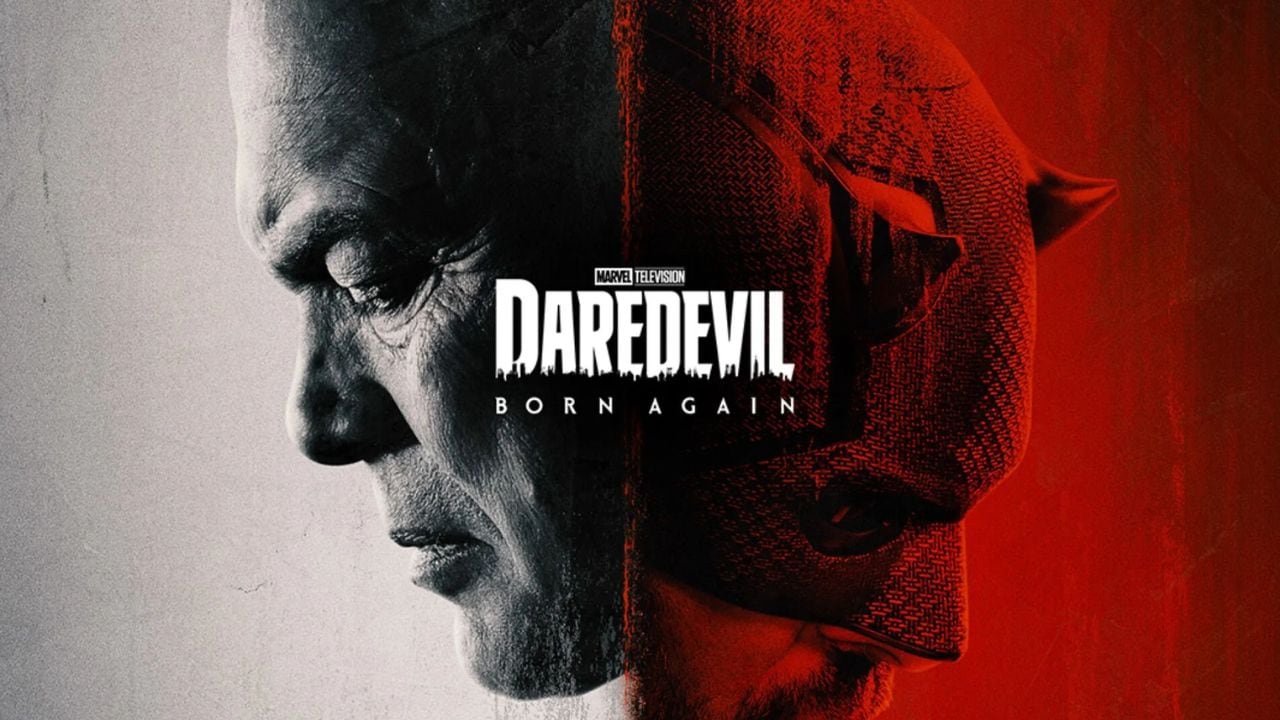
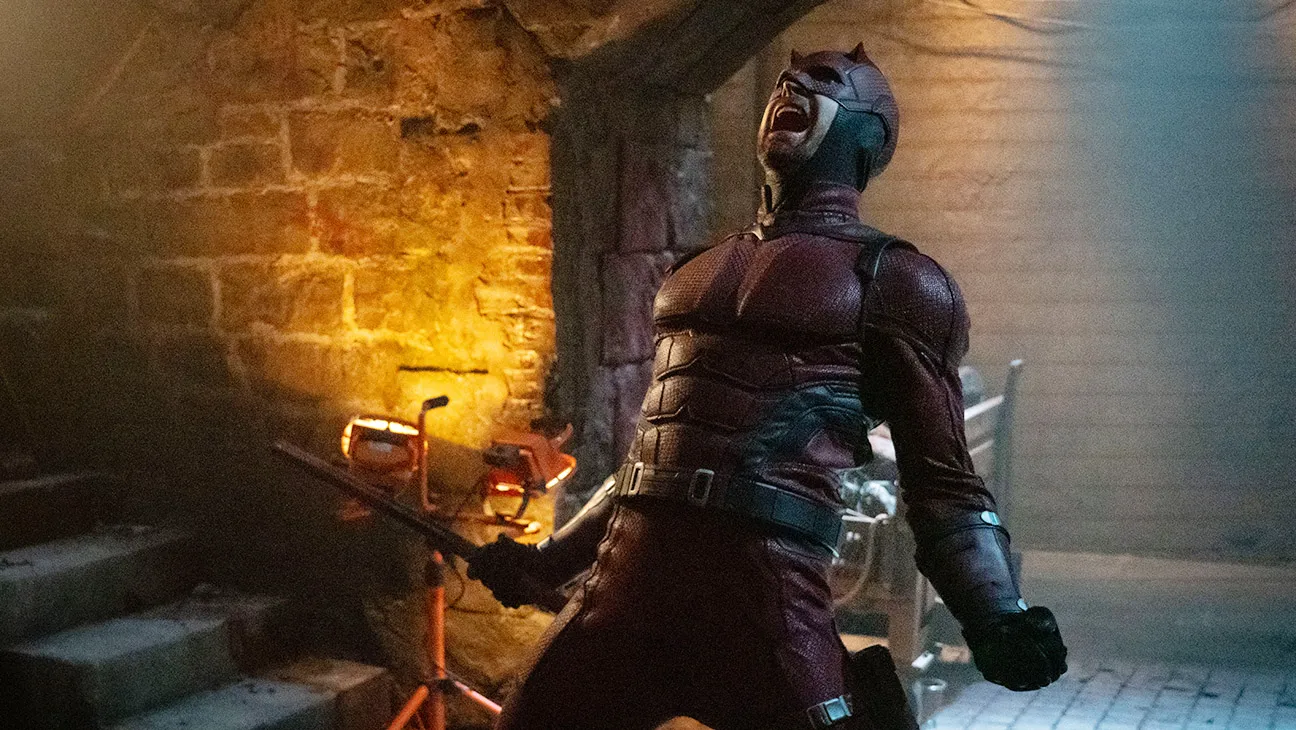
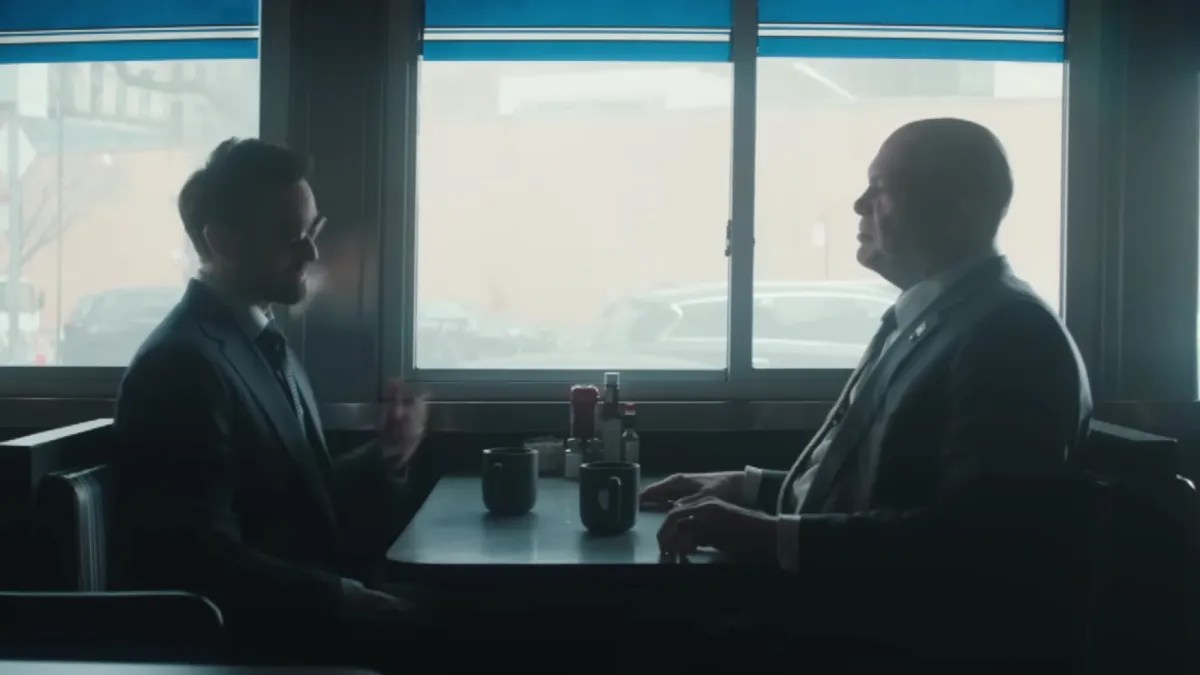
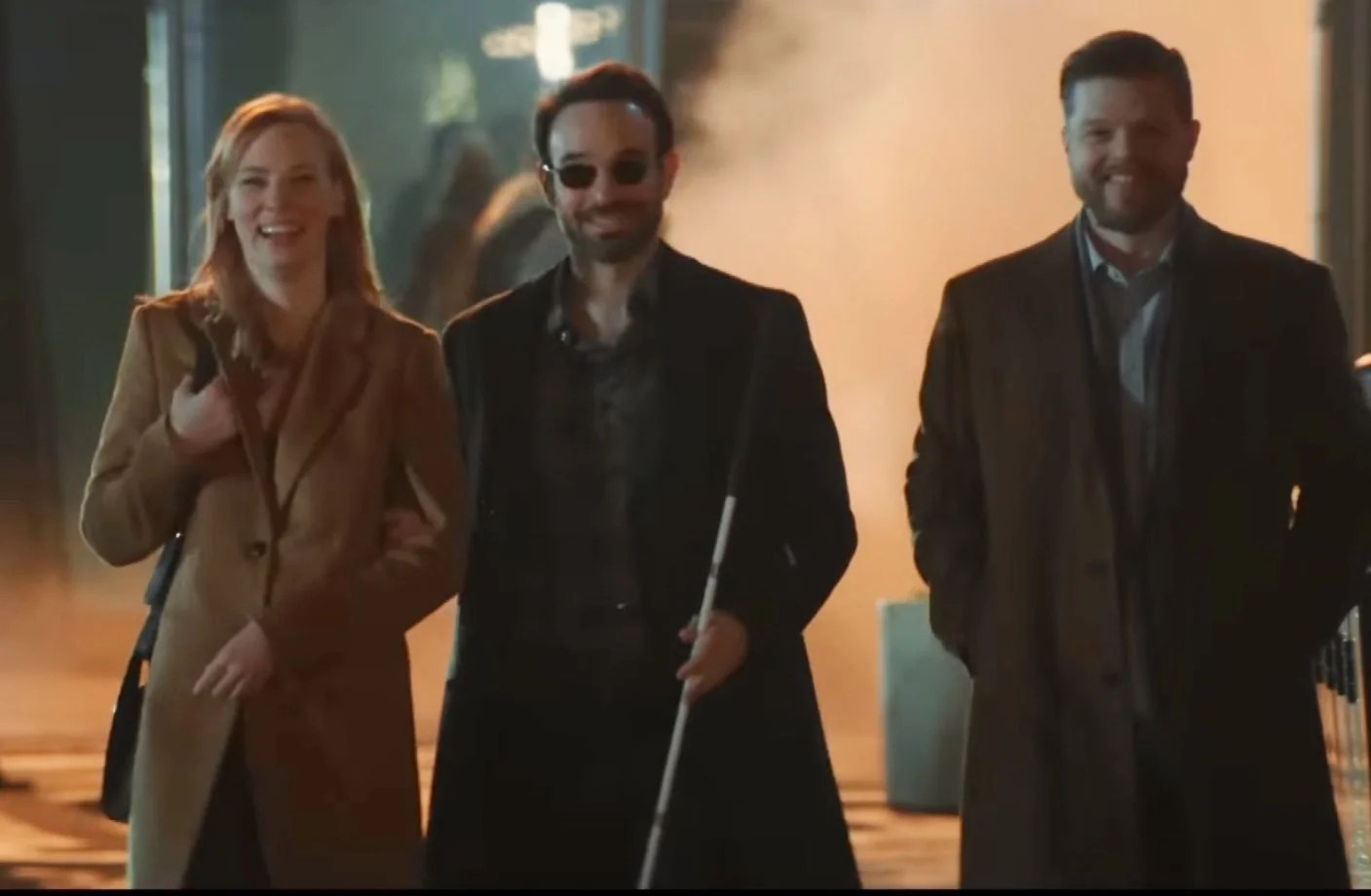
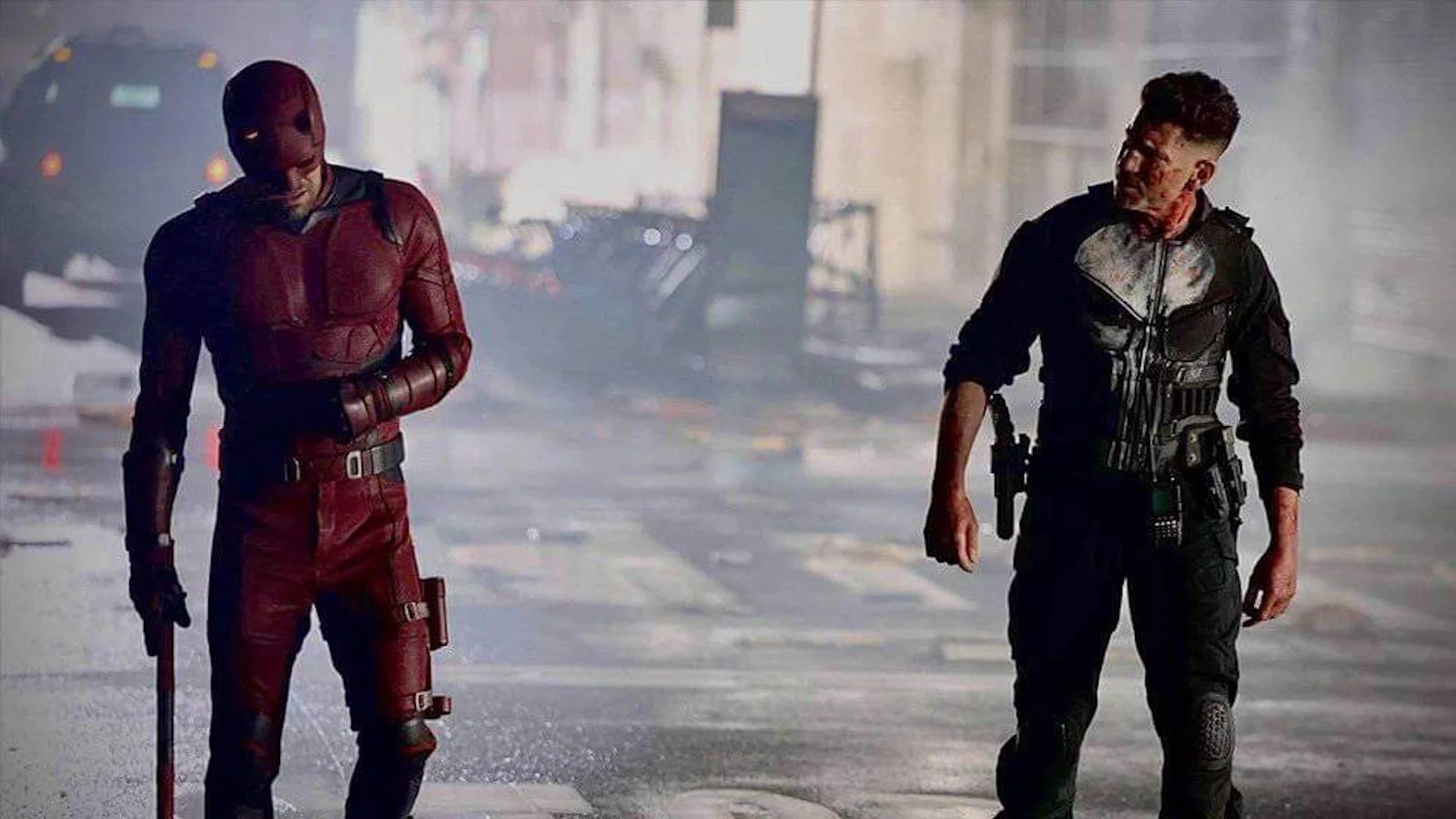
Most people agree that the original Daredevil TV show that streamed on Netflix was the pinnacle of superhero TV shows. Buoyed by powerful performances by Charlie Cox as the blind lawyer and superhero, Matt Murdock/Daredevil and Vincent D’Onofrio as his arch nemesis, Wilson Fisk/Kingpin, Daredevil was dark, gritty, and intense. Sadly, the show was cancelled by Netflix, and it would take some time before Marvel Studios resurrected the TV show and its characters in the newest Disney + Marvel Cinematic Universe (MCU) TV show, Daredevil: Born Again.
The main question fans of Daredevil had was whether the new TV show could measure up to the old one? The answer is yes, for the most part.
It is fairly well known that when Daredevil: Born Again was first announced, it was not clear if the original TV show was part of the MCU and it seemed as if it wasn’t even though Matt Murdock and Wilson Fisk appeared in properties like Spider-Man: No Way Home, Hawkeye and Echo. This was evident by the Kingpin’s portrayal in Hawkeye where he displayed previously unmentioned superhuman strength and wore more leisurely clothing. Not much was known about the original episodes of Daredevil: Born Again, except that it did not capture the spirit of Daredevil and Marvel Studios head, Kevin Feige, was not impressed with what he saw, which was reportedly more of a legal drama where Murdock didn’t wear his Daredevil costume until the sixth episode. So, Feige decided to retool the TV show by bringing in a new creative team, which filmed three new episodes and re-edited the original six episodes of Daredevil: Born Again.
Looking at the complete first season of Daredevil: Born Again it is very obvious that the episodes varied in quality between the revamped episodes and three episodes done by the new team. It’s not that the six original episodes were bad, they were fine, but they lacked the oomph and high standards of the original Daredevil that the newer episodes were able to match. This is not a knock against Daredevil: Born Again because it ranks as one of the best Disney + MCU TV shows. There is a lot to admire about it overall, and it is nearly perfect. It’s just frustrating that there were undeniable flaws with the season that prevent it from reaching the heights of seasons one and three of Daredevil (the second season had its issues). But it’s important to note that the first season of Daredevil: Born Again starts off powerfully strong and ends on a similar high note, which will continue with the second season.
Right now, we’re all basking in the joy that Daredevil has returned to TV with Daredevil: Born Again. What’s even more joyous is that not only is the character now firmly in the Marvel Cinematic Universe, (MCU) but the TV show is a direct continuation of the Netflix series, Daredevil, that streamed a few years ago. That may be obvious since the blind superhero is being played again by Charlie Cox and his villain, Wilson Fisk, has been reprised by Vincent D’Onofrio. But for a while, it was unclear if Daredevil: Born Again would be a soft reboot of the original series. However, that question has been answered by Marvel Studios and was shown with the additions of other cast members from Daredevil and other references and Easter eggs to the Marvel Netflix universe.
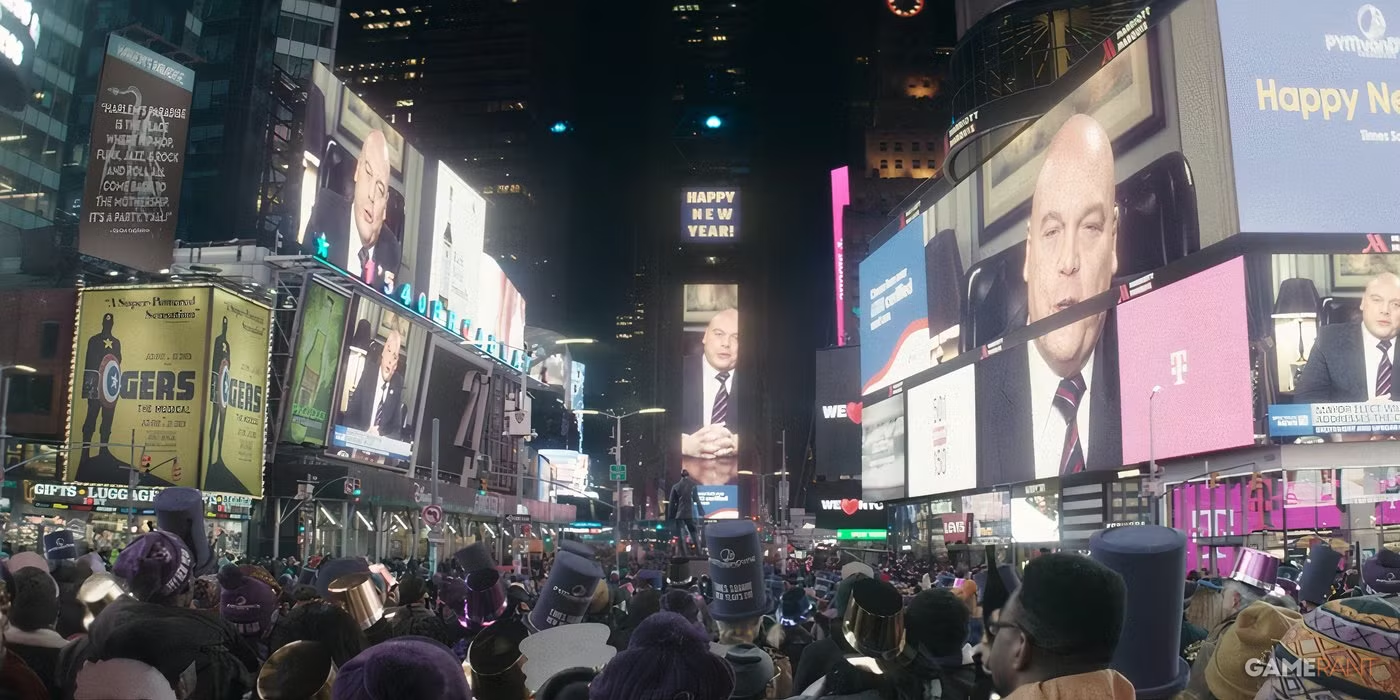
Aside from returning actors like Debra Ann Woll, Ayelet Zurer and Elden Henson, two notable references were dropped in the first episode of Daredevil: Born Again. During some conversation, Elden Henson’s character, Foggy Nelson, mentioned that he worked for the law firm, Hogarth, Chao & Benowitz, that was introduced in the Marvel Netflix series, Jessica Jones. The other reference was in a crowd scene taking place in Times Square during New Year’s Eve. In addition to MCU references like Rogers: The Musical and the Pym Van Dyne Foundation, we can spot an advertisement for Harlem’s Paradise, the underworld nightclub in Luke Cage that was eventually taken over by the title hero.
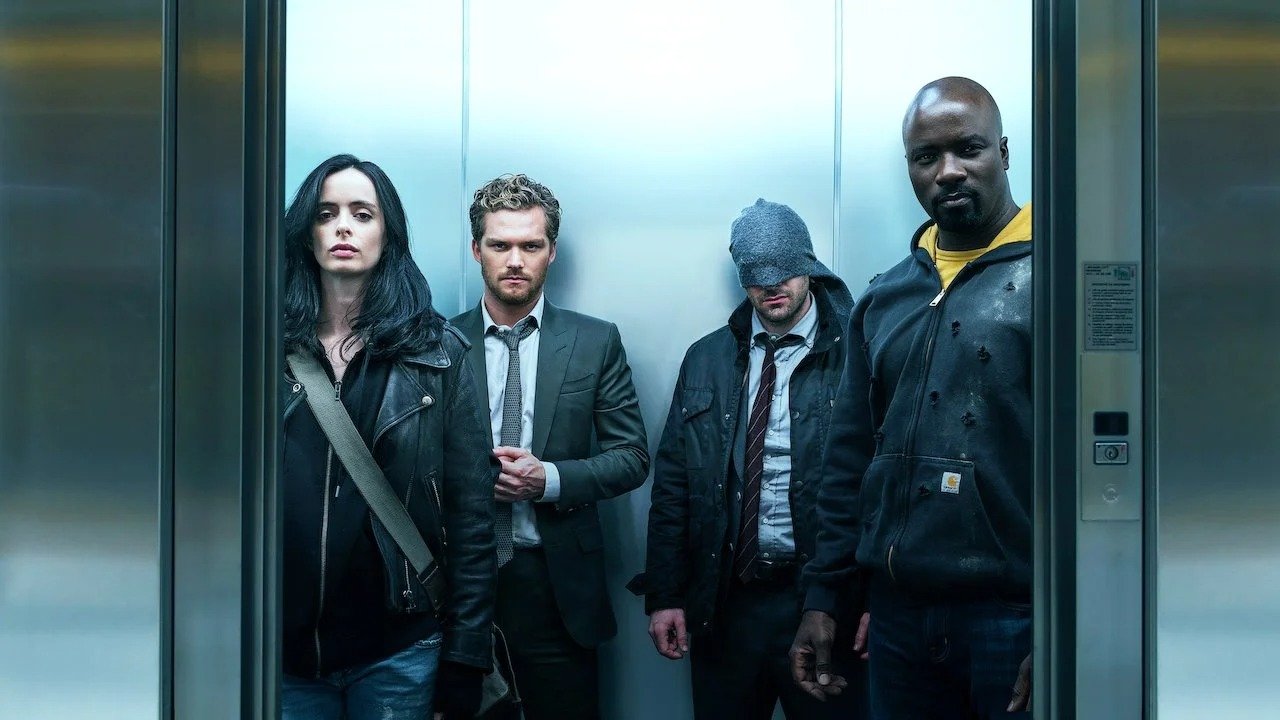
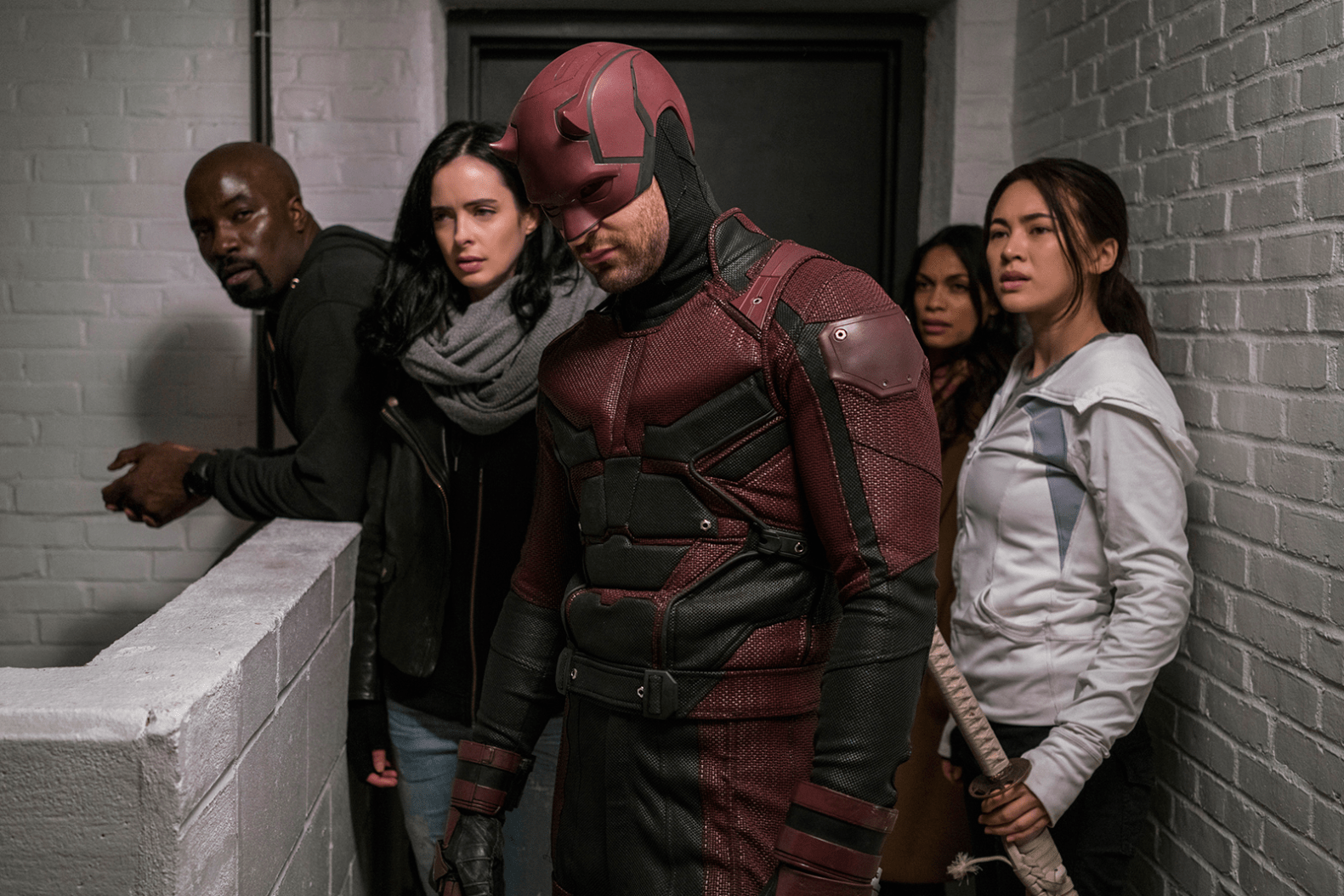
So, we can infer that the other Marvel Netflix heroes, Jessica Jones, Luke Cage and yes, Iron Fist, who made up the superhero team, the Defenders, are part of the MCU now. No more vague references to a “Big, green guy” or “the Incident” aka Loki’s alien attack on New York City. But this has not been officially verified by Marvel Studios, which as usual remains tightlipped about such matters. Remember they kept quiet about Matt Murdock (Daredevil’s civilian identity) appearing in Spider-Man: No Way Home for the longest time and pleasantly surprised fans when the blind lawyer turned up to represent Peter Parker. They also were mum before the Kingpin was revealed to be the main villain in Hawkeye.
As of now, all we have to go on are rumors from insiders that the Defenders will be part of the second season of Daredevil: Born Again. Kristen Ritter, the actor who portrayed Jessica Jones, was asked in recent interviews if she was reprising her role. She replied that she was available and willing to play the superhuman private detective. However, she has posted on social media that she has been at the gym, possibly to get in shape for the role. She also posted that she was traveling to New York City in late February of 2025 for unknown reasons. At the same time, filming for the second season of Daredevil: Born Again commenced in New York City last month. This could mean Ritter went to the city to film her scenes or it could be just a coincidence.
So far, there’s no word if Michael Colton and Finn Jones will reprise their roles of Luke Cage and Iron Fist, respectively, although Jones stated recently he wanted to return. However, given how negatively the TV show, Iron Fist, was received, it would be understandable if the role was recast in order to distance the character from the Netflix series.
It would be great for the Defenders to return to the world of Daredevil and be a part of the MCU. There were some plot threads that were left unresolved in the other Marvel Netflix TV shows that need to be addressed. For example, when Luke Cage took over the night club did he become a criminal? Did Iron Fist and his step brother finish their mystical quest in Asia? Also, a running plot line in Daredevil: Born Again is that Wilson as the mayor of New York City bans vigilantes; how does this affect the Defenders? Supposedly, this was to be part of the plot for the next Spider-Man film until Sony decided they want to continue playing with the multiverse, instead. Too bad, since Fisk was originally a Spider-Man villain, as was the Punisher. Involving the Defenders would better flesh out the anti-vigilante plot in Daredevil: Born Again and could adapt the events of the Devi’s Reign comic book mini-series that was devoted to Fisk’s term as Mayor and his anti-superhero crusade.
Speaking of vigilantes, the Punisher (Jon Bernthal) is part of the first season of Daredevil: Born Again and will have his own TV special next year. If he could get his own special then the Defenders should get their own specials or mini-series, as well. Just leave out the Hand as the adversaries and get better fight choreographers.
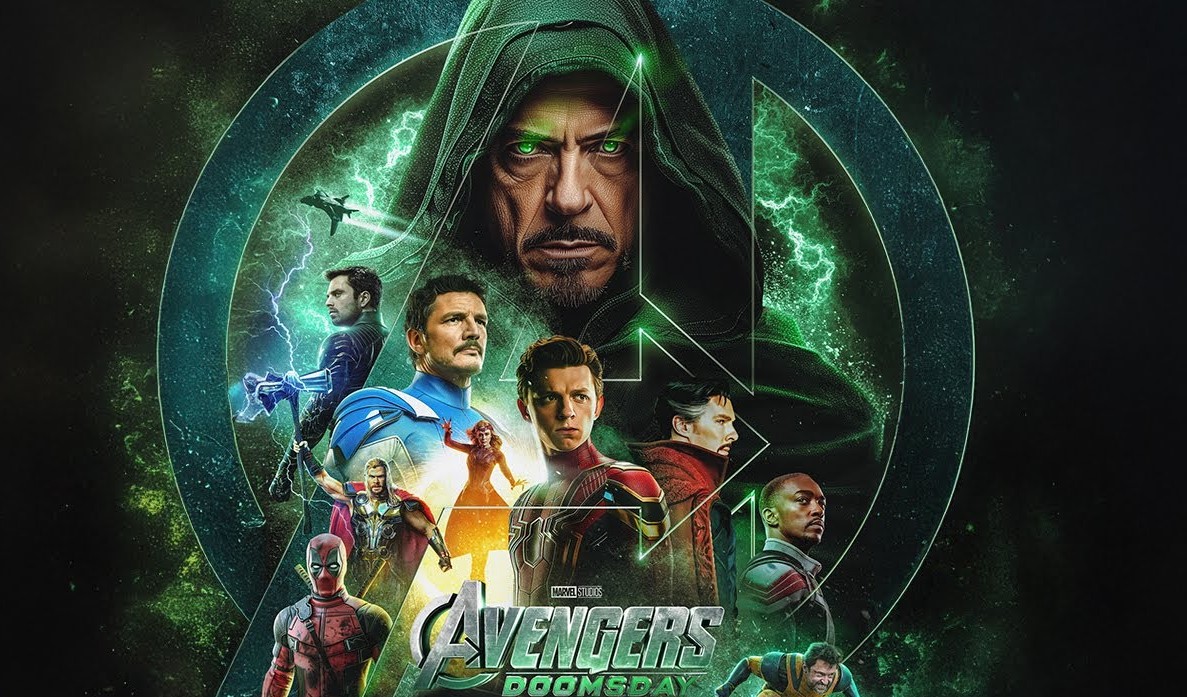
This week Captain America: Brave New World, the penultimate film of Phase Five of the Marvel Cinematic Universe (MCU), premieres in theaters. Then on May 2, Thunderbolts*, closes out Phase Five, with Phase Six beginning a few short months later with The Fantastic Four: First Steps. From there it’s a very short trip to next year with Avengers: Doomsday, the beginning of the end for the MCU’s Multiverse Saga.
For some MCU fans this conclusion comes as a relief given the checkered record with the Multiverse Saga. Unlike the celebrated Infinity Saga, which consisted of Phases One, Two and Three, the Multiverse Saga has been inconsistent in terms of quality and execution. A lot of blame has to go to the Disney executives who demanded that Marvel Studios crank out too many MCU film and TV projects before they were properly developed in a short amount of time. Naturally, this diluted Marvel Studios resources and personnel to the point that special effects studios rebelled against Marvel Studios for being overworked on their assigned projects. What was worse was that the results of the studios stretching themselves too thin became very apparent on screen. For every success like Guardians of the Galaxy, Vol. 3 and WandaVision there were colossal failures like The Marvels and Secret Invasion.
But what made the Multiverse Saga so unsatisfying was that many of the projects did not add to an overall storyline. Unlike the Infinity Saga, where many films contributed to a larger storyline, this was not the case with the films and TV shows of Phases Four and Five. It was evident that a larger story was not being developed properly and some projects that were supposed to advance it did not succeed. It got to the point that Marvel Studios had to do a radical course correct and change the main villain of the Multiverse Saga from Kang the Conqueror to Doctor Doom.
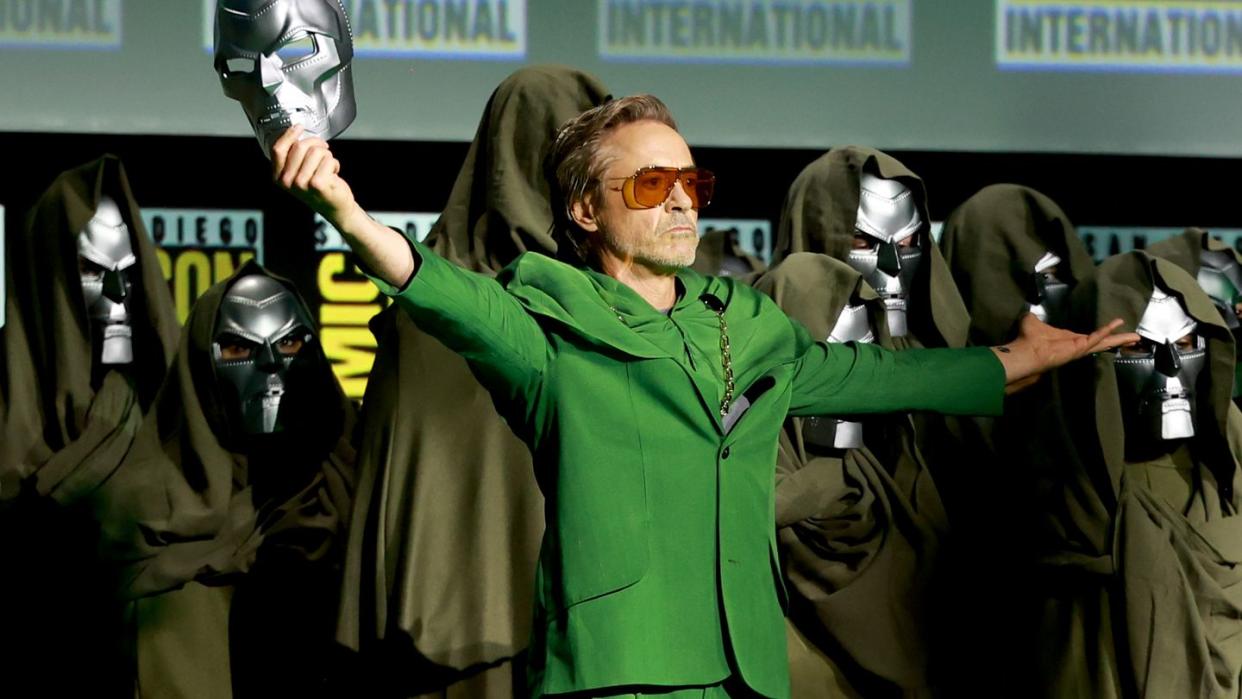
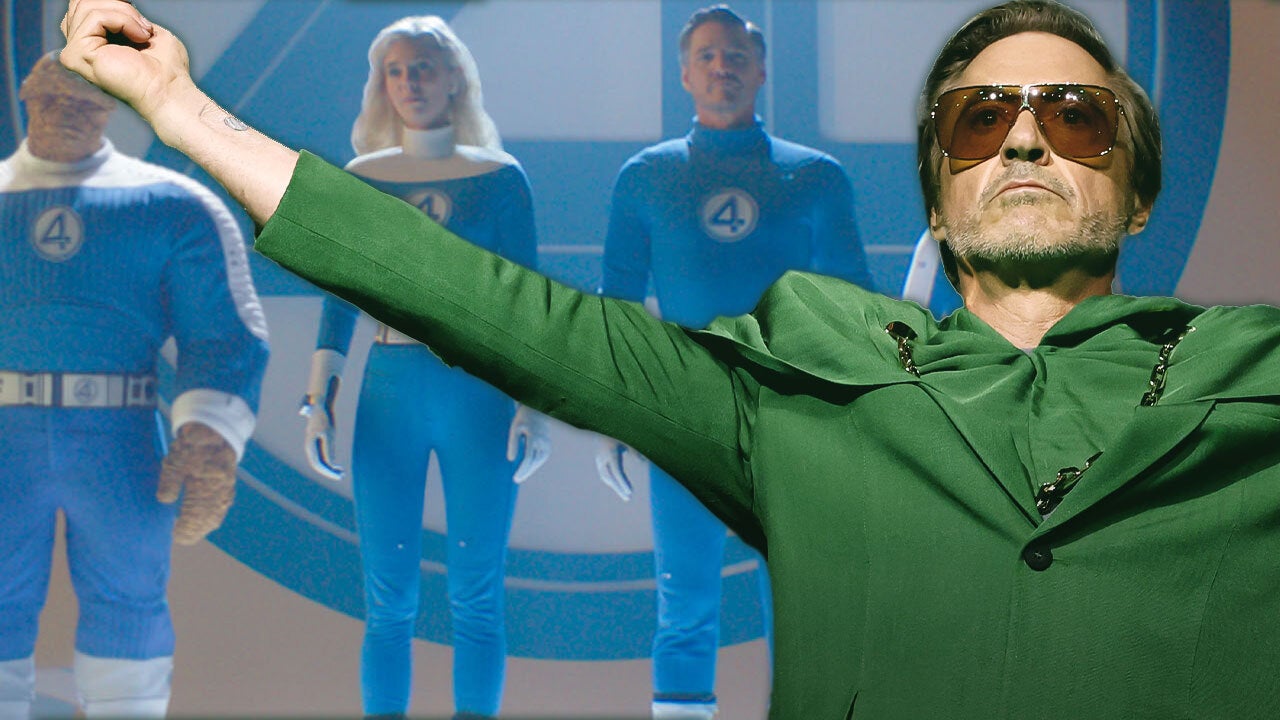
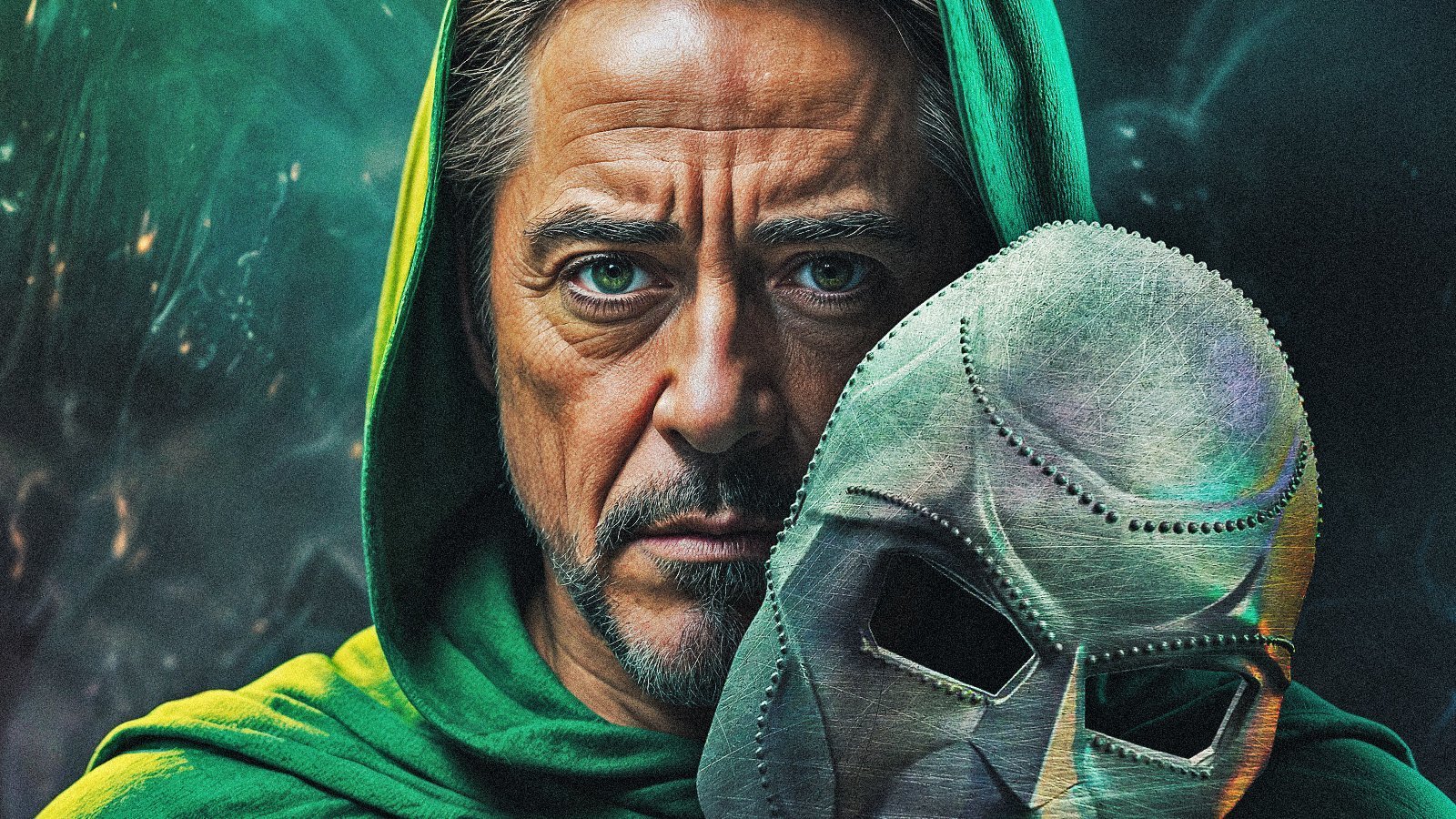
The reaction to Doctor Doom being the main villain of the saga received mixed results, especially after the revelation that Robert Downey, Jr. would play the Latverian dictator. This casting raised many questions about whether or not Doctor Doom was a variant of Tony Stark, the hero that Downey played in the Infinity Saga. Some claimed this was a desperate move by Marvel Studios and Disney to generate excitement and attention. Well, it probably was, but it looks to be working.
However, given the short period of time before Avengers: Doomsday, Marvel Studios has to get the ball going with Doom. Frankly, Marvel Studios should have taken steps by now to establish him. Looking at the release schedule for films this year there is this week’s Captain America: Brave New World, then Thunderbolts*, and finally The Fantastic Four: First Steps, which is the start of Phase Six. Normally, Doctor Doom is a major Fantastic Four villain and should have been the main antagonist in The Fantastic Four: First Steps but thanks to the poor reception of the villain in previous versions of the Fantastic Four, the new FF film had to go with another villain (Galactus). After that the next MCU film is scheduled to be Avengers: Doomsday.
Unlike Thanos, who was carefully teased over years in the Infinity Saga, it seems as if we’re jumping right into Doctor Doom. Being that he is the number one villain in Marvel Comics, Doctor Doom deserves more build up. At the very least he or his country should have been name dropped in recent projects such as Deadpool & Wolverine or What If…?
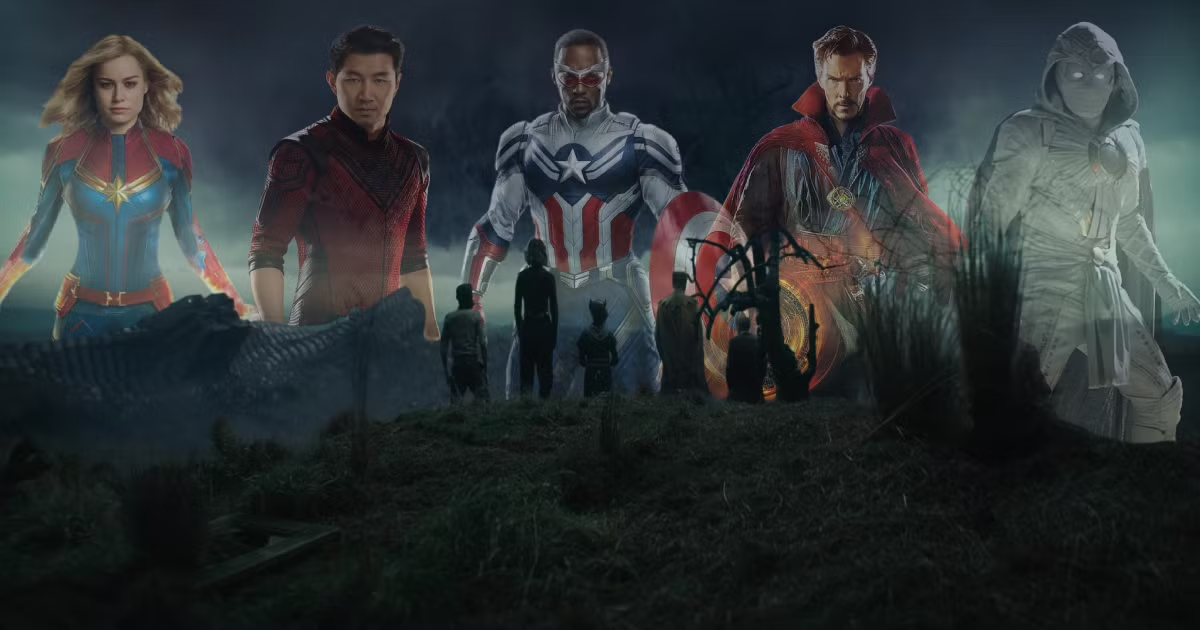
We’ll soon find out if he will be teased in a post-credits scene in The Fantastic Four: First Steps or even mentioned in Captain America: Brave New World. Hell, even an Easter egg or two will work at this point. It would be a missed opportunity of epic proportions if he is not even referenced in the Fantastic Four film because after that it would be difficult to try to set him up in the remaining MCU projects before the Avengers film. He can be referenced in Captain America: Brave New World since that film will set up the forming of a new Avengers team, and mutants for the next MCU saga. He can also be teased in Thunderbolts* but it’s anyone’s guess as to how. The same goes for the TV projects like Daredevil: BornAgain, Ironheart, Eyes of Wakanda, Marvel Zombies and Wonder Man. Aside from Marvel Zombies, none of the TV shows would be a good vehicle to feature Doctor Doom.
Of course, Marvel Studios could surprise all of us and announce that another film will come out after The Fantastic Four: First Steps and before Avengers: Doomsday and it must feature the armored tyrant in some capacity. What could that film be? Doctor Strange 3? On the other hand, do not be surprised if the next Avengers film gets its release date changed because we haven’t heard anything concrete about the actual production and Marvel Studios has to get started very soon to meet the May 2026 release date. It would not be the worse thing if Avengers: Doomsday is delayed by a few months or even a year since this would not only allow the hype to grow for it but to better set it up with upcoming projects.
It has been 30 years since the first episode of Star Trek: Voyager debuted, yet it is still fondly remembered today, especially when it is compared to many modern Star Trek TV shows. Let’s take a look back at Star Trek: Voyager as its 30th anniversary is celebrated.
Flagship Show
Star Trek: Voyager was the flagship TV show of the fledgling United Paramount Network (UPN) that launched on January 16, 1995, with the airing of “Caretaker” the pilot episode of Star Trek: Voyager. When the TV show premiered it was largely anticipated though many fans had reasonable reservations about yet another Star Trek TV show. After a decades-long drought, fans were inundated with TV shows starting with Star Trek: The Next Generation (TNG), which was followed by Star Trek: DeepSpace Nine (DS9), and then Star Trek: Voyager. It was supposed to address complaints Paramount Pictures executives had about DS9 for straying too far from standard Star Trek.
Showrunner Rick Berman, who also ran TNG and DS9, was reportedly hesitant to produce another Star Trek TV show that would run concurrently with DS9. However, the Paramount Pictures executives were adamant about creating another Star Trek TV show that more closely followed the standard starship-visiting-planets formula to help launch UPN. Given this task, Berman and his associates sought to differentiate Star Trek: Voyager from other Star Trek TVshows.
A Lost Crew in Space
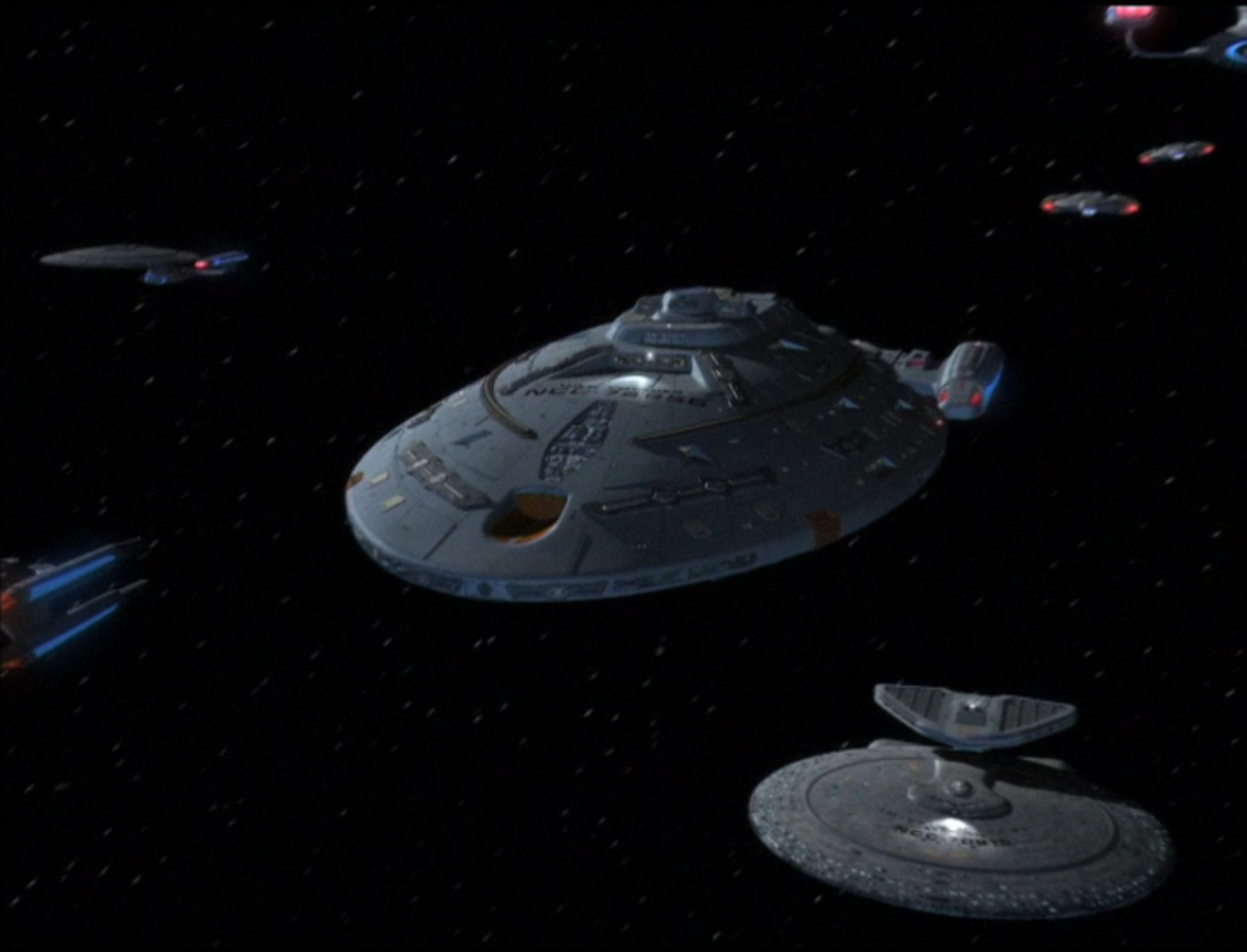
The premise was fairly simple, a starship called Voyager from the United Federation of Planets and Earth is flung to the far corner of the galaxy (the Delta Quadrant) with a crew made up of Starfleet officers and renegade Maquis freedom fighters (more on them later). With limited resources and on their own, the Voyager crew has to find a way back home while exploring on the side and encountering strange new worlds, yada yada.
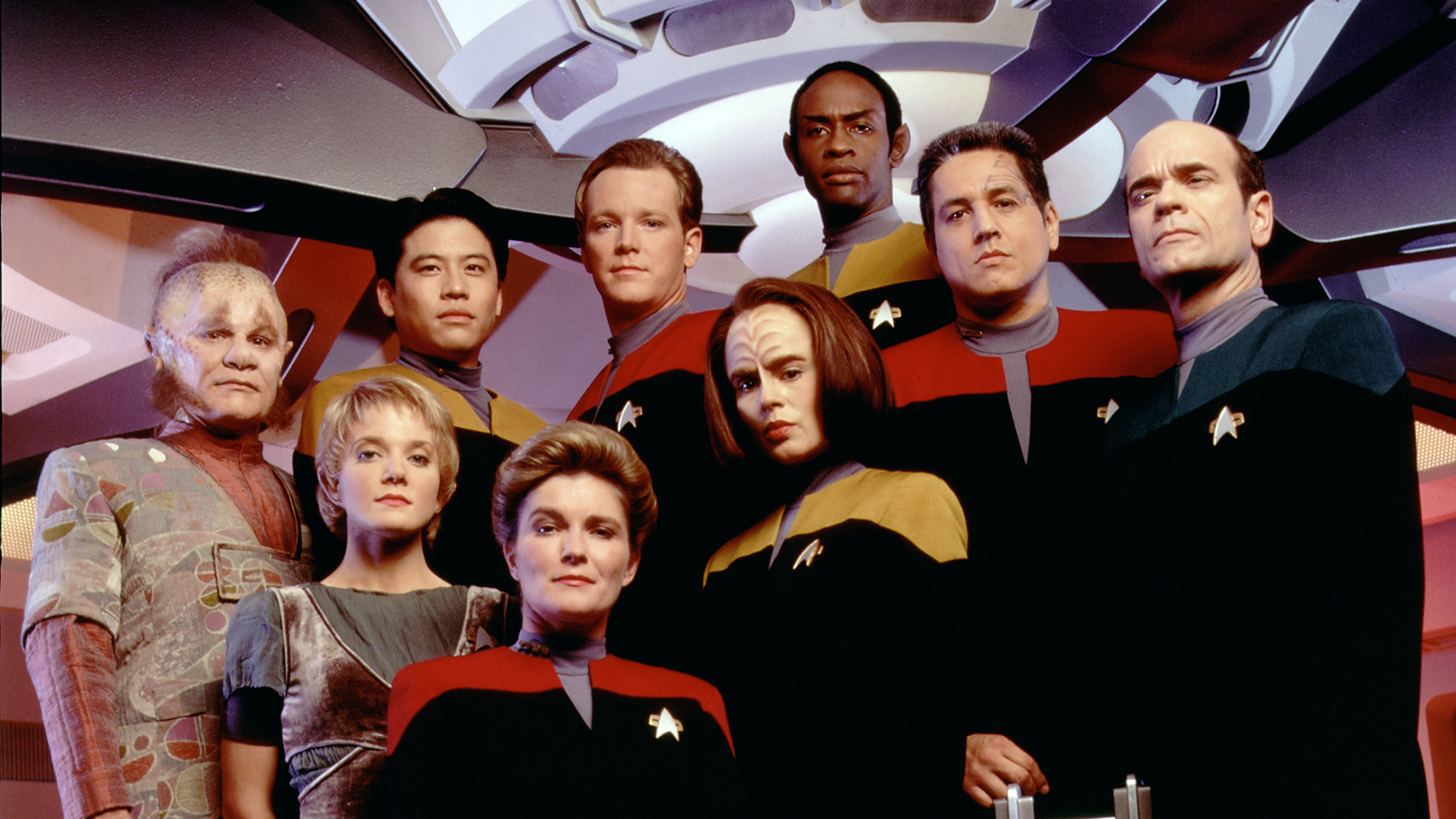
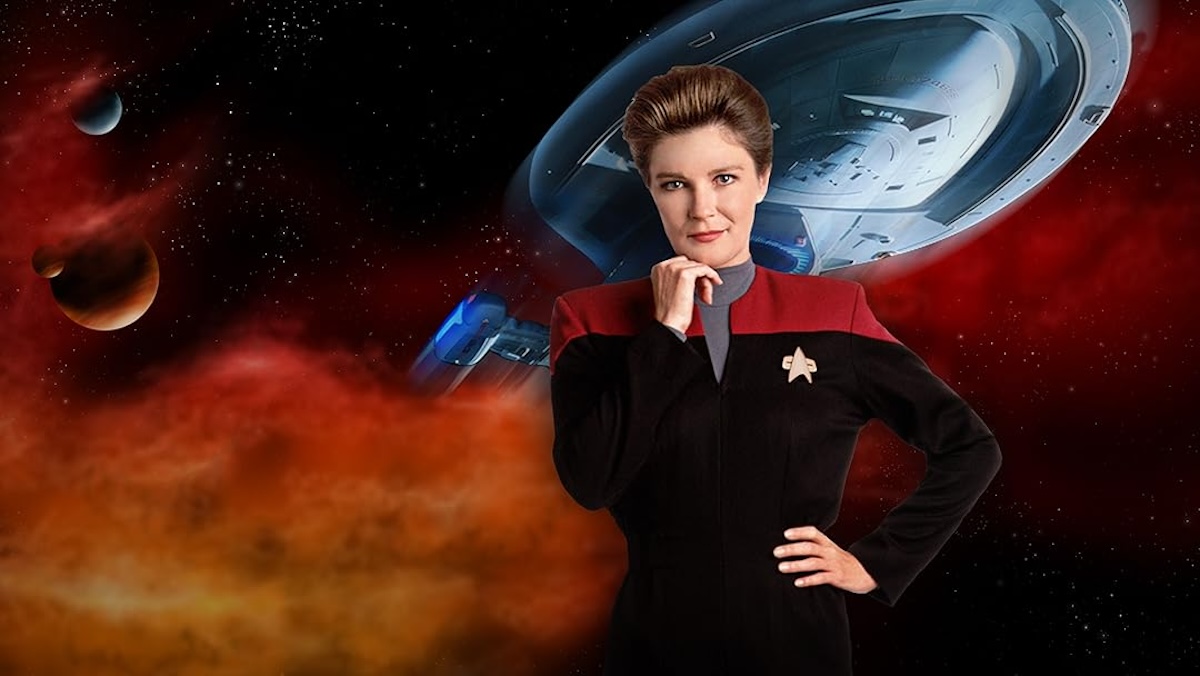
Kate Mulgrew starred as Captain Kathyrn Janeway, who commanded the Voyager and was dedicated to upholding Starfleet’s ideals while protecting her crew. At the time of her casting, there was a lot of hoopla and celebration because the main character of a Star Trek TV show was a woman. Other characters included the ship’s first officer, Chakotay (Robert Beltran), the leader of the Maquis and a former Starfleet officer, Tuvok (Tim Russ), the ship’s stoic Vulcan security officer, Tom Paris (Robert Duncan McNeill), a disgraced former Starfleet officer who gets his chance at redemption by serving as Voyager’s helmsman, B’Elanna Torres (Roxann Dawson), a half-Klingon Maquis member who became Voyager’s chief engineer, Harry Kim (Garrett Wang), a young Starfleet ensign on his first assignment, and the Doctor (Robert Picardo), a holographic medical program that performed the duties of the ship’s chief medical officer.
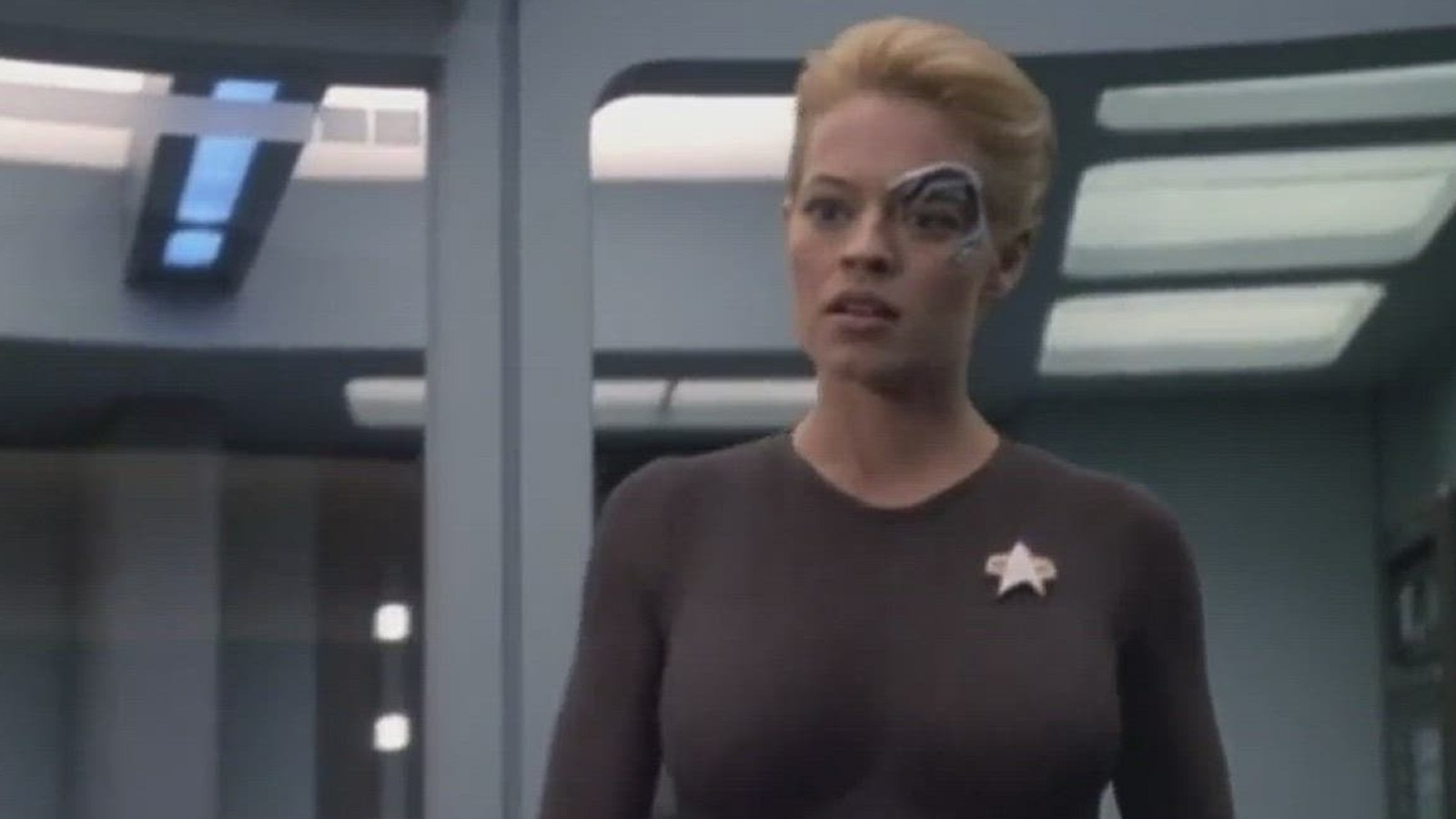
At the end of “Caretaker”, Voyager picked up two alien shipmates who are native to the Delta Quadrant and bring needed knowledge about the local space. They are Neelix (Ethan Phillips), a Talaxian drifter who ends being the ship’s cook and ambassador of sorts, and his girlfriend Kes (Jennifer Lien), an Ocampan who operates as the Doctor’s medical assistant and helps the program develop a personality. As the series progressed, it added Jeri Ryan to the cast as the former cybernetic Borg drone called Seven of Nine while Lien departed the series. Seven of Nine became the show’s breakout character thanks in part to the performance of Ryan as she served as the show’s version of Spock. In other words, a stoic outsider who questioned humanity while discovering her own.
Essentially, the TV show combined aspects of the original Star Trek and Lost inSpace, and it worked for the most part. Yet, there was glaring issues with the TV show which turned out to be a harbinger for the creative drought the StarTrek franchise was beginning to suffer from at that time.
When Star Wars: Skeleton Crew was first announced to stream on Disney +, few fans could muster any excitement for it. The only thing of note about the TV show was that it was co-created by Jon Watts, the director of the recent Spider-Man films. What did not help was that very little was known about it except that it involved children. Most fans were quick to write off Skeleton Crew as a kids show on the level of those Spy Kids films. Well, imagine everyone’s surprise when the TV show turned out to be much, much better than expected.
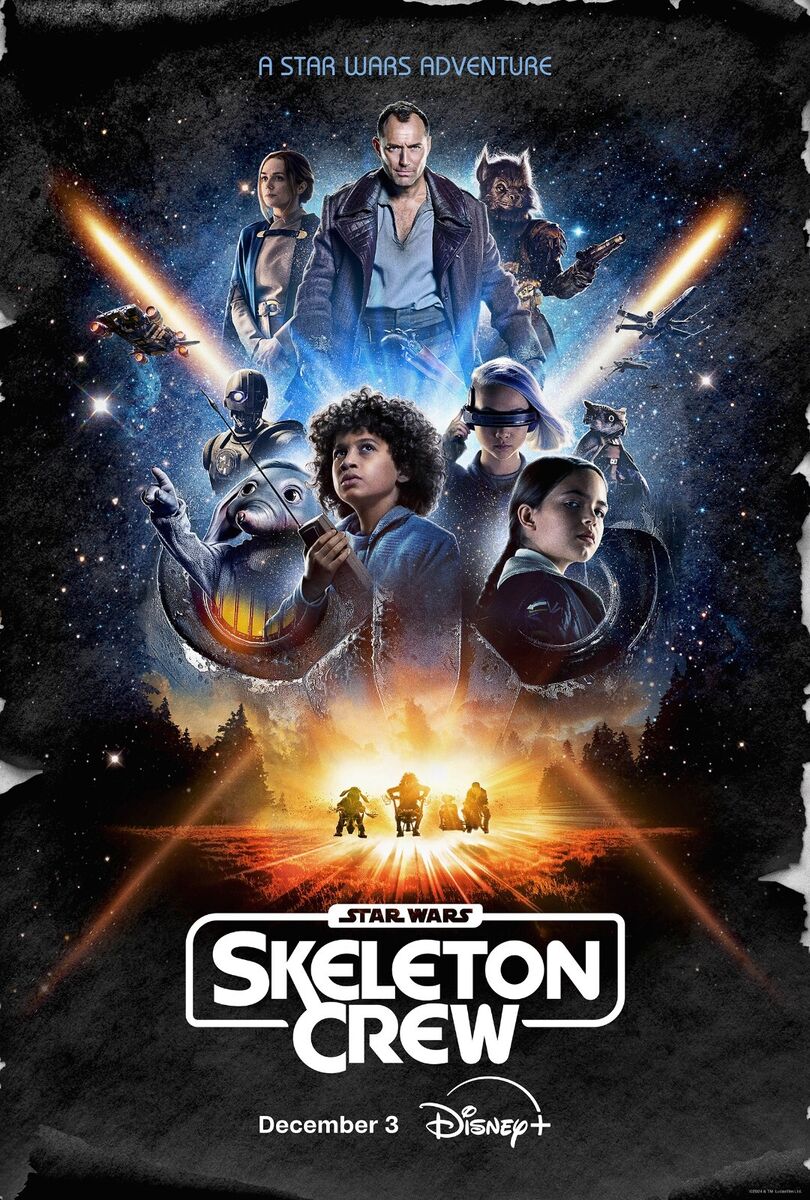
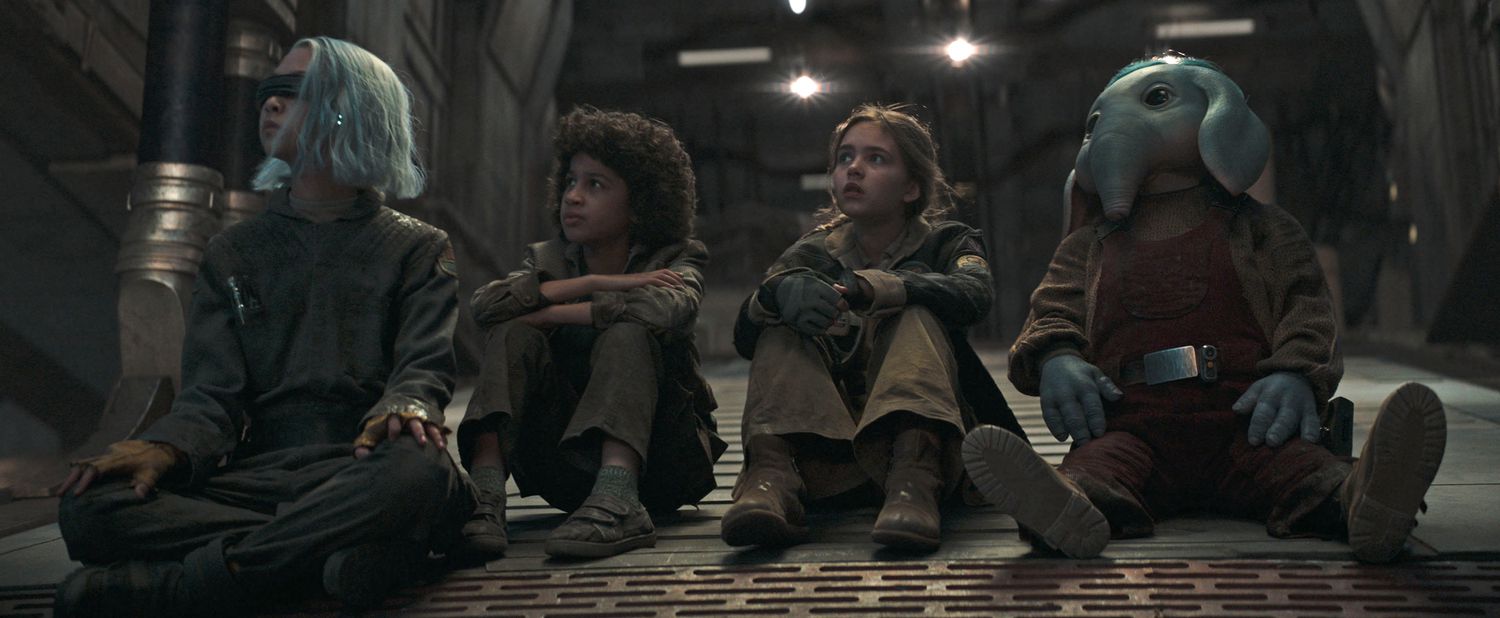
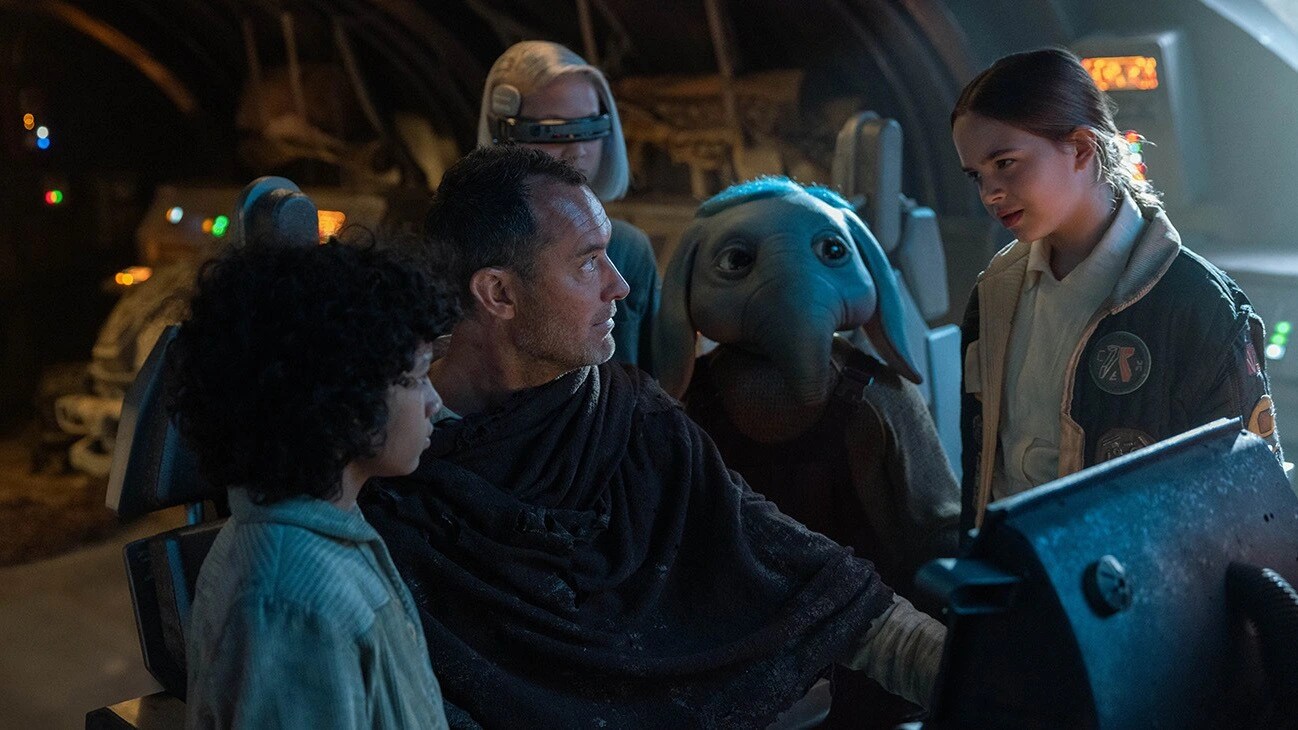
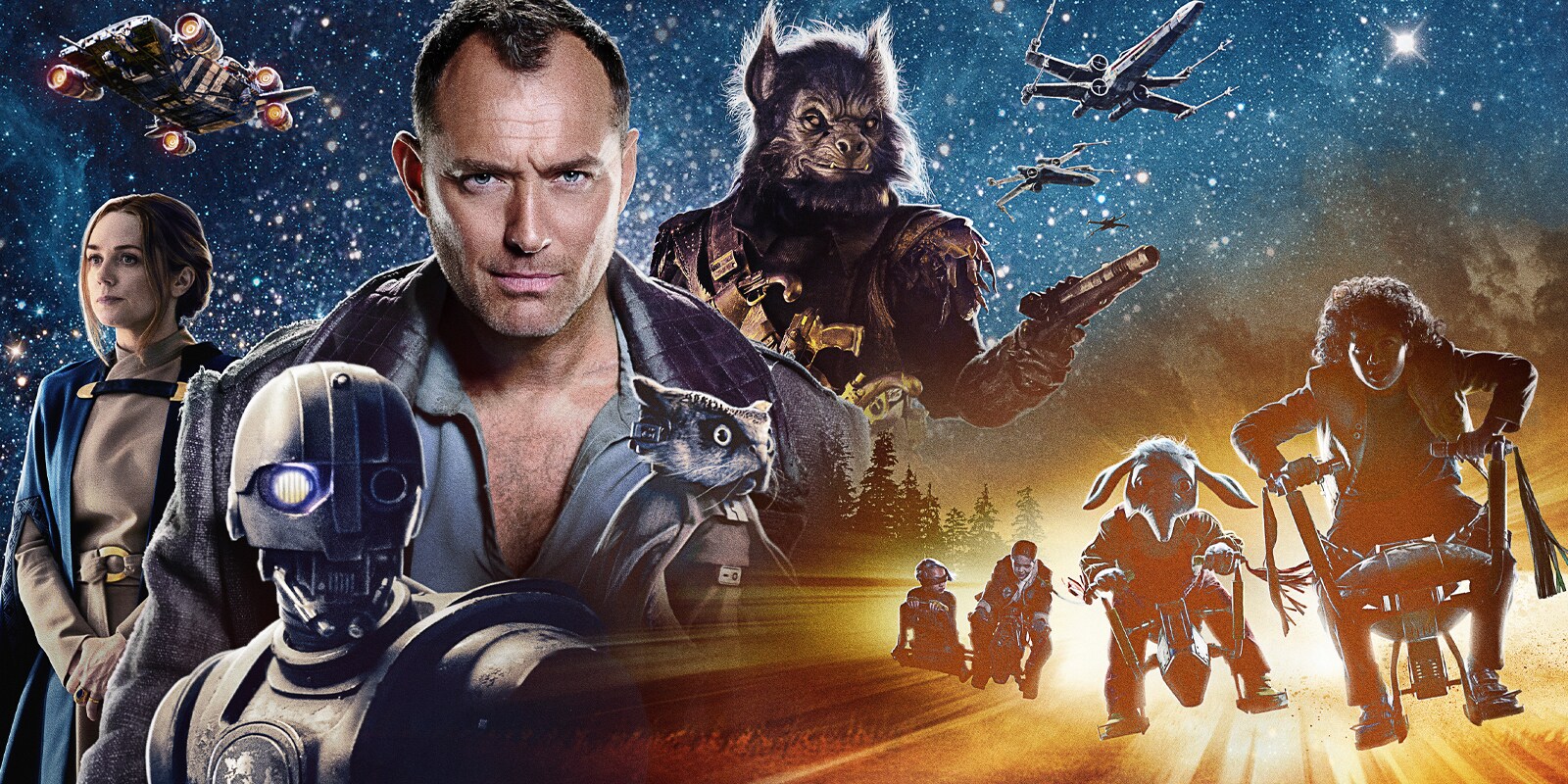
Star Wars: Skeleton Crew tells the story of four children living a typical suburban lifestyle on the planet of At Atin who end up getting much more than they anticipated when they set out to inject some adventure into their lives. The show centers on Wim (Ravi Cabot-Conyers), a boisterous young human boy who hangs out with his best friend Neel (voiced by Robert Timothy Smith), an elephantine boy. Together, the boys go through the usual trivialities in their dull suburban lives. Wim dreams of adventure but is slated to become a bureaucrat like his father (Tunde Adebimpe) and every adult on the planet.
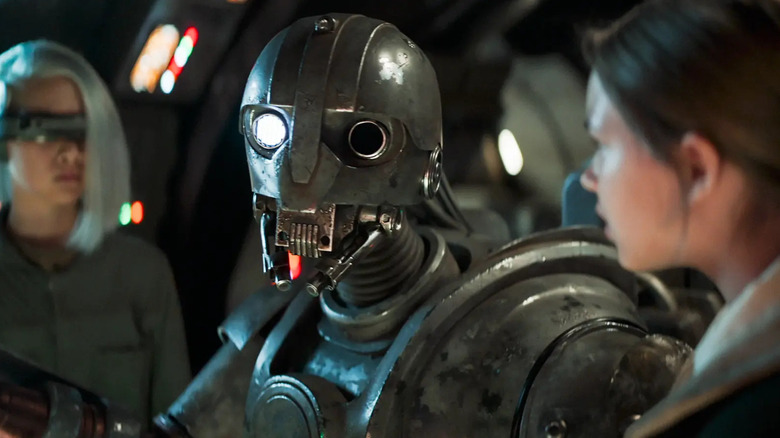
One day, the two boys meet two young human girls, the headstrong Fern (Ryan Kiera Armstrong) and the quiet KB (Kyriana Kratter), the latter who is a cyborg. The four find a buried starship and accidently activate it, which then takes off and leaves At Atin with the children onboard. They soon get lost in space, unable to navigate their way back home, as the ship’s pilot, the pirate-like droid SM-33 (voiced by Nick Frost) takes them to a space pirate outpost. Once there, the pirates take an interest in the children after they use a rare form of currency called dataries which is highly prized in the galaxy. The dataries are a commonplace on At Atin where they are minted, and it is revealed that the planet is nearly mythical to the outside galaxy. After getting into trouble with the pirates, the children and SM-33 meet the final member of their ragtag crew, the pirate Jod Na Nawood (Jude Law), who is Force sensitive and promises to get the children home in exchange for a reward.
Throughout the episodes, the skeleton crew avoid mishaps and stay on step ahead of pirates as they desperately search for a route back to At Atin. But many questions are raised in this TV show, such as why is At Atin hidden? Who is Jod exactly? Was he a former Jedi? It is revealed several times that he has numerous names such as Dash Zentin, Crimson Jack and Mad Captain Silvo and has run afoul of numerous people they meet on their journeys. The children and the audience are constantly wondering if Jod could be trusted because of his constant lying and mysterious motives. These questions and many others are what help make Star Wars: Skeleton Crew such a pleasant and engaging adventure.
In addition to the many questions, the TV show has a genuine and natural sense of adventure that never talks down to the audience. Even though it primarily features children, the TV show is not a kids show. Think of it more in the tune of Stranger Things, or TheGoonies, or Steven Spielberg’s films from the 1980s that featured children but could be enjoyed by everyone.
What also makes Star Wars: Skeleton Crew so distinctive is that while it is set in the StarWars universe, it isn’t beholden to the primary stories set in that universe. There is never any mention of the Skywalkers, the Empire and the Jedi are for the most part considered to be myth. Unlike say, Ahsoka, where you had to know what happened in Star Wars: TheClone Wars and Star Wars: Rebels, anyone can easily follow Skeleton Crew with little or no knowledge about the greater Star Wars universe.
As with other Star Wars productions, Star Wars: Skeleton Crew has cinema-quality production, special effects and other technical merits which elevate the TV show. The early scenes in At Atin perfectly evoke the humdrum, yet ethereal aspect of those 80s Spielberg films. Anyone could sympathize with Wim and the other children, who are bored in their comfortable lives and want something more. In many ways, the TV show emulates aspects of The Wizard of Oz and Treasure Island with its tale of youngsters swept up in a grand adventure with its own unique take.
Another important feature with the TV show and why it works, are its characters. They are all interesting with distinct personalities and backgrounds. Plus, the people the skeleton crew meet throughout the show are also as engaging. One standout was the owl-like Kh’ymm (voiced by Alia Shawkat), a Yoda-like associate of Jod that does not trust him. Then there is SM-33, he perfectly emulates a scraggy pirate with his speech patterns, his wobbling gait and code of honor. SM-33 steals many scenes and is easily one of the best droid characters featured in any Star Wars production. And yes, his name is a play on Smee, Captain Hook’s right-hand man in Peter Pan.
Jude Law was also a standout in the show as Jod and instantly became one of the most intriguing Star Wars characters ever. We want to root for him as he seems like a more devious version of Han Solo or Lando Calrissian but with a harder, deadlier edge. At the same time, his actions and words make us and the children hesitate in trusting Jod He is a true anti-hero and the less said about him in this spoiler-free review the better.
Of course, Star Wars: Skeleton Crew would not have worked if the children were not engaging or well portrayed. This was a difficult task for the show makers but they pulled it off with the casting and direction. The children are not know-it-alls. They make many mistakes, they get scared, they have insecurities, they act like the way children would probably behave in that situation. In other words, their behavior and vulnerabilities in this coming-of-age story were believable.
Star Wars: Skeleton Crew (and Star Wars: Andor) has proven how rich the Star Wars universe has become. It’s regrettable, that it has not had stronger streaming numbers. It deserves a second season or at least the characters should reappear in another Star Wars project. It is easy to see that these children would probably grow up to become members of the Resistance in the Sequel films and beyond. Perhaps word of mouth will help the show later, but we’ll see. Thankfully, we can enjoy these eight episodes of Star Wars: SkeletonCrew over and over again with our families.