We Are The Winners Of The Summer 2025 Superhero Film War

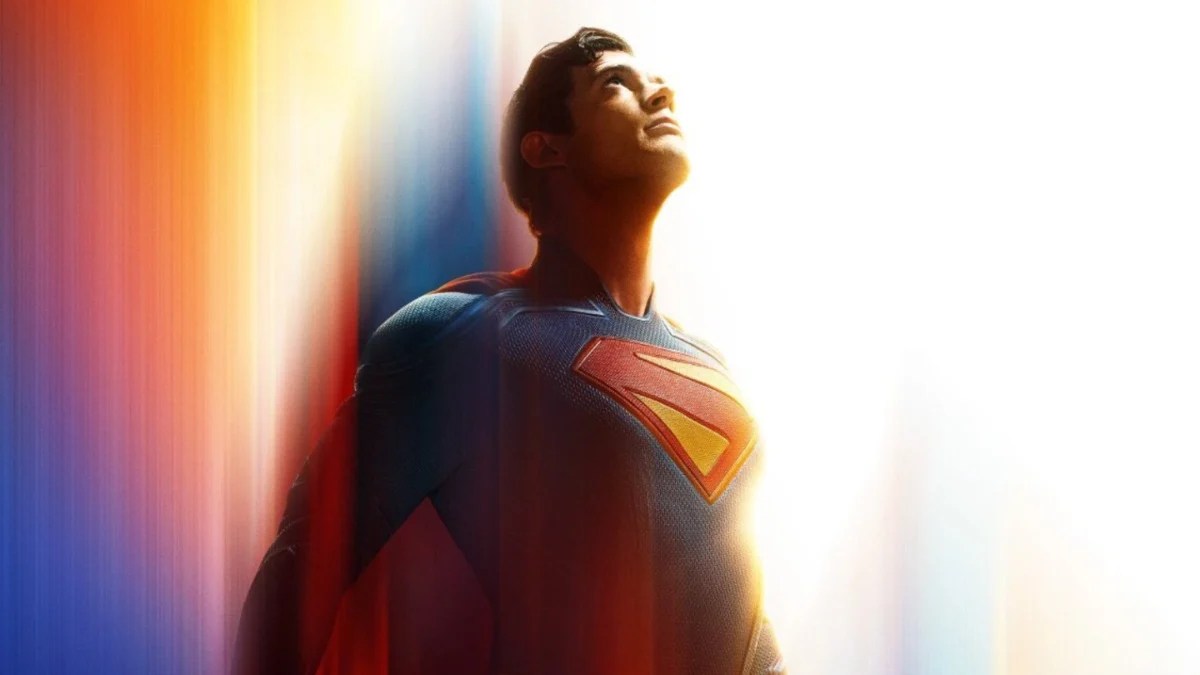
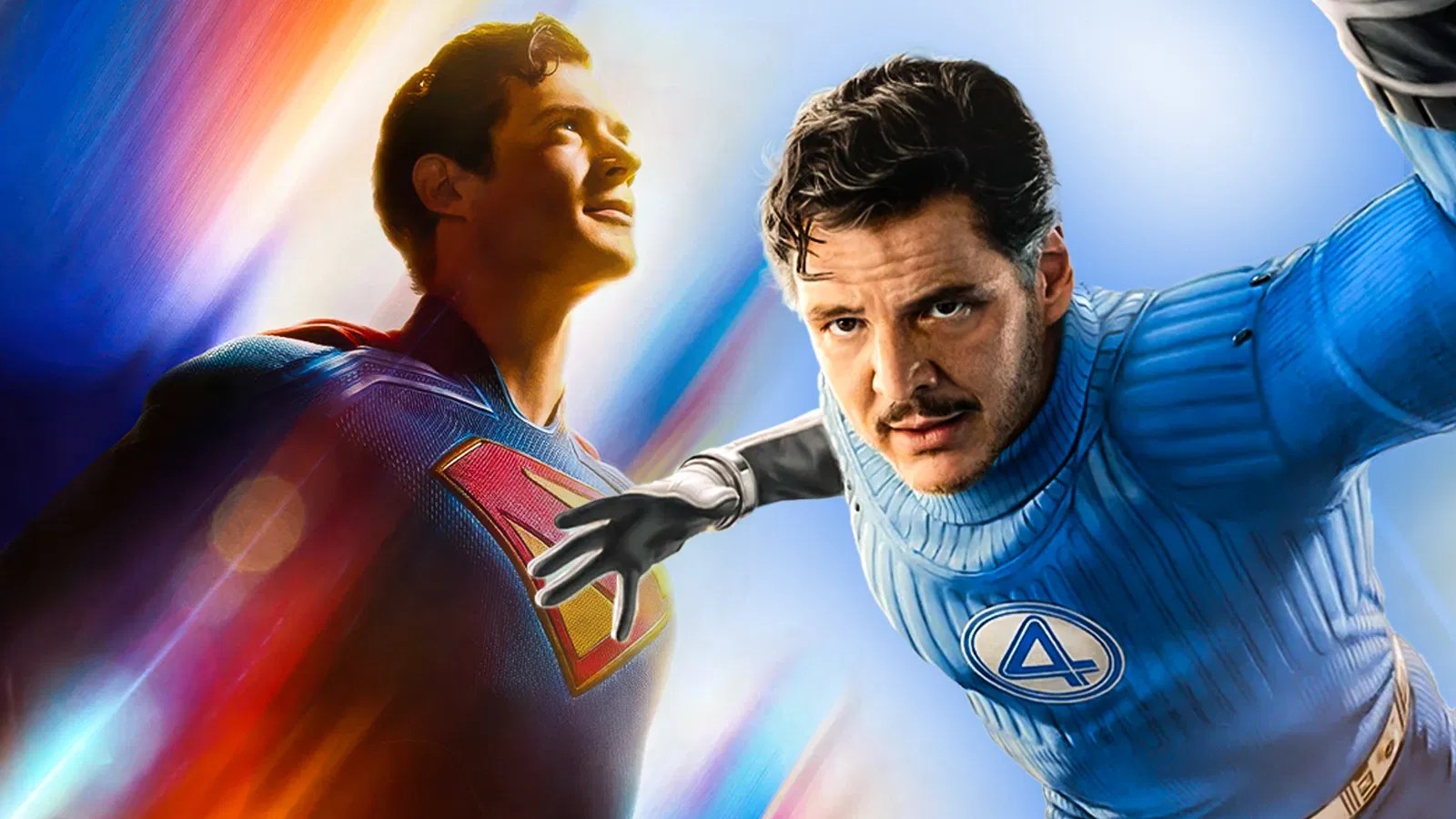
It sounds like a cliche by now to make a statement that we fans are the true winners of summer 2025’s superhero film wars between Marvel and DC, but it’s true. It does not matter which of the two films, Superman and The Fantastic Four: First Steps, is better, although fans have made arguments that Superman was better than The Fantastic Four: First Steps and vice versa. It’s all subjective and open to interpretation. What matters is that we finally got a summer where the two superhero-based film studios, Marvel Studios and DC Studios, went head to head with top-tier film releases that were well made and successful (more on that soon).

The result was that we were treated to two great superhero films in a relatively short amount of time. It would have been better if they performed better at the box office but they are not flops. Who knows what would have happened if both films pulled in a billion dollars? Would this have triggered some kind of race between the two studios to outdo each other at every turn? This would not be realistic or viable and probably lead to a huge crash after some of their films failed. Perhaps the films would have made a lot more money if their releases were not so close to each other since the films came out in a two-week period. Both studios should adjust their release schedules to consider this.
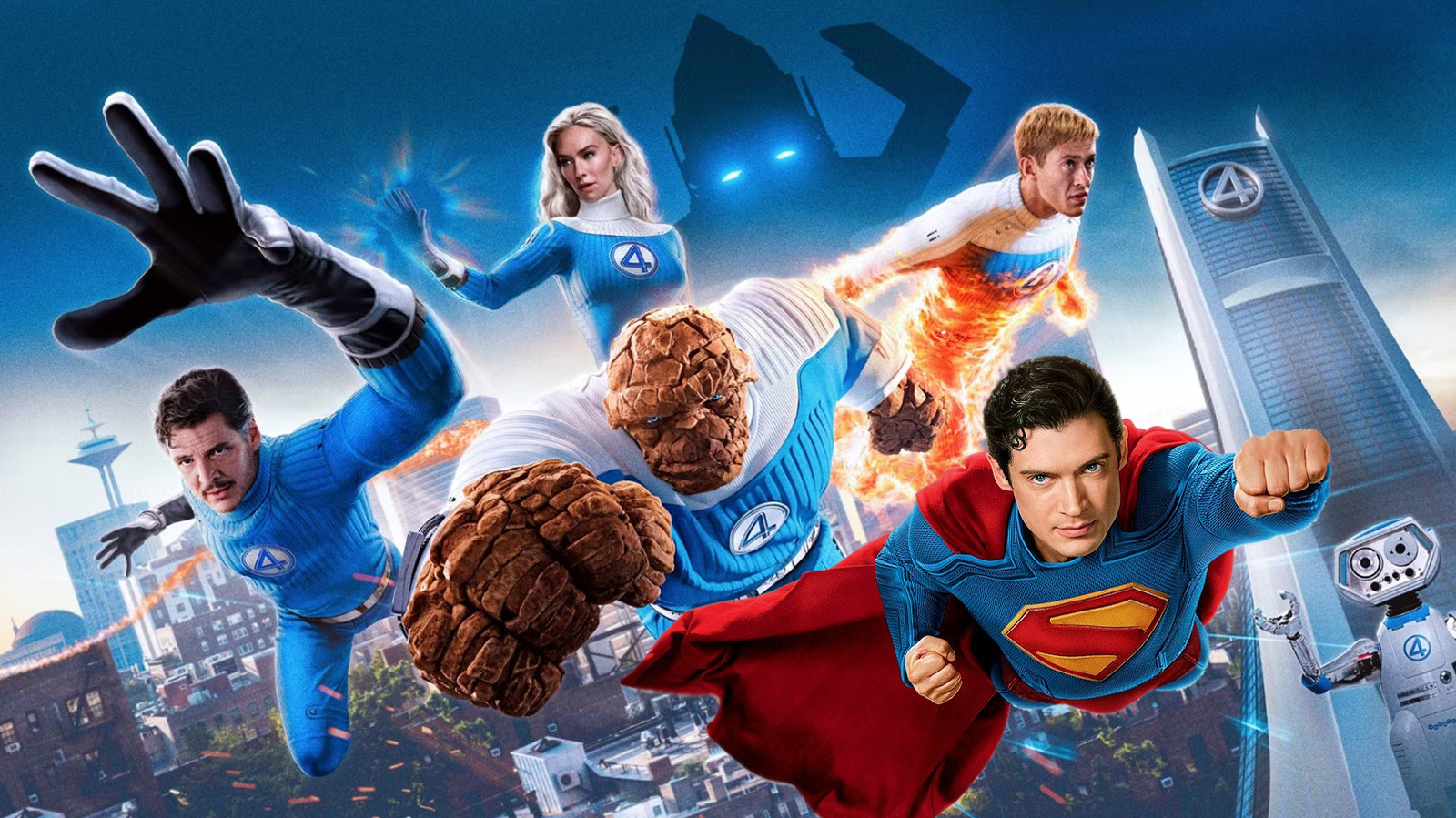
One thing to dispel is that there isn’t superhero fatigue. That is something that trolls and others want to create a narrative in order to drive clicks and views. Sure, we are past the heyday of the superhero craze and the new normal is that they are not guaranteed box office gold. But that is because too many inferior films came out which turned off many to superhero films. The two studios should share some blame for that but other studios, especially Sony Pictures, dumped out garbage like Madame Web and Morbius, which diluted the Marvel name and superhero films in general. It does not matter that the Sony Spider-Man-less films were not part of the Marvel Studios films; the average moviegoer does not know or pay attention to such subtleties. Even though Sony announced they won’t produce any more of these films, the damage has been done.

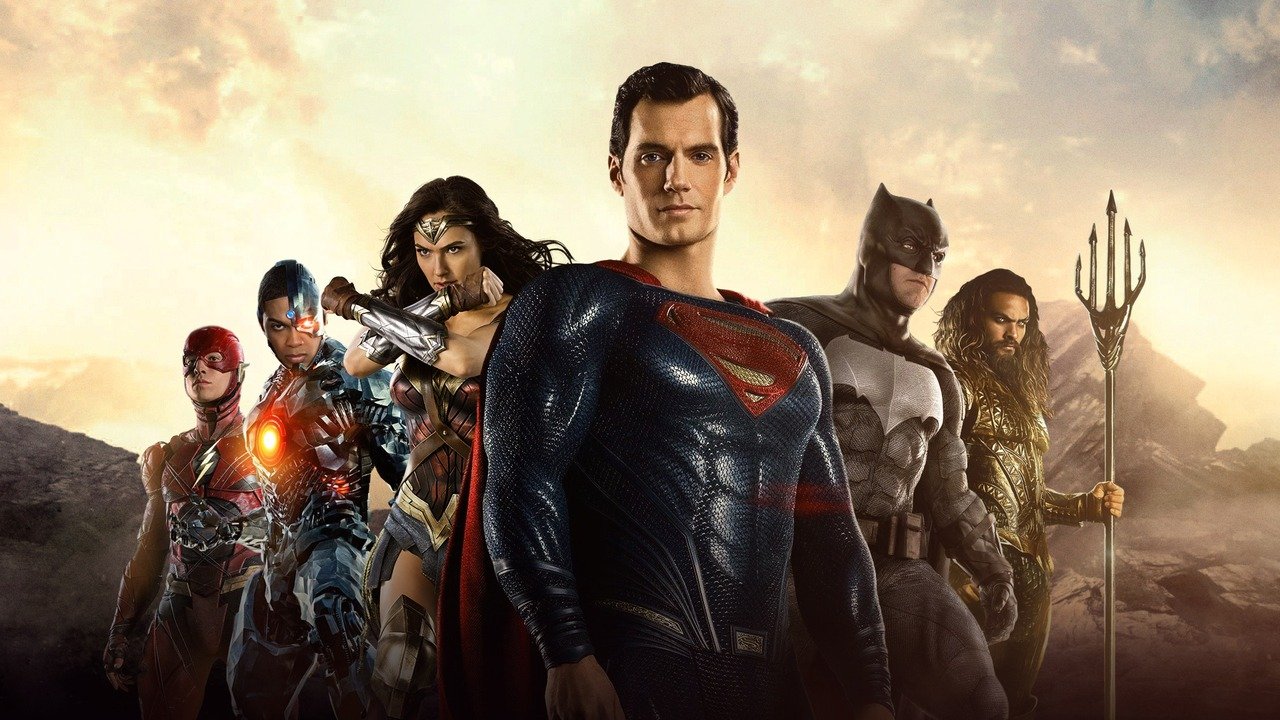
Right now both Marvel Studios and DC Studios are in a rebuilding phase. Both of this summer’s superhero films launched new phases for their shared cinematic universes and past history has shown that the early films of the studios started off relatively small but they built interest for the characters who later on headlined blockbuster films. For example, Man of Steel earned $670 million dollars, while that is great for most films, Warner Bros., the parent company of DC Studios, would have preferred it earned more. The following film after Man of Steel, Batman v Superman: Dawn of Justice was more successful in part because it featured Superman. The problem for Warner Bros. is that they got greedy and impatient and jumped into the big tentpole epics like Justice League, which did not allow for the characters and events to grow naturally. In the end, these films failed to make the money Warner Bros. wanted and eventually the first DC shared universe collapsed.
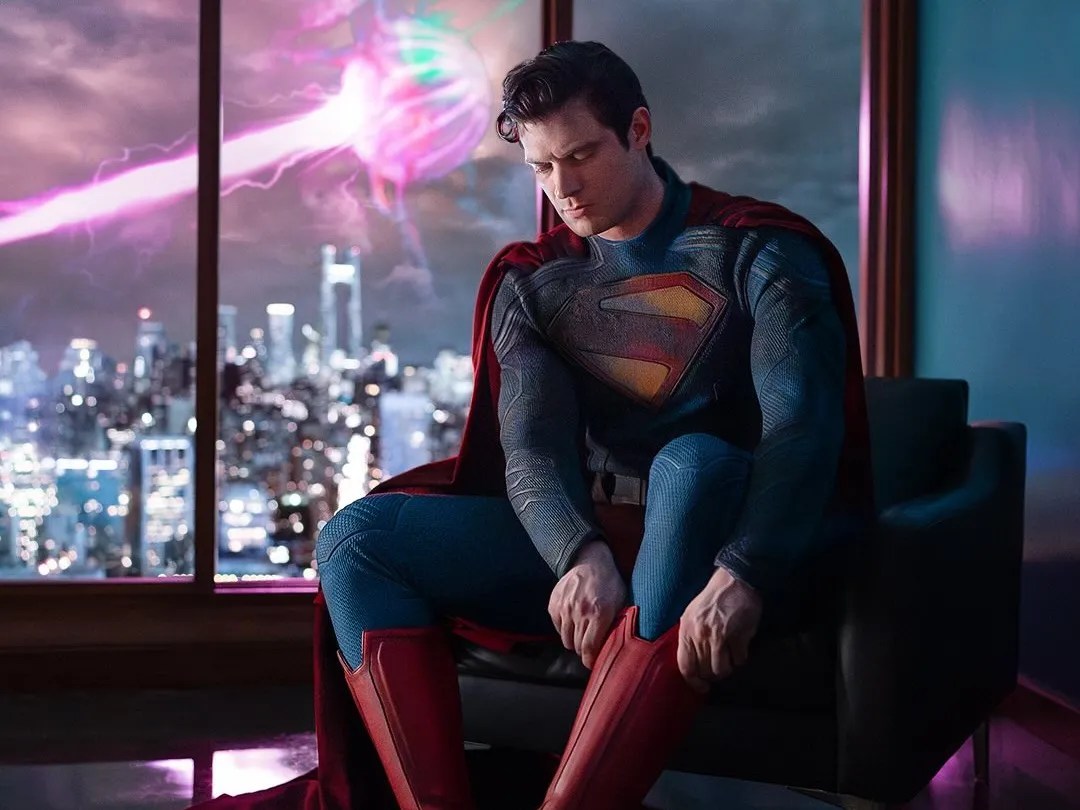
James Gunn took over the DC films and is now carefully launching a new cinematic universe. For the most part, he is keeping things close as to what direction the films will take. As far as we know the only followup film in the new DC universe that is coming out will be Supergirl, while on TV Lanterns and Peacemaker will be streaming soon. Gunn has made it clear, that future films will only go into production once a complete script satisfies everyone, which is how it should be. Right now, Superman will have earned $600 very soon and maybe will finish out its run earning a bit more, which means it is profitable. This is a promising start for the new DC films but it’s important that Superman appear soon in future films in order to keep the character fresh with audiences.

Meanwhile, the early Marvel Studios films did not even come close to making a billion dollars until The Avengers. The Marvel films released this year were not outright flops nor were they were humongous successes, although the final numbers for The Fantastic Four: First Steps is not known at this time. The films earned from as low as $382 million (for Thunderbolts*) to $434 million and counting for The Fantastic Four: First Steps. In the end, the latter film will probably finish its run with over $500 million, which is respectable.
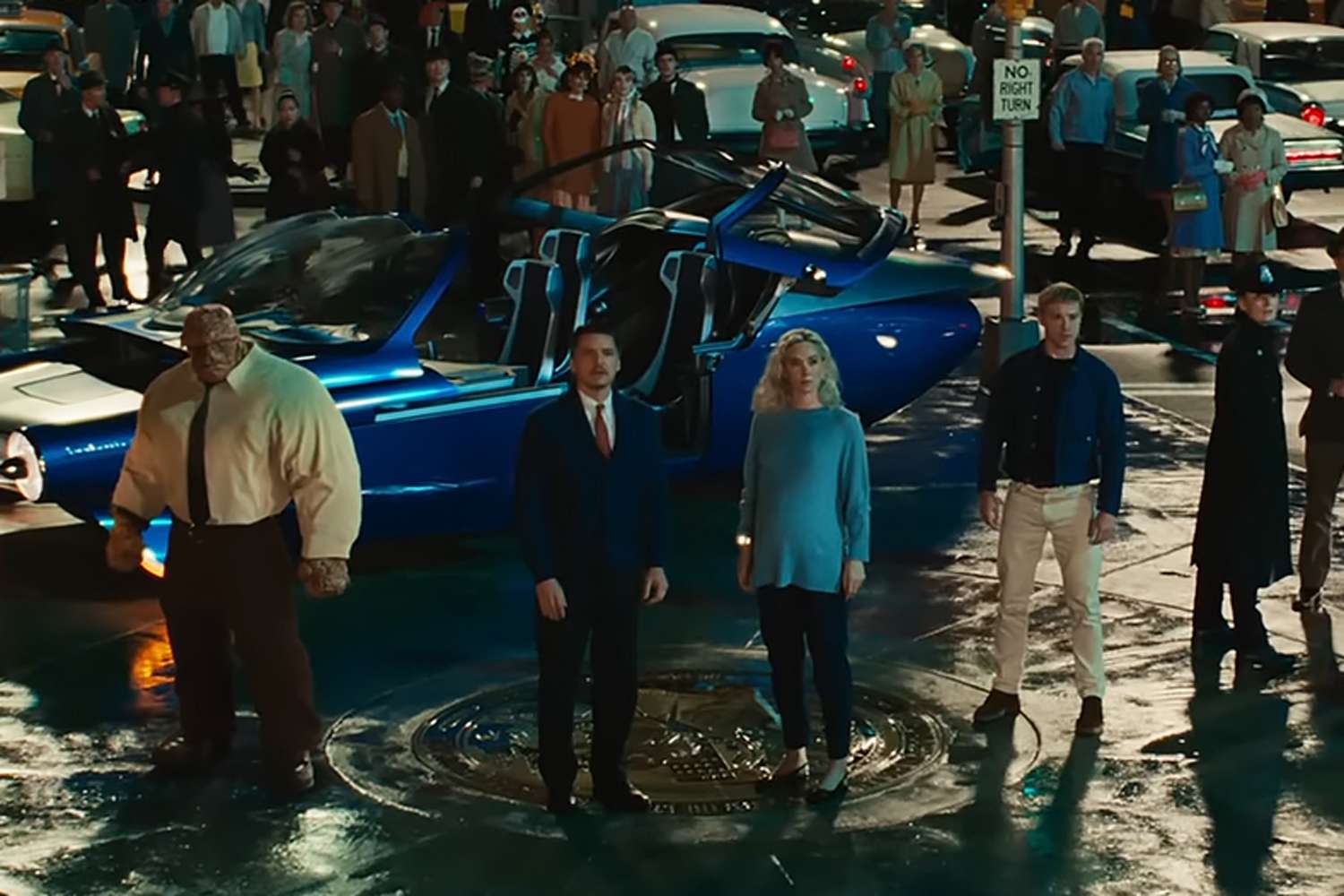
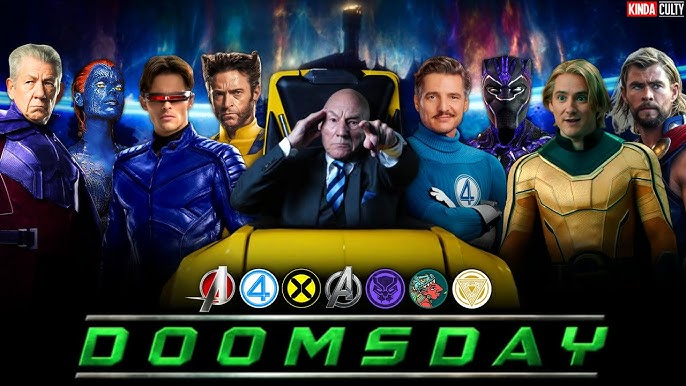
Marvel Studios tried to repeat this pattern with Phase Four of their films after the Infinity Saga ended. But circumstances prevented followups to the Phase Four films TV shows and characters. Sure, Shang-Chi and the Legend of the Ten Rings was a hit back in 2021 and all, but where is the sequel? Where is Shang-Chi for that matter? Yes, he will appear in Avengers: Doomsday but that will be a time gap of five years between appearances, which is too long. This lack of followup was a huge error on Marvel’s part. They had to keep to momentum going with Shang-Chi, especially since he was an unknown character. In the past, after minor and unknown characters made their debuts, Marvel Studios quickly featured them in other films to keep up interest. Examples of this include the Guardians of the Galaxy and Doctor Strange, who rocketed in popularity after they made appearances in Avengers films and their future films earned much more than their debut films. This even happened with the Marvel Studios version of Spider-Man. His debut film, Spider-Man: Homecoming, did not make a billion dollars but his second and third films did so, easily. This formula will work with the Fantastic Four and other new characters. Thankfully, Marvel Studios will repeat this formula in the upcoming Avengers: Doomsday as that film will feature the Fantastic Four, the Sam Wilson Captain America, and the Thunderbolts.

Both film studios are focusing on quality and long-term strategies, which is great because this will help word of mouth for these superhero films. Marvel Studios now has genuine competition when it comes to producing quality superhero films. Again this is great for us fans. Even the head of Marvel Studios, Kevin Feige, has said in the past that he wanted DC films to succeed because the competition would be good for Marvel Studios. Competition generates innovation and creativity and encourages competitors to do their best work. In fact, the lack of competition from DC could be seen as one of the reasons why Marvel Studios floundered for a few years.
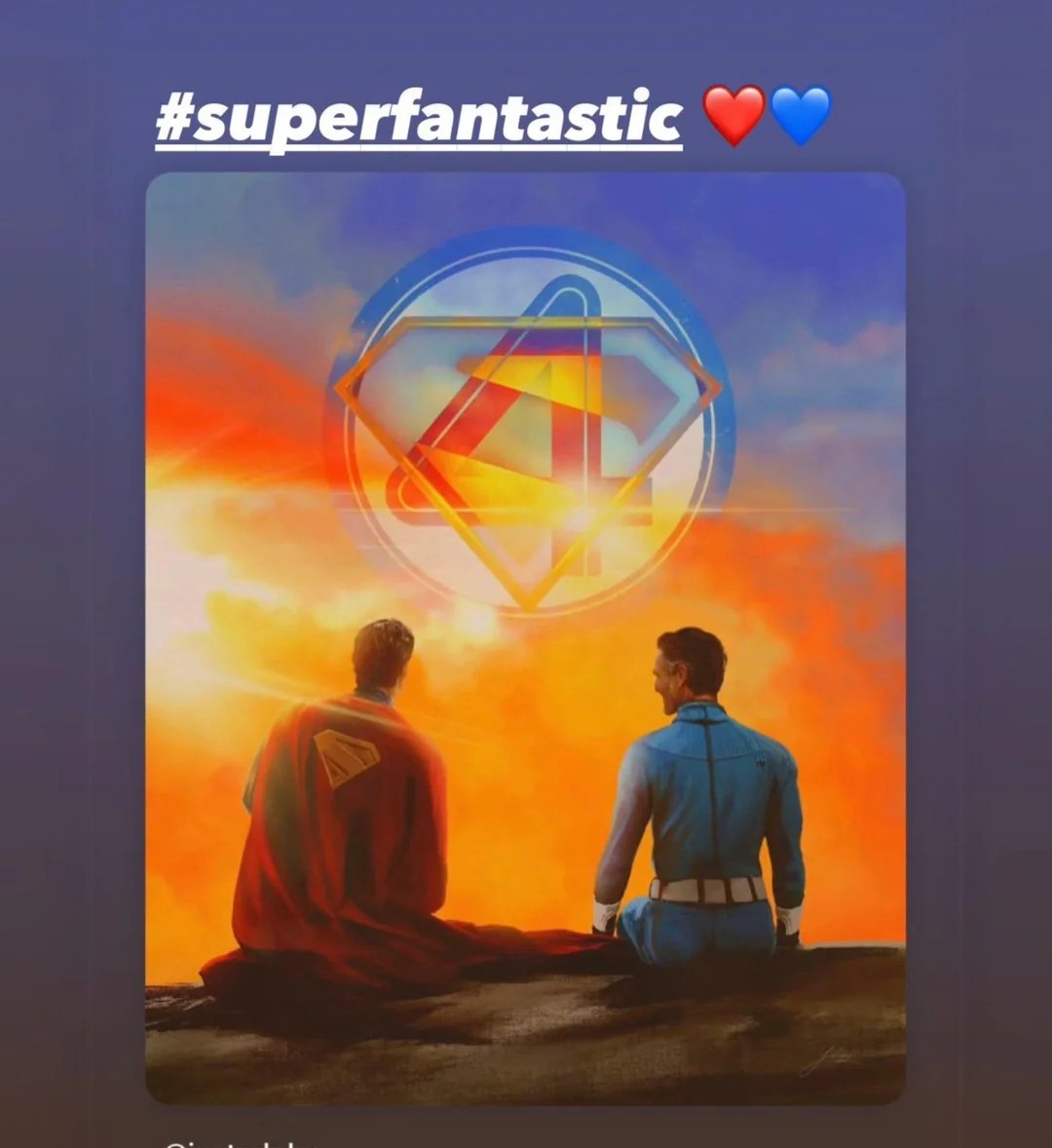
It is great that there is genuine competition between the two superhero film studios. Whether or not Superman or The Fantastic Four: First Steps is more successful is irrelevant at this point, although Superman is the clear winner when it comes to box office result. Both films can be enjoyed by fans for what they bring to the table. What matters is that two great superhero films came out in one summer, which is something we have not had in a while. This is why we are the winners in this competition.
The Eve of MCU’s Phase Six

Phase Six of the Marvel Cinematic Universe (MCU) starts this week with the release of The Fantastic Four: First Steps, a film that will begin the finale of the MCU’s Multiverse Saga. As Phase Six commences it is clear that the MCU has had some challenges recently and it remains to be seen if the latest phase will course correct the cinematic universe.

A major issue with the last two phases that will affect Phase Six was that they did not tell a cohesive or coherent storyline that progressed the overall story of the Multiverse Saga. This ran counter to the first three phases that told a progressive story that culminated with the last two Avengers films, Avengers: Infinity War and Avengers: Endgame. One thing to note with the first three phases was that they concluded more or less with an epic Avengers film. This did not happen with Phase Four (*Thunderbolts the last film of Phase Five ended with the revelation that it was actually a film about a new team of Avengers), and the Multiverse Saga had to do a course correct for outside reasons.

Phase Five of the MCU was plagued with several misfires and undeniable box office disappointments as films and TV shows did not live up to expectations. This was unfortunate since Phase Four was disappointing, as well, and failed to live up to the glory days of the first three phases. Phase Five was supposed to correct this but could not.

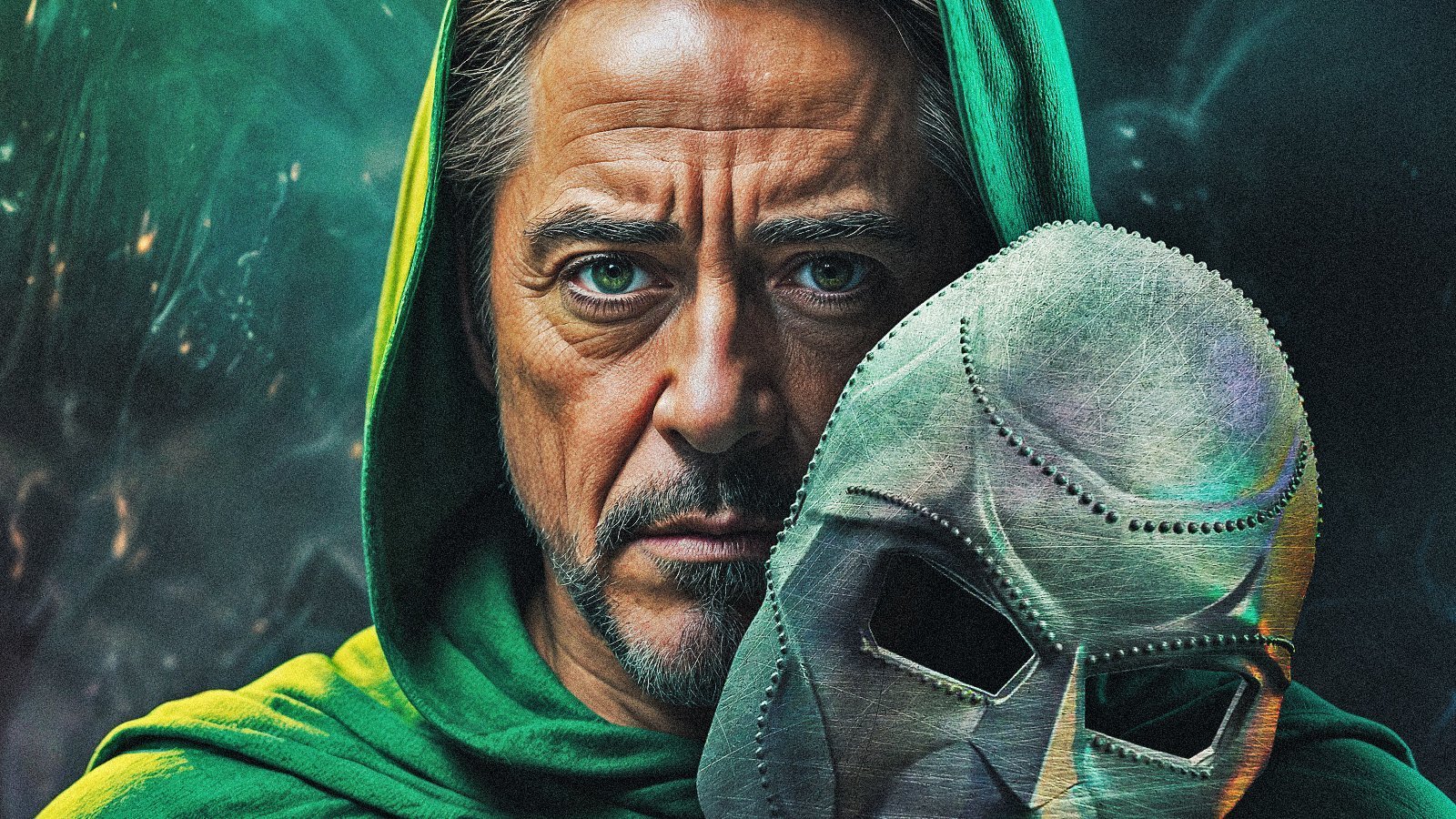
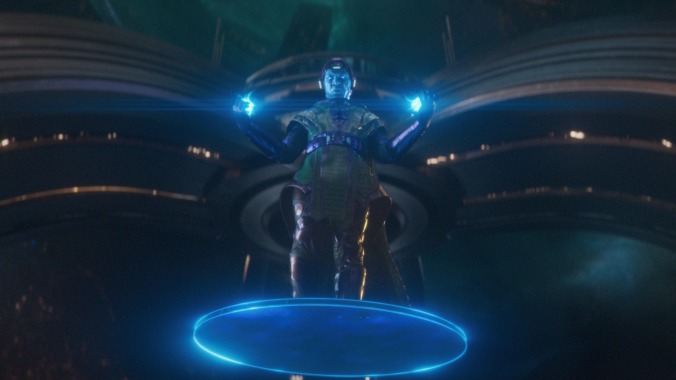
Namely that Marvel Studios decided to eliminate the main villain of the Multiverse Saga, Kang the Conqueror, and instead abruptly chose to have Doctor Doom as the main villain. This change happened because the actor who played Kang, Jonathan Majors, was fired by Marvel Studios for being convicted of domestic abuse and the character did not resonate with fans. This happened as Phase Five was well underway and did not allow the MCU to organically pivot to Doctor Doom, but the film studio could have tried. Films and TV shows in the latter half of Phase Five should have, at the bare minimum, dropped Easter eggs and references to Doctor Doom but that has not happened. In fact, many TV shows from Phase Six like Secret Invasion or Agatha All Along did nothing to advance the Mulitverse Saga. Meanwhile, only about half of the Phase Five films were relevant to the Multiverse Saga.

What makes this situation worse is that Doctor Doom, the main villain of the Fantastic Four, will not appear in The Fantastic Four: First Steps. This is a mistake considering that Doom will be the villain of next year’s Avengers: Doomsday and it is unlikely that upcoming MCU projects before that film will include any appearances or references to Doctor Doom and the Multiverse Saga. It is head scratching that Doctor Doom will not at least have a cameo in The Fantastic Four: First Steps but we won’t know this for sure until the film is released. On the other hand, there are reports that one of the post-credits scene from The Fantastic Four: First Steps will directly tie into Avengers: Doomsday so there is that, at least.

Another thing that is evident with the slate of Phase Six is that unlike the last two phases there will be noticeably less films and TV shows released. One major complaint about the last two phases, especially with Phase Four, was that too many projects were released, and this stretched the resources of Marvel Studios. The result was that many subpar films and TV shows were released before they could be fine tuned to be better. With Phase Six, Marvel Studios has chosen to emphasize quality over quantity, though this means that many threads and characters introduced in the previous phases will be ignored. This will frustrate many fans, but it was inevitable given that Marvel Studios has to concentrate on popular characters instead of greenlighting TV shows or films about obscure superheroes that may or may not resonate with the larger public. So, expect many films and TV shows dealing with the core Avengers lineup, Spider-Man, the Fantastic Four (if the first film is successful) and of course, the mutants.

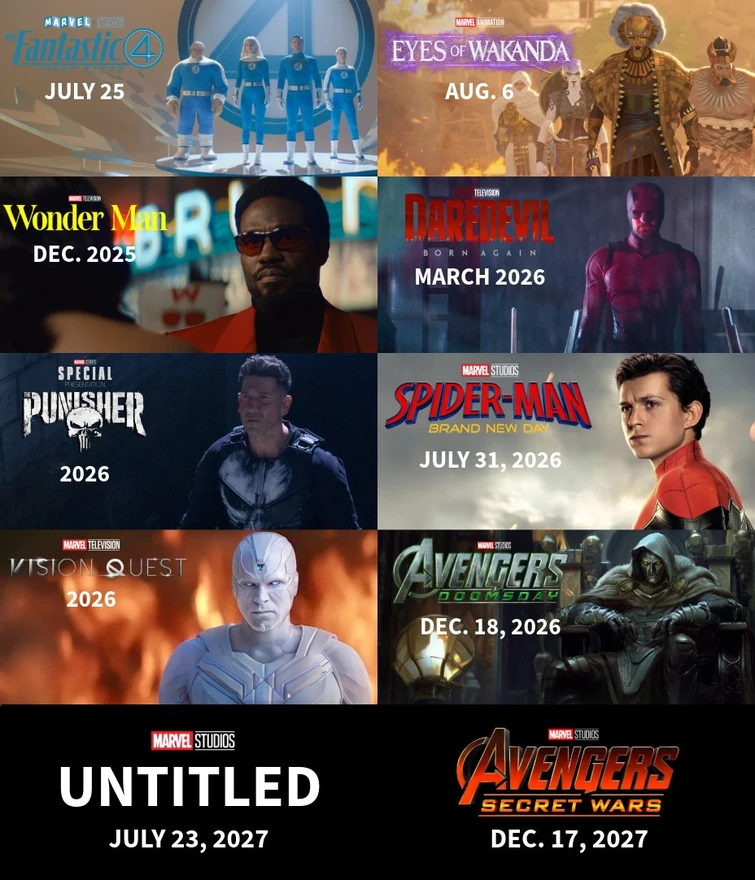
At this time, we can only speculate on what films and TV shows Marvel Studios will release for Phase Six. Unlike the previous phases the studio is remaining tight lipped about its upcoming releases since they have been burned by prematurely announcing projects before they were ready like Blade. To date, the only known projects are The Fantastic Four: First Steps, Eyes of Wakanda, Marvel Zombies, Wonder Man, Spider-Man: Brand New Day, second seasons for Daredevil: Born Again and Your Friendly Neighborhood Spider-Man, Vision Quest, a Punisher TV special, Avengers: Doomsday, Avengers: Secret Wars, and at least one other film that we have no information about. Who knows what it will be? A new Doctor Strange film? A third Black Panther film?

While it’s regrettable that Marvel Studios is pulling back on the quantity of projects it is for the best since the limited amount of films and TV shows will lead to improved products. We already are seeing this as the more recent offerings from Marvel Studios like Deadpool and Wolverine, Your Friendly Neighborhood Spider-Man and *Thunderbolts have received a lot of acclaim. It is also interesting to see that certain projects that were not as well received as Ironheart, parts of Daredevil: Born Again and Captain America: Brave New World were produced before Marvel Studios began to course correct with its offerings. Daredevil: Born Again offers clear proof of this as the most acclaimed episodes were made after the film studio decided to emphasize its commitment to quality.

It will take some time for Marvel Studios’ course corrections to resonate with the general public. Not too long ago, the MCU brand was golden and a guarantee of quality and box office success. That’s not the situation anymore as many recent films have underperformed, even if they were acclaimed like *Thunderbolts. It is no longer a guarantee that an MCU film will be a box office hit. But it is important that they maintain a high level of quality because this will create positive buzz for MCU films and TV shows. Do not be surprised if properties like *Thunderbolts develop cult followings, which is good for Marvel Studios as this will demonstrate the studio’s commitment to quality products. Eventually the public will catch on and begin seeing them the films and TV shows in droves again. Then again with important tentpole films like Avengers: Doomsday, Avengers: Secret Wars and Spider-Man: Brand New Day, it is practically certain that Phase Six of the MCU will be successful.

José Soto

The Eve OF The DCU’s Chapter One: Gods & Monsters

After the downfall of the DC Extended Universe (DCEU), the new DC Universe (DCU) cinematic universe has risen from the ashes and kicks off with Superman on July 11, 2025.

Fans of DC have both eagerly anticipated this meant and dreaded it ever since filmmaker James Gunn announced DC Studios’ planned DCU line up in early 2023 with a slate of films and TV shows. The first TV show which actually started the DCU last year was the animated Creature Commandos which streamed on Max. The show received positive reactions although it seemed similar to James Gunn’s DCEU film The Suicide Squad, but with monsters as the main characters forced to work for the government instead of supervillains. One thing that Gunn made clear was that Creature Commandos was canon to the DCU and even one of the featured characters from that show, Rick Flagg, Sr., will appear in Superman.

Right now, fandom and the public at large are focused on Superman, which inaugurates the DCU in live action. The marketing push for the film is very intense and pervasive with the usual deluge of merchandise and trailers (but gotta admit any merch about Krypto the Super Dog is so damn cute; Gunn has a way with animals) and publicity. There is a good reason for the push by DC Studios’ parent company Warner Bros.

RIP DCEU

As everyone knows, the DCEU was supposed to be film studio’s answer to Disney’s Marvel Cinematic Universe (MCU), which has been wildly successful ever since it debuted in 2008. The DCEU had everything going for it: popular superheroes that enjoyed success in the box office and TV with projects like Christopher Nolan’s Batman films, the Arrowverse on TV and Smallville. Even Nolan helped launch the DCEU by helping to create Man of Steel. But for many reasons the DCEU was plagued by many problems, mostly due to studio interference, impatience and greed. Warner Bros. was in a rush to compete with the MCU and didn’t allow the DCEU to grow organically and build up a fanbase like with the MCU. Instead of carefully introducing characters, they were clumsily mashed together just to premiere Justice League, the DCEU answer to The Avengers, just a few short years after Man of Steel. Many of the films were not well received and it seemed as if the DCEU was playing catch up with the MCU. But what really killed the DCEU was interference by studio executives who were chasing the almighty dollar and did not seem to care about the quality of the films.

Despite attempts to salvage the DCEU by the early 2020s it was clear that the cinematic universe was without direction and falling apart. To the studio’s credit, they recognized James Gunn’s talent and vision with The Suicide Squad and offered him the opportunity to revamp its cinematic universe. He essentially started over with the DC properties and has launched the DCU with its initial projects being labeled as Chapter One: Gods & Monsters. Of course, this entailed huge changes including the recasting of the DC characters. Actors, like Henry Cavill, were removed from playing iconic characters and in the case of Jason Momoa, he was recast to play a different role in the DCU. This development was controversial and incense some fans of the DCEU who automatically hated anything to do with the DCU and have taken to the Internet to troll Gunn and the DCU. Unfortunately, that is par for the course with social media these days.

Continue reading →

After Andor What’s Next For Star Wars?

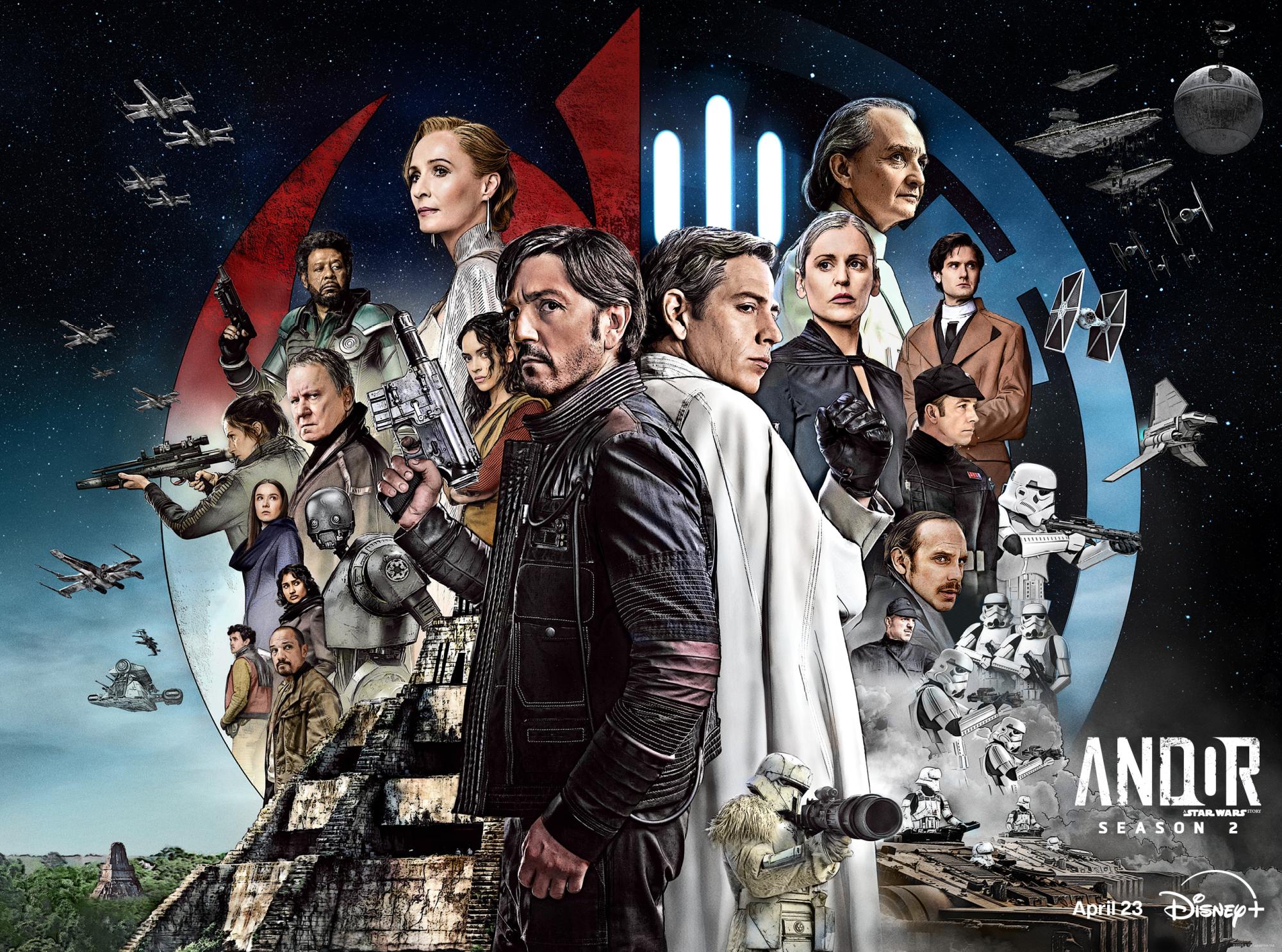
The Disney + Star Wars TV series Andor concluded to much deserved acclaim, and it did something that seemed improbable given the state of the Star Wars franchise. Andor has helped create renewed enthusiasm for Star Wars as it showed how versatile and mature the franchise can be.

Ever since Disney acquired Star Wars from its creator George Lucas, the projects the company and Lucasfilm put out have received mixed reactions. At first, the franchise received a lot of renewed enthusiasm after the releases of Disney’s first two Star Wars films, Star Wars Episode VII: The Force Awakens and Rogue One: A Star Wars Story.

But the reception to the following films, Star Wars Episode VIII: The Last Jedi, Solo: A Star Wars Story and Star Wars Episode IX: The Rise of Skywalker, was a lot less muted as many fans soured against the Disney films. As a result, the box office returns were not quite as high as the early films and in fact, Solo did not perform well in theaters.

This Was the Way

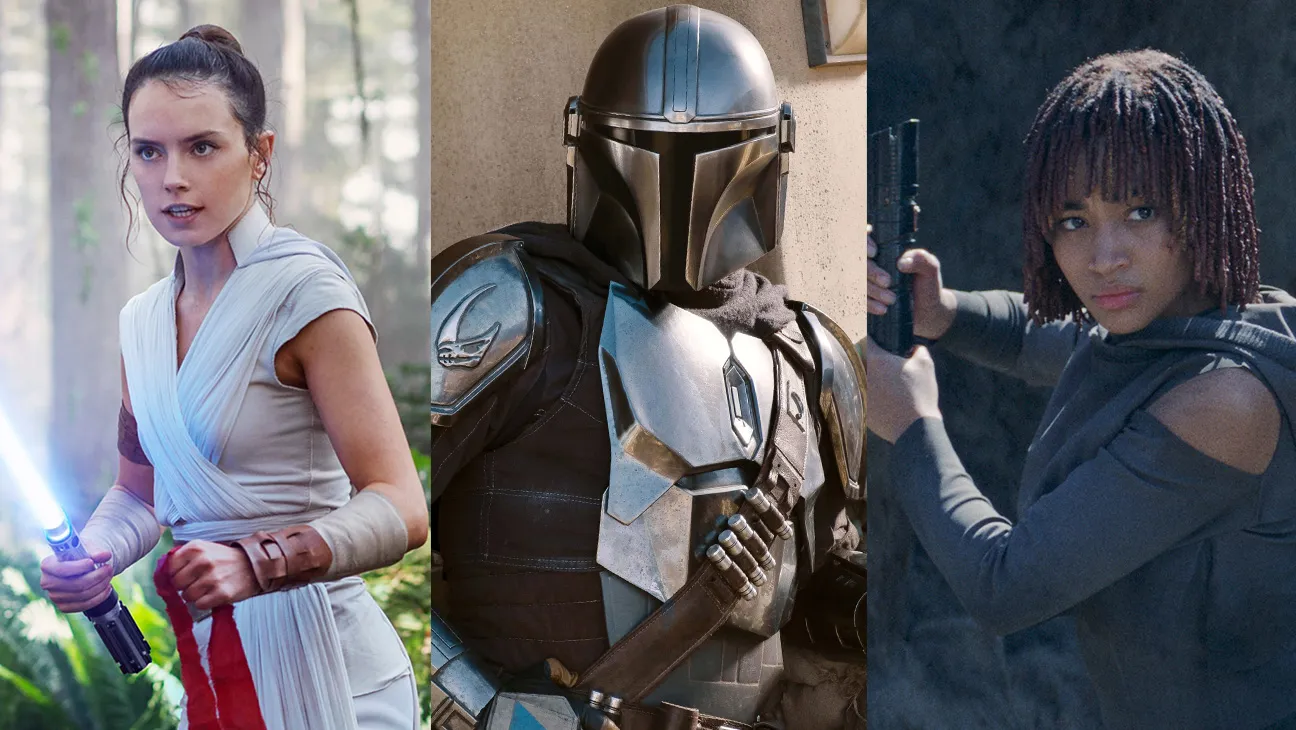
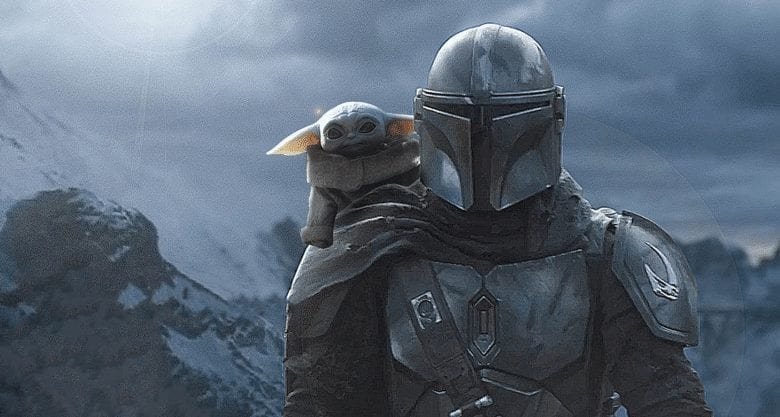
The Star Wars franchise recovered significantly when the first Disney + Star Wars TV show, The Mandalorian, debuted on the streaming app in 2019. For a couple of years, Mandalorian fever gripped fans and the larger public as Grogu, the infant Yoda-like co-star of the show captured the public’s hearts and imagination. It seemed as if the TV show single-handedly rescued the franchise and injected new life into it. However, many of the other Star Wars TV shows were not as popular or had the level of quality as The Mandalorian, except for Andor. In fact, although Andor did not have the high viewership numbers that The Mandalorian enjoyed, it was a massive critical hit as it presented a fresh and adult take on Star Wars with its grounded look at how the Rebellion began in earnest against the Galactic Empire.

Still, despite Andor’s critical success, Star Wars on the whole was floundering as inferior TV shows like The Book of Boba Fett and Ahsoka disappointed fans and emboldened toxic trolls to attack Star Wars. Then there was the fact that the film franchise was essentially dead as many announced films never went into production, except for next year’s The Mandalorian and Grogu. Even recently, The Mandalorian fell out of favor with many fans because of its third season, which was not as well received as its first two seasons.

New Heights of Quality Star Wars Television

When the second season of Andor first streamed fans and critics applauded the show’s mature, sweeping and complex nature with its nuanced and well-developed characters that quickly generated memes and online discussion about the nature of defiance, sacrifice and societies.

What truly captured the hearts of fans were its story arcs devoted to the Ghorman Massacre and the final arc that wrapped up the story lines of many characters including Cassian Andor himself. The last time we see him, he was departing for what would be his final mission in Rogue One. A mission he never returned from. What made his final on screen moments so heartbreaking was the revelation in Andor’s final scene that he fathered a child that he would never know. And no, this child is not Poe Dameron from the Star Wars Sequel Trilogy.

What made Andor so great and unique was that it had no connection to the Jedi, the Sith, or the larger Star Wars/Skywalker saga. It instead focused on random, everyday people living regular lives and how the Empire affected them to either join the cause or support the Empire through simple acts that cascaded into mass movements that affected the galaxy.

It should be noted that Andor was not the only TV show to break out of the traditional Star Wars mold. Others like Skeleton Crew and The Acolyte gave us different stories that took place at different time periods and had little to do with the Skywalker Saga. However, they were not as regarded as highly as Andor.

Continue reading →

Season Two Of Andor Proves It Is The Greatest Star Wars TV Show Of All

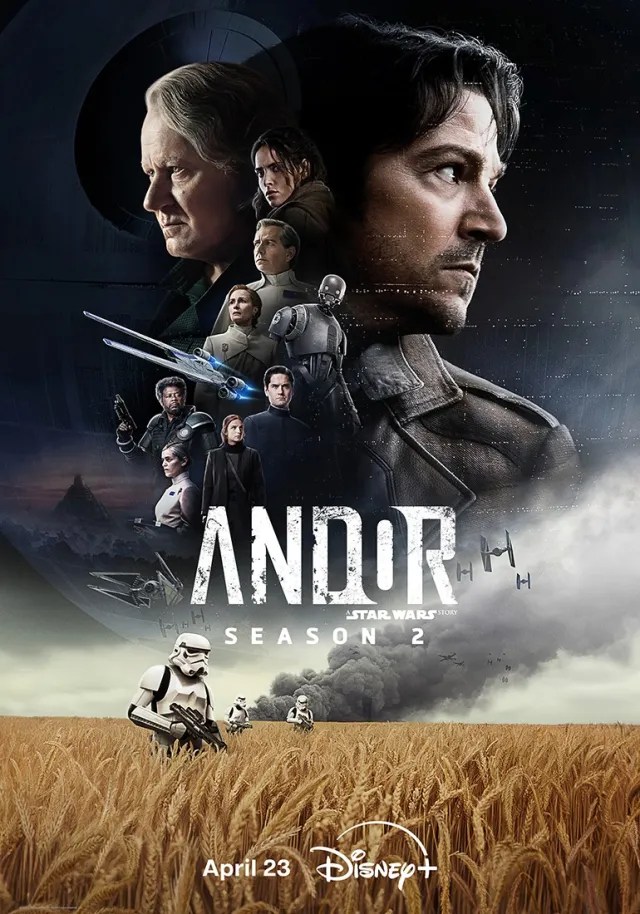
Andor just completed its second and final season on Disney + and it proved beyond question that it is the greatest Star Wars TV show ever presented. Some fans may complain that it is too slow or too adult or too unlike Star Wars, but they are missing the point. Andor demonstrates that Star Wars can be much more than action-oriented, near fantasy stories that are supposedly geared more to children. The IP is much more than that and Andor shows us the potential of what Star Wars can be.

The second season of Andor is broken up into three-episode arcs, with each arc taking place a year apart as the overall narrative counts down to the original Star Wars and Rogue One: A Star Wars Story. As each arc progresses, we get to see how the complex characters develop and grow.

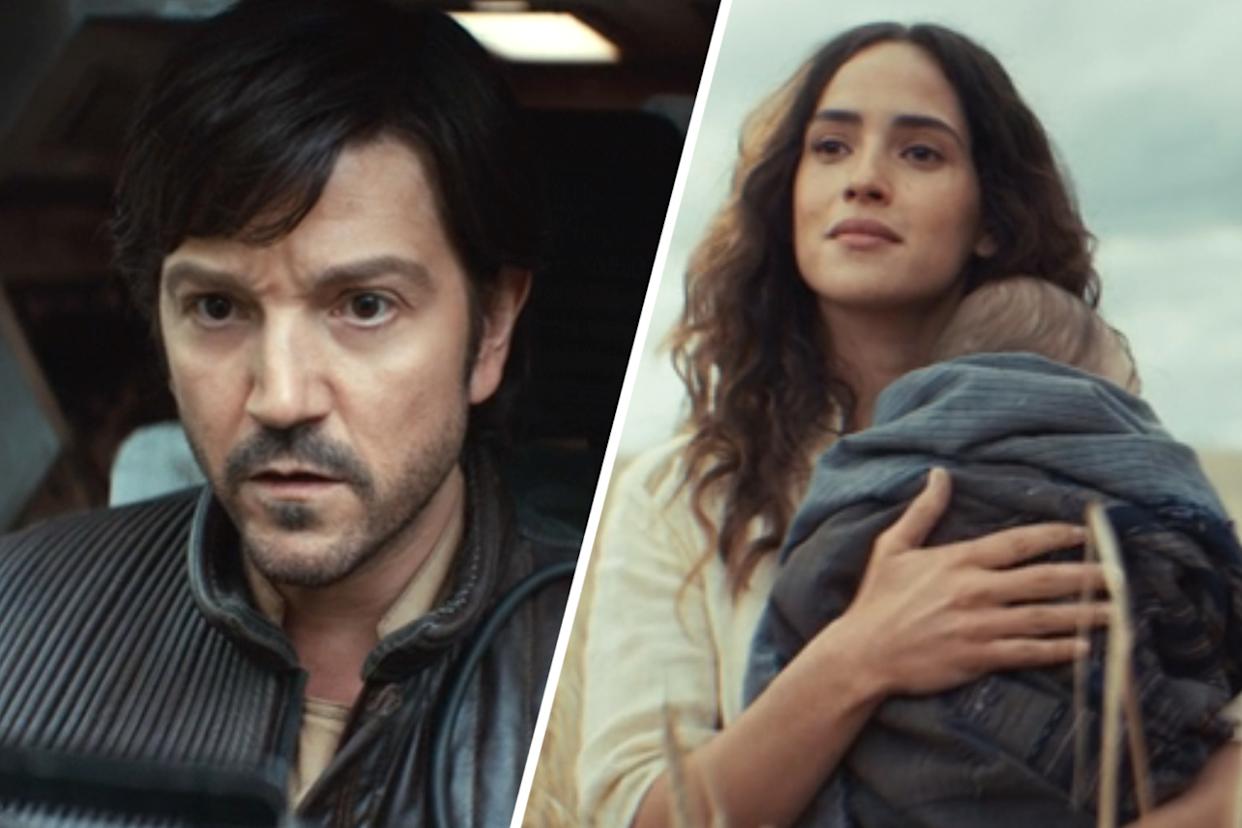
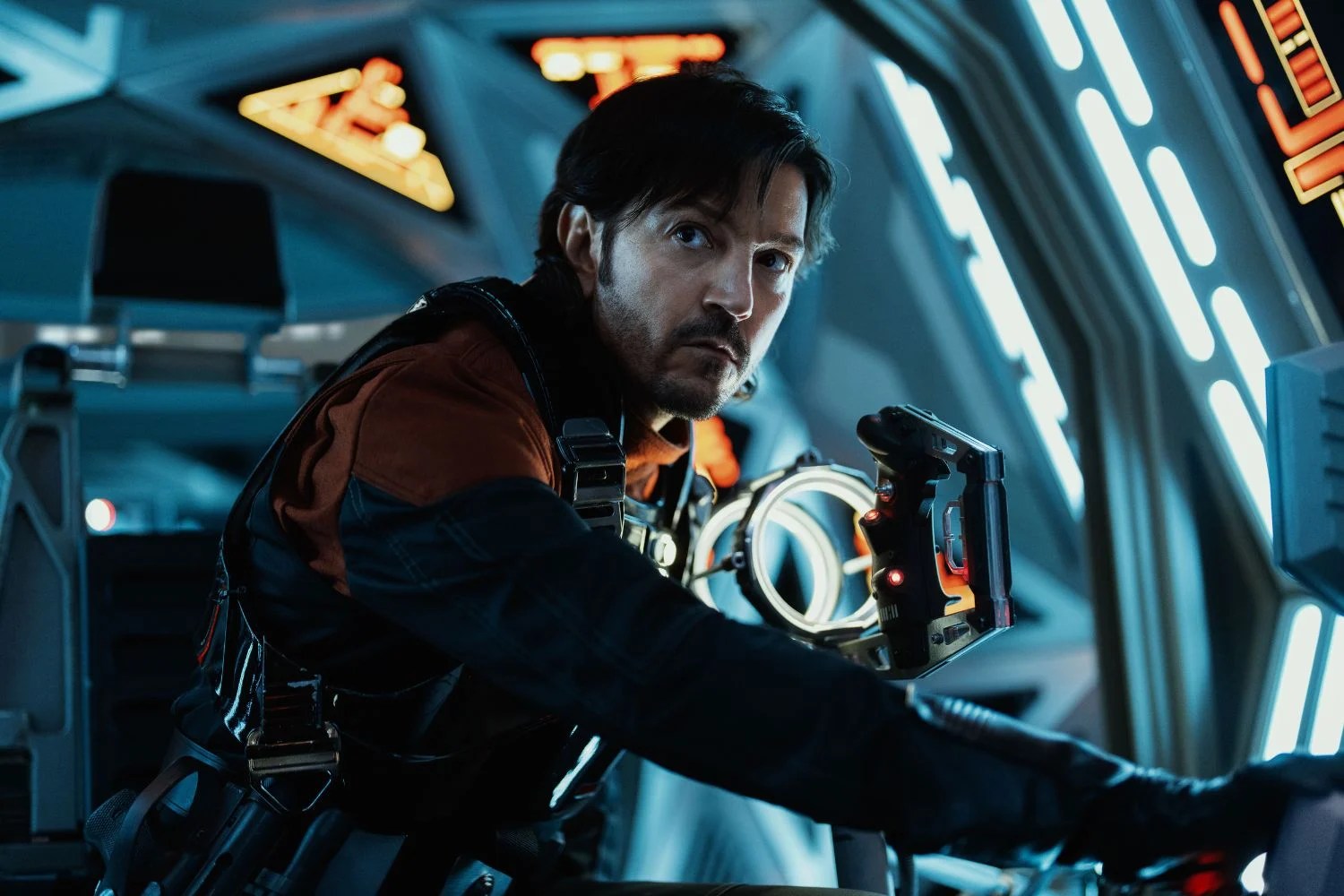
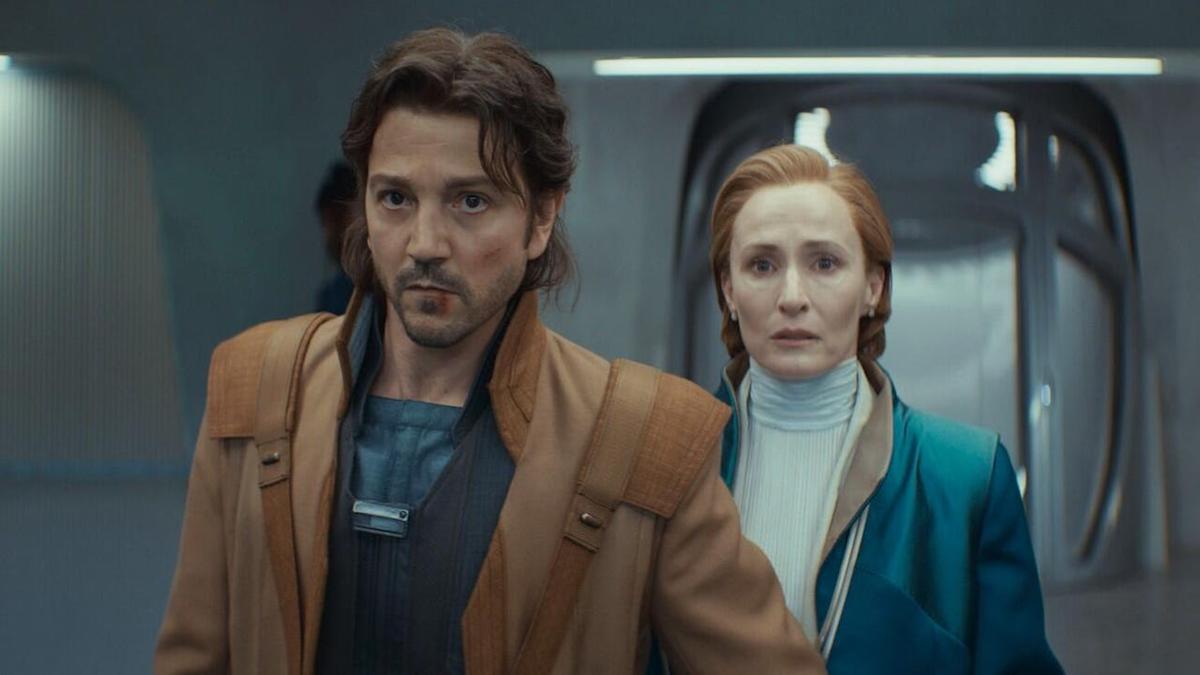
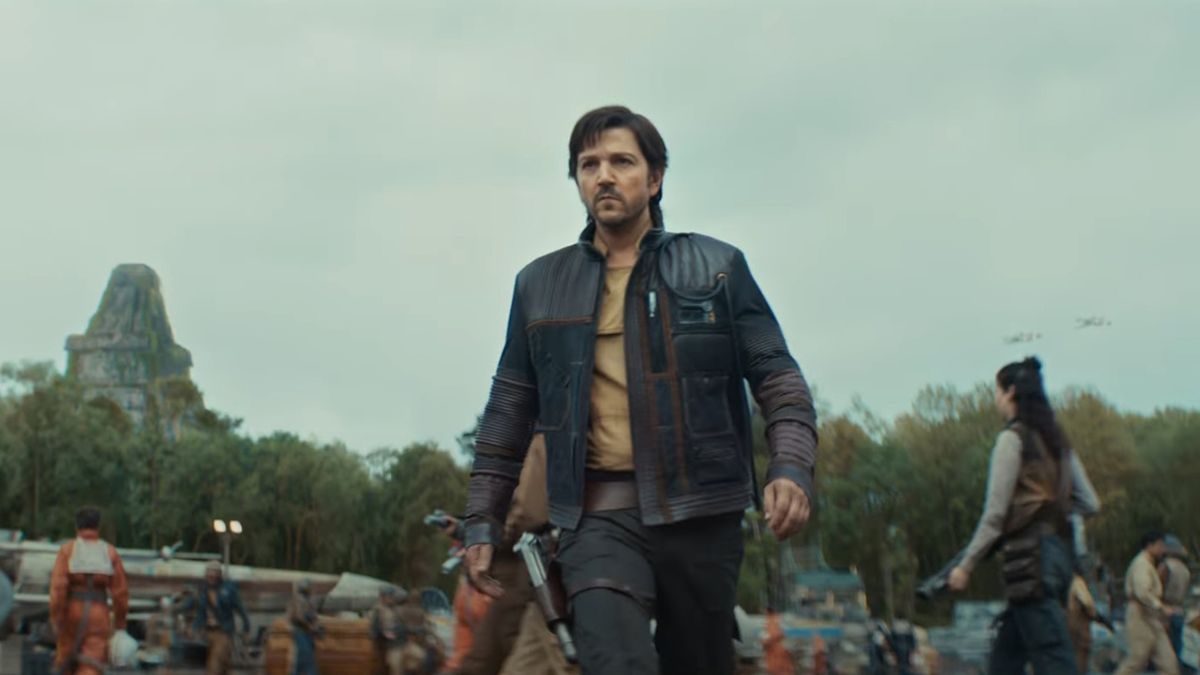
Among the great things about Andor are its rich characters starting with the title character himself, Cassian Andor (Diego Luna), a spy for the burgeoning Rebel Alliance. In the early years of the rebellion against the Galactic Empire, Andor travels through many worlds on spy missions to undermine the Empire. But in his heart, even though he detests the Empire, he wants to retire to a quiet life with his girlfriend, Bix Caleen (Adria Arjona), who is suffering from PTSD after being tortured by the Empire in the first season. Sadly, as anyone who has seen Rogue One knows, that is not to be for Cassian. Knowing Andor’s ultimate fate and the impact he will unknowingly have in the fight against the Empire makes his personal growth so compelling. We see that he has grown as a character since the first season. Back then, he largely looked out for himself and only through tragedies did he join the Rebellion. When we see him throughout the second season, Andor is now a polished spy who could blend into several environments as he pulls off capers like stealing advanced Imperial TIE fighters or doing reconnaissance in the tragic world of Ghorman, as it becomes a hotbed for unrest against the Empire.

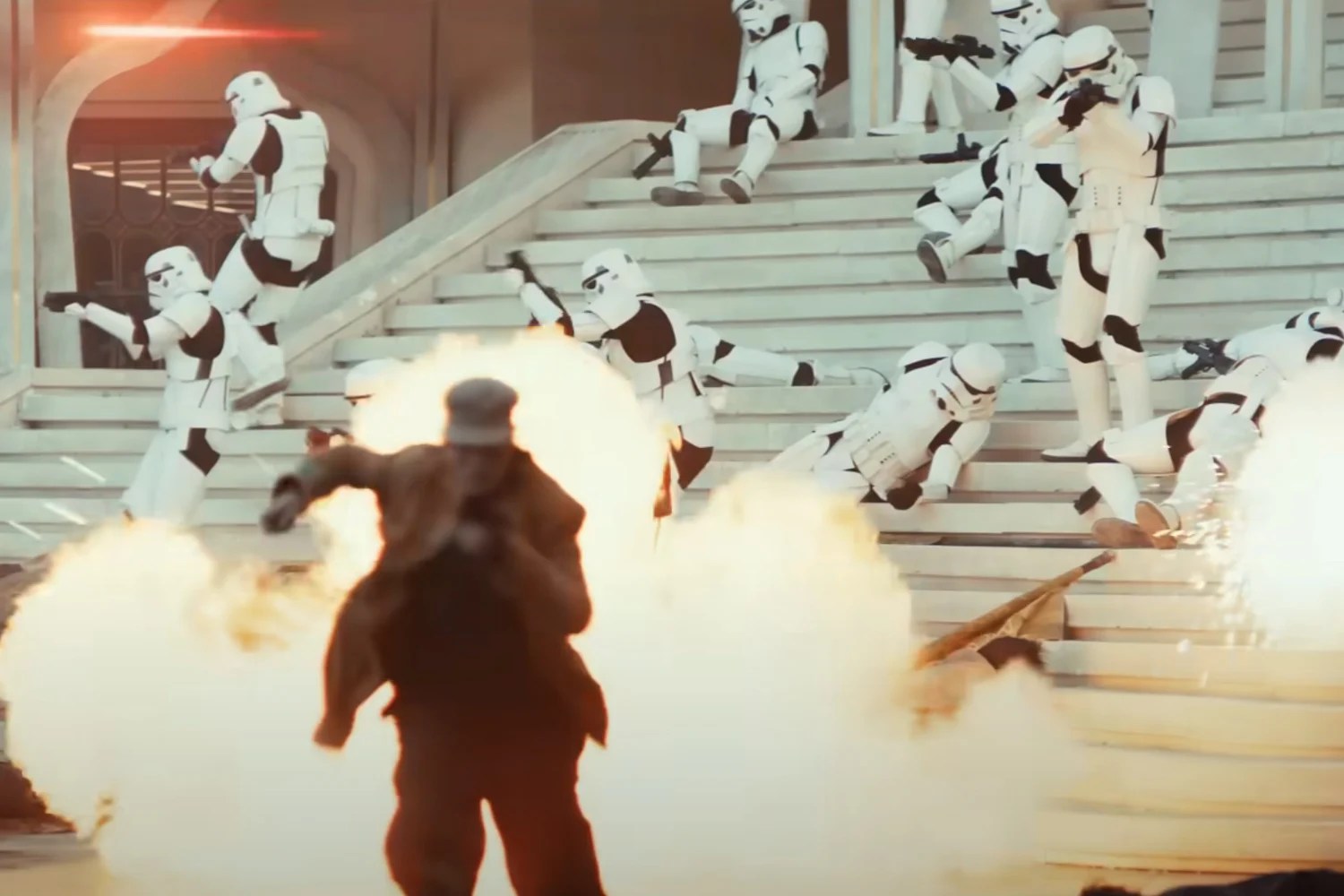
It turned out that the storyline in Ghorman, which continued through two arcs, was the centerpiece of Andor. We get to see a rich culture that seemed vaguely European and an obvious stand-in for France during World War II with amateur spies and rebels facing a hopeless situation against the Empire. What made matters worse was that the unrest on Ghorman was orchestrated by the Empire just to create a media narrative that the populace was full of terrorists just so the planet could be mined for a mineral needed for the Death Star battle station. The entire storyline was an unsettling mirror and a damning commentary for our current situation where people blindly believe whatever narrative government officials tell them and the misuse of media.

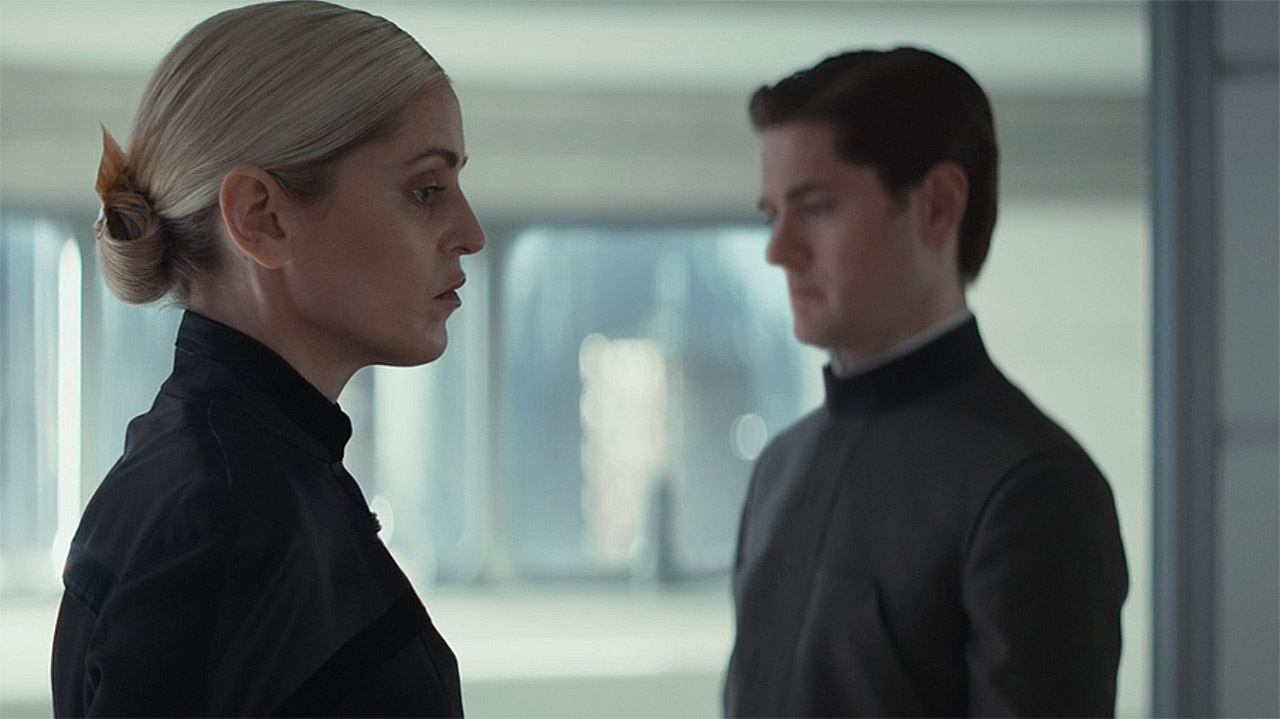
The two-part story arc of Ghorman culminated in the so-called Ghorman massacre in the seventh episode as many brewing subplots came to a head. Several characters had cathartic encounters with each other, notably the Imperial bureaucrat Syril Karn (Kyle Soller), who was obsessed with finding and arresting Andor that was like Inspector Javert chasing after Jean Valjean. While Syril is a sniveling and insecure man, his storyline is quite captivating and is a grounded look at how civilians live in the age of the Galactic Empire. He was basically a nobody who was needled by his mother and only wanted to move up in middle management. What made his story interesting was that we see that he slowly began to sympathize with the Ghormans and that he was being manipulated by his girlfriend Dedra Meero (Denise Gough), an Imperial operative who was equally ambitious.

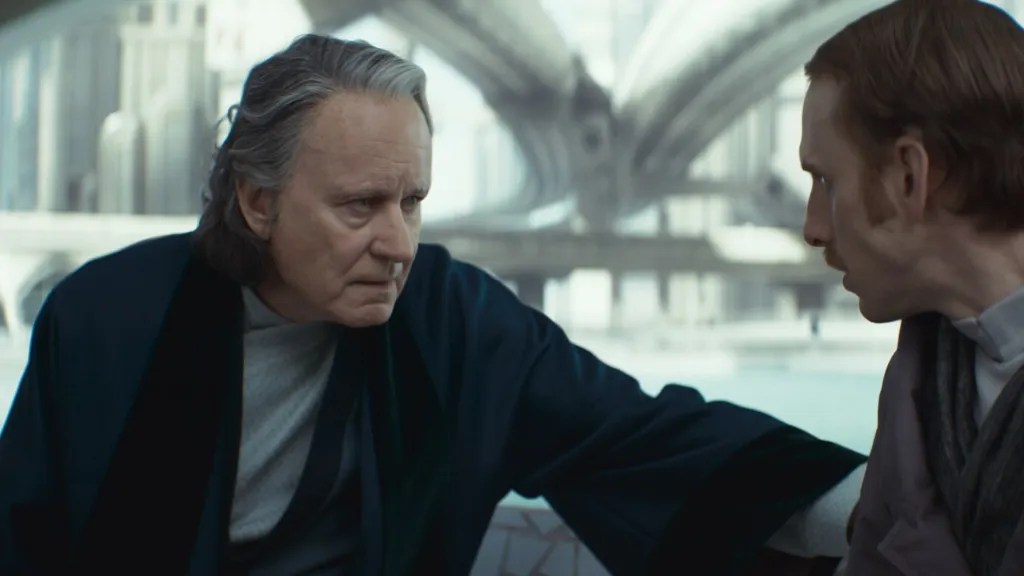
Deedra herself was obsessed with learning the identity of who she considered to be the mastermind behind the Rebellion: a person she called Axis. This turned out to be none other than Andor’s recruiter and mentor Luthen Rael (Stellan Skarsgard), a master spy who runs an antique shop in the Imperial capital world Coruscant and helped fund and coordinate the intelligence network for the Rebellion. Skarsgard gave what is probably the performance of his career as Luthen, a morally complex and mysterious operative who has no boundaries and will use anyone and any means to defeat the Empire. That is incredible considering how perfect the performances are from the other cast members, starting with Luna.

Getting back to the Ghorman Massacre, the incident in the episode “Who Are You?” was very disturbing and hammers home how evil the Empire is; they really are space Nazis who should not be admired. This incident turned out to be a turning point not just with the Galactic Civil War but with the destinies of many characters including Andor. As mentioned before, Andor played a critical role in the early days of the Rebellion. In the second season his most important contribution was when he went to Coruscant and extracted Mon Mothma (Genevieve O’Reilly), one of the few senators who spoke out against the Empire after the massacre and ended up becoming the leader of the Rebellion. The episode “Welcome to the Rebellion” is where Andor extracts her from Coruscant and it was very intense and rousing, especially in the scenes where she gives her speech to denounce the Empire and afterwards when Andor has to get her to safety. What made everything so heartbreaking for Andor was how everything ended for him personally after he succeeded. These developments helped set him up for his situation when we saw him in Rogue One.

A remarkable thing the second season of Andor did was seamlessly connect to Rogue One. The final episode of the series “Jedha, Kyber, Erso” felt like a countdown as many story arcs concluded and featured characters that would show up in the film. The entire series helps us look at the film in a new way when it comes to Andor as we now understand the strife he went through in life and the level of sacrifice he made for the cause. One story line that was never resolved was that of Cassian looking for his little sister. As shown in the first season, the two siblings were separated as children and his search for her when he was an adult set in place his involvement with the Rebellion and his destiny. In one tragic sequence, in the last moments of the last episode, Andor is still dreaming about her, and he never will find out what happened to his sister. That is how life goes unfortunately.

Grounded moments like Andor’s bitter memories, the tragic deaths of beloved characters, the bitter sacrifices made by most characters, and how characters weave in and out of each other’s lives are what set Andor apart from most television shows. It’s a miracle that the show’s creators like Tony Gilroy were given the freedom and the budget to present this masterpiece. It is also unfortunate that we only got two seasons of Andor as it was originally planned for five seasons, one can only wonder how much greater the series would have been.

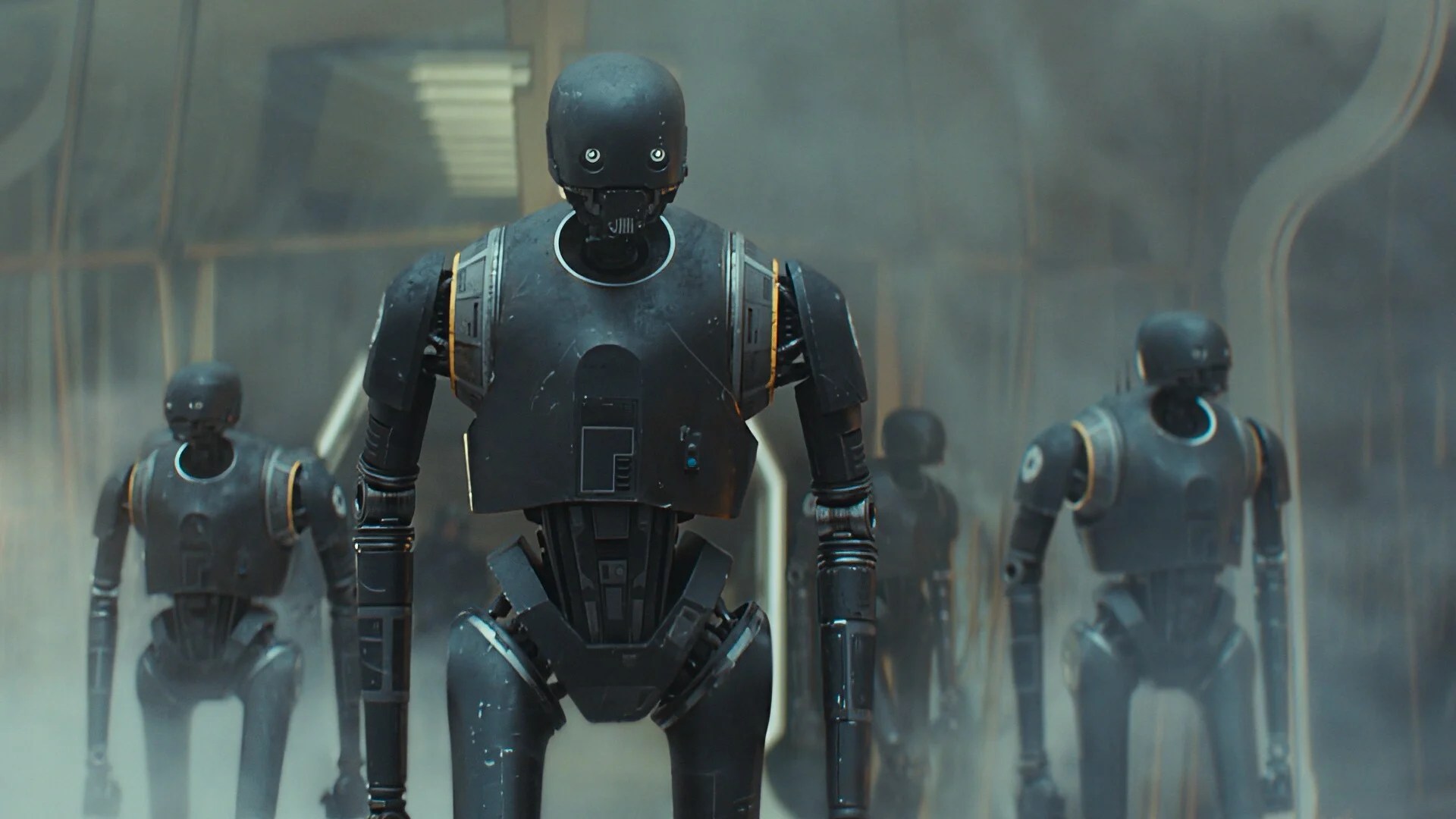
But perhaps it is for the best that Gilroy decided to conclude the series as it probably helped him, and the other creators to focus on the complex stories and had the budget to develop these impressive worlds with rich cultures. Yes, the entire production was of movie quality and captivating. It is not known if Lucasfilm will ever greenlight a TV series like Andor again, but it should. It would be great to see other series focusing on other Rogue One characters like Chirrut and Baze or even Bodhi. But we are fortunate that at least we had Andor, which is not only the best Star Wars TV show of all time but one of the greatest TV shows of all time.

José Soto