Blue Beetle Is A Charmingly Fun Intro To The New DCU

Blue Beetle, the latest live-action film based on a DC Comics superhero, is a fun and charming adventure that could not have come at a better time for DC films.

The track record for DC films has been troubled for several years now. Most of them have not been well received by fans or critics and performed poorly in the box office. Sadly, Blue Beetle will not rake in the big bucks while it’s in theaters (it was just released yesterday in late August, a dumping ground for films). But whether or not it flops, it does signal a return to form for DC films not centered on Batman.
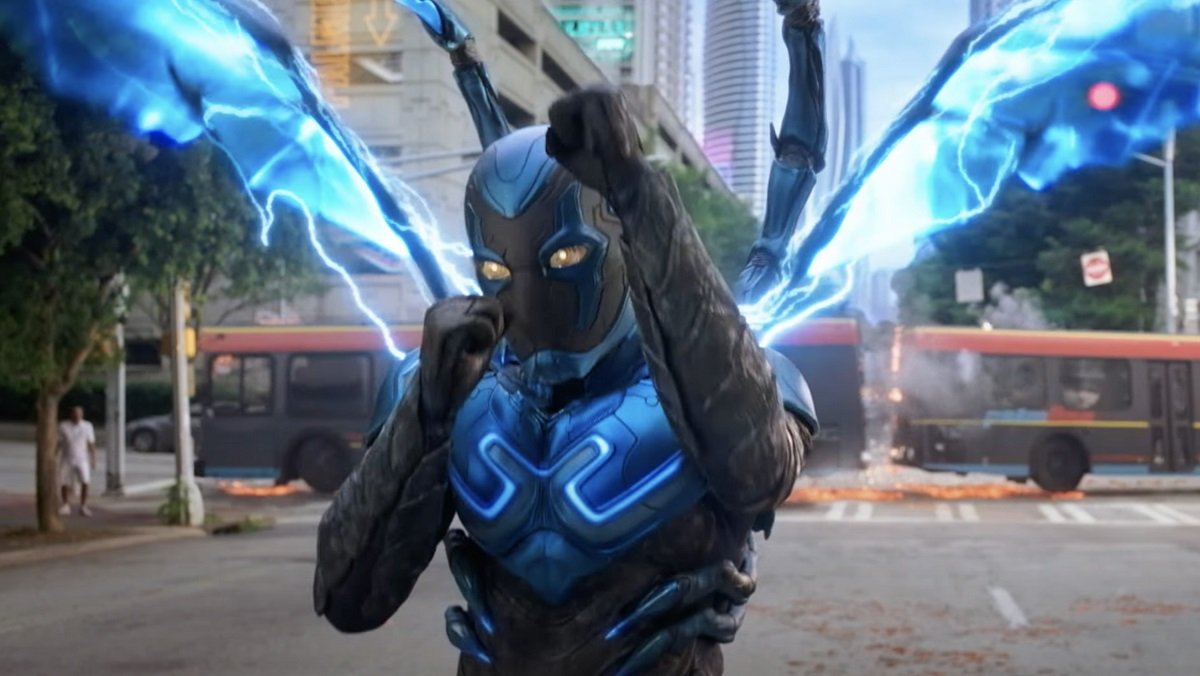
Blue Beetle stars Xolo Maridueña as Jaime Reyes, a recent college graduate who returns to his lower-class home in the hope of finding a good job to help his family. He goes to Kord Industries in Palmera City to meet with Jenny Kord (Bruna Marquezine) for a job opportunity and gets involved in corporate espionage. Jenny steals a strange object shaped like a blue scarab from her company and entrusts it to Jaime.  She does this because she does not trust her aunt, Victoria Kord (Susan Sarandon), the CEO of Kord Industries, because Victoria is focused on trying to create exo-skeletal armored suits called O.M.A.C.s (One Man Army Corps) by using the scarab.

After Jaime brings the scarab home, it activates itself and attaches to Jaime’s spinal cord. The scarab then forms a blue exo-skeletal armor around Jaime complete with futuristic nano weaponry. It’s revealed that the scarab is extra-terrestrial, sentient, and forming a symbiotic relationship with Jaime as its reluctant host.
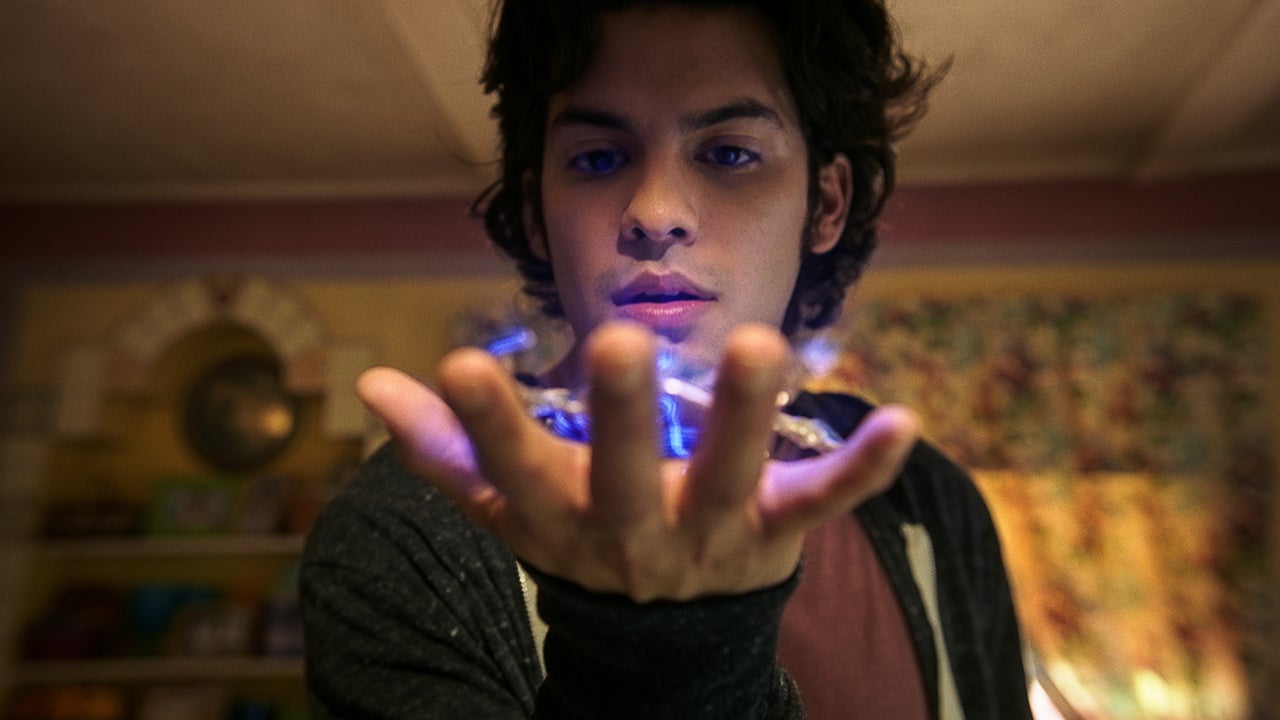
Before long, Victoria learns that Jaime has the scarab and sends her forces led by her bodyguard Carapax (Raoul Max Trujillo) in his own O.M.A.C. suit to find Jaime and obtain the scarab at any cost. This not only endangers Jaime but his family and Jenny, as well, and it is up to them to confront Victoria and her forces.

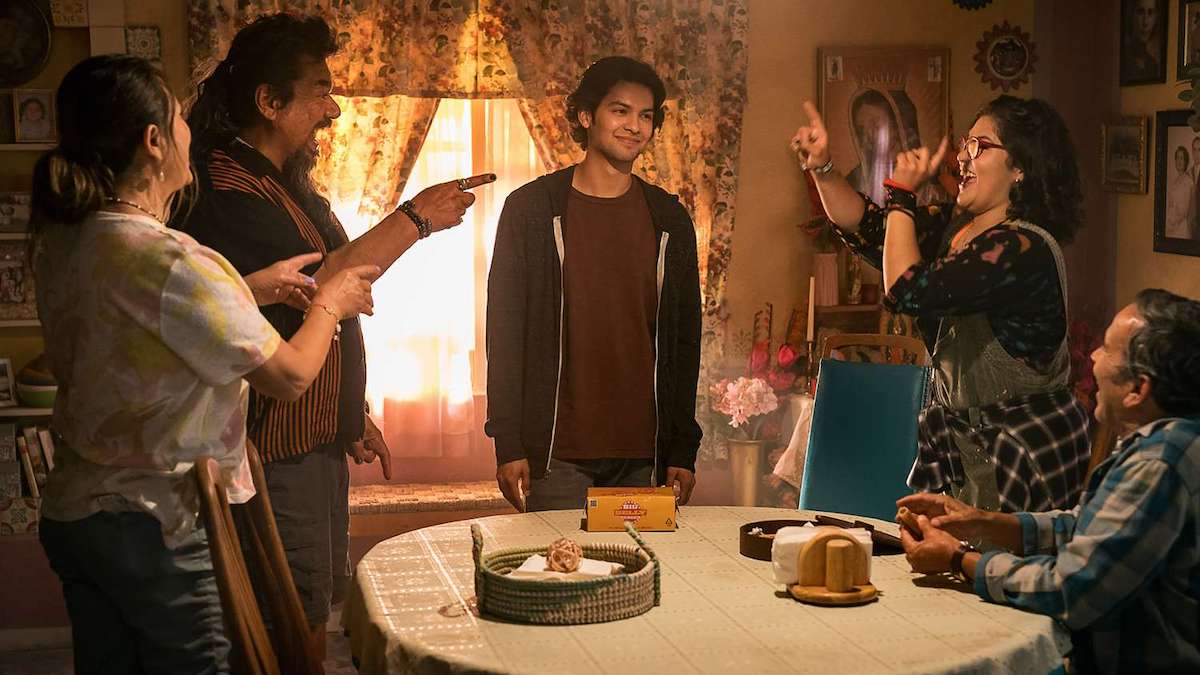
On paper, Blue Beetle sounds like your typical superhero origin film and to an extent that is true. Much of what is seen in Blue Beetle we have seen before in other films like Iron Man, Venom, Black Panther, and so on. But it stands out in many ways. It is largely centered on Jaime’s Latino family and their interactions are one of the best parts of the film. Thanks to the performances of the actors like George Lopez, Adriana Barraza, and Belissa Escobedo the family dynamic is humorous and endearing. It is clear that they are a close-knit family who care about each other and will go through any length to support each other. Also being that the main character is Latino and his culture is represented in the film, it actually helps the film stand out from other superhero films.
What also makes Blue Beetle so winning is the charming performance by Xolo Maridueña who perfectly pulls off the reluctant young hero who only wants to do what is right. He is the core of the film and his journey was quite engaging as he learns to embrace his new role as a superhero. The film itself has some terrific action scenes and moves briskly. What is even more amazing is that the film’s budget is around $100 million and its special effects are more impressive than some of the recent superhero films that boasted larger budgets. Its director Angel Manuel Soto should be commended for delivering an enjoyable and fun superhero film.

Of course, the familiar superhero tropes are a drawback to the film. They include the theme of the hard-luck everyman type who reluctantly has to deal with the life-changing aspect of becoming a superhero. This aspect also comes complete with pep talks by trusted family figures that help him on his emotional journey. Another gripe is that the villains, especially Sarandon’s Victoria Kord, are one dimensional, although Carapax has an interesting revelation at the end. As much fun as Blue Beetle was, it was very goofy and silly at times, especially with the scenes where his grandmother starts blasting away goons with a futuristic Gatling gun. Still, Blue Beetle on the whole is a fun viewing experience that exceeds expectations.

Thankfully, James Gunn, the head honcho of the DC films has already announced that Maridueña and his character will be part of the new DC Universe (DCU) films that will replace the troubled DC Extended Universe (DCEU) films. Blue Beetle was made while the DCEU was still in existence but it barely acknowledges that it is part of any film universe aside from a couple of throwaway lines to a handful of DC superheroes. This was a wise move since it is not clear which universe Blue Beetle takes place in. It could be part of another universe altogether like The Batman is for all we know. But even if the film does not make a lot of money, the characters in this film deserve to return and be part of the DCU. While Gunn keeps claiming that the upcoming Superman: Legacy will be the official start of the DCU, given how winning and charming Blue Beetle is, it should be given that honor instead.

José Soto
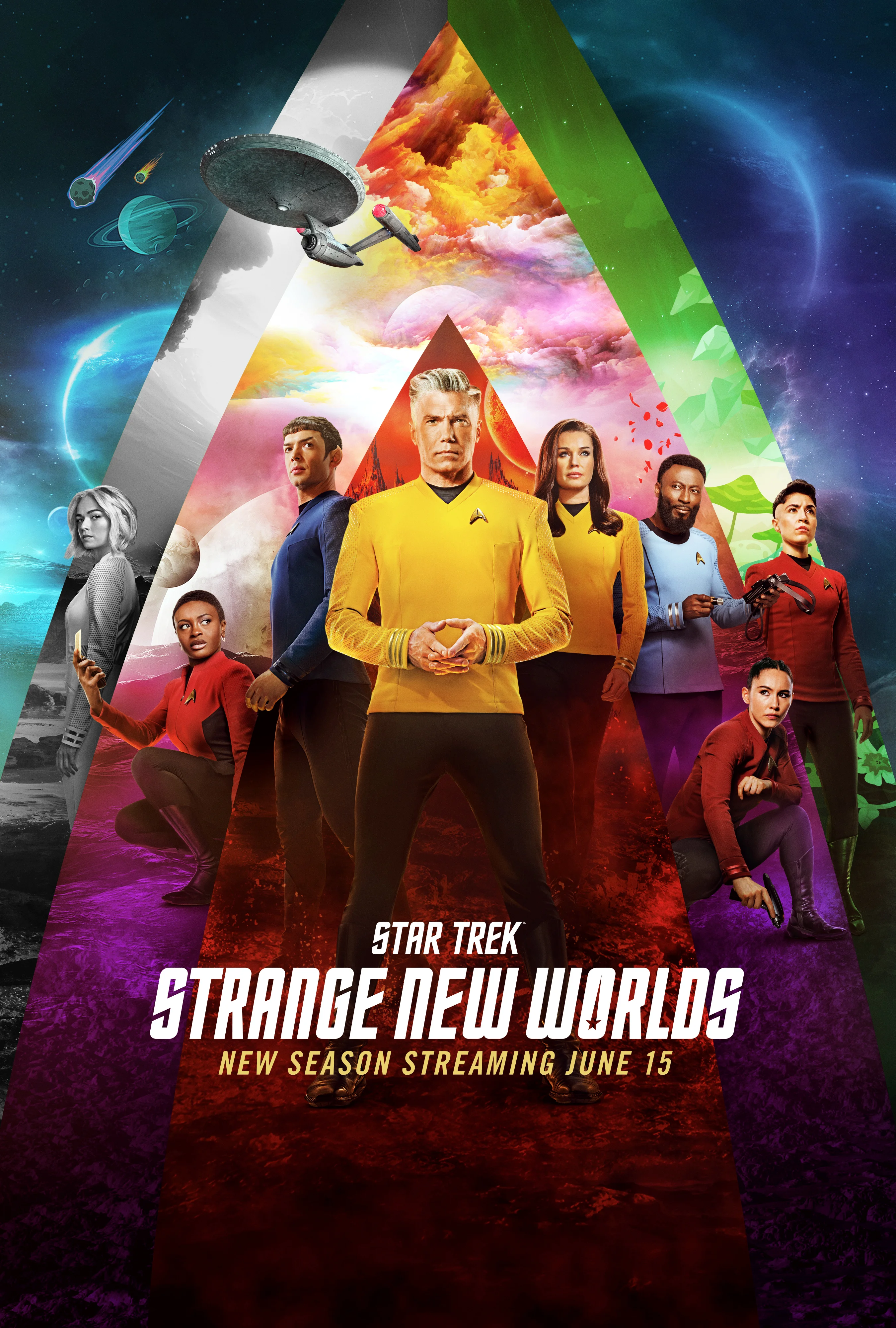
Star Trek: Strange New Worlds Has A Soaring Second Season

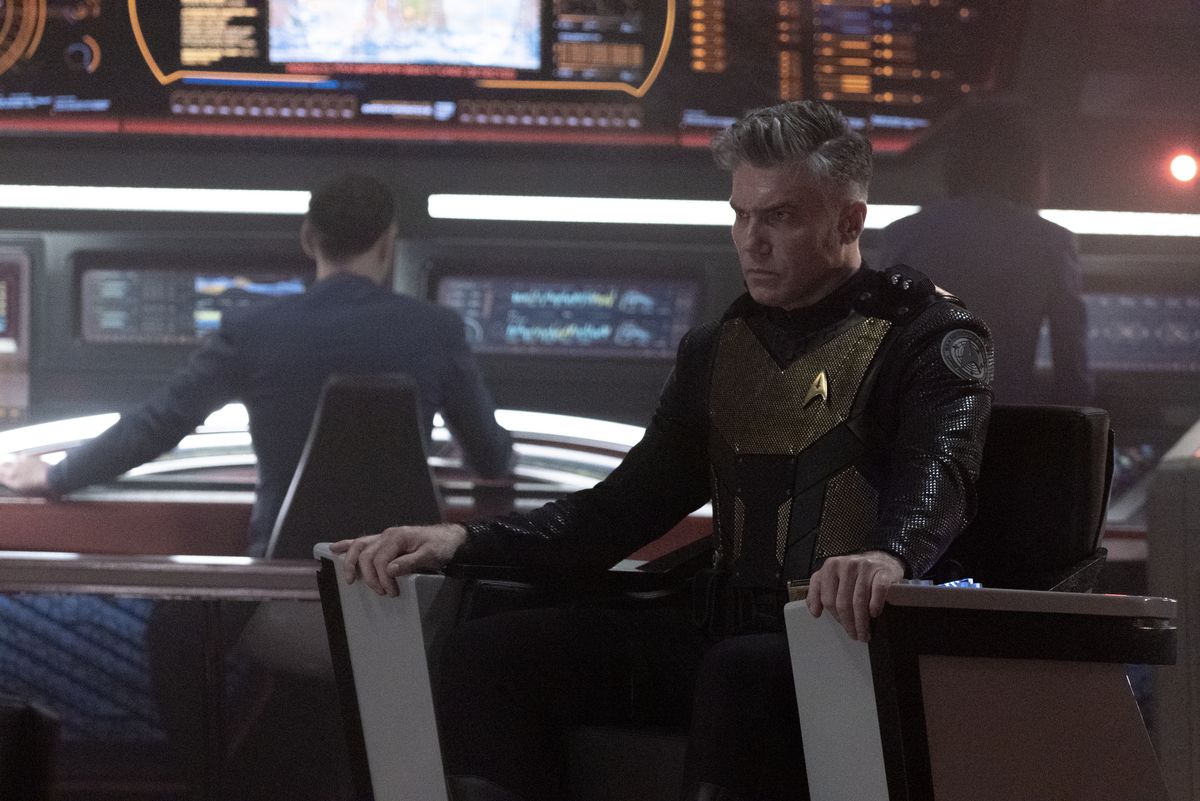
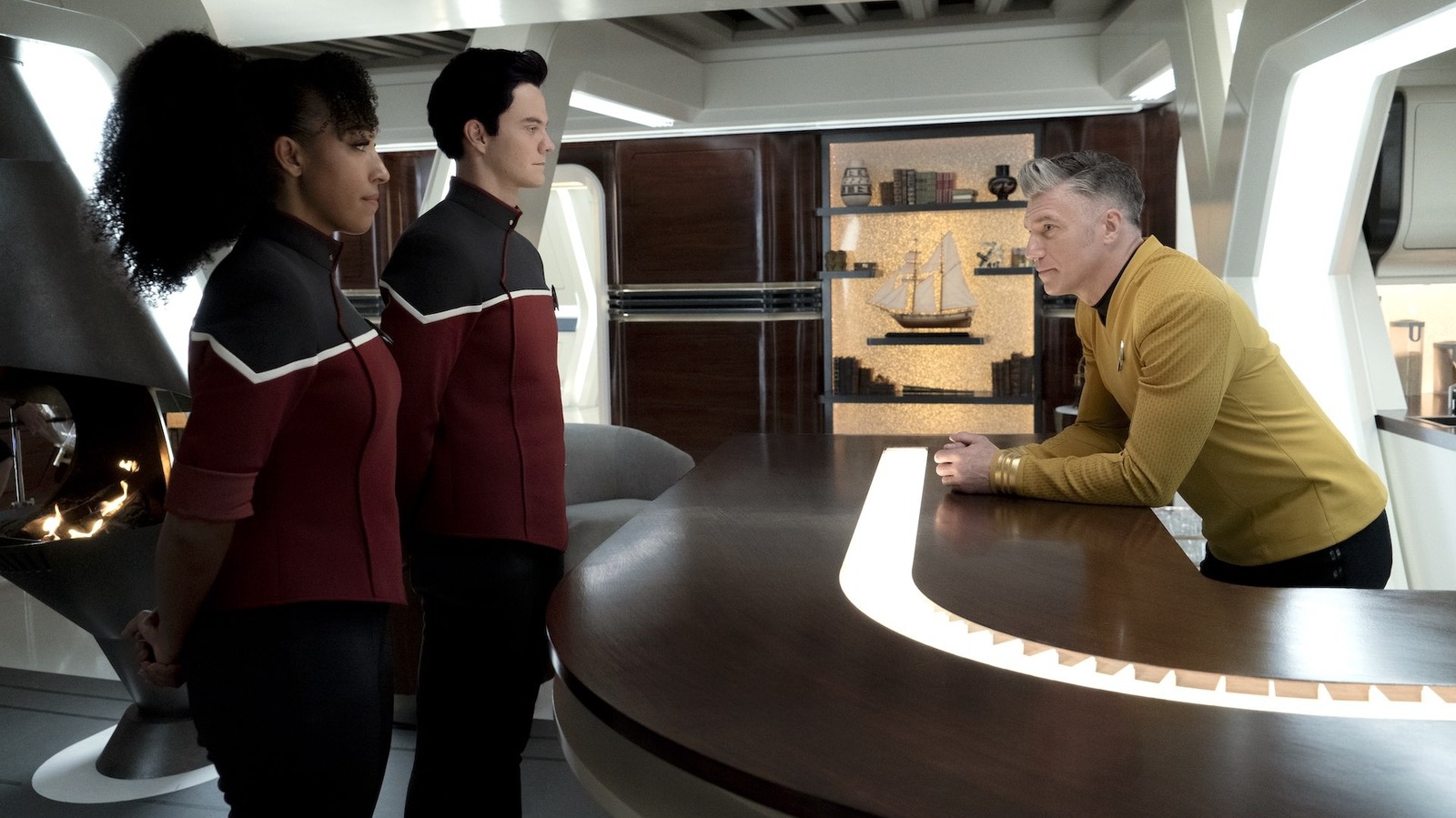
Yes, yes, those who have seen the second season finale of Star Trek: Strange New Worlds must be going insane and for good reason. The episode “Hegemony” ends in a cliffhanger! What’s worse is the fact that the production of the third season of the TV show has come to a complete halt because of the ongoing writers and actors strike. So it’s anyone’s guess as to when we’ll get to see the conclusion of the second season finale. However, “Hegemony” is the final proof that the second season of Star Trek: Strange New Worlds has been a soaring triumph.

It was critical for Star Trek: Strange New Worlds to have a successful second season to keep up the praise it received with its inaugural season and to measure up with the triumphant final season of Star Trek: Picard. After all, Star Trek: Strange New Worlds streamed mere weeks after Star Trek: Picard concluded and it had to at least be competent unlike Star Trek: Discovery. Thankfully, the second season was able to pull it off and deliver exceptionally well executed standalone episodes. Not every episode was a homerun but they were fantastic, and even pushed the creative envelope. The two episodes that best exemplify this were “Subspace Rhapsody” and “Those Old Scientists”.

“Subspace Rhapsody” had the audacity to be a musical and it was actually entertaining and provided interesting character insights, such as Uhura’s (Celia Rose) loneliness, La’an’s (Christina Chong) willingness to face her emotions, and Spock (Ethan Peck) and Christine Chapel’s (Jess Bush) doomed relationship.

Meanwhile, “Those Old Scientists” demonstrated that unlike the uneven comedic attempts in the first season, Star Trek: Strange New Worlds was able to deliver very humorous episodes. At the same time, the episode was a truly great crossover with the animated Star Trek: Lower Decks as Brad Boimler (Jack Quaid) and Mariner Beckett (Tawny Newsome) made their live-action debuts. They also served as representatives of fans by the way they kept gushing over the OG Star Trek characters.

The best episodes in the season however, were “Under the Cloak of War”, “Tomorrow and Tomorrow and Tomorrow” and the previously mentioned “Hegemony”. The episodes were your more traditional Star Trek yarns, but they were exceptional.

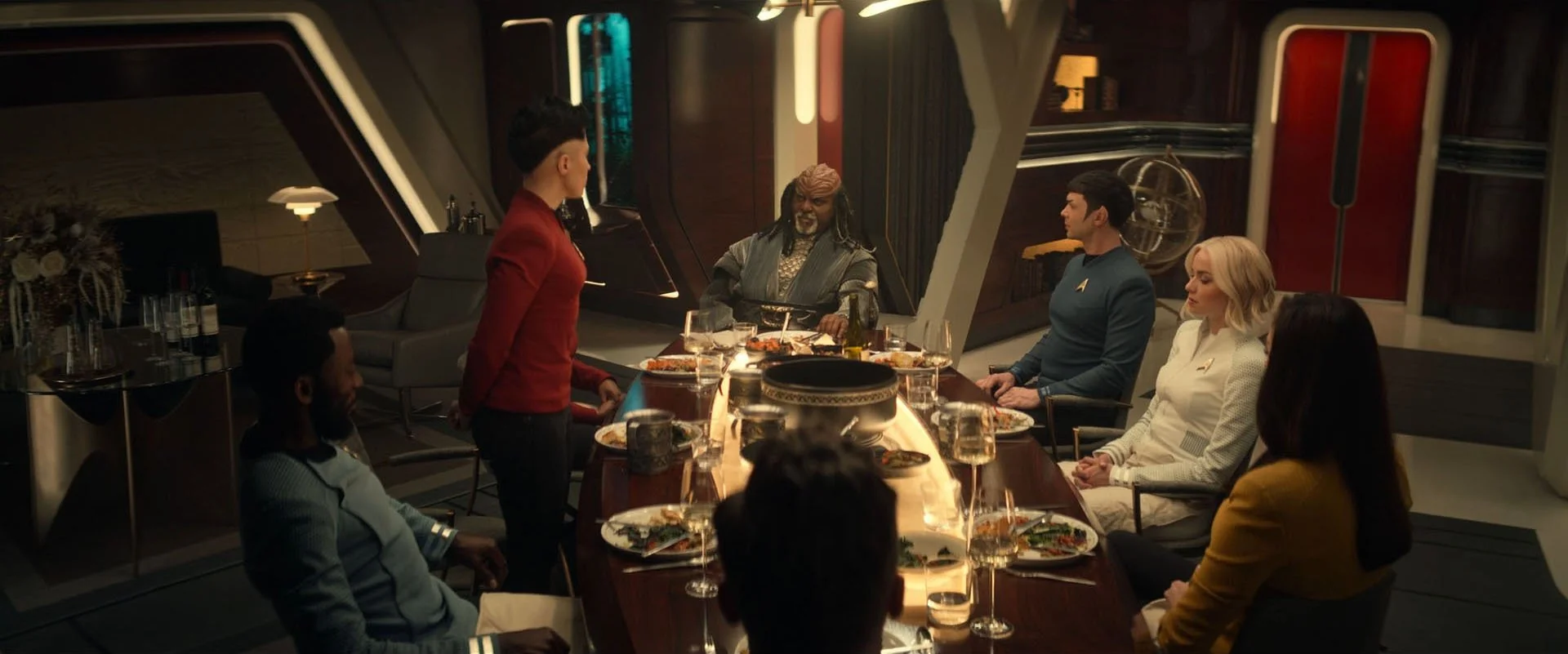
“Under the Cloak of War” offered a sobering look at the impact the Klingon War had with Dr. M’Benga (Babs Olusanmokun) and Christine Chapel as they had to interact with a notorious Klingon general (Robert Wisdom) who defected to the Federation. While the two dealt with their emotions in the present day, intense flashbacks of their time during the Klingon War were vivid and evoked Star Trek: Deep Space Nine’s Dominion episodes.

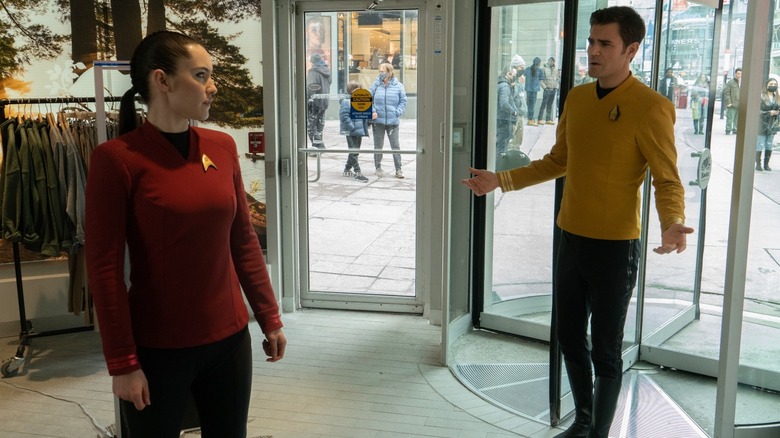
“Tomorrow and Tomorrow and Tomorrow” was an above average Star Trek time travel episode as La’an, along with an alternate version of James T. Kirk (Paul Wesley), wind up in Toronto during the mid-21st century. What made the episode stand out was the chemistry between the two and La’an’s dilemma as she faced her ancestral history (she is a descendant of the infamous Khan Noonien Singh).

 “Hegemony” brought back the Gorn, the reptilian enemy race of the the Federation, and they were as deadly and frightening as ever. Captain Christopher Pike (Anson Mount) had to find a way to evacuate colonists off a world that has been claimed by the Gorn. The mood of the episode was chilling and foreboding as it had elements of Alien, and as a bonus we get to meet the new version of the future miracle worker, Montgomery Scott (Martin Quinn). The actor perfectly captured the essence of Scotty without seeming like a parody.  But as mentioned at the start of this review, the episode ends on a cliffhanger. Nuts! Come on you mega-rich studio execs, find a way to properly compensate the writers and actors who are the backbone of your products!

Continue reading

A Disappointing Secret Invasion

The six-part Secret Invasion TV series on Disney + streamed its final episode last night and unfortunately it was as mid as the rest of the series. To go into why it was so mediocre and par for the course with the recent TV shows set in the Marvel Cinematic Universe (MCU) there will be major spoilers from this point on.

Secret Invasion had a lot to admire, notably Samuel L. Jackson as former S.H.I.E.L.D. director Nick Fury, Olivia Colman as British secret agent Sonya Falsworth, and some terrific dialouge. There was one riveting moment where Fury explained, using his childhood memories in the segragated south, why humanity would never accept alien beings living on Earth. But the overall feeling of the series feels underwhelming and done on the cheap, which is surprising given that it supposedly had a large budget.

Like every comic-book adaptation, Secret Invasion was very loosely based on the Marvel Comics mini-series of the same name in that it only adapted the basic premise that alien shape shifters called Skrulls infiltrated Earth’s human populace. Unlike the comic books there weren’t any Skrulls impersonating superheroes except for Col. James “Rhodey” Rhodes aka War Machine (Don Cheadle). There aren’t any epic battles between superheroes and their alien counterparts, and there is a lack of paranoia about who was a Skrull like in the comic books where readers were shocked that several superheroes were impersonated by Skrulls for years.

Yes, there was Rhodey, but that was it, and by the way he acted at the start of the series it was fairly obvious that he was a Skrull. There were a few other revelations but they lacked any dramatic punch because most of these people never appeared before in the MCU. The TV series was just begging for appearances from many established characters, yet that never happened. Sure, it was unrealistic to expect Chris Hemsworth or Paul Rudd to show up, but the MCU has so many distinctive minor characters that could have appeared to play into the paranoia by revelations that they were Skrulls. What is it, they ran out of money to pay these actors? Did the showrunners seriously expected viewers to be shocked when it was revealed that the prime minister of the United Kingdom was a Skrull? Big deal! This faux prime minister did not even do anything!

The storyline followed Nick Fury as he learned that a million Skrulls are living as refugees on Earth disguised as humans. One of them, Gravik (KIngsley Ben-Adir) was a former spy who worked with Fury and is now a terrorist intent on turning Earth into a new homeworld for his race. To do this, Gravik planned to start World War III by using his clandestine Skrull army to instigate a conflict between the United States and Russia. With limited resources, except the help of his Skrull friend Talos (Ben Mendelsohn). Fury has to muster all his connections and skills to stop Gravik and his followers.

What could have been an intense and paranoid political thriller came off as underwhelming aside from a few bright moments throughout the show. Many elements of the storyline do not make sense. For instance, Skrulls were immune to radiation, which is why Gravik wanted to start a third world war. He reasoned that when humanity was wiped out by the fallout radiation the remaining Skrulls would inherit the Earth. But did he stop to consider that Skrulls would be just as vulnerable to the shockwaves and firestorms from the nuclear explosions? What about the biosphere of Earth, could the Skrulls survive on a poisoned planet with no food available and destroyed infrastructures?

Then there were the attempts to assasinate the president of the United States (Dermot Mulroney). There was a sequence in the fifth episode where the president’s motorcade in England was attacked by Gravik’s forces. It was exciting, but it was nagging to see how lightly protected the motorcade was or how it was put into a vulnerable position in the first place. Some lines of dialogue that the Secret Service was severely compromised would have helped here. The poor lines of defense are even more noticeable in scenes were the president was in a British hospital with very few people around him. He should have had an army surrounding him after the motorcade attack and most likely the Secret Service would have whisked him off to Air Force One. Instead we are expected to believe that Fury was able to slink into the hospital without any serious opposition.

There were these cheap dramatic moments of Fury facing off with the Rhodey Skrull. Every time the Skrull would get the upper hand because he was disguised as Rhodey. So why didn’t Fury do what Falsworth did in other scenes when dealing with Skrulls and just shoot him? She showed that injuring a Skrull would have revealed that their blood was a different color and boom, the fake Rhodey would have been exposed.

Continue reading

Meaningless Superhero Deaths

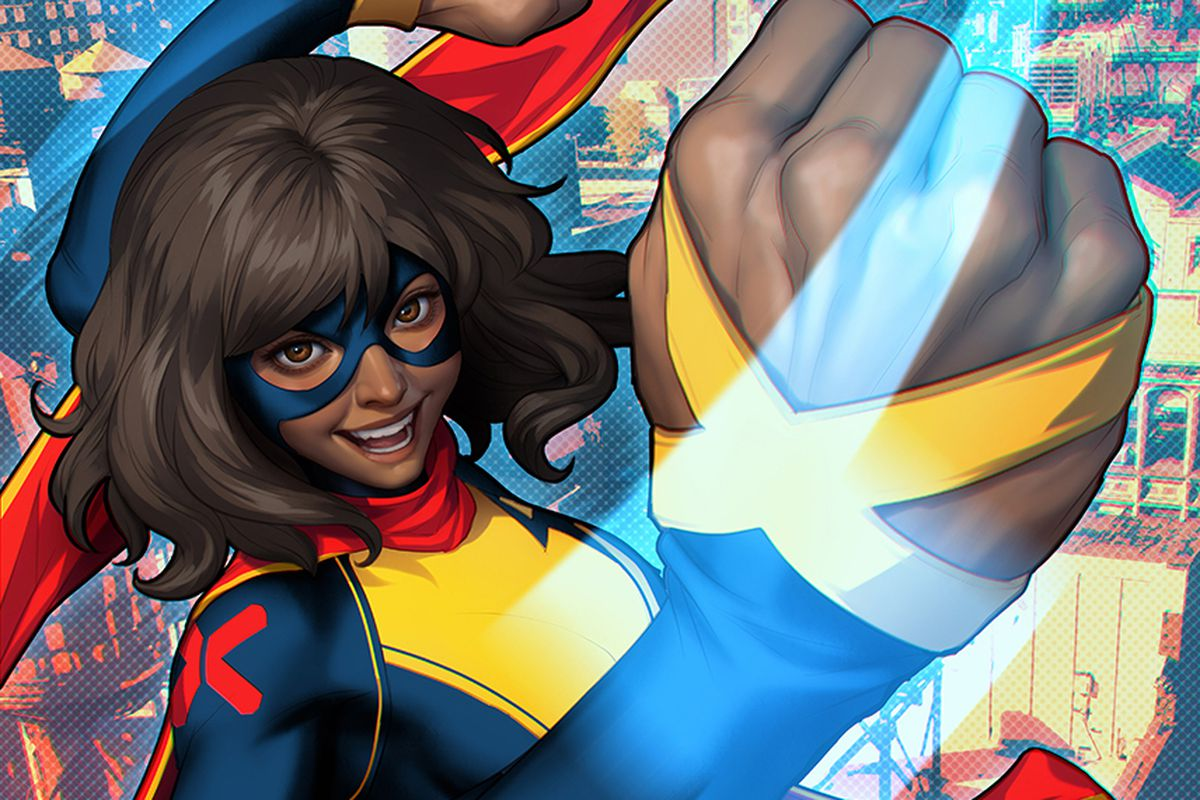
Ms. Marvel is the latest high-profile superhero to have died, which created some controversy with comic book fans. But what was even more troubling was the jaded reaction from many others who knew she would come back to life as was recently announced. This development is just another example of lazy comic book writing trope of killing off then resurrecting a popular character.

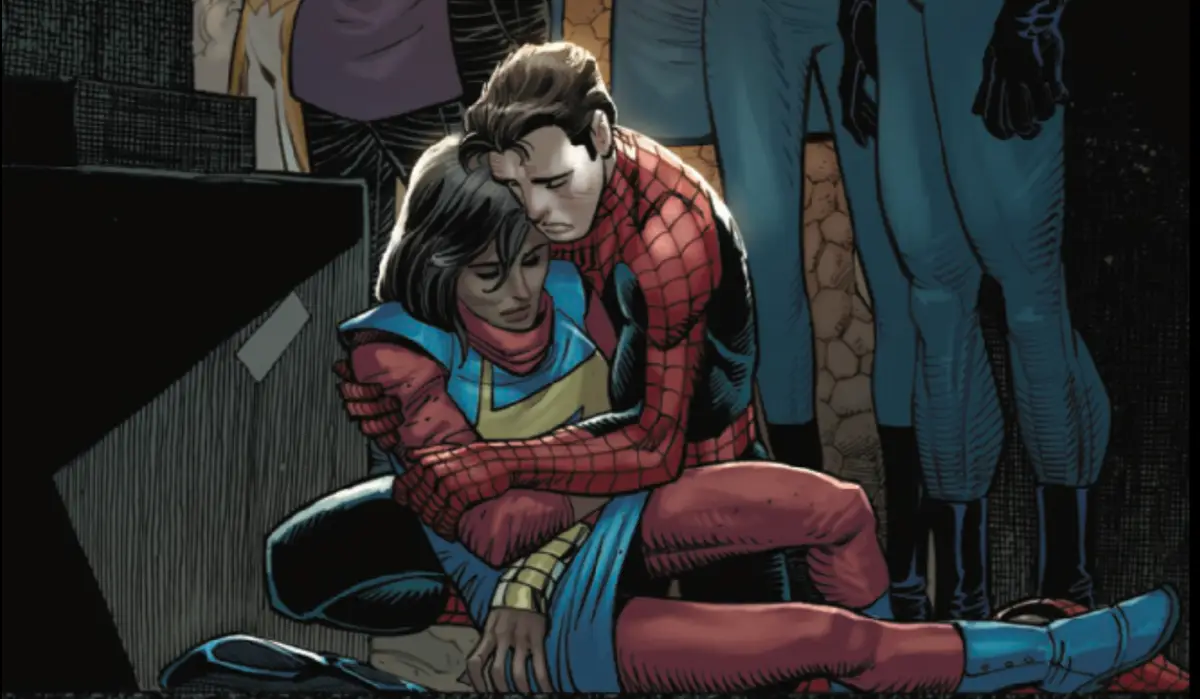
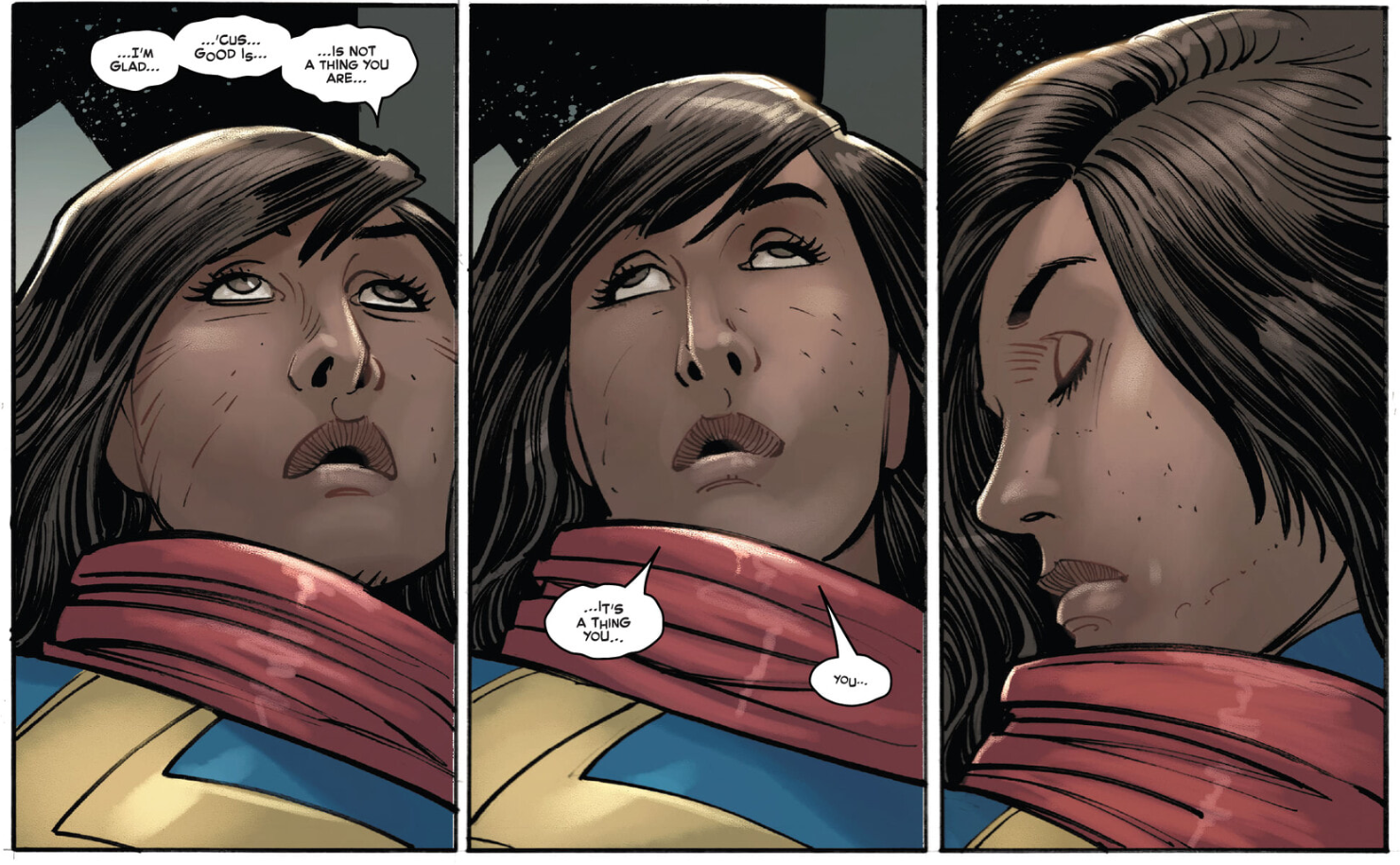
When Ms. Marvel was killed off in the closing pages of The Amazing Spider-Man #26, her death made lots of headlines and angered many fans. But many of them were not upset because she was killed. They were upset over the way Marvel Comics threw out all the pomp and circumstances to commemorate the superhero because it was clear she would not stay dead. Sure enough, Marvel Comics announced a few days ago that she will return in a new mini-series called Ms. Marvel: The New Mutant, which will be written by Iman Vellani, who portrays the superhero in the Marvel Cinematic Universe (MCU).

Seriously, is anyone surprised by any of this? Of course, they would not let the poor girl rest in piece. Not when she will co-star in The Marvels later this year. The only reason as to why go through all this death and resurrection is to synch the character with the MCU version. As most comic book readers know, Ms. Marvel is an Inhuman in the comic books, but for whatever reason she was designated as a mutant in the final episode of Ms. Marvel. Given that Inhumans never reached the popularity of mutants in the pages of Marvel Comics, perhaps the powers-that-be gave up on the Inhumans and decided to have it revealed that she is actually a mutant.

Still, why go through all the hand wringing and kill her off in the first place? In the pages of The Amazing Spider-Man, the title character is shown to be in full mourning over Ms. Marvel aka Kamala Khan, but the two were hardly best buddies. Sure, they’ve teamed up a few times it’s not like this happened to the Human Torch. It would have made more sense if she died in the arms of the superhero Ms. Marvel looks up to, Captain Marvel. This was most likely done to generate sales and interest for the comic books, but we’ve been through this too many times, and it was done much better before.

The best example was with the Death of Superman storyline that spanned many comics. That event worked because his death and resurrection felt organic, had a huge impact in the world of DC, and explored all the nuances of Superman dying and coming back to life. Even the death of Captain America years later was better executed as readers had time to process his death and see the Winter Soldier becoming the new Captain America and so on. There is also the death of the Ultimate Comics version of Spider-Man, which turned out to have introduced an even more popular version of the superhero: Miles Morales.

The problem with Ms. Marvel’s death is that these superheroes deaths have been done to death and in Ms. Marvel’s case, it was done too abruptly. Then before anyone could process anything, Marvel goes and announces she is coming back. There were much more imaginative ways to transform Ms. Marvel into a mutant without using the cheap theatrics of temporary deaths. This development still would have generated news, but with less cynical reactions. The fact that Marvel chose the cheap and easy way to go about her transformation just underlines how the so-called House of Ideas has run out of them.

The Indiana Jones Films Ranked

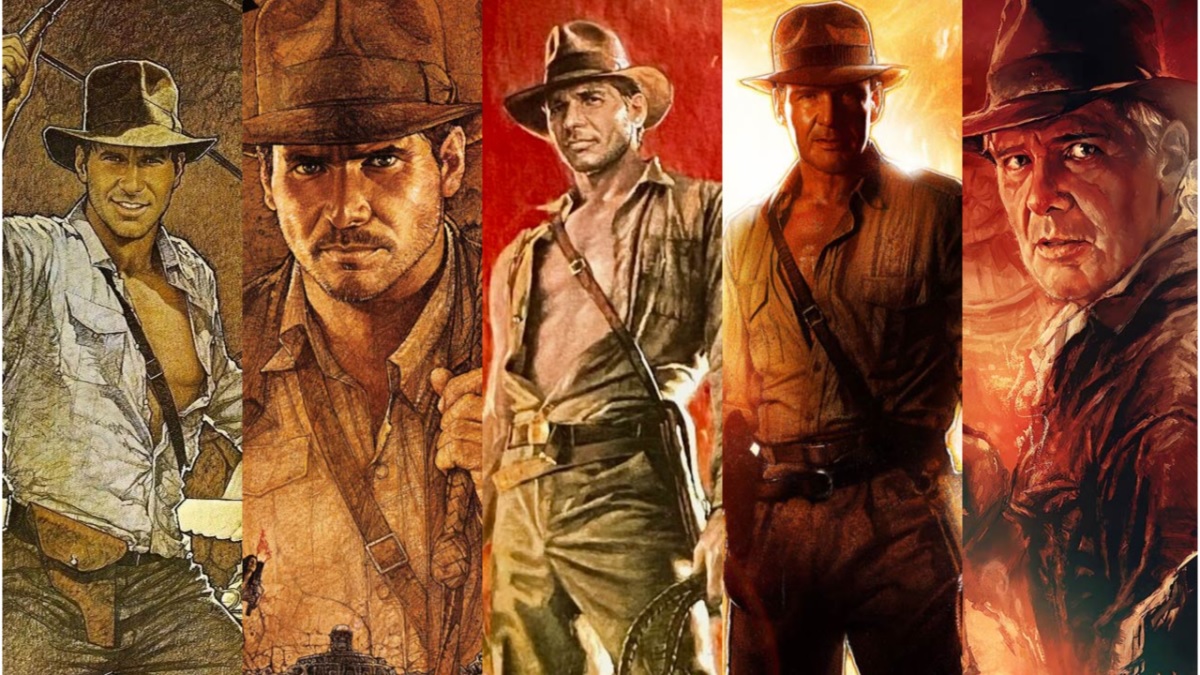
Now that Indiana Jones and the Dial of Destiny has been released, the Indiana Jones film franchise is complete and we can rank all five films.

The quality of these films are generally high, some of which are genuine masterpieces. Even the films that rank at the bottom are entertaining with their own merits, but have their flaws, of course.

Here are the Indiana Jones films ranked from least to best. Be aware of spoilers ahead and feel free to drop a comment about your own preferences!

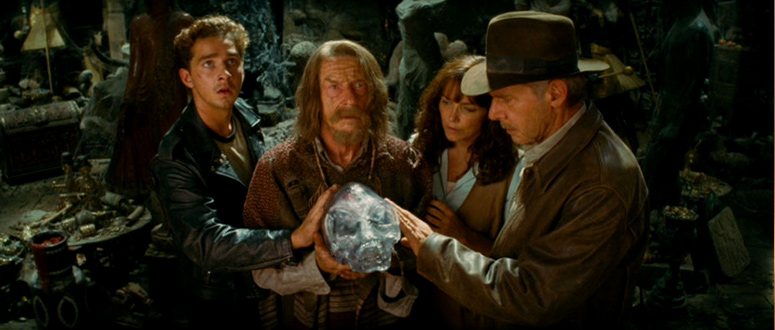
5. Indiana Jones and the Kingdom of the Crystal Skull

It had been nearly twenty years since Indiana Jones and the Last Crusade came out in theaters when the fourth film premiered. This was the best they could come up with? This was the film that gave us the infamous phrase nuke the fridge because Indy survived a nuclear explosion by hiding in a refrigerator. Our favorite archaeologist deals with the 1950s as he searches for the lost city of Ankakor in South America.  Among the 1950s tropes Indy grapples with include the red scare, bug-eyed aliens, and a greaser who turned out to be his son.

It was great seeing Harrison Ford reprising his role as Indiana Jones and how the adventurer functioned in a different decade. Some of the images from director Steven Spielberg were jaw dropping such as Indiana witnessing an atomic mushroom cloud or a great motorcycle chase on a college campus. But more often than not it felt like many of the filmmakers were phoning it in and taking the easy route. The film is riddled with obvious and needless CG images and stunts, and most of it looked fake. There was little sense of danger in many scenes.

Despite the fact that the script had been worked on forever, it still needed work as the motivations of characters did not make sense. The camaraderie between Indiana and his son was undeveloped and paled when compared to that of Indy and his father in the previous film.

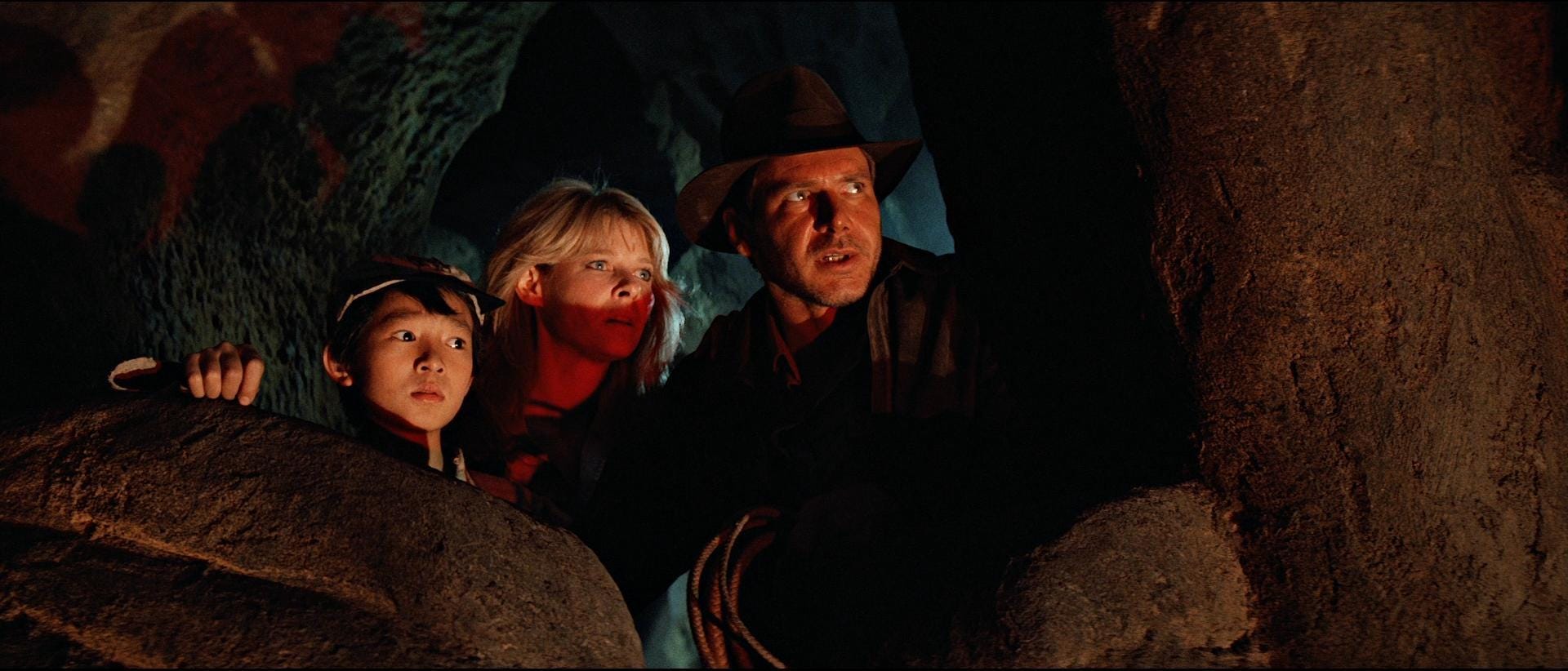
4. Indiana Jones and the Temple of Doom

As the franchise’s only prequel the second Indiana Jones film turned out to be the darkest in the franchise due to personal issues regarding divorces that creators Spielberg and George Lucas were going through at the time. The result was that the film feels mean spirited at times and dated with its misogyny and questionable depictions of other cultures.

It lacked the epic scale of Raiders of the Lost Ark and the filmmakers reveled too much in trying to gross out audiences and with trying too hard to be different from the first film. At times, Indiana Jones and the Temple of Doom felt more like a romantic comedy instead of an adventure film. Also, the MacGuffin Indy hunted for was far less impressive when compared to the Holy Grail or the Ark of the Covenant. What exactly do the Sankara Stones do except glow? The characters were annoying and unlikeable especially Willie Scott. She was supposed to be a sharp contrast to the tough-as-nails Marion Ravenwood from the previous film. But by trying to make Willie the opposite of Marion, the filmmakers turned her into a stereotypical screaming damsel in distress who lacked any substance.

Despite its faults, Indiana Jones and the Temple of Doom has some of the franchise’s greatest action scenes that still hold up to today and are iconic. Ford was great as always, as was the production design and score by John Williams.

3. Indiana Jones and the Dial of Destiny

The fifth and final Indiana Jones film has had a mixed reaction from fans. It will take some time to see how it holds up, but for now this is the rank it has earned. There was a lot of trepidation over the film since Spielberg did not direct it and many questioned how an old Ford could believably play a swashbuckling treasure hunter. But the film is an enjoyable send off to the franchise.

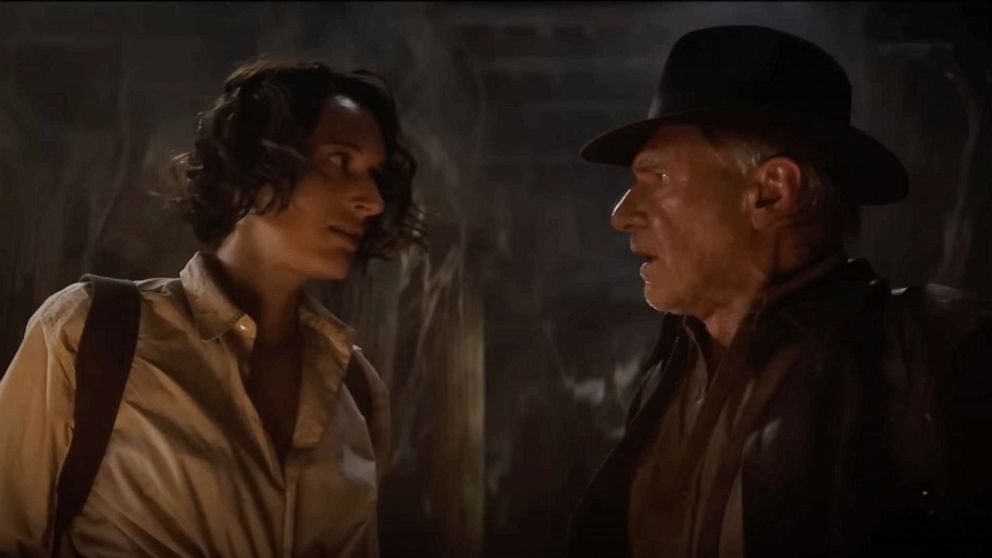
Even though Indiana Jones and the Dial of Destiny lacks a lot of Spielberg’s visual flair, director James Mangold does a fine job with this look at Indiana Jones as a senior citizen in the late 1960s. Embittered over the death of his son which destroyed his marriage and facing retirement, Indiana carries out one final treasure hunt with his goddaughter, which involves time traveling to ancient Syracuse and meeting Archimedes.  Harrison Ford Is Too Old for This Shit – Rolling Stone

There are some issues with the plot mechanics and its credibility (something that the other films suffer from, such as characters using life rafts to jump from an airplane and other feats that would have killed them). But Ford has some good chemistry with Phoebe Waller-Bridge, who plays his goddaughter and the film has some exciting moments, especially during a flashback scene set in World War II and an intense tuk-tuk chase sequence. Anyone hesitant about the film because of Spielberg’s absence should put doubts aside and see Indiana Jones in his last great cinematic adventure.

2. Indiana Jones and the Last Crusade

After the mixed reaction to Indiana Jones and the Temple of Doom, Spielberg and Lucas went back to basics and delivered a rousing adventure that is nearly as great as the first film. It is also the funniest film in the franchise.

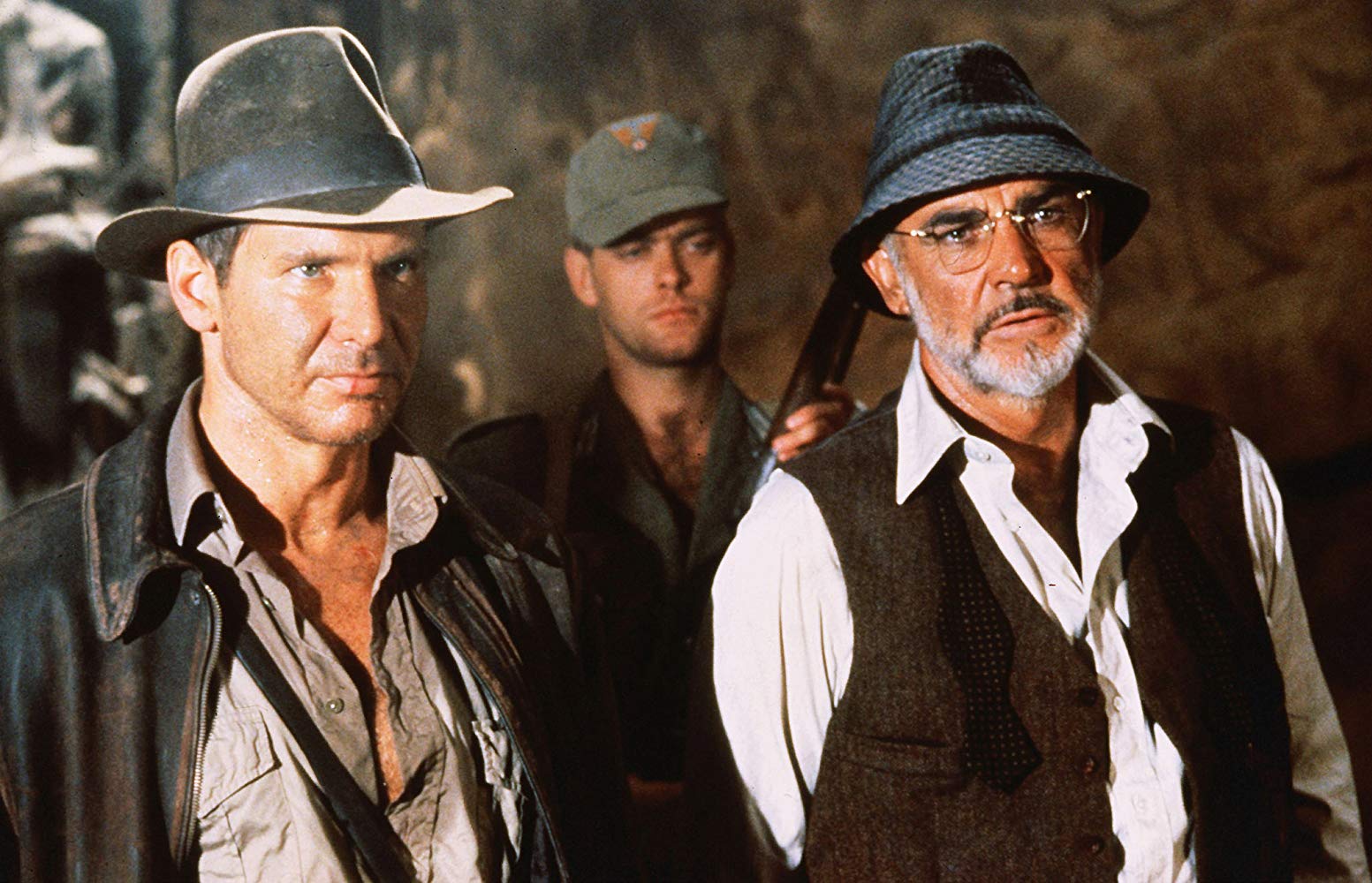
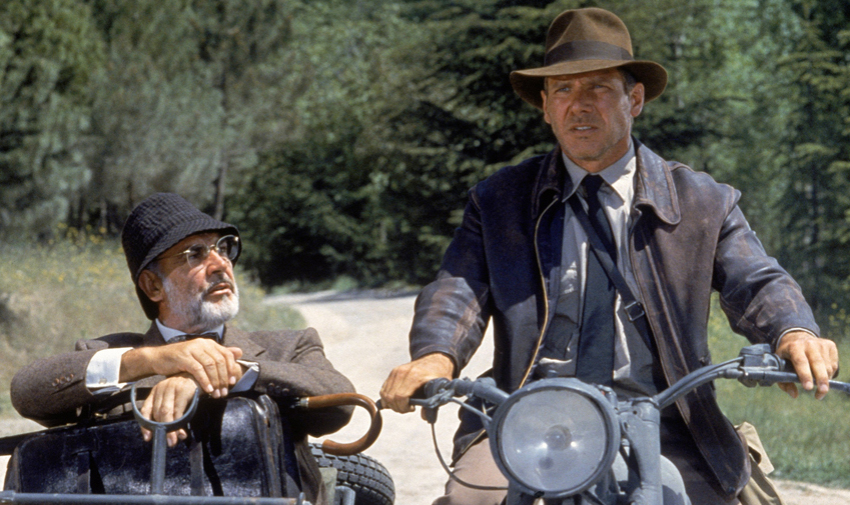
The film opens with a rousing flashback to 1912 which features River Phoenix as a teenaged Indy. After we find out why he fears snakes and how he got his famous fedora hat, the film jumps forward to 1938. Indiana travels to a pre-World War II Europe to find his missing father, who he has not spoken to in some time. Sean Connery was magnificent as Indiana’s father and the two actors share some of the best moments in the franchise thanks to their incredible chemistry.

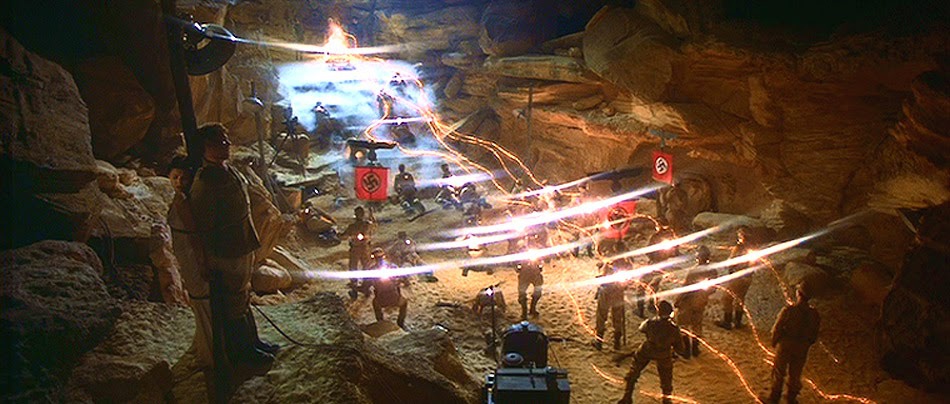
Indiana Jones and the Last Crusade follows some of the same beats as Raiders of the Lost Ark, such as Nazis, intense chases, epic scenery and spine-tingling explorations of ancient sites. Thanks to Spielberg’s skills, a great script and inspired acting, the third film is definitely classic cinema. Oh, be sure to watch the film to the end as it features one of the most beautiful ending scenes ever filmed as Indiana Jones and his companions ride off into the sunset.

1. Raiders of the Lost Ark

Also known as Indiana Jones and the Raiders of the Lost Ark, this is the first and still greatest Indiana Jones film. When thinking about the recent Martin Scorsese “This is Cinema” meme, Raiders of the Lost Ark certainly applies to that phrase!

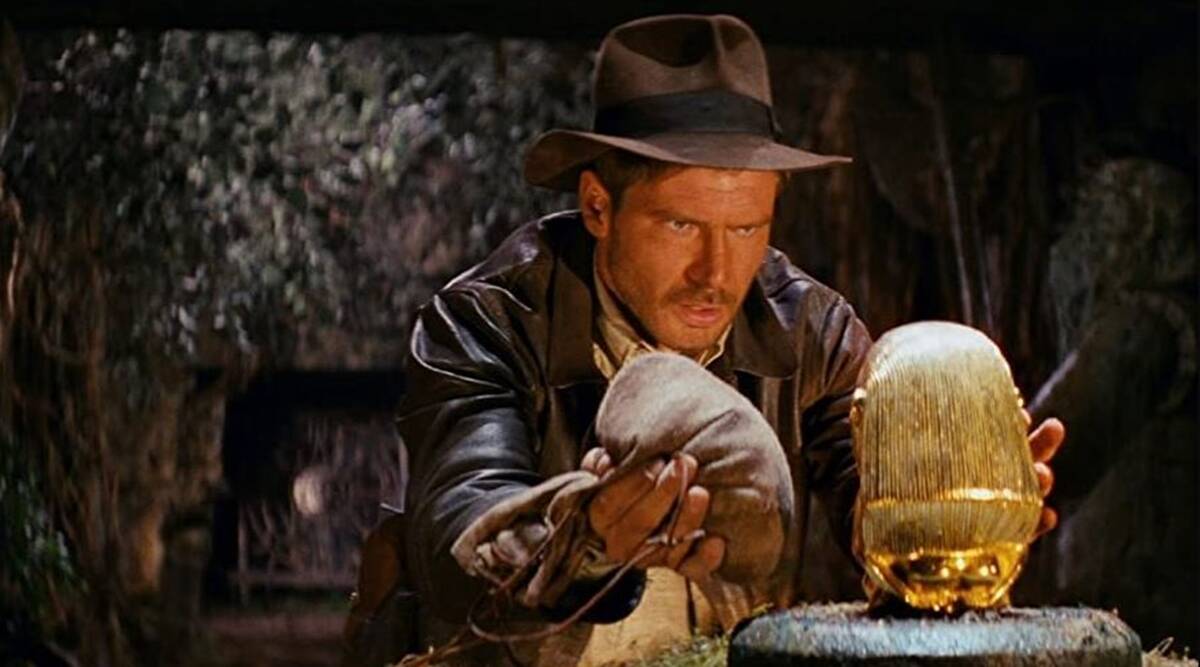
Set in 1936, Raiders of the Lost Ark introduces us to Indiana Jones, a two-fisted, globe-trotting archaeologist who hunts ancient treasures. Inspired by the movie serials of the 1930s and 1940s, Raider of the Lost Ark elevated that kind of cinema into the greatest action-adventure film of all time. This was due to the groundbreaking collaboration between George Lucas and Steven Spielberg who wanted to do his version of James Bond. Here’s a bit of trivia, Lucas initially called the hero Indiana Smith and we’re glad the name was changed to Jones since it flows much better!

Spielberg was at his best when directing this monumental film. It featured many of his trademark visual touches like his God light on characters and inventive composition of shadows and silhouettes to showcase characters. Of course, none of this would mean much without a great script, which is what the film thankfully had from Lawrence Kasdan. Each shot was nearly perfect as the level of excitement and mystery increased with each passing second. Raiders of the Lost Ark is true cinematic treasure that has endured through the years and set a standard with adventure films that is difficult to match. That is why it is the best of the Indiana Jones films.

NOTEWORTHY MENTION

Young Indiana Jones and the Mystery of the Blues

During the 1990s, ABC aired The Young Indiana Jones Chronicles, which were historical dramas about Indy when he was a child and a young adult. The episodes had opening and closing segments that starred George Hall as an old Indiana Jones in his 90s telling tales of his youth. In one episode, “Young Indiana Jones and the Mystery of the Blues”, Harrison Ford reprised the role as a bearded Indiana in 1950 who told a story about himself in Chicago in 1920. This episode has been recut into a television film with the same title, but honestly the best part of the episode involved the two segments with Ford.

José Soto