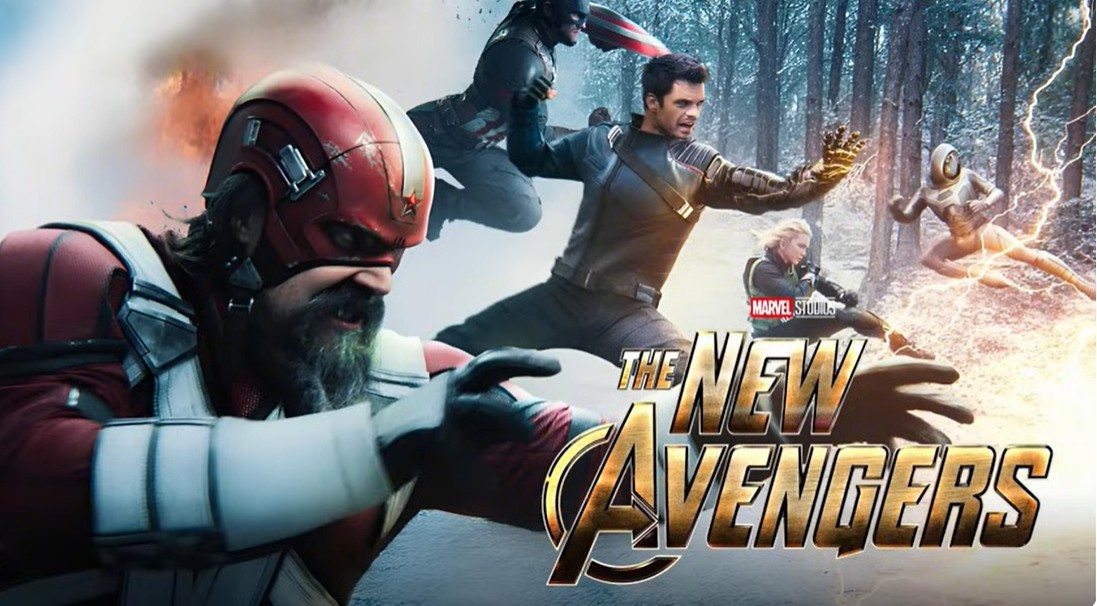
Meet The Thunderbolts*…Er, The New Avengers!

By now, most fans of the Marvel Cinematic Universe (MCU) are aware of how the latest MCU film, Thunderbolts* ended, including its post-credits scene. Anyone who hasn’t at this time should stop reading this because we’re going into full on SPOILERS for Thunderbolts* and what is next for the MCU, including next year’s Avengers: Doomsday.

Introducing the New Avengers

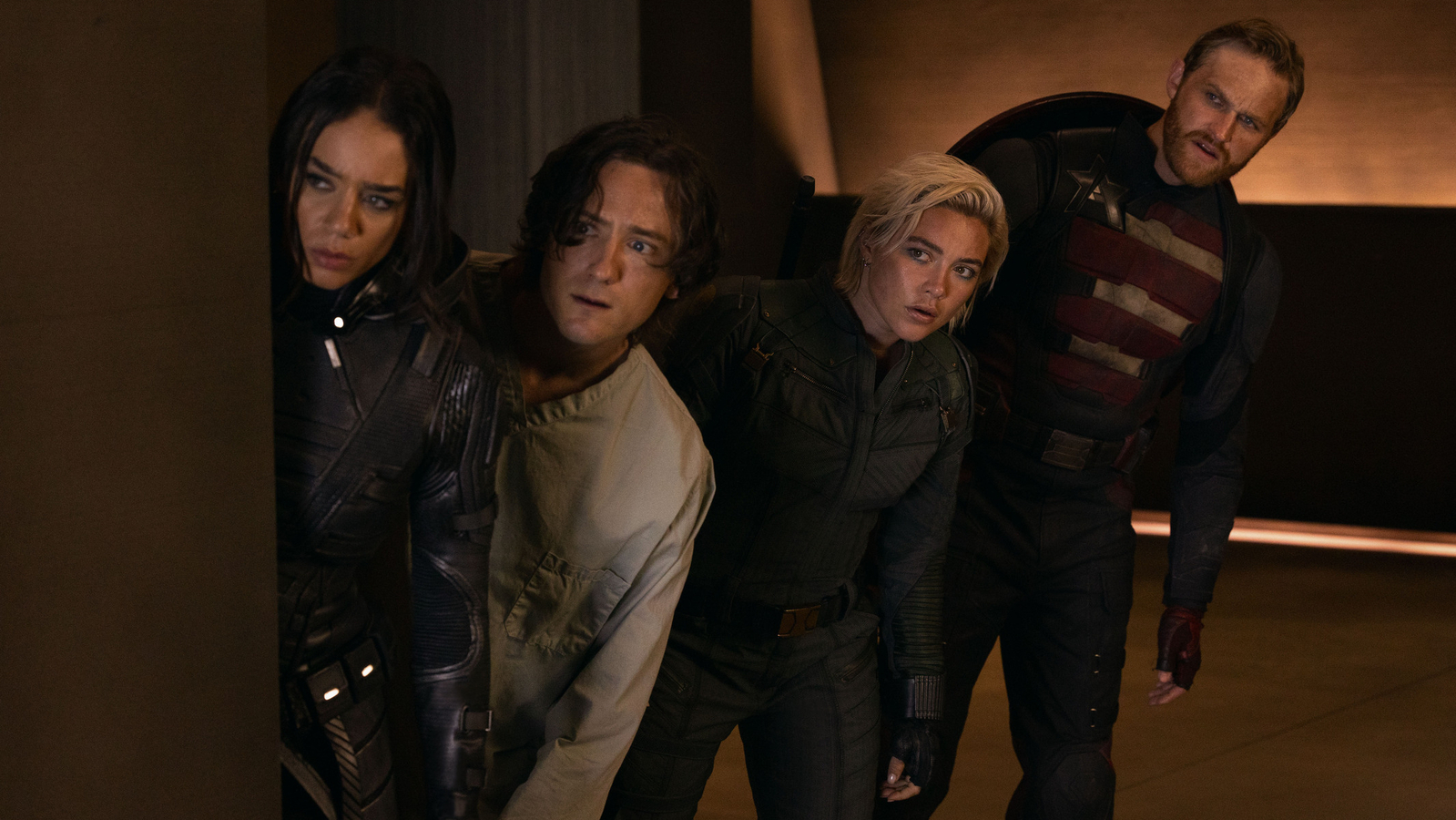
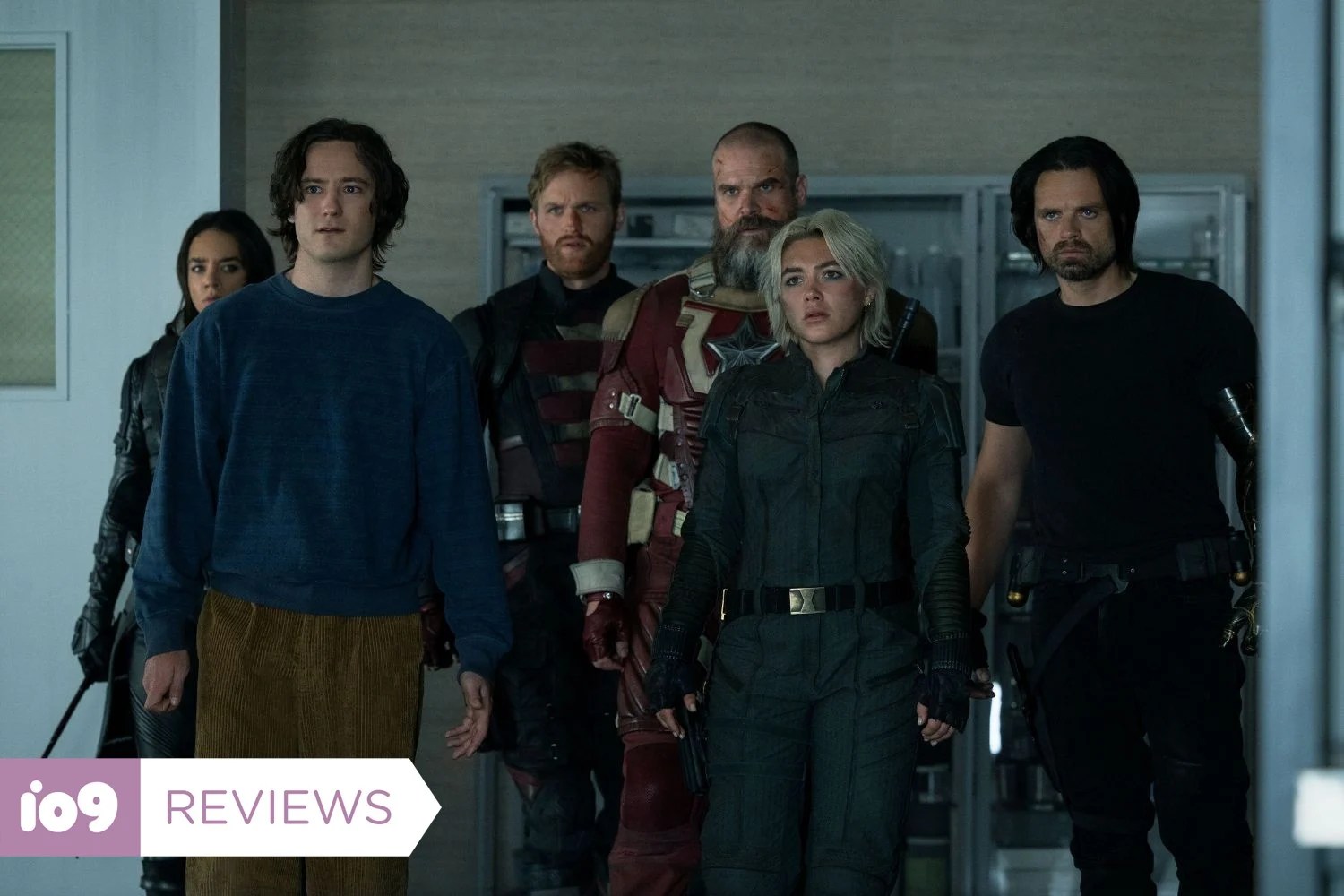
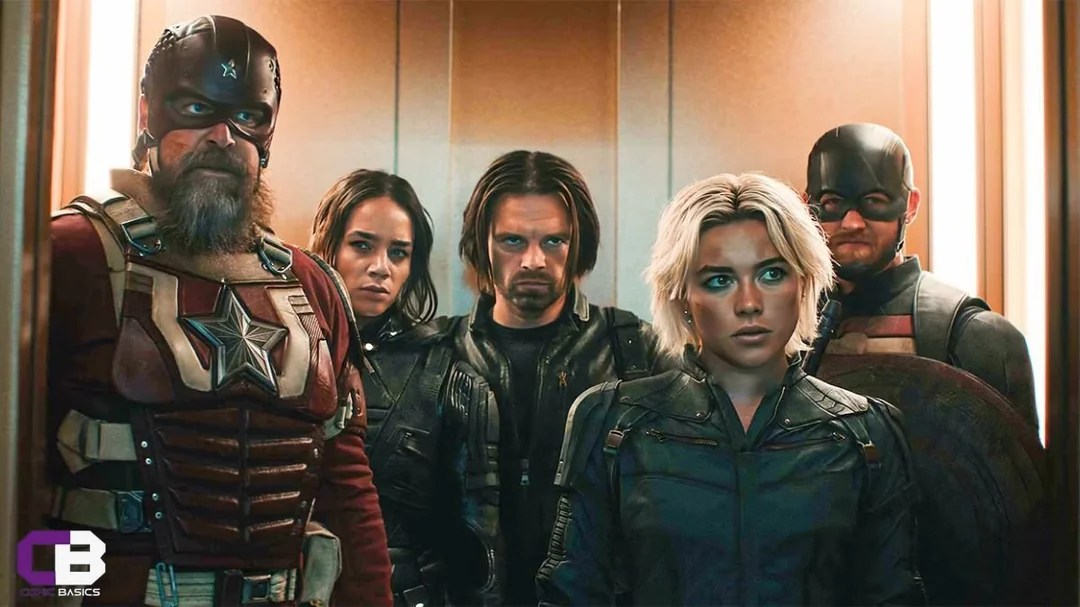
To no one’s real surprise, the asterisk in the film title Thunderbolts* was an indication that the title team of dysfunctional mercenaries with personal demons, stood for something else. For most of the film, the team’s comic relief, Alexi Shostakov, the Red Guardian, kept referring to the team as the West Chesapeake Valley Thunderbolts, after the soccer team his adopted daughter, Yelena Belova, played in as a child. By the end of the film, after the Thunderbolts saved New York City, they were introduced to the world as the New Avengers by the film’s antagonist, Valentina Allegra de Fontaine, in a move to save her political career and to stay out of prison.

Speculation had been going on among fans ever since the film title included the asterisk. Some thought maybe it was a placeholder for a subtitle that would be spoilery. They were right to an extent because the asterisk was actually a placeholder for the film’s supposed real title, The New Avengers, which Marvel Studios began to openly flaunt just a few days after the film’s release.
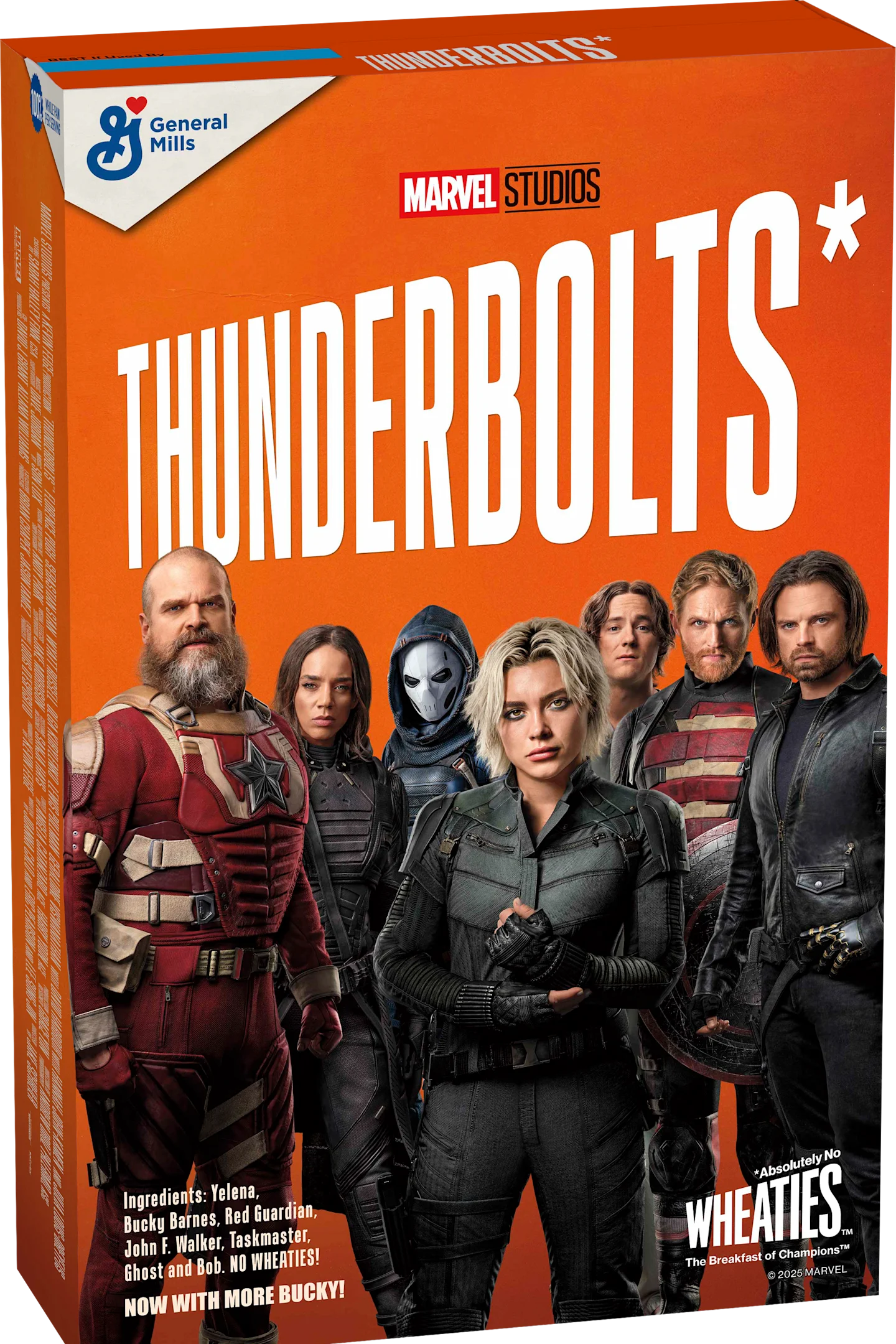
Was the supposed title change to The New Avengers a desperate marketing attempt to drum up more interest in Thunderbolts*? Maybe. Then again, the marketing has been incredibly inventive for the film with innovative posters and some trailers that made the film out to be something that A24 would release. In any event, the fact that the Thunderbolts are actually the New Avengers does increase their profile and hints at what lies ahead for Avengers: Doomsday and Avengers: Secret Wars.

In the film’s two post-credits scenes and the montage shown during the initial credits, the so-called New Avengers are not well received by the world. Who could blame them? Just as how many of us complained about the lackluster lineup of the Thunderbolts when the film was announced, it was natural that most people would have a negative reaction to the replacement for the original Avengers. Where were the heavy hitters like Hulk or Thor? The New Avengers was made up of a bunch of mercenaries/super soldiers with similar and limited skill and power sets. As Yelena quipped at one point, “we just punch and shoot.” Then add in their questionable pasts, which probably could not be glossed over by marketing; although the original Avengers team members also had checkered backgrounds, including Yelena’s sister, Natasha Romanov, a fellow assassin.

But unknown to most of the world, deep down, these characters had heart and faced down their insecurities and flaws, which made them more endearing to audiences. Each of the Thunderbolts wanted a chance at redemption and to be part of something greater. This was obvious with Alexi who dreamed of recapturing the glory he had during the Cold War in Russia, Yelena dealing with depression and wanting something else in her life, or John Walker, who couldn’t fill in the shoes of Captain America as seen in The Falcon and the Winter Soldier and wanted to prove himself. They just didn’t expect it to be as the lineup for the new incarnation of the Avengers.
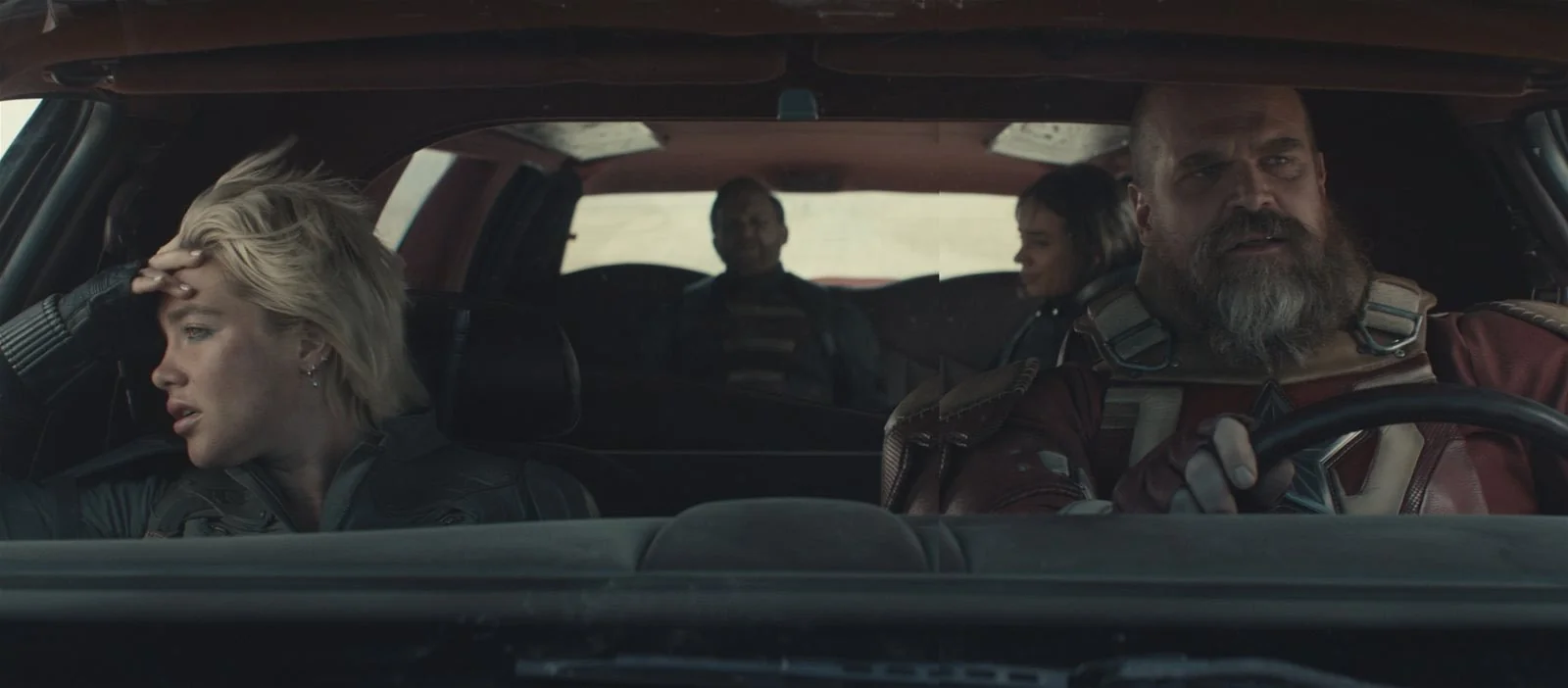
Sure, these Thunderbolts were not superstars like Tony Stark, but they grew on us as they created a sort of family bond forged by the events they underwent together. What made the film so quickly beloved was that these characters were deeply flawed, yet had great chemistry, which helped them succeed in the end as they came together as a team. How they will carry on going forward is anyone’s guess, but we can speculate based on the final post-credits scene.

Continue reading
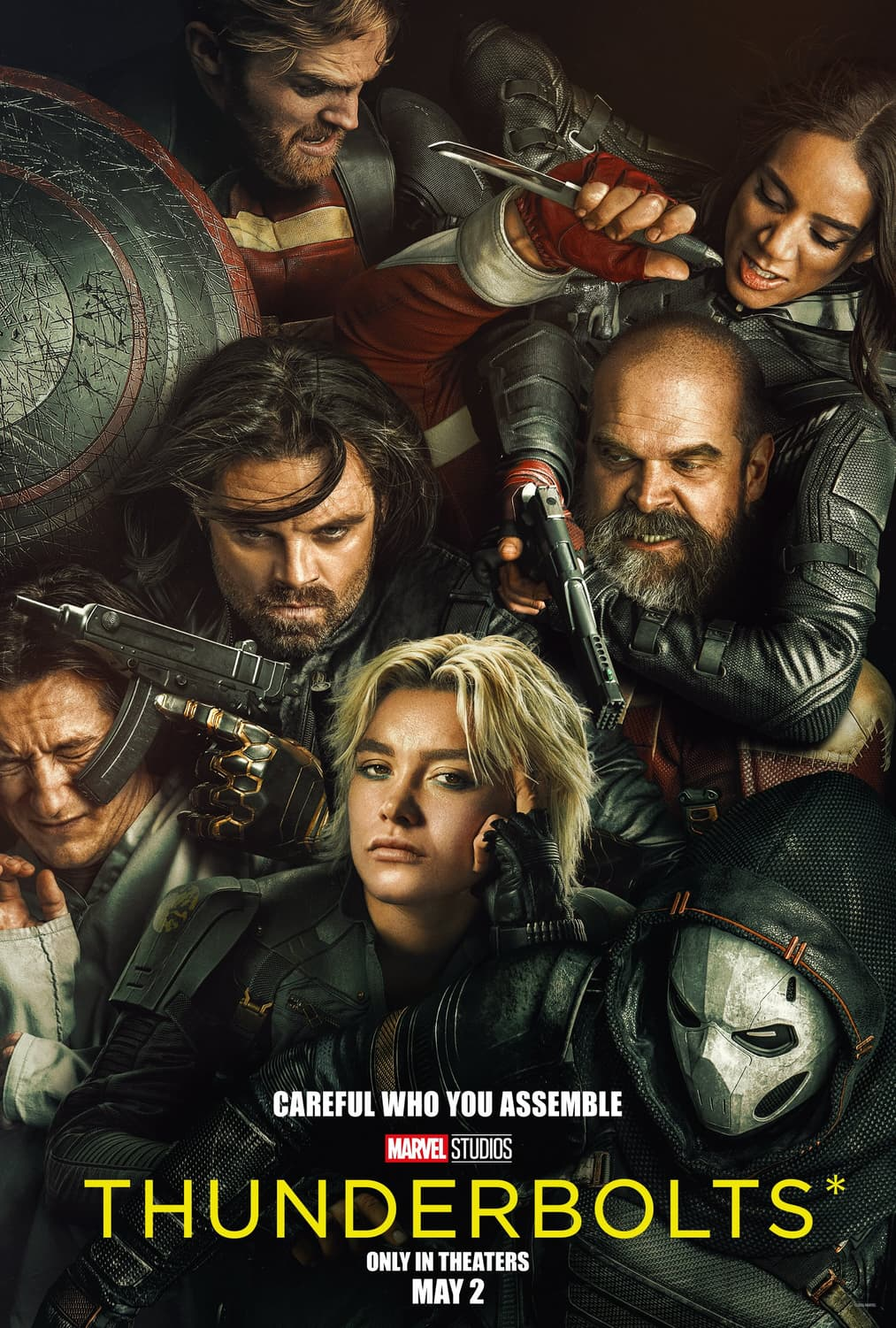
Thunderbolts* Proves The MCU Is Still Great

The Marvel Cinematic Universe (MCU) has taken its lumps in recent years thanks to some films and TV shows that failed to capture the excitement and emotions of the early MCU films. The 36th and latest MCU film, Thunderbolts*, on the other hand, proves that the MCU can still put out great films.

Thunderbolts*, which was released this weekend, re-introduces us to many D-List MCU characters that appeared in other MCU films, and now they get their opportunity to shine in the film’s spotlight. Even though the film is an ensemble piece, the main character is Yelena Belova (Florence Pugh), the sister of Black Widow and is bored with her existence as a mercenary carrying out questionable jobs for CIA director Valentina Allegra de Fontaine (Julia-Louis Dreyfus). There will be some spoilers for the film.

After asking de Fontaine for a change of pace, Yelena is sent on a covert op to kill another mercenary, Ava Starr aka Ghost (Hannah John-Kamen), who was last seen in Ant-Man and the Wasp, at a remote desert laboratory. Once there the two women are targeted by John Walker (Wyatt Russell), who was introduced in The Falcon and the Winter Soldier as U.S. Agent, and Antonia Dreykov aka Taskmaster (Olga Kurylenko). It turns out that de Fontaine sent all four mercs to kill each other because she is getting rid of all evidence of her involvement with the shady O.X.E Group. After an obligatory introductory and thrilling battle that leaves Taskmaster dead, the remaining trio meet Bob (Lewis Pullman), a seemingly ordinary fellow who somehow woke up in the lab.

The three mercenaries manage to escape the lab and are joined by Yelena’s adopted father, Alexei Shostakov, the supposedly famous Red Guardian (David Harbour), a Russian knock-off of Captain America. Later on, they are forcibly recruited by James “Bucky” Barnes (Sebastian Stan), once the infamous Winter Soldier and now a U.S. Congressman, to testify in Congress against de Fontaine, who is being impeached. What none of them realize is that there is a lot more to Bob, who is revealed to have been the test subject of the O.X.E Group to create the ultimate superhero. But no one took into account Bob’s fragile emotional state and how that will come to severely impact Bob and the world after his superpowers have manifested.

There are many reasons why Thunderbolts* works so well. Let’s start with the cast. Every actor featured is on point and more importantly have great chemistry with one another. They are able to convey that they are broken, dysfunctional people that clash with one another, often humorously, and are yet able to come together. As great as the actors were, Florence Pugh is the obvious star in the film and its emotional center. She best exemplifies how emotionally broken the Thunderbolts and Bob are and how they strive to better themselves. The other actors turn in solid work such as Stan, who plays the straight man to the dysfunctional group, and Wyatt Russell adds some much needed depth and sympathy to his character. He no longer comes off as a poor man’s Captain America. However, David Harbour steals many scenes with his boisterous Alexei, who is all too eager to prove himself as a superhero and to bask in the glory of being one. Many of his funny lines are well delivered and add some needed levity to the film before it wallows too much into examining psyches.

Much like Guardians of the Galaxy, Thunderbolts* focus is on its characters and this works. It makes us understand them better and see how much nuance and depth they have. This also makes us care about them, a lot more than expected. Unfortunately, not every character gets in depth looks into their personalities, but that probably would have made for a very long film. Besides, The Falcon and the Winter Soldier gave us plenty of insight into Bucky and how he recovered emotionally from his ordeal as the Winter Soldier. The film takes time to explore how emotionally vulnerable the Thunderbolts are as they battle their own inner demons, especially depression. This adds so much weight and levity to them and makes the film stand out from the typical superhero movie.

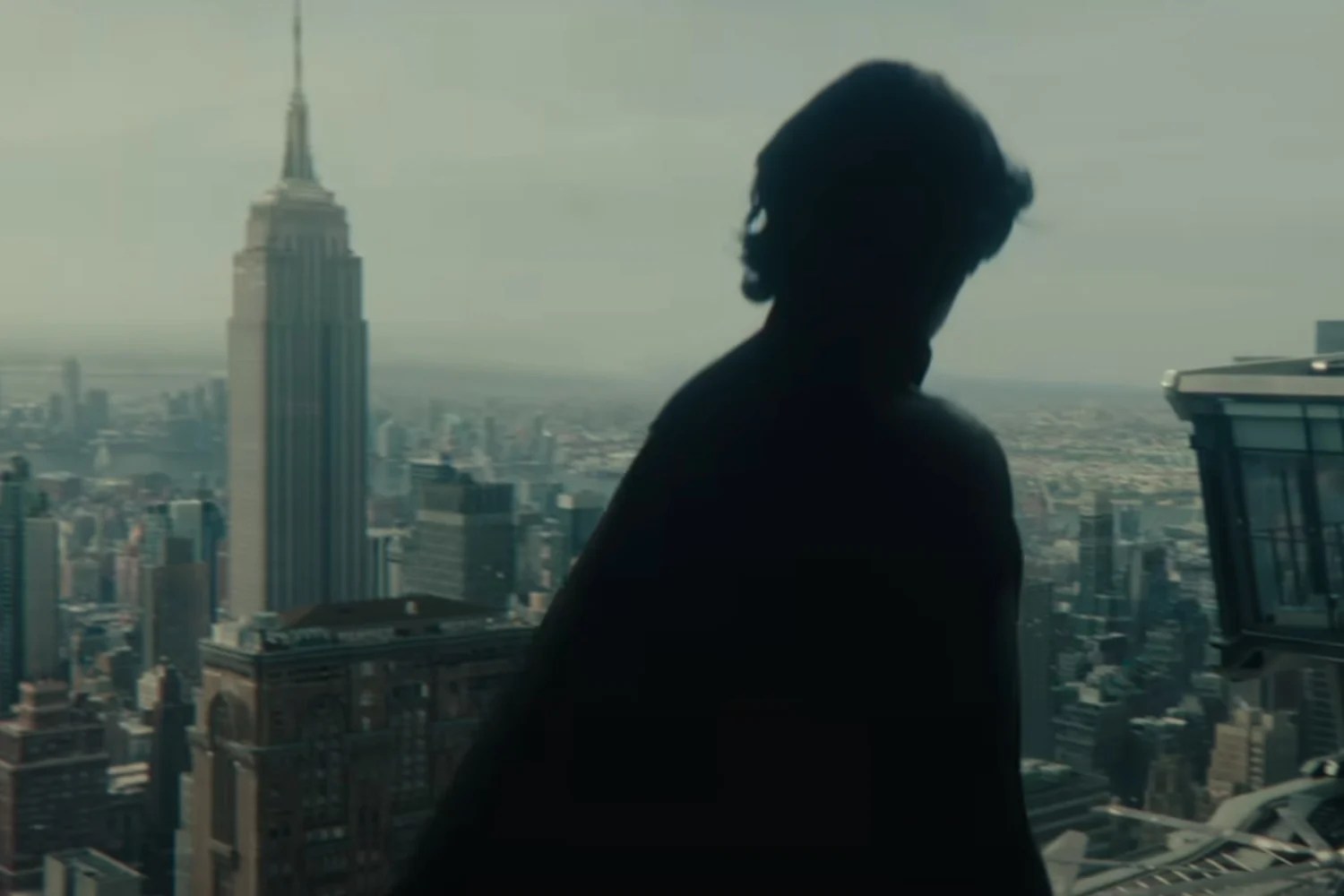
Before anyone thinks that Thunderbolts* is some kind of pretentious Oscar bait brimming with character studies, the film has some of the MCU’s most exciting action scenes. Probably the best one featured a one-sided battle between the Thunderbolts and an insanely OP Bob, who becomes the Sentry, Marvel’s emotionally unstable version of Superman. The Sentry and his dark alter ego known as the Void were both impressive and terrifying. The way the Void was shown as an ominously dark silhouette was very creepy and hammered home the vulnerabilities of the Thunderbolts. Again and again they and we kept asking how a bunch of mercs and wannabe heroes, who could only shoot and punch, fight someone so powerful? Of course, it could not be done through physical combat and the method used to confront the Sentry is a welcome change when it comes to third act confrontations in superhero films. No blinding shafts of light going up into the sky will be found in Thunderbolts*, instead we get introspective character development. That is why this film works so well.

Anyone wavering about whether or not to see Thunderbolts* should consider that while it is a welcome change when it comes to superhero films, it is actually important to the MCU as it closes out Phase Five of the MCU, unlike more recent films and TV shows. So, be sure to stick around for the post-credits scenes. Not only is the final scene one of the longest post-credits scenes in the MCU, but like in the older classic MCU films, the scene helps advance the larger event going on with the MCU.

José Soto

Commemorating Star Wars Episode III 20 Years Later

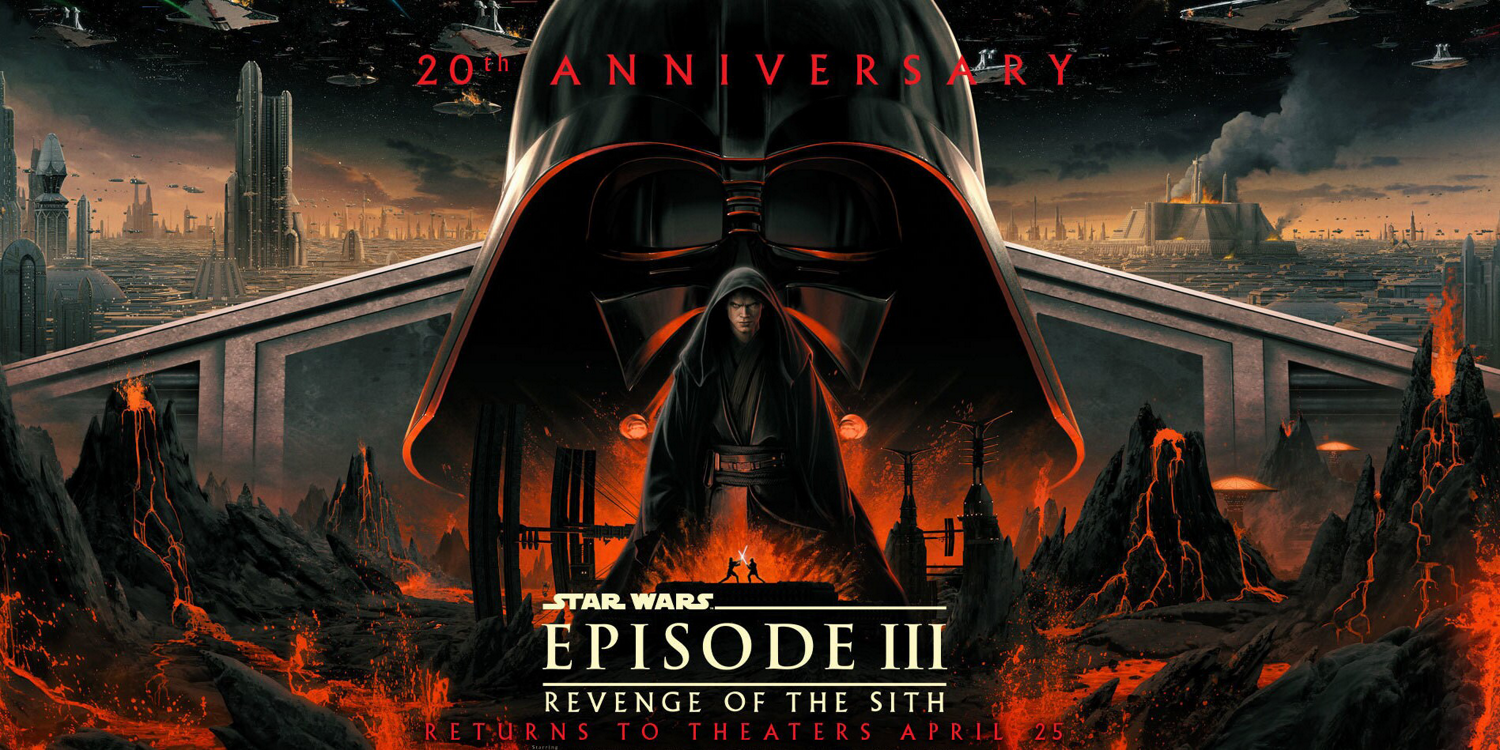
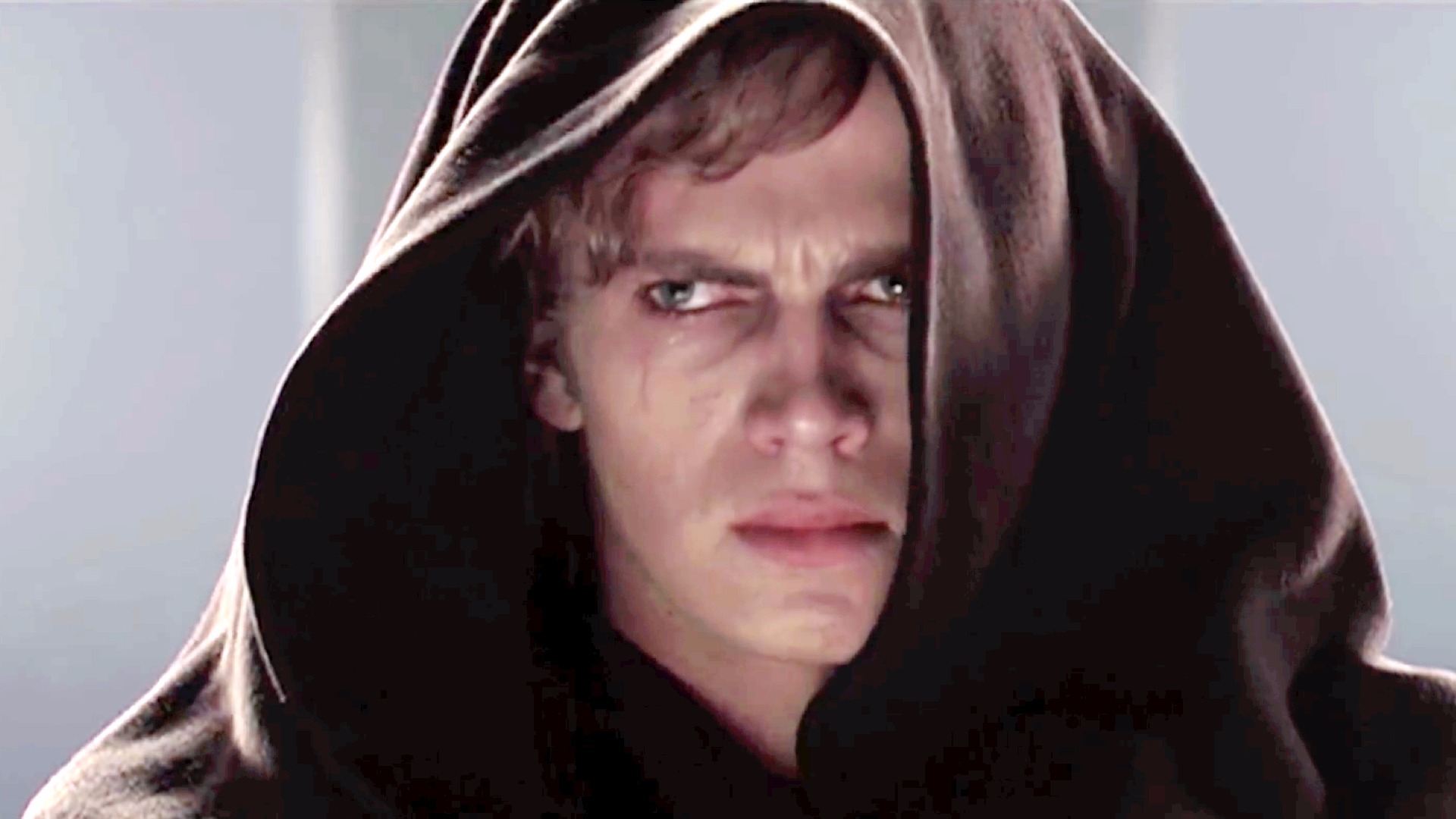
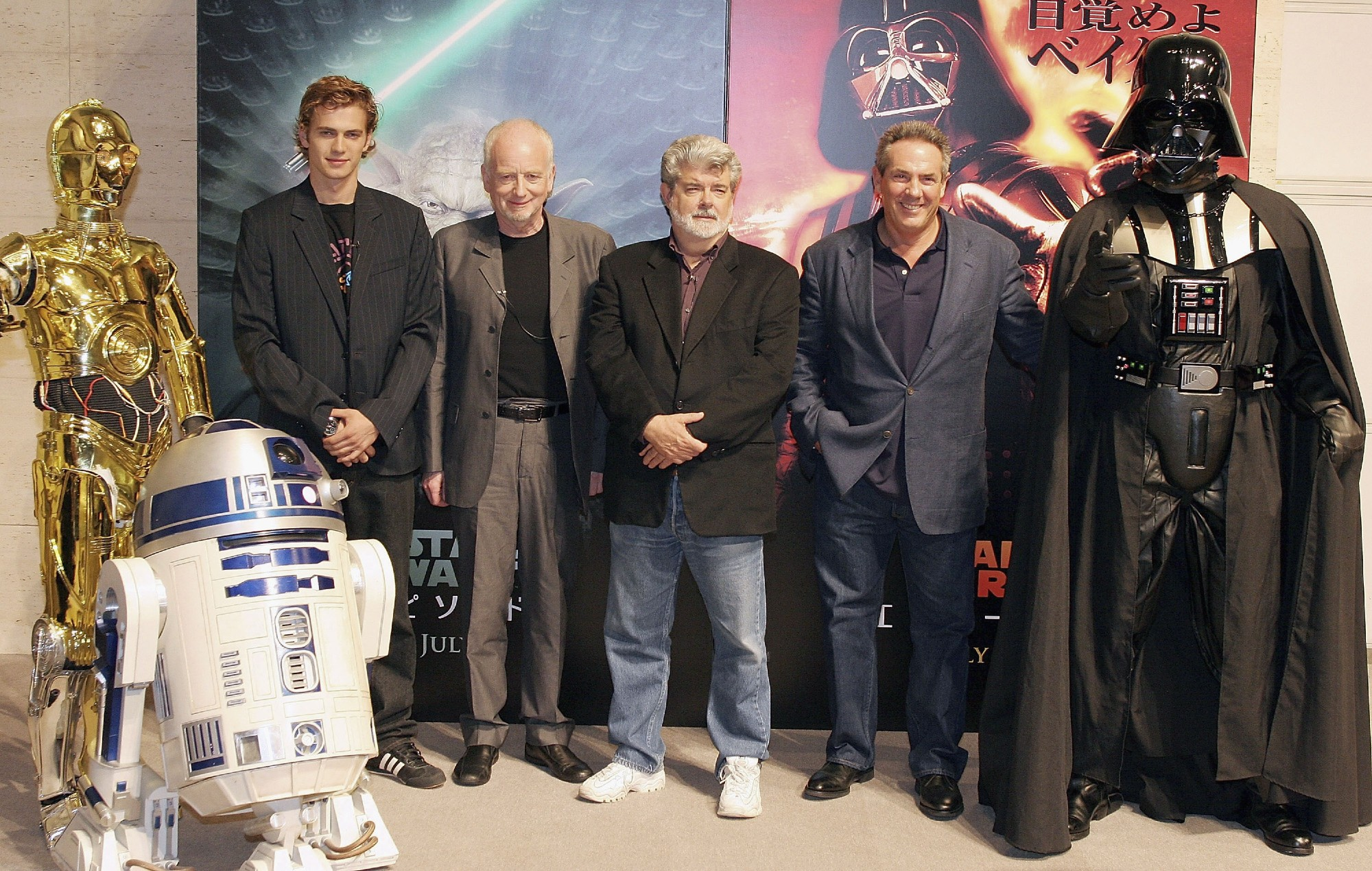
This year marks the 20th anniversary of Star Wars Episode III: Revenge of the Sith, arguably the best of the Star Wars prequels and the culmination of Anakin Skywalker’s fall to the Dark Side of the Force.

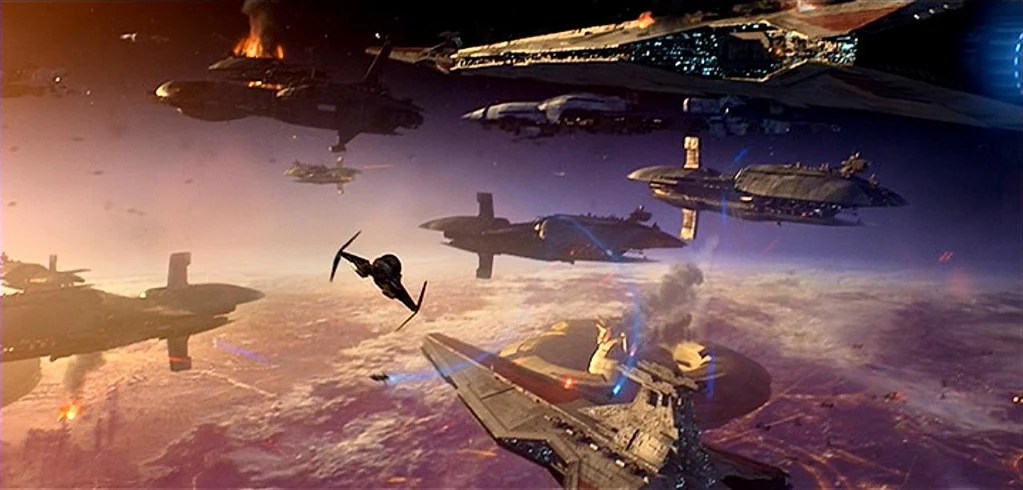
The film starts with a bang as we see Anakin and his mentor, Jedi Master Obi-Wan Kenobi rushing to rescue Chancellor Palpatine, the leader of the Galactic Republic who was kidnapped by Separatist forces in the skies above the Republic’s capital world of Coruscant. The opening space battle is a spectacular highlight as we see the Jedi duo flying among enormous capital ships wrecking havoc on one another. This scene is one I’ve rewatched countless times and is a great way to set up the rest of the film. When the Jedi finally reach the Separatist flagship and find the Chancellor, Anakin’s descent to evil is hinted at as he brutally executes Count Dooku at the urging of Palpatine, after an intense lightsaber duel.

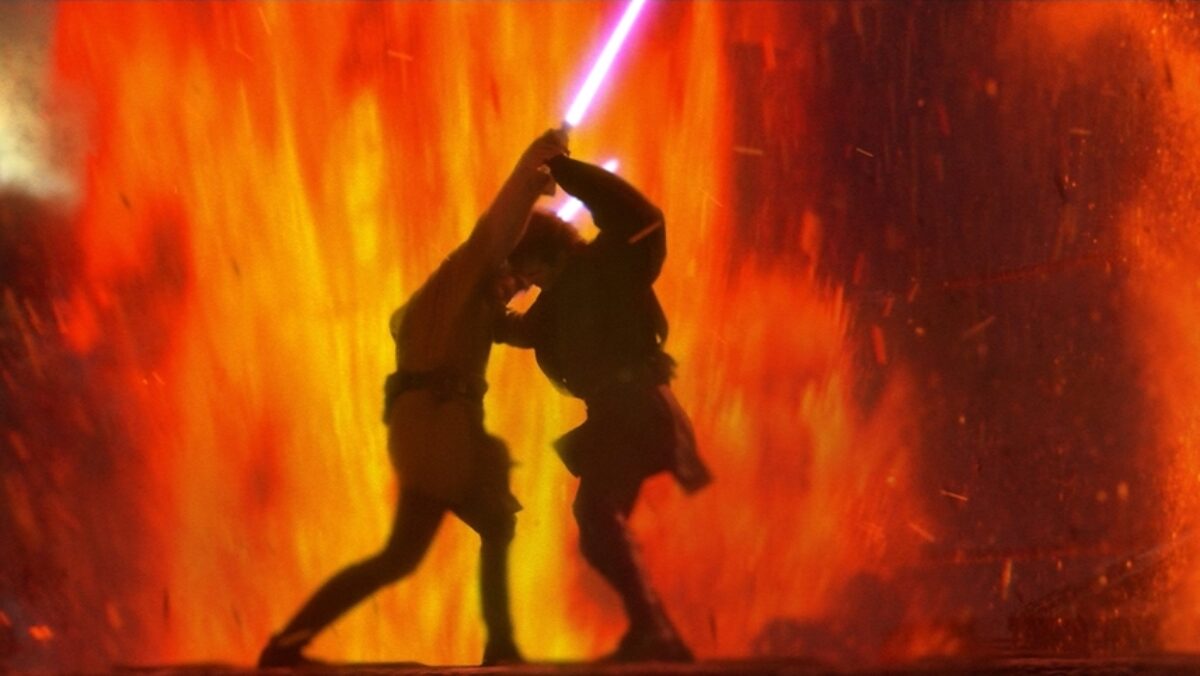
His future as a Sith Lord is further orchestrated by Palpatine as he convinces Anakin that his wife, Padme, will die unless he learns the secrets of the Dark Side, and he turns on his fellow Jedi. The final confrontation with his friend Obi-Wan on the lava world of Mustafar is both exhilarating and emotional as a heartbroken Obi-Wan is forced to mortally wound Anakin and leave him to die while castigating him for turning on everything they fought for. Palpatine eventually arrives and finds Anakin on the brink of death and, using medical droids and surgical procedures, turns him into the fearsome and legendary Darth Vader, who is now trapped in a prison of body armor that keeps him alive. Padme’s death due to Anakin’s force choke, her trauma at giving birth to their twins Luke and Leia, and Vader’s reaction to the news of this event, is the emotional high point of the film and sets up the classic original Star Wars trilogy as Obi-Wan and his ally Bail Organa takes the twins to safety on the planets Alderaan and Tatooine.

One of the many strengths of the film is the foreboding tone that is set when we see the manipulation that Anakin is subjected to from Palpatine, as well as the Jedi being set up for their downfall which is shown when Anakin marches on the Jedi temple flanked by Clone Troopers who then kill all the Jedi there, including young Jedi students. The many battlefields of the Clone Wars is another great thing we witness in this movie, such as the clone army battling the separatist droids on the Wookie home world Kashyyyk, re-introducing fan favorite Chewbacca to the Star Wars universe in this era. As well as the conflict on the arid planet Utapau, where Obi-Wan finally eliminates Separatist droid General Grievous. This happened after a thrilling chase scene that has Obi-Wan riding on a gigantic lizard named Boga in pursuit of Grievous who is riding on his personal wheel bike. This is something that Star Wars excels at, blending different genres and circumstances, fantasy and science fiction that somehow works. This imaginative vision of director George Lucas comes to fruition the most in this film as this is the last movie he directed, and it seems he finally was able to shake off the issues that surrounded the first two prequel films. The Phantom Menace when it was released was criticized for what some saw as a childish tone with Jar Jar Binks flailing around. This is completely absent in Revenge of the Sith. The feeling of impending doom for the Republic and the Jedi is palpable as we finally see the events hinted at in the original trilogy: Anakin’s fall, his final duel with Obi-Wan, the extermination of the Jedi Order, and Palpatine’s rise to be the evil Emperor that we first saw in Return of the Jedi. Attack of the Clones was seen as an improvement but still had issues with the somewhat clumsy romantic subplot between Anankin and Padme. Again, this is not the case in Revenge of the Sith, as the focus is on the cruel fate that awaits Padme at the hands of her husband, which is haunting to witness.

The reputation of Star Wars Episode III: Revenge of the Sith has only improved in the years since its release on May 19, 2005. It has the reputation of being the best prequel film, which is well deserved and it also led to later Star Wars releases such as the highly regarded Star Wars: The Clone Wars TV show and Star Wars: Rebels. I think it is right up there with A New Hope and The Empire Strikes Back when rating the various Star Wars movies. It has the right balance of being a more sophisticated story while still having the excitement and adventure a Star Wars movie needs to have. The special effects were top notch as always, and we see new ships and vehicles introduced such as ARC-170 starfighters, V-Wing starfighters, Droid Tri-fighters and Clone Turbo tanks. This is something that was missing from the sequel trilogy which basically just had X-Wings and TIE fighters from the original films with new paint jobs. The lightsaber duels were also the best of any of the movies, with Anakin vs. Dooku, Obi-Wan vs. Grievous, and finally the long-awaited duel between Anakin and Obi-Wan, which did not disappoint. It was a furious and intense battle with a backdrop of searing lava that is fantastic to witness. The inevitable outcome of it brings the prequel saga to a close and guaranteed that the film earned its place in Star Wars lore as an epic finish to the story that Lucas started so many years ago.

The celebration and acclaim that Star Wars Episode III: Revenge of the Sith is receiving on its 20th anniversary is well deserved, and it will be no surprise to see it get the same kind of praise and acknowledgment on its 30th anniversary and well beyond.

C.S. Link

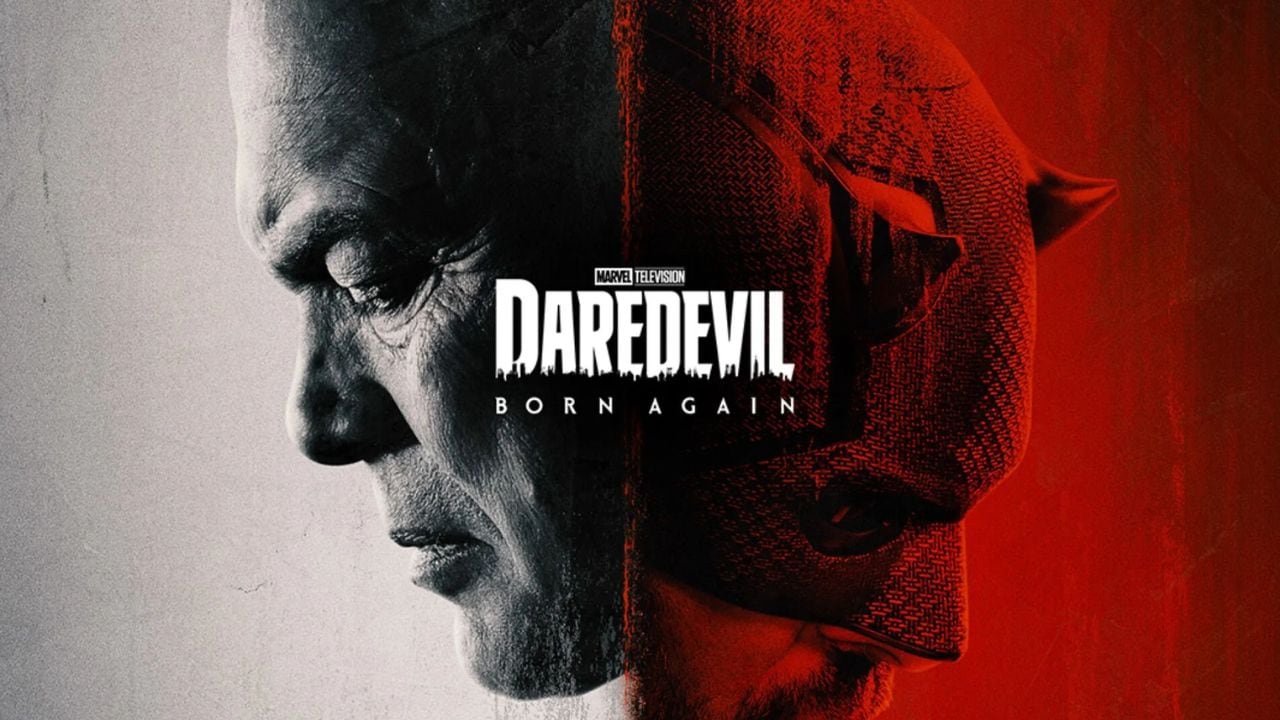
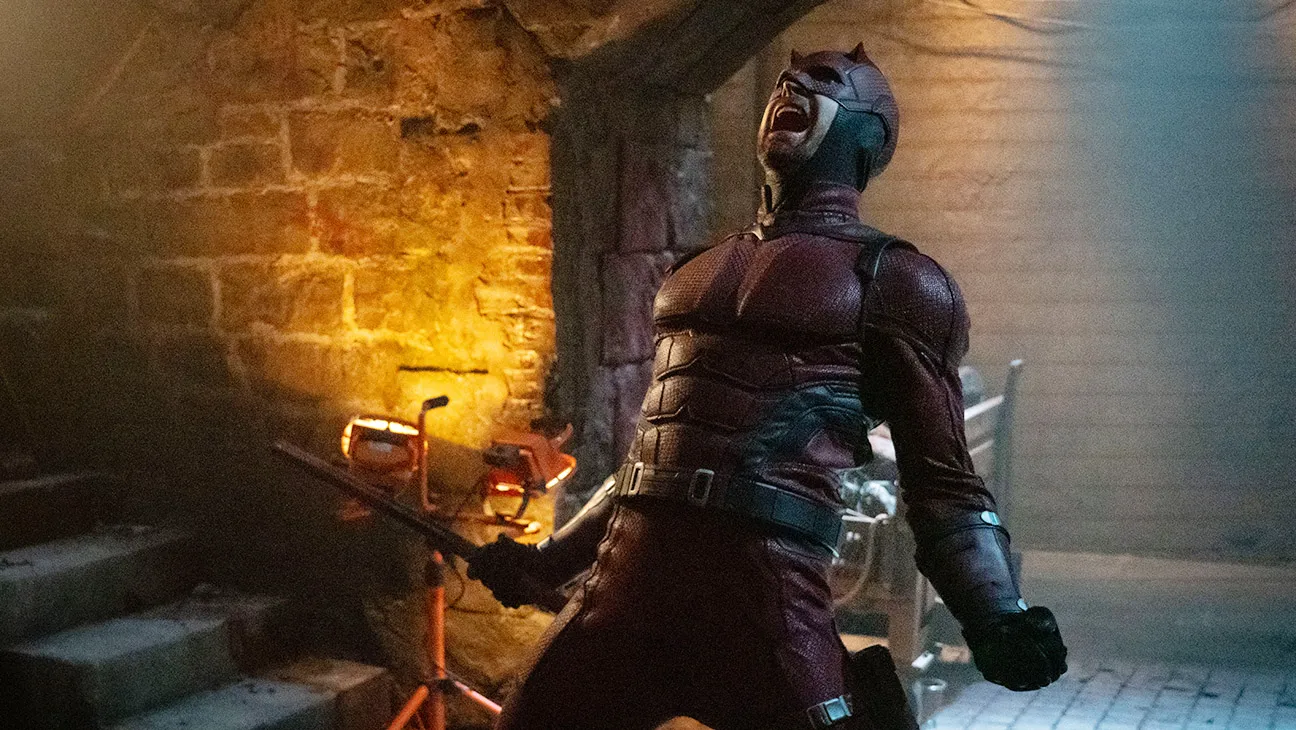
Daredevil’s Long-Awaited Return in Daredevil: Born Again

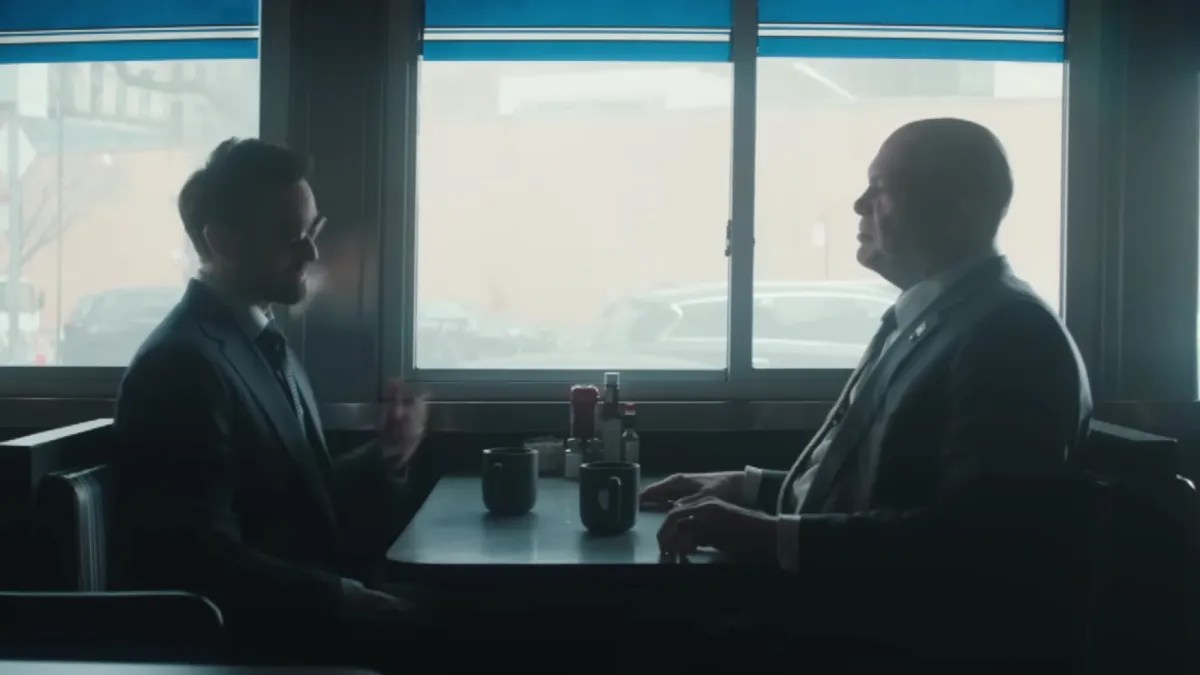
Most people agree that the original Daredevil TV show that streamed on Netflix was the pinnacle of superhero TV shows. Buoyed by powerful performances by Charlie Cox as the blind lawyer and superhero, Matt Murdock/Daredevil and Vincent D’Onofrio as his arch nemesis, Wilson Fisk/Kingpin, Daredevil was dark, gritty, and intense. Sadly, the show was cancelled by Netflix, and it would take some time before Marvel Studios resurrected the TV show and its characters in the newest Disney + Marvel Cinematic Universe (MCU) TV show, Daredevil: Born Again.

The main question fans of Daredevil had was whether the new TV show could measure up to the old one? The answer is yes, for the most part.

It is fairly well known that when Daredevil: Born Again was first announced, it was not clear if the original TV show was part of the MCU and it seemed as if it wasn’t even though Matt Murdock and Wilson Fisk appeared in properties like Spider-Man: No Way Home, Hawkeye and Echo. This was evident by the Kingpin’s portrayal in Hawkeye where he displayed previously unmentioned superhuman strength and wore more leisurely clothing. Not much was known about the original episodes of Daredevil: Born Again, except that it did not capture the spirit of Daredevil and Marvel Studios head, Kevin Feige, was not impressed with what he saw, which was reportedly more of a legal drama where Murdock didn’t wear his Daredevil costume until the sixth episode. So, Feige decided to retool the TV show by bringing in a new creative team, which filmed three new episodes and re-edited the original six episodes of Daredevil: Born Again.

Looking at the complete first season of Daredevil: Born Again it is very obvious that the episodes varied in quality between the revamped episodes and three episodes done by the new team. It’s not that the six original episodes were bad, they were fine, but they lacked the oomph and high standards of the original Daredevil that the newer episodes were able to match. This is not a knock against Daredevil: Born Again because it ranks as one of the best Disney + MCU TV shows. There is a lot to admire about it overall, and it is nearly perfect. It’s just frustrating that there were undeniable flaws with the season that prevent it from reaching the heights of seasons one and three of Daredevil (the second season had its issues). But it’s important to note that the first season of Daredevil: Born Again starts off powerfully strong and ends on a similar high note, which will continue with the second season.

There will be spoilers…

Continue reading

De-Extinct Dire Wolves: We’re One Step Closer To Jurassic Park

The news about the dire wolf being de-extinct came very suddenly and surprisingly yesterday. The idea of using biotechnology to bring back extinct animals had been the stuff of many imaginative sci-fi stories, notably with Jurassic Park and the films the novel inspired. The announcement by Colossal Biosciences that they actually revived an extinct species now made a science fiction concept a science fact.

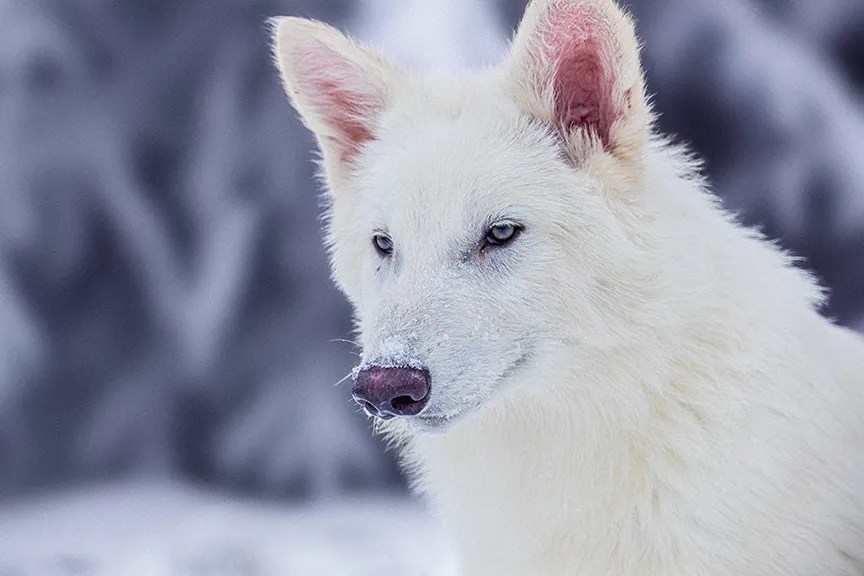
The method behind the de-extinction was fairly straightforward. The company extracted DNA from a fossil skull and tooth of dire wolves and was able to analyze the genome. After that, Colossal Biosciences used gene editing on the cells of a gray wolf to create dire wolf embryos and implanted them into a surrogate dog.

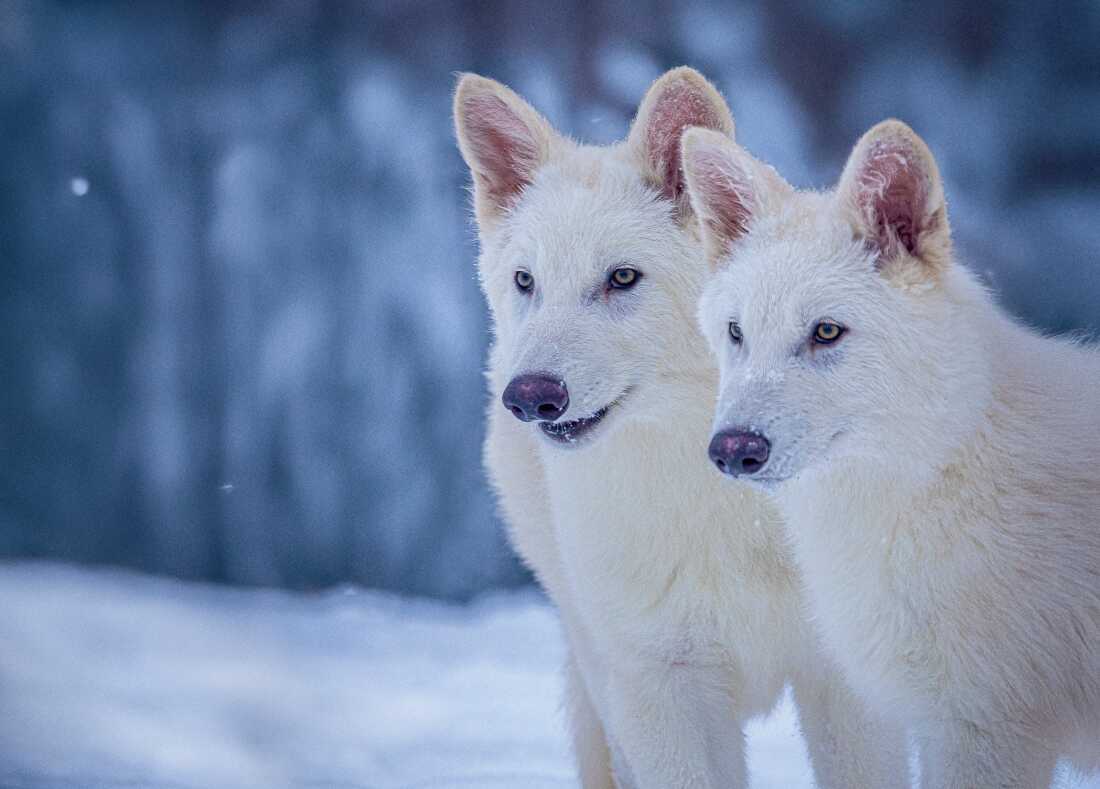
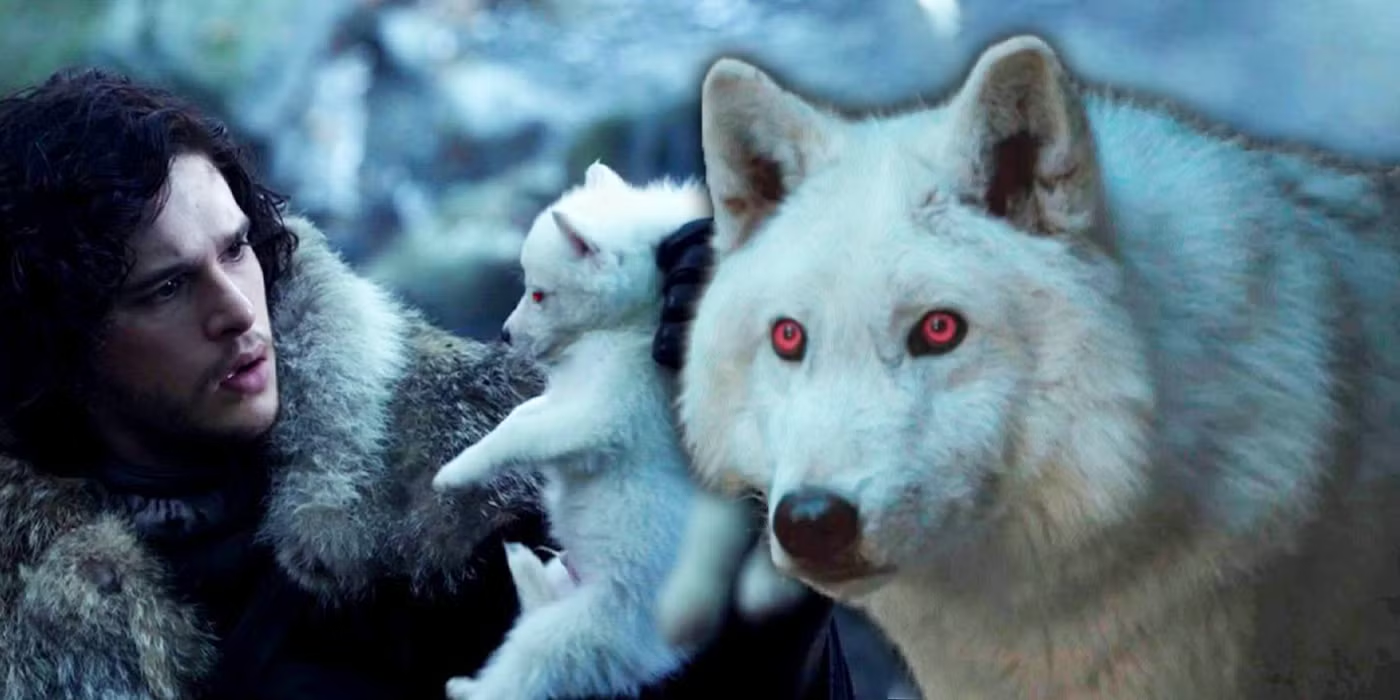
The first two dire wolves were born on October 1, 2024 and named Romulus and Remus, and a third one, named Khaleesi, after the Game of Thrones character, was born two months ago. As the pups grew their different physical characteristics from gray wolves were undeniable. Sporting distinctive thick white fur, unusual vocalizations and larger body proportions they still exhibited wolf-like behavior such as stalking, hunting and howling. Fortunately the trio are healthy and kept safe in a private, undisclosed nature sanctuary where they could live in peace.

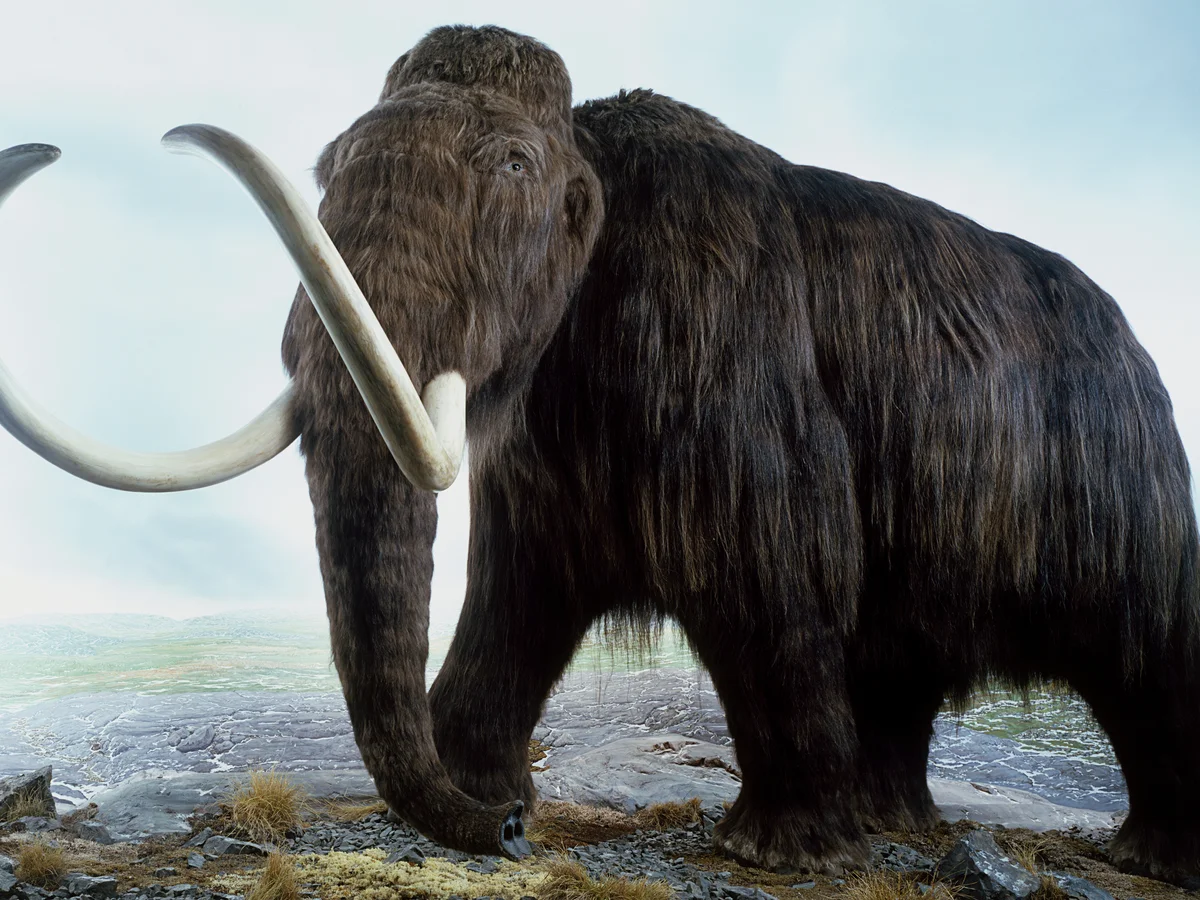
With the success of the dire wolf being de-extinct, Colossal Bisociences is moving ahead with their plans to de-extinct the thylacine, the dodo bird and the wooly mammoth.

As exciting as this sounds we are still a long way from de-extincting dinosaurs if it is even possible since extracting dinosaur DNA is impossible. There are also ethical issues that have come up with the unbelievable feat by the company. Namely, what is the point of bringing animals back from extinction? We already have a difficult time keeping living species of animals alive in our increasingly crowded world. Where can these animals go? What role will they serve in Earth’s ecosystem, considering that many of their previous roles have been taken by modern animals? Right away, these animals will have to compete with modern animals and humans for resources in an Earth with dwindling supplies and land space. Then there would be intense pushback from people who would not approve of the de-extinction or of re-introducing them to the wild. We have seen this already when wolves were re-introduced into many parts of North America as they threatened livestock.

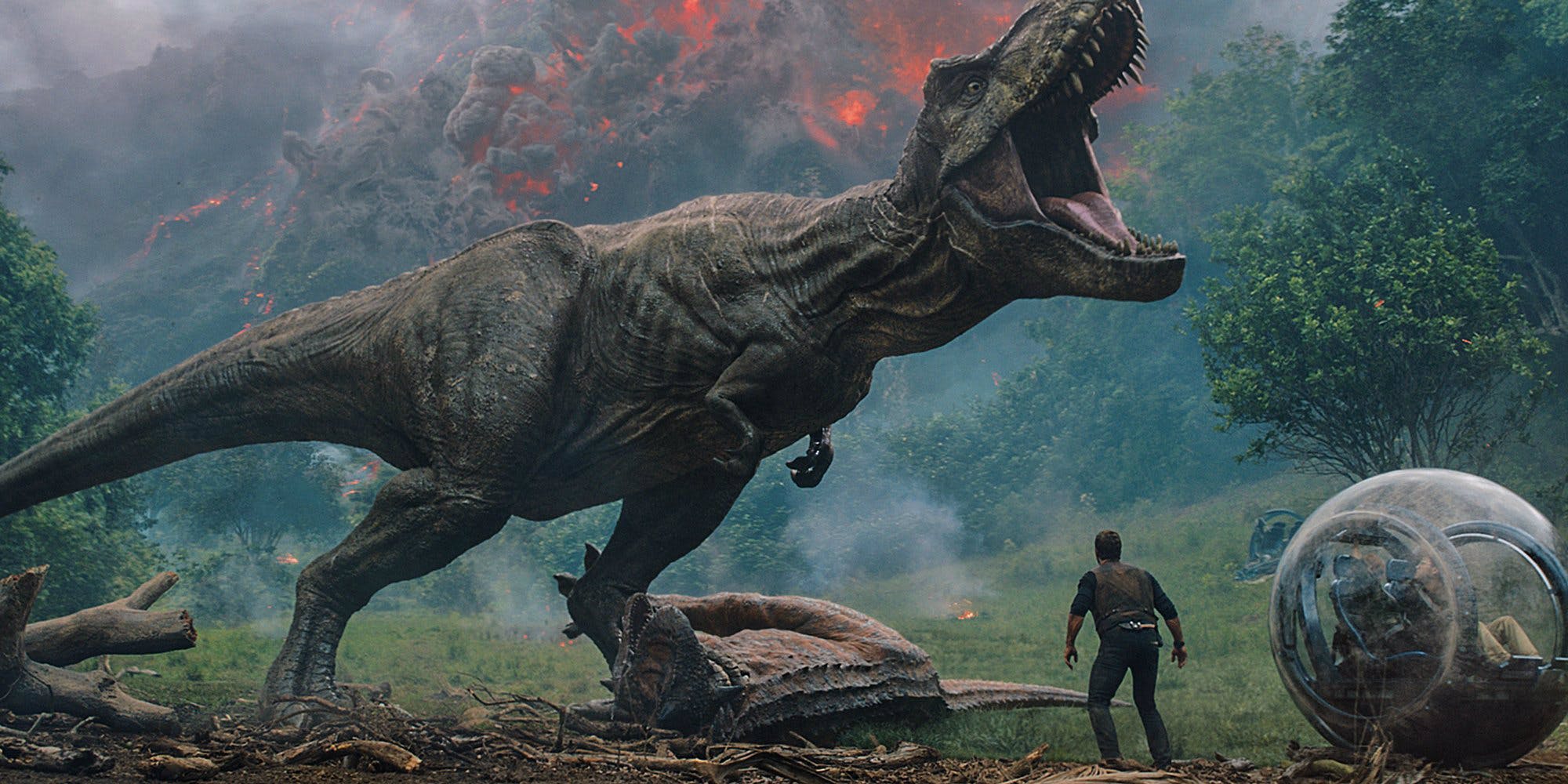
Jurassic-World-Fallen-Kingdom-Volcano-and-T-Rex

A likely scenario is that these de-extinct animals would not be allowed to live in the wild and forced to live out their lives in zoos, which would enrage opponents. Then there is the worst case scenario of nature running amok and well, we’ve seen the Jurassic Park and Jurassic World films. In other words, their re-introduction would have unpredictable and unwanted results.

There is the argument that we have no way to know how to properly raise these animals since we can only guess as to how they lived. Romulus, Remus and Khaleesi seem to be behaving like wolves, but is that because they have wolf DNA? This would make them a new hybrid species and not true dire wolves, which are distant relatives of modern gray wolves. The same situation would apply to recreated mammoths and other prehistoric extinct animals. The first mammoths would more likely be Asian elephants with outward mammoth characteristics, and the same would go for the dodo and others.

Colossal Biosciences has stated that they intend to apply their technology to help preserve current animal species such as elephants that are more and more endangered as they face loss of habitats from human encroachment and hunting by poachers.

Despite the legitimate concerns about de-extincting animals there are arguments for doing this. Proponents claim that de-extinct animals can fill in roles that are vacant in ecosystem. For example, the thylacine was an apex predator in Tasmania and Australia and their re-introduction into the ecosystem would help keep in check the populations of prey animals. Other proponents claim that mammoths would be able to help preserve the tundra in Asia with their foraging and in a way arrest climate change. That is very far fetched to be sure, and calls to mind Stephen Baxter’s book Icebones, which was about cloned mammoths on Mars. This argument about using de-extinct animals to keep ecosystems healthy is valid. Also, since humans were responsible for the extinction of animals like the thylacine, Stellar’s sea cow and the passenger pigeon, they have a moral obligation to try to bring back these species if there is a need for them in an ecosystem.

No matter where anyone sides in the argument, it is important to note the responsibility we all bare with using science and co-existing with other species in our fragile world. Still, the revelation that dire wolves have been de-extinct is exciting as it demonstrates that extinction isn’t forever.