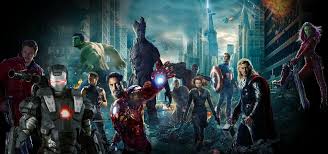
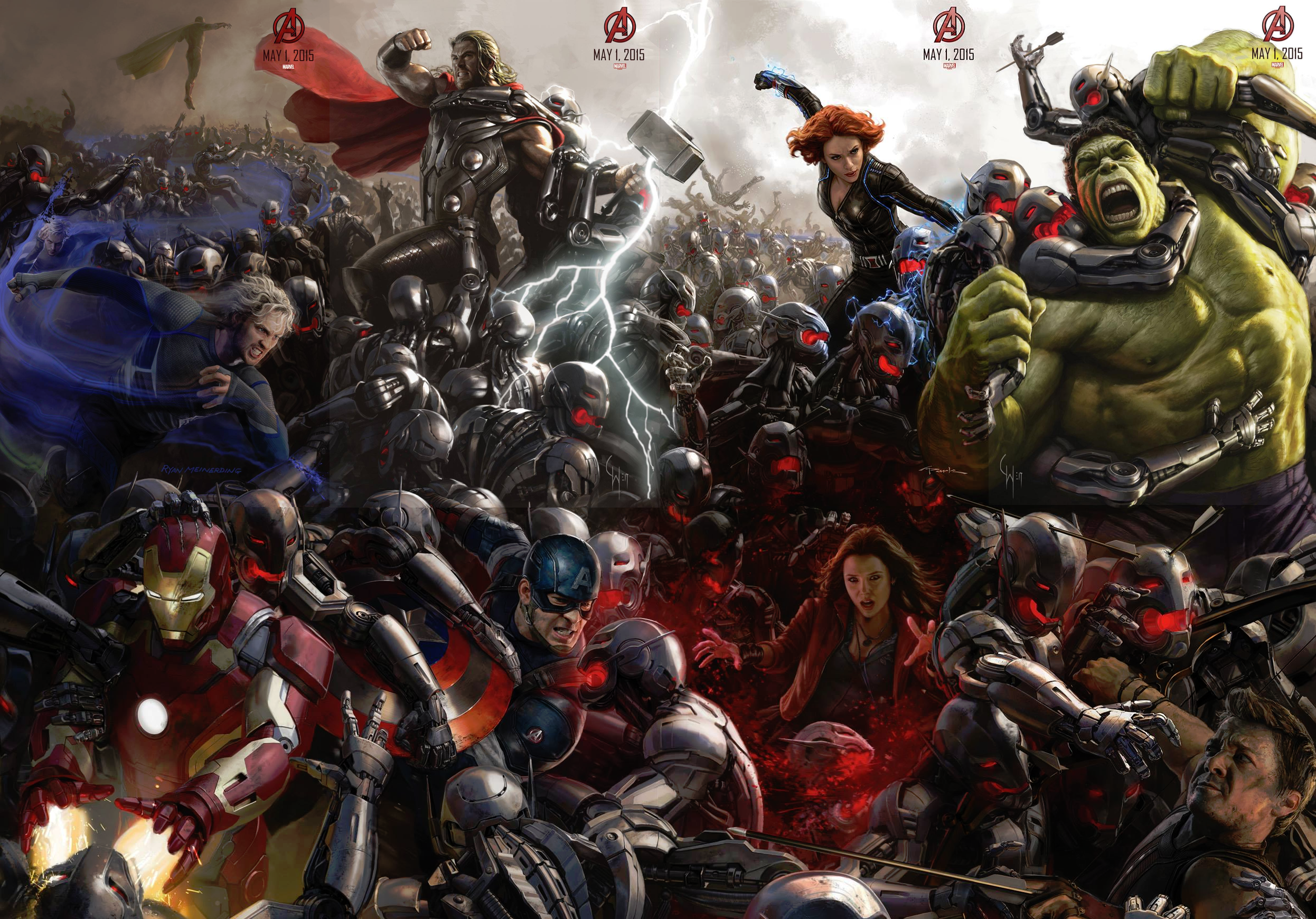
Never mind watching next week’s episode of Agents Of S.H.I.E.L.D.! Marvel has decided to release this teaser for next year’s Avengers: Age Of Ultron today. Whoa…this just looks super awesome!
Seriously, what’s not to like? We have the Hulk battling Iron Man in his Hulkbuster armor, lots of explosions and mayhem, and best of all Ultron! It seems like Joss Whedon made yet another brilliant casting decision by choosing James Spader to play the iconic Avengers villain. Ultron looks incredibly badass and intimidating in the same vein as the Terminator. Hopefully he’ll be on screen just as memorable as Loki or Magneto and become of the great Marvel movie villains. Obviously, there isn’t any way to say that this film will be better than its predecessor The Avengers, but it looks like another winner for Marvel Studios.
Our hats off to Marvel, after making the rest of us who didn’t attend this summer’s Comic Con sweat and agonize over the concealed footage shown at that convention, they’ve given all of us a nice treat. So enjoy this official Avengers: Age Of Ultron trailer!
Update: …And here’s the extended trailer featuring more footage, it’s still creepy with that Pinocchio music.
The 20th century needed a new group of heroes that reflected then-modern sensibilities. During the Golden Age of comic books, superheroes belonging to DC Comics (then named National Periodical Publications) such as Superman, Batman, and Wonder Woman fulfilled this need with their wild superhuman exploits that captured the imagination. By the post-war era in America, DC’s superheroes were pretty much the standard: the Establishment.
By attempting to have the most likeable characters, DC’s superheroes had no character or emotional flaws, and the stories gravitated towards plot-driven, farcical adventures rather than character-driven stories.
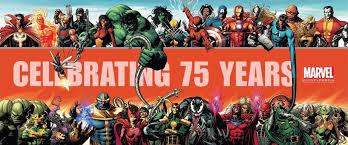
In the wake of DC’s success, other comic book companies were founded and tried to emulate DC. Out of the many companies, only Timely Comics had staying power and here we are celebrating the 75th anniversary of that company that will later become Marvel Comics.
The Flawed, Science Heroes: Comics changed forever with the start of the so-called Marvel Age. The birth of the Marvel Universe took place in the early 1960s. This was a period that people were in awe with all of the wonders of science and space exploration. The Space Race and the Cold War were on the minds of the people. The Zeitgeist was the fear of the imminent Red Invasion and the Promise of Science- where will it take us?
The core of the first generation of Marvel superheroes were essentially Science Heroes. With the exception of Dr. Strange, the rest of the Marvel Universe was largely a world of weird science and science fiction. Spider-Man, Fantastic Four, Captain America, Giant-Man, the Wasp and the Hulk were Radioactive Heroes. Peter Parker was bitten by a radioactive spider. The astronauts from Reed Richard’s group were exposed to cosmic rays during their maiden voyage into outer space. In an unfortunate accident, Dr. Bruce Banner was hit with the full blast of Gamma Rays. Tony Stark built an electronic-laden armor with tons gadgets and abilities. Captain America was a patriotic hero that survived World War II by being frozen due to his exposure of Vita-Rays; part of the catalyst that transformed Steve Rogers from a skinny kid to an athletically proportioned hero. Giant Man and the Wasp benefitted from Hank Pym’s size magnification and reduction experiments, along with side studies in insect communication and gene splicing.
Great concepts- ahead of its time- but what made the Marvel Universe different, however, was not only the science aspect, but rather the fact that these Marvel heroes were emotionally flawed, imperfect, and fallible. Tragedy strikes as often as victories. Moral dilemmas were as large as the threat.
Spider-Man wins the battle with the big bad villain, but he can’t get enough money for his rent and he blew a date with either Gwen Stacy or Mary Jane Watson. Captain America is back in the modern world, but he feels lost like a fish out of water. The X-Men have astounding abilities, but they are persecuted and feared by society, who view mutants as aberrations, and treat them as outcasts. The Fantastic Four’s Thing has great power, but he also has this great fear that his blind girlfriend Alicia won’t accept him if she ever regained her sight and found him ugly. But the Thing- AKA Ben Grimm, is very human despite his rough exterior, with a heart that endeared him to readers. Dr. Strange was a callous, money-loving jerk; a celebrity physician until a terrible traffic accident ended his career. This gave him pause to reflect and improve on his past behavior as he was now invested to learn the mystic arts to save the world from an ancient evil. And the list goes on and on with the great flaws that these characters have, but that is what made these characters appealing. That in particular was something that comic book readers became very attuned to, and why they identified with them. Continue reading →
Marvel Entertainment has ruled the box office with its numerous hit films, especially those produced by Marvel Studios. Meanwhile, DC Entertainment and its parent company Warner Bros. while successful with TV and video game adaptations of the DC superheroes seemed to be asleep at the wheel in putting out film products to counter Marvel’s box office dominion.
Late Start
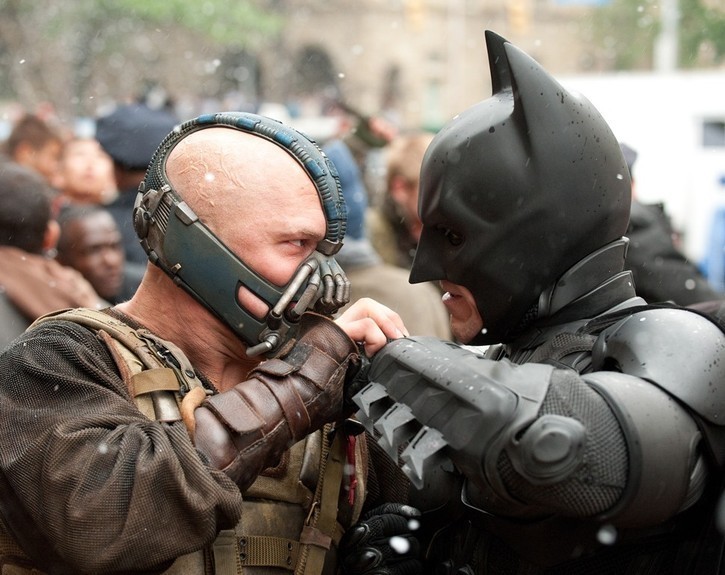
Around the beginning of this decade as Marvel Studios was blossoming what was DC Entertainment doing around this time? We got from them Green Lantern and The Dark Knight Rises. The former film didn’t perform to expectations and failed to resonate with fans and audiences. Green Lantern was hamstrung with weak villains, pedestrian storytelling, and for a film featuring a cosmic hero it was too Earthbound. On the other hand, the final film in Christopher Nolan’s Dark Knight trilogy was well received at the time of its release, but many grumbled that it was too ponderous, pretentious and its villain Bane (Tom Hardy) couldn’t compare to The Dark Knight’s Joker (Heath Ledger). What was noticeable was that Batman’s world seemed smaller and darker than the more light-toned Marvel Cinematic Universe. It seemed odd that Batman was the sole superhero around in Nolan’s films, although for The Dark Knight Rises’ plot of Gotham held hostage, that was a necessity. It was plain to see in the end that while the Batman films were hugely successful, they did not do anything to expand the DC Universe in film. So once that trilogy was completed there wasn’t anything to follow it.
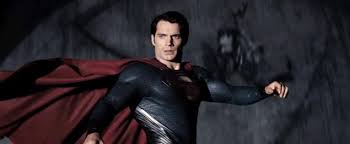
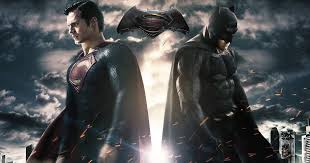
Does all of this mean that it’s over for DC? Should they throw in the towel? Hell, no! They may be way behind Marvel at the moment, but they are gearing up for a new war that will start in March 25, 2016. The release of Batman v. Superman: Dawn Of Justice is just the opening salvo. However, the failures of Green Lantern and The Dark Knight Rises in terms of creating a cinematic universe is why DC had to start over with Man Of Steel in 2013, already a few years behind Marvel Studios. That reboot of Superman and his mythos was successful, but it’s considered controversial by many fans who decried the character deviations, especially when Superman killed at the film’s end.
Nevertheless, the film did begin an earnest establishment of a larger universe. Take the scene near the end when Superman (Henry Cavill) and Zod (Michael Shannon) fight above Earth and tear apart a satellite belonging to Wayne Industries. It was a nifty Easter egg, but it was a blink-and-you’ll-miss-it moment and the film should’ve done more. Imagine if a post-credits scene was shown where the near destruction of Metropolis is shown on a TV screen. The camera would’ve pulled back to show that the TV was in a cave and that Batman could be seen watching the disaster on TV. Or have the TV in a non-descript apartment where a certain green Power Battery could be spotted.
Regardless, Man Of Steel was DC’s first true attempt at establishing its own cinematic universe. Its Easter eggs may pale next to Iron Man with the Avengers Initiative scene, but it’s a start.
Broad Horizons Ahead For Both Companies
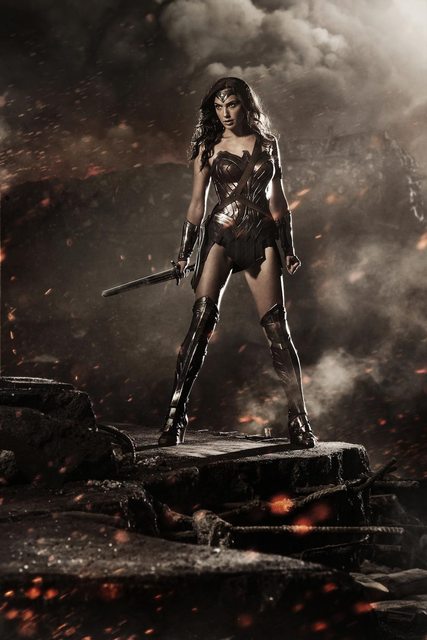
From March 2016 until 2020, DC has eight films scheduled for release. At this point, the general public doesn’t know which properties will be on the big screen aside from Batman v. Superman: Dawn Of Justice, but current rumors point to Shazam, Wonder Woman, the Justice League (finally!), a new Batman, and a proper sequel to Man Of Steel. DC and Warner Bros. should be commended for not rushing things unlike some other movie studios with comic book properties (looking at you Sony). This means that when the universe is finally presented it should be cohesive and well done.
Regarding the recent decision to move Batman v. Superman: Dawn Of Justice from May 6,2016 to March 25,2016, it may seem like an admission of defeat. One way of looking at it is that DC recognizes what a juggernaut Marvel Studios and its films have become and want to avoid direct competition. But it’s really a more strategic move by DC and Warner Bros. to ensure that Batman v. Superman: Dawn Of Justice reaches the widest possible audience. That is why they moved up the film’s release date so it doesn’t have to compete with the third Captain America film. A lot of people salivated over the prospect over these two comic book titans going at it in the box office, but in reality such direct competition would hurt both brands. In this case, DC would have suffered more. Why? It’s likely that Batman v. Superman: Dawn Of Justice would’ve won the match against the third Captain America film, but the Marvel Cinematic Universe is a proven brand with devoted followers and Captain America has risen significantly in popularity thanks to his last film. There isn’t any way that the third film would flopped; it would’ve earned a respectable amount of money in the matchup, enough for Marvel to declare a pyrrhic victory and claim their film held up well against DC’s better known characters. In the meantime, if Batman v. Superman: Dawn Of Justice didn’t have super impressive opening box office numbers or heaven forbid came in second on the opening weekend, it would’ve spelled a PR disaster for DC and stifled their burgeoning cinematic universe. DC had more to lose than Marvel, so taking a page from their competitor’s strategy book, they positioned their centerpiece film in a less competitive time period where it’s guaranteed to score high.
With DC beginning its own universe, which at this point is still in planning stages, Marvel is charging forward with more film releases. Next year will see the eagerly anticipated sequel Avengers: Age Of Ultron and Ant-Man. The following year we’ll get the aforementioned third Captain America film and on July 28, 2017 the Guardians of the Galaxy will return to theaters with a new film. Additionally, Marvel recently announced several release dates through 2019 for five more films in the MCU. No details have been released but the speculation is that these films may include sequels to Thor, the Avengers, possibly Iron Man (Robert Downey, Jr. recently expressed interest in continuing to play Iron Man), and new properties like Captain Marvel, Black Panther, the Inhumans, or Doctor Strange.
A film based on the last character mentioned, Doctor Strange, also means that Marvel is branching off in yet another direction. Like with Guardians Of The Galaxy, which is actually a space adventure film, a Doctor Strange film would not be a traditional superhero film, but rather one that deals in the genre of horror and fantasy. The fact that Scott Derrickson has been hired to direct the film is indicative of its horror trappings since Derrickson’s resume includes horror films.
Guardians Of The Galaxy and the upcoming Doctor Strange film point to how Marvel has won the Movie War because they’ve done so well with superhero films that they are now able to branch off into other genres. DC has tried doing this in the past with poor adaptations of Constantine and Jonah Hex. If DC’s film slate includes a rumored movie based on its fantasy property Sandman, then this would prove that DC is remaining competitive and moving beyond superheroes as well. Continue reading →
Sorry DC Comics fans, but with the runaway success of the recently released Guardians Of The Galaxy film and the announcement that the upcoming film Batman v. Superman: Dawn Of Justice won’t directly compete with the third Captain America film, it’s pretty clear that Marvel Entertainment has won the Comic Book Movie War over its rival DC Entertainment.
DC’s Early Success
For years DC was at the apex of comic book-based films thanks to Superman then Batman dominating the box office. Marvel wasn’t even a contender; it was consigned to bargain-basement shlock efforts like Captain America, The Punisher and Roger Corman’s The Fantastic Four, which wasn’t even released. It seemed like Marvel just couldn’t get its act together and was floundering with its attempts to put something out into theaters much less TV. Meanwhile, DC had solid hits with its flagship heroes and films that although were flawed, were generally well received.
DC’s advantage was that it was (and is still) owned by the studio giant Warner Bros., which had the deep pockets to finance the superhero films. This was why the Superman and Batman films looked so good. In their day, they had big budgets with big-name stars, directors and the best special effects and production people working hard to put out quality efforts. The best Marvel could muster was getting Dolph Lundgren to star as the Punisher.
Fans asked for years where were the big-budget adaptations of Marvel’s best heroes? While Batman tore through theaters where was Spider-Man? Well, Marvel was just a comic book company then that went through many owners who didn’t know a thing about expanding into other media, specifically film and TV. Then there was the legal mess over who had the rights to produce a Spider-Man movie that was only resolved a couple of years before Spider-Man. By that time, Marvel had gone through bankruptcy and in order to raise money sold their coveted properties to different film studios. That is why properties like the X-Men, the Fantastic Four and Spider-Man aren’t made by Marvel Studios today.
Double-Sided Victory
Despite their overall success, DC still had some chinks in their movie armor. For every rousing Superman II or Batman there were undeniable stinkers like Superman III or Batman & Robin. Worse were truly abysmal films like Steel and The Return Of Swamp Thing that not only failed in the box office, but sullied the reputation of superhero films.
DC Entertainment didn’t fully capitalize on the success of the Batman and Superman films. Yes, they did push forward TV adaptations of the Flash and Superman, but they should’ve concentrated on making quality films of their other properties. Instead they pooled all their efforts into Batman, which made sense since he’s their most popular superhero. But the problem with that approach is that when a Batman film falters it affects the rest of their line. And this is what happened with the release of Batman & Robin in 1997. That film strayed far from the winning dark and gothic formula that director Tim Burton used in the first two films and instead was a throwback to the campy 1960s TV shows. That silly approach used by director Joel Schumacher irked many fans who felt that Batman was a dark and serious hero and putting him in goofy situations was undignified. At the same time, DC was floundering with their attempts to reboot the Superman film franchise after the pitiful failure of Superman IV: The Quest For Peace back in the 1980s. A lull existed for DC superhero films that lasted from 1997 until 2004 when the DOA Catwoman was released. DC wouldn’t get back on its feet until the following year when Christopher Nolan’s reboot Batman Begins was unleashed.
That film’s success did come with a price. Chiefly that Nolan’s unique and grounded Batman universe couldn’t have any ties to the rest of the DC universe. Hence no mentions of Superman, Wonder Woman, etc. Not even their home cities seemed to exist in Nolan’s dark and brooding world where costumed beings didn’t have true superpowers. As good as that was for the Batman films, it meant that DC couldn’t use them to introduce other heroes. That’s not to say they didn’t try expanding. There was almost a Justice League film made. George Miller was supposed to direct it and a cast was set, but the 2007-2008 writer’s strike ended that dream. Then everyone knows about Superman Returns and Green Lantern, two highly anticipated films that failed and left DC’s expansion efforts stillborn. Unfortunately, as these two films floundered Marvel Studios began its ascension.
The first few films based on Marvel properties were huge hits with the public and fans, some decried how they ignored fundamentals in core concepts. For instance, as Hugh Jackman became a big star for his portrayal of Wolverine, many complained that he was too tall and good looking. Others griped about why Spider-Man all of a sudden had organic webbing and never invented web-shooters. Then there were the misfires that were forgotten in the wake of the successes of Spider-Man 2 or X2: X-Men United. Those included Daredevil, Hulk and Ghost Rider. Continue reading →
Even though next year promises to be a mega-tsunami in terms of mind-blowing cinematic genre releases, this year won’t be a slouch. Superheroes, sequels and some original productions all look promising. These are are some of the most anticipated releases for 2014. Of course, some of them may wind up being major disappointments, while other films that weren’t even listed may turn out to be some of this year’s best. We’ll see…
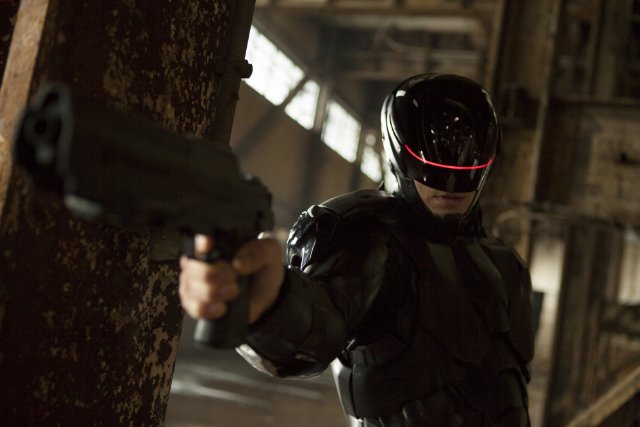
10.Robocop
Yes, many genre fans are ripping this remake of the 1987 classic a new one. They point out the production problems and hate the monochromatic look of the redesigned Robocop suit. But in the end, at least from the trailers, it looks pretty badass. A lot will depend on if director José Padilha can deliver the action and somehow repeat the dark humor from the original and maybe add some humanity. (Release Date: Feb. 12)
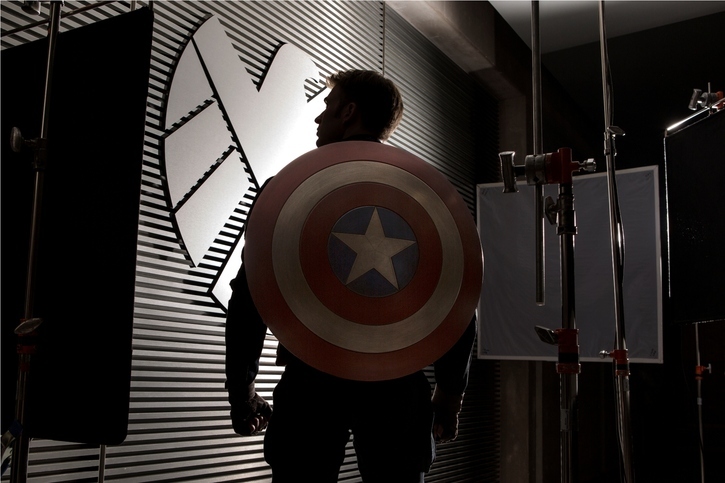
9. Captain America: The Winter Soldier
Chris Evans reprises his role as Marvel’s man out of time, Steve Rogers/Captain America. This sequel takes a decidedly different slant than its World War II-based predecessor. Now set in modern times, the film takes on more of a spy thriller vibe as Steve struggles to adjust to the new world and is embroiled in a plot that involves the spy organization S.H.I.E.L.D. and his old partner, the deadly Winter Soldier (Sebastian Stan). (Release Date April 4)
8. The Hobbit: There And Back Again
Unless Peter Jackson plans on directing The Silmarillion, this is his final Middle Earth installment. Even for those that aren’t fans of Jackson’s interpretations of J.R.R. Tolkien’s works, this final film in The Hobbit trilogy is an event to celebrate. Now once and for all, Bilbo Baggins (Martin Freeman) and his dwarf comrades have their final confrontations with the evil orcs and the dragon Smaug. (Release Date: Dec. 17).
7. The Amazing Spider-Man 2
First of all, the trailer for the newest Spider-Man flick looks amazing (pardon the pun) with all the spectacular (ahem) action scenes involving our favorite Wall-Crawler (Andrew Garfield) fighting Electro (Jamie Foxx). However, can this movie avoid the curse of other superhero sequels that have too many supervillains? Along with Electro, there’s a mechanized version of the Rhino (Paul Giamatti) and the most intriguing villain of the bunch: a rebooted Green Goblin (either Chris Cooper or Dane DeHaan). (Release Date: May 2)
6. Interstellar
Steven Spielberg was supposed to direct this movie about scientists and explorers sent on a mission to study a newly discovered wormhole. However, he let it slip through his hands and now acclaimed director Christopher Nolan has taken over. The teaser trailer released last month perfectly captured that feeling of humanity desiring a new challenge and to push past our limitations of space travel. Given Nolan’s track record for thought-provoking and titillating fare, Interstellar should be one of the year’s best films. (Release Date: Nov. 7)
5.Guardians Of The Galaxy
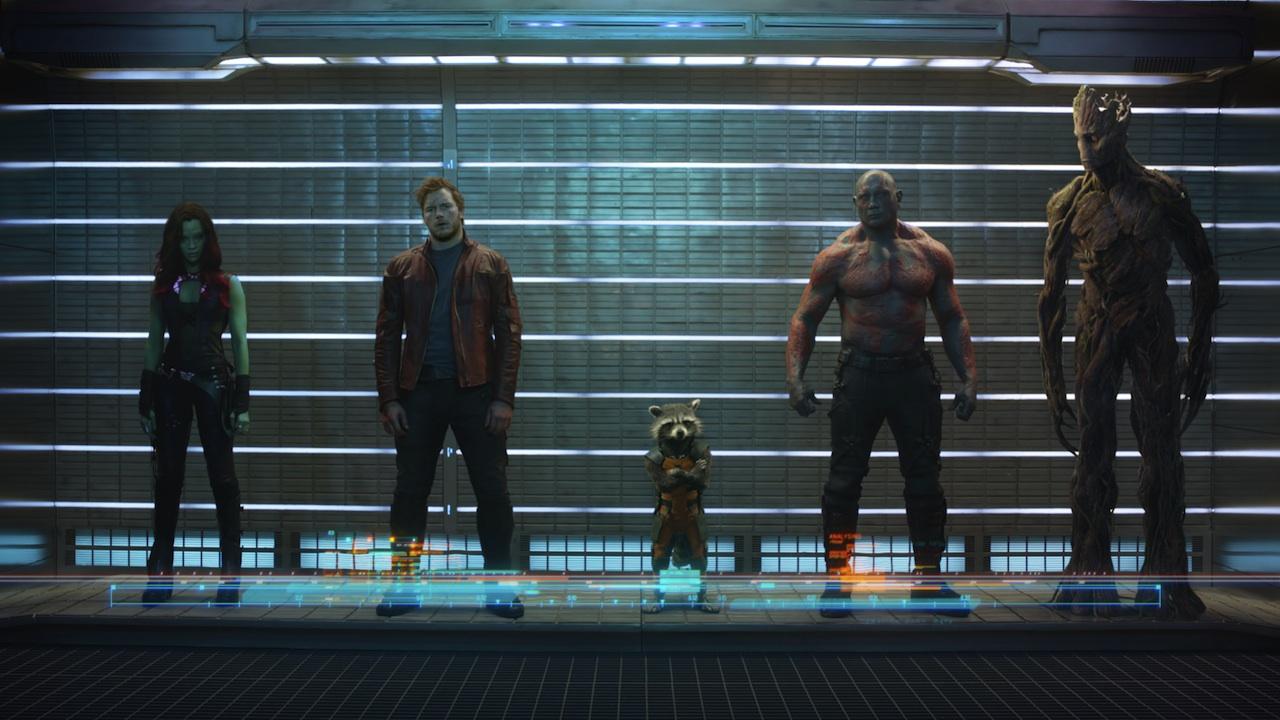
This superhero/space opera mash up from Marvel Studios is one of the most anticipated upcoming releases. From the casting (Chris Pratt as Peter Quill/Star-Lord) to the fact that the studio and director James Gunn had the gumption to include Rocket Raccoon and Groot, a talking tree, in this film, Guardians Of The Galaxy has to be seen. It can be the next big sci-fi hit or the new Howard The Duck. Hopefully it won’t suffer the fate of other misunderstood films that failed recently in the box office like John Carter and Pacific Rim. (Release Date: Aug. 1)
4.Dawn Of The Planet Of The Apes
The 2011 reboot/prequel Rise Of The Planet Of The Apes was an unexpected surprise hit with audiences and critics. Prior to its release, few predicted that it would reinvigorate the Planet Of The Apes franchise. This sequel takes place eight years after the 2011 film after a plague has decimated humanity and given genetically enhanced apes a chance to take over the world. Humanity’s remnants led by Gary Oldman head into a fateful confrontation with their competitors, who are led by the now-embittered chimp leader Caesar (Andy Serkis). (Release Date: July 11)
3. Godzilla
Our favorite kaiju finally gets the top treatment that he deserves from Hollywood! Forget that bastardization that came out in ’98 with that wimpy reptile and that geeky Ferris Bueller dude! After all these years, director Gareth Edwards and the producers have promised this take will be the Godzilla film that we’ve been waiting for; where the behemoth is an indestructible force of nature and is treated as one. Toss in Bryan Cranston, one of the best actors around, scenes of chaos and destruction, and this has the potential to be a bonafide classic. (Release Date: May 16)
2.Transcendence
First-time director Wally Pfister, who worked as a cinematographer for Christopher Nolan’s films presents this cautionary film that capitalizes on our fears of A.I.s. Johnny Depp stars as a scientist trying to create a true A.I. but is mortally wounded by an anti-tech group. Before dying, his consciousness is uploaded into a computer and the world’s first A.I. is born. There is a chilling aspect in the trailer released for Transcendence as the A.I. begins to take over the world. Think of it as an updated version of Colossus: The Forbin Project but with the A.I. being able to control matter itself. In a film calendar flooded with sequels and reboots this original work stands out. (Release Date: April 8)
1. X-Men: Days Of Future Past
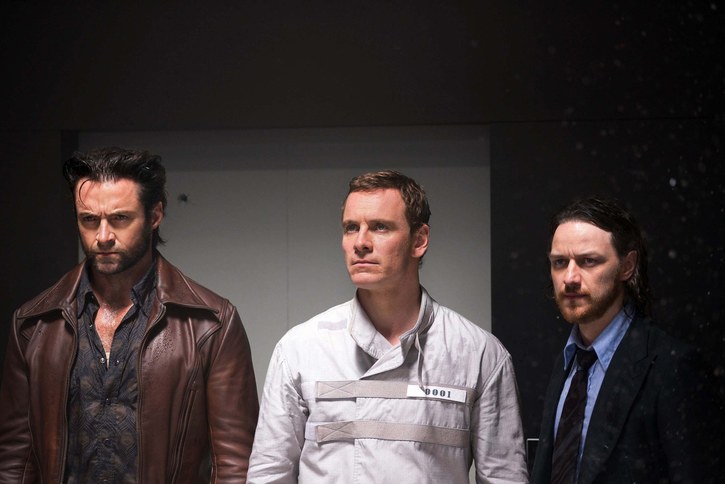
Finally, a big-screen adaptation of one of the greatest comic book stories ever done. In a post-apocalyptic future, mutants face extinction at the hands of out-of-control Sentinel robots. In desperation, one mutant time travels to the past to prevent the mutant holocaust. Director Bryan Singer returns to the X-Men film franchise in this followup to X-Men: First Class. The key cast members from that film (James McAvoy, Michael Fassbender, Jennifer Lawrence), plus those from Singer’s era of X-Men films (Patrick Stewart, Ian McKellan and Hugh Jackman) return in an all-star lineup. Bryan Singer and company are promising a major epic, and from what has been seen, it looks like Singer will deliver a high-quality superhero film that could be one of the best ones yet. (Release Date: May 23)
Bear in mind that the release dates are subject to change, even to the point of a film or two being pushed back a year. Other highly anticipated films include Big Hero 6 (Disney Studios presents its first animated film based on Marvel Comics superheroes), Edge Of Tomorrow (Tom Cruise stars as an inexperienced soldier who repeatedly dies fighting aliens and is continuously resurrected into his past with more combat knowledge each time), The Giver (A teenager in a future perfect society finds out that to achieve perfection his world gave up on humanity), Home (Dreamworks Animation effort about a girl who befriends a misfit alien that is part of an Earth invasion force), How To Train Your Dragon 2 (One of Dreamworks Animation’s best films about a boy and his pet dragon gets the sequel treatment), The Hunger Games: Mockinjay, Part 1 (the final book in The Hunger Games trilogy is getting the Harry Potter and Twilight treatment and is being cut into two parts), I, Frankenstein (delayed from last year, it stars Aaron Eckhart as the title character in modern times fighting for humanity), Jupiter Ascending (The Wachowskis attempt another comeback with this sci-fi action piece starring Mila Kunis), and Welcome To Yesterday (a found-footage film about young adults discovering time travel and its disastrous consequences).




 Starloggers