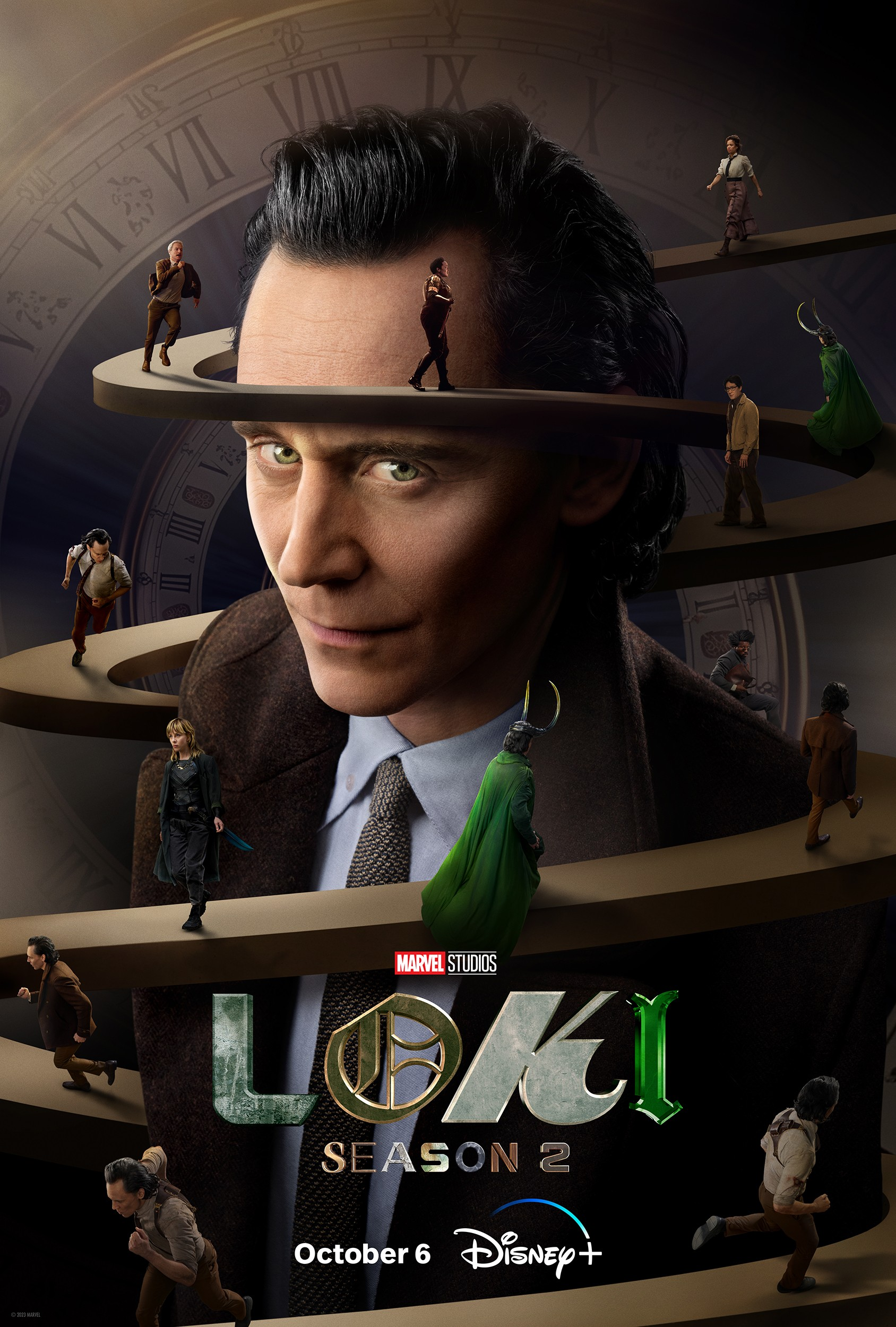
The just-streamed final episode of the second season of Loki concluded the mind-bending time travel storyline that ran throughout the show’s two seasons.
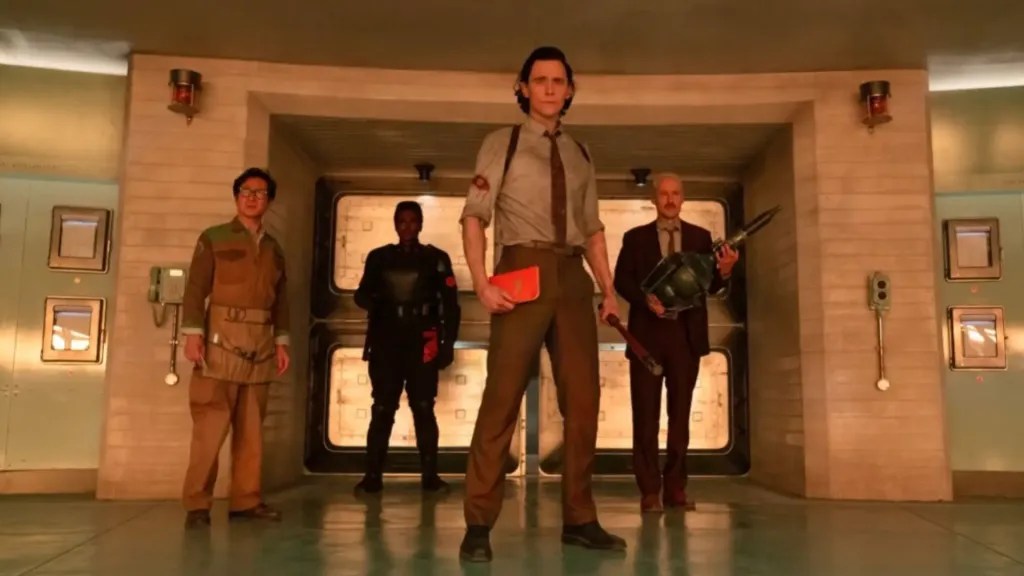
Starring Tom Hiddleston as the title character, Loki has turned out to be a genuine surprise. Instead of being the Marvel Cinematic Universe (MCU) version of DoctorWho with Loki running around different time periods, the show instead carefully examined the numbing logistics of time travel and philosophy. More poignantly, Loki was a thoughtful character study of the main character, a villainous Asgardian god who turned into an anti-hero before completing his transformation by the end of the final episode into a tragic hero. MAJOR SPOILERS will follow.
The second season of Loki began immediately after the first season where the Loki variant, Sylvie (Sophia Di Martino), killed the enigmatic He Who Remains (Jonathan Majors) in the final episode “For All Time. Always”. This murder unraveled time itself since He Who Remains controlled time through his organization the Time Variance Authority (TVA). Throughout history the TVA prevented or pruned branching timelines from deviating out of the so-called Sacred Timeline.
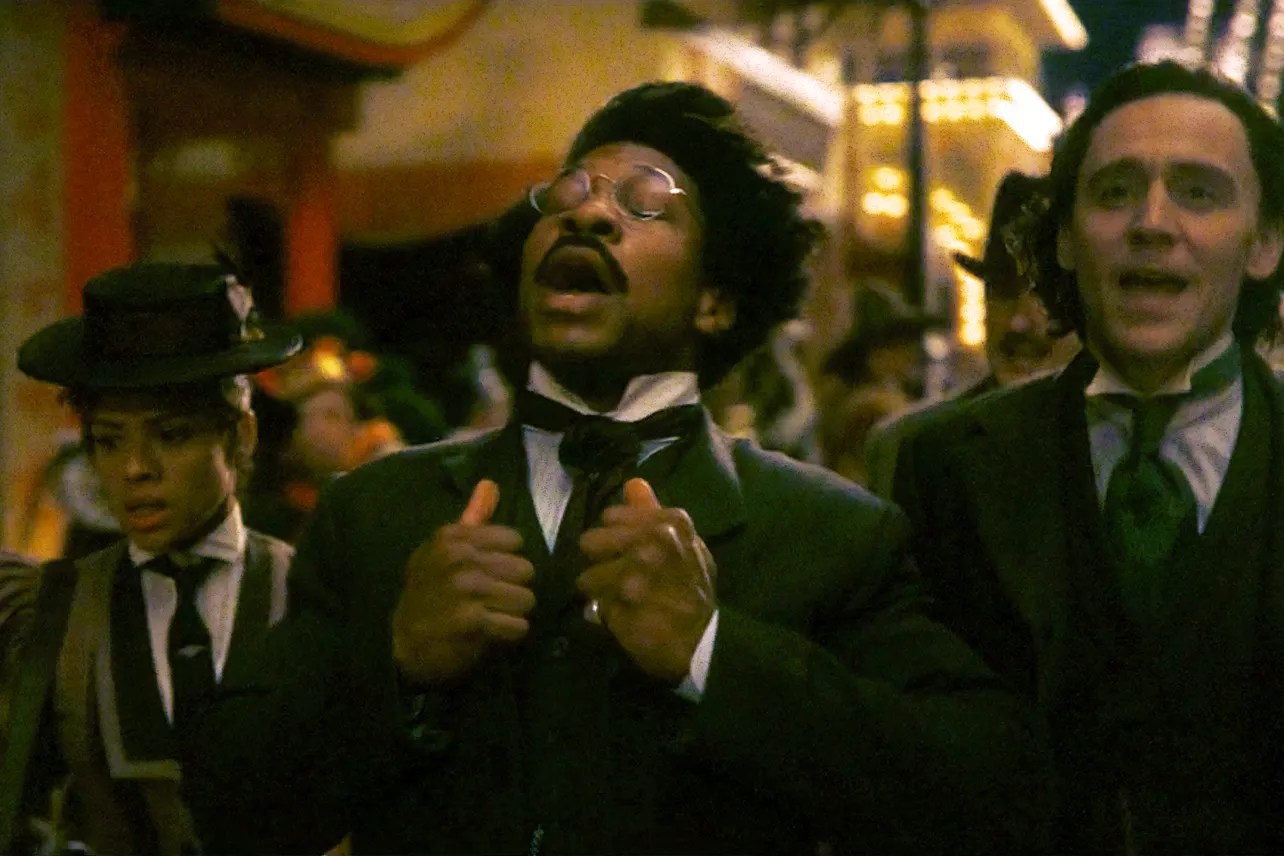
As timelines began to develop and branch off in the second season, this created many variants of He Who Remains, most notably Kang the Conqueror (as seen in Ant-Man and the Wasp: Quantumania) and Victor Timely, a meek 19th century inventor/charlatan. Loki also became unstuck in time and time slipped throughout the premiere second season episode. When he jumped into the future, he saw that the TVA was destroyed when the Temporal Loom was overloaded by rapidly multiplying timelines. The Temporal Loom is an enormous machine that gathered the timelines (seen as never ending tendrils) and combined them into a single controlled stream, hence the Sacred Timeline. In order to help fix the Loom, the temporal aura of He Who Remains or his variant was needed to access the Loom’s controls. This set Loki and the TVA off on a mission in the season’s first half to track down Victor Timely.
The second season was as bizarre, zany, and thought provoking as the first one, except it focused more on the characters of Loki and his associates. We learned a lot about Loki’s best friend Mobius (Owen Wilson), an easy-going TVA bureaucrat, who had a simple and enjoyable life before he was forcibly recruited into the TVA. We also were introduced to Ouroboros or O.B. (Ke Huy Quan), a quirky and energetic repair person who is an expert on temporal mechanics. His energy and good will was infectious thanks to Quan’s brilliant performance.
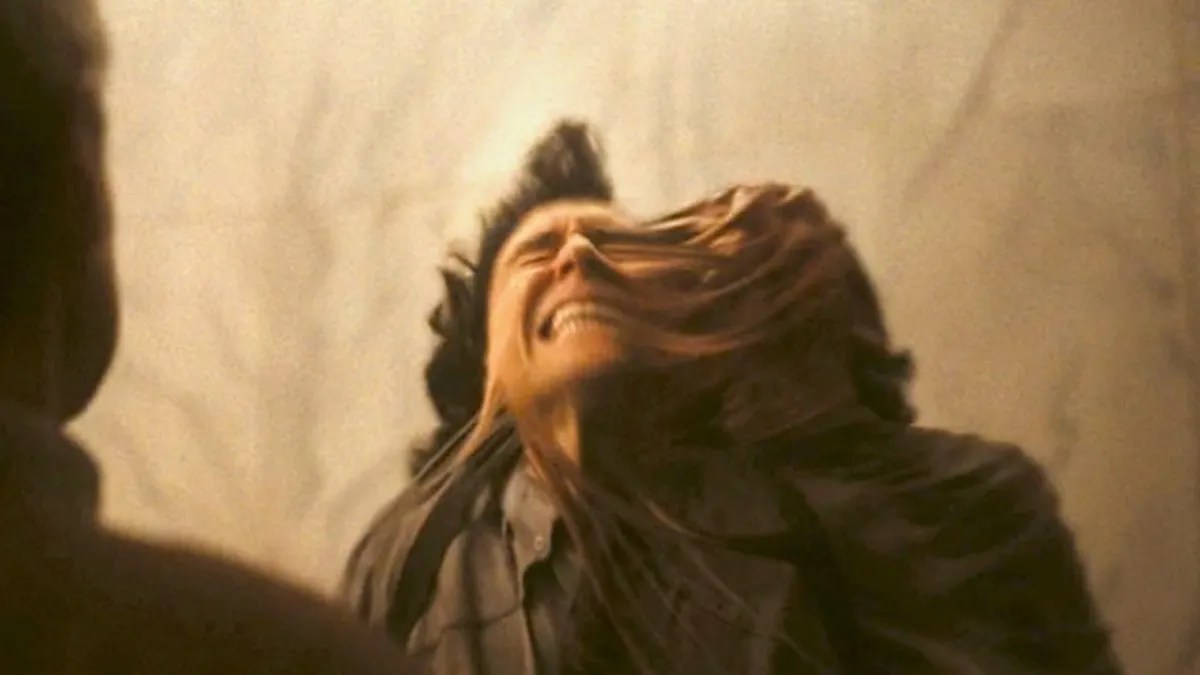
Despite Loki and the TVA’s efforts, the Loom is destroyed and the TVA along with it. In the penultimate episode “Science/Fiction” Loki finds himself traveling to different timelines and encounters his friends and their lives before the TVA. After meeting with Sylvie, Loki admits his love for his companions and that he does not want to be alone. This was a major emotional breakthrough for him and a harbinger for his ultimate tragic fate. Loki realizes he can control his time slipping and transport himself to the moment before the Loom is destroyed at the end of the episode.
Things just seem to be going from bad to worse for the Disney+ Marvel Cinematic Universe (MCU) TV shows. For the most part, some of the recent MCU TV shows have been poorly received by fans and critics who griped about the inconsistent tone of the episodes, half-finished scripts and poor special effects. The MCU TV shows hit their lowest point with Secret Invasion, which should have been a lot better but instead turned out to be the worst MCU presentations. There have been a lot of reports and rumors about how Marvel Studios head Kevin Feige is going out of his way to right the ship with the MCU. This has led to substantial delays and cancellation of projects. But the news last week that the upcoming Daredevil: Born Again has been essentially scrapped created a lot of concern for fans.
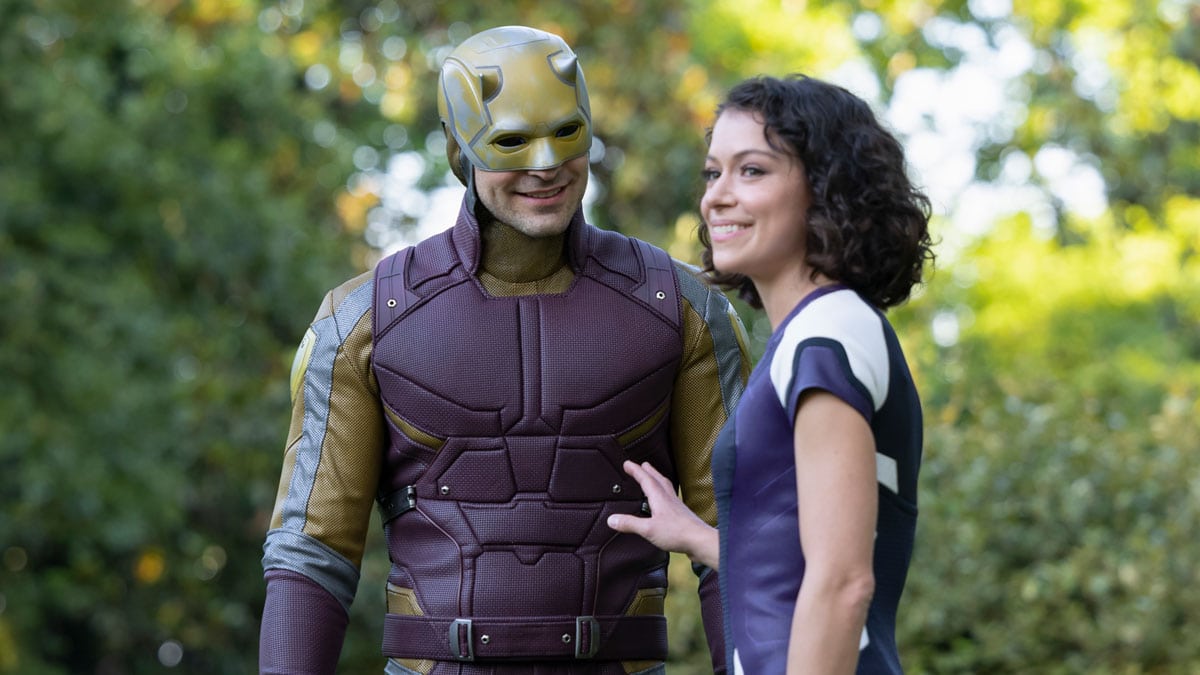
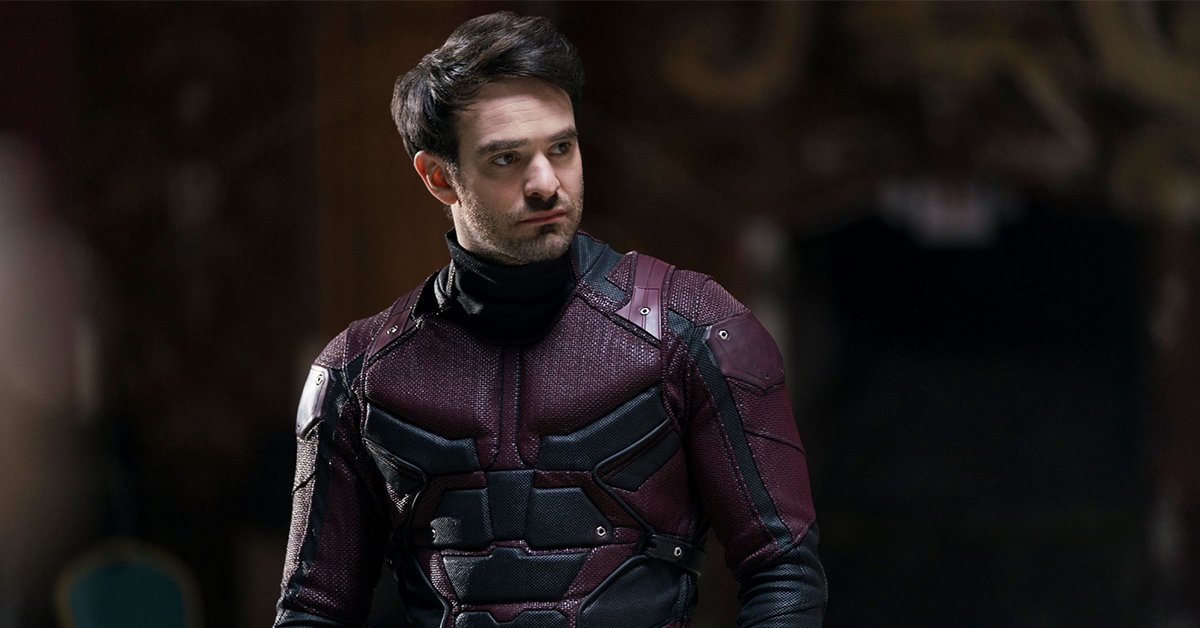
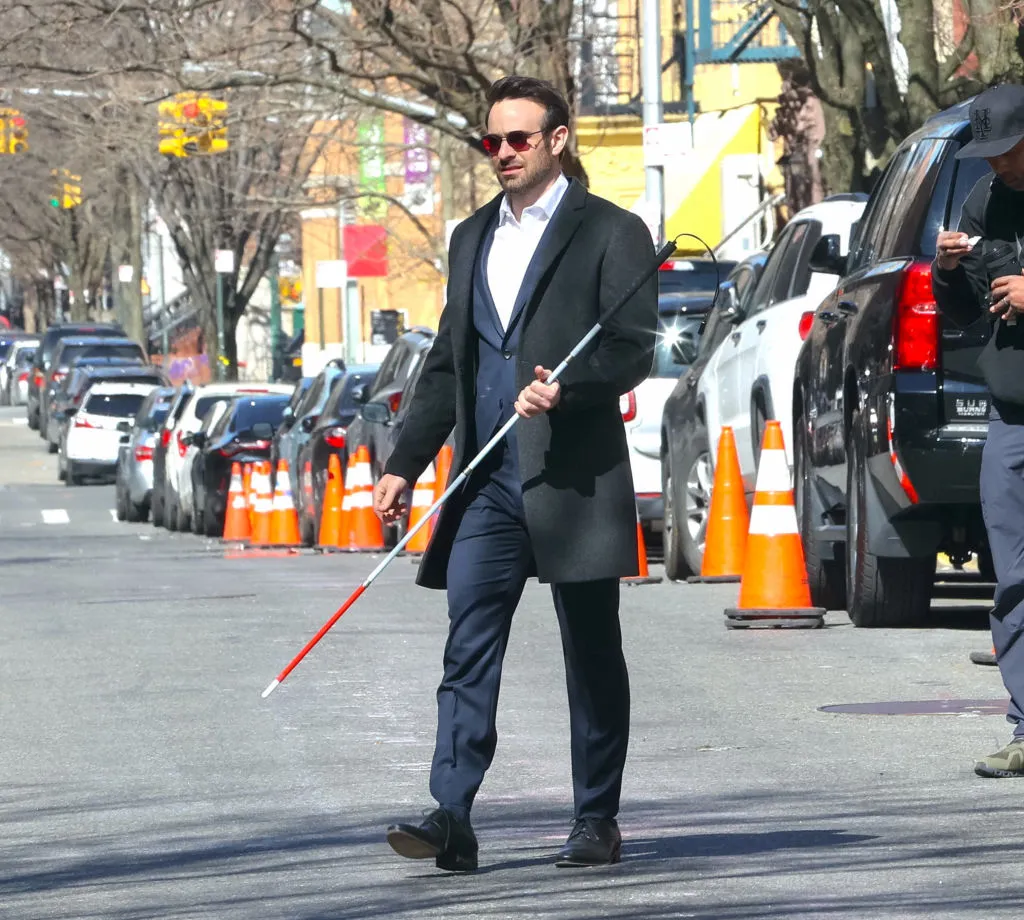
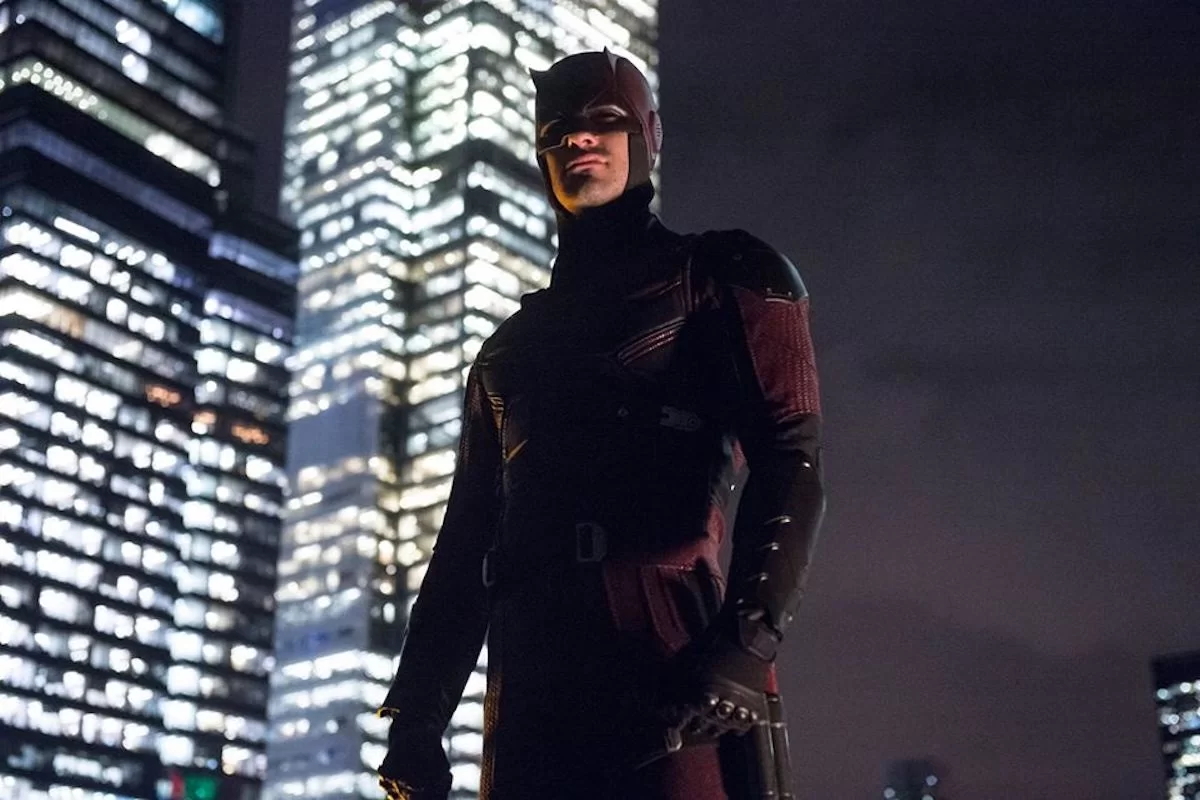
Daredevil: Born Again has been one of the most anticipated MCU projects since it brought back Charlie Cox as the title character. He won so much acclaim for his performance as Matt Murdock/Daredevil in the Netflix TV series Daredevil, which was about a blind superhero with enhanced senses fighting crime in Manhattan. That series ran for three seasons and was considered to be among the greatest superhero TV shows based on a Marvel Comics charater. Fans wondered if the TV show would ever be revived and saw reason to hope when Cox reprised his role in the film Spider-Man: No Way Home and the TV show She-Hulk: Attorney at Law. Naturally, many were excited when Kevin Feige announced that a new Daredevil TV show was being produced by Marvel Studios.
Not a lot was known about Daredevil: Born Again other than aside from Cox, Vincent D’Onofrio would reprise his role as Wilson Fisk/The Kingpin, the brutal crime lord that rules New York’s criminal society. Supposedly, the overall plot had to do with the consequences of Fisk being elected as the mayor of New York. But there were some aspects about the show that put off fans, namely that Elden Henson and Deborah Ann Woll would not return to play their beloved characters Foggy Nelson and Karen Page. In fact, there have been leaks that both characters were killed off in Daredevil: Born Again. Also, there seemed to be an effort by the executives to not associate it with the Netflix series. This did not make sense since Daredevil was so revered and it was only logical to continue that show instead of doing a reboot given that the same lead actor was returning.
Production came to a halt with the TV show due to the writer and actors strikes, which has crippled film and TV productions this year. At the onset of the strike only a few episodes had been completed and it was supposed to have an eighteen-episode run.
Marvel Studios has been having issues with the quality of many of their projects, especially the TV shows, and this resulted in diminishing returns. As we all know, Marvel Studios and Kevin Feige had been stretched very thin by mandates by Disney to produce more product and there are only so many resources and time available to consistently produce quality products. This is how we got poorly received films and TV shows like Secret Invasion, Eternals and Ant-Man and the Wasp: Quantumania. Naturally, this has forced Marvel Studios to take a hard look at their current and upcoming projects and honestly assess them.
This assessment and the realization that the market was being flooded with too many films and TV shows have led to delayed releases for their projects. In some cases, projects have either been scrapped or will undergo significant revisions. Unfortunately, this included Daredevil: Born Again.
According to a report in The Hollywood Reporter, Kevin Feige reviewed what had been filmed with the new Daredevil TV show and admitted that it was not working. It was turning out to be a procedural lawyer show that de-emphasized Daredevil and Matt Murdock did not even don the Daredevil suit until the fourth episode. This has led to the dismissal of the writers and directors and the show is now back to square one.
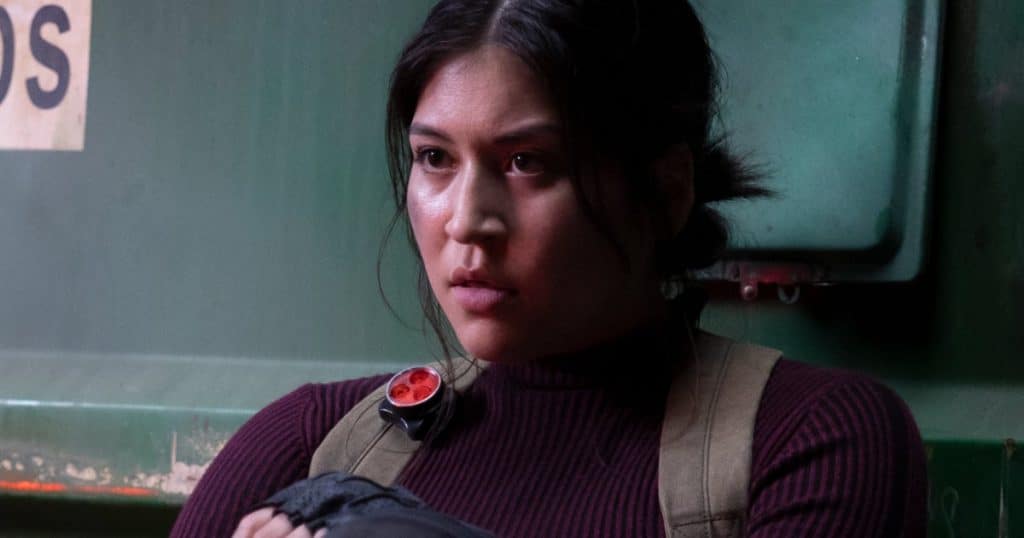
But Daredevil: born Again is not the only casualty. It has been rumored that a planned TV show, Visionquest, based on the android hero, the Vision, has been cancelled. Echo, which has been completed and feature Daredevil, keeps being delayed because it’s supposedly not well done and Marvel Studios is trying to fix it through editing. Agatha: Darkhold Diaries also seems to be a victim of constant retinkering given that the TV show based on the witch Agatha Harkness has had so many title changes. Ironheart, has been completed for some time, yet there isn’t any clear indication of when it will stream on Disney+. Rumors for upcoming MCU projects featuring Nova, Okoye and the Silver Surfer have stopped giving the impression that they also have been scrapped.
On the one hand this implosion of MCU TV shows is cause for concern given the high reputation Marvel Studios has with fans and most critics (excepting snobs like Martin Scorsese). Some panicking fans will use this situation to declare that superhero fatigue is upon us. But that is not necessarily so. The reason for diminishing returns in metrics and box office returns is due to diminished and inferior product that is not up to par with past MCU projects. If a film or TV show is great, people will seek it out, for the most part. Look at how well some recents films and TV shows performed. These include Guardians of the Galaxy, Vol. 3, WandaVision, Loki, Spider-Man: No Way Home and Werewolf By Night. Right now, Loki, which began its second season a couple of weeks ago is removing the sting of the dismal Secret Invasion. However, it’s early for the show and it could wind up becoming an uneven disappointment. Another problem for Marvel Studios is that they do not have a lot of experience creating TV shows and it can be seen with their finished products. Most of them seem like overlong films instead of TV shows that are a different medium with a distinct method of storytelling.
On the other hand, these delays, cancellations and retoolings are a sign that Kevin Feige and Marvel Studios have acknowledged that things are not working for their projects. It is far better to course correct now with Daredevil and be willing to go back to the drawing board. Otherwise, can anyone imagine what would happen if Daredevil: Born Again turns out to be another Secret Invasion? One thing Marvel Studios should do is bring back the folks who were behind Daredevil like Drew Goddard. He and the other creatives behind Daredevil knew how to handle the character and his world, and it would reassure fans. Anyway, with less projects to deal with, Marvel Studios now has more bandwidth to ensure that they create superior films and TV shows that will be up to their usual high standards. So, while we may have to wait longer to see the full return of Daredevil, we can be comforted knowing that it will be worth the wait.
The six-part Secret Invasion TV series on Disney + streamed its final episode last night and unfortunately it was as mid as the rest of the series. To go into why it was so mediocre and par for the course with the recent TV shows set in the Marvel Cinematic Universe (MCU) there will be major spoilers from this point on.
Secret Invasion had a lot to admire, notably Samuel L. Jackson as former S.H.I.E.L.D. director Nick Fury, Olivia Colman as British secret agent Sonya Falsworth, and some terrific dialouge. There was one riveting moment where Fury explained, using his childhood memories in the segragated south, why humanity would never accept alien beings living on Earth. But the overall feeling of the series feels underwhelming and done on the cheap, which is surprising given that it supposedly had a large budget.
Like every comic-book adaptation, Secret Invasion was very loosely based on the Marvel Comics mini-series of the same name in that it only adapted the basic premise that alien shape shifters called Skrulls infiltrated Earth’s human populace. Unlike the comic books there weren’t any Skrulls impersonating superheroes except for Col. James “Rhodey” Rhodes aka War Machine (Don Cheadle). There aren’t any epic battles between superheroes and their alien counterparts, and there is a lack of paranoia about who was a Skrull like in the comic books where readers were shocked that several superheroes were impersonated by Skrulls for years.
Yes, there was Rhodey, but that was it, and by the way he acted at the start of the series it was fairly obvious that he was a Skrull. There were a few other revelations but they lacked any dramatic punch because most of these people never appeared before in the MCU. The TV series was just begging for appearances from many established characters, yet that never happened. Sure, it was unrealistic to expect Chris Hemsworth or Paul Rudd to show up, but the MCU has so many distinctive minor characters that could have appeared to play into the paranoia by revelations that they were Skrulls. What is it, they ran out of money to pay these actors? Did the showrunners seriously expected viewers to be shocked when it was revealed that the prime minister of the United Kingdom was a Skrull? Big deal! This faux prime minister did not even do anything!
The storyline followed Nick Fury as he learned that a million Skrulls are living as refugees on Earth disguised as humans. One of them, Gravik (KIngsley Ben-Adir) was a former spy who worked with Fury and is now a terrorist intent on turning Earth into a new homeworld for his race. To do this, Gravik planned to start World War III by using his clandestine Skrull army to instigate a conflict between the United States and Russia. With limited resources, except the help of his Skrull friend Talos (Ben Mendelsohn). Fury has to muster all his connections and skills to stop Gravik and his followers.
What could have been an intense and paranoid political thriller came off as underwhelming aside from a few bright moments throughout the show. Many elements of the storyline do not make sense. For instance, Skrulls were immune to radiation, which is why Gravik wanted to start a third world war. He reasoned that when humanity was wiped out by the fallout radiation the remaining Skrulls would inherit the Earth. But did he stop to consider that Skrulls would be just as vulnerable to the shockwaves and firestorms from the nuclear explosions? What about the biosphere of Earth, could the Skrulls survive on a poisoned planet with no food available and destroyed infrastructures?
Then there were the attempts to assasinate the president of the United States (Dermot Mulroney). There was a sequence in the fifth episode where the president’s motorcade in England was attacked by Gravik’s forces. It was exciting, but it was nagging to see how lightly protected the motorcade was or how it was put into a vulnerable position in the first place. Some lines of dialogue that the Secret Service was severely compromised would have helped here. The poor lines of defense are even more noticeable in scenes were the president was in a British hospital with very few people around him. He should have had an army surrounding him after the motorcade attack and most likely the Secret Service would have whisked him off to Air Force One. Instead we are expected to believe that Fury was able to slink into the hospital without any serious opposition.
There were these cheap dramatic moments of Fury facing off with the Rhodey Skrull. Every time the Skrull would get the upper hand because he was disguised as Rhodey. So why didn’t Fury do what Falsworth did in other scenes when dealing with Skrulls and just shoot him? She showed that injuring a Skrull would have revealed that their blood was a different color and boom, the fake Rhodey would have been exposed.
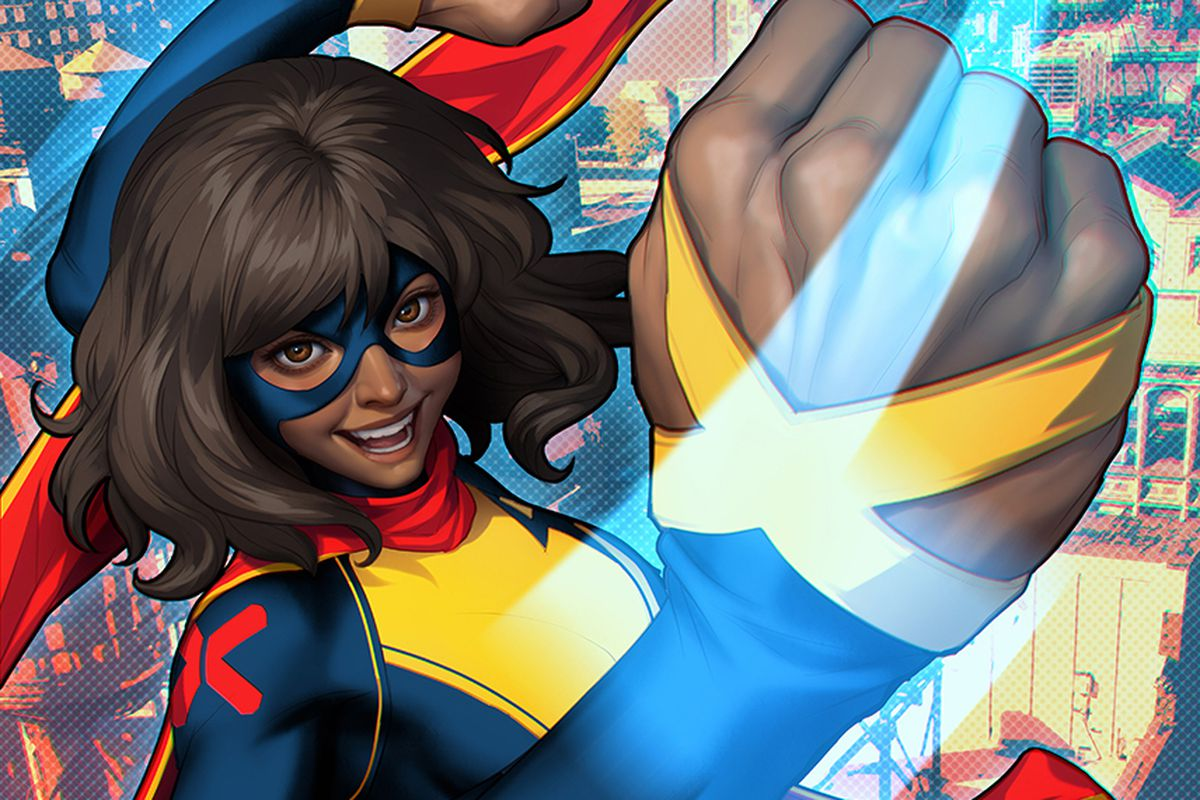
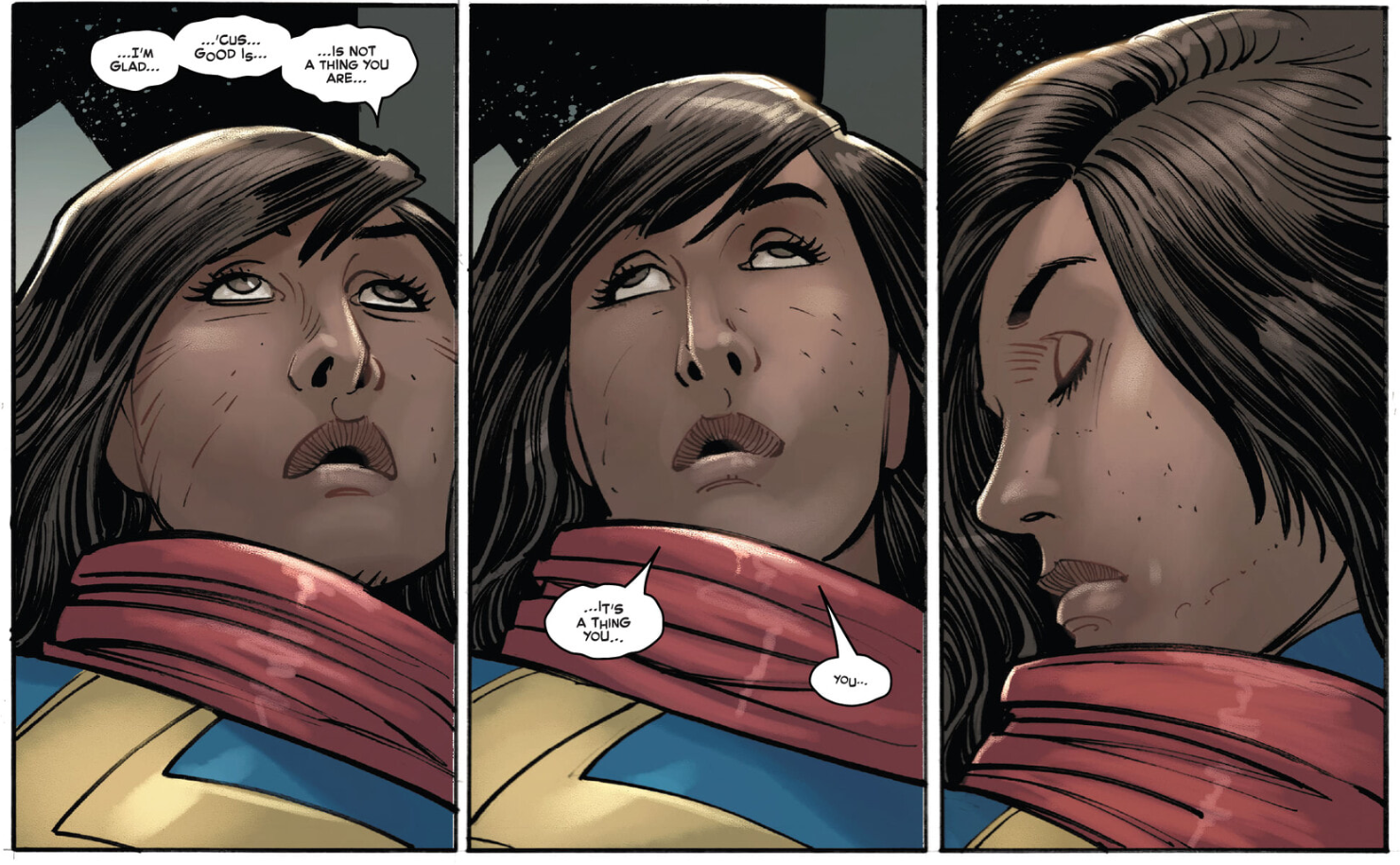
Ms. Marvel is the latest high-profile superhero to have died, which created some controversy with comic book fans. But what was even more troubling was the jaded reaction from many others who knew she would come back to life as was recently announced. This development is just another example of lazy comic book writing trope of killing off then resurrecting a popular character.
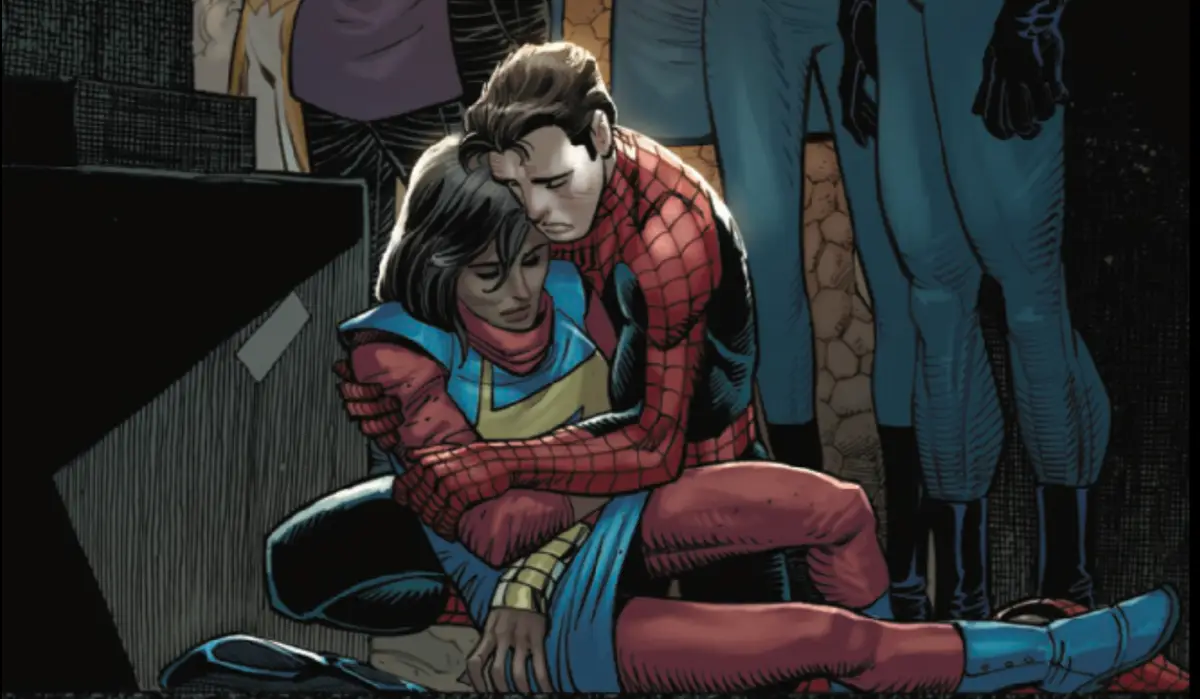
When Ms. Marvel was killed off in the closing pages of The Amazing Spider-Man #26, her death made lots of headlines and angered many fans. But many of them were not upset because she was killed. They were upset over the way Marvel Comics threw out all the pomp and circumstances to commemorate the superhero because it was clear she would not stay dead. Sure enough, Marvel Comics announced a few days ago that she will return in a new mini-series called Ms. Marvel: The New Mutant, which will be written by Iman Vellani, who portrays the superhero in the Marvel Cinematic Universe (MCU).
Seriously, is anyone surprised by any of this? Of course, they would not let the poor girl rest in piece. Not when she will co-star in The Marvels later this year. The only reason as to why go through all this death and resurrection is to synch the character with the MCU version. As most comic book readers know, Ms. Marvel is an Inhuman in the comic books, but for whatever reason she was designated as a mutant in the final episode of Ms. Marvel. Given that Inhumans never reached the popularity of mutants in the pages of Marvel Comics, perhaps the powers-that-be gave up on the Inhumans and decided to have it revealed that she is actually a mutant.
Still, why go through all the hand wringing and kill her off in the first place? In the pages of The Amazing Spider-Man, the title character is shown to be in full mourning over Ms. Marvel aka Kamala Khan, but the two were hardly best buddies. Sure, they’ve teamed up a few times it’s not like this happened to the Human Torch. It would have made more sense if she died in the arms of the superhero Ms. Marvel looks up to, Captain Marvel. This was most likely done to generate sales and interest for the comic books, but we’ve been through this too many times, and it was done much better before.
The best example was with the Death of Superman storyline that spanned many comics. That event worked because his death and resurrection felt organic, had a huge impact in the world of DC, and explored all the nuances of Superman dying and coming back to life. Even the death of Captain America years later was better executed as readers had time to process his death and see the Winter Soldier becoming the new Captain America and so on. There is also the death of the Ultimate Comics version of Spider-Man, which turned out to have introduced an even more popular version of the superhero: Miles Morales.
The problem with Ms. Marvel’s death is that these superheroes deaths have been done to death and in Ms. Marvel’s case, it was done too abruptly. Then before anyone could process anything, Marvel goes and announces she is coming back. There were much more imaginative ways to transform Ms. Marvel into a mutant without using the cheap theatrics of temporary deaths. This development still would have generated news, but with less cynical reactions. The fact that Marvel chose the cheap and easy way to go about her transformation just underlines how the so-called House of Ideas has run out of them.
Guardians of the Galaxy, Volume 3 has proven to be a fitting and emotionally satisfying conclusion to one of the best trilogies in the Marvel Cinematic Universe (MCU). Still, while the film does conclude many character arcs it surprisingly presented us with new directions for these characters and the larger MCU that are worth speculating about. WARNING: Spoilers will follow about the film.
The Legendary Star-Lord
One of the biggest surprises from Guardians of the Galaxy, Volume 3 was the final post-credits scene. After a rather mundane scene with Peter Quill aka Star-Lord settling down to life on Earth with his grandfather, a title card pops up announcing that “The Legendary Star-Lord will return”. This was rather stunning. Throughout the film, there was a sense that Quill was approaching an emotional end to his time as the space-faring Star-Lord. He was first seen moping and drinking over the loss of his lover, Gamora (who was killed during Avengers: Infinity War), and his fellow Guardians pointed out that he still had family on Earth. During the film, he tries to rekindle his romance with an alternate version of Gamora (displaced from another timeline into the “regular” timeline), but she did not reciprocate the love because in her timeline she never knew him.
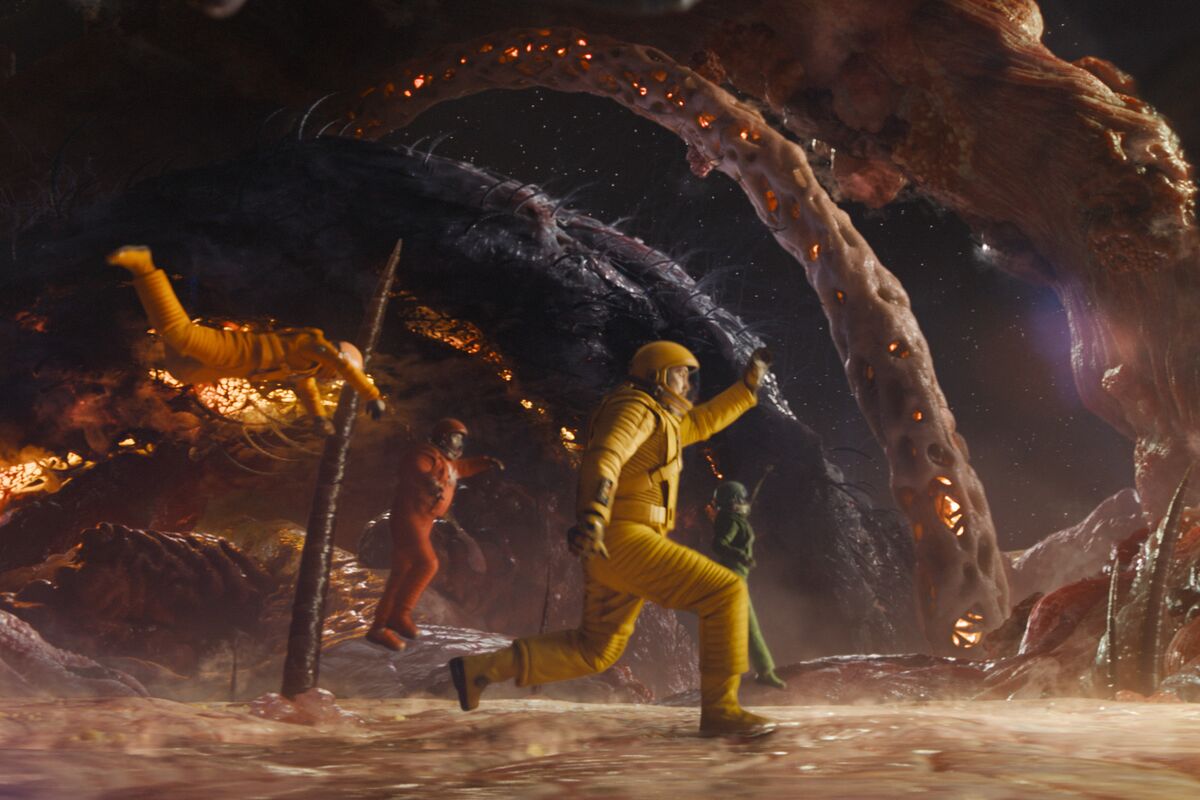
Throughout the film, Peter had to come to terms that his Gamora was gone and that it was pointless to continue his wooing her doppelganger. Frankly, it was refreshing that writer and director James Gunn did not try to put them back together since that development would have felt empty. Doing so also would have robbed the emotional impact of the original Gamora’s death. Peter’s acceptance that the current Gamora was not his lover reborn showed a level of growth and maturity for him. This was welcomed by fans because there have been complaints that while he is a goofy and endearing superhero, he came off as immature in some of his appearances. In reality, in this film he demonstrated that he was very crafty and mature during unexpected moments, such as when he and the team infiltrated that weird organic medical facility in space.
After nearly dying during the film’s final act, Peter decides to essentially retire as Star-Lord. He appoints Rocket Raccoon as leader of the Guardians of the Galaxy, and returns to Earth. But the implication that Star-Lord will return opens up lots of speculation about how this will come about. Chris Pratt, who plays Peter Quill, has stated he is willing to reprise the role at some point in the future. Most likely he will turn up in the upcoming Avengers films or he could wind up starring in a TV show or special that would be about his adventures on Earth. After all, the legendary Star-Lord cannot just spend the rest of his life eating cereal with his grandfather in Missouri. Maybe he will find a new love. Perhaps this person could be Kitty Pride, who was involved with him in the comic books—this could also be a way to bring in more mutants into the MCU. Or he could wind up being some kind of advisor or mercenary for the Earth-based forces that protect Earth from aliens. Or he could finally find a way to reunite with his Gamora in Soulworld, a realm where her spirit exists in, which was seen in Avengers: Infinity War. This would echo a development in the Marvel comics where at one point a deceased Gamora resided in this realm.




 Starloggers