Disney + Has Damaged Pixar, Star Wars & Marvel

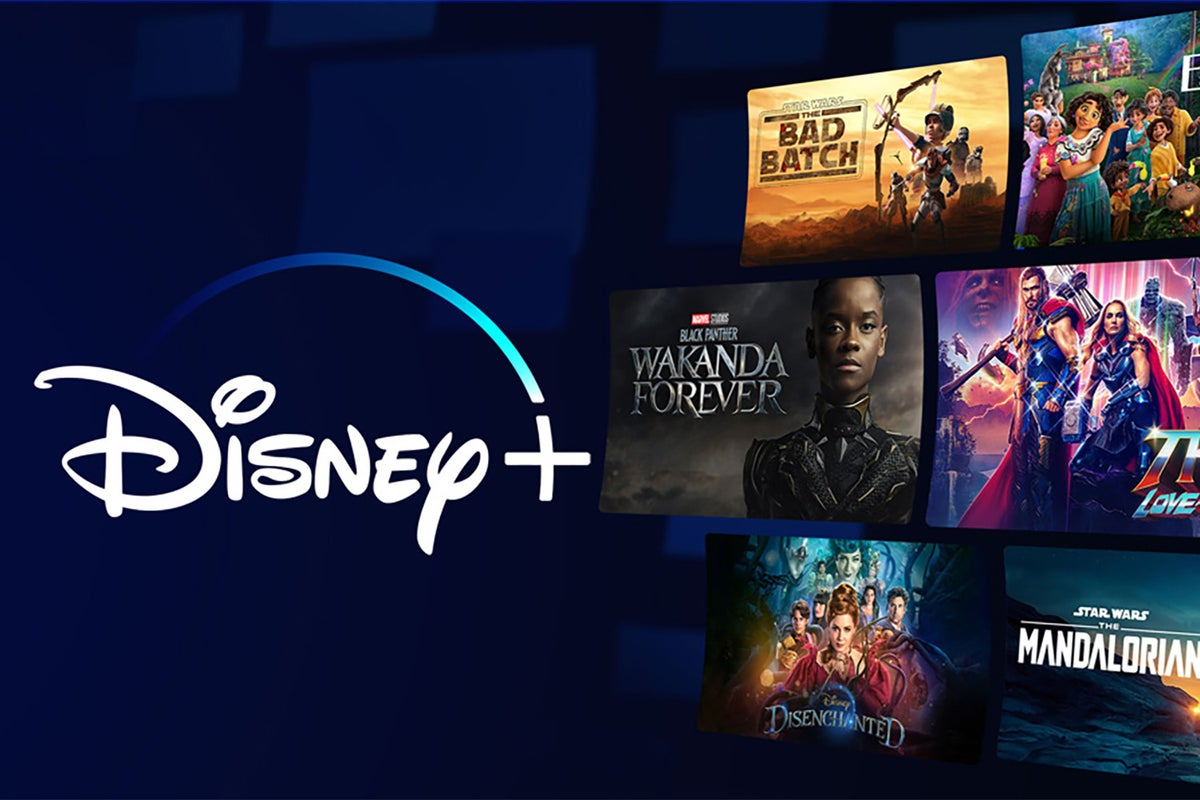
When it was announced that the streaming app Disney + would feature exclusive content for their purchased intellectual properties Star Wars and Marvel, most fans were understandably excited. In the closing years of the 2010s both properties were riding high, especially Marvel with its Marvel Cinematic Universe (MCU). The people running Disney + promised that subscribers would have access to a vast video library of its properties and that the exclusive content would be top-of-the-line when it came to quality. At first, this seemed to be the case. At first.

Shortly after Disney + became available, the COVID-19 pandemic hit, which shut down theaters and the streaming platform became the only medium available to get new content based on Disney IP, Pixar, Star Wars and the MCU. Due to the pandemic many films were delayed and this happened with the Pixar films scheduled for release. At the same time, Disney was desperate to generate streaming traffic for Disney + and to gain subscribers, new product had to be available. The easiest solution was to take the delayed films like Soul and premiere them exclusively on Disney +.
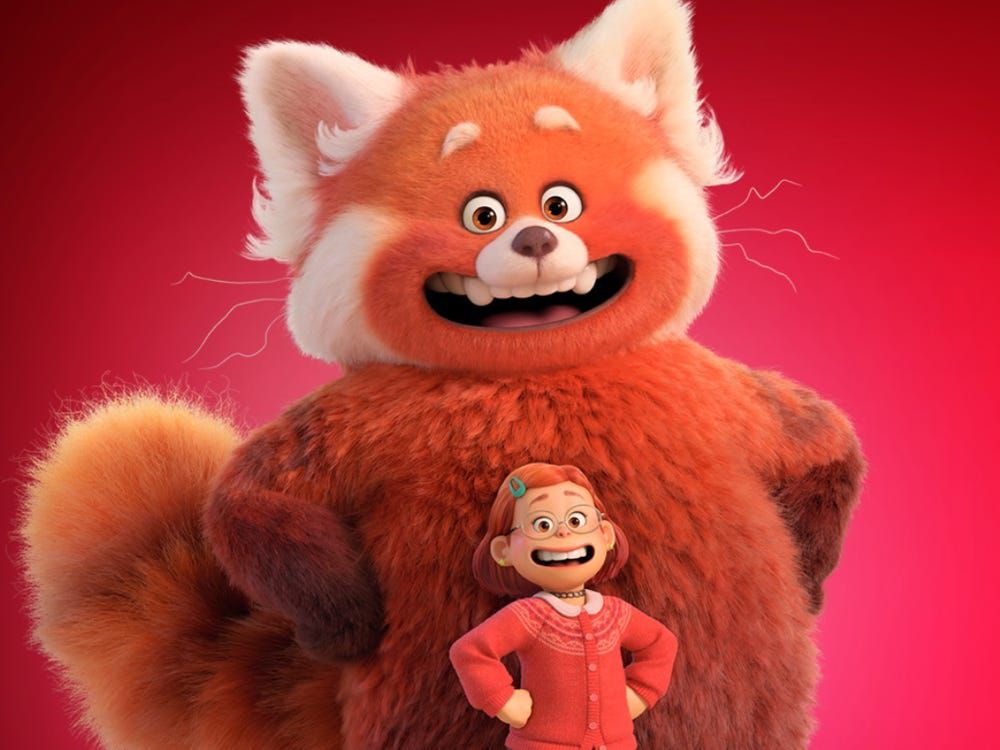
For a short while, this tactic worked, but unlike the other MCU films that were released exclusively in theaters, Disney kept debuting other Pixar films like Luca and Turning Red on the streaming app. This gave the impression that the Pixar films were inferior in quality, because people began thinking that these films were not good enough for theatrical releases. Also, when the Pixar films Lightyear and Elemental actually premiered in theaters, viewers were conditioned to wait for them to come out weeks later on Disney + and save some money. To be fair other streaming apps like HBO Max did this as well, but this tactic was abandoned soon after studios realized they were losing revenue. It took Disney some time to forego premiering some of their films on the app.
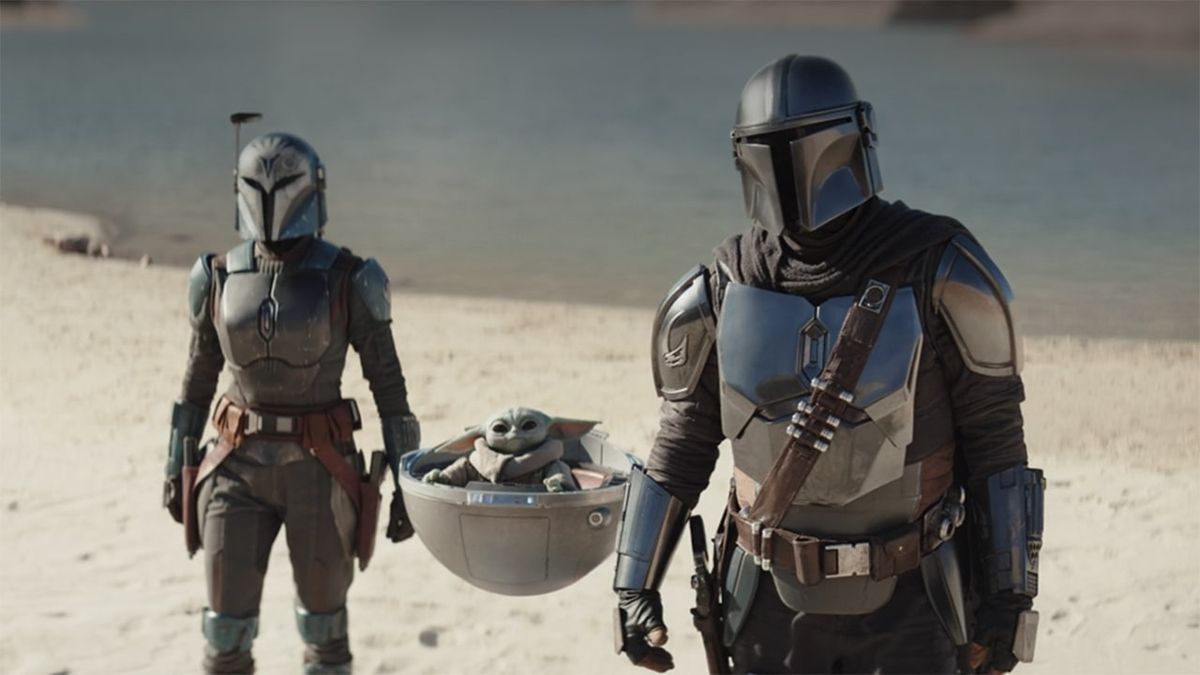
The app premiered with The Mandalorian, the hit TV show set in the Star Wars universe about a Clint Eastwoodish, intergalactic bounty hunter and his infant alien ward. The Mandalorian became a huge hit and actually helped keep the Star Wars brand alive. Actually, for a couple of years it was the only Star Wars-related property for fans to watch. Obviously, Disney had to put out more Star Wars content and last year more Star Wars-related TV shows streamed on Disney +, which included The Book of Boba Fett, Obi-Wan Kenobi, Andor, and now Ahoska. While some of the TV shows were well received and even earned Emmy nominations, the Boba Fett show was a huge misfire with its unfocused scripts. Unfortunately, these same problems bled into the third season of The Mandalorian, and Ahsoka is receiving criticisms, as well. It is clear with The Mandalorian, The Book of Boba Fett and Ahsoka that Disney wants to create a more integrated universe with a part of Star Wars history: the period of time after the fall of the Galactic Empire. Reportedly the goal is to have the TV shows lead to a film that ties all the elements together. While it is ambitious and echoes what happened with the MCU, there are problems in that the Star Wars universe is becoming too convoluted. Viewers are forced to watch other shows and even animated programs like Star Wars: Rebels to fully understand what is going on with many of the Star Wars TV shows. With interest in the Star Wars brand waning, this development could not have happened at a worst time.
The problem with the scripts for some of the Star Wars TV shows also plagued the MCU TV shows. What was worse was that the production values for many MCU TV shows was shockingly poor. The MCU, like Star Wars, got off to a promising start on Disney + with TV shows like WandaVision and The Falcon and the Winter Soldier. But the quality of the MCU TV shows soon began to falter and it became more and more obvious that budget limitations were impacting the shows. For example, with the time travel TV show Loki, even though it was well acted and written, it seemed as if there was a lot of talking instead of showing. Instead of time traveling to pivotal events in the MCU, the main characters traveled to mundane time periods.
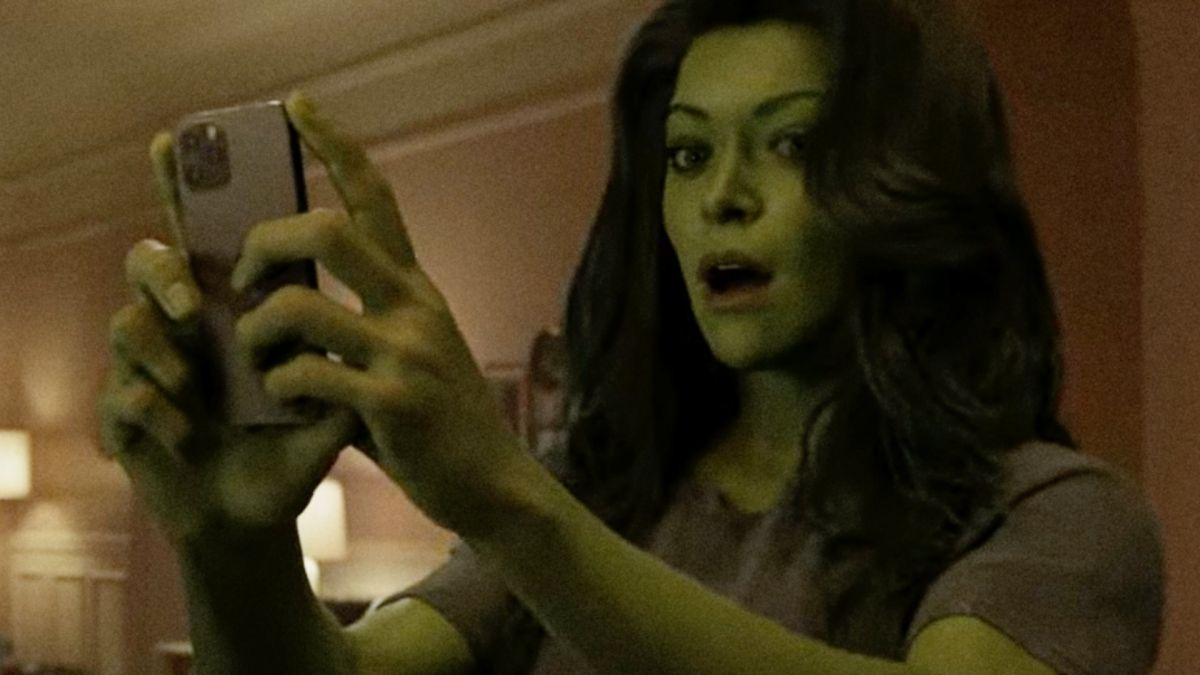
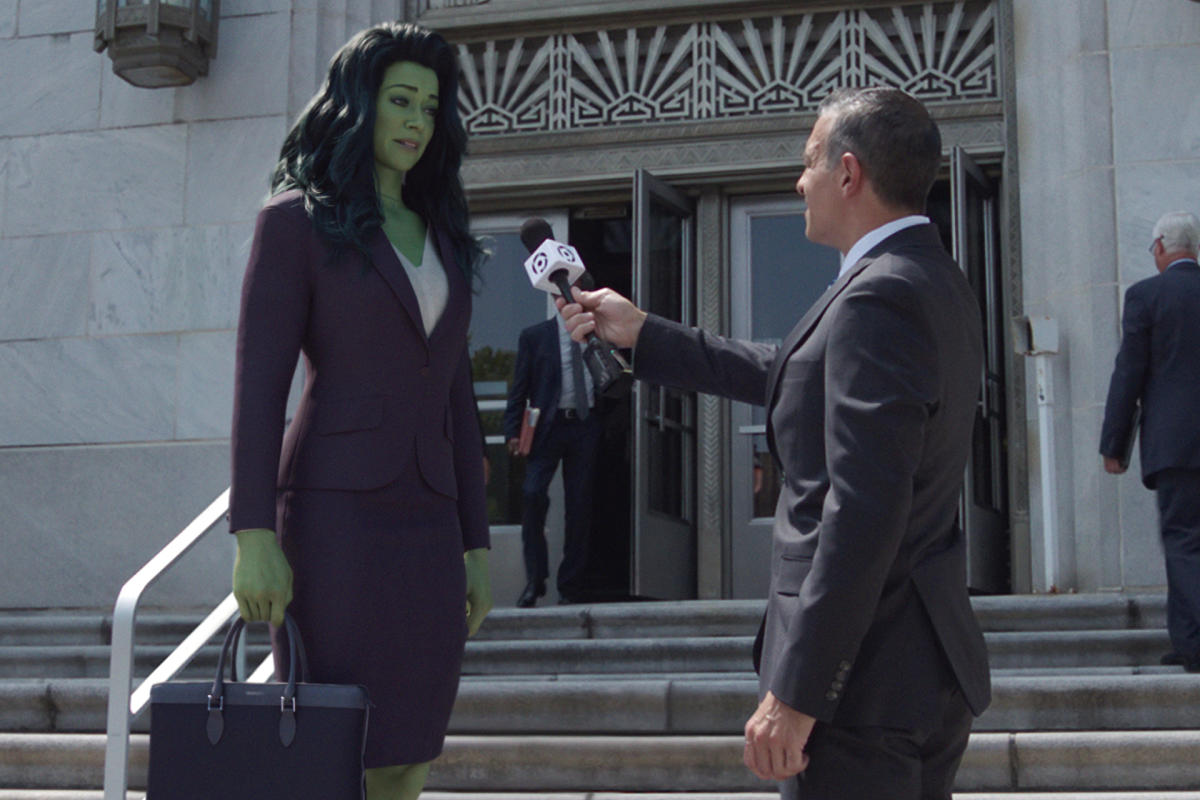
The problem with limited budgets affected some of the effects work on later TV shows. This was best seen with Ms. Marvel, She-Hulk: Attorney at Law and Secret Invasion. With She-Hulk, the limited special effects was fatal for the show because its poor, unfinished special effects left She-Hulk looking like a SIM character. The same budget limitations has severely affected Secret Invasion, which has a lot of talking scenes about world events with limited action scenes. What is even more unbelievable is that the budget for the TV show was about $200 million. Where did that money go? The budget for Secrect Invasion is not the main reason for its poor execution, it is actually due to the scripts which make the show feel small scale. This also went on with many other MCU TV shows that should have had great payoffs. This even happened with WandaVision. For the most part that show was terrific with clever scripts and acting. But the payoff at the final episode felt like a letdown with the scope of the confrontations between characters.

Disney CEO Bob Iger recently said that the market was oversaturated with Star Wars and Marvel TV shows and films, and he is correct. There was a lot of pressure for the Disney + app to have new and original content, which meant that there had to be a lot of content about two of its most popular IPs. Unfortunately, the demand stretched the capability to keep up the quality of the products in order to meet scheduling deadlines. The result was that many fans were disappointed with the finished TV shows as the brands became diluted. To correct this, the brands need to pull back and Disney is doing this as per Iger’s orders. They are giving their properties the time needed to produce quality over quantity. However, there will be more inferior TV shows until the better-produced TV shows come out.
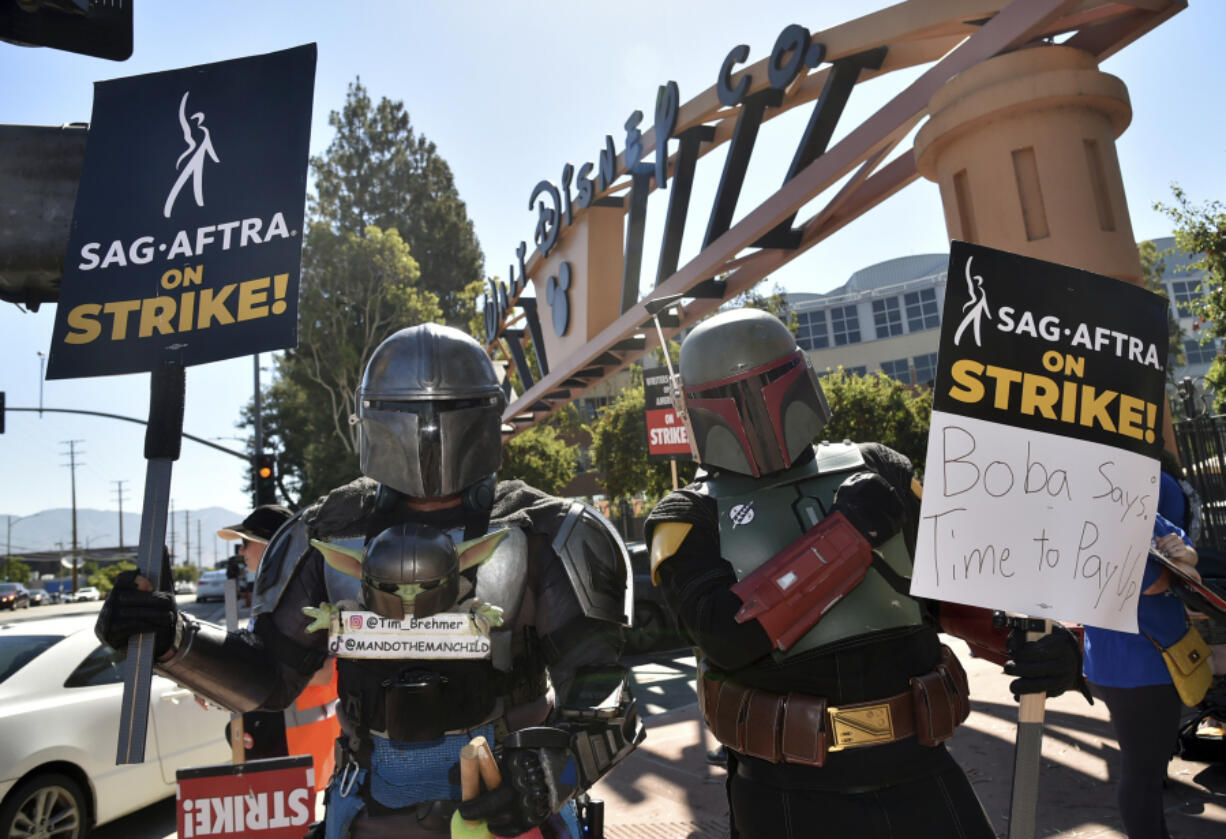
Disney and other studios are facing a new problem with their inability to provide new content thanks to the crippling writer and acting strikes which have shut down productions for film and TV studios. As content dries up and films and TV shows get delayed again or canceled, there will be increased demand. Will the studios make the same mistakes they did earlier this decade and force creators to pump out products before they are ready? Probably, so it is up to the studios to learn from their missteps regarding their streaming platforms.
Phase Four Of The MCU: Ranked

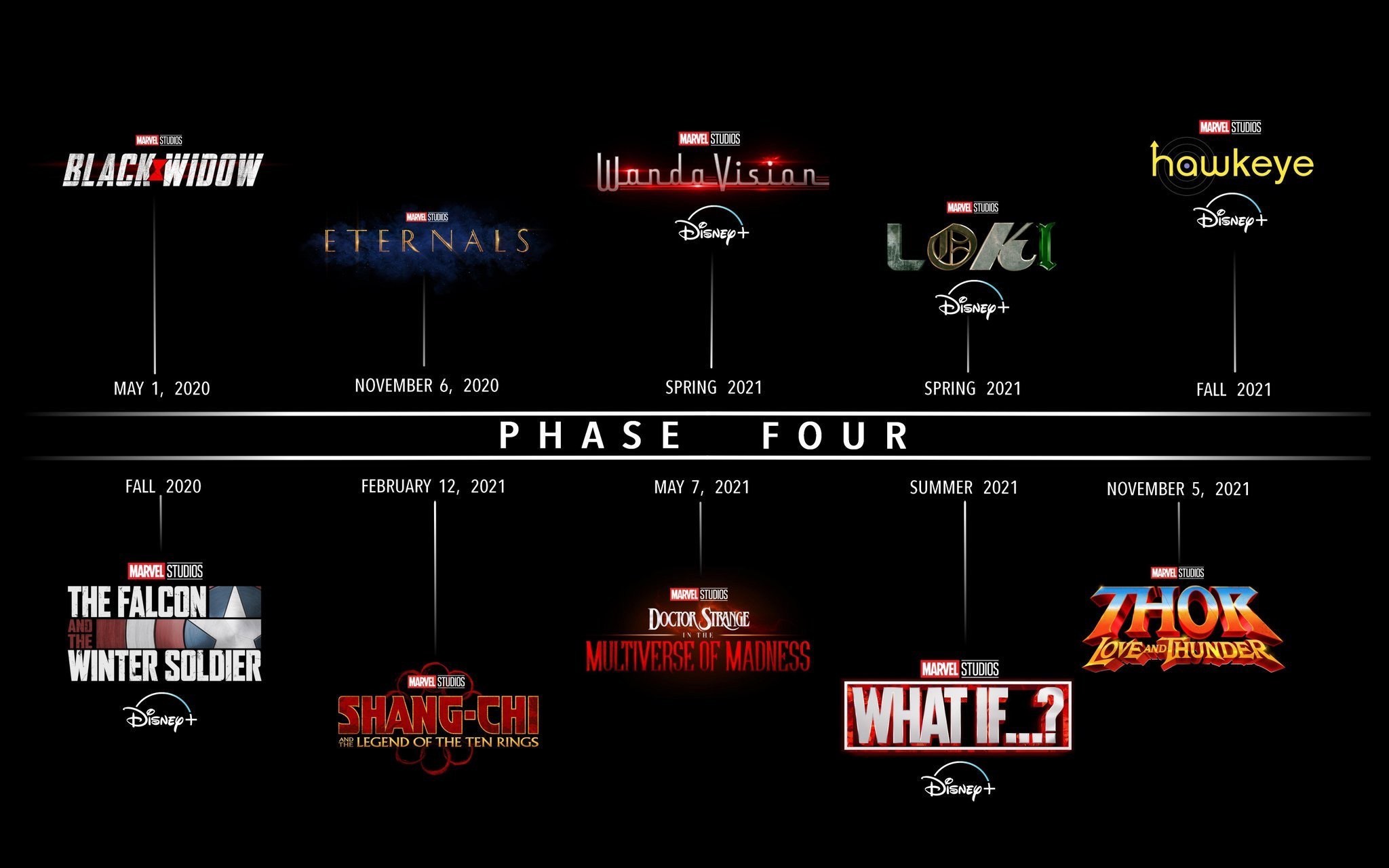
The fourth phase of the Marvel Cinematic Universe (MCU) turned out to be a mixed bag in terms of quality. It was also different in that the MCU now officially incorporated TV shows and as a result, we had plenty to watch and enjoy. Some of the films and TV shows were bonafide gems, others were hugely disappointing. As we prepare for Phase Five, let’s look back at Phase Four of the MCU and rank them. If anyone has a different list order, please feel free to drop a comment.

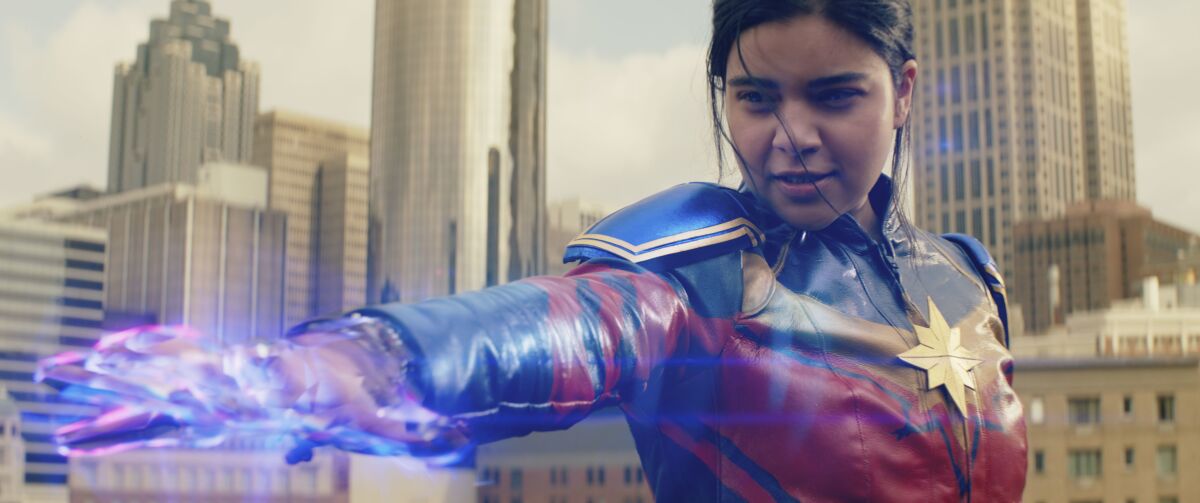
18. Ms. Marvel

Where to start with this MCU TV show? Not only does it turn Ms. Marvel into a poor person’s Green Lantern, it betrays her comic roots by making her a mutant. Then it commits the deadly sin by veering too much into dull Pakistani family drama that took up valuable screen time.

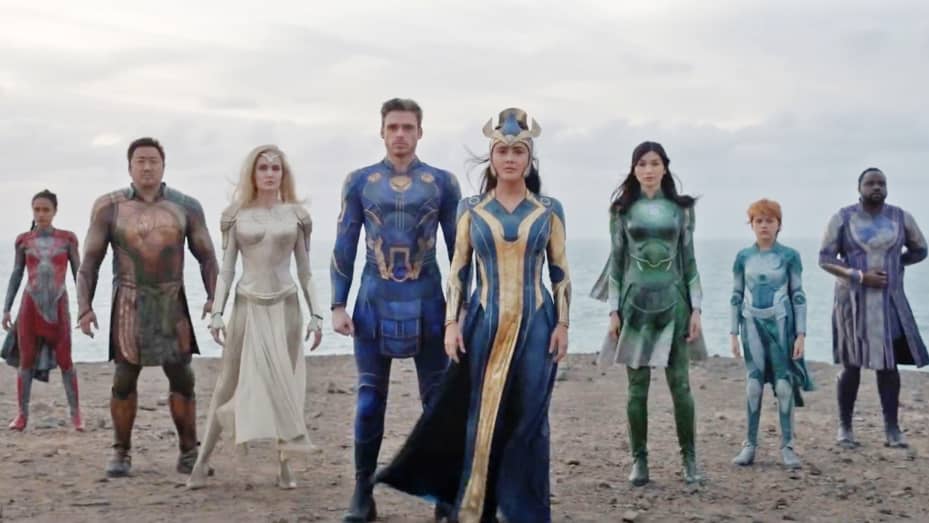
17. Eternals

This is a contender for being the worst MCU film. It’s dull, plodding and pretentious. What’s worse is that it insults comic book legend Jack Kirby’s original vision of these superheroes by changing their origin and purpose. It ranks higher than Ms. Marvel only because its special effects and cinematography were better.

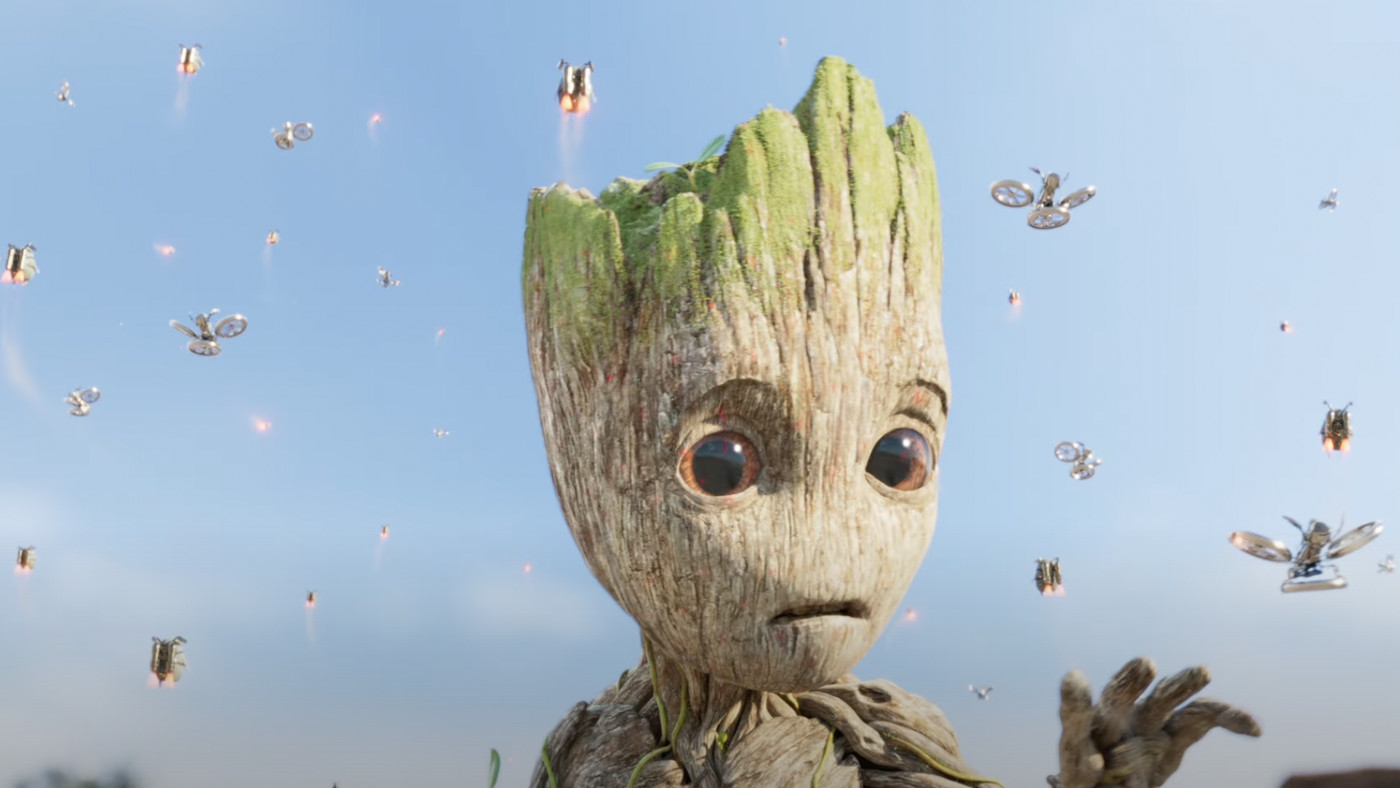
16. I Am Groot

Basically, it was a cute animated show. Actually it was a bunch of five-minute segments featuring Baby Groot doing silly antics. So, pretty much it was geared for kids and the young at heart, but otherwise, it’s harmless fluff for the rest of us to skip over or watch to kill a few minutes of time.

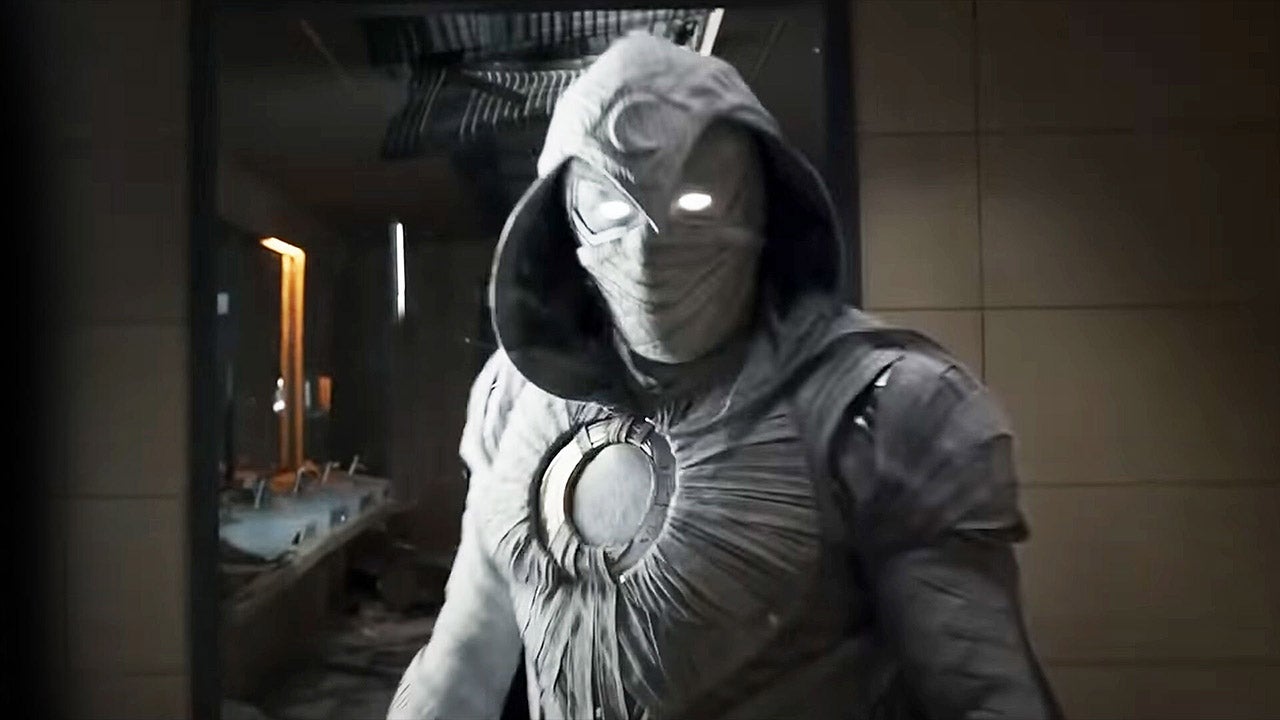
15. Moon Knight

Despite Oscar Isaac’s winning performance as the title character and some good fight scenes, the show was too uneven. It seemed as if the showrunners could not decide if Moon Knight was a psychological mystery, an Indiana Jones-type of adventure story or a downright fantasy. What we got was a narrative mess.

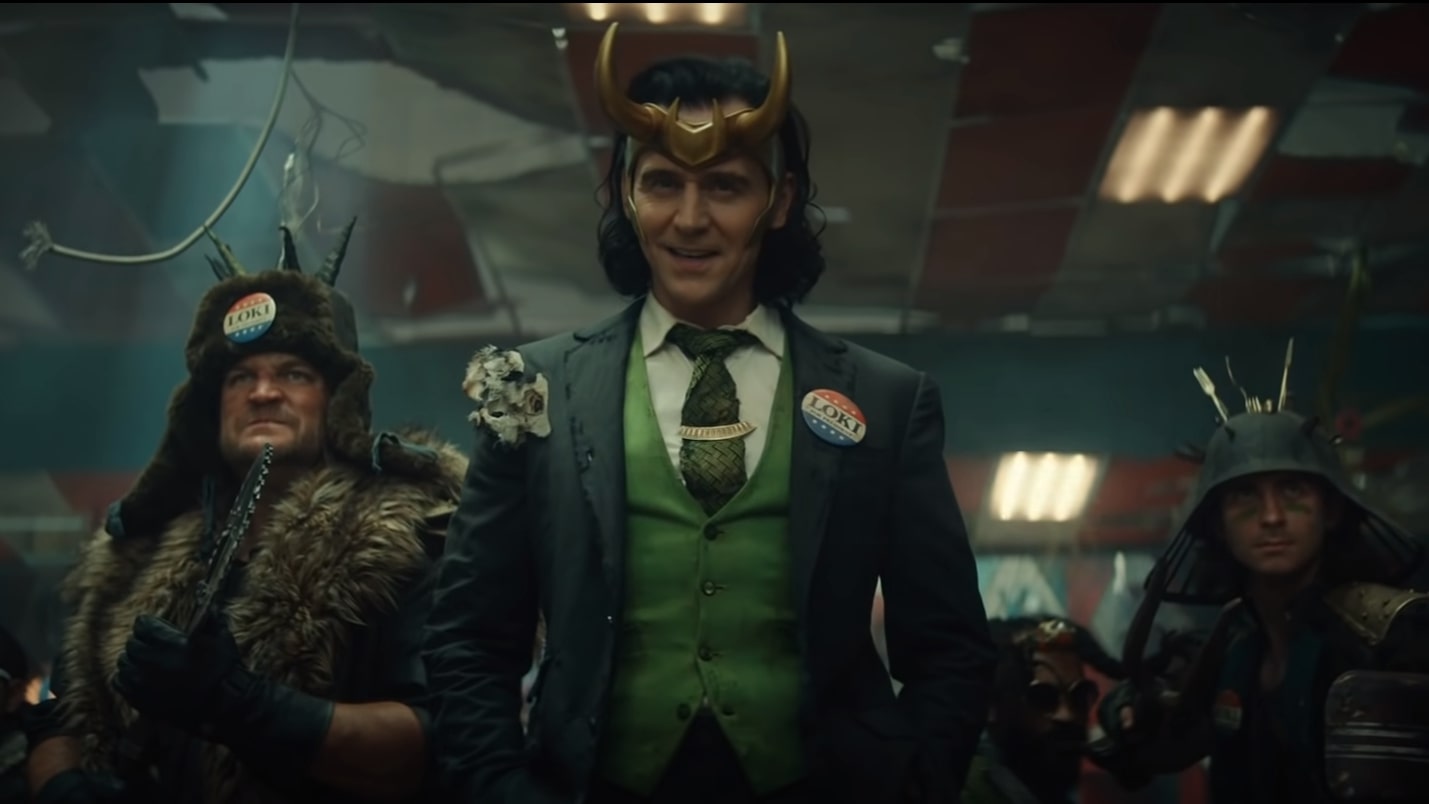
14. Loki

This show that first expanded on the concept of the multiverse is a perfect case for showing not telling. It did have some interesting concepts and the introduction of Kang was chilling, the show was weighed down by too many scenes of exposition that was not particularly engaging.

13. She-Hulk: Attorney At Law

Unlike other uneven MCU TV shows that fell apart at the end, this one stuck the landing hard. Unfortunately, many episodes of this supposed comedy were simply not funny. Still, Tatiana Maslany turned in an endearing performance as the title character while she went through the downside of being a superhero celebrity.

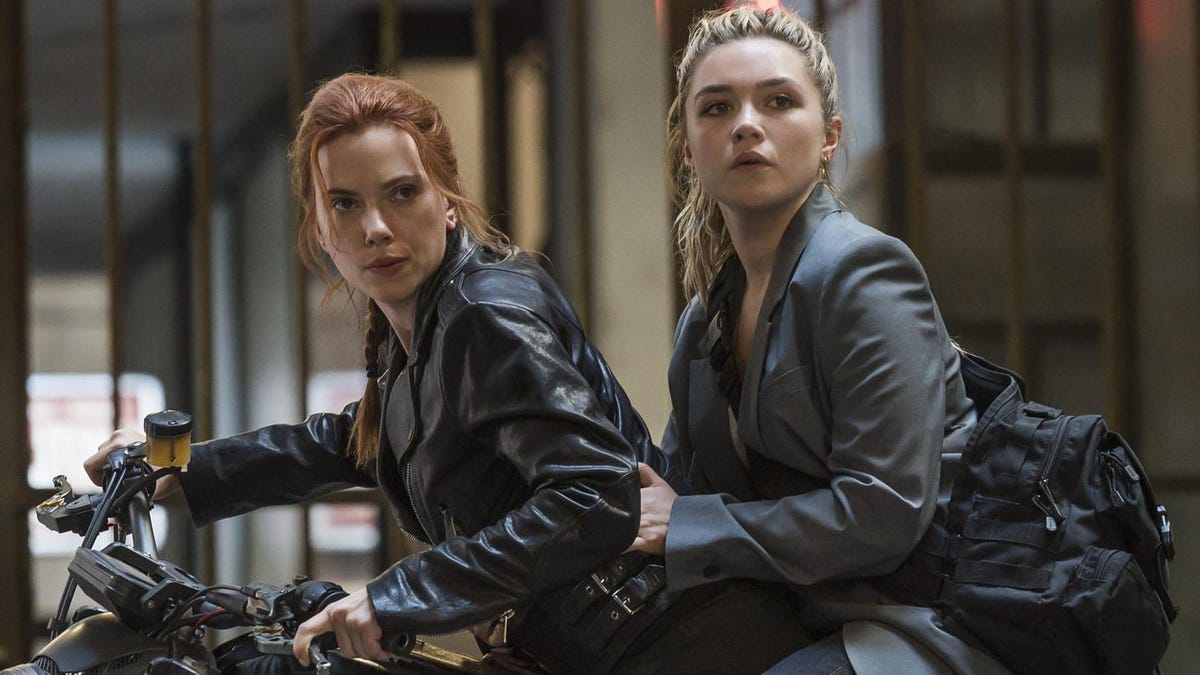
12. Black Widow

A film set during Phase Three starring a now-dead character was an unusual way to start the film side of Phase Four of the MCU. Some complained the film was unnecessary, but it cannot be denied that it was an exciting spy thriller with some memorable characters.

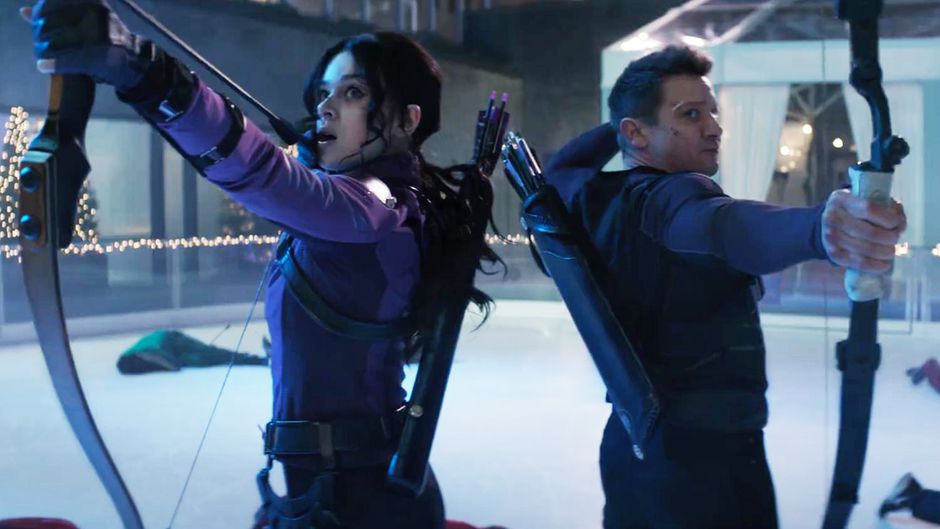
11. Hawkeye

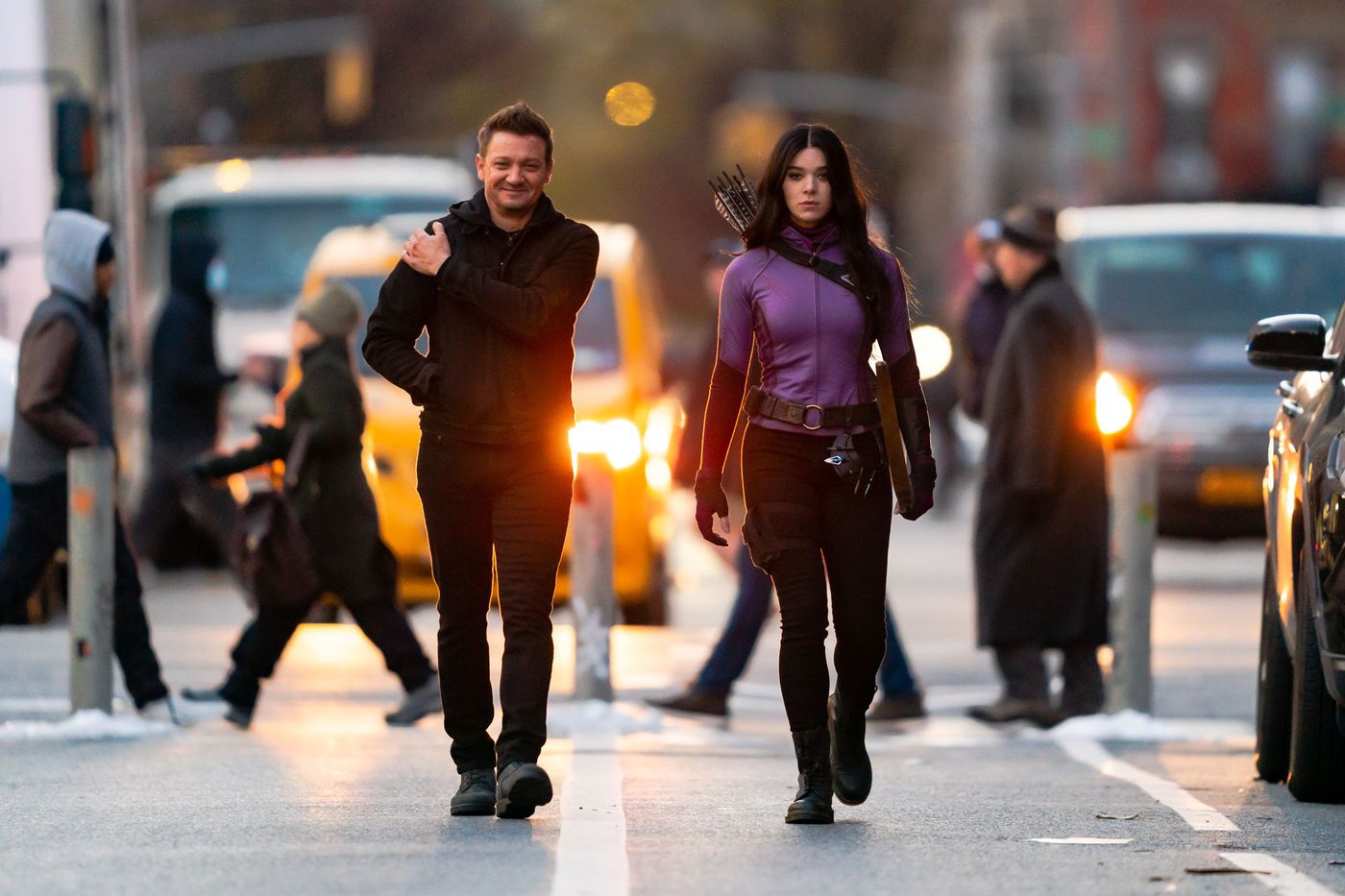
This could have been one of the greatest superhero TV shows due to onscreen buddy chemistry between Jeremy Renner and Hailee Steinfeld and presenting the physical and emotional toll Hawkeye suffered from the MCU films. But, the writing and directing was inconsistent, though some episodes were terrific.
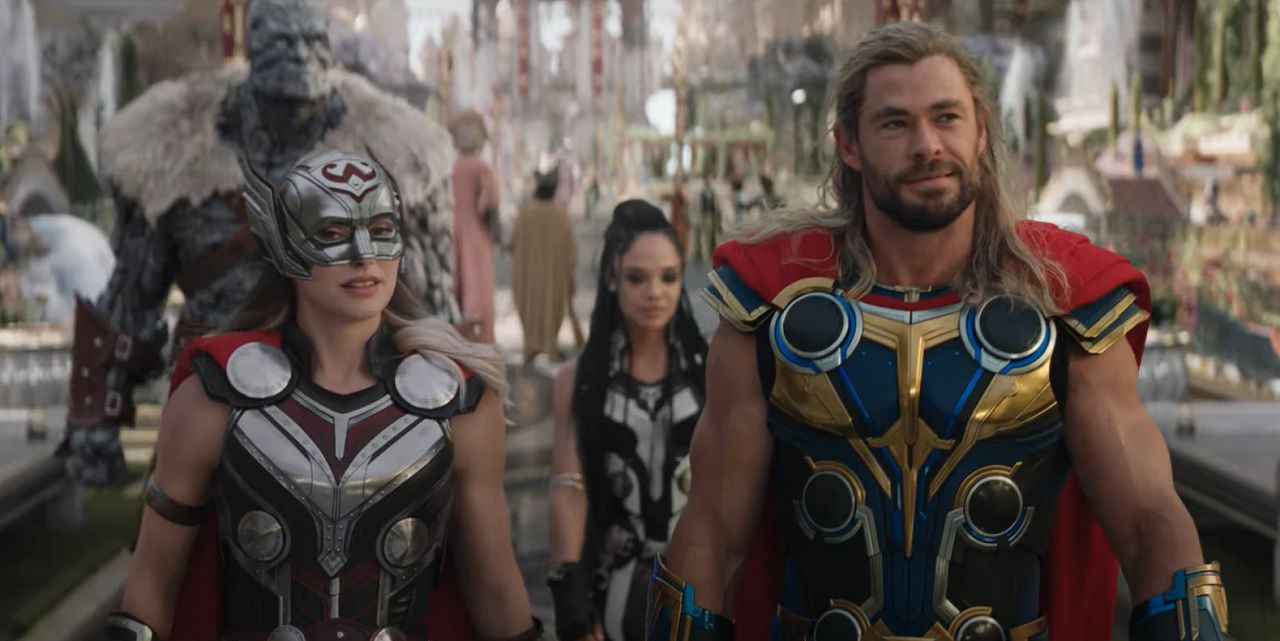
10. Thor: Love and Thunder

While it is not as good as Thor: Ragnarok, the fourth Thor film was downright hysterical and enjoyable at times. However, it was hampered with its uneven tone that made too light of some sober themes like cancer and deity worship that were often overwhelmed by poorly timed slapstick scenes.
9. Werewolf By Night

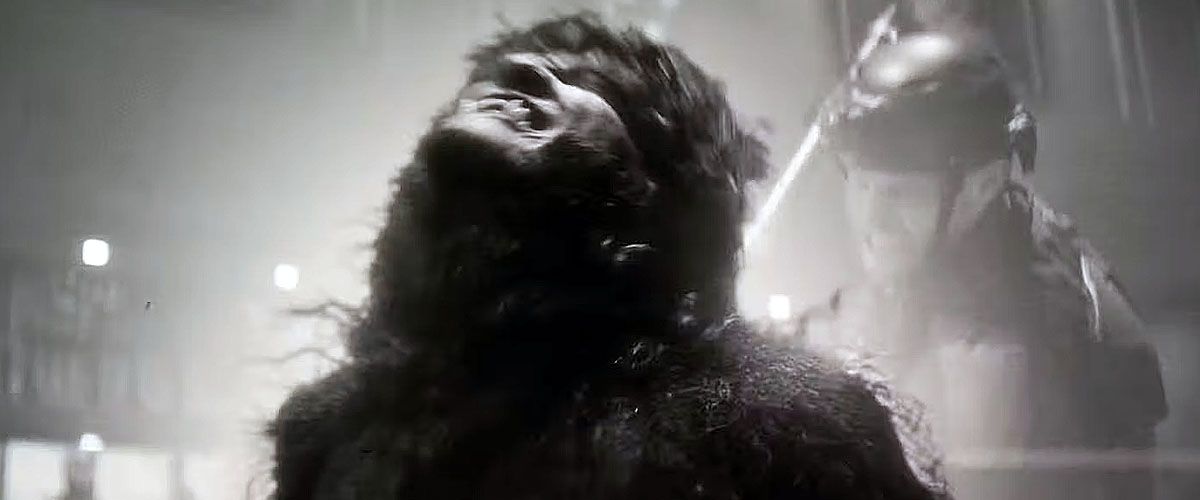
After the uneven results of its MCU TV shows, Marvel Studios tried a new approach with a one-off TV special. It not only worked spectacularly, but the special expanded the MCU with more horror elements and intriguing new characters that must be brought back again.

8. What If…?

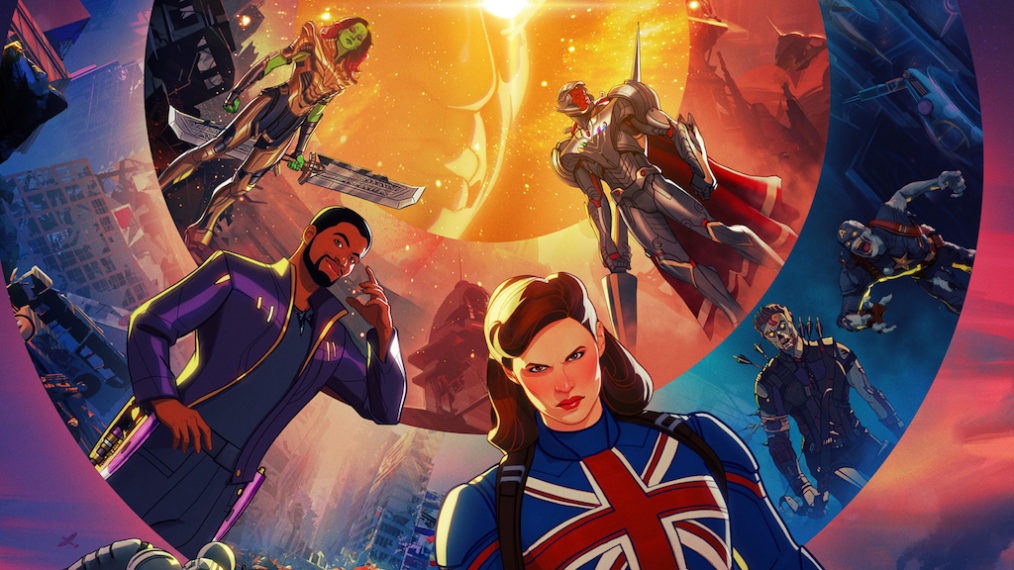
This animated series sometimes went wild with its exploration of the multiverse with interesting alternate MCU worlds that led to an epic showdown at the end of the season that teamed up several familiar heroes with new twists. Unlike Avengers: Age of Ultron, the Ultron featured in this series was truly terrifying.

7. The Guardians of the Galaxy Holiday Special

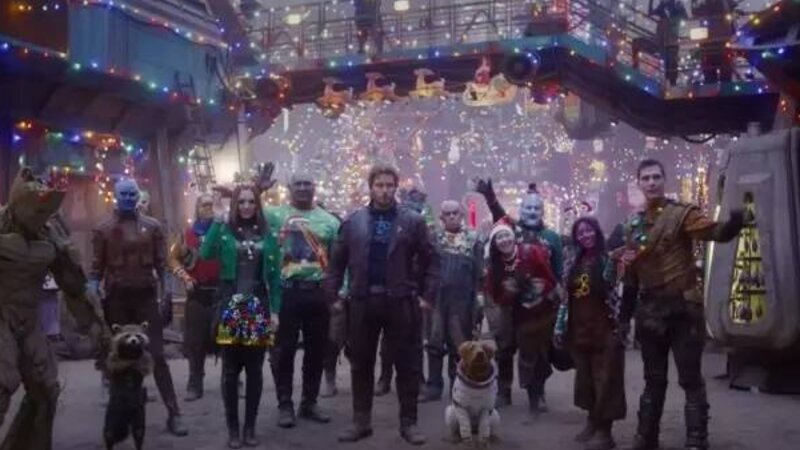
Both funny and heartfelt, this holiday special from director James Gunn is everything a holiday special should be. Aside from presenting the usual heart-tugging and whimsical elements of a holiday special, it also served as an excellent way of preparing us for the upcoming Guardians of the Galaxy, Volume 3.

6. The Falcon and the Winter Soldier

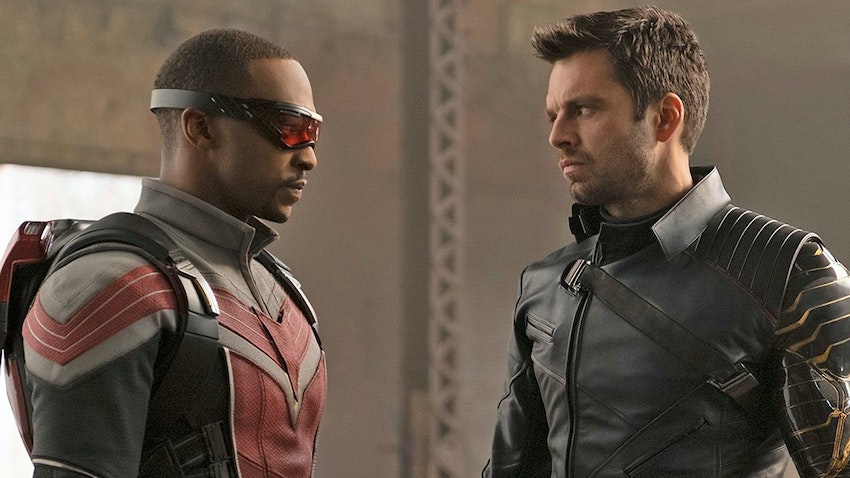
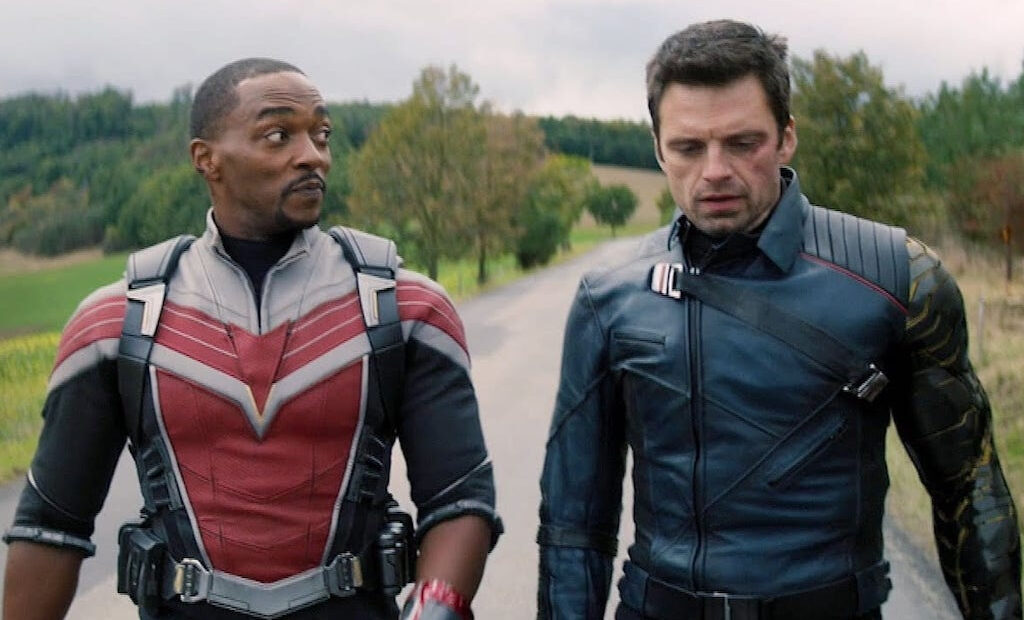
The second MCU TV show did a great job of examining the impact of the events from Avengers: Endgame on the world and several Captain America-related characters. What made the character moments so memorable were that they were so grounded and relatable to viewers, and touched on real-world issues.

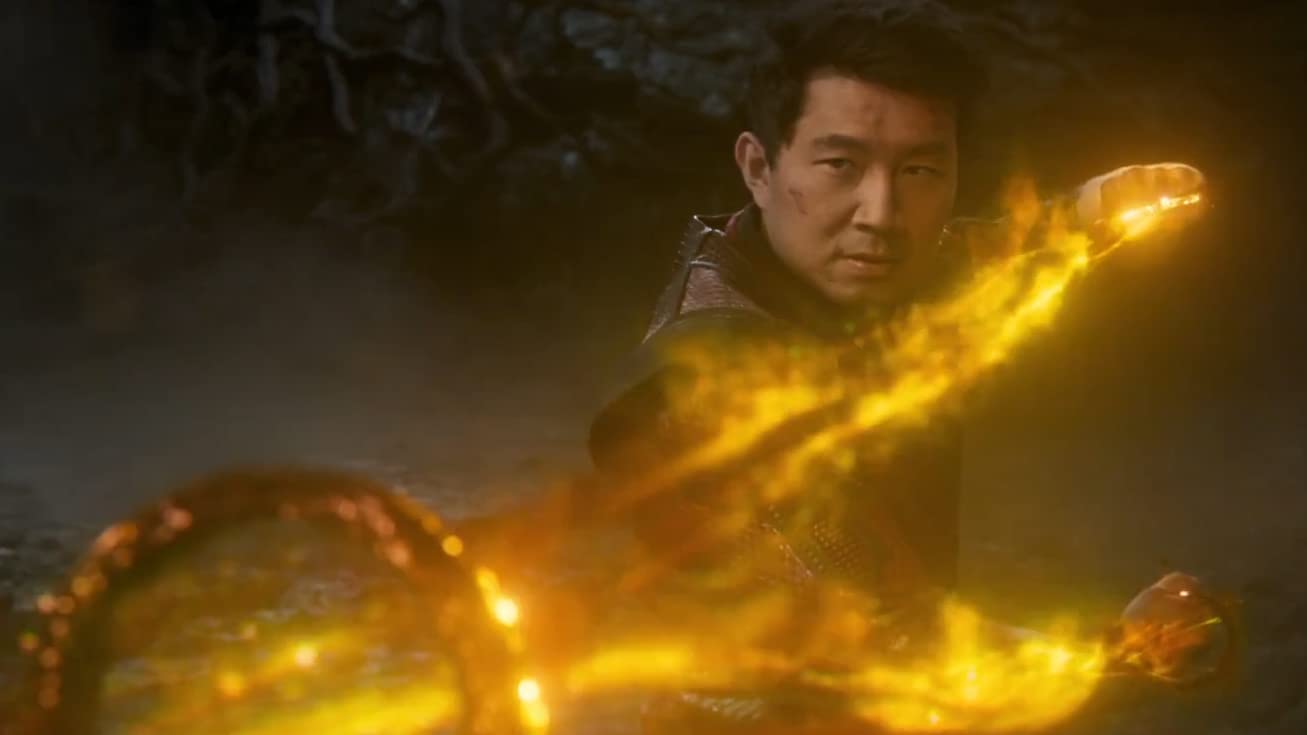
5. Shang-Chi and the Legend of the Ten Rings

This action fantasy film is a perfect example of taking an obscure character and turning him and his world into a popular sensation. The film impressed all of us with the stunning and exciting fight sequences and its eye-popping fantasy scenes were quite breathtaking and wondrous. It’s easy to see why its director was tapped to film the next Avengers film.  

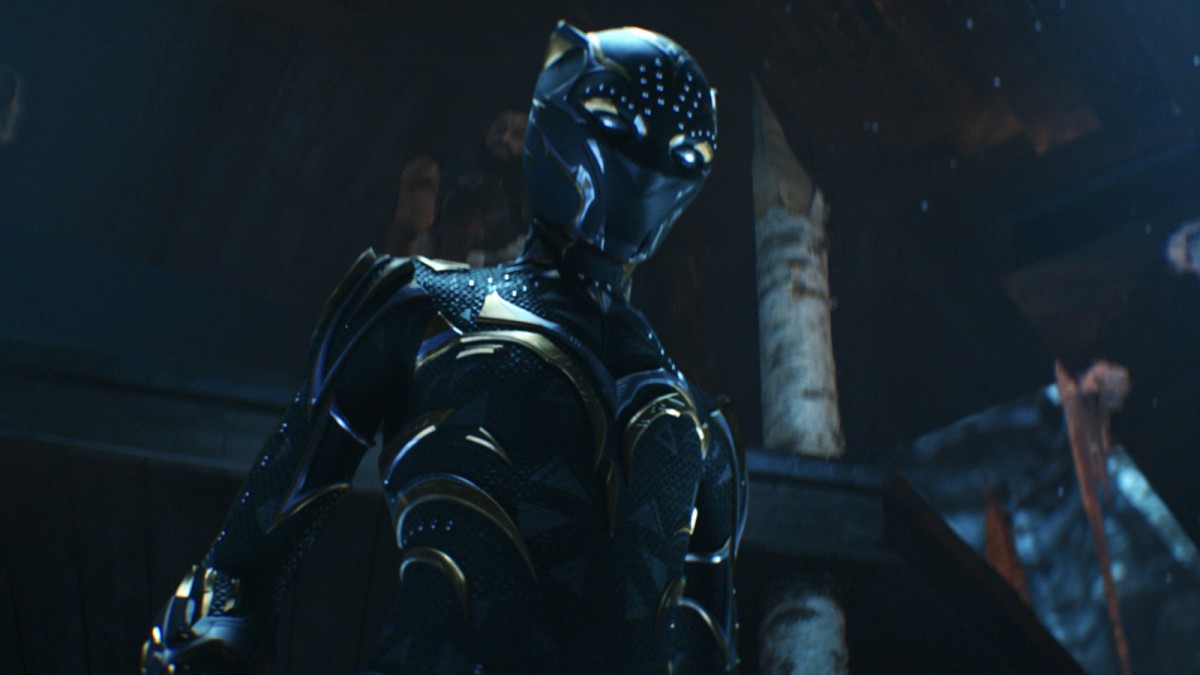
4. Black Panther: Wakanda Forever

The sequel to Black Panther proved to be a worthy followup to the original film, even without its main character. Director Ryan Coogler co-wrote this heartfelt and somber film that dwelled on the devastating aftermath from the loss of Black Panther as felt by his loved ones and his nation. Also, Namor was a brilliantly presented anti-hero/antagonist with a thought-provoking back story.

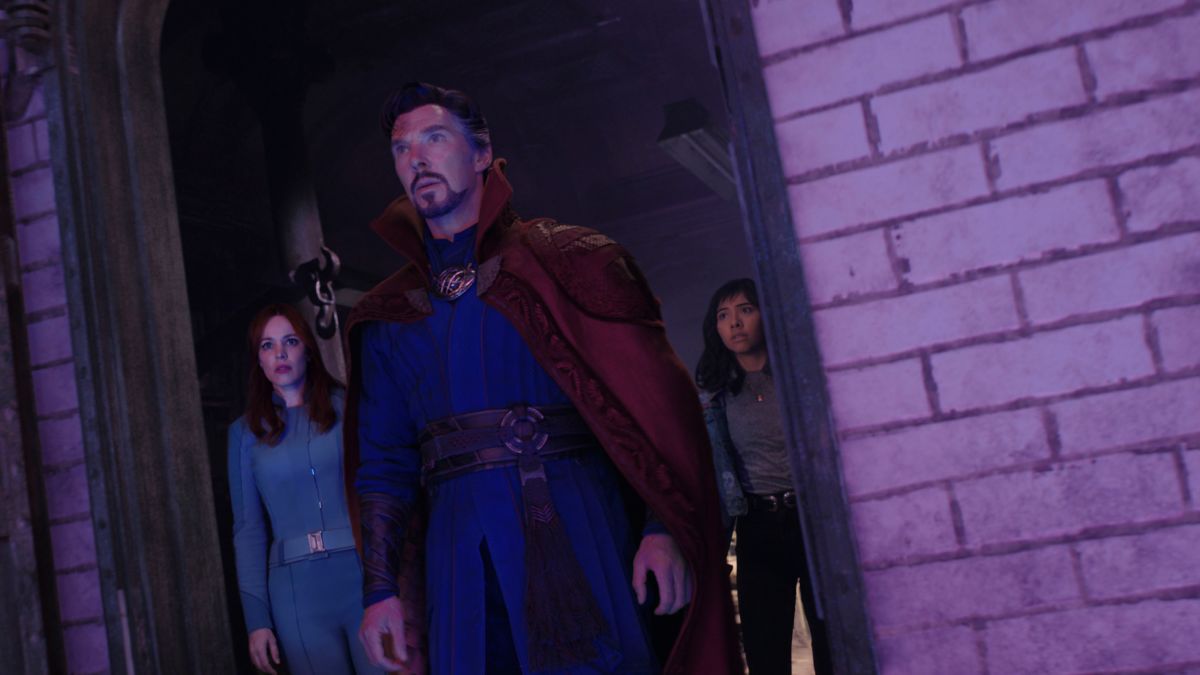
3. Doctor Strange in the Multiverse of Madness

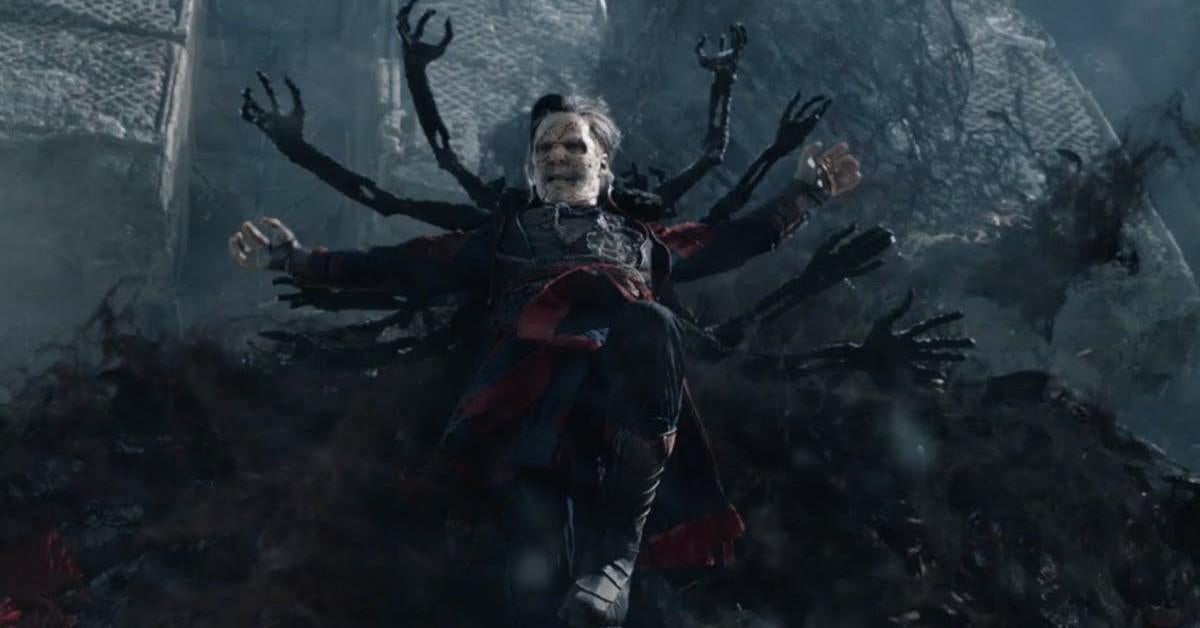
While the multiverse was not exactly mad in the second Doctor Strange film, the concepts of other realities was well explored with a visual relish by director Sam Raimi. Drawing from his horror film repertoire, Raimi infused the film with chilling horror elements and imagery, and fantastic (forgive the pun) references to other Marvel Comics properties and Marvel film universes.

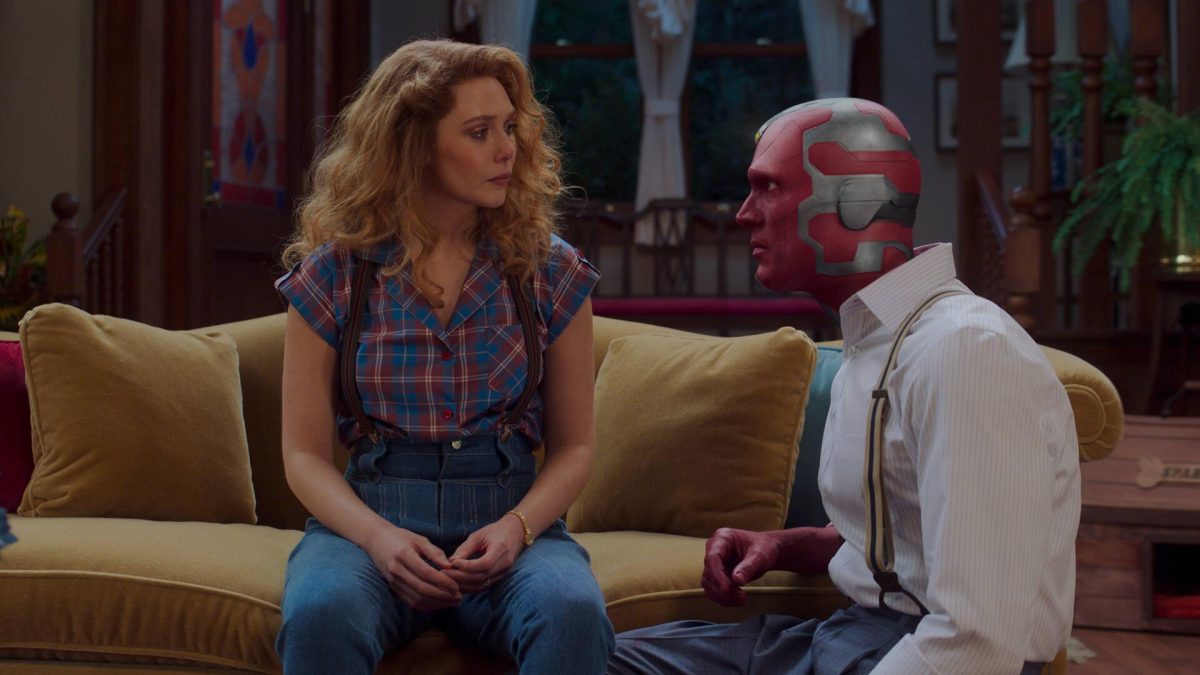
2. WandaVision

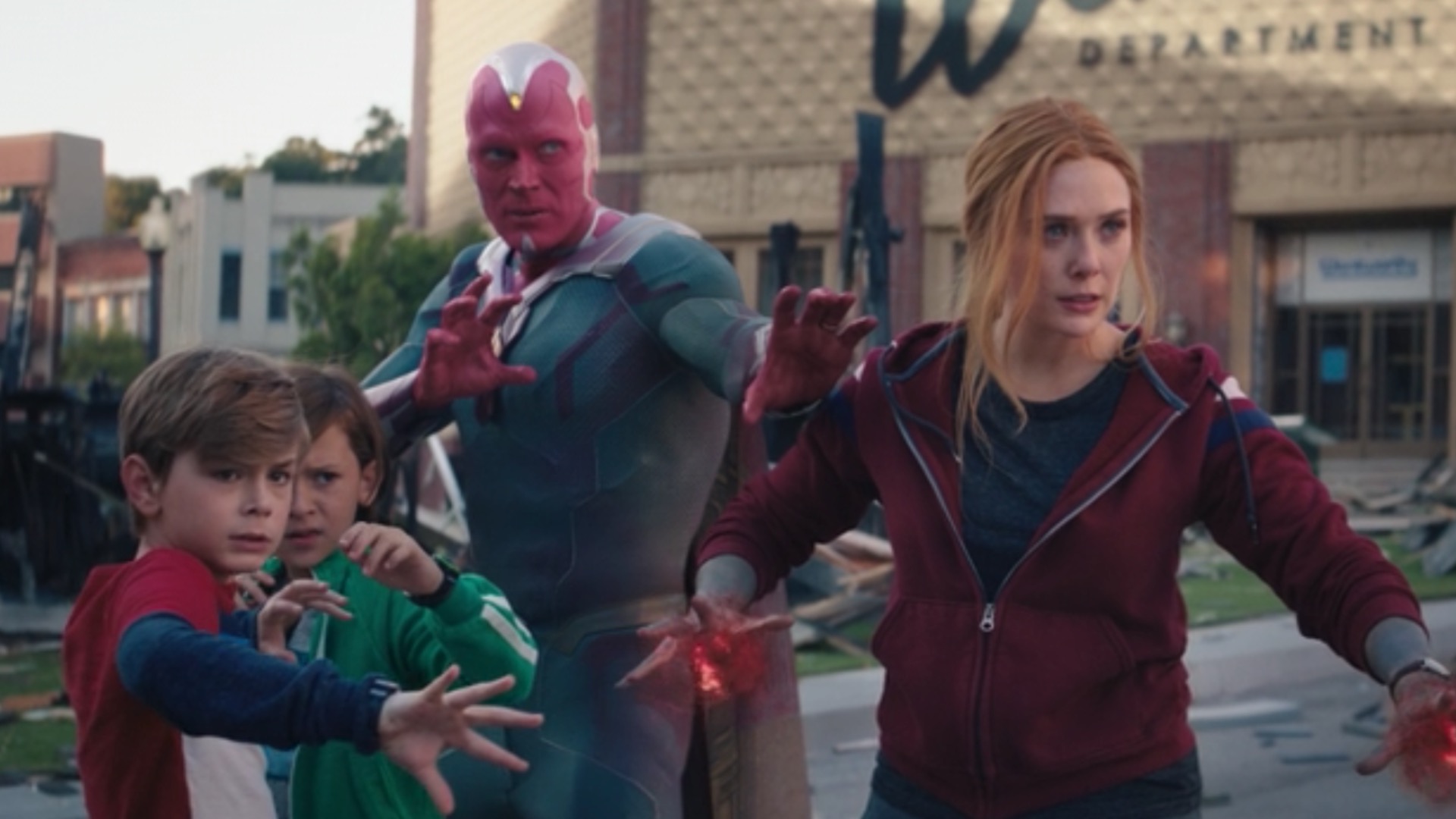
The very first MCU TV show is still the best one to date. Elizabeth Olsen gave a genuine standout performance as the emotionally fragile Wanda Maximoff dealing with immense grief in an unusual way. The show quickly became must-see viewing as we pondered the mystery of what was going on with Wanda’s reality that was presented by amusing takes of American sitcoms through the decades. WandaVision also expanded the MCU in an organic, supernatural way that did not feel forced and teased us of what was to come.

1. Spider-Man: No Way Home

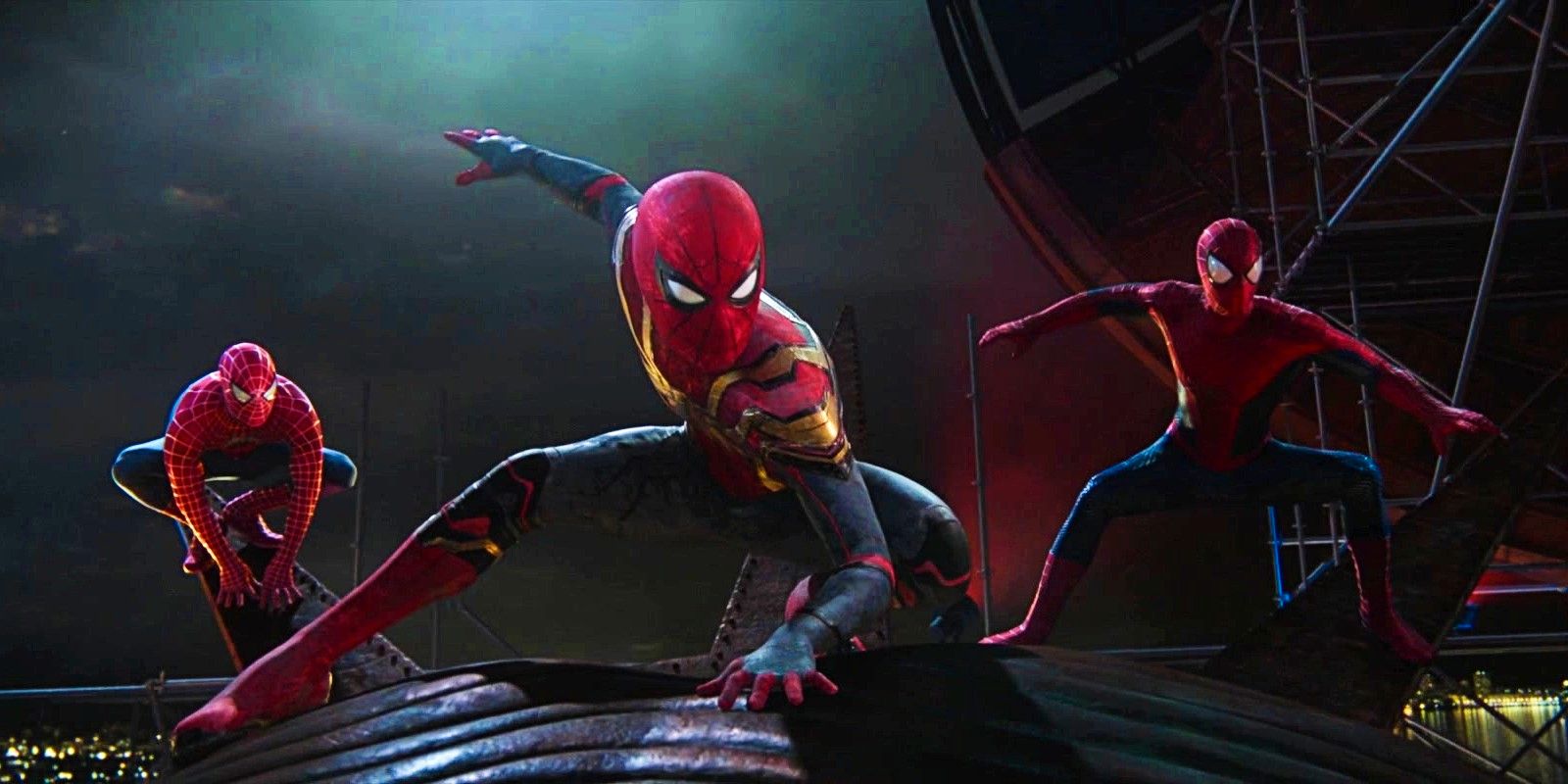
The third MCU Spider-Man film turned out to be one of the best MCU films ever as the film truly opened up and introduced audiences to the concept of the multiverse. Fans were elated over Andrew Garfield and Tobey Maguire reprising their roles as Spider-Man, as well as the return of classic Spider-Man villains like Doctor Octopus and the Green Goblin (reprised by the actors who originated the roles: Al Molina and Willem Dafoe). What made the film truly stand out was its deeply emotional core as Spider-Man is forced to learn that with great power, comes great responsibility.

The Stumbles Of The MCU’s Phase Four

The toughest thing about being king of the mountain is staying there to paraphrase an old saying. Marvel Studios head Kevin Feige is certainly experiencing this now given the stumbles and headaches with Phase Four of the Marvel Cinematic Universe (MCU). The film universe devoted to the Marvel Comics heroes absolutely ruled the box office in the past decade with their interconnected films. Many memorable characters became part of our popular culture in a way not seen since the original Star Wars films. The MCU reached its zenith in 2019 with the release of Avengers: Endgame, as that film concluded the Infinity Saga. But since then, there are cracks in the once-invincible armor of the MCU as their recent entries in film and television streaming have had a mixed reaction from fans and critics.

The films and TV shows are successful as seen with most recently with Thor: Love and Thunder and Ms. Marvel. However, in the past an MCU entry would both be well received by fans, critics and profitable. But as seen with the most recent entries that is no longer the case. Thor: Love and Thunder was not as well received, but it is a genuine box office hit, while, Ms. Marvel received excellent reviews, but was the least viewed MCU TV show. This is nothing new with Phase Four of the MCU, which began when Black Widow was released in theaters and streamed at the same time on Disney+ in May 2021. Due to the pandemic and the availability of the film on home media, Black Widow did not make as much money as many of the previous MCU films and had a middling reception by critics and fans. As the pandemic eased and subsequent films were released exclusively in theaters, they performed better with Spider-Man: No Way Home becoming the biggest hit of Phase Four and acclaimed by fans and critics, alike. But most of the other film entries have proven to be controversial or derided by all.

Doctor Strange in the Multiverse of Madness is an excellent example as it was equally revered and derided, Some enjoyed the more viceral horror elements of the film, but others complained about the film’s content, the way certain characters were treated and so on. Others wanted to see more bizarre explorations of other dimensions and alternate takes of the MCU aside from the Illuminati. Basically, these critics felt the so-called Mulitverse of Madness did not live up to its name.

That leads to another gripe with the recent MCU fare. Before a film or TV show comes out, the speculation about who will appear in them goes overboard which will disappointment fans. This was evident with WandaVision when one of the TV show’s star promised an important character would appear in the last episode, leading to wild rumors that the X-Men would finally debut in the MCU, but this did not happen. Then there were all the supposed cameos for the second Doctor Strange film that never materialized. What is more infuriating are the reports that many characters were supposed to appear in these films and TV shows, but for one reason or another these appearances did not happen.

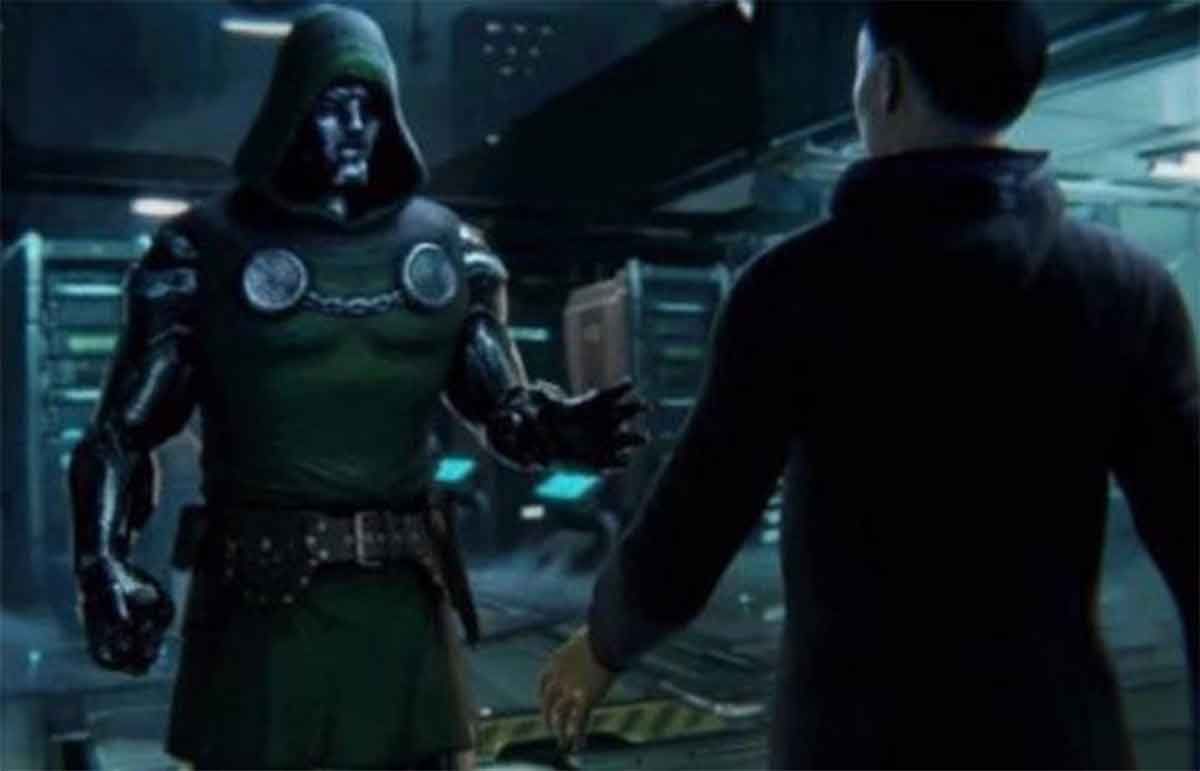
Here are some examples: Doctor Strange was supposed to appear in a cameo in WandaVision, Deadpool was supposed to pop up in a post-credits zinger in Doctor Strange in the Multiverse of Madness, director Sam Raimi was supposed to reunite with Tobey Maguire as the universe of Spider-Man was supposed to be visited in Doctor Strange in the Multiverse of Madness, Beta Ray Bill would finally debut in Thor: Love and Thunder, Werewolf by Night was supposed to appear in Moon Knight, and so on. Now, the speculation continues as Doctor Doom will supposedly make his MCU debut in Black Panther: Wakanda Forever and that Ben Grimm and Matt Murdock will turn up in She-Hulk: Attorney at Law. This speculation is a great way to generate interest but it is bound to disappoint many, no matter what. Of course, there have been notable and important cameos in the Phase Four films and TV shows, such as the characters from the Netflix Marvel TV shows turning up in Hawkeye and Spider-Man: No Way Home, Captain Marvel appearing in a post-credits scene of Ms. Marvel, and of course the appearances of several Marvel heroes like Reed Richards and Professor X in Doctor Strange in the Multiverse of Madness.

Continue reading

Top Ten Films & TV Shows Of 2021

After the live-media drought of 2020, genre films and television shows made a roaring comback in 2021 even though the coronavirus pandemic continues to impact our lives. As we have learned to deal with the pandemic so have the TV and film industry, which was great news since there was much more films and TV shows for us to enjoy. Here are the ten best films and TV shows of 2021.

Television

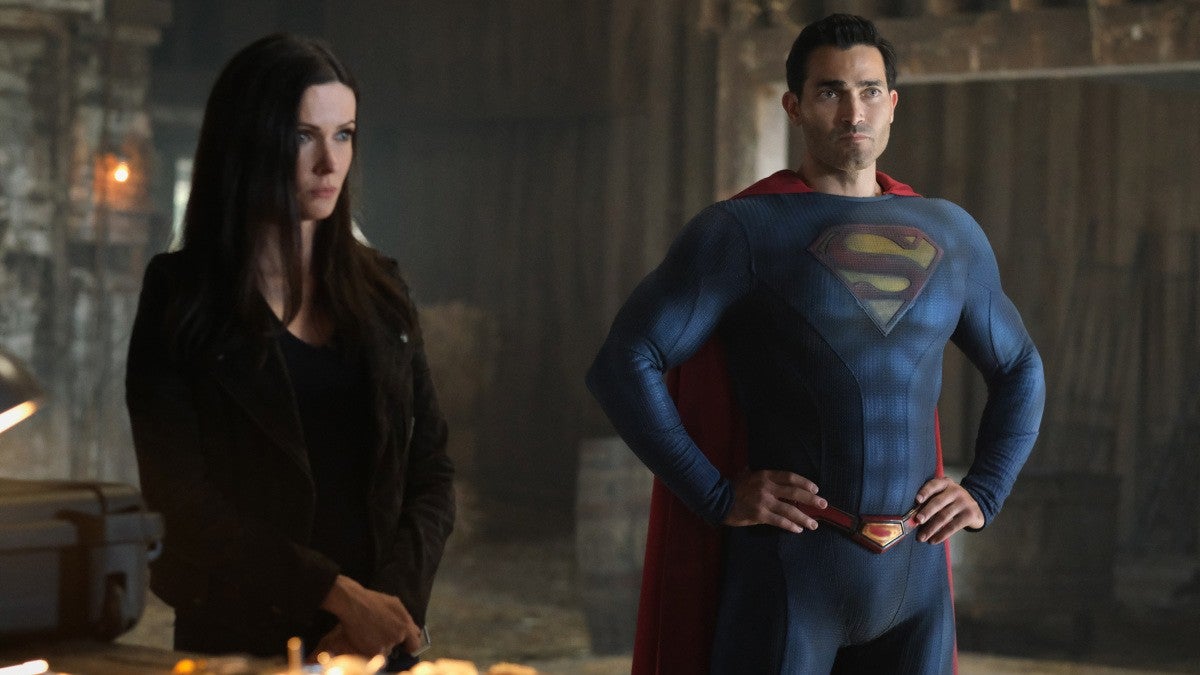
10. Superman & Lois

This Arrowverse version of Superman surprised everyone by capturing the essence of the DC superhero while bringing a modern twist of his world and situation. Tyler Hoechlin delivered a sensitive and strong performance as the newest Man of Steel.

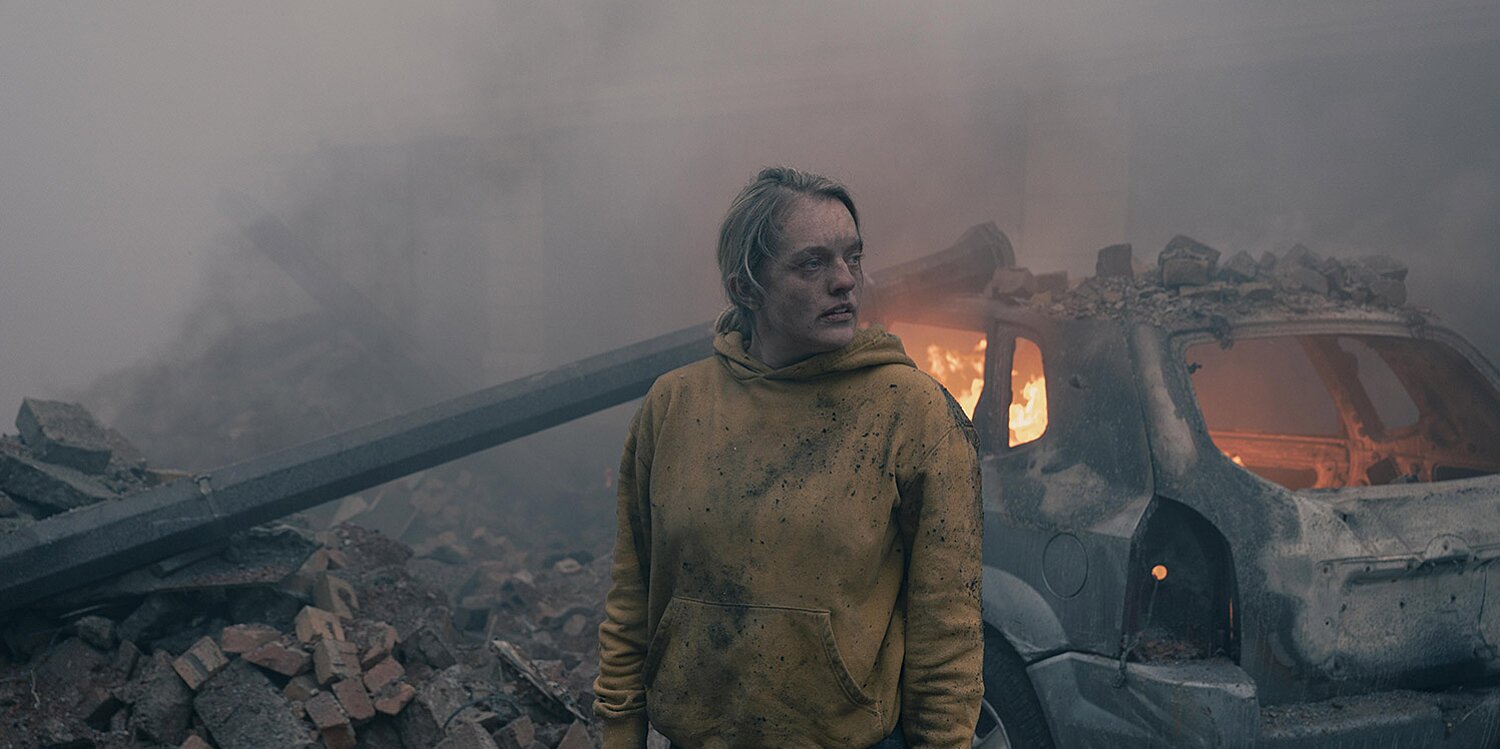
9. The Handmaid’s Tale

The fourth season of the dystopian saga of an America under control of religious zealots. This season’s theme was about post-traumatic stress and dealing with rage as the main character escaped to Canada and dealt with the aftermath of her ordeal.

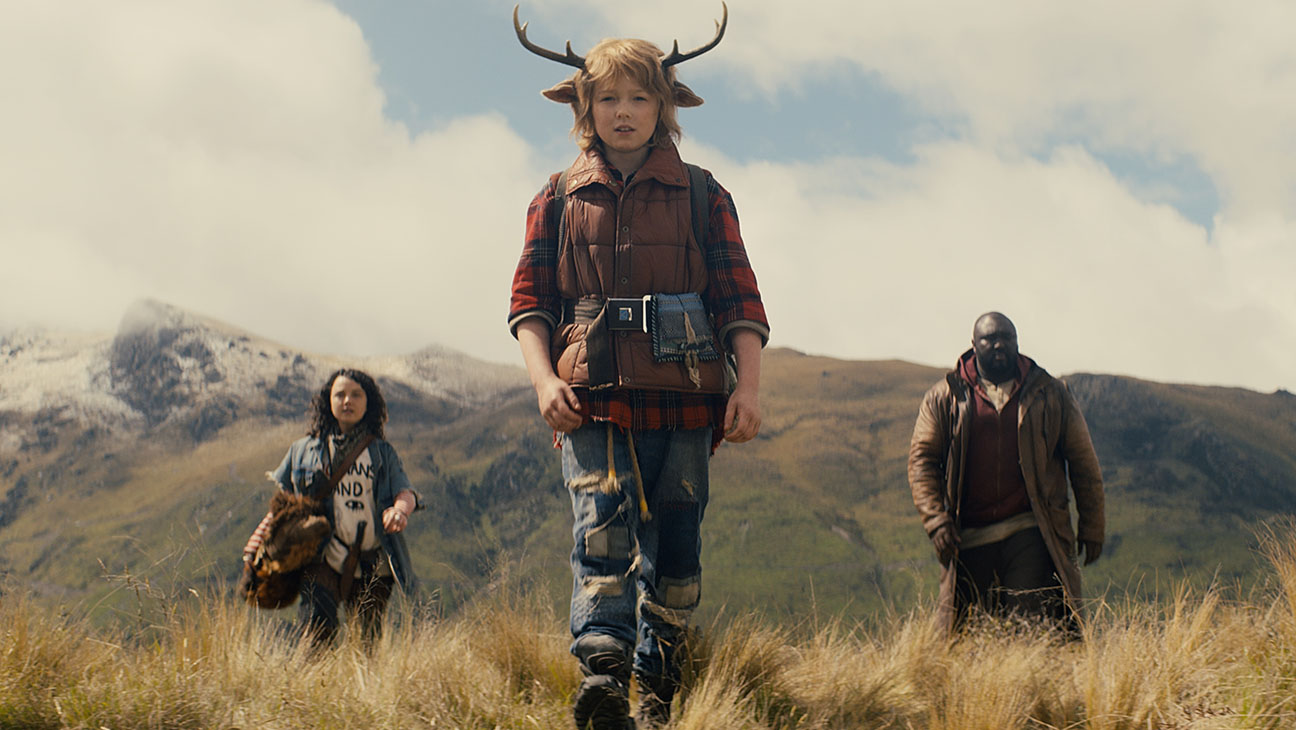
8. Sweet Tooth

This adaptation of the comic book about a road trip undertaken by a hybrid mutant boy and a tortured hunter in the aftermath of a viral apocalypse was a touching adventure. Many decried its cliffhanger season finale but thankfully a second season is coming.

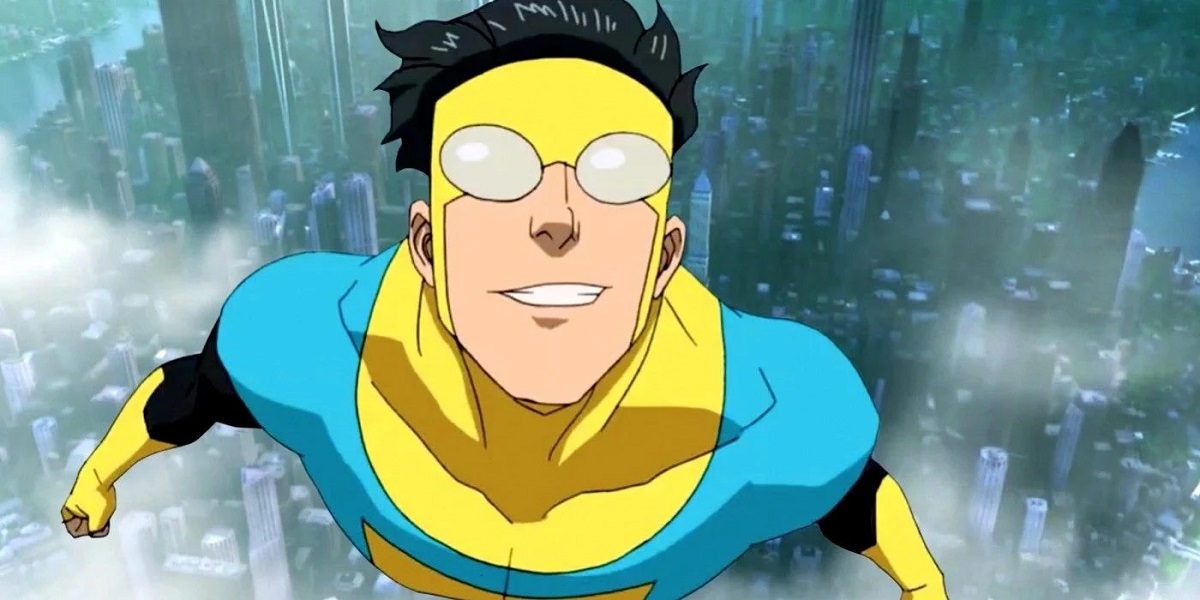
7. Invincible

At first glance, Invincible seemed like just another animated knock off of the DC Universe. But the animated adaptation of Robert Kirkman’s comic book quickly asserted it was much more than that due to its ultra-violent tone, adult nature and a fresh take of classic comic book tropes.

6. For All Mankind

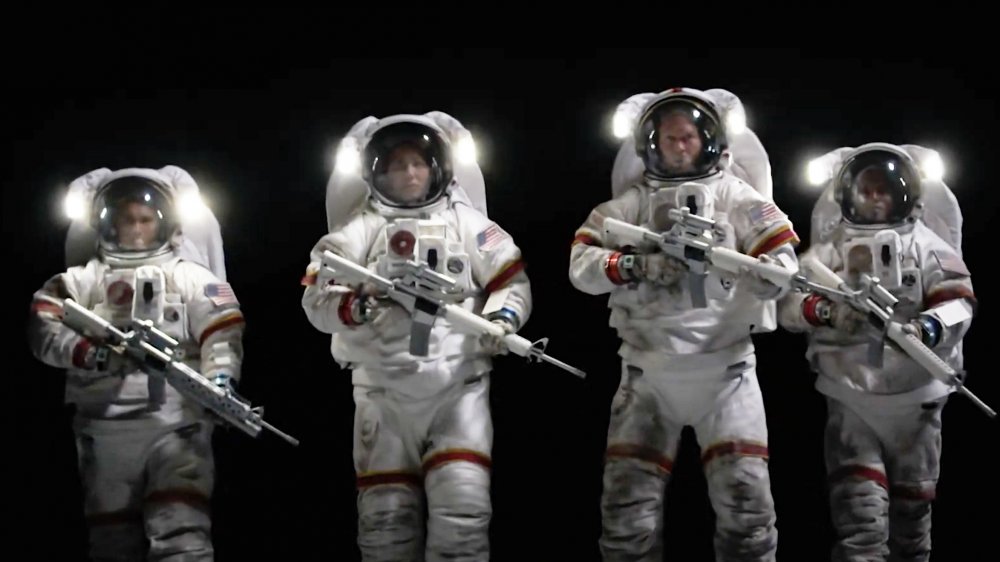
The second season of the alternate history TV show further developed a world where the Soviets won the moon race with ramifications in the 1980s. Escalated Cold War tensions between the U.S. and the U.S.S.R. served as a chilling backdrop for the show’s characters who were forced to deal with alarming events on Earth and on our moon.

5. The Falcon and the Winter Soldier

The second TV show set in the Marvel Cinematic Universe (MCU) surprised viewers with its exploration of racism, social inequality and hero worship. As well as the burden of living up to the legacy of Captain America and confronting the past. On top of those mertis were all the glorious fight scenes and captivating plot developments, which made The Falcon and the Winter Soldier so winning.

4. Doom Patrol

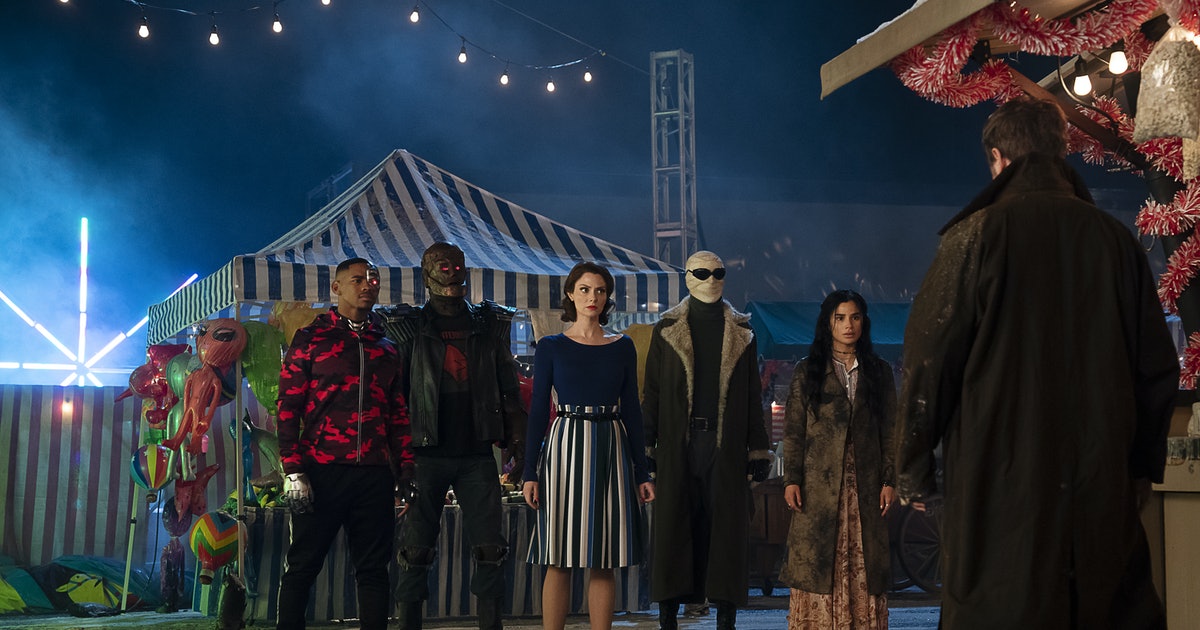
The quirky bunch of misfit superhumans continued to shock and delight viewers with the third season of the show. While the Doom Patrol members were outrageously funny with their caustic behavior, they touched our hearts with their tragic situations in episodes which were just downright bizarre and existential.

3. What If…?

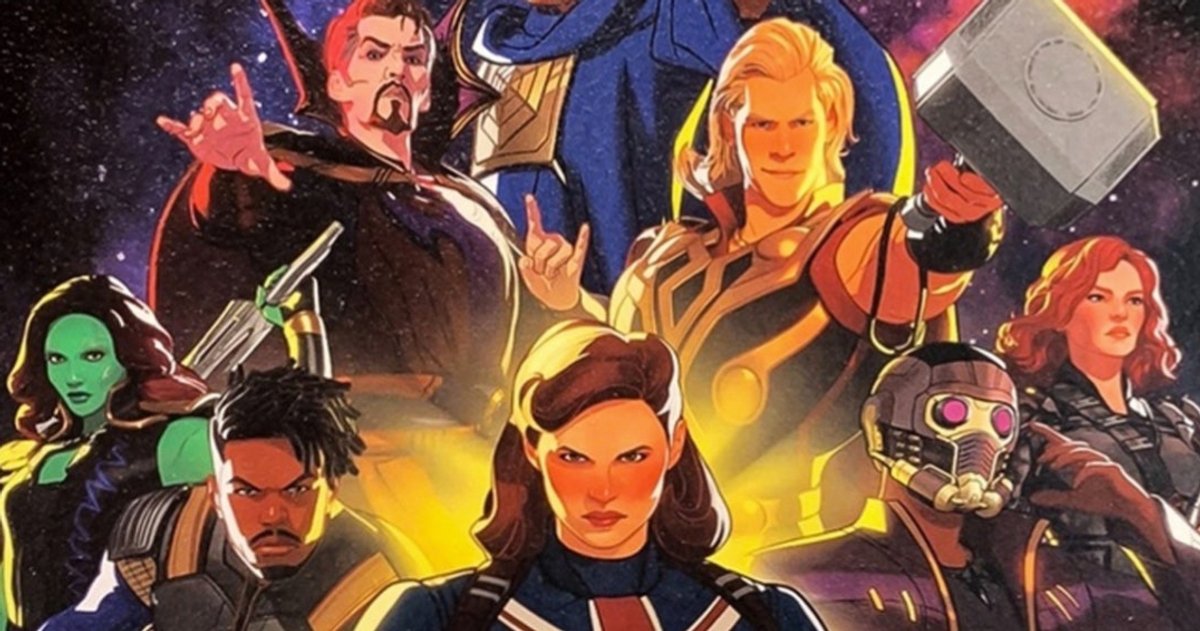
While not every episode delivered, on the whole, What If…? was an intriguing examination of alternate versions of the MCU in animated form. Some episodes knocked it out of the park with alternate versions of characters and stituations such as a terrifying version of Ultron that put the live-action version to shame and a tragic version of Doctor Strange that might turn up in Doctor Strange in the Multiverse of Madness.

2. WandaVision

Marvel Studios first MCU-set television show, which streamed on Disney +, instantly stood out in a crowded streaming market thanks to its innovative style which was partly a send up of American sitcoms throughout the decades. At the same time, WandaVision kept viewers captivated with its perplexing mysteries and further developments of the MCU.

1. The Expanse

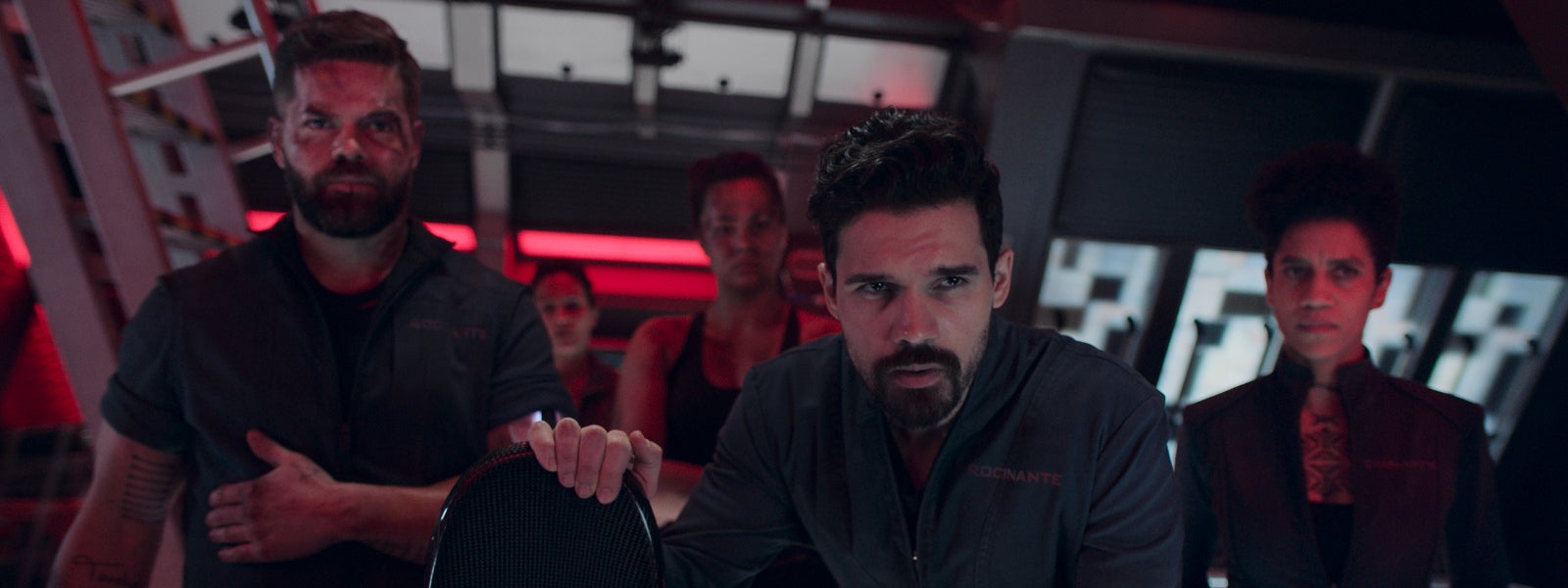
Coming in at the end of the year as the best television program is the sixth and final season of The Expanse. The must-see sci-fi epic about life in the settled worlds in our solar system was notable for its grounded and realistic depictions of life in space, as well as intriguingly complex characters and political situations. The Expanse is already lauded for being of the best sci-fi TV shows and its reputation will grow in years to come.

Honorary Mentions:

Foundation; Hawkeye; Into the Night; Lost in Space; Love, Death & Robots; Snowpiercer; Star Trek: Discovery; Star Trek: Prodigy; Star Wars: The Bad Batch; Titans; Tribes of Europa; The Wheel of Time; The Witcher

Continue reading

Handling FOMO During The Comic Book Speculator Boom

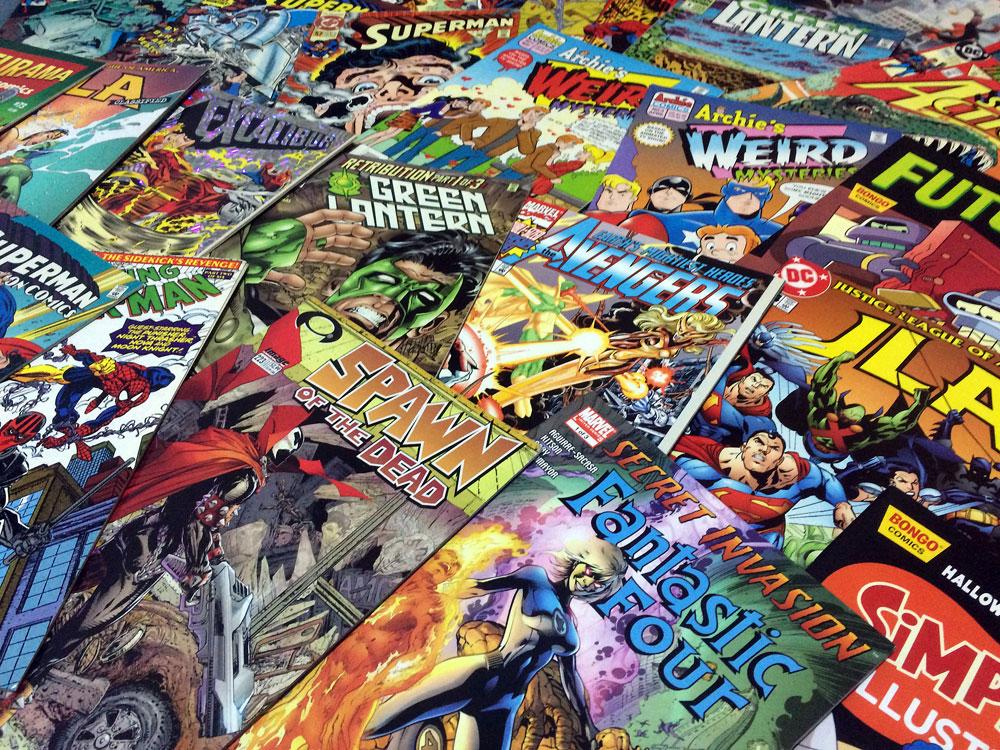
Comic books have risen recently in popularity thanks to their crossover appeal in live-action media. What is spurring the boom is that as mainstream properties from Marvel Comics and DC Comics are being shown on screen, film and TV studios are mining other comic book properties, not just obscure Marvel and DC characters but those from independent comic book properties.

As properties like The Walking Dead, Invincible, Sweet Tooth, Locke & Key, The Umbrella Academy and The Boys have captured the imagination of television and streaming audiences (along with lower-tier mainstream characters like Scarlet Witch or Black Lightning), these studios have found a treasure trove of characters and stories to adapt. This in turn has made many of these titles increase in value among comic book collectors and speculators. Meaning the prices for key issues have exploded.

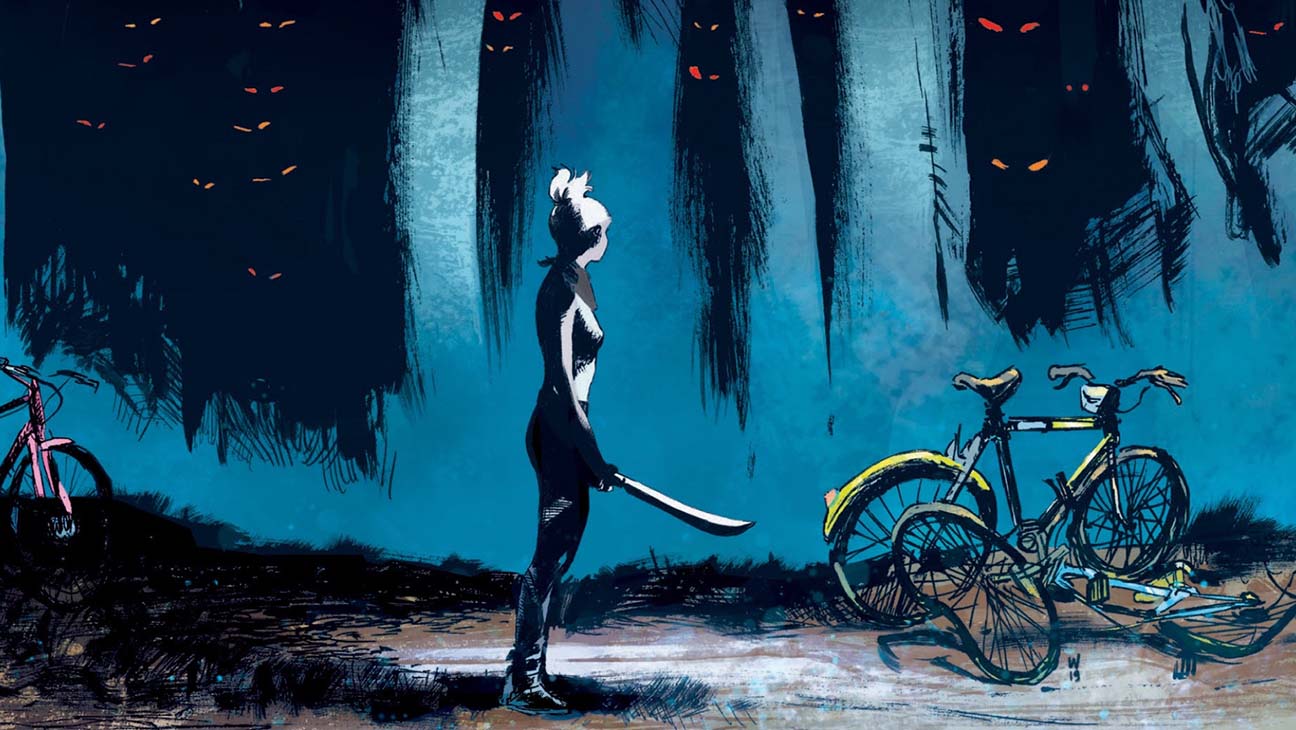
A good example of this situation is with Boom! Studios’ Something is Killing the Children, a horror title that only debuted in 2019, yet its first issue commands a price of roughly $1,000 for a near-mint copy. Other hot titles which are increasing in value include The Department of Truth and Saga.

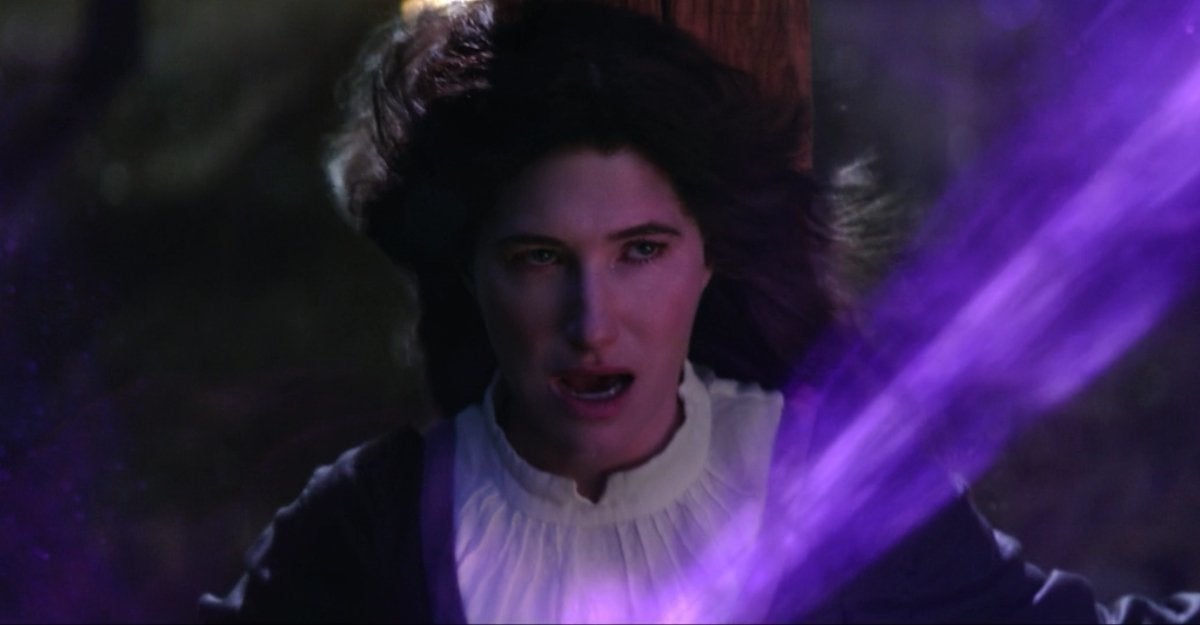
The value of previously insignificant mainstream titles or issues increased significantly as characters or storylines were adapted. A recent example is with The West Coast Avengers, particularly its original middle run by John Byrne that introduced a white version of Vision and a dark version of Scarlet Witch. Both of whom wound up on the hit TV show, WandaVision. That TV show also led to a huge price increase for Fantastic Four #94, which was the first appearance of Agatha Harkness, the major villain of WandaVision.

For collectors who wish to pick up newly important issues or speculators looking to buy low and sell high, this has created a mad scramble to find these books and it’s a textbook example of FOMO. Among collectors that stands for Fear of Missing Out on obtaining an issue before it becomes too expensive. Many collectors have horror stories of passing up titles then regretting their decision as those books too off in value.

Thanks to the speculator boom and relevance of live-action comic book properties, FOMO has gripped the comic book community hard. But fans should not give in to FOMO. How important is it to have that particular title unless you want to make a quick profit? Those sold-out issues always get reprinted or are available for downloading, so for a true fan who wants to complete a run, these are alternatives.

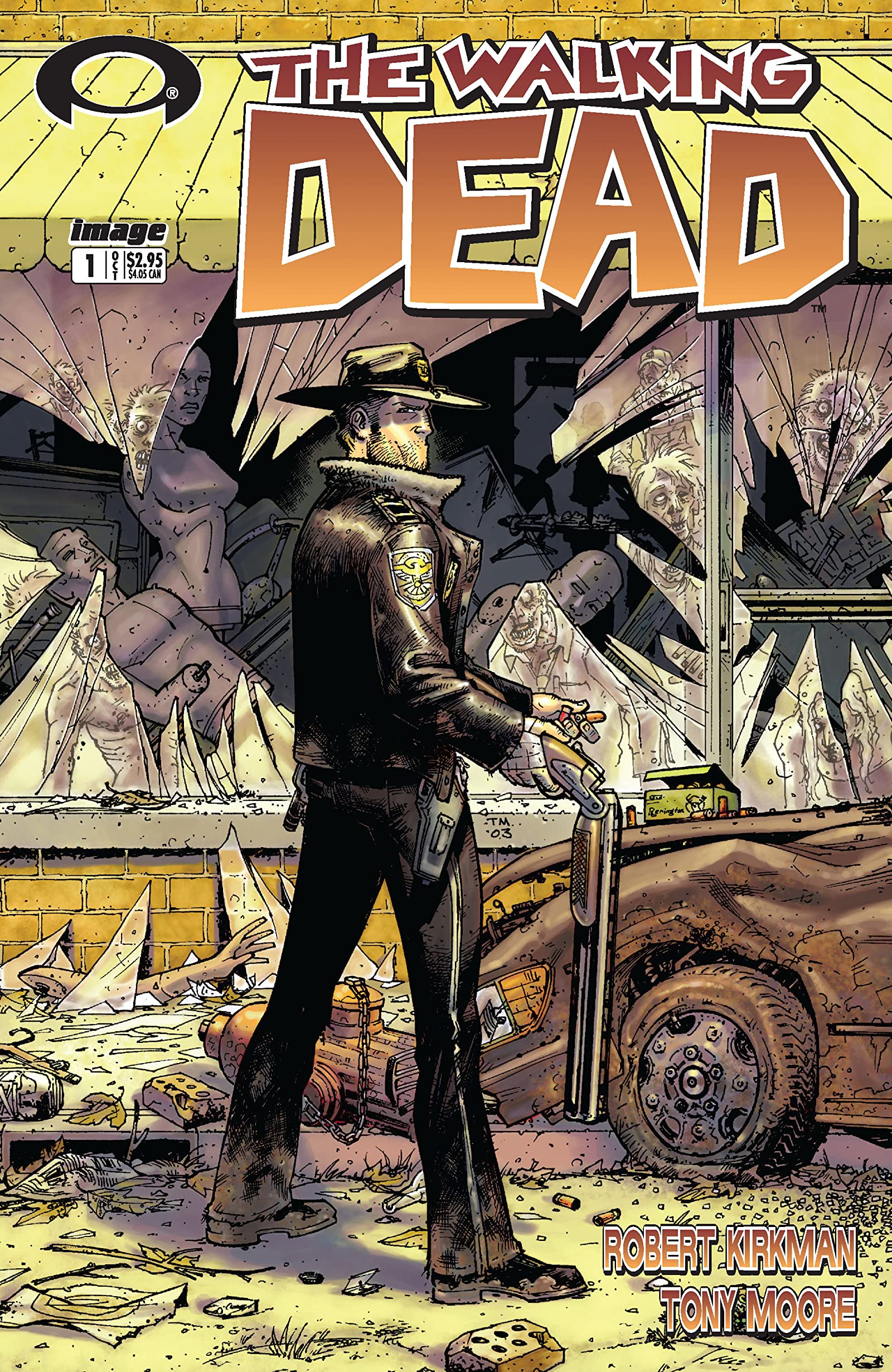
It’s also important to keep in mind that the value of these titles often has peaks and valleys. Sure, some titles like The Walking Dead still command high prices, but the average costs for the first issue these days is only a couple thousand dollars. Back during the heyday of the title and the TV show, the first issue of The Walking Dead often sold for nearly five figures. That is enough to help pay for a new car!

As seen with the above example, once the hype dies down so will the prices and many times tey plummet to the point that the key issue becomes affordable. Consider The Avengers #55, which was the first appearance of Ultron. Back when Avengers: Age of Ultron premiered that issue was unobtainable for the average collector. Today, it can be bought for under $100, and that is for a decent copy. Another example is Marvel Premiere #15, the first introduction of Iron Fist, which was undervalued for a few years because of how poorly the Iron Fist TV show was received. Now is a good time to buy that issue and it should be soon as speculation has reared its head that the character will re-appear again in live action some time in the future.

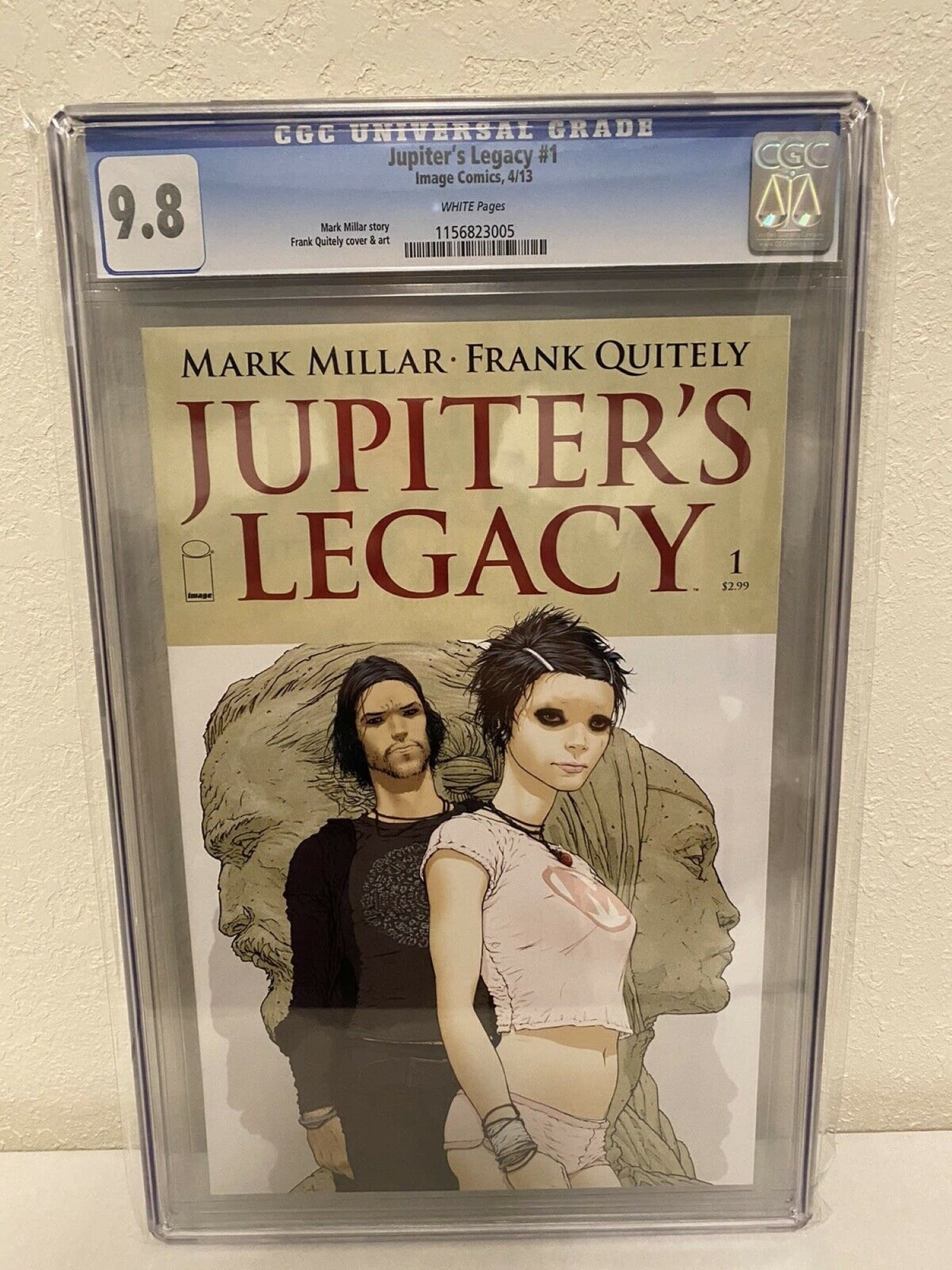
A more recent and glaring example is Jupiter’s Legacy. There was some hype and speculation with that title since it was going to be adapted into a TV show, but that show was not well received and cancelled after one season. Right now, anyone trying to sell their copy of Jupiter’s Legacy #1 is lucky to sell it for cover price.

So, there is no reason to give in to FOMO. If a title like Something is Killing the Children becomes too expensive, let it go and stop obssessing over it. If you have to read the story get the trade paperback, read it online or borrow a friend’s copy. The key is to be patient, eventually the prices will settle and if you’re lucky you will find a copy you can afford to buy. More importantly, just enjoy the hobby.