The Impact Of Netflix Buying Warner Bros.

In the biggest cinematic and media earthquake since the Walt Disney Company acquired 21st Century Fox and many of its assets, Netflix announced that it will purchase Warner Bros. for $82.7 billion. This is one of the most important events to happen with film, TV, videos, comics, and other media and it will have long-lasting repercussions throughout the media industry.

Up for Sale

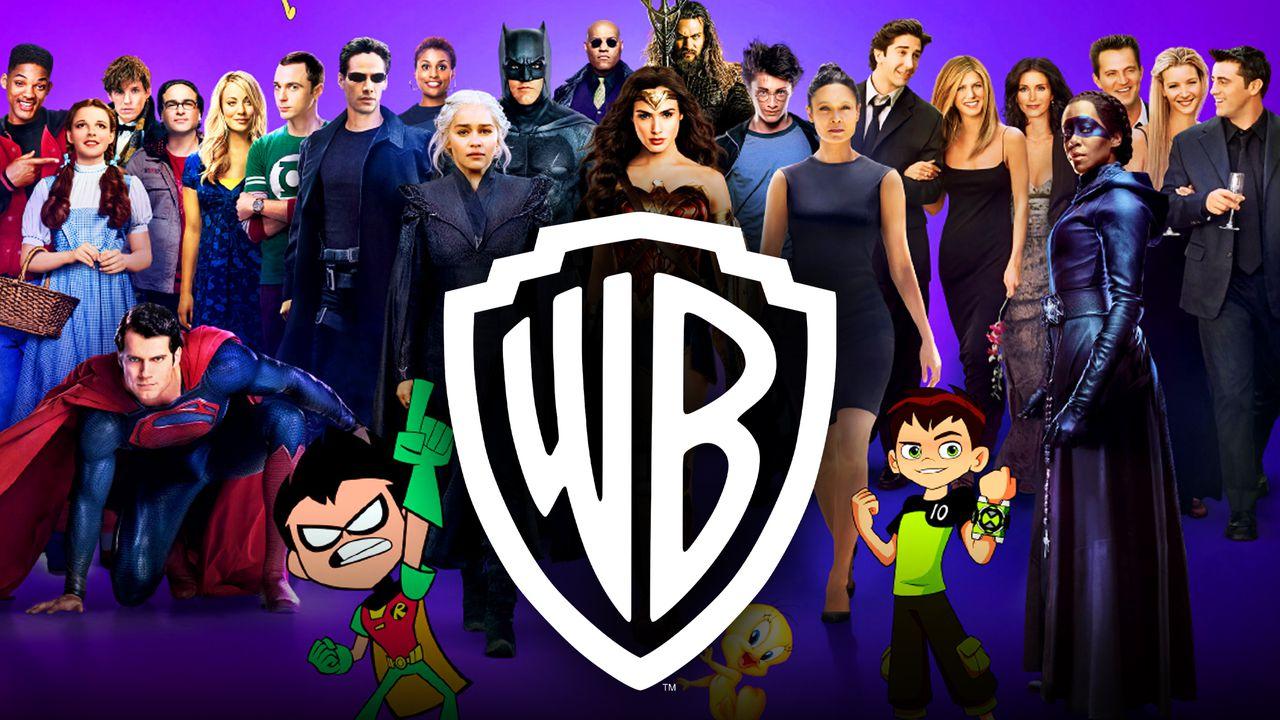
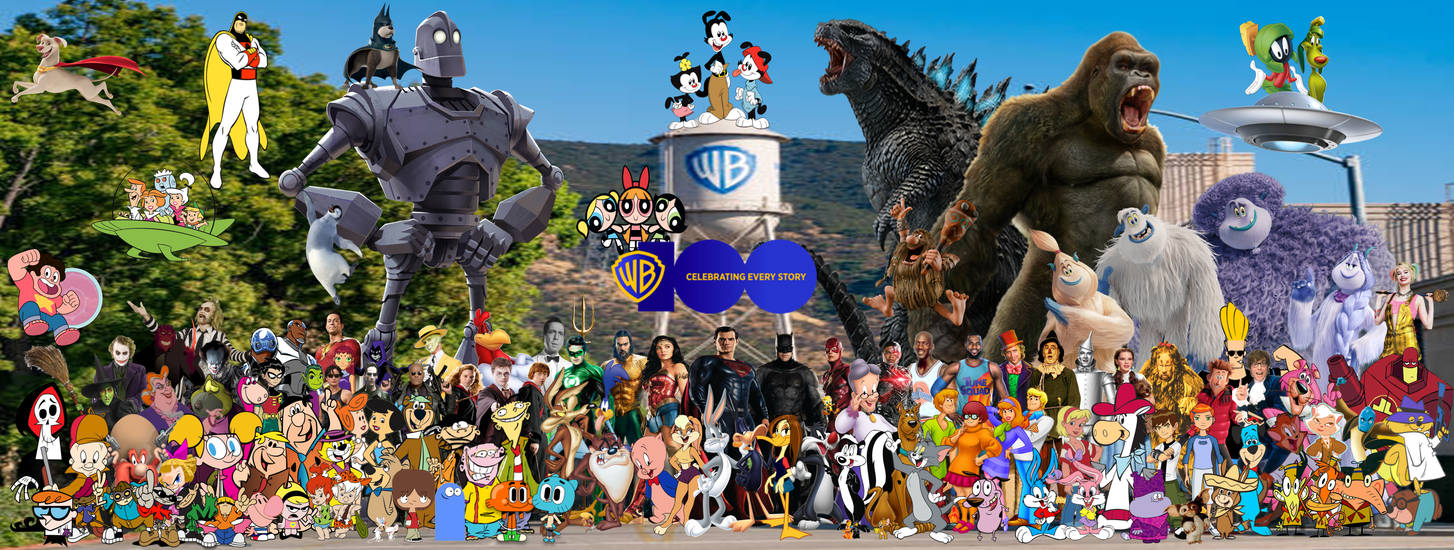
Warner Bros. had been up for sale for some time and several major companies expressed interest in buying it, especially Paramount Skydance. Many expected Paramount to purchase Warner Bros. given their public and aggressive efforts to purchase the company but in the end the streaming giant Netflix beat out Paramount and will acquire the film and HBO segments of Warner Bros. as it chose not to purchase the cable TV channels that were part of Warner Bros. Discovery. This acquisition will give Netflix access and ownership to an impressive film and television library and major IPs, including DC, Looney Tunes, Hanna-Barbera, The Wizarding World of Harry Potter, The Matrix, Game of Thrones, Mad Max and more.

Many have watched the bidding war with caution and were concerned with a possible ownership by Paramount, mostly because its CEO, David Ellison, has openly expressed fealty to the Trump Administration to the point that a Rush Hour 4 has been greenlit simply because Trump expressed interest in such a film. This meant that the government has influence on what media entertainment gets released, which leads to First Amendment questions. Imagine if Paramount bought Netflix and the government had a hand in deciding the direction of DC films, TV or comics. A film like Superman, which openly criticized America’s current immigration policies, would never be allowed by Ellison. On the other hand, the purchase by Netflix has opened up another can of worms that has the film industry reeling because of the implications.

Streaming Influence

One possibility of the purchase is that it could lead to the death of cinemas since the majority, if not all, Warner Bros. films could be released straight to streaming. This would create a domino effect with other film studios copying the release model, which would hasten the demise of the theater-going experience.

This has been a growing problem in recent years that was accelerated by the COVID-19 pandemic which caused many film and TV studios to lean heavily on streaming to provide content to consumers. Netflix has upended the conventional model of film releases where films normally had theatrical lives of a few months before being available on digital or for streaming. This has conditioned viewers to skip going to theaters and just wait for a film to appear on a streaming app a short while after its release. Now it is becoming the norm that films would be released on streaming weeks after a theatrical release and even the same day the film premieres in theaters. Many have speculated that Superman might have had a larger box office haul if it was not announced roughly a month after its initial film release that it would be available for home viewing. While short theatrical runs is convenient and deceptively cheaper for consumers (the idea that they will see the film for free on streaming is silly since they still have to pay for the service), this practice is a major issue with theaters with lost revenue and content.

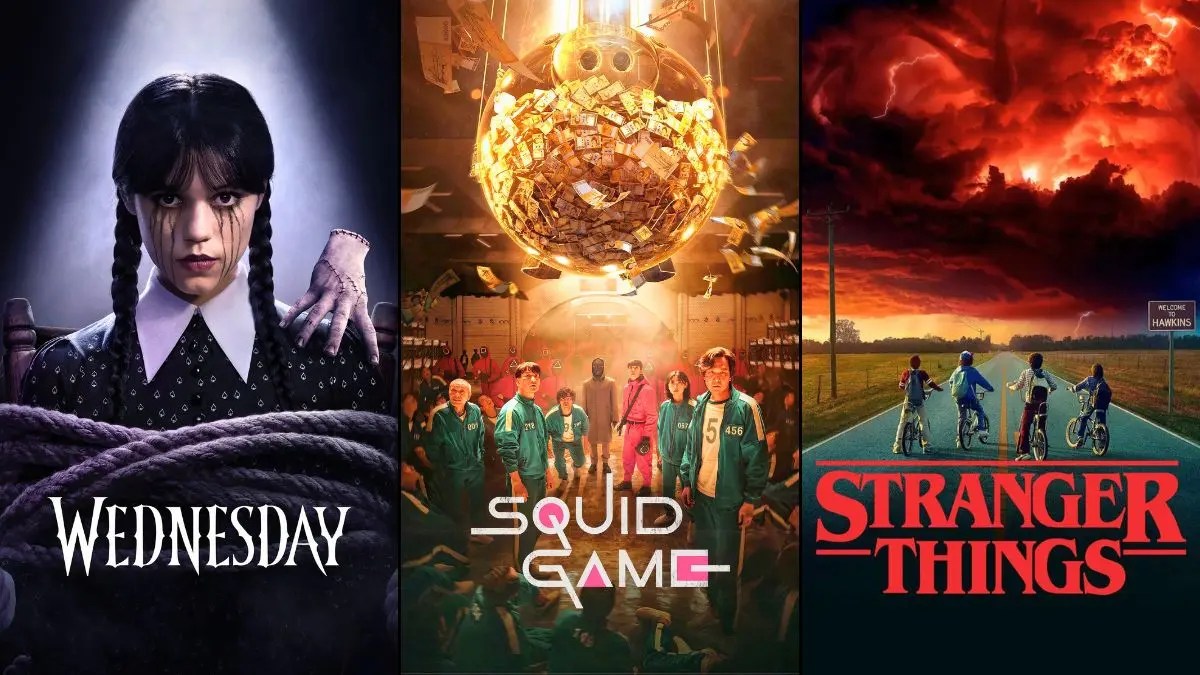
Another supposed plus for Netflix subscribers is that the service will have an even more exhaustive library of content, but now with prestige content. One problem for the streaming company was that recently it did not have easy access to popular content as film and TV companies created their own streaming services. Netflix has been criticized for having a glut of inferior films and TV shows that are just placed on the streaming app with little promotion. It’s true that Netflix has many quality and popular TV and films like Stranger Things, Wednesday, Squid Game, The Witcher, Black Mirror, and KPop Demon Hunters, with the glut of content dumped on the platform a lot of quality product has gotten lost in the overwhelming mixture. How will prestige films and TV shows from HBO and Warner Bros. stand out from the low-budget dreck flooding Netflix’s landing page?

One possibility is that Warner Bros. and HBO could have their own pages or remain as separate streaming services as we see now with Hulu, which is owned by Disney but is its own streaming service that subscribers of Disney+ could access by purchasing a bundle service. This would allow Netflix to have its own prestige platform to stream high-end quality products that stand out in the crowded streaming service.

But do not be surprised when the monthly subscription rate for Netflix increases dramatically to help pay for the $82 billion purchase. Expect to pay up to $50 and more monthly in a few years.

Impact on DC & Other Popular IP

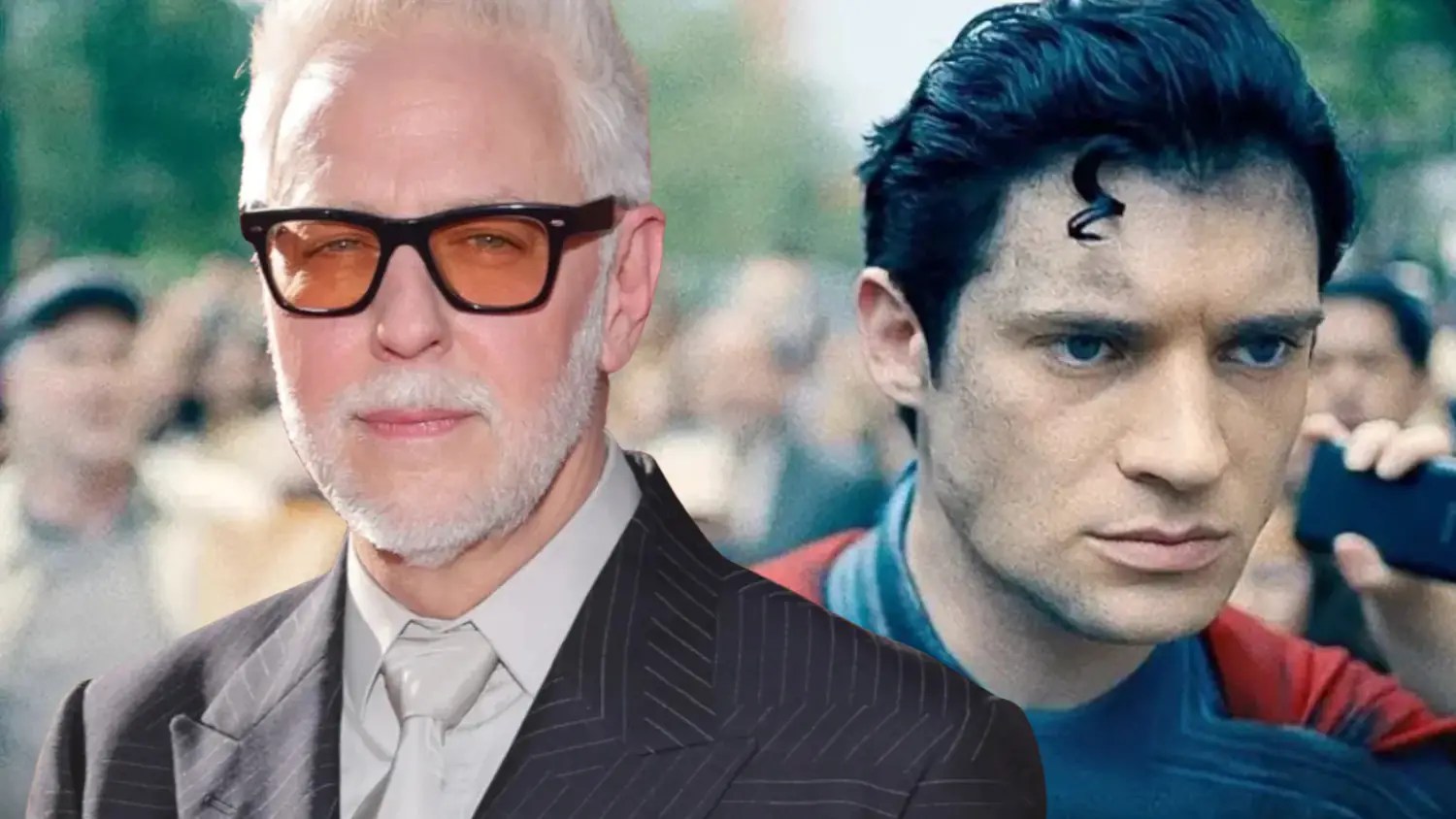
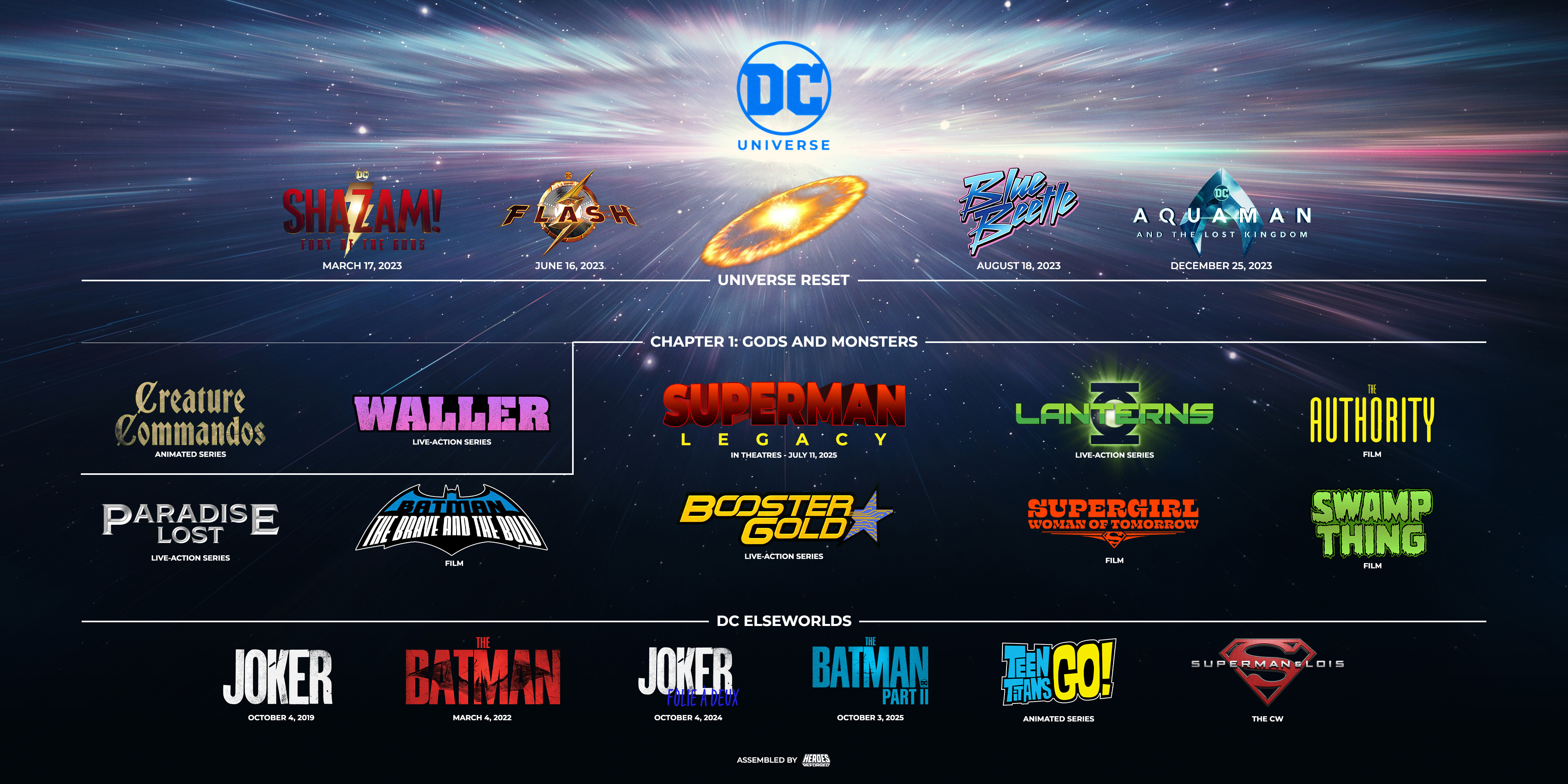
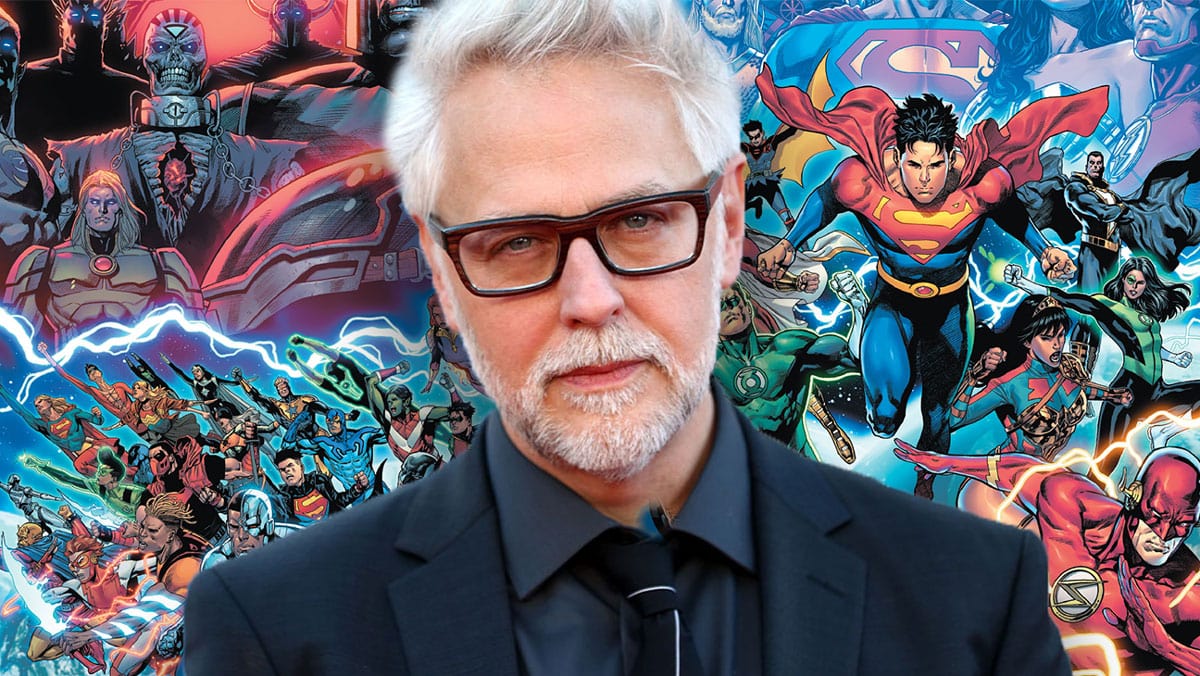
Now the big question genre fans have is what impact will the purchase have on DC Studios and the DC Universe (DCU) and other popular genre IP? For now nothing. There are contracts that have to be honored so projects in production should be safe, so no worries about Man of Tomorrow, Clayface, or Supergirl. However, the head of DC Studios, James Gunn, might get pressured to favor some popular characters like Batman over obscure ones that he favors such as Booster Gold. Let’s hope that Netflix executives learned a lesson from Disney and Marvel Studios, where in the early 2020s the Disney executives forced the film studio to quickly churn out a lot of TV shows and films to fill out content on Disney+ and to announce projects before they were ready. What happened was that a lot of mediocre films and TV shows were released which damaged the reputation of Marvel Studios’ films and TV shows and led to the recent reduced box office haul for some of their films. Sure, Marvel Studios is taking steps to course correct, but they’re still recovering from this misstep.

Getting back to DCU and all things DC, it’s possible Netflix may force Gunn to step up the output of DC films and TV shows since again Netflix wants a return for their investment. Thankfully, The Batman, Part II is about to enter production, which may keep the streaming company off Gunn’s back. On the other, the company might pressure him to make a decision on the DCU version of Batman soon, and casting some of the more popular DC characters in order to greenlight productions already. Despite rumors about Gunn leaving DC Studios, which were rampant when Paramount was actively looking to purchase Warner Bros., it has been reported that Gunn will stay put. Even though there hasn’t been a lot of DCU projects released to date, Superman, Peacemaker and Creature Commandos have been well received and Netflix is not foolish enough to scrap the DCU and go through the trouble to launch another reboot at this time.

One thing to consider is that while the more obscure DC characters may not get the big-screen treatment, they could wind up as straight-to-streaming projects that could be a proving ground for the characters. The main thing is to just let Gunn alone to produce quality product and all should be fine. In fact, this should be the case for all of the film and TV projects.

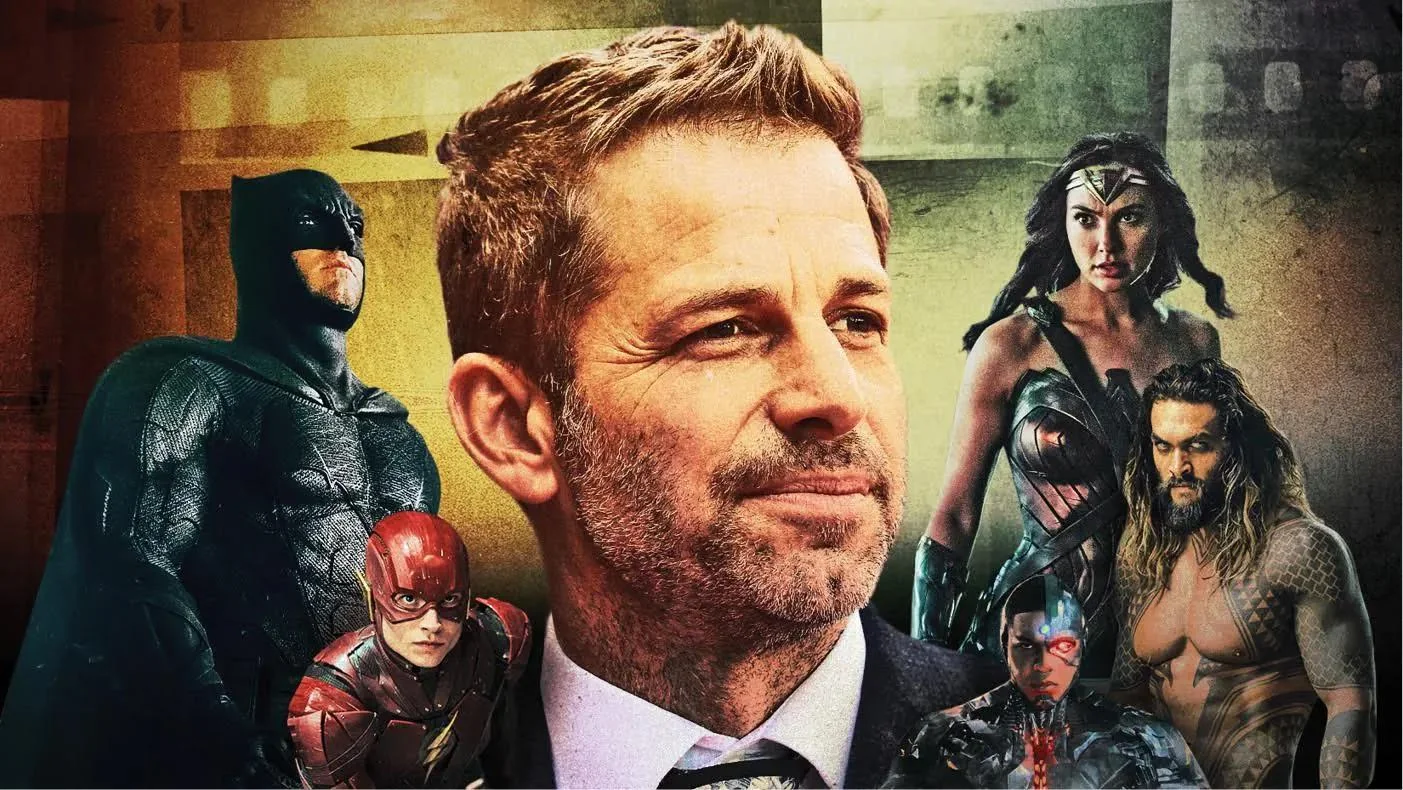
While it’s very possible that Netflix will greenlight a lot of DC animated films there won’t be a revival of the Snyderverse. After the dismal failure of the Rebel Moon films, Netflix has been moving away from filmmaker Zack Snyder and it is doubtful that the company will approve a revival of his brand of DC films. The slimmest of hope for diehard Snyderverse bros is that some kind of Elseworlds animated film will be made.

Oh yes, expect Stranger Things and DC to have a crossover in the comics, along with comic books featuring Harry Potter and other popular Warner Bros. IP.

As for other IPs like Mad Max, It and related Stephen King works, and Harry Potter, there has not been any word yet about them. But it’s expected that Netflix will take full advantage of their newly acquired IP. Announced projects like the reboot of Harry Potter, more TV shows based on Game of Thrones, and the second season of It: Welcome to Derry will proceed as scheduled and if HBO is kept as a separate streaming platform those prestige projects will stream there first before migrating to Netflix years later. Will we ever see shelved projects like Batgirl or genre TV shows that were removed from HBO Max such as Westworld or Raised By Wolves? It’s anyone’s guess, but consider this: these projects were removed to save on paying residuals or for tax write offs by Warner Bros. Without these burdens and with the need to put out recognizable content, it is possible that these projects may have a second life on Netflix.

Of course, there are a lot of hurdles for Netflix such as government approval so it will be at least two years before we see any impact. For now, the company indicated they will leave things alone, and supposedly commit to theatrical releases for Warner Bros. films, which would be to their and everyone’s benefit.

Man Of Steel & The Failed Promise Of The DCEU

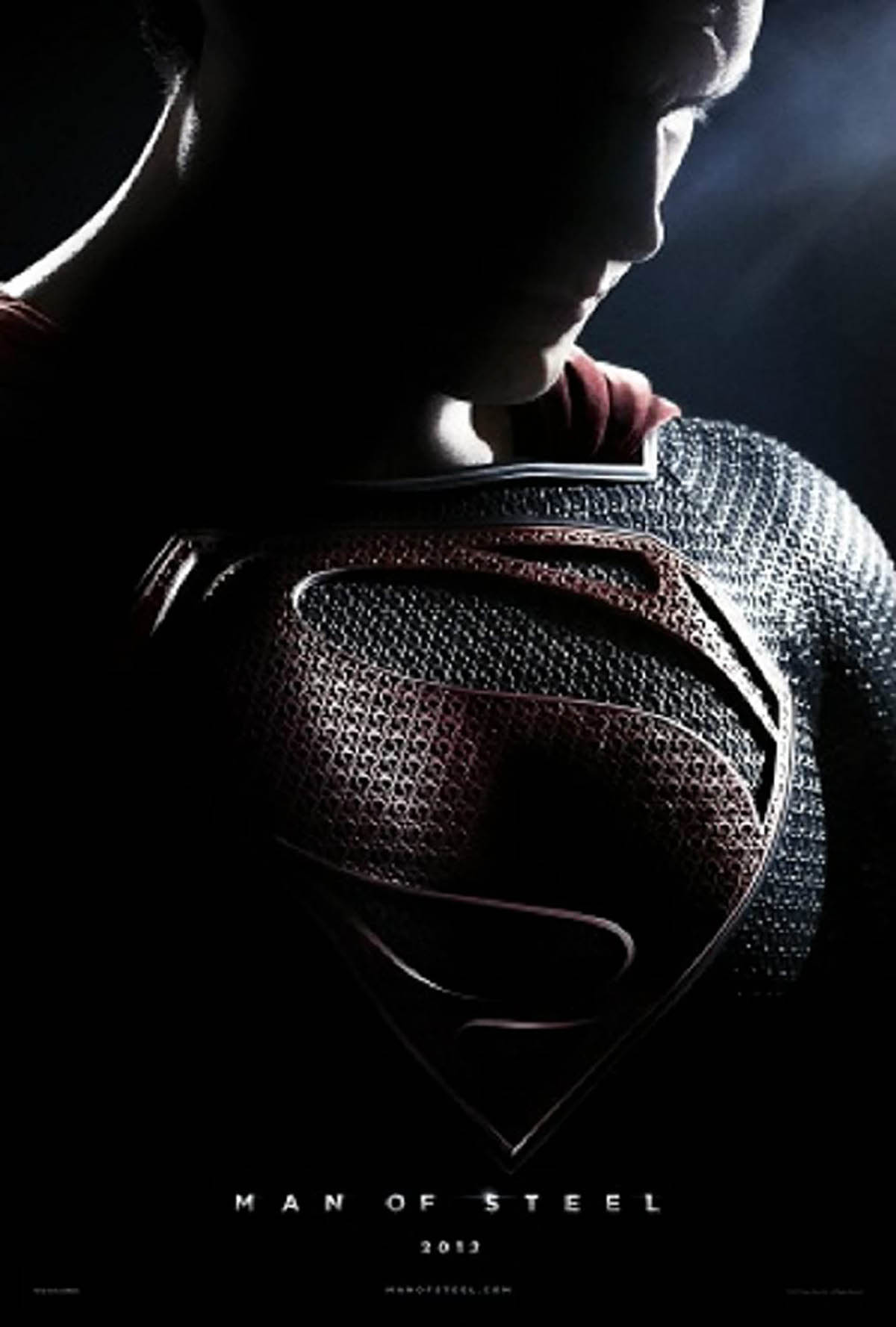
This week marks the tenth anniversary of the film release of Man of Steel, which was released on June 14, 2013. It not only served as a reboot for the Superman film franchise but as the vehicle to launch the DC Extended Universe (DCEU). Now the superhero film universe based on DC superheroes comes to an end this year starting with The Flash, which will serve as a soft reboot of the DCEU and transform it into the DC Universe (DCU).

One of the casualties of the DCEU reboot will be Superman himself, which is ironically fitting since his film launched the DCEU.

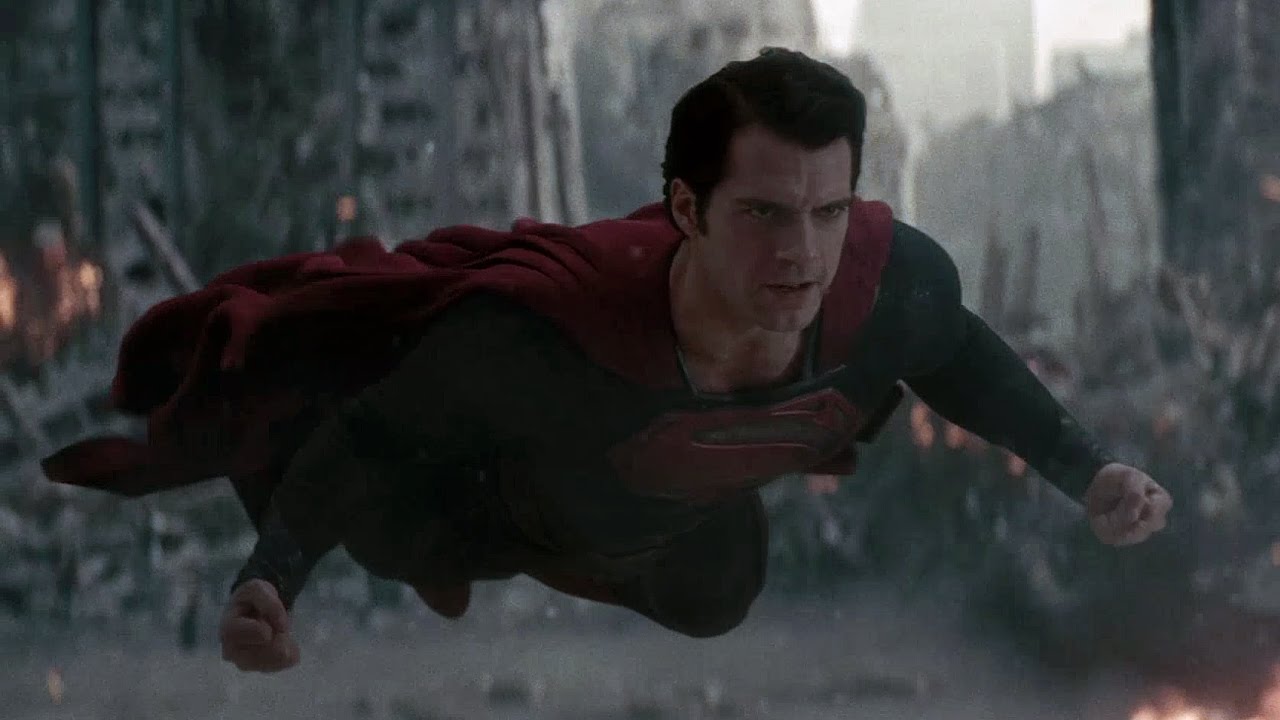
Man of Steel was directed by Zack Snyder, who presented a darker and more grounded version of Superman in a world filled with muted colors and stark lighting. At the same time, the film and other Snyder-centric DCEU films cast the title hero with mythological, god-like imagery that did not resemble comic book images but rather epic paintings with static poses and even more harsh lighting.

This became more prevalent in future DCEU films such as Batman v Superman: Dawn of Justice and Justice League, while Man of Steel was more grounded.

This unique approach to Superman was supposed to make him more relevant and relatable to modern audiences. As to whether or not that worked, is open for debate. Before Man of Steel, Superman was seen as a noble, larger-than-life do-gooder as best personified by the Christopher Reeve Superman films of the ‘70s and ‘80s. Thanks to Reeve’s classic performance it was difficult to imagine the superhero in any other kind of light. Even Superman Returns, the last Superman film before Man of Steel, did not veer from the Reeve interpretation of Superman, which led to a lot of criticism. In trying to make this version of Superman distinct from the traditional Boy Scout persona, it can be argued that Snyder veered too far from what made Superman so special. He is supposed to be a beacon of hope for humanity, which was ironic because he was actually an alien who grew up on Earth. Despite humanity’s faults, Superman adopted the best traits of his adopted species and served as an exemplar for the promise of humanity.

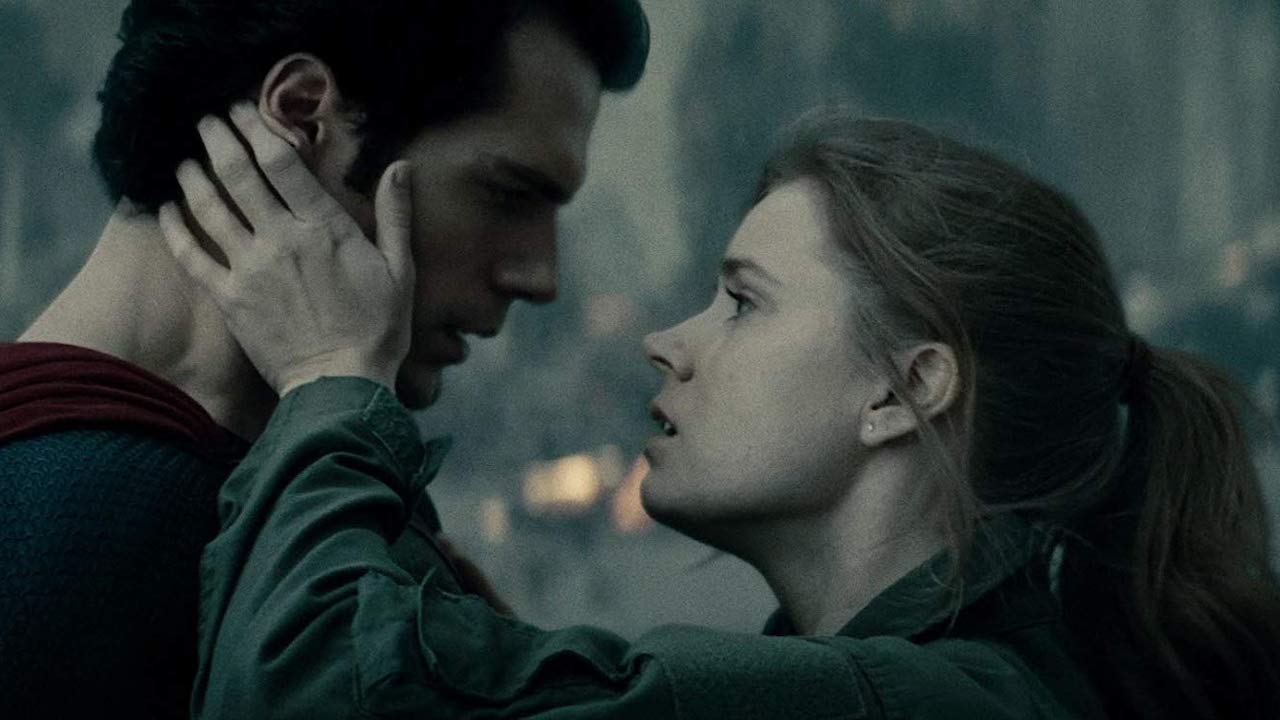
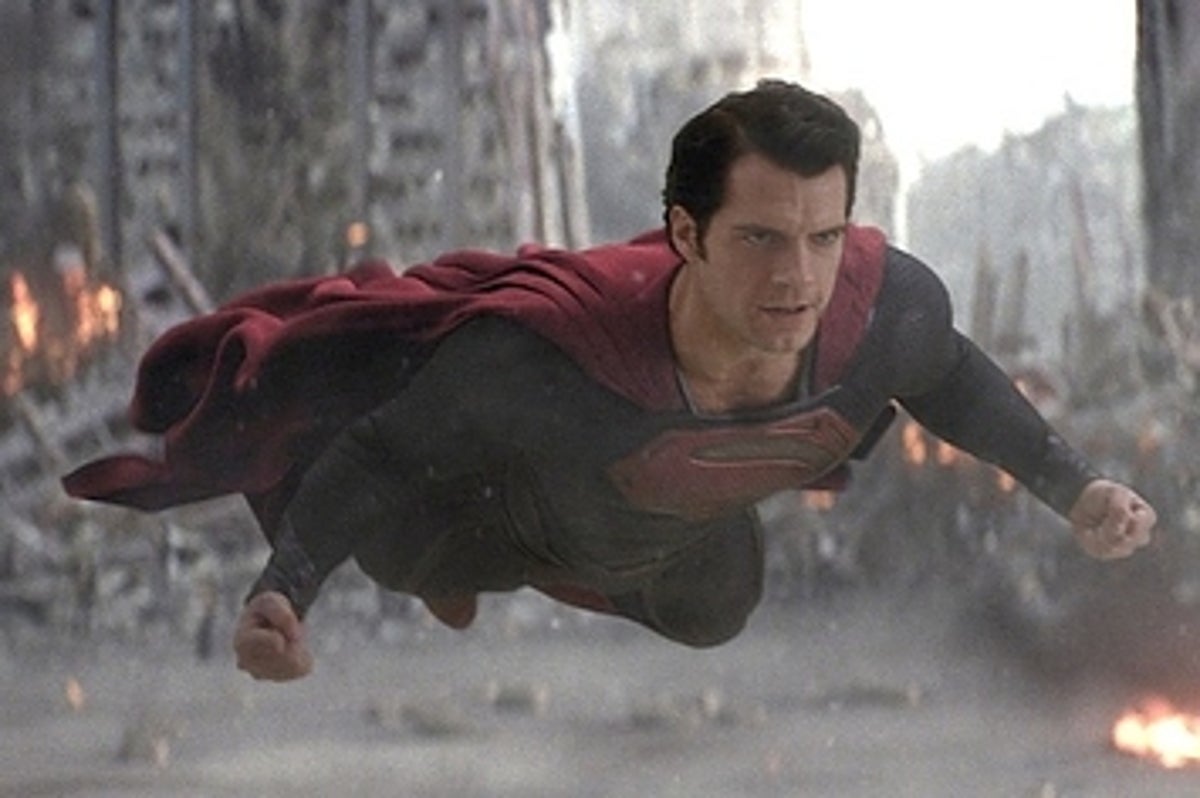
In Man of Steel, Superman aka Clark Kent (Henry Cavill) went through something of an identity crisis in an updated origin story. The film went through the typical Superman origin tropes but with new twists. Superman’s home planet, Krypton, was not the cold, crystalline and sterile civilization seen in the Christopher Reeve films. This Krypton was a planet embroiled in civil strife with a warring society that used what seemed to be technology based on programmable matter.

Superman’s origin was more tied to that of his nemesis, General Zod (Michael Shannon), in that Zod was at odds with Superman’s father, Jor-El (Russell Crowe). With the planet dying, Jor-El sends his newborn son, Kal-El, to Earth to have a chance at a new life. Before Kal-El is sent, he is embedded with genetic material called the Codex, which will provide the genetic means to recreate the Kryptonian race on another world.

After arriving on Earth, Kal-El is adopted by a human couple and grows up in a farm in Kansas. He struggles to fit in with society because of his developing super powers, which he has to keep hidden. Once he reaches adulthood, Kal-El who is now called Clark, sets out in the world to find himself and a purpose in life. During his journeys Clark clandestinely uses his powers to help people during emergencies.

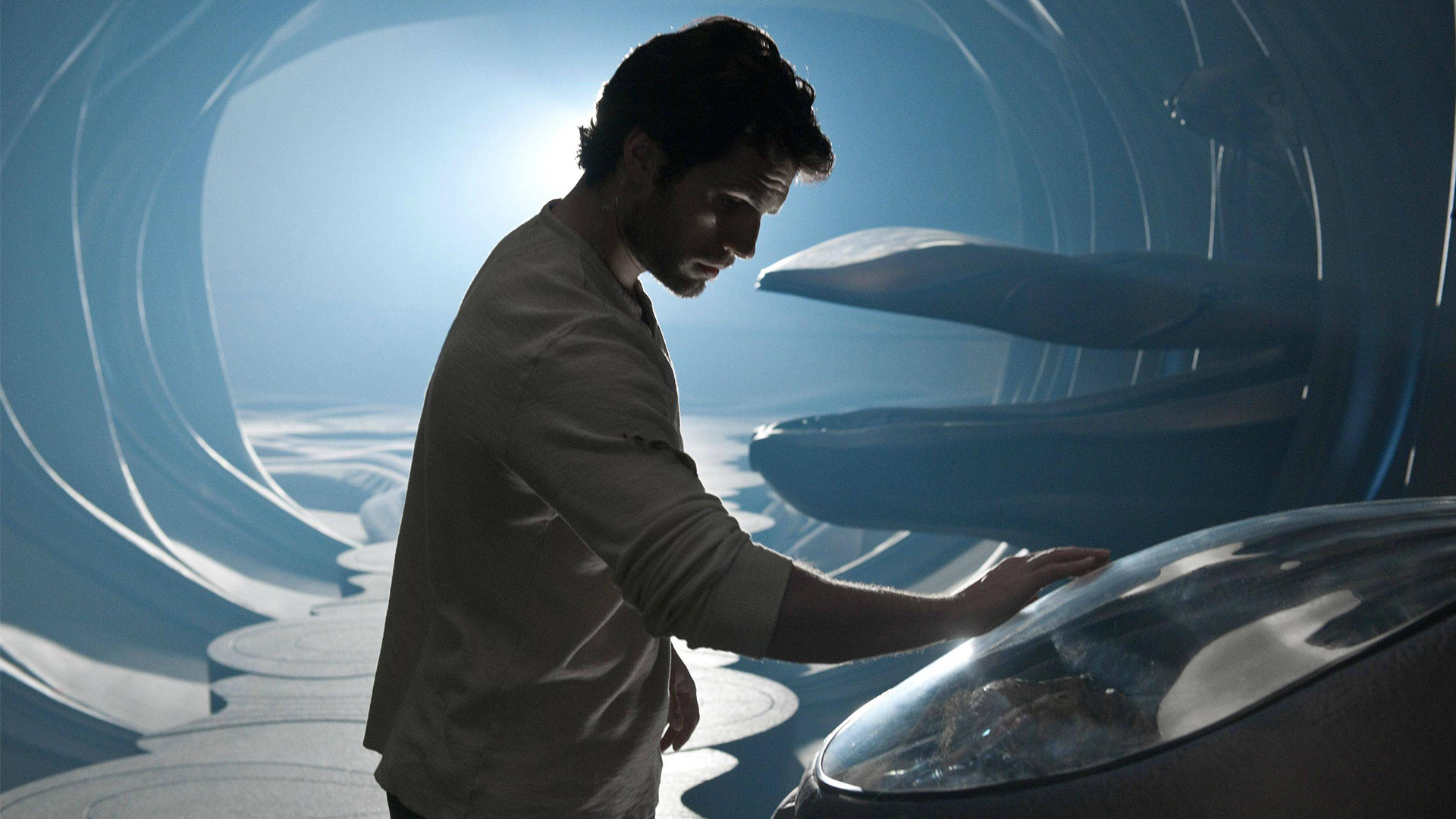
Eventually he comes across the wreckage of a Kryptonian scout ship and activates an AI program that takes the image of Jor-El, who reveals to Clark his Kryptonian heritage. Under the guidance of the Jor-El AI, Clark learns to properly use his powers and adopts the famous Superman identity.

Soon after, Zod and his army arrive on Earth and establishes first contact with humanity, with the demand that Superman be turned over to him. Zod earlier learned that Kal-El was implanted with the Codex and wants to retrieve it to rebuild Kryptonian civilization on Earth, which he plans to terraform.

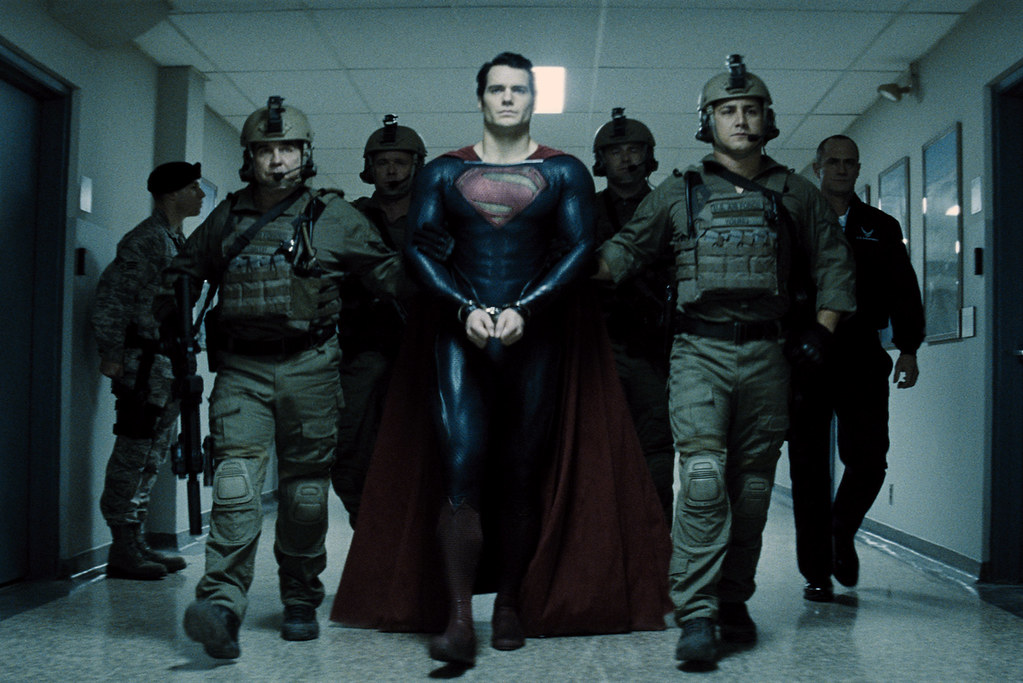
This creates an identity crisis for Superman as he is torn over siding with the human society he struggles to fit in with versus the Kryptonians, who he knows are malevolent. What complicates Superman’s decision is that once he is revealed to the world, he is immediately mistrusted by most of humanity who only see him as an alien threat.

What was interesting about this version of a Superman film was that the superhero was not received by the general public with open arms, but with suspicion. This is what would probably happen in reality if some unknown person was suddenly revealed to the world as an alien with superpowers.

While Man of Steel lacks the light-hearted humor and heart of previous Superman films, it makes up for it with its grounded and frankly more honest approach to the comic book legend. This approach by Snyder and writer David Goyer turned out to be divisive among fans.

Continue reading

Reaction To The New DCU Announcement

To be frank, it was best to wait a few days after the announcement from DC Studios’ head James Gunn about their new slate of DC Universe (DCU) films and TV shows. The immediate reaction for these types of announcements often run wildly until the news is fully digested. What was interesting about Gunn’s announcement was not the rage from fans of the ending DC Extended Universe (DCEU), but the large collective shrug from most.

There are many reasons for the various reactions, but the pervailing muted response has to do with the content of the upcoming DCU films and TV shows and that fans have been burned before with the intial announcement of the DCEU. When the first batch of DCEU films were announced last decade there was a lot to get fans super excited, especially with Batman v Superman: Dawn of Justice. Now we know how all that turned out. Some of the films were never made (with The Flash finally premiering later this year), while some released films failed to deliver. Then there is the fact that some of the more well-received aspects of the DCEU, namely actors like Henry Cavill and Gal Godot, will not be a part of the DCU. So, naturally the skepticism and outrage was expected.

But let’s face the truth: the DCEU was a failure. Blame the executives at Warner Bros.. Blame the producers, writers, directors and actors. Blame the unrealistic expectations and toxic fans. But the fact remains that there were too many missed opportunities and that Warner Bros. was too reactionary. Instead of trying to fix what was wrong with the DCEU, the film studios had a scattershot approach to their DC properties. They ignored what worked with the DCEU and doubled down on films and TV shows that featured DC characters, but were not connected to the DCEU. What made things worse for the cinematic universe was that non-DCEU films like Joker and The Batman were huge successes. More and more DC films and TV shows were greenlit that were not part of the DCEU, while the DCEU itself was left behind.

This was a mistake. Warner Bros. have the characters in a shared superhero universe that should have rivaled Marvel Studios and their properties. While this may please Marvel fans, the fact is that Marvel Studios needs healthy competition to keep them on their toes, and we were seeing the effect, as their recent films and TV shows were not as well received as earlier releases.

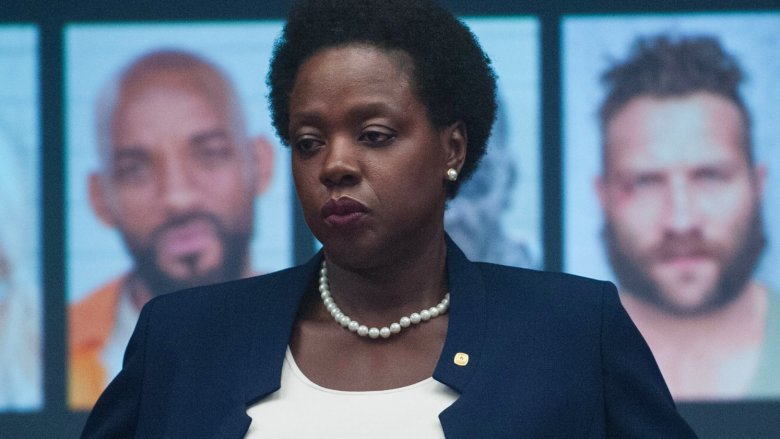
What could have been done to salvage the DCEU? Nothing, at this point. James Gunn took the right approach by starting over. But there should have been a complete reboot. Instead we are getting a TV show about Amanda Waller starring Viola Davis, who was prominent in the DCEU. Then there are reports that other actors from the DCEU like Ezra Miller will be a part of the DCU. Why keep Davis and Miller but not Cavill and Gadot? The latter two actors were very popular and turned in iconic performances as Superman and Wonder Woman. Unfortunately, while they were great in their roles they are too identified with the DCEU and nervous executives probably feared that keeping them in a new cinematic universe would be too confusing for the average moviegoer. Whatever.

On the other hand, to dismiss the DCU without seeing the final product is foolish. James Gunn is a very talented filmmaker who took the obscure Marvel Comics property Guardians of the Galaxy and made them beloved superstars. He also did this to a lesser effect with DC characters in his film The Suicide Squad and TV show Peacemaker.

Do some of the announced films and TV shows sound uninspiring? Sure. Who is clamoring for Waller or The Authority or Paradise Lost (sorry this last announced project seems too much like Game of Thrones)? Who the hell can replace Henry Cavill? Anyone trying to answer this should remember how many fans were attached to Christopher Reeve as Superman or bemoaned about how Brandon Routh was short changed. Who knows, maybe Cavill and Gadot will return at some point. It happened to Routh when he had the opportunity to reprise Superman in the Arrowverse version of Crisis on Infinite Earths. That is one crossover event that is begging to be redone properly by Gunn and his people.

It stinks that we have to wait until 2025 to see the first DCU entry Superman: Legacy, but until then we should be patient and see what happens. We should also be rooting for the DCU to succeed because if it falters like the DCEU then it will be a long time before such effort is made to create a live-action cinematic universe based on the beloved DC characters.

The DCEU 2013-2023?

It was not supposed to be like this. For decades, DC Comics’ characters ruled the box office and airwaves, especially with Batman, thanks to the backing of their parent company Warner Bros. That all changed starting in 2008 when Marvel Studios successfully launched their interconnected series of films, the Marvel Cinematic Universe (MCU), which soon overtook DC and Warner Bros. in terms of critical and fan reception and economic success. Warner Bros. did put up a fight and launched their own version of interconnected films, the DC Extended Universe (DCEU), with the release of Man of Steel in 2013.

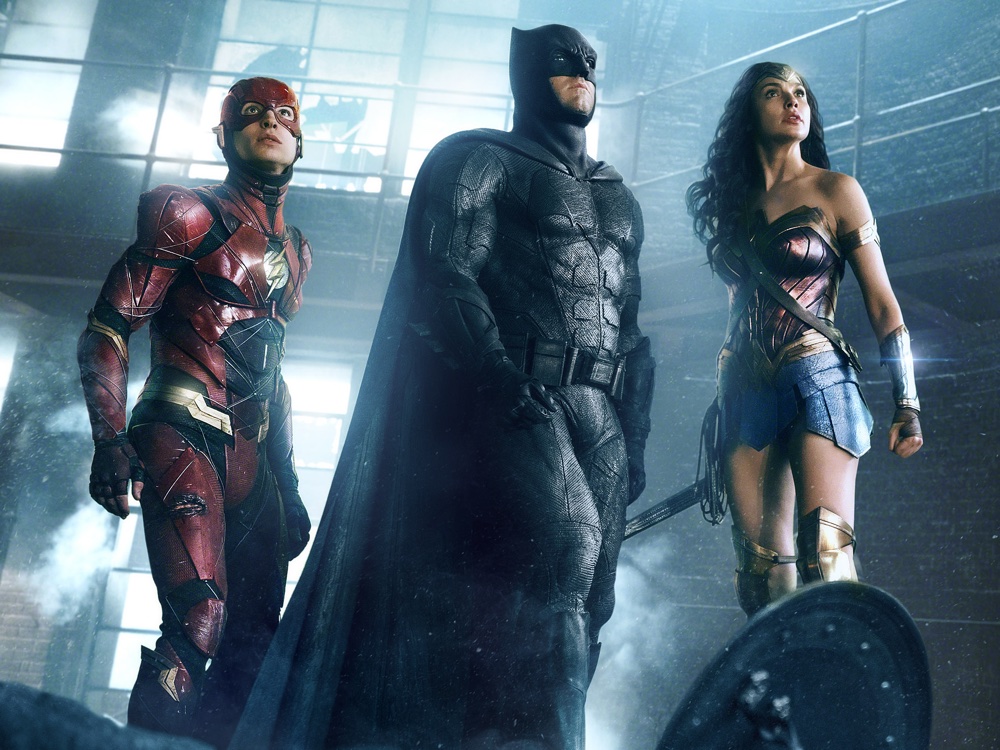
That film, featuring a new, updated version of Superman, had mixed reactions. Some applauded the grounded, grittier take of Superman, while others complained about the dark tone of the film and its over-stylized look thanks to director Zack Snyder. Still, thanks in part to Henry Cavill’s performance as Superman/Clark Kent, the film was the sound basis for an interconnected film universe featuring DC characters, which continued with Batman v Superman: Dawn of Justice in 2016. At last, Warner Bros. had a true counterpart to the DCEU because the second DCEU film greatly expanded its cinematic world as it not only introduced the DCEU version of Batman, but Wonder Woman, and other members of the Justice League superhero team.

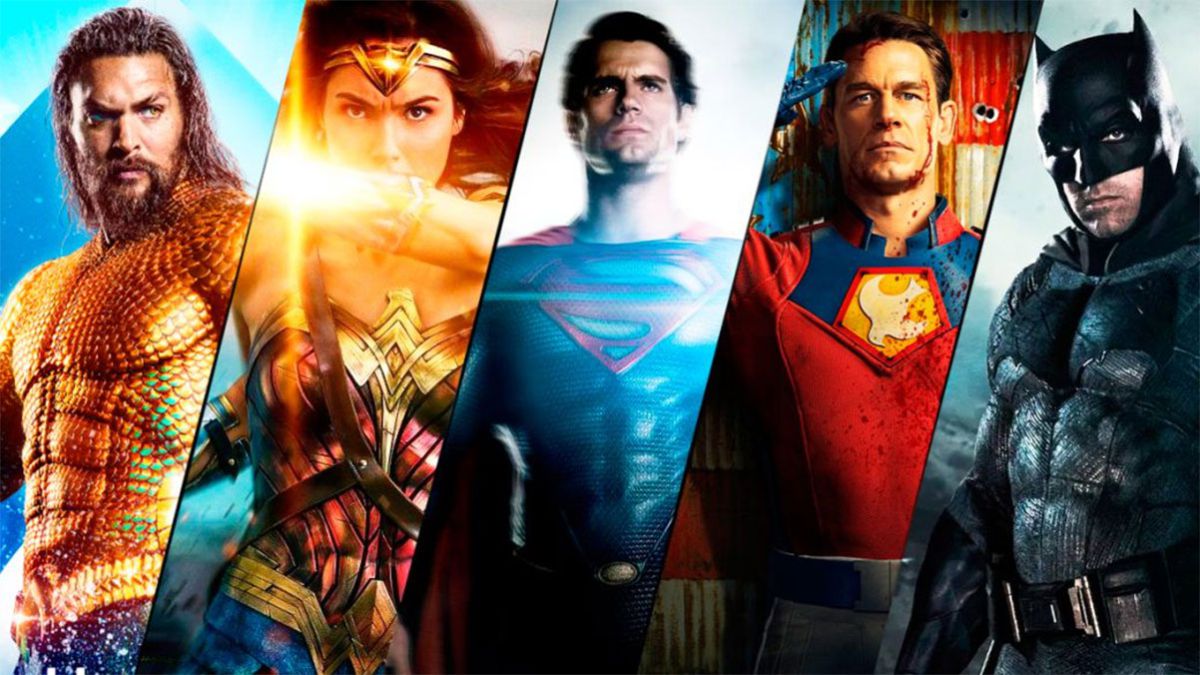
But as we all know, Batman v Superman: Dawn of Justice had a negative reaction thanks to its uneven and convoluted storyline and the DCEU never quite recovered with its sophmore film. The DCEU had an uneven track record with its filmography. For every critical and commercial success like Wonder Woman and Aquaman there were failures like Justice League and the Suicide Squad films. The film universe was inconsistent with its tone and output, meanwhile, the MCU churned out hit after hit without any legitimate competition.

HAR_DM_FIRST LOOK RND F04

What made matters worse for the DCEU was the fact that Warner Bros. seemed to give up on the DCEU by delaying long-announced films, including a solo followup to Man of Steel. This last issue drove Cavill away from the role as the film studio made announcements about new versions of Superman, which never materialized. Instead of focusing on the DCEU, Warner Bros. turned its attention to projects outside of the DCEU like Joker and The Batman, as well as TV shows that were not connected to the DCEU.

Many of these projects were successful, but they did not do anything for the DCEU. Fans asked for DCEU films featuring Superman and the other DC heavy hitters, but instead Warner Bros. greenlit films featuring lesser known characters like Black Adam, Blue Beetle and the Wonder Twins.

Then there were issues with the pandemic, which delayed film productions and forced Warner Bros. to debut films like Wonder Woman 1984 on their streaming platform, HBO Max. In fact, the parent company of the film studio, AT&T decided to forego or deemphasize film releases in favor of premiering films on HBO Max. This led to diminished financial returns for DCEU properties like The Suicide Squad.

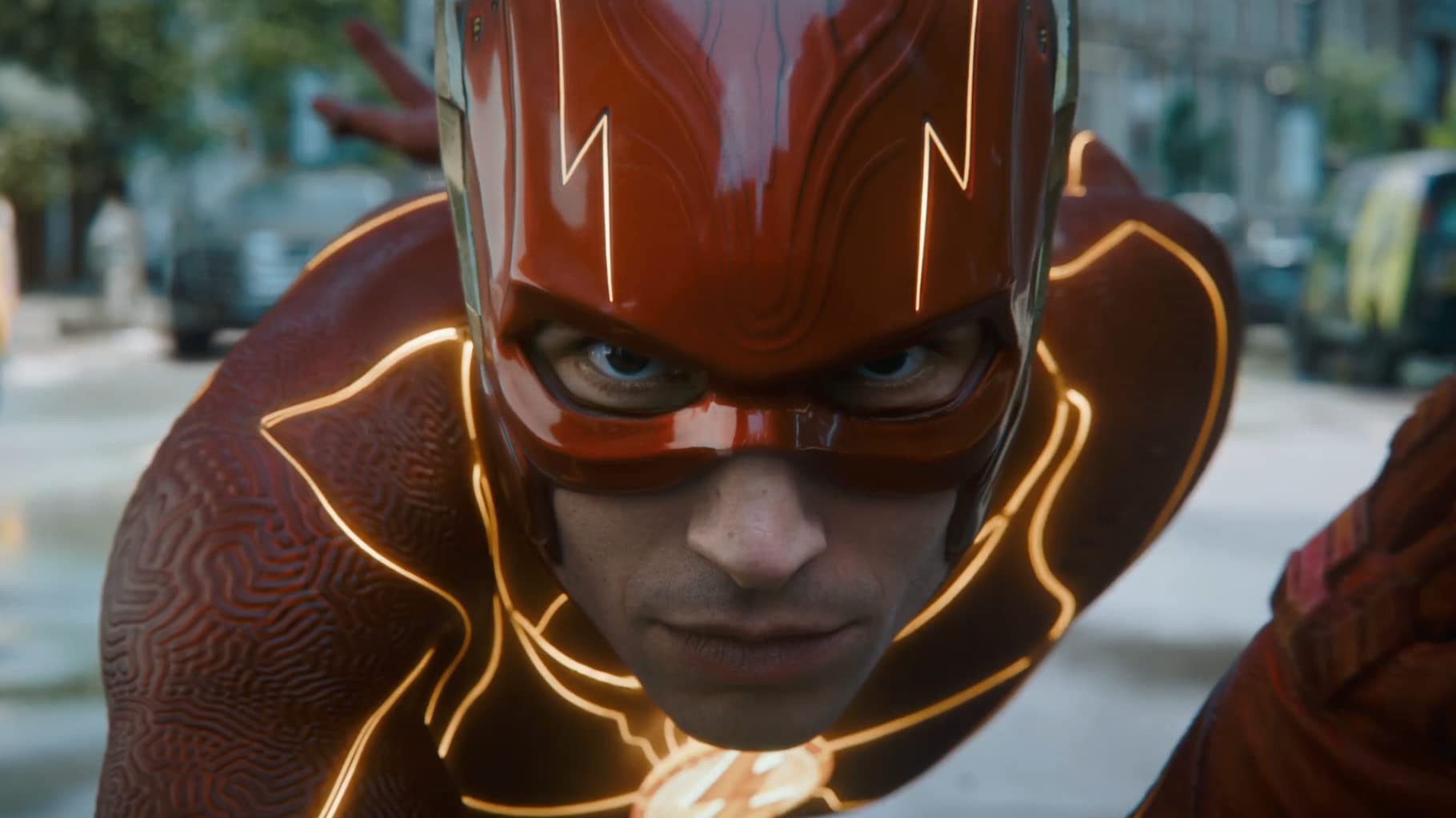
Another sign that implied that the film studio had given up on the DCEU were rumors that the long-delayed DCEU film, The Flash, would be used to reboot the DCEU with new actors. Evidence for this lies with the fact that Michael Keaton is reprising his role as Batman in The Flash. Meanwhile the DCEU version of Batman, played by Ben Affleck and Superman, would be wiped out of existence thanks to the Flash and time travel hijinks. But that was nothing compared to the big changes instituted by new owners.

Continue reading

More Genre Film Delays?

Looks like we are heading back to square one with the COVID-19 pandemic. The delta variant of the coronavirus has raised infection numbers worldwide just as it was recovering from the pandemic (thanks maskholes, covidiots, and other morons who either won’t mask up or get vaccinated for stupid reasons). As the COVID-19 cases began to explode in alarming numbers this development seems to be causing film studios to reconsider their release schedule. We all know how severely their original film schedules were thrown out the window when the pandemic first happened last year.

Already, Paramount Pictures announced that they canceled the September 17, 2021 release of Clifford the Big Red Dog to no date certain. While many adult genre fans would not care about that they have to realize the precedent this is setting. The same thing happened last year when the James Bond film No Time to Die had its release date canceled. It was the first major film to be delayed. This eventually caused a ripple effect as the pandemic worsened as we saw that Marvel Studios’ Black Widow was yanked from its May release date with just weeks to go. Can history repeat itself if the film release Shang-Chi and the Legend of the Ten Rings is delayed from September 3, 2021 to who knows when? What about Eternals? What about Spider-Man: No Way Home?

That Marvel Studios/Sony Pictures production is the most eagerly awaited offering from the Marvel Cinematic Universe (MCU) for the year. But we have yet to see a trailer or even acknowledgement about what it is about or who appears in the film. So the speculation about Tobey Maguire and Andrew Garfield will continue. This is concerning for Spider-Man fans because the film is supposed to come out this December and by this time there should have been a trailer, but Sony has not provided any updates on the film. This is fueling speculation that Spider-Man: No Way Home will be delayed.

Adding ammunition to this is that today’s trailer release of Venom: Let There Be Carnage did not have a release date, only the tag: “Exclusively in movie theaters this fall”. The Venom sequel is supposed to be released on September 24, 2021 but by the way things are going, it’s anyone’s guess if this will happen. If Venom: Let There Be Carnage is pushed to October or November this in turn will push Spider-Man: No Way Home’s release date to next year and further delay Sony’s Morbius film.

If Spider-Man: No Way Home is delayed this dominoe will affect the other MCU films slated for future release. Doctor Strange in the Multiverse of Madness is connected to the Spider-Man film and is the first MCU film of 2022. Will this impact the Disney+ MCU TV shows, as well?

Of course, the delays will create even more tension with Marvel Studios, their parent company, Disney, and Sony. Spider-Man: No Way Home is Sony’s biggest film and they want to get the most bang out of their production so they may want to hold off until next summer. As mentioned above this will disrupt Marvel Studios plans for their films creating more delays. On top of that there are reports that Marvel Studios’ president Kevin Feige is not happy with Disney over the way they handled the release of Black Widow. He did not favor its simultaneous release onto Disney+ and in theaters, which caused the film to lose money in the box office. And he was sided with Black Widow’s star Scarlett Johansson, who is suing Disney. This could be the start of the unraveling of the Golden Period of the MCU. Who knows where this will end? Perhaps Feige may eventually jump ship and go work at another film studio. Warner Brothers will take him in a second!

At least for Warner Brothers, their DC Extended Universe (DCEU) films may not be as affected as The Suicide Squad is coming out this week and they don’t have any DCEU films slated for release until next summer. Hopefully by then the unvaccinated will get a clue and we’ll be able to put this disease behind us. Their other genre films like Dune and the new sequel to The Matrix, which were slated for release this year, will also stream on HBO Max. So they might stick to the schedule for the rest of the year. As we have seen throughout the pandemic this release strategy will dampen box office returns. Keep in mind, both Warner Bros. and Disney have announced they will discontinue this practice. That could change if the pandemic doesn’t abide soon.

For now, it is too soon to say where things will end. Perhaps infection and death rates will plummet or booster shots to combat the delta variant will be distributed soon to put the vaccinated at ease. There are reports that vaccination rates are increasing so hopefully by the end of the month we can see better numbers. Of course, this grousing about delayed genre film releases cannot compare to the pain and misery that the coronavirus is causing among us. We all have to do our part, which includes continuing to mask up (even if we’re vaccinated), washing up, social distancing, and the other efforts to stop the spread of the virus. OK, PSA is over, whether or not these films we love get delayed it’s more important to stay safe and enjoy the many other media that is still available for our enjoyment.