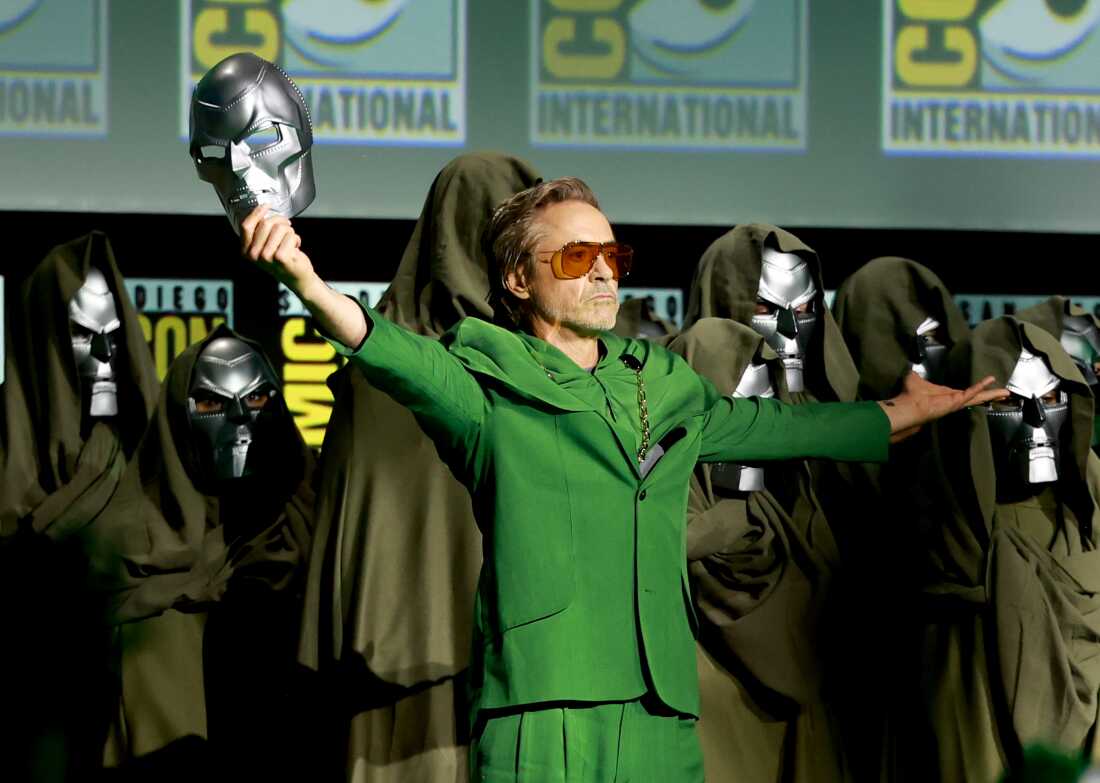
SAN DIEGO, CALIFORNIA – JULY 27: Robert Downey Jr. speaks onstage at the Marvel Studios Panel during 2024 Comic-Con International at San Diego Convention Center on July 27, 2024 in San Diego, California. (Photo by Matt Winkelmeyer/Getty Images)
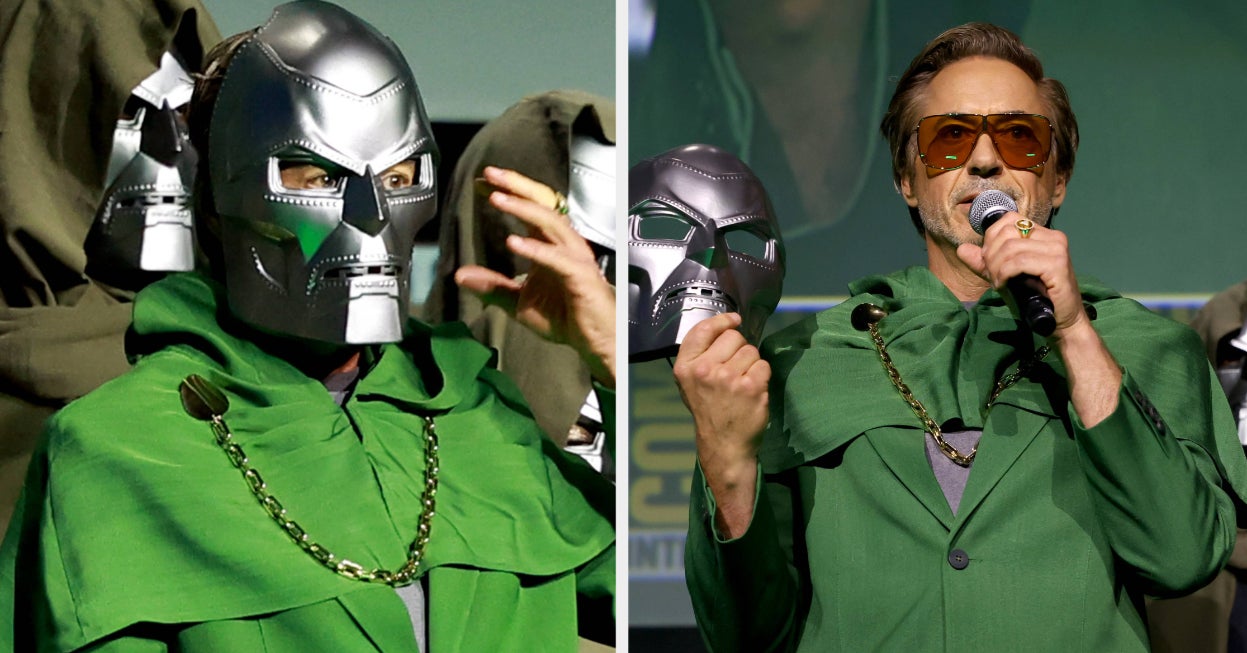
Marvel Studios, as usual, figuratively exploded fans’ minds last weekend at the San Diego Comic-Con with their announcements of their upcoming Marvel Cinematic Universe (MCU) films. But the biggest jaw-dropping revelation at Hall H was that MCU mainstay Robert Downey, Jr. would return to the MCU in the next Avengers film as Marvel Comics’ most infamous villain Doctor Doom.
As wild and flabbergasted fans were when the announcement first came out, it was inevitable that questions and second guessing followed soon after the announcement. People wondered if this was the best casting decision and if it meant that Marvel Studios was desperate to rekindle the excitement and attention the MCU had just a few years ago during its heyday.
Marvel Studios couldn’t find an actor qualified enough to play Doctor Doom? Did it have to be Robert Downey, Jr.? Let’s be clear here, Downey is a gifted actor, he’s so great he even won an Oscar for his work in Oppenheimer, and he is the face of the MCU because of his portrayal as Tony Stark/Iron Man, which put the MCU on the map to greatness. But there are many other actors who could’ve easily portrayed the villain. Some have complained that the casting is lazy, unless if some reports are true about Doom’s identity in the upcoming MCU films.
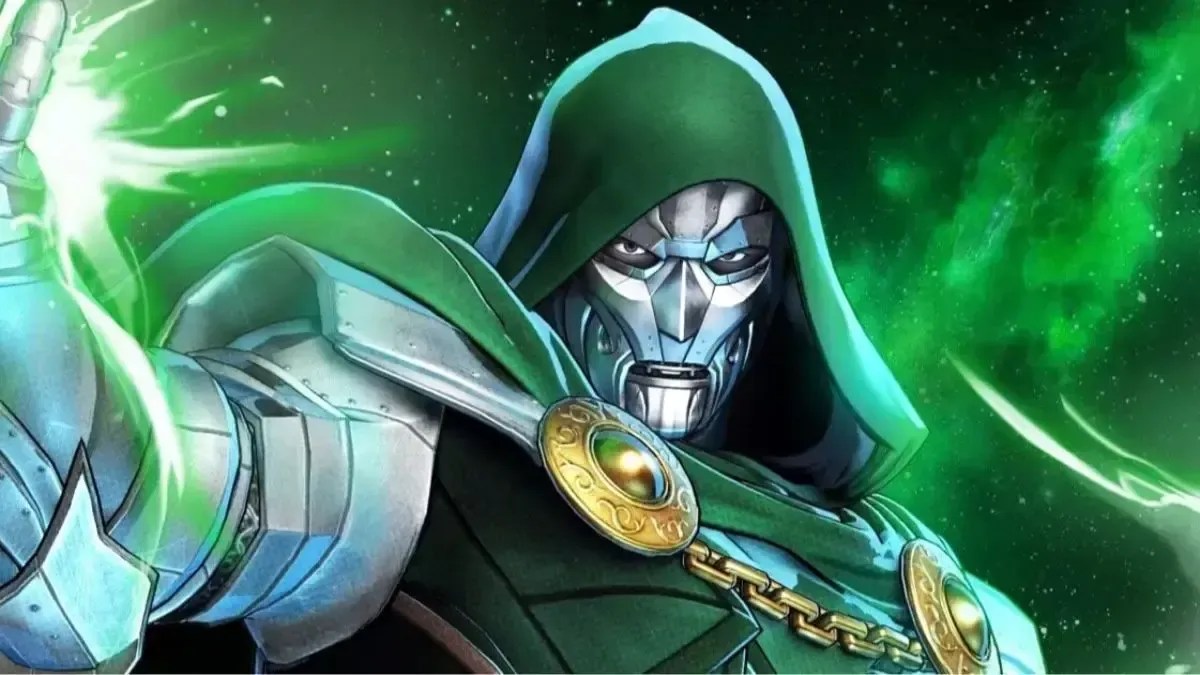
Doctor Doom is traditionally, Victor Von Doom, the armored, despotic ruler of the fictional Eastern European country Latveria, who became a bitter rival to the Fantastic Four’s Reed Richards. Now, Downey was introduced as Von Doom by Marvel Studios, but there are rumors that the actor will actually play an evil variant of Tony Stark from another reality, in fact it will be the same universe where the upcoming The Fantastic Four: First Steps takes place in. This makes a lot of sense and circumvents the complaints by fans about how the other characters in the films are ignoring the fact that Doom looks just like Stark. Otherwise, if he plays Von Doom, then that will raise questions from viewers, which will take them out of the film.
In the recent comic books, Stark has become Dr. Doom and vice versa because the two characters are very similar to one another. So, there is precedent for this to occur. Maybe, in the MCU timeline, Stark came into existence earlier in the Fantastic Four’s universe and did not have the same redeeming experiences that the MCU Stark had and became evil but shares the same goal as the MCU Stark had: to protect the Earth using armor. During his Comic-Con appearance, Downey did say “New mask, same task,” which implies that he will play a variant of Stark.
If this pans out, it will be an ingenious way to bring the actor back to the MCU and allow him and the screenwriters to do something different with the character. It can work and it probably will. But many will be disappointed that the traditional Victor Von Doom with the same backstory from the comic books won’t be in the MCU. However, people should not give up hope.
Marvel Studios probably decided to bring back Downey because of his star power and the twist that will guarantee that people will rush to theaters to see Avengers: Doomsday and Avengers: Secret Wars. However, while the actor will excel as Doctor Doom, it’s doubtful he will play the villain in the long term. He is being paid a hefty amount to appear in these films and it will be hard for the studio to afford his paycheck forever. What could happen is that Doctor Doom will get killed off in Avengers: Secret Wars and be replaced by another variant i.e. another actor. This variant could possibly appear in a post-credits scene and be introduced as the MCU version of Doom, who will be Victor Von Doom with the comics-accurate backstory. Going forward, this new version of Doom, portrayed by a different actor, will be the go-to MCU version of Doctor Doom that the Fantastic Four, the Avengers and the other MCU heroes will contend with.
Whatever develops with Doctor Doom, Downey’s casting brought much-needed publicity and excitement for the MCU. Surely, once we see him in his green robes and armor, we can pass final judgment, which will most likely be very favorable.
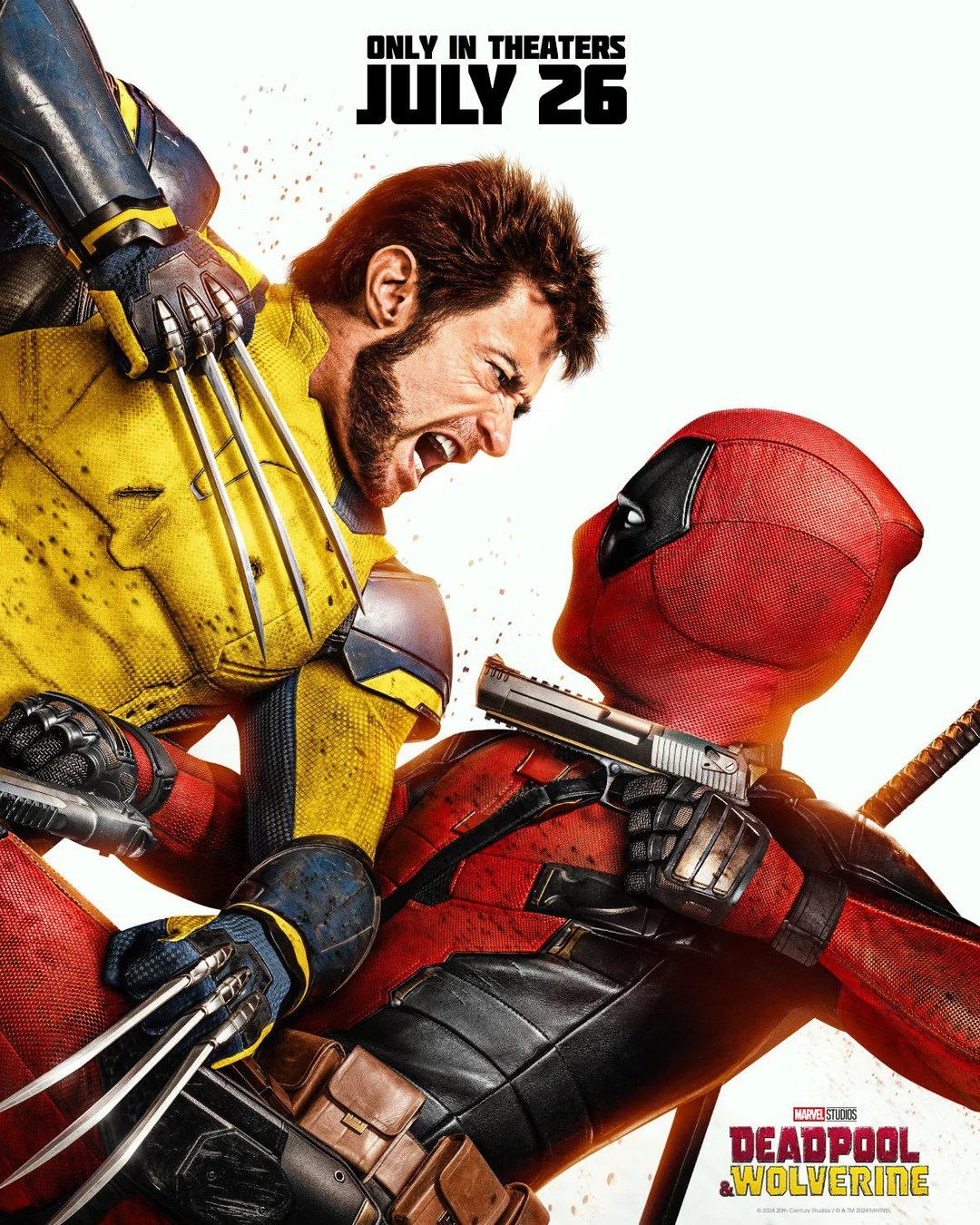
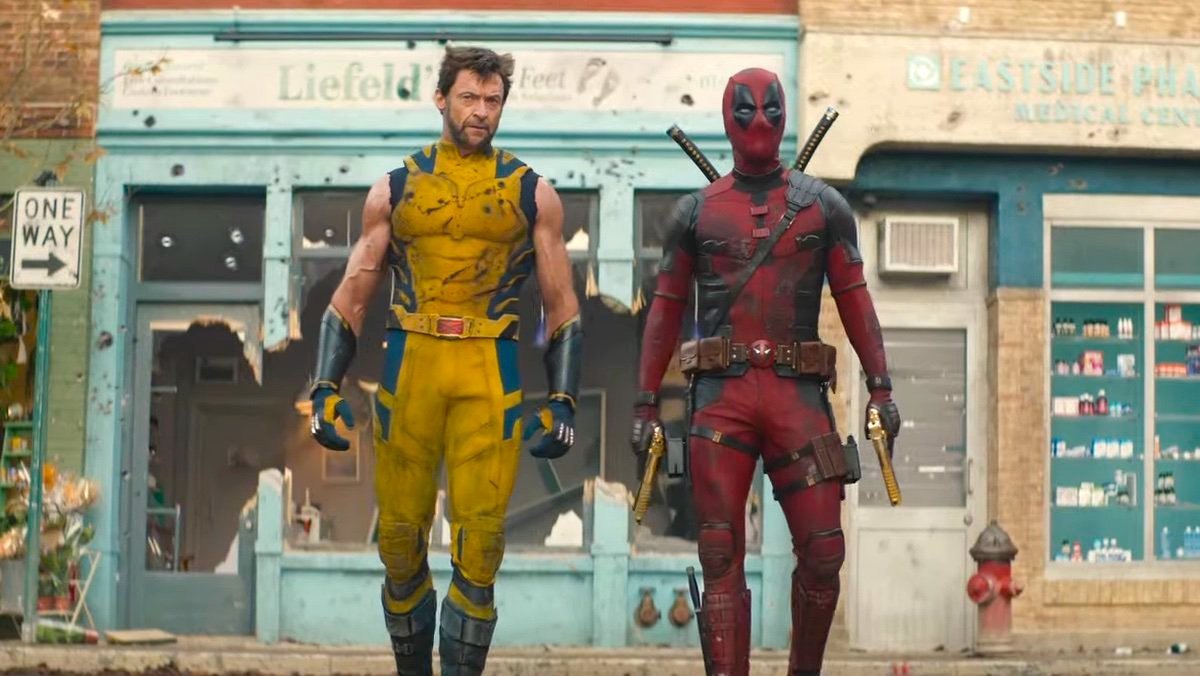
The only film from Marvel Studios this year, Deadpool & Wolverine, introduces the film characters based on Marvel Comics before the Marvel Cinematic Universe (MCU) was created and the Fox X-Men films into the vast MCU with a gory and wild flourish.
Ryan Reynolds and Hugh Jackman return to the superhero roles that made them famous, and even though it’s been several years since they donned their costumes, they fit easily into the roles as if they last played the roles yesterday. Frankly, it was great seeing the two actors interacting with one another as they had instant chemistry in what amounts to a reluctant buddy film. The last time they appeared in film together was with the abominable X-Men Origins: Wolverine, which was a low point for the Fox X-Men films. Now, the two actors reunite to salvage the MCU, which is currently undergoing its own rough patch. Some spoilers will follow.
Deadpool & Wolverine begins with everyone’s favorite mercenary, who has the power to instantly heal, exhuming the remains of Wolverine/Logan who died at the end of Logan. His mission ends when he finds out the hard way that this version of Wolverine is not coming back from the dead and he is forced to find another version of Wolverine to save his world.
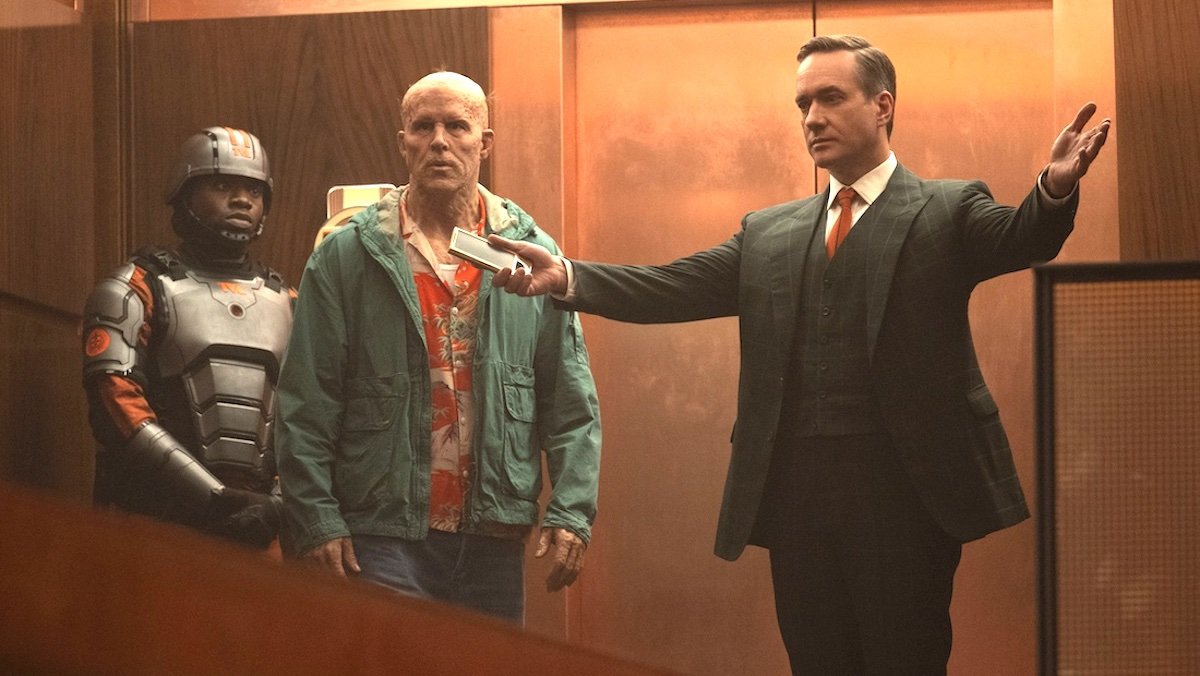
An extended flashback reveals that Deadpool aka Wade Wilson is now retired from being a mercenary and living a meaningless and lonely life as a used-car salesman. He is soon captured by agents from the interdimensional Time Variance Authority (the TVA featured in the series Loki). At the TVA headquarters, Deadpool meets Mr. Paradox (Matthew Macfadyen), who informs him that his timeline is dying because Wolverine is an anchor being in his timeline who kept the timeline intact. But because he died in Logan, the timeline is becoming unstable and will cease to exist. In order to move up the corporate TVA ladder, Mr. Paradox plans to destroy Deadpool’s timeline with the Time Ripper, a machine that can quickly destroy timelines as a form of “mercy”. He offers Deadpool the opportunity to live in the MCU’s Sacred Timeline and actually lead a meaningful life, but the retired mercenary steals a time traveling device and explores various universes to find a Wolverine variant to fill in the role of his timeline’s anchor being.
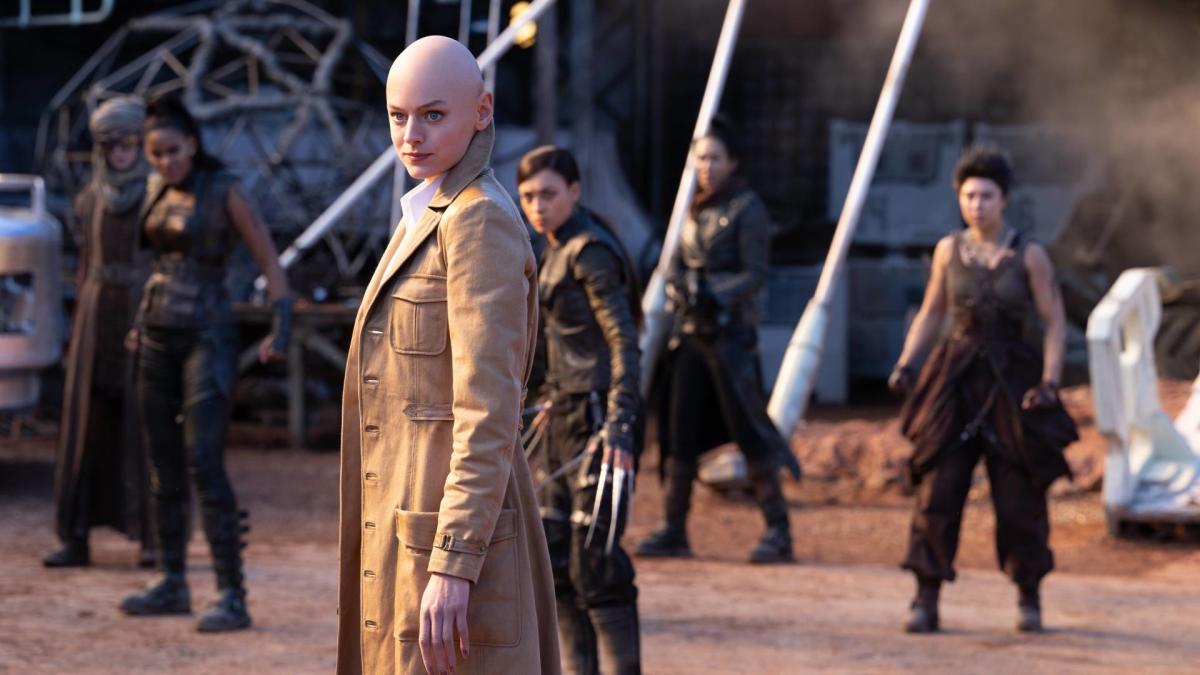
Deadpool eventually encounters a surly and bitter version of Wolverine that is considered the worst Wolverine and Deadpool manages to subdue him. However, once back at the TVA with the Wolverine variant, Mr. Paradox banishes Deadpool and Wolverine into the Void, a realm outside of time. Amidst their bickering, the duo come across many variants of characters we last saw in the Fox X-Men films and Marvel films before the MCU was created, implying that their timelines were destroyed. One of these characters is Cassandra Nova (Emma Corrinn), an evil twin sister of the powerful mutant telepath, Charles Xavier, and the ruler of the Void. Nova plans to take control of the Time Ripper and intends to use it to destroy all timelines. Now Deadpool not only has to save his own timeline but every other as well, and he has to find a way to convince the gruff Wolverine to help him.
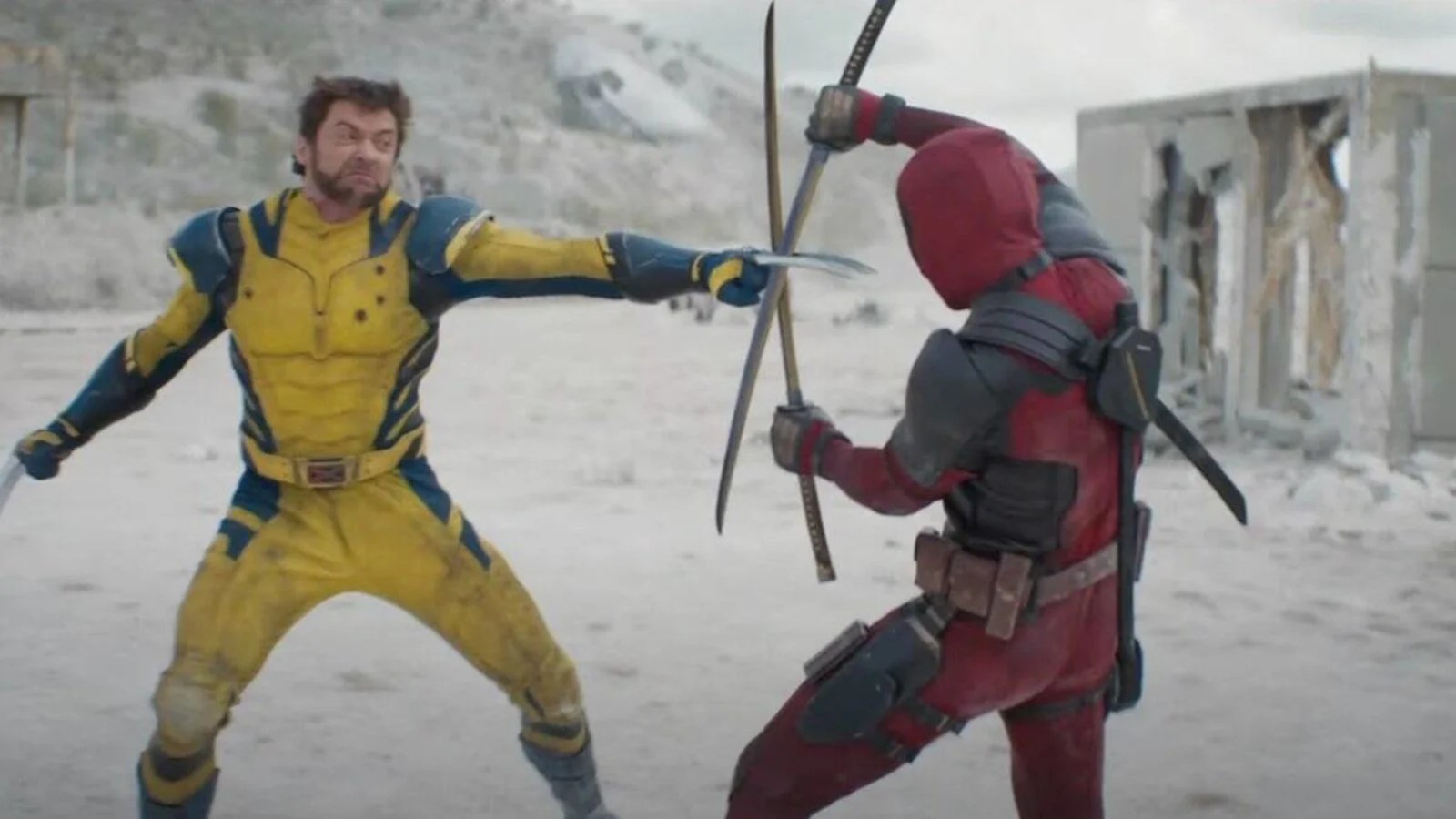
Deadpool and Wolverine serves as another raucous return to form for Deadpool that revels in over-the-top profanity and violence. It is definitely the most violent Deadpool film, but the violence is so cartoony and sick that one can’t help but laugh at the outlandish nature of the violence. This film certainly earns its R rating from its sexual innuendo to its graphic violence and exaggerated profanity. Of course, parents SHOULD NOT allow young children to see the film, but everyone else will have a blast watching Deadpool and Wolverine savagely ripping through their enemies while swearing up a storm, and laughing at all the meta jokes.
The film has its flaws, namely with its pacing at times and the script needed more polishing. This is most likely due to last year’s writers’ strike that prevented any revisions of the script, which is regrettable because there are a few plot holes and threads that are not resolved. As for its dark humor, while the film is quite hilarious at times, not every joke lands and some of it may become dated with its topical references. Let’s be honest, Disney, Marvel Studios and the MCU needed to be roasted for their missteps and familiar tropes, and the film doesn’t hold back on riffing on Marvel and the MCU. Seriously, it’s amazing that the film was allowed to go above and beyond with its humor which was very raunchy and with MCU (and Disney) often being the butt of the jokes.
But Deadpool & Wolverine more than makes up for its faults with witty energy and great banter between Ryan Reynolds and Hugh Jackman. It goes without saying that it was a joy not just seeing Jackman playing the wild mutant again but in wearing for the first time a comic book-accurate costume. Plus, the action scenes are very inventive and are some of the best featured in the MCU, especially one bloody and claustrophobic fight that takes place inside a minivan. Then there are the numerous cameos, some of which will make jaws drop since they were unexpected. Not every character or actor or reference that can be imagined shows up. But nearly every character introduction steals the scenes and are welcome not just for returning characters but those we never got to see before.
Saying that Deadpool & Wolverine saves the MCU is not a small exaggeration. At this point in time and given its recent missteps, the MCU needed a win which is provided by this hysterically gory and fun romp that should be seen multiple times to take in all of its jokes and references.
About five years ago at a Comic-Con appearance, Marvel Studios president Kevin Feige eagerly announced that a new film about the vampire hunter Blade would be produced by Marvel Studios to join the Marvel Cinematic Universe (MCU). What made the announcement even more exciting was that Mahershala Ali would portray Blade, a role made famous by Wesley Snipes. That was then. Now? Nothing. The film keeps getting delayed over and over again to the point that many are asking if the project is cursed.
At the same Comic-Con, several other film and TV projects were announced and they have been produced and released since then. Only Blade remains unrealized; the closest we got to having Blade appear in the MCU was hearing his voice during a post-credits scene in Eternals. There are several reasons why the reboot of the Wesley Snipes film has been delayed, some of it has to do with the pandemic and the recent Hollywood strikes. But the main reason for the delays has to do with the inability to come up with a script and holding onto a director.
Marvel Studios has not been impressed with the scripts. The first one was penned by Stacy Amma Osei-Kuffour in 2021, while Bassam Tariq was chosen to direct the film. Tariq left a year later due to the lack of progress with the film while Marvel Studios brought in other writers to revamp the script. Reports have it that the first script was very light on action, a staple of the Blade films, and supposedly took place in the 1920s. Other writers who took a shot at Blade included Beau DeMayo, who was responsible for the well-received X-Men ’97 animated series, but time and time again Marvel Studios brought more and more screenwriters to turn in a suitable script. Mahershala Ali himself has expressed dissatisfaction with the original script and the pace of the project and it would not be surprising if he winds up leaving the project, even though he approached Marvel Studios with the idea of portraying the vampire hunter.
Meanwhile, Yann Demange, the director who replaced Tariq, left the project a few weeks ago, and no replacement has been announced yet. This is going on as the film is supposedly slated to begin production later this year for a 2025 release. At this rate, it is doubtful the film will meet the deadline or even be made.
Kevin Feige and Marvel Studios recently announced their desire to focus on the quality of their films and TV shows, which is commendable. But the unfortunate result of focusing on quality has been the delay of Blade. This is very frustrating for fans of the character and the original films who wanted to see the MCU take of the Daywalker (as he is called by the vampires he hunts), as well as Ali’s interpretation of the superhero.
It is baffling why Marvel Studios is having a hard time with this project which should be a slum dunk and would have a ready audience for a character with huge name recognition. The Blade films were popular even before the MCU existed and most people were not even aware that the supernatural hero was actually based on a Marvel Comics character. The premise should be fairly simple to produce. Why not just do a remake of the original Blade film Deacon Frost as the villain? The story worked in the first Blade, just throw in some MCU references and call it a day.
The answer to that is that Marvel Studios wants a fresh new take on the character and probably as rumors have it, wants Blade to help launch the Midnight Sons superhero team for the future. This is a great idea, but Marvel Studios has a lot on their plate and it’s anyone’s guess as to when they will get around to it.
Until Marvel Studios decides on a script and hires a solid director (supposedly they are eyeing Jordan Peele or Chad Stahelski who have either shown interest or been approached for Blade), the least they can do is have the character appear in upcoming MCU projects. This would keep fans happy and maybe even Ali, too.
However, the constant delays has become an embarrassment for Marvel Studios. They must settle on a script and director very soon in order to meet the production schedule and release date. Otherwise, Blade is doomed.
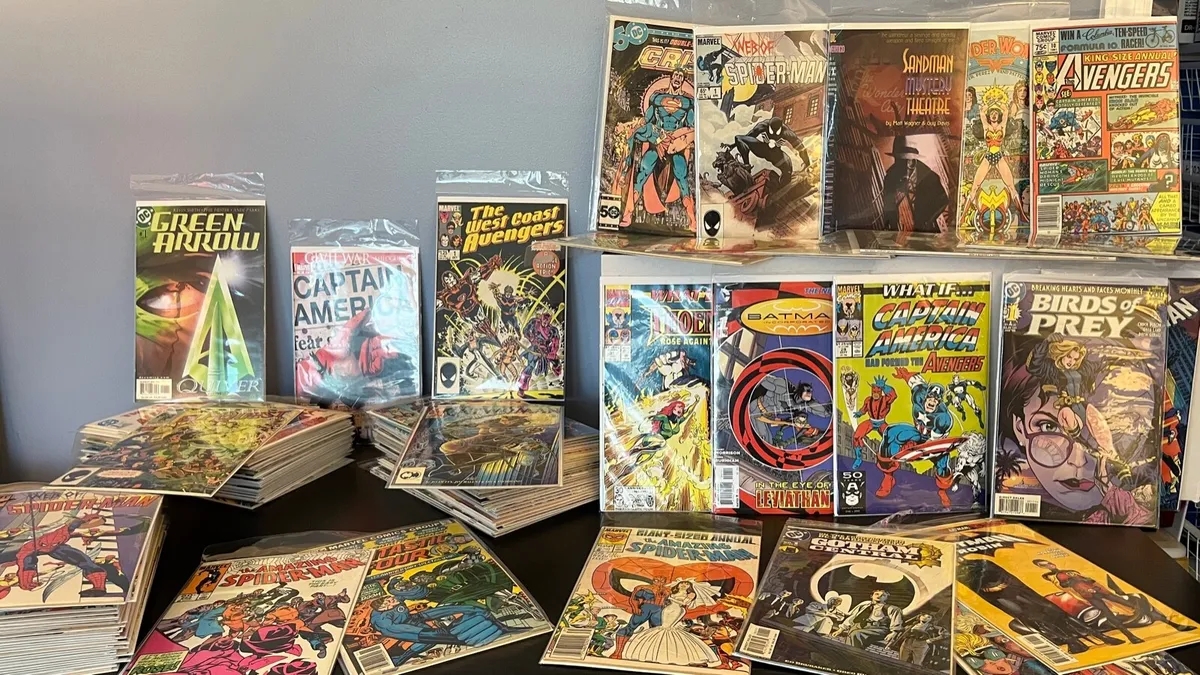
As we enjoyed last weekend’s Free Comic Book Day event, it reminded us comic book fans about the trends we love to gripe about with the comic book industry. We’ve been griping about these trends for decades and while some have gone away, some new or persistent trends are plaguing the comic book industry. With that said, here are the top ten worst comic book trends plaguing the industry today.
10. FOMO = Increased Back Issue Prices
Fear of Missing out (FOMO) often plagues many comic book collectors who desperately go out of their way to get the latest trending comic. This was especially bad during the beginning of this decade when any mention of a character appearing in an upcoming movie would cause prices for back issues to explode overnight. This frustrates normal collectors trying to complete a run and at the same time ends up fleecing naïve collectors who have to get the latest trending comic book. Just look at The Amazing Spider-Man #210. A couple of years ago it was highly sought after because it featured the first appearance of Madame Web. Anyone think that book is still in demand after the Madame Web movie bombed?
9. Comic Book Prices Keep Going Up
Right now, the average comic book costs about $5 per issue. Back when the medium first started, a single issue would cost less than a dollar. What used to be a relatively inexpensive hobby, at least for older readers not dependent on their parents’ allowances, is now pricey especially if anyone is trying to buy all the comics that come out on an average month. This has led to overpriced special issues, such as an issue #100, that are priced around $10 and not worth the price as they often turn out to be anthology books featuring forgettable stories instead of monumental events.
8. The Overabundance of Mini-Series
When comic book mini-series first appeared on shelves, they were often devoted to characters who either were brand new or not popular enough to warrant an ongoing series. The limited series served as testing grounds for both the characters or creative teams. Usually, this lead to some characters becoming breakout stars like the Punisher or Wolverine or gave exposure to promising writers or artists. Nowadays, it seems like there is a new mini-series everywhere you turn and often they are about established superheroes like Batman or Spider-Man. Why couldn’t these stories be told in their own titles? Sure, a particular mini-series story may not fit with the ongoing storyline but why not just run the stories in between runs of creative teams? If the famous “Kraven’s Last Hunt” storyline was released today it would have been a mini-series with variant covers and more whistles.
7. Comic Books Villains Turned Anti-Heroes
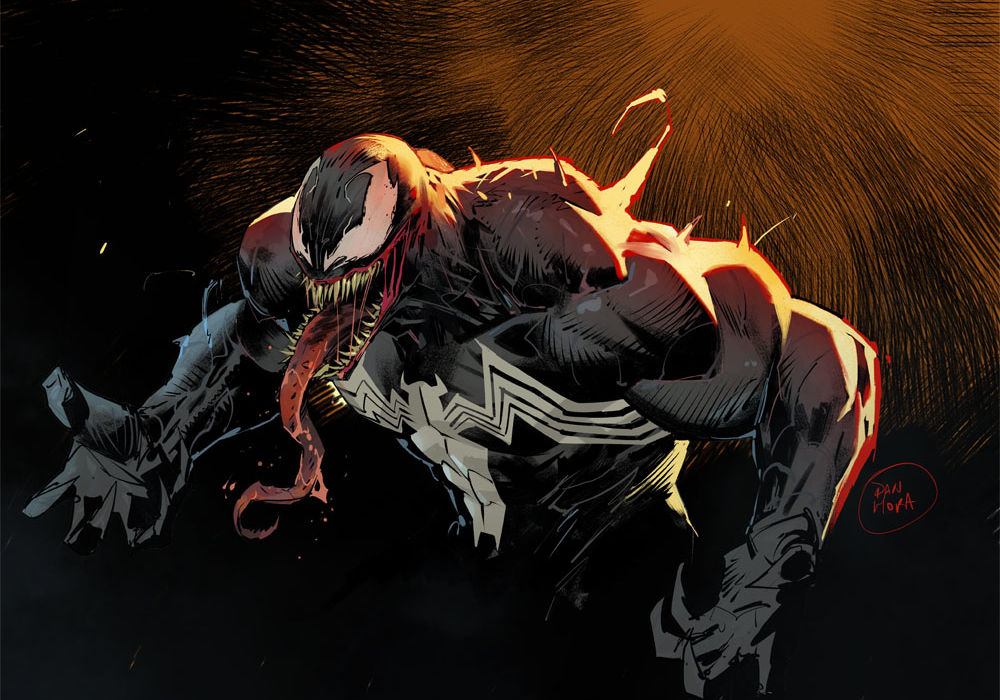
This is an annoying development with many classic comic book villains. They become so popular that the publishers wind up giving them their own solo titles where they become anti-heroes that we can relate to. The most famous or infamous example is Venom. When he first debuted in the pages of The Amazing Spider-Man, Venom quickly became one of Spidey’s deadliest and most popular foes. Unfortunately, Marvel Comics saw the character as a gold mine and increasing his appearances in the Spider-Man comics was not enough. No, Venom was given a bunch of mini-series where he faced off against other popular Marvel characters until getting his own title. The problem with this is that Spider-Man was deprived of a solid villain who could no longer be seen in the same way since Venom became an anti-hero.
6. The Multiverse Concept
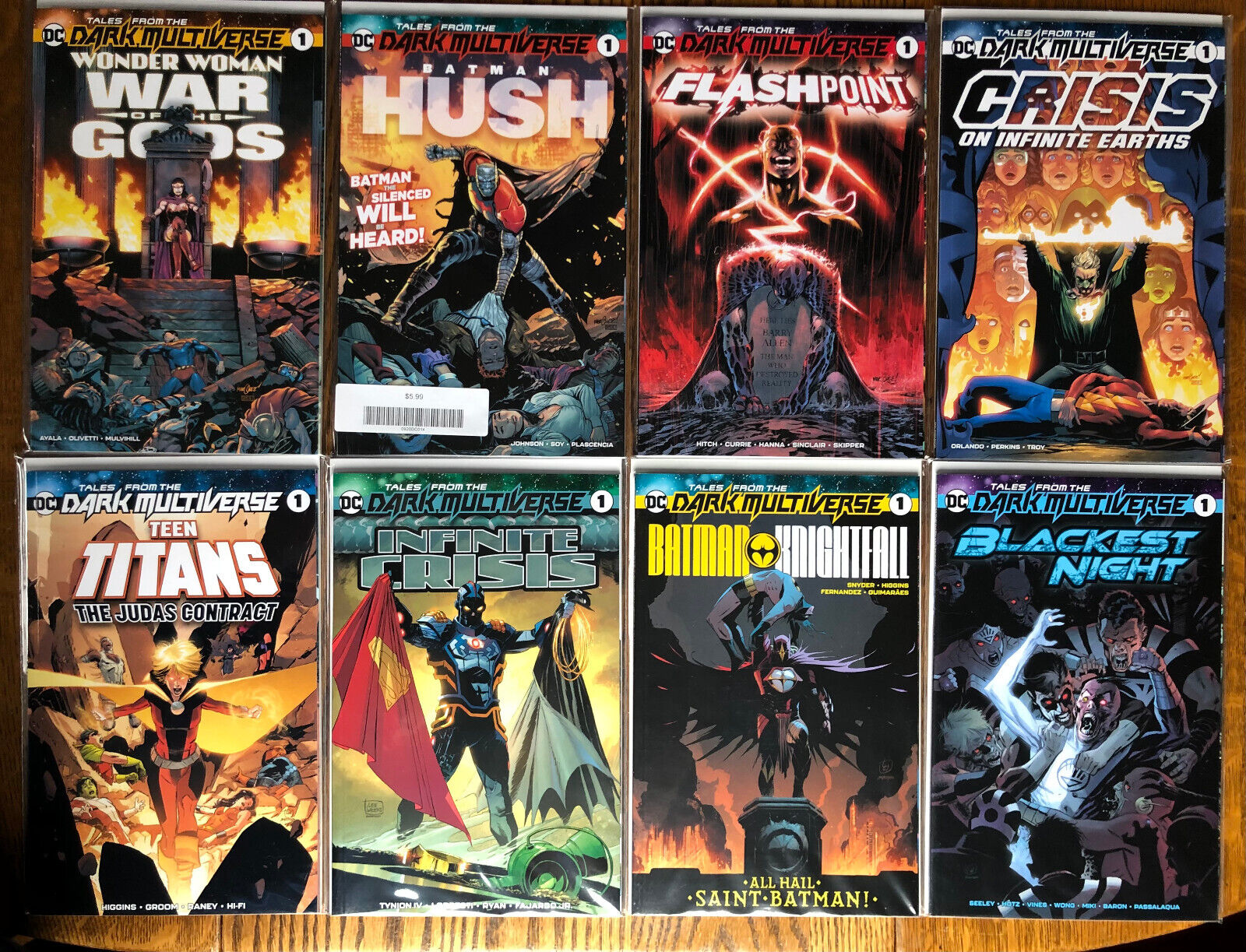
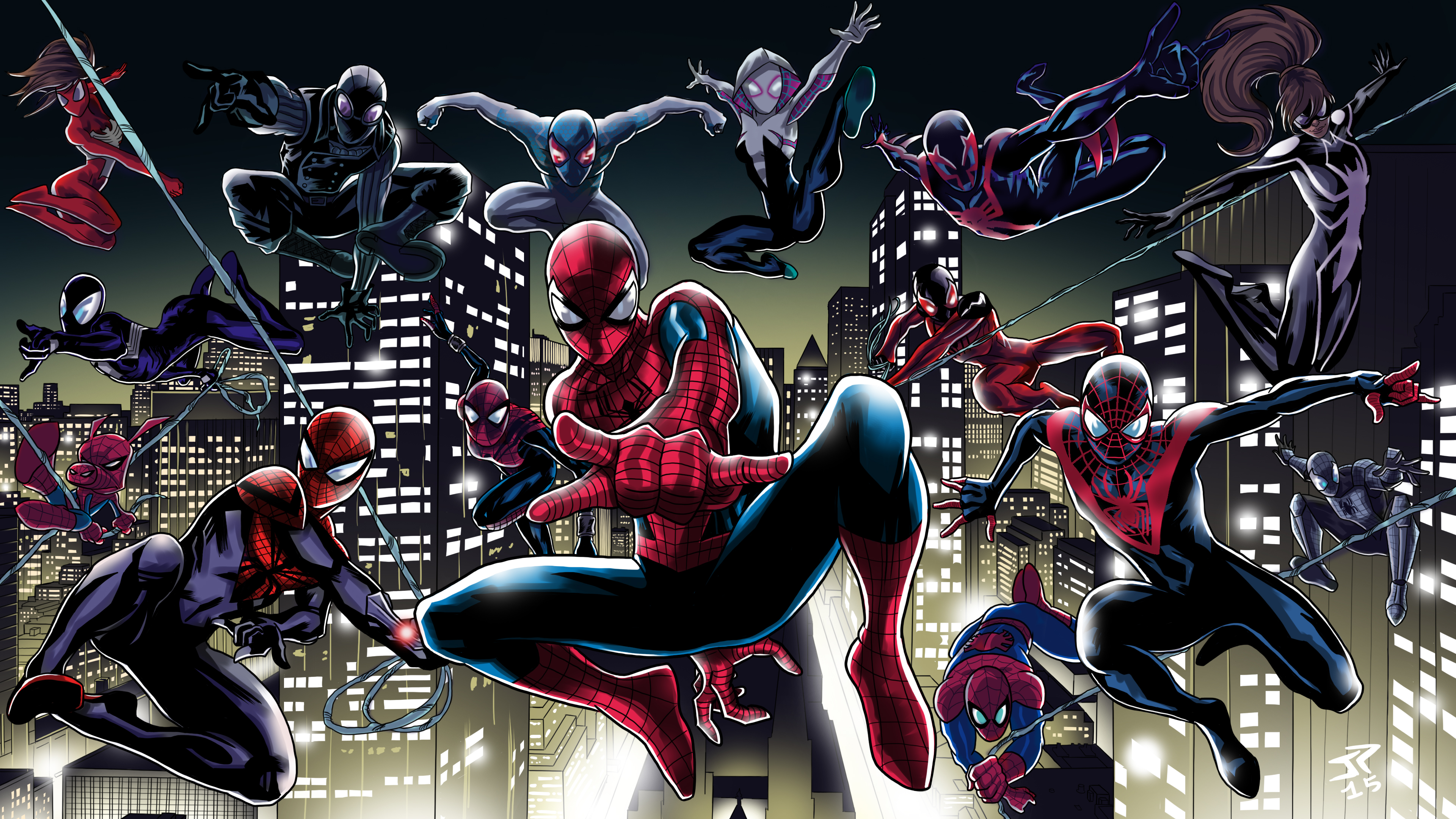
The Multiverse is a great concept that lets creative teams conjure up interesting stories outside of the limiting comic book continuities. Sometimes these stories featured the deaths of popular characters, which was unthinkable in regular comics. Great examples include the classic TheDark Knight Returns mini-series and Kingdom Come. But leave it to the comic book companies to dip into the well one too many times. DC and Marvel have released too many stories that take place in separate realities that dilute the impact of the stories and the characters. Just look at what Marvel is doing with the so-called Spider-Verse. What was a fun storyline in The Amazing Spider-Man that introduced imaginative and outlandish variations of Spider-Man has now become a means to throw up countless mini-series (see Number 8) with Spider-Man variants. On a broader scale, Marvel is going all out with a relaunched Ultimate Comics line that features our favorite characters in a different reality. This probably makes speculators happy as they look for the next Spider-Gwen but the rest of us don’t care and this leads us into the next worst trend.
5. Derivative Characters and Families
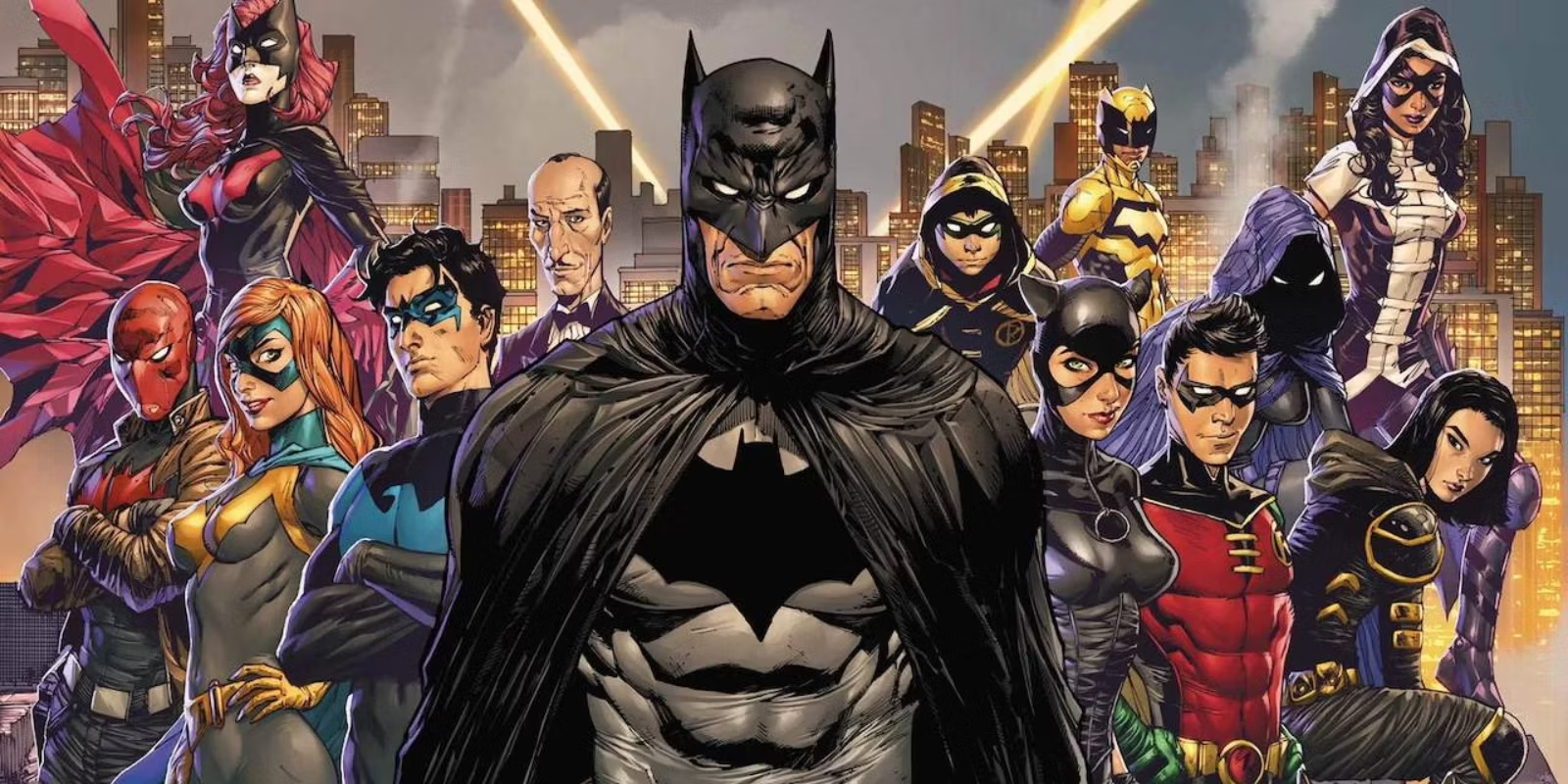
Legacy characters like Batman, Superman, or Spider-Man usually spawn a family of characters that are derivatives of them such as Batgirl, Superboy, Scarlet Spider, Red Hulk and so on. When some of these new heroes first appeared, they replaced the main characters and picked up the mantle and inspired fascinating takes on legacy characters. Steve Rogers’ Captain America led to Sam Wilson Captain America or Hal Jordan Green Lantern spawned Kyle Rayner Green Lantern. Other times these characters were just young knockoffs of popular heroes. The most recent example is Spider-Boy, one of the dumbest characters ever introduced to the Spider-Man family. Speaking of families, the problem with these characters based on legacy characters is that they dilute the original character. There should be only one Batman (who works best as a loner superhero), one Spider-Man, one Captain America, one Superman; except when it comes to Green Lantern since that character is just one of many Green Lanterns in the galaxy.
4. Too Many Crossover Events
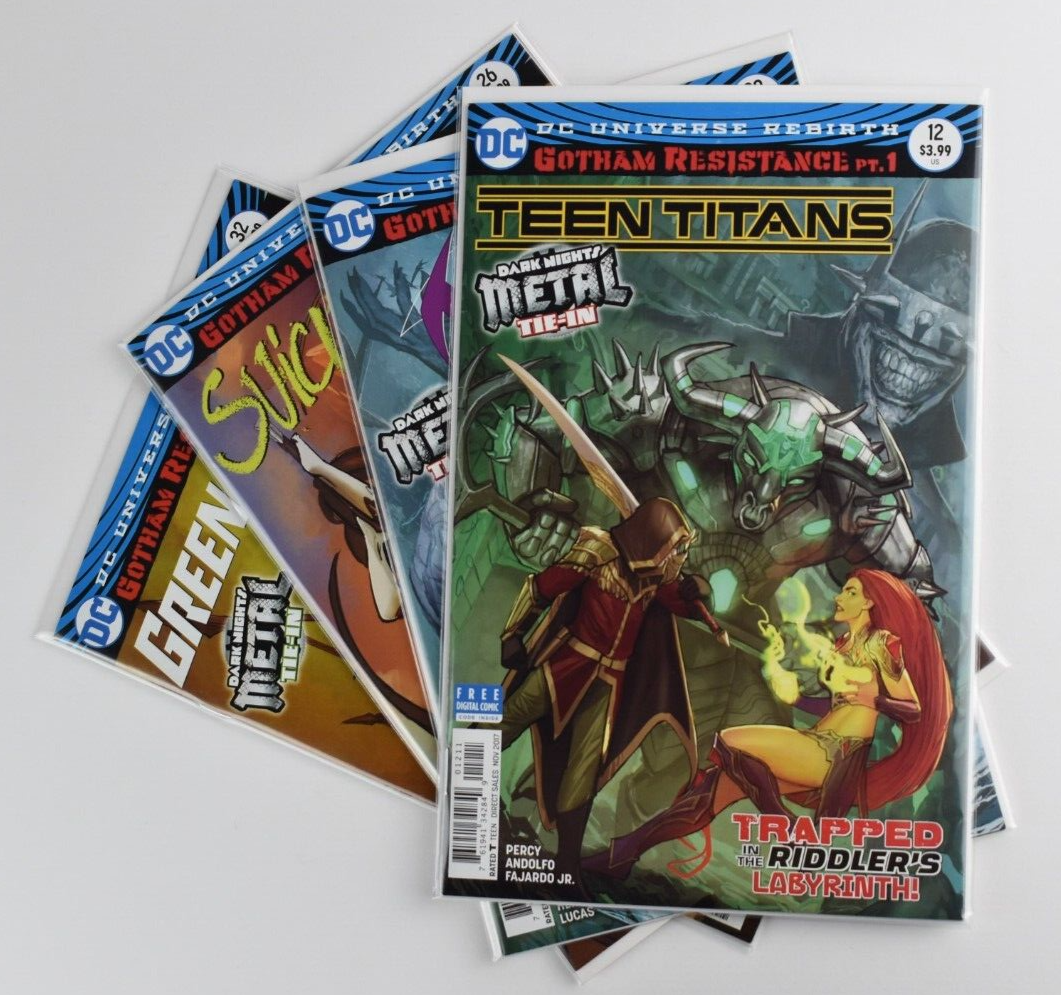
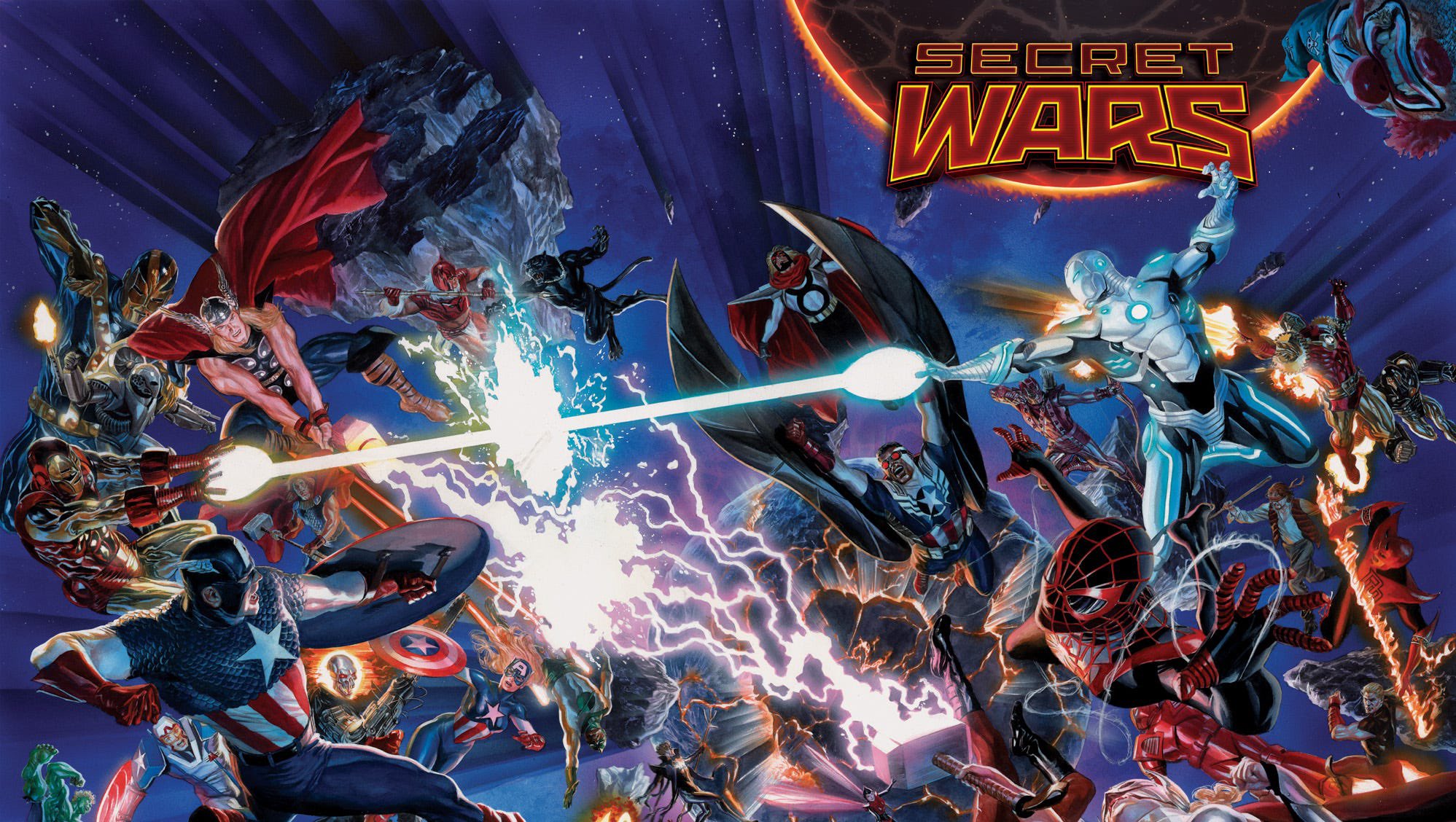
Remember when crossover events were truly special and had consequences? Ever since the success of Secret Wars and Crisis on Infinite Earths, crossover events across comic book titles have overtaken the release schedules of comic books. Often these events spill their way into regular titles and interrupt their ongoing storylines to squeeze in a tie-in story related to the crossover event. This is very annoying when following a run that builds up a certain momentum only to come to a crashing halt just to cram in an issue devoted to a crossover tie-in. Meanwhile, anyone who doesn’t follow a certain title feels compelled to buy it just to get the complete story if they were following the crossover event. We all know why these events happen (hint: $$$), and they are a good way to introduce readers to titles they often do not read, a good example was the “Unity” event in Valiant Comics way back in the 1990s. But there are too many of these crossover events now which has made readers tune out.
3. Meaningless Character Deaths
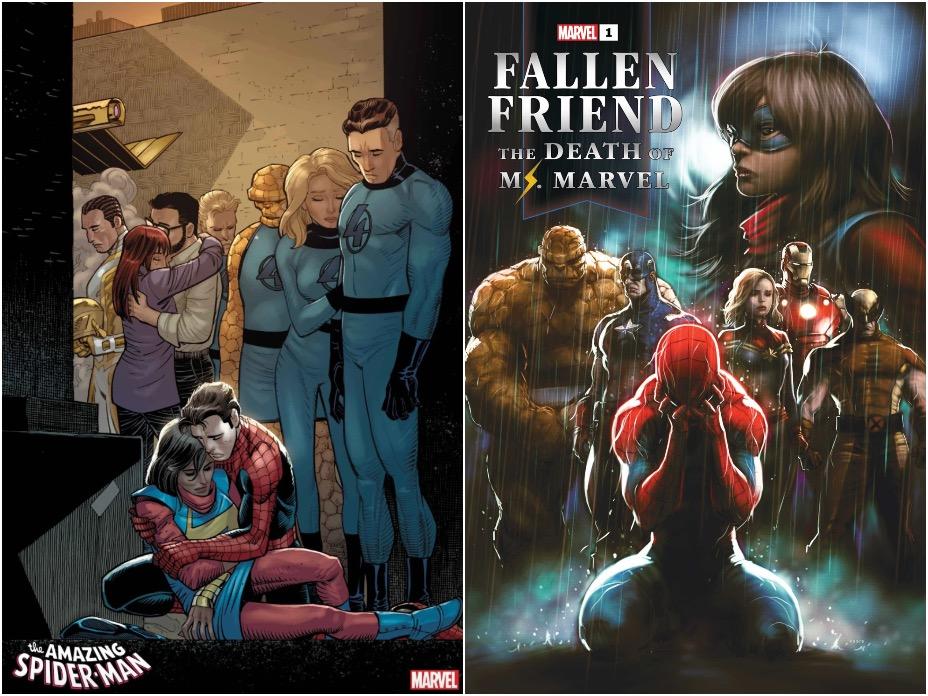
This has gone on for decades in comic books where the villains apparently were killed off only to reappear issues later with some implausible explanation for how they survived. However, this has recently happened with our superheroes, the best example was the famous “Death of Superman” storyline that made headlines and introduced new characters to the Superman family. But too often, these superheroes have been killed off just to tell stories of mourning only to have them resurrected. It has gotten to the point that a death of a character has no emotional impact. Seriously, did anyone believe for a moment that Ms. Marvel was actually dead when she was killed last year in The Amazing Spider-Man #26? The event was filled with empty platitudes and forced emotions. Note to comic book companies: If you kill off a character then that character should stay dead.
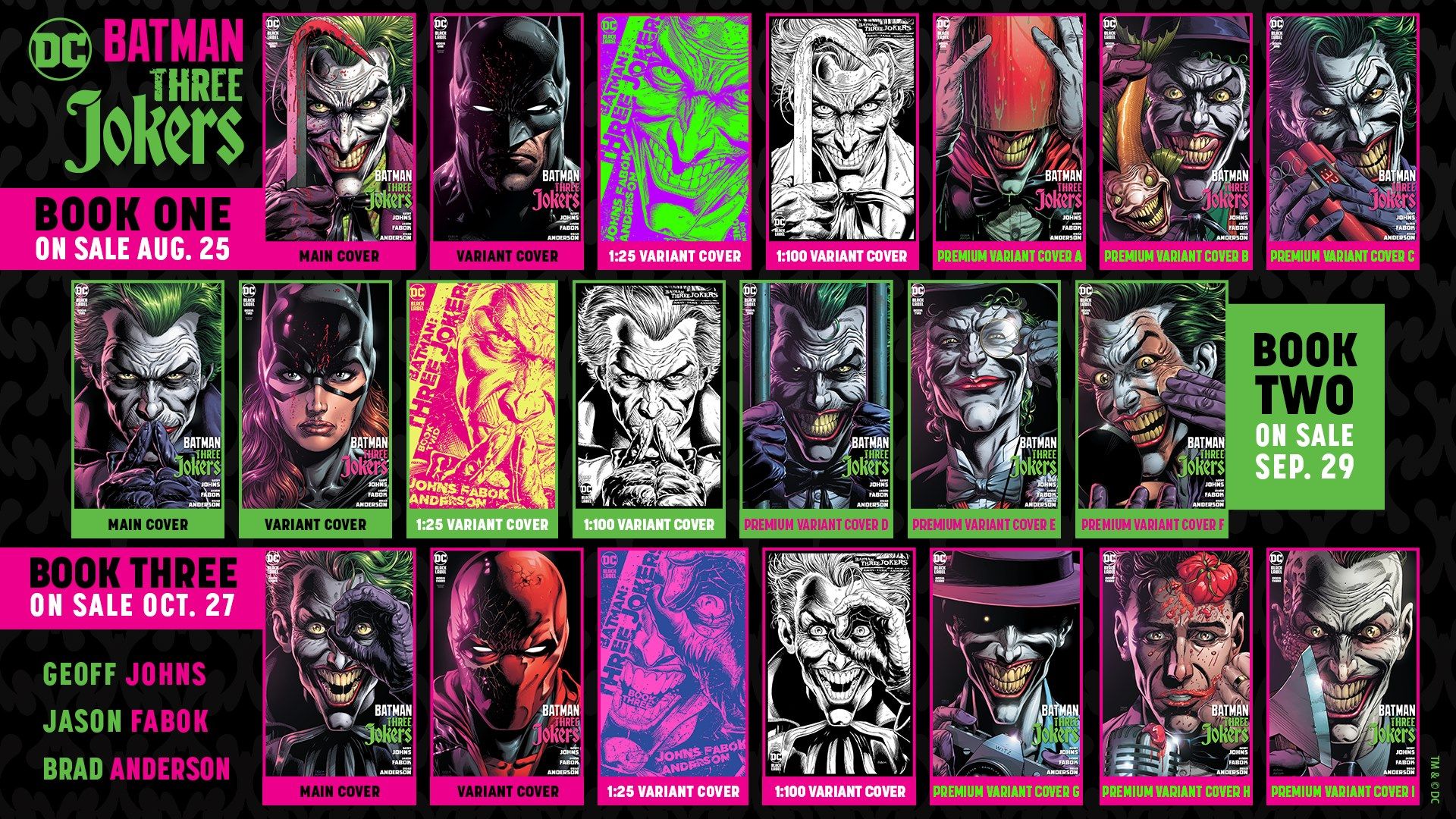
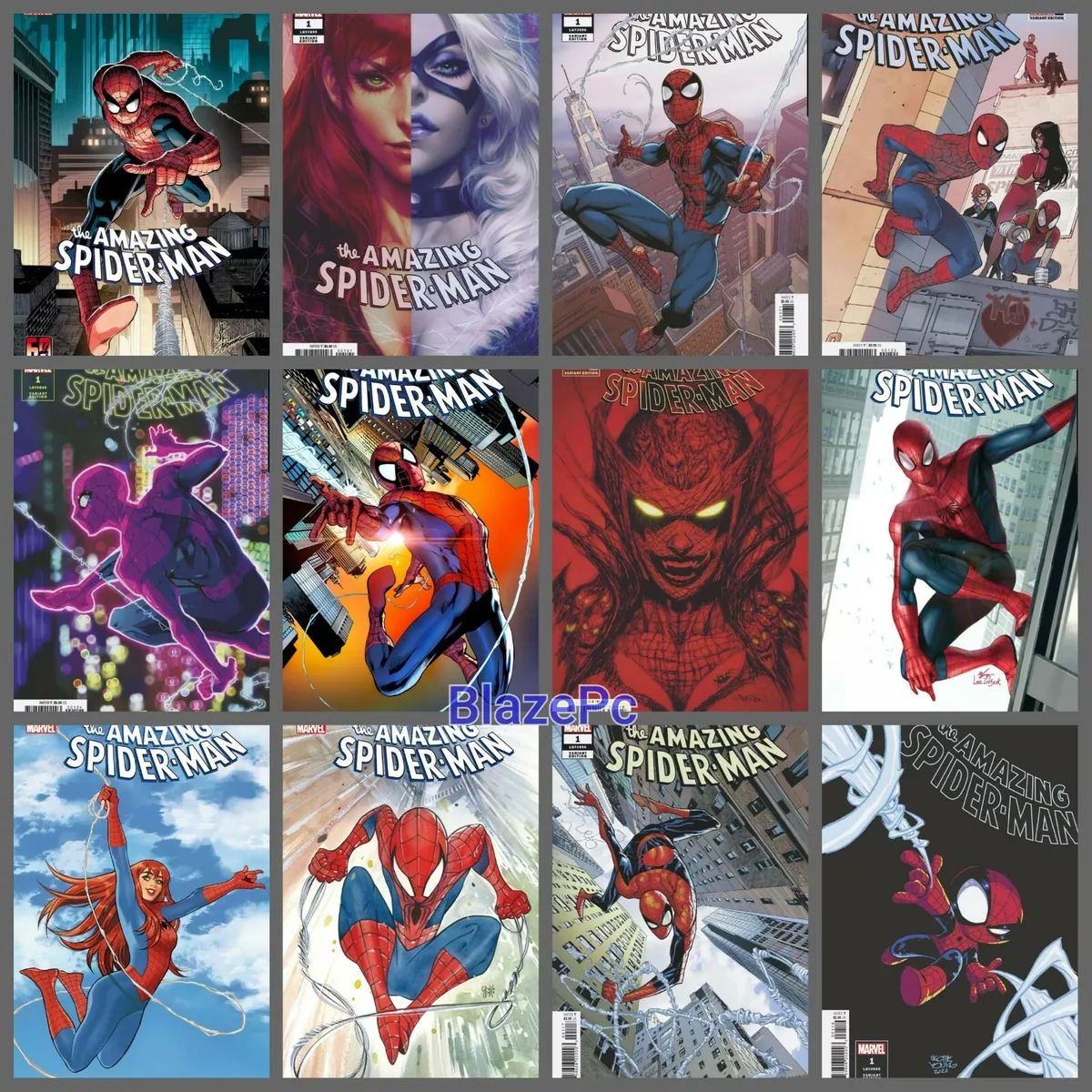
2. Variant CoversEverywhere
Pumping out so many variant covers to comic books is just a ploy to get collectors to spend more on the titles. It is also annoying and confusing for anyone who just wants to get a particular comic book to follow a story. Of course, no one is forced to get all the variant covers, which would be too expensive for average fans. But some completists can go insane and broke trying to find elusive covers that instantly go up in price at comic book stores. Another dilemma is that a person may only want the regular cover but sometimes that is hard to do, and that person is forced to buy a variant cover, which would be a nightmare for an OCD collector. Another very annoying trend with the variant covers is the tendency to put out covers that feature characters that do not have anything at all to do with the comic book! For proof, just look for any recent issue of The Amazing Spider-Man which is guaranteed to have Spider-Gwen or Black Cat on the cover even though neither character appears in that issue.
1. The Constant Cancellations and Relaunches of Popular Characters
This is the worst trend with comic books today and the most annoying. In the old days, a comic book would have a run that spanned hundreds of issues with creative teams coming and going from titles. It was fun trying to get the complete run or at least some significant key issues. But ever since the 1990s, comic book companies have been intent on canceling comic book titles only to relaunch them a short while later with a brand new number one issue. This is done to increase sales and attention to the comic book. While this may please some collectors who can now legitimately claim to own a copy of Daredevil #1 it annoys the rest of us who get confused when trying to complete a run. In the end, it’s just a tired marketing scheme that will not benefit the comic book in the long run. Want a long, successful run of a comic book title? Just focus on telling great stories. The word will get out to fans who will seek out the title and make it an enduring success.
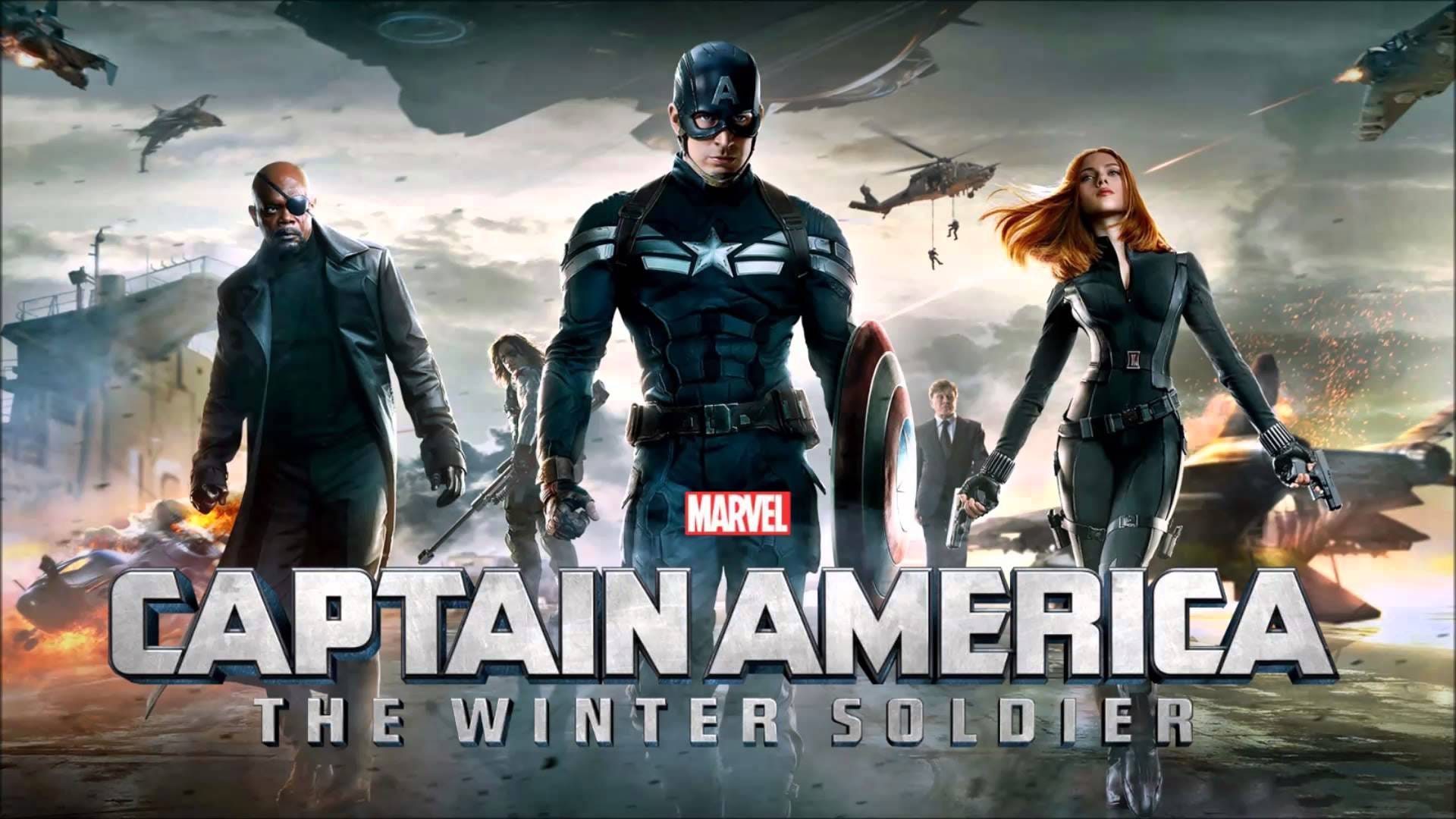
As Captain America: The Winter Soldier celebrates its 10th anniversary this month, it’s time to take a quick examination of why the Captain America film is considered one of the best films of the Marvel Cinematic Universe (MCU).
Very few MCU fans expected much from the sequel to Captain America: The First Avenger, especially given that Joe and Anthony Russo, the directors of Captain America: The Winter Soldier were relative unknowns whose biggest accomplishments to date were directing episodes of Community. Yet, the film blew away audiences, critics and fans with its non-stop action, intriguing script and well-developed characters. It turned out to be one of the most important films in the MCU as it forever changed it.
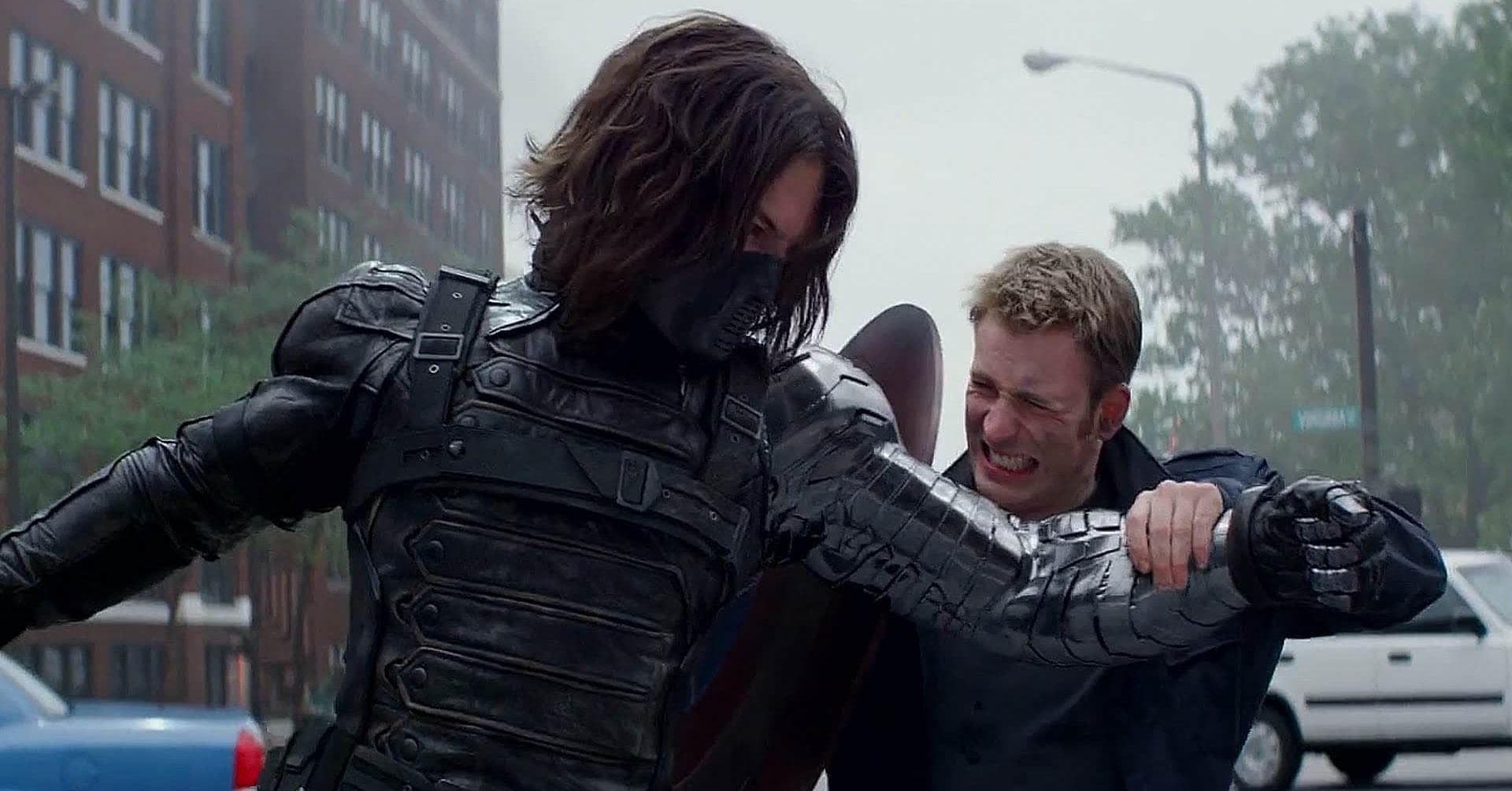
Captain America: The Winter Soldier centers around Captain America/Steve Rogers (Chris Evans) uncovering a huge conspiracy in S.H.I.E.L.D. the spy organization he works for while grappling with a deadly ghost from his past. The first Captain America film dealt with Steve’s adventures as a superhero during World War II and ended with him being frozen in ice then revived during modern times. Ordinarily, a sequel film would have focused on fish-out-of-water tropes as Steve struggled to adapt to a whole new world. While this does happen in Captain America: The Winter Soldier, the film to its credit doesn’t concentrate on this concept. Instead it forces Steve to adhere to his honorable values as the world around him exhibits dubious morality. He clashes with his superiors who think nothing of spying on civilians and eroding their privacy with a clandestine project. He soon learns that S.H.I.E.L.D. has been compromised by the evil Hydra organization which plans to use the project to unleash a preemptive attack on its enemies throughout the world, including members of the superhero team, the Avengers. For his troubles, Steve is branded a traitor and chased by the mysterious Winter Soldier (Sebastian Stan), a deadly assassin who turns out to be his best friend Bucky from his World War II days.
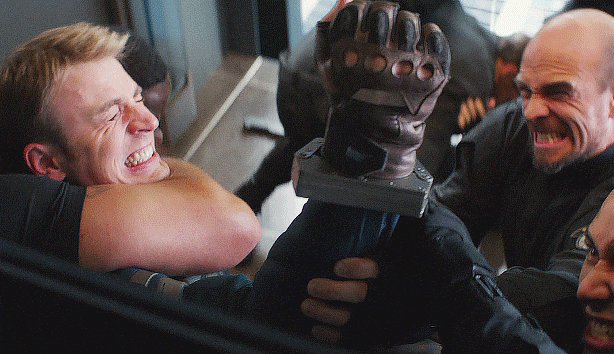
All these plot elements successfully evoked a paranoid spy/political thriller that was highlighted with high-octane action scenes that demonstrated how vicious and lethal the Winter Soldier was. These battles were among the best action scenes ever seen in any film and has not been replicated in other MCU films. There was a genuine sense of danger and fear as Steve and his allies fought the Winter Soldier and the compromised S.H.I.E.L.D. agents. One scene in particular, which took place in an elevator, proved what a badass Captain America was. He was surrounded in a cramp space by several men who tried to arrest him and he singlehandedly fought and defeated them despite the odds.
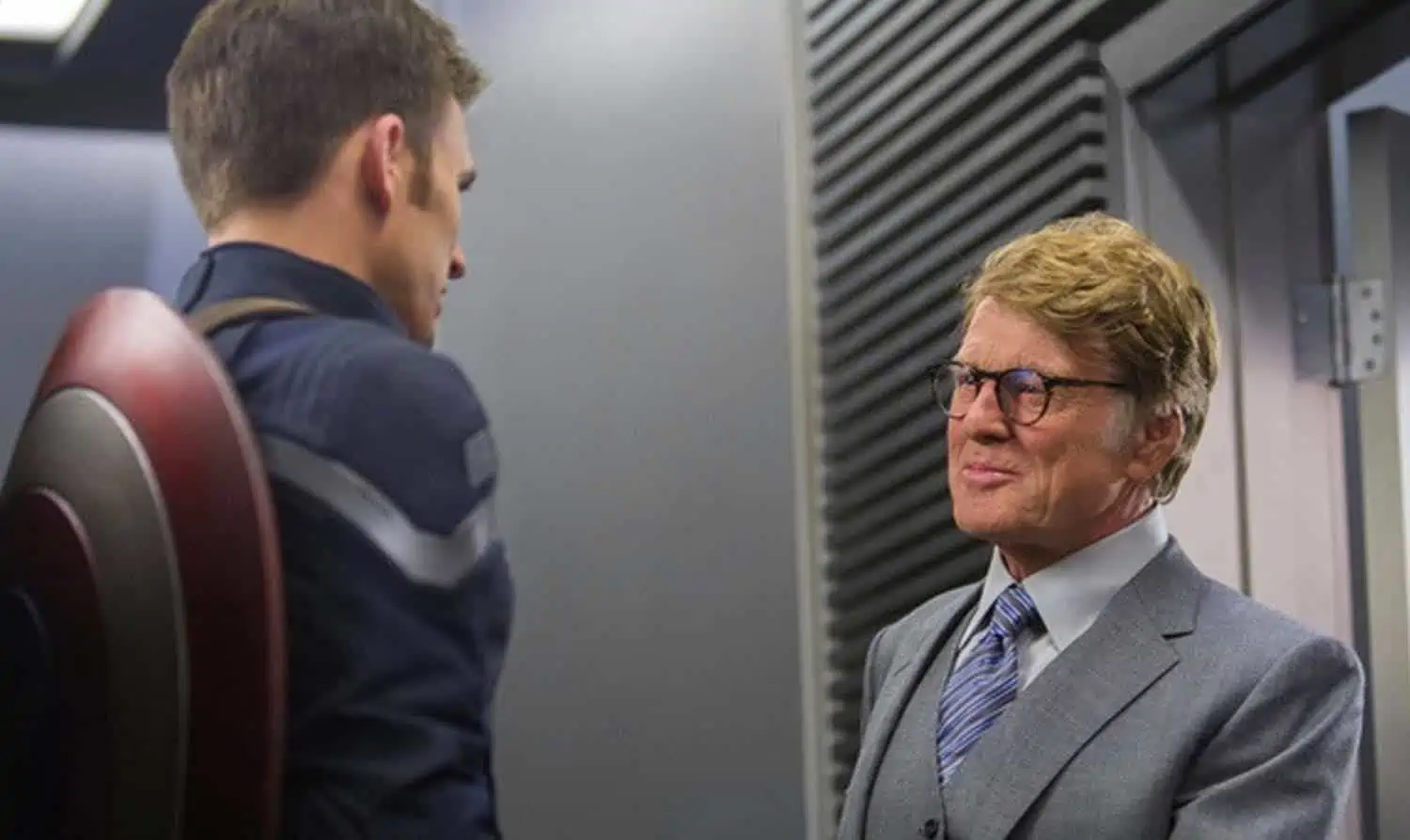
But getting back to the political angle, the film always kept you guessing as to who could be trusted, or what was actually happening in a way that was not confusing and kept audiences engaged. It helped that the film featured Robert Redford as Alexander Pierce, a government official who was actually a Hydra agent. Redford’s acting prowess elevated the film and he was a great callback to the ’70s spy thrillers such as his own Three Days of the Condor.
More importantly, Captain America: The Winter Soldier was at its core a film about a man struggling with his past and his place in the world. In this situation, Steve tries to make sense of the new world he is forced to live in where it seems as if his values are out of step. But they are what is needed to fight a great evil that has corrupted the world and his best friend. What makes confronting Bucky so much worse for Steve is not only Bucky the lethal Winter Soldier, but due to brainwashing by Hydra over the decades, Bucky has lost his decent personality and no longer remembers his past or his friendship with Steve. The Winter Soldier is the only remaining link Steve has with his past and he has to find the strength to bring his friend back. His plight was very emotional and the sacrifice he made at the end to get through to Bucky was very powerful. The final battle between the two as Steve struggled to connect with Bucky was much more riveting than the wild, effects-laden action scenes involving Steve’s other friends fighting Hydra.
Captain America: The Winter Soldier propelled the narrative of the MCU from that point as it no longer had S.H.I.E.L.D. as the support organization for the Avengers and the world. This in turn would later have severe consequences during future Avengers films and immediately impacted the TV show, Agents of S.H.I.E.L.D. Even though that show is now ignored these days, back in 2014, it was clearly part of the MCU and the events of Captain America: The Winter Soldier directly affected the TV show as one of the main characters was revealed to be a Hydra agent, and the other characters underwent crises of faith. The film also led to Captain America becoming a man without a country and on the run as seen in the next Captain America film, Captain America: Civil War when his morality led to a devastating conflict with some of his fellow Avengers to the point that the team broke up and left Earth unprotected.
Thanks to Captain America: The Winter Soldier, the MCU began to be seen as something more than typical superhero films. This was reinforced later in the summer of 2014 with the release of the space epic Guardians of the Galaxy. Together, the films proved that the superhero film genre was very diverse in terms of storytelling and being able to surprise everyone with its potential. That is because not only is Captain America: The Winter Soldier the best superhero solo film of the MCU but one of the greatest films of all time.





 Starloggers