The news that AT&T divested its ownership of WarnerMedia to Discovery, Inc. for $43 billion to form a new, merged entertainment company may not sound as exciting as when The Walt Disney Company acquired 21st Century Fox in 2019, but it is just as important.
Ever since AT&T acquired Time Warner for $85 billion in 2018. there were many concerns in the entertainment industry, which turned out to be justified. Renamed, WarnerMedia, the entertainment conglomerate was owned by a telecommunications giant that did not have any experience with entertainment media and this resulted in questionable moves by AT&T. The most impactful were the creation of the HBO Max streaming service and fractured relationships with notable genre directors like Christopher Nolan, Denis Villeneuve and James Gunn.
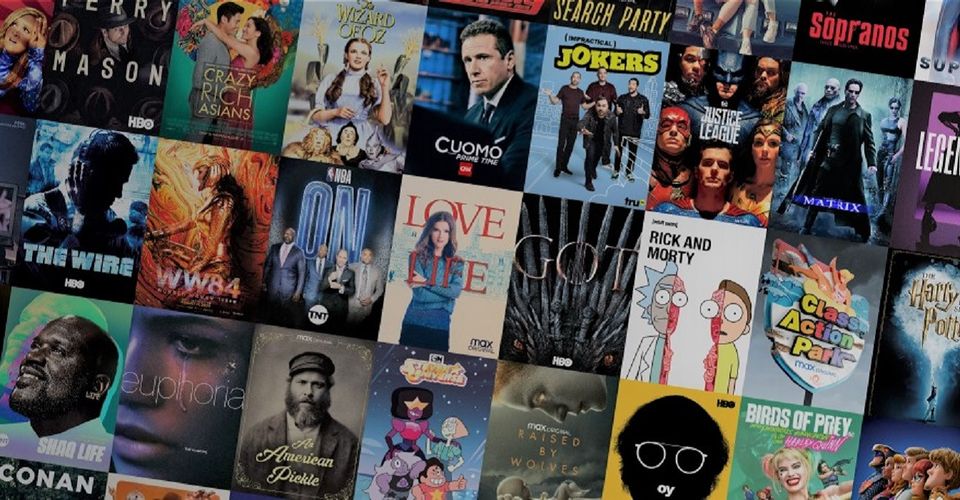
In AT&T’s quest to push HBO Max to be competitive with other streaming apps, all of the films slated for release this year by the movie studio, Warner Bros., were released simultaneously in theaters and the streaming service. On the surface, this took into account the COVID-19 pandemic and the fact that most movie theaters were closed. However, now that the pandemic seems to be winding down (at least in the United States and Europe), this strategy has been questioned. Not only did this move result in diminished box office returns, but it alienated many of Warner Bros.’ top talent.
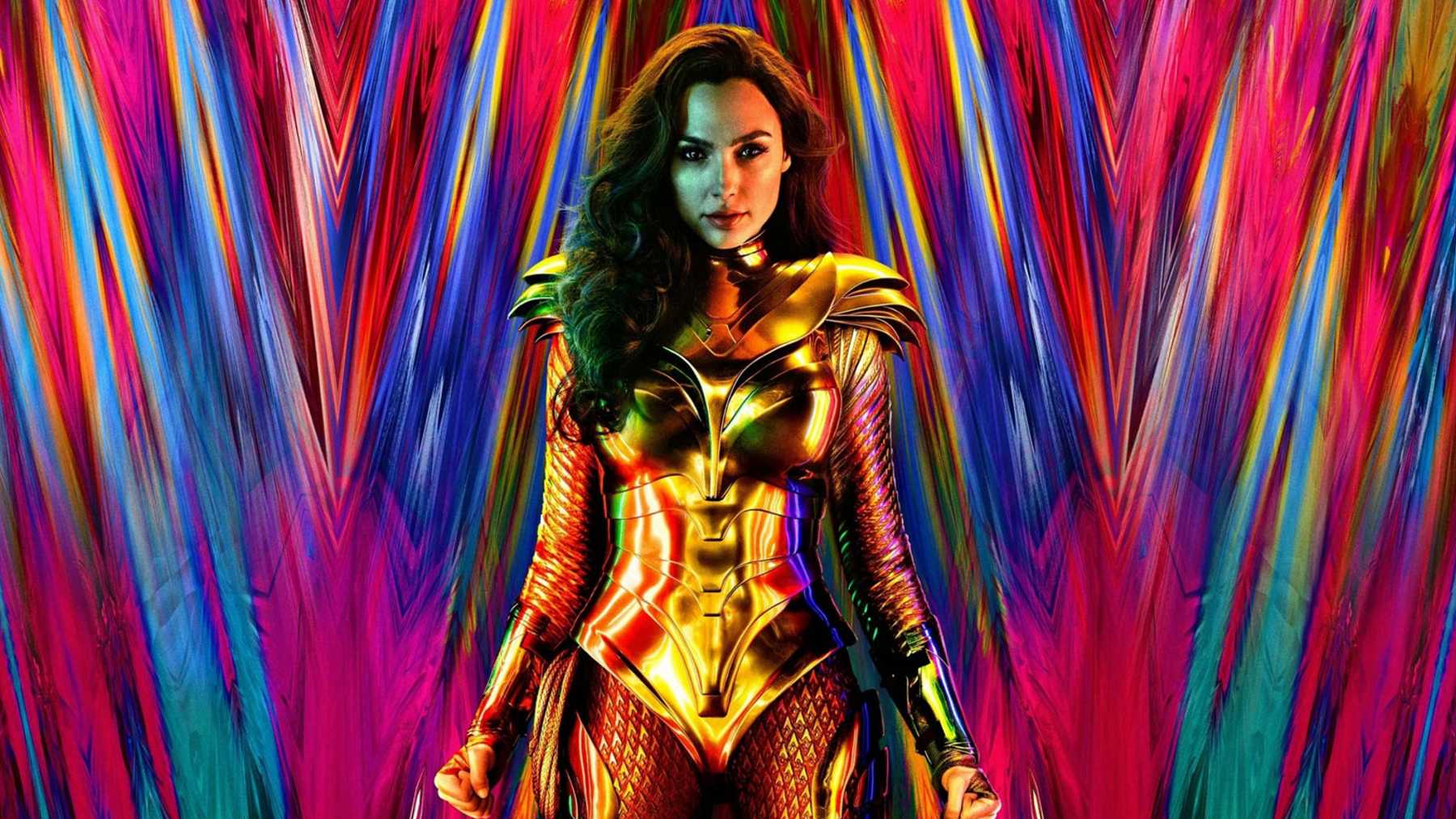
This first began when Wonder Woman 1984 was streamed on Christmas Day in 2020 instead of delaying the film’s release because of the pandemic. This worked in that it attracted attention (and subscribers) to the streaming app but the film received negative reactions from critics and fans who did not find much original content on HBO Max. Unlike Disney+ or Apple+, HBO Max lacked an attention-grabbing genre TV show like The Mandalorian or For All Mankind to entice fans to stay with the service. The app did stream TV shows that once exclusively streamed on the DC Universe app like Titans and Doom Patrol. But it is baffling that throughout all of the development of the app, no one thought to have an original DC TV show ready. The closest thing to semi-original content beingZack Snyder’s Justice League, which did not stream until this year, months after the app was launched. While Disney+ already streamed the Marvel properties WandaVision and The Falcon and the Winter Soldier, HBO Max has yet to stream original DC content. Its announced Green Lantern TV show seems to be forever in development.
It shoud be noted HBO Max premiered the sci-fi TV show Raised by Wolves when it launched and while it was well done the TV show did not capture much attention. It is a shame because the streaming service is quite good with plenty of content, but its launch was botched and confused people who already subscribed to HBO or used its then-existing apps HBO Now and HBO Go.
Filmmakers such as Nolan and Villeneuve were incensed that films they specifically shot for large screens were to be directly streamed on HBO Max. Not only would this lead to low box office returns but the decision robbed audiences of seeing films meant for the large screens. Denis Villeneuve and Legendary Pictures (the production company which bankrolled Villeneuve’s Dune, Godzilla vs. Kong and other recent genre films) expressed their dissatisfaction to push the streaming service over Warner Bros.’ film schedule. After all, in light of the pandemic, if one is able to access the app, why bother going to the theaters? As it now stands the following genre films either streamed already will do so later this year:
Wonder Woman 1984
Godzilla vs. Kong
Mortal Kombat
The Witches
Superintelligience
The Suicide Squad
The Conjuring: The Devil Made Me Do It
Malignant
Space Jam: A New Legacy
Reminiscence
Dune
the fourth Matrix film
WarnerMedia recently announced that starting in 2022, its films would be released solely in theaters before coming to HBO Max. But the damage has been done as many filmmakers openly expressed their dissatisfaction with WarnerMedia and some were no longer willing to do films for Warner Bros.
Most fans of the Marvel Cinematic Universe (MCU) are besides themselves with the new content streaming on Disney+ and coming soon to theaters (fingers crossed). While the new content is enjoyable and the upcoming slate of films and TV shows is exciting, there are a few nagging questions unanswered to date about the MCU. Here are just a sampling, oh, by the way, there will be spoilers about the characters and events of the MCU:
What Happened to the Avengers?
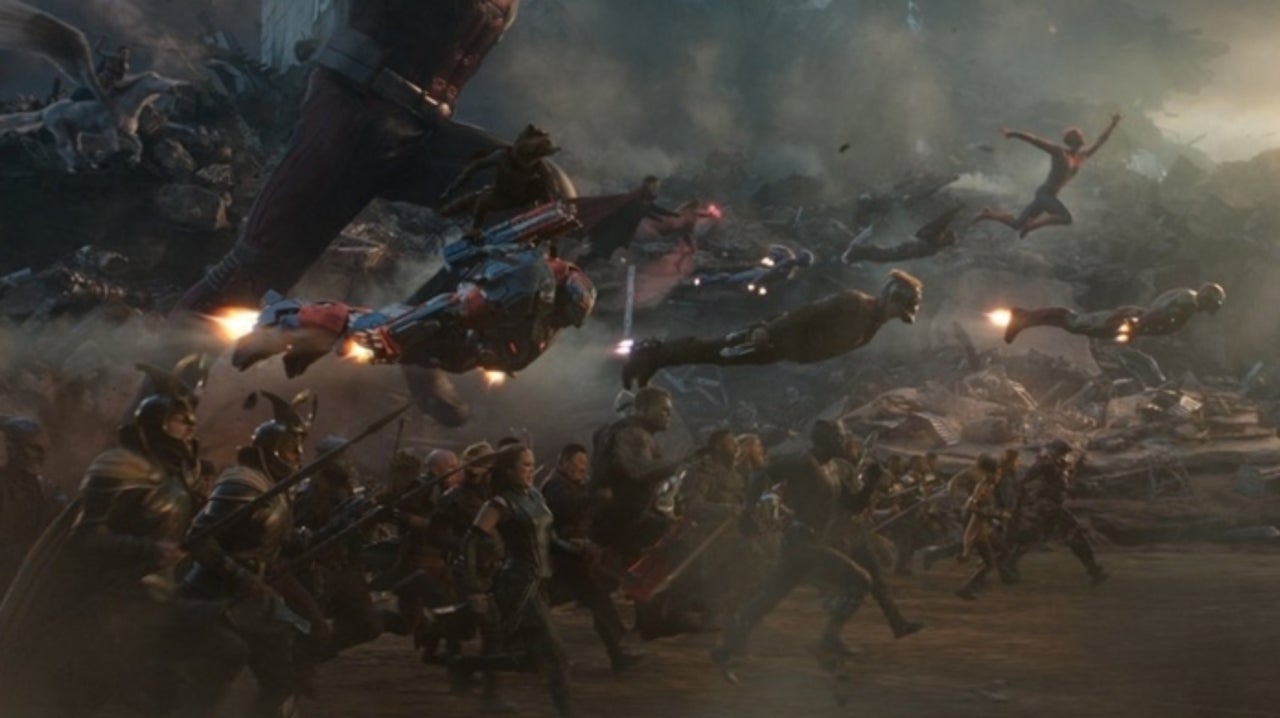
It is pretty obvious given the events of Avengers: Endgame that the superhero team broke up. By the end of that film Iron Man/Tony Stark sacrificed his life to stop Thanos; Captain America/Steve Rogers went back in time to live his life and returned as a feeble old man, so he’s out of commission (more later); Black Widow/Natasha Romanoff died obtaining the Soul Stone; and Thor left for space with the Guardians of the Galaxy. That left us with just two of the founding members, the Hulk/Bruce Banner and Hawkeye/Clint Barton. The Hulk was left with a disabled arm, while it was implied that Hawkeye retired. In fact, he did retire from the superhero life at the end of Avengers: Age of Ultron.
So this means the Avengers are no more, correct? But why is it with the current TV shows and the last Spider-Man film, the main characters are referred to as Avengers? Would this mean the team is still active? It does not seem likely given that the Falcon, Spider-Man and Wanda Maximoff were seen operating independently and behaved as if the team was gone.
If that is the case, wouldn’t Tony Stark or the founding members would have tried to set up a new team to carry on without them? Given all his fortune, wouldn’t Stark have left behind resources to ensure the Avengers continue? It seems irresponsible given the world-threatening events to leave the world without a team to protect it. Of course, this is a perfect way to set up the Thunderbolts, the Fantastic Four or some other superhero team to fill the vacuum. But when will we see this happen?
Who will be in the new Avengers line up?
We have clear candidates with the new Captain America (Sam Wilson), Spider-Man (if he can clear his name by the end of Spider-Man: No Way Home), War Machine, and maybe James Barnes (the former Winter Soldier), White Vision, Captain Marvel, Ant-Man and the Wasp. But is this the end for the Hulk? Is there anyway his arm can heal in time for him to rejoin the team and what is going on with Hawkeye? Will he be grooming Kate Bishop to take over for him as implied by the upcoming Hawkeye series?
What if the MCU introduces the Young Avengers as the team that will become the new Avengers? The Disney+ TV shows have already introduced members of the Young Avengers such as Elijah Bradley (Patriot), Kate Bishop (Hawkeye), Cassie Lang (Stature), Wiccan and Speed. All we need now are Iron Lad and Hulkling.
What Happened to Steve Rogers?
This is one of the most nagging questions about the current MCU. We last saw him handing over his shield to Sam Wilson at the end of Avengers: Endgame and that was it. In The Falcon and the Winter Soldier, whenever he is mentioned he is said to be “gone” which is very cryptic. Did he die of old age? Or is he on the Moon as someone on the show speculated?
There are unconfirmed reports online that actor Chris Evans is negotiating with Marvel Studios to return to his role. Does this mean a rejuvenated Steve Rogers will appear down the line as it happened in the comic books? That is hard to say, but it won’t be answered until Phase Five of the MCU given that the announced lineup of upcoming films does not indicate anything about Captain America, although a fourth film featuring Sam Wilson as the captain is in development.
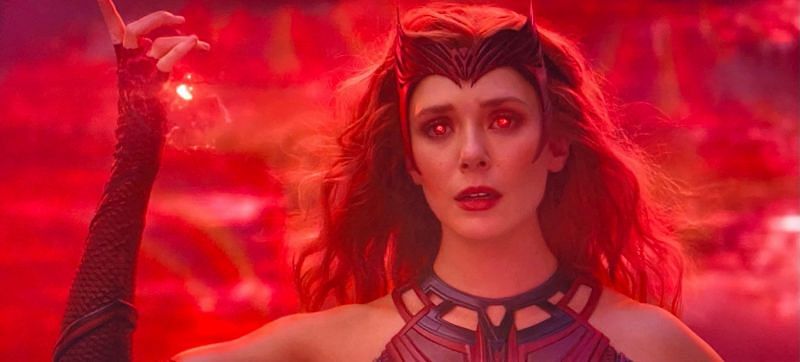
What does the end of WandaVision mean to the MCU?
Obviously, the events of WandaVision will lead to more exploration of the magical side of the MCU. The events of WandaVision not only directly lead to the next Doctor Strange film but Spider-Man: No Way Home as our favorite Wall-Crawler grapples with multi-dimensional threats and visitors.
From the way Wanda Maxmoff twisted reality in WandaVision, the door has literally been opened to the bizarre with unexpected appearances. Think of her dead brother Piotr returning, which was a meta casting joke and reference to the recent X-Men films. The next Spider-Man film will feature characters from previous Spider-Man film incarnations reprised by the original actors such as Jamie Foxx, Alfred Molina and supposedly Andrew Garfield, Tobey Maguire and Willem Dafoe. Will we see more appearances from other past properties? Why not bring back the actors/characters from Agents of S.H.I.E.L.D. so we can get confirmation that they exist in another continuity?
Another important related question has to do with Wanda herself? Can she be redeemed? Her actions in the show were villainous: she took over a town and warped the reality and minds of its residents against their will. At the end, she did not face justice for her actions and the post-credits scene in the final episode hinted that she was taken a more nefarious turn as she was shown studying the dark magical arts. We’ll find out in next year’s Doctor Strange in the Multiverse of Madness as she will appear…supposedly as the film’s villain.
Are the other non-Disney+ Marvel TV shows part of MCU continuity?
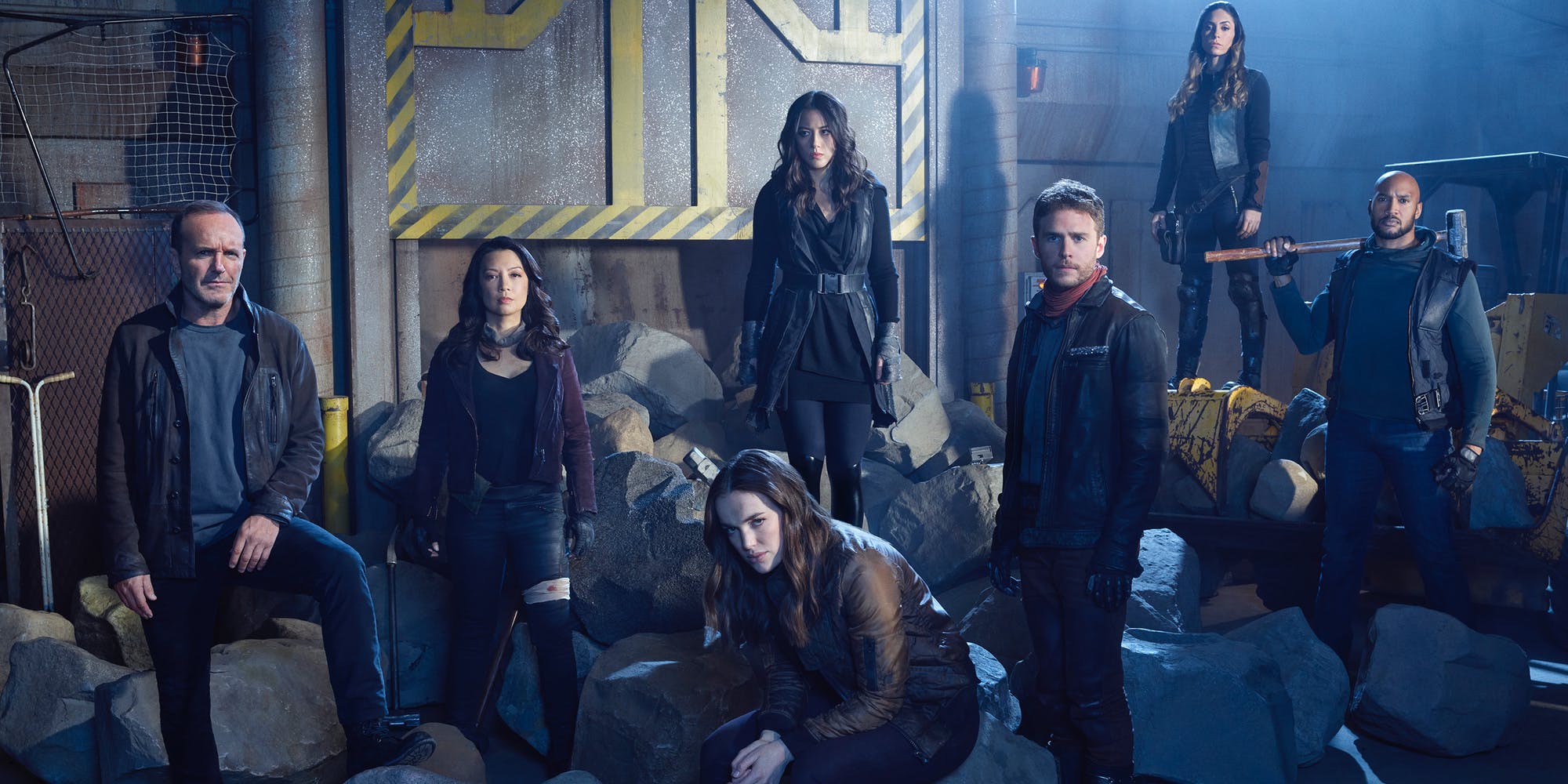
Ever since Agents of S.H.I.E.L.D. premiered many wondered whether or not the show was part of the MCU. This sounds silly given appearances of characters from the MCU films such as Agent Coulson, Nick Fury, Sif and others. But the films never referenced the show or acknowledged its existences. None of the original characters from Agents of S.H.I.E.L.D. turned up in an MCU film or were mentioned. The same went for other Marvel TV shows before the existence of Disney+. The Marvel shows that streamed on Netflix supposedly took place in the MCU but no one ever saw Daredevil or the other New York-based Netflix heroes turning up in the films. Ditto for other Marvel TV shows like Runaways, and Cloak and Dagger.
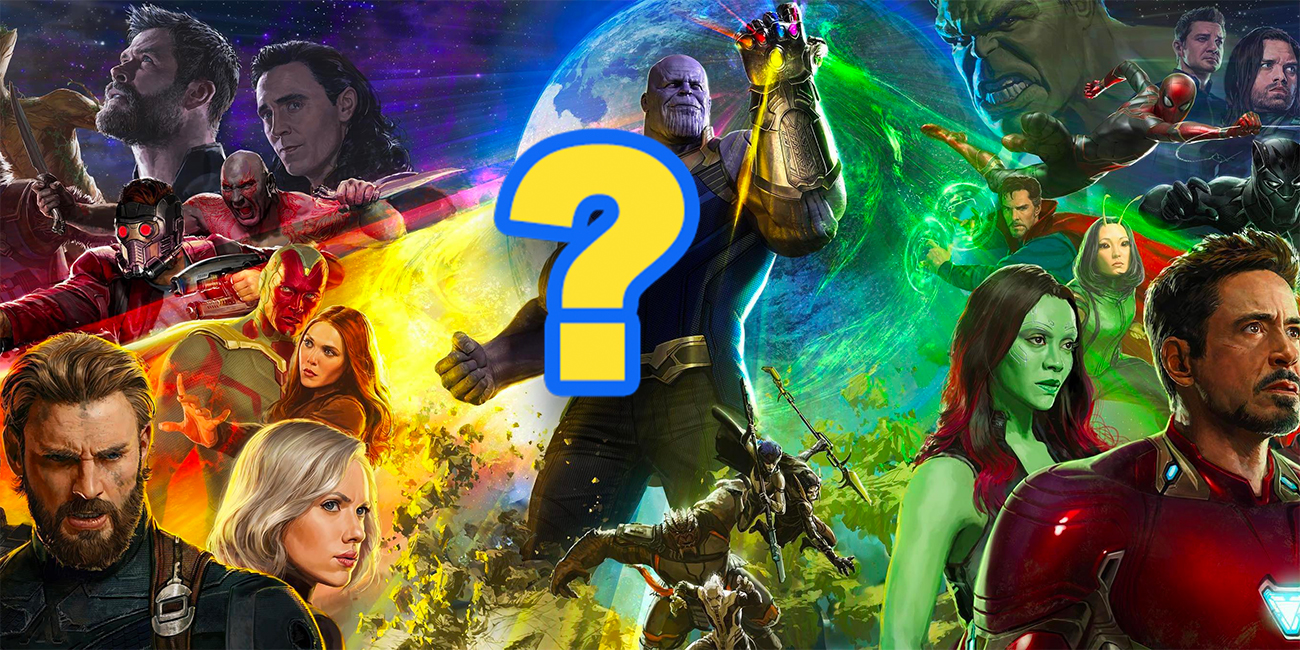
S.H.I.E.L.D. missing in the Infinity War
The only rare exception was when the original human Jarvis introduced in the TV show Agent Carter made a brief cameo in Avengers: Endgame. Also, there are rumors that some of the actors in the Netflix TV shows will reprise rebooted versions of their characters in upcoming films. We’ll know if this is true if Charlie Cox reprises his role as Matt Murdock in the next Spider-Man film.
Supposedly, the head of Marvel Studios, Kevin Feige, did not want any association with the TV properties if he was not involved with the production. This explains why the films never referenced the TV shows to the irritation of some fans who sought a tighter continuity between the media.
At this point, the answer to the question is that no, these non-Disney+ TV shows are not set in the greater continuity of the MCU.
What happened in between the five-year jump in Avengers: Endgame?
During Avengers: Endgame there was a five-year time jump with limited exploration as to what occured in that time period. Supposedly, what was left after Thanos snapped his fingers at the end of Avengers: Infinity War was a paradise; never mind that his actions wiped out half of all life in the universe. This point of view came from the Flag Smashers terrorist group featured in The Falcon and the Winter Soldier. One of the flaws with the villains is that we never saw for ourselves how great life was back before the Avengers resurrected the life wiped out of existence by Thanos.
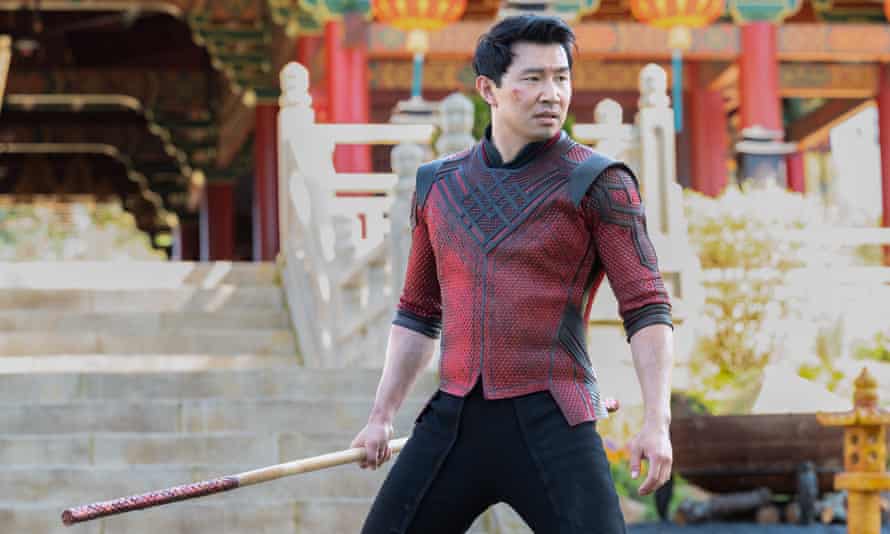
According to some reports, the upcoming film Shang-Chi and the Legend of the Ten Rings will take place in this five-year period, which will give us a first-hand look at society during this time and we can tell for ourselves if things were as great as the Flag Smashers claimed.
Also, it would not be surprising if future films and TV shows feature flashbacks which take place during this time period and will probably be explored in other medium such as those Prelude comic books. However, this time period is ample ground for future films and TV shows to explore.
Where are the mutants?
Ever since Disney acquired 20th Century Fox and gained the film rights to the X-Men, fans have been desperately waiting for any news or sign that the mutants will appear in the MCU. To date, those wishes have gone unfullfilled and will be for some time.
Anyone who saw last week’s Phase Four movie slate did not see any sign of mutants. The only clue we have to date was a visit to the fictional country of Madripoor in The Falcon and the Winter Soldier, which was Wolverine’s hiding spot in the comic books.
But other than that we won’t get anything else, not even casting hints until maybe next year or the following when Phase Four starts winding down. But it’s for the best since the mutants need to rest and recharge creatively. This will build up demand and excitement for whenever they X-Men or Mutants or whatever they wind up being called, finally debut in the MCU. In the meantime, we have plenty of X-Men and related films and TV shows, and many of them are great and worth rewatching.
So, are there any other questions about the MCU? Be sure to list them in the comments section below!
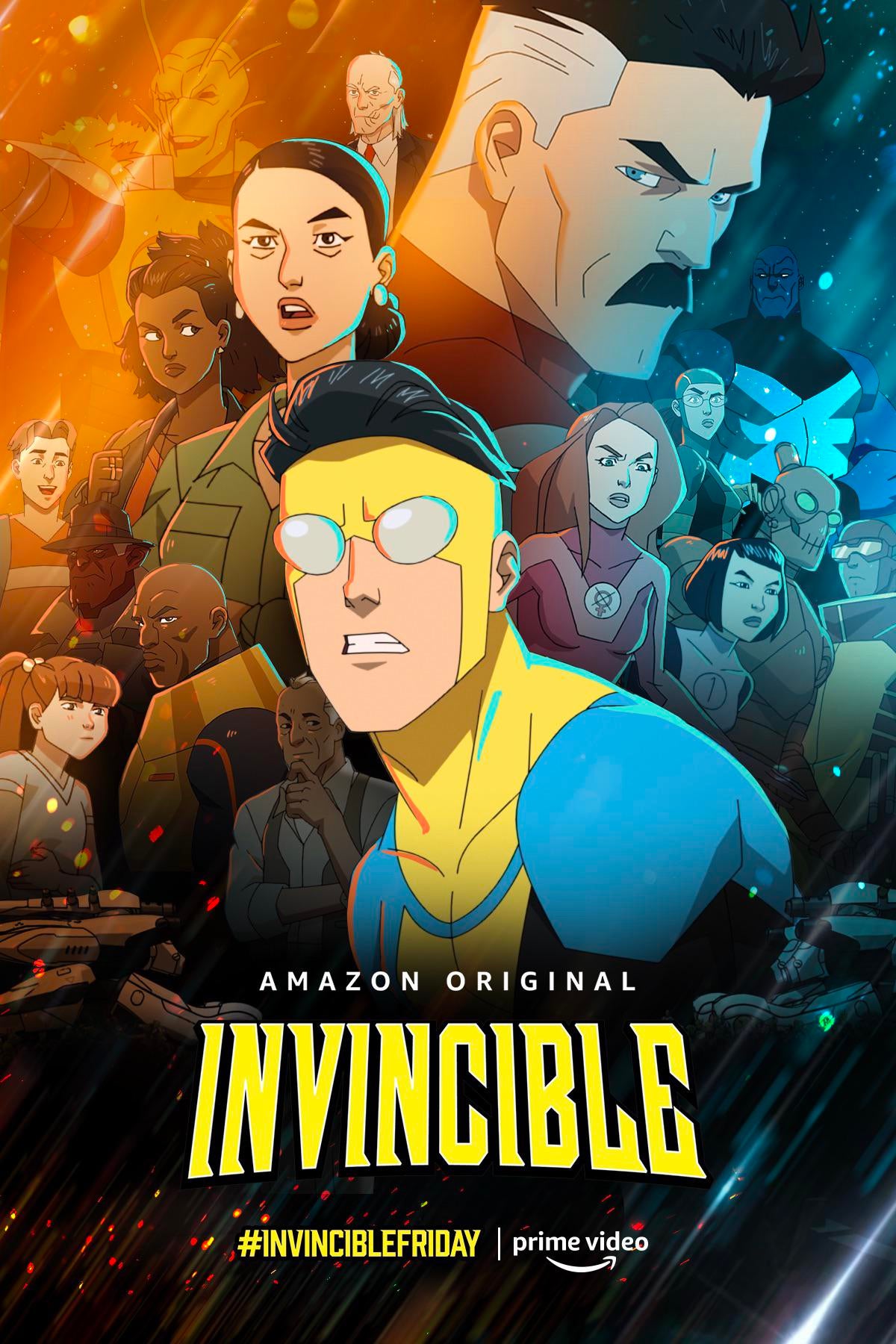
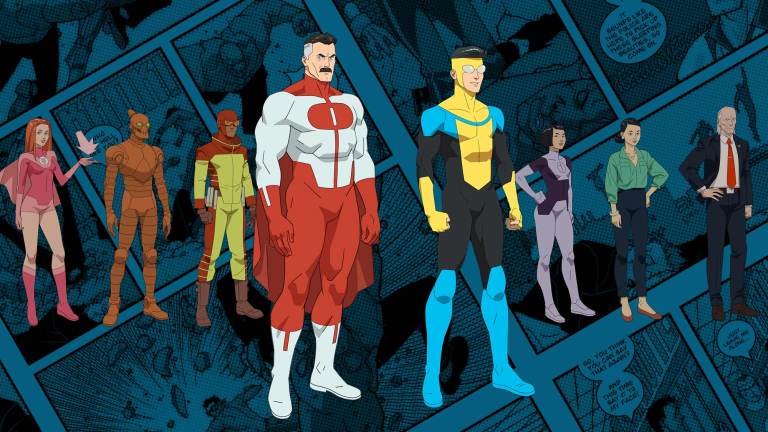
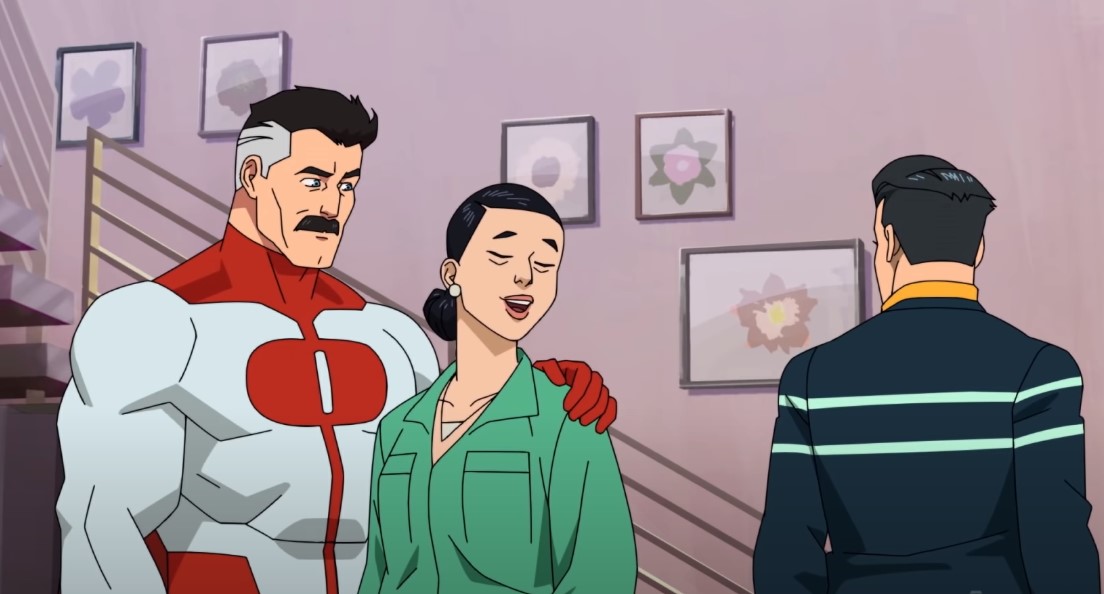
Anyone unfamiliar with the Robert Kirkman Image Comics series Invincible might find the first episode of the animated TV Show Invincible to be your typical superhero yarn. It starts out generic enough except for some wittier than normal dialogue; Mark Grayson (Steven Yeun) a young teenage son of the world’s mightiest hero, Omni-Man (J.K. Simmons), develops his own superpowers and juggles teenage life with learning to be superhero called Invincible. Adding to the familiarity is that Omni-Man is clearly inspired by Superman and his comrades in the superhero team, the Guardians of the Globe, are stand-ins for the Justice League.
Then the first episode concluded, and Invincible veered off violently into a completely new direction. Fans of the comic book series should enjoy the adaptation now streaming on Amazon Prime, since it is fairly faithful with a few differences as to the timing of certain character developments and events.
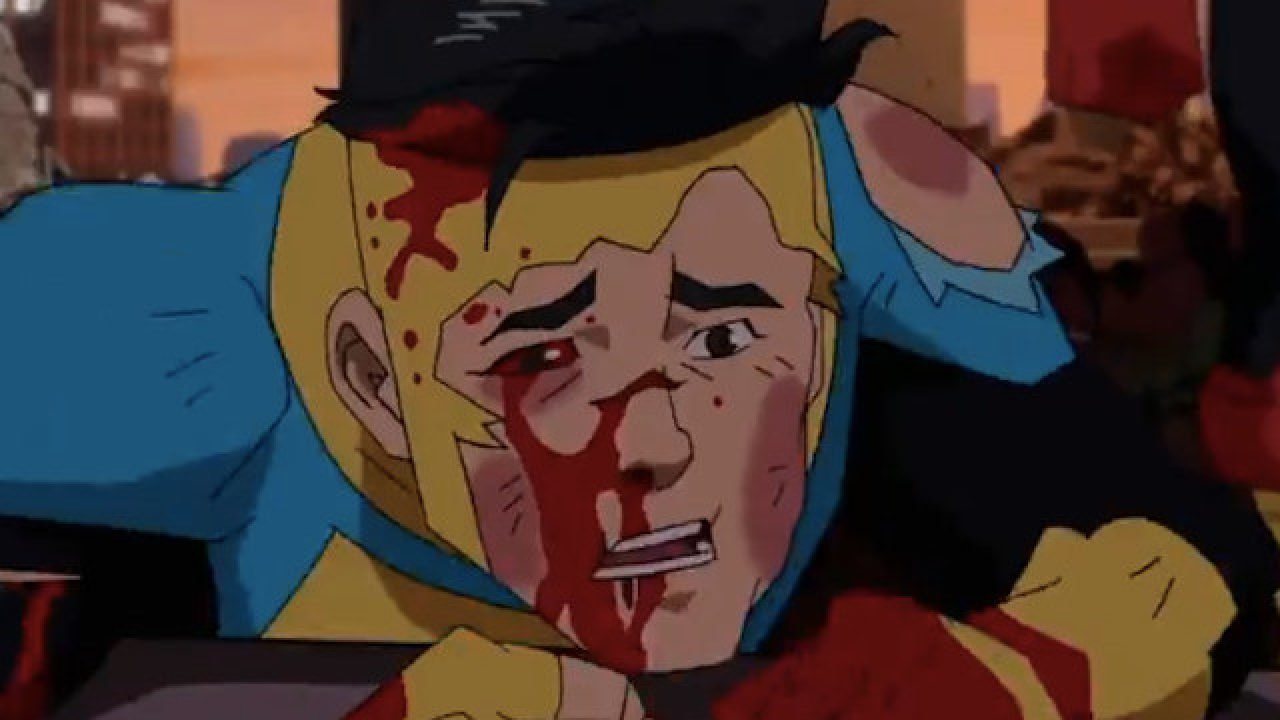
Without going into spoilers, the plot lines in the show are surprising as are the revelations about certain characters. For instance, in the episode “That Actually Hurt” Invincible is convinced to help a low-level supervillain to take out a dangerous criminal kingpin. What followed was one of the most wincing and savage fights as Invincible and his allies are nearly killed by the kingpin’s hired supervillains. But as graphic and epic the fights were what was more shocking were the final reveals which called into question Mark’s judgement.
Invincible is decidedly not for children as it is brutally violent in the vein of The Boys but in a more graphic extreme since the show is not limited by a live-action budget. In fact, some may complain Invincible may be too graphic with its violence. However, the show shows just enough restraint to keep it from going overboard.
As violent as the show is, it takes a mature approach to its character development. Mark goes through the well-known but perfectly executed tropes of a teenage superhero which explore the headaches of having a secret identity as his busy superhero life interferes with his ability to hold down a job or being honest with this girlfriend Amber (Zazie Beetz) or his growing relationship with Omni-Man and his perfectly normal mother (Sandra Oh). To the show’s credit, the characters are well explored and are captivating.
The secondary characters such as demon investigator Damien Darkblood (Clancy Brown), Atom Eve (Gillian Jacobs), Cecil Stedman (Walton Goggins), and Robot (Zachary Quinto) sometimes outshine the main characters. Damien is an interesting combo of John Constantine, Hellboy and DC’s the Demon. Atom Eve/Samantha Wilkins is a classmate of Mark and has an existential crisis over whether or not to remain a superhero or do meaningful work to help people. The stoic Robot trains the new version of the Guardians, but exhibits a surprising humanity, both good and bad and his final revelation was a genuine surprise. Meanwhile, Cecil is a dark yet humane version of Nick Fury and runs a super secret government organization that supports and monitors superhumans. It is very easy for viewers to get invested in these characters’ arcs and with minor appearances from other characters. One stand out was Allen the Alien (Seth Rogen), who becomes a relatable friend to Mark after the two initially fought on the moon. The actor’s easygoing, stoner vibe was emanated in his voice performance which made Allen so likeable.
Rather than mocking its superhero tropes, Invincible embraces them. It actually feels like a comic book while at the same time it functions as a deconstruction of the supehero genre.
To be honest, Invincible is not for everyone. The graphic violence can be offputting and the animation is not the most sophisticated, though its well done. The fact that the first episode “It’s About Time” feels like a retread of a Justice League story may lull people into thinking they’ve seen this before. But stick with the episode to the end. If the shock twist is not enticing enough to learn more about the show, then move on. Otherwise, sit back and explore the refreshing and hard-edged world of Invincible. By the time, the final episode “Where I Really Come From” is watched, viewers will be desperate to find out what happens next. Thankfully, Amazon Prime renewed Invincible for two more seasons.
The Falcon and the Winter Soldier, the second Disney+ TV series based on the Marvel Cinematic Universe (MCU) just finished streaming its inaugural season. On the whole, The Falcon and the Winter Soldier is another winner for Disney+ despite its flaws. As fans speculate, discuss and laud the series, it is pretty clear that it sets a new direction for the MCU. Spoilers will follow below for anyone who has not watched the show in its entirety.
The series takes place several months after the events of Avengers: Endgame. Steve Rogers, the original Captain America, is now “gone” (it is never clearly stated if he died) and his two best friends Sam Wilson/The Falcon (Anthony Mackie) and James “Bucky” Barnes/The Winter Soldier (Sebastian Stan) were left to pick up the pieces after Steve’s absence.
In the end of the last Avengers film, Steve Rogers passed on his nearly mystical shield to Sam Wilson to carry on the legacy of Captain America. However, when the series starts, Sam is very uncomfortable with that mantle and donates his shield to the U.S. government as he carries on juggling his private life with his contract superhero work for the government. At the same time, Bucky is grappling with guilt from his previous life as the Winter Soldier, where he carried out brutal assassinations.
While the two men try to go about their lives, events occur that force them to get involved together. These include a terrorist group called the Flag Smashers led by a young woman named Karli Morgenthau (Erin Kellyman). In the time between the last two Avengers films, half the world population was erased from existence until they were restored. The Flag Smashers believe the world would be better if there were no borders or nations, which apparently happened in between the films. To help their cause, Karli and her comrades have taken the same super soldier serum that gave Steve Rogers his enhanced strength and agility. They also steal more of the serum to create an army.
The U.S. government commissions a new Captain America, who is John Walker (Wyatt Russell), a military vet suffering from post traumatic stress disorder and he has a major chip on his shoulder. Naturally, he clashes with Sam and Bucky as the two track down the Flag Smashers.
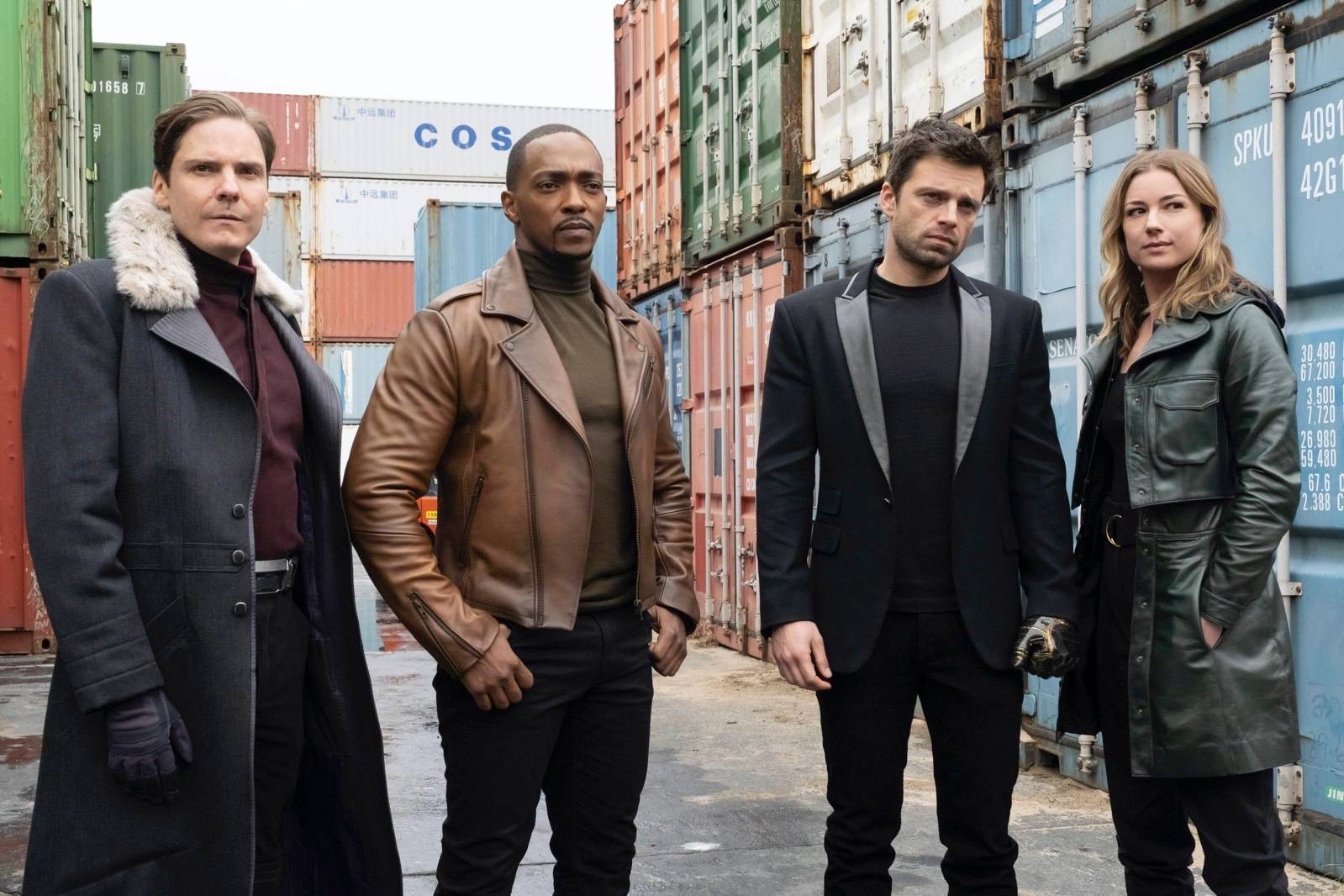
Their hunt for the terrorists lead them throughout the world and encountering allies and foes including the Machiavellion Baron Zemo (Daniel Brühl), former S.H.I.E.L.D. agent Sharon Carter (Emily VanCamp) and the mercenary Batroc (real-life mixed martial artist Georges St-Pierre). Zemo truly stood out as a character in the series with his cold charisma and calculating nature. His cause (a hatred and distrust of superhumans) was clearly defined and understandable from his point of view. For a villain who was dismissed by many fans in Captain America: Civil War, Zemo was elevated to become an A-list villains who had his own humorous memes, especially with his dancing at a night club. Here is an hour-long edit put out by Marvel Studios of Zemo dancing for your enjoyment!
Before we get started, this post will contain huge spoilers for the most recent episode of The Falcon and the Winter Soldier, titled “The Whole World is Watching”.
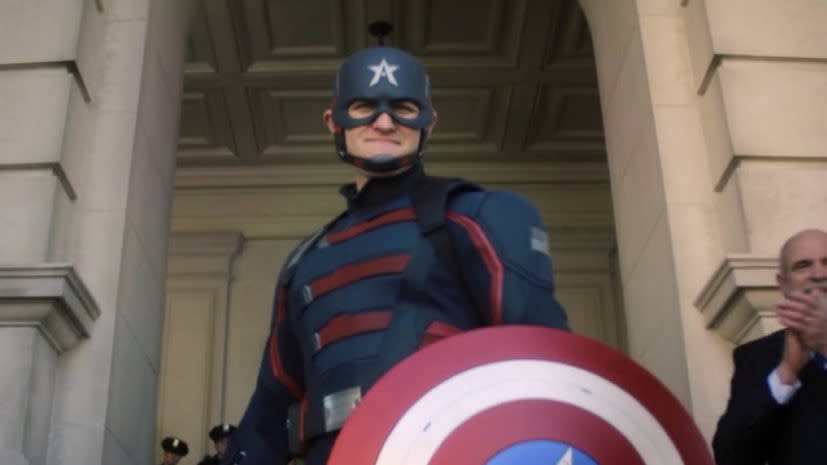
Anyone watching the latest Disney+ TV show about the Marvel Cinematic Universe (MCU) knows that the United States government introduced a new Captain America to replace Steve Rogers (last seen as a feeble old man in Avengers: Endgame). This new soldier, John Walker (played by Wyatt Russell), was instantly disliked by the characters in The Falcon and the Winter Soldier and viewers alike. The common complaint about John Walker as Captain America was that he not only did not look the part, but he looked so goofy with his ill-fitting helmet and undeserved swagger during his introduction. The memes and dismissals were quite brutal and over the top. Frankly, the poor soldier never had a chance.
To the show’s credit, John Walker was given a back story and he is not an evil person. In the interview he gave during his introduction during the show’s second episode “The Star Spangled Man”, he came off as a person who realized he had large shoes to fill and was trying his hardest. But that was impossible to do. After all, how can you top, let alone, compare to the legendary Steve Rogers? Still, he seemed respectful of the legacy and the honor given to him, plus he had the combat experience as a soldier to be a suitable replacement. But Sam Wilson/the Falcon (Anthony Mackie) and James “Bucky” Barnes/the Winter Soldier (Sebastian Stan) were outraged that Walker had the audacity to pick up the shield and mantle of Captain America. They and the audience felt he was not worthy. Howver, this outrage could be seen as guilt from Sam after he relinquished the shield to the government instead of replacing his friend as the new Captain America. With Bucky, he is furious because Sam gave up the shield easily and probably because he was not given the shield instead. Now, some pretender has the shield and the status of Captain America.
John Walker tried to work with Sam and Bucky, in fact, he and his partner and best friend, Lemar Hoskins/Battlestar (Clé Bennett), rescued the Falcon and the Winter Soldier later in the episode when they fought against a terrorist group called the Flag Smashers. But the duo didn’t want anything to do with the new Captain America and needlessly made him an antagonist.
Throughout the series, the new Captain America felt pressure to measure up. You could see this with subtle visual cues and the way he was treated by others, except Hoskins. What made things worse for Walker was that although he is a skilled soldier, he is not as skilled in fighting as the original Captain America. He began to feel inadequate and not up to the task. However, it was difficult to empathise with him because he displayed an arrogant swagger to the outside world. Also, he was reckless and impatient as his actions in the fourth episode escalated tense situations such as when Sam tried to negotiate with the Flag Smashers’ leader Karli Morgenthau (Erin Kellyman).
The ultimate humiliation came during the same episode where he was defeated in combat by the elite Wakandan soldiers, the Dora Milaje. He felt especially chastised when he commented that they did not even have super powers yet they defeated him handily.
This led to his conflict later in “The Whole World is Watching” when he came upon a vial of the Super Soldier serum that created the first Captain America and was given to members of the Flag Smashers. To his credit, Walker did not inject the serum, though he took the vial without telling anyone. He sought advice from Hoskins about the ethics of taking the serum and Hoskins opined that he himself would take it if given the chance.
In the last act of the episode as Walker, Hoskins, Sam and Bucky faced off against the Flag Smashers, it soon became clear that Walker had taken the Super Soldier serum thanks to his feats of increased strength. However, he was not as skilled or as polished as Steve Rogers, what was worse was that he lacked control. This lack of control would be exhibited in the shocking final moments of the episode.
During the final fight, Battlestar saved Captain America from being stabbed by Karli, but she accidently killed him in another example of someone who was inexperienced with having the Super Soldier serum. Enraged, Walker chased down the closest Flag Smasher he could find and brutally killed him by bludgeoning the terrrorist with his shield out in public. The last haunting image that closed the episode had a shaken and defiant Captain America standing tall with a bloody shield in front of shocked civilians, for the whole world to see.
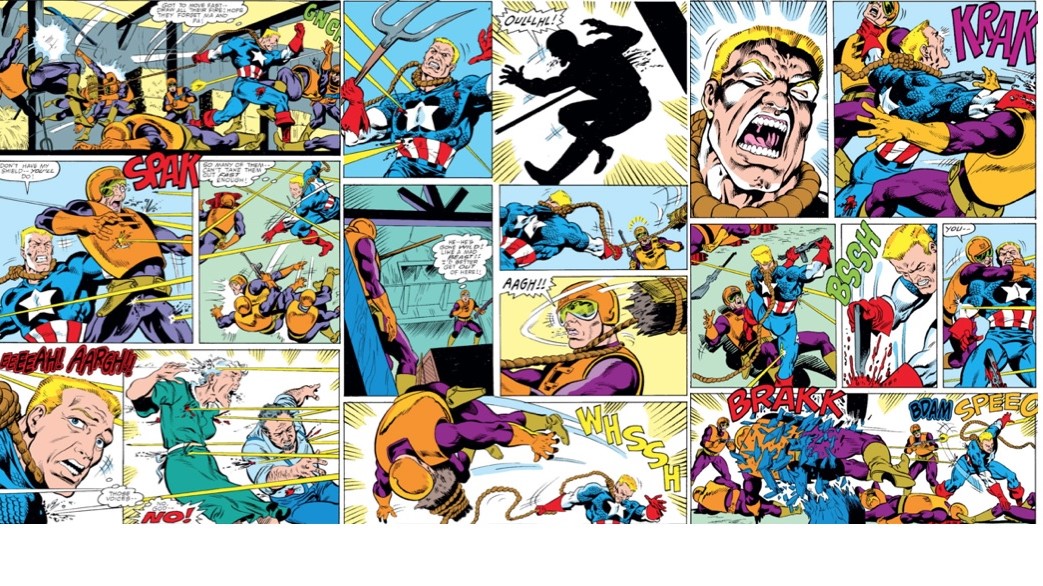
This development echoed similar moments in the pages of the Captain America comic book during a famous arc called Captain America: The Captain, written by Mark Gruenwald, which ran from issues #332 through 350. In the arc, Steve Rogers abandoned the Captain America identity and John Walker took over but proved to be unhinged. This was best shown in issue #345 (“Surrender”) where after his parents were murdered by a group of domestic terrorist, an enraged Walker savagely killed the terrorists, then tried to talking to his deceased parents as if he saved them.
Seeing a similar moment in the live-action MCU is more shocking just for the visuals and its impact. This last image could be seen as a metaphor for how far the U.S. has fallen in the eyes of the world; something that is an uncomfortable reminder of fairly recent events not just in the MCU but in real life. The moment clearly proves that John Walker is not worthy to be Captain America, who should be held to a higher ideal, a greater standard. The original Captain America represented the best of humankind thanks to his nobility and compassion. These traits were why he was chosen to receive the serum back in World War II. It is doubtful that whoever chose Walker had this in mind.
Then again, it is hard to see him as this evil man. Even as he smashed his shield down repeatedly over his victim, one can’t help feeling grief over how he and the ideal of Captain America have fallen. Circumstances beyond his control, such as facing opponents who outmatched him or how he was repeatedly disrespected, influenced him to make these fateful decisions. If things had happened differently, if Bucky and Sam had given him a chance for example, then maybe his brutal actions could have been avoided.
No matter how The Falcon and the Winter Soldier concludes, or who ends up wielding the shield and the Captain America title, John Walker is an intriguing character who deserves to be showcased in future MCU productions, perhaps as the U.S.Agent to mirror the comic books.








 Starloggers