Top Ten Sci-Fi Vacation Spots

Sigh, the summer is almost here and we cannot enjoy it, much less think about a vacation. One thing for sure is that after this crisis is over the last thing anyone will want to do with time off from work is have a staycation! While most vacation hotspots are unavailable right now it’s always fun to dream of an ideal place to visit. But nevermind places like Aruba or Disney World or cruises, think big, out-of-this-world big. Let your imaginations and dreams go wild as you consider these sci-fi vacation spots. Sure, they’re not without problems; ahem, like out-of-control androids, malfunctioning cruise ships or rampaging dinosaurs. However, these prime vacation spots will ease tired minds or excite anyone seeking a vigorous adventure.
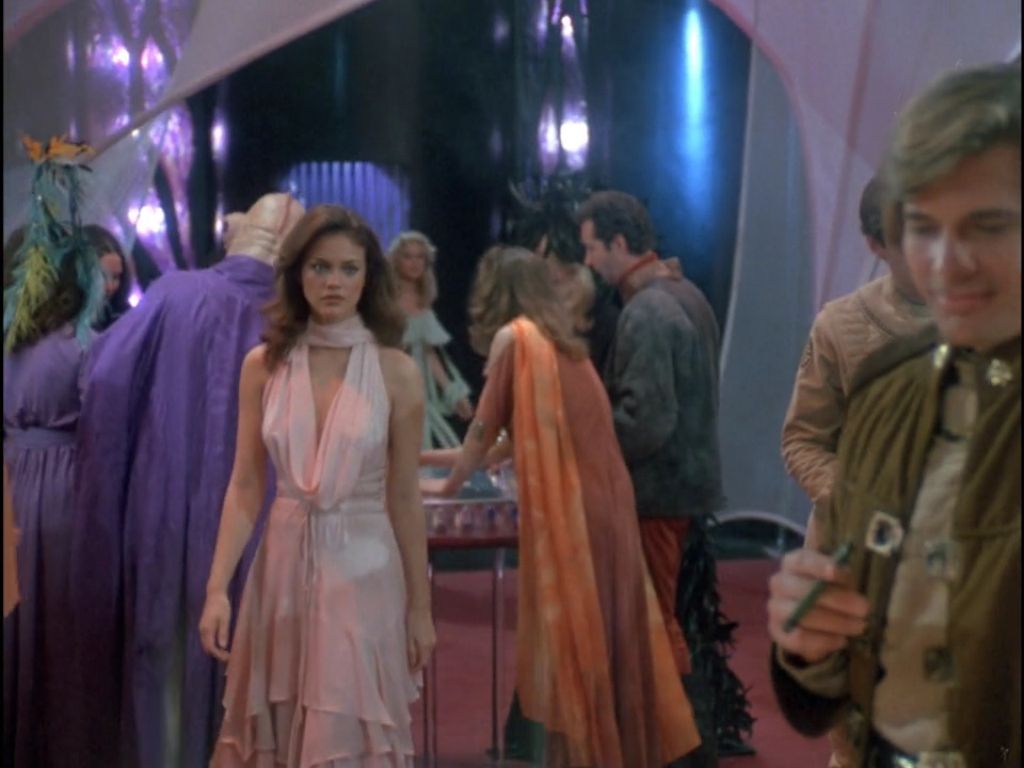
10. Carillon (Battlestar Galactica “Saga Of A Star World”):

Imagine you’re a weary war refugee and need a resort planet with people to welcome you with open arms, food, drink and great chances to win fortunes. Look no further than Carillon and don’t mind the fact that the indigenous Ovions only want to wine and dine you in order to fatten you up for their children’s menu.
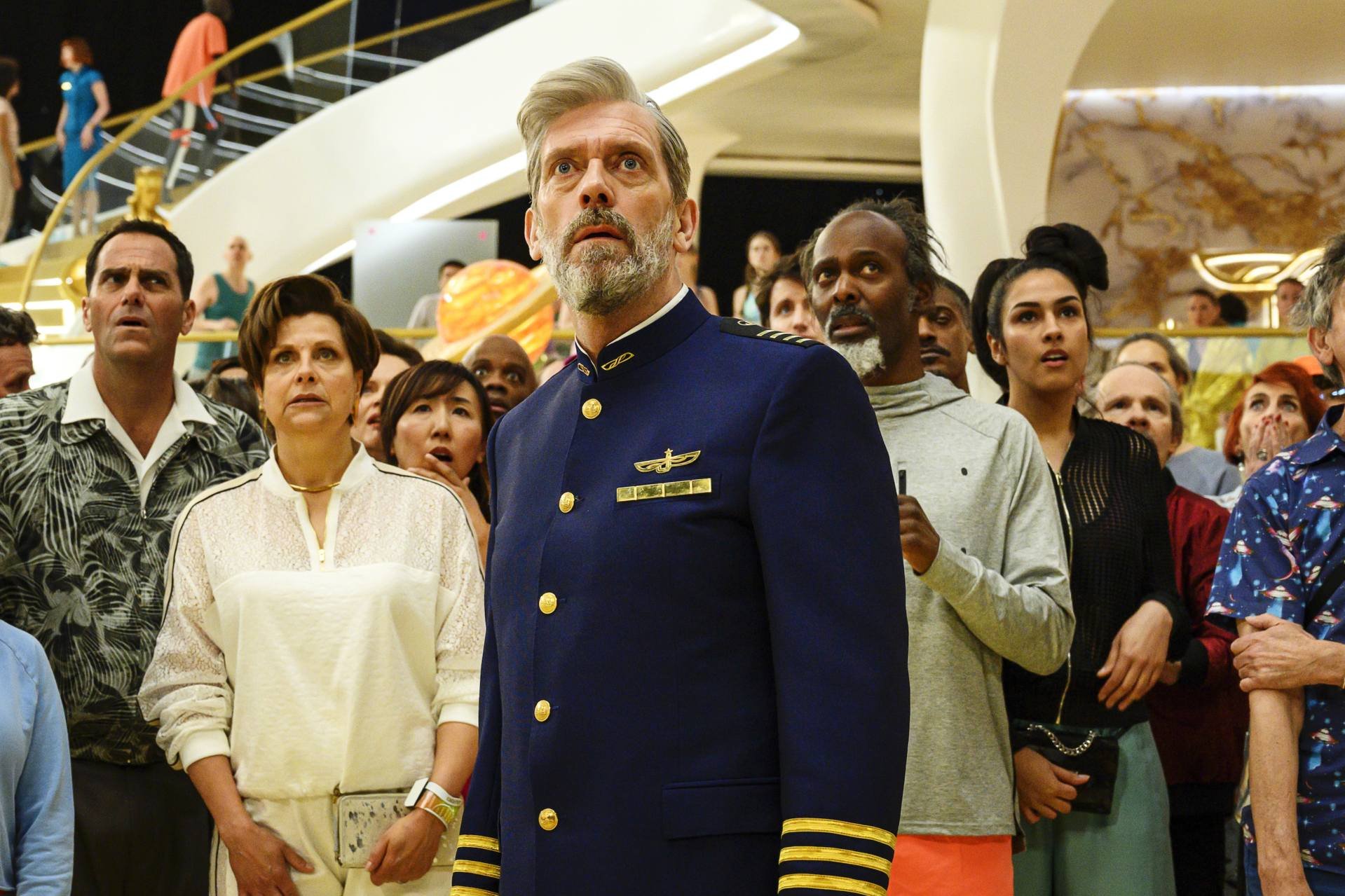
9. The Avenue Five (Avenue Five“): 

Want to book a voyage on an interplanetary cruise ship with five-star amenities and breathtaking views of Jupiter? Be sure to book passage onboard the Avenue Five. Commanded by the famously heroic Ryan Clark, this is the ship for you. It’s posh, elegant and can get you back to Earth after a rugged adventure in just three years…more or less.
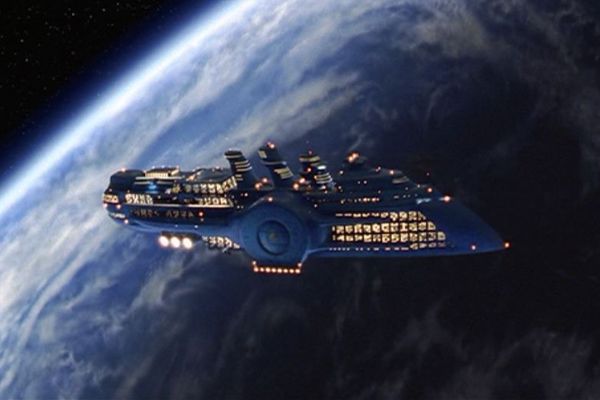
8. The Fhloston Paradise (The Fifth Element):

So the Avenue Five with its faulty equipment may not be your thing. How about a magnificent, state-of-the-art space cruise ship that takes leisurely anti-g sails on alien oceans? For entertainment the ship features charismatic blue aliens that sing opera! And hey, you may get a chance to help Korben Dallas save the universe!
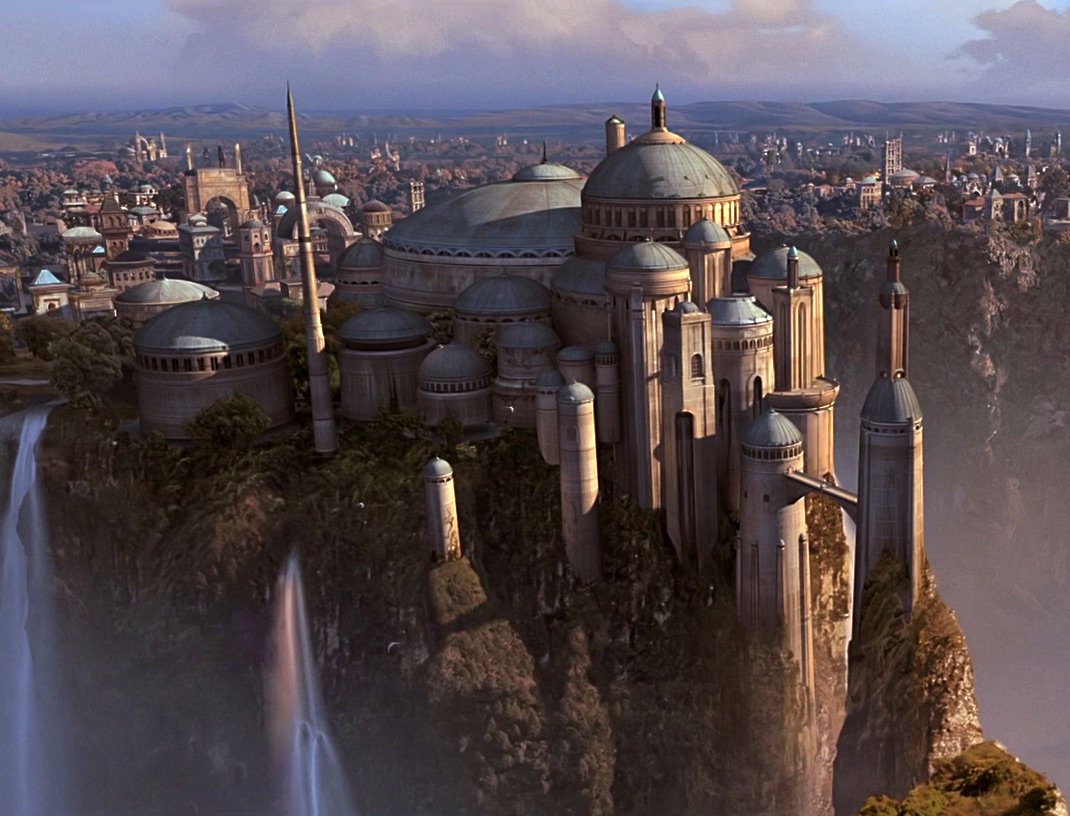
7. Naboo (Star Wars Episode I and II):

Forget about that so-called vacation world Canto Bight with its morally ambiguous entertainment. Now, this a planet of royal luxury! Verdant plains, magnificent waterfalls, and majestic Mediterranean-like architecture are just some of the highlights in your trip to Naboo. Just don’t mind those pesky Trade Federation android armies or those underwater Gungans.

6. The Axiom (WALL-E):

Ahh, gluttony, hedonism and instant robotic service at your fingertips are on board the Axiom. Make sure to run a few laps around the giant vessel’s jogging track or you’ll wind up looking like its permanent residents. Otherwise enjoy the advanced resort and spa, take in spectacular galactic sights and lend a hand to a certain beat-up little garbage robot, who’s out to save humanity.
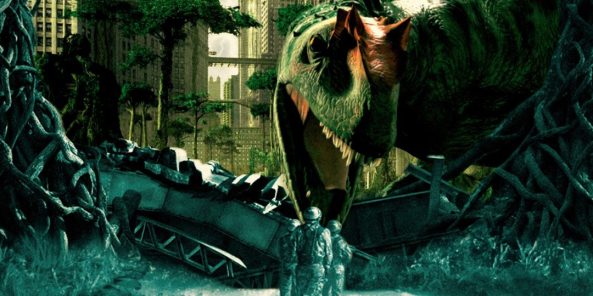
5. Time Safari (A Sound Of Thunder):

Go anywhere in time with the Time Safari. The most popular temporal destination is the prehistoric past where guides on marked above-ground trails help you hunt down a vicious tyrannosaurus rex just before its natural death. Please make sure not to leave anything behind, not even footprints, and don’t step on any butterflies.
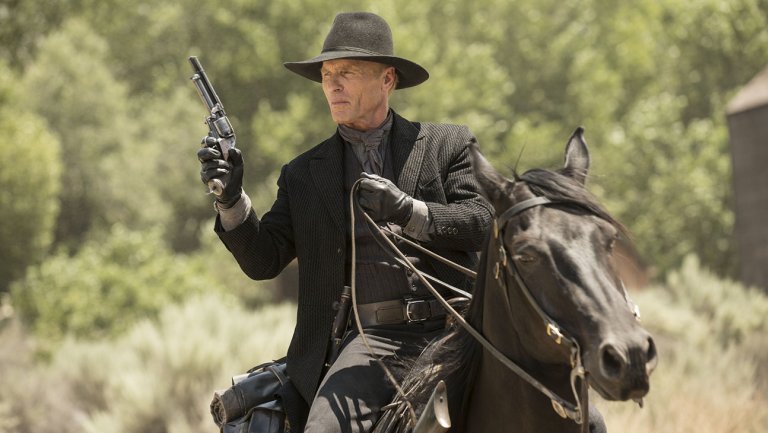
4. Westworld (Westworld):

The Delos Corporation’s amusement park also features Medievalworld and Romanworld, but Westworld is the most memorable spot to visit. For a mere $1,000 per day, you can indulge yourself in your most primal desires. Have a shootout (and win!) with gunslingers, do some hard drinking and bar fighting or spend time with a lovely partner. Don’t let those recent glitch with the human-looking androids to keep you from visiting. Cowboys aren’t your thing? There are plenty of other time periods and locales like Shogunworld, WarWorld, Fantasy World, and more.
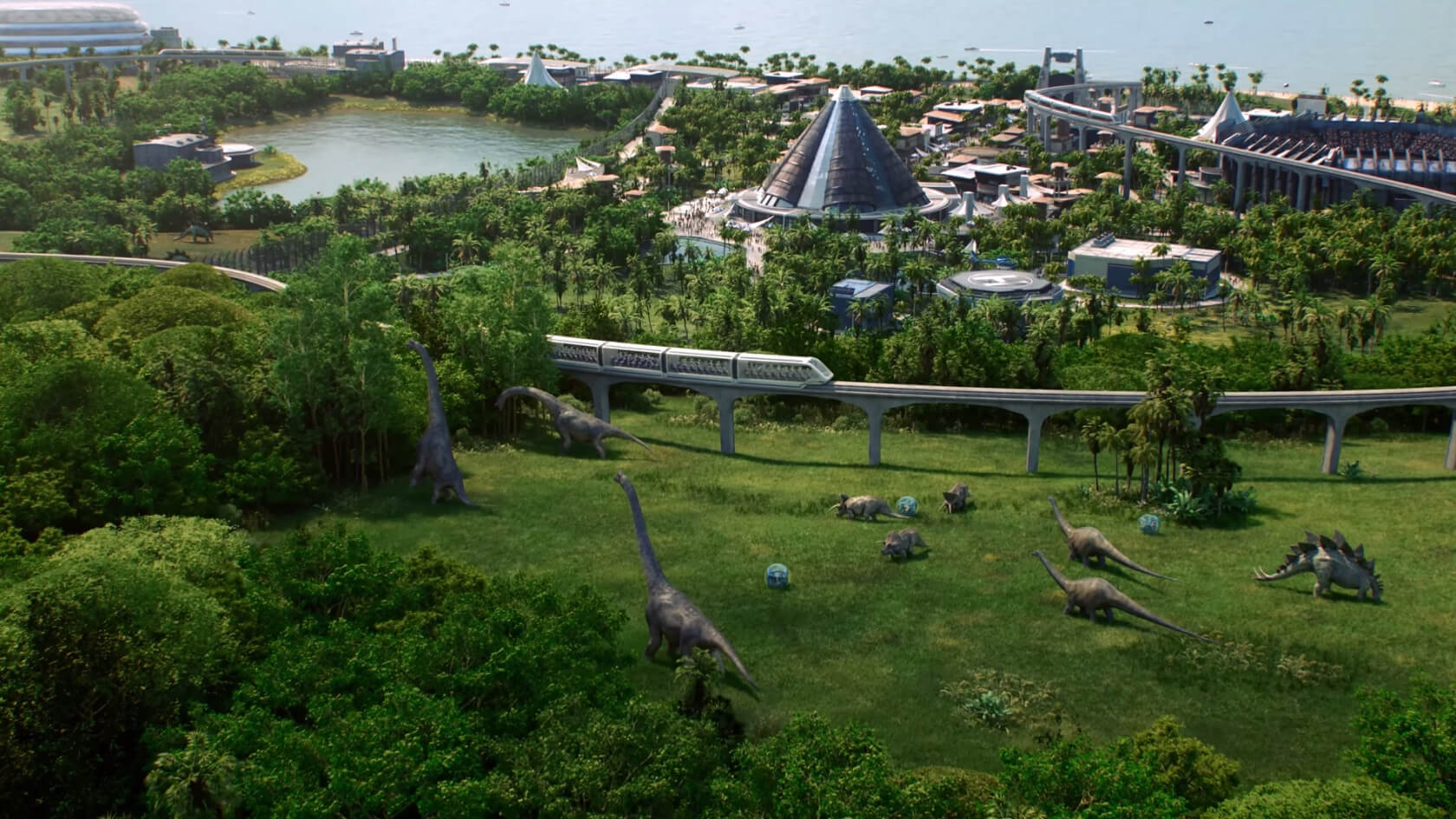
3. Jurassic World (Jurassic World):

Located on Isla Nublar, this is a must-visit theme park that blows away all the others. For anyone tired of fake-looking audio-animatronics, Jurassic World has actual, living dinosaurs! Resurrected after millions of years of extinction thanks to genetic engineering, these gigantic beasts are a wonder to behold for the young and old. Visitors can view them in their natural habitats from the safety of perimeter fences and rugged jeep vehicles. Back at the park’s facility take a behind-the-scenes tour of how these reptilian giants were recreated. Or indulge yourself with top-notch amenities, petting zoos, and be sure to visit the gift shops and restaurants.
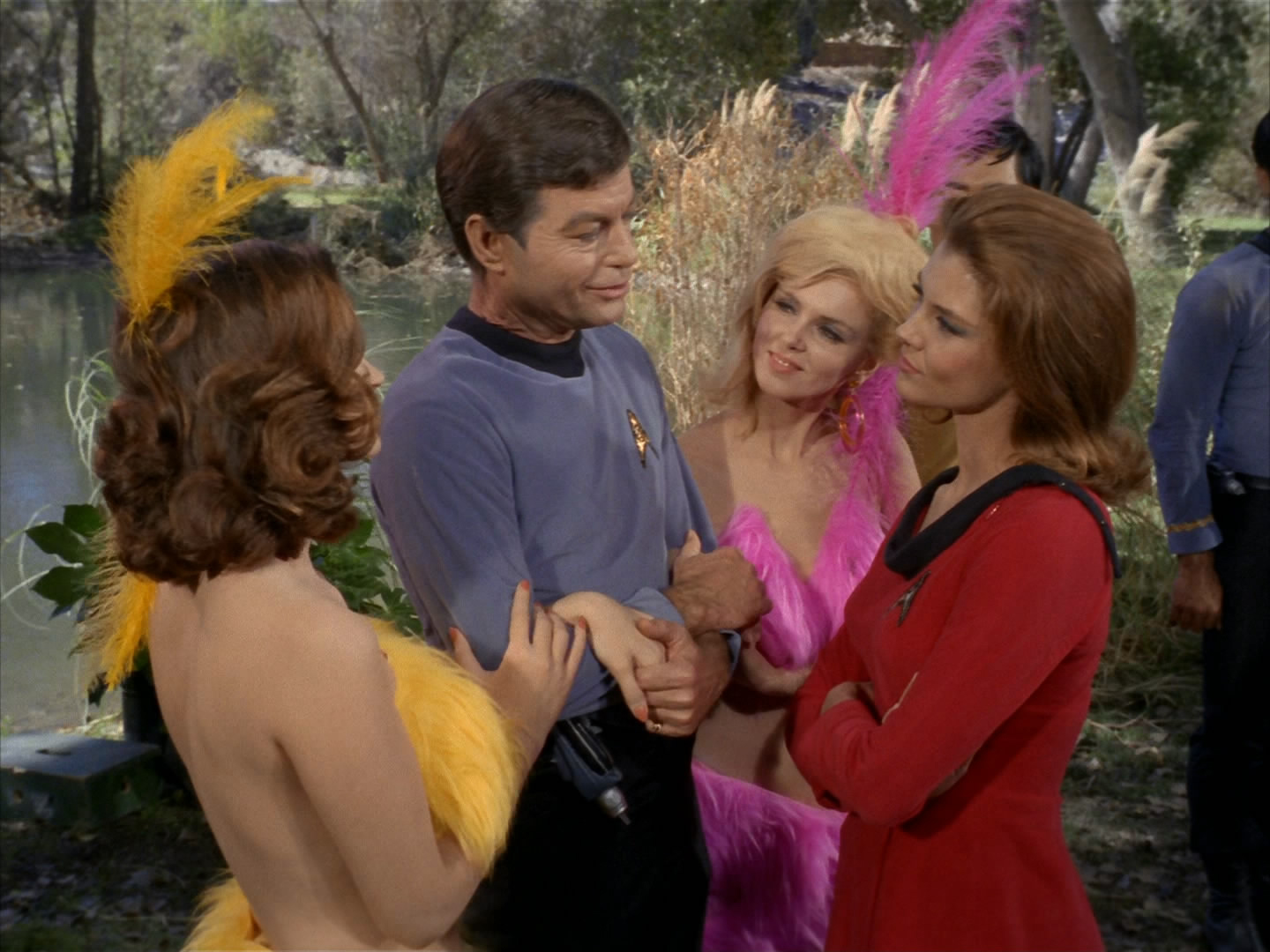
2. The Amusement Park Planet (Star Trek “Shore Leave”):

Located in the Omicron Delta system, this planet’s highly advanced facilities can literally create your ideal dreams just by scanning your thoughts. Want to get even with the school bully? Here’s your chance to find him and give him a beat down! You can also be a part of imaginative fairy tales, fight a samurai, evade dangerous wildlife, or spend time with the person of your dreams. Just be mindful of your thoughts.
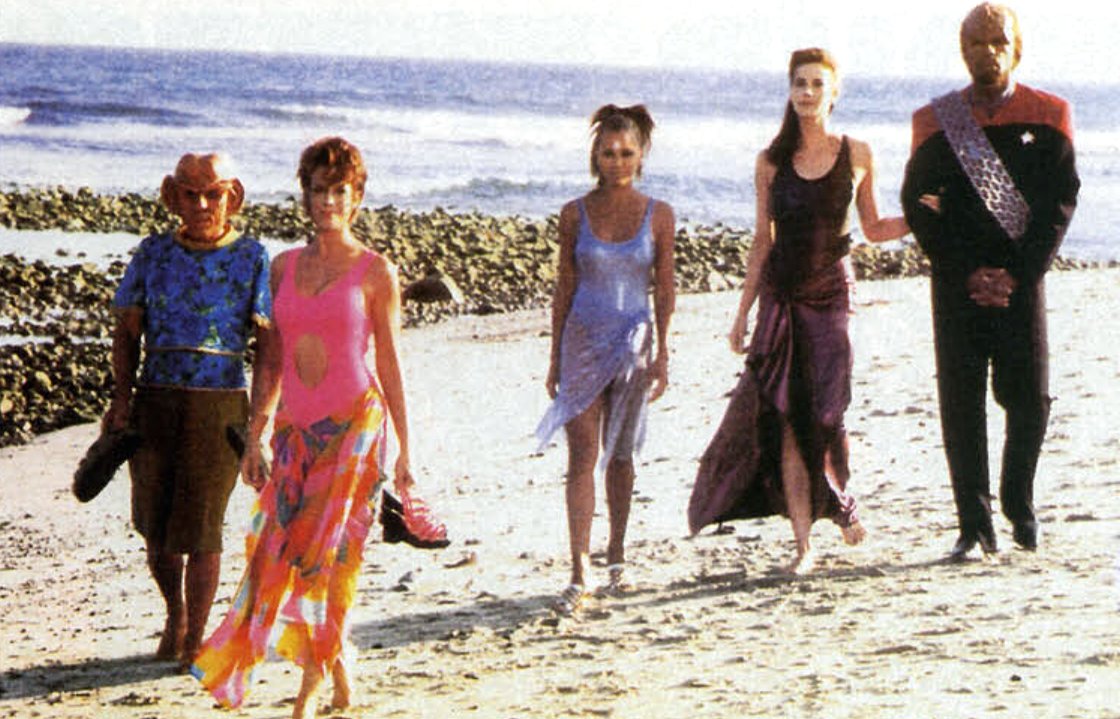
1. Risa (Star Trek: The Next Generation “Captain’s Holiday”, and other Star Trek shows):

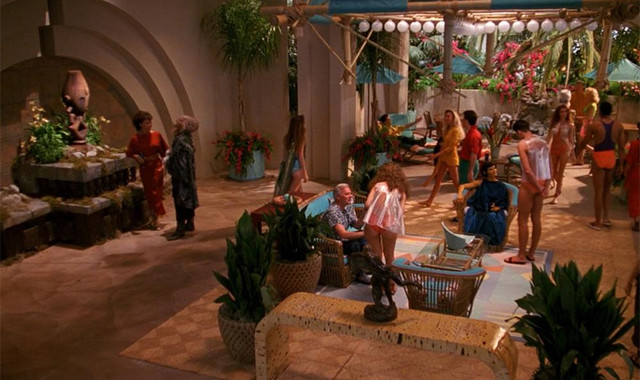
This is the resort planet that everyone talks about and visits. No wonder Risa is the most relaxing of sci-fi vacation spots. From Captain Archer in the 22nd century to Captain Picard and the Deep Space Nine crew in the 24th century. Why would so many people visit Risa? Well, imagine a planet with a plethora of white-sand beaches, luxurious resorts, rich gardens, outdoor activities, nightclubs, perfectly controlled weather and unforgettable twin sunset views. Risa is the best spot in the galaxy for couples wanting to get away from it all and for amorous singles. Here’s a travel hint for vacationing singles looking for romance: be sure to have a Horga’hn statue ready.
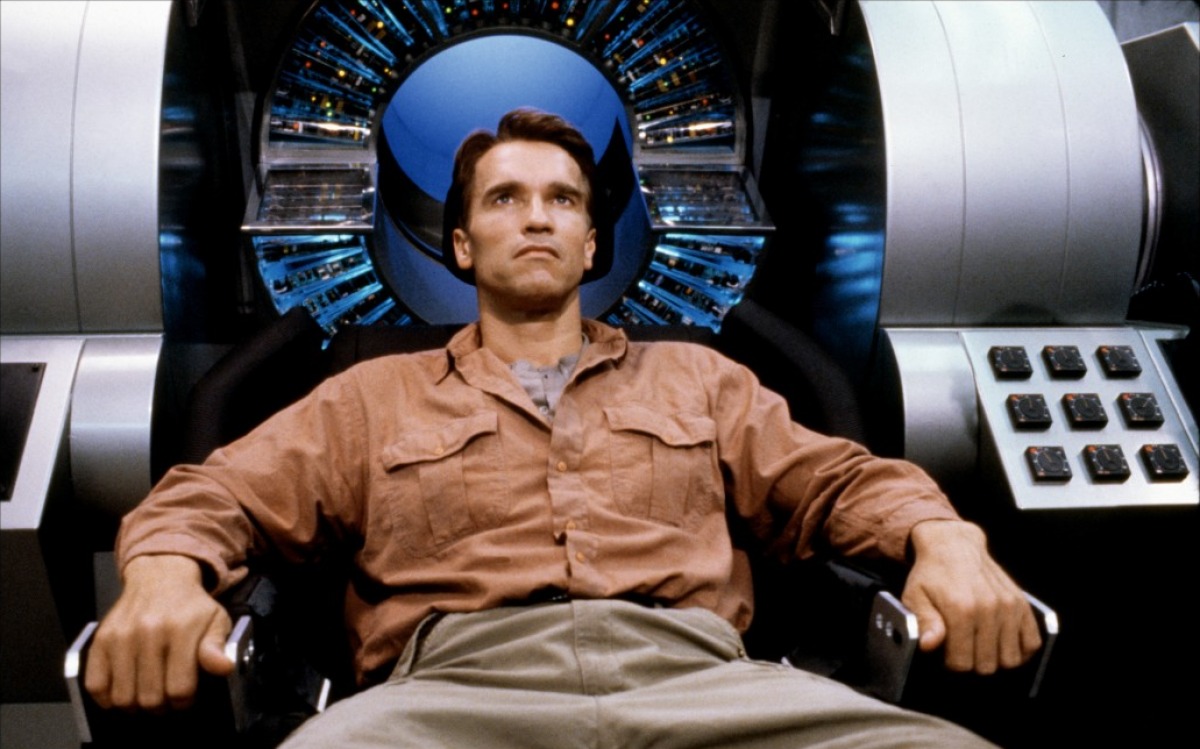
Here is a bonus. If these sci-fi vacation spots are out of your price range or you are unable to travel, why not visit a local Rekall and live out the wildest adventure in the comfort of a lounge chair through Rekall’s innovative memory implants? You don’t have to leave your locale and can have your pick of the ideal vacation spot on Earth, Mars or anyplace else.

Any of these places and options would be ideal vacations for all of us.
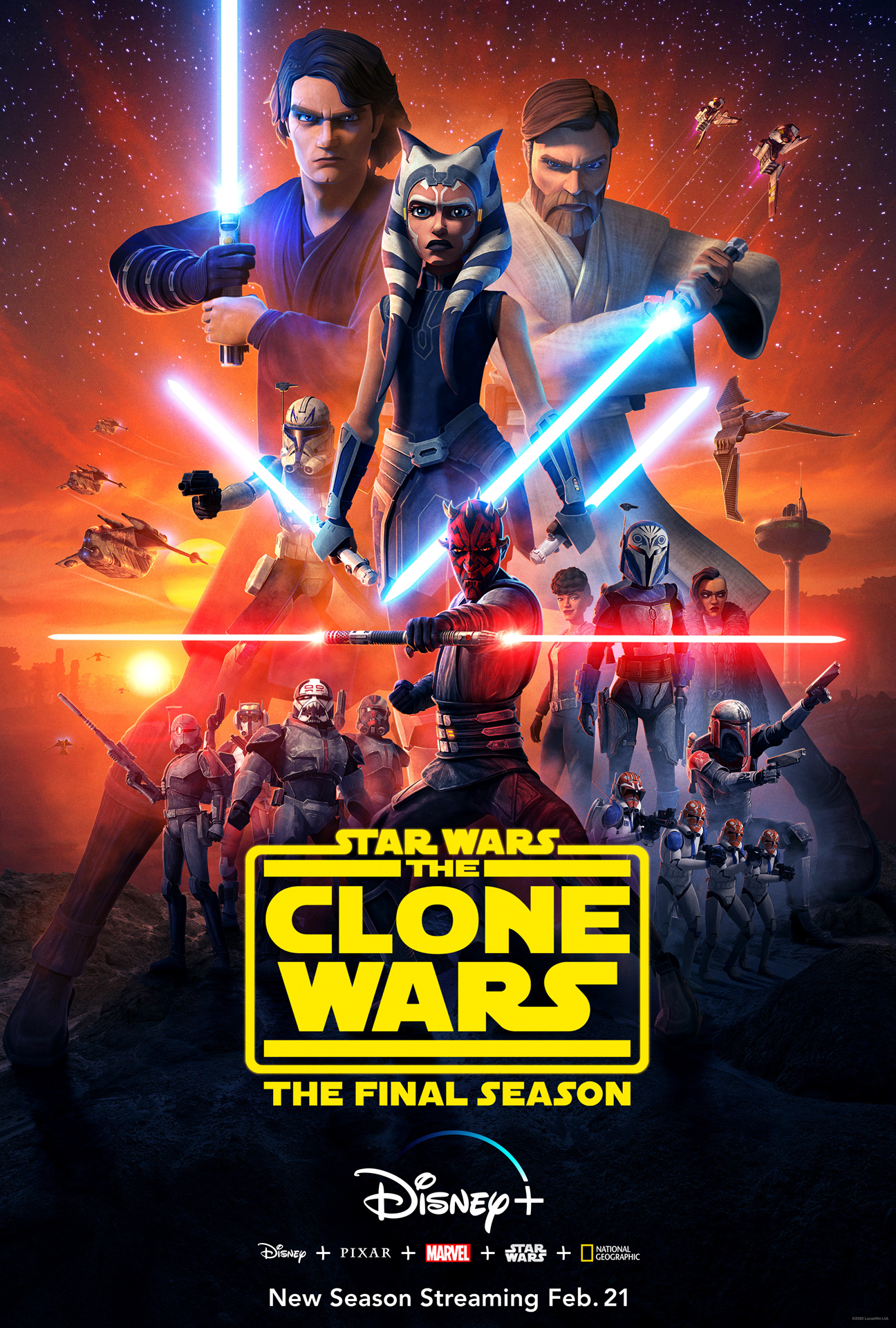
The Final Season Of Star Wars: The Clone Wars Concludes

Star Wars: The Clone Wars has had many homes from Cartoon Network to Netflix and now Disney+. Focusing on the adventures of the Jedi Anakin Skywalker (Matt Lanter), his apprentice Ahsoka Tano (Ashley Eckstein), Obi-Wan Kenobi (James Arnold Taylor) and assorted characters from the Republic Era, The Clone Wars was widely acclaimed for its enriching storylines that fleshed out the prequel films. They added much needed context to the films and in some ways improved them and fully realized George Lucas’ vision for the prequel era. The show was canceled shortly after Disney acquired the Star Wars property and apparently wanted everyone to forget the prequels and anything related to them existed. However, the love for Star Wars: The Clone Wars refused to go away and finally, a new season was produced and began streaming earlier this year on Disney+. The seventh and sadly final season of the animated classic series concluded on May the 4th. Yes, it probably was timed to stream on the unofficial Star Wars Day, and it was a grand way to celebrate the day.

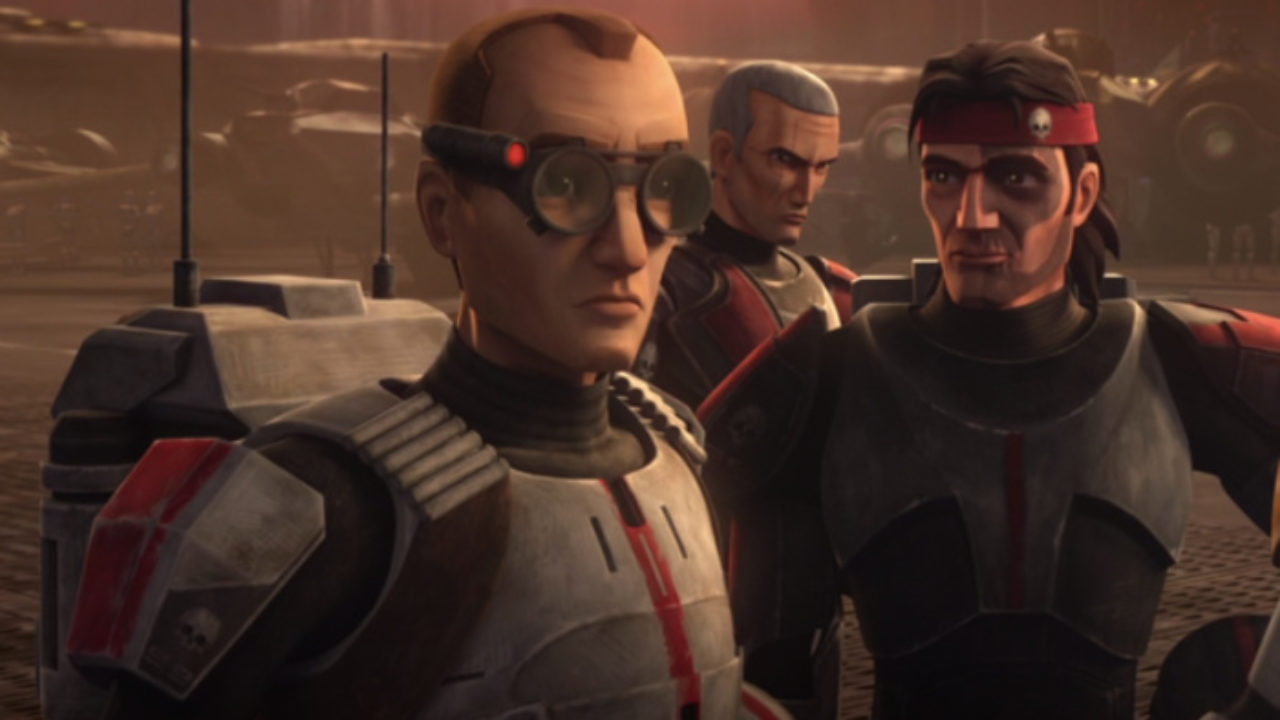
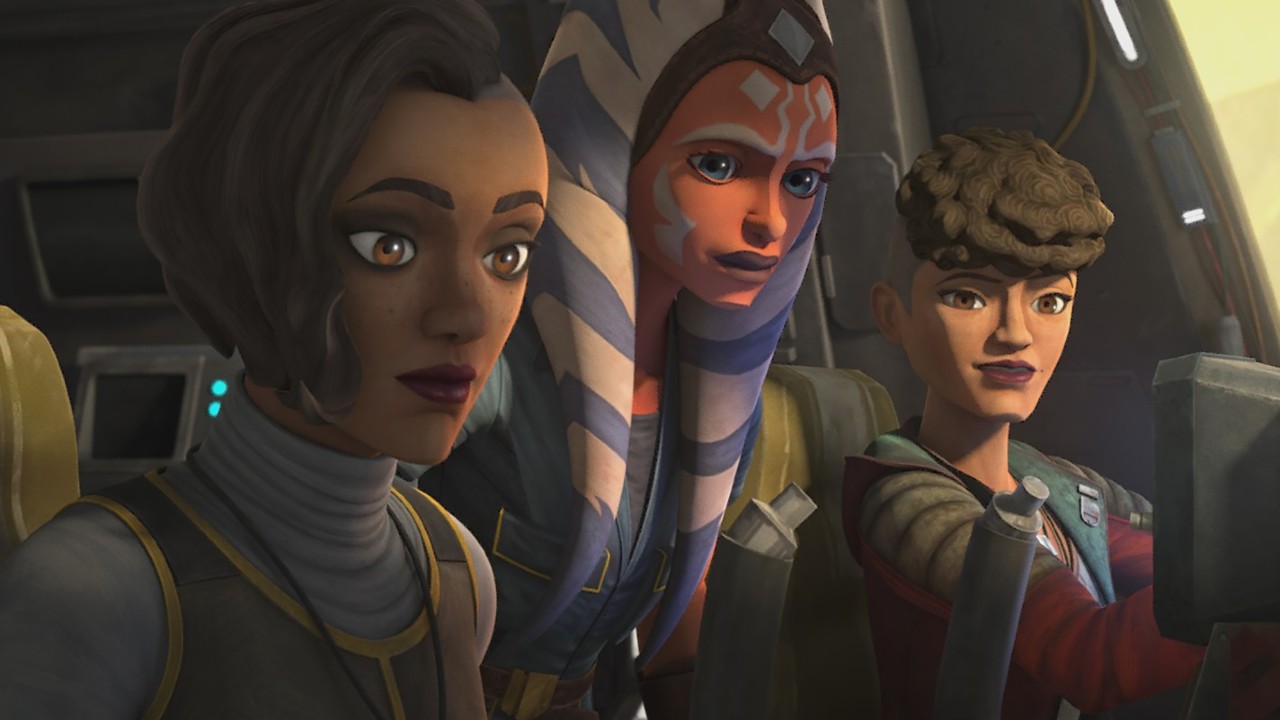
Essentially, the season is broken up into three story arcs. The first one told the story of a platoon of clone troopers that are sort of misfits from the clone army in that they have distinctive characteristics. These troops nicknamed the Bad Batch prove themselves in battle as clone commander Rex (Dee Bradley Baker) searches behind enemy lines for his lost comrade Echo. The second arc follows Ahsoka after she left the Jedi order in season six and how she falls in with two sisters who run into trouble with the underworld of Coruscant. This allowed Ahsoka to see a different way of how the Jedi are seen by the downtrodden. This arc directly leads to the final one which was the best of the three.

While not a perfect season, it does wrap up many lingering plot threads from the previous seasons and leads up succintly with the final Star Wars prequel film, Star Wars Episode III: Revenge of the Sith. The standout episode of the final arc was the penultimate episode “Shattered”, which takes place at the same time with Star Wars Episode III: Revenge of the Sith. In the episode and the finale, we get to see another side of the infamous Order 66 and how Ahsoka escaped from being killed when the order was given.

As thrilling as the final episodes were, they took on a distinctly ominous tone that differed from the rest of the show. Even the opening intro departed from the norm by eschewing the triumphant score of The Clone Wars, its opening opening pseudo quotes and bombastic opening narrator. Instead, the final four episodes flow seamlessly together as if they were an actual feature-length film. Throughout the final episodes there was a sense of disquieting unease and dread which paid off as Order 66 was executed and everything Ahsoka believed in fell apart. The final arc elevated the season and made it stand up there with the best of what the previous seasons offered.

As can be guessed, Ahsoka was the true main character in this season while Anakin and Obi-Wan were mostly guest characters. The only other characters who had important roles in this season were Rex and Maul (Sam Witwer), who displayed an impressive range as a villain. He demonstrated in the episodes that he is not only a complete powerhouse of a villain (and one of the best Star Wars foes) but a tortured and complex character as he too, was betrayed by his beliefs as Ahsoka was.

While the stories in these final episodes were fine, it is too bad, the showrunners did not finish the Utapau-based episodes that were never completed the original sixth season of The Clone Wars. Yes, we can see them on StarWars.com, but it is puzzling why they were not finished. On another note, the seventh season episodes were so well-made it boggles the mind why Disney did not commission more episodes to be produced. More of them would have fleshed out the season, which felt a bit abrupt.

It is a bit odd seeing this final season come to life. The original run of Star Wars: The Clone Wars opened with a story about Yoda and ended with the diminutive Jedi Master Yoda and ended with him in the classic episode “Sacrifice”. For the longest time, “Sacrifice” was the series finale and a fitting one, as Yoda realized that the Clone Wars were irrelevant as opposed to bringing balance to the Force and the hope for the galaxy was in the future. Now that has to be discarded with the more downbeat “Victory and Death” episode that focused on Ahsoka and her disillusionment with her former mentor and all that she stood for. In many ways, “Shattered” and “Victory and Death” served as complementary pieces to Star Wars Episode III: Revenge of the Sith and its pessimistic outlook. However, unlike that film, which provided in its final moments a sliver of hope for the future and in “Sacrifice”, “Victory and Death” is missing these types of optimistic scraps. That would have to come later with Star Wars: Rebels.

All in all, it was great to watch these final stories of Star Wars: The Clone Wars; they will certainly please fans as they embellished and elevated the Star Wars prequels.

The Current State And Future Of Comic Books, Part II

We looked at the current state of the comic book industry, which had been declining in recent years for many reasons ranging from too many products flooding the market to the obsession with variant comics. The industry suffered a brutal blow with the COVID-19 pandemic which forced most stores and industries to close in order to stop the spread of the coronavirus. This weekend, another annual Free Comic Book Day event would have taken place all over. That is gone, along with highly anticipated conventions, especially the San Diego Comic-Con.  But fear not, we will get our geek fixes at some point in the future.  However, as our society looks ahead and to reopening, many fans are wondering where the comic book industry goes from here or if it can survive.  Let’s look further.

The Coming Contraction

To be blunt, there are too many comic book titles flooding the market. Certain popular characters have multiple monthly titles; numerous crossover event books have overtaken the shelves; and every time a fan turns around a title is canceled, relaunched or rebooted just to produce a new number one issue for collectors. The hard truth is that this cannot continue. Once this crisis passes and the stores reopen, the publishers have to entice readers to buy their products. One thing to keep in mind is that too many buyers are now out of work and cannot easily afford comic books, not with current prices. It is not realistic to expect the average fan to buy all of your products as in the past.

Publishers need to determine what books to create. The obvious answer would be to focus their titles on their most popular and recognizable characters. And they should be limited to two or three titles at most. One thing publishers can do is to increase the amount of pages in a popular title and feature back up stories with lesser heroes. This was the norm back in the Golden Age of Comics and would allow for the publishers to keep employing creators as is currently done.

Look at the Downside

While contracting the amount of books published monthly goes against publishers wanting to put out as much product as possible, there are long-term benefits. Limiting the amount of exposure for a character creates demand. At the same time, the quality of the stories will improve as not every story angle will be quickly used up in a short amount of time by writers and artists pumping out dozens of titles per month.

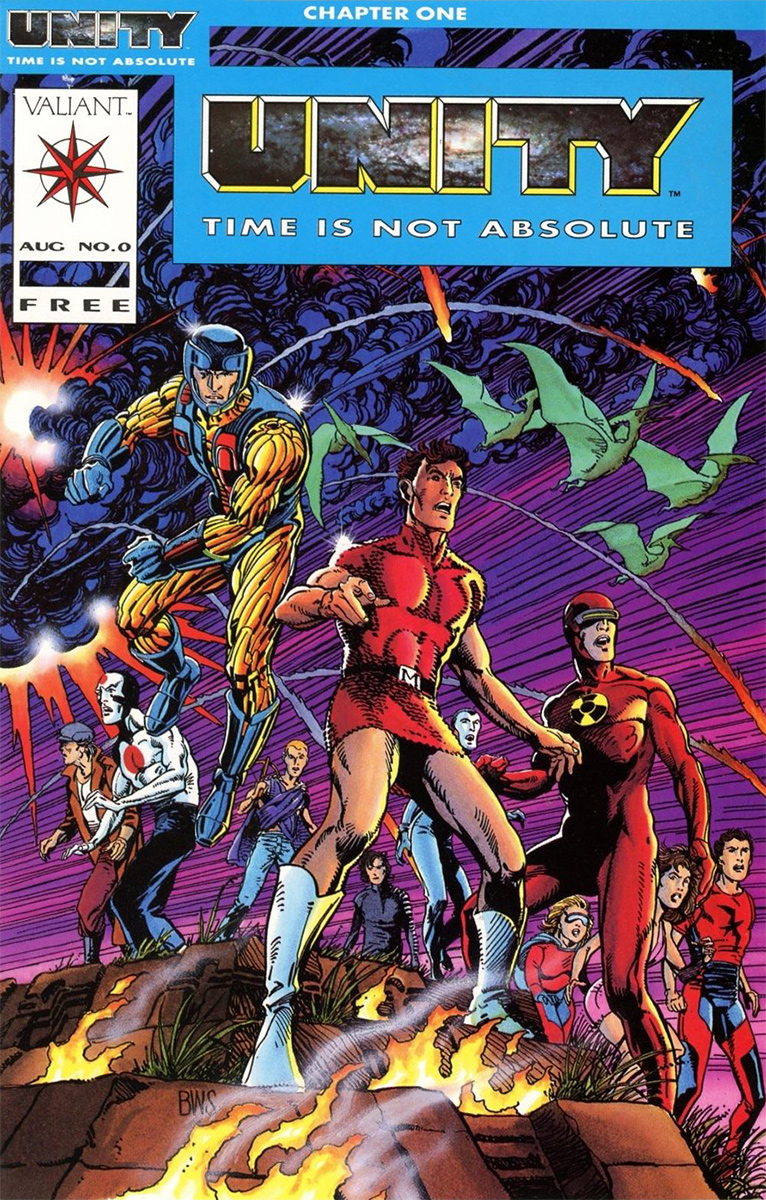
Another benefit for downsizing comics is that it will be easier to coordinate events and continuity. An all-too-common gripe from readers is how they are pressured to buy every single crossover comic book and keeping up with what is going on. Too often, events are contradictory and repetitive. How many times can someone in the Fantastic Four or the Avengers die and come back? Think of how great it was to read the early Valiant comic books. Back when those comics came out in the early 1990s, only a few titles were published monthly and there was a tight continuity between the titles. They were easy to follow, yet for the most part we were not forced to buy every book. This helped create buzz for those Valiant titles. When an event like Unity occurred it was a big deal. Nowadays it seems as if there is some kind of weekly event. Speaking of events, what is the latest Spider-Verse thing going on now? Or is it Spider-Geddon?

Reduced Prices

There are many ways to cut costs aside from limiting output. The easiest way to entice buyers is through sales: BOGOs, discounts, subscription services, etc. Many of these sales tactics are used right now, which is often seen during the holiday season, Free Comic Book Day, or the release of major superhero films.

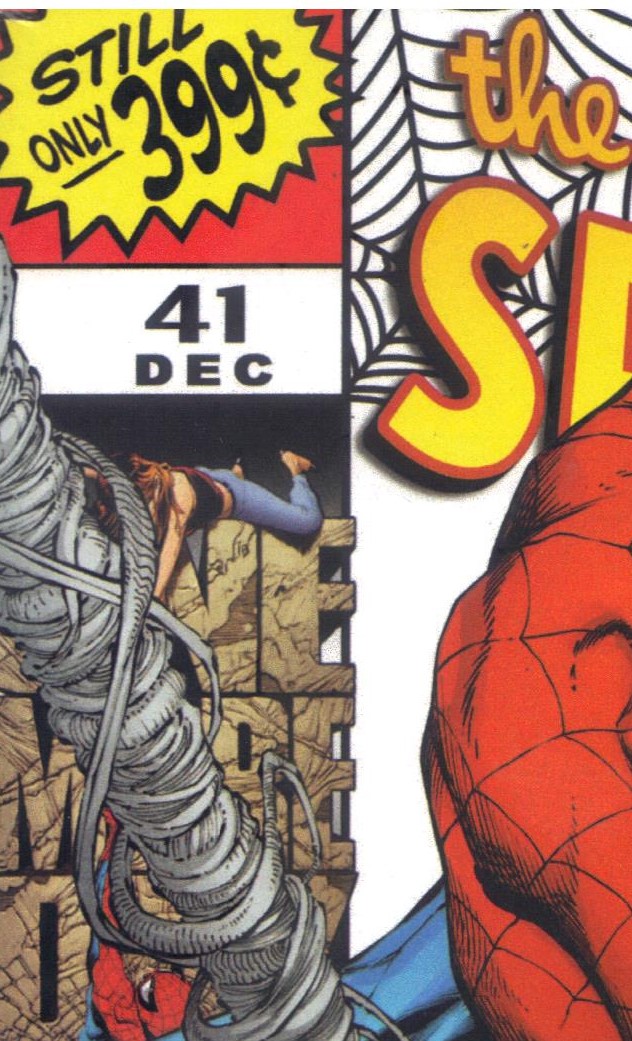
Still, these sales will only go so far. To keep people coming back and buying comics on a regular basis, prices must be lowered. Expecting loyal readers to fork out $3.99 per title is unrealistic given the state of the economy. One reason why comic books took off when they were first published was because of low prices. Everyday kids could afford to buy them for 10 cents at the beginning. They were even affordable when the prices eventually went up to a dollar or so. But current prices inhibit children from buying them. Publishers must entice new generations of readers to keep the industry alive; although publishers put out inexpensive comics geared towards young children, they are not adequately attracted to more traditional titles.

OK, so how can publishers lower prices besides limiting the amount of books published? One thing that can be tried is to change the paper stock and if worse comes to worse go back to newspaper print. It was only in the past couple of decades that the paper quality in comics took quantum leaps forward. No longer did collectors have to worry about yellowing pages or crumbling paper. But this came at a literal cost. Perhaps it is time to revisit the traditional newsprint, if only for a while.

Another idea is to use less pages per title. This could mean shorter and more serialized stories. But this should be considered along with the actual size of a comic book.

Most fans know that the Golden Age and Silver Age comic books were actually slightly bigger than current comics. The sizes were reduced eventually to diminish the amount of paper needed and therefore cutting costs. Comic books in the future will probably be smaller and look like those Best of DC comic book digests that came out in the 1970s.

Continue reading

The Current State And Future Of Comic Books, Part I

It was well known by fans that the comic book industry faced declining sales in the past few years. Then this pandemic struck. Now, comic book shops all over are closed down to prevent the spread of COVID-19. Major comic book companies like Marvel and DC will not release comic books digitally, and this has resulted in the entire industry coming to a standstill. We have not had any released comic books for several weeks and this has cascaded to lost jobs, revenue and products. On top of that, the San Diego Comic-Con and other conventions have been cancelled.

This crisis will pass at some point. But will its damage be too much for the comic book industry? Even without this pandemic the industry had many challenges and was running on inertia and good will from other media, notably the films and TV shows based on their comic book characters. It was in a fragile place and it may only take an outside factor like the coronavirus to be the kill the industry.

So, what happened to the comic book industry and where does its future go? If it even has one.

Modern State

When the American comic book first came into existence back in the 1930s they were aimed at children and at first reprinted newspaper strips. This changed with Action Comics #1 in 1938 as it introduced Superman, the first genuine superhero. After a lull in the 1950s superheroes dominated the medium to this day. However, comic books continued to change as new styles and ideas were introduced, and readers’ tastes changed, as well.

Currently, we are in the Modern Age and just as in the 1990s it is defined by an overreliance on speculators and comic books geared to please them. There are differences between the two time periods. The speculators during the Copper Age in the 1990s were mostly outside investors who hoped to retire by buying comic books with gimmick incentives like hologram covers, inserted trading cards, and numerous guest appearances by popular characters like Wolverine or Venom. This period was infamous for the Great Comics Crash of 1996 as investors were unable to sell their comics and left. Sales dropped so hard that comic books’ continued existence was in doubt.

Exclusive Variants

While those investors are long gone, today many hardcore collectors are encouraged to seek out very expensive variant comics. These are issues of certain key titles with different covers that are given out to retailers as incentives by distributors like Diamond Comics and publishers to encourage retailers to buy large volumes of comics. The retailers in turn sell these exclusive variants at premium prices, but are stuck with too many comics that will not sell. That is one of the reasons why comic book stores have so many sales with comics selling for $1 or so.

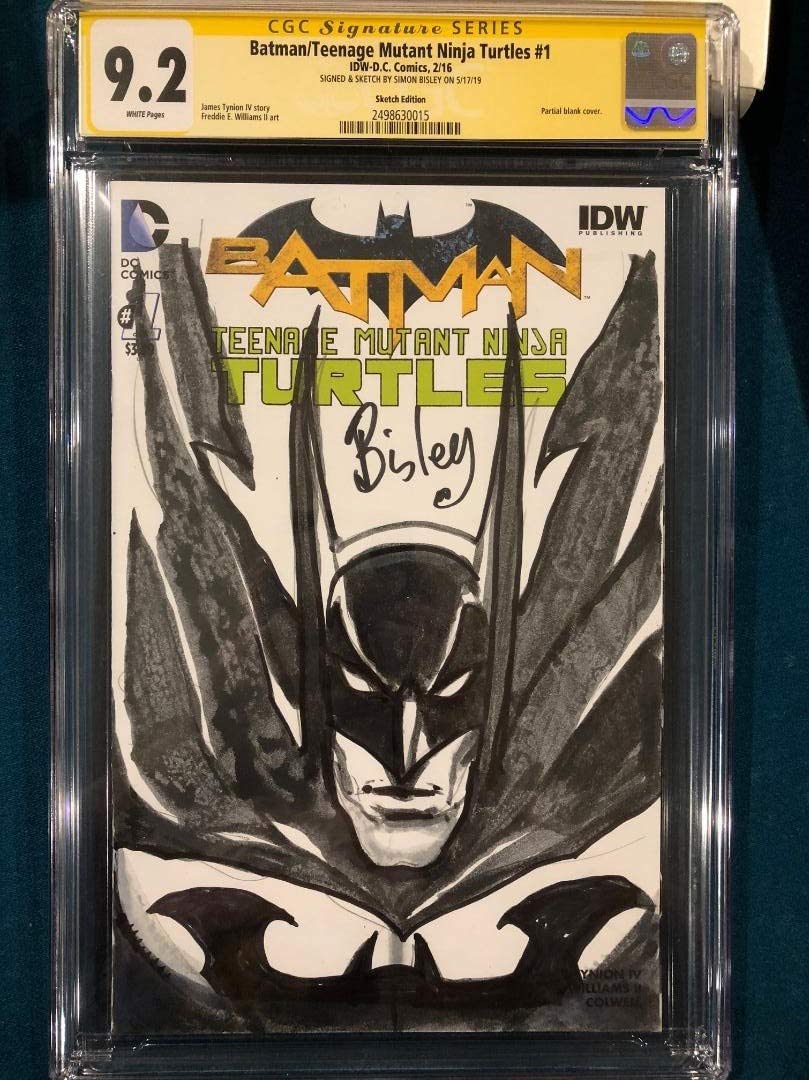
A new type of variants are blank cover comics that can be used for signatures or sketches by artists. This means that these comic books become unique pieces of art and thus more valuable. On average an individual title will have roughly eight to ten variant covers released. It can be hard to discern which is the regular cover for a title for a collector not interested in the variants.

These days collectors submit their coveted titles for grading to the Certified Guaranty Company (CGC). This company uses experts who thoroughly examine comics and assigned a number grade before the comics are sealed in hard plastic cases. This has led to collectors with large wallets to chase after these high-value items. Lately, CGC is selling comic books that are exclusives with black and white sketch variant covers of regular issues.

While some can profit handsomely with these graded comics, one has to wonder about the future of this niche market. After all, the average collector cannot afford to spend hundreds and thousands of dollars for these CGC exclusives, let alone the fee to have their precious comics graded.

Higher & Higher Prices

The current prices of comic books is an important reason why sales are declining. Let’s put aside the CGC comics. Those are a niche market for collectors with deep pockets and the average collector is not missing anything if he or she is just trying to keep up with a collection.

Anyone buying and collecting comic books will confirm that they cost too much money. This complaint has existed ever since the Silver Age when prices increased from 10 cents up to 20 cents. As publishing, printing and distribution costs went up so did the prices. Now, the average comic book costs about $3.99.

Lately, publishers released special anniversary issues that cost anywhere from 8 to 12 dollars. These particular comics are meant to celebrate the anniversaries of long-running successful characters. These special issues which feature assorted stories by many writers and artists sold extremely well, and is why more are coming out. The latest celebrant is The Joker who will have his own special 80th anniversary comic book that will ship directly later this month. Unlike the CGC comics, the average collector will seek these out even though they are expensive.

Where does this end? Think about it, where once a comic book cost only 10 cents now on average is nearly five dollars. Then multiply that with all the individual comics a collector will buy on any given month and what is left is an expensive hobby. Surely, most comic books today are not oriented to young children and publishers have correctly figured that the average buyers are adults who can afford their product. With that said, where does it end? It is easy to see comic books in the future costing ten dollars, even twenty dollars for an average issue. Will the average collector be willing to pay that much on a monthly basis?

Continue reading

A Brief Look At Stephen King’s Cell

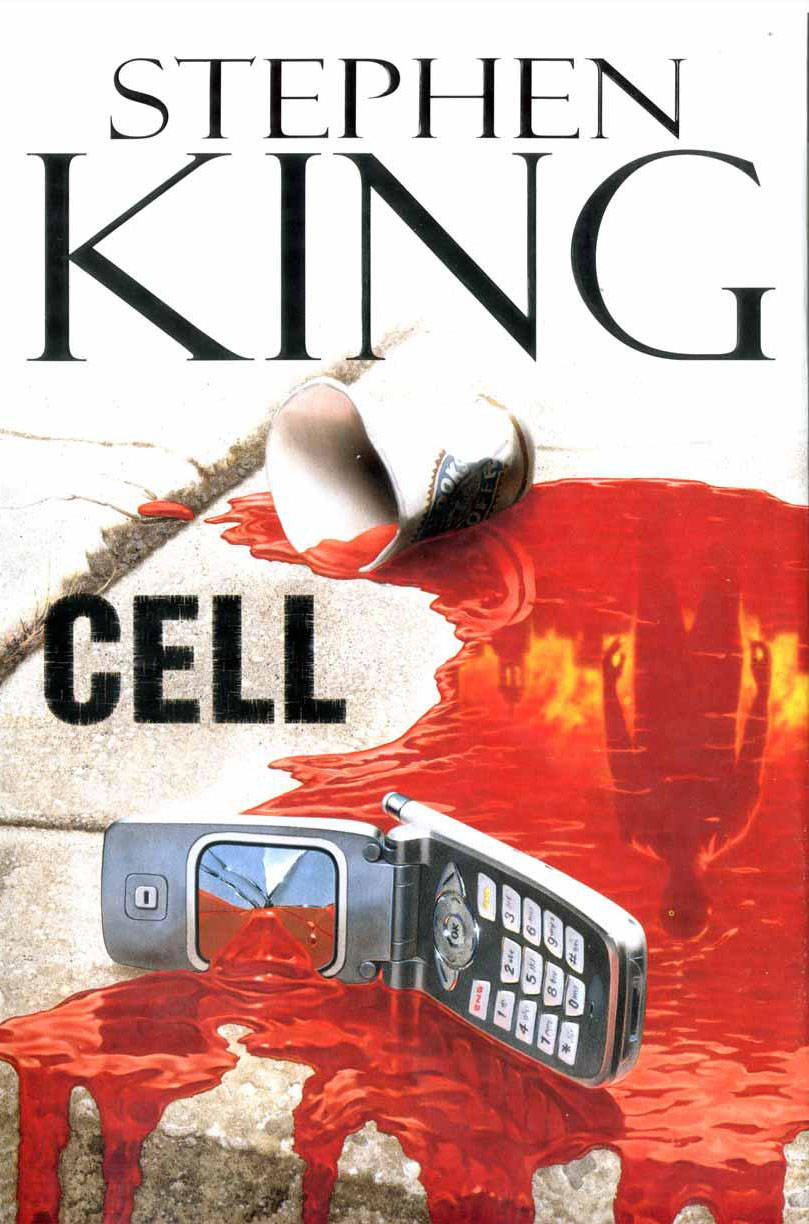
Stephen King’s Cell was written in the post-9/11 world and published in 2006. At the same time was a tribute to the horror sub-genre of lone survivors coping in a world overrun by maniacs, monsters and other terrors. Oddly enough the novel has some new relevance in today’s world in showing how society has abruptly been turned upside down by a “virus”. In the book’s case this virus is not biological but technological with devastating results.

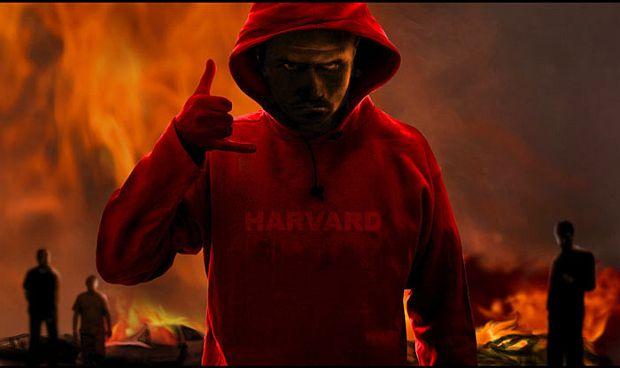
On the surface, one might want to compare this to a flesh-eating zombie movie and the book’s dedication to George Romero (and Richard Matheson who wrote the classic post-apocalyptic thriller I Am Legend) adds to that comparison. But that isn’t necessarily the case, it follows the spirit of those zombie films but there aren’t any zombies in Cell. Rather it’s more comparable to Romero’s film The Crazies or 28 Days Later where civilized society is turned upside down when formerly normal people become raving murderous lunatics. Meanwhile, complete strangers band together to deal with a suddenly dangerous world. Note, although the film adaptation was not as terrible as most critics claimed, the less said about Cell (2016), the better.

The novel begins in Boston with Clay Riddell, a struggling freelance comic book artist who just caught his big break by landing for a graphic novel. He is on his way home to Maine, eager to break the news to his estranged wife and son Johnny when the Pulse hits. A signal goes out instantly over all cell phones everywhere that scrambles the brain of anyone who happens to be using a cell phone. Within seconds, anyone affected by the Pulse is turned into an insane murderer without any reason or intelligence. Clay witnesses to his horror seemingly normal people viciously attacking each other and those who weren’t affected by the Pulse. The sequences described are quite horrific and brings to mind the chaos and sense of being overwhelmed that the nation experienced during 9/11. People are running everywhere as explosions rock the city and no one can understand what is exactly going on.

As Clay evades the “phoners” (the people who turned into maniacs during the Pulse) he meets Tom McCourt and Alice Maxwell. They decide to get out of Boston,  and avoid any cities since the chaos is intensified in the urban landscapes. Eventually they reach Tom’s residence just outside of the city and discover after the chaos dies down that the phoners have developed a sort of hive mind. The phoners are seen migrating toward an unknown destination.  Clay’s own goal is to reach his hometown and find his wife and child. The other two decide to join him so they gather supplies and guns hike up north.

Along their journey, the group meets other survivors and battles more phoners  as the novel’s pessimistic mood gets even deeper. The reader is made to feel discouraged and broken by the characters’ hopeless plight as the phoners consolidate their grip on the world. They reach Clay’s hometown and discover his wife became a phoner during the Pulse but his son did not and fled further up north to Kashwak. Apparently the phoners are psychically herding all normal people up to this place by suggesting that it is a safe haven. During this trek, Clay and the others have had shared dreams that they were rounded up in a carnival-like arena surrounded by hordes of phoners. Despite knowing that Kashwak is a trap, Clay decides to go anyway in the slim hope of finding his son.

The ending itself is rather ambiguous and open-ended. Basically the reader has to decide what was the ultimate fate of the characters, although by the novel’s end the pessimistic tone seems to subside a bit to offer a glimmer of realistic hope.

Many have compared this book to Stephen King’s earlier book, The Stand, but there are diverse differences. While The Stand had an epic apocalyptic feel to it, Cell does not. Also the religious overtones and themes from The Stand are absent in Cell. Unlike his previous novel, this one focuses on a small group of survivors who are just trying to get by, whereas The Stand had a huge dramatis personae. One thing Cell has that the older book lacked are the 9/11 references, which adds a level of immediacy. And this is evident in the origin of the Pulse. Believed to be caused by terrorists, the incident represents the feeling of the world unexpectedly turned upside down.

The Pulse also shattered many illusions about our feeling of security in our civilization and the horror comes from learning how fragile our society is from how easy it falls apart. This fragility takes on an urgent relevance given our current situation. Of course, we are not on the verge of collapsing because of the coronavirus, but it has had a decided impact on how we live day to day. Despite its grim tone, the novel illustrated how human connections and relationships are key to our survival and why we will persevere in this crisis.