Contagion: A Harbinger For Our Time


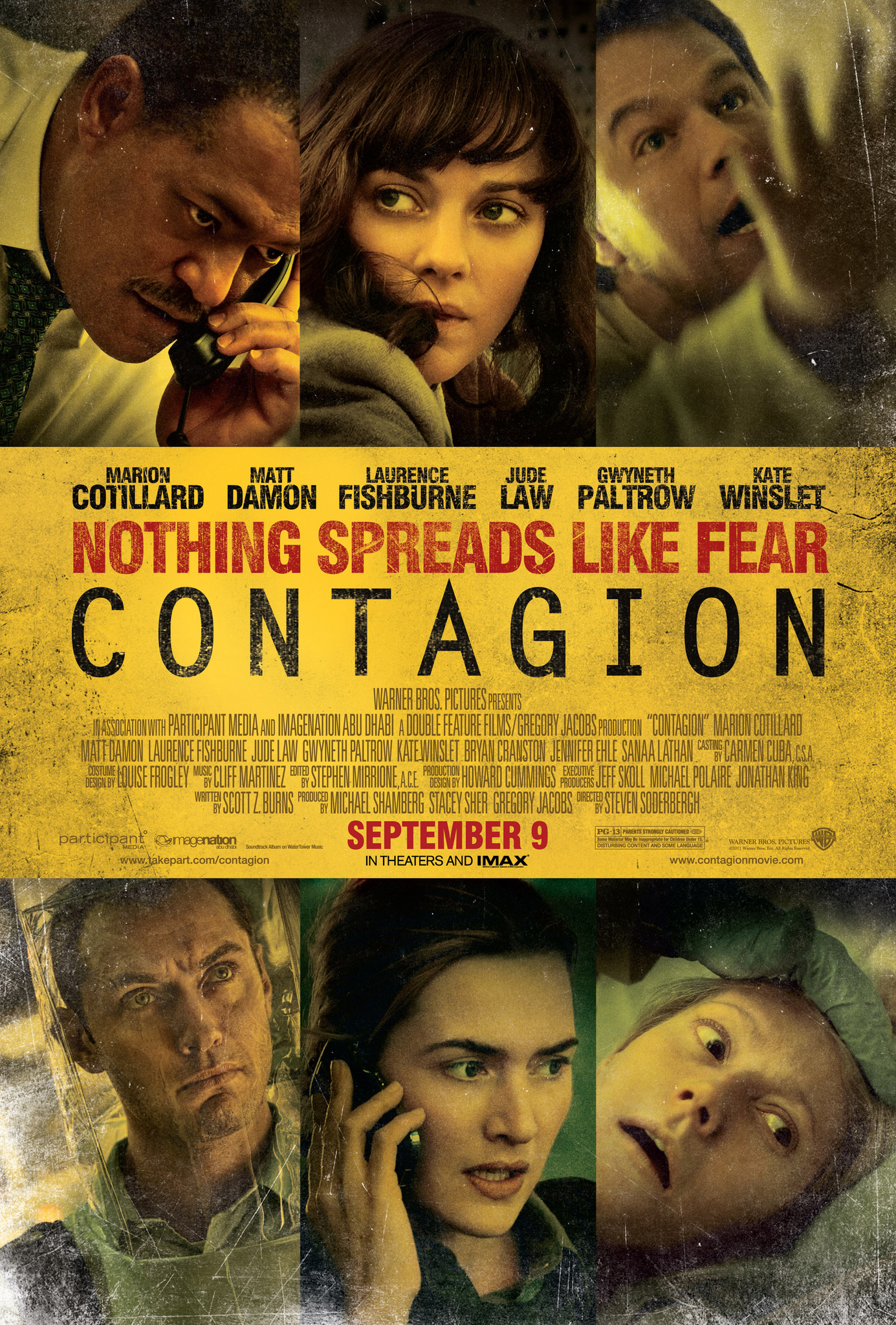
Steven Soderbergh’s film Contagion has sadly become one of those quasi-science fiction films that became a reality. Of course, this relates to the coronavirus pandemic that has upended our global society.

The parallels between the film and what is going on right now are downright eerie and disturbing. However, there are distinct differences between Contagion and reality, especially later on in the film.

Infections

Contagion illustrated how the MEV-1 virus easily spread from China throughout the world as Beth Emhoff (Gwyneth Paltrow) on a business trip in Hong Kong became patient zero, interacted with many people and infected them. Steven Soderbergh inspired direction discreetly showed how easy it was for the virus to spread as many shots lingered on surfaces touched by infected victims, which were then touched by others.

One way the film differed from reality is how quickly victims exhibited symptoms and the mortality rate. People infected with the fictional virus displayed harsh symptoms apparently overnight, though most likely this can be attributed to film editing. The timeframe shown in the beginning of Contagion has Beth Emhoff already sick when she arrived in the U.S. Careful observations showed that she had been ill for a few days, but we’re shocked when she dies horribly mere minutes into the film. These quick time jumps were shown of how other characters became ill and died. With the coronavirus the incubation period ranges from days to weeks and explains why the disease is more insidious and deadlier than the MEV-1 because many people are already infected but won’t show symptoms for some time. Meanwhile, they’re unwittingly spreading the virus. On the other hand, the MEV-1 virus had a mortality rate of 25 to 30 percent, which was dramatically worse than COVID-19. Imagine how much worse things would be if COVID-19 had that kind of mortality rate.

Deployments

A similarity between Contagion and real life is with the deployment of military and medical services to combat the virus and maintain order. The film turned out to be accurate in its depiction for how the World Health Organization and the Centers for Disease Control and Prevention mobilized to study and combat MEV-1. We are seeing this played out in real time as scientists and doctors race not only to find a vaccine but at least some kind of treatment. Unlike the film and fortunately for us, the intense medical efforts have opened up promising treatments and even vaccine tests. In Contagion, these breakthroughs did not happen until long months had passed. But before anyone reading this starts celebrating, bear in mind that trials and tests need to be completed and we are looking at a vaccine being ready anywhere from a year to eighteen months at the earliest. So for now prevention is the best defense; that includes being as clean as possible and social distancing (which was mentioned in Contagion as means of slowing the spread of the virus).
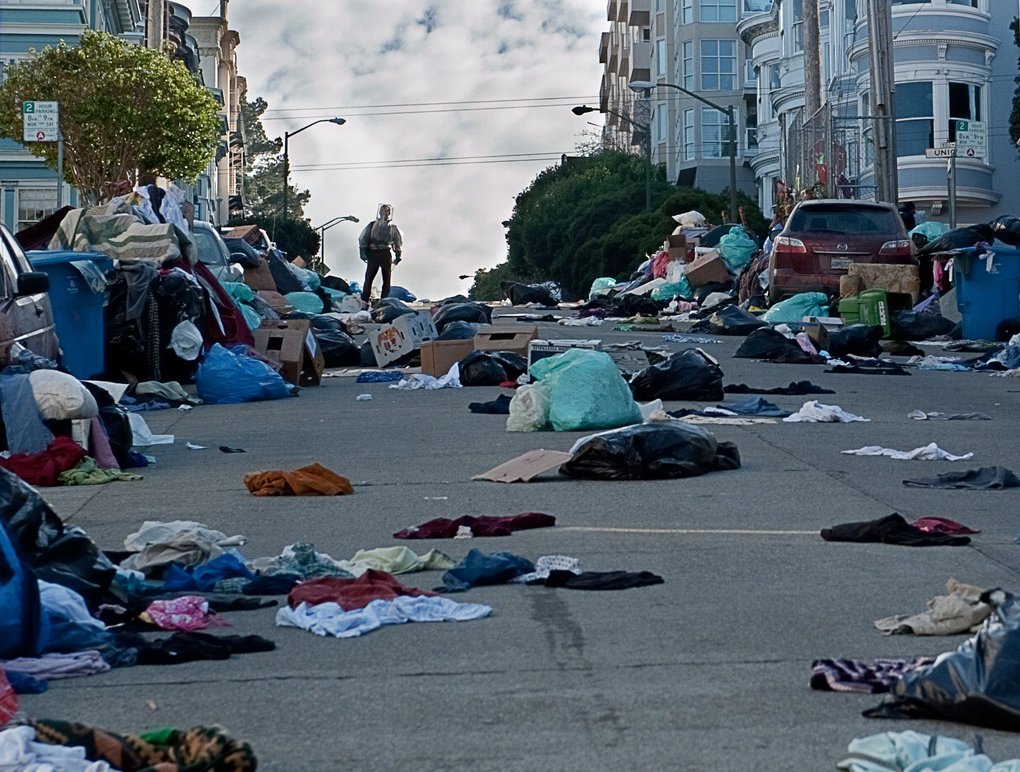
Even more distressful is the way Contagion portrays the chaos and breakdowns as the fictional MEV-1 virus ravages the world. Thankfully, we have not seen the mass riots, looting and lawlessness that take place later in the film. But we must heed these important warnings of what we face if the COVID-19 virus is not contained and continues spreading. Already healthcare systems are on the verge of collapse in a several places like Italy or are severely strained in many others.
Continue reading

Steven Spielberg No Longer Directing Indiana Jones 5

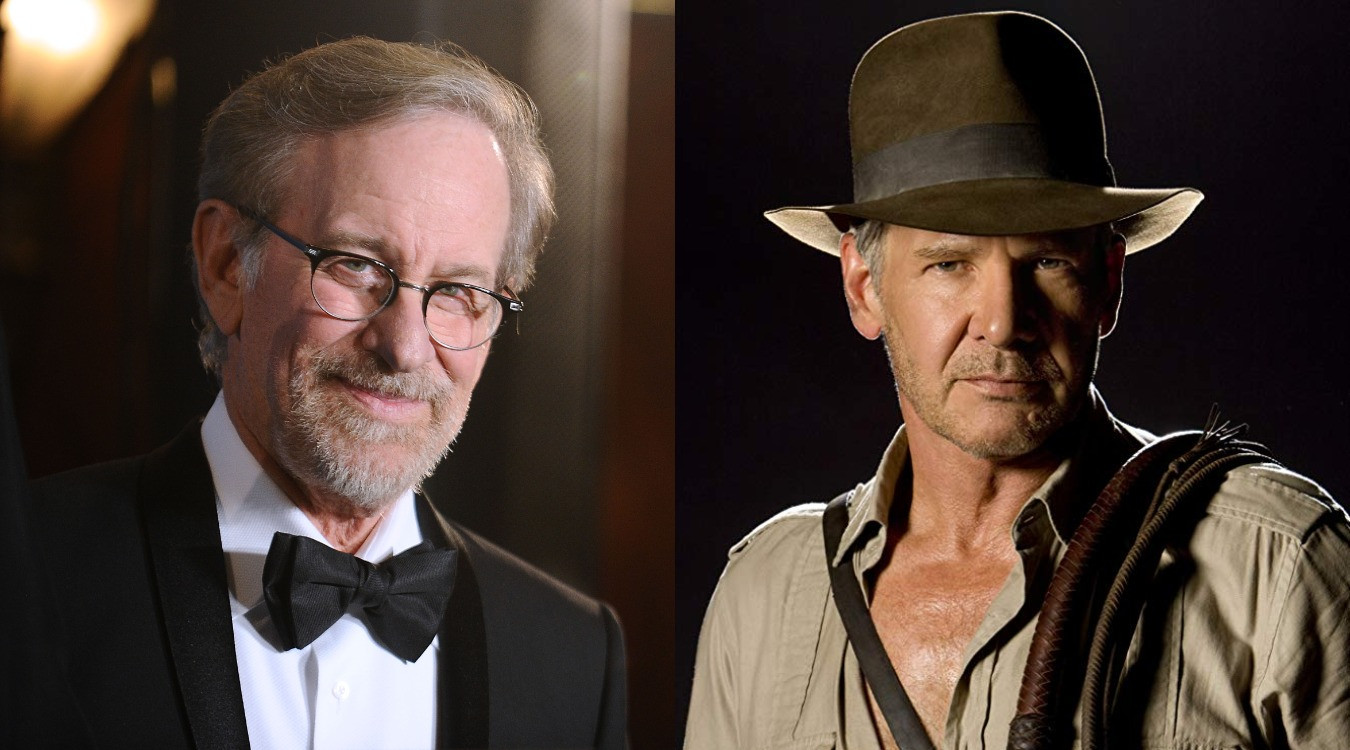
The news was not unexpected, but it was still disappointing. Earlier this week, we learned that acclaimed director Steven Spielberg will not direct the upcoming fifth Indiana Jones film. Now the only person left from the original Indy films is the star himself, Harrison Ford, who is still committed to donning the fedora and leather jacket one last time.

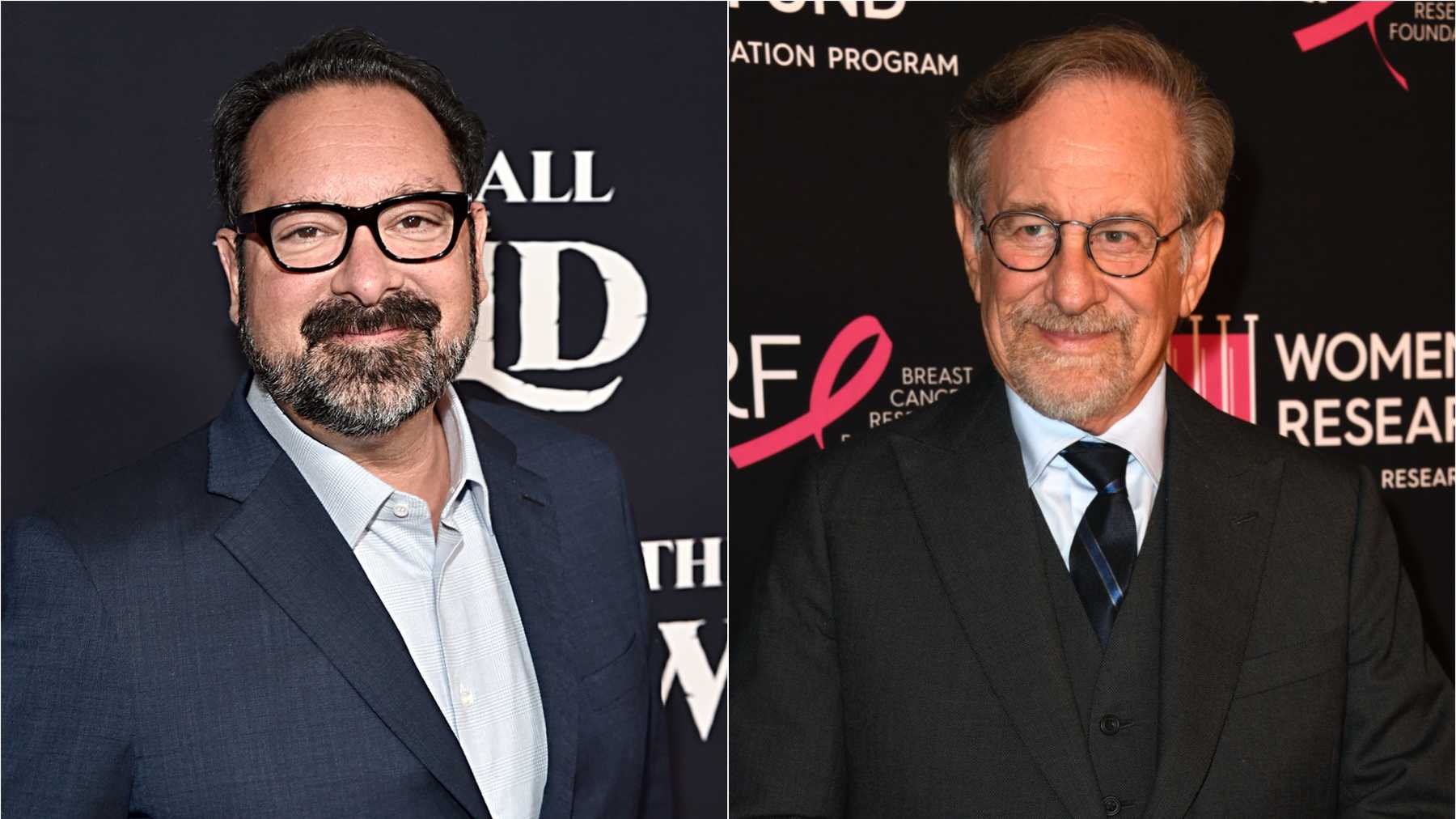
Even though the announced new director for the project, James Mangold, is a great director in his own right, this development cannot adequately inspire much excitement over Indiana Jones 5. James Mangold has a superb filmography, he directed the best Fox X-Men film, Logan, among other terrific films. By itself Mangold’s attachment (keep in mind he is only in talks to take over Indiana Jones 5) should be great news. But this is trying to follow up on Steven Spielberg, one of the greatest film directors of all time. Following up on the auteur is a near-impossible task. Just ask Joe Johnston when he directed Jurassic Park III.

However, Mangold will likely turn in a fine film, but it just won’t feel the same. This will likely inject some new blood into the franchise, but at this point, why not just recast the role and start over with the character?

With Harrison Ford out of the way, the new slate of Indiana Jones films could smoothly go back to the 1930s time period or even the 1940s and tell new stories. The films do not nor should they remake Raiders of the Lost Ark or the other Indiana Jones films. That would be blasphemous and invite unfair comparisons. There are plenty of mystical or sci-fi macguffins that the swashbuckling archaeologist could chase after. Doing a straight recast will be a good jumping on point for those who haven’t seen the previous films and fans, as well. Otherwise, why bother with the film?

Getting back to the original team behind Indy, George Lucas was already not going to be involved with the fifth film. So, right there Indiana Jones 5 felt incomplete without the original trio, though some may have celebrated that idea given the negative reaction to Lucas’ story ideas for the last film, Indiana Jones and the Kingdom of the Crystal Skull. Frankly, this was a shame since he co-created the character.

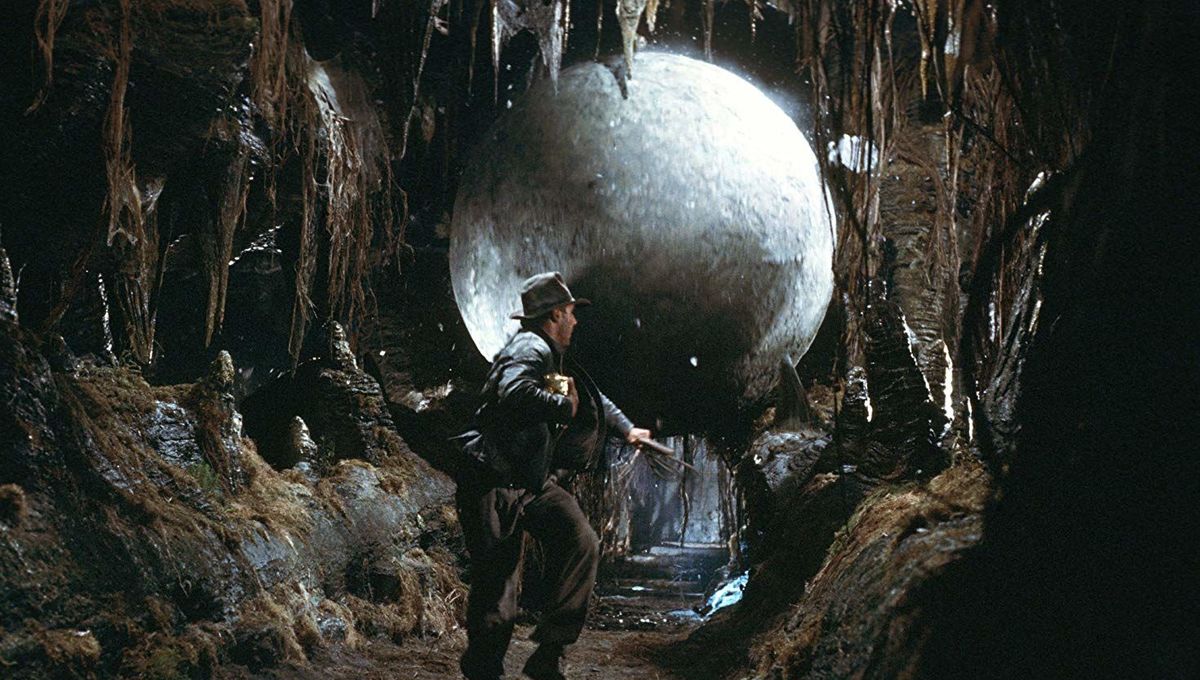
Harrison Ford has been itching to wield his character’s iconic bullwhip one last time. He is in his mid-70s now, and although he looks healthier and fitter than his contemporaries, his age would strain credulity that he can carry out intensive action scenes. In the fifth film, no one could see Indy outrunning a giant boulder without suspending disbelief. It could be worse than the nuked fridge scene from Indiana Jones and the Kingdom of the Crystal Skull or jumping out of a plane in a life raft during Indiana Jones and the Temple of Doom.

Frankly, given Ford’s age, an Indiana Jones 5 would have to be made very soon.

Continue reading

Sam Raimi & Doctor Strange In The Multiverse of Madness

A few weeks ago, many of us lamented when it was announced that Scott Derrickson, the director of Marvel Studios’ Doctor Strange, walked away from the sequel due next year. Known for his horror films, Derrickson promised that the sequel Doctor Strange in the Multiverse of Madness would be the Marvel Cinematic Universe’s (MCU) first horror film. While this delighted fans, Marvel Studios head Kevin Feige quickly walked that back and quipped the film would be more mainstream with “scary” moments like in many 1980s genre hits.

As great as the MCU films are they can be a bit generic when mishandled by the wrong directors. Usually Marvel Studios hires talented if not well-known directors who would rise to the occasion. But for every Russo Brothers we get Alan Taylor or the duo that directed Captain Marvel. After Derrickson walked because of the dreaded and ambiguous “creative differences” reason, many worried the film was in trouble and probably delayed. This would have been a black eye for Marvel Studios because Doctor Strange in the Multiverse of Madness was one of, if not the most anticipated of the announced MCU films (seriously, is anyone excited for a Shang-Chi film?).

Who would Marvel Studios hire to take over given the short notice? The film is slated to begin filming this May. There are many terrific candidates, but one stood out and thankfully he may be the best alternative if hired.

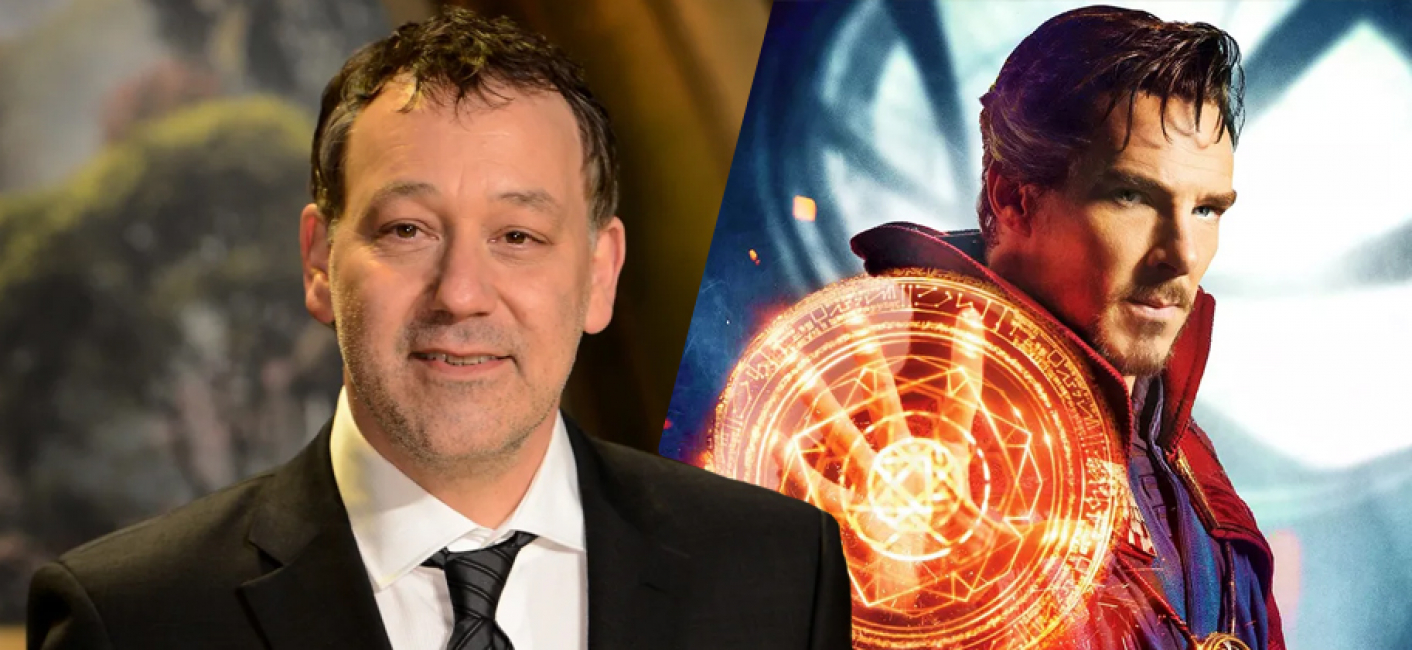
Variety reported this week that Sam Raimi was in talks with Marvel Studios to direct Doctor Strange in the Multiverse of Madness. This would be great if the studio hired him and this must happen.

As we know, Sam Raimi directed the first Spider-Man trilogy, including Spider-Man 2, which is still considered one of the best superhero films of all time. Raimi helped introduced the modern era of superhero films with his successful Spider-Man films. Sure, he directed Spider-Man 3, which was a big disappointment and the object of Emo Peter Parker memes, but it still has its good points. Then throw in the proto-superhero film that he directed, Darkman, a goofy and original superhero film that starred Liam Neeson. So, yes, he has bonafide superhero film credentials.

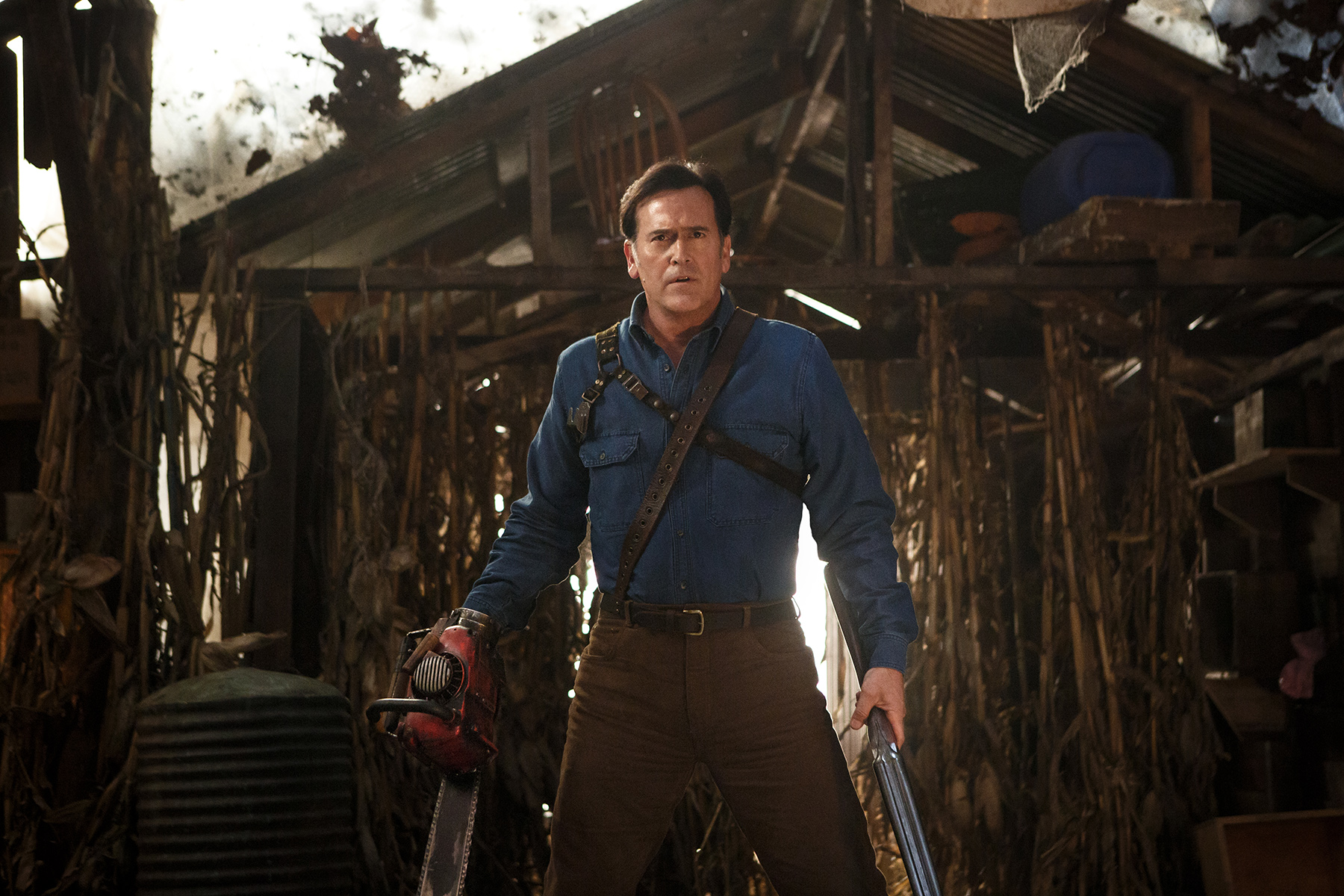
However, we cannot forget his horror film resume which includes the popular Evil Dead franchise featuring the beloved hero Ash (Bruce Campbell). Raimi even spearheaded the recent TV show Ash Vs. Evil Dead and directed the pilot.

Obviously, Raimi’s experience in both genres makes him more than qualified to take over the director’s chair for Doctor Strange in the Multiverse of Madness.

He has a wildly kinetic directing style which fits in perfectly with superhero films, just look at any clip from his Spider-Man films. Many scenes were clearly inspired by comic book art, some of which paid homage to iconic comic book pages.

Sam Raimi is also a huge fan of Steve Ditko, the artist that created Doctor Strange (and Spider-Man) along with Stan Lee. It would be perfect if he could take on another of Ditko’s creations. Doctor Strange was even referenced in Spider-Man 2 when J. Jonah Jameson considered naming Doctor Octopus Doctor Strange, but stopped because the name was taken!

Being that the film promises a multiverse of madness, this implies out-of-this-world visuals and scenes. This may include looks at alternate versions of Marvel characters and other dimensions. Imagine if Doctor Strange is shown traveling through alternate dimensions including one where Ash is battling the Evil Dead? Or better yet the one where Raimi’s version of Spider-Man exists and is played by Tobey Maguire? Of course, this is wishful thinking but just the thought of the possibility is enough to get us more excited for Doctor Strange in the Multiverse of Madness.

There is the concern that Marvel Studios will try to rein in Sam Raimi and soften his unique style.. But Raimi has proven in the past he can work well with major studios and has worked with Kevin Feige during the Spider-Man films, so the filmmaking experience might be stress free for all parties involved.

But before we start celebrating and get ahead of ourselves, let’s wait and see if the negotiations are successful. Fingers crossed! 🤞

Watching The Watchmen

HBO’s sequel to the famous DC comic book mini-series Watchmen has just concluded its nine-episode run, and now it is time to talk about the series. Spoilers will follow after this for both the original comic book and this TV series.

Watchmen was one of the most influential and revolutionary comic books that ever came out. Co-created by Alan Moore and Dave Gibbons, the tale was a complex one taking place in an alternate world where superheroes existed since the mid-20th century but were unpowered except for one incredible exception. Based loosely on Captain Atom, Dr. Manhattan was a nuclear scientist who was in an atomic accident and gained the powers of a god. With his existence, history radically changed with Richard Nixon still the U.S. president in 1985, Vietnam conquered by the U.S., and the world is on the brink of a nuclear holocaust. One of the other superheroes, Ozymandias engineers a complex scheme to unite humanity by creating a hoax of an extra-dimensional alien incursion. This works, but at the cost of three million people.

The just-concluded TV series takes place now in 2019, decades after the alien incursion (which links it closer to the comic book unlike the 2009 movie adaptation that changed Ozymandias’ plot) and America has changed just as radically again.

Robert Redford is the U.S. president and like Nixon, overstayed his terms in office, having been inaugurated in 1992. Now, the U.S. is struggling to become a liberal utopia, with African-Americans eligible for reparations and white supremacist terrorist groups fighting against the woke society they’re forced to live in.

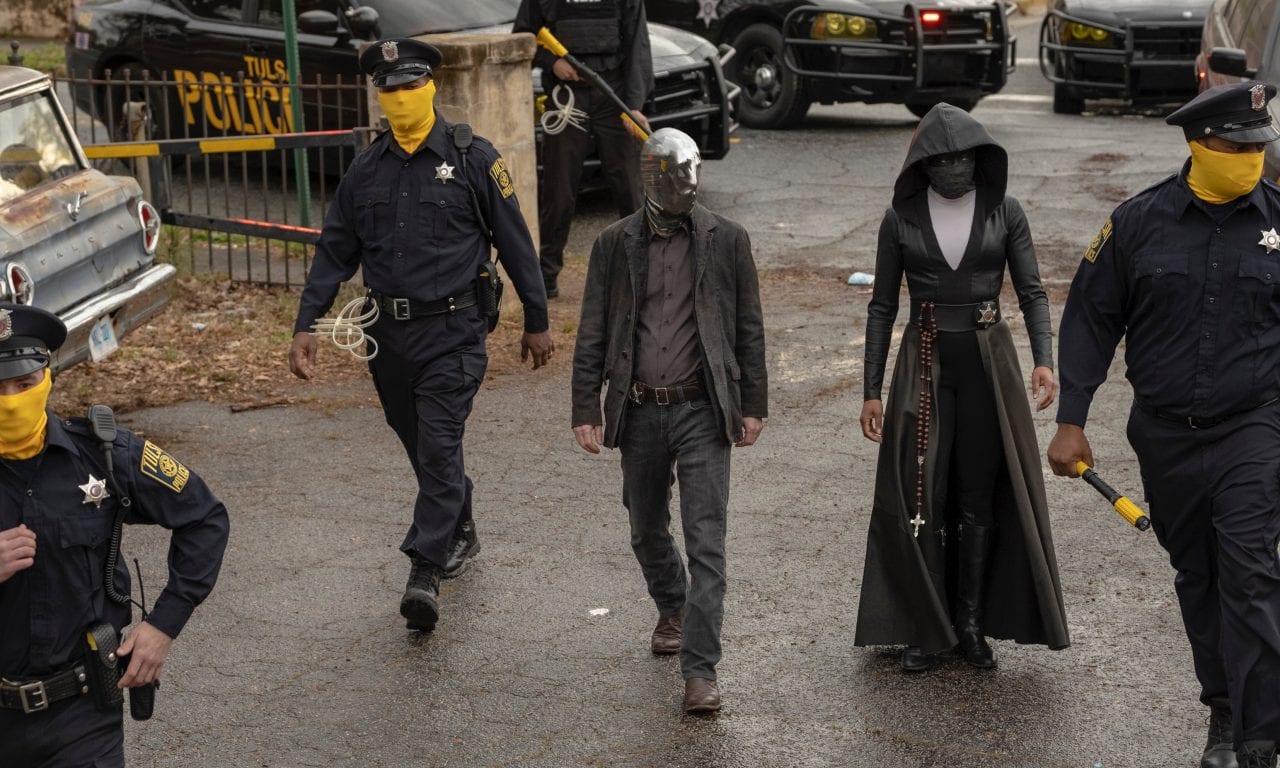
Watchmen takes place in Tulsa, Oklahoma and centers on Angela Abar (Regina King), a supposedly retired cop who hails from the 51st state of Vietnam and moonlights as the illegal vigilante Sister Night. Her friend, Tulsa’s police chief, Judd Crawford (Don Johnson), is killed under mysterious circumstances and her investigation unravels a complex plot. This involves Dr. Manhattan (Yahya Abdul-Mateen II), who is not on Mars as he was supposed to be, Ozymandias (Jeremy Irons), the barbaric architect of world peace in an unusual exile, an elderly Will Reeves (Louis Gossett Jr.), Crawford’s supposed killer, Lady Trieu (Hong Chau), the head of a powerful organization, and FBI agent Laurie Blake (Jean Smart) aka the former Silk Spectre II.

Even though on the surface, Watchmen is about superheroes it really isn’t. Like the comic book it is based on, the TV series is a very complex, non-linear tale involving deeply emotional characters and examines the strange, yet somehow familiar world. The world building is delightful with plenty of Easter eggs and references to the original comic book and tidbits to how different this world is compared to ours. But like any worthwhile story, Watchmen sticks with the plot and characters and slowly hooks in viewers as it unveils more and more jaw dropping revelations.

Starting with the fact that Crawford was a white supremacist to the revelation that the very first superhero was a bi-sexual African-American acting out on frustration to the hidden identity of Dr. Manhattan and his relationship with Angela Abar, Watchmen is a wonderfully presented, worthwhile sequel to the classic comic book. However, it does not seem like a comic book brought to life (a flaw with the movie adaptation), but as its own medium. One could complain that by not feeling like a comic book, this version of Watchmen seems like it was just a sci-fi story that stuck in references to the comic book to allow it to be greenlit. That is open to debate, but nevertheless the product is exemplary.

It is fairly easy to get drawn into the series from the beginning as unanswered peculiarities are shown, such as squid showers and background images which show that 9/11 never happened. However, several episodes are devoted to the origin of several characters, the standouts being “This Extraordinary Being”, which chronicles the tragic back story of Hooded Justice, and “A God Walks Into Abar”, which explores the temporal complexities of Dr. Manhattan while being a love story at the same time.

Much of Watchmen may be upsetting for some due to its subject matter about race relations, but many episodes are very powerful and compelling. While it is not exactly like its comic book predecessor, Watchmen is a worthy sequel and expansion to that comic book. It should be enjoyed by comic book, alternate history and sci-fi fans and others wanting something different with live-action superhero presentations.


Blade Runner November 2019

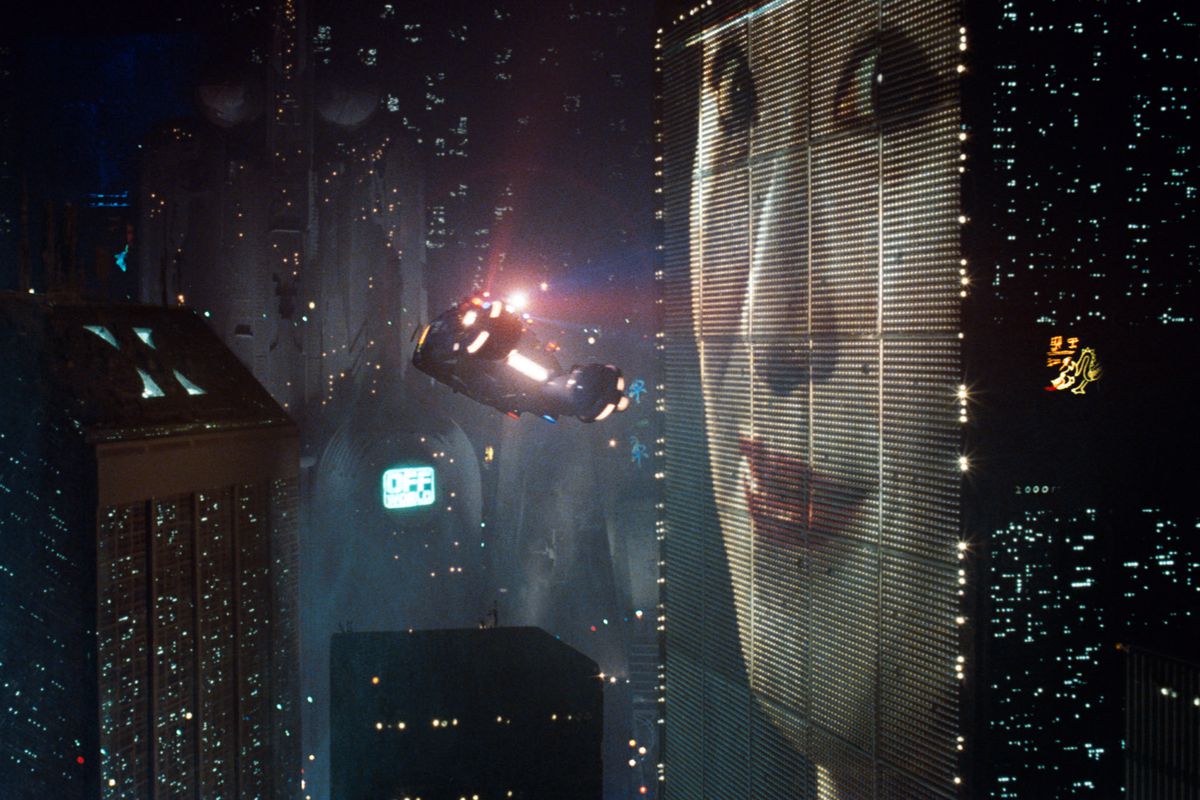
blade runner flying car

Anyone who has seen the classic sci-fi noirish film, Blade Runner, is well aware that the film takes place in a then-futuristic Los Angeles on November 2019. Mind you Blade Runner was released in 1982, so a date like 2019 seemed so far off to anyone around back then. Well, here we are at another date that was extrapolated upon in a past sci-fi work, and obviously many of the things projected for this date in Blade Runner have happened. In many instances we should all breathe a sigh of belief that some predictions for this date have not come true.

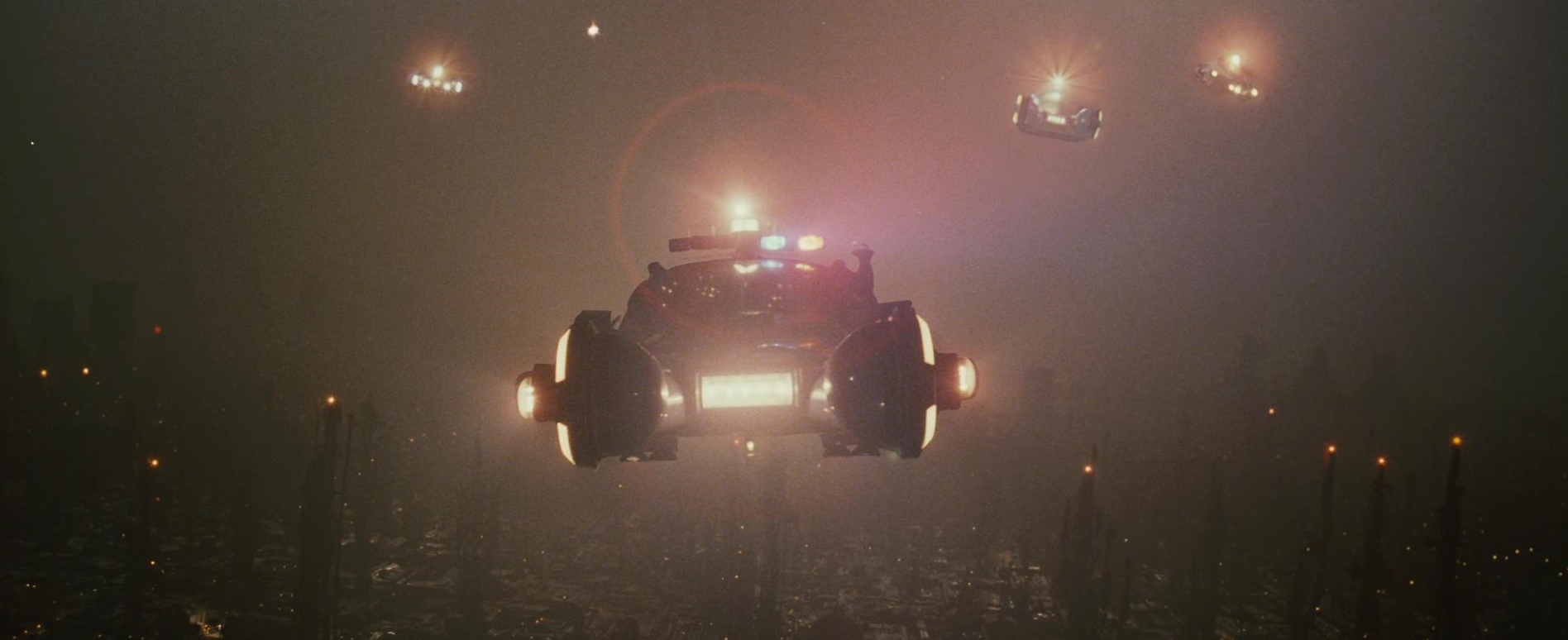
Blader Runner car over LA

Then again, some predictions that have yet to occur continue to capture our imaginations. The brightest examples are, of course, the flying cars that filled the rainy L.A. skies throughout the film. Only Back to the Future, Part II featured an equally impressive array and depiction of flying vehicles. There are real-life flying cars, but they are not commonplace nor as attractive as the spinners that Rick Decard flew in. Both the spinners and actual flying cars operate on the same propulsion system used by vertical take-off and landing (VTOL) aircraft. Although flying cars aren’t everywhere and there are many logistical and economic headaches that keep them from becoming commonplace like in Blade Runner (at least for the near future), we are closer and closer to seeing our skies filled with them. Some companies are anticipating such a scenario and are preparing for it. In Miami, the first flying car skyport is nearing completion at the 60-story Paramount Miami World Center, which will have a sky deck on its roof to accommodate flying vehicles. If successful, expect more high rises and more cities to build their own skyports.

Another thing depicted in Blade Runner that have not come to fruition was the advanced genetic engineering as shown with the film’s anti-heroes, the replicants. Artificially grown by the Tyrell Corporation, these replicants were created to serve as slave labor and were physically enhanced while hampered with very short life spans. Thankfully we are nowhere near this level of advancement so we do not have to grapple with the ethics of creating a sapient race of slaves. With the way the replicants were treated in Blade Runner and its sequel Blade Runner 2049, it would not be surprising when the clonal slaves mount a violent revolt against the society that despised them.

The replicants were used primarily in off-world colonies, which were never shown. Needless to say, we aren’t anywhere near having space colonies. This will change hopefully by the next decade or so when humanity ventures out to Mars and beyond. Until then, we have to take replicant Roy Batty at his word when he described the “Attack ships on fire off the shoulder of Orion” and “c-beams glitter in the dark near the Tannhaueser Gate”during his famous poignant speech.

Continue reading