Haunted Houses In Space

Alien, Event Horizon, Ship of Fools, Pandorum, Hull Zero Three, Life, Nightflyers, Dead Space, the list goes on. The basic premise of these stories are the same and boils down to a haunted house in space. It may sound like an odd combination, the haunted house in space, but when executed, this meshing of two genres usually produces some imaginative and scary sci-fi horror stories, films, TV shows, games, etc.

Why is this so? It all goes back to the concept that both genres when blended deal with the fear of the unknown. We don’t know what lies out in space, what we’ll encounter. But a core aspect of the classic haunted house story is the location itself. In such stories the protagonist is stuck in an old house and has to confront ghostly or demonic forces. Many of them are very terrifying and what makes them even more unsettling are their alleged basis on real events like The Conjuring films.
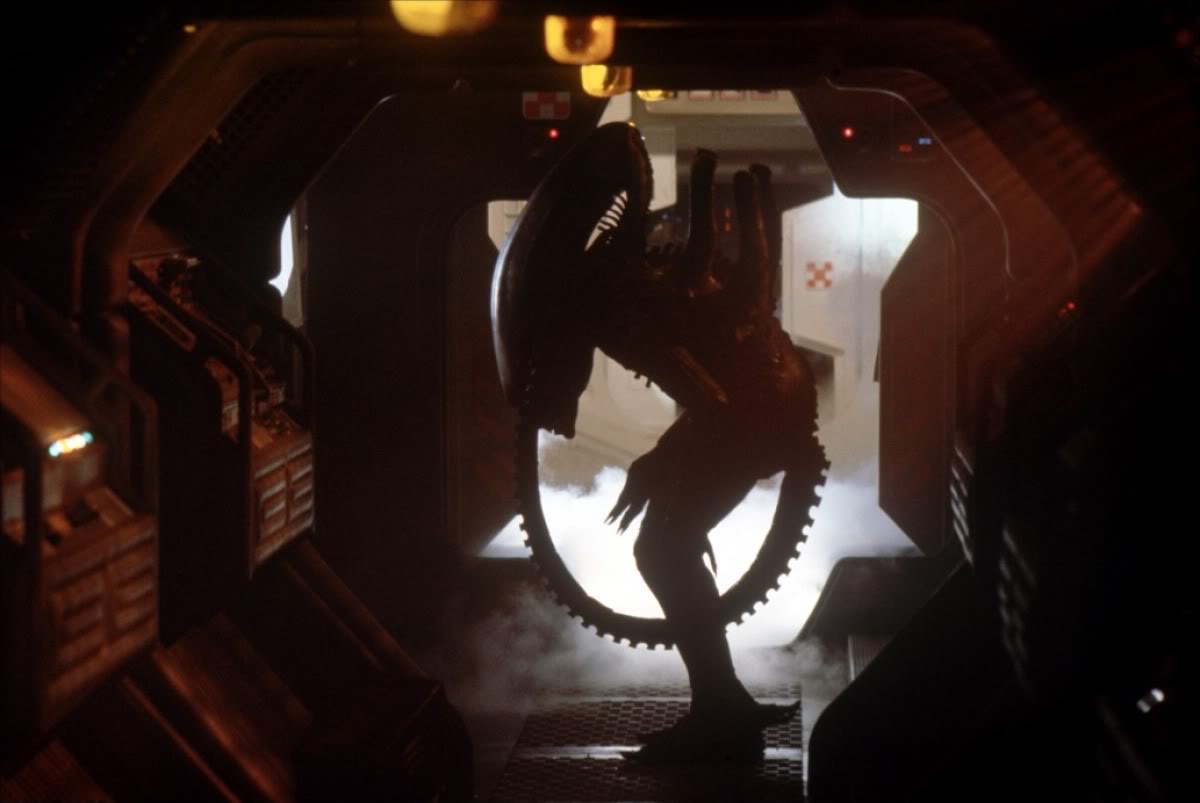
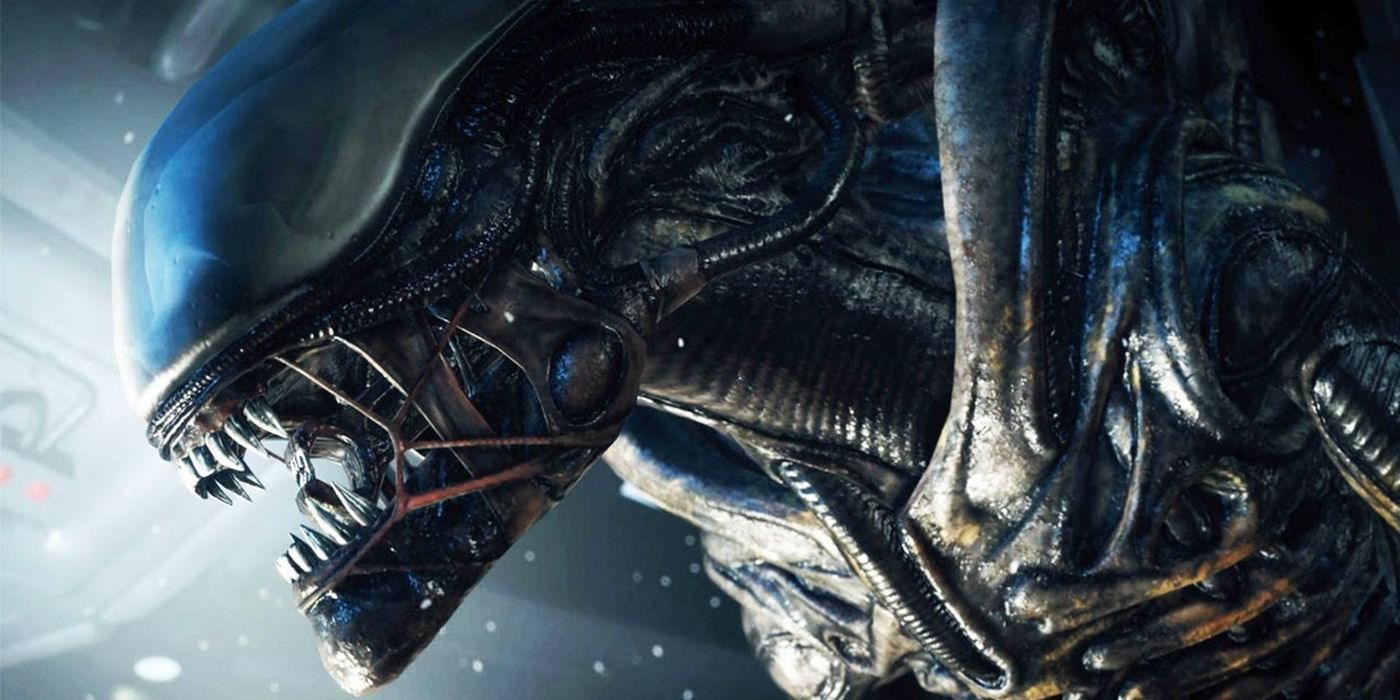
With sci-fi horror films the premise is moved out of rickety old houses and into a sci-fi setting, usually a spaceship or space station or a planet itself. Obvious examples include the mentioned films and games. Let’s focus on Alien. On a side note, its premise wasn’t new when the film came out in 1979 as a similar film It! The Terror from Beyond Space hit theaters way back in 1958.  Anyway, the crew of the space freighter Nostromo are hunted in their own spaceship by a murderous extra-terrestrial or xenomorph. Here you have the Nostromo, a spaceship, taking the place of the haunted house while the xenomorph is a perfect stand-in for a demonic entity or a ghost that is difficult to track. Adding to the horror element of Alien is the claustrophobic feel the spaceship emits. Corridors are dark and foreboding, hiding unexpected perils.
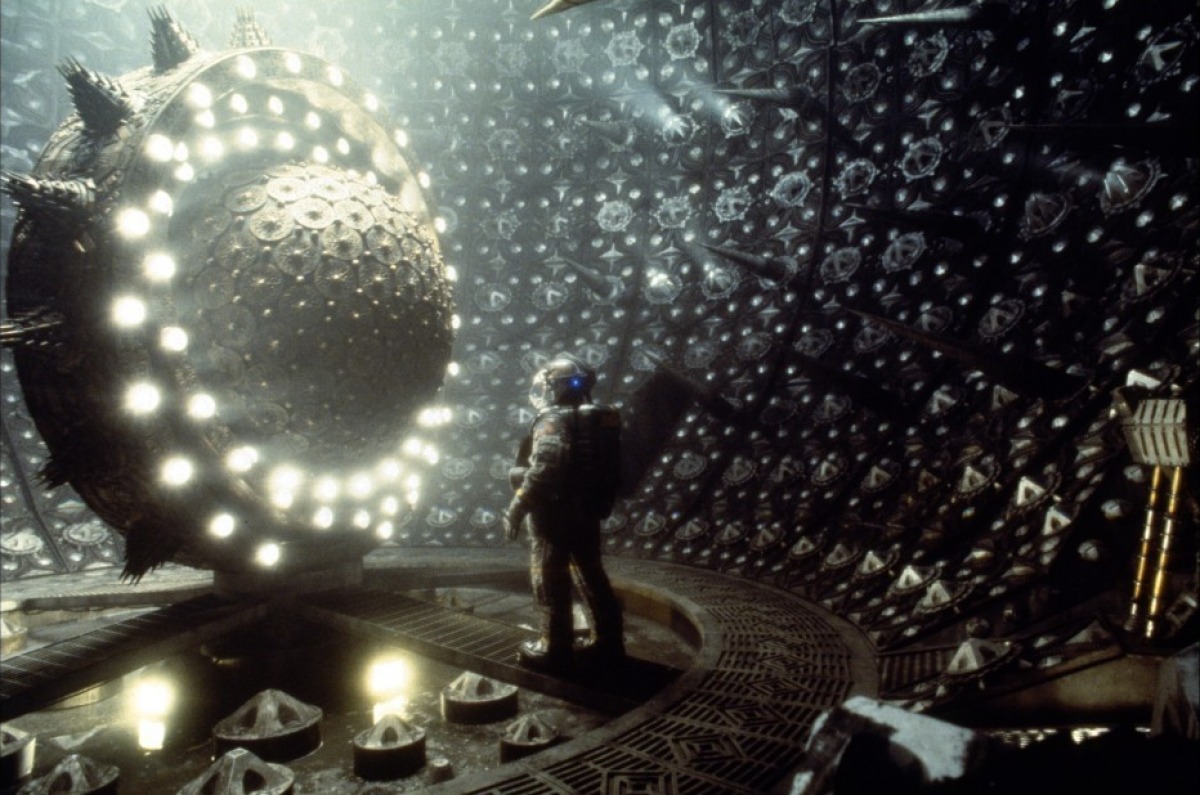
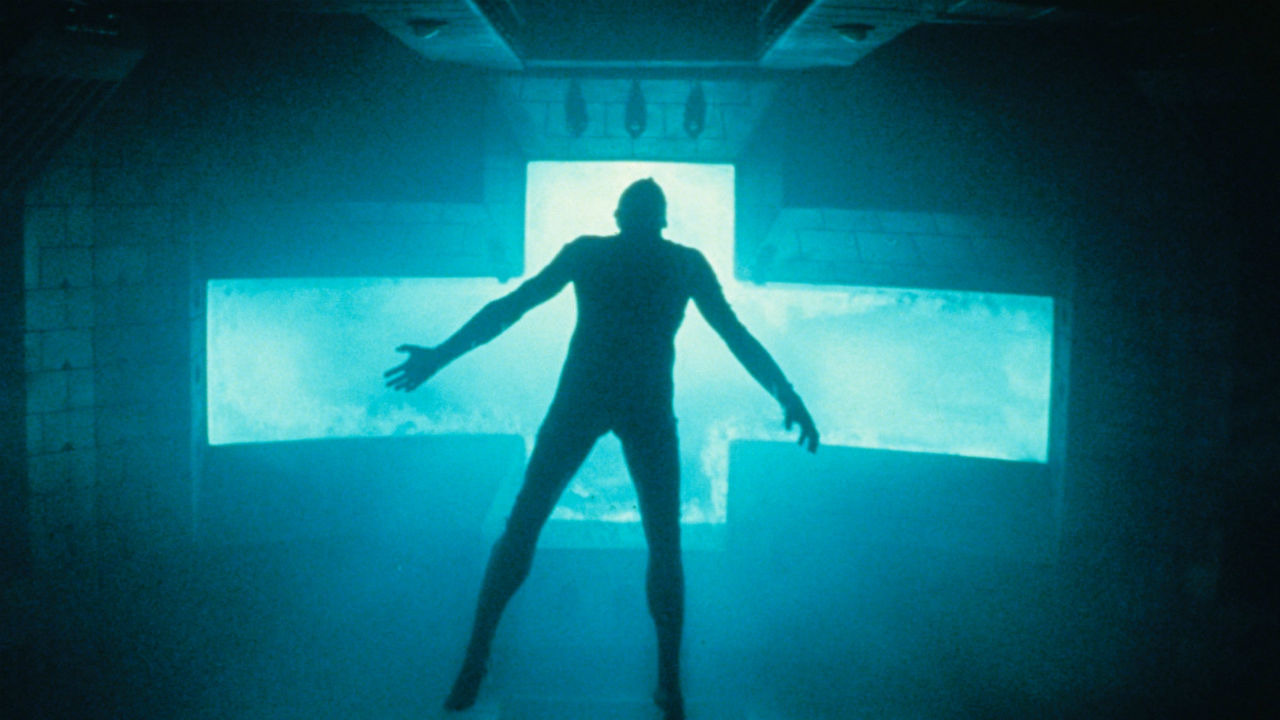
This type of setting highlighted the cult classic Event Horizon, a film that its director actually envisioned as a haunted house story in space. The spaceship design of the title ship is Gothic, cold, and even a bit Lovecraftian. Meanwhile, the non corporeal forces the rescue crew face are perfect updates on demonic forces and spirits as the film infers the spaceship Event Horizon actually traveled to hell and back.

What made the concept of Alien and others even more chilling is that unlike the traditional haunted house story, the characters don’t have anywhere else to go. They’re genuinely trapped. They cannot exactly just step outside the spaceship, it’s they’re life-giving oasis in the inhospitable environment of outer space. A common complaint about haunted house stories is that if a house is haunted why not just leave it and move someplace else? This doesn’t take into account poltergeists and demons that follow a victim everywhere, or the financial burden with suddenly leaving a home, but the question does have merit. The alien or other threat is on a spaceship deep in the cosmos? You’re stuck, my friend. Unless you want to take your chances with a lifepod in the middle of space, which ironically is how many of these sci-fi horror stories conclude. It’s that or take your chances and confront the threat head on.

Thinking about the characters’ limitations and the somewhat plausible nature of the threat then it’s easy to see why this type of sci-fi horror story is superior to a traditional haunted house tale.


Piling On The MCU And Other Superhero Movies

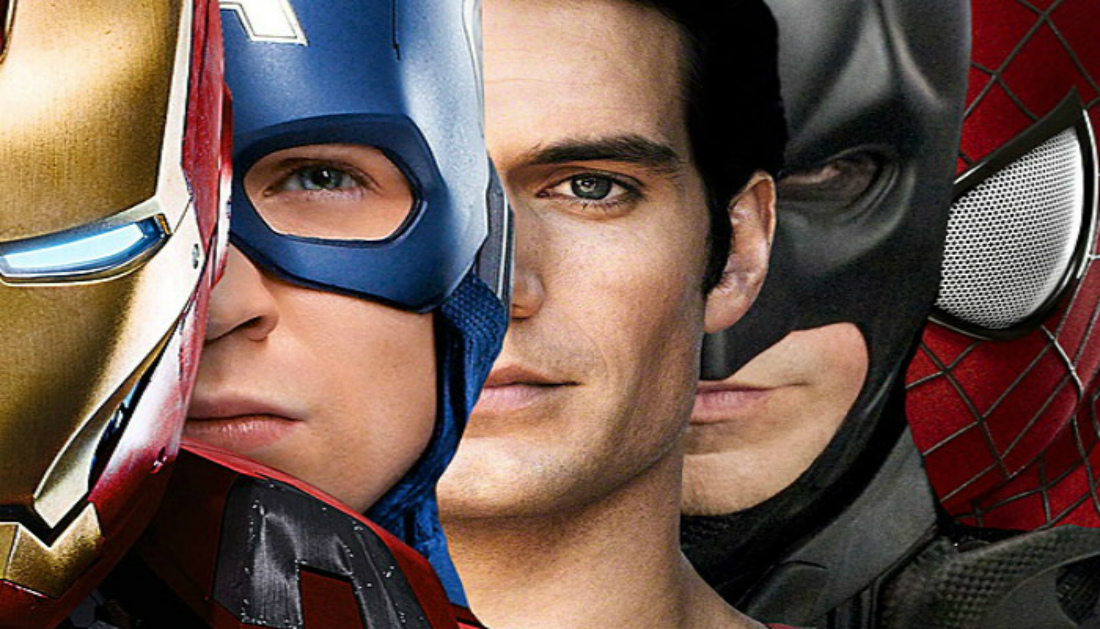
The continued dissing on the films of the Marvel Cinematic Universe (MCU) and other superhero films by prominent filmmakers and actors has gotten ridiculous!

For years as the MCU gained more and more popularity and the films became more and more successful there have been grumblings from various actors and filmmakers who have not being involved in such films. They would pooh pooh the films and claim that they were only interested in real art and bemoaned the death of cinema. Most of us fans dismissed their rants and chalked them up to sour grapes and not bothering to understand the emerging cinematic genre.

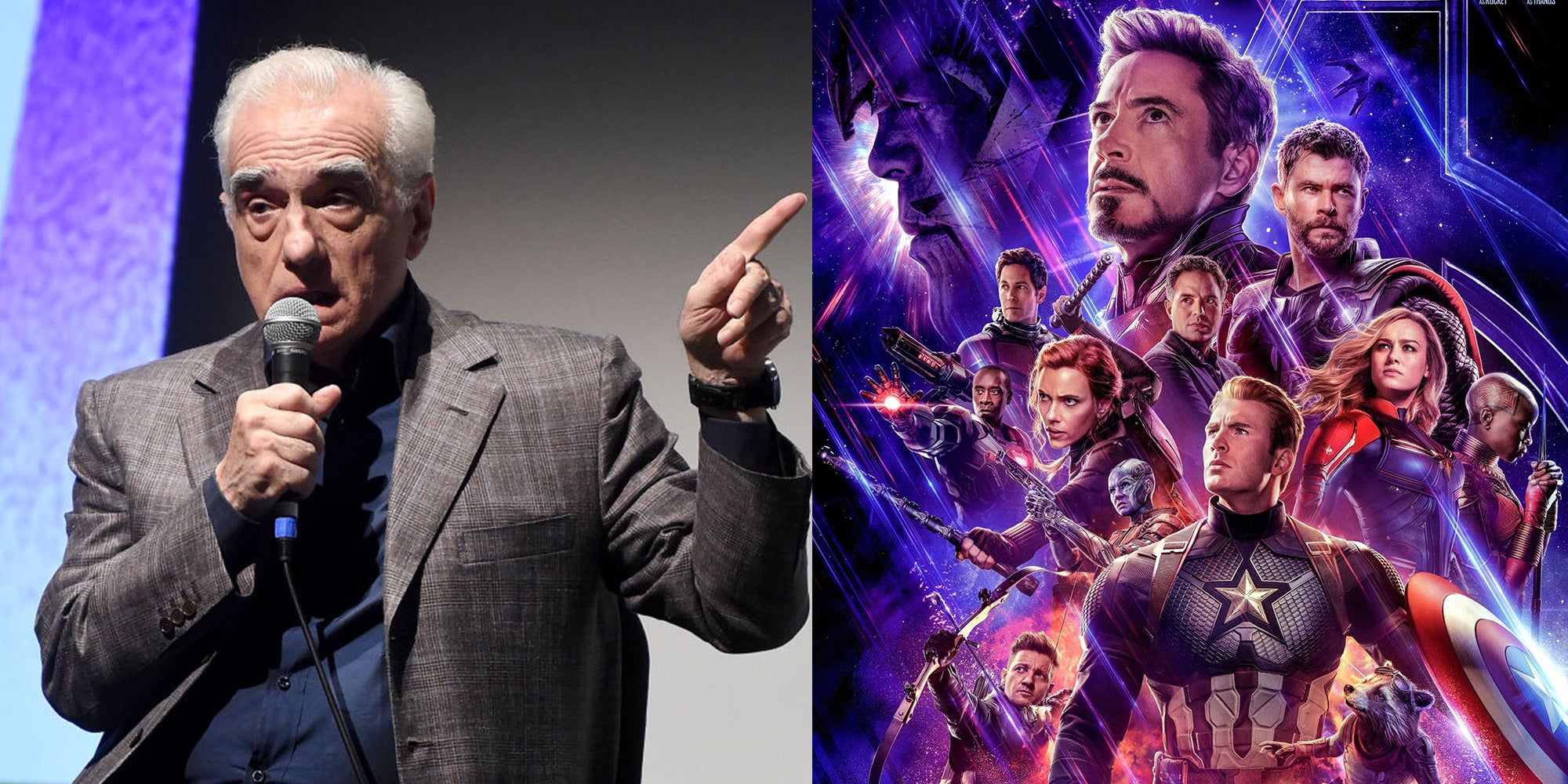
But this piling on the MCU and the other superhero/comic book films is now overboard with the recent rants from Martin Scorsese and most recently Francis Ford Coppola. Frankly enough is enough.

Yes, we understand these filmmakers’ frustrations with getting their projects off the ground but to take it out on these films is uncalled for.  Of course, everyone is entitled to an opinion and certainly the superhero films won’t appeal to everybody. However, Scorsese recently said he has not watched most MCU films and then went on to make a broad statement about how inferior they are and called them “theme parks”, in other words, inconsequential fluff. To have such an opinion when not having seen many films of the genre is backward. This also infers that Scorsese has not seen superhero films that transcended the genre such as The Dark Knight, Logan, or Captain America: The Winter Soldier. Of course, the genre film he produced Joker does not count (note the sarcasm).

While many superhero films may not be high art and are harmless entertainment, there are many that are high quality films and yes this applies to many MCU films. There is not a need to list the many fine superhero films but it is clear that they contribute to the cinematic art form. Logan was nominated for Best Adapted Screenplay at the Academy Awards. It was the prejudice of many old fashioned voters that kept it from getting nominated for Best Actor or Best Picture. The same went for The Dark Knight, though Heath Ledger won a deserved Best Supporting Actor for his classic portrayal of the Joker.  Black Panther became the first superhero film to get the prestigious Best Picture nod, though there have been better superhero films. Nevertheless, this is an important achievement.

Superhero films are not alone in being disrespected by elite filmmakers. Sci-fi and horror continue to be disregarded by many of them even though many genre films are well made examples of cinema and have been very influential.

Keep in mind, much of this has to do with resentment. While Avengers: Endgame dominated the box office, Scorsese struggled to get his upcoming film The Irishman made and was forced to have it released through Netflix. The blame for this has to go to the studios who will only bankroll films that they are confident which will be successful, not just in North America but throughout the world. Superhero films happen to be the flavor of the decade. Each decade has a very successful genre that captures the public attention. Last decade it was epic fantasy films like the Harry Potter films or The Lord of the Rings trilogy. In the ’80s and ’90s it was action films, sci-fi epics, slasher flicks and disaster films. There was a time when the Western was the most popular genre, it is certain that many filmmakers back in the day grumbled about Westerns and how they couldn’t get their projects bankrolled. That is just the way it is. Sooner or later, some other genre will take center stage at the box office and there will still be complainers.

For us, we should ignore these critics, especially if they haven’t bothered to watch superhero films. As for them, maybe they should open their minds and genuinely give the films a chance. Either way, we know how great superhero films are and that should be enough.

José Soto

Science Fiction & Horror: The Perfect Combination

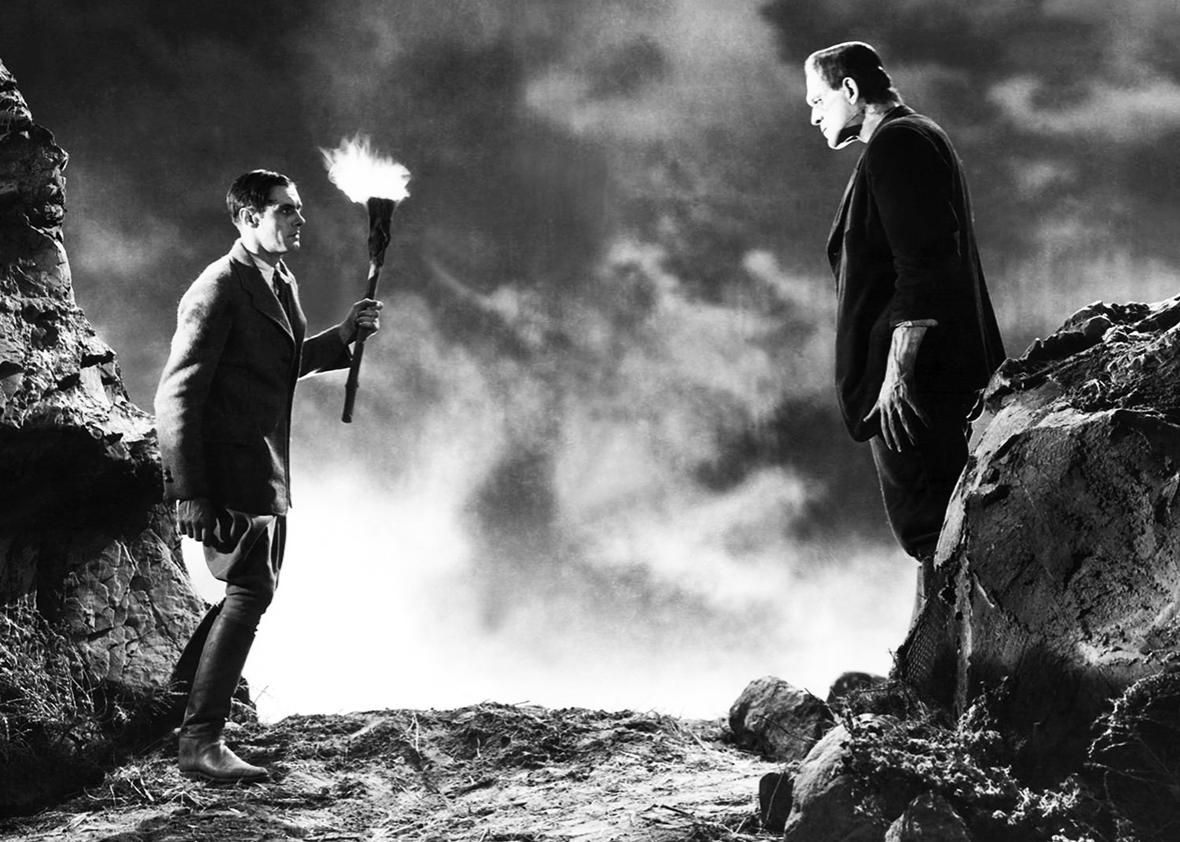
Science fiction and horror have blended well together like peanut butter and chocolate for a long time. One of the earliest examples is Mary Shelley’s classic literary work Frankenstein, or the Modern Prometheus and the melding continues to this day with assorted books, films, comic books, games and other media. Some of the standouts include the Alien films, I Am Legend, The Tommyknockers, the Predator films, Resident Evil, Event Horizon, The Fly, Dead Space, 28 Days Later, A Quiet Place, The Thing (and its source novel Who Goes There?), etc.

Why have the two genres been able to be combine so perfectly? That is to be debated since there are so many reasons and it may not be clear to many. But it can arguably be due for one factor and that is that the genre combo zeroes in to the fear of the unknown. Think about it, what makes horror so tantalizing is that it addresses what we’re afraid of, and that is ultimately death because it is the great unknown. What lies beyond death? Is it truly the end or the pathway to something truly horrific? Science fiction works have dealt with the nature of death and what it entails. As mentioned before, Frankenstein was all about defeating death and the horror of achieving this as Dr. Frankenstein found a way to bring the dead back to life through scientific means rather than using the supernatural.

Obviously it is the use of science or its grounded setting that sets science fiction horror separate from regular horror. And it is why it can be more unsettling…

With the regular horror genre, anyone experiencing it can take some small comfort with the idea in the back of the head that the horror story is implausible. There isn’t any way that a dead corpse will come back to life and start eating you, and despite all the so-called reality ghost hunting TV shows, the existence of spiritual entities still has not been scientifically proven. With films like The Thing, Alien or A Quiet Place, what makes them so terrifying is that we can encounter extra-terrestrial life that means us harm. Science experiments, research and discoveries that should benefit humanity can lead to disastrous results as seen in The Fly, Nightflyers, Event Horizon, Demon Seed, Blindsight, and The Strange Case of Doctor Jekyll and Mr. Hyde.

Then there is the sub-genre in science fiction and horror of humanity grappling with devastating diseases that falls into horror. Some like The Andromeda Strain are clear cut stories where diseases outright decimates us, but other works uses diseases to bring about body horror tales or create tenuously plausible zombie yarns. Examples include The Fireman, Black Hole, 28 Days Later, Cross, I Am Legend, and the Resident Evil franchise. Of course, saying that the events shown in these works are plausible is stretching things and as with any fictional work requires suspension of belief. But when the stories work and terrify us, they work quite well to the point that our rational brains stop questioning and start reacting to the horror of these stories.

Another thing to consider about how well the two genres blend so well is that the stories are often contemporary or take place in the future. These settings also lend to the feeling that what happens in them are possible. We don’t know that the first alien life we will encounter in the future will try to eat us or that using FTL will open a gateway to a hellish dimension. We cannot say for certain that these horrific events will happen.

What is even more unsettling is that what will actually occur in the future or just a few minutes from now can be far worse than what our puny minds can imagine. It all feeds into fear of the unknown and is why science fiction and horror are the perfect combination for storytelling.


Spidey’s Back At The MCU! (For Now)


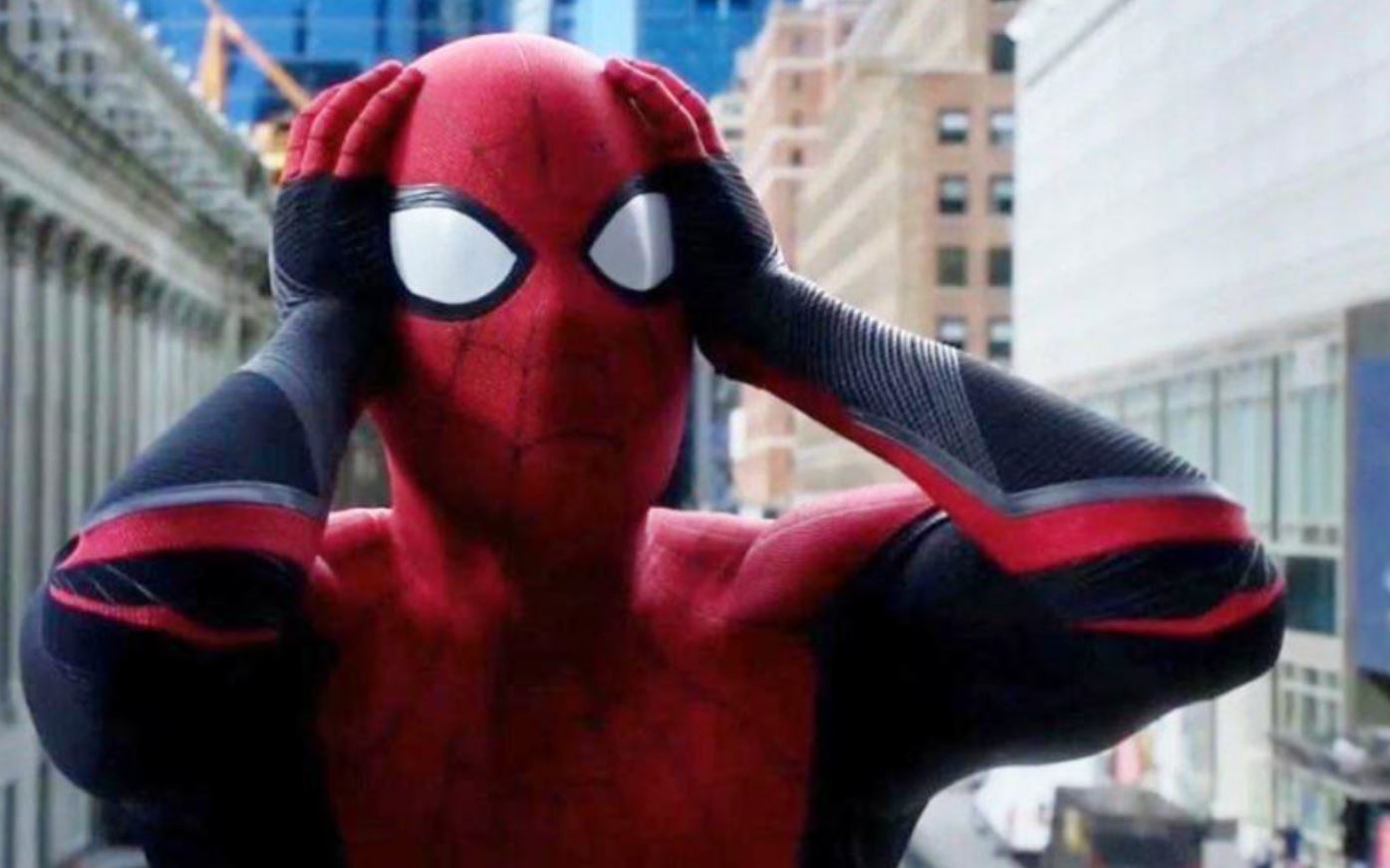
Ok everyone, take a deep breath, the nightmare is over. Spider-Man will remain at the Marvel Cinematic Universe (MCU) for at least two more films.

After weeks of anguish (let’s admit this is solely a First World problem!) we can all rest easy because Sony Pictures and Disney/Marvel Studios were able to reach an agreement over Marvel Entertainment’s most popular superhero. As we know this all started weeks ago this past summer when after the MCU-set film Spider-Man: Far From Home killed it at the box office, it was reported in the trades that Spider-Man, whose film rights lie with Sony, would no longer be in the MCU. This news exploded the Internet and outraged fans who blamed both Sony and Disney for being so greedy at the expense of fans. There were many reasons why negotiations fell apart back then and frankly both sides were at fault. But despite Sony’s announced plans for the Wall-crawler in their own start-up cinematic universe, many swore to boycott Sony films and even Disney suffered a black eye in the midst of their announcements for their upcoming MCU films.

What was worse was that Spider-Man: Far From Home ended in a cliffhanger where Spider-Man’s secret identity was revealed to the world while he was framed for murder. This led to questions over how this would be resolved in an MCU-film, if at all. That in turn led to anxiety over who would be calling the shots in a Spider-Man film now that Marvel Studios head Kevin Feige would not be around to oversee future Spider-Man films.

As time went on, people clung on to desperate rumors about last-minute deals and of Sony being purchased. All of this did not amount to anything, until today when both studios jointly announced that they reached a new agreement where Disney will earn 25% of the next film’s earnings instead of the current 5%.

Spider-Man will conclude his trilogy in an MCU film coming out on July 16, 2021 that will resolve the cliffhanger. Hopefully this film will feature the long-overdue debut of Kraven the Hunter, who would make sense as a villain given his namesake and Spider-Man’s fugitive status. Spidey will also appear in one other MCU film, which presumably will be his final MCU appearance. The question is which film? Captain Marvel 2? Maybe he will be in the rumored Young Avengers film. Or he can help introduce the Fantastic Four because of his close ties in the comic books to the superhero team. This would be a perfect way to show, at least once, the rivalry between him and the Human Torch, which was the highlight of their joint appearances in the comics.

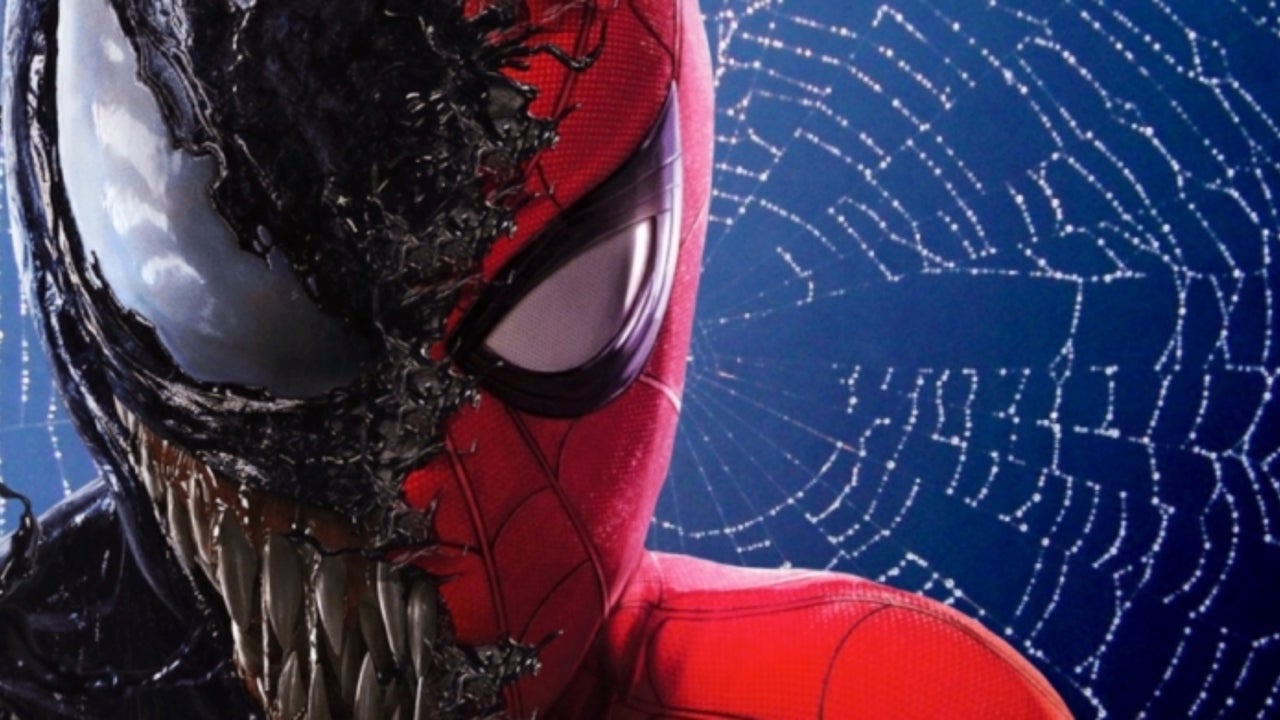
At the same time, it is inferred that the superhero will be featured in Sony’s upcoming films like Venom 2 or any of the Spider-Man spinoff films they have planned. It was not clear either if actor Tom Holland would play the Wall-crawler in the Sony films, although it would not be the end of the world if the character was recast while Holland played Spidey in the MCU. It worked for DC when two different actors played the Flash at the same time on film and TV. Now, as to how good those films will be and how they will affect Spidey’s popularity is anyone’s guess, but Sony’ has a very mixed track record with their Spider-Man films.

For all we know, the agreement could very well be a stop-gap measure until a newer deal can be ironed out when the time comes. Perhaps, Sony might really be sold down the line, which would mean Disney gets the film rights to Spider-Man for free (and no Disney will not spend $10 billion dollars, as was recently rumored, for the character. After their Fox acquisition and setting up Disney+, the company is not going to spend that much money for just one character). Or Sony and Disney will be able to extend Spidey’s appearances in the MCU. But even if this does not happen and we are left with just two more Spider-Man appearances in the MCU, at least the new agreement gives fans a sense of closure and will prepare us for Spidey’s eventual departure.


Bridging The MCU Disconnect

A common complaint about the Marvel Cinematic Universe (MCU) and its related television shows is how disconnected they are. There is lip service from the powers that be that all the films and TV shows are interconnected, but there is scant evidence. At least, when it comes to the films. Fans are desperately grabbing at straws and blurry screen shots to find evidence of the TV side of the MCU in the films but without success. To date, none of the characters that originated in the TV shows have shown up on film, aside from one exception. Howard Stark’s butler Jarvis, portrayed by James D’Arcy in Agent Carter, made a brief appearance in Avengers: Endgame. This lack of TV characters in the films implies that the two medium are not connected, resulting in an MCU disconnect.

jarvis in avengers endgame

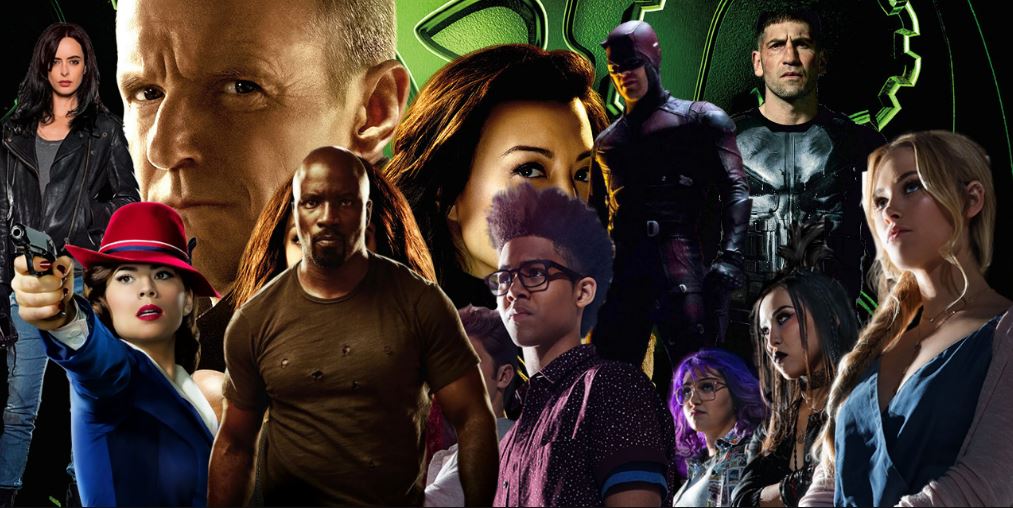
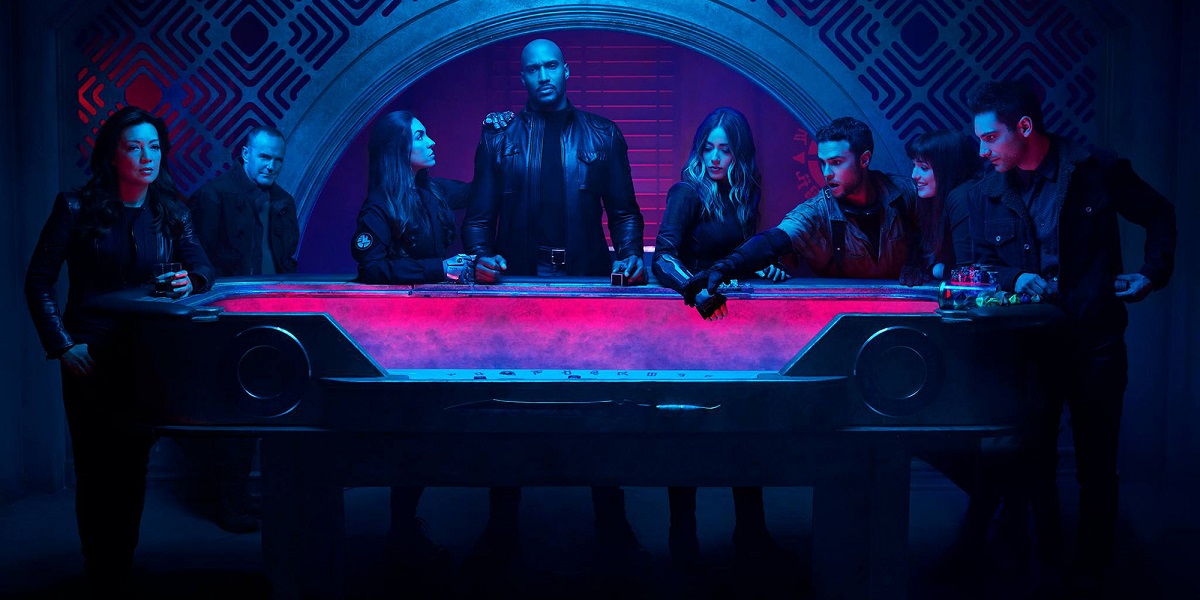
However, the television shows made it clear, especially older ones, that they were set in the MCU. It’s hard to dispute that fact where Agents of S.H.I.E.L.D. stars one of the secondary characters featured in the films (Agent Phil Coulson) and had appearances by Nick Fury, Sif and Agent Maria Hill, among others. They were portrayed by the same actors and were, in fact, the same characters. Agents of S.H.I.E.L.D. has made numerous references to the films. Lately, this has not been the case as it appears that the producers have given up hope that their shows are part of the MCU and are ignoring what is going on in the films. A good example is the recent sixth season of Agents of S.H.I.E.L.D., which takes place after the fifth season and that season referenced Avengers: Infinity War and Thanos. In the recent season nothing about Thanos’ snap was ever mentioned nor were other film characters. In a way, it’s good that the TV shows have thrown off the shackles of film continuity and are branching off on their own. The fact that Cloak and Dagger takes place in New Orleans and is far removed by the events in Avengers: Infinity War gives the impression that the MCU is much larger and complex. Like real life not everything has to be connected and it is fun for sharp-eyed viewers to spot obscure Easter eggs, such as Typhoid Mary mentioning the fictional country Sokovia in Iron Fist’s second season. But it can make it hard for some viewers to care about the events in the TV shows since they can rationalize the shows don’t have anything to do with the proper MCU.

That is changing though. With the new Disney+ streaming service, there will be numerous TV shows that are decidedly part of the larger MCU as they will star important characters like Loki, Hawkeye, Falcon and the Winter Soldier. MCU head Kevin Feige promised that the new shows will intertwine with the upcoming MCU films and held up the example of how the show WandaVision will directly lead to the upcoming film Doctor Strange in the Multiverse of Madness.

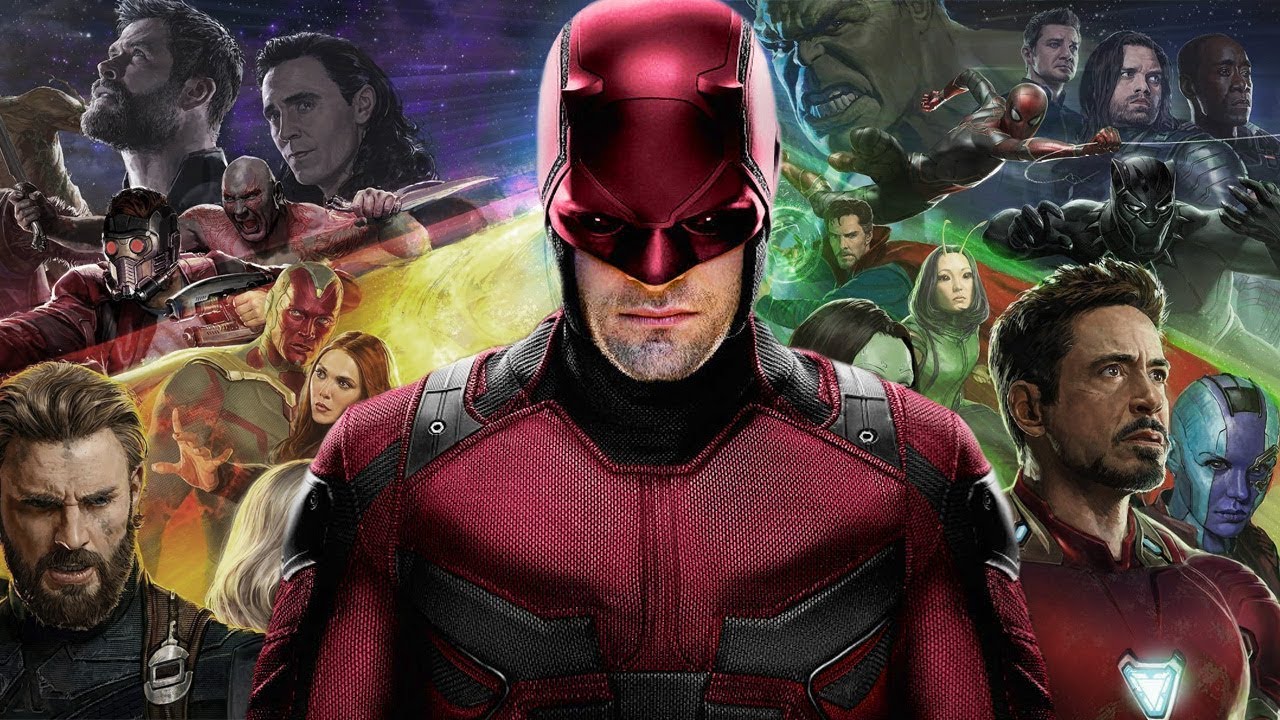
Alright, that is all well and good but what about the existing TV shows like Agents of S.H.I.E.L.D., Runaways or Cloak and Dagger? That is still up in the air and most likely nothing will change. But there are rumors going on that the cancelled Netflix Marvel shows, Daredevil and The Defenders are headed to either Hulu or FX some time next year or afterwards. The rumors also has it that actors like Charlie Cox will reprise their roles, which means the revivals of the shows will not be reboots. If this is the case, then this will validate that shows like Daredevil and Jessica Jones are indeed part of the larger MCU. This, not the Disney+ shows, will certainly go a long way to bridging the current MCU disconnect between the film and TV medium and create a richer and more complex universe.