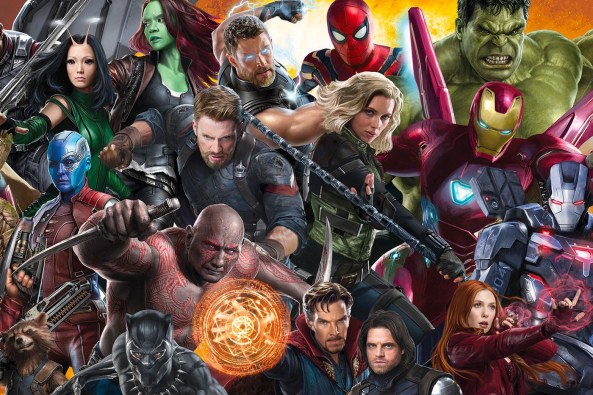
Spider-Man: Life After The MCU

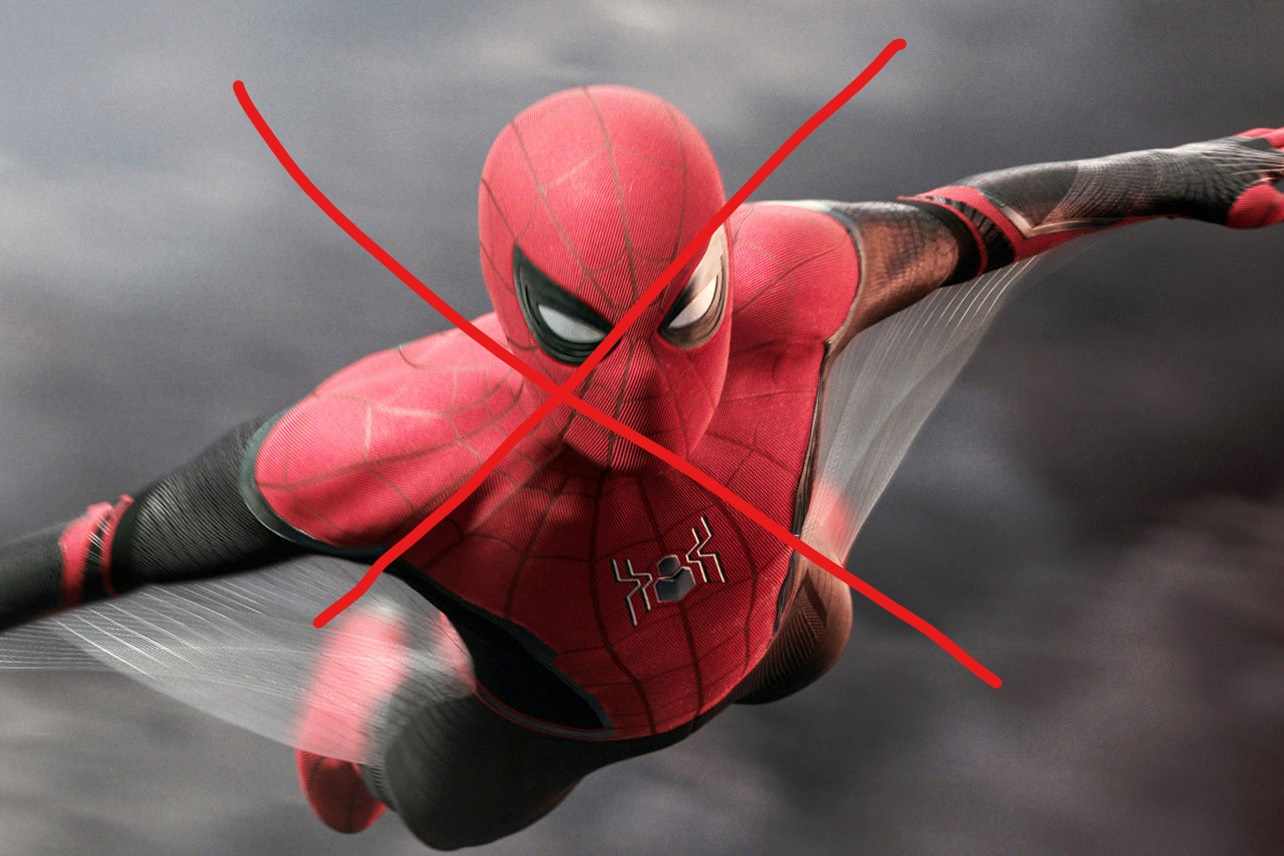
The dust still has not settled over the shocking news last week that Spider-Man is leaving the Marvel Cinematic Universe (MCU). So much for making Spider-Man: Far From Home earn over $1 billion to keep Spidey in the MCU! As we all digest this huge turd sandwich and cling on to every nugget of hope that Sony Pictures and Disney/Marvel Studios can still work out a deal, it’s time to face reality and ponder on what happens next for our favorite Wall-crawler in live-action films.

As mentioned in the previous post, actor Tom Holland still is contracted to do one more Spider-Man film and right now plans for that film are going forward from Sony. The film studio has the right to do a Spider-Man film without Disney’s blessing but obviously, cannot have it connect to the successful MCU. Sony may feel they can get along fine without the MCU and it may very well be the case, but it’s a dangerous gamble now. The animosity towards Sony by many fans is well documented with campaigns starting to boycott any Sony Spider-Man or related film. The question is will this anger keep up next year when Morbius and Venom 2 premiere? If both films falter or just earn less than expected in the box office then it can be attributed to fan backlash and can force Sony back to the negotiating table. This may not happen but then again look at Solo: A Star Wars Story and the backlash it received for The Last Jedi.

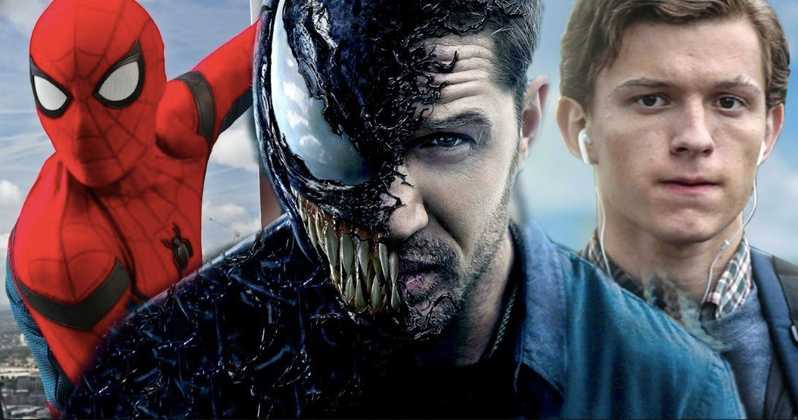
One no-brainer way to entice Spider-Fans to make Venom 2 a success is to shoehorn in Spider-Man now that Sony has him. One thing the studio has in its favor is that many fans are dying to see Spider-Man meeting Venom and fighting Carnage. Yes, the two characters fought each other in Spider-Man 3, but that version of Venom was poorly received. The Tom Hardy version was a hit with with fans though the film Venom was not as well thought of. If Spider-Man and Tom Holland are forced to appear in Venom 2 do the filmmakers have the skills to make it an organic appearance rather than an obvious cash grab? We’ll see.

Continue reading

The Tangled Web Of The Sony & Disney Spider-Man Debacle

Spidey out of MCU

AAARRGGH! We fans thought things were bad with the imploding DCEU and Henry Cavill and Ben Affleck’s departures, but now this! Superhero fans are still reeling from yesterday’s news that Spider-Man will no longer be in the Marvel Cinematic Universe (MCU). To say this was a surprise is putting it way mildly. It’s a bigger shock to our collective consciousness than Trump winning the presidency in 2016. We all thought things were going great between Sony, who owns the film rights to Spider-Man, and Disney/Marvel. Spider-Man: Far From Home is a smash hit, earning $1.1 billion dollars, making it Sony Pictures biggest money maker of all time. Disney’s Marvel Studios, which produced Spider-Man: Far From Home, is continuing to earn accolades as they sit on top of the box office world. The sharing of Spider-Man with Marvel Studios was for him to appear in six MCU films and so we all waited for news of when that film would happen and when the two film studios would announce a new deal extending Spider-Man’s presence in the MCU.

But it was not to be. Deadline reported that negotiations broke down between Disney and Sony after Disney demanded unreasonable terms. When the news first broke, everyone was out with the pitchforks for Sony because let’s be honest, their track record for their own Spider-Man films has not been great. Sure, they released the classic Spider-Man: Into the Spider-verse, which won the Academy Award for best animated film and Venom was a far bigger success than it had a right to be. But their last three live-action Spider-Man films have not enthralled the world and the studio was seeing diminishing returns for their efforts, which prompted them to make a deal with Marvel Studios.

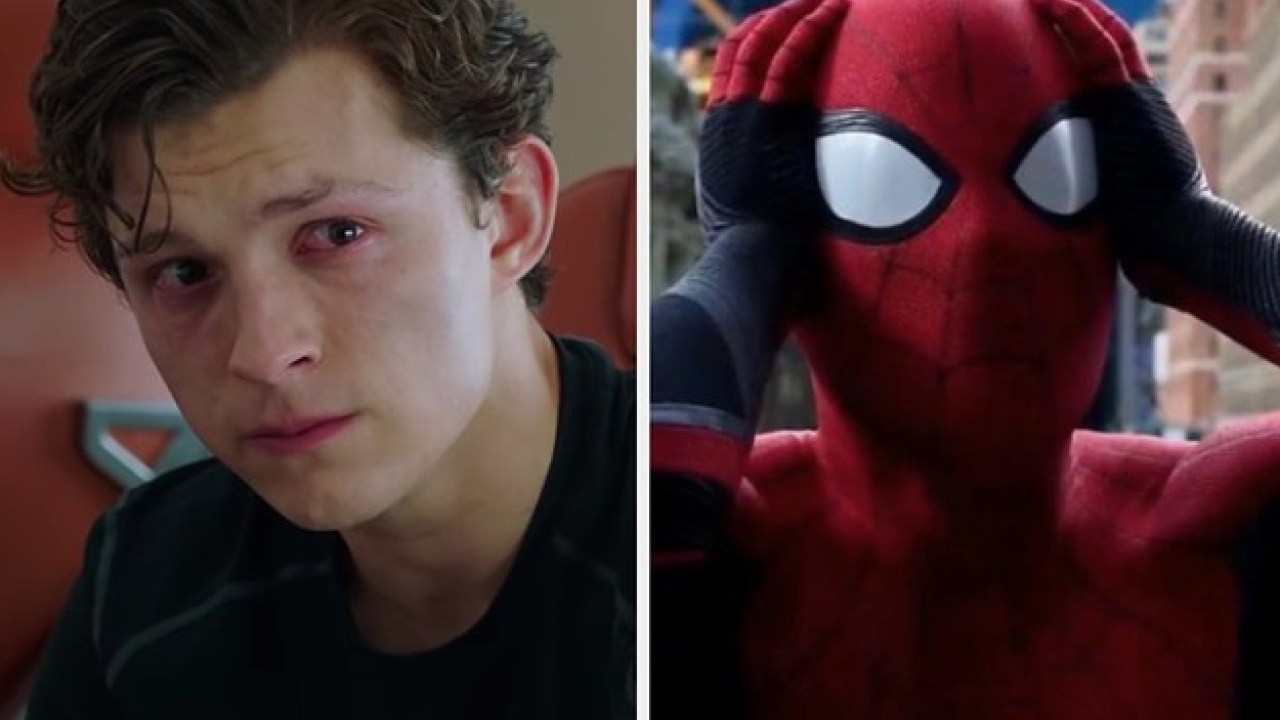
dancing emo peter parker

The arrangement to share Spider-Man between the two studios worked beautifully for everyone. Marvel and MCU fans got to see comic book company’s most popular hero be a part in the MCU. Marvel Studios used their topnotch talent to create a Spider-Man that felt more faithful to his comic book source while being updated. This led to a revitalized interest in the hero as audiences responded positively to the MCU reboot of the Web-slinger. His presence in the last two Avengers films and Captain America: Civil War were delightful highlights and he gelled nicely with the larger MCU. Meanwhile, Sony was able to reap the financial rewards of the two Spider-Man MCU solo films, Spider-Man: Homecoming and Far From Home. One would think that the two studios would want to continue this relationship.

Continue reading

One Giant Leap: Apollo 11’s 50th Anniversary

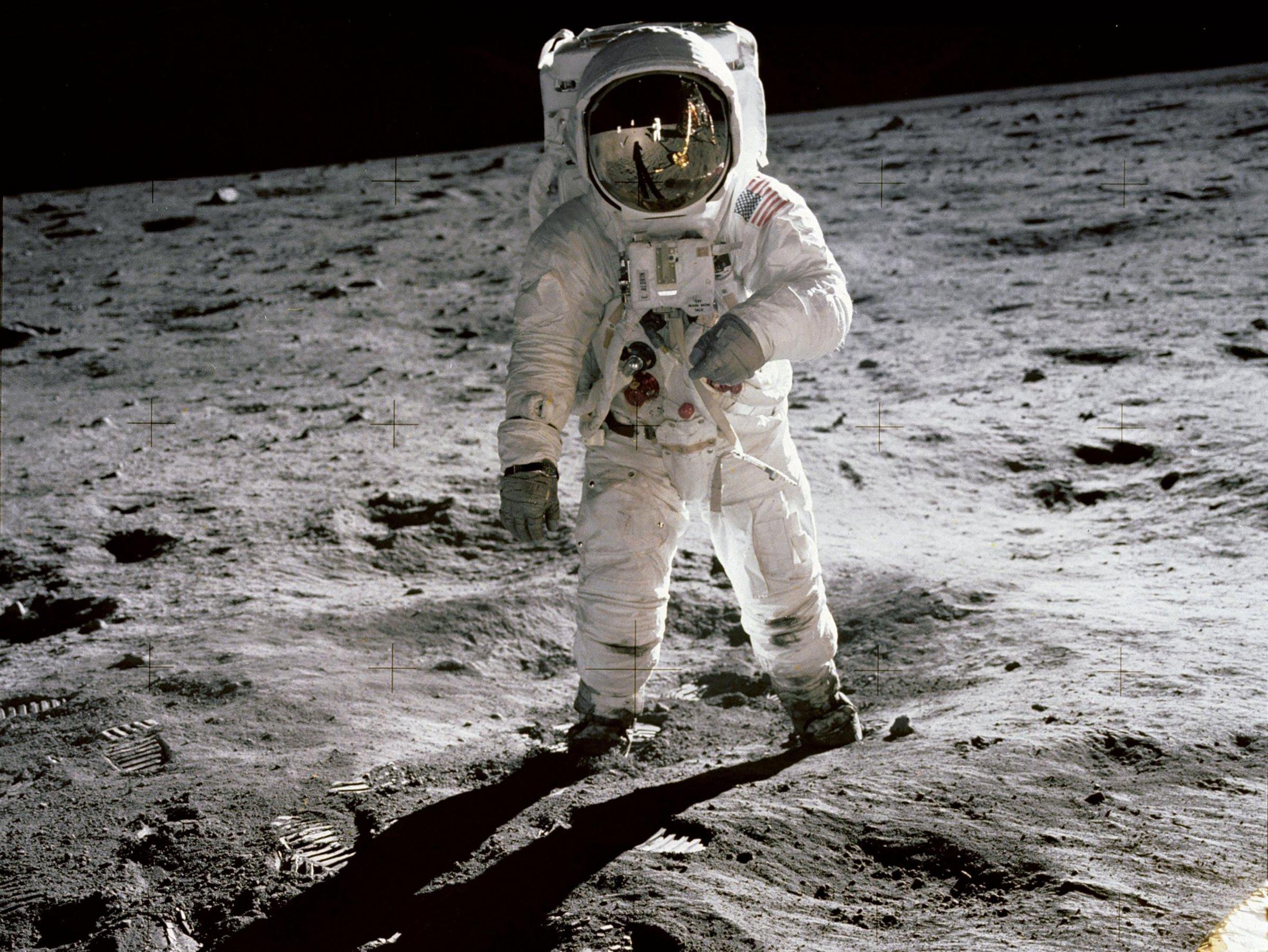
It may be all too easy to conveniently forget or dismiss the historic anniversary of the Apollo 11 moon landing given the current mess our world is in. It is also just as easy to get caught up in all the problems, both petty to serious, we face, from hateful political tweets to nuclear proliferation, from celebrity gossip to climate change. Yet, the fact remains that fifty years ago, humankind observed and celebrated its greatest technological feat with the first manned landing on our moon.

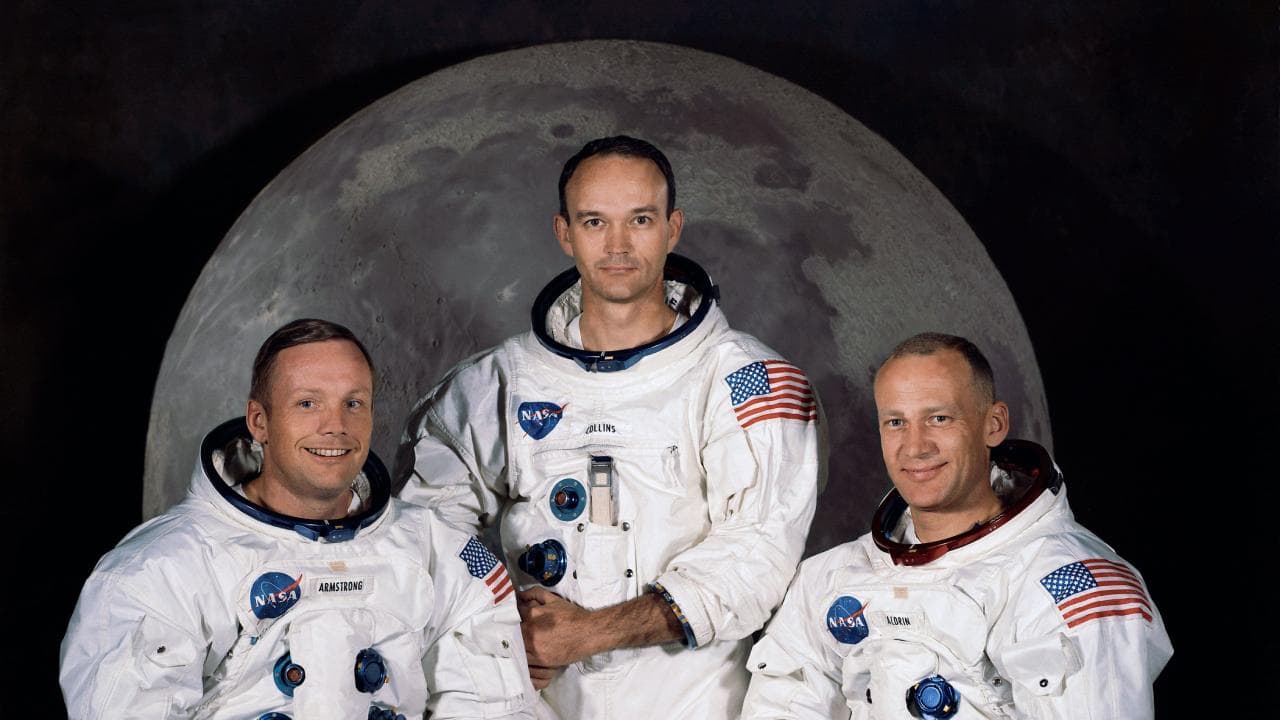
Of course, everyone knows of Neil Armstrong, the first man to walk on the moon, Edwin “Buzz” Aldrin Jr., the second man to walk on the moon, and Michael Collins, the command module pilot of the Columbia, which stayed in lunar orbit as Armstrong and Aldrin descended to moon on the lunar module Eagle. Their accomplishment was truly spectacular and took great courage considering the dangers they faced with relatively untested and primitive (by today’s standards) technologies. Neil Armstrong was always an understated, low-key person who quickly disappeared from the spotlight after his feat. This is part of the reason why not many know how suitable he was for the mission. In his career, Armstrong displayed a calm veneer and quick-thinking skills that were needed in the Apollo 11 mission. Before Apollo 11, Armstrong used these skills to improvise and save his life during dangerous tests and would do so again as the Eagle approached its landing spot. The astronaut saw as they approached the site that it was not a suitable place to land the Eagle, so he used his piloting and navigational skills to quickly find a new location with precious seconds to spare before the module’s fuel ran out. The mission was that close to failing but thankfully it was a huge success which momentarily united all of humankind.

Apollo 11 was one of the most significant milestones in our collective history because with this feat humanity was no longer Earthbound. We are now on the verge of becoming a spacefaring species thanks to the mission, which truly was one small step, but an incredibly important one. This is vital because by traveling into space we are taking steps to prevent our extinction. Of course, landing on the moon was just the beginning and as of now it will take much more for us to become a true space-dwelling species.

One downside to the Apollo mission is that it was fueled back in the ’60s by the Space Race between the United States and the Soviet Union. The U.S. was caught up in a struggle to get to the moon first, to achieve President John F. Kennedy’s goal of getting to the moon by the end of the decade. And this was accomplished 50 years ago, but afterwards, both superpowers took their eyes off the ball. Instead of expanding upon the landing and establishing a lunar colony, both countries focused their space efforts much closer to home. As we made numerous trips to low Earth orbits to set up space stations and conduct experiments the public’s interest in the space effort quickly diminished. Many became downright dismissive and openly (and loudly) wondered what was the use of traveling to space when we had more pressing problems down on Earth.

While these critics have a legitimate point, they overlooked the long-range benefits of space travel and even the immediate ones. For example, after the Apollo program closed down in the ’70s, many of the technicians involved in the program eventually migrated to the computer field. Many of them were considered geniuses and many organizations involved with computers took advantage of this. They were able to use their expertise and knowledge to help drive the marvelous Computer Age that we live in. This is stunning when you consider that the computer that ran the Eagle spaceship was far weaker than any cellphone. As primitive as the computers were during the Apollo mission they paved the way for the computer renaissance today.

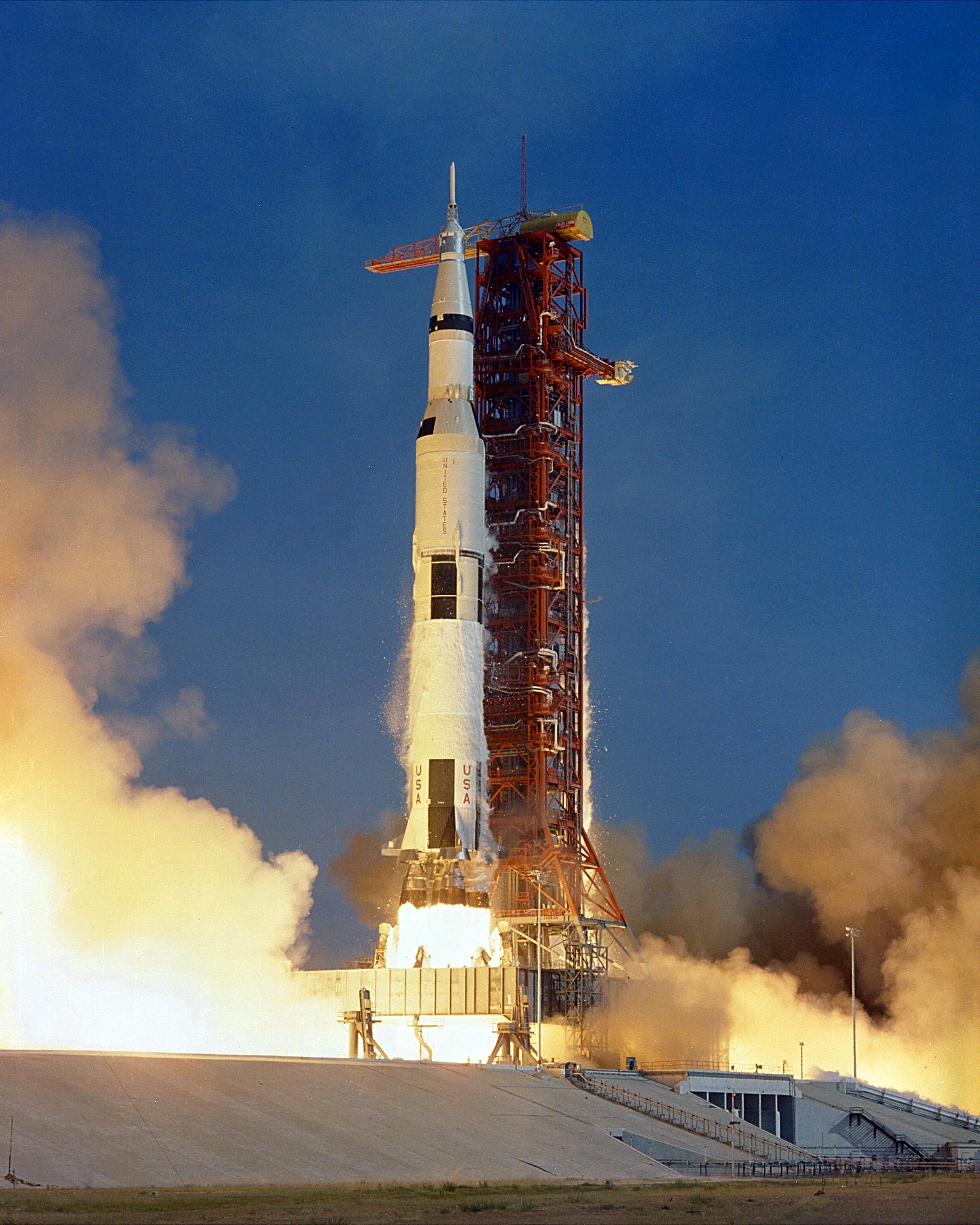
However, computers and other technological innovations are not the primary legacy of Apollo 11. Thanks to the efforts of the Apollo 11 astronauts and everyone involved, the imagination was fueled for many of today’s entrepreneurs who have an eye toward space. These include Elon Musk, Jeff Bezos, Richard Branson, and Robert T. Bigelow. They are actively improving and creating new space technologies such as the resuable Falcon 9 rocket–a true successor to the Apollo’s Saturn V, inflatable space habitats, and more. Private companies are now paving the way to fully return us not just to the moon but to Mars itself. So even though it may seem as if we had reached a dead end with the lunar landing 50 years ago, the fact is that there was merely a delay. We are on the cusp of the next great Space Age where the Space Race won’t be between nations but companies as they rush to reach the red planet. There will be mishaps and setbacks but in the long run these will be mere blips in our future history of being space dwellers.

Thus, 50 years later, Apollo 11 continues to impress and inspire countless of others who will carry forth our species into the stars. Collectively, we will always commemorate and celebrate this historic moment for our species because as Neil Armstrong himself famously said when he took his first step on the moon, “That’s one small step for man, one giant leap for mankind.”

Walter L. Stevenson and José Soto

All 23 MCU Films Ranked

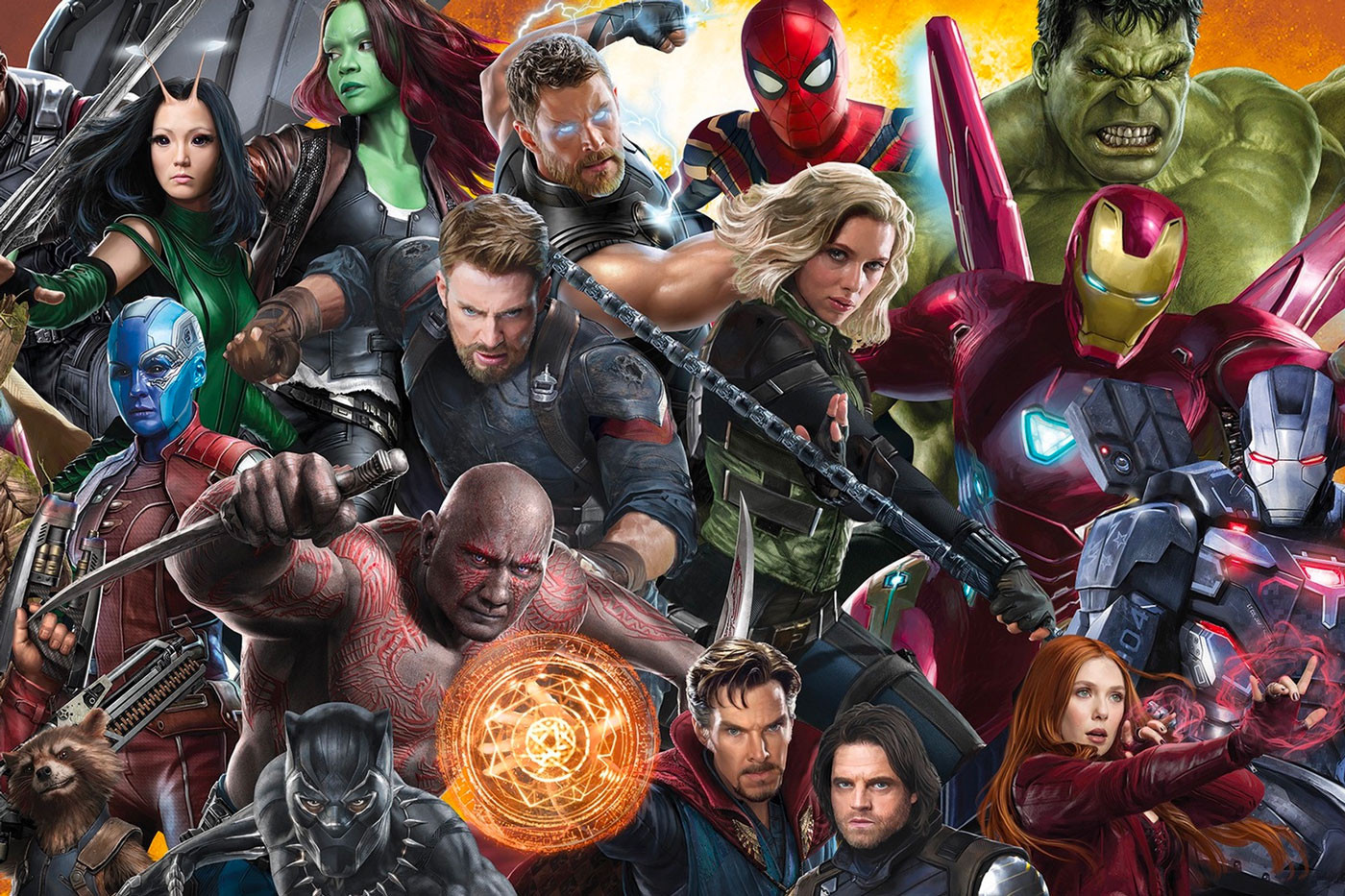
The Marvel Cinematic Universe (MCU) has been with us since Iron Man in 2008 and has been comprised of three phases. Twenty three films later, the MCU’s Infinity Saga is now complete with the release of Spider-Man: Far From Home, which heralded the conclusion of Phase Three of the MCU.

Now it’s time to rank all the MCU films to date. We’ve done this before back in 2015 when Phase Two ended but since then eleven more MCU films have been released which changed the previous ranks of films. Also, upon further viewings the older MCU films have either aged well and are actually higher ranked or are haven’t aged well and went down in ranking.

Looking back at the films, it is remarkable and necessary to note that there isn’t a terrible film in the lot, which is amazing considering there are 23 films. Even the lowest ranked films have their merits and are better than many other films of different franchises. Not all the films are classics, but almost all are solid and enjoyable superhero films that are among the best of the genre.
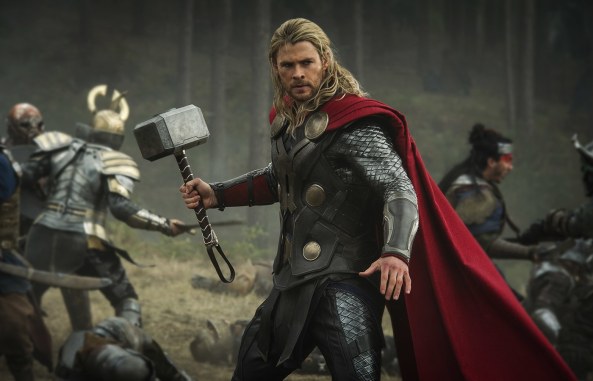
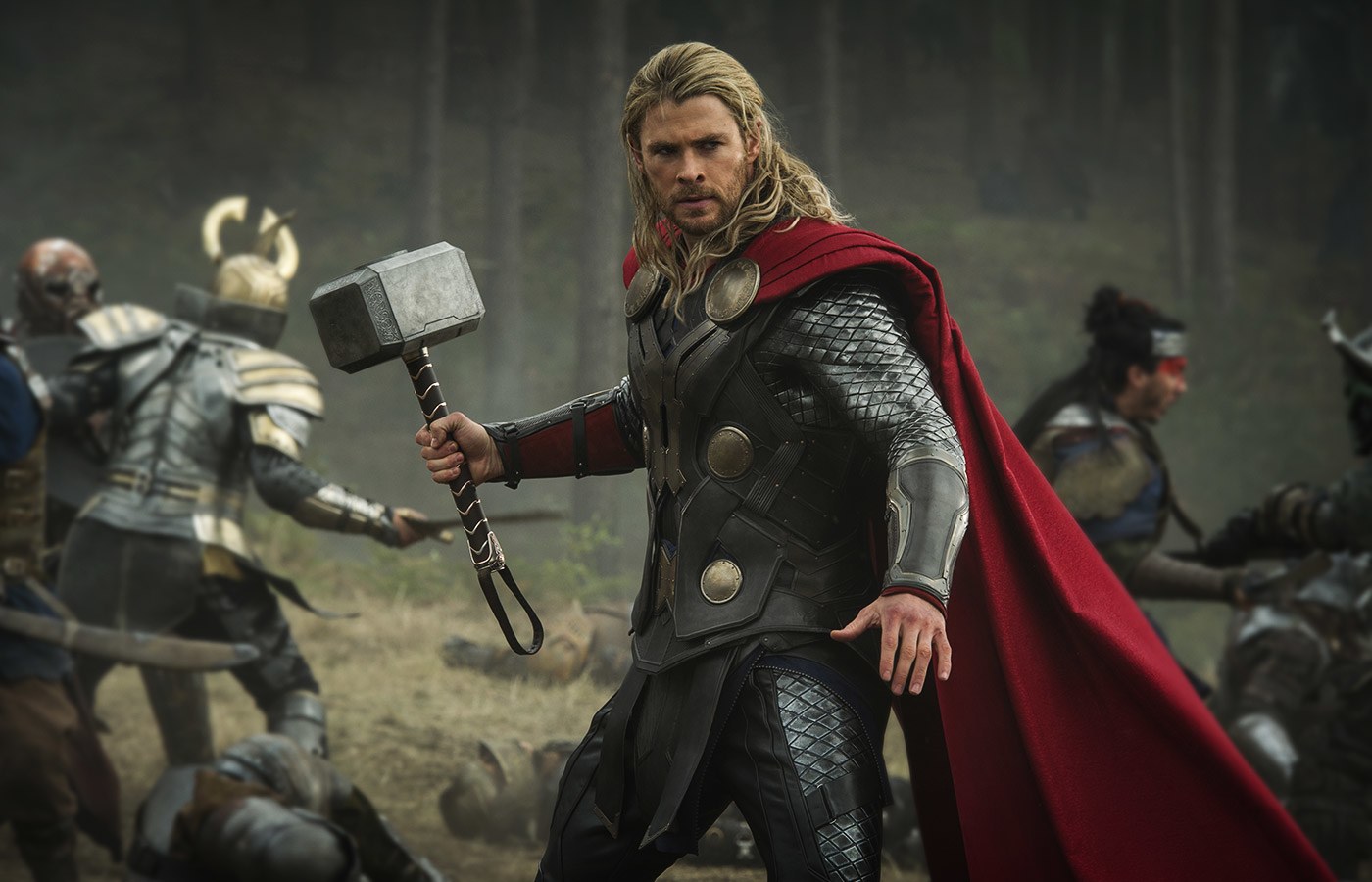
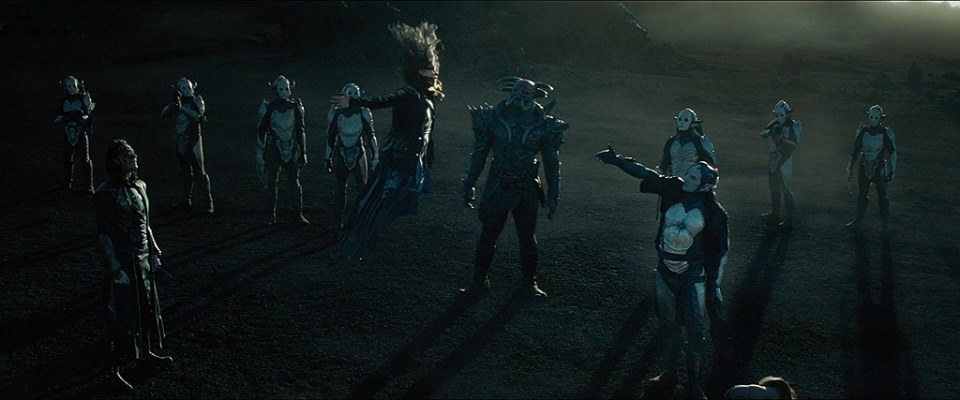
23. Thor: The Dark World (2013)

Coming in at the bottom of the list is the first sequel to Thor. Despite Chris Hemsworth’s star power and natural charisma as the God of Thunder, Thor: The Dark World is a very routine superhero film that is quite forgettable.
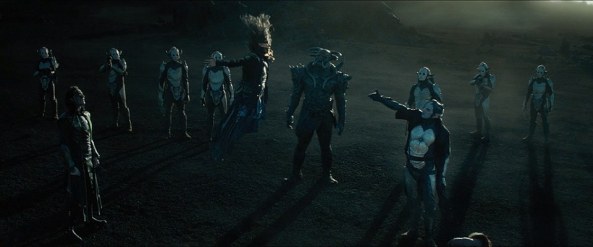
It has its moments such as Tom Hiddleston, who is always reliable as the mischievous Loki and the final fight. But the film was listless and wasted Christopher Eccleston’s talents as Malekith, an uninspired enemy with lazily thought-out motives and background.
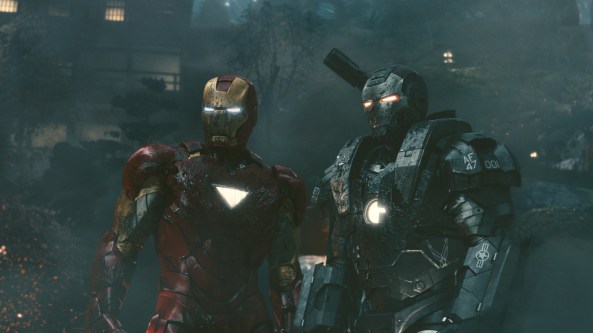
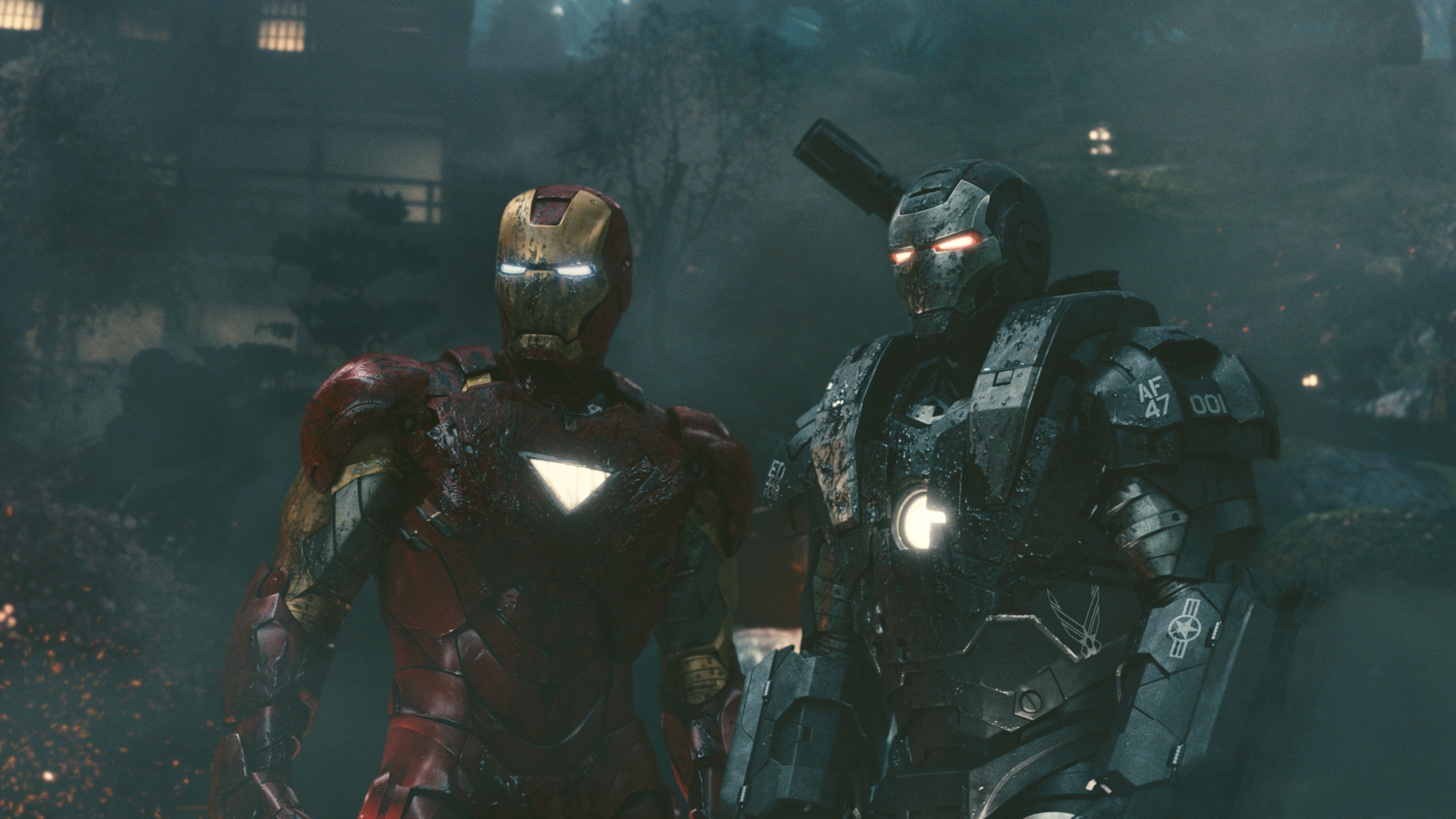
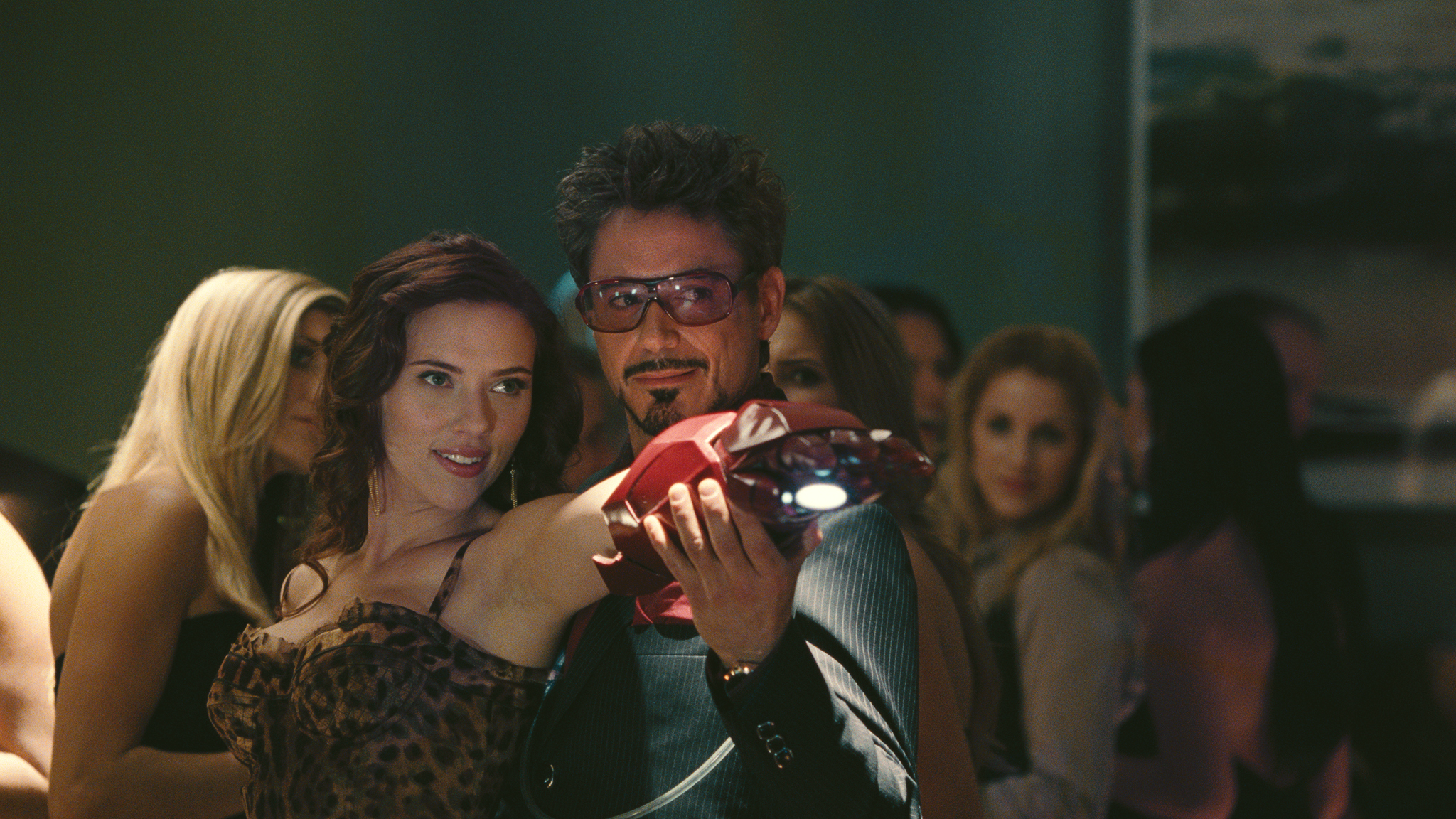
22. Iron Man 2 (2010)

This sequel to Iron Man could have been good, even great. It featured many interesting subplots and with some tinkering the villains could have been among the MCU’s best. Instead, we got a mishmash of conflicting plots that don’t go anywhere.
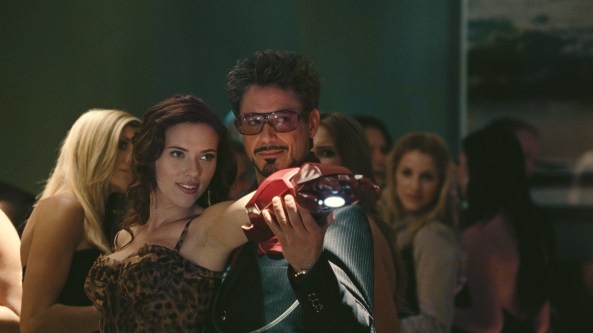
Thanks to the film’s scattered tone, Tony Stark regressed in character and reverted back to being an unsympathetic, narcissistic jerk. Adding to the flaws was that it was obvious that the film was being over-managed by film executives who wanted to use it to lay the groundwork for the MCU instead of ensuring this was a good film in its own right.
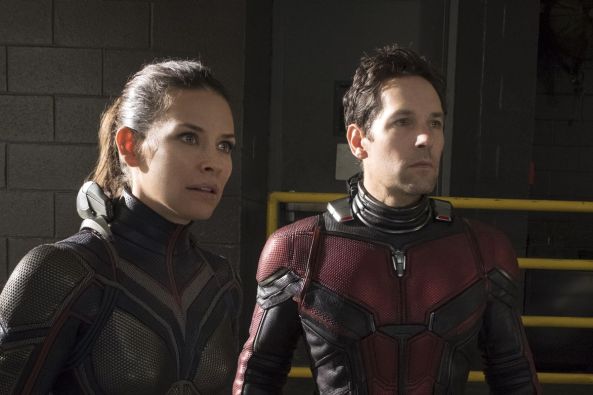
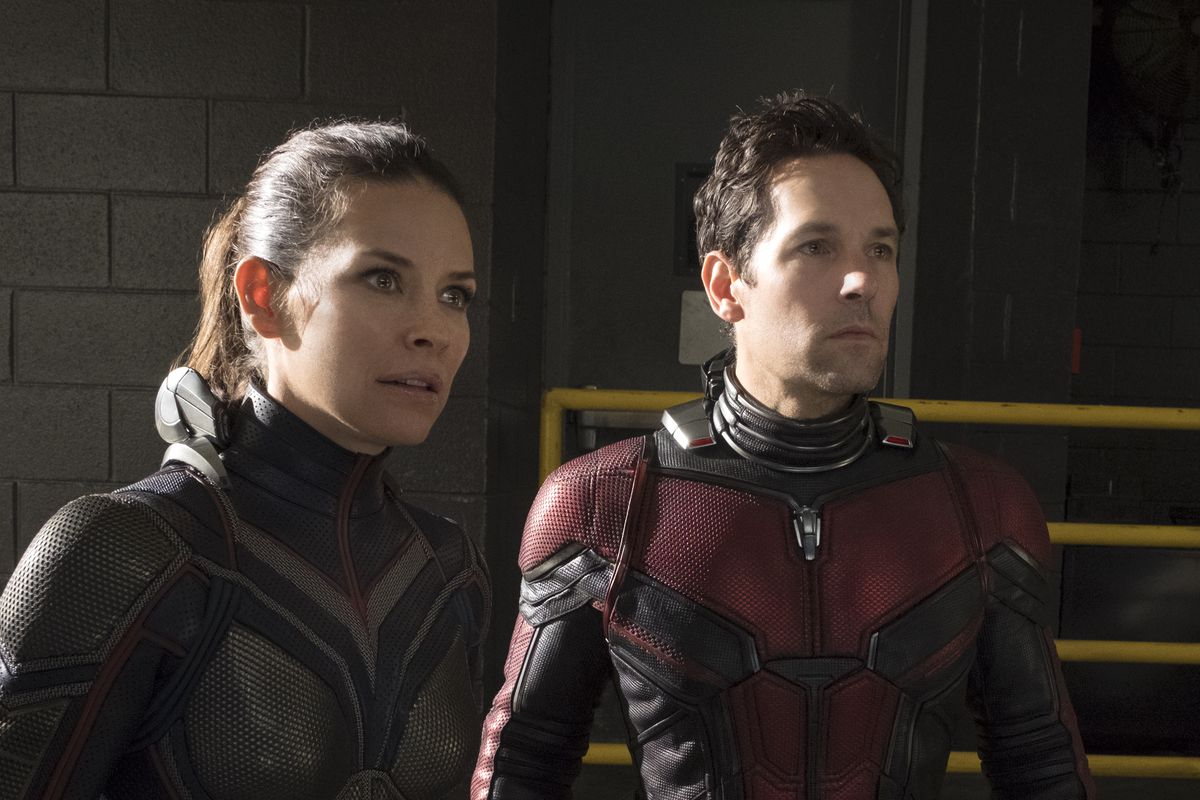
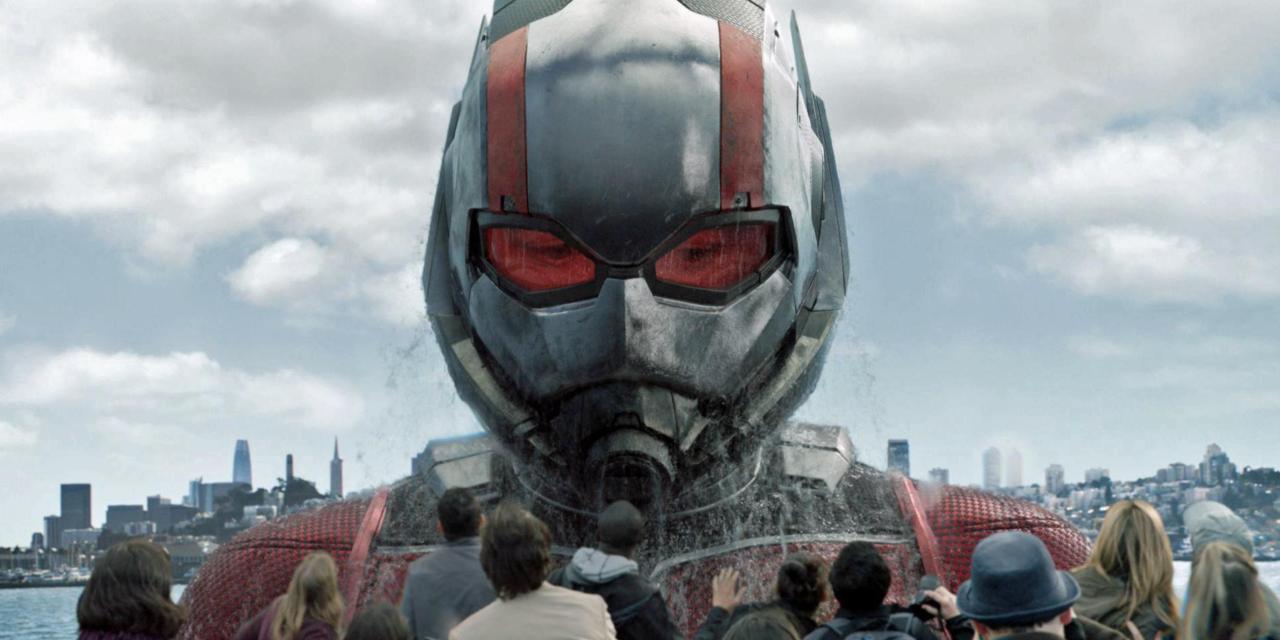
21. Ant-Man and the Wasp (2018)

This sequel to Ant-Man is not a poorly made film, it has many fine merits such as a winning cast and great effects. The problems with Ant-Man and the Wasp is that it doesn’t have the same energy as Ant-Man, often the humor comes off as forced, and feels more pedestrian than its predecessor. Not even the unusual sight gags are as funny or inventive as in the original.
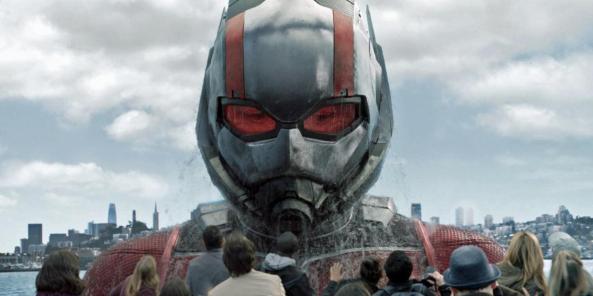
Making matters worse is that the film featured some of the worst villains in the MCU. They make the much-criticized Yellowjacket in Ant-Man seem like Thanos, yes, they’re that uninteresting. Still, it’s not a bad film but should have been so much better.
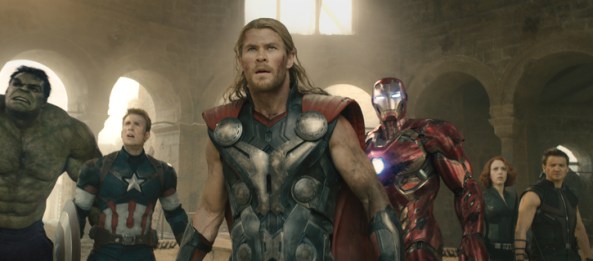
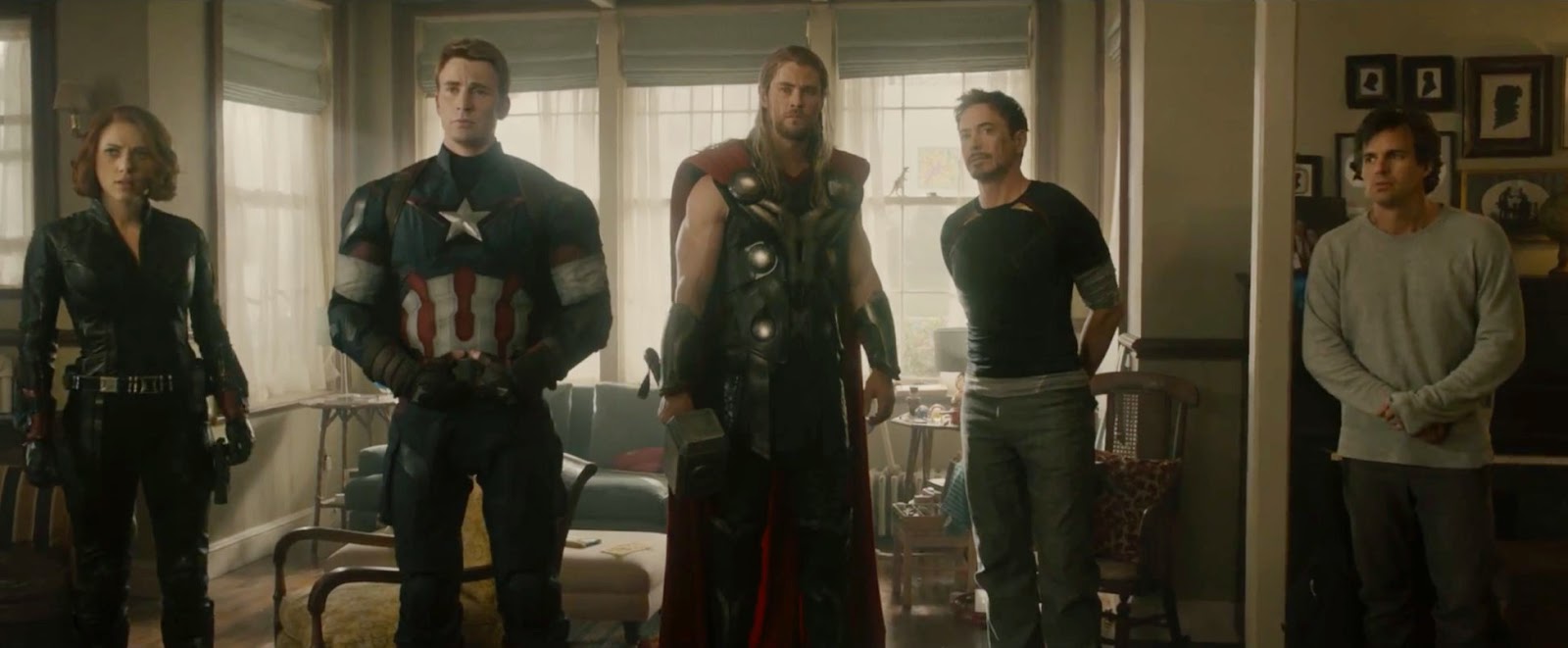
20. Avengers: Age of Ultron (2015)

The first sequel to The Avengers is sometimes frustrating to watch because it reeks of 1) wasted potential and 2) having too many cooks in the kitchen or rather execs in the editing room. Reportedly, director Joss Whedon was ordered to include scenes and subplots that had little to do with the main story and his frustration showed in the final product.
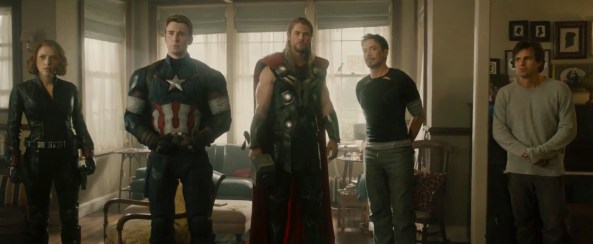
But worse than that, Avengers: Age of Ultron felt by the numbers and crammed with too many characters. It was unable to recreate the fun and energy of the first film. But, there are some terrific sequences, namely the battle between the Hulk and the Hulkbuster and the party scene where Steve Rogers nudges Thor’s immovable hammer, so there is that.
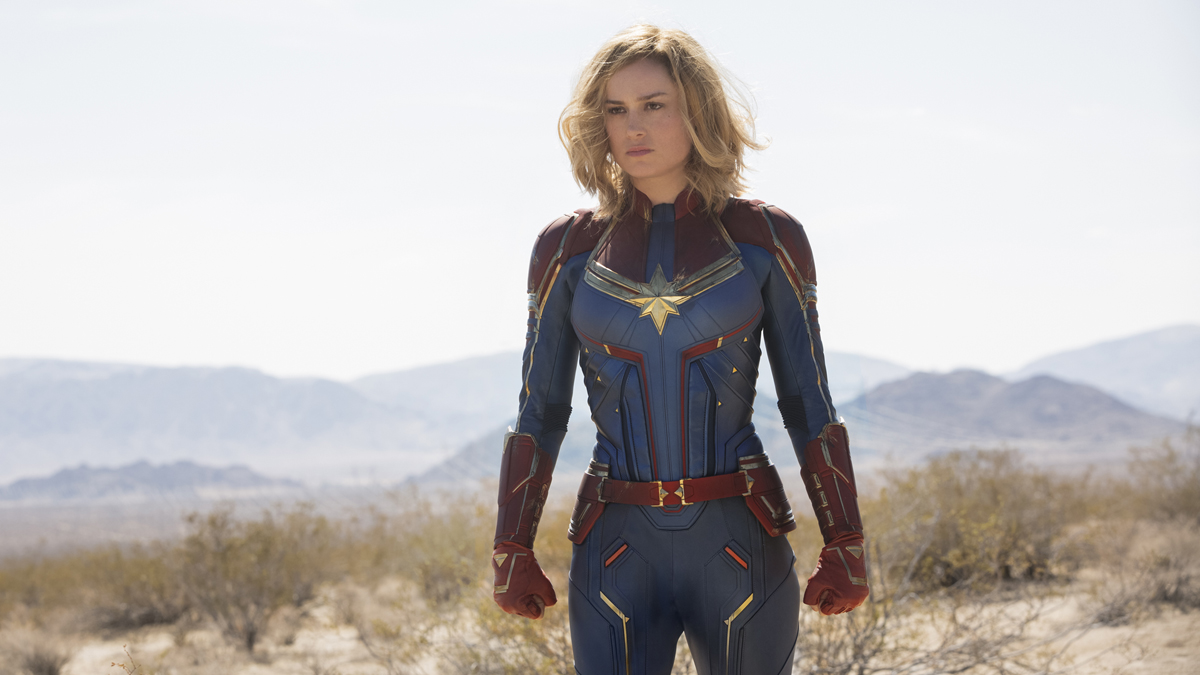
19. Captain Marvel (2019)

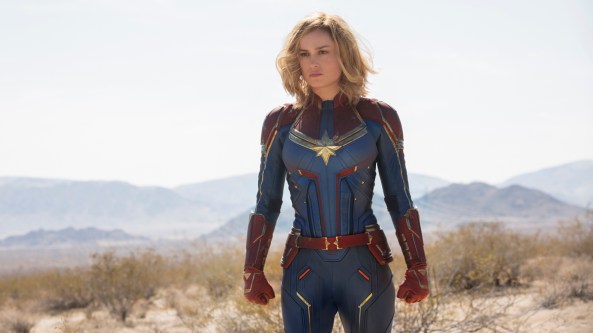
This is a fine, decent film that does a better than expected job of showing how the modern MCU was set up. More than that, Captain Marvel expands the cosmic side of the MCU while laying the groundwork for the future of the cinematic universe.
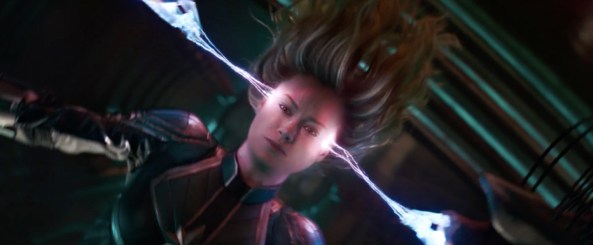
What holds this film from ranking higher is that it’s rather flat at times and feels like a formulaic superhero film. Captain Marvel is alright for what it is, but it doesn’t truly stand out like many MCU films. Making things worse is Brie Larson’s sometimes wooden performance as the title character.
18. Doctor Strange (2016)

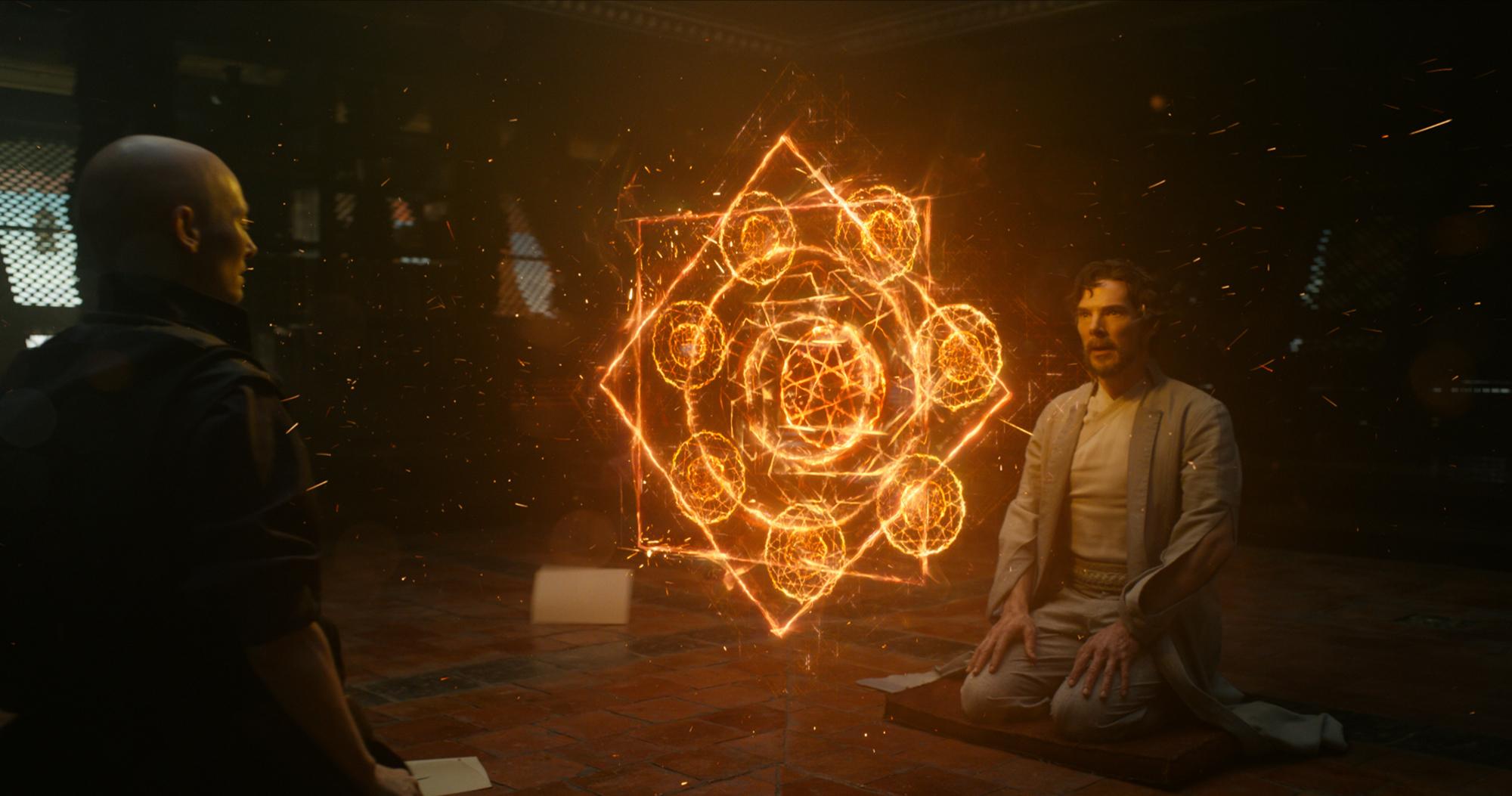
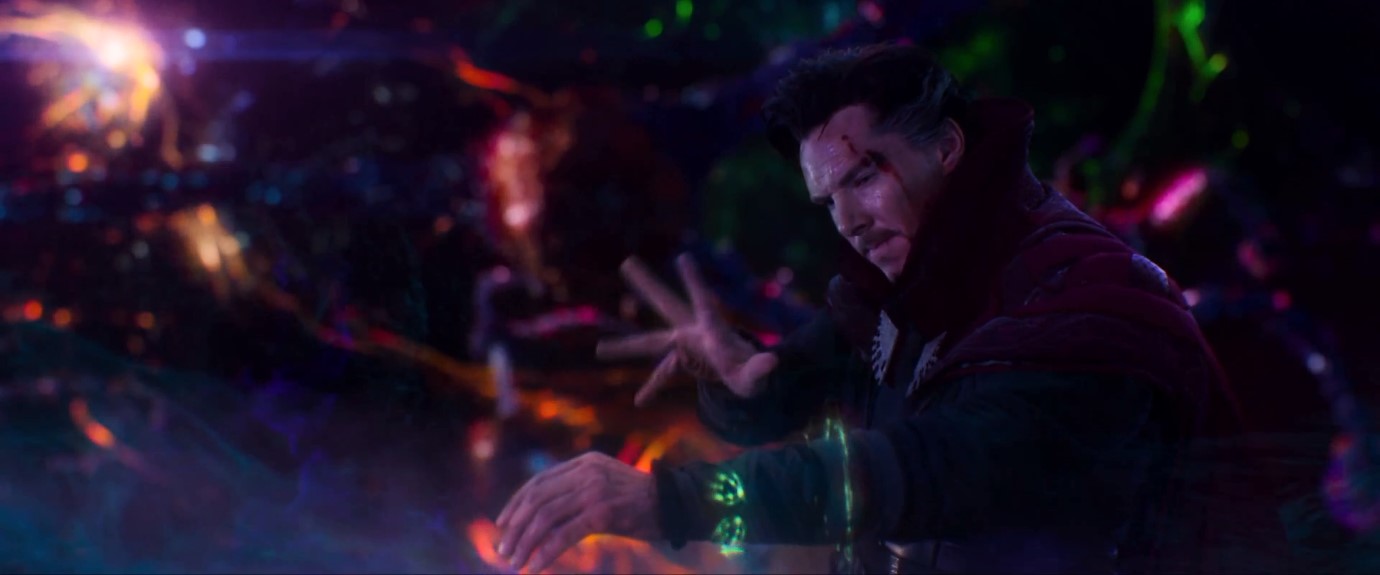
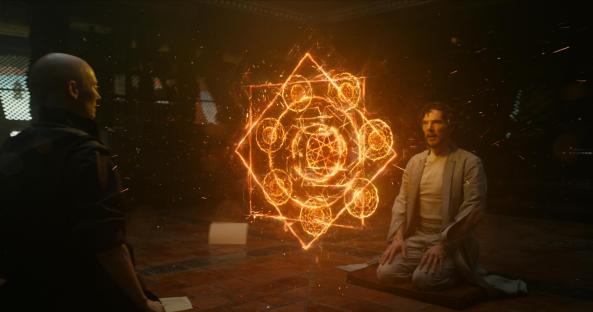
The Sorcerer Supreme’s debut film might have ranked higher on the list if only it didn’t feel like we’ve seen this kind of film before. An arrogant tool learns some humility and becomes altruistically heroic in time for the end credits. This doesn’t mean that Doctor Strange is a bad film, not at all. It’s professionally put together with amazing special effects and imagery that has never been seen before. Plus, Benedict Cumberbatch is an inspired casting choice for the title character.
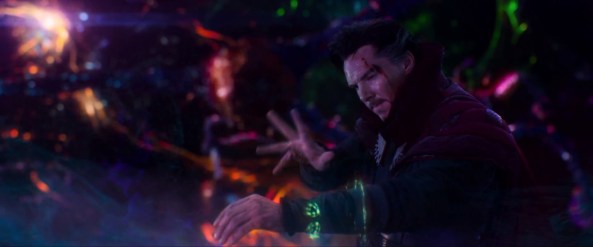
However, Doctor Strange sometimes feels formulaic and routine in between the hallucinogenic magic shows. Downgrading the film further is its main villain, a rather forgettable evil wizard with murky motivation and cliché dialogue. More screen time should have gone to Dormammu, the ultimate big bad revealed at the end. The confrontation between Doctor Strange and Dormammu was ingenious and its resolution was a welcome change from the typical fisticuffs.
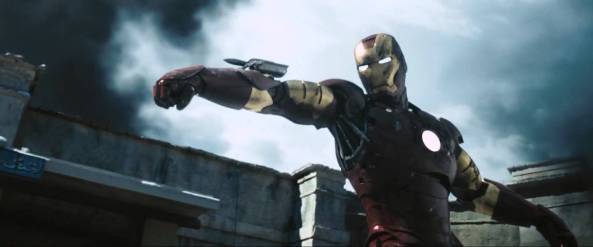
17. Iron Man (2008)

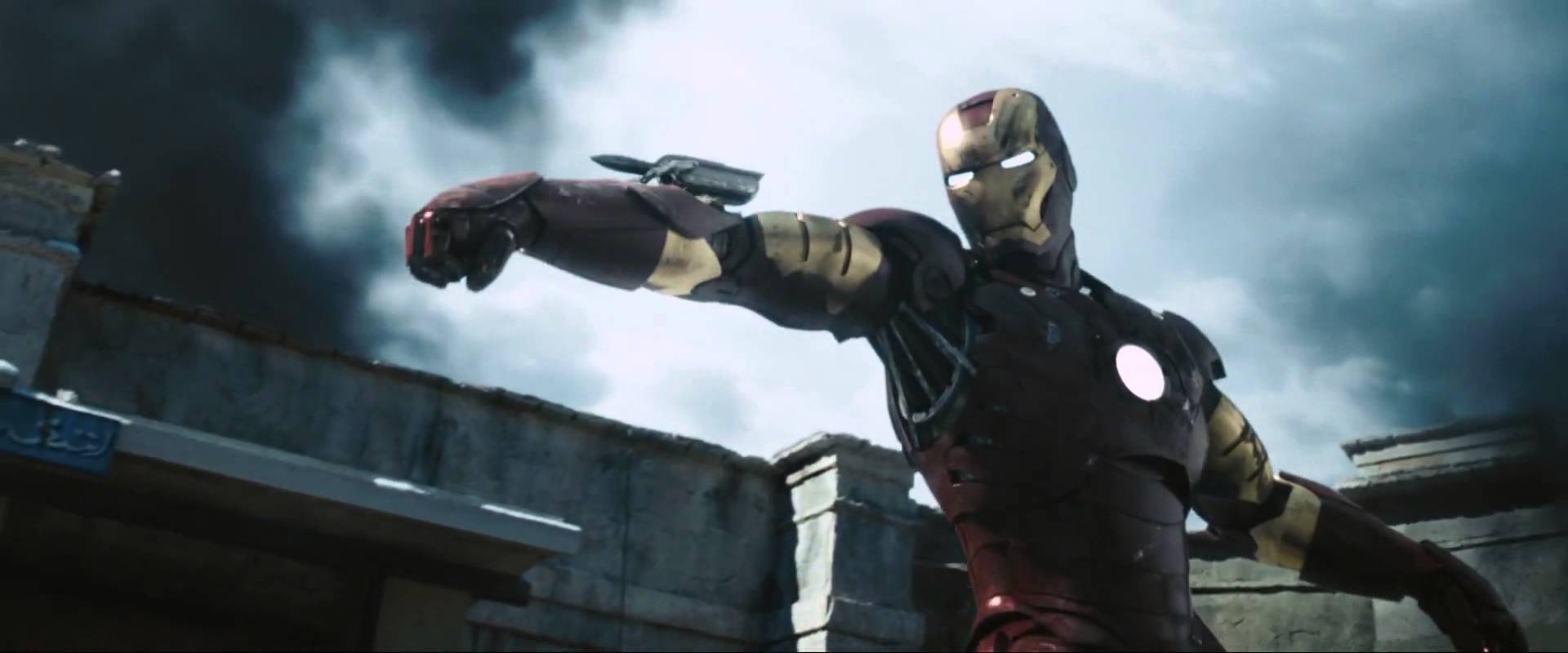
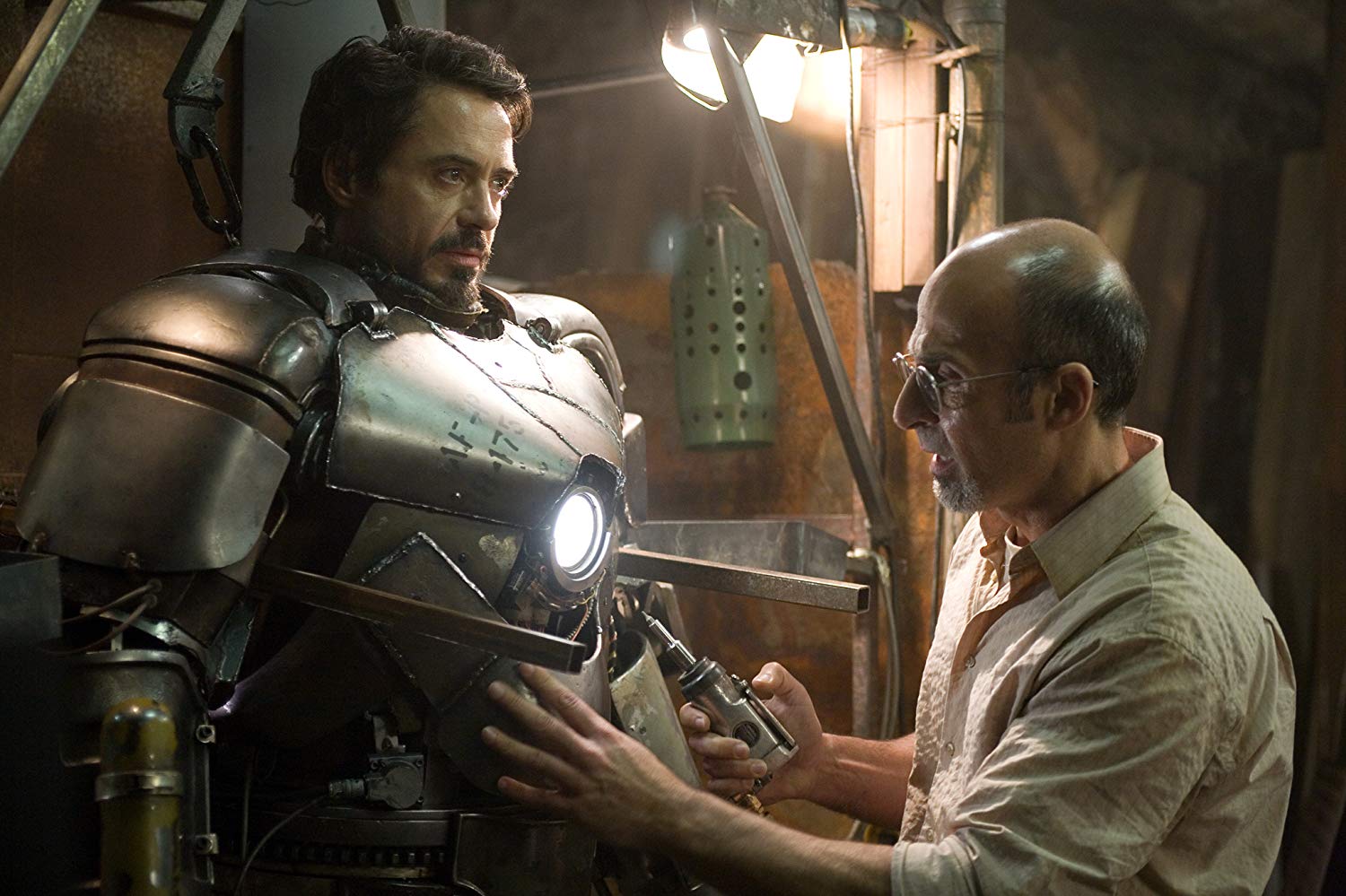
As the very first MCU film, Iron Man holds a distinctive place in many people’s lists. No doubt, the success of the cinematic universe is due to this solid superhero film that defied the odds. Before it was released, many doubted that the burgeoning Marvel Studios could pull off a successful superhero film with a B-list character. Thankfully, they were proven wrong. Robert Downey Jr. shone in the role of his career as Tony Stark and was one of the main reasons why the MCU took off.
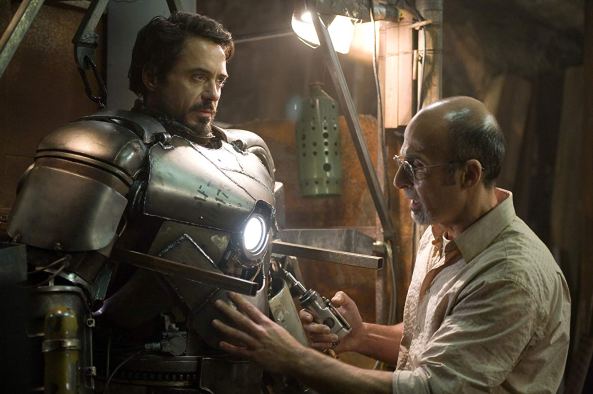
But looking at it objectively, the film has its faults. After a thrilling and engaging first half, it bogs down as we impatiently wait for Stark to build and use the iconic red-and-gold Iron Man armor. The villain didn’t help matters either. Jeff Bridges is OK as Obadiah Stane but didn’t have much presence and this lessened the final conflict between the two. However, the film’s post-credits scene was a true zinger and gave birth to the MCU.
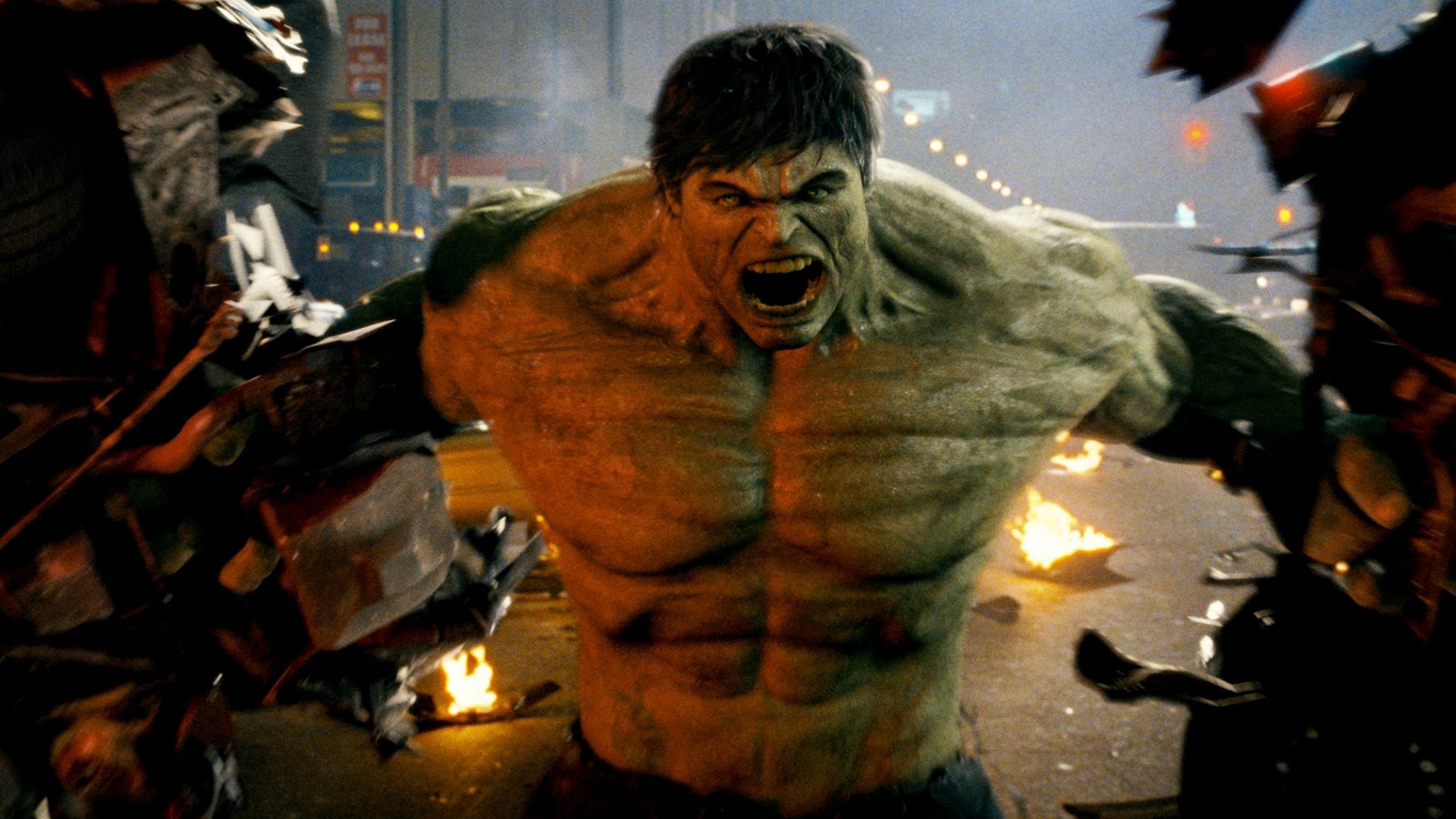
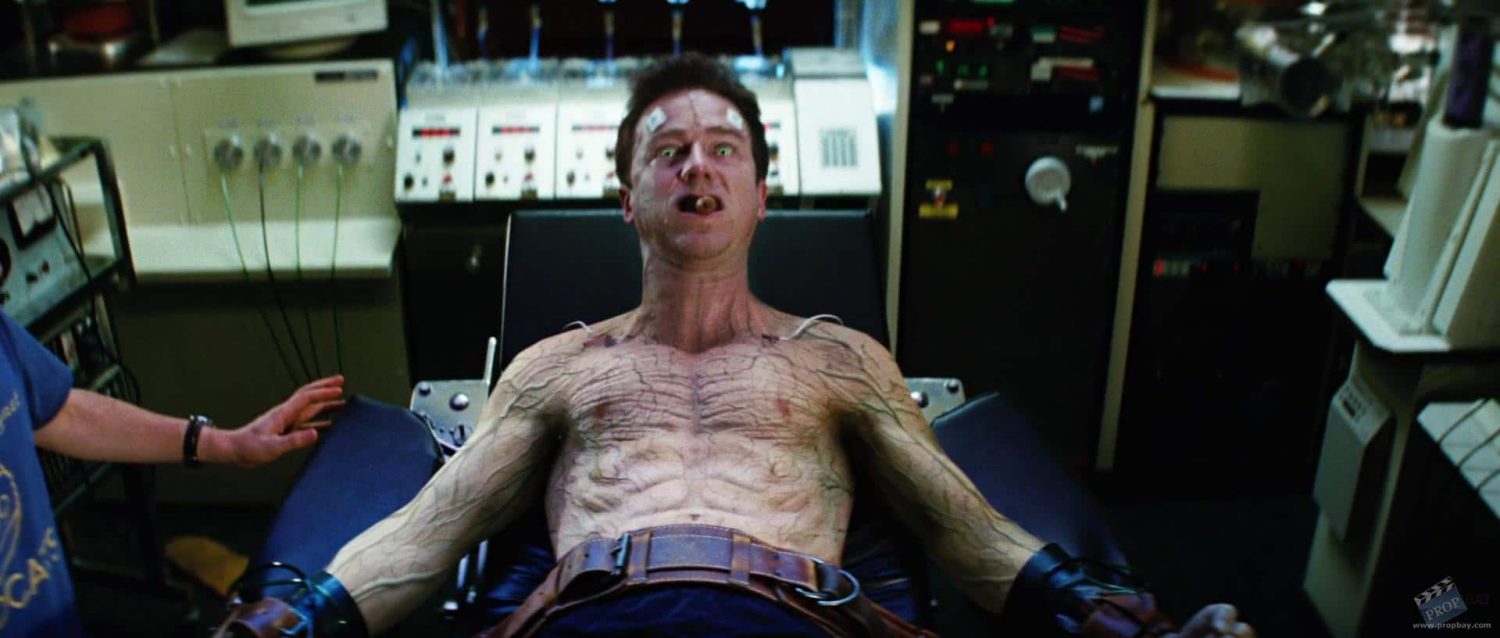
16. The Incredible Hulk (2008)

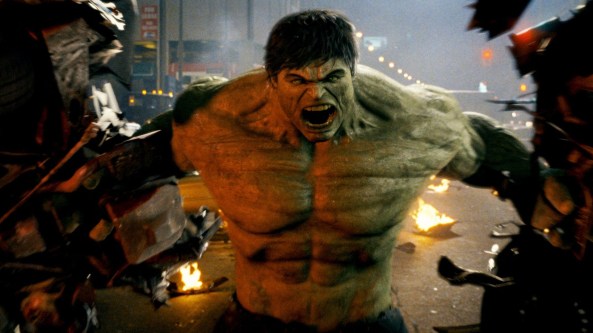
The only solo Hulk film from Marvel Studios is its redheaded stepchild, which is a shame. There are so many admirable qualities to the film and it revamped the character after the ill-received film version from 2003. Besides, The Incredible Hulk was a favorite film of someone very dear to me, so it holds a special place. The film is often overlooked but it’s important to the MCU. As the first film after Iron Man it featured many references and Easter eggs that helped solidify the MCU. It also was the first MCU film to crossover characters as seen with Tony Stark’s appearance late in the film.
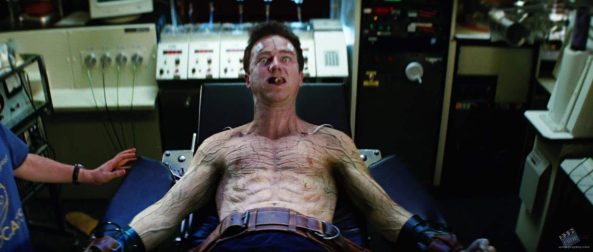
The film cleverly echoed the vibe from the successful TV series of the 70s and 80s by having its tortured hero Bruce Banner living life as a fugitive as he tried to cure his condition of turning into the Hulk. In his only appearance as Banner, Ed Norton, successfully captured the essence of his comic book counterpart in that Banner was a geeky, unassuming man who had a lot of pent-up rage. He actually was better at the role than Mark Ruffalo, but alas, studio politics and Norton’s actions during filming prevented him from reprising the role.
15. Black Panther (2018)

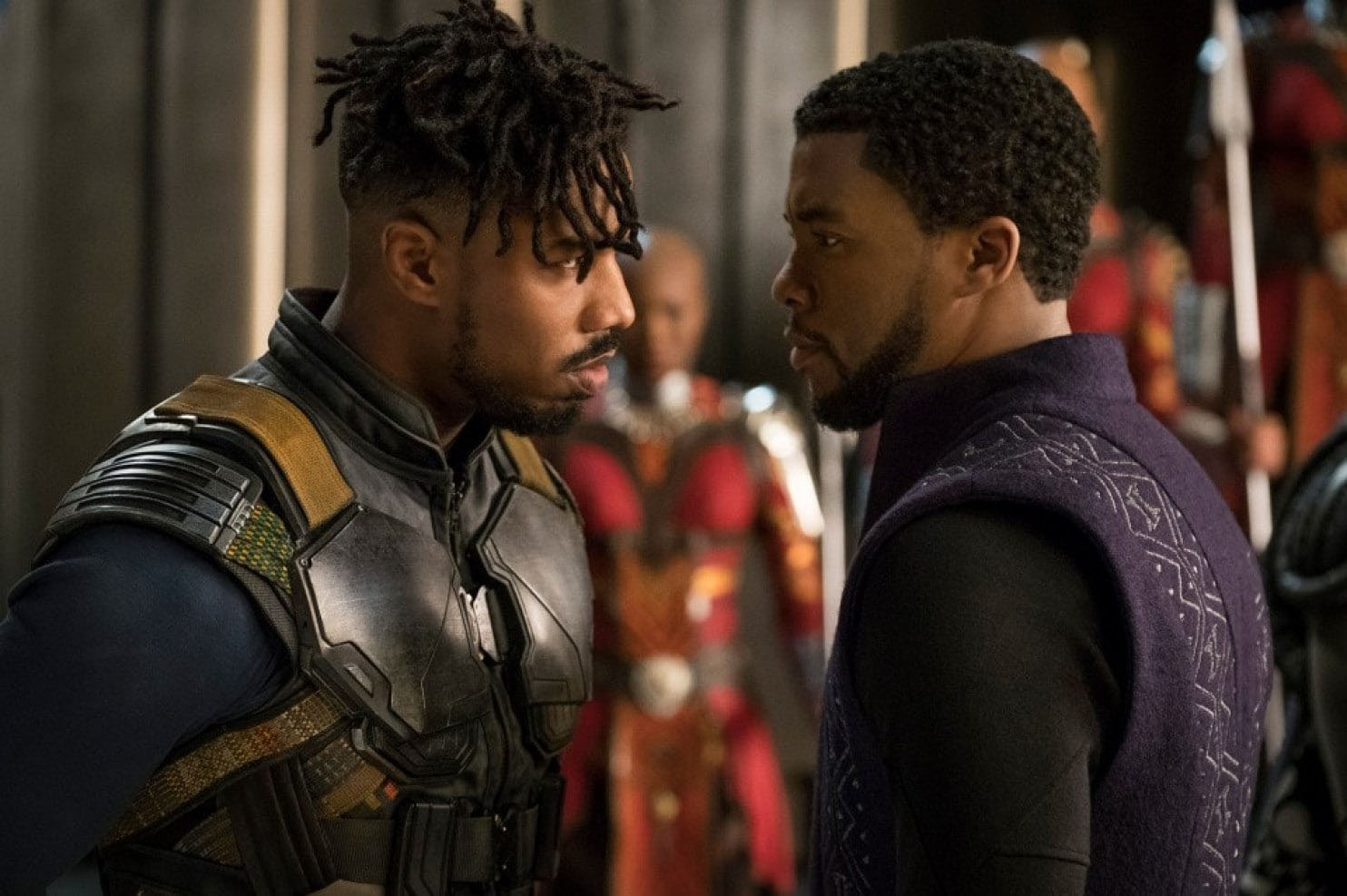
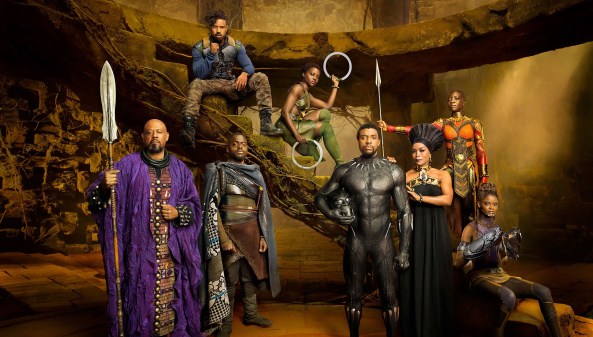
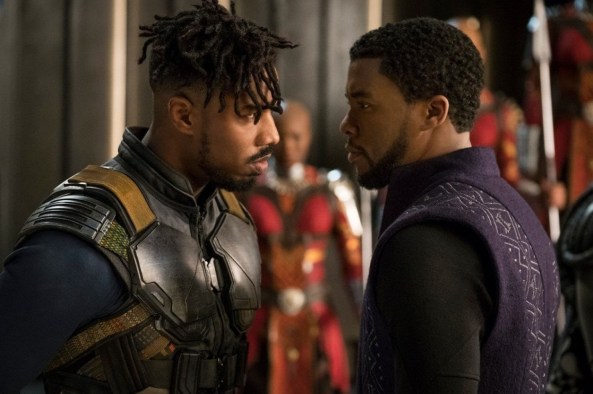
It may be heresy to admit it, but while Black Panther is a groundbreaking and captivating superhero film (and the first one to be nominated for a Best Picture Oscar), it is overrated. Taking away its world building, merits and cultural impact, Black Panther has its flaws like some cheesy CGI and it takes a while for the film to take off during its first act. But when it does, wow, it soars off with great velocity. This happens when T’Challa directly faces the film’s villain Killmonger.
tchalla and killmonger

Michael B. Jordan is one of the film’s greatest assets as the savage Killmonger thanks to his compelling back story. His story intertwines finely with the film’s theme about the actions and sins of our fathers defining and shaping us. Once Killmonger enters the stage to claim the throne of Wakanda, the film grabs you much more than the eye-popping visuals of the advanced African country.
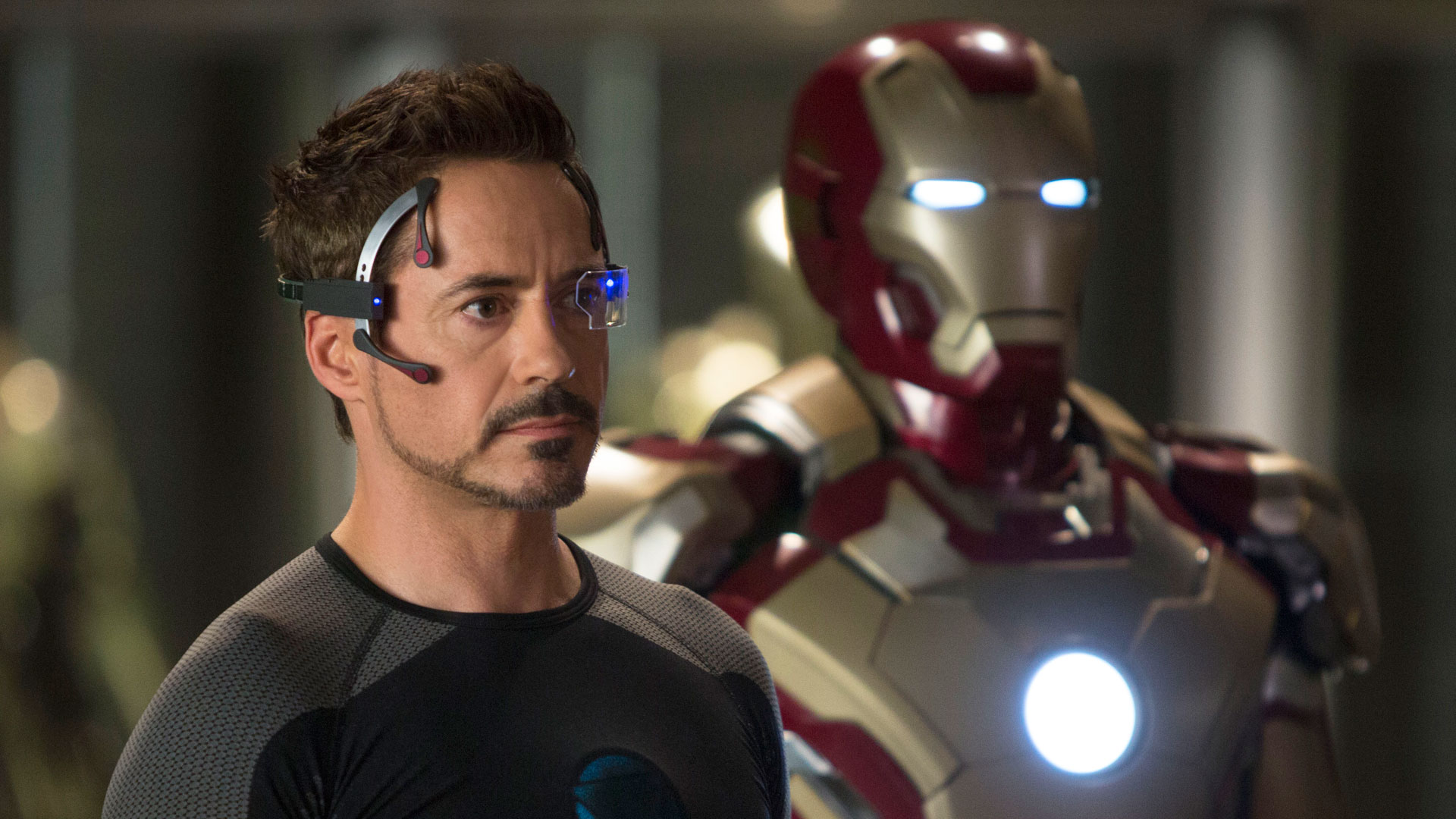
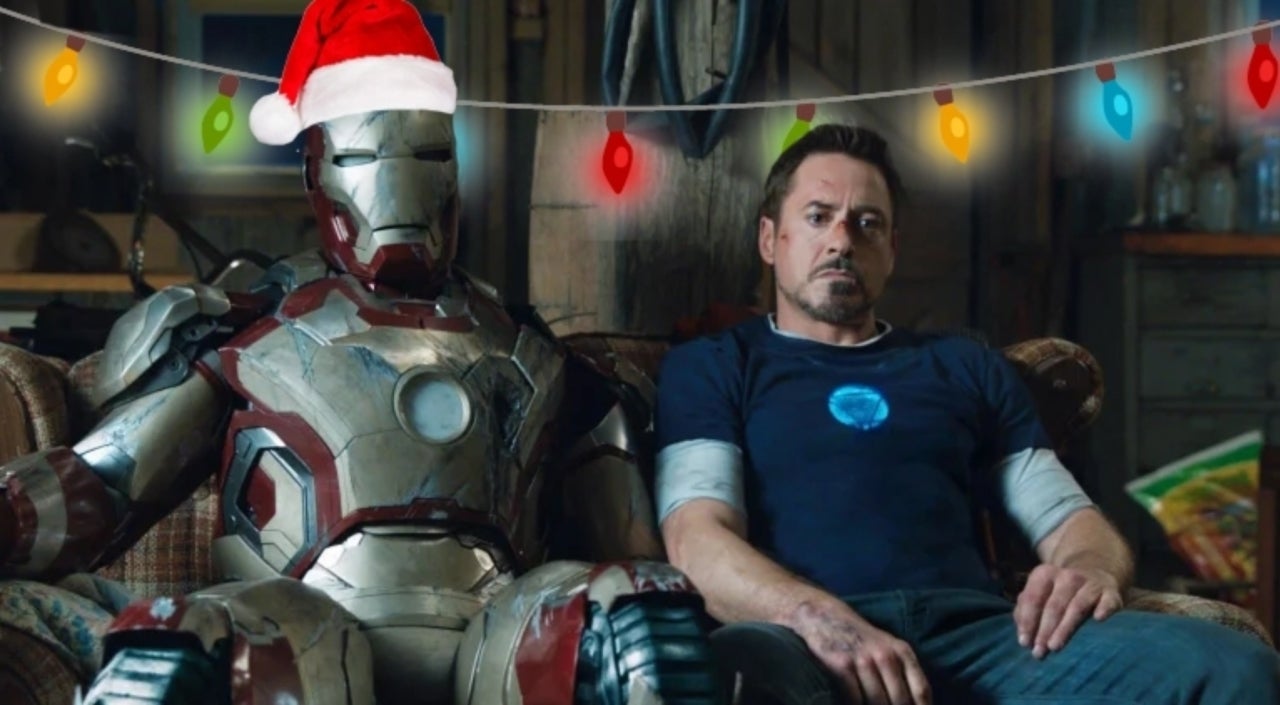
14. Iron Man 3 (2013)

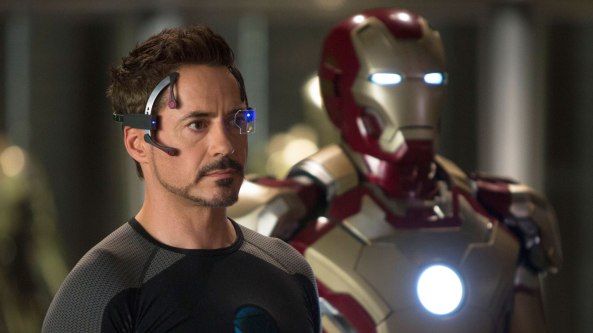
Believe it or not, Iron Man 3 is a very well done film and unbelievably the best Iron Man solo film with exciting sequences. It created a lot of controversy when it was released due to the nature of the villains and certain plot twists. This turned off many fans, but the twists were genuine surprises that paid off.
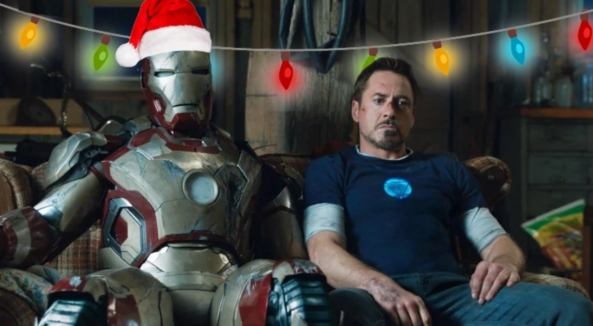
What makes Iron Man 3 stand out is that it was basically a deconstruction of the title hero. We got to see Tony Stark at his most vulnerable as he grappled with PTSD from the events of The Avengers, and this made him more human. We saw there was more to this wounded man than his snarky jokes and false bravado. Then we saw how heroic and resourceful he was without his armor. This film certainly deserves another, more objective look.
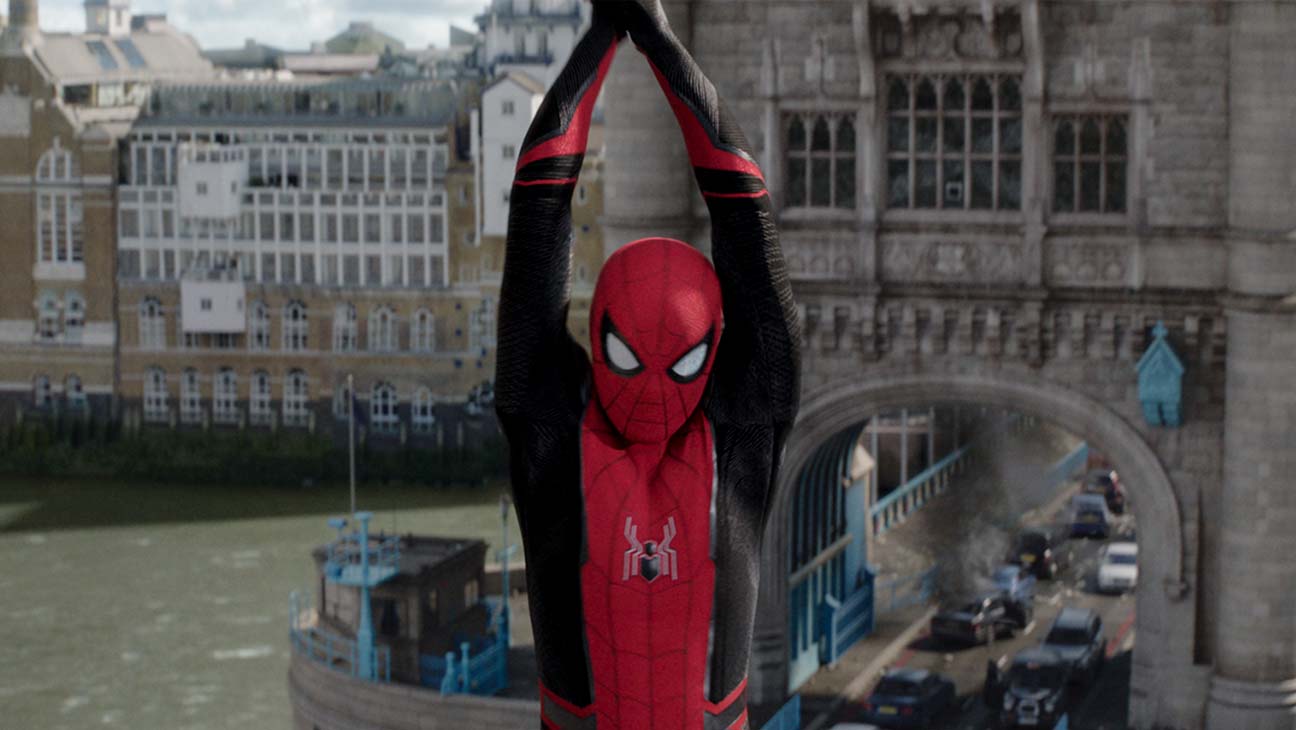
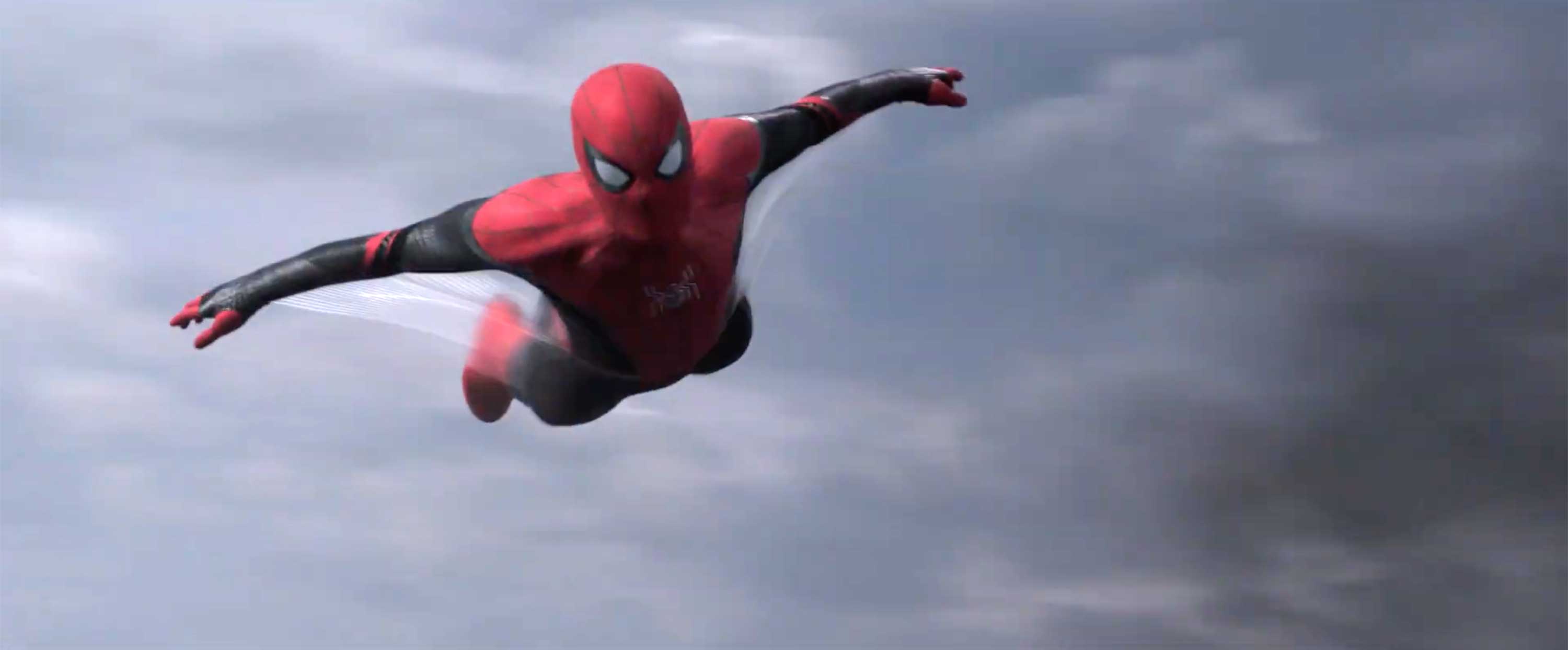
black and red spidey

13. Spider-Man: Far From Home (2019)

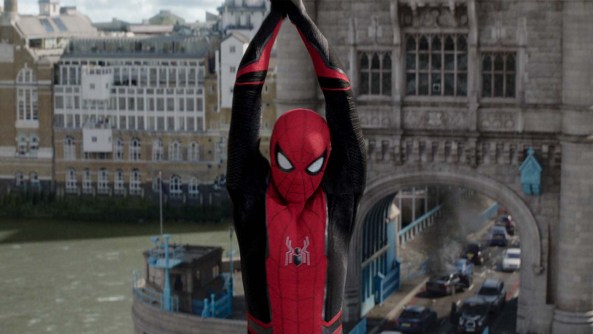
There are many plot holes in the second Spider-Man MCU film, but it’s a blast with so much heart and boasts some of the greatest MCU post-credits scenes. As with the previous Spider-Man film, this followup showcases the precarious balance that teenage superhero Peter Parker holds between his normal high school life and that of his web-swinging, heroic alter ego.
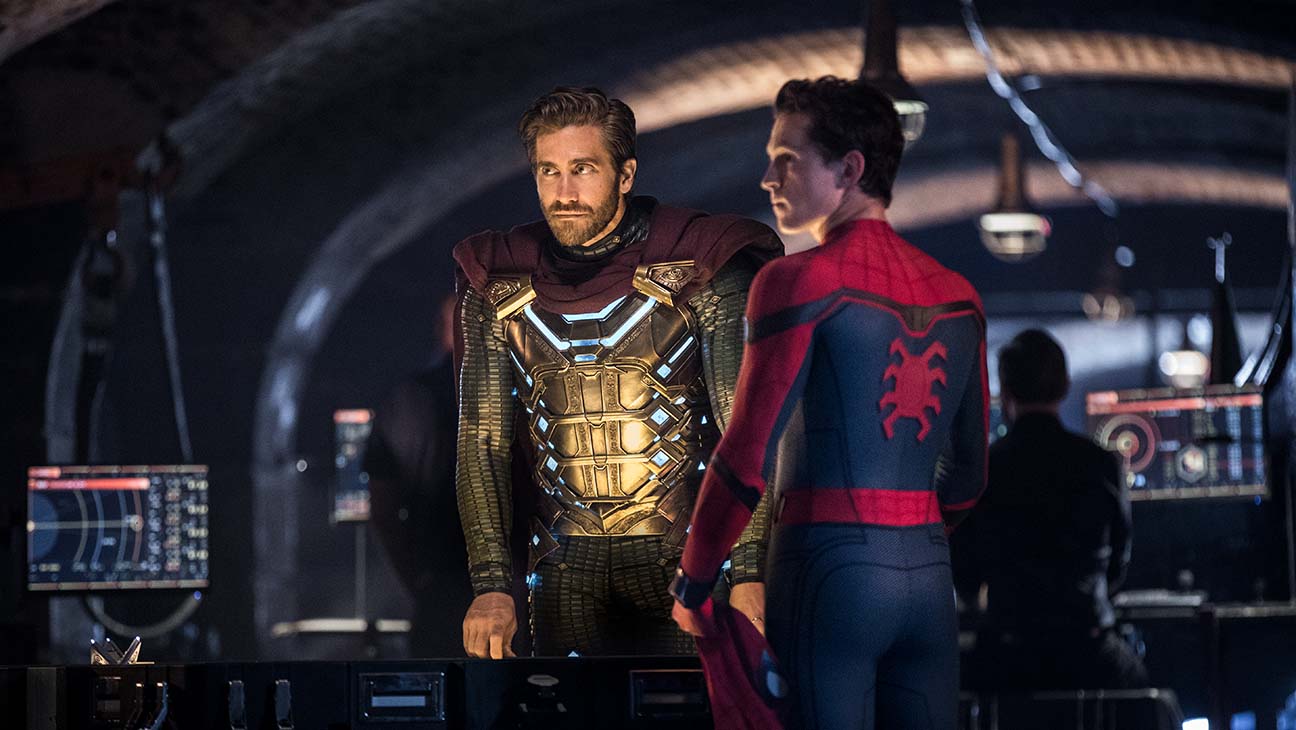
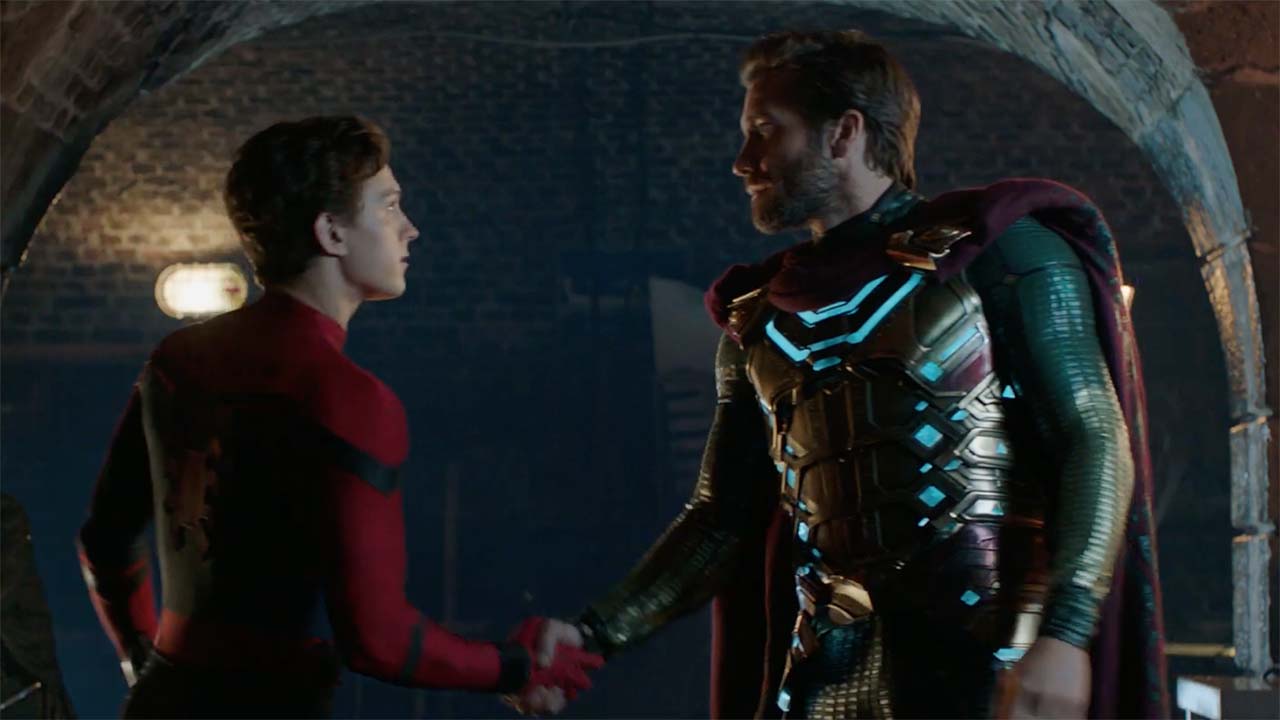
spidey and mysterio

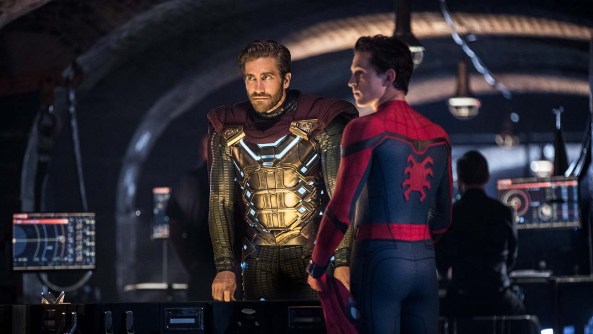
There are many memorable sequences and laughs, though not all of them land. Overall, the film is fast-paced and engrossing with dazzling effects and fights. The main cast has perfected their performances in this sophomore effort. One of the highlights is Jake Gyllenhaal who plays the villainous Mysterio with obvious glee. The fight scenes between him and Spider-Man are some of the MCU’s best and at times emulate the trippy nature of the Spider-Man/Mysterio fights featured in the comics.

Continue reading

Spider-Man: Far From Home Is A Winning Epilogue To The Infinity Saga

Spider-Man: Far From Home is the epilogue to the 23-film Infinity Saga or the final Phase 3 film of the Marvel Cinematic Universe (MCU). As such, the film is another winner for Marvel Studios and Sony Pictures, who still owns the film rights to the Marvel Comics superhero.

The film is solidly part of the MCU, as shown in its opening moments as the world is recovering from the events of the last two Avengers films. It was good to see the everyday reaction to Thanos’s snap and the sudden return of half of the world’s population, called the Blip in the MCU. For Peter Parker/Spider-Man (Tom Holland), the impact of the Avengers films weighs heavily on him as his mentor Tony Stark is no longer around. He feels the pressure of trying to be the next Iron Man while enjoying his normal teenage routines. The biggest thing on his mind, aside from his Spider-Man duties, is working up the nerve to tell his fellow high school classmate, MJ (Zendaya) that he likes her. The two of them, along with other classmates, spend most of the film in Europe on a school trip. While in the Old World, Peter is contacted by the clandestine head of S.H.I.E.L.D. Nick Fury (Samuel L. Jackson) to help Quentin Beck/Mysterio (Jake Gyllenhaal) with dealing with these giant elemental creatures that are attacking Europe. Beck is supposedly from a parallel Earth that was destroyed by these creatures and wants to prevent the same disaster from happening in the MCU Earth. Beck quickly earns Peter’s trust who then begins to confide in him all his doubts and fears. But as comic book fans know there is much more to Beck than he would have one believe.

Beck and Parker

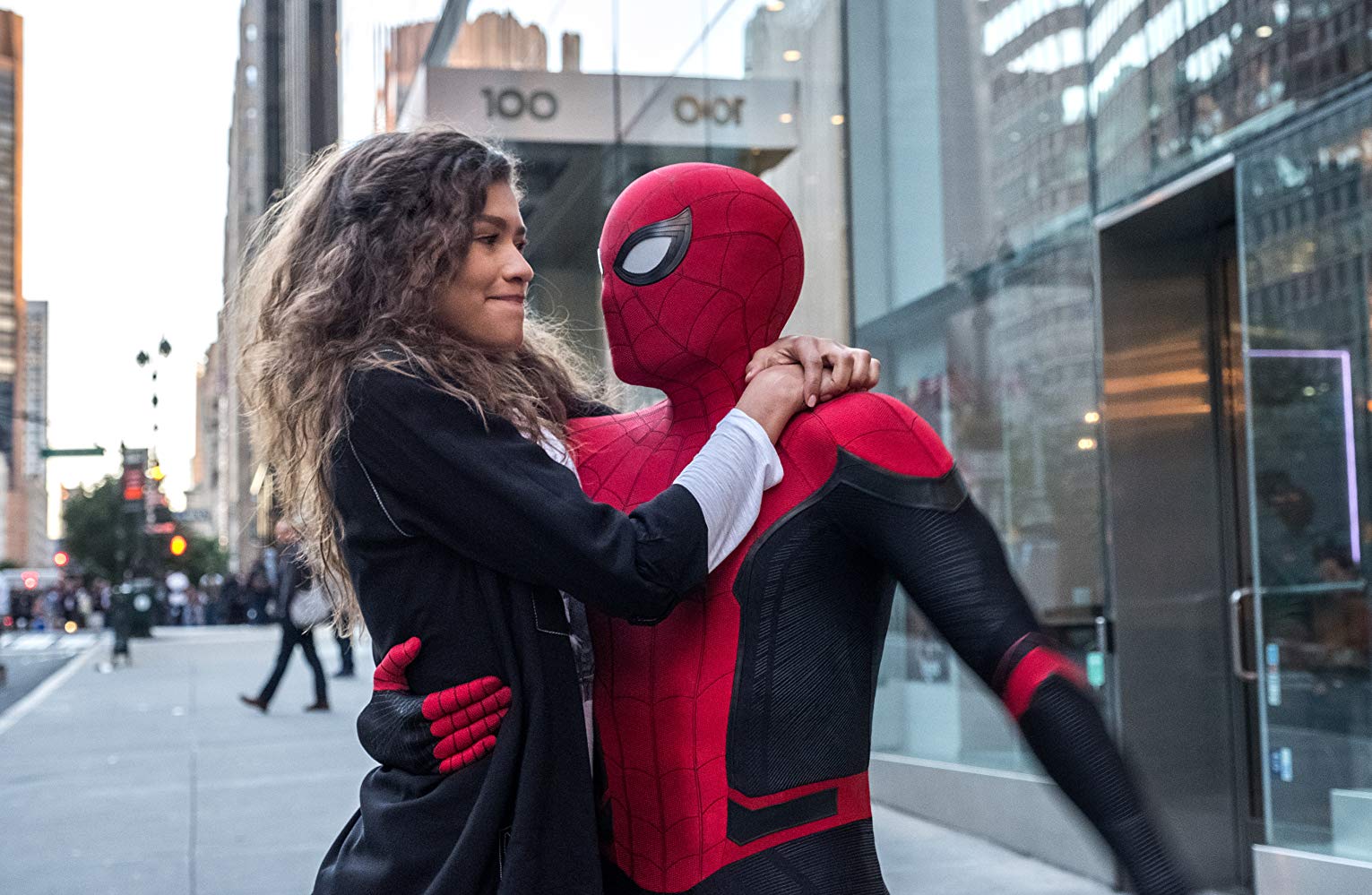
The latest Spider-Man film is the quintessential summer film. It’s fun, exciting, humorous and moves at a brisk pace, particularly in the second half. At the same time, unlike most summer blockbusters this film has depth and engages you emotionally. All the actors are spot-on perfect in their roles and embody the characters they portrays. This especially goes to Tom Holland who has an earnest energy and nervousness that makes his Peter Parker very endearing. This portrayal of Spider-Man feels authentic and captures the essence of the beloved superhero. He makes mistakes, big ones, but his heart is in the right place. It’s why we root root for him. Meanwhile, Zendaya adds much more dimension and humanity to her role of MJ. Now, she is more personable while keeping her spunky and sardonic attitude that made her so funny in Spider-Man: Homecoming. She and Holland have a nice chemistry as a budding and sweet romance develops between the two young people, which works. It’s not as intense as with Andrew Garfield and Emma Stone in the The Amazing Spider-Man films, but their romance has a tender sweetness that offers a nice respite from all the fantastic effects and explosions.

Spidey and MJ

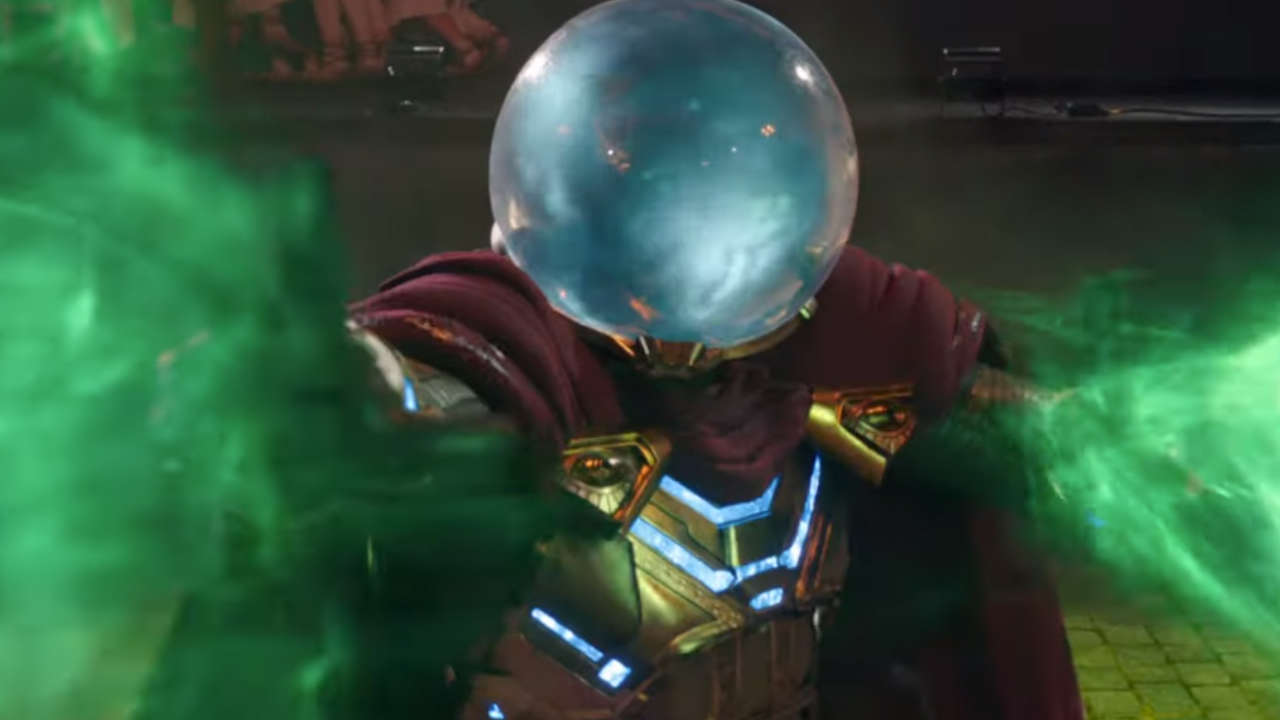
As far as Spider-villains go, Mysterio is certainly a fantastic entry into Spidey’s rogues gallery with a unique power set, comic-book accurate costume, and motivation. His background and purpose differs a lot from his comic book roots, but they fit in easily within the MCU and there are some great and surprising call backs to previous MCU films. His drive and presence in the film doesn’t quite match the depth and desperation of the Vulture in Spider-Man: Homecoming, but Gyllenhaal is just great in the role and injects a lot of passion into his role. The fight sequences between him and Spidey capture the spirit of their comic book encounters complete with the weird illusions that rival some of what we’ve seen in Doctor Strange.

mysterio

There are some issues with Spider-Man: Far From Home, namely the high school antics and gags. Unlike the previous film, here they fall flat many times, which is puzzling since director Jon Watts pulled it off so well in Spider-Man: Homecoming. With this film, the antics come off as unfunny distractions, though some gags hit the mark. Still, it is not a fatal flaw with the film, but for the next film, the filmmakers should consider retooling this aspect or getting rid of it altogether.

Right now, the future of the MCU Spider-Man films is uncertain because Spider-Man: Far From Home is supposedly the last Spider-Man film in the agreement between Marvel Studios and Sony. It would be a horrific shame if these films couldn’t continue and Sony took Spidey back because there is so much more that can be done with him.

This is clearly evident in one of the post-credits scenes that is an absolute shocker. Seriously, they cannot leave us hanging like they did. On another note, the other post-credits scene is equally as important because it heralds the direction that the MCU will take from this point on. Spider-Man: Far From Home both stands on its own as a winning Spider-Man film and as an coda to the wondrous 23-film MCU.

José Soto