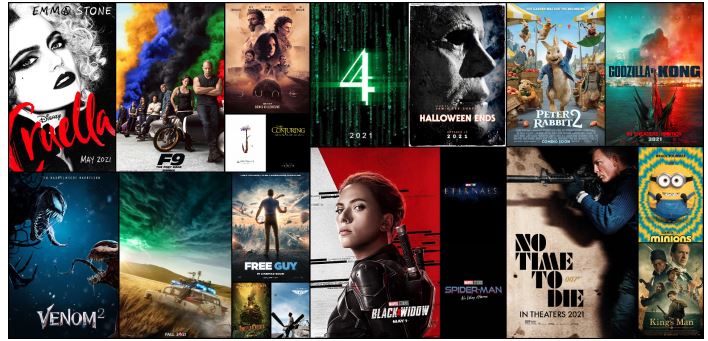
More Genre Film Delays?

Looks like we are heading back to square one with the COVID-19 pandemic. The delta variant of the coronavirus has raised infection numbers worldwide just as it was recovering from the pandemic (thanks maskholes, covidiots, and other morons who either won’t mask up or get vaccinated for stupid reasons). As the COVID-19 cases began to explode in alarming numbers this development seems to be causing film studios to reconsider their release schedule. We all know how severely their original film schedules were thrown out the window when the pandemic first happened last year.

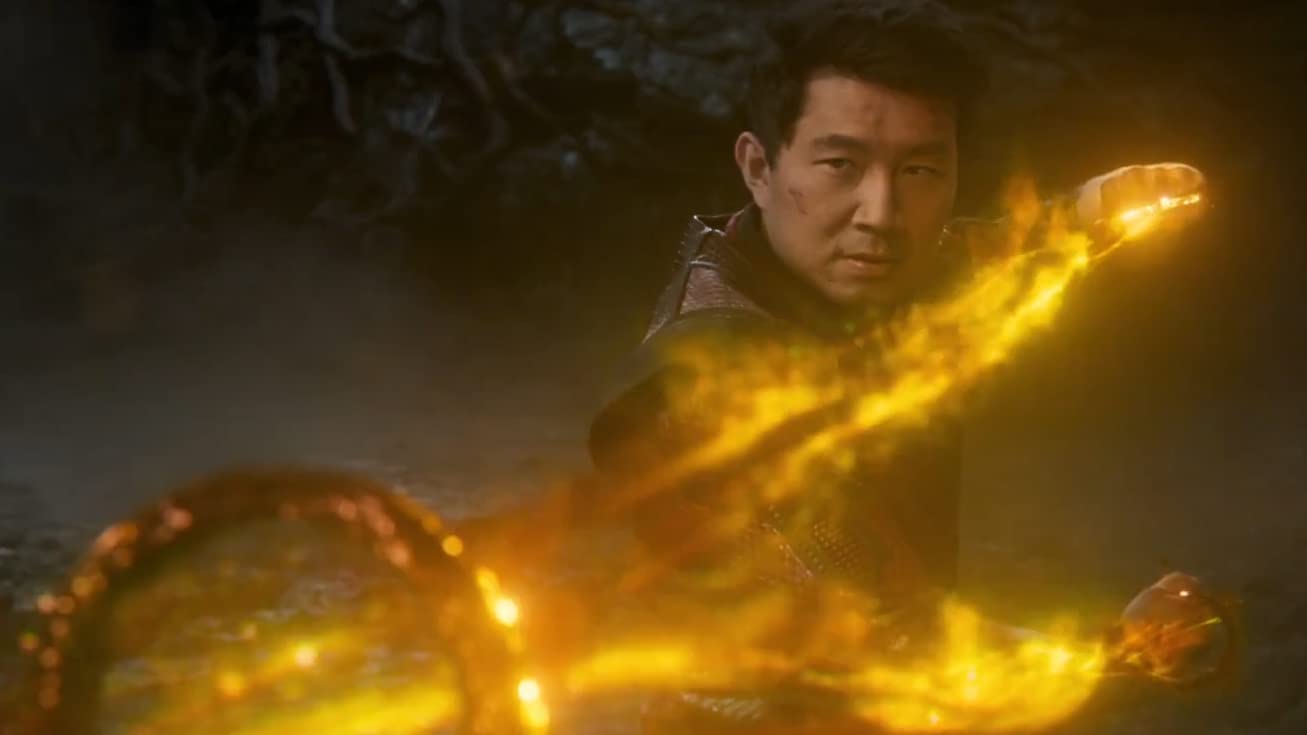
Already, Paramount Pictures announced that they canceled the September 17, 2021 release of Clifford the Big Red Dog to no date certain. While many adult genre fans would not care about that they have to realize the precedent this is setting. The same thing happened last year when the James Bond film No Time to Die had its release date canceled. It was the first major film to be delayed. This eventually caused a ripple effect as the pandemic worsened as we saw that Marvel Studios’ Black Widow was yanked from its May release date with just weeks to go. Can history repeat itself if the film release Shang-Chi and the Legend of the Ten Rings is delayed from September 3, 2021 to who knows when? What about Eternals? What about Spider-Man: No Way Home?
That Marvel Studios/Sony Pictures production is the most eagerly awaited offering from the Marvel Cinematic Universe (MCU) for the year. But we have yet to see a trailer or even acknowledgement about what it is about or who appears in the film. So the speculation about Tobey Maguire and Andrew Garfield will continue. This is concerning for Spider-Man fans because the film is supposed to come out this December and by this time there should have been a trailer, but Sony has not provided any updates on the film. This is fueling speculation that Spider-Man: No Way Home will be delayed.

Adding ammunition to this is that today’s trailer release of Venom: Let There Be Carnage did not have a release date, only the tag: “Exclusively in movie theaters this fall”. The Venom sequel is supposed to be released on September 24, 2021 but by the way things are going, it’s anyone’s guess if this will happen. If Venom: Let There Be Carnage is pushed to October or November this in turn will push Spider-Man: No Way Home’s release date to next year and further delay Sony’s Morbius film.

If Spider-Man: No Way Home is delayed this dominoe will affect the other MCU films slated for future release. Doctor Strange in the Multiverse of Madness is connected to the Spider-Man film and is the first MCU film of 2022. Will this impact the Disney+ MCU TV shows, as well?

Of course, the delays will create even more tension with Marvel Studios, their parent company, Disney, and Sony. Spider-Man: No Way Home is Sony’s biggest film and they want to get the most bang out of their production so they may want to hold off until next summer. As mentioned above this will disrupt Marvel Studios plans for their films creating more delays. On top of that there are reports that Marvel Studios’ president Kevin Feige is not happy with Disney over the way they handled the release of Black Widow. He did not favor its simultaneous release onto Disney+ and in theaters, which caused the film to lose money in the box office. And he was sided with Black Widow’s star Scarlett Johansson, who is suing Disney. This could be the start of the unraveling of the Golden Period of the MCU. Who knows where this will end? Perhaps Feige may eventually jump ship and go work at another film studio. Warner Brothers will take him in a second!
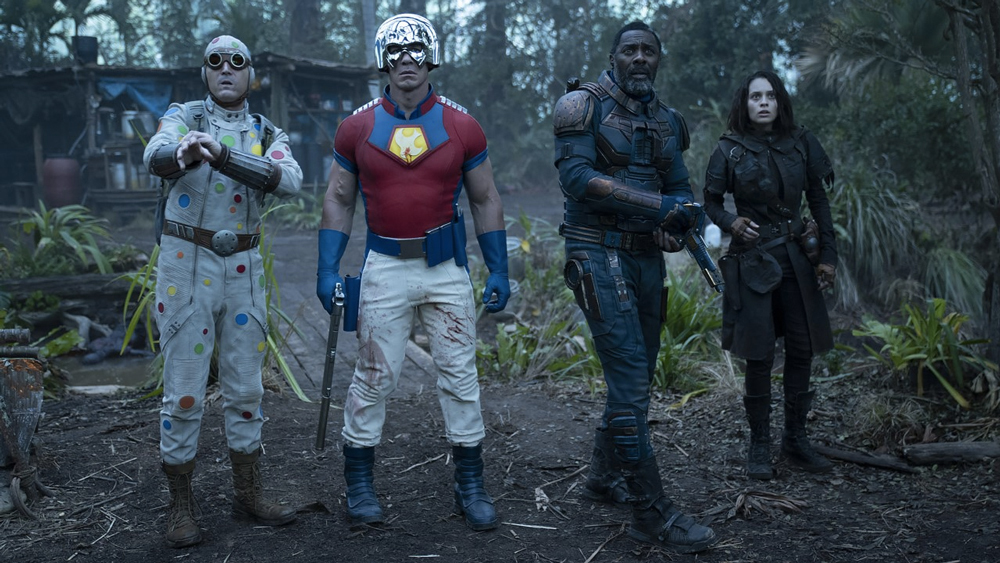
At least for Warner Brothers, their DC Extended Universe (DCEU) films may not be as affected as The Suicide Squad is coming out this week and they don’t have any DCEU films slated for release until next summer. Hopefully by then the unvaccinated will get a clue and we’ll be able to put this disease behind us. Their other genre films like Dune and the new sequel to The Matrix, which were slated for release this year, will also stream on HBO Max. So they might stick to the schedule for the rest of the year. As we have seen throughout the pandemic this release strategy will dampen box office returns. Keep in mind, both Warner Bros. and Disney have announced they will discontinue this practice. That could change if the pandemic doesn’t abide soon.

For now, it is too soon to say where things will end. Perhaps infection and death rates will plummet or booster shots to combat the delta variant will be distributed soon to put the vaccinated at ease. There are reports that vaccination rates are increasing so hopefully by the end of the month we can see better numbers. Of course, this grousing about delayed genre film releases cannot compare to the pain and misery that the coronavirus is causing among us. We all have to do our part, which includes continuing to mask up (even if we’re vaccinated), washing up, social distancing, and the other efforts to stop the spread of the virus. OK, PSA is over, whether or not these films we love get delayed it’s more important to stay safe and enjoy the many other media that is still available for our enjoyment.
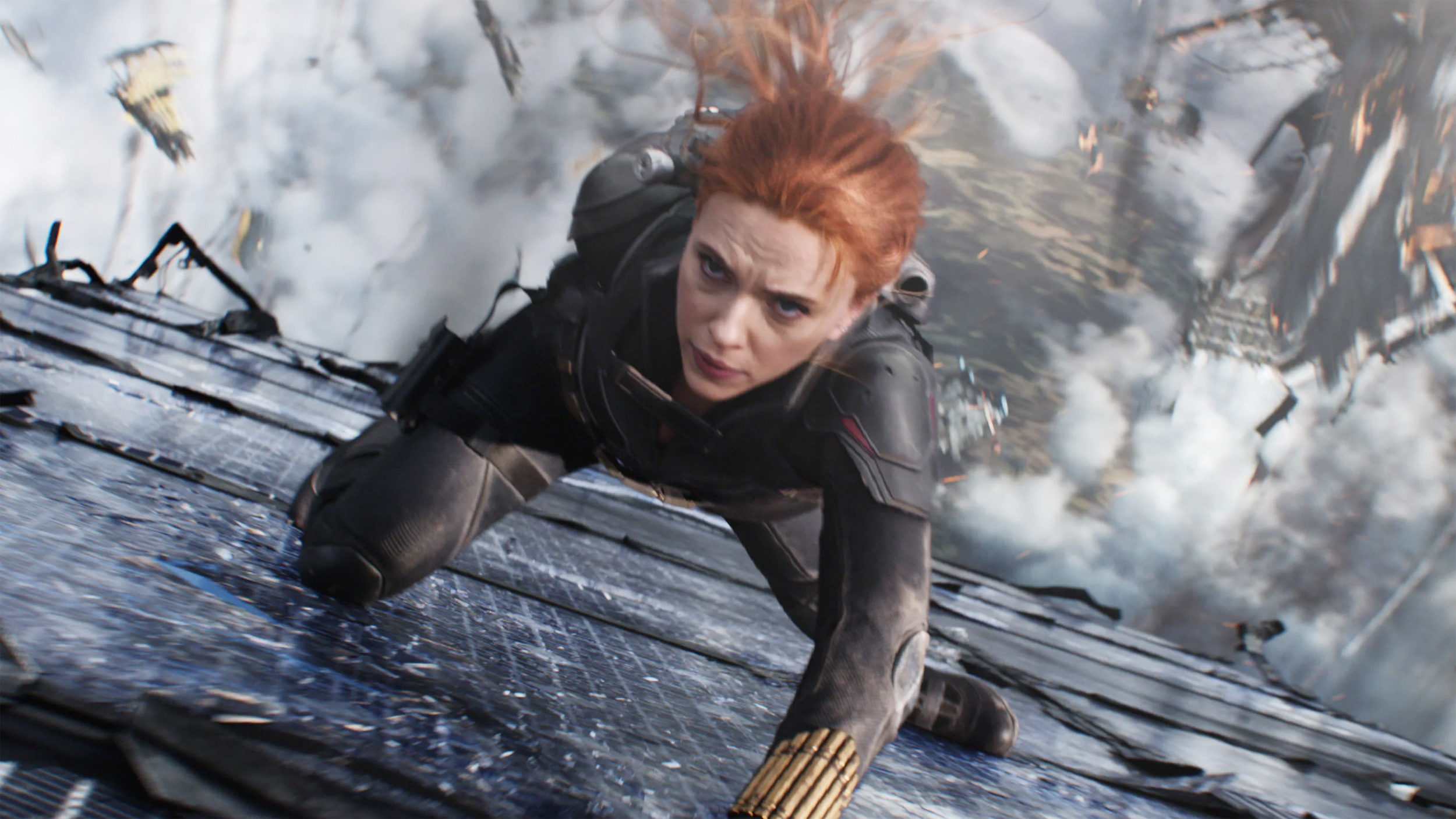
About Black Widow’s Box Office…

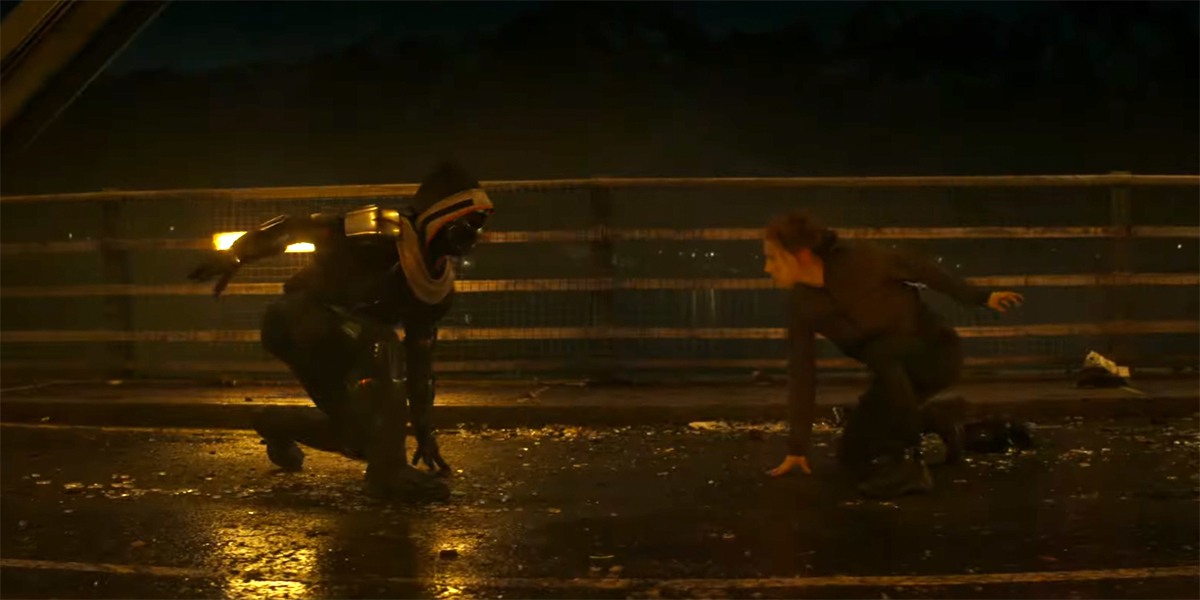
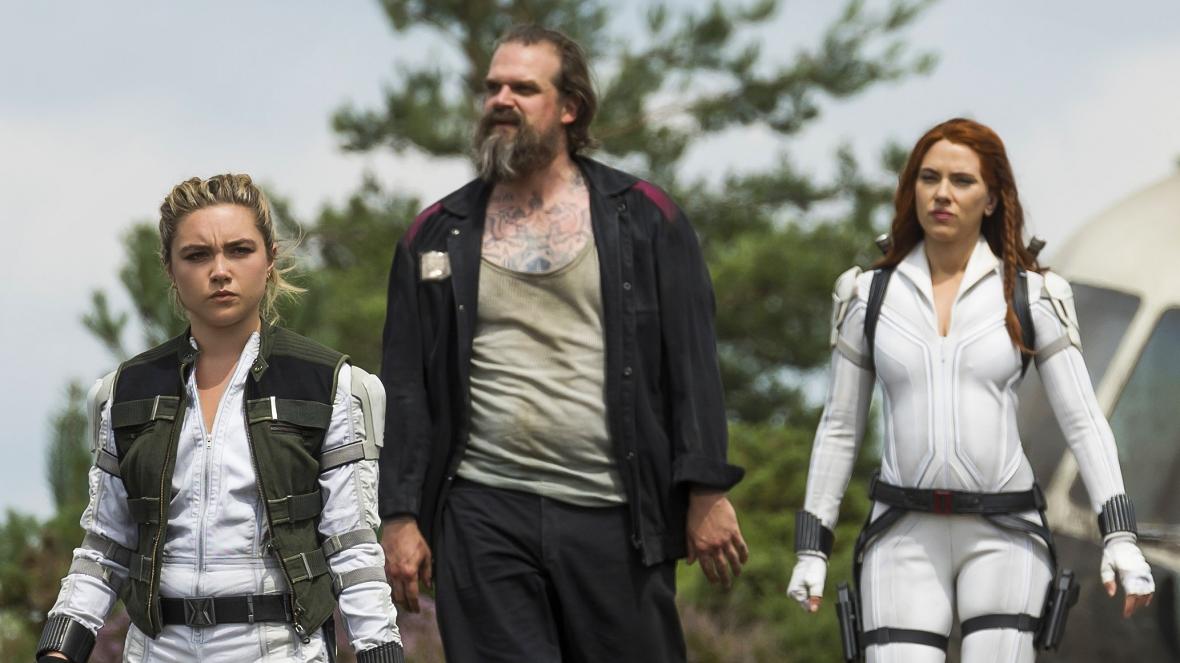
After what seemed like forever Marvel Studios and Disney finally released on July 9, Black Widow, the first film from the Marvel Cinematic Universe (MCU) since 2019’s Spider-Man: Far From Home. Predictions and projections were all over the place over how the film would perform and be received.

At first, Black Widow performed very impressively, earning $80 million dollars in its opening weekend. This may be small compared to some of the bigger MCU hits, but terrific for a film release during the COVID-19 pandemic, which has cratered the box office worldwide. In fact, Black Widow has set the record for the highest debuting film during the pandemic.

However, the news was quick to turn against the film and Disney when Black Widow had an enormous drop in its second week, earning only $37 million dollars, a drop of 67 percent, the biggest second week drop for an MCU film. This current weekend it earned $11 million dollars, placing it in third place and it actually beat the film that displaced it in its second week, Space Jam: A New Legacy. Currently its box office haul is $315 million worldwide. Yes, that is impressive but it had a budget of $200 million and it looks like it will barely break even if it reaches $400 million by the end of its run. Consider that the average MCU film of late earned roughly $1 billion dollars and its lower earning films averaged around $500 to $600 million. These figures can be used to conclude that Black Widow will be a disappointment in the box office. In fact, there are tons of reports trying to explain its relatively poor performance.

But that is not necessarily the complete picture.

As anyone reading this knows, Disney simultaneously released Black Widow on its streaming platform, Disney+, for $30 dollars on top of a subscription to the app. Many people scoffed at paying such a high price for a film that could be seen in theaters for much less. Yet, it earned about $60 million dollars to date and that is aside from its box office haul. Surely, Disney’s accountants will point out that the streaming haul means that the film’s earnings to date are close to $400 million and anything over that is just profit.

It was also heavily pirated online, which certainly robbed Disney of a lot of revenue. Being that the film was completed over a year ago, there were many opportunities and time for it to be pirated before it was officially released.

Many have correctly pointed out that the online access to Black Widow robbed the film of its full box office potential. Theater owners are enraged that Disney did this because it undercut their business, and set a precedent for film releases going forward, although after the upcoming Jungle Cruise is released both in theaters and premier access on Disney+, the entertainment company will discontinue this practice.

Others have said that the film had limited appeal since it was not a big-event film like Avengers: Endgame and that it came out too late. Yes, given the film’s setting and the main character’s eventual fate, the film should have been released right after Captain America: Civil War in 2016 or 2017. But many circumstances beyond the film’s control prevented that and while the film is just a standalone film and is not perfect, it is a solid MCU entry that shone an overdue spotlight on Black Widow herself and her world.

Of course, the wildcard in the film’s performance is the pandemic. Hardcore MCU fans braved going to the theaters to see the film, while everyone else thought it was safer to pay for online access or waiting. However, at the time of Black Widow was released, the perception was that the pandemic was winding down given the huge drops in COVID-19 infections and deaths. But since many idiots refuse to get vaccinated or others are unable to have access to vaccines, the delta variant of the coronavirus has spread like wildfire and increased cases. In other words, the rising cases and deaths encouraged potential theater goers to stay home instead. With the pandemic it is doubtful that even an Avengers: Endgame would have performed as well as it did pre-pandemic.

So, saying Black Widow underperformed is not so clear cut. Given the many hurdles it faced it performed remarkably well and helped bring the MCU back into theaters. Hopefully the next MCU films will fare better and Black Widow itself will gain in popularity later on like many other MCU films.

Handling FOMO During The Comic Book Speculator Boom

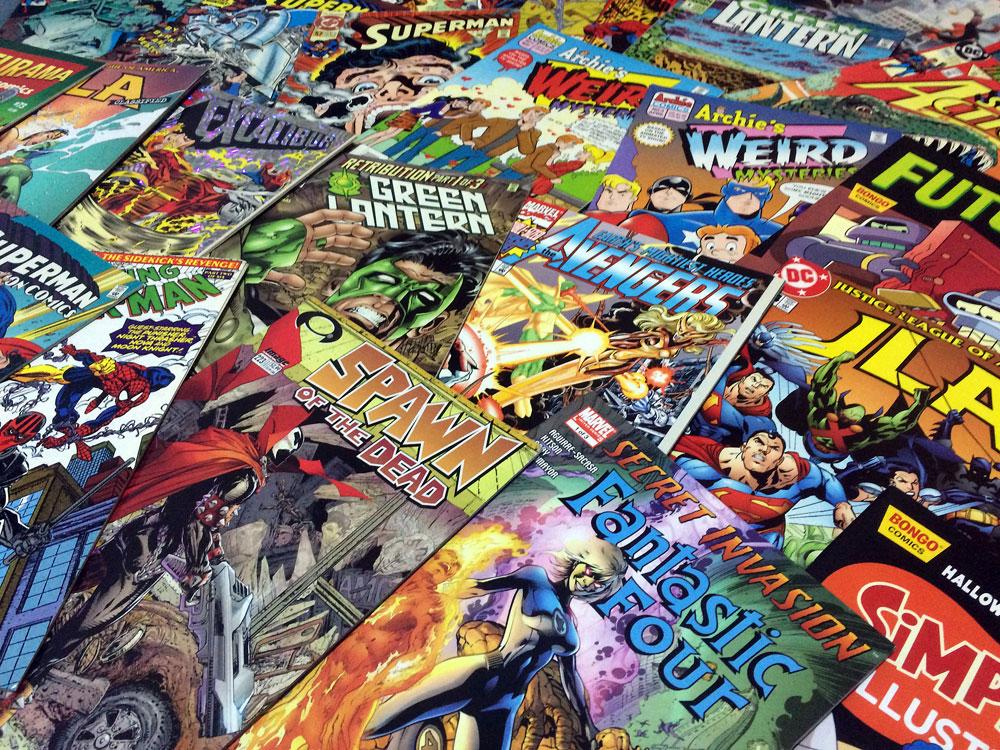
Comic books have risen recently in popularity thanks to their crossover appeal in live-action media. What is spurring the boom is that as mainstream properties from Marvel Comics and DC Comics are being shown on screen, film and TV studios are mining other comic book properties, not just obscure Marvel and DC characters but those from independent comic book properties.

As properties like The Walking Dead, Invincible, Sweet Tooth, Locke & Key, The Umbrella Academy and The Boys have captured the imagination of television and streaming audiences (along with lower-tier mainstream characters like Scarlet Witch or Black Lightning), these studios have found a treasure trove of characters and stories to adapt. This in turn has made many of these titles increase in value among comic book collectors and speculators. Meaning the prices for key issues have exploded.

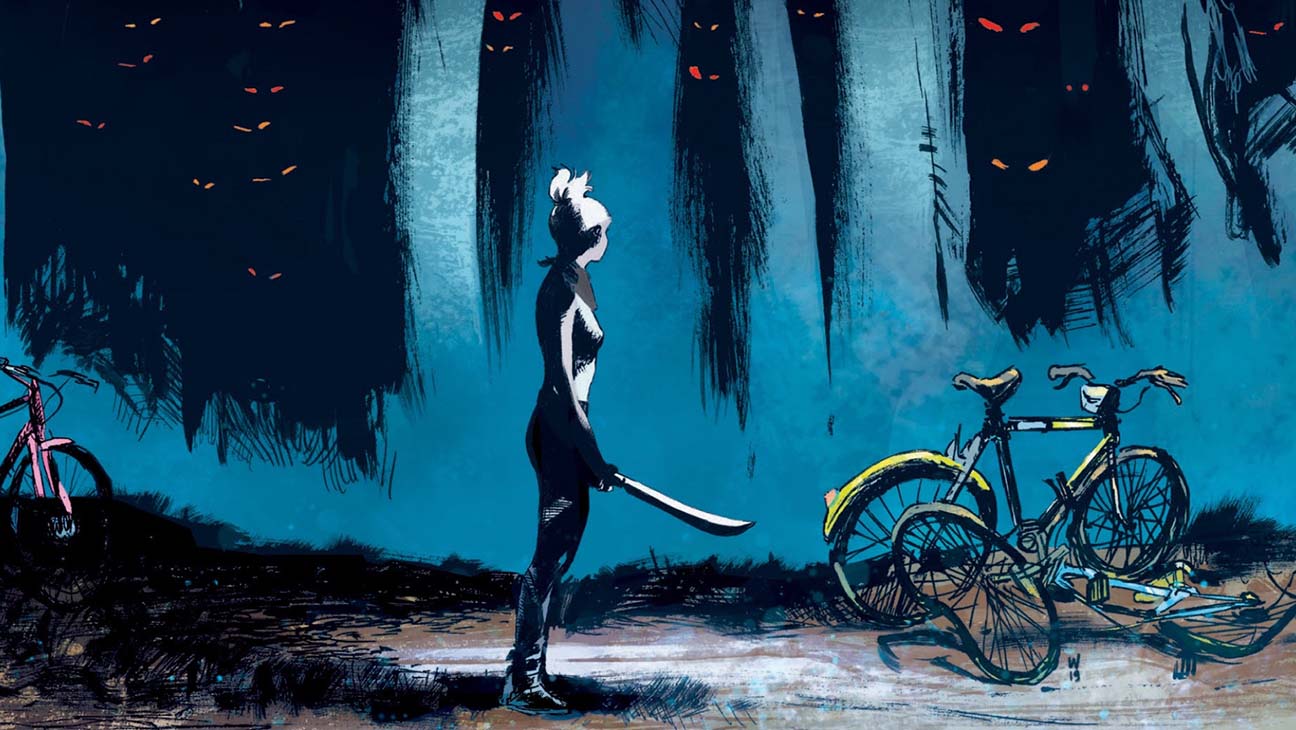
A good example of this situation is with Boom! Studios’ Something is Killing the Children, a horror title that only debuted in 2019, yet its first issue commands a price of roughly $1,000 for a near-mint copy. Other hot titles which are increasing in value include The Department of Truth and Saga.

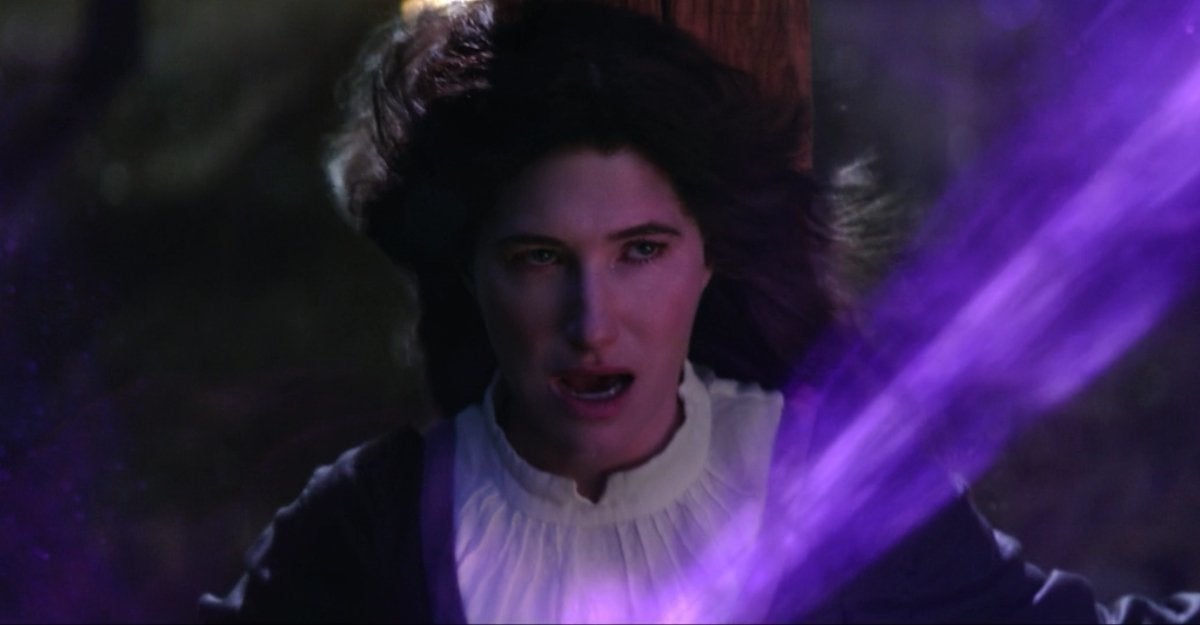
The value of previously insignificant mainstream titles or issues increased significantly as characters or storylines were adapted. A recent example is with The West Coast Avengers, particularly its original middle run by John Byrne that introduced a white version of Vision and a dark version of Scarlet Witch. Both of whom wound up on the hit TV show, WandaVision. That TV show also led to a huge price increase for Fantastic Four #94, which was the first appearance of Agatha Harkness, the major villain of WandaVision.

For collectors who wish to pick up newly important issues or speculators looking to buy low and sell high, this has created a mad scramble to find these books and it’s a textbook example of FOMO. Among collectors that stands for Fear of Missing Out on obtaining an issue before it becomes too expensive. Many collectors have horror stories of passing up titles then regretting their decision as those books too off in value.

Thanks to the speculator boom and relevance of live-action comic book properties, FOMO has gripped the comic book community hard. But fans should not give in to FOMO. How important is it to have that particular title unless you want to make a quick profit? Those sold-out issues always get reprinted or are available for downloading, so for a true fan who wants to complete a run, these are alternatives.

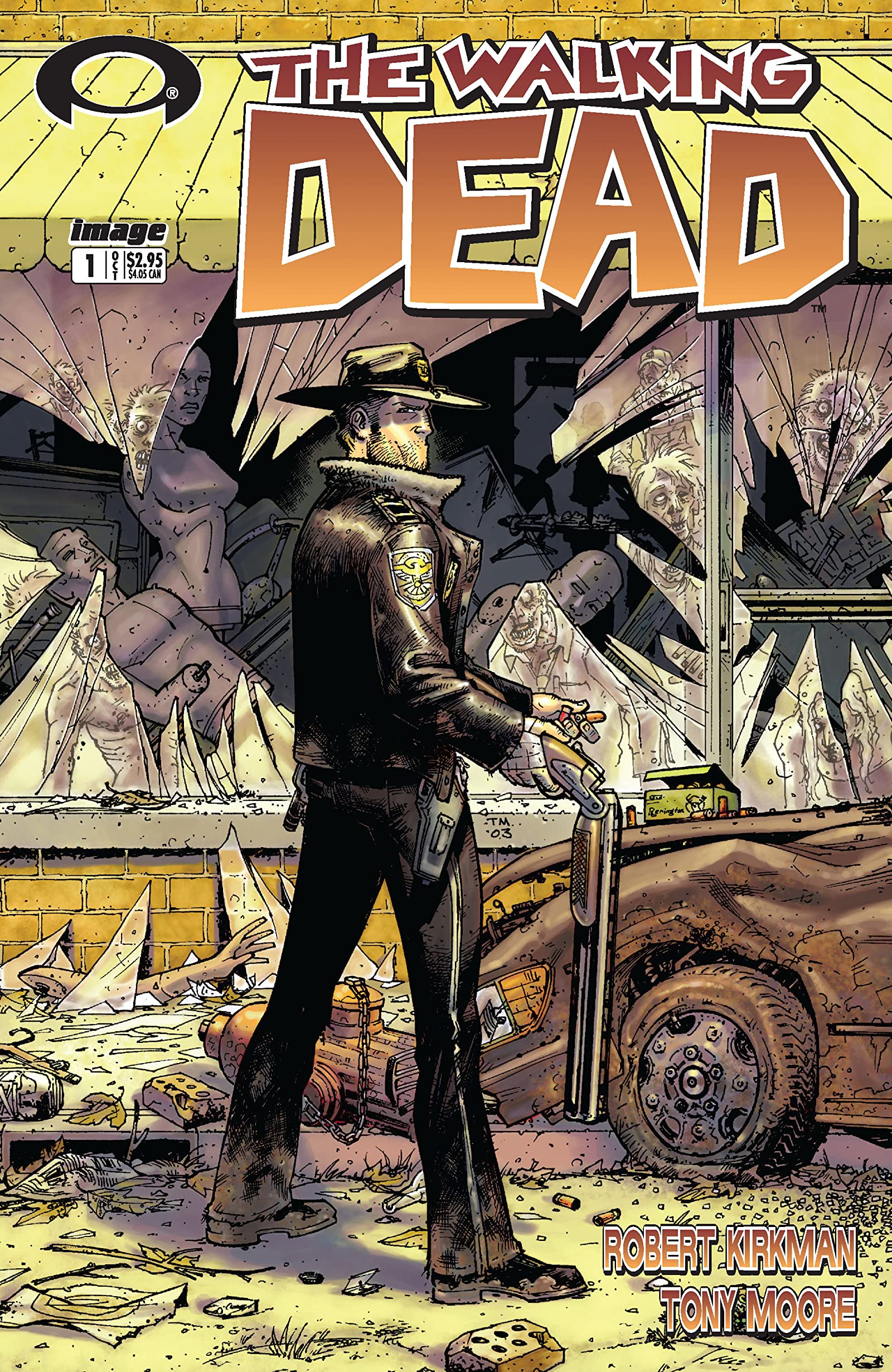
It’s also important to keep in mind that the value of these titles often has peaks and valleys. Sure, some titles like The Walking Dead still command high prices, but the average costs for the first issue these days is only a couple thousand dollars. Back during the heyday of the title and the TV show, the first issue of The Walking Dead often sold for nearly five figures. That is enough to help pay for a new car!

As seen with the above example, once the hype dies down so will the prices and many times tey plummet to the point that the key issue becomes affordable. Consider The Avengers #55, which was the first appearance of Ultron. Back when Avengers: Age of Ultron premiered that issue was unobtainable for the average collector. Today, it can be bought for under $100, and that is for a decent copy. Another example is Marvel Premiere #15, the first introduction of Iron Fist, which was undervalued for a few years because of how poorly the Iron Fist TV show was received. Now is a good time to buy that issue and it should be soon as speculation has reared its head that the character will re-appear again in live action some time in the future.

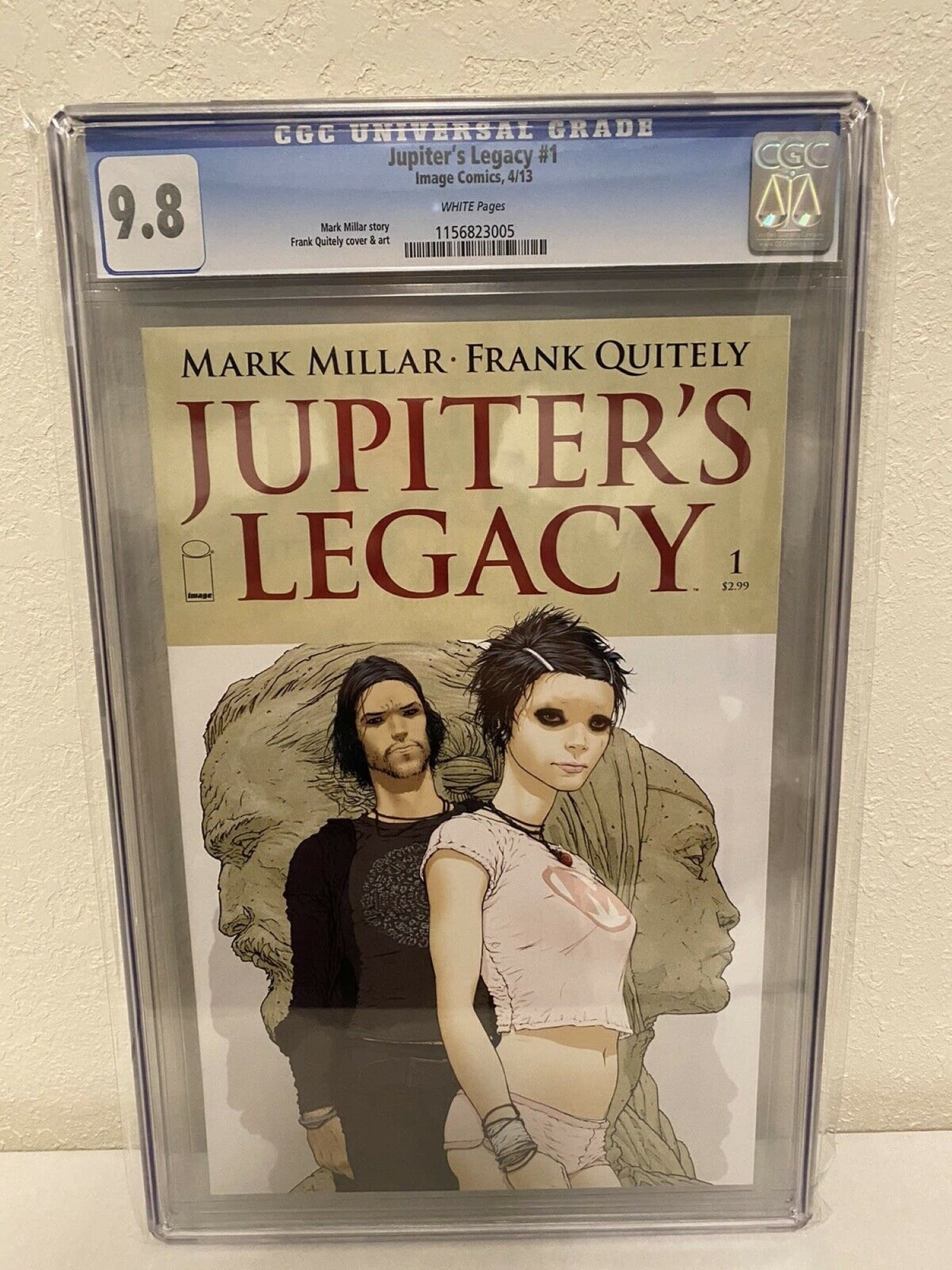
A more recent and glaring example is Jupiter’s Legacy. There was some hype and speculation with that title since it was going to be adapted into a TV show, but that show was not well received and cancelled after one season. Right now, anyone trying to sell their copy of Jupiter’s Legacy #1 is lucky to sell it for cover price.

So, there is no reason to give in to FOMO. If a title like Something is Killing the Children becomes too expensive, let it go and stop obssessing over it. If you have to read the story get the trade paperback, read it online or borrow a friend’s copy. The key is to be patient, eventually the prices will settle and if you’re lucky you will find a copy you can afford to buy. More importantly, just enjoy the hobby.

The Blue Ending Of A.I. Artificial Intelligence

One of the most debated moments in the underrated Steven Spielberg classic, A.I. Artificial Intelligence, was with its ending. When the film first premiered twenty years ago, many viewers came away thinking that Spielberg gave the film a happy ending. But that could not be further from the truth. In fact, A.I. Artificial Intelligence turned out to be Spielberg’s first genre film to take on a more mature and downbeat tone, which reflected many of his non-genre films. Spollers ahead.

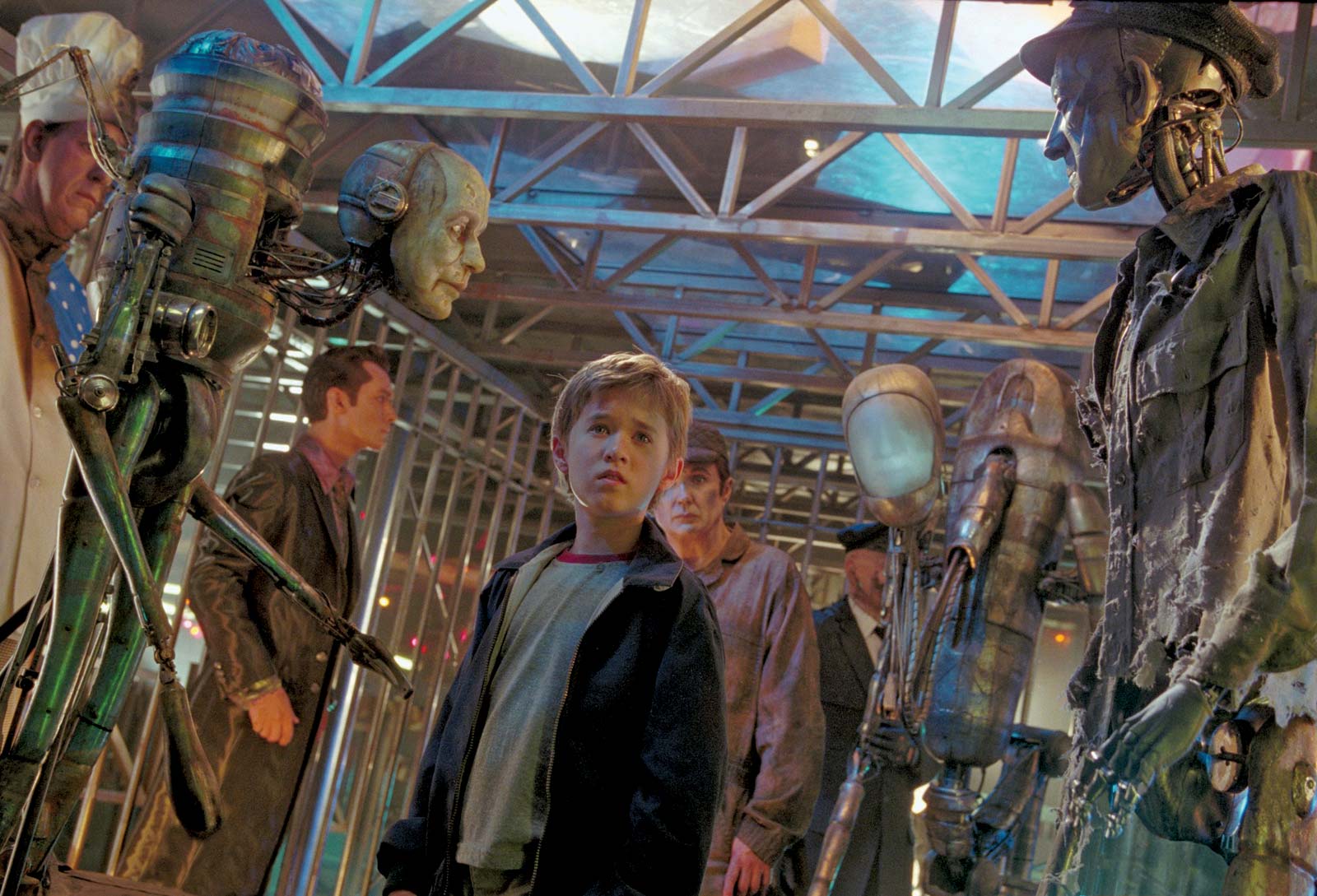
A.I. Artificial Intelligence starred Haley Joel Osment as David, an android or a Mecha built to be a surrogate son for a couple (Frances O’Connor and Sam Robards), whose son, Martin (Jake Thomas) was in a coma. David’s programming was altered so that he could experience emotions and be imprinted onto his “mother” Monica. This created problems when Martin recovered and sibling conflicts led to David being abandoned by his mother.

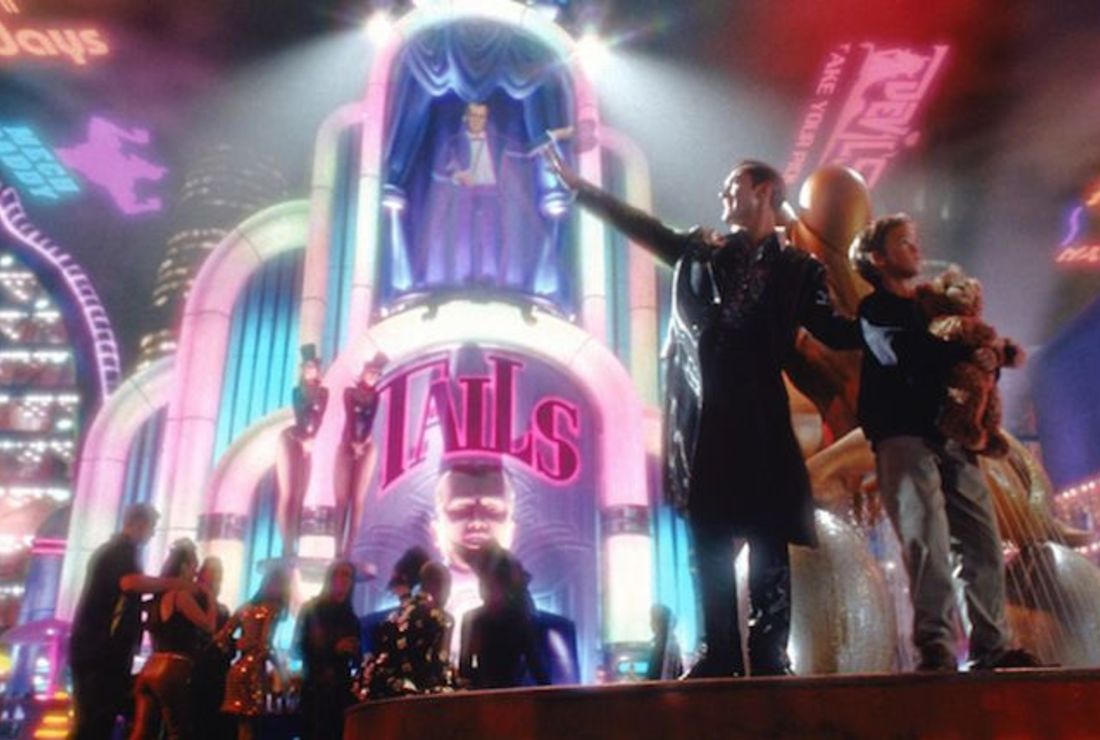
For the rest of the film, David embarked on a frightening and fantastical quest to find a mystical Blue Fairy, who he hoped would turn him into a real boy so he could be loved and accepted by his mother. David became obssessed with the Blue Fairy thanks to his mother reading him Pinnochio earlier in the film. He met many Mechas in his journey, including the male prostitute Mecha, Gigolo Joe (Jude Law), who helped David with his quest. Eventually, he made his way to a partially submerged Manhattan (climate change and rising sea levels have claimed many coastal cities in the future setting of the film) where he became trapped underwater in a vehicle. It is revealed that he is in Coney Island, which was completely underwater, and he discovered a statue of a Blue Fairy. Trapped in the vehicle, but with the statue in clear sight, David begged her non-stop to be turned into a boy, and that is the first ending of A.I. Artificial Intelligence.

The film’s coda took place two thousand years later. The Earth was turned into a frozen wasteland and humankind is long extinct. Their only legacies being crumbling infrastructures and Mechas who have evolved into alien-like beings. David was found frozen and revived by the future Mechas. After they downloaded his memory files, they granted his wish of reuniting with his mother by cloning her. The catch was that the clone can only live for one day, yet she is able to provide the unconditional love and acceptance that the original Monica never could. Once she died at the end of the day, a content David allowed himself to sleep and go to the place “where dreams are born.”

This is a very ambigous ending, although on the surface it can be interpreted as a happy ending. After all, although David’s wish of becoming a real boy is unfullfilled, he attained his ultimate goal of being loved by his mother, the reason for wanting to be real. But it came at a cost. The clone of his mother died, and it is implied that he died, too, in a manner of speaking. Once he achieved his desire, his reason for existing was gone because the clone could not be revived and the cloning process cannot be repeated. So, it’s possible that he shut down his system in a type of suicide. Or maybe he took one step closer to becoming real. At one point in the film, he met his creator (William Hurt), who told David his ability to feel love and go beyond his programming by believing in abstract and mystical concepts proved that he has evolved. Then again, this could just be faulty or corrupted programming that left poor David in a loop.

It can be difficult to watch A.I. Artificial Intelligence because of the emotional torture David underwent in the film and his ultimate fate: left alone in a frozen world; his only companion being a semi-sentient super toy called Teddy. Without his mother, why would he want to continue existing? An irony here is that his Teddy also seemed imprinted onto David, but he largely ignored the toy If David did indeed die, then Teddy is the one to pity since by the end of the film, he is the last survivor, or did he shut himself down, as well?

At the second end of the film, David is given a false copy of a mother who was not able to love or accept him and while he was happy, this was just a one-time fantasy. He was never able to attain any of his dreams and was incapable of realizing this. In fact, David had an unhealthy obssession with his desire, which indicated an inability to move past his imprinting. In the end, David was unable to grow and move on past his parent.

While the ending may seem like a bittersweet wish fullfillment, and many argue it was typical for Steven Spielberg film, the conclusion up being a hollow victory for David. It is also sad to see that David was not able to realize or accept his circumstances and that he probably shut himself down instead of moving on. The ambigous ending of A.I. Artificial Intelligence is certainly open for discussion, but its downbeat and blue tone is undeniable and a testament to Steven Spielberg’s growth as a filmmaker.

José Soto

Alternate Superheroes & Casting For The DCEU

We’ve been hearing a lot of news about the Flash solo film which is rumored to reboot the DC Extended Universe (DCEU) by loosely adapting the DC Comics mini-series Flashpoint where the Flash time travels and ends up altering his timeline. Evidence of this comes from the fact that Michael Keaton will reprise his role as Bruce Wayne/Batman, who last appeared in 1992’s Batman Returns.

Surely, Keaton returning cannot just be the only actor from a non-DCEU film whou could return. The film is also a great platform to explore never-before-seen alternate versions and castings of our favorite DC heroes or for returning non-DECU favorites. In the same manner that we explored earlier this year alternate castings of Marvel superheroes, here is a list of alternate castings and versions of DC characters that should appear in The Flash. BTW, this includes actors reprising their roles of characters who appeared in non-DCEU films. Be sure to drop a comment on your own choices!

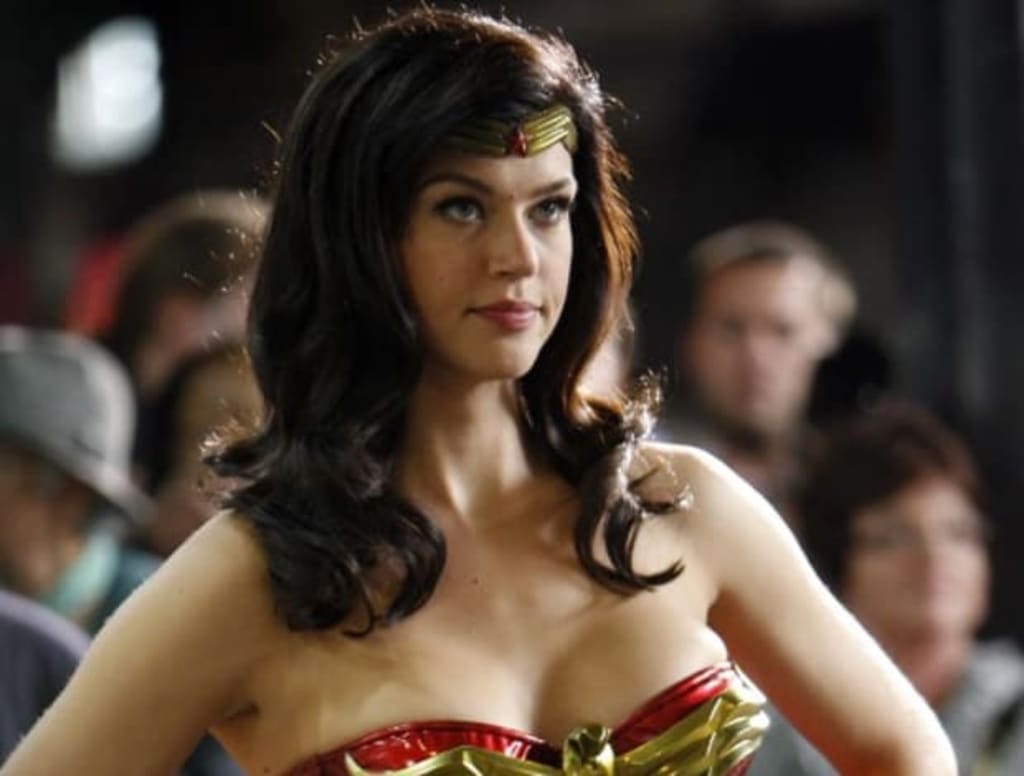
10. Adrianne Palicki as Wonder Woman/Diana Prince

Fans will remember that Palicki was cast as the Amazonian princess in a failed TV pilot spearheaded by David E. Kelly. Despite the flaws with the pilot, Palicki still deserves to showcase her take of Wonder Woman. The same goes for Olga Kurylenko who was considered for the role in the DCEU, but lost to Gal Gadot.

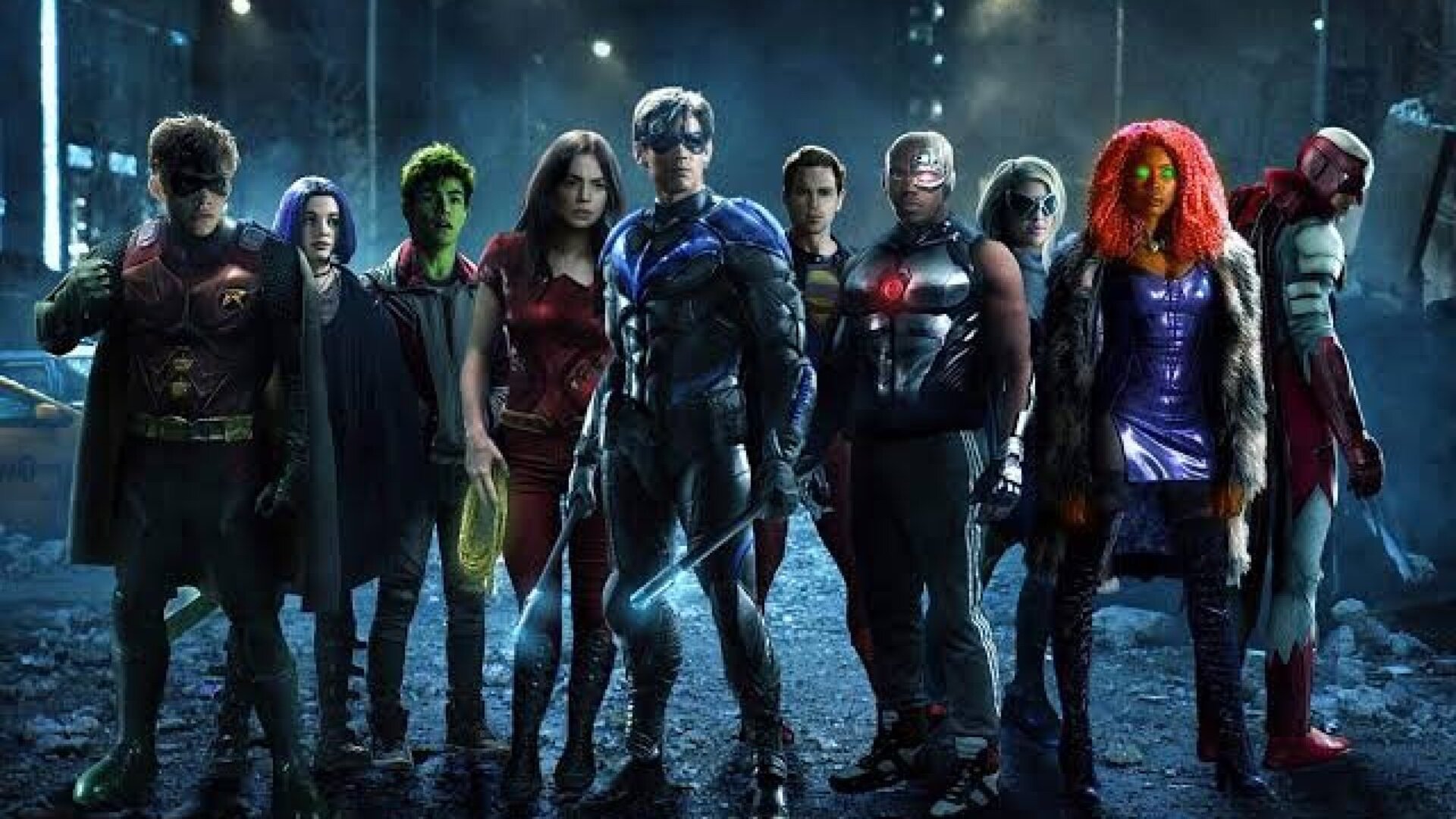
9. The Titans

Officially designated as been on Earth-9 in the DC live-action multiverse, this gritty version of the Teen Titans shoule be given the chance to appear briefly in The Flash. Their appearance would be an organic way to help promote their TV show, Titans, since it is one of the better DC superhero TV shows currently streaming.

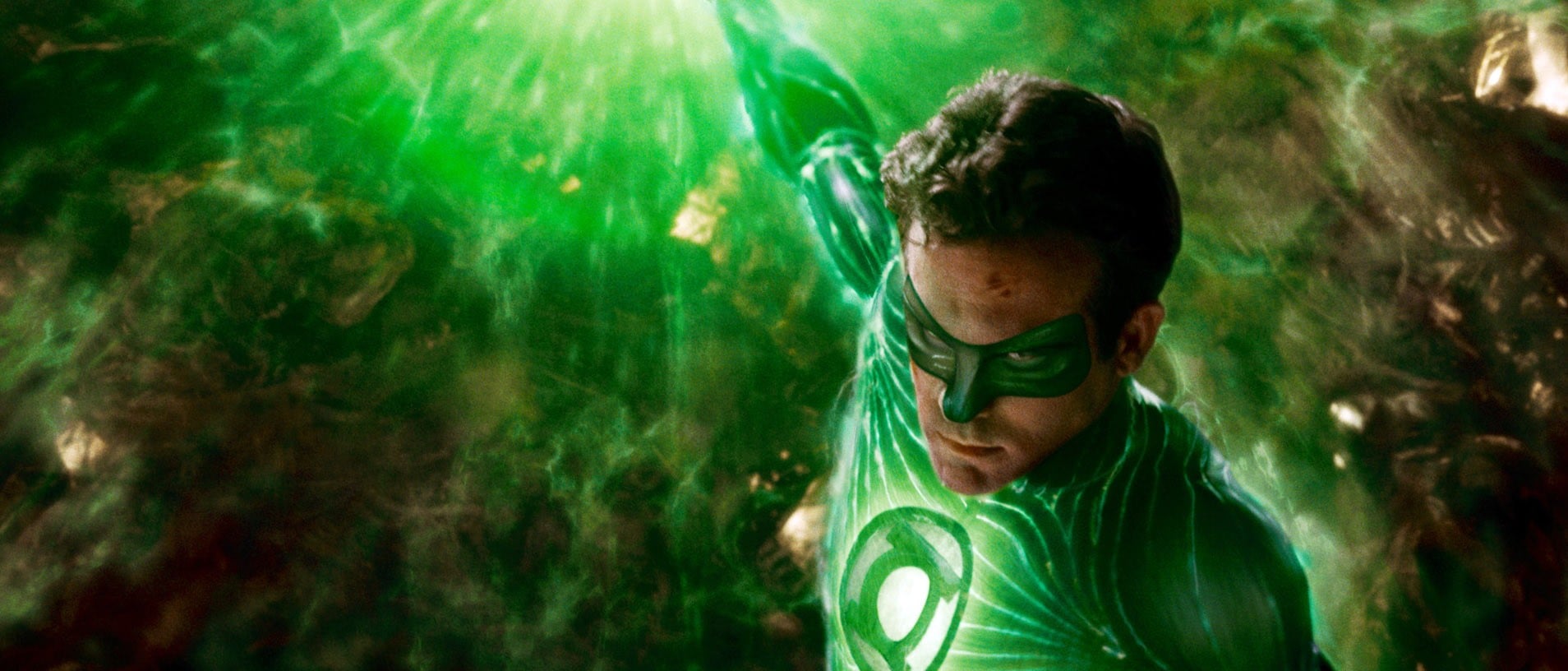
8. Ryan Reynolds as Green Lantern/Hal Jordan

Ten years later, everyone is still trying to forget the misfire that was called Green Lantern, which starred Ryan Reynolds. Keep in mind, that Reynolds was not what was wrong with the film and it would be a fun sight gag to see Reynolds return, especially after the casting was lampooned in Deadpool 2. Another twist would be to recast the cosmic superhero with Chris Pine, who was up for the role during the film’s development.

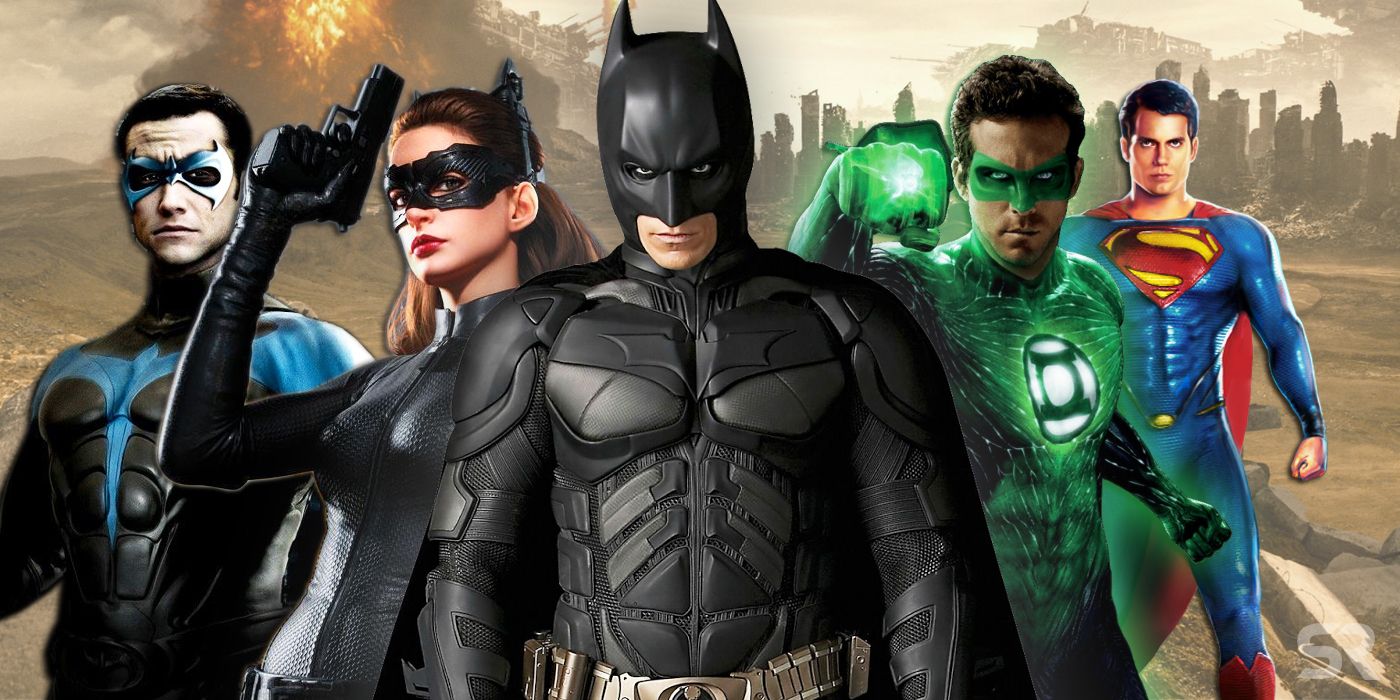
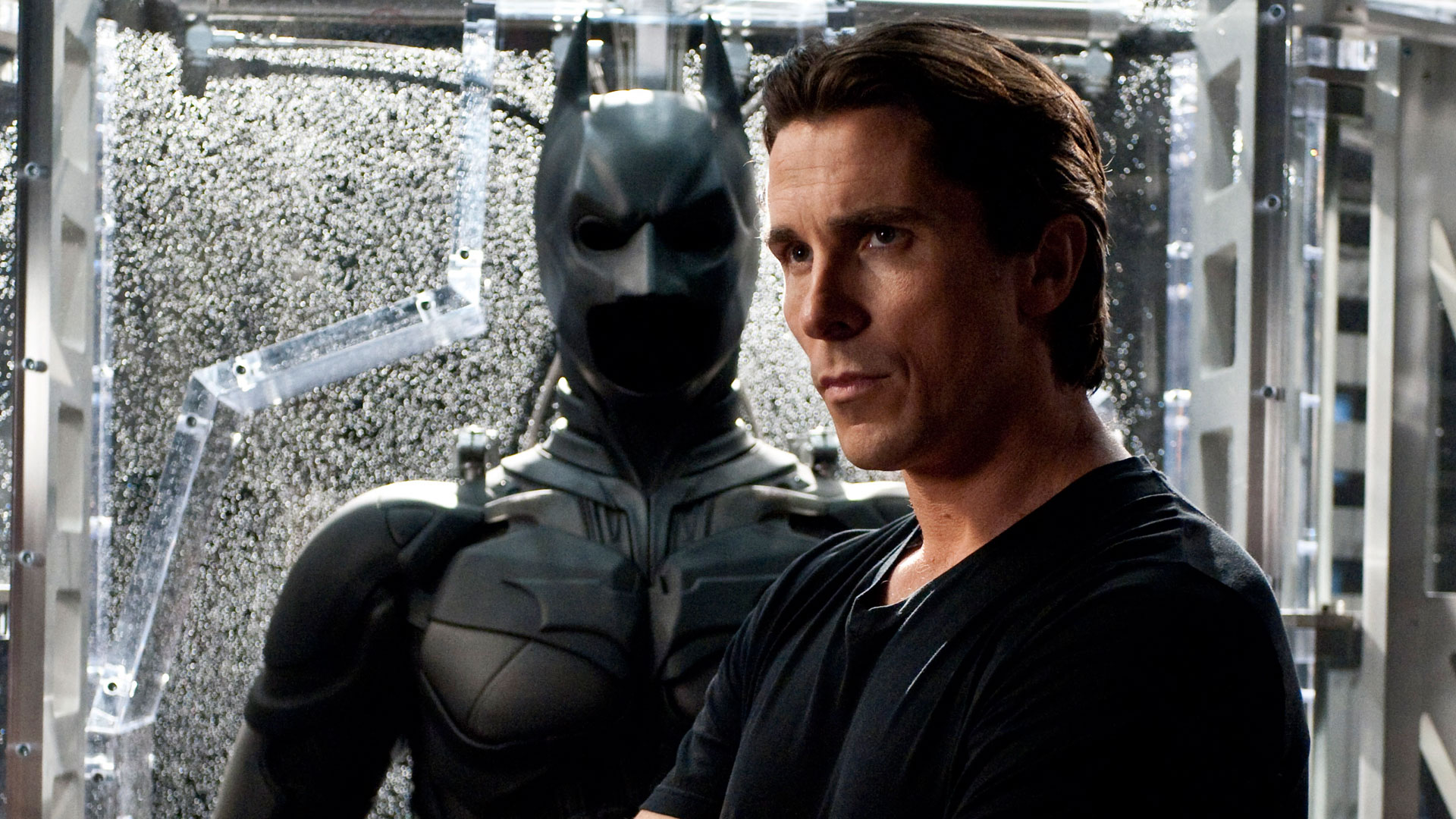
7. Christian Bale as Bruce Wayne/Batman

Rumor had it that if the film studio (Warner Bros.) was unable to convince Michael Keaton to reprise his role, then they would have turned to one of the most revered actors who portrayed the Caped Crusader, Christian Bale. Still, after Bale swore he was done with the role after The Dark Knight Rises, it would have taken a lot of negotiations and money to get him to return, but man that would have been a great payoff!

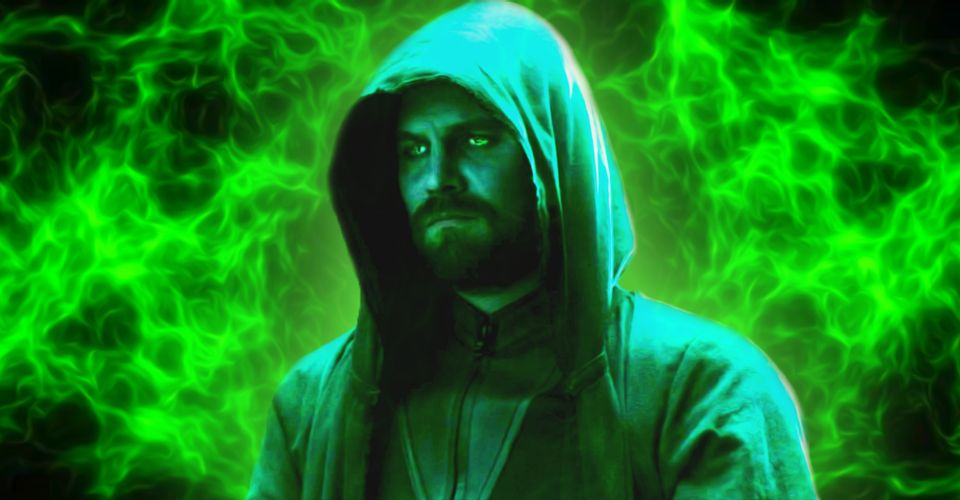
6. Stephen Amell as Spectre or Oliver Queen/Green Arrow

It’s no secret that Stephen Amell’s performance as the CW’s Batman stand-in, Green Arrow in the recently cancelled Arrow, helped elevate the superhero into an A-lister, at least for the CW. Plus, he turned in a respectable performance as Spectre in the Crisis on Infinite Earths crossover event that deserves to be seen again, but on the big screen with better production values and effects. The same goes for his version of Green Arrow.

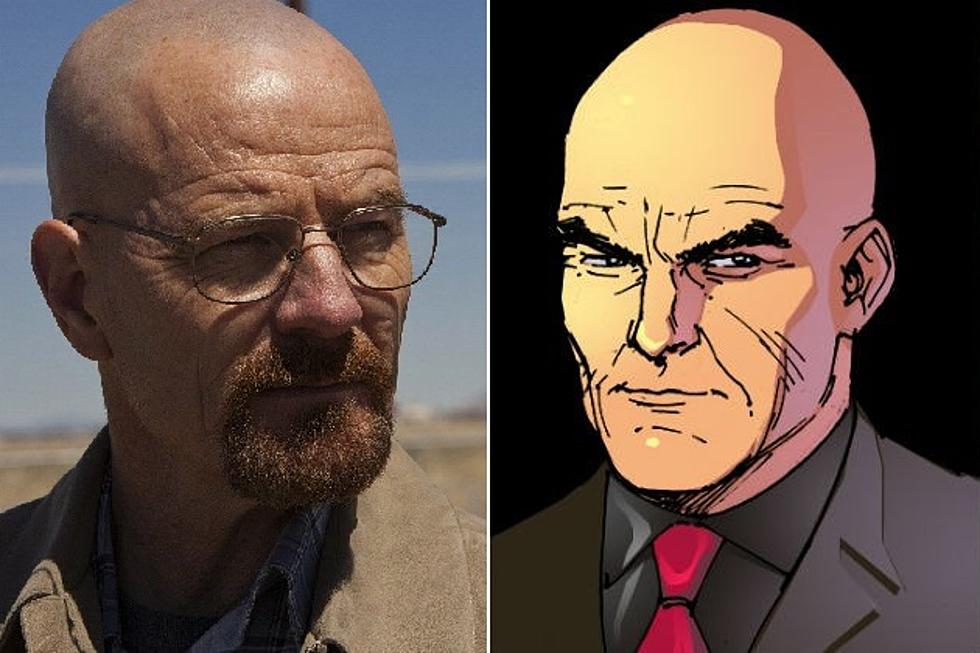
5. Bryan Cranston as Lex Luthor

One of the biggest miscastings in superhero films was when Zack Snyder picked Jesse Eisenberg to play the iconic Superman villain Lex Luthor in Batman v Superman: Dawn of Justice. The prefered choice by fans was that of Bryan Cranston who was so chilling in Breaking Bad, and the fantasy casting was not just because Cranston’s Walter White was bald. It was because of his intense and riveting performance which is still remembered to this day. His potential appearance could go a long way to convince the filmmakers to recast the role more appropriately.

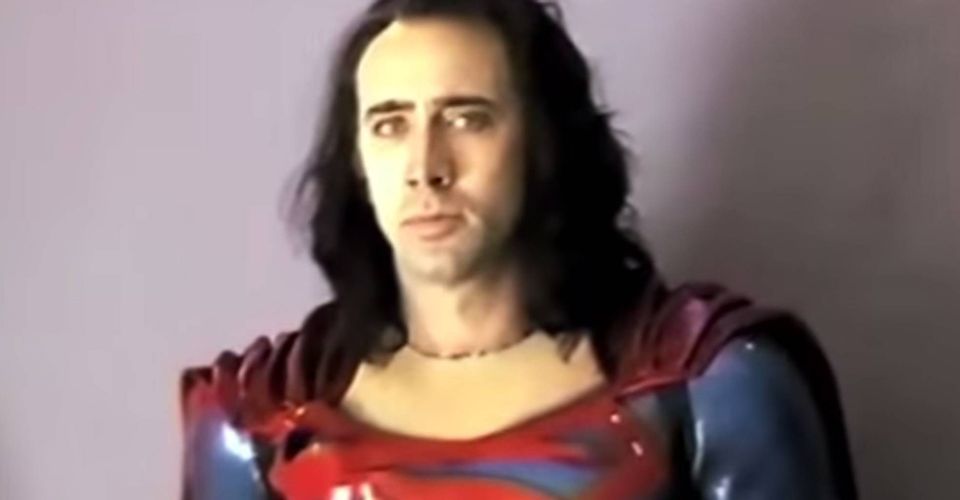
4. Nicolas Cage as Clark Kent/Superman

Never mind the missed opportunities with Joe Manganiello and Matthew Goode as Superman in Man of Steel. We want to see the outrageous! Tim Burton’s aborted take on Superman has been chronicled everywhere with the bizarre reimaginings of the Man of Steel right down to the casting of Superman with Nicolas Cage. Fans have been aghast with the behind-the-scenes test footage of cage sporting long hair and a very plastic-looking Superman outfit. How could this vision not be allowed to be glimpsed at least once? Besides it would fullfill Cage’s dream of playing the Man of Tomorrow

3. George Miller’s Justice League: Mortal

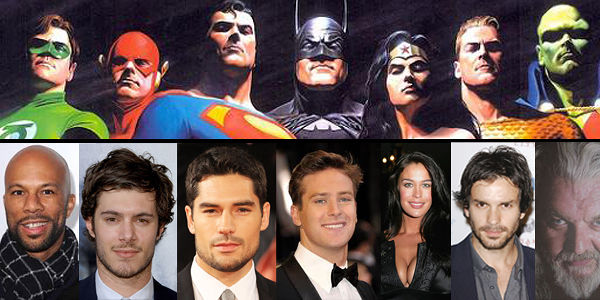
Acclaimed director George Miller was so close to filming his take of the Justice League before events doomed the project. Ever since more details came out about the film, fans have been intrigued by what might have been since Justice League: Mortal predated the DCEU and focused heavily on the Flash. We will never see Miller’s vision but an appearance by his version of the Justice League, complete with his casting picks (including Armie Hammer as Batman), would be a small consolation.

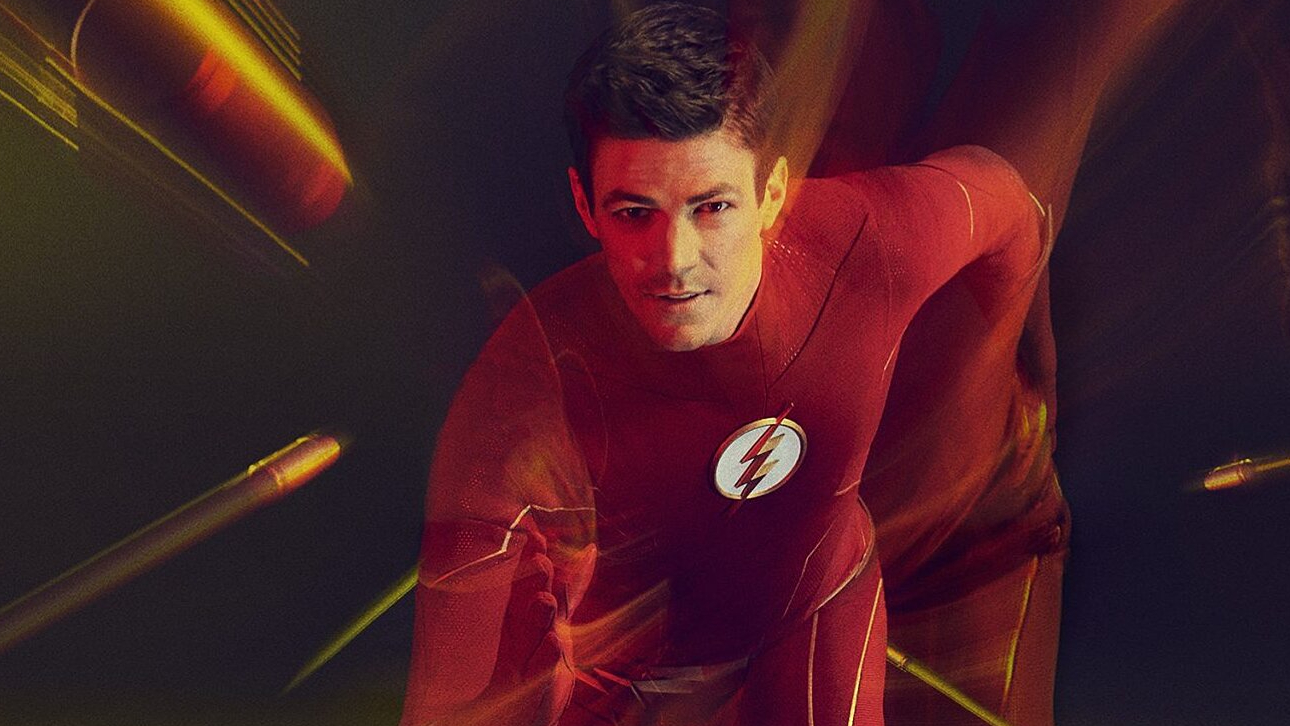
2. Grant Gustin as Barry Allen/The Flash

The best thing about the CW crossover event, Crisis on Infinite Earths, was when Ezra Miller (who will reprise his role in The Flash) briefly appeared in one scene and met the current TV version of the Flash, played by Grant Gustin. It would be a hoot if the scene was revisted in The Flash but from Miller’s point of view and it would be even better if Gustin later played a role in the film along with John Wesley Shipp who appeared as the Scarlet Speedster in the 1990s live-action TV show, The Flash.

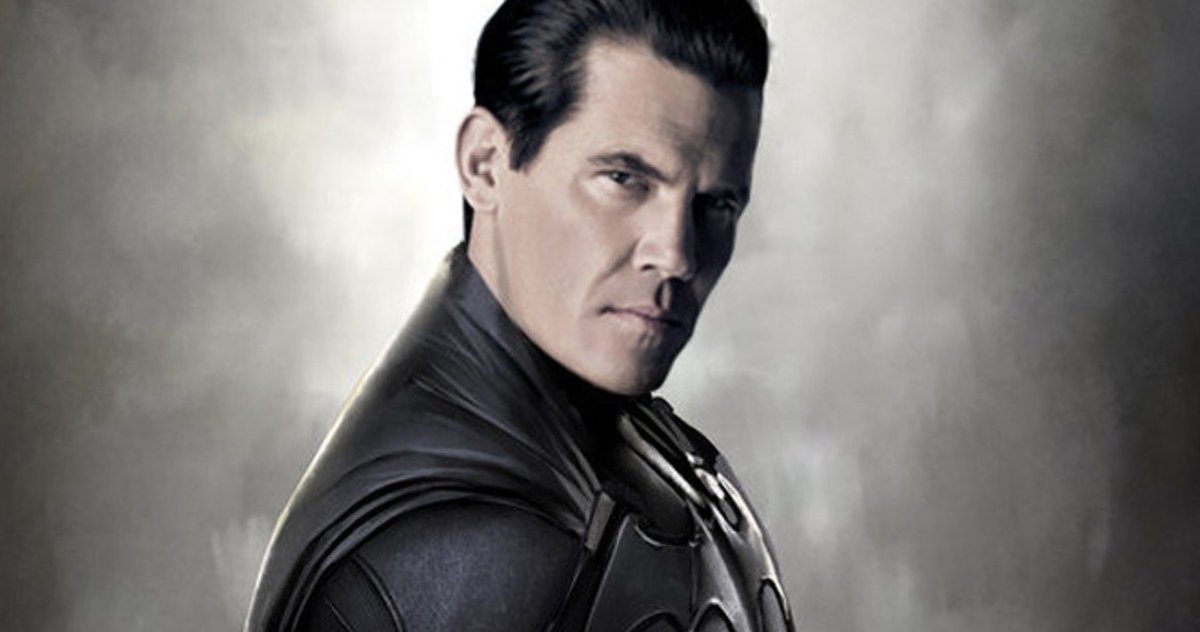
Josh Brolin as Bruce Wayne/Batman

Before Ben Affleck was cast as the newest Dark Knight in Batman v Superman: Dawn of Justice, Josh Brolin was seriously considered for the role. While Affleck defied expectations and turned in a memorable performance as Batman, we cannot stop wondering how Brolin’s interpretation of Batman would have been like. Of course, we have an idea of how Brolin would have fared thanks to his previous experience in superhero films as he played Thanos and Cable in Marvel films. So, portraying Batman should come naturally to this gifted actor. Another possibility would be to have Jeffrey Dean Morgan reprise his role as Thomas Wayne in the DCEU, which would more closely adapt the Flashpoint story line.

José Soto