Making The Perfect Stephen King Adaptation

One would think that adapting any of acclaimed author Stephen King’s literary works into a top-tier film or television production would be fairly simple. But it’s not. So, why is it so difficult to successfully adapt a Stephen King work? There are a few that can be considered, but it basically boils down to these two reasons.

Translation to Screen

While King is the master of prose when it comes to horror, fantasy, sci-fi, and non-genre subjects like crime, it is not easy to translate what he writes into a visual medium. Sometimes the dialogue which flows like water on page can come off as stilted and clumsy, especially if a character goes off on a rant. A narrative tool that King uses a lot is internal dialogue and narration to convey the characters’ thoughts. This technique is hard to pull off in visual medium where showing is prefered to telling.
Other times the prose is let’s just say a bit too much for a visual story. IOW, given the amount of screen time available in a film, putting TV aside, there is only so much material that can be adapted. Many of King’s best known works like It, The Stand or the Dark Tower books run over thousands of pages. Turning epic novels like those into two-hour plus films is nearly impossible. It is one of the main reasons why attempts to turn his classic novels like The Stand failed to make it out of the gate as a film despite many attempts because there was so much material to cut out that the result would be a poor adaptation of the source material. Just look at The Dark Tower film that came and went a few years ago. To most, the film was an ill-conceived attempt to adapt the multi-book epic about the Gunslinger Roland and his mythic quest across worlds and realities. What The Dark Tower did was give viewers a truncated sprinkling of Roland’s quest that left many feeling dissatisfied with an unfinished story.

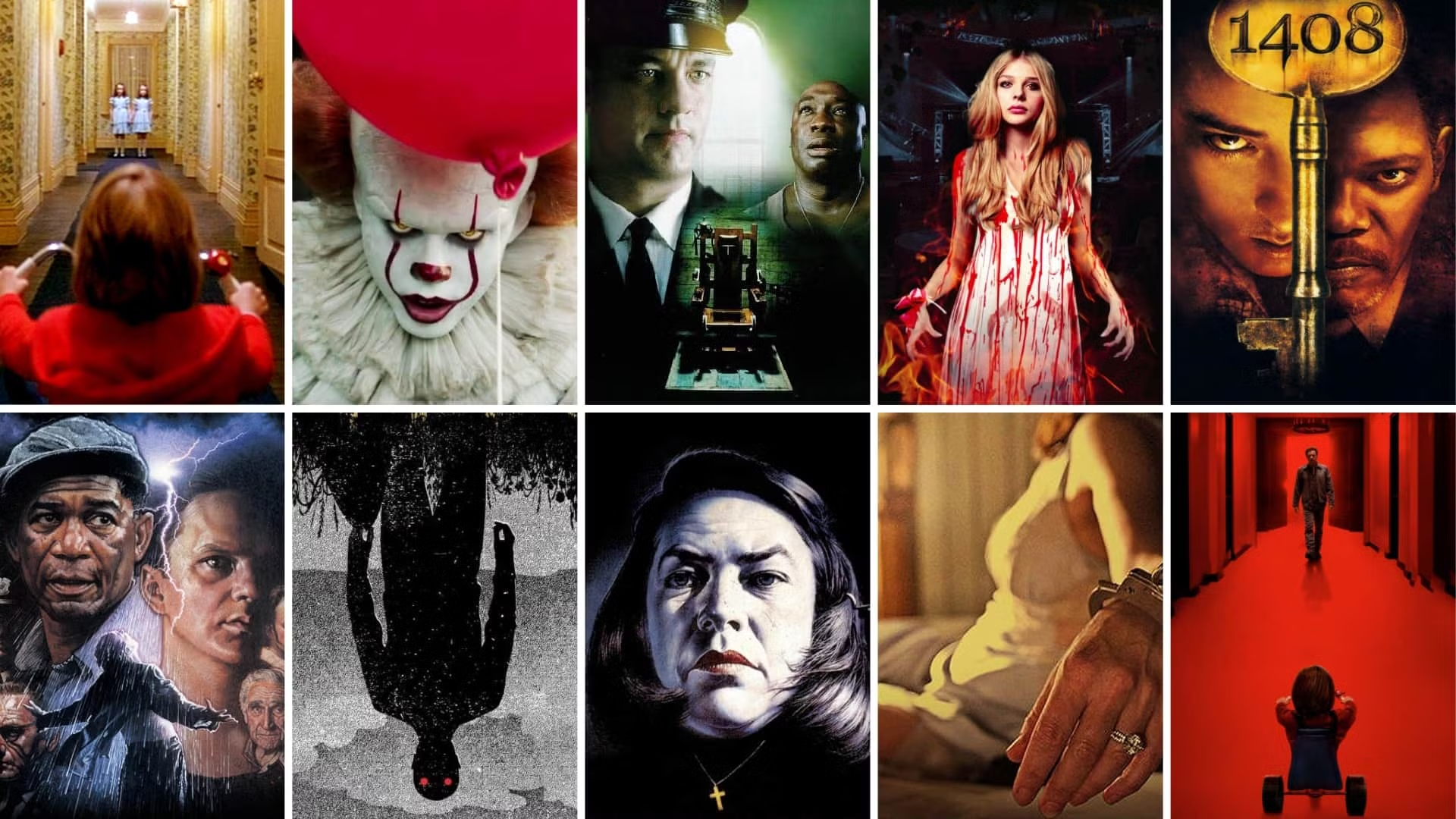
The more successful adaptations like The Shining, Carrie, The Dead Zone, Cujo, Stand By Me (adapted from The Body), The Shawshank Redemption and The Mist were based on more typical novels that were just a few hundred pages. Also, in the case of The Mist, Stand By Me and The Shawshank Redemption, those were based on novellas which seem to be the perfect amount of story to translate into screen.
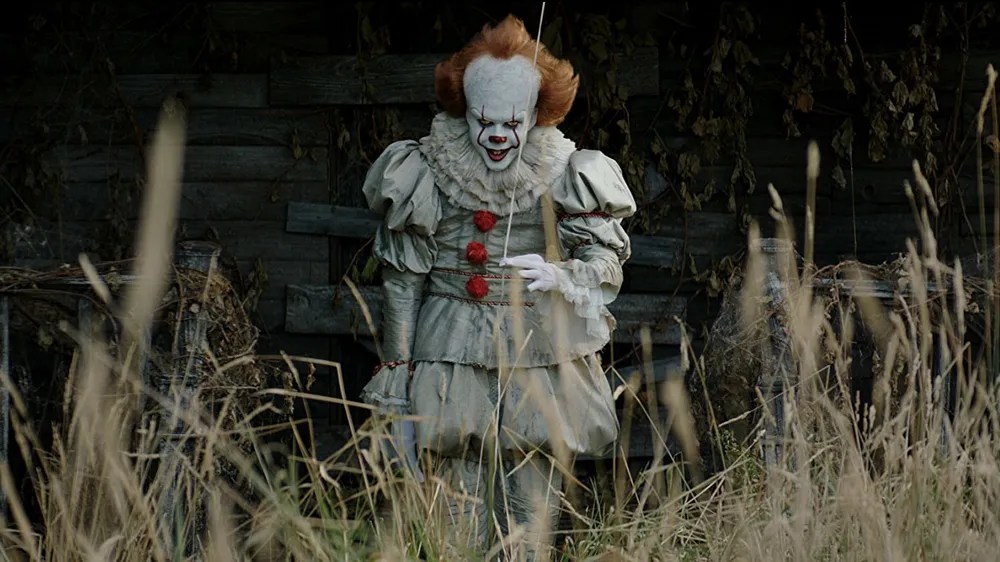
One viable option is to adapt mammoth epic novels into two-part films as was done with It. While the film versions of It differed in structure, the adaptations more or less captured the essence of the novel with the first film focusing exclusively on the main characters when they were children while the second film picked up the characters as adults when they confronted the evil entity Pennywise. This approach would work best for The Dark Tower Saga or any of King’s narrative which can be quite long and involving.

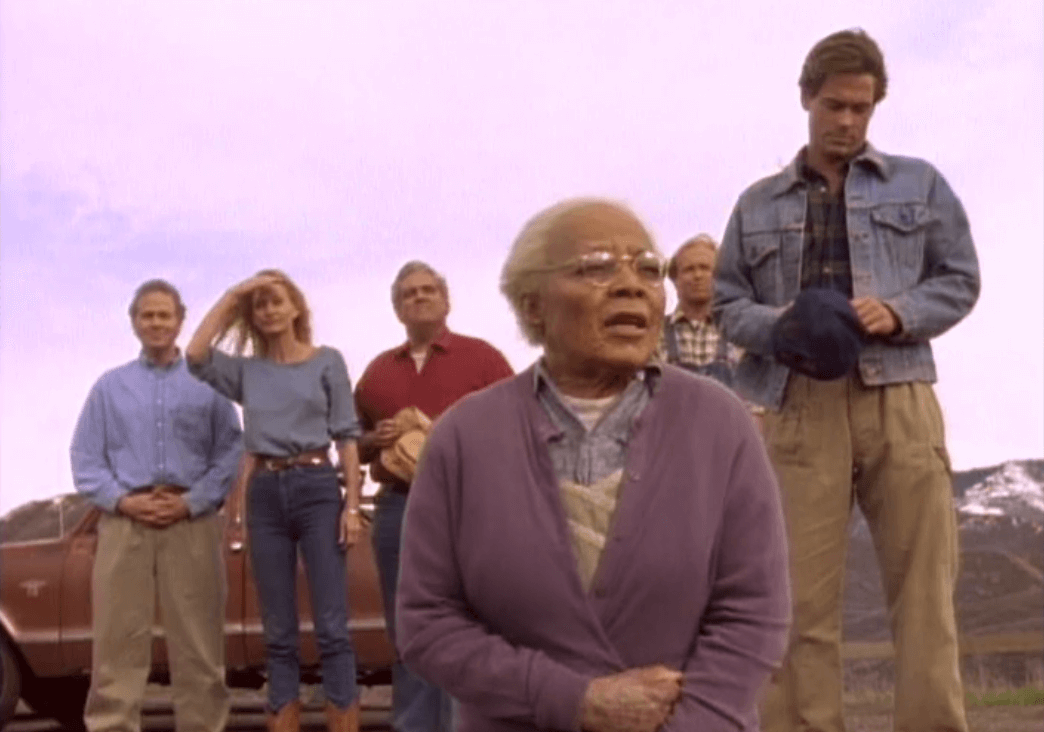
The other obvious option, which has been done to some success, is to adapt his works into television mini-series or shows. Some of the best examples include ‘Salem’s Lot, The Stand, 11/22/63, The Outsider and Nightmares & Dreamscapes. Adapting The Dark Tower Saga into this format is honestly the only viable way to present the expansive storyline and do it well.

The Skill of the Translators

One important reason as to why it is so hard to adapt Stephen King works is due to the quality and skill of the filmmakers and showrunners and scriptwriters. While many gifted behind-the-scenes creators successfully adapted King’s works like Stanley Kubrick, John Carpenter, Frank Darabont, Rob Reiner and Andy Muschietti, far too many inferior creators took a hand into mangling and ruining King’s classics. It is lamentable that someone like Steven Spielberg or Christopher Nolan or Scott Derrickson never helmed a Stephen King film (there were reports that years ago, Spielberg was involved in an adaptation of The Talisman, but that never came to be). Just think of how something like Under the Dome, Cell, and The Girl Who Loved Tom Gordon would have turned out if James Wan or Robert Eggers or Ari Aster were at the director’s chair with the projects.
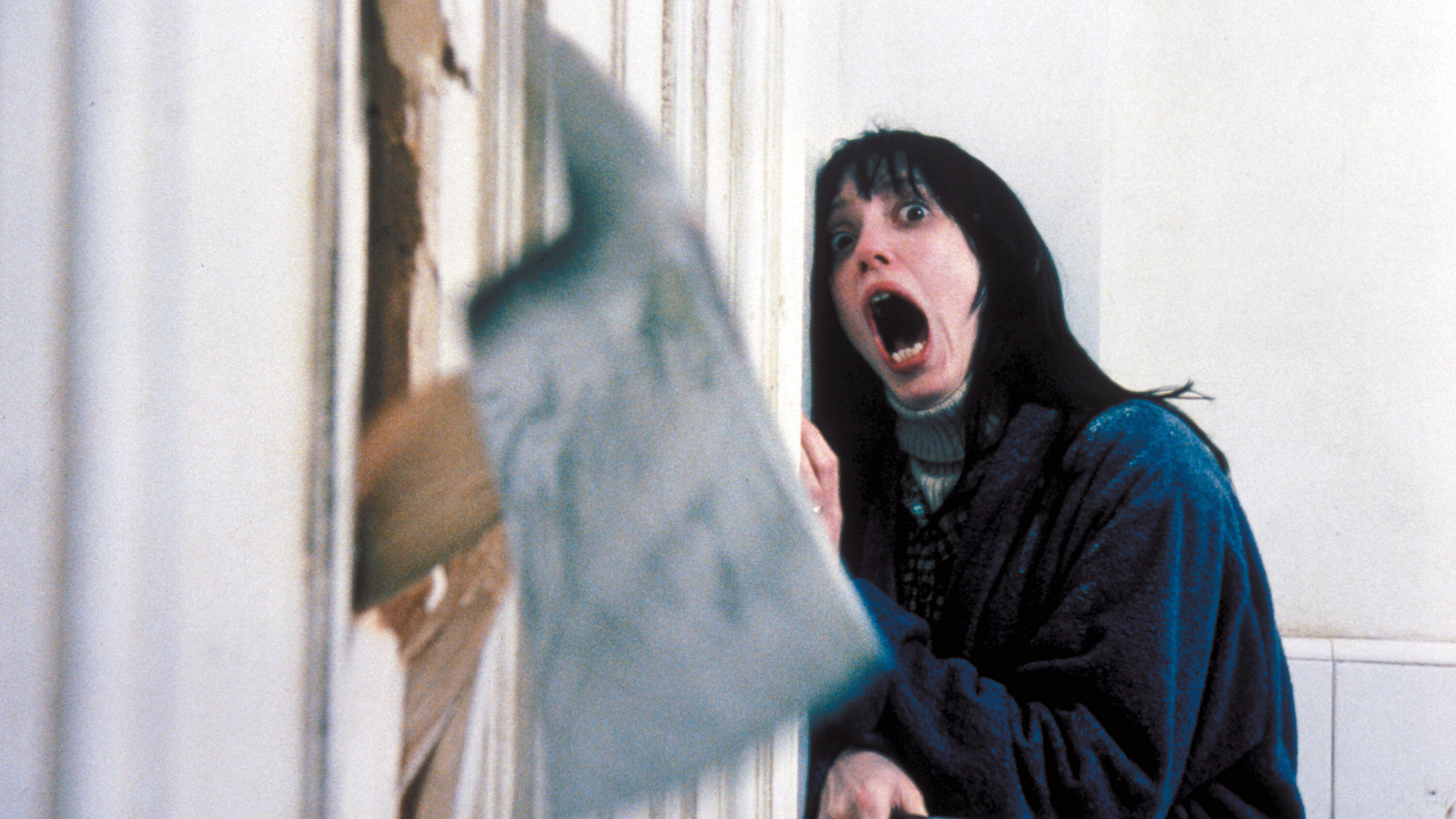
But sadly as we know all to well, it is very difficult to line up the best writer, director, producer or actor to fit in with a King work of art. Reasons for this are all over the place and tend to be due to timing and budget. These days it is not likely that a studio can afford to hire Spielberg to take on a King book. There is also the possibility of dueling visions. A more high-profile director can and will take liberties with the source material much to King’s detriment. The most famous example was Kubrick’s version of The Shining, which King detested even though it is considered not only one of the best King adaptations but a classic horror film.

The same goes for television productions. All too often King’s works whether they’re long-form epics or short stories wind up becoming inferior TV shows or limited series. During the ’90s, the heyday of King TV adaptations, many of his more famous stories became big event TV mini-series with mixed results, but hardly any of them stood out as masterpieces. The best adaptations were for The Stand, although that limited series had its issues, ‘Salem’s Lot, which came out in the ’70s, It, and original productions like Storm of the Century. Other works like the more faithful adaptation of The Shining and The Langoliers failed to impress viewers. If only someone like Vince Gilligan or Terry Matalas could spearhead a proper TV adaptation of The Stand or The Dark Tower Saga.
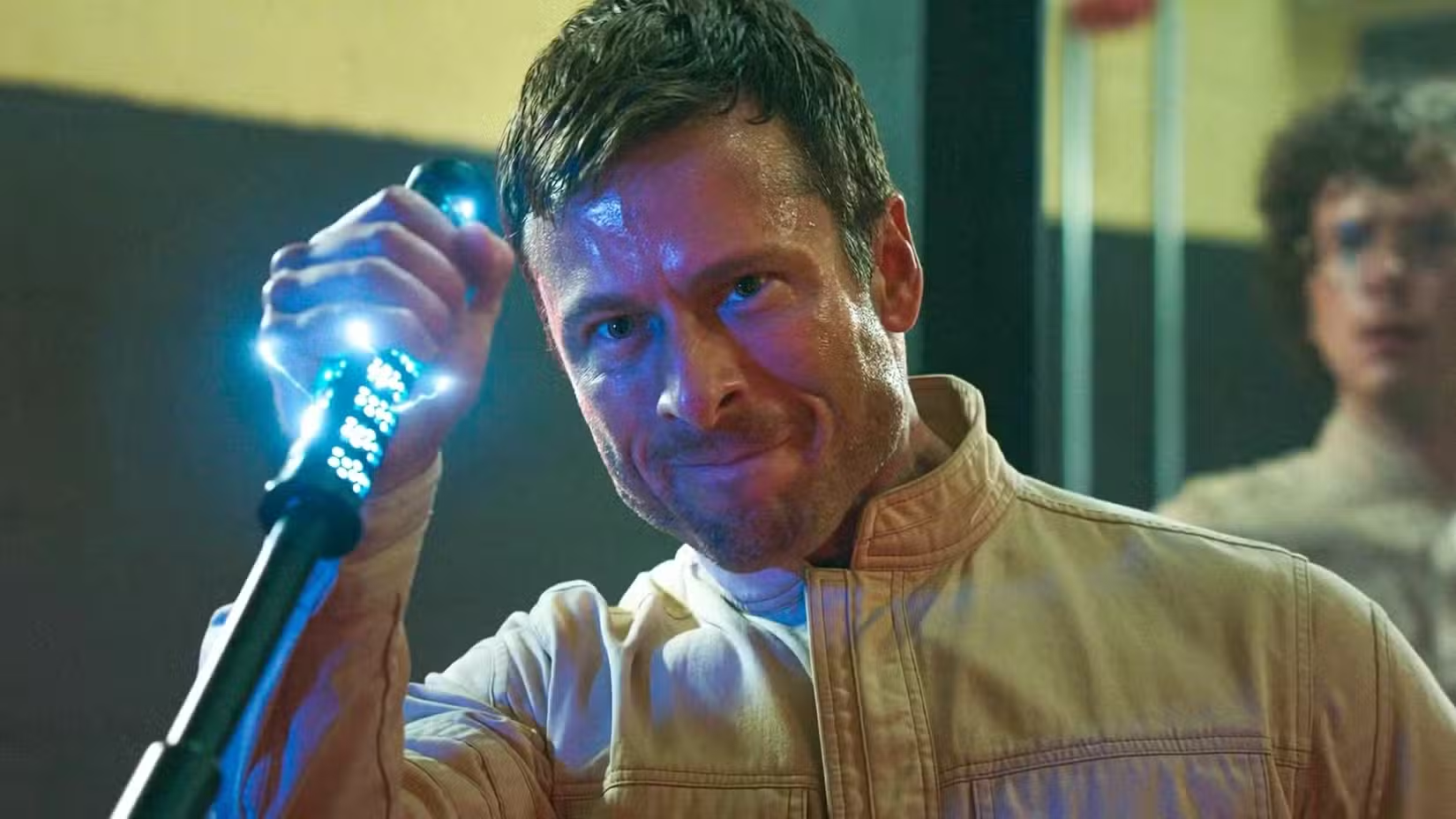
Despite many failed attempts, the versatility and durability of Stephen King’s stories guarantee that eventually the right team will come along and created the best version of his works. This happened with the It films which were immediately better than the original TV mini-series and may happen later this fall when the second film version of The Running Man is released (being that is directed by Edgar Wright, there’s a decent chance it will outshine the original film). It has been possible to get cinematic masterpieces based on King’s works and it has happened, so it will continue to happen.

José Soto
The Eve of MCU’s Phase Six

Phase Six of the Marvel Cinematic Universe (MCU) starts this week with the release of The Fantastic Four: First Steps, a film that will begin the finale of the MCU’s Multiverse Saga. As Phase Six commences it is clear that the MCU has had some challenges recently and it remains to be seen if the latest phase will course correct the cinematic universe.

A major issue with the last two phases that will affect Phase Six was that they did not tell a cohesive or coherent storyline that progressed the overall story of the Multiverse Saga. This ran counter to the first three phases that told a progressive story that culminated with the last two Avengers films, Avengers: Infinity War and Avengers: Endgame. One thing to note with the first three phases was that they concluded more or less with an epic Avengers film. This did not happen with Phase Four (*Thunderbolts the last film of Phase Five ended with the revelation that it was actually a film about a new team of Avengers), and the Multiverse Saga had to do a course correct for outside reasons.

Phase Five of the MCU was plagued with several misfires and undeniable box office disappointments as films and TV shows did not live up to expectations. This was unfortunate since Phase Four was disappointing, as well, and failed to live up to the glory days of the first three phases. Phase Five was supposed to correct this but could not.

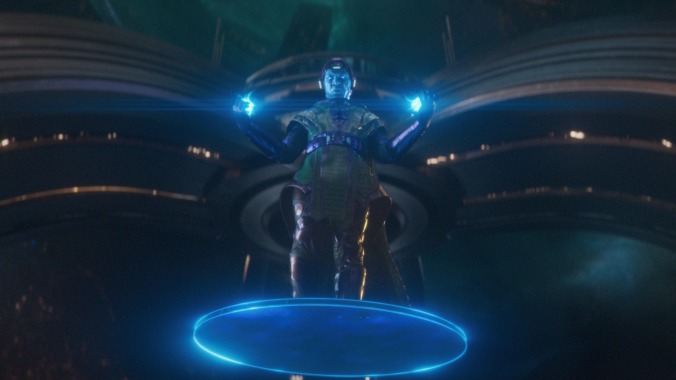
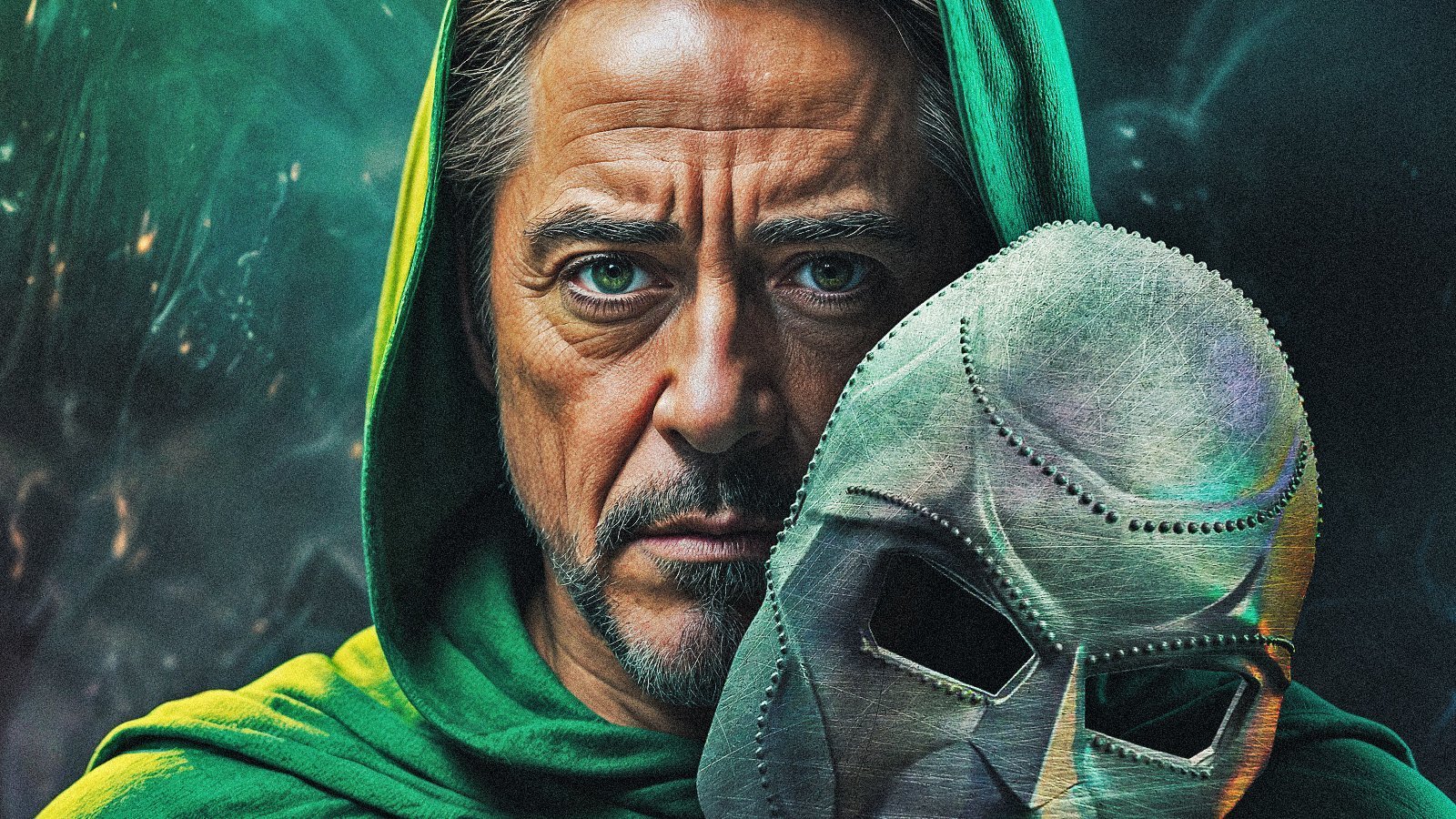
Namely that Marvel Studios decided to eliminate the main villain of the Multiverse Saga, Kang the Conqueror, and instead abruptly chose to have Doctor Doom as the main villain. This change happened because the actor who played Kang, Jonathan Majors, was fired by Marvel Studios for being convicted of domestic abuse and the character did not resonate with fans. This happened as Phase Five was well underway and did not allow the MCU to organically pivot to Doctor Doom, but the film studio could have tried. Films and TV shows in the latter half of Phase Five should have, at the bare minimum, dropped Easter eggs and references to Doctor Doom but that has not happened. In fact, many TV shows from Phase Six like Secret Invasion or Agatha All Along did nothing to advance the Mulitverse Saga. Meanwhile, only about half of the Phase Five films were relevant to the Multiverse Saga.

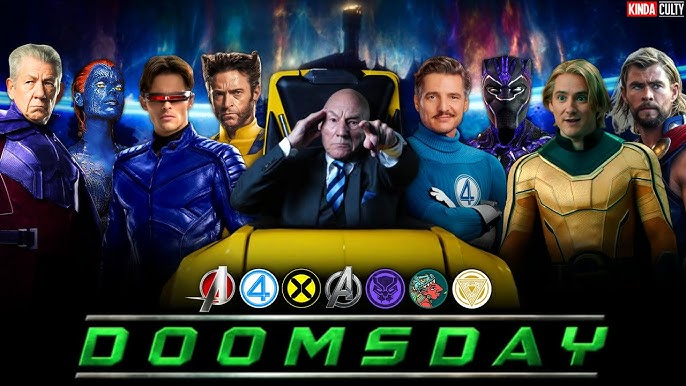
What makes this situation worse is that Doctor Doom, the main villain of the Fantastic Four, will not appear in The Fantastic Four: First Steps. This is a mistake considering that Doom will be the villain of next year’s Avengers: Doomsday and it is unlikely that upcoming MCU projects before that film will include any appearances or references to Doctor Doom and the Multiverse Saga. It is head scratching that Doctor Doom will not at least have a cameo in The Fantastic Four: First Steps but we won’t know this for sure until the film is released. On the other hand, there are reports that one of the post-credits scene from The Fantastic Four: First Steps will directly tie into Avengers: Doomsday so there is that, at least.

Another thing that is evident with the slate of Phase Six is that unlike the last two phases there will be noticeably less films and TV shows released. One major complaint about the last two phases, especially with Phase Four, was that too many projects were released, and this stretched the resources of Marvel Studios. The result was that many subpar films and TV shows were released before they could be fine tuned to be better. With Phase Six, Marvel Studios has chosen to emphasize quality over quantity, though this means that many threads and characters introduced in the previous phases will be ignored. This will frustrate many fans, but it was inevitable given that Marvel Studios has to concentrate on popular characters instead of greenlighting TV shows or films about obscure superheroes that may or may not resonate with the larger public. So, expect many films and TV shows dealing with the core Avengers lineup, Spider-Man, the Fantastic Four (if the first film is successful) and of course, the mutants.

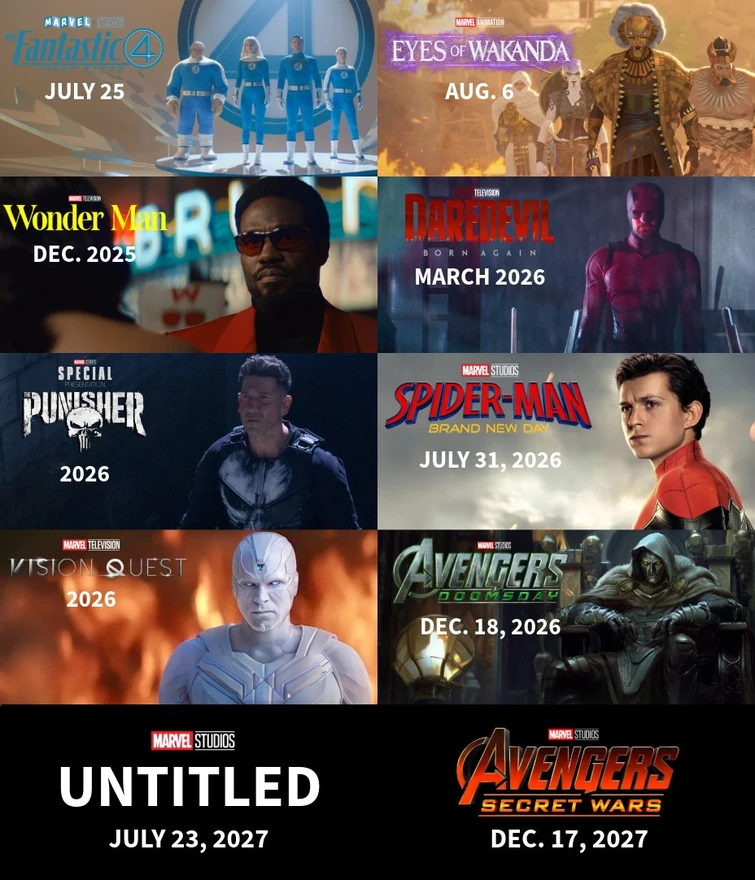
At this time, we can only speculate on what films and TV shows Marvel Studios will release for Phase Six. Unlike the previous phases the studio is remaining tight lipped about its upcoming releases since they have been burned by prematurely announcing projects before they were ready like Blade. To date, the only known projects are The Fantastic Four: First Steps, Eyes of Wakanda, Marvel Zombies, Wonder Man, Spider-Man: Brand New Day, second seasons for Daredevil: Born Again and Your Friendly Neighborhood Spider-Man, Vision Quest, a Punisher TV special, Avengers: Doomsday, Avengers: Secret Wars, and at least one other film that we have no information about. Who knows what it will be? A new Doctor Strange film? A third Black Panther film?

While it’s regrettable that Marvel Studios is pulling back on the quantity of projects it is for the best since the limited amount of films and TV shows will lead to improved products. We already are seeing this as the more recent offerings from Marvel Studios like Deadpool and Wolverine, Your Friendly Neighborhood Spider-Man and *Thunderbolts have received a lot of acclaim. It is also interesting to see that certain projects that were not as well received as Ironheart, parts of Daredevil: Born Again and Captain America: Brave New World were produced before Marvel Studios began to course correct with its offerings. Daredevil: Born Again offers clear proof of this as the most acclaimed episodes were made after the film studio decided to emphasize its commitment to quality.

It will take some time for Marvel Studios’ course corrections to resonate with the general public. Not too long ago, the MCU brand was golden and a guarantee of quality and box office success. That’s not the situation anymore as many recent films have underperformed, even if they were acclaimed like *Thunderbolts. It is no longer a guarantee that an MCU film will be a box office hit. But it is important that they maintain a high level of quality because this will create positive buzz for MCU films and TV shows. Do not be surprised if properties like *Thunderbolts develop cult followings, which is good for Marvel Studios as this will demonstrate the studio’s commitment to quality products. Eventually the public will catch on and begin seeing them the films and TV shows in droves again. Then again with important tentpole films like Avengers: Doomsday, Avengers: Secret Wars and Spider-Man: Brand New Day, it is practically certain that Phase Six of the MCU will be successful.

José Soto

How To Train Your Dragon (2025) Shows How To Do Live-Action Remakes

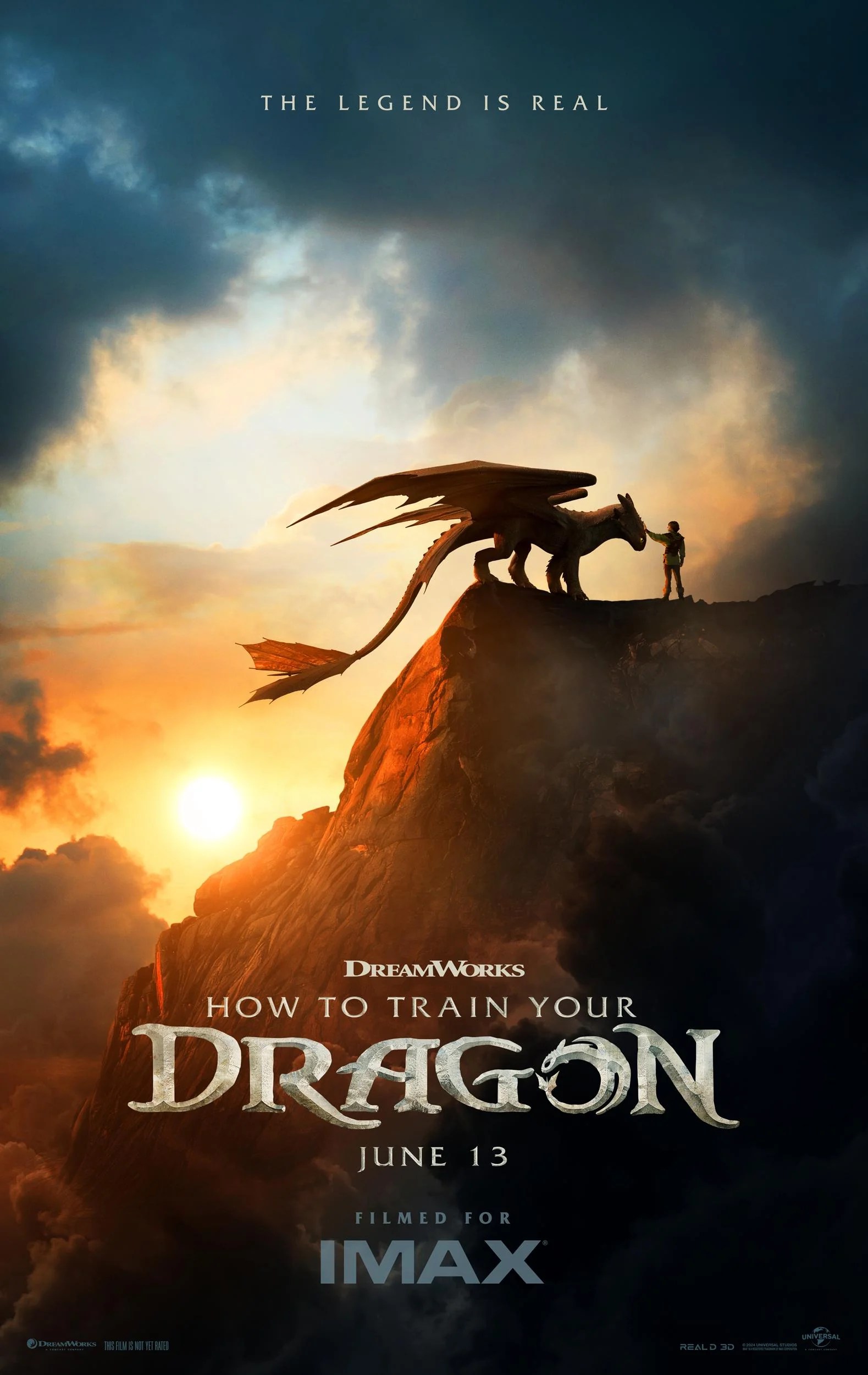
Fifteen years ago, DreamWorks Animation (DreamWorks) graced the world with the brilliant film adaptation of Cressida Cowell’s How to Train Your Dragon (HTTYD) novel series. The film was released to massive fanfare from both critics and casual audiences, citing the film’s plot, music, and characters as great and unique. The success of the first film led to 2 sequels and even spinoff TV shows of the same name, and now, 15 years later, comes a live-action remake. This came as a surprise since DreamWorks has never dabbled in the “live-action remake trend” spearheaded by Disney, so I along with many others had mixed feelings on this. However, just in time for Father’s Day, I decided to watch it with my dad, and I was pleasantly surprised at the outcome.

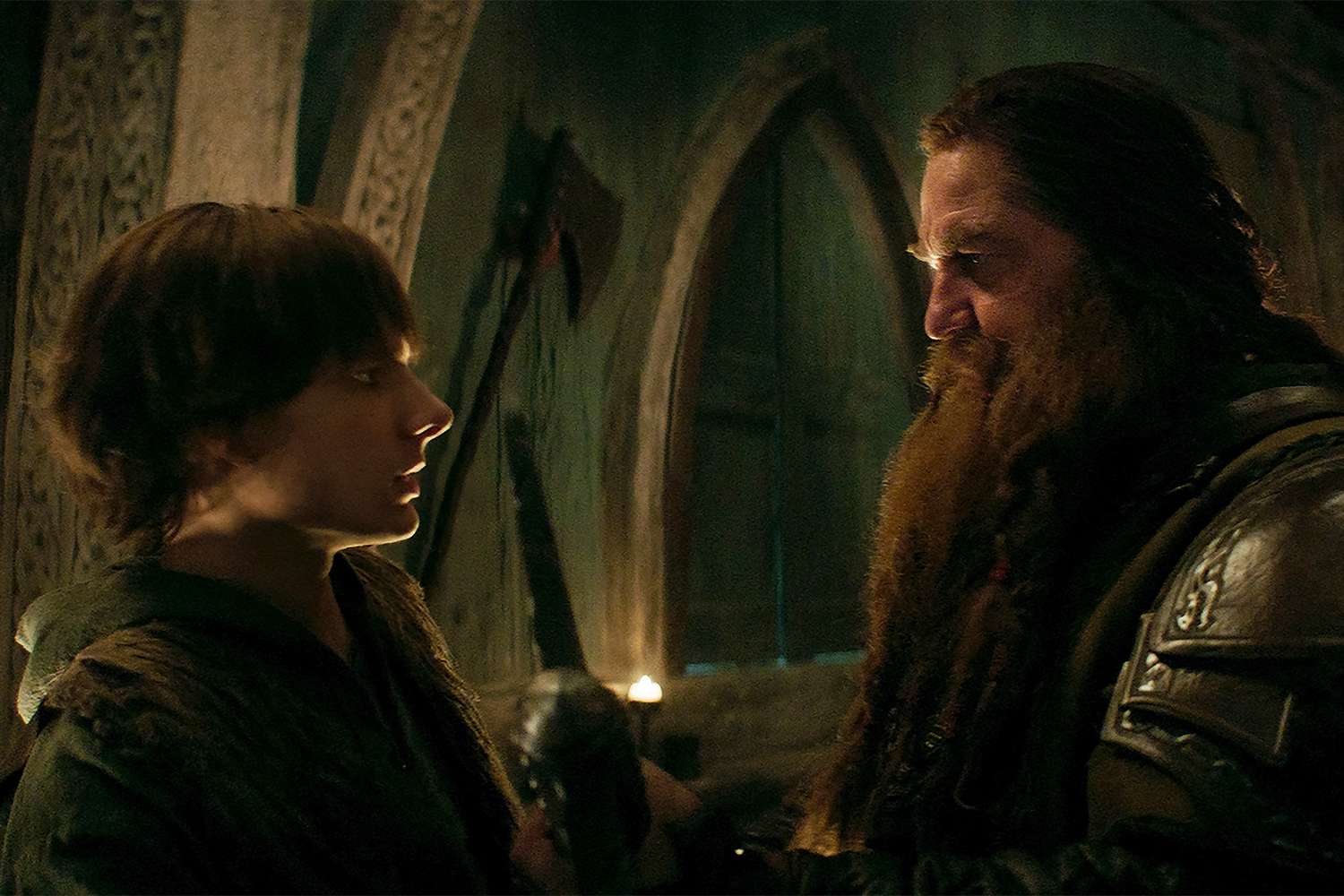
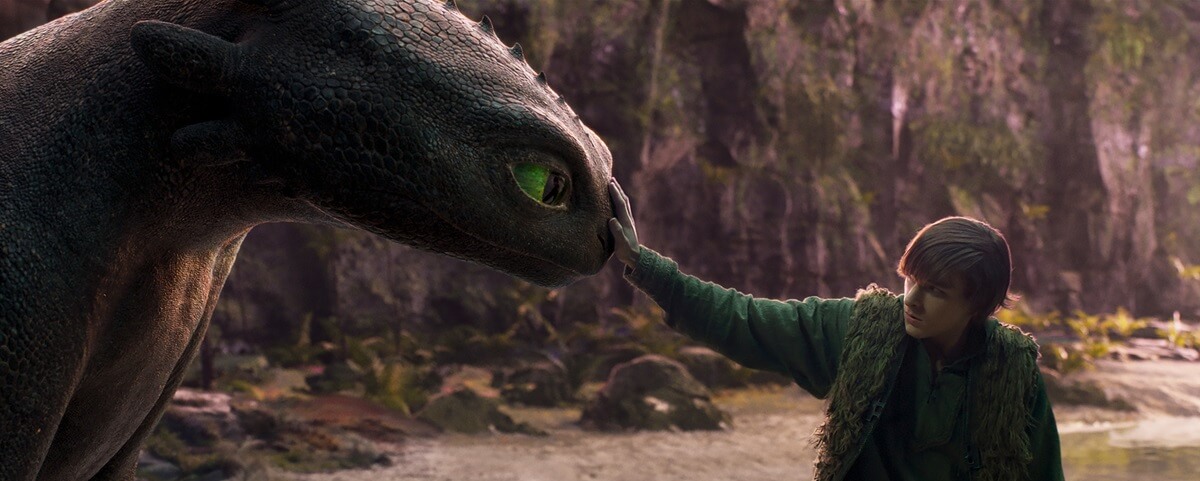
DreamWorks’ How to Train Your Dragon (2025) is a brilliant homage to the original film, taking care of the original vision, helped by the return of the first film’s director, Dean DeBlois. The story follows young chief-to-be Hiccup (played by Mason Thames) as he flails around a brave Viking village, being of no use as always when a hoard of dragons terrorize the village. He luckily manages to shoot down the most feared dragon type, a Night Fury, but nobody takes him seriously. His father, Stoick (played by Gerald Butler, surprisingly reprising his role from the animated films), feels dissatisfied with his unworthiness, so he leaves him in the caring hands of his best friend Gobber (played by Nick Frost), to both babysit and train him. Hiccup pursues the Night Fury he shot down hoping to confirm the kill, but when he finds it, he is unable to finish it off, leading into a masterful and heartfelt story.

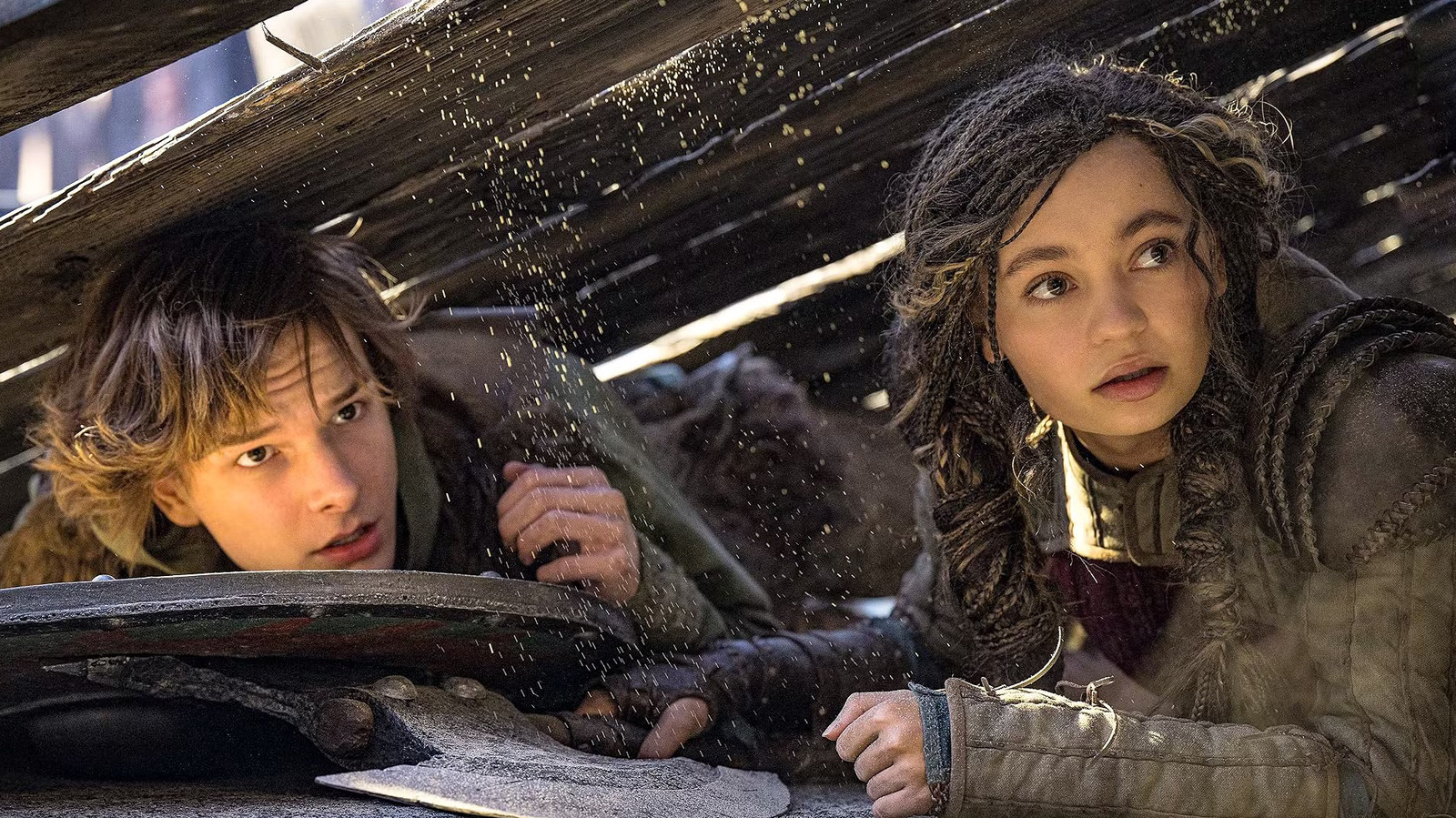
I am happy to report that the original story is done justice with every major beat being preserved and at times even elevated by the script and acting. Speaking of which, the actors do a phenomenal job portraying the characters and they feel as if you’re watching these characters as actual people. People complained about Astrid’s casting, with the actress (Nico Parker) not looking much like the original rendition, but she portrays the character amazingly. Unlike previous Disney live-action remakes having poor acting (“cough, cough” Snow White “cough, cough”), DreamWorks seemingly knocked them out of the water in every aspect when it comes to remakes, in addition to the topnotch casting and script in HTTYD.

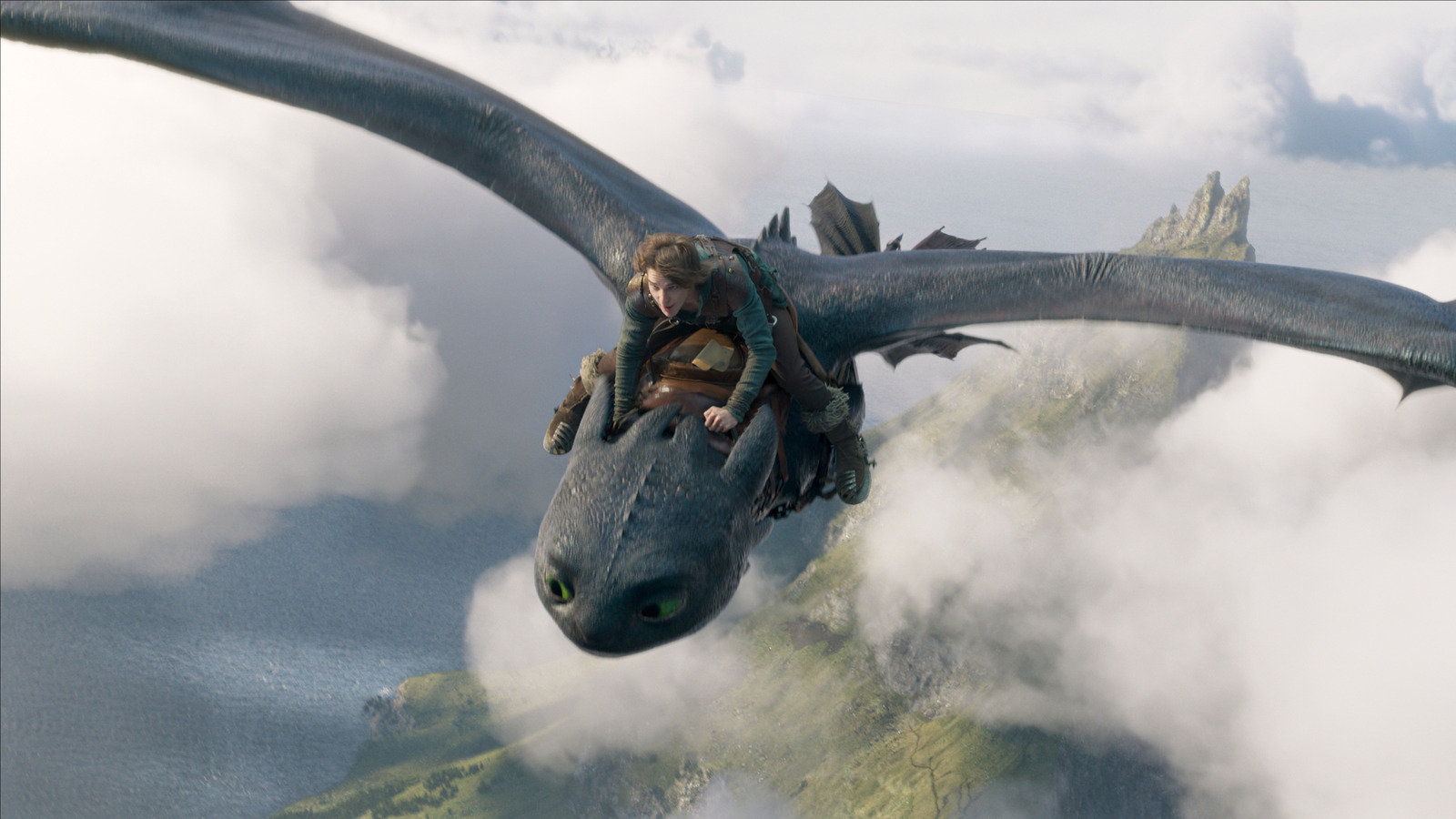
In addition, the music in How to Train Your Dragon is absolutely beautiful and always elevates the scenes in an inspirational way. One scene of note is the iconic “test drive” scene with Hiccup riding the flying Night Fury he names Toothless which has an amazing score complimenting it. I have seen mixed opinions about the new rendition of the same music, but in my opinion, it made the scene even more jaw dropping, sprinkling a feeling of grandiose into the already majestic landscapes as Toothless and Hiccup take their first flight together. This is most likely the case because of the return of the original film’s composer, John Powell, to score this film. A trend that aligns with the success of this film that I’ve noticed is it brought back a lot of the original team and got their creative influence to assist with bringing a beloved film to life. If Disney were to take notes from DreamWorks, maybe their live-action remakes can feel more than just soulless cash grabs.

It is worth noting that the visuals in How to Train Your Dragon were really well done, adapting the dragons and the vivid world of the series in a careful matter that proves that Berk can translate into realistic visuals. With these live-action remakes, Disney tends to butcher the visual aspect, which is arguably the most important part of said translation. You cannot possibly expect fans of a beloved story to be on board with slapping lazy and chalky visuals while simultaneously ruining their childhood. This is why movies like Snow White (2025), The Lion King (2019),and Dumbo (2019) may have had some financial success, but bombed when it came to positive reviews.

The set pieces in How to Train Your Dragon can range from spectacular and gorgeous to dark and grim while keeping the same visual soul of the original animated film. When it came to the designs for the dragons, I will admit I found it a bit strange that Toothless stood out amongst the rest. Every dragon other than Toothless felt like they came out of Game of Thrones, being hyper realistic rather than being more on the cartoony side with Toothless. I understand why this was done, most likely to emphasize that the rest were actual threats to humans and at the same time, make Toothless more adorable, but it was odd to me.

Overall, DreamWorks’ How to Train Your Dragon (2025) remains a spectacular and emotional journey of changing the future for the better and dealing with familial tensions. The return of the original team greatly helped this project feel lively and not like most of Disney’s recent live-action films. Stand out features include the brilliant cast, the heartfelt music, and the jaw dropping visuals. I would highly recommend giving this film a shot if you were a fan of the original, and even if this is your first exposure to the How to Train Your Dragon franchise! Also, the film comes out just in time for the opening of Universal’s newest park, Epic Universe, which features a land based on the HTTYD franchise, Isle of Berk.

Angelo Soto

Commemorating Star Wars Episode III 20 Years Later

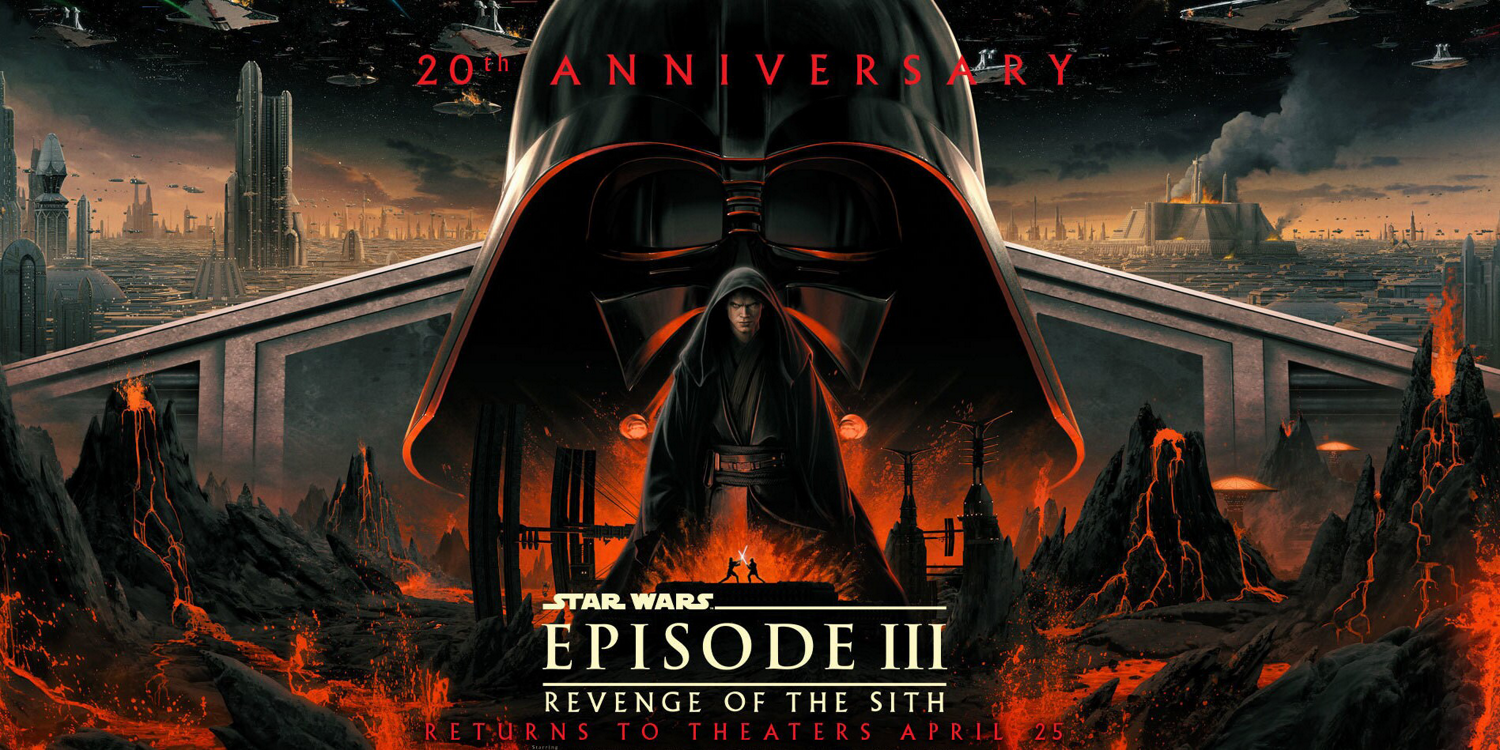
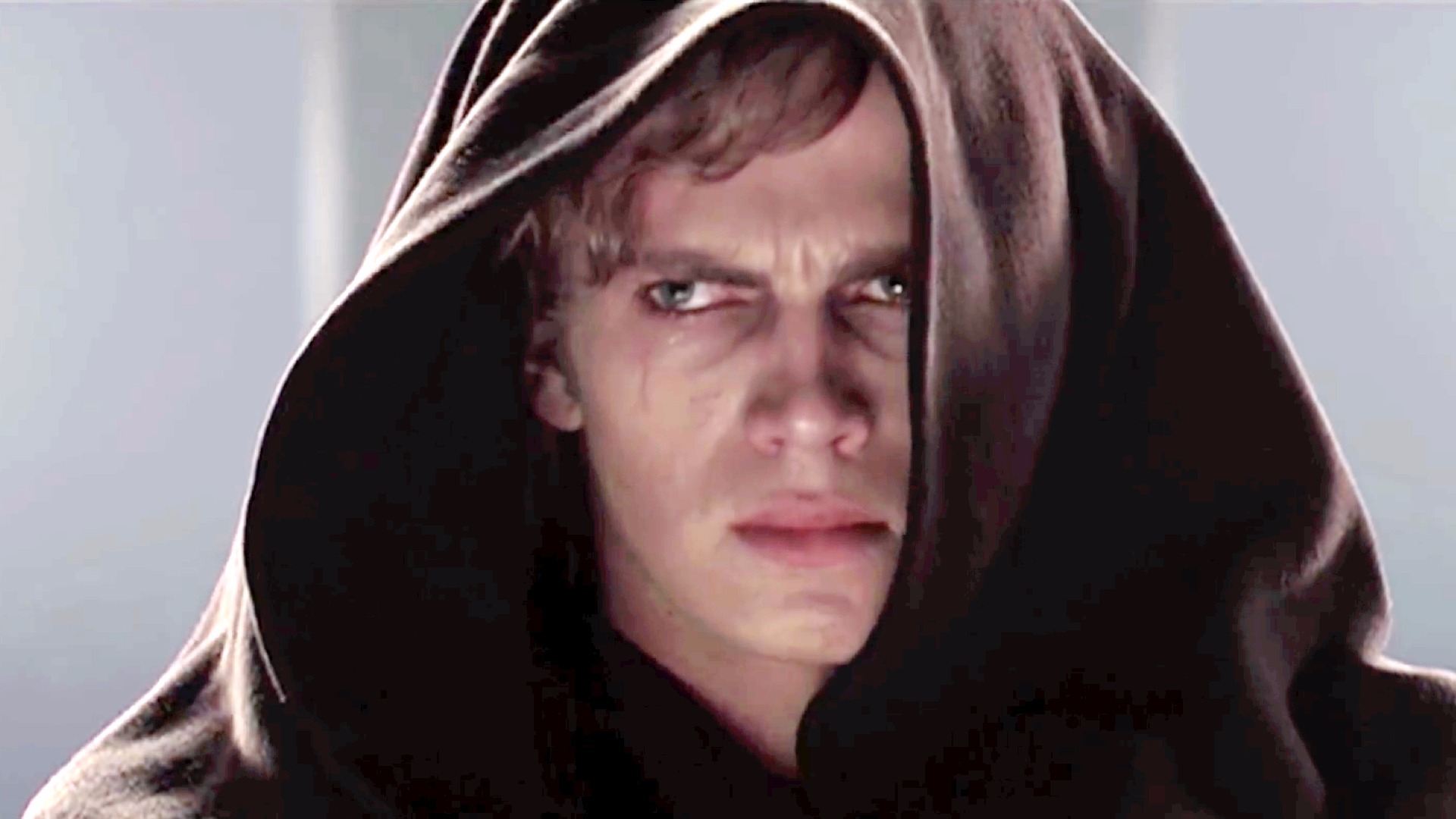
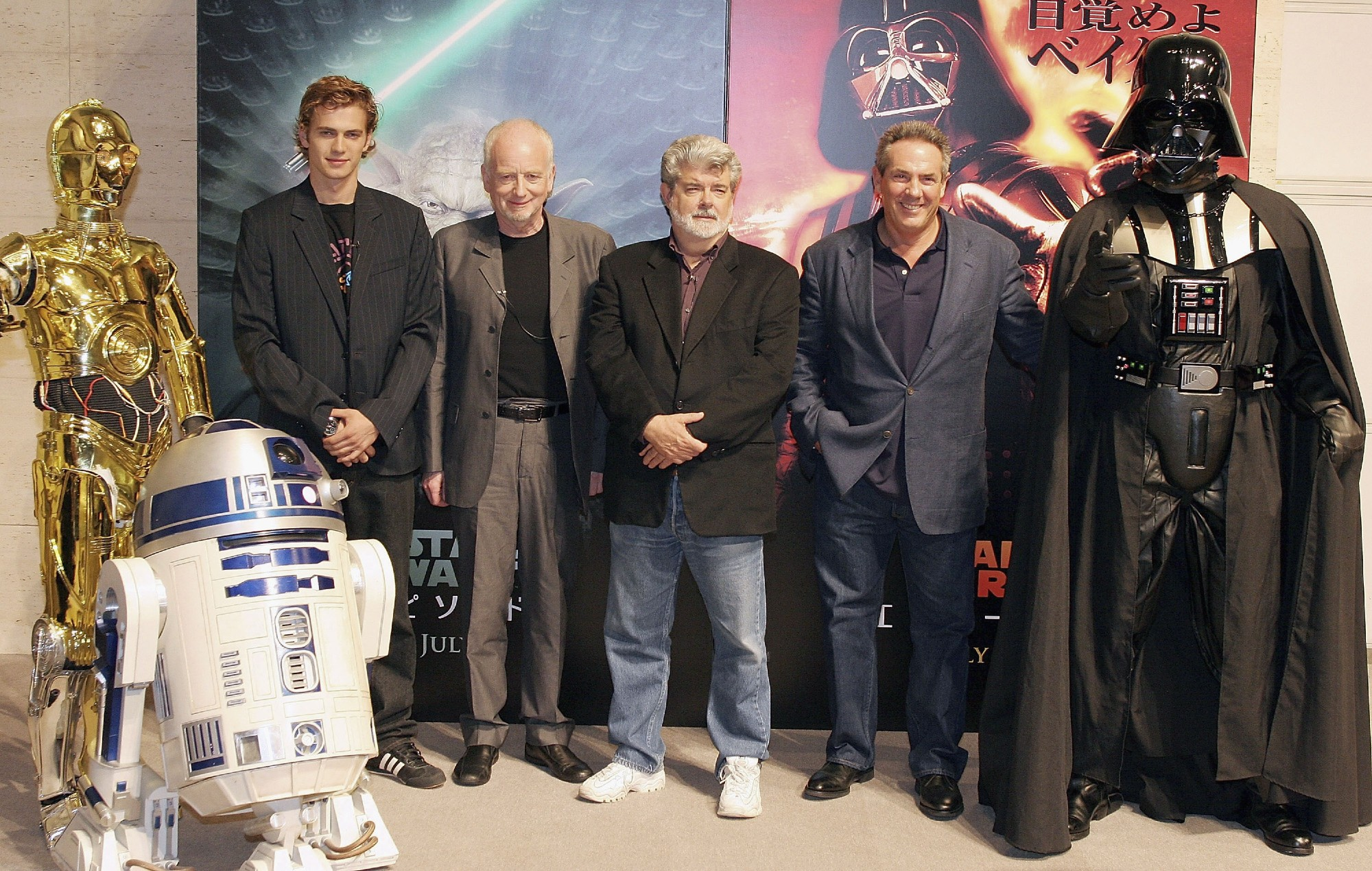
This year marks the 20th anniversary of Star Wars Episode III: Revenge of the Sith, arguably the best of the Star Wars prequels and the culmination of Anakin Skywalker’s fall to the Dark Side of the Force.

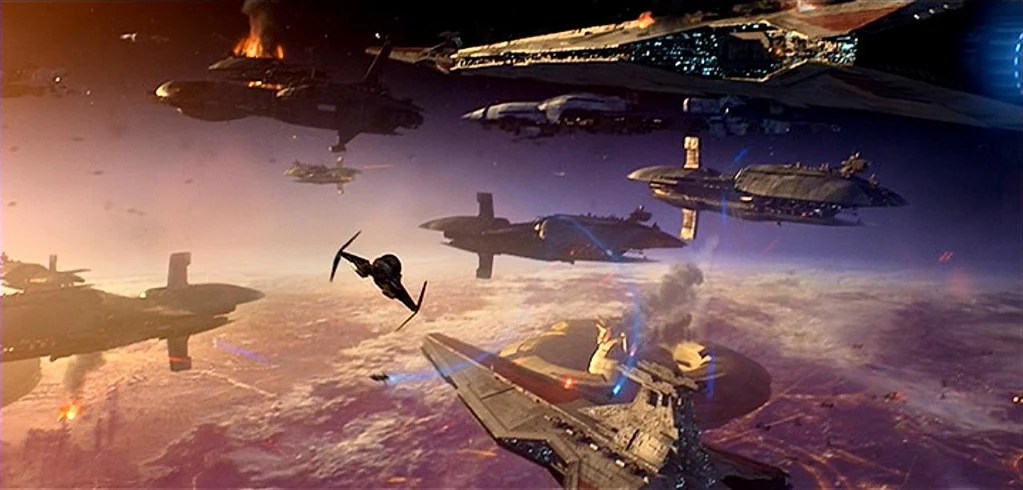
The film starts with a bang as we see Anakin and his mentor, Jedi Master Obi-Wan Kenobi rushing to rescue Chancellor Palpatine, the leader of the Galactic Republic who was kidnapped by Separatist forces in the skies above the Republic’s capital world of Coruscant. The opening space battle is a spectacular highlight as we see the Jedi duo flying among enormous capital ships wrecking havoc on one another. This scene is one I’ve rewatched countless times and is a great way to set up the rest of the film. When the Jedi finally reach the Separatist flagship and find the Chancellor, Anakin’s descent to evil is hinted at as he brutally executes Count Dooku at the urging of Palpatine, after an intense lightsaber duel.

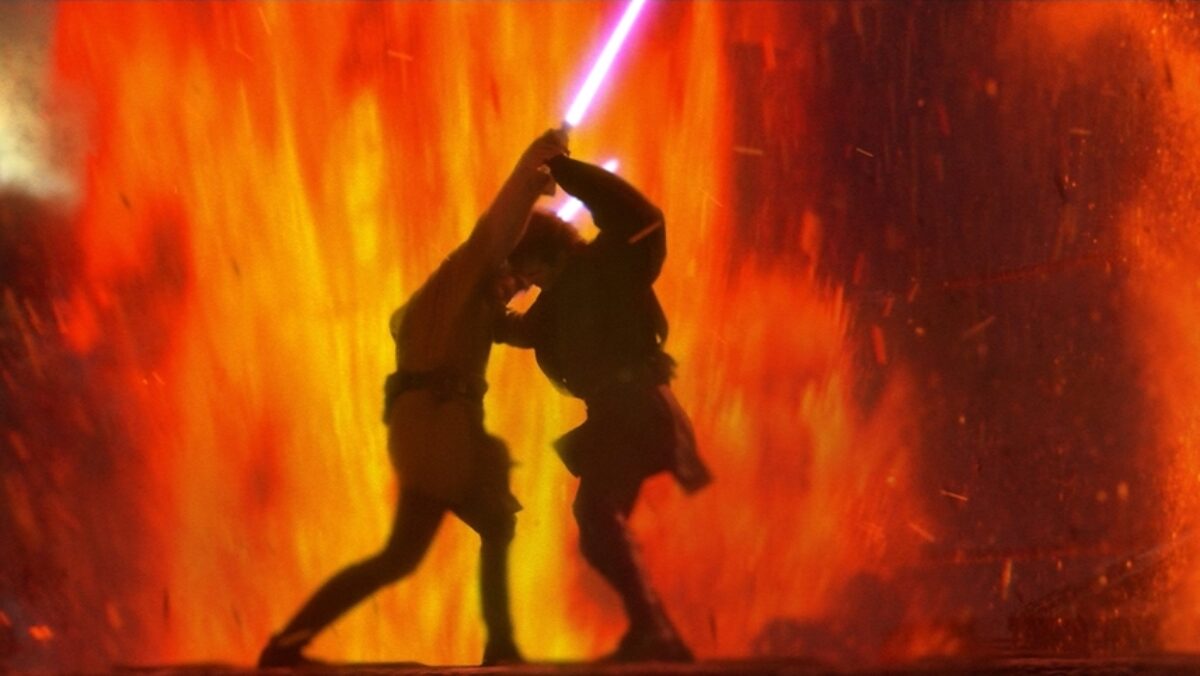
His future as a Sith Lord is further orchestrated by Palpatine as he convinces Anakin that his wife, Padme, will die unless he learns the secrets of the Dark Side, and he turns on his fellow Jedi. The final confrontation with his friend Obi-Wan on the lava world of Mustafar is both exhilarating and emotional as a heartbroken Obi-Wan is forced to mortally wound Anakin and leave him to die while castigating him for turning on everything they fought for. Palpatine eventually arrives and finds Anakin on the brink of death and, using medical droids and surgical procedures, turns him into the fearsome and legendary Darth Vader, who is now trapped in a prison of body armor that keeps him alive. Padme’s death due to Anakin’s force choke, her trauma at giving birth to their twins Luke and Leia, and Vader’s reaction to the news of this event, is the emotional high point of the film and sets up the classic original Star Wars trilogy as Obi-Wan and his ally Bail Organa takes the twins to safety on the planets Alderaan and Tatooine.

One of the many strengths of the film is the foreboding tone that is set when we see the manipulation that Anakin is subjected to from Palpatine, as well as the Jedi being set up for their downfall which is shown when Anakin marches on the Jedi temple flanked by Clone Troopers who then kill all the Jedi there, including young Jedi students. The many battlefields of the Clone Wars is another great thing we witness in this movie, such as the clone army battling the separatist droids on the Wookie home world Kashyyyk, re-introducing fan favorite Chewbacca to the Star Wars universe in this era. As well as the conflict on the arid planet Utapau, where Obi-Wan finally eliminates Separatist droid General Grievous. This happened after a thrilling chase scene that has Obi-Wan riding on a gigantic lizard named Boga in pursuit of Grievous who is riding on his personal wheel bike. This is something that Star Wars excels at, blending different genres and circumstances, fantasy and science fiction that somehow works. This imaginative vision of director George Lucas comes to fruition the most in this film as this is the last movie he directed, and it seems he finally was able to shake off the issues that surrounded the first two prequel films. The Phantom Menace when it was released was criticized for what some saw as a childish tone with Jar Jar Binks flailing around. This is completely absent in Revenge of the Sith. The feeling of impending doom for the Republic and the Jedi is palpable as we finally see the events hinted at in the original trilogy: Anakin’s fall, his final duel with Obi-Wan, the extermination of the Jedi Order, and Palpatine’s rise to be the evil Emperor that we first saw in Return of the Jedi. Attack of the Clones was seen as an improvement but still had issues with the somewhat clumsy romantic subplot between Anankin and Padme. Again, this is not the case in Revenge of the Sith, as the focus is on the cruel fate that awaits Padme at the hands of her husband, which is haunting to witness.

The reputation of Star Wars Episode III: Revenge of the Sith has only improved in the years since its release on May 19, 2005. It has the reputation of being the best prequel film, which is well deserved and it also led to later Star Wars releases such as the highly regarded Star Wars: The Clone Wars TV show and Star Wars: Rebels. I think it is right up there with A New Hope and The Empire Strikes Back when rating the various Star Wars movies. It has the right balance of being a more sophisticated story while still having the excitement and adventure a Star Wars movie needs to have. The special effects were top notch as always, and we see new ships and vehicles introduced such as ARC-170 starfighters, V-Wing starfighters, Droid Tri-fighters and Clone Turbo tanks. This is something that was missing from the sequel trilogy which basically just had X-Wings and TIE fighters from the original films with new paint jobs. The lightsaber duels were also the best of any of the movies, with Anakin vs. Dooku, Obi-Wan vs. Grievous, and finally the long-awaited duel between Anakin and Obi-Wan, which did not disappoint. It was a furious and intense battle with a backdrop of searing lava that is fantastic to witness. The inevitable outcome of it brings the prequel saga to a close and guaranteed that the film earned its place in Star Wars lore as an epic finish to the story that Lucas started so many years ago.

The celebration and acclaim that Star Wars Episode III: Revenge of the Sith is receiving on its 20th anniversary is well deserved, and it will be no surprise to see it get the same kind of praise and acknowledgment on its 30th anniversary and well beyond.

C.S. Link

Independent Comics Are The Way Forward

The two big comic book companies, DC Comics and Marvel Comics, rule the comic book market and have done so for decades. But their reign right now is largely due to inertia and for decades comic book fans complained about the Big Two and the saturation of the market with superhero comics. It seemed as if it would be that way for a long time…and it still is at this point. However, this status quo is overdue for a shakeup and it is probably going on right now with independent comics.

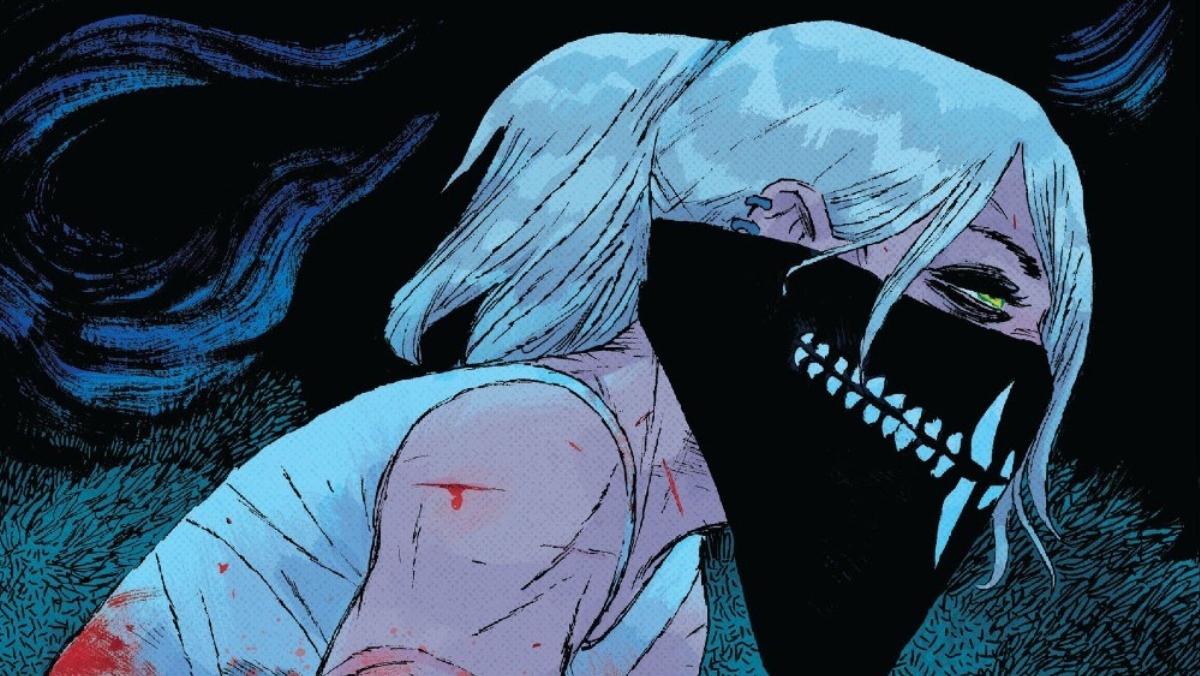
To the outside world, what captures the headlines are the latest (non) developments with superheroes, like someone dying and coming back to boost sales, a newly relaunched title with a brand-new number one just to flood markets with variant covers, and so on. Also, back issue sales are still dominated by older superhero titles and will continue to do so. But what has captured fans’ attention has been the proliferation of independent comics from various publishers that for the most part don’t feature superheroes but cover a wide range of subjects. From straight horror to sci-fi to fantasy to crime dramas, there are actually a wide selection of comic books in your local comic shops (LCS) or available digitally. Many non-fans and casual fans are understandably surprised at the many choices available of comics to read and enjoy.

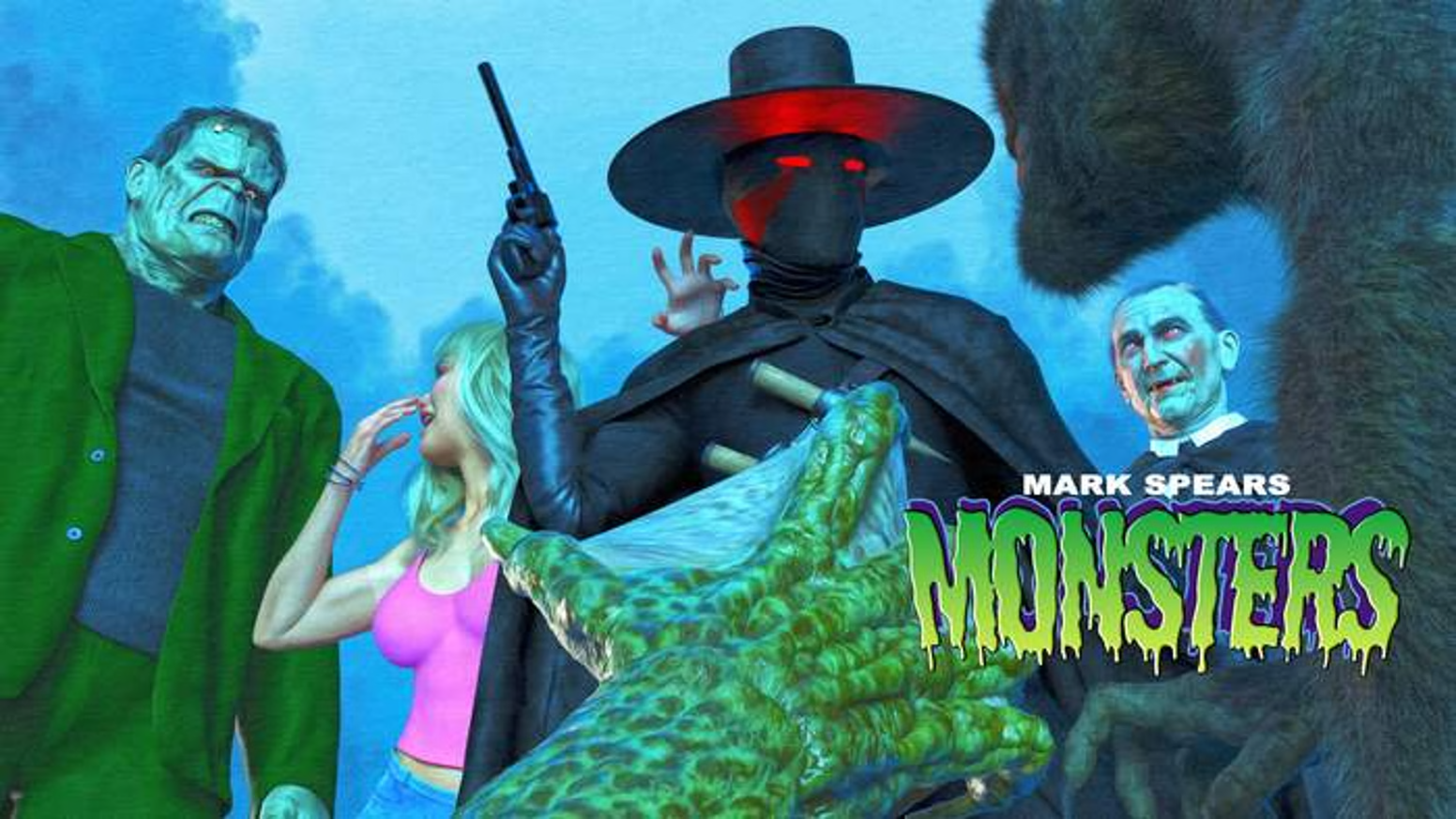
Right now the hot comic is Mark Spear’s Monsters, a beautifully drawn comic put out by Keenspot that features many classic monsters in painted art that evokes Alex Ross but with Spears’ own unique style. Other popular comics include Feral, Geiger, Monstress, A Vicious Circle, Invincible, Conan the Barbarian, Saga, Eight Billion Genies, The Infernals, Something is Killing the Children, Local Man, Transformers and G.I. Joe. None of these titles are superhero-based, except for Invincible, Local Man, and maybe Geiger. The latter is more of a post-apocalyptic tale of a radioactive loner/warrior, while Local Man is a fresh grounded take on Image Comics’ superheroes. Yes, Transformers, Conan the Barbarian, and G.I Joe are based on popular IP, but they are not based on superheroes.

What’s an even more interesting development is that movie and TV studios are turning more and more to comic books not based on superheroes to adapt as they see the potential in the stories. There have been successful film and TV adaptations of non-superhero comics like The Walking Dead, Road to Perdition, 300 and Sin City, but be prepared for an onslaught of even more adaptations. Right now, there are efforts to adapt Eight Billion Genies and Something is Killing the Children, which at the very least would make great animated films.

Of course, not every independent comic is a winner, not all the concepts pan out or their stories peter out after a few issues, but there are many more titles to choose from and more will come. Right now, Image is arguably the leader when it comes to non-superhero comics, with other publishers rising such as Dynamite Entertainment, Dark Horse Comics, Boom! Studios and IDW Publishing. Originally, Image began with superhero comics that to be honest were sup par and most of them are no longer around. But Image took a chance with writers and artists who were able to present their own unique visions and stories and it paid off well for the publisher and comic book fans.

Sure, the LCS and online catalogs are flooded with superhero titles from DC and Marvel, but more and more, a shopper will see that there is much more product in the comic book medium to choose from. Even if at some point in the future, Marvel or DC falter, which won’t happen for a long time, other publishers will take over and dominate the market with either their own superheroes or better yet, other genres. The groundwork is already in place and eventually the independent comics will overtake the superhero genre. Independent comic books today offer something for every taste, which is a sign of a healthy medium that will be with us for a good while.