Predator Is Still On Top Of The Game 30 Years Later

The 1980s were the height of the testosterone-fueled action flicks. Sylvester Stallone and Arnold Schwarzenegger ruled the box office in those days with their many action films where they shot repeatedly first and mumbled lines later. One of those films from that era was the epitome of that genre except that it crossed over with sci-fi and horror and the result was a classic film: Predator.

Original Predator cast

Directed by John McTiernan (who would later film the greatest action movie of all time, Die Hard), Predator starts off as your standard Schwarzenegger action fest. He played Dutch, a soldier of fortune who leads a motley group of fellow mercenaries in a Central American jungle to rescue hostages. Before we could all collectively groan about how we’ve seen this before (and we have), the film piqued our interest with the introduction of an extra-terrestrial that begins hunting down Dutch and his men thanks to super stealth, alien weapons, cunning and maliciousness.
predator with mask

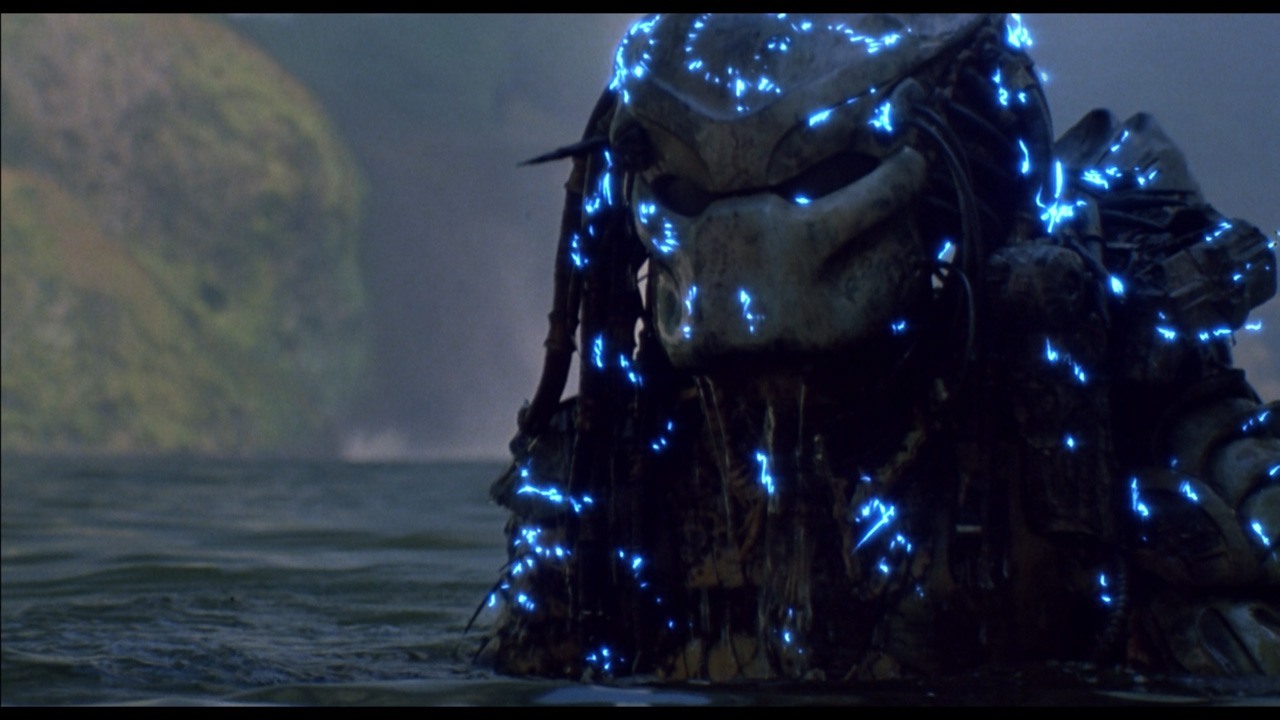
From the moment we start seeing the alien’s POV shots of the men being tracked, Predator completely changed its premise and became a classic cat-and-mouse thriller with a sci-fi twist. It was perfect because one problem with many Schwarzenegger movies is that the former bodybuilder is so huge and imposing that it’s hard to pair him up with worthy opponents. Thankfully, Kevin Peter Hall, a rather tall man, was cast and decked out in imaginative makeup to outdo Schwarzenegger. The look of the Predator was unique with his dreadlocks, mandibles and tribal gear. Most of all, when he was finally revealed, the Predator was not just grotesque and intimidating, but more than a match for Dutch and his group of musclemen with their big guns. Some of whom were portrayed by action favorites like Carl Weathers, Jesse Ventura, Bill Duke and Sonny Landham. One of those actors was future director Shane Black, who not only tinkered with the film’s script but is now filming the latest Predator film, The Predator, which is coming out next year.

With a testosterone-injected cast it’s funny to think that it was almost joined by future action star Jean-Claude Van Damme. Originally he was cast to play the Predator and wore this ridiculous and ungainly outfit that didn’t look good in screening footage. To confirm their fears, the filmmakers brought in James Cameron to review the footage with Van Damme’s version of the Predator and he opined that it was not working. Wisely, they went back to the drawing board and this time hired Stan Winston who used his movie magic skills to create the iconic look of the alien hunter. Also, while Van-Damme is a great martial artist his build was not up to par with Schwarzenegger and his stocky crew, plus he was unhappy with his role so he was replaced with Hall.

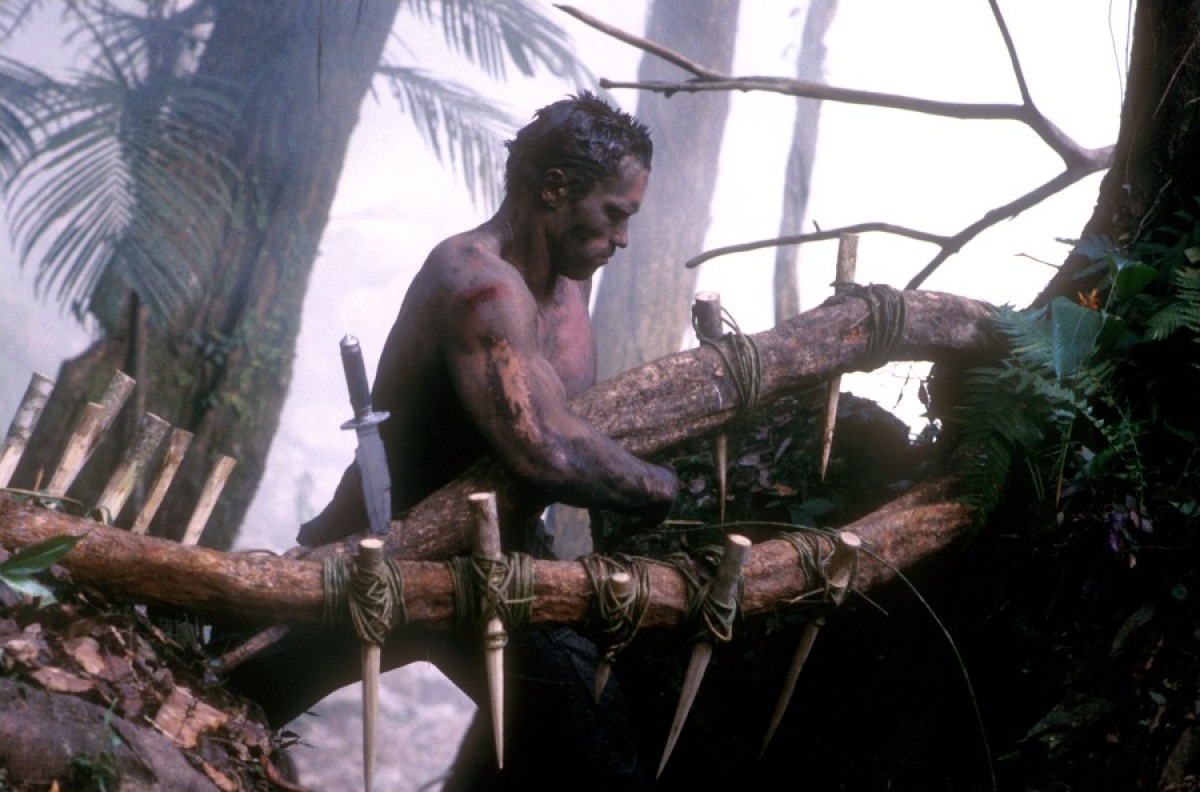
All of this would not have amounted to anything if not for the directing skills of McTiernan. He crafted a tense, suspenseful and exciting thriller and used the jungle background to full effect to create a fearful atmosphere. No one in Dutch’s crew was safe as the thick green foliage hid the relentless monster that hunted them down one by one. The way the Predator killed the men was very grisly and helped add to the fear factor. The alien creature treated the men like they were hapless animals by the way they were either skinned, had spines ripped out or taken out with swiftly with laser fire. Naturally, by the last act Schwarzenegger was the last man standing and the final confrontation between him and the Predator was intense. In an ironic twist, the muscle man had to rely on brains rather than brawn when confronting the alien. We actually wondered if Schwarzenegger had finally met his match and the film played up this angle perfectly. Adding to the film’s classic status was its rich cinematography, outstanding special effects and Alan Silvestri’s pulse-pounding score. It evoked a feeling of tribal warfare and is one of the composer’s best scores.
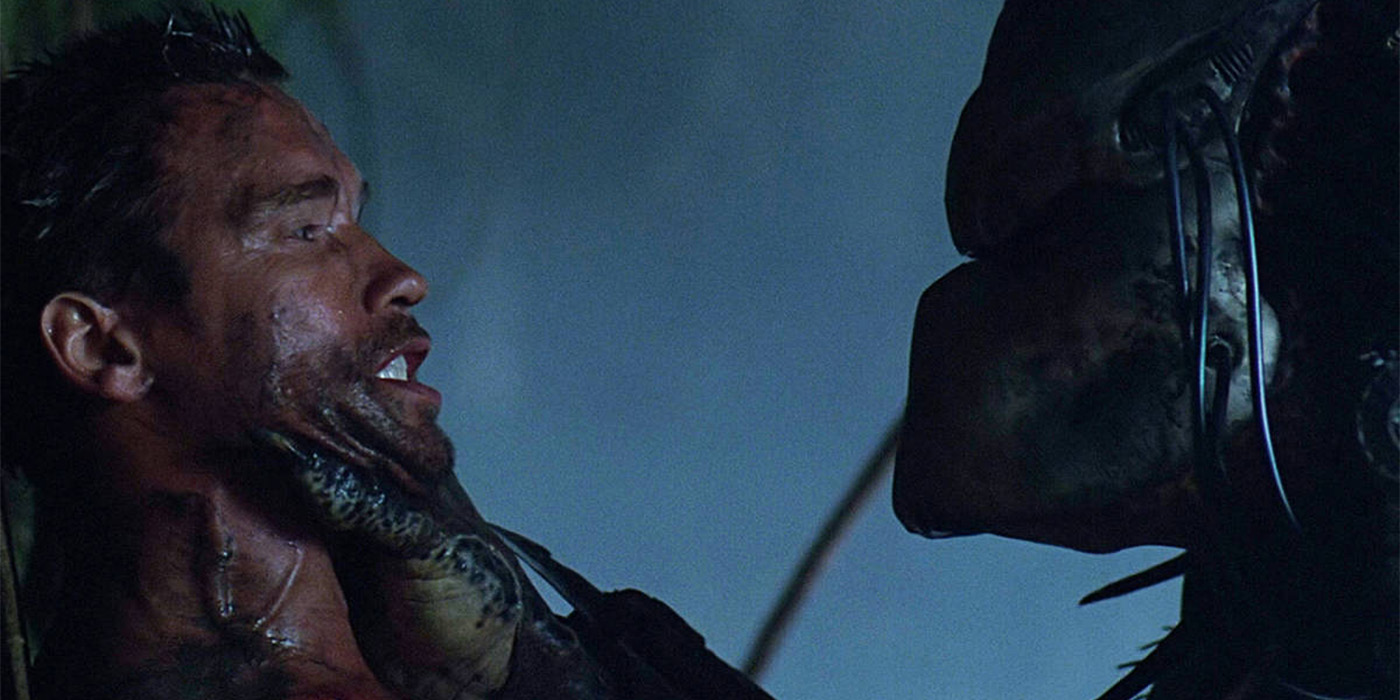
dutch vs predator

The sequels that followed could not live up to the original Predator but they were worthwhile films in their own right. Well, except for Aliens vs. Predator: Requiem. The original film, which came out on June 12, 1987, still holds up to this day and is considered not just the benchmark for the Predator franchise but one of the greatest action/sci-fi films of all time. In fact, it is not even considered by many to be just an Arnold Schwarzenegger film but as the first Predator film that just happened to star Schwarzenegger. That is why thirty years later we’re still marveling over this brilliant gem.

Lewis T. Grove
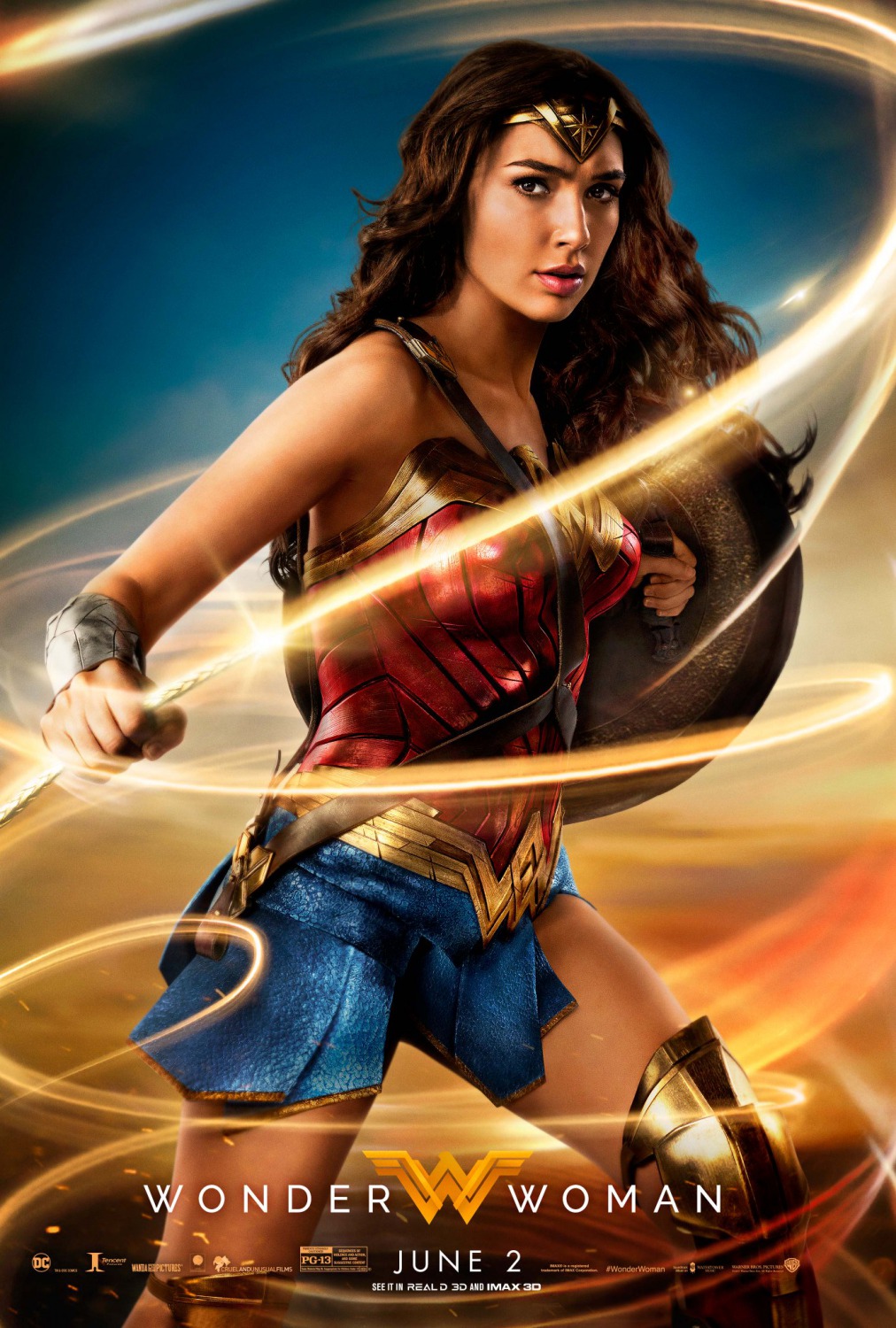


Wonder Woman Rescues The DCEU

Alright people, especially you DC fans, breath a sigh of relief. The new film Wonder Woman is actually a rollicking great movie. Most fans know by now that Warner Bros./DC Studios’  DC Extended Universe (DCEU) had very public lately starting with last year and their weak cinematic entries Batman v Superman: Dawn of Justice and Suicide Squad. Many DC fans are in a state of near revolt at how badly the film studio have handled its superhero properties with the last good entry being 2013’s Man of Steel. After the embarrassing behind-the-scenes mishaps, everyone was looking to Wonder Woman to help right the ship for the DCEU. The only problem was that many doubted this new film could do that.

Well, those naysayers have been proven wrong. Wonder Woman is exactly what the DCEU and its fans need right now. Of course, it is not a perfect film. There are issues with pacing in the first half and the film overdoes the slo-mo shots, but on the whole, Wonder Woman is a fun and exciting jolt for moviegoers this summer season.

Diana Prince and Steve Trevor

Taking the best elements from Thor and Captain America: The First Avenger, Wonder Woman takes those films’ fish-out-of-water scenario and period setting to create a joyous and unique adventure. Gal Gadot plays the title character of Diana, a super-powerful Amazonian princess raised on a mythical and secluded island populated by warrior women. One day a man washes up on its shores and it’s Steve Trevor (Chris Pine), a Word War I soldier who introduces Diana to the outside world. Both characters go through the funny fish-out-of-water tropes, first with Steve on the island and later with Diana in war-torn Europe.

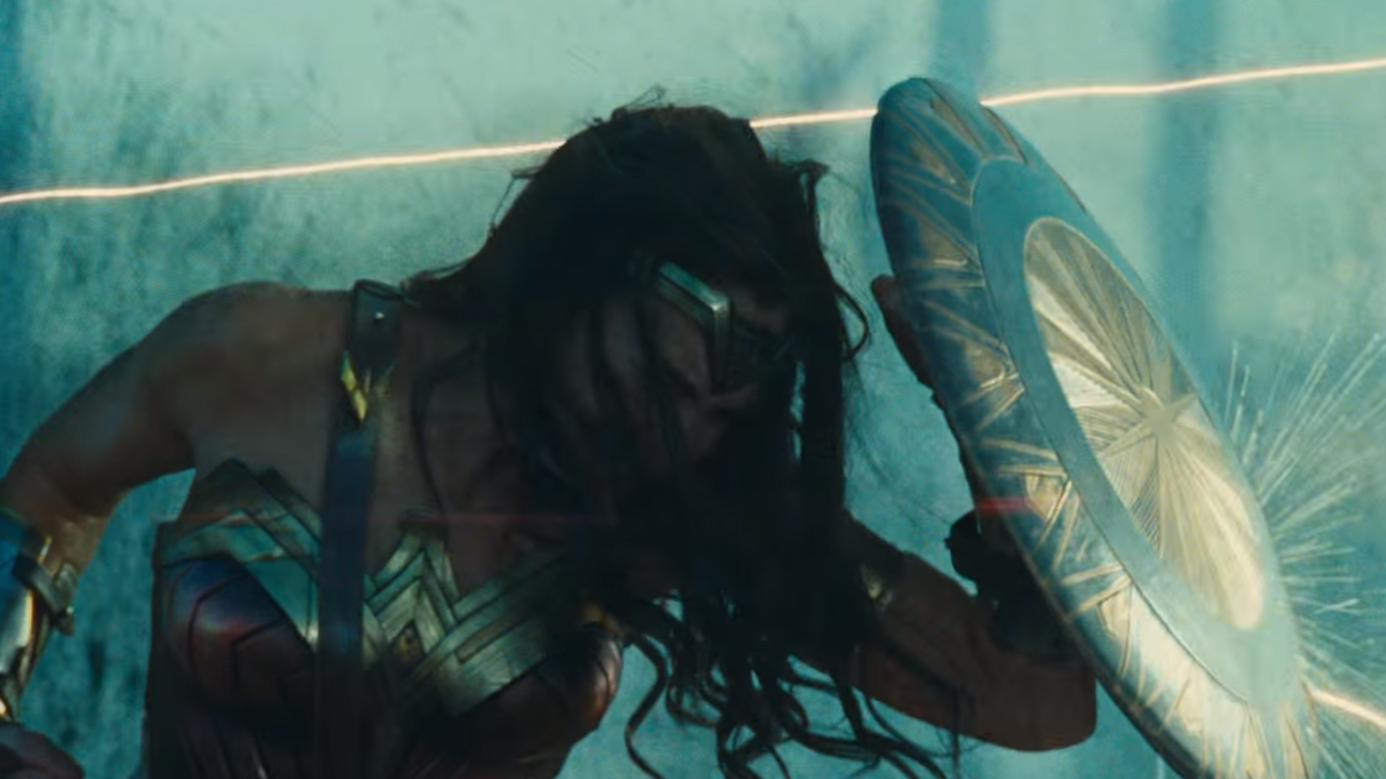
While these moments were amusing, the film kicks into high-octane and colorful action pieces midway through the film when Diana aka Wonder Woman fights in the war and never lets up. By that point, the action takes over and the film is a stunt and CG fest, but it’s not mindless. The filmmakers wisely gave us time to know the characters so that by the time Wonder Woman is racing through battlefields and taking out German soldiers audiences are fully engaged with her. Not to take away credit from the filmmakers, but Gadot deserves so much acclaim for pulling off this role. In many ways, the casting for Wonder Woman was more critical than other heroes like Batman or Superman. That is because in a field so crowded with male-led superhero films, the character had to grab us from the get-go and Gadot does that quite well. Now she joins the ranks of Christopher Reeve, Hugh Jackman and Robert Downey, Jr. as iconic actors believably portraying superheroes.

As mentioned before, the film has its issues. The villains are merely serviceable and this seems to be a common problem with recent superhero films that place so much focus on the main heroes. Zack Snyder’s influence is felt with the overuse of slo-mo shots, but the action and settings go beyond Snyder. For a DCEU film, Wonder Woman is much more colorful, vibrant and uplifting. But Snyder does deserve praise for seeing something in Gadot when he filmed Batman v Superman and she obviously was one of that film’s highlights. Warner Bros. should also be lauded for believing enough in the character to let her headline her own film.

Wonder-Woman-Gadot

Wonder Woman could not have come at a better time for the DCEU and everyone. Director Patty Jenkins has delivered a fresh and exciting superhero film and has helped restore confidence in the DCEU. It has some ways to go, but at least the bleeding has stopped thanks to Wonder Woman. Seriously, Marvel Studios made a huge mistake in letting her walk off Thor: The Dark World. Her cinematic eye, which is so evident in Wonder Woman, would have made the Thor sequel much more memorable than the standard muscle fest it turned out to be. Do not be surprised if this film’s success will mean that Wonder Woman, the character, will rightfully take her place among the headliners in the DCEU.

Waldermann Rivera


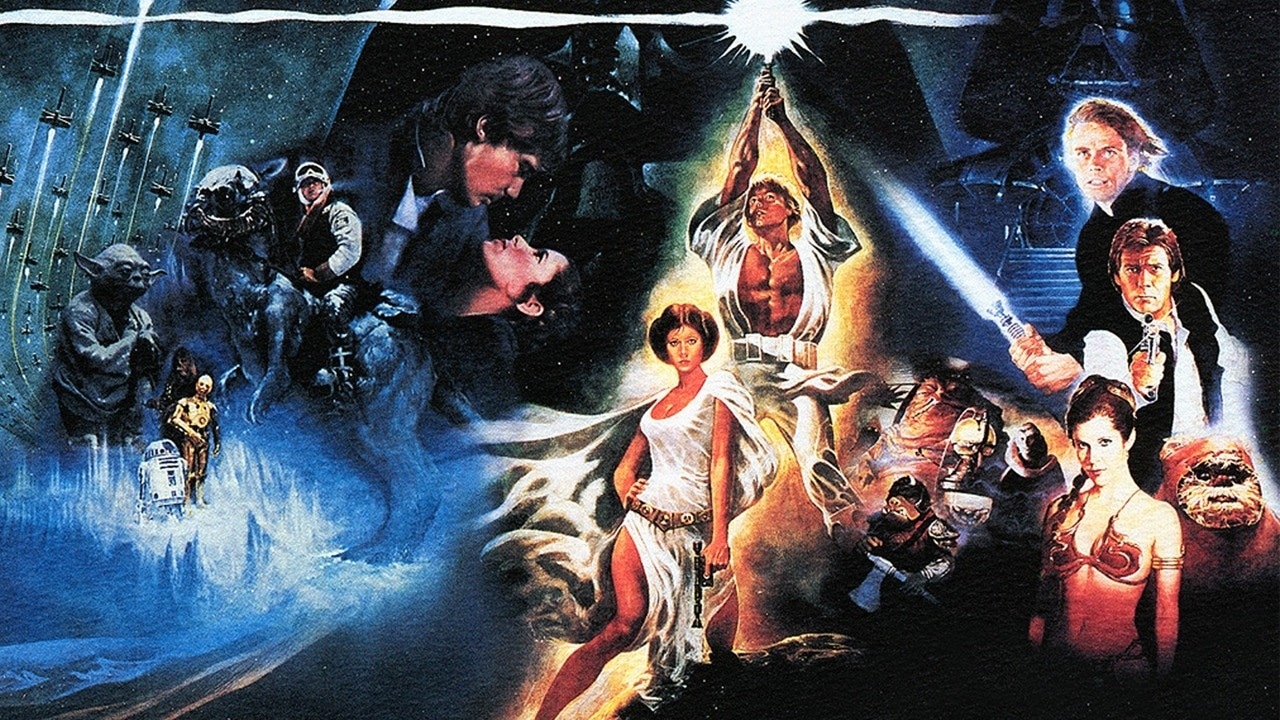
A Long Time Ago In A Galaxy Far, Far Away: Celebrating The 40th Anniversary Of Star Wars

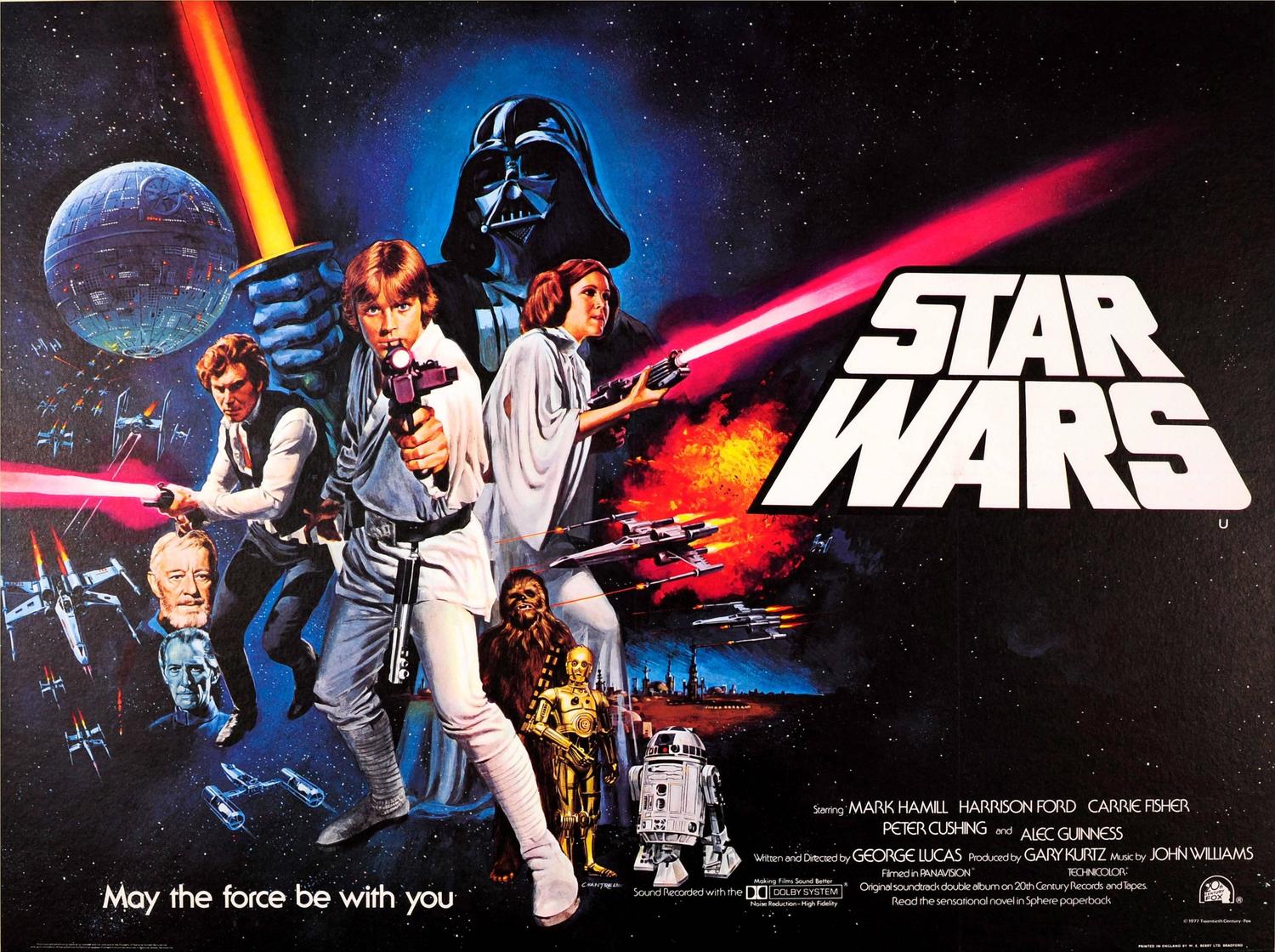
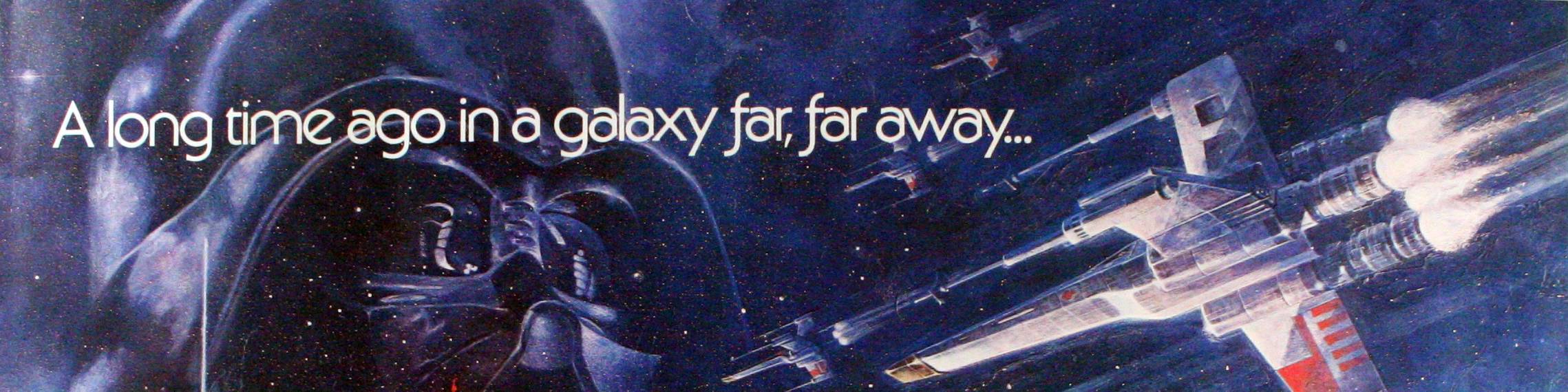
“A long time ago in a galaxy far, far away” those simple words, projected on movie screens, would herald a phenomenon in theaters on May 25, 1977. Forty years later, Star Wars is celebrating its 40th anniversary and just like the time when it was released, it’s as popular and beloved as ever. So what makes this franchise so iconic and successful? For starters, when the original film, which was later given the subtitle A New Hope, was released in 1977, the state of cinema was very different than today. With the exception of the Planet of the Apes films, there were no major blockbuster franchises. Sci-fi as a genre was stagnant and the only major film in this area was Stanley Kubrick’s 2001: A Space Odyssey from 1968 almost a decade earlier and the Apes films, which had wound down by the mid 1970s. Movies those days were dominated by dark and violent anti-heroes which reflected the cynical mood of society. Genuine movie heroes and feel-good films were a rarity before Star Wars.

The release of this swashbuckling outer space adventure transformed the landscape of films and singlehandedly reinvented genre films in the ensuing decades. It was a simple story of good vs. evil with now legendary characters like Luke Skywalker, the simple farm boy whose destiny would change the galaxy; Han Solo, the roguish space pirate turned into a rebel with a cause; Princess Leia, the indomitable leader of her people; Chewbacca, Han’s yeti-like buddy and partner in crime; Ben Kenobi, Luke’s wise mentor and warrior of the Old Republic; and everyone’s favorite robotic duo R2-D2 and C-3PO. All of them are instantly recognizable to literally everyone in the world. Their struggle against the most famous villain in movie history Darth Vader was set against a backdrop of a fully realized universe meticulously crafted by creator George Lucas.

a long time ago

The film director was inspired by classic myths and stories and successfully merged them into something new that was magical to audiences back then, and still feels that way even now. Basically, he took the timeless elements and themes from these tales and put it into an appealing and original backdrop. The settings were literally out of this world, yet had a gritty and realistic touch that made everything seem relatable. All that caught everyone’s attention, but what enchanted people the most were the interesting characters who we could identify with as they struck a chord within us. That is quite an achievement considering that many characters were not even human. To an outsider, Star Wars and its extraordinary trappings may seem bizarre but at its core it has easily relatable themes and subtexts.

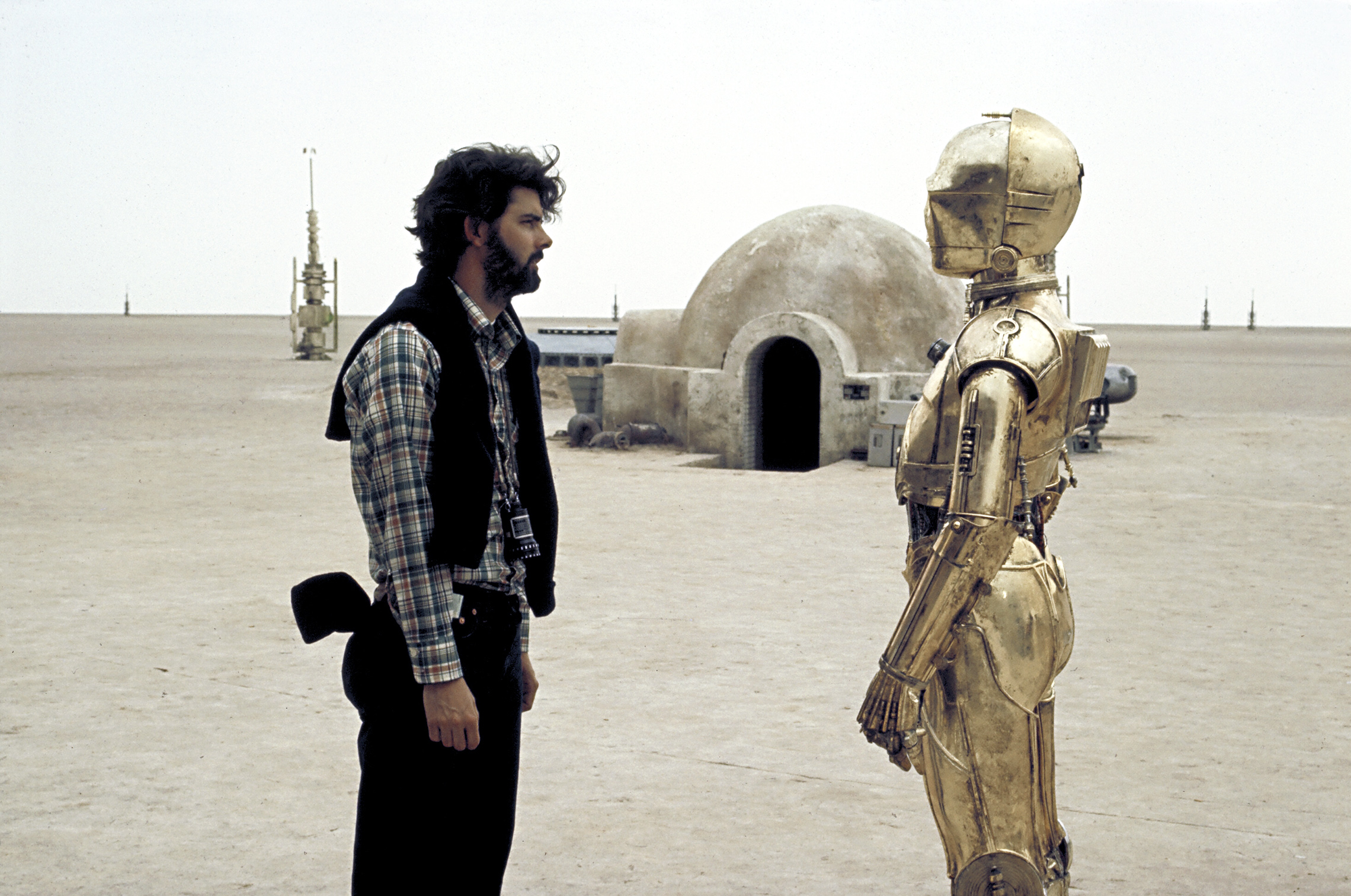
Lucas directs C3P0

Seeing how influential the film was and continues to be, it is baffling to ponder that many film studios passed on George Lucas’ pet project. Back then he was a young up-and-coming filmmaker and had a hit film, American Graffiti, under his belt. Yet, he had a hard time convincing skeptical film executives to greenlight his film. It seemed so strange to them, a space fantasy without any references to our civilization, one almost cannot fault them for not wanting to take the risk. But thankfully, 20th Century Fox saw the Lucas’ visionary potential and took a chance. Even then, few imagined Star Wars would explode like it did. That includes Lucas himself who hoped that his film would make just enough money to bankroll a sequel. Hardcore fans know that the original Star Wars novel that was released shortly after the film, Splinter of the Mind’s Eye, was supposed to be a low-budget Star Wars sequel. Of course, the monster success of Star Wars meant that Lucas could fully realize his vision of a sprawling galactic epic without any limits in terms of budget and special effects.

Another aspect that made Star Wars so hugely influential is that it had revolutionary special effects. The many scenes of outer space combat enthralled audiences with X-Wings and TIE fighters clashing in dogfights, along with the iconic shots of enormous Star Destroyers and let’s not forget Han’s Millennium Falcon, the faster piece of junk this side of the galaxy. They were such a spectacle to watch and entirely different from earlier sci-fi films that had cheap models hanging on strings. The editing and camera work was also incredibly done. Take for instance, the POV shot of Luke piloting his ship into the Death Star trench, it seems like you are flying right into the trench. The model and puppet work of the many aliens on the desert planet Tatooine in the famous cantina scene were also a real spectacle and added to the feeling that these were real places you were looking visiting. Many of these effects are rarely seen these days since Lucas took it upon himself in the 1990s to update the original Star Wars films with updated CG effects because the original effects work had become dated. Ironically, many of the CG effects now look dated themselves and proved how fruitless it was to tinker with classic films just to embellish them with the latest in special effects.

What Star Wars also accomplished was the film ushered in a whole new era of sci-fi and related genre films. This industry is still going on to this day. The huge success of Star Wars proved that genre films could be massive hits and led to other filmmakers and companies to try to do the same thing. As a result, sci-fi and fantasy films are now the major genre in Hollywood that studios all try to have in their portfolio to keep things going. We all know that the big tentpole films for studios these days are big-budget genre spectacles. The whole concept of having huge summer films with the accompanying merchandise, as well as the idea of ongoing sagas that span multiple movies and other media can all trace their paths back to that movie that came out on May 25th 1977.

Star Wars 40

It’s not an exaggeration to state that Star Wars basically caused a figurative earthquake not only movies but in the culture at large. Look around, you’ll see Star Wars everywhere. Certainly that is due to Disney, who after buying the rights from George Lucas earlier this decade for billions, wanted to get their money’s worth and went into merchandising overdrive. But this means that Star Wars will have a long-felt presence in our global society. As cynical as that sounds, keep in mind that in order for film to resonate long after it has left cinemas, it has to be great and unique. Star Wars is that and much more and is why it is so pervasive. For the few that have never seen Star Wars, even they know exactly who Darth Vader is and can pick out R2-D2 in a picture. That kind of recognition means that this movie has transcended its medium and, like other epic tales of old, has now passed on to the realm of legend.

C.S. Link

Top 40 Greatest Star Wars Moments, Part II

We’re celebrating the 40th anniversary of Star Wars! The “little” sci-fi film that came out in 1977 has spawned an intergalactic media franchise that is just as popular today as it was 40 years ago. Being that it’s the 40th anniversary of Star Wars, we’re continuing the countdown of the 40 greatest moments in Star Wars films and TV.

Palpatine forms Empire

20. Emperor Palpatine Forms The Galactic Empire (Star Wars Episode III: Revenge of the Sith): We, and many of the film’s characters, watched with horror as the disfigured Chancellor Palpatine used a failed attack upon him by Jedi as an excuse to dissolve the crumbling Galactic Republic before cheering throngs. What made this moment so unsettling to watch was that it can be compared to real-life events in our history.

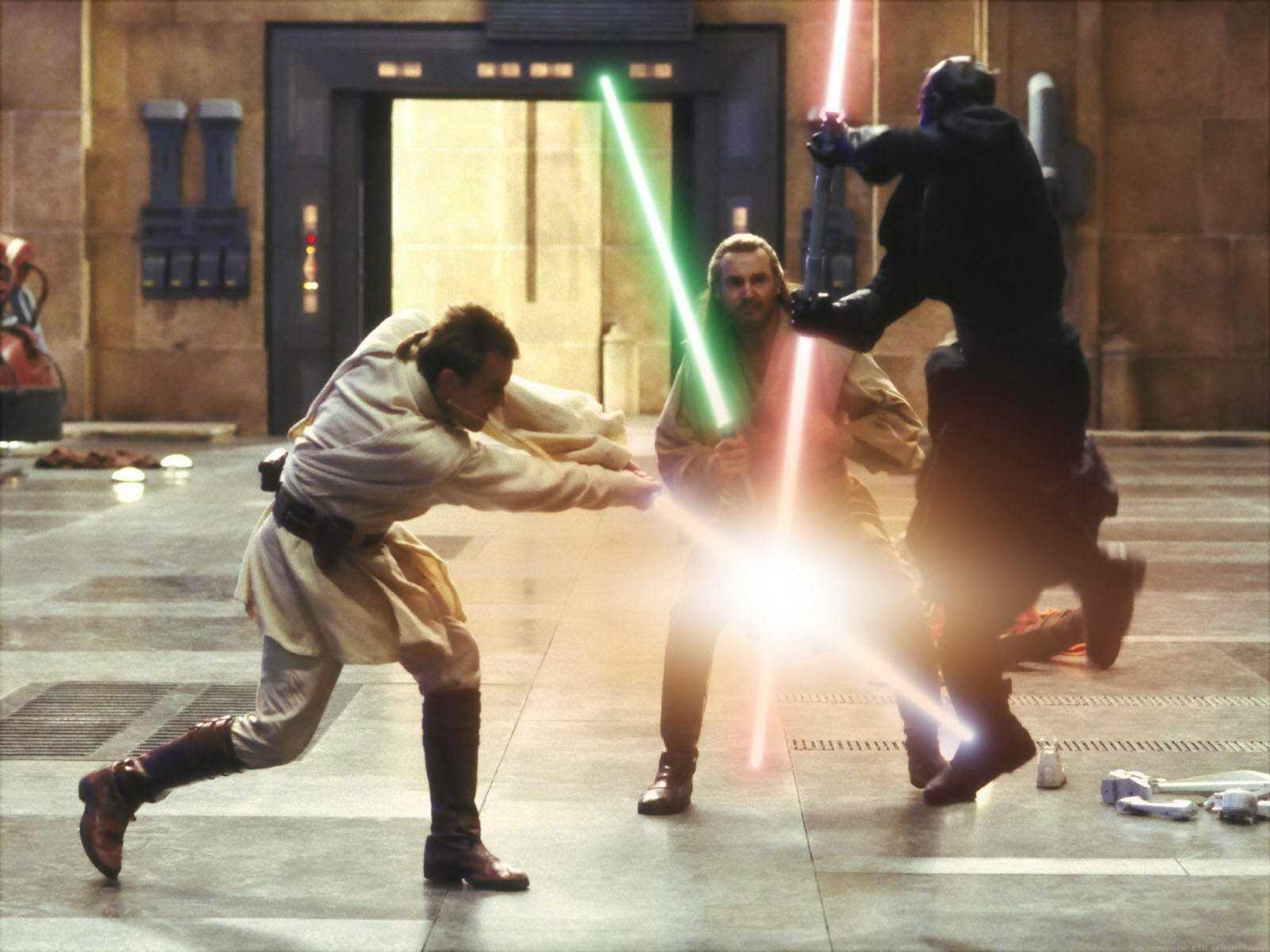
19. Obi-Wan Kenobi and Qui-Gon Jinn vs Darth Maul (Star Wars Episode I: The Phantom Menace): Say what you want about the flawed Star Wars prequel, but it had one kickass lightsaber duel. Buttressed by green screens and John Williams’ rousing, operatic soundtrack the deadly duel between the Jedi Knights and Darth Maul was wild, exciting and undoubtedly the best moment in the film.

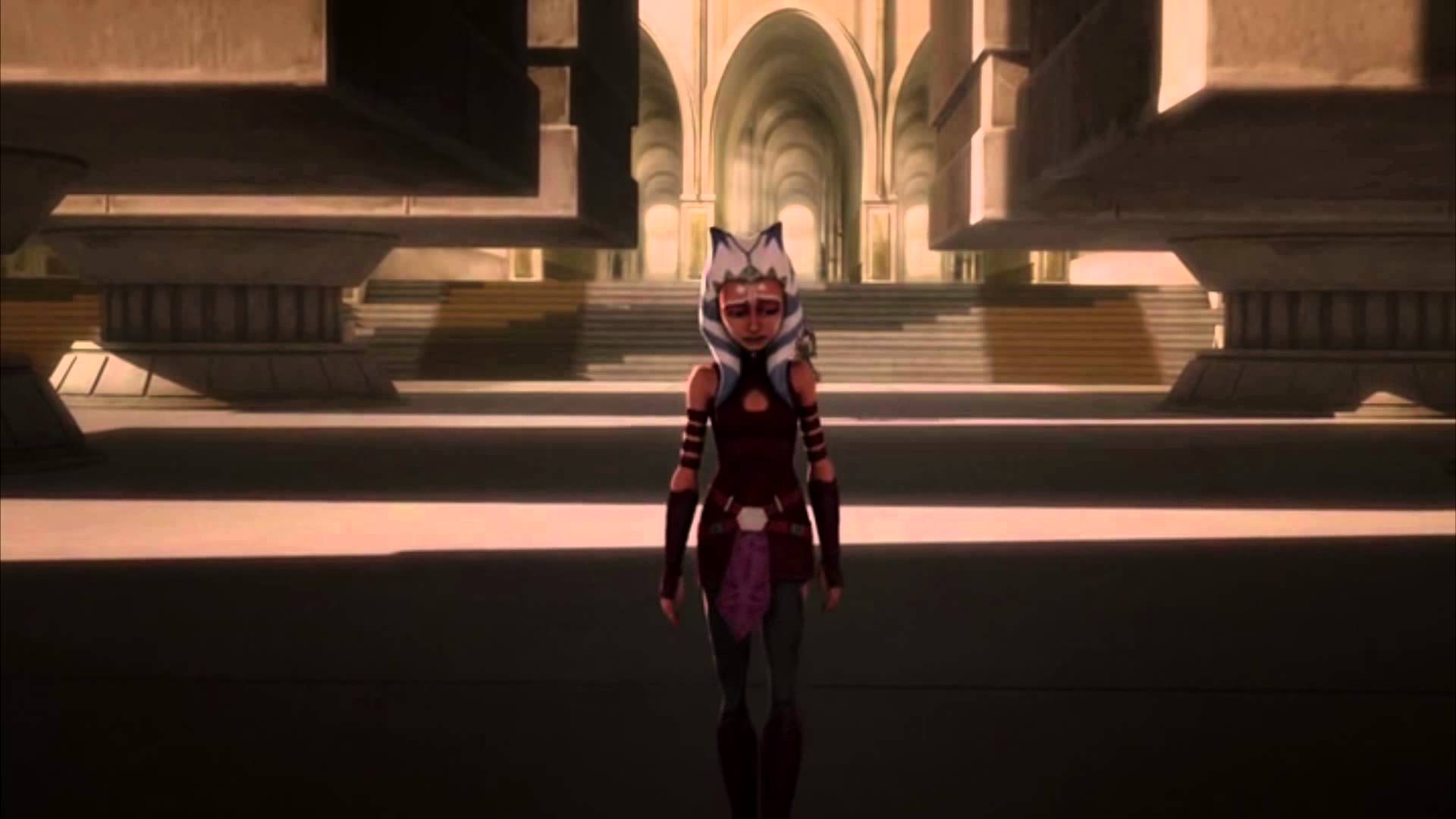
ahsoka-quits

18. Ahsoka Leaves The Jedi Order (Star Wars: The Clone Wars “The Wrong Jedi”): In the final episodes of the fifth season of Star Wars: The Clone Wars, Ahsoka Tano, Anakin Skywalker’s Jedi apprentice, had been framed for murder. After much ordeal, Ahsoka was cleared, but she was so disillusioned with the Jedi Order that she chose to leave it at the end of the last episode. This turn of events was frankly surprising and deftly sets up Anakin’s own disillusionment with the Jedi later on.

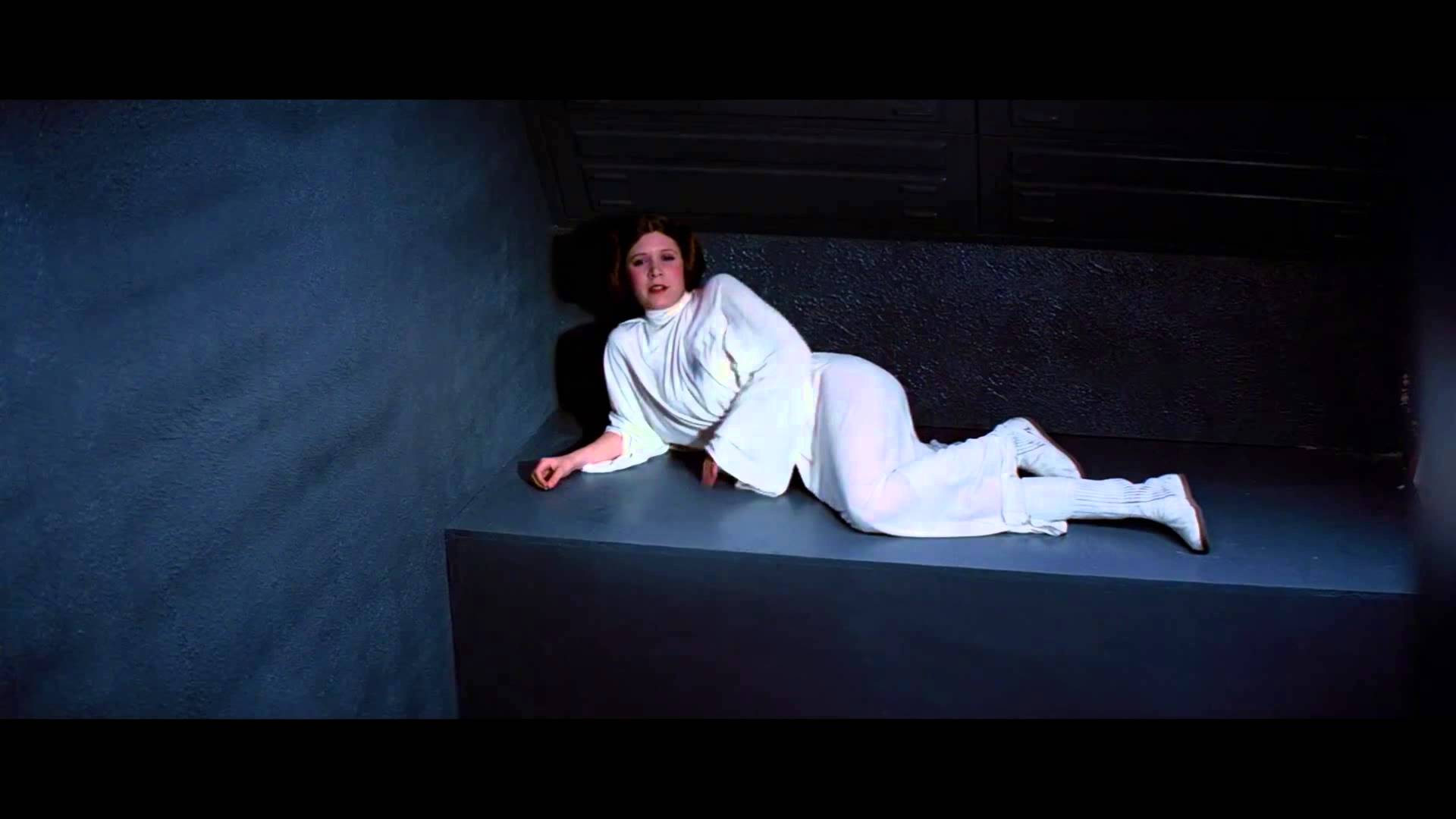
Arent you a little short for a stormtrooper

17. “Aren’t You A Little Short For A Stormtrooper?” (Star Wars Episode IV: A New Hope): When Luke Skywalker disguised as a stormtrooper bursts into Princess Leia’s prison cell on the Death Star, her first words to him were unexpected. Instead of being fearful or excited, she comes off as nonchalant and unimpressed with her liberator. Throughout the film Leia displayed spunky bravado and put up a steel front even as a prisoner. This savvy attitude perfectly summed up Princess Leia, who dispelled the cliché of being the damsel in distress. We knew that no matter what she could take care of herself.

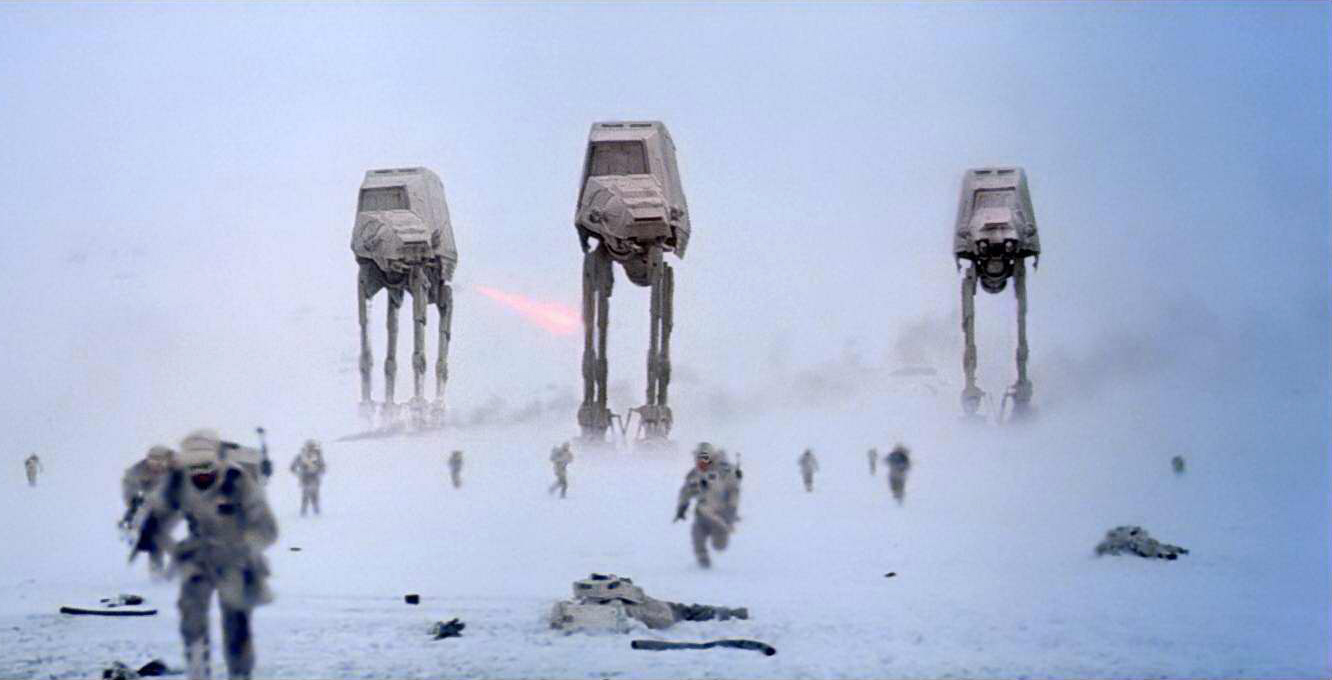
16. The Battle of Hoth (Star Wars Episode V: The Empire Strikes Back): The very first Star Wars sequel set a darker, more ominous tone which was foreshadowed in the first acts’ climatic battle. Rebel forces were forced to evacuate their base on the frozen world Hoth and brave fighter pilots and troops, including Luke Skywalker, desperately tried to hold off imperial metal, behemoth walkers. It was soon clear that the Rebels were outmatched by the superior forces and the one-sided battle was disheartening, yet exciting, to watch.

yoda-in-last-star-wars-clone-wars

15. Yoda’s Vision Quest (Star Wars: The Clone Wars “Vision”, “Destiny” “Sacrifice”): In the series finale, Jedi Master Yoda goes on a spiritual retreat because he is troubled by the Clone Wars and the rise of the dark side of the Force. His insightful visions during a visit to a Sith planet let him (and the viewers) know there was more to the Force than he knew. He realized that waging war was not the answer to bringing balance to the Force and that the Force was much more multi-layered than just good and evil. This, and Yoda’s vision of a true Chosen One, was a poignant way to end the series.

han shot first

14. Han Shoots First (Star Wars Episode IV: A New Hope): In the original and true version of the first Star Wars film Han is cornered at the cantina bar by the bounty hunter Greedo, who has come to collect Han’s debt owed to Jabba the Hut. From the testy conversation, Han knew Greedo was going to shoot him so he beat the bounty hunter to the punch and underhandedly shot him dead. Pure badassery and it sets up perfectly Han’s eventual redemption later in the film.

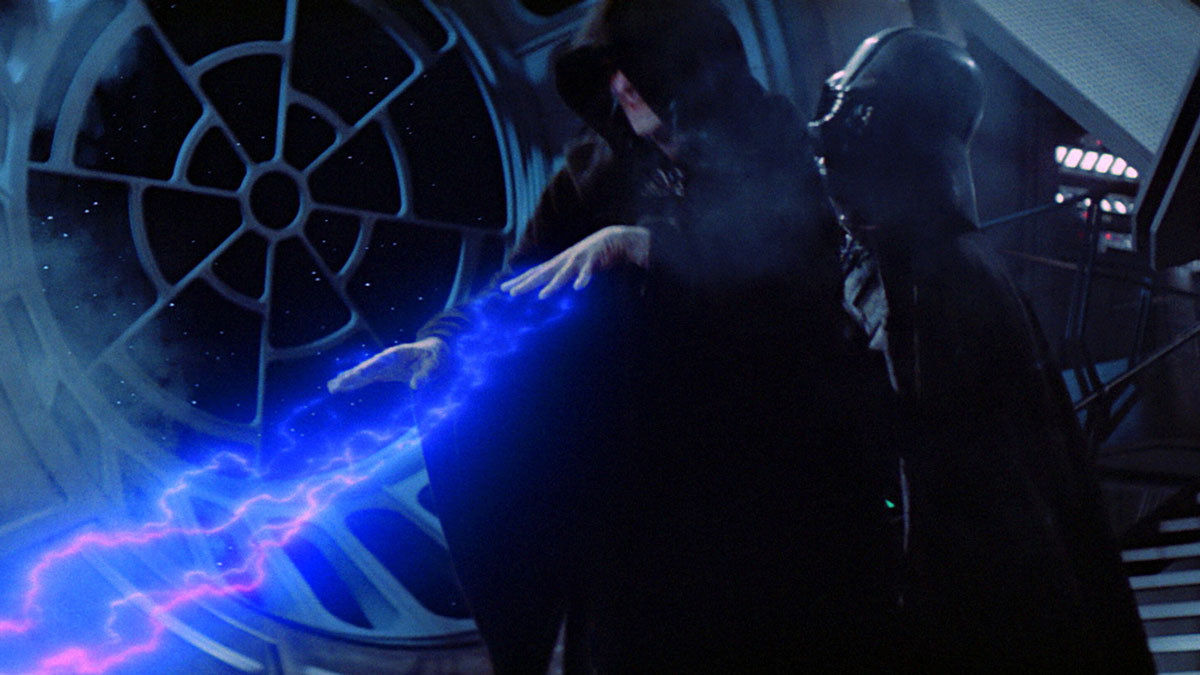
13. Darth Vader Saves Luke Skywalker (Star Wars Episode VI: Return of the Jedi): Following the climatic lightsaber duel in Return of the Jedi a victorious Luke refused to kill his father Darth Vader and to submit to the dark side of the Force. In response, Emperor Palpatine attacks Luke with vicious lightning attacks. Luke was helpless under the savage assault while Vader stood by passively. At this point, Vader made a life-changing choice and turned against the Emperor. This cost Vader his life, but his final act saved Luke and put him on a path of redemption as he rejected the dark side of the Force. This moment made Vader much more layered and somewhat of a tragic figure instead of a one-dimensional villain.

12. Darth Vader Goes Medieval (Rogue One: A Star Wars Story): This moment came in the closing scenes of Rogue One and neatly segued the way into Star Wars Episode IV. After the Rebel flagship received the plans for the Death Star, it was prevented from escaping and boarded by Darth Vader. As the frantic Rebel troops tried escaping onto another ship with the plans, Darth Vader silently cut through the hapless soldiers with his red lightsaber being the only source of light. The way he so viciously and quickly killed the troops was both frightening and awe inspiring. The scene demonstrated how deadly Darth Vader was as he displayed his mastery of the Force.

11. Order 66 (Star Wars Episode III: Revenge of the Sith): Perhaps the darkest moment ever seen in a Star Wars film was when Emperor Palpatine ordered the Republic’s clone troopers to turn against the Jedi. One by one, we witness heroic Jedi taken by surprise and slaughtered by their own forces. Underlining the gravity of these acts were John Williams’ haunting score, Yoda’s pained reaction at feeling all those sudden deaths and Anakin Skywalker coldly murdering young children, who were training to be Jedi (thankfully this happened offscreen).

Continue reading

The Heart and Soul Of Guardians of the Galaxy, Vol. 2


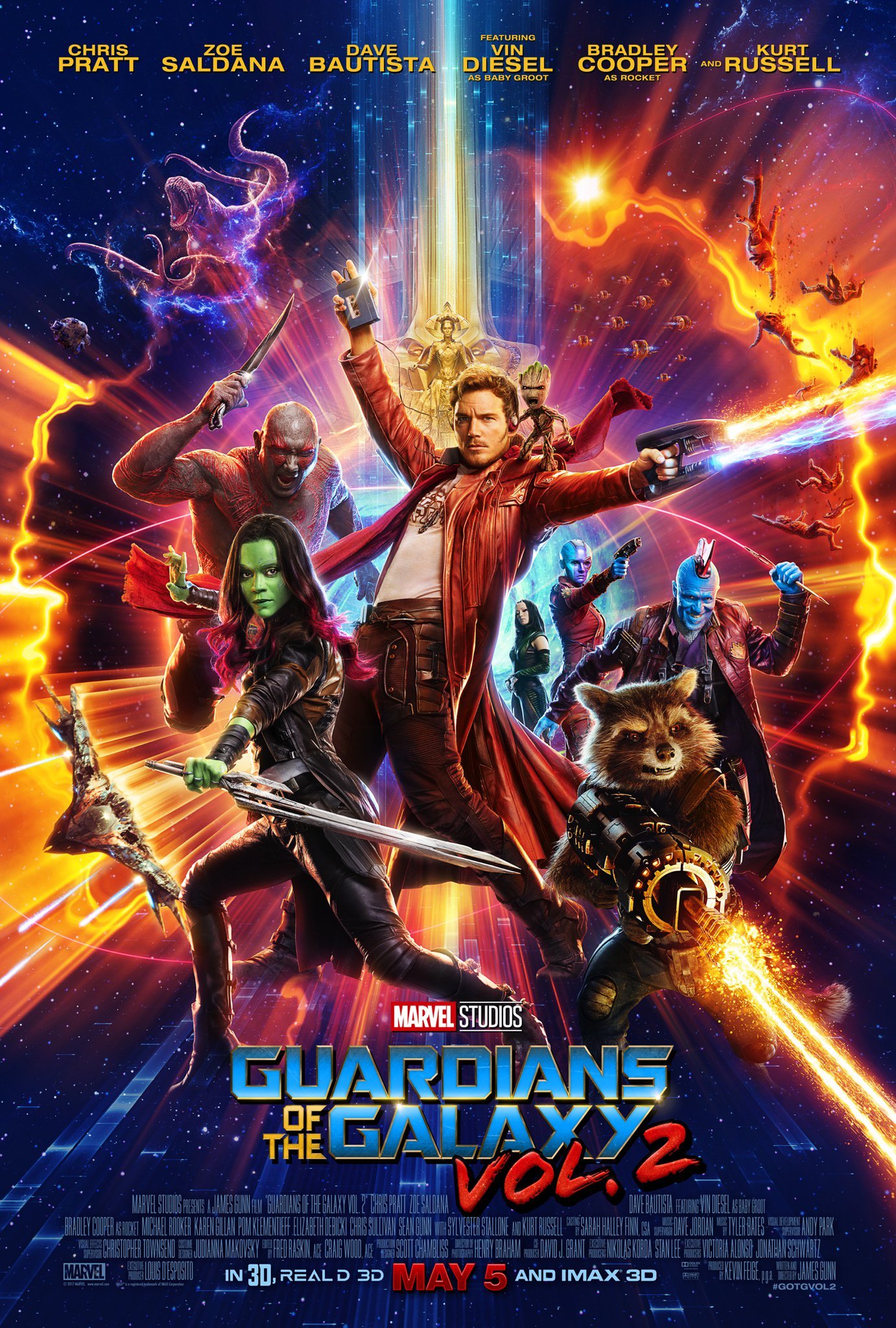
GOTGV2 poster

Guardians of the Galaxy, Vol. 2 (GOTGV2) is exploding onto screens everywhere and kicks off the summer season with a big blast that goes for the heart. For those keeping count the sequel to the hit film Guardians of the Galaxy is the latest offering from Marvel Studios and its popular Marvel Cinematic Universe (MCU).

Like most sequels, Guardians of the Galaxy, Vol. 2 tries to outdo the original, despite what writer and director James Gunn claims. It does not quite get there but like a true, notable sequel it sets out to be different and in that aspect Guardians of the Galaxy, Vol. 2 succeeds so overwhelmingly.

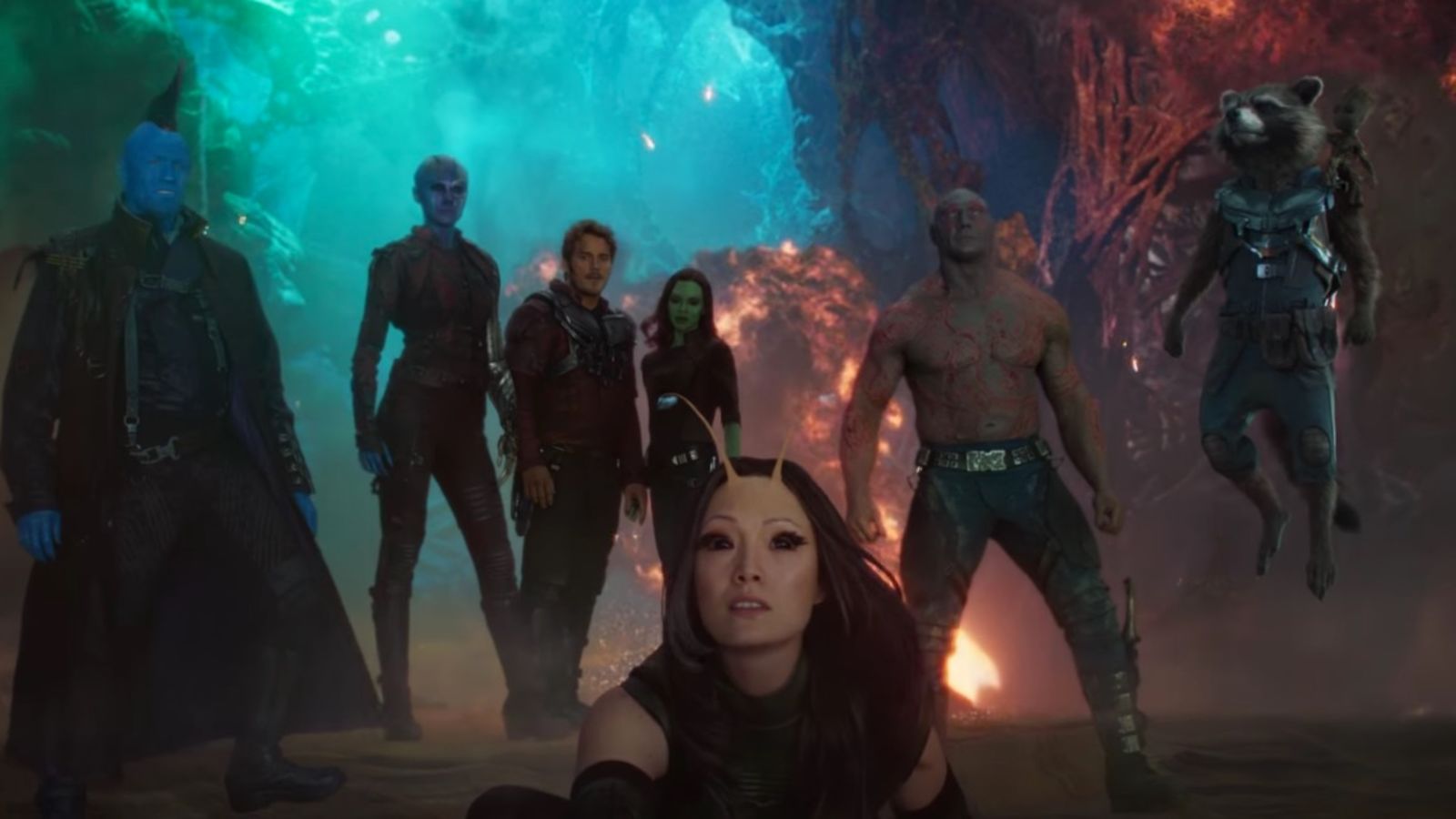
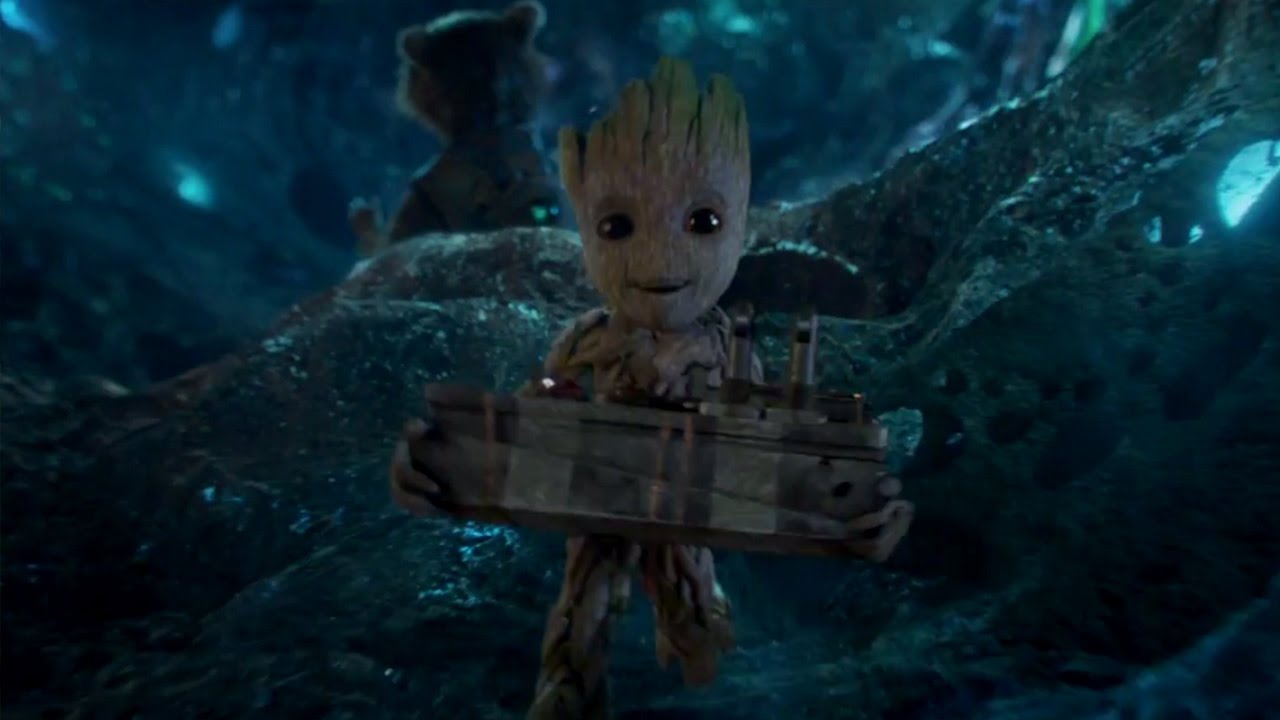
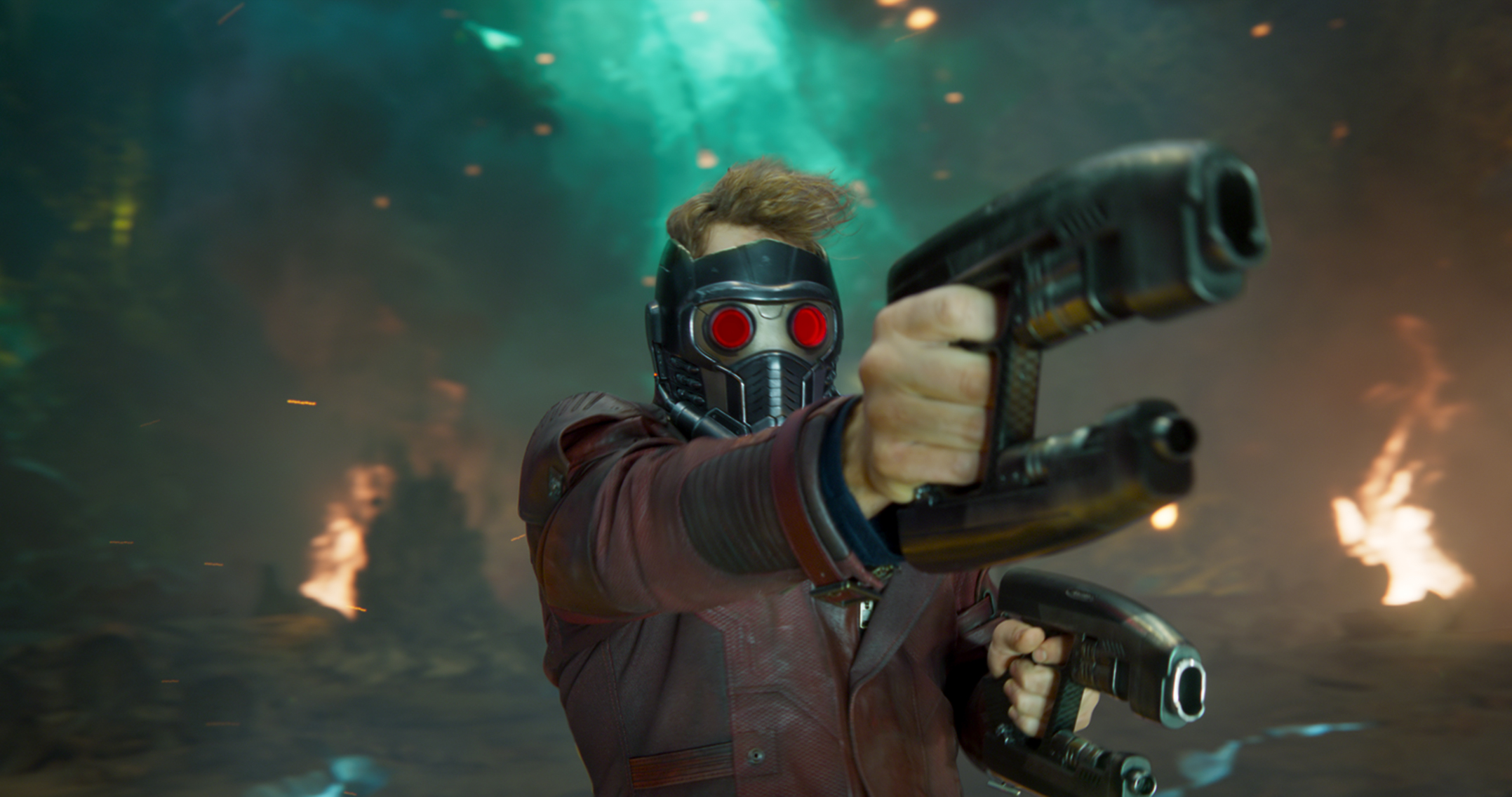
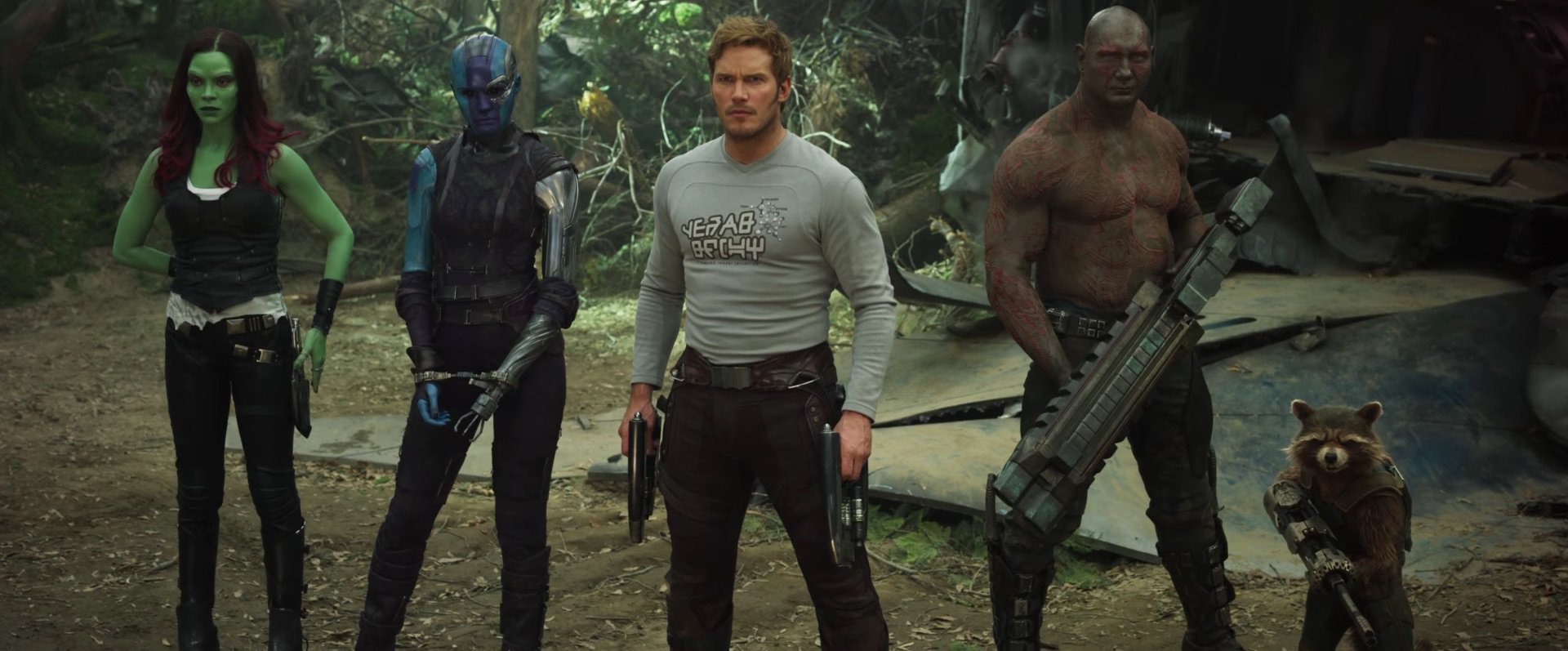
The film takes place shortly after the last film as the Guardians of the Galaxy are doing mercenary work for a galactic civilization called the Sovereign. The opening credits showcase the galactic misfits at their very best and reunite audiences with the loveable bunch. The team includes Earthling Peter Quill aka Star-Lord (Chris Pratt), former assassin Gamora (Zoe Saldana), the too-literal Drax (Dave Bautista), the cybernetically enhanced Rocket Raccoon (voiced by Bradley Cooper) and the tiny plant being Baby Groot (voiced by Vin Diesel). Right off the bat the adorable Baby Groot steals the spotlight with his oh-so-cute antics as the rest of the Guardians fight this gigantic monster squid thing. His scenes throughout the film will bring many “Awwws” and laughs and sure he is an obvious merchandising wonder, but Baby Groot is just so endearing that only truly embittered grouches will mind him.

baby groot and bomb

As with the previous film, GOTGV2 starts off with a toe-tapping soundtrack of oldies but goodies during the opening credits. The selection of songs is quite good, but unlike the original which featured some rousing classics, the songs for Guardians of the Galaxy, Vol. 2 are more reflective of the film’s themes.

This film is quite exciting and funny, in fact, many skits and jokes outperform the original. However, one drawback it has when compared to the original is that its main plot meanders at times. There is a story, and it deeply affects our heroes, but GOTGV2 focuses more on character. The plot isn’t as important to the film as is exploring the heart and soul of the Guardians.

Without revealing too much, the Guardians go on the run from the Sovereign because Rocket stole some batteries from them. The Sovereign are a snooty bunch of religious fanatics who are deeply offended that Rocket stole from them and start hunting down the Guardians.

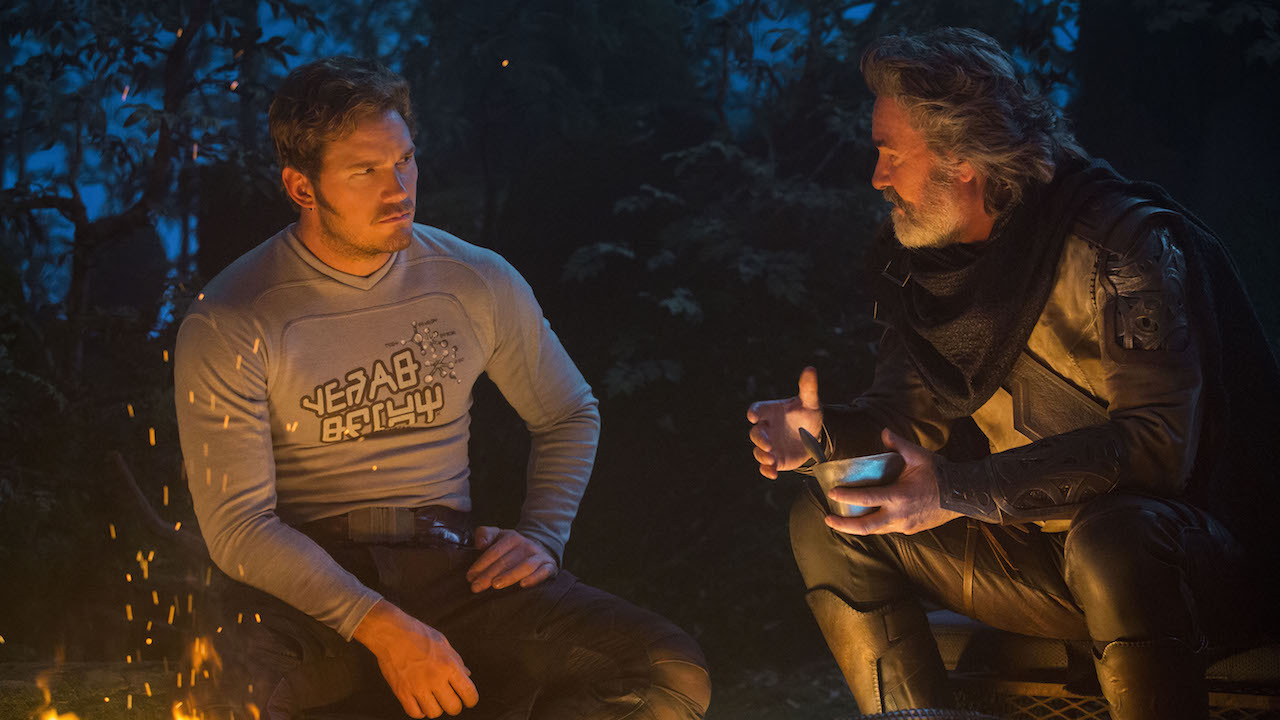
Peter quill and ego

As our heroes evade the Sovereign they also have to deal with their old foes the space pirates called the Ravagers and Peter Quill meets his father, Ego (Kurt Russell). Encountering his father leads to Peter on a journey of self discovery as he learns about his true, half-alien heritage. Meanwhile, the other members of the team come to realize some truths about themselves and how they feel about others. During all this self-reflection the Guardians of the Galaxy stumble upon a terrible revelation that threatens the entire galaxy.

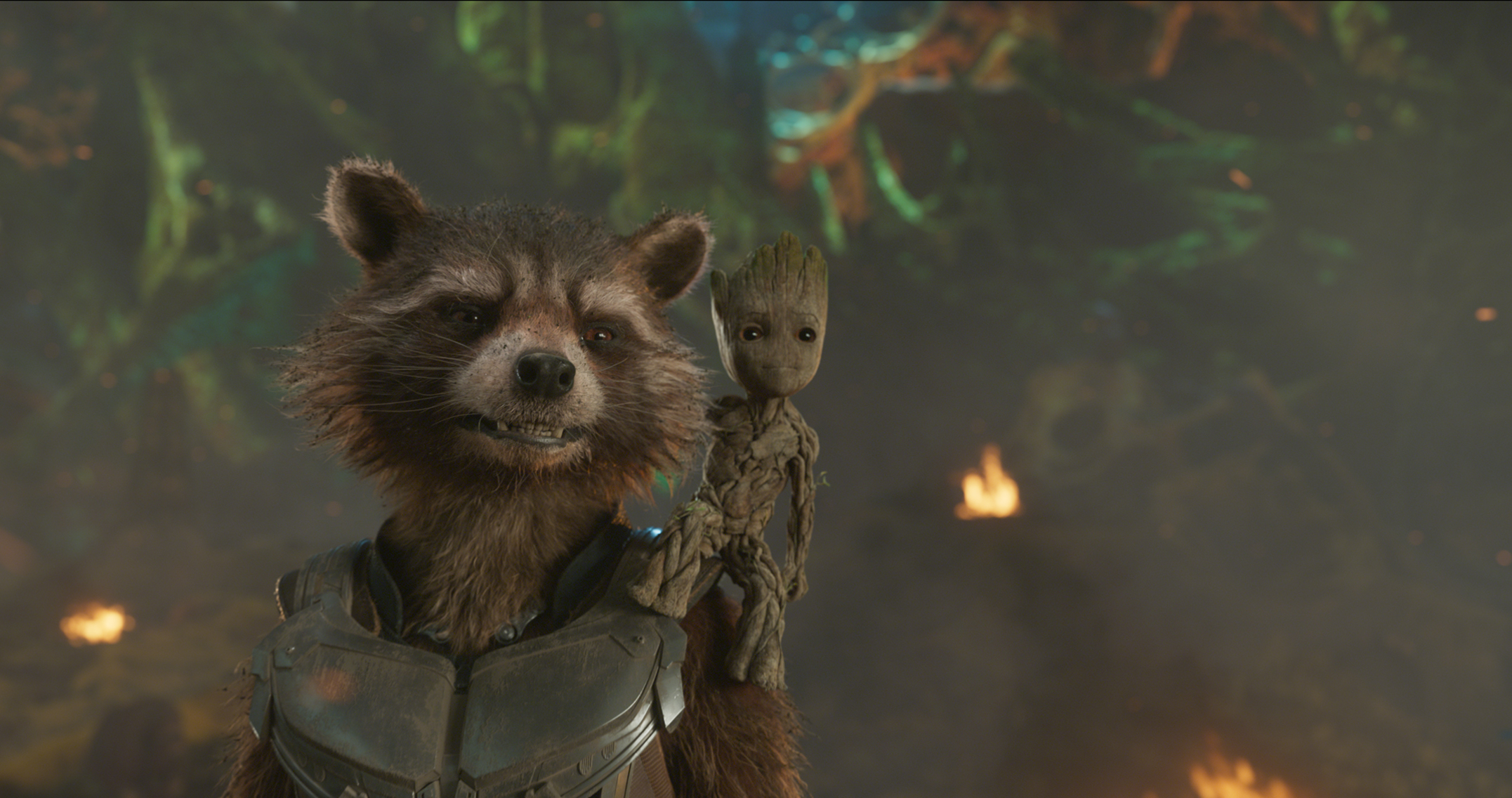
Rocket and baby Groot

Whereas, the first Guardians of the Galaxy was a great big adventure that kept building up to a climax and had a clear villain, this sequel has a different approach. GOTGV2 starts off as another whacky day filled with thrills, jokes and putdowns, but the pace lets up in the middle. This sacrifice in momentum and pace was done to give the characters development that adds dimension to them. It may turn off some people expecting a retread of the first film, but others will appreciate the successful efforts to develop not just the main characters, but returning supporting characters.

The central theme Guardians of the Galaxy, Vol. 2 focuses heavily on is that of family and friendship. Peter Quill and the others are given time to reflect on family and what that concept means to them. Sometimes these ponderings and musings are too on the nose and are part of the reason the film’s pace slows, but in the end, they help us to care more about the characters. More importantly their growth as characters are more genuine and earned. On the whole, this different atmosphere gives the film a more mature tone with appropriate heart-tugging moments.

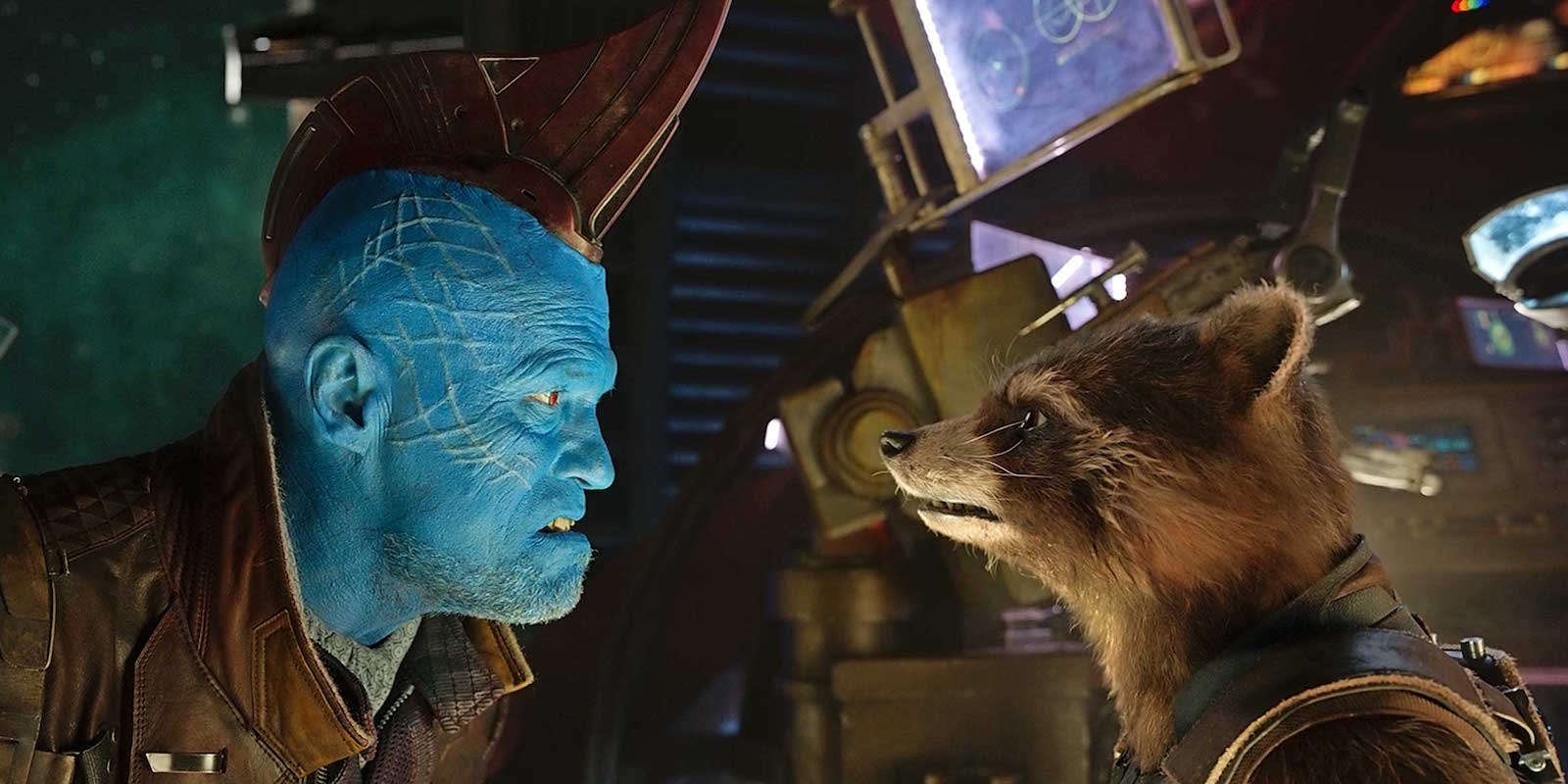
The one standout character who benefits from the film’s tone is the Ravager leader Yondu (well played by Michael Rooker). His character is unexpectedly more developed and he is allowed to show that underneath his tough exterior he has a heart that redeems him. The scenes with him and Rocket run the gamut from hysterically funny to poignant as their souls are laid bare to each other. They make a terrific team and are some of the film’s highlights.

Guardians-of-the-Galaxy-Vol-2-Yondu-and-Rocket

Even the film’s villain is given screen time to show different characteristics. Unlike the first film’s one-dimensional Ronan, the villain of GOTGV2, who is eventually revealed later in the film, is a more interesting character which allows the final confrontation with the heroes to feel more personal. The gradual unveiling of the villain is another reason for the sequel’s slower tone, whereas with Ronan it was clear he was the main foe and this kept the Guardians constantly on the edge. Here, the characters contend with lesser villains like the Sovereign, who are as monotone as their gold skin tone and Yondu’s Ravagers. As to how GOTGV2’s main villain measures up is hard to say. The MCU has been criticized for featuring relatively weak villains, but the one featured in Guardians of the Galaxy, Vol. 2 is more notorious and stands out more.

All told, Guardians of the Galaxy, Vol. 2 is not an inferior sequel. It stands up quite well to the original and is solidly in the upper echelons of the MCU films. It has so much to offer and though it tries a bit too hard to be something different and more introspective it is more heartfelt than the original. The worlds explored, especially Ego’s planet are truly stupendous and otherworldly. Each scene fills the eyes with bizarre colors and images and most of the jokes and sight gags come at the right moment with near-perfect timing. The action scenes are wild and dizzying with terrific special effects and are strengthened by the presence of the beloved characters. Without all the character development the big action pieces, particularly in the final act would have had less impact, and we would have been less emotionally invested in these endearing characters. Each of the main team members are allotted amble screentime to display many nuances from Peter’s insecurity over his attraction to Gamora to Rocket’s caustic act being used as a way to hide his inner pain. There is much more than can be listed here. This is why in the end, James Gunn is validated for spending more screen time on these quieter and pensive moments.

Even though, the film isn’t well connected to the Earth-based MCU, it is bursting with many Marvel Easter eggs and shows many potential stories that can be developed later. It will take more viewings to spot all of them. By the way, be sure to stick around during the credits; there are five post-credit scenes, a couple of which portend to some intriguing new directions for the expanding Marvel Cinematic Universe. The best throwaway gag involves Marvel Comics legend Stan Lee and his connection to the Marvel Universe.

The best way to think of Guardians of the Galaxy, Vol. 2 is to compare it to…yes, The Empire Strikes Back or Back to the Future, Part II. Both sequels were enjoyable but more serious in tone as is GOTGV2. In time, many have come to embrace both sequels with many feeling that Empire was superior to the first Star Wars. This could happen with Guardians of the Galaxy, Vol. 2, but that assessment will come in time and after many deserved repeat viewings of this wonderful and emotional film.

José Soto