The Disney/Fox Speculation — Welcome Home X-Men & Fantastic Four?

Xmen-Avengers-Fox-Marvel-Studios

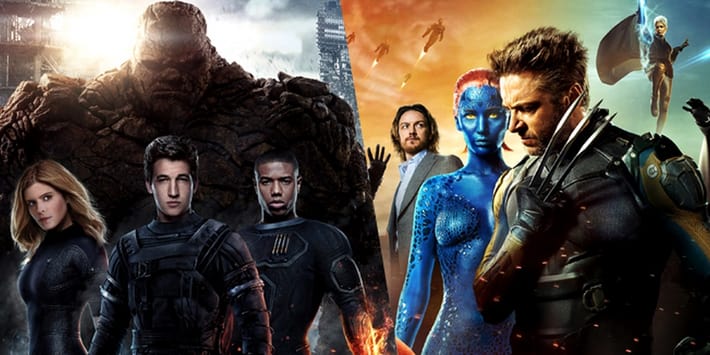
The big news for the past week has been about Disney in talks with 21st Century Fox to buy a bulk of its film studios and its intellectual properties. While the initial news had it that talks have stopped the possibility remains that both parties will resume negotiations. What is driving Disney’s desire to expand its entertainment empire is the need to bolster its upcoming streaming service when it is available in 2019. The film studio 20th Century Fox has a huge film library with many viable franchises such as the Alien films, Avatar, and Planet of the Apes. But more importantly, Fox still has the rights to the original Star Wars films and the missing pieces in Disney’s Marvel films: the X-Men and the Fantastic Four.

The following I wrote back in September 23, 2017 for another site that is going defunct soon. It’s related to the current situation and illustrates how wildly things have changed from just a few weeks ago. I decided to repost it here and will add some final thoughts afterwards.

What rankles many fans of Marvel Studios’ Marvel Cinematic Universe (MCU) is that two of Marvel Comics’ top properties, the X-Men and the Fantastic Four are not part of it.

The obvious reason for this is because the film rights for both properties are being held by 20th Century Fox, who is determined to hold onto them. Long before The Walt Disney Company brought Marvel Comics, the comic book company sold the film rights of its characters to many film studios, including Fox. Over the years, even before the success of the MCU, Marvel Studios sought to regain the rights to its characters. For the most part they have succeeded and the top prize for the studio was getting to share the film rights to Marvel’s top character, Spider-Man.

But the only major hold outs were the X-Men and the Fantastic Four. Fox has had great success with their X-Men films even though some of them were reviled by fans and critics for not being faithful to the source material and being downright terrible. Meanwhile, their efforts with the Fantastic Four never took off. The most recent failure being the DOA 2015 reboot that buried director Josh Trank’s career.

Given the poor track record with their Fantastic Four films, one has to wonder why Fox would want to continue making them. Despite the negative reaction from their reboot, the film studio is still trying to develop more films based on the superhero team and even spinoffs featuring Dr. Doom and the children of Reed and Sue Richards. Naturally the reaction to the news is one of despair and anger. Most fans see that the Fantastic Four would fit naturally into the MCU and their villains are some of Marvel’s greatest. Marvel Studios cannot use Galactus in their films because he is a Fantastic Four villain, the same thing goes for Magneto. While the X-Men films did a terrific job with their presentation of Magneto the same cannot be said for Dr. Doom and Galactus. In fact, in his onscreen debut, Galactus was just a giant space cloud!

what-it-takes-for-fox-to-give-up-the-fantastic-four-x-men

There were rumors that after the reboot debacle, Fox was ready to sell back the rights to Disney/Marvel but a snag in negotiations derailed that idea. Many were hopeful that after Marvel allowed Fox to start making TV shows based on the X-Men properties that perhaps the deal was that the Fantastic Four would go back to Marvel. But that does not appear to be the case.

Right now, there are only vague allusions to Marvel being allowed to use the two properties but in far off terms. One curious thing is that Marvel Studios still has not announced what the Phase 4 MCU films will be. This gives hope that maybe the Fantastic Four could make a splashy debut. It is possible; when Spider-Man joined the MCU it was a surprise.

What it took for Spider-Man to join the MCU was the failure of his recent films and the shaky status of Sony Pictures. Fox does not have the same financial problems of Sony, so they can afford to weather out the storm of bad films until they strike gold. This almost happened with their attempt to reboot Daredevil, but the rights lapsed and Marvel regained him. From there, Marvel saw great success with their Netflix version of Daredevil. Perhaps Fox executives feel that they can find the right formula and are more patient. At that rate, it will be quite some time before Marvel Studios regains the Fantastic Four. That and an insane amount of money.

With the X-Men films doing so well, it is ridiculous to think that Fox would ever relinquish the rights to Marvel. For this to happen, fans would have to vigorously boycott all X-Men-related films and TV shows. The property has to be seen as too unprofitable for Fox to want to keep, but this scenario may not happen. Look at what is going on with the Fantastic Four, their films are poorly received and the property is not as popular as the X-Men yet Fox still won’t let them go.

So, is it just a pipe dream? Are the Fantastic Four and X-Men doomed to never join the MCU? Well, it can happen but be prepared to wait and protest.
Continue reading →

Thor: Ragnarok Is Three Times The Fun

For the third film in a trilogy, Thor: Ragnarok is the liveliest one of the bunch. Frankly, after the dire and listless second film Thor: The Dark World, this third Thor film is a spectacular shot in the arm for the God of Thunder’s films set in the Marvel Cinematic Universe (MCU).

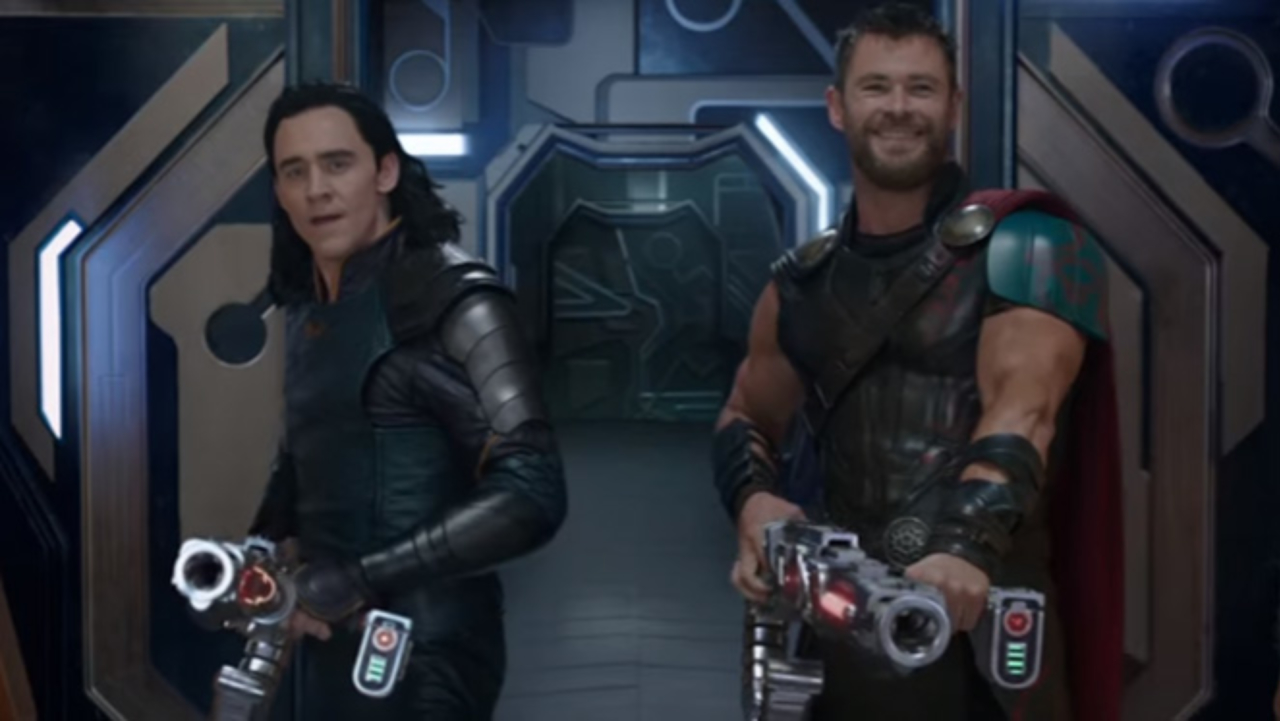
Loki and Thor

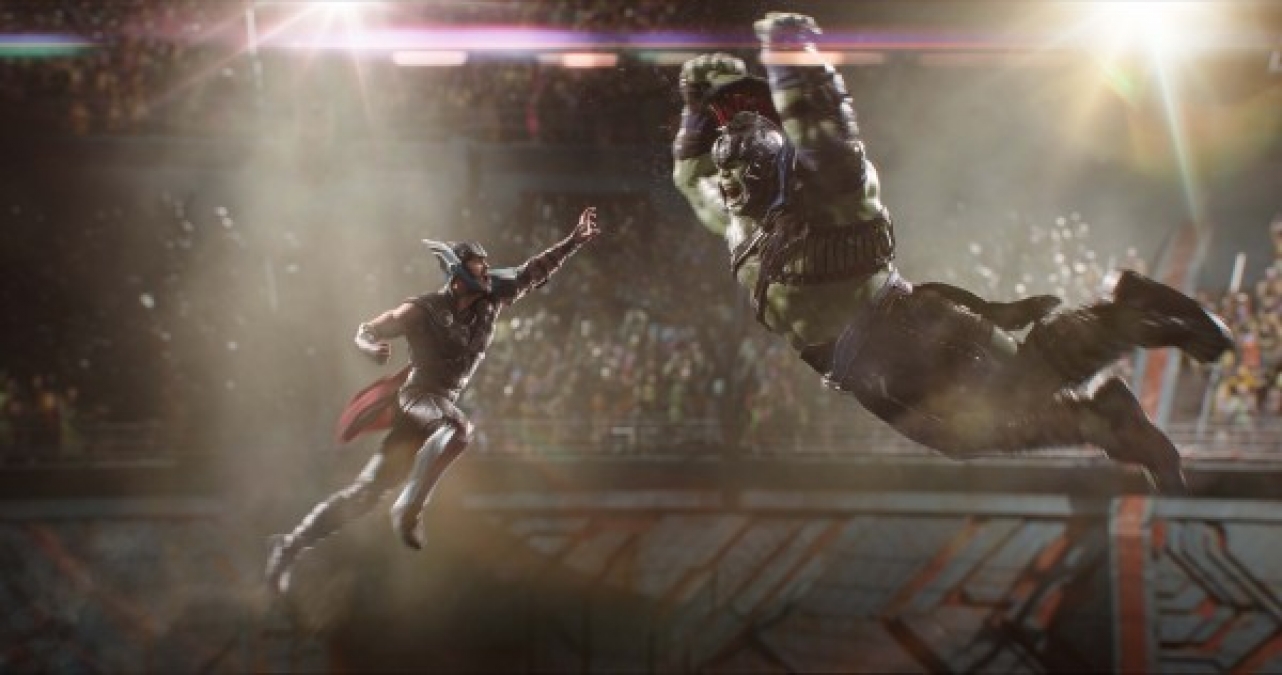
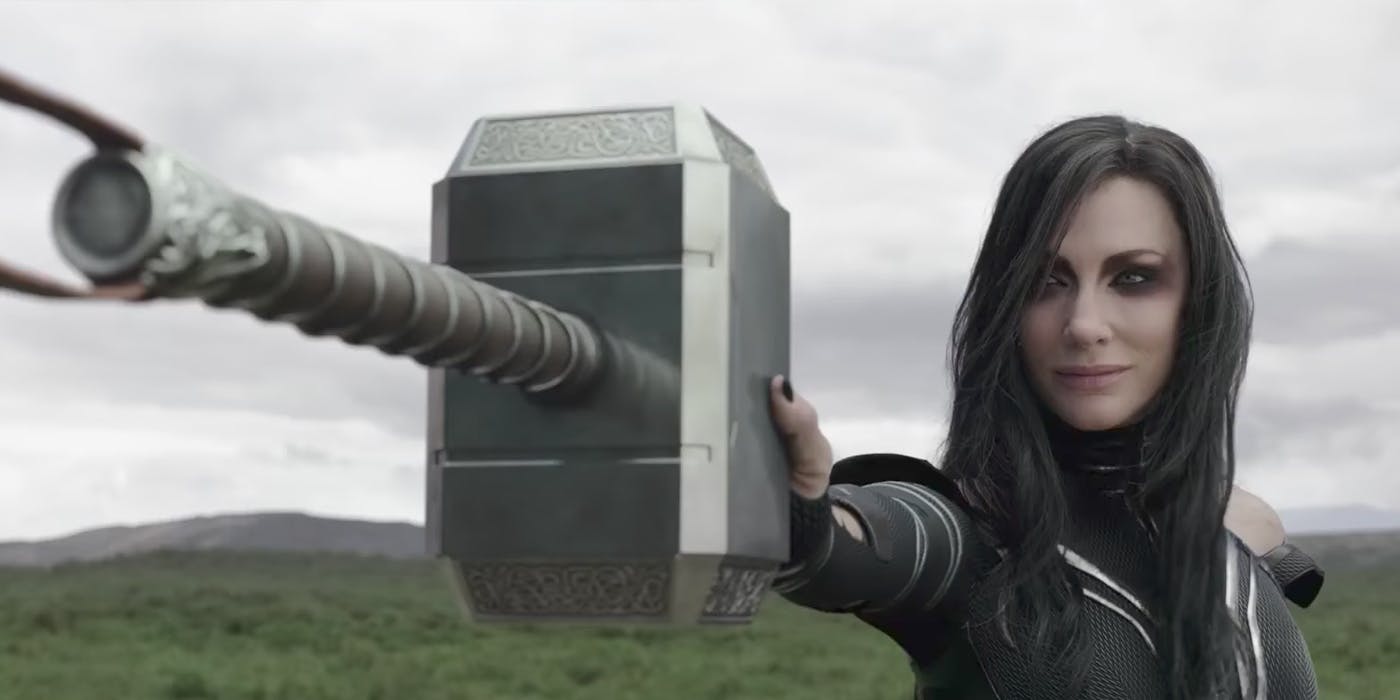
Thor: Ragnarok quickly picks up where the second film left us, with Thor’s brother Loki (Tom Hiddleston) commanding the throne of otherworldly Asgard under the guise of their father Odin (Anthony Hopkins). Thor (Chris Hemsworth) quickly deduces what Loki is up to and the two find out the consequences of Loki’s actions. In Odin’s absence, the Nine Realms that he ruled over have slipped into anarchy. This also means that Hela (Cate Blanchett), the Goddess of Death, who was imprisoned by Odin to escape and wreck havoc on Asgard. Before Thor could stop her, he is accidentally transported to the planet Sakaar, taken captive and forced to fight in gladiator-type games held by the planet’s ruler, the Grandmaster (Jeff Goldblum). As we all saw in the trailers, Thor’s opponent is the Hulk (Mark Ruffalo), who was last seen going into self exile in Avengers: Age of Ultron. Thor must find a way to stay alive, escape his enslavement and convince the Hulk to join him in saving Asgard from Hela.

thor vs hulk

Now reading the above makes you think this will be another serious-minded Thor film with high stakes and Shakespearean undertones. But that isn’t the case with Thor: Ragnarok. The somber approach worked in the first Thor film thanks to the skillful hands of Kenneth Branagh, who is familiar with Shakespearean drama and brought that to Thor. But this time, Thor: Ragnarok’s director Taika Waititi relied on his comedic tastes and background for the film. In doing so, he brought a welcome change of pace and mood this time around as this film is more of a comedy. This approach mostly works though I have to admit there are times there are just a tad too many jokes and there are moments that should’ve had more weight but come off as too light. It’s clear that Marvel Studios wanted to repeat the look and formula that worked for Guardians of the Galaxy and this is very evident in the scenes taking place on Sakaar. The Guardians of the Galaxy films perfectly balanced its comedic tone with serious drama but Thor: Ragnarok comes up a bit short in keeping that balance.

Hela (1)

Nevertheless, the third Thor film is a fun blast with stunning set pieces and special effects that buttress its lighter tone. Credit for that does not just go to Waititi, but the film’s stars starting with Chris Hemsworth. In other films, Hemsworth has shown that he has quite a comedic gift and he gets to display that in this film. Thor seems less pompous and more laid back in his third outing. It’s almost as if he has thrust off his original regal persona and taken on an ability to crack a joke. This does not mean he takes things lightly. Hemsworth and the director knew which moments to hold back the jokes  and appropriately react to more serious moments. Continue reading →

Top Ten Stephen King Live-Action Adaptations That Should Be Remade

There have been countless live-action adaptations of Stephen King’s books and stories. Some are classics while others are best left forgotten.

Then there are the lesser or flawed adaptations that need to be remade. With some changes, these remakes could faithfully capture the true horror and thrills of Stephen King’s bibliography. The best example right now is It, which is the second live-action adaptation of the book and considered superior to the first adaptation. Now what other live-action adaptations of Stephen King’s works should be remade? Here are the candidates:

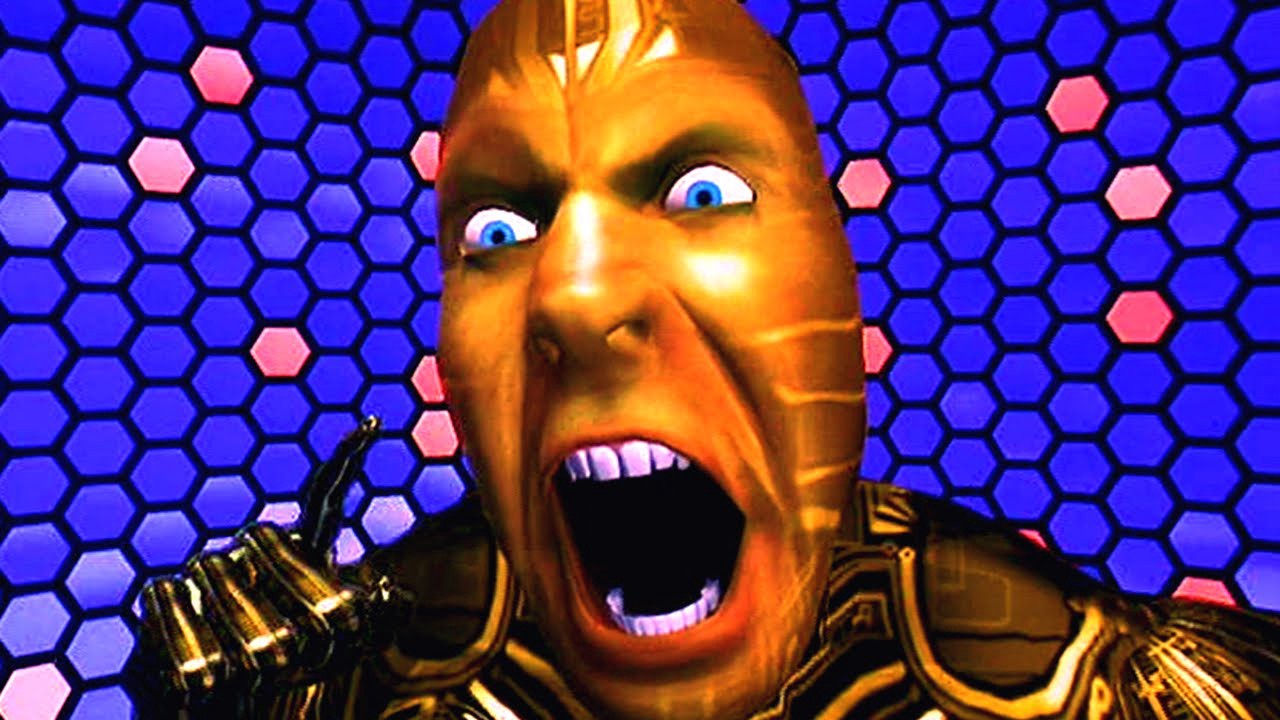
10. The Lawnmower Man – Stephen King fans know all too well that the film adaptation did not have anything to do with King’s short story about a mysterious landscaper and his supernatural lawnmower, which would make an interesting film.

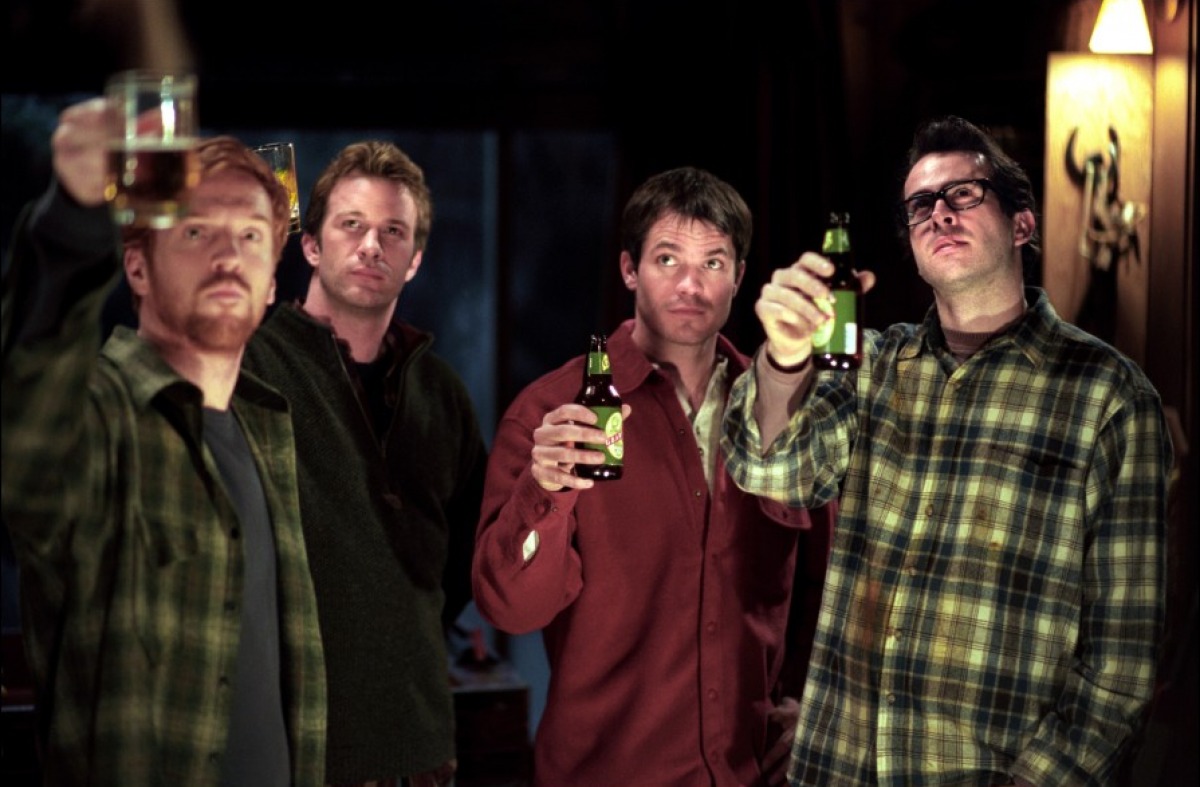
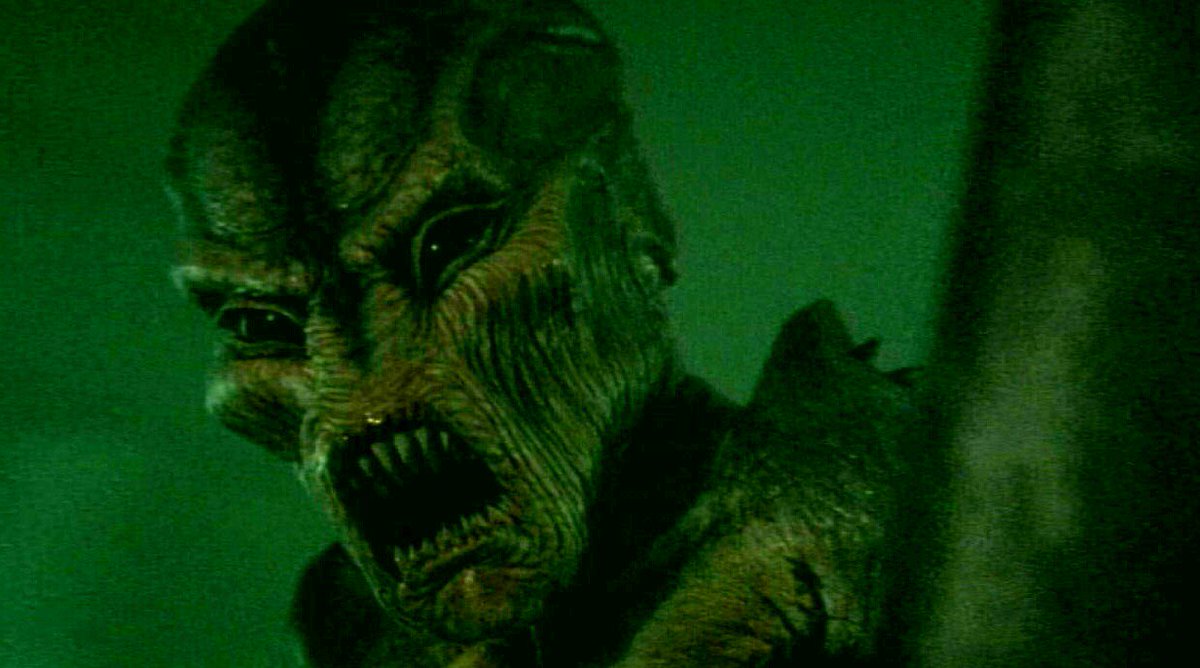
9. Dreamcatcher  – The Stephen King novel about old friends haunted by an alien entity was made into one of the most reviled Stephen King films. Still, the story and characters are interesting enough for another crack at a live-action adaptation.

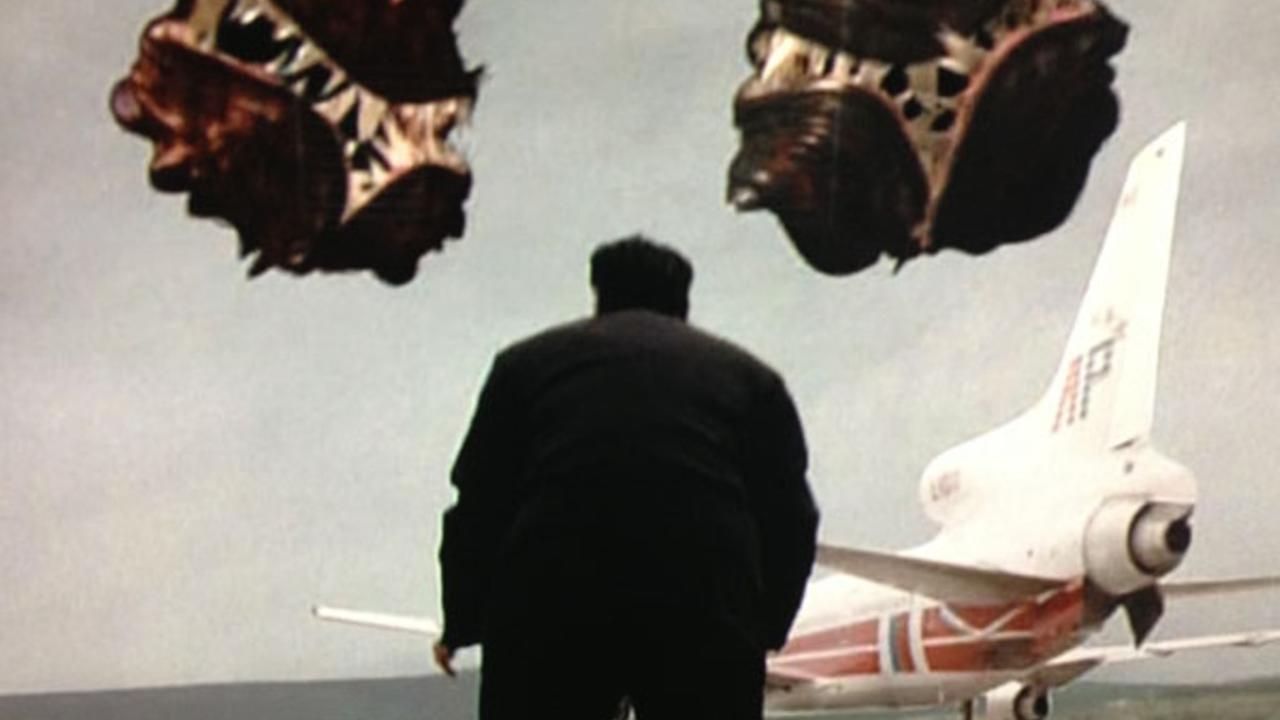
8. The Langoliers – The novella of the same name did not have enough material to warrant a mini-series as seen in the 1990s mini-series. This off-the-wall yarn about plane passengers dislodged from time would be better translated as a tightly edited film with a good F/X budget.

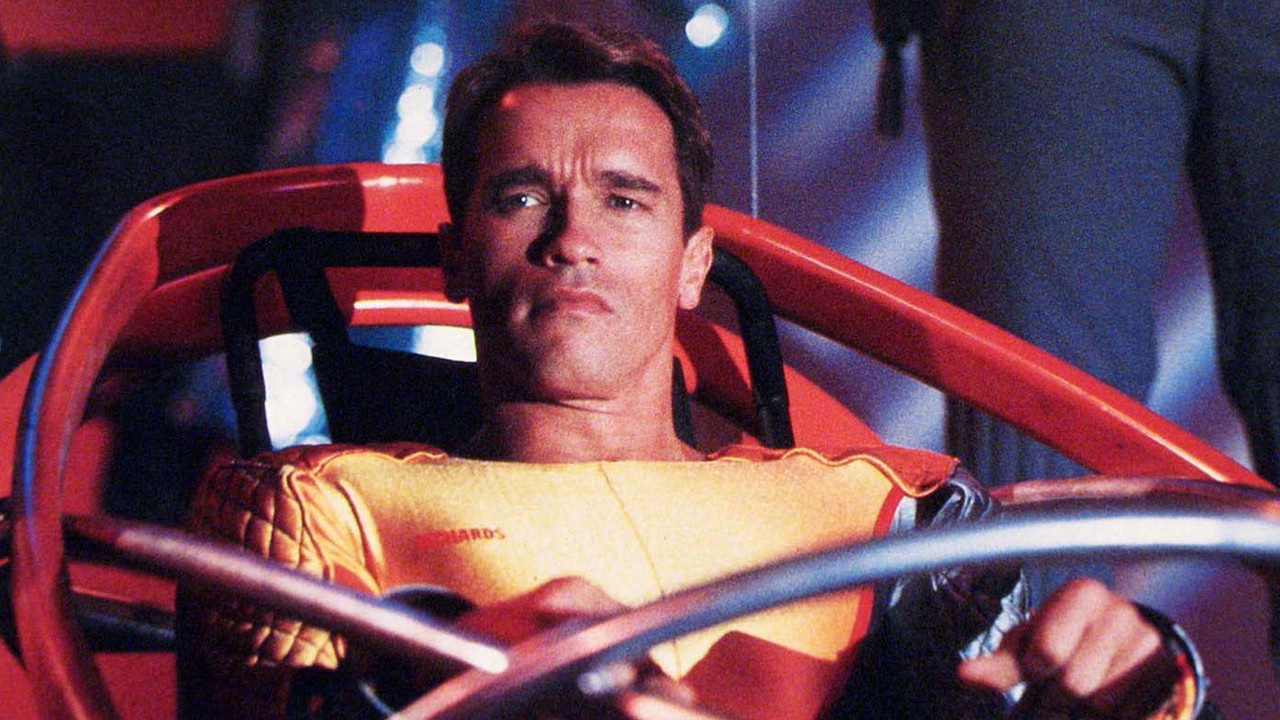
7. The Running Man – The original film is best remembered for being a standard ‘80s Schwarzenegger action flick. A remake should better reflect the novel by casting an everyman type and ditching the original film’s revolution subplot as the hero tries to survive a deadly reality TV show in the future.

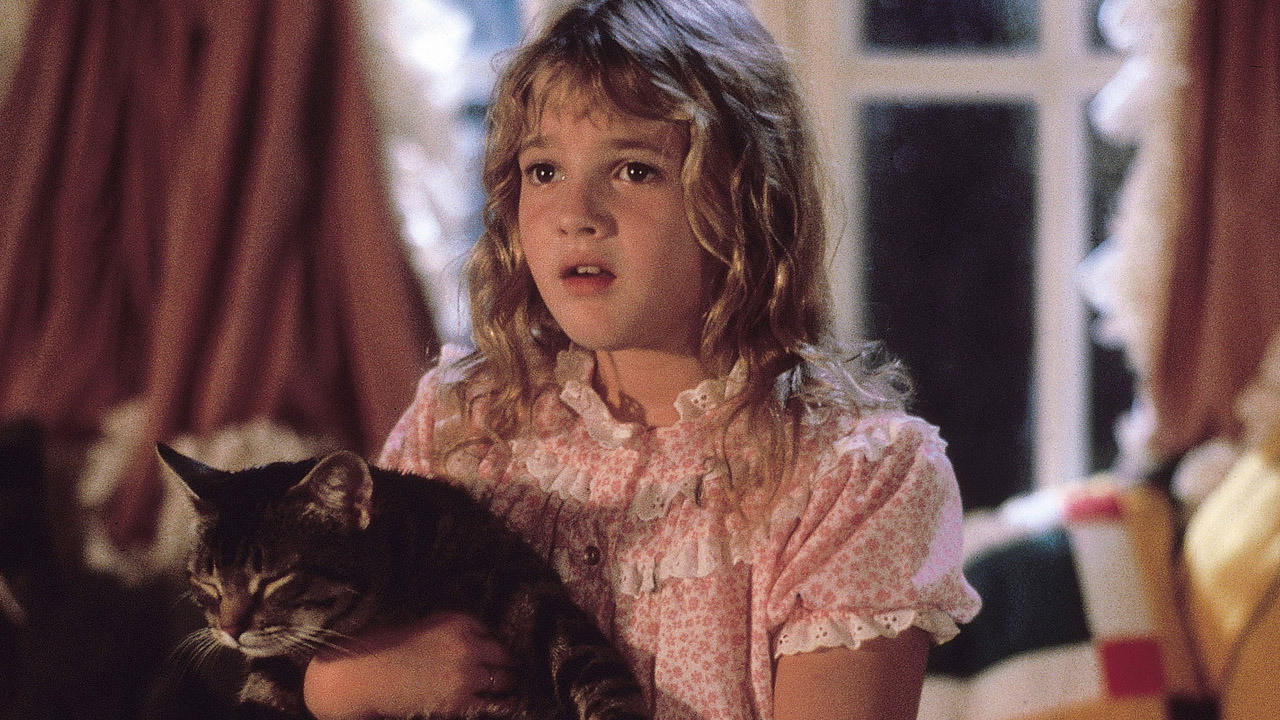
6. Cat’s Eye – This anthology film from the 1980s doesn’t need a remake but deserves a sequel. The original adapted Stephen King’s short stories and worked them into a story surrounding a stray cat. A followup could simply adapt some more stories within the same framing device.

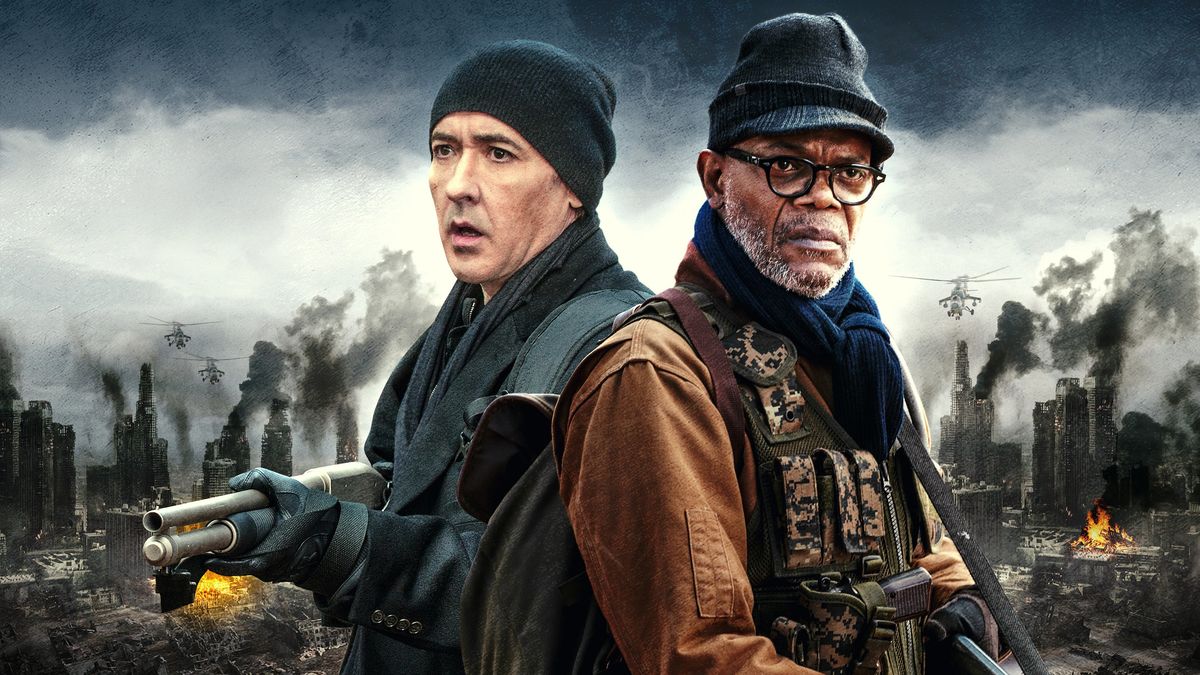
5. Cell – Anyone caught the awful DOA adaptation that came out recently? Don’t bother. A properly executed film should be able to capture the disturbing essence of the post-apocalyptic horror tale about humanity turned into mindless killers due to a cell phone signal.

4. The Tommyknockers – The mini-series was actually an underrated gem that could’ve used some sprucing up and a tighter pace. The story’s premise of aliens invading a small town is ripe for a terrific sci-fi/horror film featuring all of the novel’s thrilling and eerie elements.


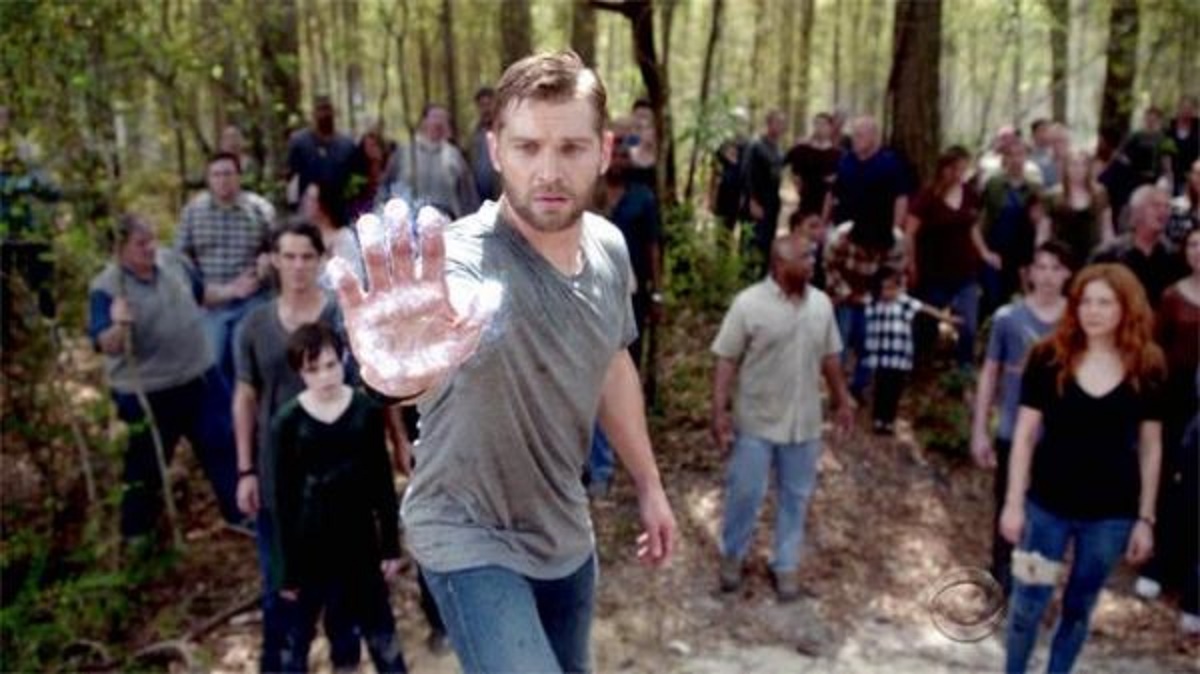
3. Under the Dome – The horrid TV series that ran for several summers was an injustice to the Stephen King book about a town cut off from the world. The story simply did not work as an ongoing series and deserves another shot as either a film or a mini-series.

Roland and Jake

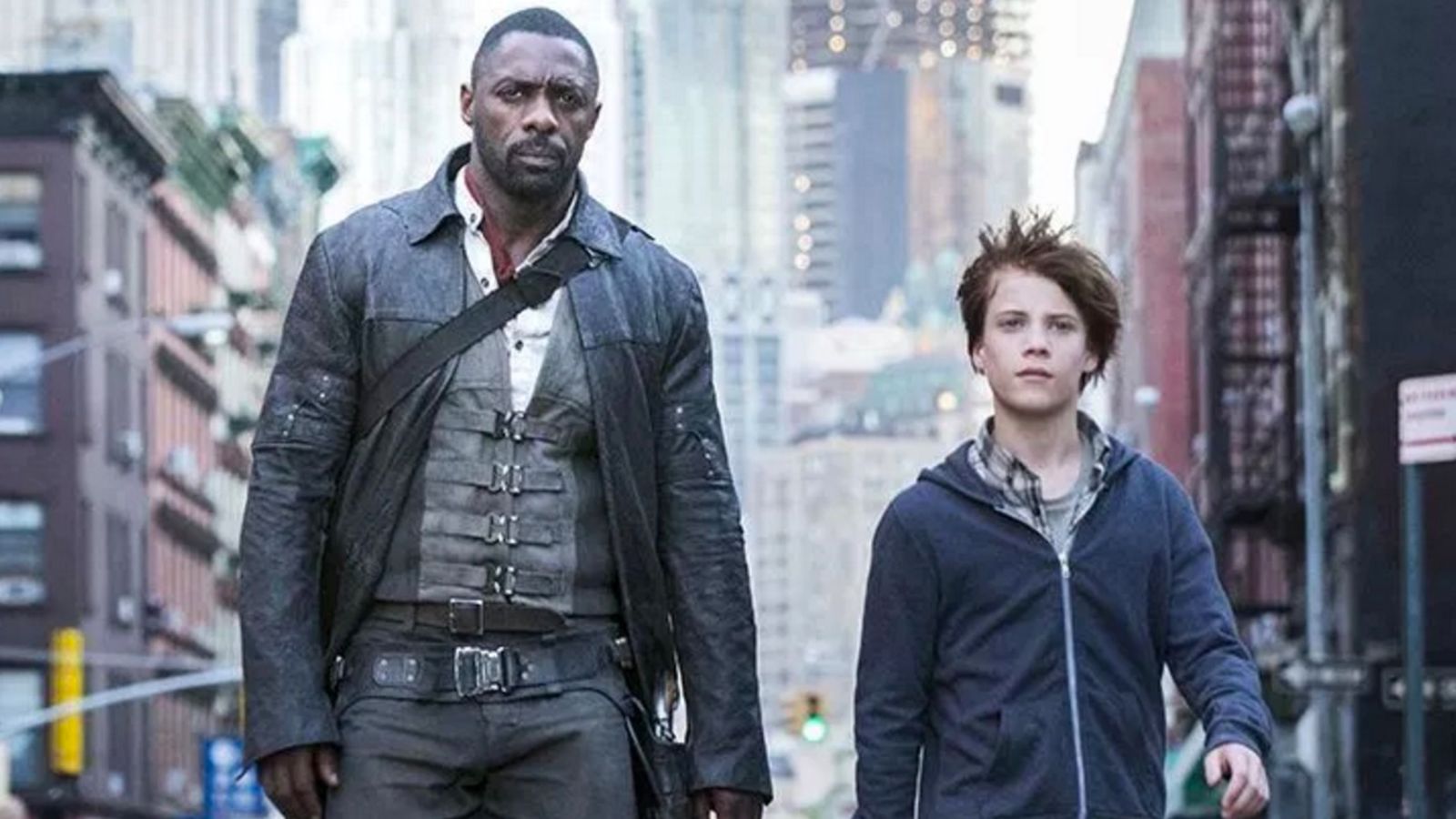
2. The Dark Tower – The film based on the epic Stephen King series of novels just came out and it already needs to be remade. The Dark Tower film left out so much from the epic novels that made them great. Thanks to its poor box office, plans for sequels are doubtful at this point. The best option going forward would be to forget about films and faithfully adapt the novels into several mini-series or an ongoing TV series on premium cable.

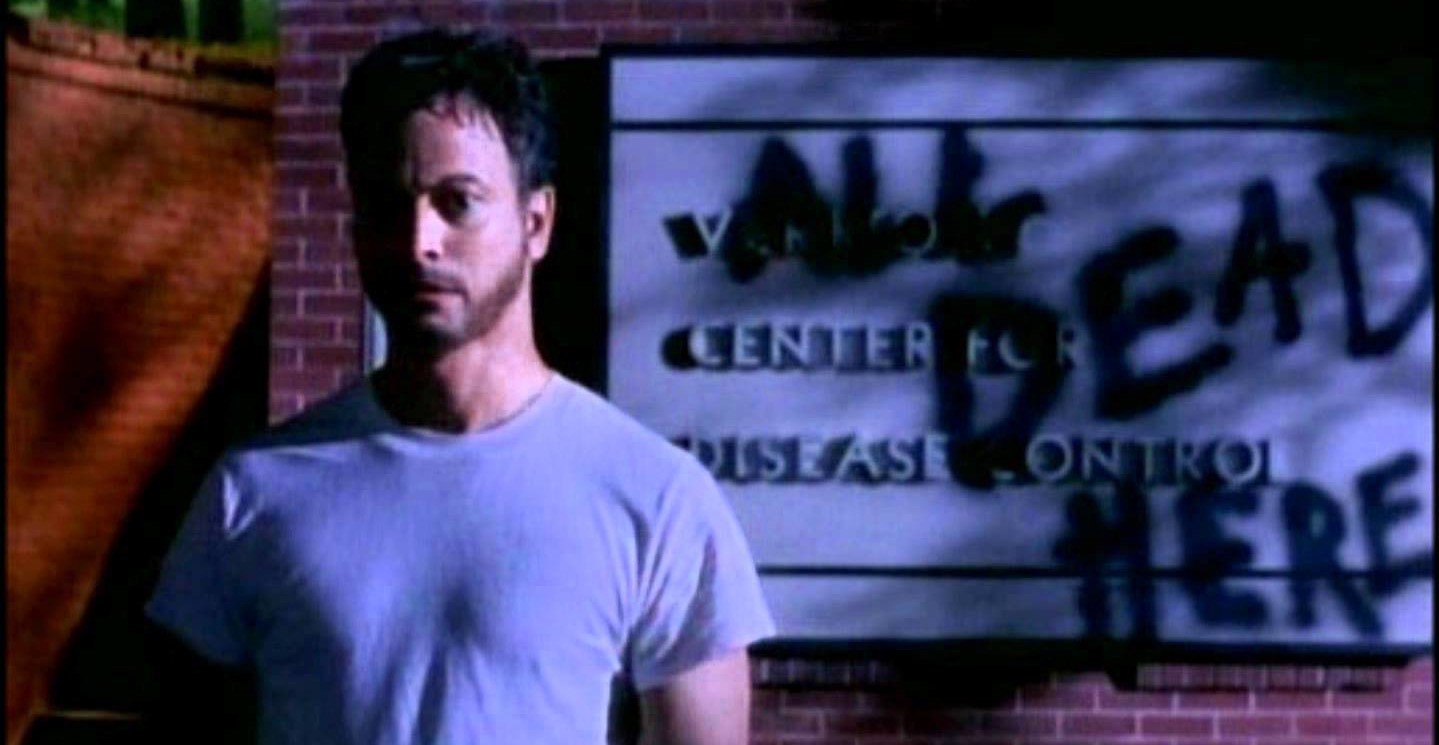
1. The Stand – The mini-series based on the seminal Stephen King epic while competent, felt lacking. The Stand was hampered by TV network censors that worried that the post-apocalyptic story of plague survivors would be too much for audiences. Also, to be honest, The Stand meandered too much, which is a complaint about the unabridged version of the novel. A planned film trilogy was abandoned but talks continue for another adaptation. Whether as a new mini-series, films, or an ongoing TV show, The Stand must be remade and thanks to the success of It, this may happen.

Waldermann Rivera

KINO: Klingons In Name Only

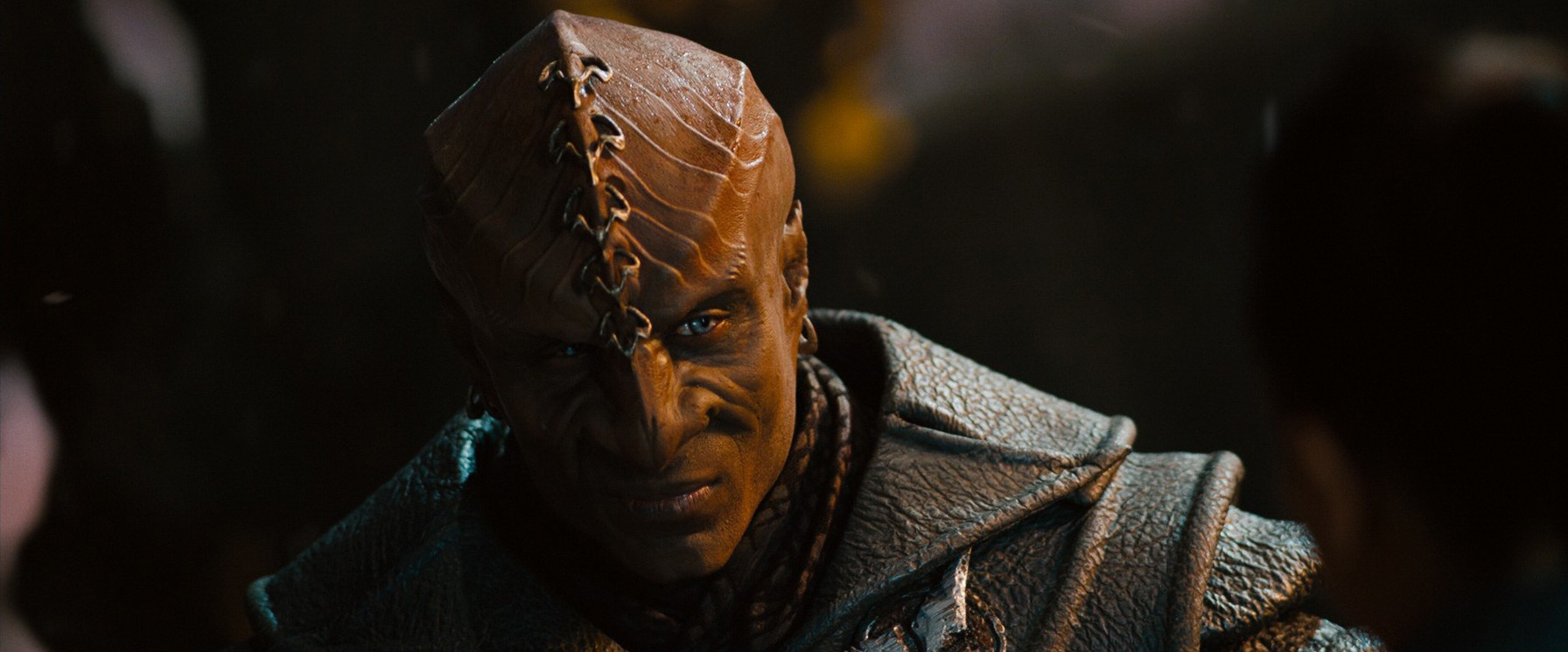
klingon in name only

Whether fans love or hate or fall somewhere in between Star Trek: Discovery, one thing that nearly everyone agrees with is that the re-imagined Klingons are a bad misfire. In fact, many consider them to be the show’s biggest flaw. As the main villains in the latest Star Trek TV show, these Klingons bear little resemblance to the traditional mighty Klingons seen in previous Star Trek TV shows. They deviate so much that they can only be considered Klingons In Name Only (KINO) and this is a problem since they are the main adversaries in Star Trek: Discovery.

From Cold Warriors To Gruff Allies 

Klingons have had a long history with Star Trek going back to the first season of the original show. When they were first introduced, they were supposed to be a mix of Nazis and Soviets and their conflict with the peaceful Federation represented the Cold War going on at the time. Due to limited budgets, the makeup of the Klingons was simplistic: swarthy, greasy complexions with arched eyebrows and goatees. Needless to say, they could pass for humans.

kor and kirk

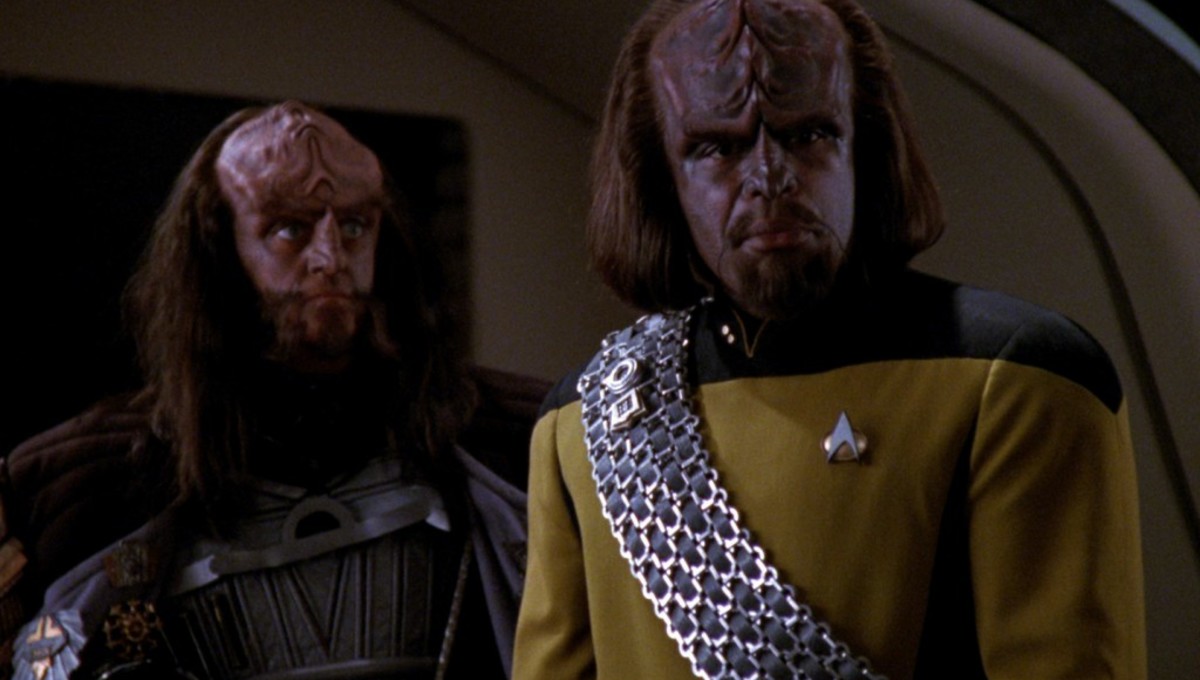
Later when Star Trek became a film series, increased budgets allowed for the aliens’ look to be enhanced. They were sported browed ridges on their foreheads and wore durable and elaborate body armor. They were bulky, formidable warriors that were more than a match for any human opponent. As the films progressed and new TV shows premiered, the Klingons were better developed until they became a rich alien culture with their own distinct language. This gruff, heavy handed tongue became so popular with fans that it is now the most spoken fictional language in the world today.

The alien race had evolved from simplistic Cold War stand-ins and became a complex civilization with a fascinating back story. They even became allies of the Federation, though the culture clashes remained. Of course, there was the continuity issue of how the classic Klingons looked more alien than the human-like ones from the original show. This was solved in the prequel series Star Trek: Enterprise where it was shown that the Klingon race contracted a virus that mutated them into having a more human appearance. It was outlandish, but it worked.

classic klingons

By this point, the Klingons were perfected. Yet, for some reason when it came time to reboot Star Trek the iconic Klingon look was changed. In their only full appearance to date, Star Trek Into Darkness, they didn’t have any hair and looked more alien. They still came off as savage, bloodthirsty warriors, but weren’t as hefty or burly as classic Klingons. The reaction to them was mixed, but everyone knew the reboots took place in an alternate reality, so the new look could be overlooked by some.

One of the most enticing details about Star Trek: Discovery was that the show would take place in the Prime Star Trek Timeline. This excited many fans who felt alienated by the action-oriented reboots. Then images and clips started appearing which discouraged fans. In addition to the advanced technology and contradictory plot details, the Klingons received yet another unwanted makeover.

Meet The KINOs

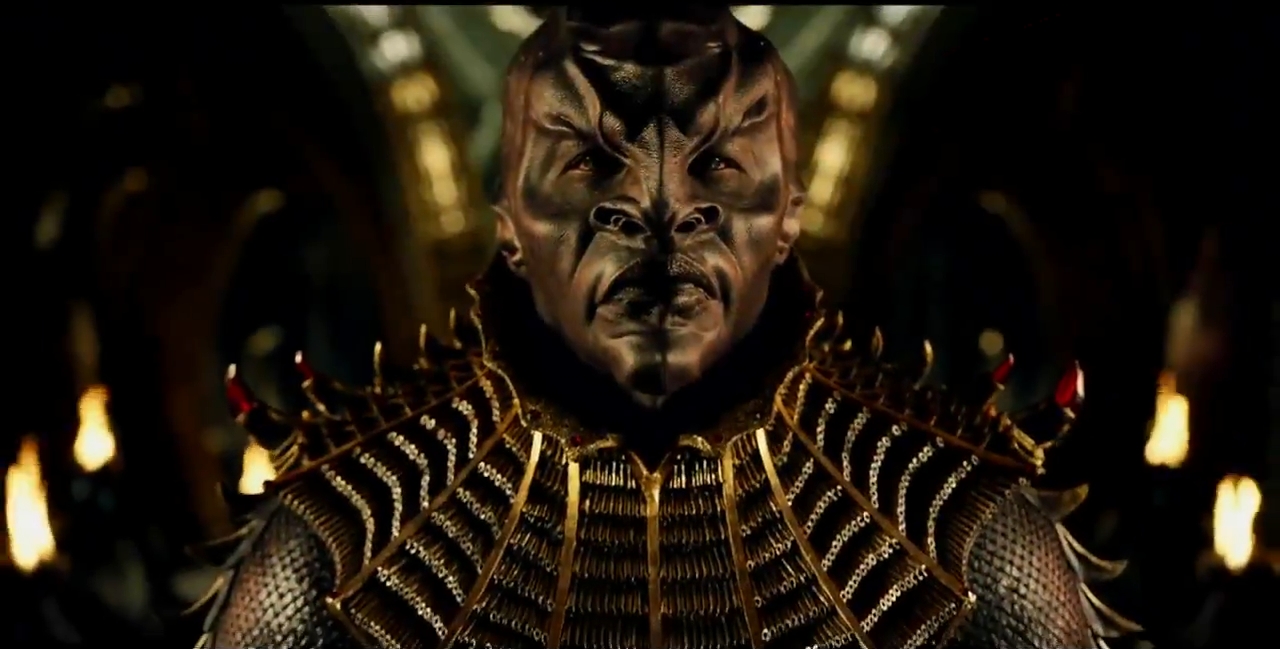
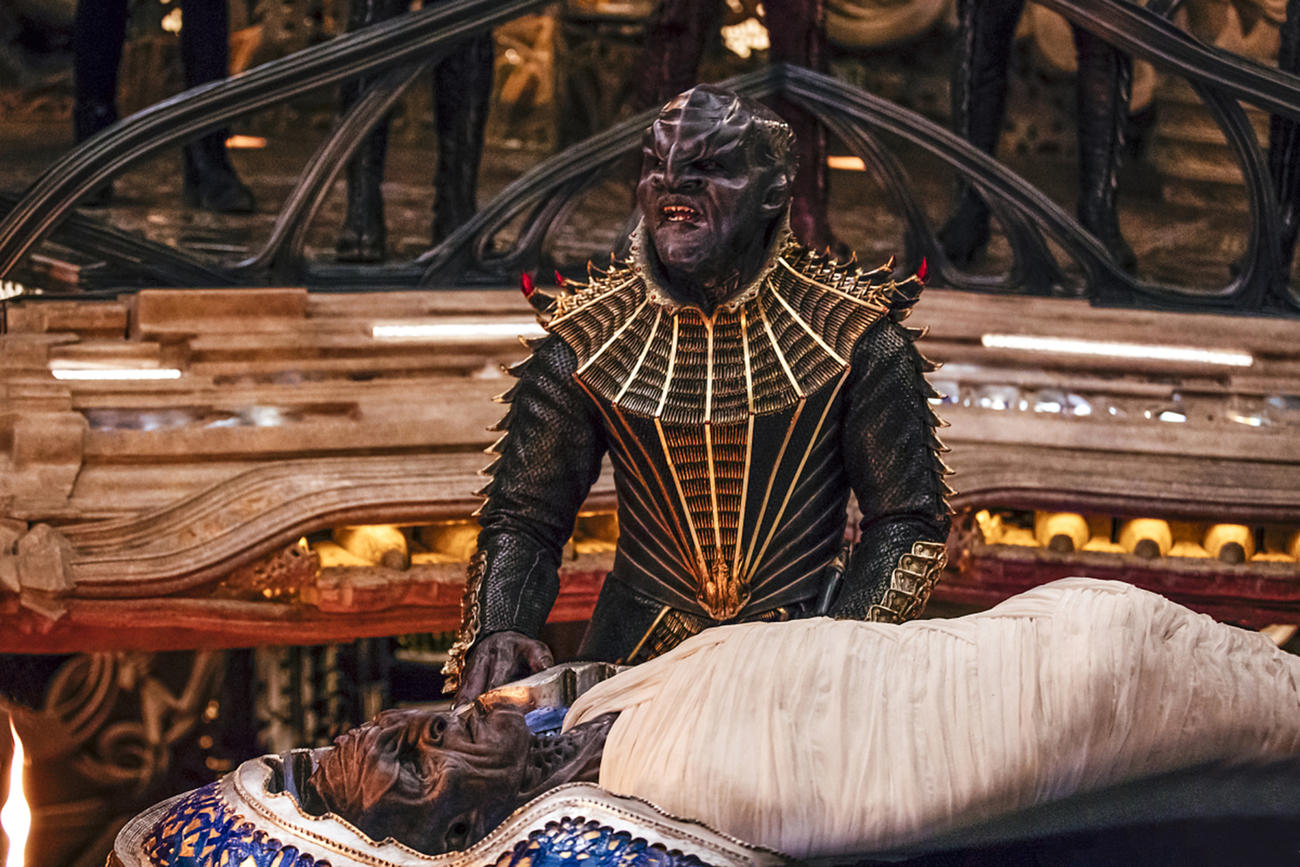
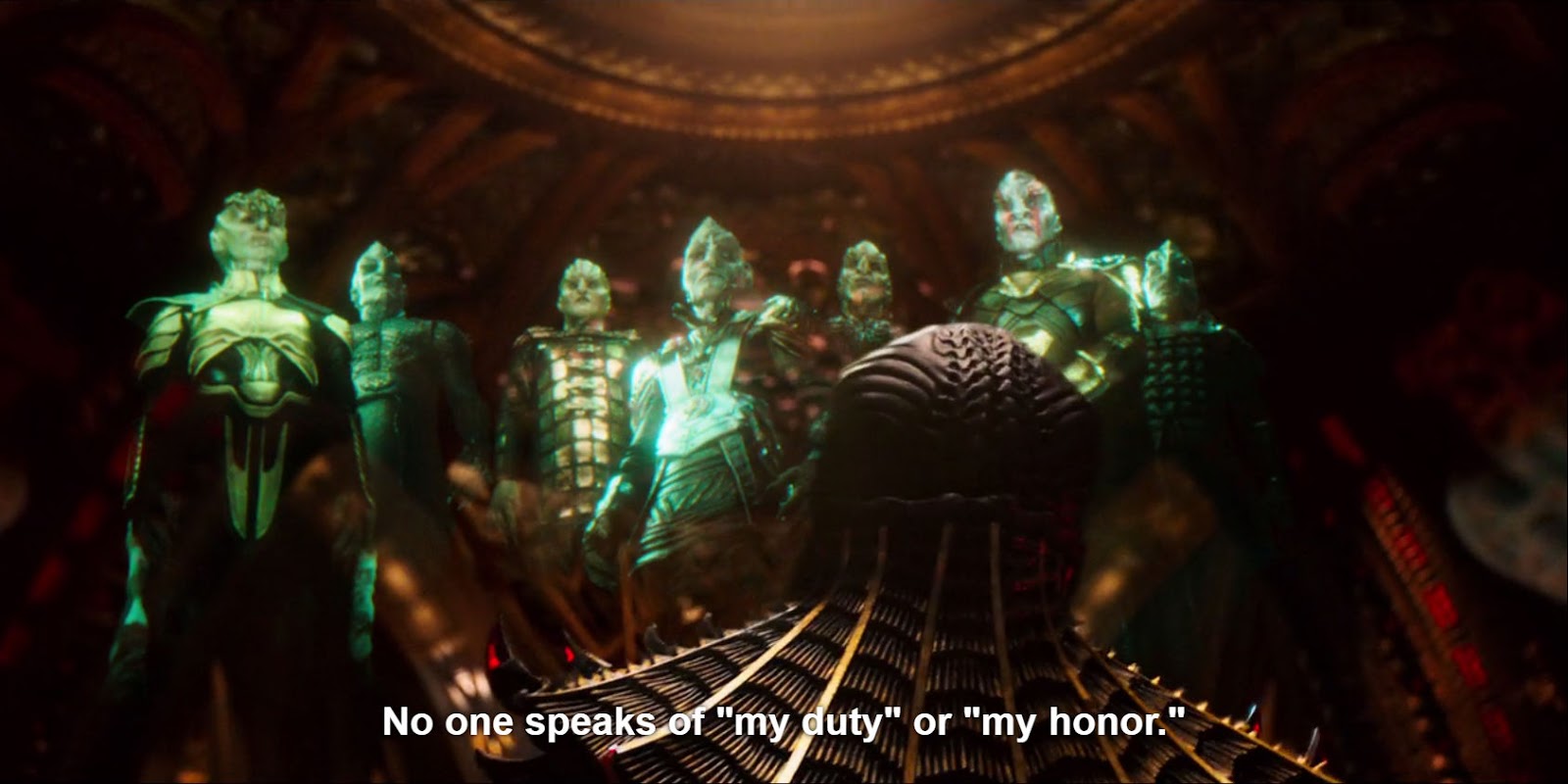
Everything about them looks different except for the browed ridges that now  are more prominent since they are hairless. Their skin tone is either purple, black or white with super flared nostrils. The KINOs wear ugly uniforms that looked more like bony dresses than armor and aren’t as formidable as real Klingons. What is worse is that brusque and clipped Klingon tongue sounds different, more unnatural. Maybe it is the makeup but now the Klingons sound like they have something in their mouths and it is difficult to listen to them. At no point in the episodes shown have we heard their famous battle cry “Qapla!”, meaning “Success!” Instead we get long, drawn out speeches that is hard on the ears and ponderous to read with all the subtitles.

It can be argued that these could be another unseen-til-now faction of Klingons or something along that line. But this is a needless revision. There wasn’t anything wrong with the classic Klingon look. Why did the showrunners feel the need to meddle with not only the look, but the complex culture of the beloved aliens? If the argument is to be different and update their look then why stop there? Why not update the Vulcans? As aliens go, they are not remarkable in this day; pointed ears and arched eyebrows. Not the most exciting look, but to try to change it would be blasphemy at this point.

klingon burial

What is probably worse for the KINOs is the way they are portrayed in Star Trek: Discovery. They do not seem very bright for vaunted military types. In the episode “The Butcher’s Knife Cares Not For The Lamb’s Cry” the Klingons led by Voq are stranded near an abandoned Federation starship for six months. Voq boards the enemy starship to scavenge for parts, but if they were marooned for six months why didn’t he and the other Klingons scavenge the starship sooner? Then the way they perceive death is radically different than with classic Klingons. Both do the death cry when one of their own dies to warn the afterlife of a coming Klingon soul. However, once a Klingon is dead the corpse is casually discarded because the body is just a husk. These KINOs instead put their dead into elaborate sarcophagi and transfer them onto a special funeral ship. Huh?  Even their ships and weapons bear little resemblance to the iconic Klingon battle cruisers, birds-of-prey and bat’leths.

For a Star Trek show that is allegedly set in the Prime Timeline these Klingons are the best argument that this is not so. But debating about timelines and canon is pointless and would not be so heated if the Klingons were better realized. Frankly, whenever these KINOs appear onscreen the pace of the episodes comes to a screeching halt. There is an interesting subplot about uniting their separate clans to become a major power again. But that gets lost in the slow pace of their poorly written scenes. They simply are not as intimidating as classic Klingons. One attempt to make them frightening is to have them eat dead humans, which comes off as sickening.

Star-Trek-Discovery-Klingon-Kol

Even more distressing is that the showrunners are blind to the negative reception to their version of Klingons and are intent on doubling down on them throughout the season. Maybe this is not the final word on the Klingons, we can only hope that something is done about these KINOs. Until then the best we can do is either re-watch previous Star Trek shows to get our classic Klingons or fastforward Star Trek: Discovery whenever they appear or at the very least stuff cotton into our ears when they open their mouths to talk.

José Soto


This Beautifully Crafted Blade Runner 2049 Does Not Replicate The Original Classic

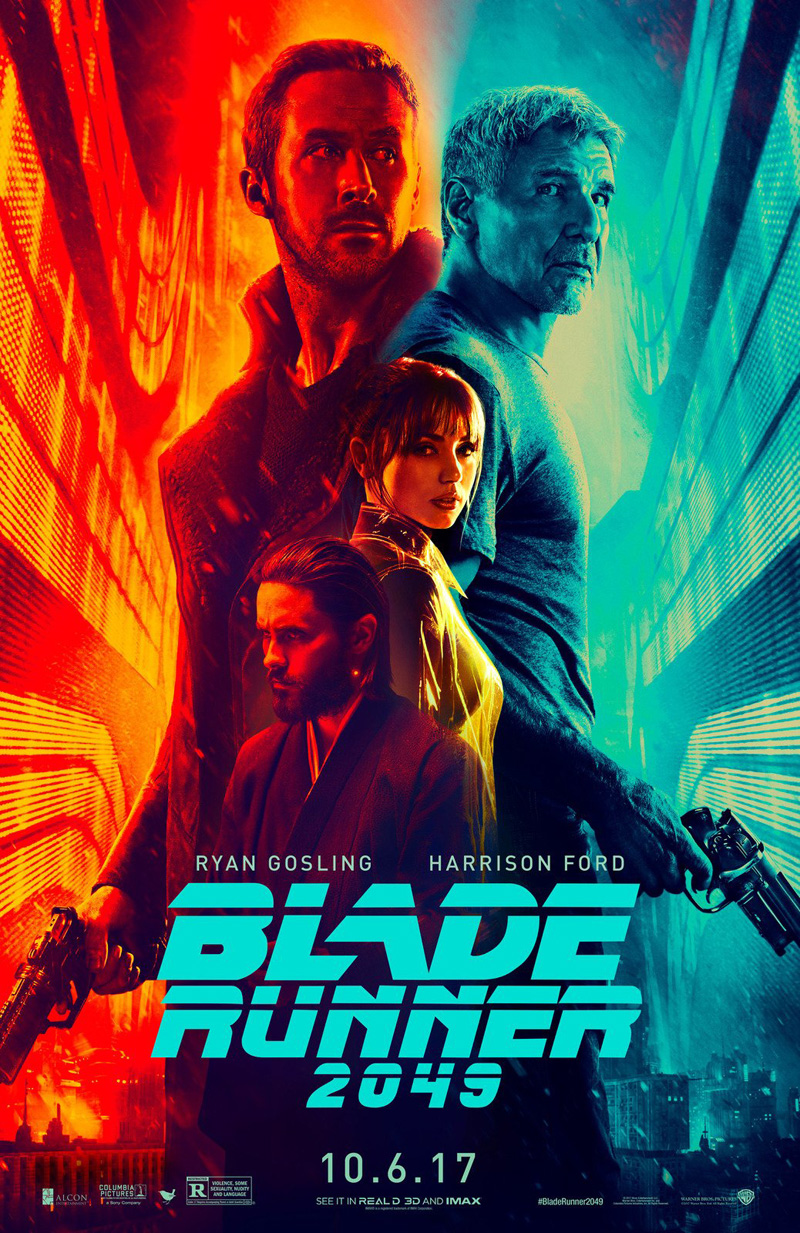
blade runner 2049 poster

Blade Runner 2049 is the sequel to the Ridley Scott sci-fi neo noir classic film that came out 35 years ago. It takes place in the same dystopian Los Angeles introduced in the original film, which took place just two years from now, yet seems uncomfortably accurate today. Now thirty years later the world is even more ruined but further technologically advanced. Humanity is still utilizing  race of artificial humans called replicants as slave labor. Whenever a replicant escapes or rebels, special police officers called blade runners are dispatched to kill them.

In Blade Runner 2049, replicants no longer have limited life spans and are more integrated into society. However, they are still second-class citizens who are derided by humans. The main protagonist in this film is K (Ryan Gosling), a replicant who is actually a blade runner that hunts down his own kind without remorse. Early in the film during an assignment he uncovers a baffling mystery. He discovers a long-dead body and this leads him on a mission to find out more about the deceased person because it has important connotations for replicants and society itself.

Denis Villeneuve directed this sequel and he is an inspired choice for the job because his visual style and storytelling techniques are very reminiscent of Ridley Scott. The landscapes are still breathtakingly chilling with the towering and crumbling skyscrapers, large intrusive holographic advertising and constant rain, which signal the climate change ravaging our planet. Only now snow and ash pelt the inhabitants of the futuristic Los Angeles. This does not mean that Blade Runner 2049 is a copy of the original. It tells its own original story without rehashing the beats of the first film, while further exploring the theme of what it means to be human. Gosling does his usual stoic act, which fits perfectly with his soulless character. But as he digs deeper into the mystery, he comes to question his own self and wonders if he has a soul. If so would that make him human despite how he is treated?

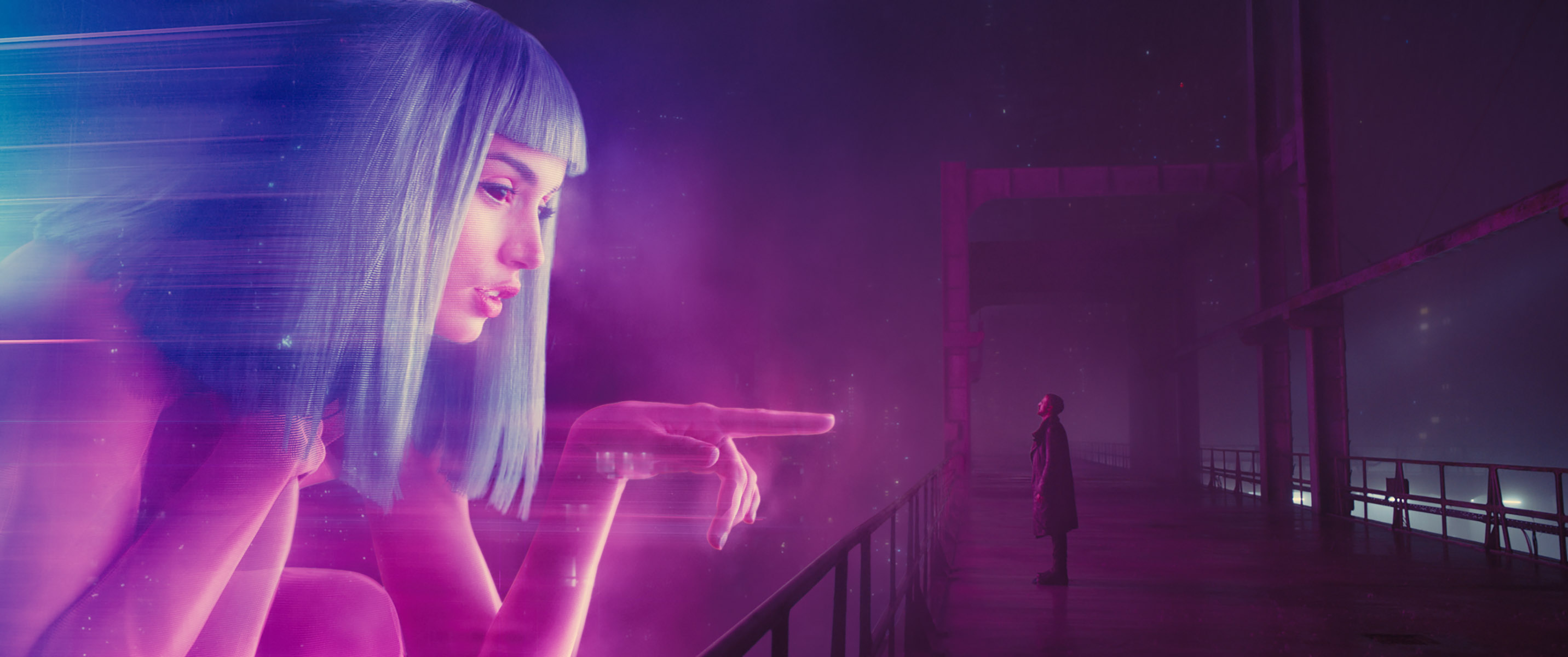
The sequel even takes time to examine the nature of sentience with K’s holographic home AI, Joi (Ana de Armas). At first glance, Joi just seems to be a household tool to K, sort of an advanced Siri or a Google Home but with holographic projectors. What was interesting about this set up is that a subservient non-human intelligence services a second-class citizen who isn’t considered human himself by society. How K and Joi treat each other in their tender,  growing relationship formed the heart of this film and featured in its best moments.

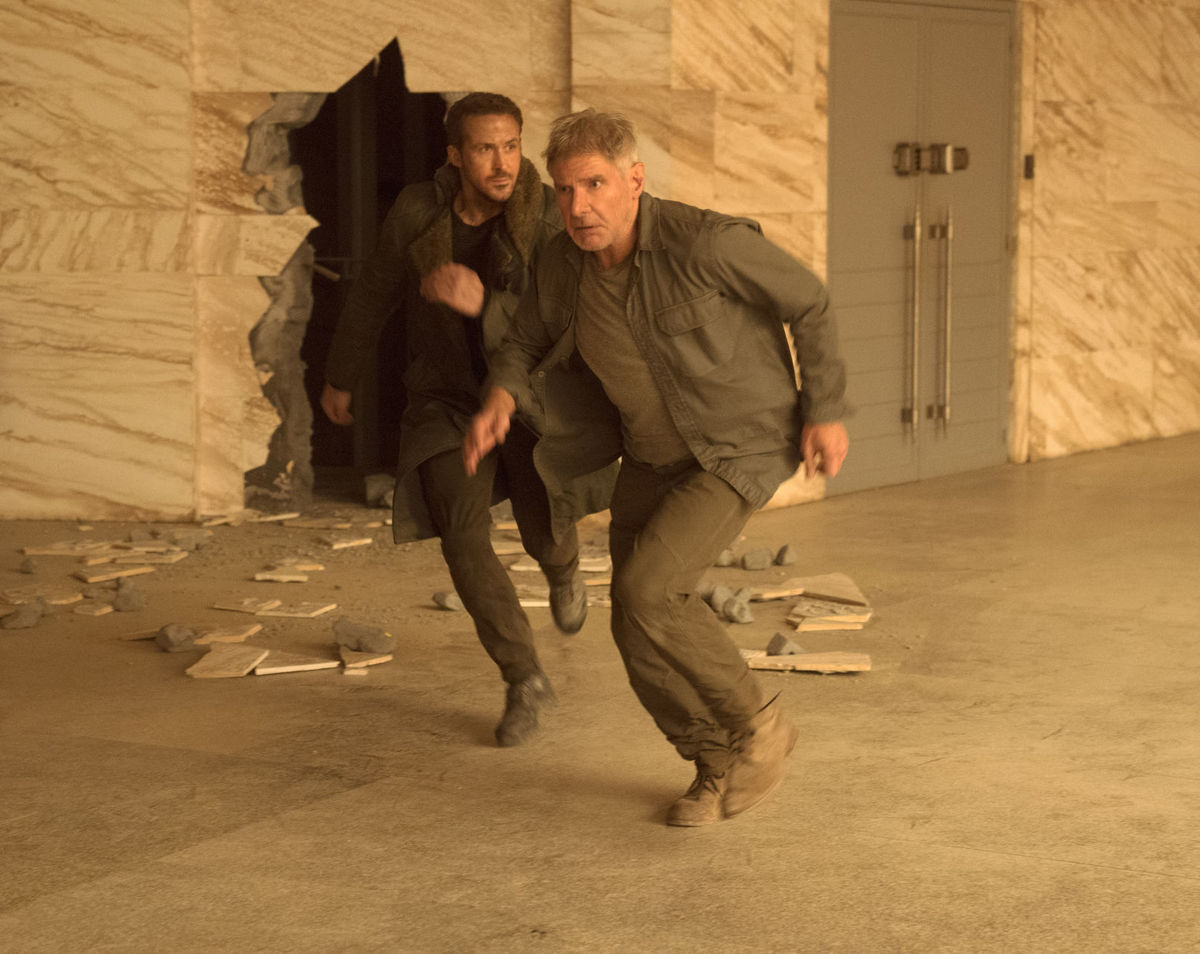
Another highlight is Harrison Ford himself, who reprises his role in the first film as Deckard, the blade runner who fell in love with a replicant. He is a welcome face and believe it or not helps lighten the mood in this dour film. Ford’s Deckard is a reminder of a world that has been lost and only now exists as a distant, treasured memory. Although Ford is a scene stealer, Gosling with his tortured character is the focus in this film.The most important question is about how Blade Runner 2049 compares to the original. Honestly, this is the kind of film that will be many things to many people. Already, some are hailing this as a masterpiece, while others are writing it off as dull. Bottom line, the original is the better film for several reasons. Starting with the story, the first Blade Runner had a tighter plot that was quite clear: Deckard had to find a group of renegade replicants. In this film, the mystery (and plot) are laid out but it seems more muddled and sometimes it is easy to lose track of what is going on. Later in the film, a new development occurs that is disjointed and clumsily inserted into the film. What is worse is that this development does not lead to anything and just reeks of an obvious plot thread for a sequel. This does not mean the film is dull as some are claiming. Just like the first Blade Runner, this is a slower, more contemplative film than what most of today’s audiences are used to, which is not a bad thing. Also, while it emulates the look and themes of the first film, Blade Runner 2049 fails to replicate (pardon the pun) that memorable future noir atmosphere that made the first film stand out. For a film that centers on a mystery it feels less like a detective story than the first Blade Runner. Another vital drawback is with the villain. Roy Batty so wonderfully played by Rutger Hauer was a much more realized and dimensional villain. He was motivated by a desire to be free and extend his short life span. That is something we can all identify with, which is why we mourned his fate at the end of the film. The villain in this sequel does not have a clear motivation and as a result comes off as one dimensional.Blade Runner 2049 is nonetheless a beautifully crafted film that honors the original while being able to stand on its own. Denis Villeneuve demonstrates again why he is one of the most lauded film directors today and this is a great entry in his filmography. The film’s cinematography is simply gorgeous even though it depicts a sadly decaying world. Every shot is expertly composed and should be seen at least once in the big screen. It goes without saying that the special effects are as grand and spectacular as the first film. But these technical aspects are just window dressing for the film’s central themes about humanity and how we treat each other. Those are the film’s true highlights and what will leave the greatest impression upon audiences.

Lewis T. Grove