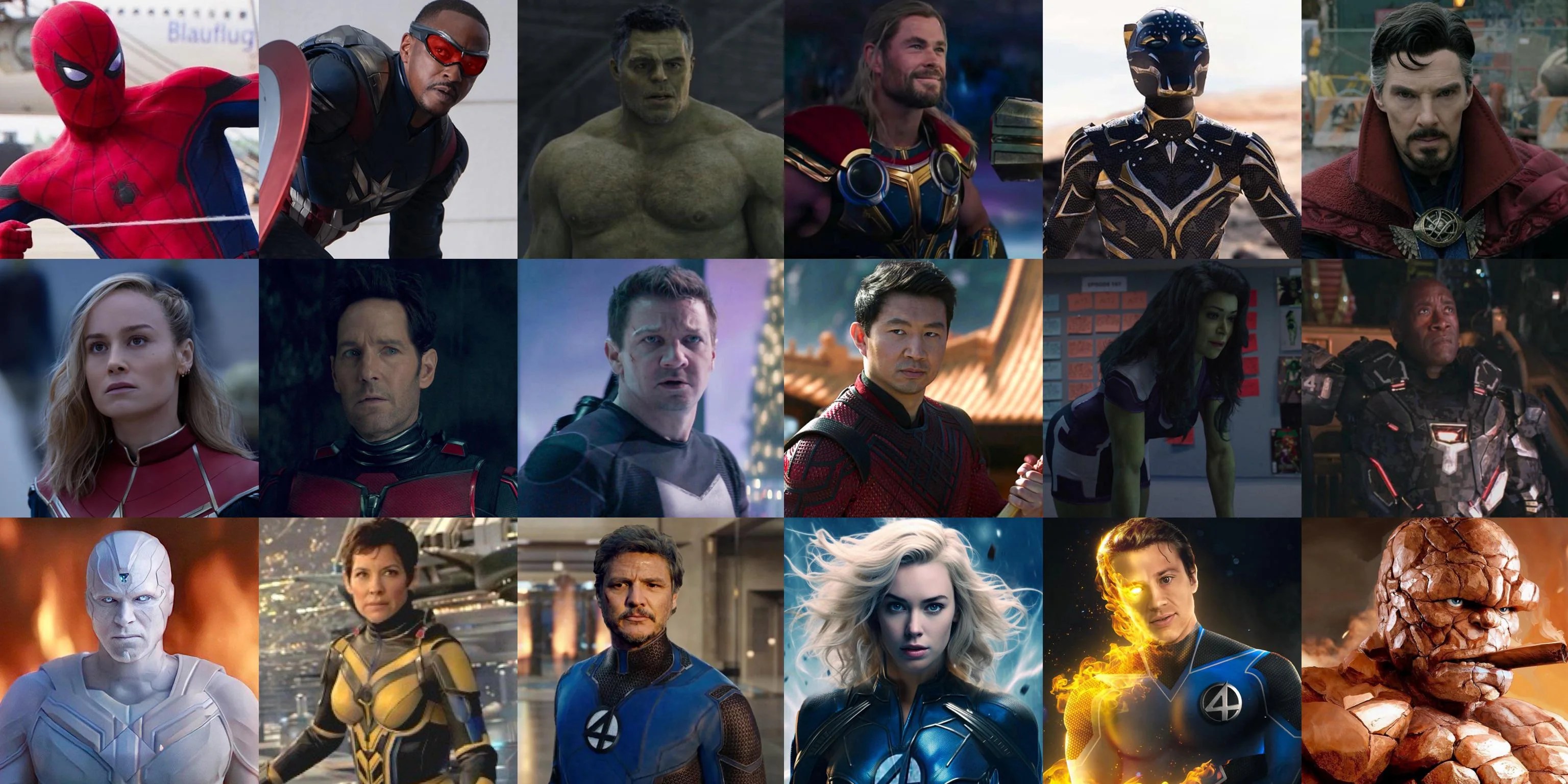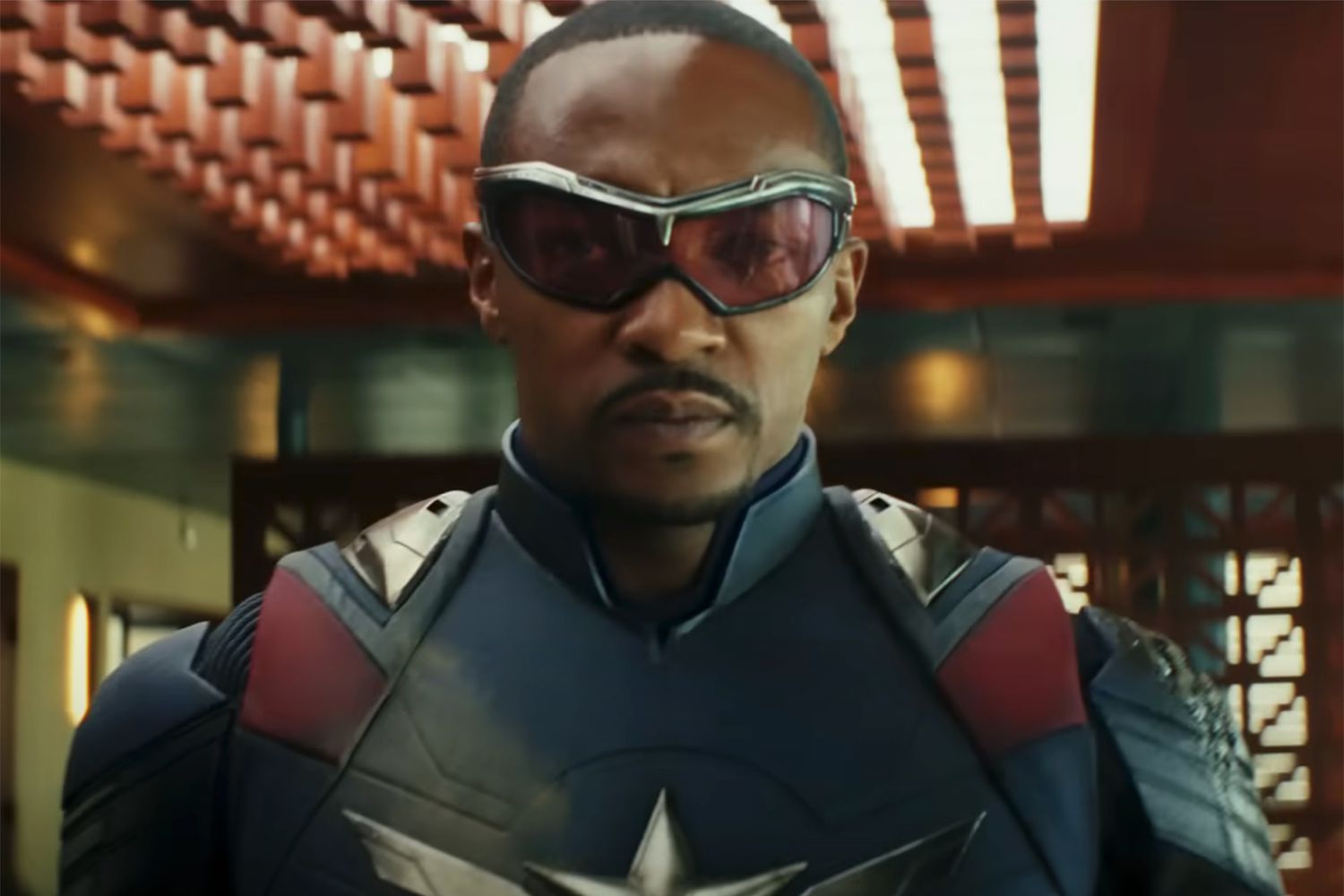
The Return Of Robert Downey, Jr. To The MCU…As Doctor Doom!

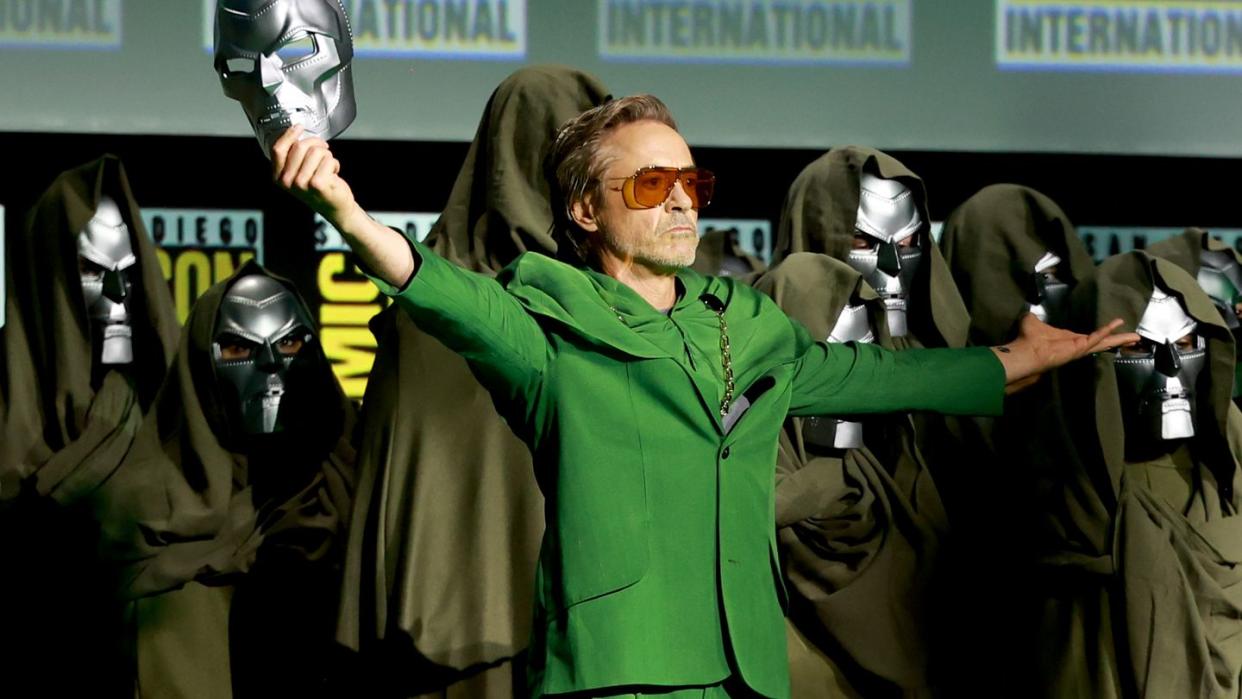
SAN DIEGO, CALIFORNIA – JULY 27: Robert Downey Jr. speaks onstage at the Marvel Studios Panel during 2024 Comic-Con International at San Diego Convention Center on July 27, 2024 in San Diego, California. (Photo by Matt Winkelmeyer/Getty Images)

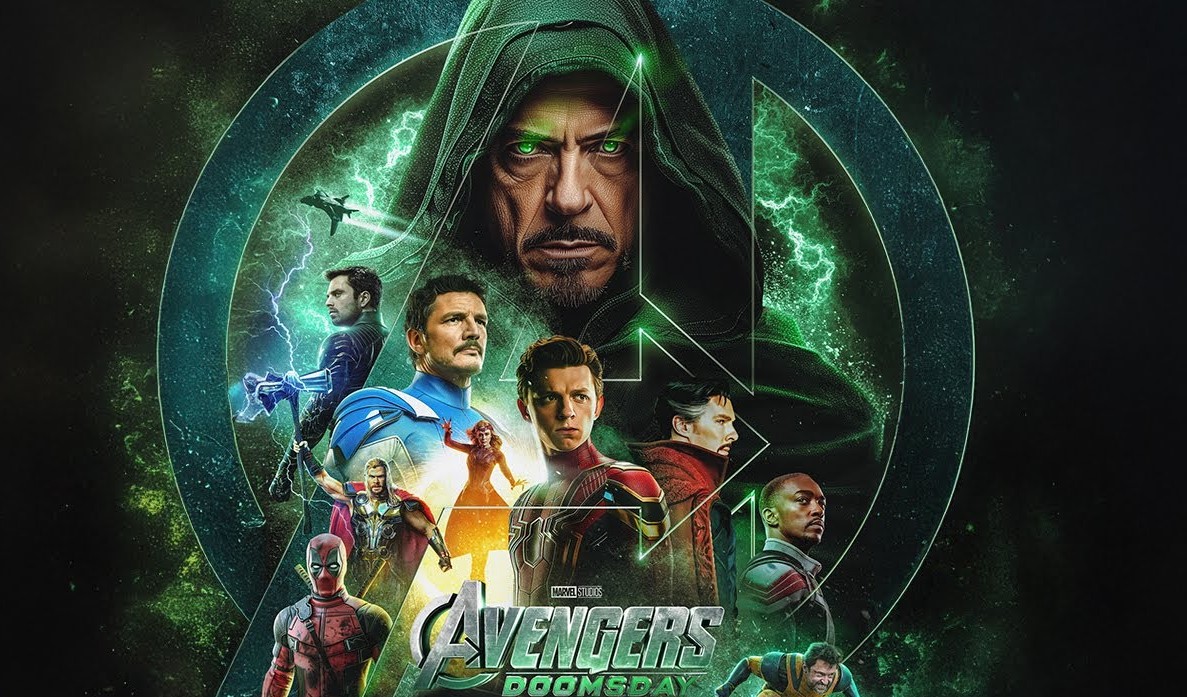
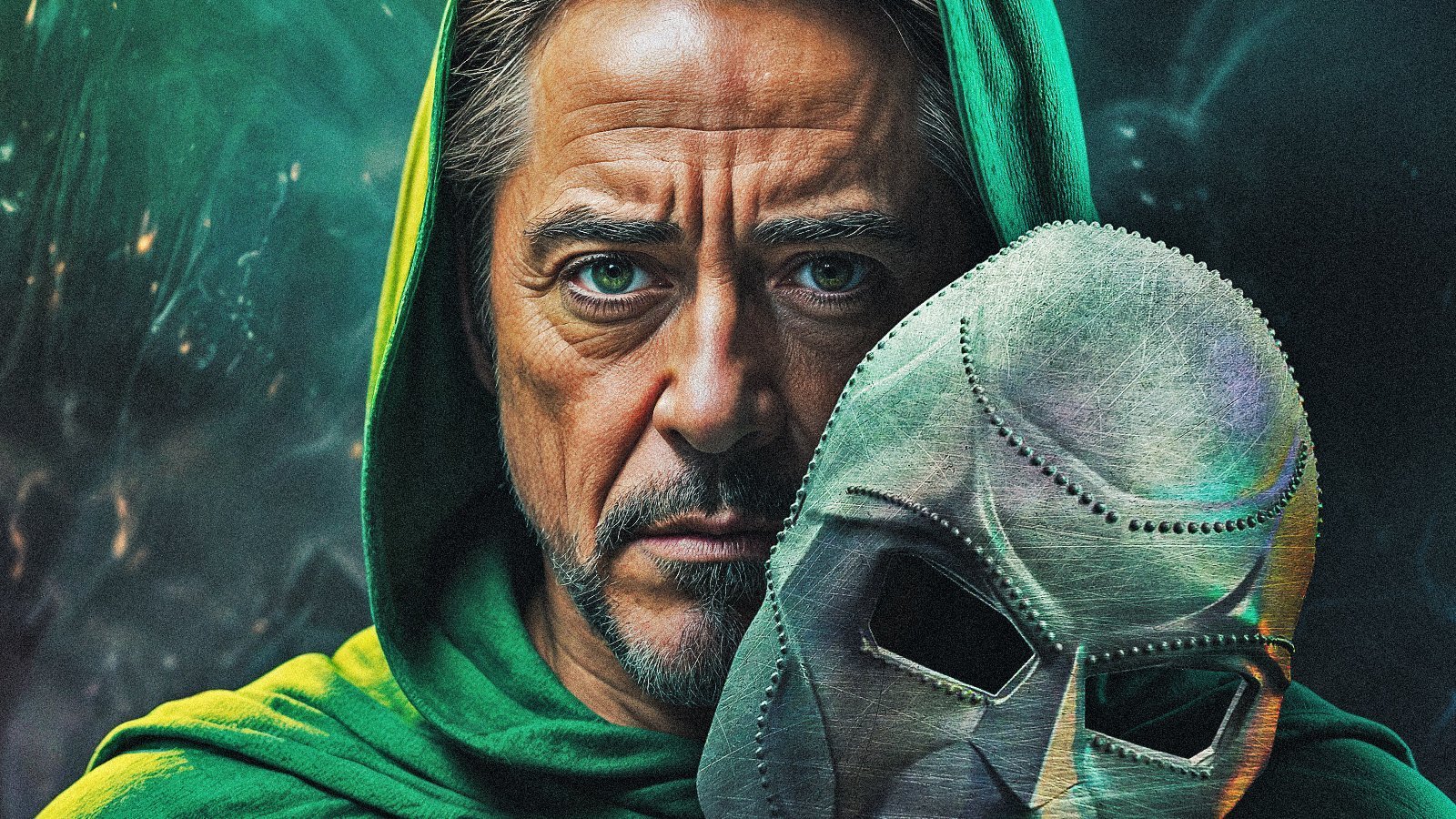
Marvel Studios, as usual, figuratively exploded fans’ minds last weekend at the San Diego Comic-Con with their announcements of their upcoming Marvel Cinematic Universe (MCU) films. But the biggest jaw-dropping revelation at Hall H was that MCU mainstay Robert Downey, Jr. would return to the MCU in the next Avengers film as Marvel Comics’ most infamous villain Doctor Doom.

As wild and flabbergasted fans were when the announcement first came out, it was inevitable that questions and second guessing followed soon after the announcement. People wondered if this was the best casting decision and if it meant that Marvel Studios was desperate to rekindle the excitement and attention the MCU had just a few years ago during its heyday.

Marvel Studios couldn’t find an actor qualified enough to play Doctor Doom? Did it have to be Robert Downey, Jr.? Let’s be clear here, Downey is a gifted actor, he’s so great he even won an Oscar for his work in Oppenheimer, and he is the face of the MCU because of his portrayal as Tony Stark/Iron Man, which put the MCU on the map to greatness. But there are many other actors who could’ve easily portrayed the villain. Some have complained that the casting is lazy, unless if some reports are true about Doom’s identity in the upcoming MCU films.

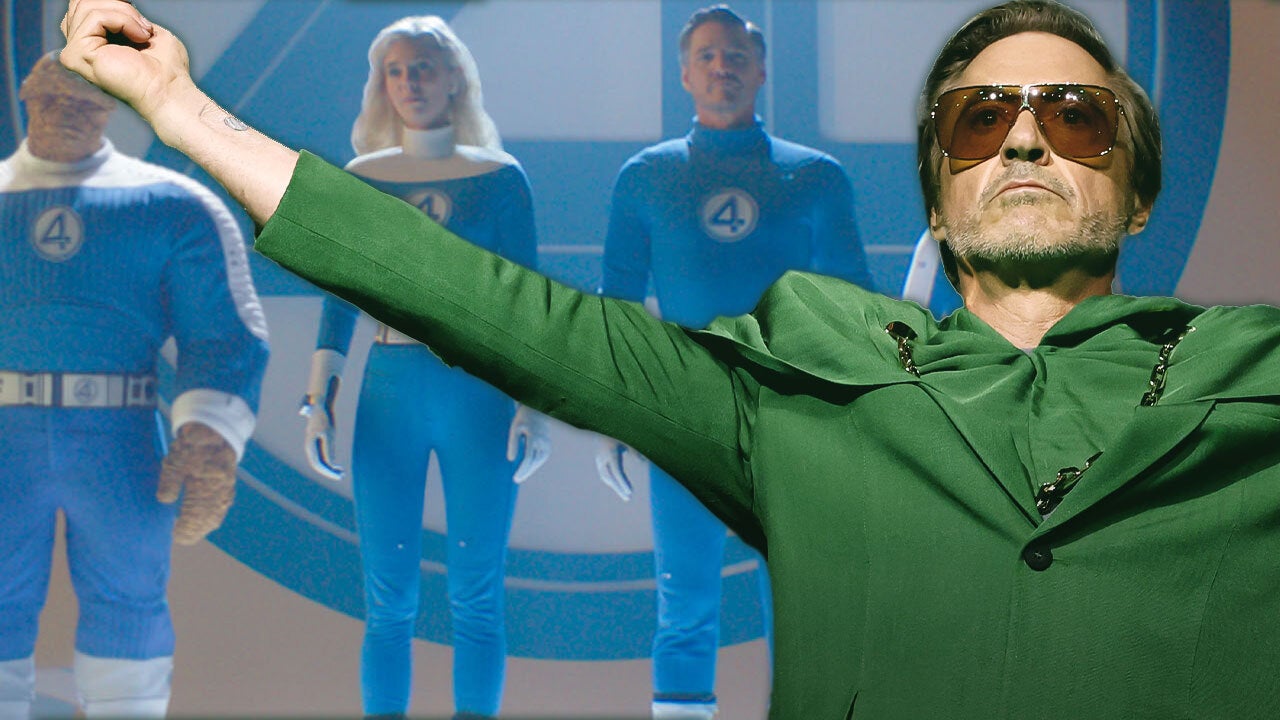
Doctor Doom is traditionally, Victor Von Doom, the armored, despotic ruler of the fictional Eastern European country Latveria, who became a bitter rival to the Fantastic Four’s Reed Richards. Now, Downey was introduced as Von Doom by Marvel Studios, but there are rumors that the actor will actually play an evil variant of Tony Stark from another reality, in fact it will be the same universe where the upcoming The Fantastic Four: First Steps takes place in. This makes a lot of sense and circumvents the complaints by fans about how the other characters in the films are ignoring the fact that Doom looks just like Stark. Otherwise, if he plays Von Doom, then that will raise questions from viewers, which will take them out of the film.

In the recent comic books, Stark has become Dr. Doom and vice versa because the two characters are very similar to one another. So, there is precedent for this to occur. Maybe, in the MCU timeline, Stark came into existence earlier in the Fantastic Four’s universe and did not have the same redeeming experiences that the MCU Stark had and became evil but shares the same goal as the MCU Stark had: to protect the Earth using armor. During his Comic-Con appearance, Downey did say “New mask, same task,” which implies that he will play a variant of Stark.

If this pans out, it will be an ingenious way to bring the actor back to the MCU and allow him and the screenwriters to do something different with the character. It can work and it probably will. But many will be disappointed that the traditional Victor Von Doom with the same backstory from the comic books won’t be in the MCU. However, people should not give up hope.

Marvel Studios probably decided to bring back Downey because of his star power and the twist that will guarantee that people will rush to theaters to see Avengers: Doomsday and Avengers: Secret Wars. However, while the actor will excel as Doctor Doom, it’s doubtful he will play the villain in the long term. He is being paid a hefty amount to appear in these films and it will be hard for the studio to afford his paycheck forever. What could happen is that Doctor Doom will get killed off in Avengers: Secret Wars and be replaced by another variant i.e. another actor. This variant could possibly appear in a post-credits scene and be introduced as the MCU version of Doom, who will be Victor Von Doom with the comics-accurate backstory. Going forward, this new version of Doom, portrayed by a different actor, will be the go-to MCU version of Doctor Doom that the Fantastic Four, the Avengers and the other MCU heroes will contend with.  

Whatever develops with Doctor Doom, Downey’s casting brought much-needed publicity and excitement for the MCU. Surely, once we see him in his green robes and armor, we can pass final judgment, which will most likely be very favorable.

Beyond A Quiet Place

With the success of A Quiet Place: Day One, the future of the series seems promising. especially since there are plans for A Quiet Place, Part Three, though if that sequel actually happens expect the title to change to avoid confusion with A Quiet Place: Day One. Even though A Quiet Place: Day One is the third film in the series it’s actually a prequel to the first film and has little connection to the first two films.

Part of the reason for the success of A Quiet Place: Day One is because it expanded the horrifying world we were introduced to in the first film. We the audience got to see how the worldwide invasion of the blind savage aliens, who are called the death angels, began. While the film was an excellent study about the need for companionship and finding solace in the simple things in life, it still left audiences with many unanswered questions about the alien invaders. We do know they arrived in meteors and their arrival was too abrupt for the authorities to handle before most of humanity was wiped out. We also know from the previous films that ways to defeat the death angels were found and used, which could set up a final confrontation between humanity and the aliens in a future film that concludes the series.

Future films, aside from A Quiet Place, Part Three, should take place in other corners of the world. Having A Quiet Place: Day One take place in New York City was a smart move since the first two films were set in rural communities. Where can other films go? How about a different country? The suburbs? Given that the death angels are vulnerable to water, have a film set in a makeshift community made up of ships filled with survivors and present their plight as they try to get supplies in the ravaged world. How about the perspective of surviving scientists and military trying to devise a means to fight back? That could be the focus of a final film.

But before the series finishes, more explanations about the death angels are warranted. Were they part of an advanced wave meant to wipe out our defenses and soften our world for an actual invasion? Or were they sent to herd humanity for their masters in the same way humans use dogs during hunts? There is evidence for that in that the death angels are never seen eating their victims and as shown in the third film they only ate food that came with them in the meteors. There is so much that needs to be explored with these savage creatures that would captivate audiences and give us some kind of explanation as to their motives. Or maybe they are just uncontrolled animals like the Xenomorphs in the Alien films that have no purpose other than to survive and multiply.

Another appealing aspect with the A Quiet Place films has to do with the characters that we quickly sympathize with, which is vital to get us invested during their dangerous plight. While the focus on the characters must remain in place with the film series, going forward, more development and explorations about the death angels has to be covered. But we don’t have to know everything all at once. We could use a few more terrifying entries like A Quiet Place: Day One before we get our answers. 😀

The Curse Of Blade

About five years ago at a Comic-Con appearance, Marvel Studios president Kevin Feige eagerly announced that a new film about the vampire hunter Blade would be produced by Marvel Studios to join the Marvel Cinematic Universe (MCU). What made the announcement even more exciting was that Mahershala Ali would portray Blade, a role made famous by Wesley Snipes. That was then. Now? Nothing. The film keeps getting delayed over and over again to the point that many are asking if the project is cursed.

At the same Comic-Con, several other film and TV projects were announced and they have been produced and released since then. Only Blade remains unrealized; the closest we got to having Blade appear in the MCU was hearing his voice during a post-credits scene in Eternals. There are several reasons why the reboot of the Wesley Snipes film has been delayed, some of it has to do with the pandemic and the recent Hollywood strikes. But the main reason for the delays has to do with the inability to come up with a script and holding onto a director.

Marvel Studios has not been impressed with the scripts. The first one was penned by Stacy Amma Osei-Kuffour in 2021, while Bassam Tariq was chosen to direct the film. Tariq left a year later due to the lack of progress with the film while Marvel Studios brought in other writers to revamp the script. Reports have it that the first script was very light on action, a staple of the Blade films, and supposedly took place in the 1920s. Other writers who took a shot at Blade included Beau DeMayo, who was responsible for the well-received X-Men ’97 animated series, but time and time again Marvel Studios brought more and more screenwriters to turn in a suitable script. Mahershala Ali himself has expressed dissatisfaction with the original script and the pace of the project and it would not be surprising if he winds up leaving the project, even though he approached Marvel Studios with the idea of portraying the vampire hunter.

Meanwhile, Yann Demange, the director who replaced Tariq, left the project a few weeks ago, and no replacement has been announced yet. This is going on as the film is supposedly slated to begin production later this year for a 2025 release. At this rate, it is doubtful the film will meet the deadline or even be made.

Kevin Feige and Marvel Studios recently announced their desire to focus on the quality of their films and TV shows, which is commendable. But the unfortunate result of focusing on quality has been the delay of Blade. This is very frustrating for fans of the character and the original films who wanted to see the MCU take of the Daywalker (as he is called by the vampires he hunts), as well as Ali’s interpretation of the superhero.

It is baffling why Marvel Studios is having a hard time with this project which should be a slum dunk and would have a ready audience for a character with huge name recognition. The Blade films were popular even before the MCU existed and most people were not even aware that the supernatural hero was actually based on a Marvel Comics character. The premise should be fairly simple to produce. Why not just do a remake of the original Blade film Deacon Frost as the villain? The story worked in the first Blade, just throw in some MCU references and call it a day.

The answer to that is that Marvel Studios wants a fresh new take on the character and probably as rumors have it, wants Blade to help launch the Midnight Sons superhero team for the future. This is a great idea, but Marvel Studios has a lot on their plate and it’s anyone’s guess as to when they will get around to it.

Until Marvel Studios decides on a script and hires a solid director (supposedly they are eyeing Jordan Peele or Chad Stahelski who have either shown interest or been approached for Blade), the least they can do is have the character appear in upcoming MCU projects. This would keep fans happy and maybe even Ali, too.

However, the constant delays has become an embarrassment for Marvel Studios. They must settle on a script and director very soon in order to meet the production schedule and release date. Otherwise, Blade is doomed.

After Kingdom Of The Planet Of The Apes

Kingdom of the Planet of the Apes is the latest entry of the long-running Planet of the Apes franchise. The film is both a continuation of the previous trilogy that came out in the last decade while being a new starting point for a new trilogy that expands the story of the Apes franchise. There will be spoilers for Kingdom of the Planet of the Apes.

For anyone who hasn’t seen any of these films, the world of Planet of the Apes is one where humans have been supplanted by intelligent apes capable of speech, while humanity has become animalistic. The previous trilogy, consisting of Rise of the Planet of the Apes, Dawn of the Planet of the Apes and War for the Planet of the Apes, served as the origin story for the franchise. The trilogy provided the background for how apes gained human-level intelligence, which came about from efforts to find a cure for Alzheimer’s Disease. The supposed cure, in the form of an artificial retrovirus, instead increased the intelligence of apes. But the retrovirus had the opposite effect on humans. First it spread like wildfire and killed millions of people and caused civilization to collapse. Then the virus mutated and caused the remaining humans to lose their intelligence and the ability to speak, and cemented the apes dominion on Earth.

The main character in the trilogy was Caesar (in a brilliant motion-capture performance by Andy Serkis), who was the first hyper-intelligent ape and the leader of an Ape Rebellion against the humans who tormented his species. Eventually, Caesar tried to live a quiet life as the leader of his ape colony in the forests beyond human civilization, but conflict arose between the two species. By the end of the last Planet of the Apes film, Caesar was able to defeat the humans that enslaved his fellow apes and led them to an oasis to start a new colony, but he died from wounds inflicted during his battle with humans.

Kingdom of the Planet of the Apes takes place “many generations” after the death of Caesar and apes have evolved further and multiplied while transforming from a hunter-gatherer society into an agricultural one. Meanwhile, humanity has devolved into mute, animalistic savages, however, Noa (Owen Teague), the lead ape character, meets Mae (Freya Allan), a young human woman who is actually intelligent and able to speak. Eventually it is revealed she comes from a human outpost that is quarantined from the world and located near a satellite base. These humans are still intelligent and by the end of the film have begun efforts to communicate with other humans who have not succumbed to the virus in order to reestablish human civilization. Obviously, this will set up a future conflict between humans and apes if Mae’s settlement is able to jump start civilization.

One of the later elements that made the films in this franchise so compelling was the eternal question of humanity being able to co-exist with another society, which was an obvious, and sadly still an ongoing, allegory to our inability to co-exist with each other. This theme was vaguely hinted at in the second Apes film, Beneath the Planet of the Apes, but was the main focus in the films that followed starting with Escape From the Planet of the Apes. After the violent revolution seen in Conquest of the Planet of the Apes, Battle for the Planet of the Apes offered the hope that both species were able to co-exist peacefully, though that was debatable.

In the final moments of that film, which took place hundreds of years in the future, several ape and human children were attending a lecture by an ape teacher, who was narrating the events of the film. Although this ape spoke about the ability of both species living in peace, a young girl and an young ape were seen squabbling with each other, hinting at a future conflict between the two. After this, a statue of the main character in that film (also known as Caesar, this time played by Roddy McDowall) was seen crying. It was left to viewers to ponder if these were tears of joy because the two species at last lived peacefully or if the tears were of sorrow because of a coming conflict between humans and apes.

This idea of trying to live peacefully is touched upon in Kingdom of the Planet of the Apes as Noa questions Mae in the final scenes if it is possible to for the two species to share the planet. Mae answers that she does not know, but he doesn’t realize that as she is talking to him, she has a gun ready to shoot him, just in case. Of course, the very notion that she brings a gun with her while coming to Noa’s colony raises the question if she is trustworthy. Throughout the film, she gave little reason to trust her as she lied to Noa and his apes about her true motives from the moment she meets them.

Noa is rightfully suspicious of her and in turn, humanity, but he is willing to work with her during his conflict with Proximus Caesar (Kevin Durand), a despotic ape leader from another clan that enslaved his clan. Noa is also more focused on learning and passing knowledge to his people. He learns about Caesar and his peaceful ways as the ape has become a religious leader long after his death. It is implied that Noa will pass on the legend of Caesar to his clan while inspiring them to learn more about the world. This is best illustrated in the final moments when he takes his ape companion Soona (Lydia Peckham) to a decaying observatory and introduces her to the wonders of the universe via an old telescope.

Mae for her part is shown as being worried about Noa and the evolving ape civilization that will prevent humanity from making a comeback. In one scene she silently watches Noa repair a cattle prod that was used by one of Proximus Caesar’s soldiers and is worried at his ability to repair a tool. During the film, she and Noa are captured by Proximus Caesar’s forces and is ordered by the ape tyrant to help him open an abandoned vault used by the human military long ago. She is adamant that apes should not have access to old human weapons and technology inside the vault and was willing to let innocent apes die to prevent their access.

During her mission to enter the vault, Mae killed a fellow human, a collaborator called Trevathan (William H. Macy), who threatened to expose her to the apes. Though it was understandable why she was distrustful of the apes and the collaborator, her actions made her untrustworthy and ignoble. On the other hand, her actions are meant to help resurrect human civilization and it is seen through Proximus Caesar that the apes are not much better than humans and full of humanity’s worst traits.

It will be interesting to see where the Apes franchise will go after Kingdom of the Planet of the Apes. It is clear that a new trilogy is been set up that will put ape and humanity into conflict once again. There is also a tantalizing hint that space travel will be involved, as Noa is seen being fascinated by space and images of astronauts. As wild as it sounds, having apes evolve to the point of venturing into space is a great idea. Who knows? Maybe space exploration could wind up being the means for both species to learn how to cooperate and live in peace if space travel is needed to help save the Earth.

It also hints at the possibility of the new Apes films linking back to the original films. Think about it. The very first film featured astronauts who wound up on Earth in the far future and Rise of the Planet of the Apes featured Easter eggs of a lost space mission, which could be these astronauts that could show up again at the end of the new trilogy. Anyway, no matter which direction future films go, the Apes franchise has demonstrated the uncanny ability to move into new and exciting directions as most recently seen with Kingdom of the Planet of the Apes.

The Post-Superhero Film & TV Era

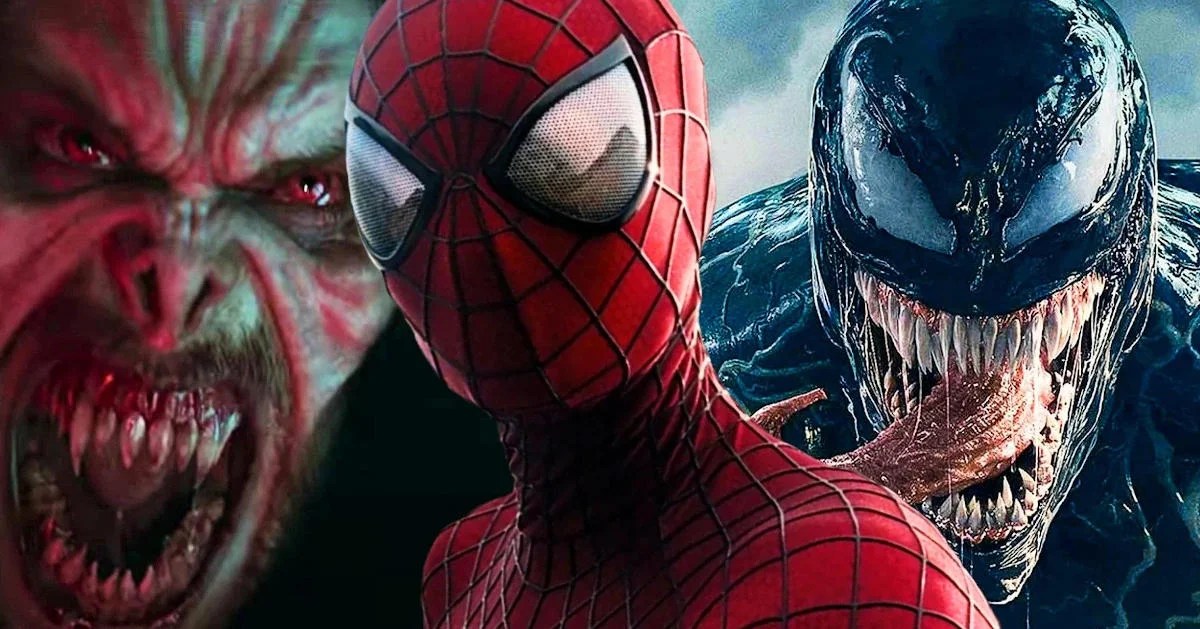
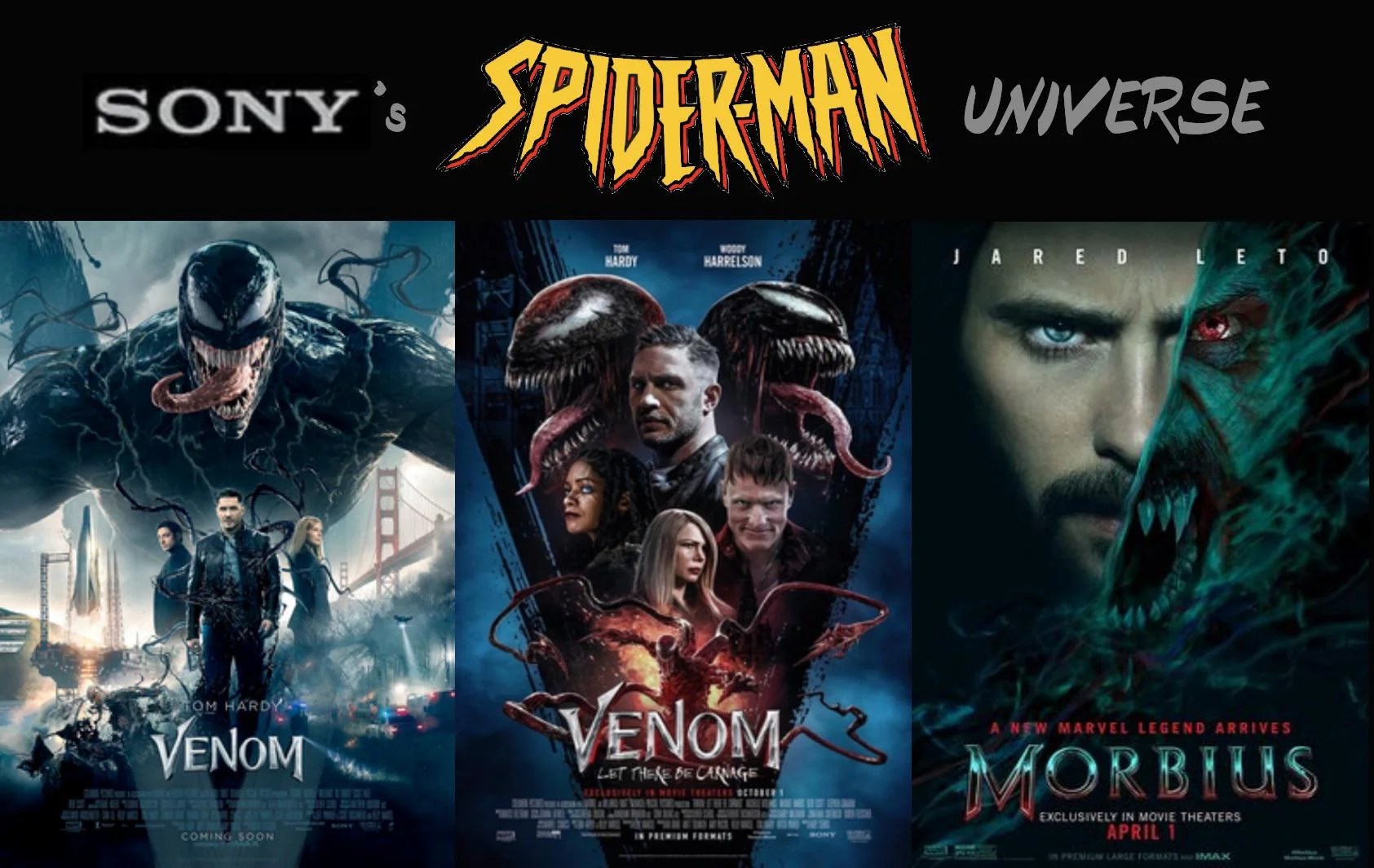
As we move further into this decade, it is apparent that the superhero era in films and TV shows has ended. We all know about the hurdles many recent superhero films and TV show have faced with diminished quality and profit. Guaranteed would-be hits like The Marvels or The Flash failed spectacularly last year and help cement that the superhero films and TV shows are no longer as popular at they were in the previous decade.

This does not mean that there won’t be anymore superhero films or TV shows or that they will never be popular again. There are several superhero films and TV shows in various stages of development and it is possible that a new era could arise. It has happened before. Back in the early 2000s, superhero films became dominant in films thanks to the success of Spider-Man and X-Men, but they then diminished in quality and several films did not perform well. However, as we all know the Marvel Cinematic Universe (MCU) exploded on the scene and launched an even more successful and popular era of superhero films and TV shows. It is similar to what has happened with the comic books that inspired these live-action films and TV shows.

As comic book fans know, comic books have had their ups and downs throughout history with different ages. When they first came into prominence in the late 1930s they sold very well, but by the mid 1950s comic books declined in popularity and sales until the release of Showcase #4, which revamped the Flash and introduced a new age of comic books. Essentially, the eras come and go in cycles with comic books as they reinvented themselves and there is little reason to doubt this won’t happen with superhero films and TV shows. For all we know this year’s Deadpool & Wolverine will usher in a new age of superhero films and TV shows. Or it may be a while as other genres capture the attention of viewers as they offer a fresh new take on superheroes.

So, until then what genre can replace the superhero films and TV shows in terms of prominence and popularity?

It is too early to tell, but we have a couple of contenders: video game-based properties or monster-based properties.

The MonsterVerse based on giant kaijus like Godzilla and King Kong has proven to be unexpectedly popular, while Godzilla Minus Zero blew away audiences and critics with its high quality and success. There are plans for films based on classic movie monsters like the Wolfman and Frankenstein’s monster, which could fulfill the failed promise of the so-called Dark Universe from ten years ago. The only issue with these monster films is their limited scope in terms of story. It is difficult to make compelling stories that focus on giant monsters while ignoring poorly developed human characters. But it is possible, again look at Godzilla Minus Zero.

On the other hand, video games have provided ample material for filmmakers to mine from. The most popular video games are based on science fiction, horror and fantasy and everything in between. In the past, films based on video games fared poorly as filmmakers were unable to translate what made the games so popular into film.

However, there have been many recent films and TV shows based on video games that were wildly successful and were well received. These include Sonic the Hedgehog, The Super Mario Bros. Movie, Five Nights at Freddy’s, The Last of Us, The Witcher, Halo and most recently Fallout. Although the quality and success of these projects varied, it is clear that they are becoming more and more prominent in theaters and in streaming services. These properties are just the tip of the iceberg of available video games that are practically begging to be adapted to live-action. There are plans to produce films and TV shows based on The Legend of Zelda, Death Stranding, Borderlands, Minecraft: The Movie, Metal Gear Solid, Mass Effect and Bioshock. Of course, we will also be getting sequels and new seasons like Sonic the Hedgehog 3, The Last of Us, Knuckles, Five Nights at Freddy’s 2, and Tomb Raider: The Legend of Lara Croft. The subject matter of these projects range from alternate history, hard sci-fi, horror and animated cartoons.

Will these films duplicate the success of the MCU and other superhero films and TV shows? It’s hard to say at this point, but do not be surprised if some video-game based property explodes and captures the public zeitgeist. The Super Mario Bros. Movie was able to do this given that it earned over $1 billion when it was released last year. It’s possible that the sequel could earn more money and cement the Mario Brothers as the next big thing. Or maybe it will be some other video game property. The future is wide open for video game-based films and TV shows to dominate the public consciousness.