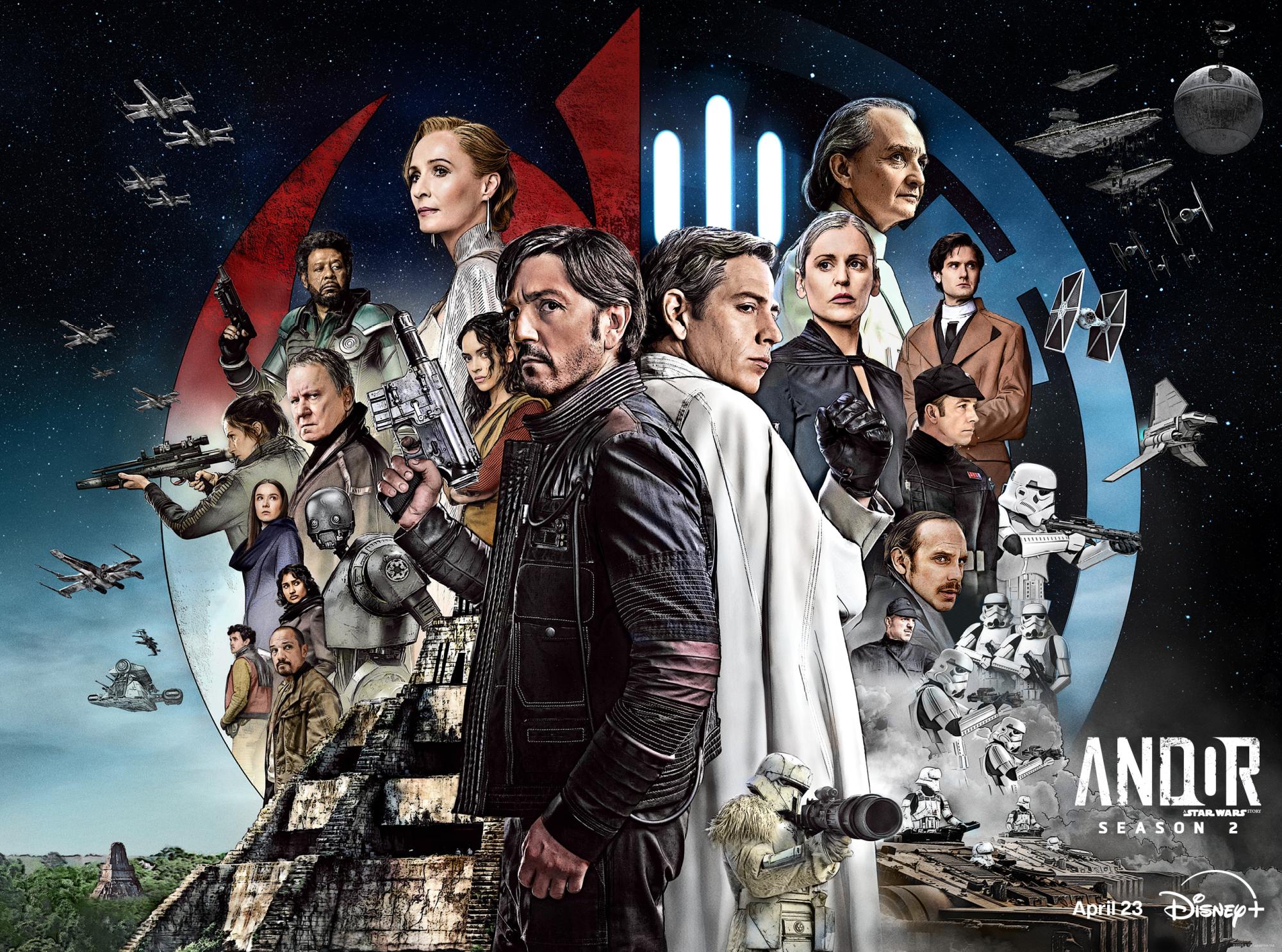
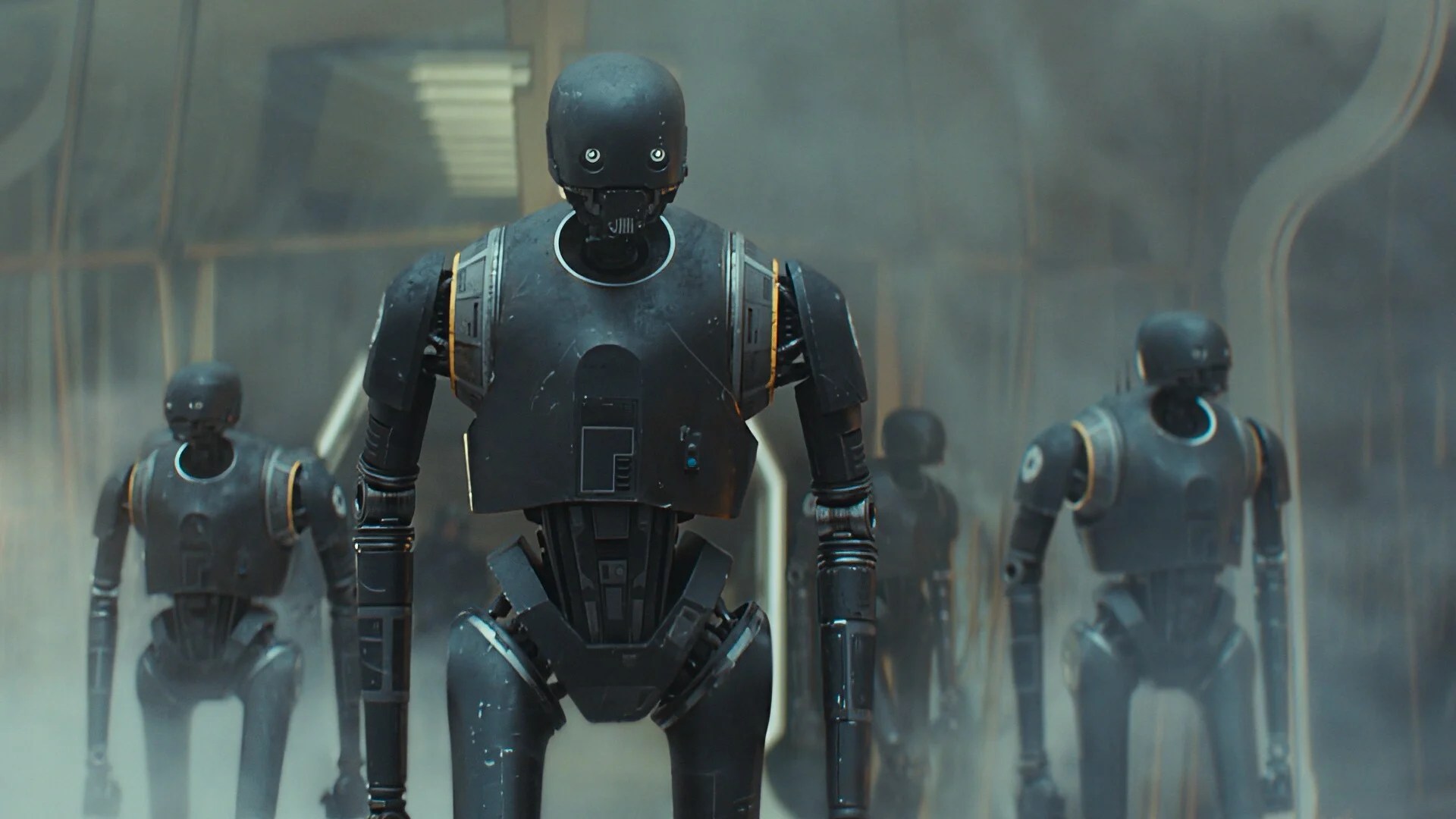
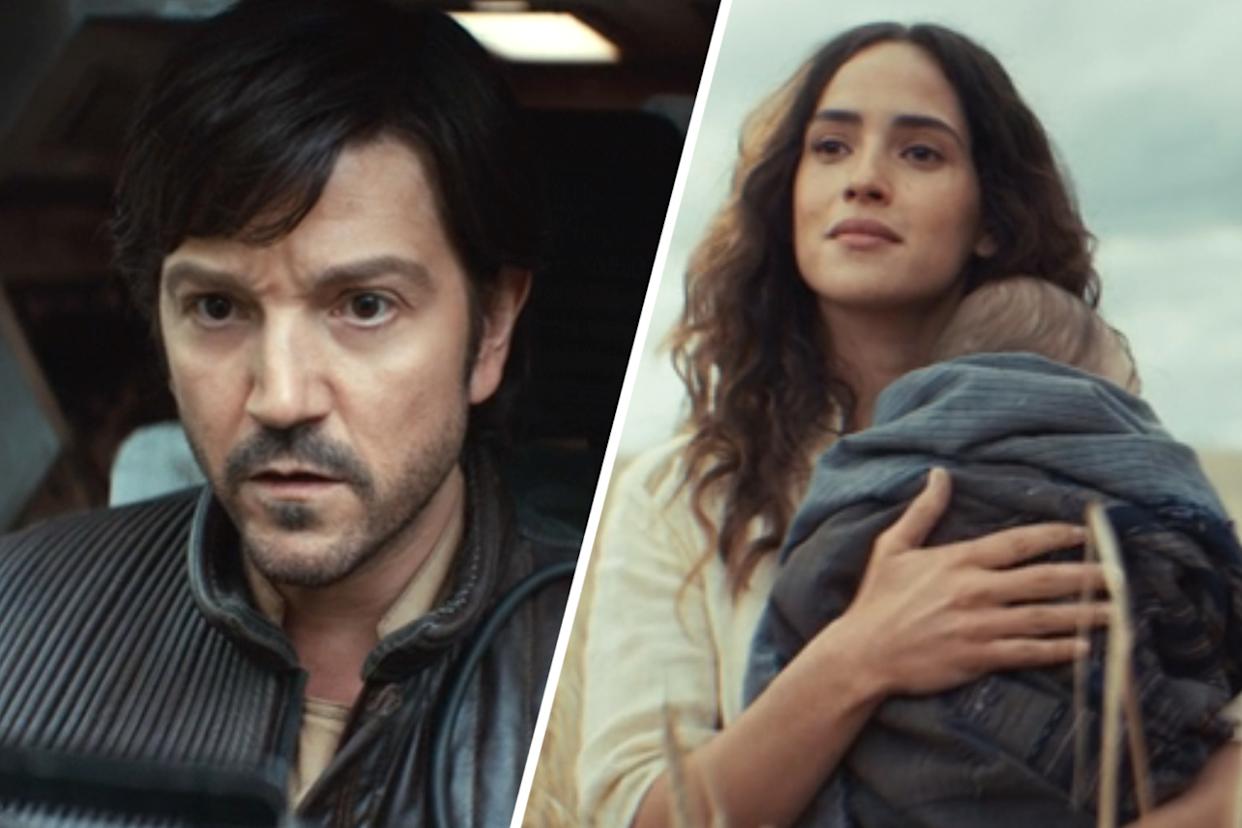
The Disney + Star Wars TV series Andor concluded to much deserved acclaim, and it did something that seemed improbable given the state of the Star Wars franchise. Andor has helped create renewed enthusiasm for Star Wars as it showed how versatile and mature the franchise can be.
Ever since Disney acquired Star Warsfrom its creator George Lucas, the projects the company and Lucasfilm put out have received mixed reactions. At first, the franchise received a lot of renewed enthusiasm after the releases of Disney’s first two Star Wars films, Star Wars Episode VII: The Force Awakens and Rogue One: A Star Wars Story.
But the reception to the following films, Star Wars Episode VIII: The Last Jedi, Solo: A Star Wars Story and Star WarsEpisode IX: The Rise of Skywalker, was a lot less muted as many fans soured against the Disney films. As a result, the box office returns were not quite as high as the early films and in fact, Solo did not perform well in theaters.
This Was the Way
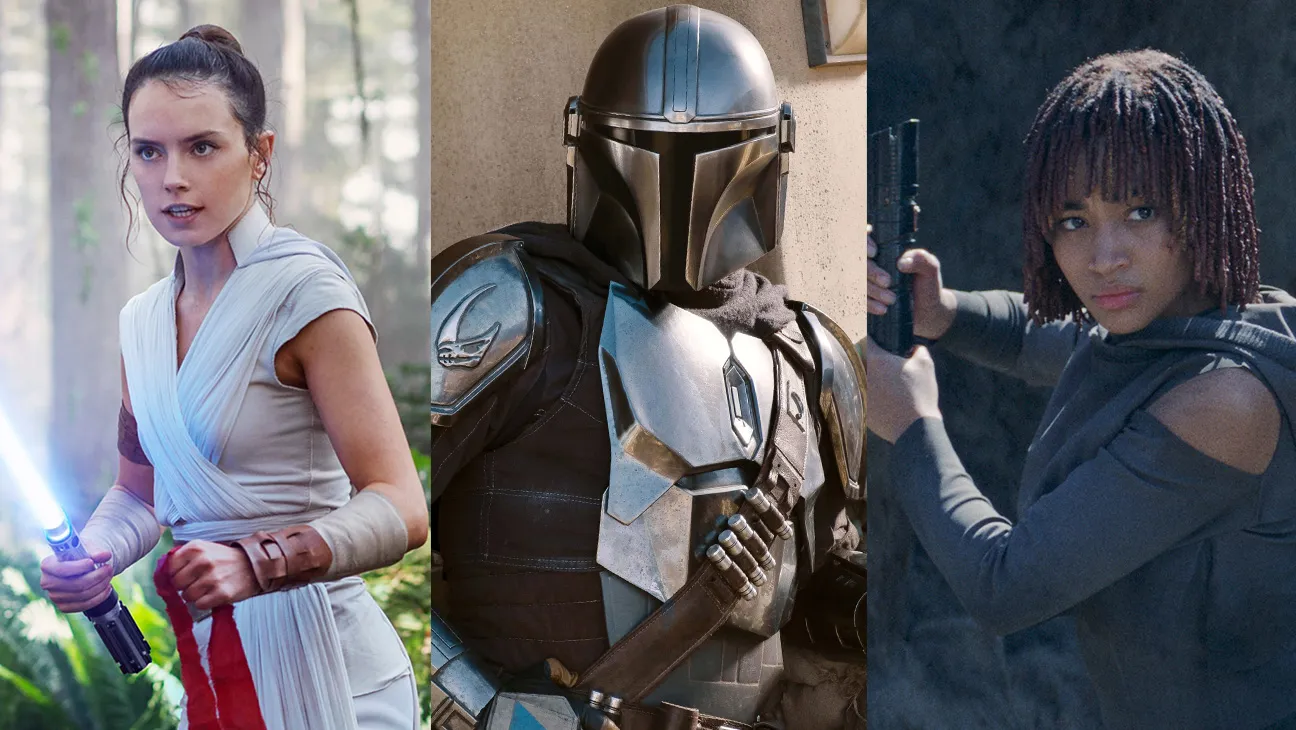
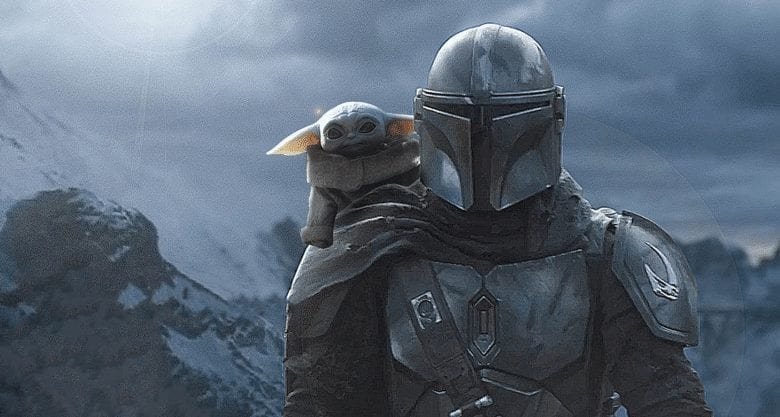
The Star Wars franchise recovered significantly when the first Disney + StarWars TV show, The Mandalorian, debuted on the streaming app in 2019. For a couple of years, Mandalorian fever gripped fans and the larger public as Grogu, the infant Yoda-like co-star of the show captured the public’s hearts and imagination. It seemed as if the TV show single-handedly rescued the franchise and injected new life into it. However, many of the other Star Wars TV shows were not as popular or had the level of quality as The Mandalorian, except for Andor. In fact, although Andor did not have the high viewership numbers that The Mandalorian enjoyed, it was a massive critical hit as it presented a fresh and adult take on Star Wars with its grounded look at how the Rebellion began in earnest against the Galactic Empire.
Still, despite Andor’s critical success, Star Wars on the whole was floundering as inferior TV shows like The Book of Boba Fett and Ahsoka disappointed fans and emboldened toxic trolls to attack Star Wars. Then there was the fact that the film franchise was essentially dead as many announced films never went into production, except for next year’s The Mandalorian and Grogu. Even recently, The Mandalorian fell out of favor with many fans because of its third season, which was not as well received as its first two seasons.
New Heights of Quality Star Wars Television
When the second season of Andor first streamed fans and critics applauded the show’s mature, sweeping and complex nature with its nuanced and well-developed characters that quickly generated memes and online discussion about the nature of defiance, sacrifice and societies.
What truly captured the hearts of fans were its story arcs devoted to the Ghorman Massacre and the final arc that wrapped up the story lines of many characters including Cassian Andor himself. The last time we see him, he was departing for what would be his final mission in Rogue One. A mission he never returned from. What made his final on screen moments so heartbreaking was the revelation in Andor’s final scene that he fathered a child that he would never know. And no, this child is not Poe Dameron from the Star Wars Sequel Trilogy.
What made Andor so great and unique was that it had no connection to the Jedi, the Sith, or the larger Star Wars/Skywalker saga. It instead focused on random, everyday people living regular lives and how the Empire affected them to either join the cause or support the Empire through simple acts that cascaded into mass movements that affected the galaxy.
It should be noted that Andor was not the only TV show to break out of the traditional Star Wars mold. Others like Skeleton Crew and The Acolyte gave us different stories that took place at different time periods and had little to do with the Skywalker Saga. However, they were not as regarded as highly as Andor.
By now, most fans of the Marvel Cinematic Universe (MCU) are aware of how the latest MCU film, Thunderbolts* ended, including its post-credits scene. Anyone who hasn’t at this time should stop reading this because we’re going into full on SPOILERS for Thunderbolts* and what is next for the MCU, including next year’s Avengers: Doomsday.
Introducing the New Avengers
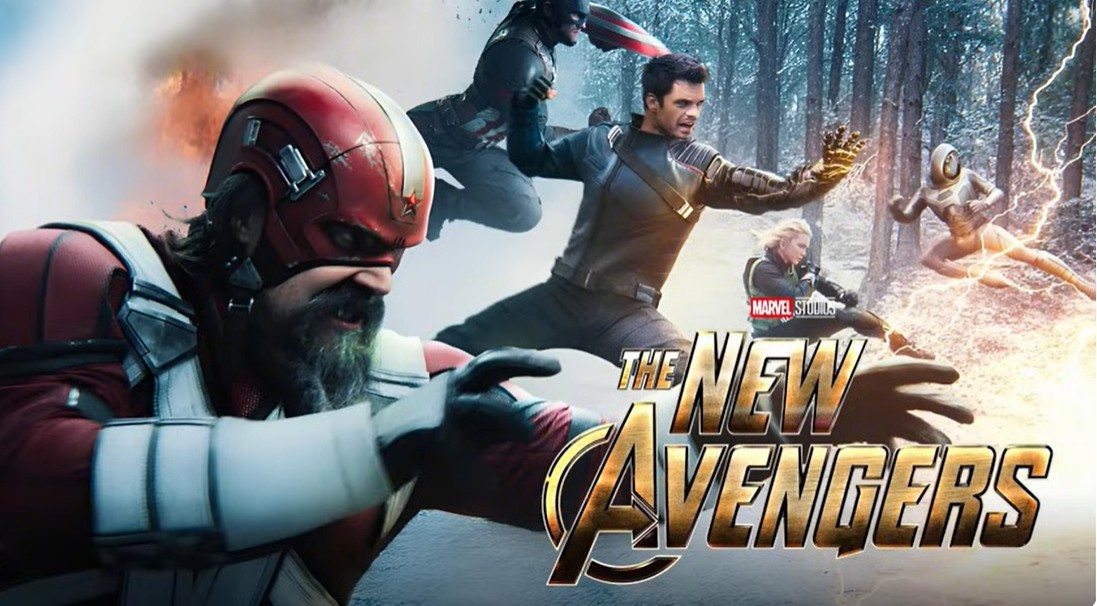
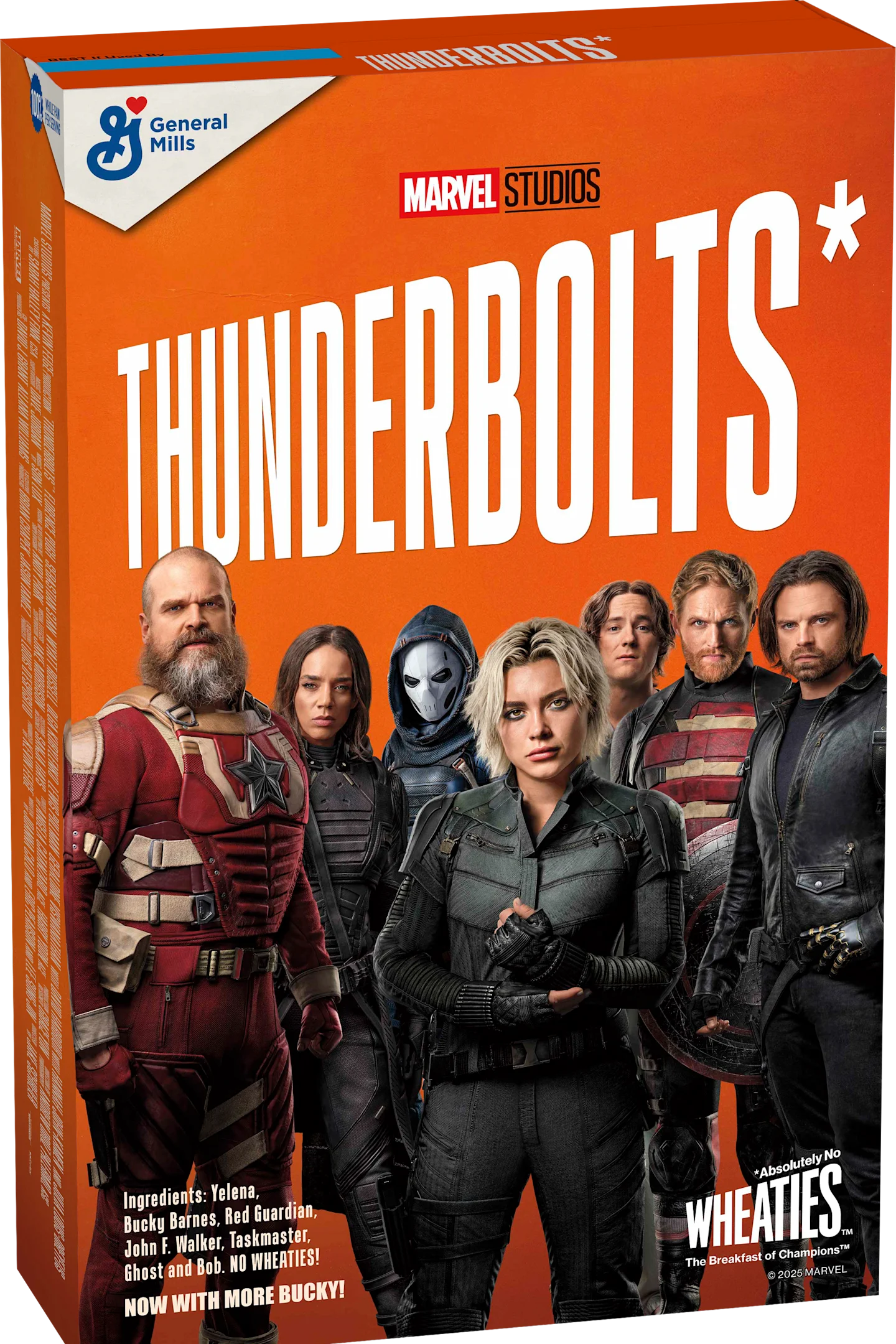
To no one’s real surprise, the asterisk in the film title Thunderbolts* was an indication that the title team of dysfunctional mercenaries with personal demons, stood for something else. For most of the film, the team’s comic relief, Alexi Shostakov, the Red Guardian, kept referring to the team as the West Chesapeake Valley Thunderbolts, after the soccer team his adopted daughter, Yelena Belova, played in as a child. By the end of the film, after the Thunderbolts saved New York City, they were introduced to the world as the New Avengers by the film’s antagonist, Valentina Allegra de Fontaine, in a move to save her political career and to stay out of prison.
Speculation had been going on among fans ever since the film title included the asterisk. Some thought maybe it was a placeholder for a subtitle that would be spoilery. They were right to an extent because the asterisk was actually a placeholder for the film’s supposed real title, The New Avengers, which Marvel Studios began to openly flaunt just a few days after the film’s release.
Was the supposed title change to The New Avengers a desperate marketing attempt to drum up more interest in Thunderbolts*? Maybe. Then again, the marketing has been incredibly inventive for the film with innovative posters and some trailers that made the film out to be something that A24 would release. In any event, the fact that the Thunderbolts are actually the New Avengers does increase their profile and hints at what lies ahead for Avengers: Doomsday and Avengers: Secret Wars.
In the film’s two post-credits scenes and the montage shown during the initial credits, the so-called New Avengers are not well received by the world. Who could blame them? Just as how many of us complained about the lackluster lineup of the Thunderbolts when the film was announced, it was natural that most people would have a negative reaction to the replacement for the original Avengers. Where were the heavy hitters like Hulk or Thor? The New Avengers was made up of a bunch of mercenaries/super soldiers with similar and limited skill and power sets. As Yelena quipped at one point, “we just punch and shoot.” Then add in their questionable pasts, which probably could not be glossed over by marketing; although the original Avengers team members also had checkered backgrounds, including Yelena’s sister, Natasha Romanov, a fellow assassin.
But unknown to most of the world, deep down, these characters had heart and faced down their insecurities and flaws, which made them more endearing to audiences. Each of the Thunderbolts wanted a chance at redemption and to be part of something greater. This was obvious with Alexi who dreamed of recapturing the glory he had during the Cold War in Russia, Yelena dealing with depression and wanting something else in her life, or John Walker, who couldn’t fill in the shoes of Captain America as seen in The Falcon and the Winter Soldier and wanted to prove himself. They just didn’t expect it to be as the lineup for the new incarnation of the Avengers.
Sure, these Thunderbolts were not superstars like Tony Stark, but they grew on us as they created a sort of family bond forged by the events they underwent together. What made the film so quickly beloved was that these characters were deeply flawed, yet had great chemistry, which helped them succeed in the end as they came together as a team. How they will carry on going forward is anyone’s guess, but we can speculate based on the final post-credits scene.
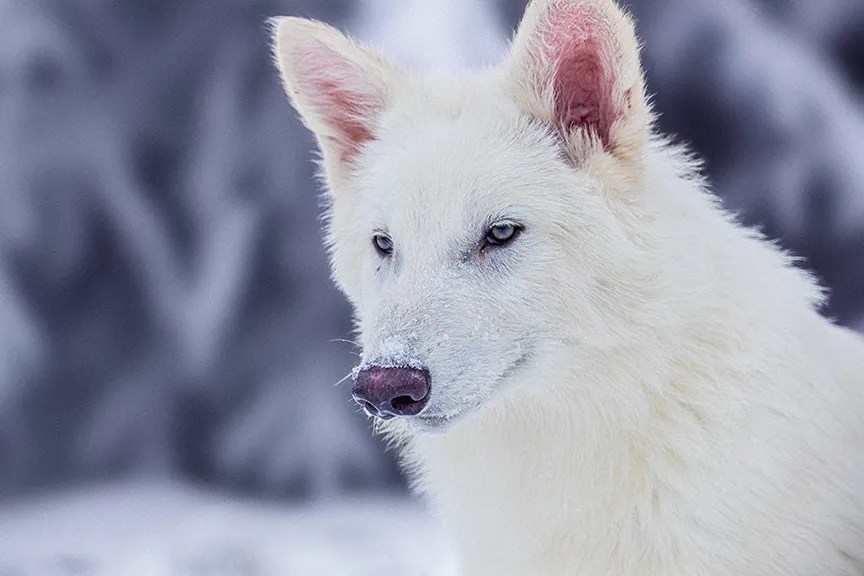
The news about the dire wolf being de-extinct came very suddenly and surprisingly yesterday. The idea of using biotechnology to bring back extinct animals had been the stuff of many imaginative sci-fi stories, notably with Jurassic Park and the films the novel inspired. The announcement by Colossal Biosciences that they actually revived an extinct species now made a science fiction concept a science fact.
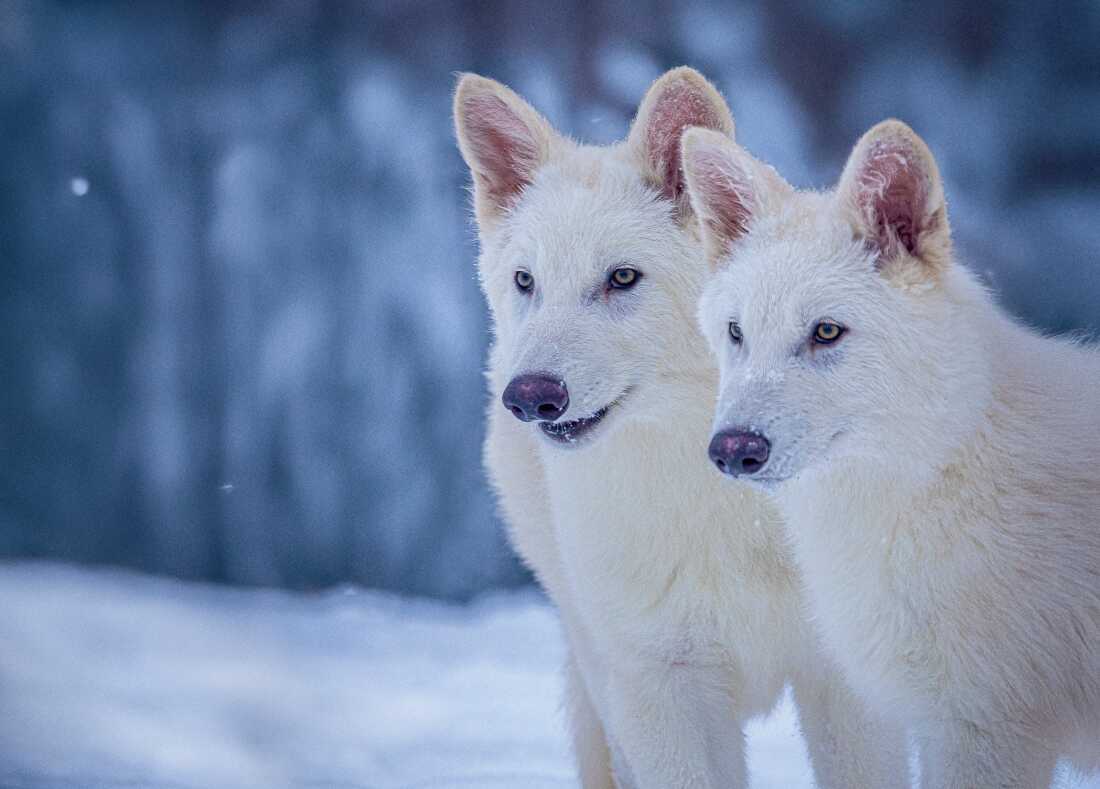
The method behind the de-extinction was fairly straightforward. The company extracted DNA from a fossil skull and tooth of dire wolves and was able to analyze the genome. After that, Colossal Biosciences used gene editing on the cells of a gray wolf to create dire wolf embryos and implanted them into a surrogate dog.
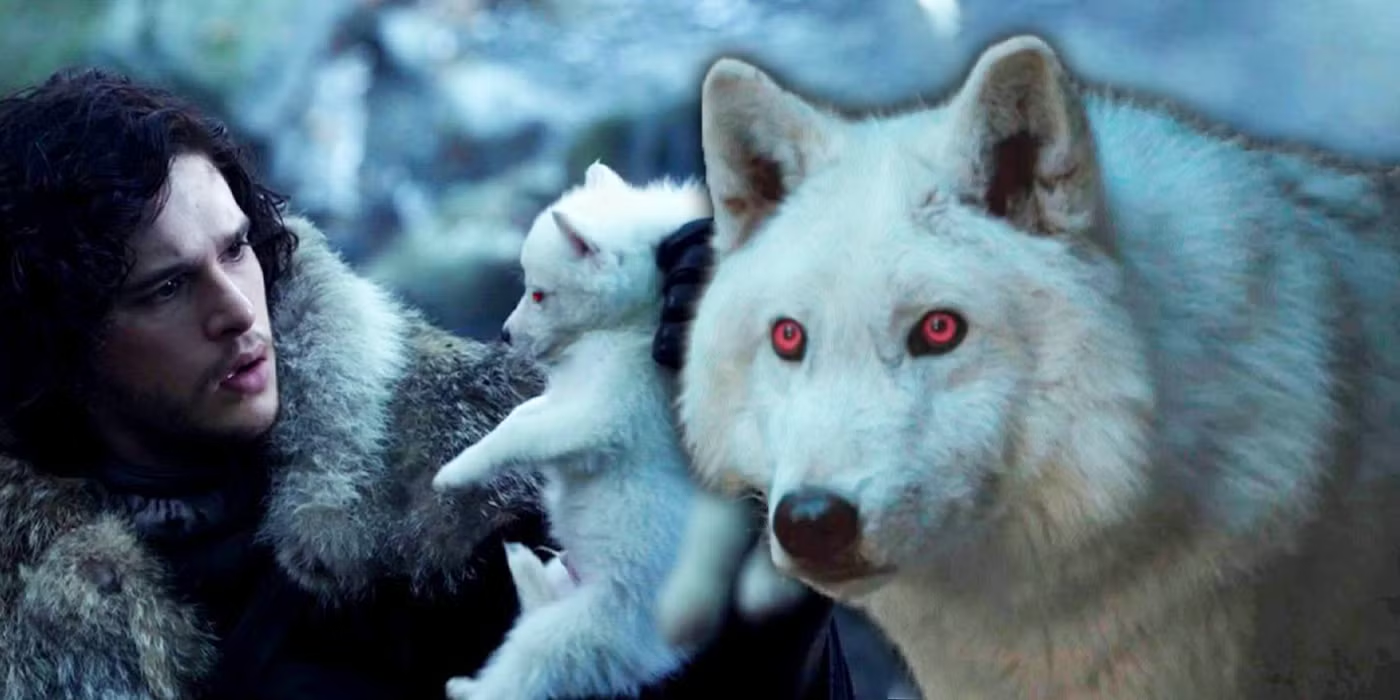
The first two dire wolves were born on October 1, 2024 and named Romulus and Remus, and a third one, named Khaleesi, after the Game of Thrones character, was born two months ago. As the pups grew their different physical characteristics from gray wolves were undeniable. Sporting distinctive thick white fur, unusual vocalizations and larger body proportions they still exhibited wolf-like behavior such as stalking, hunting and howling. Fortunately the trio are healthy and kept safe in a private, undisclosed nature sanctuary where they could live in peace.
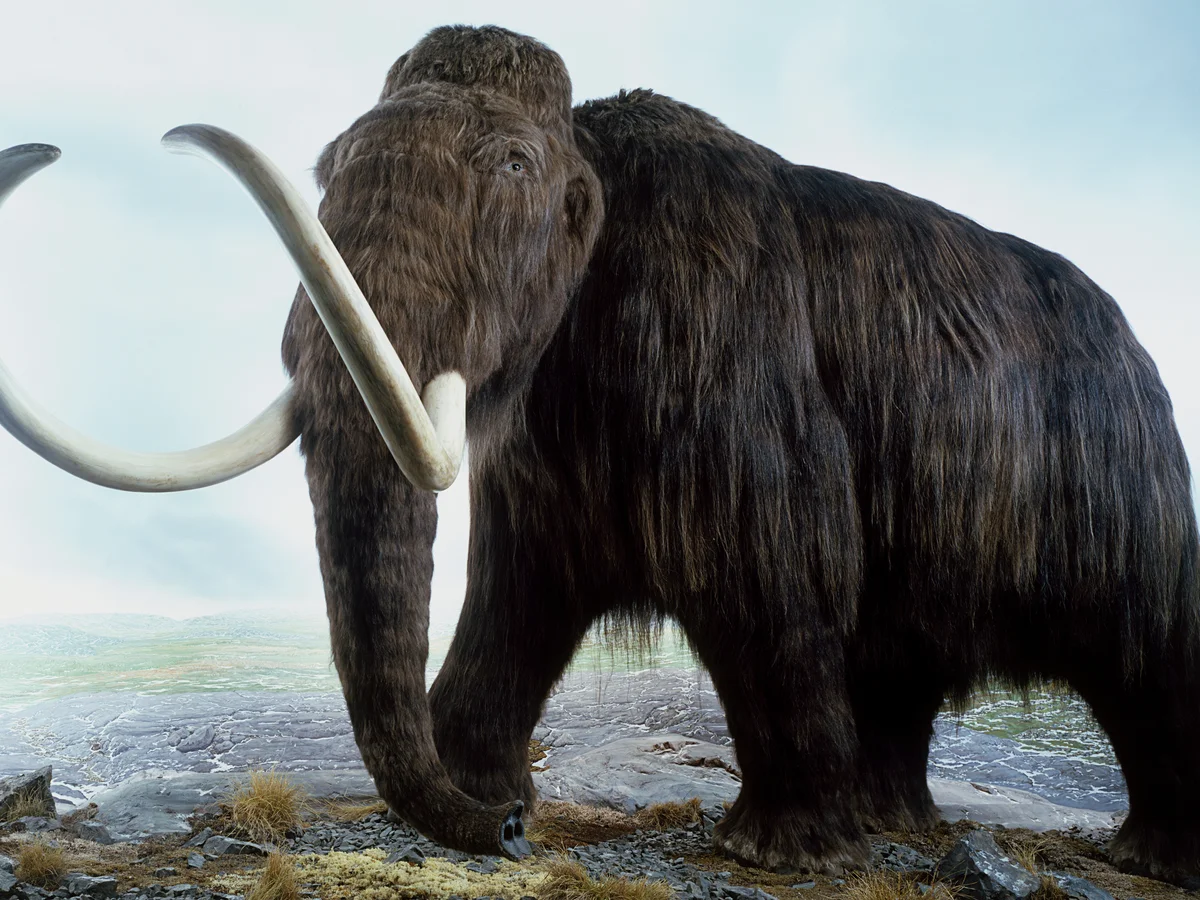
With the success of the dire wolf being de-extinct, Colossal Bisociences is moving ahead with their plans to de-extinct the thylacine, the dodo bird and the wooly mammoth.
As exciting as this sounds we are still a long way from de-extincting dinosaurs if it is even possible since extracting dinosaur DNA is impossible. There are also ethical issues that have come up with the unbelievable feat by the company. Namely, what is the point of bringing animals back from extinction? We already have a difficult time keeping living species of animals alive in our increasingly crowded world. Where can these animals go? What role will they serve in Earth’s ecosystem, considering that many of their previous roles have been taken by modern animals? Right away, these animals will have to compete with modern animals and humans for resources in an Earth with dwindling supplies and land space. Then there would be intense pushback from people who would not approve of the de-extinction or of re-introducing them to the wild. We have seen this already when wolves were re-introduced into many parts of North America as they threatened livestock.
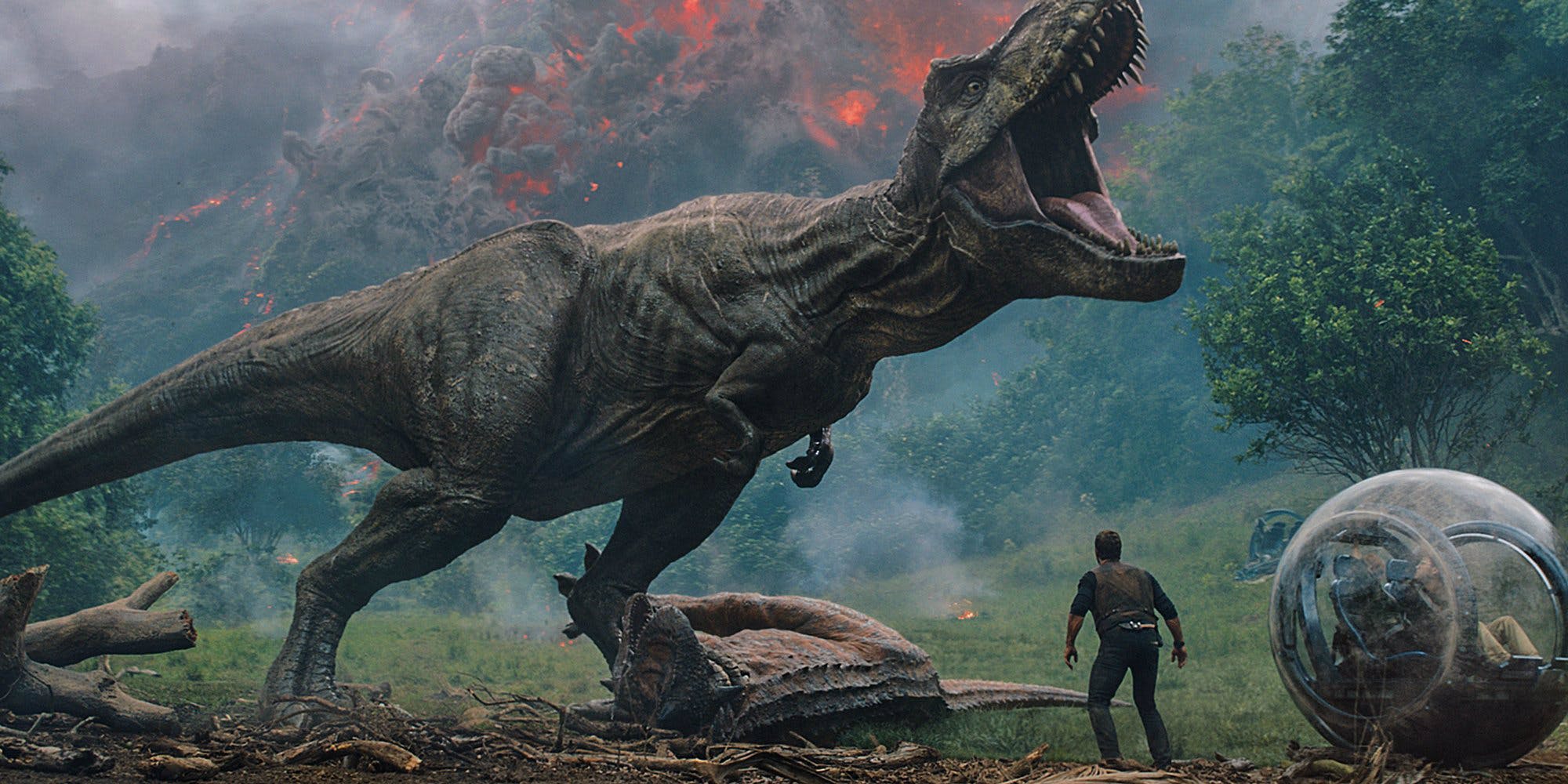
A likely scenario is that these de-extinct animals would not be allowed to live in the wild and forced to live out their lives in zoos, which would enrage opponents. Then there is the worst case scenario of nature running amok and well, we’ve seen the Jurassic Park and Jurassic World films. In other words, their re-introduction would have unpredictable and unwanted results.
There is the argument that we have no way to know how to properly raise these animals since we can only guess as to how they lived. Romulus, Remus and Khaleesi seem to be behaving like wolves, but is that because they have wolf DNA? This would make them a new hybrid species and not true dire wolves, which are distant relatives of modern gray wolves. The same situation would apply to recreated mammoths and other prehistoric extinct animals. The first mammoths would more likely be Asian elephants with outward mammoth characteristics, and the same would go for the dodo and others.
Colossal Biosciences has stated that they intend to apply their technology to help preserve current animal species such as elephants that are more and more endangered as they face loss of habitats from human encroachment and hunting by poachers.
Despite the legitimate concerns about de-extincting animals there are arguments for doing this. Proponents claim that de-extinct animals can fill in roles that are vacant in ecosystem. For example, the thylacine was an apex predator in Tasmania and Australia and their re-introduction into the ecosystem would help keep in check the populations of prey animals. Other proponents claim that mammoths would be able to help preserve the tundra in Asia with their foraging and in a way arrest climate change. That is very far fetched to be sure, and calls to mind Stephen Baxter’s book Icebones, which was about cloned mammoths on Mars. This argument about using de-extinct animals to keep ecosystems healthy is valid. Also, since humans were responsible for the extinction of animals like the thylacine, Stellar’s sea cow and the passenger pigeon, they have a moral obligation to try to bring back these species if there is a need for them in an ecosystem.
No matter where anyone sides in the argument, it is important to note the responsibility we all bare with using science and co-existing with other species in our fragile world. Still, the revelation that dire wolves have been de-extinct is exciting as it demonstrates that extinction isn’t forever.
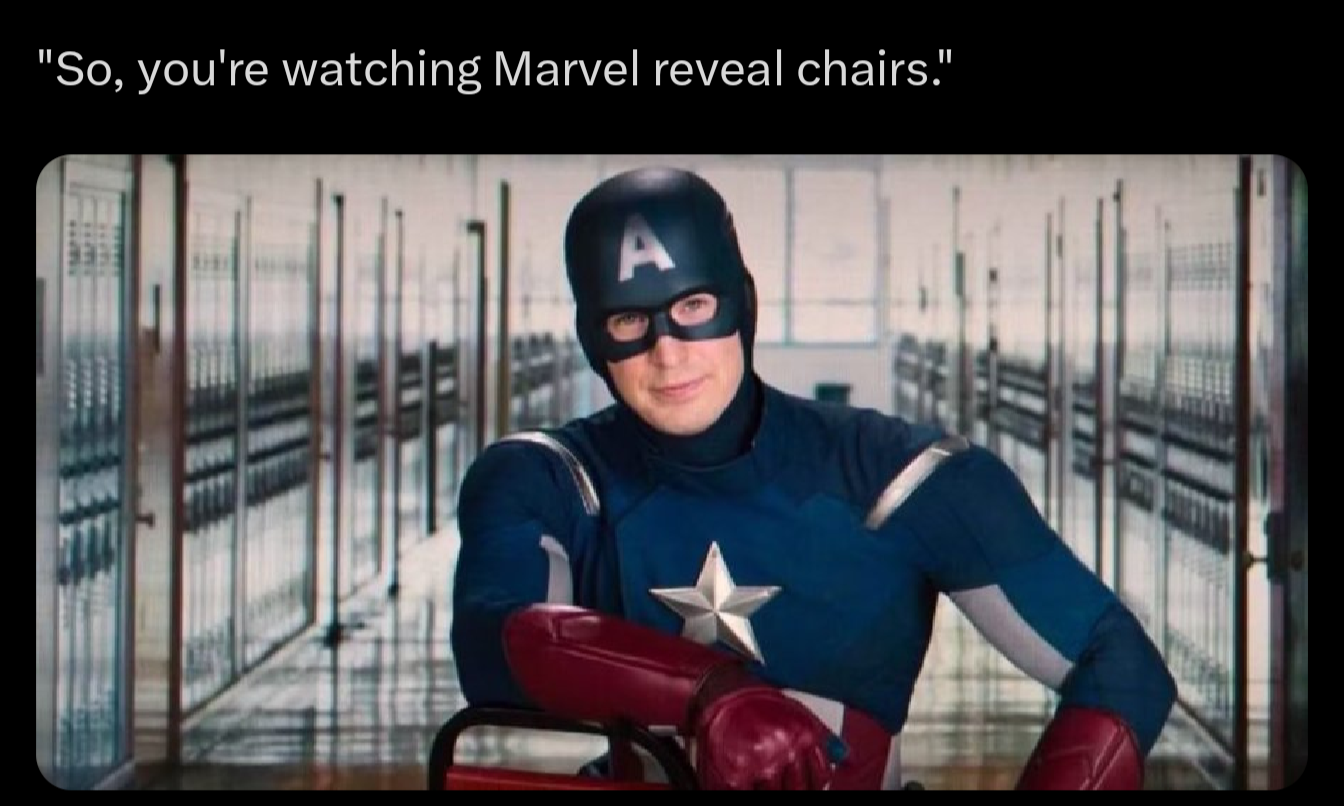
On March 26, 2025, Marvel Studios painstakingly announced the cast of next year’s Avengers: Doomsday with an online stream that lasted over FIVE hours. The marketing team behind this event can be either commended for increasing anticipation and publicity for Avengers: Doomsday or slammed for coming up with this idea of using chairs to slowly announce cast members and stretching this out for several long hours.
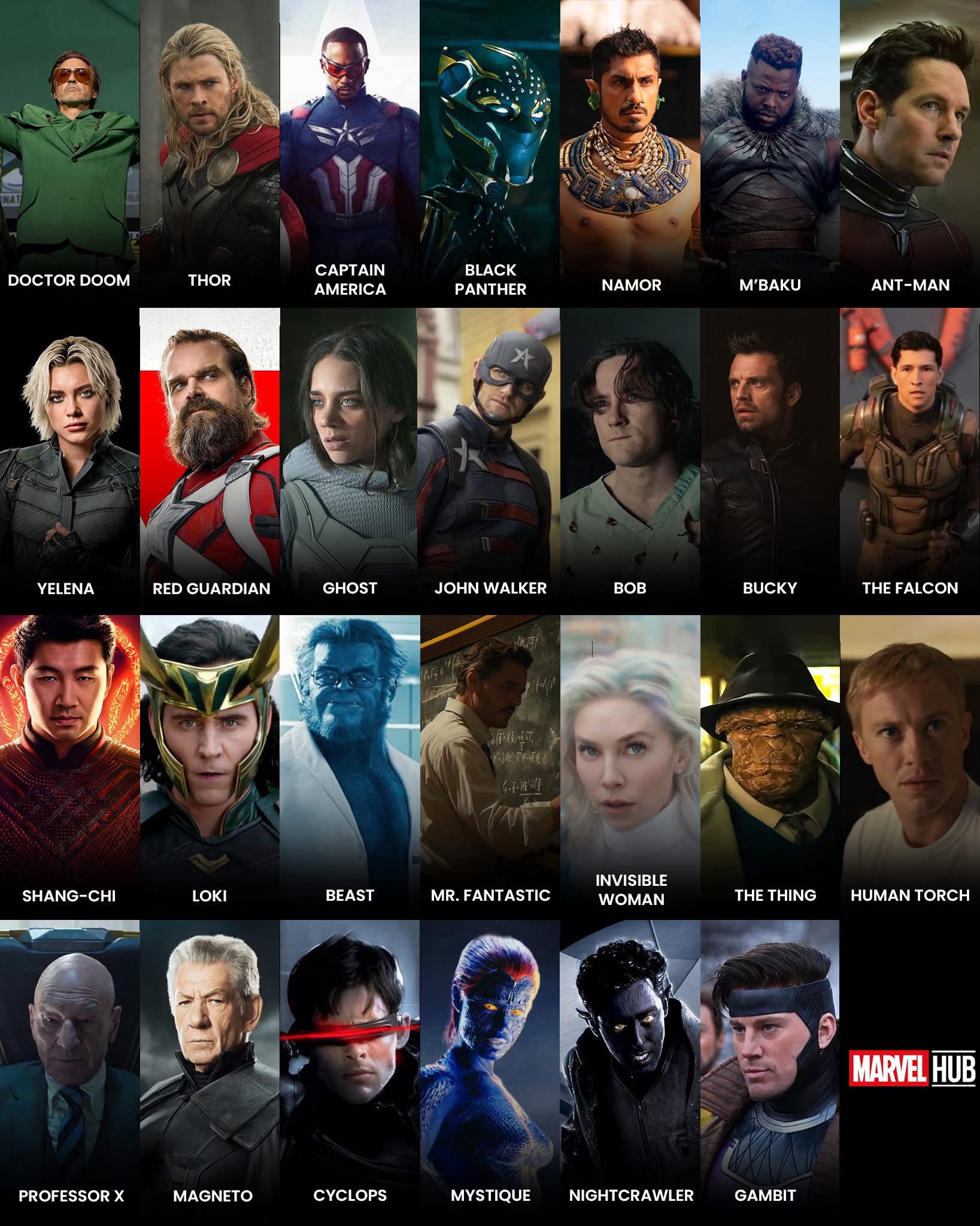
Many fans of the Marvel Cinematic Universe (MCU) woke up that day with news that Marvel Studios was making a big announcement later in the morning. They speculated about what would the news be about. More MCU films announced? The cast for the new X-Men? At first, when the stream began and an obscure figure entered the screen and placed a chair with Chris Hemsworth’s name on it, people guessed it may have been a revelation that a new Thor film was coming. Then 12 and a half minutes later, another chair was revealed with Vanessa Kirby’s name on it, and we all knew by then the announcement was about the cast for Avengers: Doomsday. It was inevitable since the film was scheduled to begin filming around this time and the finale of the stream declared just that. These were the following cast members announced for Avengers: Doomsday in the order they were announced:
Chris Hemsworth as Thor
Vanessa Kirby as Invisible Woman
Anthony Mackie as Captain America
Sebastian Stan as Bucky/Winter Soldier
Letitia Wright as Shuri/Black Panther
Paul Rudd as Ant-Man
Wyatt Russell as U.S. Agent aka dime store Captain America
Tenoch Huerta Mejia as Namor
Ebon Moss-Bachrach as the Thing
Simu Liu as Shang-Chi
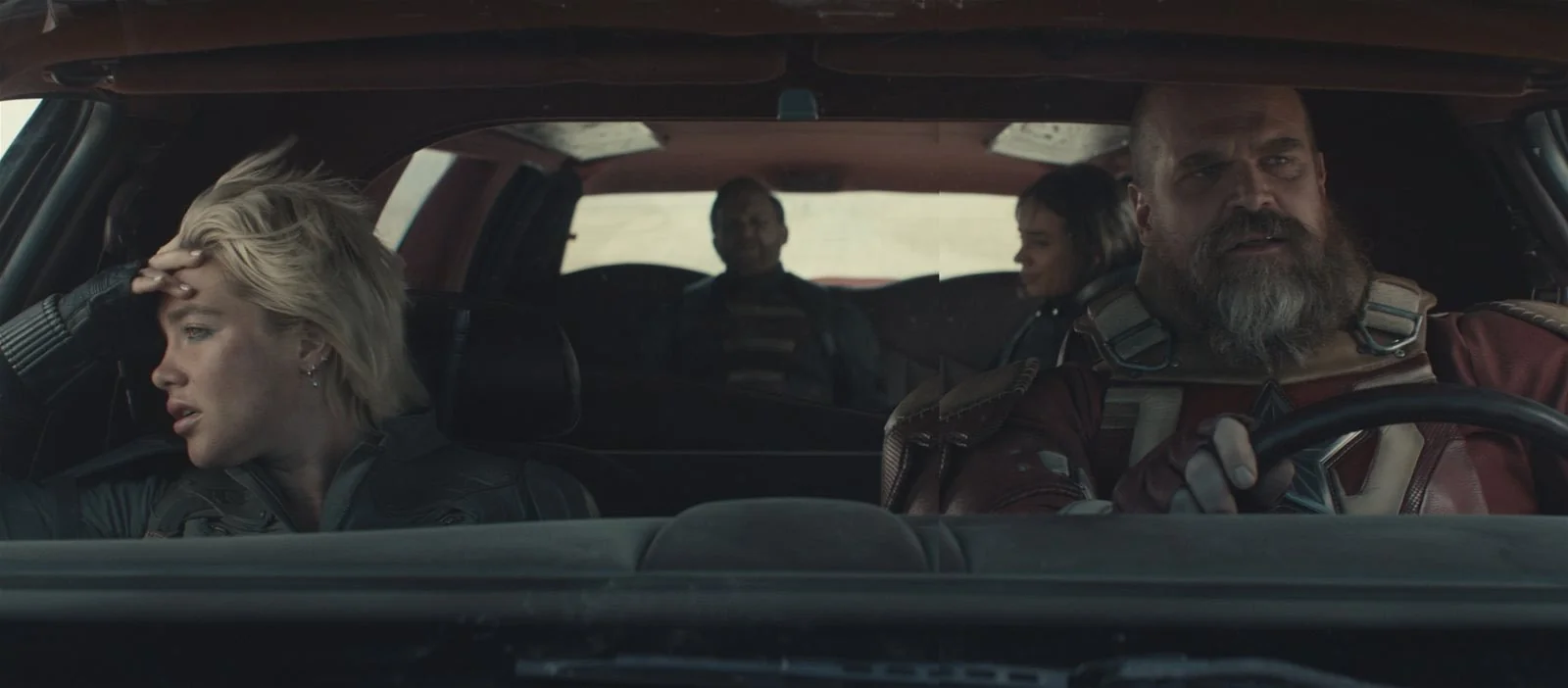
Florence Pugh as Yelena Belova
Kelsey Grammer as the Beast
Lewis Pullman as the Sentry
Danny Ramirez as the Falcon
Joseph Quinn as the Human Torch
David Harbour as Red Guardian
Winston Duke as M’Baku
Hannah John-Kamen as Ghost
Tom Hiddleston as Loki, most likely the God of Stories
Patrick Stewart as Professor X
Ian McKellan as Magneto
Alan Cumming as Nightcrawler
Rebecca Romijn as Mystique
James Marsden as Cyclops
Channing Tatum as Gambit
Pedro Pascal as Mr. Fantastic and
Robert Downey Jr. as Doctor Doom
That is an impressive and surprising line up for what will be the biggest and most important MCU film in years. The announcement certainly generated excitement among fans and much of it was positive although there were many questions that went unanswered. Here are a few takeaways:
Drawn Out Announcement
On paper it seemed like a good idea to slowly announce the cast with intervals that lasted several minutes. With a cast this large it took over five hours for the announcements to be completed and this tried the patience of many online viewers who wanted (and screamed) for the announcements to hurry up. For others however, the announcement built up anticipation and created something of an event as many wondered who would be announced next. Some announcements had excited reactions while a few others were obvious.
The event also for all intents and purposes spoiled Thunderbolts* since most of the cast from that upcoming film will survive and appear in Avengers: Doomsday. The Fantastic Four will play an important role in the film which is natural since Doctor Doom is their main enemy. The question remains is how big a role will they play? Most likely the team will be on the level of co-stars and function the same way that the Guardians of the Galaxy did in Avengers: Infinity War.
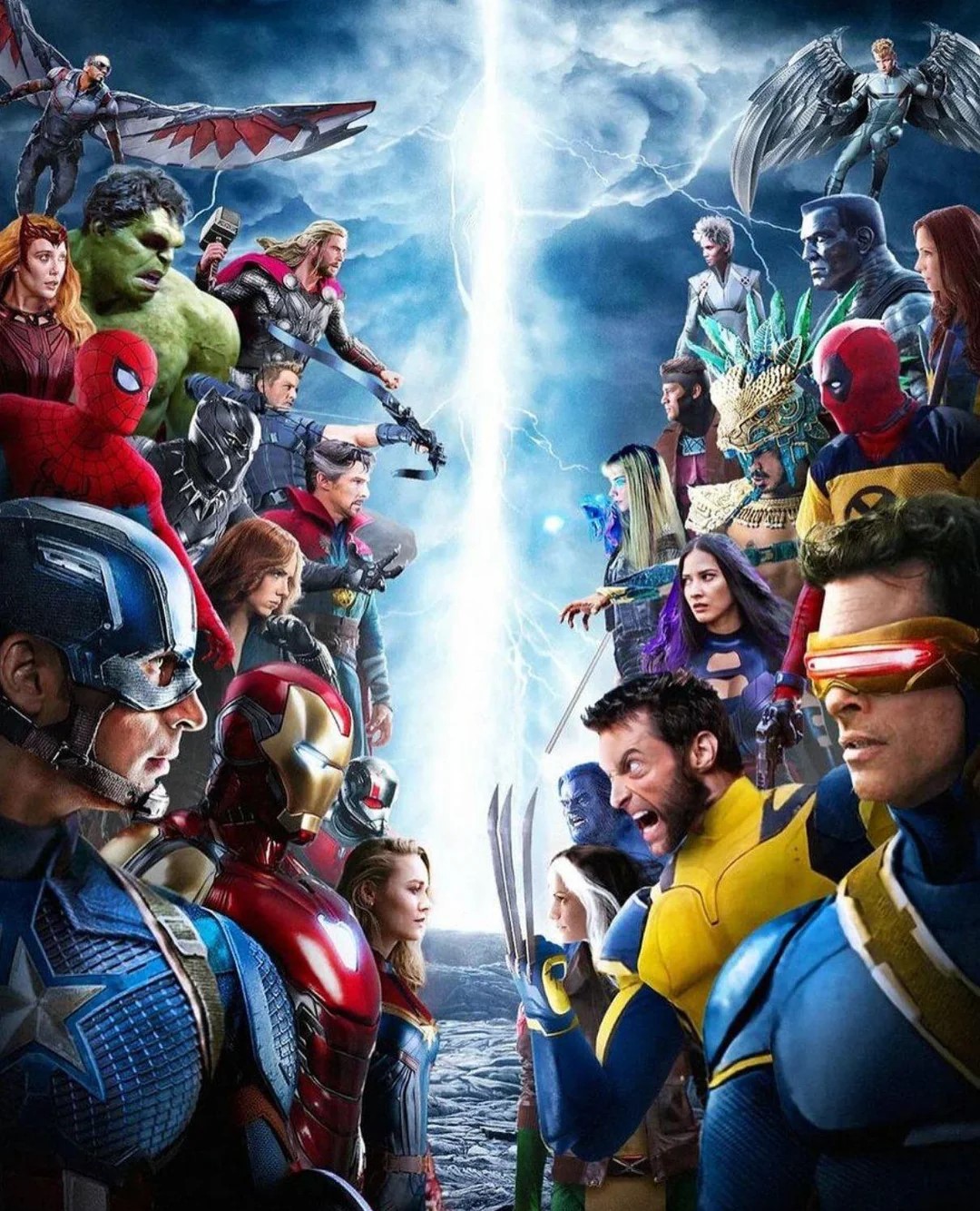
Finally, given the latter cast announcements, this film not only reunites a few actors from the original Fox X-Men films, but the film will probably be a loose adaptation of the Avengers Vs. X-Men comic book series event from the last decade.
Who Was Left Out
A lot of the buzz generated by the stream was about who was not announced, and it was surprising that some characters apparently won’t be a part of Avengers: Doomsday. These characters include the Hulk, She-Hulk, Spider-Man, War Machine, Captain Marvel, Photon, Star-Lord or the new Guardians of the Galaxy, Deadpool, Wolverine, Wong, and finally the Young Avengers.
Some of the absences are puzzling given how integral some heroes are to the Avengers like the Hulk, have been set up in other MCU projects like the Young Avengers were, and how popular others are like Spider-Man. After all, at the very end of Guardians of the Galaxy, Vol. 3, a title card announced that Star-Lord would return. If not in this film, then were else? Well, Avengers: Secret Wars, of course.
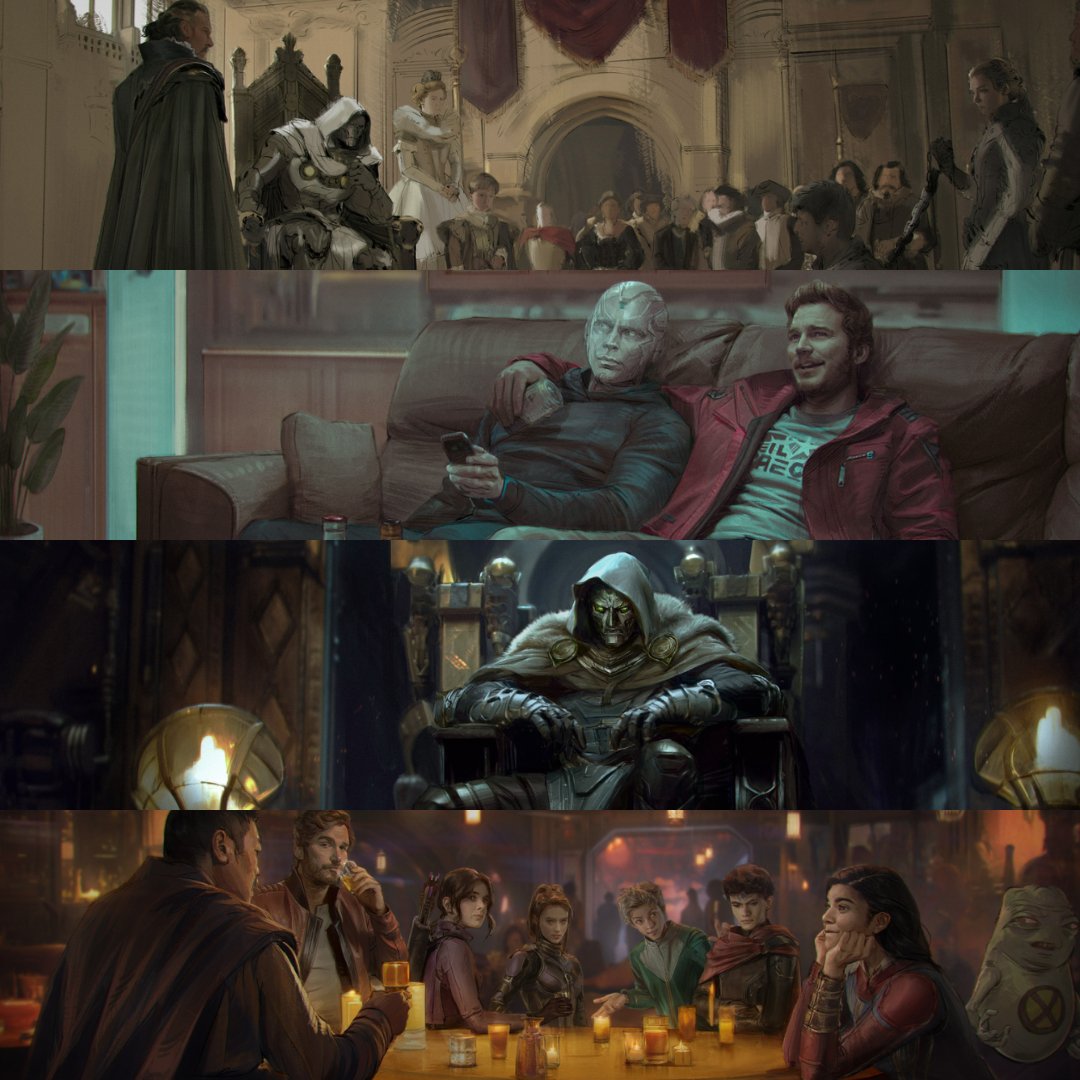
A few weeks ago, some concept art was leaked that showed images of these missing characters and a few others like Vision and Doctor Strange in what looks like Batttleworld, the location of the Secret Wars comic books. In the first issue of Secret Wars, the main Marvel Universe collided with the Ultimate Marvel Universe and both were destroyed. Doctor Doom managed to scrape together segments of many realities into an artificial world called Battleworld and the Marvel characters were re-imagined. The same thing will probably happen with Avengers: Secret Wars and the absent characters will turn up in that film. This is similar to what happened with Avengers: Infinity War and Avengers: Endgame where Ant-Man and Hawkeye were featured in the latter film but not the former one.
Keep this in mind, however. After the stream ended, Marvel Studios cryptically announced on social media that there would be more announcements. This can be welcome news but truthfully, Marvel Studios has to be careful not to bring in too many characters in order to focus on a few important ones.
Avengers Vs. X-Men
The biggest surprise in the announcement was that of the Fox X-Men film characters returning. This was very welcome news by fans of the early X-Men films, and some of the announcements were stunning. Cumming had such a miserable experience with the blue makeup when filming X2: X-Men United that he refused to reprise his role as Nightcrawler even though his character was very popular. Channing Tatum proved that if a performance is earnest and strong enough it can win you a return ticket to a major franchise. His appearance in Deadpool & Wolverine was among the best and he injected that role with lots of vigor and enthusiasm; frankly he deserved to come back to an MCU film in some fashion.
Among the most notable absences were Hugh Jackman as Wolverine, Halle Berry as Storm and Famke Janssen as Jean Grey/Phoenix. Janssen’s absence is puzzling since it brings up the question if the film will have anything to do with the Phoenix Force story from Avengers Vs. X-Men. This implies that the Avengers film will only loosely adapt Avengers Vs. X-Men and focus more on Doctor Doom. It seems likely that instead of the main Marvel Universe battling the Ultimate Marvel Universe, this film will have the MCU characters confronting the Fox X-Men film characters. It is questionable if these X-Men will be those featured from the early films and might be variant versions. It is hard to tell and given that the timeline of those Fox X-Men films is confusing, it’s for the best not to think too hard about it.
The most logical assumption is that the MCU will meet the X-Men seen in the alternate universe seen at the end of The Marvels when Monica Rambeau wound up stranded in that universe. Her appearance will set off an incursion event that will have the two universes collide and lead to Avengers: Secret Wars. But then, if that is the plot, then why wasn’t Teyonah Parris announced? Maybe she will, later. Maybe Marvel Studios wants to keep some appearances as surprises to make up for spoiling Thunderbolts*.
There are many questions that have been raised by the streaming event, which is great for Marvel Studios and Avengers: Doomsday. This demonstrates that there is still interest and excitement about the MCU. To think, all this buzz is for a film that is over a year away and we still haven’t seen a trailer or set photos or anything official aside from a bunch of chairs and Robert Downey Junior motioning us to be silent. All this will be for nothing if Avengers: Doomsday doesn’t deliver, but given the talent behind the film, that seems unlikely.
The two big comic book companies, DC Comics and Marvel Comics, rule the comic book market and have done so for decades. But their reign right now is largely due to inertia and for decades comic book fans complained about the Big Two and the saturation of the market with superhero comics. It seemed as if it would be that way for a long time…and it still is at this point. However, this status quo is overdue for a shakeup and it is probably going on right now with independent comics.
To the outside world, what captures the headlines are the latest (non) developments with superheroes, like someone dying and coming back to boost sales, a newly relaunched title with a brand-new number one just to flood markets with variant covers, and so on. Also, back issue sales are still dominated by older superhero titles and will continue to do so. But what has captured fans’ attention has been the proliferation of independent comics from various publishers that for the most part don’t feature superheroes but cover a wide range of subjects. From straight horror to sci-fi to fantasy to crime dramas, there are actually a wide selection of comic books in your local comic shops (LCS) or available digitally. Many non-fans and casual fans are understandably surprised at the many choices available of comics to read and enjoy.
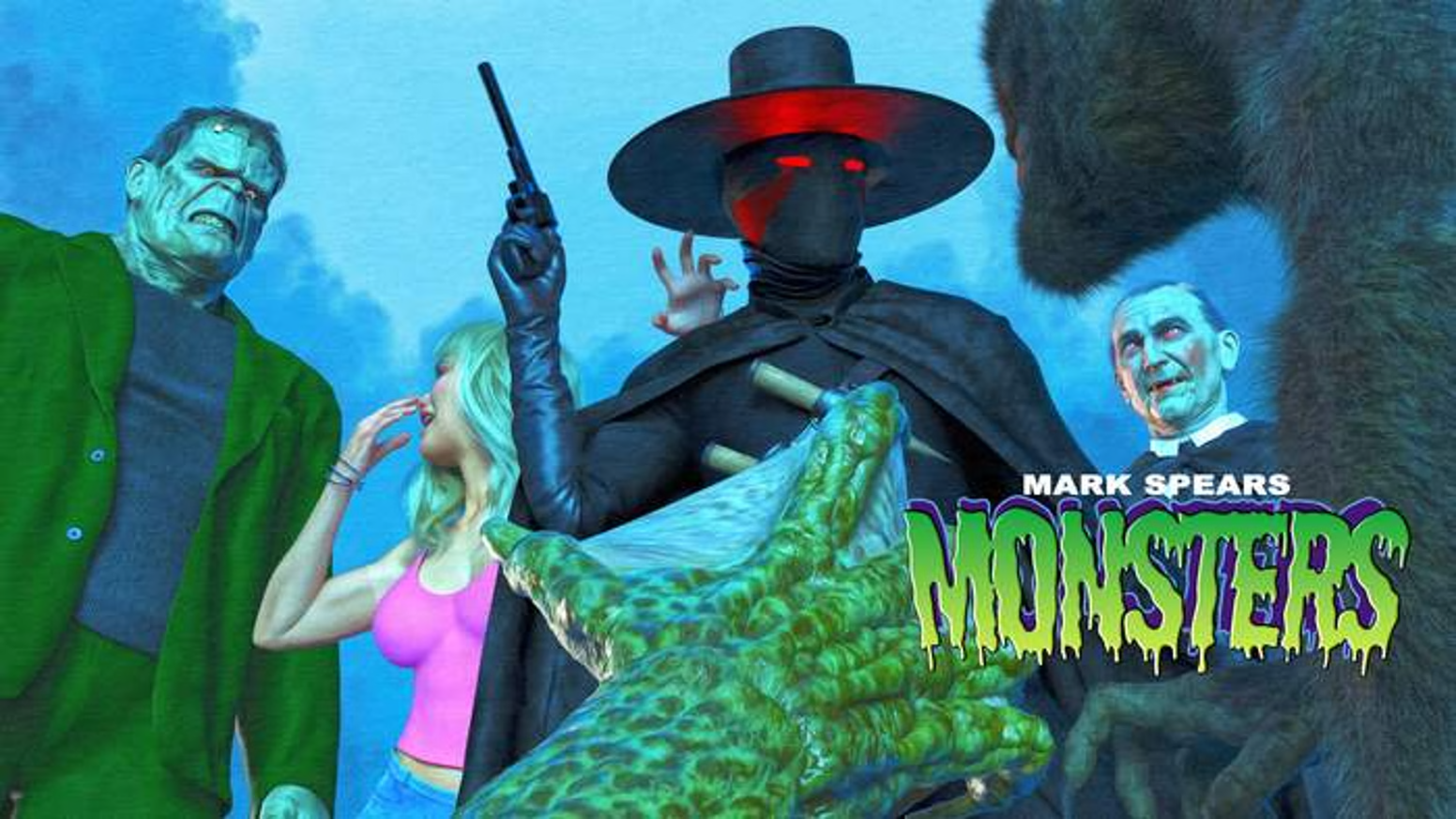
Right now the hot comic is Mark Spear’s Monsters, a beautifully drawn comic put out by Keenspot that features many classic monsters in painted art that evokes Alex Ross but with Spears’ own unique style. Other popular comics include Feral, Geiger, Monstress, A Vicious Circle, Invincible, Conan the Barbarian, Saga, Eight Billion Genies, The Infernals, Something is Killing the Children, Local Man, Transformers and G.I. Joe. None of these titles are superhero-based, except for Invincible, Local Man, and maybe Geiger. The latter is more of a post-apocalyptic tale of a radioactive loner/warrior, while Local Man is a fresh grounded take on Image Comics’ superheroes. Yes, Transformers, Conan the Barbarian, and G.I Joe are based on popular IP, but they are not based on superheroes.
What’s an even more interesting development is that movie and TV studios are turning more and more to comic books not based on superheroes to adapt as they see the potential in the stories. There have been successful film and TV adaptations of non-superhero comics like The Walking Dead, Road to Perdition, 300 and Sin City, but be prepared for an onslaught of even more adaptations. Right now, there are efforts to adapt Eight Billion Genies and Something is Killing the Children, which at the very least would make great animated films.
Of course, not every independent comic is a winner, not all the concepts pan out or their stories peter out after a few issues, but there are many more titles to choose from and more will come. Right now, Image is arguably the leader when it comes to non-superhero comics, with other publishers rising such as Dynamite Entertainment, Dark Horse Comics, Boom! Studios and IDW Publishing. Originally, Image began with superhero comics that to be honest were sup par and most of them are no longer around. But Image took a chance with writers and artists who were able to present their own unique visions and stories and it paid off well for the publisher and comic book fans.
Sure, the LCS and online catalogs are flooded with superhero titles from DC and Marvel, but more and more, a shopper will see that there is much more product in the comic book medium to choose from. Even if at some point in the future, Marvel or DC falter, which won’t happen for a long time, other publishers will take over and dominate the market with either their own superheroes or better yet, other genres. The groundwork is already in place and eventually the independent comics will overtake the superhero genre. Independent comic books today offer something for every taste, which is a sign of a healthy medium that will be with us for a good while.