Top Ten Unresolved MCU Plot Threads

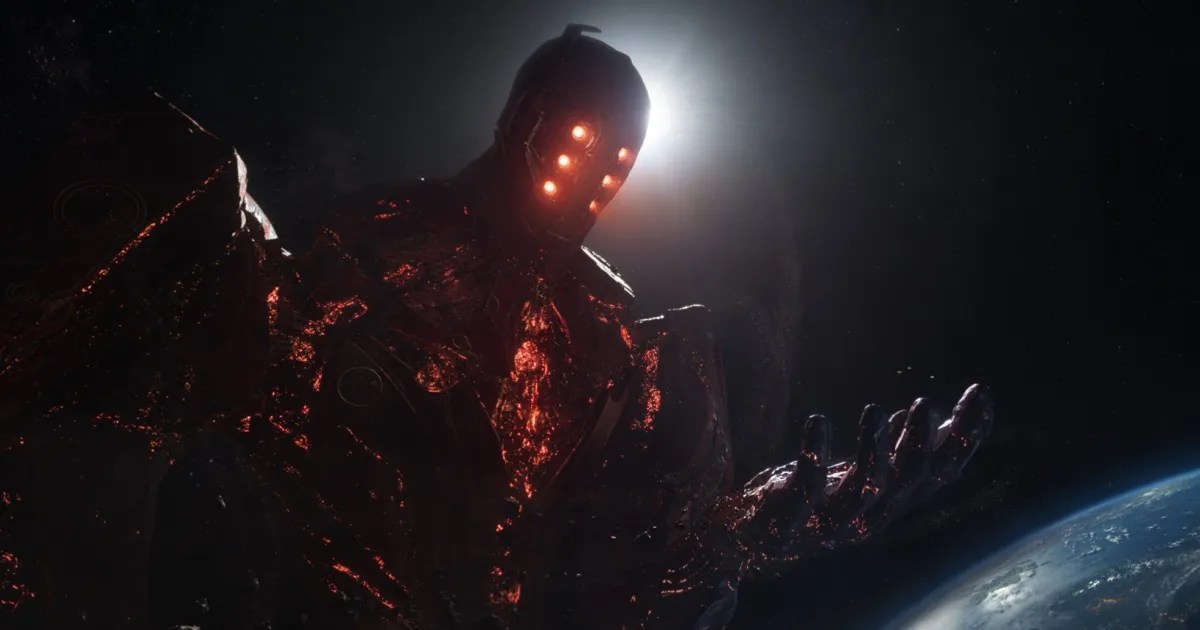
As the Marvel Cinematic Universe (MCU) continues and evolves, there are many plot threads introduced in various MCU projects that remain unresolved to this day. Some of them, such as the fact that a giant Celestial statue is sticking out of the Indian Ocean, will be resolved with next year’s Captain America: Brave New World, but there aren’t any indications that many others will be addressed. The following is a ranking of the most nagging or interesting MCU plot threads that remain unresolved, at least for now.

10. Mitchell Carson & the Stolen Pym Particles

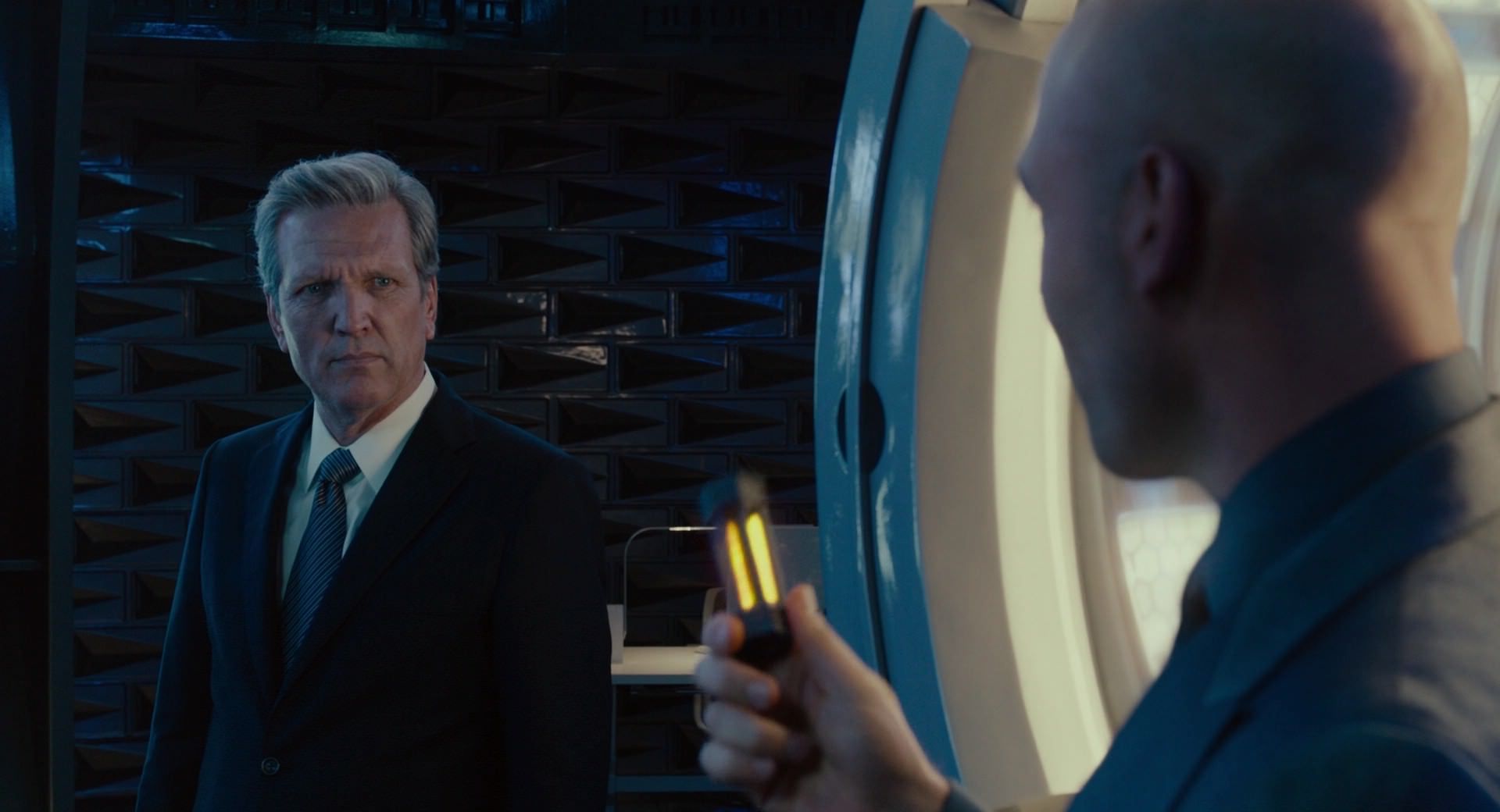
A major plot thread in Ant-Man was that Hank Pym did not want his shrinking technology to fall into the wrong hands. This was about to happen in the final act of the film where Darren Cross was attempting to sell the Pym Particles to the highest bidder. During a melee to stop the sale, one of the buyers, the Hydra operative Mitchell Carson, ran off with a vial of the particles, and this was never addressed again.

Speculation: Given the demise of the Ant-Man film franchise, these questions will likely remain unresolved or turn up in an unrelated film or TV show.

9. When Will the Young Avengers Debut?

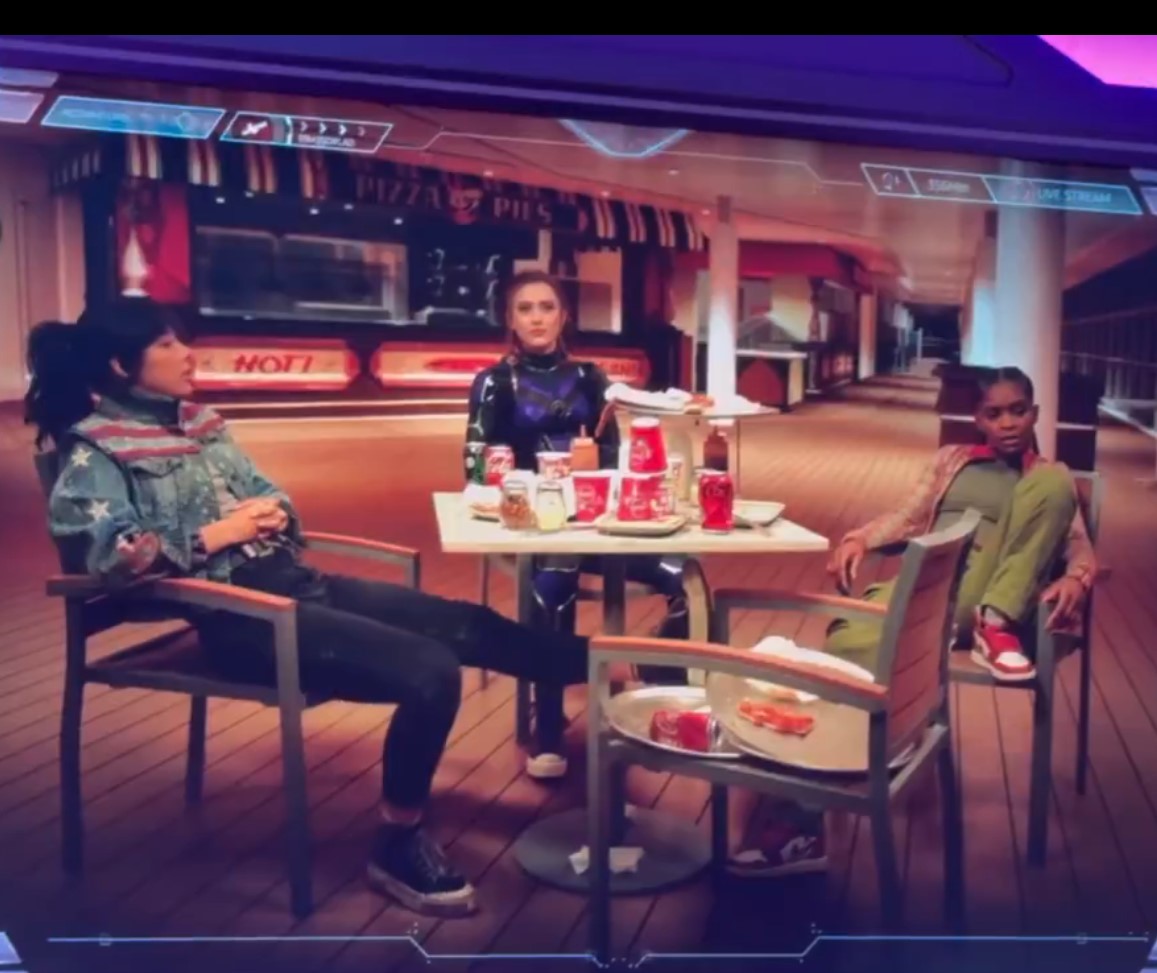
We have been teased with the Young Avengers ever since members like Ms. Marvel, Stature and Wiccan have shown up in the MCU. The superhero team was highly teased in the end of The Marvels when Ms. Marvel recruited Kate Bishop to form a team with plans to get in touch with Stature (who already debuted in Ant-Man and the Wasp: Quantumania). This is an exciting development for the MCU given the popularity of these characters but to date there have not been any announcements of this team actually showing up in the MCU.

Speculation: There are many rumors that the Young Avengers will headline a TV show at some point and do not be surprised if they turn up in Avengers: Doomsday or Avengers: Secret Wars. But given the fact that the actors are aging in real life, what could happen is that the team will be renamed the Champions if they ever debut.

8. Magic Ned

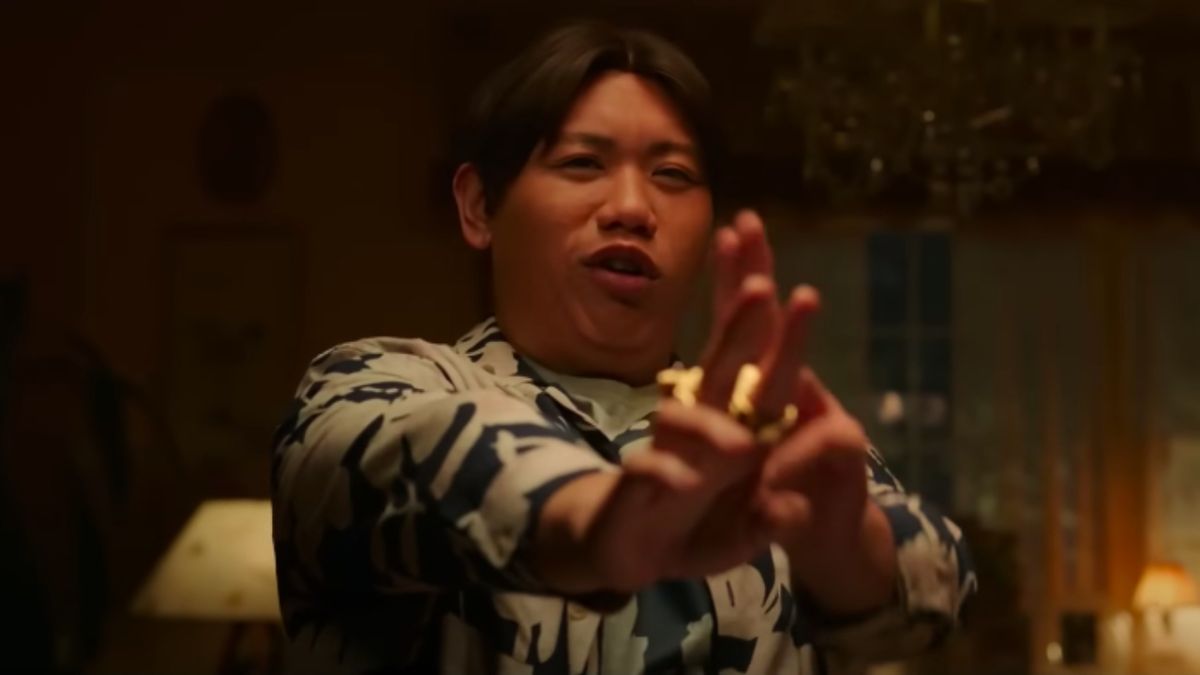
During a pivotal moment in Spider-Man: No Way Home, Peter Parker’s best friend Ned displayed an innate talent for magic as he was able to use Doctor Strange’s Sling Ring to summon alternate versions of Peter Parker/Spider-Man. While this is an interesting development for Ned, who could become a sorcerer’s apprentice, it is unlikely this will ever be explored given that well, the Spider-Man film rights are held by Sony Pictures which is hell bent on pumping out films starring Spider-Man’s enemies.

Speculation: Nothing, zilch, nada. We are not even sure if Ned will appear in the next Spider-Man film.

7. Too Many Sorcerers

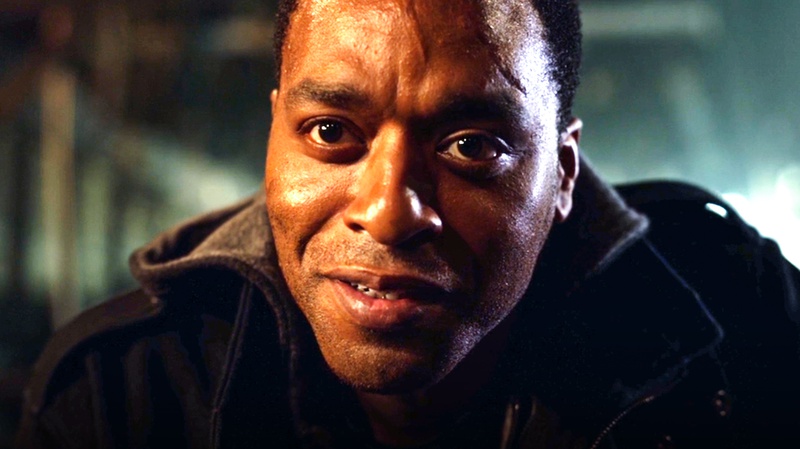
In a post-credits scene in Doctor Strange, the sorcerer’s former ally, Mordo, begins a quest to kill off all the sorcerers on Earth with the clear implication that Strange was a target. This plot line was ignored in the next Doctor Strange film and since the third film will likely be geared towards incursions and multiverse shenanigans, Mordo’s mission is at this point forgotten. It’s too bad since Mordo is an interesting character and a major foe for Doctor Strange in the comic books. He deserves a chance to confront Strange.

Speculation: Originally, this plot would have been resolved at the start of Doctor Strange in the Multiverse of Madness where the Scarlet Witch would have killed Mordo, but this scene was scrapped. There have been no reports that the Mordo plot will be a part of the next Doctor Strange film or if Mordo will even appear.

6. The Black Knight and the Ebony Blade

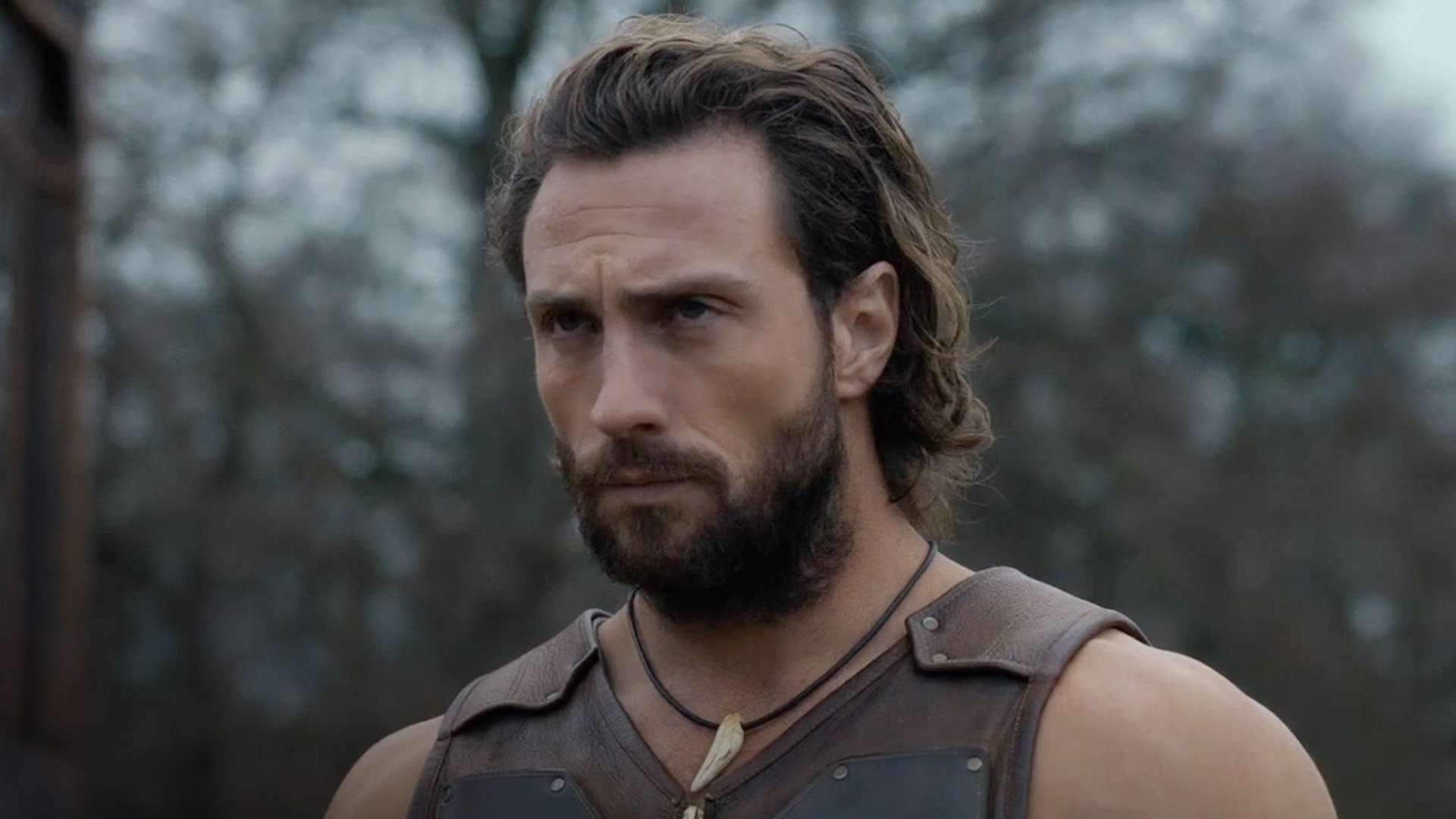
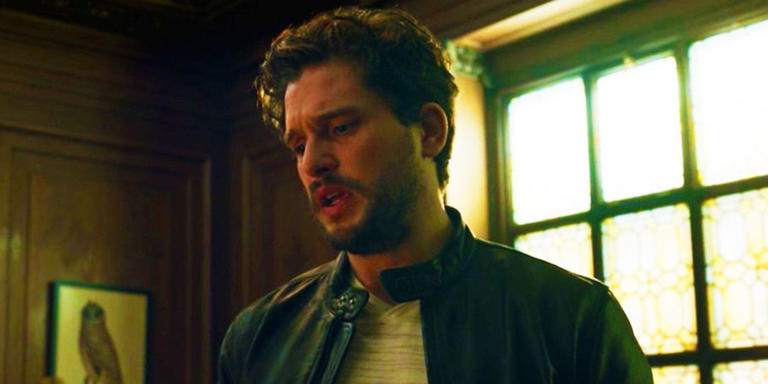
In one of the post-credits scenes of Eternals, Dane Whitman was about to touch the cursed Ebony Blade which would have turned him into the Black Knight. The would-be superhero was stopped by an offscreen voice, who was Blade the Vampire Hunter. To date, no announcements have been made as to when the Black Knight will appear. Not even Kit Harrington, who portrayed Whitman, knows if his character will ever appear again in the MCU.

Speculation: Supposedly, the Black Knight was to show up in the long-delayed Blade film but since that film seems more or more unlikely to be produced it’s anyone’s guess if the Black Knight will ever appear anywhere.  

5. Will Hercules Ever Has His Revenge?

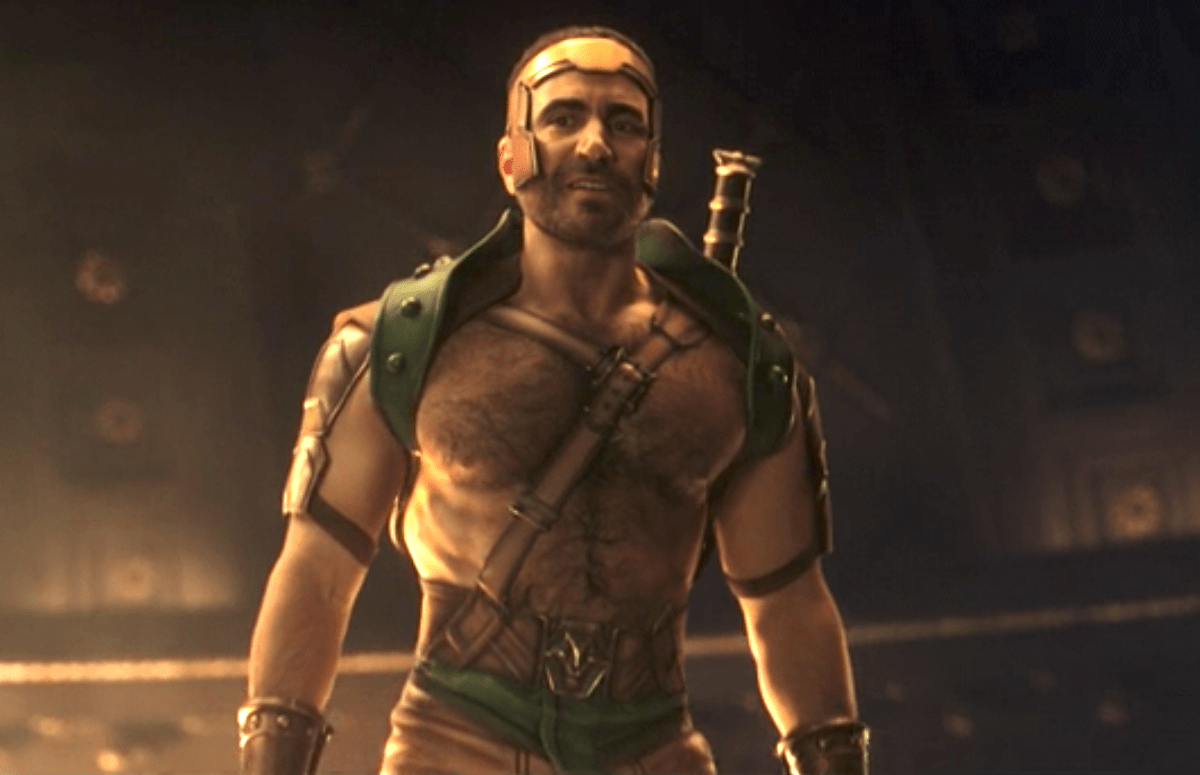
After being humiliated by Thor in Thor: Love and Thunder, Zeus promised to get his revenge on the God of Thunder. He then tasked his son, Hercules, to carry out the vendetta. Hercules’ brief cameo was impressive given the comic-accurate look of the god. Unfortunately, his appearance was one of the symptoms that befell the MCU lately where multiple plot threads were introduced without any logical means to address them.

Speculation: Supposedly, Hercules will appear in the next Thor film, but it’s not known if he will be a major character or if the film will be made at all given that Marvel Studios has been cutting back on the number of films and TV shows in order to maintain the quality of their projects.

4. When Was Rhodey Replaced?

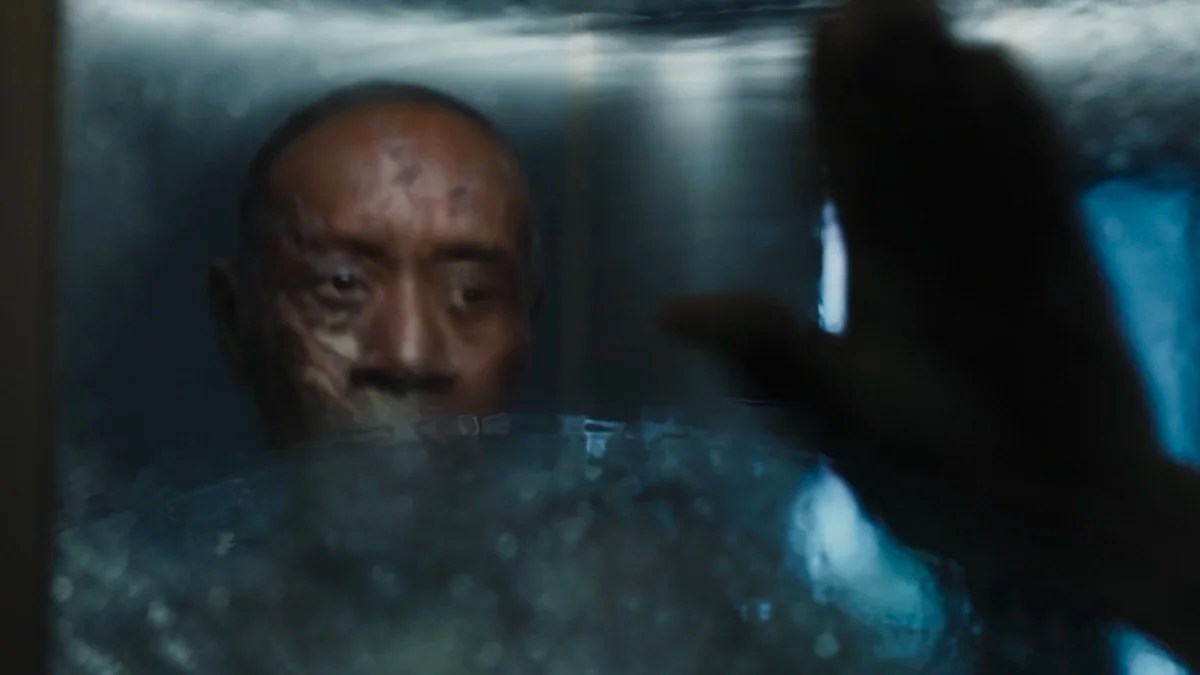
As flawed as Secret Invasion was, one interesting plot twist, well not really since it was so obvious, was that Jim “Rhodey” Rhodes was replaced by an alien Skrull. At the end of the mini-series, the real Rhodey was rescued, but we never learned when he was replaced or how many pivotal MCU events he missed. Was he abducted after his BFF Tony Stark died? We do know it had to have happened after Captain America: Civil War since he ended up paralyzed in that film and he was shown as such in Secret Invasion.

Speculation: The director of Secret Invasion revealed that Rhodey was replaced immediately following Captain America: Civil War, although this has not been confirmed by Marvel Studios. Some fans have speculated the replacement happened much later. Sadly, this dilemma will not be resolved anytime soon, since everyone wants to forget about Secret Invasion.

3. The Origin of the Ten Rings and Their Beacon

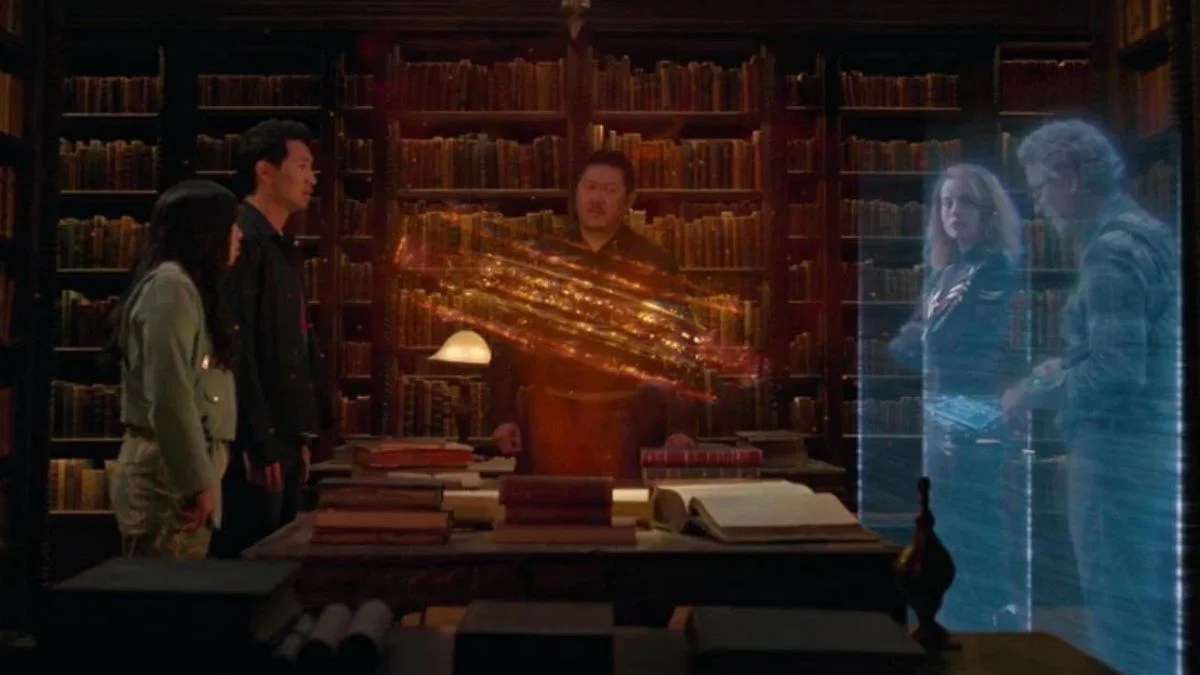
At the end of Shang-Chi and the Legend of the Ten Rings, the sorcerer Wong informed Shang-Chi that the otherworldly bangles he acquired from his father were very ancient and were emitting a beacon to the cosmos. But that was all he knew, and we haven’t learned to date the origin of these fantastic rings or who was being summoned. Even more baffling is that even though the film was successful, a sequel is stuck in limbo, and we won’t be getting the answers to the questions regarding the bangles for a long time.

Speculation: Supposedly, the bangles were related to Kang the Conqueror and was to have been part of the plot for the abandoned film Avengers: The Kang Dynasty. Maybe they will be the plot device used to summon Galactus into the MCU or Doctor Doom. Or maybe we will have the questions finally answered whenever the sequel to Shang-Chi and the Legend of the Ten Rings ever happens.

2. The Fate of the Eternals

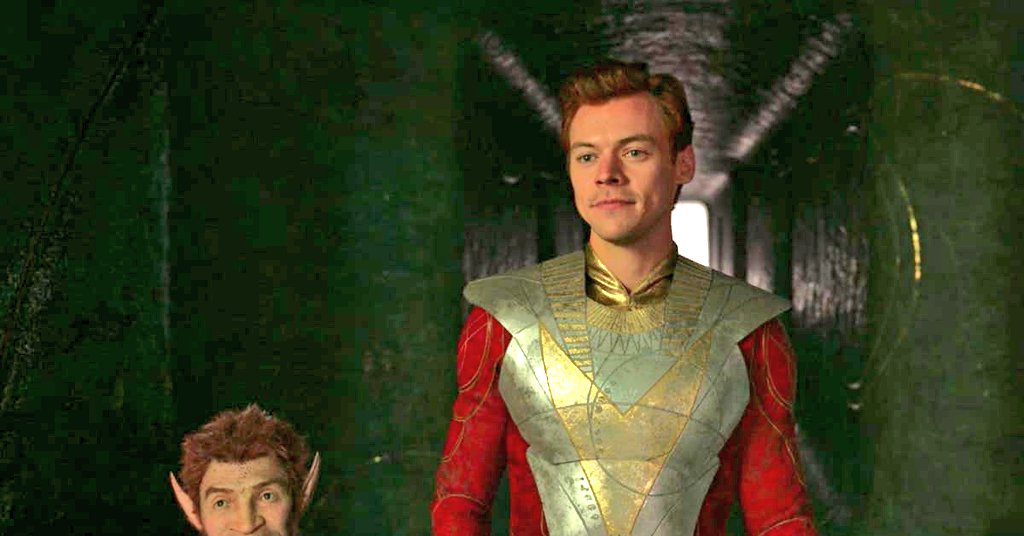
This is major. At the end of Eternals, about half of them were abducted by extra-terrestrial Celestials for saving Earth. Later on, those Eternals that were not abducted set off in a spaceship to find their comrades. Then the Titan, Starfox, and his friend Pip the Troll teleported to their spaceship and offered their help to find the missing Eternals. An interesting setup, but there will not be a sequel to Eternals so the cliffhanger ending to the film will not be resolved. There’s also the revelation that Starfox was Thanos’ brother which was unaddressed.

Speculation: There has been speculation that this Eternals storyline will be resolved in the next Thor film, though there are not any concrete plans for the film, as of yet. Given the cosmic nature of the Eternals, it’s possible another cosmic-themed MCU project could pick it up, perhaps a new Guardians of the Galaxy film which could incorporate a couple of the Eternals into the team.

1. What Happened to Steve Rogers?

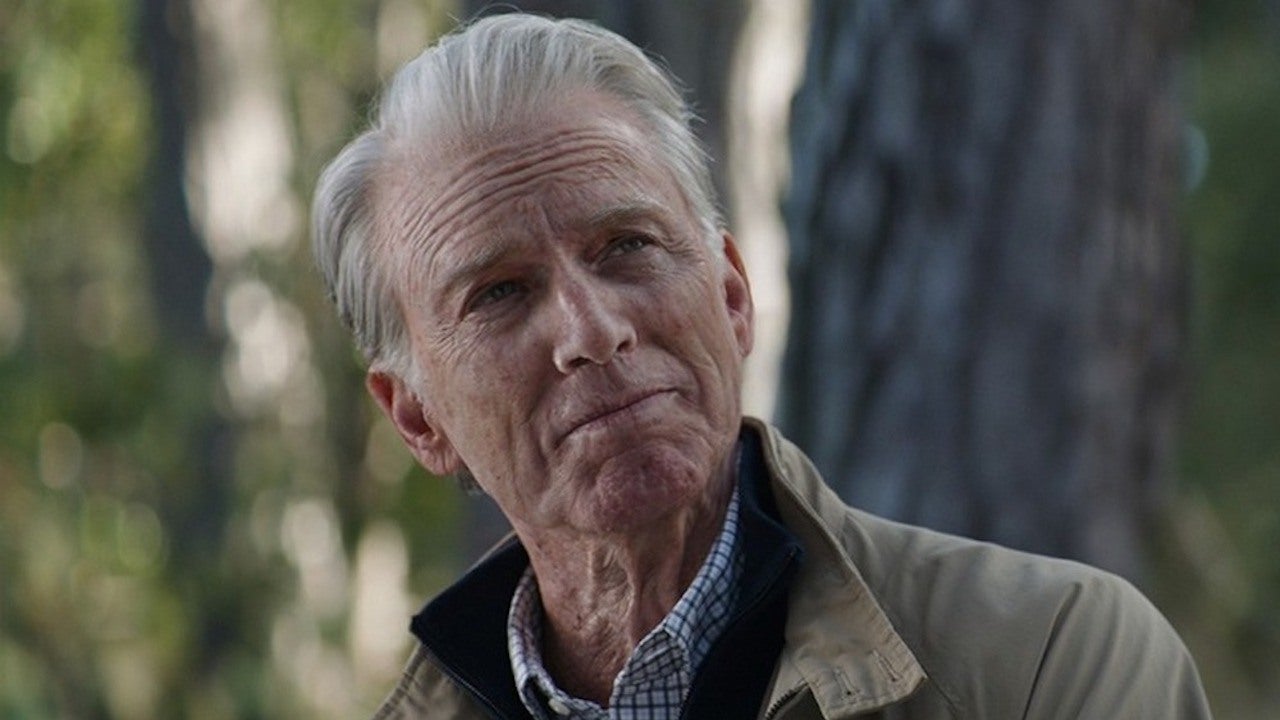
At the end of Avengers: Endgame, Steve Rogers went back in time and multiple dimensions to return the Infinity Stones. When he returned, he came back as an elderly man who could not continue as Captain America, and he passed his shield to Sam Wilson in order to become the new Captain America. So, what became of Rogers at that point? In the limited series, The Falcon and the Winter Soldier, he was referred to in past tense, indicating he passed away, but one character mentioned the rumor that Steve Rogers was living on the moon. It was never made clear if he passed away and so far, he is not shown in trailers for Captain America: Brave New World. So where is Steve Rogers? What happened to him?

Speculation: Maybe Steve Rogers will return in Avengers: Secret Wars so that Chris Evans could play the superhero one final time before the role is recast. Perhaps, as in the comic books, Rogers will be rejuvenated if only to help out in Avengers: Secret Wars. Marvel Studios has speculated that he could return to the MCU in some fashion, though the actor has stated that there are no plans for him to reprise the role. We’ll just have to wait and see.

Notable Mentions

What Happened to the Beekeeper in WandaVision?

Who was Sonny Burch working for in Ant-Man and the Wasp?

Will the United States and Wakanda go to war against each other?

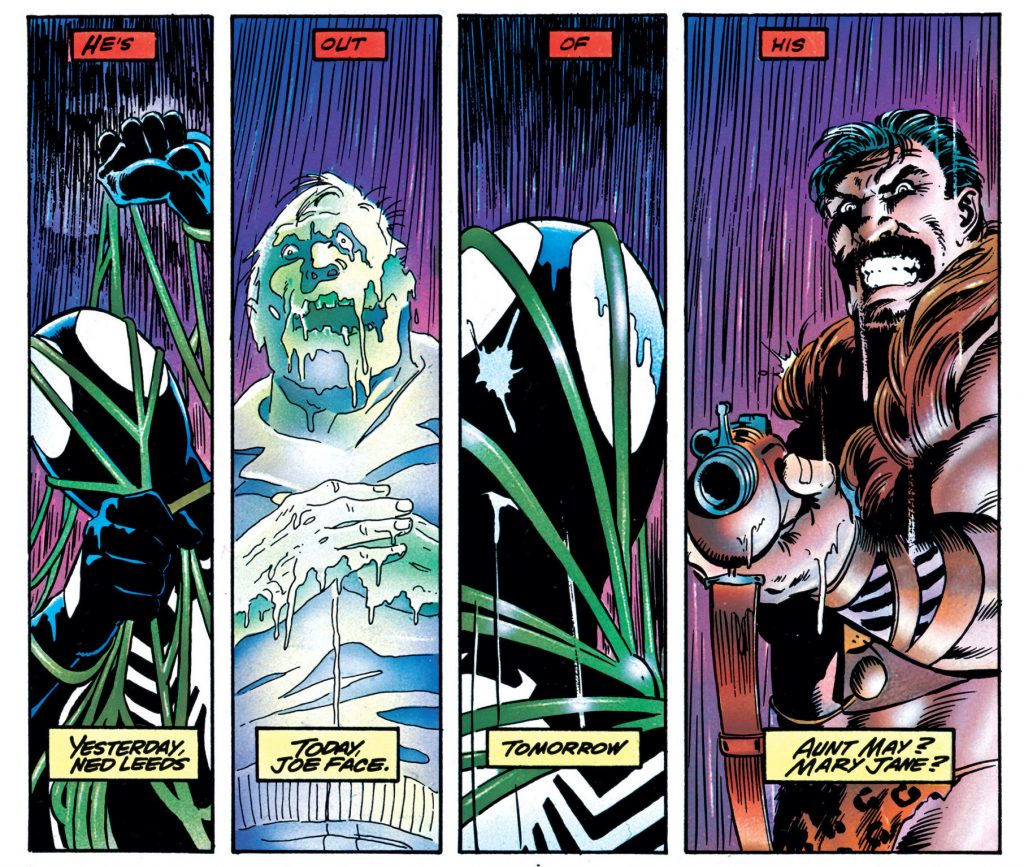
Will the Scorpion ever set out to get revenge on Spider-Man?

Is Spider-Man still framed for murdering Mysterio?

Who is working with the Power Broker/Sharon Carter?

What happened to the symbiote left behind by Venom/Eddie Brock in the MCU?

Will we ever see the remnants of the Illuminati exact revenge on Doctor Strange?

What became of President Ritson’s war on aliens on Earth?

William Shatner Reunites With Leonard Nimoy For One Last Time In 765874: Unification

There have been numerous fan-made and unofficial Star Trek shorts and films made throughout the years that celebrated the legacy of Star Trek. Some of the more memorable efforts featured the actual actors from the Star Trek TV shows who reprised their famous roles. The latest effort, 765874: Unification, stands out from the rest not just for its production values or topnotch CGI special effects, but because it stars William Shatner in what will most likely be his final performance as Captain James T. Kirk as he reunites with the late Leonard Nimoy as Spock.

Directed by Carlos Baena, 765874: Unification is produced by the VFX studio OTOY in conjunction with the Roddenberry Archive and was released on the heels of the 30th anniversary of the film Star Trek Generations. It serves as a bookend or an epilogue or a post-credits scene to that film as it finally shows us Kirk and his best friend Spock reuniting after their deaths. It is also a sequel of sorts to OTOY’s previous short film, 765874: Regeneration, which featured Leonard Nimoy as Spock reacting to the death of Captain Kirk.

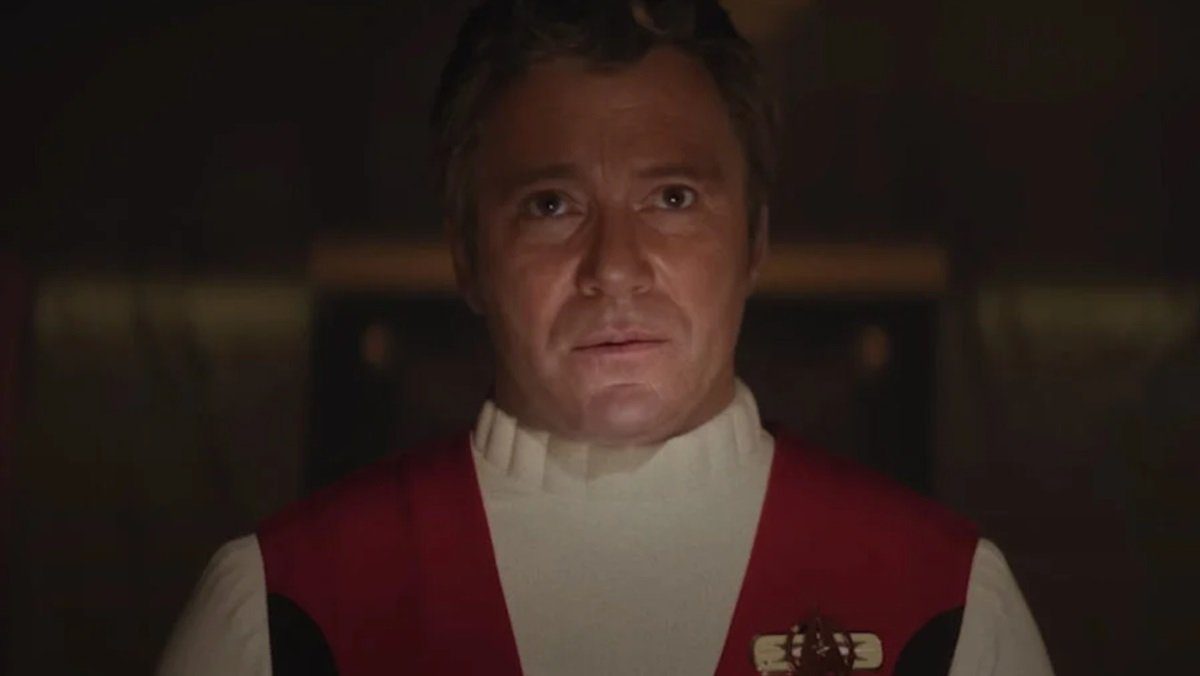
Taking place in the afterlife, moments after Kirk died in Star Trek Generations, the film stars Shatner and Sam Witwer as Kirk, who is jaw-droppingly rendered with CGI and live-action performances. Basically, Kirk wanders through a heavenly afterlife that is similar to what he experienced in the Nexus from Star Trek Generations. During his journey, he comes across many people from his life including Saavik (reprised by Robin Curtis who was digitally aged into an old woman). The film also features numerous Star Trek Easter eggs and characters such as Gary Mitchell (reprised by Gary Lockwood in a performance that was obviously rendered through CG), who plays a role in guiding Kirk during his first moments after his death.

Eventually, Kirk encounters the alien Starfleet officer Yor, who was briefly featured in the Star Trek: Discovery episode “Terra Firma”. For anyone who hasn’t seen that episode, it was revealed that Yor was originally from the Kelvin Universe (the alternate reality where the J.J. Abrams’ Star Trek films take place in) and was stranded in the Star Trek Prime Universe until his death.

As Trek fans know, Spock (as portrayed by Leonard Nimoy) was stranded in the Kelvin Universe and remained there until his death of old age (as noted in Star Trek: Beyond).

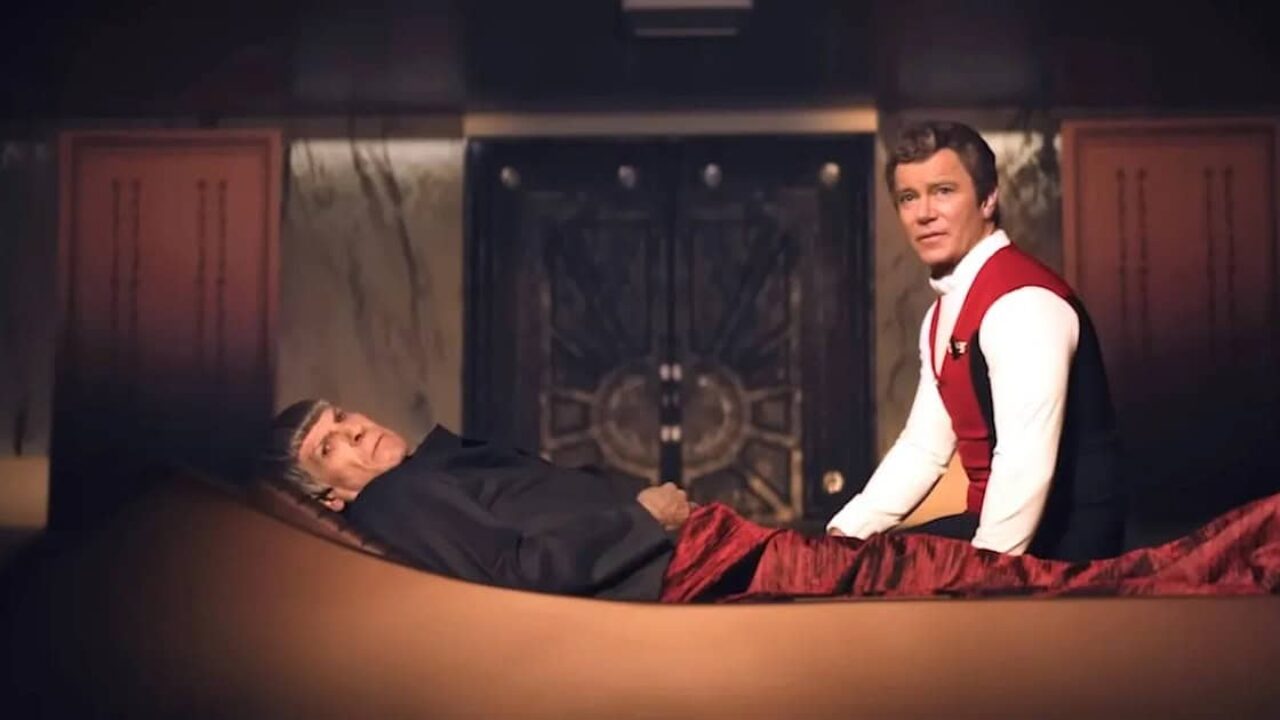
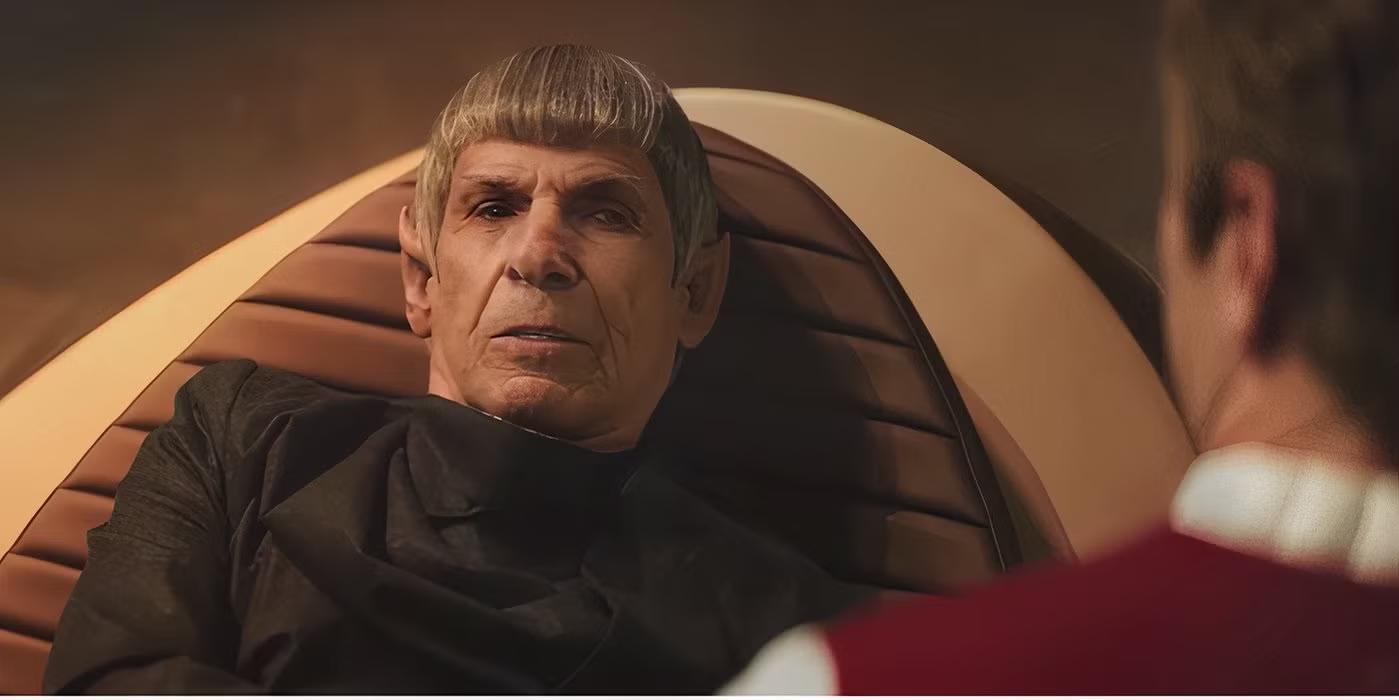
Yor serves as a conduit for Kirk to enable him to crossover into the Kelvin Universe. In the final moments of 765874: Unification, Kirk appears at the deathbed of Spock as the two old friends silently watch the sun set with the promise of a new adventure awaiting the both of them in the afterlife.

Aside from the nearly perfect special effects, what made the film stand out was its lack of dialogue, aside from a brief voiceover by Kirk taken from Star Trek II: The Wrath of Khan. But words were not necessary, Shatner and Witwer were able to convey genuine emotions as Kirk explores the afterlife filled with wonder and surprise.

Still, the special effects are just amazing and feature the best use ever of de-aging and CGI to render Kirk as we last saw him in Star Trek Generations and as the more youthful version of the starship captain seen in the original series. The only times the effects falter are in two shots where Kirk walks awkwardly in profile. But other than that bravo to OTOY for their work!

Yes, the use of CGI to bring Spock back to life (through CG and a live-action performance by Lawrence Selleck) and de-aging Shatner and others is controversial for some. But for others, this film is a fitting tribute to the brotherly bond between Kirk and Spock that spans time, space and life itself. Afterall, death cannot destroy relationships or bonds.

More importantly, the short film is a love letter to Star Trek fans, especially those who still appreciate the older more iconic iteration of the sci-fi franchise and have fond memories of those early films and TV shows. After so many years, it feels great to see these two Star Trek legends together for one last time.

Needless to say, whether or not it’s official or canon, 765874: Unification finally gives us the opportunity to say farewell to these two characters as we see the Shatner and Nimoy versions of Kirk and Spock have a final performance together. Using the afterlife as the vessel for their unification is an appropriate and dare say, logical, way to close this chapter of their existence and the landscape for their next great adventure.

José Soto

The Penguin Revels As One Of The Best Comic-Book-Based TV Shows

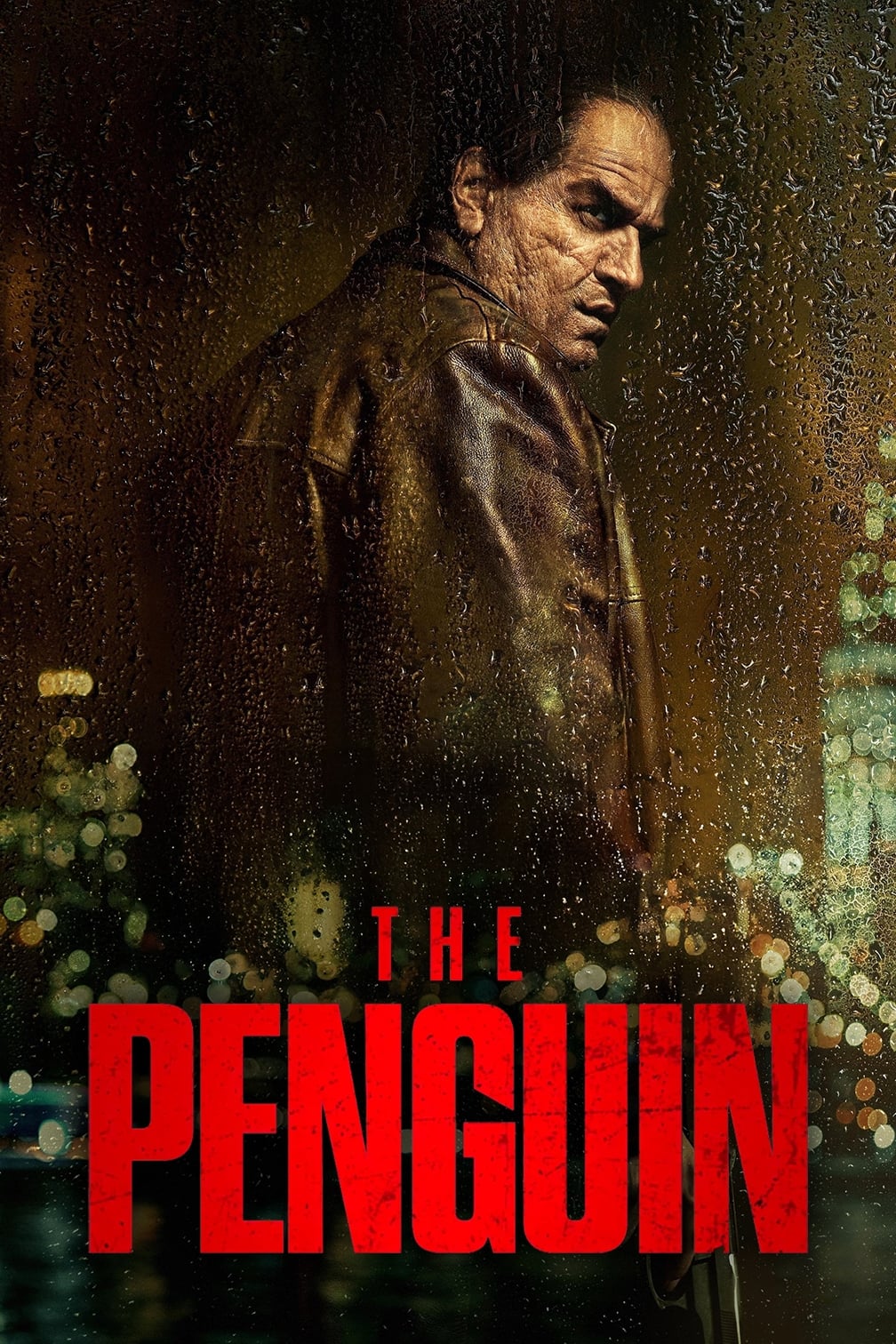
When the Max limited series The Penguin was first announced, many dismissed it as an unnecessary venture and a half-hearted attempt to expand the crime-infested world of Gotham City as seen in the 2022 film, The Batman. In other words, a production more akin to Gotham or the worst of the defunct Arrowverse TV shows than a cinema-quality presentation. Well, as we now know, The Penguin pleasantly surprised everyone and turned out to be one of the best current TV shows and one of the best comic-book-based TV shows ever.

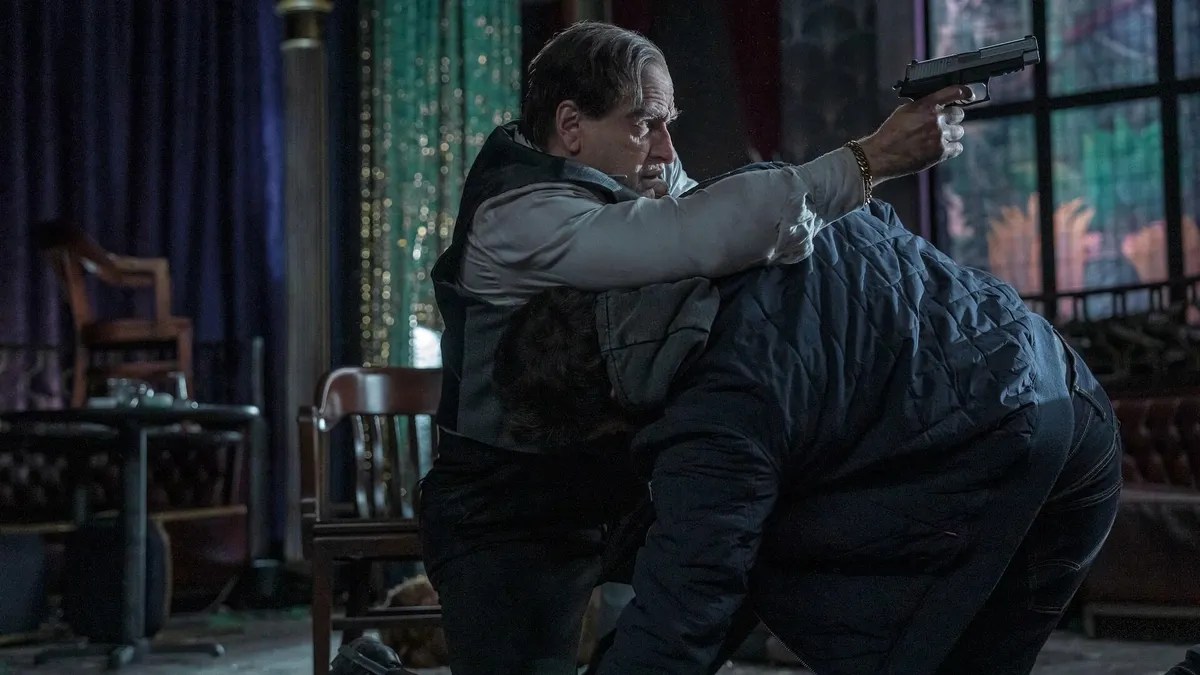
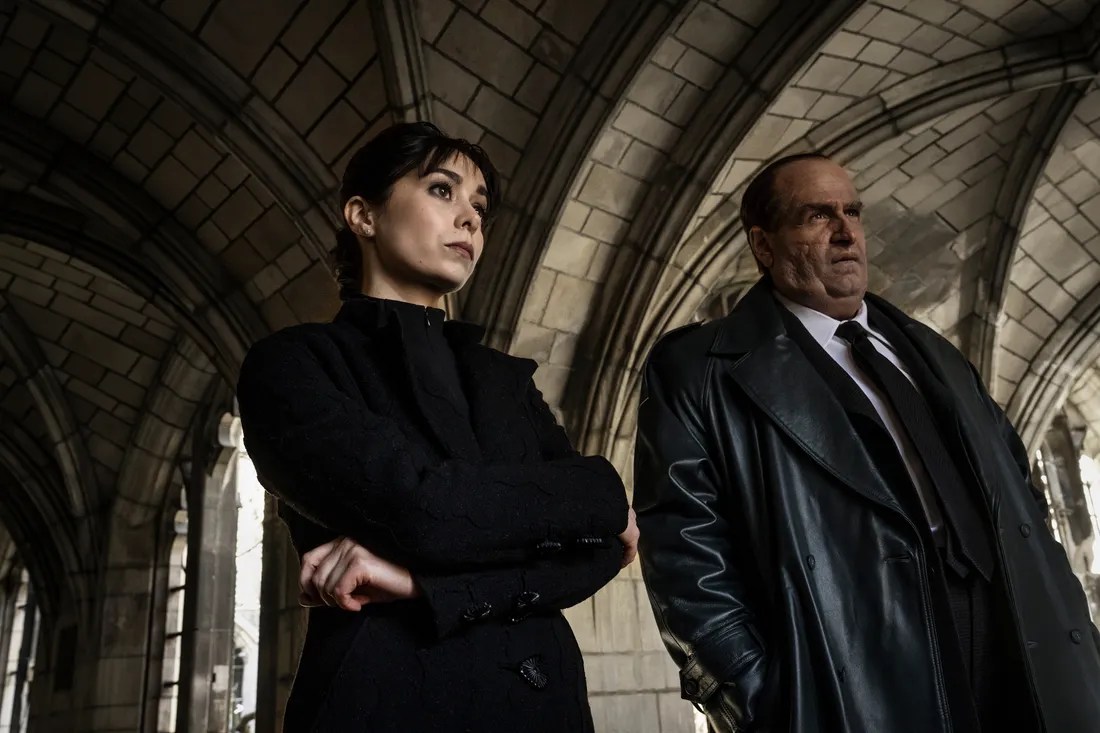
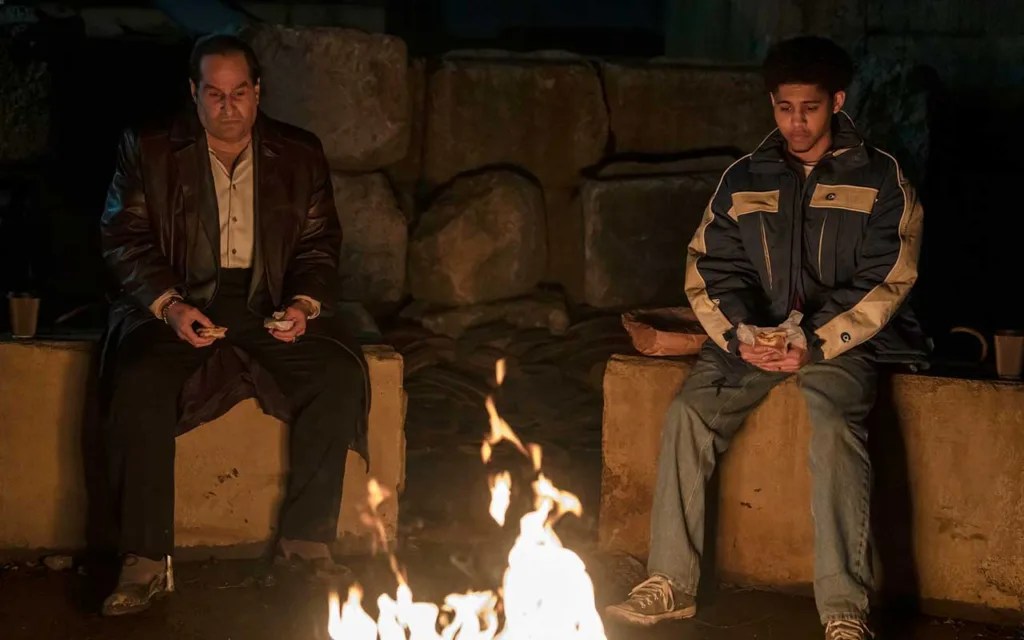
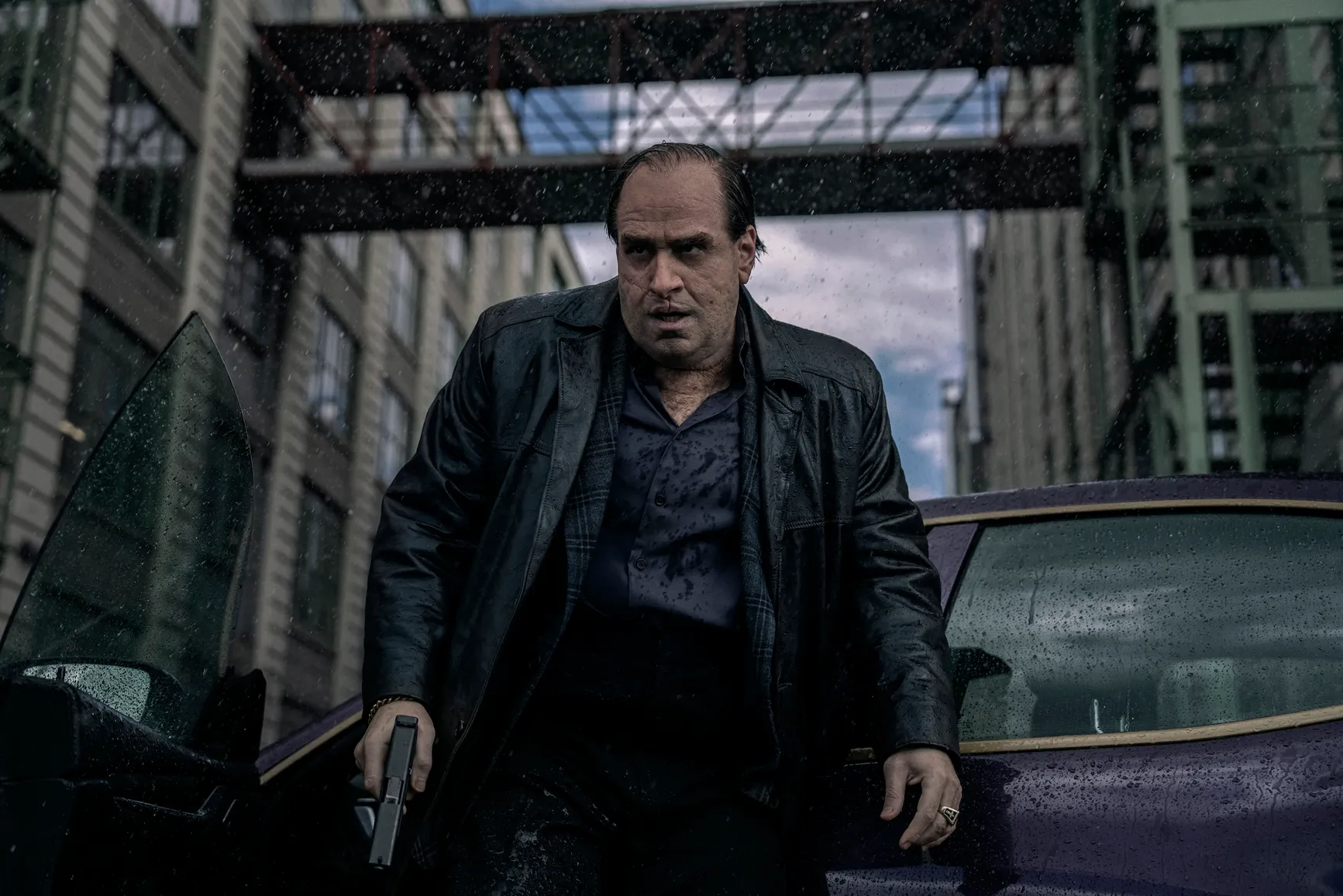
Colin Farrell reprises the role he originated in The Batman as Oswald “Oz Cobb, a two-bit mobster with lofty ambitions to become a major player in the criminal underworld of Gotham. In the film and the start of the TV show, Cobb is a low-level member of the Falcone crime family, which was left ruined by Batman at the end of the film. During the premiere episode of The Penguin, Cobb (who is derisively nicknamed the Penguin by other mobsters because of his disfigured face and limp) impulsively seizes on an opportunity to rise in the ranks of the crime family. However, because he is derided by the Falcones, Cobb sets out on his own with the help of his young partner Victor Aguilar (Rheny Feliz) to violently create his own criminal empire in the neglected slums of Gotham City.

Cobb’s main antagonist in the series is Sofia Falcone (Christin Milloti), the misfit daughter of the head of the Falcone family. She was recently released from Arkham Asylum and seeks to find her place in her family’s criminal organization. But, like Cobb, she is dismissed by the organization and then takes measures to seize control of the organization while plotting revenge against Cobb. In the past, Cobb was her driver and confidante, but he betrayed her to her father to rise in the ranks of the organization after she told Cobb of her suspicions about her father murdering prostitutes. Her father framed her for the murders he committed and has her sent to Arkham for inhumane treatment.

As the two central figures in the TV show rise to power, it is not long before their mutual antagonism towards each other erupts into a deadly gang war for control over Gotham’s criminal underworld.

There are so many reasons why The Penguin is so great. Let’s start with the smart writing that takes great pains to develop and humanize the characters with compelling back stories. This doesn’t mean that we root for the Penguin or Sofia. They are bad people with twisted outlooks in life and who commit heinous acts. For example, in one episode Sofia callously murders most members of her own family while flashbacks revealed her torturous ordeal in Arkham, which made her sympathetic until she acted on her worst impulses. With Oz, we see his troubled past and his supposedly loving relationship with his mother, Francis (Deidre O’Connell). At first it seems to be a tender relationship which conveyed a more vulnerable side to Cobb. But by the end of the series, we come to see how twisted he was even as a child and how his blackened and greedy heart gave him a perverse view of life and his relationship with his mother that borders on the oedipal.

The production is also above par for a TV show and is seamless with The Batman as it evokes the grimy and gritty look of the film. As with the film, Gotham is a seedy, decaying urban hellhole which clearly divides the affluent from the downtrodden. In the mean streets of Crown Point, Cobb’s old neighborhood, the mobster begins his rise to the top of the affluent criminal underworld as he revels in his lower class roots in order to attract economically and socially oppressed allies like Victor. It is not necessary to have watched the film, though some events from it are referenced, most notably the flooding of Gotham that took place at the end of The Batman, which had a severe impact on the life of Victor.

While Cobb and Sofia are the main characters with complex backgrounds, the show also gives Victor well deserved time with his own back story. But in his case, the young criminal is much more sympathetic and vulnerable to the point that he became the heart of the show. Feliz’s acting was as brilliant as Farrell’s and Milloti’s. We find ourselves rooting for Victor and fearing for his safety as his innocence slowly ebbs away as he is exposed to the criminal world of Oz Cobb. It becomes troubling to watch Victor descent as he becomes more and more entrenched since we want him to come out of this partnership with Cobb in one piece.

Still, the stars of the show are Farrell and Milloti. The characters they play share many similarities as disregarded misfits forced to fight their way to the top. As evil as they are, we can’t help but be riveted by their stories. The two actors are certain to at least get Emmy nominations for their work. At the very least, the makeup in this TV show will win awards as it uncannily transformed Farrell into a heavyset, disfigured creature that is unrecognizable.

Of course, as flawless as the makeup is, it would not mean anything without Farrell’s captivating performance that echoes Tony Soprano, Vito Corleone and Robert De Niro’s gangster roles. Like those famous celluloid gangsters, the Penguin is a gruff, brutal thug but displays surprising moments of humanity. What was tragic for Cobb is his realization towards the end of the series that his emotional attachment to others is a vulnerability to him. His reaction at the end of the final episode to this realization cements the Penguin as a truly evil man and elevates him to one of Batman’s greatest villains. In fact, the way the Penguin is shown in this series gives argument for him being an even greater villain than the Joker thanks to his fleshed out and involving back story.

At the time of this writing, The Penguin is supposed to be a limited series that sets up the upcoming sequel to The Batman. Does this mean that the mobster will be the main villain of that film? Who knows, but the Penguin deserves to be the main foe and it would be a mistake to relegate Cobb to a minor presence in the film. Regardless of that, a second season is very warranted since Cobb is such a fascinating character and worth exploring some more. If not, then there are plenty of other members of Batman’s rogue’s gallery that could receive similar treatment, although the current rumor is that a TV show featuring the Joker is being considered. That would be a mistake because we have had two solo films about the Clown Prince of Crime and Batman has a rich roster of foes that deserve their moment in the harsh spotlight as the Penguin has received.   

José Soto

Venom, Spider-Man & Sony’s Upcoming Crossover Film Event

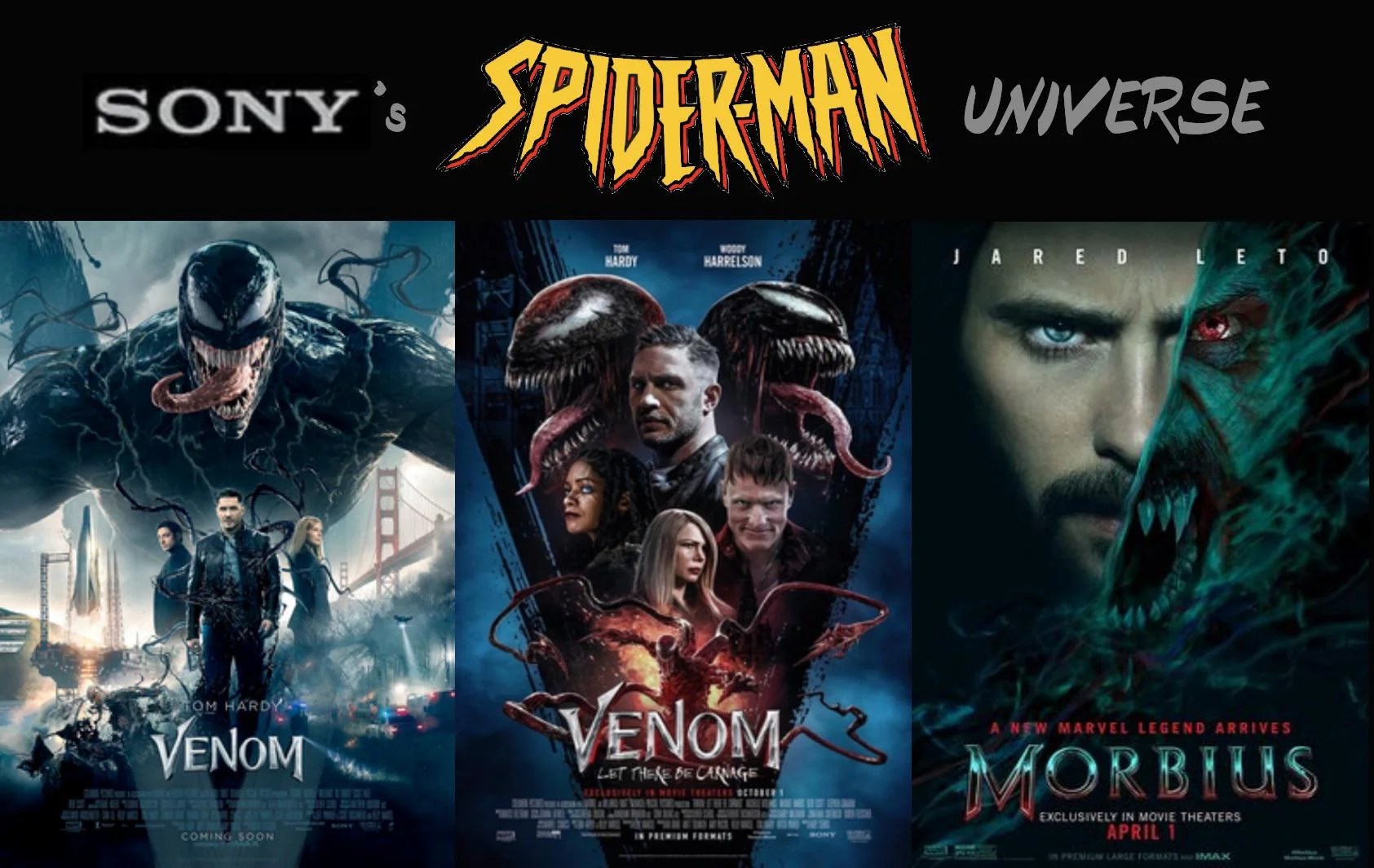
The latest Spider-Man-related venture by Sony Pictures, Venom: The Last Dance, has teased viewers with an attempt to create a crossover storyline that spans several different films. Sony has tried for years to create their own cinematic universe but failed miserably for the most part because they weren’t able to deliver anything cohesive or high quality. Unfortunately, that problem will continue.

WARNING: Spoilers will be revealed related to Venom: The Last Dance.

Ever since the success of the Marvel Cinematic Universe (MCU) and the emergence of other cinematic universes, Sony wanted in on the action given the massive box office success of the MCU. On paper, it seemed easy to copy the MCU’s success: have a bunch of films interconnect with each other with some kind of B-plot storyline running throughout the films that will culminate in an epic crossover event like Avengers: Infinity War. But as the cliché goes, easier said than done.

Sony first tried creating a shared universe with The Amazing Spider-Man films with the last one dropping obvious hints of a film featuring the supervillain team, the Sinister Six. However, given the bad reception of The Amazing Spider-Man 2 and announcement for a Sinister Six film, those plans fell by the wayside. But Sony would not give up. Afterall, they hold the exclusive film rights to Marvel Comics’ most popular character and all related characters, and they would lose those rights if they did not pump out some kind of Spider-Man-related film every few years.

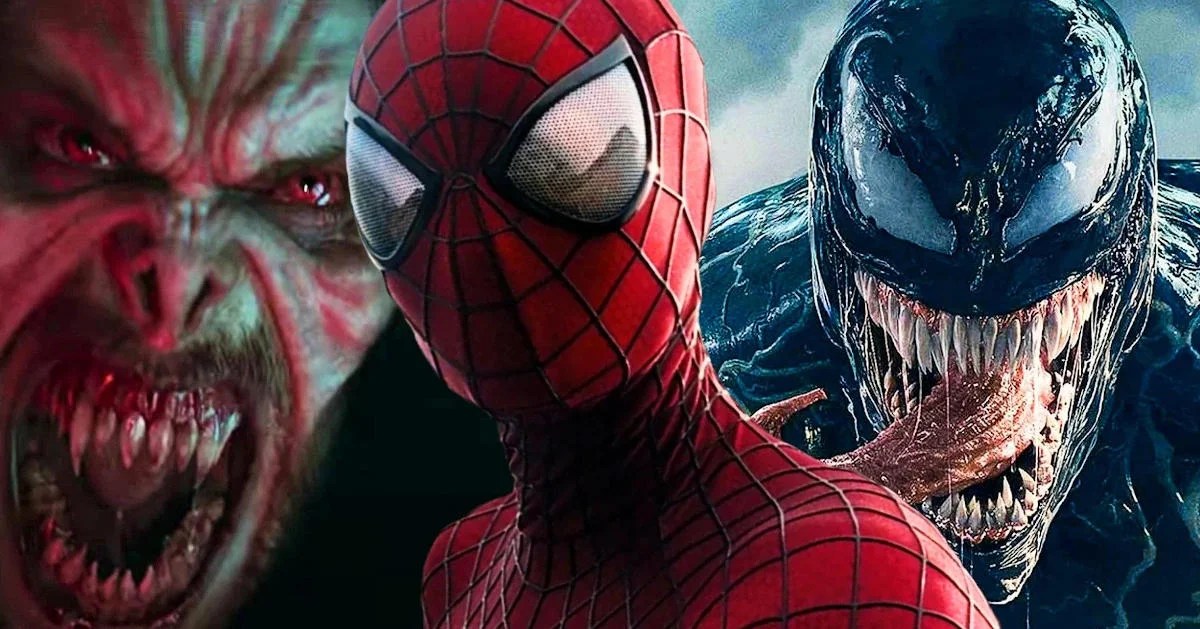
This is how we got the Venom films. By no means are they superhero film classics, but they are entertaining enough (including Venom: The Last Dance with its plot holes and other flaws) and more importantly to Sony, financially successful. This encouraged them to greenlight other films related to Spider-Man, but the dreck they released could not match the success of the Venom films. Still, they plowed ahead as seen with that non-sensical post-credits scene in Morbius where the title character met the Vulture, who was transported over from the MCU. What was so baffling was that for reasons unknown to us, Morbius decides to join Vulture in attacking Spider-Man, even though Morbius never met the superhero! It seems as if Sony is still hellbent on their Sinister Six film and more will probably be revealed in December with Kraven the Hunter, where there will most likely be some post-credits scene that has Kraven meeting the Vulture. Thankfully this did not occur in Venom: The Last Dance.

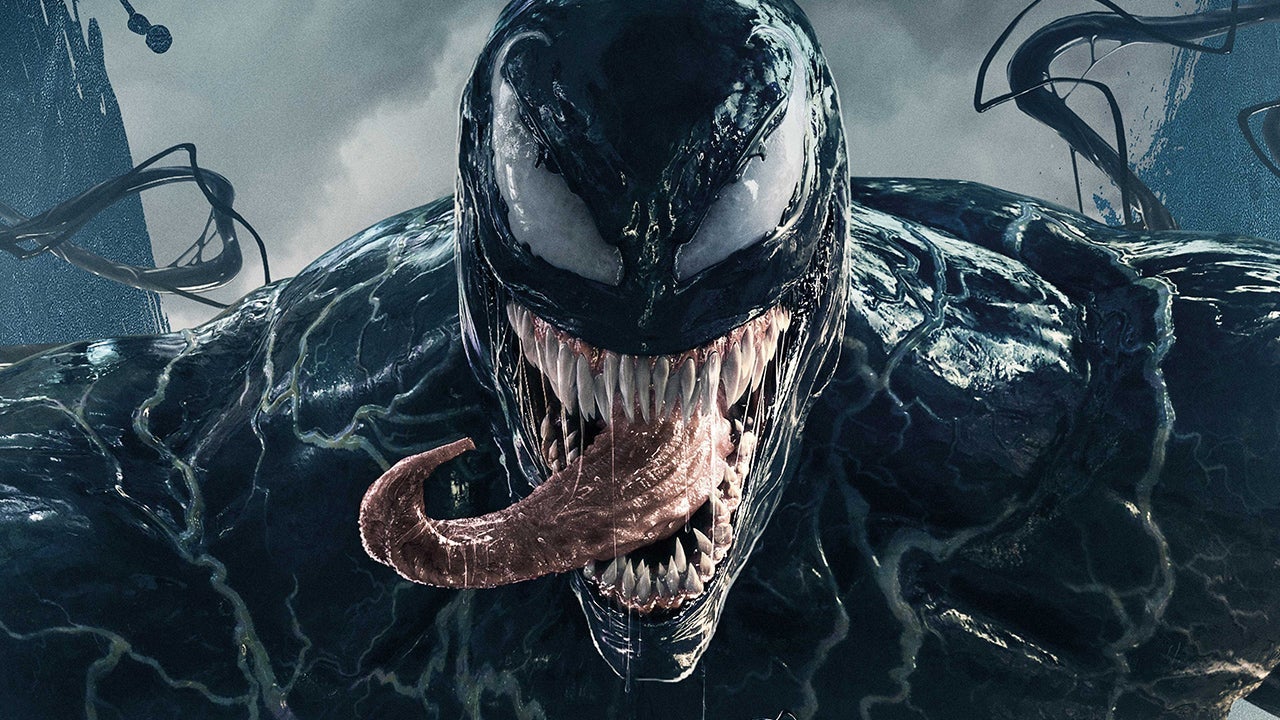
Instead, the third and (for now) final Venom film introduced the beginning of an adaptation of the King in Black comic book event. That storyline was the culmination of Donny Cates’ Venom run which explored the backstory of the Venom symbiote and introduced the supervillain, Knull, who created the symbiotes and invaded Earth. While it was tantalizing to see Knull on the big screen, he didn’t receive much screen time and was a background menace who drove the action. In the film’s prologue, it’s revealed that Knull is being held prisoner by the symbiotes he created and only Venom can break him free through some biological MacGuffin. After Venom and other symbiotes defeats the small army of alien creatures sent by Knull to Earth, the Venom symbiote is killed and a still-imprisoned Knull vows in a post-credits scene to escape and wipe out all life in the universe.

That sounds great but this development happens in the so-called final Venom film. Where else can this Knull story continue? Well in a Spider-Man film, of course.

There are reports that Sony and Marvel have been at odds over the story for the next Spider-Man film. Marvel wanted it to be a grounded film involving Spider-Man with street-level threats and heroes like the Kingpin and Daredevil and fans have been demanding this since such a plot would return the character back to his grounded, street-level roots, which has been missing from the MCU Spider-Man films. However, Sony is demanding the character be involved in universe-threatening events as seen with Spider-Man: No Way Home since it is the best platform for crossovers with the characters the studio has the film rights.

The current rumor is that the next Spider-Man will not only feature the non-MCU Spider-Men teaming up with the MCU Spider-Man but that at long last Venom will meet Spider-Man. This was something that was teased in Venom: Let There Be Carnage when Venom was transported to the MCU, but that turned out to be a disappointment because Venom returned without meeting Spider-Man.

So, why would the two meet? To fight Knull, of course! But wait didn’t the Venom symbiote die in Venom: The Last Dance? Yes, but a post-credits scene teased us with an offspring of Venom that was loose, who will probably seek out Eddie Brock to bond with him. Or the offspring that was left behind in the MCU during Spider-Man: No Way Home be the new symbiote for Eddie to bond with. Maybe this time, the new Venom will sport the iconic large white spider symbol on his chest.

While there is some potential with this plot, given Sony’s inability to give us a coherent Spider-Man-related film without the help of Marvel Studios, there is the possibility that the buildup to this event will be bungled, and we’re seeing that already. Knull should have been introduced in the Venom films much sooner or made a more prominent menace in the current Venom film. He also should have appeared in the other Sony Spider-Man-related films like Madame Web, which would have been natural given Madame Web’s psychic powers that enabled her to detect him.

Then there is the problem in that Knull is a Venom villain, having him being the main foe in a Spider-Man film does not feel right. Also, the King in Black story involved all of the Marvel heroes with Venom leading the fight against Knull. Forcing Venom to share this burden in a Spider-Man film takes away from Venom’s transformation in the comic book story into a full-fledged hero and the new King in Black of the symbiotes after defeating Knull.

Also, the meeting of Spider-Man and Venom should be a film event unto itself and jamming it with the dense King in Black storyline will make this event feel rushed. That is unless Sony plans to split the King in Black story into a couple of Spider-Man films. The first film would have Spidey meeting and fighting Venom, then the second film they would team up to fight Knull along with the other crossover characters. As to how this story would mesh with the MCU’s Infinity Saga and the upcoming Avengers films, who knows at this point? But do not be too disappointed if Sony drops the ball, but on the other hand, since Marvel Studios will be involved with the Spider-Man films, hopefully the result will be better than expected.

The Not-So-Radical Superhero Reboots In Comics

An increasingly popular sub-genre in comic books these days are reboots or reimaginings of famous superheroes and supervillains. We’ve seen this earlier in the year with the relaunch of Marvel Comics’ Ultimate Comics line, with Ultimate Spider-Man being the most popular and successful series in that line. The comic book reimagines Peter Parker/Spider-Man as much older than his counterpart in the regular comics, and is married with children, and only recently became Spider-Man.

DC Comics has also jumped into reboot game (though they pioneered this back in the 1950s) with their Absolute line of comics that began this week with the release of Absolute Batman. In this series, Bruce Wayne/Batman is not a mega-rich playboy whose parents are dead. Instead he is an ordinary, lower-class citizen of Gotham, who happens to be the Dark Knight Detective. The Absolute line will continue shortly with the release of Absolute Wonder Woman and Absolute Superman, which will present radical interpretations of the iconic superheroes. Or are they?

These comics have caught on and become very popular thanks to inspired writing and artwork, but the heroes in the comics are essentially the same. Despite being older and married, Peter Parker is still a wisecracking superhero who looks and acts the same way as he does in the regular comics. The same goes for Batman. Sure there are some changes to the costume (with Batman’s bat-themed chest symbol doubling for a huge axe), but he is still a brooding vigilanted patroling the crime-infested streets of Gotham. Again, these are well done comics, but maybe the comic book companies could have gone further and given us radically different takes of these characters. In fact, it’s been done before.

As mentioned before, DC Comics debuted a completely new version of their Golden Age hero, the Flash, in Showcase #4 in 1956, which actually launched the Silver Age of Comics. Originally, the Flash was Jay Garrick, a college student who accidently inhaled these special vapors that gave him his superspeed powers. His costume was fairly simple, with the only distinguishing feature being his steel helmet with wings. When the superhero was reintroduced in Showcase #4, he was reborn as Barry Allen, a police forensic scientist who was struck by lighting and doused with chemicals that gave him his powers. His scarlet costume was a stark contrast to the original Flash, by the way.

Following the success with the new Flash, DC gave readers new, distinctive reinterprations of their older, less popular heroes like Green Lantern, who now boasted a space-themed background, whereas the original Green Lantern had a mystical background. The comic book company went on to reinvent some of the Golden Age supervillains that plagued their most popular superheroes.

The last time DC presented radically different versions of their characters was in the 1990s and early 2000s with their limited imprint of Tangent Comics. Characters were wildly different from the traditional counterparts. For instance, the Flash was now a teenage girl with light-based powers, and the Joker was a female anti-hero who fought crime in the city of New Atlantis.

In 2001 and 2002, DC hired Marvel guru Stan Lee to reinterpret their famous characters. This led to several one-shots called Just Imagine… where Batman was a Black crimefighter whose real name was Wayne Williams and Wonder Woman gained her magical powers from an artifact.

While there is the potential for these radical reimagings to succeed as seen with the Barry Allen version of the Flash, there is also the possibility that the new versions fail to capture reader’s imaginations. The Tangent imprint, while very well done, did not take off in the long run and are largely forgotten to this day, though the comics are worth checking out. This is probably the main reason why the current reimagings of popular superheroes play it safe. Aside from some minor updates and tweaks, Peter Parker and Bruce Wayne are still the characters we know and love. But the comic book companies should be more willing to push the envelope and go for broke.

This has worked in the past, as with the Flash and even with the Miles Morales version of Spider-Man. Perhaps the Ultimate Comics imprint that Marvel first introduced in the early 2000s might have endured to this day if, for example, they had started off with Spider-Man being Miles Morales or have a completely different line up for the Ultimates (the Ultimate Comics version of the Avengers who were essentially the same superheroes in the regular comics).

One character that organically developed into a wildly different version than his regular counterpart was the Ultimate Comcis version of Reed Richards. In the Ultimate Fantastic Four comics the only noticeable difference with the team was that they were much younger than the traditional Fantastic Four. Yes, there were other differences such as the origin of their powers and group dynamics but none of it was out of the ordinary. However, over time, Reed Richards was radicalized and became the villain called the Maker, who continues to pop up. Actually, the Maker is responsible for the new Ultimate Comics line, since he time traveled to the past and prevented the creations of the Marvel superheroes, which is why heroes like Spider-Man got a late start in their careers.

It remains to be seen how long the new interpretations will last or maintain their quality, but comic book companies should not hesitate to allow their creators the freedom to let their imaginations run wild and present readers with radical and unique reinterpretations of their beloved heroes and villains.