Top Ten Films & TV Shows of 2025

2025 delivered many exceptional genre films and television shows that surprised us with their quality and pushed boundaries. Many of them will be remembered for quite some time and others set the standards for existing franchises. Here are the ten best films and TV shows of 2025.

Films

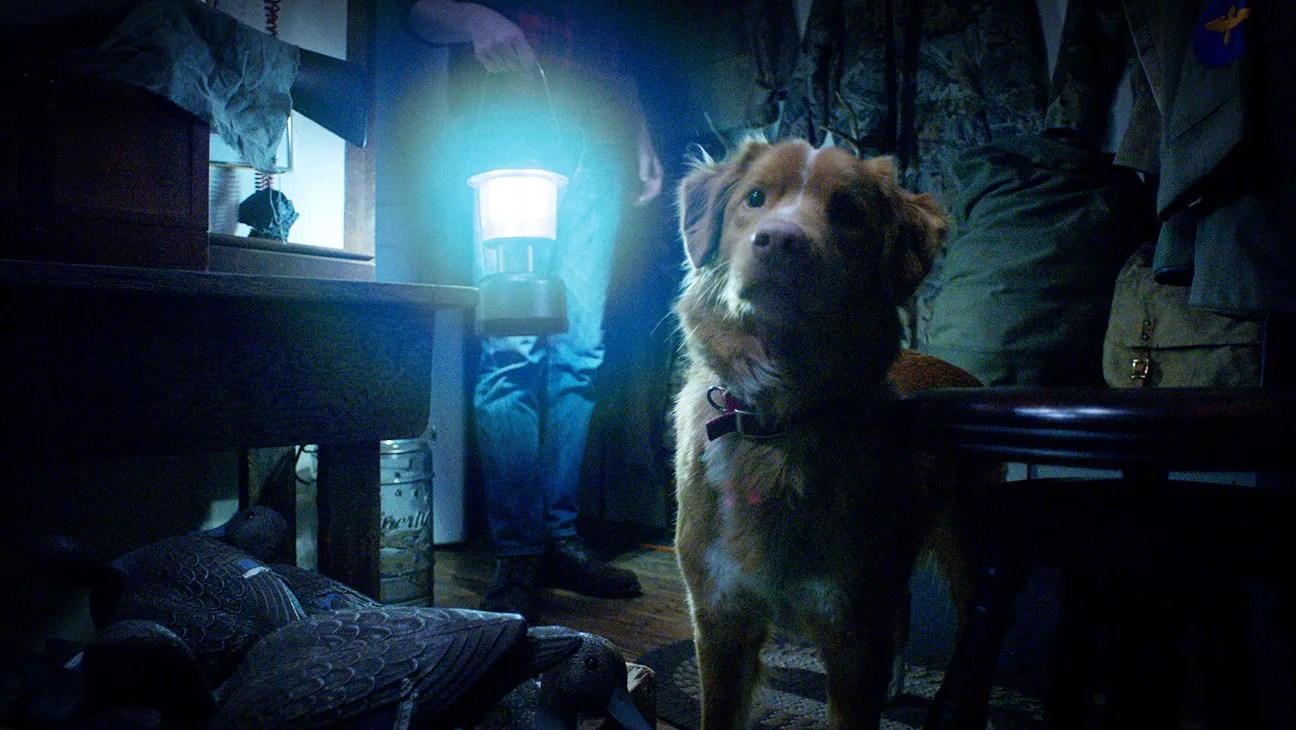
10. Good Boy

Indy the dog stole the show in this inventive supernatural horror film told from the point of view of a good dog trying to protect his owner from a supernatural threat. What added to the suspense was the vulnerability of the dog and the fact that only he could sense the danger threatening his owner.

9. The Life of Chuck

2025 was a banner year for good to great Stephen King adaptations, and The Life of Chuck was the best of them as this heartfelt fantasy film explored themes dealing with loss, sadness, endings, and the wondrous joy of simple everyday things and relationships.

8. Jurassic World: Rebirth

Despite many criticisms made about the latest Jurassic World entry, it was unexpectedly thrilling and engaging. Sure, some of the plotlines were rethreads, but they were presented well and the film delivered some great dinosaur action.  

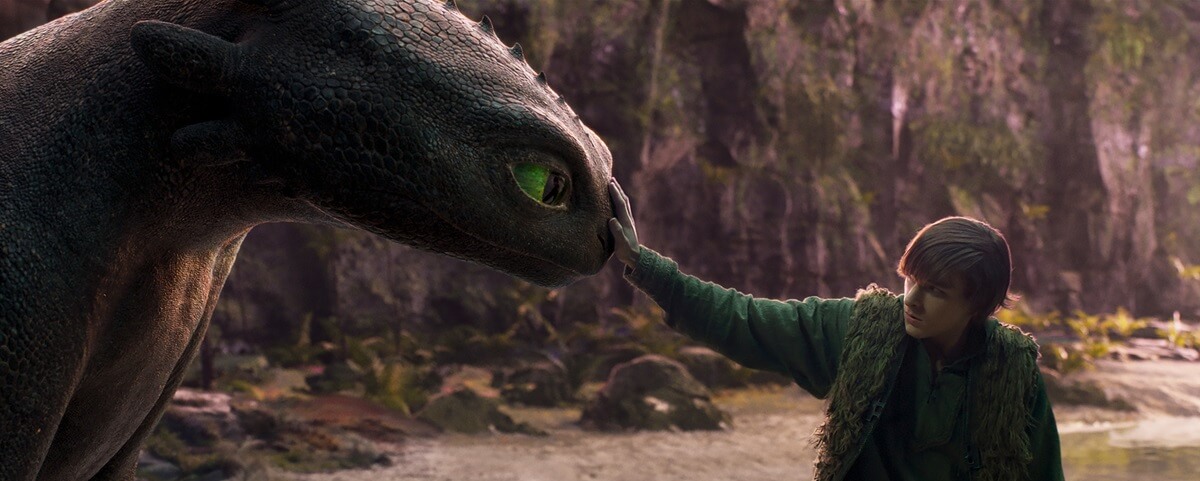
7. How to Train Your Dragon

This live-action remake of the classic DreamWorks animated film about a Viking teen and his pet dragon proved that it is possible to produce a topnotch live-action film based animated classics. This is something Disney sorely needs to study going forward with their endless remakes.

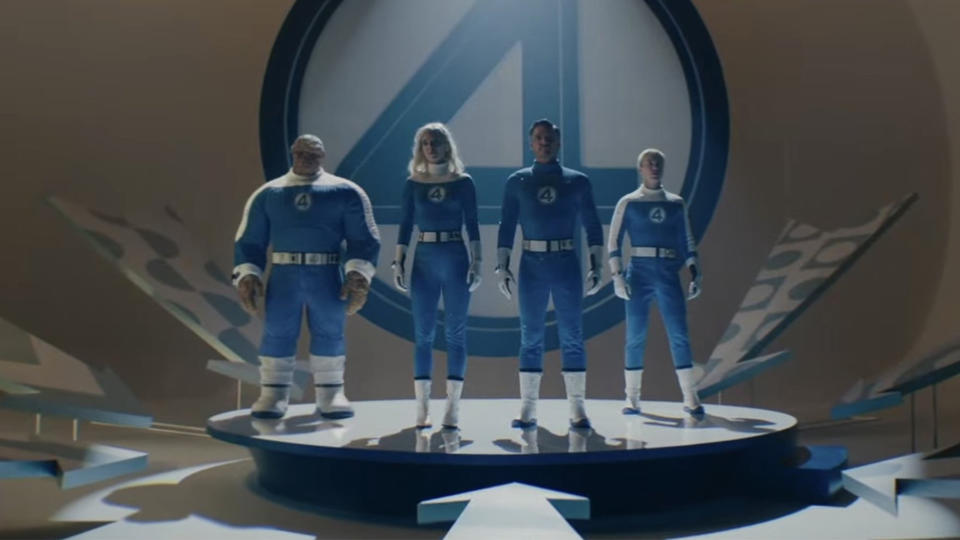
6. The Fantastic Four: First Steps

Finally, a quality film about Marvel Comics’ first family has been done. Great performances, production and special effects are the highlights of this charming film about family and facing cosmic horror. The film gets extra points just for not depicting Galactus as a giant space cloud!

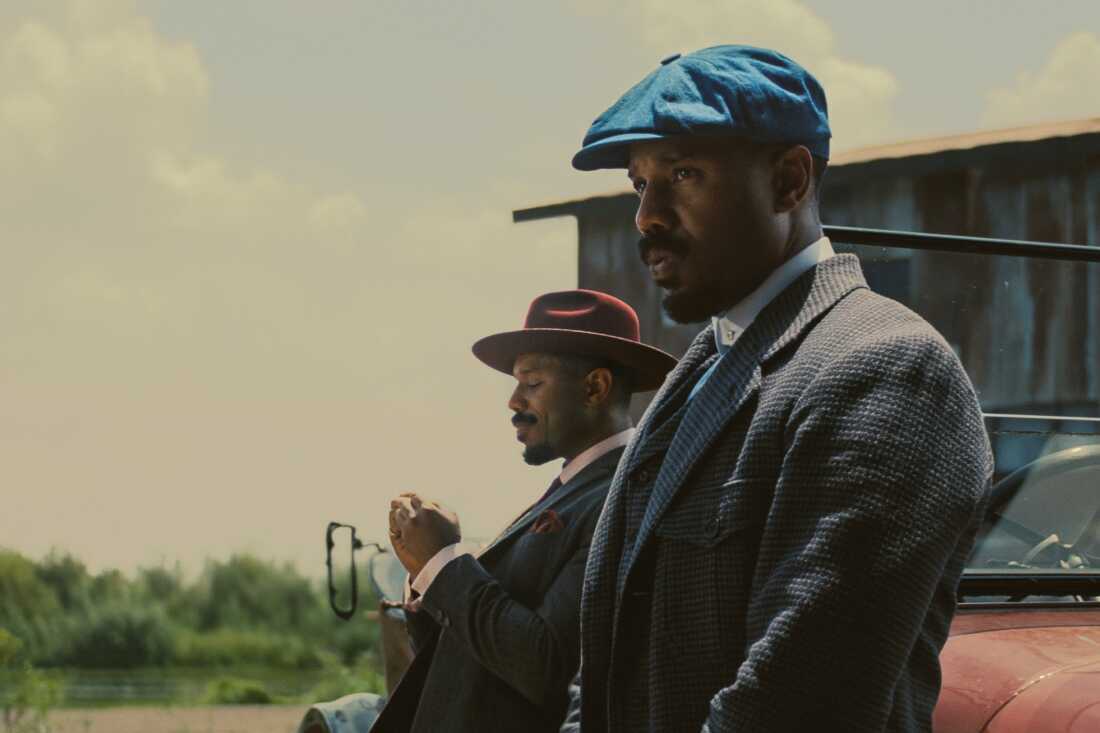
5. Sinners

Michael B. Jordan is at the top of his acting game playing dual roles in Ryan Coogler’s haunting vampire film. What could have been a simple vampire tale was instead of tour de force from Coogler that explored America’s cultural and racial divide with exceptional visual storytelling.

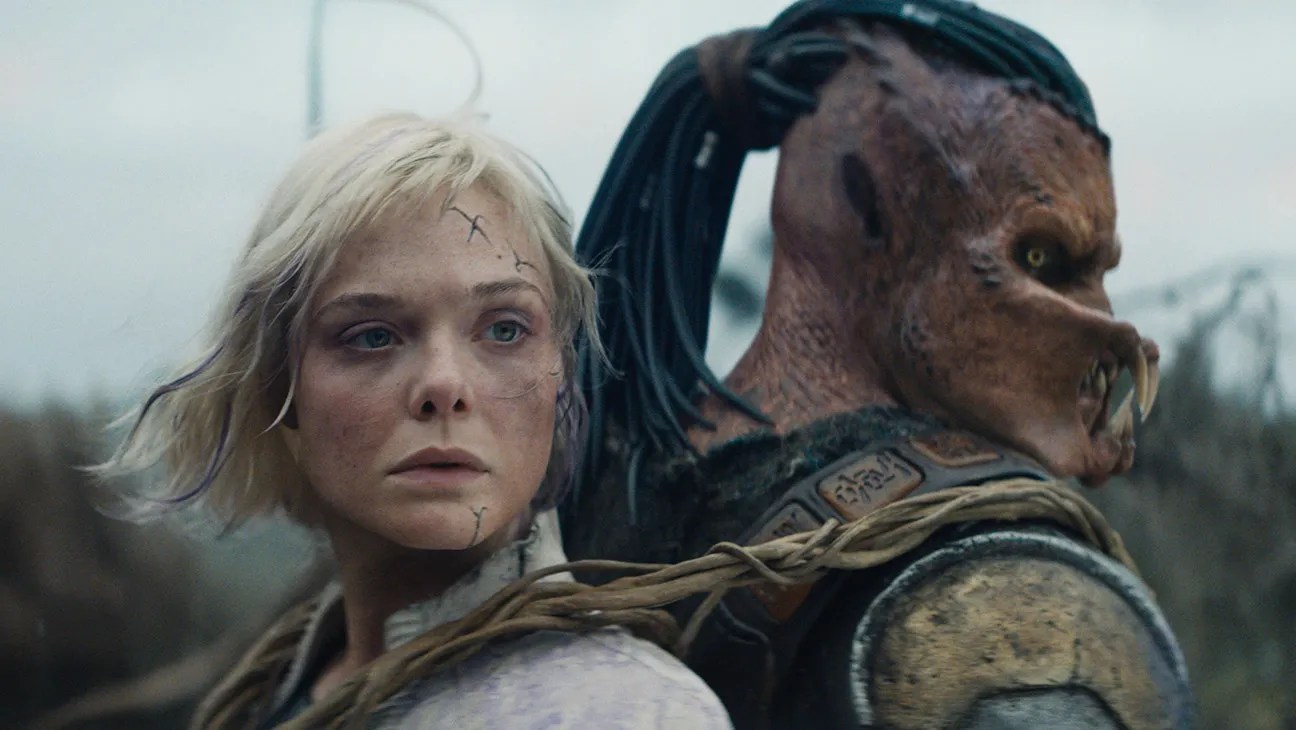
4. Predator: Badlands

Just like last year’s Alien: Romulus reinvigorated that franchise, so too does Predator: Badlands with its own franchise about alien hunters. This time, the eponymous alien hunter is shown in a heroic light in this imaginative sci-fi action/adventure romp that fleshes out the species of the Predator as it skillfully blends with the Alien franchise.

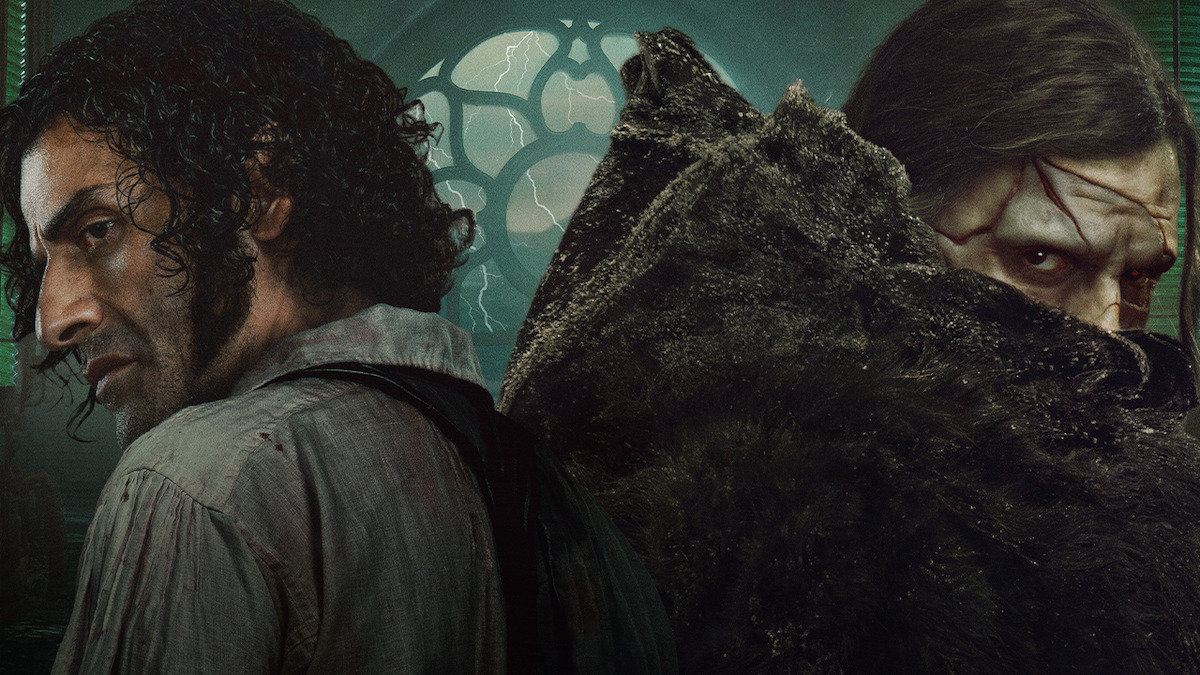
3. Frankenstein

Guillermo Del Toro wowed audiences once again with his vivid imaginative storytelling skills. The latest adaptation of Mary Shelly’s literary masterpiece follows the essence of the book while veering off into unique directions that explore the father and son dynamic between the title character and his monstrous yet sympathetic creation.

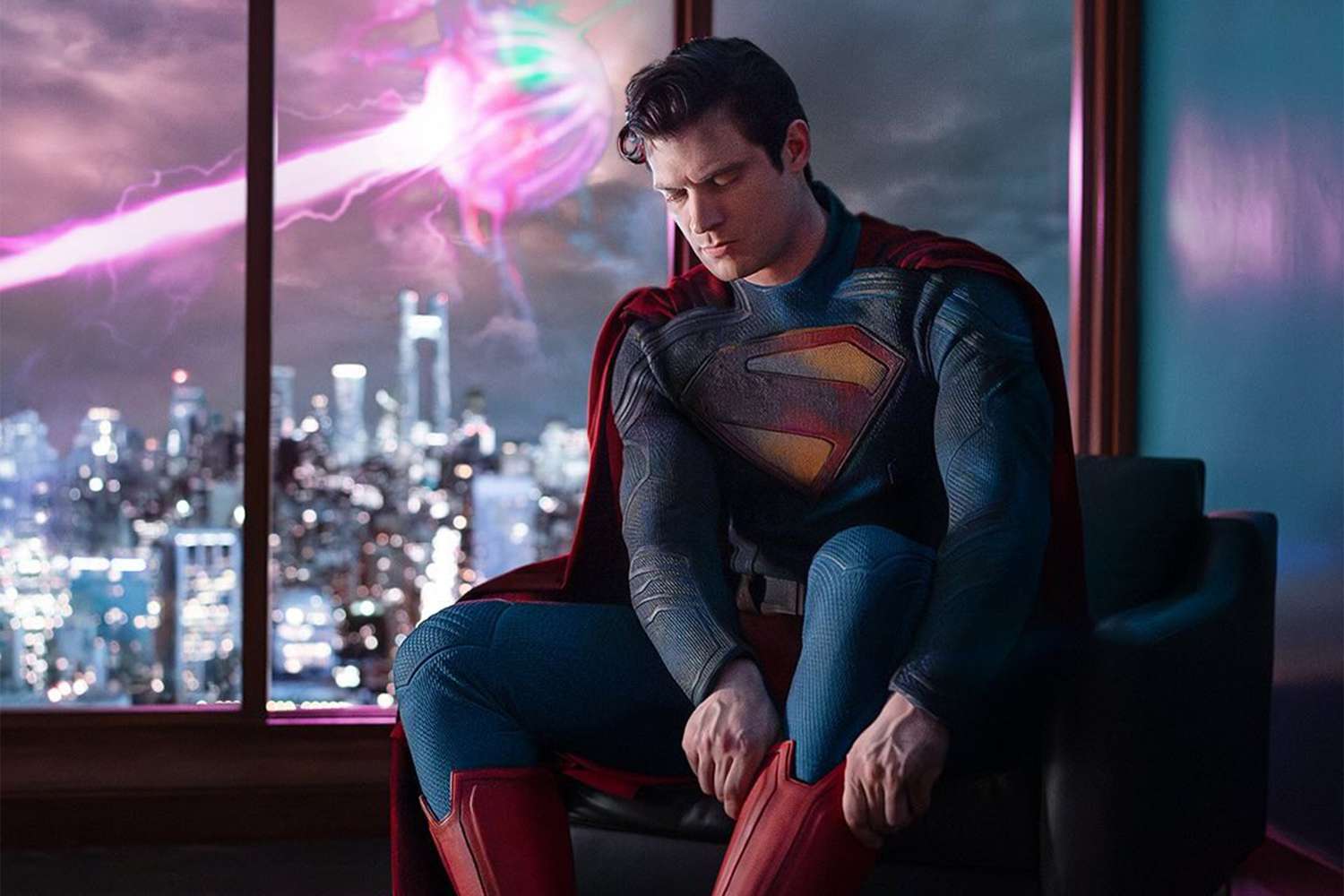
2. Superman

Director and head of DC Studios James Gunn successfully launched the new DC Universe (DCU) with a fresh and interpretation of the Man of Steel. Superman and his colorful superhero world is rightfully depicted in a bright, hopeful light that cleverly raises questions about our current events and society. Superman is a very promising start to the DCU and we can’t wait for the latest entry.

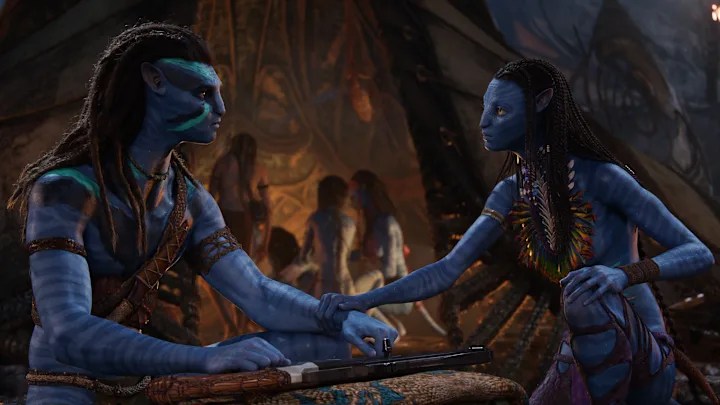
1. TIE: Avatar: Fire and Ash/Thunderbolts*

This is a first for this blog, the two best films of 2025 were that great but so close in quality for different reasons that it was too hard to choose one above the other. So the two best films of 2025 are a tie.

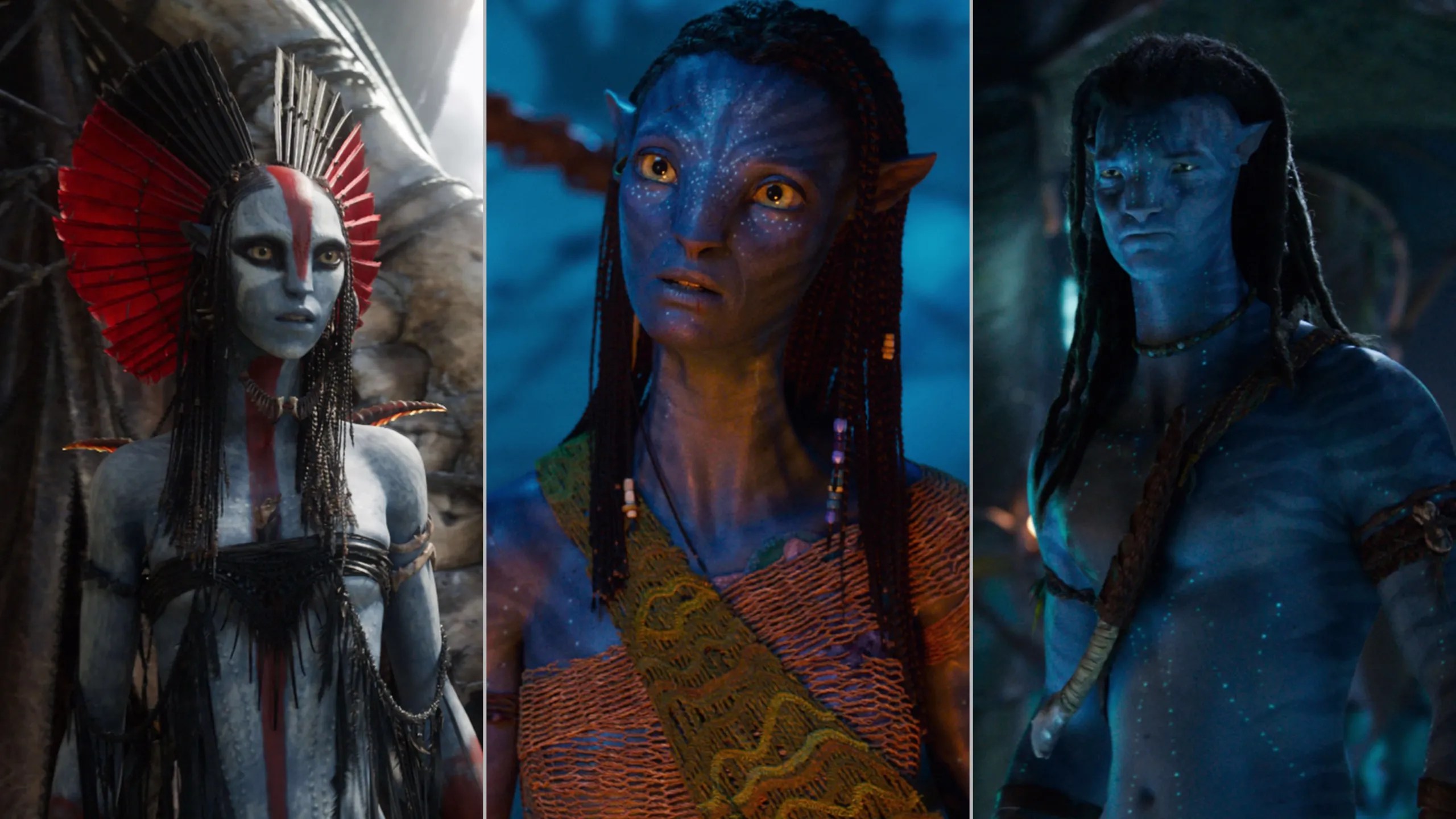
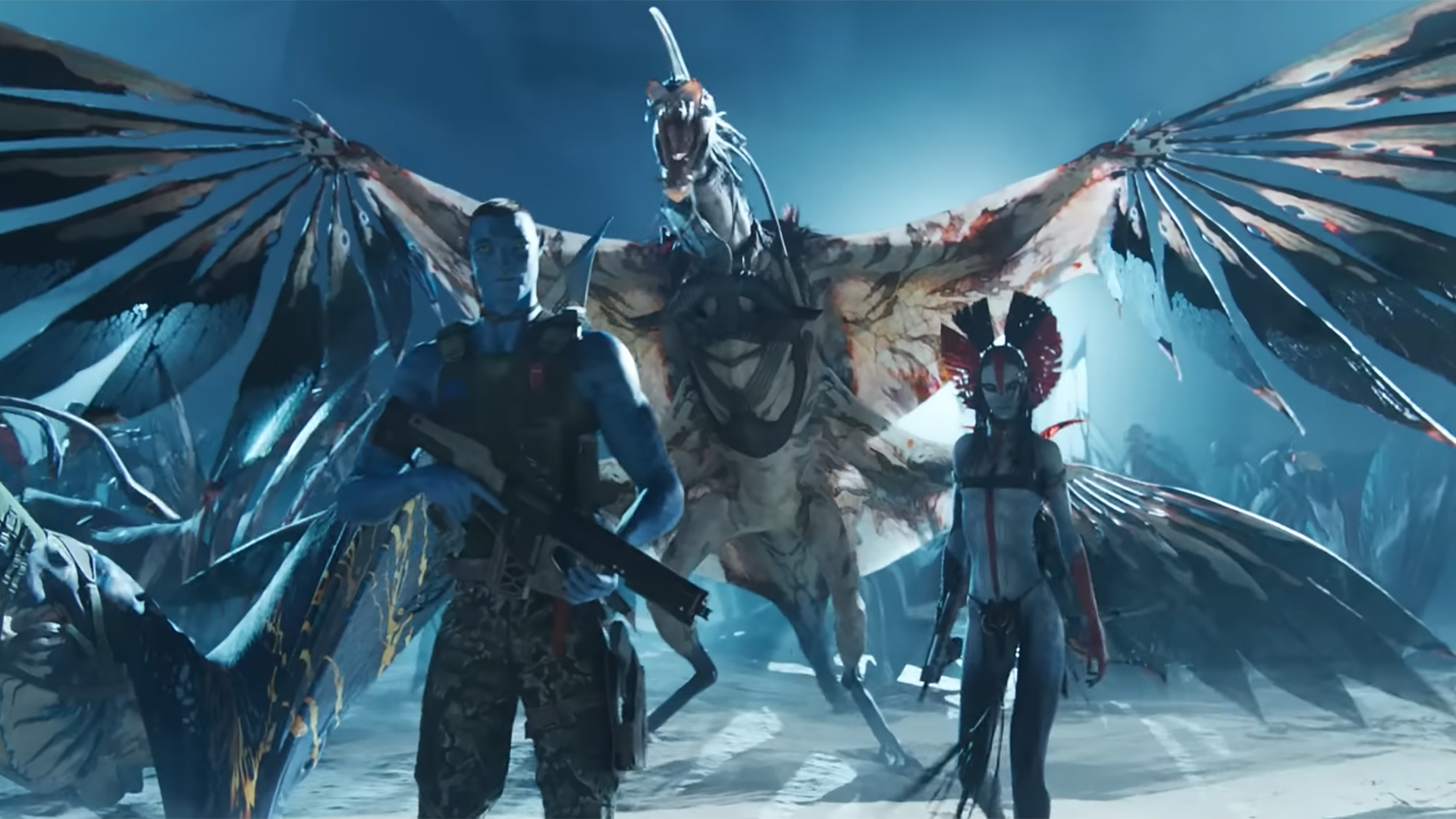
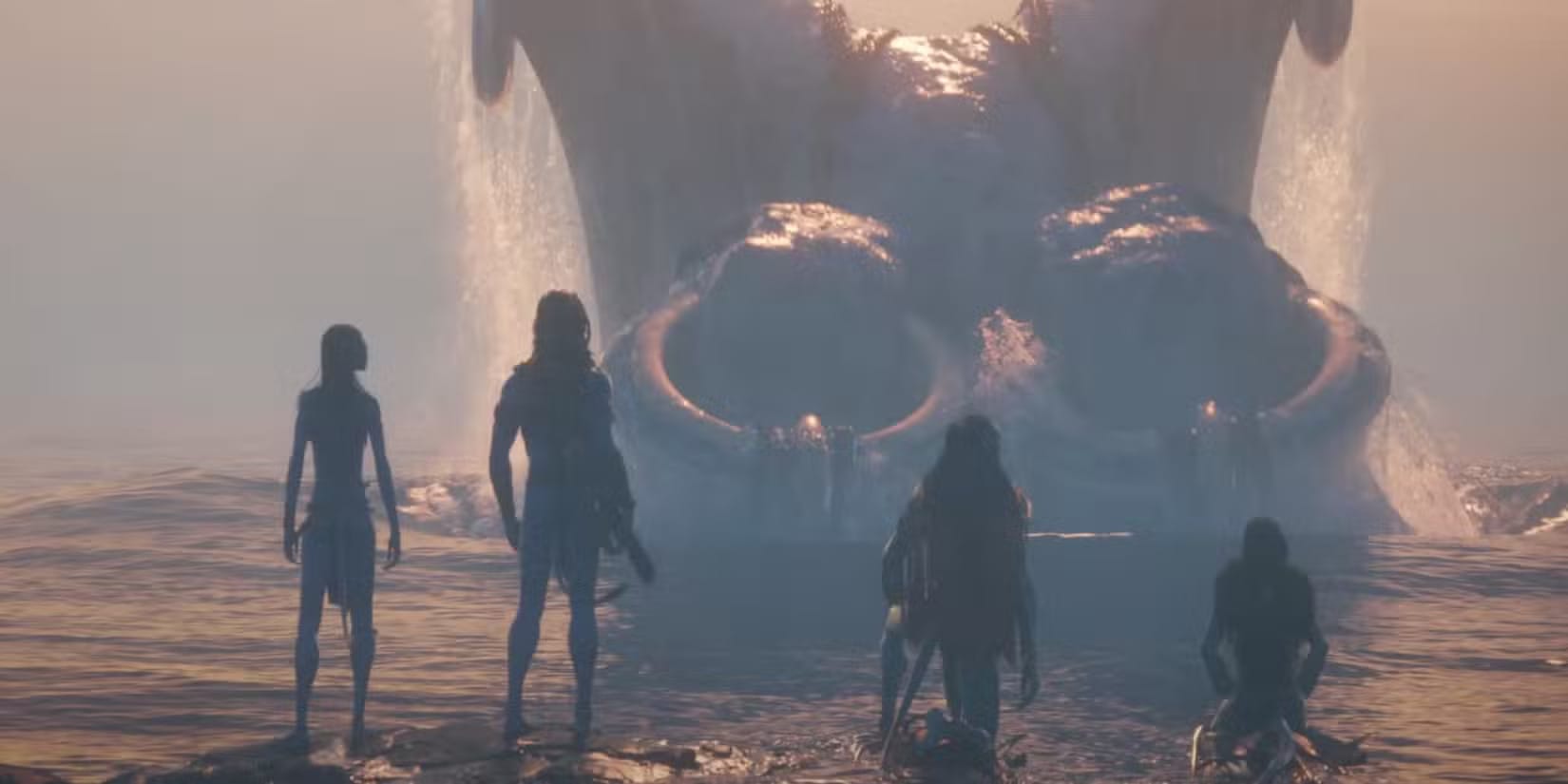
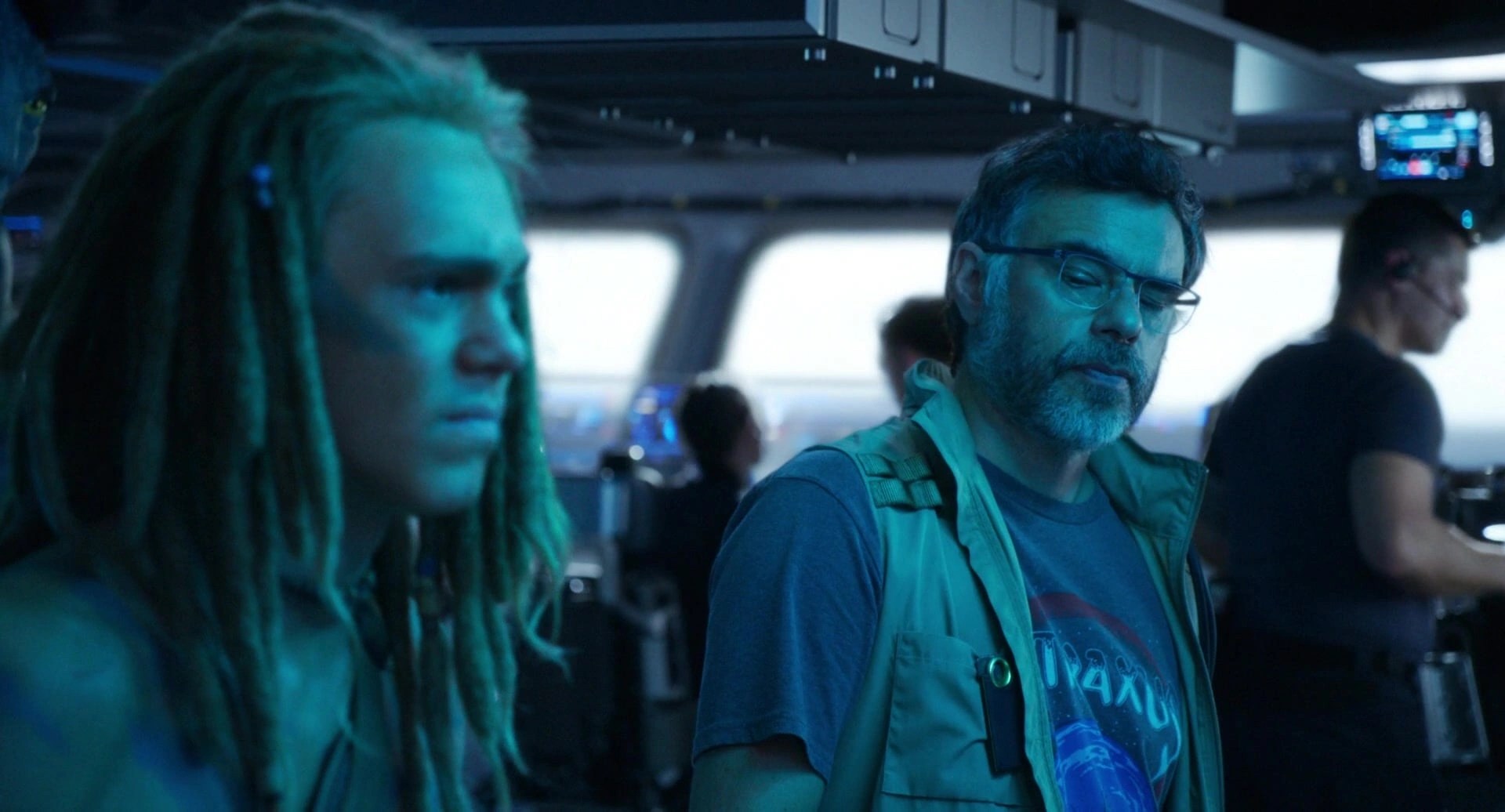
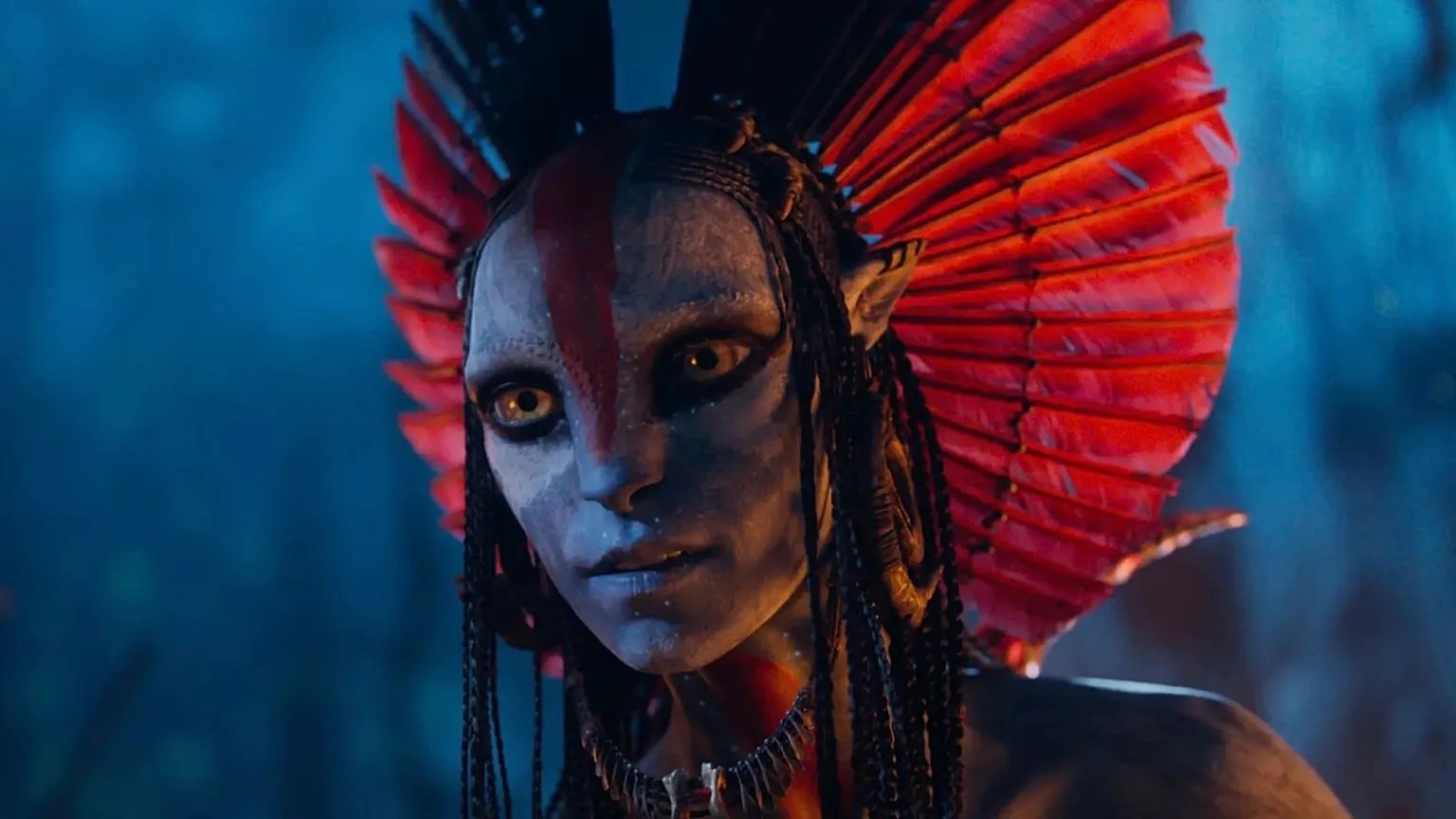
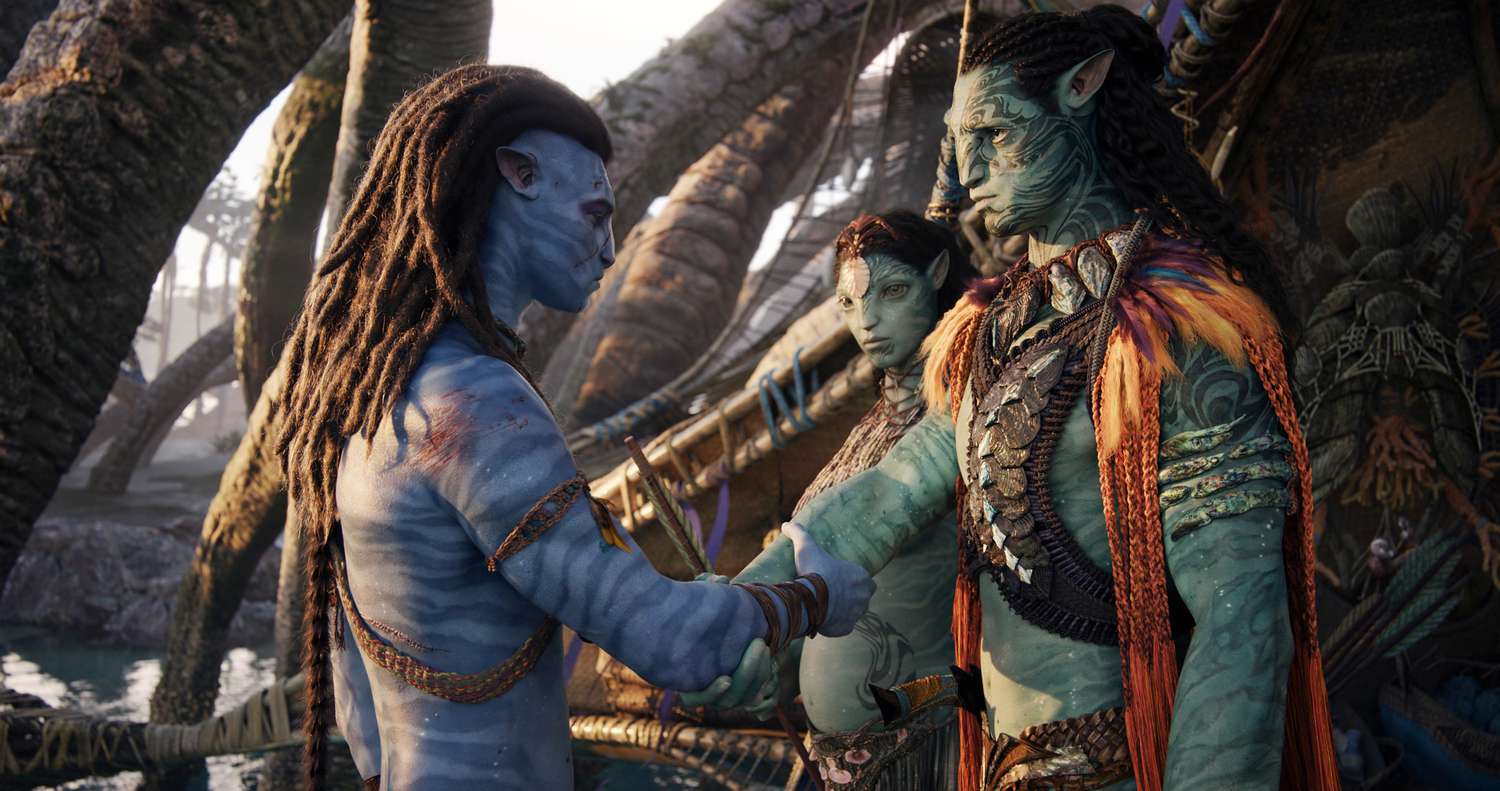
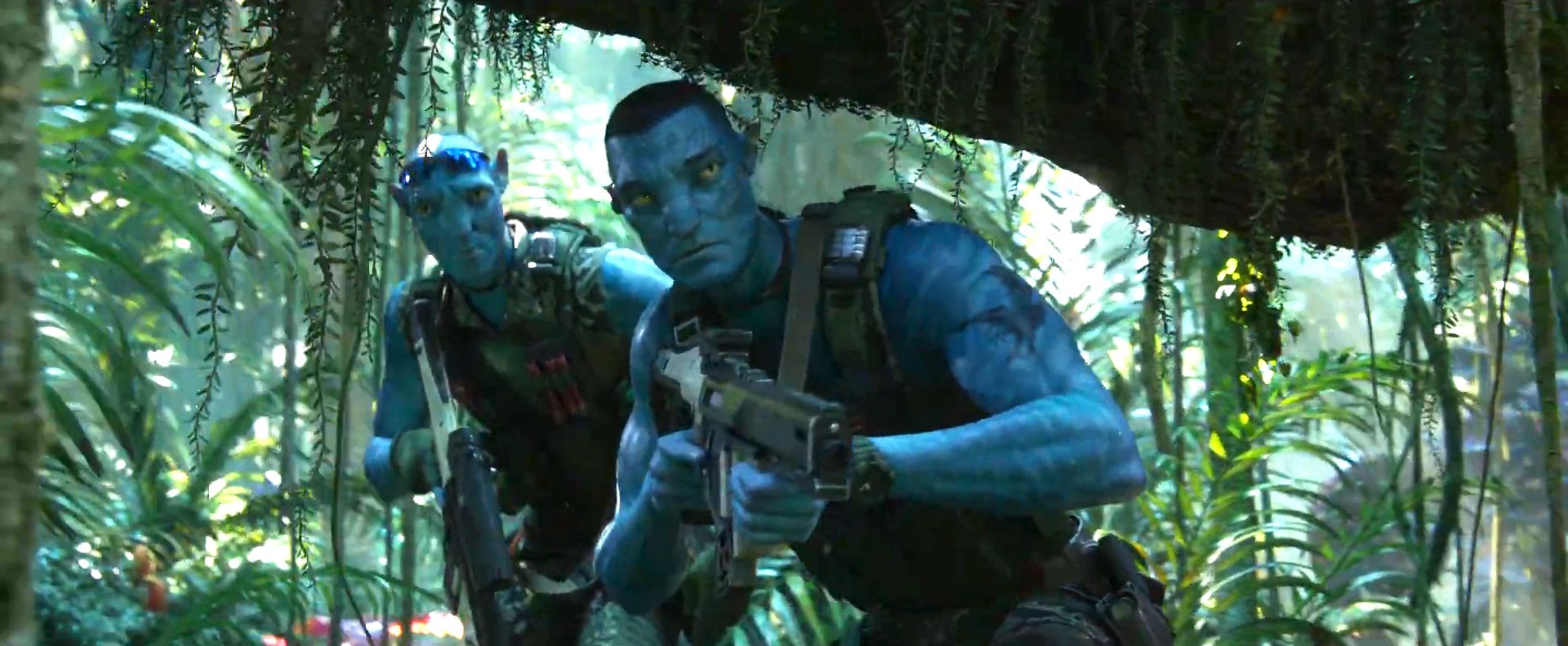
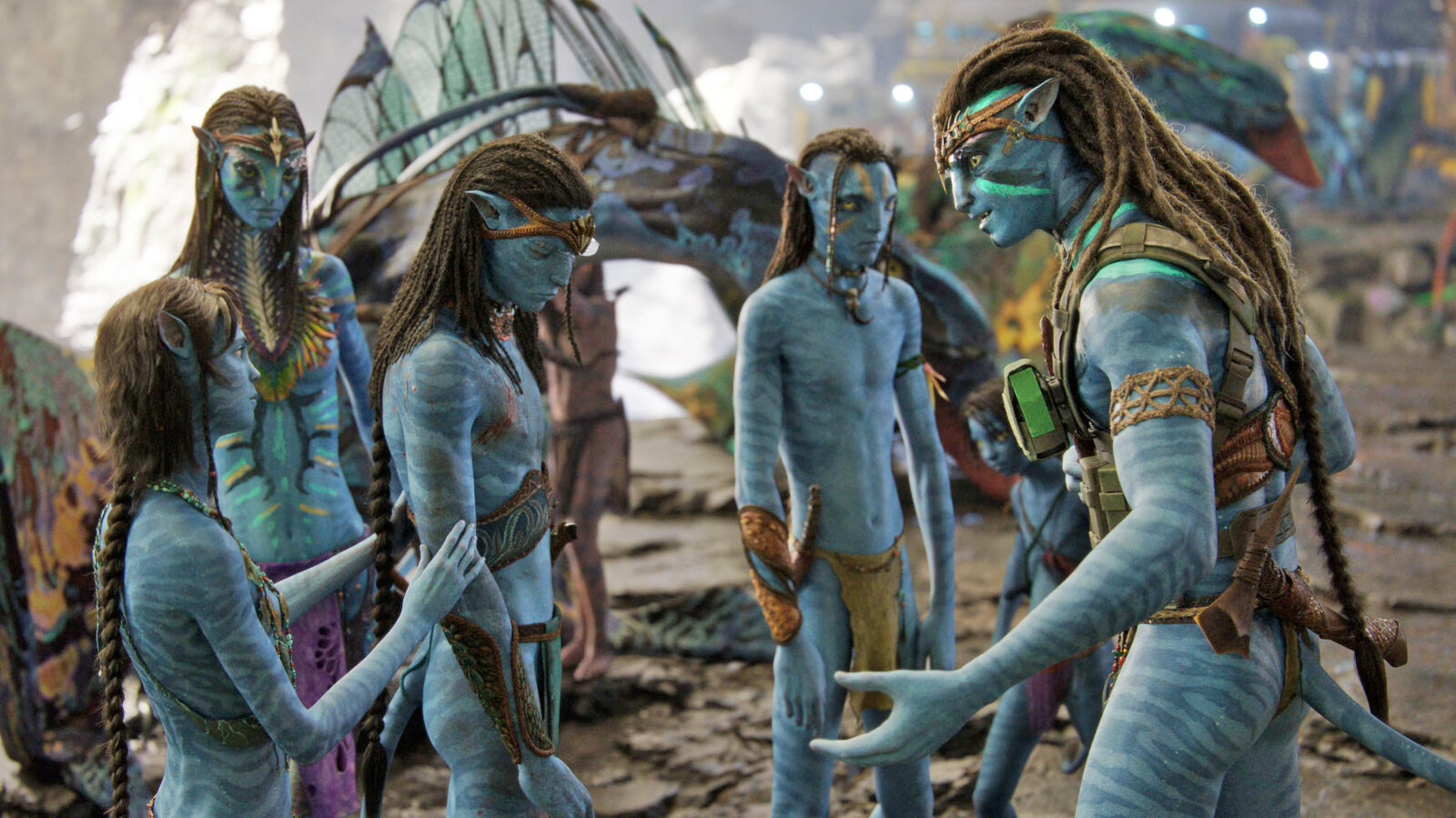
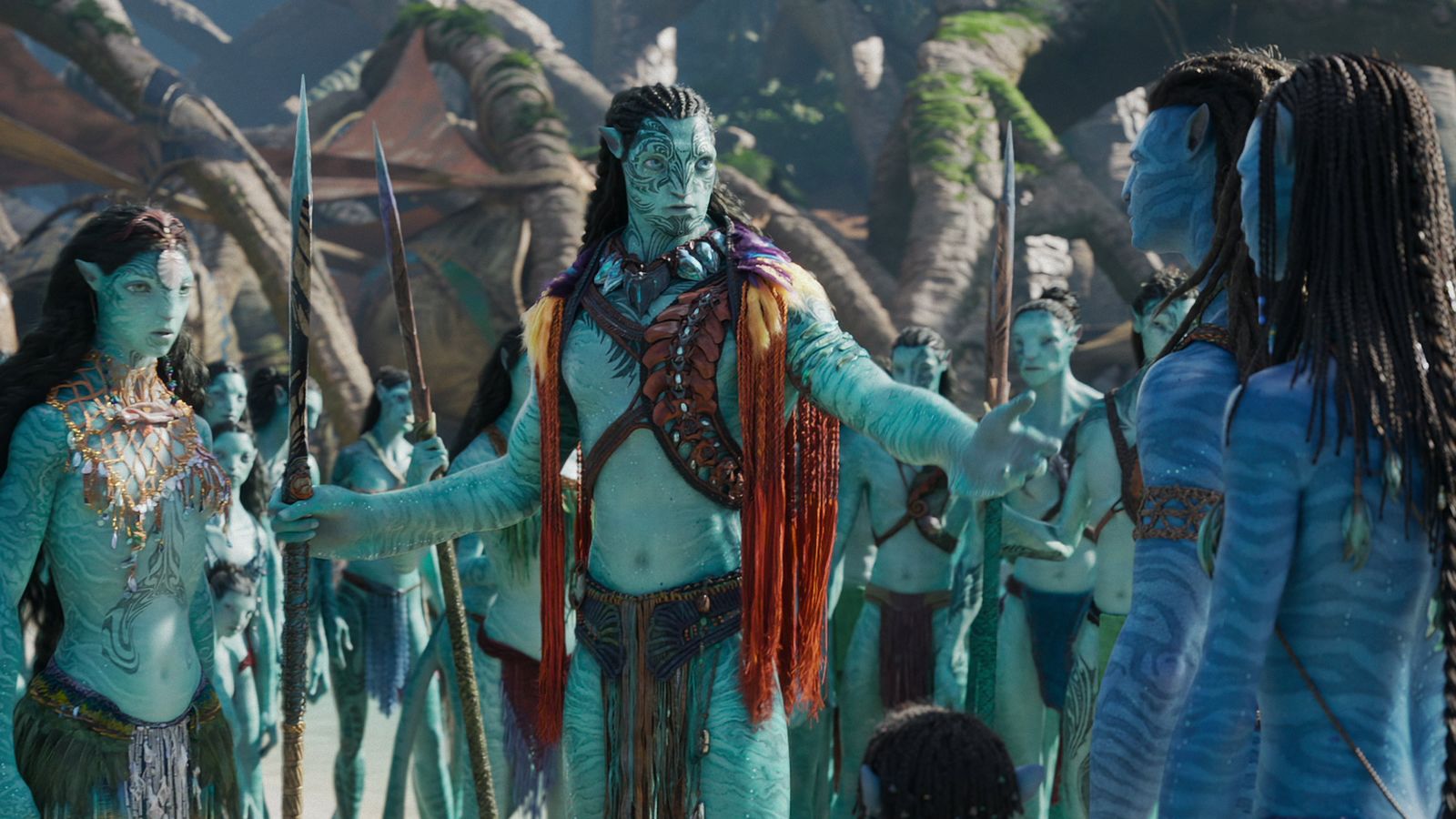
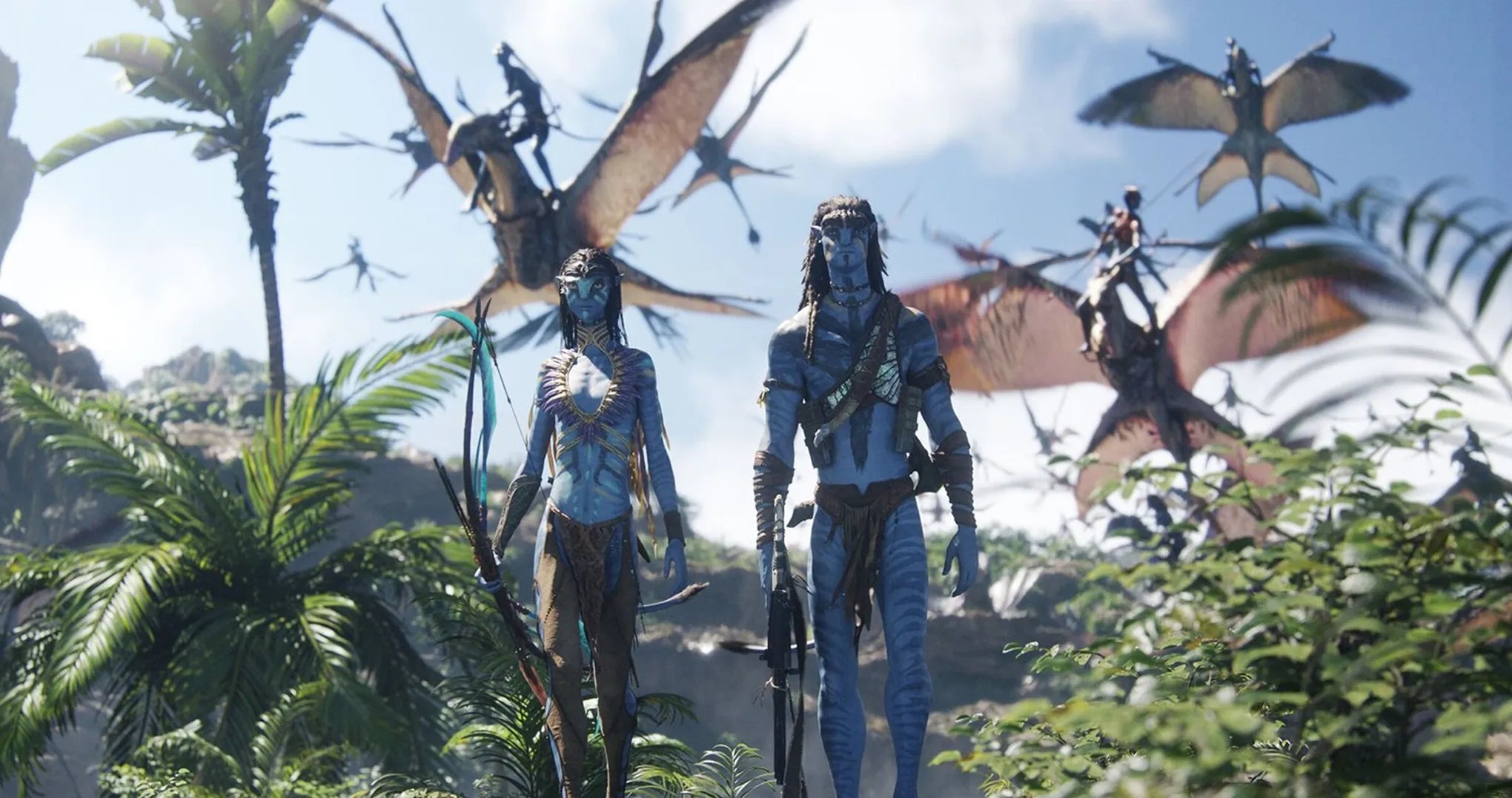
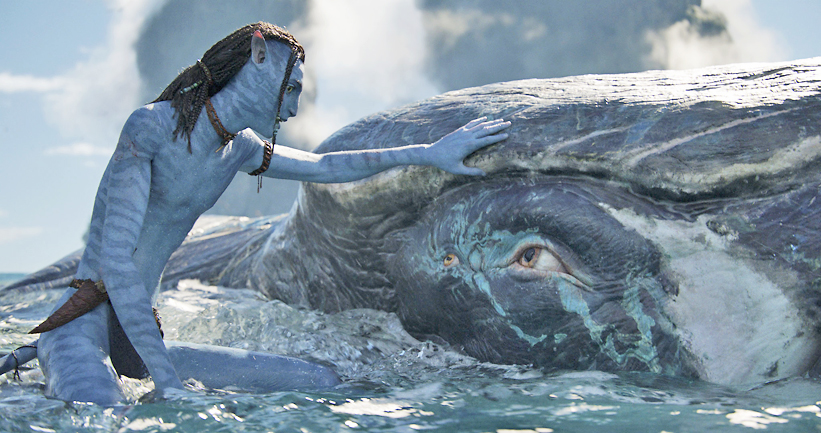
Once again James Cameron proves why he is one of our greatest filmmakers with Avatar: Fire and Ash. The visuals and worldbuilding in this sci-fi epic are jaw dropping and must be seen in large screens. Some of the set pieces are too familiar but Avatar: Fire and Ash does develop many characters and kept us engaged with the plight of the moon Pandora as it faced evil human colonists.

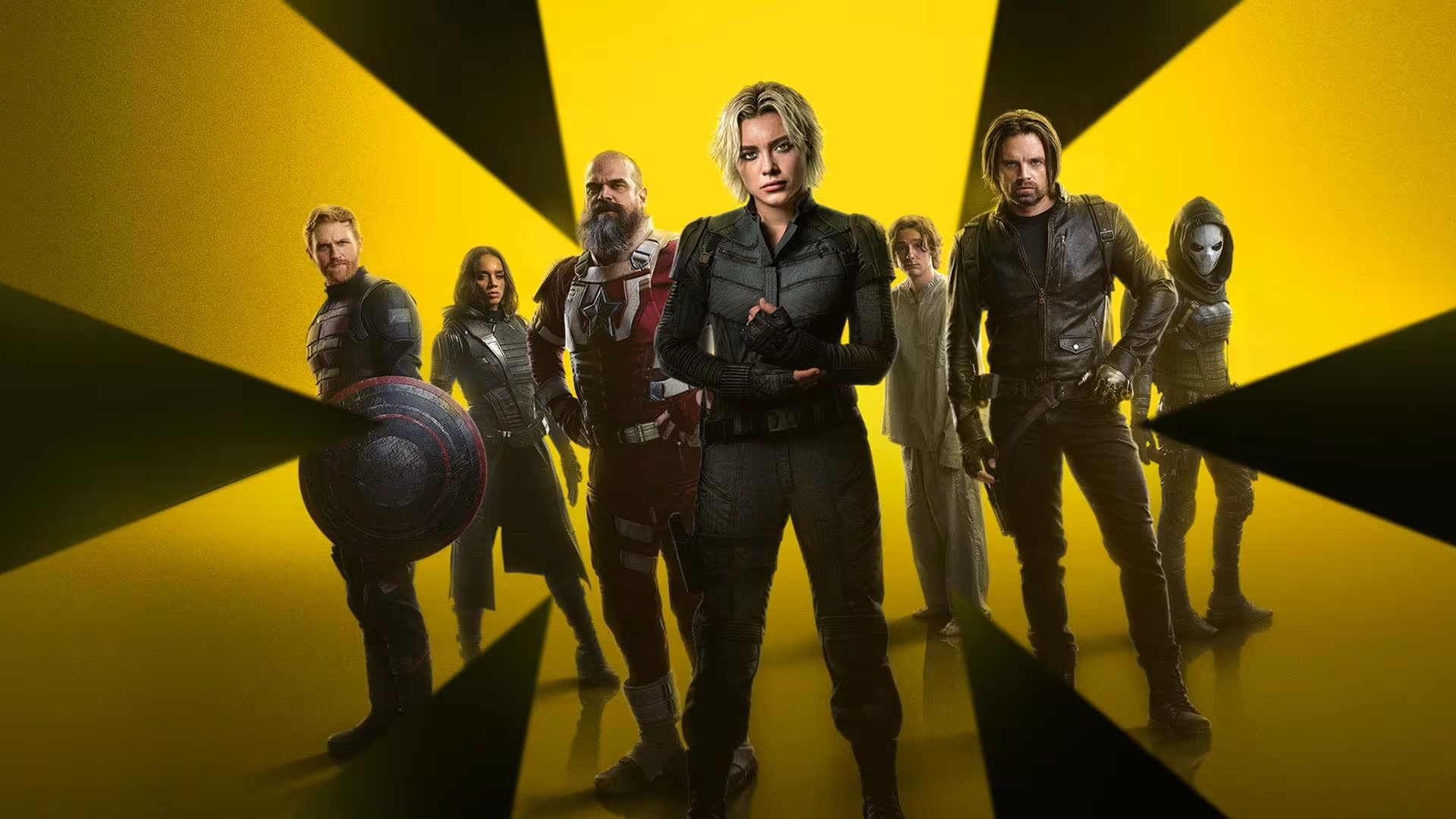
Thunderbolts* aka The New Avengers was unexpectedly the best superhero film of 2025 thanks to heartfelt performances and chemistry among its cast and an emotional story of misfit mercenaries who become unlikely superheroes. Unlike the typical superhero romp, Thunderbolts* focused on characters and explored adult themes of mental and emotional health, loneliness, addiction and depression. We’ll be rooting for these underdogs when they return in Avengers: Doomsday.

Honorable Mentions:

28 Years Later, Bring Her Back, Bugonia, Captain America: Brave New World, Companion, The Electric State, The Gorge, The Great Flood, It Ends, The Long Walk, Predator: Killer of Killers, Primitive War, Weapons, Zootopia 2

Television

10. Paradise

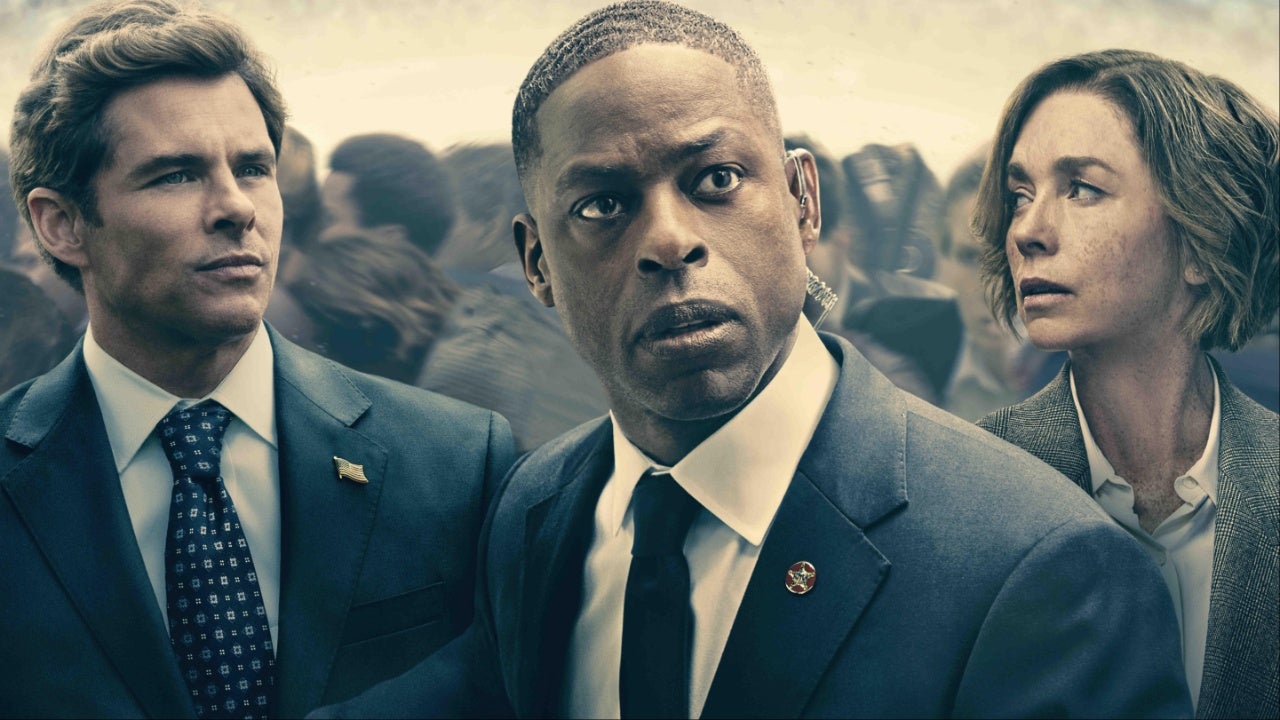
This murder mystery that took place in a post-apocalyptic underground town shelter was elevated by great performances by Sterling K. Brown and James Marsden and an engrossing storyline that kept viewers guessing about what happened to the world and who murdered the U.S. president.

9. Star Trek: Strange New Worlds

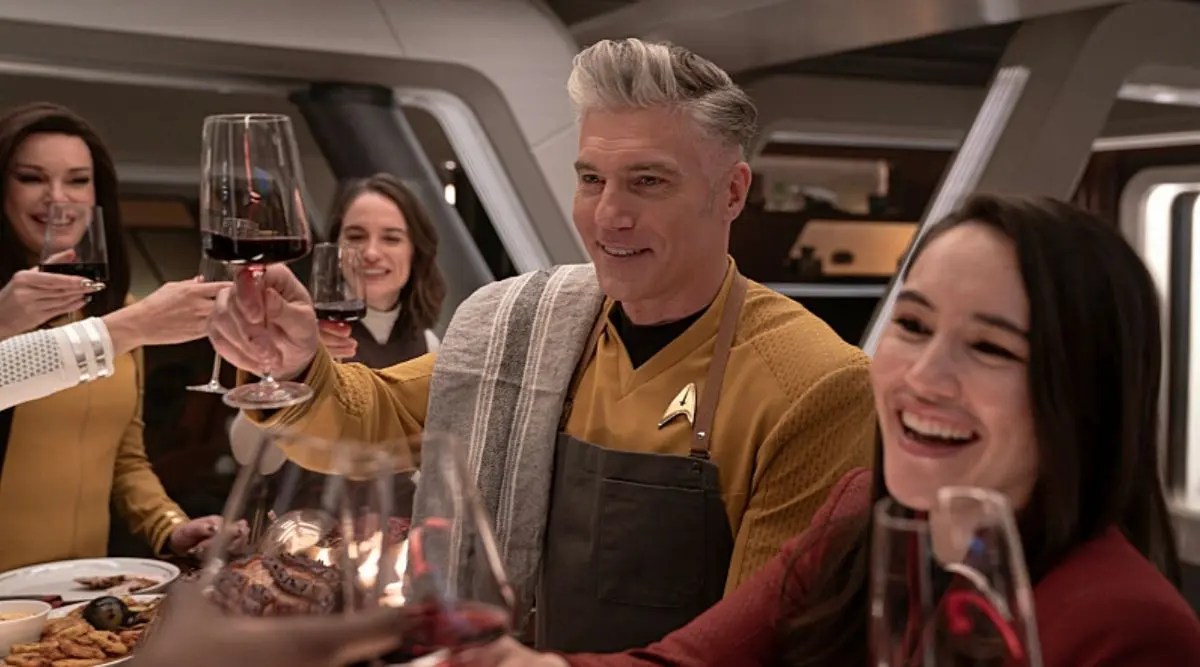
The third season of the only remaining Star Trek show (for now) had its problems such as its uneven tone and showcasing too much of James T. Kirk (the show is supposed to be about Captain Pike). Still, some of the episodes were true standouts that proved there were still great Star Trek episodes to be presented.

8. Marvel Zombies

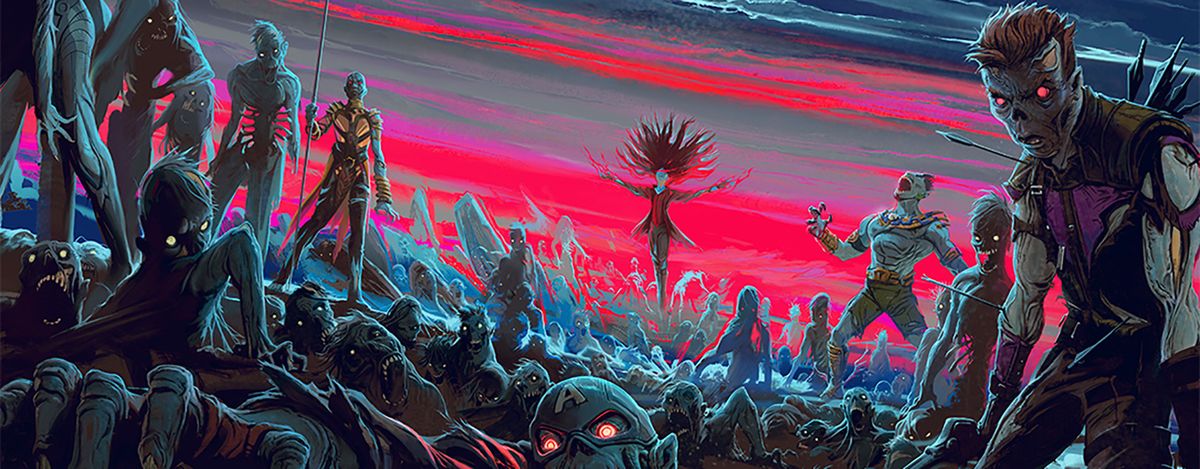
Put together classic characters from the MCU and zombie horror and what do you get? A terrifically gory and fast-moving series with some outrageous zombie action that demands a second season! Hopefully there will be more than four episodes.

7. Peacemaker

While the season finale dropped the ball as it turned out to be a drawn-out coda with concert footage, the second season of Peacemaker was for the most part a captivating look exploration of the title character’s wounded psyche as he second guessed his place in the DCU.

6. Stranger Things 5

The final season of Netflix’s breakout sci-fi/horror show was a bit all over the place with multiple characters and such, but it was still a solid sendoff to our favorite young residents of Hawkins as they had their final confrontations with the extra-dimensional horrors of the Upside Down realm.

5. Daredevil: Born Again

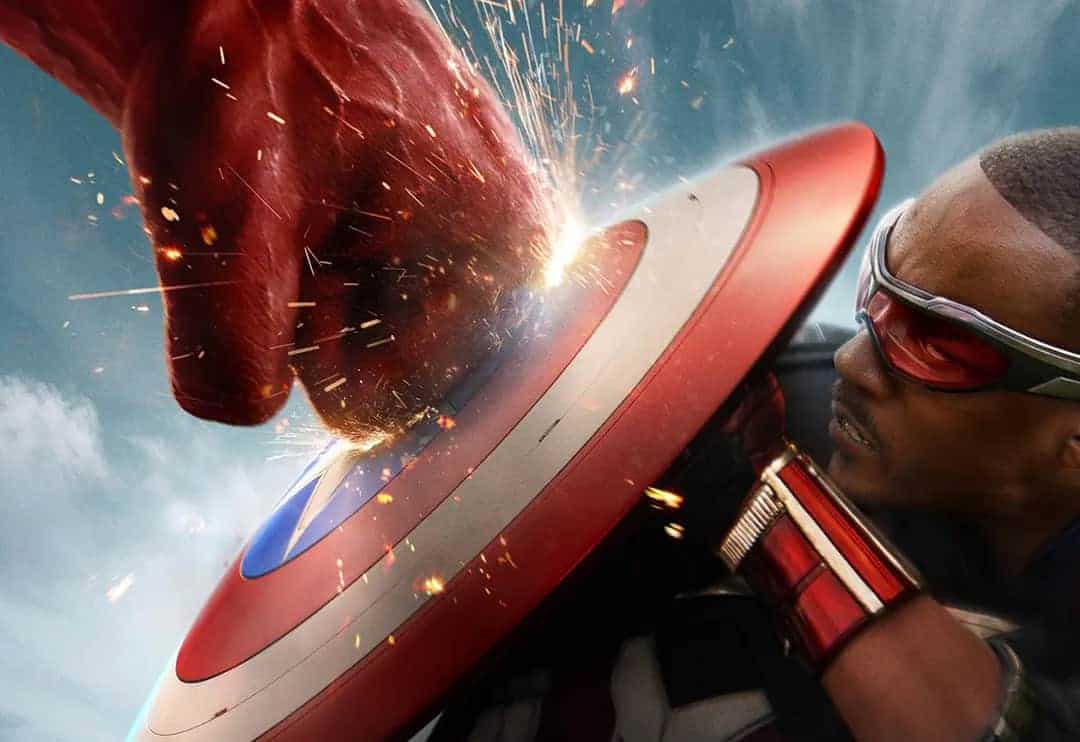
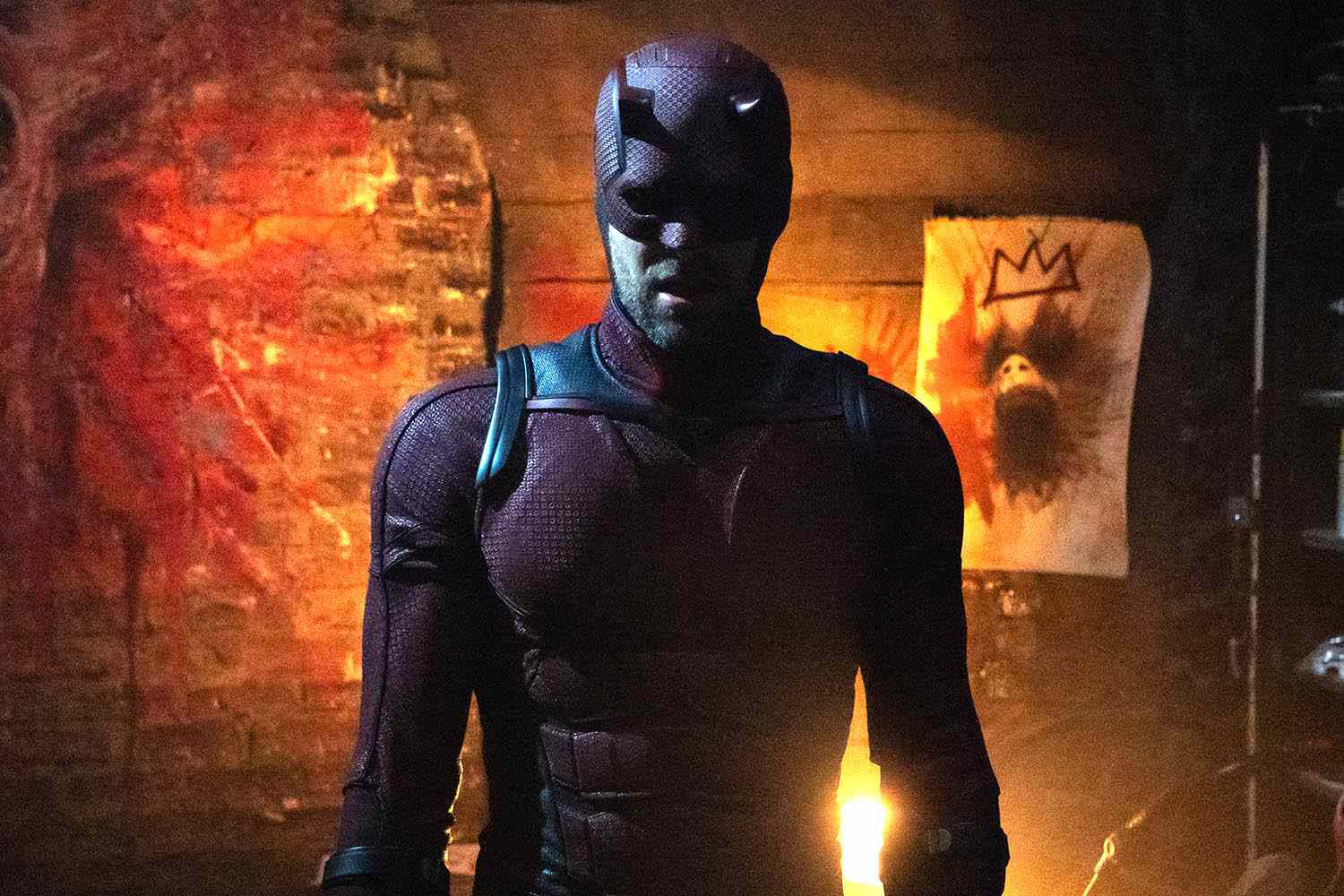
Marvel’s premier superhero TV show had a solid comeback in this sequel to the original Netflix show. Even though Daredevil and his crime-ridden world are now firmly part of the MCU, the TV show was just as gritty and grounded as the original. Stars Charlie Cox and Vincent D’Onofrio turn in some of the best performances of their careers as they reprised their roles as Daredevil and Wilson Fisk, respectively.

4. Severance

The sophomore season of this dark psychological workplace thriller threw audiences for a loop with many unexpected plot twists and character developments. It was very easy to relate to the plight of the office worker drones forced to have their out-of-work identities and memories erased and their efforts to fight the cold company they work for.

3. Pluribus

Vince Gilligan (famous for his TV shows Breaking Bad and Better Call Saul) returned to his sci-fi roots with this quietly disturbing slow-burn TV show about a disgruntled novelist (Rhea Seehorn in one of the year’s best performances) forced to fight isolation, her inner demons, and to save humanity after an extra-terrestrial signal transforms nearly everyone into a global hive mind.

2. It: Welcome to Derry

Part sequel, part prequel to the It films from a few years ago, It: Welcome to Derry was one of the best surprises when it came to TV shows. Each episode was horrifying with macabre set pieces and featured rich character development that fleshed out Stephen King’s fictional town. In addition to the characters, the TV show also had many unexpected twists and fleshed out the expansive King multiverse in an organic manner that made us want to further explore it, no pun intended.

1. Andor

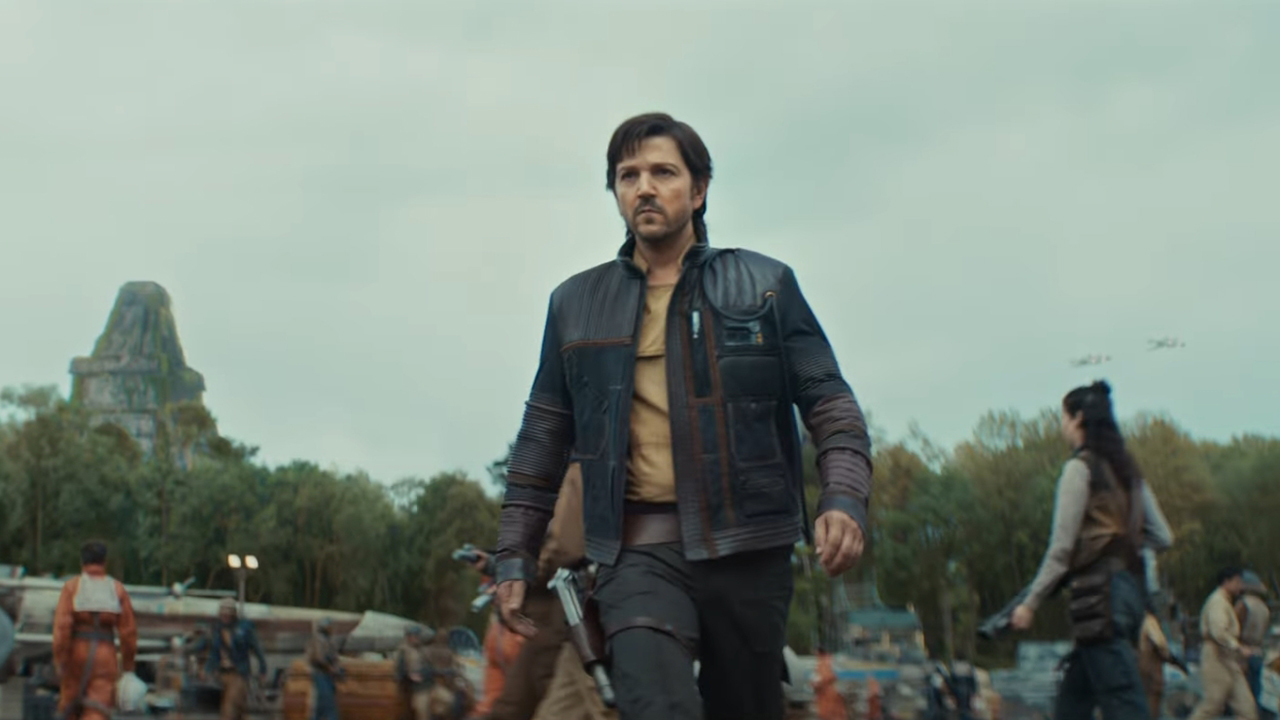
No other TV show came close to matching the artistry of Andor, which is easily the best Star Wars television show of all time and one of the best TV shows of any genre. The second and final season was a tense spy thriller set in the Star Wars universe with many brutal and heart wrenching political storylines that echoed our own civil strife as it chronicled the death of democracy and the bitter origins of the resistance to stand against tyranny. Andor also engaged audiences with thought-out character development which showcased their ambivalent nature in their fight for and against the Galactic Empire.

Honorable Mentions:

Alien: Earth, Black Mirror, Doctor Who, The Eternaut, Eyes of Wakanda, Fallout, Foundation, Gen V, The Handmaid’s Tale, The Institute, Invincible, Ironheart, The Last of Us, Murderbot, Wednesday, Your Friendly Neighborhood Spider-Man


The World Of Avatar Continues To Astound With Avatar: Fire And Ash

The latest entry in filmmaker James Cameron’s sci-fi saga, Avatar, is out now in theaters and the question is does Avatar: Fire and Ash deliver the astounding cinematic thrills? Yes, it does, though some may want something different at this point.

Avatar: Fire and Ash takes place right after the  previous film, Avatar: The Way of Water, and deals with the aftermath of that film’s events.  For anyone who hasn’t seen these films, they take place on the moon Pandora which is inhabited by tribes of tall, blue-skinned beings called the Na’vi who are deeply in tuned with nature because of their ability to use appendages to form neural links with Pandoran lifeforms. They worship an entity called Eywa who makes up the collective consciousness of Pandora and interconnects with nature. Their existence is threatened by human colonists from a dying Earth who do not hesitated to exploit the moon’s natural resources and treat the Na’vi as inferior creatures. The films focus on Jake Sully (Sam Worthington), a human paraplegic former soldier whose consciousness inhabits the body of an artificially grown Na’vi known as an avatar. Sully rebelled against his fellow humans and eventually starts a family with his partner Neytiri (Zoe Saldaña), but they have to stay on guard from vengeful humans who want to bring Sully to justice. Sully is being hunted by another avatar, Miles Quaritch (Stephen Lang), his former commander who is obsessed with capturing Sully. What is unusual here is that the actual Quaritch was killed in the first film and the Quaritch avatar is inhabited by implanted memories from Quaritch.

At the start of Avatar: Fire and Ash, the Sully Family is deep in mourning over the death of the eldest son (Jamie Flatters) who was killed by human forces in the previous film. One of the members of the family is Miles “Spider” Socorro (Jack Champion), a human teenager who embraces the Na’vi way of life and rejects his father who happens to be Quaritch. Sully fears that Spider cannot remain with the family in their sanctuary and transports Spider to a human colony made up of human scientists who also rebelled against their fellow colonists. As the Sullys are transported by a tribe of Na’vi called Windtraders who use giant aerial jellyfish-like creatures for transportation, the tribe is attacked by a rogue Na’vi tribe called the Mangkwan. This particular tribe has rejected Eywa, embraces violence, and are very hostile to the other Na’vi. Their leader is Varang (Oona Chaplin), who is nihilistically vicious and forms an alliance with Qauritch and the human colonists to hunt Sully in exchange for human weapons.

What complicates matters for the characters is that Quaritch is also obsessed with finding his son and repairing his relationship with him, which is odd since the actual Quaritch died in the first Avatar film. Meanwhile, the Sullys have another adopted child called Kiri (Sigourney Weaver) who is the child of yet another avatar, Grace Augustine.  The identity of Kiri’s father is unknown and Grace cannot answer this because she died in the first film. Kiri has an uncanny ability to connect with Pandora’s life forces and her actions in saving Spider drive the film’s narrative. In Pandora, humans cannot breathe the air and at one point in the film, Spider’s breathing unit breaks down and he starts to suffocate. Kiri is able to save him by implanting a mycelium symbiote into Spider that lets him breathe Pandora’s air.

After the humans learn about this they task Quaritch to hunt down Spider so he could be studied to see how this ability to breath Pandora’s air could be replicated for the rest of humanity. Sully fears this because he knows this event would be disastrous for the Na’vi. Adding to his woes are dealing with the bitter hatred and bigotry Neytiri has towards humans even Spider himself, and with the plight of his remaining son Lo’ak (Britain Dalton), who is wracked with guilt over his brother’s death and tries to measure up to Sully, while forging his own destiny.

As anyone can tell, unlike the earlier films, the plot for Avatar: Fire and Ash is more complex and filled with developed character nuances. A common complaint about the films is that they are essentially simplistic sci-fi versions of Dances With Wolves or Ferngully. Most people did not care, as seen by the huge box office numbers of the films. They came to theaters for the sheer spectacle of the immense and intricate details that James Cameron infused into the films. One of the main reasons that the films tend to take so long to produce is because of the revolutionary special effects, 3D technology and dense worldbuilding that are the Avatar films’ best assets. Just like the other films, Avatar: Fire and Ash has to be seen on large screens not on phones and other digital devices.

With that said as spectacular and jaw dropping the third Avatar film is, one can’t help wish that Cameron did not play it so safe with familiar beats. Sure, the action and the visuals are incomparable and the film gets a lot of credit for developing the characters especially Quaritch who once was a one-note military villain but is now slowly becoming an anti-hero and adopting the Na’vi way. But many of the story beats in the other films are repeated in Avatar: Fire and Ash, just done on a larger scale, such as bondings with the whale-like tulkuns and flying banshees, the final confrontation between the Na’vi, Pandora’s fauna and the human soldiers and whalers or having Sully’s children continually captured and rescued. However, these plot elements were well done, and there are intriguing new developments like the introduction of the villainous Na’vi and Kiri’s connection to Eywa, it’s just that with a runtime of over three hours, more should have been done to develop the overall story. It’s regrettable that with such a rich world to explore, Cameron did not introduce new biomes such as deserts or polar regions. Also, with all the talk about Earth dying, this begs a visit or a look at the planet. The closest we’ve seen of Earth was a deleted scene that originally opened the first Avatar. At least he did introduce antagonistic Na’vi with their own separate worldviews and by the way, Varang is one great villain and her obsession with human weapons added a new angle for the Na’vi. Hopefully, she’ll return in the sequels and that the other lingering storylines get resolved. These include the emotional journeys of Jake, Neytiri (who gets a lot of great material in this film), Kiri, Lo’ak, Spider, and Quaritch.

James Cameron has been coy lately over whether or not there will be more films in the Avatar franchise. About a quarter of the fourth film has already been shot, but he and Disney are waiting for the box office results to determine if Jake Sully and the Na’vis’ story should continue. This story must be allowed to come to its natural conclusion as Avatar: Fire and Ash left many questions and threads unresolved.

Putting aside the nitpicks about Avatar: Fire and Ash it has to be stressed that this is a great film and better than most of what is being released. The film is very engaging and well executed. It is so easy to get involved with the characters’ stories to the point that we care about what happens to them and get uneasy wondering if they will actually die.  As mentioned before, the film has to be seen on large screens in 3D and the story is done well enough to merit going out of one’s way to see this in theaters and marvel at Cameron’s rich vision.

José Soto

Beyond Avatar: The Way Of Water

Despite what many naysayers predicted, Avatar: The Way of Water has proven to be a box office hit, which means that future films will be produced.

At this point, the third Avatar film is already done and will be released in two years. There are reports that the fourth film has been partially filmed, but that could just be effects shots that would be unfinished if the film never comes to be.

Given that director James Cameron envisioned five films to tell his Avatar story, where would the story go? There will be spoilers below for both Avatar films released to date.

One of the best features of Avatar: The Way of Water is that unlike the previous film, it actually opened up the worldbuilding in the franchise and dropped tantalizing hints of where the story will go.

The Kiri Connection

The film introduced many new characters and gave new and interesting developments for established characters. The most interesting new character was Kiri, the adopted daughter of Jake Sully and Neytiri. It was revealed that she is the daughter of Grace Augustine, who was killed in the first Avatar, but there are questions as to who is her father. More importantly, Kiri was shown to have a deep, spiritual connection to Eywa, a life force that is connected to all living creatures on Pandora, the alien moon in Avatar where the characters live. Her connection to Eywa was quite evident as she used it to defend herself against humans hunting her and her siblings, and when she was able to get bioluminescent fish creatures to help find her adopted mother and sister, who were in danger of drowning.

It has been theorized that Kiri does not have a father and is a product of an immaculate conception, which has many echoes of not only the Star Wars prequels but Christian religion. Another theory has it that Kiri is actually the personification of Eywa, who has taken physical form to better understand Pandora and the Na’vi. In either case, Kiri is being set up to be a conduit or a savior of the moon against the human invaders, and this will be the needed advantage the Na’vi people will need against the humans.

In our history, whenever a technologically advanced culture first encountered a native culture that was not as technologically advanced, the results were grim for the native culture, as it was overwhelmed. The Na’vi face a similar fate in the overall story of Avatar, and the Eywa connection will probably be the only way they could fight back against the humans. We’ve seen this already in Avatar, when out of nowhere armies of native animals viciously attacked human forces trying to destroy a Na’vi stronghold, and we saw it again to a lesser extent in the sequel when Kiri used her connection to Eywa to protect her.

Not only is Kiri the key to saving Pandora, but possibly Earth itself. It was mentioned in Avatar: The Way of Water that Earth was dying, which was why humans showed up in greater numbers to begin colonizing the moon. The title of the third film is for now, Avatar: The Seed Bearer, this could be referring to Kiri. If she turns out to be a manifestation of Eywa, she could provide the means to somehow saving Earth from ecological devastation.

James Cameron has said that at some point in either the fourth or fifth planned film, part of the story will take place on Earth. This is where Kiri and Earth’s salvation could come into play.

Other Points of Views

The director elaborated that Neytiri will visit Earth and be exposed to other aspects of humanity. She will learn that not all humans are evil. This is a bit odd given her romantic relationship with Jake Sully, who was once human, and that he has close ties with sympathetic humans on Pandora, who have aided the Na’vi. Then again the fact that her son was killed by humans could have hardened her against humans. A clue for this development was when she grabbed Quaritch’s human son Spider and threatened to kill him. For a moment in that scene, it really looked like she meant to do it, given her earlier rampage against human soldiers who killed her son.

On Earth, Neytiri will probably find human allies who are ready to join the struggle against human invaders on Pandora. It is possible the franchise could conclude with epic battles taking place on Pandora and even on Earth as Na’vi and human allies fight the invading humans who are bent on world conquest. One of those possible allies could be Quaritch himself.

When Quaritch was first introduced in Avatar, he was a one-note villain who only saw the Na’vi as savages or pests to be eliminated. He was killed at the end of the film. In the sequel he was resurrected in a way when an avatar body (a clone grown out human and Na’vi DNA) was created in his image and implanted with his memories. Throughout Avatar: The Way of Water Quaritch is out hunting Jake Sully, but in a Na’vi body. This allowed him to better blend in and survive the deadly environment of Pandora. In the film, Quaritch makes great efforts to adopt the Na’vi way of life to better understand his prey. This could eventually make him sympathetic to the Na’vi even though Cameron said he would be the villain in the next two films. We saw him soften from his tough-as-nails militaristic demeanor in Avatar: The Way of Water. He forms a fragile bond with the son of the original Quaritch to the point that he gives in to Neytiri when she threatens his son.

Continue reading

A Breathtaking Return To Pandora With Avatar: The Way Of Water

Never bet against filmmaker James Cameron, or yes, it was well worth the wait for Avatar: The Way of Water.

Some like to rant about the visionary director and his reported massive ego, as well as his previous film Avatar. Others openly derided the long wait for its sequel, Avatar: The Way of Water, with claims that the sequel was unwanted or that it would not be on par with Cameron’s earlier works. But James Cameron demonstrated again with Avatar: The Way of Water why he is one of our best filmmakers.

Avatar: The Way of Water takes place about a decade and a half after the events of the first Avatar film. Former human marine Jake Sully (Sam Worthington) has fully integrated into his second life as a chief of a Na’vi tribe on the habitable moon Pandora. He lives a quiet life with Neytiri (Zoe Saldana) and their four children until the humans that he helped drive off the moon in the last film have returned.

Instead of coming to mine the moon for minerals, humans have arrived en masse to turn Pandora into a new home for humans fleeing a dying Earth. Among the returning humans is Quaritch (Stephan Lang), who was actually killed in the last film, but his DNA was used to clone a new hybrid Avatar body, which was also imprinted with his memories. This was done so he could blend in with the Na’vi people and move freely on Pandora. His mission is to hunt down Sully, who is leading a successful guerilla campaign against the human colonists.
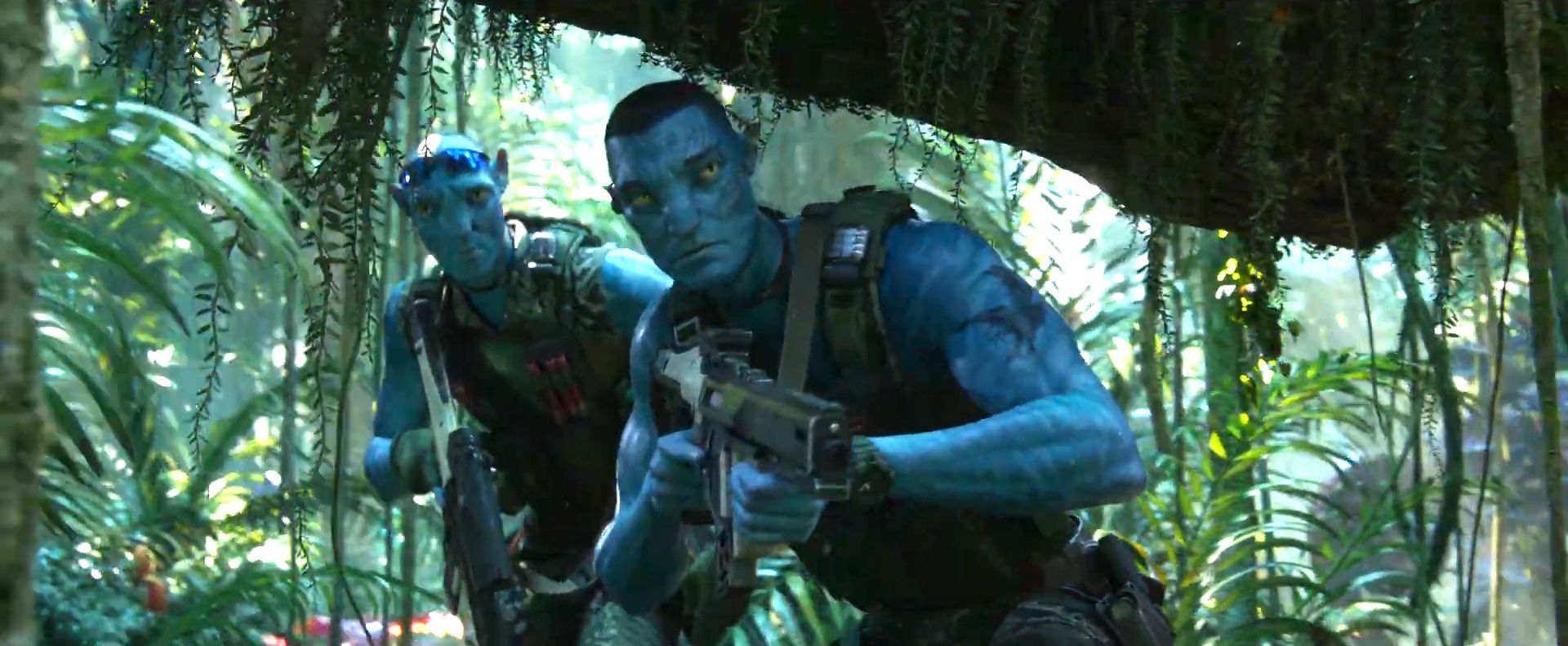
Sully soon realizes that his family is imperiled so he steps down as chief of his tribe and leaves his forest home with his family. Their travels lead them to an island tribe of Na’vi along the seashore, who grant them shelter under the provision the Sullys adapt to their aquatic lifestyle. The film’s narrative shifts to the Sully children as they struggle to learn the culture of their new home, particularly Lo’ak (Britain Dalton), who suffers from middle-child syndrome, and Kiri (Sigourney Weaver), the Sullys’ adopted daughter, who has a mystical connection with Eywa, Pandora’s life force that is connected to all of Pandora’s living creatures.

Meanwhile, as Jake and his family adapt to their new home, Quaritch becomes obsessed with hunting down his foe with the unwilling help of his prisoner Spider (Jack Champion), a teenage human who has adopted the Na’vi way of life.

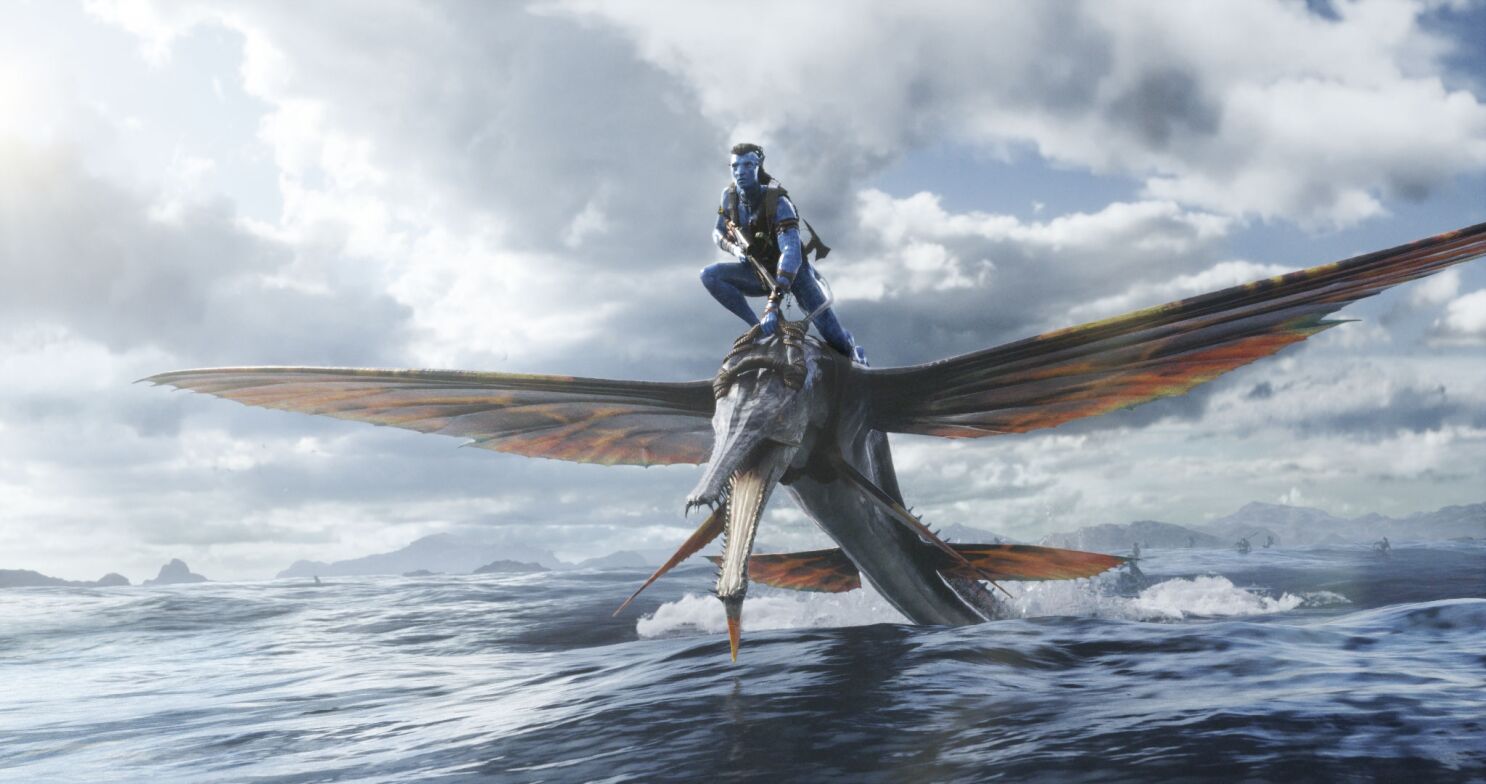
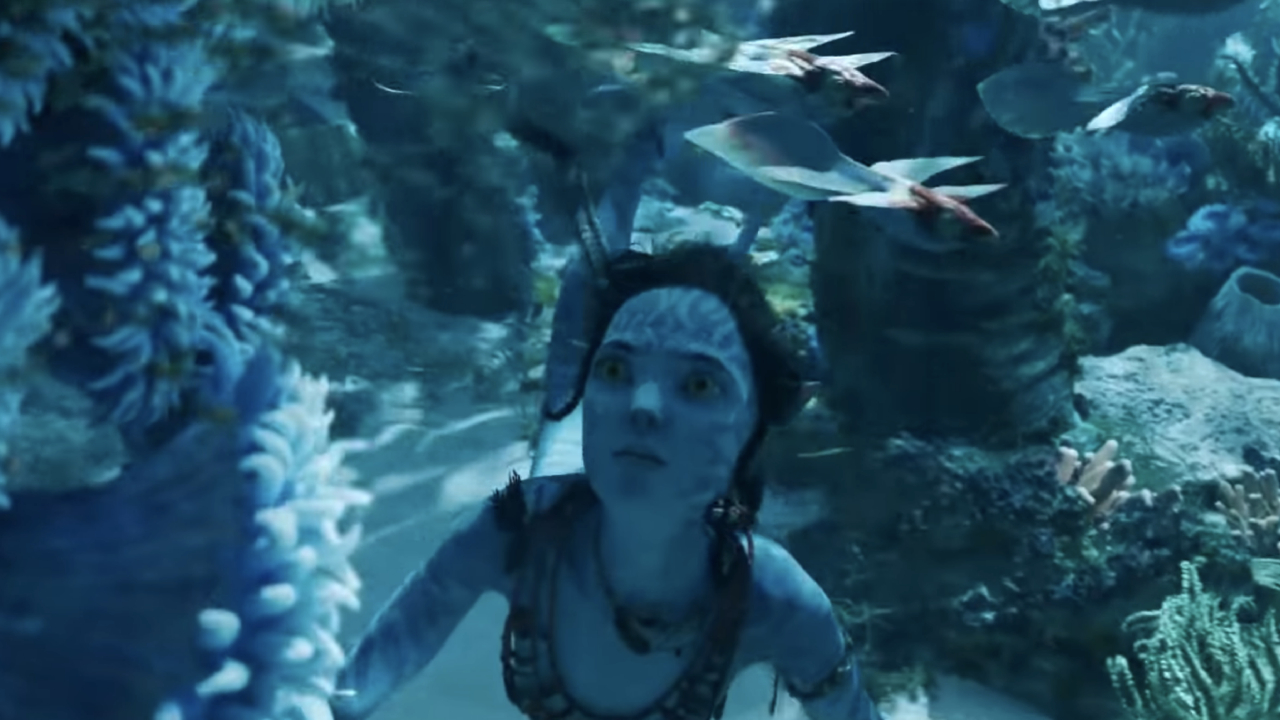
As these stories go, the paths of Jake and Quaritch soon collide with an epic Cameron-style flourish. Certainly, James Cameron is in his watery element when it comes to framing the film’s spectacular confrontations in the final act. Combine the action scenes on the sea with awe-inspiring underwater cinematography, and it becomes clear that the director was born for aquatic filming!

To say that Avatar: The Way of Water is epic or breathtaking is a serious understatement. The film’s visuals simply overwhelm our visual senses as Pandora comes to crystalline life. At times it is so easy to get so involved and engrossed with what the big screen unfurls. It was like watching a National Geographic nature special, but with alien flora and fauna. The film’s visual effects were so revolutionary that I had to remind myself at times that these were imaginary animals and characters. Clearly, the effects set a new bar that will be impossible to overcome for a long time and help explain why it took so long for this film to be made. Seriously, just give the film the Oscar for best visual effects at this point without bothering to list other! On a final note, yes, Avatar: The Way of Water must be seen on a big screen, in 3D if possible, as a home viewing will lessen the visual experience.

As breathtaking as the return to Pandora was, the experience would have felt empty if not for the film’s story. There are some themes and story beats that are familiar like the adaptation to new cultures, or its pro-environmental messages. However, there are interesting twists and turns that keep the overall story fresh. Admittedly, some plot developments are predictable, yet the characters are much more engaging than in the previous film. For example, Quaritch has more depth than the two-dimensional villain he was in the first Avatar, being that he is in a unique situation that he is no longer human. Meanwhile, Jake Sully struggles between his roles as a warrior and a father to his children, while dealing with the human threat. But there are some characters that do get lost in the vast story and wind up in the background without leaving much of an impression.

The film also sets up intriguing arcs that will be resolved in future films such as with Kiri and her spiritual connection to Eywa. Then there are many questions about how the Na’vi will survive, let along be able to stop human colonization. The outcome may be dire for the Pandora natives given our own real-life history of when indigenous people first encountered invading forces with superior technology.
These questions alone made me enthusiastic for James Cameron’s upcoming sequels: Avatar: The Seed Bearer, Avatar: The Tulkin Rider, and Avatar: The Quest for Eywa.  Some reports have it that the fifth film will take place on Earth, as the Na’vi will visit the planet. Hopefully, all planned films won’t take so long to be released. Remember that Avatar: The Way of Water was delayed many times, so with some luck, the sequels will be released during this decade as planned, and they will deliver the same jaw-dropping experience as Avatar: The Way of Water.

José Soto

A Brief Look Back At Terminator 2 3D: Battle Across Time

The previous post about Terminator 2: Judgment Day brought to mind the extinct theme park attraction Terminator 2 3D: Battle Across Time or T2 3D at Universal Studios.

The attraction was a live-stage show combined with a 3D film that embedded audiences into the action-packed world of the Terminator franchise. T2 3D premiered at Universal Studios Florda on April 27 1996 and closed on October 8, 2017. It also ran in Universal Studios Hollywood from May 6, 1999 to December 31, 2012. The only remaining theme park where it still operates is at Universal Studios Japan, where it opened on March 31, 2001, but it’s anyone’s guess as to how much longer the attraction will run there.

Being that the film was directed by James Cameron himself, T2 3D would be the final time that he directed a Terminator film, even though it was a short film that ran about 12 minutes. It was also the final time that the actors from Terminator 2: Judgment Day reunited to reprise their roles: Arnold Schwarzenegger as the T-800, Linda Hamilton as Sarah Connor, Edward Furlong as John Connor, and Robert Patrick as the T-1000. Needless to say, it was the last time Cameron directed these actors.

Terminator 2 3D: Battle Across Time amped the scale and quality of live-stage shows and 3D films for its time and was considered very revolutionary in how it seemlessly combined both aspects to create an immersive experience for visitors that began during the pre-show portion of the attraction.

After entering the attraction’s building, visitors where exposed to company propaganda from Cyberdyne Systems in the form of an annoying PR spokeswoman who appeared live and videos that touted the coming cybernetic and robotic products from the company.

The videos get hacked by Sarah and her teenage son, John Connor, who warn the visitors about the dangers of Cyberdyne complete with footage from the Terminator films. Their video hack ends and the PR spokeswomen dismissed their warnings before ushering the visitors into the main theater for a demonstation of the company’s latest product: the T-70 infantry unit aka prototype terminators.

Several T-70s (actually audio-animatronics) were lined up on walls alongside the seats and demonstrated their firepower. After that, live actors representing the Connors arrive and shut down the demonstration. But before long, a 3D metallic image of the T-1000 forms from a displayed logo of Cyberdyne Systems on a screen in front of the audience and it emerged from the screen as a live actor. The T-1000 kills the spokeswomen to the delight of the audience then starts chasing the Connors. However, a vortex formed in the movie screen and from it a live-action T-800 riding a motorcycle came to the rescue. A brief firefight ensued as clever maneuvering by the live actors hid their faces while overhead monitors displayed the film actors. This was very well choreographed considereing that the live actors ran through the aisles in front of the audience.
Continue reading