Top Ten Films & TV Shows Of 2023

2023 boasted its fair share of exceptional genre films and TV shows. It is also noted for being the year when superhero films and TV shows started to lose steam. More on that some other time. Still, there plenty of quality fare for us fans and here are the best films and TV shows of 2023. Be sure to drop a comment with your own choices and rankings.

Films

10. 65
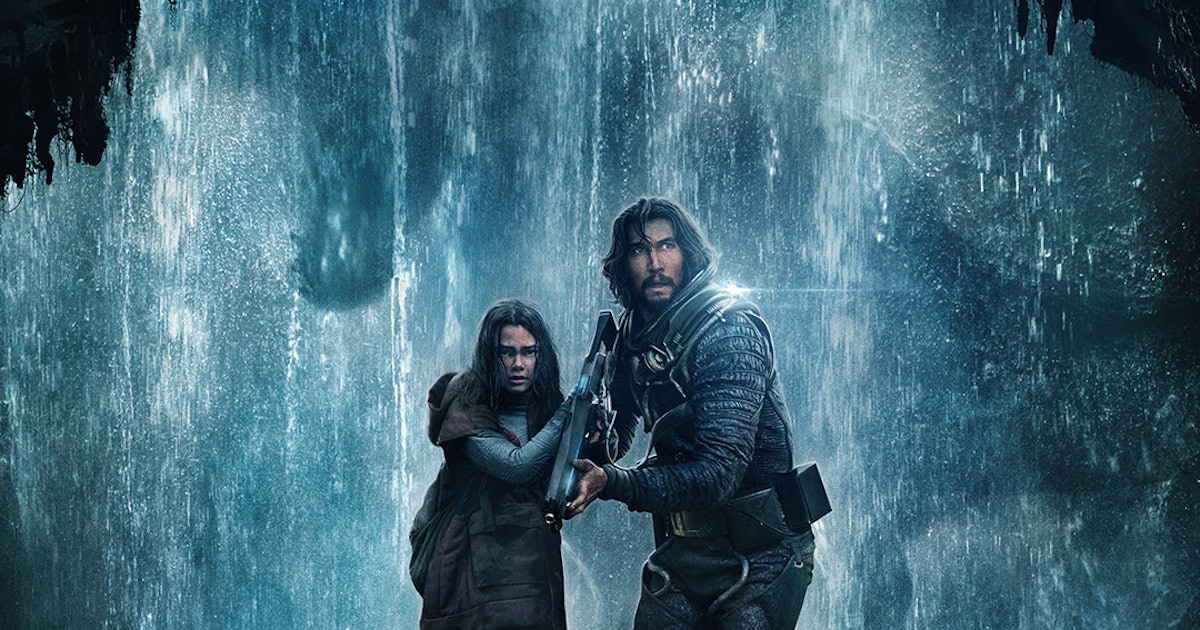
Adam Driver starred as a pilot of a crashed starship who struggled to survive in a hellish prehistoric landscape that turned out to be Earth 65 million years ago. This absorbing survival tale had intense moments and great dinosaur scenes.

9. The Creator
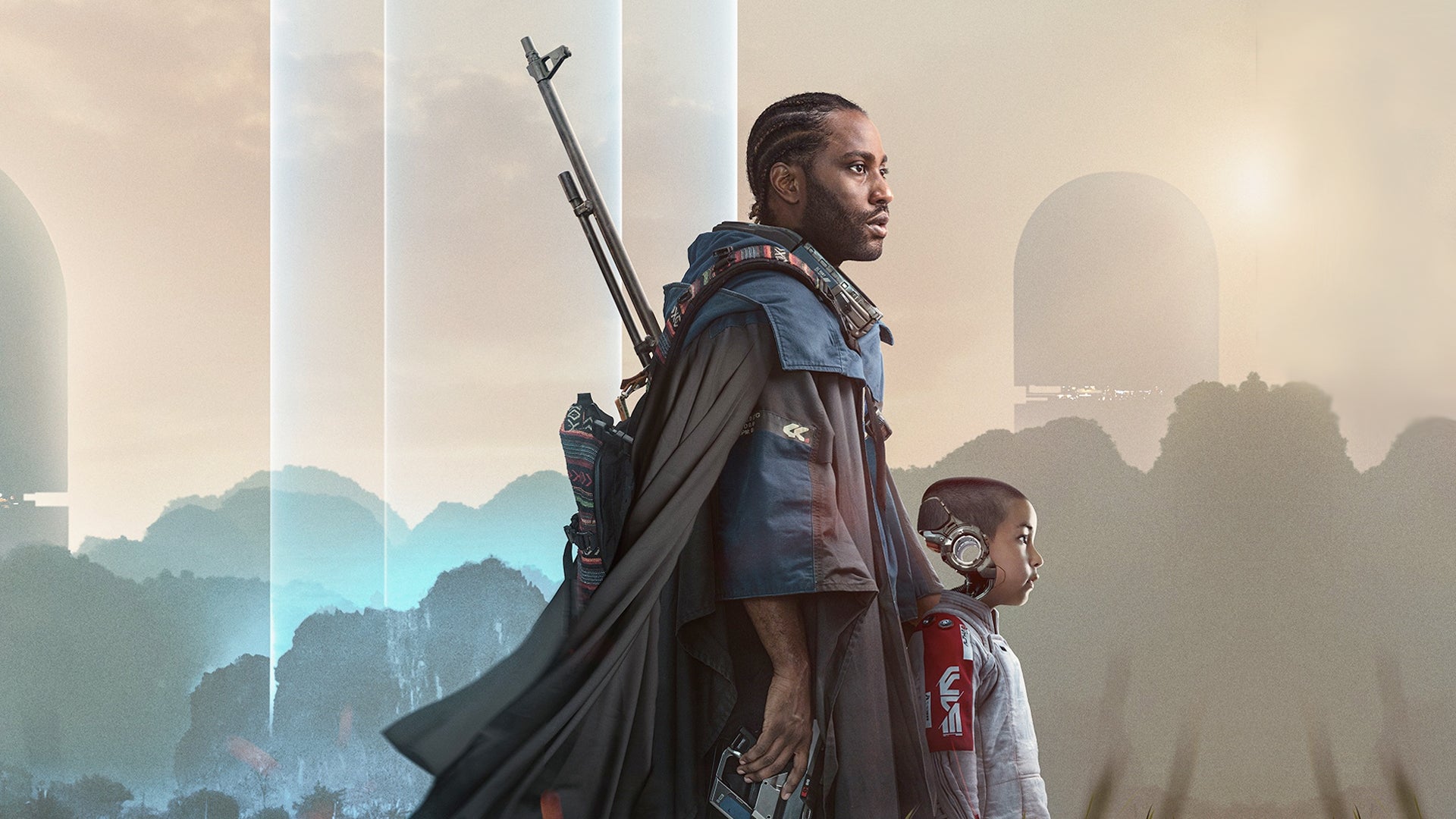
Garth Edwards’ film about a soldier protecting a young A.I.girl while pursued by hostile forces was derivative in terms of its plot. But its jaw-dropping visuals of a future Asian society where man and A.I. live harmoniously, action scenes and performances more than made up for its flaws.

8. Ant-Man and the Wasp: Quantumania
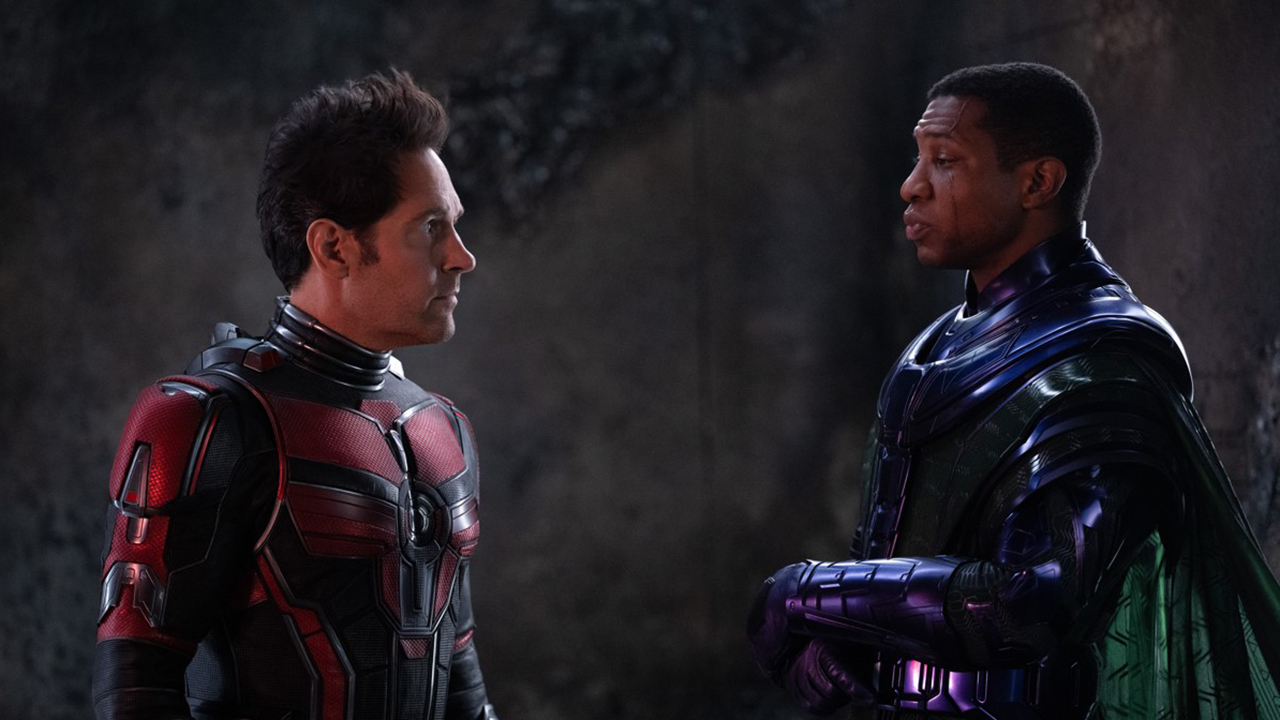
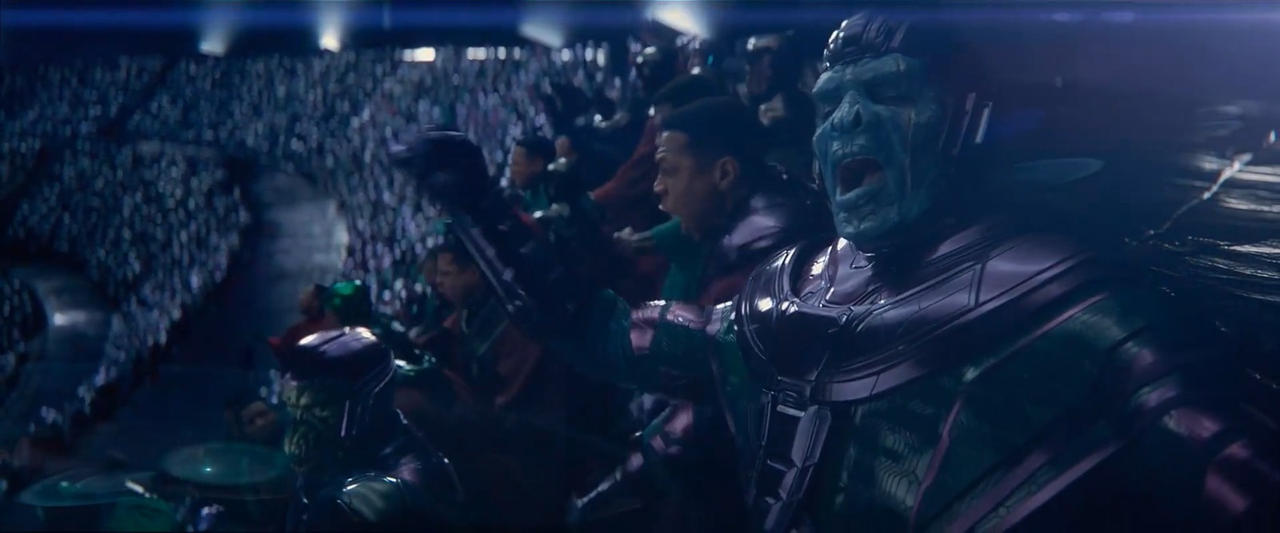
The third Ant-Man film was unfairly put down by many who missed the usual capers of the previous Ant-Man films. Instead this film went in a different and wilder sci-fi direction as our heroes explored bizarre landscapes and confronted the next big bad in the Marvel Cinematic Universe (MCU), Kang the Conqueror.

7. Leave the World Behind
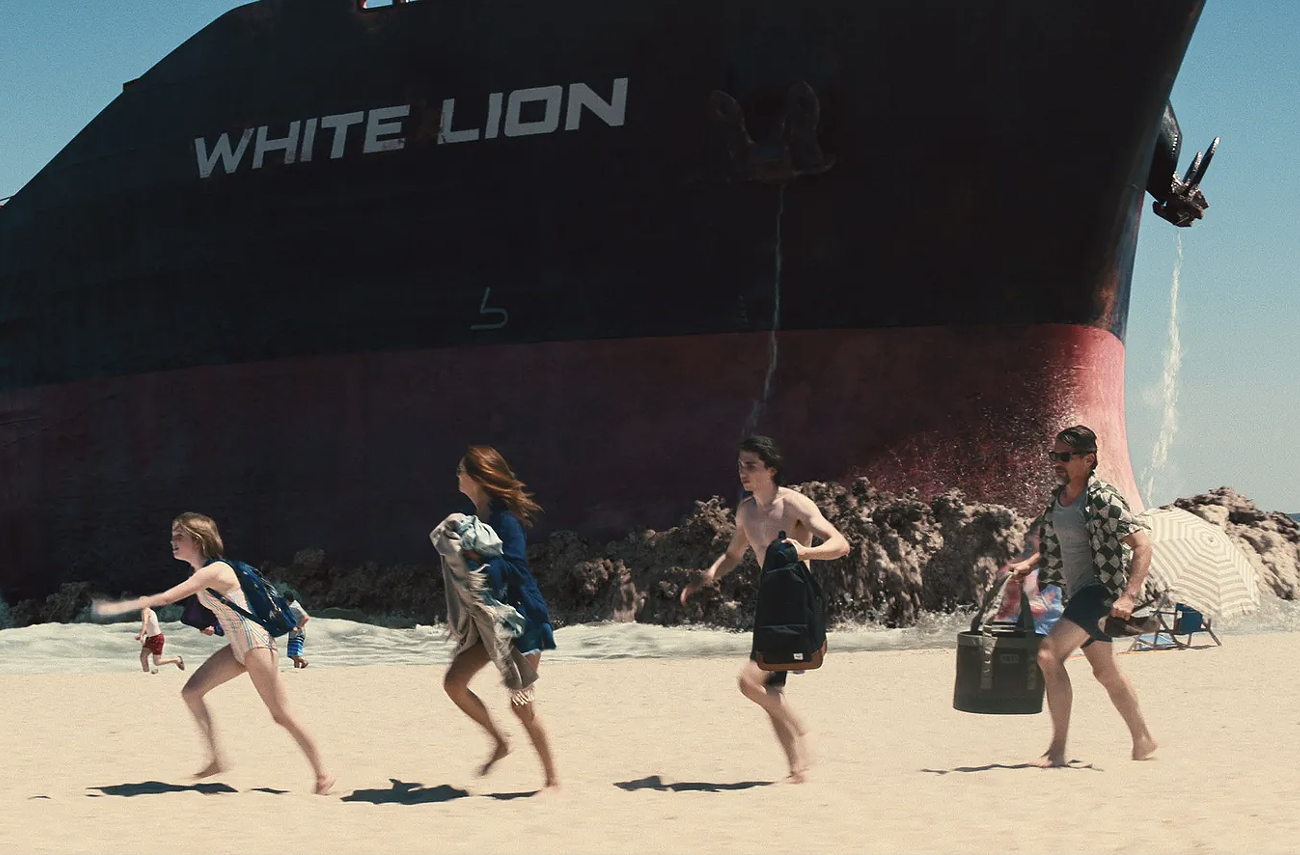
This apocalyptic psychological thriller was both disturbing and intriguing as we see how the world begins to crumble from the viewpoint of vacationers. We were also swept up in their horrified plight as they struggled to understand their new situation and survive in a dangerous new normal with their limited skills and experience.

6. Dungeons & Dragons: Honor Among Thieves
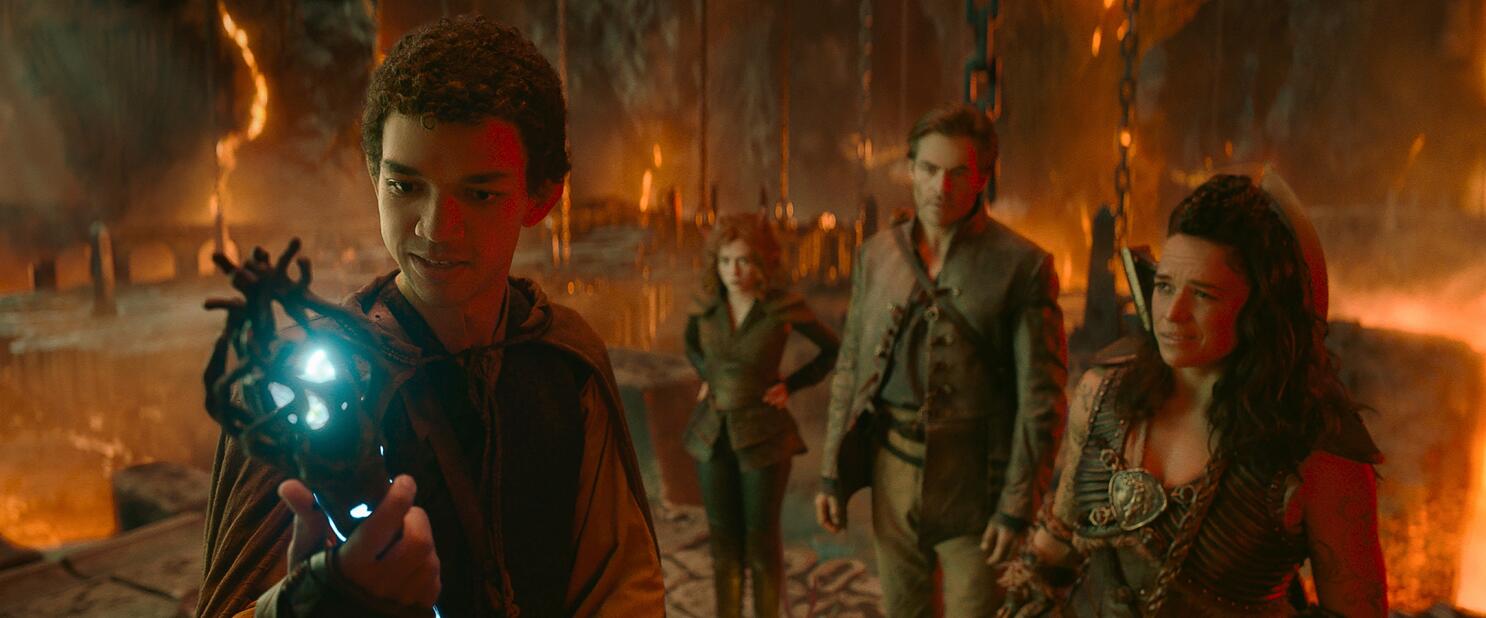
This fun-filled fantasy romp based on the classic board game turned out to be a pleasant surprise. The film boasted spirited performances starting with Chris Pine as a lovable rogue and an imaginative script and direction that always kept the pace moving throughout the film.

5. Blue Beetle
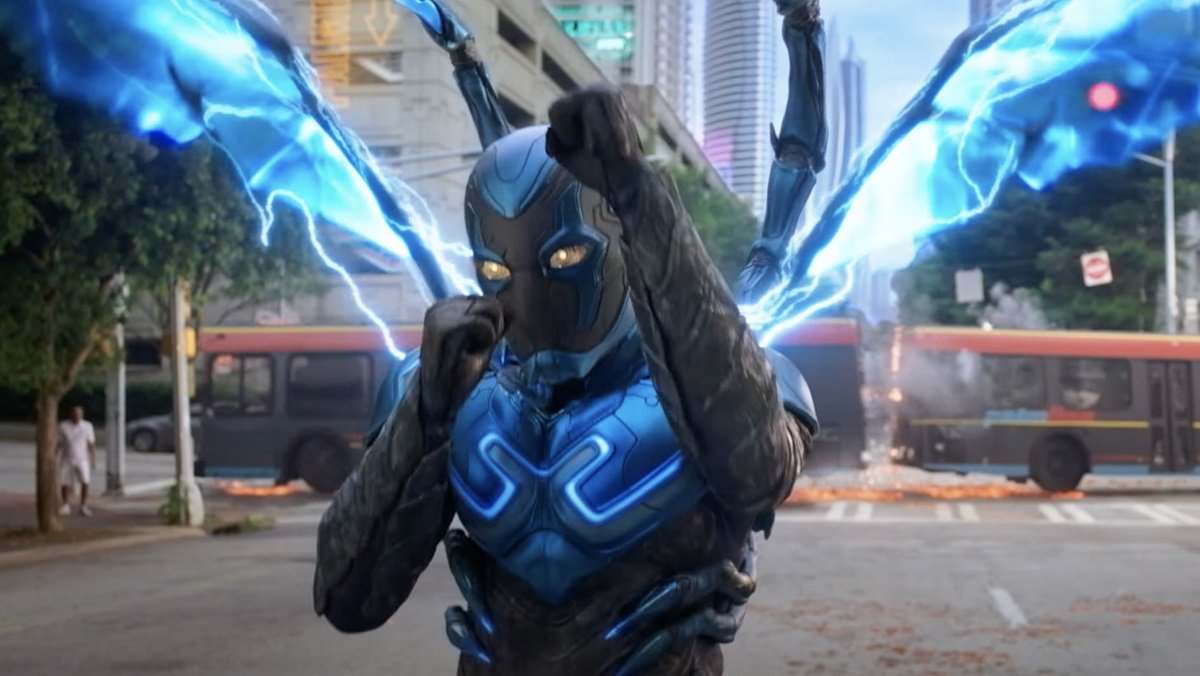
It’s a shame that one of the last DC Extended Universe (DCEU) films did not perform better in theaters since it was of the best DCEU films. While the film followed the typical superhero origin formula, its strong performances, direction, and humorous family interactions elevated the film with its back-to-basics approach with superhero films.

4. Indiana Jones and the Dial of Destiny
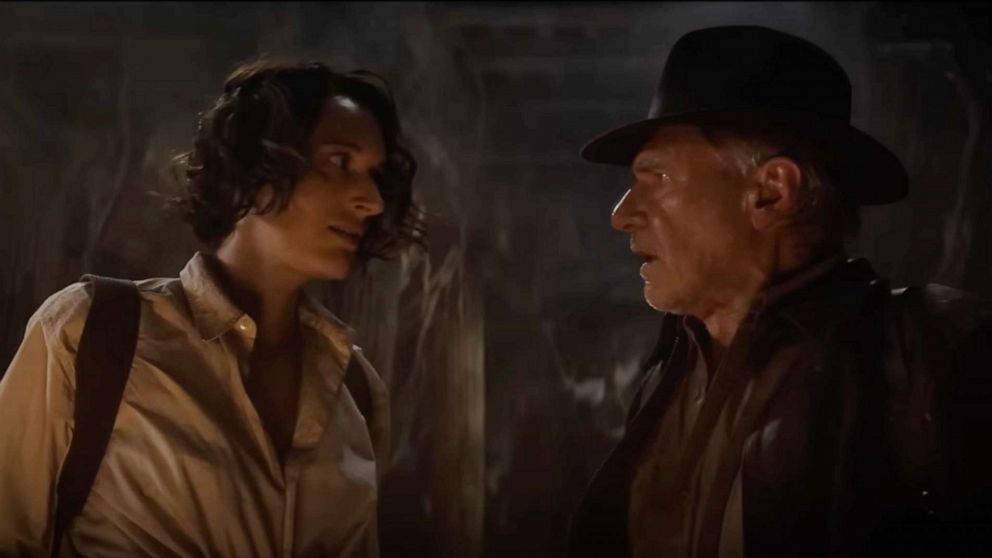
The last hurrah for our favorite swashbuckling archeologist hit many emotional notes in its depiction of Indiana Jones in his twilight years. Yes, Steven Spielberg’s masterful direction was sorely missed in the final Indiana Jones film, but its solid direction, thrilling action and Harrison Ford’s solid performance as the title hero made this a memorable finale to the fantasy adventure franchise.

3. Godzilla Minus Zero
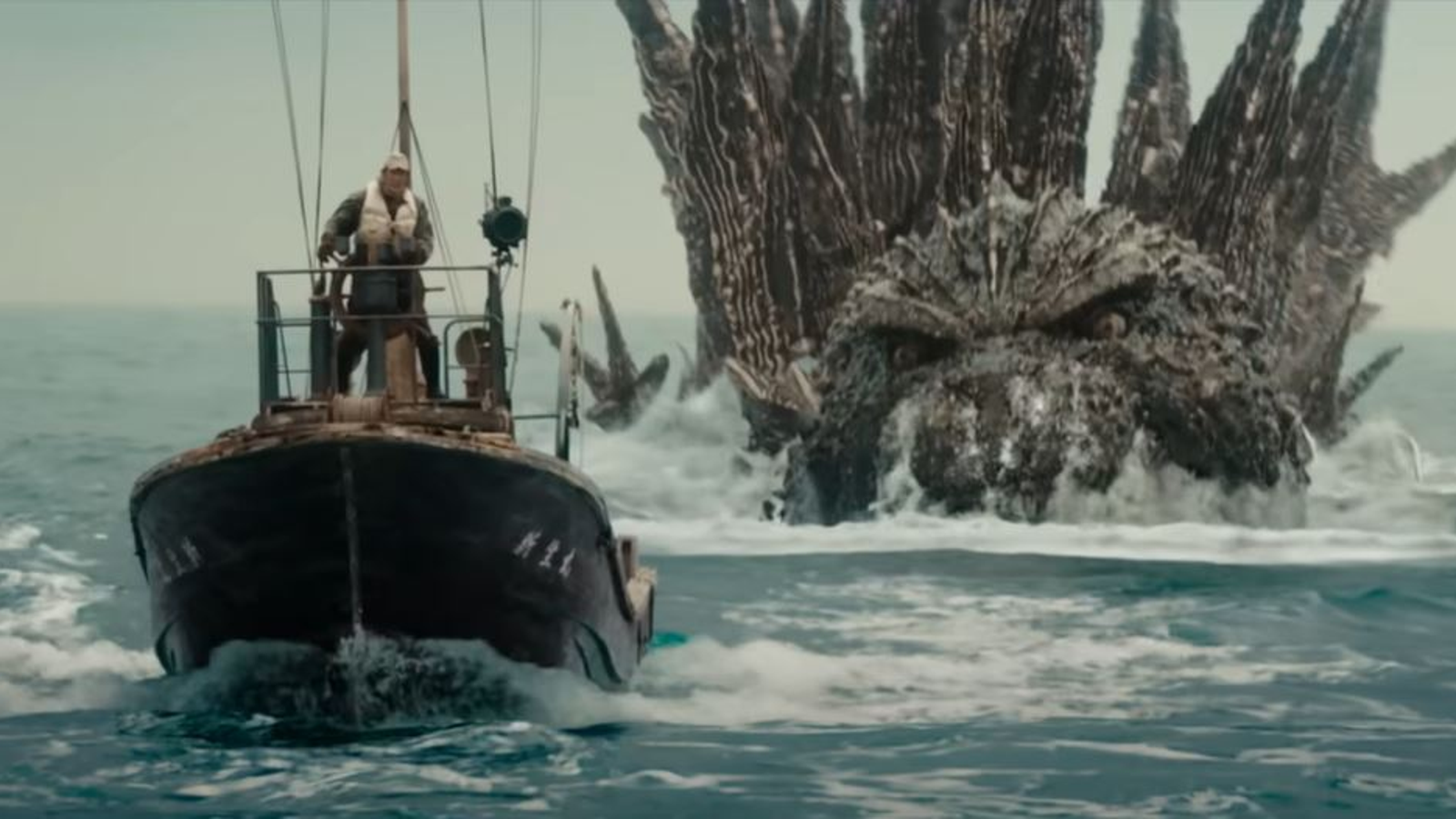
The latest Godzilla film proved that the decades-old franchise could still deliver captivating and exciting kaiju films. It stood above other Godzilla films thanks to its grounded approach, emphasis on relatable characters and a directorial decision to make the title creature a terrifying force of nature. It’s easy to see why this is one of the best Godzilla films.

2. Spider-Man: Across the Spider-Verse
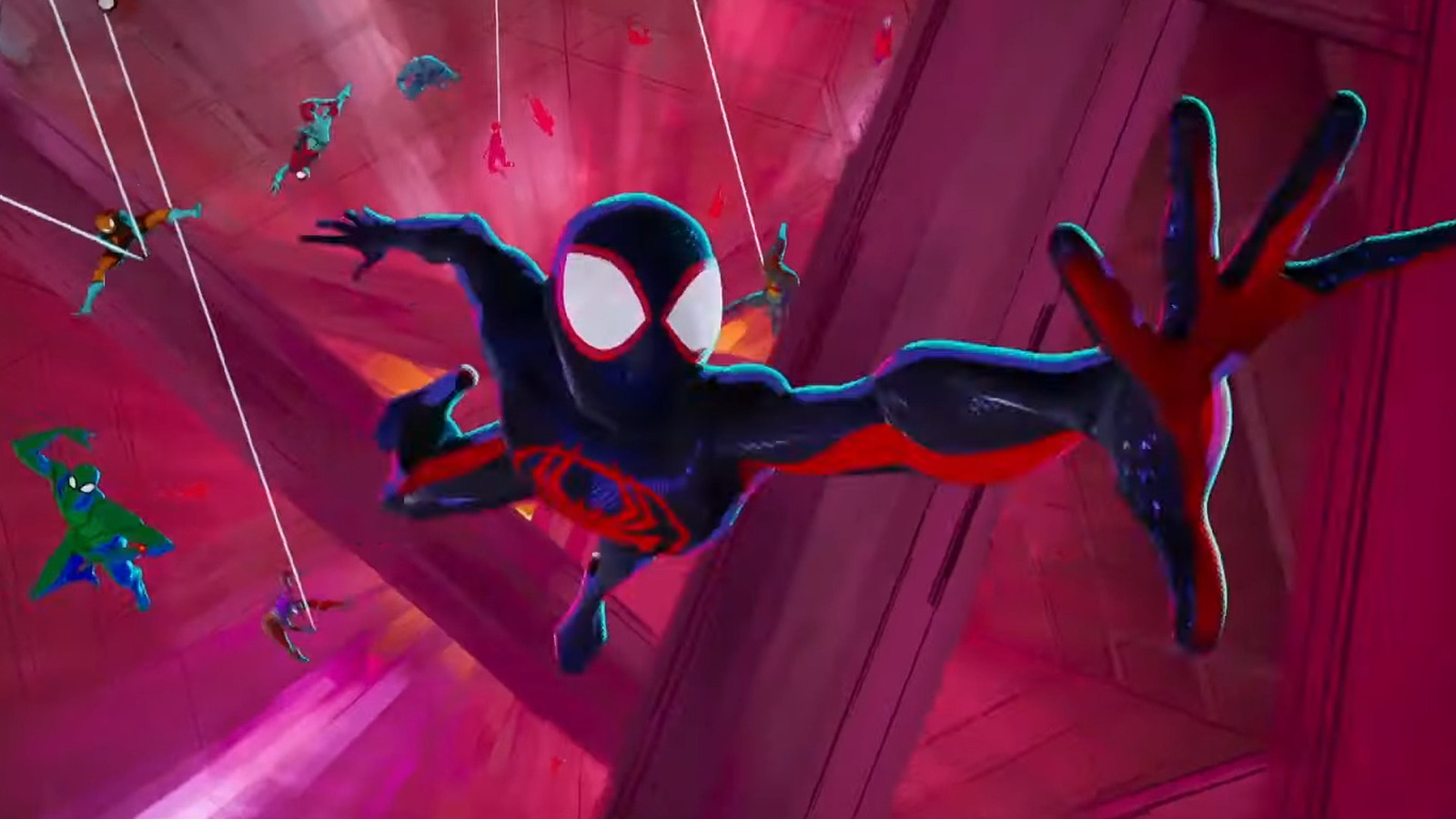
There were other notable animated films this year like Elemental or Teenage Mutant Ninja Turtles: Mutant Mayhem that rivaled Spider-Man: Across the Spider-Verse with distinctive animation and scripts. However, Spider-Man: Across the Spider-Verse stood out from the pack with stunning and unparalleled animation that was simply stunning.

More importantly, what made the film such a success was its engaging storyline of a relatable Miles Morales involved in a head-spinning story, which involved other universes and characters. Cannot wait for the conclusion to the storyline!

1. Guardians of the Galaxy, Volume 3
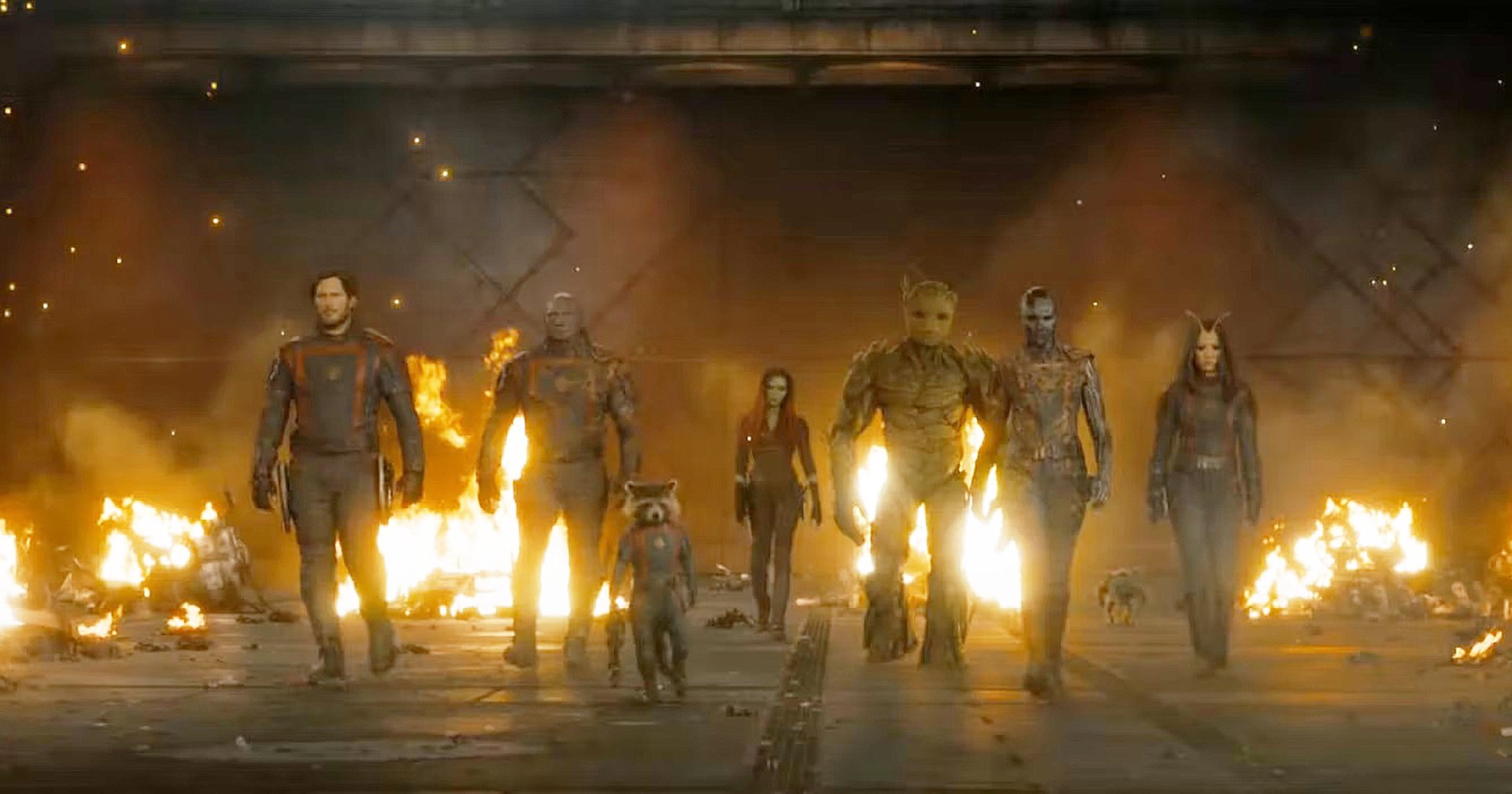
James Gunn’s final MCU film was one of the best in the Marvel film franchise. It perfectly closed the chapter of these lovable galactic misfits/heroes while exploring their emotional connections and giving us glimpses of how the team would continue without the OG heroes.

This film proved that the MCU could still deliver quality films that are widely acclaimed and perform well. What made audiences engage with Guardians of the Galaxy, Volume 3 was its emotional core as we witnessed the tragic backstory of Rocket Raccoon, the fragile nature of the other guardians, and one of the most evil MCU villains ever shown.

Noteworthy Mentions:
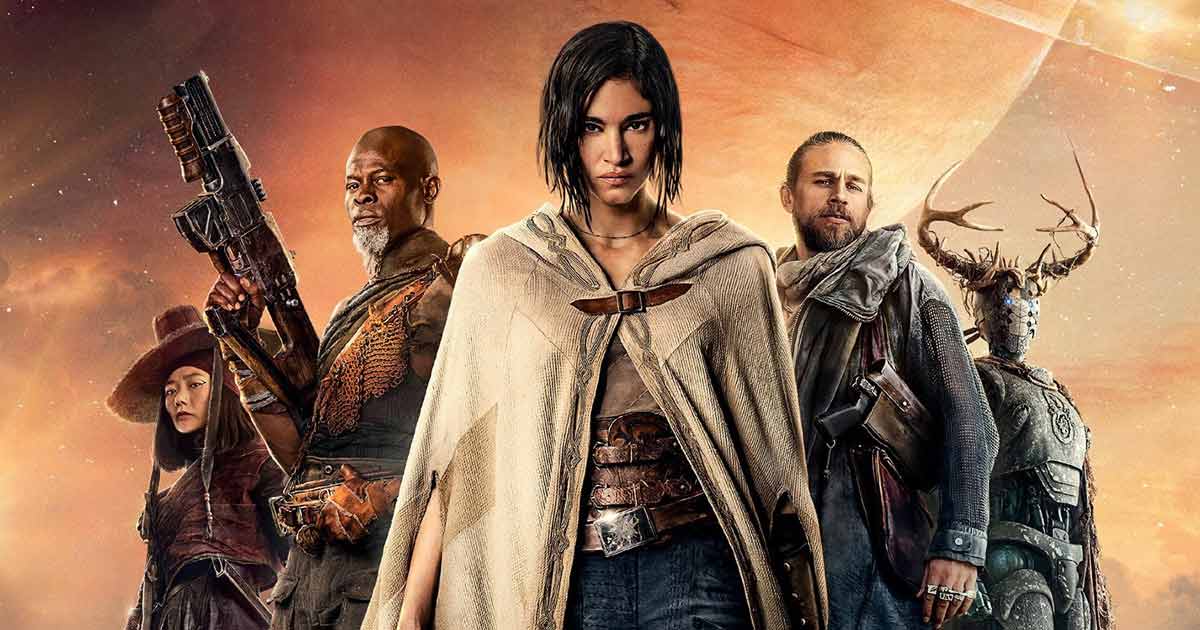
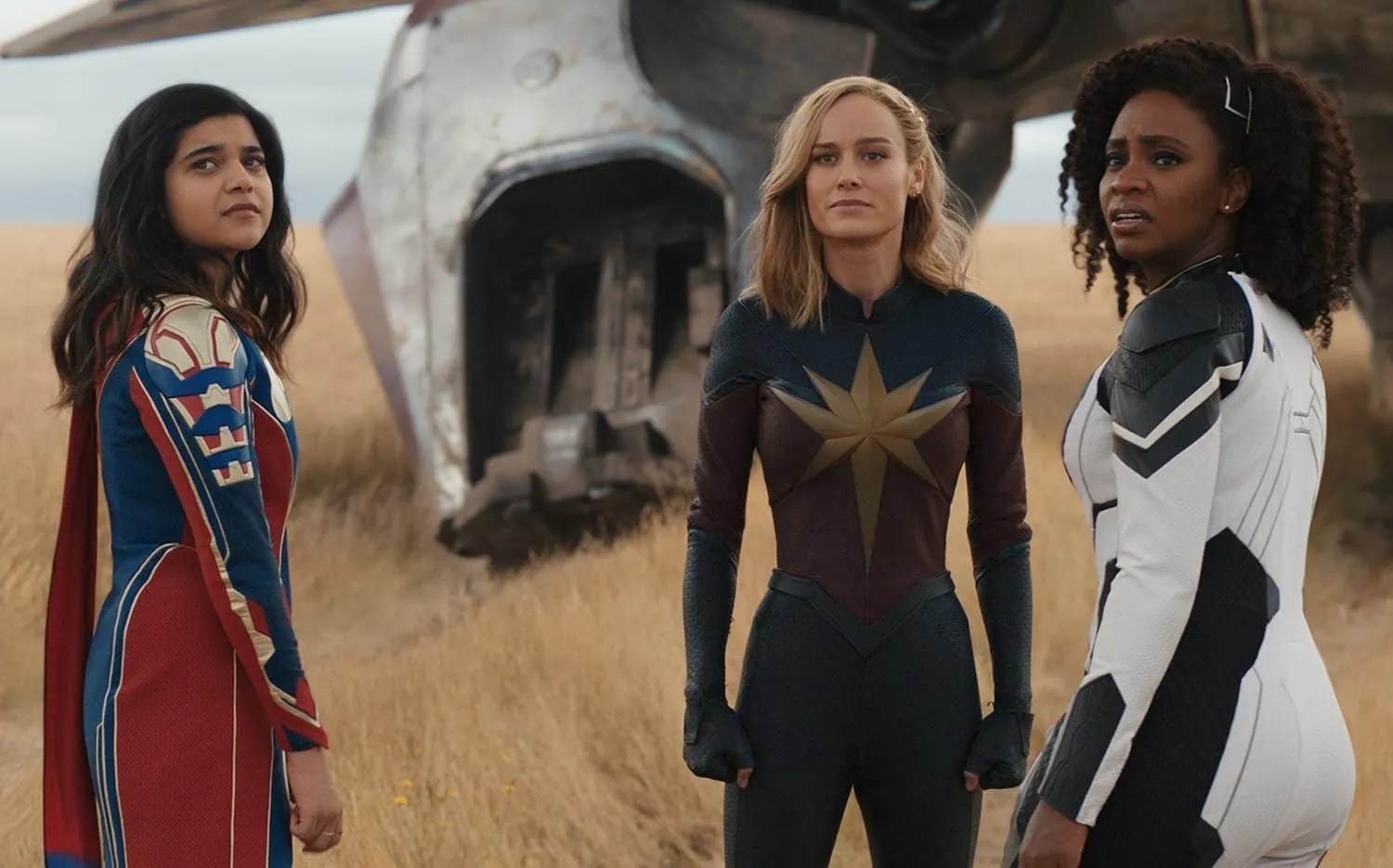
Aquaman and the Lost Kingdom, Elemental, Evil Dead Rise, The Flash, Knock at the Cabin, M3GAN, The Marvels, Rebel Moon, Part One: A Child of Fire, The Super Mario Bros. Movie, Teenage Mutant Ninja Turtles: Mutant Mayhem

TV Shows

10. Superman & Lois
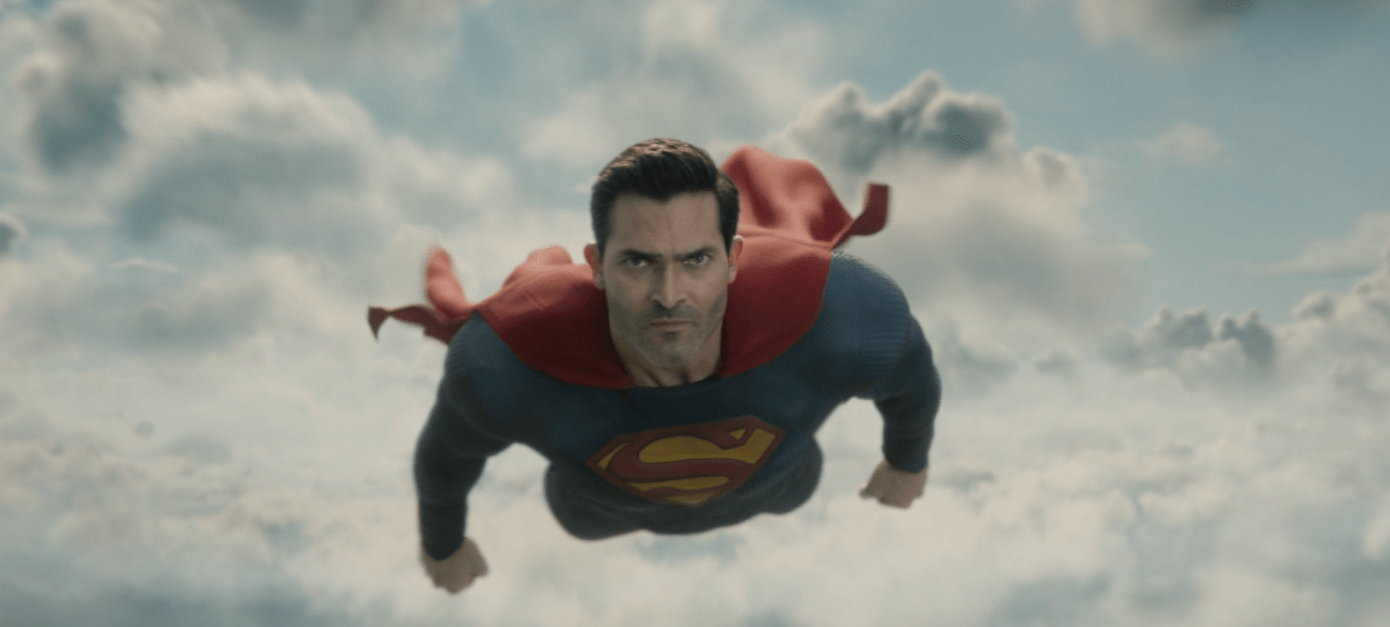
The third season of the final Arrowverse TV show continued demonstrating that it is one of the best Arrowverse TV shows as Superman/Clark Kent continued balancing life as a superhero and a husband and father to his family in Smallville.

9. Monarch: Legacy of Monsters
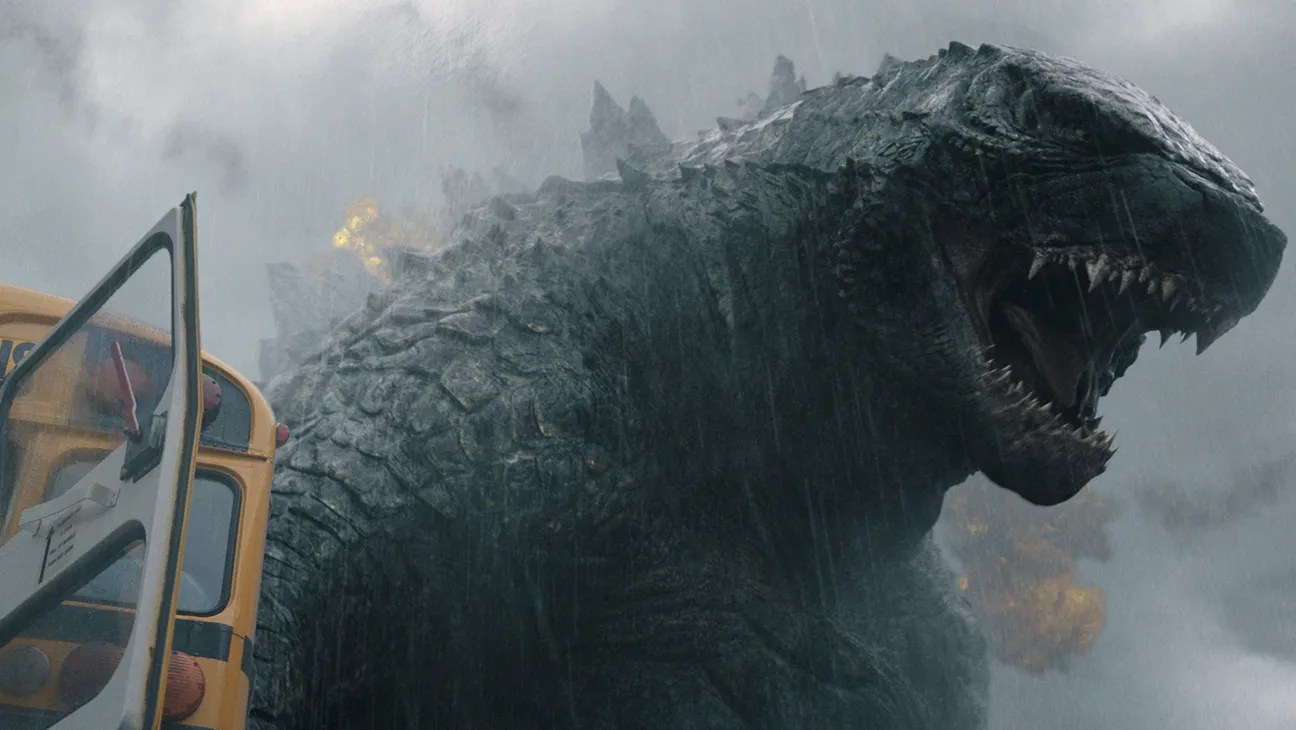
This TV show did so much to flesh out and expand the world of the Monsterverse by featuring interesting characters and fascinating plots involving time jumps and conspiracies. The result was a fascinating look at the impact that giant kaijus would have in the world.

8. For All Mankind
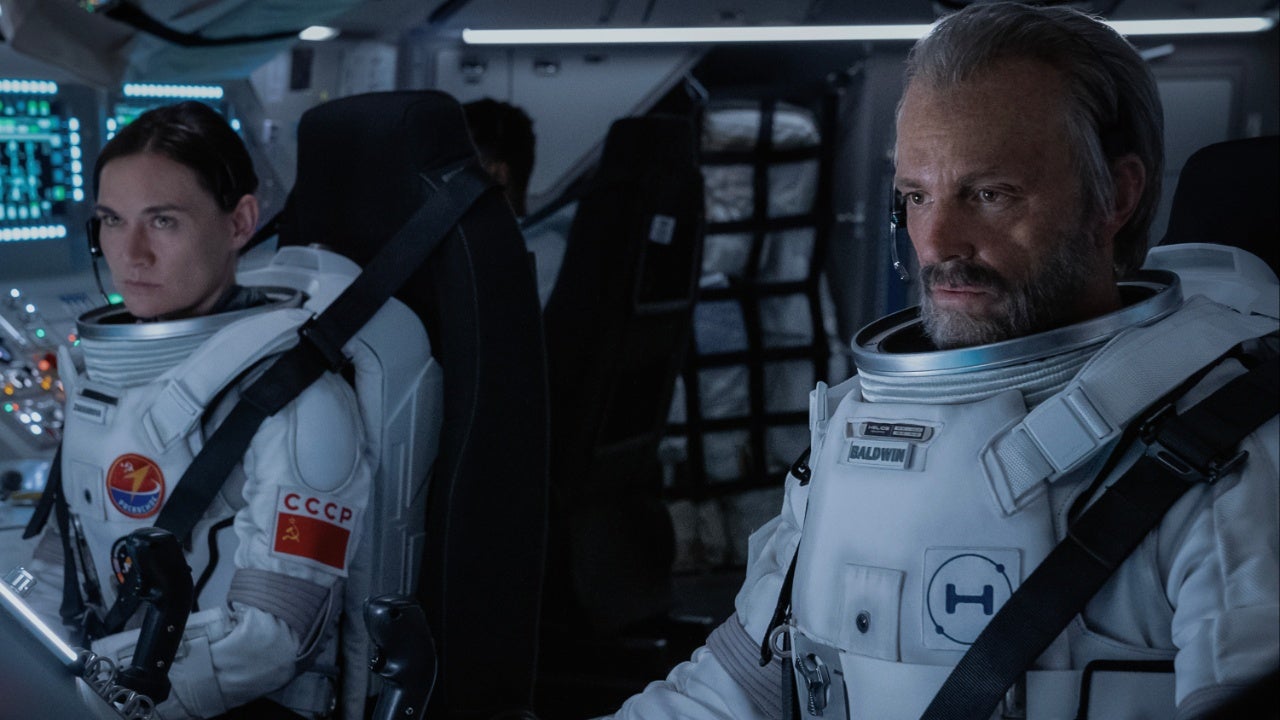
Ronald D. Moore’s alternate reality TV series where the Soviets landed on the moon first, relished in how that reality has begun to wildly diverge from ours as it featured life on a thriving Martian colony circa 2003, along with the intriguing geopolitics and personal drama that often intertwined.

7. What If…?
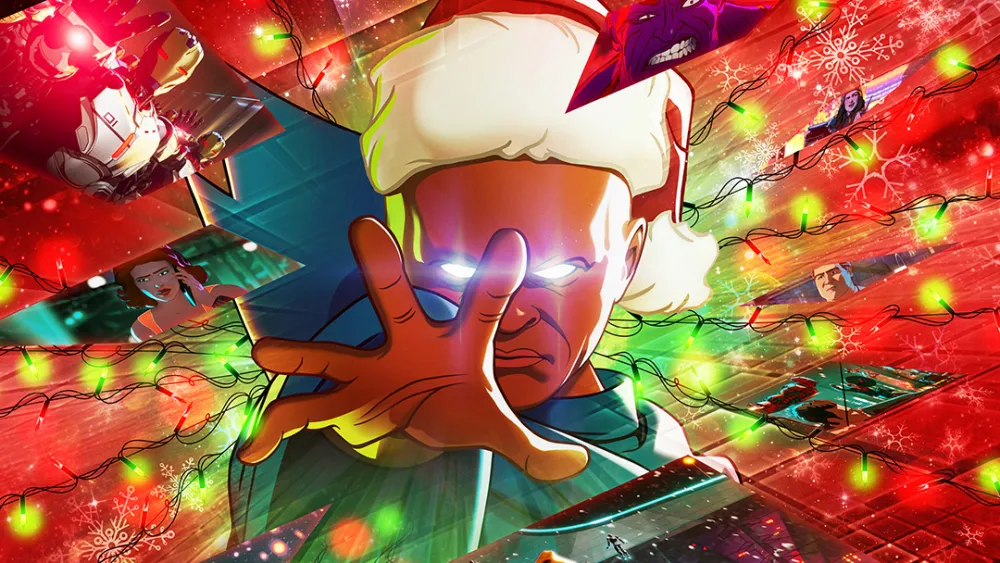
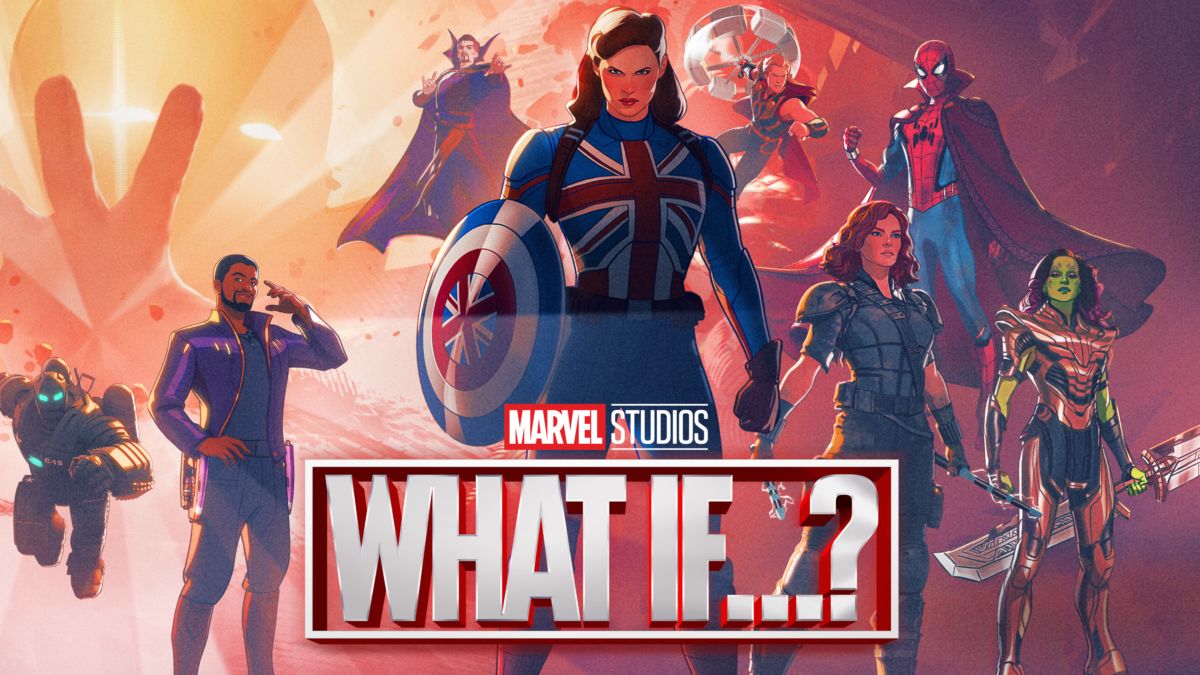
The second season of this animated MCU TV show featured more diverse variant MCU characters and situations. Unlike the live-action MCU, What If…? really let its imagination run wild with the concept of the Multiverse thanks to its inventive tales of alternate MCU realities.

6. Sweet Tooth
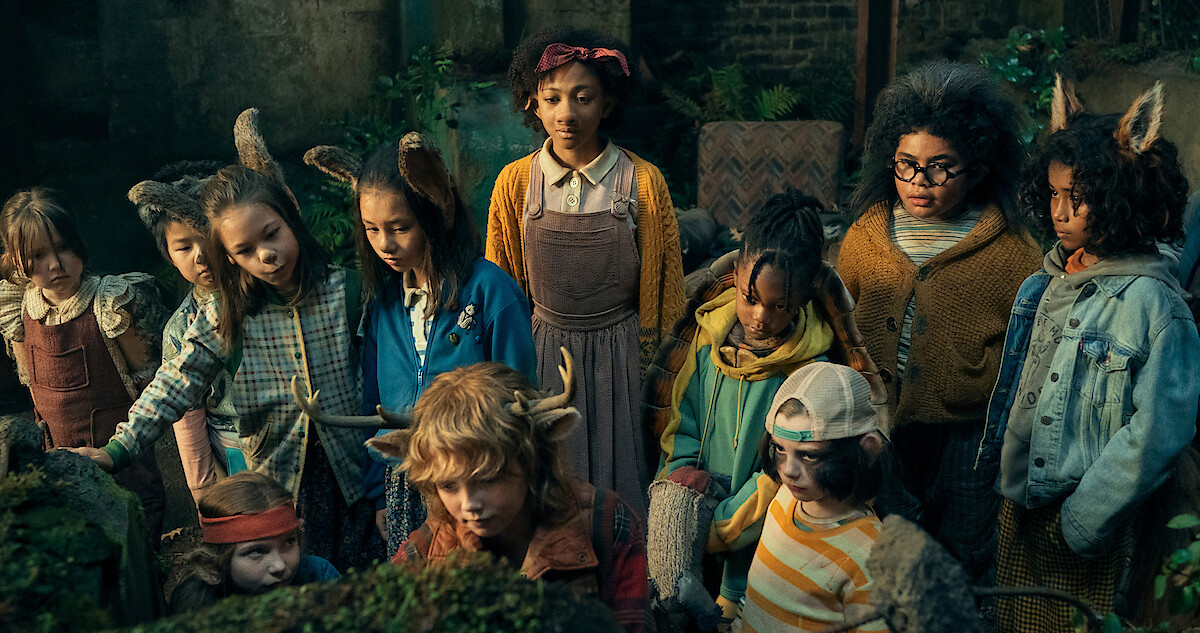
The second season of this live-action adaptation of the Vertigo comic book by Jeff Lemire was just as enjoyable as the first thanks to winning characters like young Gus and other animal/children hybrids and humans trying to survive in a post-apocalyptic world ravaged by a plague and warlords.

5. Gen V
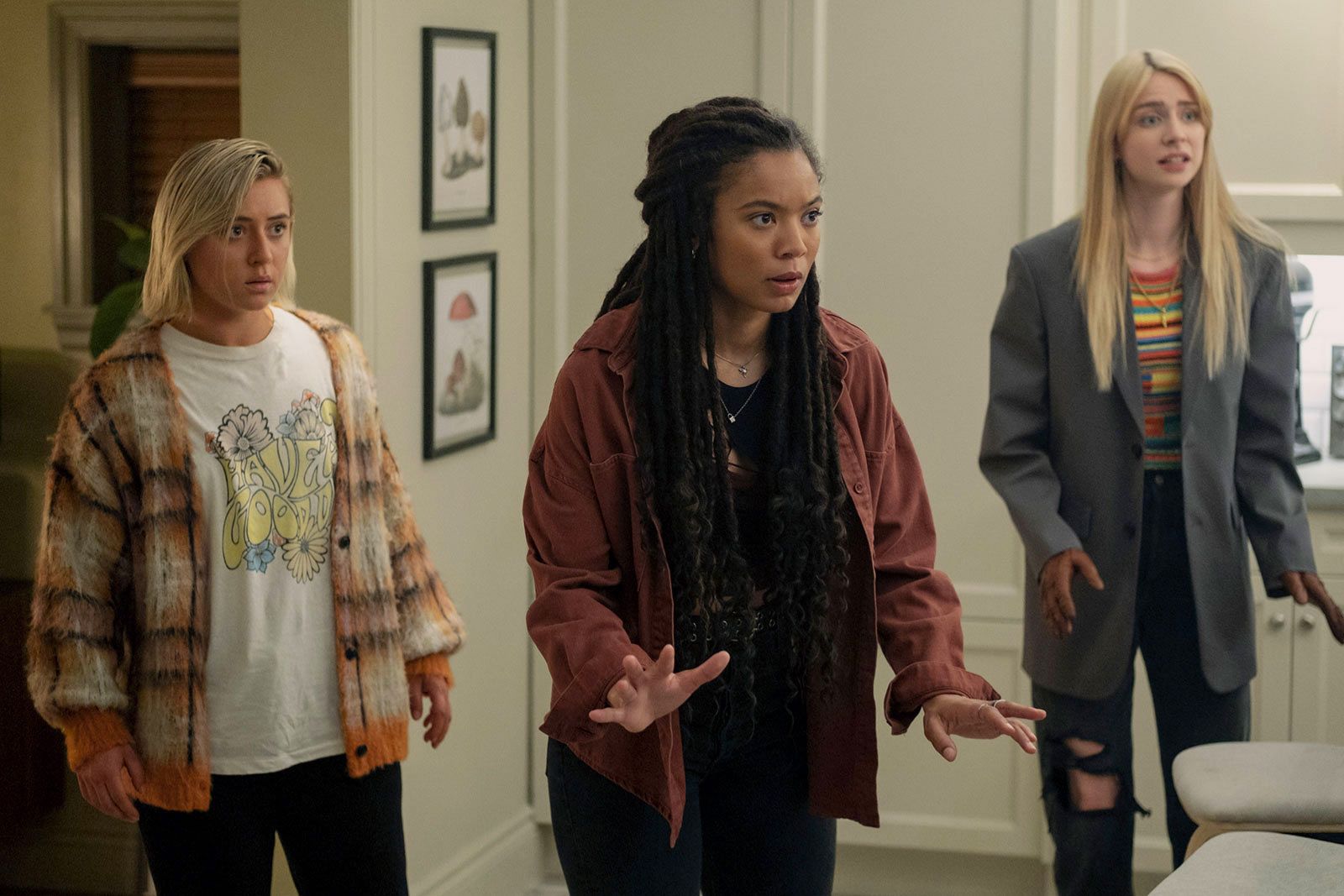
This spinoff of The Boys was much more than a satirical take on the X-Men or the New Mutants. It further fleshed out the world of The Boys and underlined the dark side of supeheroics with relatable characters who suffered with the burden of having super powers and their lives as angst-ridden teenagers.

4. The Last of Us
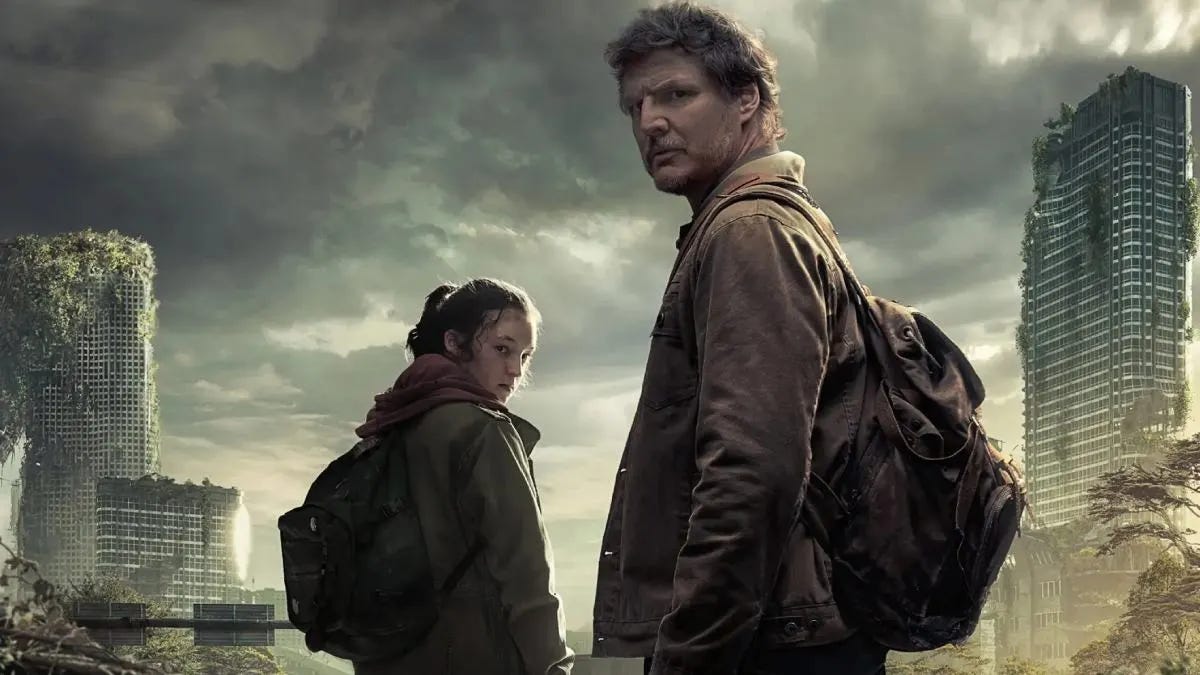
This was a faithful and tense adaptation of the classic video game about a ruthless man protecting a young girl in a world devastated by a plague that turned most of humanity into mindless monsters. The performances were simply brilliant and the scripts truly touched viewers during its explorations of the characters and their relationships in a savage world.

3. Star Trek: Strange New Worlds
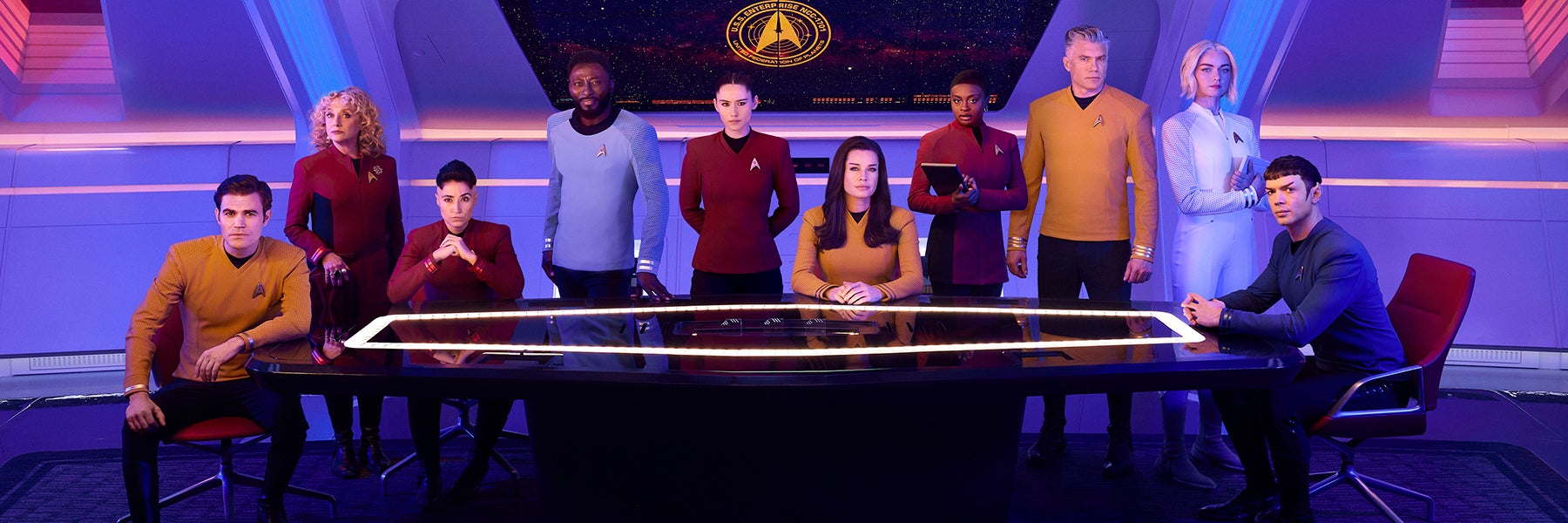
The second season continued the episodic back-to-basics approach to Star Trek with excellent one-off episodes. Star Trek: Strange New Worlds was buoyed by solid scripts and spot-on acting, which made it one of the franchise’s best entries. Even though some of the episodes may have been too bizarre like the musical episode or the one that featured characters from the animated Star Trek: Lower Decks, the season overall was a genuine success.

2. Loki
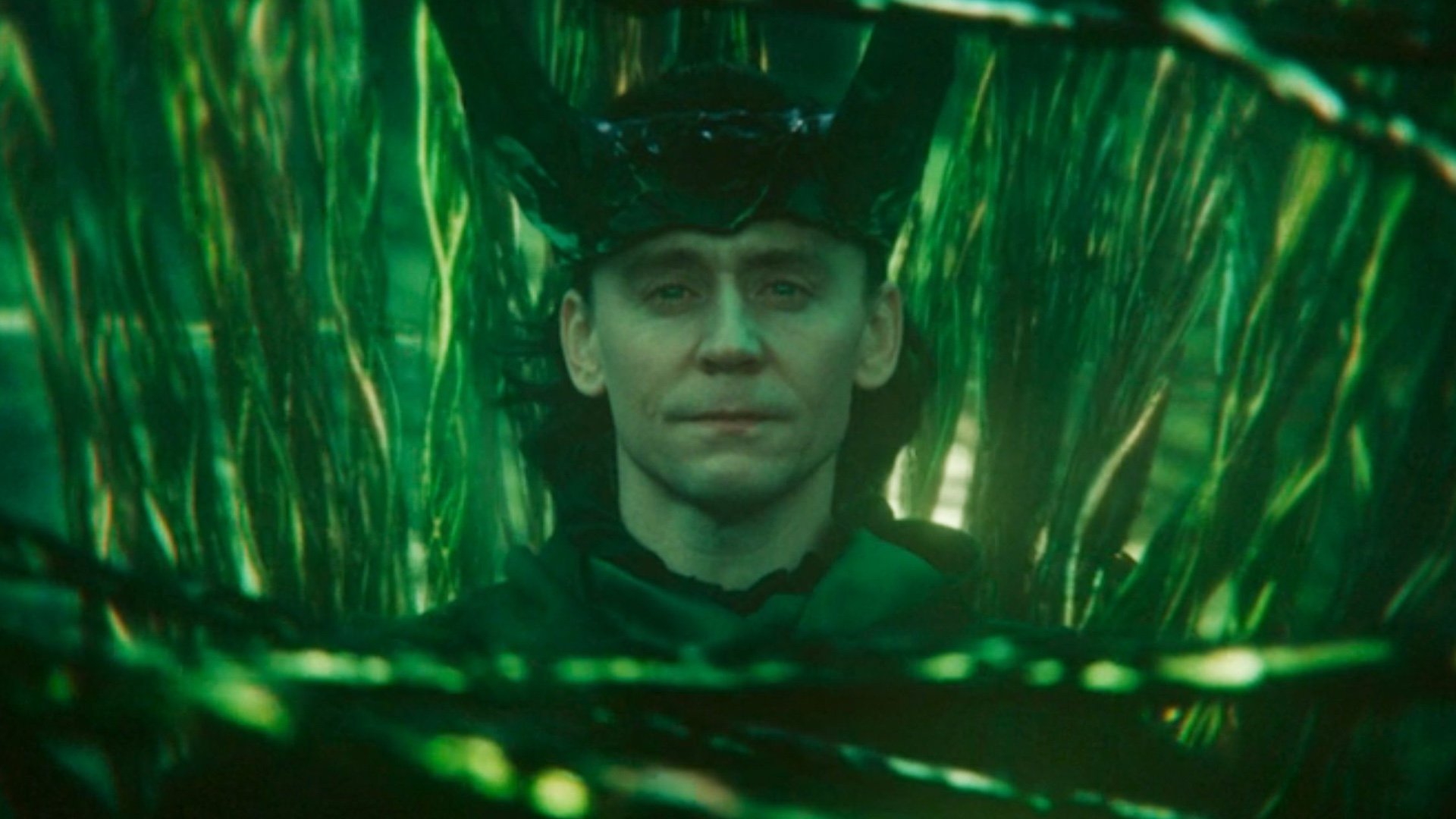
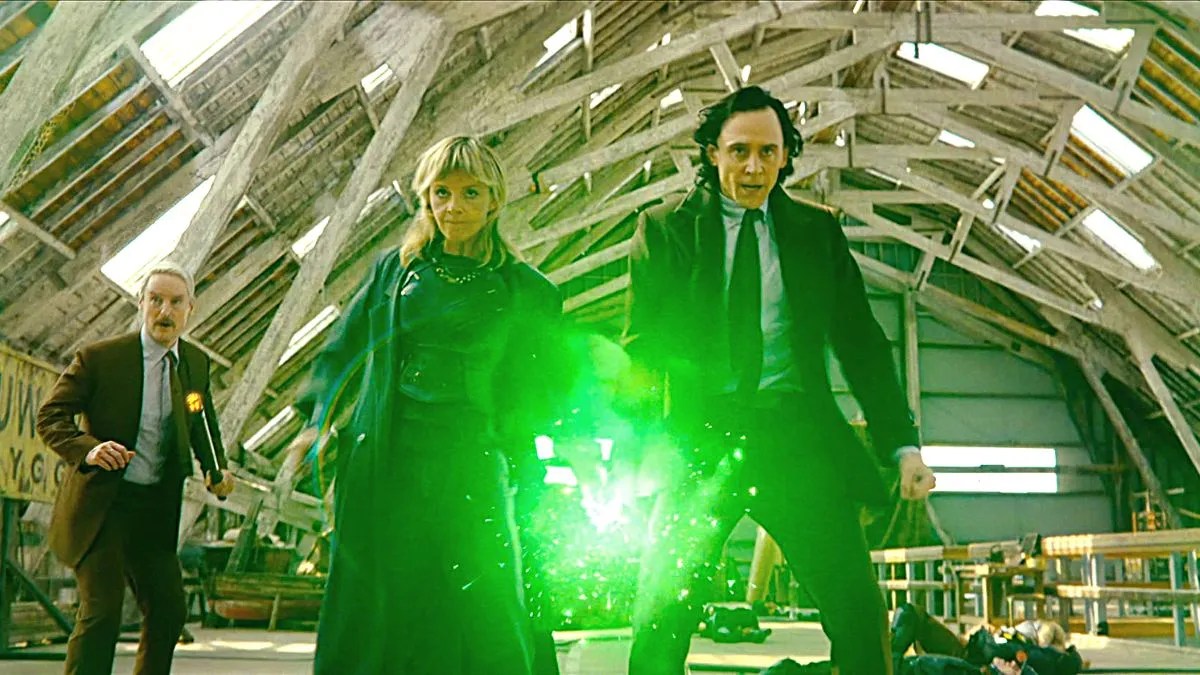
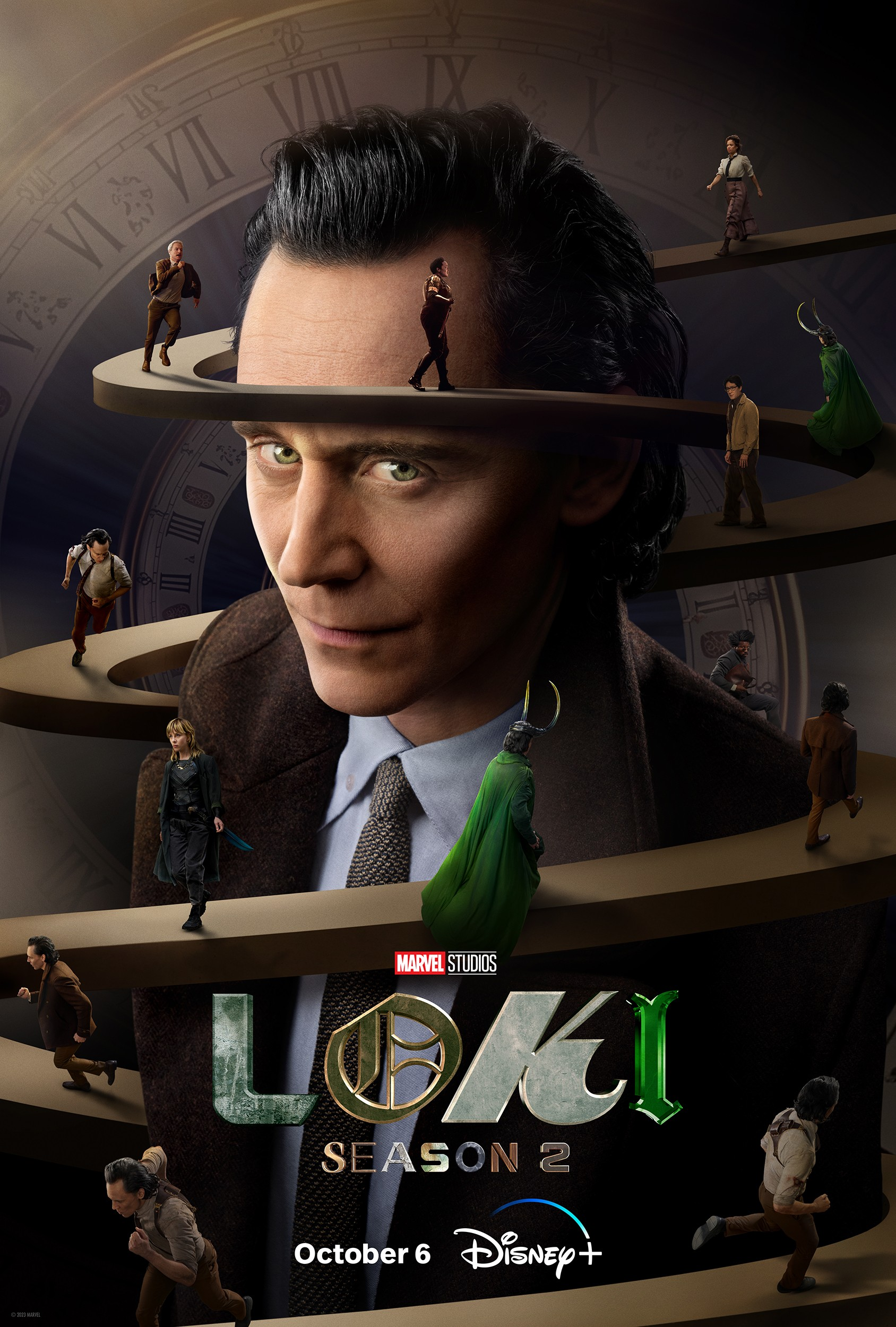
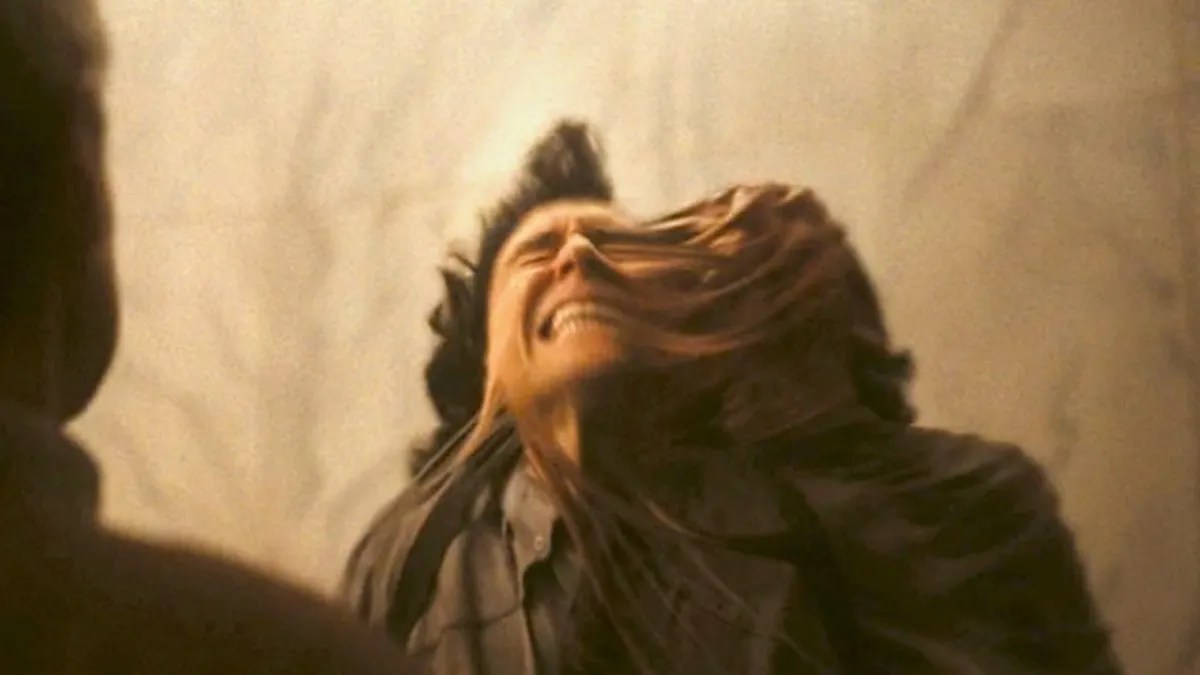
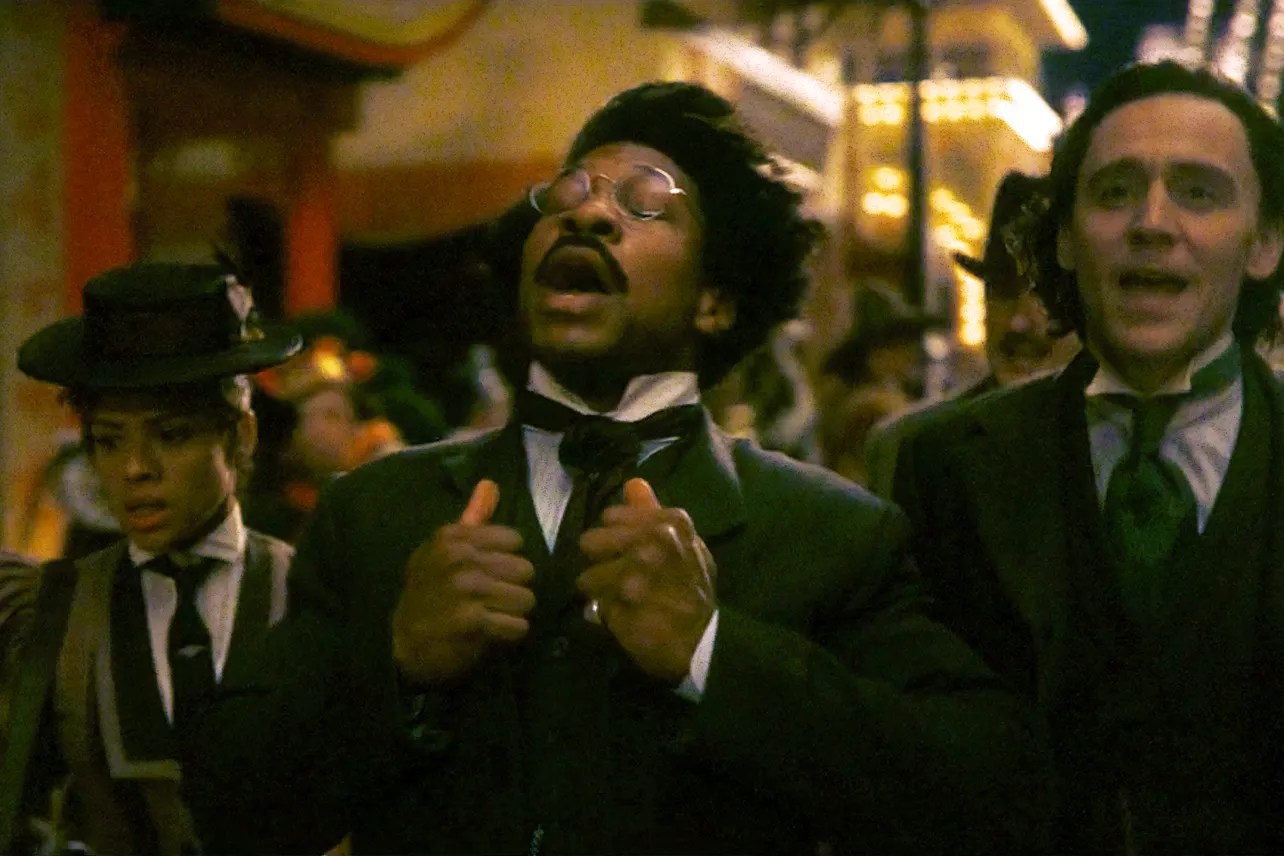
From the first frenetic moments of its premiere episode to the majestic triumph of its last scenes in the season finale, Loki singlehandedly demonstrated that there was still creative life in the MCU, which struggled in 2023.

Highlighted by brain-twisting time travel conundrums and a topnotch cast, the second season of Loki was arguably better than the first as we saw the title character complete his emotional transformation from a petty foe into a mature god burdened with maintaining all of time and reality.

1. Star Trek: Picard
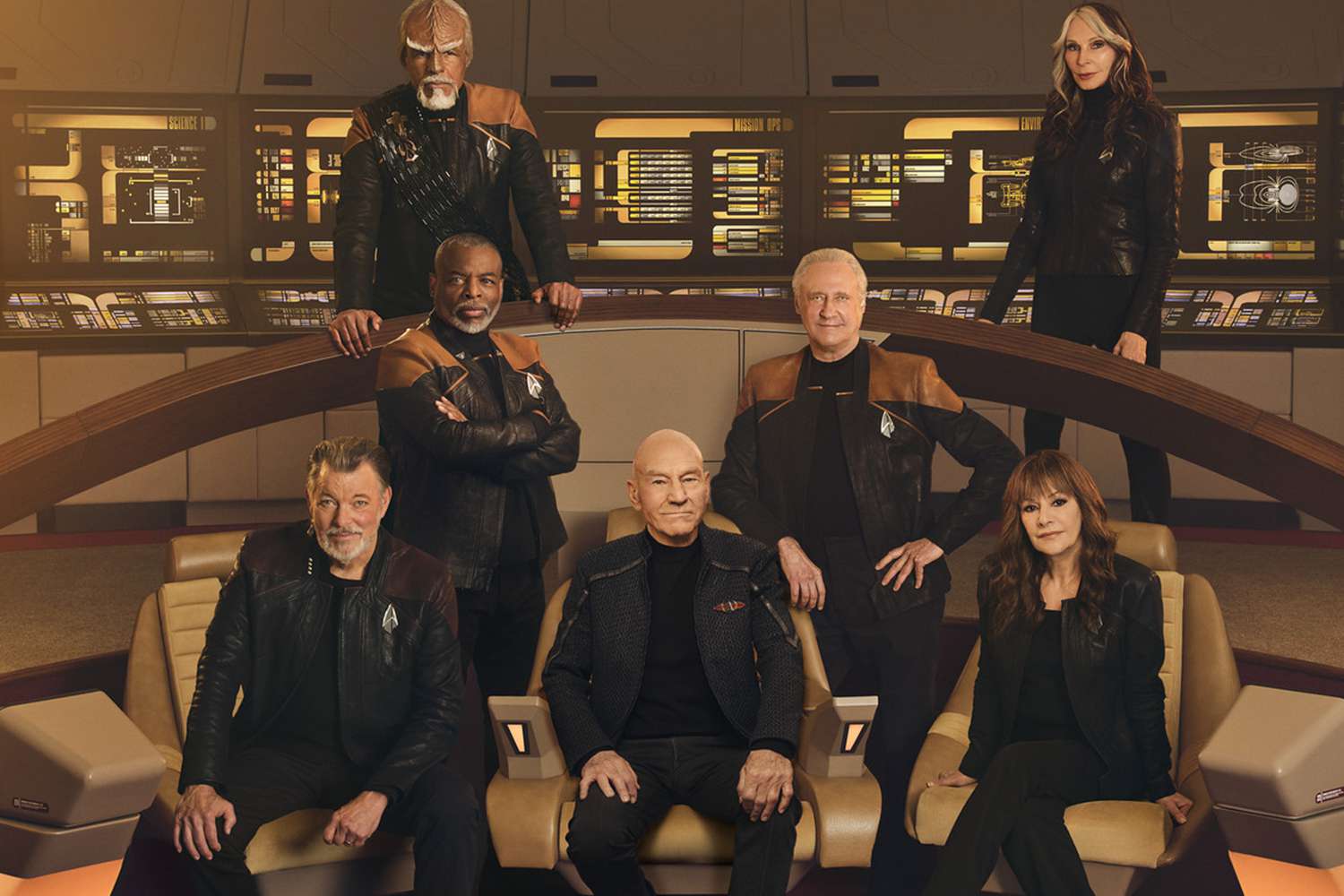
Yes, the third and final season of Star Trek: Picard reveled in memberberries, call backs, Easter eggs and references. But it was much more than that, it was a genuine love letter and tribute to the Star Trek franchise, circa 1990s.

Star Trek: Picard had an engaging and exciting storyline with many twists and turns as it reunited the cast from Star Trek: The Next Generation for one last hurrah to save the United Federation of Planets from an old foe. At the same time, the TV show introduced intriguing new characters that tantalized viewers with potential future adventures. Come on, give us a Star Trek: Legacy show already!

Noteworthy Mentions:
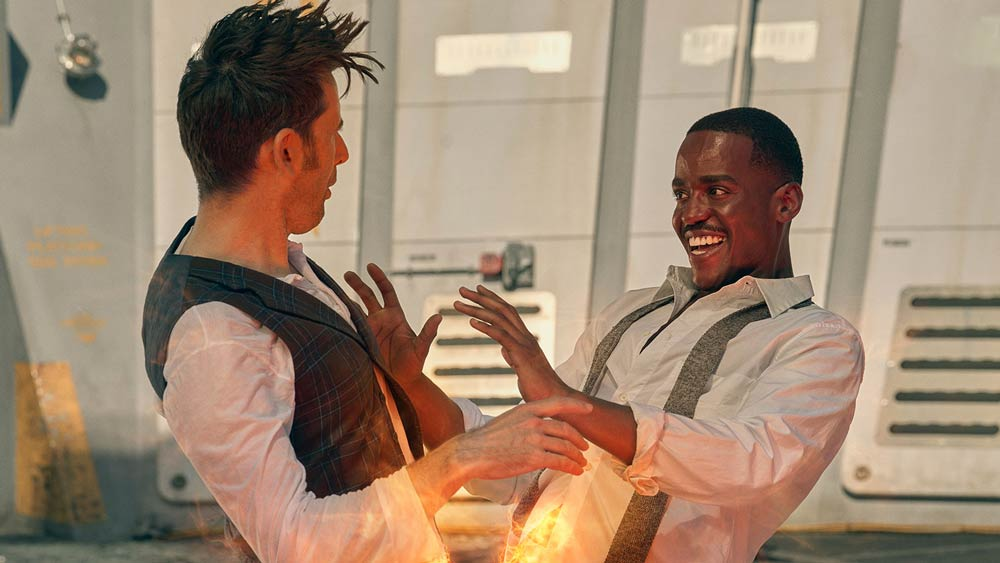
Ahsoka, Black Mirror, the Doctor Who specials, Doom Patrol, Foundation, Harley Quinn, Invincible, La Brea, The Mandalorian, One Piece, Percy Jackson and the Olympians, Primal, Scavengers Reign, Scott PIlgrim Takes Off, Silo, Upload
 

MCU Kang Actor Jonathan Majors Found Guilty

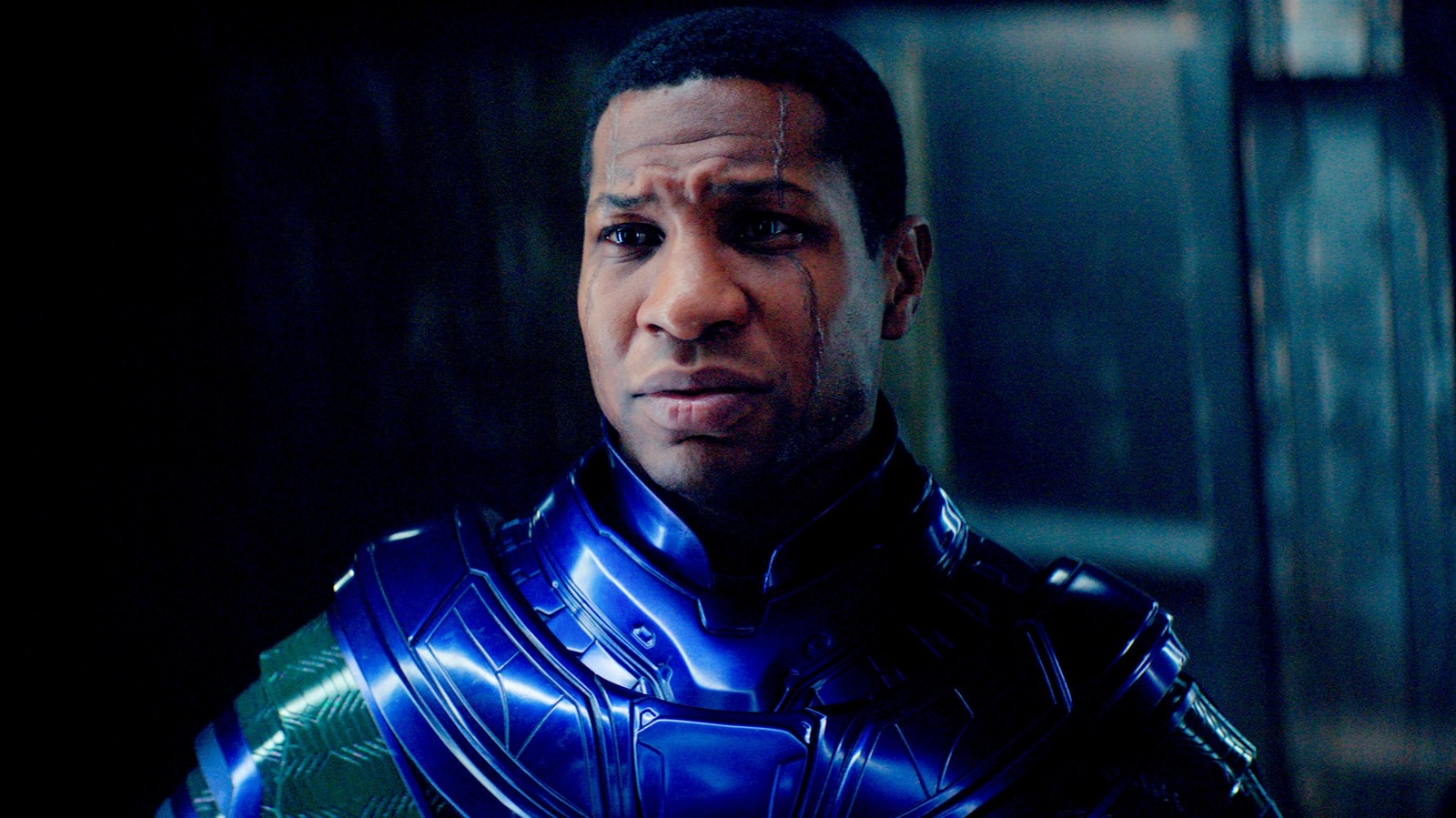
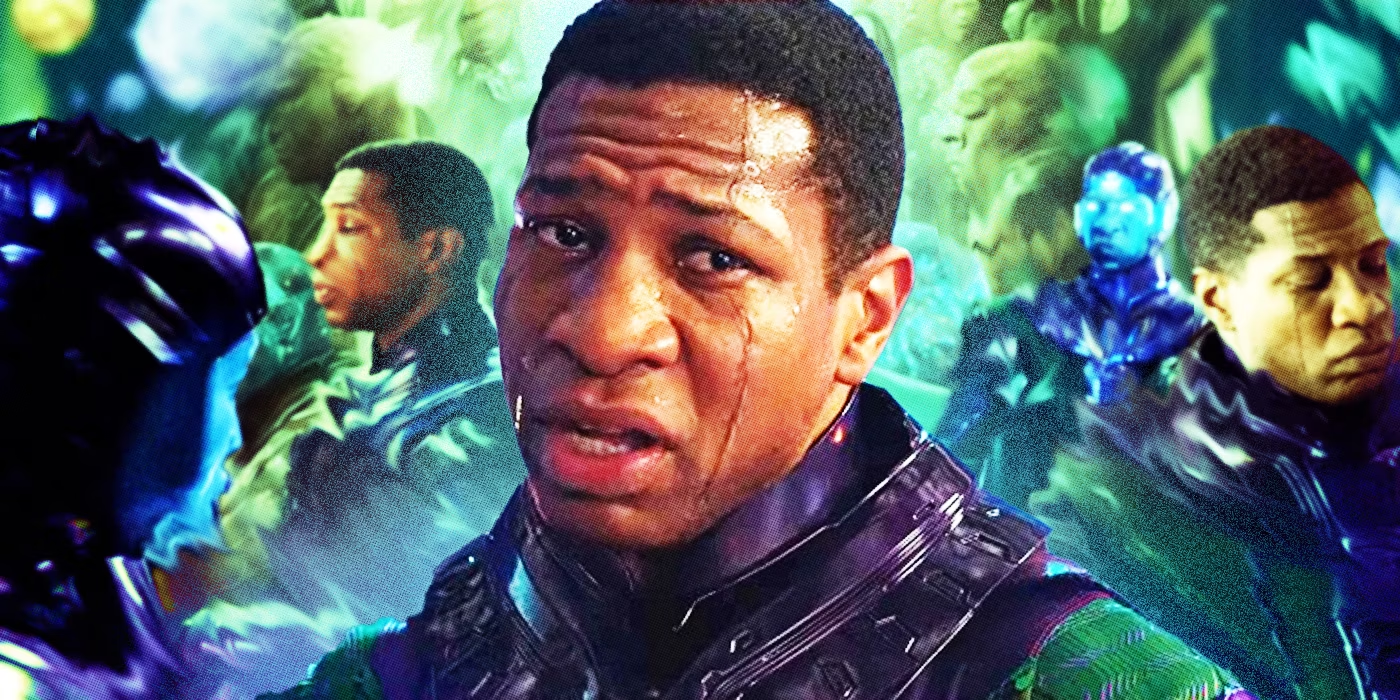
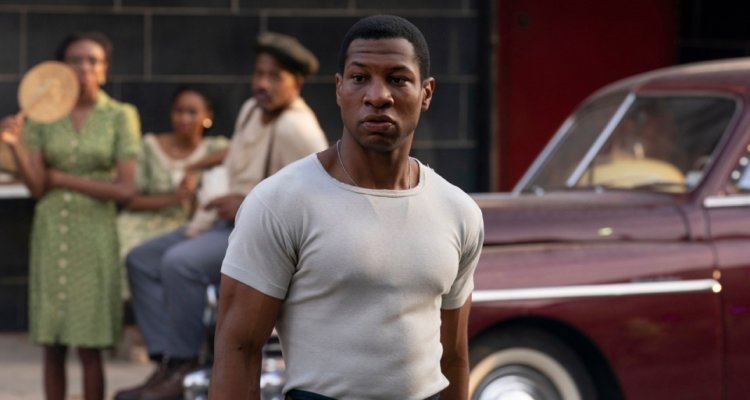
Jonathan Majors, very recently one of the most promising rising actors and best known for his role as Kang the Conqueror in the Marvel Cinematic Universe (MCU), has been found guilty today for assault and harassment in New York City.

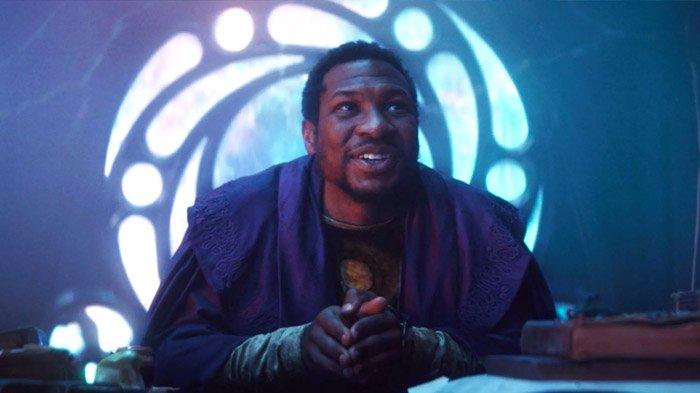
Early this year, Majors had been on an upward trajectory with his acting career, winning a lot of acclaim for his many performances. His most prominent genre roles were as Kang/He Who Remains/Victor Timely in Loki and Ant-Man and the Wasp: Quantumania, as well as Atticus Freeman in Lovecraft Country, and Rafe Drummond in Captive State. In March of this year, Majors was arrested for assault after a major domestic dispute with his girlfriend that turned physically violent. This arrest at the time put his future as Kang in doubt, as well as with other acting projects.

Now that he as been found guilty for misdemeanor charges of third-degree assault and second-degree harassment, Marvel Studios and its parent company Disney have already dropped him from his role as Kang and his acting career is over.

Ordinarily this turn of events would have been catastrophic for Marvel Studios and its MCU given that Kang was supposed to be the cinematic universe’s main villain for its upcoming slate of films including Avengers: The Kang Dynasty. However, being that the character is heavily involved with multiverses and variants as seen in Loki and Ant-Man and the Wasp: Quantumania it should be fairly simple for Marvel Studios to recast the role. To satisfy fans who would question why the character looks different going forward, an in-universe explanation could be that a new variant of Kang came into prominence. There is already precedent for other types of Kangs. In a post-credits scene for Ant-Man and the Wasp: Quantumania we witness not just several thousand Kangs but some that were not even human. So, recasting Kang should not be an issue.

It is regrettable that this has happened given Majors’ talent, but he was found guilty and has to pay for his crimes. His acting career is over but after facing justice, Jonathan Majors will have a chance to get the help he needs.

As for Disney and Marvel Studios, this is just another headache they’ve had to contend with and the second time an actor was suddenly not available for a prominent role as we saw when Chadwick Boseman passed away. It is best for Marvel Studios to move on as they already have in order to prevent any more delays with their upcoming MCU projects. But, the best lesson for the studio is to properly vet the actors and other filmmakers to prevent any future controversies with its MCU projects.

Getting back to Kang’s future in the MCU, just because Jonathan Majors can no longer play Kang, this does not mean the character has to be discarded. Kang showed a lot of potential as a captivating villain and the storyline about a rampant multiverse is rather interesting and should be allowed to be concluded in Avengers: The Kang Dynasty. Hopefully, Marvel Studios will find the right person to replace Jonathan Majors and continue with the multiverse storyline.

The MCU Woes, Part I: How Did It Get To This?

Given all the downbeat news lately about Marvel Studios’ Marvel Cinematic Universe (MCU), it’s pretty understandable why MCU fans are so alarmed. It was not that long ago when the MCU was an undisputed entertainment behemoth that could not do anything wrong.

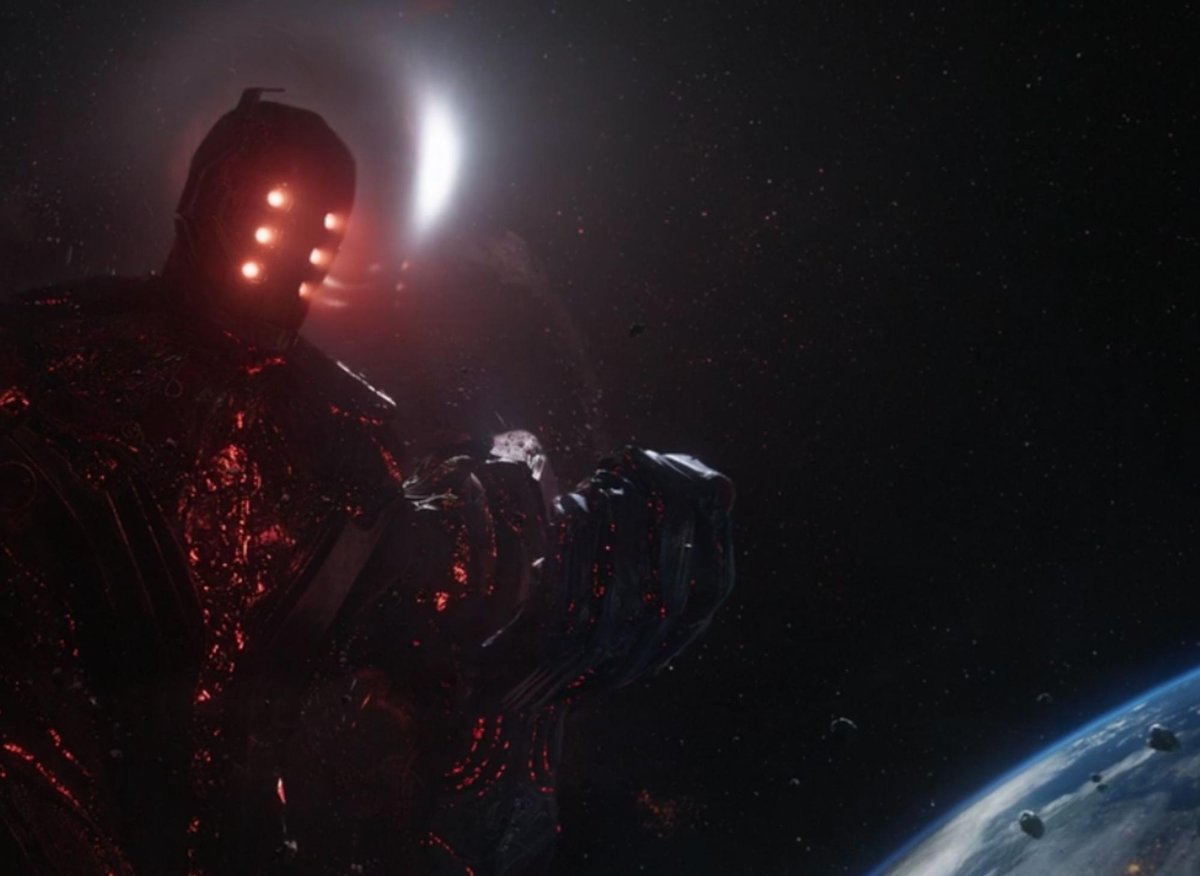
Now, there have been noticeable tumbles with their projects, especially this year. Ant-Man and the Wasp: Quantumania underperformed in the box office, the Disney+ TV series Secret Invasion was widely derided and what was worse is that the recently released MCU film, The Marvels, is performing worse than the third Ant-Man film.

Then the behind-the-scenes turmoil further added to the impression that the MCU is falling apart. Reports have revealed that productions were rushed and reshot. This explained why many MCU films and TV shows felt so disjointed and undeveloped.

Another dilemma involved the actor Jonathan Majors who plays Kang the Conqueror and is slated to be the major villain in the next few MCU films. He was recently arrested for domestic abuse and Marvel Studios and its parent company, Disney, is struggling over what to do with Majors and the character of Kang because if he is found guilty this would disrupt any upcoming films or TV shows.

Then there is the issue of what direction should the overall MCU should take. In the first three phases of the cinematic universe there seemed to be a goal that the films were reaching towards. Although the Multiverse Saga has been introduced in the Phase Four and Five of the MCU, many films and TV shows have ignored the concept and as a result the overall narrative of the MCU seems aimless and less interconnected than previous films.

Adding to the disjointed and convoluted nature of the current MCU is that a lot of characters and storylines have been introduced but many of them have not been followed up. For example, what happened with the Eternals after the Celestials kidnapped half of them? What is the story behind the Hulk suddenly having a son? Will we ever see Hercules carry out his quest of vengeance against Thor? What happened to the symbiote fragment that was left behind in the main MCU by Venom? What happened with the crusade of the United States against aliens?

What happened behind the scenes was that most of the productions had their scripts drastically altered during filming, which led to a slapdash feel to the finished film or TV show. This in turn strained the special effects department who were forced to work under insane deadlines and resulted in horribly bad special effects that in some cases were tweaked after a film or TV show was released.

What was worse is that the MCU was such a victim of its own success that the higher-ups at Disney demanded more projects from Marvel Studios to pad out the roster of Disney+ inventory. The reason for this as many know was due to the launch of Disney+, which had few original programs, and the COVID-19 pandemic. Both incidents caused Disney to demand more productions to be launched on the streaming app since it was the only way to present the MCU productions during the outbreak of the pandemic. As a result multiple projects were put into production, even though the demand for some of them was questionable. Does anyone actually want to see an Ironheart TV show?

This stretched ability of Marvel Studios to deliver quality films and TV shows and people noticed. Productions were rushed in order to meet deadlines and were heavily reshot during post-production. This in turn not only drastically changed some plots but disrupted the narrative flow of the stories. The results were less than satisfying films and TV shows, though the quality of the MCU productions varied. Still for every WandaVision or Black Panther: Wakanda Forever there was a Secret Invasion or Eternals. Marvel Studios saw diminished returns for their projects, which became very apparent this year given how poorly Ant-Man and the Wasp: Quantumania, Secret Invasion and The Marvels were recieved.

So is all lost? Is the MCU headed in the same direction as the hapless DC films?

No, to both questions.

Marvel Studios has shown that it’s capable of putting out truly great films and TV shows. Just look at this year’s offerings of Loki and Guardians of the Galaxy, Volume 3. There is still demand and goodwill for upcoming MCU projects like the third Deadpool film and Avengers: Secret Wars. But more importantly, the film studio and Disney are being proactive and are addressing the situation. The best days for the MCU may still be ahead of us.

In a follow up post, we’ll look at what Marvel Studios can do to right the ship and point out how they are taking concrete steps at this moment.

The Glorious Purpose Of Loki

The just-streamed final episode of the second season of Loki concluded the mind-bending time travel storyline that ran throughout the show’s two seasons.

Starring Tom Hiddleston as the title character, Loki has turned out to be a genuine surprise. Instead of being the Marvel Cinematic Universe (MCU) version of Doctor Who with Loki running around different time periods, the show instead carefully examined the numbing logistics of time travel and philosophy. More poignantly, Loki was a thoughtful character study of the main character, a villainous Asgardian god who turned into an anti-hero before completing his transformation by the end of the final episode into a tragic hero. MAJOR SPOILERS will follow.

The second season of Loki began immediately after the first season where the Loki variant, Sylvie (Sophia Di Martino), killed the enigmatic He Who Remains (Jonathan Majors) in the final episode “For All Time. Always”. This murder unraveled time itself since He Who Remains controlled time through his organization the Time Variance Authority (TVA). Throughout history the TVA prevented or pruned branching timelines from deviating out of the so-called Sacred Timeline.

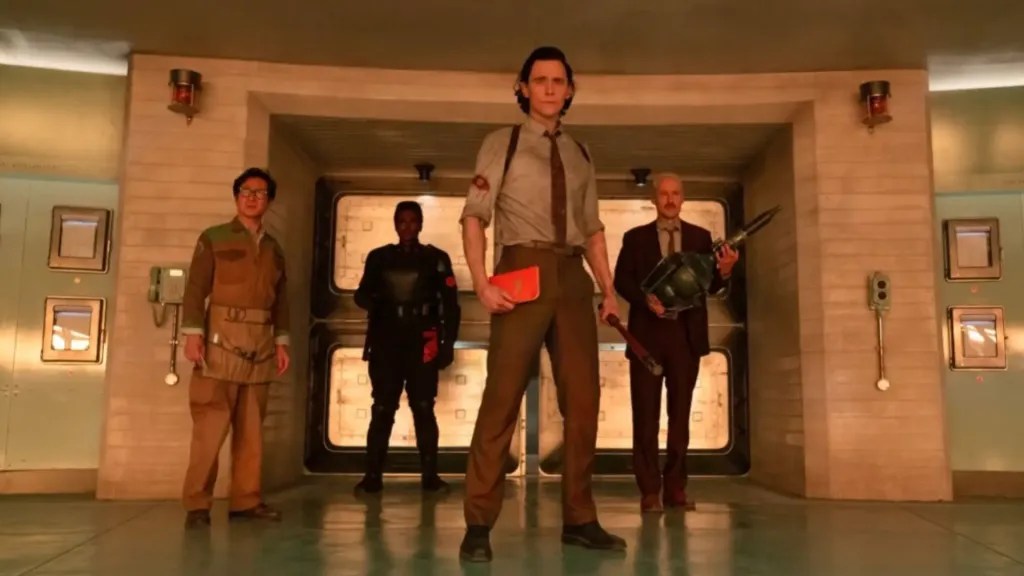
As timelines began to develop and branch off in the second season, this created many variants of He Who Remains, most notably Kang the Conqueror (as seen in Ant-Man and the Wasp: Quantumania) and Victor Timely, a meek 19th century inventor/charlatan. Loki also became unstuck in time and time slipped throughout the premiere second season episode. When he jumped into the future, he saw that the TVA was destroyed when the Temporal Loom was overloaded by rapidly multiplying timelines. The Temporal Loom is an enormous machine that gathered the timelines (seen as never ending tendrils) and combined them into a single controlled stream, hence the Sacred Timeline. In order to help fix the Loom, the temporal aura of He Who Remains or his variant was needed to access the Loom’s controls. This set Loki and the TVA off on a mission in the season’s first half to track down Victor Timely.

The second season was as bizarre, zany, and thought provoking as the first one, except it focused more on the characters of Loki and his associates. We learned a lot about Loki’s best friend Mobius (Owen Wilson), an easy-going TVA bureaucrat, who had a simple and enjoyable life before he was forcibly recruited into the TVA. We also were introduced to Ouroboros or O.B. (Ke Huy Quan), a quirky and energetic repair person who is an expert on temporal mechanics. His energy and good will was infectious thanks to Quan’s brilliant performance.

Despite Loki and the TVA’s efforts, the Loom is destroyed and the TVA along with it. In the penultimate episode “Science/Fiction” Loki finds himself traveling to different timelines and encounters his friends and their lives before the TVA. After meeting with Sylvie, Loki admits his love for his companions and that he does not want to be alone. This was a major emotional breakthrough for him and a harbinger for his ultimate tragic fate.  Loki realizes he can control his time slipping and transport himself to the moment before the Loom is destroyed at the end of the episode.

Continue reading

The Superhero Multiversal Crossover Events Are Among Us

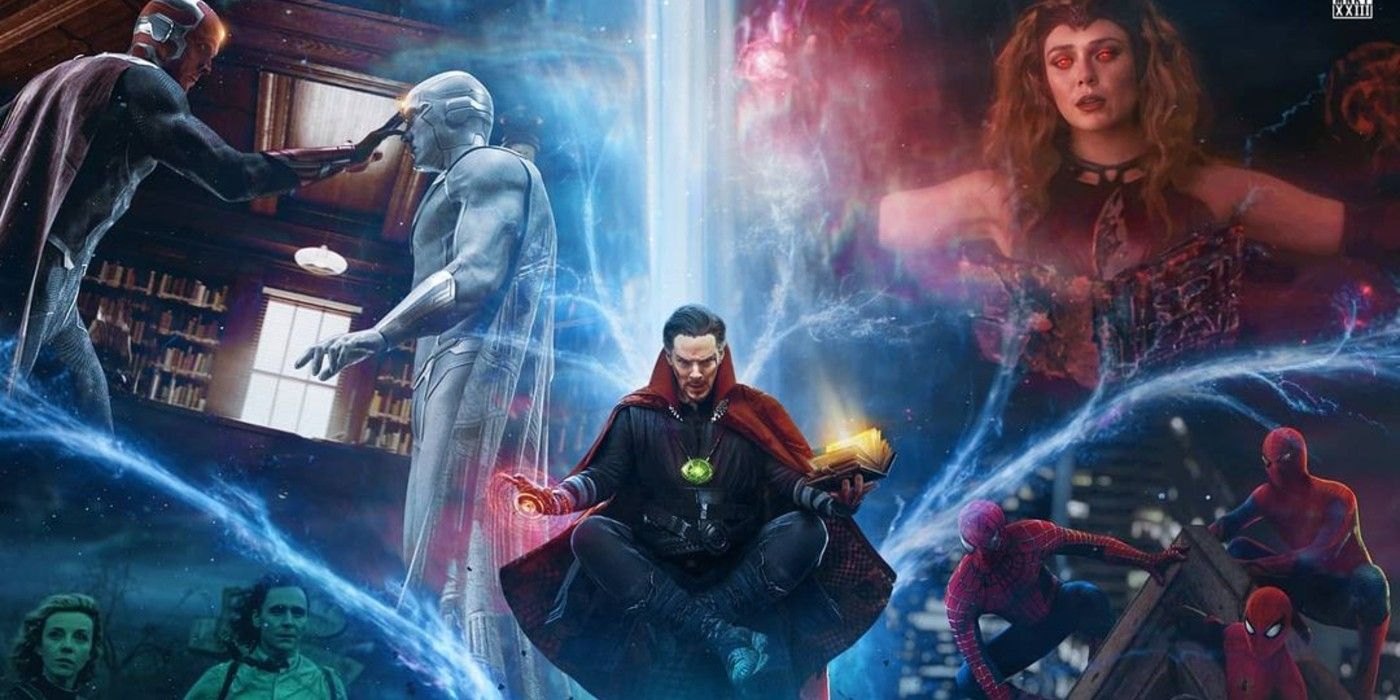
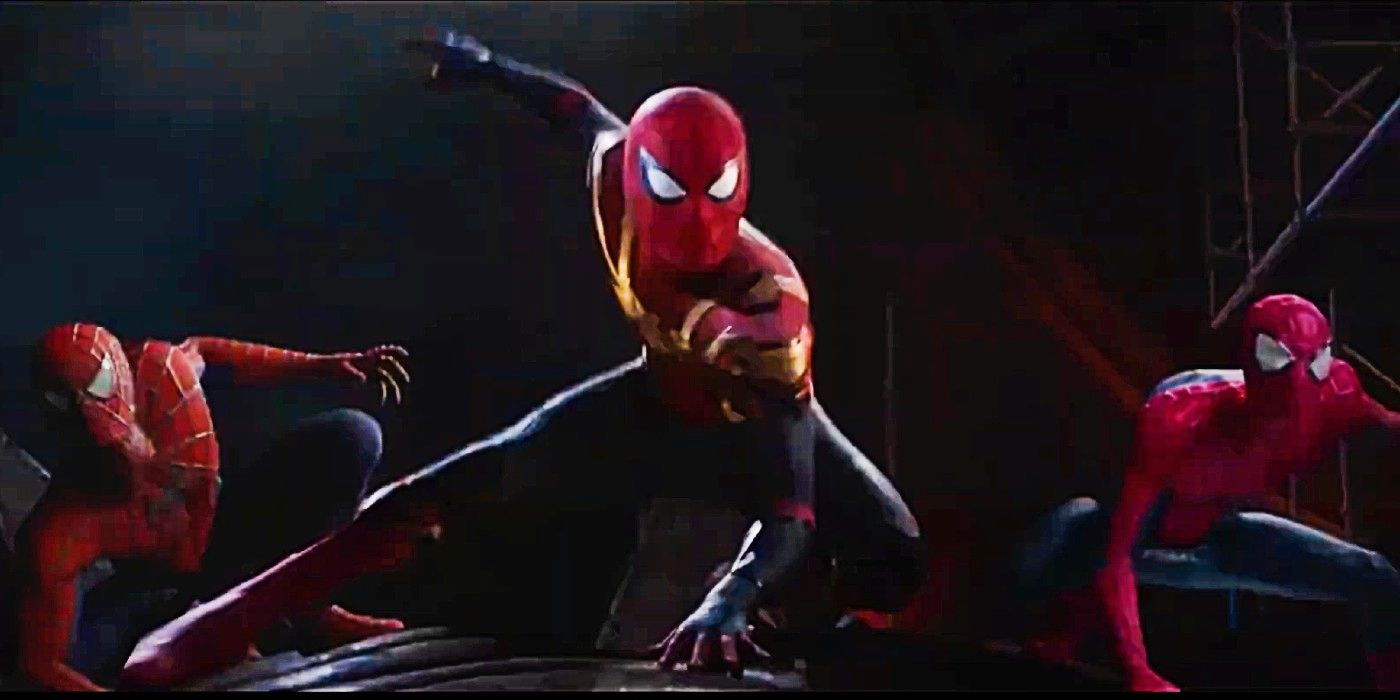
The biggest and latest thing now with live-action superhero films and TV shows are the crossover events that feature previous versions of superheroes and supervillains showing up to lend a hand or imperil the current heroes. The most recent and one of the best examples was seen in Spider-Man: No Way Home where the Spider-Man (Tom Holland) of the Marvel Cinematic Universe (MCU) met two older versions of Spider-Man (both played by Tobey Maguire and Andrew Garfield) that appeared in their own films.

Of course, fans will be in for a treat this week as Doctor Strange in the Multiverse of Madness debuts and promises to deliver a the mother of all crossover events as the worlds of the MCU, previous Marvel films and more will interact. But that’s not all, next year The Flash will be about its own crossover event as the title hero’s (Ezra Miller) time travel antics will create alternate timelines and have him meet previous film versions of DC’s superheroes; notably Batman, reprised by Michael Keaton.

There have been other examples of multiverses in superhero films and TV shows. The TV series Loki, heavily dealt with this theme as the title villain (Tom Hiddleston) was a Loki from an alternate timeline that ultimately did not die as he escaped the events that led to his death in Avengers: Infinity War. This Loki grappled with knowledge about his potential fate, time travel and bizarre variants of his being, which included an alligator version of Loki (!). The events of the TV show probably led to the multiversal crisis befalling the MCU.

The Disney+ animated series What If…? exclusively explores other versions of the MCU, such as one where T’Challa never became Black Panther but instead became Star-Lord, or a world where zombies have overrun the MCU. More importantly at least two characters introduced in the What If…? series will appear in Doctor Strange in the Multiverse of Madness. They are a dark version of Doctor Strange and a Peggy Carter who recieved the super-soldier serum instead of Steve Rogers. In one segment when a superpowered Ultron and the Watcher fought, their battle raged across different universes, including what may be the Star Wars universe. This series is inspired by the Marvel Comics title What If…? which explored different outcomes and events of the Marvel Universe, only the animated series focused on the MCU and for the most part the series was fun to watch.

Another terrific animated presentation from Marvel was the masterpiece Spider-Man: Into the Spider-Verse, which took place in an alternate world where a blond Peter Parker died as Spider-Man and Miles Morales took his place as a new Spider-Man. In his adventures he met alternate versions of Spider-Man including an older, jaded version of Peter Parker, Peter’s old girlfriend, Gwen Stacy and a cartoon pig. The film won the Oscar for best animated film and two sequels will be coming out starting next year.

Marvel is not the only one dealing with animated alternate worlds. DC has released several animated films based on their Elseworlds imprint, which is their own take of alternate universes. We’ve witnessed adaptations of popular Elseworld tales such as Superman: Red Son, Gotham Under Gaslight, and The Dark Knight Returns. These films were excellent adaptations of the source material or were inspired by the original premise.

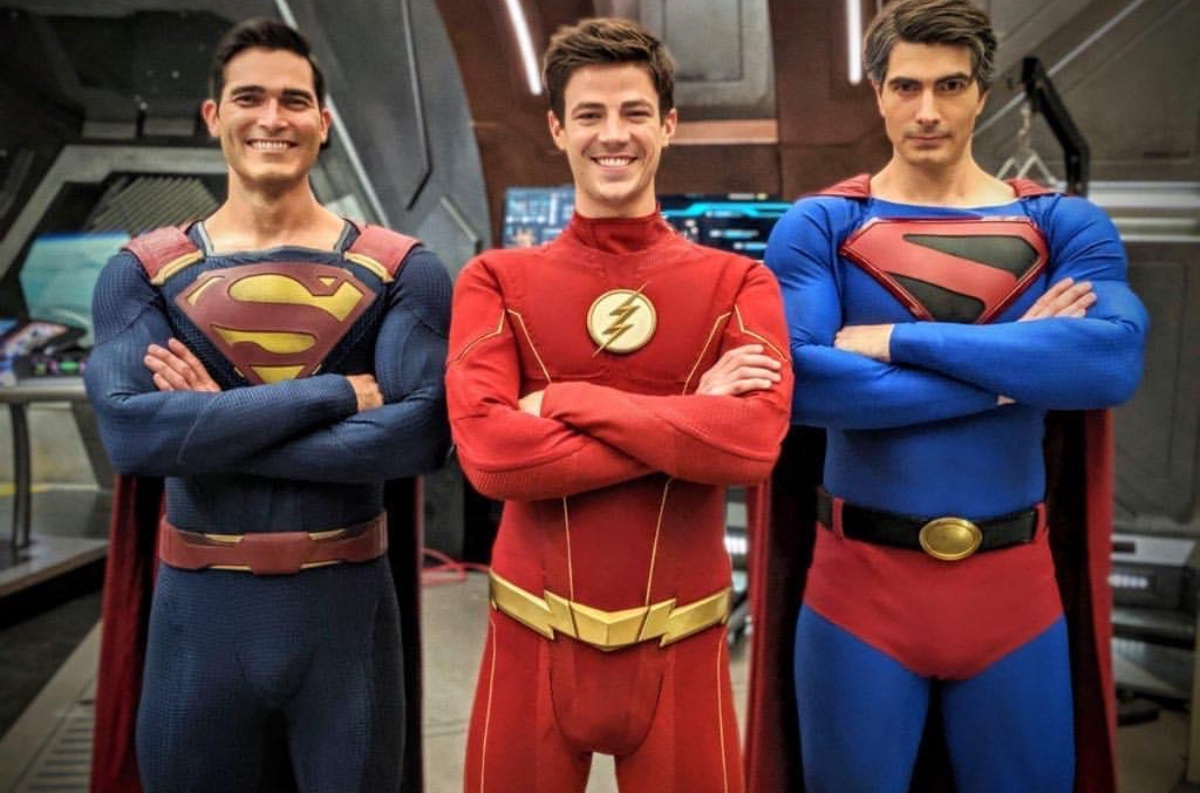
DC has already had its live-action forays into alternate worlds. Crisis on Infinite Earths was a television crossover event that took place across DC’s Arrowverse TV shows. The event was a very loose adaptation of the classic comic book mini-series about multiple timelines and universes in DC being combined into one. The highlight of that event was, of course, the cameos, Easter eggs and appearances of DC heroes and villains from various live DC films and TV shows that were not part of the Arrowverse. For instance, we got to see Burt Ward reprise his role as Dick Grayson from the 1960s Batman TV show, we revisited the world of Smallville, and Brandon Routh appeared as Superman in a combination sequel to Superman Returns and loose adaptation of the classic comic book mini-series Kingdom Come. But the biggest surprise was that the TV version of the Flash (Grant Gustin) briefly met the film version played by Ezra Miller.

As to the rest of the crossover event, it was acceptable. Being these were Arrowverse shows with limited budgets, the result was what one would expect. Still, it was often entertaining and seeing the concept of a multiverse realized was fun, especially the end of the event which gave us tanatlizing glimpses into other worlds and stories.

These stories about multiverses and alternate characters and situations seemed unheard of fairly recently. Aside from the logistical hurdles of clearing rights and enticing actors to return to roles, the film and TV executives also feared that such stories would be too confusing. Sure, comic book readers and fans would understand the concept of alternate timelines and situations but the average person might not. Fortunately, as we have seen lately, these live-action presentations have been very successful, especially Spider-Man: No Way Home, which became one of the highest grossing films of all time. Still, the writers and showrunners have to be able to thread the needle carefully and tell a compelling and clear story. Otherwise, the result will be a confusing and unsatisfying film or TV show. The important thing to remember is that these are fun and fascinating explorations of our favorite characters. So for now, let’s enjoy and celebrate. these crossovers and multiverses for what they are.