Marvel’s Sony/Spider-Man Problem

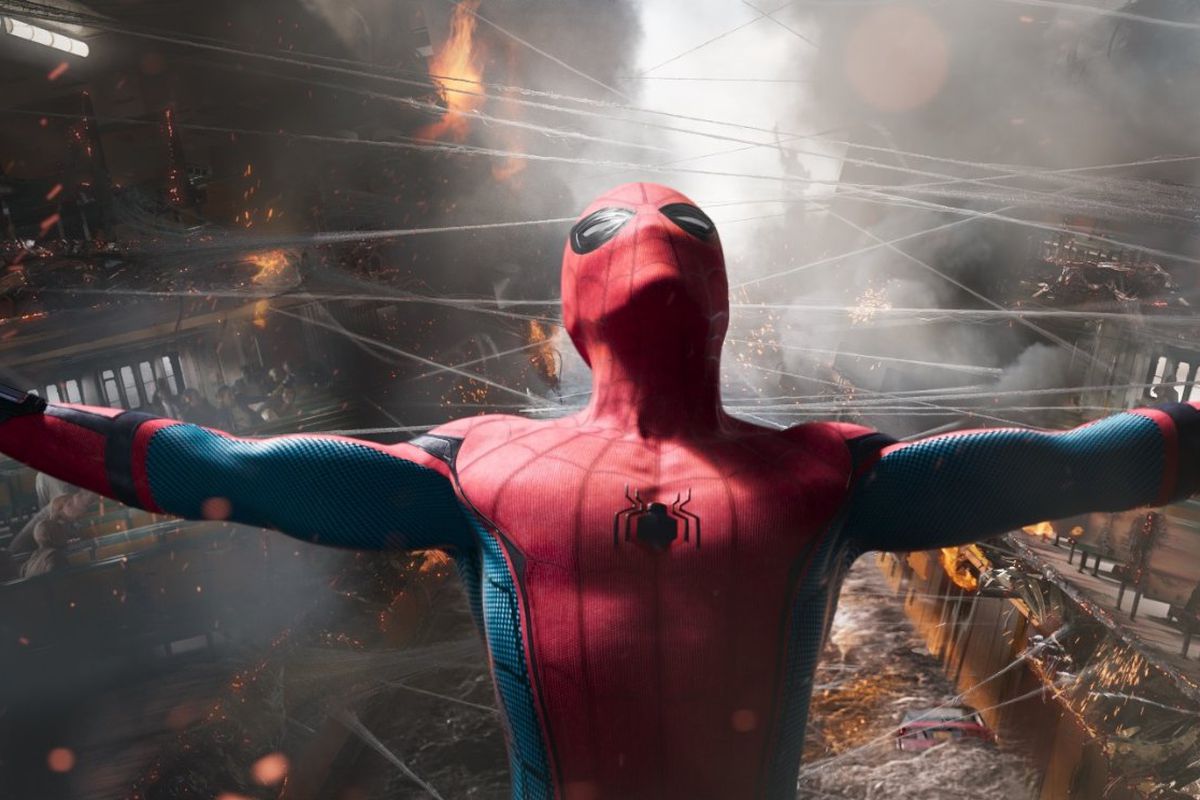
Here we go again with the two corporate giants, Sony Pictures Entertainment and The Walt Disney Company, battling over Spider-Man. More specifically the films about the superhero and everyone in his orbit. The colossal failure of Sony’s Madame Web and the delays in producing a fourth Spider-Man film set in the Marvel Cinematic Universe (MCU) only exacerbated the situation between the two companies.

Past Disagreements

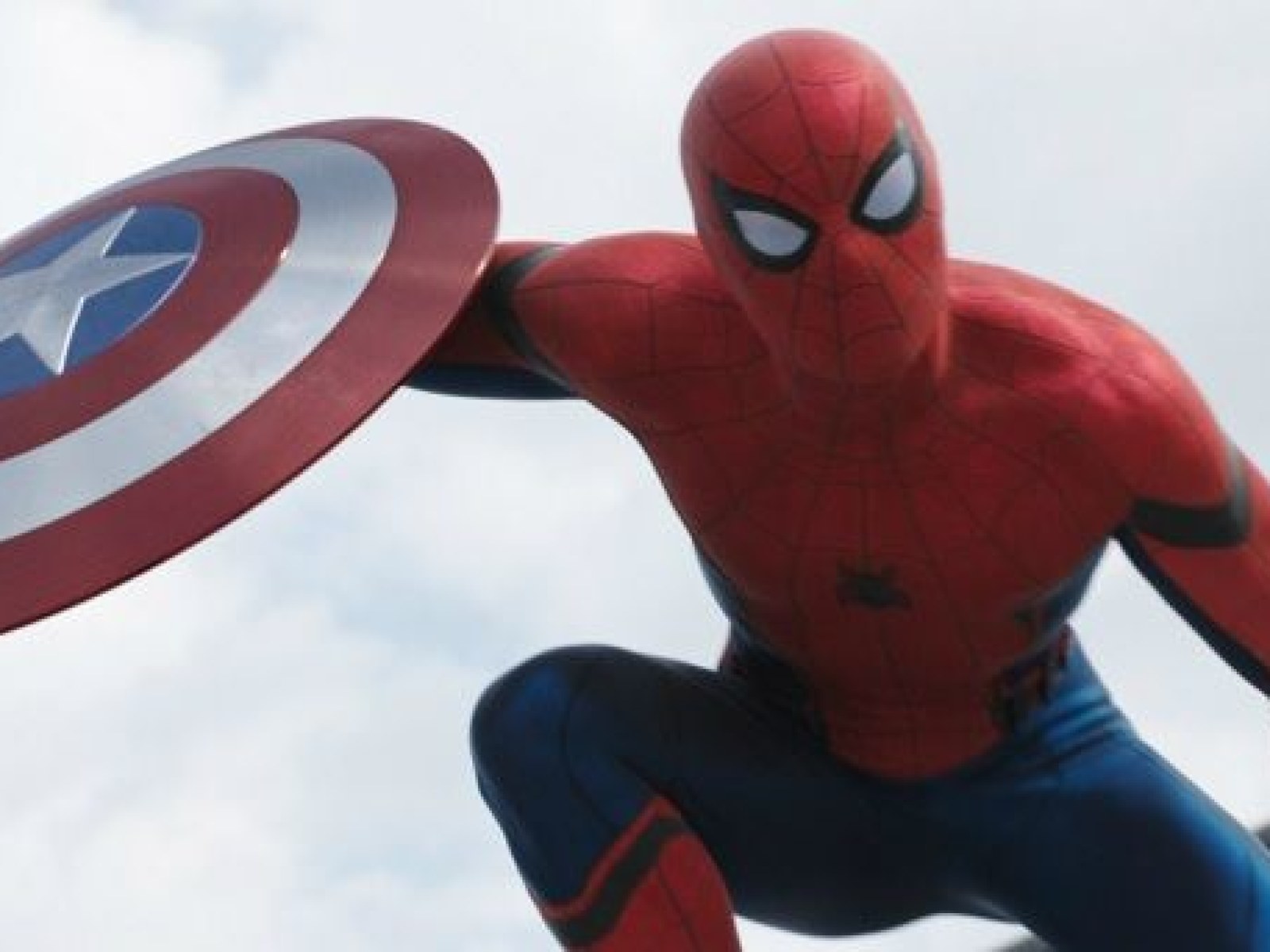
Most Marvel fans know by now the convoluted story of how Sony acquired the exclusive film rights to Marvel Comics’ most popular character, Spider-Man. They also know this meant that Disney’s Marvel Studios could not make its own Spider-Man films. After the failure of Sony’s reboot of Spider-Man in the early 2010s, the two companies decided to share the character and have him appear in the MCU starting with Captain America: Civil War.
Things went well for both companies and the superhero. Marvel Studios produced acclaimed Spider-Man films as the character proved to be even more popular than ever. However, as the saying goes, all good things come to an end. After Spider-Man’s appearances in Avengers: Endgame and his solo film, Spider-Man: Far From Home in 2019, Sony decided to end its agreement with Marvel Studios and prepared to make their own Spider-Man films without the involvement of Marvel Studios and Disney. Following a huge backlash from the public, the two companies decided to play nice and the result was one of the greatest Spider-Man films, Spider-Man: No Way Home. Everything was great. The last MCU Spider-Man film essentially set him up to be a more traditional and grounded loner superhero and plans for a fourth film were underway. This was back in 2021/2022. Nothing has happened since then, and now there are reports of tension between the two companies.

Current Disagreements

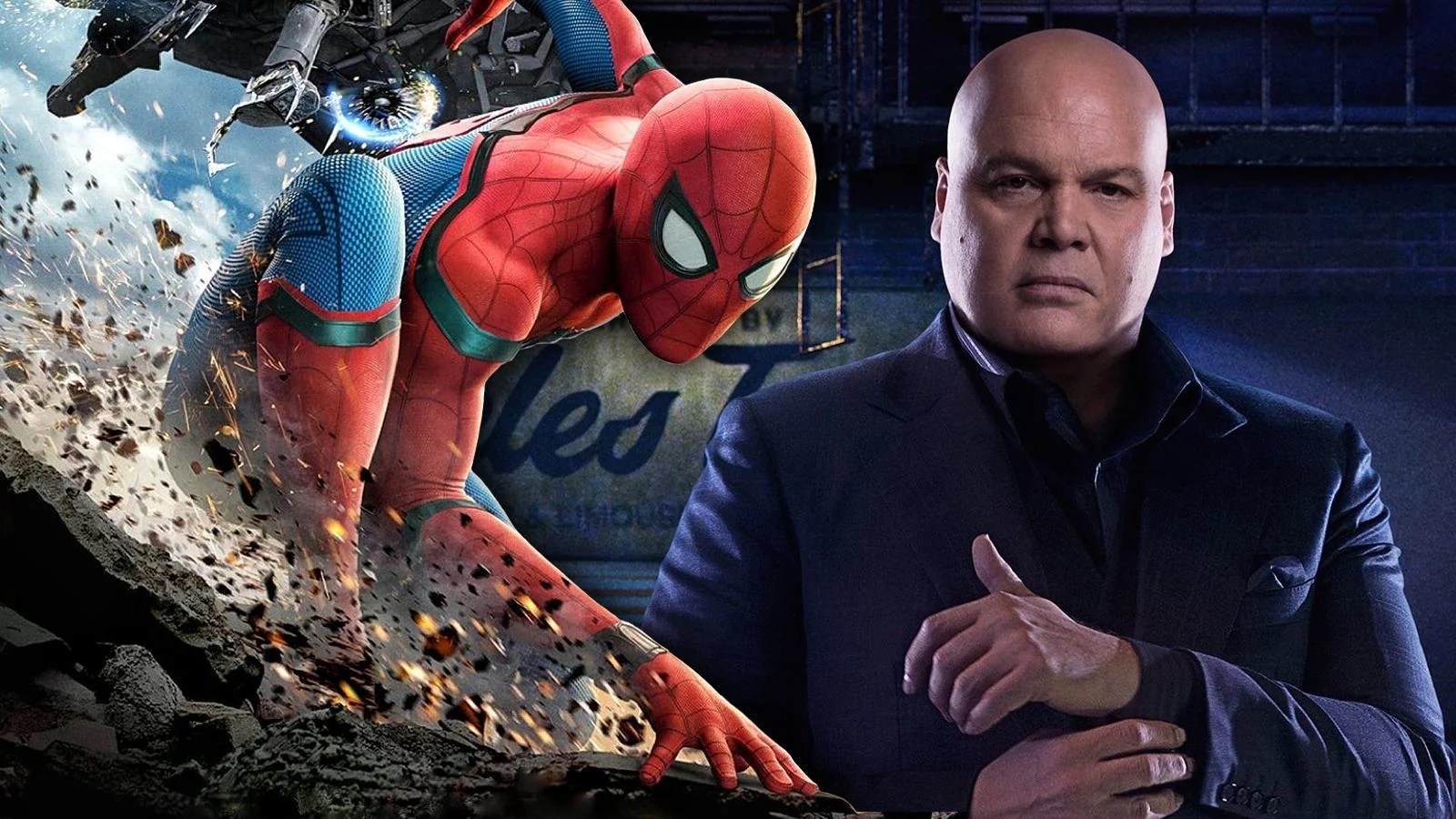
Apparently, there are disagreements over the direction of the next Spider-Man film. Marvel Studios has planned a grounded, street-level film for Spider-Man that has him facing off against the Kingpin with appearances by Daredevil and other street-level heroes. However, Sony wants a repeat of Spider-Man: No Way Home where the MCU version of Spider-Man is to reunite with the Sony versions of Spider-Man as the trio would team up for another multiverse story. The reason for this is that Spider-Man: No Way Home was the most successful Spider-Man film and Sony wants more of this. While the idea of expanded multiverses has become part of the Spider-Man comic book mythos, to do the same thing after Spider-Man: No Way Home is creatively lazy and plays it safe. Also keep in mind that the recent releases of Sony’s animated Spider-Man films had similar plot lines where the title character interacted with alternate versions of himself. As tempting as it is to repeat the same thing expecting the fourth MCU Spider-Man film to be just as successful as Spider-Man: No Way Home is wishful thinking on Sony’s part. There isn’t any guarantee that lightning would strike twice. Frankly, doing a grounded Spider-Man story that would be part of a larger MCU storyline where the Kingpin is the mayor of New York City is the logical path for Spider-Man: No Way Home left our hero.
Another issue that is being reported is that Sony wants a Spider-Man film to come out next year. But Marvel Studios has four films already scheduled for release next year and adding the MCU Spider-Man film would strain the bandwidth of Marvel Studios’ resources and be too much for the average filmgoer. This could mean that one of the other scheduled MCU films would suffer at the box office. But Sony does not care, obviously they are only concerned about their own studio, which is desperate for a hit after the failures of Morbius and Madame Web. Marvel Studios could play nice and just delay one of their films next year. But the forthcoming MCU films have already undergone significant delays and Spider-Man will reportedly be a major character in the Secret Wars story, so Marvel Studios is in a pickle over how to go forward.

Sony’s Dismal Track Record

The problem with Sony is that they have proven that they cannot make a good Spider-Man or Spider-Man adjacent film. Yes, the first couple of Spider-Man films done by Sam Raimi were classics but that is largely due to the director, who ended up clashing with Sony over Spider-Man 3 and that film was a letdown compared to the first two films. Aside from an occassional Venom and the animated films, the Spider-Man and Spider-Man-related films were not well done and produced to keep the property with Sony. Apparently, Sony is contract-bound to release a Spider-Man film or one featuring characters in Spidey’s universe every few years. This was part of the reason why Raimi left the Spider-Man franchise because Sony was in a rush to release a Spider-Man film before giving Raimi the time to fully develop it. The tendency of Sony rushing out these films would explain why so many of them are bad. Another culprit is probably studio interferrence because that could only explain why Madame Web was so horrible. Let’s be objective, many of the actors and behind-the-scenes people in Madame Web are clearly talented, but the film was such a bad misfire that reeks of last-minute changes, such as poorly done ADR.
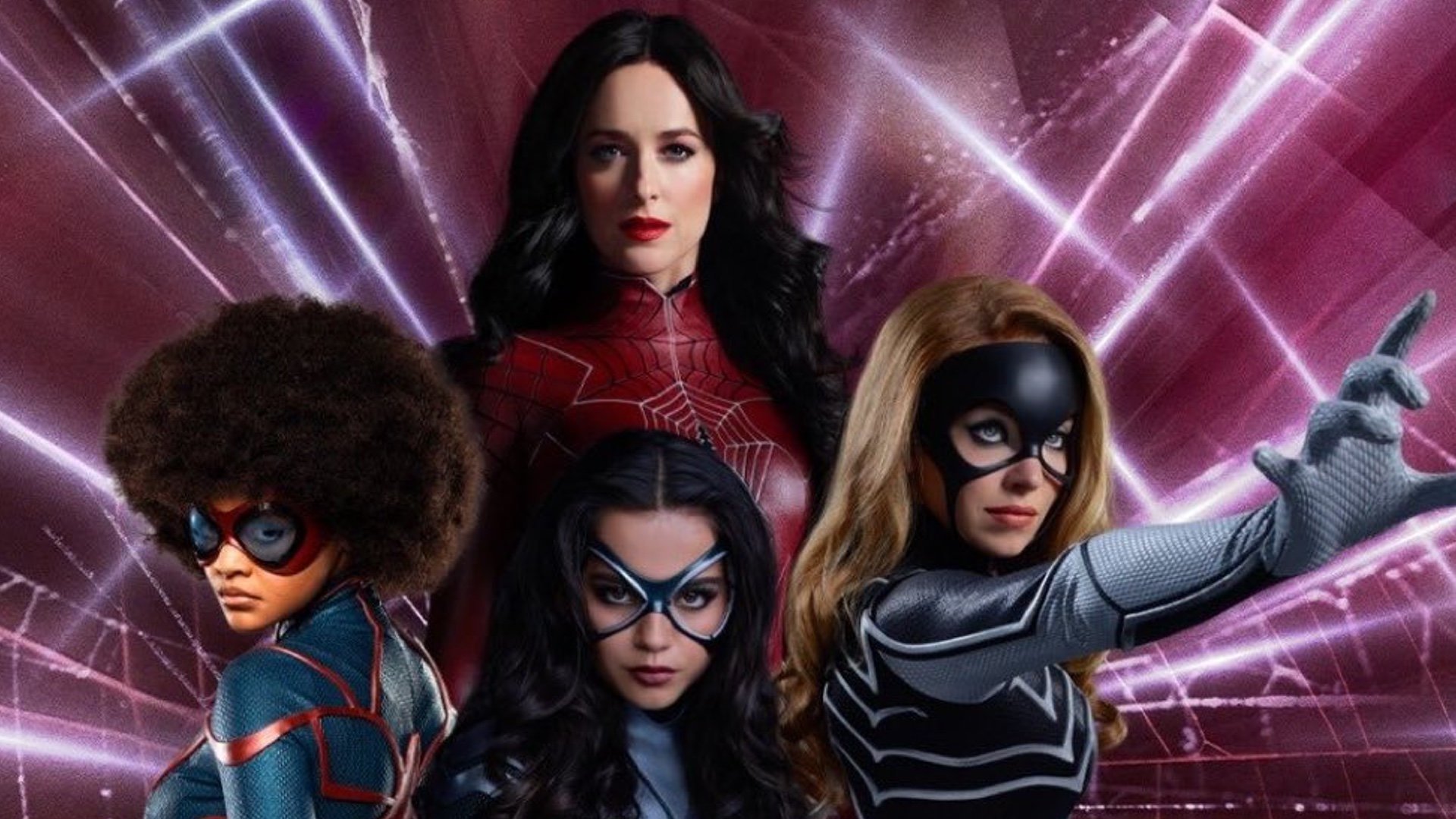
Sony is clearly desperate to create their own cinematic universe as seen with their films like Venom, Morbius, Madame Web and the upcoming Kraven the Hunter. On paper, creating a cinematic universe based on Spider-Man and characters in his world makes sense because throughout the decades the world of Spider-Man has seen many interesting characters that have spun off successfully into their own comic books. But what have we gotten from Sony? Aside from their released misfires, there were attempts to launch their own version of the Suicide Squad only this time with Spider-Man’s enemies, the Sinister Six, which was clumsily alluded to in The Amazing Spider-Man 2; a film about Aunt May as a spy in her younger days (!); and the character everyone has been clamoring for: El Muerto. Seriously, Sony, WTF?! We can understand a film about the Black Cat teaming up with Silver Sable, (which fell apart) but El Muerto? And the upcoming Kraven film has him as some kind of anti-hunting hero who gets his powers from being bitten by a lion! “Sigh”
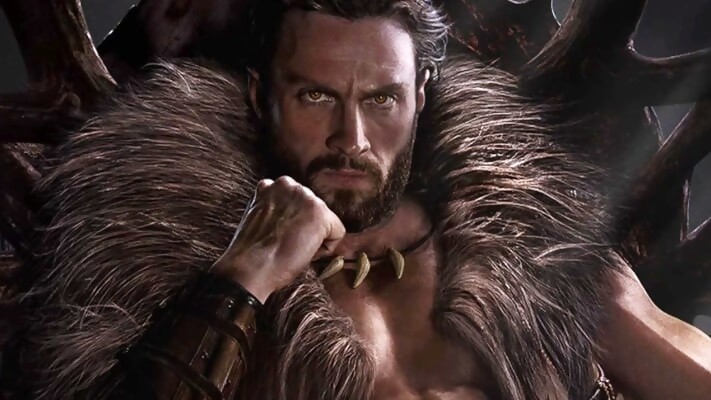
Clearly, Sony does not know what to do with its superhero cash cow. The problem is that Sony’s ineptness is harming the MCU brand. How can this be? The Sony films are set in different universes except for the MCU Spider-Man films, which is what most fans would point out. But the average person would not know the difference. There are people who still confuse the Marvel films with the DC films! They’re not going to look at the fine print in marketing to see that Morbius was made “In Association with Marvel”, they’re going to see the Marvel logo and think that garbage Sony film is part of the MCU. This has a negative impact on Marvel Studios since the average moviegoer will think the inferior Sony films are made by Marvel Studios, which is the last thing Marvel Studios wants now that they are struggling to come back from recent setbacks with their own products.

Marvel’s Options

What can Disney and Marvel Studios do? Ignoring the Sony films is not working. Well, Disney can try to buy back the film rights to Spider-Man. Naturally, Sony will understandably be hesitant to give up its cash cow unless Disney pays them handsomely. But given the company’s financial hurdles, it’s doubtful Disney has the funds readily available for that feat. Disney can sue Sony with the argument that Spider-Man is so entwined with Marvel that the Sony films are hurting the Marvel brand even if future MCU films completely ignore Spider-Man.
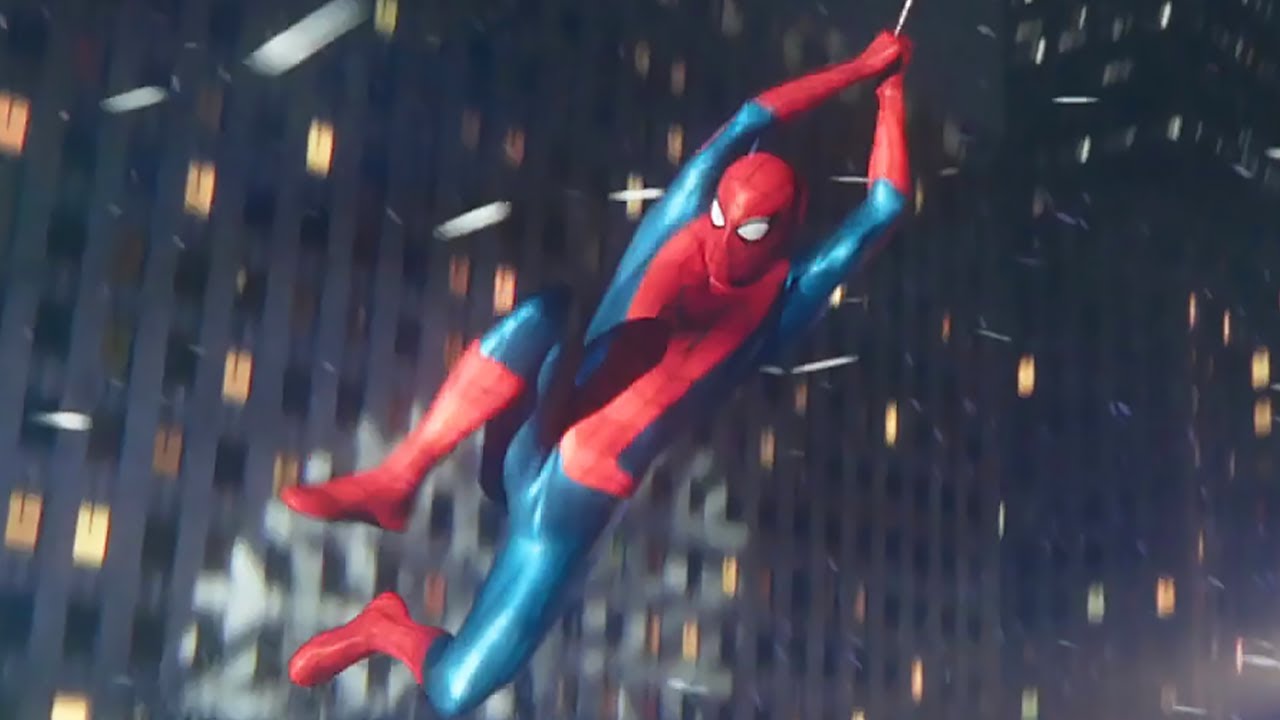
Can Sony be forced to sell the rights back to Disney or at least be forced to remove the Marvel name from their marketing? Who knows at this point, but this cannot continue. Of course, the easiest way to get Sony to relinquish or loosen their hold on the rights would be for people to stop seeing the Sony Spider-Man and Spider-Man-related films. This includes Venom and the animated films. Sony has to be convinced that holding on to the film rights is not worth it if there are diminishing returns for these films. After all, it was the failure of The Amazing Spider-Man 2 that coerced Sony to negotiate with Marvel Studios to bring Spidey into the MCU. So, the ball is in our court.
Meaningless Superhero Deaths

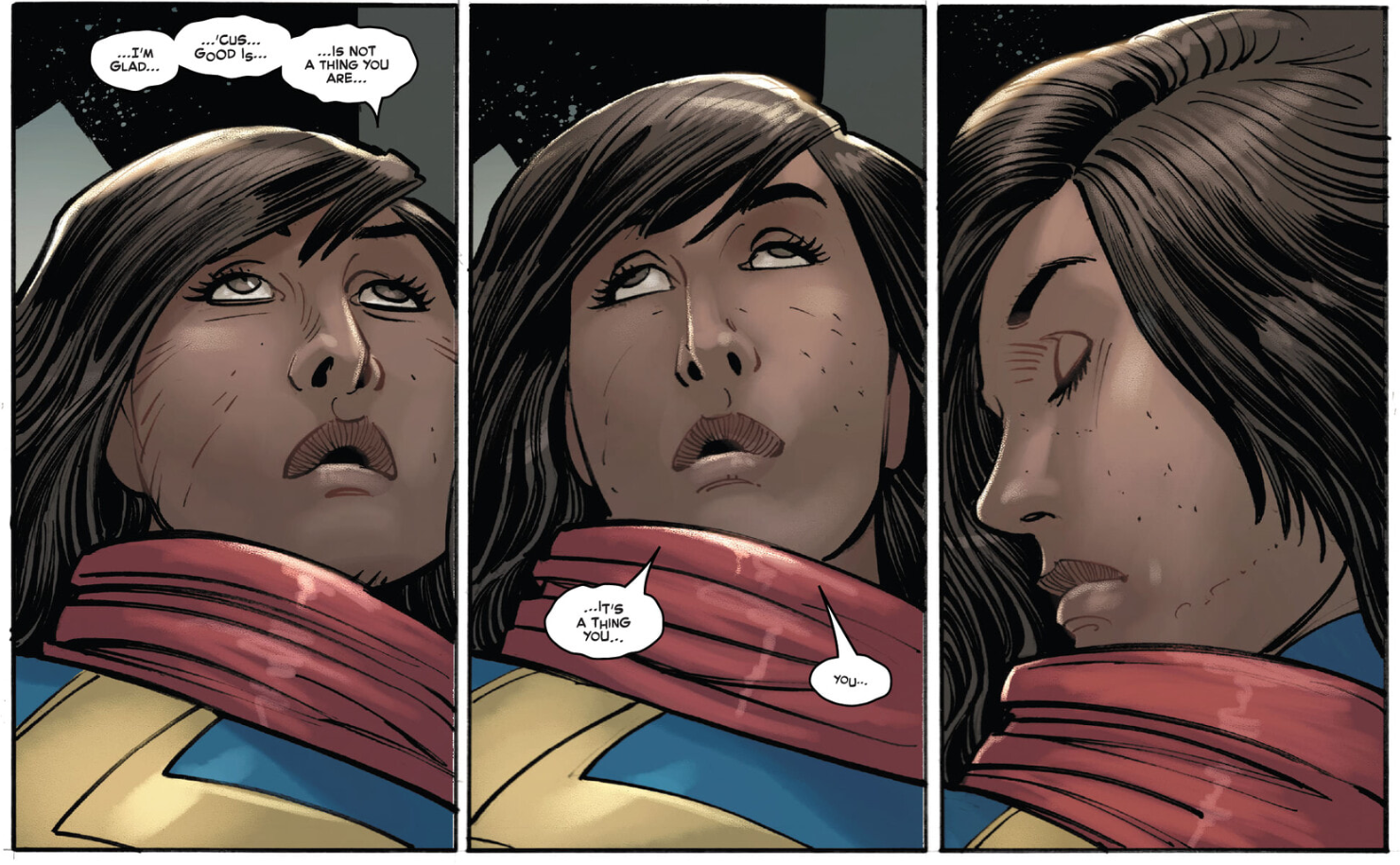
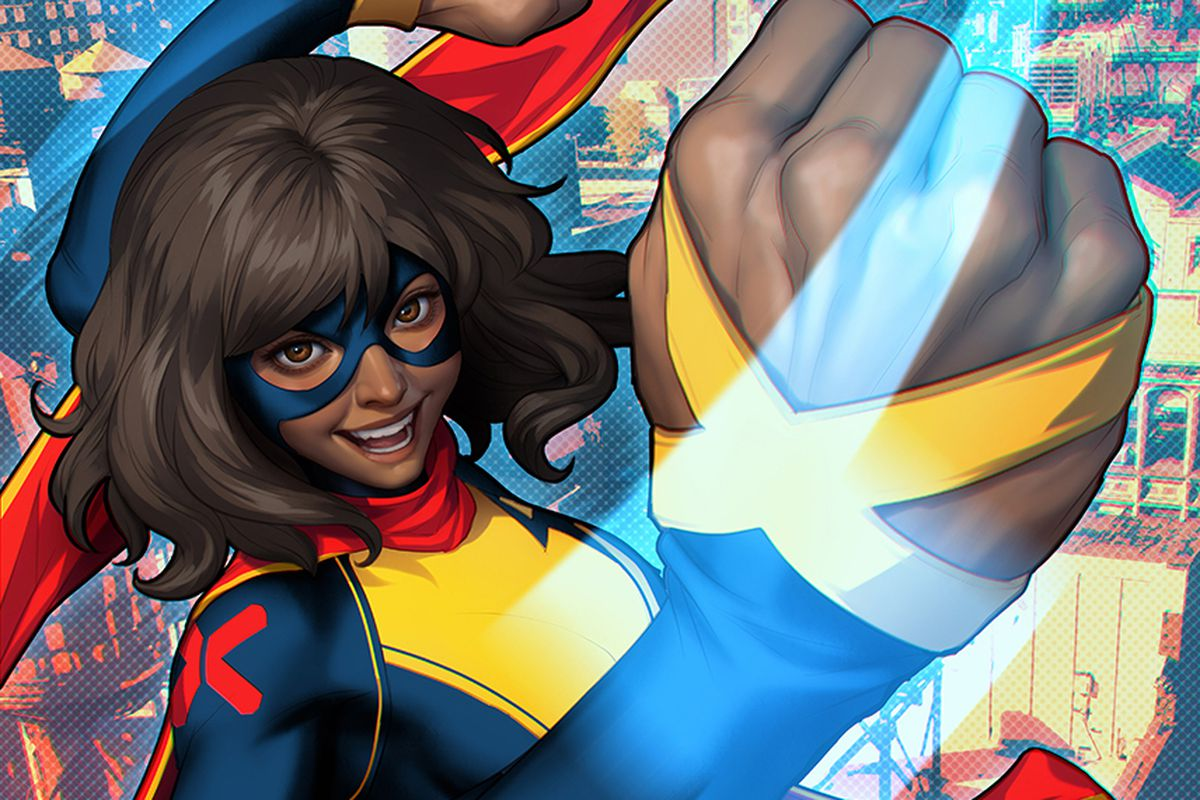
Ms. Marvel is the latest high-profile superhero to have died, which created some controversy with comic book fans. But what was even more troubling was the jaded reaction from many others who knew she would come back to life as was recently announced. This development is just another example of lazy comic book writing trope of killing off then resurrecting a popular character.

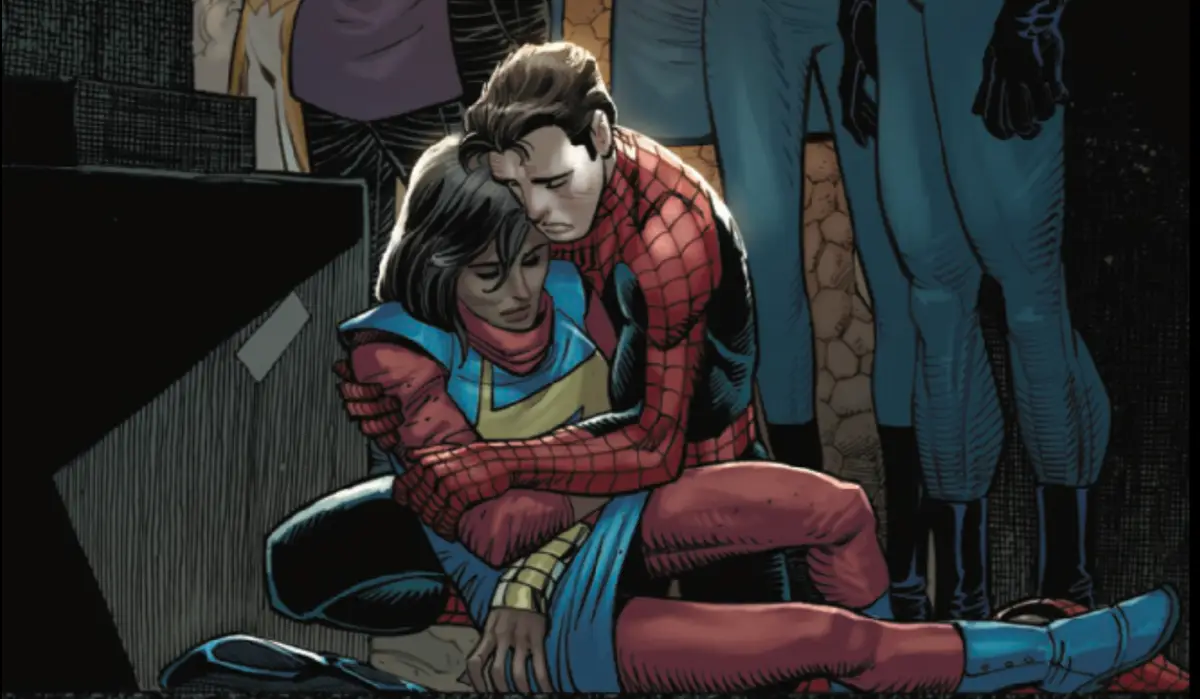
When Ms. Marvel was killed off in the closing pages of The Amazing Spider-Man #26, her death made lots of headlines and angered many fans. But many of them were not upset because she was killed. They were upset over the way Marvel Comics threw out all the pomp and circumstances to commemorate the superhero because it was clear she would not stay dead. Sure enough, Marvel Comics announced a few days ago that she will return in a new mini-series called Ms. Marvel: The New Mutant, which will be written by Iman Vellani, who portrays the superhero in the Marvel Cinematic Universe (MCU).

Seriously, is anyone surprised by any of this? Of course, they would not let the poor girl rest in piece. Not when she will co-star in The Marvels later this year. The only reason as to why go through all this death and resurrection is to synch the character with the MCU version. As most comic book readers know, Ms. Marvel is an Inhuman in the comic books, but for whatever reason she was designated as a mutant in the final episode of Ms. Marvel. Given that Inhumans never reached the popularity of mutants in the pages of Marvel Comics, perhaps the powers-that-be gave up on the Inhumans and decided to have it revealed that she is actually a mutant.

Still, why go through all the hand wringing and kill her off in the first place? In the pages of The Amazing Spider-Man, the title character is shown to be in full mourning over Ms. Marvel aka Kamala Khan, but the two were hardly best buddies. Sure, they’ve teamed up a few times it’s not like this happened to the Human Torch. It would have made more sense if she died in the arms of the superhero Ms. Marvel looks up to, Captain Marvel. This was most likely done to generate sales and interest for the comic books, but we’ve been through this too many times, and it was done much better before.

The best example was with the Death of Superman storyline that spanned many comics. That event worked because his death and resurrection felt organic, had a huge impact in the world of DC, and explored all the nuances of Superman dying and coming back to life. Even the death of Captain America years later was better executed as readers had time to process his death and see the Winter Soldier becoming the new Captain America and so on. There is also the death of the Ultimate Comics version of Spider-Man, which turned out to have introduced an even more popular version of the superhero: Miles Morales.

The problem with Ms. Marvel’s death is that these superheroes deaths have been done to death and in Ms. Marvel’s case, it was done too abruptly. Then before anyone could process anything, Marvel goes and announces she is coming back. There were much more imaginative ways to transform Ms. Marvel into a mutant without using the cheap theatrics of temporary deaths. This development still would have generated news, but with less cynical reactions. The fact that Marvel chose the cheap and easy way to go about her transformation just underlines how the so-called House of Ideas has run out of them.

Spider-Man: Across the Spider-Verse Embarks On A Stunning, Visual Journey Throughout The Spider-Verse

When it was announced that the release date for Spider-Man: Across the Spider-Verse was delayed, there was reason for alarm. Originally the sequel to Spider-Man: Into the Spider-Verse was supposed to have come out last year, but its release was pushed to this year. Often such significant delays mean that the production of a film is troubled and the finished product winds up being a disappointment. Thankfully, that is not the case with Spider-Man: Across the Spider-Verse, which excels past Spider-Man: Into the Spider-Verse in so many ways in terms of story and visuals.

Spider-Man: Across the Spider-Verse opens with Gwen Stacy (Hailee Steinfeld) recounting her life as Spider-Woman (or Spider-Gwen) in her own universe and why she left it to explore other universes with different variants of Spider-Man and Spider-Woman. After the lengthy prologue, we meet again Miles Morales (Shameik Moore), the Spider-Man of Universe 1610. He has the typical Spider-Man struggles of juggling his civilian life as a teenager with that of fighting crime as Spider-Man.

On his way to meet his parents, Rio (Luna Lauren Velez) and Jefferson (Brian Tyree Henry), Spider-Man comes across a supervillain called the Spot (Jason Schwartzman), whose body is covered with removable spots that are portals throughout inter-dimensional space. For example, if Spider-Man punches him in the chest and there is a spot there, Spider-Man’s fist will go through the spot and emerge behind Spider-Man to end up hitting the superhero instead.

The Spot is obsessed with getting revenge on Spider-Man because he blames the superhero for his dilemma. It turns out he was one of the scientists present in the first film where Miles and other Spider-powered heroes destroyed a collider machine that allowed travel between universes. The Spot gained his powers after being caught in the explosion of the collider and we also find out that the scientist was partly responsible for Miles becoming Spider-Man.

After the Spot is defeated and humiliated by Spider-Man, he gains the ability to travel throughout the multiverse and seeks out other colliders in those universes to empower himself even more. This decision will not only endanger the multiverse but severely affect Miles’ personal life.

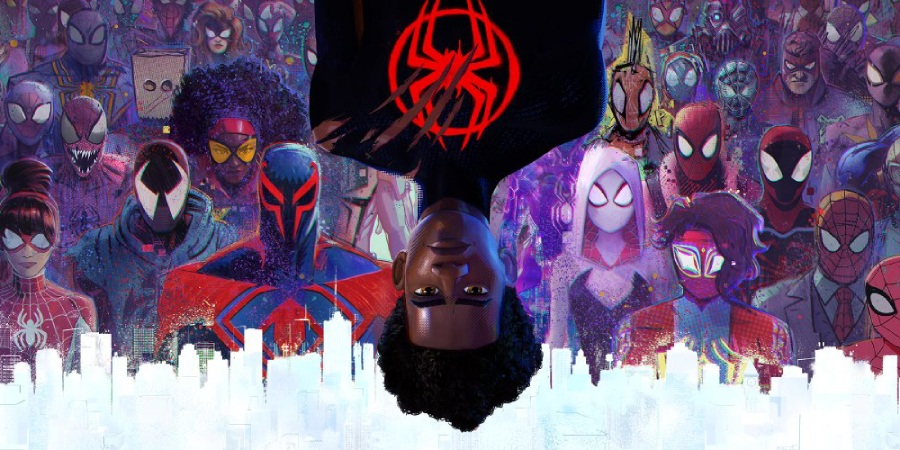
As the Spot explores other realities, Miles is visited by Spider-Gwen, who is now part of the inter-dimensional Spider-Society that guards the Web of Life and Destiny by seeking out dimensional anomalies throughout the multiverse. She was looking for the Spot, who has become an anomaly traveling throughout several universes. Miles soon joins her as she returns to Spider-Society headquarters on Earth 928 and meets numerous variants of Spider-Man and Spider-Woman, including their leader, Spider-Man 2099 (Oscar Isaac).

Spider-Man 2099 explains to Miles that all the universes are intertwined in a delicate metaphysical web with canon events, which are important moments in time for those universes. Disrupting those events will eventually unravel universes and this affects Miles in a crucial way after learning that in all of the Spider-Men and Spider-Women universes have canon events that involve the deaths of distinct police captains. Miles deduces that his father, who was just promoted to a captain, will soon die. He comes into direct conflict with the Spider-Society since he resolves to save his father at all costs, canon event be damned.

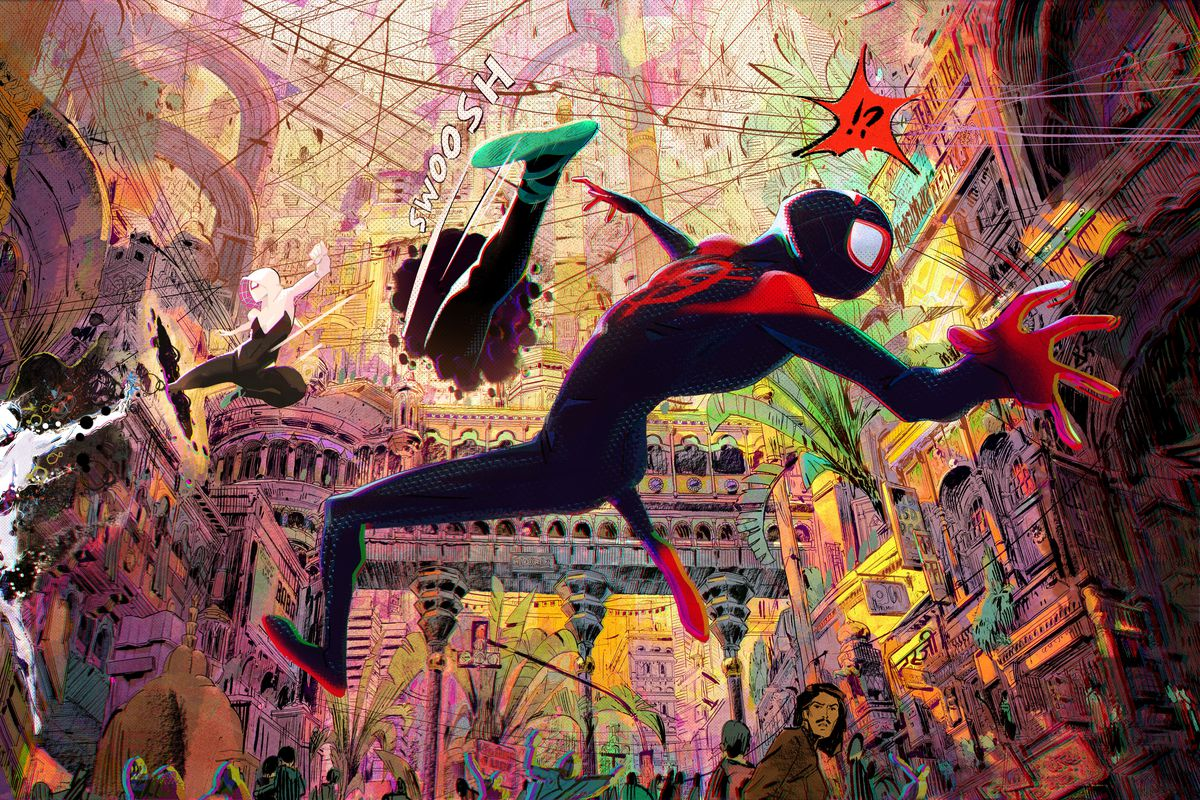
In this day and age of overhype from fans and critics it is easy to dismiss praise for many films. However, Spider-Man: Across the Spider-Verse lives up to the hype because it is truly one of the finest animated and superhero films ever produced. Like the first film, Spider-Man: Across the Spider-Verse is a visual feast that incorporates different animation styles and frame rates. The best examples of this are with how Spider-Gwen is represented with soft watercolor palettes, while Spider-Punk (Daniel Kaluuya) is animated with harsh punk rock art whose clothing is animated at a different frame rate than the character himself. In other examples, the heroes fight a Vulture (Jorma Taccone) from a Renaissance-styled universe looks like a Da Vinci sketch that has come to animated life with sepia colors; we also meet Ben Reilly/Scarlet Spider (Adam Sanberg), who is animated as a ‘90s-style character with overripe muscle lines and bright colors.

The visual canvas of the film is very busy with wild animation and numerous Easter eggs. Some scenes feature actual panels from classic Spider-Man comics and even images from live-action films. It will take numerous viewings of this film for anyone to fully spot all of them. Each scene is so painstakingly animated and colored, which leaves us with a film that is just dazzling to the eyes.

Of course, all of the visuals would be meaningless without compelling story and characters, and Spider-Man: Across the Spider-Verse also excels in this area. So much emotion is conveyed that is either subtle or outlandish. Just like the first film, this sequel is a coming-of-age yarn only with our hero having harder choices to make in his life as he grows into adulthood. Anyone is readily able to relate to Miles’ ethical dilemma of the needs of the many outweighing those of the few and we would probably make the same choice he made. What also helped with the film’s emotional stakes is that it took time to develop Miles’ relationship with his parents, which is full of angst and love. We understand their point of view as they struggle to relate to their son who is growing up to be a man.

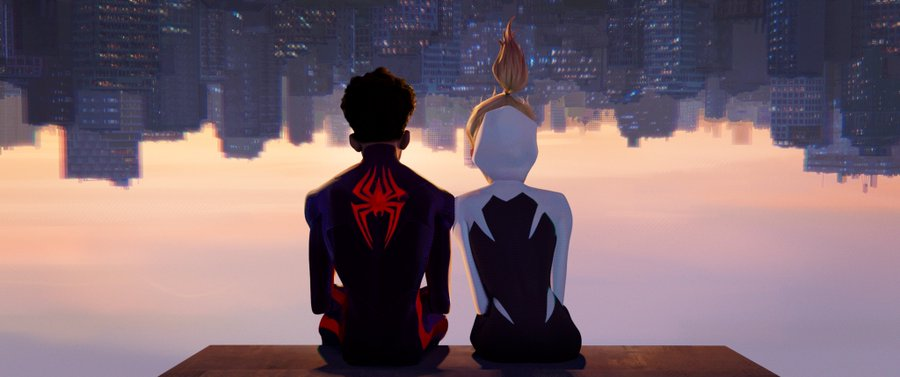
Another character who has her own emotional arc is Gwen, who feels alienated and alone in her world. Unable to connect to her father, she in a sense runs away, only in this case she runs away from her universe. The deepening friendship she has with Miles is a true emotional anchor in the film and feels so natural as these two alienated teens are able to connect to one another.

Peter B. Parker (Jake Johnson), who served as a mentor to Miles in Spider-Man: Into the Spider-Verse has a reduced role in this film, which is regrettable. Still, it was a delight seeing him again and what he was been up to. Hopefully, he will have a larger role in the second sequel coming next year.

As many have learned, Spider-Man: Across the Spider-Verse ends on a cliffhanger and it is an intense one. But fear not, Spider-Man: Beyond the Spider-Verse will come out in theaters in March 2024, which is less than a year away and we were able to handle the wait between these films. Given how Spider-Man: Across the Spider-Verse is much better than the original, which in itself was a classic, we can only hope that Spider-Man: Beyond the Spider-Verse will excel past this sequel or at least stick the landing.

 José Soto


Where Are The MCU’s New Avengers?

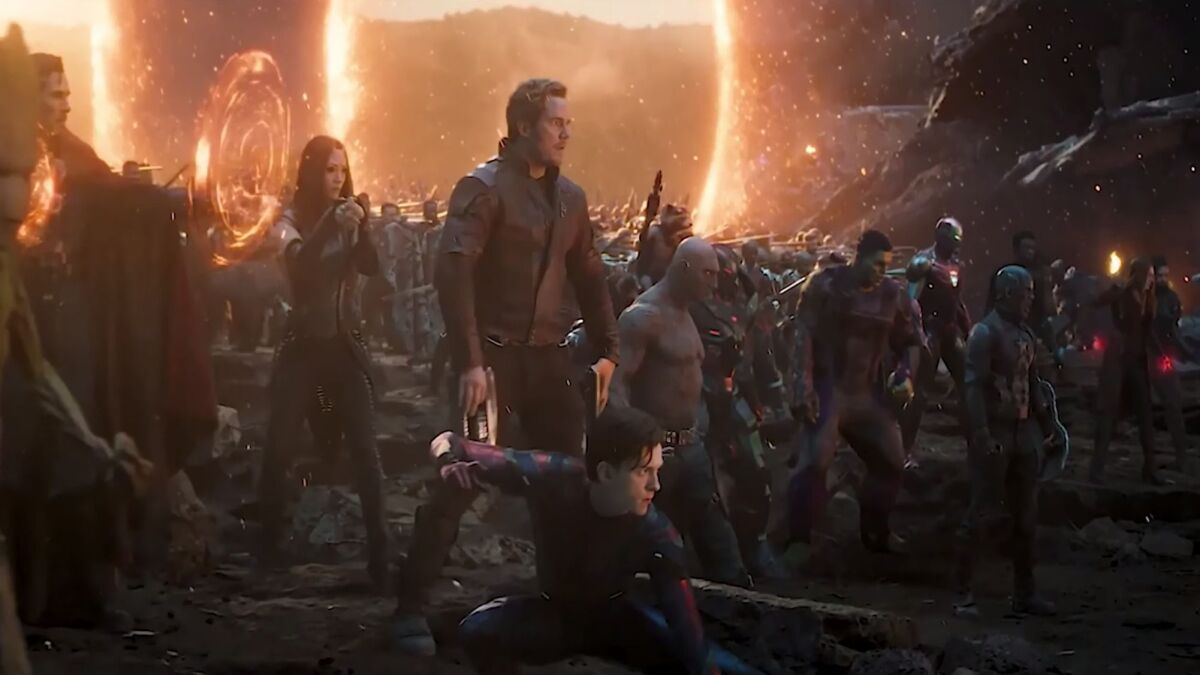
This is a nagging question that many have had ever since Avengers: Endgame. At the end of the film, after the Avengers and company defeated Thanos, the superhero team was effectively finished. Tony Stark/Iron Man and Natasha Romanoff/Black Widow were dead, Steve Rogers/Captain America went back in time and returned as Joe Biden, Bruce Banner/Hulk was maimed, Thor left for space to pursue adventure with the Guardians of the Galaxy, and Clint Barton/Hawkeye went back to retirement in order to spend time with his family. While this was a fitting way to close the chapters on these heroes, their departures left a void that has yet to be filled by another team.

This has not happened so far in the Marvel Cinematic Universe (MCU). After the Avengers split up, which was not the first time since they first broke up in Captain America: Civil War, no one came forward to continue the team. This feels irresponsible since there are still threats going on in the world and beyond, so there is still a need for the Avengers. Also, part of the reason why Thanos was triumphant in Avengers: Infinity War was because the team no longer existed. You would think the surviving heroes in Avengers: Endgame would have at least given thought to continuing the team to face any future threats.

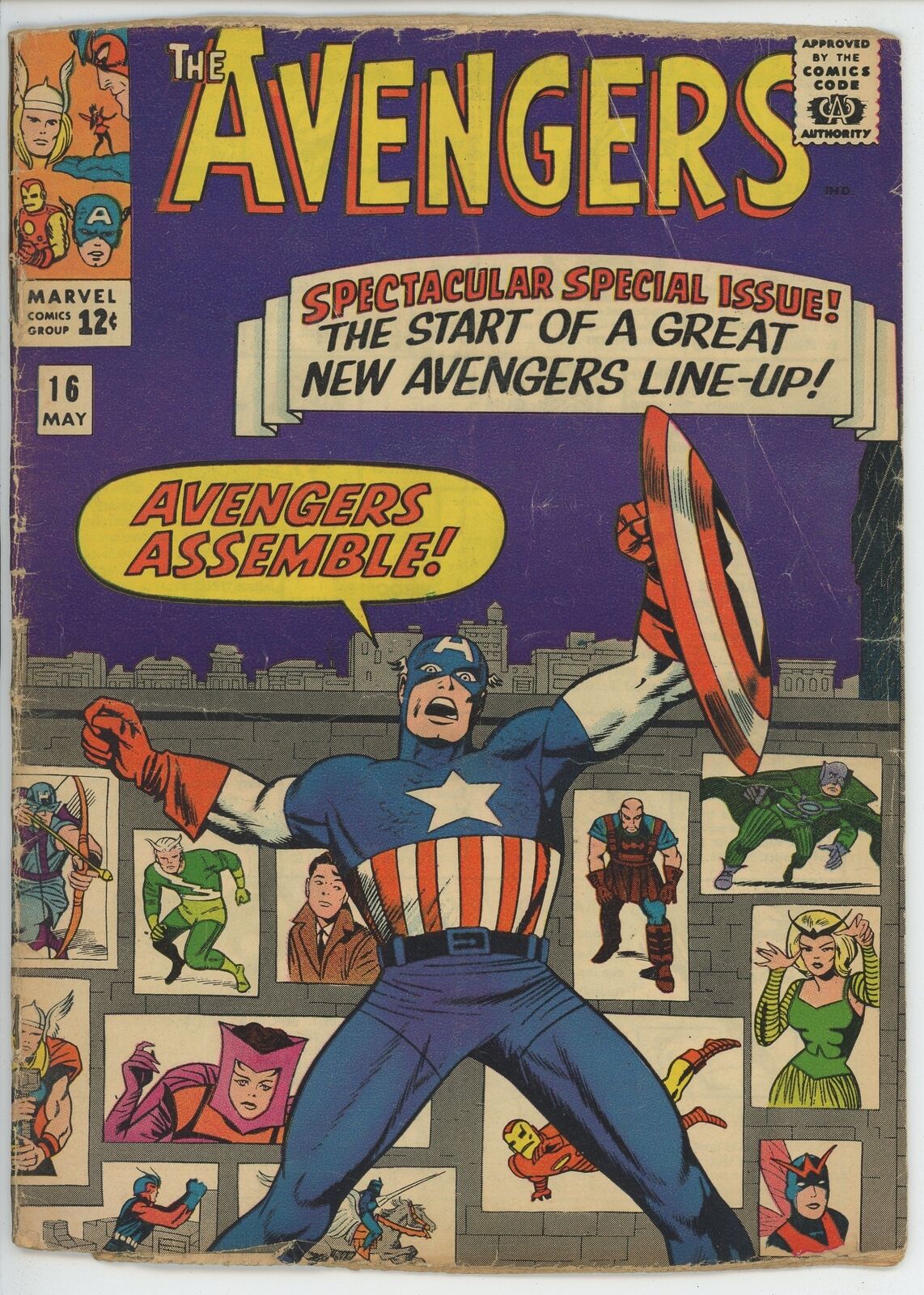
In the Marvel Comics, whenever there were a lot of vacancies in the Avengers, there would be a huge rush of heroes to fill the void of the departed Avengers to form a new roster for the team. The first time this happened with the Avengers actually was very early in the comic book’s run with issue number 16, where the OG Avengers Iron Man, Giant-Man, the Wasp and Thor left the team. This left only Captain America, who was the first recruit, to form a new team of Avengers with Scarlet Witch, Quicksilver and Hawkeye. Over time, heroes came and went as the make up of the tesm radically changed.

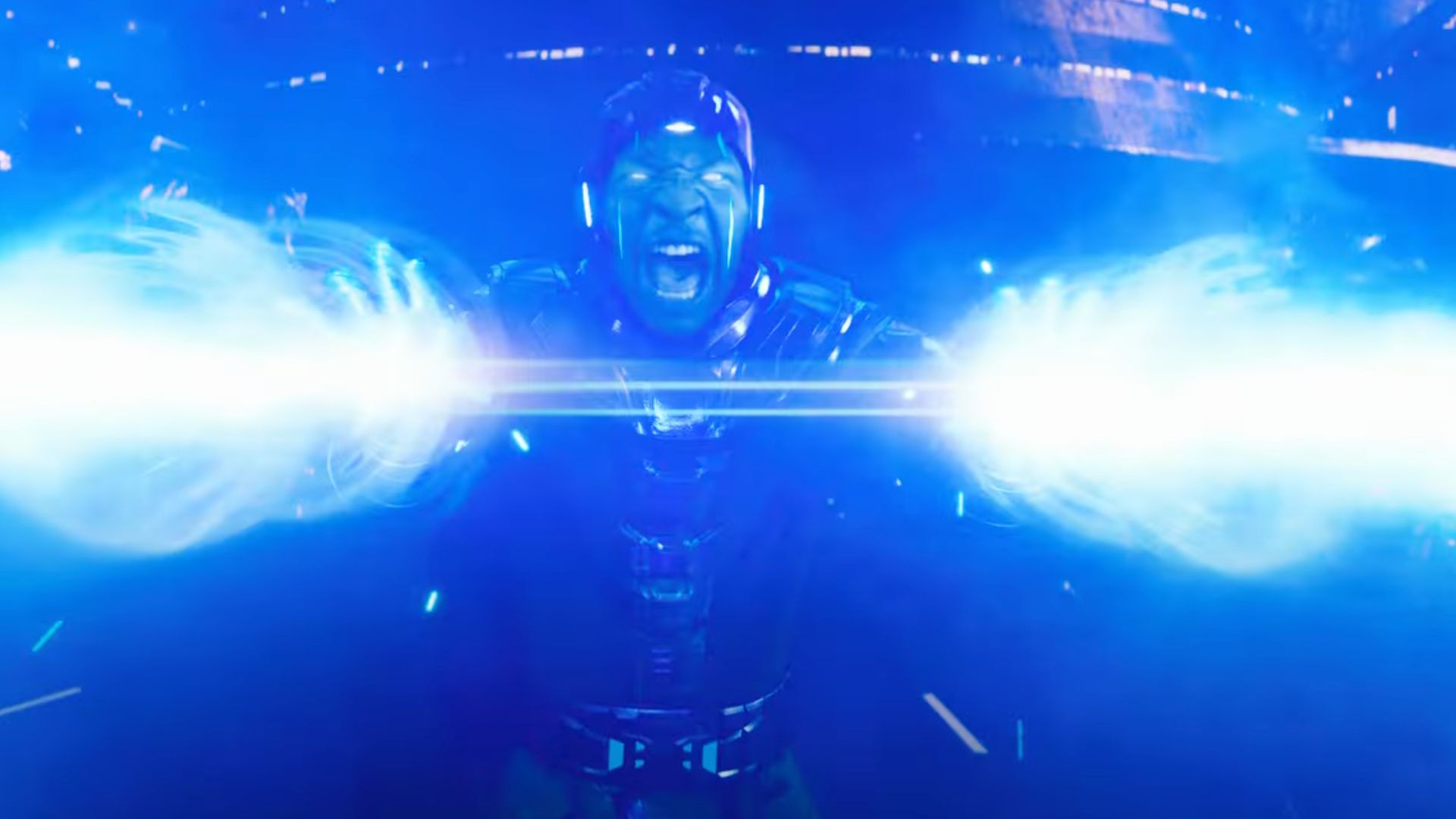
What is unusual about the MCU is that post-Endgame various superheroes operating solo in the films and TV shows often claim to be an Avenger, yet they are not part of an active team. We saw Spider-Man, Ant-Man, Falcon and to some extent, Hawkeye doing this in their solo films/TV shows. If there was an actual team of Avengers in the MCU after Avengers: Endgame think of how quickly the calamities would have ended for the heroes in their individual films and TV shows. Now it seems as if history is repeating itself as Kang has emerged as the next high-level threat following Ant-Man and the Wasp: Quantumania, although in Ant-Man’s defense, he believes that Kang has been killed. But we know better.

Why hasn’t there been a new roster of MCU Avengers, yet? It boils down to two reasons: Resources and leadership. With Tony Stark gone, there wasn’t anyone who could effectively bankroll the team. Sure, there is his wife, Pepper Potts, but as we saw in Spider-Man: No Way Home, Stark’s company landed in hot water with the authorities because of their drones that were used by Mysterio in Spider-Man: Far From Home. So, the company is probably not in the best financial shape to provide resources for an Avengers team. Once Iron Man and Captain America were written out of the MCU, there has been a lack of leadership in the MCU. Unlike that issue of Avengers #16, there is no Captain America or some equivalent to lead the way and put together a new roster.

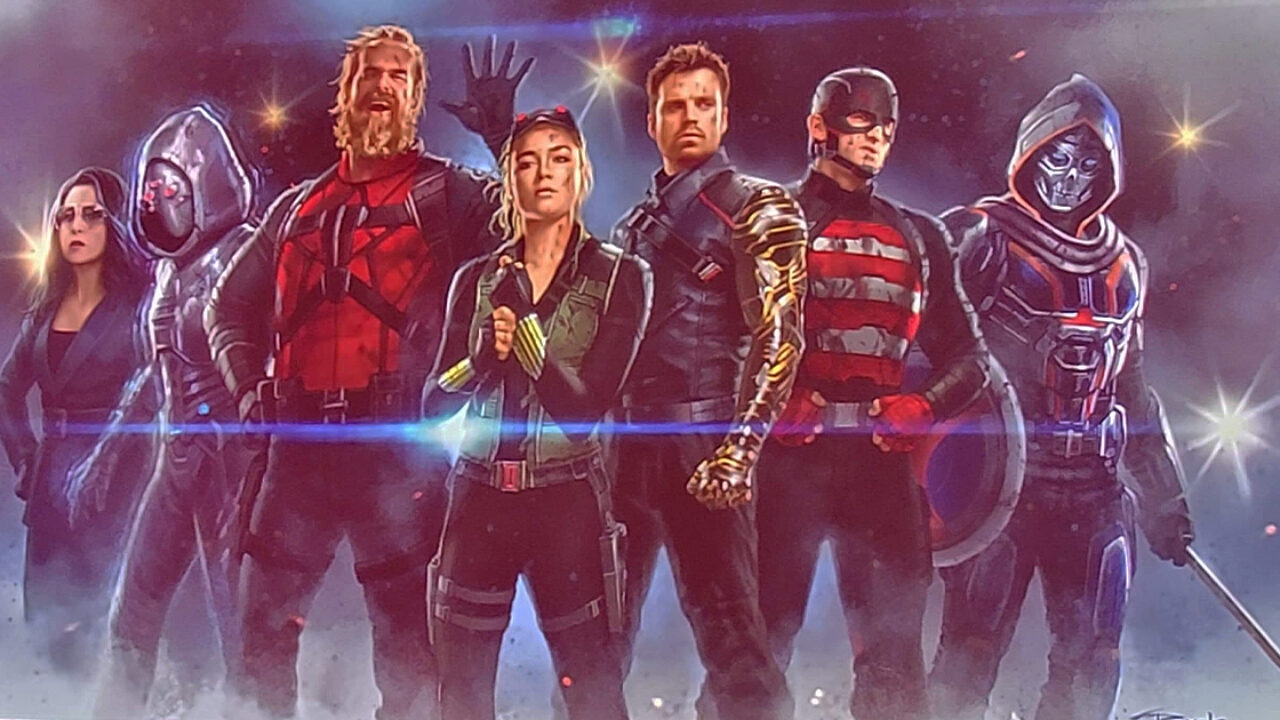
Of course, this will change fairly soon with Avengers: The Kang Dynasty and Avengers: Secret Wars. It’s clear that a new team of MCU Avengers will emerge to face a threat that no solo hero can handle, namely Kang or Doctor Doom. This may start to happen with next year’s Captain America: New World Order, as the new Capain America/Sam Wilson, who has no super-soldier serum, is forced to create a new team of Avengers. The Thunderbolts could also serve as a catalyst for a new roster of Avengers. Made up of mercenaries, the Thunderbolts in their debut film will probably operate in a less-than-noble manner and prompt the creation of a new Avengers team for the MCU. It’s too bad the MCU version of the Thunderbolts could not more closely match the original comic book counterpart, but to keep the true nature of the team under wraps would be impossible for fans and the “surprise” reveal would lack the same impact as the end of Thunderbolts #1.

There have been recent rumors that the new Captain America would not lead the new Avengers and Spider-Man would do so instead. That is hard to believe for real-world reasons in that the Spider-Man film rights are held by Sony Pictures and it is unlikely that Marvel Studios would have the leader of the Avengers be a character they don’t own the rights to. It will be interesting to see who else will lead the team if not Captain America.

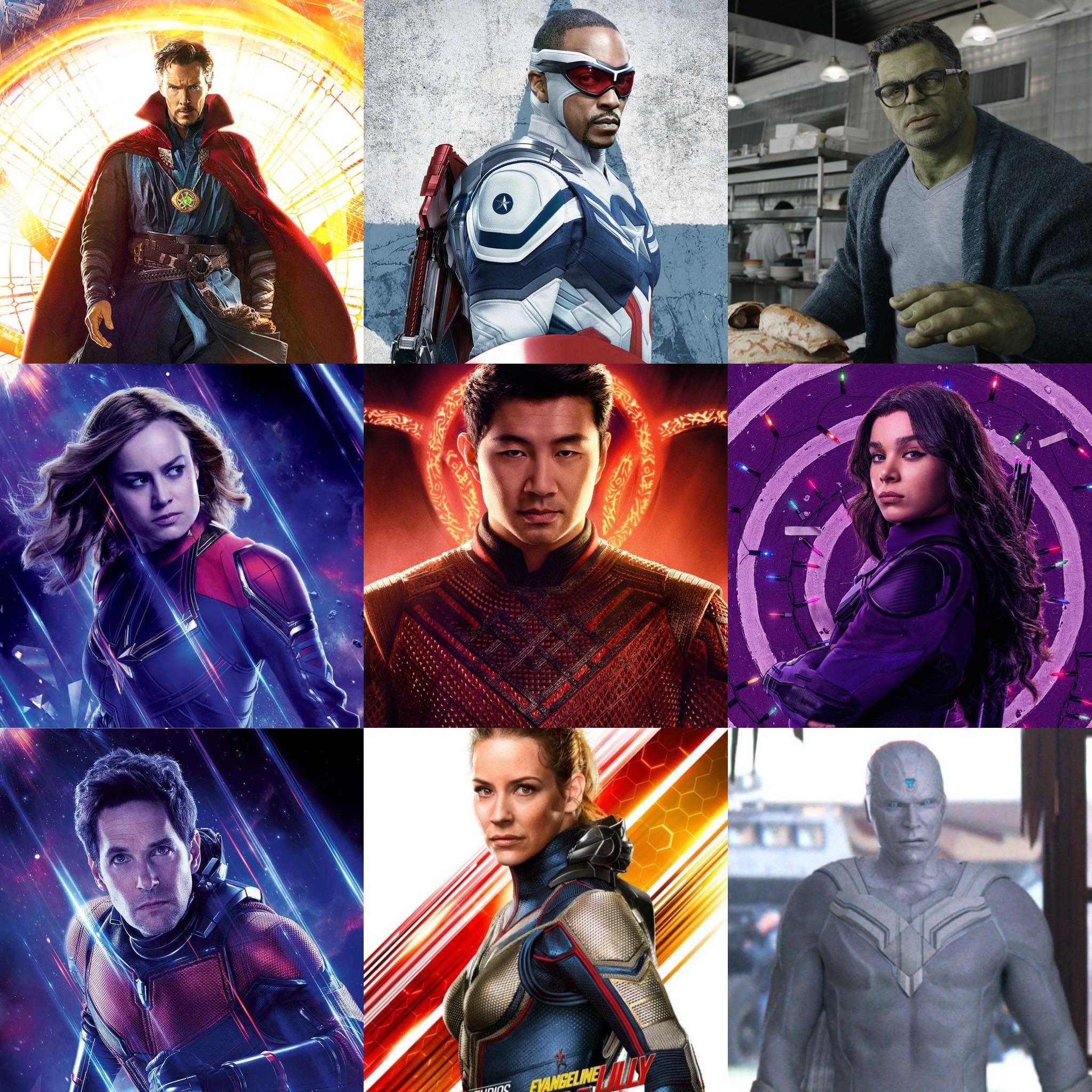
An interesting development that the MCU could do is have the Young Avengers become the de facto Avengers, at least briefly. We have seen many of the Young Avengers members like Kate Bishop, America Chavez, Patriot, and Stature appear in the MCU. Perhaps they will be the new Avengers led by Sam Wilson, or the team could be made up of the following: Captain America, the Hulk, She-Hulk, Ant-Man, the Wasp, Doctor Strange, Black Panther, Spider-Man, Shang-Chi, all three of the Marvels, and some members of the Eternals and even the Thunderbolts.

Part of the fun right now is speculating over who will be in the new lineup of MCU Avengers. The waiting for the revelation will be worth it as soon as the new team in the films rallies with the iconic battle cry “Avengers Assemble!”.

The Eve Of Marvel’s Phase Five

Phase Five of the Marvel Cinematic Universe (MCU) launches this week with the wide release of Ant-Man and the Wasp: Quantumania. The film is supposed to help pave a firm direction for the MCU with the introduction of the next big bad of the MCU, Kang the Conqueror, and will culminate with the next Avengers films, Avengers: The Kang Dynasty and Avengers: Secret Wars. What should be noted is that the next Avengers films will be part of Phase Six, so Phase Five will serve to set up the grand finale of the so-named Multiverse Saga.

Many MCU fans are hoping that after the mixed results of Phase Four that Phase Five will course correct for the MCU and keep the cinematic universe on top. There were many issues with Phase Four such as a lack of focus, films and TV shows that were not as high in quality as the previous MCU offerings, and so on. There were also many successes and material that Phase Five and Six will build upon, especially with the introduction of the Multiverse concept. Ant-Man and the Wasp: Quantumania is rumored to dwell on this with the inclusion of Kang, who is a time-traveling villain.

There are many reasons why Phase Four of the MCU was not as revered as previous phases. Given the success of the MCU, there has been increased pressure by Disney to Marvel Studios to create more films and TV shows (the TV shows were a new feature for the MCU beginning with Phase Four) at a faster rate. This overstretched the capability of Marvel Studios to maintain the level of quality with previous MCU projects. Adding to the release pressure was the COVID-19 pandemic which severely affected productions and created delays, which we’re are still grappling with today. Then there were the expectations of fans and the fact that many of the MCU products simply were not as appealing since popular characgters like Iron Man and Captain America were absent. Many of these issues still remain as Marvel Studios plows ahead with Phase Five of the MCU, but hopefully they are better prepared to meet the challenges.

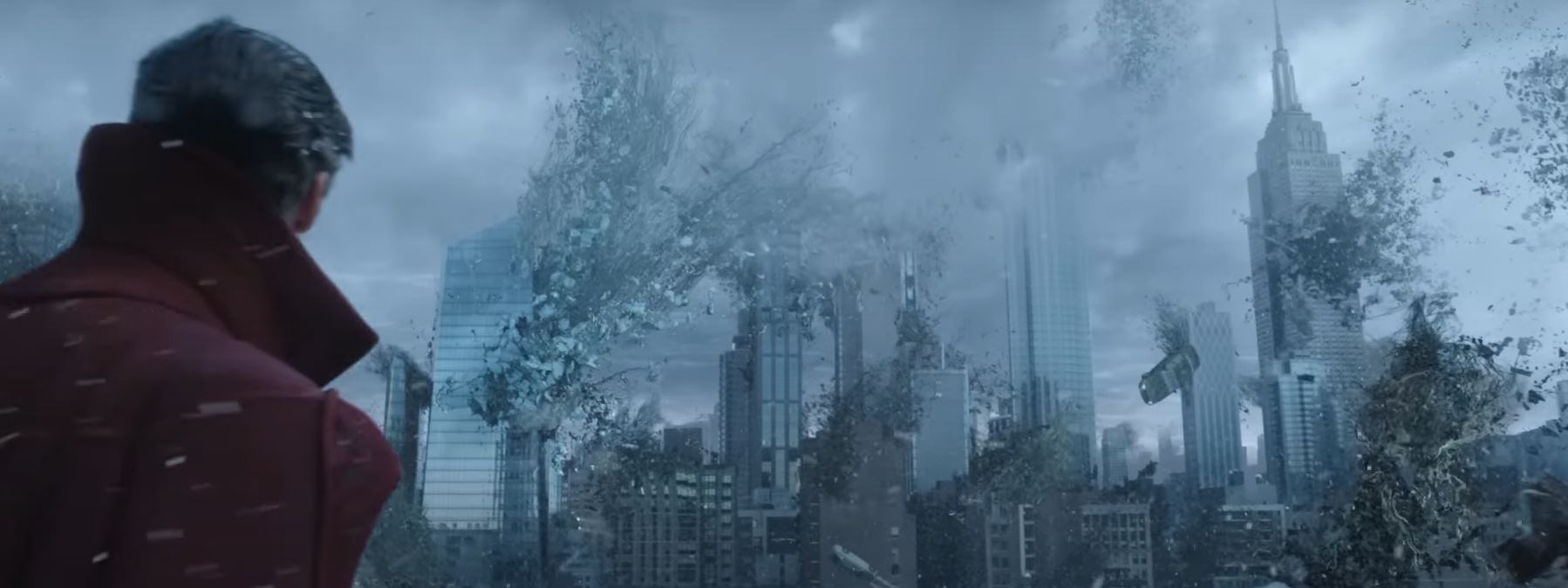
When being critical of Phase Four it is important to realize that it did a lot more to help set up the Multiverse Saga. Films like Spider-Man: No Way Home and Doctor Strange in the Multiverse of Madness were important to the Saga, as well as TV shows like Loki and What If…? Phase Four also set up plot lines and characters that will be further explored in Phase Five and beyond. Both TV shows will have second seasons as part of Phase Five, which will dive even deeper into the concept of time travel and alternate realities. The second Doctor Strange film also introduced the plot line of Incursions, where traveling to different realties will ultimately cause them to collide and destroy one another. This was a major plot line in Marvel Comics that culminated with the second Secret Wars mini-series event. With a title like Avengers: Secret Wars it is certain that the upcoming film will be a loose adaptation of the comic book mini-series. By now, given how well received Marvel Comics storylines were adapted in MCU films, even if they were adaptations in name only, the Secret Wars film will also be acclaimed.

Aside from Ant-Man and the Wasp: Quantumania the only Marvel film that directly deals with the Multiverse will be Deadpool 3, which is due next year. This film is technically not part of the MCU or Phase Five, but it reportedly will deal with Deadpool and Wolverine traveling through alternate realities and it’s fairly certain that the two will visit the MCU. There are also rumors that a third Doctor Strange film is in the works, which will deal with Incursions as seen in the post-credits scene of the last Doctor Strange film. But if this film is made it most likely will be a part of Phase Six as the Multiverse storyline starts to ramp up.

The remaining Phase Five films and TV shows will either be about new characters (Blade, Daredevil: Born Again and Thunderbolts) or continue individual stories that, as far as we know, doesn’t involve the Multiverse (Guardians of the Galaxy Volume 3, The Marvels, Captain America: New World Order, Echo, Secret Invasion, Ironheart and Agatha: Coven of Chaos). However given the subtitle of Coven of Chaos, it is possible the Agatha Harkness TV show might have something to do with the Incursions or the Multiverse.

There is also the wildcard to consider for Phase Five: another MCU Spider-Man film. In the past, Spider-Man films have never been part of official MCU film announcements. That is because the film rights to the superhero are held by Sony Pictures, who is off trying to launch their own cinematic universe based on Spider-Man characters. But given the huge success of Spider-Man: No Way Home and that many consider it to be the best Phase Four film, it is obvious that Sony is planning a fourth MCU Spider-Man film. Will it be produced in time to make it part of the Phase Five slate? That is unknown at this time. If filming starts later this year, it is possible the film will be completed in time to be scheduled for a 2024 release and be part of Phase Five. Otherwise, the fourth MCU Spider-Man film will be part of Phase Six.

Given that Phase Four of the MCU was not as well received as previous MCU films, Phase Five of the MCU will be subjected to greater scrutiny by fans. In other words, Phase Five of the MCU has to deliver much more than Phase Four. The people behind the films and TV shows are aware of this and will do their best to deliver the same quality product that were so revered by fans in the past. While some expectations have been lowered for the MCU and superhero films and TV shows it is unwise to count out Marvel Studios and the MCU at this point.

José Soto