X-Men: Herald Of The Modern Age Of Superhero Films

It was twenty years ago on this day that X-Men premiered in theaters. While many at that time knew of the film’s potential impact, its success was still surprising given how the superhero film has grown in stature.

Before the first X-Men film came out on July 14, 2000, there were many prominent and successful superhero films that made their mark in pop culture like Superman: The Movie, Batman and The Mask. However, the splash they made was not as intense as the one X-Men made. Yes, after those films made millions at the box office, superheroes were the craze with merchandising and copycat films and TV shows, yet X-Men heralded a new and lasting age of superhero films that continues to this day (well, coronavirus notwithstanding and causing most theaters to shut down and film studios to delay film releases). It was not that X-Men was a better film than say Superman: The Movie, it probably was that it was the first genuine hit based on a Marvel superhero IP. Before anyone brings up Blade, that film was marketed more as an action/horror film and most had not heard of Blade. The X-Men were different, they were prominent in geek culture and many fans were aching for a big-budget adaptation of the superhero mutants. They wanted to see how Wolverine would be realized in live action, how filmmakers could translate the complexity of the X-Men comic books. 

Director Bryan Singer did a fine job distilling and presenting a somewhat simplified version of the X-Men. This is not a criticism but rather a compliment in that he and the filmmakers (which included future Marvel Studios head Kevin Feige) were able to strip down what worked in the comic books, which were the best characters to bring forth, and knew what would resonate with audiences and fans. 

In their wisdom, they were nearly spot on with their casting. Starting with Hugh Jackman as Wolverine, which was ironic considering Jackman replaced the original actor cast in the role, Dougray Scott, after Scott was injured during filming of Mission: Impossible II. Some scoffed at Jackman’s casting because he was tall, good looking and lacked a filmography that screamed comic book action star. But from the moment that Rogue (Anna Paquin) met Wolverine in a Canadian bar following a cage fight, we all knew after witnessing Wolverine’s feral nature that the casting gods were generous. 

Another equally important casting choice was Patrick Stewart as Professor Charles Xavier, the leader and heart of the X-Men. Often, people mock fan casting for being ridiculous and unrealisitc. But time and time again Stewart was the fan favorite for a hypothetical X-Men film. Thankfully this proved to be perfect as Stewart brought gravitas and humanity to the role. We believed he was a kind and just mentor, who championed humanity. Needless to say. Ian McKellan as the villainous Magneto was a pleasant surprise given so many doubted his casting due to his age. However, McKellan displayed the same gravitas as Patrick Stewart and was able to believably match Hugh Jackman’s vicious Wolverine with his own cunning and hatred towards humanity.

For years, filmmakers were challenged by the idea of bringing the mutant team to life. Two reasons were because of budget and the complexity of the team. Their storylines were more mature than standard comic book stories as they tackled racism and related strife. It would not do to treat an X-Men film as a campy romp, nor could it be a mindless action fest. The villains were more nuanced with causes that audiences could sympathize with, namely the evil mutants’ actions resulted from humankind’s fear and bigotry. X-Men displayed this naunce splendidly, thanks to solid performances and Singer’s direction.

The film is not perfect, namely in the execution of the action pieces, which feel a bit pedestrian and low key compared to what filmmakers have been able to pull off in recent years. Some of those fights were cringe worthy! But no one should hold that against X-Men and the accomplishment of everyone involved with the film.

X-Men was not the biggest hit of that year, but it did well enough to excite fans and film executives who saw the box office potential of superhero films. Helping to cement the modern age of superhero films in the early years were Spider-Man, X2: X-Men United and Batman Begins. There were fits and starts in that decade but by 2008, the runaway success of Iron Man and The Dark Knight signaled that superhero films were here to stay and be a major influence in films. 

This was all due to X-Men; keep that in mind during the next viewing of this film.

Michael Keaton Returns As Batman?

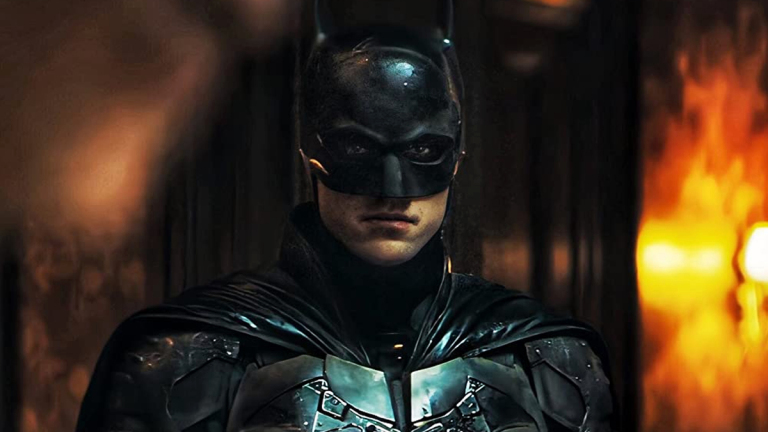
Well this is a big surprise: Michael Keaton is in talks with DC and Warner Bros. Studios to reprise his role as Bruce Wayne aka Batman in the upcoming DC Extended Universe (DCEU) film The Flash. Even more surprising is that this version of Batman will be the same version seen decades ago in the original Tim Burton films, Batman and Batman Returns.

Of course, the big question among fans is how is this possible? There is already a Batman (portrayed by Ben Affleck) in the DCEU that does not mesh with the continuity of the Burton films. The best and most likely answer has to be the appearance of the Keaton Batman must be due to the Flashpoint event shown in the DC comics and The Flash TV show where Barry Allen aka the Flash runs fast enough to time travel and changes history, In this story, Barry Allen prevents his mother’s murder and his reality changes. This event led to last decade’s reboot of the DC Universe, the New 52.

This event could be used to allow the Flash to travel through different realities or the multiverse as shown in the Arrowverse crossover event “Crisis on Infinite Earths”, which aired earlier this year and where the TV version of the Flash met the DCEU incarnation played by Ezra Miller. There are already rumors the film will show that encounter from the viewpoint of the Miller version of the Flash. In fact, the Burton Batman universe was briefly seen in the crossover event during a montage in the first episode. Perhaps the Flash will be visiting other multiverses in a much higher scale *meaning a larger production budget that can afford cameos by A-list actors) than seen in the TV event. It is unknown what will be the extent of Keaton’s appearance but it’s unlikely he will have a huge role but will hopefully be more than a glorified cameo. This also gives validity to the fan theory that The Flash will be used to rewrite the DCEU and replace certain actors and retcon what has happened in previous DCEU films, just as Flashpoint rebooted the DC Universe in the comic books.  However, there are also rumors that the Keaton Batman will appear in other DCEU films in a similar connecting fashion as Agent Coulson or Nick Fury did for the MCU films. Exactly how this will pan out if this Batman will be the original Keaton Batman remains to be seen.

On the other hand, this may not come to pass and either the Keaton Batman will play a small role in an altered reality that mentors the Flash or Michael Keaton may change his mind or someone else will be tapped to fill in the role. Is Christian Bale willing to talk to Warner Bros. about this? Even seeing George Clooney as Bruce Wayne for a cameo would be awesome! It would be terrific if other big name actors who played DC heroes in the past could appear in The Flash. This would be perfect for Ryan Reynolds to come back as Green Lantern and leave a better impression with the role or if the film could somehow incorporate elements from the Christopher Reeve Superman films. 

The important thing to remember is that this is supposed to be a film about the Flash, not the DC multiverse. As long as director Andy Muschietti keeps the focus on Barry Allen and his story (and if the film actually gets made) then the film will be a phonemenal presentation of the Scarlet Speedster as he meets the other wondrous characters in the DC multiverse.


Crisis With The Arrowverse TV Shows

Lately, headlines announced some issue or another befallen one Arrowverse TV show after the other, and this gives the impression that  the Arrowverse TV shows are in trouble. It seems collectively, the superhero shows hit their peak earlier this year with the crossover event “Crisis on Infinite Earths”, and things largely went downhill from there.

This is just a broad generalization, some of the Arrowverse TV shows are doing fine, namely Black Lightning and Stargirl, but there is a sense that these superhero shows have run out of steam and feel dated.

The Hood

Arrow, the show the live-action DC superhero TV universe is named after, concluded its eight-season run earlier this year, just as it had found renewed energy. The reason the show ended was because the main actor who played Green Arrow, Stephen Amell, wanted to leave to resume a more normal life. For anyone, who doesn’t know, these shows are filmed in Canada, which requires the cast and crew to be away from their families. Arrow was justly celebrated when it ended, but there were questions of how the the Arrowverse would continue without its flagship show. Other shows like The Flash have eclipsed Arrow in terms of popularity and ratings, but the Arrowverse still seems empty without Green Arrow stalking around in the dark alleys telling bad guys “You have failed this city!”

Older, remaining Arrowverse shows such as The Flash, Legends of Tomorrow and Supergirl are running low on creativity. For the most part, the episodes and scripts are bland and uninspiring. The Flash ended its season with its main character no longer having his natural powers and his wife trapped in another dimension. But it was so dull and shrug inducing. The Flash has had problems in recent years with coming up with engaging villains and story arcs. For too long, the show relied on evil speedsters, but the new batch of villains are just blah. Then there is the undeniable fact that the actors seem bored and going through some drama, which will be covered shortly. It is just a shame, given the excitement most fans felt for the show and its lead character after the thrilling encounter between the TV version of the Flash with his DCEU counterpart during “Crisis on Infinite Earths”. The crossover event was supposed to provide a new spark of creative energy but very little has happened aside from some Flash villains being reimagined and not very well; although Lex Luthor’s revamping in Supergirl was interesting.  At the very least the meeting between the two Flashes rekindled interest in the upcoming movie version of the Flash.

Legends of Tomorrow is a mere shadow of its initial premise: C-list superheroes who time travel to get some respect. That is still there somewhere but it has been buried lately in these nonsensical magic-related plots and most of the original cast is gone. Some of the replacements are not very compelling, though to its credit Legends of Tomorrow does a decent job of being goofy and funny. Some episodes are very humorous and the show wisely figured out long ago not to take itself too seriously and embraced its comedic tone. However, other shows like Doom Patrol overshadowed Legends of Tomorrow by being quirkier and more insightful superhero shows.

Continue reading

Pining For New Superhero Films & TV Shows!

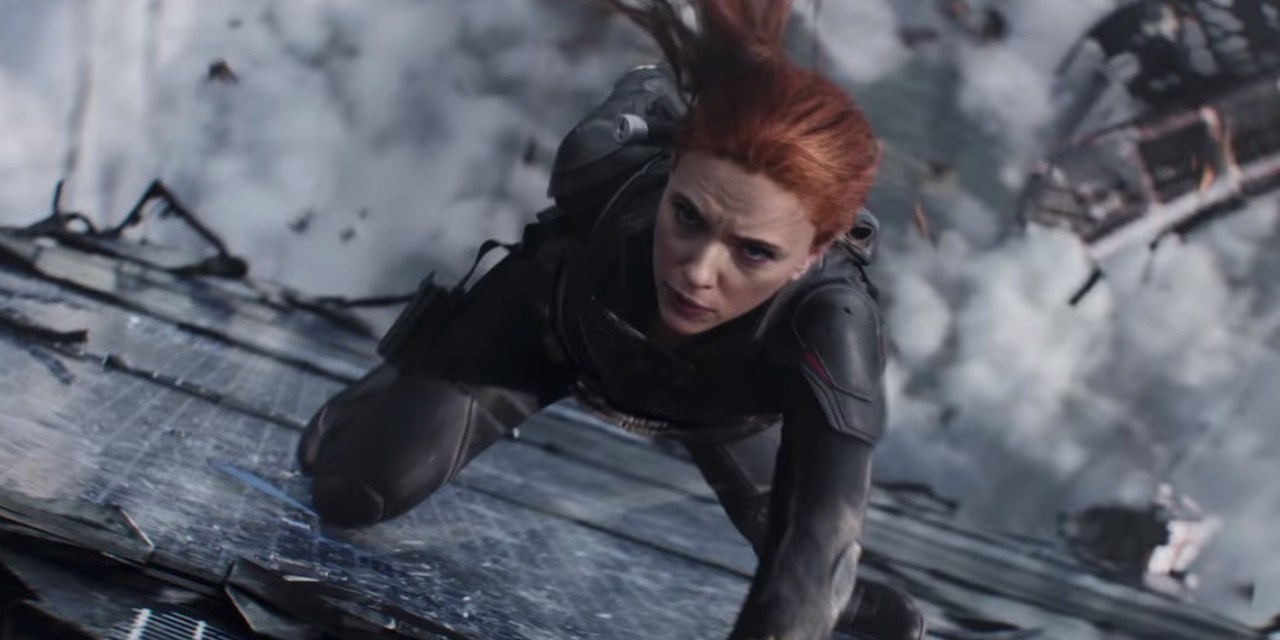
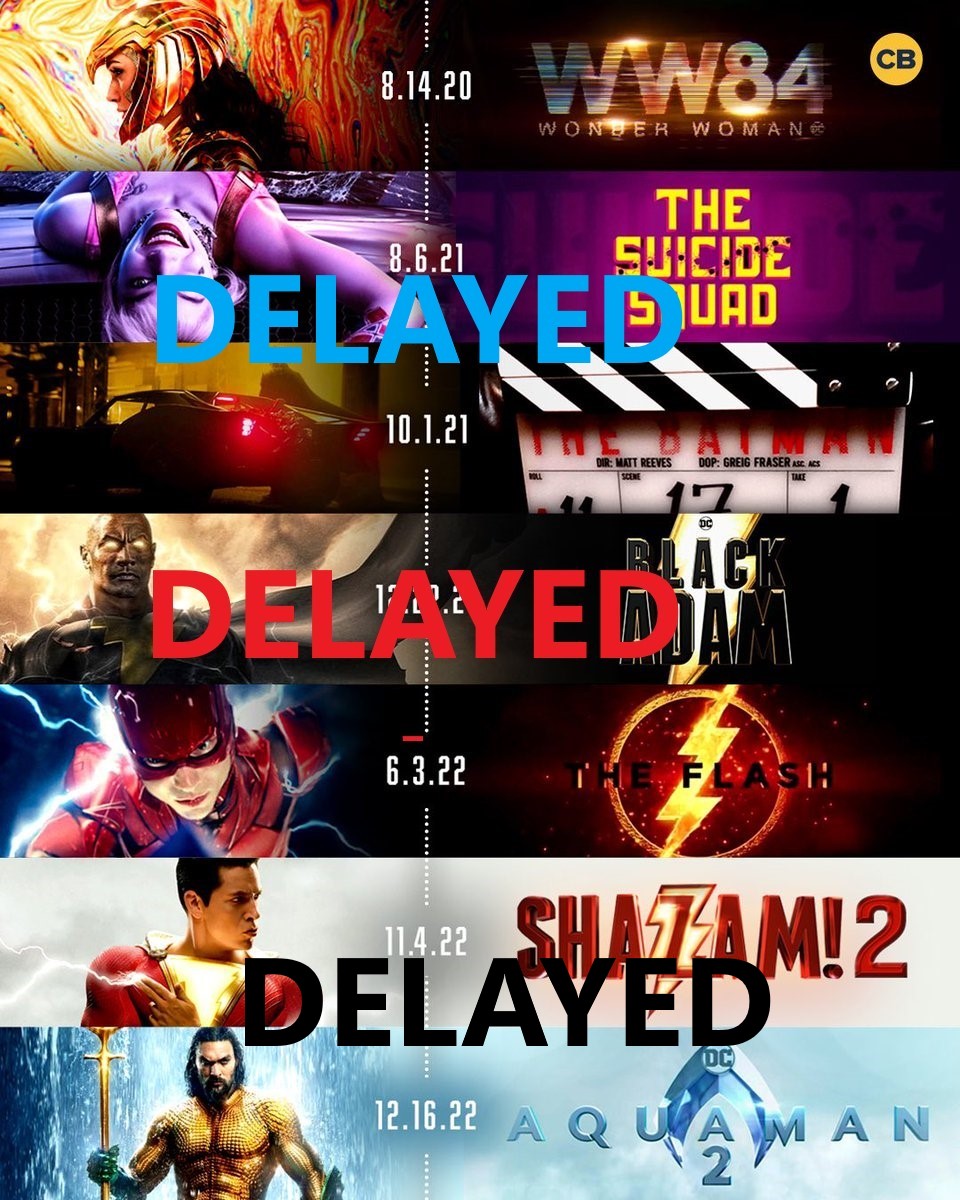
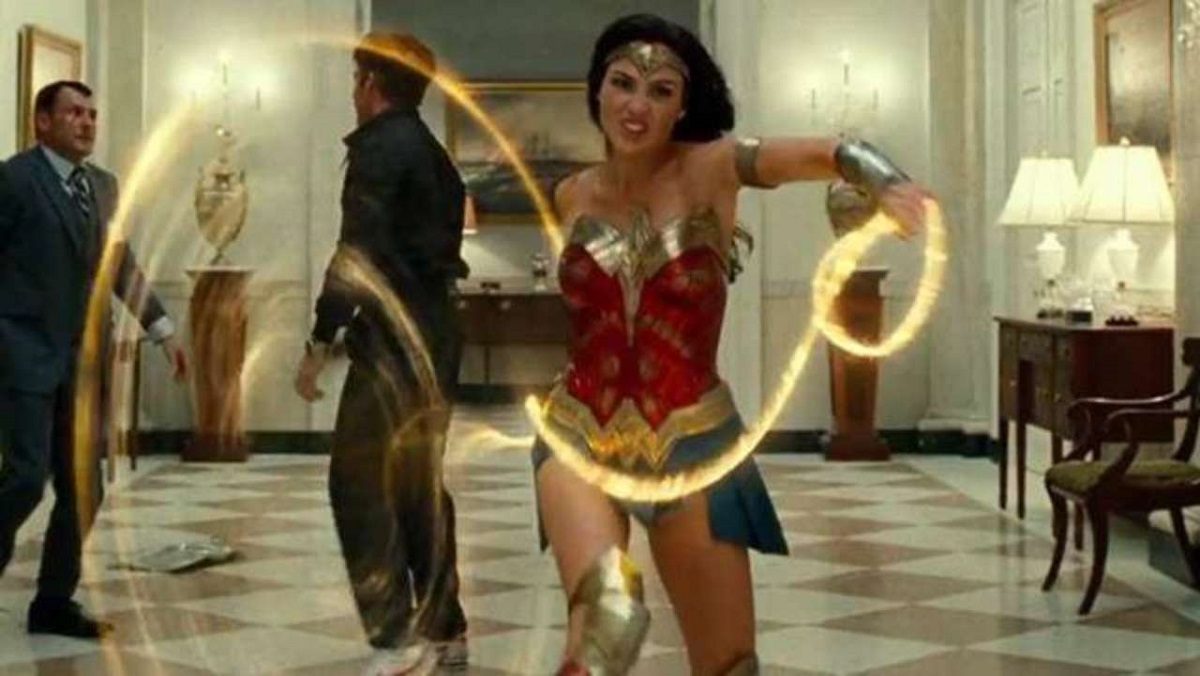
OK, let’s be honest, we need our superhero film and TV fix! By this time, during normal circumstances the Marvel Cinematic Universe (MCU) drought we’re experiencing would have been quenched by the May release of Black Widow and we would have been going wild over the release of Wonder Woman 1984, which would have been yesterday. But nope, a deadly coronavirus had to ruin everyone’s year. *Disclaimer time* This by no means is meant to make light of the pandemic our world is suffering through. No matter what, our lives and well being are more important than being inconvenienced with social distancing, self quarantines, and no new superhero films. We all should continue do our part to prevent the spread of the coronavirus until a viable treatment or vaccine is available.

MCU Backed Up

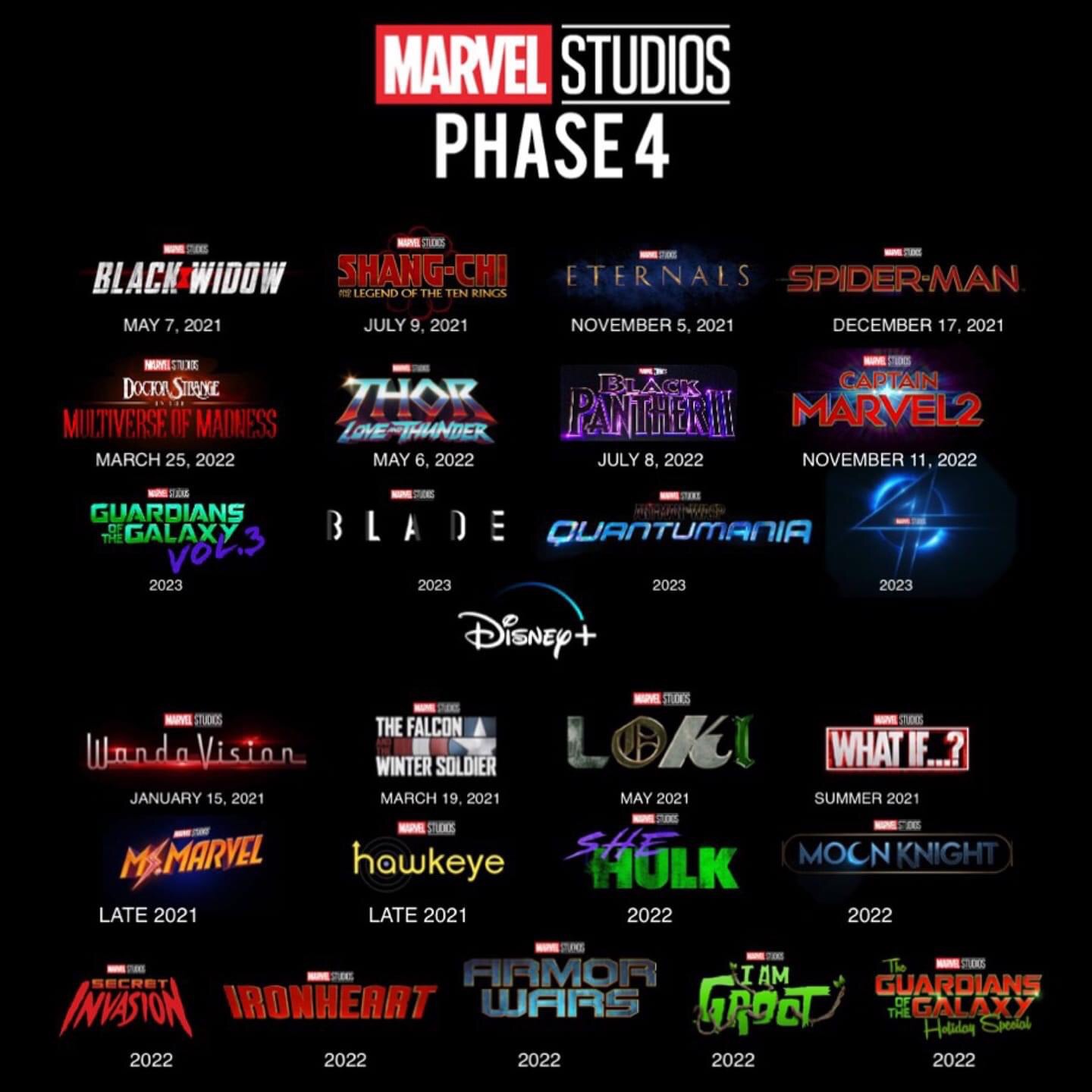
We have not had a new MCU film since last July’s Spider-Man: Far From Home and we are certainly overdue. It is hard to believe that soon it will be a year since any new MCU material has come out. Sure, there were the Marvel TV shows that came out in the time period such as Runaways and currently Agents of S.H.I.E.L.D. But they are treated as non-entities by the powers that run Marvel Studios to the point that fair arguments can be made that these TV shows are not part of the MCU and can be ignored. But that is an argument for another day.

Anyway, it is hard to accept that for over a year no MCU film has been released. The last time this happened was in 2009 when the MCU was in its infancy and we had plenty of films that year to keep us occupied!

We also would have had the Disney+ TV show The Falcon and the Winter Soldier to look forward to in a couple of months. Originally the program was to stream in August of this year, but that show along with Disney+’s other MCU show for this year, WandaVision, have been delayed because filming stopped earlier this year. The safety of the cast and crew are more important than a schedule but it just plain sucks they could not have finished by the time the pandemic ravaged us. Rumor has it that The Falcon and the Winter Soldier needs to be rewritten and reshot because it supposedly had a storyline about a pandemic and that would not go over well today.

One flaw about the interconnected nature of the MCU is that the films (and soon TV shows) cannot be shown out of order. For example, WandaVision directly leads to the upcoming film Doctor Strange in the Multiverse of Madness. It would have been awkward if that film was ready to go before WandaVision was completed but in this case it worked out because the Doctor Strange film has not even begun filming (and its release date has been changed from next year to March 2022). In other words, even though it is a prequel film, Black Widow probably has to be released first before we can see The Falcon and the Winter Soldier and so on. Black Widow has been rescheduled for November 6, 2020. But given the impatient deniers who won’t wear masks or keep social distancing and the ongoing protests it is quite possible that a second wave of the coronavirus will come with a vengeance. So, Black Widow’s new release date is not a guarantee.

Hopefully, Black Widow will not suffer the fate of The New Mutants, a film that has been forever rescheduled. Can anyone believe it was supposed to be released back in 2018? The ironic thing about The New Mutants is that many of us had little interest in the film and gave up on it as a last gasp from the defunct Fox X-Men film franchise. Now, with its latest release date being August 28, 2020, it will be the sole Marvel film fix until the MCU films can be released.

Continue reading

The Current State And Future Of Comic Books, Part II

We looked at the current state of the comic book industry, which had been declining in recent years for many reasons ranging from too many products flooding the market to the obsession with variant comics. The industry suffered a brutal blow with the COVID-19 pandemic which forced most stores and industries to close in order to stop the spread of the coronavirus. This weekend, another annual Free Comic Book Day event would have taken place all over. That is gone, along with highly anticipated conventions, especially the San Diego Comic-Con.  But fear not, we will get our geek fixes at some point in the future.  However, as our society looks ahead and to reopening, many fans are wondering where the comic book industry goes from here or if it can survive.  Let’s look further.

The Coming Contraction

To be blunt, there are too many comic book titles flooding the market. Certain popular characters have multiple monthly titles; numerous crossover event books have overtaken the shelves; and every time a fan turns around a title is canceled, relaunched or rebooted just to produce a new number one issue for collectors. The hard truth is that this cannot continue. Once this crisis passes and the stores reopen, the publishers have to entice readers to buy their products. One thing to keep in mind is that too many buyers are now out of work and cannot easily afford comic books, not with current prices. It is not realistic to expect the average fan to buy all of your products as in the past.

Publishers need to determine what books to create. The obvious answer would be to focus their titles on their most popular and recognizable characters. And they should be limited to two or three titles at most. One thing publishers can do is to increase the amount of pages in a popular title and feature back up stories with lesser heroes. This was the norm back in the Golden Age of Comics and would allow for the publishers to keep employing creators as is currently done.

Look at the Downside

While contracting the amount of books published monthly goes against publishers wanting to put out as much product as possible, there are long-term benefits. Limiting the amount of exposure for a character creates demand. At the same time, the quality of the stories will improve as not every story angle will be quickly used up in a short amount of time by writers and artists pumping out dozens of titles per month.

Another benefit for downsizing comics is that it will be easier to coordinate events and continuity. An all-too-common gripe from readers is how they are pressured to buy every single crossover comic book and keeping up with what is going on. Too often, events are contradictory and repetitive. How many times can someone in the Fantastic Four or the Avengers die and come back? Think of how great it was to read the early Valiant comic books. Back when those comics came out in the early 1990s, only a few titles were published monthly and there was a tight continuity between the titles. They were easy to follow, yet for the most part we were not forced to buy every book. This helped create buzz for those Valiant titles. When an event like Unity occurred it was a big deal. Nowadays it seems as if there is some kind of weekly event. Speaking of events, what is the latest Spider-Verse thing going on now? Or is it Spider-Geddon?

Reduced Prices

There are many ways to cut costs aside from limiting output. The easiest way to entice buyers is through sales: BOGOs, discounts, subscription services, etc. Many of these sales tactics are used right now, which is often seen during the holiday season, Free Comic Book Day, or the release of major superhero films.

Still, these sales will only go so far. To keep people coming back and buying comics on a regular basis, prices must be lowered. Expecting loyal readers to fork out $3.99 per title is unrealistic given the state of the economy. One reason why comic books took off when they were first published was because of low prices. Everyday kids could afford to buy them for 10 cents at the beginning. They were even affordable when the prices eventually went up to a dollar or so. But current prices inhibit children from buying them. Publishers must entice new generations of readers to keep the industry alive; although publishers put out inexpensive comics geared towards young children, they are not adequately attracted to more traditional titles.

OK, so how can publishers lower prices besides limiting the amount of books published? One thing that can be tried is to change the paper stock and if worse comes to worse go back to newspaper print. It was only in the past couple of decades that the paper quality in comics took quantum leaps forward. No longer did collectors have to worry about yellowing pages or crumbling paper. But this came at a literal cost. Perhaps it is time to revisit the traditional newsprint, if only for a while.

Another idea is to use less pages per title. This could mean shorter and more serialized stories. But this should be considered along with the actual size of a comic book.

Most fans know that the Golden Age and Silver Age comic books were actually slightly bigger than current comics. The sizes were reduced eventually to diminish the amount of paper needed and therefore cutting costs. Comic books in the future will probably be smaller and look like those Best of DC comic book digests that came out in the 1970s.

Continue reading