Spider-Man: Homecoming Brings Spider-Man To The MCU With Flourish

Spider-Man: Homecoming is a glorious celebratory homecoming for Marvel’s flagship superhero into the highly successful Marvel Cinematic Universe (MCU). Ever since the MCU took off nine years ago and grew, fans have pined for Spider-Man to join the MCU ranks. We got a taste of how the MCU would interpret the Wall-Crawler with his scene-stealing cameo in last year’s Captain America: Civil War. Now, an entire film is devoted to him as Sony Pictures (who holds the film rights to Spider-Man) have joined forces with Marvel Studios. The result is the best Spider-Man film since the early Sam Raimi efforts.

om-Holland-as-Peter-Parker-in-Spider-Man-Homecoming

The film takes place shortly after Spider-Man’s debut in Captain America: Civil War and Spider-Man/Peter Parker (Tom Holland) has to go back to a humdrum life as a teenager in Queens, New York. Aching for the glory of a superhero and joining the Avengers, Peter has to contend with the usual teenage gripes like fitting in socially in high school. These aspects of Spider-Man: Homecoming are clearly influenced by the John Hughes teenage comedies and they work perfectly, by the way, this film has a great soundtrack evocative of those Hughes films. Thanks to Holland’s sincere performance, we are able to empathize with Peter and his best friend Ned (Jacob Batalon). The young cast in the film are for the most part engaging, though some may be put off with the unconventional casting choices, but it should not be a deal breaker. One of the reveals about a certain character near the end feels very forced and detracts from that character who was at that point one of the film’s quirkiest and memorable characters.

Speaking of casting, Michael Keaton as Adrian Toomes/The Vulture is terrific as a working-class villain. The film takes the adequate amount of time to set him up and making him a bit sympathetic by showing him as being inadvertently pushed out of a lucrative living by Tony Stark (Robert Downey, Jr.). Instead of craving revenge like in an average superhero film, Toomes finds an inventive way of earning a living by scavenging parts and wreckage from superhuman battles. Then his gang turns these parts into futuristic weapons for the black market.

During the course of Spider-Man: Homecoming, the Vulture’s activities catches Spider-Man’s attention, and this leads to conflict between the two. On one side, Toomes sees the world with a cynical eye and just wants to take advantage of an opportunity to make some money. Parker, on the other hand, is a young idealist who wants to impress Stark and sees Toomes’ activities as being wrong. In the comic books, the Vulture has always been one of the weaker members of Spidey’s rogues gallery, but in this film he shines. He is actually one of the best villains ever featured not just in Spider-Man films, but in those of the MCU.

This Spider-Man film is clearly a film set in the MCU with its Easter eggs, references and character appearances. Despite the marketing, Iron Man is not a co-star of Spider-Man: Homecoming, though his influence is there with the constant name dropping and the high-tech Spider-Man suit that the title character dons in the film. The suit worn by Spider-Man is a true marvel with all of its gadgets and gimmicks, but it strays too much from the core of Spider-Man’s character that this film otherwise gets so right. Meaning that Spidey is more of an everyman, someone who is relatable to you and I and has the same problems we face.  Hopefully in the sequel they will address this and depower the suit. On a side note, this film proves what many fans have felt over the years: Tony Stark and Happy Hogan are a couple of dicks.

Spider-Man: Homecoming’s emphasis on the hero’s hardscrabble roots and normal problems is why it’s so successful. Past Spider-Man films have shown this and were rightfully revered for doing so and this latest film continues that tradition. Not only that, but the film is a lot of fun and quite exciting at the right times. It zips along nicely without a dull moment since we are so invested in the characters when there aren’t any fisticuffs. Like The Amazing Spider-Man 2 there is some world building and set ups for sequels but unlike that film Spider-Man: Homecoming does not go overboard and as a result flows more smoothly and focuses rightfully on Spider-Man. The film does a great job of showing how Peter is still a novice at what he does, which led to some truly funny moments. Other times he gets in over his head and has to deal with the consequences. One interesting example is one scene where he crawls up a building that is higher than he’s ever scaled and when he realizes this has to deal with a fear of heights!

Now how does it compare to the Sam Raimi films? That is hard to say and will take some time to fully compare them, though the action sequences in the Raimi films were better filmed and on the whole those films were more evocative of the comic books. Also, the romances not just in Raimi’s, but in Marc Webb’s films were much better done as those actors had better onscreen chemistry than here. Still, Spider-Man: Homecoming feels more authentic and more grounded than the bombastic Raimi films. What this film has in common with the early films are the tributes and shout outs to unique Spider-Man moments and scenes directly lifted from the comic books. Remember that famous scene in Spider-Man 2 that was inspired by The Amazing Spider-Man #50? This film has another tribute to an equally famous moment from Spider-Man’s comic books, which will delight Spider-Fans.

Spiderman Homecoming in truck

After the misfire of The Amazing Spider-Man 2, Spider-Man: Homecoming successfully re-launches the franchise with this amazing (pun intended) entry. At the same time, this is a spectacular (another pun!) standalone MCU film in its own right that is another winner for the cinematic universe. Hopefully, Sony and Marvel Studios will keep this up in future films.

José Soto


Top Ten Summer Movie Seasons

For decades, every summer brings a glut of fun and spectacular films to help us celebrate the carefree days of the hot season. Since the 1980s film studios realized the killing they made at the box office, sometimes for the entire year, with their big-budget, talked-about blockbusters.

Some summer movies of some years are more memorable than others since those years brought us unforgettable classics or pure guilty pleasures that hold up to this day.

Of course, we’re only halfway through this summer season, but if the buzz holds true then with this month’s upcoming trifecta of Spider-Man: Homecoming, War for the Planet of the Apes, and Valerian and the City of a Thousand Planets, this year may become one of the great summer seasons. We’ll find out soon! 😀

Anyway, these are the best summer movie seasons so far. Bear in mind that some seasons on the list may not have great films but they sure are guilty pleasures for some fans or were big hits at the time. Needless to say, the emphasis here is on genre flicks, so films like Top Gun or the Mission: Impossible films won’t be mentioned.

10. Summer of 1990: Arachnophobia; Back to the Future, Part III; Darkman; Dick Tracy; Flatliners; Ghost; Gremlins 2: The New Batch; Total Recall; The Witches

9. Summer of 1987: The Believers; Harry and the Hendersons; InnerSpace; The Living Daylights; The Monster Squad; Predator; Robocop; Spaceballs; The Witches of Eastwick

8. Summer of 2004: Alien vs. Predator; The Chronicles of Riddick; The Day After Tomorrow; Harry Potter and the Prisoner of Azkaban; I, Robot; Open Water; Shrek 2; Spider-Man 2; The Village

marty and doc brown

7. Summer of 1985: Back to the Future; The Black Cauldron; Cocoon; Day of the Dead; Explorers; Fright Night; The Goonies; Lifeforce; Return of the Living Dead; Return to Oz

6. Summer of 1999: Austin Powers: The Spy Who Shagged Me; The Blair Witch Project; Deep Blue Sea; The Iron Giant; Mystery Men; The Mummy; The Sixth Sense; Star Wars Episode I: The Phantom Menace; Tarzan; The Thirteenth Floor

5. Summer of 2011: Captain America: The First Avenger; Green Lantern; Harry Potter and the Deathly Hallows, Part II; Kung Fu Panda 2; Melacholia; Rise of the Planet of the Apes; Super 8; Thor; Transformers: Dark of the Moon; X-Men: First Class

4. Summer of 1984: The Adventures of Buckaroo Banzai Across the 8th Dimension; Conan the Destroyer; Firestarter; Ghostbusters; Gremlins; Indiana Jones and the Temple of Doom; The Last Starfighter; Star Trek III: The Search for Spock; Streets of Fire

3. Summer of 2014: This summer had many modern classics and even a few notable stinkers/popular-but-dumb hits like The Amazing Spider-Man 2, Teenage Mutant Ninja Turtles, and Transformers: Age of Extinction. Other films released that summer were exceptional. Dawn of the Planet of the Apes; Edge of Tomorrow; Godzilla; Guardians of the Galaxy; How to Train Your Dragon 2Lucy; The Purge: Anarchy; X-Men: Days of Future Past

2. Summer of 2008: The summer that brought us a transcendent super hero film and the debut of the Marvel Cinematic Universe, plus, some wonderful and thrilling eye candy! It was a pivotal summer season since its influence is still felt today. The Dark Knight; Indiana Jones and the Kingdom of the Crystal Skull; Iron Man; Kung Fu Panda; Hellboy II: The Golden Army; Hancock; The Incredible Hulk; Speed Racer; Star Wars: The Clone Wars; WALL-E; Wanted

summer 82

1. Summer of 1982: With masterpieces of genre films that still resonate today, how could this famous year not be the number one summer movie season of all time? If you haven’t seen any of these bonafide classics then what are you waiting for? Blade Runner; Conan the Barbarian; E.T.: The Extra-Terrestrial; Firefox; Poltergeist; The Road Warrior; The Secret of NIMH; Star Trek II: The Wrath of Khan; The Thing; Tron

How would you rate these summer movie seasons? Are there other years that are worth mentioning? Let us know!

Waldermann Rivera


Favorite Comic Book Movie Adaptations

These days, a lot of the hype is about movies being developed based on comic books. No need to mention them, just see what’s playing theaters.

Well, back in the day there were many comic books based on movies. The best examples were the Star Wars adaptations when the first Star Wars film came out that led to continuing stories past the movies.

Before our mobile devices could stream/download through Netflix, iTunes, Amazon, etc. growing up back in the 70 to the 80s- the only way you can hold a hit movie in your hands were either photonovels or hand-drawn comic book adaptations, based on the movies.

Part of my collection growing up then included one-shot comic book adaptation of movies. For some movies- the comic books were part of the tie-in merchandise. Some comic book adaptations were great, others not too great. If the art the subject were good, I purchased it. I’m a big fan of these well-drawn adaptations of films – even if the movie was not the best.

There were many, but here are my favorites in no particular order:

2001: A Space Odyssey- by Jack Kirby. Printed in oversized tabloid form, it was pure Kirby epic as he saw it.  This movie was meant for Kirby


2010: The Year We Make Contact– the sequel to the 2001 movie, was drawn by Tom Palmer, whom I like to think of as a really good understudy of John Buscema. Palmer took advantage of dozens of photographic references supplied to him by MGM.

Raiders of the Lost Ark– art by John Buscema, inked by Klaus Janson. Buscema was one of the founding Marvel Comics 1960s artists who took over many books after Kirby left. Janson, for those who may not know, was the inker of The Dark Knight Returns. The Raiders comic book did not have many photographic references, but it was still masterfully executed.

The Empire Strikes Back and Return of the Jedi– art by Al Williamson and Carlos Garzon. Williamson, the long time #1 Flash Gordon artist had a good partner with Garzon- tons of photo references and great storytelling that set the standard for Star Wars comics.

Blade Runner– art again by Al Williamson and Carlos Garzon. Their art was so stunning that even in black and white it stands above their competition. They also drew scenes that were in the script, but didn’t make it into the movie.

Flash Gordon (1980)– art by Al Williamson, naturally.

* Batman (1989)– art by Jerry Ordway. He had tons of photo reference and has solid storytelling skills, which helped make this adaptation stand out from the rest.

The Wizard of Oz– Marvel Comics and DC Comics with art by John Buscema- I haven’t seen the movie in ages, but Busema’s art is always good and this was the first collaboration between the giant comic book companies.

Conan the Barbarian and Conan the Destroyer– Marvel Comics- art by Buscema. John Buscema was one of the greatest superhero artists, but he liked Conan more than superheroes- he did really great work on Conan comics for years, so for who would pencil the movie adaptation- Buscema was an obvious choice.

Meteor– bad movie, even if it starred Sean Connery, but great artwork for the adaptation. Artist Gene Colan, another important Marvel 60s founding artist, had no photographic reference for the movie, but the story he was given had extra scenes that were not in the movie.

Creature from the Black Lagoon– artwork by Art Adams- the hyper detailed animated style is something you gotta see.

Bram Stoker’s Dracula– art by Mike Mignola- I’ve seen many of the Dracula movies-Bela Lugosi, Christopher Lee, Luke Evans- and although I am personally partial to Frank Langela’s 1979 Dracula with John Williams (brilliant as usual) theme song, Francis Ford Coppola’s Dracula seems more authentic to the book and Mignola was given a lot of photo references and mixed the references with his dark style to create a unique work of art. The adaptation was published by Topps usually known for trading cards and was Mignola at the top of his game.

Logan’s Run-artwork by George Perez. A few years before he became famous for his run on Teen Titans and 10 years before Crisis of Infinite Earths, you could tell George Perez was a superstar artist. This was a really good adaptation done in the Marvel Comics style.

Duneart by Bill Sienkiewicz. If there ever was a marriage between a movie and an artist, this would be it (along with Mignola’s Dracula). The Dune movie was really weird and  director David Lynch butchered the source. It was kind of hard to adapt Dune from book to movie to comic book, but Bill and his eclectic style was perfect for the comic book adaptation.

Well, there it is. That’s my list and though I do enjoy iTunes and Netflix, I still enjoy traditional hand-drawn, hard copy adaptations of movies.

Steven L. Walterson

Wonder Woman Rescues The DCEU

Alright people, especially you DC fans, breath a sigh of relief. The new film Wonder Woman is actually a rollicking great movie. Most fans know by now that Warner Bros./DC Studios’  DC Extended Universe (DCEU) had very public lately starting with last year and their weak cinematic entries Batman v Superman: Dawn of Justice and Suicide Squad. Many DC fans are in a state of near revolt at how badly the film studio have handled its superhero properties with the last good entry being 2013’s Man of Steel. After the embarrassing behind-the-scenes mishaps, everyone was looking to Wonder Woman to help right the ship for the DCEU. The only problem was that many doubted this new film could do that.

Well, those naysayers have been proven wrong. Wonder Woman is exactly what the DCEU and its fans need right now. Of course, it is not a perfect film. There are issues with pacing in the first half and the film overdoes the slo-mo shots, but on the whole, Wonder Woman is a fun and exciting jolt for moviegoers this summer season.

Diana Prince and Steve Trevor

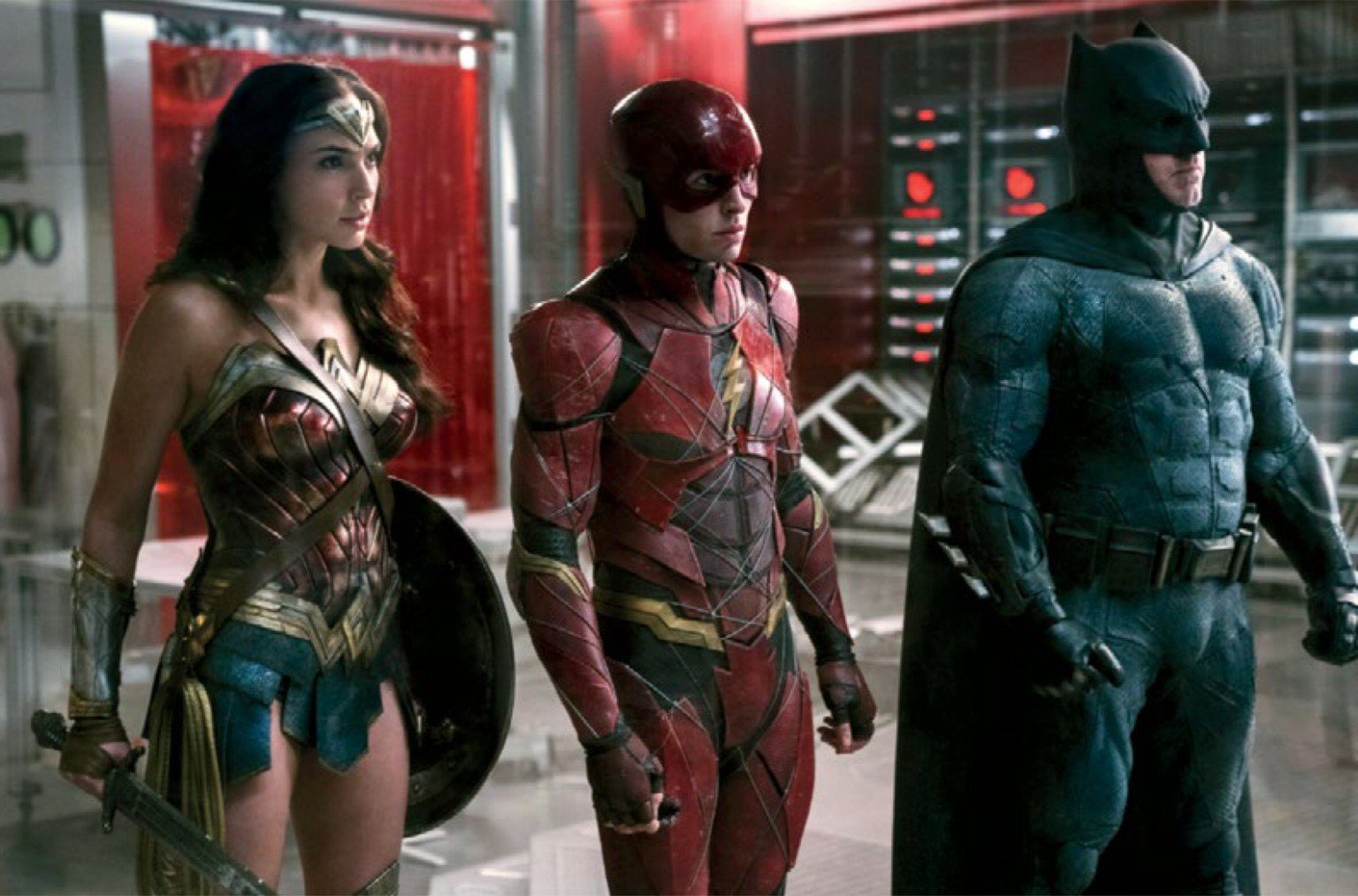
Taking the best elements from Thor and Captain America: The First Avenger, Wonder Woman takes those films’ fish-out-of-water scenario and period setting to create a joyous and unique adventure. Gal Gadot plays the title character of Diana, a super-powerful Amazonian princess raised on a mythical and secluded island populated by warrior women. One day a man washes up on its shores and it’s Steve Trevor (Chris Pine), a Word War I soldier who introduces Diana to the outside world. Both characters go through the funny fish-out-of-water tropes, first with Steve on the island and later with Diana in war-torn Europe.

While these moments were amusing, the film kicks into high-octane and colorful action pieces midway through the film when Diana aka Wonder Woman fights in the war and never lets up. By that point, the action takes over and the film is a stunt and CG fest, but it’s not mindless. The filmmakers wisely gave us time to know the characters so that by the time Wonder Woman is racing through battlefields and taking out German soldiers audiences are fully engaged with her. Not to take away credit from the filmmakers, but Gadot deserves so much acclaim for pulling off this role. In many ways, the casting for Wonder Woman was more critical than other heroes like Batman or Superman. That is because in a field so crowded with male-led superhero films, the character had to grab us from the get-go and Gadot does that quite well. Now she joins the ranks of Christopher Reeve, Hugh Jackman and Robert Downey, Jr. as iconic actors believably portraying superheroes.

As mentioned before, the film has its issues. The villains are merely serviceable and this seems to be a common problem with recent superhero films that place so much focus on the main heroes. Zack Snyder’s influence is felt with the overuse of slo-mo shots, but the action and settings go beyond Snyder. For a DCEU film, Wonder Woman is much more colorful, vibrant and uplifting. But Snyder does deserve praise for seeing something in Gadot when he filmed Batman v Superman and she obviously was one of that film’s highlights. Warner Bros. should also be lauded for believing enough in the character to let her headline her own film.

Wonder-Woman-Gadot

Wonder Woman could not have come at a better time for the DCEU and everyone. Director Patty Jenkins has delivered a fresh and exciting superhero film and has helped restore confidence in the DCEU. It has some ways to go, but at least the bleeding has stopped thanks to Wonder Woman. Seriously, Marvel Studios made a huge mistake in letting her walk off Thor: The Dark World. Her cinematic eye, which is so evident in Wonder Woman, would have made the Thor sequel much more memorable than the standard muscle fest it turned out to be. Do not be surprised if this film’s success will mean that Wonder Woman, the character, will rightfully take her place among the headliners in the DCEU.

Waldermann Rivera


Guardians of the Galaxy, Vol. 2 and Its Similarities To The Empire Strikes Back

GOTGV2 as Empire Strikes Back

Many people who have seen Guardians of the Galaxy, Vol. 2 (GOTGV2) have noted that the film, whether they enjoyed it or not, has a different tone than the original film. Some have even gone so far as to claim this sequel is to the first Guardians of the Galaxy film as The Empire Strikes Back was to the first Star Wars film. The reason for this opinion has to do with the more adult and darker mood oozing throughout Guardians of the Galaxy, Vol. 2 despite all the jokes and action. Is this a valid way to look at the movie? Consider the following and it goes without saying that major spoilers will be revealed…

Separate Ways

In the second Guardians film, the title characters split up and go off on their own separate adventures in smaller groups and meet other people. Peter Quill, aka Star-Lord takes off with Gamora and Drax to join his newly found father Ego and later meets Mantis. When they leave with Peter’s father, Rocket Raccoon and Baby Groot are left with Gamora’s sister Nebula (who is at this point a prisoner instead of a full-fledged Guardian). The remaining trio then meet up with Yondu and his Ravagers. This encounter leads to Yondu’s powerful story arc, while Peter learns about his heritage.

A similar plot device was used in The Empire Strikes Back where after abandoning the Rebel base on Hoth, Luke Skywalker and R2-D2 go to Dagobah and meet the Jedi Master Yoda. As this happens, Han Solo, Princess Leia Organa, Chewbacca and C-3P0 spend most of the film evading Darth Vader and his imperial forces. Eventually they meet up with Han’s old friend Lando Calrissian. Both groups are changed forever by their separate adventures just like in GOTGV2.

Deeper Characters

Even though some people have issues with Guardians of the Galaxy, Vol. 2, these critics agree with fans that the second film does a better job of exploring the characters. Writer and director James Gunn took time to delve deeper into what makes the core group and the supporting characters tick. By the time the film finishes we understand the Guardians and their associates much more than in the original film. They are no longer stock character types. Instead, they are more rounded and we know how and why they act and feel like they do. This leaves us with more relatable and believable characters who enhanced our enjoyment of the film.

The same thing occurs in The Empire Strikes Back. Everyone loves the second Star Wars film for its focus on the characters and making us care more about them. From joining Luke in his painful spiritual journey to understand the Force and the ways of the Jedi, to observing the growing love Han and Leia have for each other. In both films, while the dazzling special effects and sounds are out of this world, what we take away from the viewing experience is our love of the characters.

Fathers and Sons

The main character and story arc in GOTGV2 is Peter Quill’s relationship with Ego. Before meeting him, Peter and the audience did not have any idea of who his father was. When the two men meet it’s a joyful reunion as Ego fills in Peter about where he came from. Naturally, Star-Lord is excited to learn that he is a demigod. But sadly, the occasion turns sour when Peter and his friends discover Ego’s true nature and plans. The man is actually a monster who murdered not just his own children, but Peter’s mother. To make matters worse, Ego has plans to massacre countless people throughout the galaxy in order to spread his seeds.

Ego and Guardians

Continue reading