Piling On The MCU And Other Superhero Movies

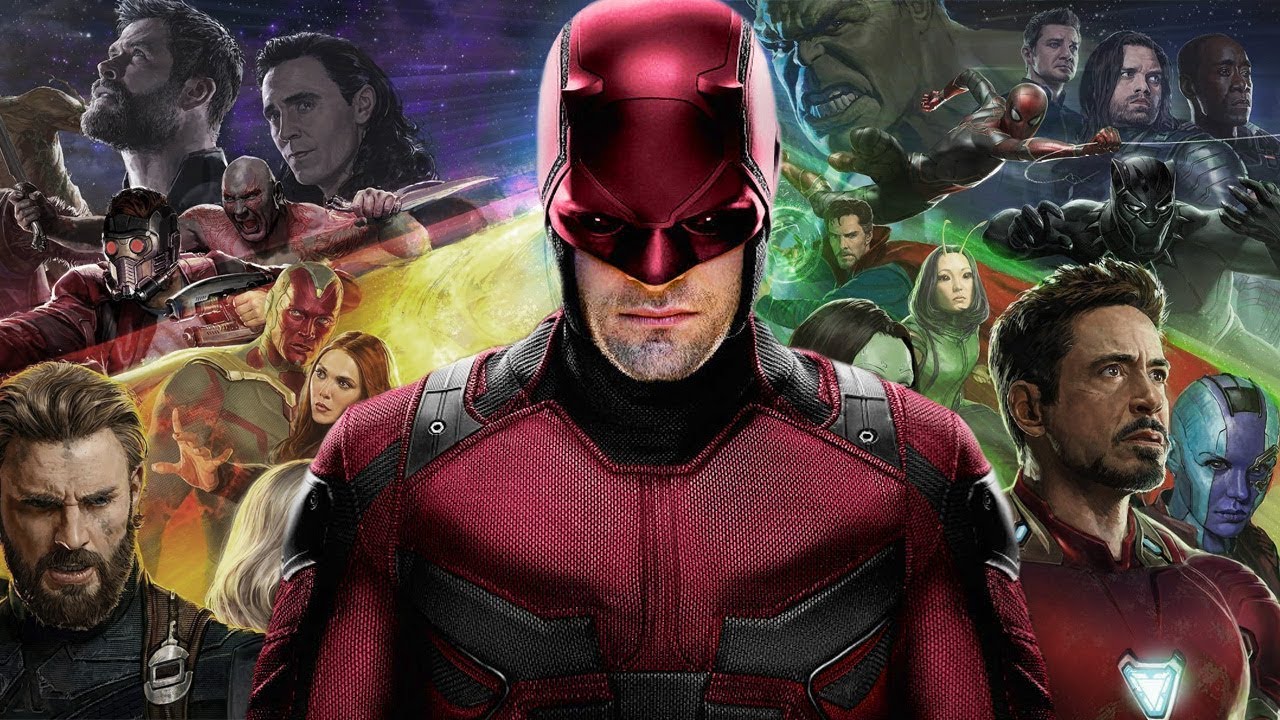
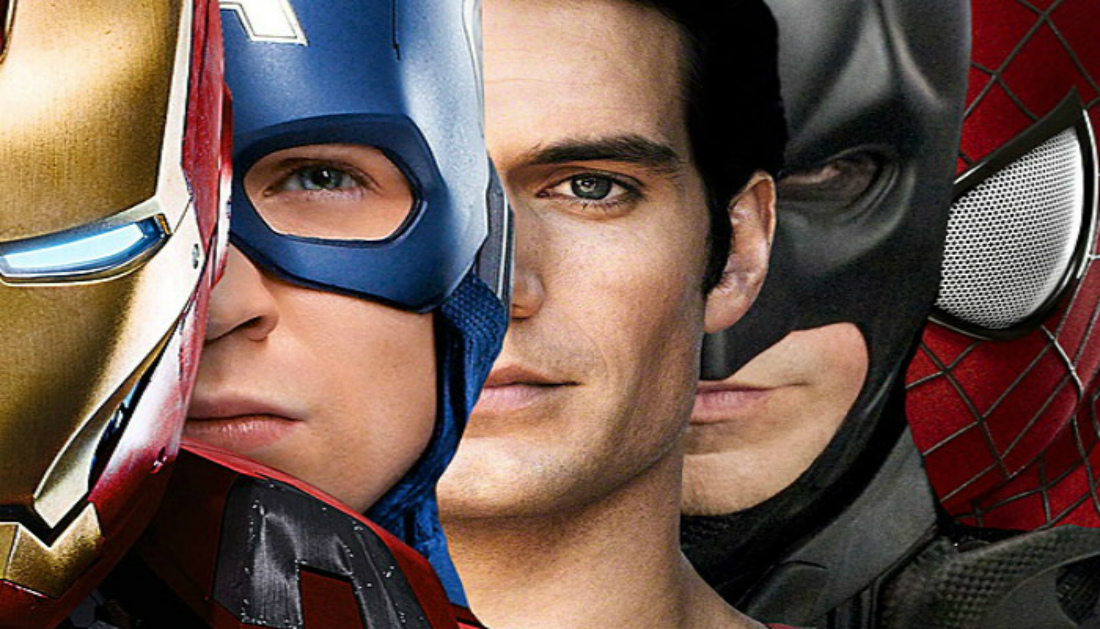
The continued dissing on the films of the Marvel Cinematic Universe (MCU) and other superhero films by prominent filmmakers and actors has gotten ridiculous!

For years as the MCU gained more and more popularity and the films became more and more successful there have been grumblings from various actors and filmmakers who have not being involved in such films. They would pooh pooh the films and claim that they were only interested in real art and bemoaned the death of cinema. Most of us fans dismissed their rants and chalked them up to sour grapes and not bothering to understand the emerging cinematic genre.

But this piling on the MCU and the other superhero/comic book films is now overboard with the recent rants from Martin Scorsese and most recently Francis Ford Coppola. Frankly enough is enough.
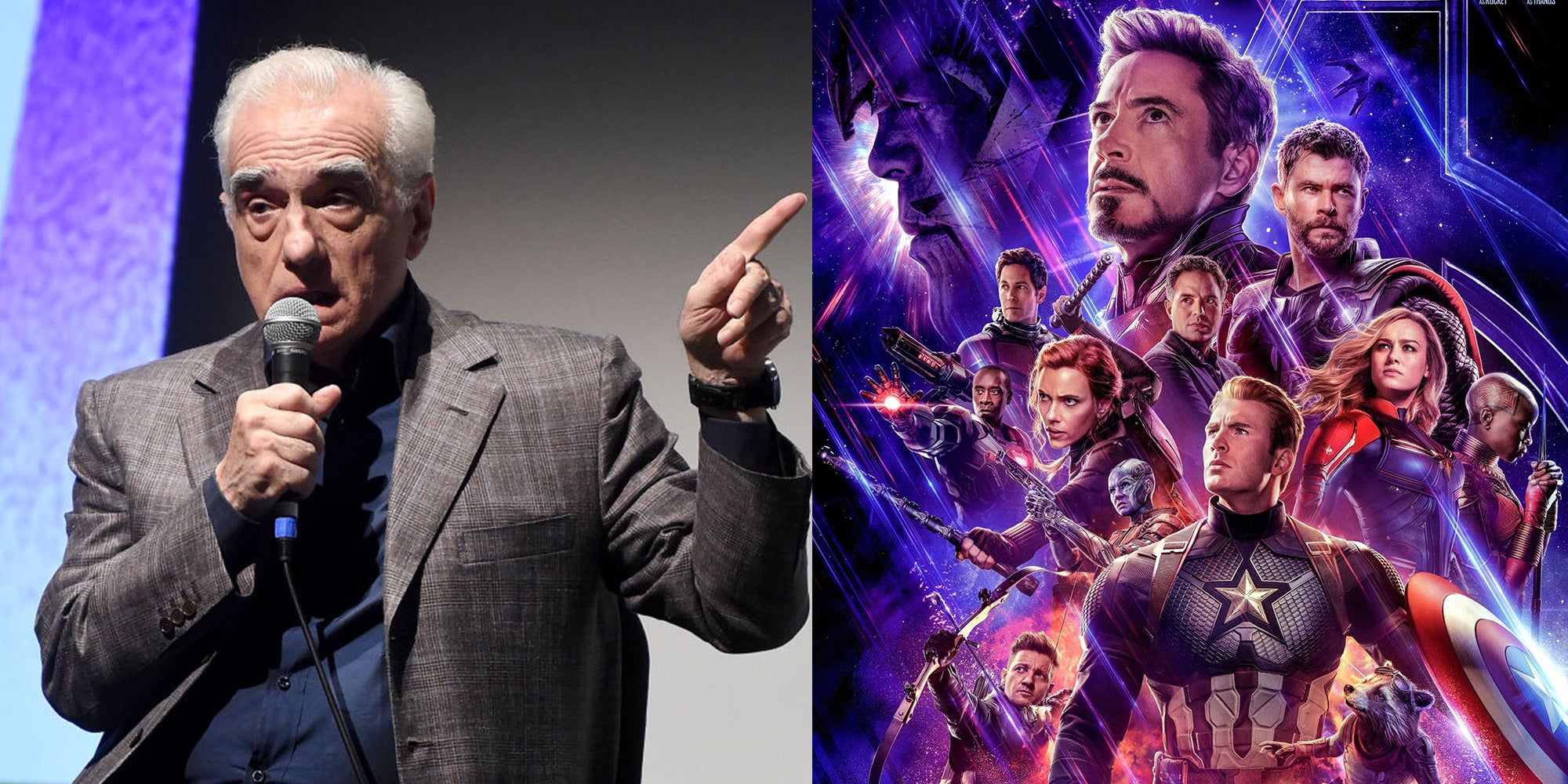
Yes, we understand these filmmakers’ frustrations with getting their projects off the ground but to take it out on these films is uncalled for.  Of course, everyone is entitled to an opinion and certainly the superhero films won’t appeal to everybody. However, Scorsese recently said he has not watched most MCU films and then went on to make a broad statement about how inferior they are and called them “theme parks”, in other words, inconsequential fluff. To have such an opinion when not having seen many films of the genre is backward. This also infers that Scorsese has not seen superhero films that transcended the genre such as The Dark Knight, Logan, or Captain America: The Winter Soldier. Of course, the genre film he produced Joker does not count (note the sarcasm).

While many superhero films may not be high art and are harmless entertainment, there are many that are high quality films and yes this applies to many MCU films. There is not a need to list the many fine superhero films but it is clear that they contribute to the cinematic art form. Logan was nominated for Best Adapted Screenplay at the Academy Awards. It was the prejudice of many old fashioned voters that kept it from getting nominated for Best Actor or Best Picture. The same went for The Dark Knight, though Heath Ledger won a deserved Best Supporting Actor for his classic portrayal of the Joker.  Black Panther became the first superhero film to get the prestigious Best Picture nod, though there have been better superhero films. Nevertheless, this is an important achievement.

Superhero films are not alone in being disrespected by elite filmmakers. Sci-fi and horror continue to be disregarded by many of them even though many genre films are well made examples of cinema and have been very influential.

Keep in mind, much of this has to do with resentment. While Avengers: Endgame dominated the box office, Scorsese struggled to get his upcoming film The Irishman made and was forced to have it released through Netflix. The blame for this has to go to the studios who will only bankroll films that they are confident which will be successful, not just in North America but throughout the world. Superhero films happen to be the flavor of the decade. Each decade has a very successful genre that captures the public attention. Last decade it was epic fantasy films like the Harry Potter films or The Lord of the Rings trilogy. In the ’80s and ’90s it was action films, sci-fi epics, slasher flicks and disaster films. There was a time when the Western was the most popular genre, it is certain that many filmmakers back in the day grumbled about Westerns and how they couldn’t get their projects bankrolled. That is just the way it is. Sooner or later, some other genre will take center stage at the box office and there will still be complainers.

For us, we should ignore these critics, especially if they haven’t bothered to watch superhero films. As for them, maybe they should open their minds and genuinely give the films a chance. Either way, we know how great superhero films are and that should be enough.

José Soto
Science Fiction & Horror: The Perfect Combination

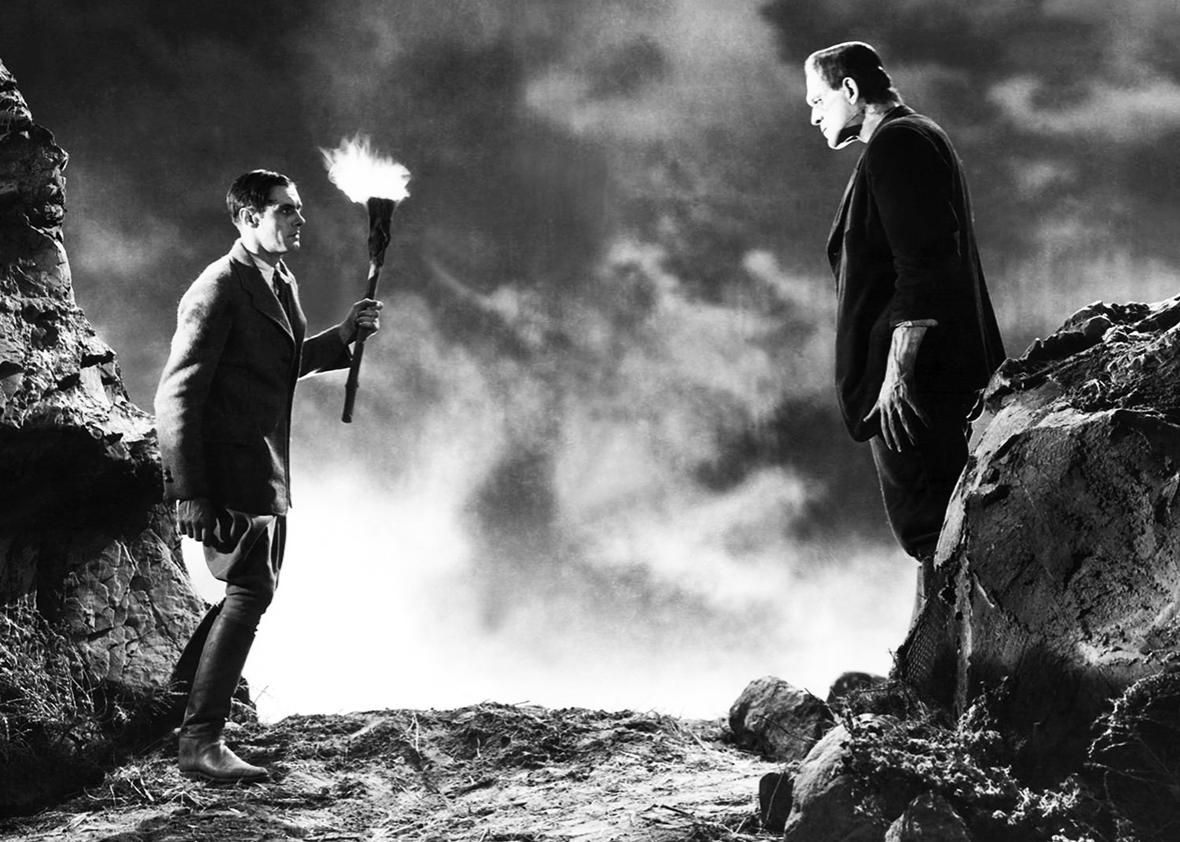
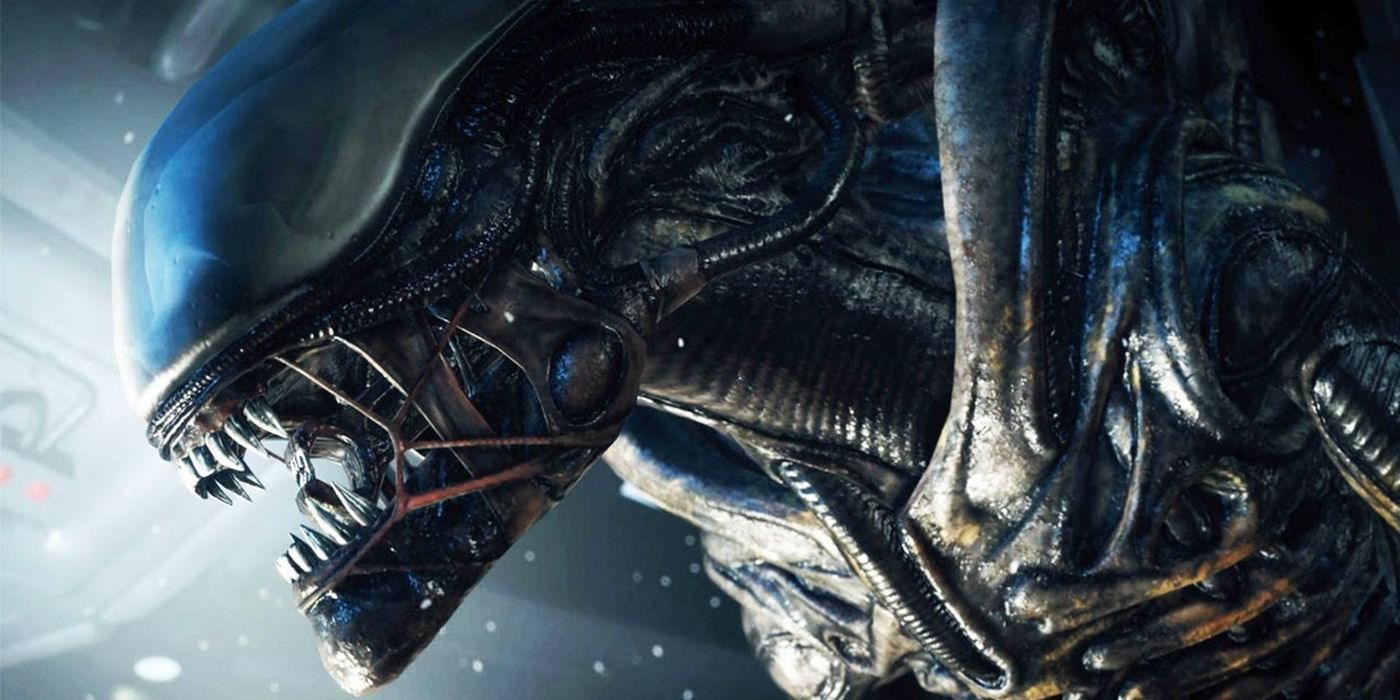
Science fiction and horror have blended well together like peanut butter and chocolate for a long time. One of the earliest examples is Mary Shelley’s classic literary work Frankenstein, or the Modern Prometheus and the melding continues to this day with assorted books, films, comic books, games and other media. Some of the standouts include the Alien films, I Am Legend, The Tommyknockers, the Predator films, Resident Evil, Event Horizon, The Fly, Dead Space, 28 Days Later, A Quiet Place, The Thing (and its source novel Who Goes There?), etc.

Why have the two genres been able to be combine so perfectly? That is to be debated since there are so many reasons and it may not be clear to many. But it can arguably be due for one factor and that is that the genre combo zeroes in to the fear of the unknown. Think about it, what makes horror so tantalizing is that it addresses what we’re afraid of, and that is ultimately death because it is the great unknown. What lies beyond death? Is it truly the end or the pathway to something truly horrific? Science fiction works have dealt with the nature of death and what it entails. As mentioned before, Frankenstein was all about defeating death and the horror of achieving this as Dr. Frankenstein found a way to bring the dead back to life through scientific means rather than using the supernatural.

Obviously it is the use of science or its grounded setting that sets science fiction horror separate from regular horror. And it is why it can be more unsettling…

With the regular horror genre, anyone experiencing it can take some small comfort with the idea in the back of the head that the horror story is implausible. There isn’t any way that a dead corpse will come back to life and start eating you, and despite all the so-called reality ghost hunting TV shows, the existence of spiritual entities still has not been scientifically proven. With films like The Thing, Alien or A Quiet Place, what makes them so terrifying is that we can encounter extra-terrestrial life that means us harm. Science experiments, research and discoveries that should benefit humanity can lead to disastrous results as seen in The Fly, Nightflyers, Event Horizon, Demon Seed, Blindsight, and The Strange Case of Doctor Jekyll and Mr. Hyde.

Then there is the sub-genre in science fiction and horror of humanity grappling with devastating diseases that falls into horror. Some like The Andromeda Strain are clear cut stories where diseases outright decimates us, but other works uses diseases to bring about body horror tales or create tenuously plausible zombie yarns. Examples include The Fireman, Black Hole, 28 Days Later, Cross, I Am Legend, and the Resident Evil franchise. Of course, saying that the events shown in these works are plausible is stretching things and as with any fictional work requires suspension of belief. But when the stories work and terrify us, they work quite well to the point that our rational brains stop questioning and start reacting to the horror of these stories.

Another thing to consider about how well the two genres blend so well is that the stories are often contemporary or take place in the future. These settings also lend to the feeling that what happens in them are possible. We don’t know that the first alien life we will encounter in the future will try to eat us or that using FTL will open a gateway to a hellish dimension. We cannot say for certain that these horrific events will happen.

What is even more unsettling is that what will actually occur in the future or just a few minutes from now can be far worse than what our puny minds can imagine. It all feeds into fear of the unknown and is why science fiction and horror are the perfect combination for storytelling.


Spidey’s Back At The MCU! (For Now)


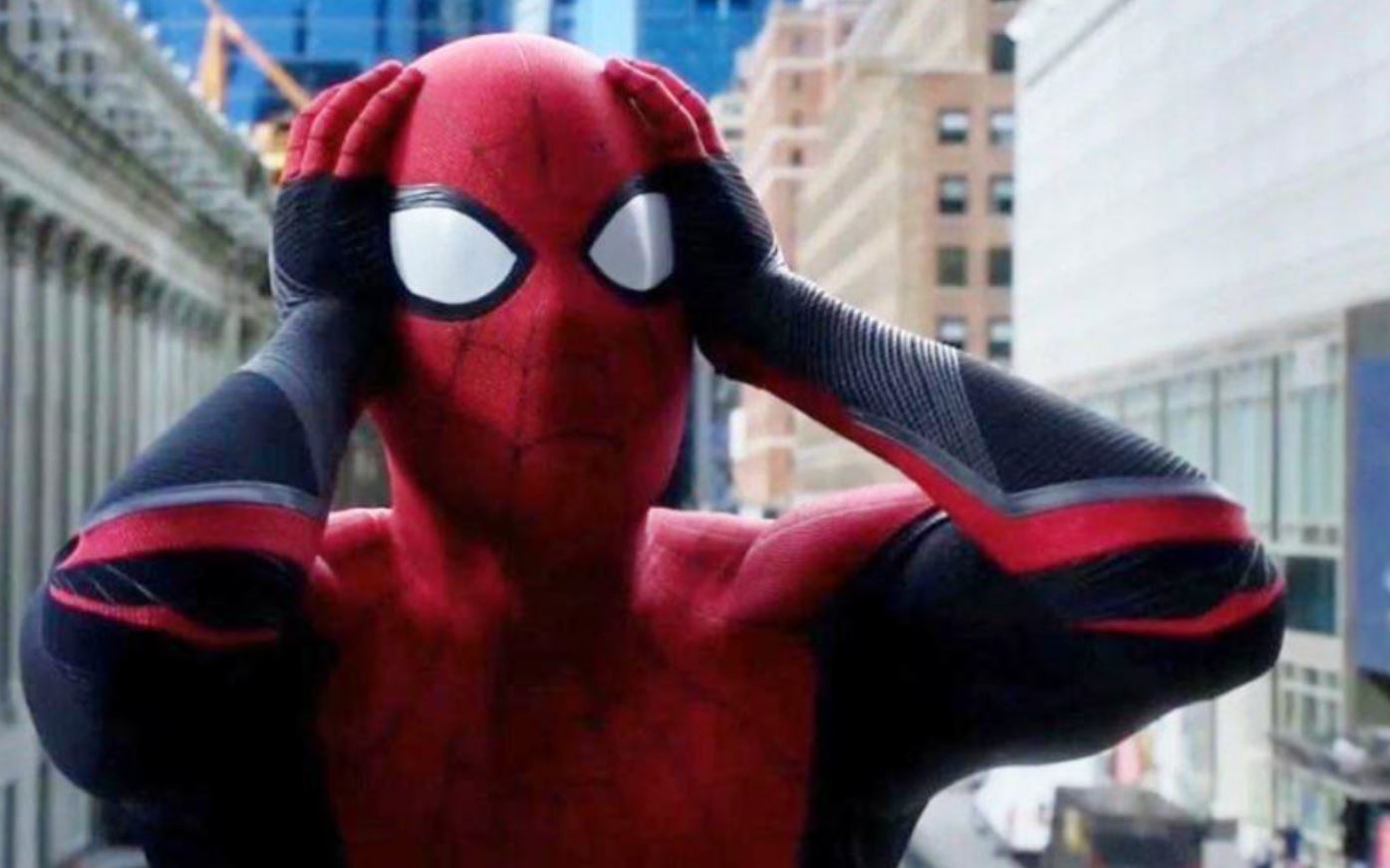
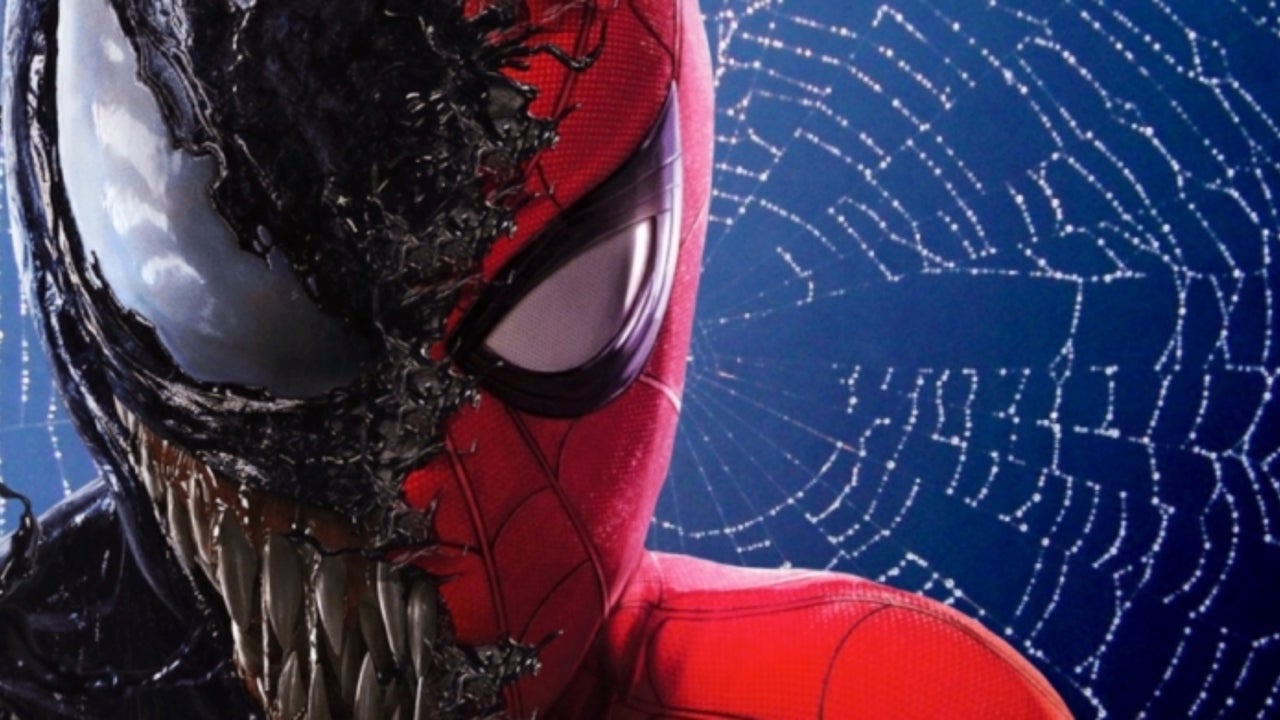
Ok everyone, take a deep breath, the nightmare is over. Spider-Man will remain at the Marvel Cinematic Universe (MCU) for at least two more films.

After weeks of anguish (let’s admit this is solely a First World problem!) we can all rest easy because Sony Pictures and Disney/Marvel Studios were able to reach an agreement over Marvel Entertainment’s most popular superhero. As we know this all started weeks ago this past summer when after the MCU-set film Spider-Man: Far From Home killed it at the box office, it was reported in the trades that Spider-Man, whose film rights lie with Sony, would no longer be in the MCU. This news exploded the Internet and outraged fans who blamed both Sony and Disney for being so greedy at the expense of fans. There were many reasons why negotiations fell apart back then and frankly both sides were at fault. But despite Sony’s announced plans for the Wall-crawler in their own start-up cinematic universe, many swore to boycott Sony films and even Disney suffered a black eye in the midst of their announcements for their upcoming MCU films.

What was worse was that Spider-Man: Far From Home ended in a cliffhanger where Spider-Man’s secret identity was revealed to the world while he was framed for murder. This led to questions over how this would be resolved in an MCU-film, if at all. That in turn led to anxiety over who would be calling the shots in a Spider-Man film now that Marvel Studios head Kevin Feige would not be around to oversee future Spider-Man films.

As time went on, people clung on to desperate rumors about last-minute deals and of Sony being purchased. All of this did not amount to anything, until today when both studios jointly announced that they reached a new agreement where Disney will earn 25% of the next film’s earnings instead of the current 5%.

Spider-Man will conclude his trilogy in an MCU film coming out on July 16, 2021 that will resolve the cliffhanger. Hopefully this film will feature the long-overdue debut of Kraven the Hunter, who would make sense as a villain given his namesake and Spider-Man’s fugitive status. Spidey will also appear in one other MCU film, which presumably will be his final MCU appearance. The question is which film? Captain Marvel 2? Maybe he will be in the rumored Young Avengers film. Or he can help introduce the Fantastic Four because of his close ties in the comic books to the superhero team. This would be a perfect way to show, at least once, the rivalry between him and the Human Torch, which was the highlight of their joint appearances in the comics.

At the same time, it is inferred that the superhero will be featured in Sony’s upcoming films like Venom 2 or any of the Spider-Man spinoff films they have planned. It was not clear either if actor Tom Holland would play the Wall-crawler in the Sony films, although it would not be the end of the world if the character was recast while Holland played Spidey in the MCU. It worked for DC when two different actors played the Flash at the same time on film and TV. Now, as to how good those films will be and how they will affect Spidey’s popularity is anyone’s guess, but Sony’ has a very mixed track record with their Spider-Man films.

For all we know, the agreement could very well be a stop-gap measure until a newer deal can be ironed out when the time comes. Perhaps, Sony might really be sold down the line, which would mean Disney gets the film rights to Spider-Man for free (and no Disney will not spend $10 billion dollars, as was recently rumored, for the character. After their Fox acquisition and setting up Disney+, the company is not going to spend that much money for just one character). Or Sony and Disney will be able to extend Spidey’s appearances in the MCU. But even if this does not happen and we are left with just two more Spider-Man appearances in the MCU, at least the new agreement gives fans a sense of closure and will prepare us for Spidey’s eventual departure.


Bridging The MCU Disconnect

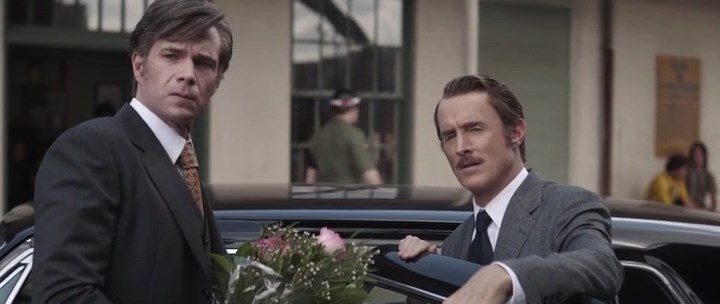
A common complaint about the Marvel Cinematic Universe (MCU) and its related television shows is how disconnected they are. There is lip service from the powers that be that all the films and TV shows are interconnected, but there is scant evidence. At least, when it comes to the films. Fans are desperately grabbing at straws and blurry screen shots to find evidence of the TV side of the MCU in the films but without success. To date, none of the characters that originated in the TV shows have shown up on film, aside from one exception. Howard Stark’s butler Jarvis, portrayed by James D’Arcy in Agent Carter, made a brief appearance in Avengers: Endgame. This lack of TV characters in the films implies that the two medium are not connected, resulting in an MCU disconnect.

jarvis in avengers endgame

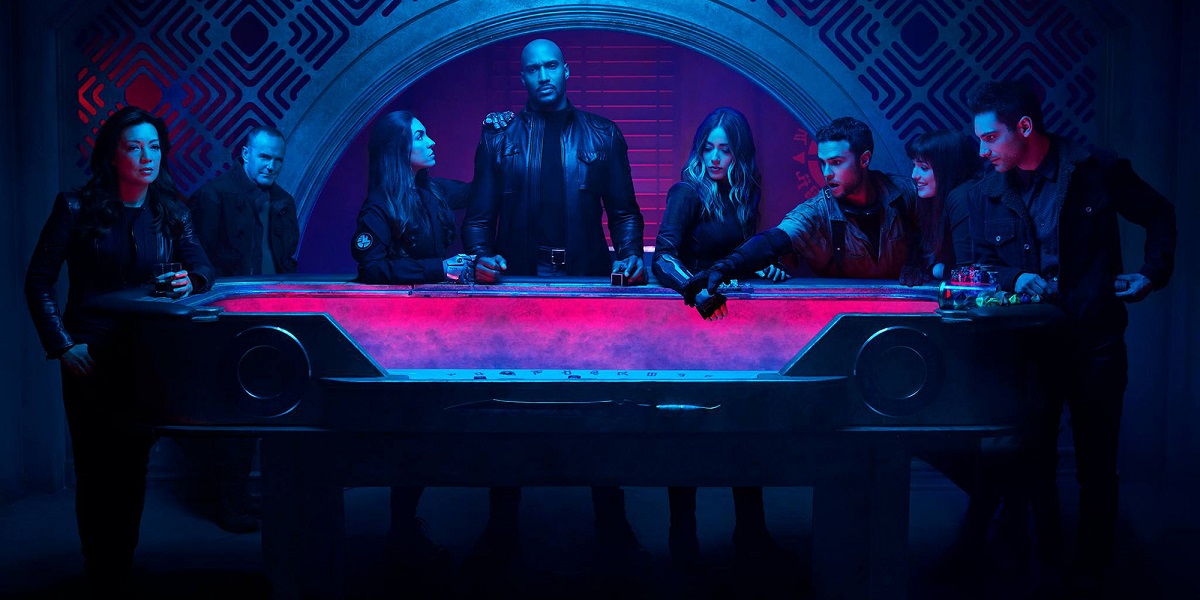
However, the television shows made it clear, especially older ones, that they were set in the MCU. It’s hard to dispute that fact where Agents of S.H.I.E.L.D. stars one of the secondary characters featured in the films (Agent Phil Coulson) and had appearances by Nick Fury, Sif and Agent Maria Hill, among others. They were portrayed by the same actors and were, in fact, the same characters. Agents of S.H.I.E.L.D. has made numerous references to the films. Lately, this has not been the case as it appears that the producers have given up hope that their shows are part of the MCU and are ignoring what is going on in the films. A good example is the recent sixth season of Agents of S.H.I.E.L.D., which takes place after the fifth season and that season referenced Avengers: Infinity War and Thanos. In the recent season nothing about Thanos’ snap was ever mentioned nor were other film characters. In a way, it’s good that the TV shows have thrown off the shackles of film continuity and are branching off on their own. The fact that Cloak and Dagger takes place in New Orleans and is far removed by the events in Avengers: Infinity War gives the impression that the MCU is much larger and complex. Like real life not everything has to be connected and it is fun for sharp-eyed viewers to spot obscure Easter eggs, such as Typhoid Mary mentioning the fictional country Sokovia in Iron Fist’s second season. But it can make it hard for some viewers to care about the events in the TV shows since they can rationalize the shows don’t have anything to do with the proper MCU.

That is changing though. With the new Disney+ streaming service, there will be numerous TV shows that are decidedly part of the larger MCU as they will star important characters like Loki, Hawkeye, Falcon and the Winter Soldier. MCU head Kevin Feige promised that the new shows will intertwine with the upcoming MCU films and held up the example of how the show WandaVision will directly lead to the upcoming film Doctor Strange in the Multiverse of Madness.

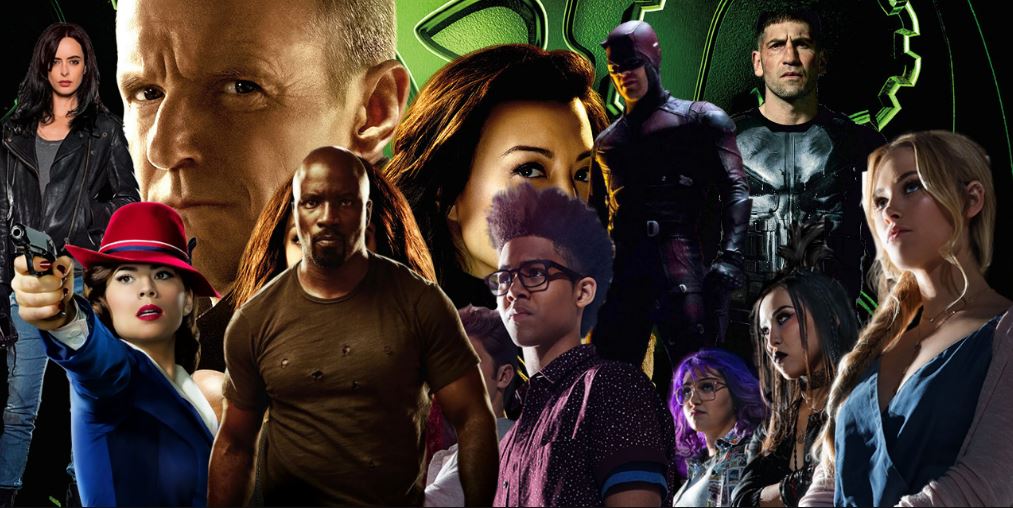
Alright, that is all well and good but what about the existing TV shows like Agents of S.H.I.E.L.D., Runaways or Cloak and Dagger? That is still up in the air and most likely nothing will change. But there are rumors going on that the cancelled Netflix Marvel shows, Daredevil and The Defenders are headed to either Hulu or FX some time next year or afterwards. The rumors also has it that actors like Charlie Cox will reprise their roles, which means the revivals of the shows will not be reboots. If this is the case, then this will validate that shows like Daredevil and Jessica Jones are indeed part of the larger MCU. This, not the Disney+ shows, will certainly go a long way to bridging the current MCU disconnect between the film and TV medium and create a richer and more complex universe.

The Coming Star Trek Renaissance


Not too long ago it seemed as if Star Trek was at a low point. Yes, the IP had a lot of attention thanks to its 50th anniversary, but it appeared that its corporate owners CBS and Viacom/Paramount Pictures could not fully take advantage of this event. There were many specials and such, but the only new product in 2016 was the film Star Trek Beyond, which did not do too well in the box office. In fact, to date it is the last Star Trek film to be produced. Then there was the backlash against both corporations when they came down hard on Star Trek fans with stringent, draconian guidelines regarding their ability to create fan films. At that time, aside from some TV specials, there wasn’t any original Star Trek content on TV. This was striking being that the franchise got its start in the television medium and flourished there.

However, CBS did announce at that time that a new Star Trek TV show, Star Trek: Discovery, was coming, except that it would only be available for subscribers of their new CBS All Access streaming app. So to see new Star Trek content on TV, one was forced to pay for it. This did not bode well for Star Trek: Discovery, and the show already had to face harsh criticism from disgruntled fans. Many of them balked at the design aesthetics, the cast that focused on women and people of color and different sexual orientations, and the fact that most of its season was devoted to a war. As Star Trek: Discovery debuted and failed to meet fans’ expectations, the franchise was further hobbled with the reports that a new Star Trek film was stuck in development hell. It seemed to be that as many cynics and haters were proclaiming: Star Trek was dying.

But the Star Trek franchise, as always, proved that it had life. Star Trek: Discovery began to find its legs and winning over skeptics. Its second season was light years better than its first with new cast members and better written scripts. This culminated in an epic season finale that rivaled anything seen in a Star Trek film and launched the series in a bold new direction while setting up respectfully the original TV show. That wasn’t all.

It was announced that there were other Trek shows in development. While the announcement was greeted with some interest it was Star Trek: Picard revelation that awoke the sleeping Star Trek fandom. The news that Star Trek: The Next Generation (TNG) star, Patrick Stewart, would reprise his iconic role of Jean-Luc Picard excited Star Trek fandom as did the news that the show would take place decades after TNG. This placated those who disliked the idea of reboots. It was clear that the original Prime Star Trek universe still existed and had stories worth exploring in it.

Star Trek: Picard was a much needed boost for the franchise as we fans eagerly wait for it to stream early next year. What added to the enthusiasm was the fact that Star Trek: Picard will feature other characters from TNG and even Star Trek: Voyager. This illustrates that the corporations finally recognized that they have their very own fictional universe to play with and utilize to its fullest. They have even given it an official name: the Star Trek Universe. We last saw this going on in the noughties with Star Trek: Nemesis and Star Trek: Enterprise. It is hoped that Star Trek: Picard will also feature characters and events from other series like Star Trek: Deep Space Nine and Star Trek: Enterprise. Additionally, there are two new animated shows coming soon and rumors of even more shows featuring the Klingon, Worf, and Captain Christopher Pike (as played by Anson Mount, who stole his scenes in Star Trek: Discovery’s second season). Even all does not seem lost on the film front. A Star Trek film directed by Quentin Tarantino is still being discussed. With all this, it can be said that a new Star Trek renaissance is upon us.

What is aiding the new coming Star Trek renaissance is that the corporations CBS and Viacom are merging and the two mediums they had the rights to, TV and film, can now fully interact with each other as last seen in noughties before both corporations separated from one another. So now full resources can be used for Star Trek with less of the corporate red tape over the usage of characters and situations.

Star Trek has faced many ups and downs throughout its fifty-plus years of existence. Some of its worst lows were after the original show and Star Trek: Enterprise were canceled. But time and time again after a lull, the franchise came back strong with renewed vigor. The upcoming shows and developments clearly show that Star Trek is coming back strong.