Superhero Brand Management 101: One Pure Version Needed


Despite the success of the New 52 comic books from DC Entertainment’s DC Comics division, I’m still not seeing an ability by TPTB to consolidate their superhero properties into one source material. I’m a lifelong comic book fan, with a professional background in branding and licensing. I look at superhero properties not only as a fan but also as a brand manager. Here are a few problems I still see superhero companies like Marvel and DC struggling with:

 1) Superhero properties must be cross referenced and cross compatible. There isn’t one clear, solid mass consolidation of the characters across all major media- film, TV, video games, animated series and their related merchandising ventures. This goes for DC, Marvel and, to a certain degree, other comic book companies who overextend their properties. I think they’re taking the wrong approach. This is brand management failure in the making. By that I mean that there are too many versions and variants of characters and their costumes and storylines and it dilutes the core characters. At DC, they have a big problem: Why isn’t Superman’s costume and storyline from the regular comic books seamlessly tied into the 90’s Superman Animated Series, the CW’s Smallvile, DC Universe Online game and the new upcoming Superman movie? BTW, the next Superman movie has no relation with the past films, and is being produced as a relaunch/remake because Superman Returns wasn’t a big hit. Noticing how The Dark Knight made more money, Warner Bros. want the new Superman movie to be “darker.”  Unfortunately, they are all standalone, independent works with no consideration on how any one of these iterations relate to each other.

 Footnote: DC Comics editorial, Superman writer Geoff Johns and artist Gary Frank superbly consolidated elements of the Superman movies and his past comic book iterations. Frank was allowed to illustrate Superman in the likeness of the late Christopher Reeve; the crystalline Krypton- designed for director Richard Donner’s Superman  by brilliant production designer John Barry, was incorporated into comic book Kyptonian architecture. The movie’s three Kryptonian villains (General Zod, Ursa and Non) finally appeared in the comic books. While General Zod originated in the ’50s comics, Ursa and Non were created for the  movies. It was Johns’ inspired idea to suggest they include all Kryptonian costumes designed by all comic book artists from the ’40s to present time, explaining that Krypton’s fashion was as diverse as Earth’s and what Kryptonians wore depended on their guild. Kryptonian fashion illustrated by John Byrne, Curt Swan, Gene Ha and from the films were all finally intermixed successfully. With the relaunch it’s unknown if they’ll keep that Kryptonian integration.

2) Too many %^$#**&$@ iterations of one character. Marvel suffers from this with all their properties. How many Wolverine comics are out there? There’s a title called Dark Wolverine and it’s not even the regular version of the character. And Logan once a proud loner is now in a whole bunch of teams! (Previously, he joined only the X-Men, that was the charm of it!) My question is: How does the comic book relate to the ’90s X-Men animated series, or 20th Century Fox’s X-Men movies, multiple X-Men video games, and other animated series? And now that’s happened with Spider-Man (the underdog loner) and all his different costumes. And let’s not forget there are two different Marvel Universes- the mainstream Marvel Universe and the Ultimate Universe. I know the reason behind it- sales and profits. Spider-Man and Wolverine are fan favorites. Marketing execs must love these infinite variations of the popular Marvel character since they can sell more comic books and toys, but it is confusing and turns away new readers.

3) Cost prohibitive and time prohibitive story lines.  I go across comic book aisles and see special event comics and multiple tie-ins and special issues (Blackest Night, Secret Invasion, DC’s numerous Crisis events and tie ins) and it turns me away. It’s unaffordable! It seems as if the larger companies are targeting upper middle class and upper class readers because the average fan cannot afford to buy so many comics just to get a complete story.

4) DC needs to scale back the amount of comics even more per month. Until the New 52, each month DC put out 52 regular titles, plus many four- and twelve- issue miniseries, and event comics for the tie ins and TBPs. Now they relaunced the DC Universe and cut back the number of monthly comic books to just 52. But it’s still too many comics to afford at $2.99 or $3.99 for each comic book. To read the full interrelaed story, the average buyer needs to spend $150 a month, and that’s for the New 52 comics alone! What about your favorite comics from Marvel, Dark Horse, IDW, or Dynamite? But even if the prices were lower the bottom line is that the average fan doesn’t have time to read every single monthly comic book that comes out per month. It’s impossible. We have to pick and choose what we read and often it feels like we aren’t getting the full experience because no one is picking up every single tie-in. This was a problem when the comic book companies flooded the marketplace with too many titles and eventually everything imploded as a backlash from the speculator boom and the industry still hasn’t recovered from that. Back in the ’60s Marvel had a very manageable lineup with about twelve titles per month. It was easy for readers to jump aboard, experience the full Marvel Universe and not feel overwhelmed. Remember the adage, less is more!

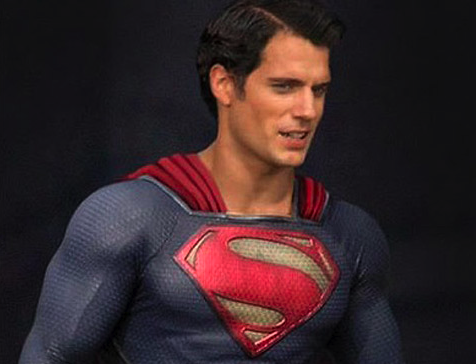
5) Superhero costumes need to be consistent to maintain strong branding. Getting back to the New 52, one big example of this problem is the Superman outfit. In Zach Snyder’s upcoming film, the colors are way off; it looks bluish grey with red violet and no red trunks. In the New 52 comic books, the costume has the right red and blue colors, but no red trunks, just a red belt. And a collar, which seems to be a superhero prerequisite in DC’s New 52. Superman’s outfit is still not consistent from one medium to another. Unfortunately the producers of the new Superman movie, and DC Entertainment clearly didn’t want the classic costume meaning the costume differs from the one Supes wears in the New 52. The result is that already many fans aren’t happy. The same thing happened with Green Lantern. They made a choice with the film to have the costume appear organic and that was fine, it worked. But they should’ve used that costume when they rebooted the New 52 Green Lantern comic book. As a matter of fact, many fans expected they would do that, and were disappointed. DC had the perfect chance and pretext last month with the relaunches to do this but they didn’t. They need to realize that the movie medium is the strongest medium and should be the strongest point of reference.
6) Superhero Genre: We need to understand that superheroes aren’t a medium they are a genre that spans several media. This was proven back in the ’40s when Superman became a radio star and ceased to be confined to the comic book medium. What should be done is to just pick the version that is most popular, whether they be the movie version or the comic book version. In other words, all media should be cross-referenced to be compatible, with the highest priority given to the look of the costumes. This doesn’t mean that story isn’t important but comic books are more of a visual medium so the costume and visuals can’t be screwed up.
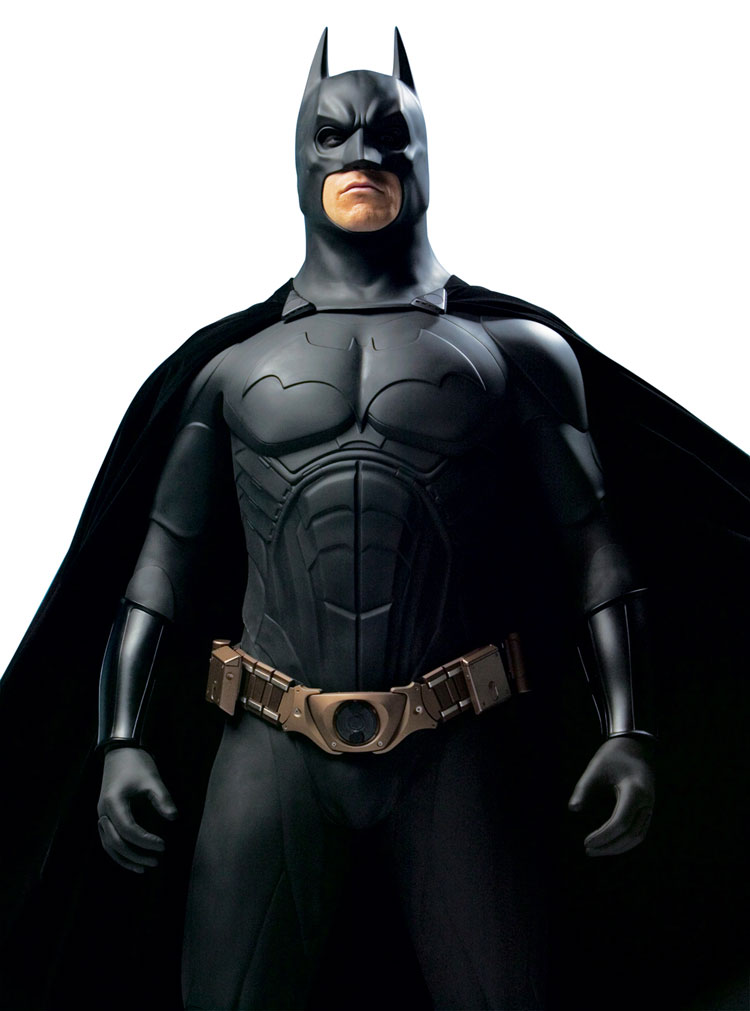
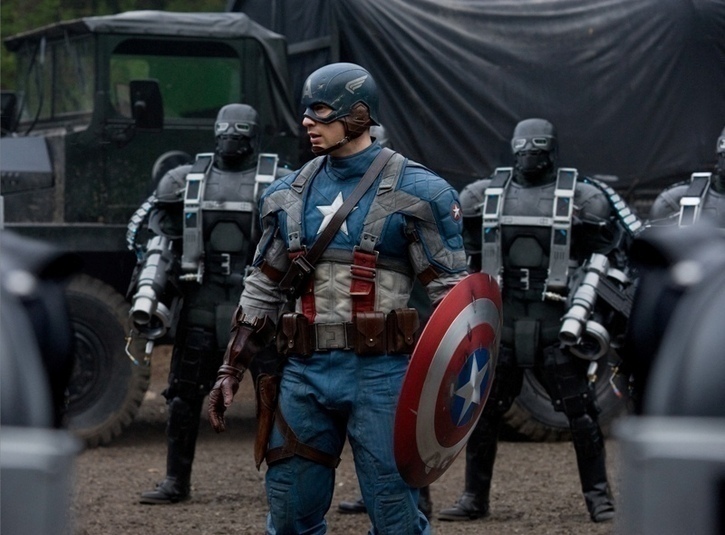
 

7) Executive-level decision mass consolidation of the characters and stories across all major mediums. This has to come from the top execs of WB and Disney sending  directives to DC Entertainment and Marvel respectively. For example, the likeness of an actor portraying the superhero or villain should be used in the comics, toys, etc. This can be expensive in terms of royalty but it just means they need to better negotiate this when coming up with the contract.

8 )Power to the (fans and consumer) people! Another thing the companies can do is have some kind of fan base council (with power and influence) that report to the big guns as to what is popular and what isn’t based on direct feedback from fans who can provide comments or answer polls. This will help bring about the highest level of consumer satisfaction.

 9) Price and online incentives: The price of a paper copy New 52 comic is the same as it is with the digital copy. The digital copy has no enhanced features. Why not? DC is missing out on a huge online opportunity: Incentives for digital comics could be online content like official character websites, commentary, videos, etc. Senior level direction is needed to map out where everything is in terms of the characters’ bios. Online charts and maps should be provided to help new readers understand what is going on, draw them in and appreciate any character’s rich history. 

Conclusion:

 There has to be one pure version of the property, and looking at this from a branding perspective, the property is still muddled. The standalone, independent business model that superhero companies are following is a bad idea. Their properties must be cross-referenced and cross compatible for all mediums, and whichever company has the guts to carry out this properly will win in the long run.


GEO

Visit GEO’s websites:

 http://geo-designs.deviantart.com/
and
http://www.coroflot.com/geodesigns

Requiem For An Angel

Alas, poor Castiel. Everyone’s favorite Angel from the CW’s Supernatural apparently (click away quick if you don’t want to be spoiled!) bit the dust, consumed by the Leviathans that he inadvertently absorbed at the end of season six.

Such a waste really. Sure Castiel had to pay the price for taking over as God (who regular viewers know has left the building in the show’s mythos) and carrying on a destructive path in this season’s premier episode. But he was arguably the best character on the show, he took it to a whole new level when he made his debut back in season four. Castiel was so popular he even became a regular.

Played in a deadpan manner by Misha Collins Castiel almost seemed like a character from Star Trek. We could easily see him as a stoic alien who is fascinated by humanity and becomes a champion of sorts. How many times did he pull Sam and Dean Winchester’s butt out of the fire? The guy was a literal deus ex machina, but most of all he was quite a badass with liberal doses of modesty and naivete.

According to Sera Gamble, the show’s executive producer,  Collins is due to return later this season but is ambiguous as to what role he’ll play. But please don’t make him out to be the Big Bad that is being mentioned by the Leviathans. Only if some part of Castiel’s good nature comes out at the eleventh hour and conquers this season’s enemies. However cool that sounds remember folks, that is basically how season five ended when Sam took brief control of his body for Lucifer to be defeated.

What should’ve happened is that spinoff show should have been created. Starring Collins as Castiel it would’ve taken place sometime after the apocalypse was averted. That way the entire War in Heaven could’ve been explored more fully instead of being given to us piecemeal last season. Think about it, there could’ve been crossover episodes with Supernatural. Special guest stars, the works. But this is the CW wannabe network we’re talking about. Cas, we know you’re coming back somehow but for now, we already miss you and that rumpled trenchcoat.

Lewis T. Grove

Star Trek At 45

Star Trek, the original show, turned 45 years old this September. Meanwhile the tenth anniversary of the last Trek show Enterprise is also in September. The point is these milestones came and went largely unnoticed or celebrated. So we all wonder why the lack of enthusiasm?

Really, everyone lately is yakking about the Star Wars blu-rays, Back to the Future shoes, new super hero movies, Harry Potter and even a new Avatar attraction for Disney’s Animal Kingdom, but barely a peep out of the world of Trek. I clicked over to the Star Trek website and it seems like a slow week in January. An article reminiscing about Enterprise, IDW comics, Star Trek: The Exhibition coming to St. Louis and upcoming conventions.

You’d think that with all the hoopla over the last Star Trek movie and how it re-energized the franchise and started things fresh that Trek would remain in the public eye. Guess again. Maybe it didn’t help that J.J. Abrams and his crew are taking forever to get a new film going. Then more and more fans are complaining about Abrams’ take on Trek and how it ruined the franchise, nullifying over forty years of Trek lore and made the film seem like a Star Wars wannabe flick.

Another thing that isn’t helping is CBS Studios not wanting to make another Star Trek show while greenlighting junk like Person of Interest and other cop procedurals. For the average Trek fan (I refuse to call myself and fellow fans as trekkies, that’s too demeaning) this is a cause for alarm. In this crowded medium, Trek has to struggle to stay in the public eye. It can’t just rest on its laurels. That attitude of taking fandom and demand for granted is why the later shows declined in quality and ratings putting us in this situation.

No Trek isn’t going away, who knows maybe the new film, whenever they decide to make it, will stir things up. Maybe it will take the fiftieth anniversary when we’ll get the articles and such about how Trek gave us cell phones and tablets (but no holodecks but we’re getting there with the 3D TVs). But Trek is best known for being a TV show, that is its home medium, so a new show has to come out to keep up with the other franchises. Just do a cartoon for now until the right people are found who can put out a quality show. That way Trek stays in the public’s mind. It worked for Star Wars with The Clone Wars cartoon. Here’s an idea do a cartoon about Starfleet Academy. It won’t be that offensive to anyone who hates the thought of Star Trek 90210 since it will more geared toward younger viewers, who in turn may become tomorrow’s fans that keep the dream alive. Just do something already.

Waldermann Rivera

Meet The Alternate Star Wars Saga Cast, Part II

As this imagining continues about who Lucas would cast in the Star Wars movies if they were filmed chronologically, there is one important thing to consider. Most likely the films would’ve been completely different to the point that characters would change or even be written out altogether. There isn’t any way to accurately factor in how different the films would be. This is pure speculation under the premise that if the storyline remained exactly the same then so would the characters for the most part. As stated previously, there isn’t any way to know if Lucas would’ve gone for these picks or if the actors would accept the offers.

The Original Trilogy: Star Wars Episodes IV-VI

Luke Skywalker: Supposedly, Ryan Phillippe was a thisclose runner-up to play Anakin. So he was in Lucas’ mind. He has the acting ability to add more pathos and angst to Luke as he grows from a simple farm boy to a seasoned warrior throughout the trilogy. Then again Lucas may have hired Hayden Christensen and who knows how that would have turned out. But one actor to consider seriously is Shawn Ashmore, who appeared as Bobby Drake/Iceman in the X-Men films.  True he might’ve been a bit young but Luke was supposed to be an innocent farm boy with big dreams.

Han Solo: Thomas Jane has the good looks with a rakish demeanor, plus he’s a talented, underrated actor that could easily play a swasbuckling, rogue spice smuggler who redeems himself and wins a princess’ heart. Of course, a fan-favorite alternative would be Firefly’s Nathan Fillion, his character of Malcolm Reynolds has many of Han’s qualities but Jane looks a bit tougher, the kind of scrappy guy you want on your side during a fight. Also another Firefly alumni that could’ve portrayed a deadlier version of Han is Adam Baldwin.

Leia Organa: Selma Blair has the looks and scrappiness to play the princess-in-distress who can take care of herself in a blaster fight. Perhaps audiences would’ve been spared that goofy hairdo in Episode IV, then again remember those outlandish outfits that Padme wore in Episode I.  A viable and spunky alternative is Kelly Macdonald who, like Ewan MacGregor, appeared in the cult classic Trainspotting, so Lucas would’ve still hired someone from that film. Or Morena Baccarin, yet another Firefly alumni, could’ve played a more sultry and exotic Princess Leia.

Obi-Wan “Ben” Kenobi: It’s likely that Perry King or any other actor who originated the role back in the ’70s and ’80s would have been able to reprise it with the new trilogy. With that stated here’s a curveball of an acting pick: Sean Connery. The man was a legend by 1999. He has that regal yet tough demeanor with a compassionate undercurrent to pull off the role of an old Obi-Wan. This role might’ve prolonged his acting career by a few more years since it wouldn’t have led to him retiring after feeling disgruntled with Hollywood.

Darth Vader: Kurt Russell, who might’ve been picked to play Anakin in the early films, could’ve been persuaded to don a full suit with face-concealing helmet and play Vader. Maybe Ron Pearlman could’ve worn the suit? Otherwise, some unknown, muscular and tall performer would fill in the role. James Earl Jones would’ve done the voice as in the real world. If he wasn’t available then Lucas could’ve gone with Avery Brooks who also has a rich, booming and distinctive voice.

Lando Calrissian: Solid acting ability is just one reason why Blair Underwood is a lock for this role. It calls for someone that is a charming, good-looking,  former con man who is forced to turn against Han before joining the rebels in the end. The guy just looks like a hero! Another outside possibility is Terrence Howard who has many of Underwood’s qualities to play Lando.

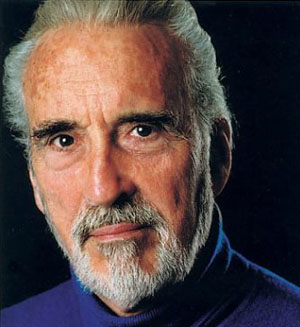
Grand Moff Tarkin: Christopher Lee should’ve been able to play this role nicely. As seen most recently with Lord of the Rings: The Two Towers, Lee showed audiences why he makes a great villain with experience going back to the old Hammer films. Then again Lucas may have tapped Terrance Stamp for the role. He did appear as Chancellor Valorum in The Phantom Menace and could play cold, icy villain with his eyes closed.

Boba Fett: If Scott Glenn was cast as Jango then there’s no reason why he couldn’t play his offspring in the final films. That is if Boba had an expanded role in the final films. Otherwise, being that the character had a limited role, spoke a handful of lines and didn’t even remove his helmet, it’s probable that an unknown actor would’ve been cast instead.

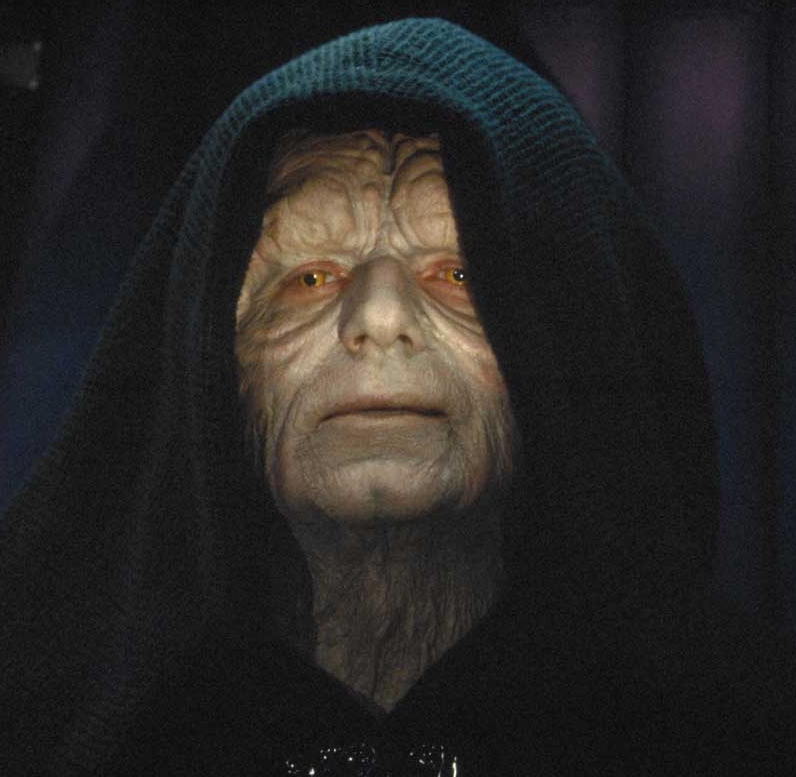
Palpatine: Ian McDiarmid would reprise his role as the Emperor for the final two films. The makeup might be different. That of course depends on whether or not he originated the role with the Prequel Trilogy. Whoever else was chosen to play Palpatine could’ve continued playing him or John Noble, now seen on Fringe, could’ve done the part. That man can do twisted, calculating nemesis. Look no further than his role as Walternate in Fringe or Denethor in Lord of the Rings: The Return of the King.


Chewbacca: If that character made his debut in Episode III and Peter Mayhew played him then hopefully he would still play the Wookie in the later films. It’s hard to imagine someone else doing the part, maybe Brad Garrett? He is pretty tall, but he wouldn’t have any lines so who knows if he would’ve accepted. Perhaps Chewbacca would be played by some unknown actor. Then again Chewbacca and the Wookies may not have appeared in Episode III, meaning that he would be a CG creation. In that case only Andy Serkis or Doug Jones would be able to project their acting ability through the mo-cap process.

Wicket: Lucas probably would have the Ewoks rendered in CG and made them into a completely different race. Maybe a more formidable and believable a force to defeat the Empire’s stormtroopers. Otherwise Warwick Davis would play Wicket as he did in real life.

Yoda, C-3P0, and R2-D2: They would’ve been played by the performers who originally played them. Meaning Frank Oz, Anthony Daniels, and Kenny Baker, respectively. That’s because since all three characters appeared in the early films and in real life were performed in the ’70s and ’80s by these three men then logically they would continue doing the roles. One thing to note is that Yoda would have been a lot less active in the prequels due to f/x limitations. Hence, no crowd-pleasing lightsaber duels in the prequels. But Yoda may have survived long enough in the final film to confront Palpatine with a spectacular duel as he did in the final scenes of Episode III.

As for Jabba the Hutt, Admiral Ackbar, and Nien Numb, well they most likely would be CG creations instead of puppets or actors in heavy makeup. It would be interesting to see how they would’ve appeared in that case.

And just to goof around, let’s have Patrick Stewart  bridge the worlds of Star Trek and Star Wars and make a cameo appearance in Episode V as Lando’s aide Lobot!

José Soto

Thor Is Better Than Iron Man!

There’s the other blu-ray release this week, Marvel Studios’ Thor, which came off as a pleasant, unexpected surprise when released in theaters this past May. Why was it better than it seemed? Blame it on marketing, maybe (man did those awful heavy metal riffs at the end of the trailer nearly kept me away from the movie). But it looked very uninspiring in the trailers as some run-of-the-mill fantasy romp. Instead the film was a clever re-imagining of the Marvel character while celebrating its larger-than-life Kirbyesque landscape.

In the comic books, Thor is the God of Thunder from Norse myth. While the comics also state that he and his fellow Asgardians are more or less extra-terrestrials, this film full on states this as fact. The result is one of the more imaginative alien cultures shown on film. Basically, their technology is so advanced that it seems almost like magic to us. For example the famed Rainbow Bridge which leads to other realms is for all intents and purposes a sort of wormhole machine and it looked spectacular on the big screen.

More importantly, director Kenneth Brannaugh’s science-based vision of the Asgardian world is so rich that it fires any viewer’s imagination. Right away, I was able to conceptualize how Thor is probably genetically attuned to his hammer that is itself a probable lightning rod. Despite some misgivings from some about the Earth based scenes, which inject much needed humor, the entire effort pays off and enriches the burgeoning Marvel movie universe.

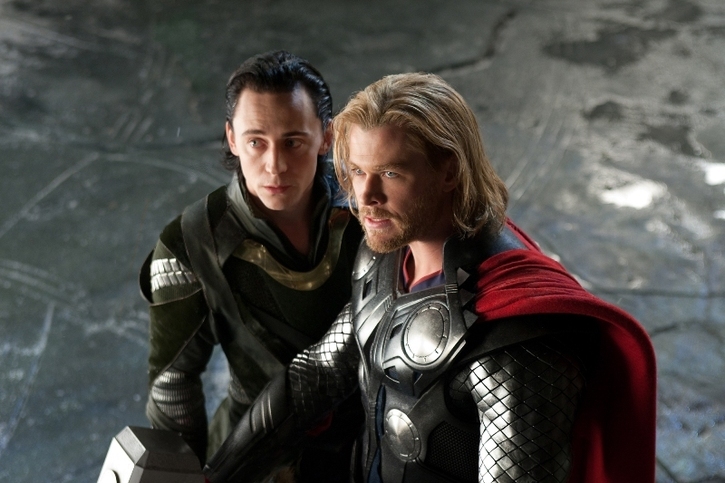
Why is it better than Iron Man? I could go on forever but I’ll just go over a few points. For starters, the villain Loki is so much better than Iron Man’s Obadiah Stane. Loki could’ve been a Joker rip off but in this film, he’s so calculating and subtle that you can’t help see his side that Thor isn’t entitled to rule Asgard. Stane on the other hand, is your average evil capitalist. Too many Marvel films have them. Another point is that with Iron Man, it takes forever for Tony Stark to actually become don his regular Iron Man armor. In fact, I believe there are only three scenes where he’s in the red-and-gold outfit and this happens after more than hour into the film! With Thor right away you see him using his powers (which is one of the main reasons he gets exiled to Earth) and actually Thor doesn’t bother with a standard origin storyline and that’s a relief. Instead the transformation into a hero has to do with Thor transforming his soul. And one last point is that Iron Man after a fantastic first hour starts to drag once Stark escapes his captors, then it’s waiting until he fights Stane. And that came off as a quickly done robotic fight straight out of a Transformers film. Not with Thor, I know some people complained about his scenes on Earth but to me it added more to his story and only made me wish they spent more time with the fish-out-of water aspect to it.

The film was a big hit and a sequel’s in the works. However, it did seem to get lost in the buzz but that’s because the market is saturated with superhero films. Add to that the crappy 3D conversion that everyone complains about (when will studios realize that cheaply done 3D results in hard-to-see film that will turn off audiences from shelling out moolah for any future films?) and that’s why it wasn’t as big as hit as Iron Man. That’s too bad, but now that it’s on DVD it’s worth a look.

Lewis T. Grove