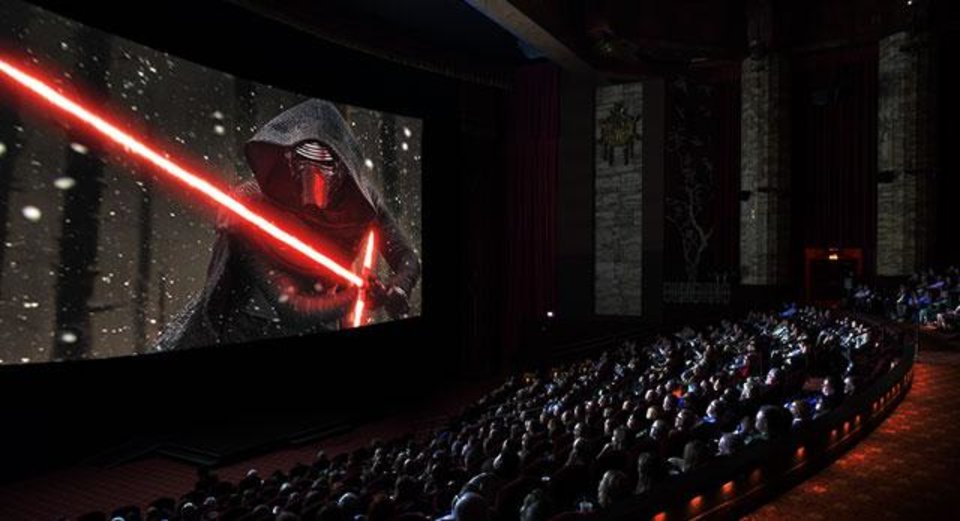
Streaming Wars & The Decline Of Cinemas

As we all know the current COVID-19 pandemic has severely disrupted our society in so many ways. In this case, with our entertainment viewing options. Given the infectious nature of the coronavirus most movie theaters have shut down in response for the safety of the audience and their employees. Most films scheduled to be released this year either had limited releases (like Tenet) or were re-scheduled for next year and beyond (such as The Eternals) or wound up available for viewing in the safety of our homes (namely Mulan) through streaming services or video on demand (VOD).

One ray of hope is that a few vaccines will be available starting in a few weeks, which should hopefully end the pandemic in 2021 and we can resume our formerly normal lives. Or will it, at least when it comes to cinemas?

The movie theater industry has always been insecure over its propects of survival whenever a new type of medium came into being. Back in the 1950s, film studios were convinced films were doomed because of the mass introduction of television. Later the same fears arose with the rise of home video and cable networks and streaming services. Then the industry had to compete with other forms of entertainment like video games. Yet, throughout all of the competition, cinemas survived. But now many fear it appears as if they will finally close because of the pandemic.
Of course, the pandemic will not last forever, but it exposed the drawbacks of the movie-going experience which is more socially based than most of us realized. Also, film studios have found ready audiences with home media which has grown with the rise of the streaming apps like Netflix, Disney+ and HBO Max.

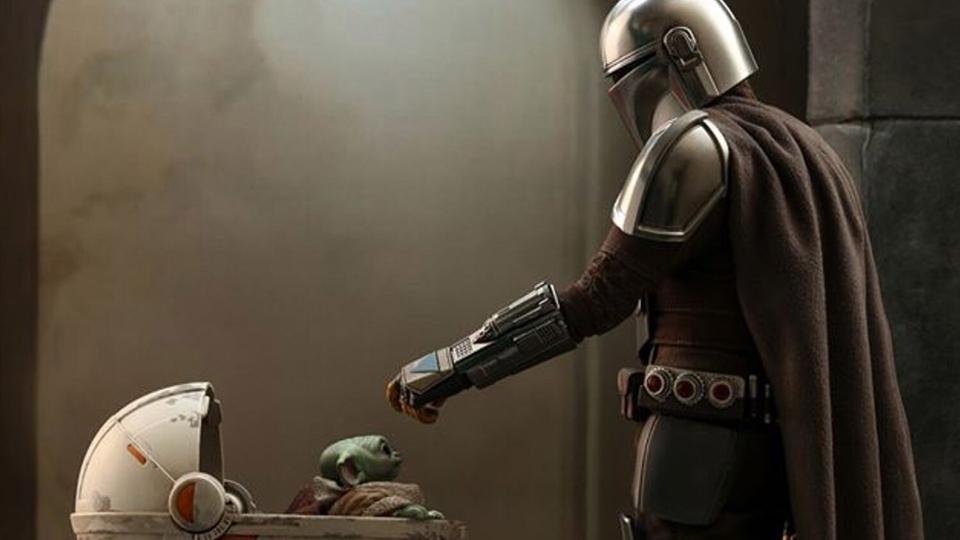
The studios have realized what was important to their bottom line was not necessarily new content but a vast library that will keep streaming subscribers. It may not make sense but it is true. Look at Disney+, they have existed for just over a year and the only premium original content they debuted was The Mandalorian. Yet, the service has over 73 million subscribers who enjoy their library of Star Wars films and specials, Pixar films, Disney classics and Marvel-related films and TV shows. Technically the service does not have to introduce new content to keep their subscribers although this concept may be tested if Disney+ fails to deliver on its many promised premium Star Wars and Marvel shows.
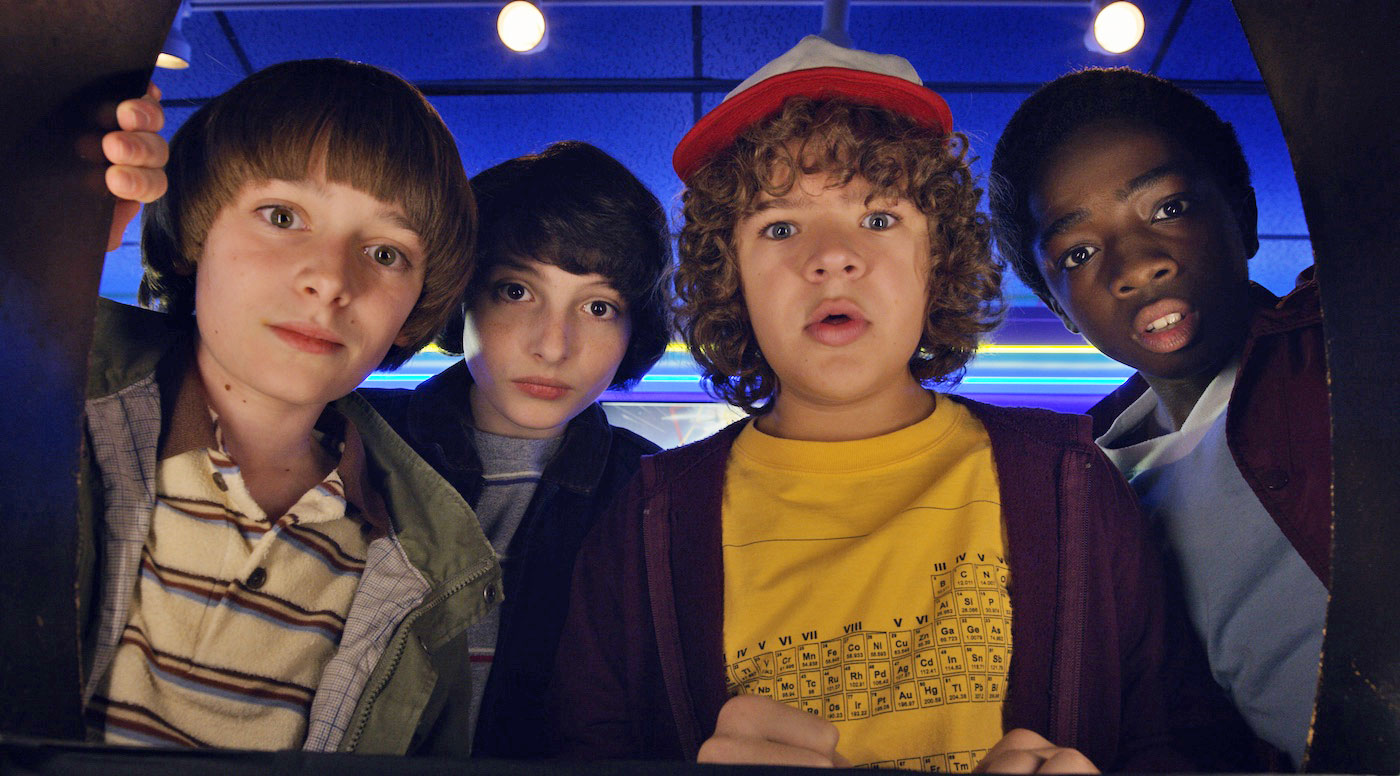
Meanwhile, Netfilx has an exhaustive library of content but much of it is licensed and the service is losing many of them. This is why Netflix has cranked out so many original films and TV shows like Stranger Things, The Umbrella Academy and at one time Marvel-based shows like Daredevil and Luke Cage.


Continue reading →

Of Love And Monsters

Love and Monsters was released last month through video on demand and had a limited theatrical release. Like practically every film since this spring, it too could not get a widespread theatrical release because of the coronavirus. It’s a shame since this extraordinary film deserves much more attention, though positive word of mouth might elevate it to cult status sometime down the road.

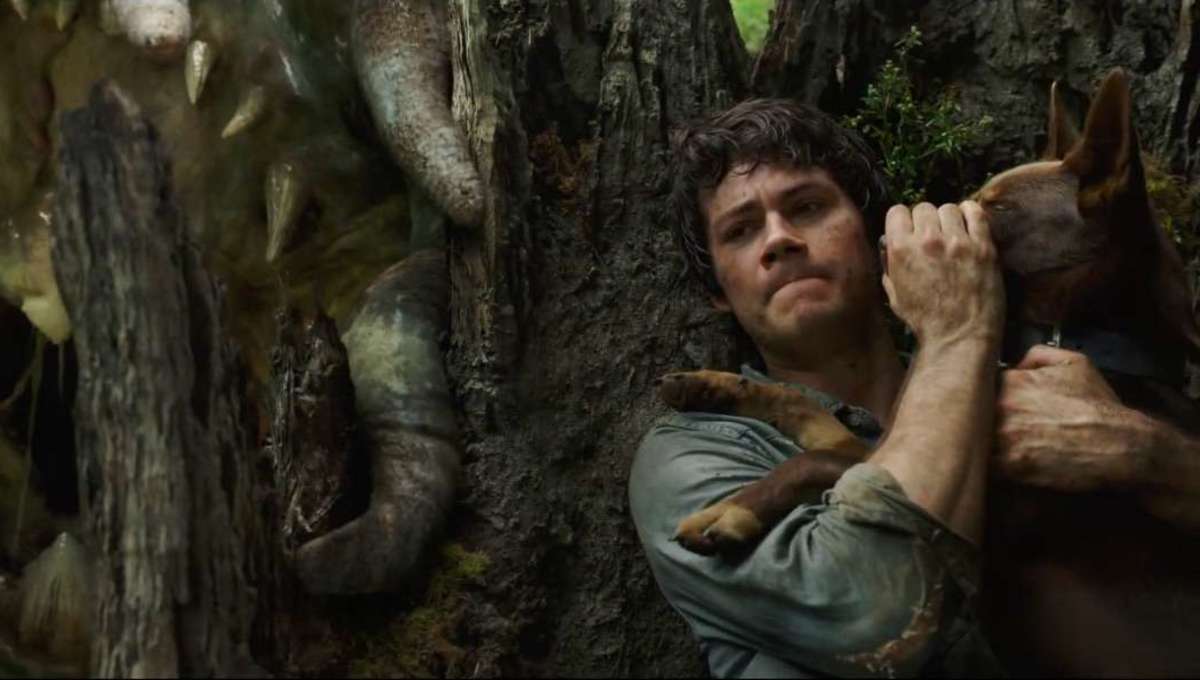
love and monsters dog

In a nutshell, Love and Monsters stars Dylan O’Brien as Joel Dawson, an insecure twentysomething doing his best to survive during a giant monster apocalypse, all in the name of love.

As told in the film’s opening segments, years ago, a giant asteroid threatening Earth was destroyed with missiles, but the fallout mutated Earth’s cold-blooded creatures into gigantic monstrosities that essentially destroyed civilization. Now what is left of humanity ekes out meager existences in underground shelters and bunkers, and do their best to avoid the bloodthirsty critters that have claimed the surface world.

Joel pines for his lost love, Aimee (Jessica Henwick), who was forced to separate from him years ago. Recently, he tracked her down at a colony over 80 miles away from his own and he decides to risk it all to reunite with her. The only problem is that Joel lacks basic survival skills and somehow has to find a way to make it through the deadly surface landscape without being eaten.

Along his voyage, he comes across a handful of memorable characters. These include a loveable dog called Boy, which quickly bonds with Joel, a broken robot Mav1s (Melanie Zanetti), and a scruffy but friendly survivor Clyde (Michael Rooker) and his spunky companion, a young girl named Minnow (Arianna Greenblatt). They help Joel out and teach him how to survive in the rugged landscape by using his wits and valuable survival skills.

Naturally, Joel and Boy face many dangers, some of which are genuinely creepy and tense, but he discovers his own potential as he grows during his journey. Sure, it seems implausible that Joel could have survived for years in the giant monster apocalypse without having basic survival skills, but his emotional journey was quite satisfying to watch.

Love and Monsters is such a pleasant surprise. It is not a dire, dark film, but it is still boasts its fair share of thrills. By the way, the creature designs are very imaginative and unique. The best way to describe the many monsters Joel and the others encounter is to think of those creepy pit creatures from Peter Jackson’s version of King Kong.

Yes, thanks to its lighter tone, Love and Monsters can be compared to Zombieland, though it is not as funny. Still, it does have a lot of heart, has charming characters and it is easy to tell everyone involved from the actors to the production crew to the writers (Brian Duffield and Matthew Robinson) and director (Michael Matthews) gave it their all. The result is a satisfying giant monster film with a ton of heart.

In fact, the film strikes and inspirational tone with its message that although a situation may be dire, it is possible to overcome it and thrive. In some strange way, Love and Monster is somewhat relevant to our current situation by demonstrating the pluck nature of humanity will overcome obstacles, which in the film’s case are giant monsters.

José Soto

The Sean Connery Genre Films Ranked

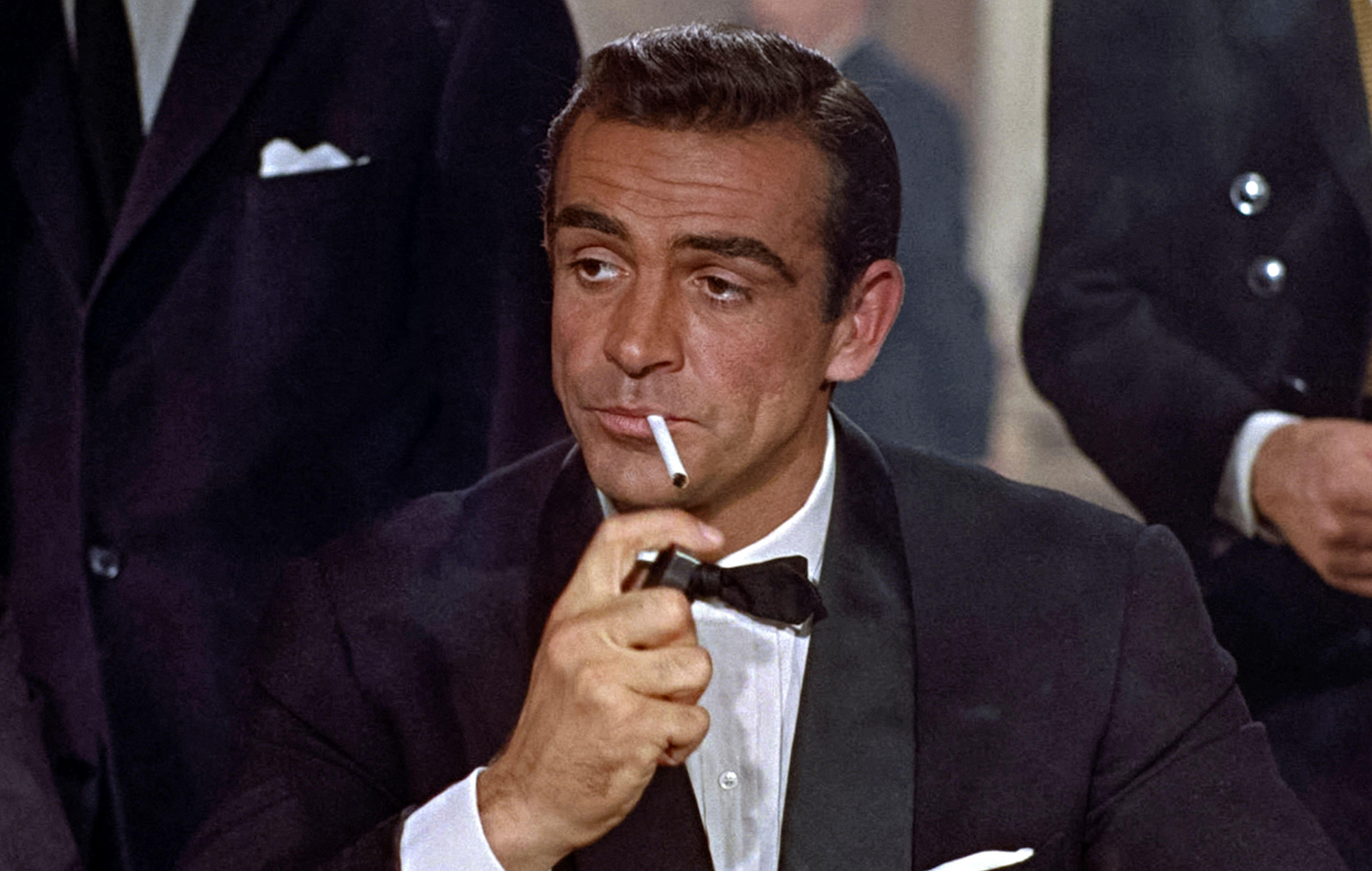
As we reflect on the film legacy of the late, great Sean Connery, who recently passed, his contributions to genre films must be recognized. Of course, not all of them were classics, in fact, some of the films were very substandard. Still, Connery shone in his appearances in those flawed films, and was the highlight. Here are the Sean Connery genre films ranked:

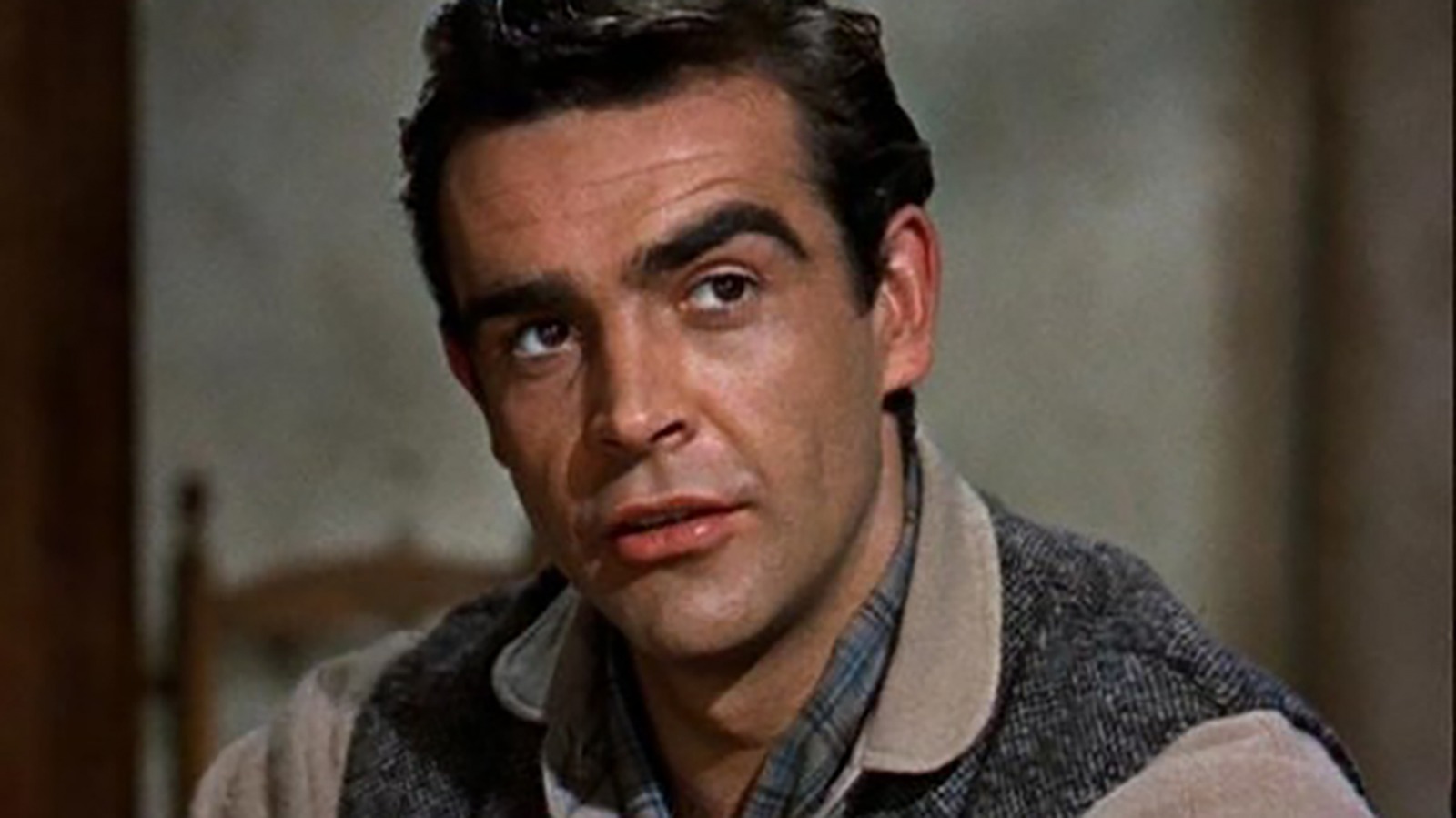
12. Darby O’Gill and the Little People (1959)

A pre-Bond Sean Connery appeared in a supporting role in this Disney film about an old man in an Irish town and a leprechaun king. It’s strictly for the kids, but Connery got to demonstrate his fine singing voice.

11. Highlander II: The Quickening (1991)

A very disappointing sequel to the classic fantasy film about immortal warriors was doomed with its clumsy script and retcons. Needless to say that Connery stole the film whenever he appeared.

10. Time Bandits (1981)

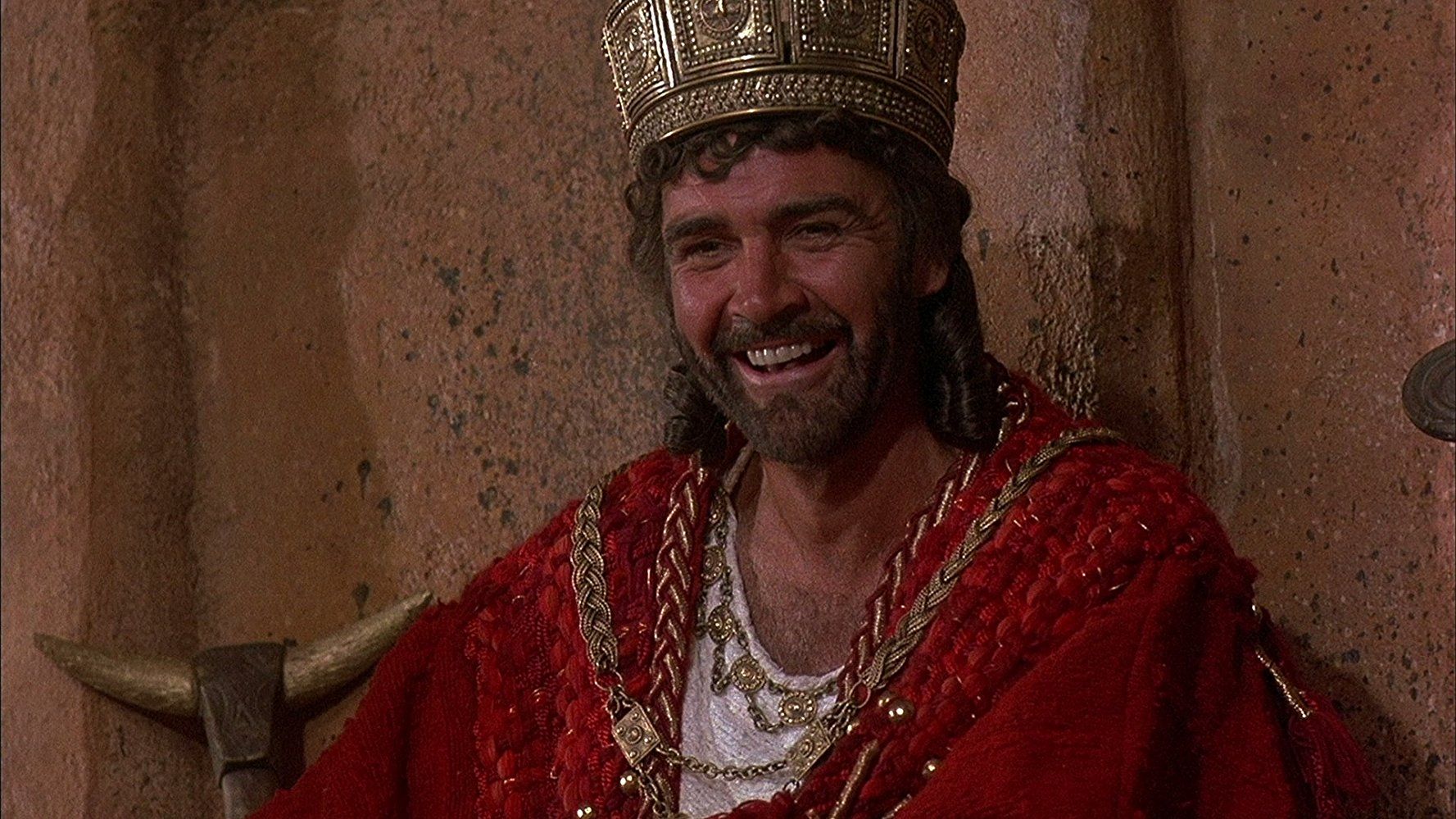
Connery only had a brief role as King Agamemnon in this Terry Gilliam fantasy film about a boy who joined a band of time traveling little people. Not as funny as you would think, the film had a grand epic scale with imaginative scenes and Connery lent a gentle gravitas to his performance.

9. Zardoz (1974)

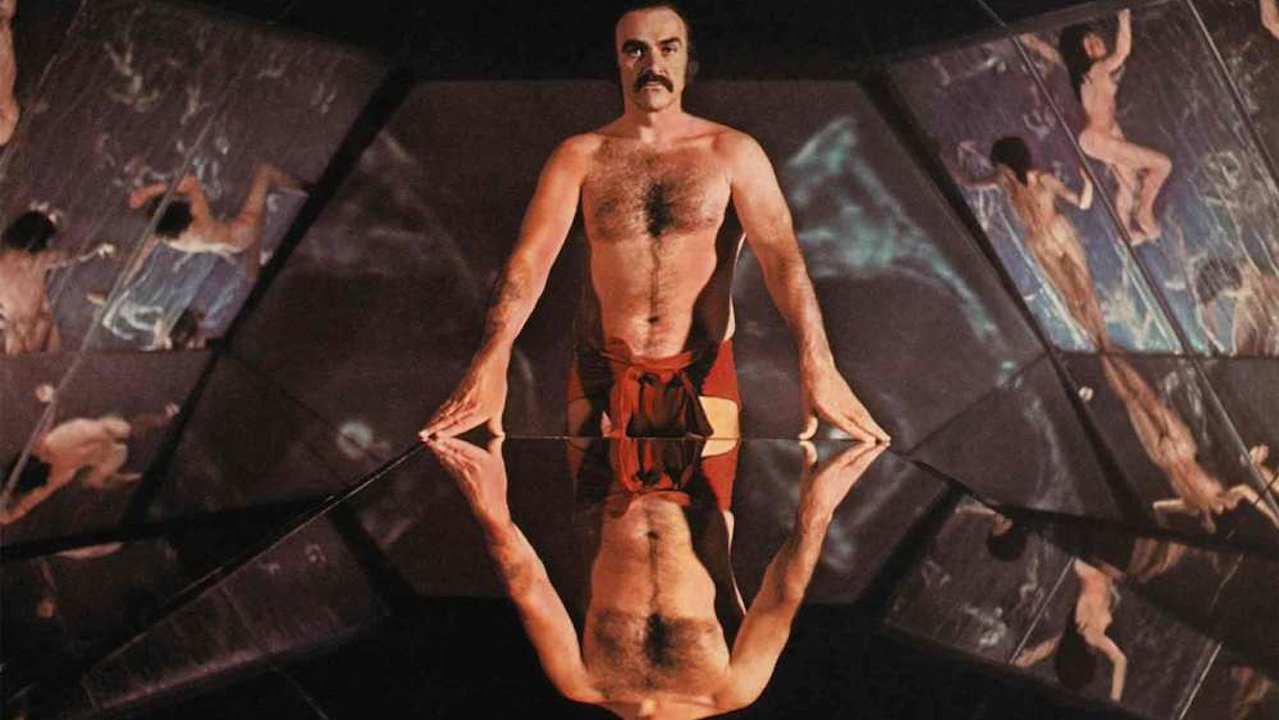
This is just bizarre, but unforgettable. Sean Connery starred as this brutish warrior in a post-apocalypitc future who disrupted an elitie society of immortals. Seriously, Zardoz was one of those weird non-sensical sci-fi films from the ’70s, but Connery was Connery even though he was outfitted in a strange, futuristic loincloth.

8. The League of Extraordinary Gentlemen (2003)

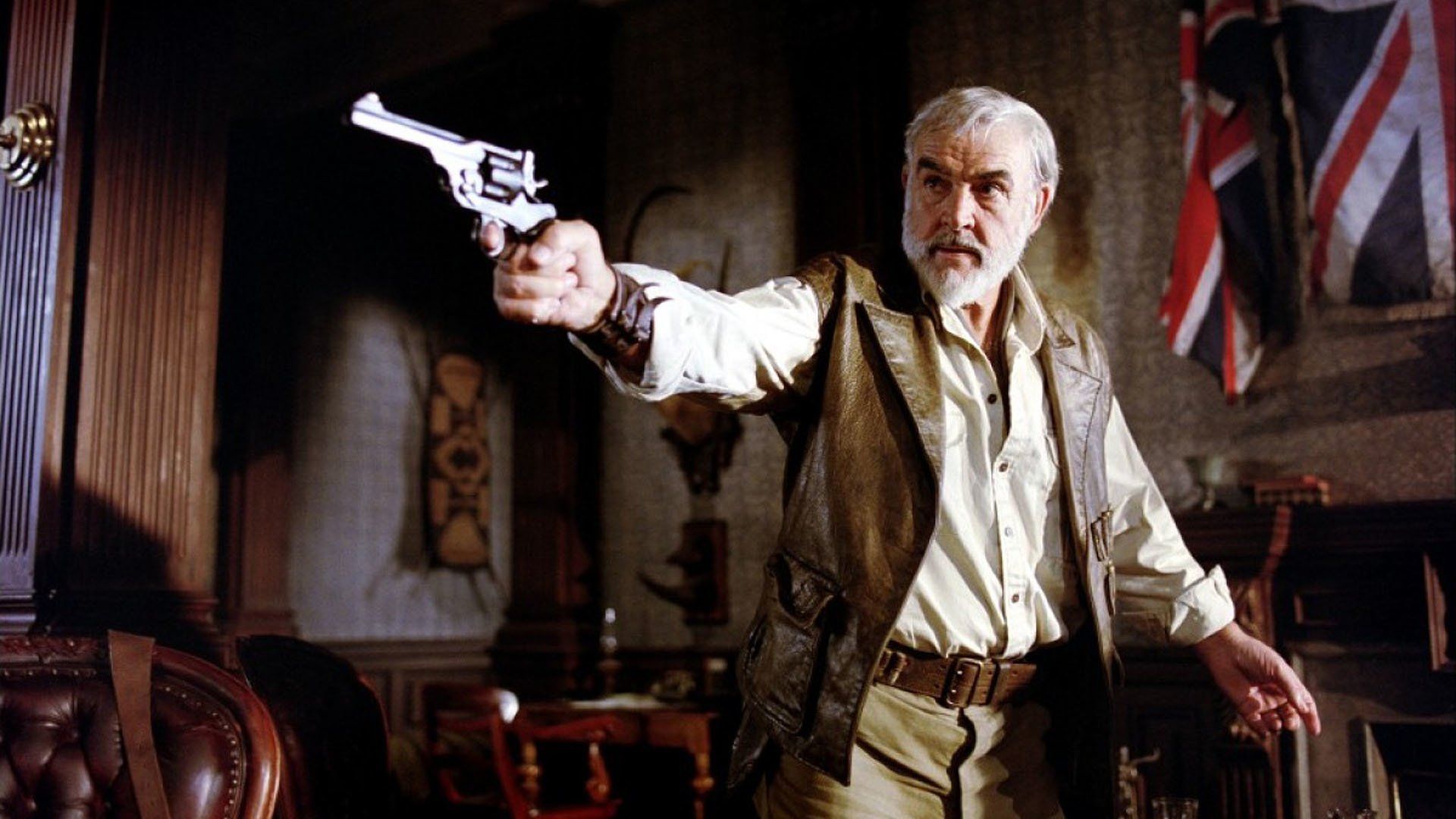
The film that convinced Sean Connery to retire from acting was an OK adaptation of Alan Moore’s comic book series about famous literary Victorian-era heroes and real-life persons who teamed up to fight a supernatural threat. Connery played Allan Quartermain and even in his advanced age, he was able to pull off a convincing and charasmatic action hero.

7. Dragonheart (1996)

Sean Connery provided a dignified vocal performance as Draco, the last dragon, who formed a friendship with a not-so-noble knight. As one of the better fantasy films from the ’90s, Dragonheart was elevated by the lead performances, especially Connery who injected character and wit into Draco.

6. Meteor (1979)

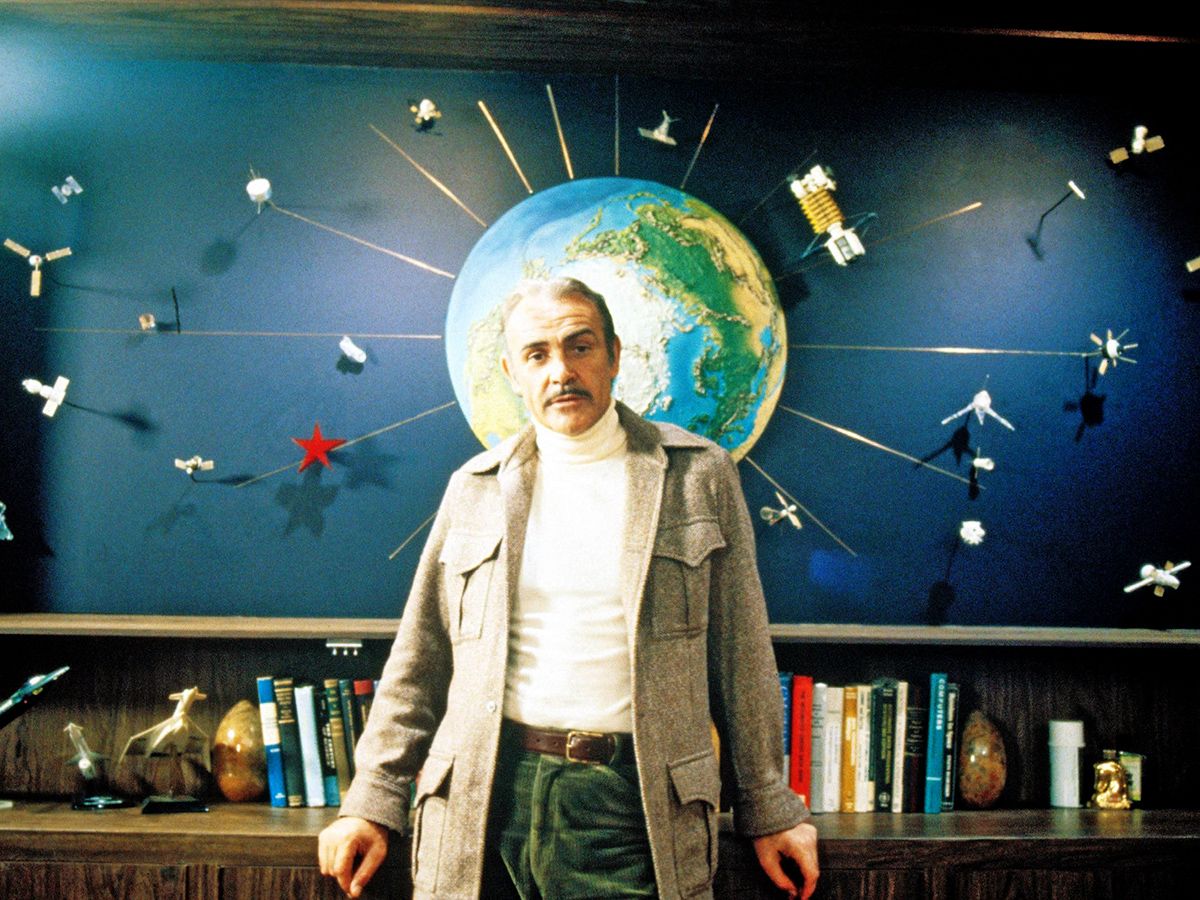
Meteor was one of the last, all-star ’70s disaster flicks. You know the kind whose film poster featured headshots of the entire cast. Connery played a scientist who has to coordinate international efforts to destroy a world-killing meteor that was approaching our planet. Meteor was dumb, loud, but glorious with all the scenes of destruction.

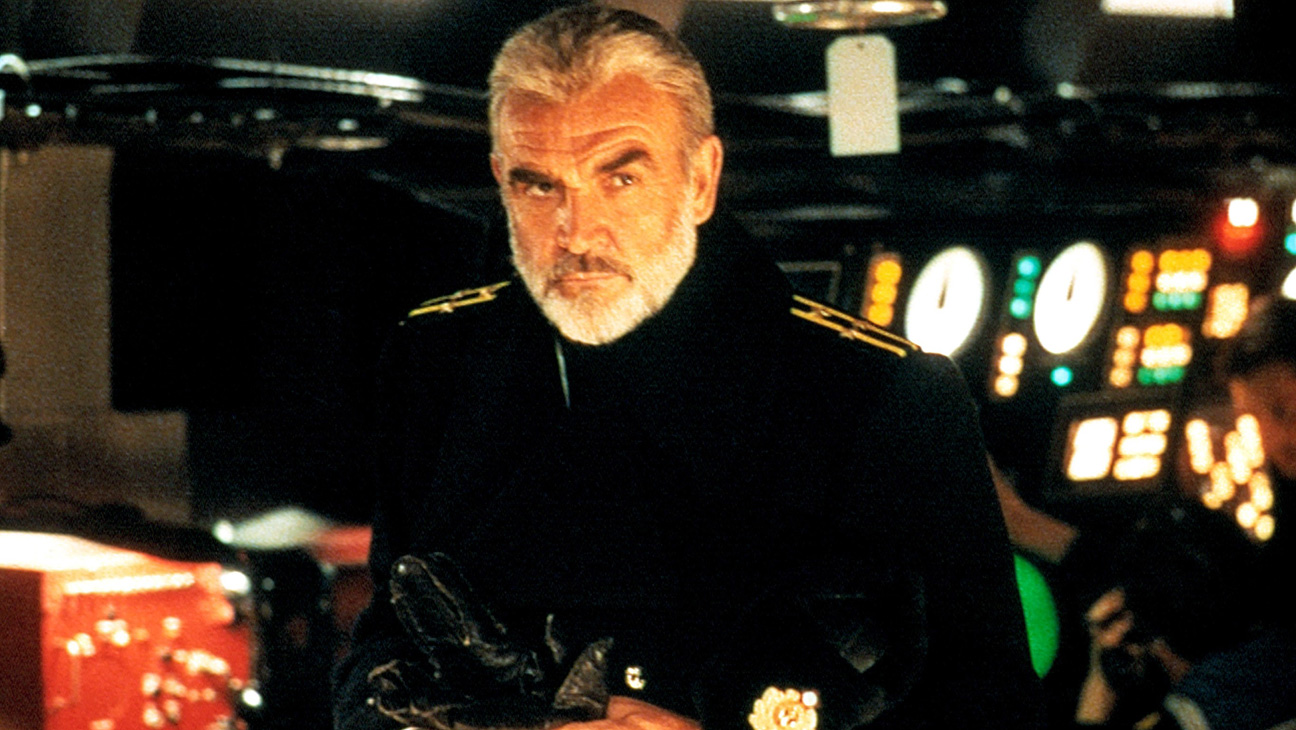
5. The Hunt for Red October (1990)

This adaptation of the Tom Clancy book can only be considered semi-sci-fi and more of a Cold-War thriller. Connery turned in one of his best performances as a Russian submarine commander who decided to defect to the U.S. with his experimental stealth submarine. As the first Jack Ryan film, it still is one of the best.

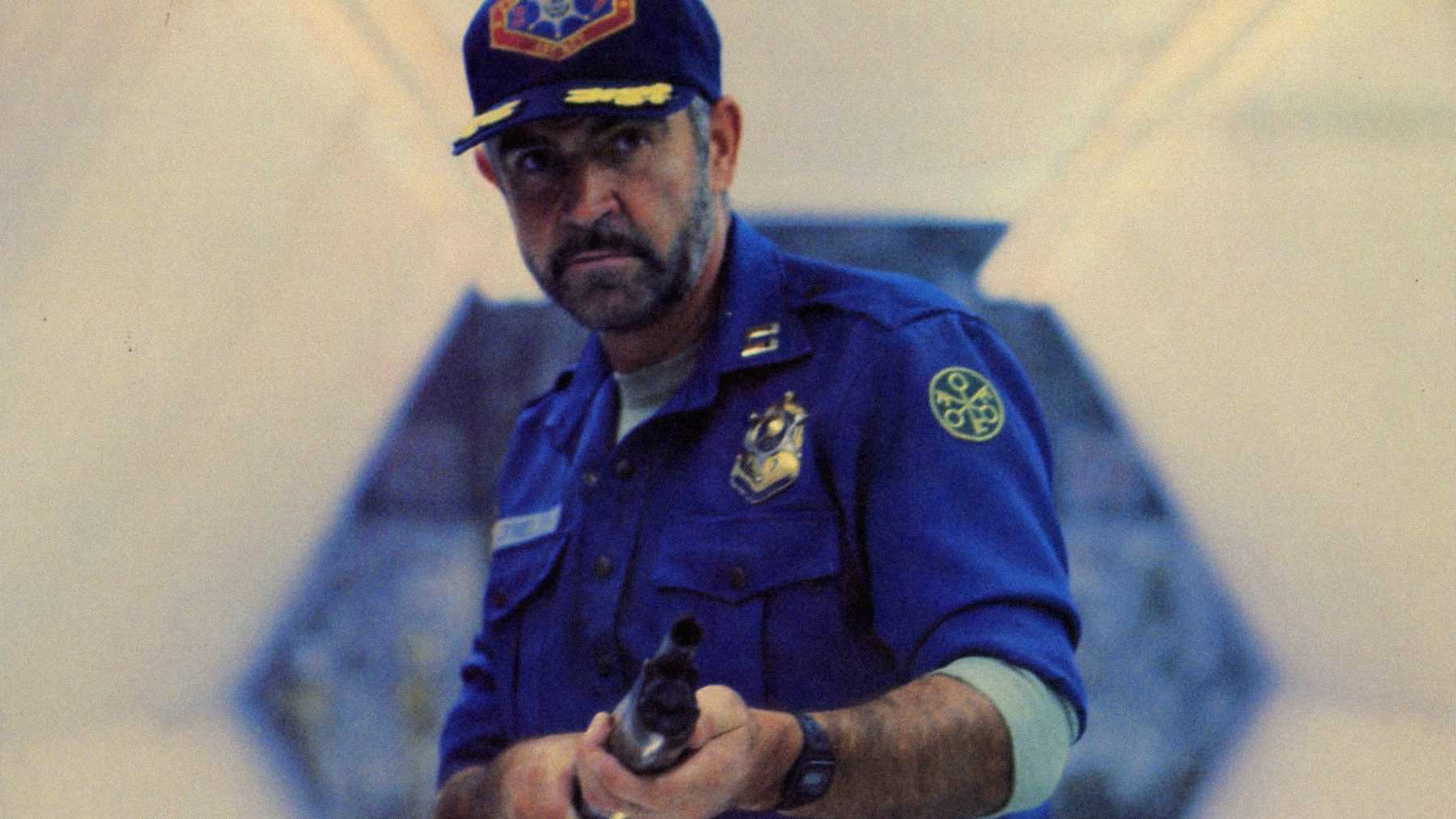
4, Outland (1981)

This underrated sci-fi gem was a sci-fi remake of the Western High Noon with Connery playing the role of the noble lawman in the future. Assigned as a marshall to a mining colony on Jupiter’s moon, Io, Connery soon ran afoul of his fellow marshalls and boss who operated an illegal drug ring. Although some of the science was wonky and having an aesthetic clearly inspired by Alien, Outland was buoyed by Connery’s subtle performance and action scenes.

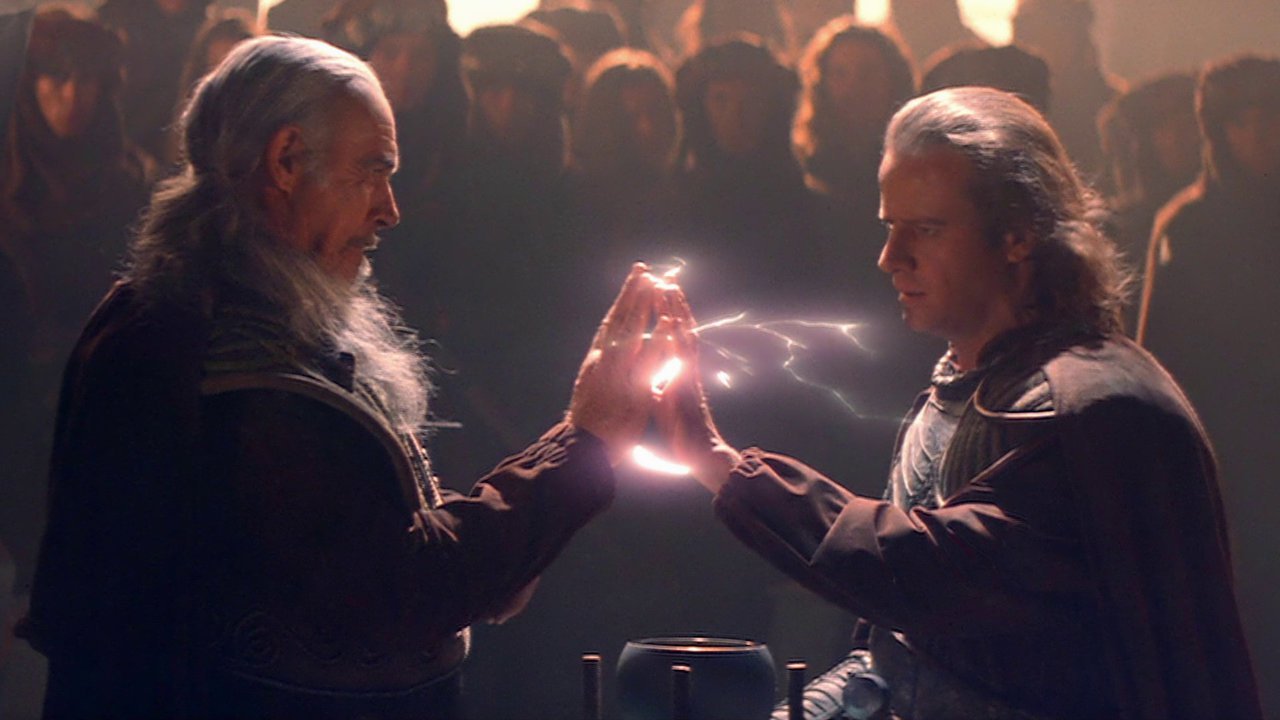
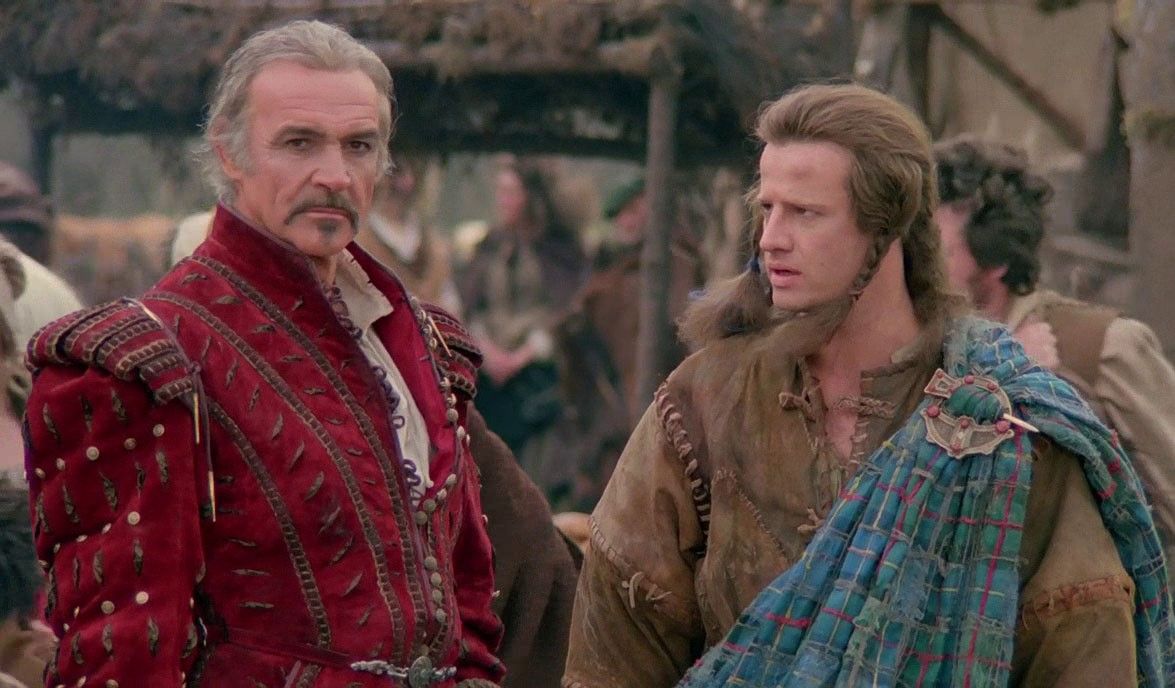
3. Highlander (1986)

Sean Connery played an immortal warrior who mentored a fellow immortal on how to survive against other immortals. Frankly, the Scottish actor stole the film with his boisterous and eloquent performance, even as he took part in some of Highlander’s well-staged fight scenes.

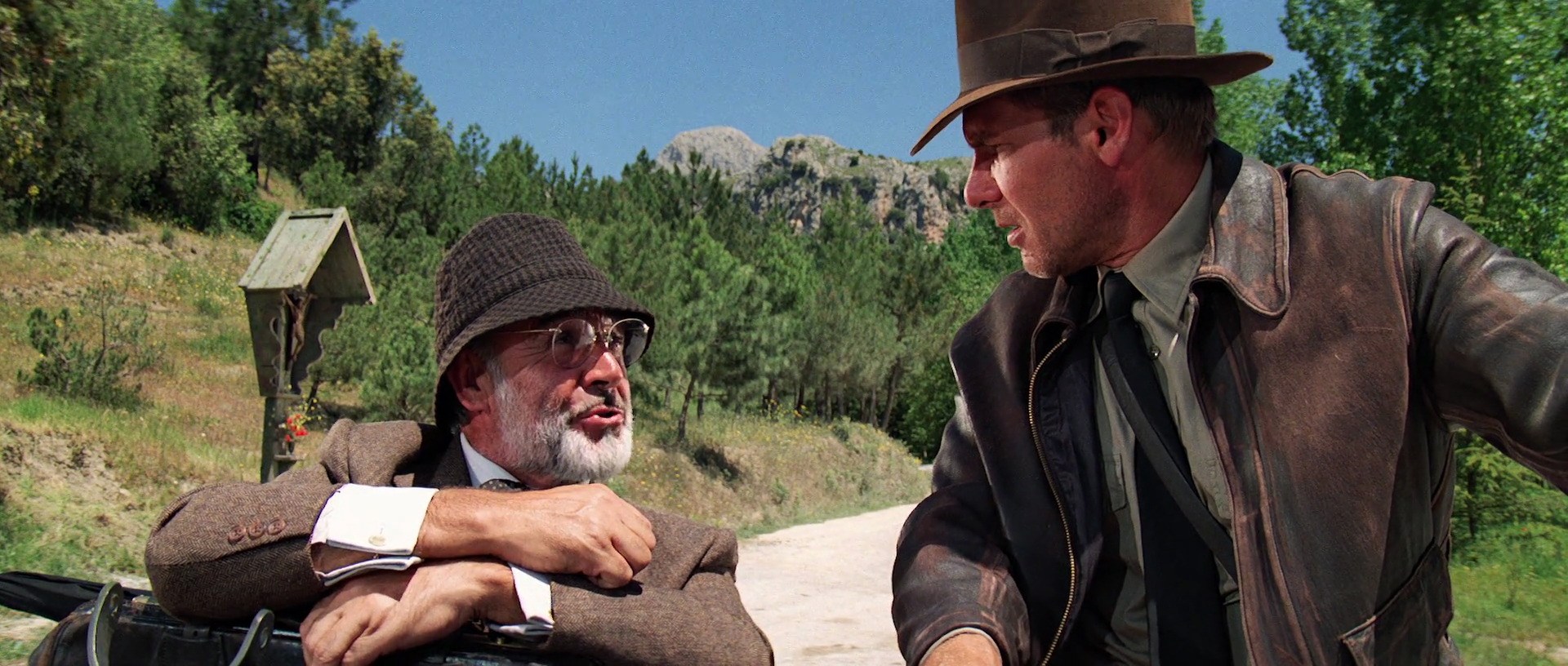
2. Indiana Jones and the Last Crusade (1989)

The third Indiana Jones film received a jolt of creativity when it showcased Sean Connery as Indiana Jones’ father. The irony in his casting was that the Indiana Jones films were patterned to be American versions of James Bond films. Connery played against type and delivered a memorably funny performance as a slightly goofy professor who had a soft spot for his son.

1. The James Bond Films (1962-67, 1971 and 1983)

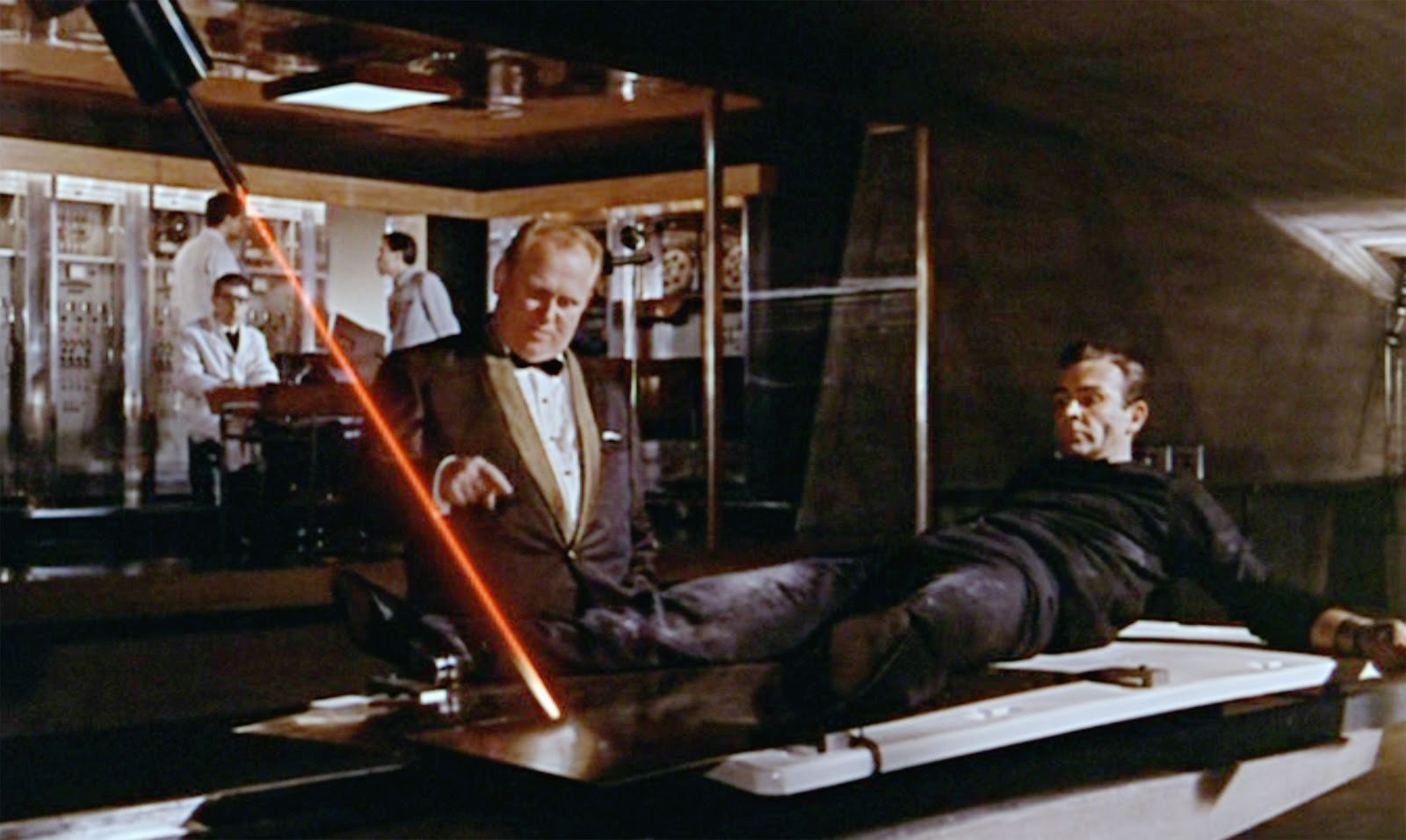
What else would be at the top of the list other than the film series about the British super spy launched by Connery? Sure, many of the James Bond films, especially the early ones, do not have any sci-fi elements, but some of the best Bond films like Goldfinger and You Only Live Twice have these elements with their doomsday plots and fantastic gadgets. While they added flavor to the films, Sean Connery’s groundbreaking performances were the true standouts and paved the way for the suave and tough action hero we love in films.

RIP Sir Connery


Top Ten Post-Apocalyptic Horror Films

The many post-apocalyptic horror films are intriguing and terrifying by giving viewers a dreadful glimpse of our potential future. In other words, they’re a fine blend of sci-fi and horror, as well as fantasy and even comedy. Here now are the ten best films in this sub-genre.

10. This is the End (2013)

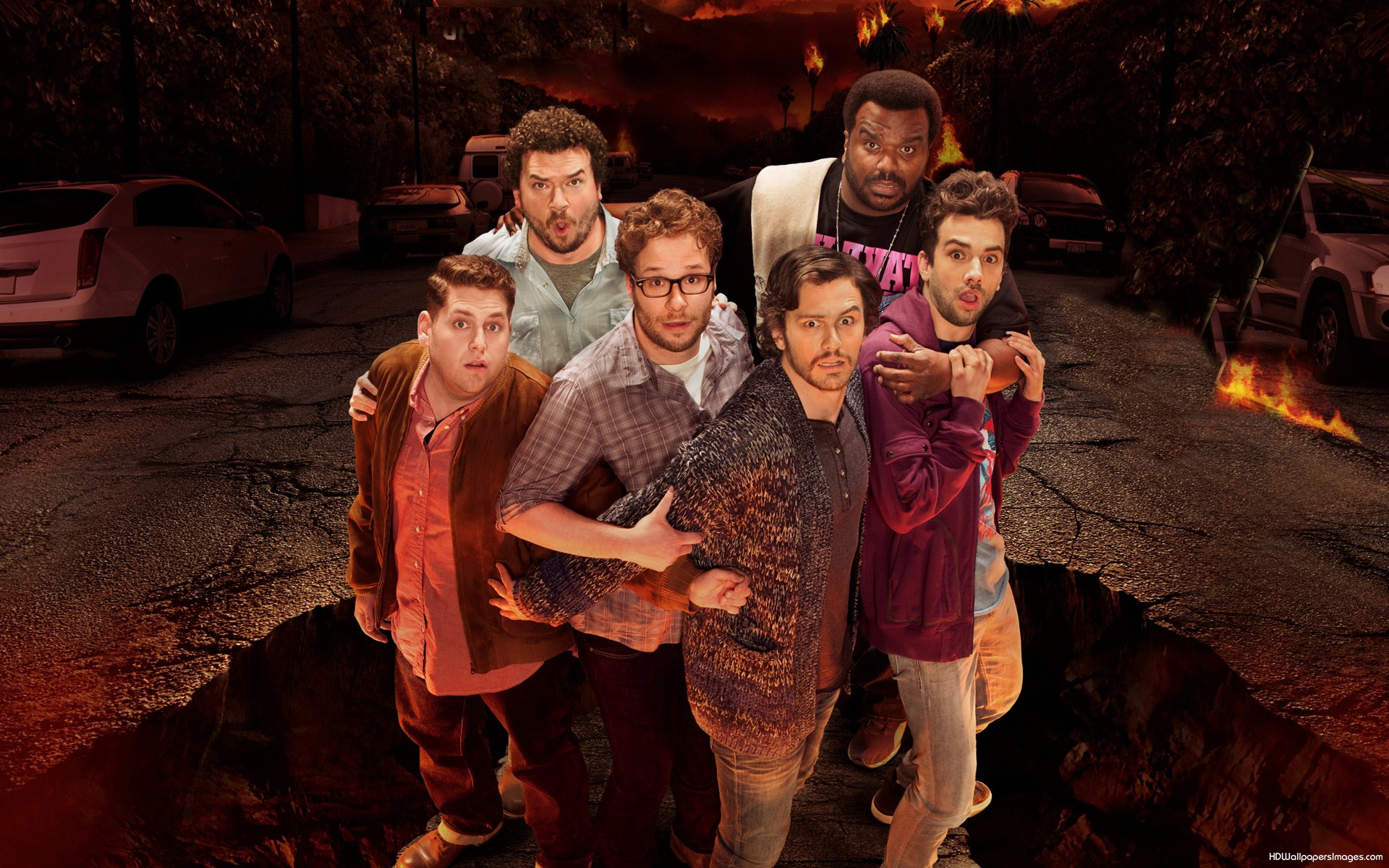
Seth Rogan, Jay Baruchel, James Franco and Danny McBride play fictional versions of themselves as the world experiences the Rapture then the literal end of the world as demons ravage the planet. The film is actually quite funny and raunchy as the hapless actors do their best to survive the Apocalypse while trying to be worthy enough for salvation.

9. Zombieland (2009)

The how-to guide to surviving the zombie apocalypse is a quirky laugh fest that pokes fun at many zombie and survival tropes. The film is elevated by inspired performances by Jesse Eisenberg and Woody Harrelson, plus a hysterical appearance by Bill Murray as himself. Warning: despite what Zombieland claims, twinkies do not have that long of a shelf life, which should have disappointed Harrelson’s Tallahassee.

8. Stake Land (2010)

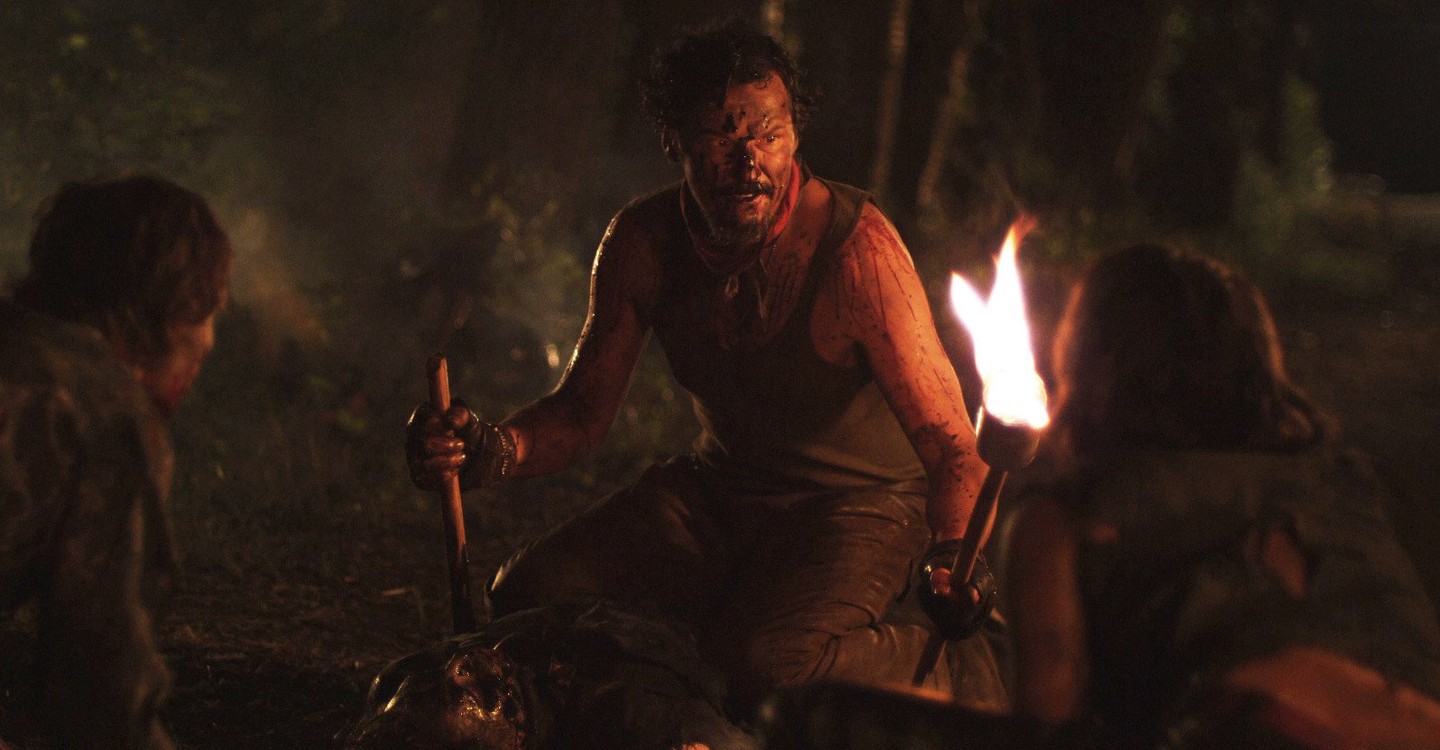
Taking place years after vampires have devastated civilization, this quiet and poignant road movie is very moving as it focuses on the journey of a sensitive young man (Connor Paolo) and his mentor, the tough-as-nails vampire killer known only as Mister (Nick Damici). Their ongoing struggle against the vampire hordes and the people they meet in their journey highlight this film.

7. Carriers (2009)

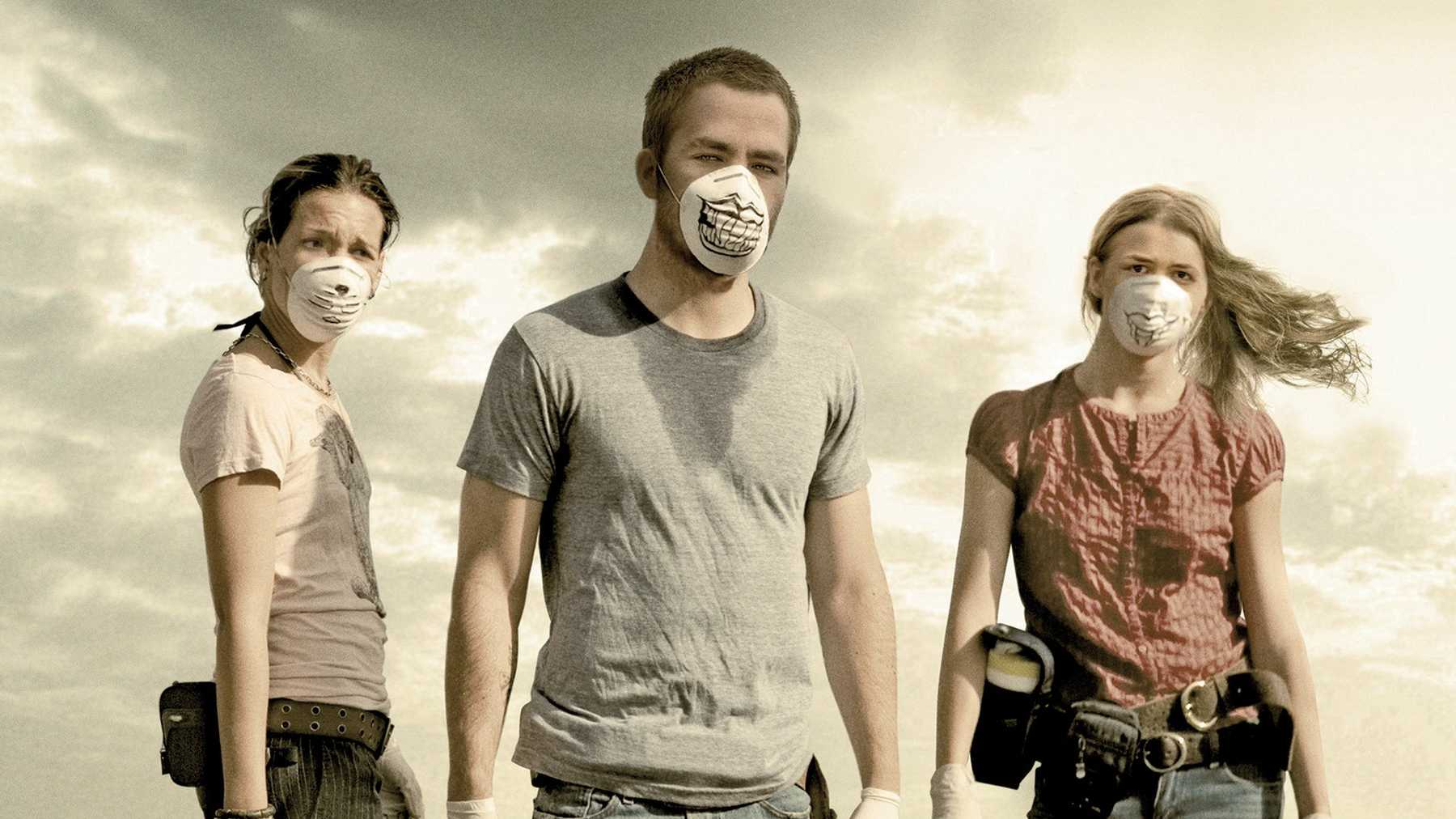
A pre-Star Trek Chris Pine leads the cast in this horror survival film about four young people living desperate lives after a virus wipes out most of humanity. Carriers is a brutal and unflinching character study that exposes the worst instincts of humanity and is frightening portent of what might happen to us in a hopeless situation where a disease causes our society to completely collapse.

6.  I Am Legend (2007)

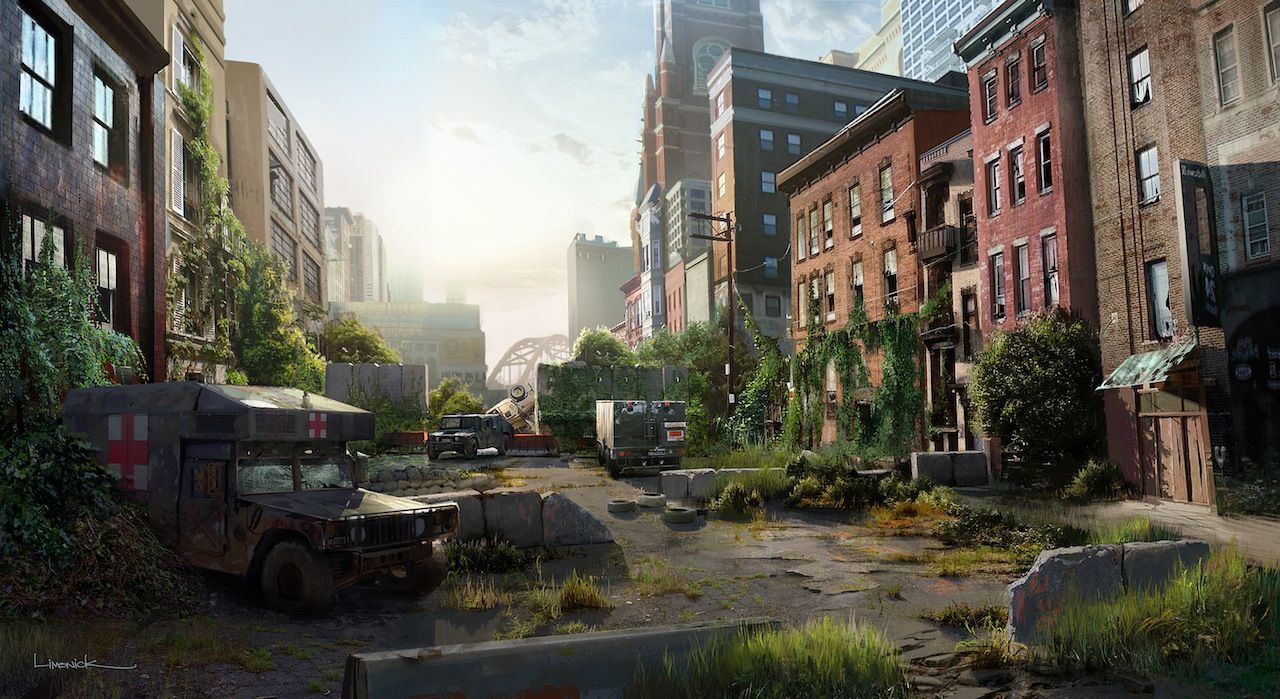
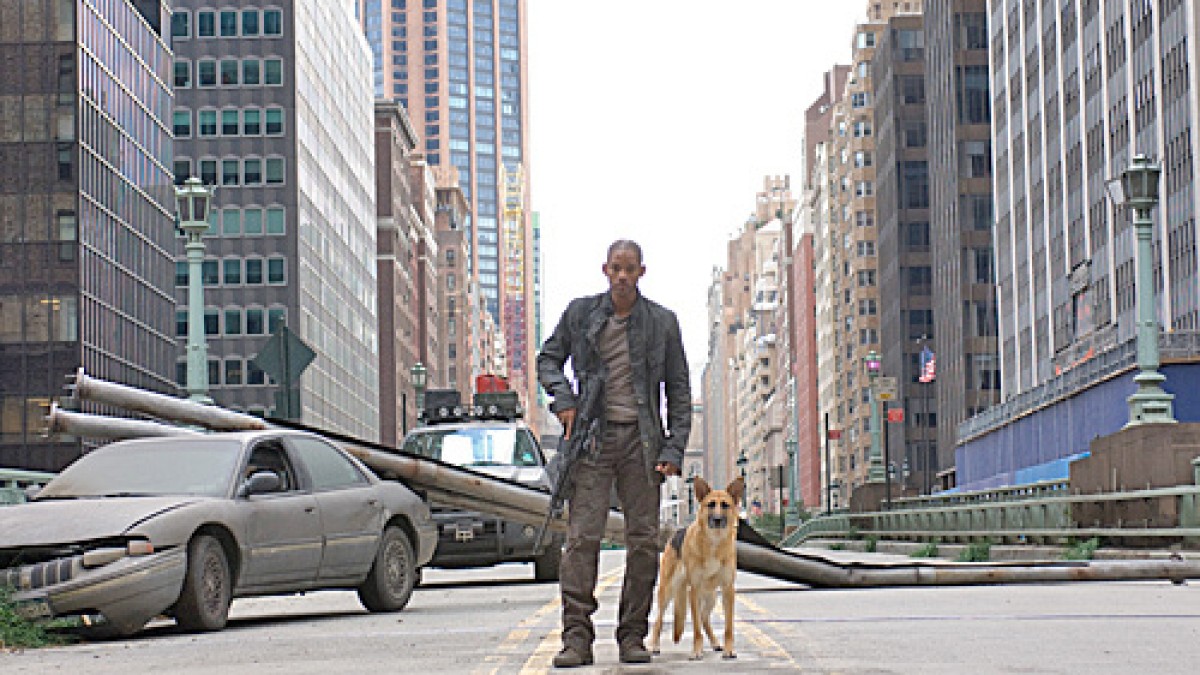
The third adaptation of Richard Matheson’s classic novel is a flawed yet exciting examination of a lone human (Will Smith) and his dog after a virus turns most of humanity into savage mutant creatures. Smith’s performance and the production design are some of the best aspects of this version of I Am Legend; the landscape of New York City after nature reclaimed it are just stunning to watch. Although many have decried the film’s ending because it deviated so wildly from Matheson’s message, there is an alternate ending that is more faithful to the spirt of the novel. 

5. The Mist (2007)

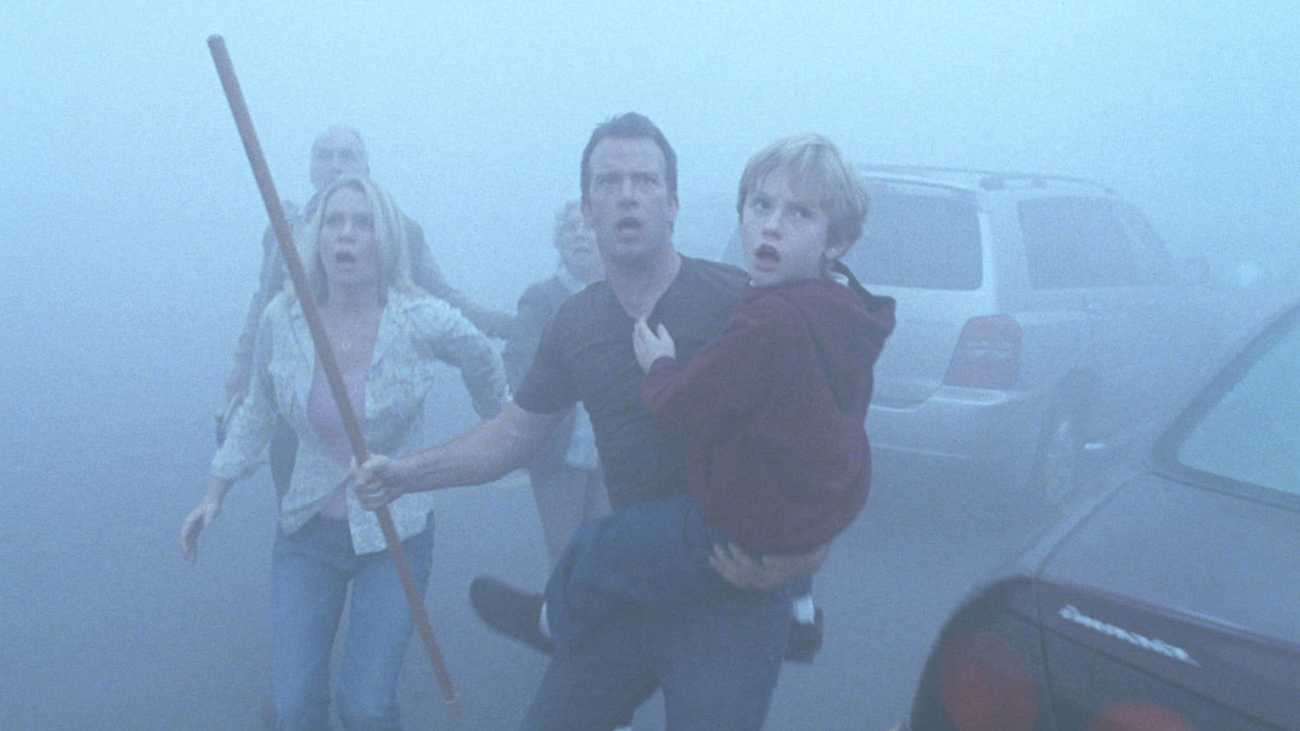
This bleak and harsh adaptation of Stephen King’s novella puts viewers through an emotional wringer. Thomas Jane stars as an artist who is trapped with his young son and several shoppers in a supermarket after a mysterious mist engulfs their town and brings deadly and bloodthirsty creatures. Even deadlier than the monstrosities in The Mist are the trapped people themselves as they allow fear to overwhelm their sense of decency and common sense. The ending of The Mist differs greatly from King’s story but in this case actually outdid what Stephen King wrote and is a genuine and agonizing gut punch.

4. A Quiet Place (2018)

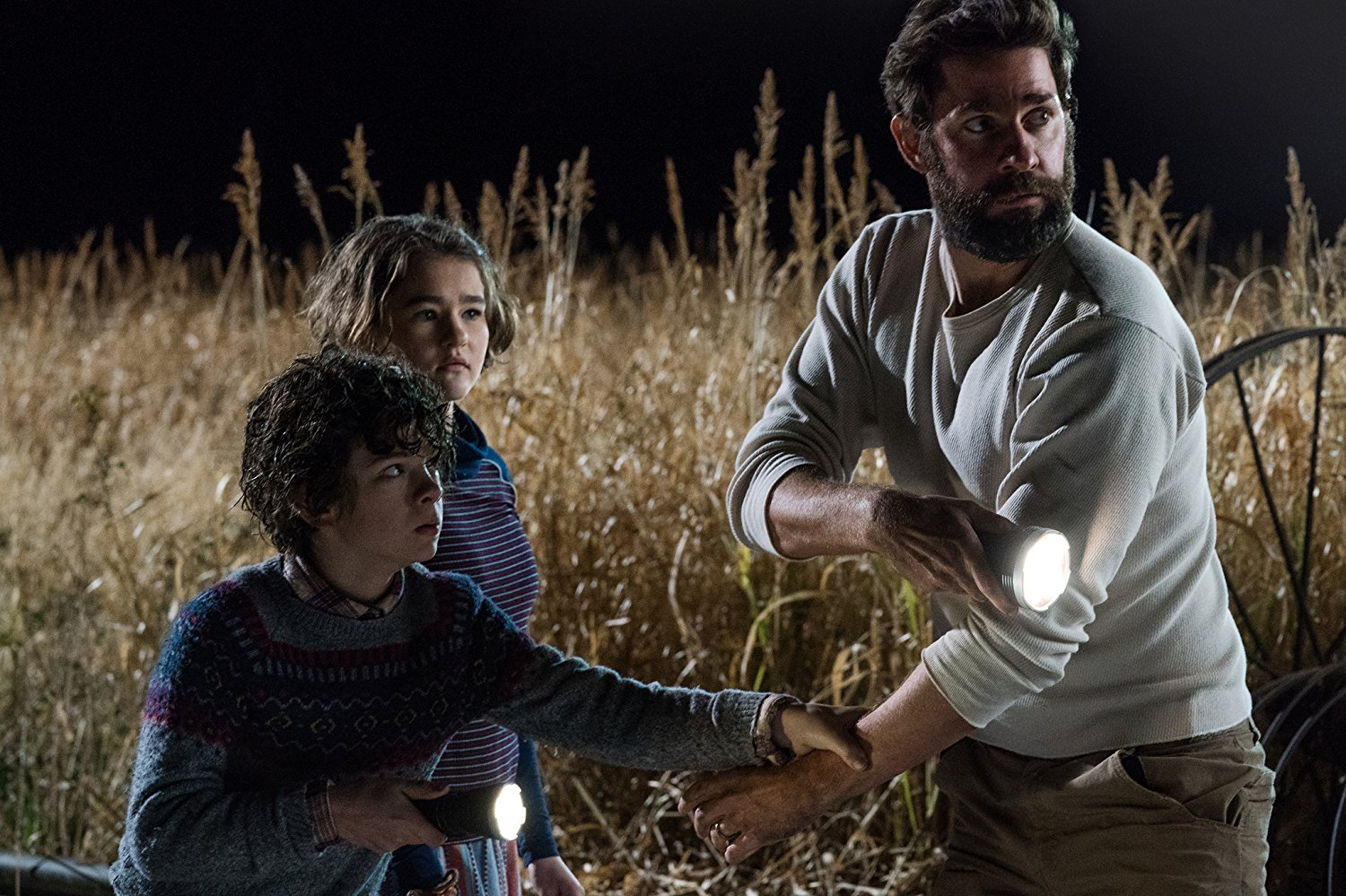
John Krasinski and his wife Emily Blunt star in this post-apocalyptic horror film where civilization has been destroyed by nearly invulnerable alien predators that hunt by sound. Forced to live a life of near silence with their children, the couple do their best to survive their new normal and stay ahead of the alien creatures.  A Quiet Place is a film that oozes with tension and fear as we see this fragile and resilient family doing their best not to make sounds even in their own homes. Additionally, the film is beautifully directed by Krasinski who wisely keeps the focus of the story on the characters themselves, which pays off since viewers are engaged with the characters’ plight.


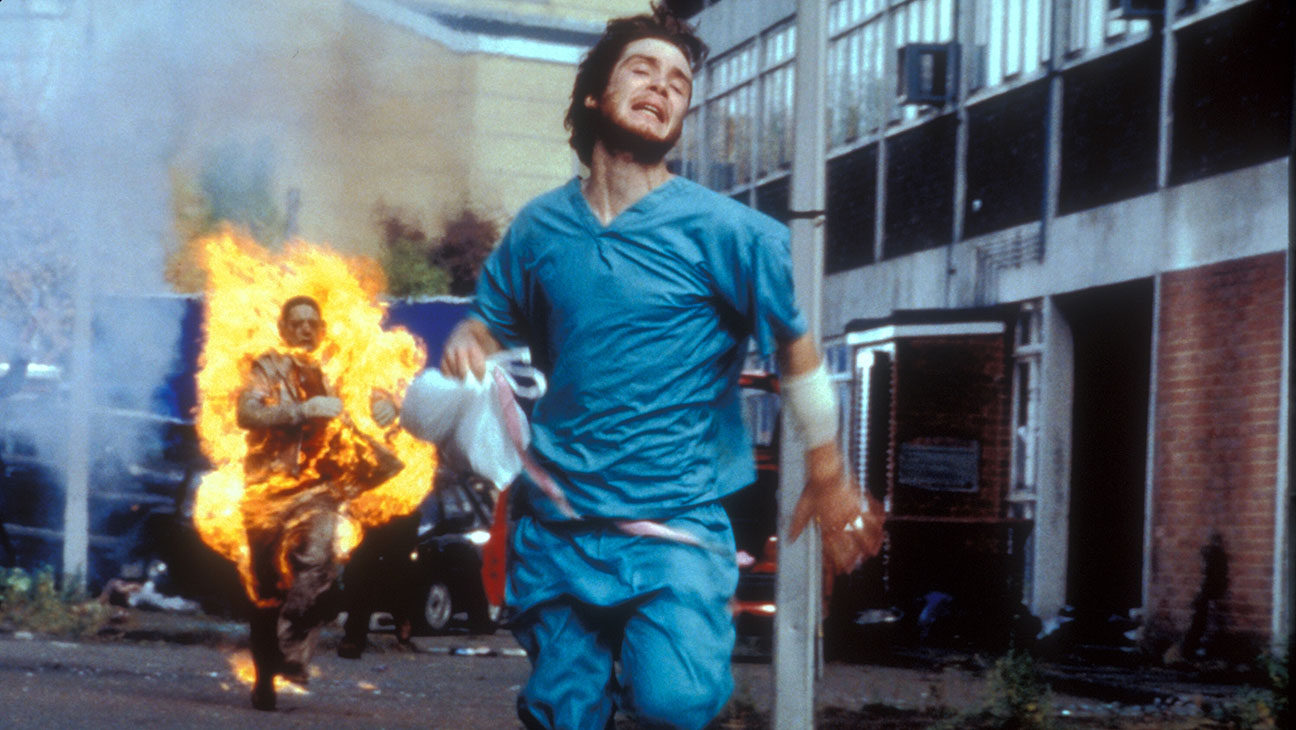
3. 28 Days Later (2003)

Director Danny Boyle reinvigorated the zombie genre with an ingenious twist. The zombies, actually infected and mindless humans, run! After a pre-credits sequence shows how an engineered virus is released from a lab, 28 Days Later jumps ahead and takes viewers through the journey of Jim (Cillian Murphy) a messenger who wakes up from a coma and finds himself in a mysteriously abandoned London. Before long he discovers that the city has been overrun by the savage infected who spread the deadly virus through a bite or a single drop of blood. During his voyage to find sanctuary with a group of survivors, Jim struggles to adapt to his new normal while holding onto his sense of humanity. The sequel 28 Weeks Later is not as good as the original film but further examines this frightening world. 

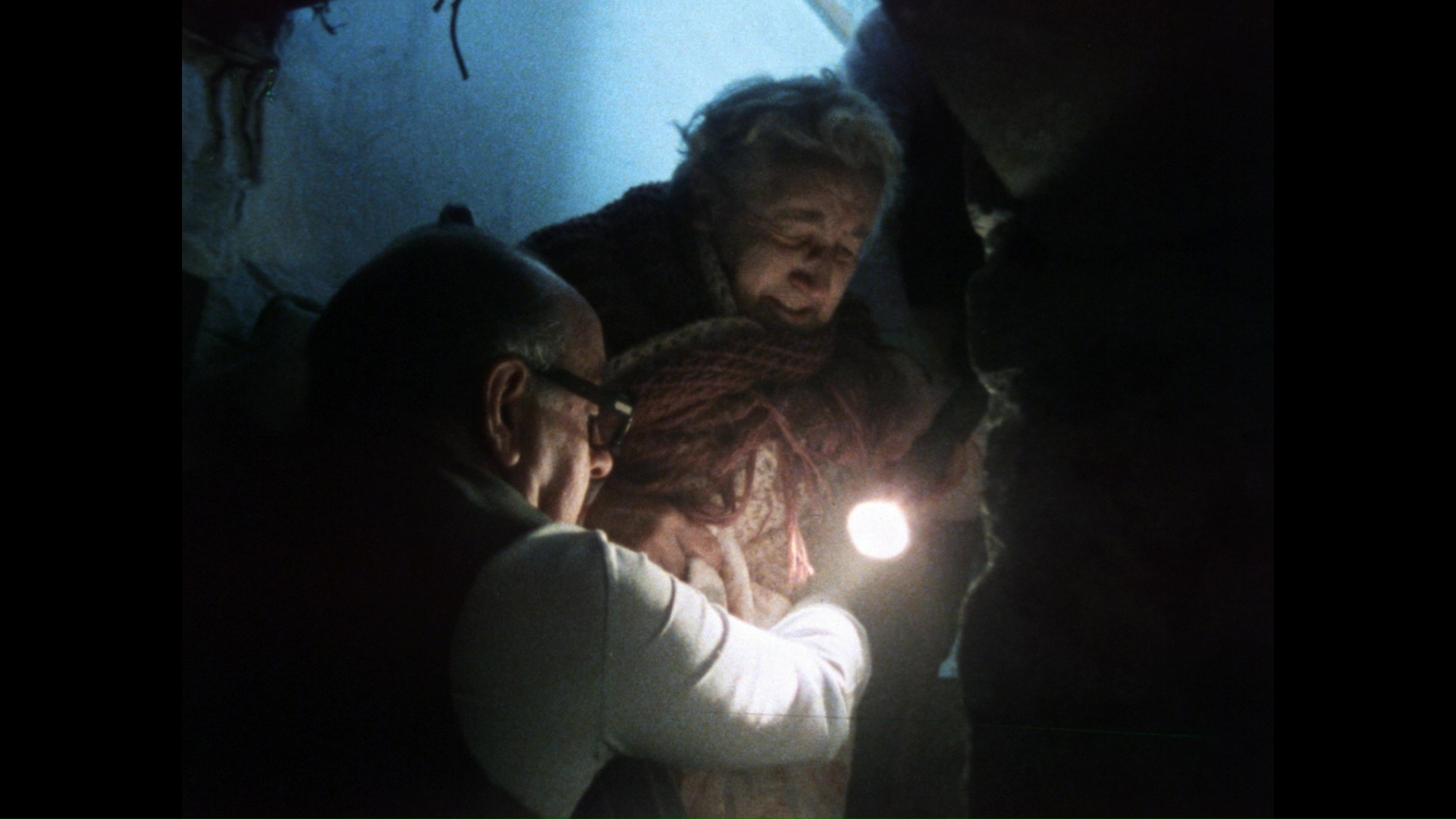
2. Threads (1984)

The most terrifying look at nuclear war since the American television film, The Day After. Threads takes thing much further than The Day After with a gritty, documentary tone. Taking place in London during the 1980s, the film bombards us with horrifying imagery and events which illustrate how fragile society is following a devastating nuclear war that levels the city and all of civilization. Threads leaves a disturbing impression on viewers with its depiction of a brutal and barbaric life after a nuclear holocaust. Before long, viewers will realize the luckiest persons in the film were those that perished in the opening salvo of World War III as the survivors are faced with a crumbling societal infrastructure where chaos overtakes law and order and humanity. 

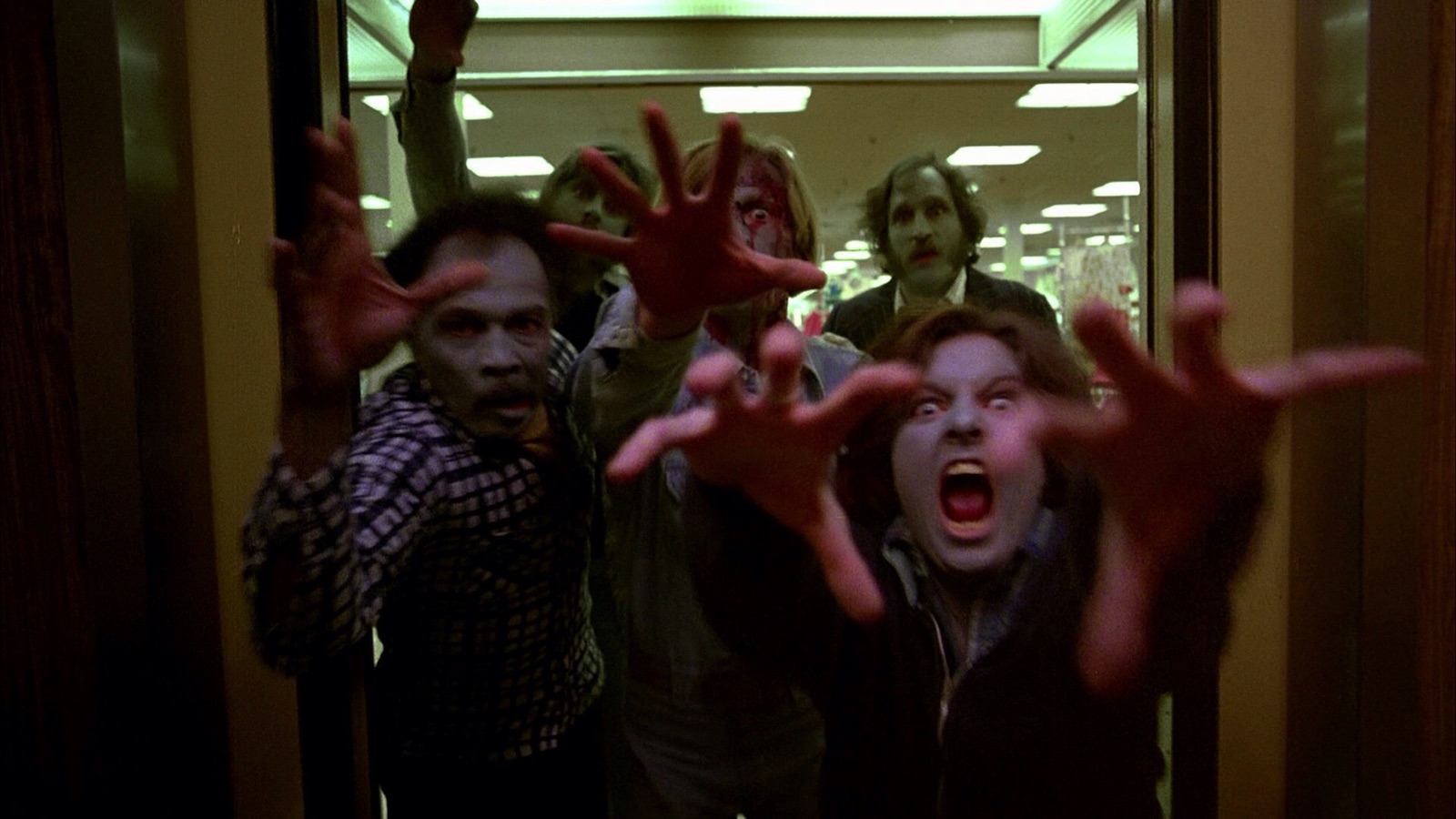
1. Dawn of the Dead (1979)

Possibly the greatest zombie film ever made. George Romero’s sequel to his classic Night of the Living Dead takes place some time after the original. The zombies are gradually disrupting society as they feast on humans. Before long civilization collapses and the film follows the plight of a group of survivors who take refuge in an abandoned mall and keep the undead outside at bay. Dawn of the Dead is partly a thrilling survival film and partly a humorous commentary on society through the scenes of zombies clumsily acting out their past living lives in the mall). The film was a revolutionary and controversial post-apocalpytic horror film thanks to its uncensored and unflinching violence. Nevertheless, the film is a horror classic and the best post-apocalyptic horror film of all time. 

Notable Mentions: 28 Weeks Later, Bird Box, The Day, Day of the Triffids, Daybreakers, Hardware, It Comes At Night, Legion, The Night Eats the World, The World’s End, Zombieland: Double Tap


Time Runs Out For A Convoluted Tenet

Tenet is the latest film from director Christopher Nolan, which finally debuted at the tail end of the 2020 summer movie season; if one wants to say this summer has had a movie season because of the coronavirus pandemic. Tenet was heralded as Nolan’s grand epic, this year’s most anticipated film, the one that would salvage the summer movie season. Well, unfortunately, the film falls short of such aspirations.

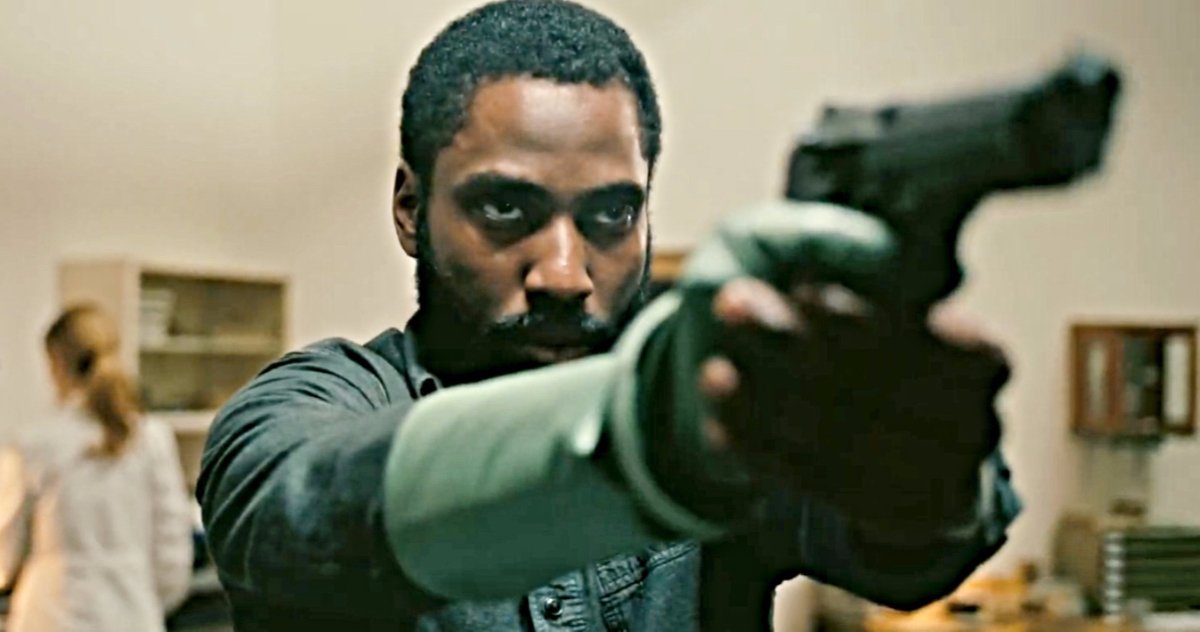
This does not mean that Tenet is a disaster or a poorly made film. No, actually it is an ambitious film with high-end production values and the acting is generally good. The latter is due to the strength of the film’s lead John David Washington who is simply known as the Protagonist. The fact that Nolan could not be bothered to give the main character a name indicates one fo the problem with Tenet. The film is technically well crafted, but it lacks an emotional soul. This has been a flaw with some of Christopher Nolan’s other films, but in this instance, the issue overtakes the film. It is difficult to care about what is going on in the film even though there are high stakes in its meandering plot.

Christopher Nolan’s new film is a spy thriller with an Inception-inspired sci-fi angle. The Protagonist is a CIA agent who is recruited to prevent a world war and is involved with nefarious arms dealers and a secret organization called Tenet. During his mission, the Protagonist learns of bullets and other objects that run backwards in time due to a process called “inversion,” which means that if he tries to fire a gun with inversion bullets, from his point of view the bullets are already fired and fly back into the barrel of the gun. He learns the bullets came from a Russian arms dealer called Sator (Kenneth Branagh) who is gathering intel from the future and wants to create a doomsday event using artifacts that are inverted in time. Along the way, the Protagonist travels throughout Europe and Asia and finds himself operating backwards in time; in many instances revisting scenes from earlier in the film from a new viewpoint.

If this sounds confusing, you are not alone. Nolan is so enamored with having scenes play backwards throughout the film and trying to be too smart for the film’s own good. The result is a film with a disjointed nature that only add to the convoluted nature of the film’s plot. You have to pay very special attention to the film and frankly, watching Tenet several times is necessary in order to fully grasp it. The problem here is that the film is not engaging enough to make you want to bother watching it all over again (the film is nearly two and a half hours). The visuals are impressive and up to par with what Nolan has delivered in the past, but the inversion scenes quickly feel gimmicky. By the time, we get to the film’s climax, the entire viewing experience is just underwhelming and disappointing despite the film’s technical wizardry.

What makes matters worse is that the sound mixing is shockingly poor and leaves much of the dialogue difficult to hear. Most attempts to explain the convoluted and complex plot or how inversion works are garbled and spoken very quickly or too low from characters, which makes following the polt a chore. Unlike Inception where the process of entering people’s dreams was not important, Tenet demands a sound explanation of how inversion works in order to understand what is going on, but Tenet fails in this aspect.

Who knows? Maybe a third or fourth viewing of Tenet may improve it, but a film has to engage you from the initial watch to make you want to revisit it again. Tenet only calls for it just to watch the well-crafted visuals of inverted fights and car chases. But doing that will be easier and more rewarding when watching it at home instead of theaters. At least from your device or TV you can skip over the plodding and convoluted first half of the film and get right into the off-kilter action scenes.