The Impact Of Netflix Buying Warner Bros.

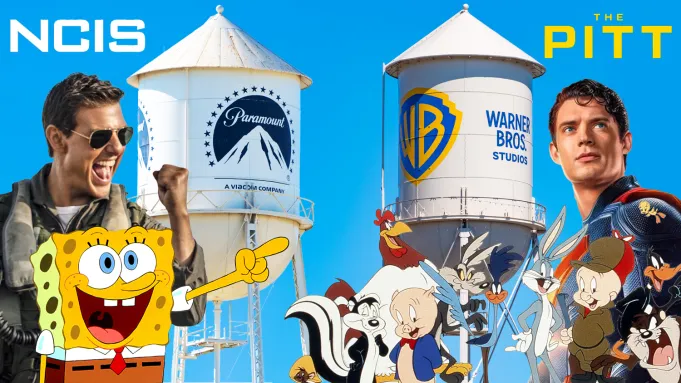
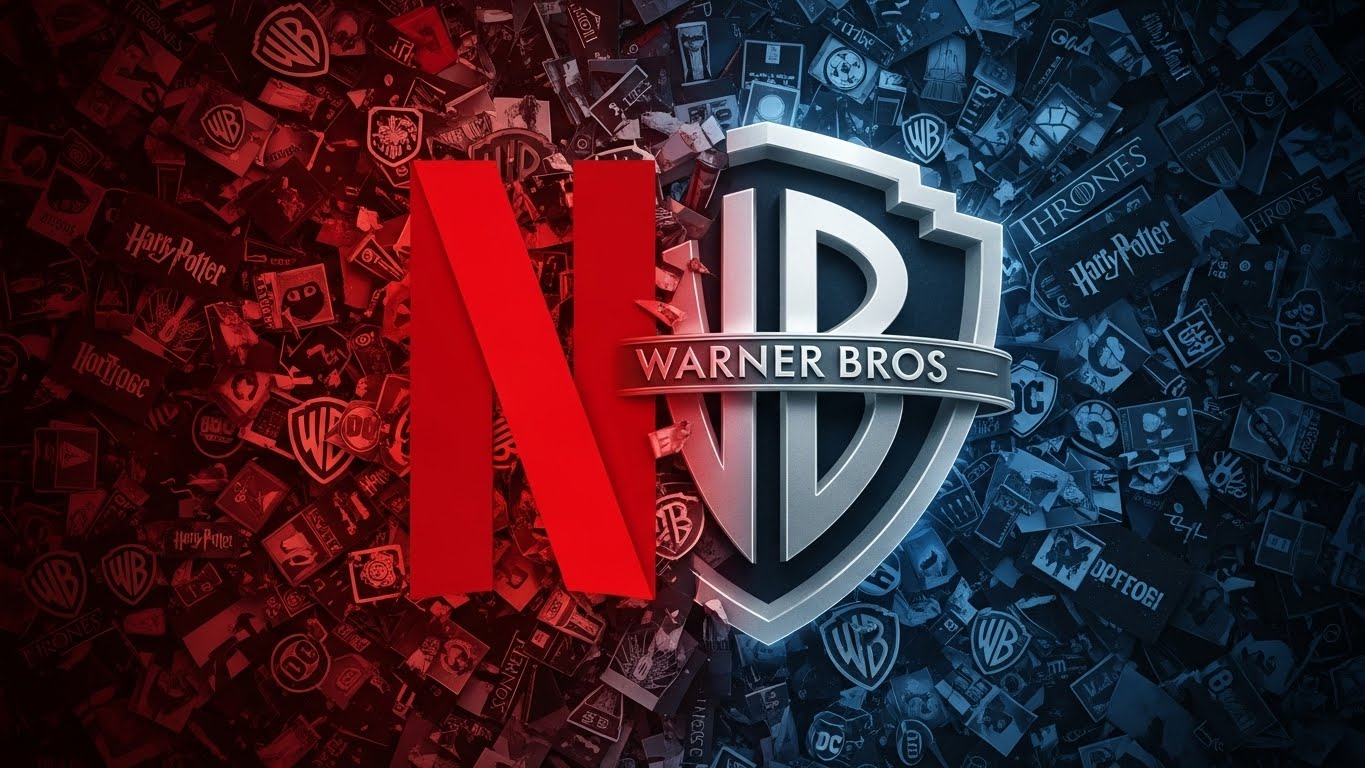
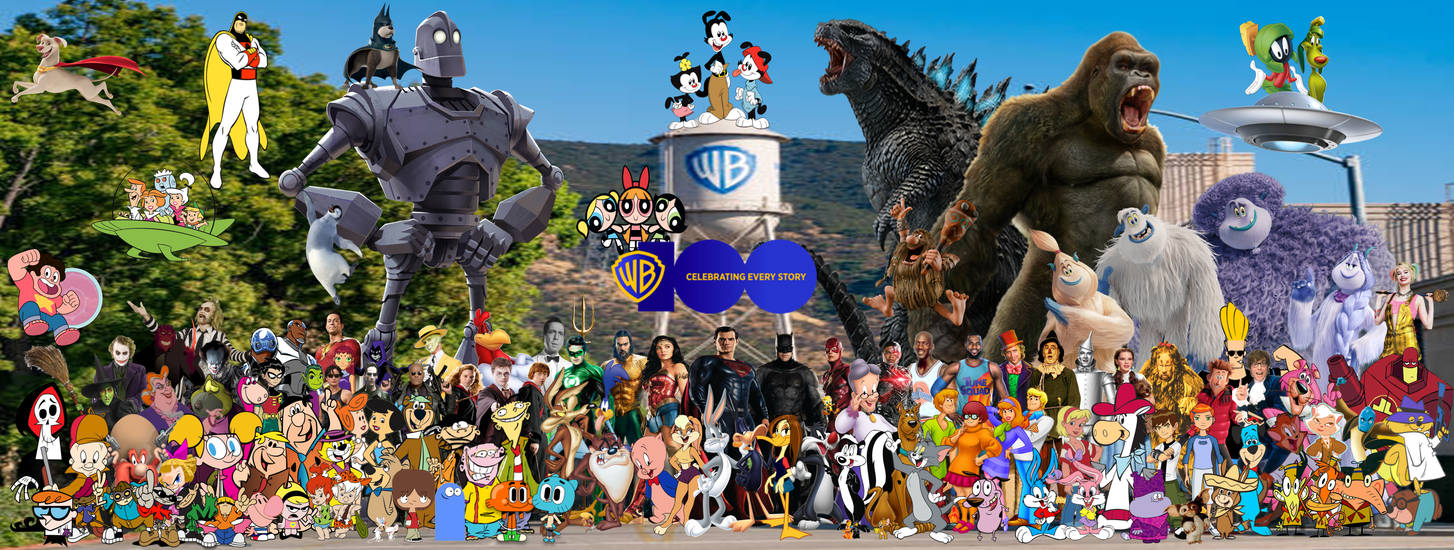
In the biggest cinematic and media earthquake since the Walt Disney Company acquired 21st Century Fox and many of its assets, Netflix announced that it will purchase Warner Bros. for $82.7 billion. This is one of the most important events to happen with film, TV, videos, comics, and other media and it will have long-lasting repercussions throughout the media industry.

Up for Sale

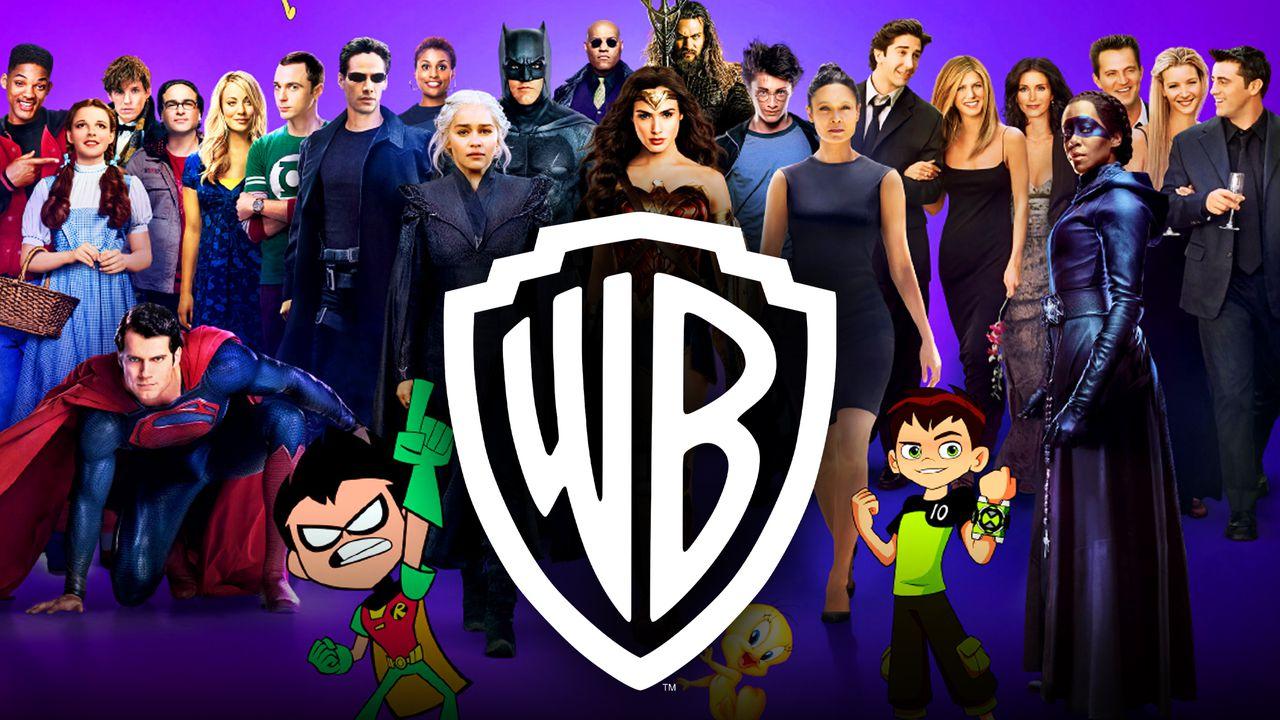
Warner Bros. had been up for sale for some time and several major companies expressed interest in buying it, especially Paramount Skydance. Many expected Paramount to purchase Warner Bros. given their public and aggressive efforts to purchase the company but in the end the streaming giant Netflix beat out Paramount and will acquire the film and HBO segments of Warner Bros. as it chose not to purchase the cable TV channels that were part of Warner Bros. Discovery. This acquisition will give Netflix access and ownership to an impressive film and television library and major IPs, including DC, Looney Tunes, Hanna-Barbera, The Wizarding World of Harry Potter, The Matrix, Game of Thrones, Mad Max and more.

Many have watched the bidding war with caution and were concerned with a possible ownership by Paramount, mostly because its CEO, David Ellison, has openly expressed fealty to the Trump Administration to the point that a Rush Hour 4 has been greenlit simply because Trump expressed interest in such a film. This meant that the government has influence on what media entertainment gets released, which leads to First Amendment questions. Imagine if Paramount bought Netflix and the government had a hand in deciding the direction of DC films, TV or comics. A film like Superman, which openly criticized America’s current immigration policies, would never be allowed by Ellison. On the other hand, the purchase by Netflix has opened up another can of worms that has the film industry reeling because of the implications.

Streaming Influence

One possibility of the purchase is that it could lead to the death of cinemas since the majority, if not all, Warner Bros. films could be released straight to streaming. This would create a domino effect with other film studios copying the release model, which would hasten the demise of the theater-going experience.

This has been a growing problem in recent years that was accelerated by the COVID-19 pandemic which caused many film and TV studios to lean heavily on streaming to provide content to consumers. Netflix has upended the conventional model of film releases where films normally had theatrical lives of a few months before being available on digital or for streaming. This has conditioned viewers to skip going to theaters and just wait for a film to appear on a streaming app a short while after its release. Now it is becoming the norm that films would be released on streaming weeks after a theatrical release and even the same day the film premieres in theaters. Many have speculated that Superman might have had a larger box office haul if it was not announced roughly a month after its initial film release that it would be available for home viewing. While short theatrical runs is convenient and deceptively cheaper for consumers (the idea that they will see the film for free on streaming is silly since they still have to pay for the service), this practice is a major issue with theaters with lost revenue and content.

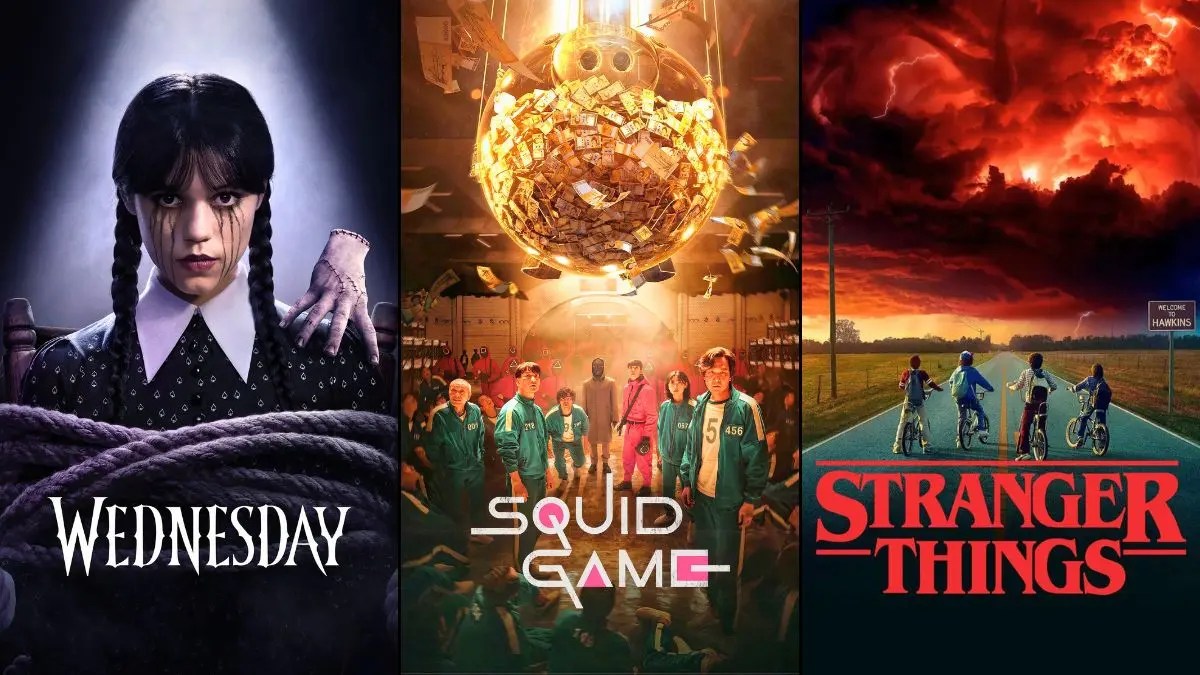
Another supposed plus for Netflix subscribers is that the service will have an even more exhaustive library of content, but now with prestige content. One problem for the streaming company was that recently it did not have easy access to popular content as film and TV companies created their own streaming services. Netflix has been criticized for having a glut of inferior films and TV shows that are just placed on the streaming app with little promotion. It’s true that Netflix has many quality and popular TV and films like Stranger Things, Wednesday, Squid Game, The Witcher, Black Mirror, and KPop Demon Hunters, with the glut of content dumped on the platform a lot of quality product has gotten lost in the overwhelming mixture. How will prestige films and TV shows from HBO and Warner Bros. stand out from the low-budget dreck flooding Netflix’s landing page?

One possibility is that Warner Bros. and HBO could have their own pages or remain as separate streaming services as we see now with Hulu, which is owned by Disney but is its own streaming service that subscribers of Disney+ could access by purchasing a bundle service. This would allow Netflix to have its own prestige platform to stream high-end quality products that stand out in the crowded streaming service.

But do not be surprised when the monthly subscription rate for Netflix increases dramatically to help pay for the $82 billion purchase. Expect to pay up to $50 and more monthly in a few years.

Impact on DC & Other Popular IP

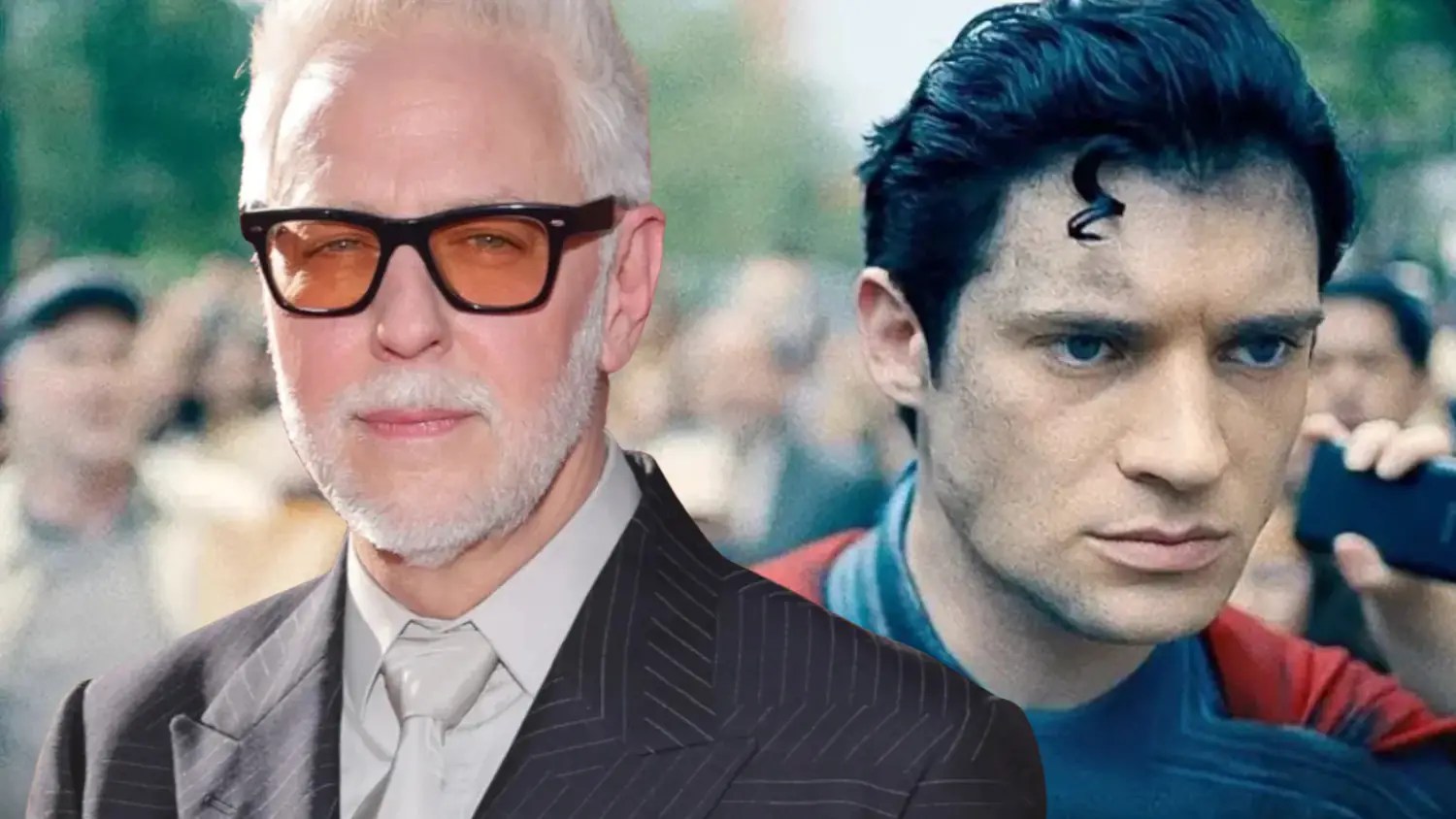
Now the big question genre fans have is what impact will the purchase have on DC Studios and the DC Universe (DCU) and other popular genre IP? For now nothing. There are contracts that have to be honored so projects in production should be safe, so no worries about Man of Tomorrow, Clayface, or Supergirl. However, the head of DC Studios, James Gunn, might get pressured to favor some popular characters like Batman over obscure ones that he favors such as Booster Gold. Let’s hope that Netflix executives learned a lesson from Disney and Marvel Studios, where in the early 2020s the Disney executives forced the film studio to quickly churn out a lot of TV shows and films to fill out content on Disney+ and to announce projects before they were ready. What happened was that a lot of mediocre films and TV shows were released which damaged the reputation of Marvel Studios’ films and TV shows and led to the recent reduced box office haul for some of their films. Sure, Marvel Studios is taking steps to course correct, but they’re still recovering from this misstep.

Getting back to DCU and all things DC, it’s possible Netflix may force Gunn to step up the output of DC films and TV shows since again Netflix wants a return for their investment. Thankfully, The Batman, Part II is about to enter production, which may keep the streaming company off Gunn’s back. On the other, the company might pressure him to make a decision on the DCU version of Batman soon, and casting some of the more popular DC characters in order to greenlight productions already. Despite rumors about Gunn leaving DC Studios, which were rampant when Paramount was actively looking to purchase Warner Bros., it has been reported that Gunn will stay put. Even though there hasn’t been a lot of DCU projects released to date, Superman, Peacemaker and Creature Commandos have been well received and Netflix is not foolish enough to scrap the DCU and go through the trouble to launch another reboot at this time.

One thing to consider is that while the more obscure DC characters may not get the big-screen treatment, they could wind up as straight-to-streaming projects that could be a proving ground for the characters. The main thing is to just let Gunn alone to produce quality product and all should be fine. In fact, this should be the case for all of the film and TV projects.

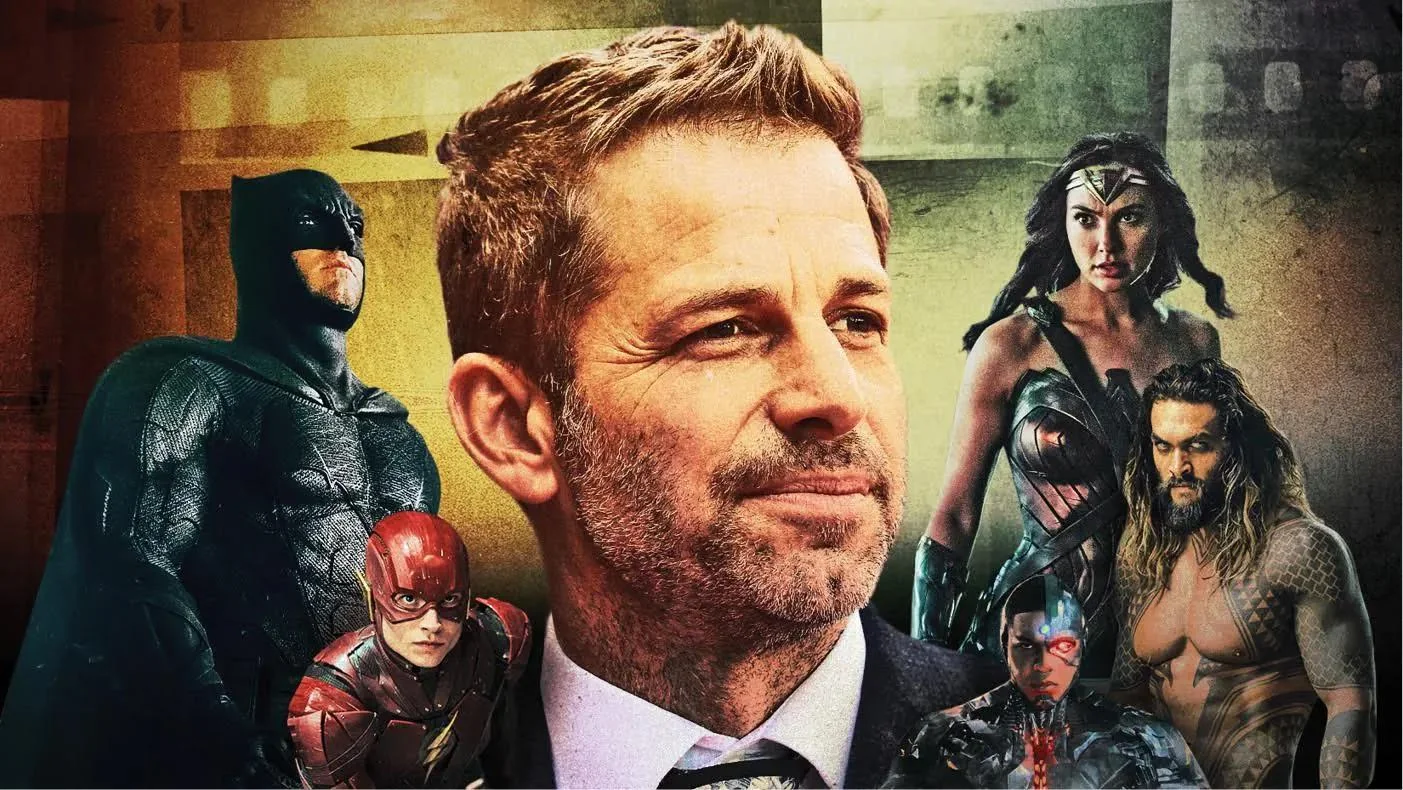
While it’s very possible that Netflix will greenlight a lot of DC animated films there won’t be a revival of the Snyderverse. After the dismal failure of the Rebel Moon films, Netflix has been moving away from filmmaker Zack Snyder and it is doubtful that the company will approve a revival of his brand of DC films. The slimmest of hope for diehard Snyderverse bros is that some kind of Elseworlds animated film will be made.

Oh yes, expect Stranger Things and DC to have a crossover in the comics, along with comic books featuring Harry Potter and other popular Warner Bros. IP.

As for other IPs like Mad Max, It and related Stephen King works, and Harry Potter, there has not been any word yet about them. But it’s expected that Netflix will take full advantage of their newly acquired IP. Announced projects like the reboot of Harry Potter, more TV shows based on Game of Thrones, and the second season of It: Welcome to Derry will proceed as scheduled and if HBO is kept as a separate streaming platform those prestige projects will stream there first before migrating to Netflix years later. Will we ever see shelved projects like Batgirl or genre TV shows that were removed from HBO Max such as Westworld or Raised By Wolves? It’s anyone’s guess, but consider this: these projects were removed to save on paying residuals or for tax write offs by Warner Bros. Without these burdens and with the need to put out recognizable content, it is possible that these projects may have a second life on Netflix.

Of course, there are a lot of hurdles for Netflix such as government approval so it will be at least two years before we see any impact. For now, the company indicated they will leave things alone, and supposedly commit to theatrical releases for Warner Bros. films, which would be to their and everyone’s benefit.

Should The Next Star Trek TV Show Be About Kirk?

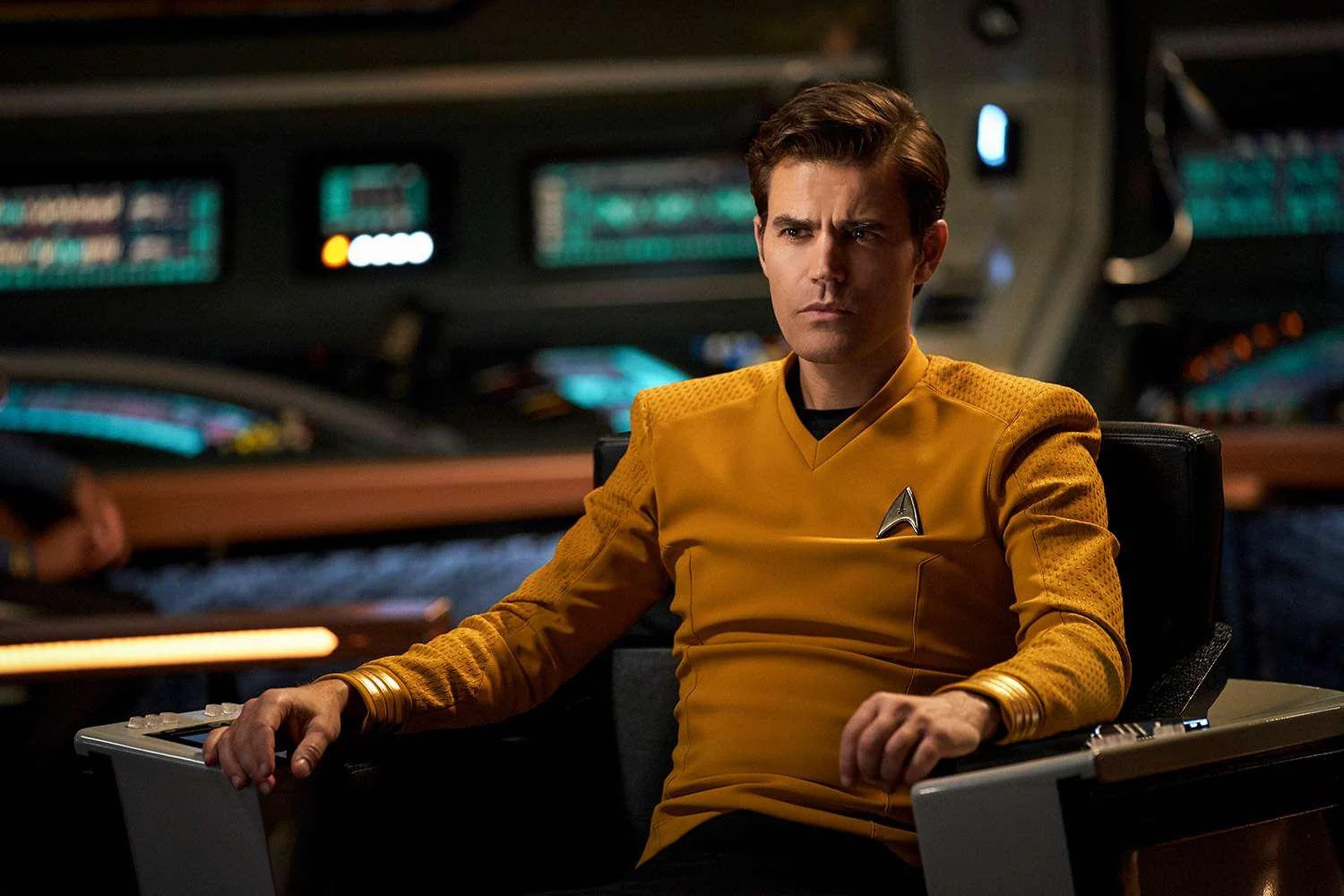
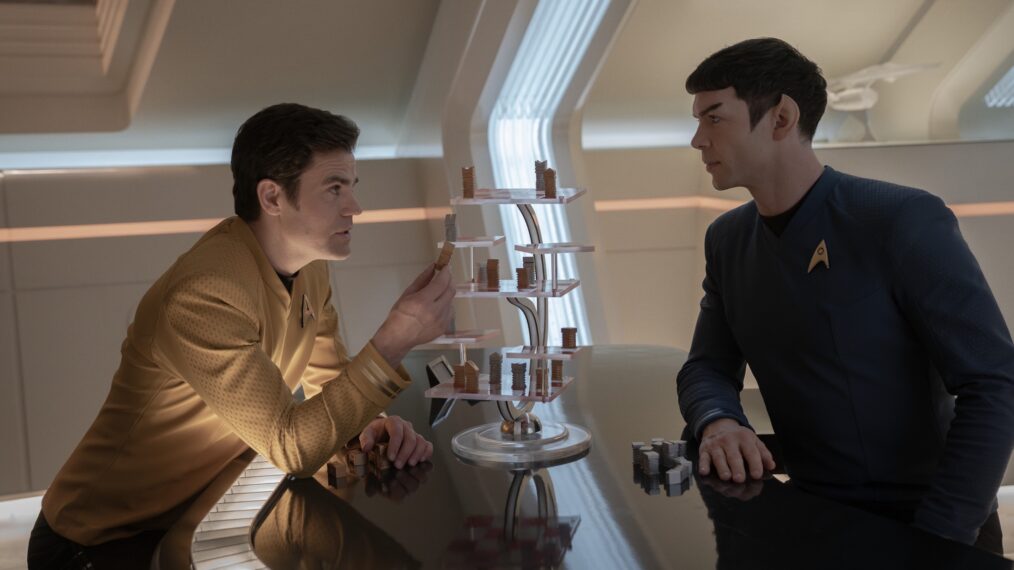
The powers that be that are in charge of the Star Trek franchise are busy planning a new Star Trek TV show that will feature a young James T. Kirk in his early days as captain of the U.S.S. Enterprise starship. This version of Kirk would be portrayed by Paul Wesley, who appeared frequently in Star Trek: Strange New Worlds and the proposed show would be a sequel to Strange New Worlds called Star Trek: Year One. It’s a great idea since Kirk is still one of the most popular characters in Trek. But should there be another TV show based on Kirk?

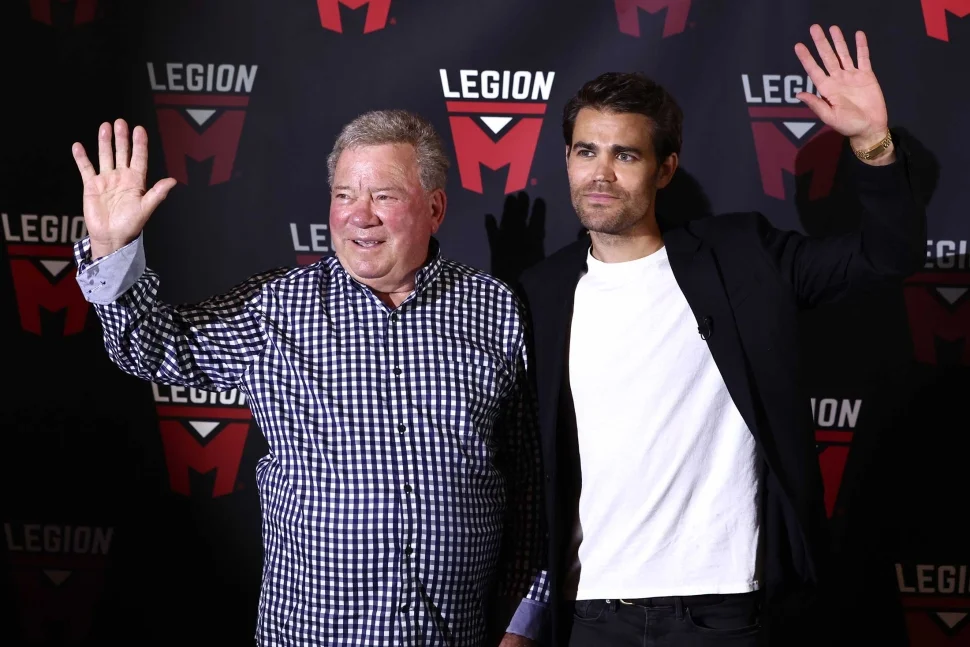
Let’s put aside the acting chops of Wesley or the idea of Kirk being recast, which has always been a challenge that producers had to deal with since William Shatner, the original actor to play the role, is ingrained with many fans who have a hard time accepting someone else playing Kirk. Just look at the trouble the production team behind the 2009 Star Trek film went through to cast Chris Pine as Kirk. People have to accept that Shatner will never play the role again, especially since Shatner is in his 90s and the budget to digitally de-age him would be prohibitive for an ongoing TV show.

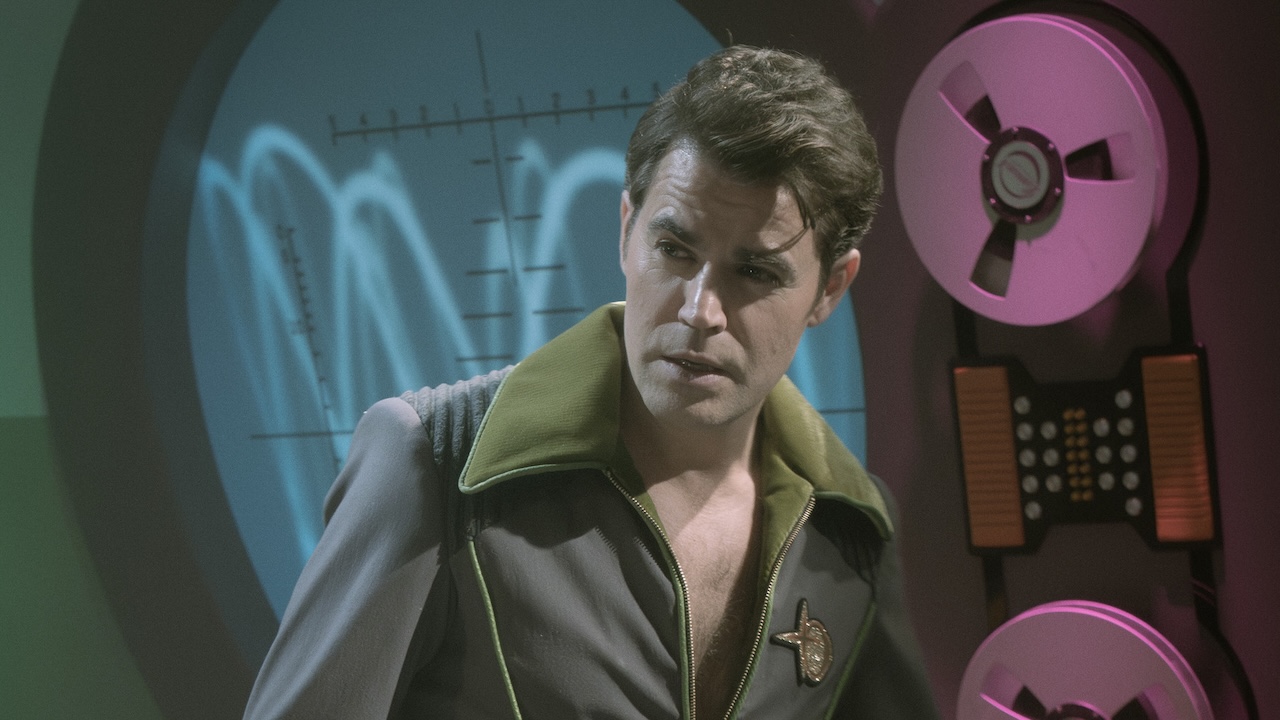
In Wesley’s defense, he does a good job playing a young Kirk without resorting to Shatner’s unique method of acting that gave lots of fodder for comedians. To get an idea of how Wesley would have aped Shatner, take a look at the season three Star Trek: Strange New Worlds episode “A Space Adventure Hour”. It was one of those by-now obligatory holodeck malfunctioning episodes where Wesley as Kirk played a parody of Shatner’s Kirk. The point is if any actor tried to act like Shatner, he would not be taken seriously, which would doom the show.

Getting back to the idea of a young Kirk TV show. On paper it seems like a natural, do a TV show about a young Kirk settling into his command, making mistakes and learning from them, and seeing how he formed his bond with the famous Enterprise crew. It would be fairly easy to create the show since it would be a sequel to Star Trek: Strange New Worlds and the standing sets and design are already done, so that would save money and time. Plus, many of the actors from Strange New Worlds like Ethan Peck would just transition over to Star Trek: Year One since Peck would be playing Spock, who became first officer of the Enterprise during Kirk’s command. The proposed Star Trek: Year One could also remake some of the more famous first season episodes like “Space Seed” (which would give us a recast of Khan) or “City on the Edge of Forever” but with better production and effects. This is very tantalizing.

The problem is that we saw Kirk’s early adventures in the original TV show. When Star Trek first aired, it featured Kirk when he first commanded the starship Enterprise. The implication with the first season of Star Trek was that the first season took place during the beginning of the ship’s five-year mission. On the other hand, there are signs that there was a time gap during the very first episodes and the later episodes. “Where No Man Has Gone Before” and “The Corbomite Maneuver” had the crew wearing slightly different uniforms than what was shown soon after. In fact, Doctor McCoy was not even around in the pilot episode “Where No Man Has Gone Before”. More importantly, there are implications in the early episodes that the crew of the Enterprise had been on their mission for some time. So, this leaves room for a Star Trek: Year One.

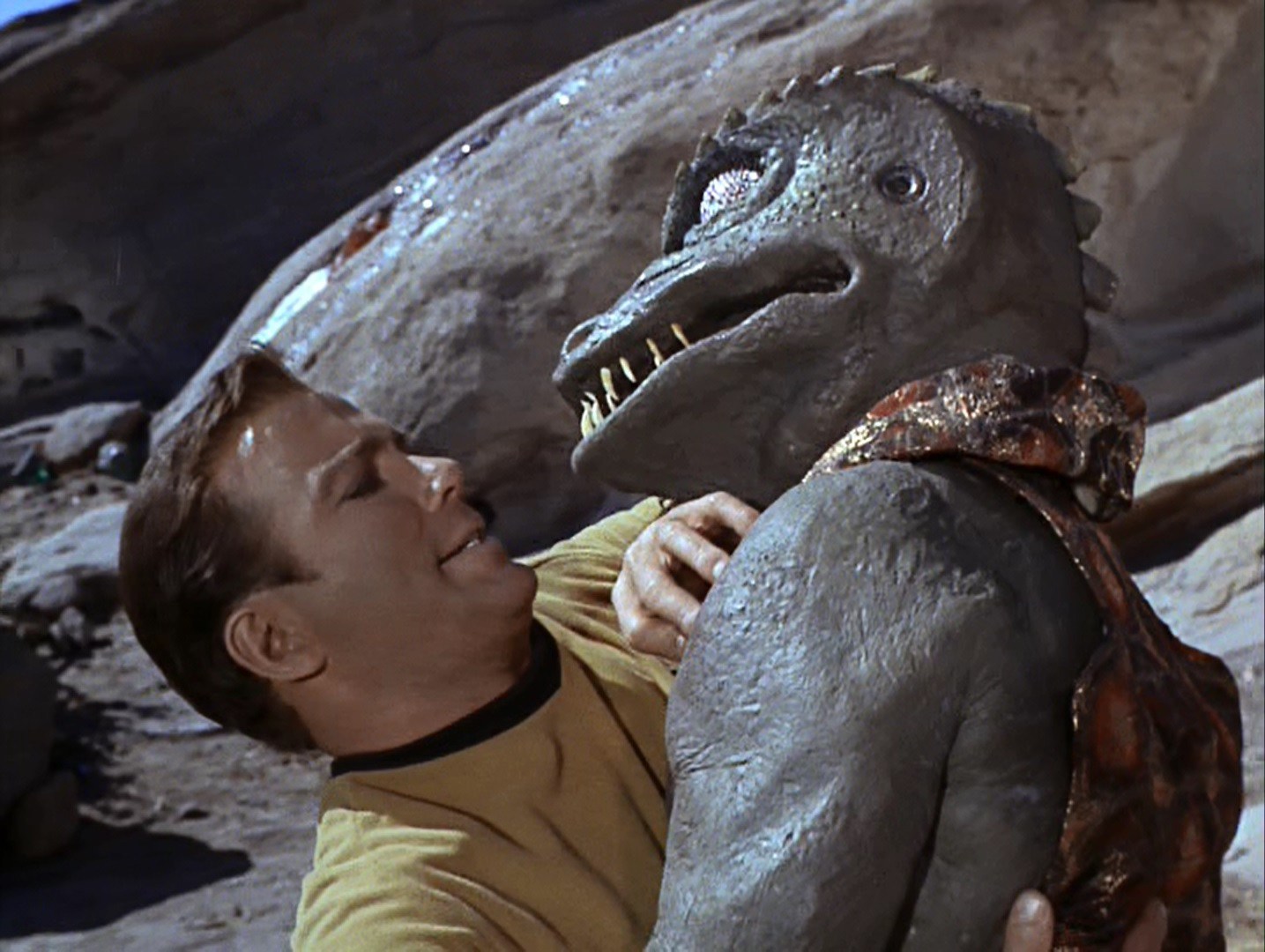
Kirk v Gorn in Arena

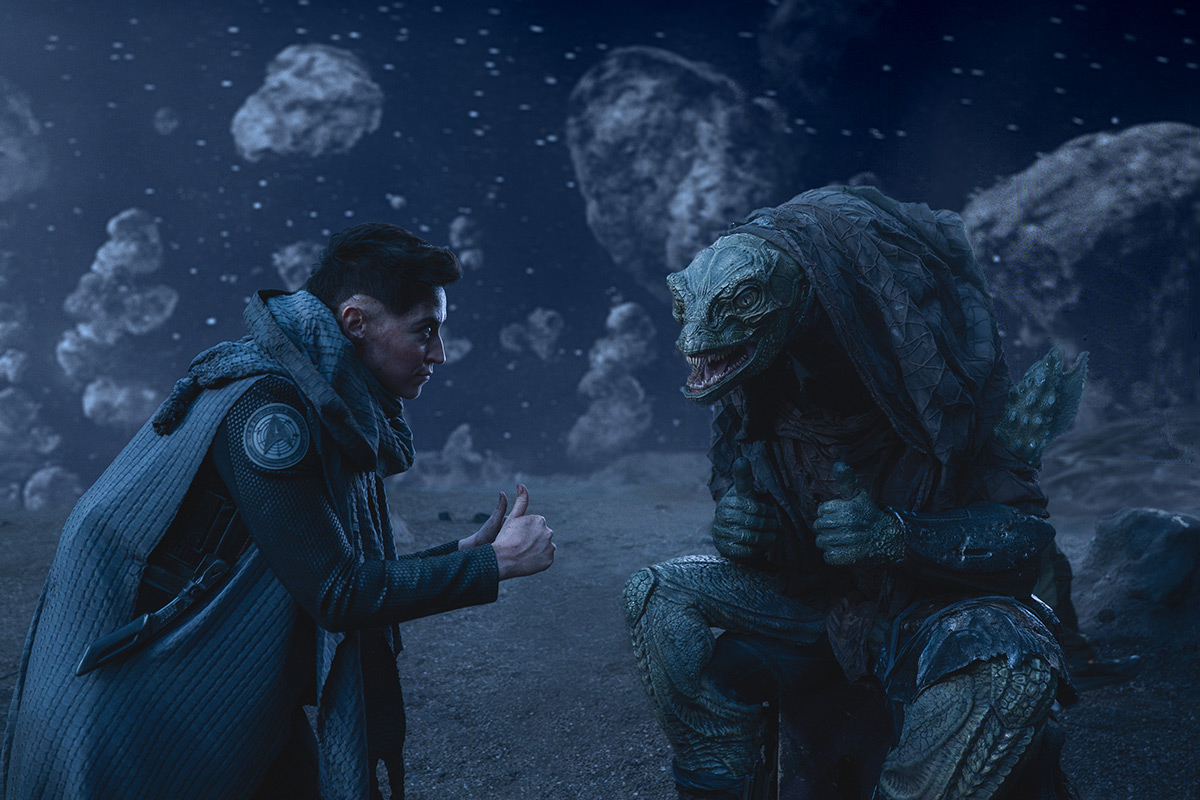
There is a headache that the writers of the proposed TV show would have to deal with and that is with continuity. This has plague all the Star Trek TV shows and films as they had to make sure the continuity established in the original Star Trek and later shows and films remained intact. Unfortunately, this did not work out many times and the recent Trek shows received a lot of flack from angry fans, such as with the look of the Klingons, the Gorn and with the early history of Star Trek. For example, Star Trek: Discovery and Star Trek: Strange New Worlds established that there was a Klingon War which was never implicitly mentioned in the original Star Trek, yet it happened close to the era of the original Trek. In the Star Trek episode “Arena” the Gorn looked radically different than the species shown in Star Trek: Strange New Worlds, and in the original show, the Enterprise crew acted as if they never heard of the Gorn, who were an ongoing threat in Star Trek: Strange New Worlds. This is an issue that long-running TV shows and films have to grapple with and Star Trek is not unique to this situation. As long as the basic history is adhered to, then fans should be willing to give the writers a pass.

One way out of this would be to do what the 2009 Star Trek film did and establish that the recent Star Trek shows are set in another reality. The trouble is that it has been shown already that the recent Trek shows are set in the so-called Prime Timeline.

The most pressing problem for a so-called Star Trek: Year One has to do with whether or not there is any demand for it. Not everyone is thrilled with Wesley’s performance or the fact that the character has hijacked Star Trek: Strange New Worlds by appearing in practically every other episode. This was supposed to be a show about Christopher Pike not Kirk and we already have an idea of how the early years of Kirk went. Do we need to see it play out? Why not create a new Star Trek adventure with new characters? There are many time periods that have never been covered that are ripe for presenting like the time period between the original Trek and Star Trek: The Next Generation. In fact, a TV show about a young Picard sounds more interesting. Ever since Star Trek: Picard concluded, fans have been begging for a Star Trek: Legacies show featuring the crew of the Enterprise-G with Picard’s son, but it seems like the powers that be are hellbent on ignoring fans and plowing ahead with a young Kirk show. This is a sign that the current showrunners do not truly understand Star Trek. Over the decades, the franchise has proven repeatedly that it was rich enough to provide new characters and situations set in the franchise. It allowed Trek to reinvent itself and not rely on Kirk and his crew to generate interest.

To date it’s not known if Star Trek: Year One will get the green light. A lot depends on studio politics and budgets since modern Trek shows are very expensive. If the show goes through, we’ll have to give it the benefit of the doubt that it will be a worthy addition to the legacy of Star Trek.

Star Trek As It Approaches Its 60th Anniversary

As Star Trek celebrate Star Trek Day and commemorate the 59th anniversary of the famous sci-fi TV show, it is important to reflect on the state of the Star Trek franchise and where it is going as it soon approaches its 60th anniversary.

Star Trek has had its highs and lows throughout the decades in terms of popularity, cultural relevance and quality with its glory years arguably being during the 1990s. After the franchise took a forced hiatus in the mid 2000s, a comeback was attempted with the reboot film Star Trek (2009). The film did well and was popular but a significant number of fans did not appreciate director J.J. Abrams attempt to turn the franchise about space explorers, noted for its thought-provoking plots, into a more simplistic shoot-em-up space adventure that emphasized action and explosions over nifty plots and character developments.

The reboot film franchise came to an end nine years ago with Star Trek Beyond, which did not perform well in theaters, though its tone was more of a throwback to the original TV shows and films. Since then, there have been many failed attempts to produce a fourth film featuring the cast of the reboot films, but none have succeeded and that franchise is now essentially dead. Or is it?

Meanwhile, Star Trek returned to its TV roots in 2017 with the debut of Star Trek: Discovery, a prequel series to the original show that streamed on the app CBS All Access (later renamed Paramount+). Now, while the TV show ran a respectable five seasons and spawned another prequel spinoff, Star Trek: Strange New Worlds, as well as additional Star Trek TV shows, Star Trek: Discovery wound up being divisive among fans. Many complained about the storylines and the characters, with more conservative fans being outright hostile to the show’s featuring of non-heterosexual characters. It did not matter. In this day and age of toxic fandom where cynical content creators are more interested in clicks and views, any iteration of Star Trek would have received scorn.

Right now, Star Trek is at a bit of a crossroads. Its parent company, Paramount Pictures, is undergoing a merger and the fate of the franchise is unknown with many rumors flying around as to its final fate. But there are many reports that the bigwigs at Paramount are bullish on Star Trek and want to continue with the franchise. The question remains is how will it continue? As of now, the only currently streaming Star Trek TV show (Star Trek: Strange New Worlds) will come to a conclusion after its fifth season (the fourth season is currently filming while the third season will complete streaming new episodes this week). After that, a new TV show Star Trek: Starfleet Academy will stream in early 2026, while a sitcom set in the world of Star Trek is in development. Who knows if that comedy will ever see the light of day or even generate any laughs if it comes to fruition.

There are other pitches for Star Trek TV shows, including a prequel series based on a young James T. Kirk, which will be a sequel to Star Trek: Strange New Worlds and would star Paul Wesley reprising the role of Kirk. The show has been tentatively titled Star Trek: Year One and would be about Kirk’s early days as the starship Enterprise captain. Meanwhile, Scott Bakula, the star of Star Trek: Enterprise is involved in a pitch for a show that would take place years after Bakula’s show and feature his character as the president of the United Federation of Planets. Unlike other Star Trek shows, this one would not be a show about exploring worlds but have a political slant more akin to Star Trek: Deep Space Nine. Then there is the fan-favorite idea of Star Trek: Legacy, which would be a sequel to Star Trek: Picard, specifically its popular third season and be about the adventures of the crew of the Enterprise-G. It has been pitched in the past, but so far, Paramount has not shown interest in pursuing Star Trek: Legacy.

Regarding films, there are still plans to produce a fourth film set in the Abrams reboot universe with directors and writers coming and leaving the project. Then Paramount recently announced another film will be produced that will feature all-new characters and situations. That actually sounds interesting but as of now, we have no definite information.

Given all that, there are not any concrete plans for Star Trek TV shows or films aside from the Academy show, which is a bit concerning given that the 60th anniversary is under a year away. You would think Paramount would have something concrete in production. Some of the ideas noted above are interesting and even if they don’t end up as TV shows they can at least become limited series or TV films, just better executed than the hot garbage Star Trek: Section 31. One thing to consider is that 2026 will be a celebration of the original Star Trek, not its sequels and films, and there are three remaining cast members from the original show. Aside from a standard documentary/retrospective, maybe Paramount can find some way to involve William Shatner, George Takei and Walter Koenig in some kind of new Star Trek production. The only limits are time, money and more importantly, imagination. Here’s to boldy going 59 years strong.

We Are The Winners Of The Summer 2025 Superhero Film War

It sounds like a cliche by now to make a statement that we fans are the true winners of summer 2025’s superhero film wars between Marvel and DC, but it’s true. It does not matter which of the two films, Superman and The Fantastic Four: First Steps, is better, although fans have made arguments that Superman was better than The Fantastic Four: First Steps and vice versa. It’s all subjective and open to interpretation. What matters is that we finally got a summer where the two superhero-based film studios, Marvel Studios and DC Studios, went head to head with top-tier film releases that were well made and successful (more on that soon).

The result was that we were treated to two great superhero films in a relatively short amount of time. It would have been better if they performed better at the box office but they are not flops. Who knows what would have happened if both films pulled in a billion dollars? Would this have triggered some kind of race between the two studios to outdo each other at every turn? This would not be realistic or viable and probably lead to a huge crash after some of their films failed. Perhaps the films would have made a lot more money if their releases were not so close to each other since the films came out in a two-week period. Both studios should adjust their release schedules to consider this.

One thing to dispel is that there isn’t superhero fatigue. That is something that trolls and others want to create a narrative in order to drive clicks and views. Sure, we are past the heyday of the superhero craze and the new normal is that they are not guaranteed box office gold. But that is because too many inferior films came out which turned off many to superhero films. The two studios should share some blame for that but other studios, especially Sony Pictures, dumped out garbage like Madame Web and Morbius, which diluted the Marvel name and superhero films in general. It does not matter that the Sony Spider-Man-less films were not part of the Marvel Studios films; the average moviegoer does not know or pay attention to such subtleties. Even though Sony announced they won’t produce any more of these films, the damage has been done.

Right now both Marvel Studios and DC Studios are in a rebuilding phase. Both of this summer’s superhero films launched new phases for their shared cinematic universes and past history has shown that the early films of the studios started off relatively small but they built interest for the characters who later on headlined blockbuster films. For example, Man of Steel earned $670 million dollars, while that is great for most films, Warner Bros., the parent company of DC Studios, would have preferred it earned more. The following film after Man of Steel, Batman v Superman: Dawn of Justice was more successful in part because it featured Superman. The problem for Warner Bros. is that they got greedy and impatient and jumped into the big tentpole epics like Justice League, which did not allow for the characters and events to grow naturally. In the end, these films failed to make the money Warner Bros. wanted and eventually the first DC shared universe collapsed.

James Gunn took over the DC films and is now carefully launching a new cinematic universe. For the most part, he is keeping things close as to what direction the films will take. As far as we know the only followup film in the new DC universe that is coming out will be Supergirl, while on TV Lanterns and Peacemaker will be streaming soon. Gunn has made it clear, that future films will only go into production once a complete script satisfies everyone, which is how it should be. Right now, Superman will have earned $600 very soon and maybe will finish out its run earning a bit more, which means it is profitable. This is a promising start for the new DC films but it’s important that Superman appear soon in future films in order to keep the character fresh with audiences.

Meanwhile, the early Marvel Studios films did not even come close to making a billion dollars until The Avengers. The Marvel films released this year were not outright flops nor were they were humongous successes, although the final numbers for The Fantastic Four: First Steps is not known at this time. The films earned from as low as $382 million (for Thunderbolts*) to $434 million and counting for The Fantastic Four: First Steps. In the end, the latter film will probably finish its run with over $500 million, which is respectable.

Marvel Studios tried to repeat this pattern with Phase Four of their films after the Infinity Saga ended. But circumstances prevented followups to the Phase Four films TV shows and characters. Sure, Shang-Chi and the Legend of the Ten Rings was a hit back in 2021 and all, but where is the sequel? Where is Shang-Chi for that matter? Yes, he will appear in Avengers: Doomsday but that will be a time gap of five years between appearances, which is too long. This lack of followup was a huge error on Marvel’s part. They had to keep to momentum going with Shang-Chi, especially since he was an unknown character. In the past, after minor and unknown characters made their debuts, Marvel Studios quickly featured them in other films to keep up interest. Examples of this include the Guardians of the Galaxy and Doctor Strange, who rocketed in popularity after they made appearances in Avengers films and their future films earned much more than their debut films. This even happened with the Marvel Studios version of Spider-Man. His debut film, Spider-Man: Homecoming, did not make a billion dollars but his second and third films did so, easily. This formula will work with the Fantastic Four and other new characters. Thankfully, Marvel Studios will repeat this formula in the upcoming Avengers: Doomsday as that film will feature the Fantastic Four, the Sam Wilson Captain America, and the Thunderbolts.

Both film studios are focusing on quality and long-term strategies, which is great because this will help word of mouth for these superhero films. Marvel Studios now has genuine competition when it comes to producing quality superhero films. Again this is great for us fans. Even the head of Marvel Studios, Kevin Feige, has said in the past that he wanted DC films to succeed because the competition would be good for Marvel Studios. Competition generates innovation and creativity and encourages competitors to do their best work. In fact, the lack of competition from DC could be seen as one of the reasons why Marvel Studios floundered for a few years.

It is great that there is genuine competition between the two superhero film studios. Whether or not Superman or The Fantastic Four: First Steps is more successful is irrelevant at this point, although Superman is the clear winner when it comes to box office result. Both films can be enjoyed by fans for what they bring to the table. What matters is that two great superhero films came out in one summer, which is something we have not had in a while. This is why we are the winners in this competition.

The Eve of MCU’s Phase Six

Phase Six of the Marvel Cinematic Universe (MCU) starts this week with the release of The Fantastic Four: First Steps, a film that will begin the finale of the MCU’s Multiverse Saga. As Phase Six commences it is clear that the MCU has had some challenges recently and it remains to be seen if the latest phase will course correct the cinematic universe.

A major issue with the last two phases that will affect Phase Six was that they did not tell a cohesive or coherent storyline that progressed the overall story of the Multiverse Saga. This ran counter to the first three phases that told a progressive story that culminated with the last two Avengers films, Avengers: Infinity War and Avengers: Endgame. One thing to note with the first three phases was that they concluded more or less with an epic Avengers film. This did not happen with Phase Four (*Thunderbolts the last film of Phase Five ended with the revelation that it was actually a film about a new team of Avengers), and the Multiverse Saga had to do a course correct for outside reasons.

Phase Five of the MCU was plagued with several misfires and undeniable box office disappointments as films and TV shows did not live up to expectations. This was unfortunate since Phase Four was disappointing, as well, and failed to live up to the glory days of the first three phases. Phase Five was supposed to correct this but could not.

Namely that Marvel Studios decided to eliminate the main villain of the Multiverse Saga, Kang the Conqueror, and instead abruptly chose to have Doctor Doom as the main villain. This change happened because the actor who played Kang, Jonathan Majors, was fired by Marvel Studios for being convicted of domestic abuse and the character did not resonate with fans. This happened as Phase Five was well underway and did not allow the MCU to organically pivot to Doctor Doom, but the film studio could have tried. Films and TV shows in the latter half of Phase Five should have, at the bare minimum, dropped Easter eggs and references to Doctor Doom but that has not happened. In fact, many TV shows from Phase Six like Secret Invasion or Agatha All Along did nothing to advance the Mulitverse Saga. Meanwhile, only about half of the Phase Five films were relevant to the Multiverse Saga.

What makes this situation worse is that Doctor Doom, the main villain of the Fantastic Four, will not appear in The Fantastic Four: First Steps. This is a mistake considering that Doom will be the villain of next year’s Avengers: Doomsday and it is unlikely that upcoming MCU projects before that film will include any appearances or references to Doctor Doom and the Multiverse Saga. It is head scratching that Doctor Doom will not at least have a cameo in The Fantastic Four: First Steps but we won’t know this for sure until the film is released. On the other hand, there are reports that one of the post-credits scene from The Fantastic Four: First Steps will directly tie into Avengers: Doomsday so there is that, at least.

Another thing that is evident with the slate of Phase Six is that unlike the last two phases there will be noticeably less films and TV shows released. One major complaint about the last two phases, especially with Phase Four, was that too many projects were released, and this stretched the resources of Marvel Studios. The result was that many subpar films and TV shows were released before they could be fine tuned to be better. With Phase Six, Marvel Studios has chosen to emphasize quality over quantity, though this means that many threads and characters introduced in the previous phases will be ignored. This will frustrate many fans, but it was inevitable given that Marvel Studios has to concentrate on popular characters instead of greenlighting TV shows or films about obscure superheroes that may or may not resonate with the larger public. So, expect many films and TV shows dealing with the core Avengers lineup, Spider-Man, the Fantastic Four (if the first film is successful) and of course, the mutants.

At this time, we can only speculate on what films and TV shows Marvel Studios will release for Phase Six. Unlike the previous phases the studio is remaining tight lipped about its upcoming releases since they have been burned by prematurely announcing projects before they were ready like Blade. To date, the only known projects are The Fantastic Four: First Steps, Eyes of Wakanda, Marvel Zombies, Wonder Man, Spider-Man: Brand New Day, second seasons for Daredevil: Born Again and Your Friendly Neighborhood Spider-Man, Vision Quest, a Punisher TV special, Avengers: Doomsday, Avengers: Secret Wars, and at least one other film that we have no information about. Who knows what it will be? A new Doctor Strange film? A third Black Panther film?

While it’s regrettable that Marvel Studios is pulling back on the quantity of projects it is for the best since the limited amount of films and TV shows will lead to improved products. We already are seeing this as the more recent offerings from Marvel Studios like Deadpool and Wolverine, Your Friendly Neighborhood Spider-Man and *Thunderbolts have received a lot of acclaim. It is also interesting to see that certain projects that were not as well received as Ironheart, parts of Daredevil: Born Again and Captain America: Brave New World were produced before Marvel Studios began to course correct with its offerings. Daredevil: Born Again offers clear proof of this as the most acclaimed episodes were made after the film studio decided to emphasize its commitment to quality.

It will take some time for Marvel Studios’ course corrections to resonate with the general public. Not too long ago, the MCU brand was golden and a guarantee of quality and box office success. That’s not the situation anymore as many recent films have underperformed, even if they were acclaimed like *Thunderbolts. It is no longer a guarantee that an MCU film will be a box office hit. But it is important that they maintain a high level of quality because this will create positive buzz for MCU films and TV shows. Do not be surprised if properties like *Thunderbolts develop cult followings, which is good for Marvel Studios as this will demonstrate the studio’s commitment to quality products. Eventually the public will catch on and begin seeing them the films and TV shows in droves again. Then again with important tentpole films like Avengers: Doomsday, Avengers: Secret Wars and Spider-Man: Brand New Day, it is practically certain that Phase Six of the MCU will be successful.
José Soto