Pining For New Superhero Films & TV Shows!

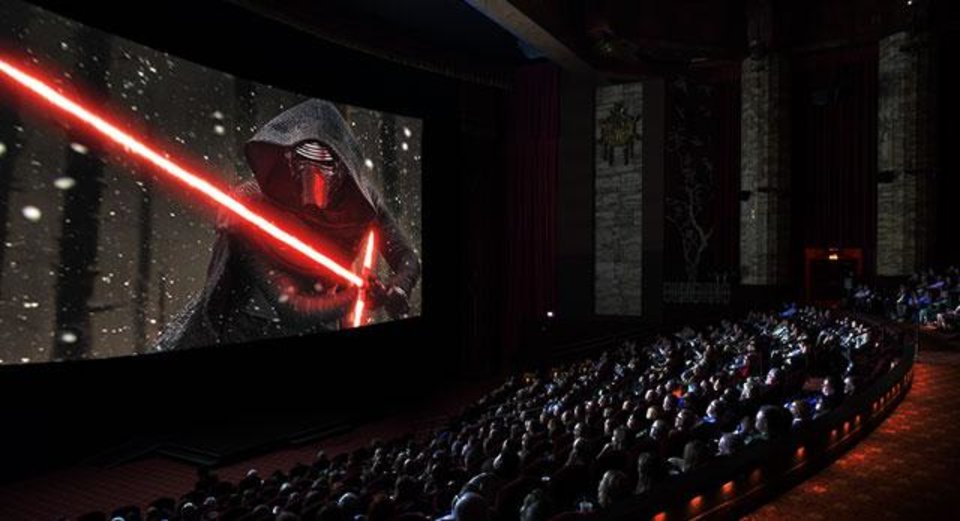
OK, let’s be honest, we need our superhero film and TV fix! By this time, during normal circumstances the Marvel Cinematic Universe (MCU) drought we’re experiencing would have been quenched by the May release of Black Widow and we would have been going wild over the release of Wonder Woman 1984, which would have been yesterday. But nope, a deadly coronavirus had to ruin everyone’s year. *Disclaimer time* This by no means is meant to make light of the pandemic our world is suffering through. No matter what, our lives and well being are more important than being inconvenienced with social distancing, self quarantines, and no new superhero films. We all should continue do our part to prevent the spread of the coronavirus until a viable treatment or vaccine is available.

MCU Backed Up

We have not had a new MCU film since last July’s Spider-Man: Far From Home and we are certainly overdue. It is hard to believe that soon it will be a year since any new MCU material has come out. Sure, there were the Marvel TV shows that came out in the time period such as Runaways and currently Agents of S.H.I.E.L.D. But they are treated as non-entities by the powers that run Marvel Studios to the point that fair arguments can be made that these TV shows are not part of the MCU and can be ignored. But that is an argument for another day.

Anyway, it is hard to accept that for over a year no MCU film has been released. The last time this happened was in 2009 when the MCU was in its infancy and we had plenty of films that year to keep us occupied!

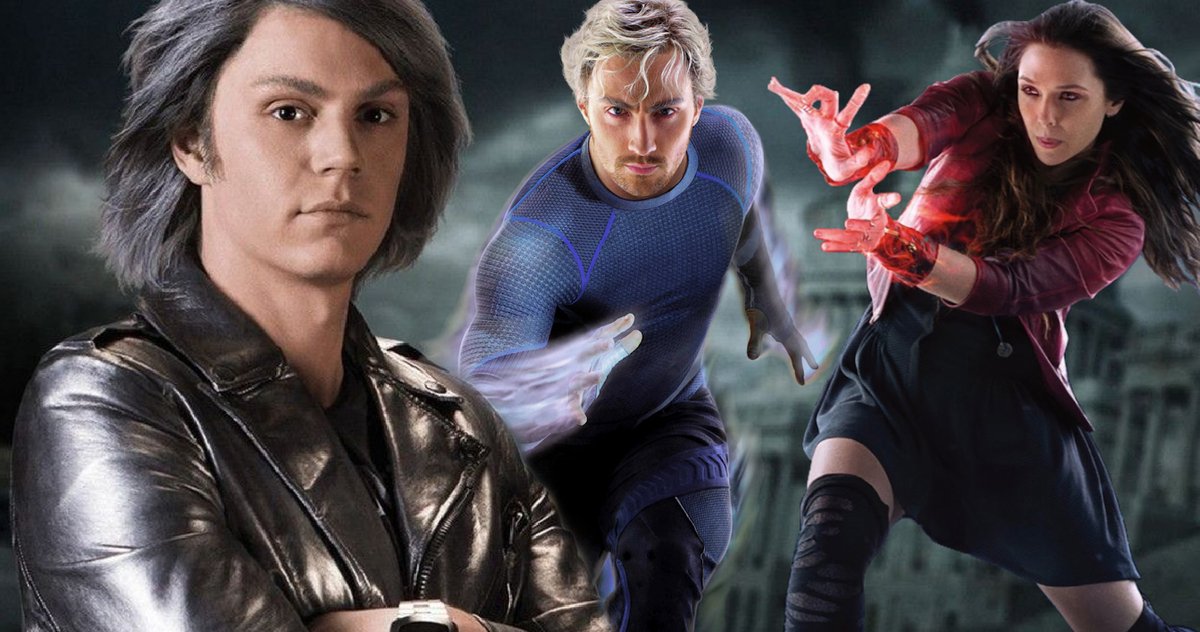
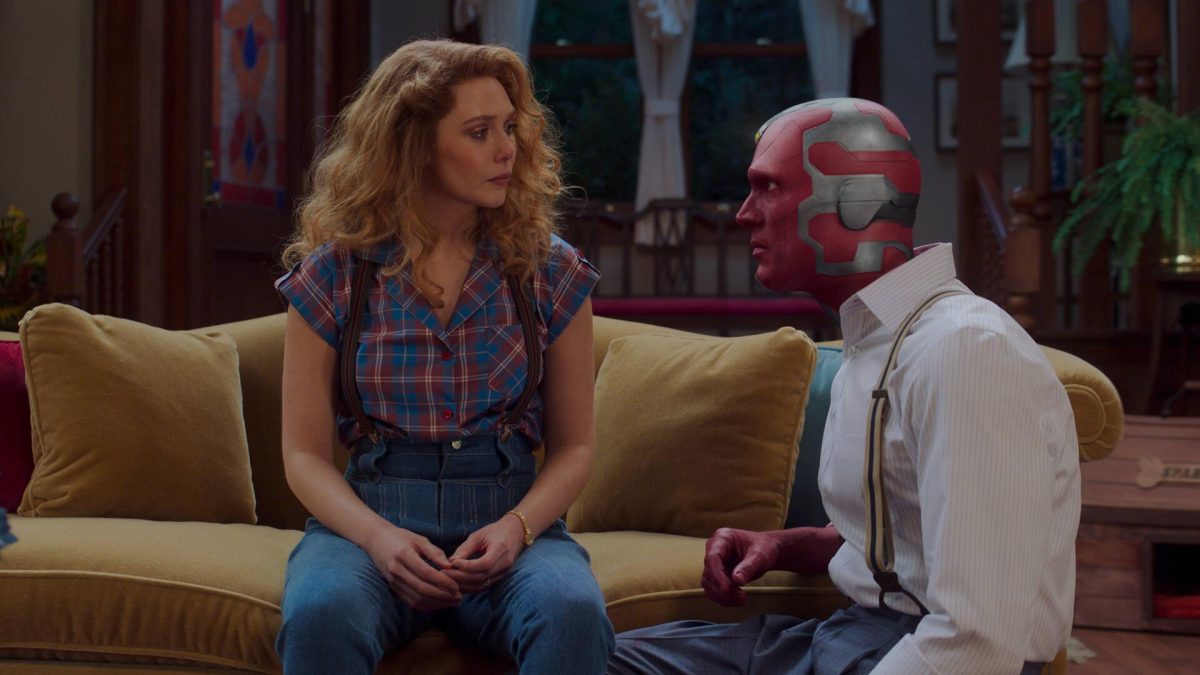
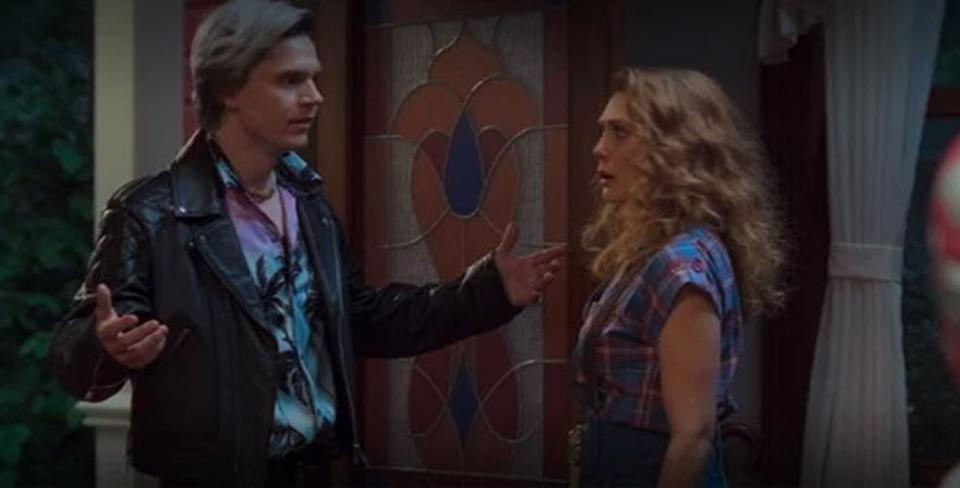
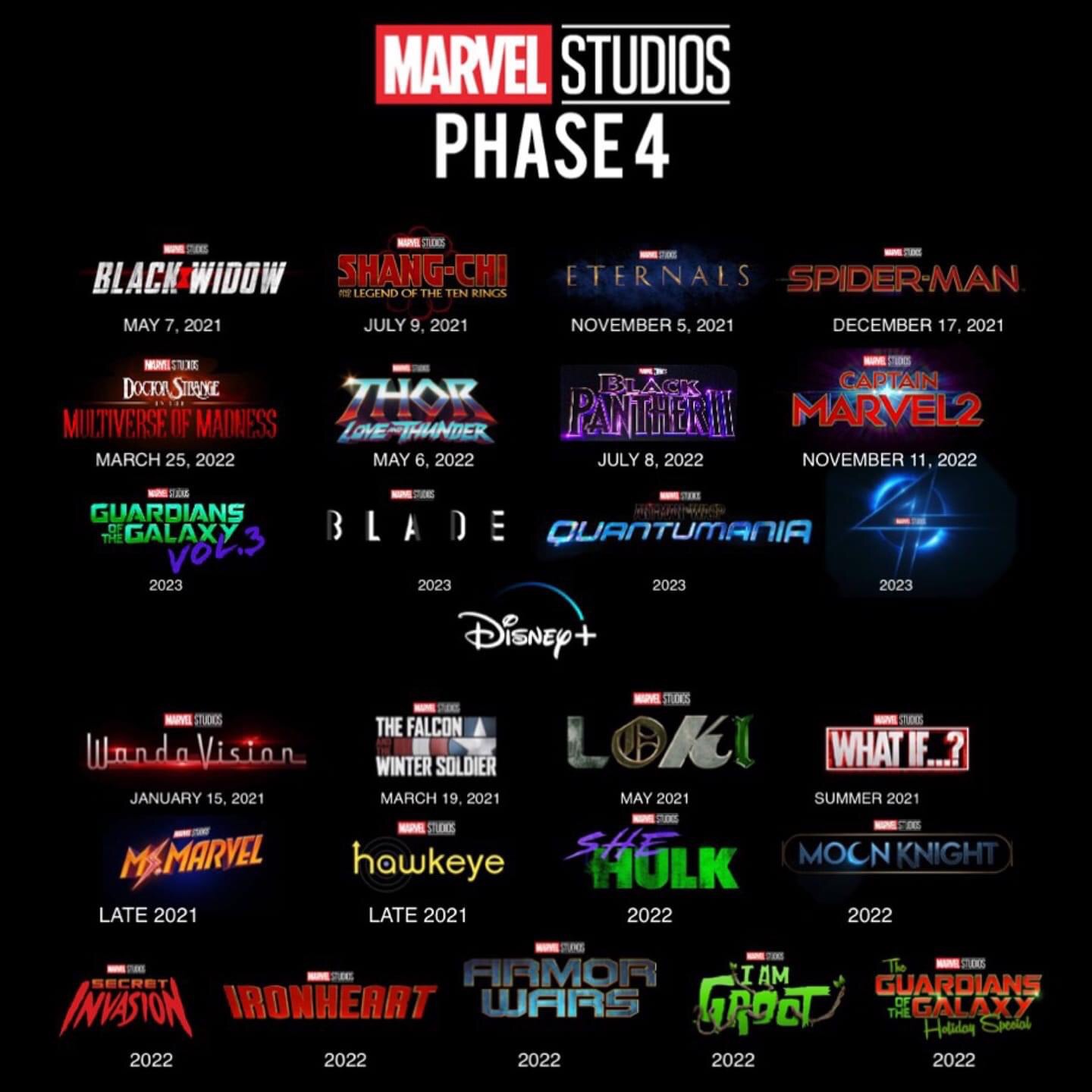
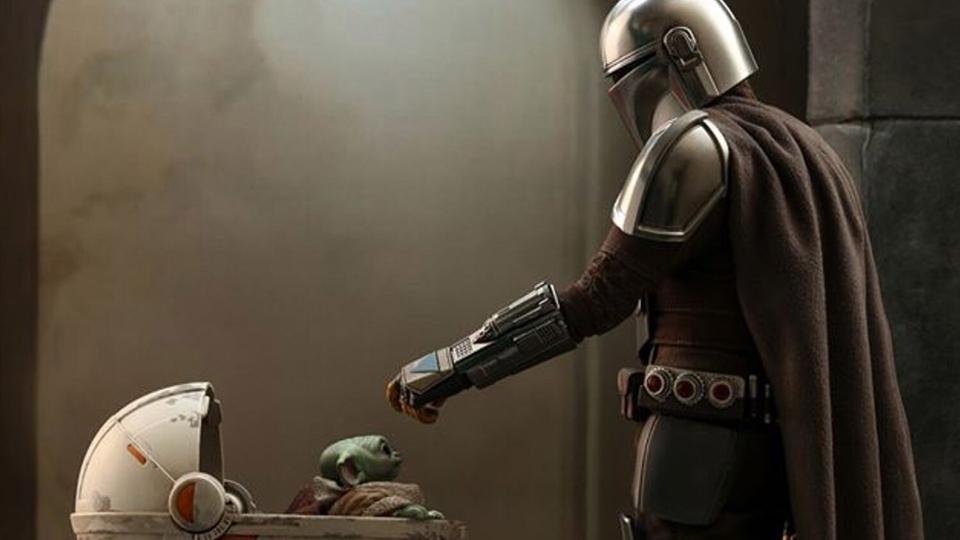
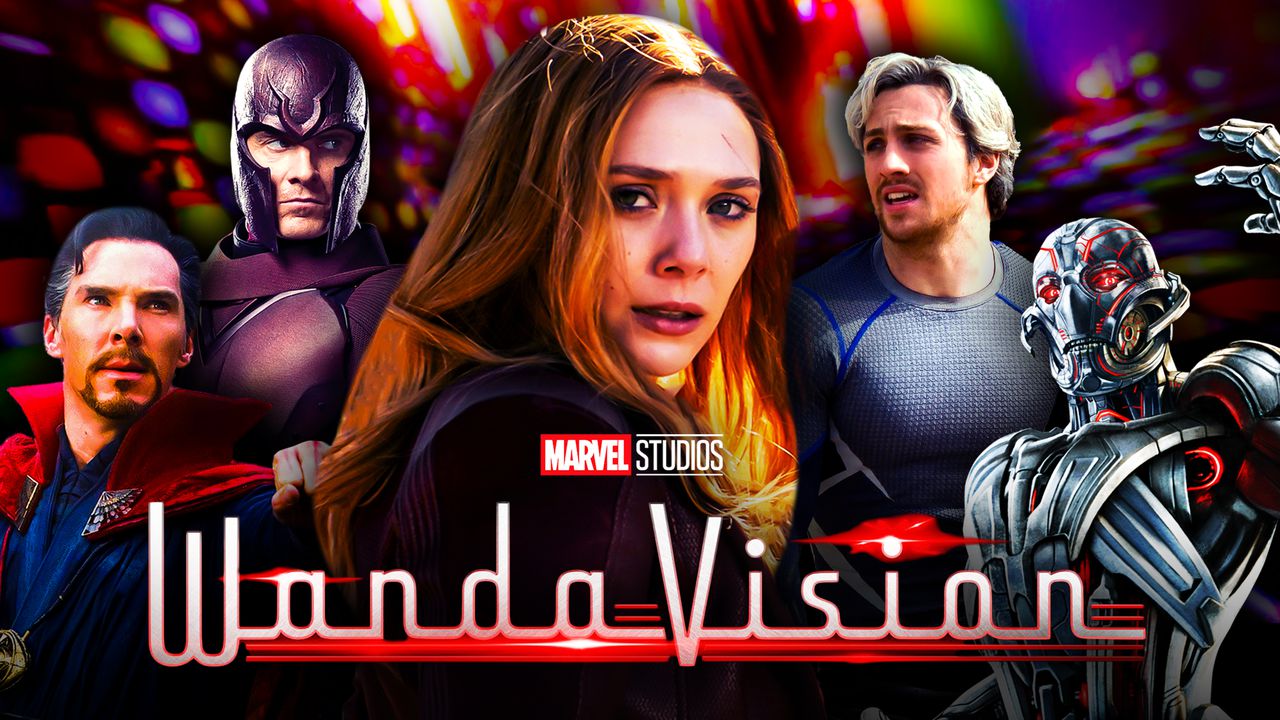
We also would have had the Disney+ TV show The Falcon and the Winter Soldier to look forward to in a couple of months. Originally the program was to stream in August of this year, but that show along with Disney+’s other MCU show for this year, WandaVision, have been delayed because filming stopped earlier this year. The safety of the cast and crew are more important than a schedule but it just plain sucks they could not have finished by the time the pandemic ravaged us. Rumor has it that The Falcon and the Winter Soldier needs to be rewritten and reshot because it supposedly had a storyline about a pandemic and that would not go over well today.

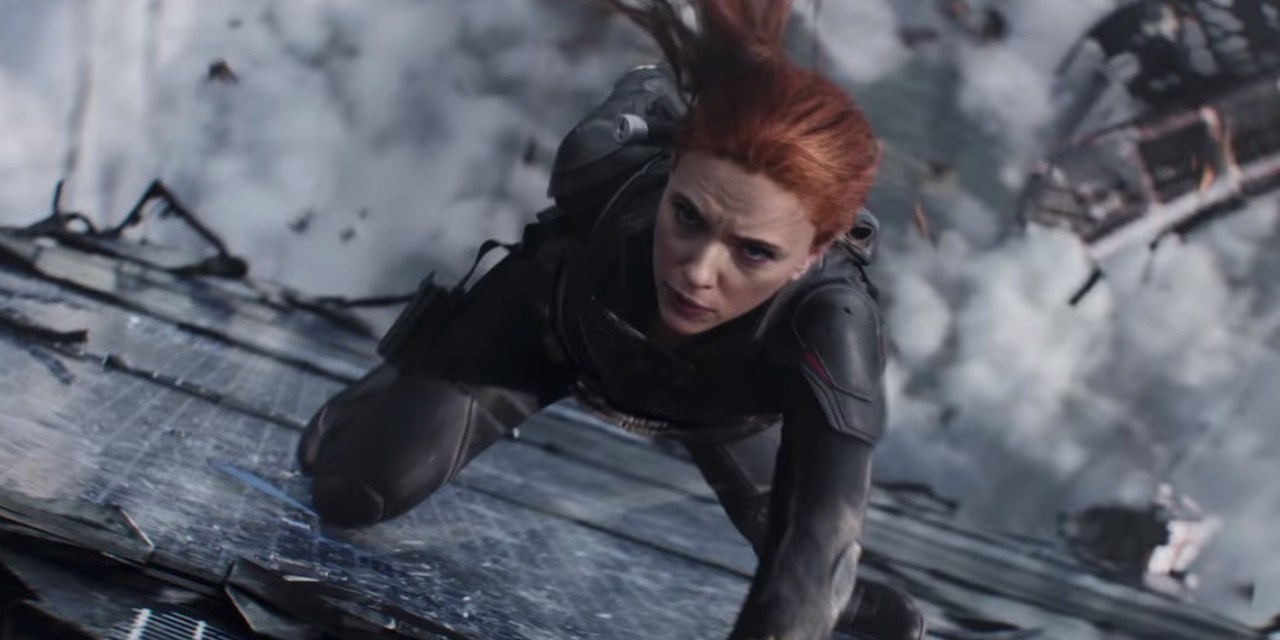
One flaw about the interconnected nature of the MCU is that the films (and soon TV shows) cannot be shown out of order. For example, WandaVision directly leads to the upcoming film Doctor Strange in the Multiverse of Madness. It would have been awkward if that film was ready to go before WandaVision was completed but in this case it worked out because the Doctor Strange film has not even begun filming (and its release date has been changed from next year to March 2022). In other words, even though it is a prequel film, Black Widow probably has to be released first before we can see The Falcon and the Winter Soldier and so on. Black Widow has been rescheduled for November 6, 2020. But given the impatient deniers who won’t wear masks or keep social distancing and the ongoing protests it is quite possible that a second wave of the coronavirus will come with a vengeance. So, Black Widow’s new release date is not a guarantee.

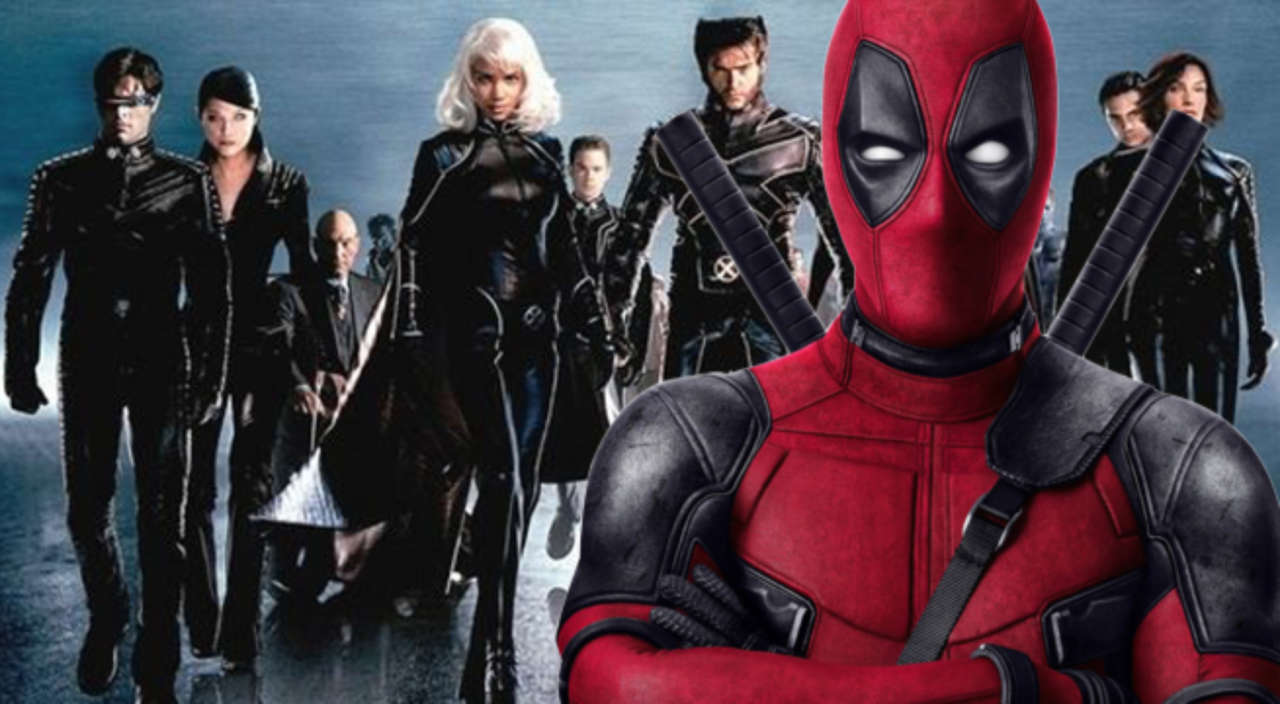
Hopefully, Black Widow will not suffer the fate of The New Mutants, a film that has been forever rescheduled. Can anyone believe it was supposed to be released back in 2018? The ironic thing about The New Mutants is that many of us had little interest in the film and gave up on it as a last gasp from the defunct Fox X-Men film franchise. Now, with its latest release date being August 28, 2020, it will be the sole Marvel film fix until the MCU films can be released.

Continue reading

The Current State And Future Of Comic Books, Part II

We looked at the current state of the comic book industry, which had been declining in recent years for many reasons ranging from too many products flooding the market to the obsession with variant comics. The industry suffered a brutal blow with the COVID-19 pandemic which forced most stores and industries to close in order to stop the spread of the coronavirus. This weekend, another annual Free Comic Book Day event would have taken place all over. That is gone, along with highly anticipated conventions, especially the San Diego Comic-Con.  But fear not, we will get our geek fixes at some point in the future.  However, as our society looks ahead and to reopening, many fans are wondering where the comic book industry goes from here or if it can survive.  Let’s look further.

The Coming Contraction

To be blunt, there are too many comic book titles flooding the market. Certain popular characters have multiple monthly titles; numerous crossover event books have overtaken the shelves; and every time a fan turns around a title is canceled, relaunched or rebooted just to produce a new number one issue for collectors. The hard truth is that this cannot continue. Once this crisis passes and the stores reopen, the publishers have to entice readers to buy their products. One thing to keep in mind is that too many buyers are now out of work and cannot easily afford comic books, not with current prices. It is not realistic to expect the average fan to buy all of your products as in the past.

Publishers need to determine what books to create. The obvious answer would be to focus their titles on their most popular and recognizable characters. And they should be limited to two or three titles at most. One thing publishers can do is to increase the amount of pages in a popular title and feature back up stories with lesser heroes. This was the norm back in the Golden Age of Comics and would allow for the publishers to keep employing creators as is currently done.

Look at the Downside

While contracting the amount of books published monthly goes against publishers wanting to put out as much product as possible, there are long-term benefits. Limiting the amount of exposure for a character creates demand. At the same time, the quality of the stories will improve as not every story angle will be quickly used up in a short amount of time by writers and artists pumping out dozens of titles per month.

Another benefit for downsizing comics is that it will be easier to coordinate events and continuity. An all-too-common gripe from readers is how they are pressured to buy every single crossover comic book and keeping up with what is going on. Too often, events are contradictory and repetitive. How many times can someone in the Fantastic Four or the Avengers die and come back? Think of how great it was to read the early Valiant comic books. Back when those comics came out in the early 1990s, only a few titles were published monthly and there was a tight continuity between the titles. They were easy to follow, yet for the most part we were not forced to buy every book. This helped create buzz for those Valiant titles. When an event like Unity occurred it was a big deal. Nowadays it seems as if there is some kind of weekly event. Speaking of events, what is the latest Spider-Verse thing going on now? Or is it Spider-Geddon?

Reduced Prices

There are many ways to cut costs aside from limiting output. The easiest way to entice buyers is through sales: BOGOs, discounts, subscription services, etc. Many of these sales tactics are used right now, which is often seen during the holiday season, Free Comic Book Day, or the release of major superhero films.

Still, these sales will only go so far. To keep people coming back and buying comics on a regular basis, prices must be lowered. Expecting loyal readers to fork out $3.99 per title is unrealistic given the state of the economy. One reason why comic books took off when they were first published was because of low prices. Everyday kids could afford to buy them for 10 cents at the beginning. They were even affordable when the prices eventually went up to a dollar or so. But current prices inhibit children from buying them. Publishers must entice new generations of readers to keep the industry alive; although publishers put out inexpensive comics geared towards young children, they are not adequately attracted to more traditional titles.

OK, so how can publishers lower prices besides limiting the amount of books published? One thing that can be tried is to change the paper stock and if worse comes to worse go back to newspaper print. It was only in the past couple of decades that the paper quality in comics took quantum leaps forward. No longer did collectors have to worry about yellowing pages or crumbling paper. But this came at a literal cost. Perhaps it is time to revisit the traditional newsprint, if only for a while.

Another idea is to use less pages per title. This could mean shorter and more serialized stories. But this should be considered along with the actual size of a comic book.

Most fans know that the Golden Age and Silver Age comic books were actually slightly bigger than current comics. The sizes were reduced eventually to diminish the amount of paper needed and therefore cutting costs. Comic books in the future will probably be smaller and look like those Best of DC comic book digests that came out in the 1970s.

Continue reading

The Current State And Future Of Comic Books, Part I

It was well known by fans that the comic book industry faced declining sales in the past few years. Then this pandemic struck. Now, comic book shops all over are closed down to prevent the spread of COVID-19. Major comic book companies like Marvel and DC will not release comic books digitally, and this has resulted in the entire industry coming to a standstill. We have not had any released comic books for several weeks and this has cascaded to lost jobs, revenue and products. On top of that, the San Diego Comic-Con and other conventions have been cancelled.

This crisis will pass at some point. But will its damage be too much for the comic book industry? Even without this pandemic the industry had many challenges and was running on inertia and good will from other media, notably the films and TV shows based on their comic book characters. It was in a fragile place and it may only take an outside factor like the coronavirus to be the kill the industry.

So, what happened to the comic book industry and where does its future go? If it even has one.

Modern State

When the American comic book first came into existence back in the 1930s they were aimed at children and at first reprinted newspaper strips. This changed with Action Comics #1 in 1938 as it introduced Superman, the first genuine superhero. After a lull in the 1950s superheroes dominated the medium to this day. However, comic books continued to change as new styles and ideas were introduced, and readers’ tastes changed, as well.

Currently, we are in the Modern Age and just as in the 1990s it is defined by an overreliance on speculators and comic books geared to please them. There are differences between the two time periods. The speculators during the Copper Age in the 1990s were mostly outside investors who hoped to retire by buying comic books with gimmick incentives like hologram covers, inserted trading cards, and numerous guest appearances by popular characters like Wolverine or Venom. This period was infamous for the Great Comics Crash of 1996 as investors were unable to sell their comics and left. Sales dropped so hard that comic books’ continued existence was in doubt.

Exclusive Variants

While those investors are long gone, today many hardcore collectors are encouraged to seek out very expensive variant comics. These are issues of certain key titles with different covers that are given out to retailers as incentives by distributors like Diamond Comics and publishers to encourage retailers to buy large volumes of comics. The retailers in turn sell these exclusive variants at premium prices, but are stuck with too many comics that will not sell. That is one of the reasons why comic book stores have so many sales with comics selling for $1 or so.

A new type of variants are blank cover comics that can be used for signatures or sketches by artists. This means that these comic books become unique pieces of art and thus more valuable. On average an individual title will have roughly eight to ten variant covers released. It can be hard to discern which is the regular cover for a title for a collector not interested in the variants.

These days collectors submit their coveted titles for grading to the Certified Guaranty Company (CGC). This company uses experts who thoroughly examine comics and assigned a number grade before the comics are sealed in hard plastic cases. This has led to collectors with large wallets to chase after these high-value items. Lately, CGC is selling comic books that are exclusives with black and white sketch variant covers of regular issues.

While some can profit handsomely with these graded comics, one has to wonder about the future of this niche market. After all, the average collector cannot afford to spend hundreds and thousands of dollars for these CGC exclusives, let alone the fee to have their precious comics graded.

Higher & Higher Prices

The current prices of comic books is an important reason why sales are declining. Let’s put aside the CGC comics. Those are a niche market for collectors with deep pockets and the average collector is not missing anything if he or she is just trying to keep up with a collection.

Anyone buying and collecting comic books will confirm that they cost too much money. This complaint has existed ever since the Silver Age when prices increased from 10 cents up to 20 cents. As publishing, printing and distribution costs went up so did the prices. Now, the average comic book costs about $3.99.

Lately, publishers released special anniversary issues that cost anywhere from 8 to 12 dollars. These particular comics are meant to celebrate the anniversaries of long-running successful characters. These special issues which feature assorted stories by many writers and artists sold extremely well, and is why more are coming out. The latest celebrant is The Joker who will have his own special 80th anniversary comic book that will ship directly later this month. Unlike the CGC comics, the average collector will seek these out even though they are expensive.

Where does this end? Think about it, where once a comic book cost only 10 cents now on average is nearly five dollars. Then multiply that with all the individual comics a collector will buy on any given month and what is left is an expensive hobby. Surely, most comic books today are not oriented to young children and publishers have correctly figured that the average buyers are adults who can afford their product. With that said, where does it end? It is easy to see comic books in the future costing ten dollars, even twenty dollars for an average issue. Will the average collector be willing to pay that much on a monthly basis?

Continue reading

Contagion: A Harbinger For Our Time


Steven Soderbergh’s film Contagion has sadly become one of those quasi-science fiction films that became a reality. Of course, this relates to the coronavirus pandemic that has upended our global society.

The parallels between the film and what is going on right now are downright eerie and disturbing. However, there are distinct differences between Contagion and reality, especially later on in the film.

Infections

Contagion illustrated how the MEV-1 virus easily spread from China throughout the world as Beth Emhoff (Gwyneth Paltrow) on a business trip in Hong Kong became patient zero, interacted with many people and infected them. Steven Soderbergh inspired direction discreetly showed how easy it was for the virus to spread as many shots lingered on surfaces touched by infected victims, which were then touched by others.

One way the film differed from reality is how quickly victims exhibited symptoms and the mortality rate. People infected with the fictional virus displayed harsh symptoms apparently overnight, though most likely this can be attributed to film editing. The timeframe shown in the beginning of Contagion has Beth Emhoff already sick when she arrived in the U.S. Careful observations showed that she had been ill for a few days, but we’re shocked when she dies horribly mere minutes into the film. These quick time jumps were shown of how other characters became ill and died. With the coronavirus the incubation period ranges from days to weeks and explains why the disease is more insidious and deadlier than the MEV-1 because many people are already infected but won’t show symptoms for some time. Meanwhile, they’re unwittingly spreading the virus. On the other hand, the MEV-1 virus had a mortality rate of 25 to 30 percent, which was dramatically worse than COVID-19. Imagine how much worse things would be if COVID-19 had that kind of mortality rate.

Deployments

A similarity between Contagion and real life is with the deployment of military and medical services to combat the virus and maintain order. The film turned out to be accurate in its depiction for how the World Health Organization and the Centers for Disease Control and Prevention mobilized to study and combat MEV-1. We are seeing this played out in real time as scientists and doctors race not only to find a vaccine but at least some kind of treatment. Unlike the film and fortunately for us, the intense medical efforts have opened up promising treatments and even vaccine tests. In Contagion, these breakthroughs did not happen until long months had passed. But before anyone reading this starts celebrating, bear in mind that trials and tests need to be completed and we are looking at a vaccine being ready anywhere from a year to eighteen months at the earliest. So for now prevention is the best defense; that includes being as clean as possible and social distancing (which was mentioned in Contagion as means of slowing the spread of the virus).

Even more distressful is the way Contagion portrays the chaos and breakdowns as the fictional MEV-1 virus ravages the world. Thankfully, we have not seen the mass riots, looting and lawlessness that take place later in the film. But we must heed these important warnings of what we face if the COVID-19 virus is not contained and continues spreading. Already healthcare systems are on the verge of collapse in a several places like Italy or are severely strained in many others.

Continue reading

Twilight Of DC Comics?

The latest rumors percolating around the internet is about DC Comics and how it will cease publication. The reason behind this is low sales and loss of confidence by DC Comics’ owners, AT&T. While the comic book company is challenged by declining sales, it is too early to start writing obituaries for the company.

It’s been reported that AT&T does not have any interest in comic book publications and considers DC Comics to be a financial drain to the point that they want to sell DC. More dire is that if the upcoming DC Comics 5G revamp does not succeed then DC will fold. That is ludicrous and an exaggeration. First of all, even though DC comic book sales are down, the characters are still popular. Just look at the amount of money made in merchandising and from other media. Namely, TV shows, films and video games. The video game Batman: Arkham Knight and Batman: Arkham are some of the most revered video games ever released.

Sure, the DC Extended Universe (DCEU) is struggling right now, but the cinematic universe is rife with potential. Want proof? Look at the positive reaction generated by the clip introducing the new Batman in next year’s The Batman. It is too easy to pile on the DCEU because Shazam! underperformed last year and Birds of Prey was a box office failure. Too many are comparing the DCEU to the MCU, which is unfair since the MCU was a properly planned cinematic universe that is reaping the rewards now. But keep in mind, the MCU may not be the top dog going forward and this could coincide with the DCEU taking over as the top cinematic universe. Just greenlight a Man of Steel sequel and all should be fine. 😀

Then there is the high anticipation for new DC TV shows like Stargirl and Green Lantern. Also, many current TV shows are getting lots of attention like the ones streaming on the DC Universe app (Harley Quinn, Doom Patrol and Titans) or on The CW–the recent crossover event Crisis on Infinite Earths earned tons of positive publicity as several versions of live-action DC superheroes made appearances and teamed up.

Getting back to the comics, the low sales DC is grappling with is shared with all the other comic book companies. There are many reasons for declining sales such as rising costs, other competing media, and so on. What can be done to deal with the sales? That is the million-dollar question and it is clear the current comic book model and distribution no longer works. A solution as innovative as direct sales was back in the late 70s is needed to allow the medium to survive. Whether this means going completely digital, lowering prices, or changing the print format (going directly to graphic novels or trade paperbacks) remains to be seen.

Of course, AT&T could license off their comic books and have another company create their comics. But that could lead to headaches down the road. What if a new character is introduced in the hypothetical licensed comic, does that character belong to DC? The best example is Marvel back in the 90s. The company canceled several comics and hired Rob Liefeld and other Image creators to relaunch core titles like Captain America into their own reboots. At the same time, Marvel sold the film and TV rights to film companies to raise cash and climb out of bankruptcy. The result was that the Liefeld books were poorly received and eventually killed, while to this date, Marvel is struggling with trying to regain the rights to all their characters. Hence the mess over Spider-Man’s film and TV rights, ditto for the Hulk. DC Comics is in a state of flux right now. This was evident with the recent dismissal of DC co-publisher Dan DiDio; and how 5G will fare is unknown. The comic books as we know will most likely change, but its too fluid to guess how, so we’ll have to wait and see. In the meantime, if any of you don’t want to see a twilight of DC comics then remember to keep buying them.