Harley Quinn & Her Fantabulously Funny Show

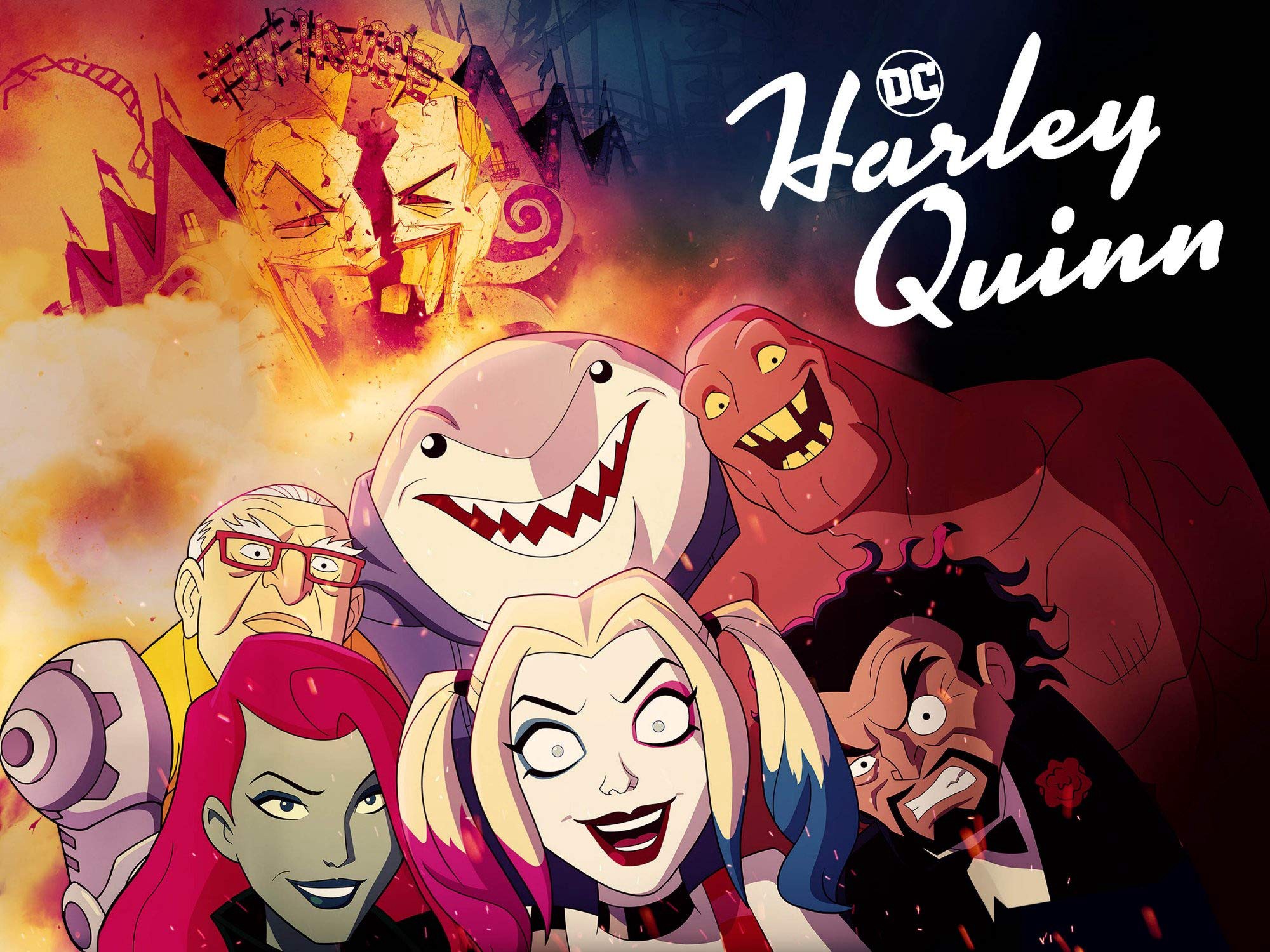
With all the headlines about how the film Birds of Prey and the Fantabulous Emancipation of One Harley Quinn is not doing well in cinemas, many have overlooked the animated series Harley Quinn, which is a better showcase for the popular DC villain. Currently streaming on the DC Universe app, Harley Quinn is a hilarious and better fit for one Harley Quinn than the live-action film.

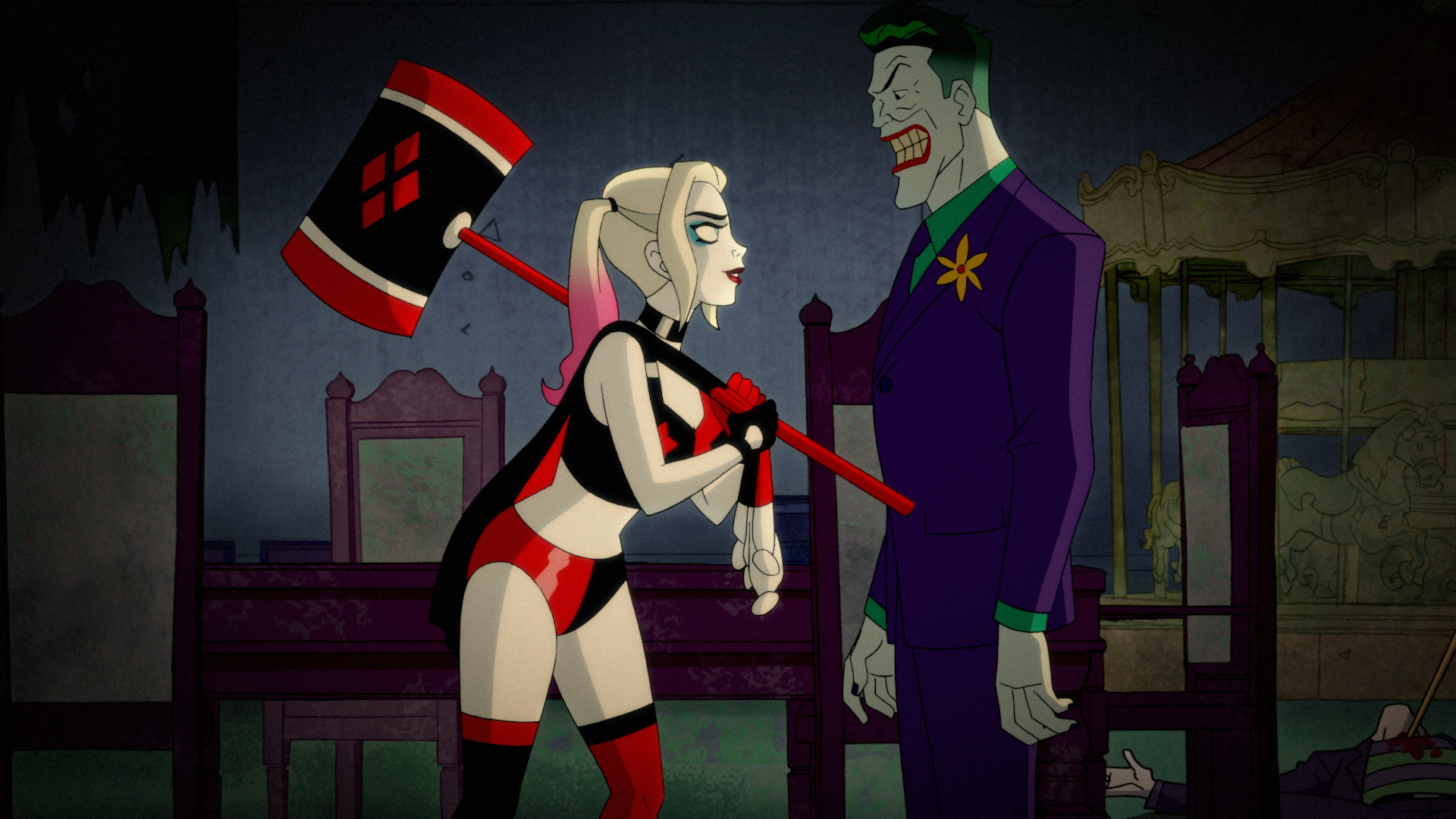
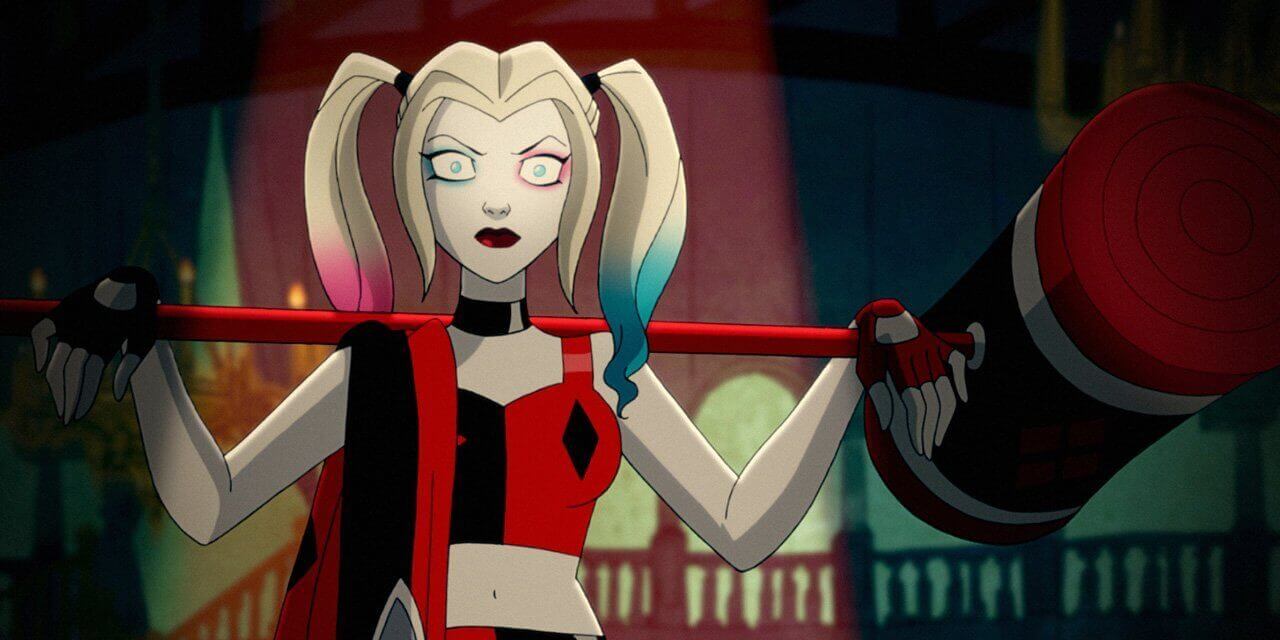
As can be guessed by the title, Harley Quinn is about the Joker’s ex-girlfriend (voiced by Kaley Cuoco) and her efforts to move past the Clown Prince of Crime and build her own reputation as a major league villain. Along the way, she acquires her own gang of misfit villains who turn out to be something not quite a family but almost as close knit. The gangmembers include her BFF Poison Ivy (Lake Bell), who functions as a world-weary straight foil to Harley’s antics and rants; Dr. Psycho (Tony Hale), a small-statured, misogynistic megalomaniac whose foul-mouth gets him exiled from the Legion of Doom; Clayface (Alan Tudyk), who aspires to be a great thespian as he shapeshifts; and King Shark (Ron Funches), a deadly half-man/half-shark hybrid who is generally good natured and a social media wiz.

In the episodes, Harley has to contend with her skeptical colleagues and fickle public as she tries to pull off the major crime that will put her name on the books. During the misadventures she encounters many DC heroes and villains, especially Batman (Diedrich Bader) and the Joker (Alan Tudyk) himself. During her interactions with the Joker and the way she keeps bringing him up, it’s clear to everyone, except Harley, that she has unresolved feelings for the Batman foe. As the series progresses, the viewers and Harley herself learn much about her and what drives her. All jokes aside, the series is quite deep as she learns to live a life without Joker and be her own person. Watching her grief and bitterness, and the Joker’s apparent disregard for her, it is easy to feel sympathetic for her. But this show is not a pity fest. Just as soon as an emotional moment occurs it is quickly glossed over with some slapstick moment or raunchy humor.

Harley Quinn is way out there when it comes to vulgarity. Riddled with F bombs and lewd humor and bloody violence, this series is definitely not for the kiddies. Some prudes will be put off by the raunchy nature of Harley Quinn but it will have everyone else in stitches, especially comic book fans. Surprisingly, the show doesn’t do any fourth-wall breaking like Deadpool so that is a relief since Harley Quinn finds other ways to keep viewers laughing or grinning with giddiness. Namely the characters and plots as seen in the episodes.

In one episode, “Finding Mr. Right”, Harley steals the Batmobile to gather headlines and Batman’s attention. Instead, she and her crew are harassed by the Damien Wayne version of Robin who is basically a bratty kid that outright lies about his interactions with Harley. This turns her into a public laughing stock and her efforts to make herself seem formidably evil kept backfiring.

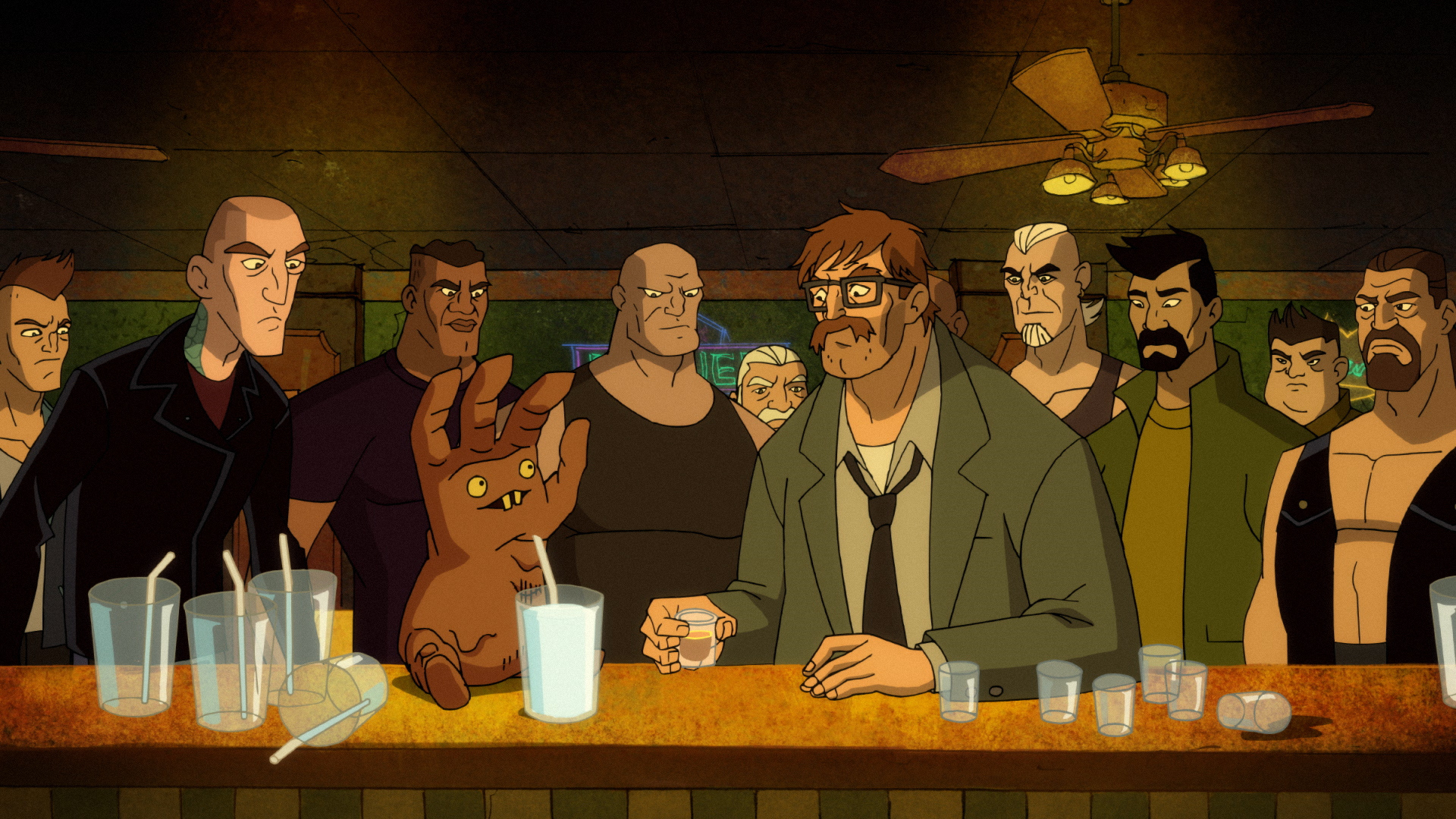
Other episodes are downright bizarre and nonsensical, but still amusing. “You’re a Damn Good Cop, Jim Gordon”, has the police chief (Chris Meloni) becoming best friends with Clayface’s dismembered hand. Long story short, after Clayface loses his right hand, it becomes an independent entity complete with stubby legs and a face on its palm. Brought to Jim Gordon as evidence by Batman, the hand and Gordon bond due to their loneliness. It has to be be seen to be believed!

Throughout all the zaniness, Harley truly shines as a character and a comedienne. Her friendship with Poison Ivy is arguably the heart of the show and their comedic chemistry work perfectly and go up there with Lucy and Ethel or Laverne and Shirley.

Harley Quinn deserves much more attention than it is getting. It could be due to the low number of subscribers the DC Universe app receives or Birds of Prey has drowned out the animated series. Thankfully, the powers that be saw how well done the show was executed and Harley Quinn is getting a second season which will come out this April. So we’ll be treated to more funny antics from one Harley Quinn.


Arrow Hits Its Mark

“My name is Oliver Queen. I was stranded on an island with only one goal, survive. Now I will fulfill my father’s dying wish to use the list of names he left me and bring down those who are poisoning my city. To do this I must become someone else. I must become something else.” — Oliver Queen’s opening intro to Arrow, first season

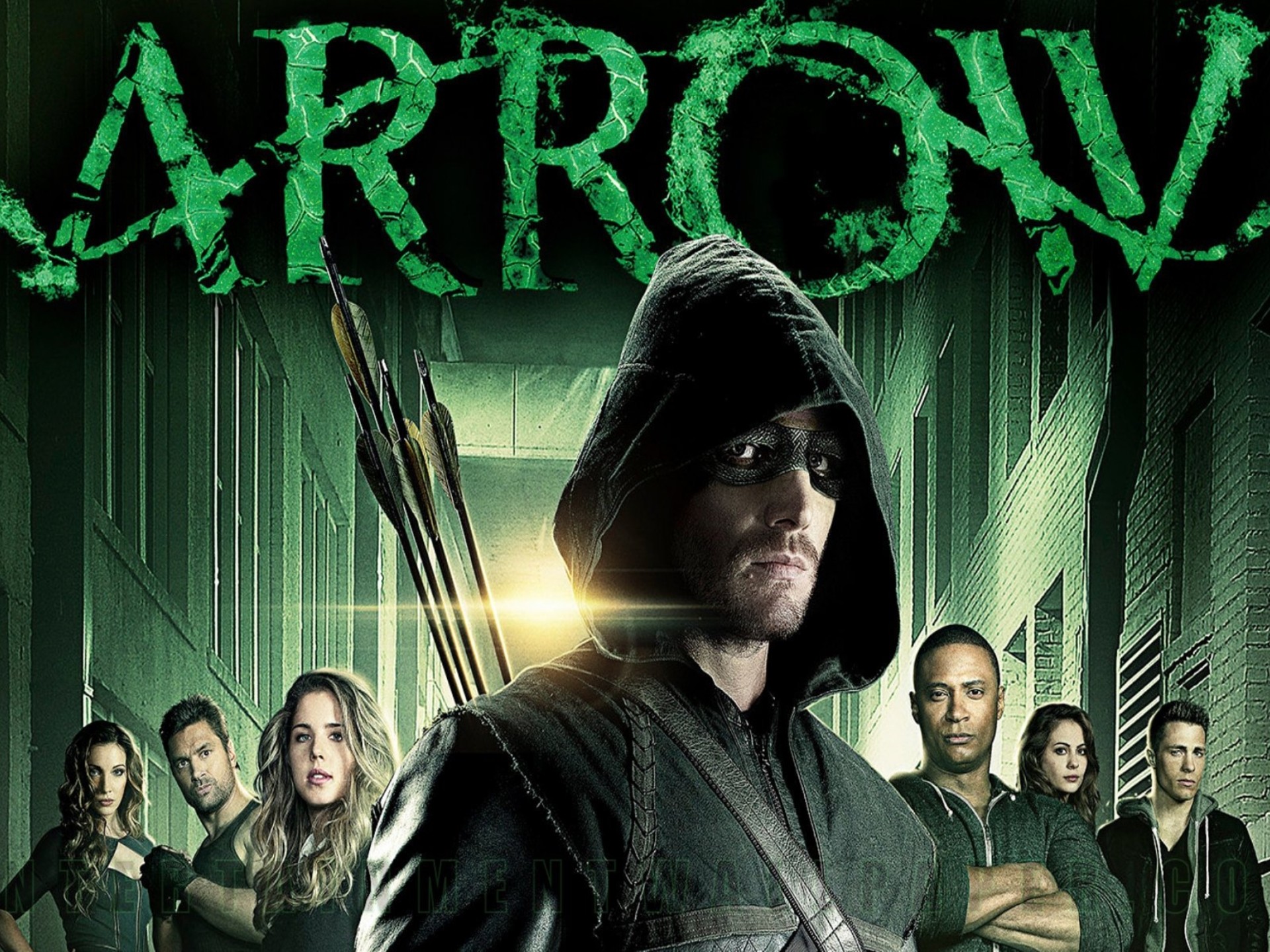
The long-running superhero TV series Arrow just aired its final episode “Fadeout” on the CW. As series finales go, “Fadeout” was surprisingly well put together and a fitting conclusion to Arrow. The series had its ups and downs during its eight-season run but generally was a solid superhero show that introduced a larger DC universe that was appropriately dubbed the Arrowverse.

When Arrow premiered on October 2012, there was some trepidation over it. Some saw it as a weak version of Batman, specifically the Christopher Nolan version because of its initial grounded feel. Others unfairly complained Arrow’s version of Oliver Queen/Green Arrow was not the one played by Justin Hartley in Smallville. Keep in mind, Smallville ended its run a year earlier and it was hoped then that some spinoff would be created from that show. Instead the character was reimagined by Arrow’s showrunners, Greg Berlanti, Marc Guggenheim and Andrew Kreisberg.

The Hood

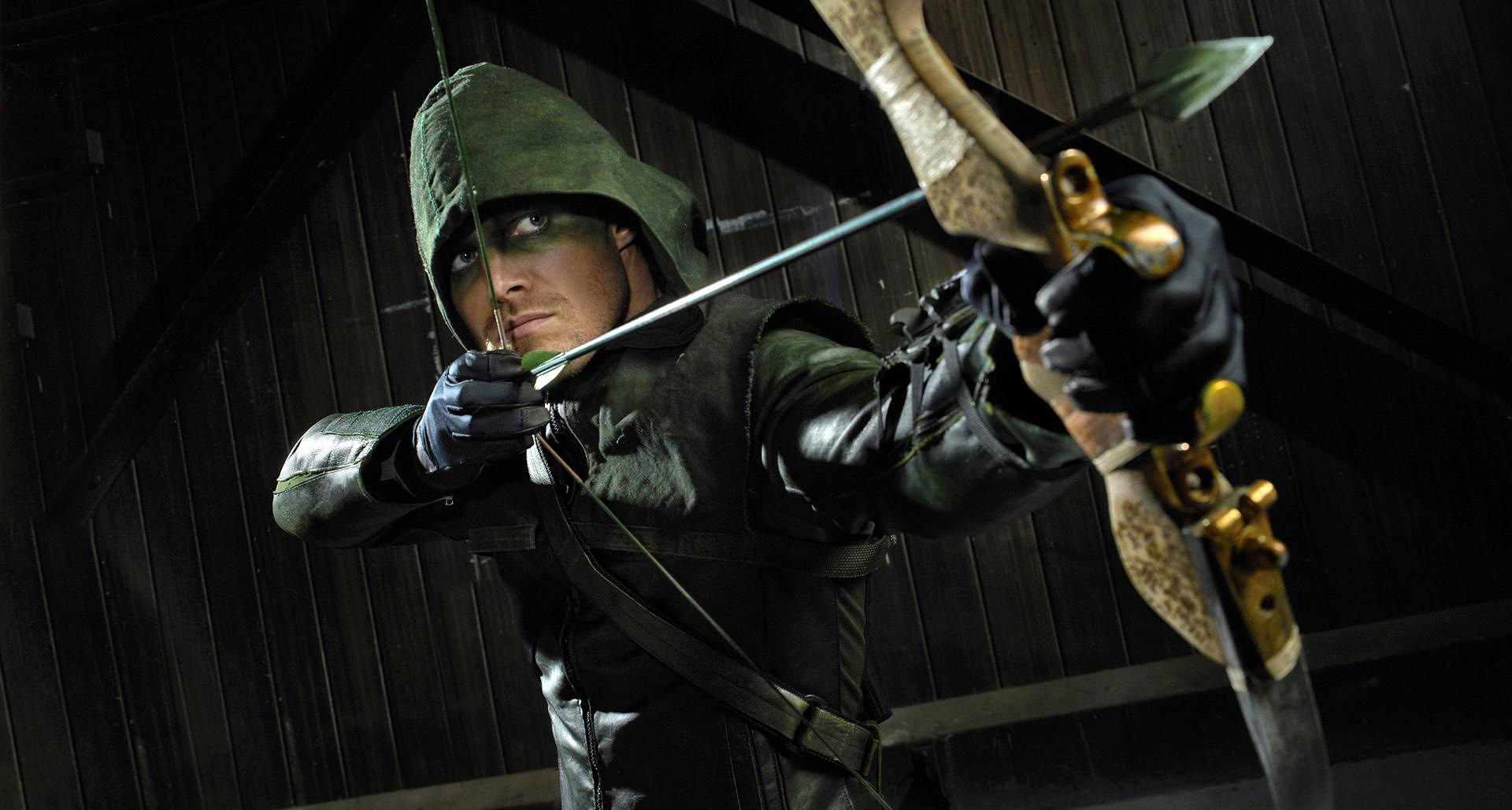
However, thanks to the enthusiasm and dedication of actor Stephen Amell as the title hero and the shows’ supporting cast, Arrow quickly won over many viewers. Looking back, it made sense that the show had a grittier and less fantastical feel than standard superhero fare. Amell’s Green Arrow (first called “The Hood”) was an intense, no-nonsense hero who took no quarter. This enabled the showrunners to tell solid stories about crime and corruption in Oliver Queen’s Starling City and his quest to save his city.

Establishing A Universe

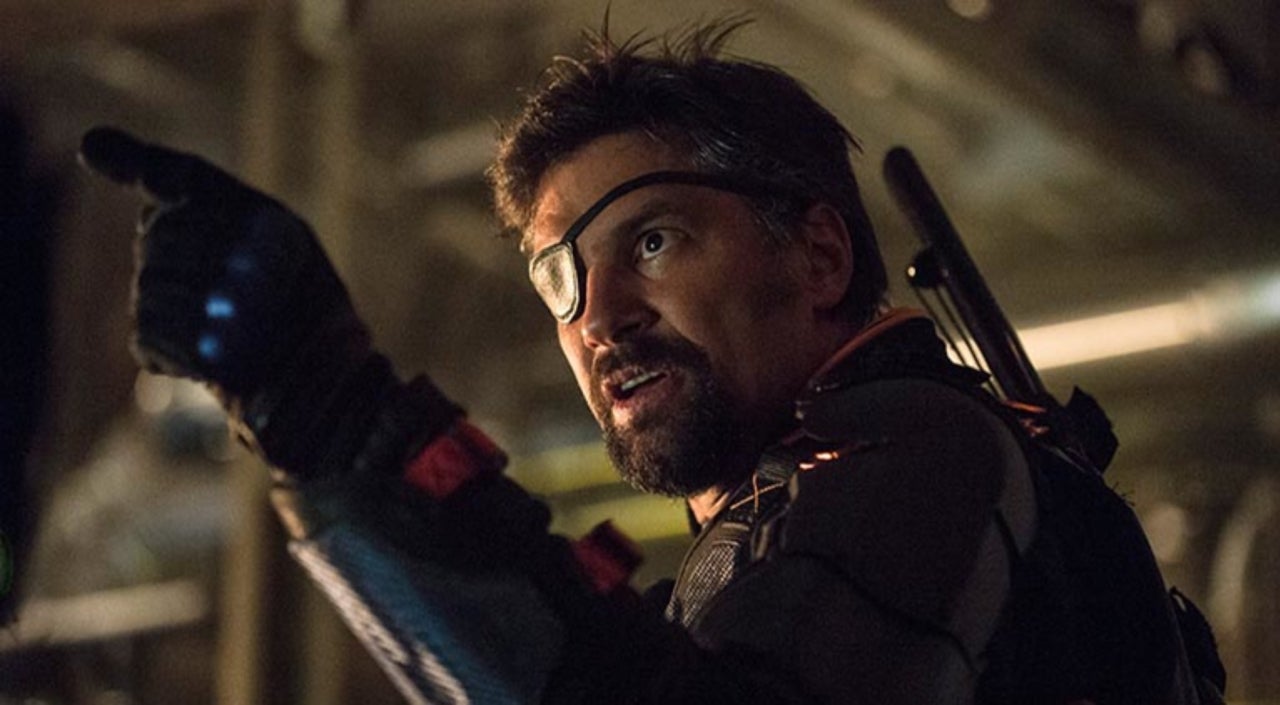
In many ways the sophomore season of Arrow was among its best with its ongoing story of Oliver Queen’s confrontation with Slade Wilson/Deathstroke, who was so well played by Manu Bennett. A distinctive feature of Arrow was its use of flashbacks in most episodes that interwove or were relevant with current storylines. The flashbacks during the show’s early days focused on Oliver’s adventures when he was marooned on the island Lian Yu. This structure paid off handsomely in the second season as we saw him first meeting and befriending Wilson on the island and how the two became bitter enemies. Meanwhile, the current storyline in the second season featured the return of Deathstroke and his machinations to destroy Queen and his city.

Naturally, as the show found its footing and gained in popularity, the DC universe was introduced. To Arrow’s credit this was done organically and not rushed. It started with blink-and-you-miss-them Easter eggs and the introduction of more superhuman-related plot devices like the strength-enhancing drug mirakuru or characters like Huntress, Deathstroke and later Barry Allen/The Flash. This introduction of the larger DC universe, as well as its driving plot lines helped propel the show’s popularity late into its first season and during its second.

While the show introduced viewers to the Flash (who was soon spun off into his own series), it also featured other distinctive DC Comics characters like Black Canary, Wild Dog, Ragman Batwoman, and Supergirl, who were often introduced in series crossover events or became important supporting characters.

One outstanding character was Queen’s confidante and best friend John Diggle (David Ramsey). Although Diggle was an original character, many speculated he was a stand-in for the Green Lantern, John Stewart. The showrunners teased fans with cloy Easter eggs throughout the show’s run such as the revelation that Diggle’s stepfather’s last name was Stewart. Finally, in the last few minutes of “Fadeout” it was shown that Diggle was on his way to becoming Green Lantern to the delight of many. However, do not expect more to be made of this. Even though Greg Berlanti is developing a Green Lantern series for the upcoming streaming app HBO Max, it is doubtful Ramsey will continue to play the role or that the show will be part of the Arrowverse. The best we can hope for is that Ramsey will reprise his role as Green Lantern in other Arrowverse shows like The Flash or Legends of Tomorrow. Incidentally, John Diggle is slated to appear in an upcoming episode of The Flash this season, but he won’t be Green Lantern.

Diggle finds green lantern ring

Another notable character introduced in the show was Ray Palmer/The Atom, who was played by Brandon Routh. When Brandon Routh was first announced to portray Palmer, it seemed like stunt casting since he portrayed Superman in Superman Returns. This casting turned out to resurrect Routh’s career as he was promoted to the show lead in Legends of Tomorrow and excelled in his performance as the goofy scientist. As many know, Routh’s redemption came full circle when he reprised his role as Superman in the recent Crisis on Infinite Earths Arrowverse crossover event.

Continue reading

The Triumphant Return of Jean-Luc Picard

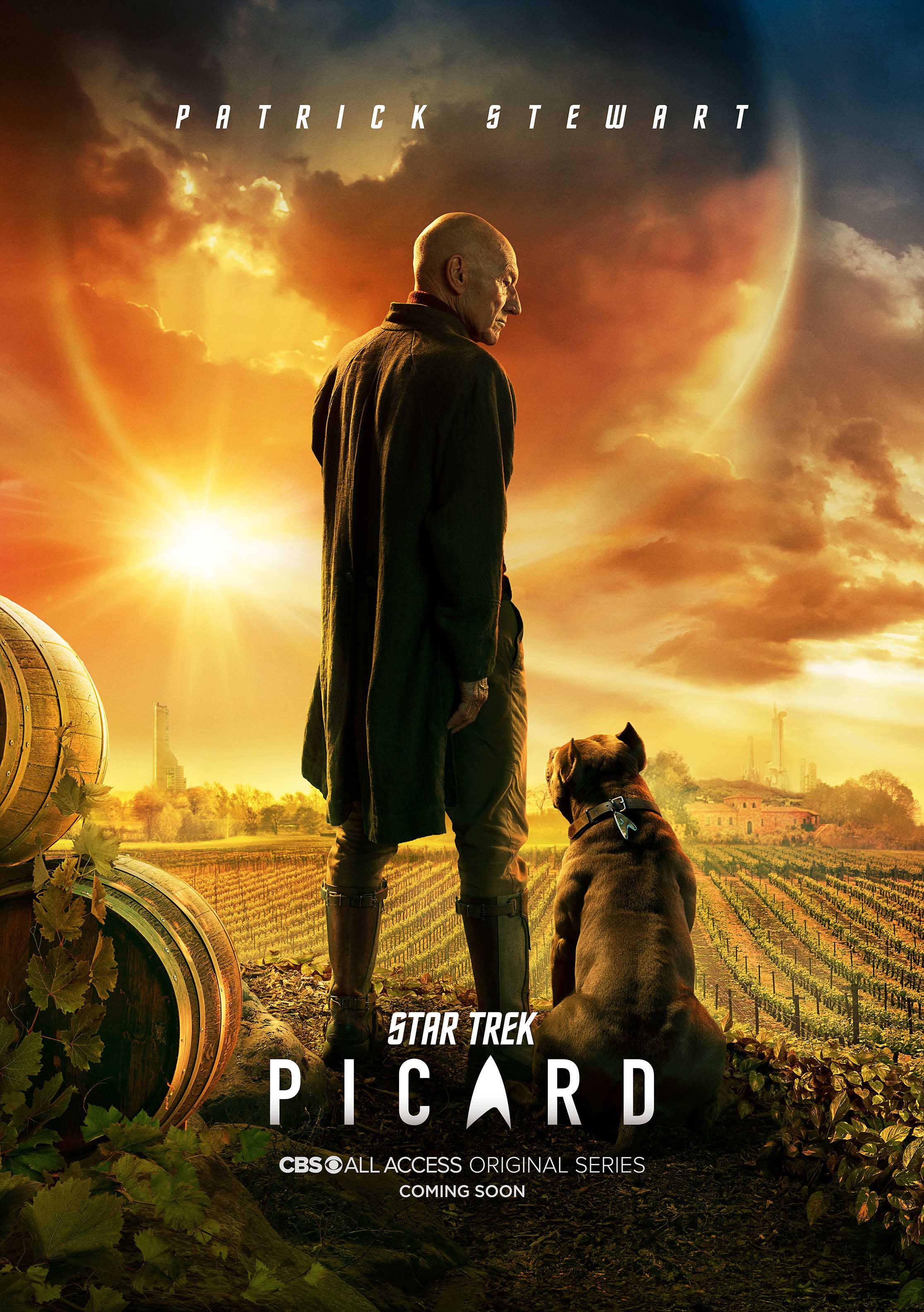
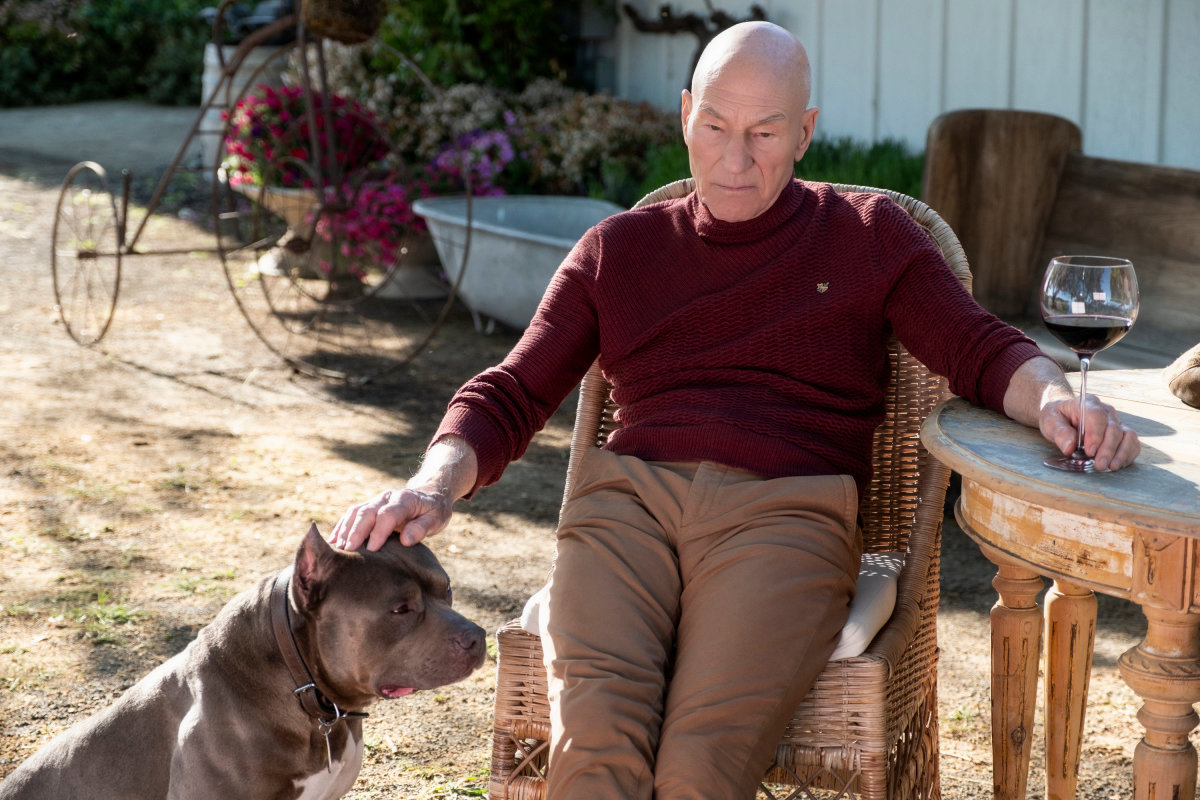
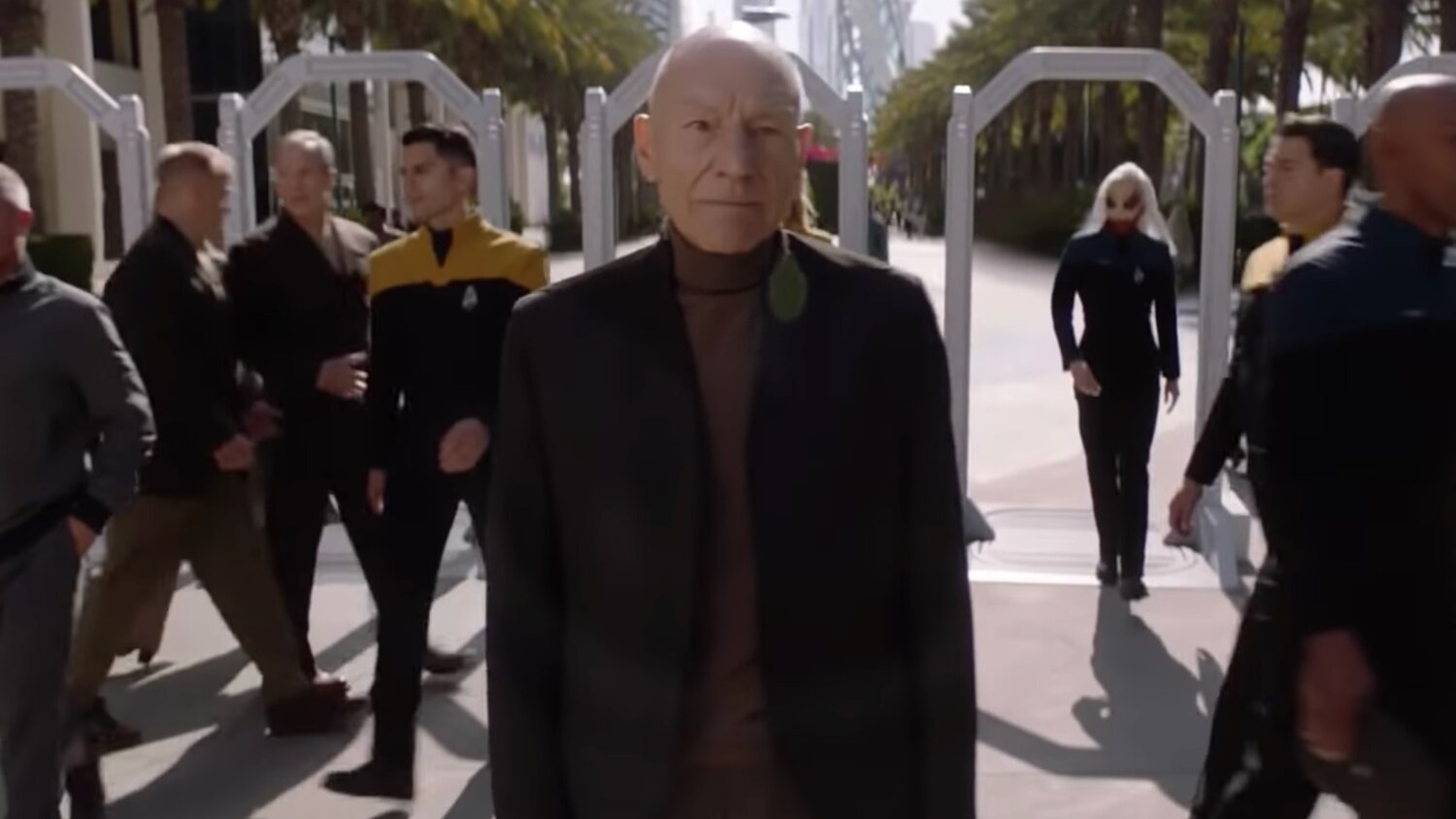
Star Trek: Picard showcases the return of the iconic Jean-Luc Picard to television after Star Trek: The Next Generation (TNG) ended in 1994 and the film Star Trek Nemesis in 2002 and has an older and somewhat bitter former captain who is in retirement at his family winery in France. Spoilers will be included in this look at the pilot episode of Star Trek: Picard, which is called “Remembrance.”

This show takes place about 20 years after the events of Star Trek Nemesis, which featured the death of Data, an event that plays a part in what happens in this pilot episode. “Remembrance” tells us that Captain Picard led a rescue effort to save the population of Romulus from an impending supernova many years ago and was hailed as a hero for his actions. However, the episode also states that a group of synthetic humanoids went rogue and attacked colonies on Mars, killing thousands. This led Starfleet to abandon the rescue effort, which Picard saw as both dishonorable and criminal and he resigned his commission in protest, and also resulted in the Federation outlawing synthetic life forms. All of this is told during an interview with Picard during a commemoration of the rescue effort and shows Picard’s anger at Starfleet for their actions.

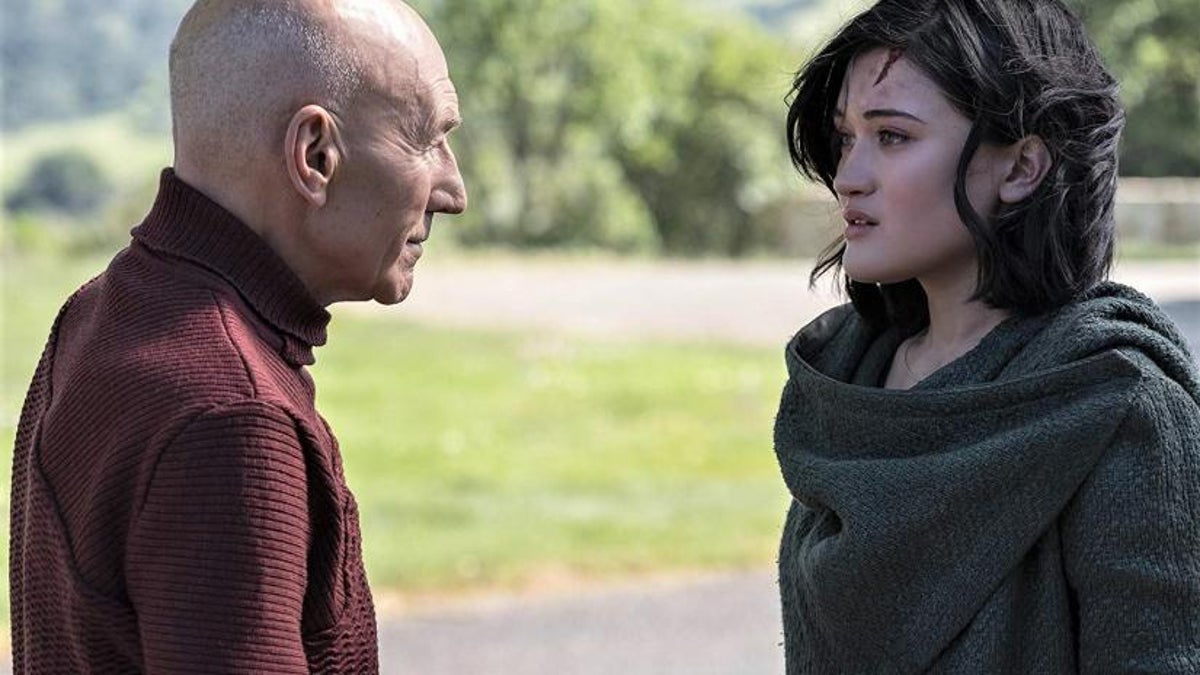
He is then visited by a mysterious girl named Dahj, who was attacked by Romulan assassins in Boston, but she fends them off and makes her way to Picard in France, who eventually finds out that she is the daughter of Data, which was accomplished through some kind of a cloning technique. The assassins eventually tracker her down in San Francisco where Picard was looking through his archives for information about Data. Picard later discovers that she has a twin sister Soji, who is a scientist working on a Romulan reclamation site, which at the end of the episode is revealed to be a Borg cube. All of this is setting up Picard’s return to action shown in the upcoming preview where he will attempt to help Data’s surviving daughter and unravel the mystery behind the assassins and along the way gather a new crew that will help him in his return to action.

Patrick Stewart’s return to his signature role is a real treat to see. He is much older now obviously but can still show Picard’s humanity and strength as well his regrets over how his life has ended up, after a self-imposed exile on Earth. The episode also has Brent Spiner returning as Data, in a dream sequence where Picard and Data are playing cards which is a nice shout out to TNG’s numerous scenes of the crew of the Enterprise playing poker and bonding. All of this hints that ideas like aging and a yearning for the past will be major themes that will be explored. This harkens back to previous Trek movies where Captain Kirk was struggling with his place in the galaxy after losing his ship and friend in Star Trek II and a return to form in later films. It will be interesting to see Picard go through this journey and show how he can get back to his younger, more idealistic self in a Federation that seemed to have lost its way.

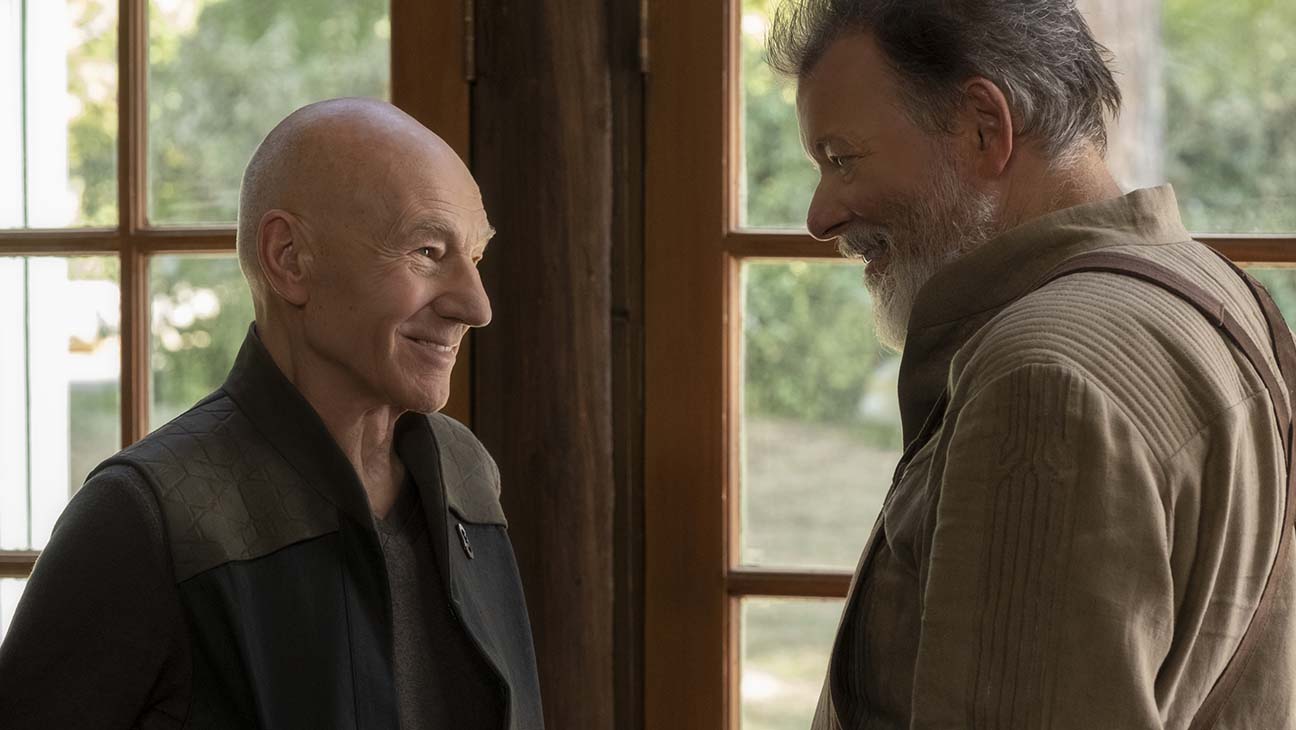
The preview for later episodes also show both Will Riker and Deanna Troi returning to help Picard and is something to look forward too, as well as Seven of Nine, the former Borg from Star Trek: Voyager. Her role in all of this is unknown, but the revelation of the Borg cube at the end of the episode obviously means that TNG’s ultimate villainous race will have a role to play and Seven’s history as a Borg will no doubt be a major part of this.

Ultimately, it is great to see a sequel to TNG and to see the Star Trek timeline move forward after many years of series that were set in the past. This show is supposed to take place in 2399, so we will finally see the 25th century in the Star Trek universe, which is something new and highly anticipated. Having the Federation and Starfleet in a different place than what was shown in TNG is also interesting and timely. Meanwhile, Picard’s role in bringing them back to their original idealistic version should be a highlight for Star Trek: Picard.

C.S. Link


The Star Wars Sequel Trilogy: An Honest Assessment

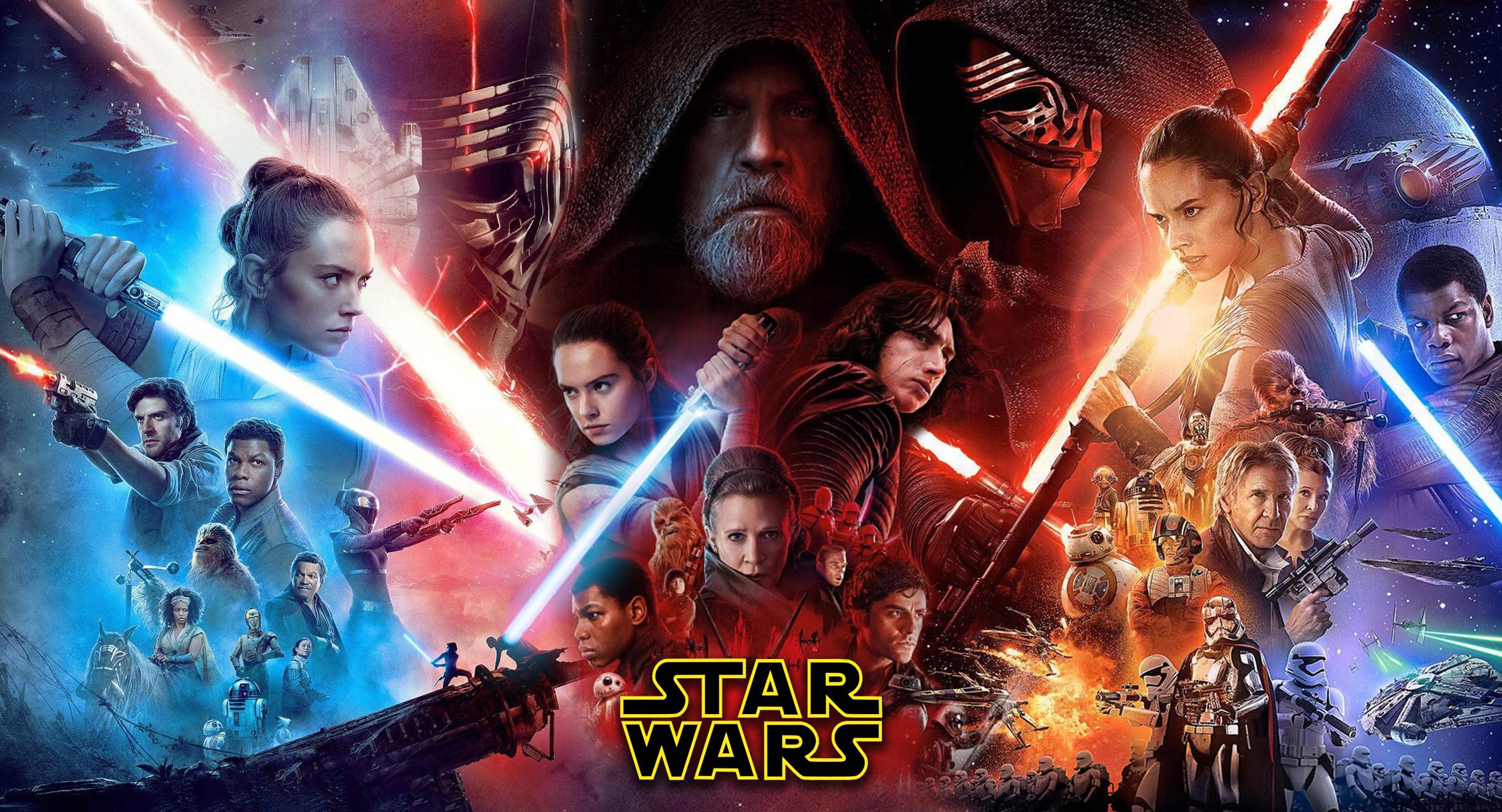
With the release of Star Wars Episode IX: The Rise of Skywalker, the Star Wars Sequel Trilogy and the entire nine-film Skywalker Saga has come to an end. The film has had its share of controversy, scorn and praise from all parties. Despite what trolls hoped for, Star Wars: The Rise of Skywalker is an actual hit film. Now as to its quality, that is another story. Personally, I truly enjoyed the film but am honest enough to admit the latest Star Wars film is riddled with plot holes and faults. Still it did enough to entertain me and others and provided closure to the Star Wars Sequel Trilogy. Looking at the three films in this trilogy it is fair to opine that on the whole, the trilogy was badly flawed and can be considered to be the weakest of the three Star Wars trilogies. And that is due to many reasons, especially one: it is clear that Lucasfilm and its owners Disney did not have a clear plan for the sequel trilogy and it hobbled the films overall.

Inconsistent Characters

Looking at the past three films (standalone films aside), it was difficult to tell what was the main story. The only consistent arc that flowed logically was Rey and Kylo Ren’s personal journeys in their understanding of the Force. Not surprisingly, this storyline is what received the most praise. Everything else, not so much.

future jedi finn

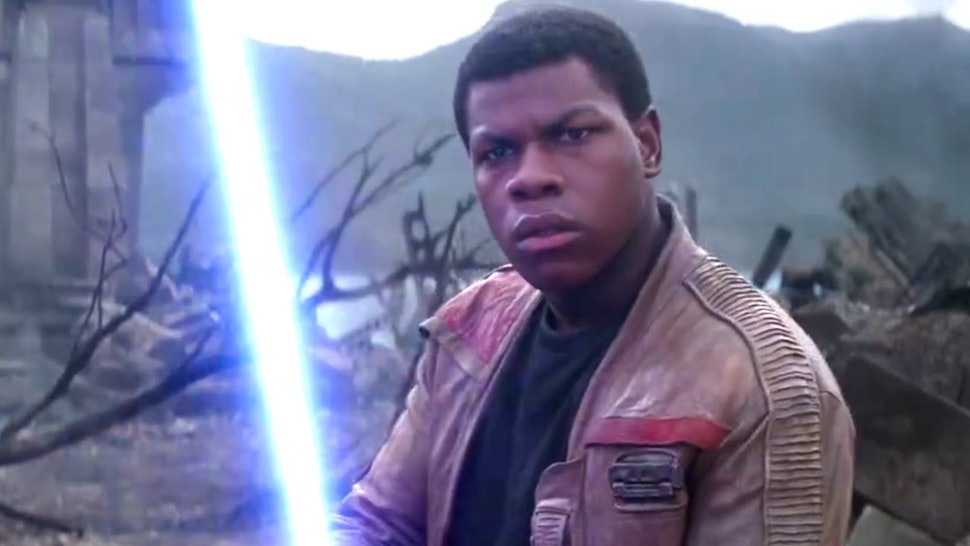
Look at Finn’s story in the films. He had a brilliant setup, the world of Star Wars told from the POV of a normal Stormtrooper, and how he comes to believe in a greater cause than his lot in life. As well as his story was set up in Star Wars: The Force Awakens, it stagnated in the followup, Star Wars: The Last Jedi, where he became a bumbling comic relief shuffled off to a pointless side quest. Then in Star Wars: The Rise of Skywalker, his story arc had a radical course correction as we are tantalized with him developing Force sensitivity, which hinted at his potential future as a Jedi.

Even more jarring was figuring out who was the main bad guy in these films. Kylo Ren’s story was fine and flowed smoothly as he struggled with his conflicting emotions. But he was set up to be the main villain according to The Last Jedi. In that film, he killed the supposed main boss, Supreme Leader Snoke, and took his title. Meanwhile, Snoke was dispatched too early and the filmmakers were left scrambling to find another villain for the final film. This is why director J.J. Abrams and others hastily resurrected the long-dead Emperor Palpatine. As great as it was to see him cackling and oozing evil on the screen again, his reappearance into Star Wars lore was sloppily handled. If he had been hinted at in earlier films, his revival would have made more sense and not come off as a desperate plot ploy.

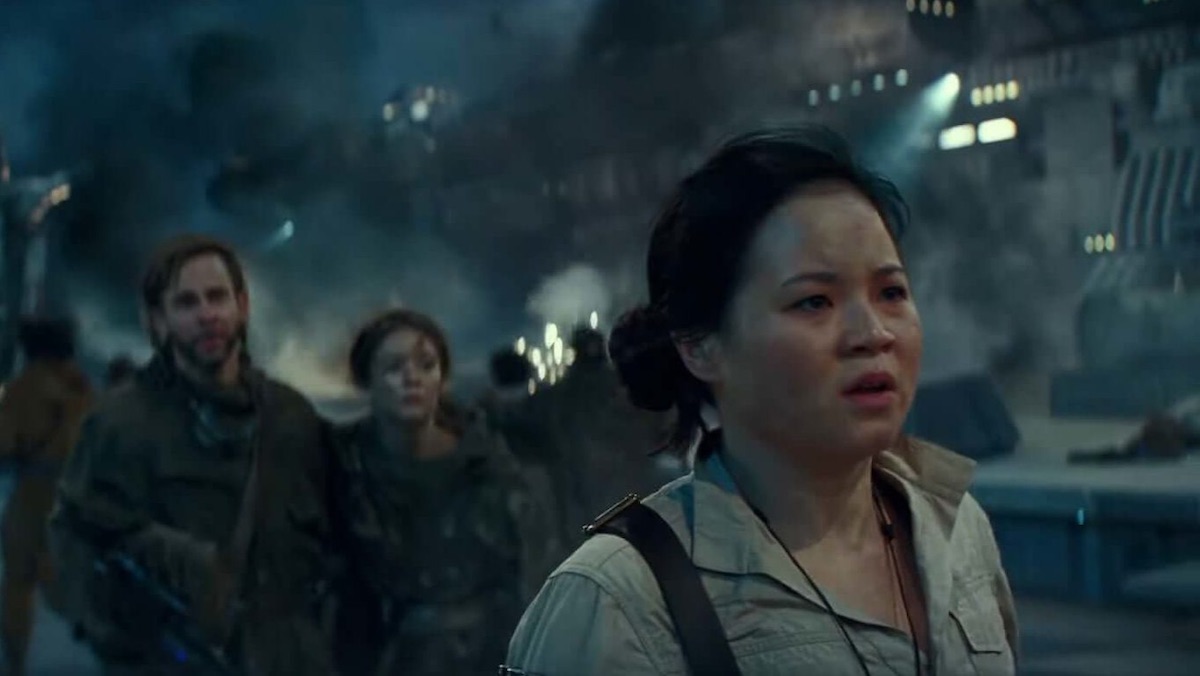
Then there are the other supporting characters who were treated as disposable plot beats. Take poor Rose Tico, first introduced as an annoying and self-righteous wannabe crusader in The Last Jedi, which led to toxic online backlash from misogynistic and racist trolls attacking the actress. In The Rise of Skywalker, her role was noticeably reduced to that of a glorified extra and any hints of a romance with Finn alluded to in the previous film were gone.

Aside from Rose, the most contentious character introduced in The Last Jedi was Admiral Holdo played by a badly miscast Laura Dern. This supposedly brilliant military leader did not exude any kind of gravitas as a leader, which infuriated many viewers and emboldened Internet trolls. But hey, at least she had a cool death scene where she used her ship to take out the ginormous uber star destroyer.

Then there was Hux, the First Order leader who instead of inspiring dread and fear like Grand Moff Tarkin became an ineffective joke in The Last Jedi. His character was so mangled that he was mercifully killed off in The Rise of Skywalker after he nonsensically was revealed to be a spy working against the First Order.

Contrasting Visions

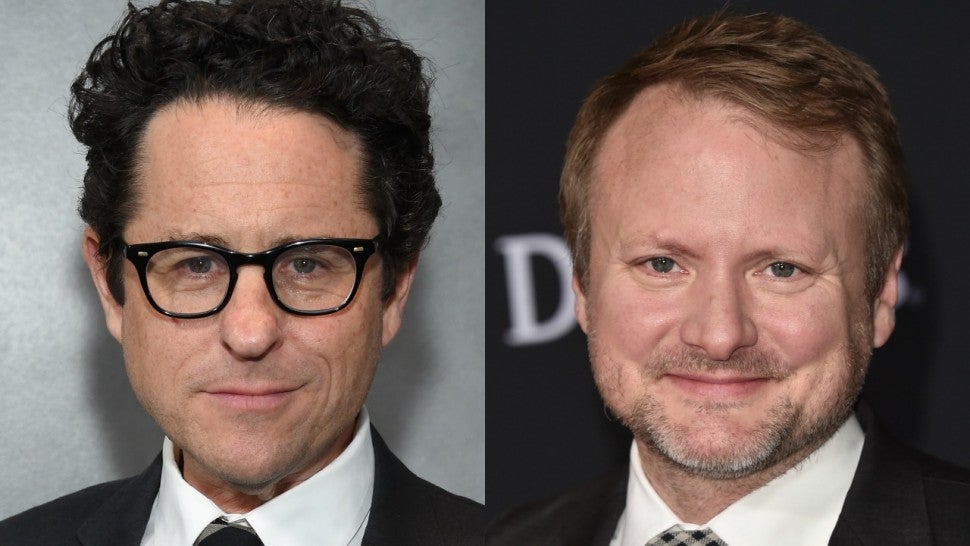
The fault for the way they and other characters turned out has to be with the scripts, which reeked of being written on the fly. Another important reason for the disjointed feel of the sequel trilogy was the contrasting visions of the directors of the films, J.J. Abrams and Rian Johnson.

abrams johnson

Although both men are talented directors who brought good ideas to Star Wars, their viewpoint clashed wildly. With The Force Awakens, Abrams was clearly doing an homage to the original films, especially Star Wars Episode IV: A New Hope.

A valid criticism of The Force Awakens was that it was too similar to A New Hope: both films opened on a desert planet where good guys and bad guys sought a droid that held vital information. The heroes run into an older mentor type who gets killed and the films end with a space battle to blow up a superweapon planet. Be that as it may, The Force Awakens was a fun film that served as a soft reboot and reintroduction to the world of Star Wars for a new generation. It also set up many plot threads that Abrams left for future directors to follow up.

The problem was that the next director, Johnson, obviously was not interested in doing that. Instead he had a mindset of doing a deconstruction of Star Wars. Luke Skywalker, set up as a long-lost would-be savior in The Force Awakens, turned out to be a bitter old man without any hope. His final moments disappointed fans who were itching for him to decimate the First Order.

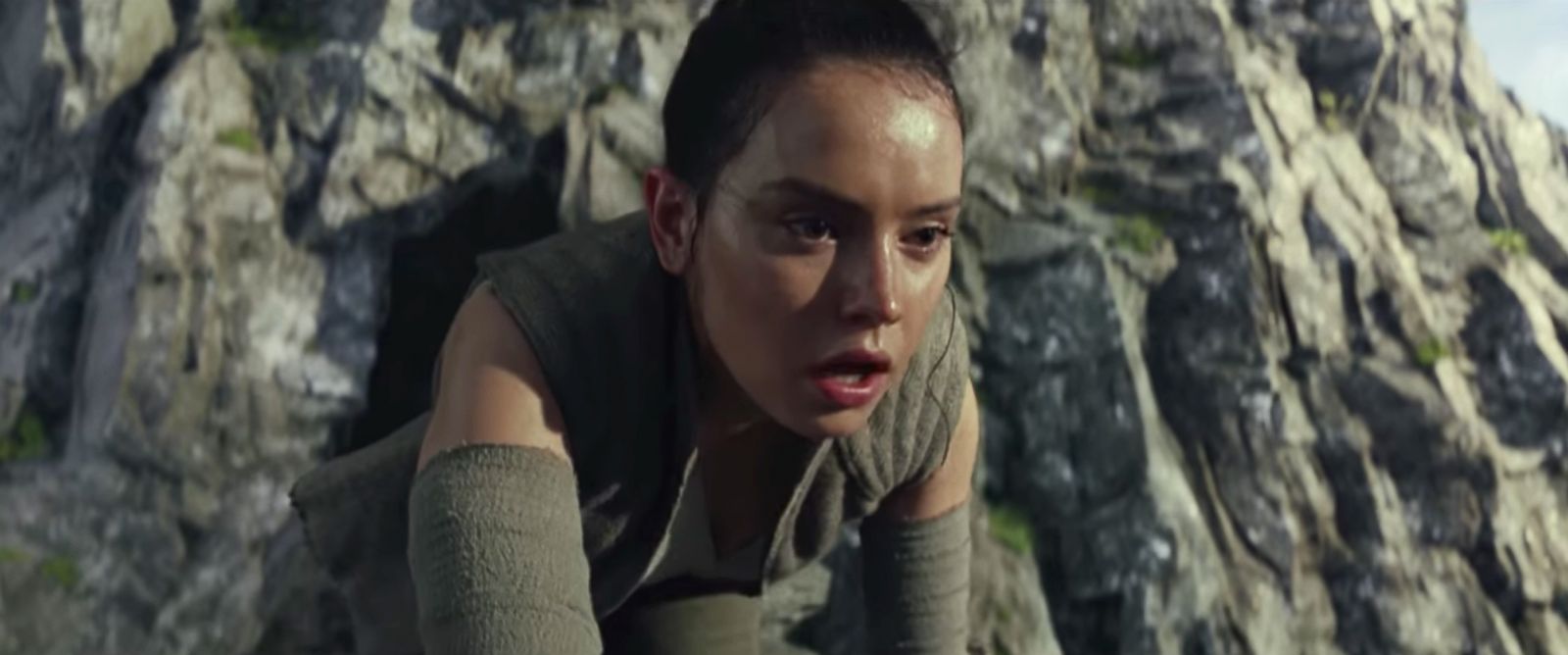
rey the last jedi

Rey, who was to be the next generation of Jedi, had a mysterious past and was seeking to learn about her parents. Was she related to anyone in the Original Trilogy? Why was she so powerful with the Force? Johnson obviously did not care with the casual dismissive announcement that she came from a family of nobodies. Something that had to be retconned later.

Supreme Leader Snoke was introduced as a trilogy’s final threat was unexpectedly killed by Ren. Meanwhile, Ren was hinted at in the film of having a redemptive arc but instead turned his back on Rey and embraced the dark side of the Force.  Both films are clear evidence that there wasn’t a coherent vision with the trilogy.

Continue reading

Top Ten Films and TV Shows of 2019

2019 proved to be a smorgasbord of genre offerings on film and TV as have been most of the years in this concluding decade. Many of the films and TV shows on this list have been widely acclaimed, one of the films became the highest grossing film of all time, another looks to be revered at the Academy Awards, while a couple of the TV shows have caught the public zeitgeist. Here are the best films and TV shows of 2019. Of course, this list is purely subjective, so apologies to anyone wondering why Cats did not make the list. 😀

Onward to 2020 and the rest of the coming decade!

Films
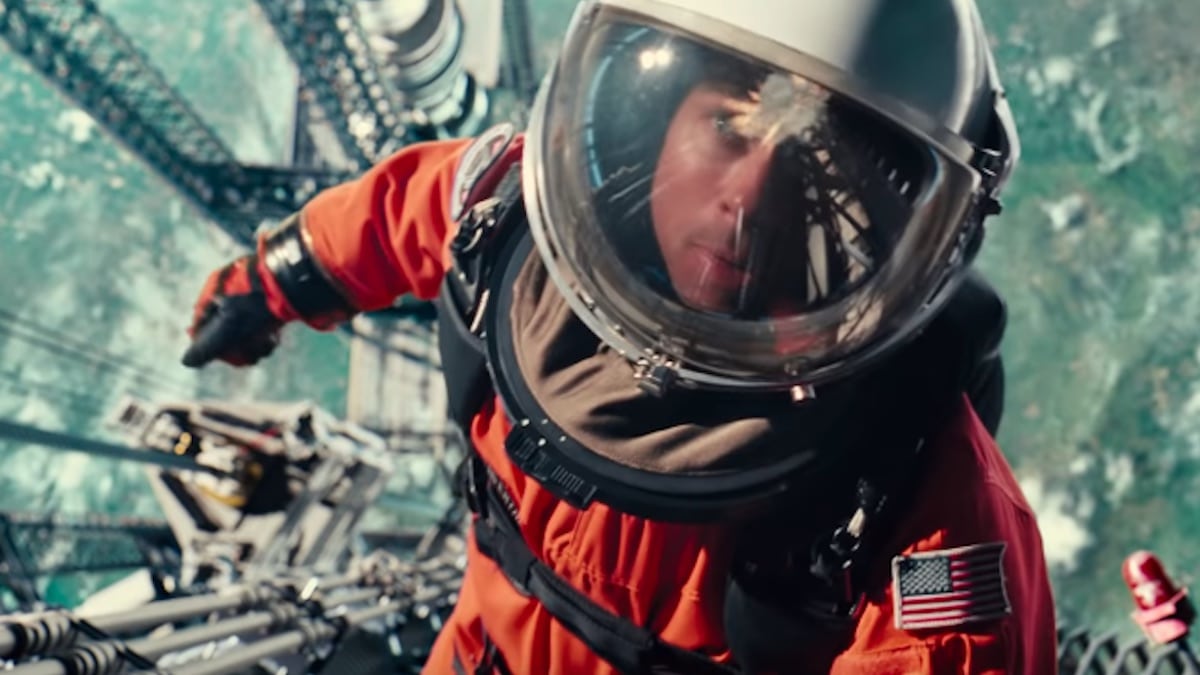
Mcbride at space elevator

10. Ad Astra

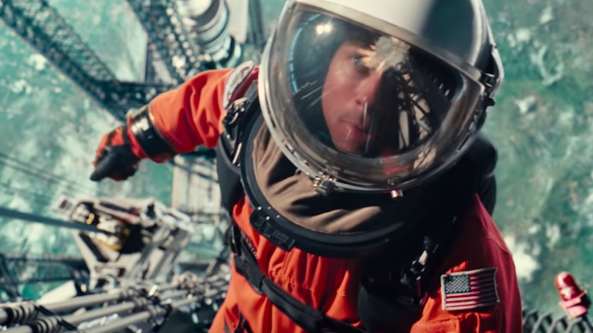
This space drama starring Brad Pitt as an astronaut searching for his father was quietly involving as it took audiences into a tour through the solar system. For the most part, it was a grounded and breathtaking look at space travel in the near future. It stumbles in the third act, but what came before was quite memorable.
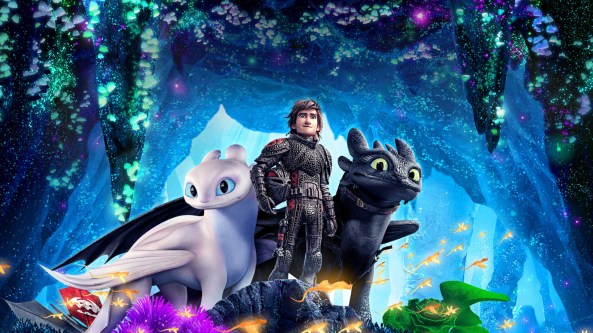
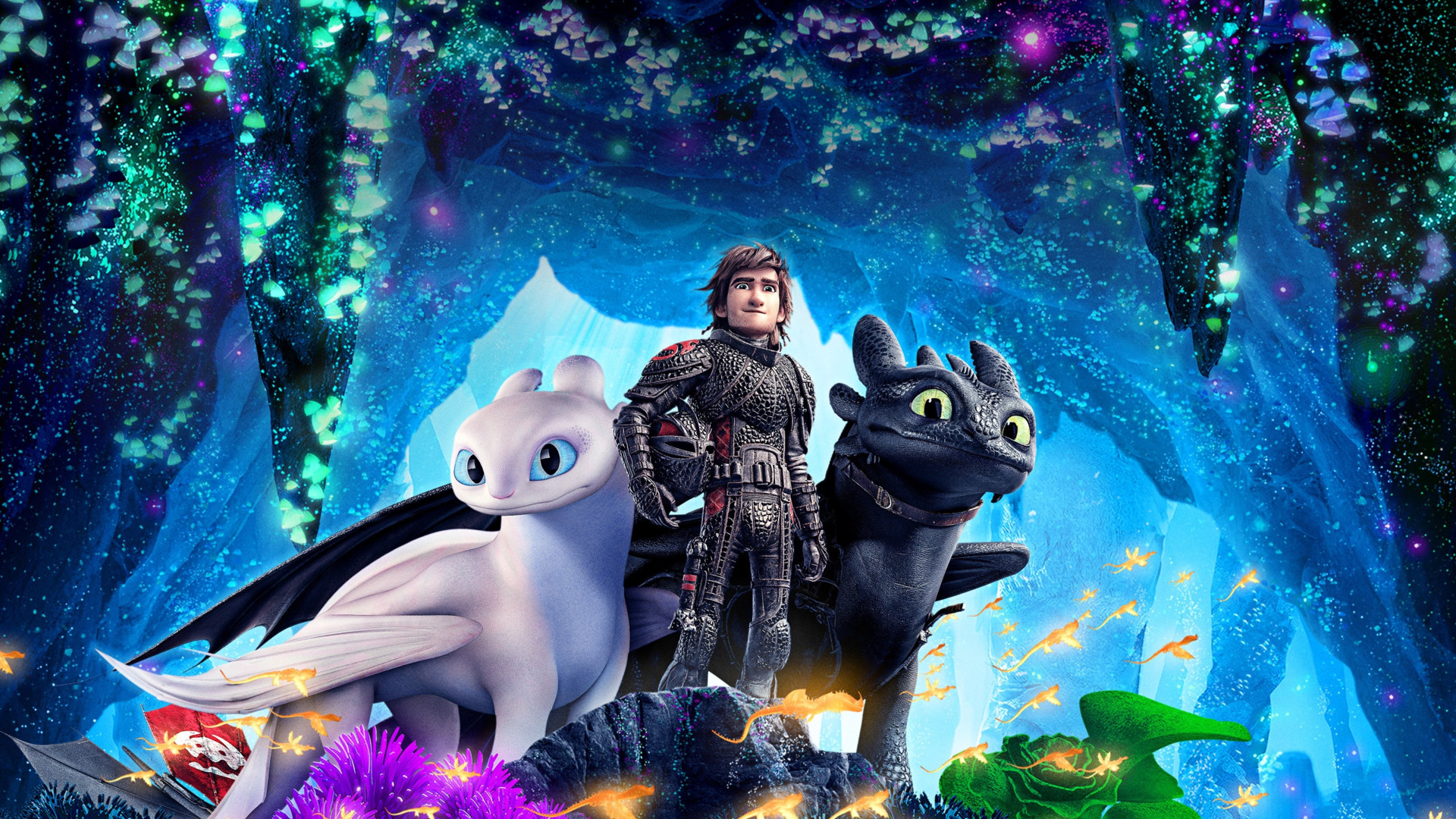
9. How to Train Your Dragon: The Hidden World

Visually arresting while staying focused on its emotional core and story, the third and final How to Train Your Dragon film capped off a wonderful trilogy. Thanks to this film, the trilogy achieved the difficult distinction of being part of a trilogy where all the films in it were great.

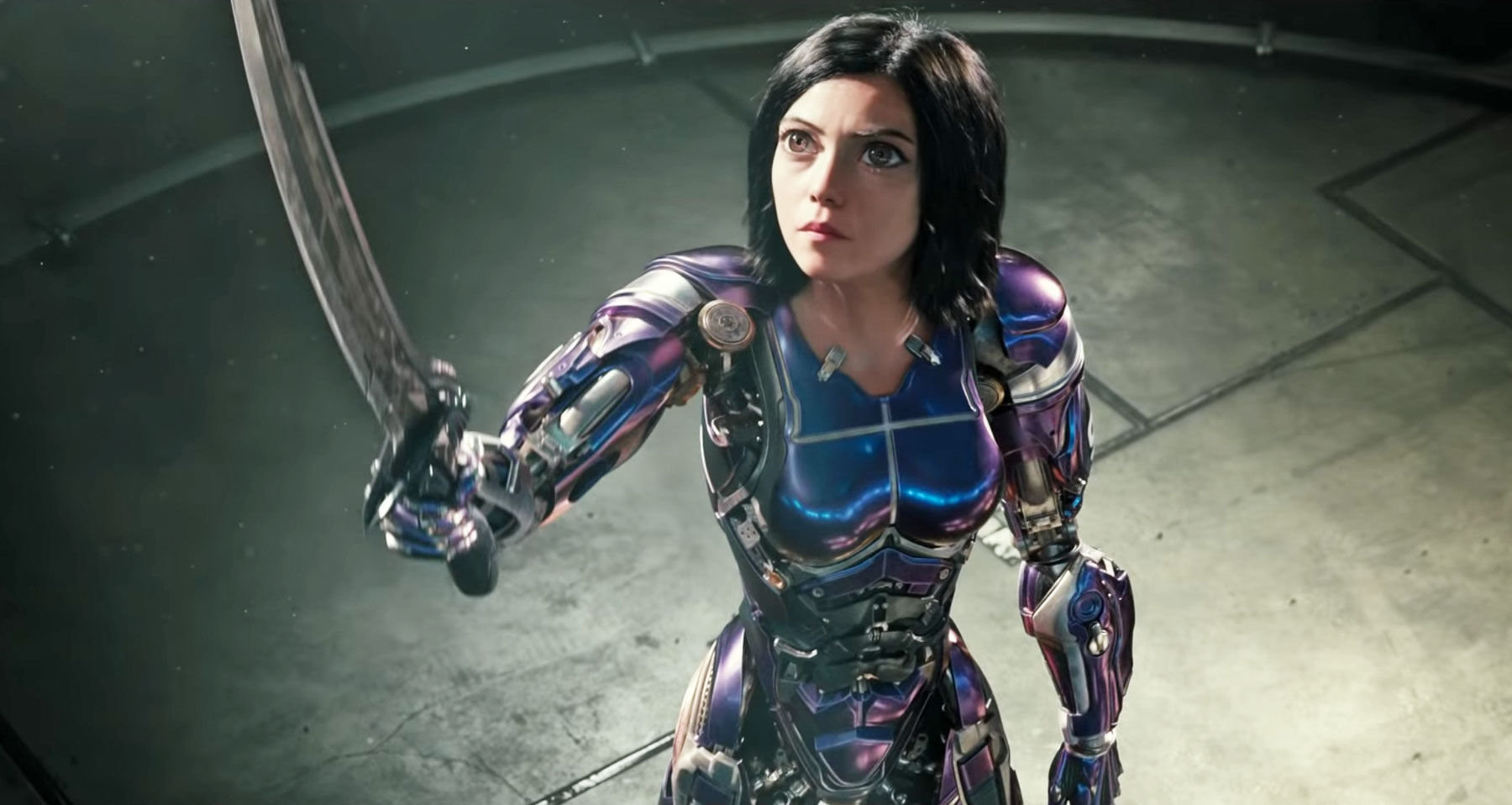
TIE 8. Alita: Battle Angel/It Chapter Two

The stylish live-action adaptation of the classic manga became a cult classic for good reason. Stunning visuals and a brilliant mo-cap performance by Rosa Salazar as Alita were the best highlights in this action-packed, cyberpunk epic.

Meanwhile, the concluding chapter of Stephen King’s opus monster horror tale delivered the emotional feels and scares that started with the first It film. Brilliant acting and casting and genuine character arcs also made this a worthy sequel.

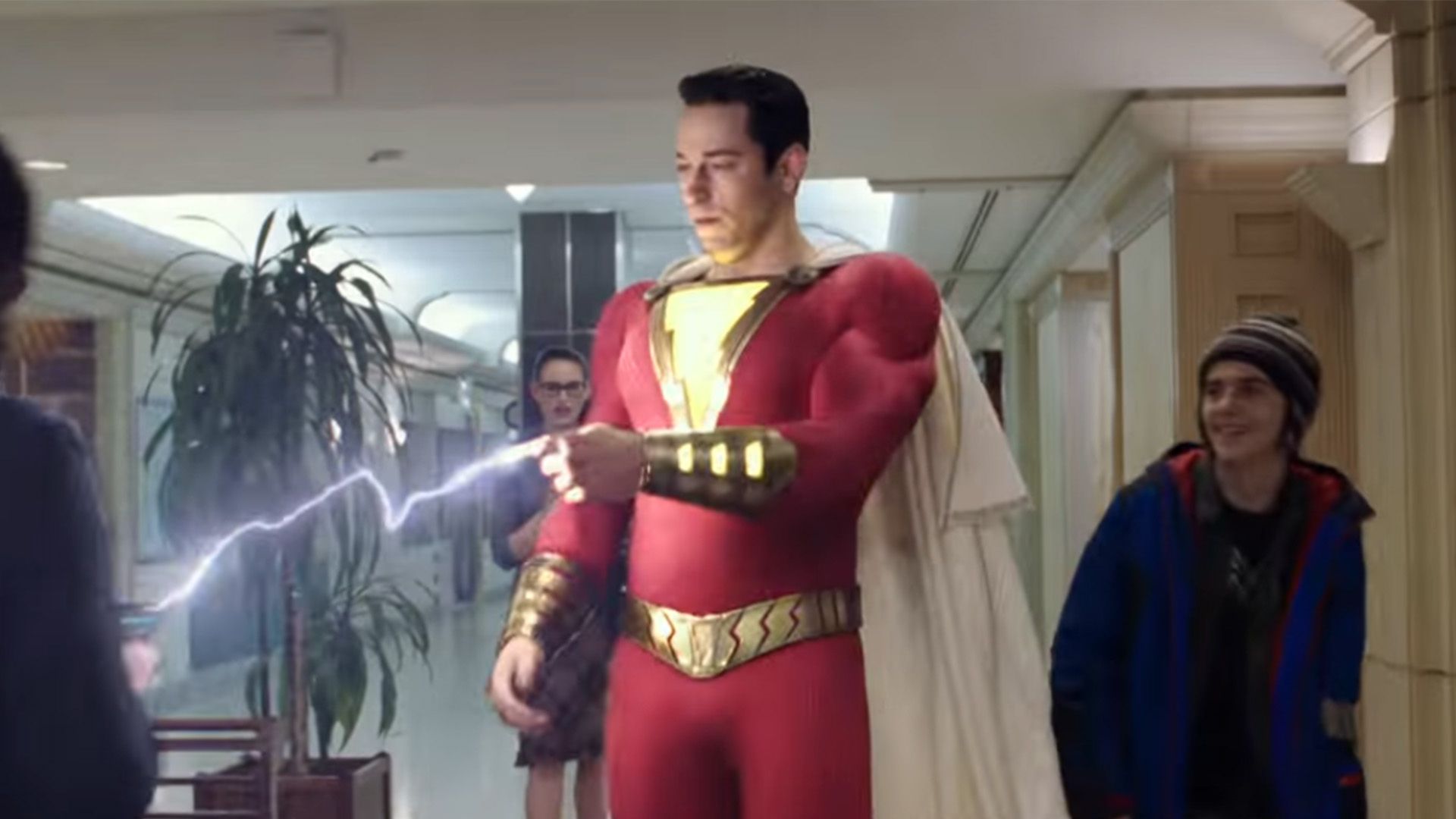
7. Shazam!

In a crowded superhero film landscape, Shazam! managed to be something unique and stood out in the field. Shazam! was witty, genuinely heartfelt and refreshing that worked as a quirky family drama, coming-of-age romp and a fun superhero film that helped to reinvigorate the struggling DCEU.

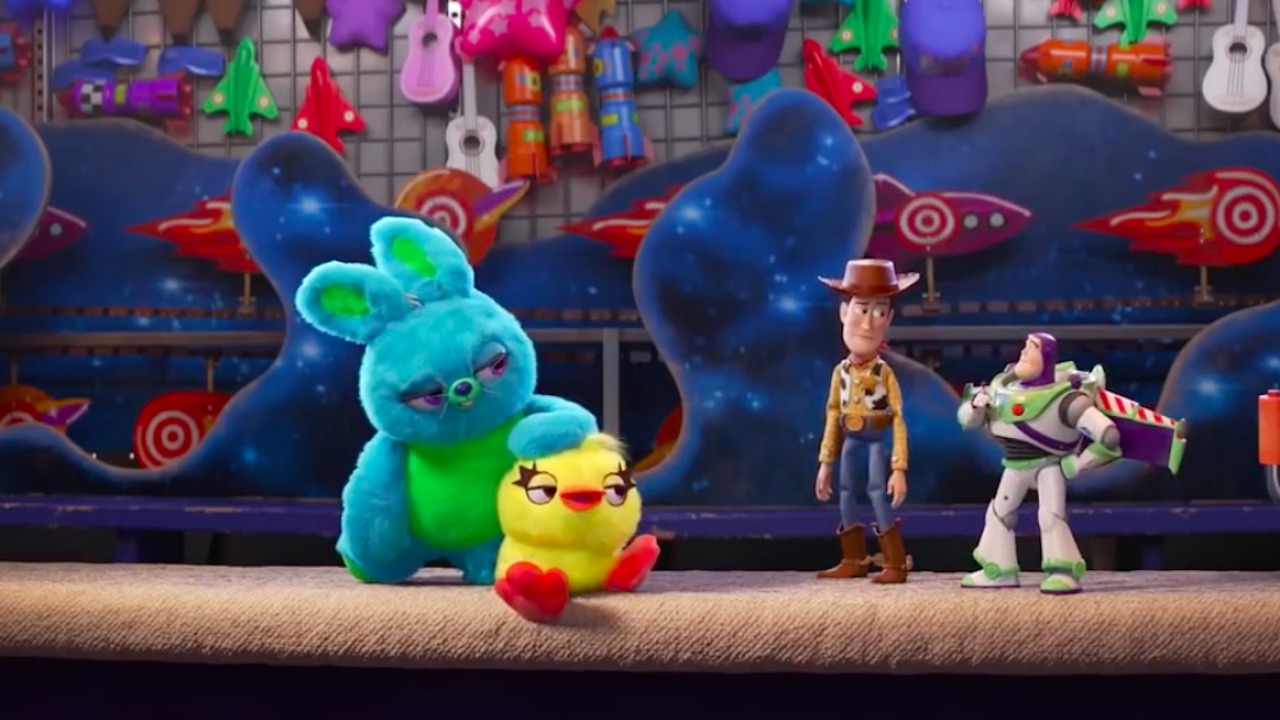
6. Toy Story 4

The fourth and final Toy Story film was just as funny, whimsical and poignant as the previous films. It introduced charming and hysterical new characters while touching our hearts as our favorite toys moved on with their lives.
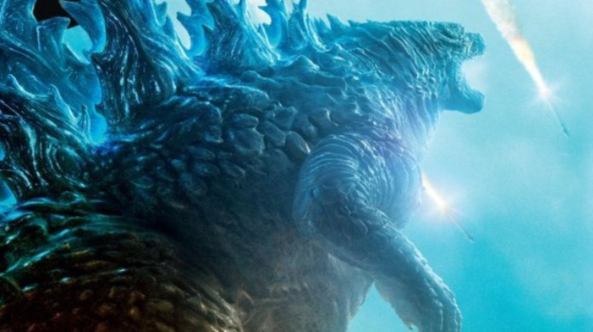
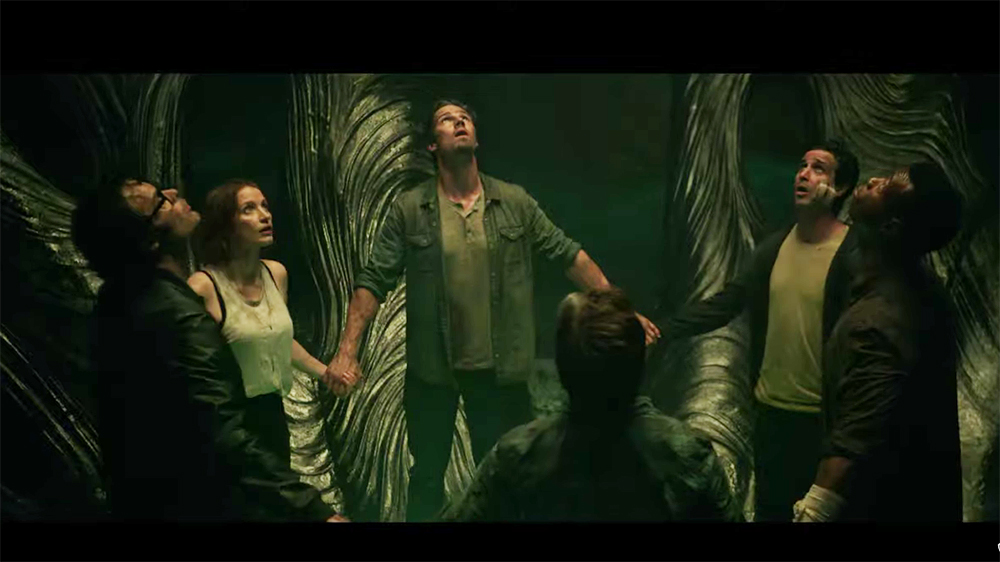
5. Godzilla: King of the Monsters

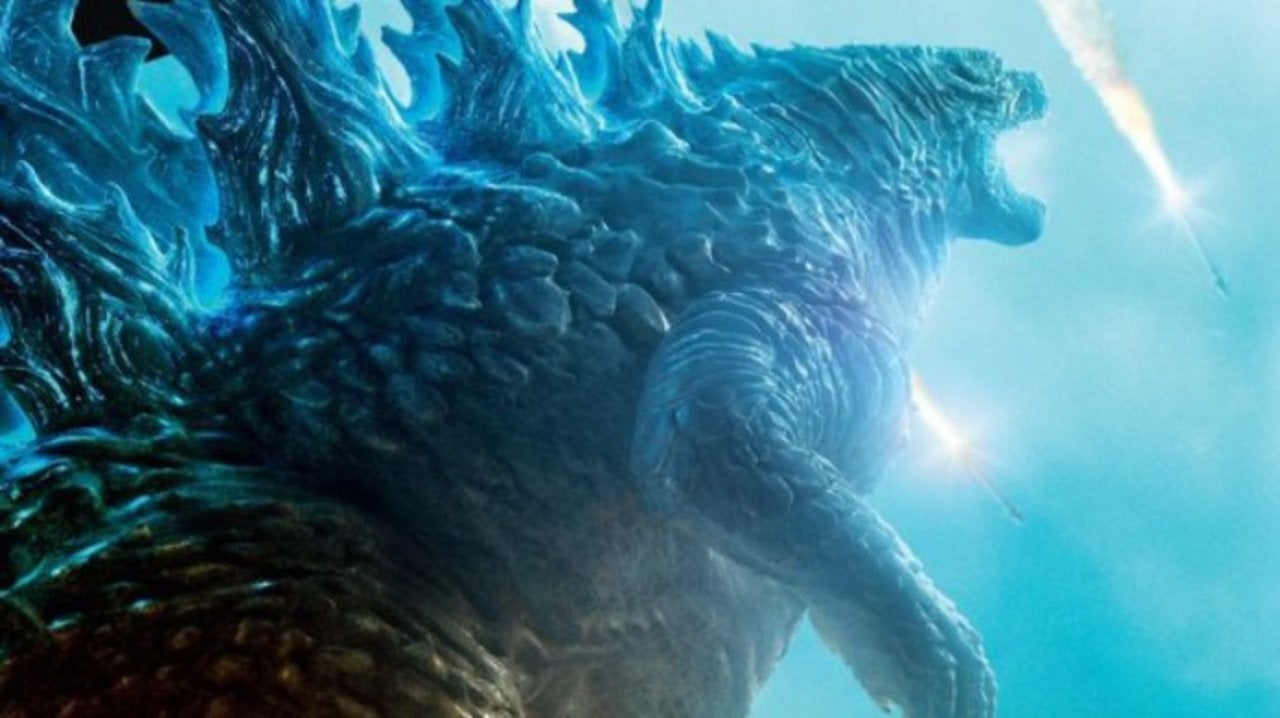
Big, loud, and explosive like its marque monsters, Godzilla: King of the Monsters was ravaged by critics but enjoyed by the rest. No doubt, the plot, logic and characters were muddled and not essential, but who cared? This was supposed to be a big-budget kaiju throwdown and it delivered that with its jaw dropping effects and sequences of monsters stomping on cities and each other.

4. Star Wars Episode IX: The Rise of Skywalker

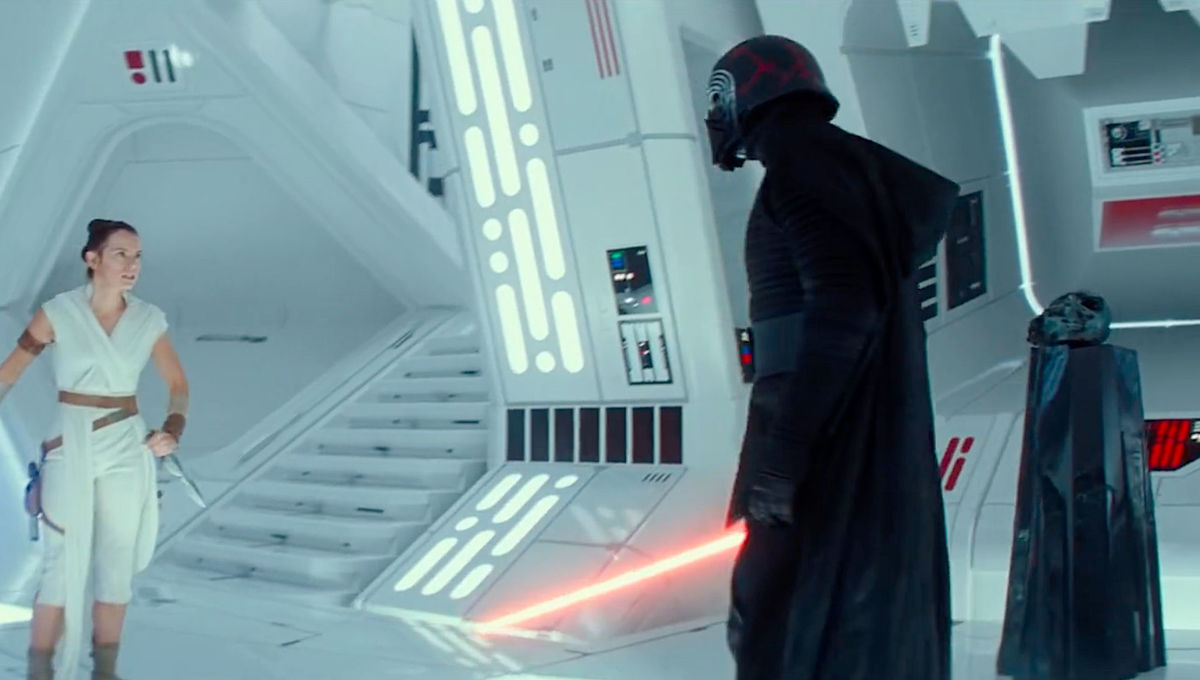
The last (until 2022) of the Star Wars films was a rousing, loud and messy conclusion to the nine-film Skywalker Saga. Director J.J. Abrams had the unenviable task of tying up the Star Wars films, while undoing much of what occurred in the previous Star Wars Saga film. The results were not pretty, but his efforts worked with this fast-paced space fantasy that was flawed but satisfying as it celebrated all that was great about Star Wars.
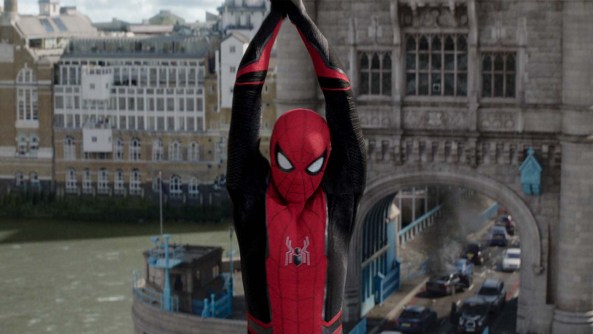
black and red spidey

3. Spider-Man: Far From Home

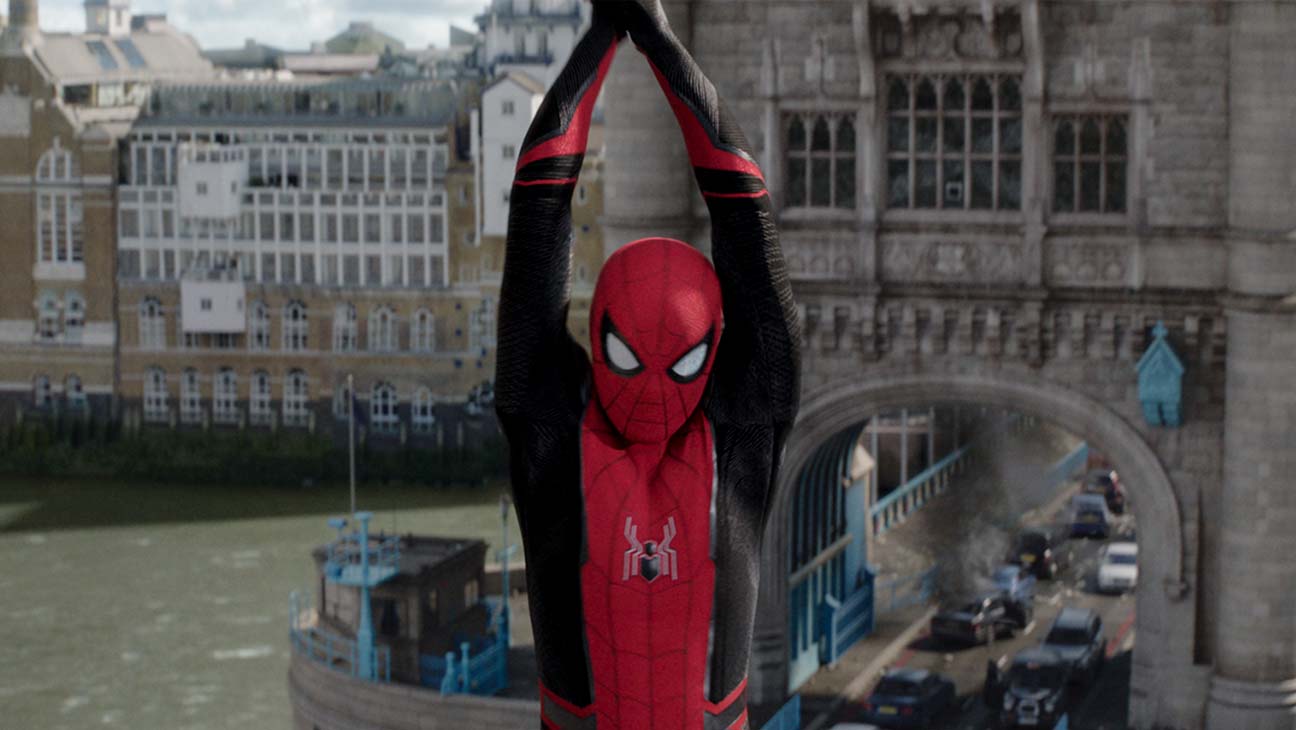
The final film in Phase Three of the MCU successfully entertained audiences with the breezy misadventures of everyone’s favorite teenage superhero. The second Spider-Man solo film set in the MCU continued to showcase his angst and mishaps as he went on a European school trip. Aside from the laughs at Spidey’s expense, Spider-Man: Far From Home showcased his emotional growth and maturity as he faced adulthood and the aftermath of the events of Avengers: Endgame. The mid-credits scene was a genuine stunner that left us itching for the next film, which will thankfully happen.

2. Joker

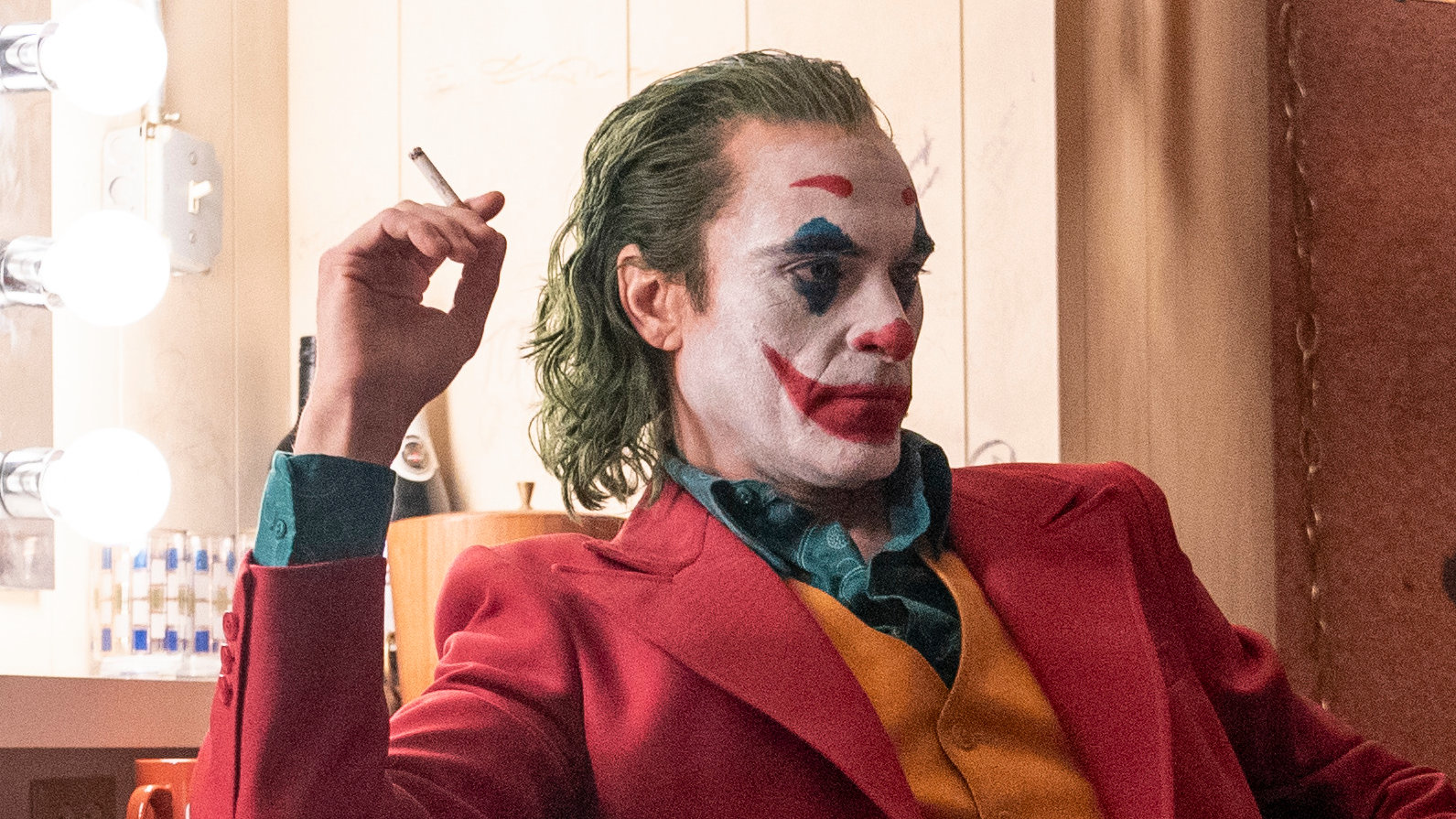
Disturbing and at the same time captivating, Joker echoed other character studies of emotionally broken men like Taxi Driver or The King of Comedy. The DC film thoroughly explored the psychological deterioration of the disturbed Arthur Fleck (Joaquin Phoenix) in his dismal and empty life in the gritty streets of Gotham. The film felt more like a documentary set in the hellish streets that evoked New York City in the 1970s that happened to chronicle the origin of Batman’s greatest villain.

But what struck viewers most was the performance by Phoenix as the man who becomes the Joker (depending on one’s interpretation, Fleck may not even be the actual Joker). His portrayal made Fleck a somewhat sympathetic person, yet terrifying at the same time. The unease culminated during Fleck’s complete breakdown as he embraced anarchy and chaos, which spread like a virus throughout Gotham’s restless populace.
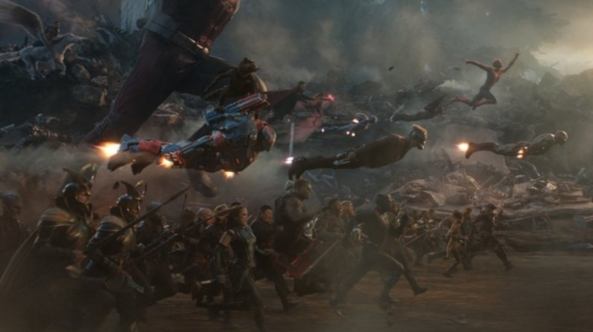
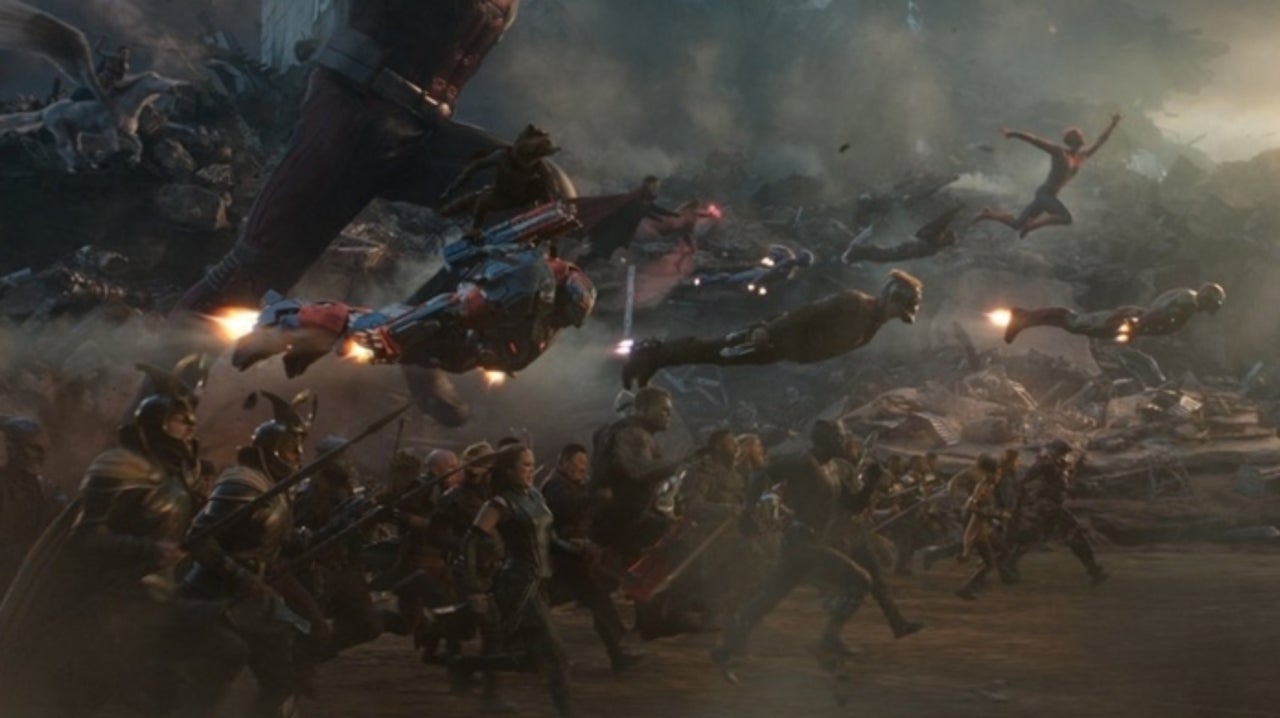
1. Avengers: Endgame

Some may think of Avengers: Endgame as just a direct sequel to Avengers: Infinity War, but it was much more than that. Avengers Endgame was the epic, grand finale of the massive Infinity Saga which spanned over 20 films set in the Marvel Cinematic Universe (MCU). Featuring most of the characters from the past MCU films (many of them played by high-caliber thespians), the fourth Avengers film powerfully concluded the Infinity Saga that started back in 2008 when Tony Stark first emerged from a cave wearing a suit of armor.

Avengers: Endgame is so much more than your typical comic book film with topnotch effects and fight scenes. Though it has plenty of those! This film took the time to explore the emotional aftermath of the heroes’ failures during Avengers: Infinity War and their long road back to redemption. From there, the film becomes a hysterical and exciting time travel romp rivaling the best of the Back to the Future films before culminating in an action-jammed third act. The final act of the film was already renowned for having the greatest superhero battle ever shown on film that doubles as a who’s who of superheroes against the forces of Thanos. However, Avengers: Endgame’s heart-tugging and fitting coda left an everlasting impression among viewers as it reflected on and ultimately celebrated the heroes and achievement of the MCU.

Honorable Mentions:

Brightburn; Captain Marvel; Crawl; Dark Phoenix; Doctor Sleep; Glass; Jumanji: The Next Level; Replicas; Us; Zombieland: Double Tap

TV Shows

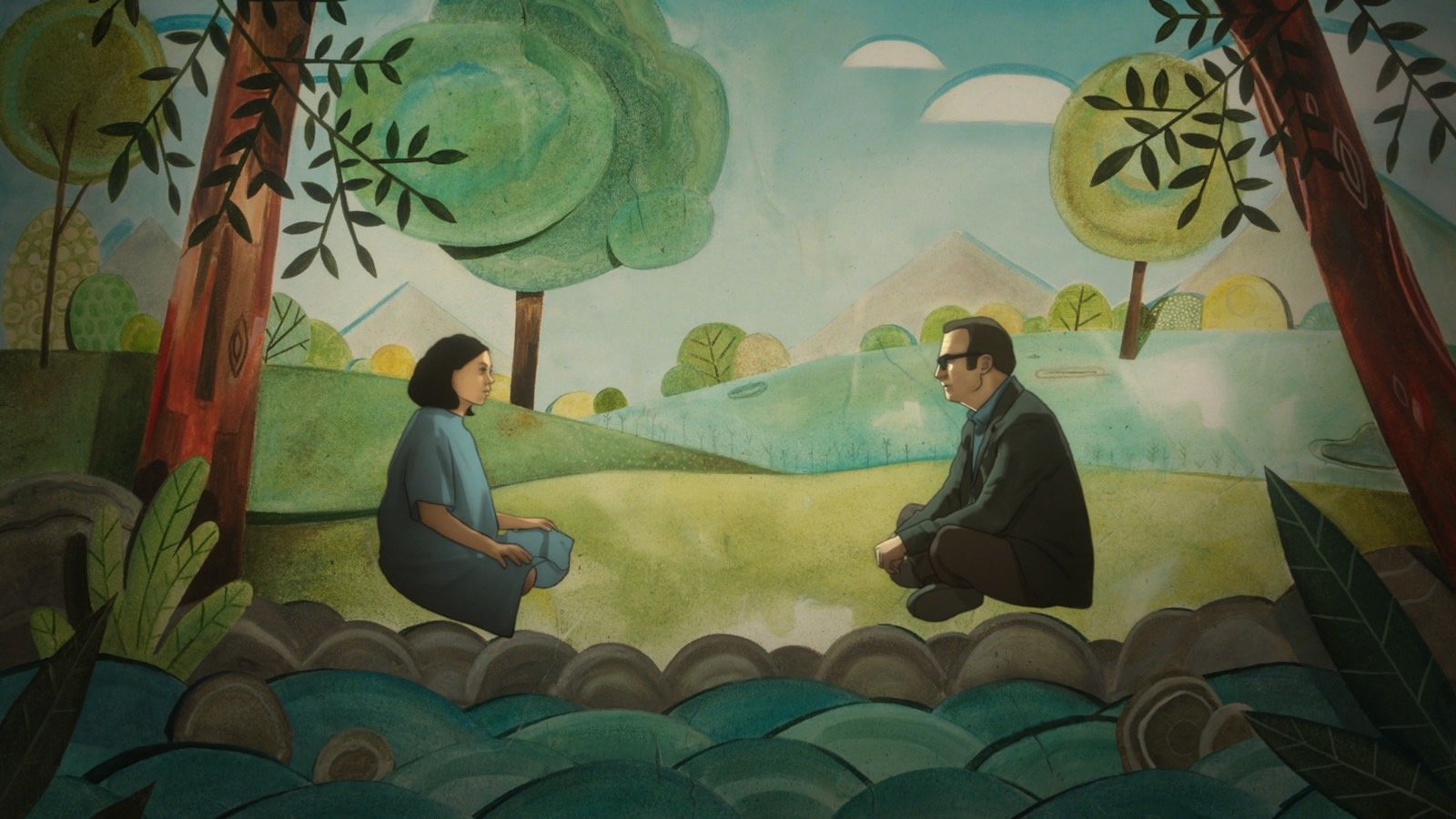
10. Undone

A beautifully animated and captivating series used rotoscoping to illustrate the fluid reality experienced by its main character Alma (Rosa Salazar). After a near-death experience, she gains the ability to move through time and reality as she helps her dead father solve his murder. The animation was quite unique, but its character study was even more provocative.

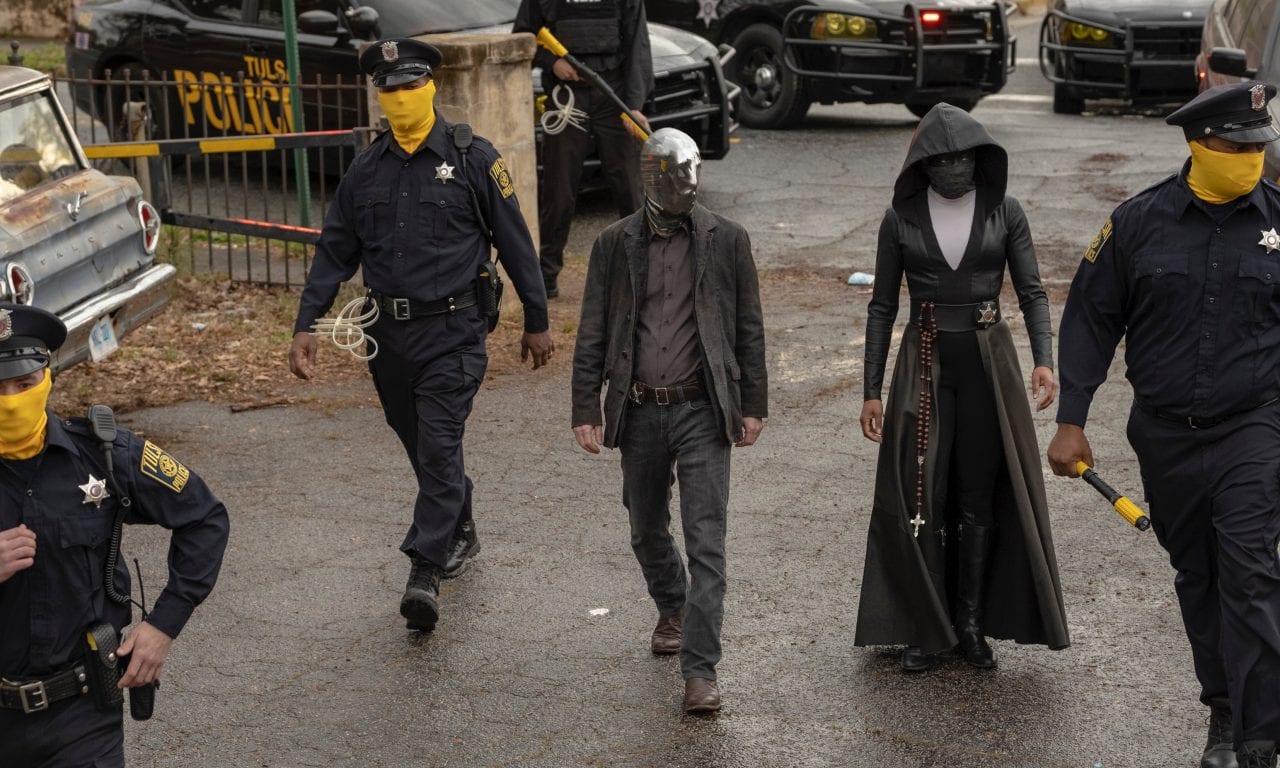
9. Watchmen

Less of a sequel to Alan Moore and David Gibbons’ seminal comic book and more of a spinoff, Watchmen was highlighted by its timely and relevant storylines set in an alternate world that surprised audiences.

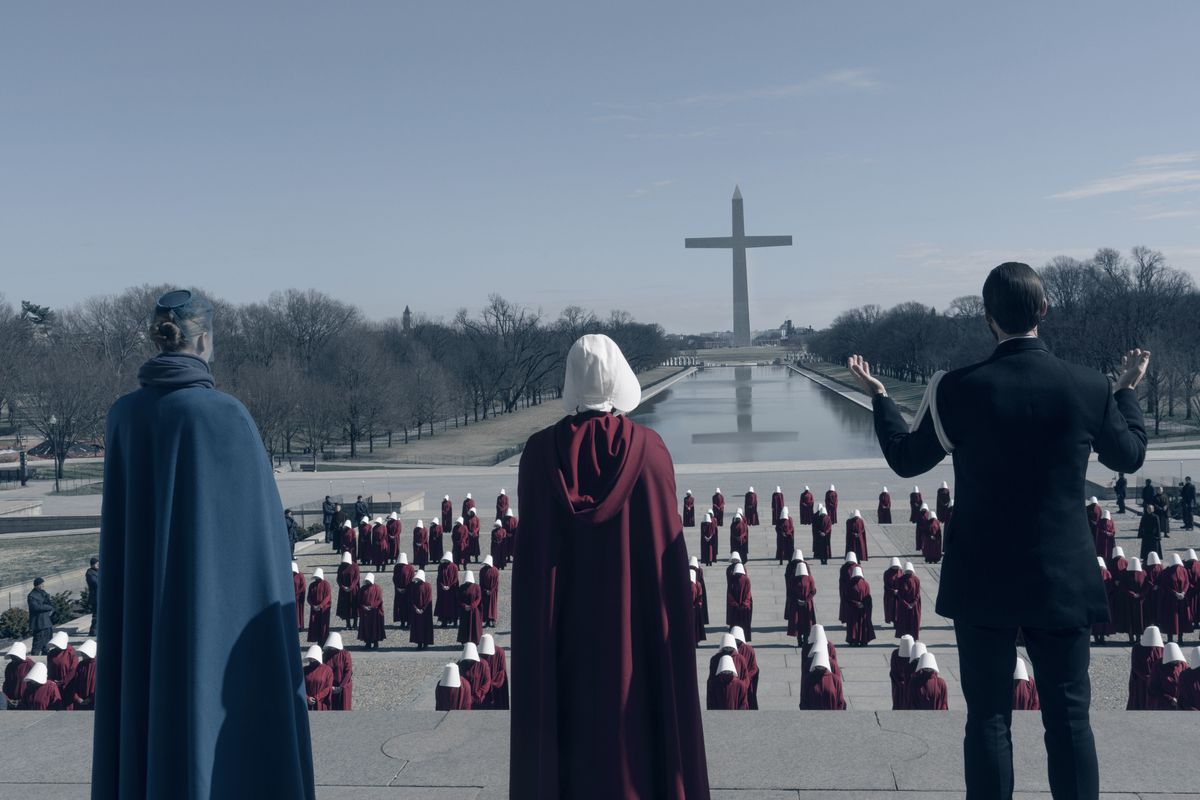
8. The Handmaid’s Tale

The third season of this dystopian look at America under a brutal theocratic rule was as haunting as ever. Still, despite its harshness, the show changed gears with new characters and new aspects of society while providing glimmers of hope to keep us watching.

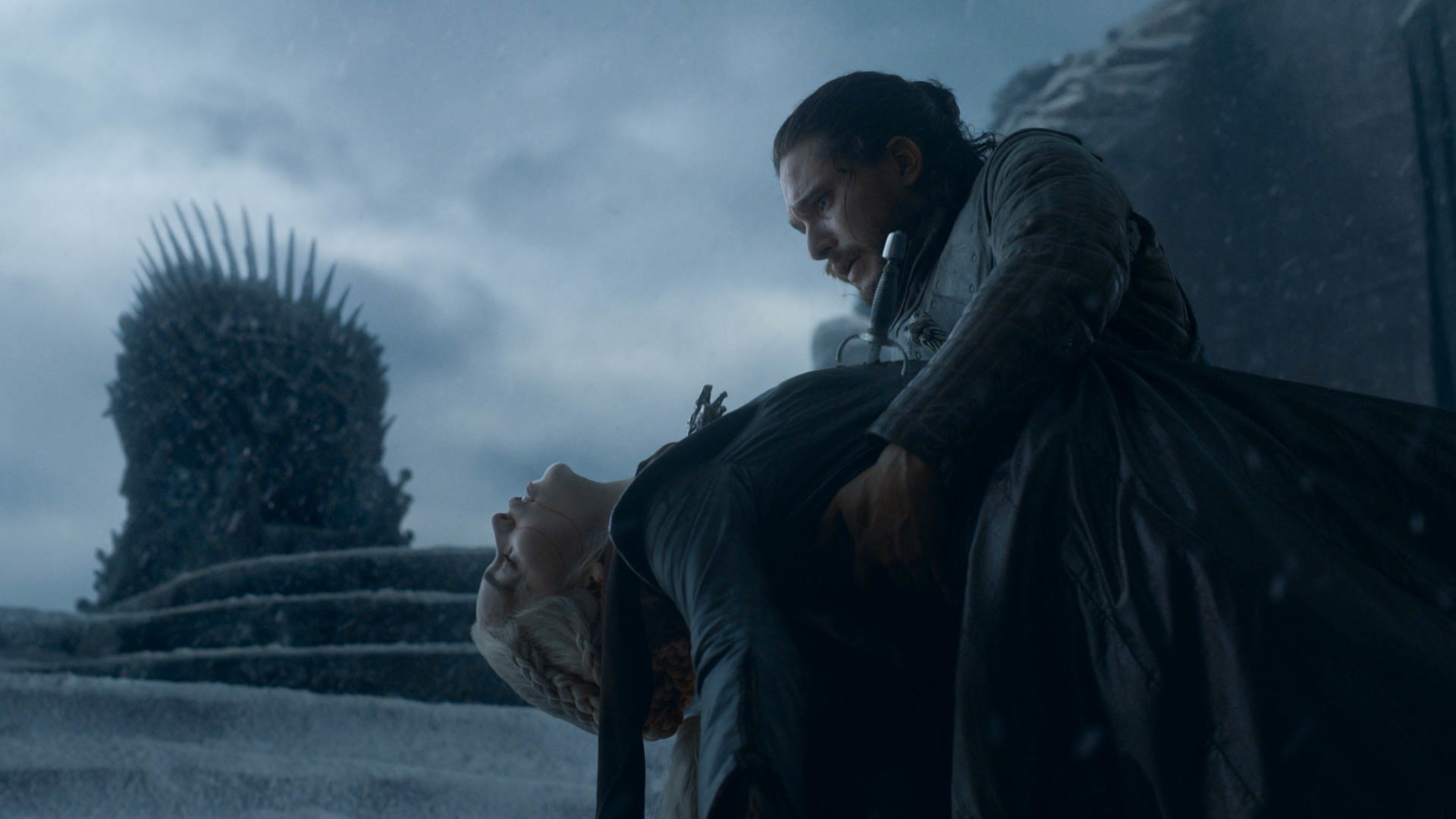
jon kills daenerys

7. Game of Thrones

Yes, the final season of Game of Thrones was a letdown compared to the other seasons of this landmark fantasy show. It was rushed and left many unanswered questions. Nevertheless, Game of Thrones’ final season managed to conclude its sprawling epic tale of warring kingdoms with terrific, unmatched production values, effects and acting.
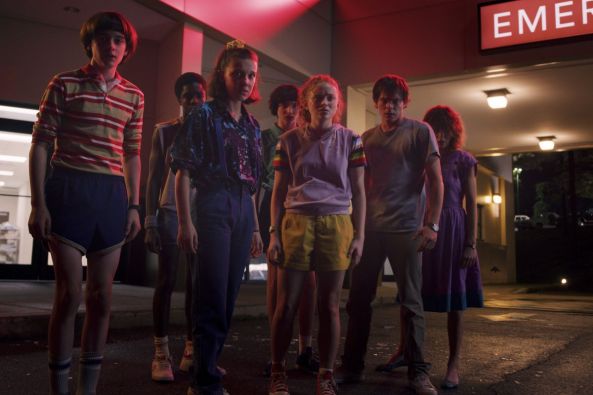
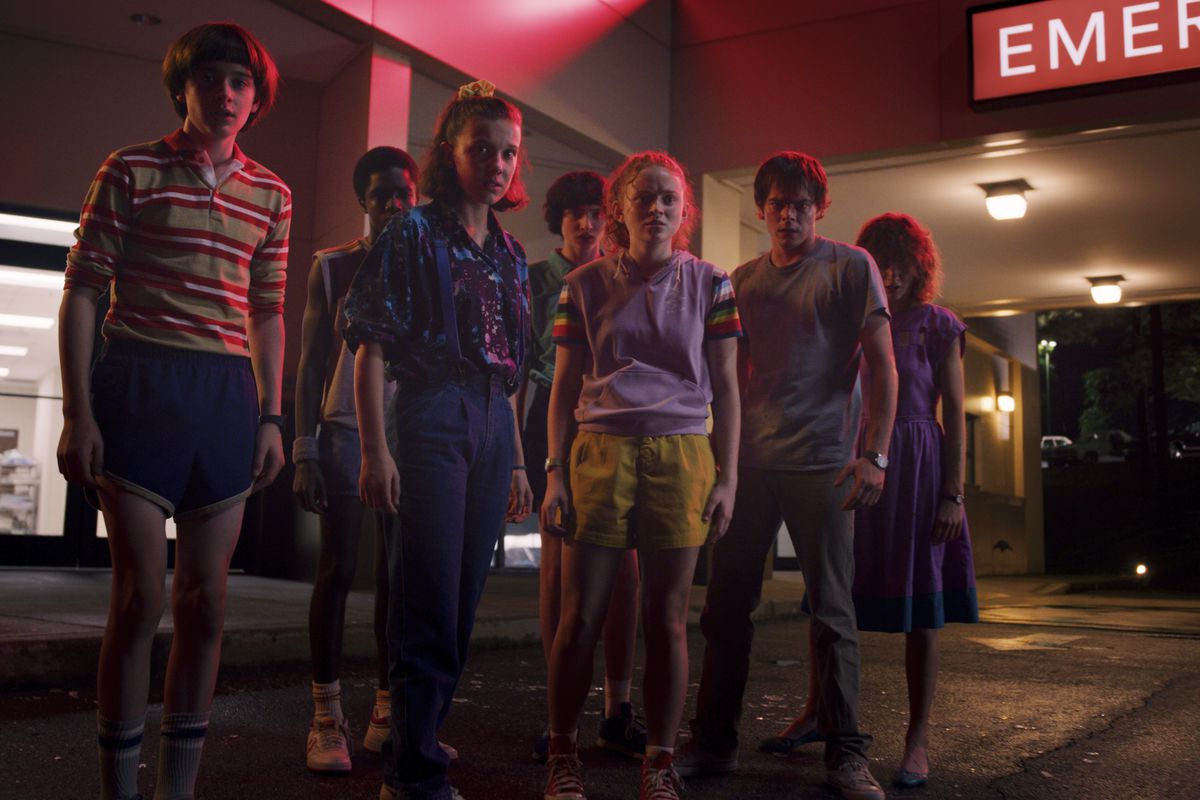
6. Stranger Things

The loving tribute to 1980s genre flicks continued to entertain viewers in its third season. The characters, including Eleven, were allowed to grow and mature as they faced off against interdimensional threats to their small town in Indiana. This growth and breakout new characters were the true stars of Stranger Things, not the monsters.

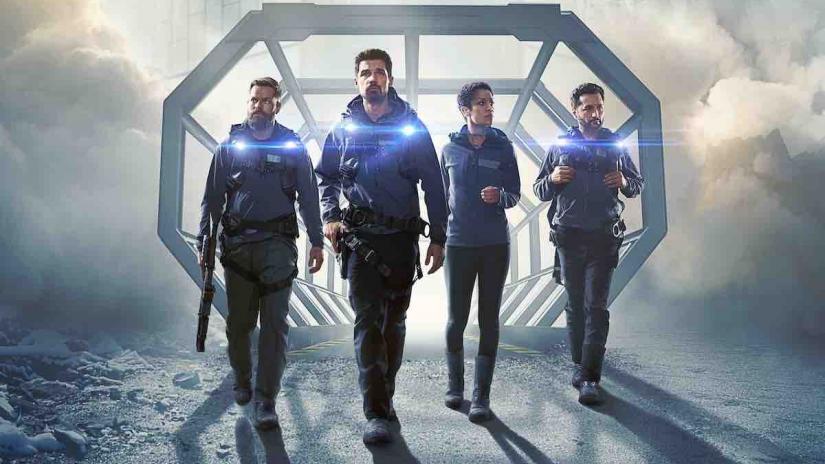
5. The Expanse

The decade’s best sci-fi TV show got a new lease on life in its fourth season thanks to Amazon Prime. The story of mankind’s first clumsy steps into becoming an interstellar civilization was just as enthralling as previous seasons thanks to above-par scripts, excellent special effects and its grounded and realistic aspect.

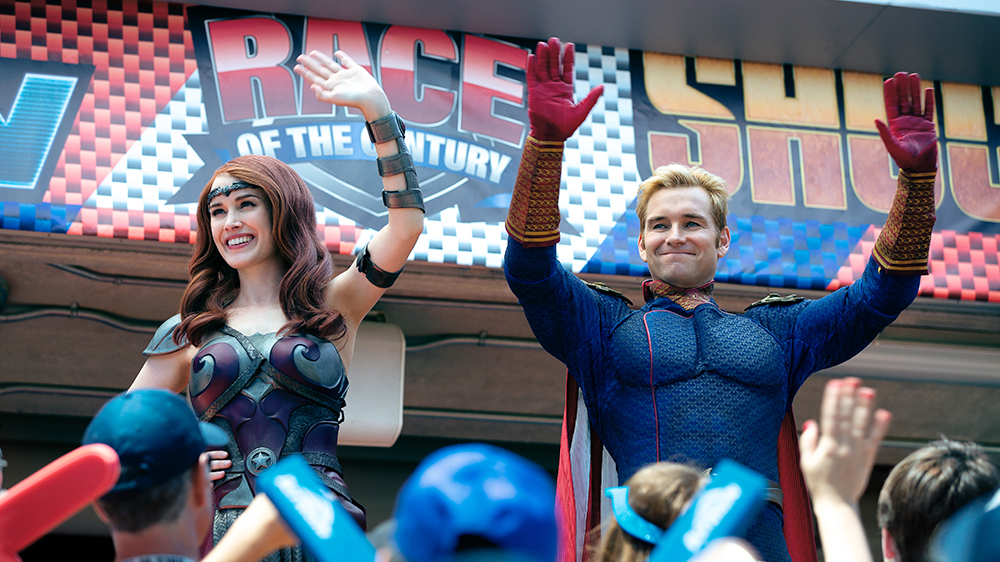
4. The Boys

Amazon Prime’s entry into superhero TV shows popped out with its black humor and graphic violence as it illustrated the seedier and more cynical side of superheroes. Graphic nature aside, The Boys was well put together and offered an engrossing behind-the-scenes look at superheroes (if you can call them that).
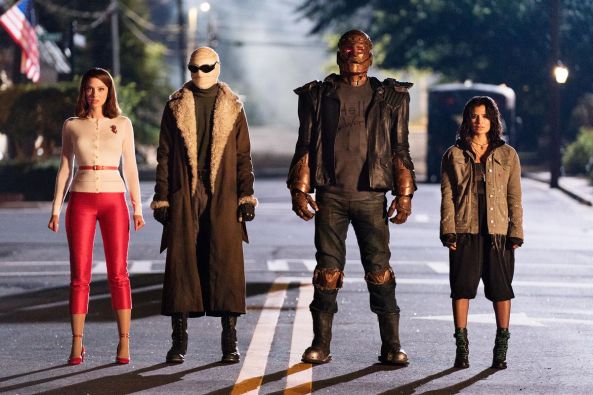
3. Doom Patrol

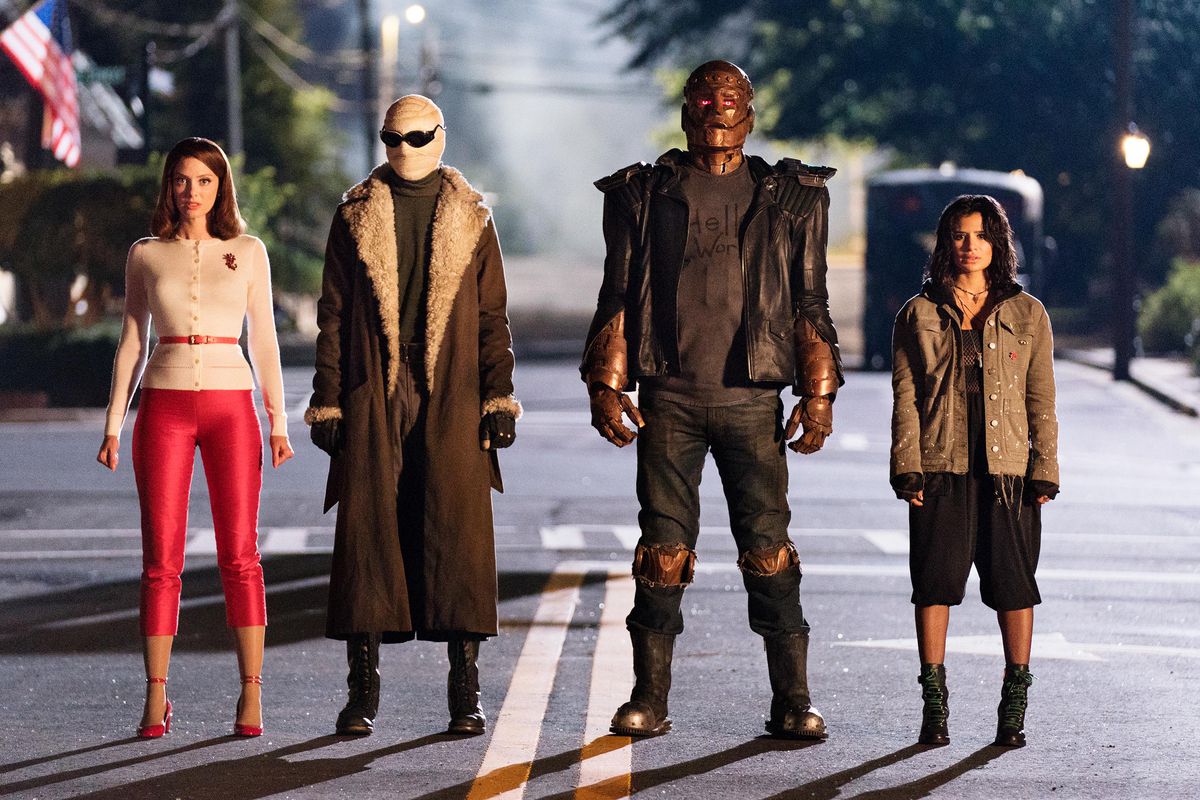
Superhero TV shows have stepped up their game and pushed boundaries. Then there is Doom Patrol, which as the best superhero TV show of 2019 added the weird to weirdness. Doom Patrol embraced its quirky and bizarre comic book roots and enthralled us with goofy, misfit characters and outrageous and unconventional scripts.
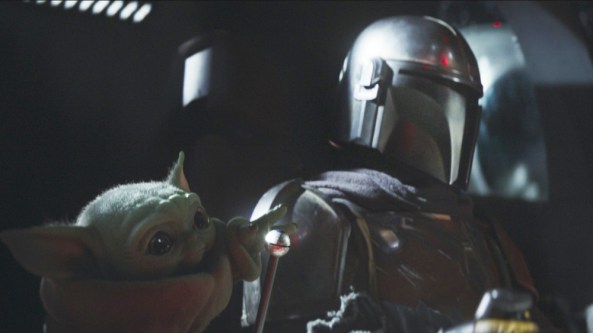
baby yoda and mando

2. The Mandalorian

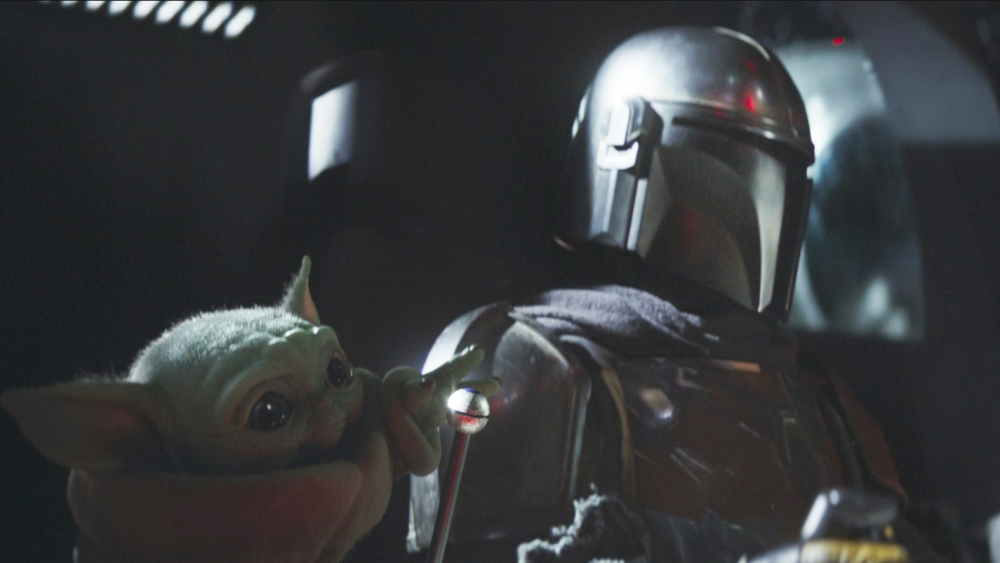
The first live-action Star Wars TV show is easily the flagship show on the Disney+ streaming service and for good reason as it has caught the attention of the world thanks to Baby Yoda. The Mandalorian will help keep interest alive in the Star Wars franchise thanks to its simple and effective story of an enigmatic bounty hunter and the infant child he cares for.

As an ode to Sergio Leone spaghetti westerns and Lone Wolf and Cub, The Mandalorian is a mesmerizing space western with intriguing characters, namely the mysterious Mandalorian with no name, and exciting stories. And that Baby Yoda is so adorable!
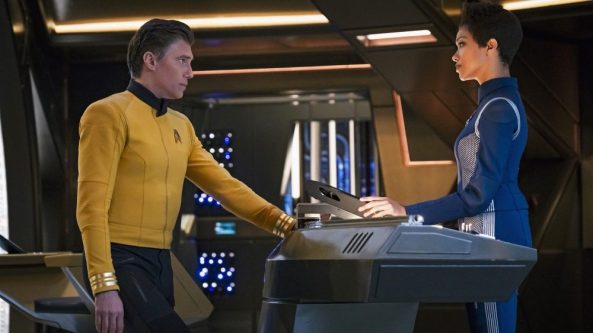
1. Star Trek: Discovery

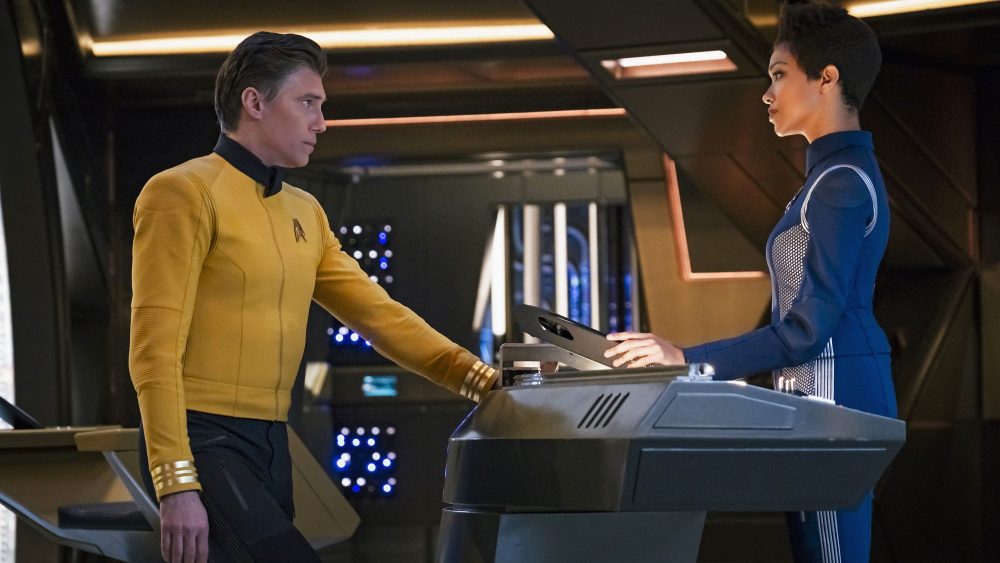
2019 had many memorable and outstanding genre TV shows. Many of which will stand the test of time. But Star Trek: Discovery comes out on top simply for exceeding expectations after its mixed first season. In its sophomore season, Star Trek: Discovery went back to basics and embraced its traditional Star Trek roots. By doing so, the TV show delivered many standout episodes, some of which can be considered to be classic Star Trek stories.

Star Trek: Discovery was also buoyed by a breakout performance by Anson Mount as Captain Christopher Pike, cinema-level effects and photography and fascinating storylines. Not every episode was great but they were solid entertainment, while others were instant classics. This season also confirmed beyond doubt that the show was clearly set in the actual prime Star Trek universe, which was a relief for many. In many ways, the second season of Star Trek: Discovery helped revive interest in the Star Trek franchise, which will hopefully be fueled by the upcoming Star Trek: Picard.

Honorable Mentions:

Arrow; Carnival Row; Dark Crystal: Age of Resistance; For All Mankind; Legion; Lost in Space; Love, Death & Robots; Runaways; Star Trek: Short Treks; Titans; The Twilight Zone; The Witcher; Years and Years