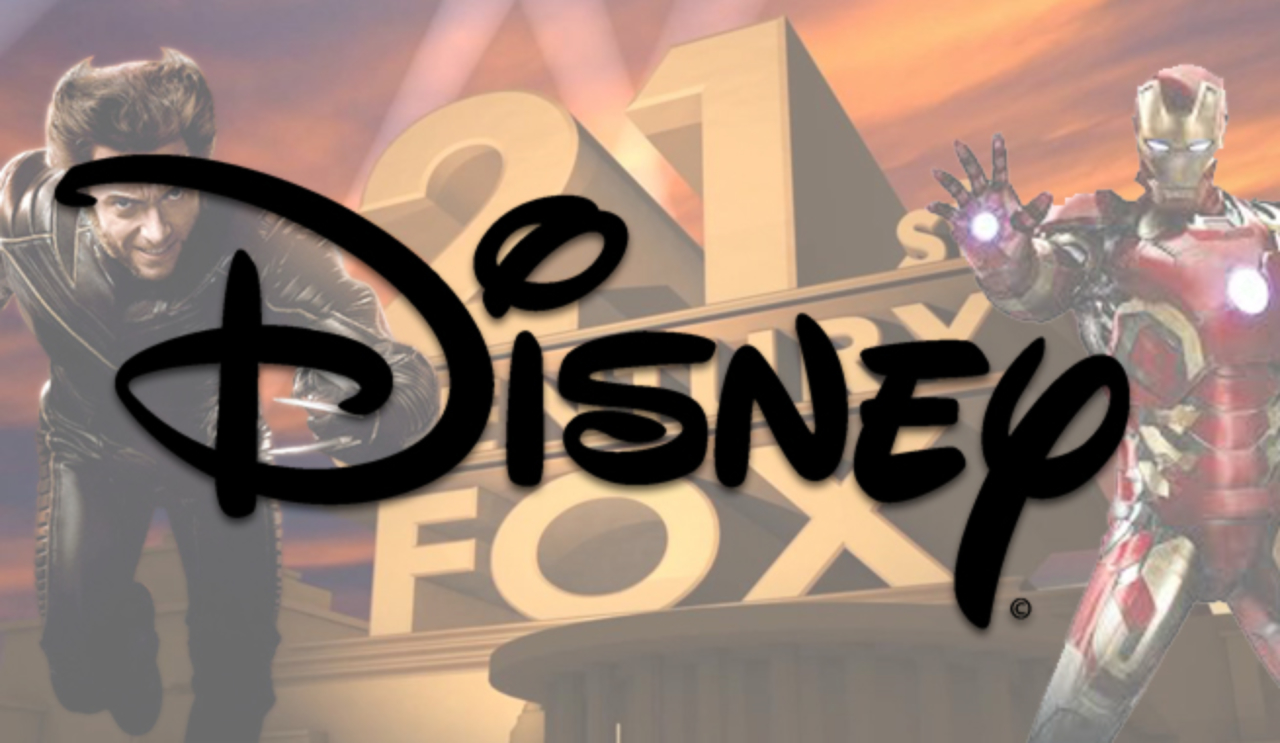
Disney Buys Fox And Becomes An Entertainment Supergiant

We’ve all been expecting this for weeks with all the gossip and innuendo. Some salivated over the idea of an expanded Marvel Cinematic Universe (MCU), others feared the rise of a modern-day monopoly. Regardless of opinion, the Walt Disney Company has bought a significant portion of 21st Century Fox and in the process, regained the film rights to several Marvel Comics properties and now own several other intellectual properties. This is truly staggering news and a legitimate cause for celebration and concern.

To be clear, Disney has only purchased (for $52.4 billion) the film division, 20th Century Fox, the Fox TV shows, assorted channels like FX and National Geographic, and other divisions of Fox. These include Sky and a majority share of the Hulu streaming service, while Fox will retain its sports and news divisions.
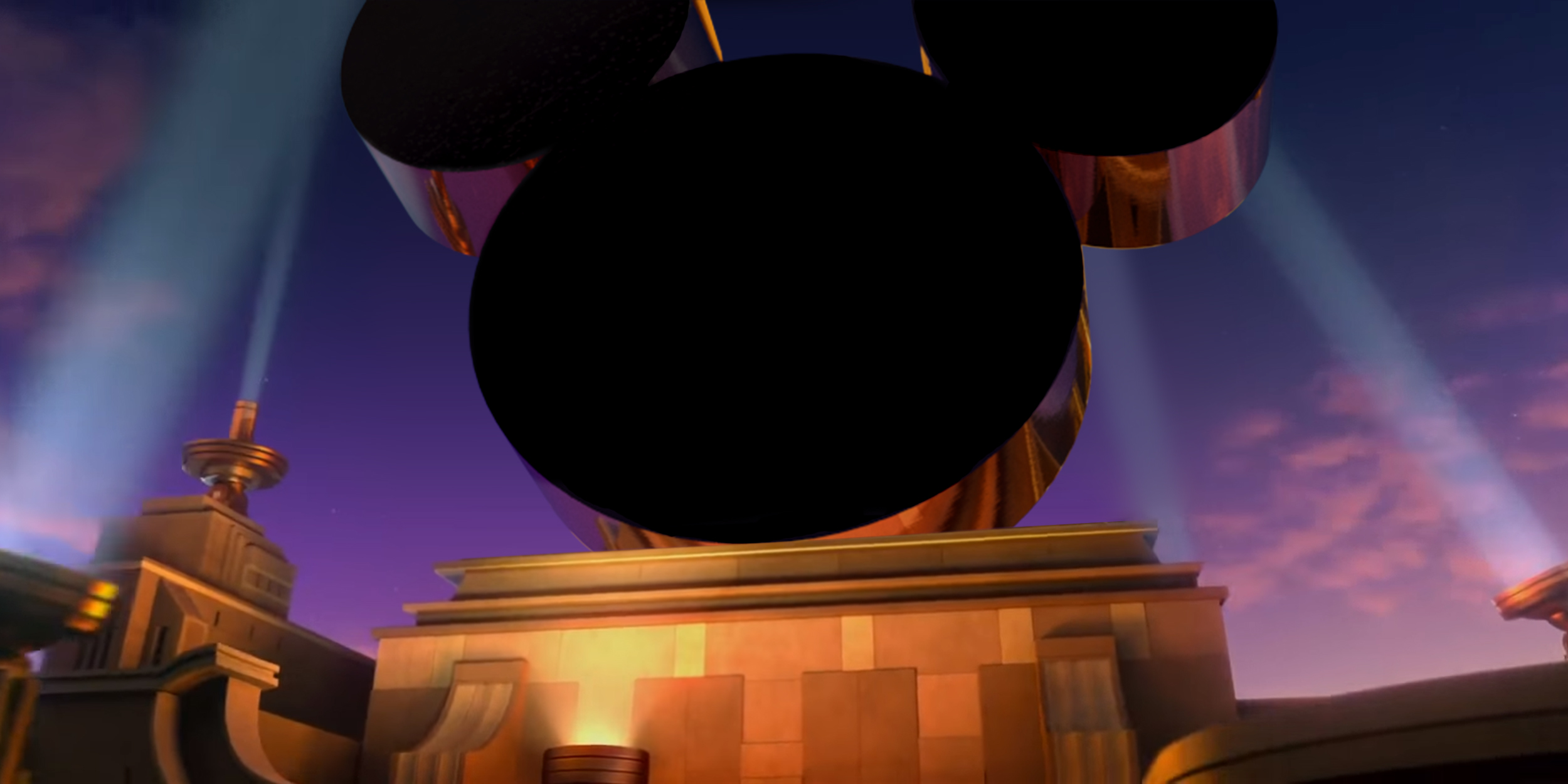
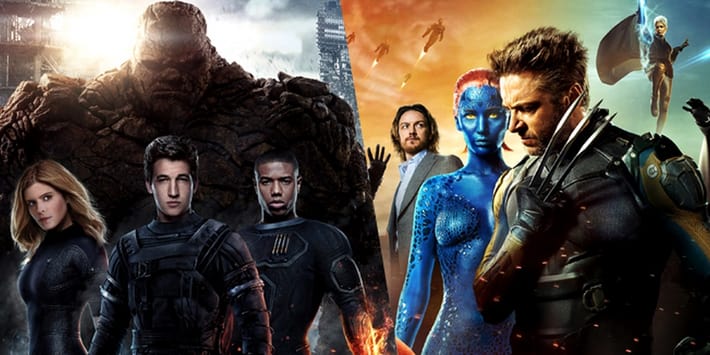
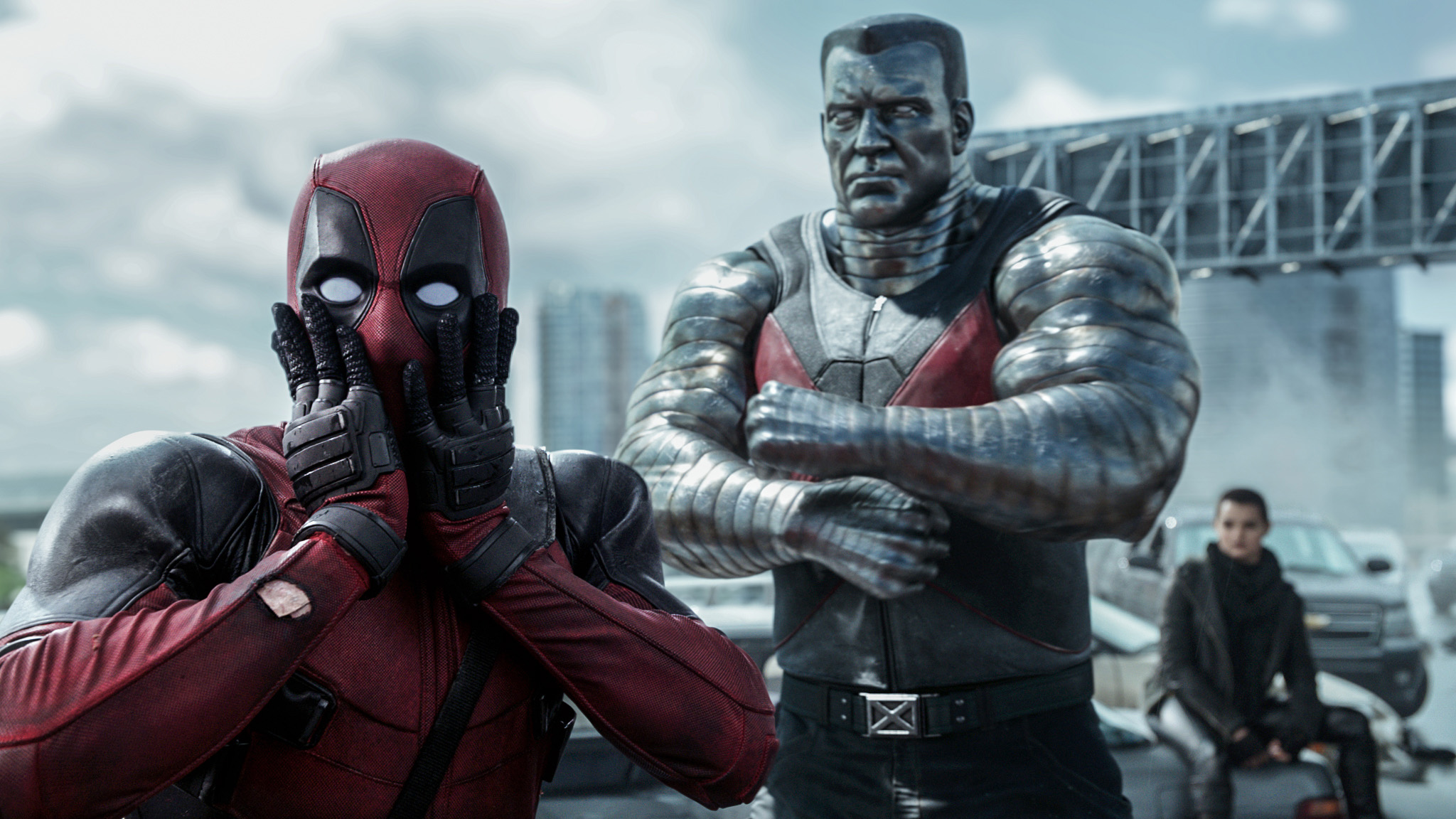
MCU fans may feel that the biggest prize of the purchase has been the film rights to the X-Men, Fantastic Four and Deadpool, but those are just fringe benefits. Disney would have regained those rights even if Fox was sold to another party. Instead, Disney wants to have a significant film library for its coming streaming service and the Fox properties will provide that. In addition to the missing Marvel properties, Disney now owns several franchises and intellectual properties, which include: Planet of the Apes, Alien, Avatar, Titanic, Ice Age, and The Simpsons. Some of these IPs are a strange fit for Disney since the company is renowned for its family-friendly fare, but more adult offerings are not unheard of for the entertainment giant. Disney once owned Miramax, which produced mature films during its time with Disney. Also, Disney CEO, Bob Iger, assured fans that their Marvel films will explore R-rated offerings, which means that Deadpool should be safe for now.
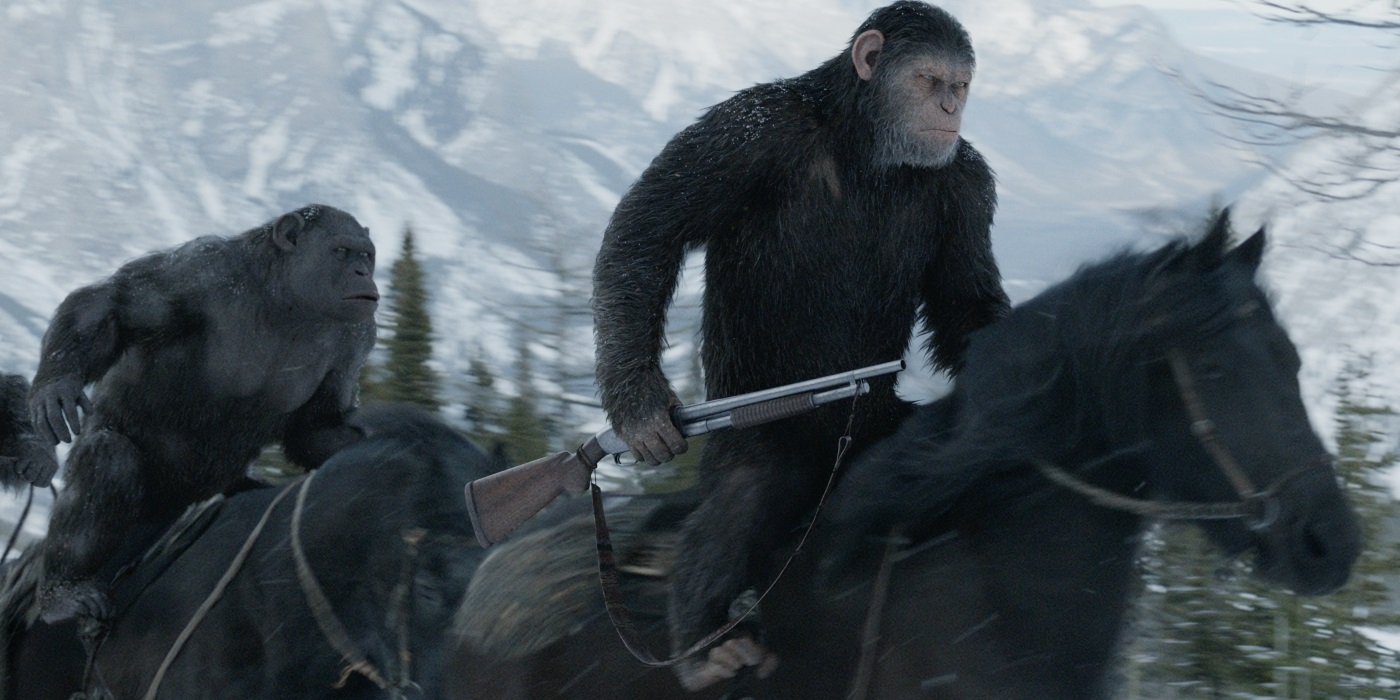
But will Disney produce hard R-rated fare like the Alien films? They might, but it is possible that they may just sell the IPs to another studio to help recoup some of the mammoth cost of the sale. Other IPs like Avatar and Planet of the Apes should fit well with Disney. After all, Avatar has a heavy presence as a themed land in Disney’s Animal Kingdom park and Planet of the Apes is an obvious addition to the same park.
Bob Iger also announced today the fate of the X-Men films. It was speculated before the sale was finalized that the X-Men films might remain in their own separate continuity or relegated to TV shows for the streaming service. Instead, Iger said that the X-Men, Deadpool and Fantastic Four will be integrated into an expanded MCU from Marvel Studios. The Fantastic Four are an easy addition to the popular cinematic universe and their inclusion is to be celebrated because Fox’s attempts at Fantastic Four films have been terrible. However, the X-Men are a different matter. For the most part, the films worked and adding them to the MCU may make that cinematic universe too crowded. Their addition could take attention away from lesser-known Marvel properties that could have seen their day in the sun. Films like Guardians of the Galaxy, Doctor Strange and Ant-Man may not have been possible if Marvel Studios owned the X-Men back then. Will the big purchase mean that these kinds of films won’t be made in favor for the new mutants on the block? It is hard to imagine Marvel Studios releasing three films per year as it now does and a mutant film or two. This will certainly create superhero fatigue. Plus, how good will the MCU X-Men films be? Will they be hard hitting and successfully tackle the mature themes of bigotry that the current films do?
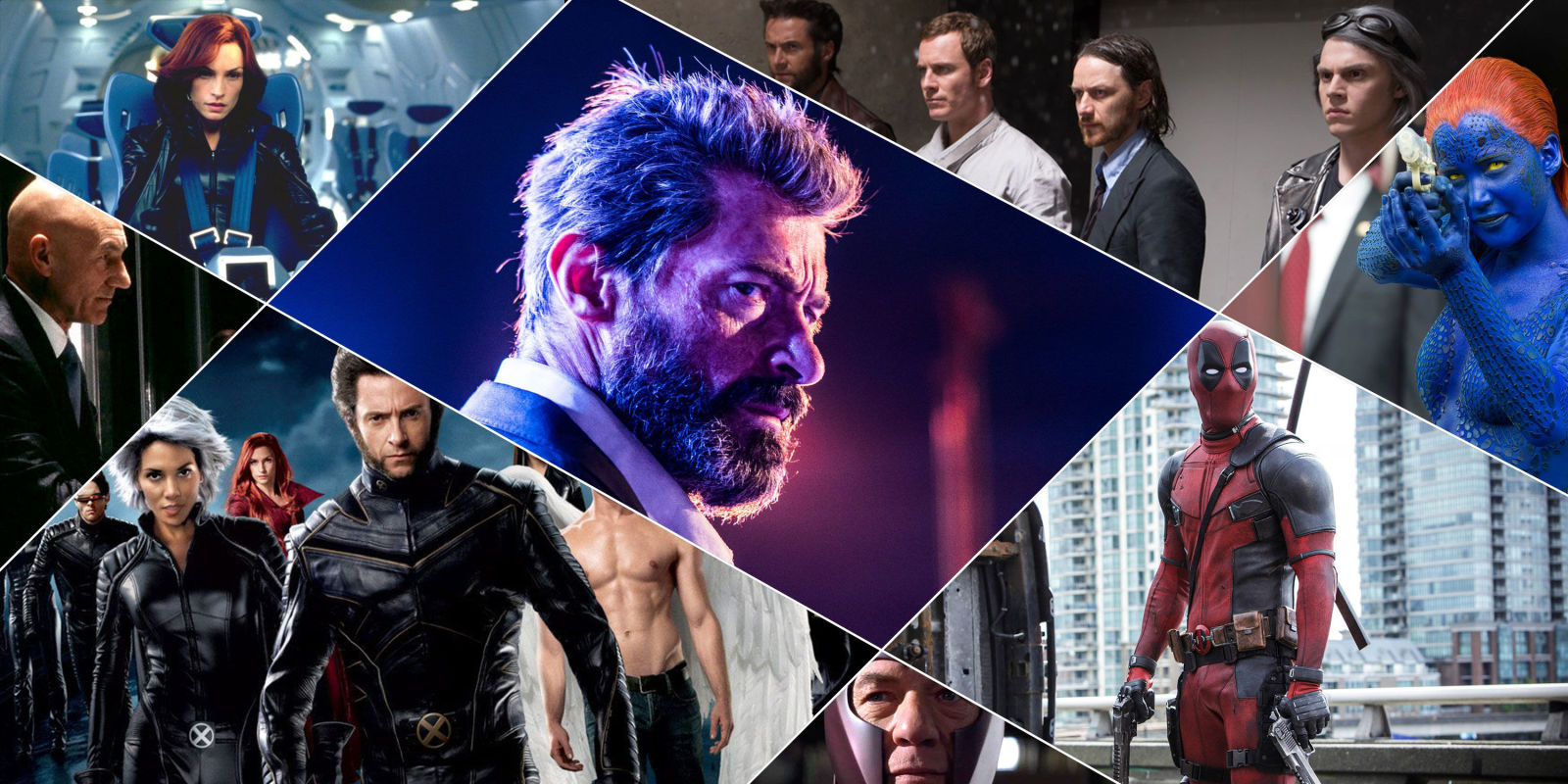
Right now, Marvel Studios has the task of recasting the X-Men, including Wolverine, and Hugh Jackman has stated that he will not return to the role. Luckily, the film studio has had a good streak when it comes to casting their superheroes. On the other hand, expect the current X-Men film universe to end. This does not mean that upcoming films like Deadpool 2, The New Mutants and X-Men: Dark Phoenix will be canceled. Those films are complete and will be released as planned. But a sequel to The New Mutants is unlikely and the “Dark Phoenix” story may be a fitting conclusion to the films. Another thing to consider is that the X-Men films, for better or worse, are associated with director Bryan Singer, who’s had problems lately with allegations of sexual abuse and unprofessional conduct on film sets. Ending the X-Men films and starting over fresh is Disney’s best option, with the sole survivor being the Merc With a Mouth. He may have a thin connection to the MCU like the Marvel TV properties do and be the snarky commentator of the film universe.

When the dust clears, Disney will have a monumental job of integrating all these properties and divisions into its entertainment empire. Will it be too much for them? Possibly. As mentioned before, it may be best for Disney to sell off some of its IPs or divisions or simply shut them down for the time being. Another thing to consider is will all this disperse the company and dilute it? Iger and his executives may believe they can handle, but they may have bitten off more than they can chew. We will not know for a while.
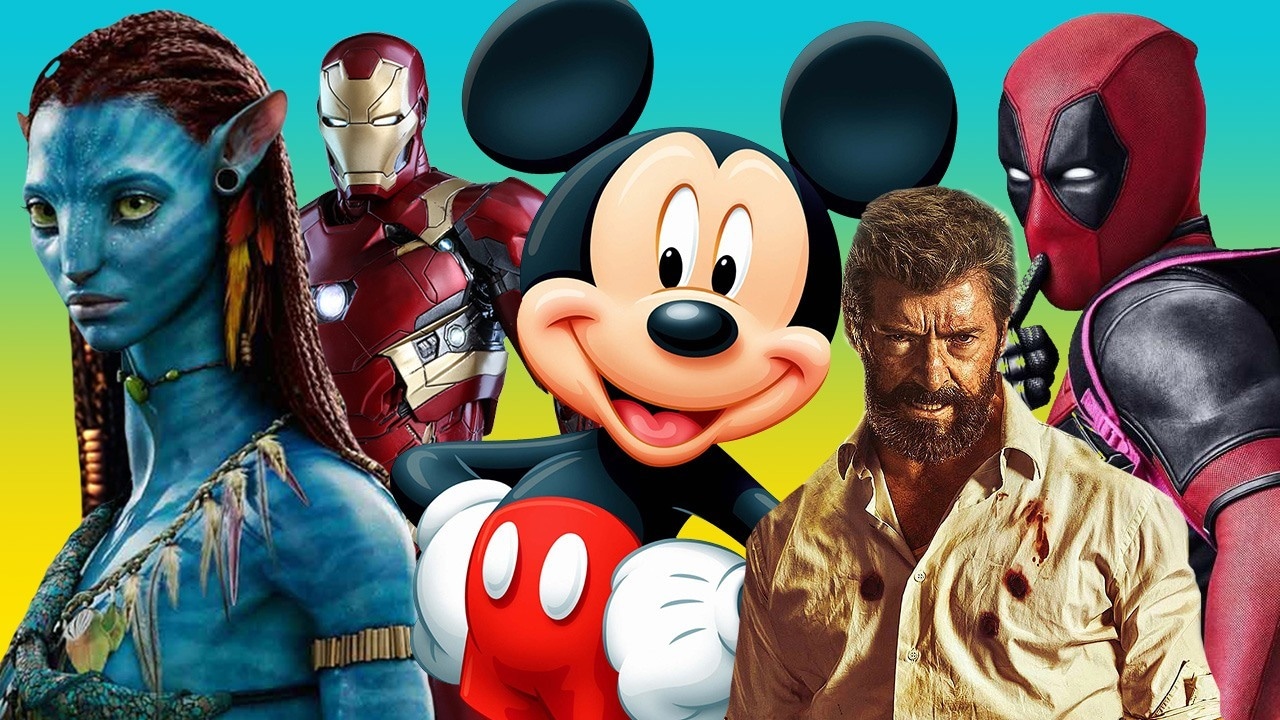
The most disturbing aspect of the mega purchase is the explosive growth of Disney. They now have their expansive tentacles in many parts of our lives and our entertainment. Under normal circumstances, this sale may have been opposed by the government, but that is unlikely these days. This may take years, but perhaps the company may be forced to get rid of many properties and divisions before they assume too great a control over our entertainment venue.

There are so many details that are unknown to the general public and we won’t know for some time. Until then all we can do is wait and keep an eye on new developments, which will be covered here as they happen.

To think it all started with a mouse.

José Soto

The Disney/Fox Speculation — Welcome Home X-Men & Fantastic Four?

Xmen-Avengers-Fox-Marvel-Studios

The big news for the past week has been about Disney in talks with 21st Century Fox to buy a bulk of its film studios and its intellectual properties. While the initial news had it that talks have stopped the possibility remains that both parties will resume negotiations. What is driving Disney’s desire to expand its entertainment empire is the need to bolster its upcoming streaming service when it is available in 2019. The film studio 20th Century Fox has a huge film library with many viable franchises such as the Alien films, Avatar, and Planet of the Apes. But more importantly, Fox still has the rights to the original Star Wars films and the missing pieces in Disney’s Marvel films: the X-Men and the Fantastic Four.

The following I wrote back in September 23, 2017 for another site that is going defunct soon. It’s related to the current situation and illustrates how wildly things have changed from just a few weeks ago. I decided to repost it here and will add some final thoughts afterwards.

What rankles many fans of Marvel Studios’ Marvel Cinematic Universe (MCU) is that two of Marvel Comics’ top properties, the X-Men and the Fantastic Four are not part of it.

The obvious reason for this is because the film rights for both properties are being held by 20th Century Fox, who is determined to hold onto them. Long before The Walt Disney Company brought Marvel Comics, the comic book company sold the film rights of its characters to many film studios, including Fox. Over the years, even before the success of the MCU, Marvel Studios sought to regain the rights to its characters. For the most part they have succeeded and the top prize for the studio was getting to share the film rights to Marvel’s top character, Spider-Man.

But the only major hold outs were the X-Men and the Fantastic Four. Fox has had great success with their X-Men films even though some of them were reviled by fans and critics for not being faithful to the source material and being downright terrible. Meanwhile, their efforts with the Fantastic Four never took off. The most recent failure being the DOA 2015 reboot that buried director Josh Trank’s career.

Given the poor track record with their Fantastic Four films, one has to wonder why Fox would want to continue making them. Despite the negative reaction from their reboot, the film studio is still trying to develop more films based on the superhero team and even spinoffs featuring Dr. Doom and the children of Reed and Sue Richards. Naturally the reaction to the news is one of despair and anger. Most fans see that the Fantastic Four would fit naturally into the MCU and their villains are some of Marvel’s greatest. Marvel Studios cannot use Galactus in their films because he is a Fantastic Four villain, the same thing goes for Magneto. While the X-Men films did a terrific job with their presentation of Magneto the same cannot be said for Dr. Doom and Galactus. In fact, in his onscreen debut, Galactus was just a giant space cloud!

what-it-takes-for-fox-to-give-up-the-fantastic-four-x-men

There were rumors that after the reboot debacle, Fox was ready to sell back the rights to Disney/Marvel but a snag in negotiations derailed that idea. Many were hopeful that after Marvel allowed Fox to start making TV shows based on the X-Men properties that perhaps the deal was that the Fantastic Four would go back to Marvel. But that does not appear to be the case.

Right now, there are only vague allusions to Marvel being allowed to use the two properties but in far off terms. One curious thing is that Marvel Studios still has not announced what the Phase 4 MCU films will be. This gives hope that maybe the Fantastic Four could make a splashy debut. It is possible; when Spider-Man joined the MCU it was a surprise.

What it took for Spider-Man to join the MCU was the failure of his recent films and the shaky status of Sony Pictures. Fox does not have the same financial problems of Sony, so they can afford to weather out the storm of bad films until they strike gold. This almost happened with their attempt to reboot Daredevil, but the rights lapsed and Marvel regained him. From there, Marvel saw great success with their Netflix version of Daredevil. Perhaps Fox executives feel that they can find the right formula and are more patient. At that rate, it will be quite some time before Marvel Studios regains the Fantastic Four. That and an insane amount of money.

With the X-Men films doing so well, it is ridiculous to think that Fox would ever relinquish the rights to Marvel. For this to happen, fans would have to vigorously boycott all X-Men-related films and TV shows. The property has to be seen as too unprofitable for Fox to want to keep, but this scenario may not happen. Look at what is going on with the Fantastic Four, their films are poorly received and the property is not as popular as the X-Men yet Fox still won’t let them go.

So, is it just a pipe dream? Are the Fantastic Four and X-Men doomed to never join the MCU? Well, it can happen but be prepared to wait and protest.

Continue reading

Stranger Things 2: The Second Season

Stranger things 2 poster

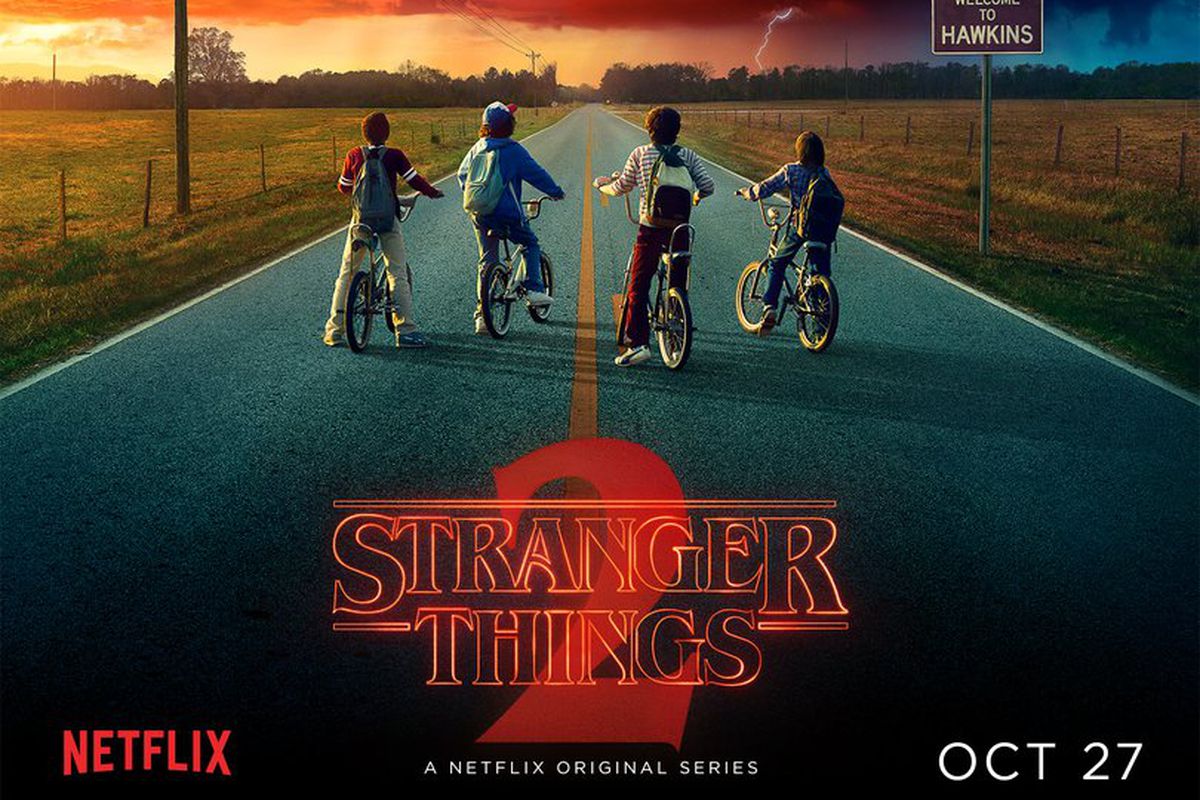
Stranger Things was an unexpected hit when it premiered last year on Netflix, not just with genre fans but the wider public. Everyone loved the series’ homage to ’80s sci-fi and horror films  and vintage Stephen King books. Given all that praise (and Emmy nominations), it’s not a surprise that a second season is now here.

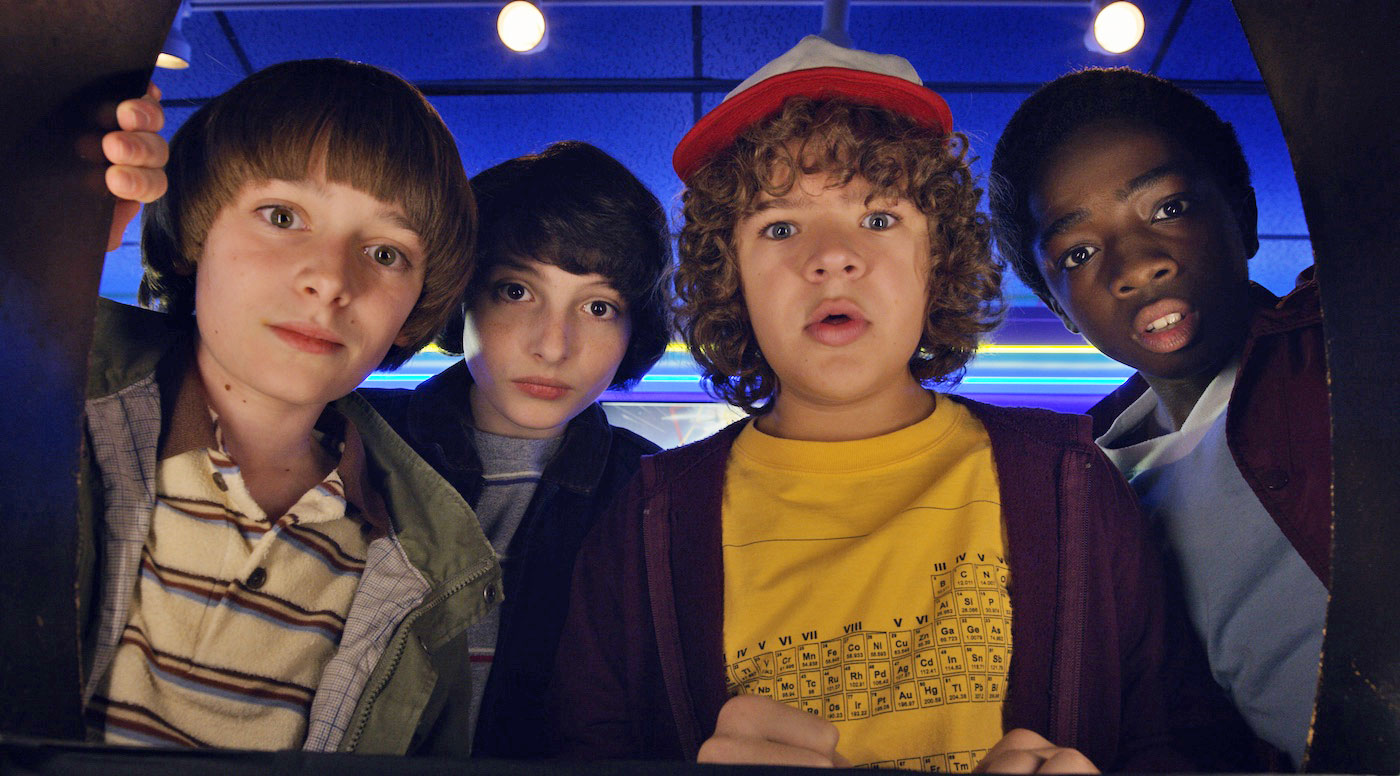
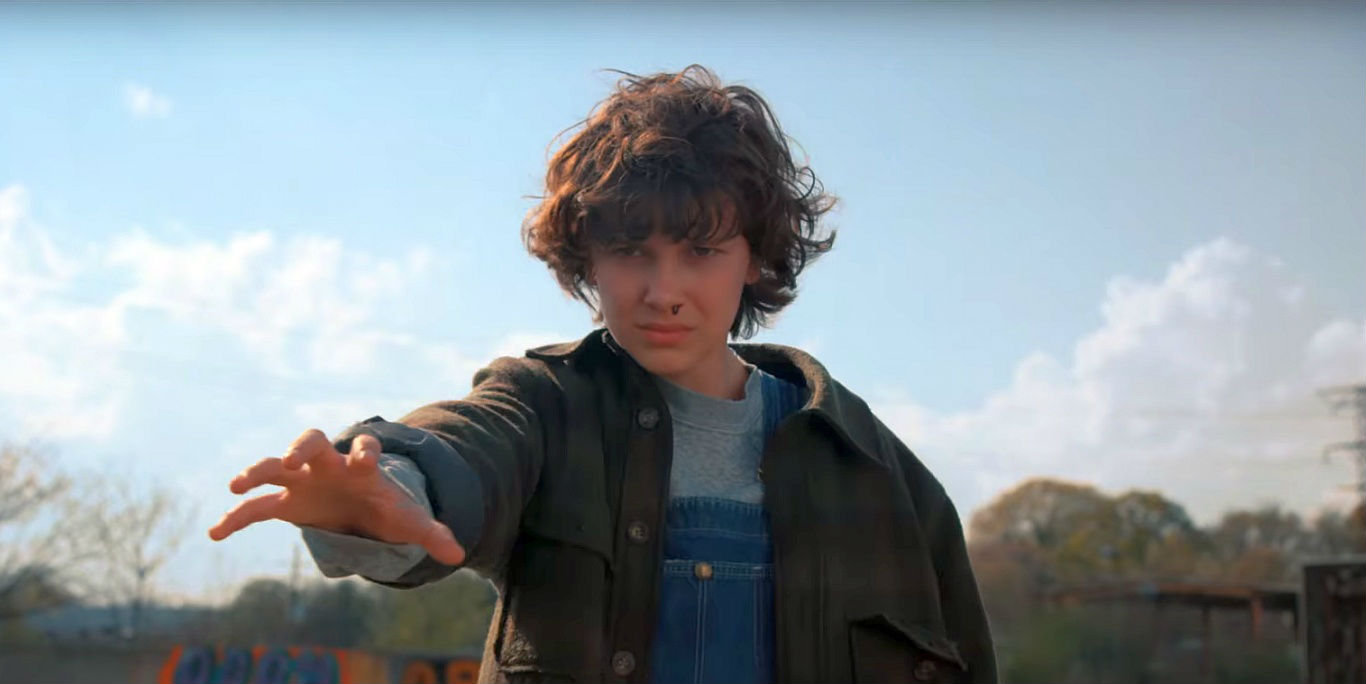
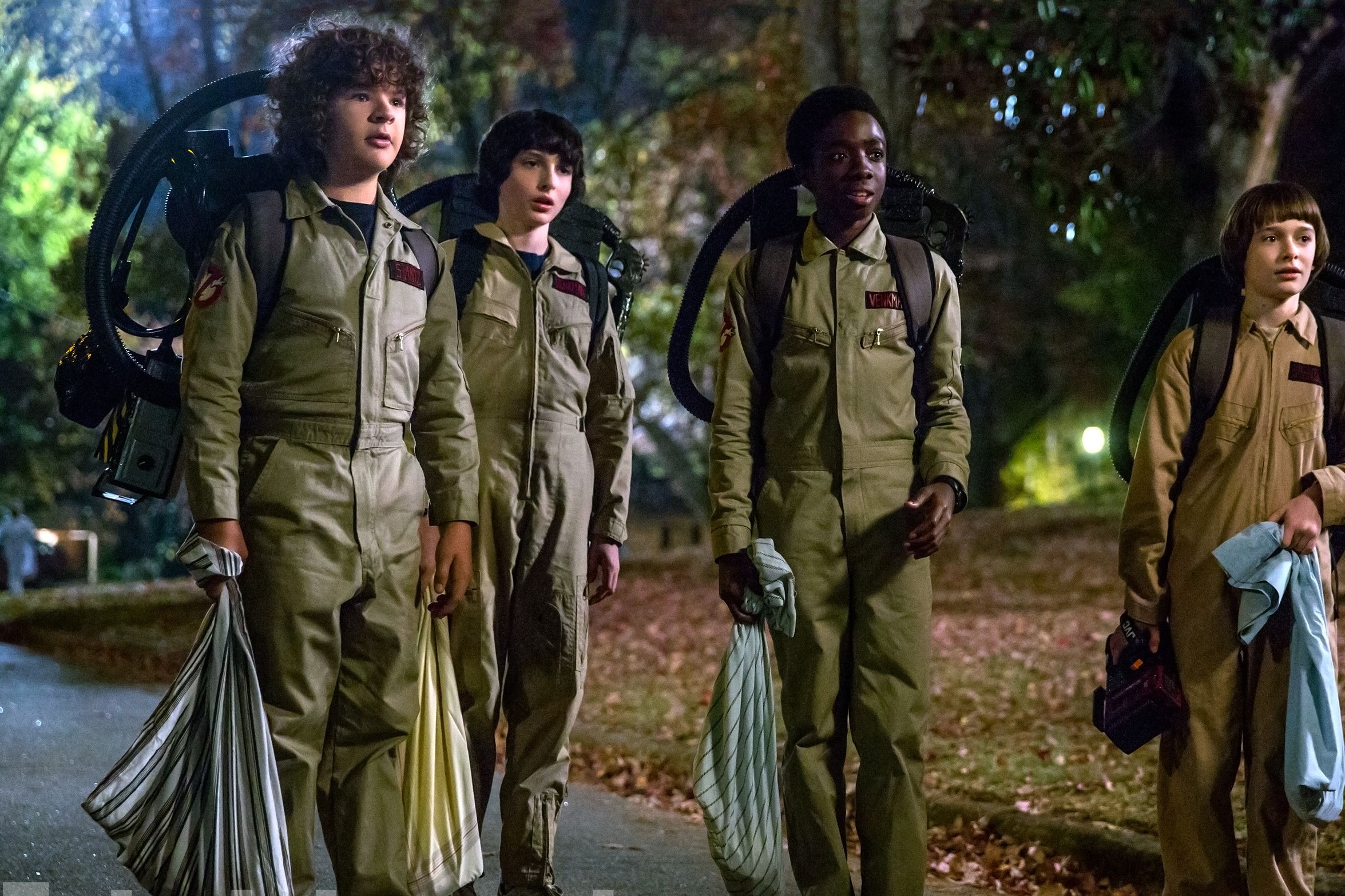
Stranger Things 2 picks up about a year after the previous season in Hawkins, a small Indiana town that could easily double for a Spielberg setting. The preteen boys Will Byers (Noah Schnapp), Mike Wheeler (Finn Wolfhard), Dustin Henderson (Gaten Matarazzo) and Lucas Sinclair (Caleb McLaughlin) try to carry on with their lives even though in the past season they had incredible, out-of-this dimensional experiences. Many of the characters like Eleven (Millie Bobby Brown), the psionic girl raised in an evil government agency, Joyce Byers (Winona Ryder), Nancy Wheeler (Natalia Dyer), Jonathan Byers (Charlie Heaton) and Steve Harrington (Joe Keery) return and they all have separate story arcs as the start of Stranger Things 2 deals with the aftermath of the previous season.

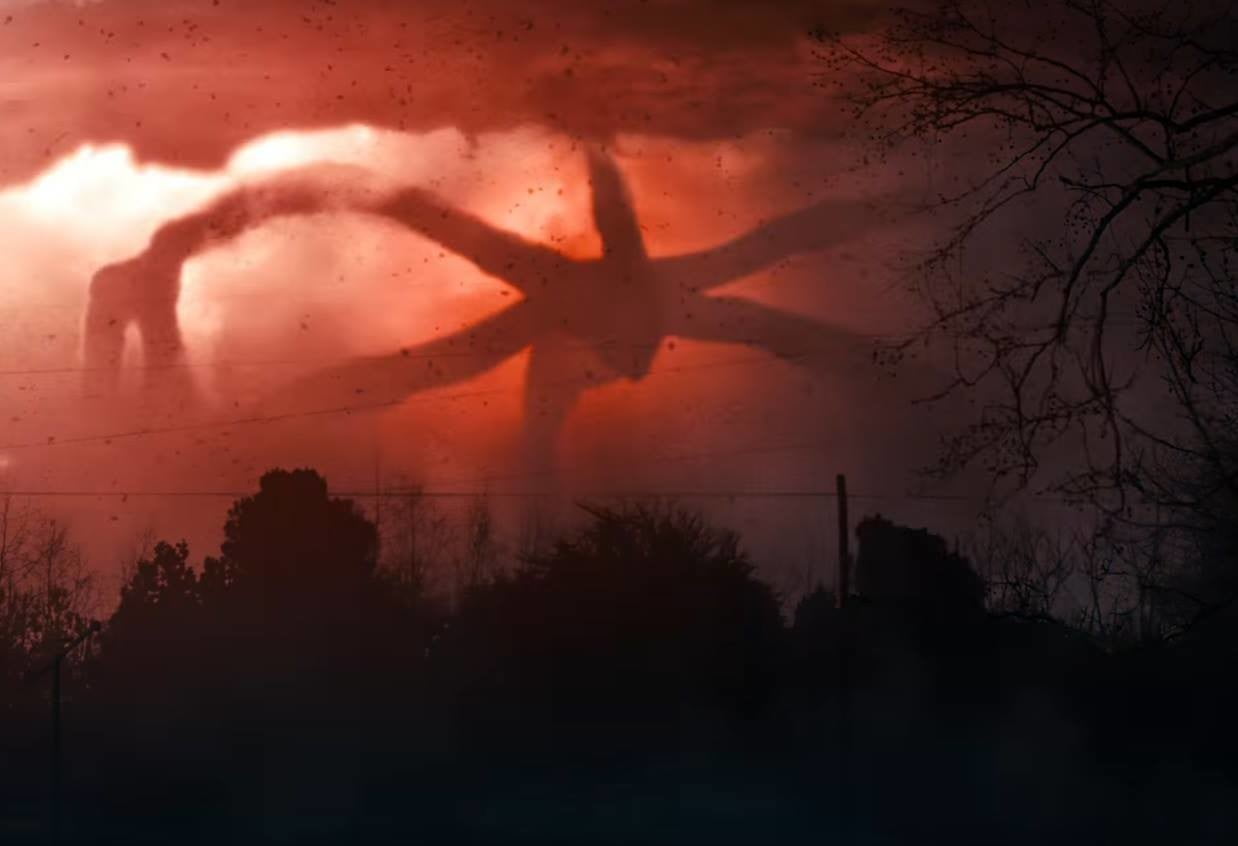
In a nod to Gremlins, Dustin discovers a creature that he keeps as a pet, which turns out to be related to the otherworldly demogorgon creature they faced. Meanwhile, Mike is preening for Eleven, who is supposedly dead, but in reality, the psionic girl who is kept hidden from the outside world by Hawkins’ sheriff Jim Hopper (David Harbour). But Eleven is starting to rebel since she wants to reunite with Mike and learn about her past. This desire brings about unexpected developments for both El and Jim.  As for Lucas, he falls for a new girl that the boys meet, Max Mayfield (Cadie Sink), and her arrival brings some friction to the gang. However the core of Stranger Things 2 lies with Will, who is suffering from being abducted by the demogorgon last season. Not just by being teased by bullies in school but by having nightmarish visions of a giant monster threatening our dimension that soon becomes real.This is odd to say for a TV series in its second season, but Stranger Things 2 feels more like a movie sequel. That is probably because of the second season’s structure. It starts off as a slow burn by taking its time to reintroduce characters and bringing in new faces and situations. The first few episodes are more of a mystery and we are not sure what is the main threat. However, by the fourth episode, Stranger Things 2’s tone shifts into full-on horror mode as genuine jump scares fill many scenes and the thrill factor is amped up as our dimension is threatened once more.Like the first season, Stranger Things 2 effectively captures the mood of those beloved ’80s genre films featuring believable kids that anyone can relate to. The homages this time subtly shifts to mid-80s classics like Ghostbusters (the boys even dress up like them for Halloween), Gremlins, The Goonies and even the nightmarish aspects of A Nightmare on Elm Street. The boys and the other characters are for the most part three dimensional with their own quirks and faults. Even the government agents in the series (this time represented by Paul Reiser) are not cut from the usual bad guy stock. The characters have their own separate journeys and you can see how they are changed from what they experience.Although the second season is as good as the first, it must be pointed out that some of the characters don’t get as much attention as others. This should not deter anyone from watching the second season because it has so much to offer. Also, as mentioned before, the second season starts off at a slower pace. It lacks the immediate hook that the first few episodes had in the previous season. This may turn off some viewers expecting the same thing, but be patient, because Stranger Things 2 delivers the thrills and scares in a topnotch production.


Lewis T. Grove

Top Ten Stephen King Live-Action Adaptations That Should Be Remade

There have been countless live-action adaptations of Stephen King’s books and stories. Some are classics while others are best left forgotten.

Then there are the lesser or flawed adaptations that need to be remade. With some changes, these remakes could faithfully capture the true horror and thrills of Stephen King’s bibliography. The best example right now is It, which is the second live-action adaptation of the book and considered superior to the first adaptation. Now what other live-action adaptations of Stephen King’s works should be remade? Here are the candidates:

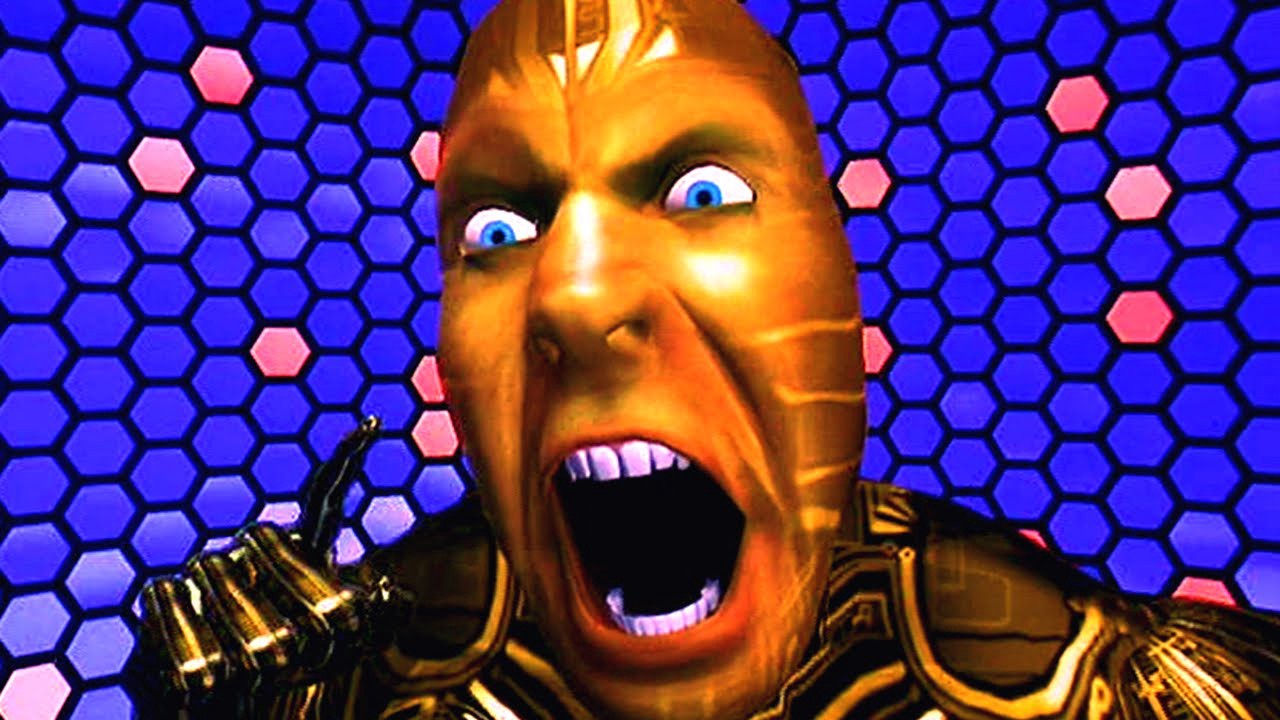
10. The Lawnmower Man Stephen King fans know all too well that the film adaptation did not have anything to do with King’s short story about a mysterious landscaper and his supernatural lawnmower, which would make an interesting film.

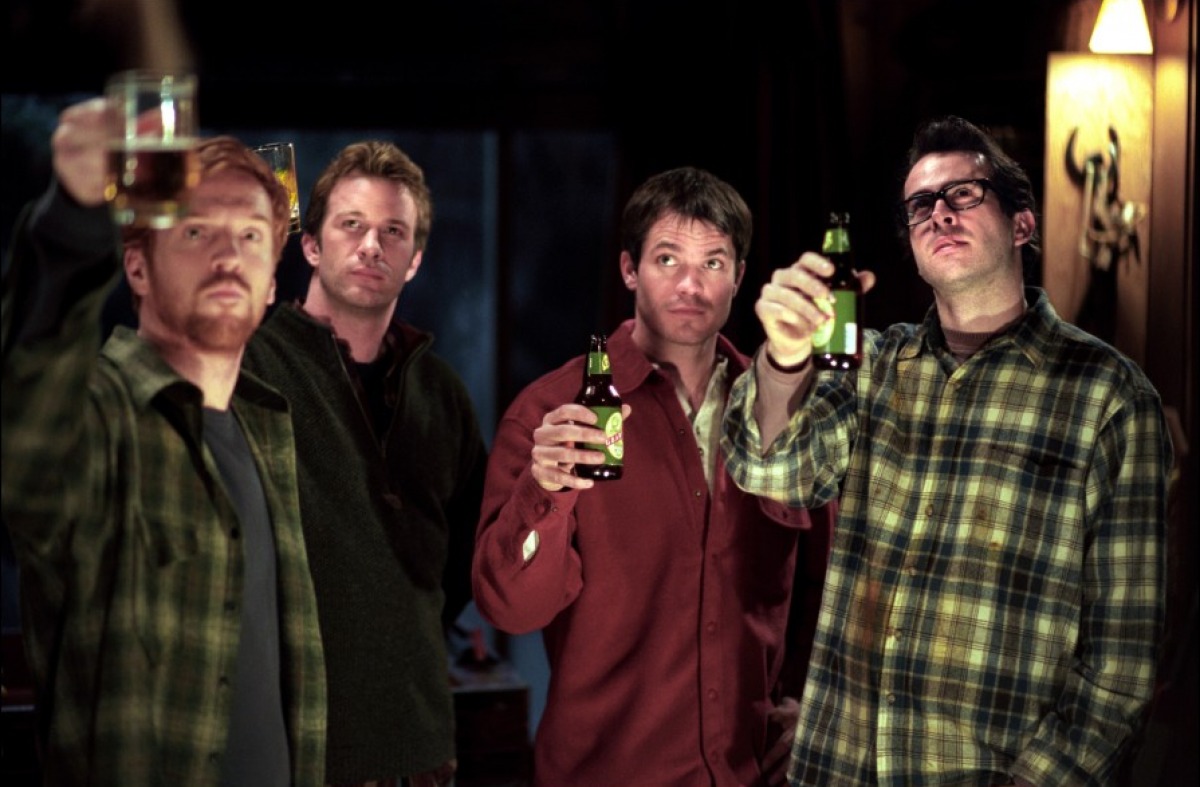
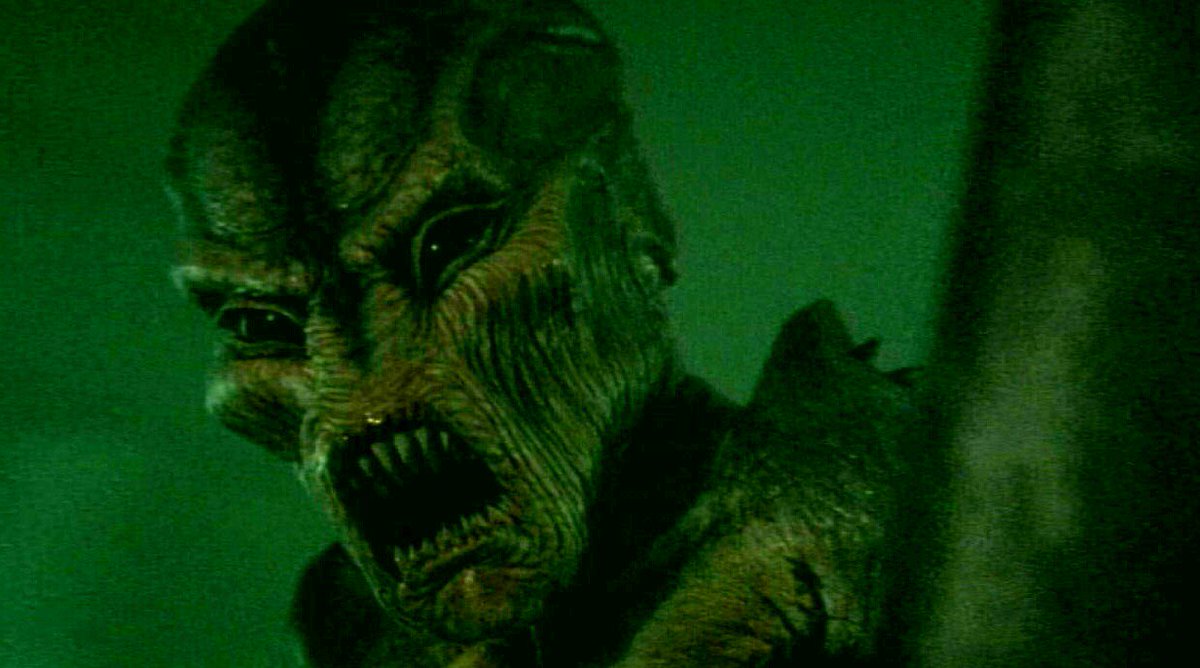
9. Dreamcatcher  – The Stephen King novel about old friends haunted by an alien entity was made into one of the most reviled Stephen King films. Still, the story and characters are interesting enough for another crack at a live-action adaptation.

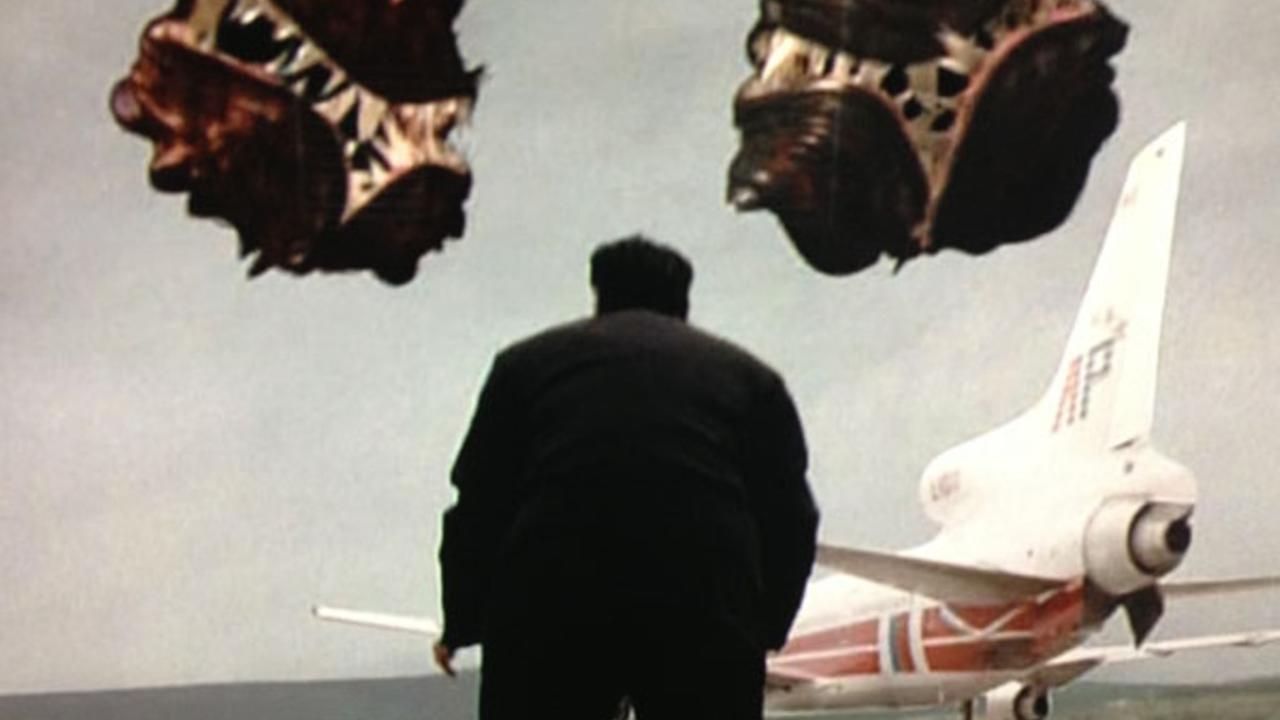
8. The Langoliers The novella of the same name did not have enough material to warrant a mini-series as seen in the 1990s mini-series. This off-the-wall yarn about plane passengers dislodged from time would be better translated as a tightly edited film with a good F/X budget.

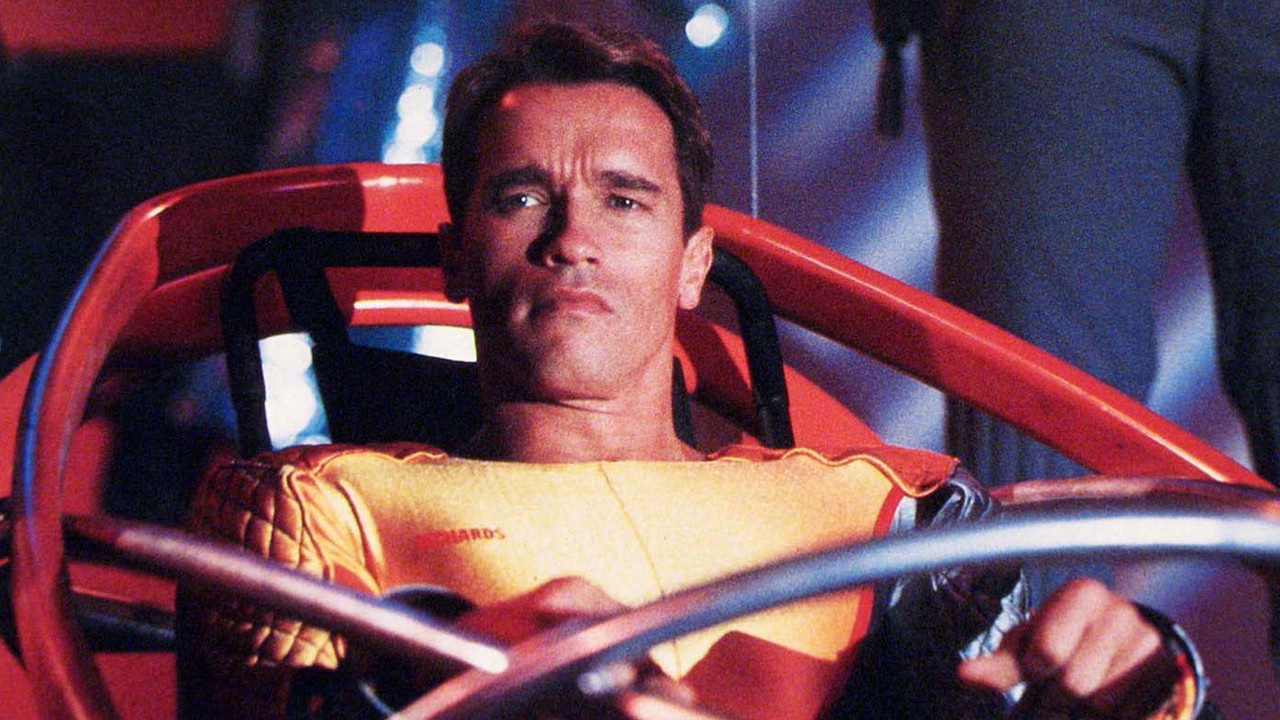
7. The Running Man The original film is best remembered for being a standard ‘80s Schwarzenegger action flick. A remake should better reflect the novel by casting an everyman type and ditching the original film’s revolution subplot as the hero tries to survive a deadly reality TV show in the future.

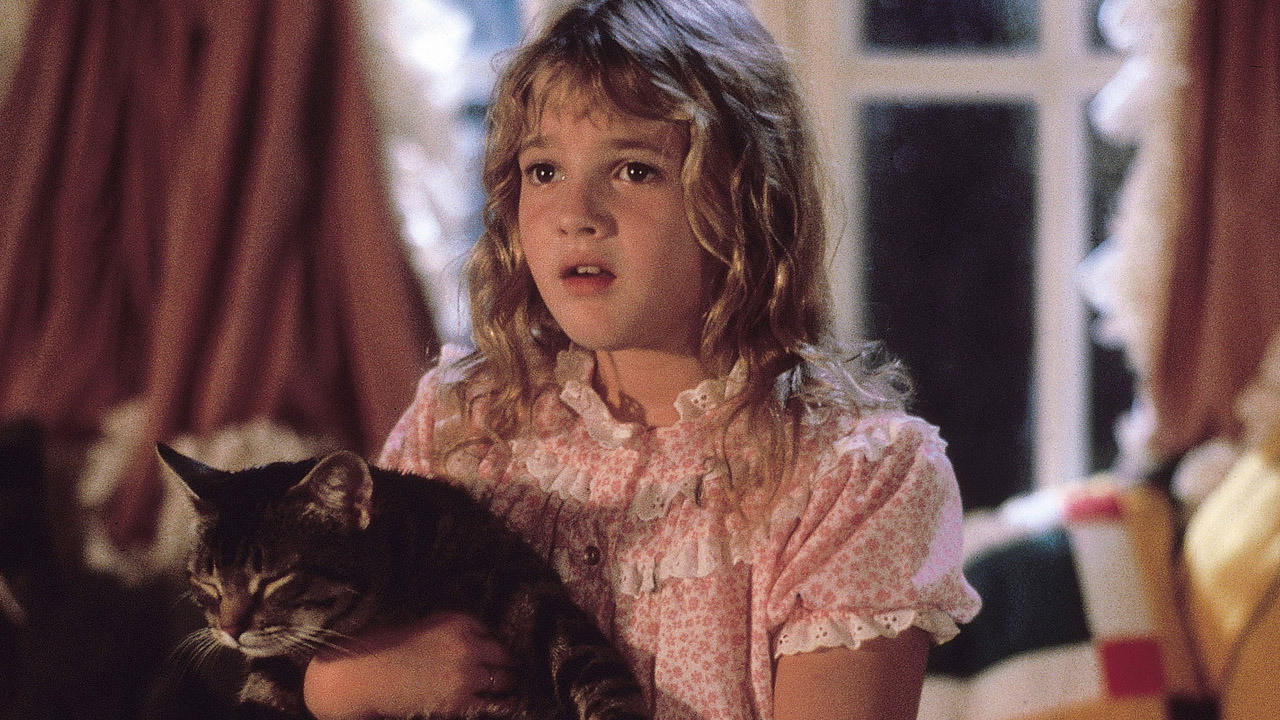
6. Cat’s Eye This anthology film from the 1980s doesn’t need a remake but deserves a sequel. The original adapted Stephen King’s short stories and worked them into a story surrounding a stray cat. A followup could simply adapt some more stories within the same framing device.

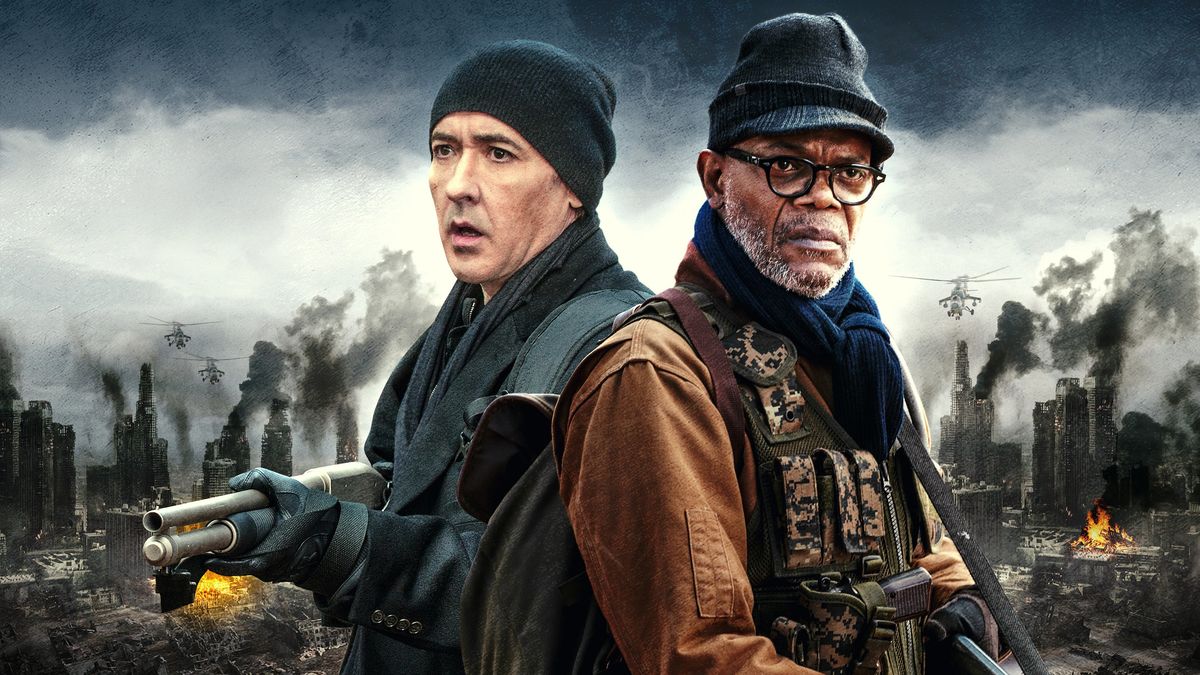
5. Cell Anyone caught the awful DOA adaptation that came out recently? Don’t bother. A properly executed film should be able to capture the disturbing essence of the post-apocalyptic horror tale about humanity turned into mindless killers due to a cell phone signal.

4. The Tommyknockers The mini-series was actually an underrated gem that could’ve used some sprucing up and a tighter pace. The story’s premise of aliens invading a small town is ripe for a terrific sci-fi/horror film featuring all of the novel’s thrilling and eerie elements.


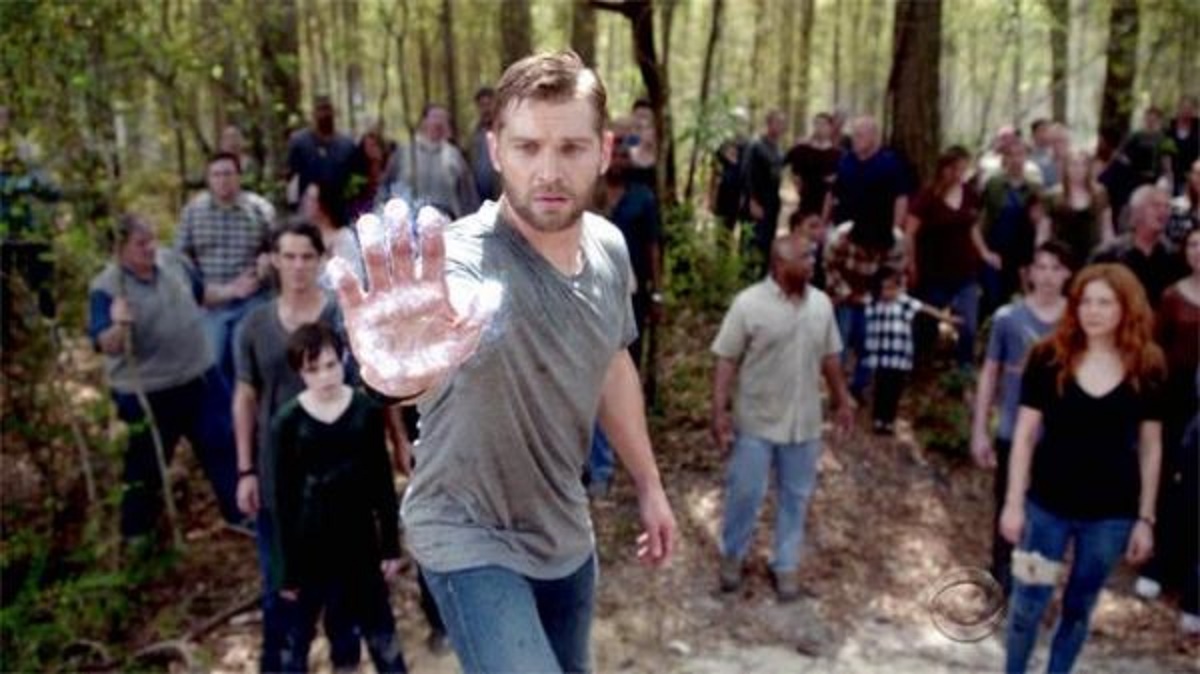
3. Under the Dome The horrid TV series that ran for several summers was an injustice to the Stephen King book about a town cut off from the world. The story simply did not work as an ongoing series and deserves another shot as either a film or a mini-series.

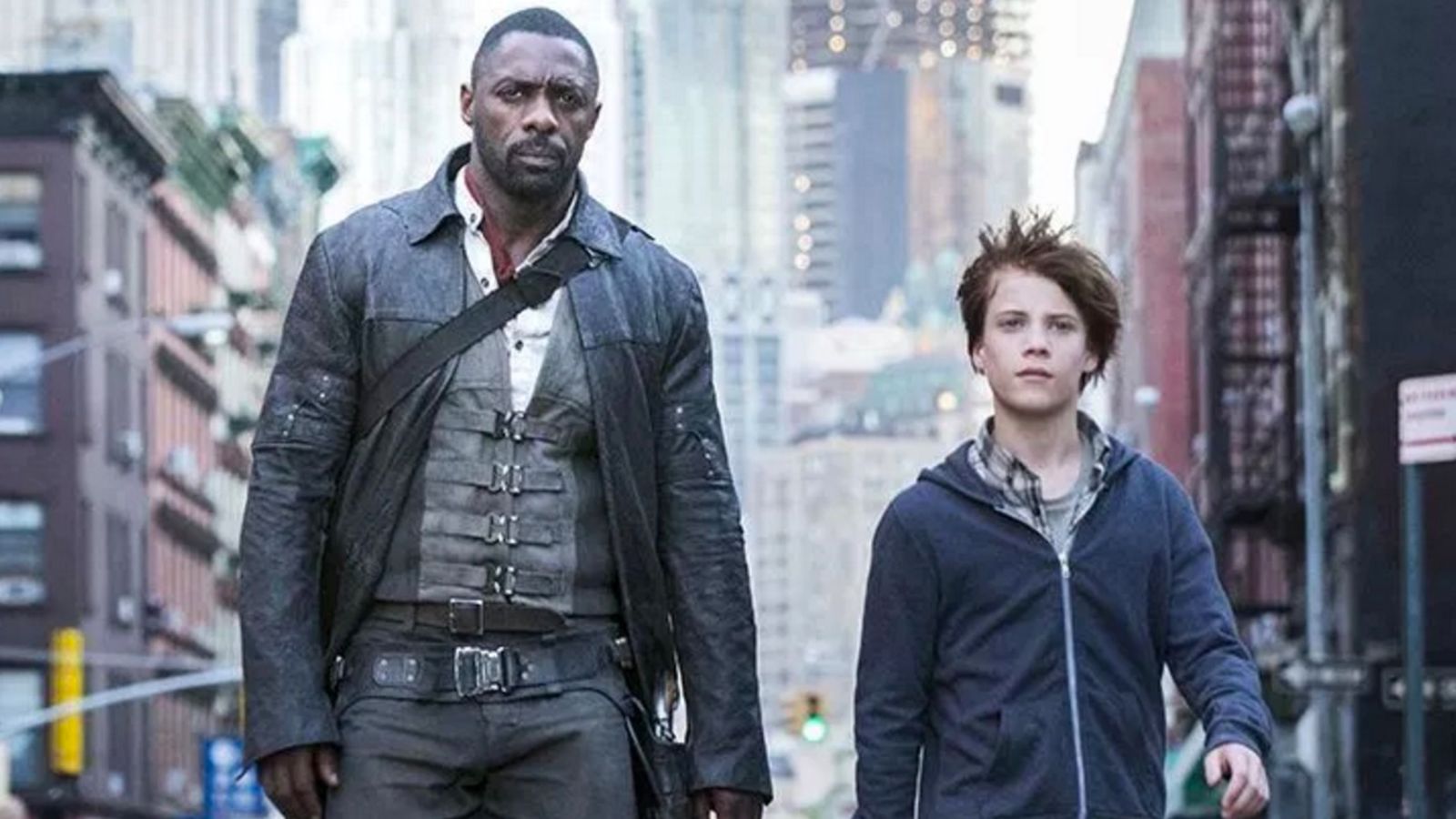
Roland and Jake

2. The Dark Tower The film based on the epic Stephen King series of novels just came out and it already needs to be remade. The Dark Tower film left out so much from the epic novels that made them great. Thanks to its poor box office, plans for sequels are doubtful at this point. The best option going forward would be to forget about films and faithfully adapt the novels into several mini-series or an ongoing TV series on premium cable.

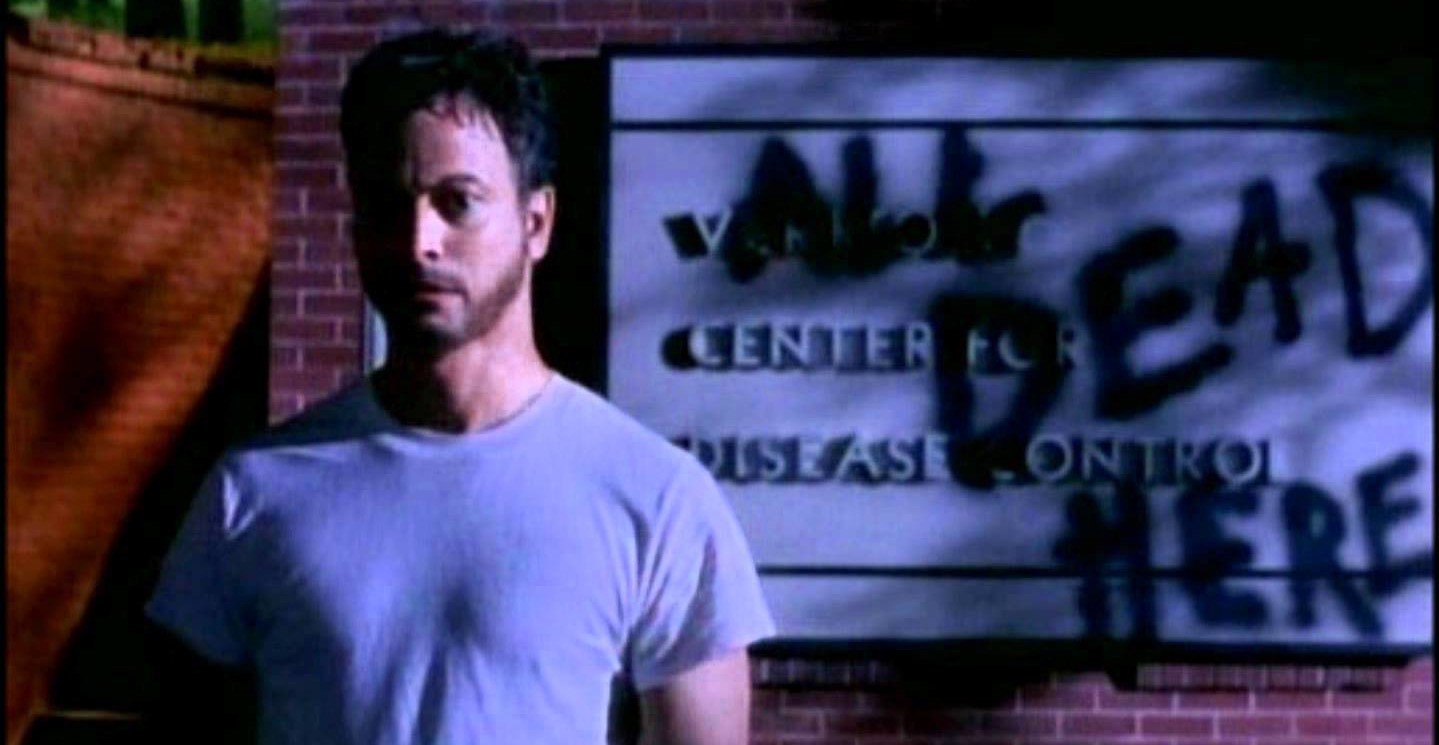
1. The Stand The mini-series based on the seminal Stephen King epic while competent, felt lacking. The Stand was hampered by TV network censors that worried that the post-apocalyptic story of plague survivors would be too much for audiences. Also, to be honest, The Stand meandered too much, which is a complaint about the unabridged version of the novel. A planned film trilogy was abandoned but talks continue for another adaptation. Whether as a new mini-series, films, or an ongoing TV show, The Stand must be remade and thanks to the success of It, this may happen.

Waldermann Rivera

KINO: Klingons In Name Only

klingon in name only

Whether fans love or hate or fall somewhere in between Star Trek: Discovery, one thing that nearly everyone agrees with is that the re-imagined Klingons are a bad misfire. In fact, many consider them to be the show’s biggest flaw. As the main villains in the latest Star Trek TV show, these Klingons bear little resemblance to the traditional mighty Klingons seen in previous Star Trek TV shows. They deviate so much that they can only be considered Klingons In Name Only (KINO) and this is a problem since they are the main adversaries in Star Trek: Discovery.

From Cold Warriors To Gruff Allies 

Klingons have had a long history with Star Trek going back to the first season of the original show. When they were first introduced, they were supposed to be a mix of Nazis and Soviets and their conflict with the peaceful Federation represented the Cold War going on at the time. Due to limited budgets, the makeup of the Klingons was simplistic: swarthy, greasy complexions with arched eyebrows and goatees. Needless to say, they could pass for humans.

kor and kirk

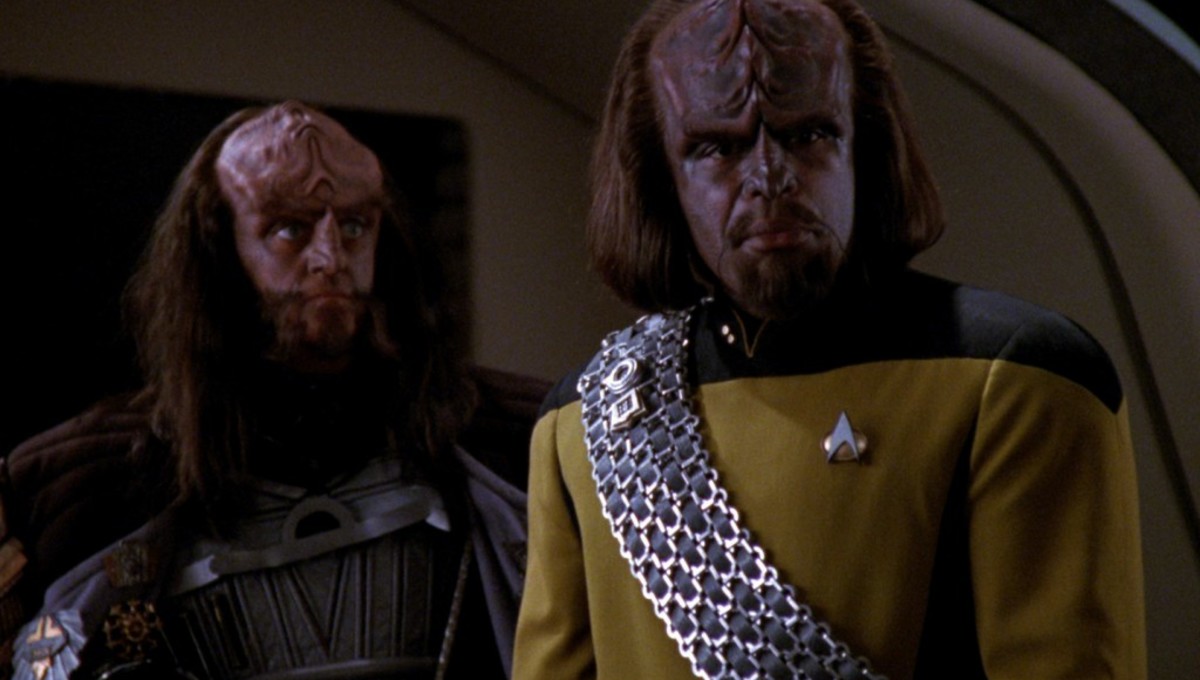
Later when Star Trek became a film series, increased budgets allowed for the aliens’ look to be enhanced. They were sported browed ridges on their foreheads and wore durable and elaborate body armor. They were bulky, formidable warriors that were more than a match for any human opponent. As the films progressed and new TV shows premiered, the Klingons were better developed until they became a rich alien culture with their own distinct language. This gruff, heavy handed tongue became so popular with fans that it is now the most spoken fictional language in the world today.

The alien race had evolved from simplistic Cold War stand-ins and became a complex civilization with a fascinating back story. They even became allies of the Federation, though the culture clashes remained. Of course, there was the continuity issue of how the classic Klingons looked more alien than the human-like ones from the original show. This was solved in the prequel series Star Trek: Enterprise where it was shown that the Klingon race contracted a virus that mutated them into having a more human appearance. It was outlandish, but it worked.

classic klingons

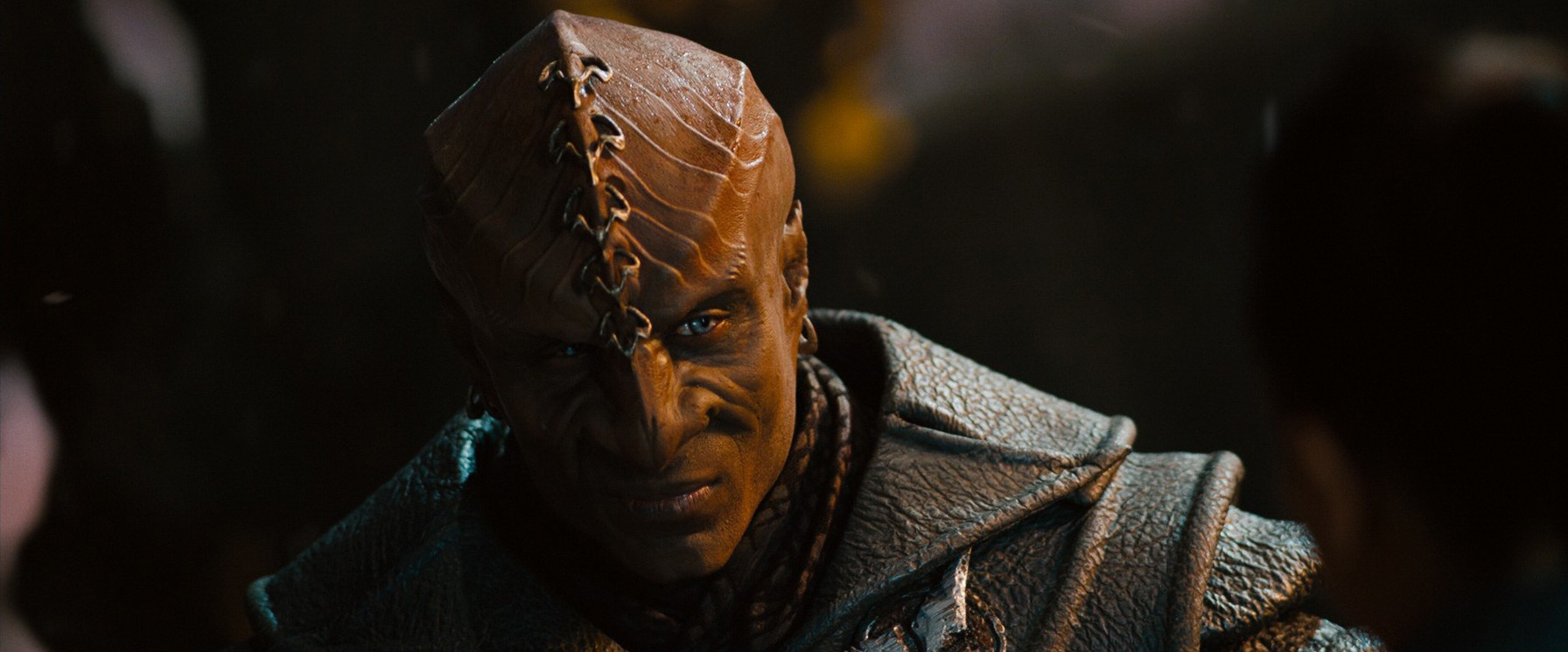
By this point, the Klingons were perfected. Yet, for some reason when it came time to reboot Star Trek the iconic Klingon look was changed. In their only full appearance to date, Star Trek Into Darkness, they didn’t have any hair and looked more alien. They still came off as savage, bloodthirsty warriors, but weren’t as hefty or burly as classic Klingons. The reaction to them was mixed, but everyone knew the reboots took place in an alternate reality, so the new look could be overlooked by some.

One of the most enticing details about Star Trek: Discovery was that the show would take place in the Prime Star Trek Timeline. This excited many fans who felt alienated by the action-oriented reboots. Then images and clips started appearing which discouraged fans. In addition to the advanced technology and contradictory plot details, the Klingons received yet another unwanted makeover.

Meet The KINOs

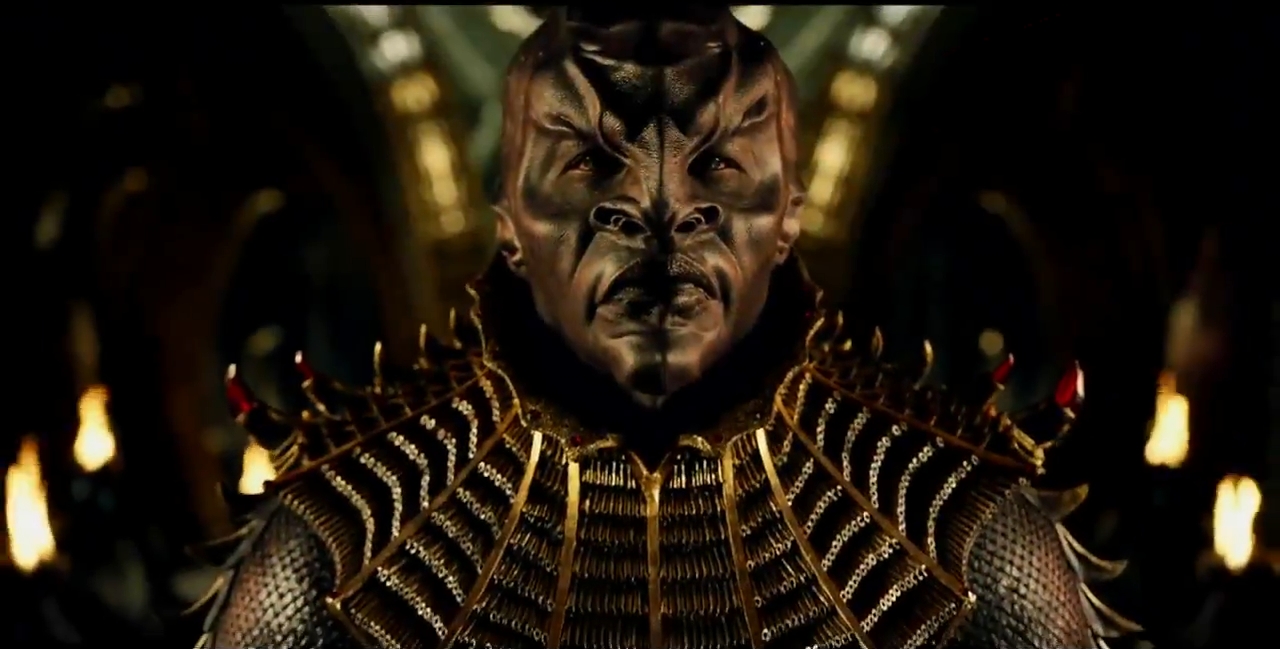
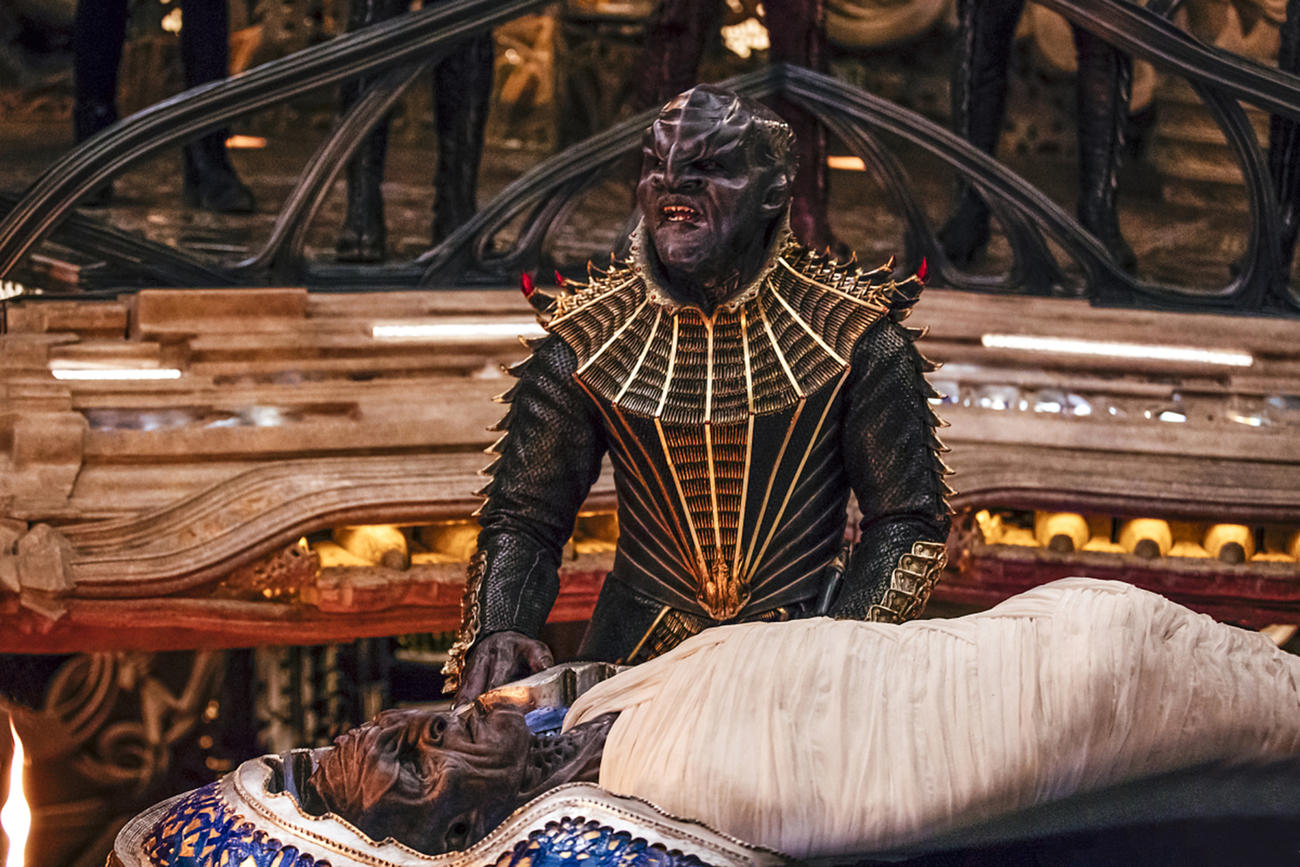
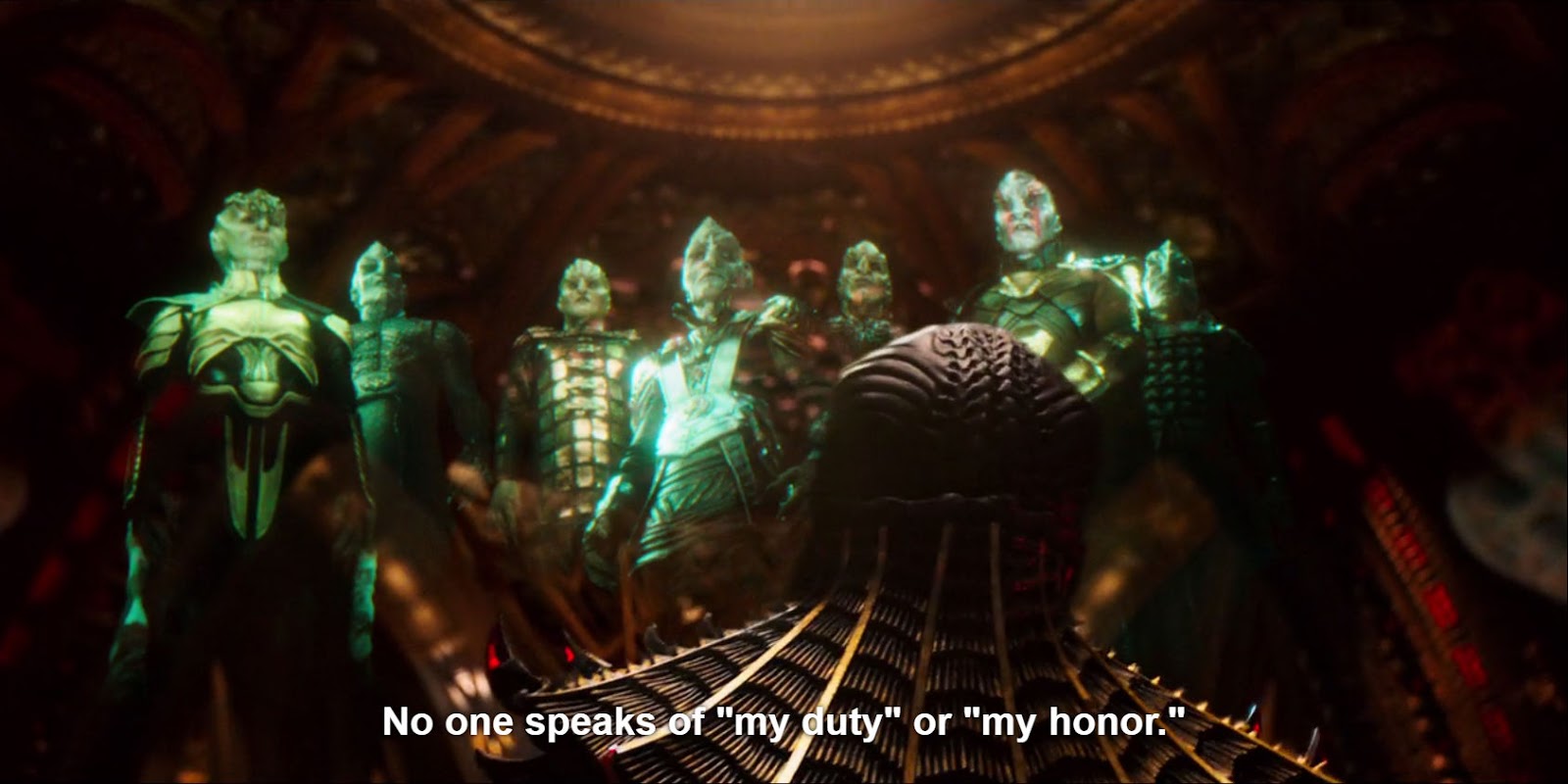
Everything about them looks different except for the browed ridges that now  are more prominent since they are hairless. Their skin tone is either purple, black or white with super flared nostrils. The KINOs wear ugly uniforms that looked more like bony dresses than armor and aren’t as formidable as real Klingons. What is worse is that brusque and clipped Klingon tongue sounds different, more unnatural. Maybe it is the makeup but now the Klingons sound like they have something in their mouths and it is difficult to listen to them. At no point in the episodes shown have we heard their famous battle cry “Qapla!”, meaning “Success!” Instead we get long, drawn out speeches that is hard on the ears and ponderous to read with all the subtitles.

It can be argued that these could be another unseen-til-now faction of Klingons or something along that line. But this is a needless revision. There wasn’t anything wrong with the classic Klingon look. Why did the showrunners feel the need to meddle with not only the look, but the complex culture of the beloved aliens? If the argument is to be different and update their look then why stop there? Why not update the Vulcans? As aliens go, they are not remarkable in this day; pointed ears and arched eyebrows. Not the most exciting look, but to try to change it would be blasphemy at this point.

klingon burial

What is probably worse for the KINOs is the way they are portrayed in Star Trek: Discovery. They do not seem very bright for vaunted military types. In the episode “The Butcher’s Knife Cares Not For The Lamb’s Cry” the Klingons led by Voq are stranded near an abandoned Federation starship for six months. Voq boards the enemy starship to scavenge for parts, but if they were marooned for six months why didn’t he and the other Klingons scavenge the starship sooner? Then the way they perceive death is radically different than with classic Klingons. Both do the death cry when one of their own dies to warn the afterlife of a coming Klingon soul. However, once a Klingon is dead the corpse is casually discarded because the body is just a husk. These KINOs instead put their dead into elaborate sarcophagi and transfer them onto a special funeral ship. Huh?  Even their ships and weapons bear little resemblance to the iconic Klingon battle cruisers, birds-of-prey and bat’leths.

For a Star Trek show that is allegedly set in the Prime Timeline these Klingons are the best argument that this is not so. But debating about timelines and canon is pointless and would not be so heated if the Klingons were better realized. Frankly, whenever these KINOs appear onscreen the pace of the episodes comes to a screeching halt. There is an interesting subplot about uniting their separate clans to become a major power again. But that gets lost in the slow pace of their poorly written scenes. They simply are not as intimidating as classic Klingons. One attempt to make them frightening is to have them eat dead humans, which comes off as sickening.

Star-Trek-Discovery-Klingon-Kol

Even more distressing is that the showrunners are blind to the negative reception to their version of Klingons and are intent on doubling down on them throughout the season. Maybe this is not the final word on the Klingons, we can only hope that something is done about these KINOs. Until then the best we can do is either re-watch previous Star Trek shows to get our classic Klingons or fastforward Star Trek: Discovery whenever they appear or at the very least stuff cotton into our ears when they open their mouths to talk.

José Soto