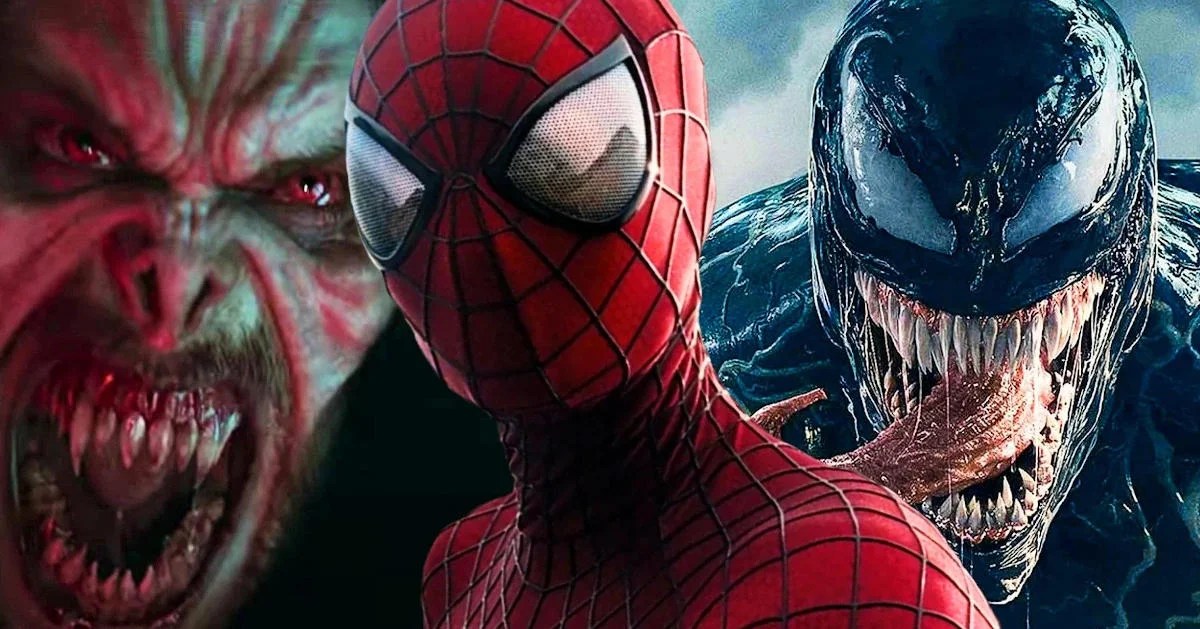
Yes, Mary Jane, There Is A Santa Claus: Sony Ends Its Spider-Man-Related Cinematic Universe!

Now that Kraven the Hunter is crashing with critics and fans, and at the box office, Sony Pictures had to admit defeat and throw in the towel.

Given the failure of its recent films related to Spider-Man, but not featuring the Marvel Comics hero, Sony decided to discontinue producing these kinds of films. Instead, it will focus on films and TV shows that actually feature Spider-Man himself. Yes, Mary Jane, there is a Santa Claus, since St. Nick and whatever powers-that-be have answered fans prayers. For too long, many of us saw Sony butcher many legitimate Marvel characters with ill-conceived films starring characters that are associated with Spider-Man.
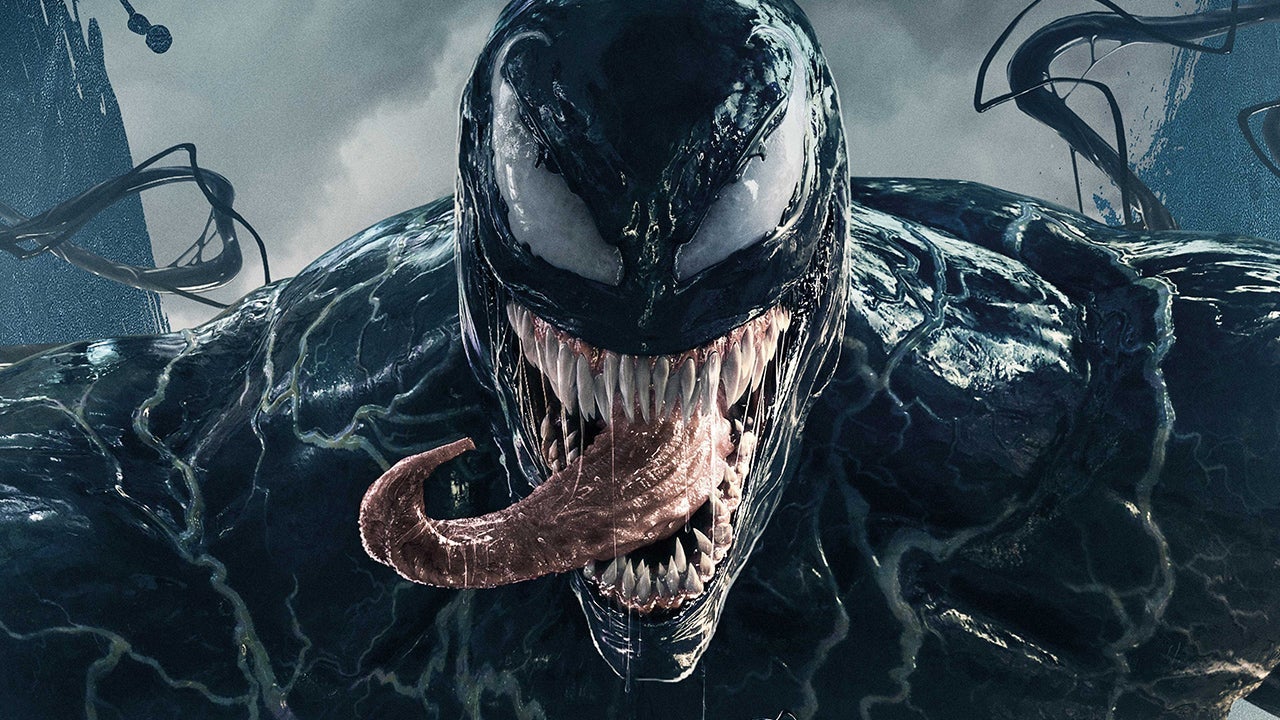
This all started with Venom, which was released in 2018, and turned out to be a huge hit in theaters. Ever since Sony had the film rights to Spider-Man the film studio only released films starring the character, which were successful. But seeing how successful Marvel Studios was with their Marvel Cinematic Universe (MCU), Sony sought to expand beyond Spider-Man and produce films on characters, namely villains, that were associated with Spider-Man. Never mind that many of these characters won’t work without Spider-Man or at least have a defined connection to him. The Venom films worked largely due to actor Tom Hardy and the passion he infused into his role and the character was strong enough to carry his own films. But Madame Web? Why didn’t Sony just do a Spider-Gwen film? That character is very popular in comics and was a breakout in the two animated Spider-Man films.

As we know, the poor reaction to their more recent Spider-Man films led Sony to reach a deal with Marvel Studios and lend the character to Marvel Studios. The caveat was that the superhero could not appear in live-action in projects not associated with Marvel Studios’ MCU, though this has been disputed by a report from Variety.

The Spider-Man films taking place in the MCU were huge successes, but Sony could not be content with that. So, they decided to crank out films that did not feature Spider-Man, which is how we got Venom. Despite its big success, not everyone loved it. But Sony did not care, they saw the box office returns and were convinced they could duplicate that success. Turns out they couldn’t.
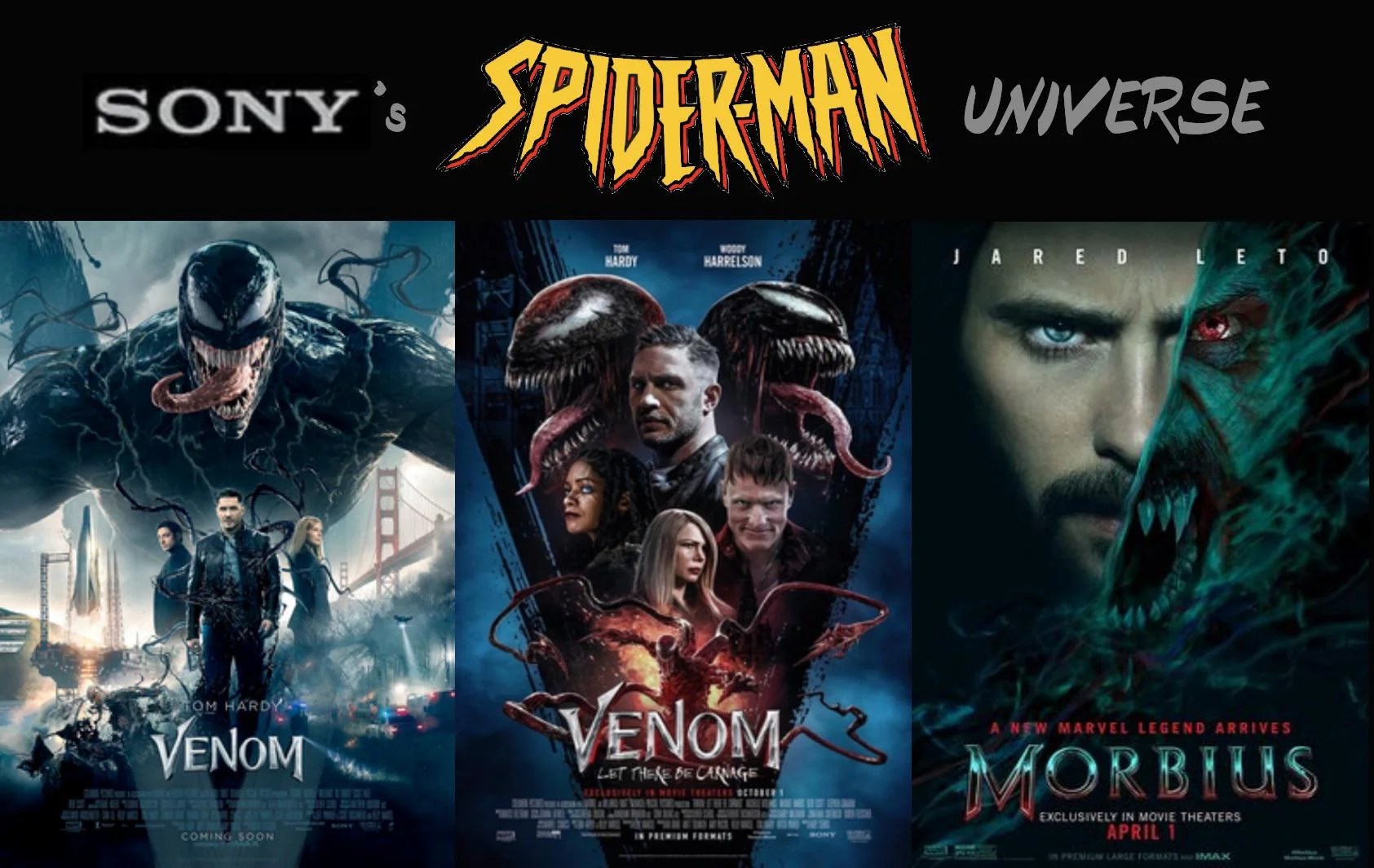
Aside from the Venom films and the animated Spider-Man films, Morbius, Madame Web and now Kraven the Hunter were colossal bombs. The films were so embarrassingly bad that they became the subject of many goofy memes and outright tarnished the reputation of Sony’s Spider-Man-related films. It’s no wonder Sony decided to veer away from these Spider-Man-related films. They just had to, it did not make any financial sense to continue to do so.

This does not mean that Sony will not produce anymore Spider-Man films. Production will start next year on the next MCU Spider-Man film, and its TV project Spider-Man Noir is nearly complete, and work is underway for its next animated Spider-Man film, Spider-Man: Beyond the Spider-Verse. That is for the best, honestly.
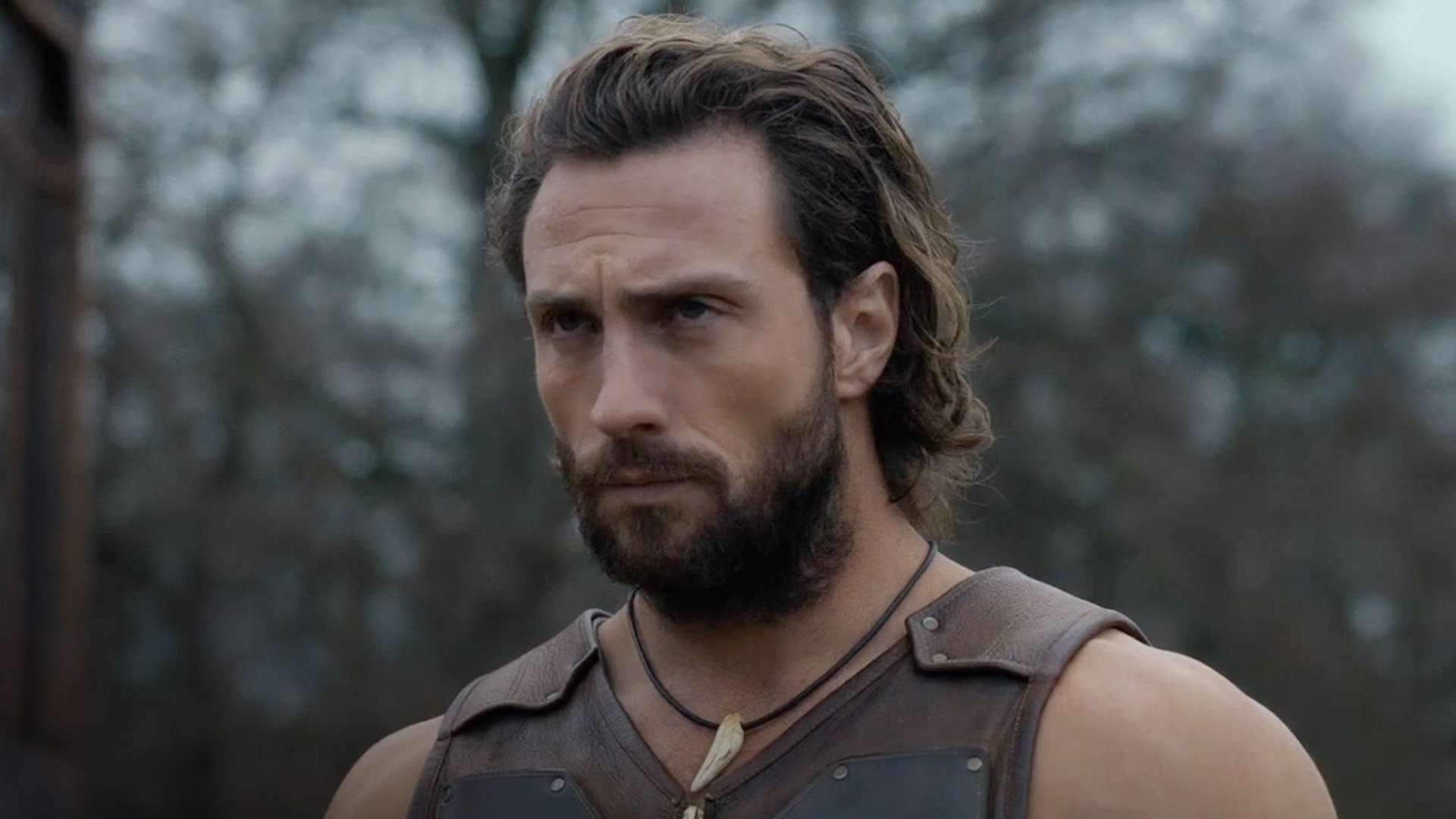
By not wasting time and resources to produce mediocre films that no one asked for, Sony can now focus all its talent and resources on producing high-quality Spider-Man films and TV shows, which were great to begin with. If any characters introduced in those films prove popular enough, then Sony can produce a spinoff film or TV show with the help of Marvel Studios.

Or they can negotiate with Marvel Studios to allow them to feature a non-MCU Spider-Man in their non-MCU films. That was one of the biggest letdowns with the Venom films. We never got to see Venom confront Spider-Man, his arch-nemesis, who only appeared in a brief cameo in Venom: Let There Be Carnage. It would not be too confusing for the regular public and fans to differentiate between two or more versions of Spider-Man to exist at the same time. This has worked well with the animated Spider-Man films and Warner Bros. has shown that different versions of Batman and his related characters could exist simultaneously, as well as their other DC heroes. Besides this would be a great opportunity to let previous Spider-Man actors like Andrew Garfield to reprise their roles without coming up with a convoluted multiverse storyline.
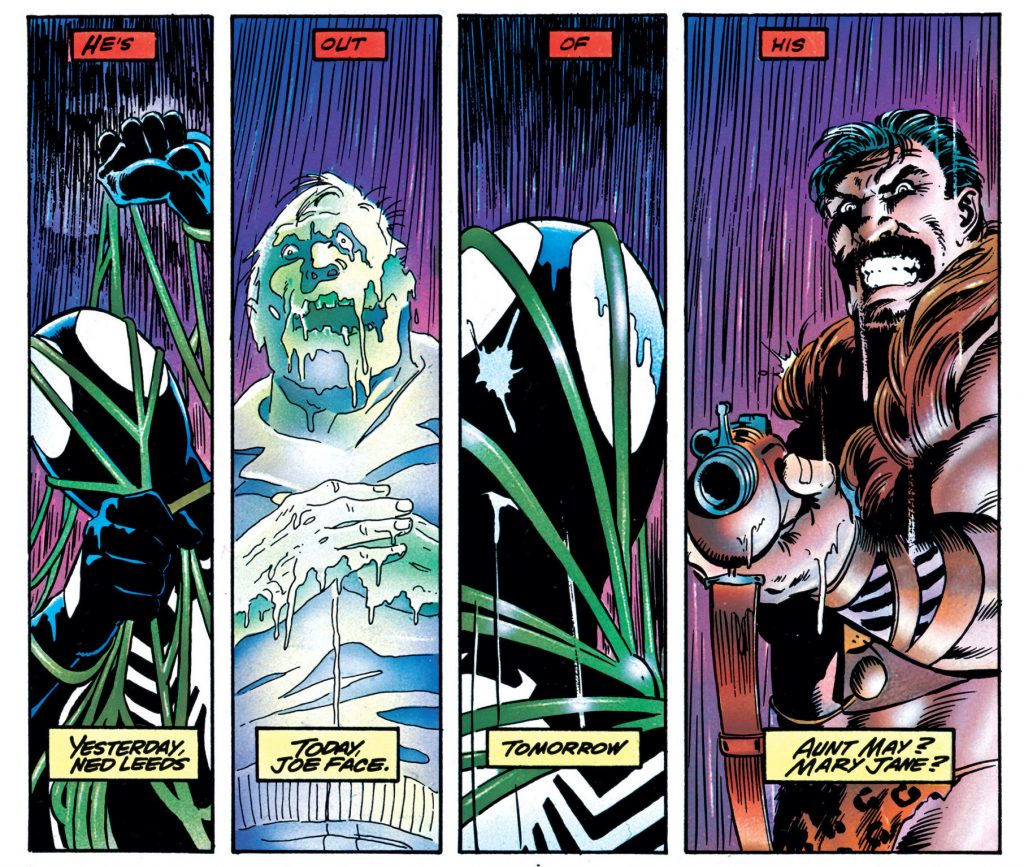
Even though many deride these Sony Spider-Man films and lament that Disney/Marvel Studios does not own the film rights to the character, there is a rationale for Sony to hold on to him. If Spider-Man were to revert to Marvel Studios, he would be joining a crowded slate of characters who would be vying for time and resources. Just look at how long it has taken for there to be a followup to Captain America: Civil War and the last Iron Man solo film was over ten years ago. Most likely Spider-Man would just play a guest star in other films. At least with Sony, Spider-Man and his world will receive the attention he deserves, and now the studio will focus on crafting some top-tier superhero films and TV shows. Maybe in the not-too-distant future Kraven will be properly introduced as an S-tier villain in a Spider-Man film, which could lead to an adaptation of the classic comic book story, “Kraven’s Last Hunt.” That would be great.!
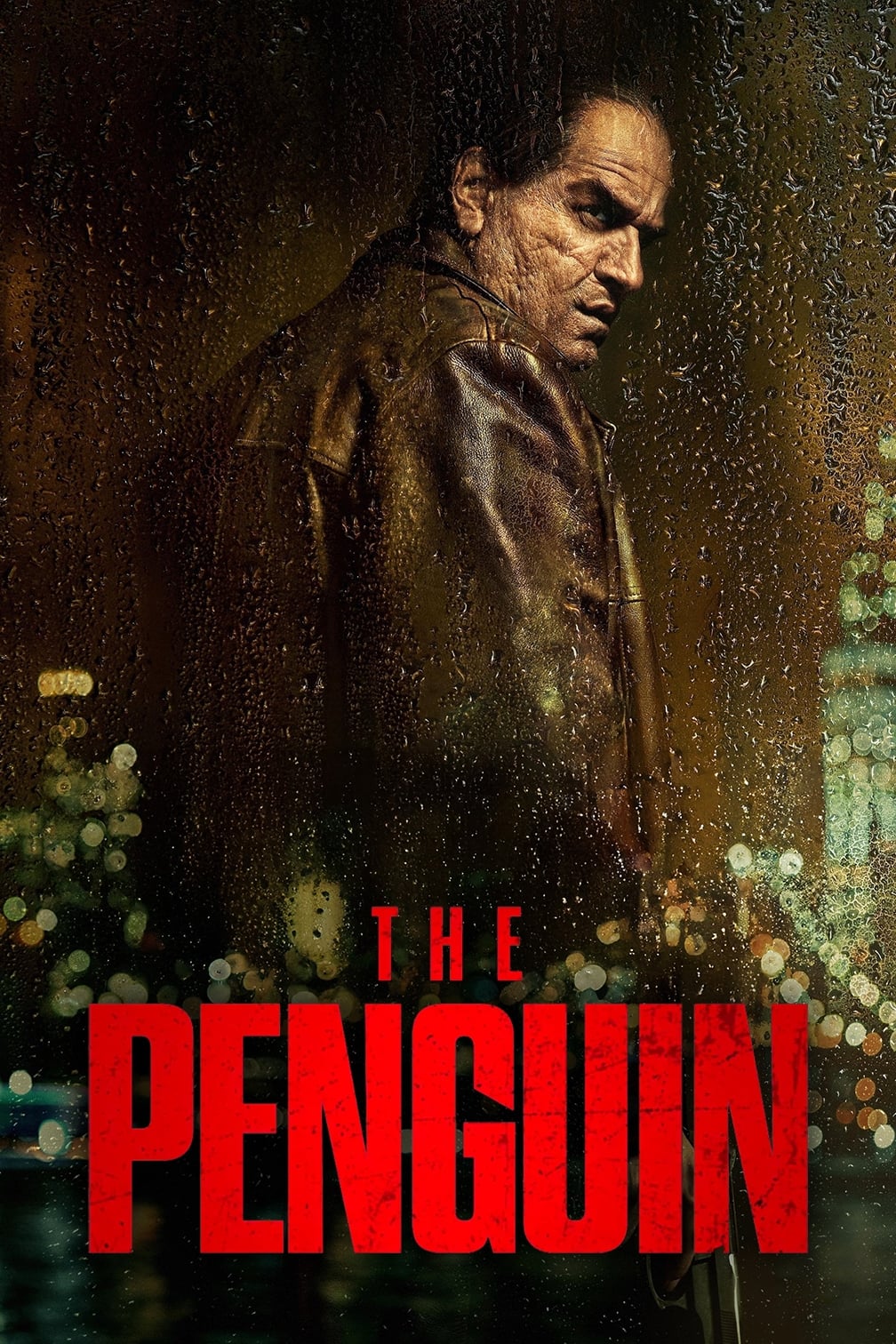
The Penguin Revels As One Of The Best Comic-Book-Based TV Shows

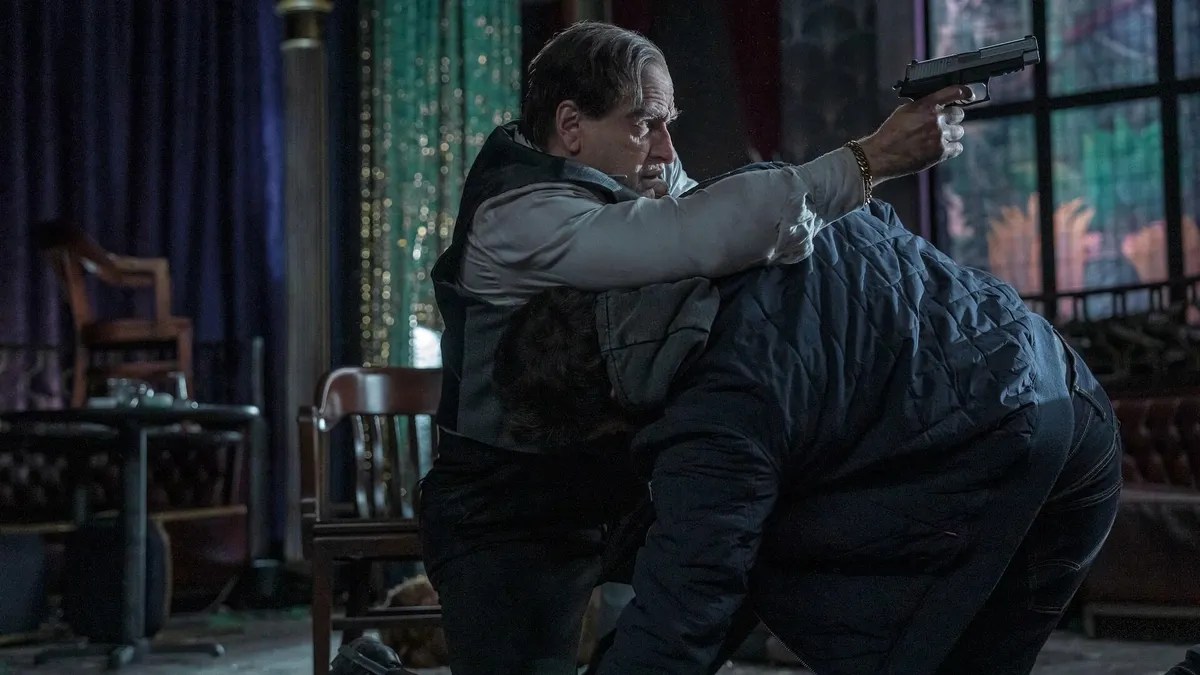
When the Max limited series The Penguin was first announced, many dismissed it as an unnecessary venture and a half-hearted attempt to expand the crime-infested world of Gotham City as seen in the 2022 film, The Batman. In other words, a production more akin to Gotham or the worst of the defunct Arrowverse TV shows than a cinema-quality presentation. Well, as we now know, The Penguin pleasantly surprised everyone and turned out to be one of the best current TV shows and one of the best comic-book-based TV shows ever.

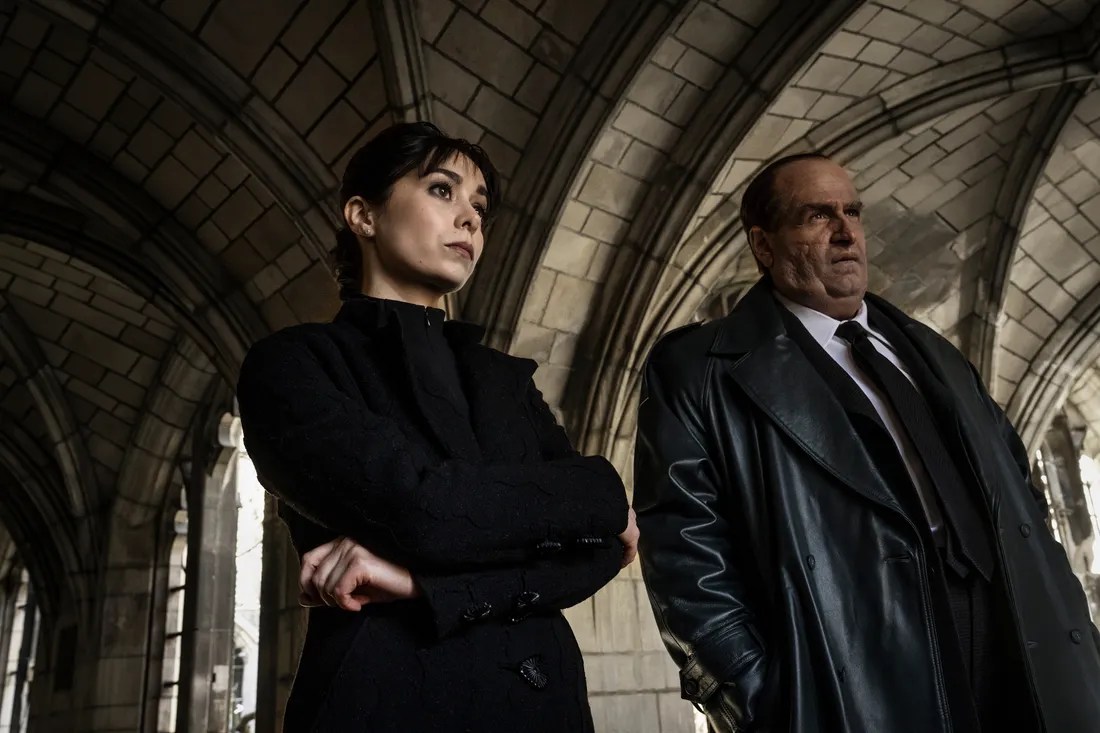
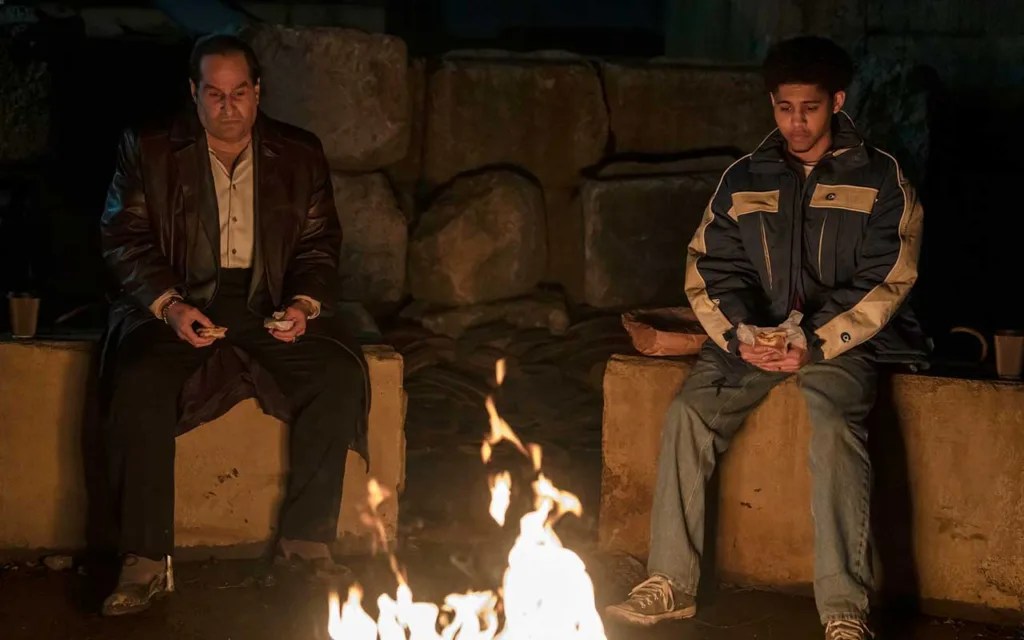
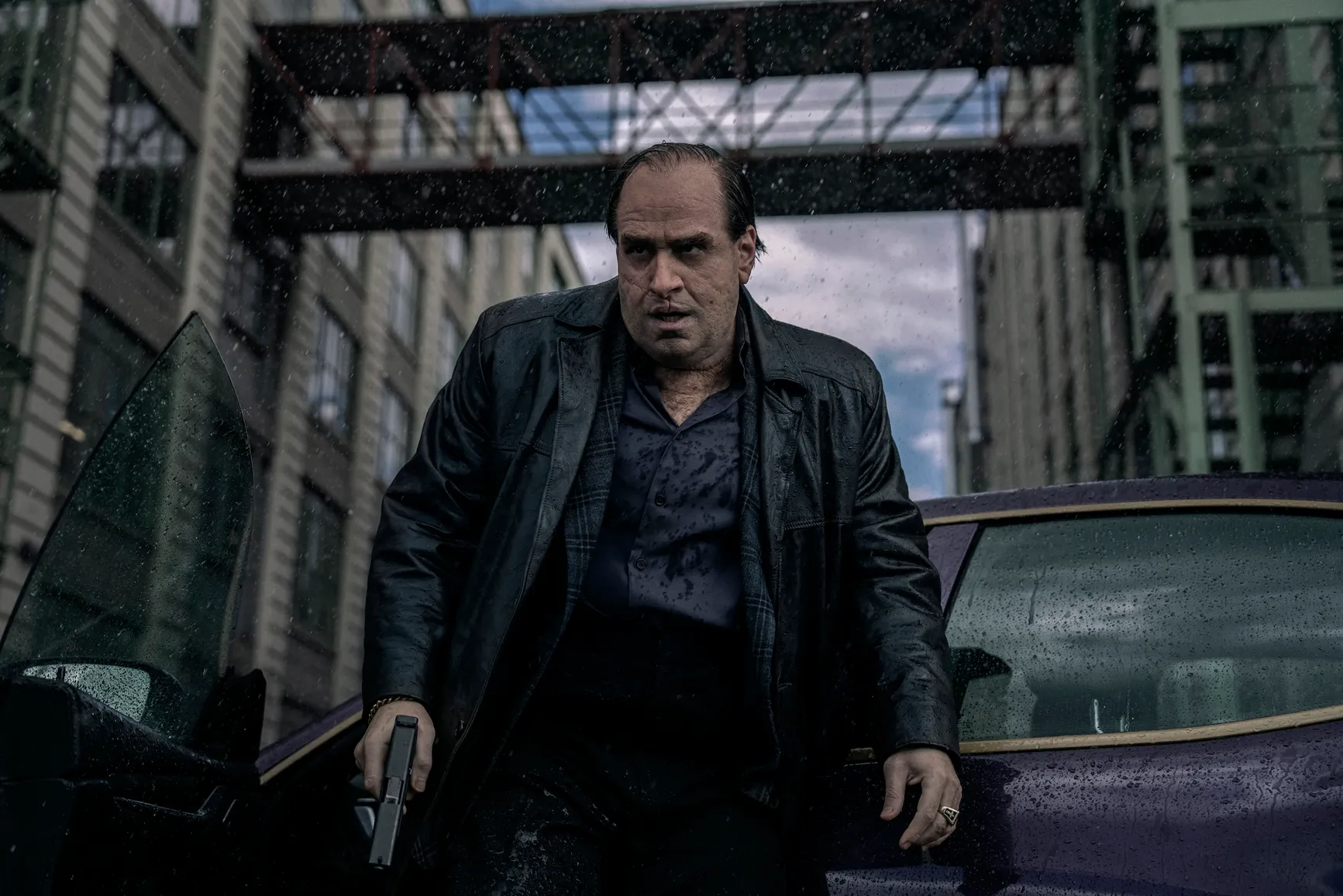
Colin Farrell reprises the role he originated in The Batman as Oswald “Oz Cobb, a two-bit mobster with lofty ambitions to become a major player in the criminal underworld of Gotham. In the film and the start of the TV show, Cobb is a low-level member of the Falcone crime family, which was left ruined by Batman at the end of the film. During the premiere episode of The Penguin, Cobb (who is derisively nicknamed the Penguin by other mobsters because of his disfigured face and limp) impulsively seizes on an opportunity to rise in the ranks of the crime family. However, because he is derided by the Falcones, Cobb sets out on his own with the help of his young partner Victor Aguilar (Rheny Feliz) to violently create his own criminal empire in the neglected slums of Gotham City.

Cobb’s main antagonist in the series is Sofia Falcone (Christin Milloti), the misfit daughter of the head of the Falcone family. She was recently released from Arkham Asylum and seeks to find her place in her family’s criminal organization. But, like Cobb, she is dismissed by the organization and then takes measures to seize control of the organization while plotting revenge against Cobb. In the past, Cobb was her driver and confidante, but he betrayed her to her father to rise in the ranks of the organization after she told Cobb of her suspicions about her father murdering prostitutes. Her father framed her for the murders he committed and has her sent to Arkham for inhumane treatment.

As the two central figures in the TV show rise to power, it is not long before their mutual antagonism towards each other erupts into a deadly gang war for control over Gotham’s criminal underworld.

There are so many reasons why The Penguin is so great. Let’s start with the smart writing that takes great pains to develop and humanize the characters with compelling back stories. This doesn’t mean that we root for the Penguin or Sofia. They are bad people with twisted outlooks in life and who commit heinous acts. For example, in one episode Sofia callously murders most members of her own family while flashbacks revealed her torturous ordeal in Arkham, which made her sympathetic until she acted on her worst impulses. With Oz, we see his troubled past and his supposedly loving relationship with his mother, Francis (Deidre O’Connell). At first it seems to be a tender relationship which conveyed a more vulnerable side to Cobb. But by the end of the series, we come to see how twisted he was even as a child and how his blackened and greedy heart gave him a perverse view of life and his relationship with his mother that borders on the oedipal.

The production is also above par for a TV show and is seamless with The Batman as it evokes the grimy and gritty look of the film. As with the film, Gotham is a seedy, decaying urban hellhole which clearly divides the affluent from the downtrodden. In the mean streets of Crown Point, Cobb’s old neighborhood, the mobster begins his rise to the top of the affluent criminal underworld as he revels in his lower class roots in order to attract economically and socially oppressed allies like Victor. It is not necessary to have watched the film, though some events from it are referenced, most notably the flooding of Gotham that took place at the end of The Batman, which had a severe impact on the life of Victor.

While Cobb and Sofia are the main characters with complex backgrounds, the show also gives Victor well deserved time with his own back story. But in his case, the young criminal is much more sympathetic and vulnerable to the point that he became the heart of the show. Feliz’s acting was as brilliant as Farrell’s and Milloti’s. We find ourselves rooting for Victor and fearing for his safety as his innocence slowly ebbs away as he is exposed to the criminal world of Oz Cobb. It becomes troubling to watch Victor descent as he becomes more and more entrenched since we want him to come out of this partnership with Cobb in one piece.

Still, the stars of the show are Farrell and Milloti. The characters they play share many similarities as disregarded misfits forced to fight their way to the top. As evil as they are, we can’t help but be riveted by their stories. The two actors are certain to at least get Emmy nominations for their work. At the very least, the makeup in this TV show will win awards as it uncannily transformed Farrell into a heavyset, disfigured creature that is unrecognizable.

Of course, as flawless as the makeup is, it would not mean anything without Farrell’s captivating performance that echoes Tony Soprano, Vito Corleone and Robert De Niro’s gangster roles. Like those famous celluloid gangsters, the Penguin is a gruff, brutal thug but displays surprising moments of humanity. What was tragic for Cobb is his realization towards the end of the series that his emotional attachment to others is a vulnerability to him. His reaction at the end of the final episode to this realization cements the Penguin as a truly evil man and elevates him to one of Batman’s greatest villains. In fact, the way the Penguin is shown in this series gives argument for him being an even greater villain than the Joker thanks to his fleshed out and involving back story.

At the time of this writing, The Penguin is supposed to be a limited series that sets up the upcoming sequel to The Batman. Does this mean that the mobster will be the main villain of that film? Who knows, but the Penguin deserves to be the main foe and it would be a mistake to relegate Cobb to a minor presence in the film. Regardless of that, a second season is very warranted since Cobb is such a fascinating character and worth exploring some more. If not, then there are plenty of other members of Batman’s rogue’s gallery that could receive similar treatment, although the current rumor is that a TV show featuring the Joker is being considered. That would be a mistake because we have had two solo films about the Clown Prince of Crime and Batman has a rich roster of foes that deserve their moment in the harsh spotlight as the Penguin has received.   

José Soto

Increasing Optimism For The MCU

It’s been commonly accepted that the Marvel Cinematic Universe (MCU) has been on a downward spiral given the mediocre results of their recent offerings such as Secret Invasion and The Marvels. But the powers that be (Kevin Feige and Marvel Studios) have taken corrective steps to rectify the situation with the MCU and from what we are seeing, we fans have cause for optimism.

As most of us know, Feige has restructured the slate of films and TV shows to the point of redoing them as was done with the upcoming Daredevil: Born Again and next year’s Captain America: Brave New World. Feige took an honest and hard look and admitted what was working with the MCU projects and what wasn’t. Marvel Studios has also reassessed which film and TV projects, which were planned and announced previously, would actually go forward. This meant that some anticipated and announced projects will not see the light of day, at least for the near future.

However, while we can mope about the lost projects like Armor Wars and the endangered Blade, we can rejoice with recent concrete developments and the current and upcoming releases.

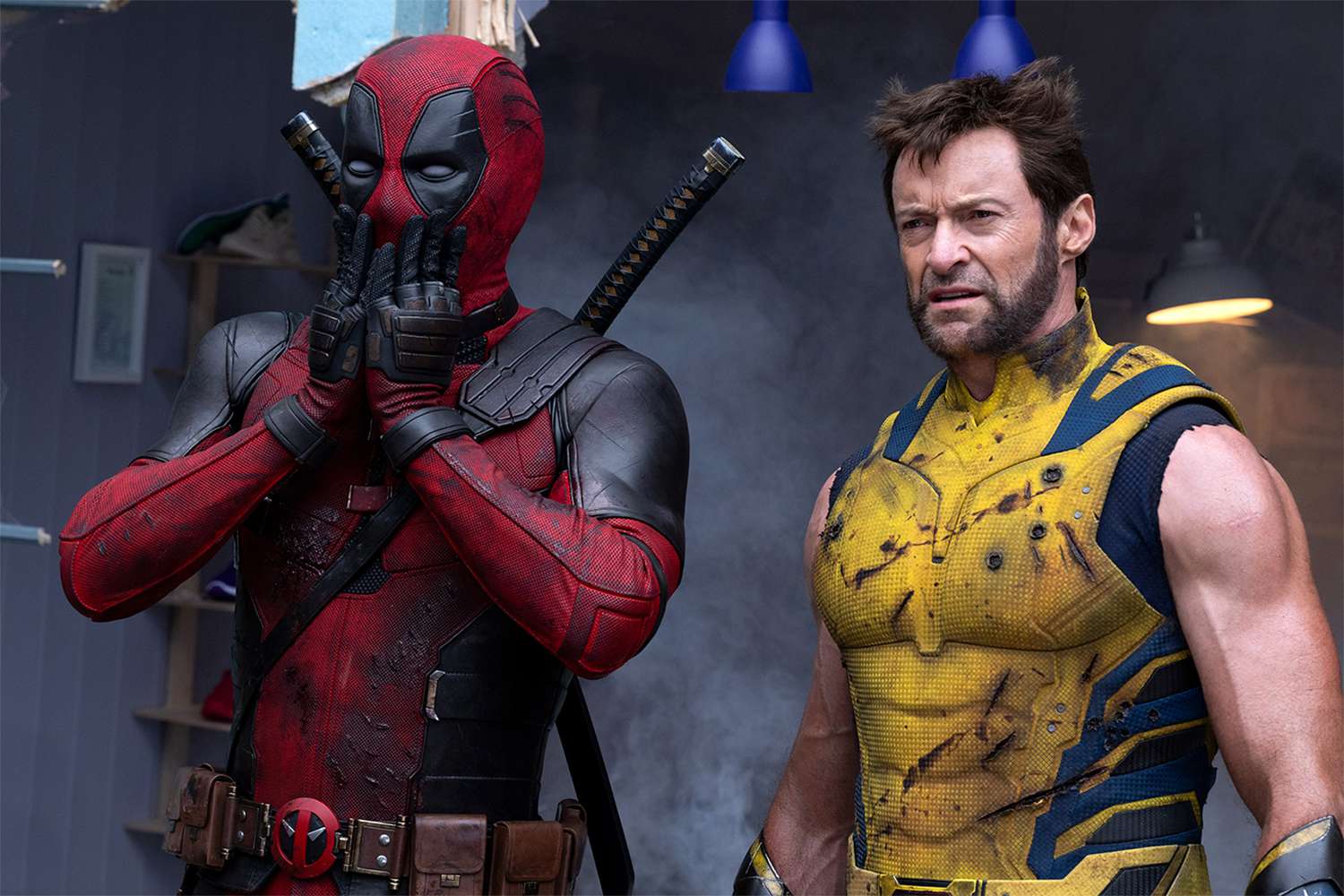
Of course, Deadpool & Wolverine was a smash success that delighted fans and critics alike as it reveled in Easter eggs, raunchy humor and unfiltered violence. The film is now the second biggest hit of the year and the most successful R-rated film ever released. Seriously, Deadpool & Wolverine could not have arrived at a better time. The film demonstrated that Marvel Studios was still capable of producing quality films that could engage audiences, which translated into box office success.

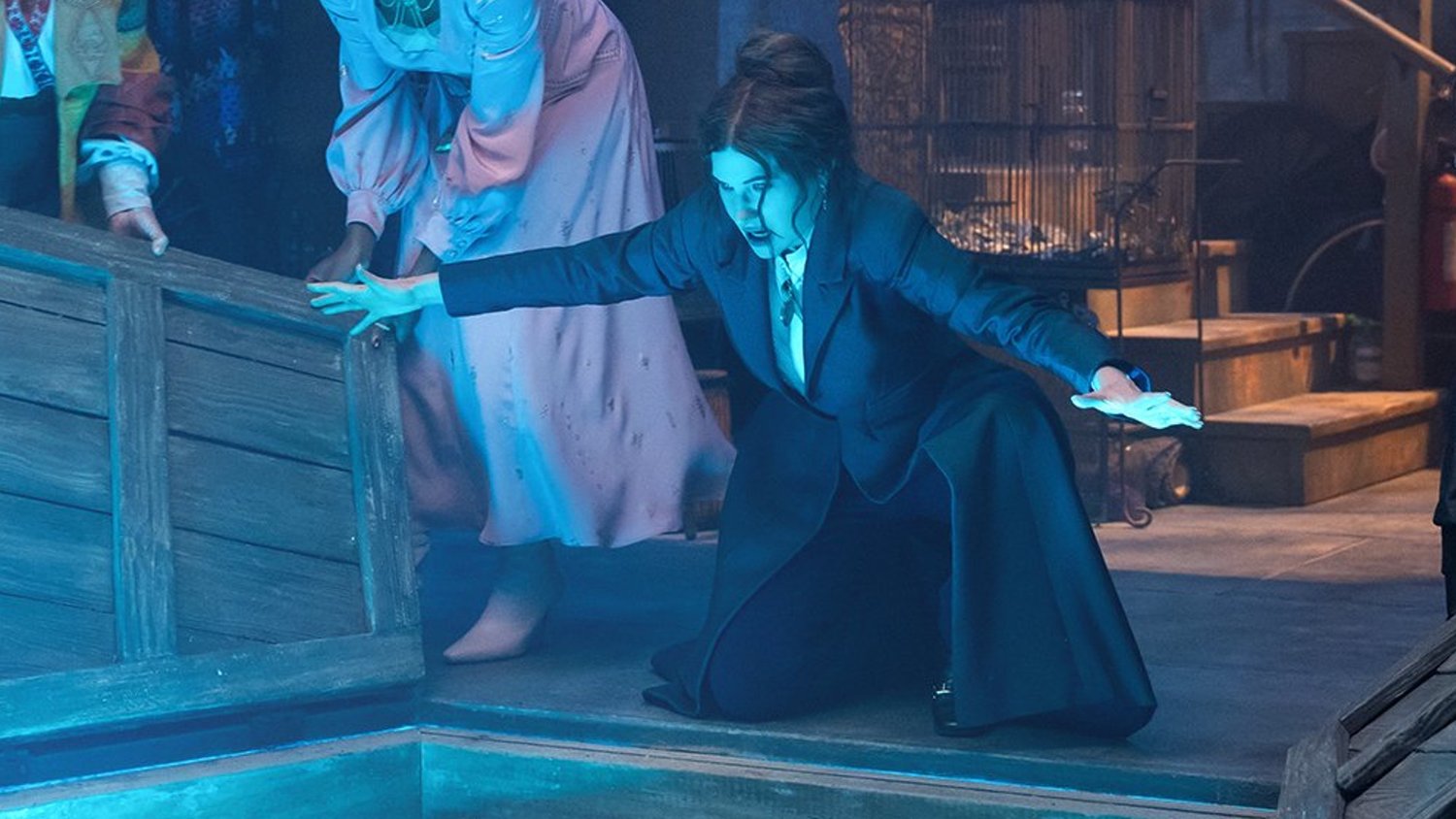
Then Marvel Studios just began streaming on Disney + the TV show Agatha All Along, the sequel/spinoff to Marvel Studios’ best TV show, WandaVision. Even though the spinoff TV show about the witch Agatha Harkness wasn’t highly demanded by fans, it so far has exceeded expectations with its witty, clever and imaginative early episodes. Sure the jury is still out and we have to see if it sticks the landing, but Agatha All Along is off to a great start.

Another reason to be optimistic is due to the success of the animated TV show X-Men ’97, which captured the essence of the classic X-Men animated TV shows of the 1990s and the best X-Men stories and characters. Even though X-Men ’97 and Deadpool & Wolverine are not actually part of the MCU, they were produced by Marvel Studios and both projects showcased the talent from the studio that could still deliver the goods.

While there has been leaked footage of upcoming TV shows like Daredevil: Born Again and of sizzle reels for The Fantastic Four: First Steps, fans have not had much else to sink their teeth into. But what they have at the moment is more than enough. The trailers for Captain America: Brave New World look very promising, which is a bit of a relief given the behind-the-scenes reports of a troubled production that practically had to be reshot. Hopefully, the actual film, which comes out in February next year, will be half as good as the trailers promise.

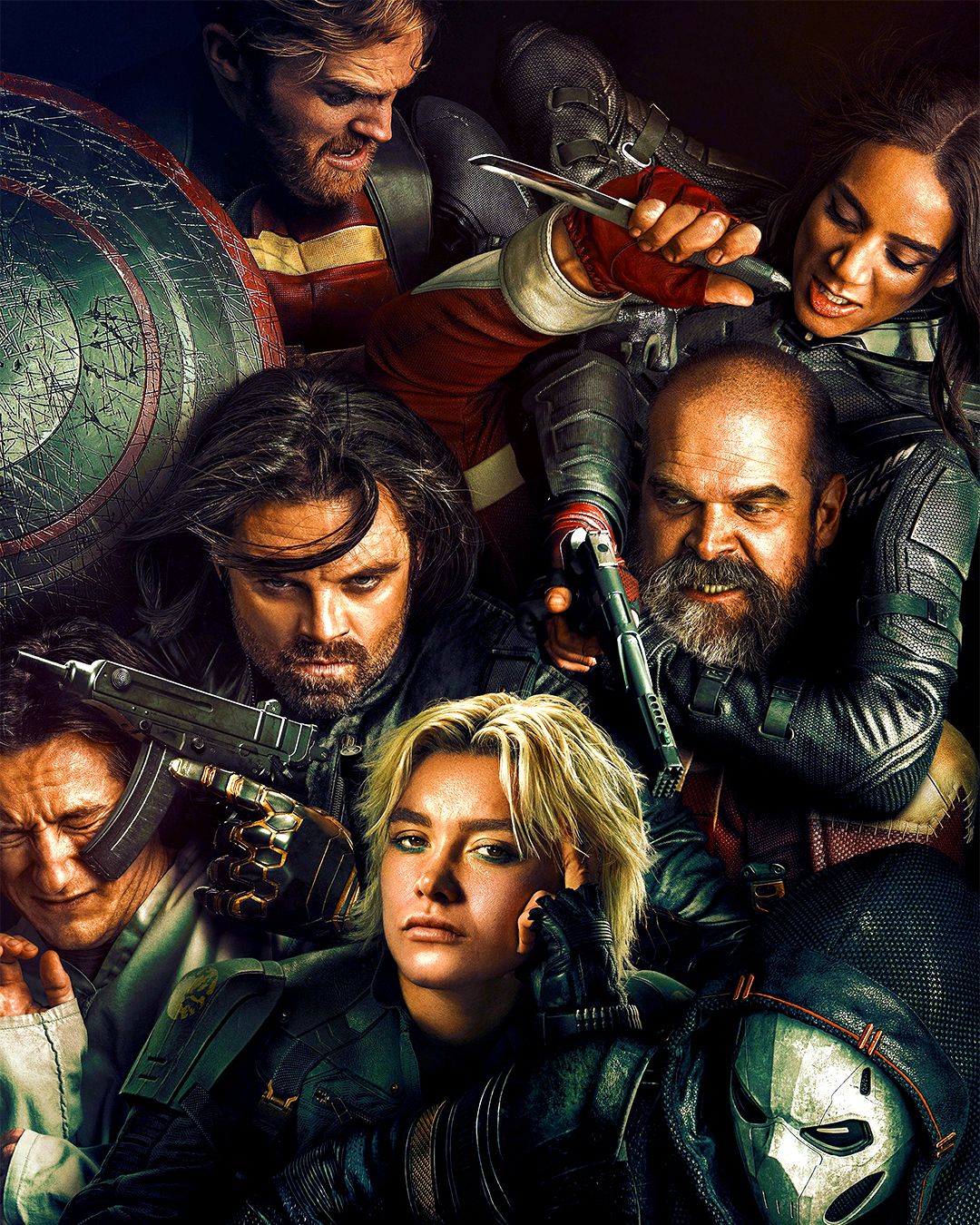
Also promising with the release of just one trailer is Thunderbolts*, which can be best explained to non-fans as the MCU answer to the Suicide Squad. Essentially, a bunch of misfit anti-heroes and low-grade villains teaming up to fight a powerful foe and becoming actual heroes in their own right. The trailer that was just released a couple of days ago perfectly captured this theme and the film looks like it will be a lot of fun. Hell, even the first official poster for Thunderbolts* is great and captures the mood the trailer is selling of misfits who can’t get along with each other but are forced to cooperate. Take a look, below.

All we need now is a sneak peek of The Fantastic Four: First Steps, but all in good time. Then there is the constant stream of news and speculation about the upcoming Avengers films featuring Robert Downey, Jr. as Doctor Doom. Surely, once confirmed plans for the X-Men come out the fans will go ballistic. The only news and speculation giving us a pause has to do with the troubled Blade film and whatever Sony Pictures plans to do with future Spider-Man films. But we’ll see how that situation works out.

Sure, the upcoming films and TV shows could wind up being huge disappointments but let’s stay optimistic, shall we? That is because for now it’s a thrill to be excited for the MCU again.

Exploring The Land Of The Lost

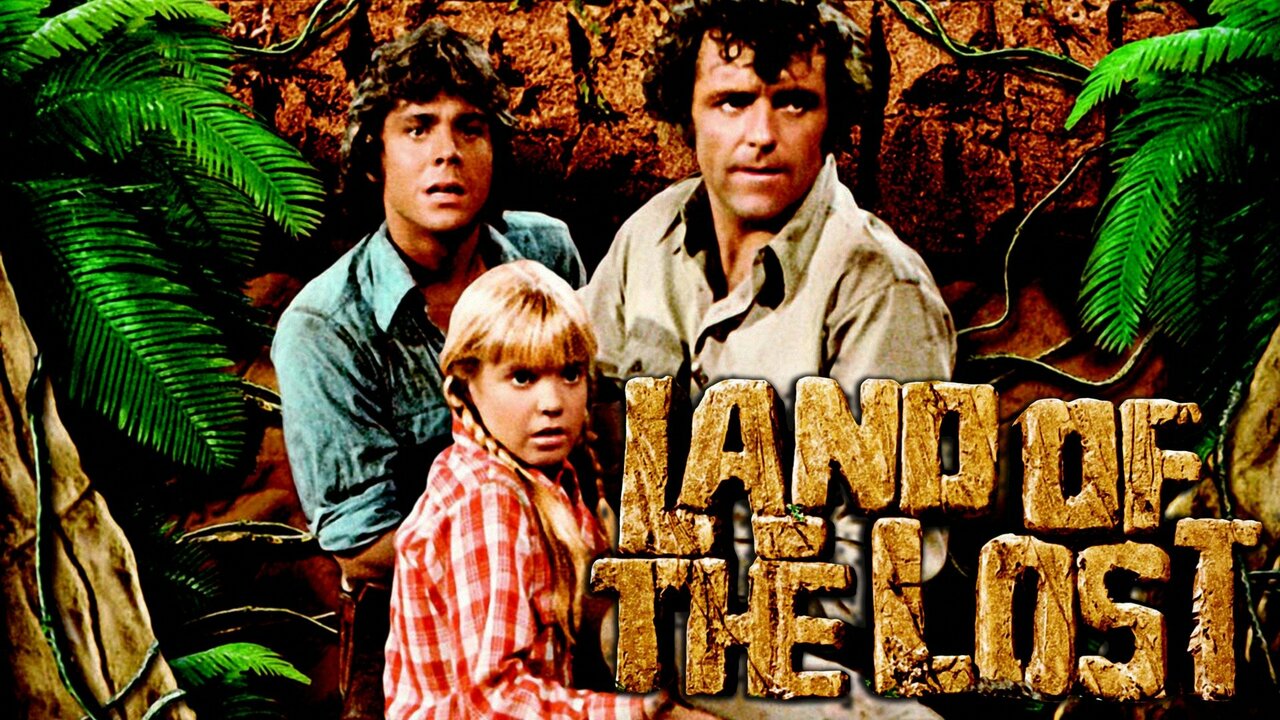
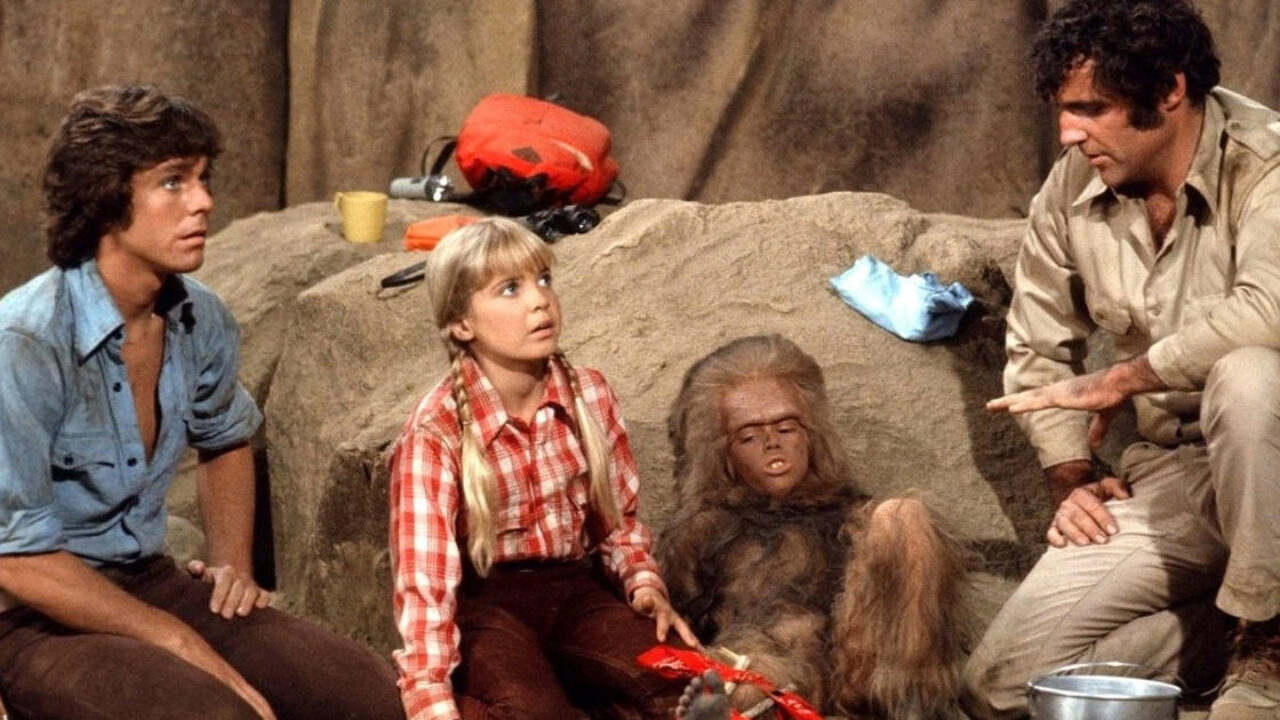
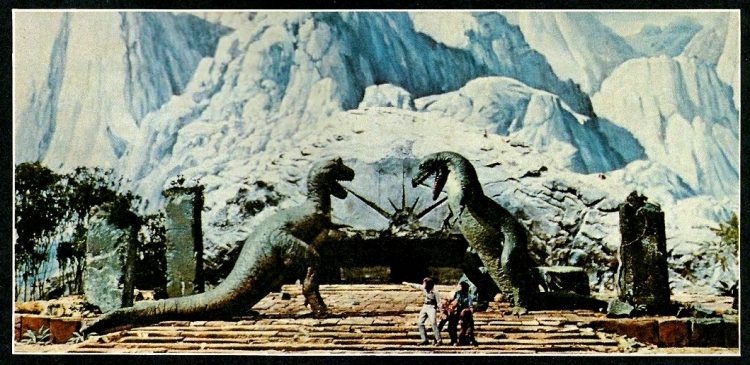
Fifty years ago, the children’s program Land of the Lost premiered on Saturday morning on the NBC television network and surprised many viewers with its well written and imaginative scripts. Even though the production was undeniably low budget and the acting by some of the performers was a bit over the top, Land of the Lost quickly won over many fans thanks to its spirited presentation. The TV show was produced by Sid and Marty Kroft who ruled the Saturday morning TV landscape in the ’70s with many fantasy and comedic live-action programs. Land of the Lost stood out and was their best production because it ditched the juvenile humor seen in their other programs and focused on drama and sci-fi elements. Even though it was a program aimed at children, Land of the Lost had an unexpected mature and serious tone that was appealing to anyone.

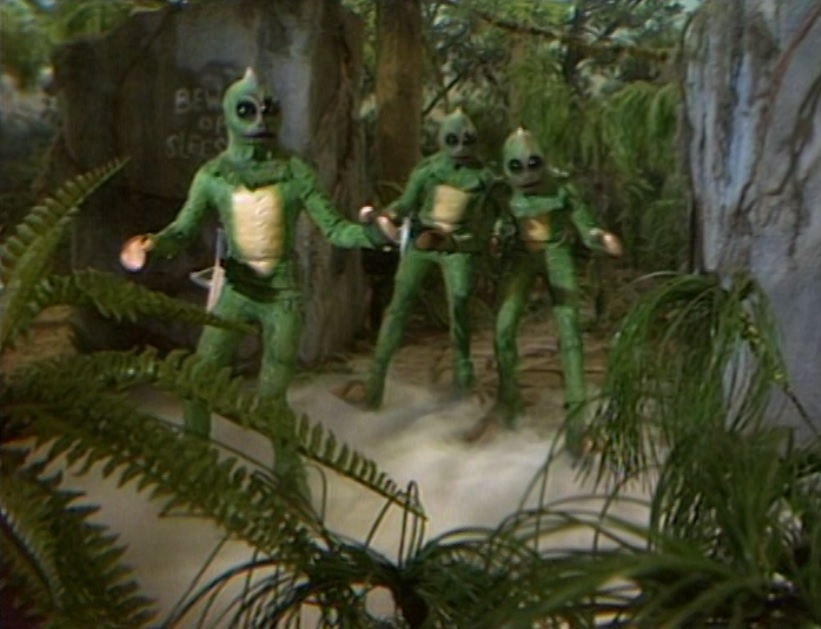
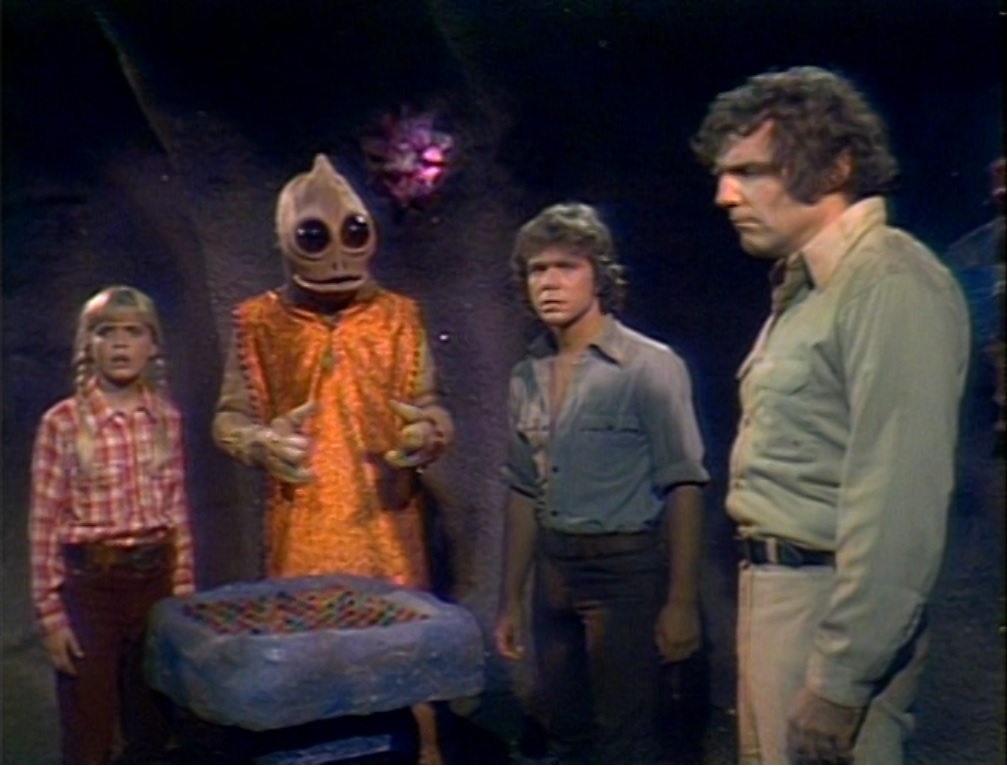
The TV show followed the adventures of the Marshall family, Rick (Spencer Milligan) and his children, Will (Wesley Eure) and Holly (Cathy Coleman), who while out whitewater rafting in the Grand Canyon fell through an interdimensional portal that transported them to a timeless world full of dinosaurs. Trapped in the lost land, the trio struggled to survive while trying to find a way home. During their adventures the Marshalls encountered many unusual denizens including Cha-Ka (Phillip Paley), a member of the Pakuni, a primitive tribe of ape-like humanoids, and Enik (Walker Edmiston), an advanced reptilian/insect-like humanoid who was also trapped in the Land of the Lost. What made Enik’s backstory so fascinating was that his race the Altrusians actually devolved into the savage Sleestaks, who were the dominant species in the Land of the Lost. The Marshalls usually met other travelers from different eras who wound up trapped in the land and often found a way to return to their own time period.

The episodes were devoted to plots about environmentalism, family strife, survival and surprisingly imaginative sci-fi concepts, especially time travel. During the show, the Marshalls discovered these interdimensional constructs called pylons that could transport anyone who entered them into different dimensions including modern-day Earth, though navigating them was difficult. These devices were used to explain why Rick Marshall left the show (in reality Mulligan was removed from the TV show due to conflicts over merchandising) as the father was whisked back to Earth unexpectedly at the start of the third season and replaced by Uncle Jack Marshall (Ron Harper). As Jack explained to his nephew and niece, he was trying to find his brother and his children and followed the same route that stranded the Marshalls in the lost land.

By the third season, the scripts were less imaginative and more geared toward children. The storylines took on more fantastical elements as Uncle Jack, Will and Holly encountered the Medusa, fire-breathing dimetrodon, a unicorn and the ghostly captain of the Flying Dutchman ship. Still the first two season were very thought provoking as the Marshalls met an eerie translucent alien called the Zarn, mysterious human visitors, and alternate versions of themselves. One of the reasons why the scripts stood out was because many of them were written by acclaimed sci-fi authors like Ben Bova, Norman Spinrad, Theodore Sturgeon and Larry Niven. Star Trek scriptwriter David Gerrold was the story editor in the first season and recruited fellow Star Trek writers like D.C. Fontana, Margaret Armen and even Walter Koenig to write a few episodes.

Thanks to its dramatic tone, the stories that focused on survival were more impactful and viewers felt the constant dangers the Marshalls faced as they dealt with carnivorous dinosaurs, environmental dangers, temporal and interdimensional dilemmas and the barbaric Sleestaks. One haunting episode, “The Search” had Will and Holly struggling to save their father who was electrocuted by crystals that operated the pylons. Anyone watching it could sense the desperation and panic from the siblings who were forced to face the possibility of their father dying. Another eerie episode “Split Personality”, had the Marshalls encountering alternate versions of themselves who were frozen in time and needed their help.

Even though the series never had a concluding episode, due to the temporal nature of Land of the Lost it can be argued that the Marshalls did find their way back home in the first season finale episode called “Circle”. Inside one of the pylons, the family was able to return back to their home but it was revealed they were trapped in a Mobius loop and another version of themselves wound up trapped in the Land of the Lost by the time the episode concluded. So in a sense, at least one version of the Marshalls returned home and subsequent episodes followed their variants.

In the decades since Land of the Lost stopped airing, the program has maintained a cult following thanks to a heavy syndication run that lasted many years. There were two attempts at remaking Land of the Lost. One included another TV show that aired for two seasons and featured the Porter family who were stranded in another dimension inhabited by dinosaurs and Sleestaks. Then there was a feature film in 2009 that starred Will Ferrell and as expected by the casting was more comedic. The film was a major dud with critics and fans and flopped at the box office. It also featured one of Leonard Nimoy’s last voice performances as he portrayed Enik. Sadly, the film ignored the dramatic survivalist aspects of the original Land of the Lost and insulted the memory of the original with its moronic humor. Regardless of how the remakes were received, Land of the Lost still has many devoted fans who appreciated the bright scripts and its imaginative, dramatic tone that engaged viewers.

José Soto

The Bell Riots, September 1, 2024: A Critical Moment In Star Trek History

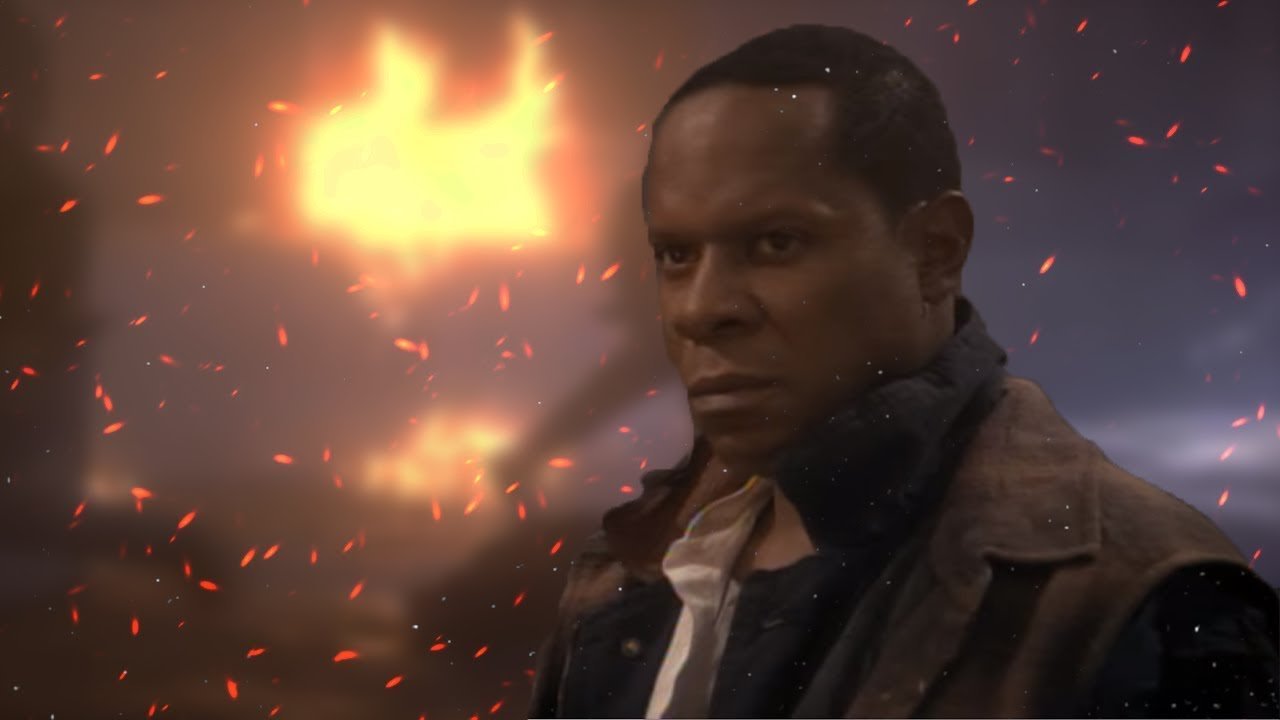
Once again reality has caught up and will pass science fiction at the time of this post, in this case with Star Trek: Deep Space Nine. Fans of the TV show know all too well that this date marks the time of the infamous Bell Riots.

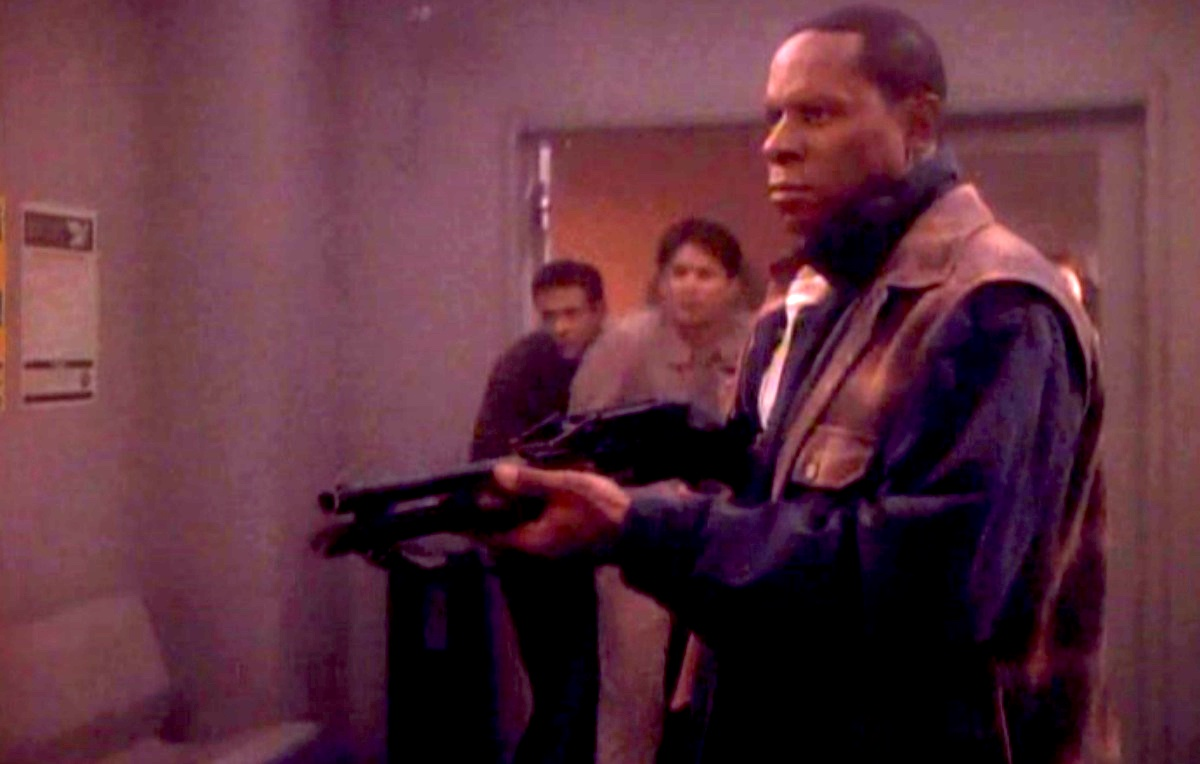
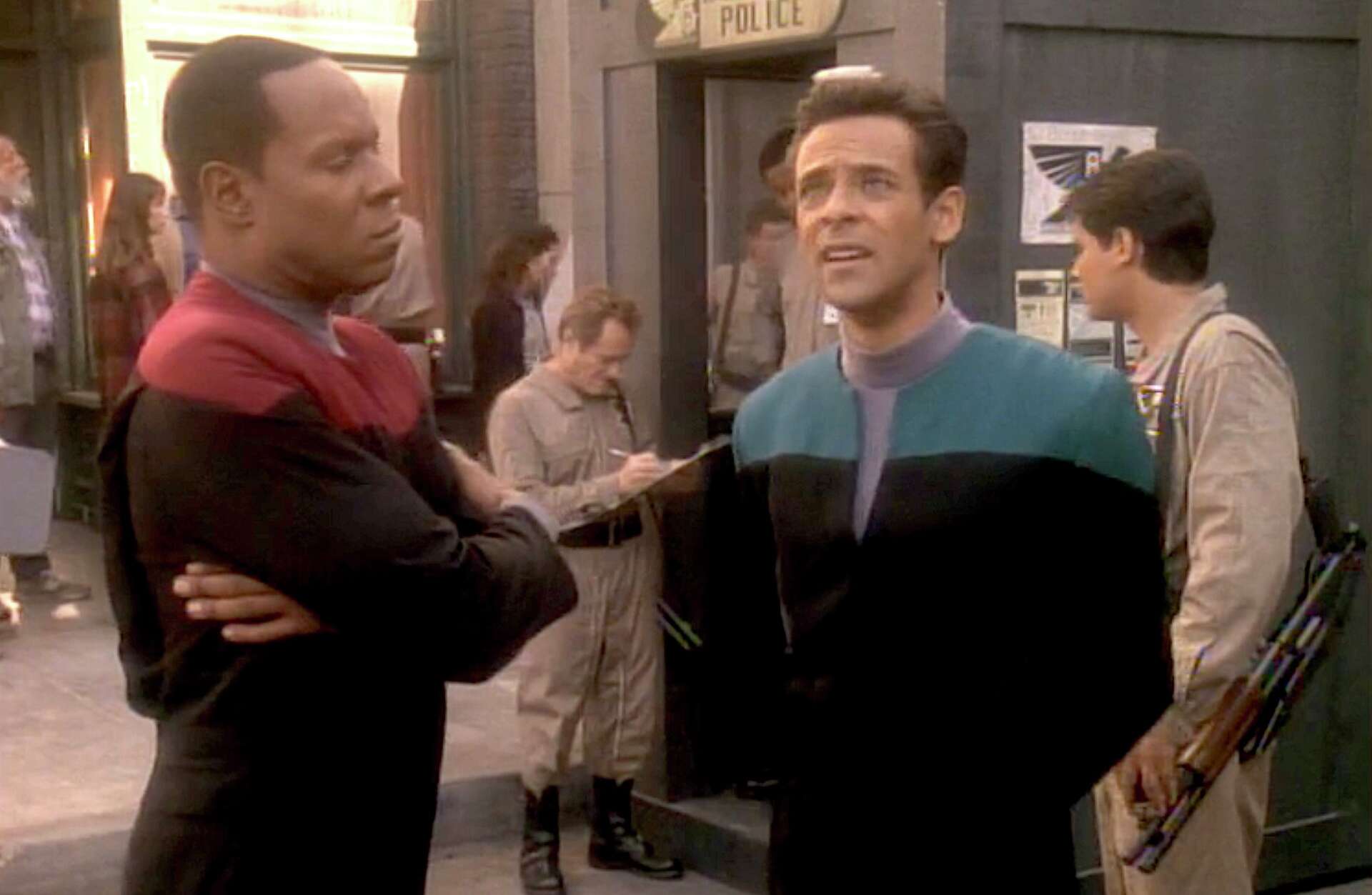
In the two-part episode, “Past Tense” Commander Ben Sisko, Dr. Julian Bashir and Lt. Commander Jadzia Dax accidentally time traveled to San Francisco on August 30, 2024, and were pivotal figures in the Bell Riots on September 1, one of the most violent periods in American history.

For anyone who has not seen these episodes, the Bell Riots were an important event in American history that influenced the country to seriously tackle its social problems. During this time period of the 2020s, the homeless and jobless were forcibly housed in so-called Sanctuary Districts, which were essentially walled-off, overcrowded internment camps were the residents were poorly treated and lived under harsh conditions. Things came to a head on August 31, 2024, when Bashir was attacked by a gang of thugs. One man, Gabriel Bell, tried to help Bashir but was stabbed and killed for his action. Bell’s death created a ripple effect in history were the United States deteriorated and ultimately the United Federation of Planets was never formed.

It turned out that Gabriel Bell would have become a key figure in an uprising in the San Francisco Sanctuary District that took place on September 1, 2024. Bell became the face of the riots and his actions by protecting District employees who were taken hostage and giving a sympathetic face to the homeless residents. Unfortunately, Bell was killed by national guardsmen who took back the District, but his actions were publicized and turned public opinion against the Districts and swayed the United States to find long-term solutions to its social problems.

Bell was killed near the conclusion of the first episode and Sisko quickly realized the devastating effect Bell’s death would have on history. Thus, when “Past Tense, Part I” concluded, Sisko and Bashir took part in a takeover of the District’s processing center where the hostages were held and announced that he was Gabriel Bell. The dilemma was that in order to carry out Bell’s life to its conclusion, Sisko had to die. But how was this resolved in “Past Tense, Part II”? Well, this is Star Trek. 😀

“Past Tense, Part I and II” was one of the better time travel episodes in the Star Trek franchise because of its unique nature that it took place during a then-future period in our history (the episodes aired in January 1995, which was a risk. After all, it was very likely at the time of filming that the future portrayed in “Past Tense” would not come to be and fortunately the Districts do not exist in our reality. Obviously, the now-contemporary Earth depicted in those episodes are set in an alternate timeline. Yet, the social issues are still with us.

Homelessness is a major social issue affecting many communities in the United States and is getting worse partly because of the affordable housing crisis. San Francisco has been demonized by many who decry it as the epicenter for urban decay as it faces homelessness. Thankfully, no one has advocated for rounding up the homeless population and dumping them into so-called sanctuaries. Then again if things get worse, this can happen in our future.

At least unemployment is low and not a major issue as depicted in those Star Trek: Deep Space Nine episodes. It should also be pointed out that the episodes did not and could not have predicted that the world was recovering from a pandemic or that a woman was running for president of the United States. But the episodes did hint that democracy was at risk based on the authoritative actions of the California governor in the episodes (who was not Gavin Newsom). Sure it was inevitable that predictions would turn out to be incorrect, but at least it did get correct that housing and homelessness would still be issues and as a bonus the episodes did get correct that the internet would be prevalent in our culture.  

While these episodes of Star Trek: Deep Space Nine may have been a bit heavy handed when it tackled the issue of homelessness and social and economic inequality, it carried out the noble Star Trek tradition of examining current issues facing our society in a sci-fi setting. The backdrop of the social messaging capably added to the tense drama of Sisko and his companions trying to survive a savage period of time. More importantly the issues it brings up were not easily solved and still provide food for thought to this day.