Phase Five Of The MCU Starts Off In A Manic Way With Ant-Man And The Wasp: Quantumania

Here again we have a case where the critics have it wrong. Despite the many negative reviews flooding the internet, Ant-Man and the Wasp: Quantumania is another solid entry for the Marvel Cinematic Universe (MCU).

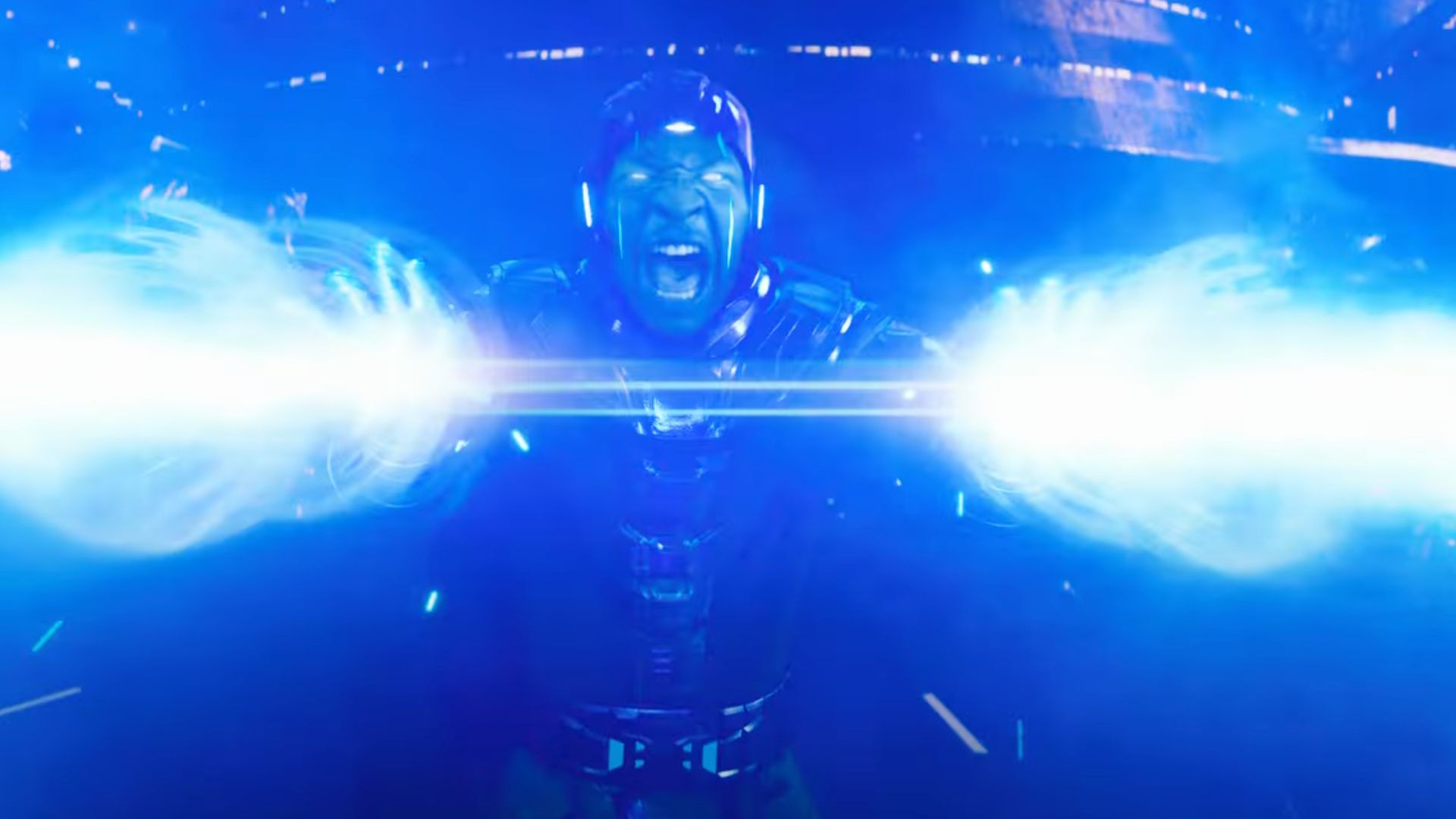
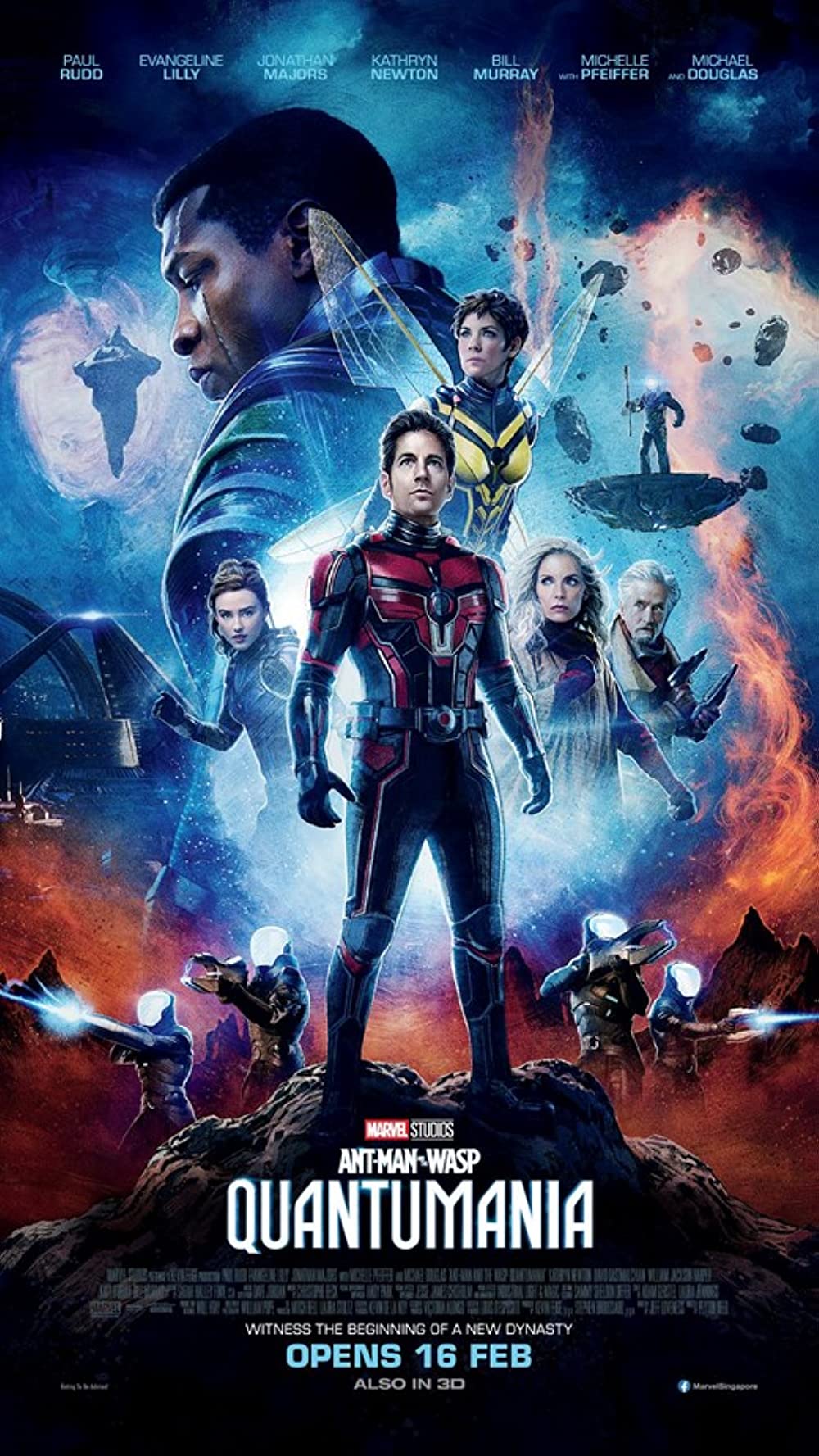
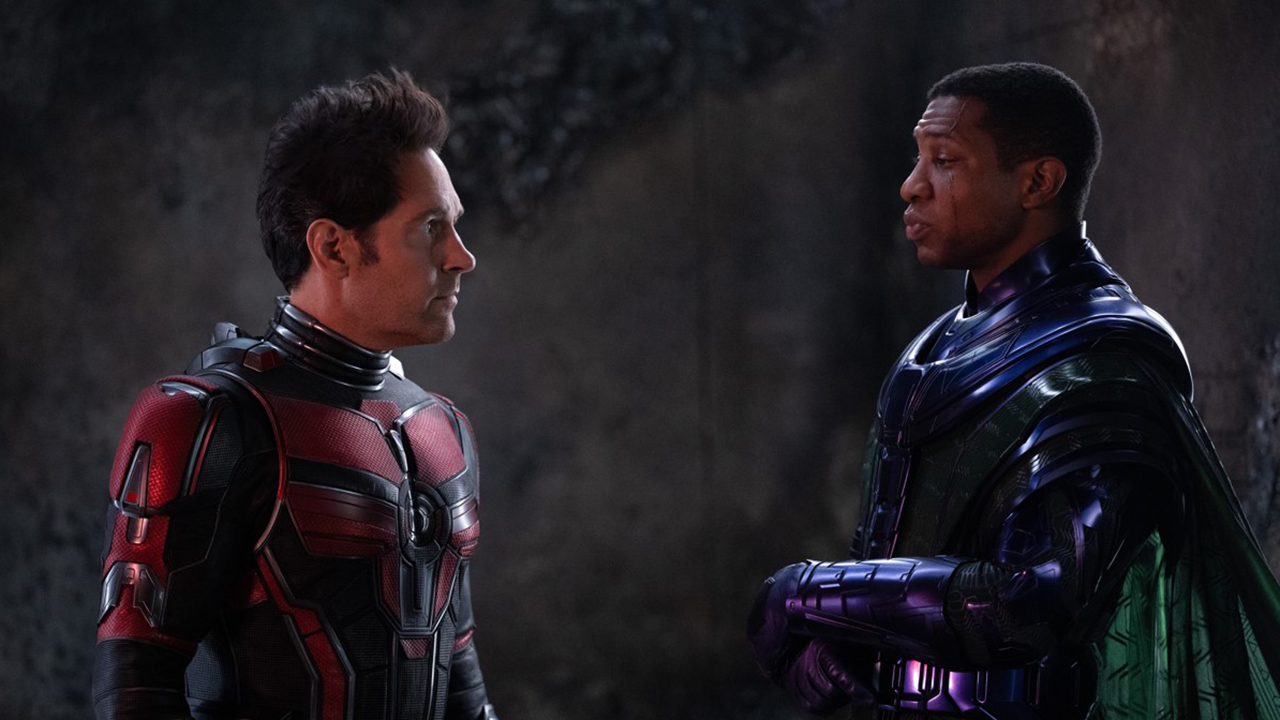
As the third film in the Ant-Man franchise and the opening salvo for Phase Five of the MCU, Ant-Man and the Wasp: Quantumania has a decidedly different tone than the previous Ant-Man films. Mostly gone are the quirky humor amd low-stake threats that Scott Lang (Paul Rudd) and his girlfriend Hope Van Dyne (Evangeline Lilly) faced. This time the stakes are dramatically raised as Scott aka Ant-Man and his friends have to save the Multiverse itself from the fearsome Kang the Conqueror (Jonathan Majors). This could be why the film turned off so many critics who expected the light-hearted and breezy tone of the previous Ant-Man films.
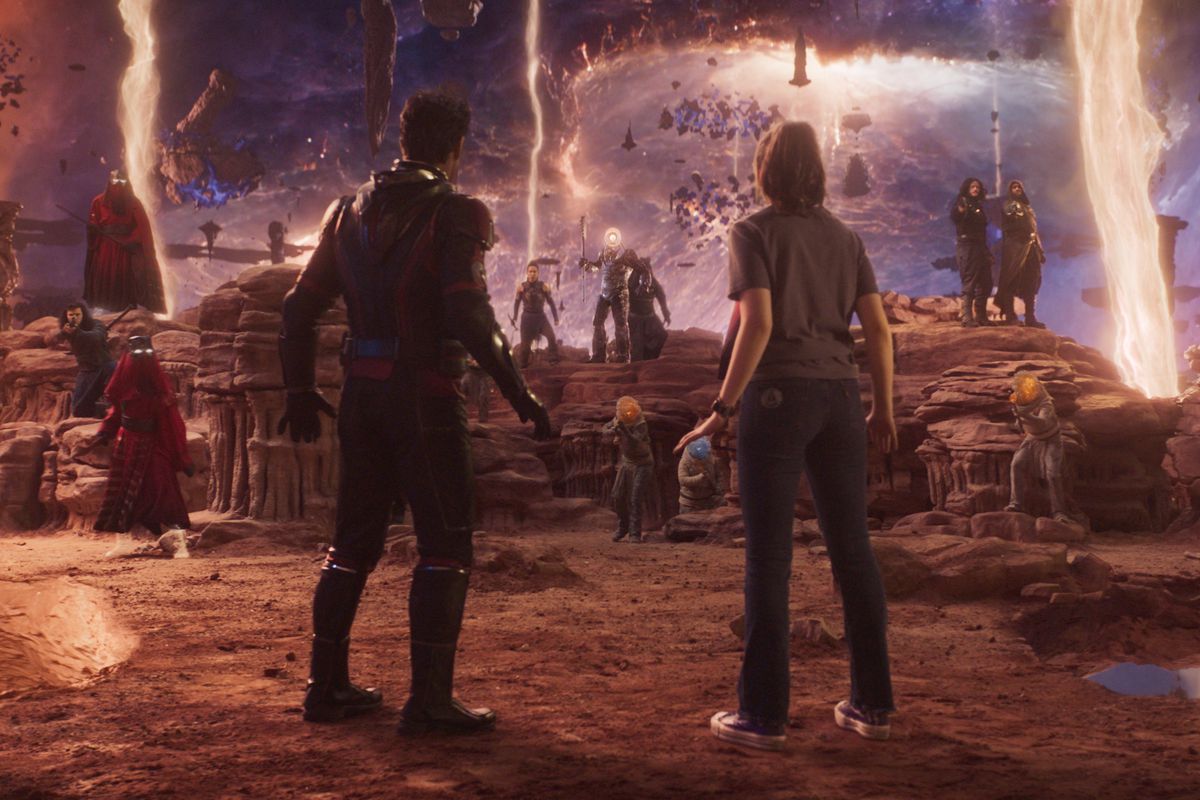
The film begins in San Francisco as we see what Scott Lang has been up to since Avengers: Endgame. It is shown that he has become a celebrity basking in his heroic role during the events of Avengers: Endgame and is enjoying life. However, his daughter Cassie (Kathryn Newton) has gotten into trouble with the law and the two struggle to connect with one another. After a family dinner with Scott, Cassie, Hope and her parents Hank Pym (Michael Douglas) and Janet Van Dyne (Michelle Pfeiffer), Cassie displays her scientific genius by demonstrating her new invention, which is a device that lets her map out the otherdimensional Quantum Realm. But the device is used by someone in the Quantum Realm as a homing beacon and creates a portal that sucks in our heroes. Finding themselves stranded in the otherworldly Quantum Realm, our heroes soon learn of a tyrant called Kang the Conqueror, who is able to travel the Multiverse with futuristic technology, but is exiled to the Quantum Realm. As soon as Scott and his companions arrive, Kang pursues them because they hold the key to escaping the Quantum Realm.
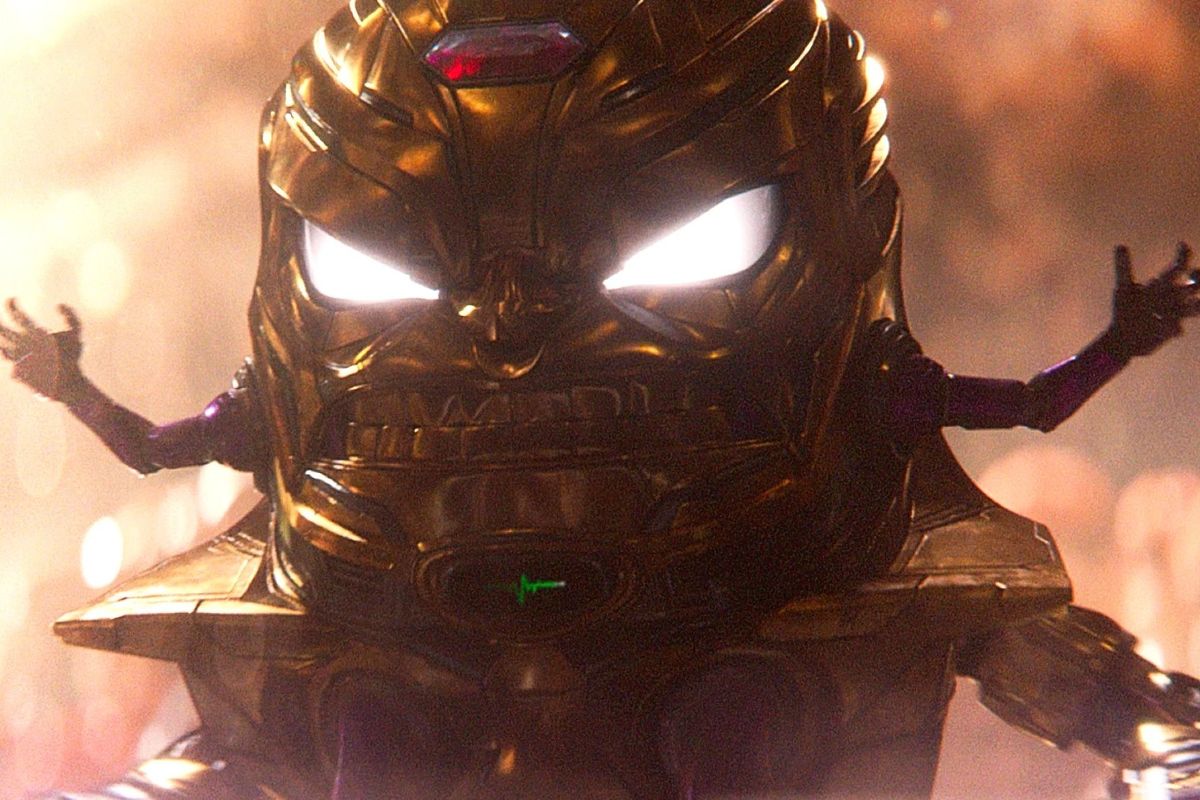
Taking place nearly entirely in the Quantum Realm, Ant-Man and the Wasp: Quantumania veers hard towards wild sci-fi elements as our heroes meet bizarre-looking beings and explore a landscape that would only exist in dreams. It seems that director Peyton Reed was intent on outdoing James Gunn and the Star Wars films by presenting a unique and nearly undescrible world that was just mind blowing to behold. The film introduces many characters of assorted shapes and sizes, the standout was actually M.O.D.O.K (Mechanized Organism Designed Only For Killing), who was Ant-Man’s old foe Darren Cross/Yellowjacket (Corey Stoll) from the first film. Yes, M.O.D.O.K. is too goofy to be taken seriously as a villain, but with his giant, oversized head and tiny appendages, M.O.D.O.K. provides a lot of laughs.

There are many intense situations and developments that fly by at a rapid, manic pace that adds to a feeling of nervousness and discomfort. But Reed knows how to inject laughs and brevity at the right moments to give audiences a chance to breath. This was helped with the dominating presence of Kang. Majors pulled off a nearly impossible feat with his performance of Kang, who immediately joins the ranks of top-tier MCU villains. Kang is a captivating and terrifying foe with an intense fury that made us worry about Scott and his companions. This was a great presentation of a David vs. Goliath situation as Kang clearly overmatched Scott with his futuristic technology and raw emotions. After the lightweight villains from the last Ant-Man film, Kang was the right antagonist to face Ant-Man, as we were left wondering how could Scott fight this person who was out of his league.
As exciting and fast-moving Ant-Man and the Wasp: Quantumania was, its manic energy and intense actions could not hide all of its flaws. Sometimes situations and plot points happened too fast and weren ot given enough time to percolate. Being that the film has many characters, many of them do not leave much of an impact. Bill Murray was wasted in what turned out to be an extended cameo, but he provided some levity and humor with his appearance. While Scott and his companions have meaty roles and drive the plot, Hope/The Wasp faded into the background during much of the film, but she delivered several fist-pumping moments during the film’s final act. Unfortunately, the scene-stealing Luis (Michael Peña) from previous films was absent in this film and was sorely missed. Also, there is a nagging plot flaw in that Janet was previously trapped in the Quantum Realm for decades and confronted Kang before, yet she never mentioned this to her family, especially her husband Hank. That is just unbelievable and irritating in that earlier in the film she kept speaking cryptically about the Quantum Realm and Kang, even though her family insisted she inform them of everything she knew for survival’s sake.
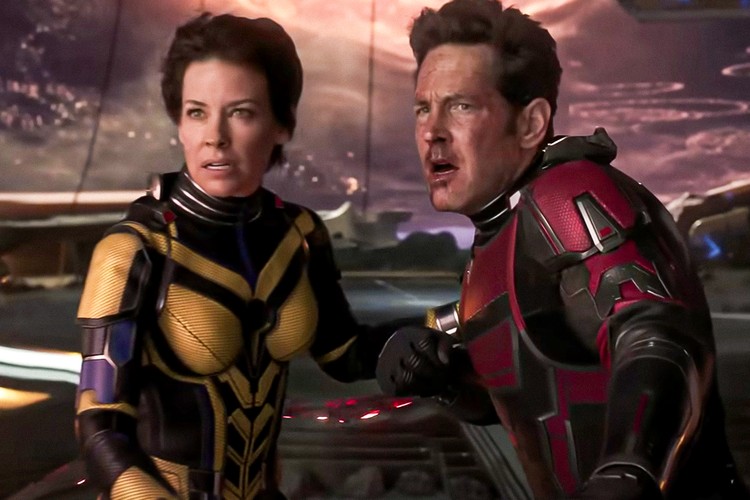
With that said, the film did allow most of its main characters to develop. Scott learned some much-needed humility as he faced someone way out of his league. Unlike the last film, Scott does not come off as an idiot and has more of a heroic presence, which made us root for him more as he fought Kang. Meanwhile Cassie took the place he had in the first film of being someone who was just learning how to use her size-changing abilities and her idealistic nature contrasted well with her more pragmatic father. Douglas provided some good laughs and helped to our characters while Pfeiffer was given much more screen time than and contributed heavily to the plot.

Still, out of all the film’s characters, Kang was a true standout and he needed to be. Ever since Thanos was turned to dust, the MCU has lacked a true successor supervillain that threatened the entire MCU. Thankfully, Kang was able to demonstrate why he is already one of the MCU’s most terrifying villains and the audience cheered as the final title card announced that he would return. By the way, the two post-credits scenes were great, though the first one was the better of the two since it matched the outlandish nature of the film.
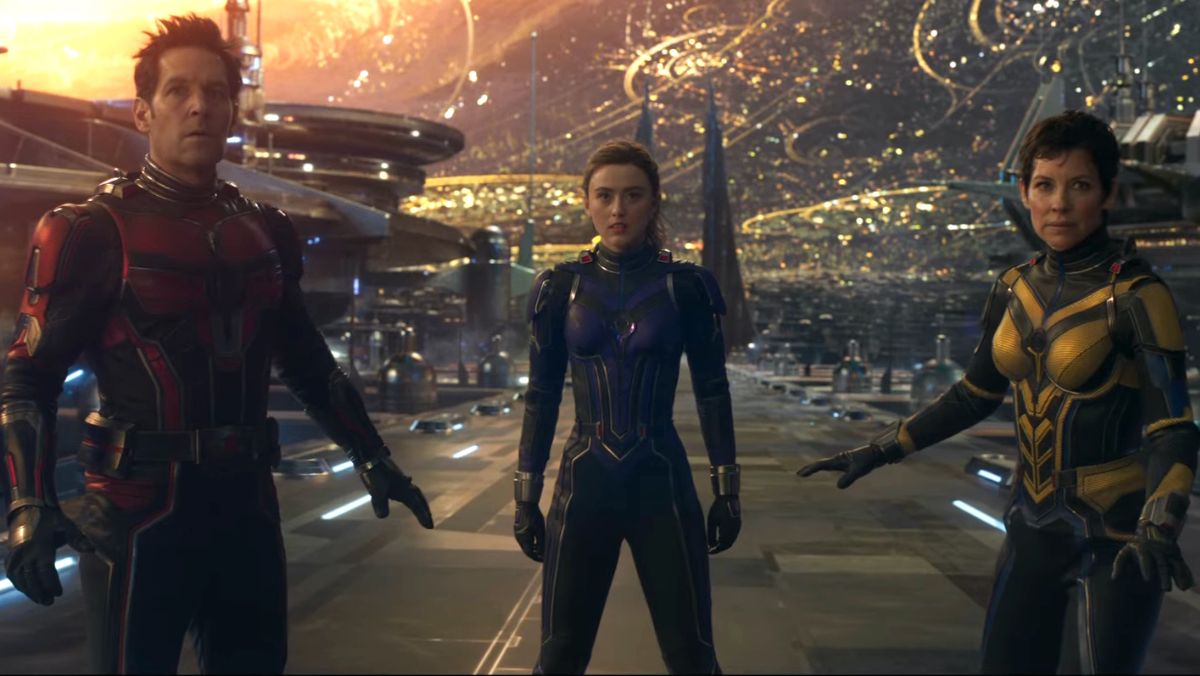
Ant-Man and the Wasp: Quantumania is a promising start of Phase Five of the MCU and a welcome change of pace for the Ant-Man franchise. It showed us why Scott Lang is a great hero being that he was clearly the underdog who refused to give up, while the characters around him provided solid support and held our interest. Most of all, this film was a triumphant debut for a top-tier villain.

José Soto

The Eve Of Marvel’s Phase Five

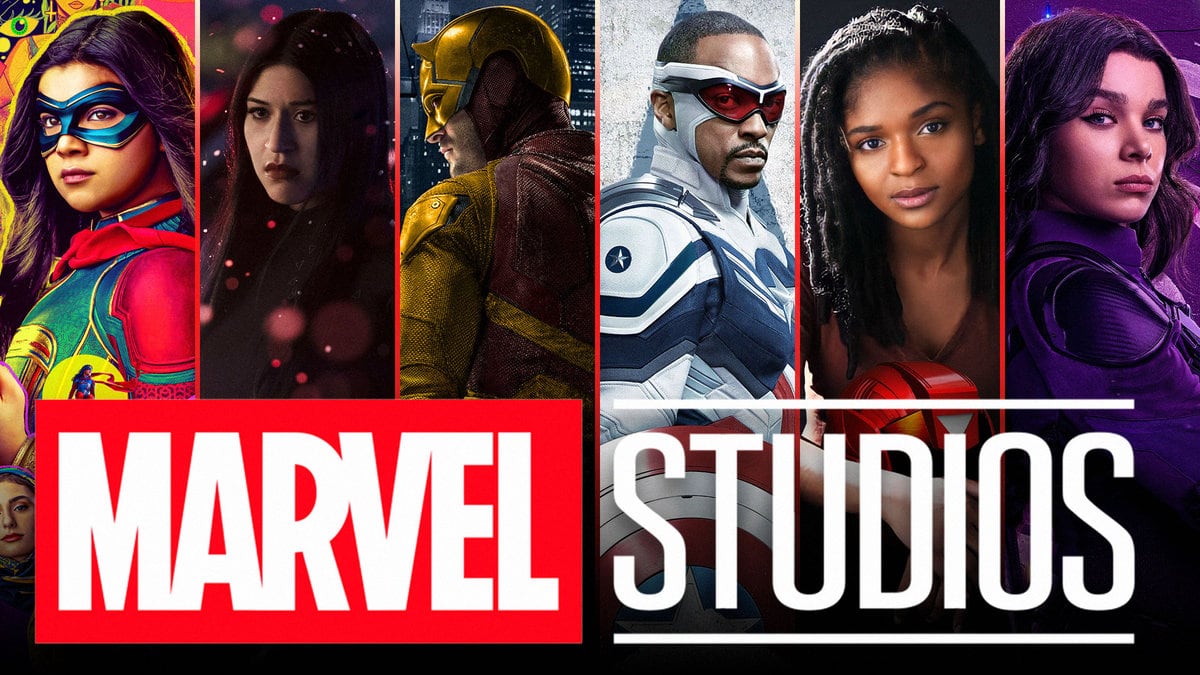
Phase Five of the Marvel Cinematic Universe (MCU) launches this week with the wide release of Ant-Man and the Wasp: Quantumania. The film is supposed to help pave a firm direction for the MCU with the introduction of the next big bad of the MCU, Kang the Conqueror, and will culminate with the next Avengers films, Avengers: The Kang Dynasty and Avengers: Secret Wars. What should be noted is that the next Avengers films will be part of Phase Six, so Phase Five will serve to set up the grand finale of the so-named Multiverse Saga.

Many MCU fans are hoping that after the mixed results of Phase Four that Phase Five will course correct for the MCU and keep the cinematic universe on top. There were many issues with Phase Four such as a lack of focus, films and TV shows that were not as high in quality as the previous MCU offerings, and so on. There were also many successes and material that Phase Five and Six will build upon, especially with the introduction of the Multiverse concept. Ant-Man and the Wasp: Quantumania is rumored to dwell on this with the inclusion of Kang, who is a time-traveling villain.

There are many reasons why Phase Four of the MCU was not as revered as previous phases. Given the success of the MCU, there has been increased pressure by Disney to Marvel Studios to create more films and TV shows (the TV shows were a new feature for the MCU beginning with Phase Four) at a faster rate. This overstretched the capability of Marvel Studios to maintain the level of quality with previous MCU projects. Adding to the release pressure was the COVID-19 pandemic which severely affected productions and created delays, which we’re are still grappling with today. Then there were the expectations of fans and the fact that many of the MCU products simply were not as appealing since popular characgters like Iron Man and Captain America were absent. Many of these issues still remain as Marvel Studios plows ahead with Phase Five of the MCU, but hopefully they are better prepared to meet the challenges.

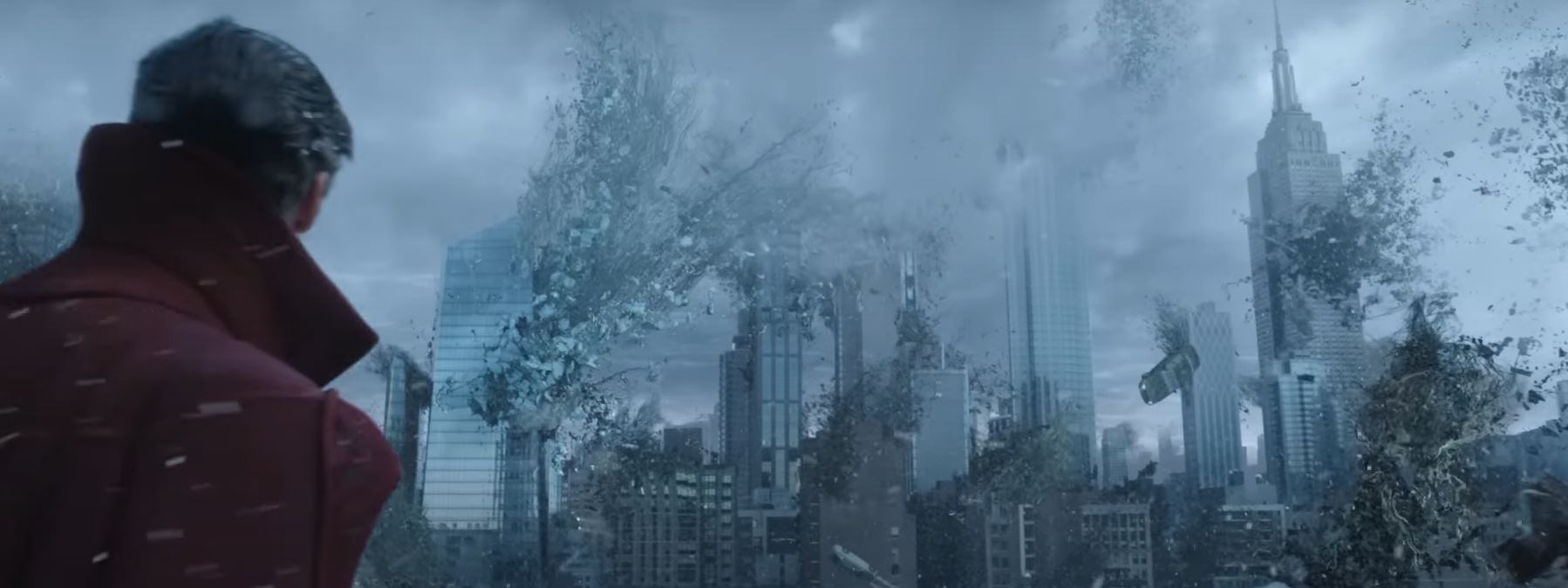
When being critical of Phase Four it is important to realize that it did a lot more to help set up the Multiverse Saga. Films like Spider-Man: No Way Home and Doctor Strange in the Multiverse of Madness were important to the Saga, as well as TV shows like Loki and What If…? Phase Four also set up plot lines and characters that will be further explored in Phase Five and beyond. Both TV shows will have second seasons as part of Phase Five, which will dive even deeper into the concept of time travel and alternate realities. The second Doctor Strange film also introduced the plot line of Incursions, where traveling to different realties will ultimately cause them to collide and destroy one another. This was a major plot line in Marvel Comics that culminated with the second Secret Wars mini-series event. With a title like Avengers: Secret Wars it is certain that the upcoming film will be a loose adaptation of the comic book mini-series. By now, given how well received Marvel Comics storylines were adapted in MCU films, even if they were adaptations in name only, the Secret Wars film will also be acclaimed.

Aside from Ant-Man and the Wasp: Quantumania the only Marvel film that directly deals with the Multiverse will be Deadpool 3, which is due next year. This film is technically not part of the MCU or Phase Five, but it reportedly will deal with Deadpool and Wolverine traveling through alternate realities and it’s fairly certain that the two will visit the MCU. There are also rumors that a third Doctor Strange film is in the works, which will deal with Incursions as seen in the post-credits scene of the last Doctor Strange film. But if this film is made it most likely will be a part of Phase Six as the Multiverse storyline starts to ramp up.

The remaining Phase Five films and TV shows will either be about new characters (Blade, Daredevil: Born Again and Thunderbolts) or continue individual stories that, as far as we know, doesn’t involve the Multiverse (Guardians of the Galaxy Volume 3, The Marvels, Captain America: New World Order, Echo, Secret Invasion, Ironheart and Agatha: Coven of Chaos). However given the subtitle of Coven of Chaos, it is possible the Agatha Harkness TV show might have something to do with the Incursions or the Multiverse.

There is also the wildcard to consider for Phase Five: another MCU Spider-Man film. In the past, Spider-Man films have never been part of official MCU film announcements. That is because the film rights to the superhero are held by Sony Pictures, who is off trying to launch their own cinematic universe based on Spider-Man characters. But given the huge success of Spider-Man: No Way Home and that many consider it to be the best Phase Four film, it is obvious that Sony is planning a fourth MCU Spider-Man film. Will it be produced in time to make it part of the Phase Five slate? That is unknown at this time. If filming starts later this year, it is possible the film will be completed in time to be scheduled for a 2024 release and be part of Phase Five. Otherwise, the fourth MCU Spider-Man film will be part of Phase Six.

Given that Phase Four of the MCU was not as well received as previous MCU films, Phase Five of the MCU will be subjected to greater scrutiny by fans. In other words, Phase Five of the MCU has to deliver much more than Phase Four. The people behind the films and TV shows are aware of this and will do their best to deliver the same quality product that were so revered by fans in the past. While some expectations have been lowered for the MCU and superhero films and TV shows it is unwise to count out Marvel Studios and the MCU at this point.

José Soto

Reaction To The New DCU Announcement

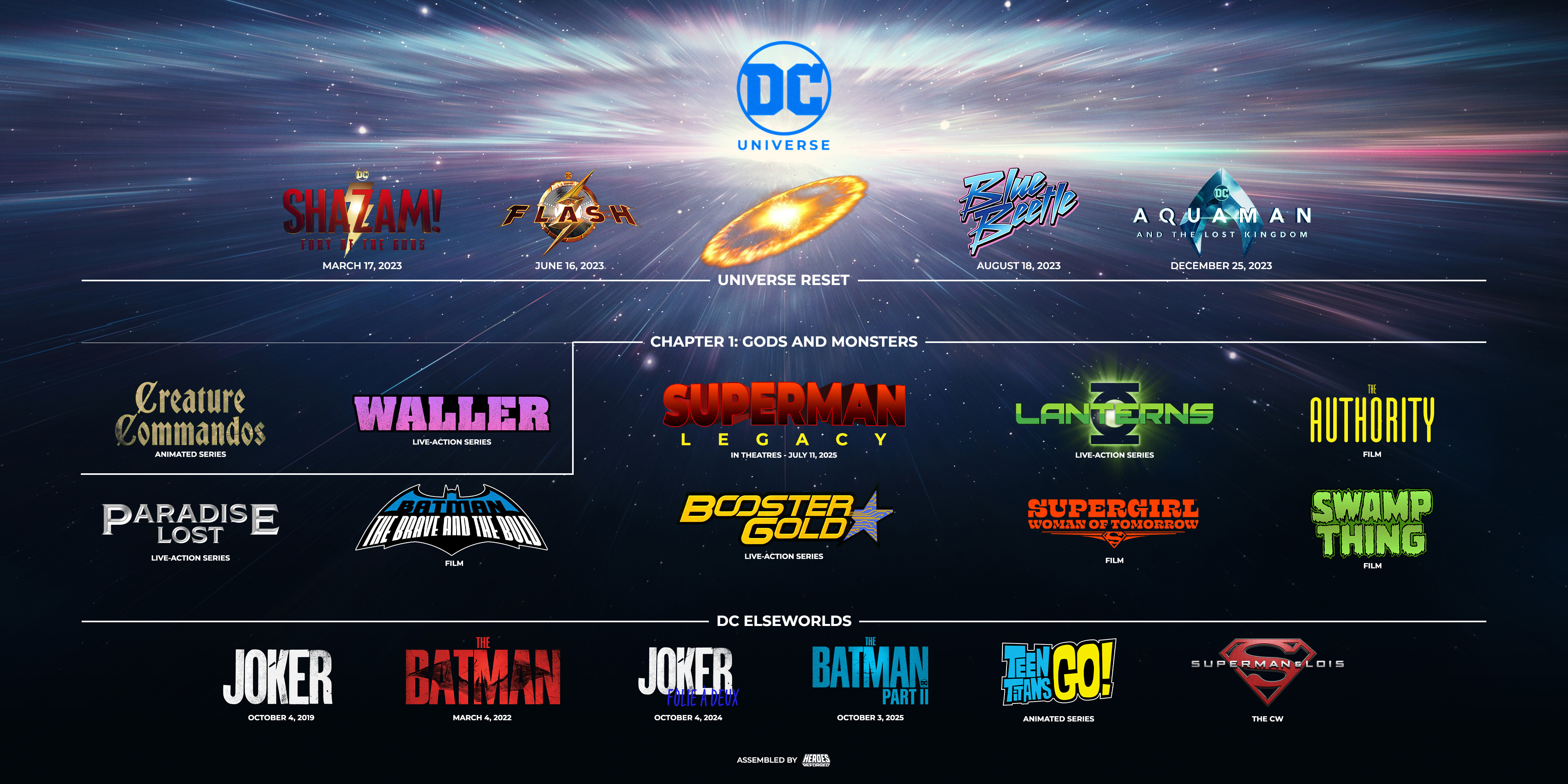
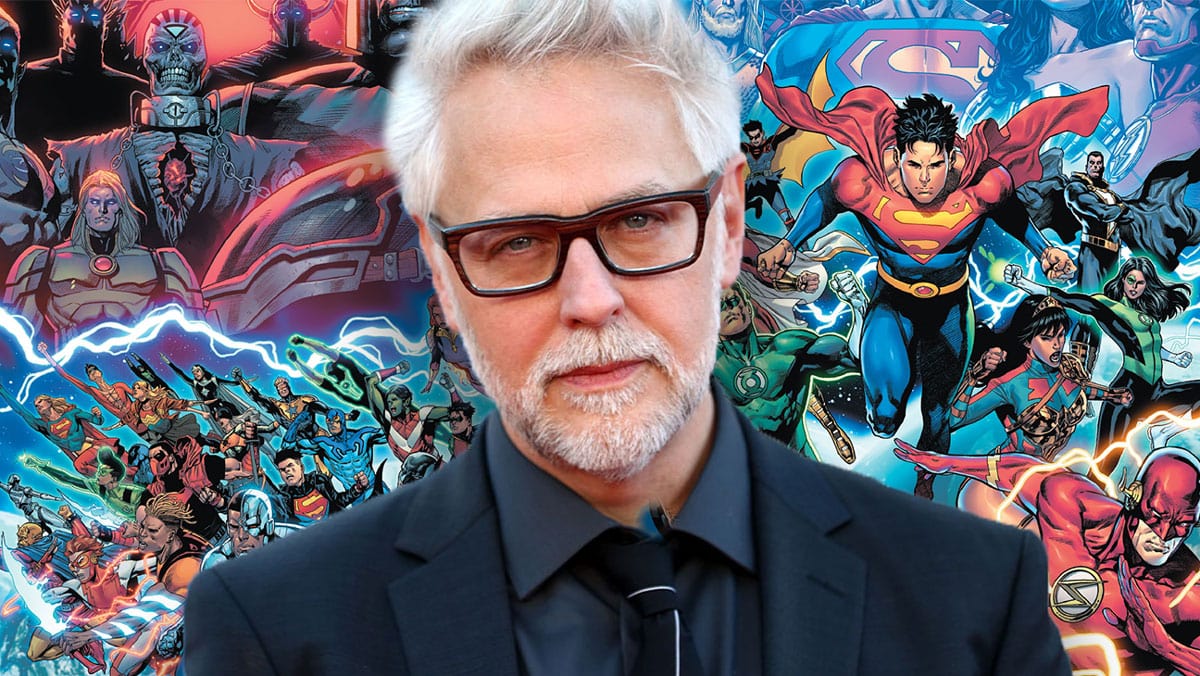
To be frank, it was best to wait a few days after the announcement from DC Studios’ head James Gunn about their new slate of DC Universe (DCU) films and TV shows. The immediate reaction for these types of announcements often run wildly until the news is fully digested. What was interesting about Gunn’s announcement was not the rage from fans of the ending DC Extended Universe (DCEU), but the large collective shrug from most.

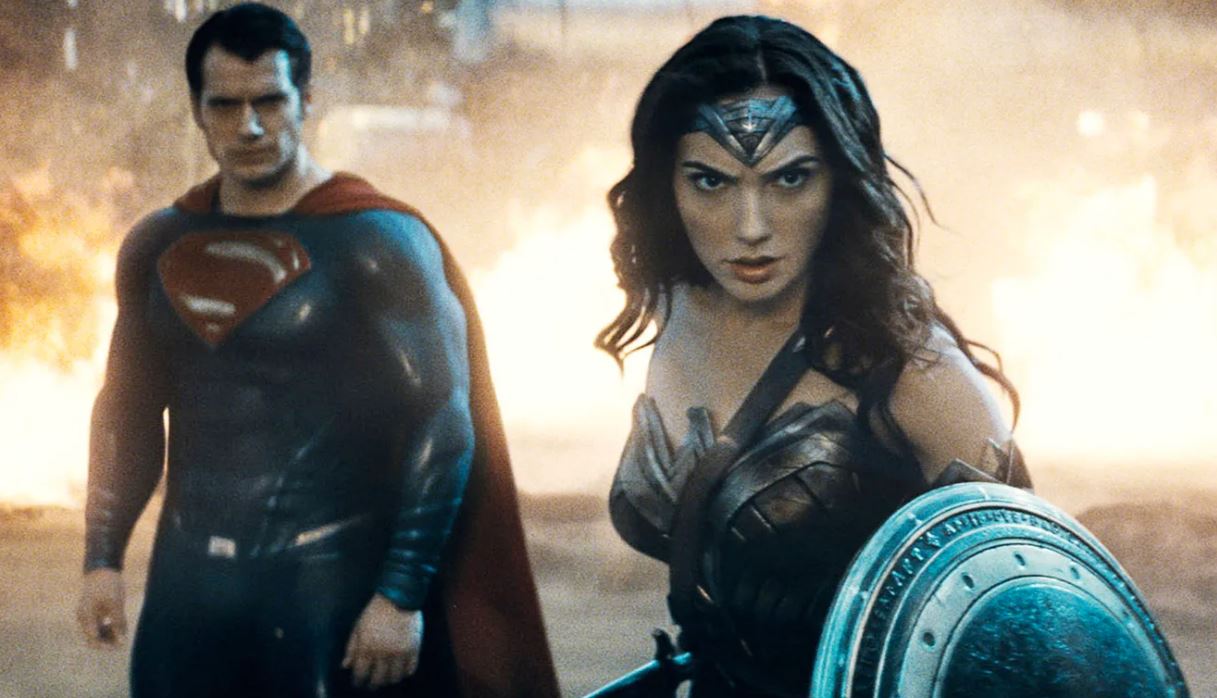
There are many reasons for the various reactions, but the pervailing muted response has to do with the content of the upcoming DCU films and TV shows and that fans have been burned before with the intial announcement of the DCEU. When the first batch of DCEU films were announced last decade there was a lot to get fans super excited, especially with Batman v Superman: Dawn of Justice. Now we know how all that turned out. Some of the films were never made (with The Flash finally premiering later this year), while some released films failed to deliver. Then there is the fact that some of the more well-received aspects of the DCEU, namely actors like Henry Cavill and Gal Godot, will not be a part of the DCU. So, naturally the skepticism and outrage was expected.

But let’s face the truth: the DCEU was a failure. Blame the executives at Warner Bros.. Blame the producers, writers, directors and actors. Blame the unrealistic expectations and toxic fans. But the fact remains that there were too many missed opportunities and that Warner Bros. was too reactionary. Instead of trying to fix what was wrong with the DCEU, the film studios had a scattershot approach to their DC properties. They ignored what worked with the DCEU and doubled down on films and TV shows that featured DC characters, but were not connected to the DCEU. What made things worse for the cinematic universe was that non-DCEU films like Joker and The Batman were huge successes. More and more DC films and TV shows were greenlit that were not part of the DCEU, while the DCEU itself was left behind.

This was a mistake. Warner Bros. have the characters in a shared superhero universe that should have rivaled Marvel Studios and their properties. While this may please Marvel fans, the fact is that Marvel Studios needs healthy competition to keep them on their toes, and we were seeing the effect, as their recent films and TV shows were not as well received as earlier releases.

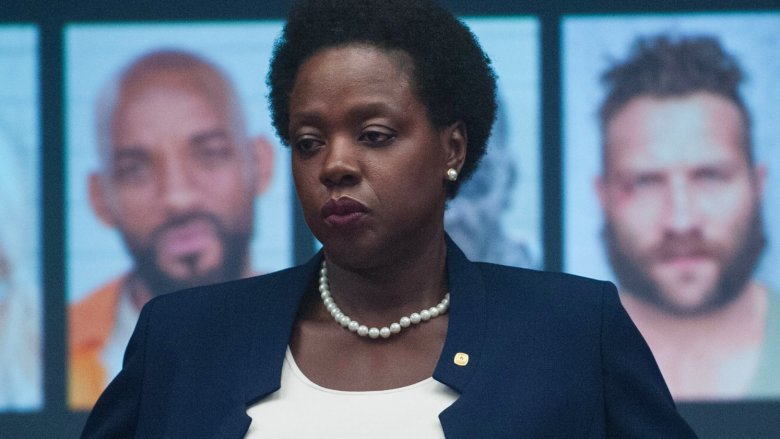
What could have been done to salvage the DCEU? Nothing, at this point. James Gunn took the right approach by starting over. But there should have been a complete reboot. Instead we are getting a TV show about Amanda Waller starring Viola Davis, who was prominent in the DCEU. Then there are reports that other actors from the DCEU like Ezra Miller will be a part of the DCU. Why keep Davis and Miller but not Cavill and Gadot? The latter two actors were very popular and turned in iconic performances as Superman and Wonder Woman. Unfortunately, while they were great in their roles they are too identified with the DCEU and nervous executives probably feared that keeping them in a new cinematic universe would be too confusing for the average moviegoer. Whatever.

On the other hand, to dismiss the DCU without seeing the final product is foolish. James Gunn is a very talented filmmaker who took the obscure Marvel Comics property Guardians of the Galaxy and made them beloved superstars. He also did this to a lesser effect with DC characters in his film The Suicide Squad and TV show Peacemaker.

Do some of the announced films and TV shows sound uninspiring? Sure. Who is clamoring for Waller or The Authority or Paradise Lost (sorry this last announced project seems too much like Game of Thrones)? Who the hell can replace Henry Cavill? Anyone trying to answer this should remember how many fans were attached to Christopher Reeve as Superman or bemoaned about how Brandon Routh was short changed. Who knows, maybe Cavill and Gadot will return at some point. It happened to Routh when he had the opportunity to reprise Superman in the Arrowverse version of Crisis on Infinite Earths. That is one crossover event that is begging to be redone properly by Gunn and his people.

It stinks that we have to wait until 2025 to see the first DCU entry Superman: Legacy, but until then we should be patient and see what happens. We should also be rooting for the DCU to succeed because if it falters like the DCEU then it will be a long time before such effort is made to create a live-action cinematic universe based on the beloved DC characters.

Doomed Patrol

This past week, HBO Max announced that their streaming series, Doom Patrol and Titans, were ending once their fourth seasons conclude later this year. These two TV shows are based on the DC Comics and originally streamed on the now-defunct DC Universe app before they were carried over to HBO Max.

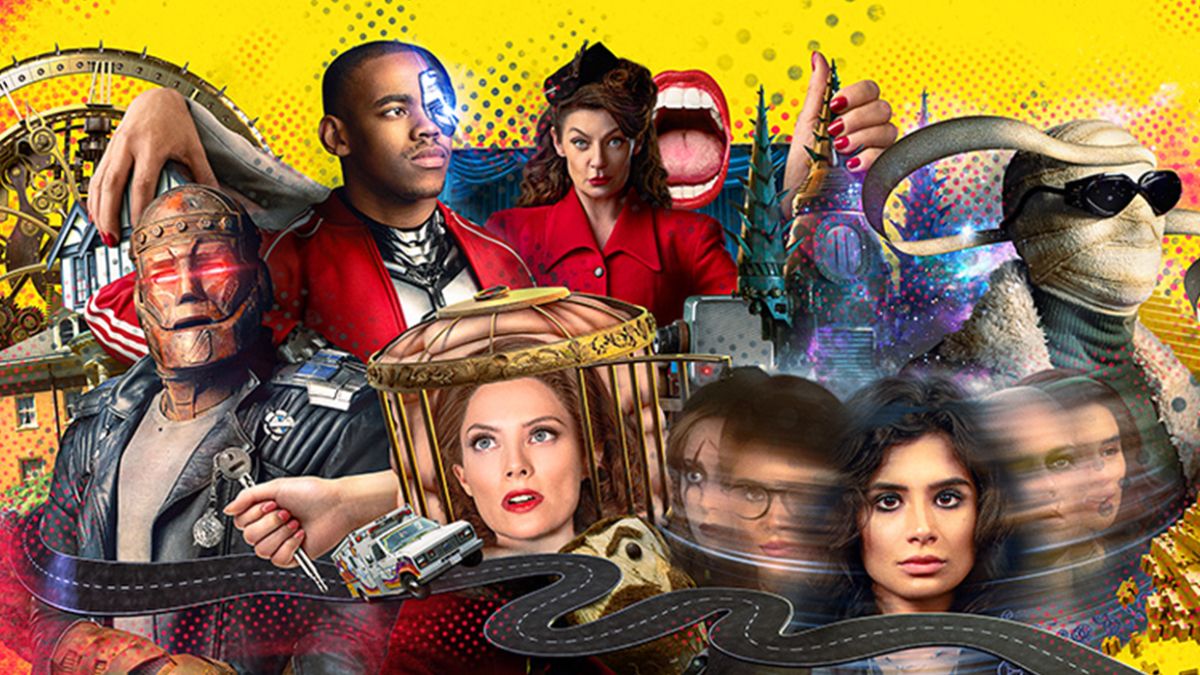
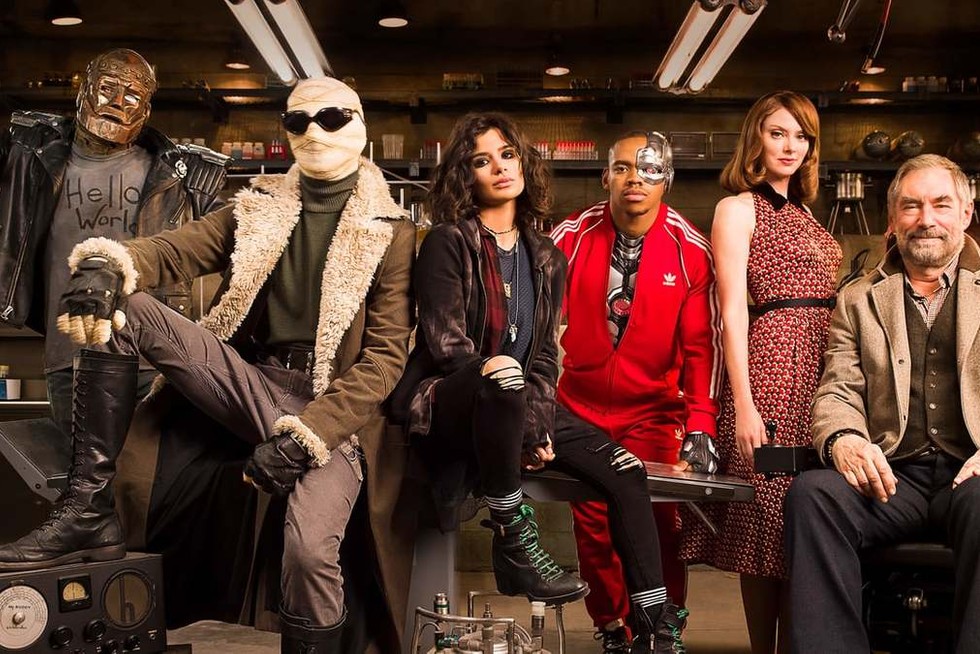
The news of the series concluding has upset many fans, especially those of Doom Patrol. With its four season, Doom Patrol will surely go down as one of the most bizarre DC TV shows or movies to come out. It centers on a groups of superhero misfits who were given their “powers” if you want to call it that by scientist Niles Calder (Timothy Dalton) in his quest to protect his daughter Dorothy (Abi Monterey), who can bring her imaginary friends to life. His tampering resulted in certain damaged individuals who gained strange abilities. 

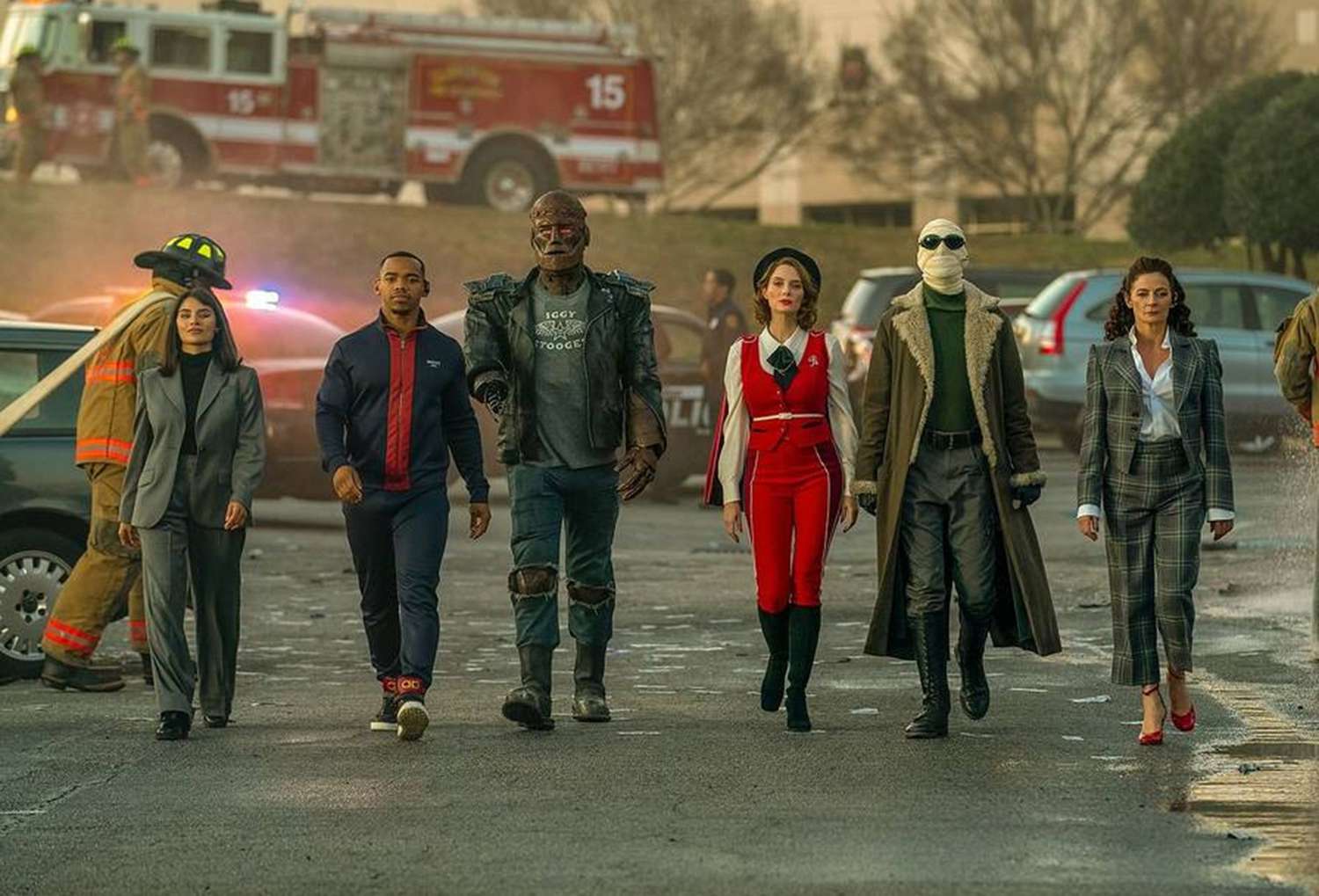
This includes Cliff Steele aka Robotman (Brendan Fraser), a man whose brain was placed in a robot body that is not very maneuverable. His background as an absentee father shows him trying to make amends by bonding with his daughter and grandson with mixed results. Rita Farr (April Bowlby), a movie star from the past whose exposure to toxic gas changes her molecular structure to that of gelatin giving her the name Elasti-woman, also has emotional issues with regards to her mother and her failed movie career. This is a common theme in the show with the characters all having issues with their pasts and trying to overcome this. Larry Trainor (Riley Shanahan), Negative Man, is no exception who was a former fighter pilot who bonded with a negative energy entity after a plane crash disfigured him. He also deals with child abandonment issues with his own child and his father, as well. Vic Stone (Joivan Wade), Cyborg, was turned into a half-man, half-machine colossus by his scientist father after a car crash, and has to come to terms with his new life. Vic is alienated from his family and friends while finding a new family in the Doom Patrol. Perhaps the most damaged character is Kay Challis (Diane Guerrero), Crazy Jane, who suffers from multiple personalities that were created to protect a little girl that was abused. These different personas are shown as a group of women living in an underground area connected by a subway station, when at certain times, one of them comes to the surface to display a completely different aspect of Jane’s life, and a different super power, too.

The plots of the episodes are strange to say the least and the flashbacks to each character’s respective pasts are a frequent occurrence. We see them thinking about their traumas, struggling to get past it and become heroes to fight against whatever threats they are facing today. These threats include Mr. Nobody (Alan Tudyk), an old enemy of Niles, or the Candlemaker, a creature from Dorothy’s subconscious, as well as Madame Rouge (Michelle Gomez), a time traveling agent of the Bureau of Normalcy, who captured Rita and forced her to become a weapon. Later on, Rouge actually joins the Doom Patrol to lead them after the departure of Niles. The series can seem somewhat chaotic with so many different ideas thrown around. Such things like a sentient street that talks to people via signs, zombie versions of the characters going to the afterlife, and magical creatures coming from a girl’s imagination all make the show very distinctive in DC lore.

Doom Patrol is supposed to have a proper ending as the producers had a hint that cancellation was coming so hopefully the last batch of episodes coming out later this year will give this odd group the sendoff they deserve and hopefully they will finally get some peace of mind. Regardless of how it ends however, this series has cemented its place as the most unique property to come out of the DC universe and will most likely stay that way.

C. S. Link

Star Trek: Deep Space Nine Celebrates Its 30th Anniversary

This month thirty years ago, Star Trek: Deep Space Nine, the second Star Trek spinoff (not counting the 1970s animated series) premiered on independent TV stations. Right from its pilot episode “Emissary” viewers saw that this was a decidedly different Star Trek show. Its main character was not a white starship captain, it did not take place onboard a starship, and its ensemble cast of characters was very diverse for its time. More than that the stories were more grounded and tackled headier topics like religion and politics, while the characters were not clean-cut explorers who got along well with everyone. Instead they exhibited shades of grey and were quite flawed.

Many fans at that time were put off by Star Trek: Deep Space Nine because it did not follow the typical Star Trek formula and was deemed to be too dark in tone. They wanted the loftier or swashbuckling tone of earlier Star Trek shows that took place on starships that met new aliens every week. With Deep Space Nine, the setting was stationary, pardon the pun, as it took place on an alien space station that was run by the human-centric Starfleet.

While Star Trek: Deep Space Nine was a success, it did not reach the level of adoration that earlier Star Treks had. Before it had time to build an audience, Star Trek: Voyager was launched a couple of years after Star Trek: Deep Space Nine and conusmed a lot of attention away as it returned to the trusted formula of a starship crew exploring space with a twist. However, in recent years, many have discovered for themselves what they initially missed or disregarded and saw its groundbreaking merits.

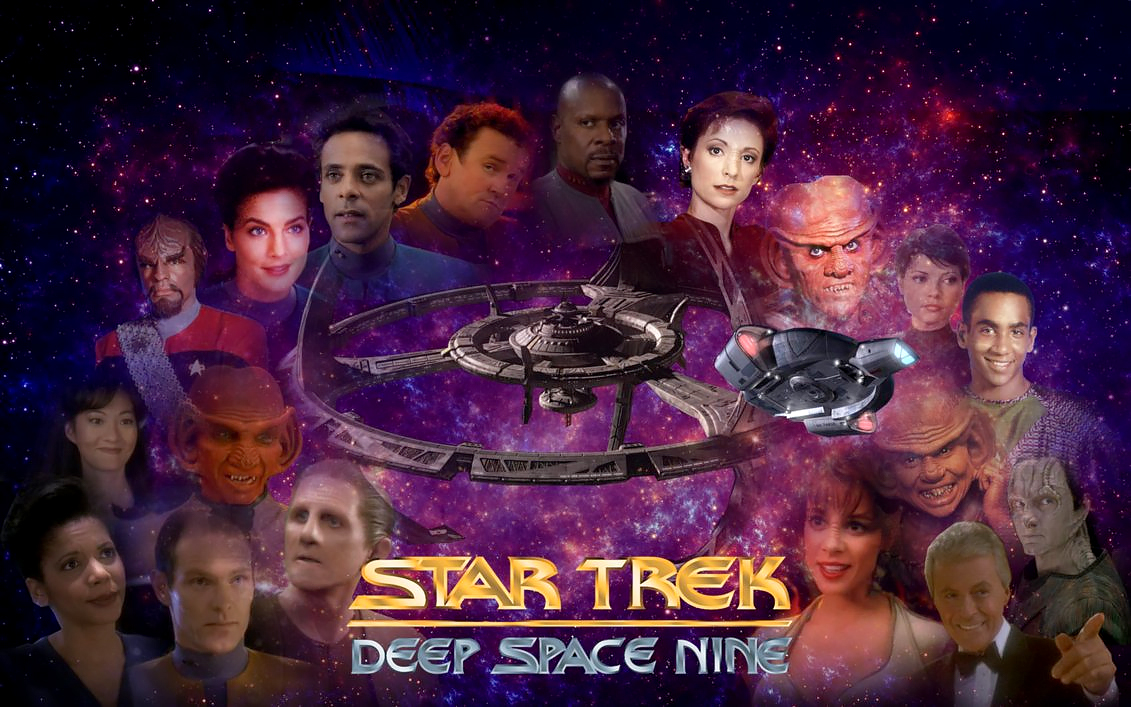
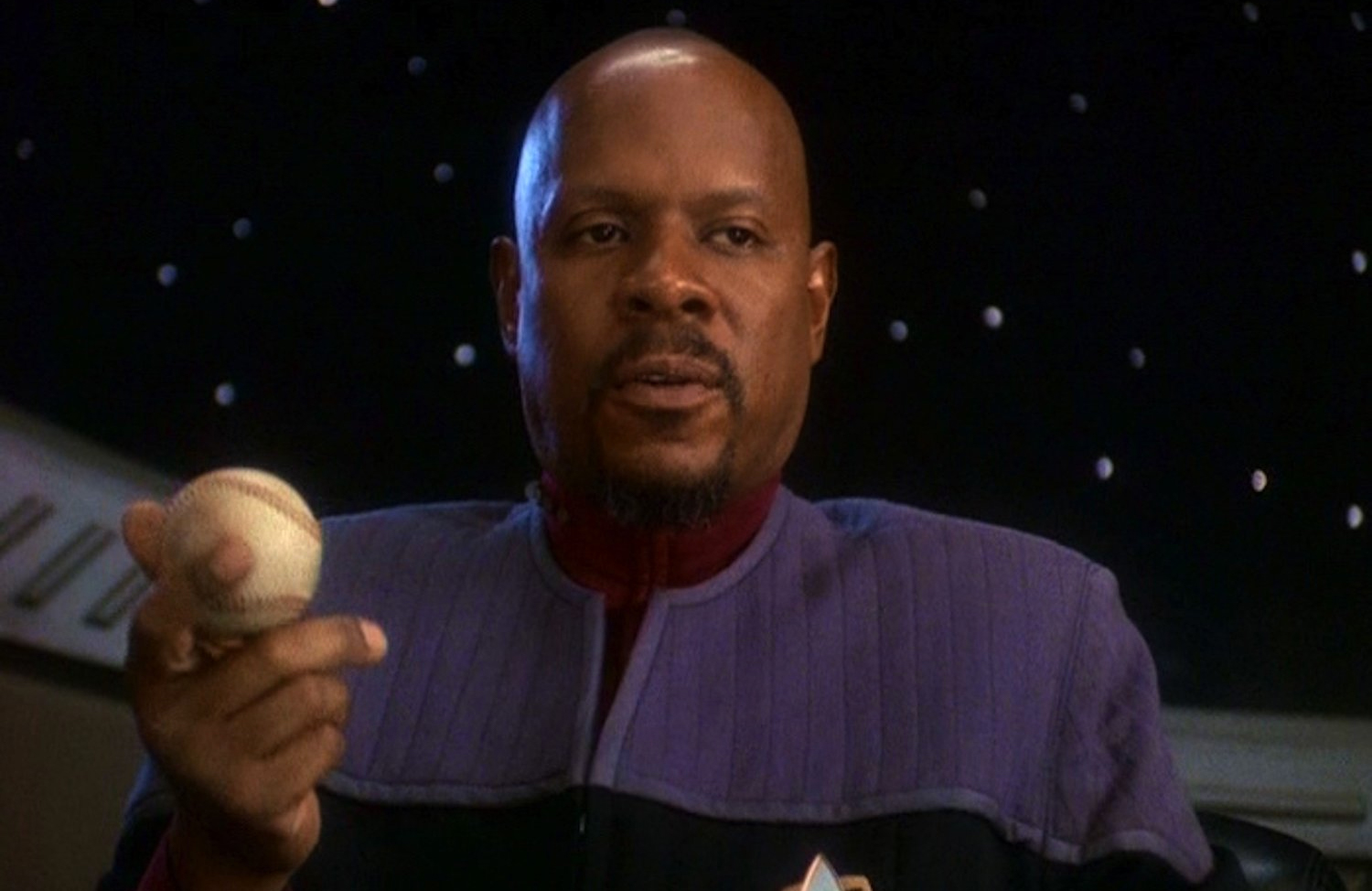
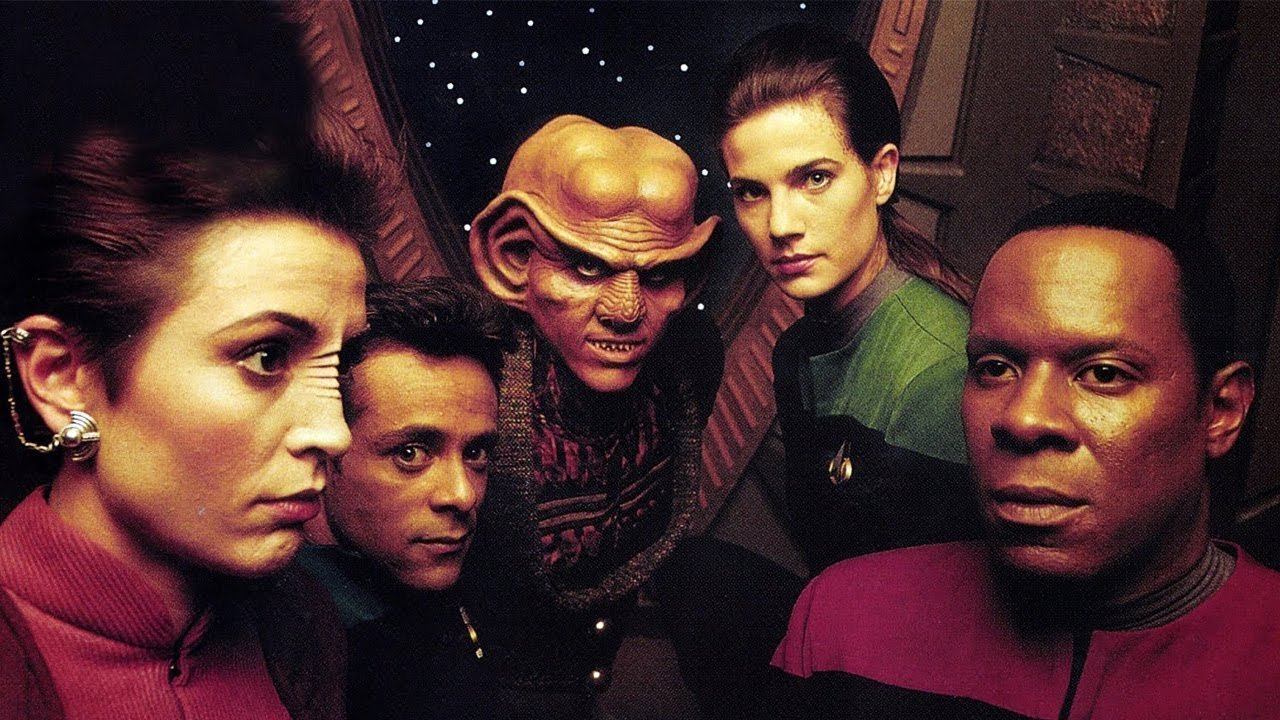
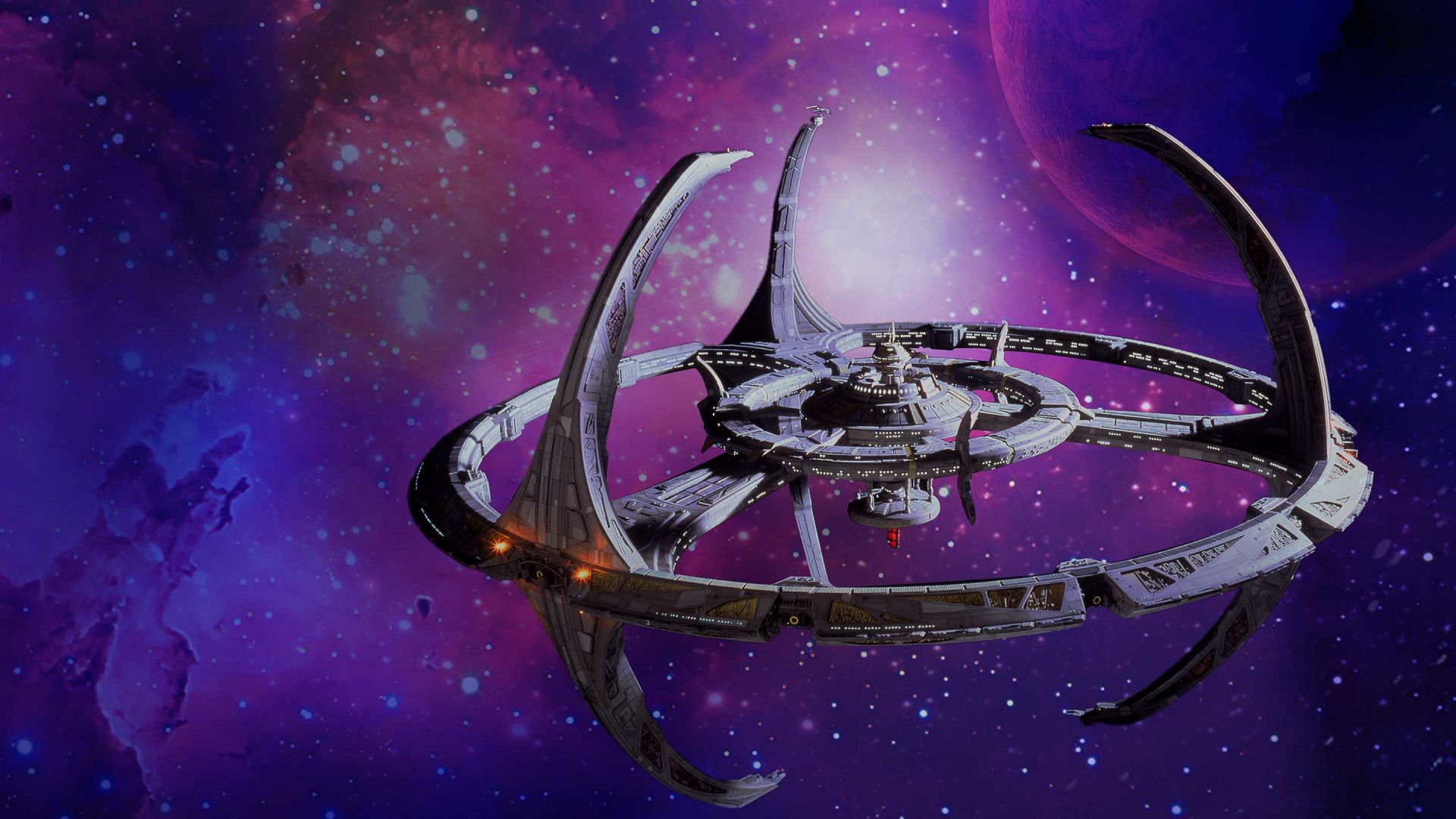
Star Trek: Deep Space Nine starred Avery Brooks as Commander Ben Sisko, an emotionally fragile and jaded Starfleet officer, who was mourning the death of his wife. He is assigned to command the Deep Space Nine space station orbitting the war-torn planet Bajor that wants to be part of the United Federation of Planets. After their arrival, Sisko and his young son meet an eclectic group of characters including Sisko’s second-in-command Major Kira Nerys, a strong-willed former freedom fighter, Quark, a greedy alien bar owner, Odo, a gruff shape-shifting alien security chief, and more. In the pilot episode, Sisko was seriously considering leaving Starfleet, but soon discovers a nearby stable wormhole that transforms Bajor and Deep Space Nine into a major gateway destination in the known galaxy. After an encounter with non-corporeal aliens in the wormhole, Sisko gains a deeper understanding of his life and moves on past his wife’s death with a renewed vigor as an officer. At the same time, he becomes a religious figure to the people of Bajor, who see his wormhole discovery as part of a prophecy about their salvation. This development, naturally, causes discomfort for Sisko, who is has his hands full keeping the peace, raising his son and running the station.

Thanks to its newfound importance, Bajor and the station becomes the centerpoint for intrigue and machinations from various parties throughout the galaxy and is so valued that before long a war breaks out for control of Deep Space Nine and the wormhole. When war breaks out, which was a first for Star Trek, its brutal horrors test our characters in relatable ways never seen before in a Star Trek show.

One thing that the show accomplished was that it embraced the now-common story arcs that continue from one episode to the next. Previous Star Trek shows followed an episodic formula with standalone stories. But by ditching that format, Star Trek: Deep Space Nine gave its characters and situations room to breath and develop. One example was the war arc that took place over several seasons, and culminated in an epic final season that was a fully engrossing and rewarding viewing experience.

Thankfully, the show has found a second life as more and more fans have discovered it and appreciated it. Even though there have been numerous Star Trek shows since, many consider Star Trek: Deep Space Nine to be the best Star Trek show of all time and they have a point. It stands out today because it did not follow the conventional Star Trek formula. It took risks and struck storytelling gold. It’s unfortunate that we have not had any followups or reunions with the show, but it is rumored that the new season of Star Trek: Picard will feature some kind of reunion related to Deep Space Nine, so we’ll find out soon. it is comforting to know that with the current slate of numerous Star Trek shows, not only has Star Trek: Deep Space Nine withstood the test of time but it has propered.

José Soto