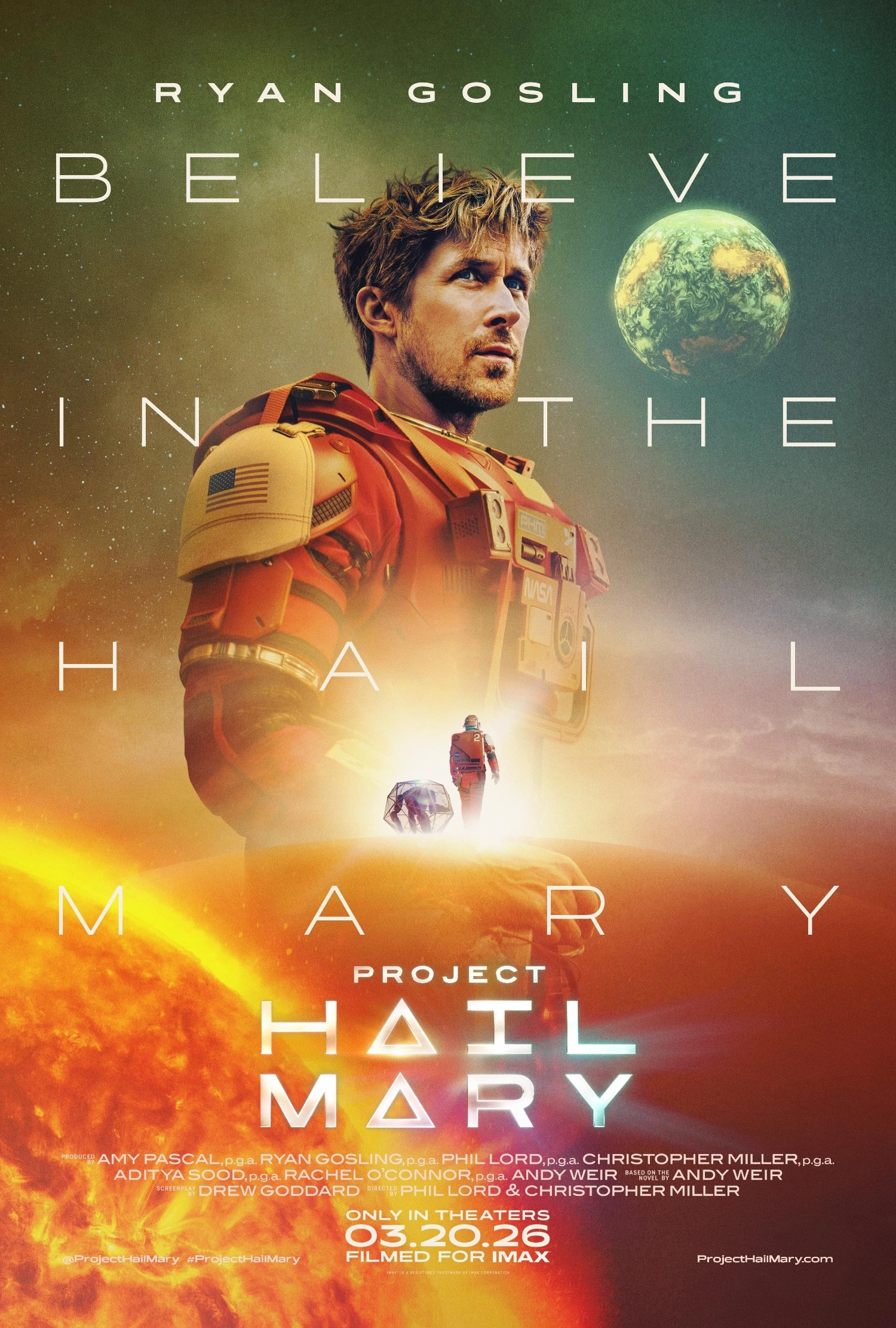
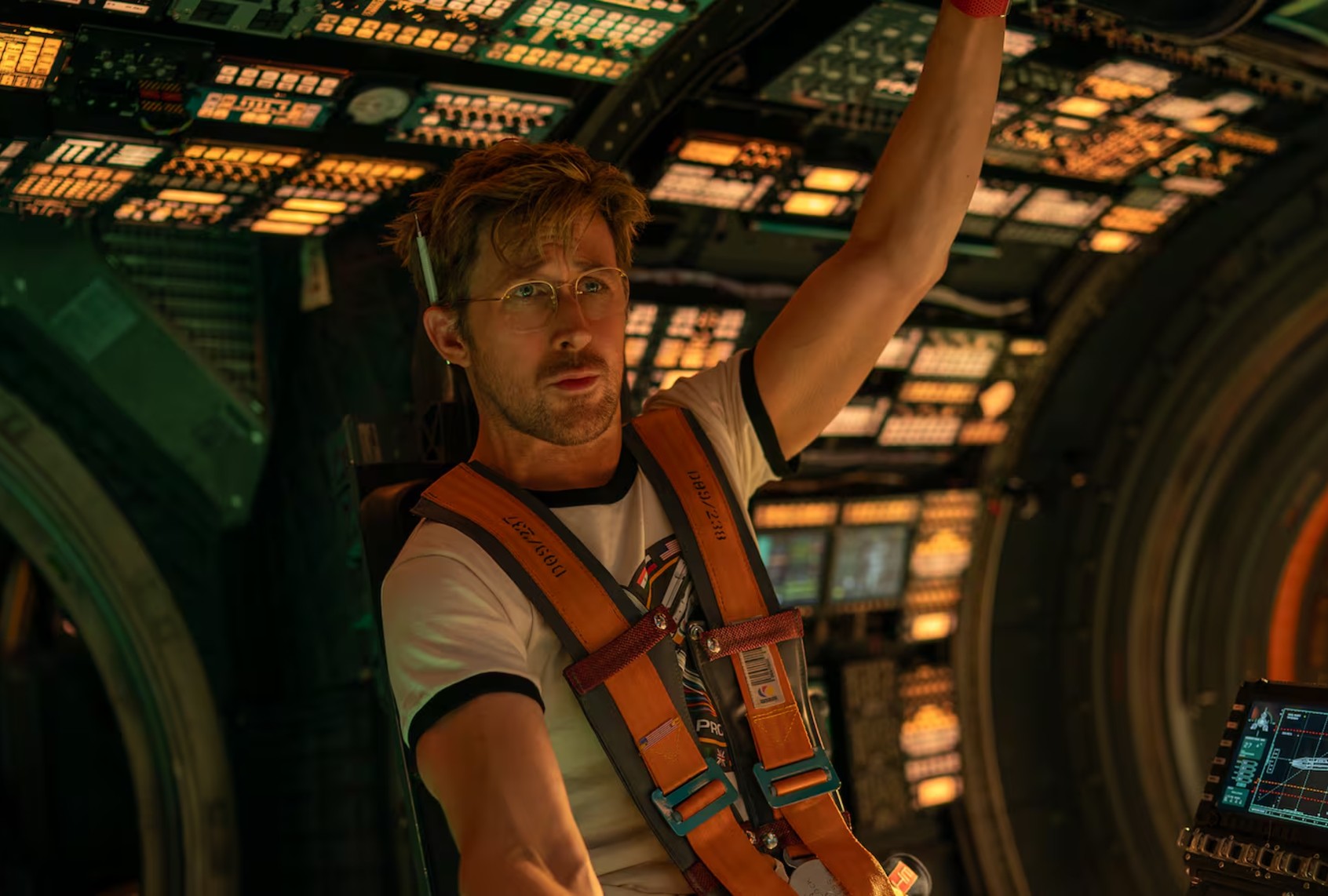
Project Hail Mary is the big-screen adaptation of Andy Weir’s book of the same name and stars Ryan Gosling as Dr. Ryland Grace, a science teacher and former molecular biologist recruited by an international space agency to journey to the star system of Tau Ceti to investigate a strange phenomena. What he finds at his destination or rather who he encounters forms the emotional core of this uplifting sci-fi film.
Grace’s story on Earth is told through flashbacks where we learn that the sun is slowly starting to dim because of these interstellar microorganisms called astrophage. They form a line to the planet Venus because the planet’s atmosphere of dense carbon dioxide allows them to breed, but they are slowly consuming the sun’s energy and in 30 years, the Earth will suffer a catastrophic global cooling that threatens life. Grace, who discovers that the astrophage are alive, learns that all the nearby stars are undergoing the same situation except for Tau Ceti and he is recruited to join the crew of the spaceship, Hail Mary, on a one-way voyage to investigate why the star is still intact.
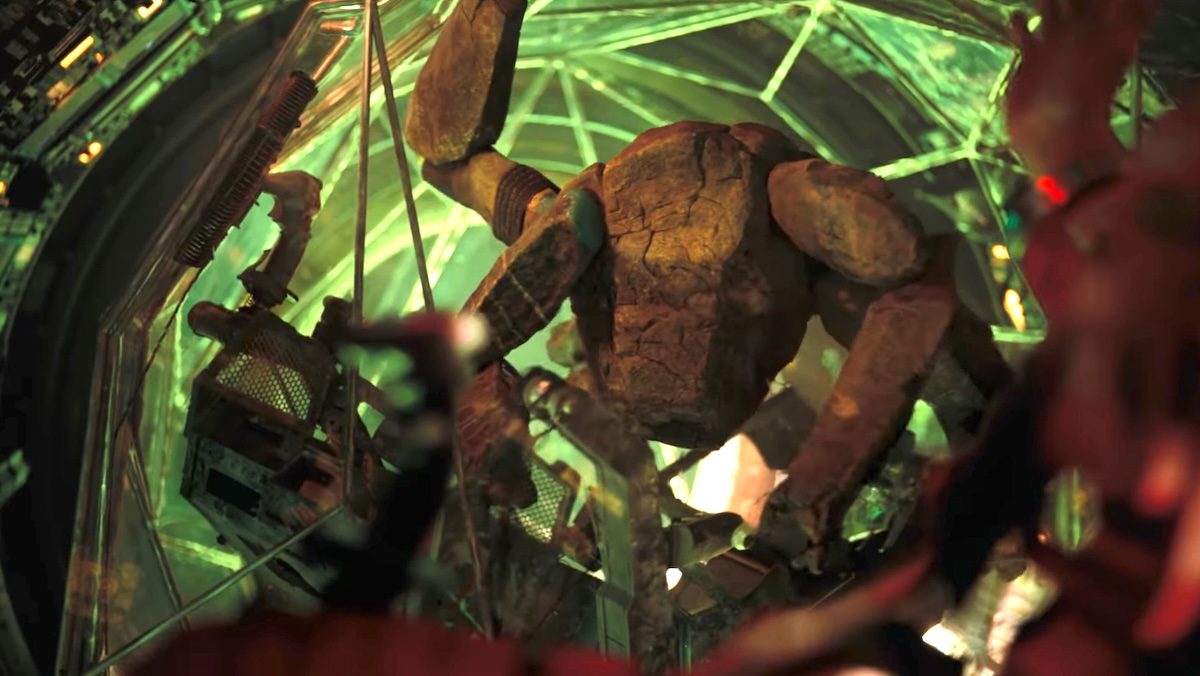
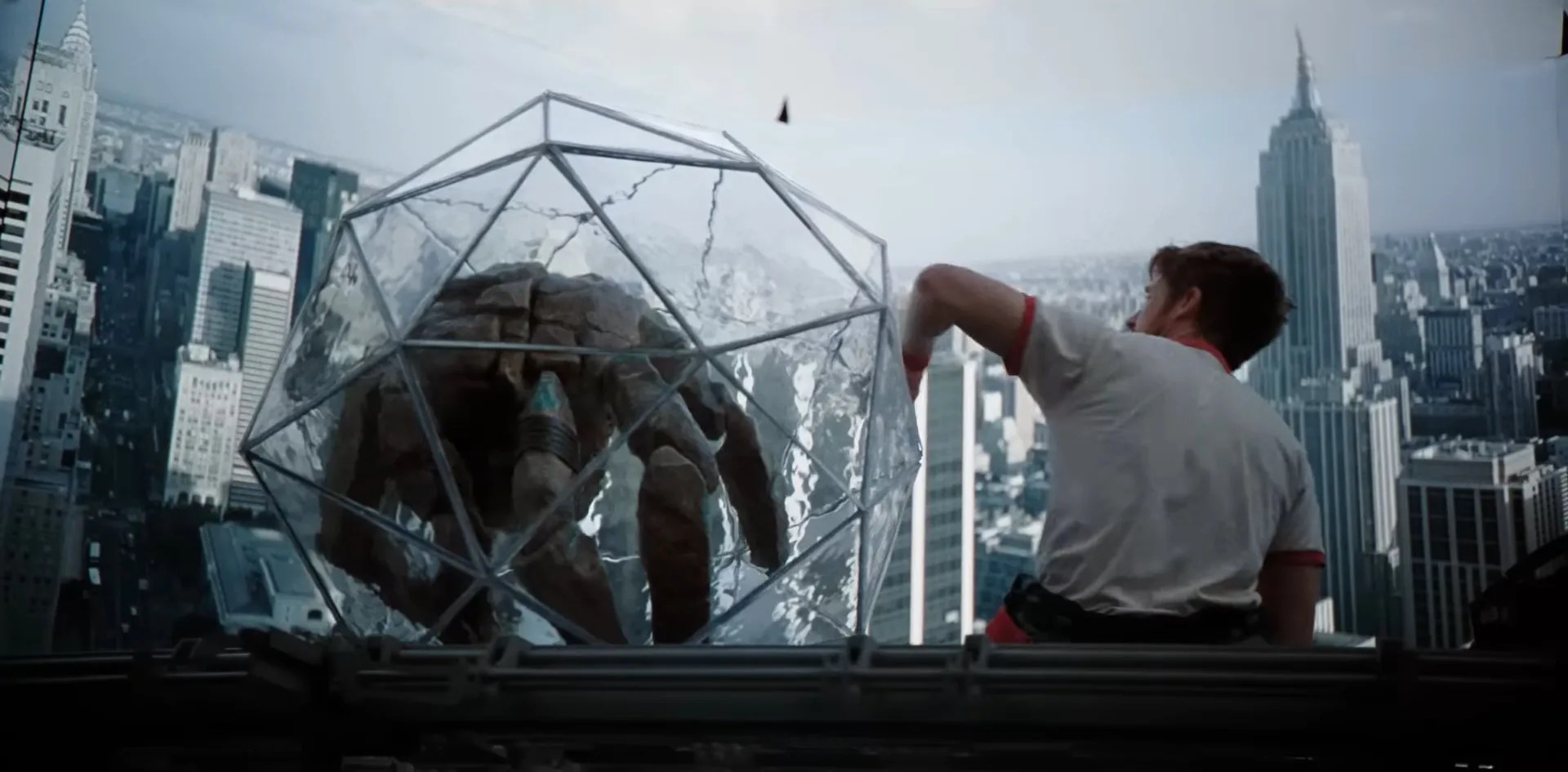
After he arrives and is awoken from cryosleep, Grace finds out his crewmates died during the voyage and that an alien spaceship is approaching the Hail Mary. The spacecraft is piloted by a non-humanoid, possibly silicate-based, being that Grace nicknames Rocky (voiced and animated by James Ortiz) because of his rock-like appearance. After some back and forth in learning to communicate with each other, Rocky informs Grace that he is also the sole survivor of a mission from his world 40 Eridani, which is also infested with the astrophage. Together, the two beings work to find out why Tau Ceti is not dimming, how they could save their worlds, and along the way, the two also form a close friendship.
Putting aside the stunning special effects and that Project Hail Mary is unafraid to dwell on actual science, the most engaging aspect of the film is the relationship between the two beings. It is inspiring to see these two go through herculean efforts to learn to communicate, learn about their cultures, and form an unlikely friendship. The two were lonely in their quests and had to find some kind of emotional connection to help drive their efforts to save their worlds.
Of course, what sells this friendship is Ryan Gosling’s emotional performance and his interactions with Rocky. Gosling should be applauded in one of his strongest performances for engaging audiences as a flawed but likeable and lonely man who is able to connect with the strange alien. What’s amazing is that Rocky was largely brought to life with a puppet instead of CG, and this is why we are able to emotionally connect with him. For a strange, five-legged rock creature, Rocky feels not just alive but as a genuine sentient being that we come to care about. This was best seen at certain points in the film when the two made personal sacrifices to save each other.
One thing to note is that though Project Hail Mary is very emotionally intense at times, it is still very uplifting and showcases the best of humanity. Sure, Grace has his doubts and fears like the rest of us, but he is able to convey a sense of goodness that wins out in the end. In addition to the heartwarming relationship, the film is a visual wonder that explores the beauty of space, and the wonder of Earth. It’s just a bit regrettable that we did not get to see much of Rocky’s world or his spaceship, but that would have probably made this long film even longer!
Project Hail Mary is an emotional triumph that puts the heart into space exploration and first contact. Directors Phil Lord and Christopher Miller and screenwriter Drew Goddard have put together an engaging sci-fi wonder that must be celebrated for engaging audiences and instilling a sense of awe, warmth, and friendship across the stars.
In the end, the tech bros bullied their way to get their toys. After months of threats and whining, Paramount made an offer to acquire Warner Bros. Discovery that was so high that made the previous bidder for the entertainment giant, Netflix, back away. The result? Most certainly, Warner Bros. will essentially cease to exist as it is merged into Paramount.
Paramount already stated that HBO, the premium cable service and its app HBO Max will be merged into its anemic Paramount+ streaming platform and the company will initiate billions of dollars in cuts to Warner Bros. which translates to lost jobs that would have been largely secure if the Netflix acquisition went through. Netflix promised to continue releasing Warner Bros. films in theaters and would have treated HBO and Warner Bros. as a prestige arm of Netflix, but now that is off the table.
Given the result of the last major merger of two entertainment companies, Disney and 20th Century Fox, turned out to be that Fox for all intents and purposes vanished, this development does not bode well for Warner Bros. Then again looking at Paramount’s meager film releases lately (they don’t even have any Star Trek films scheduled to be released this year during the franchise’s 60th anniversary), which has been small and nothing to rave about, perhaps buffering their release schedule with Warner Bros. product may be an improvement. Just keep in mind that ever since Skydance acquired Paramount last year, there has been very little for the company to rave about and they are in significant debt, and will have much more when they complete their purchase. This will likely mean far less offerings from our favorite genre franchises.
This development is very alarming given the closeness the owners of Paramount have with Donald Trump and his administration and their willingness to essentially become a media arm of the administration by hampering critics of the administration. Anyone thinking the bigwigs at Paramount won’t interfere with the creatives will be in for a rude awakening. Yes, Paramount owns Star Trek and the franchise has been derided by the right wing for being “too woke”, which is laughable since Star Trek has always been more progressive than believed and pushed barriers ever since the pilot episode. But it is believed that once the contract for Alex Kurtzman, the top creative behind the current Star Trek franchise, expires this year, Star Trek will undergo a massive rebooting and who knows what will direction it will take under the current owners.
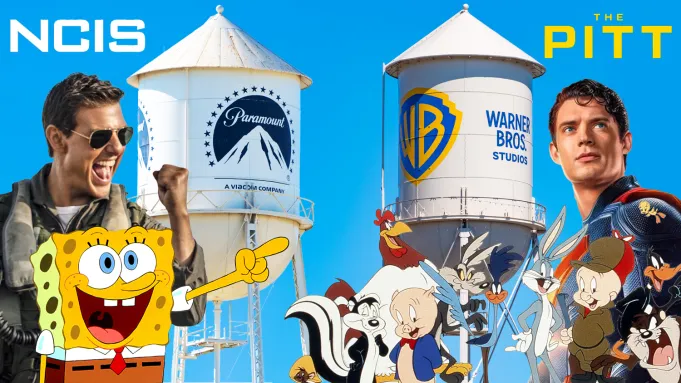
Getting back to Warner Bros., obviously its properties like DC, Looney Tunes, Mad Max, Dune, Harry Potter and Game of Thrones will now belong to Paramount, cue the Star Trek/DC tie-in comics and Spongebob meets Bugs Bunny cartoons. Now, if Paramount had a brain and left its owners’ agendas at the door, it would leave the franchises alone to to do their own thing. Let’s see if this happens.
Even though James Gunn and Peter Safran, the current heads of DC Studios, will remain in their positions, according to Paramount, do not expect this arrangement to last. Given Gunn’s outspoken views against Trump and the fact that his film Superman blatantly criticized the policies of the Trump administration, expect some major pushback from Paramount with future DC projects. What could very well happen is that once his contract expires, Gunn will bail and if Disney moved fast they would snatch him up immediately and groom him to take over Marvel Studios once Kevin Feige retires. Even if Disney does not hire Gunn, he will be a hot commodity who will be sought after by the few remaining film studios.
Of course, the merger of two major film studios would violate anti-trust laws, and there was precedent for this when Disney brought Fox in 2017. That event could have been considered a one-off situation, but this one happening less than ten years after the Disney purchase. This could lead to more mergers and in the end audiences and consumers lose out. Don’t be surprised if we get news soon about more mergers. Sure there are laws against this but since when did that impeded the current corporate-friendly government?
No matter anyone’s beliefs, this development is disturbing because the lessening of competition will lead to less choice and increased prices for consumers. Naturally, the only way to counter this is though money, the only thing the corporations listen to. For now, let’s take a moment of silence to commemorate Warner Bros. and HBO for their decades of quality films and TV shows.
There have been many questions from those who saw Avatar: Fire and Ash about the state of affairs following that film and more importantly if we will see another Avatar sequel. James Cameron, the director and creator of the Avatar films said at the time of the release of Avatar: Fire and Ash that future films would depend on the third film’s box office performance. Since then, the film has proven to be an undeniable hit, having grossed $1.3 billion and climbing, but is that enough and where would the Avatar saga go? There will be spoilers ahead for Avatar: Fire and Ash.
After the Fire and Ash
When Avatar: Fire and Ash finished, the human colonizers were dealt a huge defeat by the native Na’vi of Pandora, but they were not driven off the world. Meanwhile, the human teen Spider was accepted by the Na’vi as one of their own, and his new ability to breath Pandoran air indicated that humanity would be able to adapt biologically to live on Pandora. This was what Jake Sully and his lover Neytiri feared would happen because humanity was desperate to flee a dying Earth and settle on a new world. It is all but certain that despite their defeat, more humans would show up in waves to settle on Pandora.
Then there were unresolved personal issues faced by the main characters. Although many arcs were resolved such as Neytiri’s hatred of humans and Jake Sully accepting his destiny as Toruk Makto, the warrior leader who would unite the Na’vi tribes against the humans, others were left incomplete. Namely, Sully’s children with their own stories, the fate of his enemies Quaritch and Varang, and what would ultimately come of the human/Na’vi relations. Yes, we saw Quaritch plunge to his fiery death at the end of the film, but come on we saw him killed by arrows to the heart in the first film, drowned in the second, so the powers-that-be will concoct some way to resurrect him.
Regarding Quaritch and the Na’vi
Quaritch has become one of the most interesting and nuanced characters in the Avatar films. Originally, he was a one-note villain in the first film that was killed off, but after his memories were implanted into a Na’vi avatar in the second film, his character became more intriguing. Quaritch hates the Na’vi and actively fights for the humans, but he is actually one of the Na’vi now. Yet, he refuses to open his eyes and acknowledge the wonder of Pandora as Sully chided him in the third film. The actual Quaritch died in Avatar and for all intents and purposes the Na’vi replacement has the opportunity to chart a new course but is stuck in his old ways. However, in the third film there were signs of Quaritch starting to soften his ways. This was best seen with his wanting to establish a relationship with his human son, Spider, who adopted Na’vi culture. He also began to “go native” when he began a sexual relationship with Verang since they shared a common bloodthirst for violence. Then there is also the fact that he ignored the orders from his human military leader, General Ardmore, who was more openly disdainful of Quaritch, Verang and her tribe. The natural progression for Quaritch in the final two films would be for him to have a change of heart and side with the Na’vi and probably sacrifice himself to either save Spider or Pandora or even the child that he would have conceived with Verang. Given how Quaritch has become such a great character it would be a shame if we never see him again.
As for the Na’vi, the humans are still on Pandora and more will come. How can they survive this? In our history, whenever a culture encountered one with a high-level of technology, they would end up being defeated in the long run. The Na’vi are a non-industrial society that consider the use of metal weapons to be taboo and won’t use them, except for the Ash People who were all too willing to use human armaments to fight their fellow Na’vi. But we’ve seen traditional Na’vi starting to use human technology. In Avatar: The Way of Water, Sully led a raiding party who quickly stole human weapons and used them against the humans. Neytiri herself even began to use Na’vi weapons modified with human technology to rescue Jake in the third film. This enforces a theme that in order to survive one must be willing to adapt. This theme of adapt or die was also shown when the powerful aquatic tulkuns abandoned their pacifistic ways to fight the humans who were slaughtering them. No matter what ultimately happens the Na’vis are forever changed by the arrival of humans.
One nagging situation with the Na’vi is their origin. On Pandora, the native fauna have six limbs, no nostrils, two neural queues, and two sets of eyes. Despite their blue skin and gigantic nature and tails, the Na’vi are more human-like with four limbs, nostrils and one set of eyes. We have not had an explanation as to why the Na’vi are so biologically different from other Pandoran lifeforms. This implies that the Na’vi may not be natives of Pandora. They could have come from another world perhaps under similar circumstances to the humans or they were stranded there. Perhaps they were more technologically oriented and abandoned this lifestyle to become more attuned to the land and eventually forgot their origins. This would be a fascinating plot to explore in the fourth or fifth film and point a way towards humanity’s destiny of learning to live harmoniously with the land.
Humanity’s Fate
Then there is the nagging question of will the humans be able to live on Pandora peacefully with the Na’vi? Instead of using MacGuffins like unobtanium to explain why the humans are so set on razing Pandora, the fourth and fifth film should focus more on humanity’s desperate mission to find a new world. This could lead to ethical questions on both sides. It’s one thing to fight back hard against invaders from the sky out to plunder your world but it’s another to attack families with children who are only looking for refuge. Sure, Verang and her Ash People would not hesitate to kill any human but would others like Neytiri be willing to go that far?
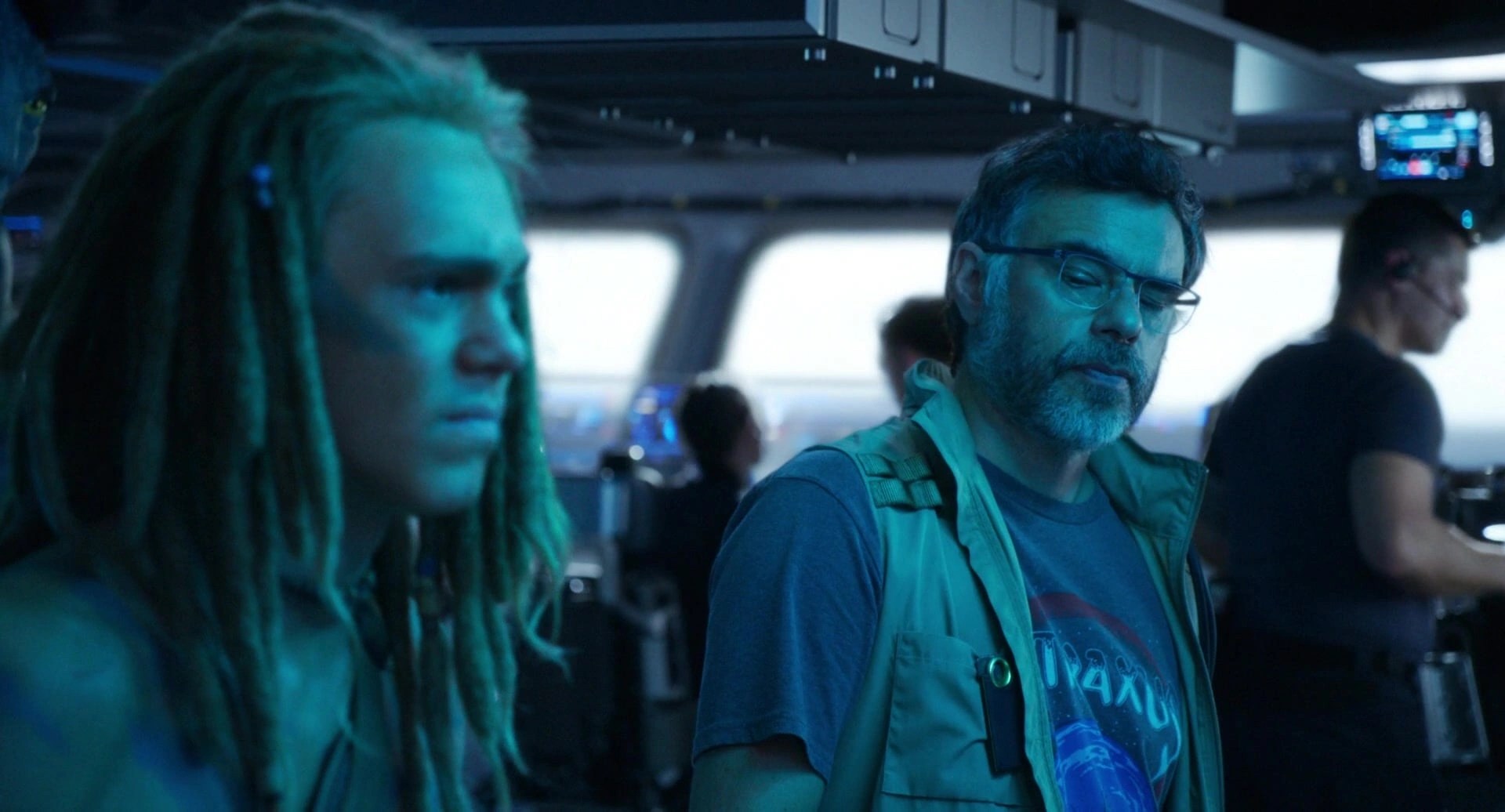
As for the humans, we have to see more people that are against the military/corporate factions who are too eager to kill Na’vi and pillage Pandora. It’s unrealistic to think that most of the humans in the Avatar films are evil scumbags. We saw more signs of humans fighting for the Na’vi in the earlier films with Sully himself, a few allies, and in the third film when the marine biologist Dr. Ian Garvin helped Jake escape from jail and warned him of a pending tulkun slaughter. But we need to see some kind of redemption for the whole of humanity. They have to take a stance and find a way to live harmoniously with the Na’vi.The next films could have a development were a faction of the colonizers rebel and fight on the side of the Na’vi. One really awesome sequence could have several of the arriving ships from Earth unexpectedly attacking other human ships. Then these rebel ships could land on Pandora and the humans emerging from them could declare their allegiance to the Na’vi.
On that note, if there is never another Avatar film, we do have an ultimate conclusion of sorts to the Avatar Saga. In Pandora, the World of Avatar, the Avatar-themed land in Disney’s Animal Kingdom, it takes place generations after the Avatar films and both species now exist peacefully with each other. If that won’t suffice, Cameron himself promised to hold a press conference and reveal the end of the saga and even write a novel about it.
2025 delivered many exceptional genre films and television shows that surprised us with their quality and pushed boundaries. Many of them will be remembered for quite some time and others set the standards for existing franchises. Here are the ten best films and TV shows of 2025.
Films
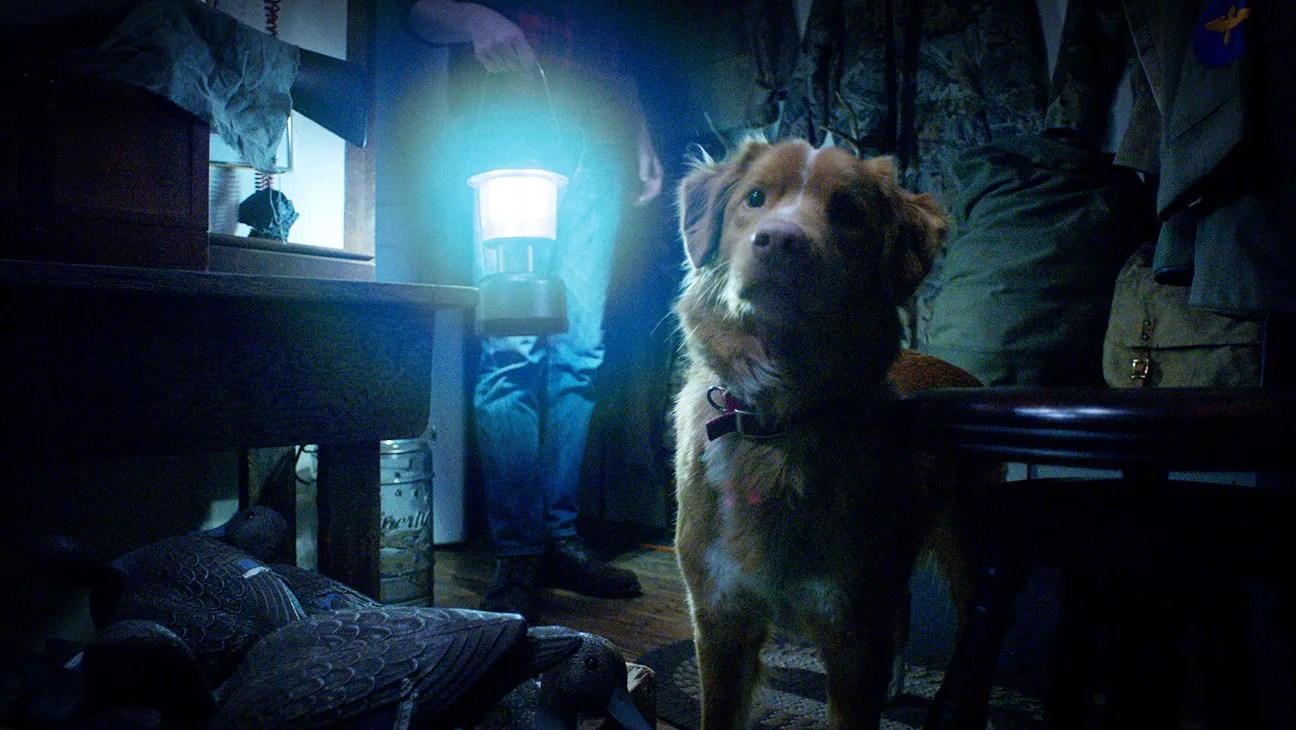
10. Good Boy
Indy the dog stole the show in this inventive supernatural horror film told from the point of view of a good dog trying to protect his owner from a supernatural threat. What added to the suspense was the vulnerability of the dog and the fact that only he could sense the danger threatening his owner.
9. The Life of Chuck
2025 was a banner year for good to great Stephen King adaptations, and The Life of Chuck was the best of them as this heartfelt fantasy film explored themes dealing with loss, sadness, endings, and the wondrous joy of simple everyday things and relationships.
8. Jurassic World: Rebirth
Despite many criticisms made about the latest Jurassic World entry, it was unexpectedly thrilling and engaging. Sure, some of the plotlines were rethreads, but they were presented well and the film delivered some great dinosaur action.
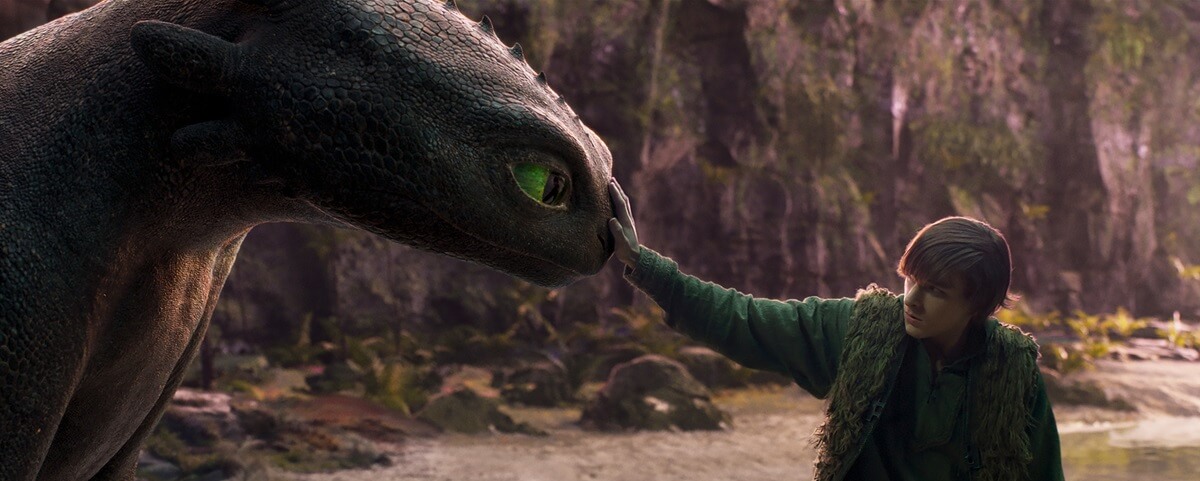
7. How to Train Your Dragon
This live-action remake of the classic DreamWorks animated film about a Viking teen and his pet dragon proved that it is possible to produce a topnotch live-action film based animated classics. This is something Disney sorely needs to study going forward with their endless remakes.
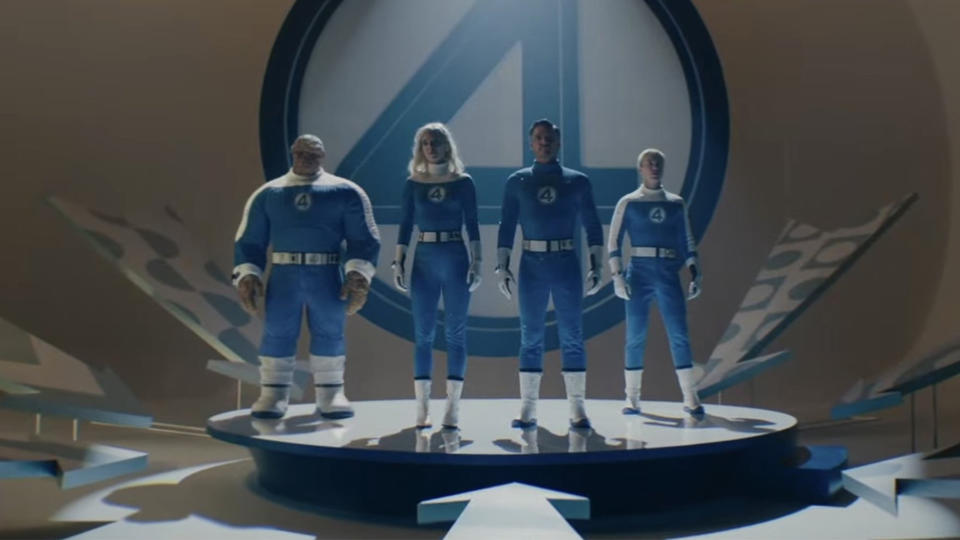
6. The Fantastic Four: First Steps
Finally, a quality film about Marvel Comics’ first family has been done. Great performances, production and special effects are the highlights of this charming film about family and facing cosmic horror. The film gets extra points just for not depicting Galactus as a giant space cloud!
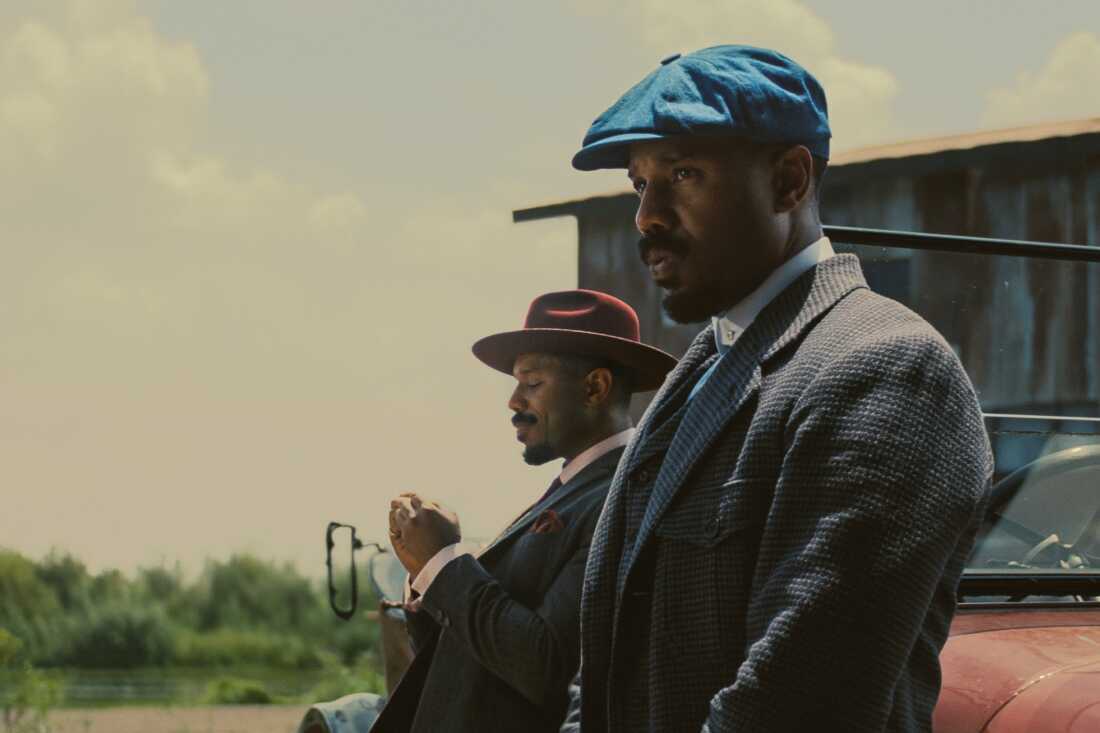
5. Sinners
Michael B. Jordan is at the top of his acting game playing dual roles in Ryan Coogler’s haunting vampire film. What could have been a simple vampire tale was instead of tour de force from Coogler that explored America’s cultural and racial divide with exceptional visual storytelling.
4. Predator: Badlands
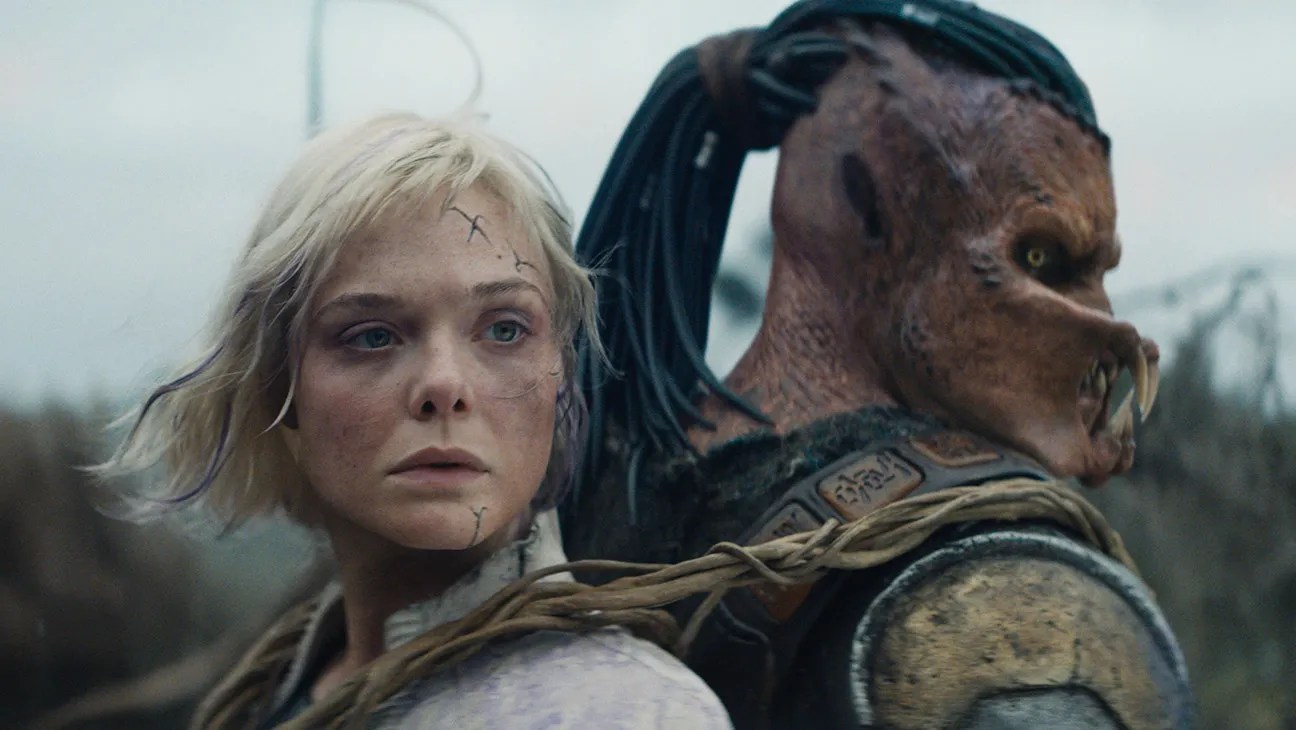
Just like last year’s Alien: Romulus reinvigorated that franchise, so too does Predator: Badlands with its own franchise about alien hunters. This time, the eponymous alien hunter is shown in a heroic light in this imaginative sci-fi action/adventure romp that fleshes out the species of the Predator as it skillfully blends with the Alien franchise.
3. Frankenstein
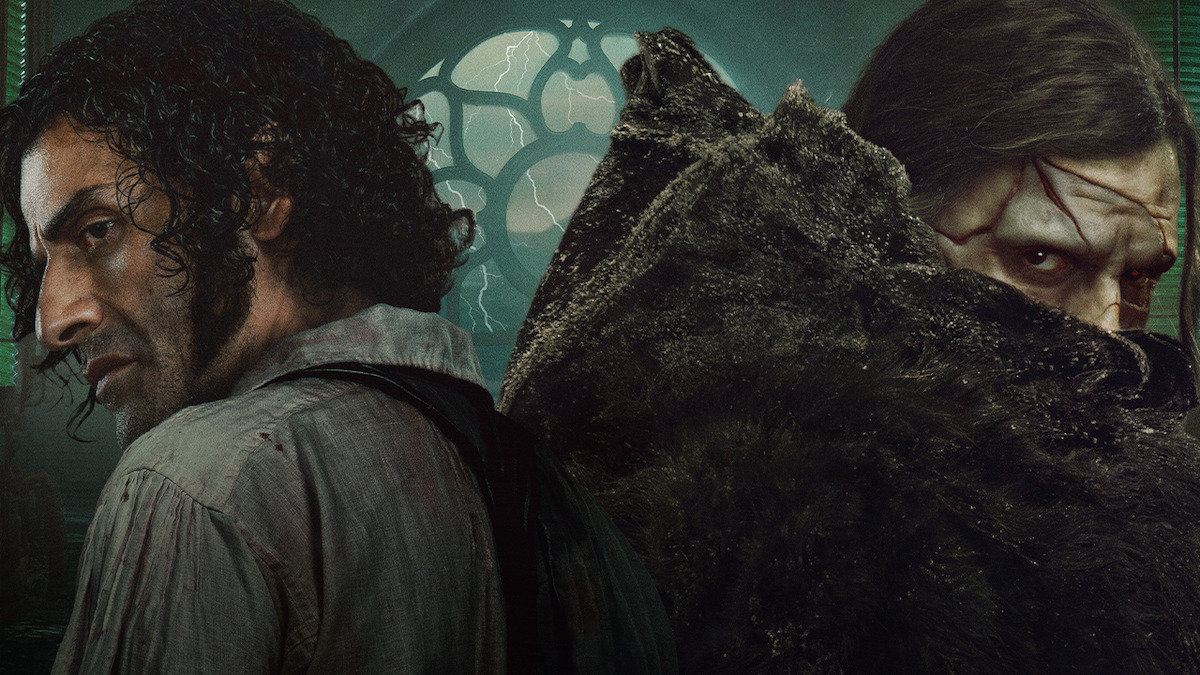
Guillermo Del Toro wowed audiences once again with his vivid imaginative storytelling skills. The latest adaptation of Mary Shelly’s literary masterpiece follows the essence of the book while veering off into unique directions that explore the father and son dynamic between the title character and his monstrous yet sympathetic creation.
2. Superman
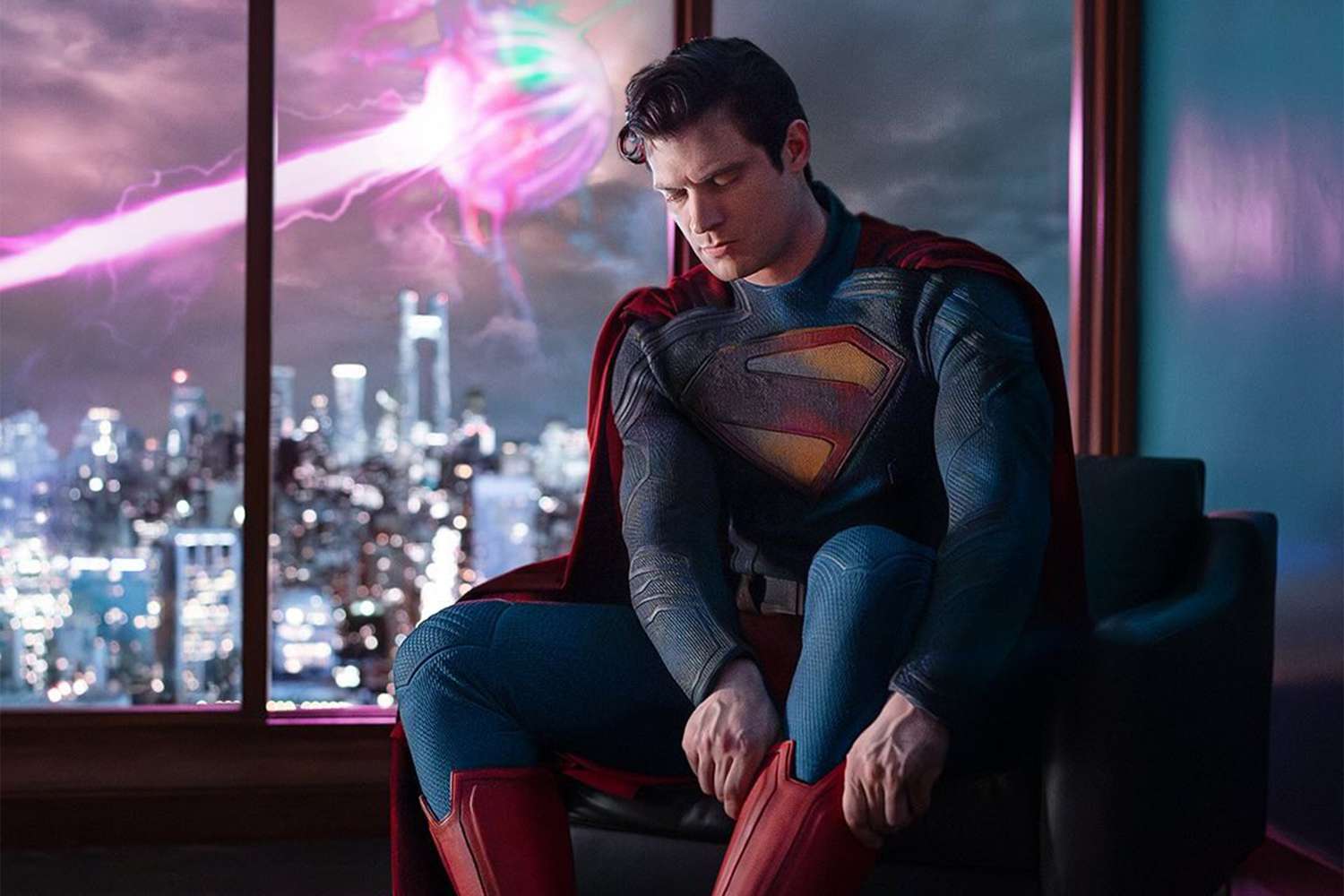
Director and head of DC Studios James Gunn successfully launched the new DC Universe (DCU) with a fresh and interpretation of the Man of Steel. Superman and his colorful superhero world is rightfully depicted in a bright, hopeful light that cleverly raises questions about our current events and society. Superman is a very promising start to the DCU and we can’t wait for the latest entry.
1. TIE: Avatar: Fire and Ash/Thunderbolts*
This is a first for this blog, the two best films of 2025 were that great but so close in quality for different reasons that it was too hard to choose one above the other. So the two best films of 2025 are a tie.
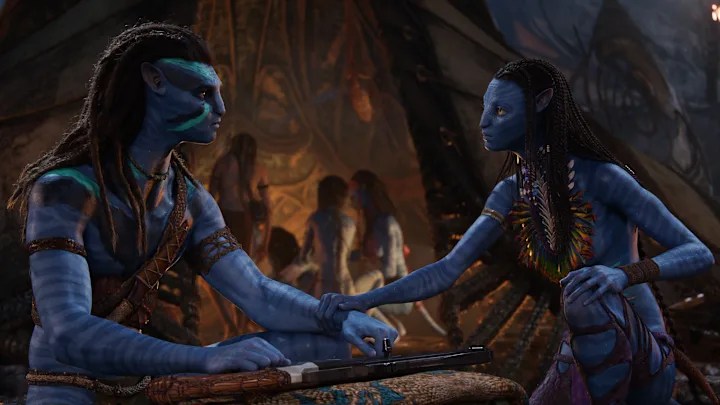
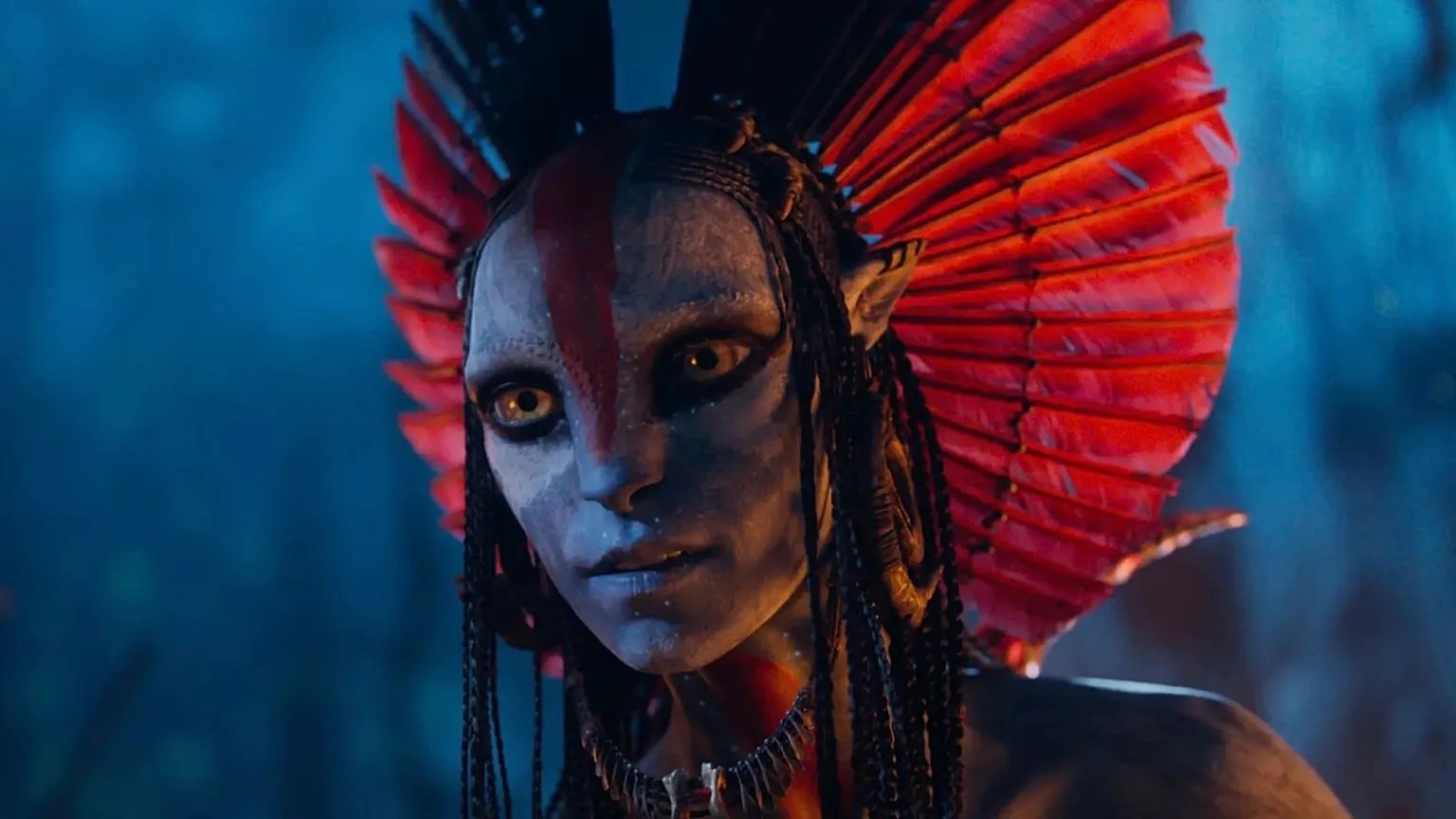
Once again James Cameron proves why he is one of our greatest filmmakers with Avatar: Fire and Ash. The visuals and worldbuilding in this sci-fi epic are jaw dropping and must be seen in large screens. Some of the set pieces are too familiar but Avatar: Fire and Ash does develop many characters and kept us engaged with the plight of the moon Pandora as it faced evil human colonists.
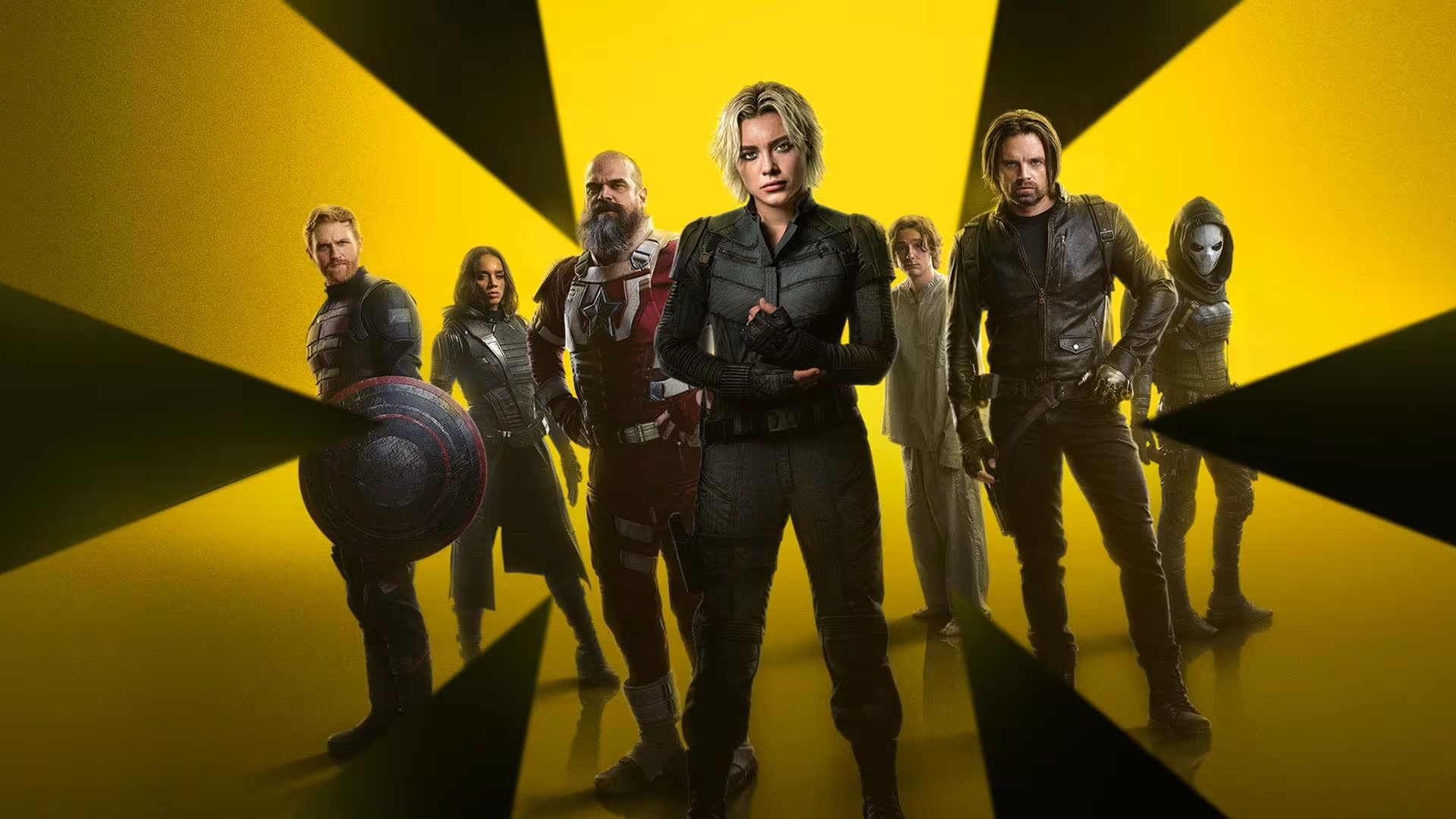
Thunderbolts* aka The New Avengers was unexpectedly the best superhero film of 2025 thanks to heartfelt performances and chemistry among its cast and an emotional story of misfit mercenaries who become unlikely superheroes. Unlike the typical superhero romp, Thunderbolts* focused on characters and explored adult themes of mental and emotional health, loneliness, addiction and depression. We’ll be rooting for these underdogs when they return in Avengers: Doomsday.
Honorable Mentions:
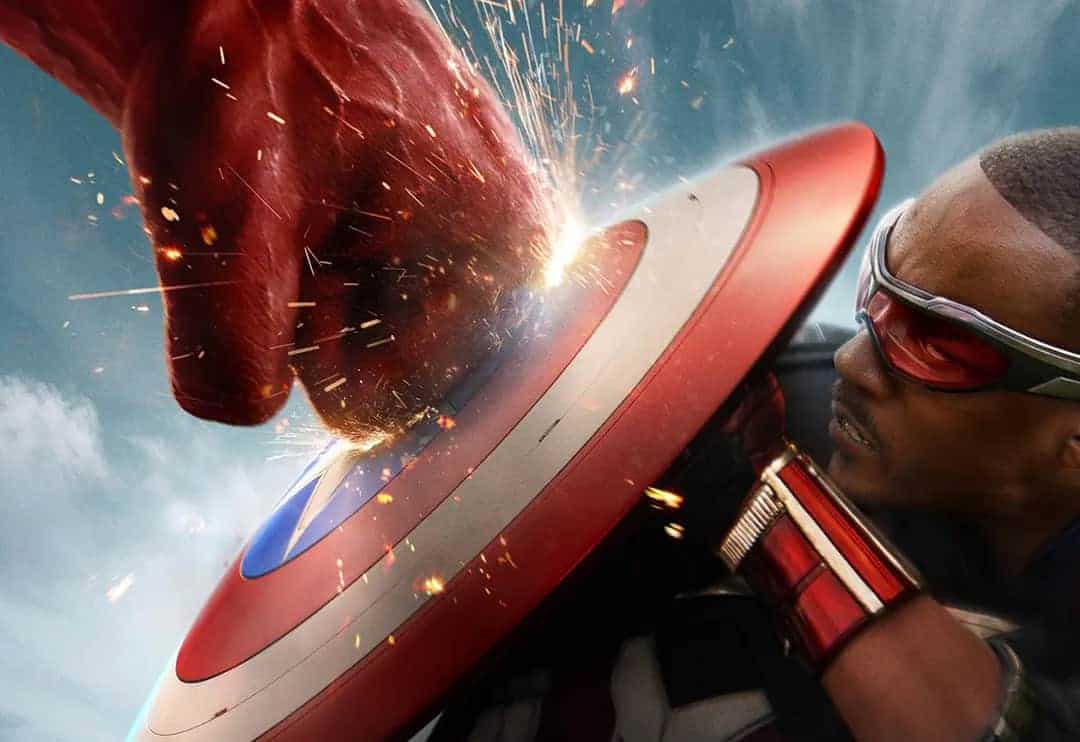
28 Years Later, Bring Her Back, Bugonia, Captain America: Brave New World, Companion, The Electric State, The Gorge, The Great Flood, It Ends, The Long Walk, Predator: Killer of Killers, Primitive War, Weapons, Zootopia 2
Television
10. Paradise
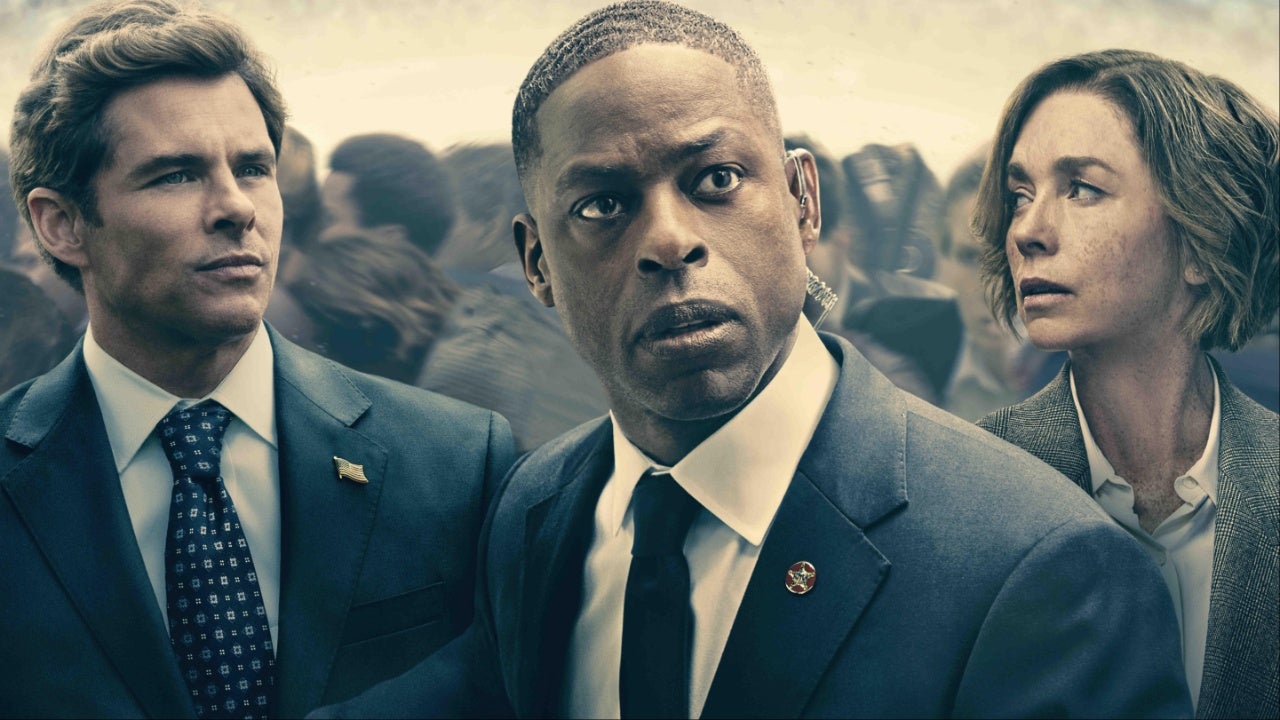
This murder mystery that took place in a post-apocalyptic underground town shelter was elevated by great performances by Sterling K. Brown and James Marsden and an engrossing storyline that kept viewers guessing about what happened to the world and who murdered the U.S. president.
9. Star Trek: Strange New Worlds
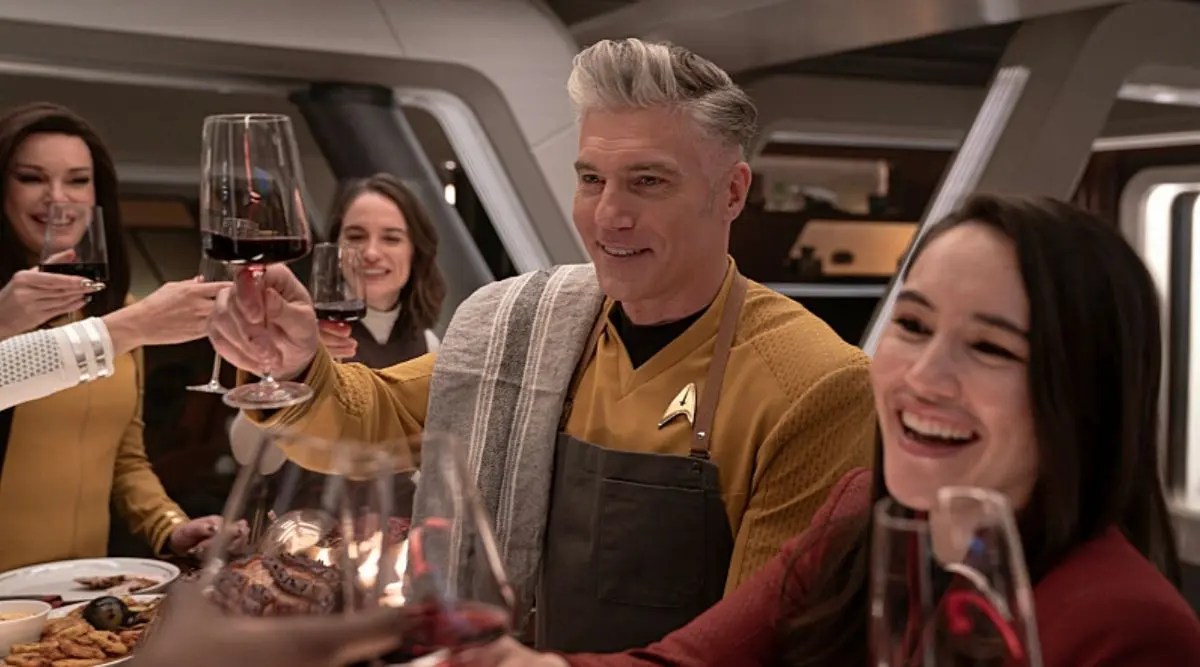
The third season of the only remaining Star Trek show (for now) had its problems such as its uneven tone and showcasing too much of James T. Kirk (the show is supposed to be about Captain Pike). Still, some of the episodes were true standouts that proved there were still great Star Trek episodes to be presented.
8. Marvel Zombies
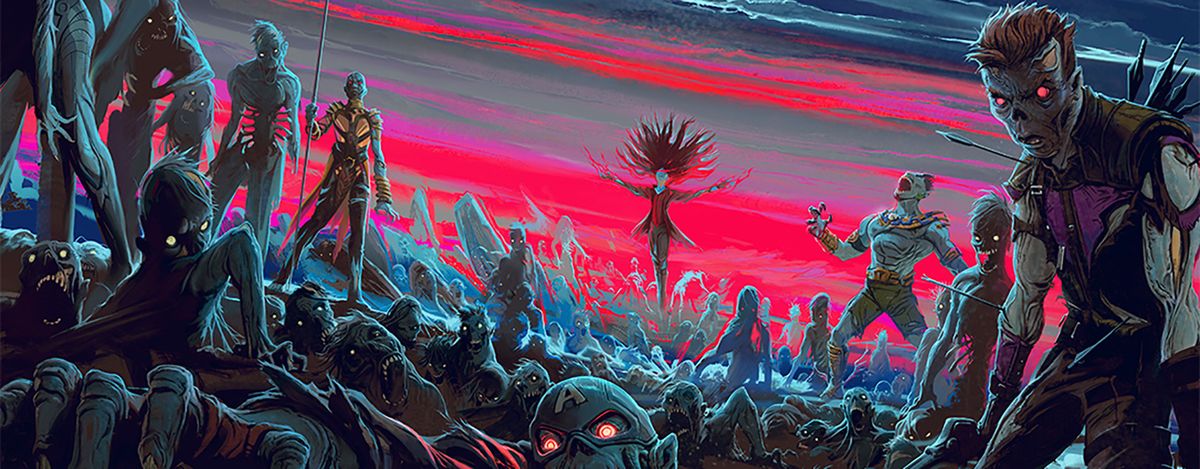
Put together classic characters from the MCU and zombie horror and what do you get? A terrifically gory and fast-moving series with some outrageous zombie action that demands a second season! Hopefully there will be more than four episodes.
7. Peacemaker
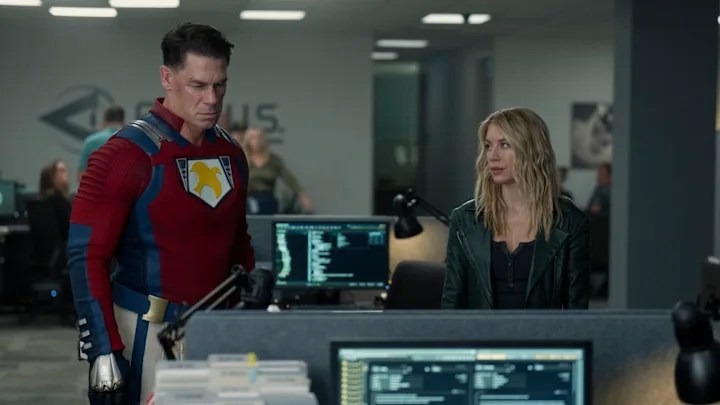
While the season finale dropped the ball as it turned out to be a drawn-out coda with concert footage, the second season of Peacemaker was for the most part a captivating look exploration of the title character’s wounded psyche as he second guessed his place in the DCU.
6. Stranger Things 5
The final season of Netflix’s breakout sci-fi/horror show was a bit all over the place with multiple characters and such, but it was still a solid sendoff to our favorite young residents of Hawkins as they had their final confrontations with the extra-dimensional horrors of the Upside Down realm.
5. Daredevil: Born Again
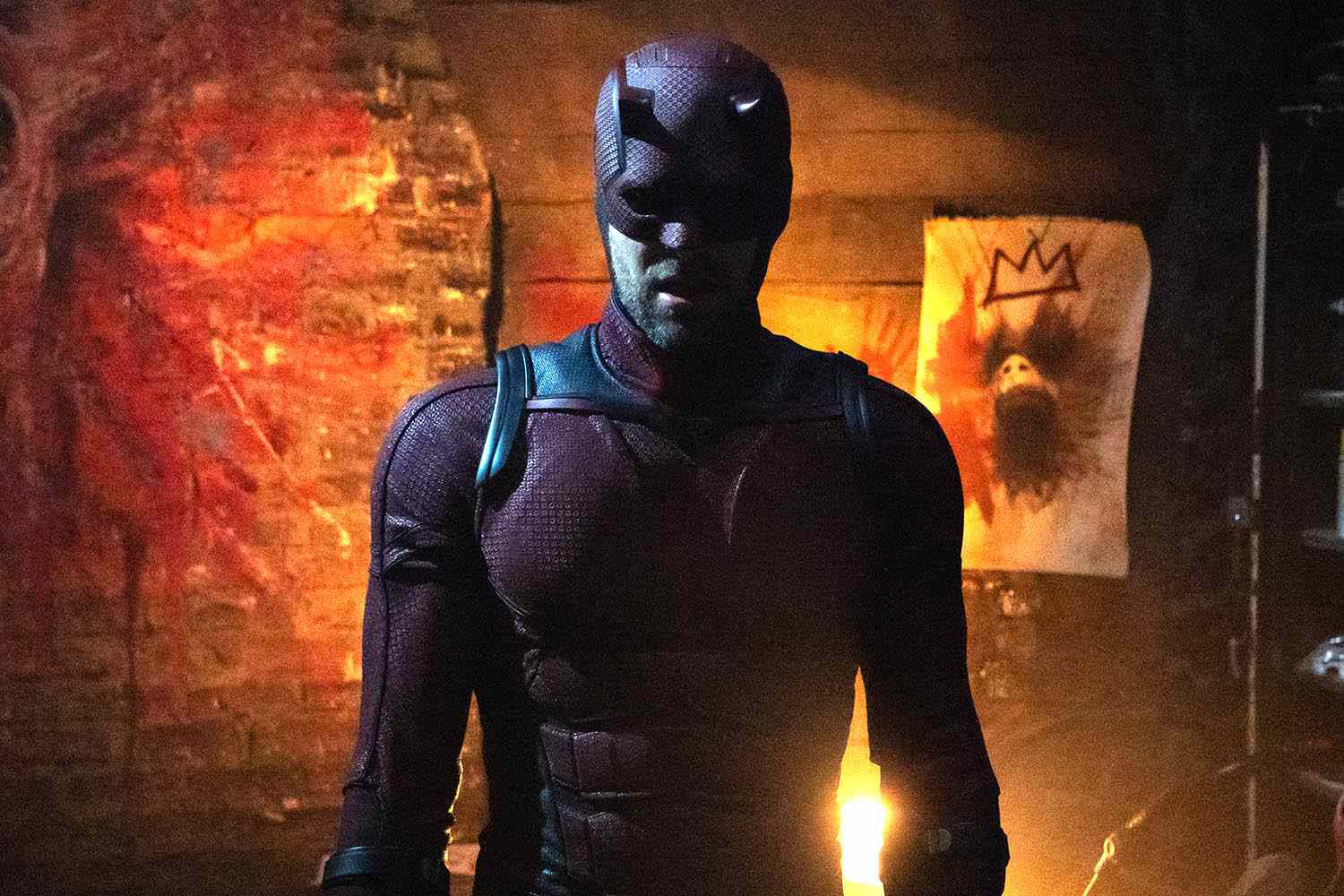
Marvel’s premier superhero TV show had a solid comeback in this sequel to the original Netflix show. Even though Daredevil and his crime-ridden world are now firmly part of the MCU, the TV show was just as gritty and grounded as the original. Stars Charlie Cox and Vincent D’Onofrio turn in some of the best performances of their careers as they reprised their roles as Daredevil and Wilson Fisk, respectively.
4. Severance
The sophomore season of this dark psychological workplace thriller threw audiences for a loop with many unexpected plot twists and character developments. It was very easy to relate to the plight of the office worker drones forced to have their out-of-work identities and memories erased and their efforts to fight the cold company they work for.
3. Pluribus
Vince Gilligan (famous for his TV shows Breaking Bad and Better Call Saul) returned to his sci-fi roots with this quietly disturbing slow-burn TV show about a disgruntled novelist (Rhea Seehorn in one of the year’s best performances) forced to fight isolation, her inner demons, and to save humanity after an extra-terrestrial signal transforms nearly everyone into a global hive mind.
2. It: Welcome to Derry
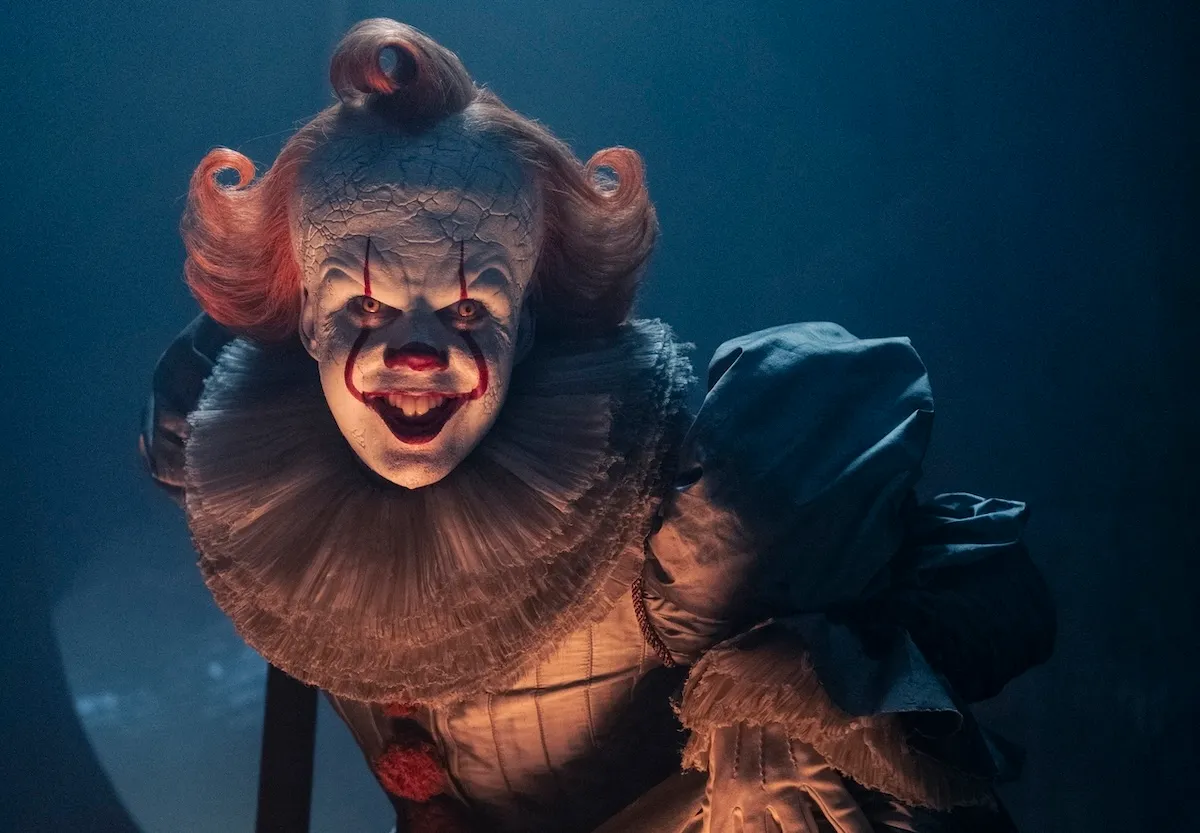
Part sequel, part prequel to the It films from a few years ago, It: Welcome to Derry was one of the best surprises when it came to TV shows. Each episode was horrifying with macabre set pieces and featured rich character development that fleshed out Stephen King’s fictional town. In addition to the characters, the TV show also had many unexpected twists and fleshed out the expansive King multiverse in an organic manner that made us want to further explore it, no pun intended.
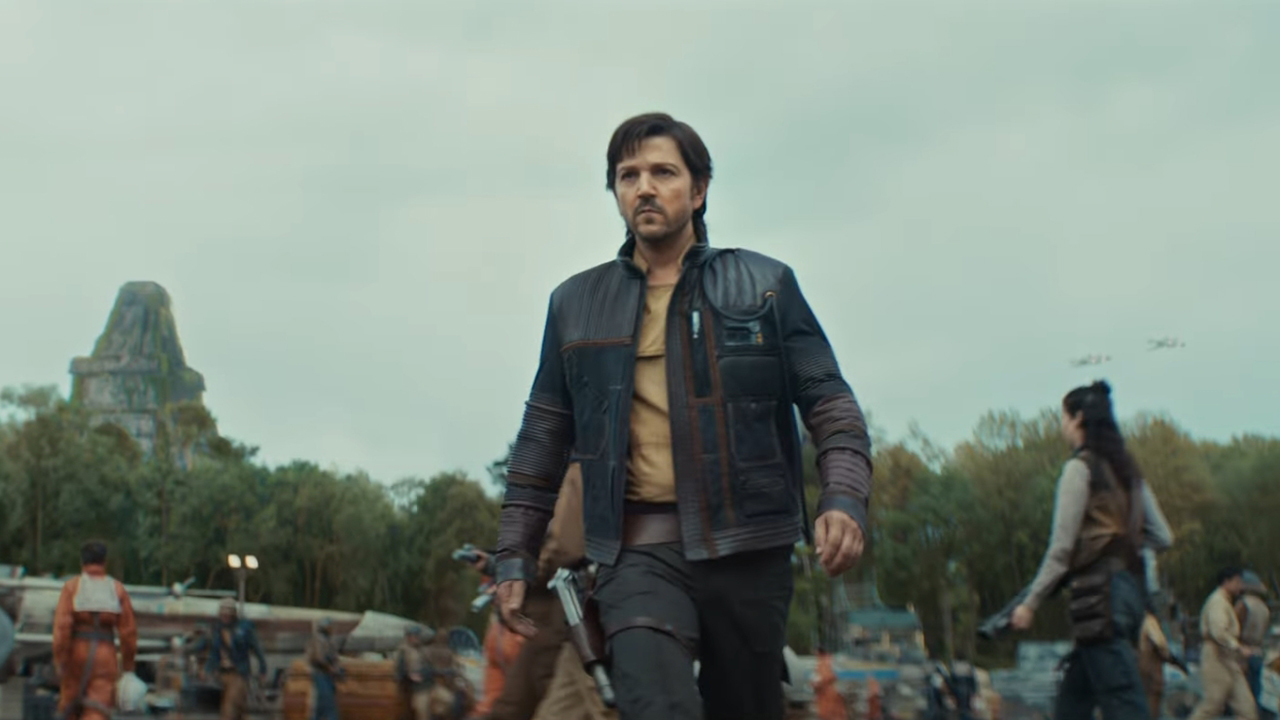
1. Andor
No other TV show came close to matching the artistry of Andor, which is easily the best Star Wars television show of all time and one of the best TV shows of any genre. The second and final season was a tense spy thriller set in the Star Wars universe with many brutal and heart wrenching political storylines that echoed our own civil strife as it chronicled the death of democracy and the bitter origins of the resistance to stand against tyranny. Andor also engaged audiences with thought-out character development which showcased their ambivalent nature in their fight for and against the Galactic Empire.
Honorable Mentions:
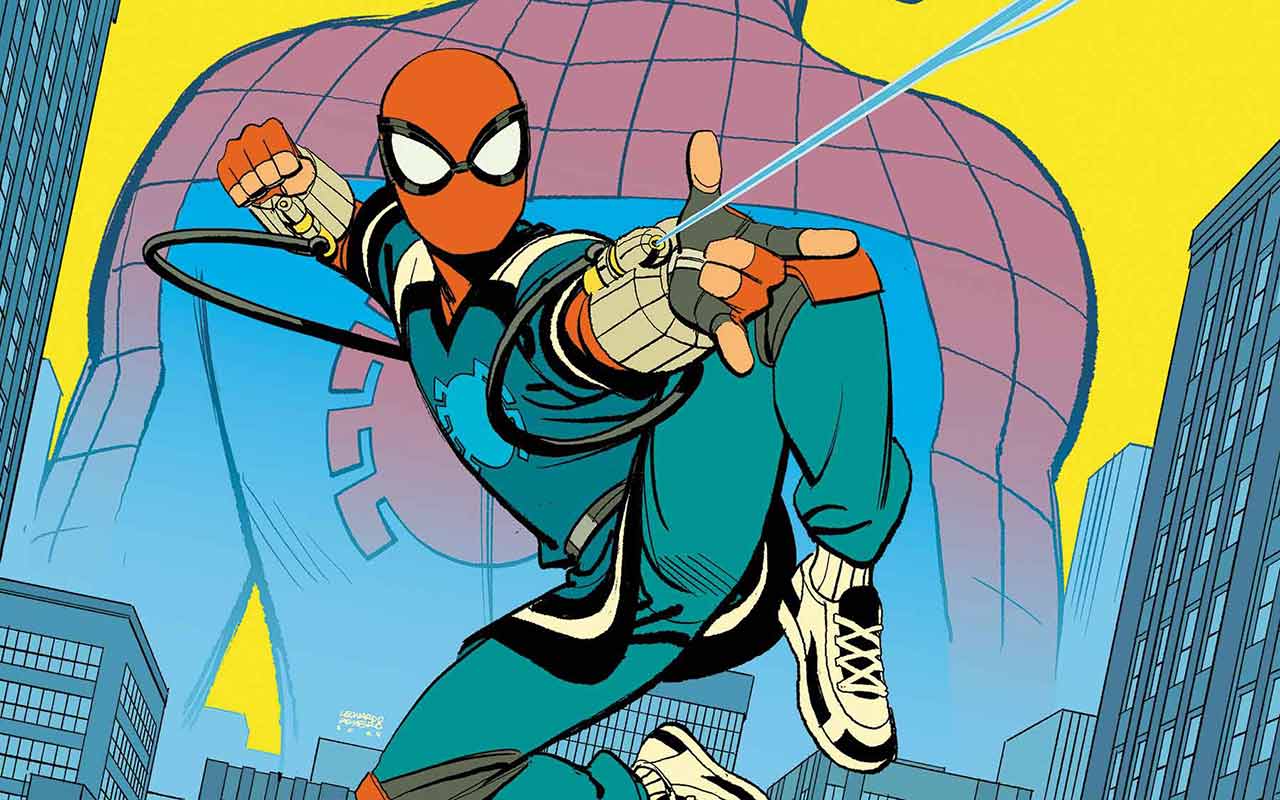
Alien: Earth, Black Mirror, Doctor Who, The Eternaut, Eyes of Wakanda, Fallout, Foundation, Gen V, The Handmaid’s Tale, The Institute, Invincible, Ironheart, The Last of Us, Murderbot, Wednesday, Your Friendly Neighborhood Spider-Man
The latest entry in filmmaker James Cameron’s sci-fi saga, Avatar, is out now in theaters and the question is does Avatar: Fire and Ash deliver the astounding cinematic thrills? Yes, it does, though some may want something different at this point.
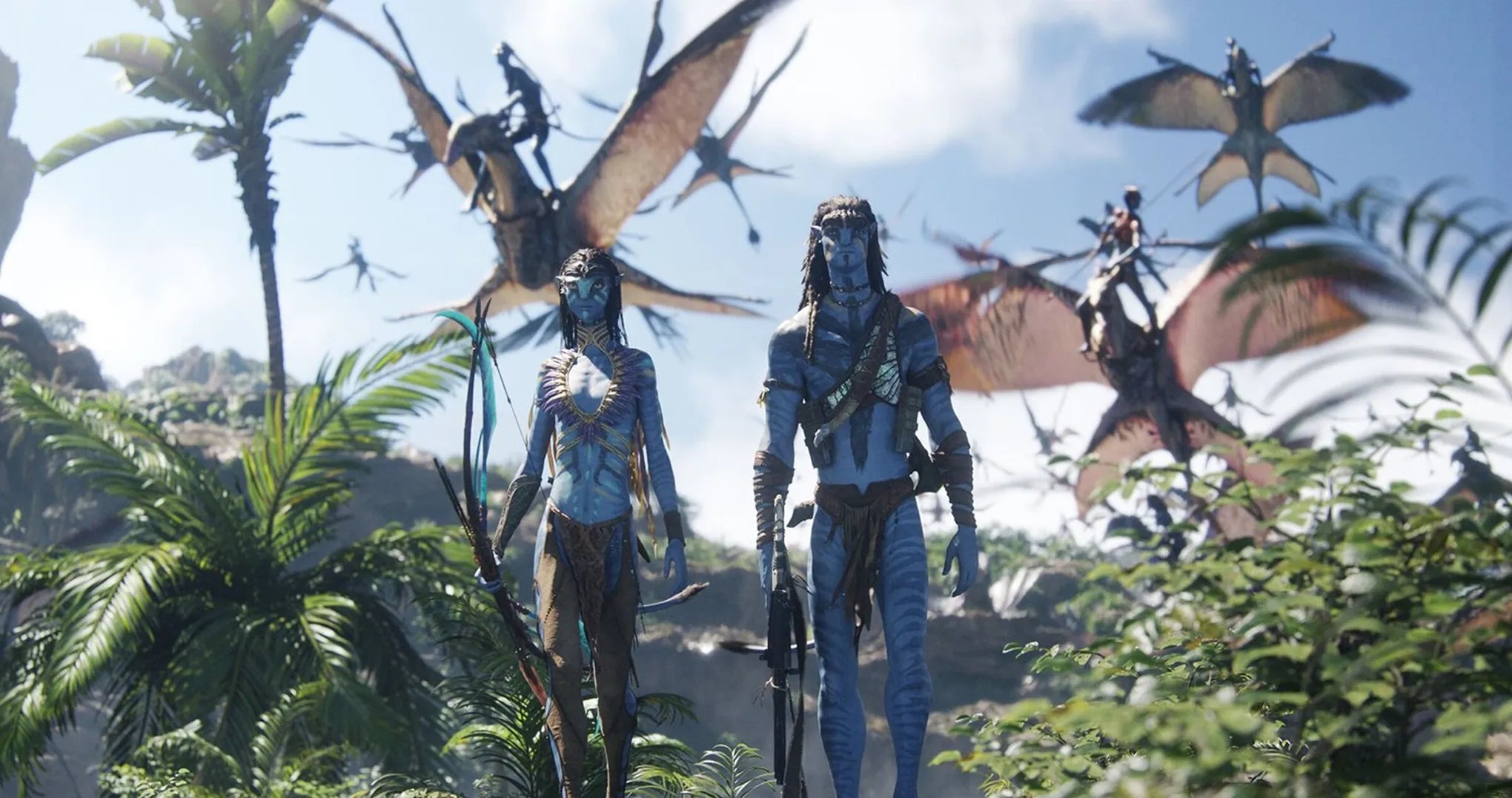
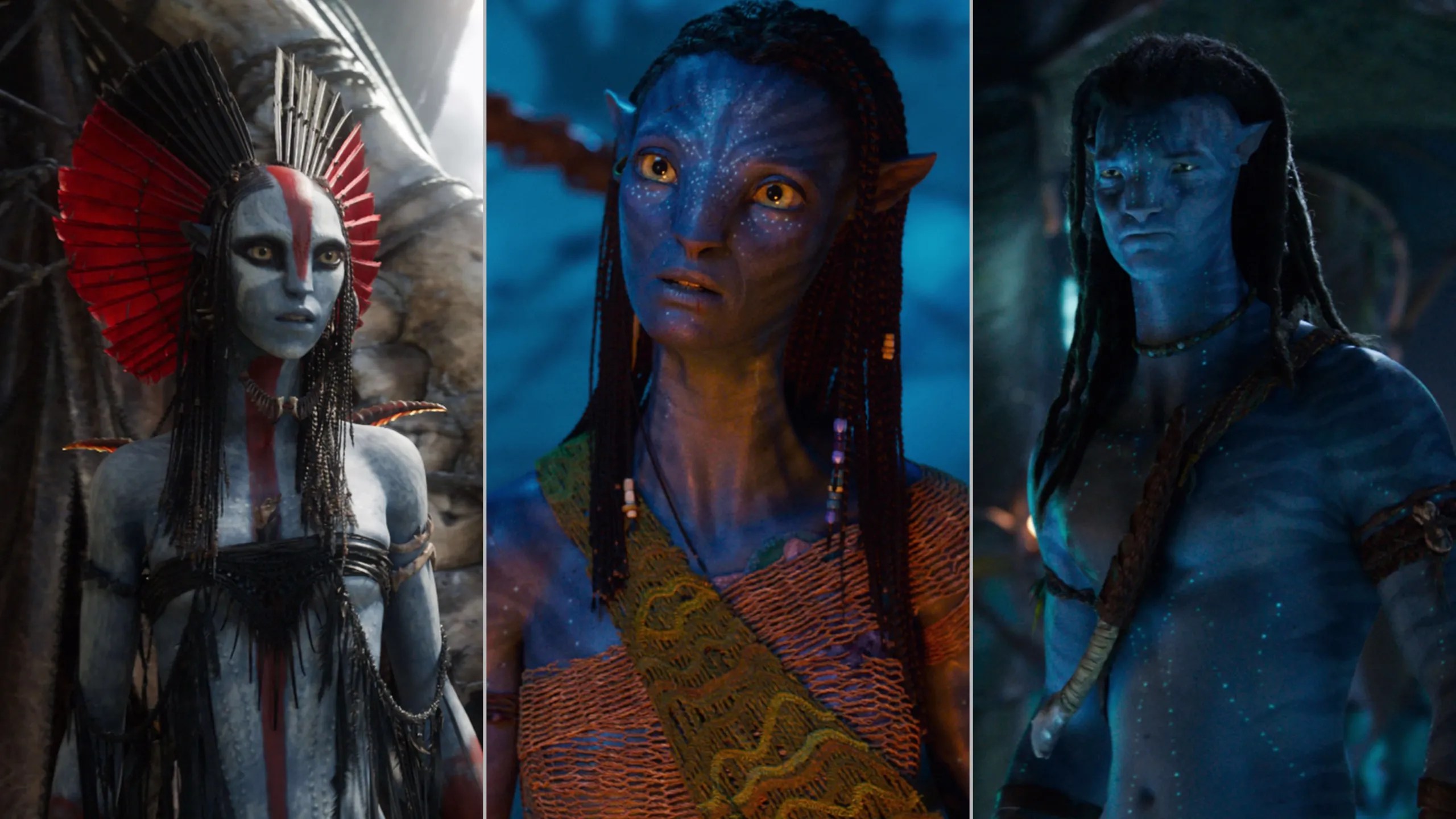
Avatar: Fire and Ash takes place right after the previous film,Avatar: The Way of Water, and deals with the aftermath of that film’s events. For anyone who hasn’t seen these films, they take place on the moon Pandora which is inhabited by tribes of tall, blue-skinned beings called the Na’vi who are deeply in tuned with nature because of their ability to use appendages to form neural links with Pandoran lifeforms. They worship an entity called Eywa who makes up the collective consciousness of Pandora and interconnects with nature. Their existence is threatened by human colonists from a dying Earth who do not hesitated to exploit the moon’s natural resources and treat the Na’vi as inferior creatures. The films focus on Jake Sully (Sam Worthington), a human paraplegic former soldier whose consciousness inhabits the body of an artificially grown Na’vi known as an avatar. Sully rebelled against his fellow humans and eventually starts a family with his partner Neytiri (Zoe Saldaña), but they have to stay on guard from vengeful humans who want to bring Sully to justice. Sully is being hunted by another avatar, Miles Quaritch (Stephen Lang), his former commander who is obsessed with capturing Sully. What is unusual here is that the actual Quaritch was killed in the first film and the Quaritch avatar is inhabited by implanted memories from Quaritch.
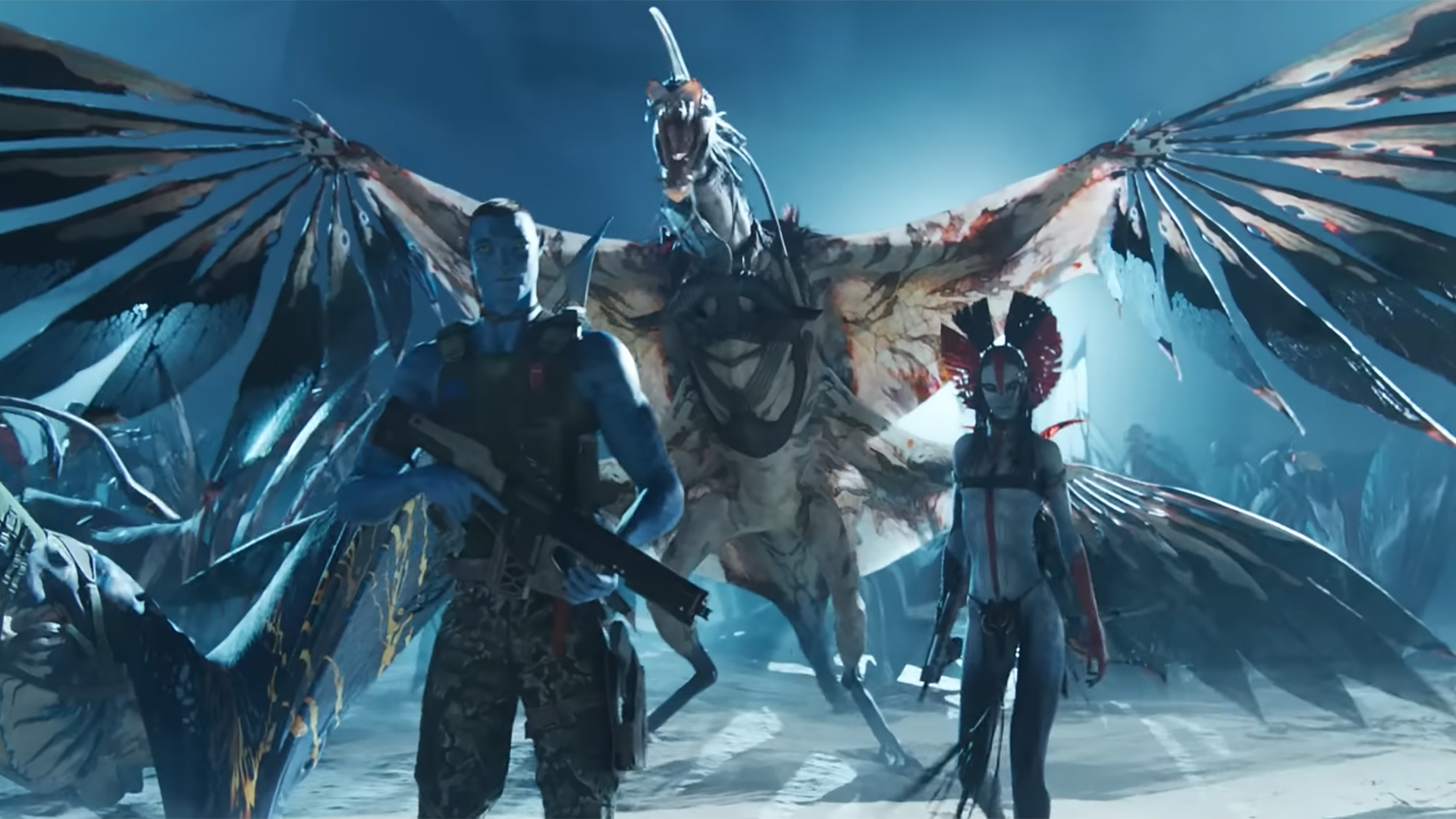
At the start of Avatar: Fire and Ash, the Sully Family is deep in mourning over the death of the eldest son (Jamie Flatters) who was killed by human forces in the previous film. One of the members of the family is Miles “Spider” Socorro (Jack Champion), a human teenager who embraces the Na’vi way of life and rejects his father who happens to be Quaritch. Sully fears that Spider cannot remain with the family in their sanctuary and transports Spider to a human colony made up of human scientists who also rebelled against their fellow colonists. As the Sullys are transported by a tribe of Na’vi called Windtraders who use giant aerial jellyfish-like creatures for transportation, the tribe is attacked by a rogue Na’vi tribe called the Mangkwan. This particular tribe has rejected Eywa, embraces violence, and are very hostile to the other Na’vi. Their leader is Varang (Oona Chaplin), who is nihilistically vicious and forms an alliance with Qauritch and the human colonists to hunt Sully in exchange for human weapons.
What complicates matters for the characters is that Quaritch is also obsessed with finding his son and repairing his relationship with him, which is odd since the actual Quaritch died in the first Avatar film. Meanwhile, the Sullys have another adopted child called Kiri (Sigourney Weaver) who is the child of yet another avatar, Grace Augustine. The identity of Kiri’s father is unknown and Grace cannot answer this because she died in the first film. Kiri has an uncanny ability to connect with Pandora’s life forces and her actions in saving Spider drive the film’s narrative. In Pandora, humans cannot breathe the air and at one point in the film, Spider’s breathing unit breaks down and he starts to suffocate. Kiri is able to save him by implanting a mycelium symbiote into Spider that lets him breathe Pandora’s air.
After the humans learn about this they task Quaritch to hunt down Spider so he could be studied to see how this ability to breath Pandora’s air could be replicated for the rest of humanity. Sully fears this because he knows this event would be disastrous for the Na’vi. Adding to his woes are dealing with the bitter hatred and bigotry Neytiri has towards humans even Spider himself, and with the plight of his remaining son Lo’ak (Britain Dalton), who is wracked with guilt over his brother’s death and tries to measure up to Sully, while forging his own destiny.
As anyone can tell, unlike the earlier films, the plot for Avatar: Fire and Ash is more complex and filled with developed character nuances. A common complaint about the films is that they are essentially simplistic sci-fi versions of Dances With Wolves or Ferngully. Most people did not care, as seen by the huge box office numbers of the films. They came to theaters for the sheer spectacle of the immense and intricate details that James Cameron infused into the films. One of the main reasons that the films tend to take so long to produce is because of the revolutionary special effects, 3D technology and dense worldbuilding that are the Avatar films’ best assets. Just like the other films, Avatar: Fire and Ash has to be seen on large screens not on phones and other digital devices.
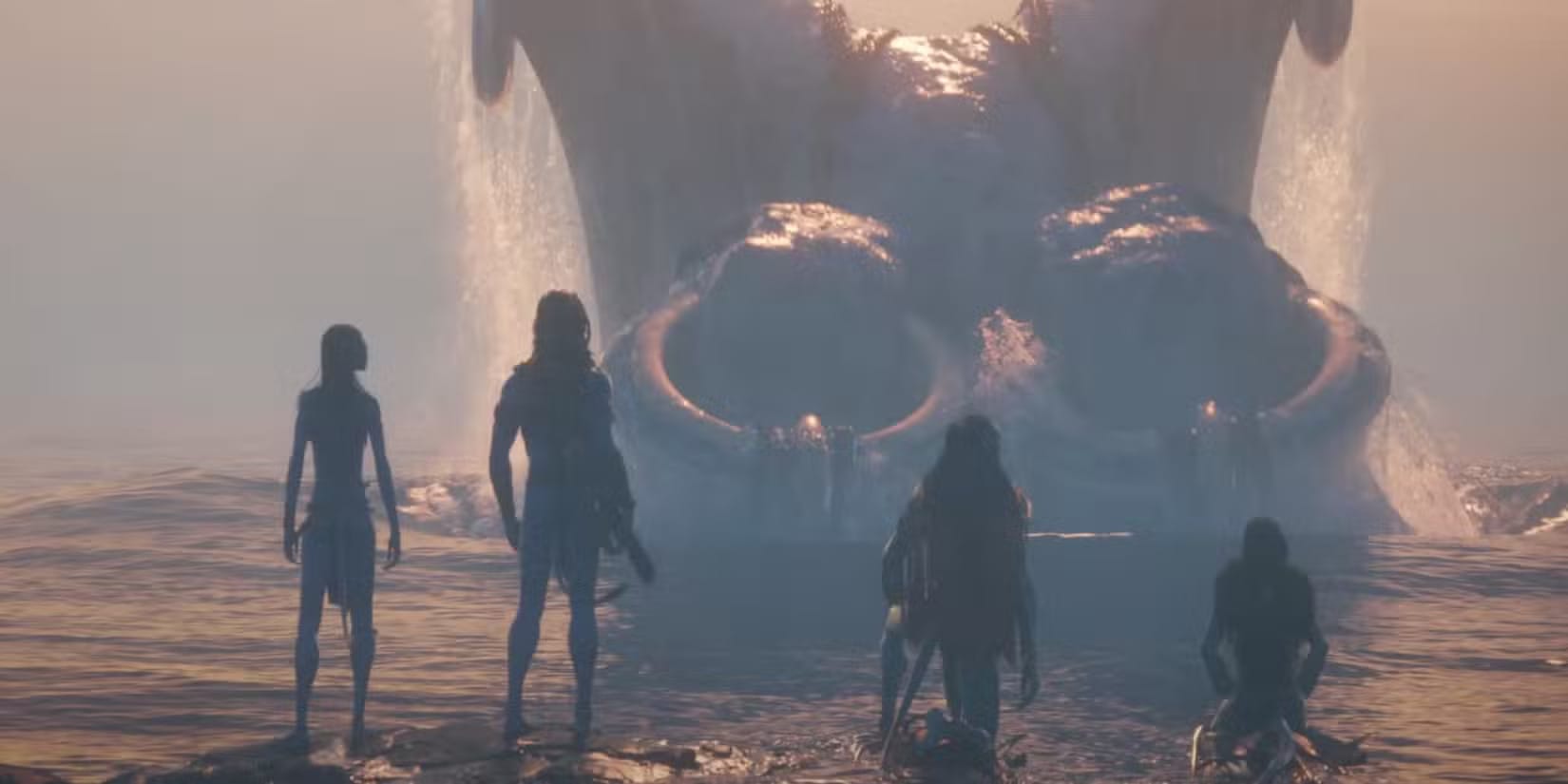
With that said as spectacular and jaw dropping the third Avatar film is, one can’t help wish that Cameron did not play it so safe with familiar beats. Sure, the action and the visuals are incomparable and the film gets a lot of credit for developing the characters especially Quaritch who once was a one-note military villain but is now slowly becoming an anti-hero and adopting the Na’vi way. But many of the story beats in the other films are repeated in Avatar: Fire and Ash, just done on a larger scale, such as bondings with the whale-like tulkuns and flying banshees, the final confrontation between the Na’vi, Pandora’s fauna and the human soldiers and whalers or having Sully’s children continually captured and rescued. However, these plot elements were well done, and there are intriguing new developments like the introduction of the villainous Na’vi and Kiri’s connection to Eywa, it’s just that with a runtime of over three hours, more should have been done to develop the overall story. It’s regrettable that with such a rich world to explore, Cameron did not introduce new biomes such as deserts or polar regions. Also, with all the talk about Earth dying, this begs a visit or a look at the planet. The closest we’ve seen of Earth was a deleted scene that originally opened the first Avatar. At least he did introduce antagonistic Na’vi with their own separate worldviews and by the way, Varang is one great villain and her obsession with human weapons added a new angle for the Na’vi. Hopefully, she’ll return in the sequels and that the other lingering storylines get resolved. These include the emotional journeys of Jake, Neytiri (who gets a lot of great material in this film), Kiri, Lo’ak, Spider, and Quaritch.
James Cameron has been coy lately over whether or not there will be more films in the Avatar franchise. About a quarter of the fourth film has already been shot, but he and Disney are waiting for the box office results to determine if Jake Sully and the Na’vis’ story should continue. This story must be allowed to come to its natural conclusion as Avatar: Fire and Ash left many questions and threads unresolved.
Putting aside the nitpicks about Avatar: Fire and Ash it has to be stressed that this is a great film and better than most of what is being released. The film is very engaging and well executed. It is so easy to get involved with the characters’ stories to the point that we care about what happens to them and get uneasy wondering if they will actually die. As mentioned before, the film has to be seen on large screens in 3D and the story is done well enough to merit going out of one’s way to see this in theaters and marvel at Cameron’s rich vision.








 Starloggers