Adapt Stephen King’s Dark Tower Saga!

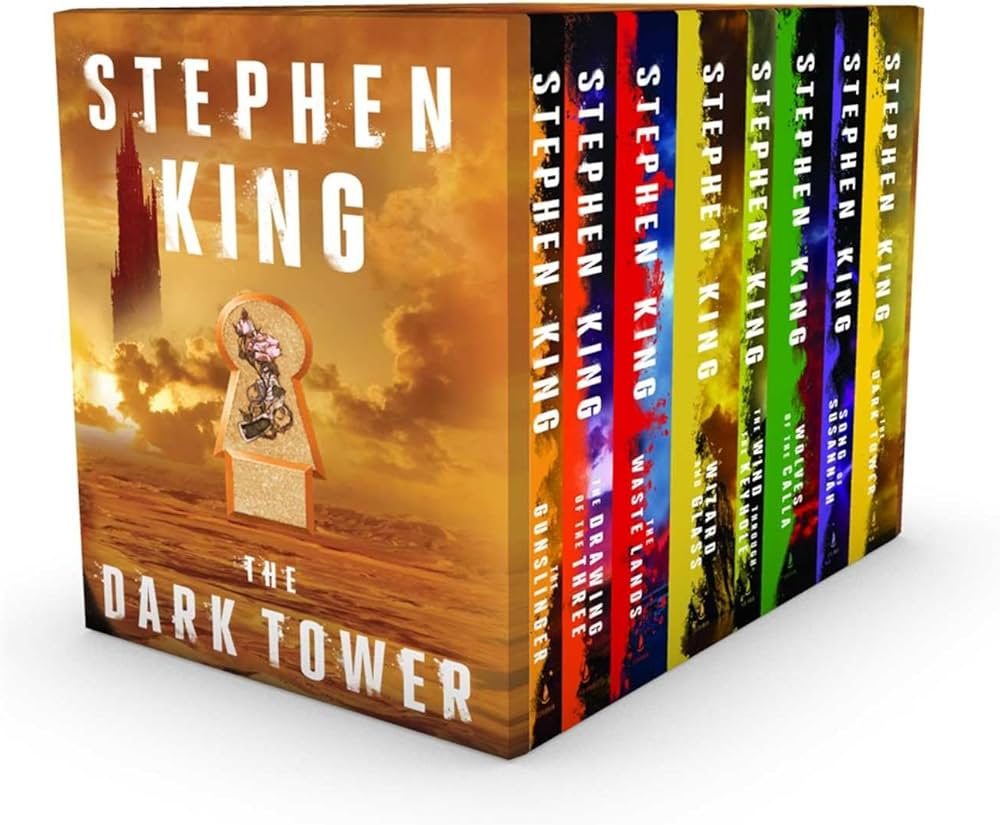
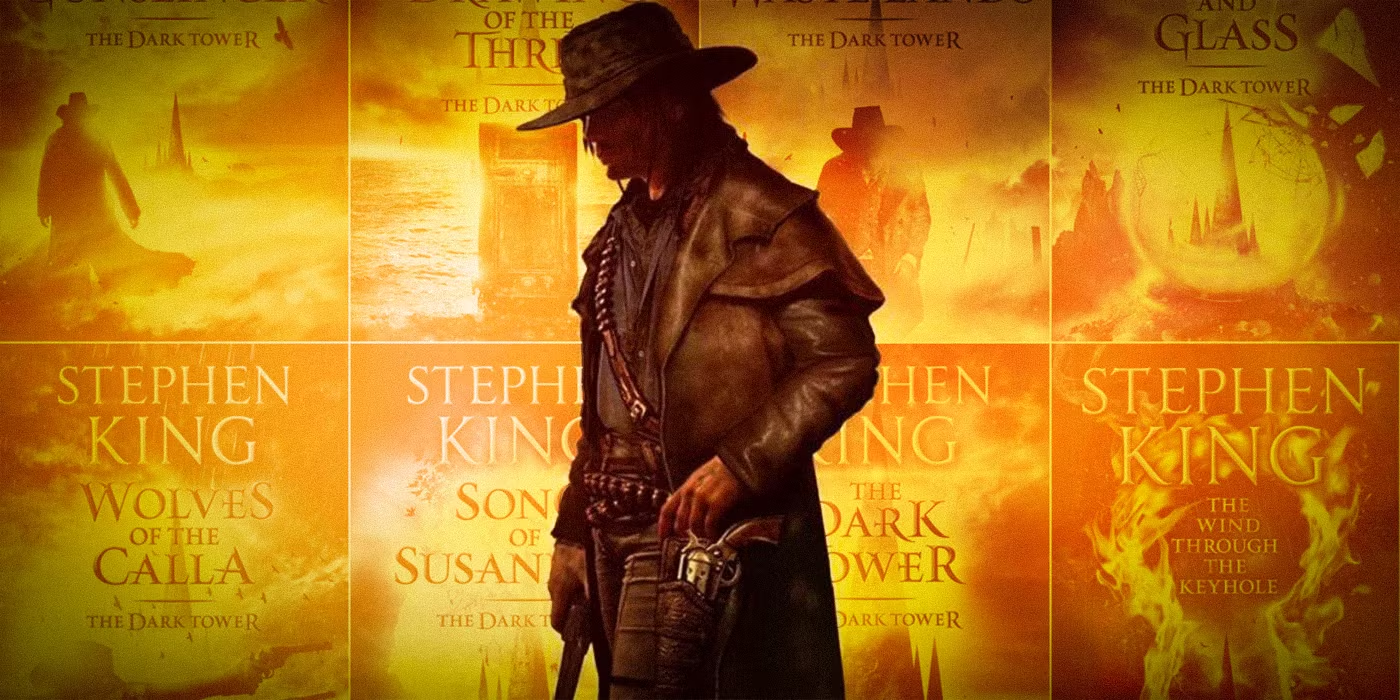
Given the success of the recent live-action adaptation of author Stephen King’s literary works. It is time to consider bringing his magnum opus, the Dark Tower Saga, to life on screen or TV.

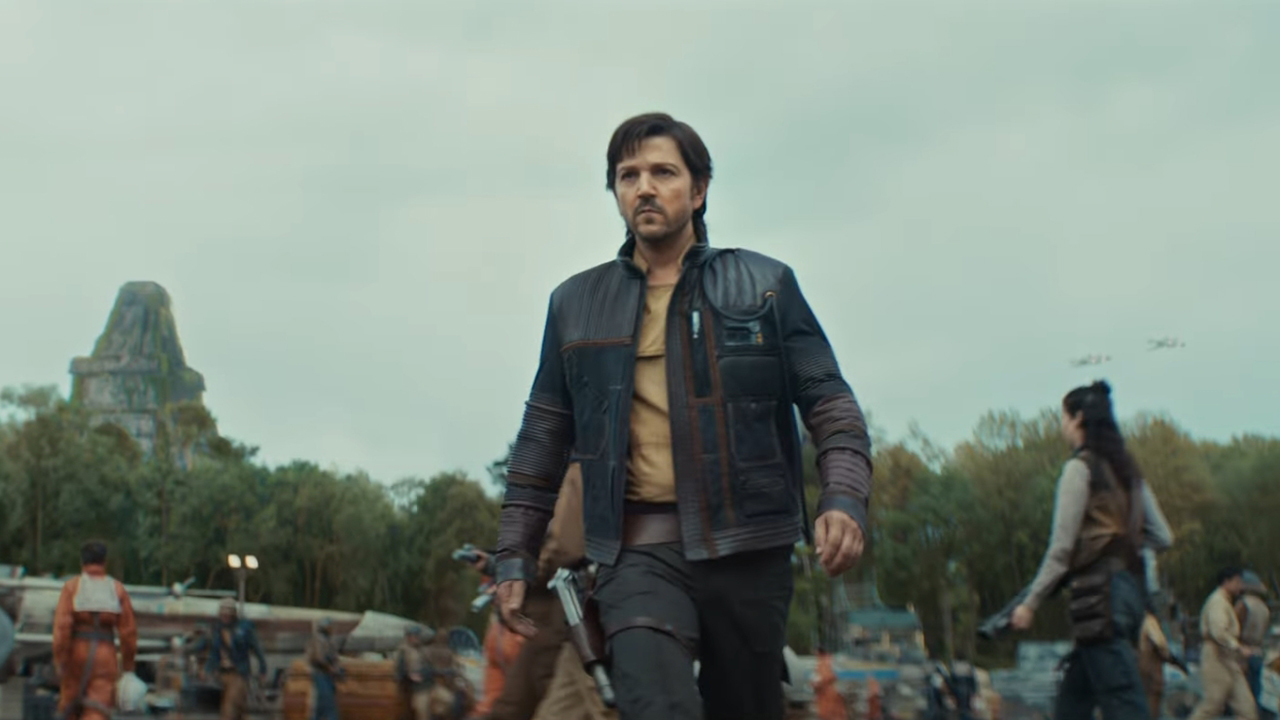
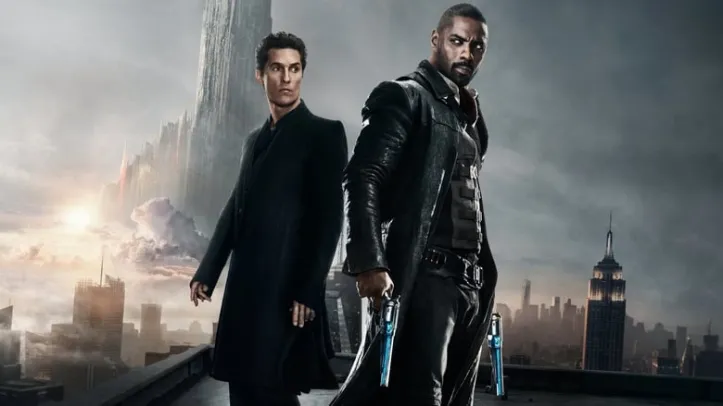
Adapting the Dark Tower Saga has been attempted several times over the years at different film studios with topnotch filmmakers attached to such projects such as J.J. Abrams and Ron Howard. However, those efforts did not succeed until the film The Dark Tower, which came out in 2017. The film was directed by Nikolaj Arcel with Ron Howard co-producing and starred Idris Elba as the lead characer Roland Deschain and Matthew McConaughey as the Man in Black. It was intended to be the first part of a multi-epic saga that would expand into television as well as more films. Well that was the intention, as most King fans know the film was poorly received and did not do well in its release. So plans for any followups quietly faded away.

There are many reasons why The Dark Tower failed to click with audiences and critics but it mostly had to do with the truncated script that loosely adapted elements from the first Dark Tower book, The Gunslinger, and the third book, The Waste Lands. Being that the books are quite expansive with imagery and scenes that can be hard to adapt, it was inevitable that the screenwriters condensed the story and threw out many elements, characters and story beats that in the end displeased everyone. Simply put the film lacked the epic scale of the books, was hard to understand, and was largely unfaithful to the Dark Tower Saga.

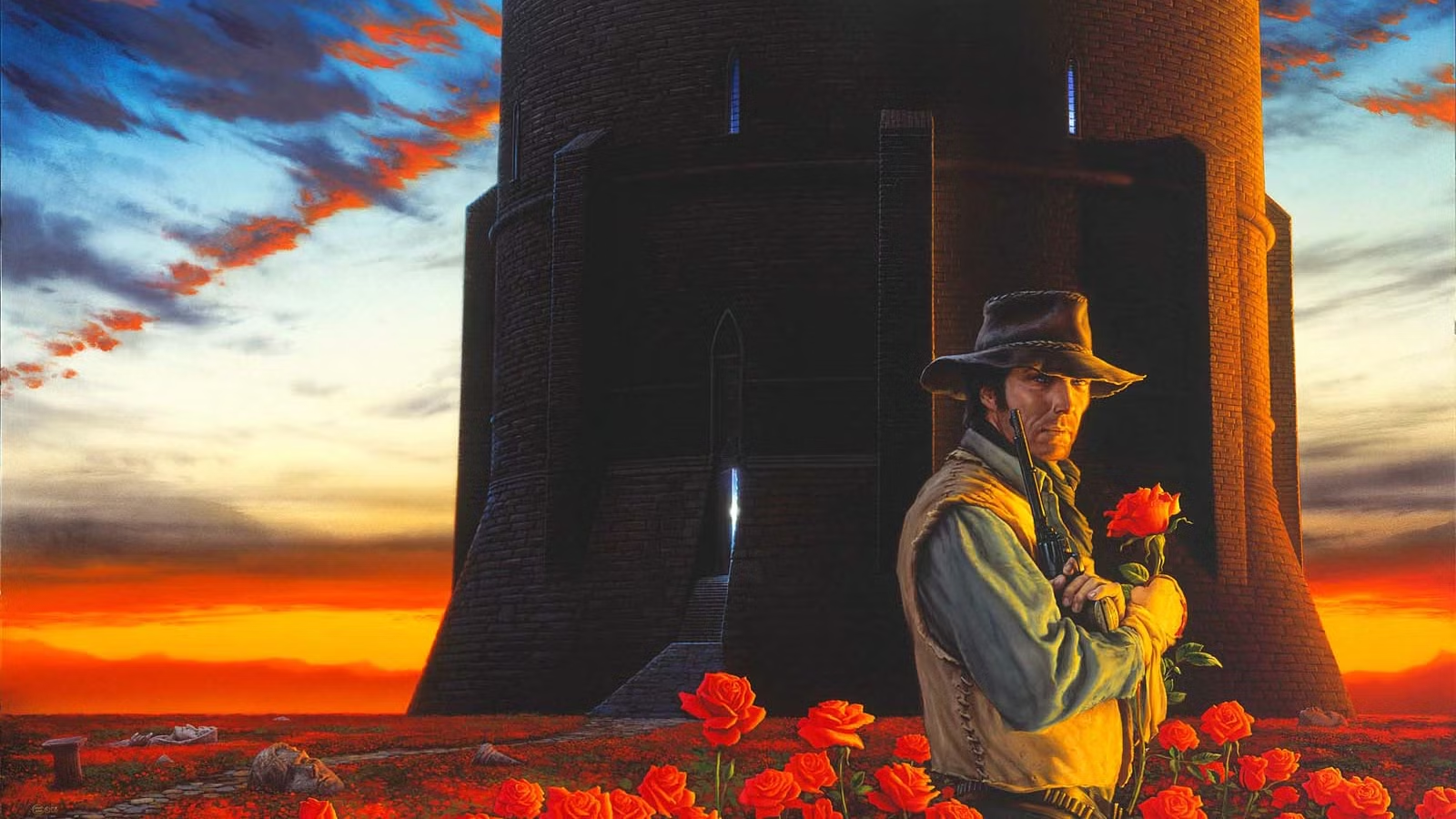
Since the failure of the film, Amazon acquired the rights and tried to produce a new adaptation of the books without success. It’s really a shame because the rich storyline about a mythical gunslinger trying to save the multiverse as he travels through many worlds, including ours, is too good of a saga to pass up.

Recently, many dense properties that were thought to be too difficult to adapt like Dune, The Lord of the Rings, Foundation and even King’s mammoth novel It have been successfully adapted. What happened was that the right screenwriters, directors, producers and actors were able to create memorable adaptations of the sci-fi/fantasy epics. So there is precedent for creating great adaptations that are either faithful to the books or can successfully adapt the essence of those books.

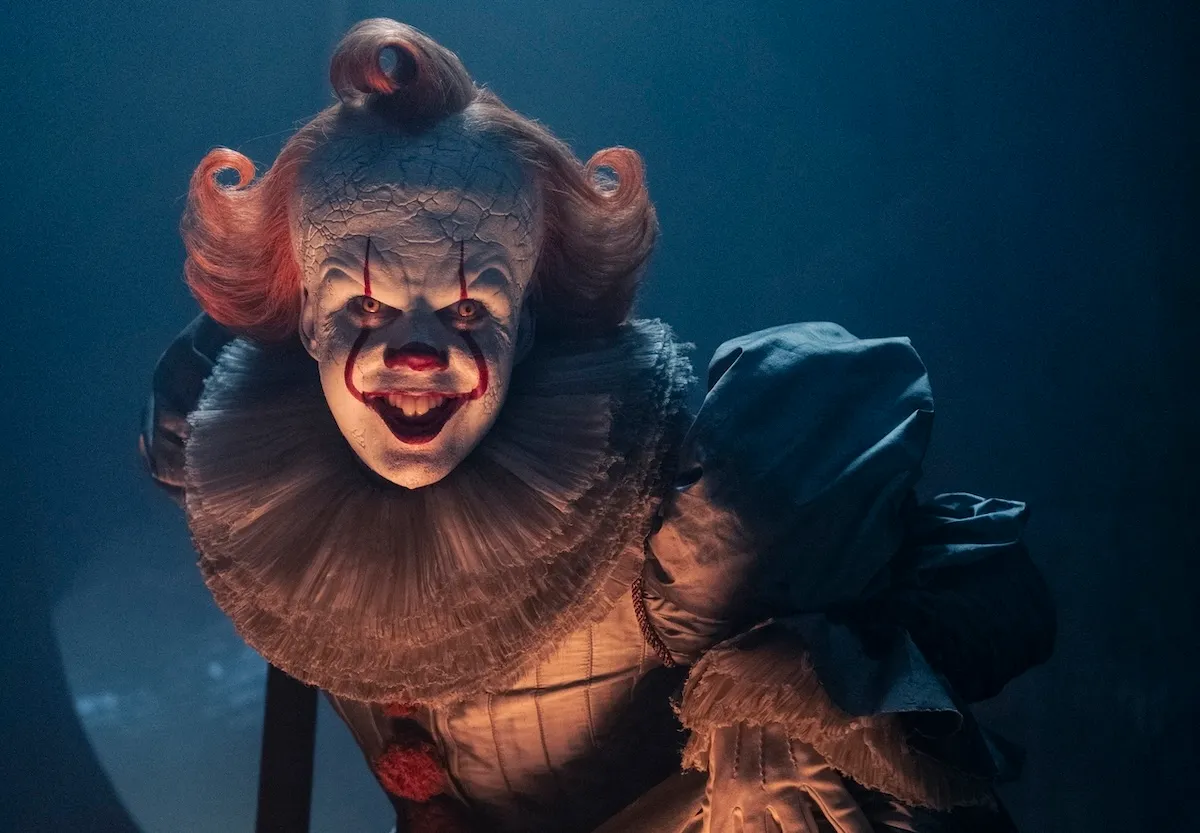
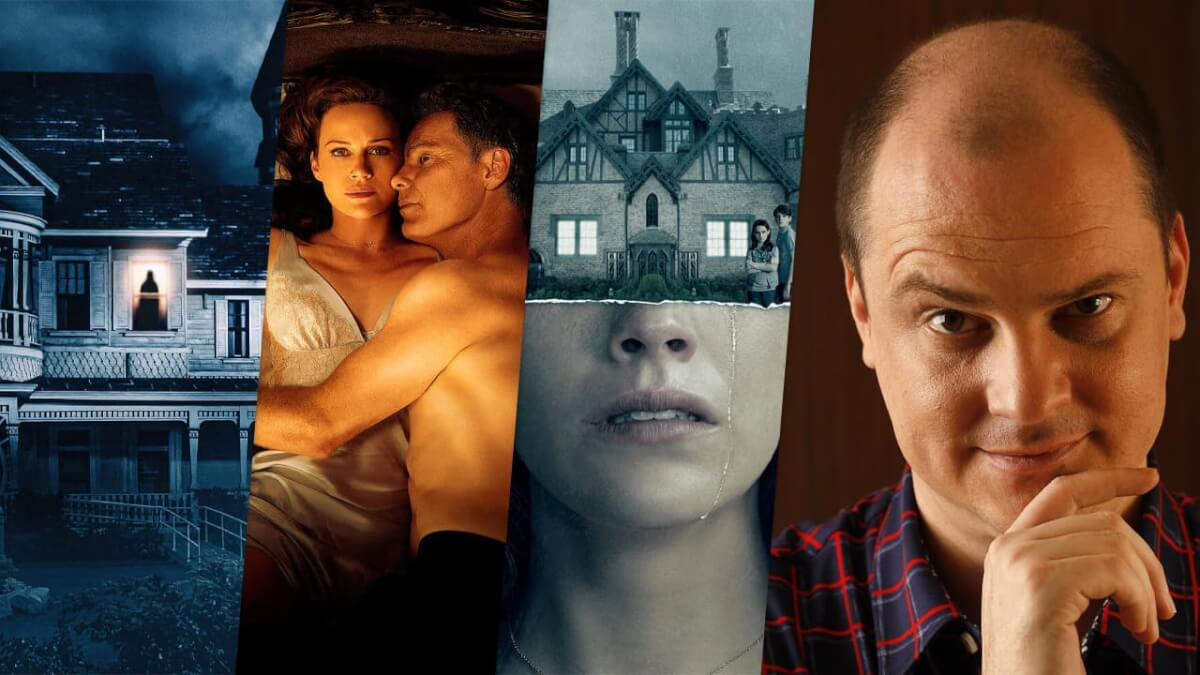
As of now, the latest filmmaker attached to a potential film adaptation is Mike Flanagan. He has received praise for his directing of other Stephen King works Gerald’s Game, The Life of Chuck, and Doctor Sleep, and for his original horror TV series Midnight Mass. Flanagan intends to develop a television series based on the Dark Tower Saga and honestly, this is the best way to go given the sprawling nature of the books. One thing to consider about adapting the books is that they are multiuniversal and feature characters and elements from other King books such as The Stand, It, Insomnia and ‘Salem’s Lot. Right now, Flanagan has the television rights to the books but if he wants to include characters from It for instance, then the TV show would have to be produced by Warner Bros. since they own the rights to It and other King works (which are referenced in the TV show It: Welcome to Derry). Flanagan would face similar headaches with other King books whose rights are held by other studios.

It’s only a matter of time before the right person(s) come along and are able to craft a faithful adaptation of the Dark Tower Saga. The question is when will this happen. Perhaps soon if It: Welcome to Derry continues to impress audiences and critics as it wraps up its first season. Then film and TV studios wanting to put out the next Stephen King epic can seriously consider the adventures of Roland Deschain and his epic quest to find the Dark Tower and save creation.

Making The Perfect Stephen King Adaptation

One would think that adapting any of acclaimed author Stephen King’s literary works into a top-tier film or television production would be fairly simple. But it’s not. So, why is it so difficult to successfully adapt a Stephen King work? There are a few that can be considered, but it basically boils down to these two reasons.

Translation to Screen

While King is the master of prose when it comes to horror, fantasy, sci-fi, and non-genre subjects like crime, it is not easy to translate what he writes into a visual medium. Sometimes the dialogue which flows like water on page can come off as stilted and clumsy, especially if a character goes off on a rant. A narrative tool that King uses a lot is internal dialogue and narration to convey the characters’ thoughts. This technique is hard to pull off in visual medium where showing is prefered to telling.

Other times the prose is let’s just say a bit too much for a visual story. IOW, given the amount of screen time available in a film, putting TV aside, there is only so much material that can be adapted. Many of King’s best known works like It, The Stand or the Dark Tower books run over thousands of pages. Turning epic novels like those into two-hour plus films is nearly impossible. It is one of the main reasons why attempts to turn his classic novels like The Stand failed to make it out of the gate as a film despite many attempts because there was so much material to cut out that the result would be a poor adaptation of the source material. Just look at The Dark Tower film that came and went a few years ago. To most, the film was an ill-conceived attempt to adapt the multi-book epic about the Gunslinger Roland and his mythic quest across worlds and realities. What The Dark Tower did was give viewers a truncated sprinkling of Roland’s quest that left many feeling dissatisfied with an unfinished story.

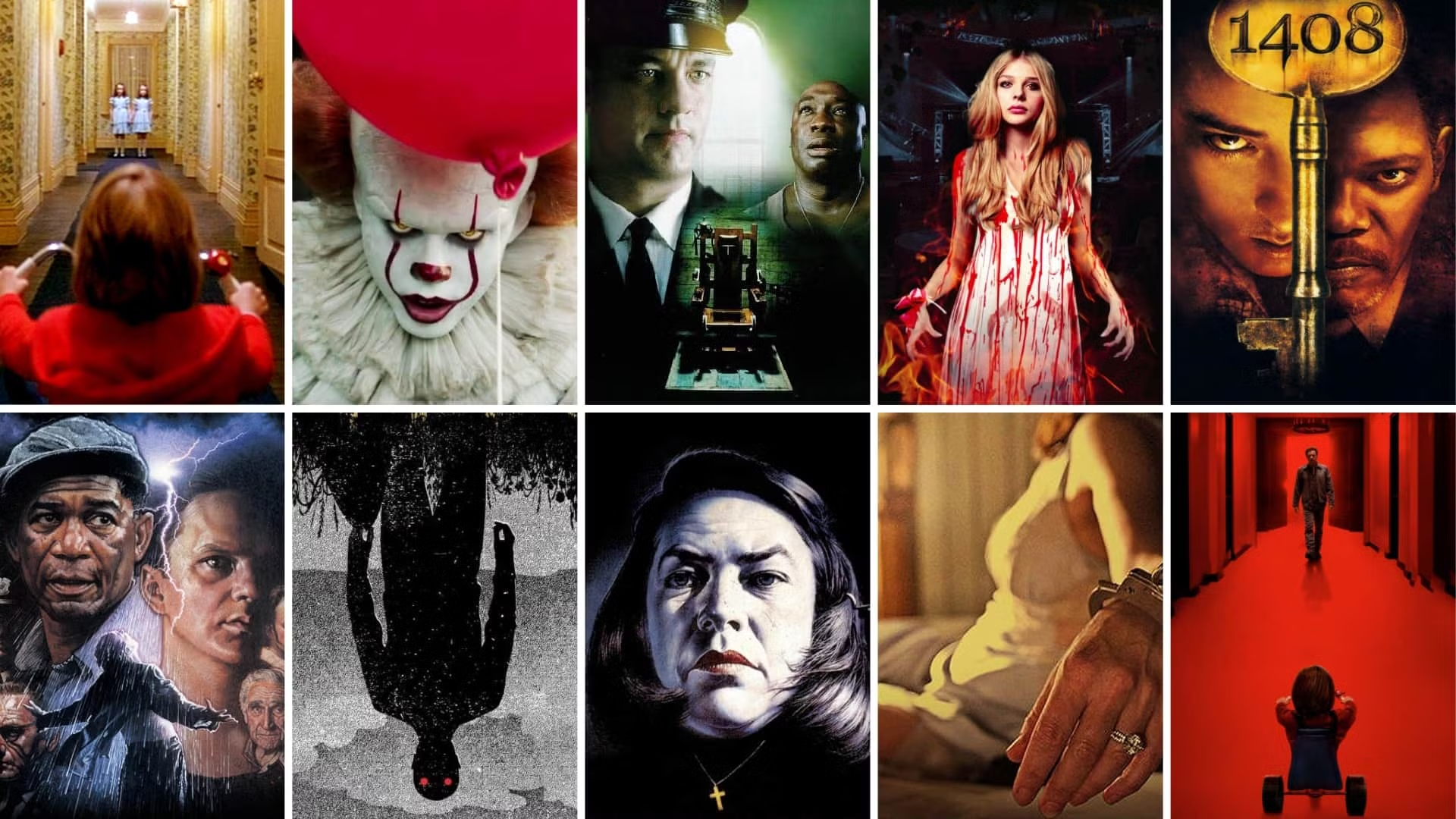
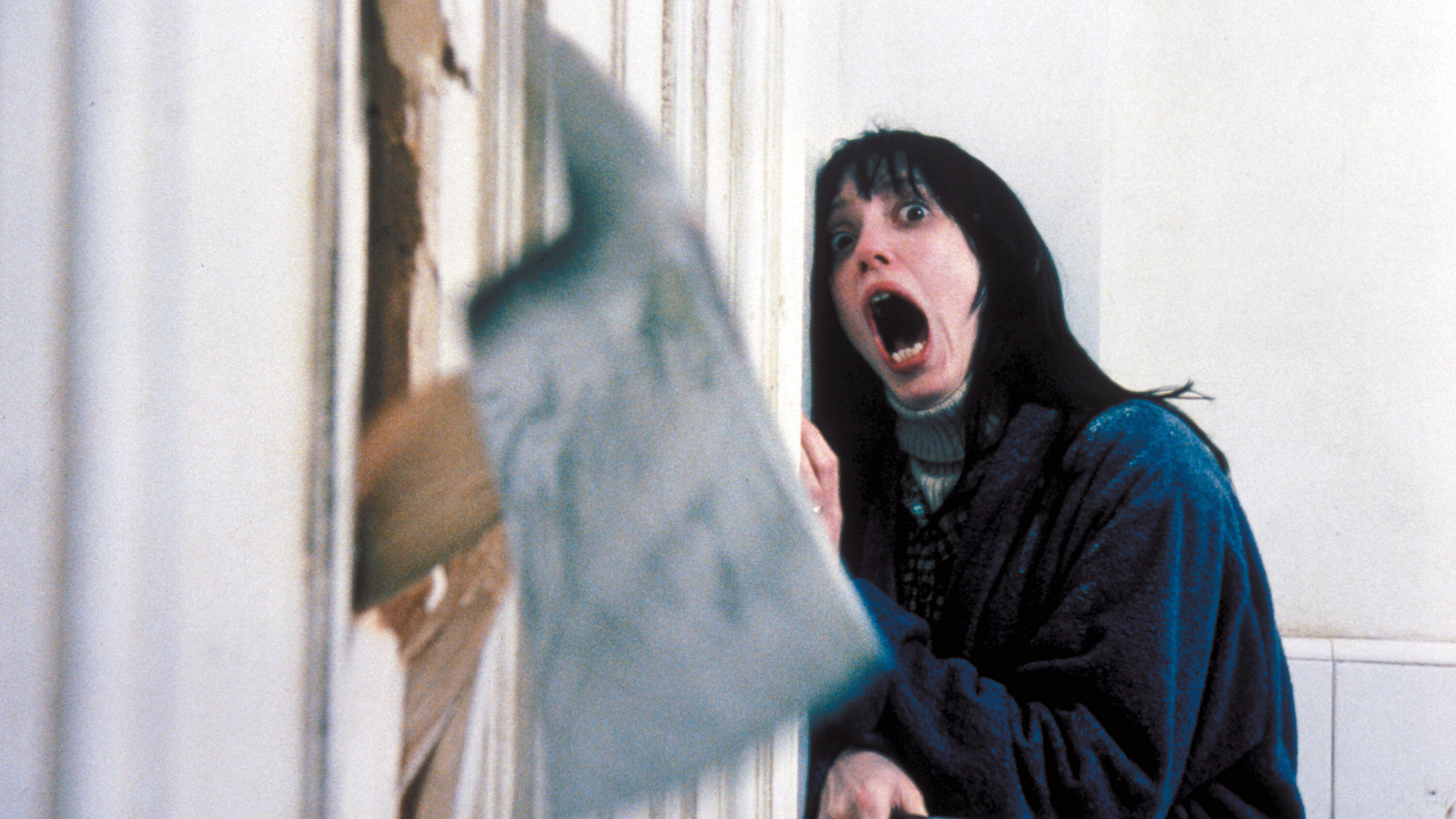
The more successful adaptations like The Shining, Carrie, The Dead Zone, Cujo, Stand By Me (adapted from The Body), The Shawshank Redemption and The Mist were based on more typical novels that were just a few hundred pages. Also, in the case of The Mist, Stand By Me and The Shawshank Redemption, those were based on novellas which seem to be the perfect amount of story to translate into screen.

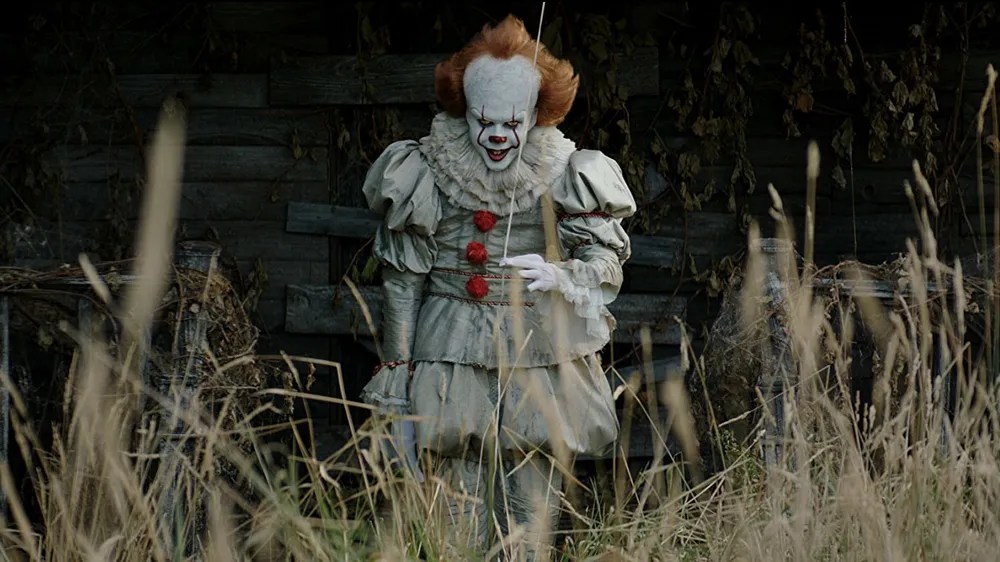
One viable option is to adapt mammoth epic novels into two-part films as was done with It. While the film versions of It differed in structure, the adaptations more or less captured the essence of the novel with the first film focusing exclusively on the main characters when they were children while the second film picked up the characters as adults when they confronted the evil entity Pennywise. This approach would work best for The Dark Tower Saga or any of King’s narrative which can be quite long and involving.

The other obvious option, which has been done to some success, is to adapt his works into television mini-series or shows. Some of the best examples include ‘Salem’s Lot, The Stand, 11/22/63, The Outsider and Nightmares & Dreamscapes. Adapting The Dark Tower Saga into this format is honestly the only viable way to present the expansive storyline and do it well.

The Skill of the Translators

One important reason as to why it is so hard to adapt Stephen King works is due to the quality and skill of the filmmakers and showrunners and scriptwriters. While many gifted behind-the-scenes creators successfully adapted King’s works like Stanley Kubrick, John Carpenter, Frank Darabont, Rob Reiner and Andy Muschietti, far too many inferior creators took a hand into mangling and ruining King’s classics. It is lamentable that someone like Steven Spielberg or Christopher Nolan or Scott Derrickson never helmed a Stephen King film (there were reports that years ago, Spielberg was involved in an adaptation of The Talisman, but that never came to be). Just think of how something like Under the Dome, Cell, and The Girl Who Loved Tom Gordon would have turned out if James Wan or Robert Eggers or Ari Aster were at the director’s chair with the projects.

But sadly as we know all to well, it is very difficult to line up the best writer, director, producer or actor to fit in with a King work of art. Reasons for this are all over the place and tend to be due to timing and budget. These days it is not likely that a studio can afford to hire Spielberg to take on a King book. There is also the possibility of dueling visions. A more high-profile director can and will take liberties with the source material much to King’s detriment. The most famous example was Kubrick’s version of The Shining, which King detested even though it is considered not only one of the best King adaptations but a classic horror film.

The same goes for television productions. All too often King’s works whether they’re long-form epics or short stories wind up becoming inferior TV shows or limited series. During the ’90s, the heyday of King TV adaptations, many of his more famous stories became big event TV mini-series with mixed results, but hardly any of them stood out as masterpieces. The best adaptations were for The Stand, although that limited series had its issues, ‘Salem’s Lot, which came out in the ’70s, It, and original productions like Storm of the Century. Other works like the more faithful adaptation of The Shining and The Langoliers failed to impress viewers. If only someone like Vince Gilligan or Terry Matalas could spearhead a proper TV adaptation of The Stand or The Dark Tower Saga.

Despite many failed attempts, the versatility and durability of Stephen King’s stories guarantee that eventually the right team will come along and created the best version of his works. This happened with the It films which were immediately better than the original TV mini-series and may happen later this fall when the second film version of The Running Man is released (being that is directed by Edgar Wright, there’s a decent chance it will outshine the original film). It has been possible to get cinematic masterpieces based on King’s works and it has happened, so it will continue to happen.

José Soto

Zombies Refuse To Die!

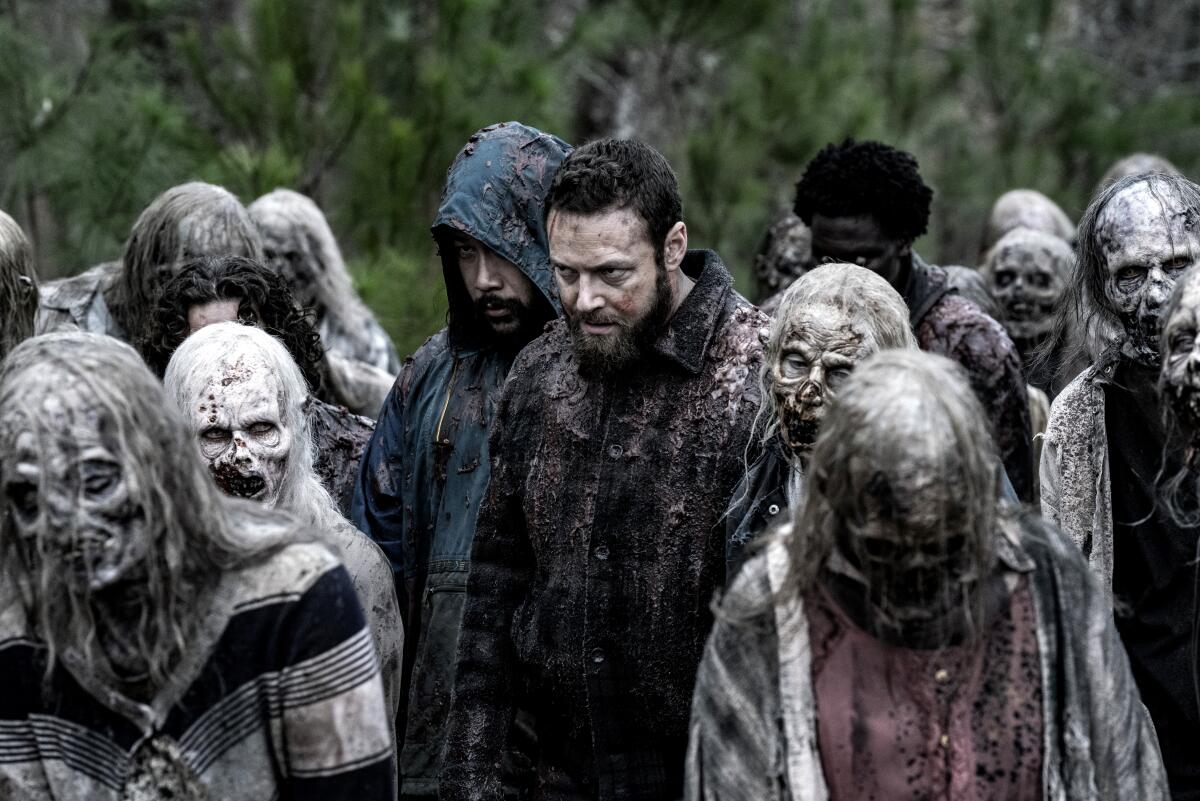
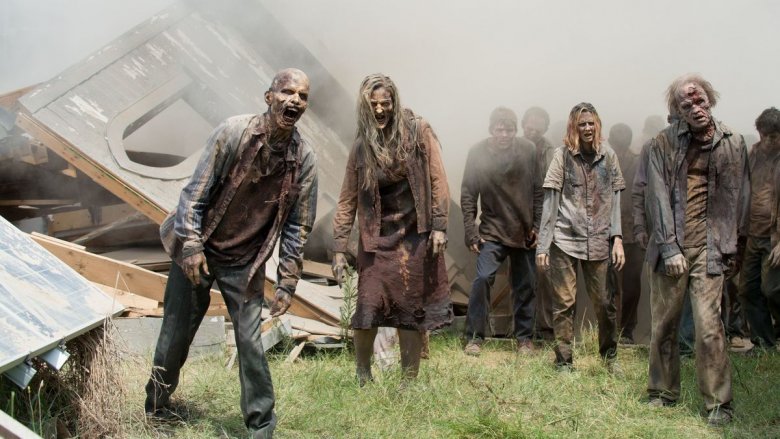
It is all too easy to write off the zombie sub-genre as being dead and buried. After all, zombies have fallen out of favor with the public ever since The Walking Dead TV show was cancelled years ago. Before its cancellation, The Walking Dead and zombies in general were at their zenith in the 2010s. There were zombie TV shows, films, comics, novels, etc. all over the place. But inevitably the popularity of zombies declined as too much product was put out and the quality and uniqueness of the zombies faded. Casual critics were ready to write off the zombie sub-genre and move on to their next target, but somehow, the zombies refused to die.

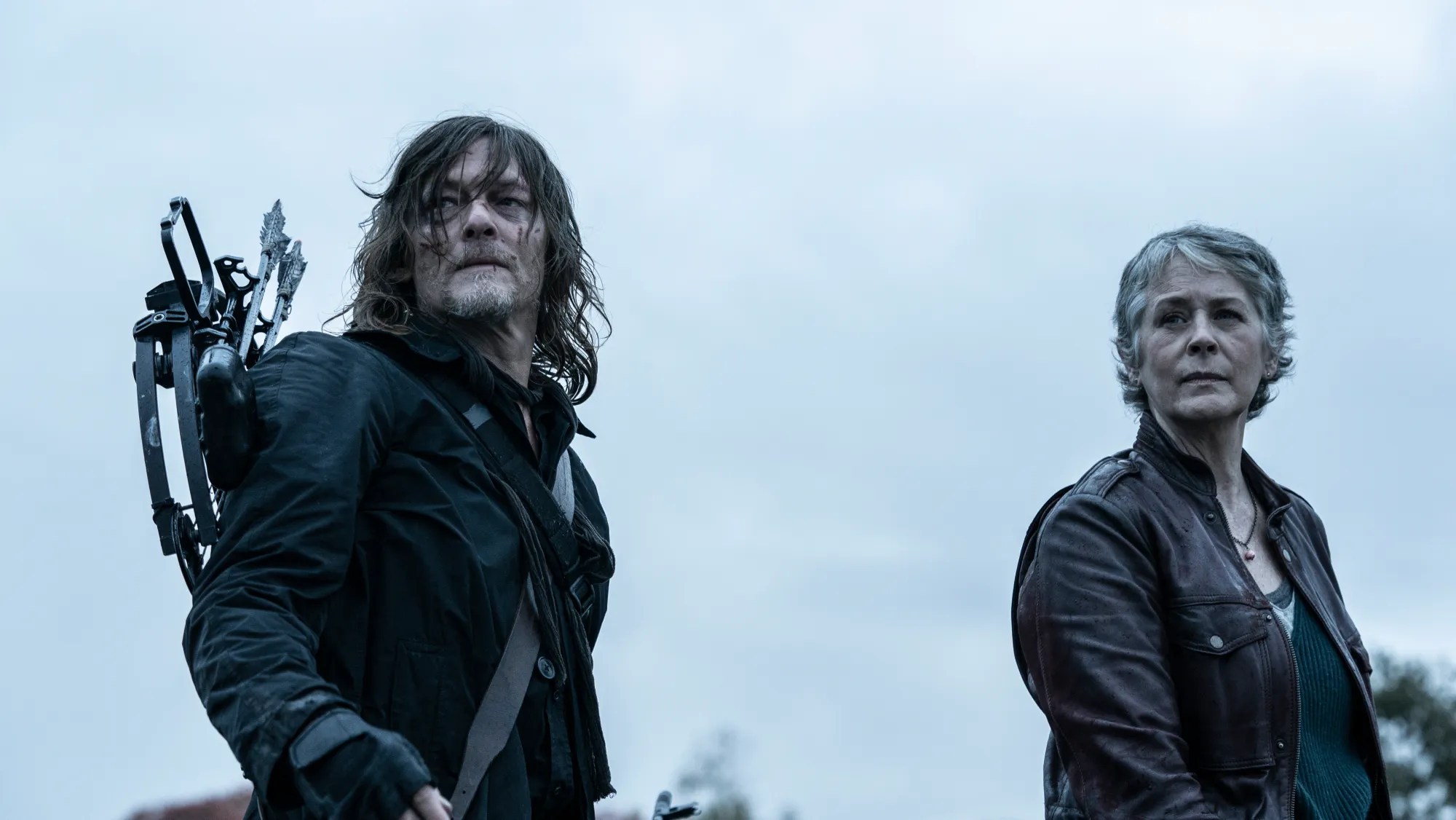
Yes, The Walking Dead TV show and the comic book series that inspired it are both long gone, but there are many TV spinoffs of The Walking Dead like The Walking Dead: Daryl Dixon and The Walking Dead: The Ones Who Live that are still around and slowly gathering buzz about their quality. These shows wisely chose to focus on popular characters like Daryl Dixon and Rick Grimes and even the villainous Negan, which partly explains why the shows have done well. Of course, these TV shows have not reached the numbers and heights of popularity as The Walking Dead did in its heyday, but they have their devoted followers and are doing well enough.

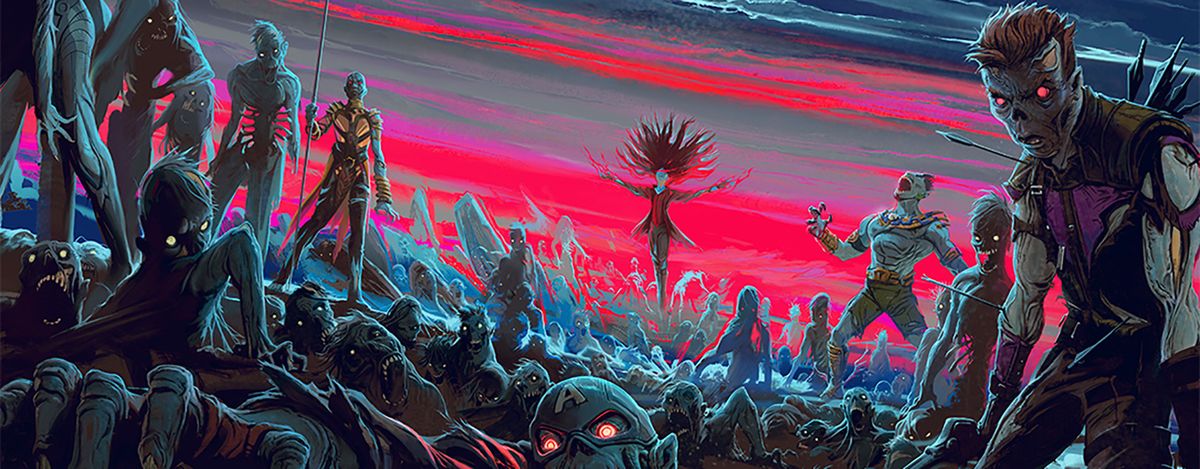
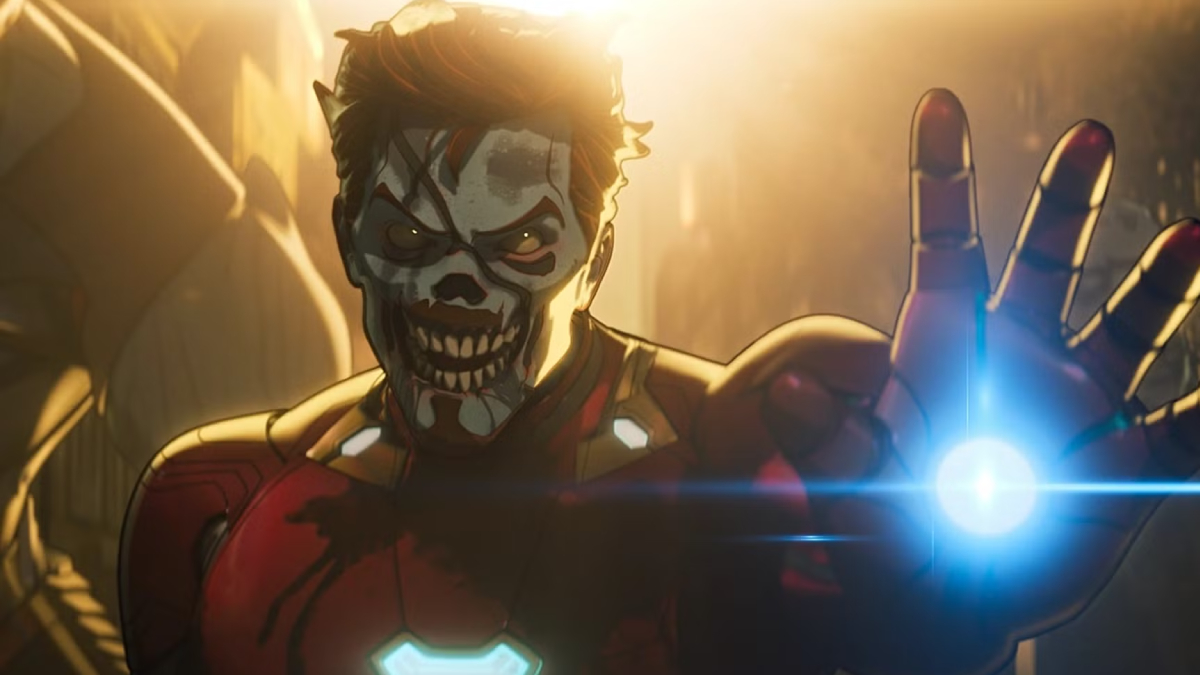
Other zombie-related TV shows, films, comics and more are still coming out strong and many are very popular. Just take a look at the slate of current and upcoming projects that are related to zombies. The most recent examples were The Last of Us (technically not about zombies but the infected humans behave just like zombies) and the animated TV show Marvel Zombies, which was based on the Marvel Comics mini-series (and currently has a new mini-series Marvel Zombies: Red Band out in stores and digital platforms) and was a spinoff from the animated What If…? TV show.

The Marvel Zombies comics are still going strong with its many limited series and the TV show was well received with talks of a new season underway; hopefully that will happen given how the last episode left us with a cliffhanger. Not to be outdone, DC came out with its own comic books starring undead versions of its DC heroes and villains, DCeased. No word yet if DC Studios will make an animated version of DCeased but they should consider it. Also even though the comic book series ended years ago, The Walking Dead are still in comic form with the color reprints The Walking Dead: Deluxe.

Meanwhile, there are many high-profile zombie films and TV shows on the horizon, such as 28 Years Later: The Bone Temple (a direct sequel to this years’ 28 Years Later), We Bury the Dead, Twilight of the Dead, which will conclude the George Romero zombie film saga, Return of the Living Dead, and an American remake of the classic Korean zombie film, Train to Busan. How well received they will be is anyone’s guess, but they demonstrate how popular the zombie genre is.

So, why does the zombie sub-genre refuse to die? There are many reasons. For one, many zombie properties go hand-in-hand with our fascination with post-apocalyptic/survival stories, which fit in well with zombies. These zombie stories also engage us as we face our fear of death and decay and more recently with infection. We like to watch and read these zombie yarns and wonder how we would behave in a zombie apocalypse. Most of us would probably be zombie food minutes into the apocalypse, but its still fun imagining ourselves turning into stoic and heroic warriors like Daryl Dixon, who in his life before the zombie apocalypse was a nobody.

The sub-genre also helps engage with unexpected human dramas that test our notion of family and friendship. Examples of this include the films Maggie, Cargo and Warm Bodies. While the latter film was an offbeat romance with a zombie twist, the first two films dealt with the main characters facing the inevitable. Maggie featured a father coping with the fact that his teenage daughter would soon turn into a zombie and his agony about having to kill her. Cargo was an agonizing film about a doomed father who was desperately trying to find someone to care for his infant before he turned into a zombie.

It can be said that on the surface the zombie sub-genre appears to be limited in story, but can be quite versatile. As long as the zombie story whether on film, video game or on print, is presented well, the quality will stand out and keep us engaged. That is why the zombies refuse to die.

Good Boy and Other Pets In Horror Films and TV Shows

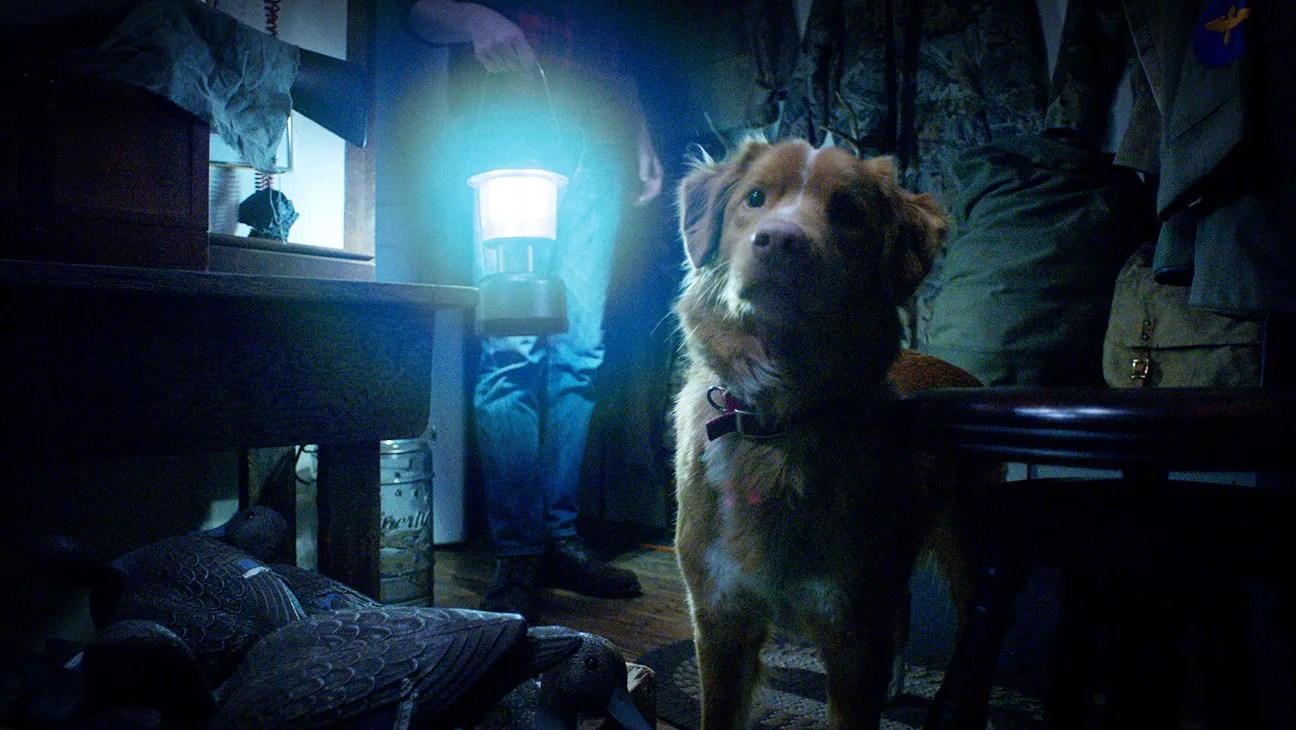
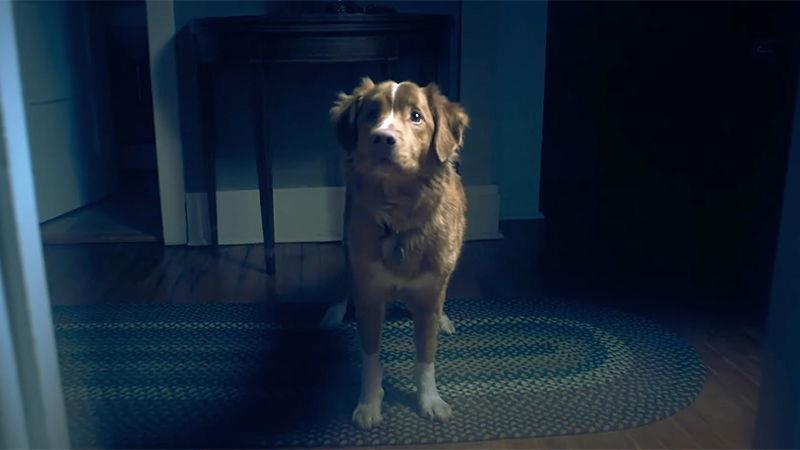
Indy, the canine star of the horror film Good Boy, brings attention to the presence of beloved pets in various horror films and TV shows. It can be said their inclusion is way to raise the stakes of the terror faced by the film’s main characters, as with Good Boy. But these animals can have more complex roles in horror films and TV shows.

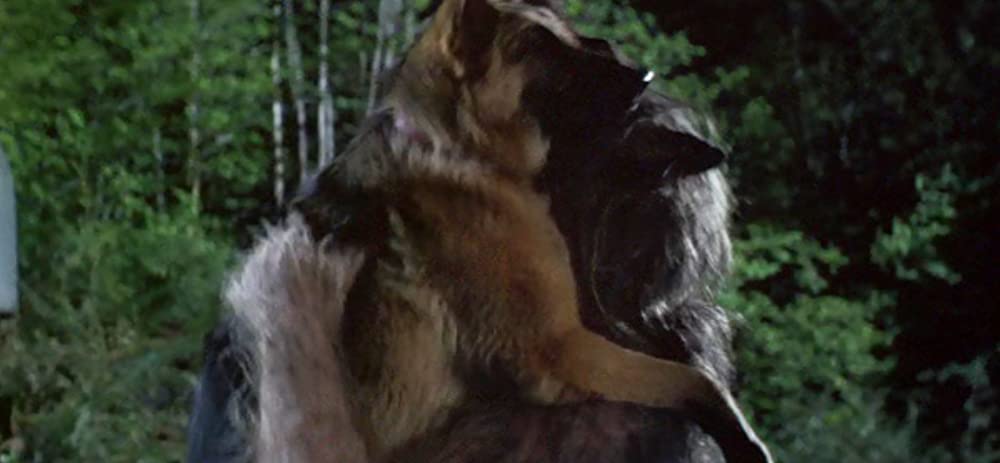
Other times, the animals wind up playing a pivotal or even a heroic role as with Nanook, the malamute that helps his owner fight off the title vampires in The Lost Boys. In Nanook’s case, his crow-pleasing moment came when he pushed a vampire into a tub full of holy water and garlic. Another example is the dog Thor in Bad Moon. It’s another horror film told from the POV of a dog, in this case, Thor faces off against a werewolf, who tragically was his owner when in human form. Then there is the title character in Frankenweenie, a dead dog who was revived by his grieving owner. Also, let’s not forget Kojak (formerly “Big Steve”), a retriever featured in The Stand who wound up playing an important role late in the TV mini-series when he helped care for the main character Stu Redman after he was badly injured.

These pets are often imperiled by the supernatural forces that threaten the main characters, and sadly these beloved animals wind up becoming victims. There are too many to go into here, but some standouts include Tank, the terrier, from V/H/S 2, Churchill, the cat in Pet Semetary, and Samantha, the German shepherd in I Am Legend, who gave her life defending her owner against mutants before she had to be put down when she began to mutate.

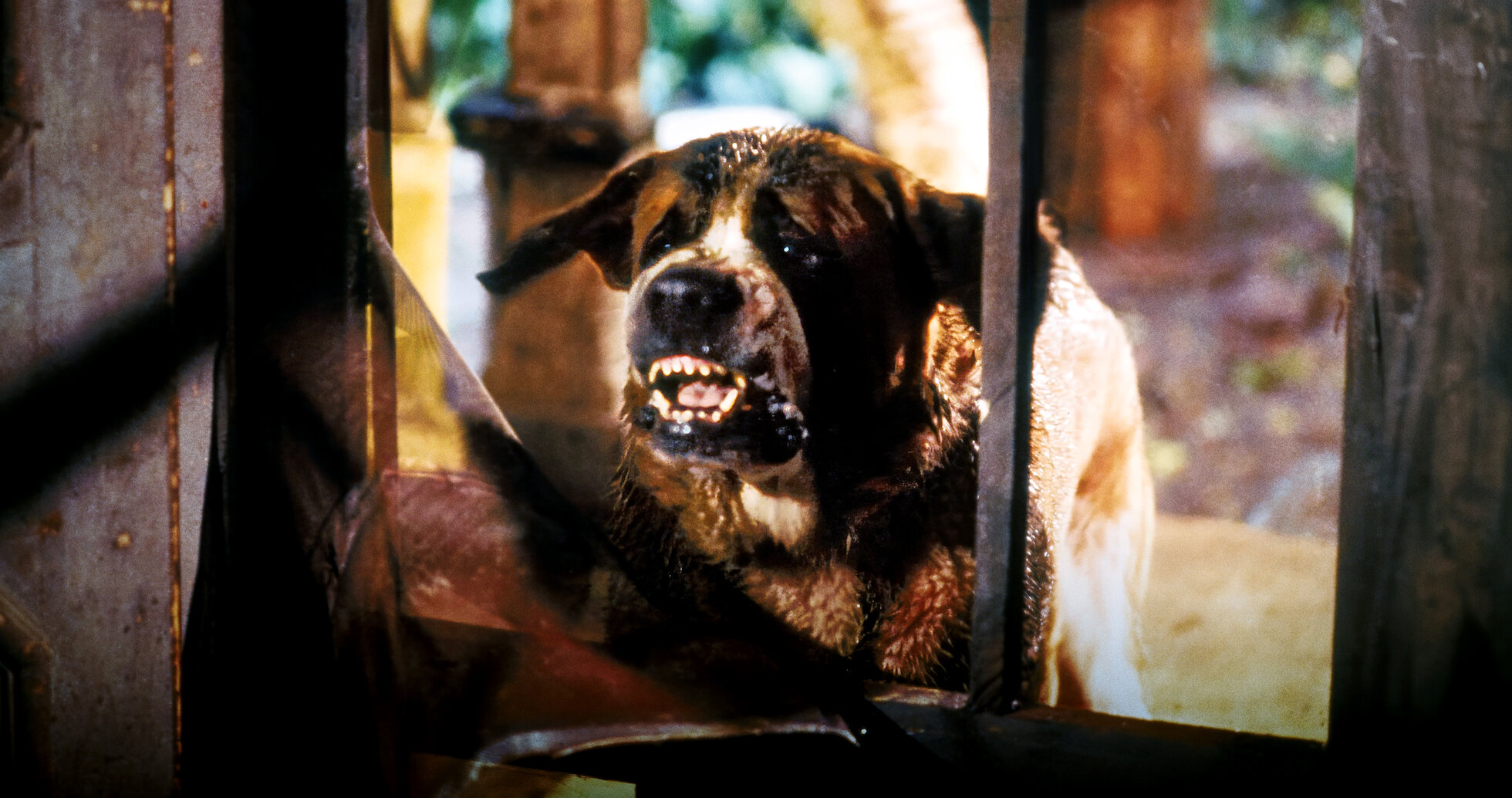
On the other hand, there are many horror films and TV shows where the beloved family pet becomes a source of danger to humans. The best example of this is with Cujo, where a docile St. Bernard becomes a vicious killer that threatens his owner and her child. Other examples include several dogs in Day of the Animals, various pets in the TV show Zoo, and the title dog in Man’s Best Friend.

We get very alarmed and feel uneasy whenever beloved pets put themselves at risk to defend their human families. It is second nature for dogs to act as guardians for us even though they are at risk whenever tackling the supernatural. This was very prevalent in Good Boy as Indy tries his best to protect his owner Todd from a malevolent spiritual force that haunts Todd. It must be mentioned that the animals’ ability to sense the supernatural before the humans could make them more vulnerable to looming threats.  What was even more distressing in Good Boy was that only Indy was aware of this evil force and was unable to communicate this danger to Todd unlike another human.

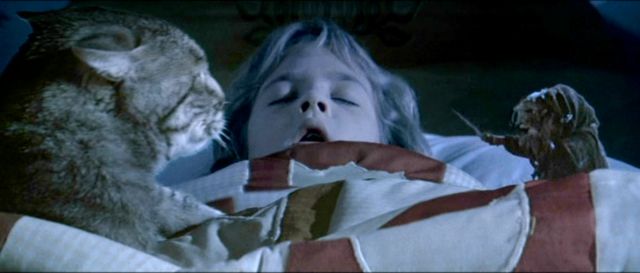
The inability to adequately communicate with humans is part of what makes the animals’ dilemma so engaging. Another example of this was in the film Cat’s Eye, where a stray cat is involved in three separate stories, and becomes the hero in the last segment. In that story, the cat (now named “General”) defends a young girl from an evil troll trying to steal her soul. What made General’s job more difficult was that he was the only one who sensed the troll’s presence, and he could not communicate to the girl’s parents about her imperilment.  

What made Good Boy such a standout from your standard haunted house story was that the film was told from the POV of Indy. We are able to empathize with Indy not just because he was a loveable dog but because of how his worldview was presented. We never fully see the faces of the human characters or hear their dialogue clearly; Indy is also able to get into the dark corners of his owner’s home to get more details about the otherworldly threat, which a person could never do. Essentially, through Indy’s eyes, we get a better sense of the ghostly presence haunting Indy’s owner.

Also, the stakes of danger are raised since Indy is more vulnerable to the supernatural presence. Unlike a human who could find out how to combat the supernatural threat and use tools, Indy and other animals only have their own instinct and natural abilities to combat the threat. Sometimes that is not enough. That is why films and TV shows featuring pets like Good Boy are so captivating.

Alien: Earth Crashes Down To Earth

Given that the Alien franchise has been around for nearly 50 years, it was surprising that until Alien: Earth, no TV show was made about the famous sci-fi horror IP. One would think that more effort would have gone into making the first Alien TV show much better than it turned out.

Alien: Earth was created by Noah Hawley (the writer and producer of Legion and Fargo) and takes place a couple of years before the first Alien film, around 2120. It expands upon the universe created in Alien by showcasing life on Earth and answering many questions about this universe while raising many more questions.

The TV show focuses on Wendy (Sydney Chandler), a prototype hybrid and her evolution. She and other hybrids (nicknamed the Lost Boys after Peter Pan) differ from the synthetic people shown in other Alien films in that originally they were dying children whose consciousness were transferred into synthetic human bodies, which makes them in essence immortal. Wendy and the Lost Boys were created by the corporation called Prodigy, which is based in Asia, and is owned by a douchey trillionaire tech bro called Boy Kavalier (Samuel Blenkin).

Kavalier covets the extraterrestrial biological specimens collected in a spaceship owned by rival company Weyland-Yutani and he arranges for the spaceship to crash land in Prodigy territory on Earth so his corporation could claim the specimens as salvage. As it turns out, one of the dangerous organisms is the famous xenomorph that made the franchise so revered.

When the Weyland-Yutani spaceship crashed in the Prodigy city New Siam, one of the first responders to arrive at the scene was Wendy’s brother Joe Hermit (Alex Lawther), who is soon endangered by a xenomorph that is now loose in the crash site. After Wendy learns of this, she volunteers to go to the crash site to help collect the alien specimens with Prodigy soldiers and rescue her brother. Once Hermit is rescued and the aliens are captured, Kavalier has the alien creatures brought to his private Neverland Island, where Wendy and the Lost Boys are based, to study the creatures. Of course, as things go in Alien stories, things get out of hand as the xenomorph and other alien creatures break loose from captivity and imperil not just the people on the island but the entire planet. Meanwhile, Wendy and the other hybrids go through existential crises as they struggle to find meaning in their new lives as hybrids.

There are many great and promising elements in Alien: Earth, such as the fact that it feels like it is part of the franchise and captures the mood and atmosphere of the films. The special effects are truly outstanding, as well as the production design. More importantly, Alien: Earth truly fleshes out the universe it takes place in with new characters, explaining the overall makeup of the Alien universe, and by introducing new kinds of synthetics and aliens.

The TV show introduced unique and terrifying alien creatures that rival the xenomorphs for deadliness and reinforce how hostile space is to humanity. The most terrifying creature is something called the trypanohyncha ocellus, a tentacled eyeball that kills its victims and takes over their bodies by forcibly burrowing itself into the victims’ eye socket. What was more disturbing by this cyclopean horror was that it clearly displayed a high level of intelligence and helped created the chaos throughout the show.

As for the synthetic beings, the most interesting ones were Kirsh (Timothy Oliphant), a classic synthetic who is naturally distant and dismissive towards humans, and operates as one of Prodigy’s chief scientists and Wendy’s trainer. Another is Morrow (Babou Ceesay), who is actually a cyborg, meaning that he is technically human but with cybernetic implants. He was the only survivor from the crashed Weyland-Yutani spaceship and has a rather tragic backstory Morrow only exists to complete his mission of bringing the specimens to his company and he will stop at nothing to achieve his goal. The episode “In Space, No One…” was a flashback episode that showcased Morrow’s time onboard the spaceship before it crashed and gave us much of his backstory. Being that the episode was in essence a remake of Alien and emulated the look and feel of the classic film, it was easily the best episode of the season.

While all this sounds promising, the payoff was ultimately disappointing, which is regrettable since there is a lot to commend about Alien: Earth.

There are glaring problems with the show, namely with the scripts were characters behave stupidly and there are enough plot holes to drive the Nostromo through them. Here is just one example: the xenomorph is now bulletproof no matter how many times it’s shot. Many characters are poorly written with some being downright irritating. The worst offender is Kavalier, who is so annoying with his one-dimensional nature and dirty bare feet. There was this scientist who does not seem to notice that her husband had gone missing (he was killed by a facehugger in an episode) and never mentions him.

It seems as if Hawley is more interested in exploring the synthetic beings instead of focusing on the alien creatures, which is puzzling since the show is supposed to be about aliens and it left us with many questions about the xenomorphs and other aliens. The thing is that the exploration of artificial beings has been done better many times in other TV shows. There are too many Lost Boys who are thinly developed with heavy-handed references to Peter Pan and frankly their immature behavior got irritating after a while. Wendy’s motivations were all over the place. First she is confused about whether or not she is human, then she’s trying to discover who she is, then she is disdainful of humanity. Her arc was very inconsistent, then to make matters worst, the show turned her into some kind of God-level being by giving her the ability to control all electronics and then the xenomorphs themselves. For some reason, Wendy is able to communicate with the aliens (in many dumb looking scenes where she opens her mouth and chitters at the creatures) and turns the xenomorphs into her pets. This robs the xenomorph of its infamous savagery and deadly nature. During scenes where a xenomorph follows her commands it appears far less threatening than in the films and the way these scenes were shot in bright light did not help either.

Alien: Earth starts off with much promise and has genuine moments of creepiness and intensity, but it starts to lag in pace midway through its too short season. It created many situations that were not fully developed and the payoff by its final episode “The Real Monsters” was lacking as the show crashed back to Earth. What sucks even more is that many questions were unanswered and we will probably have to wait for at least two years before we get any answers, that is if Alien: Earth is renewed, but few will care by that point.

José Soto