Captain Marvel Is A Solid MCU Entry

Captain Marvel is here at last, satisfying our desire for new content from the Marvel Cinematic Universe (MCU), being that it’s been several months since we had anything from the famed MCU. At the same time, the latest offering from the Marvel Cinematic Universe sets us up for next month’s Avengers: Endgame.

As many know, Captain Marvel, based on the Marvel Comics character, has been mired in controversy lately thanks to Internet trolls and people with their own agendas. It’s a shame really, because all this noise is distracting from the film itself. It’s bad enough that so much is expected from an MCU film these days that unless the film is an absolute epic, it is bound to disappoint. With all this going on it may be difficult to judge Captain Marvel on its own merit.
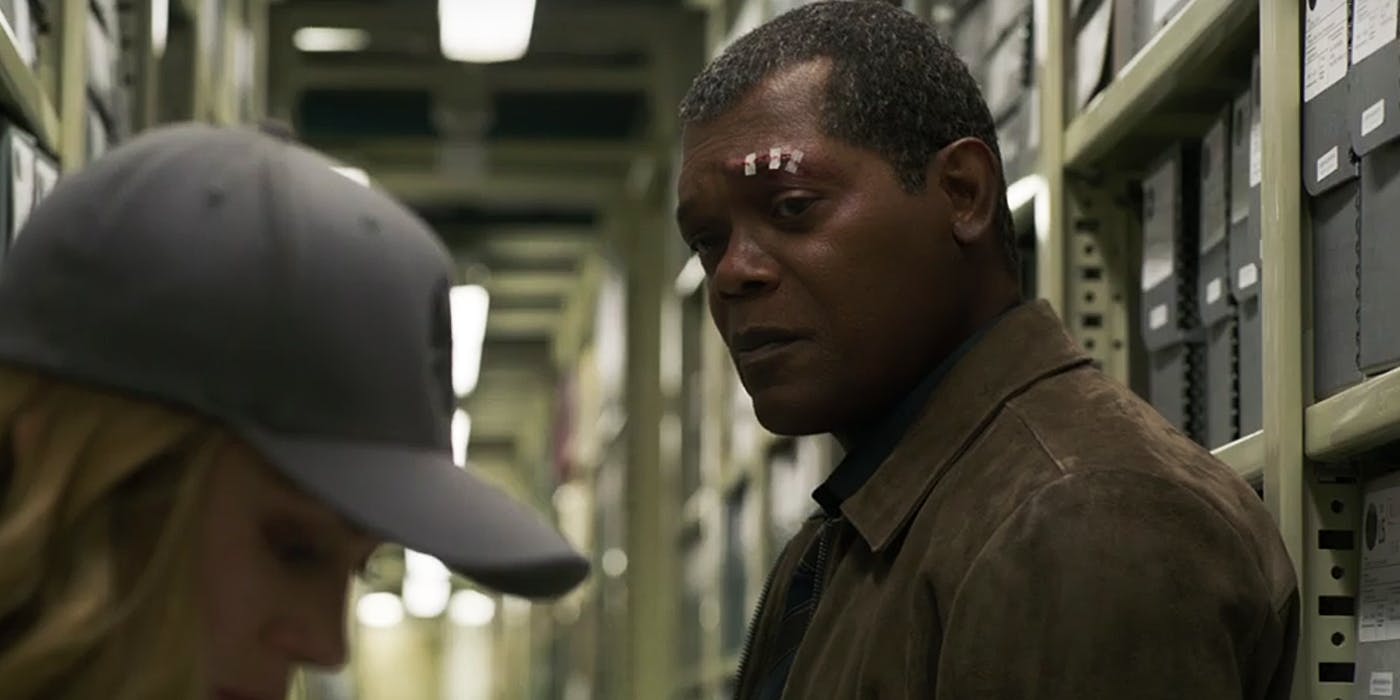
Looking at the film objectively, it does have its faults but it’s not a disaster at all. In fact, on the whole, Captain Marvel is a solid entry to the MCU and has so much to enjoy. Part sci-fi space adventure, part fish-out-of-water story, part mystery and part buddy cop yarn, the film bridges the cosmic part of the MCU with the Earth-based part. It introduces us to Vers (Brie Larson), who lives on the Kree homeplanet Hala and is part of the Starforce, dedicated to peacekeeping throughout the Kree Empire. She and her squad routinely hunt the Kree’s mortal enemies, the shape-shifting Skrulls. Early in the film, Vers crash lands on Earth in 1995 and meets S.H.I.E.L.D. agent Nick Fury (Samuel L. Jackson sporting some amazing deaging CG). The two team up to find out why the Skrulls are infiltrating Earth until she is recovered by Starforce. Along the way, she has flashbacks that reveal she is actually Carol Danvers, a human test pilot and this revelation has her questioning her allegiance to the Kree.
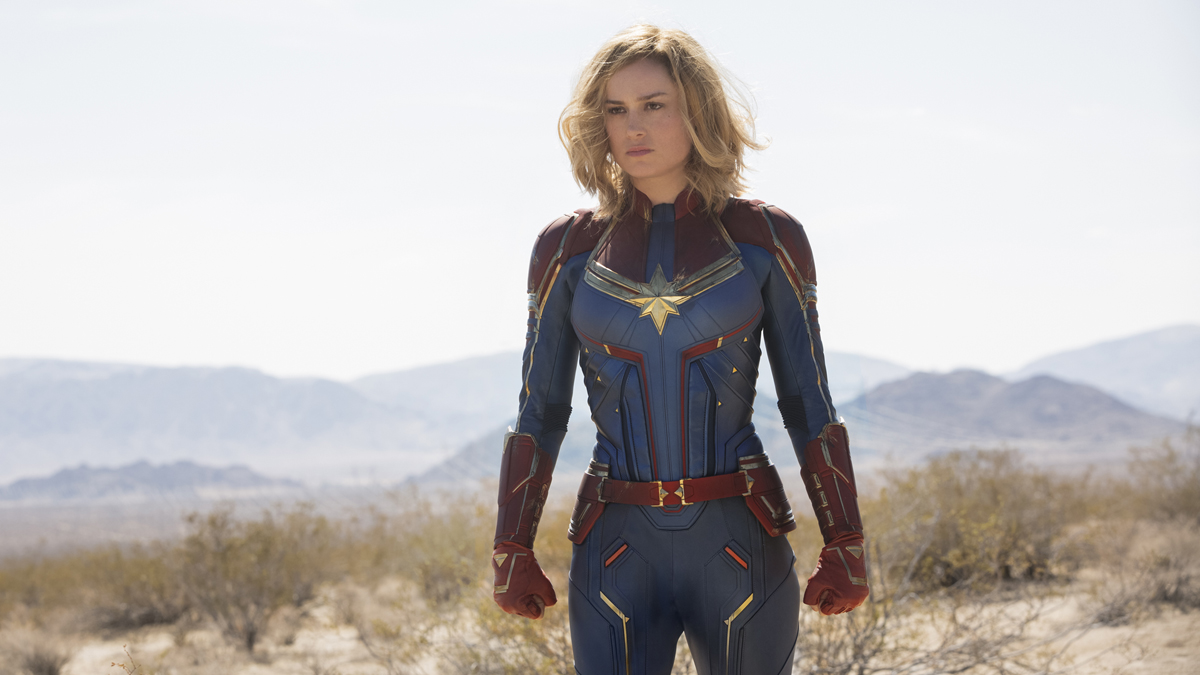
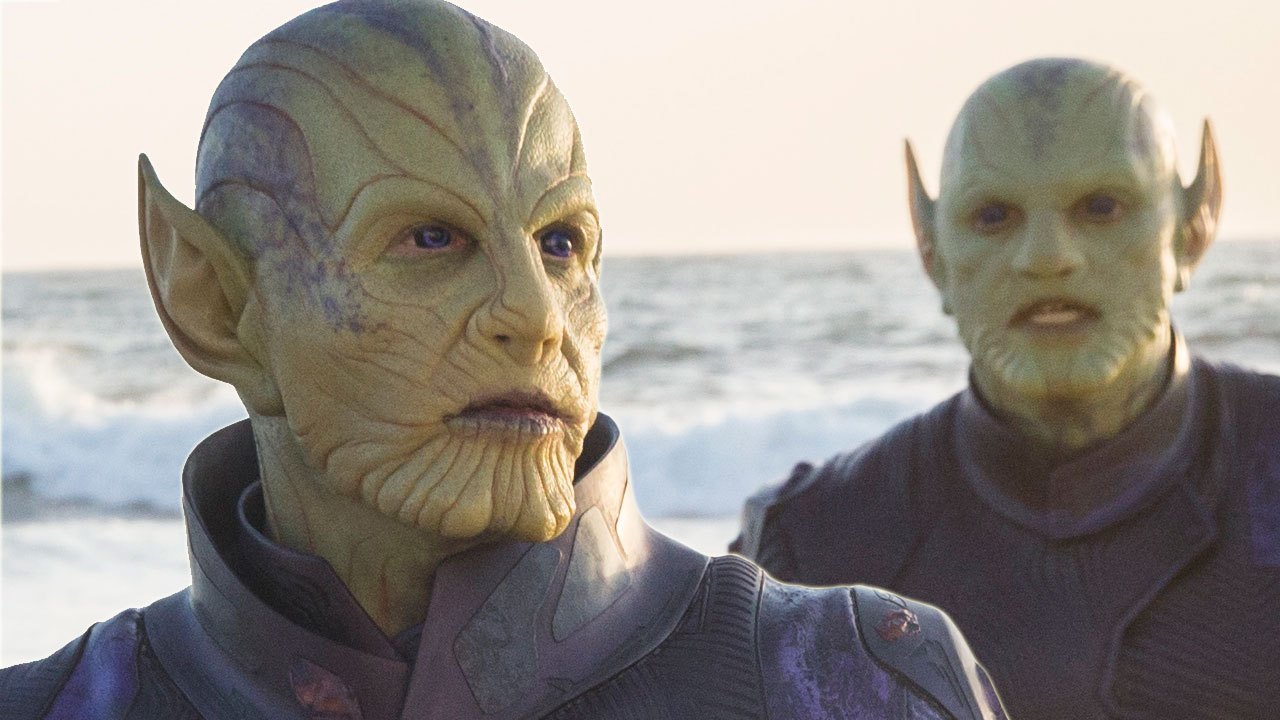
Captain Marvel is an enjoyable film with some interesting twists and character moments. Some plot developments can be seen light years away but they’re well executed and the film is highlighted by the cast who are quite good, especially Jackson, who portrays a less jaded version of Nick Fury, and Ben Mendelsohn as Talos, the main Skrull in the film. Talos is an unexpectedly complex character and Mendelsohn’s acting is exceptionally good here as he is able to emote so effortlessly through the heavy Skrull makeup.
As for Brie Larson, her performance is rather stoic and comes off as a largely unemotional hero and not very interesting despite her personal dilemma. Larson is OK as Danvers/Captain Marvel. but one has to wonder if anyone else could have done the role better. This could be a problem because she is supposed to be a major player from here on out. But there is room for growth and Larson is a talented actor. She does have some good banter and chemistry with Jackson, but Jackson is the more charismatic of the two. Larson’s performance is just part of the problem the film has. It’s slickly made and has many fun moments, but the direction is bland at times and some pivotal scenes are poorly lit, which detracts from their impact. Marvel Studios has a penchant for hiring largely inexperienced, but talented directors and this usually works. In this situation, perhaps the film studio should have gone with someone other than Ann Boden and Ryan Fleck. The two don’t seem to have distinctive voices like James Gunn or Taika Waititi.

The film is not bad by all means, its merits easily outweigh its problems. It’s quite awesome with dazzling special effects, a great ’90s soundtrack,and hits most of its marks. Plus, the mystery behind Danvers’ identity and what happened to her are done well. Despite what some trolls are proclaiming it doesn’t have some kind of feminist agenda. It’s a straight up superhero adventure. Also, Captain Marvel is an important entry of the MCU because it explains how many aspects of the Marvel Cinematic Universe came to being. Plus, its post-credits scene is vital to Avengers: Endgame. On the whole, Captain Marvel is a respectable, flashy high-middle tier entry of the MCU that adds new wrinkles to the ever-growing film universe.

Celebrating The 10th Anniversary Of The MCU

marvel studios ten years

Marvel Studios is certainly on a roll. For the past couple of years their films have been well received by fans and critics and the success just keeps building. After delivering three epics last year, Marvel Studios expanded on that success with the unbelievable reception to this year’s Black Panther and Avengers: Infinity War.

To think, it all began when a B-list Marvel Comics superhero made his big-screen debut ten years ago.

That character, of course, is Iron Man. Back in May 2008, the Golden Age of Superhero Films had arrived with the premiere of Iron Man. Superhero films had gained prominence in the first years of the 21st century with explosive adaptations of Marvel Comics characters like the X-Men and Spider-Man and DC properties like Superman and Batman. When Iron Man was announced, many thought it would be another fun and entertaining big-budget film. What few realized was that it would spark a phenomenal interconnected film universe that became known as the Marvel Cinematic Universe (MCU). From that moment, the MCU exploded and captured our imaginations (and wallets). Which is why we are here celebrating the MCU 10th anniversary.

Many know by now the history of the MCU and how it came to be. Marvel Comics in the 1990s was bankrupt and sold the film rights of  many of its characters to various film studios. While this saved the comic book company in the short term, this act left Marvel’s beloved characters in the hands of others who made their own changes when it came to the films. When Marvel formed Marvel Studios to have creative control over its characters the company had a dilemma in that their A-list characters weren’t available. In fact, the initial characters in the MCU where in the hands of other film studios. However, Marvel Studios was able to regain the film rights for all except a few like the X-Men, the Fantastic Four and Spider-Man. This forced the studio to rely on their less popular characters and this allowed them to fully realize their potential on film.

Birth Of A Film Universe

When Iron Man premiered, many saw how special it was since it focused on the flawed main character. Whereas, the main draw of the DC films at that time were the villains, such as in The Dark Knight, the first MCU film set a standard where the title character was the primary focus, not the foe. This led to a common problem with MCU films which had weak villains, but fortunately, the heroes were so endearing that audiences forgave the films.

Avengers

There was one thing that enabled Iron Man to stand out from the other blockbuster superhero films. Those who stuck around through the film’s ending credits found out what it was when they were tantalized with the idea of interconnected films. The hero Tony Stark was greeted by the mysterious Nick Fury who informed him he was not the only superhero around. Fury presented Stark with the idea of the Avengers Initiative, thus the Marvel Cinematic Universe was born. This budding film universe was given a boost a month later when The Incredible Hulk premiered. While it is kind of dismissed these days, the second Hulk film was a vast improvement over Ang Lee’s pretentious and over-the-top Hulk, but it cemented the MCU. Aside from its many Marvel Easter eggs, at the end of The Incredible Hulk, Tony Stark appeared, which connected the two films. From there, the MCU continued growing. A few short years later, Iron Man had a sequel and two more MCU films came out (Thor and Captain America: The First Avenger) that helped lay the groundwork for the culmination of the MCU at that time: The Avengers. Needless to say films were never the same.

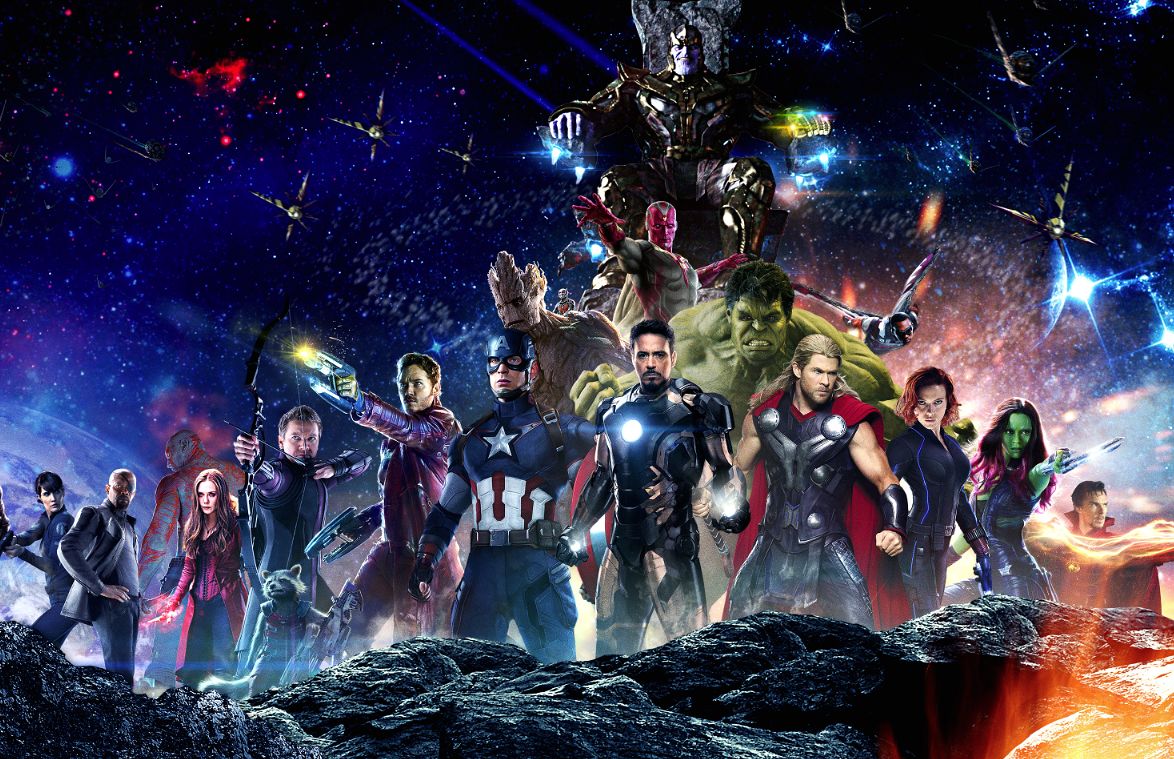
Here we are at the MCU 10-year anniversary, celebrating it with their newest smash hit Avengers: Infinity War. Many film studios tried and failed to copy the success of the Marvel Cinematic Universe. These include Warner Bros. and DC’s DCEU, Universal’s Dark Universe, and Sony’s Spider-Man film universe. 20th Century Fox came close with their X-Men films but their films were hit or miss.

Continue reading

10 MCU Films To See Before Avengers: Infinity War

We’re all excited to see Avengers: Infinity War, the culmination of the ten-year-old Marvel Cinematic Universe (MCU). But some of us haven’t seen all the films, or are dragging along a significant other to the theater who doesn’t know Iron Man from Captain America.

The dilemma? There are 18 MCU films and so little time to see them all before Avengers: Infinity War premieres. So which films do we need to watch before seeing Avengers: Infinity War? After all, not all the MCU films are relevant to the coming epic film.

collector and stones

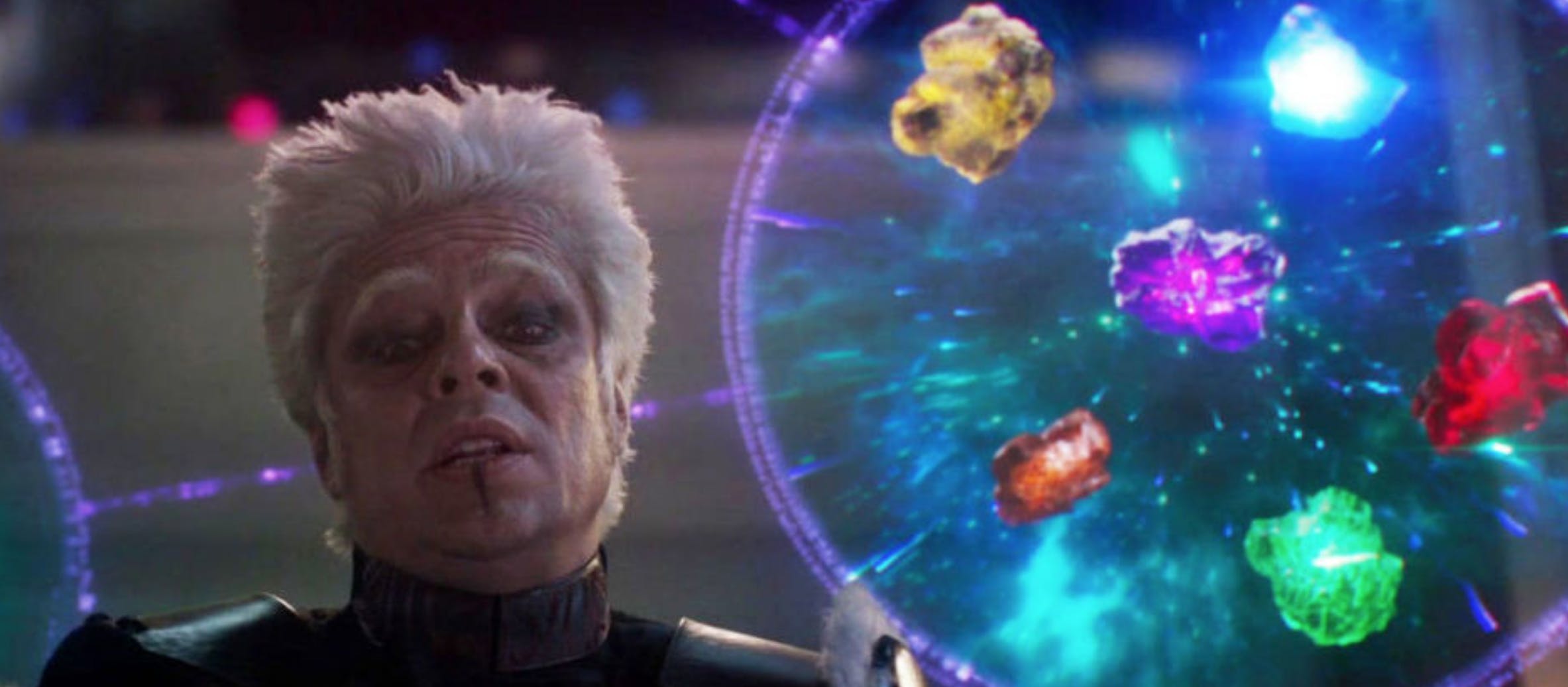
Listed below in alphabetical order are ten MCU films to see before Avengers: Infinity War that are essential for understanding the film-spanning saga. Keep in mind that not all the films are the best in quality but have important ties to the Infinity War saga. Some spoilers follow.

Avengers

The Avengers (2012):

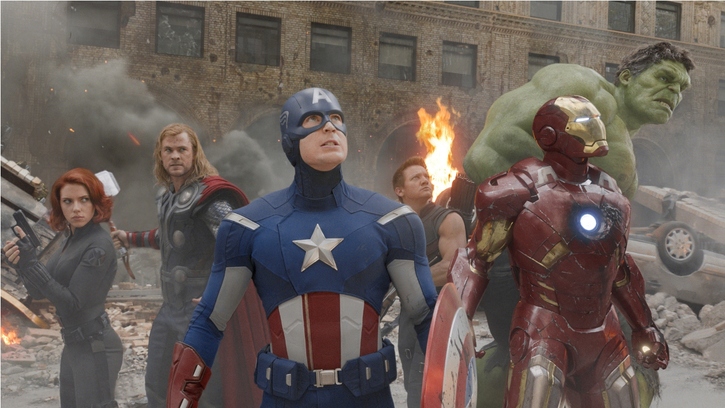
It makes sense to see the very first Avengers film. The superhero team gathers together for the first time to combat Loki, who threatened the world. The Avengers has the first appearance of the Mind Stone, one of the Infinity Stones, which was used by Loki. It also prominently features the Tesseract, aka the Space Stone, also used by Loki to transport invading alien armies to Earth.

More importantly, the post-credits scene of The Avengers introduces us to Thanos, the looming threat throughout the MCU from that point on. Overall, the first Avengers film takes the first steps to set up Phase Two and Three of the MCU, which culminates with Avengers: Infinity War.

Avengers: Age of Ultron (2015):

The sequel to The Avengers was somewhat disappointing with one of its flaws being its shoehorned tie-ins to the Infinity War saga. Two of the Avengers (Thor and Iron Man) have prophetic visions about the Infinity Stones and Earth being imperiled.

This leads to Thor leaving the team (and Earth) to learn more about the Stones while Iron Man becomes even more obsessed with protecting the world. His actions from that point are responsible for creating the film’s villain, Ultron, and the newest Avenger, Vision, one of the major characters in the third Avengers film. The Mind Stone, which was in Loki’s staff from The Avengers, is later imbedded into Vision.

black panther at wakanda

Black Panther (2018):

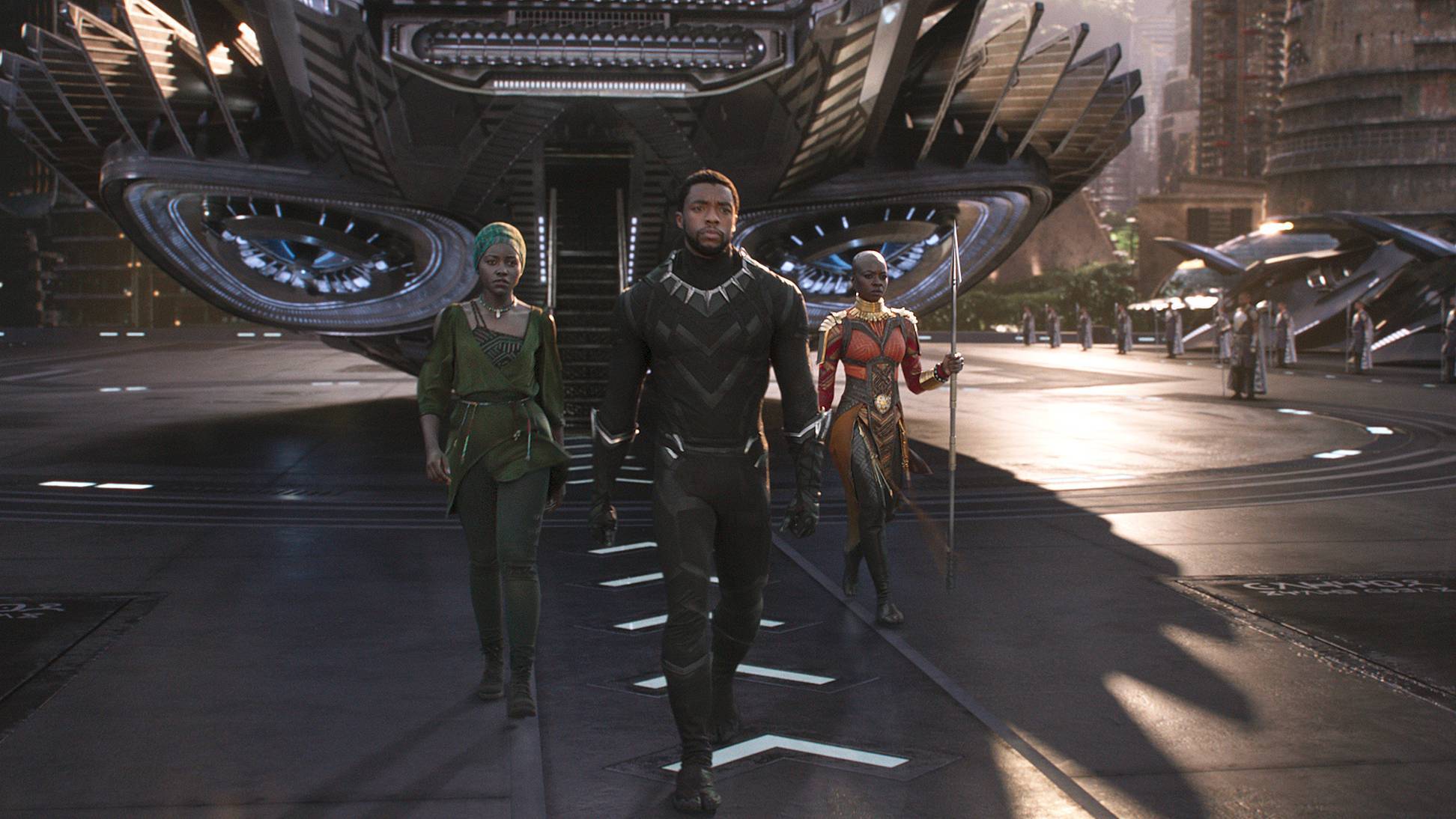
No Infinity Stones are seen or mentioned in the recent box-office phenomenon, but Black Panther properly introduces audiences to the wondrous African kingdom of Wakanda, a major setting in Avengers: Infinity War. As we have seen in the trailers for the film, it appears that the climax takes place in Wakanda as our heroes take a last stand against Thanos and his forces.

Black Panther also introduces us to major players in Avengers: Infinity War, namely Shuri and Okoye. Shuri with her technical prowess and Okoye being a mighty warrior have been shown in the trailers to being essential to the film’s story.

Captain america civil war team cap

Captain America: Civil War (2016):

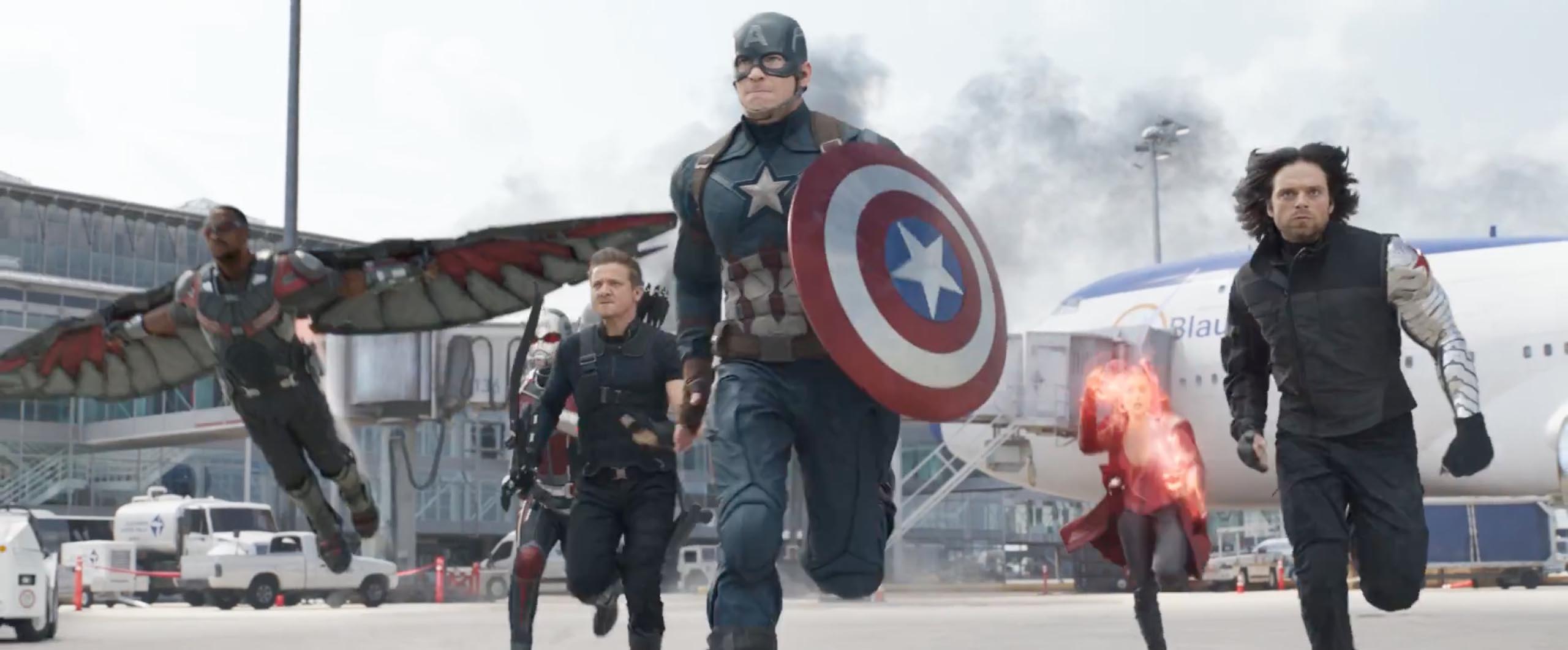
As with Black Panther, the third Captain America film does not feature the Infinity Stones, but is very important to the Infinity War saga. Chiefly, it sets up the characters’ situations for Avengers: Infinity War. The Avengers break apart due to the events in Captain America: Civil War, which leaves the team(s) weakened and Earth vulnerable.

The third Captain America film (sometimes described as Avengers 2.5 with all the appearances of the Avengers) also introduces two important characters in the MCU and the Infinity War saga, Black Panther and Spider-Man. These new breakout heroes could also be seen as the ones to carry the torch for new versions of the Avengers after the dust settles in Avengers: Infinity War.

Captain America: The First Avenger (2011):

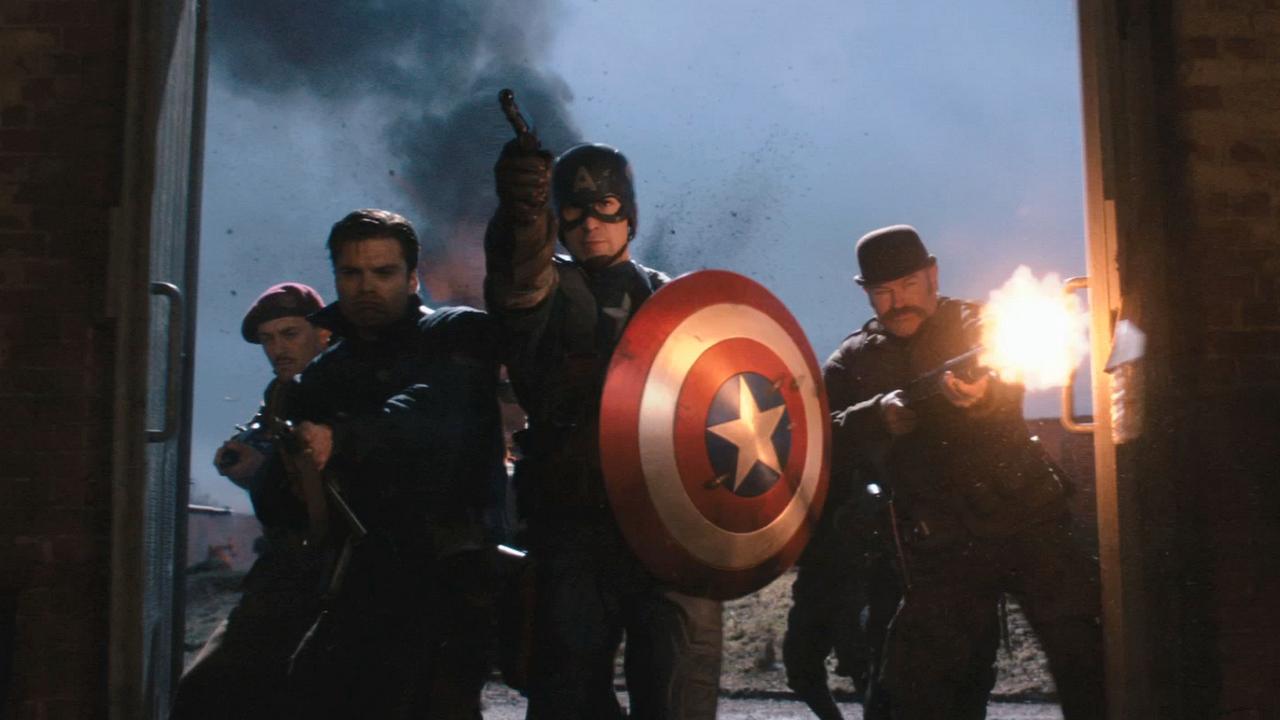
The first solo film of the MCU’s most popular superhero not only introduces the star-spangled Avenger, but the first Infinity Stone onscreen: the Space Stone, which is inside the cubical Tesseract. Technically, the Tesseract was first seen briefly in a post-credit scene in Thor, but here the object is fully fleshed out.

It was used by the Red Skull to wreck havoc in Europe during World War II. In the first appearance of an Infinity Stone, it was also the first time that these stones were weaponized. Its true power was barely tapped in Captain America: The First Avenger as its full potential was shown in The Avengers.

Continue reading

Finally! The Avengers: Infinity War Trailer Is Upon Us!

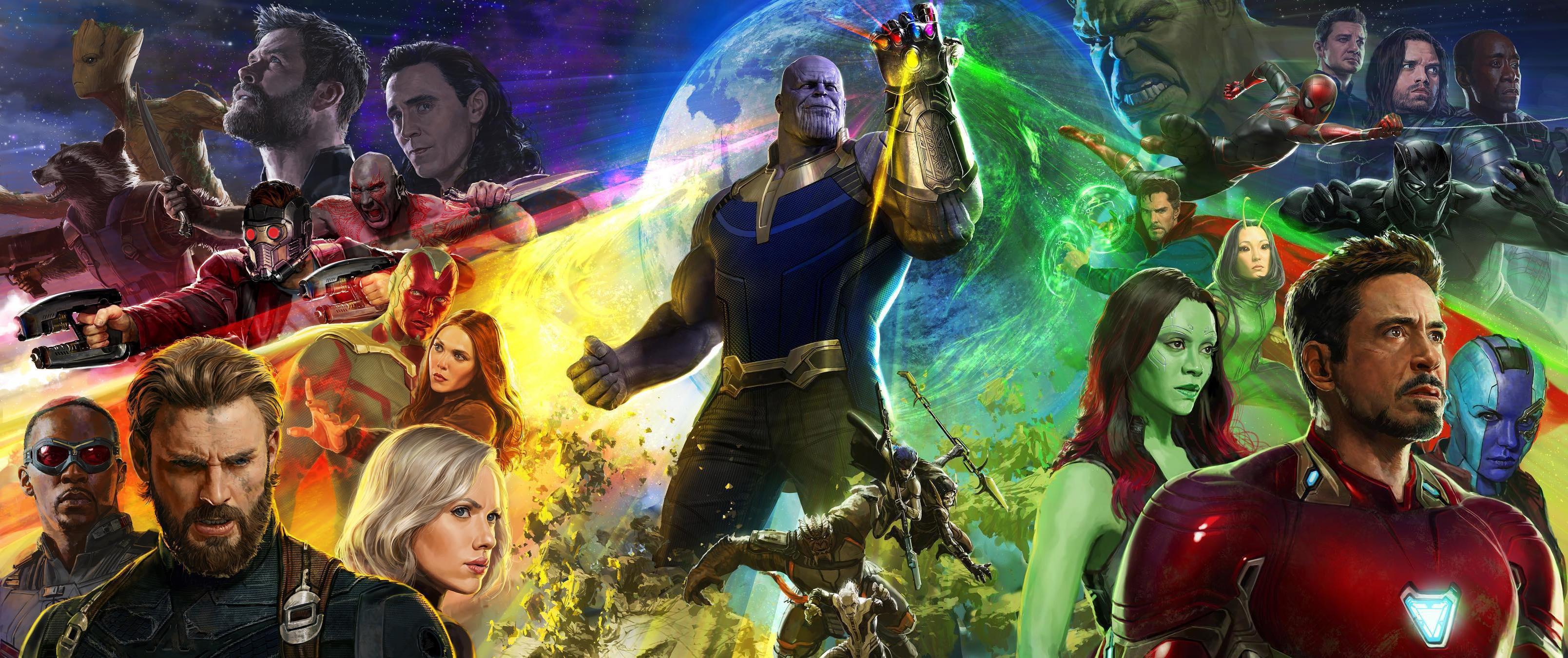
Marvel Studios has teased and aggravated us ever since the D23 Expo and this past summer’s Comic-Con. Attendees of those events were treated to an exclusive look at a teaser for next year’s Marvel Cinematic Universe (MCU) epic Avengers: Infinity War. However, the rest of us poor peons were left in the dark, having to console ourselves to grainy, weird-angled bootleg footage of the trailer. While the footage’s quality was crappy to be kind what we saw got us excited! Seeing the Guardians of the Galaxy meeting Thor; Spider-Man, Star-Lord and Doctor Strange teaming up; Steve Rogers in his post-Captain America outfit; Thanos beating the snot out of the Avengers. It was astounding and we fans melted the Internet screaming and begging for the trailer’s official release. We wanted to see the finale of the MCU! But Marvel Studios would not relent. Until now. But they went one better…behold the official trailer for Avengers: Infinity War.

Whew! That is one hell of a trailer. Things look mighty bleak for our Avengers as they meet their match. This trailer alone makes Avengers: Infinity War the most eagerly anticipated movie for next year. Love the line from Black Panther, “Get this man a shield!” The only quibble is that it did not have enough if the Guardians of the Galaxy! From the looks of it, as my mom likes saying, Avengers: Infinity War will be a fitting finale to the decade-long MCU, the greatest film franchise of all time. Yes, even greater than Star Wars! But let’s be real people, this is just a trailer. Hopefully, the film, directed by the Russo Brothers, will be more like Captain America: The Winter Soldier and less like Avengers: Age of Ultron. Six months to go, more or less.

Waldermann Rivera

The Heart and Soul Of Guardians of the Galaxy, Vol. 2


GOTGV2 poster

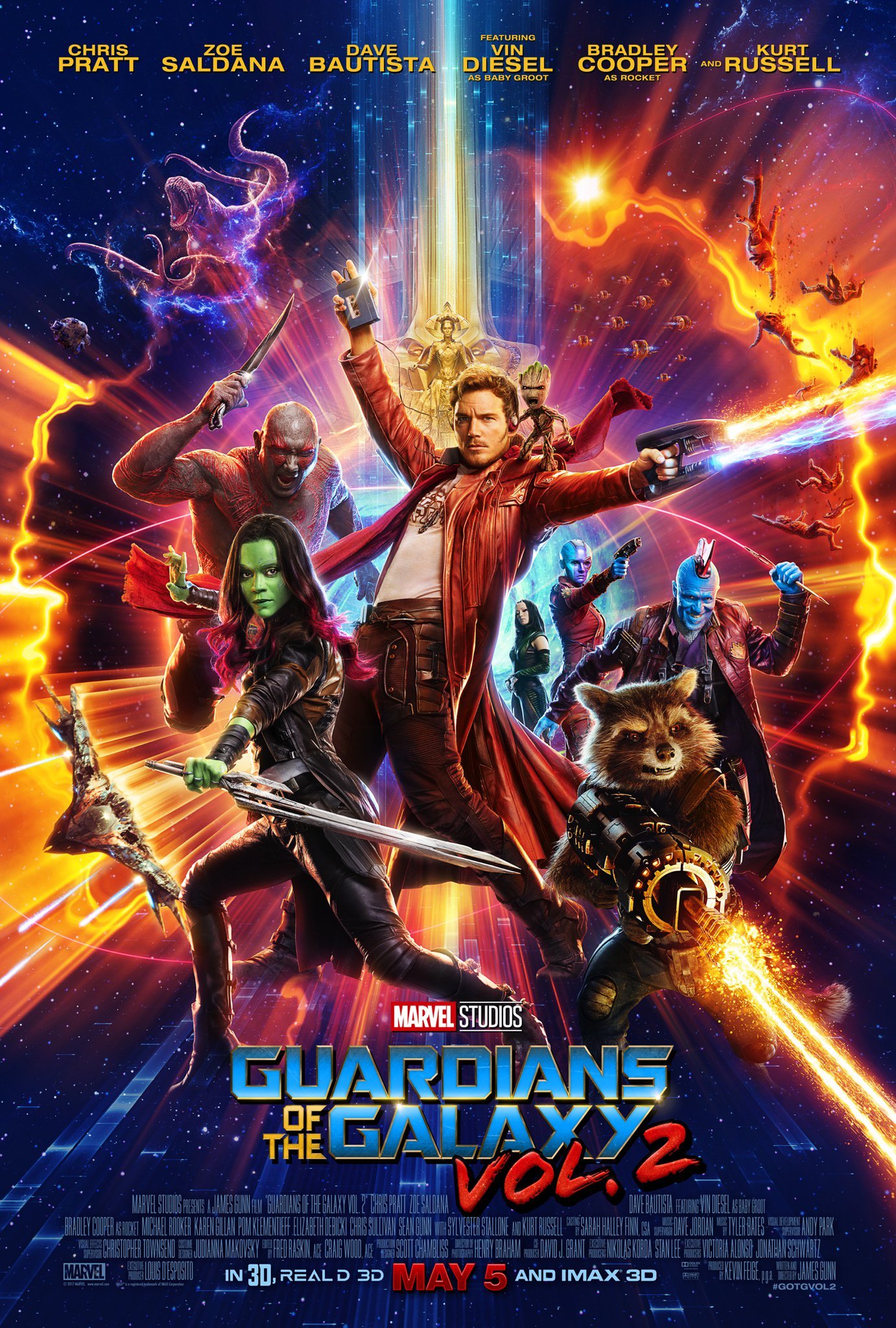
Guardians of the Galaxy, Vol. 2 (GOTGV2) is exploding onto screens everywhere and kicks off the summer season with a big blast that goes for the heart. For those keeping count the sequel to the hit film Guardians of the Galaxy is the latest offering from Marvel Studios and its popular Marvel Cinematic Universe (MCU).

Like most sequels, Guardians of the Galaxy, Vol. 2 tries to outdo the original, despite what writer and director James Gunn claims. It does not quite get there but like a true, notable sequel it sets out to be different and in that aspect Guardians of the Galaxy, Vol. 2 succeeds so overwhelmingly.

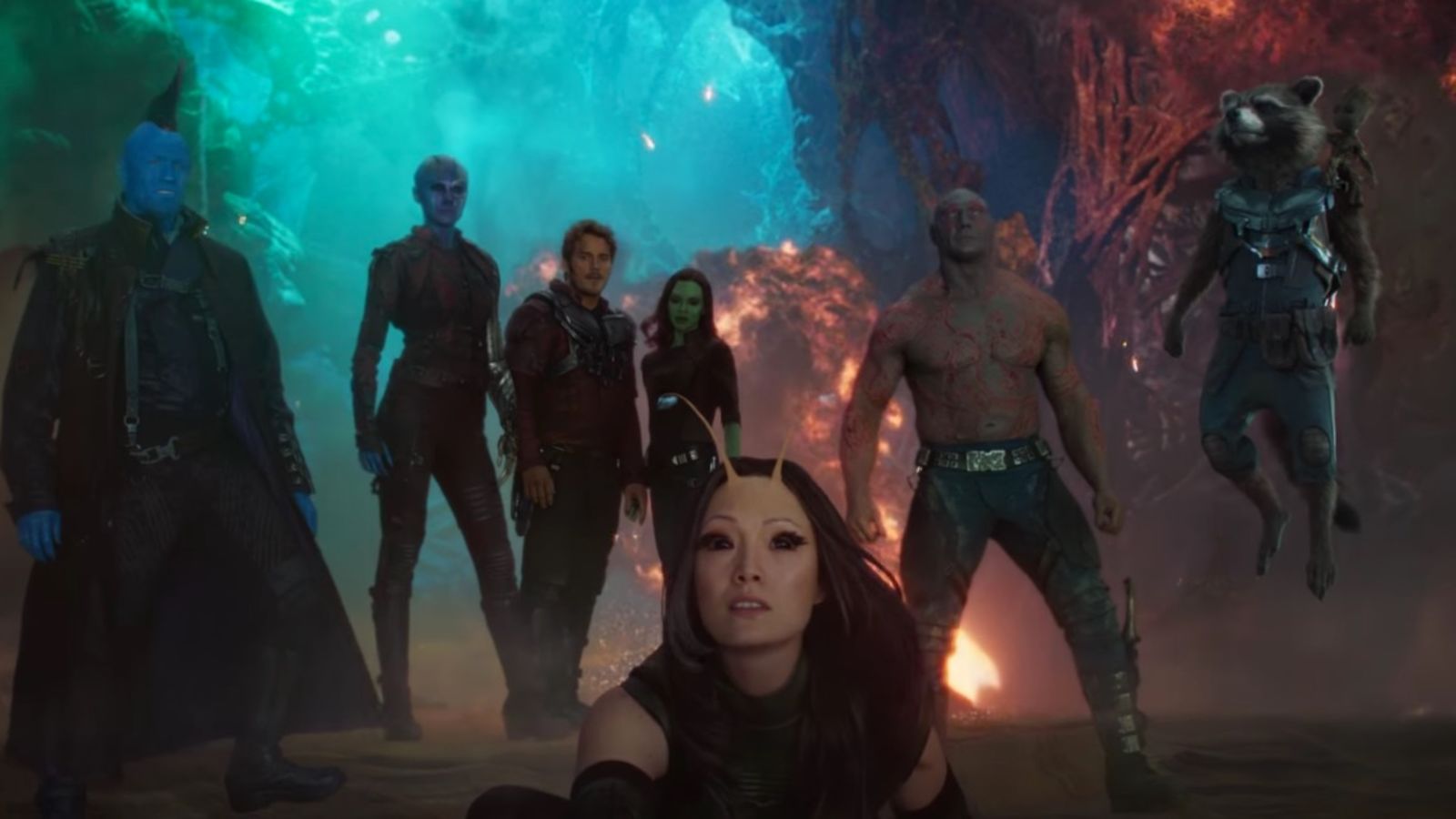
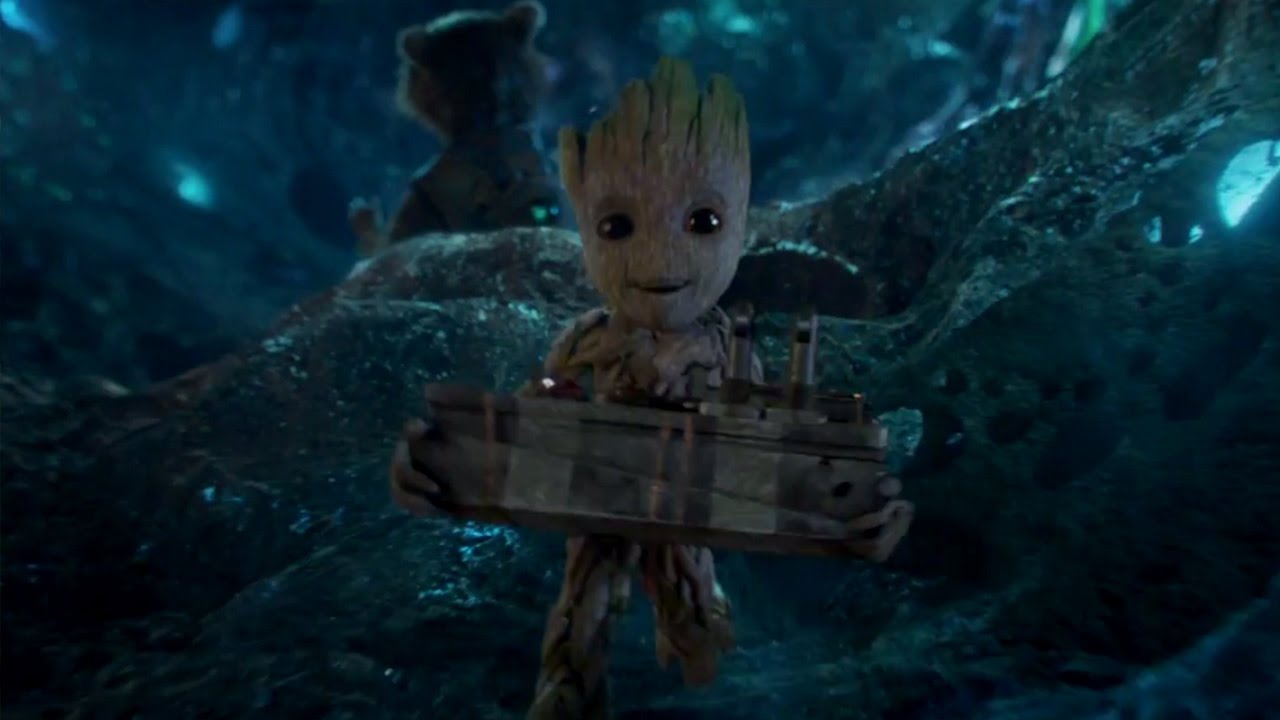
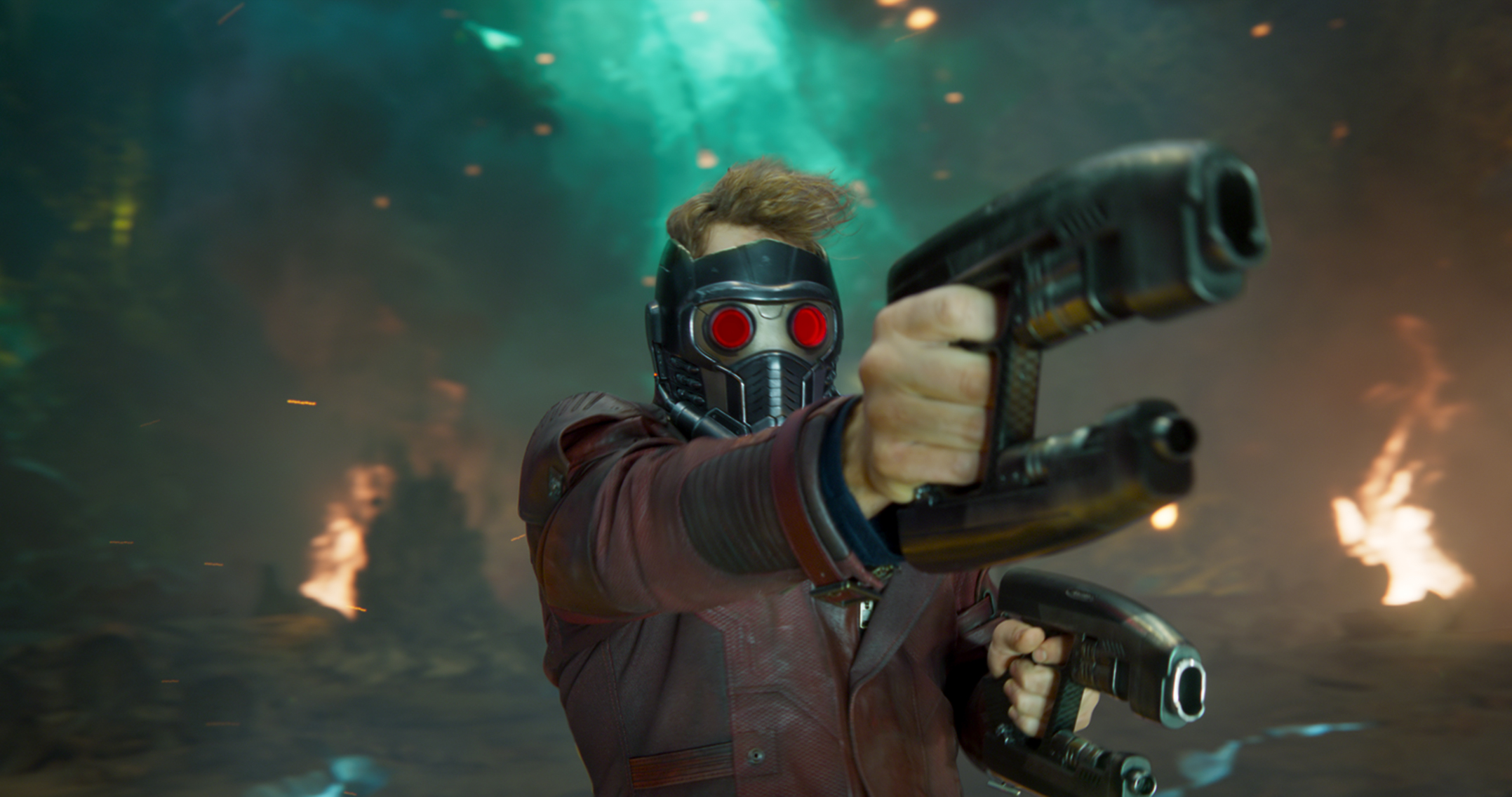
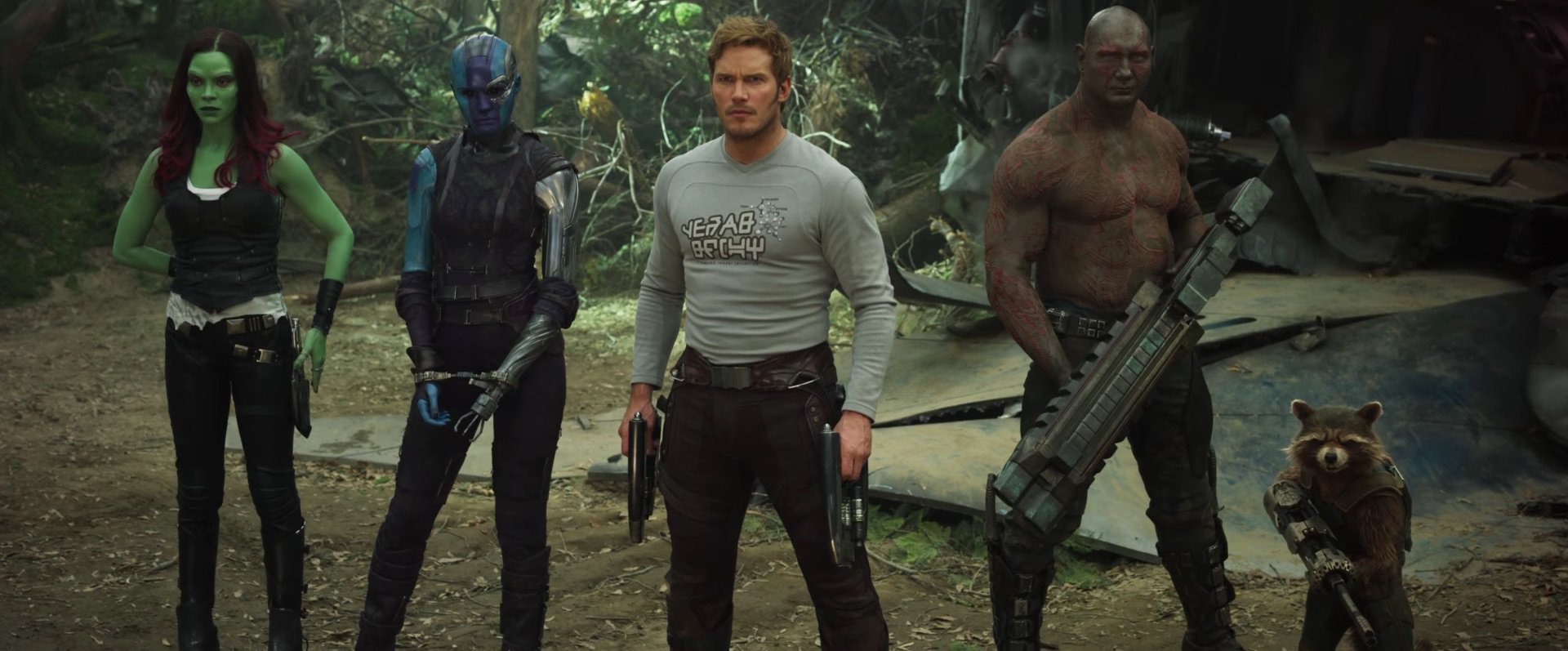
The film takes place shortly after the last film as the Guardians of the Galaxy are doing mercenary work for a galactic civilization called the Sovereign. The opening credits showcase the galactic misfits at their very best and reunite audiences with the loveable bunch. The team includes Earthling Peter Quill aka Star-Lord (Chris Pratt), former assassin Gamora (Zoe Saldana), the too-literal Drax (Dave Bautista), the cybernetically enhanced Rocket Raccoon (voiced by Bradley Cooper) and the tiny plant being Baby Groot (voiced by Vin Diesel). Right off the bat the adorable Baby Groot steals the spotlight with his oh-so-cute antics as the rest of the Guardians fight this gigantic monster squid thing. His scenes throughout the film will bring many “Awwws” and laughs and sure he is an obvious merchandising wonder, but Baby Groot is just so endearing that only truly embittered grouches will mind him.

baby groot and bomb

As with the previous film, GOTGV2 starts off with a toe-tapping soundtrack of oldies but goodies during the opening credits. The selection of songs is quite good, but unlike the original which featured some rousing classics, the songs for Guardians of the Galaxy, Vol. 2 are more reflective of the film’s themes.

This film is quite exciting and funny, in fact, many skits and jokes outperform the original. However, one drawback it has when compared to the original is that its main plot meanders at times. There is a story, and it deeply affects our heroes, but GOTGV2 focuses more on character. The plot isn’t as important to the film as is exploring the heart and soul of the Guardians.

Without revealing too much, the Guardians go on the run from the Sovereign because Rocket stole some batteries from them. The Sovereign are a snooty bunch of religious fanatics who are deeply offended that Rocket stole from them and start hunting down the Guardians.

Peter quill and ego

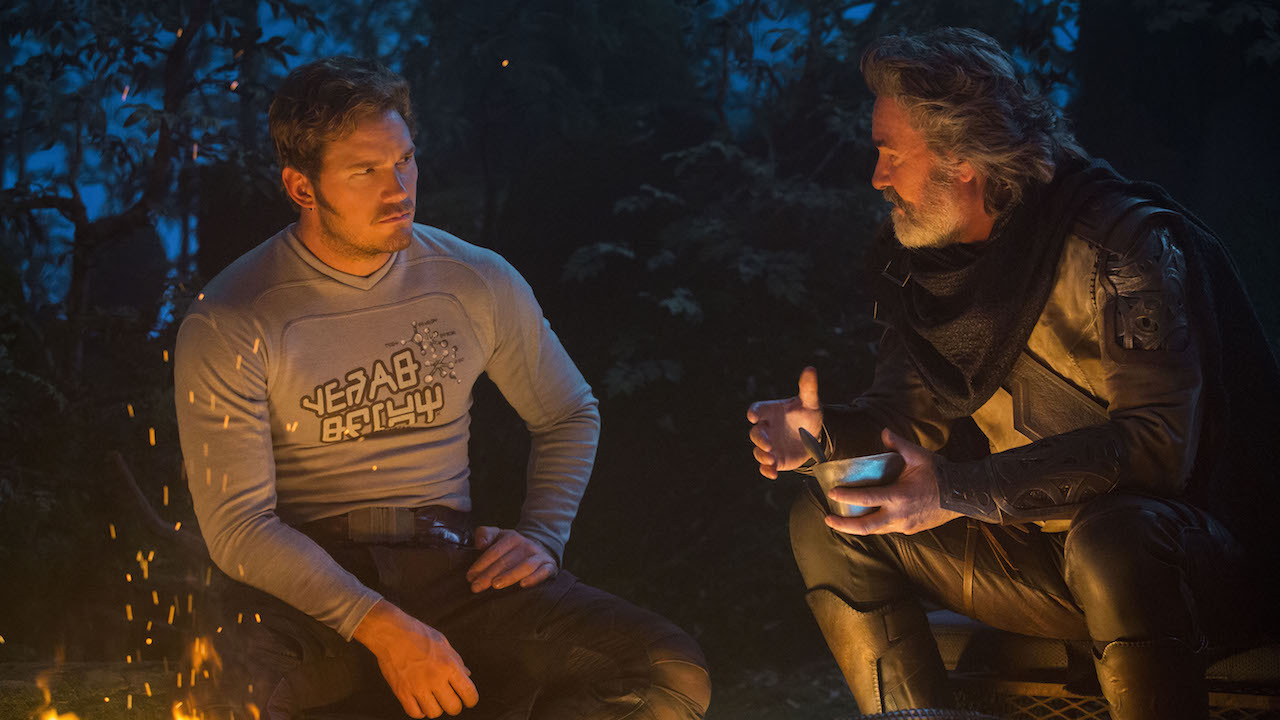
As our heroes evade the Sovereign they also have to deal with their old foes the space pirates called the Ravagers and Peter Quill meets his father, Ego (Kurt Russell). Encountering his father leads to Peter on a journey of self discovery as he learns about his true, half-alien heritage. Meanwhile, the other members of the team come to realize some truths about themselves and how they feel about others. During all this self-reflection the Guardians of the Galaxy stumble upon a terrible revelation that threatens the entire galaxy.

Rocket and baby Groot

Whereas, the first Guardians of the Galaxy was a great big adventure that kept building up to a climax and had a clear villain, this sequel has a different approach. GOTGV2 starts off as another whacky day filled with thrills, jokes and putdowns, but the pace lets up in the middle. This sacrifice in momentum and pace was done to give the characters development that adds dimension to them. It may turn off some people expecting a retread of the first film, but others will appreciate the successful efforts to develop not just the main characters, but returning supporting characters.

The central theme Guardians of the Galaxy, Vol. 2 focuses heavily on is that of family and friendship. Peter Quill and the others are given time to reflect on family and what that concept means to them. Sometimes these ponderings and musings are too on the nose and are part of the reason the film’s pace slows, but in the end, they help us to care more about the characters. More importantly their growth as characters are more genuine and earned. On the whole, this different atmosphere gives the film a more mature tone with appropriate heart-tugging moments.

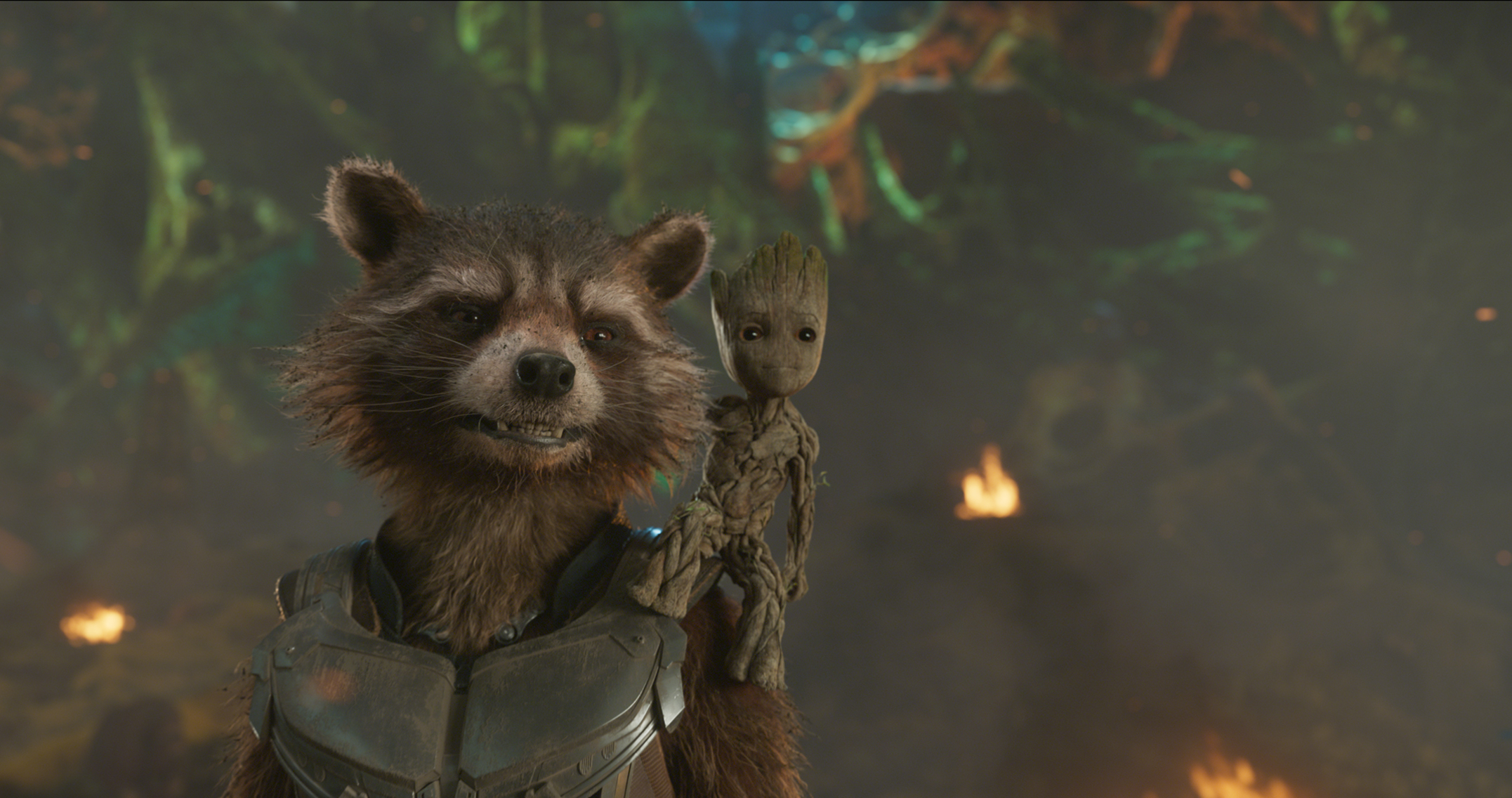
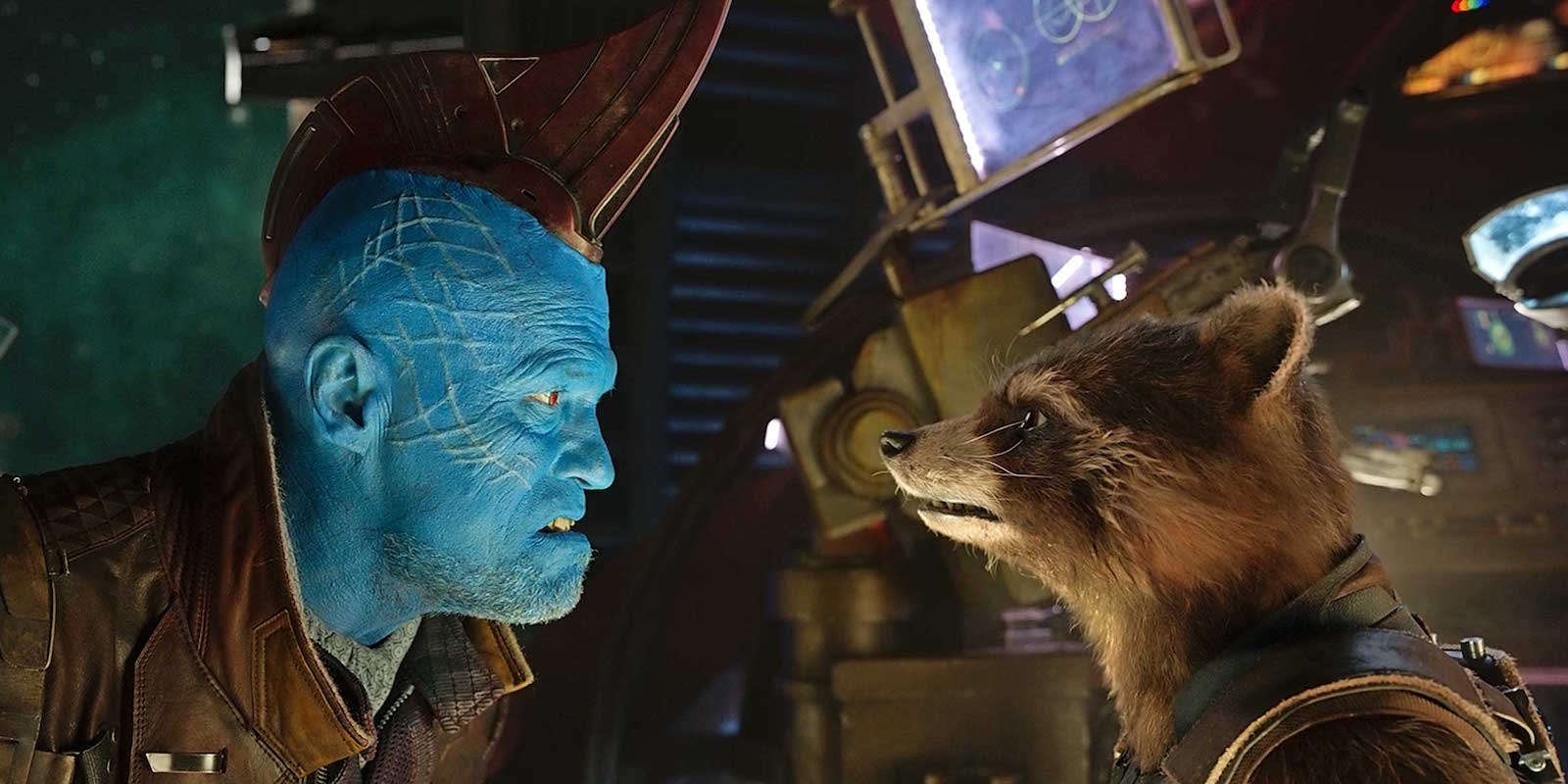
The one standout character who benefits from the film’s tone is the Ravager leader Yondu (well played by Michael Rooker). His character is unexpectedly more developed and he is allowed to show that underneath his tough exterior he has a heart that redeems him. The scenes with him and Rocket run the gamut from hysterically funny to poignant as their souls are laid bare to each other. They make a terrific team and are some of the film’s highlights.

Guardians-of-the-Galaxy-Vol-2-Yondu-and-Rocket

Even the film’s villain is given screen time to show different characteristics. Unlike the first film’s one-dimensional Ronan, the villain of GOTGV2, who is eventually revealed later in the film, is a more interesting character which allows the final confrontation with the heroes to feel more personal. The gradual unveiling of the villain is another reason for the sequel’s slower tone, whereas with Ronan it was clear he was the main foe and this kept the Guardians constantly on the edge. Here, the characters contend with lesser villains like the Sovereign, who are as monotone as their gold skin tone and Yondu’s Ravagers. As to how GOTGV2’s main villain measures up is hard to say. The MCU has been criticized for featuring relatively weak villains, but the one featured in Guardians of the Galaxy, Vol. 2 is more notorious and stands out more.

All told, Guardians of the Galaxy, Vol. 2 is not an inferior sequel. It stands up quite well to the original and is solidly in the upper echelons of the MCU films. It has so much to offer and though it tries a bit too hard to be something different and more introspective it is more heartfelt than the original. The worlds explored, especially Ego’s planet are truly stupendous and otherworldly. Each scene fills the eyes with bizarre colors and images and most of the jokes and sight gags come at the right moment with near-perfect timing. The action scenes are wild and dizzying with terrific special effects and are strengthened by the presence of the beloved characters. Without all the character development the big action pieces, particularly in the final act would have had less impact, and we would have been less emotionally invested in these endearing characters. Each of the main team members are allotted amble screentime to display many nuances from Peter’s insecurity over his attraction to Gamora to Rocket’s caustic act being used as a way to hide his inner pain. There is much more than can be listed here. This is why in the end, James Gunn is validated for spending more screen time on these quieter and pensive moments.

Even though, the film isn’t well connected to the Earth-based MCU, it is bursting with many Marvel Easter eggs and shows many potential stories that can be developed later. It will take more viewings to spot all of them. By the way, be sure to stick around during the credits; there are five post-credit scenes, a couple of which portend to some intriguing new directions for the expanding Marvel Cinematic Universe. The best throwaway gag involves Marvel Comics legend Stan Lee and his connection to the Marvel Universe.

The best way to think of Guardians of the Galaxy, Vol. 2 is to compare it to…yes, The Empire Strikes Back or Back to the Future, Part II. Both sequels were enjoyable but more serious in tone as is GOTGV2. In time, many have come to embrace both sequels with many feeling that Empire was superior to the first Star Wars. This could happen with Guardians of the Galaxy, Vol. 2, but that assessment will come in time and after many deserved repeat viewings of this wonderful and emotional film.

José Soto