It’s Official Now: Spider-Man Will Join The Marvel Cinematic Universe!

spidey mcuMarvel Studios and Sony Pictures officially announced on February 9 that Spider-Man, the beloved flagship superhero of Marvel Comics, will now be a part of the hugely successful Marvel Cinematic Universe (MCU). It’s clear that the rumors and email leaks about this happening were valid.

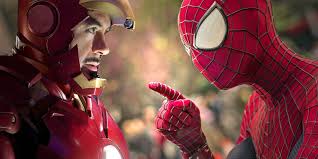
This development obviously paves the way for Spider-Man to appear in other MCU films like Avengers: Infinity War and give Marvel tighter control over the character. In addition, this agreement between the two studios will also allow for characters from the MCU like Iron Man or Thor to appear in standalone Spider-Man films.

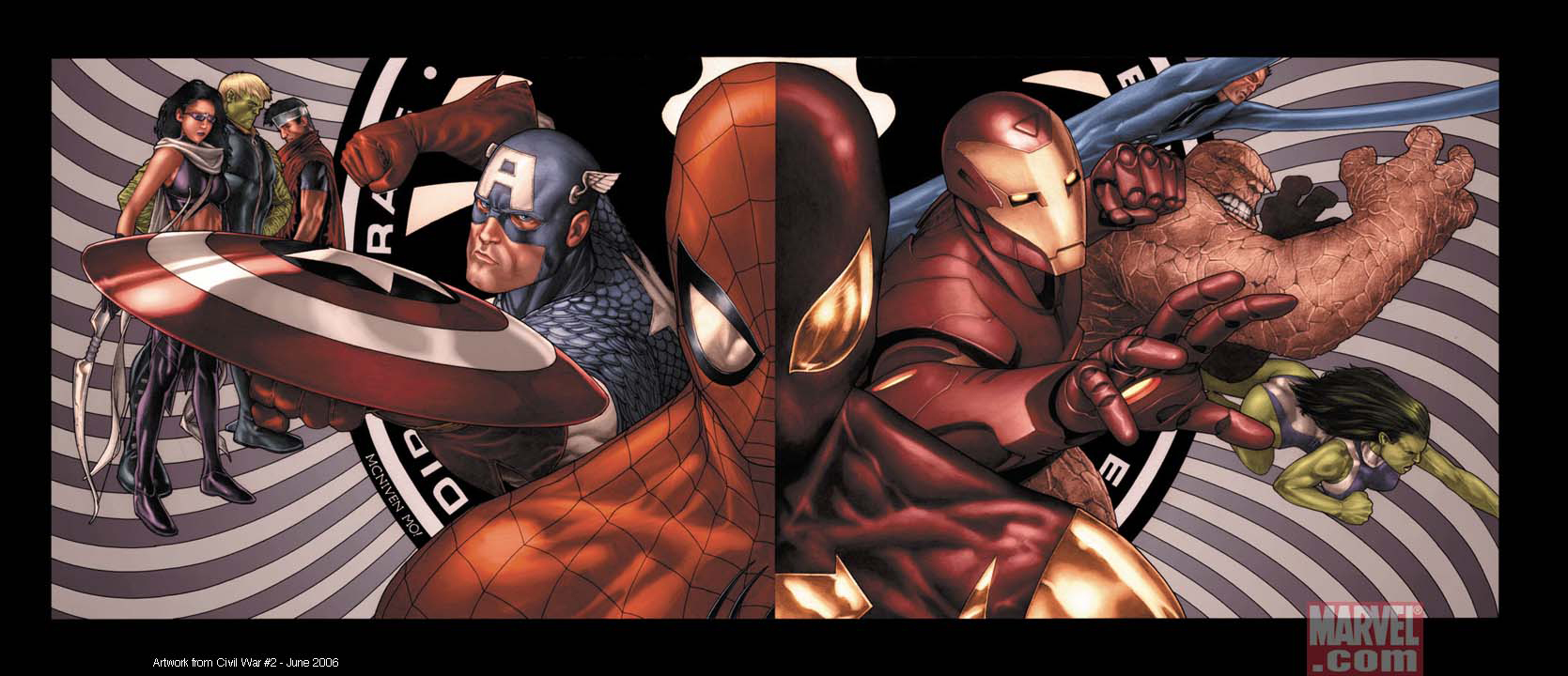
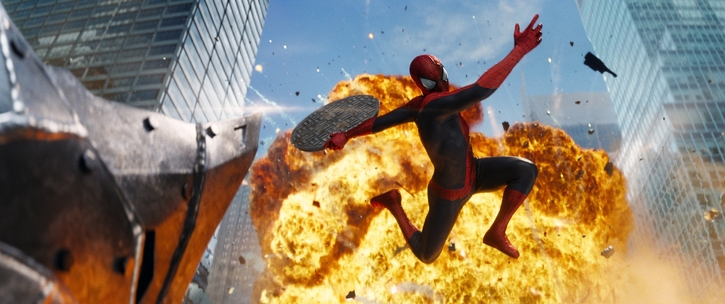
First the plan is for Spider-Man (who sadly will be recast–spidy irongoodbye Andrew Garfield, you were a great Spidey) to appear in an unspecified future MCU film. Then another solo Spider-Man film will be released on July 28, 2017 that will be a co-production between the two studios with Marvel’s Kevin Feige and Amy Pascal overseeing the film. The announcement didn’t make clear which film Spider-Man will appear in, but undoubtedly he is a shoo-in for Avengers: Infinity War, Part I. That film is due to come out in 2018 so that means he can probably make his debut appearance in next year’s Captain America: Civil War! That would be just amazing (pardon the pun) since Spider-Man was an integral part of the comic book mini-series of the same name last decade. UPDATE: The Wall Street Journal has reported that Spider-Man will indeed make his MCU debut in the third Captain America film.
 

From glancing at the MCU and Sony’s original film schedule, the next Spider-Man film, originally scheduled for 2018, has been bumped up a year earlier. The new schedule pushes back the new Thor film, Thor: Ragnarok, to November 3, 2017 and the Black Panther debut film will now come out in 2018. The domino effect continues as Captain Marvel will now premiere on November 2018 and the Inhumans movie has been re-scheduled for 2019.

One film that may have been lost altogether is the Sinister Six film that was supposed to come out next year and directed by Drew Goddard. In the joint announcement there wasn’t any mention of that movie’s fate, which was to feature Spider-Man’s greatest foes teaming up to defeat him. Perhaps Goddard may be assigned to direct the next Spider-Man film instead.

Also unclear is whether or not plans to do a film about the Black Cat will go forward. Given the crowded production plate, there may not be any room for that character now, which is probably for the best. While a vital character in the Spider-Man mythos, the Black Cat may be unfairly compared to the more well-known Catwoman by average moviegoers who don’t follow comics.

live civil warOverall, this is hands down very exciting news that pumps new blood into the floundering Spider-Man film franchise. Now he is back where he belongs with the right people making sure we get the best Spider-Man on film. And that is how it should be because Spider-Man is Marvel’s best known and popular superhero. So, it only makes sense that Marvel Studios handle Spider-Man. Just look at what they have accomplished to date. Starting with Iron Man and continuing with Guardians Of The Galaxy, Marvel Studios have shown that they produce the most faithful and spirited big-screen adaptations of their superheroes. In the end, it benefits both studios. Sony still retains their film rights to Spidey, but pass on the logistics of putting out a quality film to another studio that has proven they have the talent to produce a topnotch Marvel superhero film. Marvel Studios gets a bonafide superstar added to their roster who can help pave the way for a Phase Four of their MCU because let’s face it by the end of the decade some of the actors currently playing our favorite heroes may either want to move on or be too old by then to realistically play the characters. Who better than Spider-Man, who will probably be recast with a much younger actor, to help spearhead the MCU in the future?
?????????????????????????????????

This development also demonstrates the tenacity of Marvel Studios and Disney. Systematically, they have steadily regained the film rights for many of their characters. With Spider-Man now in their clutches, the only big name characters not under Marvel’s direct control are the X-Men and the Fantastic Four. Trying to regain the rights to the X-Men from 20th Century Fox will be much harder to pull off if not impossible given the frosty relations Marvel has with Fox and the continuing success the latter film studio has had with the revitalized mutant film franchise. That could be the main reason why Marvel seems to be de-emphasizing the mutant heroes lately. But as for the Fantastic Four…that would depend on how Fox’s reboot is received. If it flops, then Marvel has a stronger hand in getting them back. If it succeeds, then it will be quite some time before the Fantastic Four joins Spider-Man and the rest of the Marvel Universe on film.

For now though, let’s celebrate this film development.

José Soto


Reasons Why The Marvel Superheroes Are Still Successful

marvel 75

The 20th century needed a new group of heroes that reflected then-modern sensibilities. During the Golden Age of comic books, superheroes belonging to DC Comics (then named National Periodical Publications) such as Superman, Batman, and Wonder Woman fulfilled this need with their wild superhuman exploits that captured the imagination. By the post-war era in America, DC’s superheroes were pretty much the standard: the Establishment.

By attempting to have the most likeable characters, DC’s superheroes had no character or emotional flaws, and the stories gravitated towards plot-driven, farcical adventures rather than character-driven stories.

In the wake of DC’s success, other comic book companies were founded and tried to emulate DC. Out of the many companies, only Timely Comics had staying power and here we are celebrating the 75th anniversary of that company that will later become Marvel Comics.

The Flawed, Science Heroes: Comics changed forever with the start of the so-called Marvel Age. The birth of the Marvel Universe took place in the early 1960s. This was a period that people were in awe with all of the wonders of science and space exploration. The Space Race and the Cold War were on the minds of the people. The Zeitgeist was the fear of the imminent Red Invasion and the Promise of Science- where will it take us?

perez marvelThe core of the first generation of Marvel superheroes were essentially Science Heroes. With the exception of Dr. Strange, the rest of the Marvel Universe was largely a world of weird science and science fiction. Spider-Man, Fantastic Four, Captain America, Giant-Man, the Wasp and the Hulk were Radioactive Heroes. Peter Parker was bitten by a radioactive spider. The astronauts from Reed Richard’s group were exposed to cosmic rays during their maiden voyage into outer space. In an unfortunate accident, Dr. Bruce Banner was hit with the full blast of Gamma Rays. Tony Stark built an electronic-laden armor with tons gadgets and abilities. Captain America was a patriotic hero that survived World War II by being frozen due to his exposure of Vita-Rays; part of the catalyst that transformed Steve Rogers from a skinny kid to an athletically proportioned hero. Giant Man and the Wasp benefitted from Hank Pym’s size magnification and reduction experiments, along with side studies in insect communication and gene splicing.

Great concepts- ahead of its time- but what made the Marvel Universe different, however, was not only the science aspect, but rather the fact that these Marvel heroes were emotionally flawed, imperfect, and fallible. Tragedy strikes as often as victories. Moral dilemmas were as large as the threat.

Spider-Man wins the battle with the big bad villain, but he can’t get enough money for his rent and he blew a date with either Gwen Stacy or Mary Jane Watson. Captain America is back in the modern world, but he feels lost like a fish out of water. marvel heroesThe X-Men have astounding abilities, but they are persecuted and feared by society, who view mutants as aberrations, and treat them as outcasts. The Fantastic Four’s Thing has great power, but he also has this great fear that his blind girlfriend Alicia won’t accept him if she ever regained her sight and found him ugly. But the Thing- AKA Ben Grimm, is very human despite his rough exterior, with a heart that endeared him to readers. Dr. Strange was a callous, money-loving jerk; a celebrity physician until a terrible traffic accident ended his career. This gave him pause to reflect and improve on his past behavior as he was now invested to learn the mystic arts to save the world from an ancient evil. And the list goes on and on with the great flaws that these characters have, but that is what made these characters appealing. That in particular was something that comic book readers became very attuned to, and why they identified with them. Continue reading

Marvel Wins The Movie War…For Now, Part Two


avengers guardians DC heroes

Marvel Entertainment has ruled the box office with its numerous hit films, especially those produced by Marvel Studios. Meanwhile, DC Entertainment and its parent company Warner Bros. while successful with TV and video game adaptations of the DC superheroes seemed to be asleep at the wheel in putting out film products to counter Marvel’s box office dominion.

Late Start

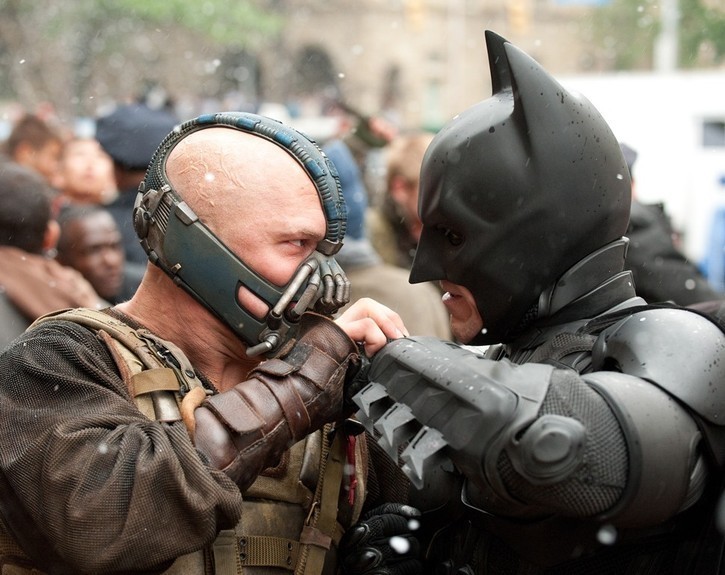
Around the beginning of this decade as Marvel Studios was blossoming what was DC Entertainment doing around this time? We got from them Green Lantern and The Dark Knight Rises. The former film didn’t perform to expectations and failed to resonate with fans and audiences. Green Lantern was hamstrung with weak villains, pedestrian storytelling, and for a film featuring a cosmic hero it was too Earthbound. On the other hand, the final film in Christopher Nolan’s DDark Knight trilogy was well received at the time of its release, but many grumbled that it was too ponderous, pretentious and its villain Bane (Tom Hardy) couldn’t compare to The Dark Knight’s Joker (Heath Ledger). What was noticeable was that Batman’s world seemed smaller and darker than the more light-toned Marvel Cinematic Universe. It seemed odd that Batman was the sole superhero around in Nolan’s films, although for The Dark Knight Rises’ plot of Gotham held hostage, that was a necessity. It was plain to see in the end that while the Batman films were hugely successful, they did not do anything to expand the DC Universe in film. So once that trilogy was completed there wasn’t anything to follow it.

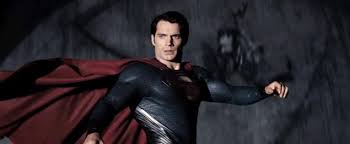
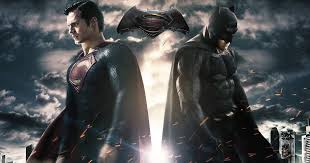
Does all of this mean that it’s over for DC? Should they throw in the towel? Hell, no! They may be way behind Marvel at the moment, but they are gearing up for a new war that will start in March 25, 2016. The release of Batman v. Superman: Dawn Of Justice is just the opening salvo. However, the failures of Green Lantern and The Dark Knight Rises in terms of creating a cinematic universe is why DC had to start over with Man Of Steel in 2013, already a few years behind Marvel Studios. That reboot of Superman and his mythos was successful, but it’s considered controversial by many fans who decried the character deviations, especially when Superman killed at the film’s end.

man of steelNevertheless, the film did begin an earnest establishment of a larger universe. Take the scene near the end when Superman (Henry Cavill) and Zod (Michael Shannon) fight above Earth and tear apart a satellite belonging to Wayne Industries. It was a nifty Easter egg, but it was a blink-and-you’ll-miss-it moment and the film should’ve done more. Imagine if a post-credits scene was shown where the near destruction of Metropolis is shown on a TV screen. The camera would’ve pulled back to show that the TV was in a cave and that Batman could be seen watching the disaster on TV. Or have the TV in a non-descript apartment where a certain green Power Battery could be spotted.

Regardless, Man Of Steel was DC’s first true attempt at establishing its own cinematic universe. Its Easter eggs may pale next to Iron Man with the Avengers Initiative scene, but it’s a start.

Broad Horizons Ahead For Both Companies

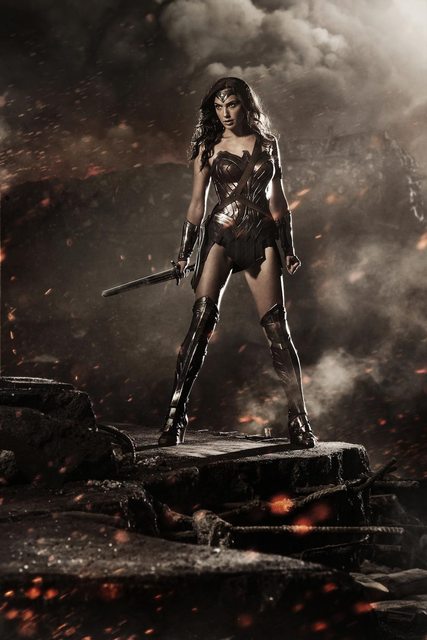
From March 2016 until 2020, DC has eight films scheduled for release. At this point, the general public doesn’t know which properties will be on the big screen aside from Batman v. Superman: Dawn Of Justice, but current rumors point to Shazam, Wonder Woman, the Justice League (finally!), a new Batman, and a proper sequel to Man Of Steel. DC and Warner Bros. should be commended for not rushing things unlike some other movie studios with comic book properties (looking at you Sony). This means that when the universe is finally presented it should be cohesive and well done.

dawn of justiceRegarding the recent decision to move Batman v. Superman: Dawn Of Justice from May 6,2016 to March 25,2016, it may seem like an admission of defeat. One way of looking at it is that DC recognizes what a juggernaut Marvel Studios and its films have become and want to avoid direct competition. But it’s really a more strategic move by DC and Warner Bros. to ensure that Batman v. Superman: Dawn Of Justice reaches the widest possible audience. That is why they moved up the film’s release date so it doesn’t have to compete with the third Captain America film. A lot of people wwomansalivated over the prospect over these two comic book titans going at it in the box office, but in reality such direct competition would hurt both brands. In this case, DC would have suffered more. Why? It’s likely that Batman v. Superman: Dawn Of Justice would’ve won the match against the third Captain America film, but the Marvel Cinematic Universe is a proven brand with devoted followers and Captain America has risen significantly in popularity thanks to his last film. There isn’t any way that the third film would flopped; it would’ve earned a respectable amount of money in the matchup, enough for Marvel to declare a pyrrhic victory and claim their film held up well against DC’s better known characters. In the meantime, if Batman v. Superman: Dawn Of Justice didn’t have super impressive opening box office numbers or heaven forbid came in second on the opening weekend, it would’ve spelled a PR disaster for DC and stifled their burgeoning cinematic universe. DC had more to lose than Marvel, so taking a page from their competitor’s strategy book, they positioned their centerpiece film in a less competitive time period where it’s guaranteed to score high.

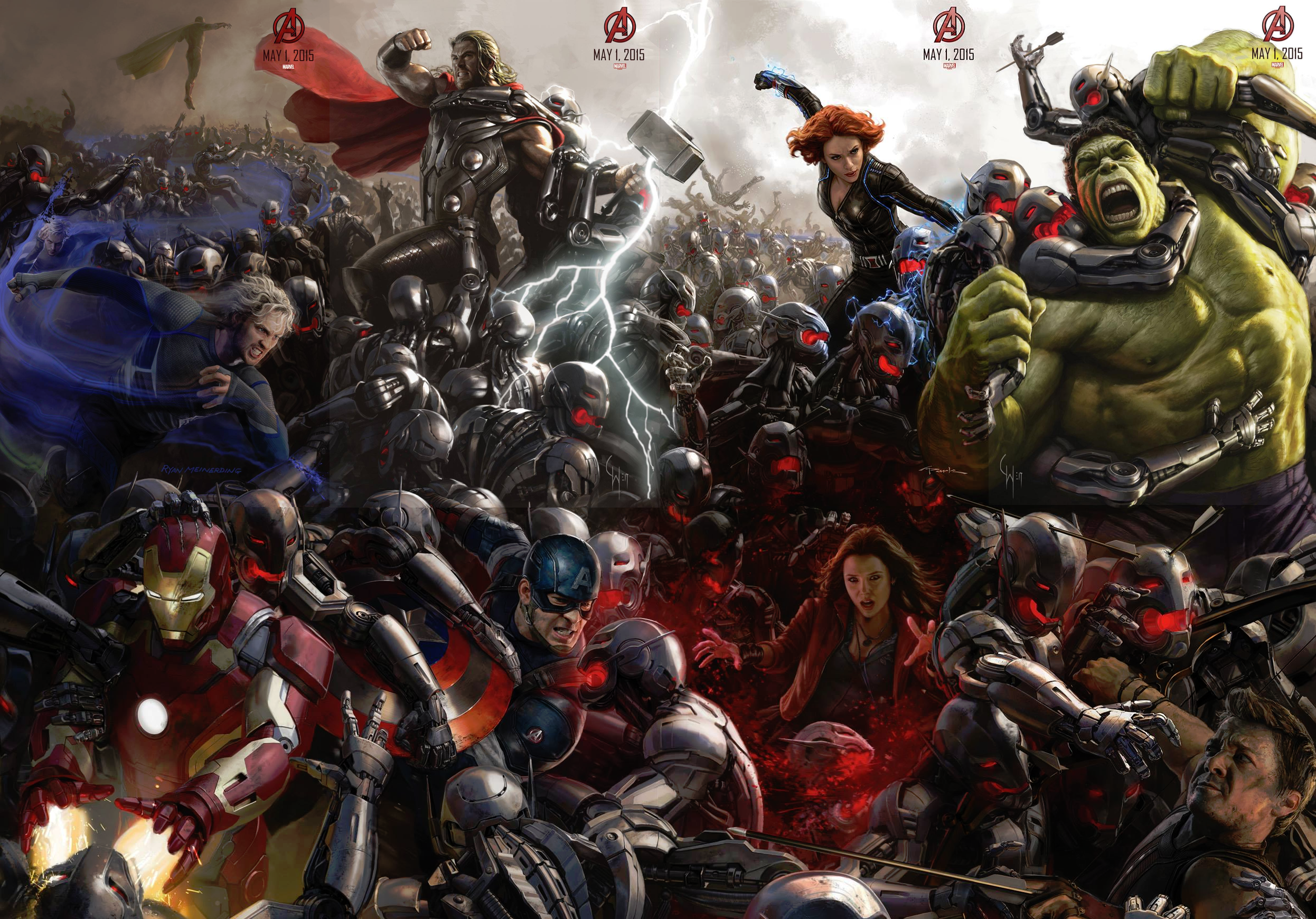
With DC beginning its own universe, which at this point is still in planning stages, Marvel is charging avengers ultron posterforward with more film releases. Next year will see the eagerly anticipated sequel Avengers: Age Of Ultron and Ant-Man. The following year we’ll get the aforementioned third Captain America film and on July 28, 2017 the Guardians of the Galaxy will return to theaters with a new film. Additionally, Marvel recently announced several release dates through 2019 for five more films in the MCU. No details have been released but the speculation is that these films may include sequels to Thor, the Avengers, possibly Iron Man (Robert Downey, Jr. recently expressed interest in continuing to play Iron Man), and new properties like Captain Marvel, Black Panther, the Inhumans, or Doctor Strange.

A film based on the last character mentioned, Doctor Strange, also means that Marvel is branching off in yet another direction. Like with Guardians Of The Galaxy, which is actually a space adventure film, a Doctor Strange film would not be a traditional superhero film, but rather one that deals in the genre of horror and fantasy. The fact that Scott Derrickson has been hired to direct the film is indicative of its horror trappings since Derrickson’s resume includes horror films.

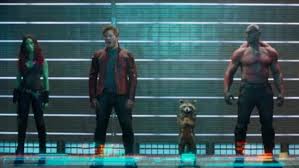
lineupGuardians Of The Galaxy and the upcoming Doctor Strange film point to how Marvel has won the Movie War because they’ve done so well with superhero films that they are now able to branch off into other genres. DC has tried doing this in the past with poor adaptations of Constantine and Jonah Hex. If DC’s film slate includes a rumored movie based on its fantasy property Sandman, then this would prove that DC is remaining competitive and moving beyond superheroes as well. Continue reading

Marvel Wins The Movie War…For Now, Part One

Avengers sup

Sorry DC Comics fans, but with the runaway success of the recently released Guardians Of The Galaxy film and the announcement that the upcoming film Batman v. Superman: Dawn Of Justice won’t directly compete with the third Captain America film, it’s pretty clear that Marvel Entertainment has won the Comic Book Movie War over its rival DC Entertainment.

DC’s Early Success

For years DC was at the apex of comic book-based films thanks to Superman then Batman dominating the box office. Marvel wasn’t even a contender; it was consigned to bargain-basement FFshlock efforts like Captain America, The Punisher and Roger Corman’s The Fantastic Four, which wasn’t even released. It seemed like Marvel just couldn’t get its act together and was floundering with its attempts to put something out into theaters much less TV. Meanwhile, DC had solid hits with its flagship heroes and films that although were flawed, were generally well received.

supe lexDC’s advantage was that it was (and is still) owned by the studio giant Warner Bros., which had the deep pockets to finance the superhero films. This was why the Superman and Batman films looked so good. In their day, they had big budgets with big-name stars, directors and the best special effects and production people working hard to put out quality efforts. The best Marvel could muster was getting Dolph Lundgren to star as the Punisher.

Fans asked for years where were the big-budget adaptations of Marvel’s best heroes? While Batman tore through theaters where was Spider-Man? Well, Marvel was just a comic book company then that went through many owners who didn’t know a thing about expanding into other media, specifically film and TV. Then there was the legal mess over who had the rights to produce a Spider-Man movie that was only resolved a couple of years before Spider-Man. By that time, Marvel had gone through bankruptcy and in order to raise money sold their coveted properties to different film studios. That is why properties like the X-Men, the Fantastic Four and Spider-Man aren’t made by Marvel Studios today.

Double-Sided Victory

Despite their overall success, DC still had some chinks in their movie armor. For every rousing Superman II or Batman there were undeniable stinkers like Superman III or Batman & Robin. Worse were truly abysmal films like Steel and The Return Of Swamp Thing that not only failed in the box office, but sullied the reputation of superhero films.

batmanDC Entertainment didn’t fully capitalize on the success of the Batman and Superman films. Yes, they did push forward TV adaptations of the Flash and Superman, but they should’ve concentrated on making quality films of their other properties. Instead they pooled all their efforts into Batman, which made sense since he’s their most popular superhero. But the problem with that approach is that when a Batman film falters it affects the rest of their line. And this is what happened with the release of Batman & Robin in 1997. That film strayed far from the winning dark and gothic formula that director Tim Burton used in the first two films and instead was a throwback to the campy 1960s TV shows. That silly approach used by director Joel Schumacher irked many fans who felt that Batman was a dark and serious hero and putting him in goofy situations was undignified. At the same time, DC was floundering with their attempts to reboot the Superman film franchise after the pitiful failure of Superman IV: The Quest For Peace back in the 1980s. A lull existed for DC superhero films that lasted from 1997 until 2004 when the DOA Catwoman was released. DC wouldn’t get back on its feet until the following year when Christopher Nolan’s reboot Batman Begins was unleashed.

batcycle

That film’s success did come with a price. Chiefly that Nolan’s unique and grounded Batman universe couldn’t have any ties to the rest of the DC universe. Hence no mentions of Superman, Wonder Woman, etc. Not even their home cities seemed to exist in Nolan’s dark and brooding world where costumed beings didn’t have true superpowers. As good as that was for the Batman films, it meant that DC couldn’t use them to introduce other heroes. That’s not to say they didn’t try expanding. There was almost a Justice League film made. George Miller was supposed to direct it and a cast was set, but the 2007-2008 writer’s strike ended that dream. Then everyone knows about Superman Returns and Green Lantern, two highly anticipated films that failed and left DC’s expansion efforts stillborn. Unfortunately, as these two films floundered Marvel Studios began its ascension.

The first few films based on Marvel properties were huge hits with the public and fans, some decried how they ignored fundamentals in core concepts. For instance, as Hugh Jackman became a big star for his portrayal of Wolverine, many complained that he was too tall and good looking. Others griped about why Spider-Man all of a sudden had organic webbing and never invented web-shooters. Then there were the misfires that were forgotten in the wake of the successes of Spider-Man 2 or X2: X-Men United. Those included Daredevil, Hulk and Ghost Rider. Continue reading

Captain America: The Winter Soldier Upends The Marvel Cinematic Universe

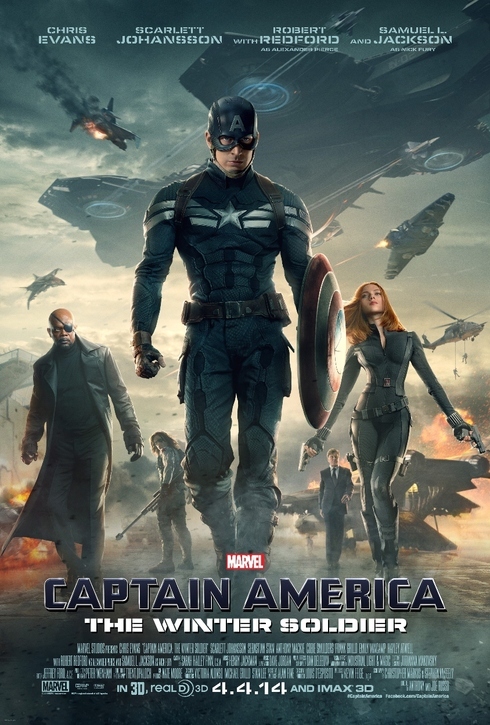
cap 2 posterI’m not exaggerating when I say that Captain America: The Winter Soldier is one of the greatest superhero films ever made. It ranks right up there with Iron Man, The Dark Knight and The Avengers. It’s that great! It’s exciting, intriguing, full of action and, most importantly, character defining moments that elevates this film above your standard superhero flick.

While the first Captain America film was a pleasant salute to World War II Americana, this sequel just elevates the character and the Marvel Cinematic Universe to a whole new level. In fact, Captain America: The Winter Soldier completely upends the carefully crafted world created with ?????????????????????????????????????????????????????????????????????????????????????????????????????????????????????????????????????????????these Marvel movies and it does so in a logical way that actually reflects on the impact of the events from The Avengers. As much as 9/11 radically changed our world, the alien attack on New York City in The Avengers has had far reaching ramifications. Iron Man 3 explored the personal impact as seen with Iron Man’s post traumatic stress disorder. This Captain America film examines the impact on the world stage and how it has made the spy agency S.H.I.E.L.D. just a tad bit too omnipresent. That was something that was underlying in past Marvel films, the spies were everywhere, seemed too powerful, had too much carte blanche. This film shows how the agency overreached with a diabolical plot hatched by traitors from within.

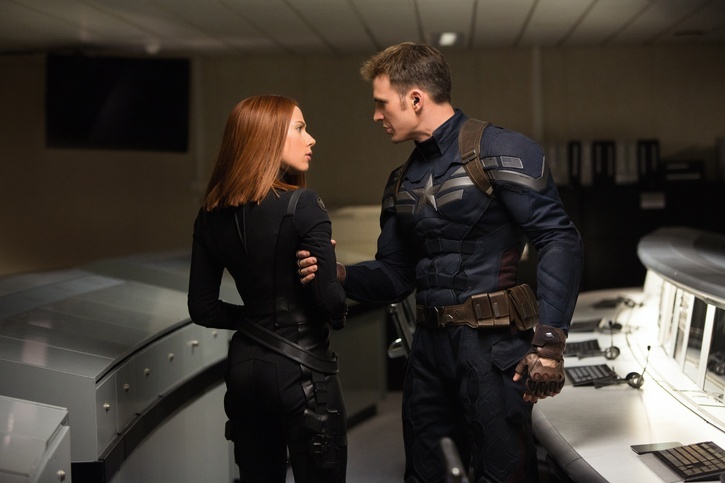
The film begins with Steve Rogers a.k.a Captain America (Chris Evans) leading a strike force that includes fellow Avenger Natasha Romanoff a.k.a Black Widow (Scarlett Johannson) to rescue hostages onboard a hijacked freighter ship. It turns out that the hostages are actually S.H.I.E.L.D. agents and Black Widow has a separate agenda to download encrypted files from the ship’s computer. Captain America then learns that S.H.I.E.L.D. is about to launch Project: Insight, which will use a trio of new generation helicarriers to preemptively take out potential threats worldwide.

????????????????????????????????????????????????????????????????????????????????????????????????????????????????????????????????????????????????????????????????????????????????????????????????????????????????

All this causes Rogers to question his allegiance to S.H.I.E.L.D. and magnificently echoes the unease he’s having with adapting to this new world. Despite its fast-moving plot, time is taken to feature quiet, reflective moments where he sees how much the world and his country has changed. They are the emotional highlights of the film and allow Evans to prove his acting chops. He undeniably owns this role and it’s now difficult to picture another actor playing this character.

Anyway, it turns out that he is not the only one wondering about the spy agency’s ambiguous nature. Nick Fury (Samuel L. Jackson), S.H.I.E.L.D.’s director also has his doubts and his inquiries launch a devastating chain of events that includes having Rogers and Romanoff hunted by S.H.I.E.L.D. and ultimately leaves the agency and the world changed forever. The stakes are that high.

???????????????????????????????????????????????????????????????????????????????????????????????????????????????????????????????????????????????????????????????????????????????????????????????????????As he eludes S.H.I.E.L.D., Captain America has to face a specter from his past. This being the lethal Winter Soldier (Sebastian Stan), a super assassin with a bionic arm. I won’t give away who the Winter Soldier is in case anyone reading this doesn’t know but his storyline is very tragic considering his relationship to Rogers. Putting that aside the directors Anthony and Joe Russo make him one of the most formidable super villains seen on film and while the Red Skull was Captain America’s chief nemesis, the Winter Soldier is both a physical match to Rogers and a genuine threat. At times I actually wondered if the good Captain would prevail in their fights.

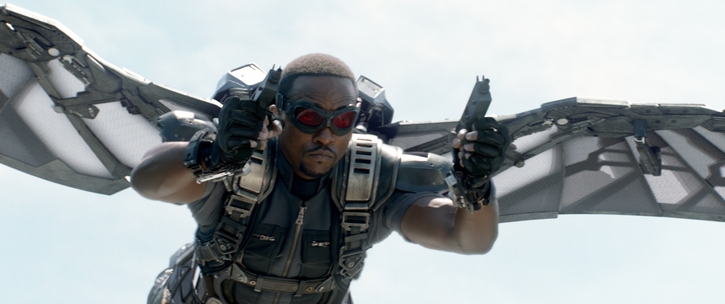
Speaking of action, this film has lots of it. It does have that annoying shaky cam for some scenes, but the directors knew enough to control it and let the spectacular stunts speak for themselves. It’s incredible how Marvel Studios were able to make a perfect, unorthodox directing choice. This duo was known for directing comedies, ?????????????????????????????????????????????????????????????????????????????????????????????????????????????????????????????????????who would’ve known they could pull this off? But what underlines all the action sequences are the characters, they’re so well written and acted and the actors have their moments, even the newcomers. Take Anthony Mackie as Sam Wilson a.k.a. the Falcon. This version of the Falcon was so cool and likable, it’s easy to see why Rogers gravitated to this guy when he needed help. The Falcon definitely has his moments with his flight outfit that seems so formidable and believable.

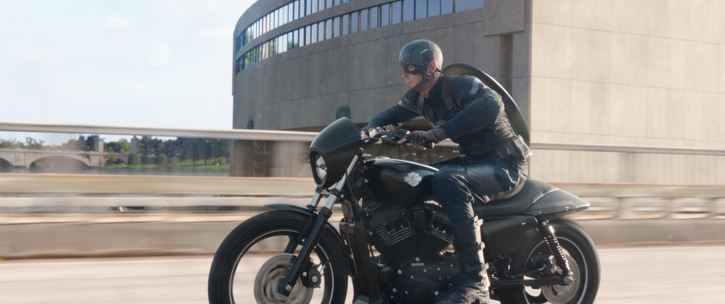
cap on bike

Captain America: The Winter Soldier works in so many ways because writers Christopher Markus and Stephen McFeely took the best elements from the Captain America comic books and fused them to make this unforgettable cinematic wonder. The movie left me wanting to see more and it set up enough questions and material to carry over to another sequel. Honestly, since Marvel Studios has signed on these directors for the next film, I cannot wait to see it.

Waldermann Rivera