About five years ago at a Comic-Con appearance, Marvel Studios president Kevin Feige eagerly announced that a new film about the vampire hunter Blade would be produced by Marvel Studios to join the Marvel Cinematic Universe (MCU). What made the announcement even more exciting was that Mahershala Ali would portray Blade, a role made famous by Wesley Snipes. That was then. Now? Nothing. The film keeps getting delayed over and over again to the point that many are asking if the project is cursed.
At the same Comic-Con, several other film and TV projects were announced and they have been produced and released since then. Only Blade remains unrealized; the closest we got to having Blade appear in the MCU was hearing his voice during a post-credits scene in Eternals. There are several reasons why the reboot of the Wesley Snipes film has been delayed, some of it has to do with the pandemic and the recent Hollywood strikes. But the main reason for the delays has to do with the inability to come up with a script and holding onto a director.
Marvel Studios has not been impressed with the scripts. The first one was penned by Stacy Amma Osei-Kuffour in 2021, while Bassam Tariq was chosen to direct the film. Tariq left a year later due to the lack of progress with the film while Marvel Studios brought in other writers to revamp the script. Reports have it that the first script was very light on action, a staple of the Blade films, and supposedly took place in the 1920s. Other writers who took a shot at Blade included Beau DeMayo, who was responsible for the well-received X-Men ’97 animated series, but time and time again Marvel Studios brought more and more screenwriters to turn in a suitable script. Mahershala Ali himself has expressed dissatisfaction with the original script and the pace of the project and it would not be surprising if he winds up leaving the project, even though he approached Marvel Studios with the idea of portraying the vampire hunter.
Meanwhile, Yann Demange, the director who replaced Tariq, left the project a few weeks ago, and no replacement has been announced yet. This is going on as the film is supposedly slated to begin production later this year for a 2025 release. At this rate, it is doubtful the film will meet the deadline or even be made.
Kevin Feige and Marvel Studios recently announced their desire to focus on the quality of their films and TV shows, which is commendable. But the unfortunate result of focusing on quality has been the delay of Blade. This is very frustrating for fans of the character and the original films who wanted to see the MCU take of the Daywalker (as he is called by the vampires he hunts), as well as Ali’s interpretation of the superhero.
It is baffling why Marvel Studios is having a hard time with this project which should be a slum dunk and would have a ready audience for a character with huge name recognition. The Blade films were popular even before the MCU existed and most people were not even aware that the supernatural hero was actually based on a Marvel Comics character. The premise should be fairly simple to produce. Why not just do a remake of the original Blade film Deacon Frost as the villain? The story worked in the first Blade, just throw in some MCU references and call it a day.
The answer to that is that Marvel Studios wants a fresh new take on the character and probably as rumors have it, wants Blade to help launch the Midnight Sons superhero team for the future. This is a great idea, but Marvel Studios has a lot on their plate and it’s anyone’s guess as to when they will get around to it.
Until Marvel Studios decides on a script and hires a solid director (supposedly they are eyeing Jordan Peele or Chad Stahelski who have either shown interest or been approached for Blade), the least they can do is have the character appear in upcoming MCU projects. This would keep fans happy and maybe even Ali, too.
However, the constant delays has become an embarrassment for Marvel Studios. They must settle on a script and director very soon in order to meet the production schedule and release date. Otherwise, Blade is doomed.
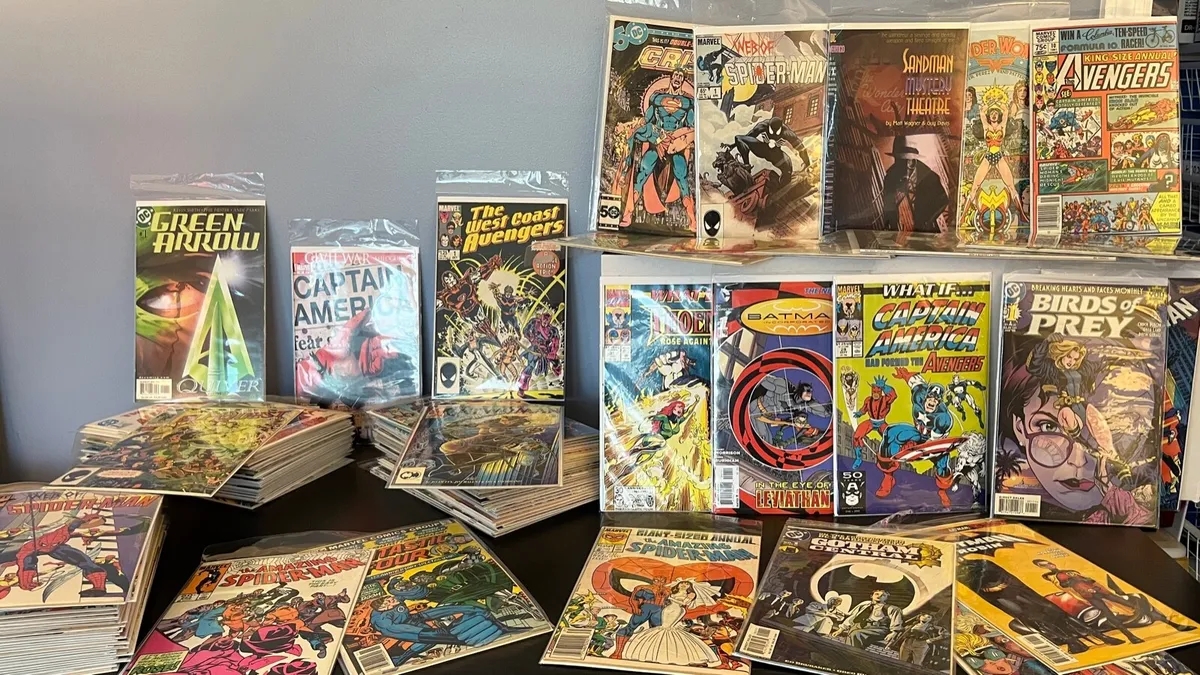
As we enjoyed last weekend’s Free Comic Book Day event, it reminded us comic book fans about the trends we love to gripe about with the comic book industry. We’ve been griping about these trends for decades and while some have gone away, some new or persistent trends are plaguing the comic book industry. With that said, here are the top ten worst comic book trends plaguing the industry today.
10. FOMO = Increased Back Issue Prices
Fear of Missing out (FOMO) often plagues many comic book collectors who desperately go out of their way to get the latest trending comic. This was especially bad during the beginning of this decade when any mention of a character appearing in an upcoming movie would cause prices for back issues to explode overnight. This frustrates normal collectors trying to complete a run and at the same time ends up fleecing naïve collectors who have to get the latest trending comic book. Just look at The Amazing Spider-Man #210. A couple of years ago it was highly sought after because it featured the first appearance of Madame Web. Anyone think that book is still in demand after the Madame Web movie bombed?
9. Comic Book Prices Keep Going Up
Right now, the average comic book costs about $5 per issue. Back when the medium first started, a single issue would cost less than a dollar. What used to be a relatively inexpensive hobby, at least for older readers not dependent on their parents’ allowances, is now pricey especially if anyone is trying to buy all the comics that come out on an average month. This has led to overpriced special issues, such as an issue #100, that are priced around $10 and not worth the price as they often turn out to be anthology books featuring forgettable stories instead of monumental events.
8. The Overabundance of Mini-Series
When comic book mini-series first appeared on shelves, they were often devoted to characters who either were brand new or not popular enough to warrant an ongoing series. The limited series served as testing grounds for both the characters or creative teams. Usually, this lead to some characters becoming breakout stars like the Punisher or Wolverine or gave exposure to promising writers or artists. Nowadays, it seems like there is a new mini-series everywhere you turn and often they are about established superheroes like Batman or Spider-Man. Why couldn’t these stories be told in their own titles? Sure, a particular mini-series story may not fit with the ongoing storyline but why not just run the stories in between runs of creative teams? If the famous “Kraven’s Last Hunt” storyline was released today it would have been a mini-series with variant covers and more whistles.
7. Comic Books Villains Turned Anti-Heroes
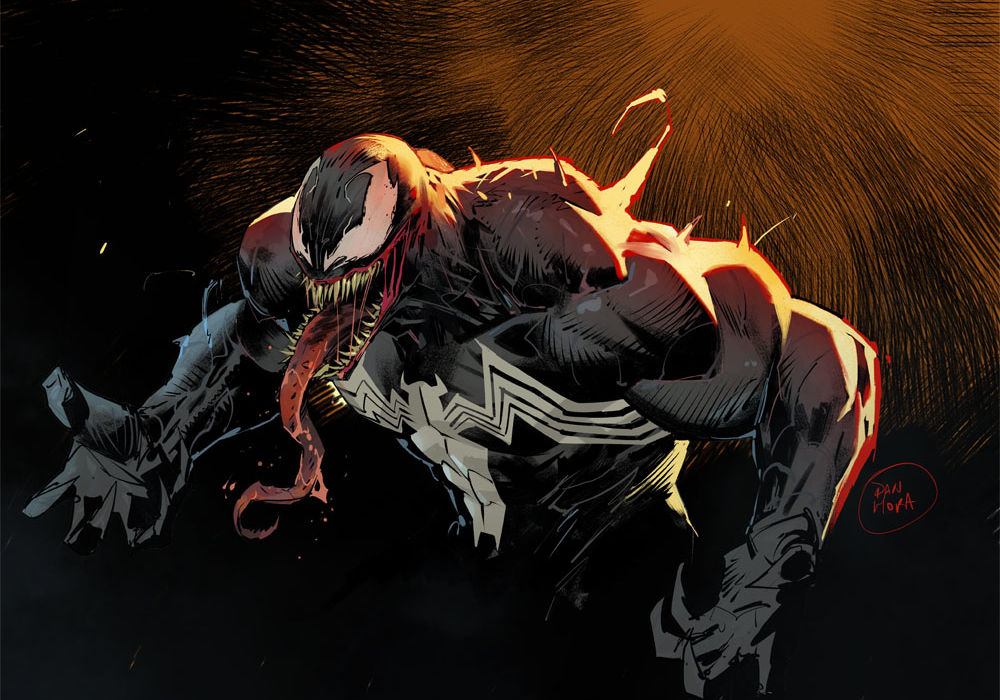
This is an annoying development with many classic comic book villains. They become so popular that the publishers wind up giving them their own solo titles where they become anti-heroes that we can relate to. The most famous or infamous example is Venom. When he first debuted in the pages of The Amazing Spider-Man, Venom quickly became one of Spidey’s deadliest and most popular foes. Unfortunately, Marvel Comics saw the character as a gold mine and increasing his appearances in the Spider-Man comics was not enough. No, Venom was given a bunch of mini-series where he faced off against other popular Marvel characters until getting his own title. The problem with this is that Spider-Man was deprived of a solid villain who could no longer be seen in the same way since Venom became an anti-hero.
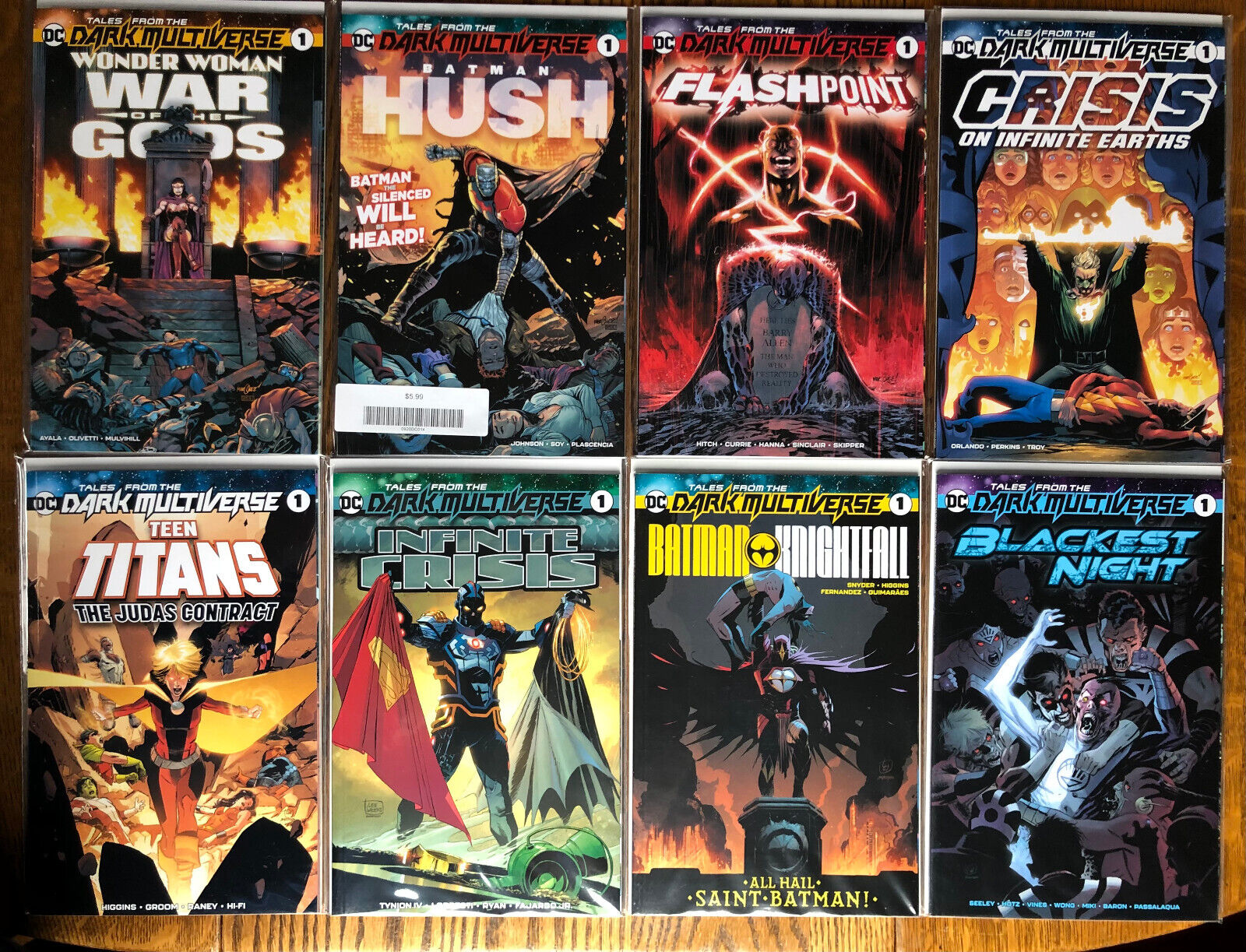
6. The Multiverse Concept
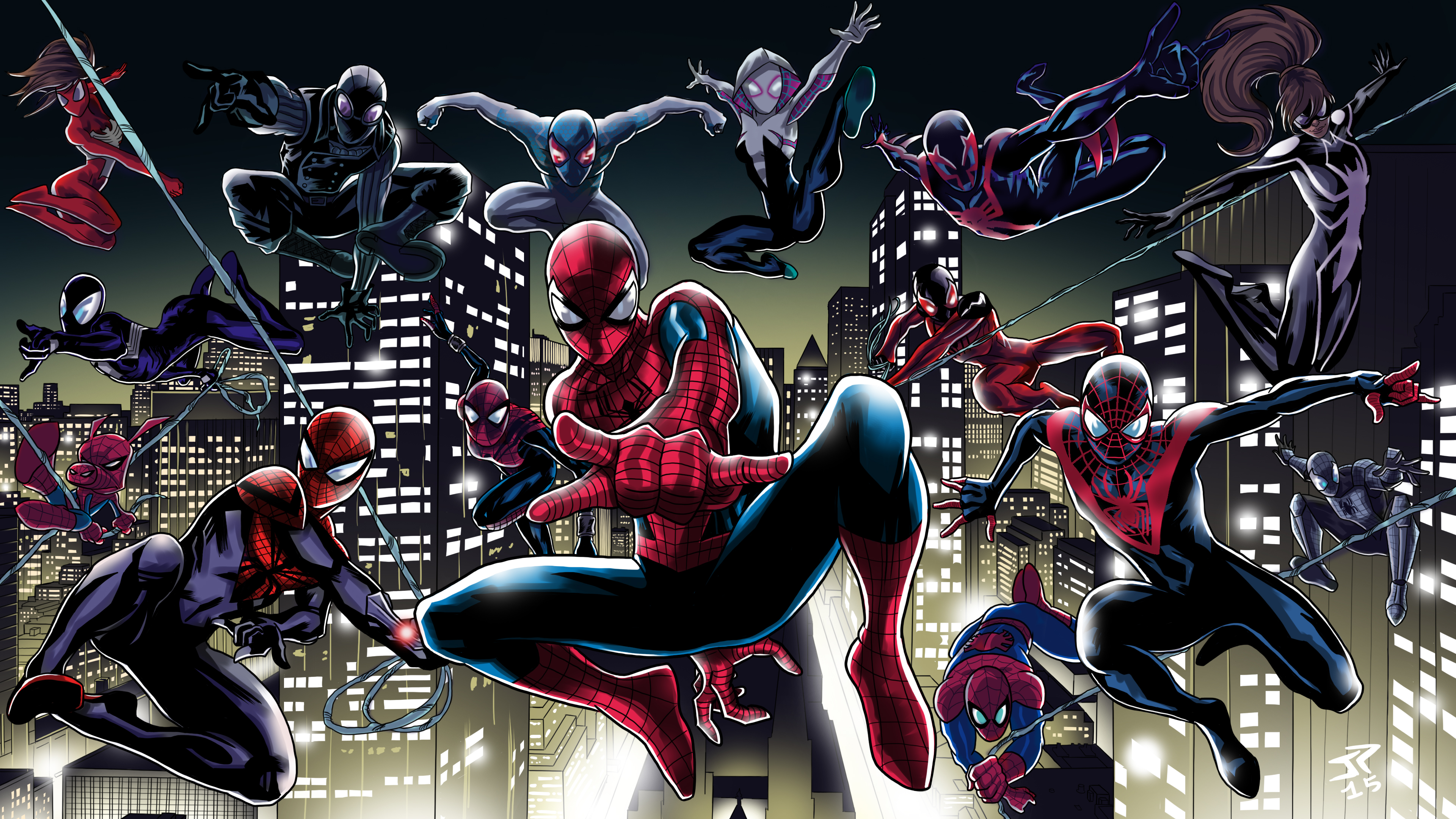
The Multiverse is a great concept that lets creative teams conjure up interesting stories outside of the limiting comic book continuities. Sometimes these stories featured the deaths of popular characters, which was unthinkable in regular comics. Great examples include the classic TheDark Knight Returns mini-series and Kingdom Come. But leave it to the comic book companies to dip into the well one too many times. DC and Marvel have released too many stories that take place in separate realities that dilute the impact of the stories and the characters. Just look at what Marvel is doing with the so-called Spider-Verse. What was a fun storyline in The Amazing Spider-Man that introduced imaginative and outlandish variations of Spider-Man has now become a means to throw up countless mini-series (see Number 8) with Spider-Man variants. On a broader scale, Marvel is going all out with a relaunched Ultimate Comics line that features our favorite characters in a different reality. This probably makes speculators happy as they look for the next Spider-Gwen but the rest of us don’t care and this leads us into the next worst trend.
5. Derivative Characters and Families
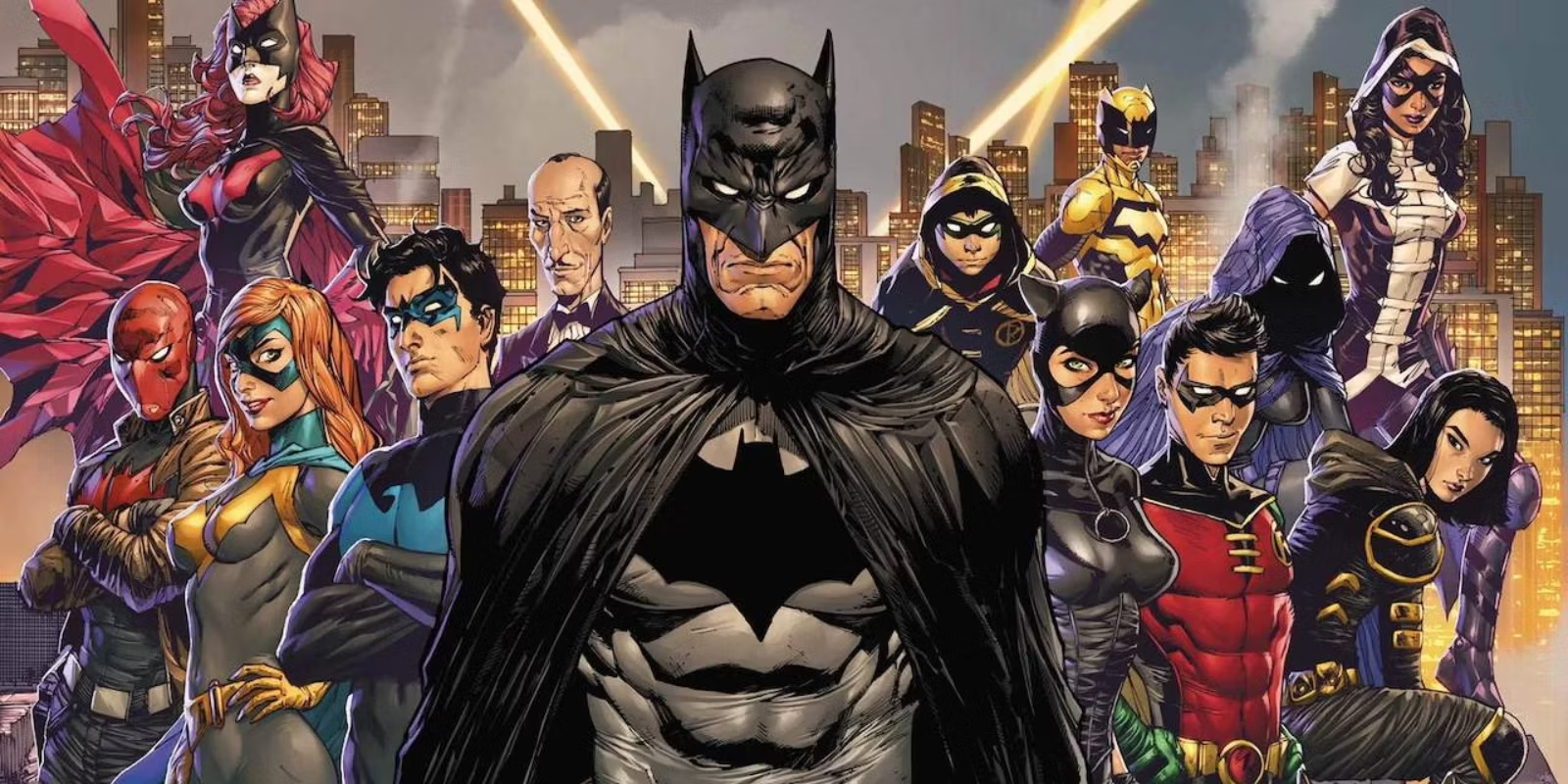
Legacy characters like Batman, Superman, or Spider-Man usually spawn a family of characters that are derivatives of them such as Batgirl, Superboy, Scarlet Spider, Red Hulk and so on. When some of these new heroes first appeared, they replaced the main characters and picked up the mantle and inspired fascinating takes on legacy characters. Steve Rogers’ Captain America led to Sam Wilson Captain America or Hal Jordan Green Lantern spawned Kyle Rayner Green Lantern. Other times these characters were just young knockoffs of popular heroes. The most recent example is Spider-Boy, one of the dumbest characters ever introduced to the Spider-Man family. Speaking of families, the problem with these characters based on legacy characters is that they dilute the original character. There should be only one Batman (who works best as a loner superhero), one Spider-Man, one Captain America, one Superman; except when it comes to Green Lantern since that character is just one of many Green Lanterns in the galaxy.
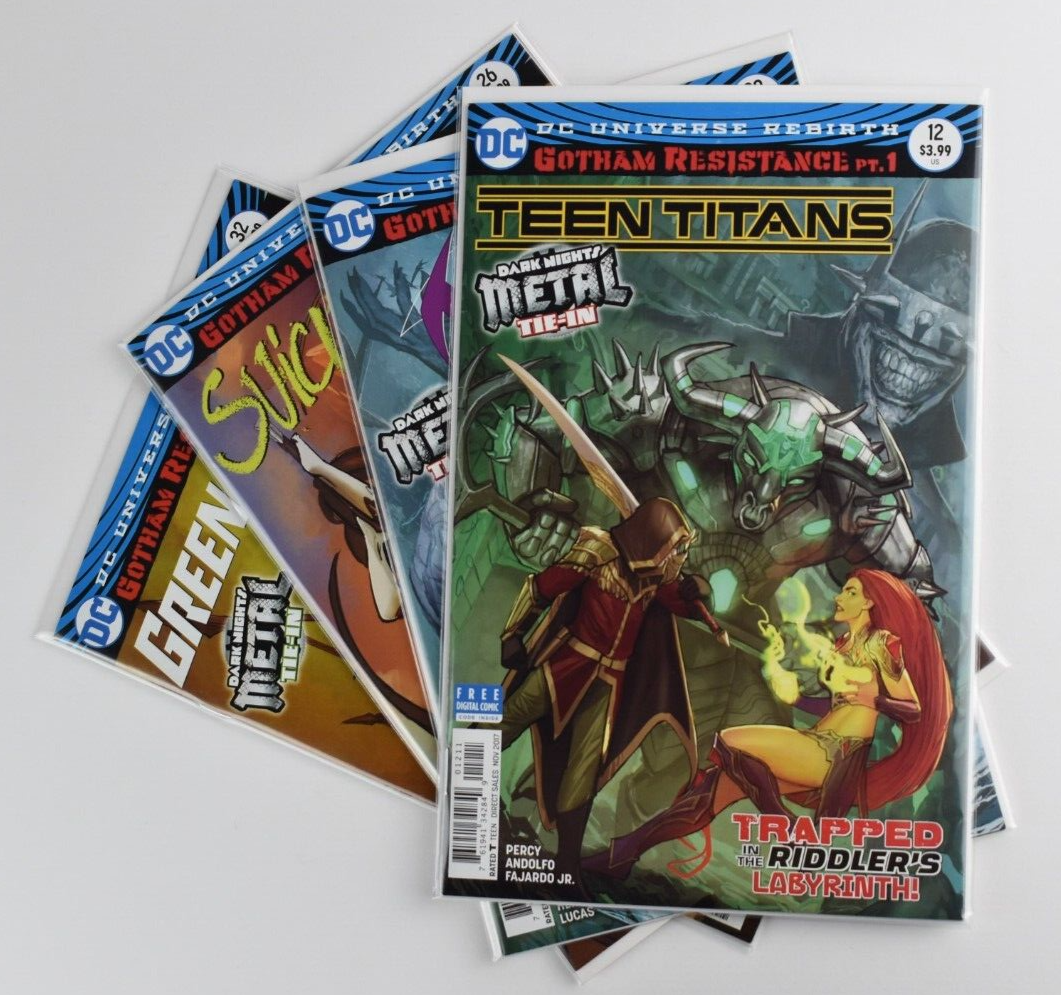
4. Too Many Crossover Events
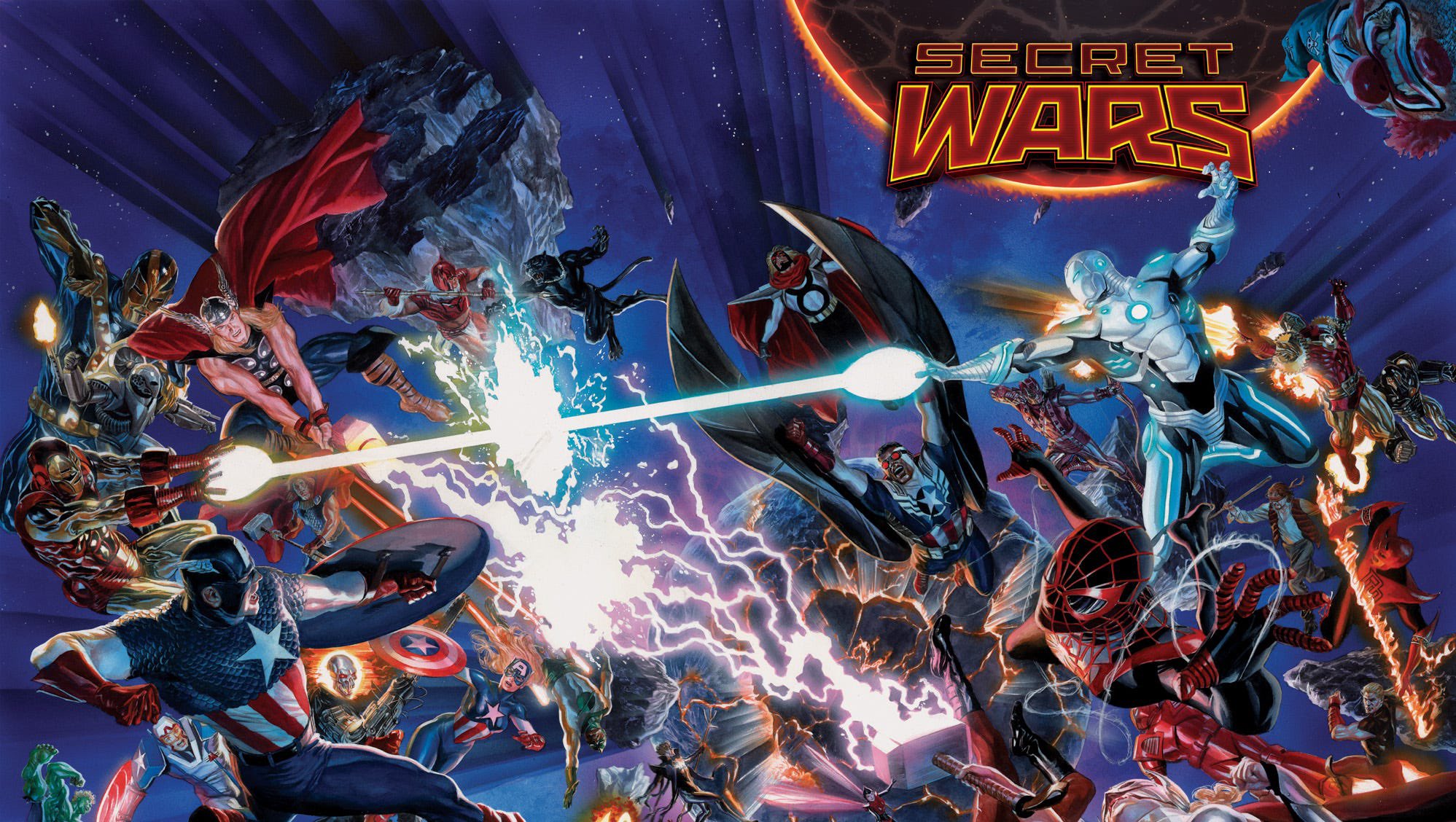
Remember when crossover events were truly special and had consequences? Ever since the success of Secret Wars and Crisis on Infinite Earths, crossover events across comic book titles have overtaken the release schedules of comic books. Often these events spill their way into regular titles and interrupt their ongoing storylines to squeeze in a tie-in story related to the crossover event. This is very annoying when following a run that builds up a certain momentum only to come to a crashing halt just to cram in an issue devoted to a crossover tie-in. Meanwhile, anyone who doesn’t follow a certain title feels compelled to buy it just to get the complete story if they were following the crossover event. We all know why these events happen (hint: $$$), and they are a good way to introduce readers to titles they often do not read, a good example was the “Unity” event in Valiant Comics way back in the 1990s. But there are too many of these crossover events now which has made readers tune out.
3. Meaningless Character Deaths
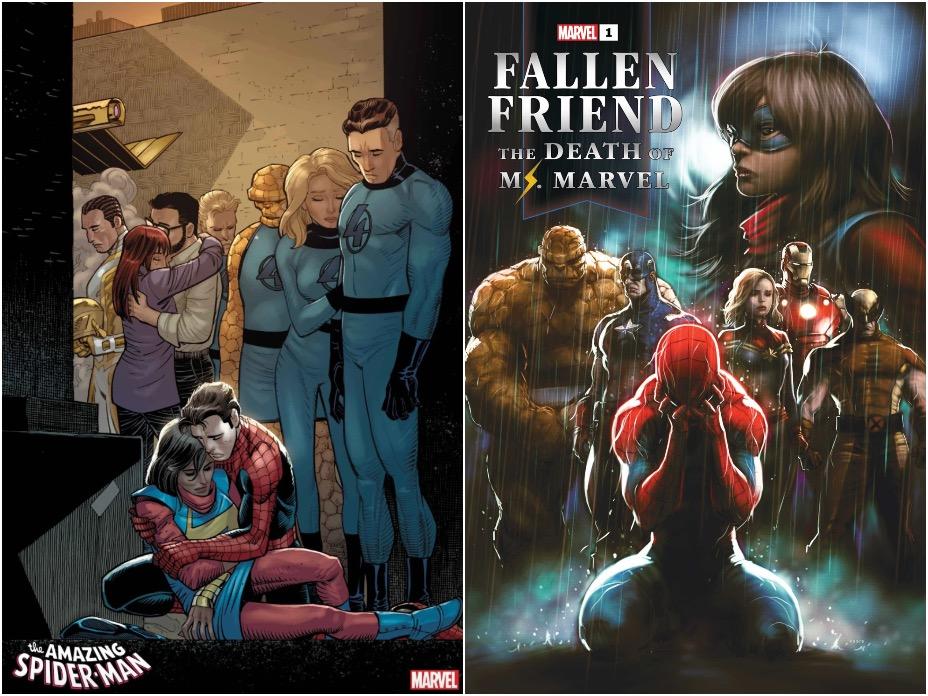
This has gone on for decades in comic books where the villains apparently were killed off only to reappear issues later with some implausible explanation for how they survived. However, this has recently happened with our superheroes, the best example was the famous “Death of Superman” storyline that made headlines and introduced new characters to the Superman family. But too often, these superheroes have been killed off just to tell stories of mourning only to have them resurrected. It has gotten to the point that a death of a character has no emotional impact. Seriously, did anyone believe for a moment that Ms. Marvel was actually dead when she was killed last year in The Amazing Spider-Man #26? The event was filled with empty platitudes and forced emotions. Note to comic book companies: If you kill off a character then that character should stay dead.
2. Variant CoversEverywhere
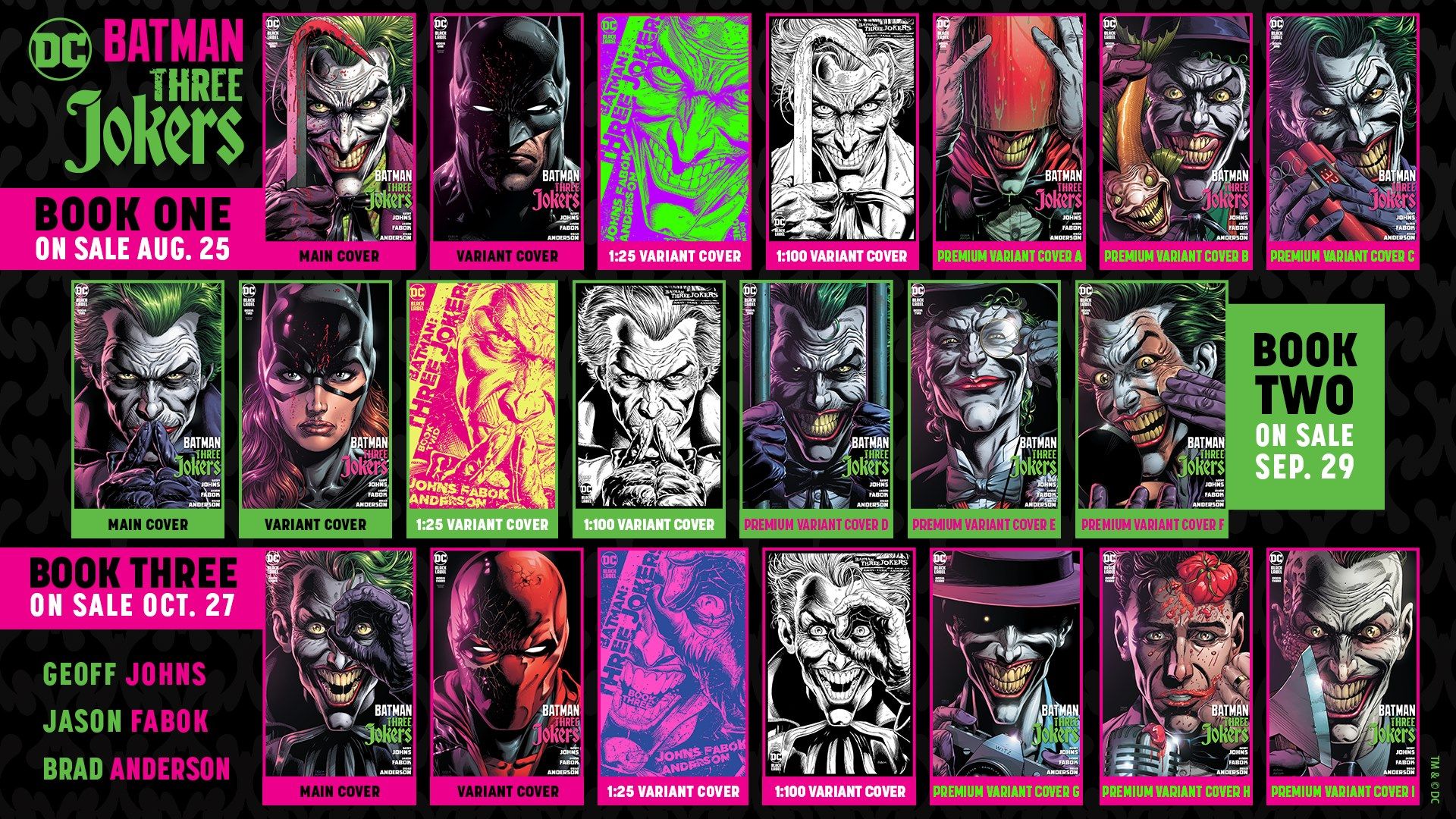
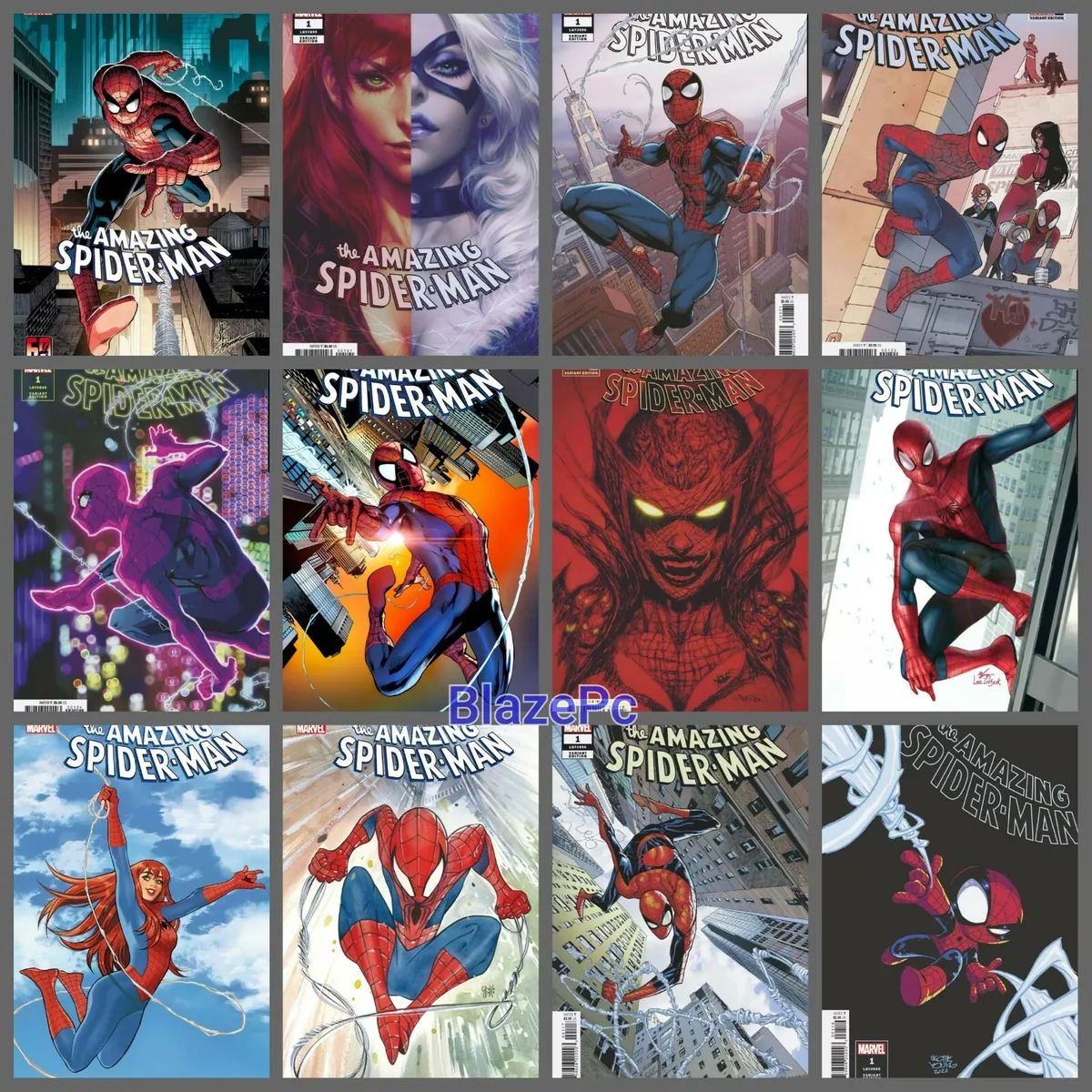
Pumping out so many variant covers to comic books is just a ploy to get collectors to spend more on the titles. It is also annoying and confusing for anyone who just wants to get a particular comic book to follow a story. Of course, no one is forced to get all the variant covers, which would be too expensive for average fans. But some completists can go insane and broke trying to find elusive covers that instantly go up in price at comic book stores. Another dilemma is that a person may only want the regular cover but sometimes that is hard to do, and that person is forced to buy a variant cover, which would be a nightmare for an OCD collector. Another very annoying trend with the variant covers is the tendency to put out covers that feature characters that do not have anything at all to do with the comic book! For proof, just look for any recent issue of The Amazing Spider-Man which is guaranteed to have Spider-Gwen or Black Cat on the cover even though neither character appears in that issue.
1. The Constant Cancellations and Relaunches of Popular Characters
This is the worst trend with comic books today and the most annoying. In the old days, a comic book would have a run that spanned hundreds of issues with creative teams coming and going from titles. It was fun trying to get the complete run or at least some significant key issues. But ever since the 1990s, comic book companies have been intent on canceling comic book titles only to relaunch them a short while later with a brand new number one issue. This is done to increase sales and attention to the comic book. While this may please some collectors who can now legitimately claim to own a copy of Daredevil #1 it annoys the rest of us who get confused when trying to complete a run. In the end, it’s just a tired marketing scheme that will not benefit the comic book in the long run. Want a long, successful run of a comic book title? Just focus on telling great stories. The word will get out to fans who will seek out the title and make it an enduring success.
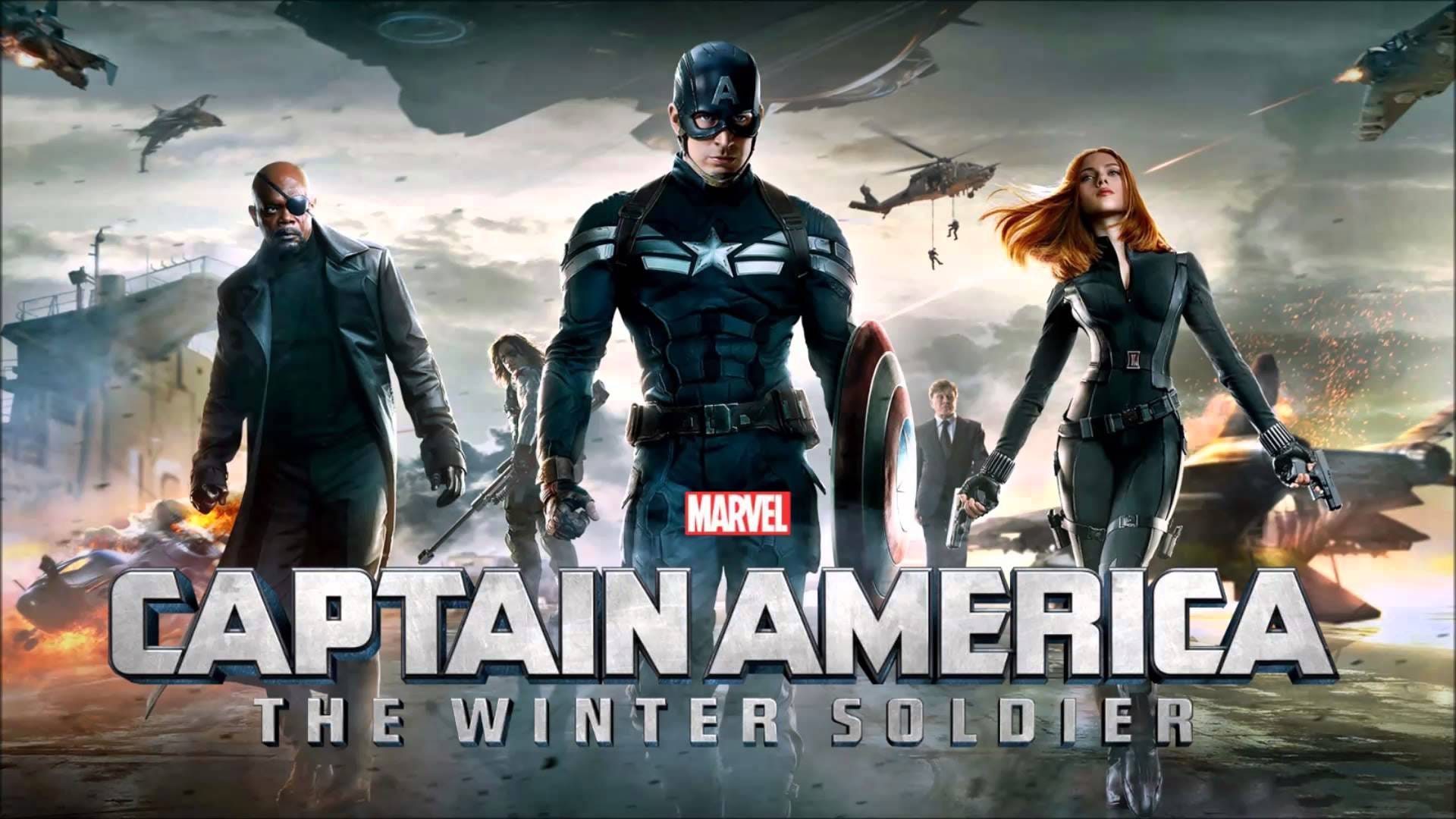
As Captain America: The Winter Soldier celebrates its 10th anniversary this month, it’s time to take a quick examination of why the Captain America film is considered one of the best films of the Marvel Cinematic Universe (MCU).
Very few MCU fans expected much from the sequel to Captain America: The First Avenger, especially given that Joe and Anthony Russo, the directors of Captain America: The Winter Soldier were relative unknowns whose biggest accomplishments to date were directing episodes of Community. Yet, the film blew away audiences, critics and fans with its non-stop action, intriguing script and well-developed characters. It turned out to be one of the most important films in the MCU as it forever changed it.
Captain America: The Winter Soldier centers around Captain America/Steve Rogers (Chris Evans) uncovering a huge conspiracy in S.H.I.E.L.D. the spy organization he works for while grappling with a deadly ghost from his past. The first Captain America film dealt with Steve’s adventures as a superhero during World War II and ended with him being frozen in ice then revived during modern times. Ordinarily, a sequel film would have focused on fish-out-of-water tropes as Steve struggled to adapt to a whole new world. While this does happen in Captain America: The Winter Soldier, the film to its credit doesn’t concentrate on this concept. Instead it forces Steve to adhere to his honorable values as the world around him exhibits dubious morality. He clashes with his superiors who think nothing of spying on civilians and eroding their privacy with a clandestine project. He soon learns that S.H.I.E.L.D. has been compromised by the evil Hydra organization which plans to use the project to unleash a preemptive attack on its enemies throughout the world, including members of the superhero team, the Avengers. For his troubles, Steve is branded a traitor and chased by the mysterious Winter Soldier (Sebastian Stan), a deadly assassin who turns out to be his best friend Bucky from his World War II days.
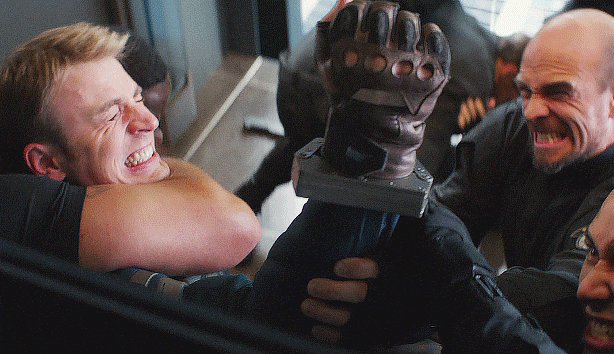
All these plot elements successfully evoked a paranoid spy/political thriller that was highlighted with high-octane action scenes that demonstrated how vicious and lethal the Winter Soldier was. These battles were among the best action scenes ever seen in any film and has not been replicated in other MCU films. There was a genuine sense of danger and fear as Steve and his allies fought the Winter Soldier and the compromised S.H.I.E.L.D. agents. One scene in particular, which took place in an elevator, proved what a badass Captain America was. He was surrounded in a cramp space by several men who tried to arrest him and he singlehandedly fought and defeated them despite the odds.
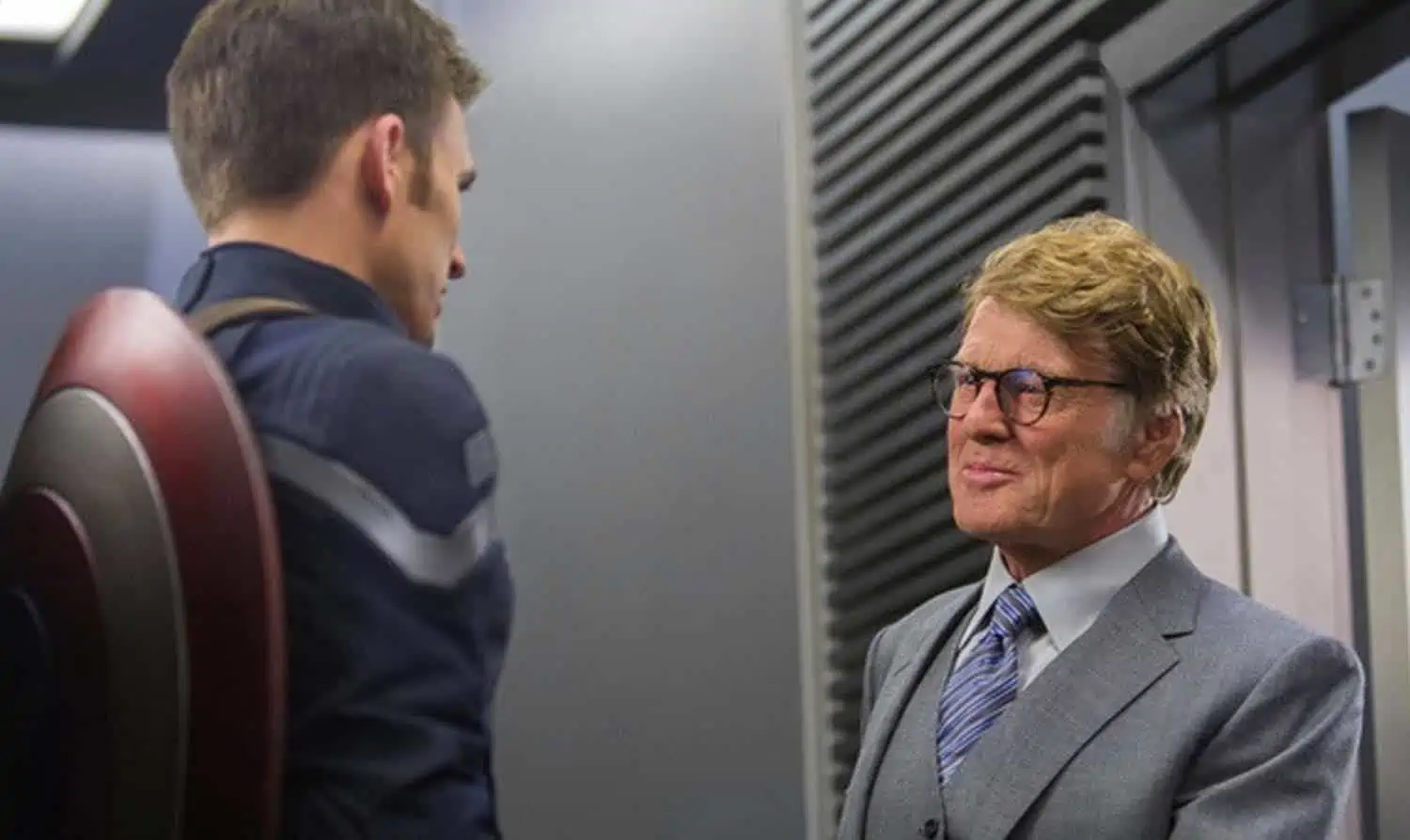
But getting back to the political angle, the film always kept you guessing as to who could be trusted, or what was actually happening in a way that was not confusing and kept audiences engaged. It helped that the film featured Robert Redford as Alexander Pierce, a government official who was actually a Hydra agent. Redford’s acting prowess elevated the film and he was a great callback to the ’70s spy thrillers such as his own Three Days of the Condor.
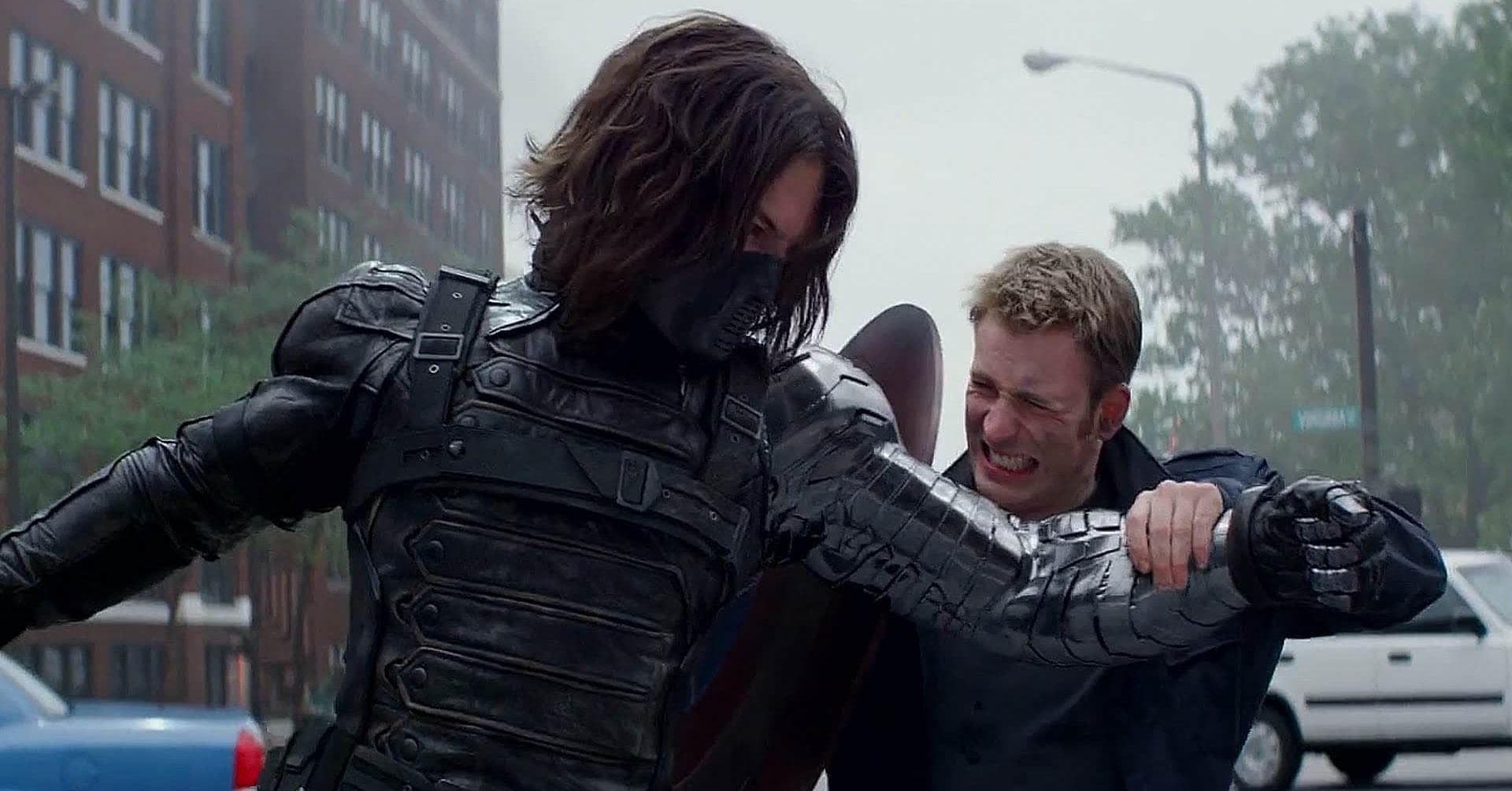
More importantly, Captain America: The Winter Soldier was at its core a film about a man struggling with his past and his place in the world. In this situation, Steve tries to make sense of the new world he is forced to live in where it seems as if his values are out of step. But they are what is needed to fight a great evil that has corrupted the world and his best friend. What makes confronting Bucky so much worse for Steve is not only Bucky the lethal Winter Soldier, but due to brainwashing by Hydra over the decades, Bucky has lost his decent personality and no longer remembers his past or his friendship with Steve. The Winter Soldier is the only remaining link Steve has with his past and he has to find the strength to bring his friend back. His plight was very emotional and the sacrifice he made at the end to get through to Bucky was very powerful. The final battle between the two as Steve struggled to connect with Bucky was much more riveting than the wild, effects-laden action scenes involving Steve’s other friends fighting Hydra.
Captain America: The Winter Soldier propelled the narrative of the MCU from that point as it no longer had S.H.I.E.L.D. as the support organization for the Avengers and the world. This in turn would later have severe consequences during future Avengers films and immediately impacted the TV show, Agents of S.H.I.E.L.D. Even though that show is now ignored these days, back in 2014, it was clearly part of the MCU and the events of Captain America: The Winter Soldier directly affected the TV show as one of the main characters was revealed to be a Hydra agent, and the other characters underwent crises of faith. The film also led to Captain America becoming a man without a country and on the run as seen in the next Captain America film, Captain America: Civil War when his morality led to a devastating conflict with some of his fellow Avengers to the point that the team broke up and left Earth unprotected.
Thanks to Captain America: The Winter Soldier, the MCU began to be seen as something more than typical superhero films. This was reinforced later in the summer of 2014 with the release of the space epic Guardians of the Galaxy. Together, the films proved that the superhero film genre was very diverse in terms of storytelling and being able to surprise everyone with its potential. That is because not only is Captain America: The Winter Soldier the best superhero solo film of the MCU but one of the greatest films of all time.
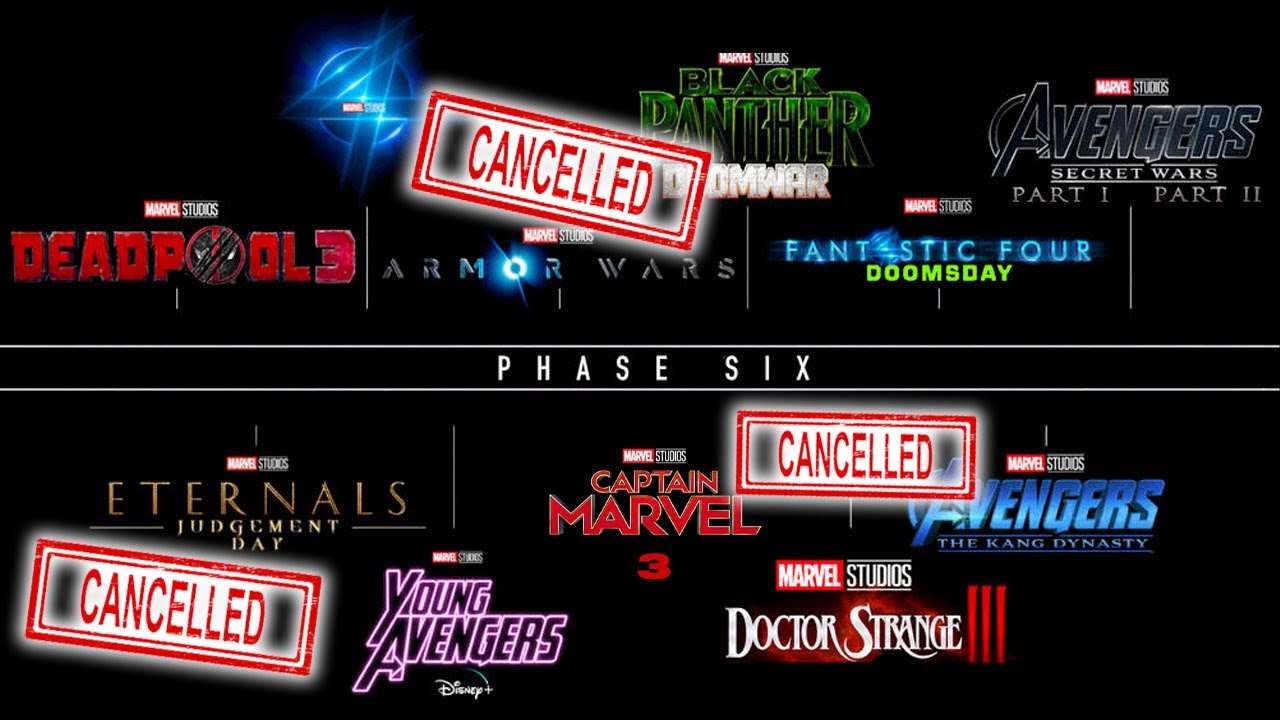
The big news this past week regarding the Marvel Cinematic Universe (MCU) was that Disney cancelled a few MCU projects that were being prepared as a way of getting MCU and Marvel Studios back on its feet. What was noticeable about the news was that the projects included followups to Eternals, Captain Marvel and Ant-Man. There are also reports that long-announced projects like Ironheart and Armor Wars are also on the chopping block. While it is understandable why they have been cancelled, there is also some cause for concern.
The reasoning behind the cancellations was that Marvel Studios should focus on projects based on popular characters that will be guaranteed hits like Spider-Man, the Avengers and the X-Men. It makes sense but it just means that Marvel Studios will be forced to play it safe. It’s a shame because Marvel Comics has a huge plethora of intellectual property to mine from. To just go back and do films and TV shows about the same characters over and over again runs the risk of over-relying on them. Then you wind up with the situation Warner Bros. has with its DC characters where the only thing the company focuses on are numerous Batman films and related TV shows. Of course, these film studios need hits and it doesn’t hurt to rely on what works to fund future projects, but doing so risked overusing certain characters and diluting their appeal in the long run.
By playing it safe, Marvel Studios will avoid taking risks and approving projects based on lesser-known Marvel characters. This is understandable given the time and money that will be used to produce films and TV shows on characters few have heard of. But if Marvel Studios always followed this mentality we never would have gotten Guardians of the Galaxy. Back when that film was first announced, many were convinced that it would be Marvel Studios’ first flop. After all, few people heard of the characters who were outlandish. A talking raccoon? A walking tree? These doubters were sure no one would pay money to see films featuring such bizarre characters. But as we all know, the film was a huge hit and turned the Guardians of the Galaxy into beloved household characters.
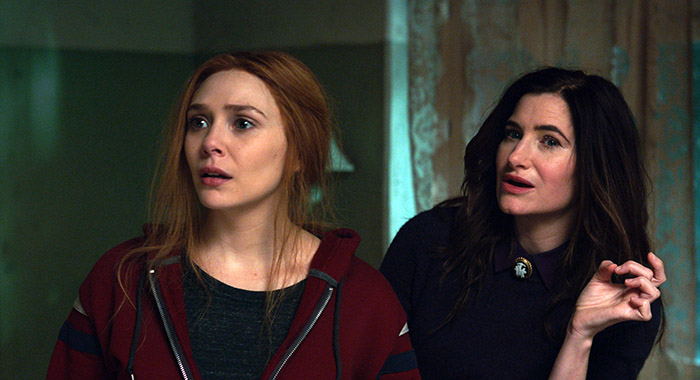
Marvel Studios has tried to replicate the success of Guardians of the Galaxy with other lesser-known properties to varying results. For every Black Panther there was Eternals. While not everything Marvel Studios tried worked out, this does not mean that the film studio should avoid experimenting and trying out new characters. This will pay off for the film studio in the long run. Just look at the Scarlet Witch. When she first debuted in Avengers: Age of Ultron, she had an impact but her popularity did not truly take off until WandaVision years later. That show was so popular that it has spun off a couple of its characters into their own film and TV show, that being Photon and Agatha Harkness. Unfortunately, Photon’s film The Marvels flopped and Agatha: Whatever is the Subtitle still hasn’t streamed yet, so the jury is out on the TV show. However, the failure of The Marvels cannot be blamed on the character of Photon. The same would have to go with the other main characters in that film and going further with Nick Fury in Secret Invasion or Ant-Man in Ant-Man and the Wasp: Quantumania. Those projects failed but it was not because of the characters. They had their own issues and the characters were mostly well received in other appearances.
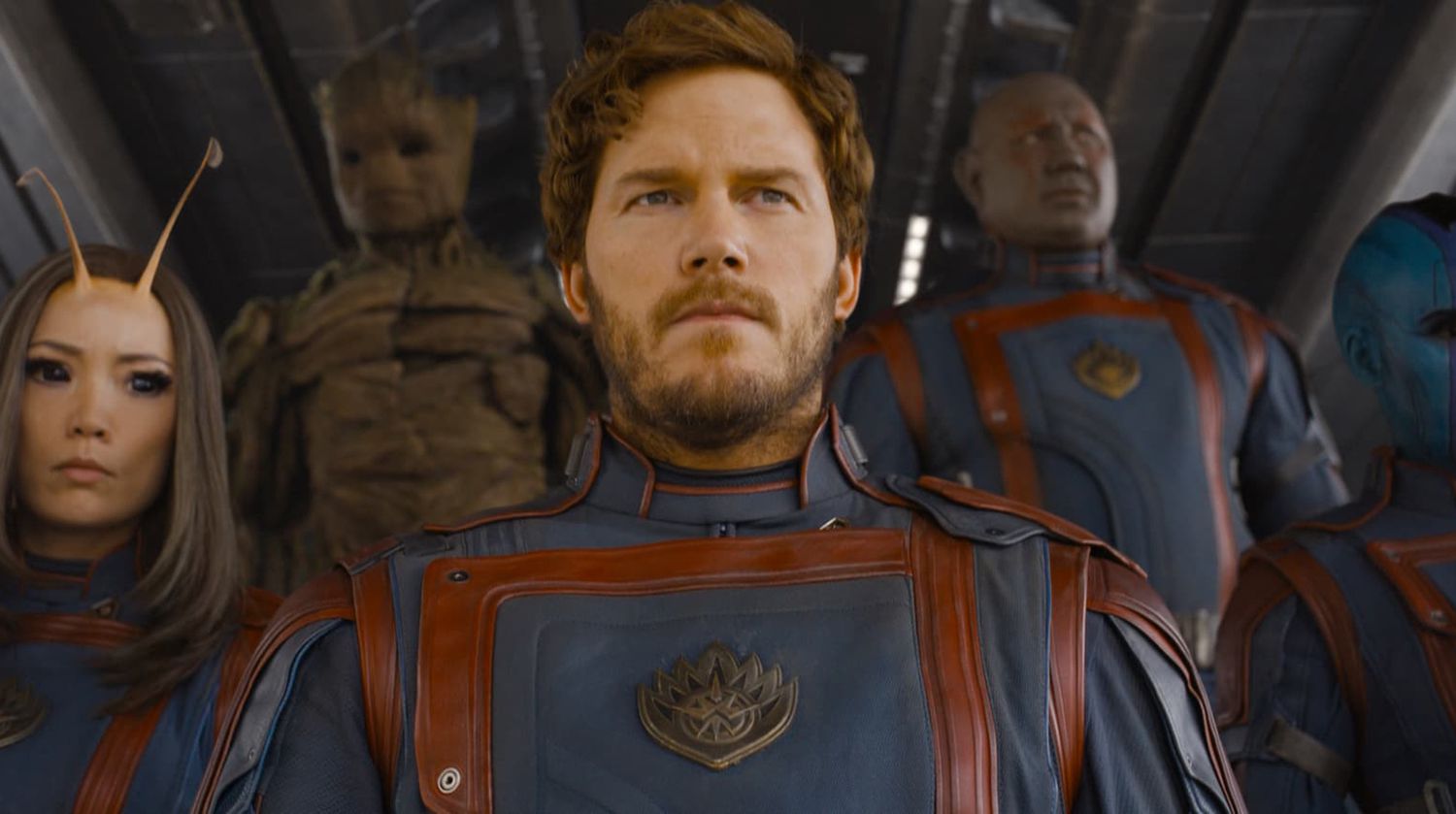
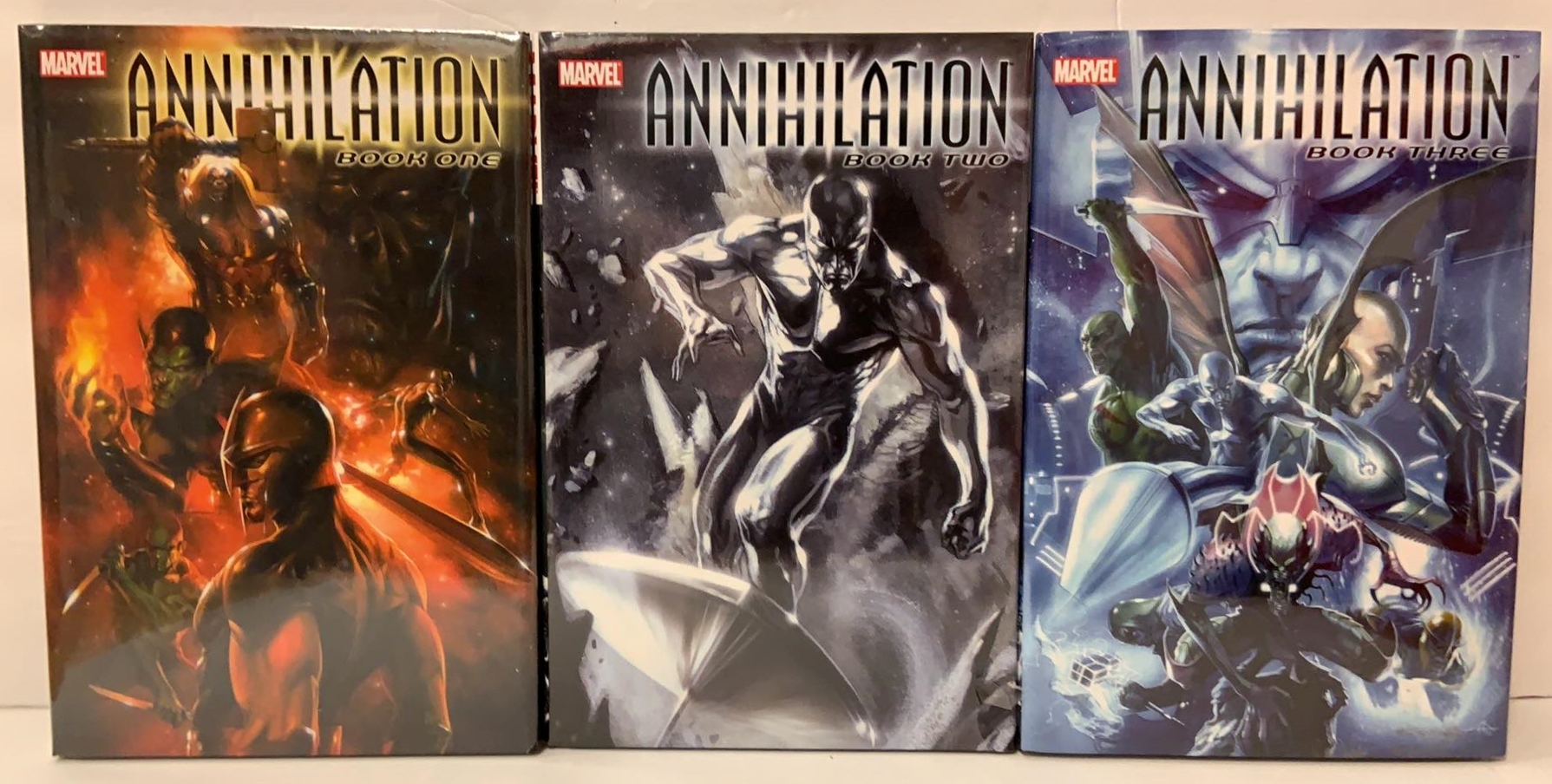
Thankfully, Marvel Studios will continue to utilize these characters in other projects. For instance, Ant-Man is supposed to appear in the next Spider-Man film and the next Avengers film. With Eternals, even though that film won’t get a proper sequel, the characters and events from the film are rumored to be incorporated into the next Avengers film. It would make sense that if the fifth Avengers film is no longer about Kang the Conqueror then it could be a cosmic-based film that features the Eternals and even the Guardians of the Galaxy in a loose adaptation of the Annihilation storyline from Marvel Comics (this was the comic book event that introduced the modern incarnation of the Guardians of the Galaxy that we think of). Some creative scripting could have the events of the cosmic plot in that Avengers film continue the Incursion/Multiverse arc and lead into Avengers: Secret Wars.
Marvel Studios should not hesitate with continuing to introduce new characters all the time in their films and TV shows. Although not all of them will take off in popularity, they should be featured to at least test the waters and see how they are received.
Maybe after a few hits under its belt, Marvel Studios will once again take creative chances with Marvel’s other characters. After all, the richness of the vast Marvel Universe deserves to be fully explored for MCU fans.
2023 boasted its fair share of exceptional genre films and TV shows. It is also noted for being the year when superhero films and TV shows started to lose steam. More on that some other time. Still, there plenty of quality fare for us fans and here are the best films and TV shows of 2023. Be sure to drop a comment with your own choices and rankings.
Films
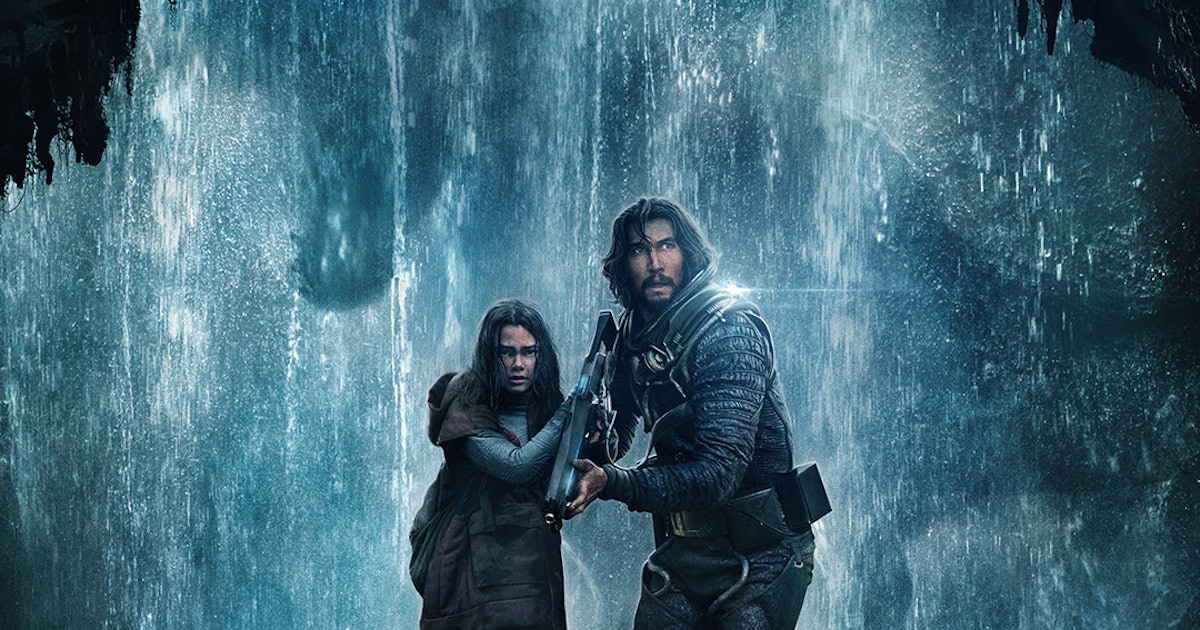
10. 65
Adam Driver starred as a pilot of a crashed starship who struggled to survive in a hellish prehistoric landscape that turned out to be Earth 65 million years ago. This absorbing survival tale had intense moments and great dinosaur scenes.
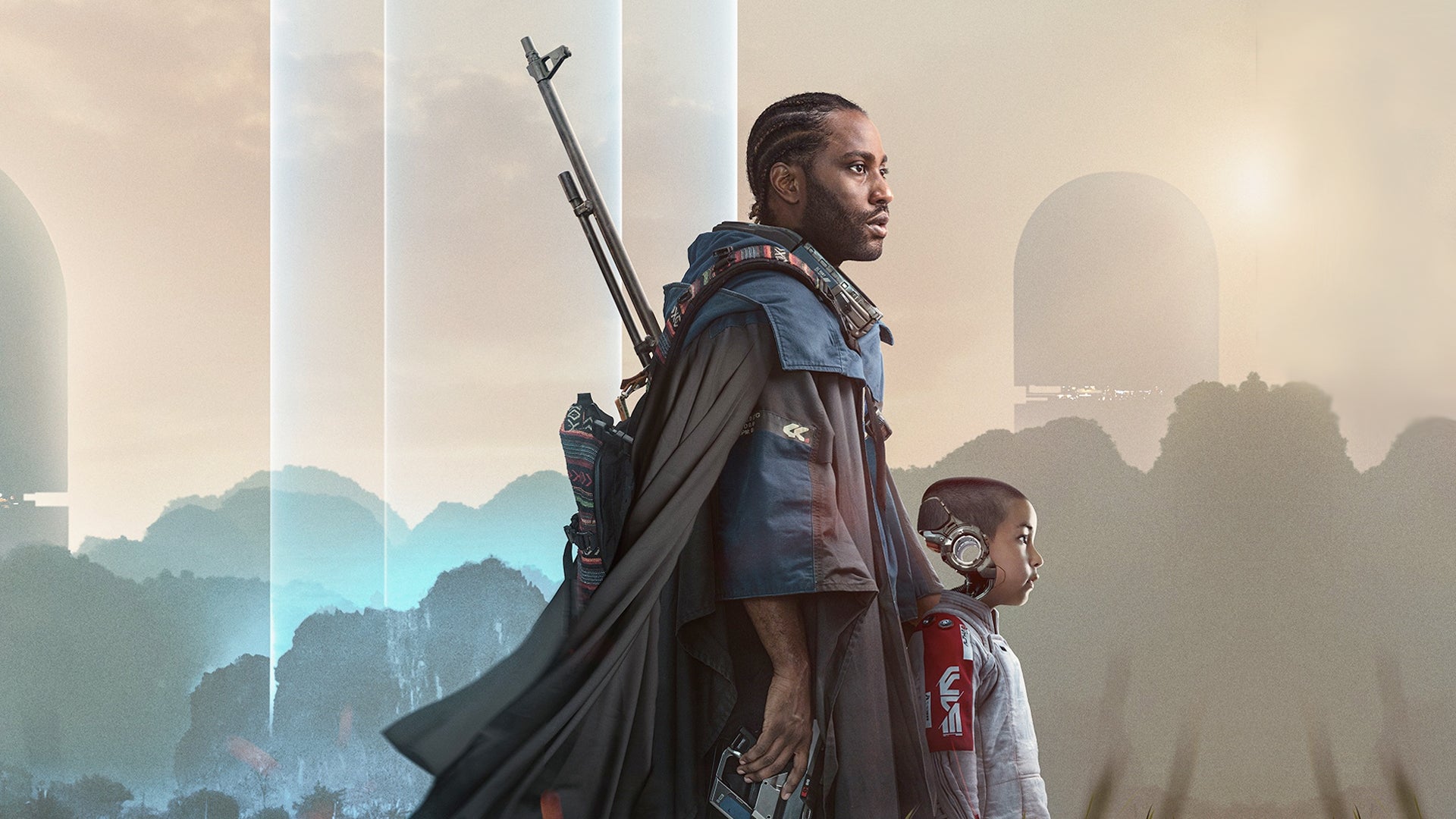
9. The Creator
Garth Edwards’ film about a soldier protecting a young A.I.girl while pursued by hostile forces was derivative in terms of its plot. But its jaw-dropping visuals of a future Asian society where man and A.I. live harmoniously, action scenes and performances more than made up for its flaws.
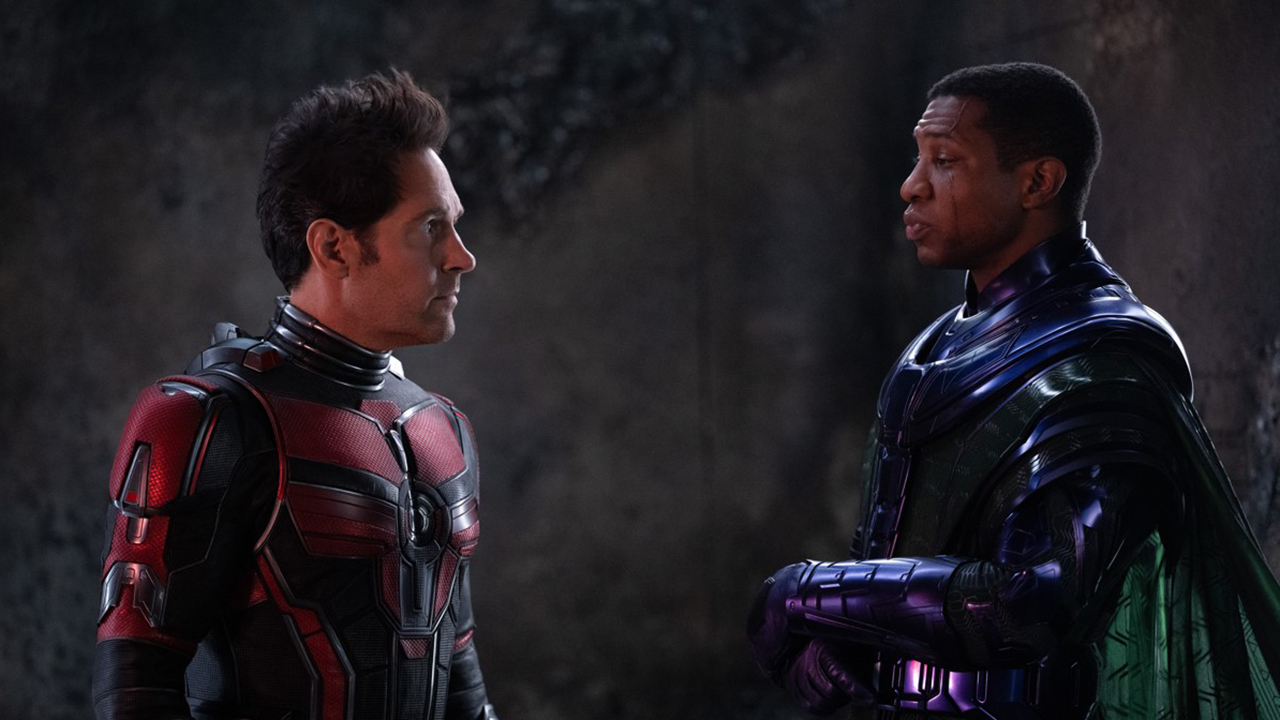
8. Ant-Man and the Wasp: Quantumania
The third Ant-Man film was unfairly put down by many who missed the usual capers of the previous Ant-Man films. Instead this film went in a different and wilder sci-fi direction as our heroes explored bizarre landscapes and confronted the next big bad in the Marvel Cinematic Universe (MCU), Kang the Conqueror.
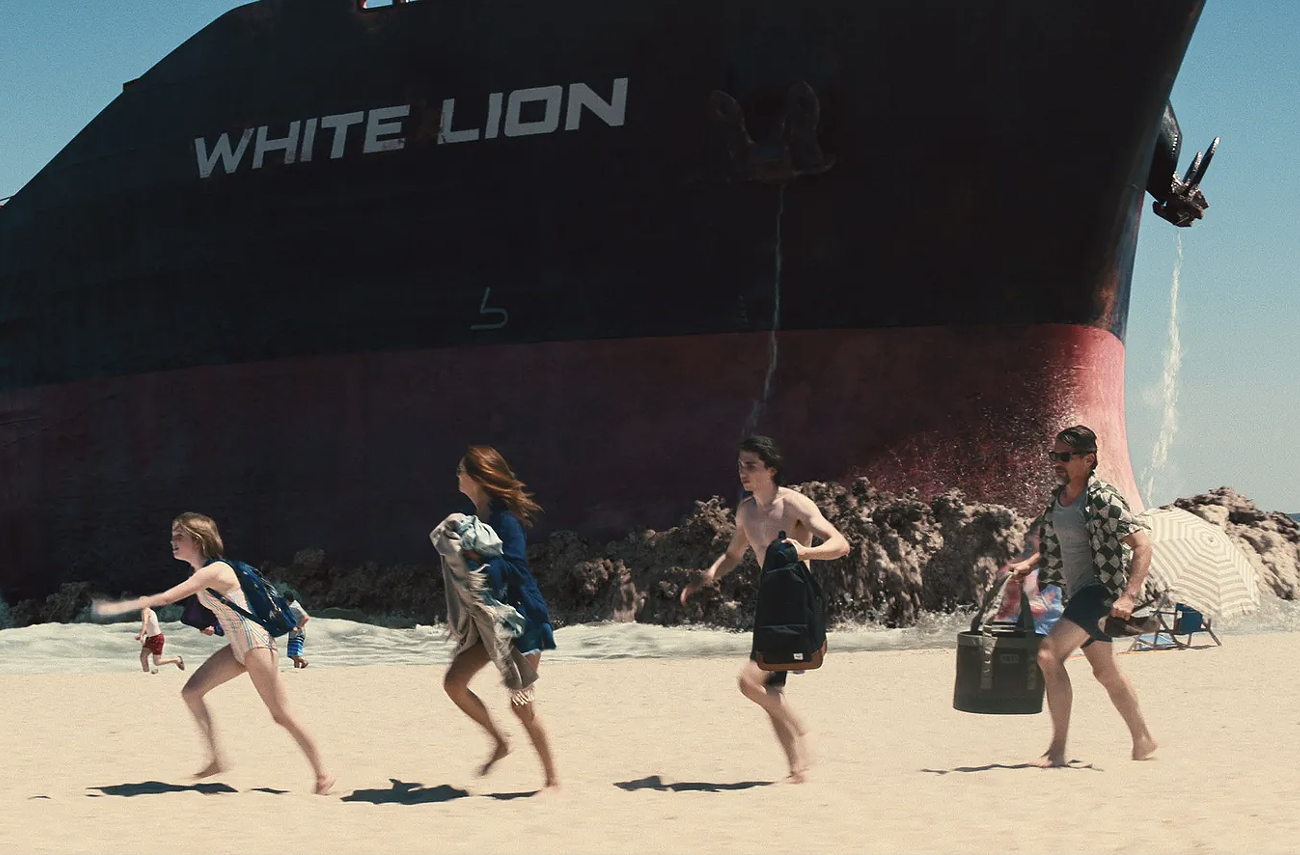
7. Leave the World Behind
This apocalyptic psychological thriller was both disturbing and intriguing as we see how the world begins to crumble from the viewpoint of vacationers. We were also swept up in their horrified plight as they struggled to understand their new situation and survive in a dangerous new normal with their limited skills and experience.
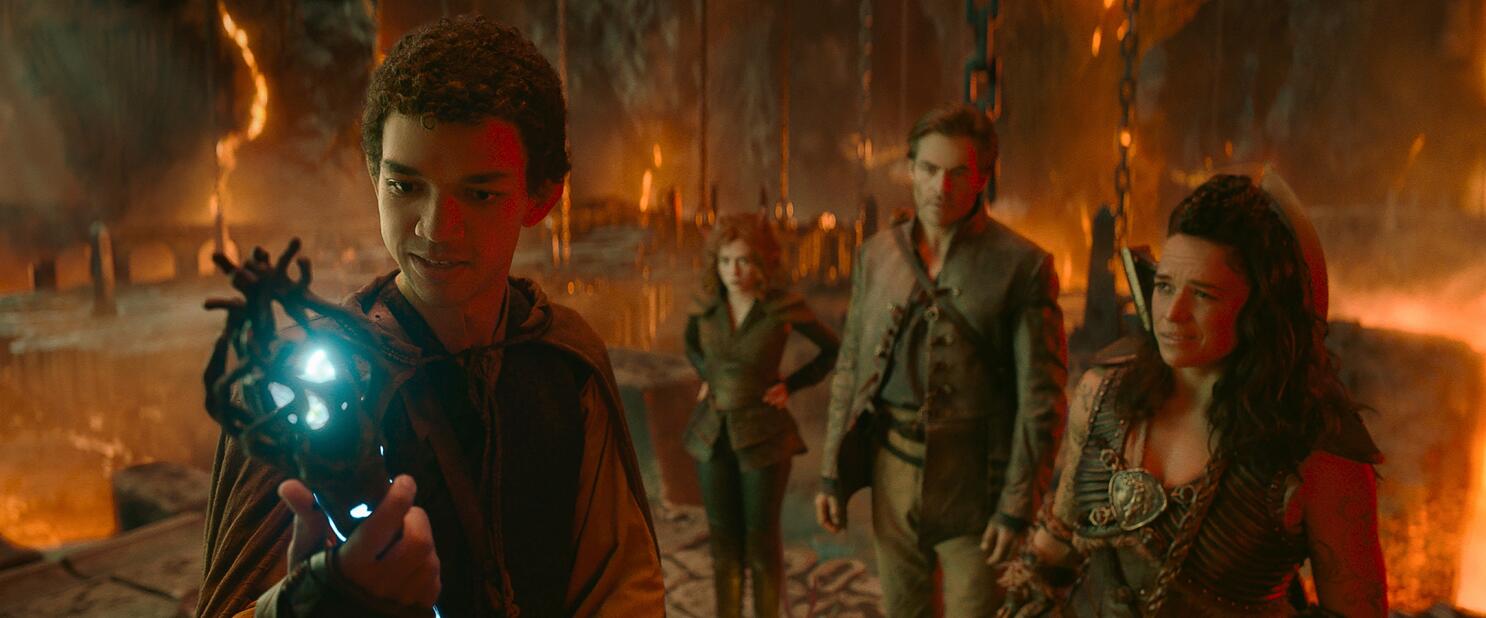
6. Dungeons & Dragons: Honor Among Thieves
This fun-filled fantasy romp based on the classic board game turned out to be a pleasant surprise. The film boasted spirited performances starting with Chris Pine as a lovable rogue and an imaginative script and direction that always kept the pace moving throughout the film.
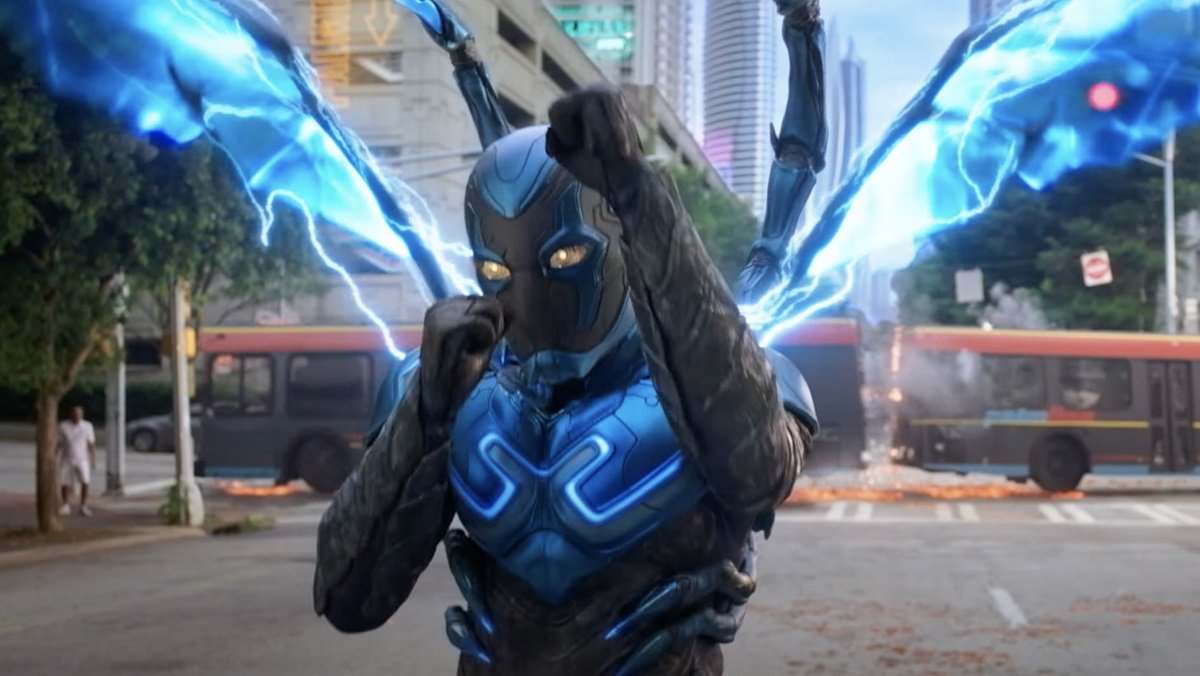
5. Blue Beetle
It’s a shame that one of the last DC Extended Universe (DCEU) films did not perform better in theaters since it was of the best DCEU films. While the film followed the typical superhero origin formula, its strong performances, direction, and humorous family interactions elevated the film with its back-to-basics approach with superhero films.
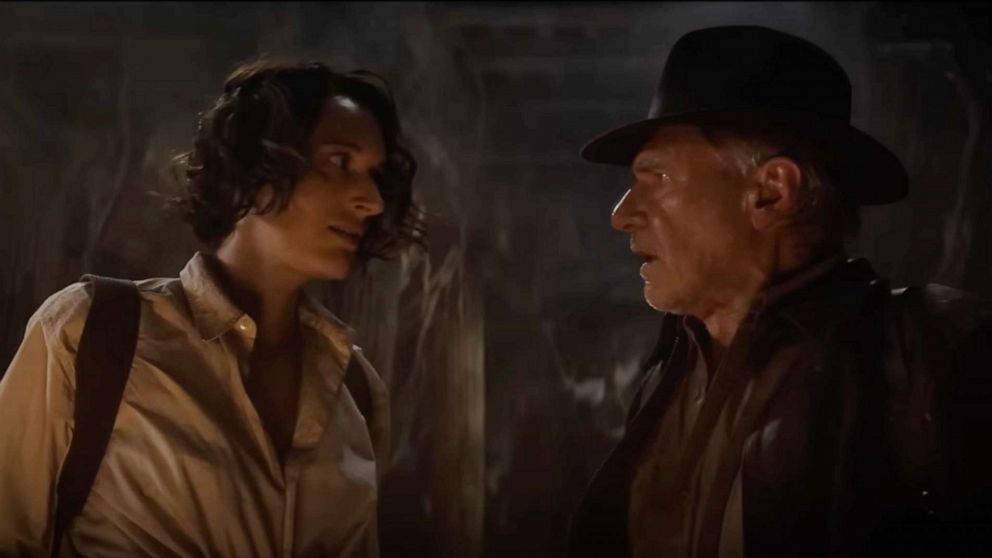
4. Indiana Jones and the Dial of Destiny
The last hurrah for our favorite swashbuckling archeologist hit many emotional notes in its depiction of Indiana Jones in his twilight years. Yes, Steven Spielberg’s masterful direction was sorely missed in the final Indiana Jones film, but its solid direction, thrilling action and Harrison Ford’s solid performance as the title hero made this a memorable finale to the fantasy adventure franchise.
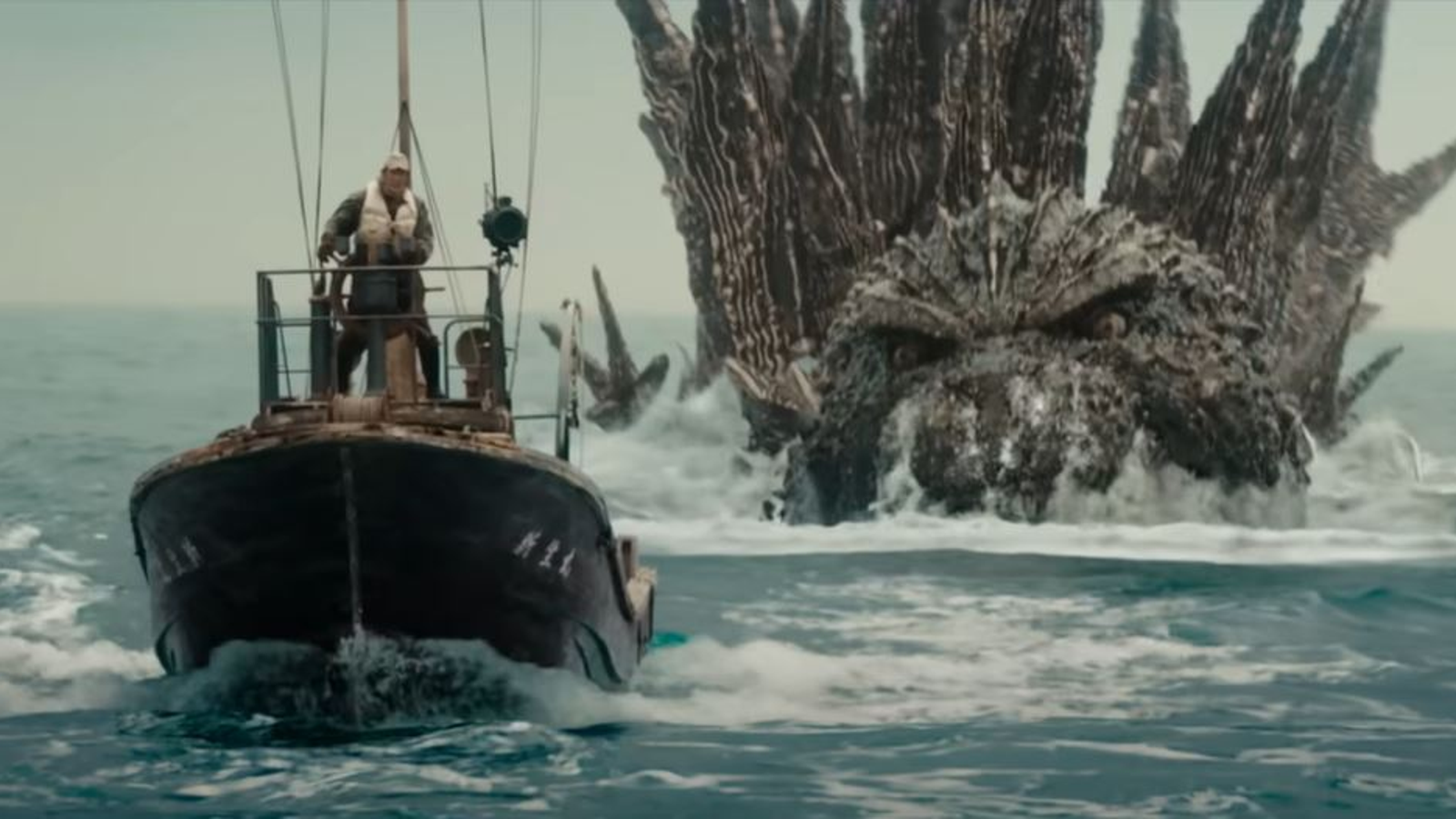
3. Godzilla Minus Zero
The latest Godzilla film proved that the decades-old franchise could still deliver captivating and exciting kaiju films. It stood above other Godzilla films thanks to its grounded approach, emphasis on relatable characters and a directorial decision to make the title creature a terrifying force of nature. It’s easy to see why this is one of the best Godzilla films.
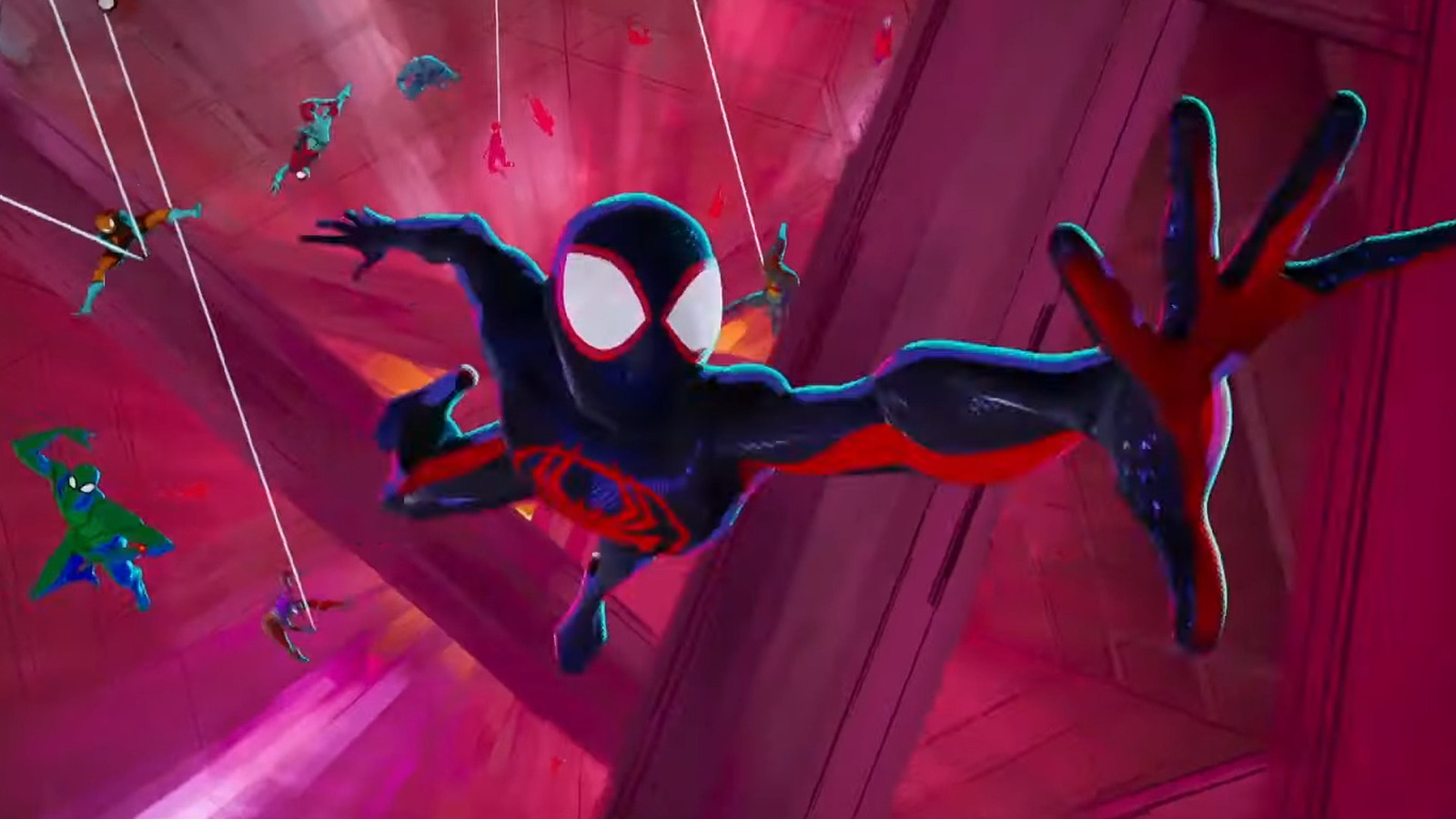
2. Spider-Man: Across the Spider-Verse
There were other notable animated films this year like Elemental or Teenage Mutant Ninja Turtles: Mutant Mayhem that rivaled Spider-Man: Across the Spider-Verse with distinctive animation and scripts. However, Spider-Man: Across the Spider-Verse stood out from the pack with stunning and unparalleled animation that was simply stunning.
More importantly, what made the film such a success was its engaging storyline of a relatable Miles Morales involved in a head-spinning story, which involved other universes and characters. Cannot wait for the conclusion to the storyline!
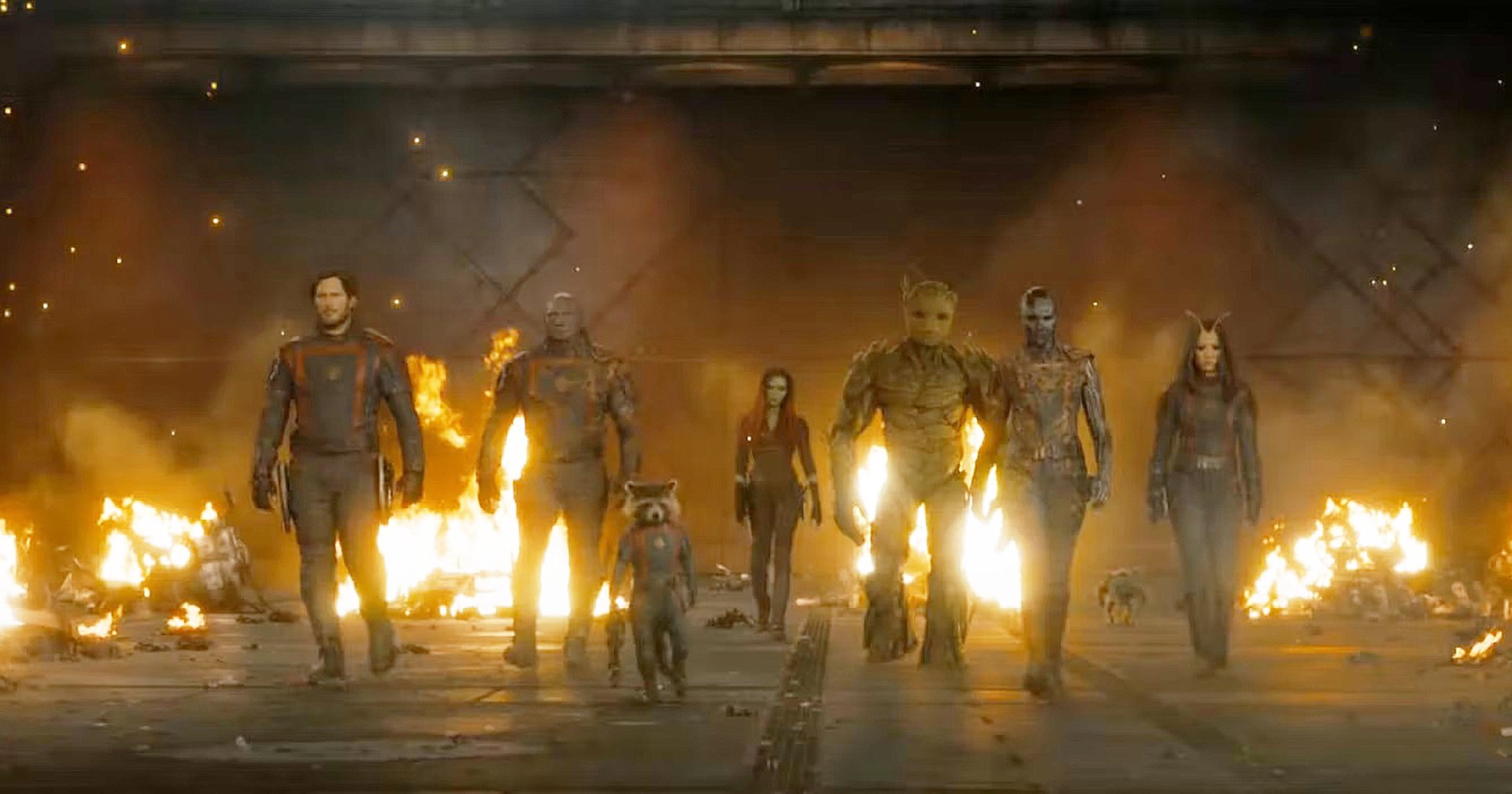
1. Guardians of the Galaxy, Volume 3
James Gunn’s final MCU film was one of the best in the Marvel film franchise. It perfectly closed the chapter of these lovable galactic misfits/heroes while exploring their emotional connections and giving us glimpses of how the team would continue without the OG heroes.
This film proved that the MCU could still deliver quality films that are widely acclaimed and perform well. What made audiences engage with Guardians of the Galaxy, Volume 3 was its emotional core as we witnessed the tragic backstory of Rocket Raccoon, the fragile nature of the other guardians, and one of the most evil MCU villains ever shown.
Noteworthy Mentions:
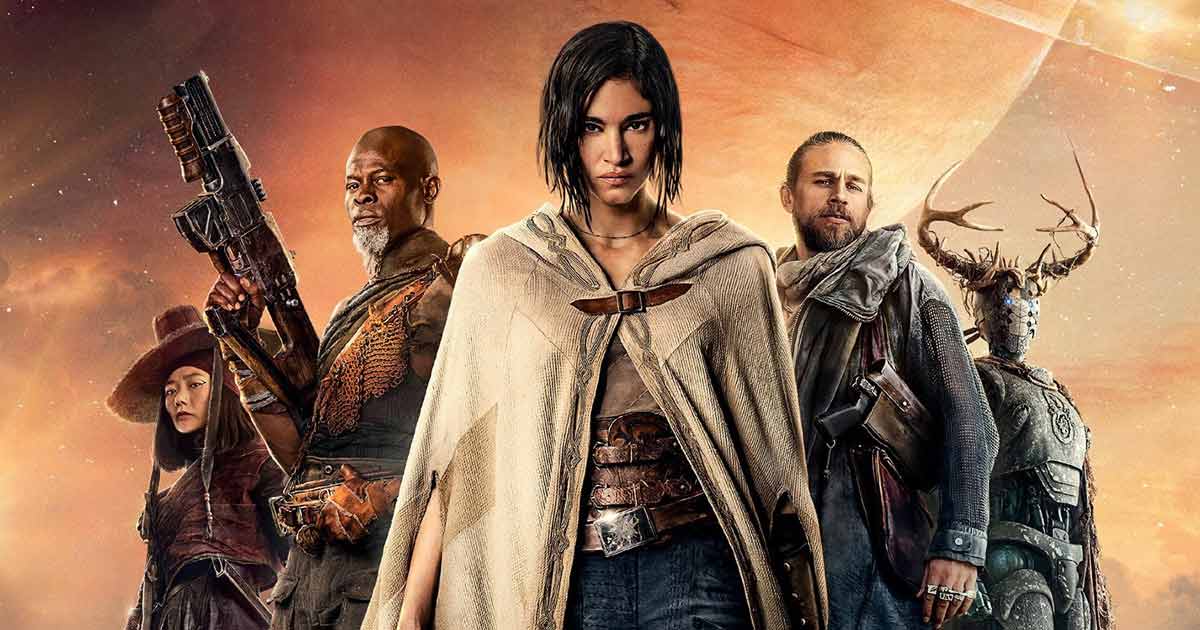
Aquaman and the Lost Kingdom, Elemental, Evil Dead Rise, The Flash, Knock at theCabin, M3GAN, The Marvels, Rebel Moon, Part One: A Child of Fire, The Super Mario Bros.Movie, Teenage Mutant Ninja Turtles: Mutant Mayhem
TV Shows
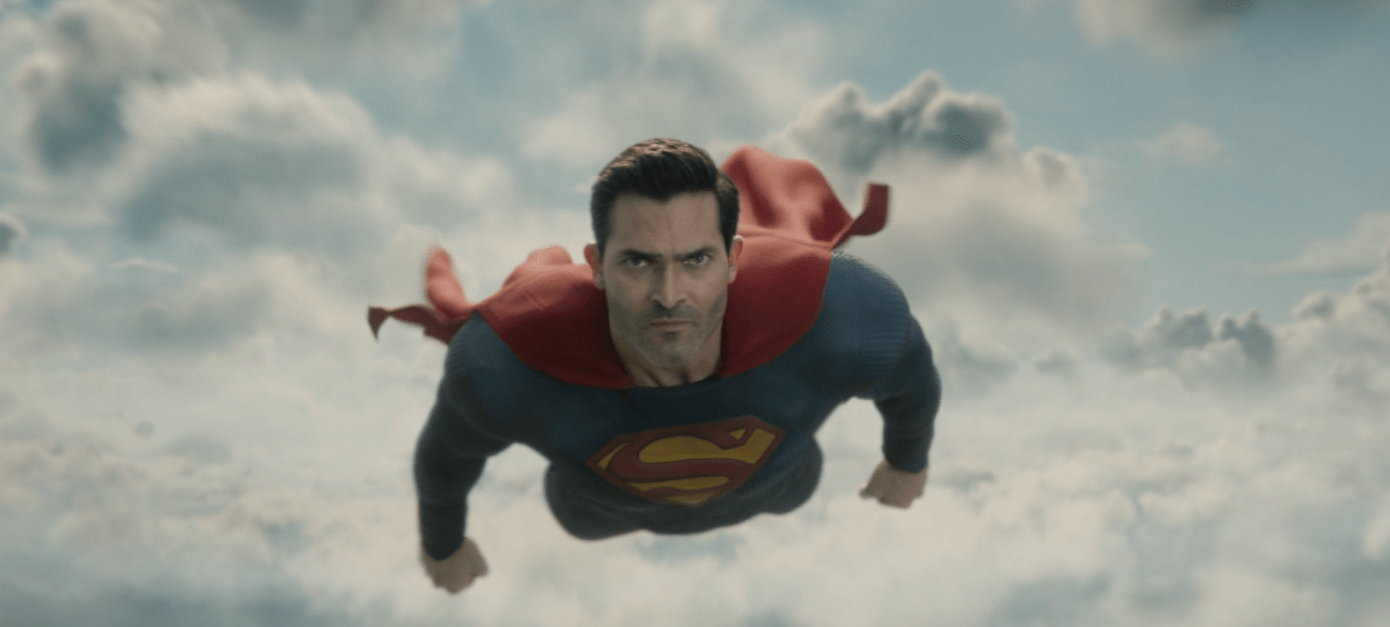
10. Superman & Lois
The third season of the final Arrowverse TV show continued demonstrating that it is one of the best Arrowverse TV shows as Superman/Clark Kent continued balancing life as a superhero and a husband and father to his family in Smallville.
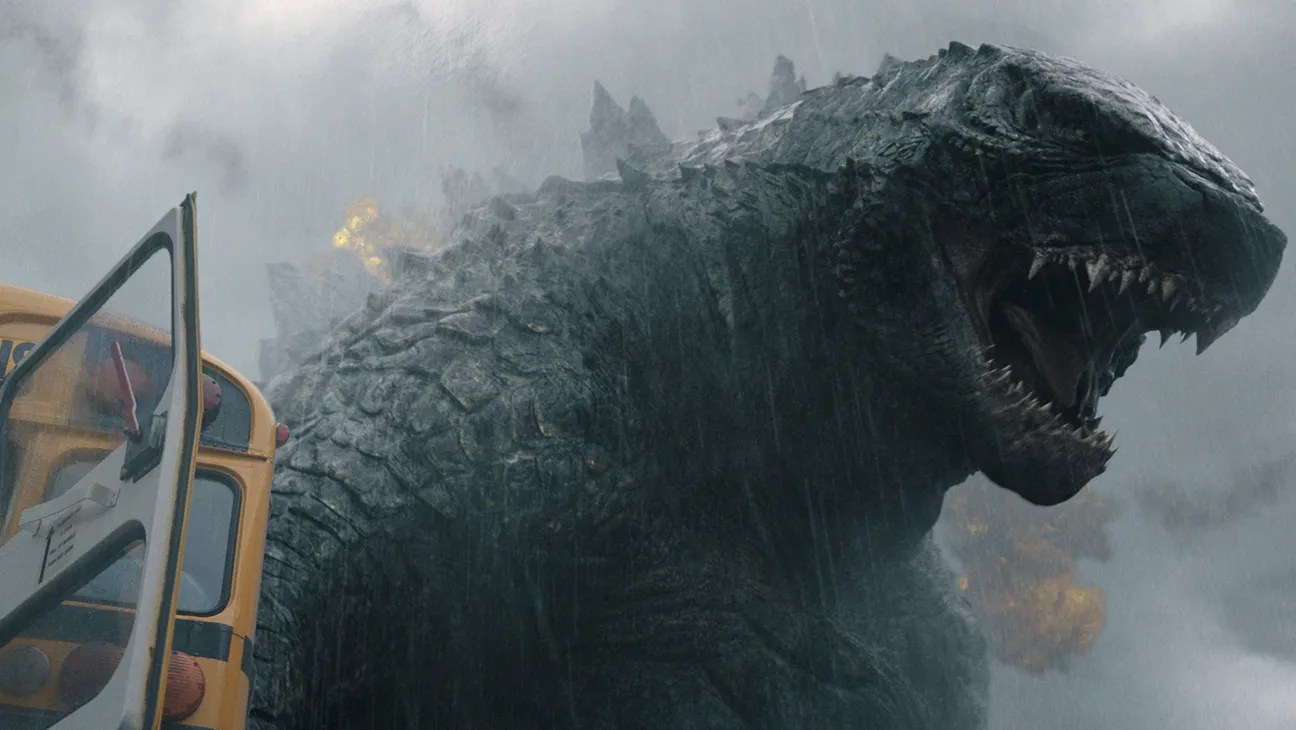
9. Monarch: Legacy of Monsters
This TV show did so much to flesh out and expand the world of the Monsterverse by featuring interesting characters and fascinating plots involving time jumps and conspiracies. The result was a fascinating look at the impact that giant kaijus would have in the world.
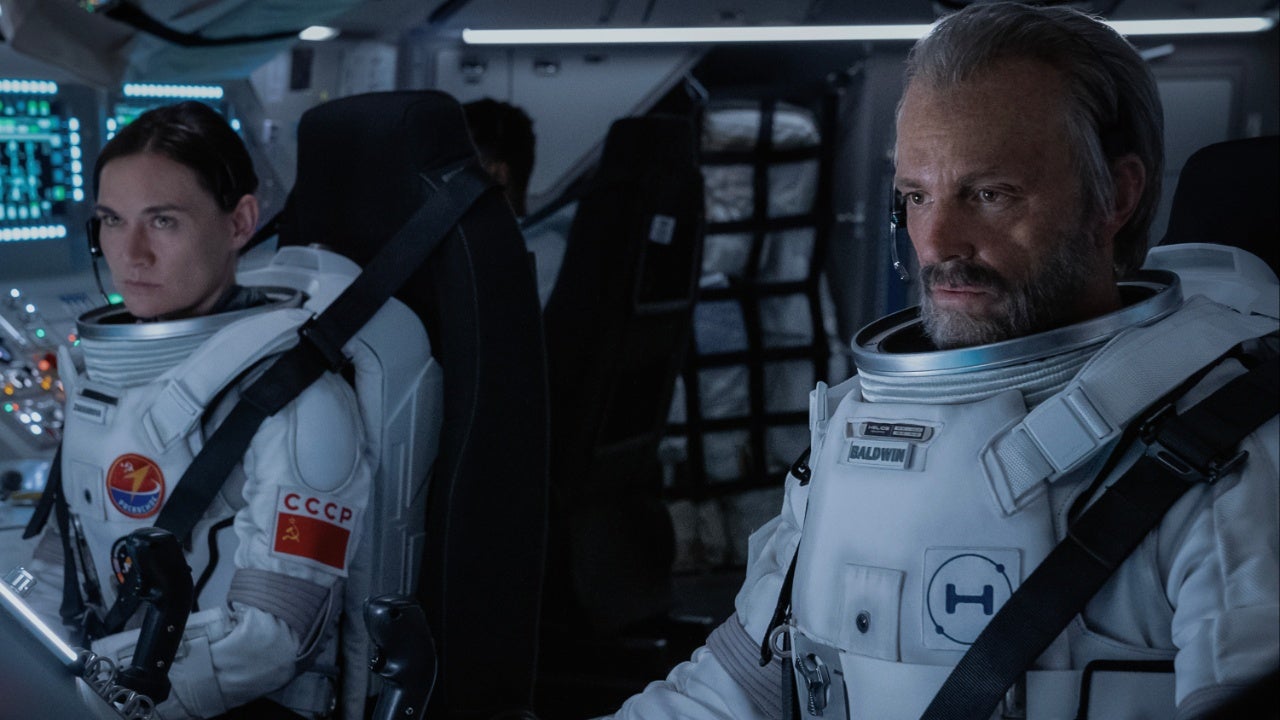
8. For All Mankind
Ronald D. Moore’s alternate reality TV series where the Soviets landed on the moon first, relished in how that reality has begun to wildly diverge from ours as it featured life on a thriving Martian colony circa 2003, along with the intriguing geopolitics and personal drama that often intertwined.
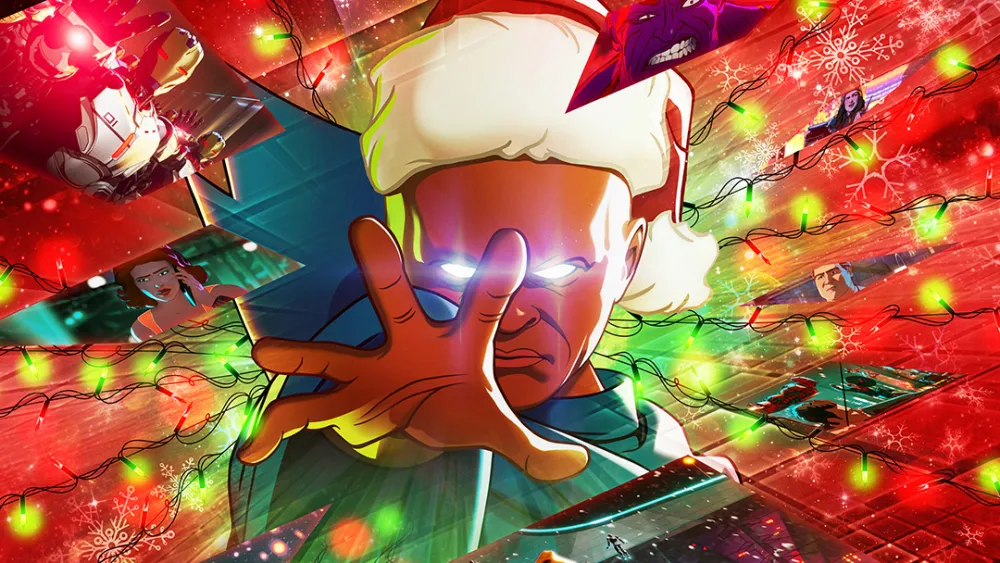
7. What If…?
The second season of this animated MCU TV show featured more diverse variant MCU characters and situations. Unlike the live-action MCU, What If…? really let its imagination run wild with the concept of the Multiverse thanks to its inventive tales of alternate MCU realities.
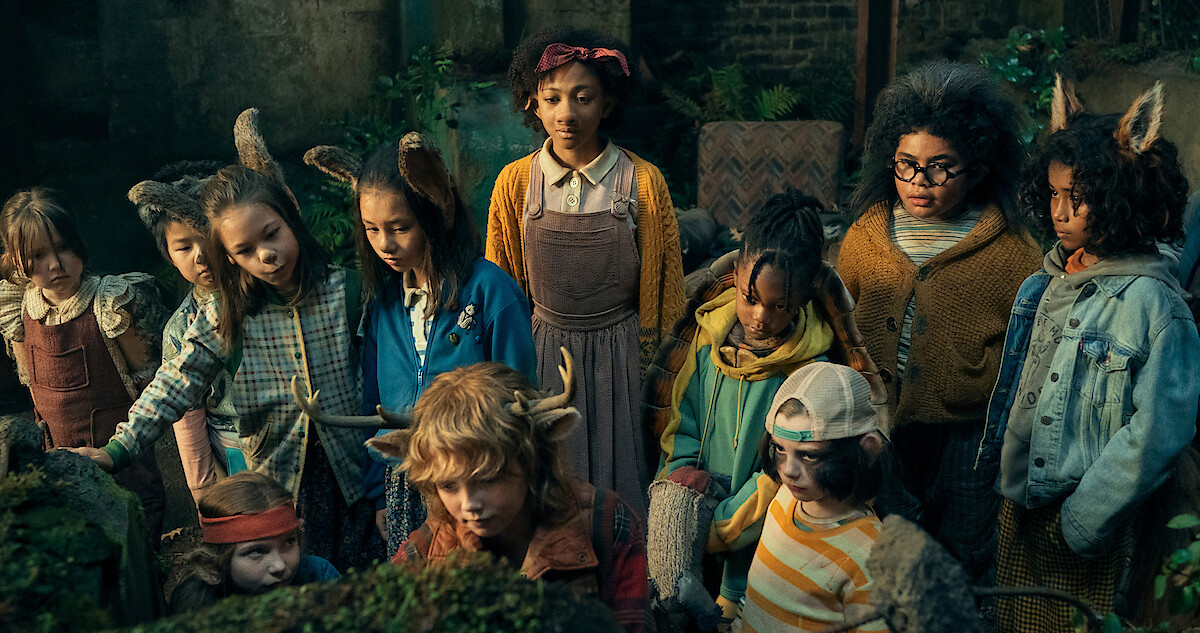
6. Sweet Tooth
The second season of this live-action adaptation of the Vertigo comic book by Jeff Lemire was just as enjoyable as the first thanks to winning characters like young Gus and other animal/children hybrids and humans trying to survive in a post-apocalyptic world ravaged by a plague and warlords.
5. Gen V
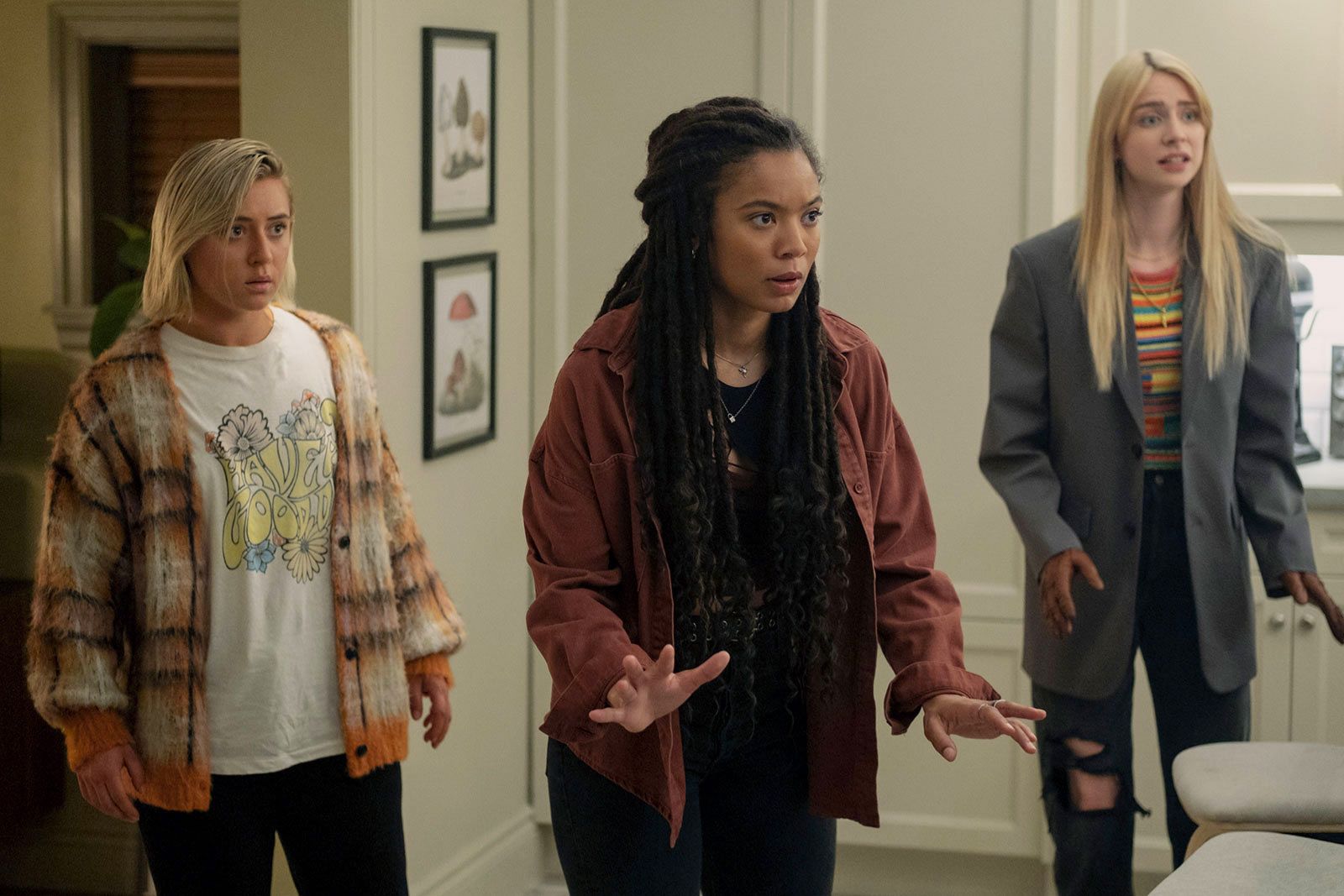
This spinoff of The Boys was much more than a satirical take on the X-Men or the New Mutants. It further fleshed out the world of The Boys and underlined the dark side of supeheroics with relatable characters who suffered with the burden of having super powers and their lives as angst-ridden teenagers.
4. The Last of Us
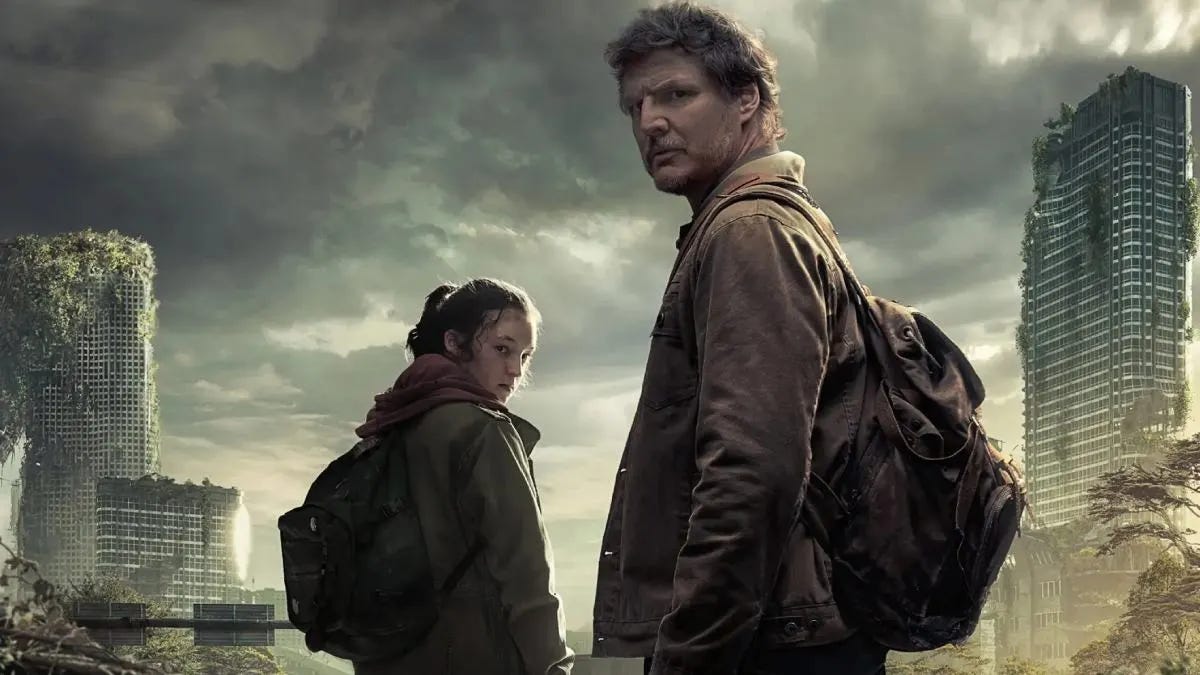
This was a faithful and tense adaptation of the classic video game about a ruthless man protecting a young girl in a world devastated by a plague that turned most of humanity into mindless monsters. The performances were simply brilliant and the scripts truly touched viewers during its explorations of the characters and their relationships in a savage world.
3. Star Trek: Strange New Worlds
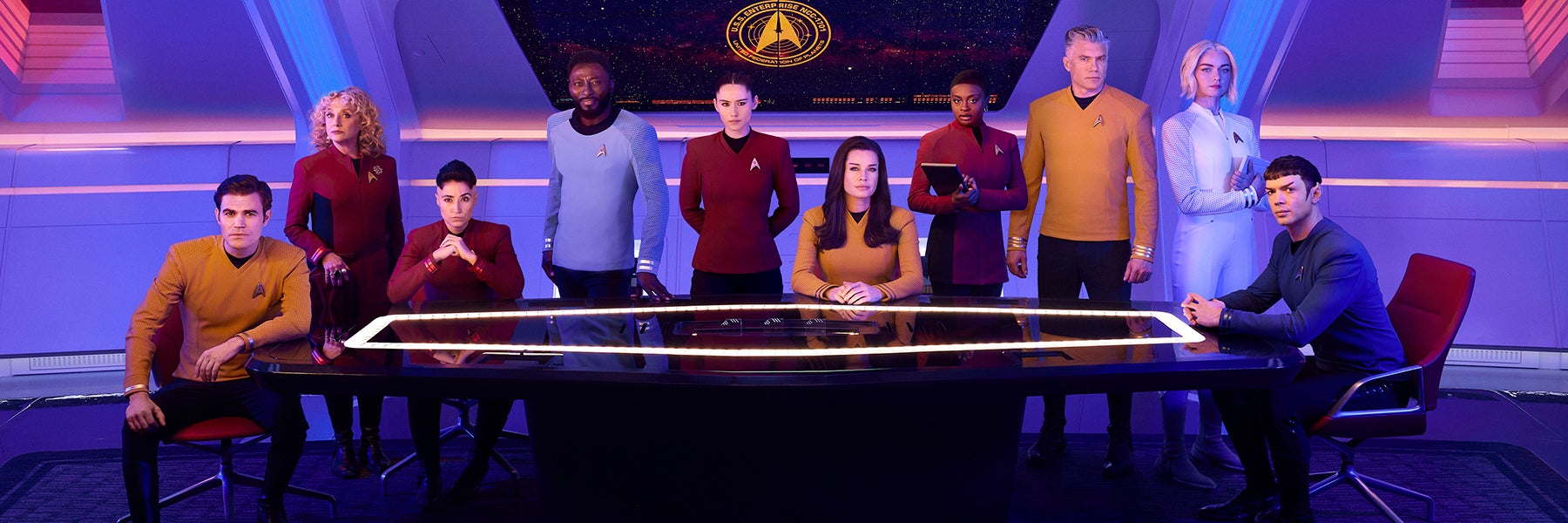
The second season continued the episodic back-to-basics approach to Star Trek with excellent one-off episodes. Star Trek: Strange New Worlds was buoyed by solid scripts and spot-on acting, which made it one of the franchise’s best entries. Even though some of the episodes may have been too bizarre like the musical episode or the one that featured characters from the animated Star Trek: Lower Decks, the season overall was a genuine success.
2. Loki
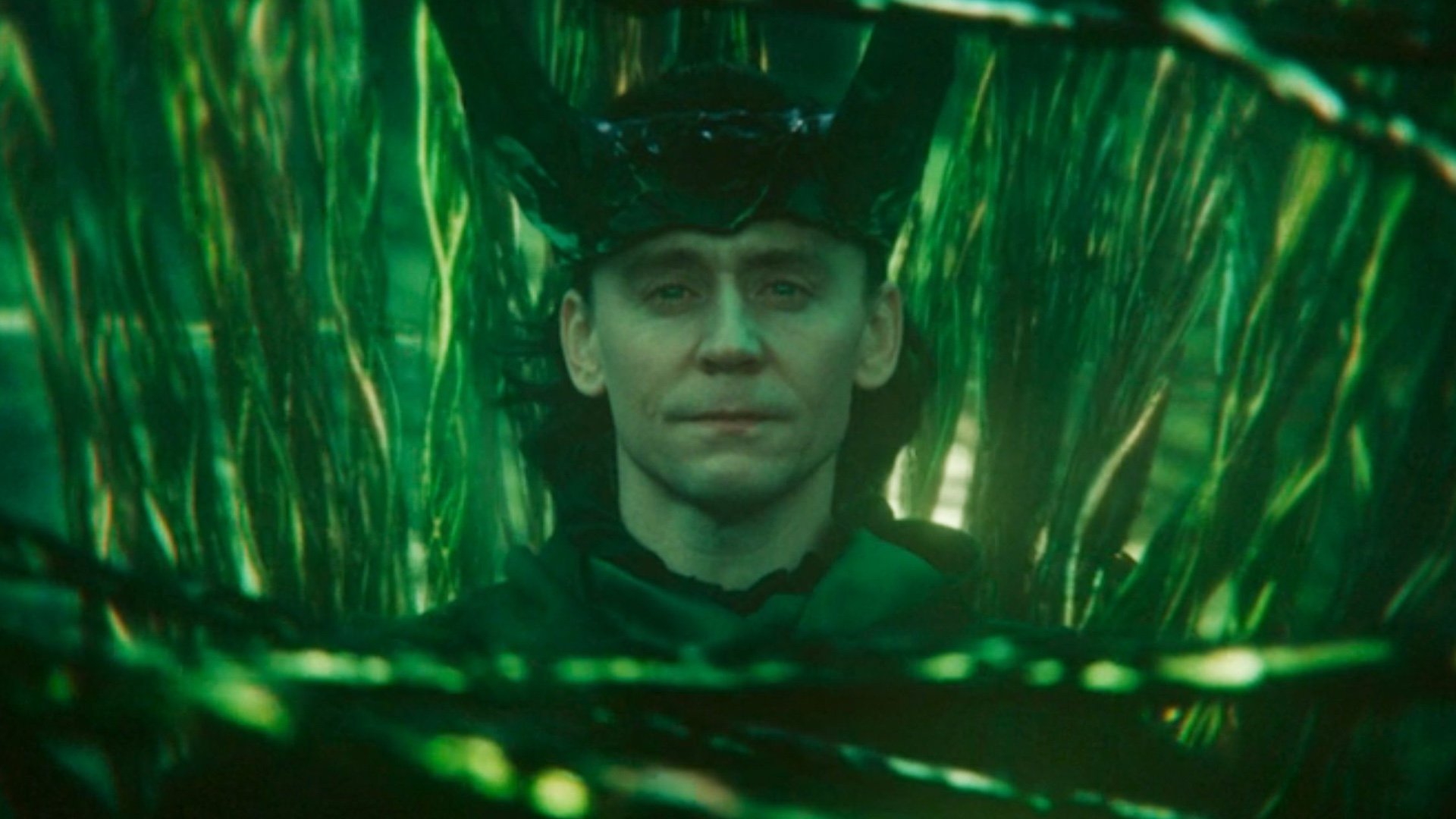
From the first frenetic moments of its premiere episode to the majestic triumph of its last scenes in the season finale, Loki singlehandedly demonstrated that there was still creative life in the MCU, which struggled in 2023.
Highlighted by brain-twisting time travel conundrums and a topnotch cast, the second season of Loki was arguably better than the first as we saw the title character complete his emotional transformation from a petty foe into a mature god burdened with maintaining all of time and reality.
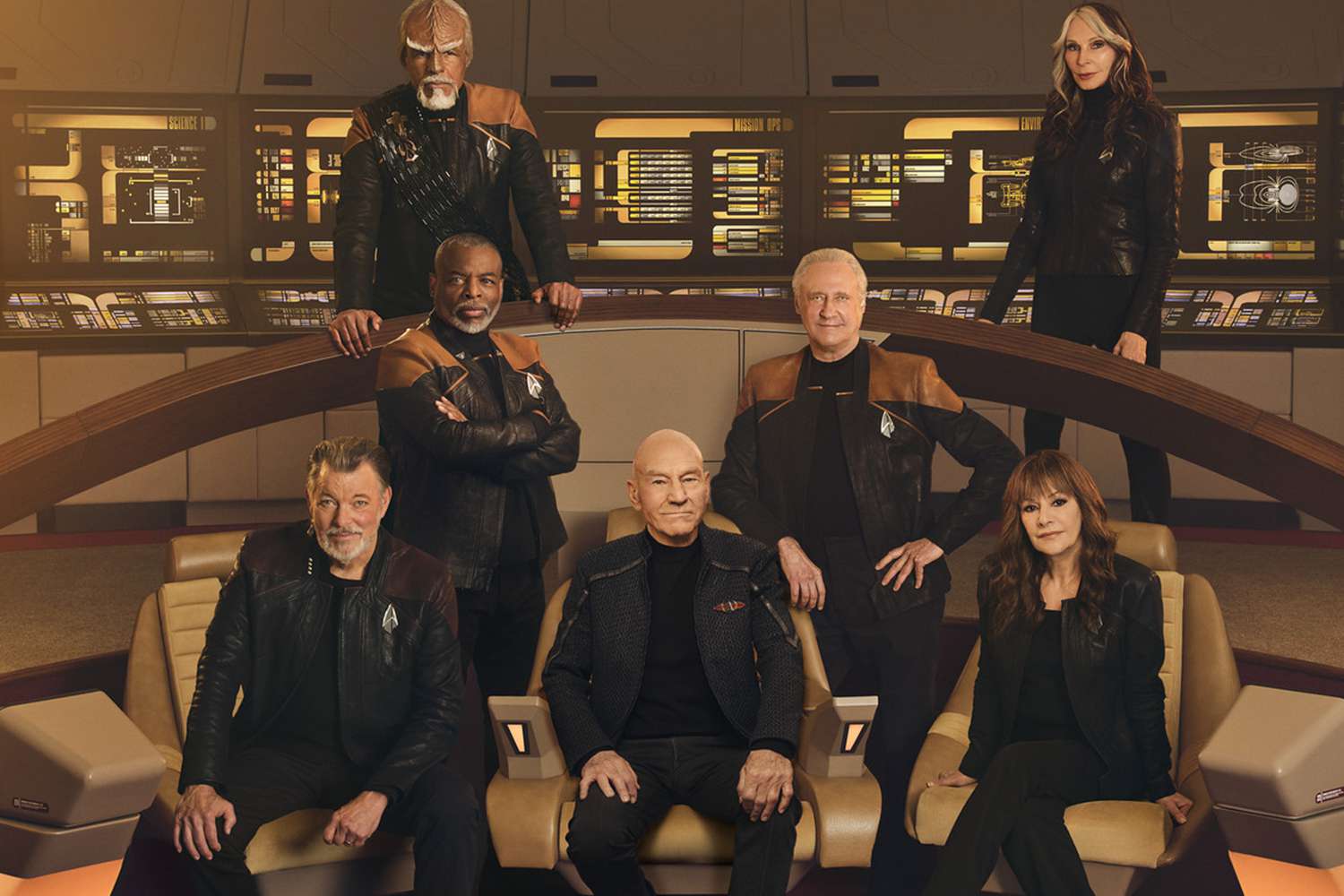
1. Star Trek: Picard
Yes, the third and final season of Star Trek: Picard reveled in memberberries, call backs, Easter eggs and references. But it was much more than that, it was a genuine love letter and tribute to the Star Trek franchise, circa 1990s.
Star Trek: Picard had an engaging and exciting storyline with many twists and turns as it reunited the cast from Star Trek: The Next Generation for one last hurrah to save the United Federation of Planets from an old foe. At the same time, the TV show introduced intriguing new characters that tantalized viewers with potential future adventures. Come on, give us a Star Trek: Legacy show already!
Noteworthy Mentions:
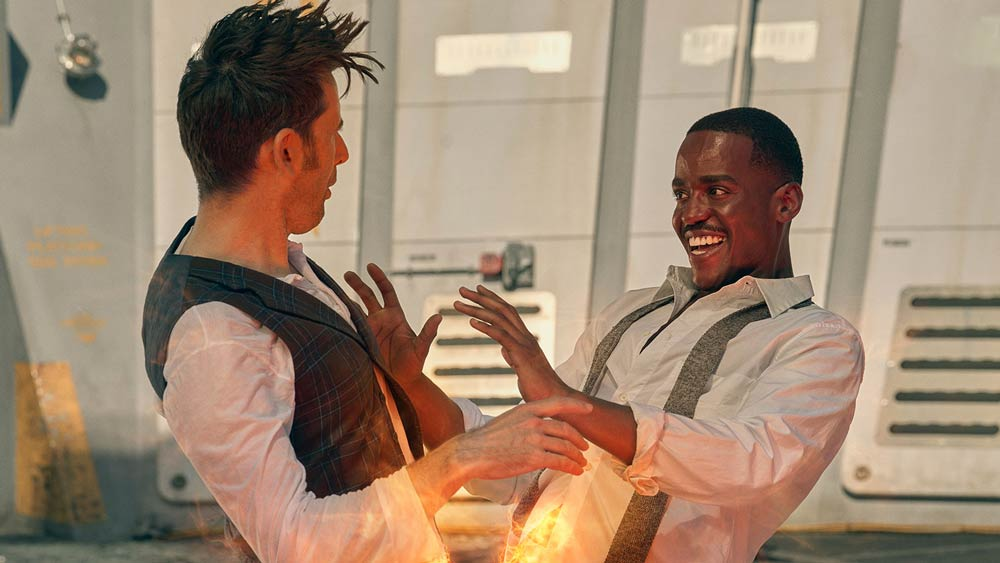
Ahsoka, Black Mirror, the Doctor Who specials, Doom Patrol, Foundation, HarleyQuinn, Invincible, La Brea, The Mandalorian, One Piece, Percy Jackson and the Olympians, Primal, Scavengers Reign, Scott PIlgrim Takes Off, Silo, Upload




 Starloggers