Toy Story: The Animated Masterpiece That Changed Animated Films

Thirty years ago, Toy Story was released in theaters by Pixar, which at that time was its own independent company owned by Steve Jobs. The animated masterpiece instantly caught everyone’s attention with its revolutionary 3D animation that changed animated films forever.

3D or computer animation existed before Toy Story, of course, but the film about toys that come to life whenever their owners are not around, was the first feature-length film to exclusively use this kind of animation. The use of computers in animated films had been going on for years since the 1980s and 1990s. Disney used computers on a wider scale with its traditional animated classics like Aladdin and Beauty and the Beast, but those films were still two-dimensional and by the mid-90s that kind of animation had reached its peak in what could be done with it as an art form. The world of animation was ripe for new approaches.
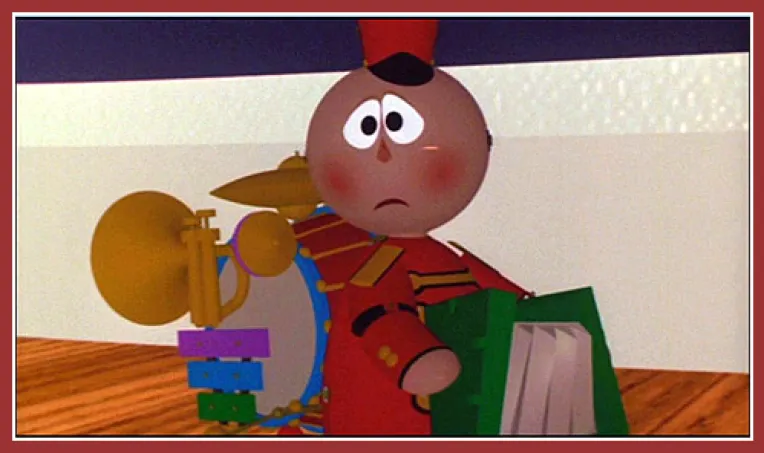
Enter John Lasseter, the creative genius behind Pixar. Working with a team of innovative artists and computer technicians, Lasseter experimented with 3D animated film shorts that caught the eyes of many film studios, especially Disney. Some of the films like Tin Toy, Knick Knack and Luxo, Jr. stood out with the pioneering use of 3D animation. In fact, Tin Toy won the Academy Award for Best Animated Short Film, the first 3D-animated film to do so. As Pixar created and released these shorts, they prepared themselves to produce a full-length animated film, which turned out to be Toy Story. At this time, Disney was eager to work with Lasseter and proposed that he create a feature-length film that Disney would distribute, to which Pixar agreed.

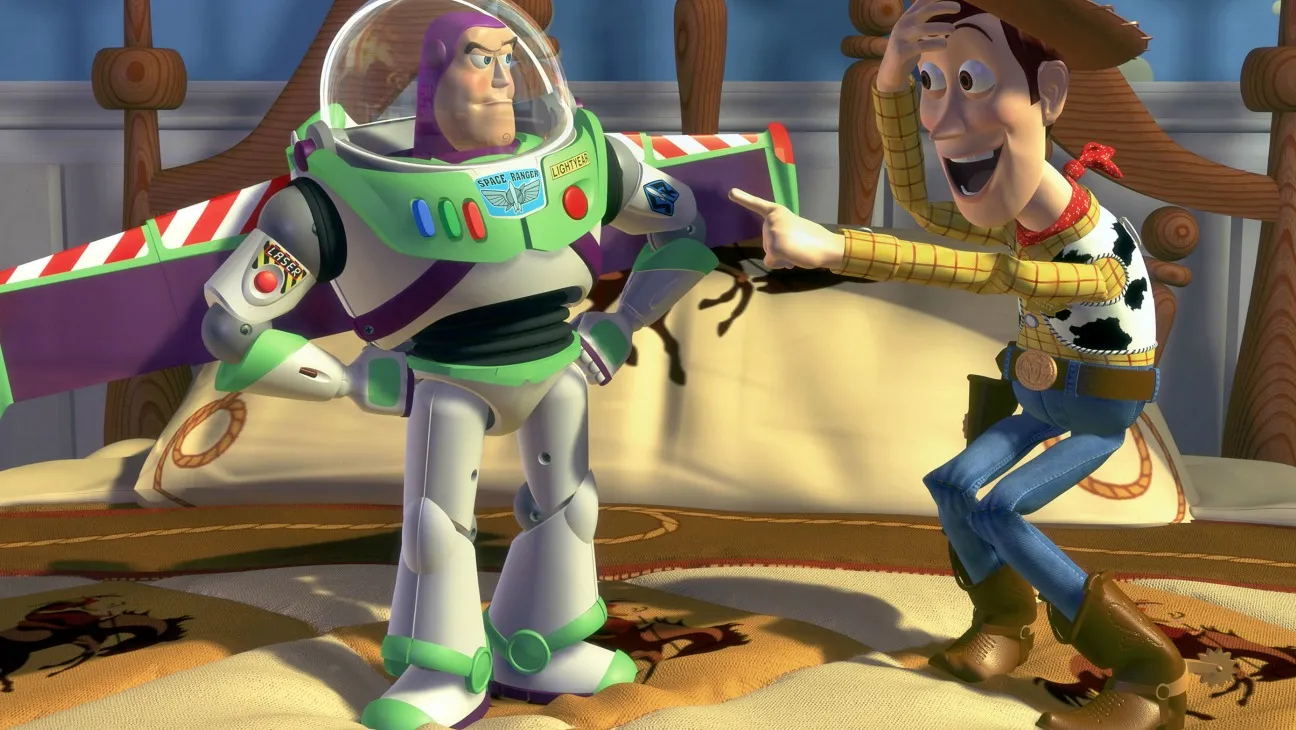
At first, Pixar’s first animated film was supposed to be a sequel to Tin Toy and would have featured the title character and his dummy companiion trying to find their way into the hands of children. But Disney was not happy with the script and after much retooling, the Tin Toy characters were replaced with the original creations Woody the cowboy doll and Buzz Lightyear the high-tech electronic doll. They had clashing personalities which generated genuine laughs, but had to work together to find their way to their child owner.
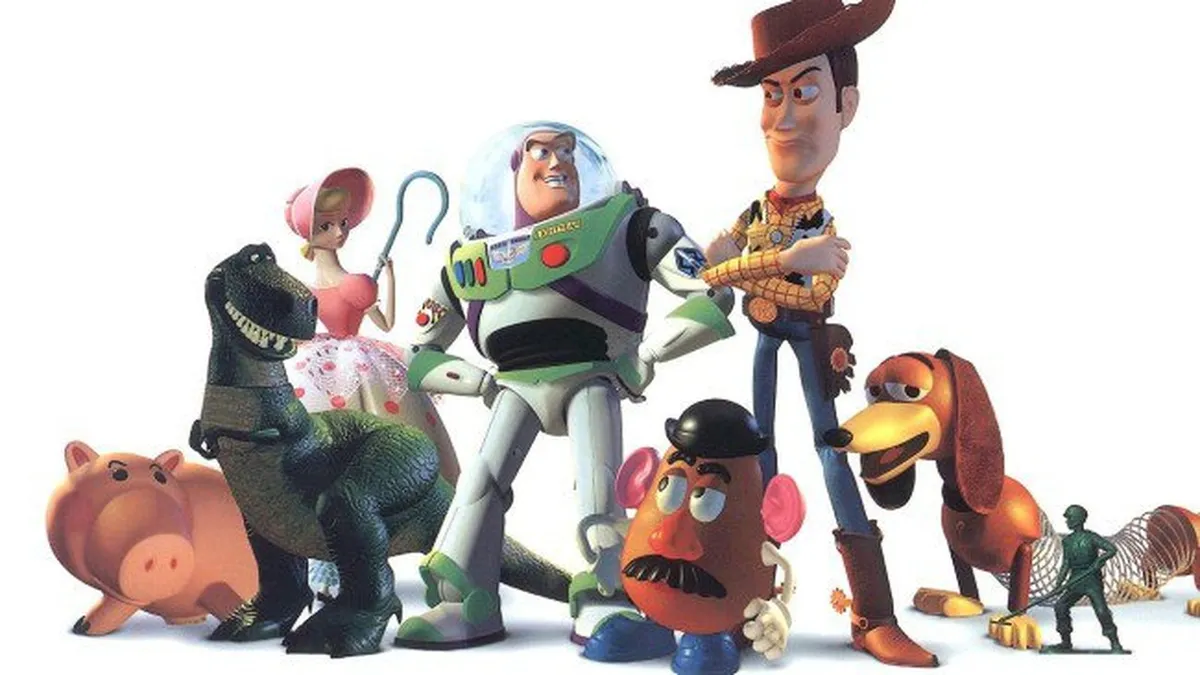
Turning Toy Story into an animated buddy film with two completely different characters sparring with each other then becoming great friends was an inspired decision. This development injected a lot of heart and humor into the script and gave the two lead characters distinct personalities that most viewers could relate to. For instance, Woody was the leader of the toys owned by the child, Andy. His status is threatened with the arrival of Buzz Lightyear, the new hot toy on the block that quickly becomes Andy’s favorite toy. Woody is jealous and resentful towards Buzz as he lost his status and his actions cause both he and Buzz to be lost and the two have to find a way back to Andy’s home. What also helped tremendously was the casting of vocal actors Tom Hanks and Tim Allen to play Woody and Buzz. Both actors had great vocal chemistry with each other and comedic timing that rivaled many classic comedy duos.

The film featured many other memorable characters voiced by great actors that embedded the toys with a lot of personalities. Take for instance the legendary comedian Don Rickles who played Mr. Potato Head or R. Lee Ermey as Sargeant, the no-nonsense military leader of the tiny green plastic army men. Seeing many classic and real-world toys appearing in the film was a hysterical and brought back many memories for adults and joy to children. A large part of the film’s appeal was that both adults and children could equally enjoy it, and this became one of Pixar’s strongest selling points with their future films.
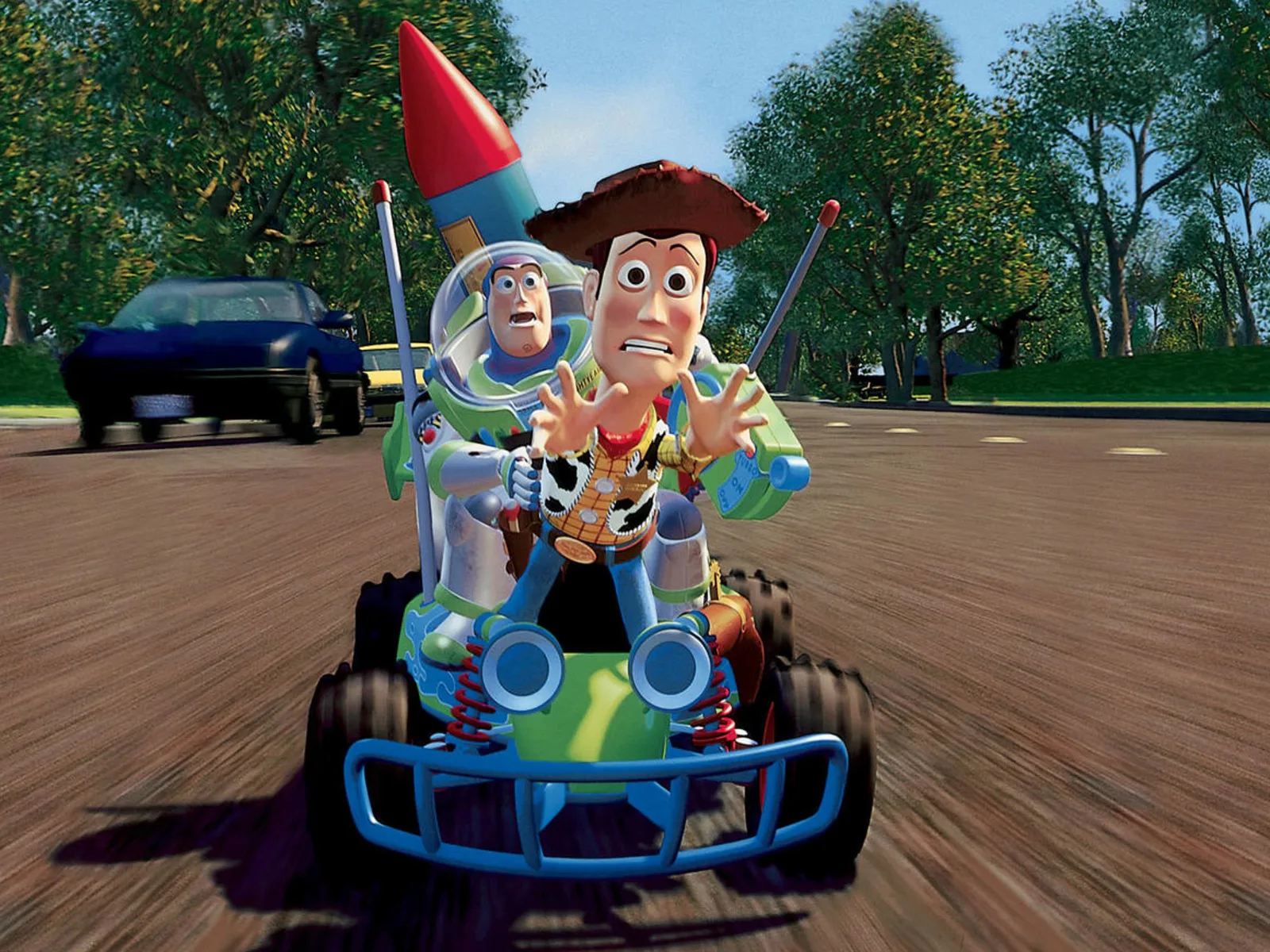
Toy Story was an instant hit and a bonafide classic when it was released in theaters on November 22, 1995 as it caught the imagination of viewers. While the computer animation was a distinct selling point, what made the film so beloved was its script, direction and characters who are still relevant to this day. There is even a Toy Story 5 that will be released next year. That is fortunate because while the 3D animation was revolutionary for its time, some of the animation does look a bit dated, especially when it came to depictions of humans.

Of course, the success of Toy Story inspired many film studios to rush out with their own computer animated films to varying degrees of success. Some like Dreamworks and Illumination produced their own classic films but few could capture the magic and whimsy of Toy Story. Still, regardless of quality, the early computer animated films crowded out traditional 2D-animated films and even Disney jumped on the bandwagon with their own 3D-animated films. But it would take Disney some time to create their own films that rivaled Pixar’s in terms of quality. Unfortunately, the success of Toy Story spelled the end of traditional 2D-animated films, at least with American films. The last traditional animated film that Disney released was The Princes and the Frog in 2009. It’s true that there are many advantages with 3D animation, but it is a mistake to completely discard two-dimensional animation. What these studios have failed to realized is that the success of Toy Story and other quality Pixar films, including the Toy Story sequels, was not solely due to its animated technique but because of the story and characters. Hopefully one day, a visionary creator at a major studio will be able to produce a quality two-dimensional animated feature length film that will be successful.
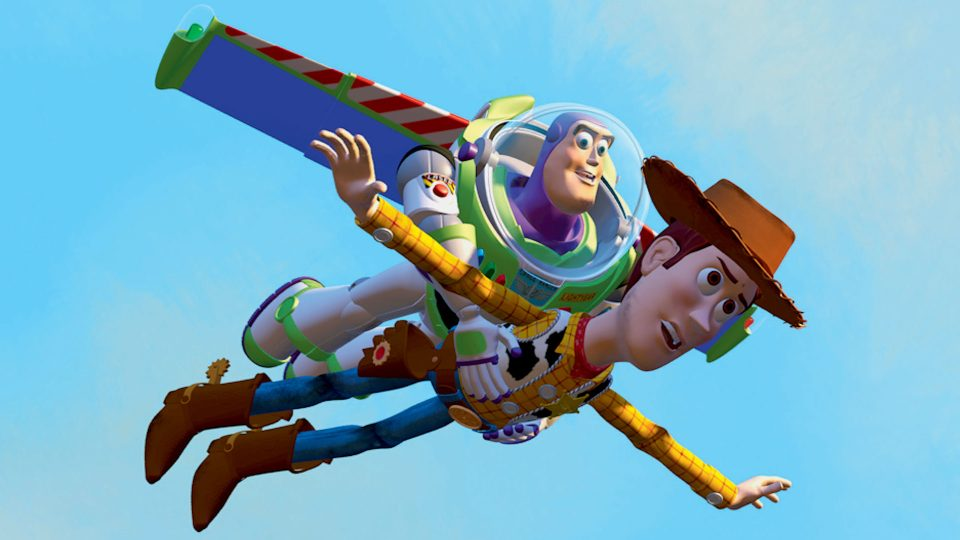
Much like Snow White and the Seven Dwarves was revolutionary in its day and changed films by introducing the concept of full-length animated films, so did Toy Story. It is not an exaggeration to say that Toy Story revolutionized animated films when it premiered 30 years ago as we are still feeling the impact of the classic film that is just as enjoyable as when it was released 30 years ago.
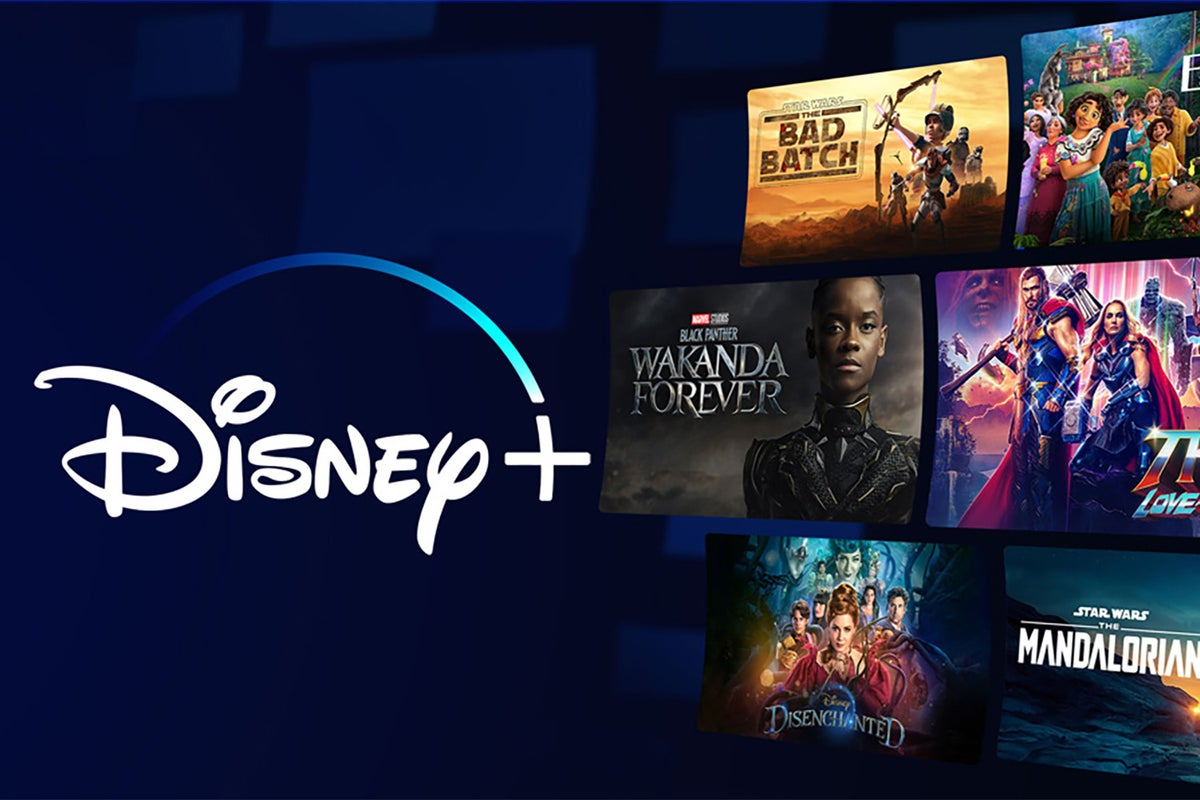
Disney + Has Damaged Pixar, Star Wars & Marvel

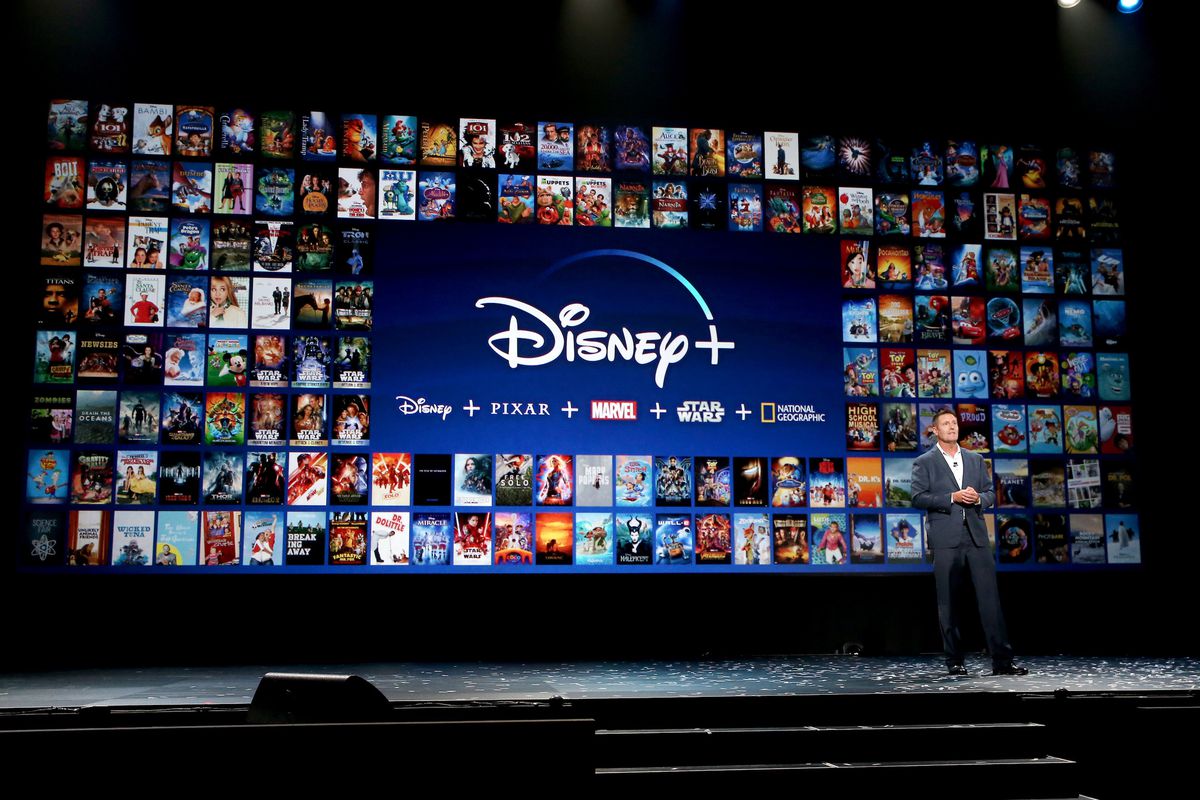
When it was announced that the streaming app Disney + would feature exclusive content for their purchased intellectual properties Star Wars and Marvel, most fans were understandably excited. In the closing years of the 2010s both properties were riding high, especially Marvel with its Marvel Cinematic Universe (MCU). The people running Disney + promised that subscribers would have access to a vast video library of its properties and that the exclusive content would be top-of-the-line when it came to quality. At first, this seemed to be the case. At first.

Shortly after Disney + became available, the COVID-19 pandemic hit, which shut down theaters and the streaming platform became the only medium available to get new content based on Disney IP, Pixar, Star Wars and the MCU. Due to the pandemic many films were delayed and this happened with the Pixar films scheduled for release. At the same time, Disney was desperate to generate streaming traffic for Disney + and to gain subscribers, new product had to be available. The easiest solution was to take the delayed films like Soul and premiere them exclusively on Disney +.

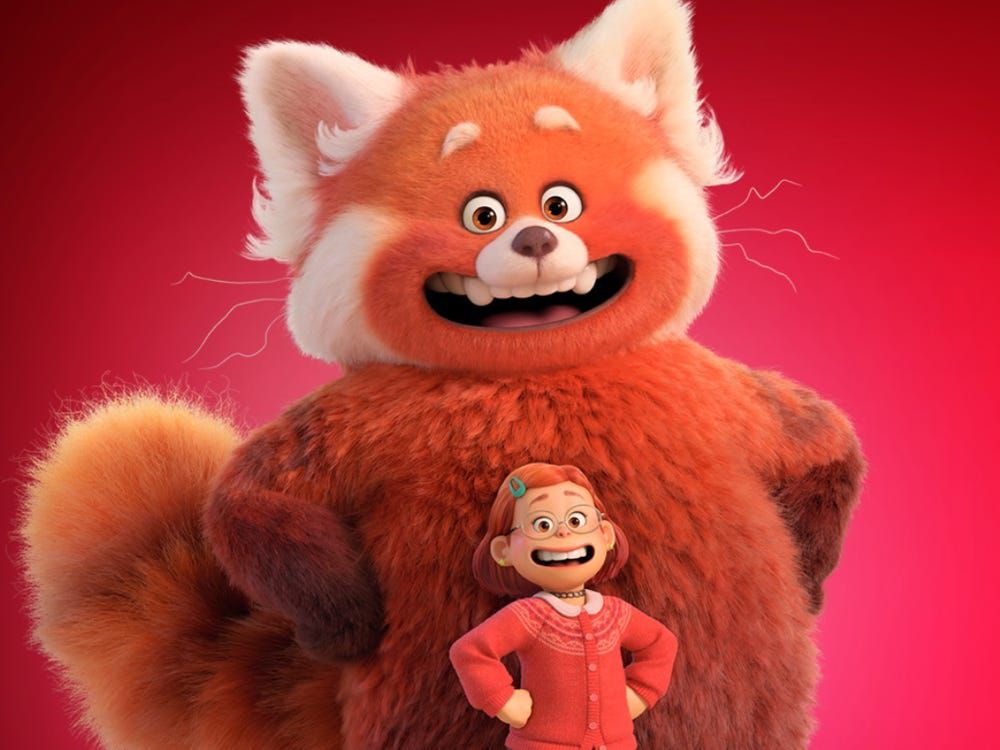
For a short while, this tactic worked, but unlike the other MCU films that were released exclusively in theaters, Disney kept debuting other Pixar films like Luca and Turning Red on the streaming app. This gave the impression that the Pixar films were inferior in quality, because people began thinking that these films were not good enough for theatrical releases. Also, when the Pixar films Lightyear and Elemental actually premiered in theaters, viewers were conditioned to wait for them to come out weeks later on Disney + and save some money. To be fair other streaming apps like HBO Max did this as well, but this tactic was abandoned soon after studios realized they were losing revenue. It took Disney some time to forego premiering some of their films on the app.

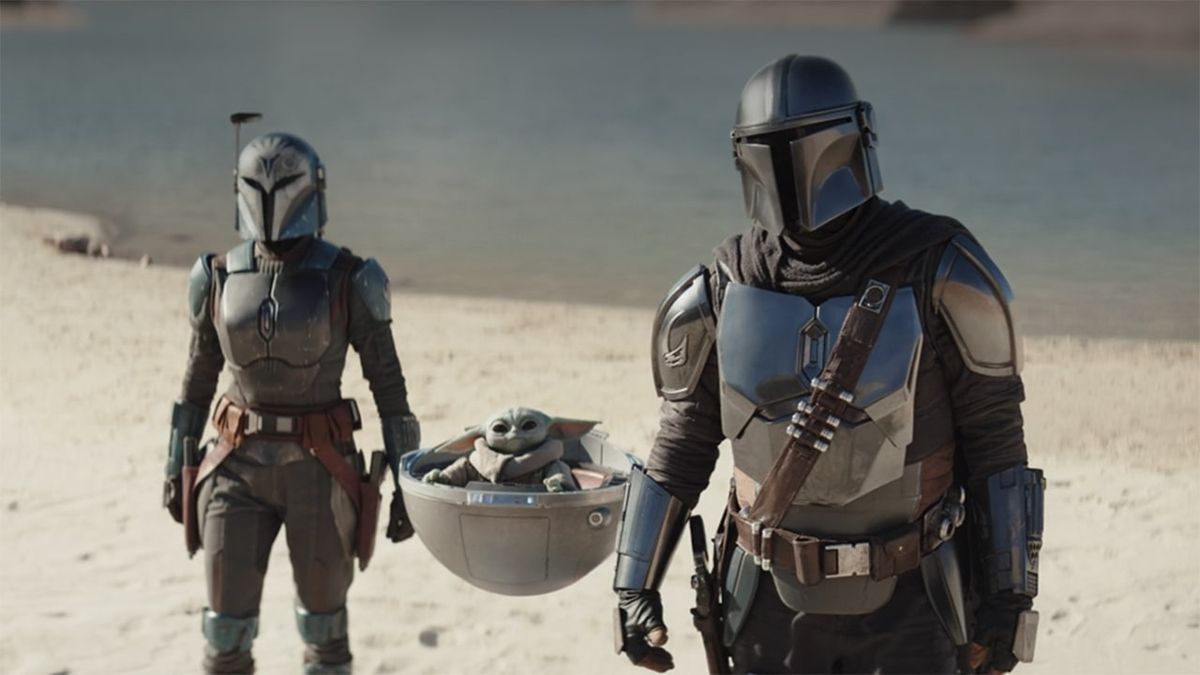
The app premiered with The Mandalorian, the hit TV show set in the Star Wars universe about a Clint Eastwoodish, intergalactic bounty hunter and his infant alien ward. The Mandalorian became a huge hit and actually helped keep the Star Wars brand alive. Actually, for a couple of years it was the only Star Wars-related property for fans to watch. Obviously, Disney had to put out more Star Wars content and last year more Star Wars-related TV shows streamed on Disney +, which included The Book of Boba Fett, Obi-Wan Kenobi, Andor, and now Ahoska. While some of the TV shows were well received and even earned Emmy nominations, the Boba Fett show was a huge misfire with its unfocused scripts. Unfortunately, these same problems bled into the third season of The Mandalorian, and Ahsoka is receiving criticisms, as well. It is clear with The Mandalorian, The Book of Boba Fett and Ahsoka that Disney wants to create a more integrated universe with a part of Star Wars history: the period of time after the fall of the Galactic Empire. Reportedly the goal is to have the TV shows lead to a film that ties all the elements together. While it is ambitious and echoes what happened with the MCU, there are problems in that the Star Wars universe is becoming too convoluted. Viewers are forced to watch other shows and even animated programs like Star Wars: Rebels to fully understand what is going on with many of the Star Wars TV shows. With interest in the Star Wars brand waning, this development could not have happened at a worst time.

The problem with the scripts for some of the Star Wars TV shows also plagued the MCU TV shows. What was worse was that the production values for many MCU TV shows was shockingly poor. The MCU, like Star Wars, got off to a promising start on Disney + with TV shows like WandaVision and The Falcon and the Winter Soldier. But the quality of the MCU TV shows soon began to falter and it became more and more obvious that budget limitations were impacting the shows. For example, with the time travel TV show Loki, even though it was well acted and written, it seemed as if there was a lot of talking instead of showing. Instead of time traveling to pivotal events in the MCU, the main characters traveled to mundane time periods.

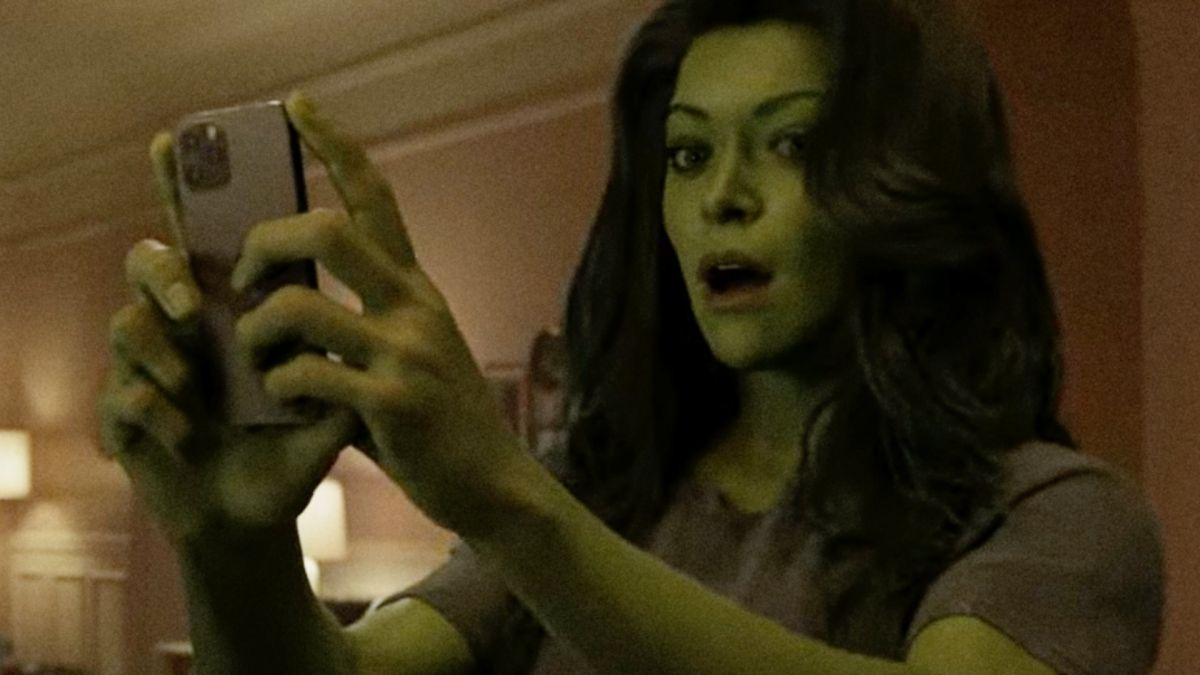
The problem with limited budgets affected some of the effects work on later TV shows. This was best seen with Ms. Marvel, She-Hulk: Attorney at Law and Secret Invasion. With She-Hulk, the limited special effects was fatal for the show because its poor, unfinished special effects left She-Hulk looking like a SIM character. The same budget limitations has severely affected Secret Invasion, which has a lot of talking scenes about world events with limited action scenes. What is even more unbelievable is that the budget for the TV show was about $200 million. Where did that money go? The budget for Secrect Invasion is not the main reason for its poor execution, it is actually due to the scripts which make the show feel small scale. This also went on with many other MCU TV shows that should have had great payoffs. This even happened with WandaVision. For the most part that show was terrific with clever scripts and acting. But the payoff at the final episode felt like a letdown with the scope of the confrontations between characters.

Disney CEO Bob Iger recently said that the market was oversaturated with Star Wars and Marvel TV shows and films, and he is correct. There was a lot of pressure for the Disney + app to have new and original content, which meant that there had to be a lot of content about two of its most popular IPs. Unfortunately, the demand stretched the capability to keep up the quality of the products in order to meet scheduling deadlines. The result was that many fans were disappointed with the finished TV shows as the brands became diluted. To correct this, the brands need to pull back and Disney is doing this as per Iger’s orders. They are giving their properties the time needed to produce quality over quantity. However, there will be more inferior TV shows until the better-produced TV shows come out.

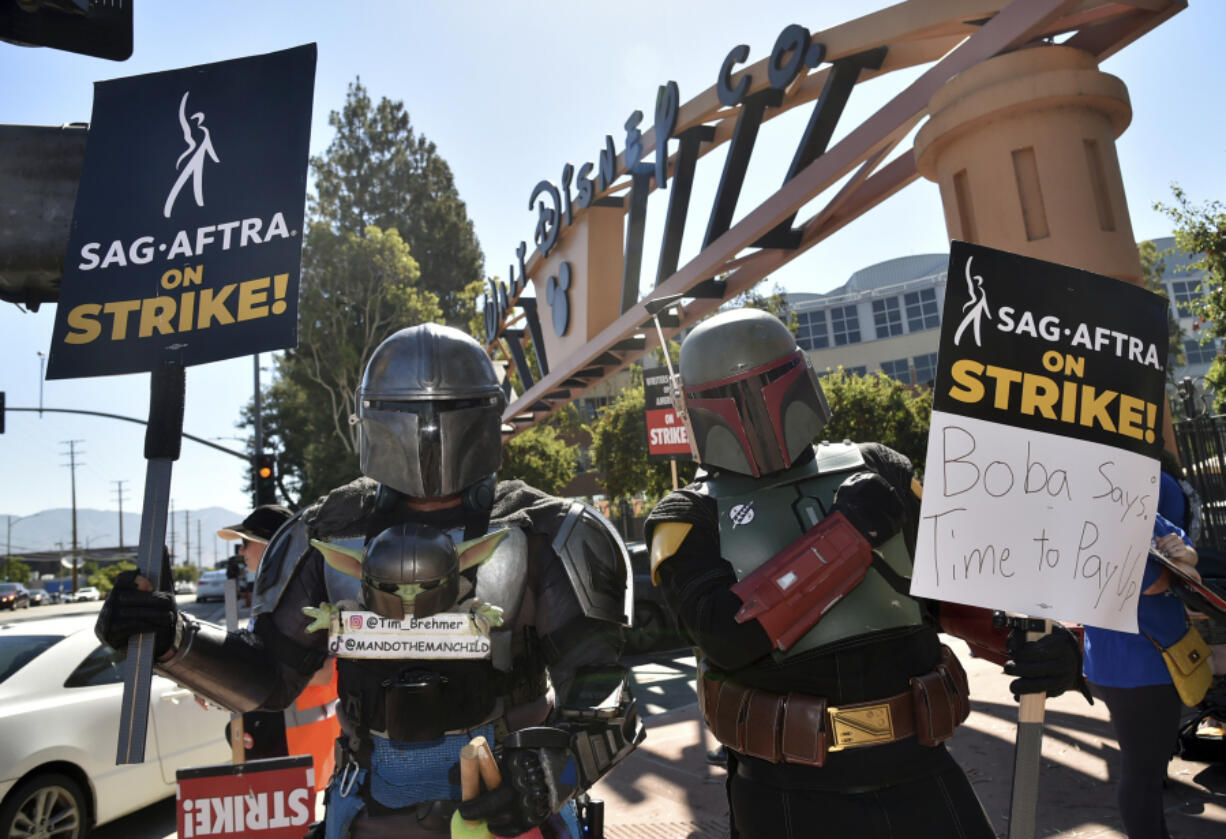
Disney and other studios are facing a new problem with their inability to provide new content thanks to the crippling writer and acting strikes which have shut down productions for film and TV studios. As content dries up and films and TV shows get delayed again or canceled, there will be increased demand. Will the studios make the same mistakes they did earlier this decade and force creators to pump out products before they are ready? Probably, so it is up to the studios to learn from their missteps regarding their streaming platforms.

Top Ten Films & TV Shows Of 2020

2020 has certainly been a strange and troubling year with the COVID-19 pandemic disrupting the entertainment industry.

As the film studios and theaters suffered greatly from the mass closures for public safety, the television arm of the entertainment industry saw a boon since they had literal captive audiences eager for any new content.

Films

Even though many films scheduled for 2020 were postponed for the year, there were many other films that either had limited theatrical releases or managed to come out in the early months of the year before COVID-19 created the lockdowns. Hopefully as the now-availalbe vaccines are administered throughout the population, 2021 will see more of a return to normalcy as theaters will be able to safely re-open.

Please note many films that were released solely digitally or through streaming platforms were not considered for this list; a film had to have some kind of theatrical release even if it debuted in few theaters at the same time they were released digitally. Here are the ten best theatrical films of 2020.

10. Onward

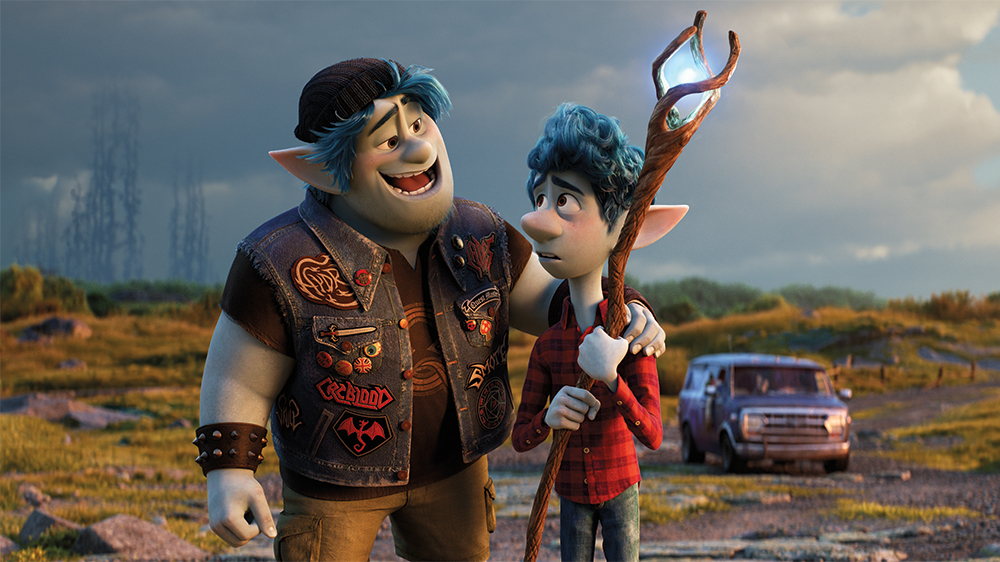
Pixar’s other animated cinematic offering for 2020 was an uplifting and fun adventure that took place in a world where mythical and magical beings and creatures exist today. In the film, two elf brothers set out on a road trip across the country to temporarily resurrect their deceased father. As with most Pixar films, the characters and their emotions took center stage as the two realized their brotherly love for one another. 

9. The New Mutants

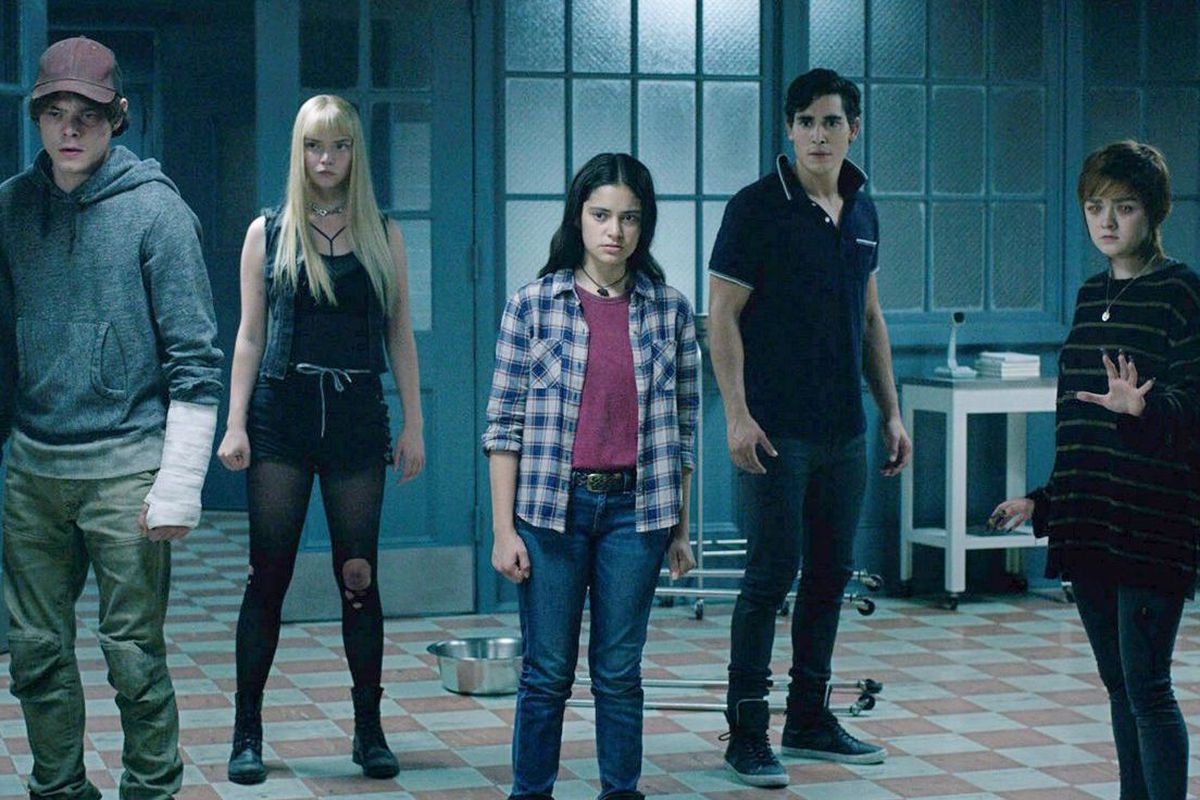
The sole Marvel film of 2020 turned out to be the coda of the Fox X-Men films, which was a surprise given it has been delayed so many times. Fortunately, The New Mutants turned out to be a decent superhero film about teenagers coming to grips with their superpowers and life as the film was tinged with chilling horror elements.

alone at the midnight sky

8. The Midnight Sky

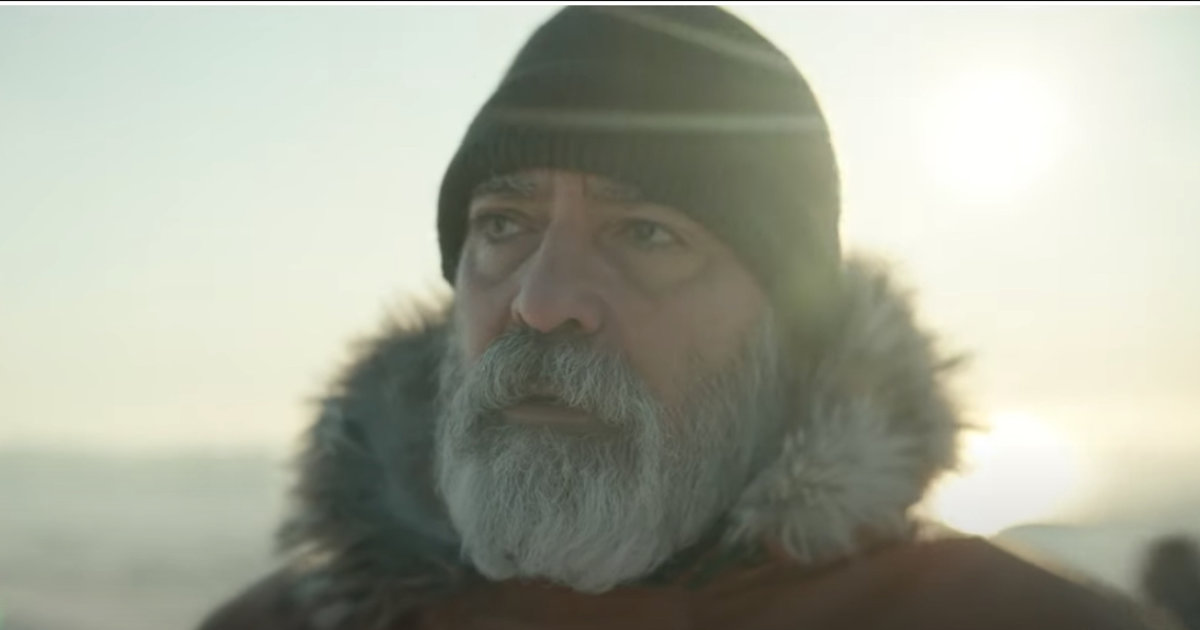
George Clooney directed and starred in this introspective sci-fi film based on a book by Lily Brooks-Dalton. Clooney played a lone scientist in an arctic outpost who tries to warn the crew of a returning spacecraft not to come to Earth because it has undergone an extinction-level event. The film was a quiet and captivating character study of the scientist and the spacecraft crew as they struggled to survive in their hostile environments.

7. Underwater

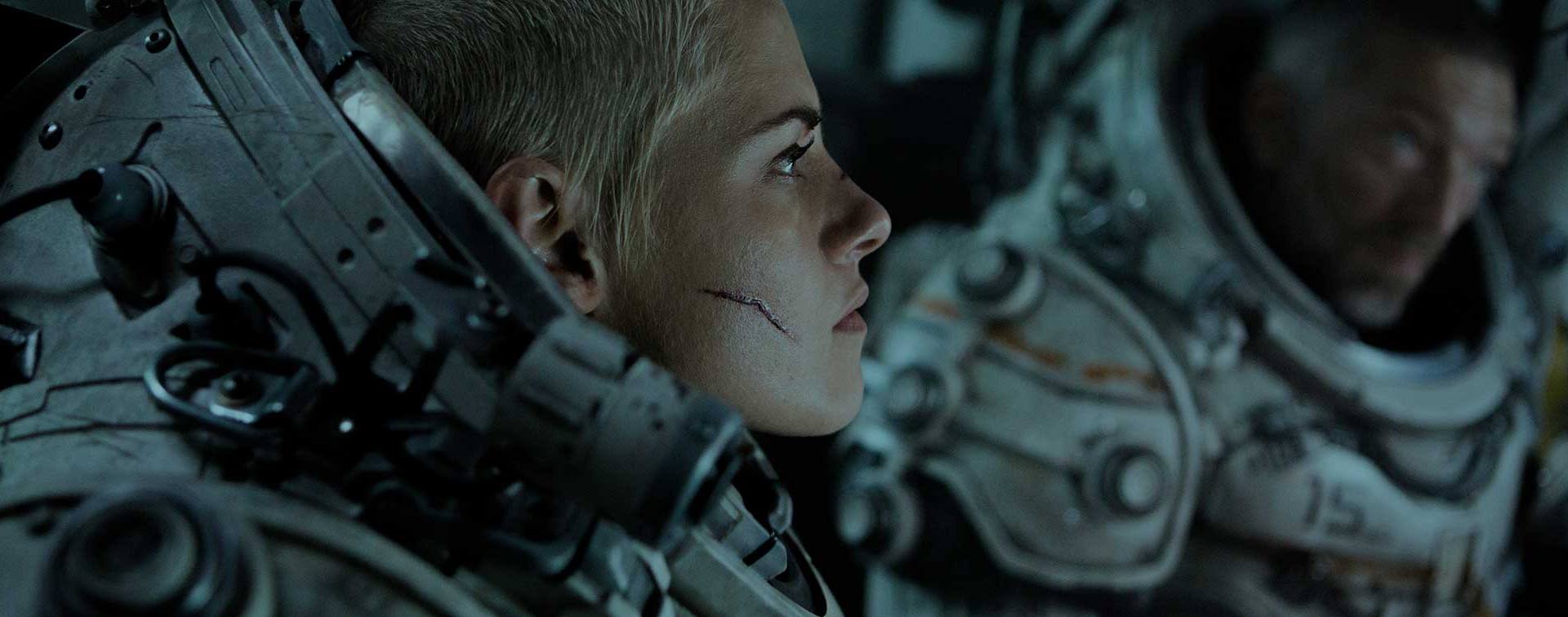
Director William Eubanks is perhaps the most underrated director of sci-fi films today and his latest film continued to demonstrate this. Underwater may be filled with the usual tropes of a crew in an underwater research station being hunted by unknown, Lovecraftian creatures, but it was well crafted, claustrophobic and had the right amount of jump scares and unexpected character studies which elevated this film. 

6. Greenland

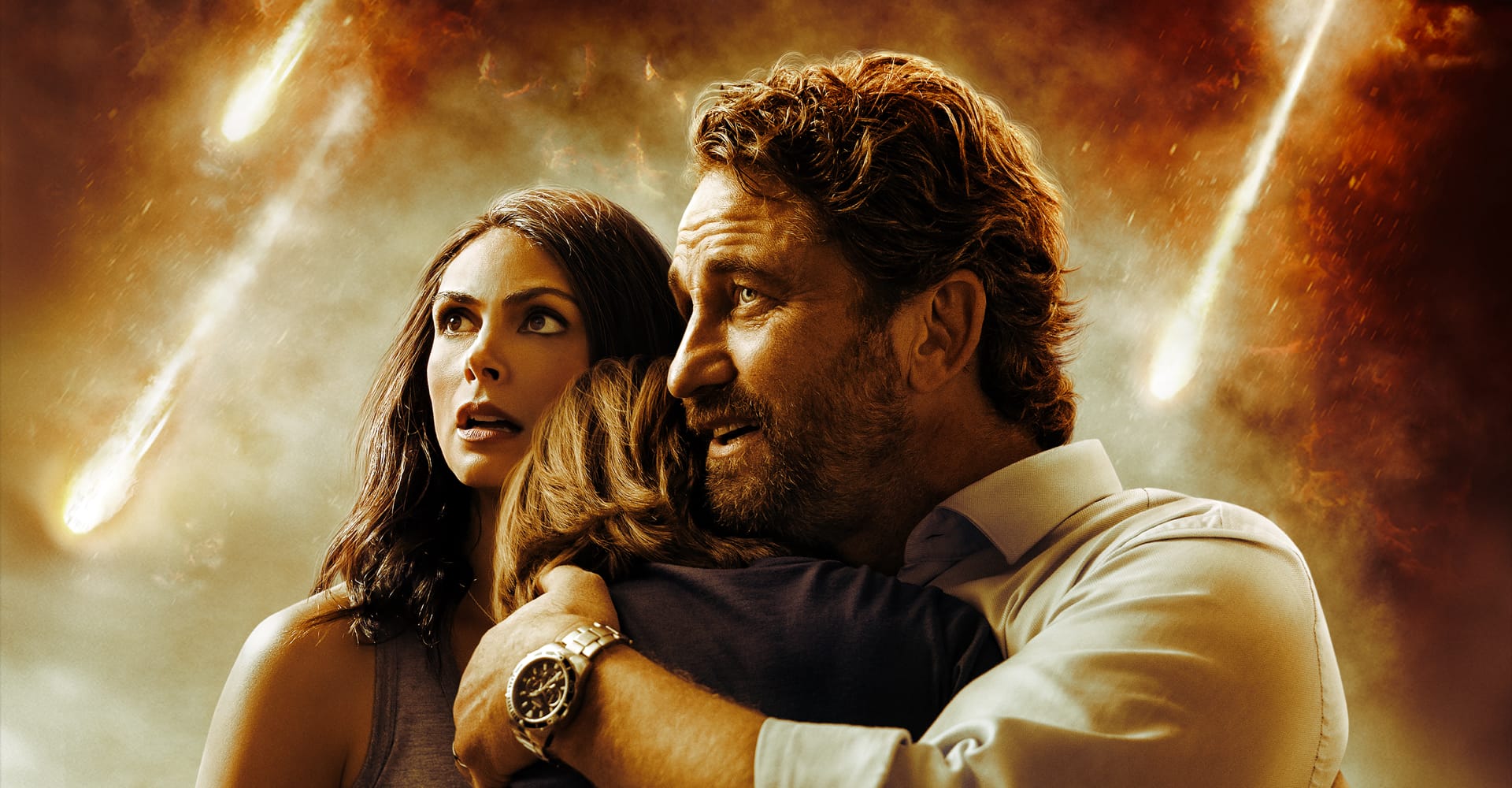
Gerard Butler starred in a surprisingly effective disaster film that smartly focused on a single family when cometary fragments crashed into the Earth. By staying with the family as they tried to make their way to safety, Greenland was able to directly show how the catastrophic event affected the family as they grappled with fear, uncertainty and confusion. 

5. Sonic the Hedgehog

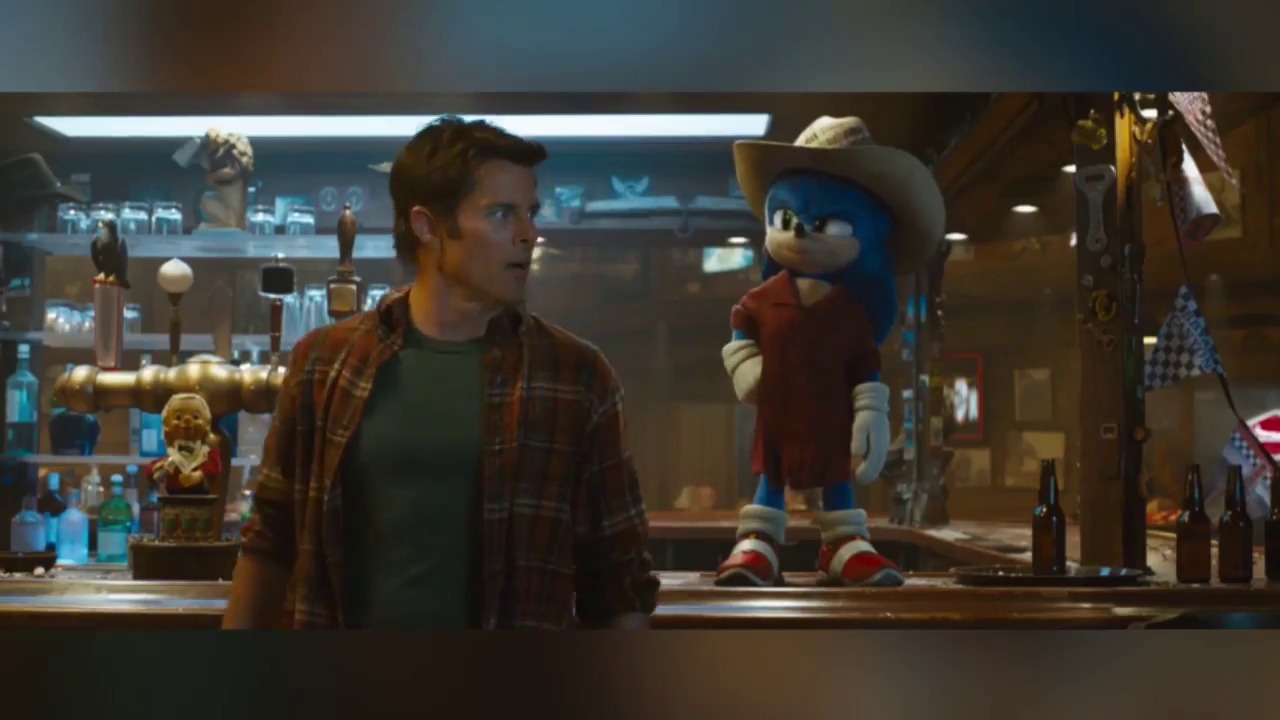
Who would have thought that 2020 would have given us a winning film based on a popular video game character? It is more remarkable given the negative reaction to the first trailer which led to Sonic being radically re-designed more to fans’ liking. The effort paid off as Sonic the Hedgehog was a fun and endearing road trip/buddy film that delighted many viewers and not just fans. The road trip/buddy aspect of the film may be familiar but it worked as Sonic, the cartoonish alien, experiences life on Earth for the first time. 

4. #Alive

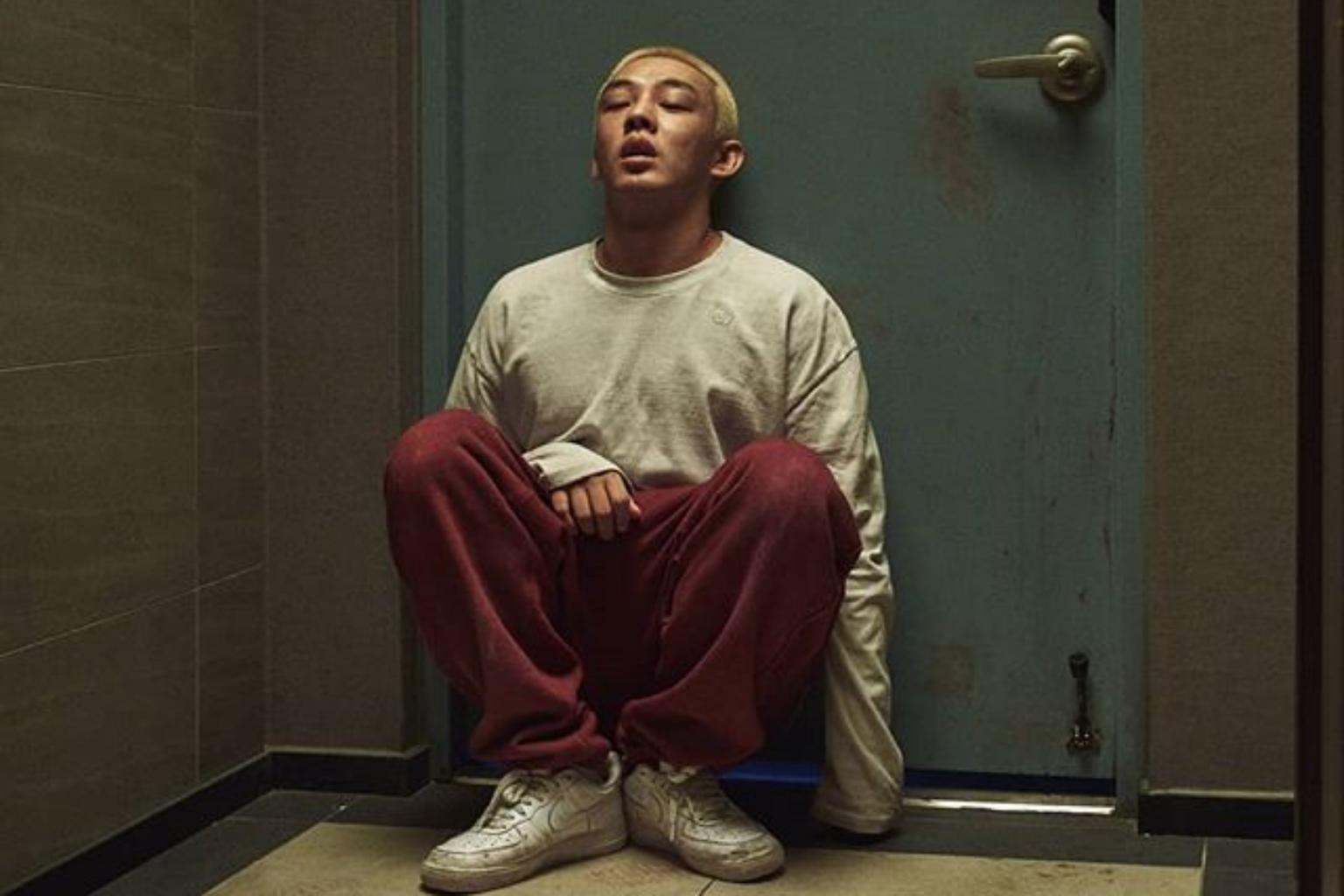
This South Korean film took a tired zombie/survival trope and reinvigorated it. In the film a young adult gamer is trapped in his apartment during a zombie apocalypse and as he undergoes bouts of loneliness and struggles to keep his sanity, he learns about survival and finding one’s inner strength. This character study made the film very engaging as we found ourselves rooting for the young gamer.


3. Color Out of Space

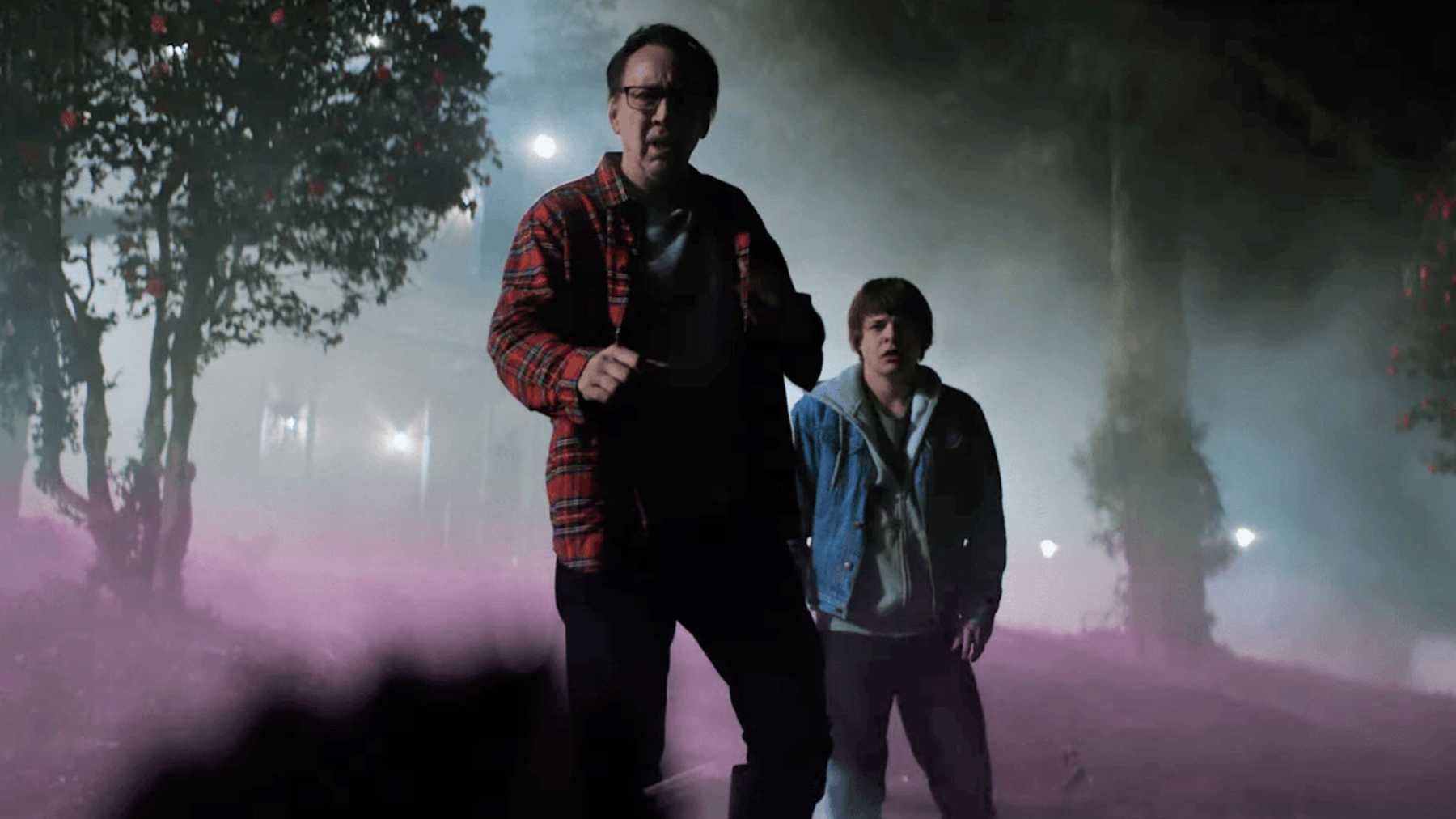
Nicolas Cage was in rare form in this macabre adaptation of the H.P. Lovecraft short story. This horror/sci-fi yarn was quite unsettling in its first half which told the story of a crashed meteor’s unearthly physical effect in a nearby farm. By the second half, Color Out of Space metamorphized into a vivid and disturbing body-horror ordeal that was literally mind bending and shattering as the meteor’s alien influence transformed all life surrounding it, including the hapless farmer and his family. 

love and monsters dog

2. Love and Monsters

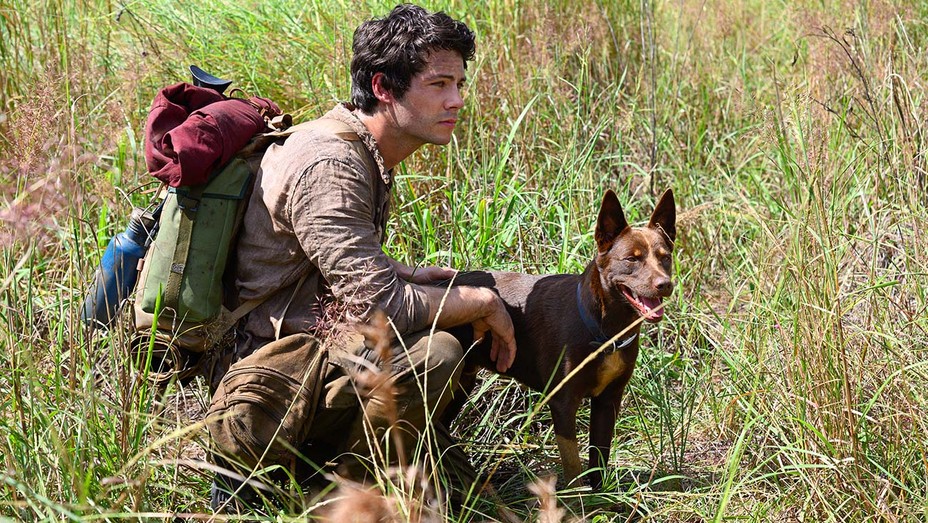
This exciting and more light-hearted post-apocalyptic film was a actually a coming-of-age story about a young man who learned to believe in himself as he set out across the ruined landscape of the U.S. to find his supposed true love. Sometimes it is compared to Zombieland, though that is not entirely accurate. In truth, Love and Monsters focused less on laughs and more on its endearing characters and imaginative, giant mutated animals that the film’s hero and his companion dog had to face during his difficult journey.

1. Soul

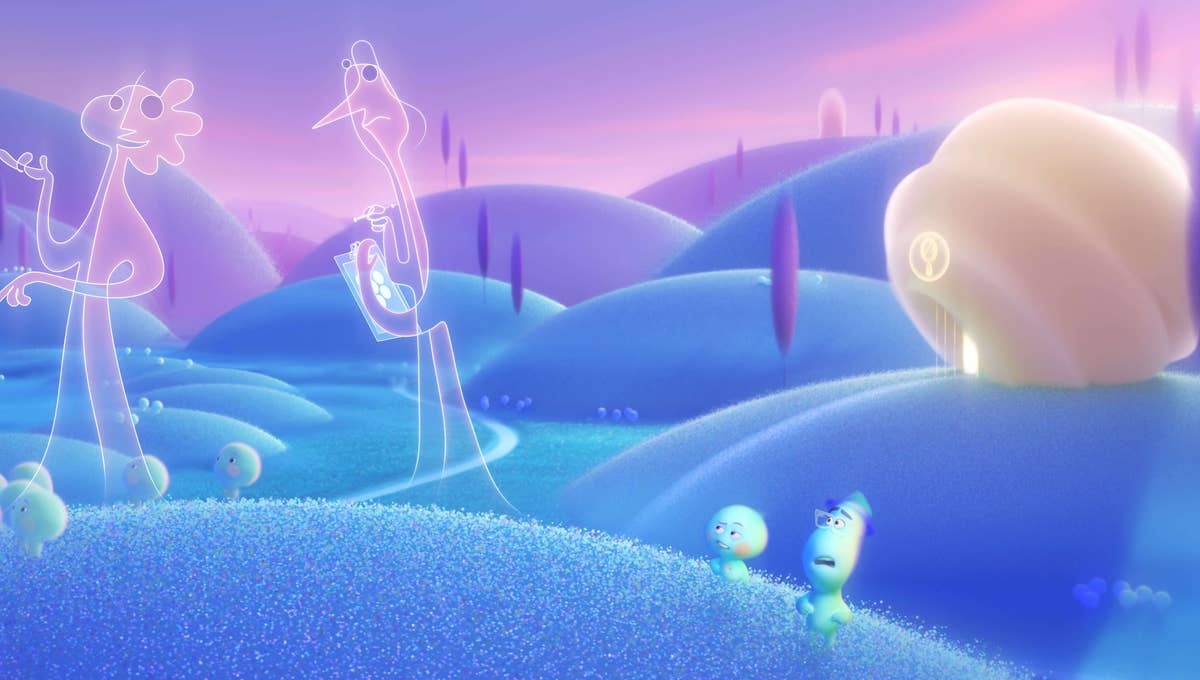
Two big films were released on streaming platforms (and had very limited theatrical releases), even though one of them (Wonder Woman 1984) had much more buzz and attention, Soul was not only the better of the two films but the best film of the year. The underlying themes may go over the heads of the younger viewers, though they and everyone else will be delighted by the film’s plot of Joe Gardner (Jamie Foxx), as a struggling musician who dies and refuses to go to heaven. From there, he sets off on a spiritual and metaphysical quest to return to life filled with solid characters and relationships. 

Not only is Soul perfectly animated and chock full of visual delights, but like the best of Pixar, it examines the larger questions in life and its script is unexpected. At its heart, Soul is about…life and what one makes of it. However, it also forces the viewer to contemplate and appreciate the simpler and most relevant aspects of life, and in this tumultous year, this may be the most important message of all. 

Honorable Mentions:

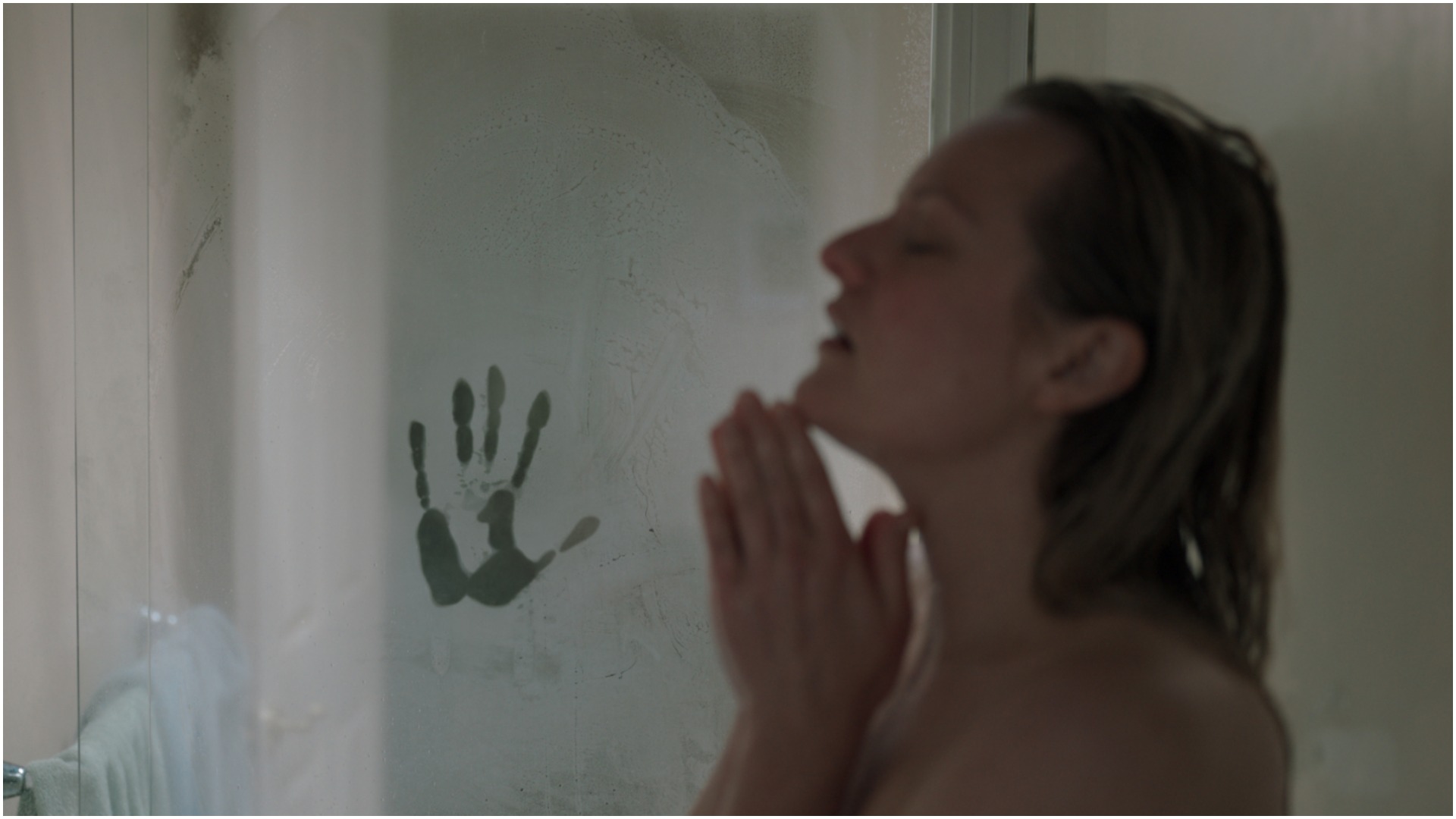
Bill & Ted Face the Music, Birds of Prey (and the Fantabulous Emancipation of One Harley Quinn), The Invisible Man, Peninsula, Possessor, Vivarium

Continue reading

Marvel (MCU) & Star Wars Have A Bright Future At Disney

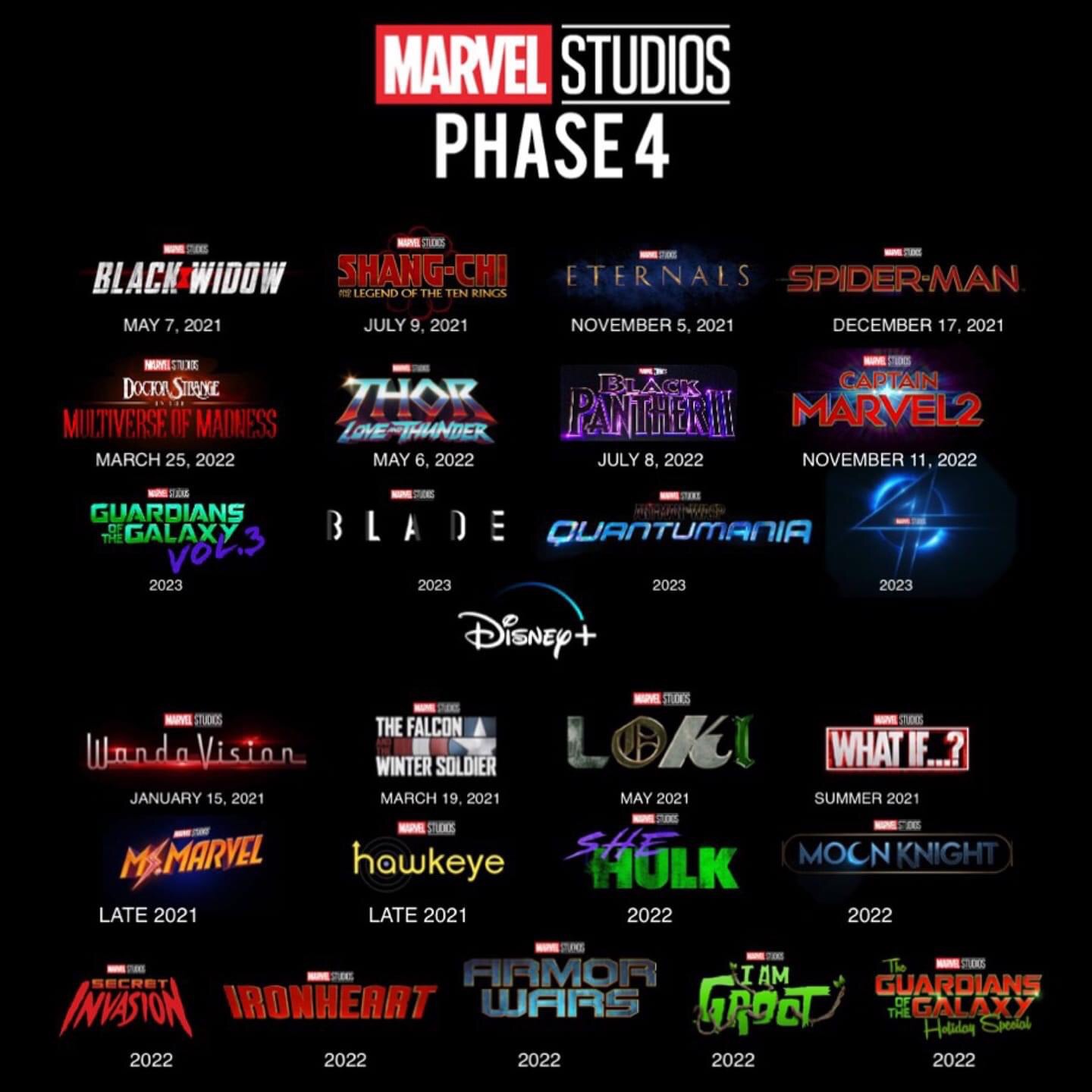
By now, everyone reading this must have heard of the Disney 2020 Investor Day announcements on Decelber 10, which left us geeks and nerds salivating and tickled pink with excitement over what Disney has planned with our favorite IPs in their Disney+ streaming platform and theatrically. That last point alone is enough to hearten us since Disney more or less declared that the theatrical viewing experience will not die out. The best example of their commitment came when presenter and Marvel Studios head, Kevin Fiege, affirmed that the long-delayed Black Widow film will debut in theaters next May. This squashed any rumors that the film would premiere first on Disney+ and marks a return of the Marvel Cinematic Universe (MCU).

MCU Phase 4

Marvelous News

Kevin Feige gave perhaps the most anticipated presentation since we’ve all been suffering from MCU withdrawal this year. Fortunately the wait will soon end as WandaVision will finally stream next month on Disney+ and the new trailer shown on Disney 2020 Investor Day was just as bizarre and trippy as the previous trailers. WandaVision looks like it will be a pivotal anchor in the MCU going forward and is rumored to be the first of a multiverse-connecting trilogy that will be further explored in the next Spider-Man film before concluding with Doctor Strange in the Multiverse of Madness. It was confirmed that the Doctor Strange sequel will feature America Chavez.

By the way, very little information was given about the new Spider-Man, probably because it’s a Sony film, but the non-stop reports about cast members from all the previous Spider-Man  films coming back just leaves us very ecstatic.

Other highlights from Feige’s presentation were the news that the She-Hulk TV show will star Orphan Black’s Tatiana Maslany, have appearances by Mark Ruffalo as Bruce Banner, and Tim Roth will return as the Abomination; two mini-series about the Secret Invasion and Armor Wars comic book events will stream on Disney+; the third Ant-Man film (Ant-Man and the Wasp: Quantumania) will feature Kang the Conqueror as the villain; Christian Bale will play Gorr the God Butcher in Thor: Love and Thunder; and from the footage shown the best were the previews of the new Loki series which will deal with the Time Variance Authority, the animated What If…, and the tantalizing behind-the-scenes footage of Ms. Marvel, who will also appear in Captain Marvel 2. Perhaps the most exciting news was the confirmation that Marvel Studios will produce a proper Fantastic Four film to be directed by Jon Watts, who directed the MCU Spider-Man films. Finally, a chance to do the Fab Four correct! Hopefully Spidey can make an appearance in that film!

Aside from Black Widow it is at this point too early to go into the release dates announced by Feige because we all know the schedule can change. But it is exciting and comforting to know that Marvel Studios is plowing full-steam ahead with their productions and 2021 will mark the Great MCU Comeback. Continue reading

The Pixar Films Ranked

Now that Incredibles 2 has been released, Pixar AnimationStudios has twenty full-length films in its library. This is a good number to rank the Pixar films. Bear in mind that these animated films are among the best films ever made and even those that rank at the bottom have their moments. Be sure to comment below on how you would rank the Pixar films, which are universally considered the gold standard with animated films these days.

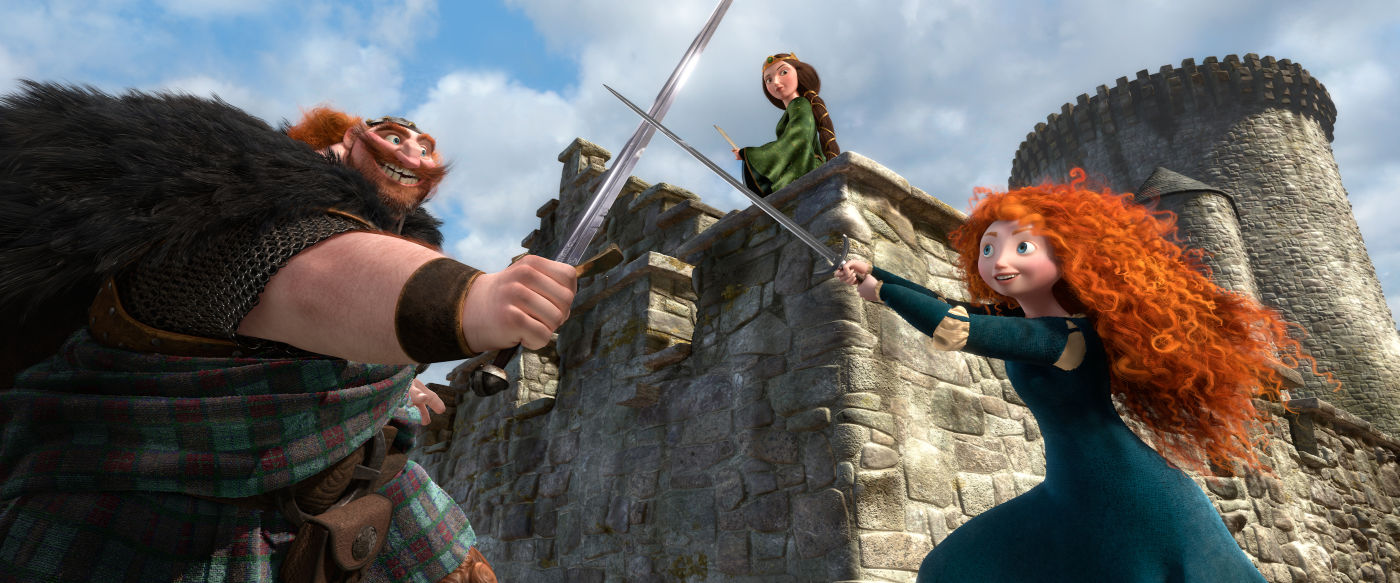
20. Brave

It was neck and neck between this and Cars 2 for the bottom spot.  What made Brave earn this spot was that ultimately the story was dull and came off as a generic Disney princess-proves-herself yarn we’ve seen too often. The hair animation was nice, though.

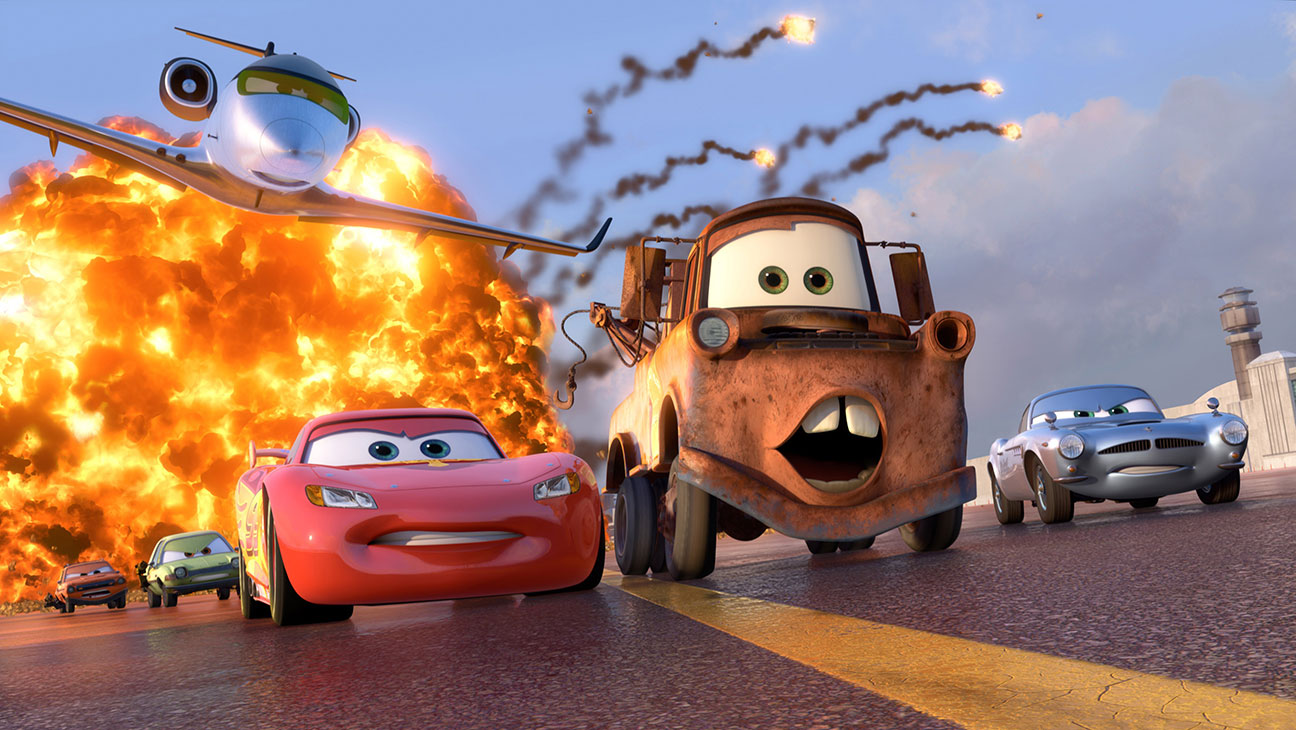
19. Cars 2

This is possibly the most unwanted sequel in Pixar’s history. The only thing going for the first sequel to Cars is its above-average animation, but the story about ‘Mater caught up in a spy caper is strictly aimed at kids who won’t know any better.

18. Cars 3

The third film in the Cars trilogy has some good moments about making comebacks and passing the torch for the next generation. Although the animation is up to Pixar’s loftiest standards, Cars 3 cannot shake the stigma of being an unwanted sequel to one of Pixar’s lesser efforts.

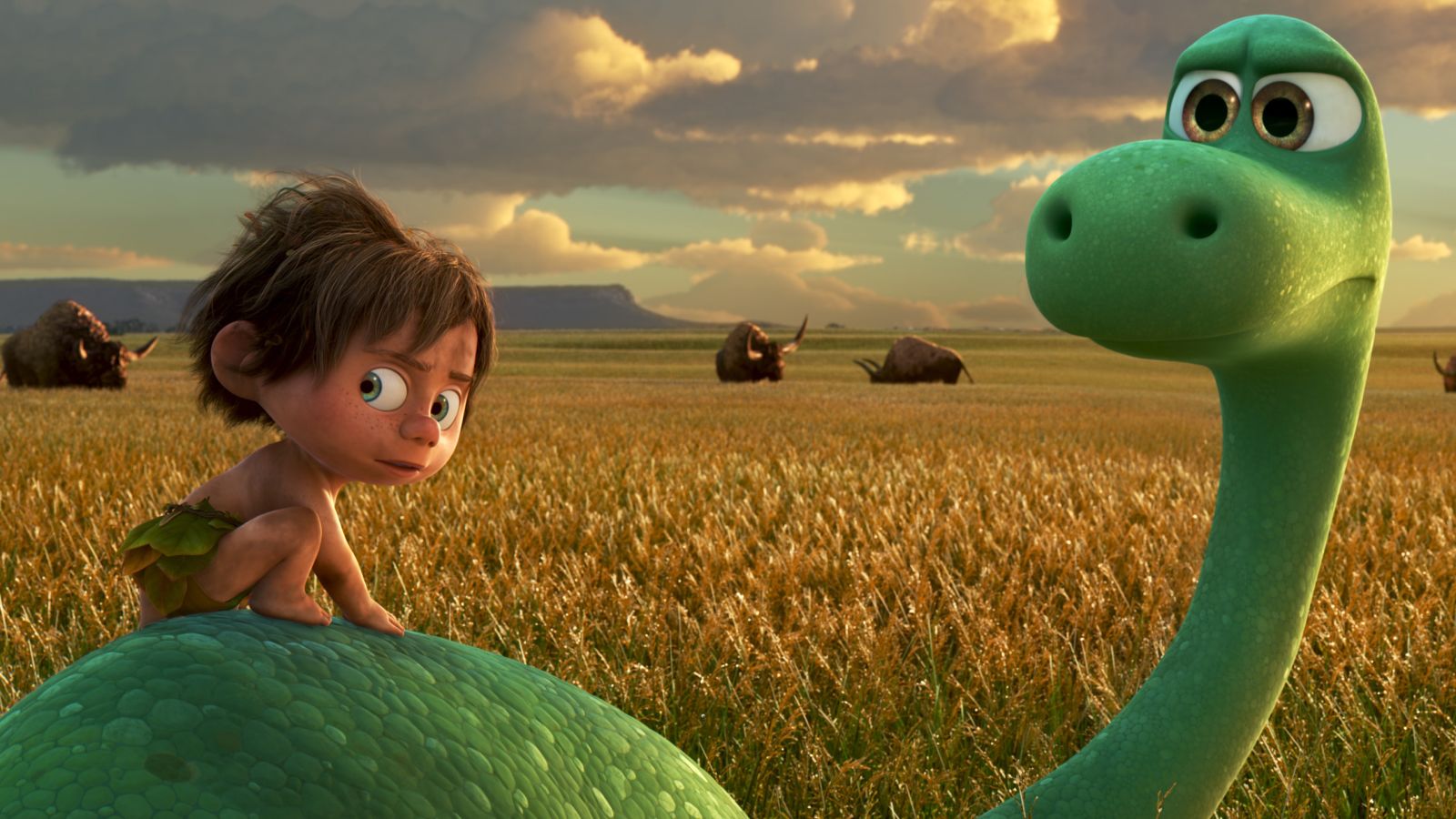
17. The Good Dinosaur

It seems as if Disney (and Pixar) has a hard time coming up with a memorable dinosaur film. How hard can it be? This film about a dinosaur and his pet human boy was interesting to watch but it lacked the special Pixar touch. What’s worse is that there isn’t anything remarkable about this film.

16. Cars

This can be considered Pixar’s first misfire, but that is unfair. Cars is not a bad movie, it’s just that it didn’t knock it out of the park as previous Pixar films have done. It’s an enjoyable film though its underwhelming plot about a hotshot racecar finding himself in a backwater town was lifted straight from Doc Hollywood.

15. Monsters University

The prequel to Monsters, Inc. (and the first Pixar prequel ever done) presents the unasked for tale of how the leads Mike and Sully first met as college roommates. It’s a fun watch, and much of the humor was aimed at children, but its message about accepting your limitations in life came off as a downer.

13. Finding Dory

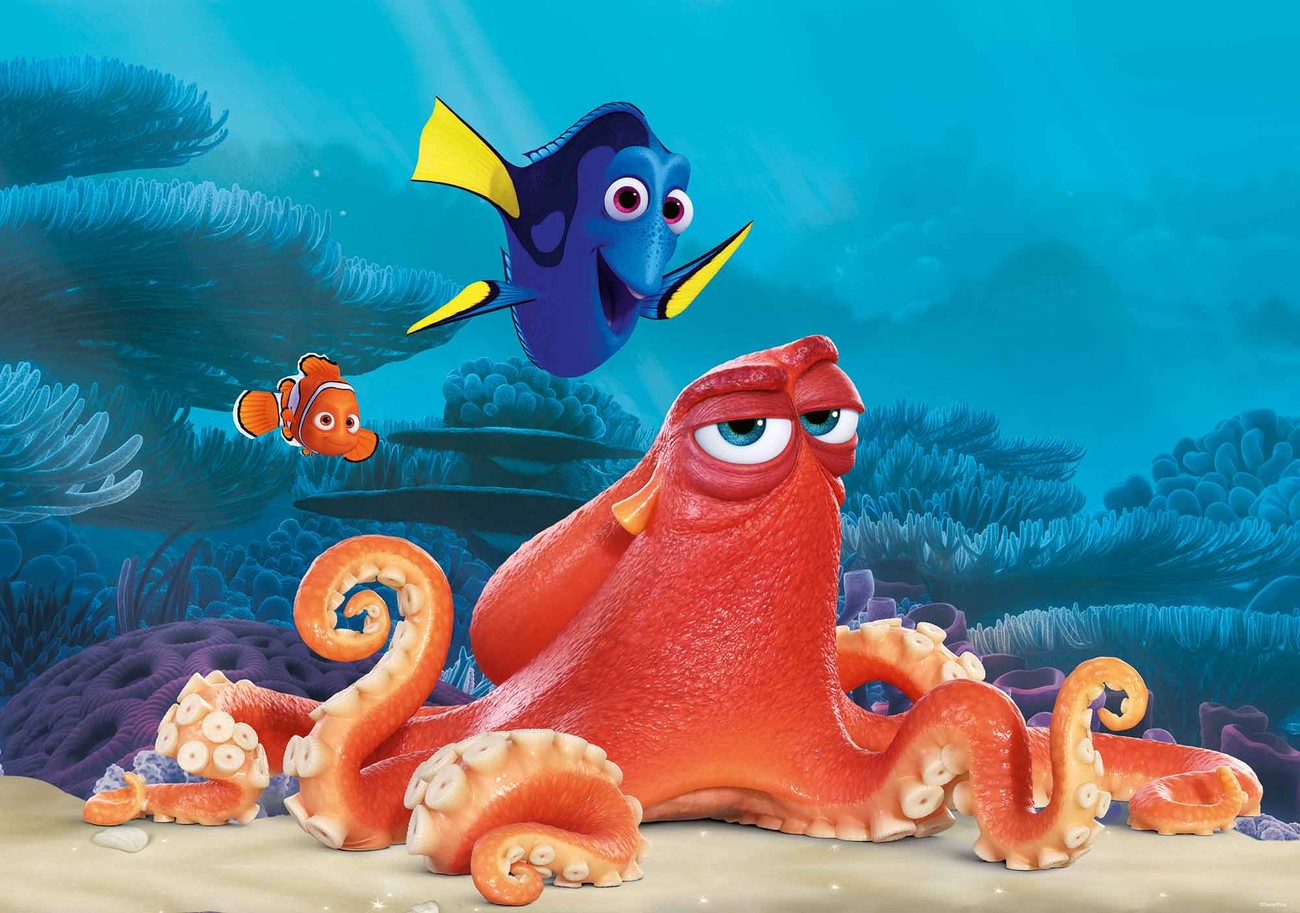
The sequel to Finding Nemo is a worthy followup that further explores the enchanting underwater world and the popular characters from the first film. We also meet great new characters, and overall it’s a fun film with some tender moments, though its message about animal captivity is a bit too-on-the-nose.

13. Monsters, Inc.

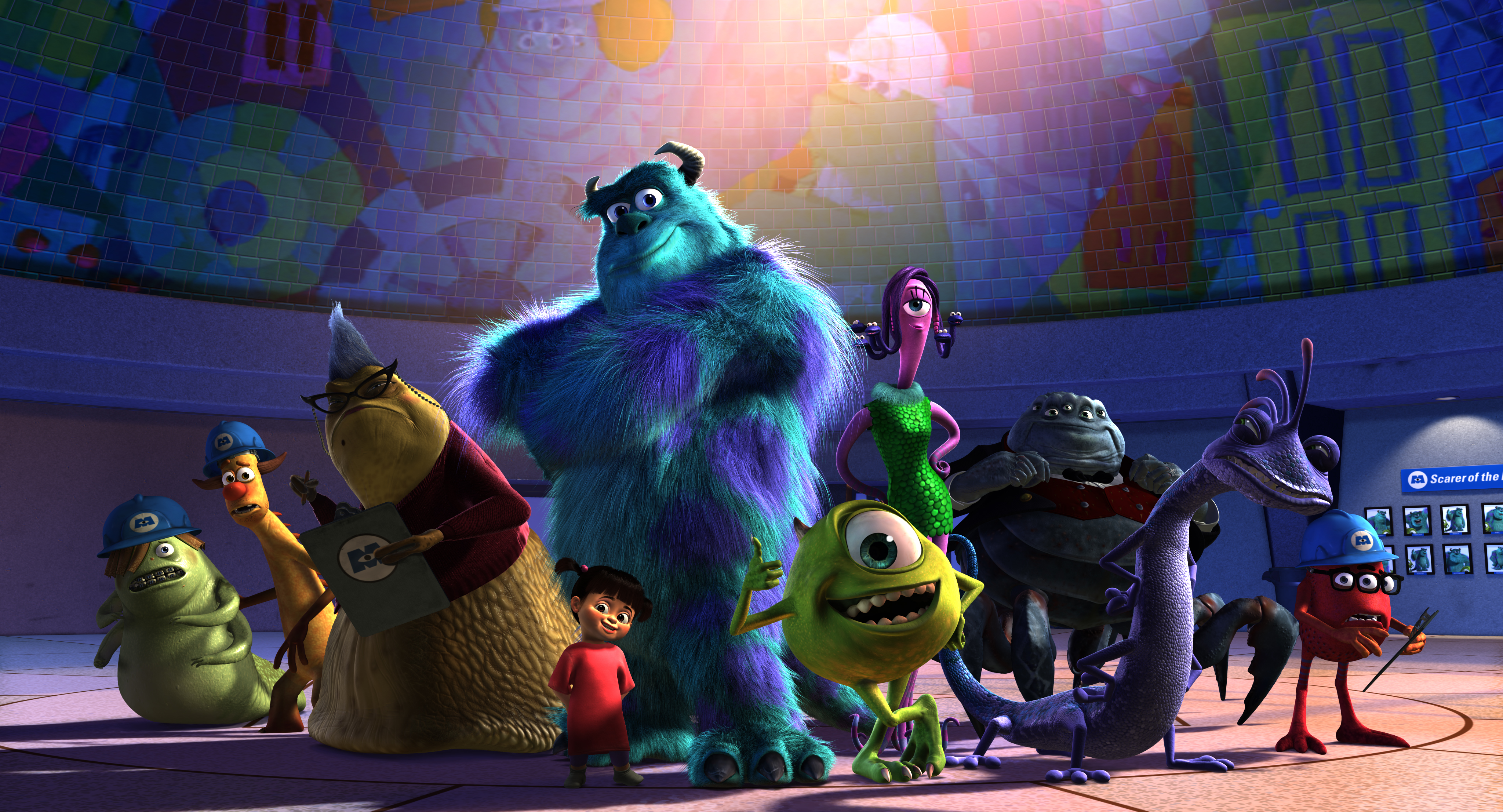
The fourth Pixar film introduced a fascinating world of monsters that was quite hysterical at times. The highlights of the film were the voice acting by John Goodman and Billy Crystal who had great chemistry and timing. The relationship between Sully and the human girl “Boo” was simply adorable and would melt any cynic’s heart.

12. A Bug’s Life

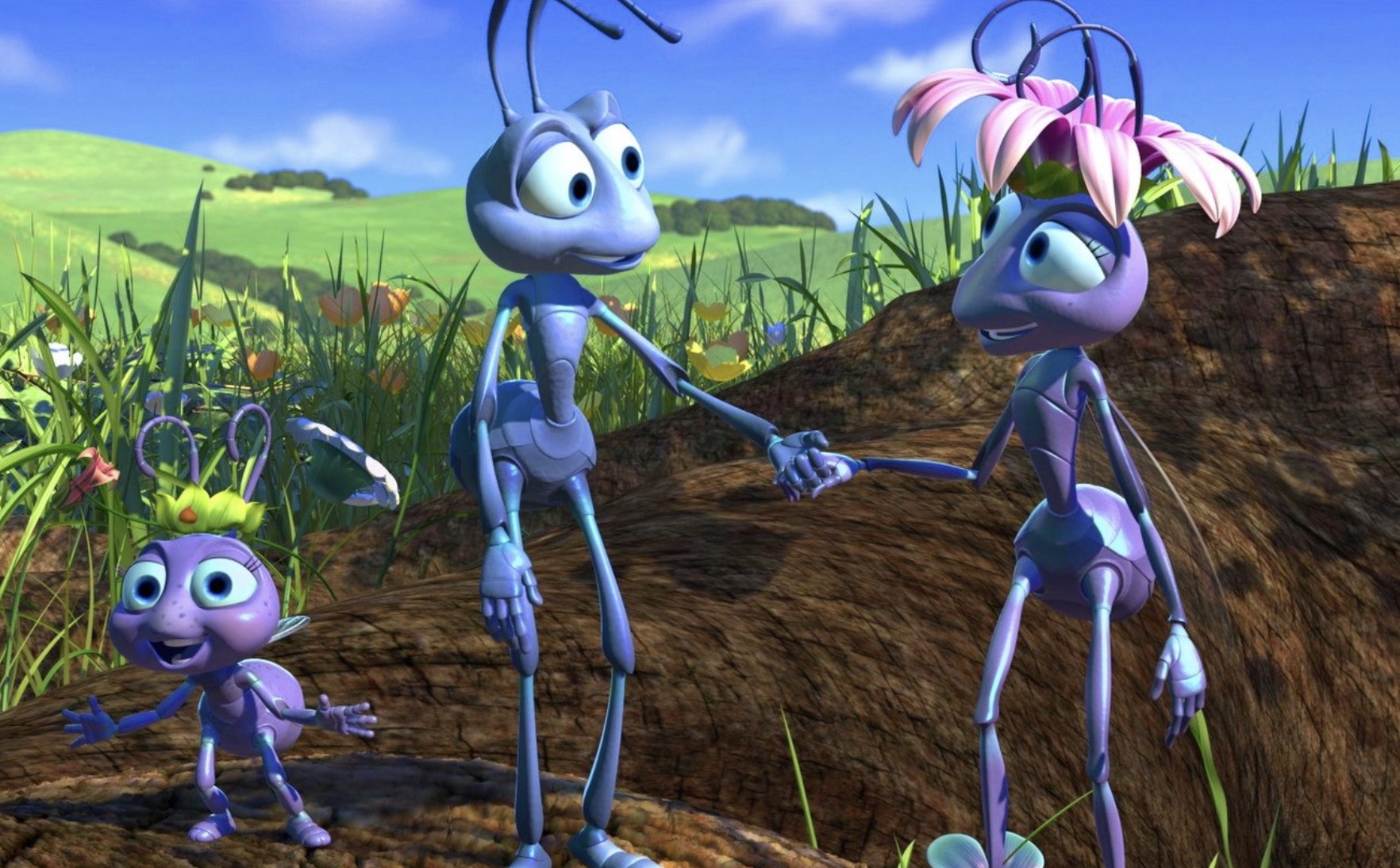
The sophomore effort from Pixar kind of got lost among all of Pixar’s other offerings. This is because the animation is a bit rough by today’s standards and other films better captured fans’ hearts. Still, A Bug’s Life is a splendid tribute to Seven Samurai (or The Magnificent Seven) with a great score.

11. Ratatouille

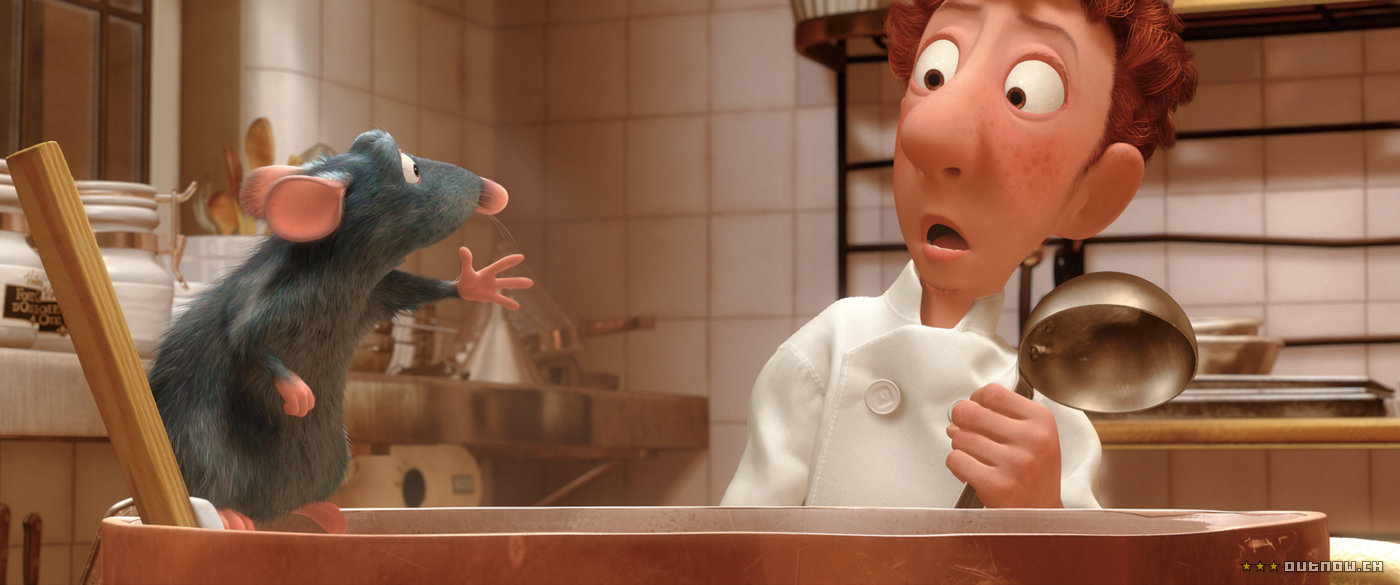
This animated film stood out from the others with its ode to the art of cooking. It’s an unusual tale about a rat that wants to become a great chef which may not resonate as well as other Pixar films. But it’s beautifully animated and the themes about perception and artistry are well executed.

Continue reading