For All Mankind Looks Ahead By Going To The Past

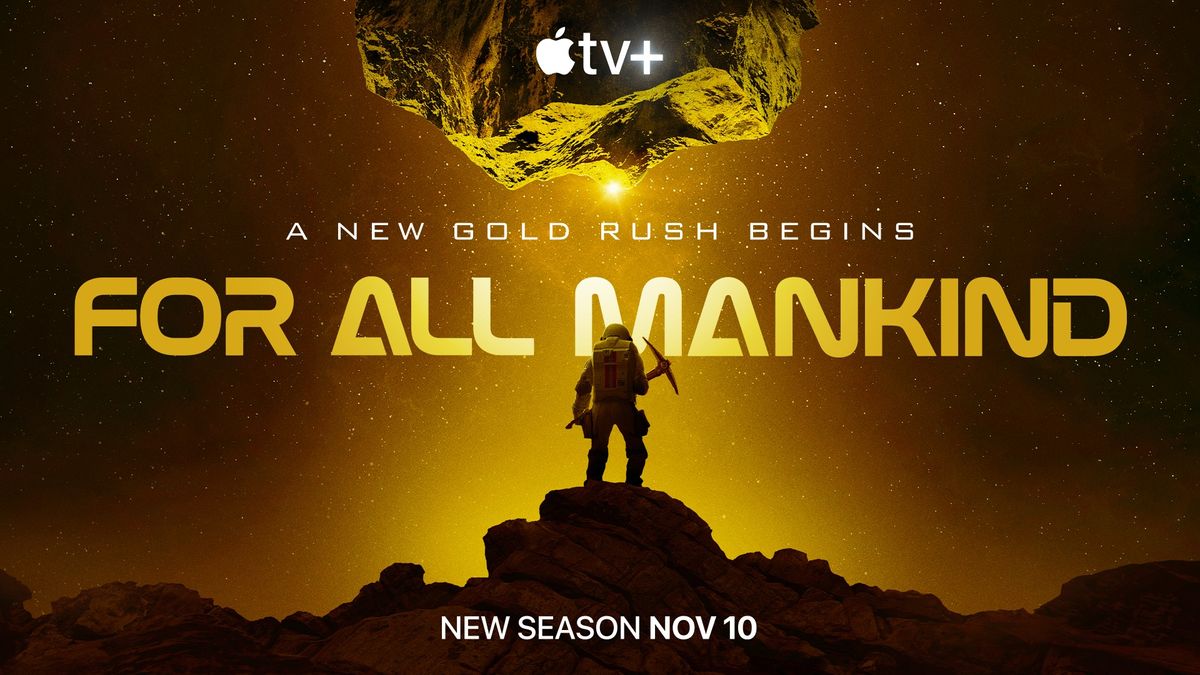
The fourth season of the alternate history TV series, For All Mankind, just concluded with a typical speculative flourish that defines the program.

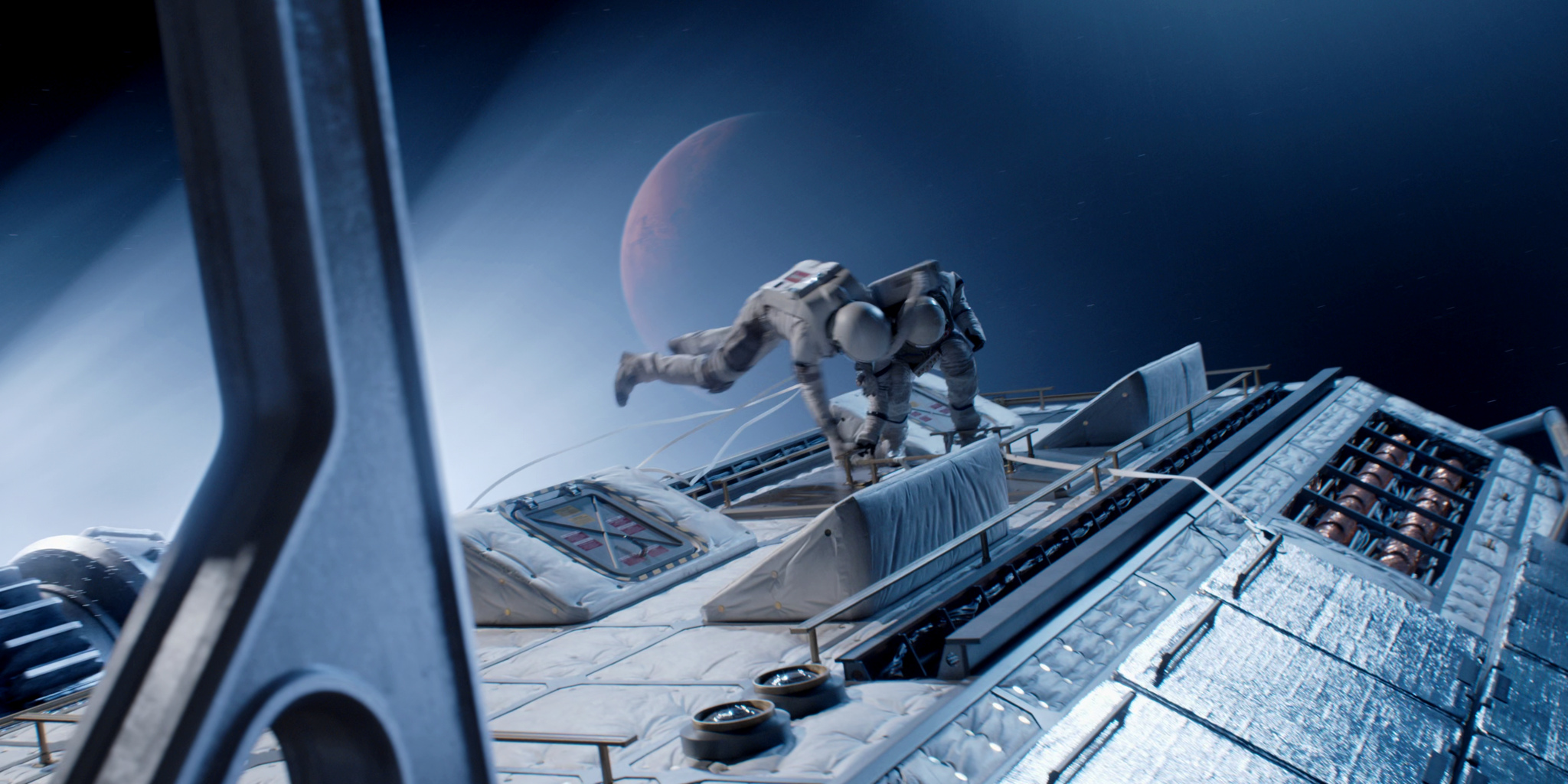
Streaming on Apple TV +, For All Mankind was co-created by Ronald D. Moore and explores a reality where the Soviets reached the moon before the United States could. Instead of stagnating as in our reality, in this alternate world, the United States is inspired to keep pushing the boundaries in space exploration. In each subsequent season, the series jumps ahead roughly every decade and we see how much of an impact the Soviet moon landing has in the world. A lunar station is established in the 1970s, which further fuels the space race between the world powers of the Soviet Union and the United States. Naturally, this also fuels the Cold War which now extended into outer space as seen in season two when the two world powers nearly went to war on the moon during the 1980s.

By the third season, tensions cooled between the two powers in the 1990s. A new space race to reach Mars and the struggles of those who reached the red planet were the focus of the third season. This brings us to the fourth season which just concluded. Taking place in the early 2000s, the fourth season of For All Mankind presents a world where Al Gore is the U.S. president, the Soviet Union continues to exist, John Lennon is still alive and there are only three Star Trek TV shows (!), but as with the previous seasons, the TV show focuses on several characters affected by the alternate space race.

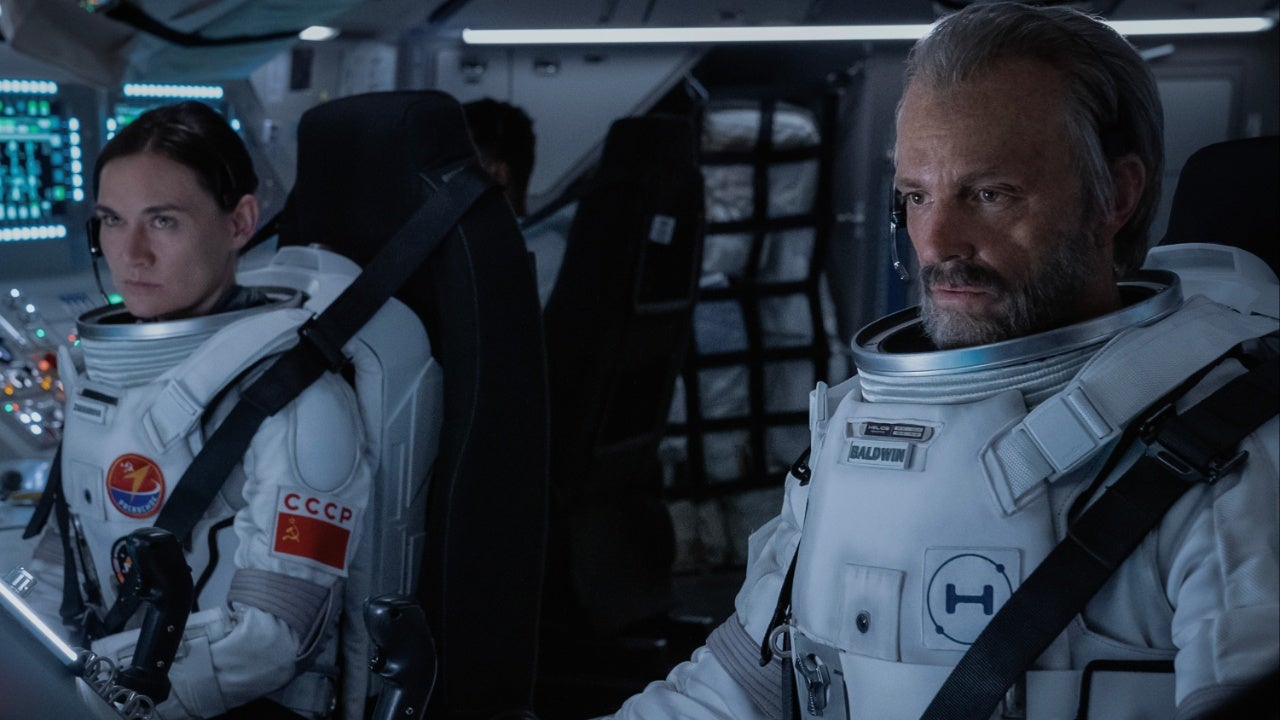
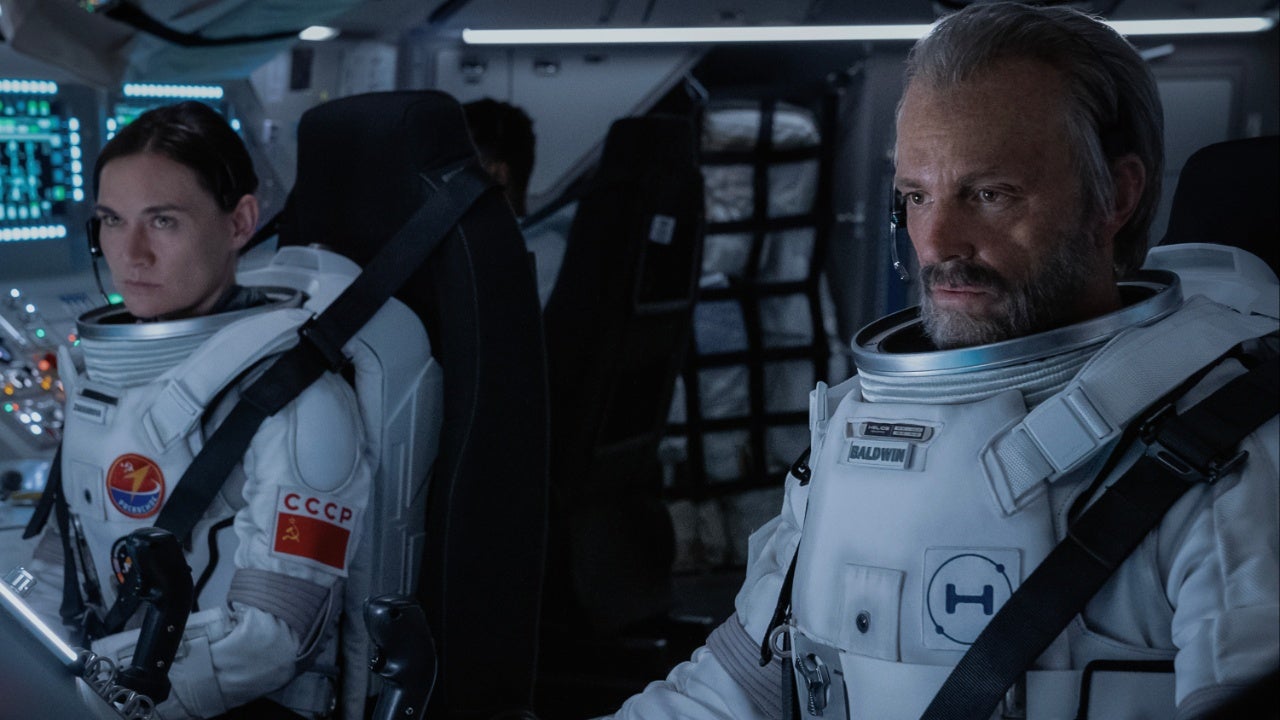
The heart of For All Mankind is the aging astronaut Ed Baldwin (Joel Kinnaman). In the first season, Baldwin had the opportunity to land on the moon on Apollo 10 before the Soviets, but never took it, much to his regret as Alexei Leonov landed on the moon shortly after Baldwin’s mission. Baldwin winds up involved in crititcal points in NASA’s space exploratory efforts such as being commander of the Jamestown lunar station, helping to defuse tensions with the Soviets in the second season during a space shuttle flight, and as the commander of the commercial mission to land on Mars and establish a colony there in the third and fourth season. Despite his many achievements, Baldwin struggles to find meaning in his life, to adapt to a quickly changing world and he does not even want to return to Earth after spending many years on Mars. By the fourth season, Baldwin is facing his twilight years and determined to make a difference. He does this by latching onto the quest to keep the human Martian colony from withering out.

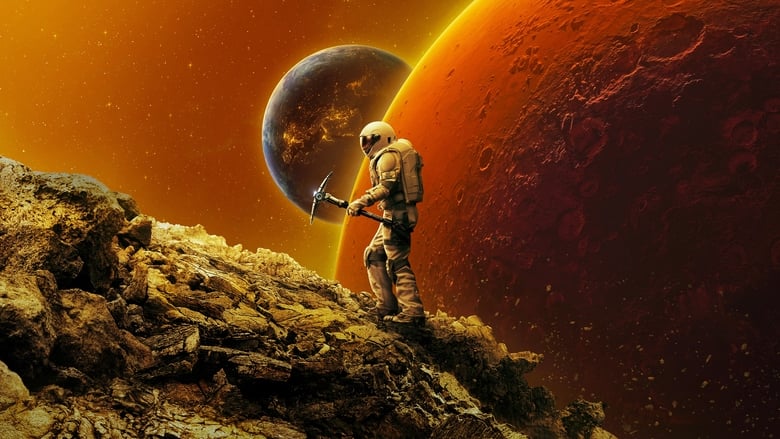
In the fourth season, a large asteroid, called Goldilocks, is discovered drifting towards Mars that is rich in iridium. After a lot of deliberation, the M-7, a conglomeration of seven world powers, including the U.S. and the Soviets, decided to have the asteroid diverted into Earth orbit for immediate rewards and riches. Dev Ayesa (Edi Gathegi), an Elon Musk-type and owner of the corporation Helios Aerospace, has a vision of humanity expanding into the solar system and beyond. He realizes that if the Goldilocks asteroid is diverted to Earth that any interest in developing Mars and exploring space will wither and die as the world powers will be busy enriching themselves with the asteroid in Earth orbit. He comes up with a plan to essentially hijack the asteroid and have it orbit Mars instead in order to force Earth to keep investing in the red planet.

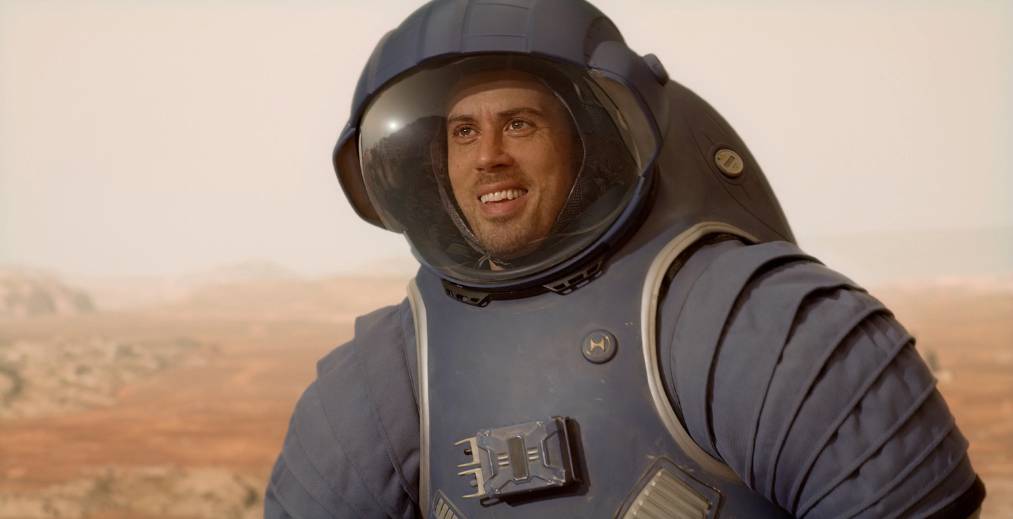
As this is going on, there is a labor struggle in the Martian colony best represented by Miles Dale (Tobey Kebbel), a former oil platform worker turned Martian laborer. In the reality of the TV show, fossil fuels have been phased out of use in the world as new energy technologies made them obsolete. While this may be great for the environment, many workers in the fossil fuel field had to find new means of employment. Dale relocated to Mars for a new opportunity, but the realities and frugality of Helios forced him to run a black market operation in the colony. Underlining these labor struggles is the fact that many of the laborers including Baldwin see Mars as their home not Earth, which means this could be the beginning of Mars eventually becoming an independent world.

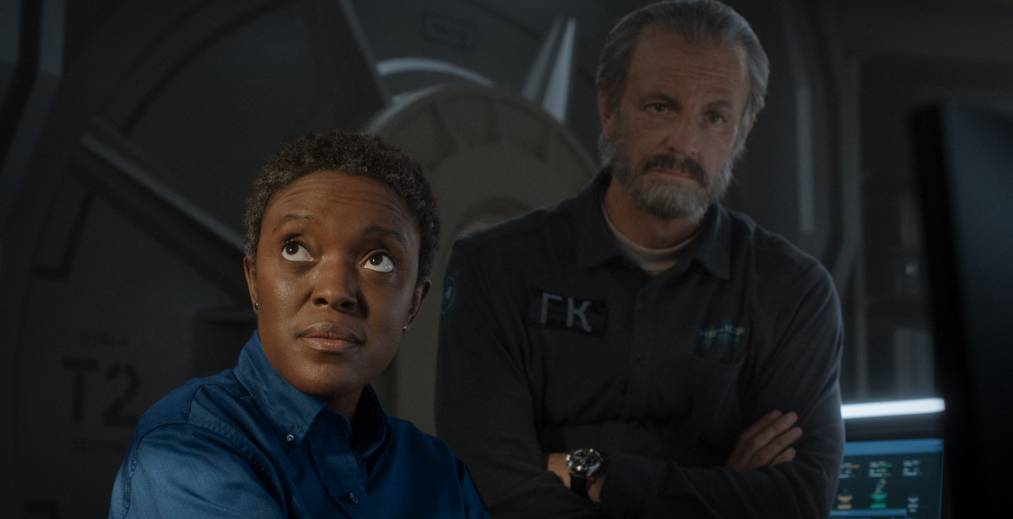
Trying to keep the Martian colony running smoothly is Commander Danielle Poole (Krys Marshall), a Black woman who was one of the first woman astronauts for NASA in the 1970s. As Baldwin is the rebellious heart of For All Mankind, Poole is the soul of the show as we see from her POV how radically different this reality is from our own since women and people of color were able to advance in society much more quickly compared to our own. Like Baldwin, Poole is very relatable but for different reasons. While Baldwin is a sympathetic relic struggling to fit into the new order, Poole is an empathic and level-headed, by-the-book leader who is the moral center of the show. As these situations go, Poole is brought out of retirement to command the Martian colony and becomes embroiled in the labor struggle that morphs into a revolution of sorts on Mars.

In the backdrop of the fomenting Martian revolution, we also follow the stories of several NASA personnel. The most interesting is Margo Madison (Wrenn Schmidt), the first woman to be mission controller of NASA. During the TV show she was forced to work for the Soviets and commit treason by providing them with the secrets of American space technology. In the just-concluded season, Margo, who was believed to have been killed in a domestic terrorist bombing, comes out of hiding from the Soviet Union and has to decide what she will do with her life and how she can contribute to humanity’s space efforts. Her situation brings her into conflict with her protogee, Aleida Rosales (Coral Peña), who also is a woman of prominence in NASA.

What makes For All Mankind so captivating to watch is how it balances interesting personal stories with wider geopolical developments in this world that is distinctly different than ours. We see the impact of how a Soviet moon landing further accelerates society and technology. It’s obvious that we have the capability to have advanced in space exploration but our society lacks the drive to take us there. It’s disheartening that while there is a thriving colony on Mars in the TV show, real-life efforts show how far behind we are. We cannot even manage to return to the moon as we learned recently when the Artemis mission was delayed, yet again.

In some ways, even though we see that this is not a perfect society, it seems to be a better world than our own. Many issues have been addressed much earlier in this timeline such as the struggles of people of color , women, and members of the LGBTQ+ community. Advances in techonolgy are casually noted such as the use of the Internet and cell phones which began in the 1980s, and the rapid development of alternatives to fossil fuels. On the other hand, this altered world has its own problems such as it seems as if socialism/communism has spread throughout the world thanks to the continued exitence of a despotic Soviet Union (in the fourth season of the TV show, Gorbachev was overthrown by hard-line communists). One simple but intriguing tool the TV show uses is that of the montage. At the start of each season, a montage quickly brings viewers up to date on developments of the world, such as the results of presidential elections and pop culture news.

These developments would be meaningless if For All Mankind never presented how these events affected its characters. We see the wonders and struggles of this altered world through their eyes and react accordingly. One of the show’s strengths is that is able to smoothly introduce new characters while moving away from older characters as the show jumps ahead in time. It’s unknown if Baldwin and some other older characters like Poole will continue to be a part of the series though it’s unlikely. In a flashforward tease shown in the season finale, we find ourselves in 2012 without any indication if Baldwin and the others are still alive or active. With regards to the fourth season, For All Mankind continued to soar with its look at a past that is more futuristic than our own. Many episodes and plot lines were fascinating and built up to an intense and cathartic season finale.

At this time, it is unknown if For All Mankind has been renewed for a fifth season, though it is one of the more popular TV shows on Apple TV +. Not only would it be great if we’re given a fifth season taking place in the 2010s but a sixth season that takes place in this decade and beyond. Who knows, maybe we’ll see the Jovian system being colonized or perhaps of the first steps to faster-than-light travel as humanity begins to contemplate traveling to other star systems. If all goes well Ronald D. Moore and his colleagues will be able to conclude this captivating look at an alternate world of true space exploration.

José Soto

Top Ten Most Anticipated Films & TV Shows of 2024

Despite the fact that there will be a noticeable lack of superhero-related films and TV shows in 2024 there will be plenty of genre fare for us to get excited about. With that, here is the list of the top ten most anticipated films and TV shows (both new series and returning favorites) coming out this year in 2024. Keep in mind, of course, that there will be many schedule changes as well as unexpected films or TV shows that could pop up without any notice that turn out to be great. Be sure to comment below on these picks or any others you may have.

Films

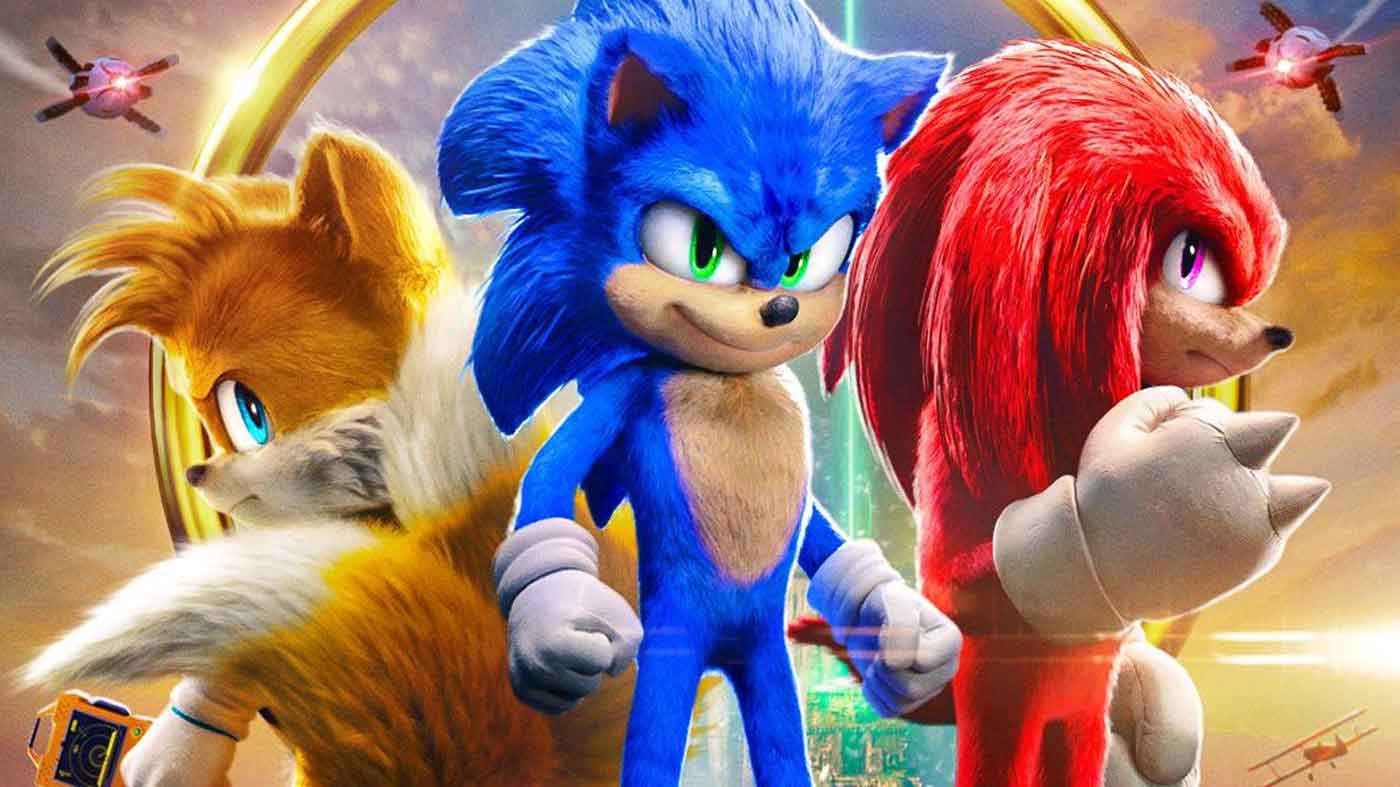
10. Sonic the Hedgehog 3

The previous two Sonic the Hedgehog films were much more fun and engaging than expected, so we should get more of the same.

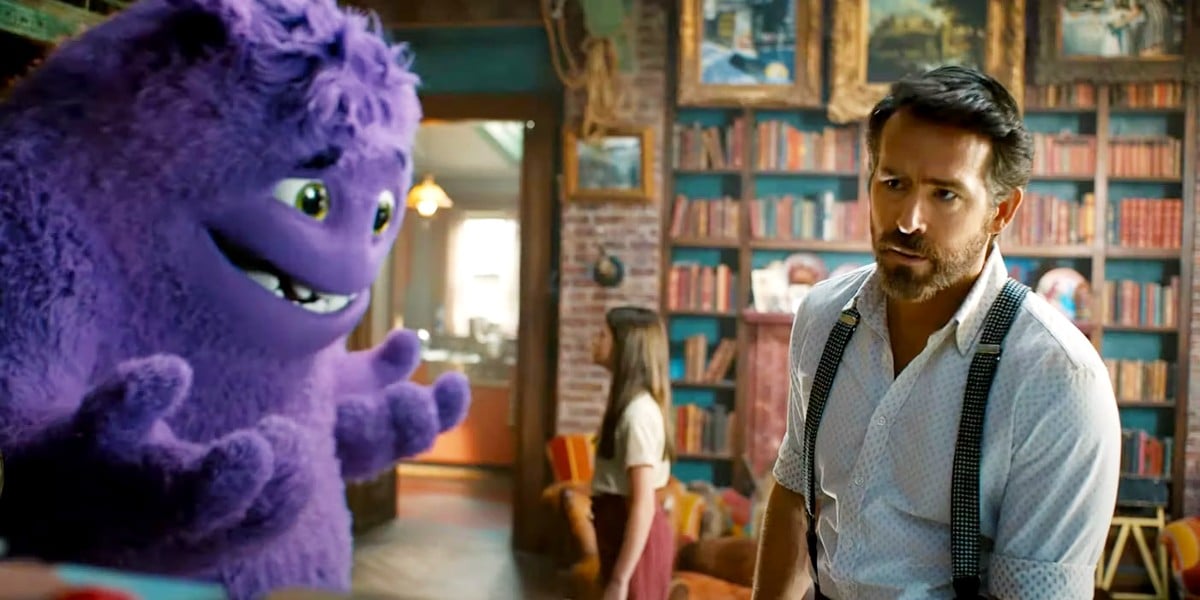
9. IF

Director/actor John Krasinski follows up to A Quiet Place with this creative foray involving imaginary friends and stars Ryan Reynolds.

8. A Quiet Place: Day One

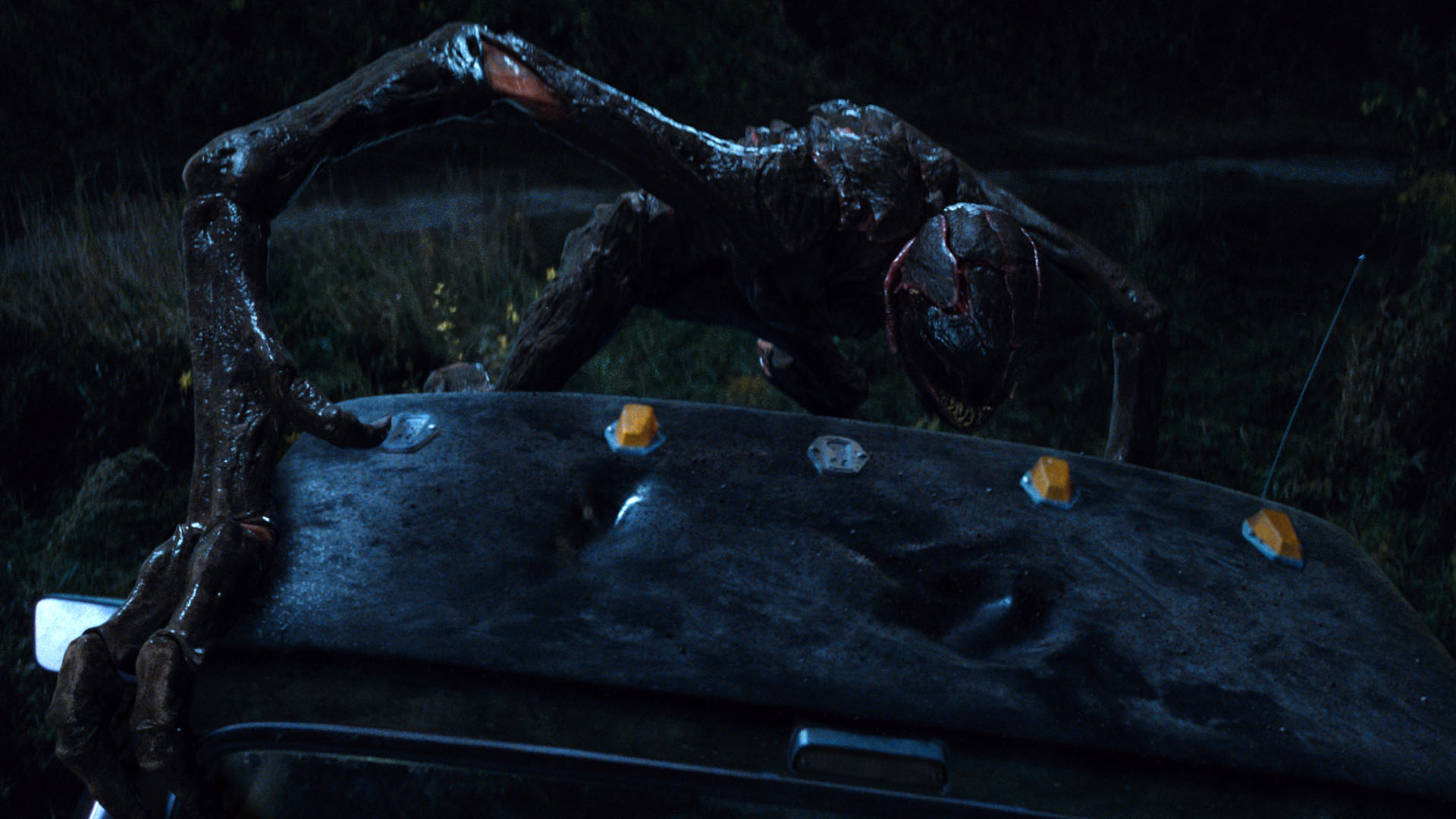
Speaking of A Quiet Place, the third film in the franchise will be a prequel that will feature the initial stages of the invasion by the sound-hunting aliens that decimate civilization.

7. Godzilla x Kong: The New Empire

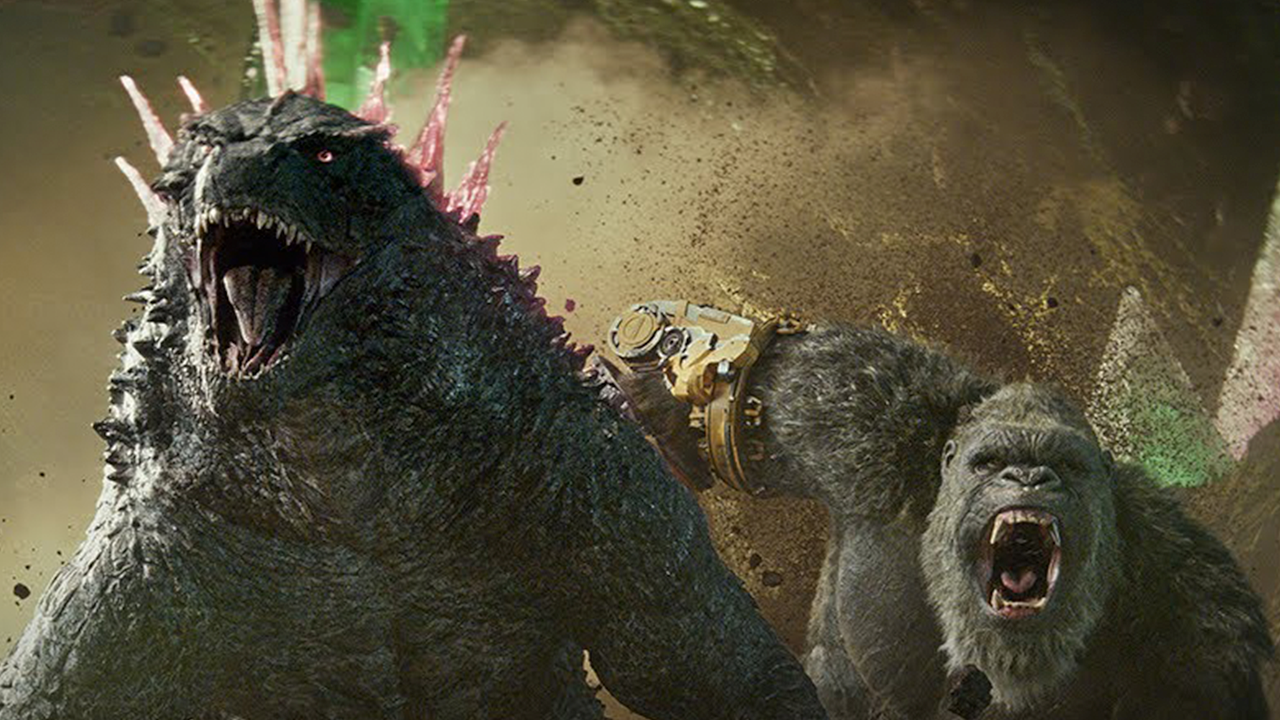
The latest Monsterverse film looks admittedly goofy but fun as the kings of the monsters, Godzilla and King Kong team up to face their deadliest enemy yet in an underground society of kaijus.

6. Ghostbusters: Frozen Empire

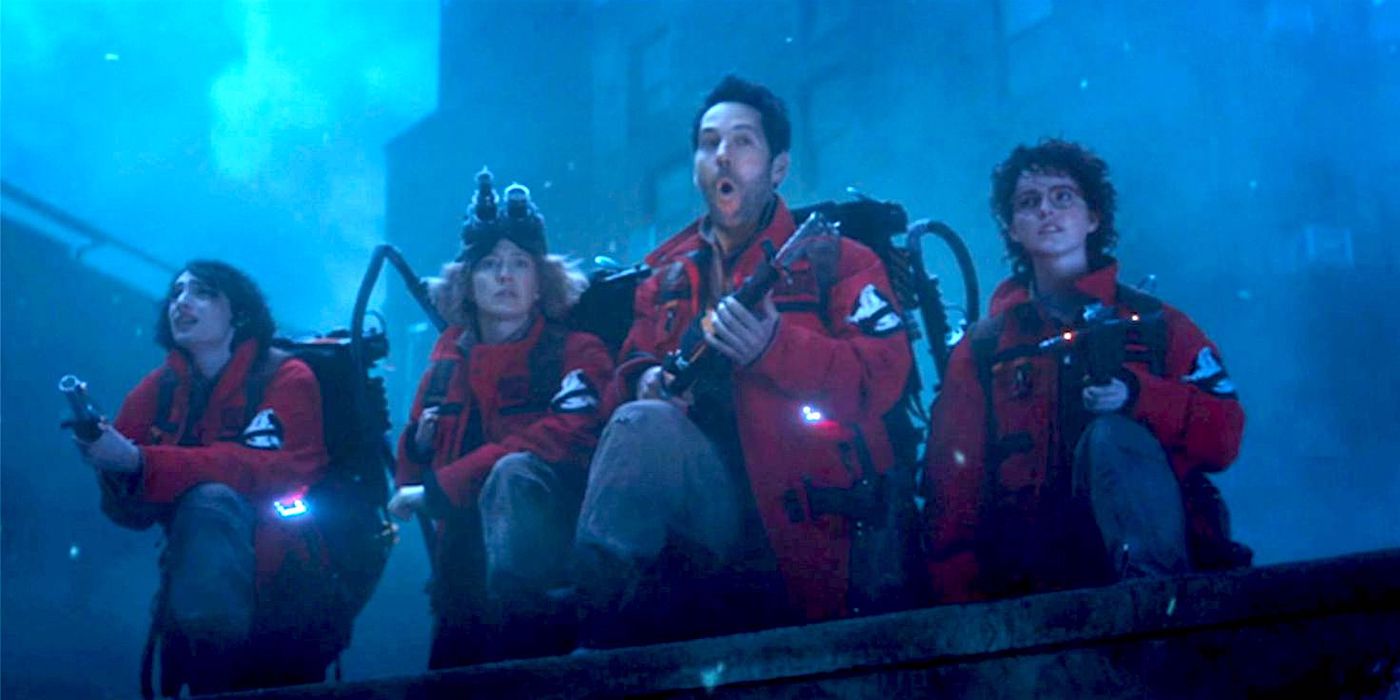
Ghostbusters: Afterlife was a great return to form for the Ghostbusters franchise with endearing new characters. The newest sequel will more closely follow the franchise with its New York setting.

5. Civil War

Alex Garland, known for his provocative sci-fi films, directs this film that could be taken from tomorrow’s headlines. Its setting of a United States in the thralls of a second civil war will probably emphasize challenging themes over action thanks to Garland’s directorial skills.

4. Furiosa: A Mad Max Saga

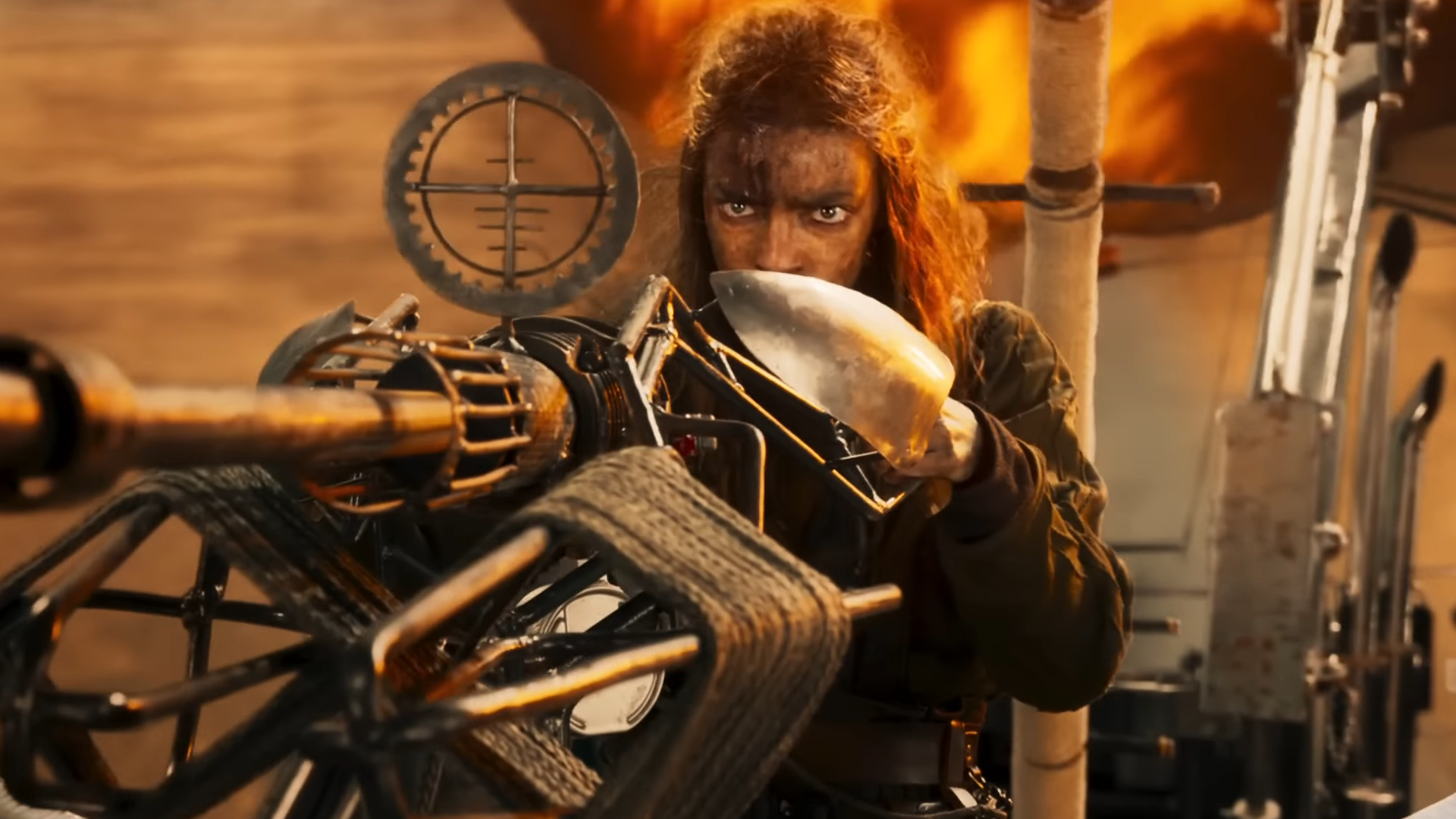
Director George Miller’s latest entry in the Mad Max films focuses on Furiosa, the breakout character from Mad Max: Fury Road. Starring Anya Taylor-Joy as a young Furiosa, this film functions as a prequel that embellishes her character.

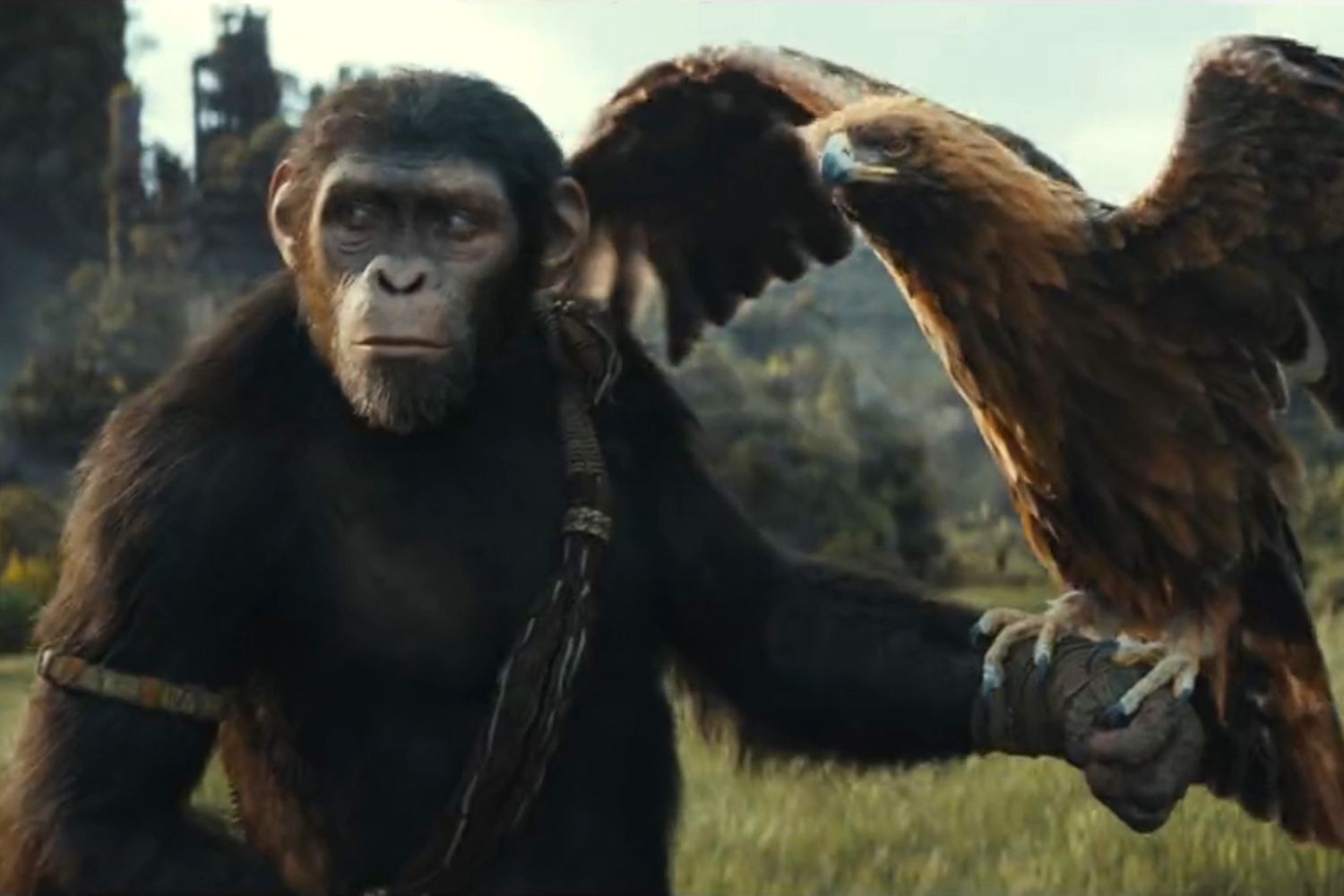
3. Kingdom of the Planet of the Apes

The latest Apes film is set many years after the last film and Ceasar’s death. Naturally, this sequel will do more worldbuilding as it will feature new characters and situations as the ape society evolves further in contrast to a humanity ravaged by a plague.

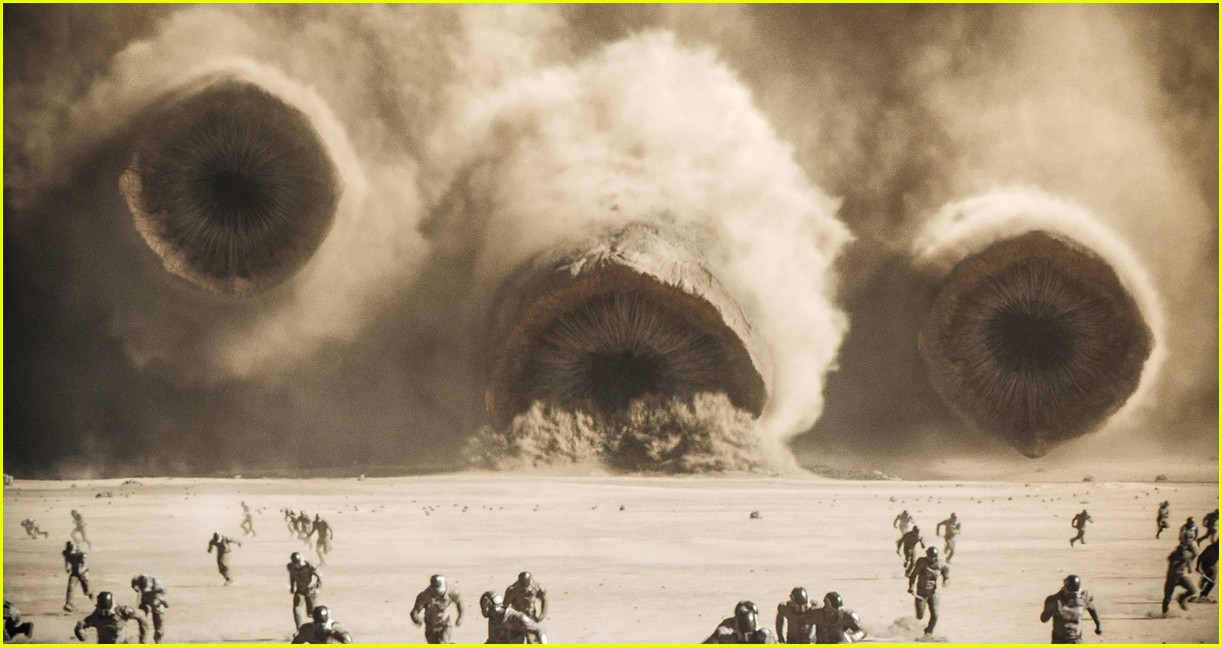
2. Dune: Part Two

The second part of the sci-fi epic was delayed from last year due to the writers and actors strike which nearly crippled Hollywood. This development disappointed fans of the first film who craved to see the conclusion of the saga of Paul Atreides, the future messiah struggling to fight for his adopted people on the desert planet Dune.

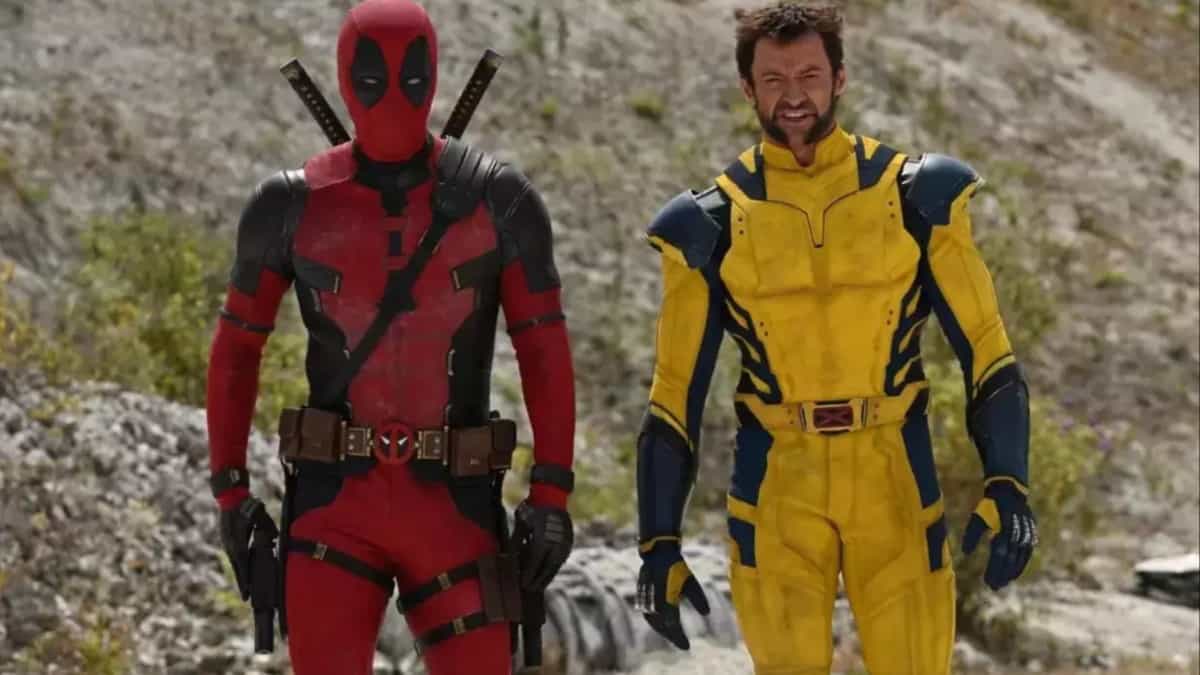
1. Deadpool 3

The third Deadpool film (which could have a name change), has turned out to be a very important film for the Marvel Cinematic Universe (MCU). Due to missteps the MCU faced last year, a lot is riding on the success of Deadpool 3.

The big draw for Deadpool 3 is not just Ryan Reynolds reprising his role of the Merc with the Mouth, but Hugh Jackman returning to his iconic role as Logan/Wolverine. The MCU and the multiverse will feature prominently in the film as the two traverse many universes, which should be more than enough to draw in fans.

Noteworthy Mentions:

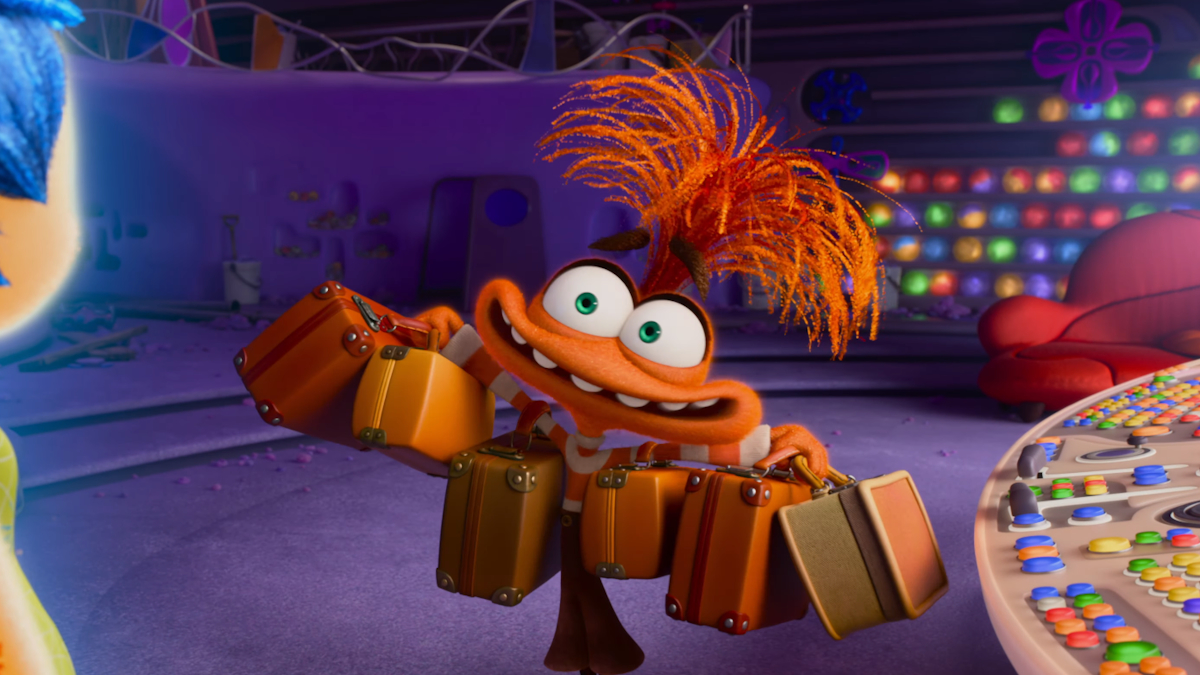
Alien: Romulus, Beetlejuice 2, Joker Folie à Deux, Imaginary, Inside Out 2, Kung Fu Panda 4, Mickey 17, Nosferatu, Rebel Moon, Part Two: The Scargiver, Venom 3

TV Shows

10. 3 Body Problem

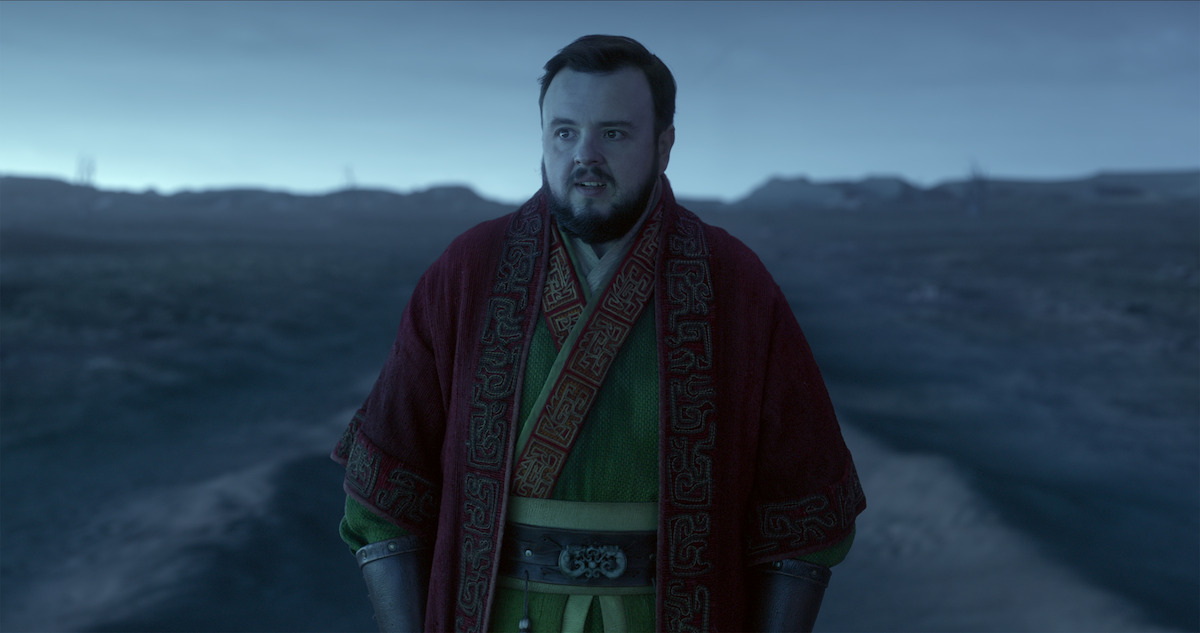
The adaptation of Liu Cixin’s novel about an impending alien invasion will hopefully be as complex and mind-bending as the novel.

9. Fallout

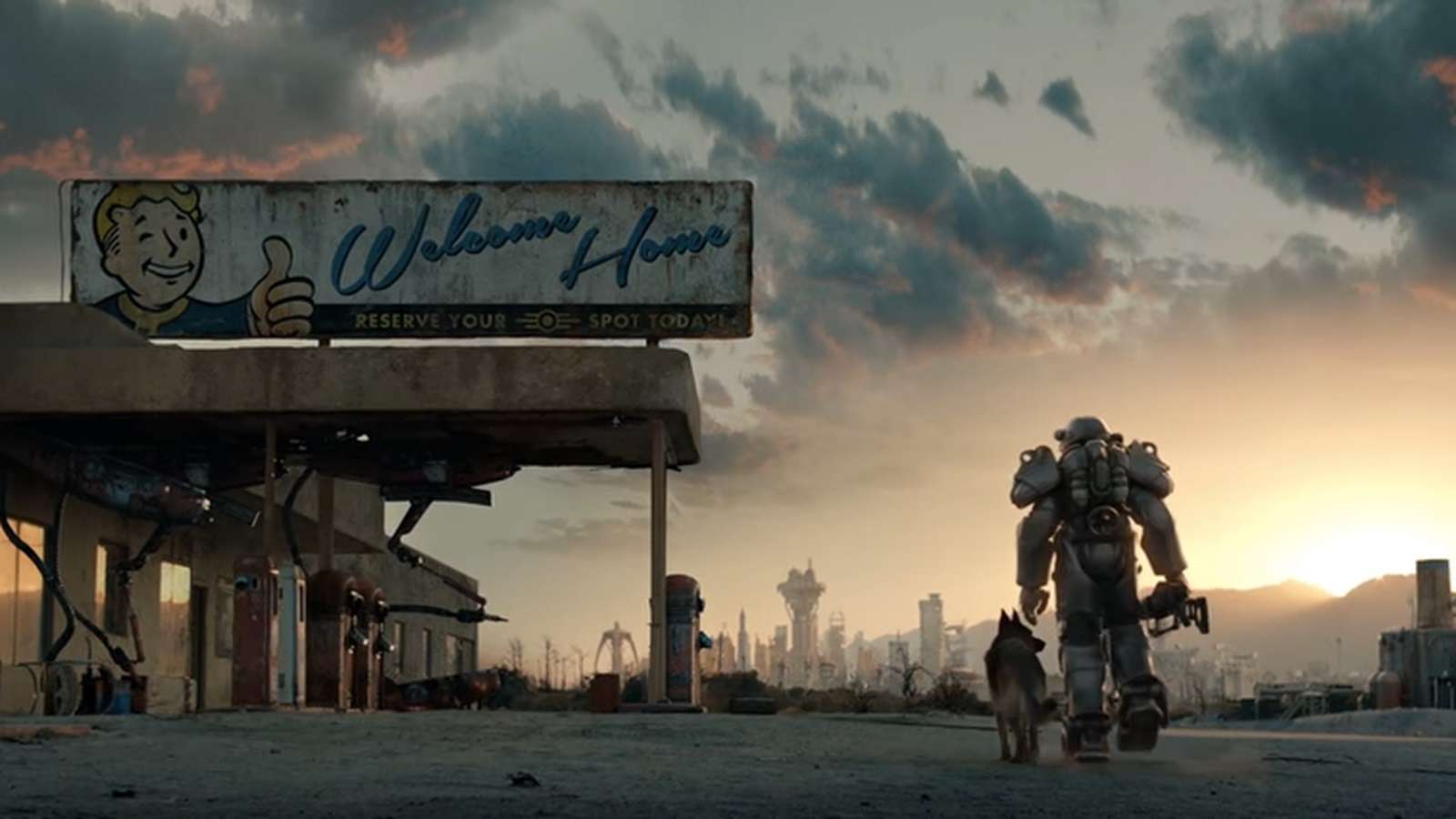
Amazon Prime’s live-action adaptation of the popular post-apocalyptic video game looks both faithful to the source material and intriguing.

8. The Umbrella Academy

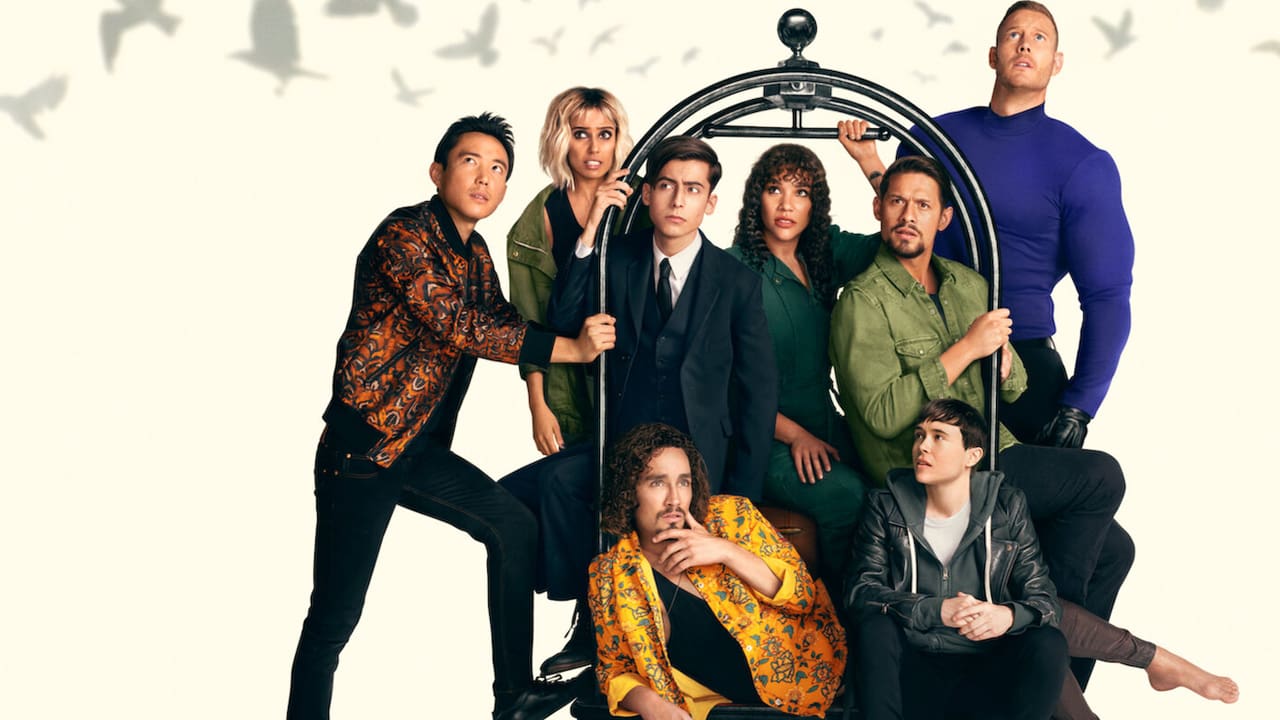
The fourth and final season of the quirky superhero family team should be as goofy and endearing as the previous seasons as it concludes their unique storylines.

7. Star Wars: The Acolyte

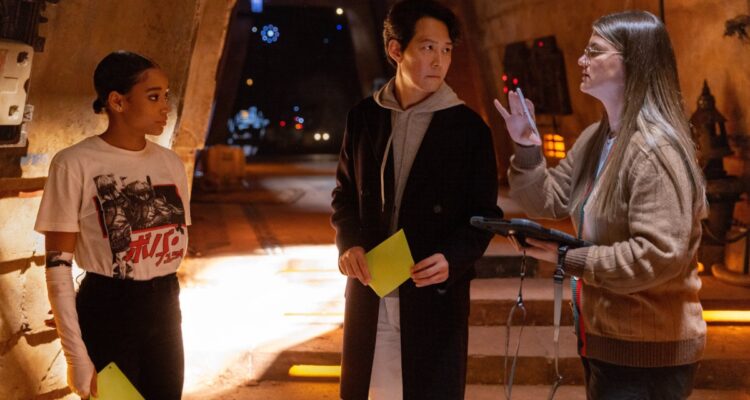
It is unknown if this Disney+ Star Wars TV show, which is set in the era of the High Republic, will air this year. But it seems to be the most interesting of the announced Star Wars TV shows.

6. Star Trek: Prodigy

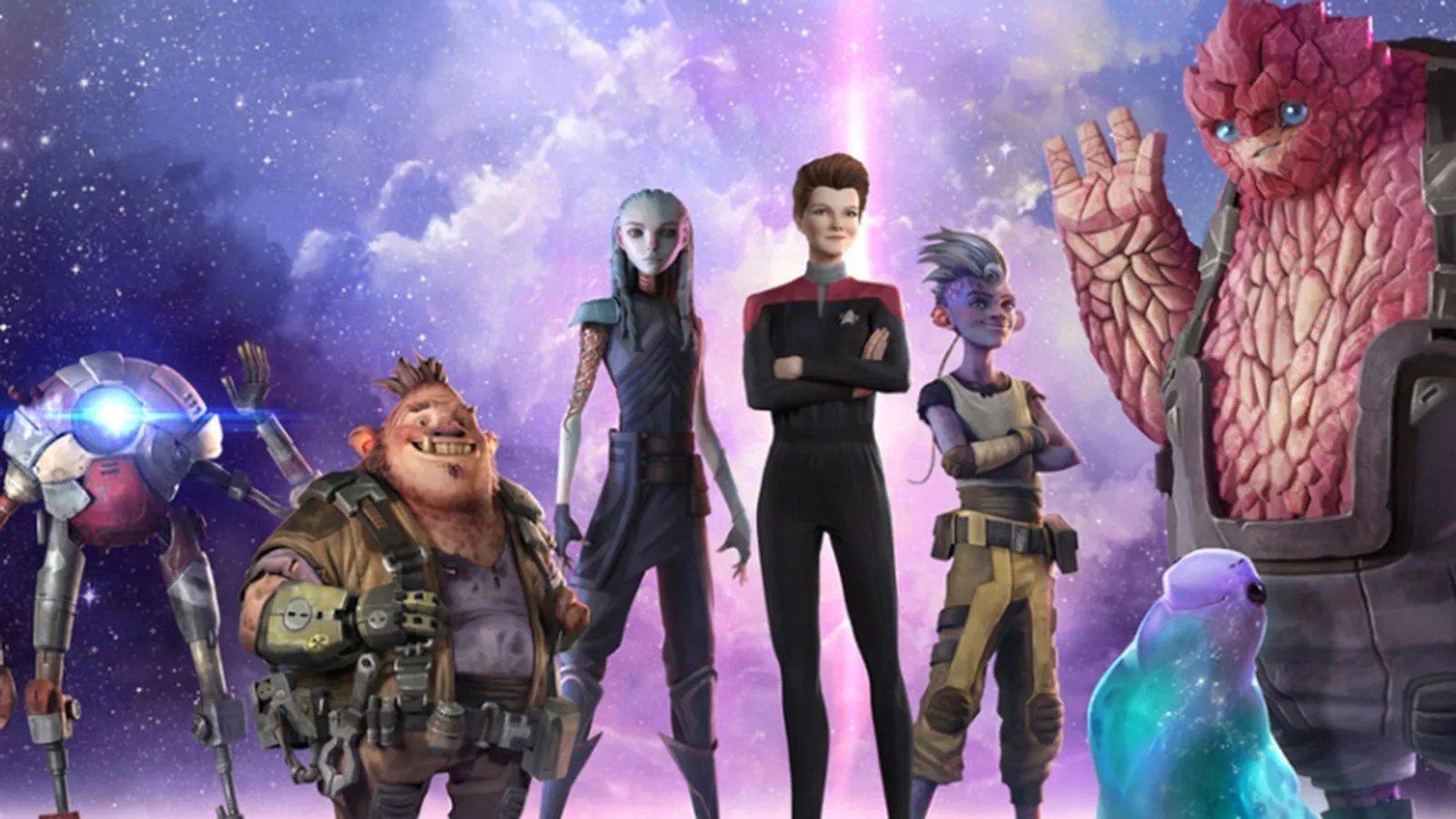
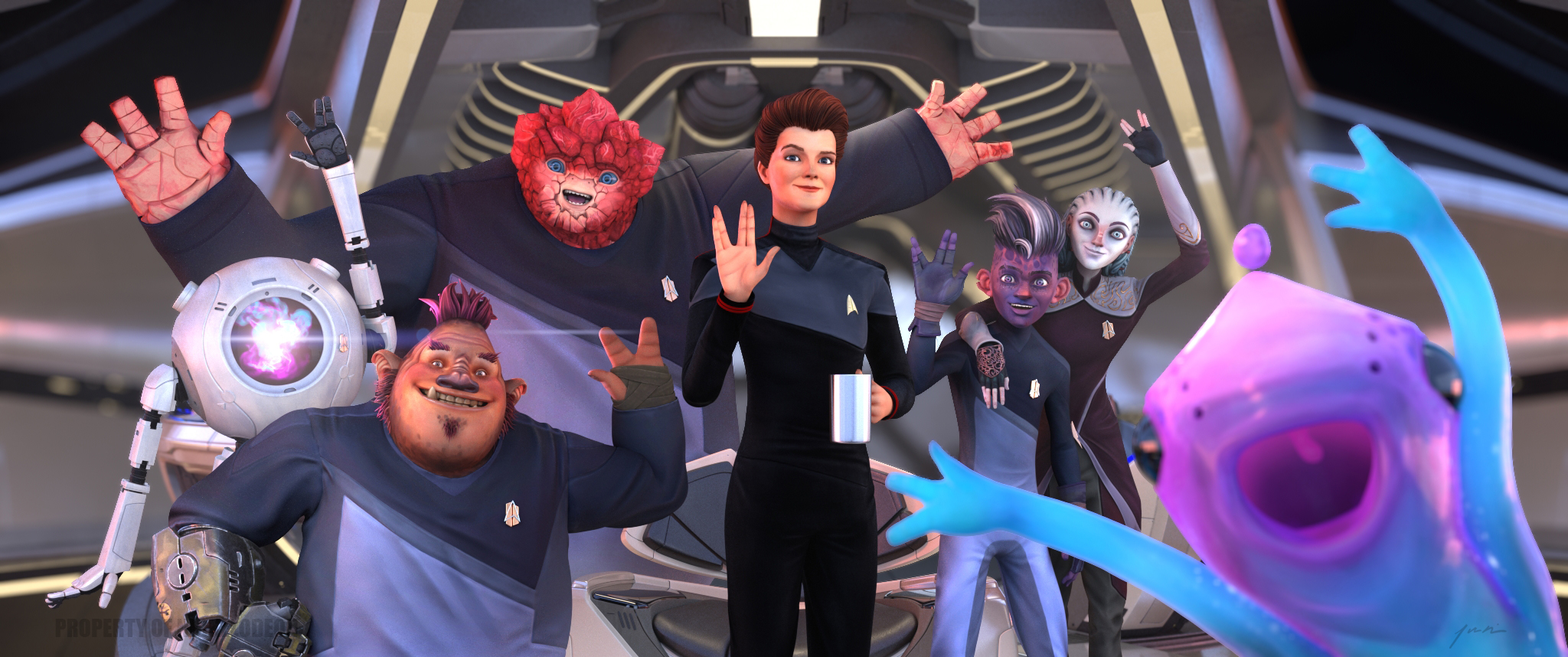
The second and final season of this better-than-expected animated Star Trek TV show will stream on Netflix and hopefully will conclude its storyline of diverse alien youths turned into Starfleet cadets.

5. What If…?

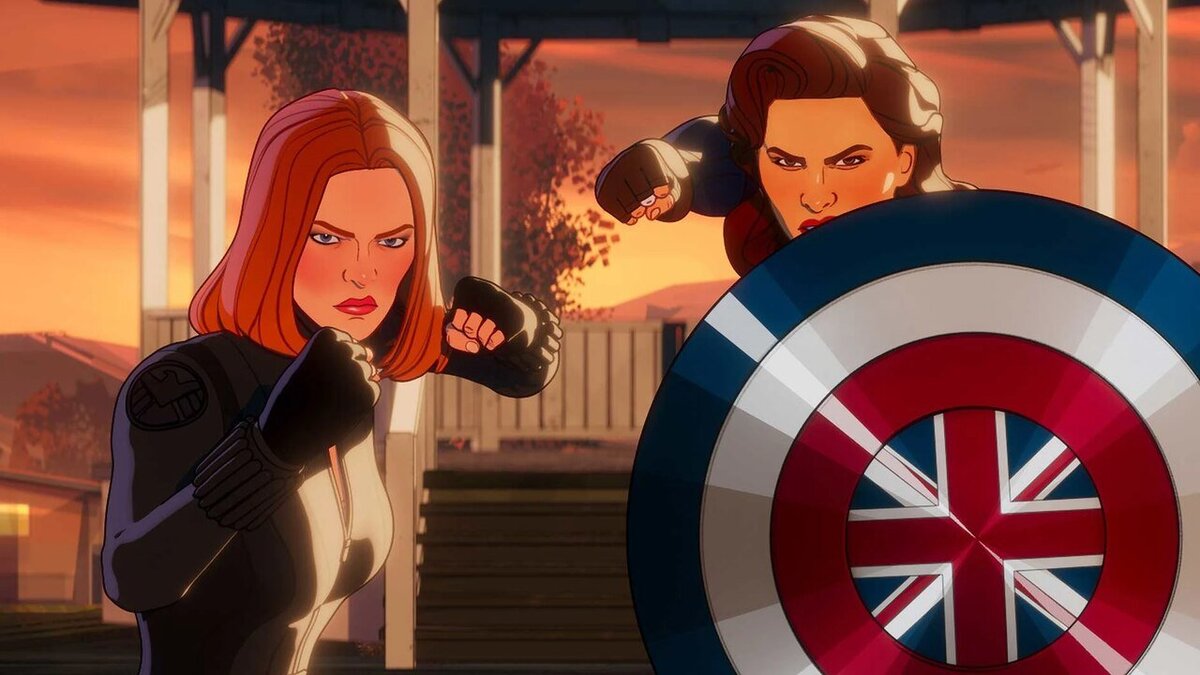
The animated series set in the MCU went all out with its stories of alternate realities. There hasn’t been any word on when it premieres, but Disney+ already gave us a teaser, so it may drop soon.

4. Agatha: Darkhold Diaries

Agatha Harkness was one of the most popular characters and villains to come out of WandaVision. It was only natural that she was rewarded with her own spinoff show, which will dwell more into her background.

3. The Boys

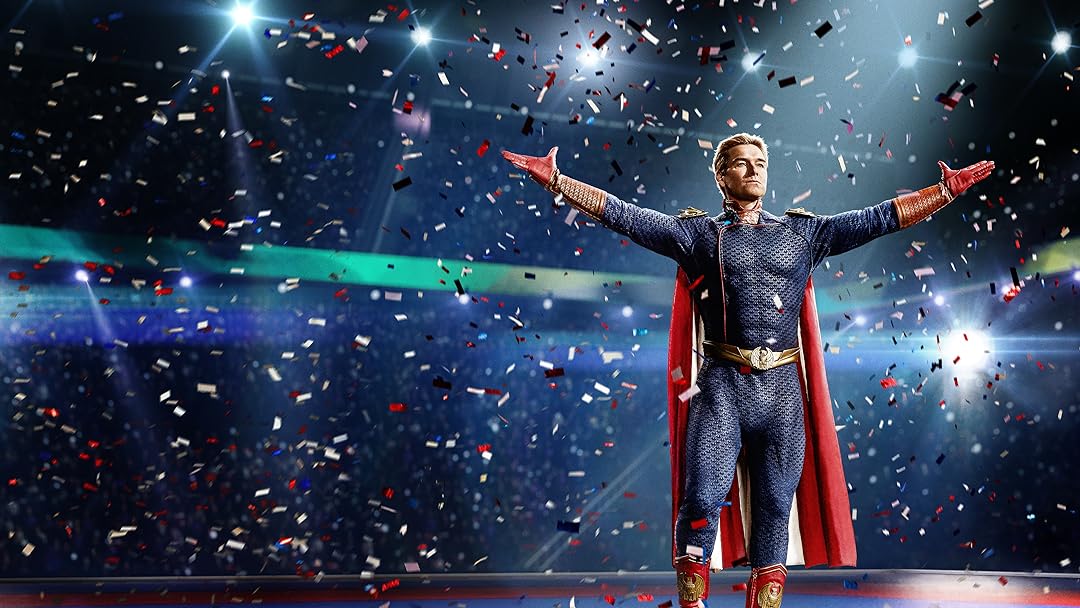
Season 4 of the dark look at superhero celebrities will amp up the conflict between the amoral Homelander with his Superman-like powers and those trying to oppose the popular tyrant in the making.

2 Avatar: The Last Airbender

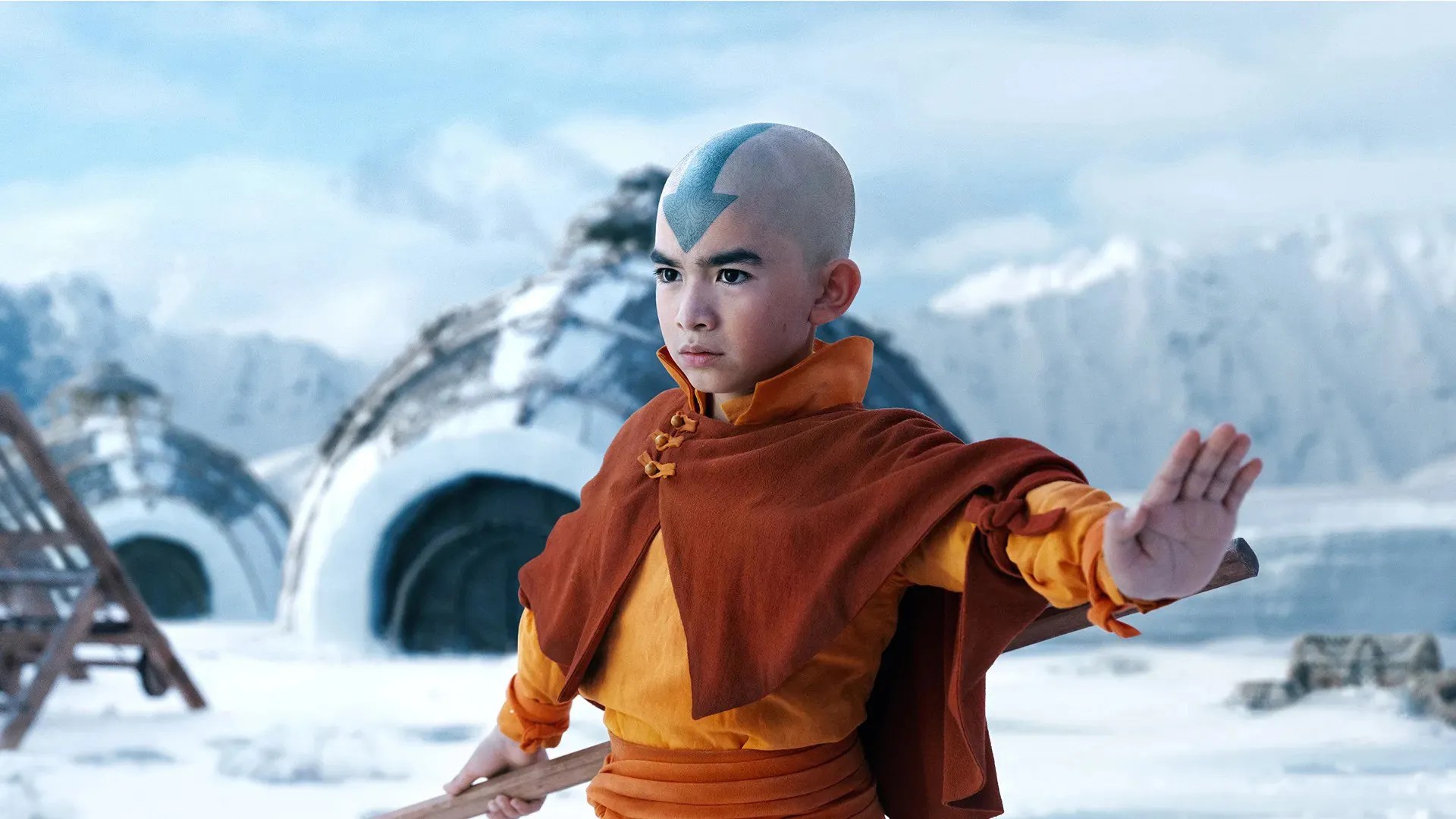
The Netflix live-action version of the popular animated TV show will be much more accurate than the awful 2010 live-action film that rushed through the intricate fantasy world of the element benders with its whitewash casting.

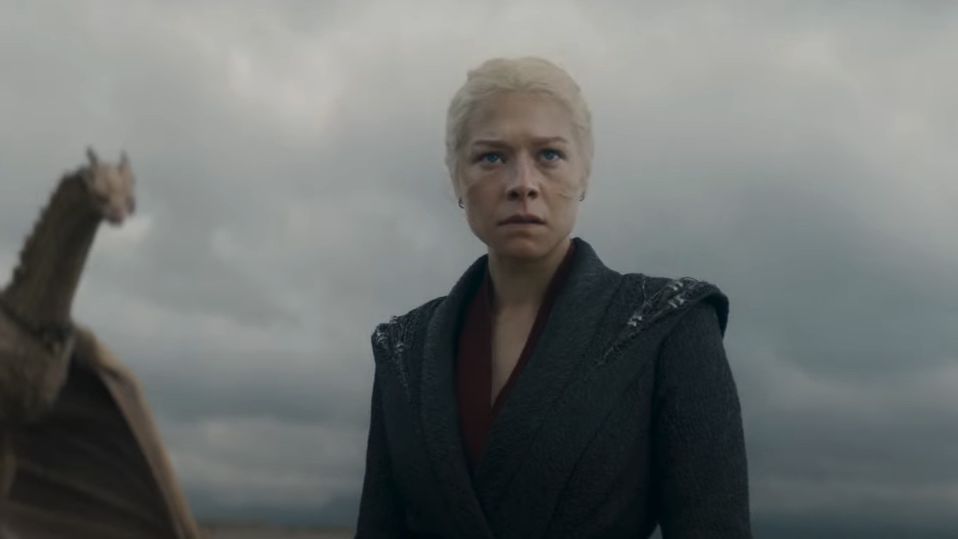
1. House of the Dragon

The prequel series to Game of Thrones was unbelievably better than expected as we were instantly enthralled with the family dynamics of the Targaryen royal family.

Season two promises to push these envelopes further with the bitter rivalry with the family as they use their deadly dragons to duel over the rightful claim to the Targaryen throne.

Noteworthy Mentions:

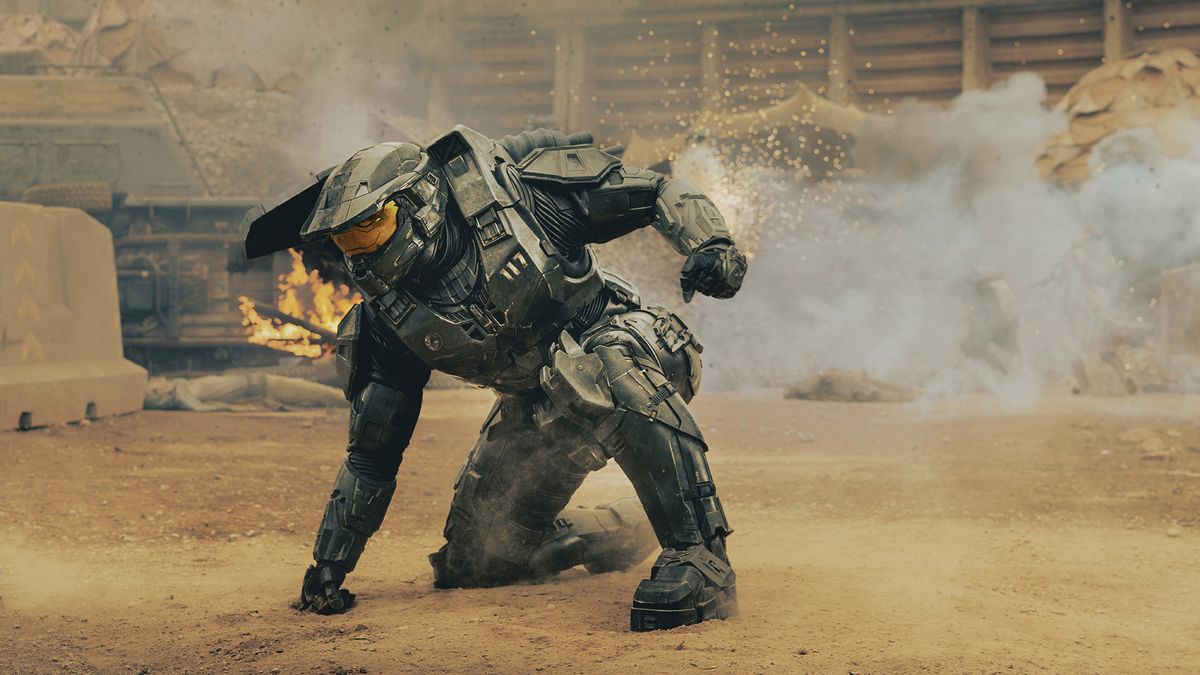
Pablo Schreiber as Master Chief in Halo Season 1, Episode 1, streaming on Paramount+. Photo Credit: Adrienn Szabo/Paramount+

Dark Matter, Echo, Halo, Invincible, Orphan Black: Echoes, The Penguin, Star Wars: Skeleton Crew, Sugar, Time Bandits, The Walking Dead: The Ones Who Live

Top Ten Films & TV Shows Of 2023

2023 boasted its fair share of exceptional genre films and TV shows. It is also noted for being the year when superhero films and TV shows started to lose steam. More on that some other time. Still, there plenty of quality fare for us fans and here are the best films and TV shows of 2023. Be sure to drop a comment with your own choices and rankings.

Films

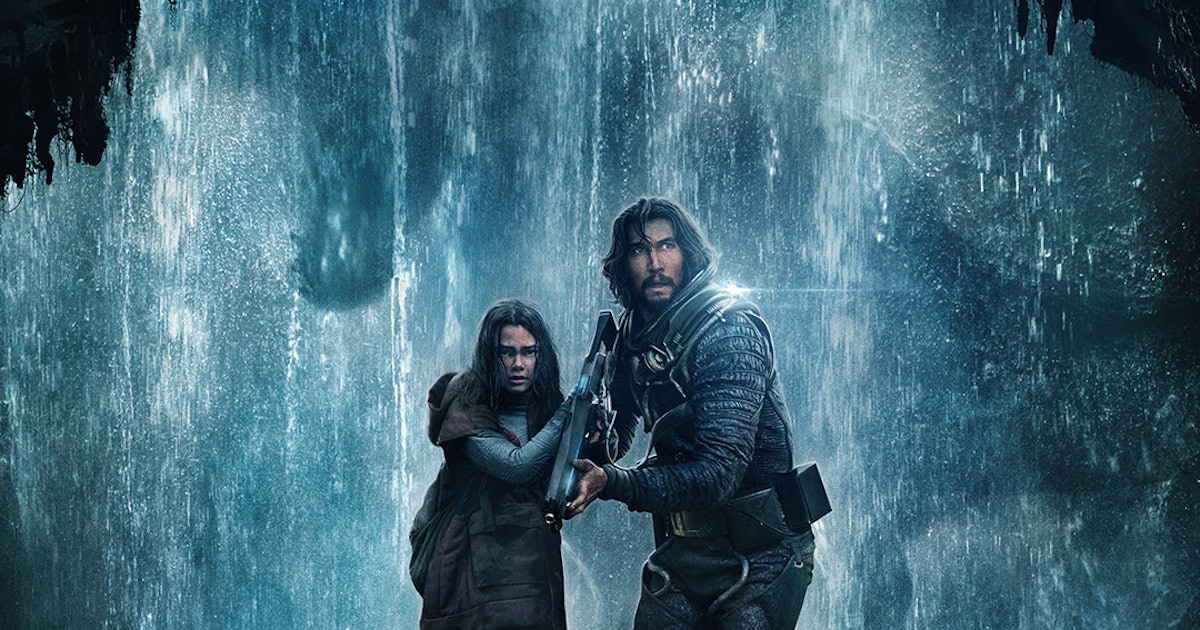
10. 65

Adam Driver starred as a pilot of a crashed starship who struggled to survive in a hellish prehistoric landscape that turned out to be Earth 65 million years ago. This absorbing survival tale had intense moments and great dinosaur scenes.

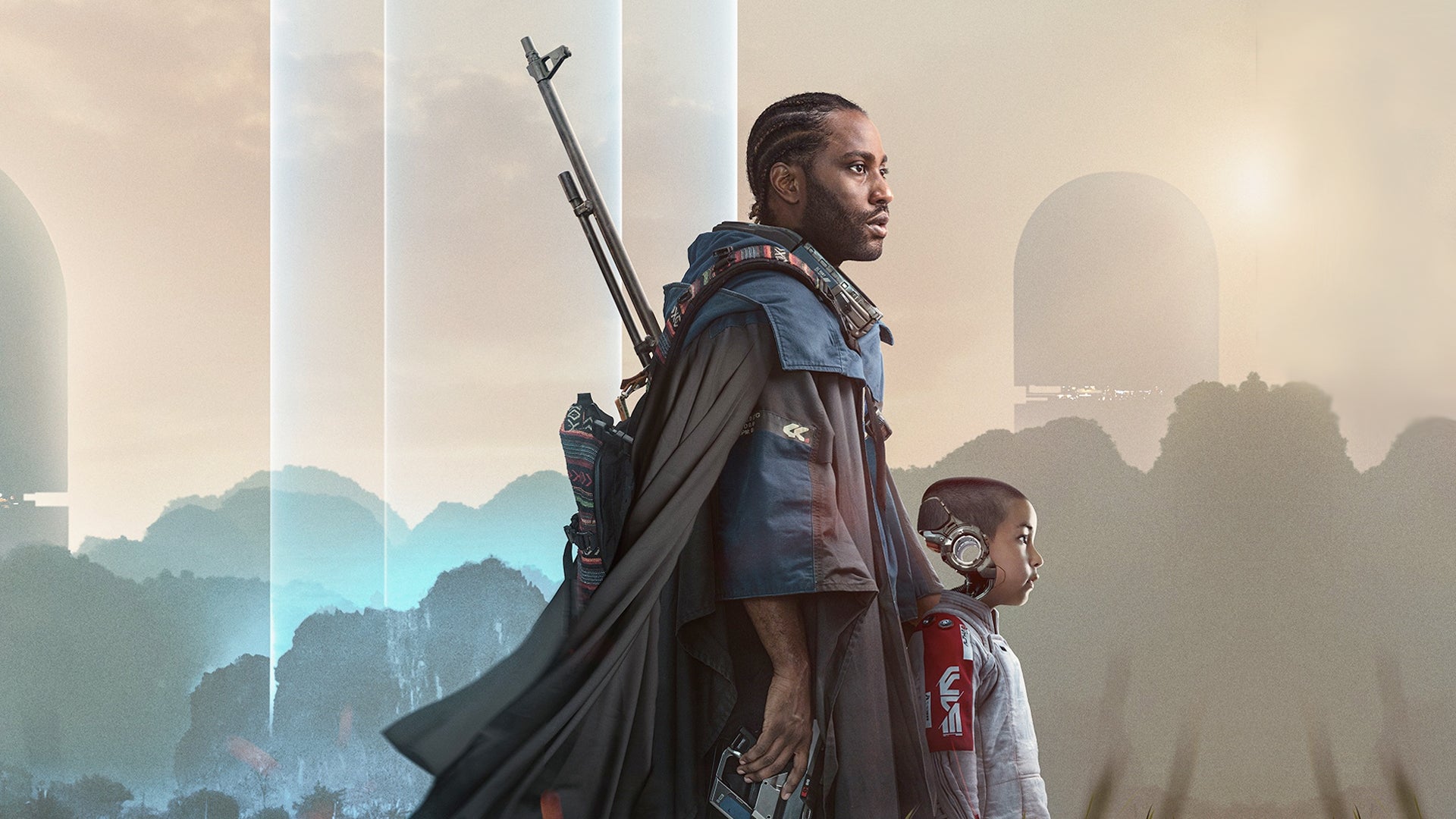
9. The Creator

Garth Edwards’ film about a soldier protecting a young A.I.girl while pursued by hostile forces was derivative in terms of its plot. But its jaw-dropping visuals of a future Asian society where man and A.I. live harmoniously, action scenes and performances more than made up for its flaws.

8. Ant-Man and the Wasp: Quantumania

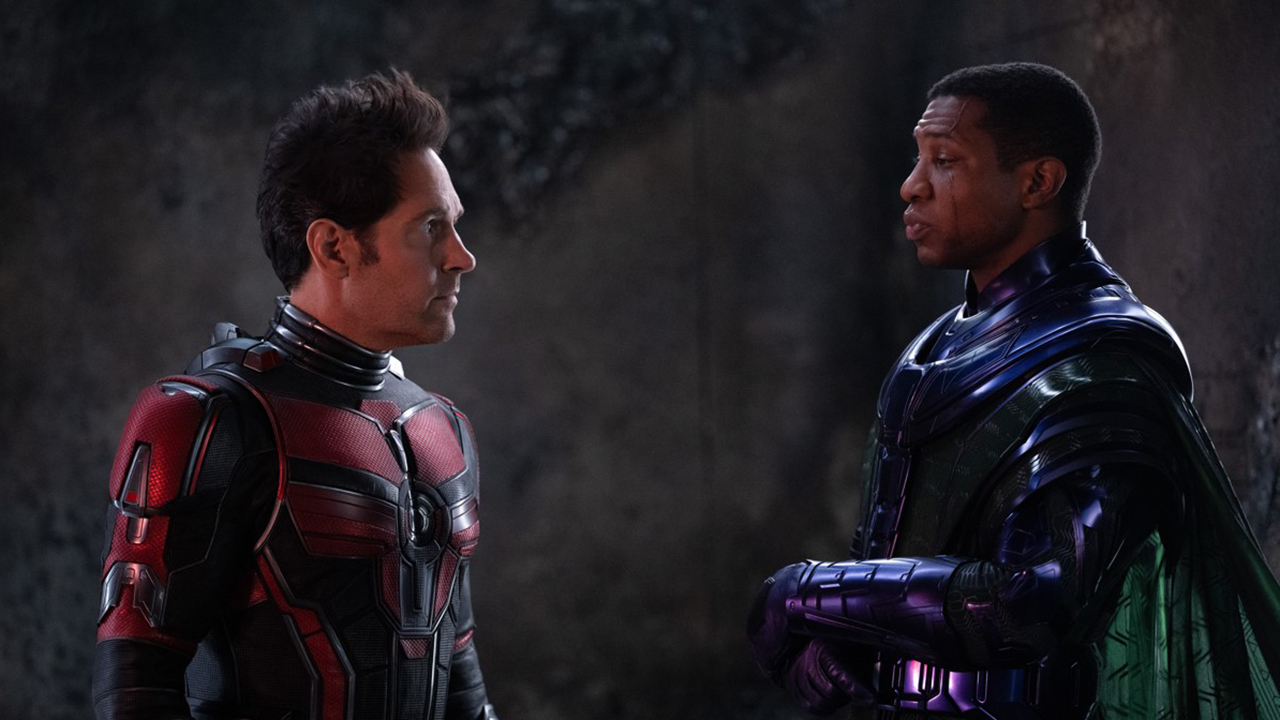
The third Ant-Man film was unfairly put down by many who missed the usual capers of the previous Ant-Man films. Instead this film went in a different and wilder sci-fi direction as our heroes explored bizarre landscapes and confronted the next big bad in the Marvel Cinematic Universe (MCU), Kang the Conqueror.

7. Leave the World Behind

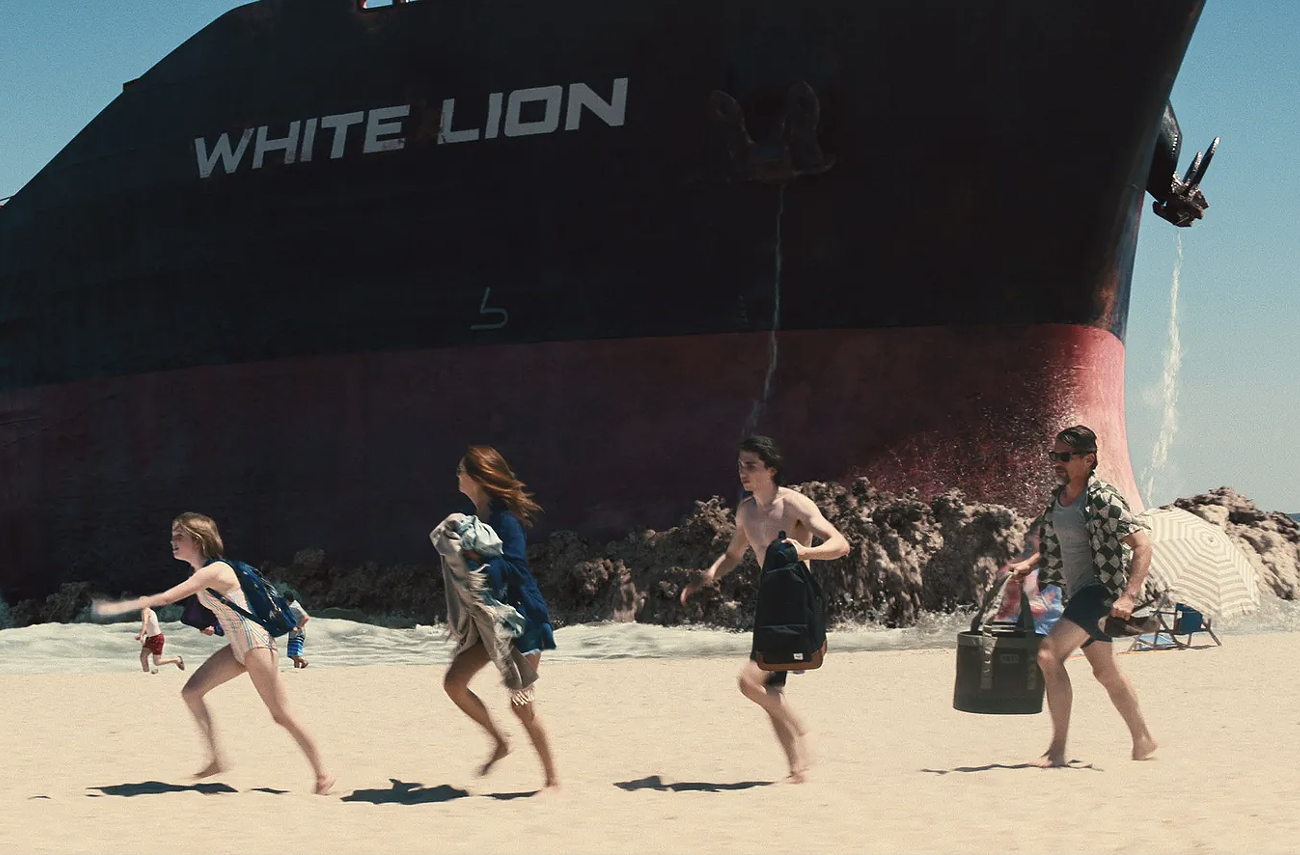
This apocalyptic psychological thriller was both disturbing and intriguing as we see how the world begins to crumble from the viewpoint of vacationers. We were also swept up in their horrified plight as they struggled to understand their new situation and survive in a dangerous new normal with their limited skills and experience.

6. Dungeons & Dragons: Honor Among Thieves

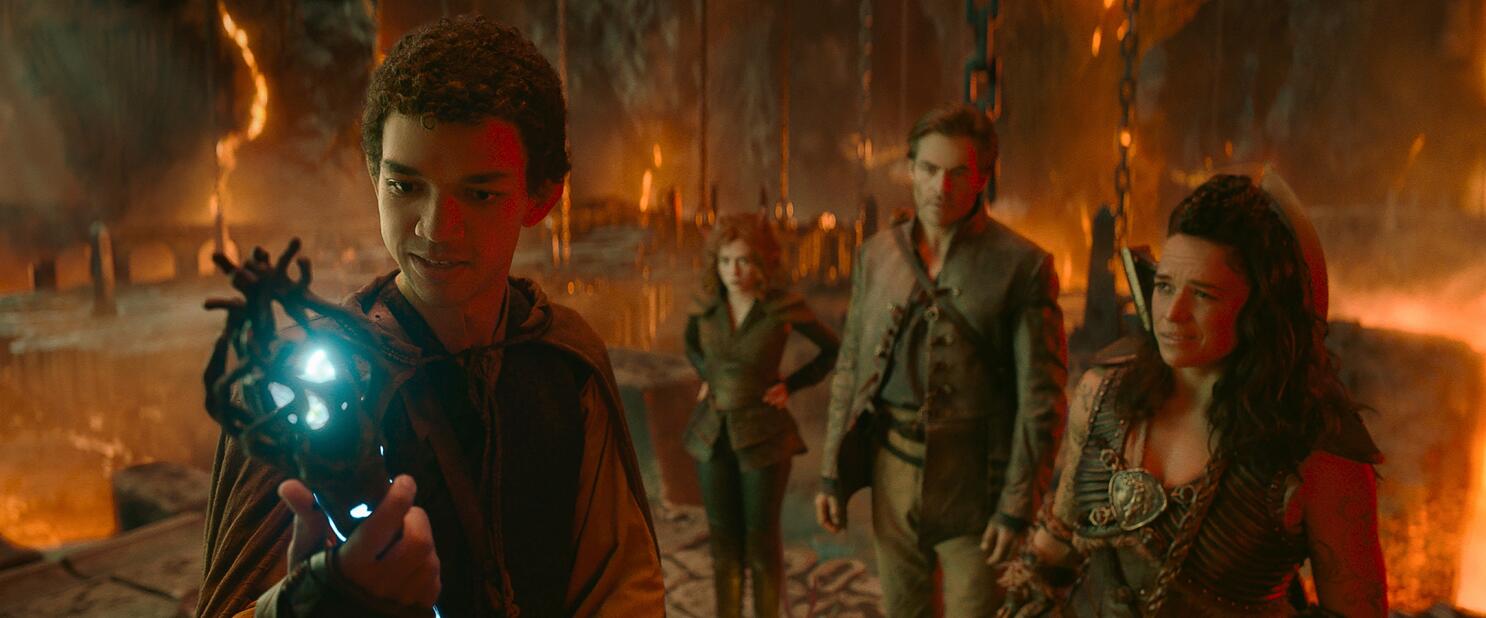
This fun-filled fantasy romp based on the classic board game turned out to be a pleasant surprise. The film boasted spirited performances starting with Chris Pine as a lovable rogue and an imaginative script and direction that always kept the pace moving throughout the film.

5. Blue Beetle

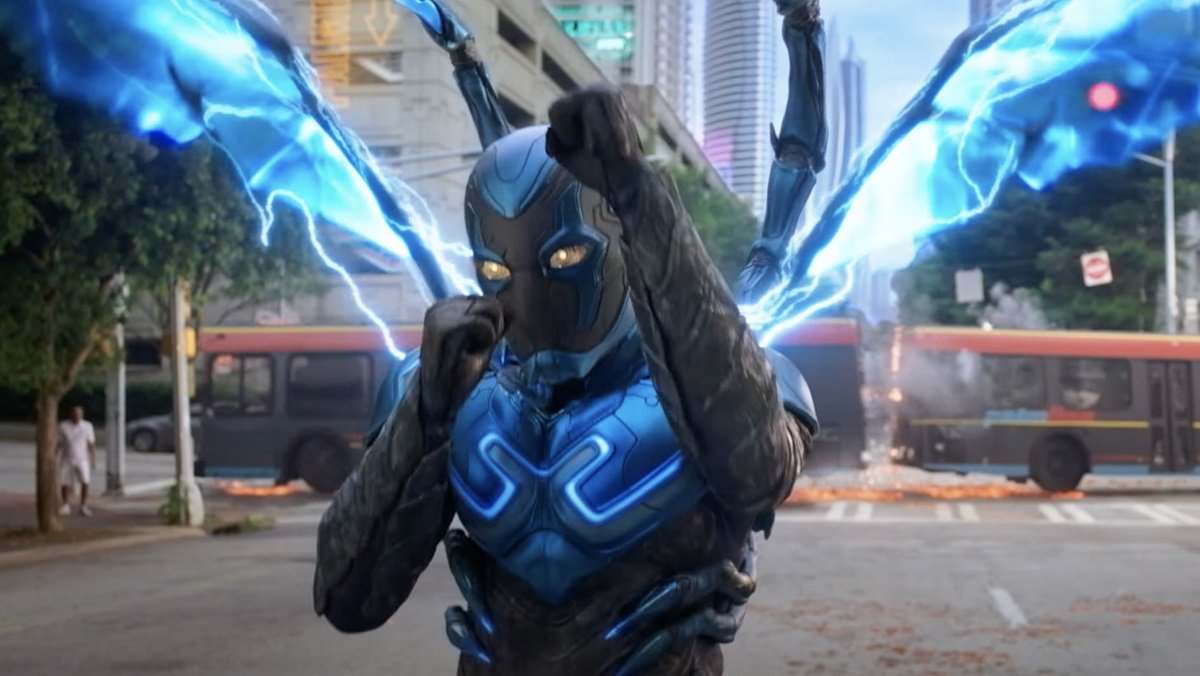
It’s a shame that one of the last DC Extended Universe (DCEU) films did not perform better in theaters since it was of the best DCEU films. While the film followed the typical superhero origin formula, its strong performances, direction, and humorous family interactions elevated the film with its back-to-basics approach with superhero films.

4. Indiana Jones and the Dial of Destiny

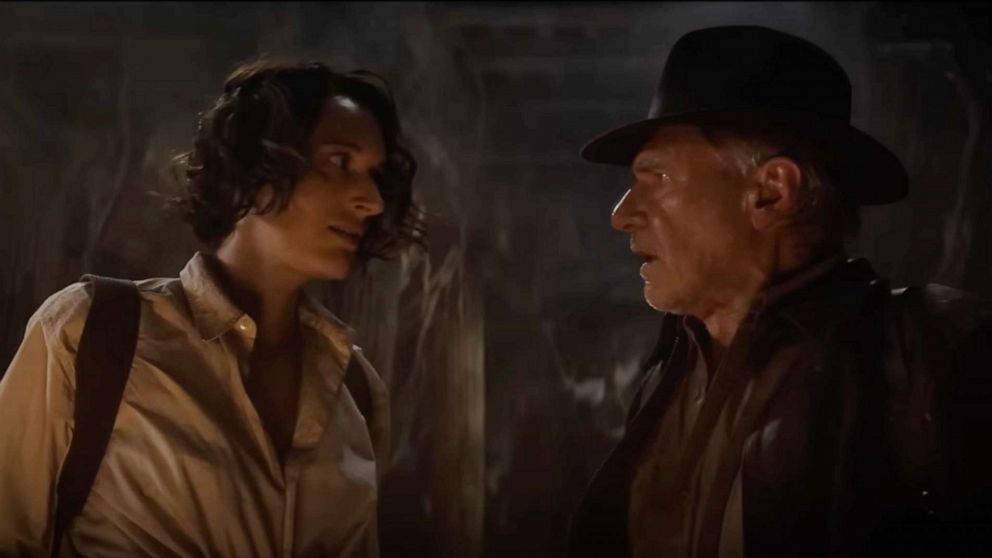
The last hurrah for our favorite swashbuckling archeologist hit many emotional notes in its depiction of Indiana Jones in his twilight years. Yes, Steven Spielberg’s masterful direction was sorely missed in the final Indiana Jones film, but its solid direction, thrilling action and Harrison Ford’s solid performance as the title hero made this a memorable finale to the fantasy adventure franchise.

3. Godzilla Minus Zero

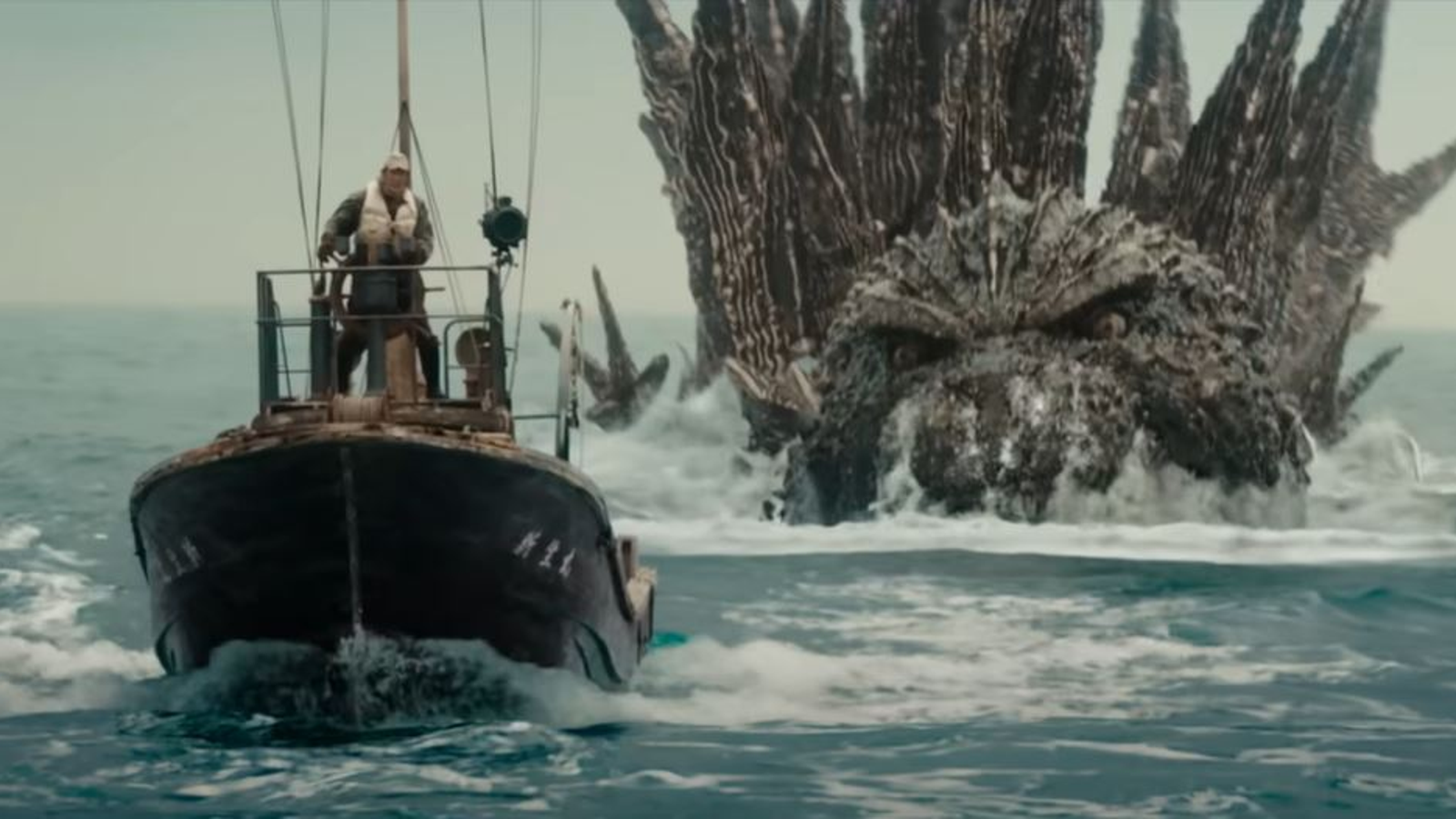
The latest Godzilla film proved that the decades-old franchise could still deliver captivating and exciting kaiju films. It stood above other Godzilla films thanks to its grounded approach, emphasis on relatable characters and a directorial decision to make the title creature a terrifying force of nature. It’s easy to see why this is one of the best Godzilla films.

2. Spider-Man: Across the Spider-Verse

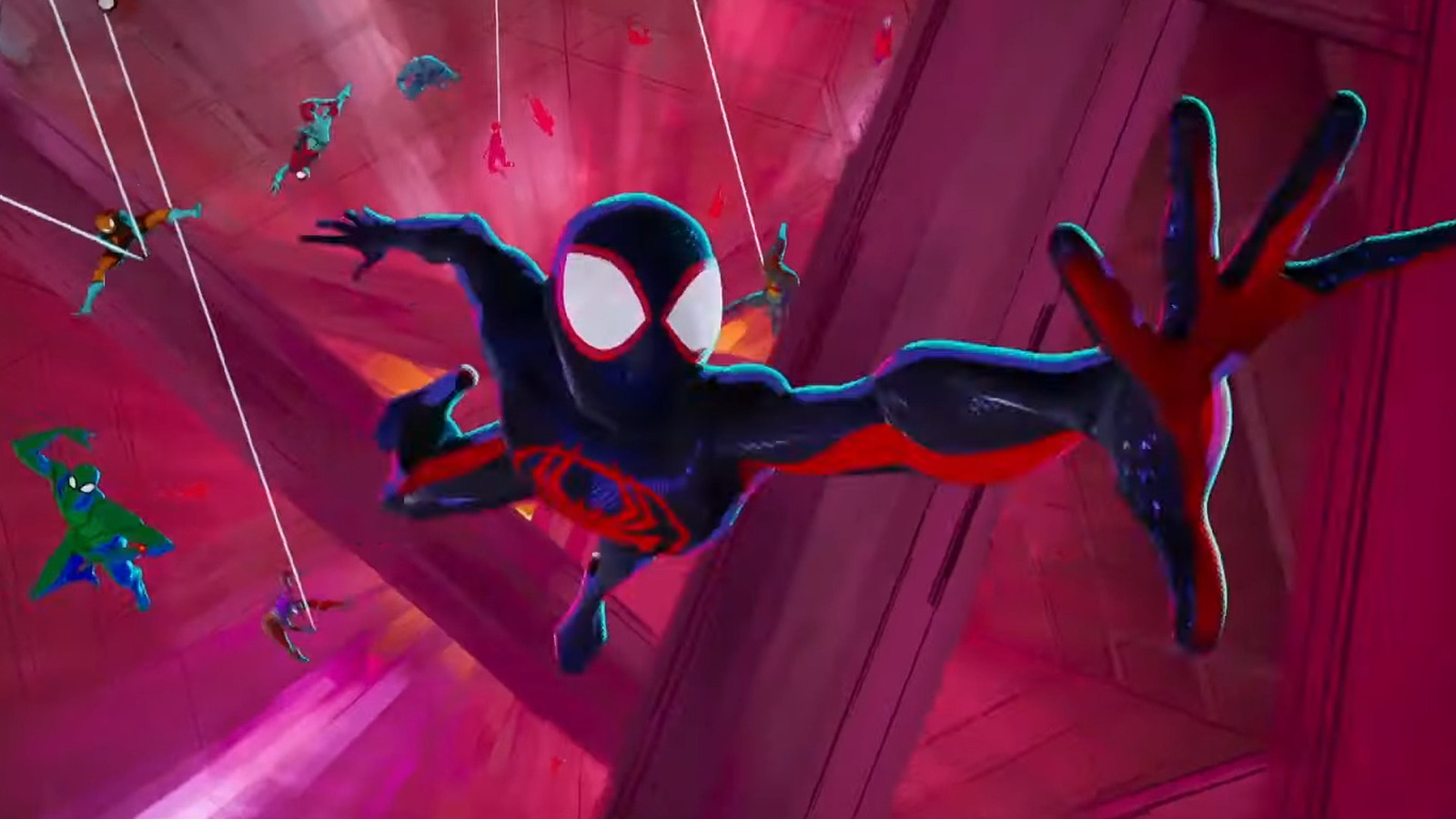
There were other notable animated films this year like Elemental or Teenage Mutant Ninja Turtles: Mutant Mayhem that rivaled Spider-Man: Across the Spider-Verse with distinctive animation and scripts. However, Spider-Man: Across the Spider-Verse stood out from the pack with stunning and unparalleled animation that was simply stunning.

More importantly, what made the film such a success was its engaging storyline of a relatable Miles Morales involved in a head-spinning story, which involved other universes and characters. Cannot wait for the conclusion to the storyline!
1. Guardians of the Galaxy, Volume 3

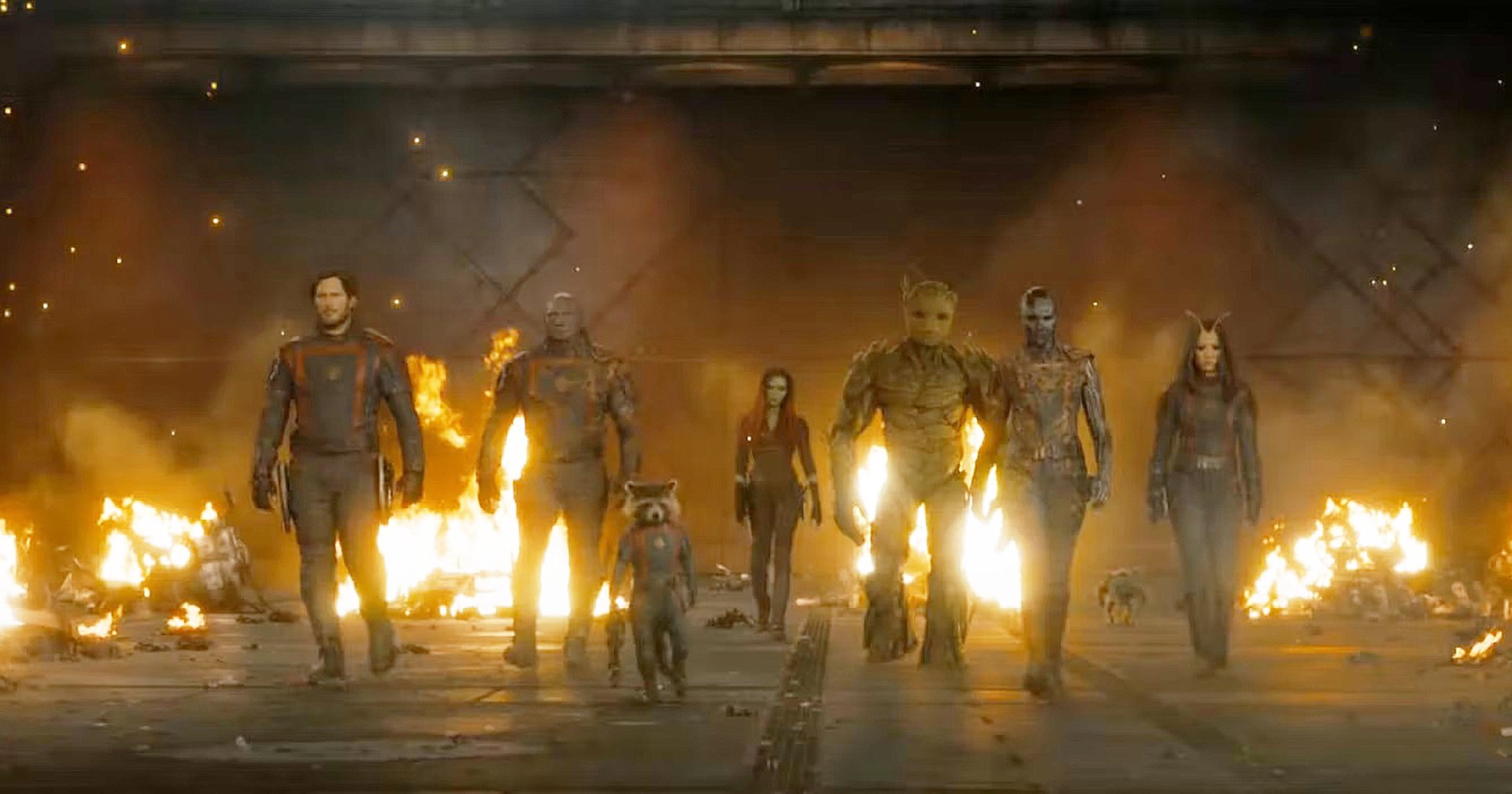
James Gunn’s final MCU film was one of the best in the Marvel film franchise. It perfectly closed the chapter of these lovable galactic misfits/heroes while exploring their emotional connections and giving us glimpses of how the team would continue without the OG heroes.

This film proved that the MCU could still deliver quality films that are widely acclaimed and perform well. What made audiences engage with Guardians of the Galaxy, Volume 3 was its emotional core as we witnessed the tragic backstory of Rocket Raccoon, the fragile nature of the other guardians, and one of the most evil MCU villains ever shown.

Noteworthy Mentions:

Aquaman and the Lost Kingdom, Elemental, Evil Dead Rise, The Flash, Knock at the Cabin, M3GAN, The Marvels, Rebel Moon, Part One: A Child of Fire, The Super Mario Bros. Movie, Teenage Mutant Ninja Turtles: Mutant Mayhem

TV Shows

10. Superman & Lois

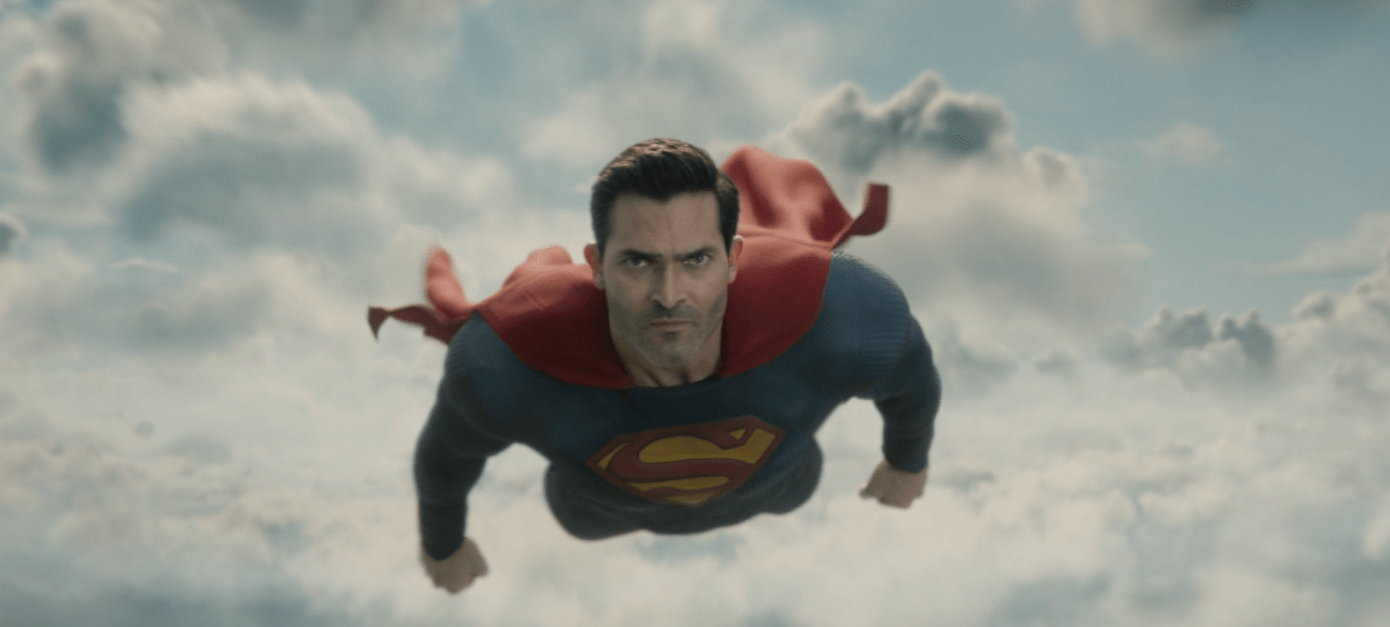
The third season of the final Arrowverse TV show continued demonstrating that it is one of the best Arrowverse TV shows as Superman/Clark Kent continued balancing life as a superhero and a husband and father to his family in Smallville.

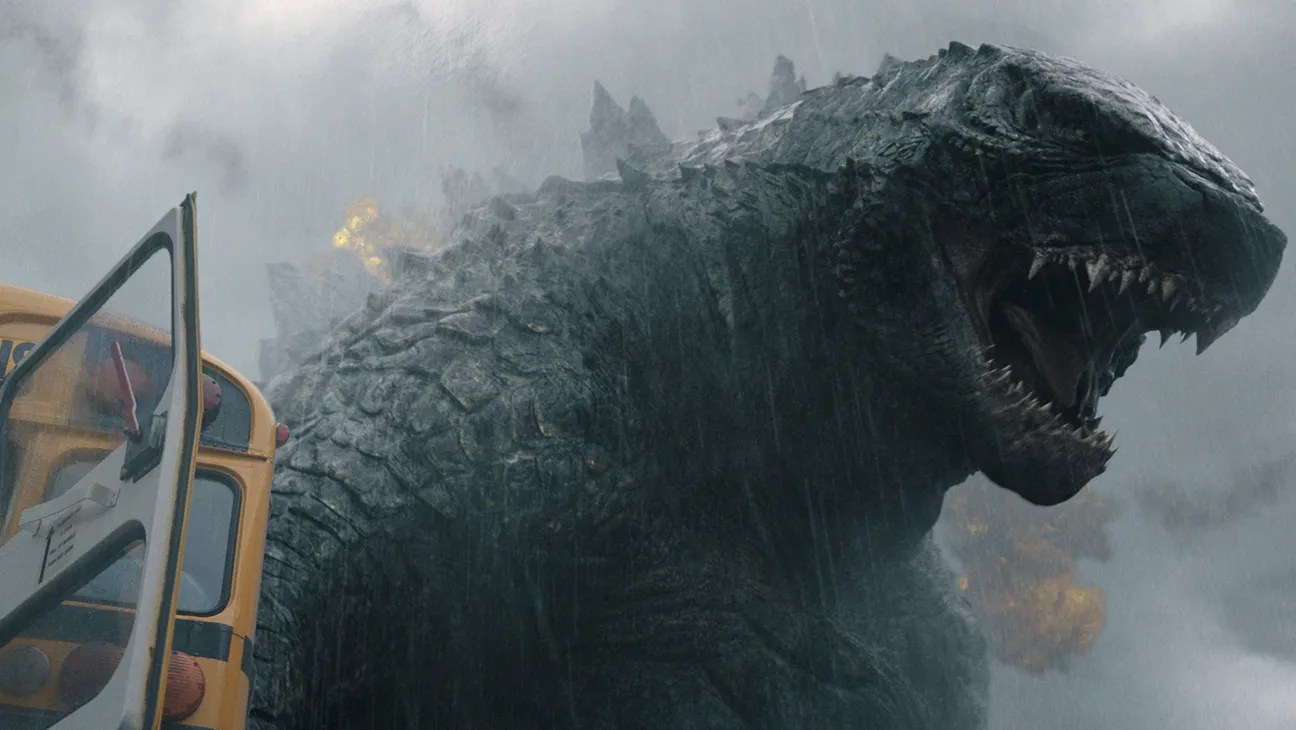
9. Monarch: Legacy of Monsters

This TV show did so much to flesh out and expand the world of the Monsterverse by featuring interesting characters and fascinating plots involving time jumps and conspiracies. The result was a fascinating look at the impact that giant kaijus would have in the world.

8. For All Mankind

Ronald D. Moore’s alternate reality TV series where the Soviets landed on the moon first, relished in how that reality has begun to wildly diverge from ours as it featured life on a thriving Martian colony circa 2003, along with the intriguing geopolitics and personal drama that often intertwined.

7. What If…?

The second season of this animated MCU TV show featured more diverse variant MCU characters and situations. Unlike the live-action MCU, What If…? really let its imagination run wild with the concept of the Multiverse thanks to its inventive tales of alternate MCU realities.

6. Sweet Tooth

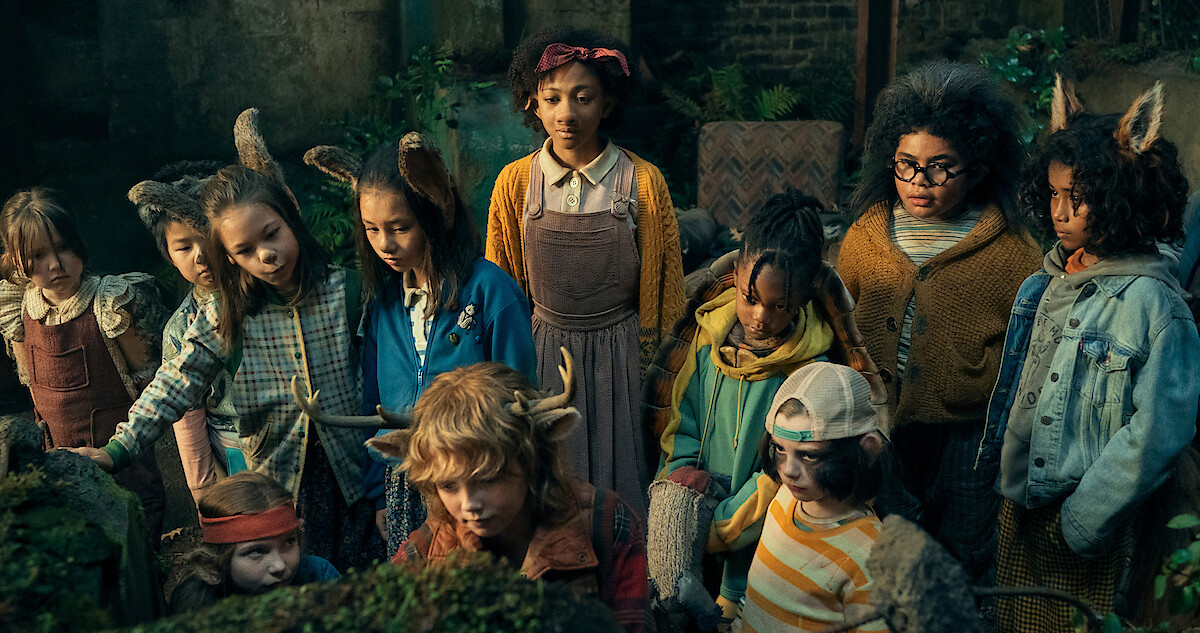
The second season of this live-action adaptation of the Vertigo comic book by Jeff Lemire was just as enjoyable as the first thanks to winning characters like young Gus and other animal/children hybrids and humans trying to survive in a post-apocalyptic world ravaged by a plague and warlords.

5. Gen V

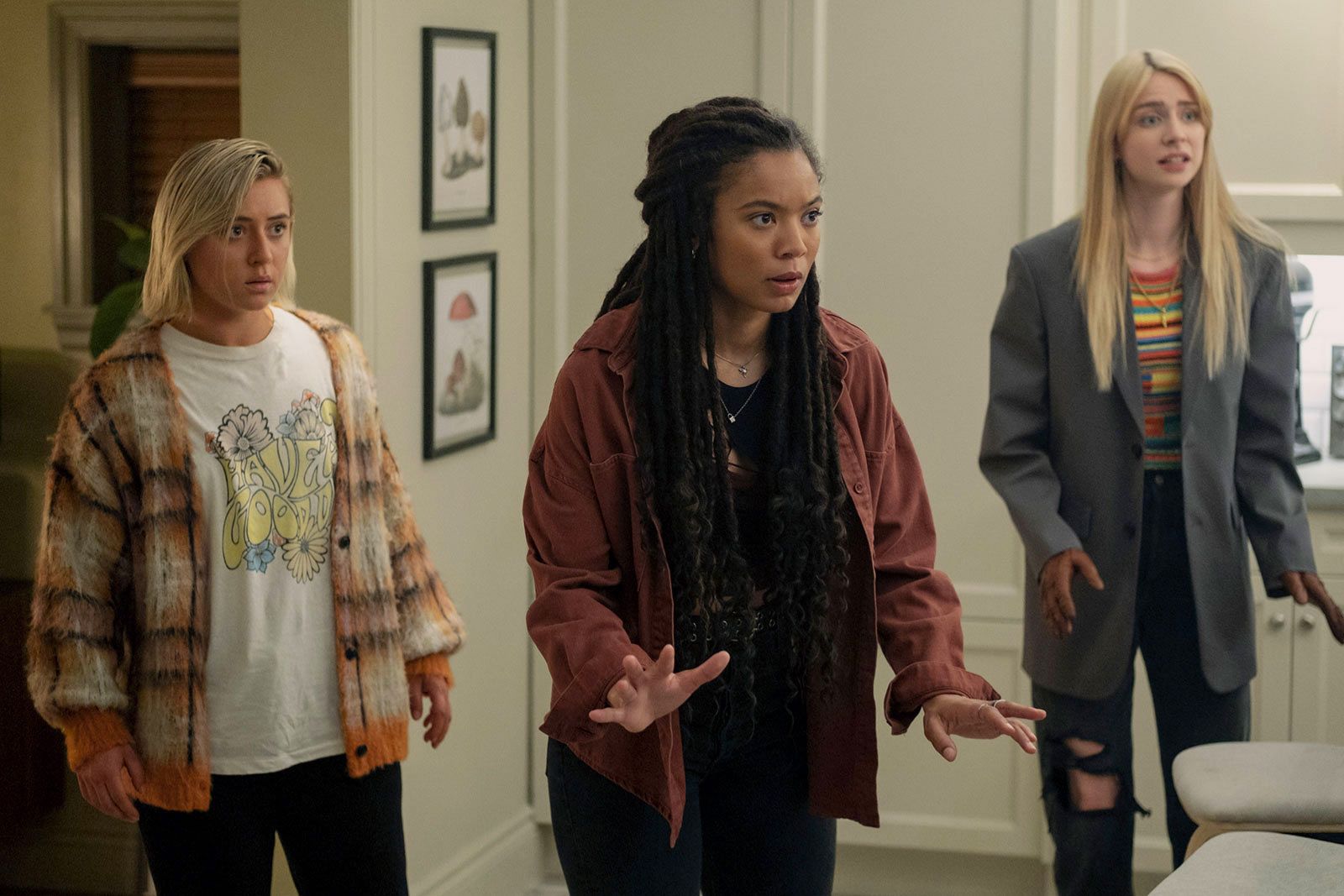
This spinoff of The Boys was much more than a satirical take on the X-Men or the New Mutants. It further fleshed out the world of The Boys and underlined the dark side of supeheroics with relatable characters who suffered with the burden of having super powers and their lives as angst-ridden teenagers.

4. The Last of Us

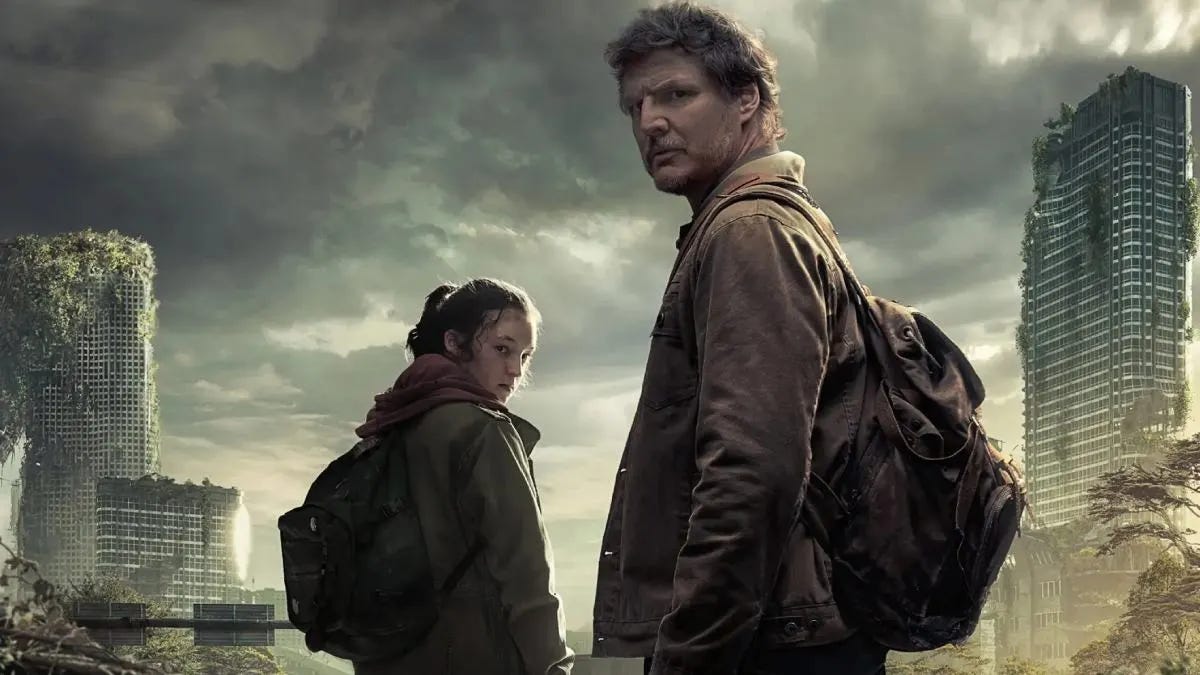
This was a faithful and tense adaptation of the classic video game about a ruthless man protecting a young girl in a world devastated by a plague that turned most of humanity into mindless monsters. The performances were simply brilliant and the scripts truly touched viewers during its explorations of the characters and their relationships in a savage world.

3. Star Trek: Strange New Worlds

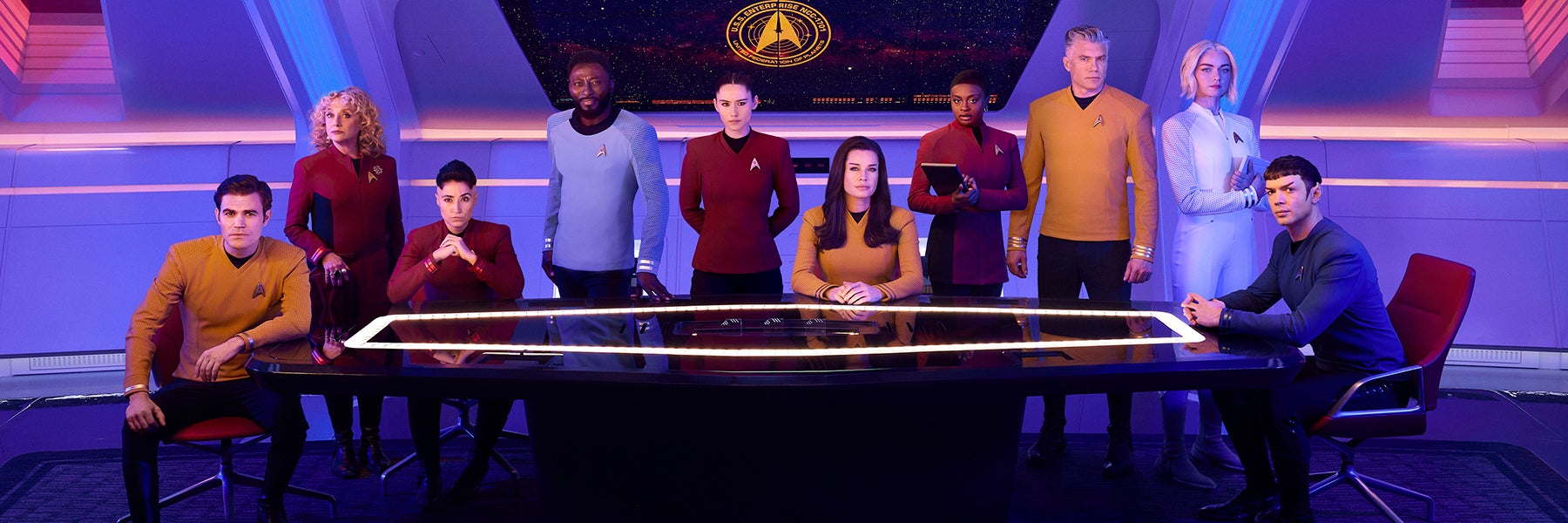
The second season continued the episodic back-to-basics approach to Star Trek with excellent one-off episodes. Star Trek: Strange New Worlds was buoyed by solid scripts and spot-on acting, which made it one of the franchise’s best entries. Even though some of the episodes may have been too bizarre like the musical episode or the one that featured characters from the animated Star Trek: Lower Decks, the season overall was a genuine success.

2. Loki

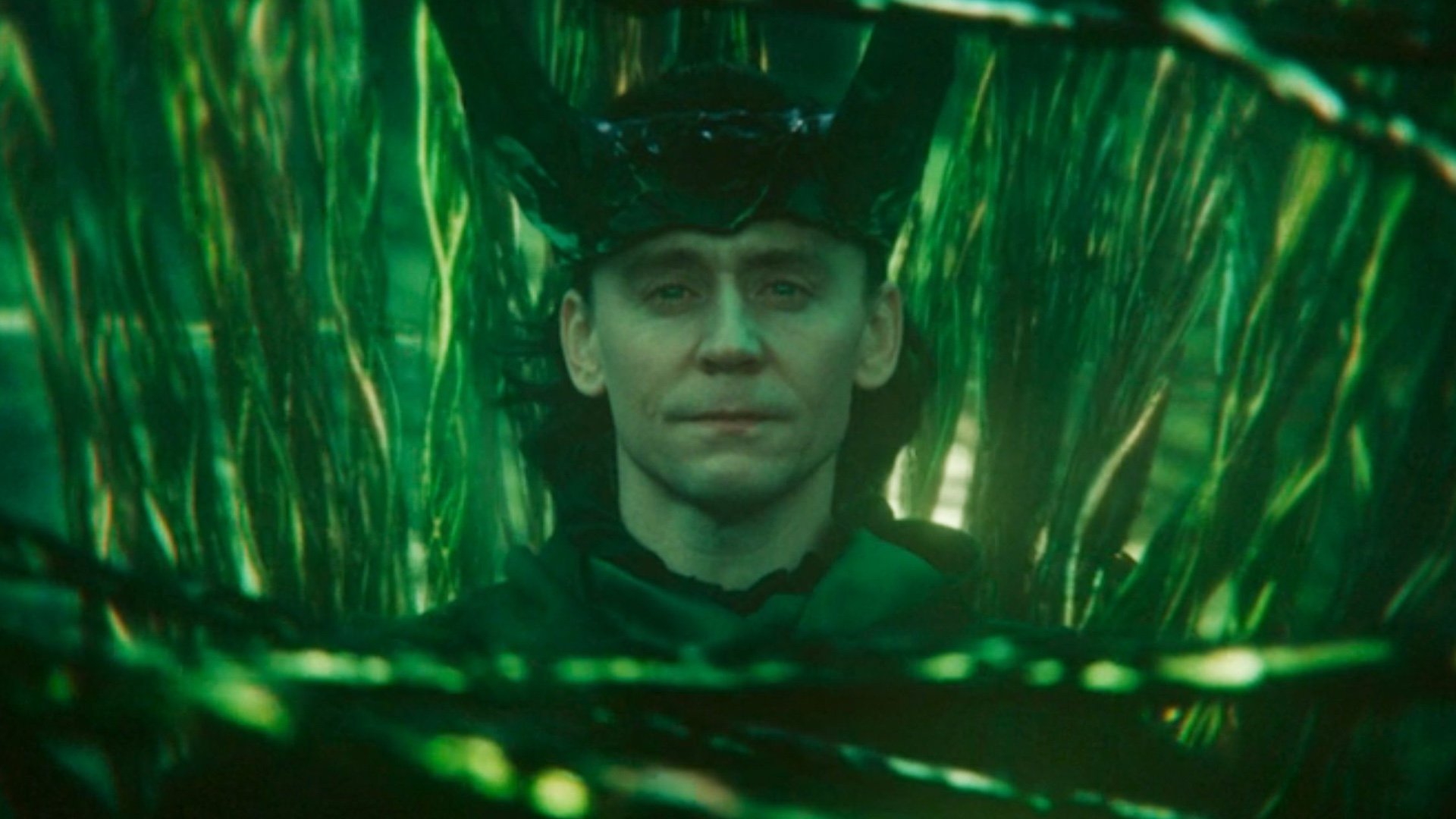
From the first frenetic moments of its premiere episode to the majestic triumph of its last scenes in the season finale, Loki singlehandedly demonstrated that there was still creative life in the MCU, which struggled in 2023.

Highlighted by brain-twisting time travel conundrums and a topnotch cast, the second season of Loki was arguably better than the first as we saw the title character complete his emotional transformation from a petty foe into a mature god burdened with maintaining all of time and reality.

1. Star Trek: Picard

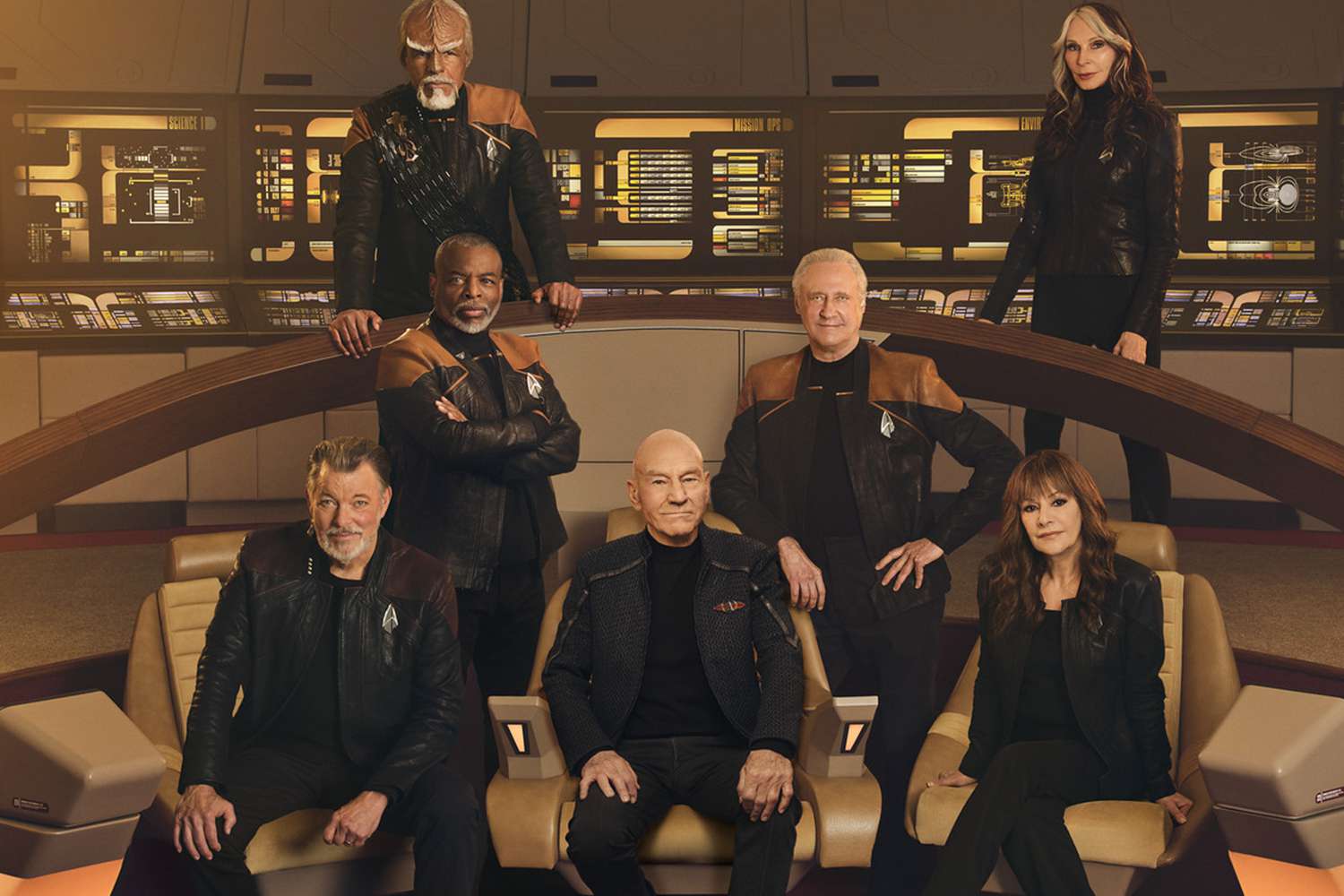
Yes, the third and final season of Star Trek: Picard reveled in memberberries, call backs, Easter eggs and references. But it was much more than that, it was a genuine love letter and tribute to the Star Trek franchise, circa 1990s.

Star Trek: Picard had an engaging and exciting storyline with many twists and turns as it reunited the cast from Star Trek: The Next Generation for one last hurrah to save the United Federation of Planets from an old foe. At the same time, the TV show introduced intriguing new characters that tantalized viewers with potential future adventures. Come on, give us a Star Trek: Legacy show already!

Noteworthy Mentions:

Ahsoka, Black Mirror, the Doctor Who specials, Doom Patrol, Foundation, Harley Quinn, Invincible, La Brea, The Mandalorian, One Piece, Percy Jackson and the Olympians, Primal, Scavengers Reign, Scott PIlgrim Takes Off, Silo, Upload


Celebrating The DCEU

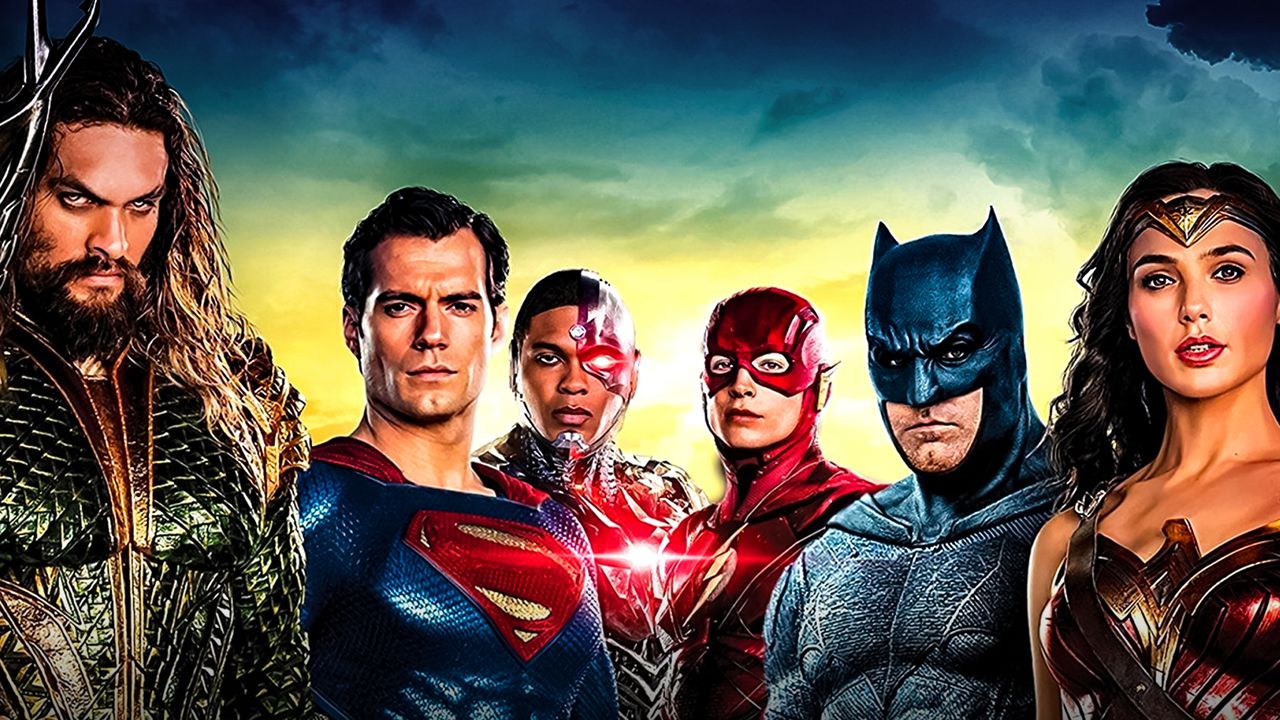
Now that Aquaman and the Lost Kingdom has been released in theaters the DC Extended Universe (DCEU) has come to an end. As Warner Bros.’ answer to the might Marvel Cinematic Universe, the DCEU has had many hurdles that it could not overcome during its ten-year run.  Frankly, it’s a minor miracle that it lasted this long. The issues facing the DCEU have been covered at length and basically, the overall tone of the cinematic universe was all over the place with some truly great films (and one TV show) and some horrendous films. Still, in spite of its problems the DCEU had a lot of merits, which should be brought up as we commemorate the DCEU.

Bold New Takes on Characters

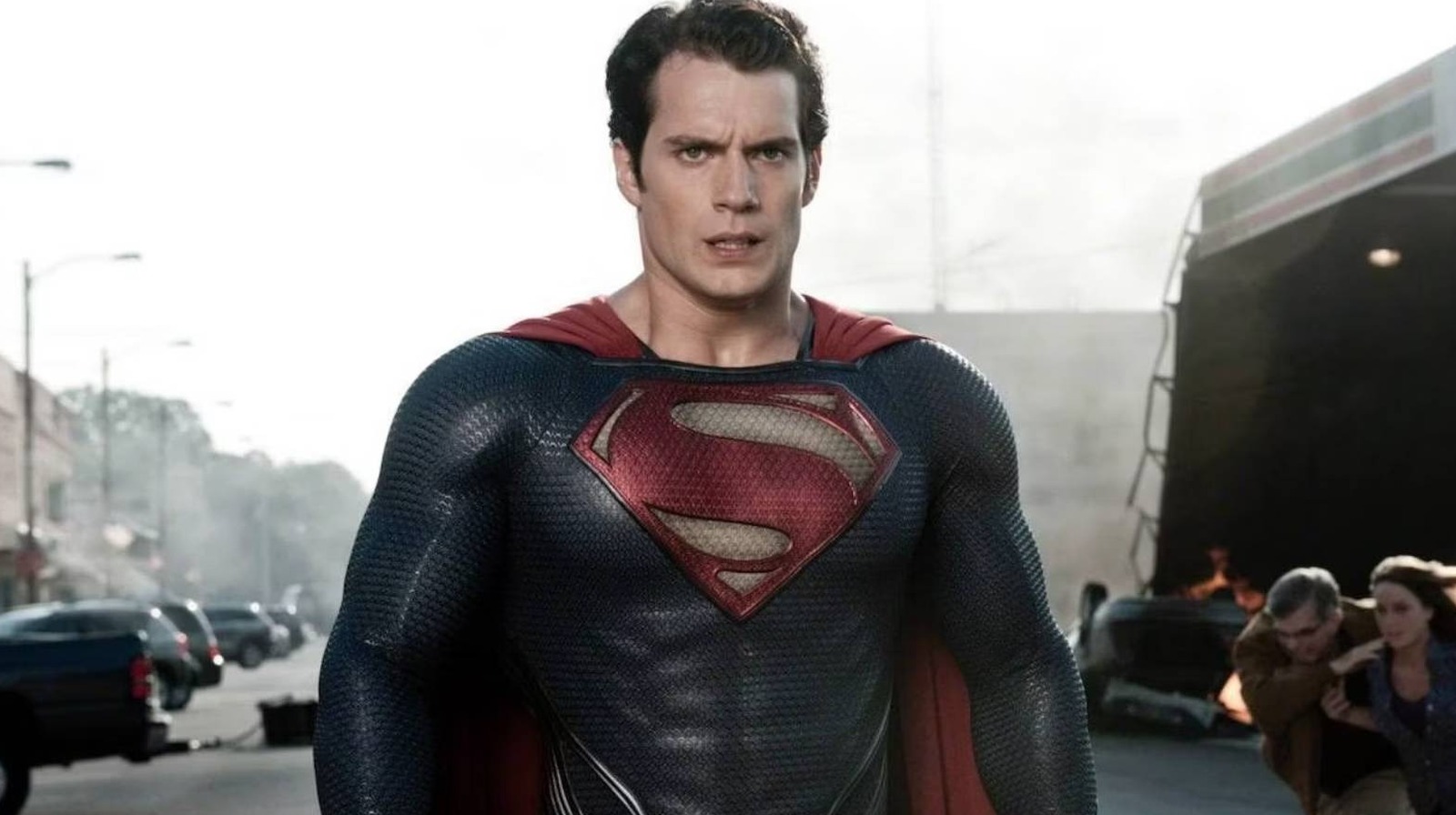
Man of Steel, the first entry in the DCEU, immediately stood apart from traditional Superman films with its darker and more grounded approach to the superhero. This turned off many fans, but others welcomed the refreshing take on the character as it explored the alienation and uncertainty that Superman felt during his emergence as a superhero.

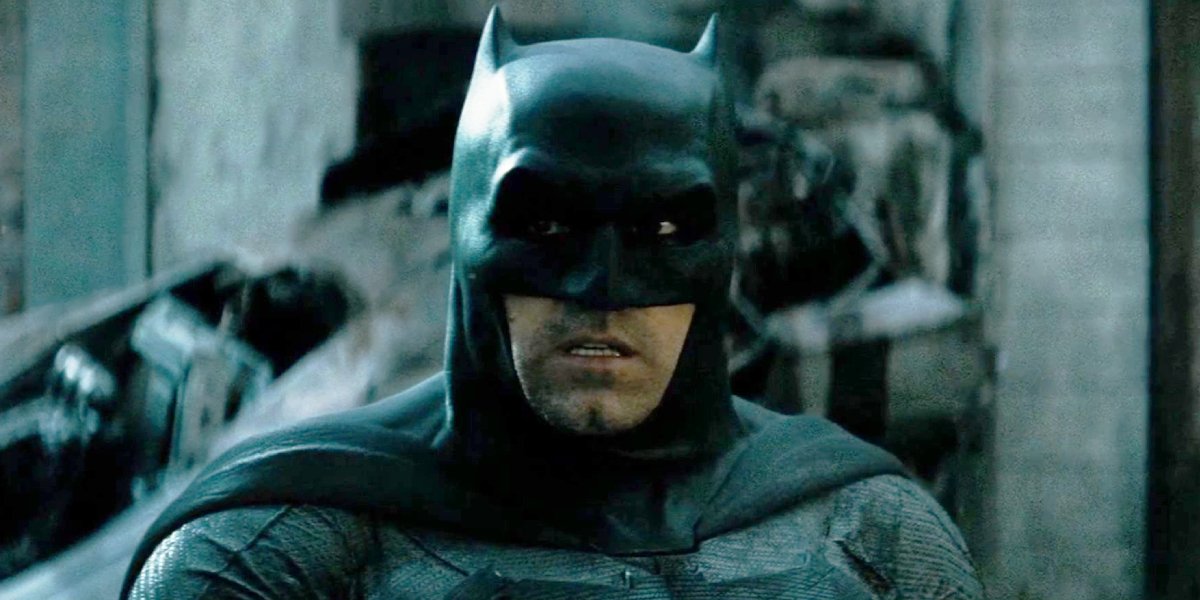
Other characters also had interesting interpretations such as Batman portrayed as a world-weary crusader coming out of semi-retirement and finding a new purpose. Aquaman was reimagined from a being a joke to a formidable warrior with the personality of a surfer dude on hyper steroids. Shazam! presented the title character as an immature teenager reveling in the body of a superpowered adult superhero—the ultimate fantasy for most teenage boys and girls.

Excellent Casting

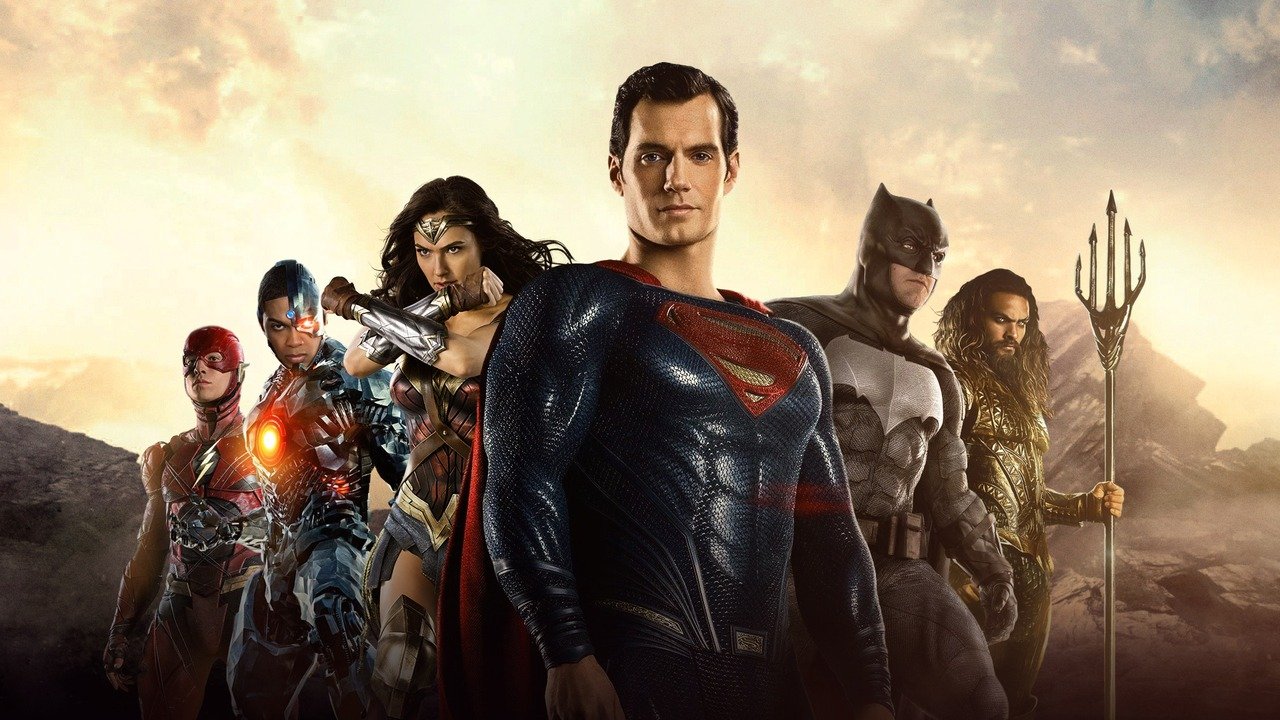
One reason for the successful re-interpretations of the well-known DC characters was the casting. Henry Cavill was so great as Superman, that for many fans his version of the superhero overtook the classic Christopher Reeve interpretation as Cavill’s Superman felt so modern. Jason Momoa’s version of Aquaman turned him into a fun-loving badass.

While many were skeptical of the casting of Ben Affleck as Batman, the actor shocked everyone with a solid performance and now many feel Affleck did the best portrayal of the Dark Knight. Gal Gadot electrified audiences with her portrayal of Wonder Woman and established the Amazonian princess as an inspiring role model. Meanwhile, Margot Robbie infused Harley Quinn with so much manic energy and verve that it is difficult to imagine another actor taking over the role in future DC films.

Electrifying Live-Action Debuts

Many superheroes and villains from the DC comics made spectacular live-action debuts in the DCEU films. The most recent being Blue Beetle;even though the film flopped, it was widely acclaimed for its retro back-to-basics approach with origin superhero films. As mentioned above, Harley Quinn was a bonafide scene stealer whenever she appeared in films, and let’s not forget, the other members of her teams.

The films devoted to the Suicide Squad team introduced audiences to many different DC villains. Anyone tired of the Joker or Lex Luthor being featured in DC films rejoiced at colorful villains such as Captain Boomerang, King Shark, Rat Catcher, Bloodsport and Peacemaker. The debut of these characters fleshed out the DCEU, which did not over-rely on its trinity of legacy characters, i.e Superman, Batman and Wonder Woman.

Distinct Visions

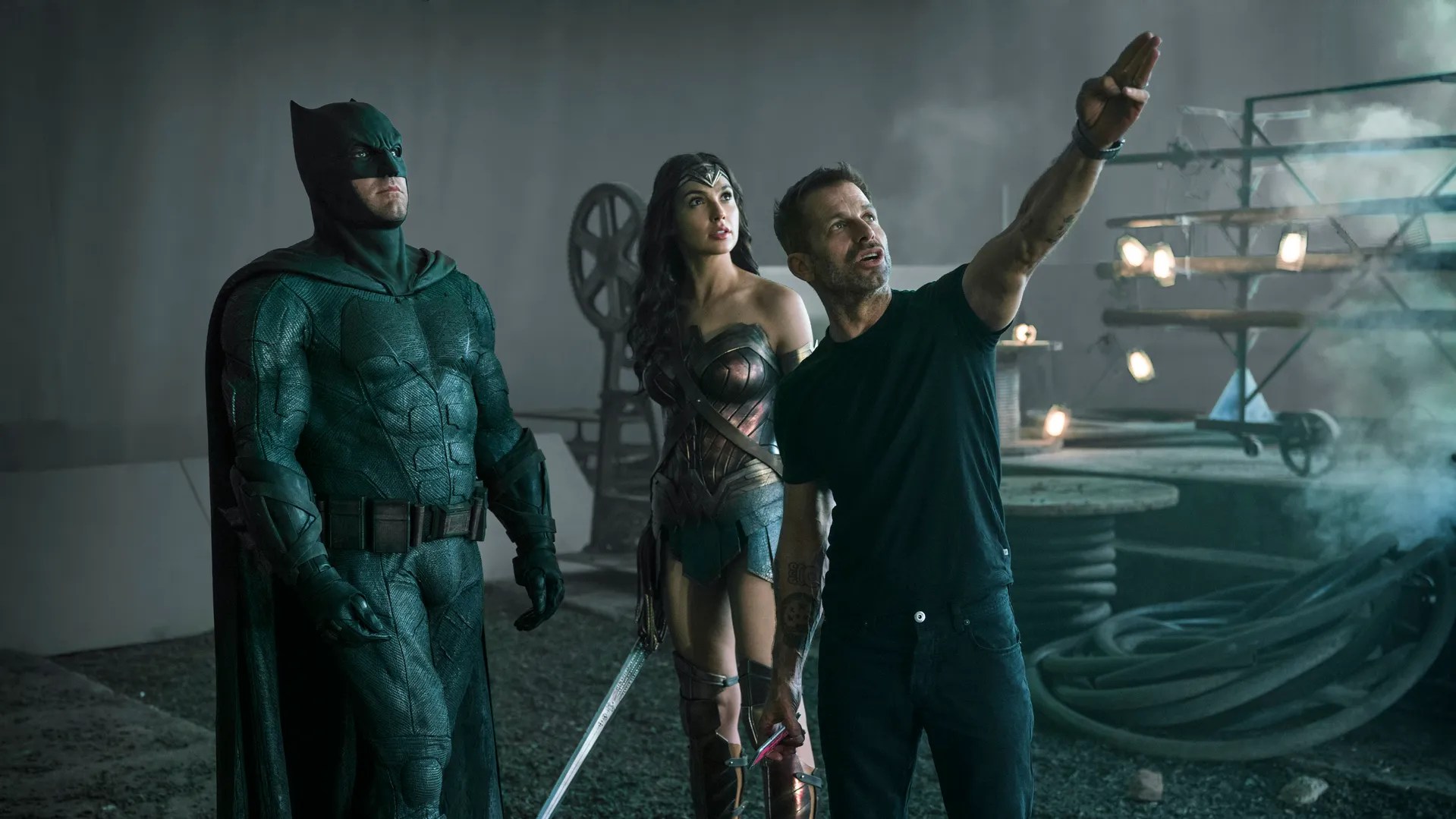
It’s true that the overall tone of the DCEU was inconsistent thanks to Warner Bros. executives who interfered with the films. However, many times the films were injected with distinctive visions from its directors. Zack Snyder established a hyper-realized look to his films which were a hallmark of the early DCEU films. Love or hate the Snyder films, they certainly stood apart visually from other superhero films.

Other directors like James Gunn, James Wan, Patty Jenkins (at least with the first Wonder Woman), David F. Sandberg and Angel Medina Soto infused their films with bright and bold directions, which celebrated the comic book roots of the DC characters. The result was that many of the DCEU films were distinct from other superhero films. This is not a small feat given all the many recent superhero films.

Topnotch Productions & Iconic Scenes

With certain exceptions (see The Flash), the DCEU films have boasted topnotch productions and unforgettable special effects. Some films received notable awards for their productions, including an Academy Award for Best Makeup and Hairstyling for Suicide Squad and a Hugo Award for Best Dramatic Presentation, Long Form for Wonder Woman.  Many scenes, especially those from the Zack Snyder films, featured new and interesting depictions of superpowers, such as the epic airborne fights that took place in Man of Steel and when Superman first learned how to fly in the same film.

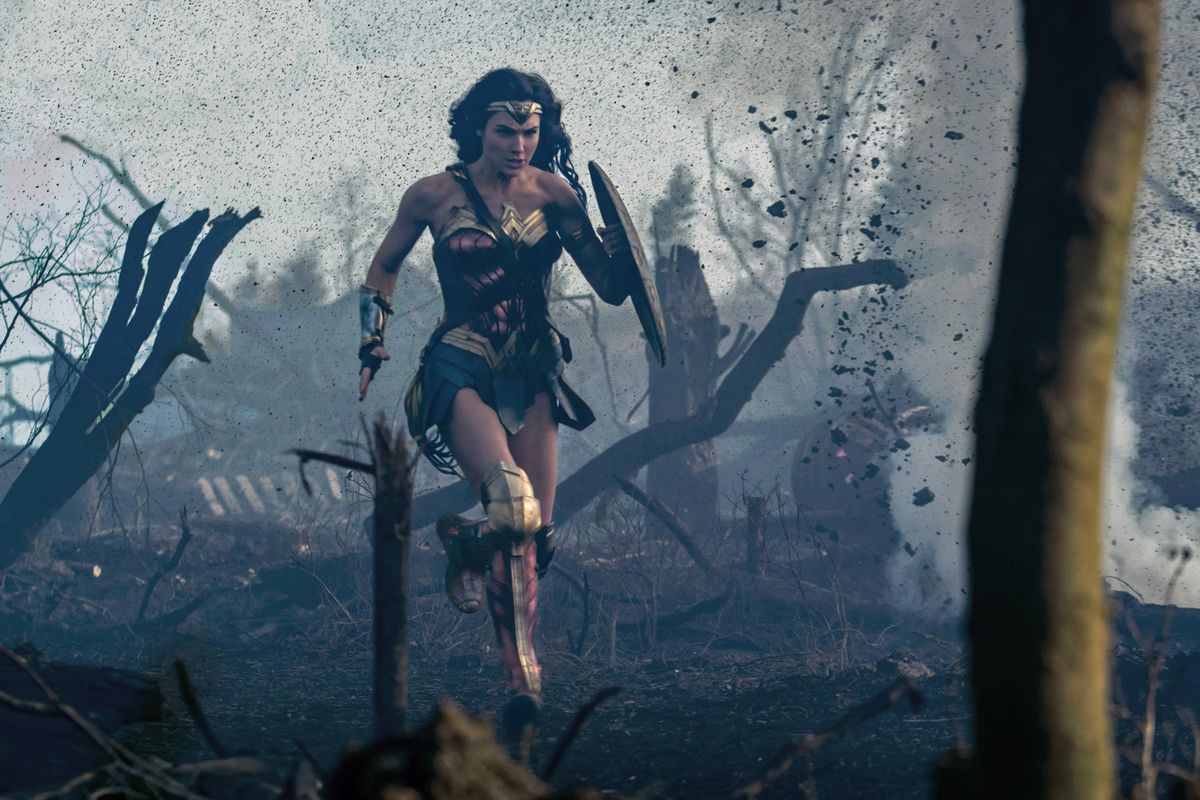
Several scenes from DCEU films were simply iconic like that moment in Wonder Woman when the title hero emerged from the trenches to fight enemy soldiers during World War I. Some other moments were just plain goofy and fun. A great example was a quick moment in Aquaman that featured an octopus playing drums (!). Then there was the madcap nature of The Suicide Squad, which allowed James Gunn to run wild with his imagination.

Despite the fact that many like to focus on the many issues the DCEU had, there was so much to celebrate about the films. In the time before the James Gunn reboot, Superman: Legacy, comes out, it’s a good idea to reflect on the contributions the DCEU films made to superhero films and give them another look.

José Soto

Coming Soon: The DCEU films ranked!

MCU Kang Actor Jonathan Majors Found Guilty

Jonathan Majors, very recently one of the most promising rising actors and best known for his role as Kang the Conqueror in the Marvel Cinematic Universe (MCU), has been found guilty today for assault and harassment in New York City.

Early this year, Majors had been on an upward trajectory with his acting career, winning a lot of acclaim for his many performances. His most prominent genre roles were as Kang/He Who Remains/Victor Timely in Loki and Ant-Man and the Wasp: Quantumania, as well as Atticus Freeman in Lovecraft Country, and Rafe Drummond in Captive State. In March of this year, Majors was arrested for assault after a major domestic dispute with his girlfriend that turned physically violent. This arrest at the time put his future as Kang in doubt, as well as with other acting projects.

Now that he as been found guilty for misdemeanor charges of third-degree assault and second-degree harassment, Marvel Studios and its parent company Disney have already dropped him from his role as Kang and his acting career is over.

Ordinarily this turn of events would have been catastrophic for Marvel Studios and its MCU given that Kang was supposed to be the cinematic universe’s main villain for its upcoming slate of films including Avengers: The Kang Dynasty. However, being that the character is heavily involved with multiverses and variants as seen in Loki and Ant-Man and the Wasp: Quantumania it should be fairly simple for Marvel Studios to recast the role. To satisfy fans who would question why the character looks different going forward, an in-universe explanation could be that a new variant of Kang came into prominence. There is already precedent for other types of Kangs. In a post-credits scene for Ant-Man and the Wasp: Quantumania we witness not just several thousand Kangs but some that were not even human. So, recasting Kang should not be an issue.

It is regrettable that this has happened given Majors’ talent, but he was found guilty and has to pay for his crimes. His acting career is over but after facing justice, Jonathan Majors will have a chance to get the help he needs.

As for Disney and Marvel Studios, this is just another headache they’ve had to contend with and the second time an actor was suddenly not available for a prominent role as we saw when Chadwick Boseman passed away. It is best for Marvel Studios to move on as they already have in order to prevent any more delays with their upcoming MCU projects. But, the best lesson for the studio is to properly vet the actors and other filmmakers to prevent any future controversies with its MCU projects.

Getting back to Kang’s future in the MCU, just because Jonathan Majors can no longer play Kang, this does not mean the character has to be discarded. Kang showed a lot of potential as a captivating villain and the storyline about a rampant multiverse is rather interesting and should be allowed to be concluded in Avengers: The Kang Dynasty. Hopefully, Marvel Studios will find the right person to replace Jonathan Majors and continue with the multiverse storyline.